THE HAVEN OF ST. ELMO
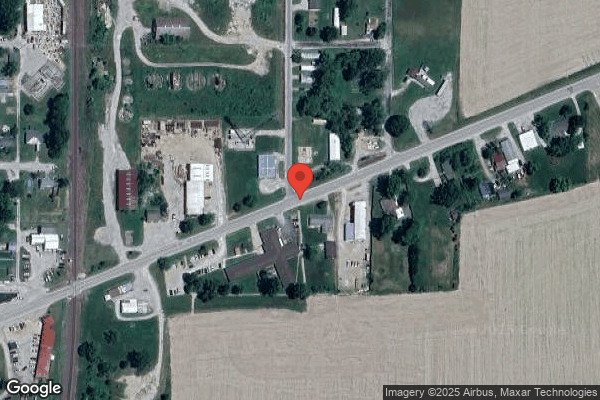
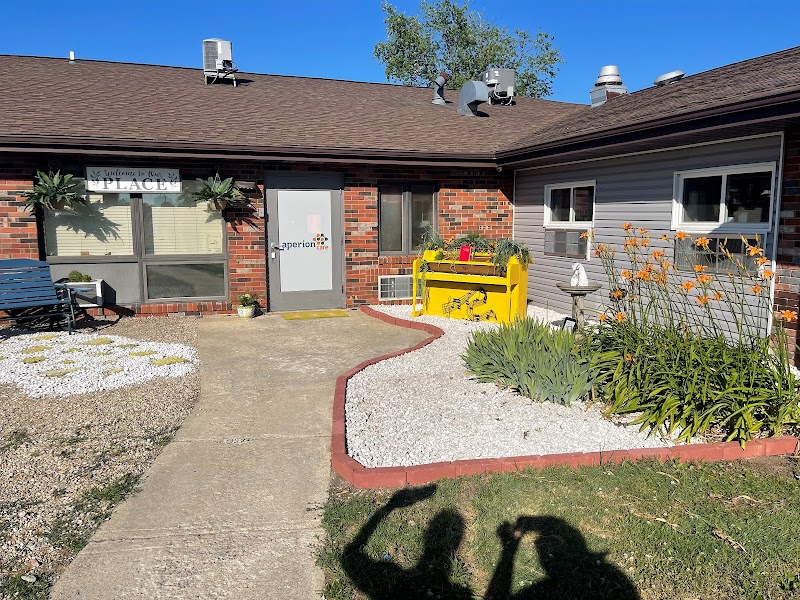
221 EAST CUMBERLAND, ST ELMO, IL 62458 (618) 829-5581
For profit - Corporation 60 Beds HAVEN HEALTHCARE Data: November 2025
Trust Grade
40/100
#650 of 665 in IL
Last Inspection: May 2025

Inspected within the last 6 months. Data reflects current conditions.

Overview

The Haven of St. Elmo has a Trust Grade of D, which means it is below average and has some concerning issues. In Illinois, it ranks #650 out of 665, placing it in the bottom half of facilities, and #2 out of 3 in Fayette County, indicating only one local option is better. The facility is worsening, with the number of issues increasing from 9 in 2024 to 10 in 2025. Staffing is a strength, with a turnover rate of 0%, meaning staff members tend to stay, which is much better than the state average of 46%. The facility has no fines on record, which is a positive sign, but it does have average RN coverage, which is important for catching problems early. Recent incidents include a resident being transferred without the required assistance, putting them at risk of falling, and delays in administering medication for diabetes, which could lead to serious health issues. While the staffing situation is favorable, the rising number of health issues and specific incidents of concern should be taken into account when considering this nursing home.

Trust Score
D
40/100
In Illinois
#650/665
Bottom 3%
Safety Record
Moderate
Needs review
Inspections
Getting Worse
9 → 10 violations
Staff Stability
○ Average
Turnover data not reported for this facility.
Penalties
✓ Good
No fines on record. Clean compliance history, better than most Illinois facilities.
Skilled Nurses
⚠ Watch
Each resident gets only 25 minutes of Registered Nurse (RN) attention daily — below average for Illinois. Fewer RN minutes means fewer trained eyes watching for problems.
Violations
⚠ Watch
20 deficiencies on record. Higher than average. Multiple issues found across inspections.
★☆☆☆☆
1.0
Overall Rating
★☆☆☆☆
1.0
Staff Levels
★☆☆☆☆
1.0
Care Quality
★★★☆☆
3.0
Inspection Score
Stable
2024: 9 issues
2025: 10 issues

The Good

  • Full Sprinkler Coverage · Fire safety systems throughout facility
  • No fines on record

Facility shows strength in fire safety.

The Bad

1-Star Overall Rating

Below Illinois average (2.5)

Significant quality concerns identified by CMS

Chain: HAVEN HEALTHCARE

Part of a multi-facility chain

Ask about local staffing decisions and management

The Ugly 20 deficiencies on record

1 actual harm
Aug 2025 3 deficiencies
CONCERN (D) 📢 Someone Reported This

A family member, employee, or ombudsman was alarmed enough to file a formal complaint

Potential for Harm - no one hurt, but risky conditions existed

Pressure Ulcer Prevention (Tag F0686)

Could have caused harm · This affected 1 resident

**NOTE- TERMS IN BRACKETS HAVE BEEN EDITED TO PROTECT CONFIDENTIALITY** Based on interview and record review the facility failed to follow physician orders for administration of treatments to wounds f...

Read full inspector narrative →
**NOTE- TERMS IN BRACKETS HAVE BEEN EDITED TO PROTECT CONFIDENTIALITY** Based on interview and record review the facility failed to follow physician orders for administration of treatments to wounds for 1 of 3 (R1) residents reviewed for pressure ulcers in the sample of 11. Finding include:R1's admission Record with a print date of 8/21/25 documents R1 was admitted to the facility on [DATE] with diagnoses that include metabolic encephalopathy, adult failure to thrive, mild protein calorie malnutrition, diabetes mellitus, mild intellectual disability, anemia, cognitive communication deficit, hemiplegia, hemiparesis, history of falls, edema, dementia, and peripheral vascular disease. R1's Minimum Data Set (MDS) dated [DATE] documents a Brief Interview for Mental Status (BIMS) score of 07, indicating a severe cognitive deficit. This same MDS documents R1 is dependent on staff for bed mobility and transfers. This MDS documents R1 has current pressure ulcers and is at risk of developing pressure ulcers. R1's current Care Plan documents Focus areas of, The resident has Stage 2 pressure ulcer left and right buttocks or potential for pressure ulcer development r/t (related to) Hx (history) of ulcers. Date Initiated: 06/30/2025. This Focus area includes interventions of, Administer treatments as ordered and monitor for effectiveness. Date Initiated: 06/30/2025 . Follow facility policies/protocols for the preventions/treatment of skin breakdown. Date Initiated: 06/30/2025 The resident requires a low air loss mattress et (and) w/c (wheelchair) cushion on bed et w/c Date Initiated: 06/30/2025 This same Care Plan documents a Focus area of The resident has diabetic ulcer of the Lt (left) heel r/t diabetes. Date Initiated: 06/05/2025. This Focus area includes interventions of, Heel boots at all times Treatments as per order. Follow up with Wound Care Physician as scheduled. Monitor for s/s (signs/symptoms) of infections until healed. Date Initiated: 06/05/2025 .Wound Dressing Lt Heel. Treatment as per order. Date Initiated: 06/05/2025 R1's Wound Specialist (V6) note dated 6/9/25 documents, Patient with PMH (past medical history): L (left) side ischemic CVA (cerebrovascular accident), anemia, HTN (hypertension), hypercholesterolemia, sepsis, UTI (urinary tract infection), HTN, DM2 (diabetes mellitus), failure to thrive, left carotid stenosis, who presents for evaluation and management of wound. Significant contributors for increased risk of wound incidence and/or imped healing include but not limited to diabetic and vascular complicating factors, generalized muscle weakness, impaired mobility, and inevitable effects of aging This Wound Specialist note documents under Wound Assessment(s) Wound #1 Left, Posterior Heel is an acute Deep Tissue Pressure Injury persistent non-blanchable deep red, maroon or purple discoloration Pressure ulcer acquired 6/3/2025 and has received a status of Not Healed measurements 2.3 cm (centimeters) length x 1 cm width with no measurable dept no slough and no eschar present Wound Orders: Wound #1 Left, Posterior Heel. Cleanse wound with: wound cleanser. Topical Treatment: Apply betadine, Primary Dressing/Apply: Bordered gauze Treatment Goals: Patient Assessment and Chronic Contributing Conditions: Due to the medical complexity of this patient any skin breakdown is a clinically expected outcome. Assessment: Healing is expected to be delayed due to identified barriers to healing. Barrier(s) to healing: Dementia/Impaired cognition. Diabetes, Impaired mobility, Inevitable effect(s) of aging. Malnutrition, Vascular issues R1's Order Recap Report dated 6/1/25 to 8/31/25 documents a physician order for Left ext (exterior) heel- Betadine daily leave OTA (open to air) every day shift for Diabetic Foot ulcer Start Date 06/05/2025. R1's Treatment Administration Records (TAR) dated 6/1/25 to 6/30/25 documents a physician order of, left ext heel- betadine daily leave OTA every day shift for Diabetic Foot ulcer Start Dated 06/05/2025.D/C (discontinue) Date: 06/24/2025. On 8/21/25 at 2:05 PM, V4 (Assistant Director of Nurse/ADON) stated she wasn't sure why V6 (Wound Specialist) progress note documented an order to cover the wound on the left heel with a border foam dressing. V4 stated when they did the treatment with V6 they left it open to air. V4 stated she should have clarified the order. R1's Wound Specialist note dated 6/23/25 documents under Wound Assessments, .Wound #2 Buttock gluteal fold is an acute Partial Thickness Dermatologic/Rash acquired on 06/16/2025 and has received a status of Not Healed measurements are 7.5 cm length x 8 cm width x 0.01 cm depth .no slough and no eschar present. The wound is improving .Wound Orders: Wound #2 Buttock gluteal fold, Cleanse wound with: Wound cleanser .Apply barrier cream/ointment daily .Additional Orders: .Barrier cream/ointment 3 x (times) per day and after incontinent episodes Due to the medical complexity of this patient any skin breakdown is a clinically expected outcome .R1's Order Recap Report dated 6/1/2025 to 8/31/2025 documents the following physician orders, Buttocks- apply A & D ointment q (every) shift et (and) after incont (incontinent) everyday and night shift for MASD (moisture associated skin damage .Start date 06/17/25 .R1's TAR dated 06/01/2025 to 06/30/2025 documents a physician order of, Buttocks- MASD- apply A & D ointment q shift et (and) after incont (incontinence) every day and night shift for MASD Start Date: 06/17/2025 This TAR documents initials indicating the ointment was administered twice daily. On 8/21/25 at 2:05 PM, V4 (ADON) stated the barrier cream the facility uses is A & D ointment. V4 stated R1's physician order was to apply the ointment every day and night shift. After reviewing R1's Wound Specialist notes documenting the order to apply the barrier cream three times daily, with V4 she stated the facility nursing staff works 12 hour shifts so the facility only has two shifts. V4 stated she should have clarified the order. R1's TAR dated 6/1/2025 to 6/30/2025 documents a physician order for Silver sulfadiazine External Cream 1 % (Silver Sulfadiazine/SSD) Apply to buttocks topically every day and night shift for preventative. Start Date: 06/03/2025 D/C Date: 06/17/2025. R1's Wound Specialist progress note dated 7/7/25 documents under Wound Assessments, .Wound #2 Buttock gluteal fold is an acute Partial Thickness Dematologic/Rash acquired on 06/16/2025 and has received a status of Not Healed .measurements are 3.8 cm length x 6.5 cm width x 0.01 cm depth .The wound is improving. Under Wound Orders this progress note documents the following order, Apply barrier cream/ointment .Bordered foam or ABD (abdominal pads) with tape .R1's TAR dated 7/1/25 to 7/31/25 documents a physician order of, Silver Sulfadiazine Cream 1% apply to left et (and) rt (right) buttocks topically every day shift for stage 2 pressure ulcer cover with comfort foam dressing. Start Date: 07/07/2025 D/C Date 07/14/25 there are initials indicating this treatment was administered on 7/7, 7/9, 7/10, 7/12, and 7/13/25. There is no physician order documented for Silver Sulfadiazine treatment on R1's Wound Specialist progress notes. On 8/12/25 at 2:05 PM, after reviewing R1's 6/1 to 6/30/25 TAR with V4 (ADON) this surveyor asked where the order for the SSD came from since it wasn't documented on R1's Wound Specialist progress notes, V4 (ADON) stated V6 (Wound Specialist) told her to apply SSD to R1's buttocks while he was at the facility assessing R1. V4 stated she didn't know why it wasn't documented as an order on V6's notes. After reviewing R1's 7/1 to 7/31/25 Wound Specialist notes with V4, this surveyor asked where the order for the SSD came from since it wasn't documented on R1's Wound Specialist progress note and V4 stated she wasn't sure why the SSD remained on R1's 7/1-7/31/25 TAR. On 8/21/25 at 12:28 PM, V6 (Wound Specialist) stated he treated R1's wounds/pressure ulcers. V6 stated when he assessed R1's areas the facility implemented interventions to prevent breakdown and promote healing. V6 stated R1's wounds were a combination of pressure and diabetic/arterial wounds. V6 stated with R1's mental status and comorbidities he didn't think the areas of skin breakdown were avoidable. V6 stated R1 didn't like to keep the heel protectors in place, she was very thin, she wasn't eating well, and she had loose stools. V6 stated not getting the treatments as he ordered could have a negative impact on the healing process but he wasn't sure how significant the errors that occurred would have been. V6 stated he assessed R1's wounds on 8/11/25 and there was no signs/symptoms of infection. V6 stated with R1's age and overall physical condition he didn't believe she had the physiological ability to heal the pressure ulcer to her left heel.
CONCERN (D) 📢 Someone Reported This

A family member, employee, or ombudsman was alarmed enough to file a formal complaint

Potential for Harm - no one hurt, but risky conditions existed

Pharmacy Services (Tag F0755)

Could have caused harm · This affected 1 resident

**NOTE- TERMS IN BRACKETS HAVE BEEN EDITED TO PROTECT CONFIDENTIALITY** Based on interview and record review the facility failed to ensure medications were administered in the time frame ordered for 3...

Read full inspector narrative →
**NOTE- TERMS IN BRACKETS HAVE BEEN EDITED TO PROTECT CONFIDENTIALITY** Based on interview and record review the facility failed to ensure medications were administered in the time frame ordered for 3 of 3 (R1, R2, and R3) residents reviewed for medication administration in the sample of 11. Findings include:1.R1's admission Record with a print date of 8/21/25 documents R1 was admitted to the facility on [DATE] with diagnoses that include metabolic encephalopathy, adult failure to thrive, mild protein calorie malnutrition, diabetes mellitus, mild intellectual disability, anemia, cognitive communication deficit, hemiplegia, hemiparesis, history of falls, edema, dementia, and peripheral vascular disease. R1's Minimum Data Set (MDS) dated [DATE] documents a Brief Interview for Mental Status (BIMS) score of 07, indicating a severe cognitive deficit. R1's Order Recap Report dated 6/1/25 to 8/31/25 includes the following physician orders. Insulin Glargine subcutaneous solution 100 unit/ml (milliliters) (Insulin Glargine) Inject 5 unit subcutaneously at bedtime related to Type 2 Diabetes Mellitus with Hyperglycemia .Start Date: 07/04/2025 .The facility Medication Admin Audit Report dated 8/1/25 to 8/21/25 documents R1's Insulin Glargine ordered to be administered at bedtime was administered late on 8/4/25, 8/7/25, 8/15/25, and 8/17/25. 2. R2's admission Record with a print date of 8/21/25 documents R2 was admitted to the facility on [DATE] with diagnoses that include muscular dystrophy, methicillin resistant staphylococcus aureus, diabetes, quadriplegia, anemia, depression, hypertension, colostomy, and acquired absence of right and left leg below the knee. R2's MDS dated [DATE] documents a BIMS score of 14, indicating R2 is cognitively intact. R2's Order Summary Report Active Orders as of 8/21/25 includes the following physician orders. Insulin Glargine solution Pen-injector 100 unit/ml Inject 70 unit two times a day for diabetes. Start Date: 07/17/2025 .Colestid Oral Tablet .Give 1 tablet by mouth two times a day related to hyperlipidemia. Start Date 06/28/25 .Enoxaparin Sodium Injection Prefilled Syringe Kit 40 mg (milligrams)/0.4 ml .Inject 40 milligram intramuscularly at bedtime for Prophylaxis .Start Date: 06/28/2025 .Sertraline HCL Oral Tablet 100 mg .Give 100 mg by mouth at bedtime for depression .Start Date: 06/28/2025 .Melatonin Oral tablet 3 mg .Give 4.5 mg by mouth at bedtime for insomnia .Start Date: 06/28/2025 Apixaban Oral Tablet 5 mg .Give 1 tablet by mouth two times a day for Blood Thinner .Start Date 08/13/2025 .Metoprolol Tartrate Oral Tablet 25 mg .Give 0.5 tablet by mouth two times a day related to Essential (Primary) Hypertension .Start Date: 08/20/2025 Trazadone HCL Oral Tablet 50 mg .Give 1 tablet by mouth at bedtime for sleep .Start Date: 08/13/2025 Potassium Chloride ER Tablet Extended Release 20 MEQ (milliequivalent) Give 1 tablet by mouth two times a day for hypokalemia .Start Date: 08/13/2025 The facility Medication Admin Audit Report dated 8/1/25 to 8/21/25 documents the following medications were administered late to R2 1.Insulin Glargine on 8/2 - 8/5, 8/9 - 8/11, 8/14 - 8/16, 8/18, 8/19, and 8/21/25. 2. Colestid on 8/2 - 8/5, 8/9 - 8/11, and 8/13 - 8/20. 3. Enoxaparin on 8/5, 8/13, 8/14, 8/19, and 8/20. 4. Sertraline on 8/5, 8/14, 8/18, 8/19, and 8/21. 5. Melatonin on 8/5, 8/13, 8/14, 8/18, 8/19, and 8/20. 6. Apixaban on 8/13-8/19. 7. Metoprolol on 8/13 - 8/18 and 8/20. 8. Trazadone on 8/13, 8/14, and 8/17. 8. Potassium Chloride on 8/13- 8/16, 8/18 - 8/20. 3. R3's admission Record with a print date of 8/21/25 documents R3 was admitted to the facility on [DATE] with diagnoses that include paraplegia, immobility syndrome, vitamin deficiency, Alzheimer's disease, and peripheral vascular disease. R3's MDS dated [DATE] documents a BIMS score of 13, indicating R3 is cognitively intact. R3's Order Summary Report dated 8/21/25 includes the following orders, Keppra Oral Tablet 1000 MG . Give 1000 mg by mouth at bedtime for unspecified convulsions .Start Date: 4/11/2025 .hydroxyzine HCL Oral Tablet 25 mg .Give 25 mg by mouth at bedtime for anxiety disorder Start Date 04/11/2025 .Aricept Oral Tablet 10 mg .Give 10 mg by mouth at bedtime for dementia .Start Date: 04/11/2025 . Trazadone HCL Oral Tablet 50 mg .Give 0.5 tablet by mouth at bedtime for depression Start Date: 04/11/2025 Divalproex Sodium Oral Tablet Delayed Release 125 mg .Give 125 mg by mouth at bedtime for unspecified convulsions .Start Date: 04/11/2025 .Mucinex Oral Tablet Extended Release 12 Hour .Give 1 tablet by mouth at bedtime for cough/congestion .Start Date: 04/11/2025 .Levothyroxine Sodium Oral Tablet 125 mcg (micrograms) .Give 125 mcg by mouth in the morning for hypothyroid .Start Date: 04/11/2025 .The facility Medication Admin Audit Report dated 8/1/25 to 8/21/25 documents the following medications were administered late to R3. 1. Keppra on 8/3 and 8/15, 2. hydroxyzine on 8/3, 8/15, 8/16, and 8/18, 3. Aricept on 8/3 and 8/15, 4. trazadone on 8/3 and 8/15, 5. divalproex on 8/3 and 8/15, 6. Mucinex on 8/3 and 8/15, 7. levothyroxine on 8/16 and 8/18/25. On 8/21/25 at 8:16 AM, V7 (Registered Nurse/RN) stated they don't have enough staff to meet the needs of the residents timely. V7 stated she works night shift and the bedtime medications (8 pm and 9 pm) don't get administered until 10 pm or 11pm. V7 stated there are 46 residents with three currently in the hospital. V7 stated she has four medication administration passes on night shift (two full and two partial). V7 stated they have three Certified Nurses working on night shift and one nurse. On 8/21/25 at 3:40 PM, V8 (Licensed Practical Nurse/LPN) stated she worked night shift and she was late administering medications at times because they only had one nurse for the 46 residents and she wasn't able to get all of the medications administered in the allowable time frame. On 8/21/25 at 2:32 PM, V2 (Director of Nurses/DON) stated they have one nurse on night shift and two on day shift. V2 stated she wasn't aware medications were not being administered within the ordered time frame until this surveyor asked for the report. V2 stated she thought they had enough staff but need to work on communication and some other things. The facility Medication Administration Policy dated 10/25/2014 documents, Medications are administered as prescribed in accordance with good nursing principles and practices and only by persons legally authorized to do so . Five Rights- Right resident, right drug, right dose, right route and right time, are applied for each medication being administered
CONCERN (F) 📢 Someone Reported This

A family member, employee, or ombudsman was alarmed enough to file a formal complaint

Potential for Harm - no one hurt, but risky conditions existed

Deficiency F0725 (Tag F0725)

Could have caused harm · This affected most or all residents

**NOTE- TERMS IN BRACKETS HAVE BEEN EDITED TO PROTECT CONFIDENTIALITY** Based on interview and record review the facility failed to ensure sufficient staff to meet the needs of the residents timely. T...

Read full inspector narrative →
**NOTE- TERMS IN BRACKETS HAVE BEEN EDITED TO PROTECT CONFIDENTIALITY** Based on interview and record review the facility failed to ensure sufficient staff to meet the needs of the residents timely. This failure has the potential to affect all 46 residents currently residing at the facility. Findings include:1.R1's admission Record with a print date of 8/21/25 documents R1 was admitted to the facility on [DATE] with diagnoses that include metabolic encephalopathy, adult failure to thrive, mild protein calorie malnutrition, diabetes mellitus, mild intellectual disability, anemia, cognitive communication deficit, hemiplegia, hemiparesis, history of falls, edema, dementia, and peripheral vascular disease. R1's Minimum Data Set (MDS) dated [DATE] documents a Brief Interview for Mental Status (BIMS) score of 07, indicating a severe cognitive deficit. R1's Order Recap Report dated 6/1/25 to 8/31/25 includes the following physician orders. Insulin Glargine subcutaneous solution 100 unit/ml (milliliters) (Insulin Glargine) Inject 5 unit subcutaneously at bedtime related to Type 2 Diabetes Mellitus with Hyperglycemia .Start Date: 07/04/2025 .The facility Medication Admin Audit Report dated 8/1/25 to 8/21/25 documents R1's Insulin Glargine ordered to be administered at bedtime was administered late on 8/4/25, 8/7/25, 8/15/25, and 8/17/25. 2. R2's admission Record with a print date of 8/21/25 documents R2 was admitted to the facility on [DATE] with diagnoses that include muscular dystrophy, methicillin resistant staphylococcus aureus, diabetes, quadriplegia, anemia, depression, hypertension, colostomy, and acquired absence of right and left leg below the knee. R2's MDS dated [DATE] documents a BIMS score of 14, indicating R2 is cognitively intact. R2's Order Summary Report Active Orders as of 8/21/25 includes the following physician orders. Insulin Glargine solution Pen-injector 100 unit/ml Inject 70 unit two times a day for diabetes. Start Date: 07/17/2025 .Colestid Oral Tablet .Give 1 tablet by mouth two times a day related to hyperlipidemia. Start Date 06/28/25 .Enoxaparin Sodium Injection Prefilled Syringe Kit 40 mg (milligrams)/0.4 ml .Inject 40 milligram intramuscularly at bedtime for Prophylaxis .Start Date: 06/28/2025 .Sertraline HCL Oral Tablet 100 mg .Give 100 mg by mouth at bedtime for depression .Start Date: 06/28/2025 .Melatonin Oral tablet 3 mg .Give 4.5 mg by mouth at bedtime for insomnia .Start Date: 06/28/2025 Apixaban Oral Tablet 5 mg .Give 1 tablet by mouth two times a day for Blood Thinner .Start Date 08/13/2025 .Metoprolol Tartrate Oral Tablet 25 mg .Give 0.5 tablet by mouth two times a day related to Essential (Primary) Hypertension .Start Date: 08/20/2025 Trazadone HCL Oral Tablet 50 mg .Give 1 tablet by mouth at bedtime for sleep .Start Date: 08/13/2025 Potassium Chloride ER Tablet Extended Release 20 MEQ (milliequivalent) Give 1 tablet by mouth two times a day for hypokalemia .Start Date: 08/13/2025 The facility Medication Admin Audit Report dated 8/1/25 to 8/21/25 documents the following medications were administered late to R2 1.Insulin Glargine on 8/2 - 8/5, 8/9 - 8/11, 8/14 - 8/16, 8/18, 8/19, and 8/21/25. 2. Colestid on 8/2 - 8/5, 8/9 - 8/11, and 8/13 - 8/20. 3. Enoxaparin on 8/5, 8/13, 8/14, 8/19, and 8/20. 4. Sertraline on 8/5, 8/14, 8/18, 8/19, and 8/21. 5. Melatonin on 8/5, 8/13, 8/14, 8/18, 8/19, and 8/20. 6. Apixaban on 8/13-8/19. 7. Metoprolol on 8/13 - 8/18 and 8/20. 8. Trazadone on 8/13, 8/14, and 8/17. 8. Potassium Chloride on 8/13- 8/16, 8/18 - 8/20. 3. R3's admission Record with a print date of 8/21/25 documents R3 was admitted to the facility on [DATE] with diagnoses that include paraplegia, immobility syndrome, vitamin deficiency, Alzheimer's disease, and peripheral vascular disease. R3's MDS dated [DATE] documents a BIMS score of 13, indicating R3 is cognitively intact. R3's Order Summary Report dated 8/21/25 includes the following orders, Keppra Oral Tablet 1000 MG . Give 1000 mg by mouth at bedtime for unspecified convulsions .Start Date: 4/11/2025 .hydroxyzine HCL Oral Tablet 25 mg .Give 25 mg by mouth at bedtime for anxiety disorder Start Date 04/11/2025 .Aricept Oral Tablet 10 mg .Give 10 mg by mouth at bedtime for dementia .Start Date: 04/11/2025 . Trazadone HCL Oral Tablet 50 mg .Give 0.5 tablet by mouth at bedtime for depression Start Date: 04/11/2025 Divalproex Sodium Oral Tablet Delayed Release 125 mg .Give 125 mg by mouth at bedtime for unspecified convulsions .Start Date: 04/11/2025 .Mucinex Oral Tablet Extended Release 12 Hour .Give 1 tablet by mouth at bedtime for cough/congestion .Start Date: 04/11/2025 .Levothyroxine Sodium Oral Tablet 125 mcg (micrograms) .Give 125 mcg by mouth in the morning for hypothyroid .Start Date: 04/11/2025 .The facility Medication Admin Audit Report dated 8/1/25 to 8/21/25 documents the following medications were administered late to R3. 1. Keppra on 8/3 and 8/15, 2. hydroxyzine on 8/3, 8/15, 8/16, and 8/18, 3. Aricept on 8/3 and 8/15, 4. trazadone on 8/3 and 8/15, 5. divalproex on 8/3 and 8/15, 6. Mucinex on 8/3 and 8/15, 7. levothyroxine on 8/16 and 8/18/25. On 8/21/25 at 8:16 AM, V7 (Registered Nurse/RN) stated they don't have enough staff to meet the needs of the residents timely. V7 stated she works night shift and the bedtime medications (8 pm and 9 pm) don't get administered until 10 pm or 11pm. V7 stated there are 46 residents with three currently in the hospital. V7 stated she has four medication administration passes on night shift (two full and two partial). V7 stated they have three Certified Nurses working on night shift and one nurse. On 8/21/25 at 3:40 PM, V8 (Licensed Practical Nurse/LPN) stated she worked night shift and she was late administering medications at times because they only had one nurse for the 46 residents and she wasn't able to get all of the medications administered in the allowable time frame. On 8/21/25 at 2:32 PM, V2 (Director of Nurses/DON) stated they have one nurse on night shift and two on day shift. V2 stated she wasn't aware medications were not being administered within the ordered time frame until this surveyor asked for the report. V2 stated she thought they had enough staff but need to work on communication and some other things. The facility schedule was reviewed from 8/1 to 8/31/25 and documents one nurse working from 7 pm to 7 am. The facility undated Staffing Policy documents .It is the policy of this facility to provide an adequate number of staff to successfully implement resident functions to meet resident needs.
May 2025 7 deficiencies 1 Harm
SERIOUS (G)

Actual Harm - a resident was hurt due to facility failures

Deficiency F0760 (Tag F0760)

A resident was harmed · This affected 1 resident

**NOTE- TERMS IN BRACKETS HAVE BEEN EDITED TO PROTECT CONFIDENTIALITY** Based on interview and record review the facility failed to administer sliding scale insulin and monitor blood sugars as directe...

Read full inspector narrative →
**NOTE- TERMS IN BRACKETS HAVE BEEN EDITED TO PROTECT CONFIDENTIALITY** Based on interview and record review the facility failed to administer sliding scale insulin and monitor blood sugars as directed per physician's orders for 1 (R6) of 1 resident reviewed for insulin in a sample of 39. This failure resulted in R6 being sent to the emergency room for hyperglycemia. Findings include: R6's admission Record documents an admission date of 10/30/24 with diagnoses including: type 2 diabetes mellitus with ketoacidosis without coma, dysphagia, lack of coordination, major depressive disorder, dementia, anxiety disorder, and acute kidney failure. R6's Minimum Data Set (MDS) dated [DATE] documents a BIMS (Brief Interview of Mental Status) score of 12 indicating R6 has moderate cognitive impairment. R6's Progress Note dated 12/25/24 at 6:30 AM documents res (resident) accu check results read Hi called V26-Physician) on call service (Nurse Practitioner) gave order to send to ER for eval and tx (treatment). R6's Progress Note dated 12/30/24 at 2:10 PM documents res (resident) transported back to facility per (name of local hospital) transport readmitted to special care (room #) R6's Clinical Physician Orders with a print date of 5/14/25 documents an order for HumaLOG KwikPen 100 unit/ML solution pen injector with directions listed as: inject as per sliding scale: if 150-199 = 2 units; 200-249 = 4 units; 250-299 = 6 units; 300-349 = 8 units, greater than 349 administer 10 units retest your blood glucose in 4 hours recorrect if necessary, subcutaneously before meals and at bedtime related to type 2 diabetes mellitus with ketoacidosis without coma with an order and start date of 12/31/2024. R6's December 2024 MAR (Medication Administration Record) documents the order for HumaLOG KwikPen 100 unit/ML solution pen injector per sliding scale as documented on the Clinical Physician Order Sheet does not document any initials indicating that the sliding scale insulin was not administered at 0600 (6:00AM), 1100 (11:00AM), 1600 (4:00 PM), and 2100 (9:00 PM) on 12/31/24. R6's January 2025 MAR documents the order for HumaLOG KwikPen 100 unit/ML solution pen injector per sliding scale as documented on the Clinical Physician Order Sheet does not document any initials indicating that the sliding scale insulin was not administered at 0600 (6:00AM), 1100 (11:00AM), 1600 (4:00 PM), and 2100 (9:00 PM) on 1/1/25, 1/2/25, 1/3/25 and at 0600 (6:00 AM) on 1/4/25. R6's December 2024 and January 2025 MAR's both document that R6 was receiving the following insulin as ordered: HumaLOG KwikPen 100 unit/ML solution pen injector, inject 5 units subcutaneously before meals with an order date of 12/30/24 and Insulin Glargine Solostar 300 unit/mL solution, inject 40 units subcutaneously at bedtime with an order date of 12/5/24. R6's December 2024 and January 2025 MAR and R6's Weights and Vitals Summary documents the following blood sugars: 12/31/24 at 1800 (6:00 PM) 216 and 1/1/25 at 1800 (6:00 PM) 225. R6's Progress Note dated 01/02/25 at 6:36 PM documents (R6's) BS (blood sugar) was 541. (V26-Physician) wanted her sent to the hospital. This nurse (V24-Registered Nurse) had not been doing sliding scale insulin due to order not being acknowledged. Therefore, order looked discontinued. There were no other blood sugars documented on12/31/25 through 1/2/25 when R6 was sent to the hospital for further evaluation. R6's Progress Note dated 01/03/25 at 12:29 AM documents: patient arrived back at facility at approximately 9:34 PM via (ambulance service) from ED (Emergency Department) gave 10 units of humalog while there, no new orders given. Patient pants were soaked in urine upon arrival. Blood sugar is 314. Patient was changed and washed and is laying in bed with eyes closed. All safety protocols in place at the time of exiting. R6's hospital After Visit Summary dated 1/2/25 documents the reason for visit as hyperglycemia and a diagnosis of diabetes. Under Medications Given it documents Insulin regular (Novolin R/Humulin R) last given at 7:41PM. On 05/15/25 at 1:05 PM, V20 (Licensed Practical Nurse) stated she has worked frequently at the facility for about the last three months, since mid January. After reviewing R6's Electronic Health Record, V20 stated she can see where R6 went to the hospital due to high blood sugars. V20 stated she can see where she had an order for sliding scale dated 12/31/24 and it was discontinued and another order dated 12/31/04 that was not confirmed until the 01/04/25 and she did not receive any sliding scale for those days. V20 said she does not know why the order was not confirmed in the Electronic Health Record on 12/31/24 and she does not know why she was not receiving the sliding scale insulin because R6 is a brittle diabetic. On 05/16/25 at 3:23 PM, V26 (Physician) stated he would not know specifically without looking at R6's record to know if not receiving her sliding scale insulin would have prevented R6 from going to the emergency room, but she does have an order for sliding scale insulin. V26 said he would expect R6 to receive the order as directed and if her blood glucose was low she would not get insulin. R6 is a delicate diabetic and her blood glucose is hard to manage in an outpatient setting. On 05/19/25 at 8:10 AM, V1 (Administrator) stated the orders that residents had prior to going to the hospital should always be reviewed when the orders are reentered into the system to make sure that none are missed. R6 should have received the sliding scale insulin.
CONCERN (D)

Potential for Harm - no one hurt, but risky conditions existed

ADL Care (Tag F0677)

Could have caused harm · This affected 1 resident

**NOTE- TERMS IN BRACKETS HAVE BEEN EDITED TO PROTECT CONFIDENTIALITY** Based on interview and record review the facility failed to ensure toileting assistance was provided timely for 2 of 3 (R20 and ...

Read full inspector narrative →
**NOTE- TERMS IN BRACKETS HAVE BEEN EDITED TO PROTECT CONFIDENTIALITY** Based on interview and record review the facility failed to ensure toileting assistance was provided timely for 2 of 3 (R20 and R21) residents reviewed for activities of daily living in the sample of 39. Findings Include: 1. R20's admission Record with a print date of 5/14/25 documents R20 was admitted to the facility on [DATE] with diagnoses that include hypertension, repeated falls, pain, and kidney stones. R20's MDS (Minimum Data Set) dated 2/20/25 documents a BIMS (Brief Interview for Mental Status) score of 15, which indicates R20 is cognitively intact. This same MDS documents R20 requires supervision or touching assistance for toilet transfer and partial/moderate assistance for toilet hygiene. R20's current Care Plan documents a Focus area of Due to (R20)'s general weakness and unsteadiness, He is in need of staff assistance to meet his toileting needs. Date Initiated: 07/03/2023. The interventions documented for this Focus area include, .Provide assistance for toileting due to (R20)'s general weakness and history of falling and to ensure proper toileting hygiene. Date Initiated: 07/03/2023. The facility Activities of Daily Living policy dated 2/2023 documents, Purpose: Based on comprehensive assessment of the resident and consistent with the resident's needs and choices, our facility provides necessary care and services to ensure that a resident's abilities in activities of daily living (ADL) living do not diminish unless the circumstances of the individual's clinical condition demonstrates that such decline was unavoidable. On 5/12/25 at 1:37 PM, R20 stated they don't have enough staff, especially on the weekend. R20 stated takes up to a half hour for them to answer the call light at times. R20 stated he had incontinent episodes waiting for staff to assist him to toilet. 2. R21's admission Record with a print date of 5/14/25 documents R21 was admitted to the facility on [DATE] with diagnoses that include muscle wasting and atrophy, lack of coordination, acute kidney failure, and chronic pain syndrome. R21's MDS dated [DATE] documents a BIMS score of 15, which indicates R21 is cognitively intact. This same MDS documents R21 requires substantial/maximal assistance for toilet hygiene and toilet transfer. R21's current Care Plan documents a Focus area of, Due to (R21)'s general weakness, unsteadiness and endurance, she is in need of staff assistance to meet her toileting needs. Date Initiated: 04/13/2023. This Focus area includes, .Assist (R21) to the restroom every 2 hours or sooner upon request. Date Initiated: 04/13/2023 . On 5/12/25 at 10:58 AM, R21 stated it takes a long time for staff to answer the call lights. R21 stated she had incontinent episodes waiting on staff to assist her to toilet. R21 stated, it happens all the time. On 5/13/25 at 11:22 AM, V10 (CNA/Certified Nursing Assistant) stated they don't have enough staff to meet the needs of the residents timely. V10 stated the call lights aren't always answered timely. On 5/14/25 at 2:45 PM, V13 (transport CNA) stated call lights aren't answered timely and toileting isn't always timely. On 5/14/25 at 1:00 PM, V2 (Director of Nurses) stated they don't have enough staff to meet the needs of the residents timely. V2 stated they have issues with staffing on nights and weekends. V2 stated with two CNA's on the skilled care unit it would be hard to answer the call lights timely.
CONCERN (D)

Potential for Harm - no one hurt, but risky conditions existed

Deficiency F0744 (Tag F0744)

Could have caused harm · This affected 1 resident

**NOTE- TERMS IN BRACKETS HAVE BEEN EDITED TO PROTECT CONFIDENTIALITY** Based on observation, interview and record review the facility failed to provide a plan of care for a resident with dementia for...

Read full inspector narrative →
**NOTE- TERMS IN BRACKETS HAVE BEEN EDITED TO PROTECT CONFIDENTIALITY** Based on observation, interview and record review the facility failed to provide a plan of care for a resident with dementia for one (R6) of one resident reviewed for dementia care in a sample of 39. Findings include: R6's admission Record documents an admission date of 10/30/24 with diagnoses including: type 2 diabetes mellitus with ketoacidosis without coma, dysphagia, lack of coordination, major depression disorder, dementia, depression, anxiety disorder,and acute kidney failure. R6 Minimum Data Set (MDS) dated [DATE] documents a BIMS summary score (Brief Interview of Mental Status) of 12 indicating resident is moderately cognitively impaired. R6's current Care Plan does not document any area addressing a diagnosis of dementia or care needs resulting thereof. On 05/12/25 at 10:17 AM, R6 was observed just sitting in the dining room on the Dementia unit at the table. R6 had nothing in front of her and was doing nothing but sitting. On 05/14/25 at 11:15 AM, R6 was observed just sitting in the dining room on the Dementia unit at the table. R6 had nothing in front of her and was doing nothing but sitting. On 05/15/25 at 11:40 AM, V13 (Certified Nurse Assistant) stated, R6 has her good days and R6 has her bad days with her cognition. On 05/15/2025 at 2:10 PM, V4 (Minimum Data Set Coordinator/Care Plan Coordinator) stated he would have to check R6's BIMS and her diagnoses to see if she should have a care need addressed on her care plan addressing the dementia. V4 stated R6 does not have anything on her care plan addressing her diagnosis of dementia or care needs regarding her dementia. On 05/19/25 at 8:10 AM, V1 (Administrator) stated, R6 should have had a plan for her dementia, they are reviewing all the care plans now, they are going to get a plan of care in place for R6. The facility policy dated 04/07 titled, Dementia-clinical protocol documents: 3. The staff and physician will evaluate individuals with new or progressive cognitive impairment and help identify symptoms and findings that differentiate dementia from other causes. 4. The staff and physician will review the current physical, functional, and psychosocial status of each individual with dementia to formulate an accurate overall picture of the individual's condition, related complications, and functional impairments. 5. The staff and physician will jointly define the decision-making capacity of someone with dementia, including the extent to which the individual can participate in making everyday decisions and considerations about healthcare treatment choices, including life-sustaining treatments.
CONCERN (D)

Potential for Harm - no one hurt, but risky conditions existed

Infection Control (Tag F0880)

Could have caused harm · This affected 1 resident

**NOTE- TERMS IN BRACKETS HAVE BEEN EDITED TO PROTECT CONFIDENTIALITY** Based on observation, interview and record review the facility failed to ensure enhanced barrier precautions were followed for 2...

Read full inspector narrative →
**NOTE- TERMS IN BRACKETS HAVE BEEN EDITED TO PROTECT CONFIDENTIALITY** Based on observation, interview and record review the facility failed to ensure enhanced barrier precautions were followed for 2 of 3 (R12 and R34) residents reviewed for pressure ulcers in the sample of 39. Findings Include: 1. R12's admission Record with a print date of 5/15/25 documents R12 was admitted to the facility on [DATE] with diagnoses that include a Stage 4 pressure ulcer of the sacrum. R12's MDS (Minimum Data Set) dated 2/17/25 documents a BIMS (Brief Interview for Mental Status) score of 15, which indicates R12 is cognitively intact. R12's current Care Plan documents a Focus area of Enhanced barrier precautions r/t (related to) chronic wounds and indwelling catheter Date Initiated: 04/24/2024. This same Focus area includes the following interventions, .Gown and glove during high contact resident care activities such as dressing, bathing, showering, transferring, providing hygiene, changing linens, changing briefs or assisting with toileting, device care/use, wound care (any chronic skin opening). Date Initiated: 04/24/2024 . R12's Physician Order Sheet dated 10/15/24 documents a physician order of Enhanced Barrier Precautions indwelling foley cath (catheter) chronic wound, with a revision date of 4/3/25. On 5/14/25 at 1:30 PM, V14 (Licensed Practical Nurse/LPN) and V17 (Certified Nursing Assistant) were observed providing treatment to the Stage 4 pressure ulcer located on R12's sacrum. V14 and V17 donned gloves and administered the treatment per current standards of practice. V14 and V17 performed hand hygiene per current standards of practice during the treatment. V14 and V17 did not don a gown during the administration of the treatment. 2. R34's admission Record with a print date of 5/15/25 documents R34 was admitted to the facility on [DATE] with diagnoses that include Stage 3 pressure ulcer of right hip, blister left foot, and laceration right foot. R34's MDS dated [DATE] documents a BIMS score of 03, indicating R34 has a severe cognitive deficit. R34's current Care Plan documents a Focus area of, Enhanced barrier precautions r/t chronic wounds Date Initiated: 05/06/2025. This same Focus area includes the intervention, .Gown and glove during high contact resident care activities such as dressing, bathing, showering, transferring, providing hygiene, changing linens, changing briefs or assisting with toileting, device care/use, wound care (any chronic skin opening). Date Initiated: 05/06/2025. R34's undated Physician Order Sheet documents a physician order for, Enhanced barrier precautions dx (diagnosis) chronic wound, with a revision date of 4/3/25. On 5/14/25 at 1:43 PM, V14 (LPN) and V18 (CNA) were observed administering treatment to R34's right heel. V14 administered the treatment per current standards of practice. V14 and V18 performed hand hygiene using current standards of practice. V14 and V18 did not don a gown while administering the treatment. On 5/15/25 at 10:30 AM, V14 (LPN) stated R12 and R34 are on enhanced barrier precautions and the should have worn a gown, gloves, mask, and goggles. The sign located outside R12 and R34's room documents, Enhanced Barrier Precautions Everyone must: clean their hands, including before entering and when leaving the room. Providers and staff must also: wear gloves and a gown for the following high contact resident care activities. Dressing, bathing/showering, transferring, changing linens, providing hygiene, changing briefs or assisting with toileting, Device care or use: central line, urinary catheter, feeding tube, tracheostomy. Wound care: any skin opening requiring a dressing. The facility Enhanced Barrier Precautions policy dated 3/21/24 documents, It is the practice of this facility to implement enhanced barrier precautions for the preventions of transmission of multidrug-resistant organisms. Definitions: Enhanced Barrier Precautions: refer to the use of gown and gloves for use during high-contact resident care activities for residents known to be colonized or infected with a MDRO (multi-drug resistant organism) as well as those at increased risk of MDRO acquisition .
CONCERN (E)

Potential for Harm - no one hurt, but risky conditions existed

Resident Rights (Tag F0550)

Could have caused harm · This affected multiple residents

**NOTE- TERMS IN BRACKETS HAVE BEEN EDITED TO PROTECT CONFIDENTIALITY** Based on observation, interview, and record review the facility failed to protect the rights of 4 of 4 residents (R6, R20, R21, ...

Read full inspector narrative →
**NOTE- TERMS IN BRACKETS HAVE BEEN EDITED TO PROTECT CONFIDENTIALITY** Based on observation, interview, and record review the facility failed to protect the rights of 4 of 4 residents (R6, R20, R21, and R39) reviewed for dignity in the sample of 39. Findings Include: 1. R20's admission Record with a print date of 5/14/25 documents R20 was admitted to the facility on [DATE] with diagnoses that include hypertension, repeated falls, pain, and kidney stones. R20's MDS (Minimum Data Set) dated 2/20/25 documents a BIMS (Brief Interview for Mental Status) score of 15, which indicates R20 is cognitively intact. This same MDS documents R20 requires supervision or touching assistance for toilet transfer and partial/moderate assistance for toilet hygiene. R20's current Care Plan documents a Focus area of Due to (R20)'s general weakness and unsteadiness, He is in need of staff assistance to meet his toileting needs. Date Initiated: 07/03/2023. The interventions documented for this Focus area includes, .Provide assistance for toileting due to (R20)'s general weakness and history of falling and to ensure proper toileting hygiene. Date Initiated: 07/03/2023. On 5/12/25 at 1:37 PM, R20 stated they don't have enough staff, especially on the weekend. R20 stated takes up to a half hour for them to answer the call light at times. R20 stated he had incontinent episodes waiting for staff to assist him to toilet. 2. R21's admission Record with a print date of 5/14/25 documents R21 was admitted to the facility on [DATE] with diagnoses that include muscle wasting and atrophy, lack of coordination, acute kidney failure, and chronic pain syndrome. R21's MDS dated [DATE] documents a BIMS score of 15, which indicates R21 is cognitively intact. This same MDS documents R21 requires substantial/maximal assistance for toilet hygiene and toilet transfer. R21's current Care Plan documents a Focus area of, Due to (R21)'s general weakness, unsteadiness and endurance, she is in need of staff assistance to meet her toileting needs. Date Initiated: 04/13/2023. This Focus area includes, .Assist (R21) to the restroom every 2 hours or sooner upon request. Date Initiated: 04/13/2023 . On 5/12/25 at 10:58 AM, R21 stated it takes a long time for staff to answer the call lights. R21 stated she had incontinent episodes waiting on staff to assist her to toilet. R21 stated, it happens all the time. On 5/13/25 at 11:22 AM, V10 (CNA/Certified Nursing Assistant) stated they don't have enough staff to meet the needs of the residents timely. V10 stated the call lights aren't always answered timely. On 5/14/25 at 2:45 PM, V13 (transport CNA) stated call lights aren't answered timely and toileting isn't always timely. On 5/14/25 at 1:00 PM, V2 (Director of Nurses) stated they don't have enough staff to meet the needs of the residents timely. V2 stated they have issues with staffing on nights and weekends. V2 stated with two CNA's on the skilled care unit it would be hard to answer the call lights timely. The facility Answering Call Light policy dated 8/2008 documents, The purpose of this procedure is to respond to the resident's requests and needs 8. Answer the resident's call as soon as possible . 3. On 5/15/25 at 9:00 AM, R20 was sitting outside the facility, under the pavilion, smoking cigarettes, with peers and staff present. R20 was wearing a plastic safety apron that went from his neck/shoulder area to his knees. R20's current Care Plan documents a Focus Area of (R20) desire to continue to be a cigarette smoker. This same Focus Area documents the following interventions, Assist (R20) with his money management for his cigarette use and other things he desires to do .(R20) does need assistance to smoking area but does not need supervision while smoking Facility smoking assessments to be completed to determine if (R20) can manage his own tobacco products and smoke safely Instruct about smoking risks and hazards and about smoking cessation aids that are available Observed clothing and skin for signs of cigarette burns R20's Smoking-Safety Screen report dated 4/14/25 documents R20 does not need adaptive equipment and/or the facility to store the lighter and cigarettes. This same screening documents R20 is safe to smoke independently. On 05/15/25 at 10:55 AM, R20 stated, ever since the guy burnt himself the smokers have had to wear smoking aprons. R20 stated he does not like to wear the apron; he would prefer not to. R20 stated he had never burned himself or had any accidents. R20 stated he had not been reassessed that he was aware of since mid April. 4. R6's admission Record documents an admission date of 10/30/24 with diagnoses including: type 2 diabetes mellitus with ketoacidosis without coma, dysphagia, lack of coordination, major depression disorder, dementia, depression, anxiety disorder,and acute kidney failure. R6 Minimum Data Set (MDS) dated [DATE] documents a BIMS summary score (Brief Interview of Mental Status) of 12 indicating resident is moderately cognitively impaired. On 05/15/25 at 11:35 AM, R6 stated she has to wear an apron now to smoke and does not know why. She does not want to wear it and she did not before. She does not know what changed. She has not burned herself. R6's Smoking Safety Screen dated 04/14/25 documents: 7. resident need for adaptive equipment with 7a. smoking apron, 7b. cigarette holder, 7c. supervision, and 7d. one-on-one assistance listed and none marked. 7e. other has nothing typed in the box, 9. service plan is used to assure resident is safe while smoking with yes marked. Letter F. can be supervised if needed 2. team decision: 1. safe to smoke without supervision is marked 3. rationale/conditions: can be supervised if needed typed in. R6's care plan documents a focus area of R6 has the desire to smoke cigarettes with a date initiated of 06/22/2024 with an intervention of resident will require supervision while smoking with an initiated date of 06/22/2024. 5. R39's admission Record documents an admission date of 01/14/25 with diagnoses including: hemiplegia and hemiparesis following cerebral infarction affecting left non-dominant side, muscle wasting and atrophy, lack of coordination, type 2 diabetes mellitus, anxiety disorder, and cerebral infarction. On 05/07/25 at 2:30 PM, R39 was outside smoking wearing a smoking apron. On 05/08/25 at 9:30 AM, R39 was outside smoking wearing a smoking apron. R39's Smoking Safety Screen dated 04/14/25 documents: 7. resident need for adaptive equipment with 7a. smoking apron, 7b. cigarette holder, 7c. supervision, and 7d. one-on-one assistance listed and none marked. 7e. other has she needs help lighting her cig typed in. 8. does resident need facility to store lighter and cigarettes with no marked, 9. service plan is used to assure resident is safe while smoking with no marked. Letter F. resident does need assistance to light cig in windy conditions 2. team decision: 1. safe to smoke without supervision is marked 3. rationale/conditions: she is safe knows how to handle her cig just lighting it in windy condition is hard and needs assistance in and out of the building typed in. R39's Smoking Risk Observation dated 04/14/25 documents: 11. Identify if resident is with A. Independent smoker marked and signed by V28 (Social Services Director). On 05/15/25 at 11:40 AM, R39 is alert and oriented to person, place, and time stated, she has to wear an apron to smoke now and she does not like it. She doesn't like wearing the apron. She has never burned herself before or had any problems but after another resident burned themselves they all had to wear an apron to smoke. She does not remember being reassessed after the incident with the other guy but after that happened she has to wait to go out and has to wear an apron. R39's care plan documents: a focus area of: R39 desires to continue to smoke cigarettes with a date initiated of 03/12/2025 with interventions of: utilize smoking apron per doctor's orders with an initiated date of 04/23/25 and will follow smoking schedule with a date initiated of 03/13/2025. On 5/15/25 at 2:22 PM, V4 (Care Plan Coordinator) stated he did not put on R39's care plan, that was V28 (social Services) that put that her care plan. On 5/15/25 at 2:15 PM, V28 (Social Services Director) stated she redid all of the smoking assessments a few weeks ago for the change of ownership. V28 stated they had an incident with a resident burning himself while he was smoking. V28 stated he had been assessed as being safe to smoke independently but burnt himself one day while she was off work so she didn't have all of the details. V28 stated when she came back to work she was notified of the incident and she spoke with V1 (Administrator). V28 stated V1 told her to order smoking aprons for every resident, they took all of their smoking paraphernalia and locked it up, and they all had to smoke at the same time with staff supervision. V28 stated R38 was seen by the wound specialist and the area healed with no issues. V28 stated she can see where that is taking their rights away and she didn't think R38, R20, and/or R6 required an apron or staff supervision to smoke safely. On 05/19/25 at 8:10 AM V1 (Administrator) stated, the physician order on R38's physician order sheet and care plan was due to the fact the facility called the physician and asked for the order for the smoking apron, they will have the order removed from her record.
CONCERN (F)

Potential for Harm - no one hurt, but risky conditions existed

Deficiency F0725 (Tag F0725)

Could have caused harm · This affected most or all residents

**NOTE- TERMS IN BRACKETS HAVE BEEN EDITED TO PROTECT CONFIDENTIALITY** Based on interview and record review the facility failed to ensure sufficient staff to provide timely care to the residents. Thi...

Read full inspector narrative →
**NOTE- TERMS IN BRACKETS HAVE BEEN EDITED TO PROTECT CONFIDENTIALITY** Based on interview and record review the facility failed to ensure sufficient staff to provide timely care to the residents. This has the potential to affect all 42 residents who currently reside at the facility. Findings Include: The facility Resident Matrix dated 5/12/25 documents 42 resident currently reside at the facility. 1. R20's admission Record with a print date of 5/14/25 documents R20 was admitted to the facility on [DATE] with diagnoses that include hypertension, repeated falls, pain, and kidney stones. R20's MDS (Minimum Data Set) dated 2/20/25 documents a BIMS (Brief Interview for Mental Status) score of 15, which indicates R20 is cognitively intact. This same MDS documents R20 requires supervision or touching assistance for toilet transfer and partial/moderate assistance for toilet hygiene. R20's current Care Plan documents a Focus area of Due to (R20)'s general weakness and unsteadiness, He is in need of staff assistance to meet his toileting needs. Date Initiated: 07/03/2023. The interventions documented for this Focus area include, .Provide assistance for toileting due to (R20)'s general weakness and history of falling and to ensure proper toileting hygiene. Date Initiated: 07/03/2023. On 5/12/25 at 1:37 PM, R20 stated they don't have enough staff, especially on the weekend. R20 stated it takes up to a half hour for them to answer the call light at times. R20 stated he had incontinent episodes waiting for staff to assist him to toilet. 2. R21's admission Record with a print date of 5/14/25 documents R21 was admitted to the facility on [DATE] with diagnoses that include muscle wasting and atrophy, lack of coordination, acute kidney failure, and chronic pain syndrome. R21's MDS dated [DATE] documents a BIMS score of 15, which indicates R21 is cognitively intact. This same MDS documents R21 requires substantial/maximal assistance for toilet hygiene and toilet transfer. R21's current Care Plan documents a Focus area of, Due to (R21)'s general weakness, unsteadiness and endurance, she is in need of staff assistance to meet her toileting needs. Date Initiated: 04/13/2023. This Focus area includes, .Assist (R21) to the restroom every 2 hours or sooner upon request. Date Initiated: 04/13/2023 . On 5/12/25 at 10:58 AM, R21 stated it takes a long time for staff to answer the call lights. R21 stated she had incontinent episodes waiting on staff to assist her to toilet. R21 stated, it happens all the time. On 5/13/25 at 11:22 AM, V10 (CNA) stated they don't always have enough staff to meet the needs of the residents. V10 stated the call lights aren't always answered timely. On 5/14/25 at 2:45 PM, V13 (Transport CNA) stated she works day shift and on a good day they have two to three CNA's working on the skilled unit and one CNA on the Alzheimer's unit. V13 stated multiple times they have had non-certified staff monitoring the residents on the Alzheimer's unit. This surveyor reviewed the staffing sheets that document they always have three or more CNA's on skilled and one CNA on the Alzheimer's unit and V13 stated it was probably due to call in's and the staffing sheets not being updated. V13 stated call lights aren't answered timely and toileting isn't always timely. V13 stated she isn't sure how care gets provided on the Alzheimer's unit when the staff monitoring the unit at times aren't certified. On 5/14/25 at 11:17 AM, V15 (Housekeeper) stated she has monitored the residents on the Alzheimer's unit when they haven't had certified staff to do it. V15 stated she doesn't provide care for them she just monitors them. V15 stated she had only done it once for 2-3 hours. V15 stated she had not been trained on behaviors and couldn't provide care such as bed checks. V15 stated she passed ice and cleaned while she was monitoring the residents. V15 stated she would glance in the resident rooms to check on them while she was sweeping. On 5/14/25 at 10:36 AM, V19 (Housekeeping/Laundry) stated they always cover call in's when they have them. V19 stated she had come in when they were short staffed and monitored the Alzheimer's unit but couldn't remember the specific day. V19 stated she cleaned on the unit while she was monitoring it. V19 stated she covered the unit from 8 PM to 3 AM. V19 stated the CNA's from the skilled unit did the bed checks and there were no issues/concerns while she was monitoring the unit. On 5/14/25 at 1:00 PM, V2 (Director of Nurses) stated they don't have enough staff to meet the needs of the residents timely. V2 stated they have issues with staffing on nights and weekends. V2 stated there was one day they only had one agency CNA (Certified Nursing Assistant) from 7:00 to 7:30. When asked if two CNA's could timely provide care to the residents on the skilled care unit, V2 stated it would be hard to answer the call lights timely. V2 stated they are supposed to have a shower aid but they don't always. V2 stated then they were supposed to have a CNA that floated to assist both units but that also fell through the cracks. V2 stated two CNA's are not enough to meet the needs of the residents timely. V2 stated they have approximately 34 residents on skilled care and 5 or 6 of them require assist of two staff for care. On 5/15/25 at 3:04 PM, V1 (Administrator) reviewed the May 2025 schedules with this surveyor and stated they had three CNA's working on day shift. V1 compared the daily staffing sheet to the schedule and stated the daily staffing sheets were not accurate. V1 stated three CNA's are not enough to meet the needs of the residents timely. V1 stated the daily staffing sheets should reflect the accurate staffing numbers and they are not. The facility April 2025 schedule document one CNA working from 7 AM to 7 PM and one CNA working from 10 AM to 7 PM on 4/14/25 and one CNA working from 7 PM to 7 AM on 4/4/25 and 4/18/25. The facility May 2025 schedule documents one CNA working from 7 AM to 7 PM and one CNA working from 11 AM to 7 PM on 5/9/25. The Facility Assessment Tool dated 2/24/25 documents the facility average daily census is 40-45 residents with 18 beds on the alarmed dementia unit and 42 long term care beds. The Tool documents they Total number needed or average range for certified nursing assistants is four from 7 AM to 7 PM and three from 7 PM to 7 AM.
MINOR (B)

Minor Issue - procedural, no safety impact

Deficiency F0912 (Tag F0912)

Minor procedural issue · This affected multiple residents

**NOTE- TERMS IN BRACKETS HAVE BEEN EDITED TO PROTECT CONFIDENTIALITY** Based on observation, interview and record review the facility failed to provide at least 80 square feet per resident in two mul...

Read full inspector narrative →
**NOTE- TERMS IN BRACKETS HAVE BEEN EDITED TO PROTECT CONFIDENTIALITY** Based on observation, interview and record review the facility failed to provide at least 80 square feet per resident in two multiple occupancy resident bedrooms for 4 of 4 residents (R5, R20, R145, R146) reviewed for room size in a sample of 39. Findings include: Observation on 5/14/2025 at 9:00am revealed R5 and R20 share a bedroom with two beds, two dressers, a recliner, two walking assistive devices, two over the bed tables and had limited area to move around inside the room. Observations on 5/14/2025 at 9:05am revealed R145 and R146 share a bedroom with two bed, three small dressers, two over the bed tables, one recliner and had limited area to move around inside the room. On 5/14/2025 at 9:30am R5, R20, R145 and R146 all voiced no concerns with the size of their rooms during interviews. During a tour with V3 (Maintenance Director) on 5/14/2025 at 9:00am, V3 was asked to measure R5, R20, R145 and R146's bedroom sizes. V3 used a measuring tape to measure the length and width of R5 and R20's bedroom and stated, 11 by 14 feet (which is the equivalent to 154 sq. ft. (square feet)/77 sq. ft. per resident bed). At approximately 9:05am, V3 measured R145 and R146's bedroom with a tape measure and stated, 11 by 13.7 feet (which is the equivalent to 150.7 sq. ft./75.4 sq. ft. per resident bed). On 5/14/2025 at approximately 10:15am, V1 (Administrator) was asked if residents were notified during admission that some of the rooms in the facility did not meet the requirement of having 80 sq ft per resident, V1 stated no. V1 said rooms 19-31 did not meet the required 80 sq ft per resident bed and rooms 19-31 are all certified for double occupancy and were dually certified for Medicare and Medicaid. The facility's matrix with print date of 5/12/2025 documents verified that R5, R20, R145 and R146 currently reside in room [ROOM NUMBER]-31. Inquiries regarding the size of these rooms during the survey from 5/12/2025 to 5/15/2025 found no concerns or negative interviews from residents or families of residents who reside in the waivered rooms. Observations and measurements of these rooms during the survey, determined adequate space exists to meet the medical and personal needs of the residents living in these waivered rooms. Review of Resident Council Minutes form the past 6 months indicated no concerns related to the size of the rooms included in the waiver.
Jul 2024 8 deficiencies
CONCERN (D)

Potential for Harm - no one hurt, but risky conditions existed

ADL Care (Tag F0677)

Could have caused harm · This affected 1 resident

**NOTE- TERMS IN BRACKETS HAVE BEEN EDITED TO PROTECT CONFIDENTIALITY** Based on interview, observation and record review the facility failed to provide timely assistance for 3 (R30, R33, and R21) of ...

Read full inspector narrative →
**NOTE- TERMS IN BRACKETS HAVE BEEN EDITED TO PROTECT CONFIDENTIALITY** Based on interview, observation and record review the facility failed to provide timely assistance for 3 (R30, R33, and R21) of 4 residents reviewed for ADL (Activities of Daily Living) care in a sample of 35. Findings include: 1. R30's face sheet documents diagnoses including: dementia, dysphagia, Alzheimer's disease, protein calorie malnutrition, schizoaffective disorder, major depressive disorder, seizures, chronic obstructive pulmonary disease, and chronic kidney disease. R30 care plan documents a focus area dated 02/13/24 of due to (R30's) general weakness, unsteadiness, endurance and severe cognitive deficits, she is in need of staff assistance to complete her functional abilities with an intervention dated 02/13/24 of (R30's) usual performance to complete her eating is dependent. R30's Minimum Data Sheet (MDS) dated [DATE] (signed 07/22/24) documents a BIMS (Brief Interview of Mental Status) score of 03 indicating severe impairment. Section GG of the same MDS documents that R30 requires partial/moderate assistance (Helper does less than half the effort. Helper lifts holds or supports trunk or limbs but provides less than half the effort.) R30's MDS dated [DATE] documents in section GG that R30 is dependent for eating (Helper does all of the effort. Resident does none of the effort to complete the activity.) On 07/21/24 at 11:51 AM, R30 received her food uncovered and set in front of her. R30 did not eat any of her food or make an effort to eat any of her food. At 12:33 PM V18 (CNA) came over and assisted R30. R30 ate less then 5% of her food. On 07/22/24 at 11:43 AM, R30's food was set in front of her. At 12:03 PM, R30 had still not received any assistance with her lunch. At 12:26 PM, another resident was observed attempting to assist R30 by putting her carrots on her fork. V17 (CNA) told the resident that R30 can feed herself, she does not need assistance. At this time R30 still had not had any bites of food. At 12:36 PM, V18 (CNA) came over and attempted to assist R30 with her meal. R30 took some bites when assisted and ended up eating approximately 5% of her food. 2. R33's face sheet documents diagnoses including: neurocognitive disorder with Lewy bodies, muscle wasting and atrophy, anorexia, Parkinson's disease without dyskinesia, dementia, anxiety disorder, major depressive disorder, Alzheimer's disease, cerebral infarction, hemiplegia and hemiparesis following cerebral infarction affecting right dominant side, chronic kidney disease stage 3A, and convulsions. R33's care plan documents a focus area dated 02/08/24 of Due to (R33's) severe cognitive deficits, general weakness and unsteadiness, he is in need of staff assistance to complete his functional abilities with an intervention dated 03/19/24 of (R33's) usual performance to complete his eating is dependent. R33's MDS dated [DATE] documents no BIMS was conducted due to resident is rarely/never understood. Section GG of the same MDS documents R33 is dependent for eating (Helper does all of the effort. Resident does none of the effort to complete the activity.) On 07/21/24 at 11:53 AM, R33 received his food, it was set on a table by his chair. At 12:04, R33 received assistance with his meal by V18 (CNA). On 07/22/24 at 11:45 AM, R33's food was set on the table next to his chair. At 12:02 PM, V18 (CNA) started assisting R33 with his lunch. 3. R21's face sheet documents diagnoses including: Alzheimer's disease, disorder of urea cycle metabolism, gastro-esophageal reflux disease without esophagitis, anxiety disorder, anorexia, major depressive disorder, nutritional deficiency, type 2 diabetes mellitus, and dementia. R21's care plan with a focus area dated 02/14/24 of Due to (R21's) general weakness, unsteadiness and severe cognitive impairment, she is in need of staff assistance to complete her functional abilities with an intervention dated 02/14/24 of (R21's) usual performance to complete her eating is dependent. R21's MDS dated [DATE] documents no BIMS score was attempted due to resident is rarely/never understood. Section GG of the same MDS documents R21's eating performance as dependent. On 07/21/24 at 11:45 AM, R21 received her food covered and set in front of her on the table. At 12:02 PM, V17 (certified nurse aide/CNA) started assisting R21 with her meal. On 07/22/24 at 11:42 AM, R21's food was set in front of her. At 12:03 PM, V17 (CNA) started assisting R21 with her lunch. On 07/22/24 after delivering R21's, R30's and R33's food V18 (CNA) and V17 (CNA) were observed delivering other residents food and assisting them with their chairs and walkers. On 07/24/24 at 12:12 PM, V2 (Director of Nursing) stated that residents should not have to wait 20 minutes or more to receive assistance with their meals and the assistance should not have to be continually interrupted due to another resident is spilling a drink, standing up or needing other assistance. V2 stated they typically only have two CNA's on the unit for lunch and have three residents that need assistance, so if other residents stand up when they shouldn't, are falling asleep, or need their walker the residents that need assistance get interrupted.
CONCERN (D)

Potential for Harm - no one hurt, but risky conditions existed

Quality of Care (Tag F0684)

Could have caused harm · This affected 1 resident

**NOTE- TERMS IN BRACKETS HAVE BEEN EDITED TO PROTECT CONFIDENTIALITY** Based on interview, observation and record review the facility failed to monitor and report vomiting and food regurgitation epis...

Read full inspector narrative →
**NOTE- TERMS IN BRACKETS HAVE BEEN EDITED TO PROTECT CONFIDENTIALITY** Based on interview, observation and record review the facility failed to monitor and report vomiting and food regurgitation episodes for 1 (R29) of 11 resident reviewed for dining in a sample of 35. Findings include: R29's face sheet documents diagnoses including: Alzheimer's disease, dementia, disorder of urea cycle metabolism, anemia, cerebrovascular disease, hemiplegia and hemiparesis following cerebral infarction affecting left non-dominant side, Gastro-Esophageal Reflux Disease (GERD), syncope and collapse, and presence of cardiac pacemaker. R29's care plan documents a focus area dated 05/11/22 of (R29) has the diagnosis of GERD and is in need of a proton pump inhibitor medication to treat his condition with a goal of Through the continued use of his gastric medication, (R29) will remain free of GERD complications through next review. Documented interventions dated 03/12/21 include monitor/document/report PRN (as needed) s/sx (signs or symptoms) of GERD: belching, coughing/chocking when laying down, heartburn, dyspepsia, N/V (nausea/vomiting) indigestion, regurgitation, increased salivation, swallowing problems, bitter taste in mouth, dysphagia, substernal chest pain, and increased gag response and Proton pump inhibitor medication per doctor's orders. Monitor/document side effects and effectiveness. R29's Minimum Data Set (MDS) assessment dated [DATE] documents in Section C, Cognitive Patterns, a Brief Interview for Mental Status (BIMS) score of 03 indicating severe cognitive impairment. Section K, Swallowing/Nutritional Status, of the same MDS does not note any swallowing disorders. R29's Medication Review Report with a print date of 7/24/24 documents an order dated 8/6/20 for Pantoprazole Sodium (Proton-Pump Inhibitor) Tablet Delayed Release 40 milligrams (mg), 1 tablet by mouth one time a day related to GERD and an order dated 11/3/21 for a mechanical soft texture diet, thin consistency, offer fortified pudding or equivalent with lunch and supper. On 07/21/24 at approximately 12:05 PM, R29 was observed regurgitating/vomiting a portion of his food back onto his lunch plate. V18 (CNA) removed the soiled plate. On 07/22/24 at approximately 11:49 AM and 11:51 AM, R29 was observed regurgitating/vomiting a large portion of his food back onto his lunch plate. V18 (CNA) came over handed him paper towels and removed the plate. R29 was offered a fresh plate of food but declined. On 07/23/24 at 11:38 AM, R29 was observed with his food at lunch. At 11:47 AM, R29 shook his head no when asked if he was going to eat some lunch. At 12:05 PM, R29 had not eaten any of his food. On 07/22/24 at 12:48 PM, V6 (Licensed Practical Nurse/LPN) stated R29 did vomit up some of his food yesterday but not as much as today. V6 stated she was told about it a few months ago when it first started. On 07/22/24 at 12:50 PM, V17 (Certified Nurse Aide/CNA) stated she has seen R29 vomit up his food a few times before the last couple days. V17 said she does not know if V20 (Speech Language Pathologist/SLP) is aware, but they do tell the nurse on duty. On 07/22/24 at 12:54 PM, V18 (CNA) stated R29 does throw up his food often, previously it was only sometimes but the last couple weeks it has been more often. V18 said they have told V6 (Licensed Practical Nurse). V18 said she has told V22 (Former Special Care Unit Manager) about a month ago before she left. V8 said she has also mentioned it to V20 (SLP) in the past. On 07/22/24 at 1:40 PM, V16 (Minimum Data Set Coordinator) stated he is not aware of any concerns with R29's swallowing issues or food regurgitation concerns. R29's electronic medical record did not document any episodes of R29 regurgitating/vomiting his food or a physician being notified of R29 having this concern. On 07/23/24 at 11:36 AM, V20 (SLP) stated R29 throwing up in his food does not happen that often. V20 said she looked through the progress notes and did not see anything documented about it. V20 stated she has evaluated R29 for that concern in the past and she had talked to nursing about it in the past and did not believe it was an issue with swallowing but might be an issue with his GERD (Gastroesophageal Reflux Disease) medication and stated she felt it was a concern R29's physician needed to address. V20 stated she could recommend a barium study be done but R29 would have to be referred to her. On 07/24/24 at 12:12 PM, V2 (Director of Nursing/DON) stated they do not have any documentation for R29 about him eating and vomiting his food back up because she did not know about it. V2 said that V22 (Former Special Care Unit Manager) did not pass it on to her. V2 said the doctor should have been notified especially since it is still going on. The facility policy dated 11/13/18 titled, Physician-Family Notification - Change in Condition documents in part: Purpose: to ensure that medical care problems are communicated to the attending physician or authorized designee and family/responsible party in a timely, efficient, and effective manner.
CONCERN (D)

Potential for Harm - no one hurt, but risky conditions existed

Medication Errors (Tag F0758)

Could have caused harm · This affected 1 resident

Based on interview and record review the facility failed to ensure residents were free from unnecessary psychotropic medications for 1 (R24) of 5 residents reviewed for unnecessary medications in a sa...

Read full inspector narrative →
Based on interview and record review the facility failed to ensure residents were free from unnecessary psychotropic medications for 1 (R24) of 5 residents reviewed for unnecessary medications in a sample of 35. Findings Included: R24's admission Record documents an admission date of 8/2/23 with diagnoses including major depressive disorder, recurrent, mild; schizophrenia, unspecified; insomnia, and nutritional anemia, unspecified. R24's Medication Review Report with a print date of 7/24/24 documents an order for Doxepin 6 milligrams (MG) 1 tablet at bedtime with a start date of 8/29/2023, Quetiapine Fumarate 300MG 1 tablet daily with a start date of 8/04/2023, and Alprazolam (Xanax) 2MG tablet three times a day with a start date of 8/17/2023. On 7/22/2024 at 1:03 PM, V2 (Director of Nursing) stated that R24 had a comprehensive list of gradual reduction review reminders for psychotropic and sedative mediations on 2/26/2024 that included Quetiapine 300 MG, Doxepin 6 MG and Xanax 2 MG form from the pharmacy. V2 stated she has no documentation from V13 (Mental Health Family Nurse Practitioner/FNP) on the gradual dose reduction for Quetiapine, Doxepin and Xanax. On 7/24/2024 at 9:08 AM, V21 (Pharmacist) stated she sends the recommendation reminders for the gradual drug reduction (GDR) forms to the facility. V21 stated the facility should maintain all documentation on the GDR's from the pharmacy and physicians recommendations. V21 stated she did send over a GDR form for R24 for Quetiapine 300MG, Doxepin 6MG, and Alprazolam 2MG with dates from 11/23/2023, 1/25/2024 with next evaluation date of 2/2024. V21 stated she sent a reminder for the GDR on these same medications on 2/26/2024 with next evaluation dates of 8/2024. V21 stated she also sent a reminder form dated 3/27/2024 on the same medications documenting the next evaluation date of 8/2024. V21 stated she does show a gap of information missing on R24's gradual drug reductions from the physician on Quetiapine, Doxepin and Xanax, and doesn't have documentation from the physician on these medications. R24's Pharmacy Consultation Report dated 11/23/2023 and 1/25/2024 documented Quetiapine 300MG 1 tablet daily and Alprazolam 2MG 1 tablet three times a day with next evaluation due 2/2024. Pharmacy Consultation Reports dated 2/26/2024 and 3/27/2024 documented Quetiapine 300MG 1 tablet daily, Doxepin 6MG 1 tablet daily, and Alprazolam 2MG 1 tablet three times daily with last GDR date of 2/26/2024 and next evaluation 8/2024. R24's Medication Administration Record (MAR) for July 2024 documents administration of Quetiapine 300MG 1 tablet daily, Doxepin 6MG 1 tablet daily, and Alprazolam 2MG 1 tablet three times daily being administered. There is no documentation in R24's Medical Record documenting an attempted GDR or a rationale or contraindication for the GDR for Quetiapine, Doxepin and Xanax. The facility policy titled Psychotropic Medication-Gradual Dosage Reduction (revision date 2/1/18) documents under Gradual Dosage Reduction (GDR) that residents who use psychotropic drugs shall receive gradual dose reductions and behavior interventions, unless clinically contraindicated, in an effort to discontinue or reduce the medications. A gradual dose reduction shall be encouraged at least twice yearly unless previous attempts at reduction have been unsuccessful or reduction is clinically contradicted .The physician has documented the clinical rational for why an additional attempted dose reduction at that time would be likely to impair the resident's function or increased distressed behavior.
CONCERN (D)

Potential for Harm - no one hurt, but risky conditions existed

Infection Control (Tag F0880)

Could have caused harm · This affected 1 resident

**NOTE- TERMS IN BRACKETS HAVE BEEN EDITED TO PROTECT CONFIDENTIALITY** Based on observation, interview, and record review the facility failed to maintain aseptic technique while performing catheter f...

Read full inspector narrative →
**NOTE- TERMS IN BRACKETS HAVE BEEN EDITED TO PROTECT CONFIDENTIALITY** Based on observation, interview, and record review the facility failed to maintain aseptic technique while performing catheter for 1 of 2 residents (R6) reviewed for catheter/ incontinence care in a sample of 35. Findings include: R6's Face Sheet documents an admission date to the facility of 3/18/24 with diagnoses including: type 2 diabetes mellitus without complications, urinary tract infection, site not specified, muscle weakness, chronic kidney disease, and flaccid neuropathic bladder, not elsewhere classified. R6's Order Summary Report with a print date of 7/24/24 documents an order of catheter care per facility policy every 24 hours as needed dated 5/20/2024. R6's Care Plan dated 7/05/2024 documents a focus area of (R6) has the diagnosis of Neurogenic bladder and is in need of an indwelling, foley catheter to meet his urinary drainage needs. Documented interventions include Catheter care as scheduled per facility policy with an initiation date 2/21/24. R6's Minimum Data Set (MDS) dated [DATE] documents in section C, Cognitive Patterns, a Brief Interview for Mental Status (BIMS) score of 14, indicating R6 is cognitively intact. Section H, Bladder and Bowel, of the same MDS documents that R6 has an indwelling catheter. On 07/22/24 at 2:05PM, V5 (Certified Nurse Assistant/CNA) was observed providing perineal and indwelling urinary catheter care for R6. V5 gathered supplies and sat the water basin and 4-5 washcloths down on the toilet lid in the hallway bathroom while washing her hands with soap and water, then filled the basin with warm water. V5 then picked up supplies from the toilet lid and started walking down the hallway to R6's room. V5 dropped the squeeze bottle that held soap and water for perineal care on the hallway floor outside R6's room. V5 then entered R6's room and placed the water basin and washcloths on R6's bedside table with no barrier or disinfecting process to the area. V5 then exited R6's room to the hallway, placed her barrier gown on, picked up the squeeze bottle containing soap and water, re-entered R6's room and placed the squeeze bottle on the bedside table with the other supplies. V5 sanitized her hands and donned gloves. V5 explained procedure to R6 prior to starting care. V5 started care with supplies. On 7/23/2024 at 11:30 AM, V11 (Infection Preventionist Nurse) stated the expectation is for staff to follow the facility policy and procedure with infection control practices during perineal care/catheter care. V11 stated she would expect staff not to place basin and wash clothes on a toilet lid prior to using them for perineal/catheter care. V11 stated she would expect new supplies to be gathered if contaminated. V11 stated her expectations would be to obtain a new soap and water squeeze bottle after being on the floor and a barrier to be placed or disinfecting process completed on the bedside table prior to placing supplies for perineal/urinary catheter care. On 7/24/2024 at 8:53 AM, V5 (CNA) stated she has been employed with this facility for a year. V5 stated she did have training on indwelling catheter, genital, and perineal care upon hiring. The facility policy titled Infection Prevention and Control Program (revision date 11/28/2017) documents under Guidelines step 4 that each departmental policy and procedure manual includes specific infection control measures, sanitation and aseptic techniques as they relate to the responsibilities and function of the particular department. The facility policy titled Urinary Catheter Care (revision date 2/14/19) documents Purpose: to establish guidelines to reduce the risk of or prevent infections in resident with an indwelling catheter. Step 16 under guidelines documents Routine hygiene (e.g., cleansing of the meatal surface during daily bathing or showering) is appropriate. (Source: CDC Guidelines for Prevention of Catheter Associated Urinary Tract Infections 2009) Encrustations on the foley catheter should be removed from the meatus outward with clean wash cloth, rinsed with clean water on an as needed basis.
CONCERN (E)

Potential for Harm - no one hurt, but risky conditions existed

Deficiency F0805 (Tag F0805)

Could have caused harm · This affected multiple residents

**NOTE- TERMS IN BRACKETS HAVE BEEN EDITED TO PROTECT CONFIDENTIALITY** Based on observation, interview and record review the facility failed to provide food with the prescribed texture of mechanical ...

Read full inspector narrative →
**NOTE- TERMS IN BRACKETS HAVE BEEN EDITED TO PROTECT CONFIDENTIALITY** Based on observation, interview and record review the facility failed to provide food with the prescribed texture of mechanical soft for 4 residents (R30, R29, R33 and R10) of 4 residents reviewed for diets in a sample of 35. Findings include: 1. R30's face sheet documents diagnoses including: dementia, dysphagia, Alzheimer's disease, and protein calorie malnutrition. R30's Medication Review Report dated 07/24/24 documents a dietary order dated 07/11/22 of regular diet: mechanical soft texture with an order status of active. R30's care plan documents a focus area dated 07/11/22 of: R30 has no teeth and does not use dentures and as a result she is noted to be at risk for dental complications. Documented interventions include: therapeutic mechanically altered diet per doctor's orders. R30's care plan also documents a focus are of: R30 is in need of a therapeutic increased calorie diet to meet her nutritional needs with a dated initiated of 12/20/22. Documented interventions include: therapeutic increased calorie, mechanically altered diet per doctor's order, offer subs (substitutions) for food items not liked and or eaten. R30's Minimum Data Sheet (MDS) dated [DATE] documents a BIMS (Brief Interview of Mental Status) score of 03, indicating R30 has severe cognitive impairment. On 07/21/24 at 11:45 AM, R30 was served brown sugar meatloaf that was not ground and did not have gravy over the top, and broccoli florets that were not chopped. Some of the broccoli florets and pieces observed measured approximately 1.5 inches wide at the floret portion by 2 inches long. R30 did not eat any of the broccoli florets and pieces of the broccoli were measured from R30's uneaten food. On 07/22/24 at 11:35 AM, R30 was served carrots that were not soft chopped. The carrots were approximately 1.75 inches wide by 1.0 inch long. R30 did not eat any of the carrots and pieces of the carrots were measured from 30's uneaten food. On 07/23/24 at 11:37 AM, R30 was served Italian blend vegetables that were not soft chopped. The Italian blend vegetables had pieces that were over 2 inches in length. R30 did not eat any of the Italian blend vegetables and pieces were measured from 30's uneaten food. 2. R29's face sheet documents diagnoses including: Alzheimer's disease, dementia, cerebrovascular disease, hemiplegia and hemiparesis following cerebral infarction affecting left non-dominant side, and gastro-esophageal reflux disease. R29's Medication Review Report dated 07/24/24 documents a dietary order dated 11/03/21 of general diet: mechanical soft texture with an order status of active. R29's care plan documents a focus area dated 05/11/22 of R29 is in need of a therapeutic diet to meet his nutritional needs with an intervention dated 07/30/22 of: diet order of mechanical soft texture, thin consistency, fortified pudding with lunch and supper. R29's care plan also documents a focus area dated 02/12/24 of: R29 has his own teeth which are noted to be in poor overall condition and as a result he is noted to be at an increased risk for dental complications. Documented interventions include: therapeutic mechanically altered diet per doctor's orders dated 2/12/24. R29's MDS dated [DATE] documents a BIMS score of 03, indicating R29 has severe cognitive impairment. On 07/21/24 at approximately 11:47 AM, R29 was served brown sugar meatloaf that was not ground and did not have gravy over the top, and broccoli florets that were not chopped. Some of the broccoli florets were approximately 1.5 inches wide at the floret portion by 2 inches long. On 07/22/24 at approximately 11:39 AM, R29 was served carrots that were not soft chopped. The carrots were approximately 1.75 inches wide by 1.0 inch long. On 07/23/24 at approximately 11:40 AM, R29 was served Italian blend vegetables that were not soft chopped. The Italian blend vegetables had pieces that were over 2 inches in length. 3. R33's face sheet documents diagnoses including: neurocognitive disorder with Lewy bodies, muscle wasting and atrophy, anorexia, Parkinson's disease without dyskinesia, dementia, Alzheimer's disease, cerebral infarction, and hemiplegia and hemiparesis following cerebral infarction affecting right dominant side. R33's Medication Review Report dated 07/24/24 documents a dietary order dated 04/10/23 of no added salt diet: mechanical soft texture with an order status of active. R33's care plan documents a focus area dated 05/01/23 of: R33 is in need of a therapeutic mechanically altered increased calorie diet to meet his nutritional needs with an intervention dated 05/01/23 of: therapeutic increased calorie, mechanically altered diet per doctor's orders, offer subs (substitutes) for food items not liked and or eaten. R33's MDS dated [DATE] documents no BIMS was conducted due to resident is rarely/never understood. On 07/21/24 at approximately 11:48 AM, R33 was served brown sugar meatloaf that was not ground and did not have gravy over the top, and broccoli florets that were not chopped. Some of the broccoli florets were approximately 1.5 inches wide at the floret portion by 2 inches long. On 07/22/24 at approximately 11:39 AM, R33 was served carrots that were not soft chopped. The carrots were approximately 1.75 inches wide by 1.0 inch long. On 07/23/24 at approximately 11:40 AM, R33 was served Italian blend vegetables that were not soft chopped. The Italian blend vegetables had pieces that were over 2 inches in length. 4. R10's face sheet documents diagnoses including: Alzheimer's disease, dysphagia, type 2 diabetes mellitus, dementia, nutritional deficiency, and gastro-esophageal reflux disease. R10's Medication Review Report dated 07/24/24 documents a dietary order dated 05/18/24 of general diet: mechanical soft texture, nectar consistency, double portions with an order status of active. R10's care plan documents a focus area dated 05/17/21 of R10 is in need of a therapeutic mechanically altered diet to meet his nutritional needs with an intervention dated 03/24/23 of: LCS (Low Concentrated Sweets) diet, mechanical soft texture, thin consistency, double portions to assist with weight maintenance, and offer fortified pudding between meals. R10's care plan documents a focus area dated 05/17/21 of R10 has no teeth and does not use dentures so as a result he is noted to be at an increased risk for dental complications with an intervention dated 03/21/19 of: therapeutic mechanically altered diet per doctor's orders, offer subs for food items not liked or eaten. R10's MDS dated [DATE] documents a BIMS score of 00, indicating R10 has severe cognitive impairment. On 07/21/24 at approximately 11:50 AM, R10 was served brown sugar meatloaf that was not ground and did not have gravy over the top, and broccoli florets that were not chopped. Some of the broccoli florets were approximately 1.5 inches wide at the floret portion by 2 inches long. On 07/22/24 at approximately 11:40 AM, R10 was served carrots that were not soft chopped. The carrots were approximately 1.75 inches wide by 1.0 inch long. On 07/23/24 at approximately 11:37 AM, R10 was served Italian blend vegetables that were not soft chopped. The Italian blend vegetables had pieces that were over 2 inches in length. The facility document titled Diet Spreadsheet dated Day 22 documents: dental soft (mechanical soft) ground brown sugar meatloaf with gravy, mashed potatoes and gravy, soft chopped broccoli, cream pie, and soft dinner roll/margarine. The facility document titled, ground brown sugar meatloaf with gravy day 22 documents in part: 6. Place prepared meatloaf in a washed and sanitized food processor; grind to the size and texture of fine hamburger. Place in steam table pans and add a small amount of prepared broth or gravy to keep moist. To serve: portion #8 dip of moist, ground meat onto plate and ladle appropriate amount of gravy/sauce over the top to keep moist. The facility document titled, soft chopped broccoli day 22 documents in part: 4. Chop broccoli into bit-sized pieces. Transfer to steam table pans. Cover and hold until ready to serve. The facility document titled, Diet Spreadsheet day 23 documents: dental soft (mech soft) ground lemon chicken with sce (sauce), soft rice pilaf with gravy or sauce, soft chopped vegetables, and mixed fruit dump cake. The facility document titled, soft chopped vegetables day 23 documents in part: 3. Drain carrots slightly, leaving enough liquid in pan to retain heat. Chop carrots into bite-sized pieces. The facility document titled, Diet Spreadsheet day 24 documents: dental soft (mech soft): beef ravioli with marinara sauce, soft chopped Italian blend vegetables, butterscotch bars, garlic bread, soft. The facility document titled, soft chopped Italian blend vegetables day 24 documents in part: 4. Chop vegetables into bite-sized pieces. Transfer to steam table pans. Cover and hold until ready to serve. On 07/24/24 at 12:23 PM, V2 (Director of Nursing) stated the food should follow the recipes in the kitchen and the meat ground and the vegetables chopped for the mechanical soft diet. The facility policy dated 2017 documents in part: the section titled, General Principles & Guidelines: 4. Meat is ground or chopped into bite-sized pieces (1/2 inch or smaller) and should be mixed or served with gravy, broth or another type of moistening agent. 6. Vegetables are cooked soft, moist and fork tender with no large chunks or pieces. The section titled, Food Guide: documents in part: vegetables: all vegetables should be chopped or diced into bite-sized pieces (1/2 inch or smaller).
CONCERN (F)

Potential for Harm - no one hurt, but risky conditions existed

Deficiency F0727 (Tag F0727)

Could have caused harm · This affected most or all residents

Based in interview and record review the facility failed to provided the services of a Registered Nurse for 8 consecutive hours per day 7 days a week. This failure has the potential to effect all 43 r...

Read full inspector narrative →
Based in interview and record review the facility failed to provided the services of a Registered Nurse for 8 consecutive hours per day 7 days a week. This failure has the potential to effect all 43 residents living at this facility. Findings Included: On 7/23/2024 at 1:10pm, V1 (Administrator) said the facility did not have the required 8 hours per day 7 days a week of Registered Nurse coverage. V1 said they did not have a policy for Registered Nurse coverage. On 7/22/2024 at 8:30am, V10 (Licensed Practical Nurse) said she worked the weekend of 7/20/24 and 7/21/24 and the facility did not have a Registered Nurse working on either of those days. V10 said frequently the facility does not have Registered Nurse coverage on the weekends she works. The facility nursing schedule for May, June and July of 2024 revealed the facility did not have the required 8 hours of Registered Nurse coverage for the following dates: 5/11, 5/25, 5/26, 6/8, 6/9, 6/22, 6/23, 6/29, 6/30, 7/6, 7/20, and 7/21. The Long Term Care Facility Application for Medicare and Medicaid (Form CMS 671) dated 7/22/24 documents there are 43 residents residing in the facility.
MINOR (B)

Minor Issue - procedural, no safety impact

Deficiency F0912 (Tag F0912)

Minor procedural issue · This affected multiple residents

**NOTE- TERMS IN BRACKETS HAVE BEEN EDITED TO PROTECT CONFIDENTIALITY** Based on observation, interview and record review the facility failed to provide at least 80 square feet per resident in two mul...

Read full inspector narrative →
**NOTE- TERMS IN BRACKETS HAVE BEEN EDITED TO PROTECT CONFIDENTIALITY** Based on observation, interview and record review the facility failed to provide at least 80 square feet per resident in two multiple occupancy resident bedrooms. This affected 4 of 4 (R6, R23, R28 and R11) residents reviewed for room sizes in a sample of 35. Findings include: Observation on 7/23/2024 at 9:00am revealed R6 and R23 share a bedroom with two beds, two dressers, a recliner, two walking assistive devices, two over the bed tables and had limited area to move around inside the room. Observations on 7/23/2024 at 9:05am revealed R28 and R11 share a bedroom with two beds, one large recliner, two dressers, two walking assistive devices, to over the bed tables and had limited area to move around inside the room. During a tour with V7 (Maintenance Director) on 7/23/2024 at 9:00am, V7 was asked to measure R6, R23, R28 and R11's bedroom sizes. V7 used a measuring tape to measure the length and with of R6 and R23's bedroom and stated, 11 by 14 feet (which is the equivalent to 154 sq. ft. (square feet)/77 sq. ft. per resident bed). At approximately 9:05am, V7 measured R28 and R11's bedroom with a tape measure and stated, 11 by 13.7 feet (which is the equivalent to 150.7 sq. ft./75.4 sq. ft. per resident bed). On 7/24/2024 at approximately 10:15am, when asked V1 (Administrator) was asked if residents were notified during admission that some of the rooms in the facility did not meet the requirement of having 80 sq ft per resident, V1 stated no. V1 said rooms 19-31 did not meet the required 80 sq ft per resident bed and rooms 19-31 are all certified for double occupancy. The facility's Daily Census sheet with print date of 7/20/2024 documents R2, R6, R7, R10, R11, R15-R17, R20, R21, R23, R28-R30, R32-R35, R38 and R43 currently reside in rooms 19-31. Inquiries regarding the size of these rooms during the survey form 7/21/2024 to 7/24/2024 found no concerns or negative interviews from residents or families of residents who reside in the waivered rooms. On 7/23/2024 at 9:30am R6, R23, R32, R11 and R28 all voiced no concerns with the size of their rooms during interviews. Observations and measurements of these rooms during the survey, determined adequate space exists to meet the medical and personal needs of the residents living in these waivered rooms. Review of Resident Council Minutes form the past 6 months indicated no concerns related to the size of the rooms included in the waiver. room [ROOM NUMBER]: 143.17 square (sq) feet (ft)= (71.59 sq ft per resident bed) room [ROOM NUMBER]: 156.8 sq ft = (78.4 sq ft per resident bed) room [ROOM NUMBER]: 148.4 sq ft = (74.2 sq ft per resident bed) room [ROOM NUMBER]: 148.4 sq ft = (74.2 sq ft per resident bed) room [ROOM NUMBER]: 151.2 sq ft = (75.6 sq ft per resident bed) room [ROOM NUMBER]: 151.2 sq ft = (75.6 sq ft per resident bed) room [ROOM NUMBER]: 151.2 sq ft = (75.6 sq ft per resident bed) room [ROOM NUMBER]: 152.3 sq ft = (76.14 sq ft per resident bed) room [ROOM NUMBER]: 152.3 sq ft = (76.14 sq ft per resident bed) room [ROOM NUMBER]: 152.3 sq ft = (76.14 sq ft per resident bed) room [ROOM NUMBER]: 144.2 sq ft = (72.1 sq ft per resident bed) room [ROOM NUMBER]: 150.87 sq ft = (75.44 sq ft per resident bed) room [ROOM NUMBER]: 152.28 sq ft = (76.14 sq ft per resident bed)
MINOR (C)

Minor Issue - procedural, no safety impact

Staffing Information (Tag F0732)

Minor procedural issue · This affected most or all residents

Based on interview, record review and observations, the facility failed to prominently post the daily nurse staffing data which includes the facility's name, date, census and the total number and actu...

Read full inspector narrative →
Based on interview, record review and observations, the facility failed to prominently post the daily nurse staffing data which includes the facility's name, date, census and the total number and actual hours worked per shift for licensed and unlicensed staff responsible for resident care. This failure has the potential to affect all 43 residents who reside at this facility. Findings included: On 7/21//2024 at 11:00am and 1:00pm, the facility was observed to not have a Daily Nurse Staffing data sheet posted in a prominent place readily accessible to residents and visitors. On 7/23/2024 at 10:00ampm, V1 (Administrator) said She didn't know the facility was not posting Daily Nurse Staffing data and thus have not been doing it. On 7/22/2024 at 10:30am, V10 (Licensed Practical Nurse) said she works the dayshift at this facility as a full time nurse. V10 said she has never seen the Daily Nurse Staffing data posted while working at this facility. On 7/22/2024 at 9:30am and 2:00pm the facility did not have a Daily Nurse Staffing data sheet posted in a prominent place readily accessible to residents and visitors. On 7/23/2024 at 9:30am and 12:00pm the facility did not have a Daily Nurse Staffing data sheet posted in a prominent place readily accessible to residents and visitors The Long Term Care Facility Application for Medicare and Medicaid (Form CMS 671) dated 7/22/24 documents there are 43 residents residing in the facility.
Mar 2024 1 deficiency
CONCERN (D) 📢 Someone Reported This

A family member, employee, or ombudsman was alarmed enough to file a formal complaint

Potential for Harm - no one hurt, but risky conditions existed

ADL Care (Tag F0677)

Could have caused harm · This affected 1 resident

**NOTE- TERMS IN BRACKETS HAVE BEEN EDITED TO PROTECT CONFIDENTIALITY** Based on observation, interview and record review, the facility failed to ensure incontinence care was provided per current stan...

Read full inspector narrative →
**NOTE- TERMS IN BRACKETS HAVE BEEN EDITED TO PROTECT CONFIDENTIALITY** Based on observation, interview and record review, the facility failed to ensure incontinence care was provided per current standards of practice for 2 of 3 (R2 and R3) residents reviewed for incontinence care in the sample of 7. Findings Include: 1. R2's admission Record with a print date of 3/7/24 documents R2 was admitted to the facility on [DATE] with diagnoses that include Alzheimer's disease and weakness. R2's MDS (Minimum Data Set) dated 2/15/24 documents R2 has a BIMS (Brief Interview for Mental Status) score of 06, which indicates a moderate cognitive impairment. This same MDS documents R2 is dependent on staff for toileting. R2's current Care Plan documents a Focus Area of Due to R2's general weakness, unsteadiness and impaired cognitive function, she is in need of staff assistance to complete her functional abilities. The interventions for this focus area include, R2's usual performance to complete her toileting hygiene is: dependent. On 3/6/24 at 8:56 PM, R2 was laying in bed, covered with blankets. V8 (RA/Resident Assistant) and V5 (CNA/Certified Nursing Assistant) pulled the blankets back and R2's gown was wet with urine. V5 and V8 replaced R2's wet gown with a dry one and changed the bed pads located under R2. V5 and V8 covered R2 back up without providing incontinence care to R2. R2's skin was not washed or wiped down throughout this observation. 2. R3's admission Record with a print date of 3/7/24 documents R3 was admitted to the facility on [DATE] with diagnoses that include schizophrenia, chronic obstructive pulmonary disease, and chronic kidney disease. R3's MDS dated [DATE] documents R3 has a BIMS score of 13, which indicates R3 is cognitively intact. This same MDS documents R3 is dependent on staff for toileting. R3's current Care Plan documents a Focus Area of Due to (R3's) general weakness, unsteadiness, poor endurance and behavioral complications, he is in need of staff assistance to meet his functional abilities needs. The interventions for this focus area include, (R3's) usual performance to complete his toileting hygiene is: dependent. On 3/6/24 at 8:47 PM, R3 was laying in bed on his left side wearing sweat pants and a shirt. R3's sweat pants were soiled with urine. The bedding under R3 did not appear to be wet. V6 and V7 (CNA's) removed R3's pants and soiled incontinence brief. V7 used wet wipes and wiped R3's buttocks. V6 and V7 changed the bed pads on R3's bed, assisted R3 to dress for bed, and then assisted R3 to lay down and covered him up. V6 and/or V7 did not wash R3's groin area throughout this observation. R3 did not respond to this surveyors questions. On 3/7/24 at 12:21 PM, V2 (Director of Nurses) stated she would expect staff to wash residents skin when they are doing bed checks and providing incontinence care. The facility Incontinence Care policy dated 1/16/18 documents, Purpose: To prevent excoriation and skin breakdown, discomfort, and maintain dignity. Guidelines: Incontinent resident will be checked periodically in accordance with the assessed incontinent episodes or every two hours and provided perineal and genital care after each episode. Under Procedure the policy documents, .Soap one cloth at a time to wash genitalia using a clean part of the cloth for each swipe Rinse with remaining cloth .clean/rinse upper thigh areas to remove urine moisture
May 2023 1 deficiency
MINOR (B)

Minor Issue - procedural, no safety impact

Deficiency F0912 (Tag F0912)

Minor procedural issue · This affected multiple residents

**NOTE- TERMS IN BRACKETS HAVE BEEN EDITED TO PROTECT CONFIDENTIALITY** Based on observation, interview and record review, the facility failed to provide the required 80 square feet per resident bed f...

Read full inspector narrative →
**NOTE- TERMS IN BRACKETS HAVE BEEN EDITED TO PROTECT CONFIDENTIALITY** Based on observation, interview and record review, the facility failed to provide the required 80 square feet per resident bed for 20 of 20 residents (R4, R6, R18, R19, R20, R23, R26, R27, R28, R30, R31, R32, R37, R38, R39, R41, R42, R44, R45, and R46) reviewed for room size in the sample of 36. Findings include: On 05/11/23 at 8:55 AM, V1 (Administrator) stated rooms 19-31 are covered under the room waiver. V1 said these rooms have been measured and do not provide the required 80 square feet of floor space per resident bed. V1 said the waivered rooms are dually certified for Medicare and Medicaid. Rooms 19 -31 are double occupancy rooms. The following rooms containted two beds with one dresser and one chair with measurements as follows: room [ROOM NUMBER]: 143.17 square (sq) feet (ft)= (71.59 sq ft per resident bed) room [ROOM NUMBER]: 156.8 sq ft = (78.4 sq ft per resident bed) room [ROOM NUMBER]: 148.4 sq ft = (74.2 sq ft per resident bed) room [ROOM NUMBER]: 148.4 sq ft = (74.2 sq ft per resident bed) room [ROOM NUMBER]: 151.2 sq ft = (75.6 sq ft per resident bed) room [ROOM NUMBER]: 151.2 sq ft = (75.6 sq ft per resident bed) room [ROOM NUMBER]: 151.2 sq ft = (75.6 sq ft per resident bed) room [ROOM NUMBER]: 152.3 sq ft = (76.14 sq ft per resident bed) room [ROOM NUMBER]: 152.3 sq ft = (76.14 sq ft per resident bed) room [ROOM NUMBER]: 152.3 sq ft = (76.14 sq ft per resident bed) room [ROOM NUMBER]: 144.2 sq ft = (72.1 sq ft per resident bed) room [ROOM NUMBER]: 150.87 sq ft = (75.44 sq ft per resident bed) room [ROOM NUMBER]: 152.28 sq ft = (76.14 sq ft per resident bed) The facility's Midnight Census Report dated 5/7/23 and Resident Matrix dated 5/8/23 both document R4, R6, R18, R19, R20, R23, R26, R27, R28, R30, R31, R32, R37, R38, R39, R41, R42, R44, R45, and R46 currently reside in rooms 19-31. Inquiries regarding the size of these rooms during the survey from 05/8/23 to 05/11/23, found no concerns or negative interviews from residents or families of residents who reside in the waivered rooms. On 5/8/23 R30, R31 and R41 all voiced no concerns with the size of their rooms during interviews. Observations and measurements of these rooms, during the survey, determine adequate space exists to meet the medical and personal needs of residents living in these waivered rooms. Review of Resident Council Minutes from the past 6 months indicated no concerns related to the size of the rooms included in the waiver. On 05/11/23 at 1:15 PM, V16 (Maintenance Director) confirmed the waivered room sizes remain the same for rooms 19 - 31 and provide less than 80 square feet of floor space per resident bed.
Understanding Severity Codes (click to expand)
Life-Threatening (Immediate Jeopardy)
J - Isolated K - Pattern L - Widespread
Actual Harm
G - Isolated H - Pattern I - Widespread
Potential for Harm
D - Isolated E - Pattern F - Widespread
No Harm (Minor)
A - Isolated B - Pattern C - Widespread

Questions to Ask on Your Visit

  • "Can I speak with families of current residents?"
  • "What's your RN coverage like on weekends and overnight?"

Our Honest Assessment

Strengths
  • • No fines on record. Clean compliance history, better than most Illinois facilities.
Concerns
  • • 20 deficiencies on record, including 1 serious (caused harm) violation. Ask about corrective actions taken.
  • • Grade D (40/100). Below average facility with significant concerns.
Bottom line: Trust Score of 40/100 indicates significant concerns. Thoroughly evaluate alternatives.

About This Facility

What is The Haven Of St. Elmo's CMS Rating?

CMS assigns THE HAVEN OF ST. ELMO an overall rating of 1 out of 5 stars, which is considered much below average nationally. Within Illinois, this rating places the facility higher than 0% of the state's 100 nursing homes. A rating at this level reflects concerns identified through health inspections, staffing assessments, or quality measures that families should carefully consider.
How is The Haven Of St. Elmo Staffed?

CMS rates THE HAVEN OF ST. ELMO's staffing level at 1 out of 5 stars, which is much below average compared to other nursing homes.

What Have Inspectors Found at The Haven Of St. Elmo?

State health inspectors documented 20 deficiencies at THE HAVEN OF ST. ELMO during 2023 to 2025. These included: 1 that caused actual resident harm, 15 with potential for harm, and 4 minor or isolated issues. Deficiencies causing actual harm indicate documented cases where residents experienced negative health consequences.
Who Owns and Operates The Haven Of St. Elmo?

THE HAVEN OF ST. ELMO is owned by a for-profit company. For-profit facilities operate as businesses with obligations to shareholders or private owners. The facility is operated by HAVEN HEALTHCARE, a chain that manages multiple nursing homes. With 60 certified beds and approximately 42 residents (about 70% occupancy), it is a smaller facility located in ST ELMO, Illinois.
How Does The Haven Of St. Elmo Compare to Other Illinois Nursing Homes?

Compared to the 100 nursing homes in Illinois, THE HAVEN OF ST. ELMO's overall rating (1 stars) is below the state average of 2.5 and health inspection rating (3 stars) is at the national benchmark.

What Should Families Ask When Visiting The Haven Of St. Elmo?

Based on this facility's data, families visiting should ask: "Can you walk me through typical staffing levels on day, evening, and night shifts?" "Can I visit during a mealtime to observe dining assistance and food quality?" "How do you handle medical emergencies, and what is your hospital transfer rate?" "Can I speak with family members of current residents about their experience?" These questions are particularly relevant given the below-average staffing rating.

Is The Haven Of St. Elmo Safe?

Based on CMS inspection data, THE HAVEN OF ST. ELMO has a clean safety record: no substantiated abuse findings (meaning no confirmed cases of resident harm), no Immediate Jeopardy citations (the most serious violation level indicating risk of serious injury or death), and is not on the Special Focus Facility watch list (a federal program monitoring the lowest-performing 1% of nursing homes). The facility has a 1-star overall rating and ranks #100 of 100 nursing homes in Illinois. While no facility is perfect, families should still ask about staff-to-resident ratios and recent inspection results during their visit.

Do Nurses at The Haven Of St. Elmo Stick Around?

THE HAVEN OF ST. ELMO has not reported staff turnover data to CMS. Staff turnover matters because consistent caregivers learn residents' individual needs, medications, and preferences. When staff frequently change, this institutional knowledge is lost. Families should ask the facility directly about their staff retention rates and average employee tenure.

Was The Haven Of St. Elmo Ever Fined?

THE HAVEN OF ST. ELMO has no federal fines on record. CMS issues fines when nursing homes fail to meet care standards or don't correct problems found during inspections. The absence of fines suggests the facility has either maintained compliance or corrected any issues before penalties were assessed. This is a positive indicator, though families should still review recent inspection reports for the full picture.

Is The Haven Of St. Elmo on Any Federal Watch List?

THE HAVEN OF ST. ELMO is not on any federal watch list. The most significant is the Special Focus Facility (SFF) program, which identifies the bottom 1% of nursing homes nationally based on persistent, serious quality problems. Not being on this list means the facility has avoided the pattern of deficiencies that triggers enhanced federal oversight. This is a positive indicator, though families should still review the facility's inspection history directly.