VANDALIA HEALTHCARE & SENIOR LIVING
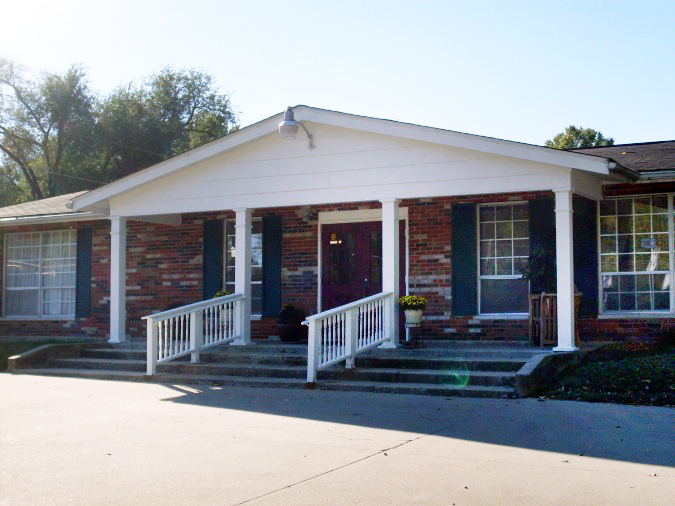
1500 WEST ST LOUIS AVENUE, VANDALIA, IL 62471 (618) 283-4262
For profit - Limited Liability company 116 Beds POINTE MANAGEMENT Data: November 2025
Trust Grade
35/100
#660 of 665 in IL
Last Inspection: August 2024

Within standard 12-15 month inspection cycle. Federal law requires annual inspections.

Overview

Vandalia Healthcare & Senior Living has a Trust Grade of F, indicating significant concerns and a poor overall quality of care. Ranking #660 out of 665 in Illinois places it in the bottom half of facilities, and #3 out of 3 in Fayette County shows it is the least favorable option locally. While staffing turnover is impressively low at 0%, the facility has critical issues, including inadequate staffing to meet residents' needs and insufficient RN coverage compared to most state facilities. Notably, there have been incidents where residents did not receive timely assistance for daily activities, and some reported missing bedtime snacks unless complaints were made. Although the facility's issues have reduced from 20 to 5 over the past year, families should weigh these improvements against the current significant shortcomings.

Trust Score
F
35/100
In Illinois
#660/665
Bottom 1%
Safety Record
Moderate
Needs review
Inspections
Getting Better
20 → 5 violations
Staff Stability
○ Average
Turnover data not reported for this facility.
Penalties
✓ Good
No fines on record. Clean compliance history, better than most Illinois facilities.
Skilled Nurses
⚠ Watch
Each resident gets only 18 minutes of Registered Nurse (RN) attention daily — below average for Illinois. Fewer RN minutes means fewer trained eyes watching for problems.
Violations
⚠ Watch
33 deficiencies on record. Higher than average. Multiple issues found across inspections.
★☆☆☆☆
1.0
Overall Rating
★☆☆☆☆
1.0
Staff Levels
★☆☆☆☆
1.0
Care Quality
★★☆☆☆
2.0
Inspection Score
Stable
2024: 20 issues
2025: 5 issues

The Good

  • Full Sprinkler Coverage · Fire safety systems throughout facility
  • No fines on record

Facility shows strength in fire safety.

The Bad

1-Star Overall Rating

Below Illinois average (2.5)

Significant quality concerns identified by CMS

Chain: POINTE MANAGEMENT

Part of a multi-facility chain

Ask about local staffing decisions and management

The Ugly 33 deficiencies on record

1 actual harm
Sept 2025 1 deficiency
CONCERN (D) 📢 Someone Reported This

A family member, employee, or ombudsman was alarmed enough to file a formal complaint

Potential for Harm - no one hurt, but risky conditions existed

Accident Prevention (Tag F0689)

Could have caused harm · This affected 1 resident

Based in interview and record review, the facility failed to develop and implement new interventions to prevent falls for 1 of 3 (R6) residents reviewed for falls in a sample of 7.Findings included:Pe...

Read full inspector narrative →
Based in interview and record review, the facility failed to develop and implement new interventions to prevent falls for 1 of 3 (R6) residents reviewed for falls in a sample of 7.Findings included:Per admission Record, R6 was admitted to this facility on 5/18/2023, with diagnoses of dementia with moderate anxiety, unsteadiness on feet, and history of prostate cancer.R6's MDS (Minimum Data Set), dated 7/10/25, documented R6 has a BIMS (Brief Interview for Mental Status) score of 2 out of 15 total, which indicates R6 has severe cognitive impairment. This same MDS documented R6 is dependent on staff for all transferring and toileting, and needs partial to moderate assistance with showers.R6's Fall Risk Evaluation, dated 7/7/2025, documented R6 is at risk for fall.R6's Care Plan included a focus area of:1. Resident had an unwitnessed fall 7/31/25 with intervention of pressure alarm (to be used) all shifts (for R6). 2. Fall: (R6) has had an actual fall 7/2/2025 with intervention of nursing staff to remain present in dining room during meals. 3. Risk for falls r/t (related to) dementia, anxiety and history of falls (initiation date 8/28/2024) with interventions of assist resident with ambulation and transfers and keep environment tidy among others.R6's progress notes in his EHR (electronic health record) documented on 8/16/2025 at 10:39am, R6 had slipped out of his chair and had no visible injuries. R6's care plan does not include a plan of care or newly implemented interventions for this fall occurrence.R6's progress notes documented on 7/20/2025 at 6:20pm, R6 had an un-witnessed unintentional change in plane, which indicated R6 had fell. This same progress note documents R6 had no visible injuries. R6's care plan does not include a plan of care or newly implemented interventions for this fall occurrence.R6's progress notes document in part on 7/18/2025 at 6:30pm, R6 had an un-witnessed unintentional change in plane, which indicated R6 had fallen. This same progress note documents R6 had two small bruises and two small skin tears. R6's care plan does not include a plan of care or newly implemented interventions for this fall occurrence.On 8/27/2025 at 9:30am, V3 (Corporate Nurse) said all of R6's falls should have been addressed in his care plan, but they were not. V3 said new fall interventions should have been developed and implemented for R6, but they were not.The facility's Falls and Falls Risk Management policy, dated 2001, documented the following: Based on previous evaluations and current data, the staff will identify interventions related to the resident's specific risks and causes to try to prevent the resident from falling and to try to minimize complications from falling. Staff will implement a resident-centered fall prevention plan to reduce falls for each resident at risk or with a history of falls. If falling recurs despite initial interventions, staff will implement additional or different interventions.
Apr 2025 3 deficiencies
CONCERN (D) 📢 Someone Reported This

A family member, employee, or ombudsman was alarmed enough to file a formal complaint

Potential for Harm - no one hurt, but risky conditions existed

Resident Rights (Tag F0550)

Could have caused harm · This affected 1 resident

**NOTE- TERMS IN BRACKETS HAVE BEEN EDITED TO PROTECT CONFIDENTIALITY** Based on interview and record review, the facility failed to ensure call lights were answered timely for 2 of 5 (R2 and R3) resi...

Read full inspector narrative →
**NOTE- TERMS IN BRACKETS HAVE BEEN EDITED TO PROTECT CONFIDENTIALITY** Based on interview and record review, the facility failed to ensure call lights were answered timely for 2 of 5 (R2 and R3) residents reviewed for call lights in the sample of 12. Findings Include: 1. R2's admission Record, with a print date of 4/8/25, documents R2's admitted to the facility on [DATE], with diagnoses that include acute and chronic respiratory failure, heart failure, sleep apnea, diabetes, morbid obesity, and chronic obstructive pulmonary disease. R2's MDS (Minimum Data Set), dated 1/3/25, documents R2 has a BIMS (Brief Interview for Mental Status) score of 15, which indicates R2 is cognitively intact. This same MDS documents R2 requires substantial/maximal assistance for toileting. R2's current Care Plan documents a Focus Area of, ADL's (activities of daily living) Self care deficit-needs supervision and/or assist to complete quality care and/or poorly motivated to complete ADL's R/T (related to): reduced mobility and Obesity. Date Initiated: 01/23/2024. This Focus area includes the intervention of, Assist Resident to transfer into wheelchair/Geri-chair/Broda chair and assist to position for comfort .Date Initiated 07/14/2024 .Assist with ADL's as necessary with staff assist of 1 .Date Initiated: 01/23/2024 . On 4/7/25 at 1:29 PM, R2 stated call lights aren't answered timely. R2 stated evenings and overnights are the worst. R2 stated this morning, he put on his call light on, and it was 45 minutes before it was answered. R2 stated he put his call light on around 5:30 AM, and it didn't get answered until day shift arrived. R2 stated V6 (Certified Nursing Assistant/CNA) answered the call light and helped him get off the toilet. R2 stated he gets left on the toilet frequently. R2 stated they had cut CNA hours back on his unit. On 4/7/25 at 1:58 PM, V6 (CNA) stated she answers call lights as quickly as she can, but if she is in a room providing care, it may take a little longer. V6 stated this morning (4/7/25), R2's call light was going off when she arrived to the facility around 6:00 AM. V6 stated there were a few lights going off, and she started answering them immediately. V6 stated she answered R2's bathroom light first, since she knew that was an instant need. V6 stated R2 said he had been waiting for assistance for awhile. When asked if it was typical to have call lights needing answered as soon as she got to the facility and for residents to say they had been waiting awhile, V6 stated the night shift staff were in a room providing care to another resident when she arrived, and it was a little different, so they must have had a rough night. V6 stated she felt like they were short staffed. V6 stated all of the needs were being met, it just took longer to meet them. V6 stated the average time it takes to answer a call light is fifteen minutes. On 4/7/25 at 1:45 PM, V5 (Licensed Practical Nurse/LPN) stated they have one nurse and four CNA's working today. When asked if that was enough staff to meet the needs of the residents timely, V5 stated, Sometimes. V5 stated when she got to work this morning, R2 was on the commode and was yelling out, Hey, for assistance which is what he does. V5 stated the day shift CNA's assisted R2 off the commode. V5 stated R2 didn't tell her how long he had been waiting for assistance. On 4/27/25 at 9:22 PM, V10 (LPN/Licensed Practical Nurse) stated she works night shift, and they don't always have enough staff to meet the needs of the residents timely. V10 stated it probably takes longer to answer them during the morning routine. V10 stated she worked night shift beginning on 4/6/25 at 6:00 PM and ending on 4/7/25 at 6:00 AM. When asked if there were call lights that took longer to answer the morning of 4/7/25, V10 stated there was a bathroom call light (R2) going off, and it may have taken longer to answer it. V10 stated it took maybe 15-20 minutes. On 4/7/25 at 9:30 PM, V11 (CNA) stated they are not able to meet the needs of the residents timely. V11 stated when you don't have enough staff, nothing gets done on time. When asked if she was aware of it taking 45 minutes to assist a resident off the commode, V11 stated, (R2). When asked why it took so long, V11 stated they don't have enough staff to get to it timely. On 4/8/25 at 1:03 PM, when asked if she was aware of a resident sitting on a commode waiting for assistance for a long period of time, V17 (CNA) stated, Sometimes it takes longer to get to the them. V17 stated if they have enough staff, they answer the call lights almost immediately. 2. R3's admission Record, with a print date of 4/8/25, documents R3 was admitted to the facility on [DATE], with diagnoses that include atrial fibrillation, heart failure, heart disease, disc degeneration, major depressive disorder, and restless leg syndrome. R3's MDS, dated [DATE], documents a BIMS score of 15, indicating R3 is cognitively intact. This same MDS documents R3 requires supervision or touching assistance for toilet hygiene. R3's current Care Plan documents a Focus area of ADL Function Rehab: resident is usually able to perform ADL's independently or with supervision. Date Initiated: 07/25/2024 This Focus area includes the intervention of, Encourage the resident to use bell to call for assistance .Date Initiated: 07/28/2024. R2's current Care Plan includes the Focus area of, Urinary Incontinence: the resident has MIXED bladder incontinence r/t impaired mobility. Date Initiated: 7/28/2024. This focus area includes the following interventions, Incontinent: Check every 2 house and as required for incontinence . Date Initiated: 07/28/2024. On 4/7/25 at 11:30 AM, R3 stated she hardly ever pushes her call light; she just goes and gets staff to assist her when needed. R3 stated when she does push it they answer it timely. On 4/7/25 at 1:00 PM, V4 (Ombudsman) stated she attends Resident Council Meetings at the facility, and the residents voice concerns at every meeting that call lights aren't being answered timely. V4 stated R2 and R3 reported to her it is worse on evening shift and night shift. V4 stated R2 reported to her it takes up to 45 minutes to get assistance off the commode. V4 stated R3 reported she will go searching for help at times because she can't get anyone to answer the call light. On 4/7/25 at 2:07 PM, V7 (CNA) stated they don't have enough staff to meet the needs of the residents timely. When asked what care is delayed, V7 stated, resident care, toileting, and showers. V7 stated, I leave (at the end of her shift) feeling bad (due to delayed care). On 4/7/25 at 2:36 PM, V8 (CNA) stated they don't have enough staff to answer call lights timely. On 4/7/25 at 2:56 PM, when asked if call lights were answered timely, V9 (CNA) stated it depended on staffing. V9 stated if they only have two CNA's on unit 2, and one goes to lunch, then it takes longer to answer the call lights. On 4/7/25 at 9:40 PM, V12 (CNA) stated they aren't able to answer call lights timely when they only have one CNA on each unit. On 4/8/25 at 12:23 PM, V15 (CNA) stated they didn't have enough staff to answer call lights timely. On 4/8/25 at 1:35 PM, V1 (Administrator) stated two CNA's in the facility were enough to meet the needs of the residents on night shift when everyone was in bed. When asked if the residents were safe with just one CNA on each unit, V1 stated, To a certain extent I would say yes, but I would like more. On 4/8/25 at 1:53 PM, V2 (Acting Director of Nurses/MDS Coordinator) stated she would want more staff when asked if one nurse and two CNA's were enough staff to meet the needs of the residents timely. The facility Resident Council Minutes documents the following 1/30/25- Old Business .both shifts call lights a problem. 3/4/25 for [DATE] .Old Business: Any unresolved issues from last month: Call lights still an issue. The facility Answering the Call Light policy dated 9/2022 documents, .The purpose of this procedure is to ensure timely responses to the resident's requests and needs Steps in the Procedure: 1. Answer the resident call system immediately
CONCERN (F) 📢 Someone Reported This

A family member, employee, or ombudsman was alarmed enough to file a formal complaint

Potential for Harm - no one hurt, but risky conditions existed

Deficiency F0725 (Tag F0725)

Could have caused harm · This affected most or all residents

**NOTE- TERMS IN BRACKETS HAVE BEEN EDITED TO PROTECT CONFIDENTIALITY** Based on interview and record review, the facility failed to maintain sufficient staff to meet the needs of the residents timely...

Read full inspector narrative →
**NOTE- TERMS IN BRACKETS HAVE BEEN EDITED TO PROTECT CONFIDENTIALITY** Based on interview and record review, the facility failed to maintain sufficient staff to meet the needs of the residents timely. This has the potential to affect all 37 residents currently residing at the facility. Findings Include: The facility Resident Matrix provided to this surveyor on 4/7/25 document 37 residents currently reside at the facility. 1. R2's admission Record with a print date of 4/8/25 documents R2's admitted to the facility on [DATE] with diagnoses that include acute and chronic respiratory failure, heart failure, sleep apnea, diabetes, morbid obesity, and chronic obstructive pulmonary disease. R2's MDS (Minimum Data Set), dated 1/3/25, documents R2 has a BIMS (Brief Interview for Mental Status) score of 15, which indicates R2 is cognitively intact. This same MDS documents R2 requires substantial/maximal assistance for toileting. R2's current Care Plan documents a Focus Area of, ADL's (activities of daily living) Self care deficit-needs supervision and/or assist to complete quality care and/or poorly motivated to complete ADL's R/T (related to): reduced mobility and Obesity. Date Initiated: 01/23/2024. This Focus area includes the intervention of, Assist Resident to transfer into wheelchair/Geri-chair/Broda chair and assist to position for comfort .Date Initiated 07/14/2024 .Assist with ADL's as necessary with staff assist of 1 .Date Initiated: 01/23/2024 . On 4/7/25 at 1:29 PM, R2 stated call lights aren't answered timely. R2 stated evenings and overnights are the worst. R2 stated this morning, he put on his call light on and it was 45 minutes before it was answered. R2 stated he put his call light on around 5:30 AM, and it didn't get answered until day shift arrived. R2 stated V6 (Certified Nursing Assistant/CNA) answered the call light and helped him get off the toilet. R2 stated he gets left on the toilet frequently. R2 stated they had cut CNA hours back on his unit. On 4/7/25 at 1:58 PM, V6 (CNA) stated she answers call lights as quickly as she can, but if she is in a room providing care, it may take a little longer. V6 stated this morning (4/7/25), R2's call light was going off when she arrived to the facility around 6:00 AM. V6 stated there were a few lights going off and she started answering them immediately. V6 stated she answered R2's bathroom light first, since she knew that was an instant need. V6 stated R2 said he had been waiting for assistance for awhile. When asked if it was typical to have call lights needing answered as soon as she got to the facility and for residents to say they had been waiting awhile, V6 stated the night shift staff were in a room providing care to another resident when she arrived, and it was a little different, so they must have had a rough night. V6 stated she felt like they were short staffed. V6 stated all of the needs were being met, it just took longer to meet them. V6 stated the average time it takes to answer a call light is fifteen minutes. On 4/7/25 at 1:45 PM, V5 (Licensed Practical Nurse/LPN) stated they have one nurse and four CNA's working today. When asked if that was enough staff to meet the needs of the residents timely, V5 stated, Sometimes. With our census being what it is, now it is better. V5 stated they had some residents pass away, and some were discharged home. V5 stated they have one resident in the hospital who has a lot of behaviors, and he should be discharged back to the facility any day now. V5 stated being the only nurse in the facility, she doesn't feel like she can get to the other side of the facility (to the locked dementia unit) if there is an emergency. V5 stated when she got to work this morning, R2 was on the commode and was yelling out, Hey, for assistance, which is what he does. V5 stated the day shift CNA's assisted R2 off the commode. V5 stated R2 didn't tell her how long he had been waiting for assistance. On 4/27/25 at 9:22 PM, V10 (LPN/Licensed Practical Nurse) stated she works night shift, and they don't always have enough staff to meet the needs of the residents timely. V10 stated they are supposed to have three CNA's and one nurse, but a lot of times they only have two CNA's, which is one CNA per unit and one nurse. V10 stated there are a few people who require assist of two for incontinence care. V10 stated if they have enough staff, they get residents up in the morning, but when they don't, they just get them dressed and leave them in bed. When asked if call lights are answered timely, V10 stated it probably takes longer to answer them during the morning routine. V10 stated she worked night shift beginning on 4/6/25 at 6:00 PM and ending on 4/7/25 at 6:00 AM. When asked if there were call lights that took longer to answer the morning of 4/7/25, V10 stated there was a bathroom call light (R2) going off, and it may have taken longer to answer it. V10 stated it took maybe 15-20 minutes. On 4/7/25 at 9:30 PM, V11 (CNA) stated they are not able to meet the needs of the residents timely. V11 stated when you don't have enough staff nothing gets done on time. When asked if she was aware of it taking 45 minutes to assist a resident off the commode, V11 stated R2. When asked why it took so long, V11 stated they don't have enough staff to get to it timely. V11 stated they are supposed to have two CNA's on unit two, and one on unit one, but sometimes is is just one CNA for the whole building. V11 stated they have residents who require assist of two for incontinence care. When asked how they provide incontinence care to those residents if they only have one CNA, V11 stated, The nurse sits on one unit while the CNA does the bed checks for the other unit, and will come help for the residents who require assist of two, and then goes back to the other unit to check on those residents. V11 stated she wasn't working, but she heard there was only one CNA working on night shift on 3/29/25, and she worked alone about a week before that. V11 stated it happens quite often. On 4/8/25 at 1:03 PM, when asked if she was aware of a resident sitting on a commode waiting for assistance for a long period of time, V17 (CNA) stated, Sometimes it takes longer to get to the them. V17 stated if they have enough staff, they answer the call lights almost immediately. 2. R3's admission Record, with a print date of 4/8/25, documents R3 was admitted to the facility on [DATE], with diagnoses that include atrial fibrillation, heart failure, heart disease, disc degeneration, major depressive disorder, and restless leg syndrome. R3's MDS, dated [DATE], documents a BIMS score of 15, indicating R3 is cognitively intact. This same MDS documents R3 requires supervision or touching assistance for toilet hygiene. R3's current Care Plan documents a Focus area of ADL Function Rehab: resident is usually able to perform ADL's independently or with supervision. Date Initiated: 07/25/2024 This Focus area includes the intervention of, Encourage the resident to use bell to call for assistance .Date Initiated: 07/28/2024. R2's current Care Plan includes the Focus area of, Urinary Incontinence: the resident has MIXED bladder incontinence r/t impaired mobility. Date Initiated: 7/28/2024. This focus area includes the following interventions, Incontinent: Check every 2 house and as required for incontinence . Date Initiated: 07/28/2024. On 4/7/25 at 11:30 AM, R3 stated she hardly ever pushes her call light; she just goes and gets staff to assist her when needed. R3 stated when she does push it, they answer it timely. On 4/7/25 at 1:00 PM, V4 (Ombudsman) stated she attends Resident Council Meetings at the facility, and the residents voice concerns at every meeting that call lights aren't being answered timely. V4 stated R2 and R3 reported to her it is worse on evening shift and night shift. V4 stated R2 reported to her it takes up to 45 minutes to get assistance off the commode. V4 stated R3 reported she will go searching for help at times because she can't get anyone to answer the call light. On 4/7/25 at 2:07 PM, V7 (CNA) stated they don't have enough staff to meet the needs of the residents timely. V7 stated they changed some staff to as needed to lower the staffing numbers, and they have had to gradually bring more people back to the floor to assist with resident care. V7 stated they usually have staff call in, and sometimes only have two CNA's for unit two, and that isn't enough. When asked what care is delayed, V7 stated, resident care, toileting, weights, vital signs, and showers. V7 stated, I leave (at the end of her shift) feeling bad (due to delayed care). On 4/7/25 at 2:36 PM, V8 (CNA) stated they don't have enough staff to meet the needs of the residents timely. V8 stated call lights don't get answered timely when they are short staffed. V8 stated she usually works unit one (locked dementia unit), and they have eight residents with one CNA and a nurse that is shared with the other unit. On 4/7/25 at 2:56 PM, when asked if call lights were answered timely, V9 (CNA) stated it depends on staffing. V9 stated if there are only two CNA's working on side two, and one goes to lunch it gets rough. On 4/7/25 at 9:40 PM, V12 (CNA) stated they aren't able to answer call lights timely when they only have one CNA on each unit. On 4/8/25 at 12:23 PM, V15 (CNA) stated they didn't have enough staff to answer call lights timely. On 4/8/25 at 11:56 AM, V6 (CNA) stated she worked on 4/6/25, but had to leave around 9:30 AM for a family emergency. V6 stated she was working with two agency nurses, V15 and V16 (CNA's). On 4/8/25 at 12:23 PM, V15 (CNA) stated she worked on 4/6/25 with one CNA on each side of the facility. V15 stated no one came in to assist them. V15 stated she was working on unit one, and she felt bad for the CNA working (V16) working on the other unit. V15 stated they started their shift at 6 AM with three CNA's and two nurses. V15 stated V6 (CNA) had to leave early for a family emergency, and one of the nurses left at 2:00 PM. V15 stated it is unusual for them to have two nurses, they usually have one nurse and three CNA's. V15 stated they normally have one CNA on unit one and two on unit two. V15 stated if the CNA working unit one gives a resident a shower, the other residents are not being monitored. V15 stated the residents on that unit are all on 15 minute checks, and there are several who are fall risks. V15 stated one nurse and two CNA's are not enough to meet the needs of the residents. When asked what needs aren't met timely when they are short staffed, V15 stated, call lights, incontinence care, showers, all the important stuff. V15 stated they notified administration they were short staffed on 4/6/25, and V1 (Administrator) sent out a group message asking people to come in. V15 stated no one came in. On 4/8/25 at 12:51 PM, V16 (CNA) stated she worked on 4/6/25. V16 stated V15 was the CNA on unit one with an unknown agency nurse. V16 stated she and V6 were the CNA's on unit two, and V6 had to leave for a family emergency around 9:30 AM. V16 stated she was the only CNA on unit two until 6:00 PM. V16 stated they had two nurses working on 4/6/25, but one of them left at 2:00 PM. V16 stated that is not enough staff to meet the needs of the residents timely. When asked what needs weren't met, V16 stated, I mean, all of them. V16 stated she had worked night shift in the past as the only CNA, but not recently. V16 stated she knows night shift often only has one CNA. When asked if one CNA was enough to meet the needs of the residents timely on night shift, V16 stated, No. V16 stated V1 (Administrator) and the on call nurse V2 (Acting Director of Nurses/MDS Coordinator) were aware of them being short staffed on 4/6/25, and neither one came in to assist. On 4/8/25 at 1:53 PM, V2 (Acting Director of Nurses/MDS Coordinator) stated she was not aware of only one CNA working on any shift. V2 stated if for some reason staff call in and/or don't show up, one of the administration staff will come in. V2 stated, I am not going to leave them hanging. When asked if she was aware they were short staffed on 4/6/25, V2 stated she was out of town. When asked if one nurse and two CNA's were enough staff to meet the needs of the residents, V2 stated she would want more. On 4/8/25 at 1:35 PM, V1 (Administrator) stated two CNA's in the facility were enough to meet the needs of the residents on night shift when everyone was in bed. When asked about staffing on 4/6/25, V1 stated they didn't notify her there was an issue until later that day. V1 stated she put out two messages; one for a 10 AM to 6 PM shift and one for a 2 PM to 6 PM shift, and no one wanted to work. When asked if her offering a shift at 10 AM meant she knew at 10 AM they were short staffed, V1 stated it was probably a little before that. When asked if any administration came in to assist the staff in meeting the needs of the residents, V1 stated she didn't because she was out of town, and none of the other administration staff would answer the phones/messages. When asked if the residents would be safe with just one CNA on each unit, V1 stated, To a certain extent I would say yes, but I would like more. The facility undated Nurse Staffing policy documents, Policy: it is the policy of (name of an organization) to provide sufficient licensed and unlicensed nursing staff on each shift of the day to attain or maintain the highest practical physical, mental and psychosocial well being of each resident. Nurse staffing shall be based upon resident evaluation by the Administrator and Director of Nursing as specified by the (name of surveying agency).
CONCERN (F) 📢 Someone Reported This

A family member, employee, or ombudsman was alarmed enough to file a formal complaint

Potential for Harm - no one hurt, but risky conditions existed

Deficiency F0809 (Tag F0809)

Could have caused harm · This affected most or all residents

**NOTE- TERMS IN BRACKETS HAVE BEEN EDITED TO PROTECT CONFIDENTIALITY** Based on interview and record review, the facility failed to ensure residents were provided with a bedtime snack. This has the p...

Read full inspector narrative →
**NOTE- TERMS IN BRACKETS HAVE BEEN EDITED TO PROTECT CONFIDENTIALITY** Based on interview and record review, the facility failed to ensure residents were provided with a bedtime snack. This has the potential to affect all 37 residents who currently reside at the facility. Findings Include: The facility Resident Matrix provided to this surveyor on 4/7/25 documents 37 residents currently reside at the facility. On 4/7/25 at 1:00 PM, V4 (Ombudsman) stated she frequently attends the Resident Council Meetings at the facility. V4 stated R3 and R4 reported to her they were not getting snacks served at the facility unless the State Survey Agency was in the facility. On 4/7/25 at 11:30 AM, R3 and R4 stated they are served bedtime snacks. R3 and R4 stated they get them on the tray with their evening meal. On 4/7/25 at 1:29 PM, R2 stated he recently had an issue getting snacks, but after he complained he started getting them again. R2's admission Record, with a print date of 4/8/25, documents R2's admitted to the facility on [DATE],3 with diagnoses that include acute and chronic respiratory failure, heart failure, sleep apnea, diabetes, morbid obesity, and chronic obstructive pulmonary disease. R2's MDS (Minimum Data Set) dated 1/3/25 documents R2 has a BIMS (Brief Interview for Mental Status) score of 15, which indicates R2 is cognitively intact. R3's admission Record, with a print date of 4/8/25, documents R3 was admitted to the facility on [DATE] with diagnoses that include atrial fibrillation, heart failure, heart disease, disc degeneration, major depressive disorder, and restless leg syndrome. R3's MDS dated [DATE] documents a BIMS score of 15, indicating R3 is cognitively intact. R4's admission Record, with a print date of 4/8/25, documents R4 was admitted to the facility on [DATE] with diagnoses that include atrial fibrillation, chronic obstructive pulmonary disease, and diabetes. R4's MDS, dated [DATE], documents a BIMS score of 13, indicating R4 is cognitively intact. On 4/7/25 at 1:45 PM, V5 (LPN/Licensed Practical Nurse) stated residents used to be offered snacks, but they have been told it is no longer in the budget. V5 stated they get one snack at 8:00 PM that is served to them on their supper tray. V5 stated most of the residents eat it with supper, and then they don't have anything to eat at bedtime. V5 stated the kitchen is locked, so the staff will buy snacks for the residents to have. On 4/7/25 at 2:07 PM, V7 (CNA/Certified Nurse Aide) stated they used to get snacks at 10 AM and 2 PM, but they don't anymore. V7 stated the staff are buying snacks and bringing them in for the residents. V7 stated supper is served at 4:30 PM, and they don't get anything else to eat until the next morning when breakfast is served. On 4/7/25 at 2:36 PM, V8 (CNA) stated the kitchen never has snacks for the residents. On 4/7/25 at 9:22 PM, V10 (LPN/Licensed Practical Nurse) stated the facility is cutting back on snacks, so they pass them out with the supper trays. V10 stated they don't leave any snacks out for the staff to offer residents if they get hungry later. V10 stated they don't have access to the kitchen, and if there is a resident who is diabetic with a low blood sugar, she doesn't have much to choose from to offer them to eat. V10 stated she has the applesauce and pudding she uses to pass medications with that she can offer them. On 4/7/25 at 9:30 PM, V11 (CNA) stated the residents are served their 8:00 PM snack at 4:30 PM with their supper meal. V11 stated a lot of them eat it when it is served, and then they are hungry at bedtime. V11 stated they have a lot of residents who are diabetic and the kitchen is locked up. V11 stated they used to leave one door open for the night shift staff to access it if they needed to, but now it is locked, and they don't leave food out for the residents anymore. On 4/7/25 at 9:40 PM, V12 (CNA) stated snacks are passed to the residents on their supper tray. V12 stated they eat them with their supper meal, and then they go till breakfast the next morning with no snack. V12 stated the kitchen no longer leaves snacks out for them, and they lock the kitchen up. On 4/8/25 at 12:23 PM, V15 (CNA) stated they were told the company who purchased the facility cut the budget for the kitchen, so they are only allowed to have an 8:00 PM snack now. V15 stated if someone asks for a snack between meals she doesn't have anything to offer them. When asked if she was aware of snacks in the kitchenette/linen closet, V15 stated they only bring snacks for 8:00 PM, for each resident and it is served with their supper trays. V15 stated they don't put snacks in the kitchenette/linen closet for the residents. V15 stated there is one individual juice cup in the refrigerator on unit one that has been there for awhile, but other than that, she only has water and coffee to offer the residents. On 4/8/25 at 12:51 PM, V16 (CNA) stated residents get their bedtime snack with their supper and eat them with supper. V16 stated then they don't have anything for the rest of the night. V16 stated she usually works on side 2, and they don't have anything in the kitchenette to serve the residents. On 4/8/25 at 1:03 PM, V17 (CNA) stated they have multiple residents who ask for snacks, and they don't have anything to give them. V17 stated they used to stock the kitchenette/linen closet, but they don't do that anymore. V17 stated they were told it was a budget thing. On 4/8/25 at 10:33 AM, V14 (Dietary Manager) stated meals are served at 7:30 AM, 11:30 AM, and 4:30 PM. V14 stated they serve a house snack for 8:00 PM. When asked what a house snack was, V14 stated it is a snack served to everyone. V14 stated it is served to them on their supper trays or passed from room to room. V14 stated if they pass them from room to room, they are passed around 5:00 PM. V14 stated they pass them with supper or right around supper because some of the residents like to eat it at supper time. When asked if it is really an 8:00 PM snack if they are served it and eat it with supper, V14 stated, No. V14 stated they also keep snacks at both nurses station (kitchenette/linen closet), so if they get hungry at night they have options. V14 sated they have lunch meat, cheese, peanut butter, juice, koolaid, and water. When asked if the food options would be in the kitchenette/linen closet now, V14 stated yes it was in there at all times. V14 stated it gets refreshed three times daily. This surveyor walked with V14 to the linen closet on side one where the snacks were kept. There was a bottle of jelly in the refrigerator, along with one individual juice cup. There was thickener for drinks on the counter along with condiments and a few pudding cups. There was a can of peanut butter on top of the refrigerator and box of oatmeal on the counter. When asked where the bread was to make peanut butter and jelly sandwiches, V14 stated there was none. At 10:45 AM, this surveyor walked with V14 to the kitchenette located on side two. There were many bottles of water, soda, and juice noted in the refrigerator, as well as take out containers, and containers of food. None of these items were labeled, and V14 stated they were either staff food and drinks, or residents who had asked for them to be refrigerated. There was a can of peanut butter on top of the refrigerator; no pudding cups, no juice, a gallon jug of water in the refrigerator. V14 confirmed there was no bread and no jelly in this kitchenette. When asked about the individual packets of oatmeal on top of the refrigerator, V14 stated the residents get tired of the plain oatmeal, so staff will purchase the flavored oatmeal and bring it to the facility for the residents to have variety. V14 stated the nurses also have keys to the kitchen should they need anything after the kitchen staff have left for the day. V5 (LPN) was working as the nurse for side one and side two. With this surveyor and V14 observing, V5 attempted the keys on the nurses key ring and was not able to open the kitchen door. When asked if she had any concerns brought to her related to residents not getting snacks, V14 stated she had, but it was from CNA staff who she was concerned had been taking food from the kitchen for their personal use. This surveyor reviewed with V14 the observation of the kitchenette and linen closet where snacks are to be stored for resident use, and V14 stated she knew it looked bad, but the kitchen staff were probably just restocking them. V14 stated they used to pass snacks from a cart at 8:00 PM, but the residents were complaining the CNA staff didn't pass them out, so they started putting them on their dinner trays but some do eat them with their supper. On 4/8/25 at 11:00 AM, V1 (Administrator) stated the residents are supposed to be served snacks and the facility staff are supposed to restock the kitchenette/linen closet with snacks for the residents. The facility Evening Snack Policy, dated 10/15, documents, It is the policy of (name of an organization) to offer each resident an evening snack and document whether the resident accepted or declined the evening snack. Procedure: 1. An evening (H.S.) snack is incorporated into the daily menu. 2. Bulk snacks will be provided by the Food Service Department according to the number and types of diet being served. The snacks should be compatible with the resident's diet order and preference. 3. Appropriate snacks may include: assorted cookies, crackers, cakes, brownies, half sandwiches, fruit, ice cream, sherbet, and pudding. 4. Dietary staff will deliver H.S. snacks to the nursing units. 5. All residents will be offered an H.S. snack. 6. Acceptance of and/or declining of the H. S. snack is recorded by the CNA.
Mar 2025 1 deficiency
CONCERN (D) 📢 Someone Reported This

A family member, employee, or ombudsman was alarmed enough to file a formal complaint

Potential for Harm - no one hurt, but risky conditions existed

ADL Care (Tag F0677)

Could have caused harm · This affected 1 resident

**NOTE- TERMS IN BRACKETS HAVE BEEN EDITED TO PROTECT CONFIDENTIALITY** Based on interview and record review, the facility failed to ensure residents who require assistance receive a shower for 3 (R2,...

Read full inspector narrative →
**NOTE- TERMS IN BRACKETS HAVE BEEN EDITED TO PROTECT CONFIDENTIALITY** Based on interview and record review, the facility failed to ensure residents who require assistance receive a shower for 3 (R2, R3, and R5) of 5 dependent residents reviewed for Activities of Daily Living assistance in the sample of 21. 1. R2's admission Record documented an admission date of 12/17/24, and included diagnoses of unspecified intellectual disabilities and muscle weakness. R2's Minimum Data Set (MDS), dated [DATE], documented a Brief Interview for Mental Status (BIMS) score of 00, indicating R2 has severe cognitive impairment. The MDS Section for Functional Abilities and Goals documented R2 as dependent for shower/bathing self. R2's Care Plan documented a Focus Area of: ADL's (Activities of Daily Living): Self care deficit-needs assist to complete quality care initiated on 12/28/24. Corresponding interventions include R2 will receive (showers) 2 times per week. Provide bathing, hygiene, dressing, and grooming per resident's preference as able. R2's Shower/Abnormal Skin reports (paper documentation) from January 2025 through 3/19/25 document R2 did not receive a shower on 03/13/25 due to being at the hospital. R2 received showers on 03/04/25, 02/17/25, 02/13/25, 01/29/25, 01/23/25, 01/18/25, 01/15/25, 01/08/25, 01/01/25 (bed bath noted). The Shower/Abnormal Skin Report for 01/30/25 has a staff signature, but does not indicate a shower or bed bath was given. R2's Electronic Health Record (EHR) documented no extra showers were provided to R2 other than the paper documentation previously listed. There were also no shower sheets with documented refusals provided for this time period. The undated facility shower schedule documents R2's showers are scheduled weekly on Monday in AM and Thursday in AM. 2. R3's admission Record documented an admission date of 08/14/2015, and included diagnoses of hemiplegia and hemiparesis following cerebral infraction affecting left non-dominant side, Alzheimer's, and type 2 diabetes mellitus. R3's MDS, dated [DATE], documented a BIMS score of 06, indicating R3 has severe cognitive impairment. The MDS Section for Functional Abilities and Goals documented R3 as dependent for shower/bathing self. R3's Care Plan documented a Focus Area of: ADL Function: Self care deficit-needs supervision and/or assist to complete quality care and/or poorly motivated to complete ADLs initiated on 12/1/23. Corresponding interventions include in part: Will receive shower 2 times per week. Provide bathing, hygiene, dressing, and grooming per resident's preference as able. R3's Shower/Abnormal Skin reports (paper documentation) from January 2025 through 3/19/25 document R3 received bed baths on 03/13/25 and 03/04/25. R3 received showers on 02/17/25, 02/13/25, 01/30/25, 01/29/25, 01/27/25, and 01/23/25. A bed bath was given on 01/20/25, and R3 received showers on 01/16/25, 01/13/25, and 01/09/25. R3's Electronic Health Record (EHR) documented no extra showers were provided to R3 other than the paper documentation previously listed. There were also no shower sheets with documented refusals provided for this time period. The facility shower schedule undated documents R3's showers are scheduled on Monday in AM and Thursday in the AM. 3. R5's admission Record documented an admission date of 10/08/24, and included diagnoses of unspecified dementia, type 2 diabetes mellitus, overactive bladder, and muscle wasting. R5's MDS, dated [DATE], documented a BIMS score of 15, indicating R5 is cognitively intact. The MDS Section for Functional Abilities and Goals documented R5 as requiring partial/moderate assistance for shower/bathing self. R5's Care Plan documented a Focus Area of: ADL function/rehab: (R5) is usually able to perform ADL's with (specify assist level) hands on assist or weight bearing assist r/t (related to) . with a revision date of 10/20/24. Interventions include in part: Provide supportive care, assistance with mobility as needed. R5's Care Plan did not include information regarding the specific level of assistance needed or the rationale for the need for assistance. R5's Care Plan also did not document the frequency of showers scheduled per week. R5's Shower/Abnormal skin reports (paper documentation) from January 2025 through 3/19/25 document R5 received showers on 03/14/25, 02/28/25, 02/07/25, 01/30/25, 01/27/25, 01/23/25, 01/21/25, 01/18/25, 01/15/25, 01/08/25, and 01/01/25. R5's EHR regarding bathing self-performance was reviewed for the past 30 days from 03/18/25 and indicated additional showers were provided on 02/25/25 and on 03/04/25. There were no shower sheets with documented refusals provided for this time period. The undated facility document titled Shower Schedule documents R5's showers are scheduled on Tuesday in AM and Friday in AM. On 03/17/25 at 10:35AM, R5 stated she thinks she maybe gets one shower a week right now. R5 said she used to get 2 showers a week, and then the facility changed it. R5 said she doesn't know why they changed it, and she would like to go back to two showers a week. R5 said she doesn't really feel dirty because she is able to wash up and keep herself clean, but said she felt a lot cleaner when she was getting two showers a week. On 03/18/25 at 9:15AM, V7 (Certified Nurse Assistant/CNA) said all residents are supposed to get two showers weekly. V7 said when she is working, she tries to make sure her residents get their showers on their shower days. V7 said if she can't get it done, then she will pass it on to the next shift, or try to get it done that next day. On 03/18/25 at 10:06AM, V9 (CNA) stated all residents are to receive a shower two times a week. V9 said there have been times when she wasn't able to get all the resident showers done because they were running behind or don't have as much staff. V9 said she will try to get the shower done later in the week if she isn't able to get one done. V9 said they are to fill out a shower sheet every time they give a shower or when someone refuses. On 03/18/25 at 10:10AM, V10 (CNA) stated they do the best they can to get all the resident showers done that are on the shower schedule for the day. V10 said there have been days when they weren't able to get all the showers done in the day. V10 said they try to get the showers that weren't done completed on a different day in the week, but that doesn't always happen. On 03/18/25 at 11:30AM, V1 (Administrator) stated they didn't have any more shower sheets for R2, R3, and R5. V1 said without those shower sheets that document the shower was completed, it is possible the showers weren't done for those residents on those days. On 03/18/25 at 11:35AM, V2 (Regional Nurse) stated the facility does not have any more shower sheets on R2, R3, and R5. V2 said the shower sheets document when the showers were completed. V2 said without those shower sheets, it is possible that R2, R3, and R5's showers were not completed on the days that are missing. The facility policy titled Bath/Shower, with a revised date of 03/20/23, documents, To ensure adequate hygiene needs are met. A bath/shower is scheduled for all residents in the facility at least weekly.
Dec 2024 2 deficiencies
CONCERN (E) 📢 Someone Reported This

A family member, employee, or ombudsman was alarmed enough to file a formal complaint

Potential for Harm - no one hurt, but risky conditions existed

Safe Environment (Tag F0584)

Could have caused harm · This affected multiple residents

Based on interview, observation, and record review, the facility failed to ensure the resident rooms and resident equipment were maintained in a state of good repair for 5 of 5 residents (R1, R2, R3, ...

Read full inspector narrative →
Based on interview, observation, and record review, the facility failed to ensure the resident rooms and resident equipment were maintained in a state of good repair for 5 of 5 residents (R1, R2, R3, R4 and R12) reviewed for environment in a sample of 14. Findings include: 1. On 12/5/24 at 11:50AM, R1's bathroom was observed to have water leaking from the front of his toilet. R1's tiles behind his toilet were all laying on the floor away from the wall. R1's toilet was crooked and not positioned correctly and away from the wall. On 12/05/24 at 11:50 AM, R1 who was alert to person, place, and time, stated he knows the toilet leaks in the front and that the toilet is crooked. R1 said that he knows the tiles have fallen down behind the toilet as well. R1 said someone was supposed to be fixing it. 2. On 12/05/24 at 9:21AM, R2's bathroom toilet was observed was to not be secure to the floor and was easily moved around. R2's window sill in room had dust, dirt, debris along with cobwebs noted to top of the window. On 12/05/24 at 9:21AM, R2 who was alert to person, place, and time, stated he did not notice the toilet in his bathroom was not secure to the floor, and that it easily moved. R2 stated he didn't know if they clean the windows in his room or not. At that time, he did acknowledge there were cobwebs and debris along the window sill. 3. On 12/05/24 at 9:16AM, observed a sign going into R3's bathroom that stated, Do not enter this area it's closed at this time. When entering bathroom, 13 tiles were missing from floor, along with some water noted to the floor around toilet area. On 12/05/24 at 9:16AM, R3, who was alert to person, place, and time, stated he hasn't been able to use the bathroom in his room for several months. R3 said he has to go to the bathroom down the hall to use the restroom. R3 said it is a hassle to have to go down the hall to use the bathroom, and he has to wait at times to use that restroom. R3 said they were supposed to be fixing the bathroom. 4. On 12/05/24 at 11:55AM, observed R4's window sill in her room which had dirt, debris, and 5 dead leaves in window sill. On 12/05/24 at 11:55AM, R4 who is alert to person, place, and time, stated she used to have plants in her window sills, and she removed them a couple of weeks ago. R4 said she doesn't know the last time someone cleaned her window sill. 5. On 12/05/24 at 12:40PM, observed R12's bathroom which is adjoined to R3's room. Observed a sign on R12's bathroom door that states, Do not enter this area it's closed at this time Observed the bathroom with the 13 missing tiles from the floor and some water noted to floor. Window sill in R12's room had dirt and debris on it. On 12/05/24 at 12:40PM, R12, who was alert to person, place, and time, stated he hasn't been able to use his bathroom for over 6 months. R12 said he knows the bathroom is missing tiles, and the toilet doesn't work. R12 said they told him they couldn't get the part to fix the bathroom. R12 said it was a hassle to have to go down the hall to use the bathroom. R12 stated sometimes the restroom down the hall gets busy, and you have to wait. R12 said they come in his room and clean it often, but doesn't think they clean his windows. On 12/05/24 at 12:30PM, V3 (Certified Nurse Assistant/CNA) stated R3's and R12's bathroom hasn't been working for several months. V3 said they did have a maintenance man who was working on the toilet, but he was having to use his own money to fix things, and then he quit, so the toilet didn't get fixed. V3 said the tiles around the toilet in that bathroom are all up, and R3 and R12 have to use the shower room bathroom when they have to use the restroom. On 12/05/24 at 12:32PM, V4 (CNA) stated R3's and R12's bathroom hasn't worked in over several months. V4 said the maintenance man that quit a week ago was working on some of the toilets, but quit, and didn't finish repairing them. V4 said the maintenance man was using his own money to repair some of the things at the facility. On 12/05/24 at 12:35PM, V5 (CNA) said R3's and R12's bathroom hasn't worked for several months. V5 said R3 and R12 use the shower room bathroom when they have to use the restroom. V5 said the maintenance man was working on the toilets and some of the repairs at the facility, but was having to use his own money because he didn't have a budget. V5 said the maintenance man quit about a week ago. On 12/05/24 at 1:00PM, V6 (Housekeeping) said she was the only housekeeper working today. V6 said they are supposed to have 2 housekeepers working every day. V6 said they didn't have no housekeeper yesterday and the laundry worker was trying to clean rooms and keep up with laundry. V6 said she usually cleans the window sills when she can, but she only works 2 days a week most of the time, and she has had to work by herself a lot, and she is just trying to get done what she can. On 12/05/24 at 1:30PM, V2 (Maintenance/Therapy Assistant) stated he has been helping do the maintenance for over 2 years at the facility. V2 said he was aware R3's and R12's bathroom wasn't working. V2 said he wasn't aware of any work order to repair the bathroom. V2 wasn't aware of any other bathrooms needing repair. V2 said he thought the last maintenance man that worked at the facility looked at R3's and R12's toilet, and it needed a metal flange or something, and he needed to replace it. V2 said he usually will pay for the parts and then get reimbursed for his expenses. V2 said he didn't know if there was anything being done to fix the toilet in R3's and R12's room or not. V2 was not aware R1's toilet was leaking in the front of the toilet, and the toilet was crooked and the wall was missing tiles. V2 said he also was not aware R2's toilet was not secure to the floor and moved. V2 said he was going to go look at all of those toilets and see what he could do to fix them. V2 said he usually does a quick round in the morning to see what needs to be fixed. V2 said usually QA (Quality Assurance) will do round in the morning and midday of the resident's rooms, and let him know what needs fixed. On 12/05/24 at 2:20PM, V1 (Director of Nursing/DON) said she didn't know R3's and R12's bathroom was out of order. V1 said since she started at the facility, which was in August, she has always observed R3 and R12 using the shower room on the hall to go to the restroom. V1 was aware of R1's toilet leaking and being cracked along with the tiles missing. V1 said they tried to get R1 to move to a different room until they got his bathroom fixed, but he refused to move. V1 said she didn't know R2's toilet was not secure to the floor. V1 said she knows they do have several toilets ordered in bulk to fix several of the toilets at the facility. V1 was not sure which toilets were being replaced. V1 said she will make sure all the toilets are checked in the facility and make sure they all get fixed. A undated policy titled Physical Plant and Environmental Policy and Guidelines documents under the policy statement It is of the utmost importance to provide a safe, hospitable, clean, and organized facility and ground to ensure an environment that is conducive to providing the best care, comfort and home-like surrounding for residents. The policy statement also states The building and grounds must be maintained in the best presentable state and must be done so through routine maintenance and upkeep, housekeeping, and ensuring compliance with current federal, state, local and NFPA (National Fire Protection Association) codes.
CONCERN (E) 📢 Someone Reported This

A family member, employee, or ombudsman was alarmed enough to file a formal complaint

Potential for Harm - no one hurt, but risky conditions existed

Accident Prevention (Tag F0689)

Could have caused harm · This affected multiple residents

**NOTE- TERMS IN BRACKETS HAVE BEEN EDITED TO PROTECT CONFIDENTIALITY** Based on interview, observation, and record review, the facility failed to maintain safe water temperatures for 14 of 14 residen...

Read full inspector narrative →
**NOTE- TERMS IN BRACKETS HAVE BEEN EDITED TO PROTECT CONFIDENTIALITY** Based on interview, observation, and record review, the facility failed to maintain safe water temperatures for 14 of 14 residents (R1, R2, R3, R4, R5, R6, R7, R8, R9, R10, R11, R12, R13 and R14) reviewed for water temperatures in a sample of 14. Findings include: On 12/5/24 at 8:54 AM, a digital metal stemmed thermometer used for taking temperatures for this survey was checked for accuracy using the ice-point method, and was accurate within +/_ 2 degrees Fahrenheit. 1. On 12/5/2024 at 9:12 AM, the hot water temperature taken with a calibrated digital metal stemmed thermometer was taken at the handsink of the shared bathroom of R1 and R10, and registered 120.2 degrees Fahrenheit. On 12/5/24 at 9:12 AM, R1 who was alert to person, place, and time, stated the maintenance man told him a week ago the bathroom water temp was 118. R1 then stated the water is hot, but that it has never burned him. 2. On 12/5/2024 at 9:16 AM, the hot water temperature taken with a calibrated digital metal stemmed thermometer was taken at the handsink of the shared bathroom of R3, R11, and R12, and registered 117.5 degrees Fahrenheit. This bathroom did have a sign on the door that stated, Do not enter this area it's closed at this time. The door was not locked and could be entered. On 12/5/24 at 9:16 AM, R3 who was alert to person, place, and time, stated he hasn't been able to use the bathroom for a while he said that sign has been on the door for several months. He said he has to go down the hall to use the restroom. He said it is a hassle to have to go down the hall and wait at times. 3. On 12/5/2024 at 9:20 AM, the hot water temperature taken with a calibrated digital metal stemmed thermometer was taken at the handsink of bathroom of R13, and registered 117.6 degrees Fahrenheit. On 12/5/24 at 9:20 AM, R13 who was alert to person, place, and time, stated he uses the bathroom all of the time and stated the water was not too hot. R13 stated they did have some flooding on Monday, and they have to fix the water lines. 4. On 12/5/2024 at 9:21 AM, the hot water temperature taken with a calibrated digital metal stemmed thermometer was taken at the handsink of the bathroom of R2, and registered 117.8 degrees Fahrenheit. 5. On 12/5/2024 at 9:23AM, the hot water temperature taken with a calibrated digital metal stemmed thermometer was taken at the handsink of room [ROOM NUMBER], which was empty, and registered 119.6 degrees Fahrenheit. 6. On 12/5/2024 at 9:30 AM, the hot water temperature taken with a calibrated digital metal stemmed thermometer was taken at the handsink of the bathroom of R14, and registered 119.8 degrees Fahrenheit. 7. On 12/5/2024 at 9:35 AM, the hot water temperature taken with a calibrated digital metal stemmed thermometer was taken at the handsink of the Shower Room of the E Hall, and registered 116.6 degrees Fahrenheit. At that time, the shower head in the shower was not working. 8. On 12/5/2024 at 9:38 AM, the hot water temperature taken with a calibrated digital metal stemmed thermometer was taken at the handsink of room [ROOM NUMBER], which was empty, and registered 116 degrees Fahrenheit. 9. On 12/5/2024 at 9:50 AM, the hot water temperature taken with a calibrated digital metal stemmed thermometer was taken at the handsink of the Shower Room on D Hall, and registered 122.5 degrees Fahrenheit. On 12/5/24 at 9:50 AM, V1 (Director of Nursing/DON) came into the Shower Room on D Hall to observe the water temperature taken at the handsink. As the temperature was being taken, V1 was asked what the temperature should be, and she said she thought not above when 110. As V1 was answering the question, the thermometer reading at the handsink was at 122.5 degrees Fahrenheit. V1 then stated they did have a maintenance man up until a week ago. She said he used to check the temps and keep logs. V1 stated V2(Maintenance Assistance/Therapy Assistant) the therapist has been trying to fill in as a maintenance man, and they have had the corporate maintenance man coming down when they had the pipes bust last week. V1 stated they really haven't had any complaints from residents other than R1, who said that the water was too hot and he got burned. V1 stated at that time, they investigated it, and every resident said the water temp was fine, including R1, and nothing more was ever said about the water being too hot. V1 stated she did do interviews and they did do testing of the water temps. Facility Incident Investigation Form, dated 11/8/24, documents R1 was asked the question, Have you had any issues with water temperature in this facility? R1's answer was, Yes, too hot. Never got burned by water. On 12/5/25 at 1:30 PM, V2 (Maintenance Assistance/Therapy Assistant) stated the last maintenance man left about a week ago, and he is the assistant. V2 stated he is the one that last took the water temperatures last week and this week, and documented on the log, and had found no issues with the temperatures. V2 stated he takes the water temperatures in 4 places to include both shower rooms and a room farthest away from the hot water heater. V2 said he uses a dial thermometer to take the temperatures, and he last calibrated back in November when one of the residents had complained of the water being too hot. V2 stated when he checked there were no issues. V2 stated the temperature range he is looking is to not go over 112, but likes to hit 110. V2 stated he would adjust the mixing valve if there was a problem. V2 stated no one had complained recently of the water being too hot. V2 stated the facility has 2 units, 1 unit has two hot water heaters, and so does the other. A list provided by V1 (DON), dated 12/5/24, of cognitively impaired and ambulatory residents included R1, R2, R3, R5, R6, R7, R8, and R9. On 12/05/24 at 2:30 PM, V1 (DON) stated one of the wandering cognitively impaired residents could have went into any of the shower rooms or bathrooms and turned on the sinks. V1 said they did have a plumber currently working on the hot water heater. V1 said they found a hole in the pipe leading to the hot water heater. V1 said they think the hole was causing the water heater to keep running and making the water too hot. V1 said the water heater was set at 110 degrees Fahrenheit. An undated Water Temperature Control Policy documents, It is the policy of (Name of Corporate) Health Care to maintain water temperature available to residents between 100 and 110 degrees Fahrenheit .
Aug 2024 16 deficiencies 1 Harm
SERIOUS (G)

Actual Harm - a resident was hurt due to facility failures

Deficiency F0692 (Tag F0692)

A resident was harmed · This affected 1 resident

**NOTE- TERMS IN BRACKETS HAVE BEEN EDITED TO PROTECT CONFIDENTIALITY** 2. R15's Face Sheet, dated 08/01/24, documents R15 was admitted to the facility on [DATE] with diagnoses including Alzheimer's, ...

Read full inspector narrative →
**NOTE- TERMS IN BRACKETS HAVE BEEN EDITED TO PROTECT CONFIDENTIALITY** 2. R15's Face Sheet, dated 08/01/24, documents R15 was admitted to the facility on [DATE] with diagnoses including Alzheimer's, chronic kidney disease stage 3, major depressive disorder, anxiety, hyperlipidemia, and constipation. R15's Care Plan, with a revised date of 05/15/24, documents a focus area of ADL (Activities of Daily Living) function rehab: dependent for ADL's- assists only minimally. Not a candidate for restorative programming. Further decline in ability/participation likely due to cognition and end of life care. Documented interventions include serve diet as ordered and tolerated, see POS (Physician Order Sheets) or tray card for current diet, set up tray per R15 preference, feed R15 meal, record intake for each meal offer subs for foods not eaten. R15's Care Plan also documents a Focus area of Nutrition: the resident has a potential nutritional problem r/t (related to) dementia. Documented interventions include provide and serve supplements as ordered, provide, serve diet as ordered, monitor intake and record every meal, RD (Registered Dietitian) to evaluate and make diet change recommendations PRN (as needed). R15's Order Summary Report, dated 8/1/24, documents active orders of regular diet, mechanical soft texture, nectar/mildly thick consistency, dated 9/14/23, may participate in meal of the month, special occasion and holiday meals, using diet consistency, Lip plate for all meals, Supercereal at breakfast, Magic cup (Nutritional Supplement) at lunch and supper dated 8/23/23, 2.0 calorie Supplement three times a day 90 cc (cubic centimeters) dated 4/2/24, and Hospice care/services, dated 7/18/23. R15's Minimum Data Set (MDS), dated [DATE], documents in Section C, a Brief Interview for Mental Status (BIMS) score of 03, indicating R15 has severe impaired cognition. Section GG documents R15 is dependent for eating. R15's weight summary documents the following weights: 02/16/24 125.6 lbs. (pounds), 03/05/24 123.2 lbs., 04/02/24 118.8, 05/09/24 116.0 lbs., 06/03/24 114.9 lbs., and 07/04/24 116.5 lbs. On 07/29/24 at 11:50AM, R15 was served mechanical soft pork fritter, mashed potatoes with gravy, green beans, peaches with nectar thickened juice and water. There was no magic cup (Nutritional supplement) observed on R15's tray. On 07/30/24 at 11:45AM, R15 was served mechanical soft turkey, mashed potatoes with gravy, mixed vegetables, cobbler, nectar thickened water and juice. There was no magic cup (Nutritional supplement) observed on R15's tray. On 08/01/24 at 9:34AM, V3 (Dietary Manager) stated no resident on 07/29/24 and 07/30/24 received a nutritional supplement at lunch. V3 stated V27 (Dietary Aide) told her she forgot to send out the nutritional supplements on 07/29/24 and 07/30/24 at lunch. V3 said V27 talked to her about it, and told her she forgot the nutritional supplement both days at lunch meal. V3 said she educated V27 about making sure they are served. V3 said all residents who are to receive the nutritional supplement should have received them. V3 said R15 should have received her nutritional supplement, but stated she doesn't eat the nutritional supplement a lot. V3 stated R15 receives nutritional cereal at breakfast, and if R15 doesn't eat well, they will make her the nutritional cereal at lunch and supper as well. V3 said she knows R15 has had a weight loss, but R15 is on hospice care, and it is expected for her to lose weight. On 08/01/24 at 9:40AM, V27, (Dietary Aide) stated she did not serve any resident a nutritional supplement on 07/29/24 and 07/30/24 at lunch meal. V27 said on 07/29/24 she was nervous with serving, and she forgot all about the nutritional supplements. V27 stated on 07/30/24, the day was very crazy, and she didn't think about the nutritional supplement at all. Based on observation, interview, and record review, the facility failed to provide nutritional supplementation as recommended for three (R3, R15, and R4) of six residents reviewed for nutrition in a sample of 27. This failure resulted in significant weight loss for R3. Findings include: 1. R3's face sheet documents an admission date of 02/19/2024, with diagnoses including: acute kidney failure, chronic atrial fibrillation, chronic venous hypertension with inflammation of bilateral lower extremity, anxiety disorder, hyperuricemia without signs of inflammatory arthritis and tophaceous disease, malignant neoplasm of colon, type 2 diabetes mellitus without complications, and osteoarthritis. R3's Care Plan documents a focus area titled Nutrition, dated 04/24/24, documents: the resident has potential nutritional problem r/t (related to) diet restrictions with an intervention dated 02/27/24 stating: RD (Registered Dietician) to evaluate and make diet change recommendations PRN (as needed). R3's Dietician Review, dated 03/22/24 at 10:05 AM, documents: risk factors for weight loss may include advanced age and restrictive diet order, BMI (Body Mass Index) is calculated as 22.8. BMI evaluation is > 65 y/o (years old), underweight (<23.0) factors affecting nutritional needs include: intake is fair-good, stage 3 wound left buttocks, left hip surgical wound, stage 2 wound coccyx, own teeth, ambulatory/wheelchair, normal weight, independent, alert, advanced age. (V14) (Regsitered Dietician/RD) reviewed evaluation of current condition includes: nutrition/weight does not require additional diagnosis at this time. Additional recommendations may be necessary. 2020 calories, 88 grams protein - 1.2 g/kg, 2020 ml fluids - 1 ml/calorie. V14 (RD) initial assessment. R3's Nutrition/Dietary Note, dated 05/24/24 at 10:44 AM, documents, Note text: weight loss note: Ht (height): 66 in (inches), wt (weight): 112 lbs (pounds) (mechanical lift) BMI (body mass index): 18.1 indicates underweight. admission weight was 141.2 lbs (wheelchair). This indicates a weight loss of 21.1% (30 lbs) x 2 months. Spoke with (V3, Dietary Manager) regarding inconsistent weight methods. States that current weight seems accurate. Will monitor next month weight to assess weight trends. Current diet: CCD (consistent carbohydrate diet)/NAS (no added salt), regular texture and regular liquids, intakes are mostly 76-100% per documentation, feeds self, no reports of chewing/swallowing difficulties. Meds (medications), labs, and skin reviewed above. Pt (patient) has multiple wounds - stage 3 to left buttock, stage 2 coccyx and surgical wound. Per (V3) pt refuses supplements. Supplements recommended due to skin breakdown and weight loss. Goals: 1. Maintain adequate nutrition/hydration, 2. stable wt/<5% change within 1 mos (month) period, 3. Labs acceptable to MD (medical doctor) 4. Improved wound healing. Plans: 1 continue CCD-NAS/Reg (regular)/thin liquids. 2. Provide extra oz (ounce) protein with meals to aid with wound healing. 3. Monitor wt intake, labs, and skin 4. Refer to RD (Registered Dietician) PRN (as needed). R3's Nutrition/Dietary Note, dated 06/21/24 at 10:37 AM, documents, Note text: weight loss follow up/wound Note: Ht: 66 in, Wt: 110.4 lbs (mechanical lift) BMI: 17.8 indicates underweight. admission weight was 141.2 lbs (wheelchair). This indicates a weight loss of 21.8% (30 lbs) x 4 months. Current diet: CCD/NAS, ground meat and regular liquids, intakes are mostly 76-100% per documentation, feeds self, no reports of chewing/swallowing difficulties. Meds, labs, and skin reviewed above. Pt has multiple wounds - stage 3 to left buttock, stage 2 coccyx and surgical wound. Per (V3) pt refuses supplement. Supplements recommended due to skin breakdown and weight loss. Goals: 1. Maintain adequate nutrition/hydration, 2 stable wt/<5% change within 1 mos period, 3. Labs acceptable to MD 4. Improved wound healing. Plans: 1 continue CCD-NAS/Reg /thin liquids. 2. Provide extra oz protein with meals to aid with wound healing. 3. Monitor wt intake, labs, and skin 4. Refer to RD PRN. R3's Nutrition/Dietary note, dated 07/19/24 at 11:51 AM, documents, Note text: weight loss follow up/wound note: Ht:66 in, Wt: 110.4 lbs (mechanical lift) BMI: 17.8 indicates underweight. No weight for July. Current diet: CCD/NAS, ground meat and regular liquids, intakes are mostly 76-100% per documentation, feeds self, no reports of chewing/swallowing difficulties. Meds, labs, and skin reviewed above. Pt has multiple wounds - stage 3 to left buttock, stage 2 coccyx and surgical wound. Per (V3) pt refuses supplement. Supplements recommended due to skin breakdown and weight loss. Goals: 1. Maintain adequate nutrition/hydration, 2. stable wt/<5% change within 1 mos period, 3. Labs acceptable to MD 4. Improved wound healing. Plans: 1 continue CCD-NAS/Reg /thin liquids. 2. Provide extra oz protein with meals to aid with wound healing. 3. Monitor wt intake, labs, and skin 4. Refer to RD PRN. R3's Order Summary Report, dated 8/1/24, under Dietary orders document active orders of regular diet, ground meat texture, regular/thin consistency, dated 04/24/24 and carb controlled diet/ no added salt, dated 3/14/24. There was no order for added protein noted on R3's Order Summary Report. The facility document titled, week 3 Monday documents: mechanical soft diet: 1 each ground pork fritter with gravy, sauce, 4 ounce scalloped potatoes, 4 ounces green beans, and 4 ounces peaches. On 07/29/24 at 12:10 PM, R3 received a #10 scoop (3.25 ounces) of ground pork fritter, R3 did not receive the extra ounce of protein with his meal. R3's dietary card did not document extra protein for R3. On 07/29/24 at 12:21 PM, V6 (Cook) stated they substituted mashed potatoes for the scalloped potatoes and the #10 scoop is what is listed for the mechanical soft residents to receive for the pork fritter. The facility document titled, week 3 Tuesday documents: mechanical soft diet: 3 ounces ground roast turkey with gravy, 2 ounces poultry gravy, #8 scoop mashed potatoes, 4 ounces Brussel sprouts, 1 each moistened roll/margarine, # 12 scoop warm blueberry cobbler. On 07/30/24 at 12:05 PM, R3 received 3 ounces of ground turkey. R3 did not receive extra protein with his lunch. The facility document titled, week 3 Wednesday documents: mechanical soft diet: 6 fluid ounces choice of juice, 1 serving moistened choice of cereal, 2 each eggs, 1 each soft cinnamon rolls with icing, 8 fluid ounces milk. On 07/31/24 at 8:12 AM, R3 received cereal and a cinnamon roll for breakfast. There were no eggs observed on R3's tray. R3's food intake record documents on 07/31/24 a 3 for breakfast indicating R3 consumed 75 - 100% of R3's breakfast. The facility document titled, week 3 Thursday documents: mechanical soft diet: 6 fluid ounces choice of juice, 1 serving moistened choice of cereal, 1 slice sausage breakfast pie with gravy, 1 slice softened toast, 1 teaspoon margarine/jelly, and 3 fluid ounces milk. On 08/01/24 at 8:04 AM, R3 received 2 sausage links and toast for breakfast. There were no eggs observed on R3's tray. On 07/29/24 at 1:17 PM, R3 stated, The food is horrible here. I will leave a note to tell staff to put my food on the table and wake me up if I'm sleeping and they will not do it. I will wake up and my food is sitting there and is cold, and it is already bad enough. The scrambled eggs are horrible, they are watery and make with that liquid egg stuff. The fried eggs are ok sometimes, sometimes they are brown, who knows what kind of oil they are using back there to cook with. Sometimes the omelets are ok, and sometimes not, it is not hard to make an omelet or fry an egg. R3 said he does not know where the cook learned to cook, but it's not right. He stated some of the food here is tough and he cannot chew it, he has no teeth, what do they expect? He eats what he can deal with. He feels like they are trying to starve him here, he is used to eating more. R3 was alert to person, place, and time. On 08/01/24 at 8:07 AM, V15 (Certified Nurse Aide/CNA) stated R3 did not get the eggs that were served because he does not like the scrambled eggs, she stated they do not bring anything else in place of the eggs if the resident does not want the eggs. R3 received two sausage links, the same as everyone else. On 08/01/24 at 9:39 AM, V27 (Dietary) stated she is not aware of any supplements for R3 or any extra protein; they do not offer him a different protein if he does not like the one they are serving. R3 does eat eggs, just not scrambled, he is ok with fried and omelets. On 08/01/24 at 11:07 AM, V3 (Dietary Manager) stated she is not aware R3 is supposed to receive extra protein with any meals. The extra protein is not on his dietary card because she was not aware of it, and no recommendation has been given to nursing by her to be given to the physician because she was not aware. She would have to look through his dietary notes and talk to V14 (Registered Dietician/RD) to find out about that. If the resident does not like scrambled eggs, they will send the plate out without the scrambled eggs, they do not put anything else in the place of them. They tried a few supplements with R3 once, super cereal, gelato and the health shake she believes, and he didn't like them. They tried all three on the same day and did not try them again. There was no order for them, or probably documentation because they just tried them once. V3 stated they substituted the eggs and sausage links breakfast for the sausage pie breakfast today, which was 2 eggs and 2 sausage links. On 08/01/24 at 2:20 PM, R3 stated he tried something similar to ice cream once, but it got melty while he was eating his food. It could have been better if it was frozen. On 08/01/24 at 11:40 AM, V22 (Registered Nurse) stated she believes any recommendation from V14 (Registered Dietician) goes to V3 (Dietary Manager) first, then to the nurse on duty who would then notify the doctor. On 08/01/24 at 12:20 PM, V3 stated any recommendations from the RD should come to her first then go to the nurse and then to the doctor. On 08/02/24 at 3:50 PM, V14 (Registered Dietician) stated she did put a recommendation in for an extra ounce for protein for R3 in May, she has the report where she sent it to V3 (Dietary Manager), when she generates her recommendations, the program automatically generates a report that can be sent to the physician by the facility. V14 stated with his weight loss and wounds, she would expect him to receive the extra protein, and she was not aware he was not. V14 stated she was unaware the supplements were only offered to R3 one time at the same time, she would have expected them to be offered more than once. V14 stated she would expect if there was a protein item being served that R3 did not like, she would expect something different offered in its place, especially since she recommended extra protein. V14 stated if a resident is not served the full meal and only receives a couple items of the meal, she would not consider that to be a 75 - 100% intake. She stated she uses all that information that is documented on a resident to make her recommendations. The facility policy, dated 10/13, titled, Nutrition Supplements and Nourishments documents; It is the policy of (this health care facility) to provide additional calories and/or protein to residents who cannot and/or are not capable of consuming adequate nutrients through their regular meals. It is also the policy of (this health care facility) to provide guidelines for the selection, ordering, use, and monitoring of nutrition supplements and nourishments. Procedure: 1. The need for a nutrition supplement and/or nourishment should be determined by the physician, nursing staff, dietitian, and/or interdisciplinary team (IDT). 5. Nutrition supplements and/or nourishments must be ordered by the physician and are part of the resident's diet order. Nutrition supplements are medical nutrition products and are to be served only with a physician's order. 8. The volume and frequency of supplement is based on the resident's needs. The policy titled, Resident Weight Monitoring, dated 03/19, documents: Procedure step 7. If there is an actual significant weight change (i.e. (in example) +/-5% x 1 month, +/-1 7.5% x 3 months, +/- 10% x 6 months), the resident, POAHC (Power of Attorney for Health Care)/family/guardian, physician and dietitian are notified. The physician shall be notified using the MD (physician) notification of weight change form. 8. The Food Service Manager and interdisciplinary team review the resident's weights and nutritional status, and make recommendations for intervention. 9. The Dietitian shall review and document all significant weight changes along with any recommended nutritional interventions in the dietary progress notes in the medical record monthly. 10. Nursing contacts the physician to convey recommendations from the interdisciplinary team and/or dietitian, and obtains any new orders. 11. Significant weight changes are reviewed in the weekly weight committee meeting. The weight committee will also identify and trends of gradual weight loss or gain. Significant changes in weights are documented in the care plan with goals and approaches/interventions listed. 3. R4's July 2024 Physician Orders document a diet order for a regular diet, pureed texture, pudding thick liquids, and high calorie/high protein supplement BID (twice a day) served with lunch and supper. On 7/29/24 at 12:08 PM, R4 was sitting up in a reclining wheeled chair being fed by V8 (CNA). R4's meal consisted of pureed pork fritter, mashed potatoes with gravy, green beans, peaches, pudding thick cranberry juice and water. R4 did not have a high calorie/high protein supplement, which V8 confirmed. On 7/30/24 at 12:30 PM, R4 was being fed by V16, CNA. R4's meal consisted of pureed turkey, mashed potatoes with gravy, peas, cake, dinner role, pudding thick tea and water. V16 stated R4 gets a high calorie/high protein supplement at times, and had one last night for supper. V16 confirmed R4 did not receive a supplement at lunch today. On 7/30/24 at 12:35 PM, V6 (Cook) stated R4 gets the high calorie/high protein supplement at supper, but V6 was not aware R4 was supposed to get it at lunch too. On 7/31/24 at 8:44 AM, V14 (Registered Dietician) confirmed R4 is to be receiving the ordered nutritional supplements BID due to a history of weight loss.
CONCERN (D)

Potential for Harm - no one hurt, but risky conditions existed

Resident Rights (Tag F0550)

Could have caused harm · This affected 1 resident

Based on interview and record review, the facility failed to promote resident independence and dignity while providing care by neglecting to explain a task prior to beginning and allowing the resident...

Read full inspector narrative →
Based on interview and record review, the facility failed to promote resident independence and dignity while providing care by neglecting to explain a task prior to beginning and allowing the resident time to perform the task independently for one (R31) of six residents reviewed for resident rights in the sample of 27. Findings Include: R31's MDS (Minimum Data Set), dated 6/28/24, documents R31 has moderate cognitive impairments. On 7/29/24 at 10:48 AM, R31 stated, Yesterday {7/28/24} around 2:00 PM, a bigger girl was very rough with me during cares. R31 explained R31 is normally able to turn over in bed by herself with just a little help but this bigger girl was in a hurry to get her job done and just pushed me over hard and fast. R31 stated this action caused R31 to yell out What are you doing? R31 stated a man across the hall must have heard R31 yell because the man yelled back, What are you doing to her? R31 explained there was also a supervisor present. R31 thought the girl might have gotten fired, but then was back today {7/29/24}. R31 also stated the big girl made it known that she was big, strong and in charge. On 7/31/24 at 10:57 AM, V8, CNA (Certified Nursing Assistant/CNA), stated on 7/26/24, V8 was working 6:00 PM - 12:00 AM, and V12 (CNA) came in to relieve V8 at 12:00 AM. Upon V12 entering the facility, V12 entered R31's room and started providing cares. V8 stated V8 was at the nurses station, which is down the hall from R31's room, with V9 (CNA) when V8 and V9 overheard V12 and R31 yelling at each other. V8 explained V8 could not make out what exactly was being said, but explained R31 is hard of hearing so V12 was probably talking loud to R31 so R31 could hear V12. However, V12 was not pausing to give R31 the opportunity to voice R31's concern without talking over R31. V8 stated V8 and V9 walked down to R31's room and stood in the doorway and observed R31 lying in bed facing the door, with V12 standing over R31 and reaching around R31 to change R31's brief and said, I have to change you. V8 explained at this time, R31 said something to the affect of, If you just give me time, I can do it myself or I can help you, but V12 kept changing R31. V8 stated R31 felt like R31 was being rushed and man-handled. On 7/31/24 at 11:06 AM, V1 (Administrator) stated V12 (CNA) is currently suspended due to the incident with R31 during cares. V1 stated that during V1's investigation, V12 admitted R31 became vocal during cares because R31 felt V12 was rough in handling R31 and didn't explain what was happening. V1 explained the facility does not feel like the incident was abuse, however, it was poor customer service, and stated V12 should have given R31 more time to assist in rolling over in bed, and V12 should have explained to R31 what cares were going to be completed before doing them.
CONCERN (D)

Potential for Harm - no one hurt, but risky conditions existed

Deficiency F0561 (Tag F0561)

Could have caused harm · This affected 1 resident

**NOTE- TERMS IN BRACKETS HAVE BEEN EDITED TO PROTECT CONFIDENTIALITY** Based on interview and record review, the facility failed to honor resident choices regarding preferences for sleeping/waking sc...

Read full inspector narrative →
**NOTE- TERMS IN BRACKETS HAVE BEEN EDITED TO PROTECT CONFIDENTIALITY** Based on interview and record review, the facility failed to honor resident choices regarding preferences for sleeping/waking schedules for one (R16) of one resident reviewed for Self-determination in a sample of 27. Findings include: R16's face sheet documents an admission date of 11/23/24, with diagnoses that include depression and insomnia. R16's Minimum Data Set (MDS), dated [DATE], documents chair/bed-to-chair transfer: the ability to transfer to and from a bed to a chair (or wheelchair) as Dependent designating: helper does all of the effort, resident does none of the effort to complete the activity .or, the assistance of two or more helpers is required for the resident to complete the activity. On 07/29/24 at 1:53 PM, R16 was alert to person, place, and time and stated the one thing he just does not agree with at the facility is they get him up too early, then he will just sit in his room. R16 stated sometimes they will take him to the dining room at 5:00 AM, and he will sit down there with nothing to do until breakfast is delivered around 8:00 AM. R16 again stated he doesn't agree with having to get up that early to go to the dining room and sit in his chair longer, as he would prefer to sleep longer. On 07/30/24 at 11:40 AM, R16 stated this morning they got him up before 5:00 AM, it was probably close to 4:30 AM, and he just does not understand why he has to get up so early; he does not like it. On 08/01/24 at 9:37 AM, V17 (Licensed Practical Nurse/LPN) stated R16 is already in the dining room prior to him arriving for work at 6:00 AM. On 08/01/24 at 9:39 AM, V25 (Dietary) stated R16 and R11 are typically in the dining room when she comes in to work at 6:00 AM. On 08/01/24 at 10:31 AM, R11 stated he independently propels himself in his wheelchair and goes to the dining room early in the morning around 6:00 AM or before, and R16 is usually down there. R11's MDS, dated [DATE], documents a Brief Interview for Mental Status score of 13, indicating R11 is cognitively intact. On 08/01/24 at 10:42 AM, V15 (Certified Nurse Aide/CNA) stated R11 and R16 are usually in the dining room upon her arrival to work at 6:00 AM. On 08/01/24 at 10:59 AM, V29 (CNA) stated she gets to work at 6:00 AM, and R16 is usually in the dining room when she arrives. V29 stated the night shift usually gets R16 up between 5:00 AM and 5:30 AM. On 08/01/24 at 3:05 PM, V1 (Administrator) stated residents should be able to get up when they would like. V1stated she does not know if they have a policy for that, it would just be a resident's right.
CONCERN (D)

Potential for Harm - no one hurt, but risky conditions existed

Assessment Accuracy (Tag F0641)

Could have caused harm · This affected 1 resident

**NOTE- TERMS IN BRACKETS HAVE BEEN EDITED TO PROTECT CONFIDENTIALITY** Based on record review and interview, the facility failed to accurately code a Minimum Data Set (MDS) Assessment for one (R4) of...

Read full inspector narrative →
**NOTE- TERMS IN BRACKETS HAVE BEEN EDITED TO PROTECT CONFIDENTIALITY** Based on record review and interview, the facility failed to accurately code a Minimum Data Set (MDS) Assessment for one (R4) of 12 residents reviewed for accuracy of assessments in the sample of 27. Findings Include: R4's ongoing weight log documents the following weights: 12/21/23 - 132 pounds and 6/1/24 - 111.4 pounds. This change in weight calculates as a 15.61% weight loss in six months. R4's Minimum Data Set (MDS), dated [DATE], does not document a significant weight loss. On 7/31/24 at 12:52 PM, V13 (MDS/Care Plan Coordinator) stated significant weight losses should be coded on the MDS. The facility Comprehensive Assessment/MDS Policy, dated 11/1/17, documents the facility shall make every effort to ensure the MDS is accurate. Should an inaccuracy in coding be found, the facility shall follow the instructions for amending the assessment found in the RAI (Resident Assessment Instrument) Manual.
CONCERN (D)

Potential for Harm - no one hurt, but risky conditions existed

Deficiency F0658 (Tag F0658)

Could have caused harm · This affected 1 resident

Based on observation, interview, and record review, the facility failed to follow physician orders for skin protection for one (R6) of two residents reviewed for standards of practice in the sample of...

Read full inspector narrative →
Based on observation, interview, and record review, the facility failed to follow physician orders for skin protection for one (R6) of two residents reviewed for standards of practice in the sample of 27. Findings Include: R6's July 2024 Physician Orders document an order for R6 to wear protective skin sleeves at all times related to being prone to skin tears. On 7/29/24 at 11:25 AM and 7/30/24 at 12:07 PM, R6 was sitting up in a reclining wheeled chair without the ordered protective skin sleeves in place. On 7/30/24 at 12:28 PM, V15 (Certified Nursing Assistants/CNA's) and V16 (CNA) both stated R6 is to wear protective skin sleeves at all times, and explained R6 isn't wearing them because they don't know know where they are. R6's Care Plan, last updated 7/24/24, documents R6 is supposed to have arm sleeve protectors in place at all times. On 7/30/24 at 1:39 PM, V13 (Minimum Data Set/Care Plan Coordinator) confirmed R6 is supposed to wear arm sleeve protectors at all times.
CONCERN (D)

Potential for Harm - no one hurt, but risky conditions existed

Quality of Care (Tag F0684)

Could have caused harm · This affected 1 resident

**NOTE- TERMS IN BRACKETS HAVE BEEN EDITED TO PROTECT CONFIDENTIALITY** Deficiencies at this level require more than 1 Deficient Practice Statement. A. Based on observation, interview, and record revi...

Read full inspector narrative →
**NOTE- TERMS IN BRACKETS HAVE BEEN EDITED TO PROTECT CONFIDENTIALITY** Deficiencies at this level require more than 1 Deficient Practice Statement. A. Based on observation, interview, and record review, the facility failed to position a resident in an upright position and follow swallowing precautions per orders during meals to prevent choking episodes for one (R6) of 12 residents reviewed for dining on the sample list of 27. Findings Include: R6's Diagnosis Report, dated 7/31/24, documents a diagnosis of Dysphagia. R6's July 2024 Order Summary documents an order for swallow precautions and a Carbohydrate Controlled/No added Salt diet of pureed texture with pudding/extremely thick consistency liquids. R6's Care Plan, updated 7/24/24, documents R6 requires a pureed diet with pudding thick liquids and is dependent on staff assistance for feeding. R6 is to stay awake/alert during meals; staff are to provide small bites and alternate liquids and solids, monitoring for aspiration such as coughing, congestion, and watery eyes. R6's head of bed is to be elevated after meals. Along with the care plan is an undated instruction sheet with R6's name at the top that documents, Honey pudding thick puree with honey thick liquids, supervise during all oral intake, sit up with hips flexed at 90 degrees for all intake, take small bites and sips, no straws, no ice chips, crush medications in pudding, make sure awake and stay awake while eating and drinking. On 7/29/24 at 12:10 PM, R6 was reclined back in a reclining wheelchair, to approximately 60 degrees, in the dining room. R6 was being fed by V8, CNA (Certified Nursing Assistant). R6 noted to be coughing occasionally during the meal. V8 stated V8 felt like the texture of the pureed green beans and peaches were making R6 cough. On 7/30/24 at 12:23 PM, R6 was reclined back in reclining wheeled chair, to approximately 45 degrees, in the dining room. R6 was being fed by V15, CNA. R6 started coughing/choking and R6's face turned red. At this time, V15 confirmed R6 had choked, and stated it was when V15 was feeding R6 the pureed turkey. R6 also confirmed R6 was not sitting up at a 90 degree angle, but instead reclined back when R6 began to choke. V15 stated, This is how we always feed (R6). On 7/30/24 at 12:43 PM, V19, COTA (Certified Occupation Therapy Assistant), stated with R6 having swallowing issues, R6 should be sitting at a 90 degree angle while eating. On 7/30/24 at 1:39 PM, V13, MDS/Care Plan Coordinator, stated R6's physician ordered swallowing precautions means R6 is to be sitting in an upright position while eating. V13 also stated the Informational page included in R6's care plan regarding R6's eating/swallowing would have come from a Speech Therapist, but isn't sure which one or when that was placed in with R6's care plan due to the Informational Page not being signed or dated. B. Based on observation, interview, and record review, the facility failed to follow professional standards to prevent the development of an open wound for one resident (R32) reviewed for professional standards in the sample of 27. Findings Include: R32's Face Sheet, dated 08/01/24, documents R32 was admitted to the facility on [DATE], with diagnoses of metabolic encephalopathy, gastrostomy status, neuromuscular dysfunction of bladder, cognitive communication deficit, lack of coordination, abnormal posture, and muscle weakness. R32's Minimum Data Set (MDS), dated [DATE], documents a Brief Interview for Mental Status (BIMS) score of 15, which indicates R32 is cognitively intact. R32's MDS also documents R32 is dependent with toileting and showering, R32 requires substantial/maximal assistance with rolling left and right, and R32 is at risk of developing pressure ulcers. R32's Braden Assessment, dated 07/05/24, documents a score of 14, which indicates moderate risk. R32's Physician Orders document on 06/17/24, MASD (Moisture-Associated Skin Damage) to left buttock, apply barrier cream BID (two times a day) and after every loose stool, until healed. R32's Care plan, with a revised date of 06/04/24, documents a Focus Area of, Enhanced Barrier Precautions: Implementation of Enhanced Barrier Precautions due to indwelling medical devices of indwelling (brand name) catheter and gastric tube without secretions or excretions that are unable to be covered or contained and are not known to be infected or colonized with any MDRO (multidrug-resistant organisms). Resident history of ESBL (Extended Spectrum Beta-Lactamase) in urine. The interventions listed for this Focus Area include Enhanced Barrier protection during high contact care activities, e.g. (for example) dressing, bathing/showering, transferring, providing hygiene, changing briefs or assisting with toileting, wound care. R32 also has a Focus Area of Pressure Ulcers/Skin: The resident has potential for pressure ulcer development r/t (related to) history of ulcers and impaired physical mobility. Interventions listed for this Focus Area include: Administer treatments as ordered and monitor for effectiveness, assess/record/monitor wound healing weekly and as needed. Measure length, width, and depth where possible. Assess and document status of wound perimeter, wound bed and healing progress. Report improvements and declines to MD (Medical Doctor). Monitor/ document/report PRN any changes in skin status: appearance, color, wound healing, s/sx (signs/symptoms) of infection, wound size (length X width X depth), stage. The resident needs moisturizer applied to skin each shift and as needed. R32's care plan documents a Focus Area of Skin: Resident has other actual impairment to skin integrity of the right inner buttocks and left inner buttock r/t (related to) MASD. Interventions include in part: follow facility protocol for treatment of injury, keep skin clean and dry, monitor/document location, size and treatment of impairment. Report abnormalities, failure to heal, s/sx of infection, maceration etc. to MD; treatment as ordered. Cleansing, application of medication, packing and/or dressings change w/wound status and progress-See Orders in chart/eTAR for current treatments; Treatment as per order. Monitor for s/s of infection until healed. Follow up with Wound Care Physician. Weekly treatment documentation to include measurement of each area of skin breakdown's width, length, depth, type of tissue and exudate and any other notable changes or observations. R32's Progress Note, dated 07/26/24 at 11:56AM, documents, QA (Quality Assurance) team reviewed current skin impairment of MASD of left buttocks and right inner buttocks and blister to right hip. Area healing with no s/s (signs and symptoms) of infection noted. Scabbed area remains of absorbed right hip blister. Continue treatment as per order. Monitor for s/s of infection until healed. Continue with preventative skin care and continue to encourage resident (R32) with turning and repositioning. 07/26/24, QA team reviewed indwelling (brand name) Catheter r/t neurogenic bladder was removed on 07/19/24 per R32 request when catheter was being changed per nurse. R32 voiding without difficulty. No s/s of infection or retention noted. Continue to monitor. On 07/31/24 at 09:37 AM, V21 and V20 (both Certified Nursing Assistants/CNA's) were providing incontinence care to R32. While providing care, V21 noted an area to the middle of R32's right buttocks that was open and bleeding. The area was approximately 1cm (centimeter) in diameter. R32's right and left buttocks had a white cream noted to both sides. V21 wiped all of the white cream off both the right and left buttocks areas. V21 did not dry R32 after incontinent care, leaving R32's buttock and the open area wet. V20 and V21 did not apply any kind of barrier cream to R32's buttocks or open area. R32's open area to the middle right buttock was actively bleeding when V20 and V21 placed a new incontinent brief on R32. V20 and V21 did not remove contaminated gloves prior to placing the new incontinent brief on R32. On 07/31/24 at 1:25PM, V22 (Registered Nurse/RN) stated R32 is on Enhanced Barrier Precautions. V22 stated V20 and V21 did not notify her R32 had an open area on her middle right buttocks that was bleeding. V22 said she knew R32 had some MASD to her right and left buttocks, but did not know about any of those areas being opened. V22 said the Certified Nurse Assistants are to apply barrier cream to R32's buttocks that has zinc in it after every incontinent episode. V22 stated she would go down and assess R32's right buttock and see if the area needs a different treatment besides barrier cream, since it was bleeding and open. On 08/01/24 at 1:35PM, V22 stated she did look at R32's right buttock on 07/31/24 at around 2:00PM. V22 said the area wasn't bleeding at the time she observed it. V22 said the area was open and it did have some barrier cream on it when she looked at it. V22 did not know who put the barrier cream on R32 or when they applied it. V22 stated she did not change the treatment to R32's buttocks even though the area is open. V22 said she was going to add R32 to the wound doctor list to have the wound doctor evaluate the open area.
CONCERN (D)

Potential for Harm - no one hurt, but risky conditions existed

Pressure Ulcer Prevention (Tag F0686)

Could have caused harm · This affected 1 resident

**NOTE- TERMS IN BRACKETS HAVE BEEN EDITED TO PROTECT CONFIDENTIALITY** Based on observation, interview, and record review, the facility failed to provide necessary services consistent with profession...

Read full inspector narrative →
**NOTE- TERMS IN BRACKETS HAVE BEEN EDITED TO PROTECT CONFIDENTIALITY** Based on observation, interview, and record review, the facility failed to provide necessary services consistent with professional standards of practice to prevent the worsening of pressure ulcers for one (R4) resident reviewed for pressure ulcer care in the sample of 27. Findings Include: The facility's Quality Assurance (QA) Weekly Skin Eval Documentation List, dated 7/26/24, documents R4 has a Stage III Pressure Ulcer to the lower right buttock. R4's Minimum Data Set (MDS), dated [DATE], documents R4 is at risk for pressure ulcers and has one Stage III Pressure Ulcer. R4's Care Plan, dated 4/25/24, documents R4 is at high risk for pressure ulcers according to R4's Skin Risk Assessment. This Care Plan was updated on 6/27/24, and documents R4 has a stage III pressure ulcer to the right lower buttock with an intervention to complete pressure ulcer treatments per physician orders. R4's Medical Record {computerized or paper} does not contain any pressure ulcer assessments. On 7/30/24 at 12:13 PM, V2 (Director of Nursing/DON) stated R4 has a pressure ulcer on R4's bottom that Hospice is saying is mostly closed. V2 stated R4's treatment consists of a barrier cream only now, and the CNA's (Certified Nursing Assistants) apply the barrier cream, not the nurses. V2 stated R4 is not seen by the Wound Physician due to being on hospice, therefore R4's wound isn't being assessed/measured weekly, explaining the Wound Physician is who does that. On 7/30/24 at 2:38 PM, V8 (Certified Nursing Assistant/CNA) and V15 (CNA) entered R4's room to check R4's buttocks for pressure ulcers. V8 and V15 removed R4's brief to reveal an approximately 1 cm (centimeter) by 1 cm superficially opened wound to the right lower buttock without a dressing in place. The wound bed was shiny and pink with granulation tissue. Both V8 and V15 confirmed R4's right buttock pressure wound is healing and improved, however is still open. On 7/31/24 at 9:00 am, V1 (Administrator) provided an ongoing Wound Record Report provided to the facility by Hospice, dated 7/31/24, that documents on 6/26/23, R4 developed a full thickness stage III pressure ulcer to the right lower buttock with orders given for facility staff nurse to cleanse stage III ulcer to the right lower buttocks with wound cleanser or normal saline, pat dry with clean gauze, apply a thin layer of barrier cream over the area twice daily and as needed for incontinent episodes. Nurse to instruct caregiver on wound care. R4's June and July 2024 Physician Order Sheets do not document any pressure ulcer treatment orders. R4's June and July 2024 Treatment Administration Record (TAR) does not document any pressure ulcer treatment being completed. On 7/31/24 at 11:47 AM, V13, MDS/CP (Care Plan) Coordinator, confirmed the hospice order is not transcribed or being signed out as completed. V13 also stated it's okay for the CNA's to apply barrier cream if it is being used as a preventative measure, however, with R4 having an actual pressure ulcer, The nurses should be completing the treatments and assessing the wound for changes. The facility's Decubitus Care/Pressure Areas Policy, dated January 2018, documents, It is the policy of this facility to ensure a proper treatment program has been instituted and is being closely monitored. Upon notification of skin breakdown, the pressure area will be assessed and documented on the TAR or the Wound Documentation Record. Complete all area on the TAR or Wound Documentation Record including: size, stage, site, depth, drainage, color, odor, and treatment after obtaining the order from the physician. Documentation of the pressure area must occur upon identification and weekly and include the following characteristic (size, shape, depth, color, presence of granulation tissue, necrotic tissue, etc.), the current treatment and response to ordered treatment.
CONCERN (D)

Potential for Harm - no one hurt, but risky conditions existed

Accident Prevention (Tag F0689)

Could have caused harm · This affected 1 resident

**NOTE- TERMS IN BRACKETS HAVE BEEN EDITED TO PROTECT CONFIDENTIALITY** Based on observation, interview, and record review, the facility failed to assess a resident after a fall and failed to implemen...

Read full inspector narrative →
**NOTE- TERMS IN BRACKETS HAVE BEEN EDITED TO PROTECT CONFIDENTIALITY** Based on observation, interview, and record review, the facility failed to assess a resident after a fall and failed to implement interventions for one (R28) of eight residents reviewed for falls in a sample of 27. The findings include: R28's Face Sheet, dated 08/01/24, documents an admission date of 08/17/23, with diagnoses in part of unspecified dementia, vascular dementia, diabetes mellitus, major depressive disorder, anxiety disorder, brief psychotic disorder, intermittent explosive disorder, dementia in other diseases with other behavioral disturbance, pseudobulbar affect, unspecified lack of coordination, difficulty in walking, unsteadiness on feet, and muscle weakness. R28's Minimum Data Set (MDS), dated [DATE], documents a Brief Interview for Mental Status (BIMS) score of 8, which indicates R28 has moderate cognitive impairment. R28's MDS documents he is dependent for toileting, showering, and upper and lower body dressing. R28 requires substantial/maximal assistance with rolling left to right, sit to lying, sit to stand, and transfers. This MDS also documents R28 had one fall with no injury and one fall with injury (not major) since last assessment admission/entry or reentry or prior assessment. R28's Fall Risk Evaluation assessment completed on 07/31/24 documents a score of 20, indicating R28 is a high risk for falls. R28's Care plan, with a revision date of 07/30/24, documents a Focus Area of Risk for falls with interventions that included: assist resident with ambulation and transfers, utilizing therapy recommendations, determine resident ability to transfer, evaluate fall risk on admission and PRN (as needed), if fall occurs, alert provider, if fall occurs, initiate frequent neuro and bleeding evaluation per facility protocol, all initiated on 9/12/23. On 03/11/24, the following interventions were listed as initiated: evaluate resident's environment to identify factors known to increase risk of falls, properly identify resident to indicate a fall risk to caregivers, and utilize devices as appropriate to ensure safety (i.e. Bed mats, sensor alarms, etc.). R28's Care Plan documents a Focus Area of Problem Restraint/Enabler: Least restrictive measure to insure (sic) safety include use of device/enabler that does not limit movement/accessibility (does not meet definition of physical restraint) Device in place personal alarm in bed and wheelchair, floor mat while resident in bed r/t (related to) confusion, Mobility Decline and Muscle Weakness. This focus area includes an Intervention of check placement and function of personal alarm each shift, initiated on 9/12/23. R28's Care Plan also documents a Focus Area of Behavior Management and lists a history of crawling on floor with an intervention that includes Ensure the safety of Resident and others and Offer Resident to ambulate with walker and staff assistance when resident is restless. On 07/30/24 at 3:00PM, R28 was crawling on the floor out of his room into the hallway carrying a pillow with him. V25 (Certified Nurse Assistant/CNA) saw R28 crawling down the hallway and went into R28's room to get his wheelchair. V25 attempted to get R28 off the floor without any assistance. V25 had R28 grab the handrail to assist with standing him up. She then placed wheelchair behind R28 for him to sit in. R28 was not assessed by nursing at this time. V25 said R28 did not fall, that he just crawls out of bed on to the floor. V25 did not observe how R28 got onto the floor and into the hallway as she was coming from the dining room when she observed R28 crawling on the hallway floor. On 07/30/24 at 3:02PM, V25 assisted R28 back into his bed and placed a full-size mattress next to his bed and applied a personal alarm on R28. On 07/30/24 at 3:15PM, R28 again got out of bed and the personal alarm was sounding. R28 was kneeling on the mattress next to his bed. The personal alarm pull cord was behind the head of R28's bed and the personal alarm device was lying in R28's bed. V25 and V26 (CNA's) arrived and assisted R28 up from the mattress on the floor back into his bed again. On 07/30/24 3:18PM, V25 and V26 both stated R28 crawls out of bed often. V25 and V26 stated R28 will just crawl around on the floor. V25 and V26 said they don't usually see R28 crawl out of bed onto the floor, and that's why he has a mattress next to his bed. V25 and V26 both stated when they see R28 crawling around on the floor, they will just pick him up and put him back into bed or into his wheelchair. On 07/30/24 from 3:00PM to 3:20PM, V25 and V26 continued working and were not observed to leave the hall to alert a nurse of R28 being found on the floor. During this time, no nurse was observed to go into R28's room to assess him. In addition, R28 was never offered to ambulate with his walker and staff assistance in accordance with his care plan. On 07/31/23 at 11:03AM, R28 was in the dining room halfway out of his wheelchair with the top of his shoulders in the seat of the wheelchair and his feet on the ground. R28 was trying to push the wheelchair back with his head and shoulders. R28's wheelchair did have anti-roll backs observed on the chair. R28's personal alarm was in place, but was still connected so it was not sounding. No staff were in the dining room at this time. This surveyor alerted staff for assistance to prevent R28 from falling out of his wheelchair. V23 (CNA/Business Office Manager [BOM]) and V24 (Social Service Director/SSD) came over and assisted R28 back into his wheelchair to prevent him from sliding out. On 7/31/24 at 11:05AM, R28 was again observed attempting to slide out of his wheelchair. V23 and V20 (CNA) assisted R28 back into a sitting position in the wheelchair. On 07/31/24 at 11:06AM, R28 slid out of the wheelchair on to his knees and was again assisted back into the wheelchair by V24 (SSD) and V20 (CNA). R28 was not assessed by nursing at this time. R28 was again not offered to ambulate with his walker and staff assistance in accordance with his care plan. On 07/31/24 at 11:08AM, V23 (CNA/BOM) stated R28 crawls around on the floor all the time. V23 said R28 often slides out of his wheelchair or crawls out of bed. V23 stated they will look at the video cameras if they are questioning whether R28 fell or slid out of his wheelchair. V23 stated R28 does not have any video cameras in his room. V23 said if R28 is crawling on the floor in his room and staff does not know if he fell or crawled out of bed, it should be considered a fall. On 07/31/24 at 11:10AM, V20 stated R28 crawls around on the floor often. V20 said she hasn't been on the locked memory care unit long (where R28 resides). V20 said R28 crawls on the floor a lot and they will assist him into his wheelchair from the floor. V20 said they usually try to lay him down if R28 is tired, but if he is trying to crawl out of the bed on the floor then they will get him up and place him in the wheelchair. On 07/31/24 at 11:15AM, V14 (Registered Nurse [RN]/Care Plan Coordinator [CPC]) stated R28 does like to crawl around on the floor. V14 said R28 slides out of his wheelchair and crawls around on the floor often. V14 said she has it care planned under behaviors that R28 likes to crawl around on floor. V14 said R28 also crawls out of his bed often and that is why they have a mattress next to his bed. V14 stated if R28 is on the floor in his room and it is not witnessed, it should be considered a fall. V14 said if staff sees R28 crawling around on the floor, they should notify the nurse before getting him up if they did not witness how R28 got onto the floor. On 07/31/24 at 1:35PM, V22 (RN) stated if she doesn't see R28 put himself on the floor, she treats it as a fall. V22 said if she is unsure if it's a fall, she will look at the video camera footage to see if R28 put himself on the floor to crawl around or if he fell. V22 said R28 often slides himself out of the wheelchair and usually when he does, his wheelchair cushion will come with him. V22 said R28 usually lands on the cushion when he tries to get out of the wheelchair. V22 stated if she sees him land on the cushion when he is trying to slide out of the wheelchair, she will not consider this a fall. V22 stated if she sees R28 slide down to the floor out of the wheelchair, she doesn't consider it a fall, but if she doesn't see it, she considers it a fall. V22 stated staff did not notify her on 07/30/24 that R28 was crawling in the hallway from his room. V22 said R28 crawls around on the floor often. V22 said if R28 slides down or crawls out of bed and she sees it, then she won't list it as a fall unless he is standing and goes down, then it's a fall. V22 said she will assess R28 and list it as a fall only when she has not observed it, or if she observes it and R28 hits the floor hard. On 07/31/23 at 2:40PM, V1 (Administrator) stated the video cameras in the facility are only live feed. V1 stated nursing staff does not have access to the video cameras because they are locked in her office. V1 said nursing cannot go back and look at anything on the video cameras. On 08/01/24 at 10:30AM, V22 stated she does not remember saying she could go back and watch the video cameras to see if R28 fell or slid out of the wheelchair. V22 said she thought they could watch the video footage of the facility. V22 said she guesses she misspoke when she said she watches the video footage to see if R28 fell or slid out of his wheelchair. The facility policy titled Fall Prevention, revised 11/10/08, documents, Policy: to provide for resident safety and to minimize injuries related to falls, decrease falls and still honor each resident's wishes/desires for maximum independence and mobility. Procedures document in part: immediately after any resident fall the unit nurse will assess the resident and provide any care or treatment needed for the resident. A fall huddle will be conducted with staff on duty to help identify circumstances of the event and appropriate interventions. Under Fall Prevention Interventions, the following are listed: 14. Ambulate with walker .42. Engage in preferred activities.
CONCERN (D)

Potential for Harm - no one hurt, but risky conditions existed

Incontinence Care (Tag F0690)

Could have caused harm · This affected 1 resident

**NOTE- TERMS IN BRACKETS HAVE BEEN EDITED TO PROTECT CONFIDENTIALITY** Based on observation, interview, and record review, the facility failed to ensure a urinary catheter was secured in accordance w...

Read full inspector narrative →
**NOTE- TERMS IN BRACKETS HAVE BEEN EDITED TO PROTECT CONFIDENTIALITY** Based on observation, interview, and record review, the facility failed to ensure a urinary catheter was secured in accordance with the plan of care, and failed to complete incontinence care and catheter care in accordance with standards of practice to prevent irritation and cross contamination for two (R6 and R32) of two residents reviewed for incontinence/catheter care in the sample of 27. Findings Include: 1. R6's Care Plan, dated 4/27/24, documents R6 has an alteration in bladder elimination which resulted in R6 having a Suprapubic Catheter being placed by an unidentified Urologist on 6/19/23 for Obstructive Uropathy. This care plan documents to complete catheter care and maintenance per orders and secure catheter to avoid tension. R6's July 2024 Physician Orders document an order for Suprapubic Catheter Care every shift. On 7/31/24 at 10:19 AM, V17 (Licensed Practical Nurse/LPN) entered R6's room to provide catheter care. V17 obtained an over bed table from R6's roommate, which had food crumbs/debris on it. V17 cleansed the table with wound cleanser and a paper towel. After cleansing the table, V17 placed wash cloths, gloves, sterile gauze and a basin filled with soapy water onto the over bed table. V17 donned gloves from the over bed table and removed the gauze that was in place around the Suprapubic insertion site. R6's catheter tubing was not secured to R6's body. The gauze dressing had a scant amount brownish/yellowish drainage on it. V17 changed gloves and completed hand hygiene. V17 proceeded to cleanse around the catheter insertion site using a wet/soapy wash cloth by moving from one side of the abdomen/insertion site to the other, then going back over the already cleaned area, without changing the contact point on the wash cloth to a clean area. Once V17 finished cleaning around the insertion site and down the catheter, V17 dried the area with the sterile gauze, while wearing the same gloves. V17 then changed gloves and performed hand hygiene. V17 applied a new sterile gauze to the Suprapubic insertion site and pulled scissors out of V17's uniform pocket to cut the tape to secure the gauze dressing. V17 repeated this action three times until the gauze dressing was totally covered in tape. At this time, V17 confirmed V17 used V17's personal scissors, which were in V17's uniform pocket to cut the tape to secure R6's dressing. V17 also confirmed R6's Suprapubic catheter was not secured as Care Planned. On 7/31/24 at 11:20 AM, V13 (Minimum Data Set/Care Plan Coordinator) stated any catheter tubing {Suprapubic or indwelling} should be secured due to running the risk of the tubing being pulled out. V13 also stated the manner in which V17 provided catheter care was not appropriate, explaining V17 should have cleansed from point of entry outward and using a new point of contact on the wash cloth or a new cloth, with each swipe, to prevent cross contamination. 2. R32's Face Sheet, dated 08/01/24, documents R32 was admitted to the facility on [DATE], and lists diagnoses that included gastrostomy status and neuromuscular dysfunction of bladder. R32's Minimum Data Set (MDS), dated [DATE], documented at risk of developing pressure ulcers and dependent with toileting. R32's Care plan, with a revised date of 06/04/24, documents a Focus Area of Enhanced Barrier Precautions: Implementation of Enhanced Barrier Precautions due to indwelling medical devices of indwelling (brand name) catheter and gastric tube without secretions or excretions that are unable to be covered or contained and are not known to be infected or colonized with any MDRO (multidrug-resistant organisms). Resident history of ESBL (Extended Spectrum Beta-Lactamase) in urine. On 07/31/24 at 09:37AM, R32 was noted to have Enhanced Barrier Precautions signage on her door. V21 (Certified Nurse Assistant/CNA) and V20 (CNA) donned gowns and gloves prior to entering R32's room. R32 was noted to have a gastrosomy tube, however, R32 did not have a catheter in place at this time. V20 and V21 began incontinence care. V21 had incontinent wash and water on a clean washcloth and cleansed R32's groin area. V21 did not dry R32's groin area after washing area off. V21 then rolled R32 over onto her right side. R32 had a large amount of loose stool. V21 started to clean stool away from rectum area. V21 did not change gloves or perform hand hygiene, then started to wash buttocks area that had a large amount of white cream noted to right and left buttocks. V21 did use a new washcloth with incontinent wash and water and wiped all the white cream off of R32's right and left buttocks. At this time, R32 was noted to have a 1 centimeter (cm) open area to her right middle buttocks that started bleeding. V21 finished washing R32's right and left buttocks, not drying buttocks, then assisted V20 with rolling R32 on to her left side without changing gloves or performing hand hygiene. V20 then used a washcloth with incontinent wash and water to wash off R32's right hip. V20 and V21 placed a new adult incontinent brief on R32. V20 and V21 never changed gloves or performed any hand hygiene. V21 then grabbed R32's gown and covers with contaminated gloves and placed them on R32. V20 and V21 removed contaminated gloves as they were leaving R32's room and used hand sanitizer in the hallway. On 07/31/24 at 10:00AM, V20 and V21 both stated they should have changed their gloves and performed hand hygiene after cleaning R32 up after incontinence care, before placing a new adult brief on R32, and before touching R32's gown and covers. On 07/31/24 at 1:25PM, V22 (RN) stated R32 is on Enhanced Barrier Precautions. V22 stated residents who are on Enhanced Barrier Precautions are residents who have wounds, gastrostomy tube, or any kind of open area that led to the skin or inside of a resident. V22 said the precautions are there to protect the resident from infection. V22 said the Certified Nurse Assistants should have known to change their gloves and perform hand hygiene after they were done with incontinence care. The facility policy titled Perineal Cleansing, with a review date of 12/17, documents under procedure: Female-without catheter: 4. wet washcloth with cleansing agent chosen, 5. Wash pubic area including upper inner aspect of both thighs and frontal portion of perineum. 8. Dry thoroughly, 15. Remove gloves and wash hands with soap and water, cleansing gel or Theraworx (Hygiene foam) 16. Apply new incontinent product, clothes and reposition comfortably, and 17. Wash hands with soap and water, cleansing gel or Theraworx. Note: The basic infection control concept for peri care is to wash from the cleanest to the dirtiest area and remember to change or remove gloves and wash hands when going from working with contaminated items to clean items. The facility policy titled Infection Control Surveillance and Monitoring, revised 04/11/24, documents under procedure: E. Maintains and enforces hand washing by all staff after each resident contact for which hand washing is accepted as medical practice.
CONCERN (D)

Potential for Harm - no one hurt, but risky conditions existed

Medication Errors (Tag F0758)

Could have caused harm · This affected 1 resident

Based on interview and record review, the facility failed to ensure as needed psychotropic medications were limited to 14 days for one (R4) of six residents reviewed for unnecessary medications in the...

Read full inspector narrative →
Based on interview and record review, the facility failed to ensure as needed psychotropic medications were limited to 14 days for one (R4) of six residents reviewed for unnecessary medications in the sample of 27. Findings Include: R4's Pharmacy Consultation Report, dated 1/10/24, documents R4 received Lorazepam {Benzodiazepine} 0.5 mg (milligrams) BID (twice a day) and 1 mg every four hours as needed for anxiety. This report documents to please assess R4's medication dosage (s), condition, behaviors, and if clinically appropriate consider reducing a medication in modest increments. On 2/14/24, V18 (Physician) is documented to have declined this recommendation, however, did not document a resident specific rationale why this GDR (Gradual Dose Reduction) was not attempted. R4's July 2024 Physician Order Sheet documents an order received on 8/1/23 for Lorazepam {Benzodiazepine} 1 mg (milligram) every four hours as needed for Anxiety. R4's July 2024 MAR (Medication Administration Record) does not document R4 has received any as needed doses of Lorazepam. On 7/30/24 at 2:53 PM, V13, Minimum Data Set/Care Plan Coordinator, stated as needed psychotropic medications are limited to 14 days, and there is no exceptions for that here in this facility. In order for the order to continue past 14 days, the physician would have to re-evaluate the resident and re-write the order. V13 confirmed R4's as needed Lorazepam should have been discontinued after the 14 days (back in 2023). The facility's Psychotropic Medication Policy, dated 6/17/22, documents residents of this facility shall not be given unnecessary drugs. Unnecessary drugs include any drug used for an excessive duration. As needed psychotropic medications, excluding antipsychotics, may be extended beyond 14 days if the physician or practitioner believe it is appropriate to extend the use but should document a rationale for the extended time period and indicate a specific duration.
CONCERN (D)

Potential for Harm - no one hurt, but risky conditions existed

Infection Control (Tag F0880)

Could have caused harm · This affected 1 resident

**NOTE- TERMS IN BRACKETS HAVE BEEN EDITED TO PROTECT CONFIDENTIALITY** 2. R13's Face Sheet, dated 08/01/24, documents an admission date of 06/06/18, with diagnoses in part of type 2 diabetes mellitus...

Read full inspector narrative →
**NOTE- TERMS IN BRACKETS HAVE BEEN EDITED TO PROTECT CONFIDENTIALITY** 2. R13's Face Sheet, dated 08/01/24, documents an admission date of 06/06/18, with diagnoses in part of type 2 diabetes mellitus with diabetic neuropathy, thromboangitis obliterans, adult osteomalacia, acquired absence of other left toe, acquired absence of right toe, local infection of the skin and subcutaneous tissue, and personal history of other disease of the musculoskeletal system and connective tissue. R13's Minimum Data Set (MDS), dated [DATE], documents a Brief Interview for Mental Status (BIMS) score of 15, which indicates R13 is cognitively intact. This MDS also documents R13 is independent with toileting and requires set-up and supervision with bathing, dressing, and personal hygiene, and R13 is independent with transfers. R13's Care Plan, with revised date of 06/11/24, documents a Problem/Need Area of: Alteration in comfort/pain related to absence of toes on left foot as evidenced by R13 asking occasionally for PRN (as needed) medication. Interventions include in part, 01/13/24 TX (Treatment) to diabetic ulcer L (Left) foot, as ordered, Mx (monitor) for s/s (signs and symptoms) of infection t/h (til healed). Enhanced barrier precautions. F/U (Follow Up) with wound care Physician. An additional intervention listed with a date of 07/24/24 documents R13 was placed on Contact Isolation precautions r/t (related to) positive ESBL (extended spectrum beta-lactamase) of Left foot wound. R13's Physician Orders document on 07/25/24 Levofloxacin oral tablet 500mg give 1 tablet by mouth one time a day for wound for 7 days. R13's Progress Note, dated 7/25/24 at 1:28PM, documents R13 continues on levaquin for ESBL of wound to left lateral foot. Contact isolation in place. On 08/01/24 at 10:00AM, V22 (Registered Nurse/RN) provided a dressing change and treatment to R13's left foot. R13's door had signage documenting Enhanced Barrier Precautions with a bin on the outside of the door with gloves, masks, and gowns. V22 walked in R13's room without donning a gown. V22 did put gloves on before entering R13's room. V22 had treatment supplies in her hands. V22 performed treatment to R13 as ordered. R13's wound to the left foot had no surrounding redness, dressing was saturated with blood-tinged exudate. V22 placed the soiled dressing in a clear trash bag liner that was on the end of R13's bed. V22 placed the trash bag liner with soiled dressing in R13's trash can, then left R13's room and applied sanitizer to her hands. On 08/01/24 at 10:30AM, V22 stated she should have donned a gown before entering (R13's) room. V22 did not realize R13 was on contact isolation along with Enhanced Barrier Precautions. V22 stated R13 should have had a red barrel in R13's room to be able to place soiled dressings in the barrel and not carry them out of the room or place in a regular trash can. V22 stated she looked in R13's medical record and it stated R13 was still on contact isolation. V22 stated she will place a contact isolation sign on R13's door, along with placing barrels in the room for soiled linens and trash. V22 stated she screwed up regarding not donning a gown and using a red barrel for isolation. 3. R32's Face Sheet, dated 08/01/24, documents R32 was admitted to the facility on [DATE], and lists diagnoses that included gastrostomy status and neuromuscular dysfunction of bladder. R32's Minimum Data Set (MDS), dated [DATE], documented at risk of developing pressure ulcers and dependent with toileting. On 07/31/24 at 09:37AM, R32 was noted to have Enhanced Barrier Precautions signage on her door. V21 (Certified Nurse Assistant/CNA) and V20 (CNA) donned gowns and gloves prior to entering R32's room. R32 was noted to have a gastrosomy tube. V20 and V21 began incontinence care. V21 had incontinent wash and water on a clean washcloth and cleansed R32's groin area. V21 then rolled R32 over onto her right side. R32 had a large amount of loose stool. V21 started to clean stool away from rectum area. V21 did not change gloves or perform hand hygiene, then started to wash buttocks area that had a large amount of white cream noted to right and left buttocks. V21 did use a new washcloth with incontinent wash and water and wiped all the white cream off of R32's right and left buttocks. At this time, R32 was noted to have a 1 centimeter (cm) open area to her right middle buttocks that started bleeding. V21 finished washing R32's right and left buttocks, then assisted V20 with rolling R32 on to her left side without changing gloves or performing hand hygiene. V20 then used a washcloth with incontinent wash and water to wash off R32's right hip. V20 and V21 placed a new adult incontinent brief on R32. V20 and V21 never changed gloves or performed any hand hygiene. V21 then grabbed R32's gown and covers with contaminated gloves and placed them on R32. V20 and V21 removed contaminated gloves as they were leaving R32's room and used hand sanitizer in the hallway. On 07/31/24 at 10:00AM, V20 and V21 both stated they should have changed their gloves and performed hand hygiene after cleaning R32 up after incontinence care, before placing a new adult brief on R32, and touching R32's gown and covers. On 07/31/24 at 1:25PM, V22 (RN) stated R32 is on Enhanced Barrier Precautions. V22 stated residents who are on Enhanced Barrier Precautions are residents who have wounds, gastrostomy tube, or any kind of open area that led to the skin or inside of a resident. V22 said the precautions are there to protect the resident from infection. V22 said the Certified Nurse Assistants should have known to change their gloves and perform hand hygiene after they were done with incontinence care. The facility policy titled Perineal Cleansing, with a review date of 12/17, documents under procedure: Female-without catheter: 4. wet washcloth with cleansing agent chosen, 5. Wash pubic area including upper inner aspect of both thighs and frontal portion of perineum. 8. Dry thoroughly, 15. Remove gloves and wash hands with soap and water, cleansing gel or Theraworx (Hygiene foam) 16. Apply new incontinent product, clothes and reposition comfortably, and 17. Wash hands with soap and water, cleansing gel or Theraworx. Note: The basic infection control concept for peri care is to wash from the cleanest to the dirtiest area and remember to change or remove gloves and wash hands when going from working with contaminated items to clean items. The facility policy titled Infection Control Surveillance and Monitoring, revised 04/11/24, documents under procedure: E. Maintains and enforces hand washing by all staff after each resident contact for which hand washing is accepted as medical practice. The Policy titled Enhanced Barrier Precautions, dated 07/13/23, document's purpose: To reduce transmission of multidrug-resistant organisms (MDRO). Enhanced Barrier Precautions (EBP) should be used when contact precautions do not apply for residents with any of the following: open wounds that require a dressing change, indwelling medical devices, and infection or colonized with a MDRO. Examples of MDRO's list in part, ESBL (Extended-Spectrum Beta-Lactamases) Enhanced barrier precautions require use of a gown and gloves during high-contact resident care activities that provide opportunities for the transfer of MDRO's to staff hands and clothing. High-contact care activities include in part: wound care (pressure ulcers, diabetic ulcers, unhealed surgical wounds, chronic venous stasis wounds). The Policy titled Contact Precautions, reviewed 12/07/18, documents under policy: In addition to standard precautions, use contact precaution, or the equivalent for specified resident known or suspected to be infected or colonized with epidemiologically important microorganisms that can be transmitted by direct contact with the resident (hand or skin to skin contact that occurs when performing resident care activities that require touching the residents dry skin) or indirect contact (touching with environmental surfaces or resident care items in the residents environment). Based on observation, interview, and record review, the facility failed to follow current standards and practices for infection control regarding handling of soiled linens, hand hygiene, Enhanced Barrier Precautions, and Contact Isolation Precautions to prevent the spread of infection. This failure affects 3 (R6, R13 and R32) of 3 residents reviewed for infection control on the sample list of 27. Findings Include: 1. R6's July 2024 Physician Orders document an order for a Suprapubic Catheter size 16 French and for Suprapubic Catheter Care to be completed every shift. R6's Care Plan, dated 7/24/24, documents R6 has a Suprapubic Catheter due to a diagnosis of Obstructive Uropathy and is on Enhanced Barrier Precautions (EBP). On 7/29/24 at 11:01 AM, R6 was sitting up in a reclining wheelchair in the room. There was no EBP signage hanging outside of R6's room, no Personal Protective Equipment (PPE) outside of R6's room, and no hamper or container inside of R6's room for PPE to be disposed into. On 7/31/24 at 10:19 AM, V17 (Licensed Practical Nurse/LPN) entered R6's room to provide Suprapubic Catheter Care without wearing any PPE. On the wall outside of R6's room, there was a sign hanging on the wall that documents, Enhanced Barrier Precautions: Everyone must clean their hands, including before entering and when leaving the room. Providers and staff must also wear gloves and a gown for the following high contact resident care activities: dressing, bathing/showering, transferring, changing lines, providing hygiene, changing briefs or assisting with toileting, device care or use: central line, urinary catheter, feeding tube, tracheostomy, and wound care: any skin opening requiring a dressing. There was also a supply cart outside of R6's room that contained PPE. Prior to starting catheter care, V17 donned gloves, but did not don a gown. V17 removed the dressing covering R6's Suprapubic Catheter, which contained a scant amount of brownish/yellowish drainage. After changing gloves and performing hand hygiene, V17 cleansed the area around the Suprapubic catheter with soapy water and a wash cloth, throwing the soiled wash cloth onto the floor when finished. V17 cleansed the area a second time, and then also threw that soiled wash cloth onto the floor. V17 completed care, then picked up the soiled linen from the floor with V17's bare hands. V17 stated V17 never wears any PPE other than gloves when completing R6's Suprapubic Catheter Care. When questioned if R6 was on EBP, V17 walked outside of R6's room, looked at the signage hanging and stated, Yes he is, but he doesn't currently have any infections or anything. On 7/31/24 at 11:20 AM, V13 (Minimum Data Set/Care Plan Coordinator - MDS/CPC) confirmed R6 is on EBP and V17 should have worn gloves and a gown when providing Suprapubic Catheter care. V13 also stated V17 should have been placing the soiled wash clothes into a bag, not throwing them on the floor to then contaminate the floor.
CONCERN (D)

Potential for Harm - no one hurt, but risky conditions existed

Deficiency F0883 (Tag F0883)

Could have caused harm · This affected 1 resident

Based on interview and record review, the facility failed to follow the Influenza Immunization Policy to ensure an influenza vaccine was offerred/provided for one (R21) of five residents reviewed for ...

Read full inspector narrative →
Based on interview and record review, the facility failed to follow the Influenza Immunization Policy to ensure an influenza vaccine was offerred/provided for one (R21) of five residents reviewed for Influenza Immunizations in the sample of 27. Findings include: R21's Care plan documents an admission date of 10/06/22, and diagnoses including: frontotemporal neurocognitive disorder, dementia, Alzheimer's disease, major depressive disorder, anxiety disorder, and muscle weakness. R21's Physician Order Sheet documents an order dated 11/27/23 of Immunization: may have annual flu vaccine with consent unless contraindicated with an order status of active. R21's current medical record contained a section titled, Immunizations, and under the category labeled Influenza is documented the date of 10/20/22. On 07/30/24 at 10:10 AM, V1 (Administrator) stated she printed off a list of all the current immunizations for all the residents. V1 provided this list and it was titled, Covid Vaccine. This document has a column titled, Influenza and documents R21's most current influenza vaccination was dated 10/20/22. On 08/01/24 at 10:17 AM, V22 (Registered Nurse) stated she can not find anymore information regarding R21's influenza vaccination or documentation regarding a refusal or consent. She stated she does not know if it was offerred to R21 or why she didn't receive it. The facility policy titled, Immunization of Residents documents: Procedure: 3. Obtain permission/consent from the resident, resident's guardian or the resident's durable power of attorney for health care to administer the ordered vaccine, unless contraindicated. 5. Offer the influenza immunization annually from September 1st thru March 31st (with physician order) or as directed by the medical director. Through the time of mass immunization (until March 31st), all new admissions should be assessed from present season immunization, and immunized as appropriate. In the event that an epidemic is occurring after March 31st, immunization should be offered until the epidemic is under control. Contraindications to Influenza vaccine include but are not limited to: severe egg allergy, severe allergy to vaccine components (i.e.: thimerosal, mercury), severe reaction following previous dose of influenza vaccination, diagnosis of Guillain Barre Syndrome - use with caution. 9. Document immunization on the resident's medication administration record and on the resident's immunization record.
CONCERN (E)

Potential for Harm - no one hurt, but risky conditions existed

Deficiency F0912 (Tag F0912)

Could have caused harm · This affected multiple residents

Based on observation, interview, and record review, the facility failed to provide at least 80 square feet per resident bed in multible occupancy resident bedrooms. This failure affects four (R7, R10,...

Read full inspector narrative →
Based on observation, interview, and record review, the facility failed to provide at least 80 square feet per resident bed in multible occupancy resident bedrooms. This failure affects four (R7, R10, R15, R21) of four residents reviewed for environment in the sample of 27. Findings include: Observations on 8/1/2024 at 9:00 AM, revealed R7 resided in a room certified for double occupancy. This room contained two beds, a dresser, two bedside tables and one over the bed table and had limited area to move around inside the room. V4 (Maintenance Director) used a tape measure and measured R7's bedroom. The bedroom measured 136 inches by 151 inches which equals 142.61 total square feet, and equals 71.31 square feet per resident bed. Observations on 8/1/2024 at 9:10 AM, revealed R10 resided in a room certified for double occupancy. This room contained two beds, two bedside tables, one over the bed table, three trash cans, one isolation supply cart, one bedside commode and one dresser, and had limited area to move around inside the room. V4 used a tape measure to measure R10's bedroom. The bedroom measured 141 inches by 151 inches, which equals 147.85 total square feet, and equals 73.93 square feet per resident bed. Observations on 8/1/2024 at 9:20 AM, revealed R15 resided in a room certified for double occupancy. This room contained two beds, two bedside tables, one over the bed table, a trash can, a geriatric reclining chair and a wheeled walking assistive device and had limited area to move around inside the room. V4 used a tape measure to measure R15's bedroom. The bedroom measured 142 inches by 151 inches, which equals 148.9 total square feet, and equals 74.45 square feet per resident bed. Observations on 8/1/2024 at 9:30 AM, revealed R21 resided in a room certified for double occupancy. This room contained two beds, two bedside tables, one dresser, one supply cart for personal belongings, one trash can and one wheelchair with limited area to move around inside the room. V4 used a tape measure to measure R21's bedroom. The bedroom measured 143 inches by 150 inches, which equals 148.96 total square feet, and equals 74.48 square feet per resident bed. On 8/1/2024 at approximately 10:15 AM, V1 (Administrator) was asked if residents were notified during admission that some of the rooms in the facility did not meet the requirement of having 80 square feet of floor space per resident. V1 stated no. V1 said rooms 3-14, 16-23 and 28-31 did not meet the required 80 square feet of floor space per resident bed, and all are certified for double occupancy. V1 stated none of these rooms currently had more than one resident residing in them, but that could change at any time. The facility's Daily Midnight Census sheet (undated) documents R7, R9, R10, R15, R21, R22, R26, R28 and R32 currently reside in the waivered rooms, and none were interviewable. Observations and measurements of these rooms during the survey determined adequate space exists to meet the medical and personal needs of the residents living in these waivered rooms. Resident Council Minutes from the past 6 months indicated no concerns related to the size of the rooms included in the waiver.
CONCERN (F)

Potential for Harm - no one hurt, but risky conditions existed

Deficiency F0727 (Tag F0727)

Could have caused harm · This affected most or all residents

On 07/30/24 at 10:20 AM, V1 (Administrator) stated the provided schedule was the up to date schedule for the facility. On 07/30/24 at 12:13 PM, V2 (DON) stated she has been working the floor due to no...

Read full inspector narrative →
On 07/30/24 at 10:20 AM, V1 (Administrator) stated the provided schedule was the up to date schedule for the facility. On 07/30/24 at 12:13 PM, V2 (DON) stated she has been working the floor due to not having enough RN's to work. The schedule, dated June 2024, documents no Registered Nurse hours worked for 6/2, 6/6, 6/13, 6/16, 06/19, and 06/30. The Long Term Care Facility Application for Medicare and Medicaid (Form CMS 671), dated 07/29/24, documents 33 residents residing at the facility. Based on observation, interview, and record review, the facility failed to have a full time Director of Nursing and to ensure Registered Nurse coverage 8 consecutive hours a day, seven days a week. This failure has the potential to affect all 33 residents who reside at the facility. Findings Include: The facility's Social Service Need Notice, dated 6/12/24, documents residents concern of the Administrator not being out on the floor more. V28 (Former Administrator) documented on this form, the Administrator does make daily rounds however is needing to do other things due to V2 (Director of Nursing/DON) being on the floor. On 7/29/24 at 12:09 PM and 7/30/24 at 12:13 PM, V2 (DON) was working the floor as a floor nurse and passing medications to residents. V2 was the only nurse on the unit both days at these times. On 7/30/24 at 12:13 PM, V2 stated V2 used to be the DON, but has not had any office time as DON for two months due to working 12 hour days, 3 days a week on the floor as a floor nurse. V2 stated V2 recently submitted V2's resignation from that position due to not having time to do the duties of a DON. V2 also explained for the last two years, V2 has worked the floor as a nurse more than working as DON. On 7/31/24 between 8:30 AM - 3:30 PM, V2 was not in the building. During this time, V22 (Registered Nurse [RN]/Assistant Director of Nursing [ADON]) was working the floor as a nurse. On 7/31/24 at 11:12 AM, V1 (Administrator) confirmed V2 has not performed DON duties over the past couple of months due to working the floor. On 7/31/24 at 3:15 PM, V13 (Minimum Data Set/Care Plan Coordinator [MDS/CPC]) stated when V22 (RN) is in the building, V22 is working the floor as a nurse, as is V2. On 8/01/24 between 8:00 AM - 12:45 PM, V2 was not in the facility. During this time, V22 (RN/ADON) was working the floor as the nurse. On 8/02/24 at 11:03 AM, V22 (RN/ADON) stated V22 was just a regular floor nurse, not the ADON. The Facility Assessment, dated 7/31/23, documents the facility will have one full time DON and if the DON has other responsibilities, more RN's (Registered Nurses) will be added to the schedule to assist the DON as to equal a full time employee. The facility Room Roster, dated 7/25/24, documents 33 residents reside at the facility.
CONCERN (F)

Potential for Harm - no one hurt, but risky conditions existed

Food Safety (Tag F0812)

Could have caused harm · This affected most or all residents

Based on observation, interview, and record review, the facility failed to store and serve food in a safe and sanitary manner in accordance with professional standards. This has the potential to affec...

Read full inspector narrative →
Based on observation, interview, and record review, the facility failed to store and serve food in a safe and sanitary manner in accordance with professional standards. This has the potential to affect all 33 residents residing at the facility. Findings include: On 07/29/24 at 9:51 AM during the initial tour of the kitchen, there were three containers of thickened juice, one kiwi and strawberry flavored and two orange flavored, opened and in the refrigerator with no dates on them. There were two bags of cereal, one whole grain toasted oats and one bran flakes, that were opened with no dates on them. There was a bag of dried milk opened with no date on it. There were also two containers of liquid eggs opened with no dates on them and one package of lunchmeat ham opened with no date on it in the walk in cooler. On 07/29/24 at 9:51 AM during the initial tour of the kitchen, there was a scoop inside the sugar bin laying on top of the sugar and a scoop in the container of coffee laying on top of the ground coffee. On 07/29/24 at 11:35 AM during lunch service, V27 (Dietary) touched the counter, the cart, the plastic wrap box, a pad of paper, and the door handle and then transferred residents drinks by the rim where the resident drinks from. On 08/01/24 at 11:07 AM, V3 (Dietary Manager) stated the opened items in the kitchen, especially in the walk in cooler and refrigerator, should be dated, and there should be no scoops in any of the bins or containers. V3 stated staff shouldn't be transferring glasses by the rims, it should be by the middle or towards the bottom of the glass. The Long Term Care Facility Application for Medicare and Medicaid (Form CMS 671), dated 07/29/24, documents 33 residents residing at the facility.
CONCERN (F)

Potential for Harm - no one hurt, but risky conditions existed

Deficiency F0919 (Tag F0919)

Could have caused harm · This affected most or all residents

Based on observation, interview, and record review, the facility failed to provide an accessible call system for residents in the shower room or the community bathroom. This failure has the potential ...

Read full inspector narrative →
Based on observation, interview, and record review, the facility failed to provide an accessible call system for residents in the shower room or the community bathroom. This failure has the potential to affect all 33 residents residing at the facility. Findings include: On 07/29/24 at 1:35 PM, the hall bathroom/shower room on E-Hall was noted to have a call light box on the wall, but no pull cord was observed to be attached to the toggle switch. Thus, the call light near the toilet was not accessible as it could not be reached from the toilet or the floor without a pull cord. The shower stall in this bathroom/shower room also did not contain any call system. On 07/29/24 at 1:39 PM, the hall bathroom/shower room on the D-Hall was noted to have a call light box on the wall, but no pull cord was observed to be attached to the toggle switch. Thus, the call light near the toilet was not accessible as it could not be reached from the toilet or the floor without a pull cord. The shower stall did not contain any call system. On 07/29/24 at 2:17 PM, the hall bathroom/shower room on A-Hall did not have an accessible call light system in the shower stall. On 08/01/24 at 9:10 AM, the hall bathroom/shower room on E-Hall was noted to have a call light box on the wall, but no pull cord was observed to be attached to the toggle switch. Thus, the call light near the toilet was not accessible as it could not be reached from the toilet or the floor without a pull cord. The shower stall did not contain any call system. On 08/01/24 at 9:13 AM, the hall bathroom/shower room on D-Hall was noted to have a call light box on the wall, but no pull cord was observed to be attached to the toggle switch. Thus, the call light near the toilet was not accessible as it could not be reached from the toilet or the floor without a pull cord. The shower stall did not contain any call system. On 08/01/24 at 9:17 AM, the hall bathroom/shower room on A-Hall did not have an accessible call light system in the shower stall. On 08/01/24 at 10:35 AM, V4 (Maintenance) stated he can put a string to make the call light accessible from the toilets in the bathroom/shower rooms on the D and E Hall bathrooms. He stated he will have to figure something out since the shower stalls do not have a call light system. He stated he does not know how long they have been without strings by the toilets, no one had told him about them. On 08/01/24 at 1:37 PM, V1 (Administrator) stated there are two bathrooms/shower rooms on this side of the building (D and E Halls) and one bathroom/shower room on the other side (A-Hall). V1 stated she does not know why they do not have call lights that are accessible from the toilets but she will have V4 fix them today. V1 said she will have to call someone about there not being a call system in the shower stalls for either shower rooms, but they will get it corrected. On 08/01/24 at 4:21 PM, V1 stated she does not have a policy on call light systems. The Long Term Care Facility Application for Medicare and Medicaid (Form CMS 671) dated 07/29/24 documents 33 residents residing at the facility.
Apr 2024 2 deficiencies
CONCERN (D) 📢 Someone Reported This

A family member, employee, or ombudsman was alarmed enough to file a formal complaint

Potential for Harm - no one hurt, but risky conditions existed

Quality of Care (Tag F0684)

Could have caused harm · This affected 1 resident

**NOTE- TERMS IN BRACKETS HAVE BEEN EDITED TO PROTECT CONFIDENTIALITY** Based on interview and record review, the facility failed to follow physician's orders to administer anti-anxiety medication as ...

Read full inspector narrative →
**NOTE- TERMS IN BRACKETS HAVE BEEN EDITED TO PROTECT CONFIDENTIALITY** Based on interview and record review, the facility failed to follow physician's orders to administer anti-anxiety medication as ordered for 1of 5 (R4) residents reviewed for physician orders in a sample of 12. Finding include: R4's admission record, dated 4/03/24, documents R4 was admitted to the facility on [DATE], with diagnoses of Cerebral infarction, Hemiplegia and Hemiparesis following cerebral infraction affecting left non-dominant side, Alzheimer's disease with late onset, unspecified dementia, unspecified severity with agitation, Chronic Kidney Disease, Anemia, Hypertension, Morbid obesity, hyperlipidemia, Major depressive disorder recurrent, anxiety, Gastroesophageal reflux disease, Post Traumatic Stress Disease, Atrial Fibrillation, and pain. R4's Minimum Data Set (MDS), dated [DATE], documents in Section C a Brief interview for mental status a score of 13, which indicates R4 is cognitively intact. Section D documents under mood little interest or pleasure in doing things present 2-6 days in a 14-day period, Feeling down, depressed, or hopeless present 7-11 days in 14-day period. Poor appetite or overeating present 2-6 days in a 14-day period. Section GG documents that R4 is dependent with oral hygiene, toileting, and showers. She requires substantial to max assist with dressing. R4's Care Plan. revised 02/15/24. documents under problems, resident requires use of Psychotropic meds to manage mood and/or behavior issues. Candidate for Gradual dose reduction needs monitored for drug related complications, class of drugs antipsychotic-with black box warning, antidepressant, sedative/hypnotic, Related diagnosis depression, anxiety, insomnia, behaviors exhibited see mood. Goal: Will respond cooperatively to behavior interventions resulting in maintenance on lowest therapeutic dose of medication thru next 90 days. Interventions include in part: Administer anti-anxiety medication as ordered- See Physician order sheets for current med, dose and schedule and observed for antianxiety side effects: drowsiness, sedation, light headedness, somnolence, difficulty speaking, impaired coordination, memory impairment, fatigue, depression, confusion, anxiety, headache, dizziness, irritability, dry mouth, constipation, diarrhea, nausea. Notify Medical Doctor (MD) of noted side effects to determine if benefits of therapy outweigh side effects. R4's Physician orders document Lorazepam (Ativan) 0.5mg give 1 tablet orally three times a day with a start date of 08/01/23. On 04/02/24 at 9:46AM, R4 stated there is one male nurse, V7 (Licensed Practical Nurse/LPN), who has forgot to give her noon medication Ativan. R4 said this has happened on a couple of occasions, but not often. R4 said V7 told her the Ativan was in her medication cup, but R4 said she didn't see it. R4 said V7 told her she couldn't see it because it was hidden under her big pills. R4 said she didn't want to argue with V7, so she didn't say anymore. R4 said she has been at the facility for a long time, and usually doesn't have problems with anyone. R4 said V1 (Administrator) and V2 (Director of Nursing) came to talk to her a couple of weeks ago about R4 telling an outside provider V7 didn't give her noon dose of Ativan on a couple of occasions. R4 said when she was out at the outside provider, she told them V7 didn't give her a couple of doses of her Ativan as it was ordered. R4 said she thinks the outside provider called and talked to either V1 or V2 about it. R4 said she told them the same thing; there have been several times he didn't give her the noon dose of Ativan and V7 said it was in her medication cup and she just didn't see it. R4 said she told V1 and V2 she doesn't think the Ativan was in the cup. R4 said later she wasn't sure when, but V7 came and brought her meds to her. R4 said V7 had the Ativan in a separate cup. R4 said she just wants to make sure her Ativan was in the cup. R4 said now every time V7 brings her Ativan, it's in another cup, and she knows it's there. On 04/02/24 at 11:00AM, V1 stated she had a concern form, undated, which documents in part on 03/13/24, call received from outside provider of R4 stating V7 was not giving her Ativan as ordered. V1 and V2 met with R4 and said there were several days at lunch 2-3 within the last 3 weeks. R4 was asked if she ever asked V7 at that time why it wasn't in there and she said It's (V7), I don't question him because everyone knows that I don't like him. R4's Controlled Substance Proof of use sheet for Lorazepam (Ativan) 0.5mg 1 tablet orally three times a day, dated 02/12/24, documents on 03/01/24 only one dose of medication was given at 6:00AM signed out by V7 (LPN). No documentation for 12:00PM or 8:00PM dose was noted on R4's Controlled Substance Proof sheet. On 03/06/24, the noon dose and bedtime dose signed out by V2 (DON) are documented as given, and no morning dose was noted on the controlled sheet. R4's Medication Administration Record (MAR) for Lorazepam (Ativan) documents on 03/01/24 at 12:00PM, dose was given by V7 (LPN), and on 03/01/24 an 8:00PM, dose was given by V8 (LPN). R4's MAR also documents on 03/06/24 an 8:00AM dose was given by V2 (DON). The Facility's Narcotic Count Record documents it was completed on 03/01/24 by V7 (LPN) and V10 (LPN) and then again by V7 (LPN) and V8 (LPN), with no time noted on narcotic count record. The Narcotic Count record has times of 6:00AM and 6:00PM listed, but neither was checked. The shift Narcotic Count record, dated 03/06/24, by V10 (LPN) and V2 (DON) documents the Narcotic count sheet was completed at 6:00AM, then V2 (DON) and V11 (LPN) completed it again at 6:00PM. No discrepancy was noted. On 4/04/24 at 1:37PM, V2 (DON) said she did work the floor on 03/06/24. V2 said she doesn't know why on 03/06/24 at 8:00AM that R4's Ativan was not signed out. V2 said R4 went to an outside appointment on 03/06/24 at around 8:30-8:45AM. V2 stated R4 usually goes out every Wednesday. V2 said R4 usually gets back around 11:30AM-12:00PM. V2 said she might have forgotten to give R4 her morning dose of Ativan that day. V2 said she usually goes down R4's hall early, and forgot to go back to give R4 her medication before she left. On 04/04/24 at 2:00PM, V7 (LPN) stated he did work on 03/01/24 from 6AM to 10PM. V7 said he doesn't know if he missed a dose of R4's Ativan. V7 said anything could be possible; it's not in his immediate memory. V7 said he is usually pretty good about remembering all the residents' medications. V7 stated he just doesn't recall not giving it to her, and he doesn't know why it wasn't signed out. On 04/04/24 at 2:30PM, V8 (LPN) said she did work on 03/01/24 from 10PM to 6AM. V8 she said she worked the night shift that day. V8 said when she came in to relieve V7 (LPN), everything was a mess. V8 said V7 had written down all the stuff he had done. V8 said she was trying to go through everything, and V7 said all of it was done. V8 said the reason her initials are on R4's MAR for 03/01/24 at 8:00PM, was because it wasn't signed out by V7 on the Medication Administration Record (MAR), and V7 had told her everything was done so she thought he just forgot to sign the MAR. V8 said she never looked in the controlled substance proof of use sheet to see if R4's Ativan was actually given because V7 told her it was all done. V8 said she remembers that night very well because everything was a total mess, and she called the V2 (DON) to let her know how big of a mess it was. V8 said she did not administer the Ativan to R4 on 03/01/24 at 8:00PM because she thought it was already given by V7. The Facility's Medication Administration policy, revised 11/18/17, documents, Definition: Drug administration shall be defined as an act in which a single dose of a prescribed drug or biological is given to a resident by an authorized person in accordance with all laws and regulations governing such acts. The Complete act of administration entails removing an individual dose from a previously dispensed, properly labeled container (including a unit dose container) Verifying it with the physician's orders, giving the individual dose to the proper resident, and promptly recording the time and dose given. Procedure in part documents under 19. Document any medication not administered for any reason by circling initials and documenting on the back of the MAR the date, time, the medication and dosage, reason for omission and initials.
CONCERN (D) 📢 Someone Reported This

A family member, employee, or ombudsman was alarmed enough to file a formal complaint

Potential for Harm - no one hurt, but risky conditions existed

Pharmacy Services (Tag F0755)

Could have caused harm · This affected 1 resident

**NOTE- TERMS IN BRACKETS HAVE BEEN EDITED TO PROTECT CONFIDENTIALITY** Based on interview and record review, the facility failed to determine that drug records were in order, and an account of all co...

Read full inspector narrative →
**NOTE- TERMS IN BRACKETS HAVE BEEN EDITED TO PROTECT CONFIDENTIALITY** Based on interview and record review, the facility failed to determine that drug records were in order, and an account of all controlled drugs were maintained and periodically reconciled for 1of 5 (R4) residents reviewed for controlled substances in a sample of 12. Findings include: R4's admission record, dated 4/03/24, documents R4 was admitted to the facility on [DATE], with diagnoses of Cerebral infarction, Hemiplegia and Hemiparesis following cerebral infraction affecting left non-dominant side, Alzheimer's disease with late onset, unspecified dementia, unspecified severity with agitation, Chronic Kidney Disease, Anemia, Hypertension, Morbid obesity, hyperlipidemia, Major depressive disorder recurrent, anxiety, Gastroesophageal reflux disease, Post Traumatic Stress Disease, Atrial Fibrillation, and pain. R4's Minimum Data Set (MDS), dated [DATE], documents in Section C a Brief interview for mental status a score of 13, which indicates R4 is cognitively intact. Section D documents under mood little interest or pleasure in doing things present 2-6 days in a 14-day period, Feeling down, depressed, or hopeless present 7-11 days in 14-day period. Poor appetite or overeating present 2-6 days in a 14-day period. R4's Care Plan, revised 02/15/24, documents under problems, resident requires use of Psychotropic meds to manage mood and/or behavior issues. Candidate for Gradual dose reduction needs monitored for drug related complications, class of drugs antipsychotic-with black box warning , antidepressant, sedative/hypnotic, Related diagnosis depression, anxiety, insomnia, behaviors exhibited see mood. Goal: Will respond cooperatively to behavior interventions resulting in maintenance on lowest therapeutic dose of medication thru next 90 days. Interventions include in part: Administer anti-anxiety medication as ordered. R4's Physician orders document Lorazepam (Ativan) 0.5mg give 1 tablet orally three times a day with a start date of 08/01/23. On 04/02/24 at 9:46AM, R4 stated there is one male nurse, V7 (Licensed Practical Nurse/LPN), who has forgot to give her noon medication Ativan. R4 said this has happen on a couple of occasions, but not often. R4 said V7 told her the Ativan was in her medication cup, but R4 said she didn't see it. R4 said V7 told her she couldn't see it because it was hidden under her big pills. R4 said she didn't want to argue with V7, so she didn't say anymore. R4 said she has been at the facility for a long time, and usually doesn't have problems with anyone. R4 said V1 (Administrator) and V2 (Director of Nursing) came to talk to her a couple of weeks ago about R4 telling an outside provider V7 didn't give her noon dose of Ativan on a couple of occasions. R4 said when she was out at the outside provider, she told them V7 didn't give her a couple of doses of her Ativan as it was ordered. R4 said she thinks the outside provider called and talked to either V1 or V2 about it. R4 said she told them the same thing that there have been several times he didn't give her the noon dose of Ativan, and V7 said it was in her medication cup and she just didn't see it. R4 said she told V1 and V2 she doesn't think the Ativan was in the cup. R4 said later she wasn't sure when, but V7 came and brought her meds to her. R4 said V7 had the Ativan in a separate cup. R4 said she just wants to make sure her Ativan was in the cup. R4 said now every time V7 brings her Ativan, it's in another cup and she knows it's there. R4's Medication Administration Record, dated 2/1/24 to 2/29/24, document R4's Ativan 0.5 mg was to be administered three times daily at 8:00 AM, 12:00 PM, and 8:00 PM. R4's Controlled Substance Proof of use sheet for Lorazepam (Ativan) 0.5mg 1 tablet orally three times a day, dated 02/12/24, documents the 2/20/24, 12:00 PM and 2/21/24, 12:00 PM and 8:00 PM doses were not signed out. This same sheet documents on 2/22/24 the 2/20/24, 12:00 PM dose and 2/21/24 12:00 PM and 8:00 PM doses were signed out as being administered on the correct day and time by V7(LPN). R4's Controlled Substance Proof of use for Lorazepam (Ativan) 0.5mg 1 tab orally three times a day, dated 03/15/24, documents 03/19/24, 12:00PM dose was not signed out. This same sheet documents on 03/20/24 the 12:00PM dose for 03/19/24 was signed out using the correct date and time. The same sheet also documents 03/23/24 the 12:00PM dose was not signed out until 03/24/24 with the correct date of 03/23/24 12:00PM by V7. The Facility's Narcotic Count Records for 02/20/24, 02/21/24, 02/22/24, 03/19/24, 03/20/24, 03/23/24, and 03/24/24 document Narcotic count was done with a signature from on going and outgoing nurses. No discrepancies noted on the sheet by the nurses. On 04/03/24 at 12:30PM, V2 (Director of Nursing/DON) said they have had problems with V7 not signing out his narcotic medications. V7 will give the medication, but doesn't sign the book. V2 said she has educated V7 on making sure he signs the narcotic book. V2 said the some of the nurses used to sign off the narcotic count book as correct, but sometimes it wasn't, because V7 forgot to sign off his dose of medications. V2 said the count is correct if V7 would have signed off his place. V2 said the nurses will just put V7's initials in the box so he knows he needs to sign it off. V2 said no one has reported to her that they are having a problem with V7 not signing off his narcotic sheets again. On 04/03/24 at 1:30PM, V7 (LPN) stated he always makes sure the residents get their medications. V7 said he might forget to sign something off on the controlled substance proof of use sheet or medication administration record because of an emergency or fall that might happened during a medication pass. V7 said he is human and forgets stuff. V7 said he tries to sign and do his narcotic count at the beginning and end of every shift. V7 said if there is something that isn't correct, he and the other nurses try to figure it out. V7 said usually it's a scheduled medication that he forgets to sign out. V7 said they will then sign it out during the count, or if he doesn't get to it then, he will sign it out later. V7 said he does remember getting disciplined for not signing out his Controlled Substance use record sheet and not doing count at the beginning and end of every shift. V7 said it wasn't just him that got talked to about not doing the end of shift counts. V7 said all the staff were not doing the end of the shift counts all the time. On 04/03/24 at 6:51PM, V10 (LPN) said they do narcotic count at the beginning and end of every shift. V10 said there have been times when they have forgot about doing the narcotic count. V10 said she has had times when the count isn't correct, but she can usually figure out why it's not correct; its usually because someone forgot to sign out a routine narcotic, and usually, they try to fix it right away. V10 said if they do the narcotic count, they will usually fix it when they do the count. V10 said if they didn't get to the count, and they are missing a medication, they will look on the medication administration record and see if the medication was given, then leave a blank spot for that person to sign it later. V10 said she has followed V7 after many shifts, and there have been times there are things that are missing from the narcotic sheet that haven't been signed off, but she can usually figure out what it was. V10 said, Like when (V7) forgets to sign off a routine medication and it shows administered on the MAR. He will come to work the next day or two and we will tell him about it, and he will sign them off then. V10 said all the nurses have been educated on signing off their narcotics and doing their counts at the beginning and end of every shift. V10 said she feels like it wasn't that long ago that they were in-serviced on this. V10 said, No one has ever refused to do their narcotic counts, we just forget. . On 04/04/24 at 10:16AM, V11 (LPN) stated they should do narcotic count at the beginning and end of every shift. V11 said, The narcotic count does not get done the way it's supposed to. Everyone just gets busy and forgets about it. V11 said if they don't get to it, she tries to do the count for herself to make sure everything is correct. V11 said she has had times when the count wasn't correct, she said it was because someone forgot to sign out the narcotics they administered. V11 said she will try to figure out where the medication went to, she said usually it's a routine narcotic, so she checks the medication administration record to make sure it was administered, and then writes the time in and puts the initials of the person who forgot to sign in the narcotic record so they can sign it later. V11 said sometimes it's a few days later before they sign. V11 said there is one nurse who forget to sign off often. V11 said V7 forgets to sign off his narcotic sheet often. V11 said, (V7) knows we will let him sign off later and he will tell me that he forgot to sign and he will be here tomorrow or the next day to sign the narcotic book. The Facility's Controlled Substance Policy dated 11/06/2018 documents: It is the policy of the facility that all drugs listed as schedule II are subject to specified handling, storage, disposal, and record keeping. Procedures list in part: 7: The drugs in schedule II (and those in other schedules which have been restricted and stored in the controlled substance cabinet) will be counted and reconciled by the nurse coming on duty with the nurse that is going off duty. These records shall be retained for at least a year. 9: Discrepancies must be reported immediately to the Director of Nursing who shall investigate as described in the missing controlled substance policy. When loss, suspected theft, or an error in the administration of regulated drug occurs, a report will be filled with the Pharmacist and Administrator.
Dec 2023 1 deficiency
CONCERN (F) 📢 Someone Reported This

A family member, employee, or ombudsman was alarmed enough to file a formal complaint

Potential for Harm - no one hurt, but risky conditions existed

Deficiency F0727 (Tag F0727)

Could have caused harm · This affected most or all residents

Based on interview and record review, the facility failed to ensure coverage was provided by a Registered Nurse (RN) 8 hours a day, 7 days a week. This has the potential to affect all 36 residents liv...

Read full inspector narrative →
Based on interview and record review, the facility failed to ensure coverage was provided by a Registered Nurse (RN) 8 hours a day, 7 days a week. This has the potential to affect all 36 residents living in the facility. The findings include: The facility schedules for 11/01/23 to 12/20/23 were reviewed, and documents no RN coverage for Saturday 11/11/23, Saturday 11/25/23, Sunday 11/26/23, Saturday 12/02/23, Sunday 12/03/23, Sunday 12/10/23, Saturday 12/16/23, and Sunday 12/17/23. On 12/18/23 at 2:25 PM, V1(Administrator) stated they currently don't have enough Registered Nurses to staff 8 hours a day 7 days a week. V1 said she does have 3 Registered Nurses at this time. V1 said they did hire another Registered Nurse, but is waiting for her license approval in Illinois. V1 confirmed the facility was without Registered Nurse coverage on the dates documented on the schedule (11/11/23, 11/25/23, 11/26/23, 12/2/23, 12/3/23, 12/10/23, 12/16/23, and 12/17/23). The facility Census Report, dated 12/18/23, documents a census of 36 residents.
Aug 2023 3 deficiencies
CONCERN (E)

Potential for Harm - no one hurt, but risky conditions existed

Deficiency F0883 (Tag F0883)

Could have caused harm · This affected multiple residents

**NOTE- TERMS IN BRACKETS HAVE BEEN EDITED TO PROTECT CONFIDENTIALITY** Based on interview and record review, the facility failed to ensure residents received the education addressing the benefits and...

Read full inspector narrative →
**NOTE- TERMS IN BRACKETS HAVE BEEN EDITED TO PROTECT CONFIDENTIALITY** Based on interview and record review, the facility failed to ensure residents received the education addressing the benefits and risks and/or had the opportunity to receive the 20-valent pneumococcal conjugate vaccine (PCV20 or Prevnar 20) for 4 of 5 (R3, R6, R16, and R31) residents reviewed for immunizations in the sample of 33. Findings Include: 1.R6's admission Record, with a print date of 8/31/23, documents R6 is [AGE] years old and was admitted to the facility on [DATE], with diagnoses that include heart failure, chronic obstructive pulmonary disease, diabetes, pancreas and kidney transplants, anemia, and pneumocystis. R6's MDS (Minimum Data Set), dated 7/28/23, documents a BIMS (Brief Interview for Mental Status) score of 12, which indicates R6 has a moderate cognitive impairment. R6's facility undated Immunization Record documents R6 was administered an unidentified pneumococcal immunization on 11/14/16. On 08/31/23 at 3:13 PM, V2 (Director of Nursing/DON) stated she didn't know what type of pneumonia vaccine R6 had on 11/14/2016, and wouldn't be able to find out, since they no longer used the pharmacy that provided the immunizations at that time. R6's Influenza and Pneumonia Vaccine Consent, dated 9/21/17, has handwritten next to the consent for pneumonia vaccine, Prevnar 13- contraindicated r/t (related to) immunosuppressive therapy. The facility was unable to provide this surveyor with reproducible evidence that R6 had been offered and/or had any pneumonia vaccine, including the Prevnar 20, administered after 11/14/2016. On 8/31/23 at 9:42 AM, R6 was observed sitting in her wheelchair in her room with V2 (DON) present. V2 asked R6 her if she wanted the pneumonia vaccine, and R6 stated she did. R6 stated she hadn't had it for a few years because no one had offered it to her. V2 asked R6 if she had refused it in the past, and R6 stated she wouldn't refuse it because she had a history of pneumonia. On 8/31/23 at 11:16 AM, V9 (Family Member) stated R6 had a history of pneumonia. V9 stated as far as she knows, R6 only gets immunizations at the facility, and the facility is keeping track of what immunizations had been administered to R6. V9 stated she didn't believe R6 would refuse the pneumonia vaccine, and when the facility calls V9 for consent, she always approves vaccines to be administered. 2. R3's admission Record, with a print date of 8/31/23, documents R3 is [AGE] years old and was admitted to the facility on [DATE], with diagnoses that include malignant neoplasm of left breast, diabetes, chronic obstructive pulmonary disease, and hypertension. R3's MDS, dated [DATE], documents a BIMS score of 15, which indicates R3 is cognitively intact. R3's ICARE immunization history report documents R3 received a pneumovax 23 on 12/03/2019, and a second unidentified pneumonia vaccine on 12/03/2020. On 08/31/23 at 2:52 PM, V2 (DON) stated she did not know what pneumonia vaccine was administered to R3 on 12/03/2020. V2 stated she would have to contact R3's physician to find out what immunizations R3 needed. V2 stated she should have known what immunizations R3 had and what she needed, prior to being asked about it on this survey. On 8/31/23 at 2:32 PM, R3 stated she was offered immunizations when she moved into the facility. When asked about the pneumonia vaccines, R3 stated she gets one every five years, and it isn't time for one. When asked if she was familiar with Prevnar 20, she stated she was not. When asked if the facility had educated her regarding the Prevnar 20, R3 stated they had not. When asked if she would want the most current pneumonia vaccine if she were eligible, R3 stated she would. 3. R31's admission Record, with a print date of 8/31/23, documents R31 was admitted to the facility on [DATE], and is [AGE] years old. R31's admission Record documents R31's diagnoses include encephalopathy, aortic valve stenosis, and hypertension. R31's MDS, dated [DATE], documents R31 has a BIMS score of 12, which indicates R31 has a moderate cognitive deficit. This surveyor was provided with two separate undated facility Immunization Records for R31. One Immunization Record documents R31 was administered a Prevnar 13 on 11/2/2018, and one documents R31 was administered a Pneumovax 23 on 11/2/2018. On 08/31/23 at 2: 20 PM, V2 (DON) stated she wasn't sure which immunization record was accurate for R31, and would have to call the local health department to find out. On 8/31/23 at 2:10 PM, R31 stated he had not been offered a pneumonia vaccine since his admission to the facility on 6/13/23. When asked if he would have wanted the pneumonia vaccine, R31 stated, probably so. 4. R16's admission Record, with a print date of 8/31/23, documents R31 is [AGE] years old, and was admitted to the facility on [DATE], with diagnoses that include diabetes, hypertension, anemia, and personal history of nicotine dependence. R16's MDS, dated [DATE], documents R16 has a BIMS score of 15, which indicates R16 is cognitively intact. R16's Immunization Record documents R16 was administered the Prevnar 15 vaccine on 2/26/2020, with no other pneumonia vaccines documented. On 8/31/23 at 2:30 PM, R16 stated he has had pneumonia vaccines in the past, including the Prevnar a couple of years ago in 2020, and another one a few years prior to that. R16 stated he had not been offered one since 2020, and would want it if he was eligible. On 8/31/23 at 9:59 AM, V2 stated the facility had not started offering the Prevnar 20 immunizations to the residents. V2 stated they were planning to offer the Prevnar 20 at the same time they offered the flu vaccine this year. The website for the Center for Disease Control (CDC) found at, https://www.cdc.gov/vaccines/vpd/pneumo/hcp/who-when-to-vaccinate.html documents, CDC recommends pneumococcal vaccination for adults 19 through [AGE] years old who have certain chronic medical conditions or other risk factors. The factors listed include cigarette smoking, diabetes, chronic lung disease and solid organ transplant. The recommendations for adults 19-[AGE] years old are documented as, for those who have not previously received any pneumococcal vaccine give 1 dose of PCV15 or PCV20. For those who have only received PPSV23, give 1 dose of PCV15 or PCV20. For those who have received PCV13, give 1 dose of PCV20 at least 1 year after PCV13. For adults 65 and older the CDC recommends giving 1 dose of PCV15 or PCV20 for those who have not received any pneumococcal vaccine and for those who have received the PPSV23 vaccine. For those who have received PCV13, give one dose of PCV20 at least 1 year after PCV13. For those who have received PCV13 at any age and PPSV23 before 65 years, give 1 dose of PCV20 at least 5 years after the last pneumococcal vaccine.
CONCERN (E)

Potential for Harm - no one hurt, but risky conditions existed

Deficiency F0912 (Tag F0912)

Could have caused harm · This affected multiple residents

**NOTE- TERMS IN BRACKETS HAVE BEEN EDITED TO PROTECT CONFIDENTIALITY** Based on observation, interview, and record review, the facility failed to provide the required 80 square feet of floor space pe...

Read full inspector narrative →
**NOTE- TERMS IN BRACKETS HAVE BEEN EDITED TO PROTECT CONFIDENTIALITY** Based on observation, interview, and record review, the facility failed to provide the required 80 square feet of floor space per resident for 9 of 9 (R5, R8, R14, R17, R18, R20, R21, R24, R32, and R137) residents reviewed for room size in the sample of 33. Findings Include: On 8/29/23 beginning at 3:03 PM, V7 (Maintenance Director) and V8 (Maintenance Assistant) measured all the resident rooms located on A and B hall that didn't meet the required 80 square feet (sq. ft.) of floor space per resident. The measurements were as follows: rooms [ROOM NUMBER] measured 140 (inches) x 151 which equals 146.81 sq. ft. which indicates 73.40 sq. ft. per resident. rooms [ROOM NUMBERS] measured 141 x 152 which equals 148.83 sq. ft. which indicates 74.42 sq. ft. per resident. rooms [ROOM NUMBERS] measured 142 x 152 which equals 149.88 sq. ft. which indicates 74.94 sq. ft. per resident. room [ROOM NUMBER] measured 148 x 152 which equals 156.22 sq. ft. which indicates 78.11 sq. ft. per resident. room [ROOM NUMBER] measured 149 x 152 which equals 157.28 sq. ft. which indicates 78.64 sq. ft. per resident. room [ROOM NUMBER] measured 143 x 152 which equals 150.95 sq. ft. which indicates 75.47 sq. ft. per resident. rooms [ROOM NUMBERS] measured 136 x 151 which equals 142.61 sq. ft. which indicates 71.31 sq. ft. per resident. room [ROOM NUMBER] measured 139 x 151 which equals 145.76 sq. ft. which indicates 72.88 sq. ft. per resident. room [ROOM NUMBER] measured 143 x 150 which equals 148.96 sq. ft. which indicates 74.48 sq. ft. per resident. room [ROOM NUMBER] measured 145 x 150 which equals 151.04 sq. ft. which indicates 75.52 sq. ft. per resident. room [ROOM NUMBER] measured 142 x 151 which equals 148.90 sq. ft. which indicates 74.45 sq. ft. per resident. room [ROOM NUMBER], 9, and 12 measured 143 x 151 which equals 149.95 sq. ft. which indicates 74.98 sq. ft. per resident. room [ROOM NUMBER] measured 139 x 152 which equals 146.72 sq. ft. which indicates 73.36 sq. ft. per person. Rooms 8, 10, 11, and 13 measured 141 x 151 which equals 147.85 sq. ft. which indicates 73.93 sq. ft. per resident. This surveyor observed all of the rooms measured. In the rooms occupied by residents, all had two beds, two night stands; one room had a recliner, and some had wheelchairs. The residents residing in these rooms were all non-interviewable. There were no negative resident or family observations regarding room size. At the time of the survey, the space provided in these rooms was adequate to meet the needs of the residents. On 8/29/23 at 3:12 PM, V7 (Maintenance Director) stated he had not had any residents and/or families voice concerns to him they didn't have enough space in the rooms they resided in. On 8/29/23 at 3:27 PM, V1 (Administrator) stated all of the rooms located on A and B hall were licensed as double occupancy and Medicaid certified rooms. V1 stated they had not had any incident and/or accidents in those rooms related to the size of the room, and she had not had any complaints/concerns brought to her related to the size of the rooms. V1 stated they are careful to not put two residents who require transfer with a mechanical lift in the rooms with less than 80 sq. ft. per person. The untitled, undated facility resident roster documents R5, R8, R14, R17, R18, R20, R21, R24, R32, and R137 reside in rooms 3, 5-8, and 10-15. Rooms 4, 9, 16-23, and 28-31 were unoccupied.
CONCERN (F)

Potential for Harm - no one hurt, but risky conditions existed

Deficiency F0727 (Tag F0727)

Could have caused harm · This affected most or all residents

Based on interview and record review, the facility failed to ensure they had a Registered Nurse (RN)working 8 hours a day, 7 days a week. This failure has the potential to effect all 36 residents resi...

Read full inspector narrative →
Based on interview and record review, the facility failed to ensure they had a Registered Nurse (RN)working 8 hours a day, 7 days a week. This failure has the potential to effect all 36 residents residing at the facility. Findings Include: The Resident Census and Conditions of Residents form, dated 8/28/23, documents 36 residents reside at the facility. On 08/29/23 at 11:20 AM, V1 (Administrator) stated they do not have RN coverage 8 hours a day, 7 days a week. V1 stated, V2 (Director of Nurses) is a Registered Nurse, and is at the facility for any skilled nursing that requires an RN. V1 stated they run continuous ads and are attempting to recruit RN's, but they are in a small rural area, and have to compete with larger areas that are just 30 minutes from the facility. V1 stated they have had interviews, but the RN's do not accept the position once it is offered. The untitled nursing schedules, dated June 2023, July 2023, and August 2023, documents there was no Registered Nurse working on 6/4, 6/11, 6/12, 6/17, 6/18, 6/24, and 6/25, 7/1, 7/2, 7/9, 7/15, 7/16, 7/22, 7/23, 7/29, 7/30, 8/6, 8/12, 8/13, 8/20, 8/26, and 8/27/2023. The facility Nursing Services policy, dated 9/27/17, documents, It is the policy of (name of company) to assure sufficient qualified nursing staff is available and on duty on a daily basis to provide nursing and related services to attain or maintain each resident highest practical physical, mental and psychosocial well being based on the comprehensive assessment of the resident and consistent with the resident's preferences, needs, and choices. A licensed nurse shall be designated to serve as Charge Nurse on each tour of duty. Registered Nurse services shall be available 8 hours each day, 7 days each week, except when waived by proper authorities
Feb 2023 1 deficiency
CONCERN (F) 📢 Someone Reported This

A family member, employee, or ombudsman was alarmed enough to file a formal complaint

Potential for Harm - no one hurt, but risky conditions existed

Deficiency F0727 (Tag F0727)

Could have caused harm · This affected most or all residents

Based on interview and record review, the facility failed to provide 8 hours of daily Registered Nurse coverage. This failure has the potential to affect all 27 residents residing in the facility. Fin...

Read full inspector narrative →
Based on interview and record review, the facility failed to provide 8 hours of daily Registered Nurse coverage. This failure has the potential to affect all 27 residents residing in the facility. Findings Include: On 02/15/23 at 10:55 AM, V1 (Administrator) stated there are days that the facility does not have Registered Nurse (RN) coverage. V1 stated the facility has a hard time finding Registered Nurses to work, and continues to search for more to hire. V1 verified the accuracy of nursing schedules provided, and states the facility does not have any nursing waivers. The Nursing Schedules from 12/1/22- 2/16/23 documents no RN coverage was provided at the facility on: 12/2/22, 12/3/22, 12/10/22, 12/11/22, 12/17/22, 12/18/22, 12/23/22, 12/31/22, 1/1/23, 1/2/23, 1/21/22, 1/22/23, 2/3/23, and 2/4/23. The resident census and conditions list provided by the facility on 2/15/23 documents 27 residents reside at the facility.
Sept 2022 3 deficiencies
CONCERN (D)

Potential for Harm - no one hurt, but risky conditions existed

Comprehensive Care Plan (Tag F0656)

Could have caused harm · This affected 1 resident

**NOTE- TERMS IN BRACKETS HAVE BEEN EDITED TO PROTECT CONFIDENTIALITY** Based on interview, observation, and record review, the facility failed to develop an individualized, person-centered care plan ...

Read full inspector narrative →
**NOTE- TERMS IN BRACKETS HAVE BEEN EDITED TO PROTECT CONFIDENTIALITY** Based on interview, observation, and record review, the facility failed to develop an individualized, person-centered care plan for 1 of 12 residents (R3) reviewed for care planning in a sample of 29. Findings include: According to R3's medical records/facesheet, R3 was admitted to this facility on 6/7/2022, with diagnoses of Type 2 Diabetes with Diabetic Peripheral Angiopathy with gangrene, Other specified Depressive episodes, Major Depressive Disorder, peripheral vascular disease, low level personal hygiene, acquired absence of left leg above knee, acquired absence of right leg above knee, anxiety disorder, pain, Hyperlipidemia, hypertension, morbid obesity, Diabetes type 2 with hyperglycemia, diabetes type 2 with diabetic Polyneuropathy, body mass index 70 or greater, and Diabetes type 2 with unspecified complications. R3's medical records under the section labeled care planning, documented the care plan created for R3 after being admitted to this facility. R3's care plan, dated 7/12/2022 under the category labeled Problem/Need documented: Resident admitted with Dialysis shunt, needs monitored. Dialysis for <>, Dialysis Schedule <>, Shunt Site <>, Dialysis Center <>, Resident Specific Information <>, Start Date 07/12/2022. This same care plan under the title Goal, documented a goal created for R3's care plan of Shunt will remain patent through admission review and care plan, Goal Date of 10/10/2022. Approaches/Interventions created to assist R3 in achieving this goal are documented as : Monitor Fistula for signs of infection ., Maintain dialysis schedule ., See POS (Physician's Order Sheet) for fluid restrictions This same care plan under the category labeled Problem/Need documented: Resident newly admitted with Trach (Tracheostomy). Size <>, Type <>, Suction order <>, Oxygen order<>, Start Date 07/12/2022. Goal for this problem/need is documented as Trach will remain [NAME] and clean through admission review and care plan. Goal Date: 10/10/2022. Approaches/Interventions created to assist R3 in achieving this goal are documented as: Suction as ordered ., Maintain Equipment at bedside , and a hand written note of Resident does not have a trach. This same care plan under the category labeled Problem/Need documented: Resident has risk factors that require monitoring and intervention to reduce potential for self injury. Risk factors included Needing assist for all transfers with hoyer lift. As evidenced by resident is a bilateral above the knee amputee .Goal for this problem/need is documented as Resident will follow safety suggestions .Approaches/Interventions created to assist R3 in achieving this goal are documented as: Ensure that adaptive devices-Walker/Cane/Wheelchair are within reach and in good repair, among other interventions listed. On 9/14/2022 at 1:00pm, V2 (Director of Nursing) said R3 does not have a Dialysis shunt, does not have a tracheostomy, and does not have legs to use a walker or cane for fall prevention, because R3 does not have any legs due to amputation. V2 said this information was mistakenly added to the care plan. V2 agreed R3's care plan was not appropriately individualized and contained some incorrect information about R3's medical condition/needs. On 9/12/2022 at 10:30am, R3 was observed in her room in bed. R3 had removed her clothing to take a nap after breakfast. R3 denied having a dialysis shunt or a tracheotomy, and showed her naked body as proof. R3's bilateral legs were observed and being surgically absent above R3's knees. R3 said she lost her legs about a year ago and can not walk anymore.
CONCERN (D)

Potential for Harm - no one hurt, but risky conditions existed

Deficiency F0740 (Tag F0740)

Could have caused harm · This affected 1 resident

**NOTE- TERMS IN BRACKETS HAVE BEEN EDITED TO PROTECT CONFIDENTIALITY** Based on interview and record review, the facility failed to obtain counseling services for 1 of 2 residents (R3) reviewed for P...

Read full inspector narrative →
**NOTE- TERMS IN BRACKETS HAVE BEEN EDITED TO PROTECT CONFIDENTIALITY** Based on interview and record review, the facility failed to obtain counseling services for 1 of 2 residents (R3) reviewed for Psychosocial health care in a sample of 29. Findings included: According to R3's medical records/facesheet, R3 was admitted to this facility on 6/7/2022, with diagnoses of Type 2 Diabetes with Diabetic Peripheral Angiopathy with gangrene, Other specified Depressive episodes, Major Depressive Disorder, peripheral vascular disease, low level personal hygiene, acquired absence of left leg above knee, acquired absence of right leg above knee, anxiety disorder, pain, Hyperlipidemia, hypertension, morbid obesity, Diabetes type 2 with hyperglycemia, diabetes type 2 with diabetic Polyneuropathy, body mass index 70 or greater, and Diabetes type 2 with unspecified complications. R3's MDS (Minimum Data Set) assessment, dated 6/19/2022, documented R3's BIMS (Brief Interview for Mental Status) score of 15, which indicates R3 does not have cognitive impairment. On 9/14/2022 at 1:00pm, V2 (Director of Nursing) verified R3 was admitted to this facility on 6/7/2022. V2 said R3 is alert oriented and able to make her own healthcare decisions. V2 said R3 moved to this facility because R3's mother was a resident at this facility, and R3 wanted to be close to her mother. V2 said after R3 moved to this facility, R3's aunt took R3's mother and son to live in a different state and left R3 behind. V2 said this happened after R3 was at the facility about 3 or 4 weeks. V2 said R3's aunt said she could not provide care for R3 and provide care for R3's mother and son also. V2 said R3 has voiced her desire to fix up a trailer that belongs to R3's mother and live there. On 9/12/2022 at 10:30am, R3 said she moved to this facility about 3 months ago to be closer to her mother and son. R3 said she is trying to get someone to build a wheelchair ramp to make her mother's trailer handicapped accessible so she can move herself into it, and live close to her mother and son in a different state. R3 said she is [AGE] years old and suffered from diabetes. R3 said she lost both her legs to diabetes about a year ago. A document from R3's medical record titled Mid-America Psychiatric Consultants, with date of service as 7/1/2022, lists R3's Chief Complaint as MDD (Major Depressive Disorder) and Anxiety. Under the section titled H.P.I. (History of Previous Illness) Pt (patient) up in bed, reports doing ok, focused on peer at previous facility she was in a sexual relationship with, sleeping well at night, mood has been stable, denies feeling depressed, plays on her ipad or colors for coping skills, writing in notebook, feels anxious when she thinks about the past, wants to have sessions with someone to express her feelings, social with others, care conference with staff, behavior tracking active, attention seeking from staff. Upset and feels like she caused her mom to have a stroke, tearful. This same document under Recommendations documents R3 to start Buspar 10mg po (by mouth) BID (twice per day) and please set up with counseling services. R3's POS (Physician Order Sheet), dated 7/1/2022 through 7/31/2022, documented a new order for Buspar 10mg PO (by mouth) BID (twice per day), but failed to included any information about setting up R3 with counseling services. Nurse Notes, dated 7/22/2022, documented R3 starting the newly prescribed medication, but does not include information about setting R3 up with counseling services. On 9/12/2022 at 1:00pm, V7 (LPN/Licensed Practical Nurse) said he is R3's primary nurse since R3 was admitted to this facility. V7 said he was aware of R3's mother and son moving away to another state. V7 said he had not attempted to set up R3 with counseling services. On 9/14/2022 at 2:30pm, V8 (LPN) said she is a nurse at this facility and fills in on V7's unit when V7 is off. V8 said she had not attempted to set R3 up with counseling services. On 9/14/2022 at 1:00pm, V2 (Director of Nursing), V10 (Business Office Manager), V11 (Transportation Aide) all said V4 (Social Service Director) was not at the facility, but they all assist V4 with resident social service issues. All said the area had 2 businesses that provided counseling services to choose from. All said some of the residents at this facility used the 2 businesses for counseling services. All said they had not attempted to set up counseling services for R3 after V12 (Psychiatric Nurse Practitioner) had written for counseling services to be set up for R3 on 7/1/2022. All said they had searched V4 (Social Service Director) files and could not find evidence of V4 setting up counseling services for R3. On 9/14/2022 at 1:00pm, during interview, V2 reviewed R3's chart with surveyor, and no documentation could be found by V2 which documented R3 being set up with counseling services as of 9/14/2022 by any staff at this facility. A document in R3's medical record titled Mood Assessment documented R3's mood was assessed on 6/7/2022 (admission date) and scored a 3, which indicated R3 had minimal depression. R3 was reassessed for mood on 9/15/2022, and scored a 1 which indicated R3 had minimal depression. On 9/14/2022 at 10:30am, R3 said she had not seen a counselor since being admitted to this facility.
MINOR (B)

Minor Issue - procedural, no safety impact

Deficiency F0912 (Tag F0912)

Minor procedural issue · This affected multiple residents

**NOTE- TERMS IN BRACKETS HAVE BEEN EDITED TO PROTECT CONFIDENTIALITY** Based on observation, interview, and record review, the facility failed to ensure that 17 multiple bed resident rooms on the A h...

Read full inspector narrative →
**NOTE- TERMS IN BRACKETS HAVE BEEN EDITED TO PROTECT CONFIDENTIALITY** Based on observation, interview, and record review, the facility failed to ensure that 17 multiple bed resident rooms on the A hall, and 14 multiple bed resident rooms on the B hall, provided the required 80 square feet per resident bed for 12 of 28 ( R1, R2, R5, R8, R9, R10, R12, R15, R16, R18, R25 and R26) reviewed for room size in the sample of 29. Findings include: On 9/12/22 at 10:15 AM, V9 (Maintenance) stated the A- hall multiple resident bedrooms 3 through 17, and B-hall multiple resident bedroom [ROOM NUMBER] through 31, are Medicaid Certified, and are included in the facility room size waiver. All the rooms have been measured and do not provide the required square feet per resident bed. Observations of the rooms on the B hall, showed these rooms to be unoccupied by residents, and utilized as office space. The Resident Room Roster 9/12/22, documents the waivered rooms on A Hall (room [ROOM NUMBER], 4, 5, 6, 8, 9, 13, 14, 15 and 16) are occupied by R1, R2, R5, R8, R9, R10, R12, R15, R16, R18, R25 and R26. Currently, rooms [ROOM NUMBERS] are offices, room [ROOM NUMBER] is a conference room, and room [ROOM NUMBER] is an employee break room. During this investigation, residents were interviewed and had no complaints regarding the size of their rooms or being able to accommodate their belongings. Review of rooms 3, 4, 5, 6, 8, 9, 13, 14, 15 and 16 did not show any concerns related to residents not having enough space.
Understanding Severity Codes (click to expand)
Life-Threatening (Immediate Jeopardy)
J - Isolated K - Pattern L - Widespread
Actual Harm
G - Isolated H - Pattern I - Widespread
Potential for Harm
D - Isolated E - Pattern F - Widespread
No Harm (Minor)
A - Isolated B - Pattern C - Widespread

Questions to Ask on Your Visit

  • "Can I speak with families of current residents?"
  • "What's your RN coverage like on weekends and overnight?"

Our Honest Assessment

Strengths
  • • No fines on record. Clean compliance history, better than most Illinois facilities.
Concerns
  • • 33 deficiencies on record, including 1 serious (caused harm) violation. Ask about corrective actions taken.
  • • Grade F (35/100). Below average facility with significant concerns.
Bottom line: Trust Score of 35/100 indicates significant concerns. Thoroughly evaluate alternatives.

About This Facility

What is Vandalia Healthcare & Senior Living's CMS Rating?

CMS assigns VANDALIA HEALTHCARE & SENIOR LIVING an overall rating of 1 out of 5 stars, which is considered much below average nationally. Within Illinois, this rating places the facility higher than 0% of the state's 100 nursing homes. A rating at this level reflects concerns identified through health inspections, staffing assessments, or quality measures that families should carefully consider.
How is Vandalia Healthcare & Senior Living Staffed?

CMS rates VANDALIA HEALTHCARE & SENIOR LIVING's staffing level at 1 out of 5 stars, which is much below average compared to other nursing homes.

What Have Inspectors Found at Vandalia Healthcare & Senior Living?

State health inspectors documented 33 deficiencies at VANDALIA HEALTHCARE & SENIOR LIVING during 2022 to 2025. These included: 1 that caused actual resident harm, 31 with potential for harm, and 1 minor or isolated issues. Deficiencies causing actual harm indicate documented cases where residents experienced negative health consequences.
Who Owns and Operates Vandalia Healthcare & Senior Living?

VANDALIA HEALTHCARE & SENIOR LIVING is owned by a for-profit company. For-profit facilities operate as businesses with obligations to shareholders or private owners. The facility is operated by POINTE MANAGEMENT, a chain that manages multiple nursing homes. With 116 certified beds and approximately 35 residents (about 30% occupancy), it is a mid-sized facility located in VANDALIA, Illinois.
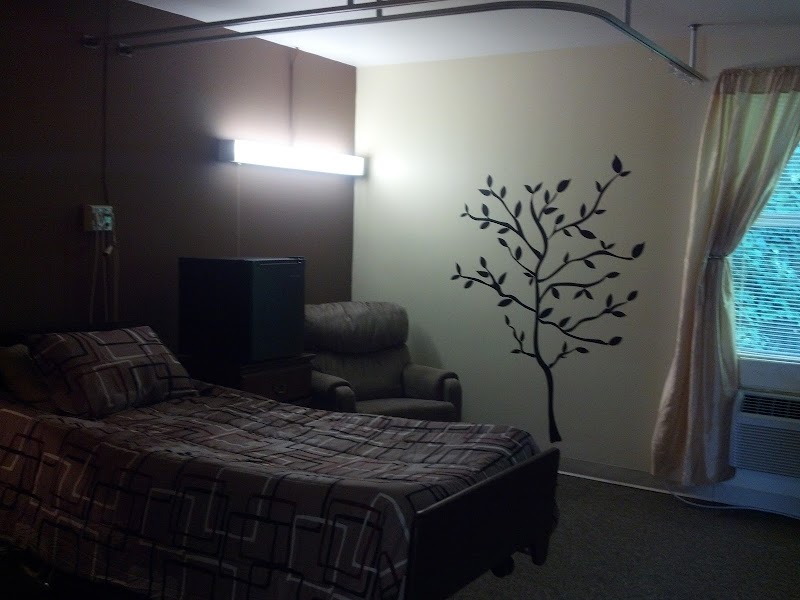
How Does Vandalia Healthcare & Senior Living Compare to Other Illinois Nursing Homes?

Compared to the 100 nursing homes in Illinois, VANDALIA HEALTHCARE & SENIOR LIVING's overall rating (1 stars) is below the state average of 2.5 and health inspection rating (2 stars) is below the national benchmark.

What Should Families Ask When Visiting Vandalia Healthcare & Senior Living?

Based on this facility's data, families visiting should ask: "Can you walk me through typical staffing levels on day, evening, and night shifts?" "Can I visit during a mealtime to observe dining assistance and food quality?" "How do you handle medical emergencies, and what is your hospital transfer rate?" "Can I speak with family members of current residents about their experience?" These questions are particularly relevant given the below-average staffing rating.

Is Vandalia Healthcare & Senior Living Safe?

Based on CMS inspection data, VANDALIA HEALTHCARE & SENIOR LIVING has a clean safety record: no substantiated abuse findings (meaning no confirmed cases of resident harm), no Immediate Jeopardy citations (the most serious violation level indicating risk of serious injury or death), and is not on the Special Focus Facility watch list (a federal program monitoring the lowest-performing 1% of nursing homes). The facility has a 1-star overall rating and ranks #100 of 100 nursing homes in Illinois. While no facility is perfect, families should still ask about staff-to-resident ratios and recent inspection results during their visit.

Do Nurses at Vandalia Healthcare & Senior Living Stick Around?

VANDALIA HEALTHCARE & SENIOR LIVING has not reported staff turnover data to CMS. Staff turnover matters because consistent caregivers learn residents' individual needs, medications, and preferences. When staff frequently change, this institutional knowledge is lost. Families should ask the facility directly about their staff retention rates and average employee tenure.

Was Vandalia Healthcare & Senior Living Ever Fined?

VANDALIA HEALTHCARE & SENIOR LIVING has no federal fines on record. CMS issues fines when nursing homes fail to meet care standards or don't correct problems found during inspections. The absence of fines suggests the facility has either maintained compliance or corrected any issues before penalties were assessed. This is a positive indicator, though families should still review recent inspection reports for the full picture.

Is Vandalia Healthcare & Senior Living on Any Federal Watch List?

VANDALIA HEALTHCARE & SENIOR LIVING is not on any federal watch list. The most significant is the Special Focus Facility (SFF) program, which identifies the bottom 1% of nursing homes nationally based on persistent, serious quality problems. Not being on this list means the facility has avoided the pattern of deficiencies that triggers enhanced federal oversight. This is a positive indicator, though families should still review the facility's inspection history directly.