BELLA TERRA STREAMWOOD
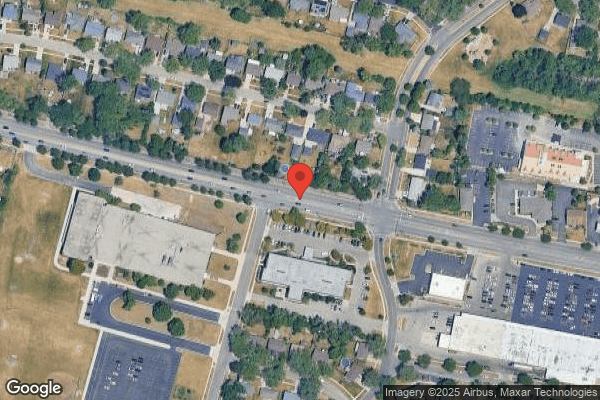
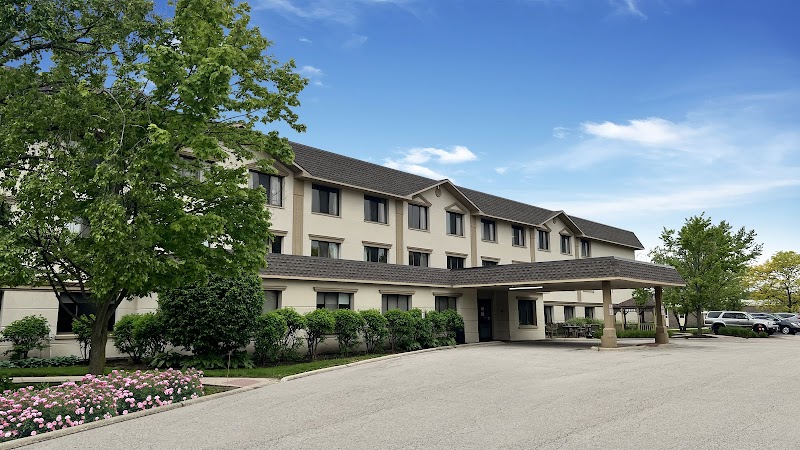
815 EAST IRVING PARK ROAD, STREAMWOOD, IL 60107 (630) 837-5300
For profit - Corporation 214 Beds LEGACY HEALTHCARE Data: November 2025
Trust Grade
85/100
#17 of 665 in IL
Last Inspection: March 2025

Within standard 12-15 month inspection cycle. Federal law requires annual inspections.

Overview

Bella Terra Streamwood has a Trust Grade of B+, indicating that it is above average and recommended among nursing homes. It ranks #17 out of 665 facilities in Illinois, placing it in the top half, and #5 out of 201 in Cook County, suggesting there are only four local options that are better. The facility has remained stable regarding its performance, with two issues reported in both 2024 and 2025. Staffing is a weakness, with a rating of 2 out of 5 stars and a turnover rate of 47%, which is around the state average. However, it offers good RN coverage, exceeding that of 89% of Illinois facilities, ensuring better oversight of resident care. While the facility has no fines, which is a positive sign, there are concerns related to resident care. For instance, residents reported delays in call light responses, with one resident waiting too long for assistance during the night shift. Additionally, some residents were not informed about the location of state inspection results, indicating a lack of transparency. Lastly, there was an incident involving a resident who fell while not closely monitored, despite having a care plan that specified the need for closer observation. Overall, while Bella Terra Streamwood has notable strengths, potential families should weigh these issues carefully.

Trust Score
B+
85/100
In Illinois
#17/665
Top 2%
Safety Record
Low Risk
No red flags
Inspections
Holding Steady
2 → 2 violations
Staff Stability
⚠ Watch
47% turnover. Above average. Higher turnover means staff may not know residents' routines.
Penalties
✓ Good
No fines on record. Clean compliance history, better than most Illinois facilities.
Skilled Nurses
✓ Good
Each resident gets 63 minutes of Registered Nurse (RN) attention daily — more than 97% of Illinois nursing homes. RNs are the most trained staff who catch health problems before they become serious.
Violations
⚠ Watch
14 deficiencies on record. Higher than average. Multiple issues found across inspections.
★★★★★
5.0
Overall Rating
★★☆☆☆
2.0
Staff Levels
★★★☆☆
3.0
Care Quality
★★★★★
5.0
Inspection Score
Stable
2024: 2 issues
2025: 2 issues

The Good

  • Full Sprinkler Coverage · Fire safety systems throughout facility
  • No fines on record

Facility shows strength in fire safety.

The Bad

Staff Turnover: 47%

Near Illinois avg (46%)

Higher turnover may affect care consistency

Chain: LEGACY HEALTHCARE

Part of a multi-facility chain

Ask about local staffing decisions and management

The Ugly 14 deficiencies on record

Mar 2025 1 deficiency
CONCERN (D)

Potential for Harm - no one hurt, but risky conditions existed

PASARR Coordination (Tag F0644)

Could have caused harm · This affected 1 resident

**NOTE- TERMS IN BRACKETS HAVE BEEN EDITED TO PROTECT CONFIDENTIALITY** Based on interview and record review, the facility failed to coordinate assessments with the pre-admission screening and residen...

Read full inspector narrative →
**NOTE- TERMS IN BRACKETS HAVE BEEN EDITED TO PROTECT CONFIDENTIALITY** Based on interview and record review, the facility failed to coordinate assessments with the pre-admission screening and resident review (PASRR) program by failing to refer a resident with a newly evident or possible serious mental disorder or related condition for a level 2 review due to new mental health diagnoses. This failure applies to two (R2 and R78) of two residents reviewed for PASRR screening. Findings include: 1.) R2 is [AGE] years of age and was admitted to the facility on [DATE]. Current medical diagnoses include but are not limited to 1. Vascular Dementia, Unspecified Severity, With Other Behavioral Disturbance, 10/18/2024. 2. Nightmare Disorder, 2/27/2024. 3. Generalized Anxiety Disorder, 8/1/2023. 4. Vascular Dementia, Severe, With Psychotic Disturbance, 8/1/2023. 5. Post-Traumatic Stress Disorder, Unspecified, 12/3/2021. 6. Major Depressive Disorder, Recurrent, Unspecified, 2/8/2021. 7. Unspecified Psychosis Not Due To A Substance Or Known Physiological Condition, 2/6/2021. 8. Hallucinations, Unspecified, 2/2/2021. On 03/19/25 at 01:06 PM, V2 (Director of Nursing) was inquired of R2's PASRR (pre-admission screening and resident review) screening. V2 said, They don't have a Maximus PASRR. Since they've been here a long time, OBRA (Omnibus Budget Reconciliation Act) screening was done, instead. I thought OBRA was sufficient. I did not know Maximus had to get done. On 03/19/25 at 01:44 PM, V9 (Director of Admissions) was inquired of R2's PASRR (pre-admission screening and resident review) screening. V9 said, Both (R2 and R78) were admitted before Maximus became enacted. PASRR screenings were not a requirement for admission. If it's a bed hold of ours there is no requirement to return. Case management at hospital will not be necessary to create one. If change in condition or change in mental status, then we do create one. If they are diagnosed with a mental illness while at the facility, then we will order a PASRR screening. V9 was inquired of the need of screening for other facility residents. V9 said, Yes, I have a list of other residents that are to be screened due to having a new diagnosis. R2's OBRA-I Initial Screen: 1. Date: 02/02/2021. 2. No reasonable basis for suspecting DD or MI. 3. Screening indicated nursing facility services were appropriate. 4. Screening certified by Department on Aging. R2's pertinent medical diagnoses after admission include: 1. Vascular Dementia, Unspecified Severity, With Other Behavioral Disturbance, 10/18/2024. 2. Nightmare Disorder, 2/27/2024. 3. Generalized Anxiety Disorder, 8/1/2023. 4. Vascular Dementia, Severe, With Psychotic Disturbance, 8/1/2023. 5. Post-Traumatic Stress Disorder, Unspecified, 12/3/2021. 6. Major Depressive Disorder, Recurrent, Unspecified, 2/8/2021. 7. Unspecified Psychosis Not Due To A Substance Or Known Physiological Condition, 2/6/2021. 8. Hallucinations, Unspecified, 2/2/2021. V9 (Director of Admissions) presented a PASRR Level I screen done 03/19/2025 at 12:56 PM for R2 after being inquired of a PASRR screening. 2.) R78 is [AGE] years of age and was admitted to the facility on [DATE]. Current diagnoses include but are not limited to PTSD (Post Traumatic Stress Disorder) 01/21/2025, Vascular Dementia, Unspecified Severity, with Other Behavioral Disturbance 10/01/2022, Other Specified Depressive Episodes 04/01/2022, Delusional Disorders 08/07/2021. On 03/19/25 at 09:00 AM V1 (Administrator) provided R78's OBRA (Omnibus Budget Reconciliation Act) initial screening from the Illinois Department of healthcare and Family Services from 06/18/2021. Screening indicated nursing facility services are appropriate. The individual has been formally diagnosed with a mental illness verified by a DSM-IV (Diagnostic and Statistical Manual of Mental Disorders 4th Edition) classification which substantially impairs the person's cognitive, emotional and/or behavioral functioning, excluding organic disorders/dementia, developmental disabilities, and alcohol/substance abuse- yes. V9 (Director of Admissions) presented a PASRR Level I screen done 03/19/2025 at 12:56 PM for R78 after being inquired of a PASRR screening. On 03/19/25 at 01:01 PM, V2 (Director of Nursing) was inquired of R78's preadmission screening and resident review. V2 said, We don't have a PASRR for her (R78), only the OBRA. V9 (Director of Admissions) is putting it in now. I didn't know we had to do a PASRR (preadmission screening and resident review) screening. On 03/19/25 at 01:51 PM, V9 (Director of Admissions) was inquired of PASRR screenings for R2 and R78. V9 said, I started in August of 2023 and received training on PASRR screening. Any new admissions from the hospital case managers do the screenings. If the resident has a change in condition, a new mental health diagnosis a PASRR screening would need to be done to see if it triggers a PASRR 2 screening. I didn't know the residents that were already here needed to be screen when the new PASRR screening started. R2 and R78 need to be screened because of their new diagnoses. V9 was inquired of the need of screening for other facility residents. V9 said, Yes, I have a list of other residents that are to be screened due to having a new diagnosis. On 03/19/25 at 2:20 PM, V2 (Director of Nursing) was asked to provide this surveyor a copy of V9 (Director of Admissions) list of other residents that required a PASRR screening for review. There are 18 residents listed as requiring PASRR screening.
Jan 2025 1 deficiency
CONCERN (D) 📢 Someone Reported This

A family member, employee, or ombudsman was alarmed enough to file a formal complaint

Potential for Harm - no one hurt, but risky conditions existed

Deficiency F0760 (Tag F0760)

Could have caused harm · This affected 1 resident

Based on interview and record review the facility failed to ensure a resident was free from significant medication error for 1 of 3 residents (R3) reviewed for medications in the sample of 8. The find...

Read full inspector narrative →
Based on interview and record review the facility failed to ensure a resident was free from significant medication error for 1 of 3 residents (R3) reviewed for medications in the sample of 8. The findings include: R3's Physician order sheet (POS) dated 1/25 show R3 has diagnoses that include anxiety, rheumatoid arthritis, depression, and bipolar disorder. The same POS show R3 has an order of Lorazepam (Ativan) 0.5 milligram (mg) give 1 tablet every 8 hours at: 6AM, 2PM and 10 PM for anxiety. On 1/10/25 at 9:15 AM, R3 was in bed alert and pleasant. R3 said she had missed her Ativan medications in the past. R3 said she has anxiety. On 1/10/25 at 9AM, V12 (Registered Nurse/RN) said on 1/4/25 she was R3's morning shift nurse. V12 (RN) said she got in report that R3 missed her 6AM dose of Ativan on 1/4/25. V12 said the pharmacy was wanting a signed script. V12 said she took care of the issue that day. R3's Ativan came around 4PM on 1/4/25. R3 got her Ativan dose of 2PM at 4PM (when the medication was finally delivered.) V12 (RN) who was with this surveyor reviewed R3's Electronic Medication Administration record (EMAR). R3's EMAR show on 1/3/25 timed at 2200 (10PM), R3's Ativan was marked as UV-(unavailable) R3's EMAR show on 1/4/25 timed at 0600 (6AM) marked as UV-unavailable. V12 said unavailable means the medication (Ativan) was not available, therefore the resident did not receive her anti-anxiety medications. On 1/10/25 9:49 AM, V13 (License Practical Nurse/LPN) said he was the night nurse last 1/3/25. V13 said he got in report that R3's Ativan was not available. R3 did not get her 10 PM dose. At around midnight (1/4/25), he was surprised that paramedics arrived at the facility looking for R3. R3 called 911 due to not receiving her Ativan dose. R3 said she was having withdrawals and was wanting to be sent to the hospital. R3 also said she had a full-blown anxiety attack months ago due to not taking her Ativan and she was afraid this can happen again. R3 was then brought to the emergency room (ER) via 911. R3 was discharged back to the facility in the morning of 1/4/25. On 1/10/25 at 8:50 AM, V13 (local Emergency Response Team/EMS) said he was one of the CMS that responded to R3's call. They were at the facility last 1/4/25 past midnight responding a call from a resident (R3). R3 called 911 herself and said she was having anxiety attack due to not receiving her anti-anxiety medications. R3 was anxious, nervous, and tense. R3 wanted to go to the hospital. R3 was taken to the ER for treatment. R3's Emergency Notes dated 1/4/25 show R3 was diagnosed with generalized anxiety disorder. R3 was discharged back to the facility. Discharge instructions include refill R3's antianxiety medications (Ativan). On 1/10/25 at 1PM. V2 (Director of Nursing) said staff should ensure residents medications including antianxiety were reordered with script timely. R3's care plan dated 12/13/24 show (R3) requires psychotropic medication (Lorazepam) .to help manage and alleviate anxiety and depression with bipolar disorder. The facility policy entitled Medication Pass dated 8/16/24 show, it is the policy of the facility to adhere to all Federal and State Regulations with medications.
Sept 2024 1 deficiency
CONCERN (D) 📢 Someone Reported This

A family member, employee, or ombudsman was alarmed enough to file a formal complaint

Potential for Harm - no one hurt, but risky conditions existed

Deficiency F0676 (Tag F0676)

Could have caused harm · This affected 1 resident

**NOTE- TERMS IN BRACKETS HAVE BEEN EDITED TO PROTECT CONFIDENTIALITY** 2. R3 was re-admitted from the (Local Hospital) on 9/4/24. R3's MDS dated [DATE], documents R4 has a memory problem, is moderate...

Read full inspector narrative →
**NOTE- TERMS IN BRACKETS HAVE BEEN EDITED TO PROTECT CONFIDENTIALITY** 2. R3 was re-admitted from the (Local Hospital) on 9/4/24. R3's MDS dated [DATE], documents R4 has a memory problem, is moderately impaired for daily decision making, is unable to ambulate, and requires maximum to dependent staff assistance with ADL's (Activities of Daily Living). R3's Shower/Bathing and Skin Monitoring Report dated 9/4/24 through 9/19/24 documents R3 only received one shower within this timeframe on 9/16/24. On 9/20/24 at 8:45 AM R3 was lying in bed. R3 did not respond to verbal stimuli. R3's hair was unkempt and all R3's fingernails were long, jagged, and had brown matter underneath. R3 was still in a facility gown and had a putrid smell. On 9/20/24 at 9:30 AM V17 (Certified Nursing Assistant) verified R3's long nails with black matter underneath them. V17 stated, I am getting ready to give (R3) a bed bath now and I will clip and clean her nails. On 9/2/204 at 2:00 PM V2 (Director of Nursing) verified R2 and R3 (according to shower reports) did not receive at least one shower per week. V2 stated, According to facility policy they should at least receive one shower per week. The staff should also be clipping and cleaning residents' fingernails on shower days at least. Based on observation, interview, and record review the facility failed to provide residents weekly showers for two of three residents (R2 and R3) reviewed for showers in the sample 11. Findings include: The facility's Shower and Hygiene Policy dated 8/19/24 documents, It is the policy of this facility to ensure that resident showers/hygienic care is provided by the nursing staff to promote cleanliness, provide comfort to the resident and observe the condition of the resident's skin. Administer resident shower once weekly and/or as often as necessary. Documentation: Date and shift the shower was performed. The name/title of the nursing staff who assisted the resident with the shower/bath. 1. R2's MDS (Minimum Data Set) assessment dated [DATE] documents R2 needed staff assistance for hygiene and showers. R2's Shower/Bathing and Skin Monitoring Report dated 6/29/24 (Admission) through 7/31/24 documents R2 only received two showers within this timeframe on 7/10/24 and 7/27/24. On 9/20/24 at 4:40 PM V4 (R2's Family Member) stated, (R2) no longer resides at the facility. Whenever I would visit (R2) he was dirty, and his hair was greasy. (R2) was not getting showers.
Apr 2024 1 deficiency
CONCERN (D)

Potential for Harm - no one hurt, but risky conditions existed

Infection Control (Tag F0880)

Could have caused harm · This affected 1 resident

**NOTE- TERMS IN BRACKETS HAVE BEEN EDITED TO PROTECT CONFIDENTIALITY** 3.) R82 is a cognitively impaired [AGE] year-old resident with diagnosis listed in part, but not limited to hemiplegia and hemip...

Read full inspector narrative →
**NOTE- TERMS IN BRACKETS HAVE BEEN EDITED TO PROTECT CONFIDENTIALITY** 3.) R82 is a cognitively impaired [AGE] year-old resident with diagnosis listed in part, but not limited to hemiplegia and hemiparesis following cerebral infarction affecting left non-dominant side, dysphagia following cerebral infarction, vascular dementia, and type II diabetes mellitus. On 04/03/2024 at 9:57am, V22 (Wound Care Coordinator) said R82 has poor appetite, does not eat through the mouth, is being fed via a g-tube, has low albumin levels, used to have pitting edema, which is now controlled, has moderate to severe atherosclerosis, venous insufficiency, and had sepsis that resolved with antibiotics. On 04/03/2024 at 12:15pm, surveyors observed perineal care done for R82 by V13 (Certified Nursing Assistant/CNA) and V14 (Restorative Aide). V13 and V14 donned gowns, gloves, and masks prior to entering R82's room. R82 was laying on an air mattress, which was covered by one sheet. R82 was moved toward the head of the bed by V13 and V14. The wound dressing on R82's sacrum was partially loose. R82's soiled brief was removed by V14 and thrown into a trash can. V14 placed a new disposable brief on R82 but left it open. V13 used cleansing wipes to clean R82's perineal area, then (petroleum jelly) was applied by V13 to R82's buttocks and the disposable brief was taped close. Surveyor observed every time V14 removed gloves while performing perineal care for R82 and noted that V14 did not perform hand hygiene before putting on new gloves. After the perineal care was completed, surveyor asked V14 to review the steps taken when performing perineal care for R82. V14 said, sorry for not performing hand hygiene between glove changes. V14 added that they did not have hand sanitizer at their disposal during R82's perineal care and was nervous. Per the facility's hand hygiene policy, dated 07/28/2023, hand hygiene using alcohol-based hand rub is highly recommended before and after direct resident contact, after performing an aseptic task, and before moving from work on a soiled body site to a clean body site on the same resident. Also, the policy states, the facility will comply with the CDC guidelines in regard to hand hygiene. Per CDC Website, Hand Hygiene in Healthcare Settings the following recommendations are: The Core Infection Prevention and Control Practices for Safe Care Delivery in All Healthcare Settings recommendations of the Healthcare Infection Control Practices Advisory Committee (HICPAC) include the following strong recommendations for hand hygiene in healthcare settings. Healthcare personnel should use an alcohol-based hand rub or wash with soap and water for the following clinical indications: -Immediately before touching a patient -Before performing an aseptic task (e.g., placing an indwelling device) or handling invasive medical devices -Before moving from work on a soiled body site to a clean body site on the same patient -After touching a patient or the patient ' s immediate environment -After contact with blood, body fluids, or contaminated surfaces -Immediately after glove removal Healthcare facilities should: -Require healthcare personnel to perform hand hygiene in accordance with Centers for Disease Control and Prevention (CDC) recommendations -Ensure that healthcare personnel perform hand hygiene with soap and water when hands are visibly soiled -Ensure that supplies necessary for adherence to hand hygiene are readily accessible in all areas where patient care is being delivered -Unless hands are visibly soiled, an alcohol-based hand rub is preferred over soap and water in most clinical situations due to evidence of better compliance compared to soap and water. Hand rubs are generally less irritating to hands and, in the absence of a sink, are an effective method of cleaning hands. Based on observation, interview, and record review the facility failed to follow their policy and procedure related to infection control by not wearing appropriate personal protective equipment (PPE) in resident rooms who required contact isolation and by not practicing hand hygiene while performing incontinence care for a resident. This failure applied to three of three (R82, R275, R277) residents reviewed during review of facility infection control practices. Findings include: Per contact isolation log dated 04/2024, shows R275 on contact isolation for MRSA in the urine and R277 on contact isolation for VRE in the urine. 1.) On 4/1/24 at 1:20PM, V9 (Dialysis Social Worker) was observed entering R275's room not wearing any PPE. V9 sat on the edge of R275's bed next to R275 to have a discussion. 2.) On 4/2/24 at 12:40PM, V11 (Director of Rehab) was observed to be in R277's room not wearing a gown. V20 (family member) was also observed entering R277's room without putting on any PPE and without performing any hand hygiene. V20 was then observed leaving the room and going to the nursing station to speak with staff without performing any hand hygiene. On 4/2/24 at 1:40PM, V21 (Infection Preventionist) was interviewed regarding contact isolation expectations. V21 said my expectation is that prior to entering the room of any resident who is on contact isolation, no matter who it is: staff and visitors should perform hand hygiene with hand sanitizer and put on a gown and gloves. Prior to exiting the room, they are to take PPE off and perform hand hygiene. Family is informed of this when a resident is put on isolation and there is also a sign and PPE placed outside of the door for them to utilize. Policy titled Infection Prevention and Control with last revision date of 10/23/23 states in part but not limited to the following: 2. Contact Precaution- intended to prevent transmission of infectious agents spread by direct or indirect contact with patient or the environment. Use of gown and gloves is necessary prior to room entry. Residents are restricted to leave the room except for medically necessary procedures and appointments.
Jun 2023 1 deficiency
CONCERN (E) 📢 Someone Reported This

A family member, employee, or ombudsman was alarmed enough to file a formal complaint

Potential for Harm - no one hurt, but risky conditions existed

Resident Rights (Tag F0550)

Could have caused harm · This affected multiple residents

**NOTE- TERMS IN BRACKETS HAVE BEEN EDITED TO PROTECT CONFIDENTIALITY** Based on observation, interviews and record reviews, the facility failed to ensure that call lights are answered in a timely man...

Read full inspector narrative →
**NOTE- TERMS IN BRACKETS HAVE BEEN EDITED TO PROTECT CONFIDENTIALITY** Based on observation, interviews and record reviews, the facility failed to ensure that call lights are answered in a timely manner per policy. This deficiency affects four (R1, R12, R13 and R14) of four residents reviewed for accommodation of needs. Findings include: 1.) R1 was admitted on [DATE] with diagnoses of Displaced Fracture of Base of Neck of Right Femur, Subsequent Encounter for Closed Fracture with Routine Healing; Difficulty in Walking, Not Elsewhere Classified; Unsteadiness on Feet; Need for Assistance with Personal Care and End Stage Renal Disease. R1's MDS (Minimum Data Set) dated 05/25/23 under Section C indicated that her BIMS (Brief Interview for Mental Status) score is 15 which means intact cognition. R1 was discharged to home on [DATE]. According to concern form dated 05/28/23, she (R1) complained of poor call light response during night shift. V1 (Administrator) stated during interview on 06/13/23 at 2:59 PM that R1 was talking about call light responses that she waited for longer periods of time because she wanted staff to respond quicker. V1 continued, It happened more on the night shift. She mentioned that night shift did not respond quicker. I did education on call light. 2.) R12 was initially admitted in the facility on 05/23/23 with diagnoses of End Stage Renal Disease; Shortness of Breath; Difficulty in Walking, Not Elsewhere Classified and Unsteadiness on Feet. On 06/14/23 at 12:26 PM, R12 was observed in her room, alert and oriented. Her call light was observed within her reach. R12's BIMS score is 15 which means intact cognition, per MDS dated [DATE]. R12 was asked regarding issues on call lights. R12 stated, This early morning, I pushed the call light around 3, 3:30 AM and no one came to my room until around 5:00 AM. I waited for an hour and a half to two. No staff cared to respond to my call light. Concern form dated 05/29/23 documented R12 complained that she was not satisfied with the call light responses from staff. 3.) R13 was admitted with diagnoses of Nondisplaced Zone 1 Fracture of Sacrum, Subsequent Encounter for Fracture with Routine Healing and Dependence on Supplemental Oxygen. On 06/14/23 at 12:35 PM, R13 was observed in her room, lying in bed, on continuous oxygen at 3 lpm (liters per minute) via nasal cannula. Her call light was within her reach, by bedside rail. Per MDS dated [DATE], her BIMS score is 9 which means moderately impaired cognition. R13 was asked if she has any concern with staff responding to her call light. R13 stated, It was during night shift, staff don't come when I pushed the call light. I need to go to the bathroom, but no one came so I just got up and walked to the bathroom. And I have this oxygen in me. It was 2:30 AM that I used my call light, but no one checked on me and came to my room until next shift came. According to concern form dated 06/12/23, she (R13) complained that it took too long for staff to respond to her call light. 4.) R14 was admitted on [DATE] with diagnoses of Other Specified Arthritis, Left Shoulder, and Other Muscle Spasm. On 6/14/23 at 12:41 PM, R14 was observed in room, lying in bed, alert, oriented and verbal. Her call light was at bedside and within her reach. R14 was asked if she must wait longer time for staff to come to her room when she pushed her call light. R14 replied, Sometimes staff come to my room when I pushed the call light but a lot of times they don't. I waited and waited for an hour or more. It depends on who the CNA (Certified Nurse Assistant) is assigned to me. R14's MDS dated [DATE] indicated a BIMS score of 9 which means moderately impaired cognition. On 06/14/23 at 12:57 PM, V2 (Director of Nursing) was asked regarding call light response time. V2 replied, All staff is responsible to respond to call lights. It should be responded within 5-10 minutes, the acceptable time because some staff or CNAs are still assisting other residents. I expect that anybody who could see the call light on, it should be responded. Even when staff is walking the hallway, call light should be responded in a timely manner. Facility's policy titled Call Light Policy revised date 7/27/22 stated in part but not limited to the following: Policy Statement: It is the policy of this facility to ensure that there is prompt response to the resident's call for assistance. The facility also ensures that the call system is in proper working order. Procedures 1. Facility shall answer call lights in a timely manner.
Nov 2022 9 deficiencies
CONCERN (D)

Potential for Harm - no one hurt, but risky conditions existed

Resident Rights (Tag F0550)

Could have caused harm · This affected 1 resident

Based on observation, interview and record review the facility failed to ensure the indwelling urinary bag was placed in a dignity bag for 1 of 2 residents (R282) reviewed for indwelling urinary cathe...

Read full inspector narrative →
Based on observation, interview and record review the facility failed to ensure the indwelling urinary bag was placed in a dignity bag for 1 of 2 residents (R282) reviewed for indwelling urinary catheter in a sample of 28. Findings include: On 11/1/2022 at 10:30am R282 was observed in bed with an indwelling urinary bag hanging on side of bed by the door with-out a dignity bag covering. On 11/1/2022 at 10:45am V16 (Registered Nurse-RN) observed with the surveyor R282 indwelling urinary bag not covered with a dignity bag. V16 said the urinary bag should be covered for privacy. On 11/3/2022 at 9:45am V3(Director of Nursing-DON) said all indwelling urinary bags should be covered for privacy. An Order Summary Report dated active as of 11/1/2022 indicated that R282 has an Indwelling Catheter size 16 French with a 30-milliliter balloon, reason Obstructive Uropathy. Facility Policy: Privacy and Dignity Revised: 7/28/2022 Policy Statement: It is the facility's policy to ensure that resident's privacy and dignity is respected by the staff at all times. Procedures: 4. Urine bags will be covered with the use of privacy bags.
CONCERN (D)

Potential for Harm - no one hurt, but risky conditions existed

Deficiency F0558 (Tag F0558)

Could have caused harm · This affected 1 resident

2. On 11/01/2022 at 11:07AM during observation, R33 was observed lying in bed with bed alarm. Wheelchair was observed with chair alarm and call light was observed on the other side of the room on a dr...

Read full inspector narrative →
2. On 11/01/2022 at 11:07AM during observation, R33 was observed lying in bed with bed alarm. Wheelchair was observed with chair alarm and call light was observed on the other side of the room on a dresser, out of sight and reach of R33. On 11/01/2022 at 11:10AM, R33 was observed with V18 (RN) with call light out of R33's sight and reach. V18 said that it should be placed within R33's reach and clipped it on R33's gown. On 11/01/2022 at 2:00PM, V3 (Director of Nursing) said that the call light should always be within resident's reach. R33's Order Summary Report indicated admission date of 11/08/2018 and diagnoses of but not limited to anxiety disorder, restlessness and agitation, and repeated falls. Care plan last reviewed 09/27/2022 indicated that R33 is high risk for falls and interventions include to please make sure that call light is within R33's reach. Based on observation and interview and record review, the facility failed to place the call light within resident's reach for two of fourteen residents (R33 and R123) reviewed for accommodation of needs in a sample of 28 residents. Findings include 1. During observation on 11/1/22 at 11:30 am, R123's call light was observed underneath R123. R123 stated I need someone to boost me up in bed, but I cannot find my call light. During an interview on 11/1/22 at 11:30 am with V16 (Registered Nurse), V16 stated that the call light should be within the resident's reach. On 11/2/22 at 9:30 am in the conference room, V3 (Director of Nursing) stated that the call light should be within the resident's reach. Facility policy revised 7/27/22 Titled: Call Light Policy reads; Policy Statement, it is the policy of this facility to ensure that there is prompt response to the resident's call for assistance. The facility also ensure that the call system is in proper working order. Procedure; 5. Be sure call light are placed within reach of the residents who are able to use it at all times .
CONCERN (D)

Potential for Harm - no one hurt, but risky conditions existed

Deficiency F0583 (Tag F0583)

Could have caused harm · This affected 1 resident

Based on observation, interview and record review, the facility failed to provide privacy while performing a blood glucose check for one (R71) of three residents observed for privacy in a sample of 28...

Read full inspector narrative →
Based on observation, interview and record review, the facility failed to provide privacy while performing a blood glucose check for one (R71) of three residents observed for privacy in a sample of 28. Findings include: On 11/01/2022 at 12:06PM during observation, V18 (Registered Nurse) brought R71 to her room via wheelchair to perform blood glucose check. V18 placed the resident by the wall on the left side across the bathroom just right after passing the door going into the room. She then proceeded with performing the blood glucose check with the door wide open. On 11/01/2022 at 1:25PM, V18 said that it is okay to perform blood glucose check on a resident if the resident is inside the room. She also added that closing the door is not necessary. On 11/01/2022 at 2:00PM, V3 (Director of Nursing) stated that the door should be closed if procedure is to be performed on a resident like a blood glucose check. R71's face sheet indicated admission date of 07/22/2022 and diagnosis of but not limited to type 2 diabetes mellitus without complications. Facility Policy: Title: Privacy and Dignity Revised: 07/28/22 Policy Statement: It is the facility's policy to ensure that resident's privacy and dignity is respected by the staff at all times. Procedures: 1. During care that requires privacy ., . the privacy curtain will be drawn to provide full visual privacy. Door may also be closed to provide additional layer of privacy during care.
CONCERN (D)

Potential for Harm - no one hurt, but risky conditions existed

Deficiency F0625 (Tag F0625)

Could have caused harm · This affected 1 resident

Based on interview and record review the facility failed to provide written notice of a bed hold for three residents (R30, R73, and R94) of six residents reviewed for hospital transfer in the sample o...

Read full inspector narrative →
Based on interview and record review the facility failed to provide written notice of a bed hold for three residents (R30, R73, and R94) of six residents reviewed for hospital transfer in the sample of 28. Findings include: R30's progress note on 7/17/22 indicates .patient was sent to (hospital) for sob (shortness of breath) at 1pm on 7/16/22. Patient was also admitted with of Dx (diagnosis) of respiratory distress, ams (altered mental status), and pna (pneumonia). There is no indication that notice of bed hold was sent. R73's progress note of 9/9/22 indicates, resident admitted for further evaluation post fall. The progress note of 9/12/22 indicate, resident admitted to (hospital) 9/9/22 with Dx. (diagnosis) altered mental status, episodes of hallucinations, bradycardia HR (heart rate) less than 40, and ESRD (end stage renal diagnosis). There is no indication that notice of bed hold was sent. R94's progress note of 8/7/22 indicates, resident was picked up by ambulance at around 9:30 AM to be evaluated at (hospital). R94's progress note of 8/8/22 indicates, resident's av (arterial-venous) fistula is clogged per np (nurse practitioner) writer is sending resident out to (hospital) emergency room. There is no indication that notice of bed hold was sent. On 11/2/22 at 10:15 AM V3 (Director of Nursing) said, SBAR (situation, background, assessment, recommendation) and interact form is filled out. The nurse calls the doctor for an order to send the resident to the hospital. The family is notified. We notify the family that the bed is held for 10 days. I don't think that we send a notice. Usually the nurses document in the progress notes. A policy titled Bed Hold and readmission indicates, the facility must inform the resident or family members being transferred of the duration of bed hold in writing.
CONCERN (D)

Potential for Harm - no one hurt, but risky conditions existed

Respiratory Care (Tag F0695)

Could have caused harm · This affected 1 resident

Based on observation, interview and record review the facility failed to ensure that the oxygen tubing and humidifier bottle was dated and labeled for 1 of 2 residents (R282) reviewed for oxygen in a ...

Read full inspector narrative →
Based on observation, interview and record review the facility failed to ensure that the oxygen tubing and humidifier bottle was dated and labeled for 1 of 2 residents (R282) reviewed for oxygen in a sample of 28. Findings include: On 11/1/2022 at 10:30am the surveyor observed R282's oxygen tubing and humidifier bottle without a date or label. On 11/1/2022 at 10:40am V16 (Registered Nurse-RN) said the oxygen tubing and the humidifier bottle should be labeled and dated. On 11/3/2022 at 9:40am V3 (Director of Nursing-DON) said all the oxygen tubing and humidifier bottles should be labeled and dated every Sunday and as needed. On 11/3/2022 An admission record indicated that R282 has a diagnosis of Dependence on supplemental oxygen, Chronic Obstructive Pulmonary Disease Unspecified, Acute and Chronic Respiratory Failure with Hypoxia. An Order Summary Report dated with an order of 10/20/2022 documents Continue 1.5L/min via nasal cannula every shift for COPD. Facility Policy: Respiratory Therapy Equipment Use Dated:7/28/2022 Policy Statement: It is the facility's policy to ensure that oxygen and nebulizer equipment use is complaint with the acceptable standards of practice. Procedures: 2. Once opened, this equipment will be dated and discarded after 7 days use, whether used continuously or on a prn (as needed) basis.
CONCERN (E)

Potential for Harm - no one hurt, but risky conditions existed

Deficiency F0577 (Tag F0577)

Could have caused harm · This affected multiple residents

Based on observation, interview and record review the facility failed to have the State inspection survey results available and accessible to the residents. This deficiency affects four residents (R12...

Read full inspector narrative →
Based on observation, interview and record review the facility failed to have the State inspection survey results available and accessible to the residents. This deficiency affects four residents (R12, R39, R75 and R110) in the sample of 28 reviewed for Resident right to Survey results. Findings include: On 11/2/22 at 10:23am, Resident council meeting held with 4 residents in attendance. R12, R39, R75 and R110. During the resident council meeting all 4 residents said that they don't know where the results of the State Inspection is located. All said that they have not seen the signage for the location of the survey results. All said that there is no posting or signage on the facility's bulletin board. On 11/2/22 at 11:10am, V1 Administrator informed of above concerns. V1 said that due to construction the posting or signage is not in place at the front deck. They usually place the signage and the location of the State Inspection/Survey results on the front desk. She said she will take care of it. On 11/2/22 at 12:54pm, Round made to the all bulletin boards on units and front desk. No posting/signage indicating the location of State inspection survey result. On 11/2/22 at 3:38pm, Rounds made with V1 Administrator to the front desk to show that there is no postage /signage indicating the location of State inspection survey result. V15 Receptionist said she does not know where the State Inspection Survey result binder is. V1 said that is supposed to be in here but due to construction she does know where it is located. Unable to locate the Survey result binder in the front desk. V1 said that she will have it available by tomorrow. Facility's policy on Resident Rights Long Term Care indicates: As a long term care resident in Illinois, you are guaranteed certain rights, protections and privileges according to state and federal laws. *You have the right to see reports of all inspections by the IDPH from the last five years and the most recent review of your facility along with any plan that your facility gave to the surveyors saying how your facility plans to correct the pro
CONCERN (E) 📢 Someone Reported This

A family member, employee, or ombudsman was alarmed enough to file a formal complaint

Potential for Harm - no one hurt, but risky conditions existed

Accident Prevention (Tag F0689)

Could have caused harm · This affected multiple residents

**NOTE- TERMS IN BRACKETS HAVE BEEN EDITED TO PROTECT CONFIDENTIALITY** 4. On 11/2/2022 a Post Fall Investigation/RCA Investigation indicated that R15 had an unwitnessed fall on 10/22/2022 at 7:15pm r...

Read full inspector narrative →
**NOTE- TERMS IN BRACKETS HAVE BEEN EDITED TO PROTECT CONFIDENTIALITY** 4. On 11/2/2022 a Post Fall Investigation/RCA Investigation indicated that R15 had an unwitnessed fall on 10/22/2022 at 7:15pm resulting in R15 sustaining a bump/swelling to her right forehead with minimal bleeding. The certified nursing assistant-cna had assisted the resident to the toilet after dinner and the resident was brought back to her bedroom. The cna placed R15 in front of her television-tv with her call light in reach in her wheelchair. An admission Record indicated that R15 has a diagnosis of Non-traumatic Subdural Hemorrhage Unspecified, Repeated Falls, Vascular Dementia, Unspecified Severity, with-other Behavioral Disturbance. A care plan dated 9/27/2022 for R15 had a focus of high risk for falls, and an Intervention of (I would like staff to move me close to the nurses' station for closer observation). On 11/3/2022 at 11:30am V5(Fall coordinator) said that all interventions should be followed as placed on the care-plan. On 11/3/2022 at 12:00pm V4(Director of Nursing-DON) said if a resident has an intervention to place at the nurses' station, I expect staff to follow all interventions as placed on the care plan and recommended. Based on observation, interview and record review the facility failed to implement fall care plan interventions for residents who are at high risk for falls. The facility also failed to formulate new fall care plan interventions based on root cause analysis of resident fall incident. This deficiency affects all three (R15, R20, R39 and R79) residents in the sample of 28 reviewed for Fall prevention management. Findings include: 1. R79 is re-admitted on [DATE] with diagnosis to include Wedge compression fracture of first lumbar vertebrae, Systemic involvement of connective tissue, Unsteadiness on feet, Need for assistance with personal care, Reduced mobility, Low back pain, Repeated falls, Contusion of right knee, Pain in hip, Fusion of spine lumbar region, Deforming dorsopathies, Collapse vertebra thoracic region, Fracture of shaft of right fibula, Fracture of part of right clavicle, nondisplaced fracture of acromial process right shoulder, Rheumatoid arthritis, History of falling, Primary Osteoarthritis. R79's most recent fall assessment dated [DATE] indicates at high risk for falls. R79's care plan indicates she is at high risk for falls related to anxiety disorder, cognitive impairment, decline in functional status, hearing impairment, impulsivity or poor safety awareness. Intervention: Keep the bed in the low position for safety. R79 has 5 fall incidents dated 6/5/22, 6/16/22, 7/1/22, 7/25/22 and 8/28/22. On 11/1/22 at 10:38am, V9 LPN said that R79 is on high risk for fall monitoring. R79 had several fall incidents. On 11/1/22 at 11:45am, Observed R79 lying in bed in a high position. Called V9 LPN and showed observation. V9 said that R79's bed should be on the lowest position. V9 put the bed on the lowest position. On 11/1/22 at 12:13pm V13 Agency CNA said that she fed R79 for breakfast. She probably forgot to put down the bed after she feds her. V13 is aware that R79 is at high risk for fall. On 11/1/22 at 2:30pm, V5 Fall coordinator informed of above observation, V5 said that they are expected to follow the fall intervention prevention. 2. R39 is readmitted on [DATE] with diagnosis to include Bilateral primary osteoarthritis of knee, Difficulty walking, Pain in bilateral knee, Type 2 Diabetics Mellitus, Anxiety disorder, Bipolar. R39's fall risk assessment dated [DATE] indicated at high risk for falls. R39's care plan indicates at high risk for falls related to depression, impaired balance, impulsivity or poor safety awareness, Schizophrenia. R39 had fall incident on 9/22/22. R39's post fall investigation root cause analysis completed by V5 Fall coordinator indicated that on 9/22/22 at 1:30pm Therapist reported that R39 had a fall incident outside the facility (front door) and before they could get to him, he already got inside the cab. (Per V5 Fall coordinator, the therapist saw it from the window). R39 returned to the facility at 3:30pm. Assessment was done, noted abrasion on his right knee lateral side, no active bleeding. R39 said that the car arrived in front of the building to take him to his dental appointment. R30 told to the cab driver that he was bringing his wheelchair inside and will come right out. The driver started driving away and resident tried to go after the cab, walking too fast. R30 took a stumble and got up by himself. R30 able to catch up with the cab by the side of the street and got inside the cab to go to his appointment. R30 has poor functional mobility related to bilateral knee osteoarthritis and poly neuropathy. He has impulsive behavior related to psychosis, bipolar disorder and restlessness and agitation contributing to his risk. Intervention to address incident: R39 was reminded to use his assistive device at all times. He was referred to PT/OT to evaluate and treat as ordered to increase his strength and mobility and prevent further falls. Fall intervention formulated not related to the root cause analysis. R39 does not have staff supervision/assistance when going into the cab/taxi for his medical appointment. On 11/2/22 at 9:53am Informed V2 DON (Director of Nursing) of above concern regarding R39's fall incident, root cause analysis and fall interventions. R39 was not supervised getting into a cab when going out for his dental appointment. V2 said that staff should physically be present to supervise resident getting into a cab or any transportation going to medical appointments for safety. On 11/2/22 at 10:28am, R39 said that he had a fall last Sept when going to his dental appointment. He said that he tried to catch up with the cab driver and stumbled and fell. He said no staff assisted him. 3. R20 is re-admitted on [DATE] with diagnosis to include Nontraumatic intracerebral hemorrhage, Vascular dementia with behavioral disturbance, History of falling, Type 2 Diabetes Mellitus. Most recent fall assessment done on 10/18/22 indicated at high risk for falls. R20's care plan indicates resident is at high risk for falls related to Anxiety disorder, Cognitive impairment, impulsivity or poor safety awareness, Dementia, Traumatic brain injury. R20 had 2 fall incidents: 9/3/22 unwitnessed fall with injury. R20 found in the dining room lying on the floor. R20 sustained a hematoma above her right eyebrow. She was sent out to the hospital and admitted with intracranial Hemorrhage. R20 returned to the facility on 9/7/22. On 10/18/22 R2 had an unwitnessed fall without injury. R20 found sitting on the floor next to her bed. She was sent out to the hospital and admitted with hypoxia. R20 returned on 10/25/22. On 11/1/22 at 11:36am, Observed R20 up in B**** chair (Tilt in space positional chair) in the dining room. She is confused and unable to be interviewed. On 11/2/22 at 11:00am, V5 Fall coordinator said that they evaluated R20 for B***** chair (Tilt in space positional chair) on 10/28/22 for safety because she always leaning forward attempting to pick up from the floor. V5 said that R20 was placed on the chair on 10/28/22. Informed V5 that R20's fall care plan was not updated of new intervention implemented. V5 said that she thought V6 Restorative Nurse updated it because she is the one who evaluated the chair for R20. Facility's policy on Fall occurrence indicates: It is the policy of the facility to ensure that resident is assessed for risk for falls, that interventions are put in place and interventions are re-evaluated and revised as necessary. Procedures: 5. The Falls Coordinator will review the incident and may conduct his/her own fall investigation to determine the reasonable cause of fall. 8. The Fall coordinator will add the intervention in the resident's care plan
CONCERN (E)

Potential for Harm - no one hurt, but risky conditions existed

Deficiency F0761 (Tag F0761)

Could have caused harm · This affected multiple residents

**NOTE- TERMS IN BRACKETS HAVE BEEN EDITED TO PROTECT CONFIDENTIALITY** Based on observation, interview, and record review, the facility failed to dispose of expired house stock medications on first f...

Read full inspector narrative →
**NOTE- TERMS IN BRACKETS HAVE BEEN EDITED TO PROTECT CONFIDENTIALITY** Based on observation, interview, and record review, the facility failed to dispose of expired house stock medications on first floor team 1 medication cart, dispose of opened enteral feeding and medication for R19 in second floor medication refrigerator, and failed to document the open date on an inhaler for R42 in second floor team 1 medication cart. This observation was made in two of three medication carts and one of two medication rooms observed for medication storage and labeling. Findings include: On [DATE] at 1:00PM during observation, first floor team 1 medication cart was observed with the following: 1. House stock Docusate sodium 8.6mg (milligrams) tablet with manufacturer's expiration date of 8/22 2. House stock Guaifenesin 400mg tablet with manufacturer's expiration date of 9/22 3. House stock Ibuprofen 200mg tablet with manufacturer's expiration date of 11/21 On [DATE] at 1:15PM during observation, second floor medication refrigerator was observed with the following: 1. R19's aluminum hydroxide 3.15 grams mouthwash suspension with note that reads Do not use after [DATE] 2. Tube feeding formula 1500 mL (milliliters) bottle with open date of 10/14 On [DATE] at 11:55AM during observation, second floor team 1 medication cart was observed with R42's fluticasone furoate, umeclidinium, vilanterol inhalation powder 100 mcg (micrograms)/62.5 mcg/25 mcg with no open date and label that reads Discard 6 weeks after opening foil tray. On [DATE] at 1:10PM, house stock medications were observed with V3 (Director of Nursing) and stated that it should have been removed from the medication cart as soon as it expired. On [DATE] at 1:20PM, tube feeding formula bottle and aluminum hydroxide mouthwash suspension were observed with V9 (Licensed Practical Nurse) and stated that it should have been discarded as soon as it expired. On [DATE] at 11:55AM, fluticasone furoate, umeclidinium, vilanterol inhalation powder was observed with V17 (Registered Nurse) and state that there should be an open date to determine the discard date. R19's face sheet dated [DATE] indicated admission date of [DATE] and discharge date and time of [DATE] 18:00 (6:00PM). R42's Order Summary Report dated [DATE] indicated admission date of [DATE]. Facility Policy: Title: Medication Storage, Labeling, and Disposal Revised:[DATE] Policy Statement: It is the facility's policy to comply with federal regulations in storage, labelling, and disposal of medications. Procedures: 1. Medications from pharmacy will be labeled by the pharmacy to include . expiration date when applicable. 2. House stocks designed for multiple administration will be labeled with the name of the medication, the strength, instruction, and expiration. The information from the manufacturer is enough to meet this requirement And the medication automatically expires based on the expiration date based on the manufacturer's guidelines.
CONCERN (E)

Potential for Harm - no one hurt, but risky conditions existed

Infection Control (Tag F0880)

Could have caused harm · This affected multiple residents

2. On 11/02/2022 at 11:51AM during observation, V17 (Registered Nurse) was observed administering medication to R42 with gloves on. After giving R42's medication, she removed her gloves and came out o...

Read full inspector narrative →
2. On 11/02/2022 at 11:51AM during observation, V17 (Registered Nurse) was observed administering medication to R42 with gloves on. After giving R42's medication, she removed her gloves and came out of the room. She was then observed wearing another set of gloves and prepared to perform a blood glucose check on R102. After performing the blood glucose check, V17 was observed removing gloves and went out of the room. She then wore another pair of gloves to wipe the glucometer machine with disinfecting wipe, removed gloves, donned another pair of gloves and wrapped the glucometer machine with disinfecting wipe. She was observed removing her gloves and putting on another set of gloves to retrieve result on another glucometer machine and wiped the second glucometer machine with disinfecting wipe. She removed her gloves and donned another pair of gloves to wrap the second glucometer machine with disinfecting wipe. She again removed her gloves. She then proceeded to push her medication cart to R23's room door. She wore gloves and prepared the blood glucose check supplies to be used for R23. She went into the room and performed blood glucose check on R23. She then discarded the used supplies, and removed her gloves. She donned another set of gloves and wiped the glucometer machine with disinfecting wipe and wrapped the glucometer machine with another disinfecting wipe then removed her gloves without performing hand hygiene afterwards. On 11/02/2022 at 12:13PM, V17 said that she should have performed hand hygiene in between changing gloves but failed to do so. On 11/02/2022 at 2:16PM, V3 (Director of Nursing) stated that hand hygiene should be performed in between changing gloves. R23's Order Summary Report dated 11/04/2022 indicated admission date of 04/24/2021, diagnoses of but not limited to type 2 diabetes with other circulatory complications and Methicillin-resistant staphylococcus aureus (MRSA) infection, order for contact precaution for MRSA in wound with order date of 06/28/2022. R42's Order Summary Report dated 11/04/2022 indicated admission date of 10/09/2021, diagnosis of but not limited to essential hypertension, hyperlipidemia and anxiety disorder. R102's Order Summary Report dated 11/04/2022 indicated admission date of 02/16/2021, diagnosis of but not limited to type 2 diabetes mellitus with diabetic neuropathy, and order for accucheck (blood glucose check) three times a day with order date of 12/21/2021. Facility Policy: Title: Hand Hygiene Revised: 7/28/22 Policy Statement: Hand Hygiene is important in controlling infections. Hand Hygiene consists of either hand washing or the use of alcohol gel. Procedures 1. Hand Hygiene using alcohol-based hand rub is recommended during the following situations: i. After removing gloves . Based on observation, interview and record review the facility failed to ensure that the isolation cart was stocked with adequate (Personal Protective Equipment-PPE) for 4 of 7 residents (R13, R14, R23, R114) and the facility also failed to ensure hand hygiene was performed in between changing gloves for 2 of 3 residents (R23, R102) reviewed for infection control in a sample of 28. Findings include: 1. On 11/1/2022 at 11:30am the surveyor observed R13 Isolation sign on door indicating contact isolation, the isolation cart outside the door did not have gloves or hand gel, only isolation gowns. On 11/1/2022 at 11:50am V4(Assistant Director of Nursing-ADON) said the Isolation cart should be stocked before entering the room and began to place supplies on the cart. On 11/3/2022 at 9:30am V3(Director of Nursing-DON) said all Isolation carts should be always stocked with Personal Protective Equipment-PPE. On 11/4/2022 An Order Summary Report dated 11/1/2022 indicates R13 is on Contact precautions for (ESBL-Extended spectrum beta-lactamase) of the urine. A care-plan intervention dated 3/22/2021 contact precautions include (gloves, gown, goggles, and biohazard supplies). On 11/1/2022 at 11:33am the surveyor observed R14's Isolation sign on door indicating contact isolation, the isolation cart outside the door did not have gloves or hand gel, only isolation gowns. An Order Summary Report dated 11/1/2022 indicates an order for Isolation-contact precautions, reason for Isolation MRSA-Methicillin-resistant Staphylococcus aureus) of the nares ordered on 10/15/2022. A care-plan Intervention dated 10/18/2022 Contact precautions include Gloves, gown, mask, goggles, and biohazard supplies. On 11/1/2022 at 11:36am the surveyor observed R23 Isolation sign on door indicating contact isolation, the isolation cart outside the door did not have gloves or hand gel, only isolation gowns. An Order Summary Report dated 11/1/2022 indicates that R23 has an order dated for 6/28/2022 for Isolation-Single room/contact precautions, reason for isolation: (MRSA Methicillin-resistant Staphylococcus aureus) in the wound. A care-plan Intervention dated 6/29/2022 Contact precautions include: (gloves, gown, mask, and biohazard supplies). On 11/1/2022 at 11:40am the surveyor observed R114's Isolation sign on door indicating contact isolation, the isolation cart outside the door did not have gloves or hand gel, only isolation gowns. An Order Summary Report dated 9/30/2022 Isolation-contact precautions, reason for isolation (VRE-Vancomycin-Resistant Enterococcus) of the urine. A care-plan intervention dated 10/22/2022 Contact precautions include gloves, gown, mask, goggles, and biohazard. Facility Policy: Infection Prevention and Control Dated: revised on 7/28/2022 Policy Statement: The facility has established a policy to identify, record, investigate, control, test, and Prevent infections in the facility. The facility will maintain a record of incidents and corrective actions implemented for the identified infection. Procedures: 7. A transmission-based precaution set up will be provided outside the resident's room to provide Personal Protective Equipment (PPE) like gown and gloves to staff and visitors entering the resident's room. 2. Contact Precautions-A. Single room is required. B. Use of Gown and gloves is necessary for all interactions.
Understanding Severity Codes (click to expand)
Life-Threatening (Immediate Jeopardy)
J - Isolated K - Pattern L - Widespread
Actual Harm
G - Isolated H - Pattern I - Widespread
Potential for Harm
D - Isolated E - Pattern F - Widespread
No Harm (Minor)
A - Isolated B - Pattern C - Widespread

Questions to Ask on Your Visit

  • "Can I speak with families of current residents?"
  • "What's your RN coverage like on weekends and overnight?"

Our Honest Assessment

Strengths
  • • Grade B+ (85/100). Above average facility, better than most options in Illinois.
  • • No major safety red flags. No abuse findings, life-threatening violations, or SFF status.
  • • No fines on record. Clean compliance history, better than most Illinois facilities.
Concerns
  • • 14 deficiencies on record. Higher than average. Multiple issues found across inspections.
Bottom line: Generally positive indicators. Standard due diligence and a personal visit recommended.

About This Facility

What is Bella Terra Streamwood's CMS Rating?

CMS assigns BELLA TERRA STREAMWOOD an overall rating of 5 out of 5 stars, which is considered much above average nationally. Within Illinois, this rating places the facility higher than 99% of the state's 100 nursing homes. This rating reflects solid performance across the metrics CMS uses to evaluate nursing home quality.
How is Bella Terra Streamwood Staffed?

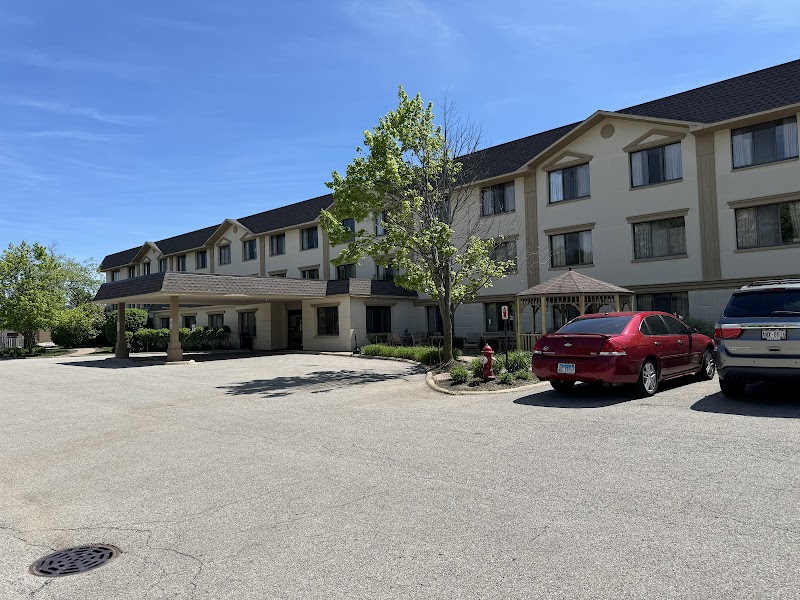
CMS rates BELLA TERRA STREAMWOOD's staffing level at 2 out of 5 stars, which is below average compared to other nursing homes. Staff turnover is 47%, compared to the Illinois average of 46%.

What Have Inspectors Found at Bella Terra Streamwood?

State health inspectors documented 14 deficiencies at BELLA TERRA STREAMWOOD during 2022 to 2025. These included: 14 with potential for harm.
Who Owns and Operates Bella Terra Streamwood?

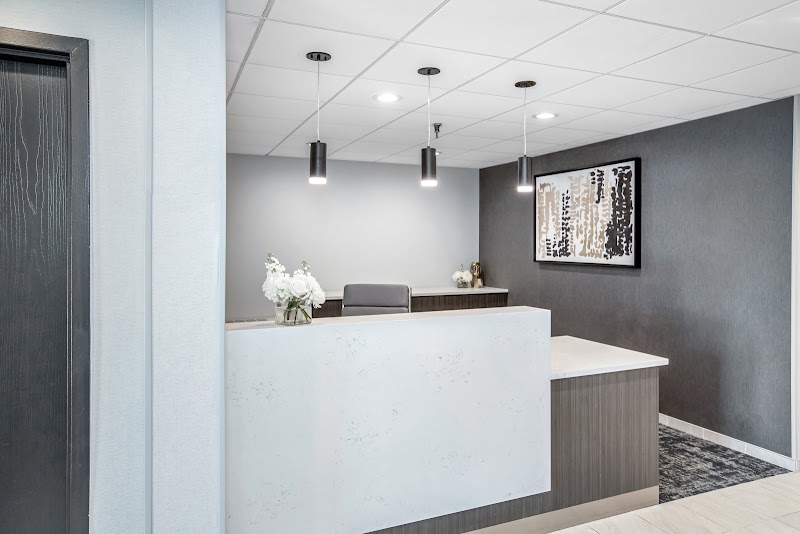
BELLA TERRA STREAMWOOD is owned by a for-profit company. For-profit facilities operate as businesses with obligations to shareholders or private owners. The facility is operated by LEGACY HEALTHCARE, a chain that manages multiple nursing homes. With 214 certified beds and approximately 134 residents (about 63% occupancy), it is a large facility located in STREAMWOOD, Illinois.

How Does Bella Terra Streamwood Compare to Other Illinois Nursing Homes?

Compared to the 100 nursing homes in Illinois, BELLA TERRA STREAMWOOD's overall rating (5 stars) is above the state average of 2.5, staff turnover (47%) is near the state average of 46%, and health inspection rating (5 stars) is much above the national benchmark.

What Should Families Ask When Visiting Bella Terra Streamwood?

Based on this facility's data, families visiting should ask: "Can you walk me through typical staffing levels on day, evening, and night shifts?" "Can I visit during a mealtime to observe dining assistance and food quality?" "How do you handle medical emergencies, and what is your hospital transfer rate?" "Can I speak with family members of current residents about their experience?" These questions are particularly relevant given the below-average staffing rating.

Is Bella Terra Streamwood Safe?

Based on CMS inspection data, BELLA TERRA STREAMWOOD has a clean safety record: no substantiated abuse findings (meaning no confirmed cases of resident harm), no Immediate Jeopardy citations (the most serious violation level indicating risk of serious injury or death), and is not on the Special Focus Facility watch list (a federal program monitoring the lowest-performing 1% of nursing homes). The facility has a 5-star overall rating and ranks #1 of 100 nursing homes in Illinois. While no facility is perfect, families should still ask about staff-to-resident ratios and recent inspection results during their visit.

Do Nurses at Bella Terra Streamwood Stick Around?

BELLA TERRA STREAMWOOD has a staff turnover rate of 47%, which is about average for Illinois nursing homes (state average: 46%). Moderate turnover is common in nursing homes, but families should still ask about staff tenure and how the facility maintains care continuity when employees leave.

Was Bella Terra Streamwood Ever Fined?

BELLA TERRA STREAMWOOD has no federal fines on record. CMS issues fines when nursing homes fail to meet care standards or don't correct problems found during inspections. The absence of fines suggests the facility has either maintained compliance or corrected any issues before penalties were assessed. This is a positive indicator, though families should still review recent inspection reports for the full picture.

Is Bella Terra Streamwood on Any Federal Watch List?

BELLA TERRA STREAMWOOD is not on any federal watch list. The most significant is the Special Focus Facility (SFF) program, which identifies the bottom 1% of nursing homes nationally based on persistent, serious quality problems. Not being on this list means the facility has avoided the pattern of deficiencies that triggers enhanced federal oversight. This is a positive indicator, though families should still review the facility's inspection history directly.