SULLIVAN HEALTHCARE & SENIOR LIVING
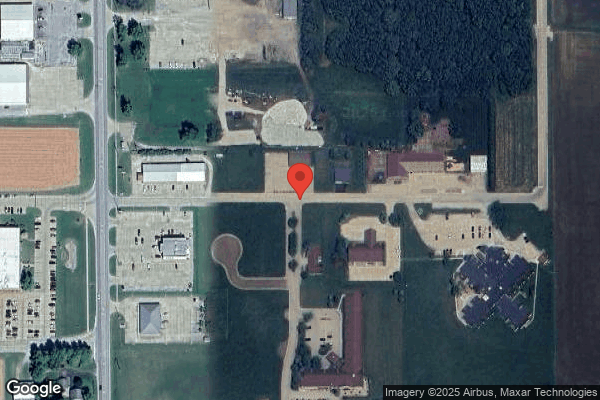
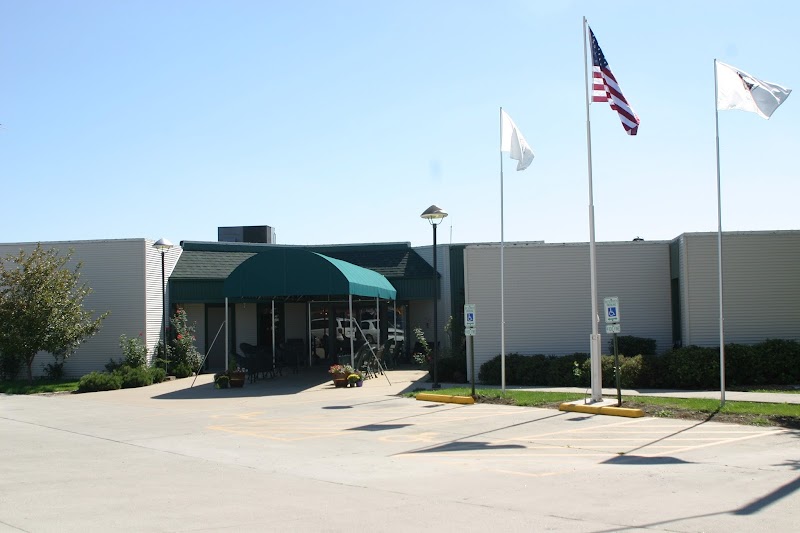
11 HAWTHORNE LANE, SULLIVAN, IL 61951 (217) 728-4327
For profit - Individual 123 Beds POINTE MANAGEMENT Data: November 2025 1 Immediate Jeopardy citation
Trust Grade
8/100
#639 of 665 in IL
Last Inspection: September 2024

Within standard 12-15 month inspection cycle. Federal law requires annual inspections.

Overview

Sullivan Healthcare & Senior Living has received a Trust Grade of F, which indicates significant concerns about the quality of care provided. They rank #639 out of 665 facilities in Illinois, placing them in the bottom half and #2 out of 2 in Moultrie County, meaning there is only one local alternative that is better. The facility is showing signs of improvement, with issues decreasing from 15 in 2024 to just 2 in 2025, although they still have a long way to go. Staffing is a positive aspect, with a turnover rate of 0%, which is much lower than the state average of 46%, but the RN coverage is concerning, as it is lower than 88% of other Illinois facilities. While the facility has faced some serious issues, such as failing to provide lifesaving equipment during a medical emergency and not properly monitoring residents' wounds, it's important for families to weigh these weaknesses against the improvements in care and the stability in staffing.

Trust Score
F
8/100
In Illinois
#639/665
Bottom 4%
Safety Record
High Risk
Review needed
Inspections
Getting Better
15 → 2 violations
Staff Stability
○ Average
Turnover data not reported for this facility.
Penalties
✓ Good
$127,900 in fines. Lower than most Illinois facilities. Relatively clean record.
Skilled Nurses
⚠ Watch
Each resident gets only 17 minutes of Registered Nurse (RN) attention daily — below average for Illinois. Fewer RN minutes means fewer trained eyes watching for problems.
Violations
⚠ Watch
29 deficiencies on record. Higher than average. Multiple issues found across inspections.
★☆☆☆☆
1.0
Overall Rating
★☆☆☆☆
1.0
Staff Levels
★☆☆☆☆
1.0
Care Quality
★☆☆☆☆
1.0
Inspection Score
Stable
2024: 15 issues
2025: 2 issues

The Good

  • Full Sprinkler Coverage · Fire safety systems throughout facility
  • No fines on record

Facility shows strength in fire safety.

The Bad

1-Star Overall Rating

Below Illinois average (2.5)

Significant quality concerns identified by CMS

Federal Fines: $127,900

Well above median ($33,413)

Significant penalties indicating serious issues

Chain: POINTE MANAGEMENT

Part of a multi-facility chain

Ask about local staffing decisions and management

The Ugly 29 deficiencies on record

1 life-threatening 1 actual harm
Jan 2025 2 deficiencies 1 Harm
SERIOUS (G) 📢 Someone Reported This

A family member, employee, or ombudsman was alarmed enough to file a formal complaint

Actual Harm - a resident was hurt due to facility failures

Quality of Care (Tag F0684)

A resident was harmed · This affected 1 resident

**NOTE- TERMS IN BRACKETS HAVE BEEN EDITED TO PROTECT CONFIDENTIALITY** Based on observation, interview and record review the facility failed to assess, monitor, and notify physician to obtain treatme...

Read full inspector narrative →
**NOTE- TERMS IN BRACKETS HAVE BEEN EDITED TO PROTECT CONFIDENTIALITY** Based on observation, interview and record review the facility failed to assess, monitor, and notify physician to obtain treatment orders timely and failed to implement care plan interventions for one (R2) resident's documented open buttock wounds out of three residents reviewed for incontinence care in a sample list of seven residents. This failure resulted in R2's reddened bilateral buttock areas to deteriorate to open wounds. Findings include: R2's undated Face Sheet documents medical diagnoses of Quadriplegia, Diabetes Mellitus Type II, Spinal Stenosis, Arthrodesis, Cervicalgia, Obesity, Radiculopathy Cervical Region, Sensorineural Hearing Loss, Neuropathy, Retention of Urine, Depression, Syndrome of Inappropriate secretion of Antidiuretic Hormone and Anxiety. R2's Minimum Data Set (MDS) dated [DATE] documents R2 as moderately cognitively impaired. This same MDS documents R2 depends on staff for all cares including toileting, bed mobility, transfers, showering and personal hygiene. R2's Care plan intervention dated 10/4/24 instructs staff to place an incontinence brief on R2 when up and to check incontinence brief every two hours and change as needed. On 1/9/25 at 11:30 AM R2 was laying on his back in his recliner chair in his room. No staff present in room. On 1/9/25 at 1:50 PM V5, V9, V10 Certified Nurse Aides (CNA) transferred R2 from his recliner chair to his bed using a total body mechanical lift and then provided incontinence care. V5 CNA cross contaminated R2's open wounds on bilateral buttocks with the soiled towel used to provide bowel incontinence care for R2 by wiping directly over R2's open wounds. R2's bilateral buttocks had nickel sized open, dark red areas with dark purple peri wounds. On 1/9/25 at 2:05 PM V5 Certified Nurse Aide (CNA) stated cross contaminating R2's wounds could cause an infection. V5 stated V5 started work at 8:00 AM, was assigned to R2 and had not been in R2's room at all on her shift. V5 CNA stated V5 thought V9 CNA had been in R2's room to offer to help him to turn/position and provide incontinence care. On 1/9/25 at 2:15 PM V9 CNA stated V9 got R2 up for the day at 7:30 AM and had not been in R2's room since V9 got R2 up. V9 CNA stated V9 was assigned to R2's hall but not directly to R2. V9 CNA stated V5 CNA was assigned to R2 and should have helped R2. On 1/9/25 at 3:10 PM V2 Director of Nurses (DON) stated sometimes R2 does refuse turning/positioning and incontinence care but R2 would not have the opportunity to refuse if the staff don't ask him. V2 DON stated the staff should be asking R2 if he would like to be turned/positioned and provided incontinence care at least every two hours. V2 DON stated R2 has an indwelling urinary catheter but should still be assisted every two hours and as needed with incontinence care. V2 DON stated R2 has had open areas on his buttocks in the past, so it is very important to keep R2 repositioned, clean and dry. V2 DON stated cross contaminating R2's wound during incontinence care could cause an infection of R2's wounds. V2 DON stated V2 is unable to find a policy for turning/positioning and cross contaminating wounds. V2 DON stated the staff are expected to turn/position incontinent residents every two hours and maintain a clean field when providing incontinence care to protect any wounds in that area. On 1/10/25 at 11:50 AM V8 Registered Nurse (RN) stated V8 visualized R2's bilateral buttocks on 12/24/24 after V15 Certified Nurse Aide (CNA) brought her the shower sheet. V8 stated V8 visualized R2's buttocks while R2 was laying on his back on a shower bed. V8 RN stated R2's bilateral buttocks had reddened areas but from what V8 could see, she did not see any open areas. V8 RN stated she should have notified V11 Physician for a treatment order, documented R2's newly acquired areas and documented a full assessment of R2's bilateral buttocks skin evaluation but did not. On 1/10/25 at 1:50 PM V7 Certified Nurse Aide (CNA) stated V7 replaced R2's mattress with a newer one due to R2 complained that R2 could feel a metal bar on his buttocks when he was in bed. V7 CNA stated R2's mattress needed replaced badly due to the middle of it being caved in. On 1/10/25 at 1:55 PM V7 CNA showed R2's previous pressure reducing mattress had a large two feet by two feet area in the middle that was extremely caved in. A side view of R2's previous mattress showed that R2's mattress was not in a straight line, but the middle section was so bowed, it showed through the opposite side of the mattress. On 1/10/25 at 3:00 PM V3 Wound LPN stated R2 has a history of having open sores on his buttocks that open and close. V3 stated R2's shower sheets dated 12/24 and 12/27 both document open sores on R2's bilateral buttocks. V3 Wound Nurse/LPN stated R2's bilateral buttock wounds were either closed reddened areas on 12/24/24 and deteriorated to being open by 12/31/24 or R2's buttock wounds were open on 12/24/24. V3 stated R2 did not get treatment orders, V11, V12 Physicians were not notified so nothing got done with R2's wounds, R2's wounds were not measured, assessed or monitored and R2's care plan was not updated with any new interventions on 12/24/24. V3 stated V11 Wound Physician rounds every Thursday but due to the holidays, V11 did not round for those two weeks. V3 stated the facility should assess, which includes measuring and describing a resident's wounds, weekly. V3 stated R2 was never put on the list for residents for V3 to review weekly. V3 Wound Nurse/LPN stated V8 Registered Nurse (RN) reported on 1/10/25 that V8 did visualize R2's buttock wounds on 12/24/24 and said they were reddened areas. V3 stated there is no documentation of this and due to the lack of monitoring, there is no way to know if R2's wounds were closed. V3 Wound Nurse/LPN stated the only information has about R2's buttock wounds is from the shower sheets which document R2's wounds as being open. V3 Wound Nurse/LPN stated V3 did review the shower sheets dated 12/24/24 and 12/27/24 but did not follow up with the nursing staff or visualize R2's bilateral buttock wounds until 12/31/24.
CONCERN (D) 📢 Someone Reported This

A family member, employee, or ombudsman was alarmed enough to file a formal complaint

Potential for Harm - no one hurt, but risky conditions existed

Incontinence Care (Tag F0690)

Could have caused harm · This affected 1 resident

**NOTE- TERMS IN BRACKETS HAVE BEEN EDITED TO PROTECT CONFIDENTIALITY** Based on observation, interview and record review the facility failed to prevent cross contamination during incontinence care an...

Read full inspector narrative →
**NOTE- TERMS IN BRACKETS HAVE BEEN EDITED TO PROTECT CONFIDENTIALITY** Based on observation, interview and record review the facility failed to prevent cross contamination during incontinence care and failed to provide timely incontinence care for one (R2) out of three residents reviewed for timeliness of incontinence cares in a sample list of seven residents. Findings include: R2's undated Face Sheet documents medical diagnoses of Quadriplegia, Diabetes Mellitus Type II, Spinal Stenosis, Arthrodesis, Cervicalgia, Obesity, Radiculopathy Cervical Region, Sensorineural Hearing Loss, Neuropathy, Retention of Urine, Depression, Syndrome of Inappropriate secretion of Antidiuretic Hormone and Anxiety. R2's Minimum Data Set (MDS) dated [DATE] documents R2 as moderately cognitively impaired. This same MDS documents R2 depends on staff for all cares including toileting, bed mobility, transfers, showering and personal hygiene. R2's Care plan intervention dated 10/4/24 instructs staff to place an incontinence brief on R2 when up and to check incontinence brief every two hours and change as needed. On 1/9/25 at 11:30 AM R2 was laying on his back in his recliner chair in his room. No staff present in room. On 1/9/25 at 1:50 PM V5, V9, V10 Certified Nurse Aides (CNA) transferred R2 from his recliner chair to his bed using a total body mechanical lift and then provided incontinence care. V5 CNA cross contaminated R2's open wounds on bilateral buttocks with the soiled towel used to provide bowel incontinence care for R2 by wiping directly over R2's open wounds. R2's bilateral buttocks had nickel sized open, dark red areas with dark purple peri wounds. On 1/9/25 at 2:05 PM V5 Certified Nurse Aide (CNA) stated cross contaminating R2's wounds could cause an infection. V5 stated V5 started work at 8:00 AM, was assigned to R2 and had not been in R2's room at all on her shift. V5 CNA stated V5 thought V9 CNA had been in R2's room to offer to help R2 to turn/position and provide incontinence care. On 1/9/25 at 2:15 PM V9 CNA stated V9 got R2 up for the day at 7:30 AM and had not been in R2's room since V9 got R2 up. V9 CNA stated V9 was assigned to R2's hall but not directly to R2. V9 CNA stated V5 CNA was assigned to R2 and should have helped R2. On 1/9/25 at 3:10 PM V2 Director of Nurses (DON) stated sometimes R2 does refuse turning/positioning and incontinence care but R2 would not have the opportunity to refuse if the staff don't ask him. V2 DON stated the staff should be asking R2 if he would like to be turned/positioned and provided incontinence care at least every two hours. V2 DON stated R2 has an indwelling urinary catheter but should still be assisted every two hours and as needed with incontinence care. V2 DON stated R2 has had open areas on his buttocks in the past, so it is very important to keep R2 repositioned, clean and dry. V2 DON stated cross contaminating R2's wound during incontinence care could cause an infection of R2's wounds. V2 DON stated V2 is unable to find a policy for turning/positioning and cross contaminating wounds. V2 DON stated the staff are expected to turn/position incontinent residents every two hours and maintain a clean field when providing incontinence care to protect any wounds in that area.
Dec 2024 2 deficiencies 1 IJ (1 facility-wide)
CRITICAL (L) 📢 Someone Reported This

A family member, employee, or ombudsman was alarmed enough to file a formal complaint

Immediate Jeopardy (IJ) - the most serious Medicare violation

Deficiency F0678 (Tag F0678)

Someone could have died · This affected most or all residents

⚠️ Facility-wide issue

**NOTE- TERMS IN BRACKETS HAVE BEEN EDITED TO PROTECT CONFIDENTIALITY** Based on observation, interview and record review the facility failed to provide lifesaving equipment for emergency airway manag...

Read full inspector narrative →
**NOTE- TERMS IN BRACKETS HAVE BEEN EDITED TO PROTECT CONFIDENTIALITY** Based on observation, interview and record review the facility failed to provide lifesaving equipment for emergency airway management, for a resident in cardiac and respiratory arrest. This failure affected one of 18 residents (R1) reviewed for advanced directives and has the potential to affect all 72 residents residing in the facility. R1 subsequently expired. The Immediate Jeopardy began on [DATE] when R1 was found to have no pulse or respirations and Cardiopulmonary Resuscitation (CPR) was initiated. Staff could not locate a functional bag valve mask (BVM) mask to provide a full seal over R1's nose and mouth, in order to provide effective ventilation during the medical emergency. V1, Administrator was notified of the Immediate Jeopardy on [DATE] at 1:58 pm. The surveyor confirmed by interview and record review that the Immediate Jeopardy was removed on [DATE], but noncompliance remains at Level Two because additional time is needed to evaluate the implementation and effectiveness of the in-service training. Findings include: R1's Physician Order for Life Sustaining Treatment (POLST) form dated [DATE] documents R1 wished to have Cardiopulmonary Resuscitation (CPR), full treatment with the primary goal of sustaining life. R1's Diagnoses Sheet updated [DATE] documents the following: Unspecified Asthma, Uncomplicated, Hypertensive Heart Disease Without Heart Failure and Age-Related Osteoporosis with Current Pathological Fracture, Unspecified Site, Initial Encounter for Fracture ([DATE]). R1's re-admission Summary note dated [DATE] documents R1 returned from the hospital after right hip surgical repair. R1's Health Status Note [DATE] at 4:19 pm documents: R1 was found to have no pulse or respirations, CPR was initiated by facility staff, and 911, Emergency Medical Service (EMS) was called. R1's Death Certificate dated [DATE] document R1's cause of death included: Asthma, Dementia and Schizophrenia. The facility handwritten CPR time line notes, documents R1 was lowered to the floor (from bed) at 3:33 pm. At 3:34 pm alternating facility staff V11, Licensed Practical Nurse (LPN),V2, Director of Nursing, V18, Resident Care Coordinator preformed eight cycles of chest compressions. The same time line documents V12, Licensed Practical Nurse provided manual ventilation (with no BVM mask as documented below) for the duration of the facility staff provision of CPR. According to the same time line, EMS arrived at 3:41 pm and took over R1's CPR. EMT's (V15 and V16) and provided R1 with three cycles of CPR and completed a three lead ECG. R1's Emergency Medical Service (EMS) Report, written by V14, Lead Paramedic, dated [DATE] documents EMS was notified at 3:37 pm and arrived at the patient at 3:39 pm, and departed the facility at 3:58 pm. The report further documents: Upon Emergency Medical Technician (EMT) arrival, R1 was laying on the ground unresponsive, pulseless, and apneic (not breathing) with facility staff providing CPR (by facility timeline above, seven minute duration). The EMT's report also documents R1 was cyanotic (blueish - purple discoloration of the skin caused by low levels of oxygen in the blood). EMT's applied a cardiac monitor (ECG) electrocardiogram leads, to measure the electrical activity of R1's heart. R1's ECG reading displayed R1's heart entirely stopped beating (Asystole). V14, Lead Paramedic called the local hospital, and gave report of R1's assessment as documented. V17, Physician confirmed R1's ECG monitor reading of Asystole, indicated R1's had already deceased . V17 gave the order to cease CPR. On [DATE] at 10:37 am V14, Lead Paramedic on the scene, stated V12, Licensed Practical Nurse (LPN) was providing ventilation using a handheld manual Ambu-bag for resuscitation without a required BVM mask, which did not provide an adequate seal over R1's mouth and nose. V14 said V12, LPN was holding the oxygen tube in R1's mouth without the benefit of a BVM mask complete seal. V14 said R1's manual ventilation with an Ambu bag and no BVM mask during CPR, was inadequate for resuscitation. V14 stated a BVM mask is required for life- sustaining ventilation during CPR therefore, R1 did not have adequate life sustaining ventilation during CPR, which lead to R1's death. On [DATE] at 11:05 am V12, LPN confirmed he did not have any kind of a mask on R1 to provide R1's ventilation with the manual Ambu bag. V12, LPN said he used one hand to hold the oxygen tube in R1's mouth and tried to cover R1's nose with the same hand, while he squeezed the Ambu bag with his other hand. V12, LPN said V12, LPN was not able to find a mask on the emergency crash cart. On [DATE] at 11:18 pm V10, Physician/Medical Director (MD) confirmed he spoke to V1, Administrator on [DATE] and told V1 to continue to CPR on (R1) until the paramedics arrived and ran a strip (ECG). V10 confirmed V14, Lead Paramedic had given this surveyor accurate information regarding the necessity to use a BVM, in order to maintain a complete seal when ventilating a patient in cardiac arrest. V10 MD stated, R1's ventilation would not be adequate life-sustaining ventilation during CPR if the staff did not use a BVM with the Ambu bag during resuscitation. On [DATE] at 12:10 pm V12, LPN and this surveyor reviewed the contents of the crash cart. There was a new Ambu bag still in a plastic bag. There was one mask to attached to the Ambu-bag for resuscitation, also in the manufacturer plastic bag. V12, LPN stated, Those are brand new. There were not mask in here (emergency crash cart), I swear. I did the best I could (providing R1 ventilation during CPR, [DATE]) without the mask. On [DATE] 12:15 pm at V11, Licensed Practical Nurse (LPN) confirmed she was R1's nurse that initiated R1's CPR. V11, LPN stated V11 provided chest compression on R1 during CPR and V12, Licensed Practical Nurse provided ventilation. V11, LPN stated, I remember distinctly (V12, LPN) holding the oxygen tube in (R1's) mouth, while using his other hand to manage the Ambu bag. (V12, LPN) did not have a mask on (R1) during resuscitation and did not have his hand over (R1's) nose, at all. On [DATE] at 2:15 pm V2, Director of Nursing (DON) stated, I am the one who told (V13 LPN) to go get a new mask. The mask she gave me was broken. I was standing by to relieve (V11, LPN), who was giving chest compressions. (V12, LPN) continued to hold the oxygen in (R1's) mouth with one hand, and the Ambu bag with the other. I was not watching for (R1's) chest to rise and fall. I was more concerned with switching places with (V11, LPN) on compressions (chest). On [DATE] at 2:10 pm V13, LPN stated, I got the Ambu bag out of the storage bag. (facility started of CPR at 3:34 pm, per the facility timeline above). I was separating the Ambu bag so we could fill it up with oxygen. The mask (BVM) was in the storage bag and was broke. (V2, DON) sent me to get a new one (BVM), while (V12, LPN) started giving (R1) oxygen during CPR. When I came back down, EMT's (EMT's arrived at 3:41 pm per the facility timeline above) were here. We didn't need the mask I found. (seven minutes after CPR was started). He (R1) was already dead. The Facility Assessment last updated [DATE] documents the facility will ensure staff are educated and have competencies in the areas necessary to provide the level and type of support and care needed for their resident population. The facility Matrix documents currently 72 residents reside in the facility. The undated and untitled facility policy documents the following: Policy: The facility will strive to provide emergency care to the residents as required. Emergency care shall be provided in a calm and confident manner in an effort to preserve life, prevent worsening of the situation and promote recovery. The same policy documents: In addition to the above procedures the facility shall maintain the following controls to facilitate quality emergency care: 1. Emergency equipment shall be portable and readily available at all times. 2. An emergency cart shall he maintained containing at the minimum the following equipment: Portable oxygenation unit (including necessary oxygen tank, tubing, face mask and cannula): airway; bag-valve mask; manual ventilation device/ Ambu bag; suction machine: tubing and catheter; gloves; stethoscope; and B/P cuff. The facility presented an abatement plan to remove the immediacy on [DATE]. The survey team reviewed the abatement plan and was unable to accept the plan to remove the immediacy. The abatement plan was returned to the facility for revisions. The facility presented a revised abatement plan on [DATE] and the survey team accepted the abatement plan on [DATE]. The Immediate Jeopardy that began on [DATE] was removed on [DATE] when the facility took the following actions to remove the immediacy: Surveyor was able to determine onsite, the facility took the following measures to remove the immediacy: 1. Provided in-service training and video for Cardio Pulmonary Resuscitation and Basic Life Support on [DATE]. V2, Director of Nursing (DON) was in-person and V27, Registered Nurse (RN), BLS Certified, [NAME] Health Care was present via tele-monitor. 2. Inspected all onsite Ambu bags on [DATE]. V1, Administrator/RN and V2, DON. 3. Facility will maintain 2 Ambu bags on the crash cart implemented [DATE]. Confirmed with V1, Administrator/RN. 4. Began a crash cart audit checklist to be completed nightly [DATE]. 5. In serviced licensed nurses on restocking crash cart after use [DATE]. 6. In serviced licensed nurses on the crash cart checklist, replacement of faulty supplies, and notification to nursing management [DATE]. V2, DON. 7. CPR certifications training for licensed nurses on [DATE]. Confirmed. 8. Began daily audits to ensure the crash cart checklist is conducted nightly [DATE]. 9. Began random audits of the crash cart inventory supplies [DATE]. 10. The Quality Assurance Quality Improvement Team meeting is scheduled for the third Wednesday in [DATE] to further address the event. V1, Administrator confirmed.
CONCERN (E) 📢 Someone Reported This

A family member, employee, or ombudsman was alarmed enough to file a formal complaint

Potential for Harm - no one hurt, but risky conditions existed

Accident Prevention (Tag F0689)

Could have caused harm · This affected multiple residents

**NOTE- TERMS IN BRACKETS HAVE BEEN EDITED TO PROTECT CONFIDENTIALITY** Based on observation, interview and record review the facility failed to implement post fall interventions for (R2 and R3), and ...

Read full inspector narrative →
**NOTE- TERMS IN BRACKETS HAVE BEEN EDITED TO PROTECT CONFIDENTIALITY** Based on observation, interview and record review the facility failed to implement post fall interventions for (R2 and R3), and failed repeatedly to recognize, document and investigation falls from bed (R3). These failures affected two of four residents (R2, R3) reviewed for falls on the same list of 25. Findings include: 1. R2's Diagnoses Sheet dated 8/22/23 documents the following: Dementia in Other Disease Classified Elsewhere, Unspecified, Other Seizures, Weakness and Other Osteoporosis Without Current Pathological Fracture. R2's Minimum Data Set, dated [DATE] documents R2's Brief Interview of Mental Status score of seven out of a possible 15, indicating R2 has severe cognitive impairment. R2's Medication Administration Record dated December 2024, document the following: Monitor all bruising to upper extremities. Notify the Physician if any worsening or changes in condition. On 12/12/24 at 10:50 am R2 was lying in bed. R2's bed was elevated approximately 42 inches (included the mattress) off the floor. R2's call light was within reach. R2's bed control was not within reach and hung over the headboard of her bed. R2's bilateral arms and hands, were covered in bruises there were varying in size, color and there were too many to count. Some of the bruises were fading and had yellow halo-like edges, others were dominant purple without evidence of fading. R2 stated she fell a couple of times since being in the facility but can't remember when the falls occurred. R2 stated the nurses keep her bed high, so they can change her incontinence brief. R2 stated she doesn't remember falling out of bed, but she may have. Two unidentified CNA's came into R2's room to assist R2 and R2's's roommate R5. On 12/12/24 at 11:05 am V1, Administrator entered R2's room. V1, Administrator /Registered Nurse confirmed R2's bed remained elevated approximately 42 inches off the floor. V1 confirmed R2's bed was not safe and should not be elevated. V1 stated the R2's bruises were from a fall in November from R2's wheelchair, and a fall 12/04/24 from R2's bed. V1 stated R2 has low bed as the intervention for the 12/04/24 fall (not documented on R2's Care Plan). R2's A.I.M. For Wellness- Event Record documents the following: Note Text: Event Details: (R2) appears to have experienced an alleged Intentional (sic) Change in Plane; Unwitnessed. Event was first noted on 12/04/2024 (at) 12:30 AM. Evaluation of the resident and event occurred on or about 12/04/2024 1:00 AM (sic). Just prior to/at the time of the event (R2) appears to have been resting in bed. (R2's) account of the event is Unable to relate event details d/t (due to) cognitive impairment. Witness to the event includes: N/A. Location of the event is: (R2's room. Description of the environmental the time of the event includes: 1/2 rails up x2, floor dry, clean, et (and) uncluttered. Staff's immediate response is noted as Assessed for injury. The same A.I.M. For Wellness- Event Record documents: Facility staff actions/interventions and response at time of the event includes Assisted to bed et bed lowered to lowest position. Frequent visual checks d/t agitation. Additional event details and/or follow up recommendations to manage (R2's) condition and/or needs: Hospice review meds for alternative form. Low bed. R2's Skin Evaluation dated 12/6/2024 at 5:08 pm documents: Note / Notification / Education: Skin note: Laceration to left eye brow has resolved. All bruising previously noted has faded. Some bruising remains but healing well. On 12/12/24 at 11:35 am V2, Director of Nursing stated R2 fell 12/04/24 and that is what her arm bruises are from. R2 had a facial bruise, she was sent to the hospital, and returned to the facility the same day after an 11/19/24 fall. 2. R3's Diagnoses Sheet dated 7/10/24 documents the following: Quadriplegia Unspecified, and Unspecified Dementia, Unspecified Severity, With Other Behavioral Disturbance. R3's Minimum Data Set, dated [DATE] documents R3's Brief Interview of Mental Status score of three out of a possible 15, indicating R3 has severe cognitive impairment. R3's Fall Risk assessment dated [DATE] documents R3 has had three or more falls in the past three months. R3's A.I.M. For Wellness- Event Record dated 12/9/2024 documents the following: Note Text: Event Details: (R3) appears to have experienced an alleged Intentional Change in Plane; R3 was being assisted away from exit door in his wheelchair. R3 continued down the hall, propelling R3's wheelchair, then leaned forward and tumbled out of chair on to floor hitting head. R3's Care Plan updated 12/09/24 documents R1 has had falls on 12/9/24 with an interventions follows: 12/09/24-IDT (Interdisciplinary Team) note; Resident agitated, fidgeting in wheelchair and slid out of wheelchair. I (intervention) Pressure alarm placed in wheelchair until self-releasing seatbelt arrives (ordered). On 12/12/24 at 12:35 pm V8, R3's Family Member stated R3 has had about nine falls since his April 2024 admission. R3 has had to go out to the hospital twice. Fortunately, R3 has not fractured anything. On 12/12/24 at 2:30 pm V11, Licensed Practical Nurse (LPN) stated, He (R3) has had a mattress on his floor next to his bed for as long as I remember. Almost every morning I come in; he is on the mattress at the side of his bed. We do not document it as a fall when he rolls out of bed. We don't do a fall report at all when he does that. Yes, it is a change in plan. We were told it is care planned for him to be on the mattress. He gets fidgety and ends up there. On 12/12/24 at 3:15 pm R3 was lying in bed with his bed alarm pad under him and the volume box attached to quarter side rail. A full size twin mattress was on the floor. V25, Certified Nursing Assistant (CNA) removed the mattress from the floor and placed at the foot of R3's bed in preparation to transfer R3 to R3's wheelchair. On 12/12/24 at 3:18 pm V8, R3's Family Member stated V8 is in the facility every day. V8 said she had never been told in care plan meetings, or otherwise, that R3 had rolled out of bed. On 12/12/24 at 3:25 pm V25, Certified Nursing Assistant (CNA) stated, About every other night (R3) rolls off the bed onto the mattress on the floor. We have been told we don't need to do vitals because it is not a fall and (R3) is care planned to do that. V25 said, It made more sense to transfer (R3's) alarm from his bed to the chair. That is where he likes to be. He propels his wheelchair himself and that alarm alerts us if he tries to get up. I figured (V24, PTA) knew more about the alarm then I did. On 12/12/24 at 4:40 pm V26, Registered Nurse (RN) stated Almost every morning I work, (R3) ends up being on that mattress at the side of his bed. I come in at 6:00 am. Sometimes, he is in bed, but by the time I pass meds he is on the mattress on the floor. I have been told though he has a change in elevation when he rolls out of bed. The mattress prevents him from getting hurt. We have been told, it is not considered a fall, so we don't have to do a fall note, neuro (neurological assessment) or vitals. (V2, Director of Nursing) distinctly said he (R3) is care planned for rolling onto the floor mattress, so it does not warrant a report. On 12/12/24 at 4:50 pm V2, Director of Nursing (DON) acknowledged R3 rolling out of bed onto the mattress bed side, is a change in plane. V2, DON stated, (R3) consistently does that. We would be doing fall investigations every day on him (R3). We do not consider R3 rolling out of his bed a fall, so I have no fall investigations in Risk (electronic medical records). Since we don't consider those falls, we have not reported them to the doctor or (V8, R3's Family Member). The facility policy Fall Preventions dated 11/10/2018 documents the following: Policy: To provide for resident safety and to minimize injuries related to falls; decrease falls and still honor each resident's wishes/desires for maximum independence and mobility. Responsibility: All staff Procedure: 5. Immediately after any resident fall the unit nurse will assess the resident and provide any care or treatment needed for the resident. A fall huddle will be conducted with staff on duty to help identify circumstances of the event and appropriate interventions. 6. The unit nurse will place documentation of the circumstances of a fall in the nurses notes or on an AIM for Wellness form along with any new intervention deemed to be appropriate at the time. The unit nurse will also place any new intervention on the CNA assignment worksheet. 7. Report all falls during the morning Quality Assurance meetings Monday through Friday. All falls will be discussed in the Morning Quality Assurance meeting and any new interventions will be written on the care plan.
Sept 2024 12 deficiencies
CONCERN (D)

Potential for Harm - no one hurt, but risky conditions existed

Notification of Changes (Tag F0580)

Could have caused harm · This affected 1 resident

**NOTE- TERMS IN BRACKETS HAVE BEEN EDITED TO PROTECT CONFIDENTIALITY** Based on interview and record review the facility failed to notify a family representative of a decrease in dosage of antipsycho...

Read full inspector narrative →
**NOTE- TERMS IN BRACKETS HAVE BEEN EDITED TO PROTECT CONFIDENTIALITY** Based on interview and record review the facility failed to notify a family representative of a decrease in dosage of antipsychotic medication. This failure affected one of one resident (R35) reviewed for family notification on the sample list of 28. Findings include: R35's Minimum Data Set, dated [DATE] documents R35 has moderate cognitive impairment. R35's Medication Administration Record (MAR) dated September 2024 documents the following: Risperdal (antipsychotic, Risperidone) Oral Tablet, Give 0.25 mg by mouth. three times a day related to Bipolar Disorder, Unspecified Schizoaffective Disorder, (and) Schizophrenia Unspecified. -Start Date 03/26/2024. -D/C (discontinue) Date 09/04/2024. R35's same September MAR documents R35's Risperdal Oral Tablet, give 0.25 mg by mouth, two times a day (decreased frequency, documented three times a day above). Start Date 09/05/2024 at 0800 am. D/C Date 09/09/2024 (Monday) at 1:02 pm. R35's same September MAR documents R35 did not receive the noon dose from 9/5/24, 9/6/24, 9/7/24, or 9/8/24 due to the Physician Order decrease medication noted above. On 9/11/24 at 12:10 pm V15, R35's Family Representative/Guardian stated the following: I was pretty upset this past weekend and talked to (V1, Administrator/Registered Nurse). I came in to visit (R35) Saturday (9/7/24). (R35) was just staring out in space and couldn't talk. I come in several times a week. The past three times she (R35) has been totally out of it, and gets really anxious, with a fixed stare. I don't know what she is seeing. She doesn't talk when she gets like that. When I talked to (V1) Monday (9/9/24), I found out the facility stopped giving (R35) her Risperdal at lunch. They did not call me. I would have immediately told them 'No'. (R35) has been on Risperdal for years. She is [AGE] years old. She functions best when she has been given all her doses (noon Risperdal). They should have called me. On 9/12/24 at 11:15 am V1, Administrator/ Registered Nurse and V2, Director of Nursing both stated the facility did not know they needed the family members approval to decrease R35 Risperdal. V1, Administrator /Registered Nurse stated, The facility got a phone call from (V15, R35's Family Representative) Monday. (V15) said (R35) was throwing things at (V15) when she visited on Saturday. I told her (V15) then, we (the facility) decreased her (R35's) Risperdal. We got an order to put (R35) back on Risperdal TID (three times a day), back from what was the gradual dose reduction attempt to BID (two times a day). We thought we had to do a GDR (gradual dose reduction), no matter what the family would say. The facility policy Notification for Change in Resident Condition or Status dated 12/07/17 documents the following: Policy: 1. The facility and/or facility staff shall promptly notify appropriate individuals(i.e., Administrator, Director of Nursing, Physician, Guardian, Health Care Power of Attorney, etc.)' of changes in the resident's condition medical/mental condition and /or status. The same policy documents: Procedure: The nurse supervisor/charge nurse will notify the resident's attending physician or on-call physician when there has been: f. A need to alter the resident's medical treatment significantly. 2. The nurse supervisor/charge nurse will notify the Director of Nursing, Physician, and unless otherwise instructed by the resident the residents next of kin or representative when the resident has any of the afore (above) mentioned situations.
CONCERN (D)

Potential for Harm - no one hurt, but risky conditions existed

Grievances (Tag F0585)

Could have caused harm · This affected 1 resident

**NOTE- TERMS IN BRACKETS HAVE BEEN EDITED TO PROTECT CONFIDENTIALITY** Based on observation, interview and record review the facility failed to resolve a resident representative grievance to provide ...

Read full inspector narrative →
**NOTE- TERMS IN BRACKETS HAVE BEEN EDITED TO PROTECT CONFIDENTIALITY** Based on observation, interview and record review the facility failed to resolve a resident representative grievance to provide a specialized wheelchair in a timely manner. This failure affects one of one residents (R35) reviewed for grievances on the sample list of 28. Findings include: R35's Minimum Data Set, dated [DATE] documents R35 has moderate cognitive impairment and requires a wheelchair for mobility. R35's Grievance/Complaint Report signed by V1, Administrator, submitted to the facility by V15, Family Representative/Guardian, dated initially 2/14/24 and also dated as unresolved on 5/15/24 documents the following: Family requested a new wheelchair. Explained to (V15) that public aid (insurance) would pay for a new one every three years and to use (R35's) money for her (R35's) funeral expenses, so (V15) didn't have to pay for it (wheelchair). The same Grievance/Complaint Report signed by V1, Administrator, documents: Change out wheelchair to whatever (R35) wants that day. Explained to (V15) as soon as she can have one through public aid, we would get her (R35) fitted and (sic) a new one (wheelchair). (R35) will tell (MDS above, documents R35 is moderately cognitive impaired). CNA's (Certified Nursing Assistants what she wants and how she wants it (sic) in regard to her w/c (wheel chair). The same grievance documents, Comments: On-going - (R35) is able to get a new w/c in September 2025 (a year from current survey). Date of Communication to Complainant (V15); every week or two. On 09/11/24 at 12:10 pm V15, R35's Family Member/Guardian stated, The wheelchair (R35) had was falling apart. I went to (V1, Administrator) four or more months ago (documented above 02/14/24 and 5/15/24). She (V1, Administrator) has been giving me the run around ever since. I can't tell you how many excuses (V1, Administrator) has come up with. (R35) has been put in whatever wheelchair they can find in the hall. She had been in one (wheelchair) last week and now this one. It is not good. This one is filthy (noted sticky substance on one arm of the wheelchair) and has no padding (confirmed as resident sat slumped in wheelchair bedside, next to V15). I don't know if she will ever get one that fits her (R35) and is comfortable. (V15) turned to (R35) and asked, Does this wheel chair feel comfortable? R35 responded no. V15 then stated, The original one (wheelchair) she had was very nice, in its day. It was padded on the seat and back. It was just getting to small for (R35) and tattered. I really don't get why they can't find something comfortable for her (R35) while we wait to get the new one. We are still waiting. On 9/11/24 at 12:30 pm V1, Administrator confirmed V15 filed a grievance on behalf of R35, regarding a new specialty wheelchair because R35 had gained a lot of weight and no longer fits in the original specialized wheelchair. V1 stated the facility corporation would not pay for a new wheelchair for R35, due to the corporations financial issues. V1 stated, I am sure, none of the wheelchairs we have here are as comfortable as (R35) previous wheelchair. (R35's) was fitted specifically for her. We have an OT (Occupational Therapy Department) now, that measured (R35) for a new wheelchair, a couple weeks ago. I can get that evaluation (dated 8/28/24, six and a half months after the grievance was filed) for you. R35's Occupational Therapy Evaluation dated 8/28/24 documents: Desired Change in Condition of Risk Area: Customized seating evaluation completed with (private company) seating and mobility presents due to pt (patient) gaining weight and outgrowing chair. Custom chair recommended to accommodate RUE (right upper extremity) ROM (range of motion) limitations, contractures R (right) digit, lateral flexion to right and left cervical rotation, posterior pelvic tilt, obliquity, hip swaying, lateral lean, scoliosis, and inability to fit in old custom chair impacting safety and independence for self-care. (type of wheelchair as follows) Tilt in space with pressure relieving cushion, custom molded seat, leg rests with cushion and support throughout, right arm moveable arm trough to be in place and head /neck support. Skilled OT evaluation only while waiting for chair arrival and custom seat and mold assessment. The facility undated Resident Grievances/Complaint policy documents, Grievance and Complaint investigations shall be completed within 15 days by the investigator who shall distribute copies of the report to Administrator and Social services Director. The Social Service Director shall keep complete form on file.
CONCERN (D)

Potential for Harm - no one hurt, but risky conditions existed

Deficiency F0604 (Tag F0604)

Could have caused harm · This affected 1 resident

Based on observation, interview and record review the facility failed to remove secured hand mitten restraints according to the plan of care, for one of one residents (R17) reviewed for restraint on t...

Read full inspector narrative →
Based on observation, interview and record review the facility failed to remove secured hand mitten restraints according to the plan of care, for one of one residents (R17) reviewed for restraint on the sample list of 28. Findings include: R17's Current Diagnoses Sheet documents the following: Quadriplegia (incomplete, resident can still move her arms as evidenced below) Unspecified, Intracranial Injury With Loss Of Consciousness Of Unspecified Duration, Sequela, Tracheostomy Status, and Gastrostomy Status. R17's Current Physician Order Sheet documents the following: Nursing Intervention: May use Appliances: Wheelchair; Bilateral Full Side rails; Mittens: Trach; Padded Side Rails, No Directions Specified Active as of 10/18/2022. R17's Care Plan dated as revised 8/24/24 documents the following: The resident uses mittens to bilateral hands for safety and prevention of extubating G-Tube/Trach r/t TBI and neurological devastation. Resident frequently pulls (therefore, incomplete quadriplegia) Trach and G-tube. She is unable to fully comprehend the consequences of her actions. Intervention includes: Mittens USE: Apply bilateral mittens and release every 2 (two) hours and prn (as needed). Document mitten use and release as per facility protocol, and the resident needs monitoring, assistance and supervision when mittens are off to ensure G-Tube and Trach are not self-extubated. On 9/11/14 at 11:35 am R17 was seated in the sun room with bulky, padded glove-like pillowed hand mitts on that were securely tied at the wrist. On 9/11/24 at 1:30 pm R17 was lying in bed with bulky, padded glove-like pillowed hand mitts on that were securely tied at the wrist. On 9/11/24 at 1:35 pm V10, CNA confirmed observation of R17 in bed with the same bulky padded glove-like hand mitts on, that were securely tied at the wrist. V10 stated, We don't take (R17's) mitts off except on her shower days, because she will pull out her g-tube. When asked if staff remove R17's glove like mitts every two hour as the care plan directs. V10 stated, No, only on her shower days. On 9/12/24 at 1:35 pm V1, Administrator/Registered Nurse entered R17's room and removed R17's bulky padded glove-like mitts. R17s fingernails on both hand were long, approximately 1.5 centimeters, smooth shaped, and soiled with a brown substance under each nail. V1 stated R17 likes her nails long and her fingernails get cleaned on showers days and prn (as needed). V1 stated, I can't say what other nurses do, but when I do her (R17's) feeding I take the mitts off for the whole time I'm feeding her. When asked how often R17's Medication Administration Records would document V1 had administered R17's feeding, V1 stated, I don't know, but it wasn't every two hours, like she's care planned to have them off. V1 exited R17's room and was asked if R17 could remove the hand mitten restraints on command, as they prevent her from accessing her upper body and face. V1 re-entered R17's room and asked R17 if she can remove the hand restraint mitts. R17 attempted to remove the hand restraints four times. R17 used her mouth and tried to bite the ties that secured the same bulky padded, pillowed glove-like hand restraint mittens. The bulky padded, pillowed glove-like hand restraint mittens were firmly tied around R17's wrist. R17 was asked, after the four unsuccessful attempts to remove the restraint mittens, if staff remove her hand restraint mittens regularly, R17 shook her head no. The facility PHYSICAL RESTRAINT/ENABLER POLICY dated revised 7/24/2018 documents the following: Definition of Physical Restraint: Physical restraints is any manual method, or physical or mechanical device, equipment or material attached or adjacent to the resident's body, which the individual cannot remove easily and which restricts freedom of movement or normal access to his or her body. A device that may constitute a physical restraint may include, but is not limited to: bed rails, self-release waist restraints, soft waist restraints, lap top cushions, vest restraints, (name brand geriatric)-chair with tray table, arm restraints, leg restraints, personal alarms and hand mitts. Also, physical restraint may include a device which prevents the resident from rising, such as placement of a chair or bed so close to a wall if it prevents the resident from rising out of the chair or voluntarily getting out of bed, placement of a concave mattress so that the resident cannot independently get out of the bed, or using a position change alarm and the resident is afraid to move to avoid setting off the alarm. The same policy documents: 13. Release the physical restraint at minimum of every two hours. During this period resident shall be ambulated (if applicable) repositioned, toileted or changed, and/or skin care and nursing care provided, as appropriate.
CONCERN (D)

Potential for Harm - no one hurt, but risky conditions existed

Comprehensive Care Plan (Tag F0656)

Could have caused harm · This affected 1 resident

Based on interview and record review the facility failed to develop and implement an individualize care plan to include an indwelling urinary catheter for a resident. This failure affects one (R39) of...

Read full inspector narrative →
Based on interview and record review the facility failed to develop and implement an individualize care plan to include an indwelling urinary catheter for a resident. This failure affects one (R39) of 20 residents reviewed for care plans in a sample of 28. Findings include: The Physician's Orders Sheet (POS) dated September 24 documents R39 has the following diagnosis: Retention of Urine and Unspecified Urinary Tract Infection. The same POS has the order for R39 to have a urinary catheter 16 French with 10 milliliter bulb. Change every 28 days and whenever necessary. The order was dated 8/9/24. R39's care plan dated 9/12/24 did not have a category plan and interventions documented for R39's urinary indwelling catheter. On 9/12/24 at 2:15 PM. V7, Minimum Data Set/Care plan Coordinator stated V1, Administrator told V7 on September 12, 2024 about R39's care plan not covering R39's catheter. V7 corrected the care plan by adding information to the Care plan for R39's catheter care. The facility's policy titled Comprehensive Care Planning with the revision date of 11/1/17 documents under section 1: a. The Comprehensive Care Plan shall be reviewed after each Annual, Significant Change and Quarterly MDS (Minimum Data Set) and revised as necessary to reflect the residents' current medical, nursing, and mental and psychosocial needs as identified by the IDT (Interdisciplinary Team). V1, Administrator stated on 9/12/24 at 1:30 PM stated I told V7 to correct R39's care plan to reflect the use of the urinary catheter.
CONCERN (D)

Potential for Harm - no one hurt, but risky conditions existed

Pressure Ulcer Prevention (Tag F0686)

Could have caused harm · This affected 1 resident

Based on observation, interview and record review the facility failed to assess new, facility acquired Stage II pressure ulcers upon notification, resulting in a delay in initiating a pressure ulcer t...

Read full inspector narrative →
Based on observation, interview and record review the facility failed to assess new, facility acquired Stage II pressure ulcers upon notification, resulting in a delay in initiating a pressure ulcer treatment in a timely manner. This failure affected one of two residents (R14), reviewed for pressure ulcers on the sample list of 28. Findings include: R14's Physician Order Summary (POS) report dated 9/13/24 documents the following diagnoses: Diabetes Mellitus II with Diabetic Polyneuropathy, Spinal Stenosis, Cervicalgia, Obesity, and Unspecified Quadriplegia. There was no pressure ulcer treatment documented in R14's medical record or on R14's POS until after the observations and interviews below. On 9/10/24 at 1:45 pm V4, V5, and V16, Certified Nursing Assistants (CNA) transferred R14 via full mechanical lift from R14's wheelchair to bed. V16 CNA and V5 CNA donned gloves after hand washing, pulled resident pants down to calf while V4 prepared washcloths with no rinse cleaner for urinary indwelling catheter and peri-care. V5 CNA completed catheter care. V5 and V16 repositioned R14 to a left side lying position. R14 was incontinent of feces. V16 and V5 repositioned R14 to a right side lying position during posterior peri-care. R14 had a one half inch long by two inch wide open pressure area on the bony prominence, lateral to R14's buttocks crease. R14 also had a red open slit that extended from R14's coccyx down two and a half inches. V16, CNA stated, He (R14) did have a dressing on the pressure ulcers this morning when I gave him a shower. I (V16) showered him about 7:30 am. I told the nurse. I can't remember which nurse (later identified as V2, Director of Nursing), but I remember telling one of them that the dressing (no documentation in medical record of a current pressure ulcer treatment) was off. On 9/10/24 at 2:25 pm DON assessed R14 coccyx and buttocks pressure ulcers (approximately seven hours after notification by V16, CNA). V2, DON confirmed pressure areas and stated, He (R14) has had areas (pressure ulcers), but they were healed. (confirmed 8/23/24 by Wound Physician note). V2, DON stated,I know (R14) had his shower this morning and the CNA (V16) told me he had open areas. I probably should have look at his butt (buttocks) sooner, but I was working the floor and passing meds (medication). I just didn't have time to look at them. R14's Skin Assessment Evaluations dated 9/10/24 at 3:50 pm (documented eight hours after identification) documents the following measurements: Coccyx, (marked as) 'other' (measurement) eight centimeters (cm) long by 0.0 centimeters (cm) wide (slit), (and) a Stage II Pressure injury (no location identified, but was observed above, as lateral bony area, to the right buttocks crease) partial thickness skin loss, one centimeter long by .2 (observed approximately two inch, above) wide. The facility policy Decubitus Care/Pressure Areas dated January 2018 documents the following: Policy: It is the policy of this facility to ensure a proper treatment program has been instituted and is being closely monitored to promote healing of any pressure ulcer. Responsibility: Licensed Nursing Personnel Procedure: 1.) Upon notification of skin breakdown, the QA (Quality Assurance) form for Newly Acquired Skin Condition will be completed and forwarded to the Director of Nursing. 2.) The pressure ulcer will be assessed and documented on the Treatment Administration Record or Wound Documentation Record. The same policy documents: 5.) Documentation of the pressure area must occur upon identification.
CONCERN (D)

Potential for Harm - no one hurt, but risky conditions existed

Deficiency F0760 (Tag F0760)

Could have caused harm · This affected 1 resident

Based on observation and record review, the facility failed to maintain NPO (nothing by mouth) status by administering a medication to a resident with a tracheostomy. This failure affected one residen...

Read full inspector narrative →
Based on observation and record review, the facility failed to maintain NPO (nothing by mouth) status by administering a medication to a resident with a tracheostomy. This failure affected one resident (R15) during medication pass observation. Findings include: R15's Physician Order Sheet (POS) dated 9/13/24, documents medication administration per G-tube (gastrostomy), crush medications, cocktail and administer s bolus per MD (medical doctor). This same POS documents Gastrostomy tube (G-tube) (placement) 11/1/22, and Tracheostomy (placement) 11/1/22. R15's Dietary Admission/Quarterly Evaluation dated 8/20/24, documents R15 is NPO, tube feeding, diagnosis of Dysphagia, brain injury, and dependent. R15's Care Plan dated 9/13/24, documents R15 is not to have anything by mouth. There is no documentation in R15's Care Plan of R15 having a Tracheostomy. On 9/11/24 at 11:33 AM, V2 Director of Nursing (DON), was observed during a medication pass was giving R15 medications. R15's POS documents an order for Hyoscyamine 0.125 milligrams sublingual, give one tablet twice a day. V2 placed one Hyoscyamine tablet under R15's tongue and proceeded to give R15's other medications per G-tube. V2 then left R15's bedside and washed V2's hands in the restroom. During the time V2 was in the restroom, R15 began coughing, appearing red, and appeared to not be able to catch R15's breath. While R15 was violently coughing out phlegm and the Hyoscyamine tablet came out of R15's mouth. The facility's Medication Administration policy dated Revised 11/18/17, documents one of the seven rights (for nurses) for medication administration include the right route. The article entitled, What Does NPO mean in Medical Terms dated 7/27/24, from Nursing.com, documents NPO means nothing by mouth. NPO is a critical directive in healthcare settings indicating that a patient should not consume any food, beverages, or oral medications, accurate documentation of NPO orders and any changes is vital for continuity of care and if the NPO order needs to be modified, the healthcare provider should update the order and inform the team promptly.
CONCERN (E)

Potential for Harm - no one hurt, but risky conditions existed

ADL Care (Tag F0677)

Could have caused harm · This affected multiple residents

2. During the resident group meeting with residents on 9/11/24 at 11:04 AM, R32, R38, R40, R48 stated they do not get showers every week like they are supposed to, and some people have gone three week...

Read full inspector narrative →
2. During the resident group meeting with residents on 9/11/24 at 11:04 AM, R32, R38, R40, R48 stated they do not get showers every week like they are supposed to, and some people have gone three weeks without a shower. Residents stated they should receive a shower/bath twice a week and only receive one. On 9/10/24 at 10:19 AM R12 stated R12 has not had a shower or bed bath, nothing, since she has been here about 3 weeks. On 9/11/24 at 1:30 PM, R12 stated, after asking about R12's shower that morning, I (R12) stated I (R12) feels like a new person after finally getting a shower. On 9/12/24 at 1:11 PM, when V1 was asked about the shower sheets and no documentation on the shower sheets, V1 stated if there is no documentation, they (the baths/showers) were not done. The following residents did not receive these baths/showers: R12 - from 8/7/24-9/14/24, R12 had three out of eleven baths/shower (should have had) given; R32 - from 8/18/24-9/10/24, R32 had three out of seven baths/shower (should have had) given; R38 - from 8/17/24-9/11/24, R38 had three out of seven baths/shower (should have had) given; R40 - from 8/2/24-9/10/24, R40 had six out of twelve (should have had) baths/shower given; R48 - from 8/8/24-9/10/24, R48 had three out of eleven (should have had) baths/shower given. There is no documentation of what was done/offered if a resident refuses a bath/shower. The facility's Bath/Shower Policy dated reviewed 3/20/23, documents to ensure adequate hygiene needs are met and to notify the charge nurse if a resident refuses a bath/shower and why. Based on observation, interview and record review the facility failed to provided Activities of Daily Living assistance (ADL's) for six out of seven residents (R12, R17, R32, R38, R40 and R48) reviewed for ADL's assistance on the sample list of 28. Finding include: 1. R17's Current Diagnoses Sheet documents the following: Quadriplegia Unspecified, Intracranial Injury with Loss Of Consciousness Of Unspecified Duration, Sequela, Tracheostomy (surgically inserted airway access tube in the neck) Status, and Gastrostomy (surgically inserted feeding tube in the abdomen) Status. R17's Care Plan History form dated 8/2/23 documents the following: PERSONAL HYGIENE/ORAL CARE: The resident is totally dependent on 1-2 staff for personal hygiene and oral care. On 09/10/24 at 10:18 am during the initial tour of the facility, R17 was lying in bed. R17 had a Tracheostomy tube noted on the anterior aspect of her neck. R17 also had Gastrostomy feeding tube and Tracheostomy suction machine set-up on her bedside table. R17 had bilateral hand mitten restraints. R17 was non-verbal. R17 had crusted white matter adhering to her lips. The corners of R17's mouth and lips were cracked and dry in appearance. R17 responded with a head shake no when asked if anyone has cleaned her mouth this morning. R17 then opened her mouth. R17's bottom teeth are covered in dried yellow crusted substance and the mucous membranes of R17's oral cavity are dry and cracked. When asked if her mouth was sore, she shook her head no. When asked if she likes to have her mouth cleaned. R17 nodded her head yes. On 9/11/24 at 10:15 am R17 was reclined in a specialized wheel chair in the day room with other residents. R17 continued with a build-up of a dry crusted substance on her lower teeth. R17's mouth was not all the way open. R17 lips remain crusted. This surveyor whispered to R17 to ask if R17 received mouth care since the day before when this surveyor met R17. R17 shook her head no. On 9/11/24 at 10:20 am V9, Licensed Practical Nurse (LPN) confirmed she is R17's nurse. V9, LPN confirmed R17's mouth condition. V9 stated, Yes, she needs oral care. She bites the swabs we use or won't open her mouth. It is a behavior she has. When asked if she was notified by the CNA's that R17 declined mouth care, V9 stated, No, but I think they document it. On 9/11/24 at 10:25 am V10, Certified Nursing Assistant (CNA) confirmed she is R17's CNA. V10 stated she came in this morning to work at 6:00 am and did not clean R17 mouth. V10 went through R17's dresser drawers and bed side table and confirmed there are no oral care swabs or tooth care product anywhere in R17's supplies. V10, CNA confirmed there are no oral care supplies and stated, I have not seen any swabs in her room for a long time. We should probably get them stocked up in here. She is a g-tube (receives oral intake by Gastrostomy tube) and her mouth is really bad. We do other people's oral care but sometimes (R17) doesn't like it. I don't know if her mouth is sore or not. My guess is it (R17's mouth) probably is. It looks like it would be. V10, CNA stated she nor any other CNA's chart R17 declined oral care. V10 stated, I wouldn't even know where to chart it. We probably should tell the nurse when she refuses. On 9/11/24 at 11:30 am V11, Psychiatric Nurse Practitioner stated, (R17) is cognitively impaired therefore declining oral care is not a behavior that can be modified by (R17). This is very important for staff to understand. They should be modifying their (staff) behavior to meet the needs of this resident (R17). She is totally dependent on staff for her care. The staff are expected to find out why she is declining. It could be the approach to meet the resident oral care needs, the time of day care it is offered, as simple as the products they are using. Does she have mouth pain? The facility is responsible in meeting all her (R17's) care needs.
CONCERN (E)

Potential for Harm - no one hurt, but risky conditions existed

Infection Control (Tag F0880)

Could have caused harm · This affected multiple residents

2. R12's Physician Order sheet (POS) dated 9/1/24-9/30/24, documents change midline (intravenous access) dressing weekly and as needed and every night for placement. 3. R15's POS dated 9/1/24-9/30/24,...

Read full inspector narrative →
2. R12's Physician Order sheet (POS) dated 9/1/24-9/30/24, documents change midline (intravenous access) dressing weekly and as needed and every night for placement. 3. R15's POS dated 9/1/24-9/30/24, documents Tracheostomy, change every 90 days and as needed and enteral feeding (g-tube) twice a day at 60 milliliters (ml) an hour for sixteen hours a day. 4. R39's POS dated 9/1/24-9/30/24, documents (name brand urinary indwelling catheter) output every shift. 5. R62's POS dated 9/1/24-9/30/24, documents enteral feed (g-tube) twice a day. Throughout the survey 9/10/24-9/12/24 there were no signs posted to guide staff to follow Enhanced Barrier Precautions and don and doff Personal Protective Equipment (PPE) during care. On 9/12/24/ at 10:10 am V1, Administrator stated, The reason why the residents are not in isolation (enhanced barrier precaution) is due to, it would be the whole building, except seven residents. The CNA's would be in gowns their entire shift. The facility's Enhanced Barrier Precautions (EBP) Policy dated 7/13/23, documents EBP should be used when contact precautions do not apply for residents with the following: Indwelling Medical Devices and Opened Wounds that Require Dressing Changes. This policy also documents that EBP require use of a gown and gloves during high contact care activities that provide opportunities for the transfer of MDRO's (Multidrug-resistant Organisms) to staff hands and clothing. This policy also documents high-contact care activities include: caring for medical devices such as central lines, ports, urinary catheters, feeding tubes, tracheostomies, drainage tubes, incontinence/toileting, and wound care. Based on observations, interviews and record review the facility failed to implement enhanced barrier precautions that required personal protective equipment to be used during care for residents with Tracheostomy airway access, Gastrostomy feeding tubes, pressure ulcers, urinary catheters and intravenous access port. This failure affected five of five residents (R12, R14, R15, R39 and R62) reviewed for enhanced barrier precautions on the sample list of 28. Findings include: 1.) On 09/10/24 at 9:30 am R14 seated in a bedside recliner. R14 has an indwelling urinary catheter bag attached to the foot rest of the recliner. The urine in R14's urinary catheter tubing is cloudy with an excessive amount of sediment present. R14 does not have an Enhanced Barrier Precaution (EBP) signage posted in or out side R14's room to alert staff entering R14's room to provide care. There is no Personal Protective Equipment (PPE) set up of equipment present inside or outside R14's room, that staff are required to wear during care. On 9/10/24 at 1:45 pm V4, V5, and V16, Certified Nursing Assistants (CNA) transferred R14 via full mechanical lift from R14's wheelchair to bed. V16, CNA and V5, CNA donned gloves after hand washing but did not don gowns. V5, CNA completed R14's indwelling urinary catheter care removing and donning gloves when appropriate but did not wear gowns. V5 and V16, CNA's repositioned R14 to a left side lying position. R14 was incontinent feces. V5, CNA and V16 continued posterior peri-care without gowns on. As V16 and V5 repositioned R14 to a right side lying position during posterior peri-care, R14 had two pressure ulcers, one on R14's coccyx and one on his right inner buttocks. V5 went to notify V2, Director of Nursing (DON) of the pressure ulcers. V4, CNA squatted down to the floor. V4, CNA opened the valve on R14's indwelling urinary catheter bag and emptied R14's urinary catheter bedside drainage bag into a plastic graduate measuring container. R14's cloudy urine, that contained an excessive amount of sediment, splashed against the sides of the measuring graduate and measured 450 cubic centimeters. V4, V5, and V6, CNA's remained in R14's room, without gowns on, to assist V2, DON with positioning R14 during pressure ulcer assessment and measurement. On 9/10/24 at 2:25 pm V2, DON entered R14's room without a gown. V2, DON washed her hands and donned gloves but did not don a gown. V2 confirmed open areas and stated R14 has had previous pressure ulcers in the same areas which had recently healed. V2 measured R14's newly opened pressure ulcer, washed her hands and left the room to obtain a physician order pressure ulcer treatments. O 9/10/24 at 2:35 pm V2, DON confirmed the V4, V5, V6, CNA's and herself did not wear gowns. V2 stated V2 did not feel gowns were necessary during R14's care.
CONCERN (F)

Potential for Harm - no one hurt, but risky conditions existed

Deficiency F0572 (Tag F0572)

Could have caused harm · This affected most or all residents

Based on interview and record review, the facility failed to ensure the residents were informed of and understood their rights, while living in the nursing home. This failure has the potential to affe...

Read full inspector narrative →
Based on interview and record review, the facility failed to ensure the residents were informed of and understood their rights, while living in the nursing home. This failure has the potential to affect all 71 residents residing in the facility. Findings include: On 9/11/24 at 11:00 AM, during the resident group meeting, (R10, R12, R38, R40 and R48) stated, No, we don't get our resident rights told to us during Resident Council meetings. We received a booklet when we were first admitted but that was a while ago. Resident Council meeting minutes dated for the month of April, May, June, July, August and September 2024 did not document Resident rights were discussed during the Resident Council meeting. V8, Activity director stated on 9/12/24 at 11:29 AM No I do not go over the Residents Rights in our meetings, The facility's Illinois Long-Term Care Ombudsman Program, Residents' Rights for People in Long Term Care Facilities, revision date 11/2018 documents As an individual living in a long-term care facility, you retain the same rights as every citizen of Illinois and of the United States. The facility's Long-Term Care Facility Application for Medicare and Medicaid dated 9/10/24 documents 71 residents reside in the facility.
CONCERN (F)

Potential for Harm - no one hurt, but risky conditions existed

Deficiency F0576 (Tag F0576)

Could have caused harm · This affected most or all residents

Based on interview and record review, the facility failed to deliver mail to residents on Saturdays. This failure has the potential to affect all 71 residents residing in the facility. Findings includ...

Read full inspector narrative →
Based on interview and record review, the facility failed to deliver mail to residents on Saturdays. This failure has the potential to affect all 71 residents residing in the facility. Findings include: On 9/11/24 at 11:00 AM, during the resident group meeting (R10, R12, R38, R40 and R48) were present and stated, We do not get mail on Saturdays. On 9/12/24 at 1:30 PM V1 Administrator stated, The residents do not get the mail on Saturdays due to the post office does not deliver the mail to us on Saturdays. On 9/12/24 at 2:47 PM, V20, Local Post Office Mail Clerk stated, Yes, we deliver mail to the nursing home on Saturdays. We put the mail in their mail box. The facility's Illinois Long-Term Care Ombudsman Program, Residents' Rights for People in Long Term Care Facilities, revision date 11/2018 documents, Your facility must deliver your mail promptly. The facility's Long-Term Care Facility Application for Medicare and Medicaid dated 9/10/24 documents 71 residents reside in the facility.
CONCERN (F)

Potential for Harm - no one hurt, but risky conditions existed

Deficiency F0801 (Tag F0801)

Could have caused harm · This affected most or all residents

Based on observation, interview, and record review, the facility failed to employ a qualified Director of Food and Nutrition Services. This failure has the potential to affect nearly all 71 residents ...

Read full inspector narrative →
Based on observation, interview, and record review, the facility failed to employ a qualified Director of Food and Nutrition Services. This failure has the potential to affect nearly all 71 residents residing in the facility, who consume food prepared in the facility kitchen (with the exception of four residents who receive nothing by mouth). Findings include: On 9/10/24 at 9:22 AM, V1, Administrator, confirmed there was no Dietary Manager for the facility. On 9/10/24 at 9:50 AM, V3, Cook, was seen actively managing and directing dietary personnel and food preparation activities in the facility kitchen. V3 stated, I do not have a CDM (certified dietary manager) certificate, all I have is an FSS (food service sanitation) certificate. V3 confirmed the FSS was an 8 hour cooking sanitation training, not managerial in nature. V3 reported not meeting the state requirements for a Director of Food Service (Dietetic Service Supervisor) by further stating, I have no formal training or education, just a GED (graduate equivalency diploma) is about all I have, I have no military experience, I have never taken any kind of 90 hour course, I don't have a CFPP (Certified Food Protection Professional, (CDM equivalent). V3's valid certificate was documented as completing the standards for Food Protection Manager (FSS equivalent). There were food storage, food sanitation, and equipment cleanliness issues identified in the facility kitchen (reference F812). The facility's Long-Term Care Facility Application for Medicare and Medicaid dated 9/10/24 documents 71 residents reside in the facility. On 9/13/24 at 9:30 AM, V1, Administrator, and V2, Director of Nursing, conferred and agreed, There are four residents (R2, R15, R17, and R49) who are NPO (nothing by mouth) and never receive a meal tray.
CONCERN (F)

Potential for Harm - no one hurt, but risky conditions existed

Food Safety (Tag F0812)

Could have caused harm · This affected most or all residents

Based on observation, interview, and record review, the facility failed to implement food storage and leftover tracking processes, failed to maintain bulk food cleanliness, and failed to maintain kitc...

Read full inspector narrative →
Based on observation, interview, and record review, the facility failed to implement food storage and leftover tracking processes, failed to maintain bulk food cleanliness, and failed to maintain kitchen equipment cleanliness to prevent the potential for food contamination. These failures affect nearly all 71 residents residing in the facility who consume food prepared in the facility kitchen (all with the exception of four residents who receive nothing by mouth). Findings include: On 9/10/24 at 10:00 AM, there were no dates on the food items stored in the facility dry storage area to indicate when the items were received. V3, Cook, stated, We are supposed to be using a 'first in first out' rotation, we really should be dating everything when received but it really just depends on who puts things away. On 9/10/24 at 10:05 AM, there was a rolled plastic bag of partially used mixed salad in the facility's walk-in refrigerator which was not dated or labeled to indicate when the bag was opened, nor when the contents should be used by. V3 stated, We are supposed to be dating all leftovers, we really just try to not keep any leftovers, so I don't know who put that in there. On 9/10/24 at 10:10 AM, the microwave interior was splattered with numerous spots of an unidentified dark red substance. When questioned what the substance was, V3 stated, I don't know exactly what that is either (tomato soup, barbeque sauce, spaghetti sauce) but a lot of times we come in and go to use the microwave and there is stuff all over from someone else. On 9/10/24 at 10:10 AM, there was an 8 ounce plastic cup inside the bulk sugar bin in direct contact with the sugar. V3 stated, We should not leave anything in there, that should not be in there, almost every day I have to come in and take a cup out of the sugar or flour. On 9/12/24 at 10:40 AM, there was a 6 ounce Styrofoam bowl in the bulk flour bin in direct contact with the flour. Also noted was a large pan of gravy cooking on the range with a smaller pan of flour next to it. At 11:20, V1, Administrator, removed the Styrofoam bowl from the bulk flour and asked V16, Cook, if it was him who left the foam bowl in the flour. V16 responded, I used the bowl to scoop the flour today. On 9/12/24 at 10:40 AM, there were copious strands of lint and dust covering and hanging from the fire suppression outlets under the range hood, directly above the cooking gravy. There were copious clumps of lint and dust along, and hanging from, the 7 foot length of the central grease track under the range hood, and copious amounts of stranded and clumped lint and dust on, and hanging from, the fire suppression supply pipes and heat sensor. V1, Administrator, stated, Life safety just wrote me for that same thing. The facility policy Food Storage dated 10/2020 documents, All items will be dated upon receipt to ensure stock is rotated properly. This same policy documents, Store leftovers in covered, labeled, and dated containers. This policy documents, Do not leave serving utensils or tools in food containers. The facility's policy Refrigerator and Freezer Storage dated 10/2014 documents, Place any item to be stored in correct sized container, cover all containers. The facility's Long-Term Care Facility Application for Medicare and Medicaid dated 9/10/24 documents 71 residents reside in the facility. On 9/13/24 at 9:30 AM, V1, Administrator, and V2, Director of Nursing, conferred and agreed, There are four residents (R2, R15, R17, and R49) who are NPO (nothing by mouth) and never receive a meal tray.
Mar 2024 1 deficiency
CONCERN (E) 📢 Someone Reported This

A family member, employee, or ombudsman was alarmed enough to file a formal complaint

Potential for Harm - no one hurt, but risky conditions existed

Deficiency F0825 (Tag F0825)

Could have caused harm · This affected multiple residents

**NOTE- TERMS IN BRACKETS HAVE BEEN EDITED TO PROTECT CONFIDENTIALITY** Based on observation, interview and record review the facility failed to provide rehabilitation services to four (R1, R2, R3, R4...

Read full inspector narrative →
**NOTE- TERMS IN BRACKETS HAVE BEEN EDITED TO PROTECT CONFIDENTIALITY** Based on observation, interview and record review the facility failed to provide rehabilitation services to four (R1, R2, R3, R4) residents out of four residents reviewed for Rehabilitation Services in a sample list of four residents. Findings include: The Facility Daily Census dated 3/19/24 documents 66 residents reside in facility. The Facility Assessment updated 3/1/2024 documents the facility will provide therapy services including Physical Therapy (PT), Speech Therapy (ST) and Occupational Therapy (OT). The facility document titled, 'Termination of Therapy Services Agreement' dated 2/13/24 documents, (The Therapy Company) is providing a five day written notice of termination of Therapy Services with facility due to failure to maintain payment terms, pursuant to Section 5.2.5 of the Therapy Services Agreement. (Therapy Company's) final date of service will be Sunday, February 18, 2024. 1.) R1's undated Face Sheet documents R1 was admitted to facility on 1/10/2024. R1's Minimum Data Set (MDS) dated [DATE] documents R1 as cognitively intact. R1's Physician Order Sheet (POS) dated March 2024 documents a physician order starting 2/9/24 and discontinued on 3/9/24 for skilled Occupational Therapy (OT) three times per week for four weeks for therapy exercises, neurological reeducation, manual, group, self-care, wheelchair management and therapy activities. This same POS documents an order starting 2/7/24 and discontinued on 3/9/24 for R1's Speech Therapy recertification order for skilled speech therapy five times per week for four weeks for Dysphagia management. This same POS documents a physician order starting 1/11/24 and discontinued on 3/9/24 for R1's Physical Therapy of skilled physical therapy five times per week for four weeks to include therapeutic exercise, therapeutic activities, neuromuscular reeducation, and gait training. On 3/19/24 at 11:00 AM R1 stated, I was told I would have Physical, Occupational and Speech Therapies. They (therapies) started and then they (facility) came and told me that the therapy company lost their contract so I couldn't get therapy temporarily until they got a new therapy company. I was walking some with therapy and getting stronger. Now I feel like I have lost strength since I haven't been walking. I want to get stronger to be able to walk again. Then, I can start thinking about moving back closer to home with some home health care and a housekeeper. Not having therapy has only set me back. 2.) R2's undated Face Sheet documents R2 admitted to facility on 2/5/24. R2's Minimum Data Set (MDS) dated [DATE] documents R2 as modified independent for decision making skills. R2's Physician Order Sheet (POS) dated March 2024 documents a physician order starting 2/12/24 and discontinued on 2/23/24 for Skilled Physical Therapy five times per week for four weeks to include therapeutic exercises, therapeutic activities, neuromuscular reeducation, and gait training. This same POS documents a physician order starting 2/12/24 and discontinued on 2/23/24 for Skilled Speech Therapy five times per week for four weeks for cognitive communication re-training. On 3/19/24 at 12:15 PM V3 (R2's) family member stated R2 admitted to facility after a hospital stay. V3 stated R2 was supposed to receive therapy to regain strength. V3 stated R2 was receiving Physical Therapy (PT), Occupational Therapy (OT) and Speech Therapy (ST) up until 2/16/24. V3 stated the facility called and informed V3 that the facility would no longer have any rehabilitation services after 2/18/19. V3 stated, We (family) were shocked that we were not given any notice. That is the only reason (R2) went to that facility was to get therapy. It definitely caused a delay for (R2) as far as her cognition and physical strength are concerned. 3.) R3's undated Face Sheet documents R3 admitted to facility on 12/29/2023. R3's Minimum Data Set (MDS) dated [DATE] documents R3 as cognitively intact. R3's Physician Order Sheet (POS) dated March 2024 documents a physician order starting 1/30/24 and discontinued 3/9/2024 for Physical Therapy Recertification Order for Skilled Physical Therapy five times per week for four weeks to include therapeutic exercise, therapeutic activities, neuromuscular reeducation, and gait training. This same POS documents a physician order starting 1/25/24 and discontinued on 3/9/24 for Skilled Occupational Therapy (OT) five times per week for four weeks for therapy exercise, neurological reeducation, manual, group, therapy activities, self-care and wheelchair management. On 3/19/24 at 11:15 AM R3 lying in bed in room. R3 stated, I went to the hospital on [DATE] and from there I came to this facility. I came here for therapy. I started to receive Physical and Occupational Therapies and then they (facility) came in and said the therapy department would not be back. They told me this on a Friday in the middle of February. They said I would not be receiving therapy until they could get a new company. They came back and told me that a new company was supposed to start 3/1/24 but that did not occur. I came here for therapy. I was supposed to get therapy to get stronger to go back home. This has been a big problem for me. I haven't walked in years, but I have enough strength in my legs to stand. (V4) Certified Occupational Therapy Assistant (COTA) told me I was doing very well standing with (V4). I have not stood since therapy left. The staff make me use a total body mechanical lift for all transfers. They (staff) told me it is too dangerous for me to stand with them without therapy present. I can't wait to get home, but this has been a definite setback. Not getting therapy means that I am losing strength that I worked so hard to get. I must stay here for months longer than I was supposed to. It has really affected my mental state because I just lay in this bed all day worrying about how much strength I am losing because I am not able to get any therapy. 4.) R4's undated Face Sheet documents R4 admitted to facility on 1/23/2020. R4's Minimum Data Set (MDS) dated [DATE] documents R4 as severely cognitively impaired. R4's Physician Order Set (POS) date March 2024 documents a physician order starting 2/9/24 and discontinued 3/9/24 for Skilled Speech Therapy five times per week for four weeks for Dysphagia management. This same POS documents a physician order starting 2/9/24 and discontinued 3/9/24 for Skilled Occupational Therapy three times per week for four weeks for self-care, neurological reeducation, therapy exercises, therapy activities, manual, group and wheelchair management. This same POS documents a physician order for Skilled Physical therapy five times per week for four weeks to include therapeutic exercise, therapeutic activities, and neuromuscular reeducation. On 3/19/24 at 11:50 AM R4 sitting in reclining wheelchair in dining room. R4 responded, 'No' when asked if has been getting therapy services. On 3/19/24 at 11:30 AM the facility therapy office/gym was locked. On 3/19/24 from 8:10 AM-4:00 PM no therapy employees were present at facility. On 3/19/24 at 9:00 AM V1 Administrator stated the previous therapy services company stopped providing all therapies on 2/18/24. V1 Administrator stated the facility has not been able to offer or provide any type of therapy services since 2/18/24 and is working on regaining therapy services as soon as possible. On 3/19/24 at 12:45 PM V4 Certified Occupational Therapy Assistant (COTA) stated therapy services ceased at facility on 2/18/24. V4 COTA stated V4 had 10 residents she saw for Occupational Therapy services the week of 2/12/24-2/16/24. V4 COTA stated all of those 10 residents were not finished with their therapy services when the therapy company ceased to provide services on 2/18/24.
Aug 2023 7 deficiencies
CONCERN (D)

Potential for Harm - no one hurt, but risky conditions existed

Deficiency F0645 (Tag F0645)

Could have caused harm · This affected 1 resident

**NOTE- TERMS IN BRACKETS HAVE BEEN EDITED TO PROTECT CONFIDENTIALITY** Based on observation, interview, and record review, the facility failed to obtain a Level 2 Pre-admission Screen to determine an...

Read full inspector narrative →
**NOTE- TERMS IN BRACKETS HAVE BEEN EDITED TO PROTECT CONFIDENTIALITY** Based on observation, interview, and record review, the facility failed to obtain a Level 2 Pre-admission Screen to determine any needed psychiatric services. This failure affects one resident (R13) out of two reviewed for Pre-admission Screening on the sample list of 27. Findings include: On [DATE] at 10:44 AM, R13 was experiencing an intermittent cough while speaking and rubbed her hands vigorously on the sides of her head in frustration and uttered a profane explicative. R13 experienced remarkable difficulty in organizing words and formulating words into sentences. R13's Medical Diagnoses include Schizophrenia, Major Recurrent Depressive Disorder, Pseudobulbar Affect, and Altered Mental Status. R13's Minimum Data Set, dated [DATE] documents R13 experiences fluctuating inattention, disorganized thinking, has little interest or pleasure in doing things, and feeling tired with little energy. This same Minimum Data Set documents R13 exhibits behavioral symptoms not directed at others such as hitting or scratching self, pacing, rummaging, verbal screaming or disruptive sounds which significantly interfere with R13's participation in activities and social interactions, and significantly disrupt the living environment. R13's current Physician Order Sheet dated [DATE] documents R13 receives an anti-psychotic medication Quetiapine 50 milligrams 4 times daily, an anti-anxiety medication Clonazepam 0.5 milligrams 3 times daily, and an anti-depressant medication Paroxetine 10 milligrams daily. R13's OBRA (Omnibus Reconciliation Act) Initial Screen dated [DATE] determined there was a reasonable basis to suspect a Mental Illness for R13 due to formal mental health diagnoses which impairs (R13's) cognitive, emotional, and behavioral functioning. This same OBRA documents R13 had a history of outpatient mental health services, and other indicators of mental illness. This same OBRA documents R13 was referred for a Mental Health Pre-admission Screen (MH PAS) resulting in a written statement, R13 will be admitted for rehab of her broken ankle. She will return home as soon as possible. If the rehab would continue over 120 days this would need to be assessed. She does not qualify for a level 2 screen at this time. On [DATE] at 11:40 AM, V1 (Administrator) stated, R13 has been here since 2010 and has never left except for some hospitalizations. V1 continued, R13 ended up staying here because her mom died and R13 was left without a caregiver. On [DATE] at 11:43 AM, V3 (Business Office Manager) looked in the computer system website for Pre-admission Screening and stated, R13 doesn't have a Level 2 Screen in there, just the OBRA.
CONCERN (D)

Potential for Harm - no one hurt, but risky conditions existed

ADL Care (Tag F0677)

Could have caused harm · This affected 1 resident

**NOTE- TERMS IN BRACKETS HAVE BEEN EDITED TO PROTECT CONFIDENTIALITY** Based on interview and record review, the facility failed to assist dependent residents with showering. This failure affected t...

Read full inspector narrative →
**NOTE- TERMS IN BRACKETS HAVE BEEN EDITED TO PROTECT CONFIDENTIALITY** Based on interview and record review, the facility failed to assist dependent residents with showering. This failure affected two of two residents (R23, R62) reviewed for Activities of Daily Living on the sample list of 27. Findings include: The Bathing/Shower Policy dated 3/20/23 documents baths and showers are given to ensure adequate hygiene needs are met. A bath/shower is scheduled for all residents in the facility at least weekly. 1. On 8/01/23 at 1:32 PM, R23 stated she does not get showers twice per week like she should be and R23 stated getting a shower is very important to her as she used to take showers daily. R23 stated she would at least like to get a shower twice per week. R23 stated staff will inform her on her planned shower day that she is due for a shower and then never actually give her a shower. R23's Minimum Data Set, dated [DATE] documents R23 is cognitively intact and is totally dependent on at least two staff for showering. The Bathing Schedule dated 8/2/23 documents R23 is scheduled to have showers on Tuesday and Fridays. R23's Shower Sheets from June and July of 2023 were reviewed. R23 missed nine of the seventeen scheduled showers. 2. On 8/01/23 at 1:35 PM, R62 states he does not get showers twice per week like he would prefer. R62 stated getting showers and feeling clean are important to him. R62's Minimum Data Set, dated [DATE] documents R62 is cognitively intact and requires physical help of at least one staff for showering. The Bathing Schedule dated 8/2/23 documents R62 is scheduled to have showers on Tuesday and Fridays. R62's Shower Sheets from April through July of 2023 were reviewed. R62 missed twenty of thirty-four scheduled showers. On 8/04/23 at 12:30 PM, V1 (Administrator) confirmed residents are scheduled for showers two times per week. V1 confirmed showers need to be done per shower schedule and per resident preference and all showers/bed baths/refusals need to be documented on shower sheets and kept as part of the resident's record.
CONCERN (D)

Potential for Harm - no one hurt, but risky conditions existed

Respiratory Care (Tag F0695)

Could have caused harm · This affected 1 resident

**NOTE- TERMS IN BRACKETS HAVE BEEN EDITED TO PROTECT CONFIDENTIALITY** Based on observation, interview, and record review, the facility failed to change residents' oxygen tubing, nebulizer tubing, hu...

Read full inspector narrative →
**NOTE- TERMS IN BRACKETS HAVE BEEN EDITED TO PROTECT CONFIDENTIALITY** Based on observation, interview, and record review, the facility failed to change residents' oxygen tubing, nebulizer tubing, humidifier bottles and failed to provide sanitary storage for those items. The facility also failed to clean machines and provide sanitary storage for Continuous Positive Airway Pressure (CPAP) and Bi-level Positive Airway Pressure (BiPap) machines. These failures affect three of four residents (R19, R62, R37) reviewed for respiratory care on the sample list of 27. Findings Include: The Oxygen Therapy Policy dated March 2019 documents staff are to change oxygen tubing/mask/cannula on a weekly basis. Date tubing changes and document on the treatment sheet. If using unfilled humidifier bottles; empty, rinse and refill daily with distilled water, and wash with soap and water as needed. Humidifier changes and cleaning is to be documented on the treatment sheet at the time of occurrence. The CPAP/BiPap Policy dated 3/8/13 documents machine circuits are to be cleaned every week and as needed and external filters should be cleaned once a week and as needed. On 8/01/23 1:53 PM, V4 (Licensed Practical Nurse/LPN) stated oxygen tubing and humidifier bottles should be changed every Sunday on night shift. They should be dated and initialed when changed and the humidifier bottle should not be left dry. On 8/02/23 at 1:00 PM, V1 (Administrator) confirmed oxygen tubing and humidifier bottles should be changed weekly on night shift every Sunday and stored in a sanitary way, and BiPap/CPAP machines should be cleaned weekly and stored in a sanitary way. 1. R19's Physician Order Sheet (POS) dated August 2023 documents R19 has an order for Oxygen two to five liters per minute per nasal cannula as needed for Shortness of Breath or Hypoxia. The same POS documents an order to change oxygen tubing, humidifier, and respiratory bag weekly and as needed when in use, date tubing, humidifier, and respiratory bag every Sunday night shift. On 8/01/23 at 1:51 PM R19's oxygen tubing and humidifier bottle were not dated, and the humidifier bottle was empty. 2. R62's Physician Order Sheet (POS) dated August 2023 documents R62 has an order to wear a CPAP at night and to cleanse the mask after every use. On 8/01/23 at 1:37 PM, R62's CPAP machine was on his bedside table with the mask laying on the table. The water canister appeared cloudy, and mask appeared dirty with debris. On 8/01/23 at 1:37 PM, R62 stated staff don't ever clean his CPAP machine or mask. 3. R37's Physician Order Sheet (POS) dated August 2023 documents the following: O2 (Oxygen) 2-5 L (liters per minute) per NC (nasal cannula) continuous, every shift for CHF (Congestive Heart Failure), Pneumonia. The same POS documents: Change O2 tubing every Sunday on night shift. every night shift every Sun for CHF, Pneumonia The same POS documents: BIPAP, wear at night and PRN (as needed) throughout day as resident tolerates/allows. Maintain IPAP Rate at 15, Maintain EPAP Rate at 7. Bleed (blood) oxygen in at 2-5 LPM (liters per minute). Cleanse mask as needed after each use. every shift related to Acute and Chronic Respiratory Failure with Hypoxia. May self-apply. R37's Minimum Data Set, dated [DATE] documents the following: R37's Brief Interview of Mental Status score as 12 out of a possible 15 indicating moderate impaired. On 08/01/23 at 11:32 am, R37 was seated in his room recliner. R37 stated R37 sleeps in the recliner so he can breathe. Behind R37's chair is a table with a respiratory bilevel positive airway pressure (BIPAP) machine. The BIPAP machine has an accumulation of dust. The BIPAP mask is laying directly on top of the dusty BIPAP machine. The administration mask on the BIPAP is undated and corroded with white substance over most of the interior aspect of the mask. R37 stated the facility nurse do not ever clean BIPAP mask. R37 stated the nurses have told R37 he needs a new, clean BIPAP mask. At this time, R37's had oxygen being administered at four liters per nasal cannula, via a bedside oxygen concentrator. A refillable 12-ounce humidifier bottle is almost empty, it has approximately five milliliters of water remaining in the bottle. R37's oxygen tubing is not dated to indicate when it was last changed. R37 stated the last time the oxygen tubing was changed was a week or so ago. R37 also had a respiratory nebulizer treatment machine on his bedside table. The nebulizer treatment mask was coated with a buildup of white substance. The respiratory nebulizer mask laid directly on top of two television remote control devices, and which sat next to a half bottle of spray perineal cleaner. The mask nor tubing were dated when last changed. On 8/1/23 at 12:00 pm, V4 (Licensed Practical Nurse/LPN) confirmed by R37 BIPAP and nebulizer mask are soiled with white cloudy substance, neither are properly stored in a clean area, oxygen tubing and nasal cannula, nebulizer tubing are not dated and labeled when changed last and R37's refillable humidifier decanter bottles is almost empty. V4 (LPN) stated, I will have to take care of all these details myself. Night shift is supposed to change everything out weekly and make sure all the oxygen tubing and neb (nebulizer) stuff (respiratory equipment) is dated. That has not happened, I can't give you a reason.
CONCERN (D)

Potential for Harm - no one hurt, but risky conditions existed

Medical Records (Tag F0842)

Could have caused harm · This affected 1 resident

Based on interview and record review, the facility failed to maintain accurate resident medical records. This failure affected one of 27 residents (R25) reviewed for medical records on the sample list...

Read full inspector narrative →
Based on interview and record review, the facility failed to maintain accurate resident medical records. This failure affected one of 27 residents (R25) reviewed for medical records on the sample list of 27. Findings include: R25's admission Record documents V1 (Administrator/Registered Nurse) as R25's Guardian and first person to be notified in the event of an emergency. V2, Director of Nursing is documented as the second emergency contact. A third emergency contact documents V17 (R25's Pastor). On 8/2/23 at 4:45 pm, V15 (Social Service Director/SSD) stated V1 (Administrator) is not R25's Guardian. V15 (SSD) stated R25's chart is wrong. V1 was designated health care surrogate when there were no relatives or friends available to assume the responsibility. V15 (SSD) stated Guardianship is a legal process that the facility has not initiated. On 8/3/23 at 10:15 am, V1 (Administrator/RN) and V2 (Director of Nursing/DON) confirmed V1 and V2 are listed as emergency contacts for R25. V1 stated she is not R25's Guardian that it was an error in documentation.
CONCERN (D)

Potential for Harm - no one hurt, but risky conditions existed

Infection Control (Tag F0880)

Could have caused harm · This affected 1 resident

Based on observation, interview, and record review, the facility failed to remove contaminated gown and gloves before leaving a contact isolation room, during pressure ulcer treatment. This failure af...

Read full inspector narrative →
Based on observation, interview, and record review, the facility failed to remove contaminated gown and gloves before leaving a contact isolation room, during pressure ulcer treatment. This failure affected one of two residents (R2) reviewed for pressure ulcer/transmission-based precautions on the sample list of 27. Findings include: R2's Lab and Provider Reports wound culture dated 12/16/19, and 2/13/20, left leg was submitted by V1 (Administrator/Registered Nurse) on 8/2/23 at 11:07 am. V1 stated V1 spoke with IDPH (unidentified staff) in infection control for LTC, and was told R2 should remain on contact isolation precaution indefinitely, due to R2's positive wound culture due to the bacteria being highly contagious. R2's Lab and Provider Reports documents the resistant bacteria, Carbapenem Resistant Acinetobacter Baumannii was present in R2's left leg wound. R2's Care Plan updated 8/2/23 documents: Resident is on contact isolation related to Infection process. Resident will follow contact isolation guidance thru next 92 days. The same care plan documents the following: Upon gown and glove removal, ensure hands and clothing does not contact potentially contaminated environmental surfaces. Wear gloves and gowns when entering room, wash hands with antimicrobial soap or antimicrobial hand sanitizer, remove gloves and gowns before leaving room. On 8/3/23 at 2:55 pm, V12 (Licensed Practical Nurse/LPN) V14 (Certified Nursing Assistant/CNA) and V11 (Wound Physician) prepared for R2's left leg wound dressing change. There was an isolation set-up containing gowns and gloves hanging on the outside of R2's door. V12, V14, and V11 donned gowns and gloves after hand sanitizer. V12 and V14 entered R2's room. V12 set up a clean field. R2 was reclined in a specialized wheelchair. V12 removed R2's left lower leg and left knee soiled dressings. V12 cleaned both areas with wound cleaner. V11 (Wound Physician) enters R2's room gloved and gowned. R2's left medial knee wound had red clusters (blood blister appearance) V11 measured to be six centimeters long, by three- and one-half centimeters wide, depth undetermined. V11 continued to assess R2's lower leg. R2's left lower leg had patches of crusted yellow, peeling dry skin and two scabs' distal lateral aspect just above the ankle. V11 ran V11's gloved hand down R2's left lower leg medial, lateral, and anterior. V11 completed his assessment and directed V12 to complete treatment. V11 left R'2 room with the same soiled gloves and gown. V11 (Wound Physician) opened R2's door with one hand as V11 turned the door lever handle with V11's other hand. V11 went out to the facility treatment cart in the hall. V11 touched the treatment cart where V11's laptop computer sat. V11 returned to R2's room with the same soiled gloves and gown he wore during assessment and measuring R2's leg wounds. V11 stated, I forgot to remove these before I left the room. V11 took off the soiled gown and gloves, placing them in the isolation container, and washed his hands. On 8/3/23 at 3:05 pm, V11 (Wound Physician) acknowledged he failed to remove the soiled gown and gloves before leaving R2's contact isolation room, contaminating R2's door, door handle and treatment cart in the hall.
CONCERN (F)

Potential for Harm - no one hurt, but risky conditions existed

Deficiency F0727 (Tag F0727)

Could have caused harm · This affected most or all residents

Based on interview and record review, the facility failed to provide the services of a Registered Nurse for eight consecutive hours seven days per week. This failure has the potential to affect all 65...

Read full inspector narrative →
Based on interview and record review, the facility failed to provide the services of a Registered Nurse for eight consecutive hours seven days per week. This failure has the potential to affect all 65 residents residing in the facility. Findings include: The facility's Nurse Schedule dated for July 2023 documents on 7/6/23, 7/7/23, 7/10/23, 7/11/23, 7/12/23, 7/15/23, 7/16/23, 7/21/23, 7/24/23, 7/25/23, 7/29/23, and 7/30/23 there was not a Registered Nurse on duty for 8 consecutive hours at the facility. On 8/2/23 at 12:35 PM, V1 (Administrator) acknowledged the nurse schedule as provided and stated, I didn't know the RN (Registered Nurse) hours had to be consecutive. At 1:25 PM, V1 provided the clock time sheet for V9 (Registered Nurse/RN) and stated, V9 is not listed on our schedule, she just started 7/11/23 and she worked some dates in July, I'm not saying there still isn't going to be some shifts not covered. The facility's Resident Census and Conditions of Residents dated 8/1/23 documents 65 residents reside in the facility.
MINOR (C)

Minor Issue - procedural, no safety impact

Deficiency F0801 (Tag F0801)

Minor procedural issue · This affected most or all residents

Based on observation, interview, and record review, the facility failed to employ a clinically qualified Director of Food and Nutrition Services. This failure has the potential to affect all 65 reside...

Read full inspector narrative →
Based on observation, interview, and record review, the facility failed to employ a clinically qualified Director of Food and Nutrition Services. This failure has the potential to affect all 65 residents residing in the facility. Findings include: On 8/3/2023 at 11:01AM, V18 (Dietary Manager) was actively supervising dietary operations in the facility kitchen. V18 reported being the full-time manager of the facility food service and reported not being a clinically qualified Certified Dietary Manager or having the equivalent training. The Facility Assessment (4/1/2023) documents a full-time clinically qualified nutrition professional is needed to provide competent support and care for the facility's resident population every day and during emergencies. The Resident Census and Conditions of Residents report (8/1/2023) documents 65 residents reside in the facility.
Apr 2023 2 deficiencies
CONCERN (D) 📢 Someone Reported This

A family member, employee, or ombudsman was alarmed enough to file a formal complaint

Potential for Harm - no one hurt, but risky conditions existed

Resident Rights (Tag F0550)

Could have caused harm · This affected 1 resident

**NOTE- TERMS IN BRACKETS HAVE BEEN EDITED TO PROTECT CONFIDENTIALITY** Based on observation, interview and record review the facility failed to ensure resident dignity by failing to respond to activa...

Read full inspector narrative →
**NOTE- TERMS IN BRACKETS HAVE BEEN EDITED TO PROTECT CONFIDENTIALITY** Based on observation, interview and record review the facility failed to ensure resident dignity by failing to respond to activated call lights in a timely manner for two of six residents (R6, R7) reviewed for call lights in a sample list of eight residents. Findings include: R6's Physician Order Sheet (POS) dated April 1-30 2023 documents medical diagnoses of Obstructive and Reflux Uropathy, Malignant Neoplasm of Lateral Wall of Bladder, Polyneuropathy, Type II Diabetes Mellitus, Spinal Stenosis, Retention of Urine and Benign Prostatic Hyperplasia with Lower Urinary Tract Symptoms. R6's Minimum Data Set (MDS) dated [DATE] documents R6 as moderately cognitively impaired. This same MDS documents R6 as requiring extensive assistance of one person for transfers, dressing and toileting. R7's Physician Order Sheet (POS) dated April 1-30, 2023 documents medical diagnoses of Diabetes Mellitus with unspecified Diabetic Retinopathy with Macular Edema, Glaucoma, Hypertensive Heart Disease, Convulsions, Schizophrenia and Chronic Hepatic Failure. R7's Care plan intervention dated 9/17/20 documents staff are to Attempt to anticipate needs - toileting, hydration, hunger and provide cares before (R7) attempts to fulfill on own. On 4/5/23 at 8:33 AM R6's call light was activated. On 4/5/23 at 8:28 AM R7's call light was activated. On 4/5/23 at 8:50 AM V11 (Temporary Certified Nurse Aide/TCNA) stated I am assigned to (R6, R7). I know those (R6, R7) call lights are going off. I haven't been into (R7's) room to see what she wants, but I did go check on (R6). (R6) told me he needs to be changed and use the bathroom. I am going to finish collecting breakfast trays from resident rooms so that the kitchen can get them cleaned to be able to use again for lunch. Then I will go check on those lights (R6, R7). On 4/5/23 at 8:56 am V12 (Certified Nurse Aide/CNA) and V13 (CNA) responded to R7's call light. On 4/5/23 at 8:57 V13 stated R7 just had a question. On 4/5/23 at 8:57 am V12 (CNA) and V13 (CNA) responded to R6's call light. On 4/5/23 at 9:00 AM V12 and V13 assisted R6 to bathroom. R6's incontinence brief was wet with a moderate amount of yellow urine. On 4/5/23 at 9:10 AM V12 (CNA) stated There is no reason (R6's) call light should be going off that long. If a resident says they need to use the bathroom, then the staff should take that resident to the bathroom right then. On 4/5/23 at 9:10 AM R7 was laying in R7's bed with tears in R7's eyes. R7 stated They (staff) just come in here and shut off my (call) light. They (staff) told me the nurse is busy doing her medication pass so I can wait. I feel bad today. Everything is coming out. On 4/5/23 at 9:20 AM V3 (Assistant Director of Nurses) stated Call lights should be answered within a few minutes. Staff should address the issues and assist the resident at the same time they (staff) answer the call light unless there is some type of emergency. Then the staff should obviously take care of the emergency first. Then go back to the resident in need and assist them. (V11) should have got someone to assist (R6, R7) instead of making them wait. We (staff) do not know what the resident wants until the light is answered. It could be something simple or it could be an emergency. We (staff) do not know. This is why call lights should be answered as quickly as possible. (R6) should not have to be told to wait in a wet incontinence brief. That is not ok. I will address this with (V11). On 4/5/23 at 3:00 PM V1 (Administrator) stated resident call lights are meant for residents to use to gain the attention of staff when the resident needs help. V1 stated All call lights should be answered as quickly as possible, hopefully within 10 minutes or so. In the case of (R6), (V11/TCNA) should have gotten someone to help (R6) instead of making (R6) wait in a wet incontinence brief. With (R7), we (staff) knew she wasn't feeling good but still if the staff don't answer the call light ,then they (staff) really don't know what (R7) might have wanted. We (staff) can't assume anything. The staff should have answered the call lights and provided care. Twenty-four and twenty-eight minutes is way too long. I am having (V3/Assistant Director of Nursing) talk with (V11) today about the importance of providing timely care. We do not have a call light policy. It is just a standard of care.
CONCERN (F) 📢 Someone Reported This

A family member, employee, or ombudsman was alarmed enough to file a formal complaint

Potential for Harm - no one hurt, but risky conditions existed

Deficiency F0728 (Tag F0728)

Could have caused harm · This affected most or all residents

**NOTE- TERMS IN BRACKETS HAVE BEEN EDITED TO PROTECT CONFIDENTIALITY** Based on observation, interview and record review the facility failed to ensure staff providing direct resident care had complet...

Read full inspector narrative →
**NOTE- TERMS IN BRACKETS HAVE BEEN EDITED TO PROTECT CONFIDENTIALITY** Based on observation, interview and record review the facility failed to ensure staff providing direct resident care had completed a state approved training and competency evaluation program for nurse aides. This failure has the potential to affect all 70 residents residing in facility. Findings include: The facility Resident Roster dated 4/4/23 documents 70 residents residing in facility. V15's Temporary Certified Nurse Aide (TCNA) certificate documents completion of a TCNA class on 1/21/22. V15's Employee file does not include a Certified Nurse Aide (CNA) Certificate. The Illinois Department of Public Health (IDPH), Health Care Worker Registry Site does not list V15 as a Certified Nurse Aide. R2's undated Face Sheet documents R2 admitted to the facility on [DATE] with medical diagnoses of Cirrhosis of the Liver, Chronic Hepatic Failure without Coma, Protein Calorie Malnutrition, Ascites, Alcoholic Hepatitis with Ascites, Macular Degeneration, Legal Blindness, Spinal Stenosis and Trans Ischemic Attacks. R2's Nurse Progress Note dated 3/8/23 at 5:00 PM documents (R2) ambulating with walker and one assist (V15) Temporary Certified Nurse Aide. (R2) lost balance and fell backwards, sliding down the wall of his room, and striking the back of his head on the floor. Laceration to back of (R2's) head, skin tear noted to mid spine. On 4/5/23 at 8:50 AM V11 (Temporary Certified Nurse Aide/TCNA) was assisting in transporting of residents in hallways, collecting meal trays and providing direct cares to residents. On 4/5/23 at 8:55 AM V11 (TCNA) stated I help all the residents. I am assigned a group of residents but if someone needs help on another hall then I would help that resident too. I don't have a permanent hall. I just go wherever they (facility) tell me to so I work all the halls. On 4/6/23 at 1:45 PM V15 (TCNA) stated V15 transferred R2 from the bed to a standing position (on 3/8/23). V15 stated I was walking with (R2) and he fell and got hurt. V15 stated I am a temporary Certified Nurse Aide. I can do anything a 'regular' CNA can do. The only thing I need to have help with is a two person transfer or someone who needs a mechanical lift. I can transfer, toilet, feed, bathe and everything else by myself. I work all the halls and help all the residents. I get a regular resident assignment like the other CNAs. I don't have a permanent hall. I get assigned to different halls and have helped all the residents in the building at some point or another. I got my TCNA last year. I started CNA classes at a community college last fall (2022) but was not able to finish that semester because I missed too many clinical days. I am not currently enrolled in any classes. I am going to take the summer off and return to the CNA classes in the fall of 2023. On 4/6/23 at 2:30 PM V2 (Director of Nurses) stated (V15) did get her Temporary Certified Nurse Aide (TCNA) certificate in January of 2022. (V15) has not completed Certified Nurse Aide classes and is not a CNA. I thought our (facility) TCNAs are allowed to work as CNAs from the COVID waiver from the government. Our TCNAs have not been paired with a CNA. They just work an assignment. We (facility) do try to give them the lighter halls. (V15) was not paired with anyone on 3/8/23 the day (R2) fell. I will have to start pairing up the TCNAs with CNAs and get them certified as soon as possible. (V15) probably should not have even been in (R2's) room that day helping him. On 4/6/23 at 3:30 PM V2 (Director of Nurses) stated there is no facility policy regarding use of TCNAs or TCNA duties.
Sept 2022 3 deficiencies
CONCERN (D)

Potential for Harm - no one hurt, but risky conditions existed

Deficiency F0558 (Tag F0558)

Could have caused harm · This affected 1 resident

Based on record review, observation and interview the facility failed to maintain a homelike environment by not providing bed linens, pillowcases and blankets for one (R7) of one resident reviewed for...

Read full inspector narrative →
Based on record review, observation and interview the facility failed to maintain a homelike environment by not providing bed linens, pillowcases and blankets for one (R7) of one resident reviewed for accommodations in a sample list of 42 residents. Findings include: R7's Physician Order Sheet (POS) dated August 16-September 15, 2022, documents medical diagnoses of Schizoaffective Disorder, Calatorve Delirium, Lethal Catonia and Low Back Pain. On 8/30/22 at 12:13 PM R7 laying on a bare mattress with R7's head laying on a plastic pillow with no pillowcase. R7 stated R7 would like to have a pillowcase, sheets and blanket. On 8/30/22 at 2:50 PM R7 continued to lay in same position on the bare mattress with head laying on a plastic pillow without a pillowcase. On 08/30/22 at 3:44 PM R7 was laying on bed in assigned room. R7's bed did not have any linens on it. R7's head was directly laying on a plastic pillow. R7 stated R7 would like to have some blankets. R7's room had a second bed in the room without any linens and a plastic pillow without a cover. 08/31/22 at 09:05 AM R7's head was laying on blue plastic pillow with no pillow case. R7 stated, they (staff) brought me the sheets but I would still like to have a pillowcase. On 8/31/22 at 9:30 AM V7 Licensed Practical Nurse (LPN) stated R7 should not sleep directly on a bare mattress or pillow without a case on it. V7 stated direct skin contact would not be comfortable and would increase the chance of R7's Psoriasis flaring up. On 9/1/22 at 1:45 PM V1 Administrator stated all residents should have linens and blankets on their beds. V1 stated sometimes R7 will remove the blanket but the staff should always make sure the linens are provided.
CONCERN (F)

Potential for Harm - no one hurt, but risky conditions existed

Food Safety (Tag F0812)

Could have caused harm · This affected most or all residents

Based on observation, interview, and record review, the facility failed to prevent the potential for cross-contamination of food, failed to maintain functional and sanitary dishwashing equipment, and ...

Read full inspector narrative →
Based on observation, interview, and record review, the facility failed to prevent the potential for cross-contamination of food, failed to maintain functional and sanitary dishwashing equipment, and failed to maintain sanitary floor areas. These failures have the potential to affect all 63 residents residing in the facility. Findings include: 1. On 8/30/2022 at 10:50AM, the walk-in cooler condensate pan wastewater pipe was actively leaking onto five cartons of milk stored below the pipe. On 9/1/2022 at 12:36PM, the walk-in cooler condensate pan wastewater pipe continued leaking onto ten cartons of milk stored below the pipe. On 9/2/2022 at 11:00AM, the drainpipe continued to leak onto ten cartons of milk stored below the pipe, including directly onto the pouring spout of a one-gallon jug of milk. V4 (Dietary Manager) was present and stated it looks like a maintenance issue and V4 reported the facility maintenance staff were not aware of the leak and the kitchen would no longer store food under the leaking pipe until a repair is made. V4 reported the food in the kitchen is available for all residents to eat. 2. On 8/30/2022 at 10:50AM, the three-basin dishwashing sink in the kitchen was heavily soiled with food debris. An accumulation of dissolved food debris was deposited in a ring around the interior of the first basin of the sink. V4 was present and reported the kitchen staff have to pre-rinse dishes in the three-basin sink because the kitchen food grinder adjacent to the mechanical dishwasher was broken and removed from service. V4 reported kitchen staff still use the mechanical dishwasher but rinse the dishes in the three-basin sink before moving them onto the drain board leading to the mechanical dishwasher. A large opening on the drain board was present where the food grinder had been located before being removed from service. The flooring beneath the drain board was visible through the large hole and plastic bin partially filled with an orange colored opaque liquid was located on the floor beneath the opening. The surrounding floor and wall areas were heavily soiled with accumulated food debris and grease deposits. The remaining floor areas of the dishwashing room were soiled with accumulated food debris. On 9/01/2022 at 12:46PM, V8 (Dietary Aide) reported the lack of a food grinder in the dishwashing room of the kitchen leaves a mess (on the floor below the opening in the drain board) and if the plastic bin wasn't positioned below the opening, the spilled food debris and water in the bin would be on the floor. On 9/2/2022 at 11:00AM, V4 (Dietary Aide) reported that washing dishes in the kitchen is hard to do without it (the food grinder). Floor areas around the dish room remain soiled with accumulated paper, plastic, and food debris. The three-basin sink from above remained soiled with food deposits. The facility Resident Census and Conditions of Residents report (8/30/2022) documents 63 residents reside in the facility.
CONCERN (F)

Potential for Harm - no one hurt, but risky conditions existed

Deficiency F0925 (Tag F0925)

Could have caused harm · This affected most or all residents

Based on observation, interview, and record review, the facility failed to maintain an effective pest control program by failing to exclude and prevent flying insects in resident areas. This failure h...

Read full inspector narrative →
Based on observation, interview, and record review, the facility failed to maintain an effective pest control program by failing to exclude and prevent flying insects in resident areas. This failure had the potential to affect all 63 residents in the facility. Findings include: On 8/30/2022 at 2:54PM, house flies were resting on R216's television remote control. R216 stated We're being overrun with them (the flies). Upon exiting R216's room, additional flies were flying around the 300 hallway. On 8/30/2022 at 2:46PM, R37's drink was located on a bedside table in R37's room. Flies were resting on R37's drink and R37 stated Oh my word, they're (the flies in the facility) a problem. On 8/31/2022 at 11:14AM, R58 stated the facility has a plague of flies. On 9/1/2022 at 1:27PM, R8 was sleeping in bed and a fly was resting on R8's face. At 1:27PM, R58 was seated in R58's wheelchair and a fly was resting on R58's legs. At 1:27PM. R21 was sleeping in R21's chair and a fly was crawling on R21's face. At 11:00AM, R216 was sitting in R216's wheelchair in the hallway and was swatting at flies landing on R216's face. Three flies were landing on and flying around R216's face. The facility Resident Census and Conditions of Residents report (8/30/2022) documents 63 residents reside in the facility.
Understanding Severity Codes (click to expand)
Life-Threatening (Immediate Jeopardy)
J - Isolated K - Pattern L - Widespread
Actual Harm
G - Isolated H - Pattern I - Widespread
Potential for Harm
D - Isolated E - Pattern F - Widespread
No Harm (Minor)
A - Isolated B - Pattern C - Widespread

Questions to Ask on Your Visit

  • "What changes have you made since the serious inspection findings?"
  • "Can I speak with families of current residents?"
  • "What's your RN coverage like on weekends and overnight?"

Our Honest Assessment

Strengths
  • • Licensed and certified facility. Meets minimum state requirements.
Concerns
  • • Multiple safety concerns identified: 1 life-threatening violation(s), 1 harm violation(s), $127,900 in fines, Payment denial on record. Review inspection reports carefully.
  • • 29 deficiencies on record, including 1 critical (life-threatening) violation. These warrant careful review before choosing this facility.
  • • $127,900 in fines. Extremely high, among the most fined facilities in Illinois. Major compliance failures.
  • • Grade F (8/100). Below average facility with significant concerns.
Bottom line: Trust Score of 8/100 indicates significant concerns. Thoroughly evaluate alternatives.

About This Facility

What is Sullivan Healthcare & Senior Living's CMS Rating?

CMS assigns SULLIVAN HEALTHCARE & SENIOR LIVING an overall rating of 1 out of 5 stars, which is considered much below average nationally. Within Illinois, this rating places the facility higher than 0% of the state's 100 nursing homes. A rating at this level reflects concerns identified through health inspections, staffing assessments, or quality measures that families should carefully consider.
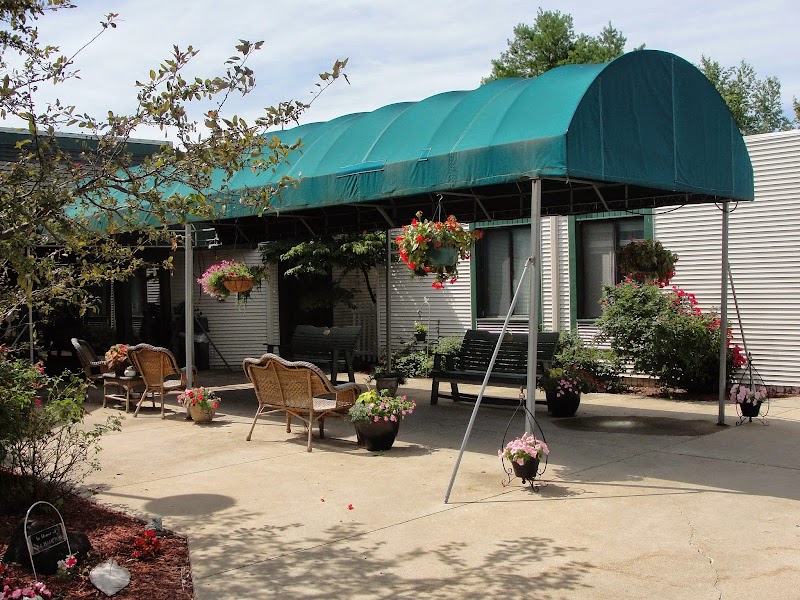
How is Sullivan Healthcare & Senior Living Staffed?

CMS rates SULLIVAN HEALTHCARE & SENIOR LIVING's staffing level at 1 out of 5 stars, which is much below average compared to other nursing homes.

What Have Inspectors Found at Sullivan Healthcare & Senior Living?

State health inspectors documented 29 deficiencies at SULLIVAN HEALTHCARE & SENIOR LIVING during 2022 to 2025. These included: 1 Immediate Jeopardy (the most serious level, indicating potential for serious harm or death), 1 that caused actual resident harm, 26 with potential for harm, and 1 minor or isolated issues. Immediate Jeopardy findings are rare and represent the most serious regulatory concerns. They require immediate corrective action.
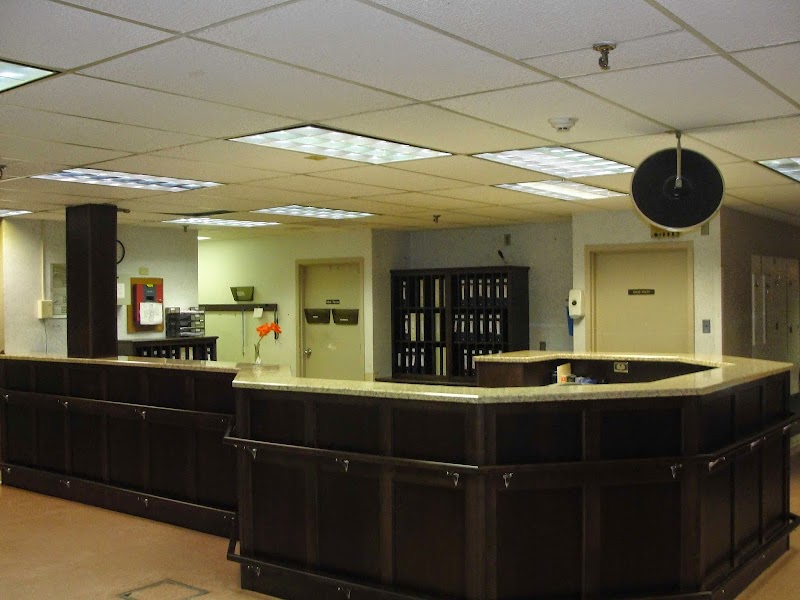
Who Owns and Operates Sullivan Healthcare & Senior Living?

SULLIVAN HEALTHCARE & SENIOR LIVING is owned by a for-profit company. For-profit facilities operate as businesses with obligations to shareholders or private owners. The facility is operated by POINTE MANAGEMENT, a chain that manages multiple nursing homes. With 123 certified beds and approximately 72 residents (about 59% occupancy), it is a mid-sized facility located in SULLIVAN, Illinois.
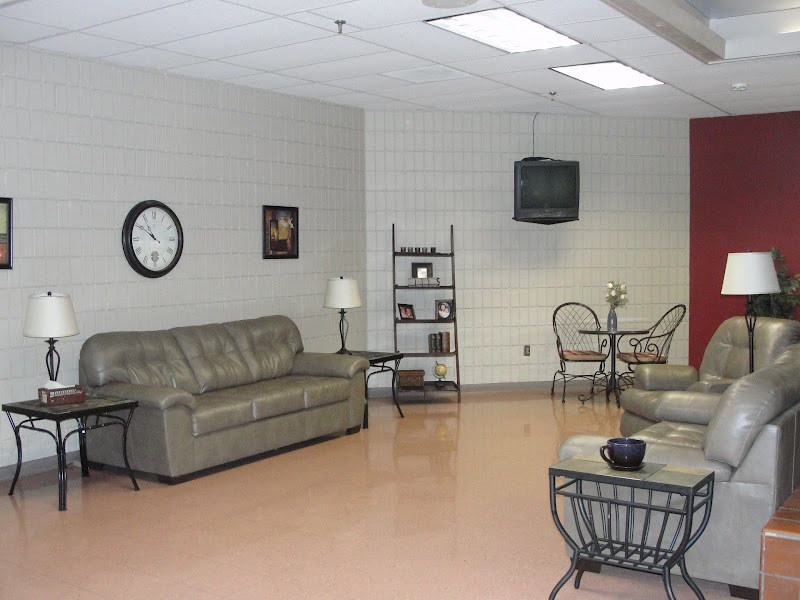
How Does Sullivan Healthcare & Senior Living Compare to Other Illinois Nursing Homes?

Compared to the 100 nursing homes in Illinois, SULLIVAN HEALTHCARE & SENIOR LIVING's overall rating (1 stars) is below the state average of 2.5 and health inspection rating (1 stars) is much below the national benchmark.

What Should Families Ask When Visiting Sullivan Healthcare & Senior Living?

Based on this facility's data, families visiting should ask: "What changes have been made since the serious inspection findings, and how are you preventing similar issues?" "Can you walk me through typical staffing levels on day, evening, and night shifts?" "Can I visit during a mealtime to observe dining assistance and food quality?" "How do you handle medical emergencies, and what is your hospital transfer rate?" These questions are particularly relevant given the facility's Immediate Jeopardy citations and the below-average staffing rating.

Is Sullivan Healthcare & Senior Living Safe?

Based on CMS inspection data, SULLIVAN HEALTHCARE & SENIOR LIVING has documented safety concerns. Inspectors have issued 1 Immediate Jeopardy citation (the most serious violation level indicating risk of serious injury or death). The facility has a 1-star overall rating and ranks #100 of 100 nursing homes in Illinois. Families considering this facility should ask detailed questions about what corrective actions have been taken since these incidents.

Do Nurses at Sullivan Healthcare & Senior Living Stick Around?

SULLIVAN HEALTHCARE & SENIOR LIVING has not reported staff turnover data to CMS. Staff turnover matters because consistent caregivers learn residents' individual needs, medications, and preferences. When staff frequently change, this institutional knowledge is lost. Families should ask the facility directly about their staff retention rates and average employee tenure.

Was Sullivan Healthcare & Senior Living Ever Fined?

SULLIVAN HEALTHCARE & SENIOR LIVING has been fined $127,900 across 1 penalty action. This is 3.7x the Illinois average of $34,358. Fines at this level are uncommon and typically indicate a pattern of serious deficiencies, repeated violations, or failure to correct problems promptly. CMS reserves penalties of this magnitude for facilities that pose significant, documented risk to resident health or safety. Families should request specific documentation of what issues led to these fines and what systemic changes have been implemented.

Is Sullivan Healthcare & Senior Living on Any Federal Watch List?

SULLIVAN HEALTHCARE & SENIOR LIVING is not on any federal watch list. The most significant is the Special Focus Facility (SFF) program, which identifies the bottom 1% of nursing homes nationally based on persistent, serious quality problems. Not being on this list means the facility has avoided the pattern of deficiencies that triggers enhanced federal oversight. This is a positive indicator, though families should still review the facility's inspection history directly.