ALTA REHAB AT WAUCONDA
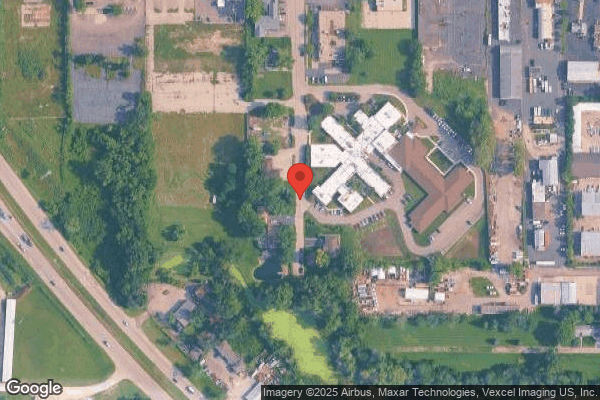

176 THOMAS COURT, WAUCONDA, IL 60084 (847) 526-5551
For profit - Corporation 149 Beds APERION CARE Data: November 2025
Trust Grade
58/100
#102 of 665 in IL
Last Inspection: August 2024

Within standard 12-15 month inspection cycle. Federal law requires annual inspections.

Overview

Alta Rehab at Wauconda has a Trust Grade of C, indicating it is average compared to other nursing homes, sitting in the middle of the pack. It ranks #102 out of 665 facilities in Illinois, which places it in the top half, and #6 out of 24 in Lake County, meaning there are only a few better options locally. However, the facility is experiencing a worsening trend, with issues increasing from 5 in 2023 to 9 in 2024. Staffing is rated average with a turnover rate of 41%, which is slightly better than the state average, and it has good RN coverage, exceeding that of 87% of Illinois facilities. Despite these strengths, there have been serious incidents, including a resident falling due to improper positioning, which required stitches, and another resident experiencing a medication error that led to a hospital stay. Additionally, there were issues with residents not receiving necessary pressure injury care, leading to worsening conditions for some. Overall, while there are notable strengths in staffing and RN oversight, families should be aware of the concerning incidents and the facility's declining performance trend.

Trust Score
C
58/100
In Illinois
#102/665
Top 15%
Safety Record
High Risk
Review needed
Inspections
Getting Worse
5 → 9 violations
Staff Stability
○ Average
41% turnover. Near Illinois's 48% average. Typical for the industry.
Penalties
○ Average
$7,443 in fines. Higher than 62% of Illinois facilities. Some compliance issues.
Skilled Nurses
✓ Good
Each resident gets 68 minutes of Registered Nurse (RN) attention daily — more than 97% of Illinois nursing homes. RNs are the most trained staff who catch health problems before they become serious.
Violations
⚠ Watch
19 deficiencies on record. Higher than average. Multiple issues found across inspections.
★★★★☆
4.0
Overall Rating
★★★☆☆
3.0
Staff Levels
★★★★☆
4.0
Care Quality
★★★★☆
4.0
Inspection Score
Stable
2023: 5 issues
2024: 9 issues

The Good

  • 4-Star Quality Measures · Strong clinical quality outcomes
  • Full Sprinkler Coverage · Fire safety systems throughout facility
  • No fines on record
  • Staff turnover below average (41%)

    7 points below Illinois average of 48%

Facility shows strength in quality measures, fire safety.

The Bad

Staff Turnover: 41%

Near Illinois avg (46%)

Typical for the industry

Federal Fines: $7,443

Below median ($33,413)

Minor penalties assessed

Chain: APERION CARE

Part of a multi-facility chain

Ask about local staffing decisions and management

The Ugly 19 deficiencies on record

3 actual harm
Sept 2024 1 deficiency 1 Harm
SERIOUS (G) 📢 Someone Reported This

A family member, employee, or ombudsman was alarmed enough to file a formal complaint

Actual Harm - a resident was hurt due to facility failures

Accident Prevention (Tag F0689)

A resident was harmed · This affected 1 resident

**NOTE- TERMS IN BRACKETS HAVE BEEN EDITED TO PROTECT CONFIDENTIALITY** Based on interview and record review, the facility failed to ensure a resident was positioned in a safe manner for one of three ...

Read full inspector narrative →
**NOTE- TERMS IN BRACKETS HAVE BEEN EDITED TO PROTECT CONFIDENTIALITY** Based on interview and record review, the facility failed to ensure a resident was positioned in a safe manner for one of three residents (R1) reviewed for safety in the sample of three. This failure resulted in R1 experiencing a fall which required sutures and resulted in R1 obtaining a small subdural hematoma. The findings include: R1's Face Sheet shows he was admitted to the facility on [DATE], with diagnoses including alcohol abuse, fall from bed, mood disorder, vascular dementia, generalized anxiety disorder, Parkinson's disease, and malnutrition. R1's Fall Risk assessment dated [DATE], shows that R1 is at risk for falls. R1's Significant Change in Status Minimum Data Set, dated [DATE], shows R1 is not cognitively intact, has an impairment on both upper and lower extremities, is dependent (helper does ALL of the effort. Resident does none of the effort to complete the activity. Or the assistance of two or more helpers is required for the resident to complete the activity) on staff for toileting, personal hygiene, putting on/taking off footwear, sit to lying, and lying to sitting on the side of the bed. R1's Progress Notes dated August 10, 2024; shows he was transferred to the local emergency room after a fall. R1's Progress Notes dated September 4, 2024; shows he experienced another fall while ambulating. R1's Care Plan initiated February 26, 2024, shows R1 is resistant to ADL (Activities of Daily Living) care such as dressing and changing. He is also combative, hitting, pushing, holding onto and punching staff during care. This generally occurred almost daily. He has a diagnosis of dementia. Work in pairs when providing care if necessary for safety of resident or staff. R1's Care Plan initiated February 26, 2024, and revised September 9, 2024, shows R1 is at risk for falls related to confusion, incontinence, poor communication/comprehension. Falls were noted on April 29, 2024, May 20, 2024, June 16, 2024, August 2, 7, and 10, 2024, September 4, 2024, and September 7, 2024. The facility's Facility Reported Incident shows that on September 7, 2024, at approximately 9:00 AM, [R1] fell from the edge of his bed while in a seated position. R1 returned from the local emergency room. CT (computed tomography) of the brain showed a possible tiny subdural hemorrhage. The emergency room physician spoke to the power of attorney (POA) and discussed goals of care. The POA declined treatment and wanted the resident transferred back to the facility. The resident has sutures in place on the left side of his forehead with order to remove in seven days. Conclusion: The CNA was next to the resident and was reaching for his shoes when the resident fell forward and sustained the fall but was unable to stop the fall. On September 10, 2024, at 10:11 AM, V5 CNA (Certified Nursing Assistant) stated she was the CNA taking care of R1 when he fell on September 7, 2024. V5 stated R1 was sitting on the side of the bed with his left hand holding the side rail. V5 stated R1 fell face first to the floor when V5 went to the foot of R1's bed to grab R1's shoes. V5 stated that R1 hit his head on the ground. V5 stated that when R1 wants to do something he will. V5 stated that R1 is impulsive. V5 stated that R1 tries to get out of the wheelchair by himself. V5 stated that prior to R1's recent fall, R1 was able to ambulate on his own. V5 stated that in the last month or so, R1 would cross his legs when he tried to stand up. V5 stated that R1's legs would get tangled. V5 stated that R1 has not really walked since his fall. V5 stated that when R1 fell forward from the bed, she immediately called for R1's nurse. V5 stated that R1 is pretty much nonverbal, but when R1 fell, he was moaning. V5 stated that R1 had a little blood coming from his forehead when he fell. V5 stated that R1 went to the hospital via 911. On September 10, 2024, at 10:29 AM, R1 was sitting in a high back wheelchair at the nurses' station. R1 had 5-6 sutures to his left forehead with fading bruising. R1 was nonverbal. On September 10, 2024, at 9:40 AM, V2 DON (Director of Nursing) stated that it was Saturday when R1 fell. V2 stated that R1 was sitting on the edge of the bed when V5 turned around to pick something up. V2 stated that R1 has been declining. V2 stated that R1 has agitative behaviors and is very cognitively not intact. At 11:34 AM, V4 RN (Registered Nurse) stated she was the nurse taking care of R1 the day he fell. V4 stated that R1 was on the floor when she came into R1's room. V4 stated that R1 had a bump on his head and there was a small amount of blood. V4 stated that R1 has severe dementia. V4 also stated that R1 is able to ambulate but does not have good balance. R1's Hospital Records dated September 7, 2024, shows, Impression: New small right temporal subdural hematoma likely subacute in nature. Patient's laceration was repaired using sutures. The facility's Fall Prevention Program policy revised on November 21, 2017, shows, The program will include measures which determine the individual needs of each resident by assessing the risk of falls and implementation of appropriate interventions to provide necessary supervision and assistive devices are utilized as necessary. Safety interventions will be implemented for each resident identified at risk.
Aug 2024 6 deficiencies
CONCERN (D)

Potential for Harm - no one hurt, but risky conditions existed

Notification of Changes (Tag F0580)

Could have caused harm · This affected 1 resident

Based on interview and record review the facility failed to notify a physician prior to and after holding a blood pressure medication. This applies to 1 of 27 residents (R84) reviewed for notification...

Read full inspector narrative →
Based on interview and record review the facility failed to notify a physician prior to and after holding a blood pressure medication. This applies to 1 of 27 residents (R84) reviewed for notification of changes in the sample of 27. The findings include: R84's August 2024 Medication Administration Record (MAR) shows, Hydrochlorothiazide 12.5 mg (milligrams), give 1 tablet by mouth one time a day related to essential hypertension (high blood pressure) and Lisinopril 20 mg tab, give 1 tablet by mouth one time a day related to essential hypertension. The same report shows, both medications were held on August 1st, 5th & 18th, 2024. R84's electronic medical record shows, her physician was not notified on August 1st, 5th or 18th, 2024 of her blood pressure medication being held. On August 19,2024 at 10:17 AM, V16 LPN stated, whenever they hold a medication, they contact the doctor and let them know. The facility's physician-family notification-change in condition dated November 13, 2018 shows, Purpose: To ensure that medical care problems are communicated to the attending physician or authorized designee and family/responsible party in a timely, efficient, and effective manner. Guidelines: The facility will inform the resident; consult with the resident's physician or authorized designee such as Nurse Practitioner; and if known, notify the resident's legal representative or an interested family member when there is: .A need to alter treatment significantly means a need to stop a form of treatment because of adverse consequences (e.g., an adverse drug reaction), or commence a new form of treatment to deal with a problem (e.g., use of any medical procedure, or therapy that has not been used on that resident before.) .
CONCERN (D)

Potential for Harm - no one hurt, but risky conditions existed

Pressure Ulcer Prevention (Tag F0686)

Could have caused harm · This affected 1 resident

**NOTE- TERMS IN BRACKETS HAVE BEEN EDITED TO PROTECT CONFIDENTIALITY** Based on observation, interview, and record review the facility failed to implement pressure ulcer prevention interventions for ...

Read full inspector narrative →
**NOTE- TERMS IN BRACKETS HAVE BEEN EDITED TO PROTECT CONFIDENTIALITY** Based on observation, interview, and record review the facility failed to implement pressure ulcer prevention interventions for a resident who is at risk for developing pressure ulcers for 1 of 5 residents (R9) reviewed for pressure ulcers in the sample of 27. The findings include: On 8/19/24 at 10:12 AM, R9 was laying in bed. R9 did not have blankets on and R9's heels were observed directly on her mattress (not a low air loss mattress). R9 stated that she is not sure if she has wounds on her heels or not, but they are a little tender. R9 also stated that she is supposed to wear pressure relieving boots but sometimes they do not put them on. R9's pressure relieving boots were sitting in the chair in R9's room. At 11:45 AM, R9's heels were still directly on the bed and her boots were still in her chair. On 8/20/24 at 1:03 PM, V20 (Wound Registered Nurse) stated R9 is at risk for developing pressure ulcers and should have her heels offloaded to prevent pressure ulcers. V20 stated that R9's heels should not be directly on the bed. R9's Physician's Order Sheet printed on 8/21/24 shows an order dated 5/14/24 to keep both heels off loaded when in bed, may use pillows every shift and as needed. R9's Pressure Ulcer Risk assessment dated [DATE] shows that she is at moderate risk for acquiring pressure wounds. R9's Skin Integrity Care Plan shows, Elevate heels off the bed. The facility's Pressure Ulcer Prevention Policy revised on 1/15/18 shows, Use positioning devices or pillows, rolled blankets, etc. to reduce pressure and friction/shearing from heels, toes, and malleoli as indicated.
CONCERN (D)

Potential for Harm - no one hurt, but risky conditions existed

Deficiency F0688 (Tag F0688)

Could have caused harm · This affected 1 resident

**NOTE- TERMS IN BRACKETS HAVE BEEN EDITED TO PROTECT CONFIDENTIALITY** Based on observation, interview, and record review the facility failed to follow occupational therapy recommendations for a resi...

Read full inspector narrative →
**NOTE- TERMS IN BRACKETS HAVE BEEN EDITED TO PROTECT CONFIDENTIALITY** Based on observation, interview, and record review the facility failed to follow occupational therapy recommendations for a resident with a contracted hand. This applies to 1 of 4 residents (R70) reviewed for range of motion/restorative in the sample of 27. The findings include: R70's face sheet lists his diagnoses to include hemiplegia and hemiparesis following cerebral infarction affecting right dominant side. On August 19, 2024, at 10:30 AM, R70 was lying in bed. All 4 of his fingers were bent in a fist like shape on his right hand. He stated, he can open his fingers some but not all the way. His hand was not like that when he came to the facility and has gotten worse. He tries to do hand exercises. The facility does not do any exercises/anything with his hand. On August 20, 2024, at 9:20 AM, R70 was lying in bed. His hand was in the same position as the day before. On August 21, 2024, at 9:34 AM, V17 Occupational Therapy (OT) Assistant stated, R70 has a non-fixed contracture to his right hand. They were working on exercises, range of motion and weight bearing exercises when he was doing therapy. He has been discharged from OT. His recommendation to the nurse was to have a rolled-up towel in his right hand and to continue to do range of motion exercises. R70's restorative observations dated July 10, 2024, shows, he does not have any contractures, no ROM (range of motion) or braces/splints. R70's occupational Discharge summary dated [DATE], shows, Discharge Recommendations: 24/7 care and restorative. Restorative Program Established/Trained = Restorative Range of Motion Program. Range of Motion Program Established/Trained: BUE (bilateral upper extremity) AROM (active range of motion) . Prognosis to Maintain CLOF (current level of functioning) = Excellent with consistent staff support . Patient will be discharged to this LTC (long term care) with therapy recommendations for 24-hour care and restorative. On August 21, 2024, at 10:05, V18 Restorative Aide stated, there are 3 restorative aides for the residents/facility. He does R70's hallway. He does not see R70. R70 is not on any restorative program at this time. R70's electronic medical record does not show any orders or documentation for restorative therapy. R70's Minimum Data Set, dated [DATE] shows, he is not receiving any restorative therapy. R70's care plan does not show any plans of care for restorative or range of motion. The facility's restorative nursing program policy dated January 4, 2019 shows, Purpose: To promote each resident's ability to maintain or regain the highest degree of independence as safely as possible. Includes, but is not limited to, programs in waling/mobility, dressing and grooming, eating and swallowing, transferring, bed mobility, communication, splint or brace assistance, amputation care and continence programs. Guidelines: Appropriateness for a restorative program will be determined by the interdisciplinary team as needed and/or may be determined as a continuation of care following a course of physical, occupational and/or speech therapy . Each resident involved in a restorative program will have an individualized program with individualized goals and measurable objectives documented on the plan of care.
CONCERN (D)

Potential for Harm - no one hurt, but risky conditions existed

Accident Prevention (Tag F0689)

Could have caused harm · This affected 1 resident

**NOTE- TERMS IN BRACKETS HAVE BEEN EDITED TO PROTECT CONFIDENTIALITY** Based on observation, interview, and record review the facility failed to safely transfer a resident by preventing the resident'...

Read full inspector narrative →
**NOTE- TERMS IN BRACKETS HAVE BEEN EDITED TO PROTECT CONFIDENTIALITY** Based on observation, interview, and record review the facility failed to safely transfer a resident by preventing the resident's head from hitting the mechanical lift, failed to safely transport a resident and failed to update a resident's care plan after a fall. This applies to 2 of 27 residents (R19 and R5) reviewed for safety in the sample of 27. The findings include: 1. R19's Face Sheet showed R19 was a [AGE] year-old female with the diagnoses of dementia and anxiety. On 08/19/24 at 10:10 AM, R19 was sitting in her wheelchair. R19 had bruising to the left side of her forehead. The bruising started at R19's hairline and extended down to her left eyebrow. The bruising was about the width of R19's eyebrow/eye. The bruised area had a darker purple area about the size of a quarter near R19's hairline. R19's Skin- Other Skin Condition Report dated 8/14/24 showed R19 hit her forehead on a mechanical lift resulting in a red area to R19's forehead and ice was applied. On 08/20/24 at 09:01 AM, V4 (Certified Nursing Assistant- CNA) stated she and V6 (CNA) transferred R19 on 8/14/24 when R19 hit her head on the mechanical lift during resulting in the bruised forehead. V4 said R19 got, excited during the transfer. V4 explained R19 raised her head during the transfer hitting her head on the mechanical lift. V4 added R19 had a history of getting agitated and moving her head during transfers. On 08/20/24 at 01:33 PM, V6 said he and V4 were transferring R19 with a mechanical lift. V6 said they accidentally hit R19's head with the mechanical lift when the sling was being unhooked. 08/20/24 at 12:32 PM, V7 (CNA) said a resident's head should not hit the mechanical lift during a transfer. R19's Care Plan showed she was at risk for developing bruises. Listed under interventions was, Extreme care with resident handling: when assisting with transfers, mobility, dressing, and bathing. 2. R5's Minimum Data Set assessment dated [DATE] shows that she uses a wheelchair and needs substantial/maximal assistance to wheel 50 feet with two turns and is dependent on staff to wheel 150 feet. On 8/19/24 at 12:33 PM, R5 was laying in bed. R5 had a bruise under her right eye, forehead, and bilateral knees. R5's Fall-Initial Occurrence Form dated 8/10/24 shows, Was being wheeled down to dining room by CNA (Certified Nursing Assistant) and she put her foot down and fell forward off of chair. Braced her fall by putting her arms out but still hit her face on the ground. R5's Fall Committee Meeting Notes dated 8/13/24 shows, Resident was up in her wheelchair and staff was wheeling resident when she put her feet down and she fell out of her wheelchair .What interventions were in place at the time of the fall? Make sure to apply wheelchair footrest prior to transporting .What interventions were put in place immediately after the fall to prevent further falls? Applied foot rest What new interventions and/or changes are suggested by the IDT at this time? Refer to therapy for evaluation Care Plan reviewed and updated with new interventions the Yes box checked. On 8/20/24 a 1:28 PM, V6 (Certified Nursing Assistant) said that around breakfast time he was wheeling R5 in her wheelchair to the dining room. V6 said that R5 then put her foot down and went forward out of her wheelchair and fell to the ground. V6 said that R5 is typically transported to the dining room by staff. V6 said that R5 did not have foot rests on her wheelchair at the time of the fall. On 8/20/24 at 2:12 PM, V19 (Therapy Director) said that if staff are pushing a resident's wheelchair, they should have foot pedals on. V19 stated that it is a safety hazard if not. V19 said that their feet could get stuck under the wheelchair and they could fall. On 8/21/24 at 11:35 AM, V3 (Assistant Director of Nursing) said that R5 is forgetful at times. V3 stated that they educated all of the staff after R5's fall that if they are transporting a resident, they should have foot pedals on. On 8/21/24 at 11:48 AM, V19 said that he hears about resident falls during the morning meetings or from the nurses and likes to do an evaluation of the resident within 24-48 hours after the fall to see if they would benefit from therapy services to prevent future falls. V19 said that he was not aware that R5 had had a fall prior to yesterday (8/20/24). R5's Fall Care Plan provided on 8/21/24 does not document any new interventions after her fall on 8/10/24.
CONCERN (D)

Potential for Harm - no one hurt, but risky conditions existed

Pharmacy Services (Tag F0755)

Could have caused harm · This affected 1 resident

Based on interview and record review the facility failed to ensure a resident received their routine medication for 1 of 27 residents (R2) reviewed for pharmacy services in the sample of 27. The findi...

Read full inspector narrative →
Based on interview and record review the facility failed to ensure a resident received their routine medication for 1 of 27 residents (R2) reviewed for pharmacy services in the sample of 27. The findings include: A facility assessment done on 6/14/24 showed R2's cognition was intact. R2's Order Summary Report showed R2 had an order for morphine (pain medication) to be given three times a day scheduled for pain. On 08/19/24 at 09:45 AM, R2 said the facility ran out of her morphine because they did not reorder the medication in time. R2 said she missed two doses of the morphine. R2's August 2024 Medication Administration Record (MAR) showed she was to receive morphine at 5:00 AM, 1:00 PM and 9:00 PM. The MAR showed on 8/5/24 R2 was not given her 1:00 PM or 9:00 PM doses. V5 (Licensed Practical Nurse- LPN) was the nurse that documented R2 did not received the 8/5/24 1:00 PM dose. On 08/19/24 at 11:57 AM, V5 could not recall why R2 did not receive her scheduled morphine. A progress note entered by V5 dated 8/5/24 at 1:36 PM, 36 minutes after the 1:00 PM dose of morphine was due, that a script for morphine was sent to the pharmacy. A progress note dated 8/5/24 at 9:25 PM, 25 minutes after the 9:00 PM dose of morphine was due, showed the morphine was not available and the facility was waiting for morphine to be delivered. R2's morphine Controlled Drug Administration Record dated 7/26/24 - 8/5/24 showed R2 received a dose on 8/5/24 at 5:00 AM and had no remaining doses on hand. On 08/19/24 at 02:17 PM, V15 (Pharmacy Technician) said the pharmacy received a script to refill R2's morphine on 8/5/24 and it was delivered to the facility on 8/6/24 at 4:24 AM. On 08/20/24 at 12:28 PM, V8 (Registered Nurse) said medications should be reordered to ensure they do not run out of a resident's medication. R2's Care Plan showed she was at risk for alteration in comfort related to pain. Listed under interventions was to administer pain medication as ordered. The facility's Pharmaceutical Services policy showed, Refill prescription drugs when needed, in order to prevent interruption of drug regimens.
CONCERN (D)

Potential for Harm - no one hurt, but risky conditions existed

Menu Adequacy (Tag F0803)

Could have caused harm · This affected 1 resident

Based on observation, interview, and record review the facility failed to ensure residents receiving a pureed diet received a 5.33-ounce (oz) portion of the pureed stuffed shells. This applies to 2 of...

Read full inspector narrative →
Based on observation, interview, and record review the facility failed to ensure residents receiving a pureed diet received a 5.33-ounce (oz) portion of the pureed stuffed shells. This applies to 2 of 2 residents (R390, R81) reviewed for pureed diets in the sample of 27. The findings include: Facility provided Diet Type report dated 8/19/24 shows that R390 and R81 receive a pureed diet. On 8/19/24 at 11:31 AM, V11 (dietary aide) began to check temperatures and prepare for the lunch service on the 500, 600, and 700 units. V11 asked V12 (dietary aide) to grab the pureed meals and a few requested alternates from the kitchen. V12 returned from the kitchen at 11:45 AM with three pre-plated puree plates that were wrapped and covered along with the requested alternate items. On 8/19/24 at 11:53 AM, V12 removed the cover to the first puree plate which included a pre-plated serving of pureed stuffed shells and a pre-plated serving of pureed zucchini already on the plate. V12 then scooped a serving of mashed potatoes and gravy onto the plate before handing it to the nursing staff. V12 proceeded to serve the second puree plate right after the first following the same process. Facility provided diet spreadsheet shows the serving size for the pureed cheese stuffed shells was supposed to be a #6 scoop, which provides 5.33 total ounces. On 8/19/24 at 11:45 AM, V12 stated he was the one who pre-plated the pureed plates. V12 said he used a #8 scoop for the pureed stuffed shells, which provides 4 total ounces: 1.33 ounces less than the required portion size. On 8/20/24 at 9:24 AM, V9 (Food Service Director) said staff can use the diet spreadsheet found in the kitchen to confirm the scoop sizes to be used at service. V9 said the cook on duty usually pre-plates the puree plates before sending them to the units. If the incorrect scoop is used, a resident may not receive the correct amount of nutrients which may lead to malnutrition. Facility Pureed Food Preparation policy dated 2020 states, Pureed foods will be prepared using standardized recipes to ensure quality, flavor, palatability, and maximum nutritive value . Procedure: . 5. Serve with appropriate scoop number or divide equally to provide an equal number of portions. All of the pureed food must be used in order to deliver the correct nutrient density to each resident.
Apr 2024 1 deficiency
CONCERN (E) 📢 Someone Reported This

A family member, employee, or ombudsman was alarmed enough to file a formal complaint

Potential for Harm - no one hurt, but risky conditions existed

Pharmacy Services (Tag F0755)

Could have caused harm · This affected multiple residents

**NOTE- TERMS IN BRACKETS HAVE BEEN EDITED TO PROTECT CONFIDENTIALITY** Based on observation, interview, and record review the facility failed to supervise residents receiving medications and failed t...

Read full inspector narrative →
**NOTE- TERMS IN BRACKETS HAVE BEEN EDITED TO PROTECT CONFIDENTIALITY** Based on observation, interview, and record review the facility failed to supervise residents receiving medications and failed to administer medications as ordered for seven of ten residents (R1, R2, R3, R7, R8, R9, R10) reviewed for medication administration in the sample of ten. The findings include: 1. R10's admission Record shows she was admitted to the facility on [DATE], with diagnoses including unspecified right bundle branch block, constipation, cellulitis of right lower limb, unstable angina, edema, asthma, hypertension, and pain. R10's Weights and Vitals summary shows R10's blood pressure was 120/54. R10's pulse is not documented. R10's Order Summary Report shows an order for losartan 100 mg (milligrams) one time daily related to high blood pressure hold if blood pressure is less than 110/60. R10's Order Summary Report shows an order for metoprolol succinate 50 mg ER (Extended Release) one time a day related to high blood pressure. There are no parameters for when to hold the metoprolol. R10's Order Summary Report shows an order for senna with docusate sodium 8.6/50 MG give one tablet by mouth two times a day related to constipation. On April 10, 2024 at 10:07 AM, V4 LPN (Licensed Practical Nurse) was performing a morning medication pass for R10. V10 stated that she is holding R10's ordered metoprolol and losartan because her blood pressure was 120/54. V4 administered sennosides 8.6 MG instead of the ordered senna with docusate sodium 8.6/50 MG. On April 10, 2024, at 1:26 PM, V8 RN (Registered Nurse) stated R10's physician orders show that there were no parameters to hold R10's metoprolol. V8 stated she would have called the nurse practitioner to obtain parameters before she held the medication. V8 stated R10's losartan had ordered parameters to hold the medication if R10's blood pressure was less than 110/60. V8 stated she would have given R10 her losartan if her blood pressure was 120/54. V8 stated that senna with docusate sodium has an extra stool softener in it. 2. On April 10, 2024, at 9:32 AM, R2 stated that the nurse drops off her medications in the morning but does not watch her take them. R2 stated the nurse comes back later to ask her if she took her medications. At 9:40 AM, V7 R1's daughter was sitting at R1's bedside. V7 stated that R1's nurse just came in and handed her a cup of medications and told R1 to take them but did not watch R1 take her medications. On April 10, 2024, at 9:53 AM, R3 stated that the nurse drops off her medications. R3 stated that the nurse does not watch her take her medications because the nurse knows that R3 will take them. R3 state she takes 21 medications in the morning. On April 10, 2024, at 1:35 PM, R8 stated that the nurse drops off her medications. R8 stated the nurse only watches her take her medications sometimes but not all the time. On April 10, 2024, at 1:37 PM, R7 stated that the nurse does not always watch her take her medications. There are times when the nurse just drops off her medications. On April 10, 2024, at 1:43 PM, R9 stated that she is usually at breakfast when the nurse is performing medication pass, so the nurse drops off her medications on her tray in her room. R9 stated she takes her medications when she gets back to her room after she's done eating in the dining room. R1-R3 and R7-R9 did not have a self-administration of medications assessment in their electronic medical records prior to April 10, 2024. On April 10, 2024, at 11:18 AM, V3 LPN (License Practical Nurse) stated I think I have left medications at residents bedside once to help someone somewhere else. V3 said she has not been counseled in regards to leaving medications at residents' bedside. V3 said there was a time when she went to give R1 her medications and R1 was sleeping so V3 left R1's medication at her bedside to prepare medications for another resident. V3 said R1's family (V6) approached V3 and told V3 that R1 has a tendency of trying to put medications in her coke can and not taking them. [R1] has a tendency of pocketing medications. V3 said she wasn't sure if R1 does it all the time. V3 said that R1's family asked V3 to make sure staff watches R1 to make sure she is taking her medication. V3 said it is important to watch residents take their medications so that the medications are effective. V3 said if certain medications are not taken, the blood pressures could go higher, or behaviors could escalate. V6 (R1's Daughter) said that the nurse that worked on Easter Sunday (March 31, 2024-V3) dropped off R1's medications and did not watch her take them. V6 said she brought the medication cup back to the nurse and told her that R1 is throwing the medications out and that staff need to watch R1 take her medications. V6 said the same nurse that worked Easter Sunday (V3) left R1's medications again on April 6, 2024. V6 said she saw R1 put the medications in R1's pop can. On April 10, 2024, at 2:38 PM, V2 DON (Director of Nursing) said R1's family noticed that R1 was not taking her medications. V2 said she put in an order for the nurses to ensure R1 was taking her medications. V2 said she does not recall R1's family bringing up concerns in regard to R1's medications being left at R1's bedside, but V2 said she told R1's family that she was shocked that nurses were leaving medications at bedside. V2 said that nurses should follow up with the resident to ensure they are taking their medications. V2 said, staff can leave the medication on residents' tables and the staff should follow up with the resident in five minutes or so. When V2 was asked if staff are not visually watching the residents taking their medications, then how do staff know that the resident is taking their medications? V2 said That is a good question. V2 said that the staff is trusting the resident to take their medications. The facility Pharmaceutical Services policy revised December 2015 shows, It is the policy of this facility to provide assistance with medication administration as needed or requested. Residents may keep and use prescription and non-prescription medication in their apartment after being evaluated for safety in self-administration of medications and must keep their apartment locked at all times when unattended. Residents must keep medications secured from other residents. Over the counter medications, prescription drugs, and biologicals used in the facility must be labeled in accordance with currently accepted professional principles and include the appropriate accessory and cautionary instructions and the expiration date.
Jan 2024 1 deficiency
CONCERN (D) 📢 Someone Reported This

A family member, employee, or ombudsman was alarmed enough to file a formal complaint

Potential for Harm - no one hurt, but risky conditions existed

Transfer Notice (Tag F0623)

Could have caused harm · This affected 1 resident

Based on interview and record review, the facility failed to contact a resident's legally appointed state guardian prior to transfer to the local hospital for emergency purposes. This applies to 1 (R1...

Read full inspector narrative →
Based on interview and record review, the facility failed to contact a resident's legally appointed state guardian prior to transfer to the local hospital for emergency purposes. This applies to 1 (R1) of 3 residents reviewed for hospital transfers in the sample of 3. The findings include: R1's Face sheet dated 1/16/24 shows R1's emergency contact is V6 (R1's Family Member). No additional emergency contacts are listed. R1's signed Order Appointing Plenary Guardian form dated 10/25/23 shows R1 was under the guardianship of a state guardian. On 1/16/24 at 10:05 AM, V1 (Administrator) stated prior to R1's admission to the facility, R1 was noted to have signs of neglect at the hospital while previously residing at home with V6. On 1/16/24 at 12:00 PM, V5 (Director of Social Services) stated V5 was notified R1 would require state guardianship and worked with V1 and V3 (Former Business Office Manager) to complete and file documentation for R1's legally appointed guardianship. On 1/16/24, at 10:15 AM, V3 stated V3 received R1's signed Order Appointing Plenary Guardian form on 11/2/23 and entered it into R1's electronic medical records (EMR). V3 stated V9's (R1's State Guardian) contact information was not provided at that time. V3 was not further instructed to get V9's contact information. On 1/16/24 at 11:46 AM, V1 stated no contact information for V9 was ever requested or provided to the facility. If a resident has a legally appointed state guardian, that person should be contacted first before a resident is transferred to a hospital for emergency purposes. Facility Discharge/Transfer of Resident policy (no date) states, Procedure- . 9. Notify family and receiving facility when being transferred to acute care facility.
Aug 2023 1 deficiency
CONCERN (D) 📢 Someone Reported This

A family member, employee, or ombudsman was alarmed enough to file a formal complaint

Potential for Harm - no one hurt, but risky conditions existed

Accident Prevention (Tag F0689)

Could have caused harm · This affected 1 resident

**NOTE- TERMS IN BRACKETS HAVE BEEN EDITED TO PROTECT CONFIDENTIALITY** Based on interview and record review the facility failed to ensure a resident was transferred safely while using a mechanical li...

Read full inspector narrative →
**NOTE- TERMS IN BRACKETS HAVE BEEN EDITED TO PROTECT CONFIDENTIALITY** Based on interview and record review the facility failed to ensure a resident was transferred safely while using a mechanical lift for 1 of 3 residents (R1) reviewed for safety in the sample of 3. The findings include: R1's Minimum Data Set assessment dated [DATE] shows that she is totally dependent on two staff members for transfers. R1's Care Plan shows, Dependent for transfer using Hoyer lift (mechanical lift). R1's Nursing Notes dated 7/28/23 at 6:58 AM shows, CNA (Certified Nursing Assistant) informed writer to assess patient due to patient hitting head during Hoyer lift transfer at 6 AM. Bruising and minimal swelling noted to R (right) side of forehead. On 8/7/23 at 1:47 PM, V6 (CNA) said that on 7/28/23 she was transferring R1 from her bed to the wheelchair using a mechanical lift. V6 said that when she went to place R1 into the chair, the machine and chair moved causing the cross bar on the mechanical lift to hit R1 in the forehead. V6 said that it was only her in the room doing the transfer by herself because all the other staff members were busy, and she is used to doing them herself. On 8/7/23 at 9:32 AM, V8 (CNA) said that mechanical lift transfers should always be done by two staff members for resident safety. The facility's Using a Mechanical Lifting Machine Policy revised on 9/2021 shows, The purpose of this procedure is to establish the general principles of safe lifting using a mechanical lifting device At least two (2) nursing assistants are needed to safely move a resident with a mechanical lift .When the transfer destination is reached, slowly lower the resident to the receiving surface. Once the resident's weight is released, stop the lowering and ensure that the sling bar does not hit the resident
Jul 2023 3 deficiencies 1 Harm
SERIOUS (G)

Actual Harm - a resident was hurt due to facility failures

Pressure Ulcer Prevention (Tag F0686)

A resident was harmed · This affected 1 resident

**NOTE- TERMS IN BRACKETS HAVE BEEN EDITED TO PROTECT CONFIDENTIALITY** Based on observation, interview, and record review the facility failed to ensure pressure reducing interventions were in place f...

Read full inspector narrative →
**NOTE- TERMS IN BRACKETS HAVE BEEN EDITED TO PROTECT CONFIDENTIALITY** Based on observation, interview, and record review the facility failed to ensure pressure reducing interventions were in place for residents with pressure injuries for 2 of 8 residents (R106, R183) reviewed for pressure injuries in the sample of 28. This failure resulted in R106's coccyx excoriation progressing to an unstageable pressure injury and R183's Stage 3 coccyx pressure injury advancing to an unstageable pressure injury. The findings include: 1. On 07/24/23 at 10:34 AM, R106 was in her room, sitting up in her wheelchair on a flattened pillow. R106 said she has a dressing on the sore on her bottom. R106 said the wound doctor comes, but her wound is not getting better. R106 said the wound doctor did a procedure the last time and her bottom is very inflamed and burns. R106 did not have a pressure reducing cushion in her wheelchair or a pressure reducing air mattress on her bed. On 07/24/23 at 12:57 PM, R106 was sitting in her wheelchair in the dining room on a flattened pillow. R106's Most Recent Skin assessment dated [DATE] shows pressure ulcer coccyx, Stage: Unstageable, Length:3.5 cm Width: 3 cm, Appearance: moist, color: gray, Drainage amount: small, Exudate: Purulent. On 07/25/23 at 9:40 AM, V5 Wound Registered Nurse said wound assessments are done weekly and include measuring the wounds, assesses the treatment orders to determine whether to continue or change them, and looking at the pressure reducing interventions in place. V5 said pressure reducing intervention used are turn/reposition every 2 hours, low air loss pressure reducing mattress, protein supplements, and wheelchair cushions or roho cushions. V5 stated any resident comes in with a pressure wound should have an air mattress. They should have some sort of pressure reducing cushion on their wheelchair. R106 has an unstageable pressure to her coccyx, it started out as just excoriation. R106 should have an air mattress and a wheelchair cushion. On 07/26/23 at 11:15 AM, V13 Wound Doctor stated R106 has an unstageable pressure wound to her coccyx. I just debrided it last week; it was the first time seeing her and it was at unstageable. R106 should have low air loss mattress, nutritional supplements, and a wheelchair cushion in place. I believe I ordered one. The low air loss mattress and wheelchair cushion helps wounds from deteriorating by reducing the pressure by redistributing the pressure off the wound. R106's Physician Orders do not contain orders for a pressure reducing wheelchair cushion or air mattress. R106's Care Plan shows R106 was re-admitted on [DATE] with excoriation on the buttocks and is at risk for impaired skin integrity with interventions: pressure reduction support surface in bed and pressure reduction sitting/wheelchair surface. The same Care Plan was updated 7/12/23 and shows resident has actual open area: unstageable coccyx due to worsened excoriation. R106's Skin assessment dated [DATE] shows excoriation/blistering to both buttocks. R106's Skin assessment dated [DATE] shows Moisture Associated Skin Damage (MASD) Excoriation on bilateral buttocks and coccyx with increased skin redness. R106's Skin Assessments on 6/27/23 and 7/4/23 shows worsening MASD excoriation. R106's Progress Note from V13 dated 6/28/23 shows discussed care and course of treatment and obtained general consent to evaluate and treat. Patient not seen, up in chair. R106's Skin Assessment on 7/12/23 shows pressure ulcer, site: coccyx, Stage: unstageable, Length 6 cm, Width 6 cm, Appearance: slough, Color: yellow. R106's Progress Note from V13 dated 7/19/23 shows unstageable pressure injury sacrum, 3.5 cm Length x 3 cm width. 100% slough. Post Debridement Wound Bed 3.5 cm length x 2.5 cm width x 1/1 cm depth. Removed some slough today, able to better determine depth but still 100% slough left on wound bed. Treatment Order: Preventative Wound Recommendations: Low air loss mattress recommended. The facility's View Delivery Order Form dated 7/25/23 shows a low air loss mattress was ordered for R106 on 7/25/23. 2. On 07/24/23 at 9:41 AM, R183 was in bed (on a regular mattress) with V7 (R183's husband) at bedside. V7 stated R183 has a sore on her bottom that causes her pain, she cries like a baby. They have not been changing the dressing. They didn't change it on Friday, Saturday, or Sunday. I'm here from 8 AM to 8 PM and they say they will take care of it, but they don't. They change it when they remember. On 07/24/23 at 9:41 AM, V8 Certified Nursing Assistant (CNA) lowered R183's saturated brief and R183's dressing to her right buttock was undated, saturated with yellow/tinged with pink drainage, and was rolled up (not on wound) in the brief. R183 had a large golf ball size wound with immeasurable depth on her coccyx. R183's brief was completely saturated with urine. R183 had an open excoriated area on her left buttock. R183 winced when moved during incontinence care. V8 said she had checked R183's brief at 8 AM and she saw a dressing in the brief but did not change R183 at that time. On 07/24/23 at 11:45 AM, R183 was up in the wheelchair at bedside with V7. V7 said R183 was crying like a little girl, she is in so much pain from her bottom. V7 said he was there when V8 came in and checked R183 earlier, but V7 only looked at R183's brief and didn't check the dressing at all. On 07/25/23 at 9:27 AM, R183 was in bed on her back. There was no air mattress on the bed. On 07/25/23 at 1:30 PM, R183 was up in the wheelchair at the bedside with V7. There was an air mattress on the bed. V7 stated they just put that mattress on the bed now. I've been asking for a month for that bed! She had one like that in the hospital. R183's Physician Orders shows R183 was admitted on [DATE]. R183's Skin assessment dated [DATE] shows sacrum: stage 3, length: 4.5 cm, width: 2.5 cm, depth: 0.5 cm, Appearance: dry, pink, no drainage or exudate. R183's Skin assessment dated [DATE] shows sacrum: unstageable, Appearance: necrotic, Color: gray, Drainage: moderate, Exudate: sanguineous. R183's Physician Progress Note by V13 dated 7/19/23 shows Unstageable Coccyx pressure injury. Post Debridement Wound Measurement 3 cm length x 3 cm width x 0.8 cm depth with 50% slough remaining. Treatment Order: Every Day and as needed cleanse wound with normal saline, santyl nickel thick layer, cover with moist gauze. On 07/26/23 at 11:15 AM, V13 Wound Doctor stated R183 has an unstageable on her coccyx. She should have an air mattress. It off loads to decrease the pressure on the wound to help heal. In general, all pressure wounds that are stage 2 or greater should have air mattress and wheelchair cushions to reduce pressure. On 07/25/23 at 9:40 AM, V5 Wound Registered Nurse said wound assessments are done weekly and include measuring the wounds, assesses the treatment orders to determine whether to continue or change them, and looking at the pressure reducing interventions in place. V5 said pressure reducing intervention used are turn/reposition every 2 hours, low air loss pressure reducing mattress, protein supplements, wheelchair cushion or roho cushion. V5 stated any resident comes in with a pressure wound should have an air mattress. They should have some sort of pressure reducing cushion on their wheelchair. I thought R183 had an air mattress, I'll have to double check. If a dressing is rolled or not in place it should be changed right away. R183's Care Plan dated 6/26/23 shows R183 has an alteration in skin integrity and lists pressure reduction support surface in bed. R183's Physician Orders shows R183 was admitted on [DATE] and contains no order for a low air moss mattress. The facility's Prevention of Pressure Ulcers/Injuries Policy dated 9/2021 shows review the resident's care plan and identify the risk factors as well as the interventions designed to reduce or eliminate those considered modifiable. Conduct a comprehensive skin assessment including areas of impaired circulation due to pressure from positioning. Select appropriate support surfaces based on the resident's mobility, continence, skin moisture and perfusion, body weight, and overall risk factors. Review the interventions and strategies for effectiveness on an ongoing basis.
CONCERN (D)

Potential for Harm - no one hurt, but risky conditions existed

Deficiency F0692 (Tag F0692)

Could have caused harm · This affected 1 resident

**NOTE- TERMS IN BRACKETS HAVE BEEN EDITED TO PROTECT CONFIDENTIALITY** Based on observation, interview and record review the facility failed to ensure nutritional supplements were supplied for reside...

Read full inspector narrative →
**NOTE- TERMS IN BRACKETS HAVE BEEN EDITED TO PROTECT CONFIDENTIALITY** Based on observation, interview and record review the facility failed to ensure nutritional supplements were supplied for residents with weight loss for 2 of 8 (R15, R25) reviewed for weight loss in the sample of 28. Findings include: 1. R15's face sheet printed on 7/25/23 showed diagnosis to include but not limited to severe protein-calorie malnutrition. R15's physicians order sheet printed on 7/25/23 showed Super cereal at breakfast, boost pudding at lunch and dinner and ensure three times a day with meals. R15's care plan printed on 7/25/23 showed prepare/serve the nutritional diet as ordered. Prescribed diet is .container of boost pudding at lunch, magic cup at dinner, super cereal at breakfast . Provide dietary supplements as ordered . R15's minimum data set (MDS) dated [DATE] showed weight loss, 2. Yes, not on physician-prescribed weight-loss regimen. R15's dietary progress notes dated 3/10/23 at 10:59 AM showed .super cereal at breakfast, boost pudding at lunch, magic cup at dinner, ensure three times a day. Nutrition problem unintended weight loss related to inadequate energy intake as evidence by 16-pound (lbs.) weight loss. Current weight shows 3.9 lbs. decrease in 1 month, 8.1 lbs. decrease in 3 months, 20.3 lbs. decrease in 6 months, greater than 10% decrease in 6 months .Recommend change magic cup to boost pudding at dinner due to current unavailability of magic cup . R15's progress notes dated 4/27/23 and 5/19/23 showed standing order as boost pudding at dinner, container of boost pudding at lunch, container of ensure three times a day with meals . super cereal at breakfast. On 07/24/23 at 12:13 PM R15 was in the dining room sitting at the lunch table drinking a can of cola, while waiting for her lunch tray to be served. On the tray was a green leafy salad, an egg salad sandwich, grapes, and corn chips. R15's meal ticket showed ensure and power pudding for lunch. There were no ensure or power pudding served on her tray. On 07/25/23 at 8:45 AM R15's tray was in her room on the nightstand with the remaining's of rice cereal, milk, coffee, and eggs. The tray showed no super cereal, no ensure on the tray. R15 was being wheeled down the hall back to her room after getting a shower. When asked about the cereal and ensure R15 said no I did not get my super cereal this morning. That is the oatmeal and I like it. I did not get the container of ensure. R15 said I was not asked if I wanted it and I did not refuse it. R15 said she never asked if I wanted them. On 07/25/23 at 8:40 AM V10 (License Practical Nurse) LPN said they get super cereal with breakfast and R15 had hers with her medications that I gave this morning. I asked her if she wanted ensure but she said she was full, and I did not give her ensure. V10 said the super cereal has oatmeal and extra nutrients (Protein) in it. V10 said R15 is alert and may refuse when she is too full. 07/26/23 at 09:53 AM V9 (Registered Nurse) RN said Sometimes it (the nutritional supplements) are specified and sometimes they are given with meals. They are to be given as ordered. They should be given when ordered even if it is one time a day or two or three times a day. 07/26/23 at 10:21 AM V2 (Director of Nursing) DON said, It depends on the recommendations sometimes it is during meals or at a specific time of day hours or twice a day. They should be given as ordered. (R15) should be given as ordered. Ensure three time a day with meals, boost pudding at lunch and dinner, super cereal at breakfast. When asked if R15 refuses her supplements V2 said I am not aware of her refusing, otherwise they would let us know and we would get an order and change it. 2. On 07/24/23 at 12:15 PM, R25 was sitting at the dining room table, feeding herself. R25 was not served ensure with lunch. R25's diet card was on the table next to R25's plate and showed ensure with meals. On 07/25/23 at 9:05 AM, R25 up in wheelchair at dining room table eating breakfast. R25 was not served ensure during the breakfast meal. On 07/25/23 at 1:33 PM, V6 Licensed Practical Nurse said R25's weights are going up and down. V6 said R25 is supposed to get ensure with meals. V6 stated sometimes she doesn't like it, but they should be giving it to her with meals and at least try to get her to drink some. Sometimes she does take some, it will help with weight gain. R25's Physician Orders dated 5/5/23 shows Ensure with meals. R25's Dietary Progress Note dated 7/10/22 shows increased protein need related to wound healing as evidenced by skin breakdown. Unintended weight loss related to inadequate energy intake. Current weights shows greater than 7.5% decrease in 3 months. Weight appears to be stabilizing. Continue diet and ensure as ordered and monitor weight per protocol. The facility's Weight Assessment and Intervention dated 9/21 shows The multidisciplinary team will strive to prevent, monitor, and intervene for undesirable weight loss for our residents. Interventions for undesirable weight loss shall be based on careful consideration of: The use of supplementation.
CONCERN (F)

Potential for Harm - no one hurt, but risky conditions existed

Food Safety (Tag F0812)

Could have caused harm · This affected most or all residents

Based on observation, interview, and record review, the facility failed to ensure final cooking temperatures were obtained, foods were covered in the freezer to prevent freezer burn, refrigerated food...

Read full inspector narrative →
Based on observation, interview, and record review, the facility failed to ensure final cooking temperatures were obtained, foods were covered in the freezer to prevent freezer burn, refrigerated foods were labeled when received, a refrigerator on the nursing unit was being monitored for safe temperatures, prepared egg salad was discarded within six days, the high temperature dishwasher was verified for accurate temperature with a paper thermometer, and employee food was not stored in the refrigerator with food for resident use. These failures have the potential to affect all 140 residents residing in the facility. The findings include: The facility's Resident Census and Conditions of Residents (CMS-672) form filled out and dated 7/24/23 by the Corporate Consultant, V3, shows the total number of residents residing in the facility is 140. During the kitchen inspection on Monday, 7/24/23 at 9:37 AM, a shallow pan of corn dogs and wings dated 6/19/23 was stored on a high shelf under a pipe in the walk-in freezer. The food was only partially covered with plastic wrap. V4, Dietary Manager, said the food looked freezer burned and shouldn't be stored under the pipe. The walk-in cooler contained several rolls of meat, a beef brisket, and a pork loin which were all undated. Unidentified food wrapped in tin foil and a clear plastic bag was thawing in a pan of liquid. There were no labels to identify dates or times the food was received or when it began thawing. V4 said the food was turkey and was there probably since the Friday delivery. A small kitchen cooler had a grocery bag containing several packages of tortillas and a 2-liter bottle of soda with 4/24/23 written on the outside of the bag. V4 said it was employee food. When asked if employee food can be stored in the kitchen refrigerator with resident foods, V4 said, It's ok with me, if it's ok with you. On 7/24/23 at 10:35 AM, the high temperature dishwasher was observed during the wash cycle and the digital screen showed it was reaching a maximum of 141.8 degrees F (Fahrenheit) during the wash cycle. V4 said they used to use test strips on the dishwasher all the time, but they don't have them anymore, but probably should. On 7/25/23 at 2:18 PM, V4 said the paper thermometer test strips turn black if the temperature is at least 160 degrees F, the dishwasher temperature is preset, so the calibration is off or something. V4 said the temperature strips have not been used to verify the temperature in a couple of months. On 7/24/23 at 10:48 AM, V11, Cook, said everything has been cooked for the lunch meal. When the final cooking temperatures for the foods cooked for the lunch meal were requested, V11 said he, Forgot to do them. The lunch food serving temperature log for 7/24/23 was immediately obtained, and it was completely blank of any temperatures. The facility's Lunch Menu for Monday (undated) provided by the facility shows Cream of Mushroom Soup, Grecian Chicken, Chili Mac with Ground Beef, Mashed Potatoes, Greek Roasted Potatoes, Seasoned Corn, Sliced Carrots, Peach Crisp, and Fresh Grapes. The facility's Grecian Chicken recipe (Rev 8/05) shows chicken with bones (thighs, drumsticks, or 8-cut fryers) thawed and cleaned are used and should be roasted until a minimum temperature of 165 degrees F is reached. On 7/24/23 at 11:57 AM, V11 said the chicken leg quarters used for the Grecian chicken is not pre-cooked, he roasted it in the oven. The facility's Food & Nutrition Services Sanitation & Food Safety Cooking Policy (Revised 2017) shows . the temperature of the food is taken and recorded at end of cooking . On 7/24/23 at 10:57 AM, a container of egg salad was in the sandwich cooler dated 7/16 and a container of prepared tuna was in the sandwich cooler without a date. On 7/24/23 at 12:18 PM, V4 said prepared food is good for 7 days, then it needs to be discarded. On 7/25/23 at 2:18 PM, V4 said food should be labeled with the date it is made. The facility's Food & Nutrition Services Meal Service Food Brought in by Family or Visitors Personal Refrigerators Policy (undated with a copyright date 2021) shows . Perishable foods are discarded on the sixth day after preparation . The facility's Food & Nutrition Services Food Preparation Leftover Food Policy (undated with a copyright date 2021) shows . Refrigerated leftover food will be used within six days .will be covered and labeled with the item, date and use by date . On 7/24/23 at 11:09 AM, the refrigerator on the Memory Care Unit had no thermometer to measure the internal temperature. No temperature log for the refrigerator was provided. On 7/25/23 at 2:18 PM, V4 said food temperatures need to be checked/recorded after cooking it to make sure it is at the appropriate temperature. V4 said he does not usually label the meat stored in the refrigerator because it gets used pretty quickly, but knows it is supposed to be labeled with the date it is received. V4 said food in the freezer should be covered; the corn dogs should have been wrapped and not stored under the pipe. V4 said the refrigerators on the nursing units are under his responsibility, as the dietary manager, and it is ultimately his job to check the temperatures on them. The facility's Food & Nutrition Services Sanitation & Food Safety Machine Washing and Sanitizing (High Temperature Dishwashing Machine) Policy (Revised 2017) shows .The final rinse temperature is tested with a paper thermometer .the paper thermometer turns color when it registers 160 degrees F . Paper thermometers can be saved on the dishwashing machine log . The facility's Food & Nutrition Services Meal Service Food Brought in by Family or Visitors Personal Refrigerators Policy (undated with a copyright date 2021) shows the following: See Guidelines for Safe Food Handling. The facility provided an undated United States Department of Agriculture Older Adults and Food Safety Guidelines for Safe Food Handling document which shows .refrigerator temperature should be set at 40 degrees F or below .use a thermometer to check the temperatures . On 07/25/23 at 11:46 AM, V2, Director of Nursing, said, We do not have a policy for employee food storage.
Jul 2023 1 deficiency 1 Harm
SERIOUS (G) 📢 Someone Reported This

A family member, employee, or ombudsman was alarmed enough to file a formal complaint

Actual Harm - a resident was hurt due to facility failures

Deficiency F0760 (Tag F0760)

A resident was harmed · This affected 1 resident

**NOTE- TERMS IN BRACKETS HAVE BEEN EDITED TO PROTECT CONFIDENTIALITY** Based on observation, interview, and record review the facility failed to ensure residents are free from significant medication ...

Read full inspector narrative →
**NOTE- TERMS IN BRACKETS HAVE BEEN EDITED TO PROTECT CONFIDENTIALITY** Based on observation, interview, and record review the facility failed to ensure residents are free from significant medication errors for 1 of 3 residents (R1) reviewed for medications in the sample of 6. This failure resulted in R1 having a hypoglycemic episode with stroke like symptoms, requiring hospitalization for 6 days. The findings include: On 7/19/23 at 10:15 AM, R1 was sitting in his room, talking on his phone. R1 was alert and orient and able to answer questions appropriately. R1 stated I've been back here for a few days now; I was in the hospital a couple times. The last time, they sent me out, I couldn't talk. I was in the hospital a few days because they gave me the wrong medication. The hospital found out I was given diabetes medication, I'm not diabetic. It was very scary. I could have had a stroke! On 7/19/23 at 10:50 AM, V6 Nurse Practitioner said R1 went to the hospital for a hypoglycemic episode and was there for a few days. V6 stated R1 is not diabetic and is not on any diabetic medications. V6 said if a diabetic medication is given to a non-diabetic patient hypoglycemia can occur. V6 said she gave orders to check R1's blood sugar twice a day to monitor R1's blood sugars for hypoglycemia since he came back. On 7/19/23 at 12:22 PM, V2 Director of Nursing said V7 Registered Nurse (RN) was the nurse on duty 7/2/23 for R1 and V7 was currently on vacation in the Philippines and not available. V2 was not aware of any medication errors reported to her and had not been told about R1's hospital test results showing R1 had been given a wrong medication. On 7/19/23 at 12:24 PM, V7's phone was not accepting calls at this time. On 7/19/23 at 12:25 PM, V8 RN Supervisor said he was the supervisor on duty when R1 was sent to the hospital. V8 said V7 RN came to him and asked him to check on R1 because V10 (R1's wife) said R1 was not acting himself and insisted something was wrong. V8 said he looked at R1 and new R1 was not himself. V8 said R1 could not talk to him and was unable to follow commands. V8 said he activated 911 and R1 was sent to the hospital. On 7/19/23 at 12:37 PM, V6 said if R1's sulfonylurea blood test (done in the hospital) is positive that would indicate that R1 was given a medication containing sulfonylurea which is found in diabetic medications. V6 said the test results would be helpful to know how to move forward in treating R1 and figuring out why R1 had a hypoglycemic event. On 7/19/23 at 1:35 PM, R1 said the hospital called his wife (V10) at home and told her the test results showed he had been given the wrong medications. On 7/19/23 at 1:47 PM, V11 Hospital Critical Care Doctor was paged and did not return the call. On 7/19/23 at 2:35 PM, V9 Social Service at Hospital said her coworker called in the complaint as a mandated reporter. V9 said R1's blood test for sulfonylurea came back positive for glimepiride. V9 said R1 is not a diabetic and had not been prescribed that drug so they reported it. V9 said they called R1's wife and spoke with her about the test result and what it meant. On 7/20/23 at 8:44 AM, V10 said she was at the facility the evening R1 was sent to the hospital. V10 said V7 brought in medications for R1 and poured all of them in R1's mouth at the same time. V10 said R1 couldn't swallow the pills or move his mouth or lips at all. V10 said she told V7 something was wrong and V7 kept trying to get R1 to swallow pills giving him Glucerna and pudding. V10 said she told V7 again that something was wrong, R1 was not himself, he couldn't move his lips at all, and his eyes were huge. V10 said two other nurses came into the room and V8 said to call 911. V10 said R1's face was drooping like he was having a stroke. V10 stated I was so scared; I rode in the ambulance with him. I thought he was having a stroke! V10 said when they arrived in the hospital R1's blood sugar was 17 in the emergency room and they were telling her that something was wrong, R1's sugar shouldn't be that low. V10 said R1 was admitted to the Intensive Care Unit where she stayed with him for several days while R1 received intravenous fluids with sugar in them. V10 said R1 was discharged back to the facility after his sugars were better. V10 said she received a call from the hospital a few days ago and they told her that the test results show R1 got medication for diabetes. V10 said the hospital was going to let the facility know what happened. On 7/20/23 at 9:06 AM, V2 Director of Nursing said she did receive the test results from the hospital for the sulfonylurea test and the results shows glimepiride positive with a result of 16. V2 said she was able to pull pharmacy records and there were residents in that hallway that were diabetic and had that prescribed medication. V2 said the resident's medications come in packets, sometimes with multiple drugs in each packet. V2 said the nurses are supposed to verify the resident name on the packet and check the medication order in the Medication Administration Record, verifying the medication and dosage before giving to the resident. V2 stated this is a disturbing mess! The nurse must have given the wrong medications in the morning and R1 started having signs and symptoms later that day around supper time. On 7/20/23 at 10:42 AM, V12 Social Service at Hospital said when R1 was at the hospital, the doctors and pharmacist thought something was off that R1 was having this hypoglycemic episode since he was not a diabetic and his records showed no order for diabetic medications, so they ordered a drug panel. V12 said the results did not come back until after R1 was already discharged back to the facility. V12 said the drug panel came back positive for glimepiride and confirmed the result of 16 indicating the drug was given to R1. V12 said she spoke with V10 and then reported to IDPH as a mandated reporter. R1's Minimum Data Set, dated [DATE] shows R1 is cognitively intact with diagnoses of: anemia, atrial fibrillation, coronary artery disease, gastroesophageal reflux disease, septicemia, hyperlipidemia, arthritis, respiratory failure, aftercare following joint replacement surgery, presence of left artificial knee joint, osteoarthritis, partial intestinal obstruction, Crohn's disease, ileus, and chronic combined systolic and diastolic heart failure. R1's Physician Order Activity Report dated 7/19/23 shows from 6/18/23 to 7/19/23 there are no orders for glimepiride or any other diabetic medication. R1's Nursing Home to Hospital Transfer Form dated 7/2/23 shows R1 was transferred to the hospital for facial droop and altered mental status on 7/2/23 at 7:30 PM. R1's Hospital Discharge Instructions dated 7/8/23 shows R1 was in the hospital from [DATE] to 7/8/23. The same instructions show a pending lab of sulfonylurea screen blood sent out 7/3/23. R1's Hospital History and Physical dated 7/2/23 shows [AGE] year-old male with recent left total knee replacement. Today, he was in his usual state of health. He ate dinner, he was given his evening meds. Shortly after, he began having alerted mentation. He developed slurred speech, facial droop, and he was not following commands. Accucheck per Emergency Medical Services (EMS) was 75. Upon arrival here accucheck was 17 and 18 on recheck. He was given dextrose 50 and blood glucose level increase Neuro symptoms have resolved. He feels back to baseline. He has no history of diabetes and is taking no meds for diabetes. R1's CarePort-Printable Review Referral Paperwork dated 7/8/23 shows R1's blood glucose lab result of 49 LL on 7/2/23 at 8:41 PM (normal range 70-99). The same paperwork contains a Critical Care Physician Progress Note dated 7/3/23 at 1:15 AM shows He presented to hospital emergency room (ER) late on 7/2/23 with facial droop and aphasia. Per notes upon arrival blood glucose was 17 and 18 on initial checks and he was given intravenous dextrose 50 (D50) with rise in blood glucose and a normalization of neuroexam. Repeat blood glucose in ER again noted to be low at 18. Additional D50 given and placed on infusion and admitted to intensive care unit for continued care. He has no history of diabetes and takes no oral hypoglycemic medications and is not on insulin. Elevated insulin and c-peptide levels were noted and raise concern for inadvertent administration of sulfonylureas while at rehab. Check sulfonylurea levels. V11's Progress Note dated 7/3/23 at 1:55 PM shows Active Problem: hypoglycemia- no history of diabetes, not on antihyperglycemics, erroneous sulfonylurea administration at skilled nursing facility? Sulfonylurea lab pending. Acute metabolic encephalopathy secondary to hypoglycemia, present on admission-resolved, confusion and altered state was due to his low glucose, with normalization of glucose, his mentation has normalized. R1's sulfonylurea screen from the hospital dated 7/3/23 shows glimepiride-positive result of 16. The facility's Physician Order Activity Report dated 7/2/23 shows R6 had an order for glimepiride 4 mg. The facility's Census for 7/2/23 shows R1 was in room XXX and R6 was in room YYY. The facility's Schedule for 7/2/23 shows V7 was the nurse assigned to the wings (including both R1 and R6). The facility's Administering Medications Policy dated 9/2021 shows medications must be administered in accordance with the orders, including any required time frame. The individual administering medications must verify the resident's identity before giving the resident his/her medications. The individual administering the medications must check the label THREE (3) times to verify the right resident, right medication, right dosage, right time and right method(route) of administration before giving the medications.
Jun 2022 5 deficiencies
CONCERN (D)

Potential for Harm - no one hurt, but risky conditions existed

Grievances (Tag F0585)

Could have caused harm · This affected 1 resident

Based on interview and record review the facility failed to resolve resident grievances for three of three residents (R14, R36 and R5) reviewed for grievances in the sample of 22. The findings includ...

Read full inspector narrative →
Based on interview and record review the facility failed to resolve resident grievances for three of three residents (R14, R36 and R5) reviewed for grievances in the sample of 22. The findings include: 1. On 6/14/22 at 12:49 PM, V12 (R14's daughter) stated R14 has been missing clothing in the past and has never been reimbursed for it. V12 stated she has told CNAs (Certified Nurse Aides) and gave the front desk staff a list of the missing items. V12 stated nothing ever happens. V12 stated it isn't a onetime thing and it happens every time she is admitted to the facility. V12 stated some were brand new with tags still on them. R14 was lying in bed with her eyes closed throughout the interview. When the subject of missing clothing was discussed, R14 opened her eyes wide and clearly stated, Yes, I had my favorite red nightgown that was brand new. It got lost and I have never seen it since. V12 stated no one has ever followed up on the missing items. 2. On 6/14/22 at 12:04 PM, R36 stated the laundry department keeps losing her clothes. I got new items around Christmas and my birthday. They went to get washed and I never saw them again. It happened again about four weeks ago. I was missing a salmon-colored sweater and a gray outfit. The laundry did find my salmon-colored top but not the gray outfit. I talked to V1 (Administrator) myself just last night. R36 stated, I don't believe anyone is looking for the stuff because it has happened in the past. I am still upset that nothing is being done about this situation. I am annoyed and don't know how they can make laundry staff more responsible. 3. On 6/16/22 at 12:44 PM, R5 stated there are lots of complaints about missing and damaged clothing. R5 stated her friend across the hall had two shirts missing and reported it to staff. Nothing ever happened. R5 stated other residents have said the same thing and the complaints are never followed up on. It is rather disguising no one does anything about it. No one ever comes back and says they will look into it or what the plan is. R5 stated she had two shirts damaged by bleach and the only thing that happened was she was told laundry does not use bleach here. R5 stated it was never resolved after she reported it to the administrator. R5 stated staff did nothing, zip! It has happened to her and lots of other people. They never respond to our complaints voiced at the resident council meetings. They might go and look for missing items, but if they can't find it then it's over. We get mad that nothing is being done. Nothing. On 6/16/22 at 12:10 PM, V13 (Social Service Director) stated resident concerns or grievances are written on a concern form. The form goes to the administrator, so she knows about the situation. Another social worker or I will try to find missing items. If its laundry, we let them know so they can continue to look for it. It is not our responsibility to replace any missing laundry items. We might replace an item, depending on what the item is. For example, a hearing aid would probably be replaced. If we can't find clothes, we just keep looking. We would let the family or resident know what is going on. We don't let it linger on and on. We need to let the resident know what is happening and how it is going to be fixed. It is just right to communicate the situation and how the issue is going to be resolved. The facility's undated Grievances/Reporting of Grievances policy states: 1. The facility will ensure prompt resolution to all grievances, keeping the resident and resident representative informed throughout the investigation and resolution process.
CONCERN (D)

Potential for Harm - no one hurt, but risky conditions existed

Accident Prevention (Tag F0689)

Could have caused harm · This affected 1 resident

**NOTE- TERMS IN BRACKETS HAVE BEEN EDITED TO PROTECT CONFIDENTIALITY** Based on observation, interview, and record review the facility failed to implement interventions to prevent falls for a residen...

Read full inspector narrative →
**NOTE- TERMS IN BRACKETS HAVE BEEN EDITED TO PROTECT CONFIDENTIALITY** Based on observation, interview, and record review the facility failed to implement interventions to prevent falls for a resident with history of falls. This applies to 1 of 5 residents (R15) reviewed for falls in the sample of 22. The findings include: R15's 6/15/22 Resident Face Sheet showed she was admitted to the facility on [DATE] with diagnoses to include dementia, leg pain, and kidney disease. R15's 3/31/22 Minimum Data Set (MDS) showed severe cognitive impairment with a Brief Interview for Mental Status score of 3 out of 15. The MDS showed she was totally dependent upon two staff members for transfers as well as toileting. The MDS also showed she required extensive assistance of one staff member for dressing and eating. R15's Care Plan showed she had a fall out of bed on 2/23/22 at approximately 9:00 PM. The care plan showed she attempted to get up from bed and slid from her bed to the floor. On 6/14/22 at 11:05 AM, R15 was pleasant but confused. She was laying on her back in bed and she was dressed in a hospital gown and covered with her bed sheets. R15 stated, Yes, I know what a call light is. It's the thing I push to get a ward in here for help. R15 was unable to locate her call light. R15's call light was clipped to the divider curtain, which was behind her and to her right. The call light was obscured by the folds of the divider curtain and difficult to locate. R15 also had landing pads (also known as fall mats) which were folded up and next to her dresser. On 6/15/22 at 8:41 AM, R15 was observed in a similar condition as the previous day. R15 was laying on her back in bed, her call light remained clipped to the curtain, and the landing pads were folded next to her dresser. On 6/15/22 at 10:10 AM, R15 was laying on her back watching television, call light and landing pads as before. R15 stated, The call light is something you hit to let the staff know you need something .I don't know where my call light is. Yes, I think I would like to have a call light to let the staff know I needed something. On 6/15/22 at 2:00 PM, V5 Licensed Practical Nurse stated R15's fall interventions included her landing pads and call lights. V5 stated R15 should have her call light next to her in bed in the event she would need something. V5 stated call lights help prevent falls by allowing the resident to notify the staff of their needs instead of the resident attempting to get out of bed to meet their own needs. V5 stated the purpose of landing pads is to help prevent injury should the resident fall out of bed. R15's Fall Care Plan showed interventions to include: Maintain call light within reach while in bed .landing mats for safety .place landing pad next to bed . The facility's Call Light policy (dated 3/12/16) showed, When the resident is in bed or confined to a chair be sure the call light is within easy reach of the resident.
CONCERN (D)

Potential for Harm - no one hurt, but risky conditions existed

Incontinence Care (Tag F0690)

Could have caused harm · This affected 1 resident

**NOTE- TERMS IN BRACKETS HAVE BEEN EDITED TO PROTECT CONFIDENTIALITY** Based on observation, interview, and record review the facility failed to ensure a urinary drainage bag was kept off the floor f...

Read full inspector narrative →
**NOTE- TERMS IN BRACKETS HAVE BEEN EDITED TO PROTECT CONFIDENTIALITY** Based on observation, interview, and record review the facility failed to ensure a urinary drainage bag was kept off the floor for 1 of 2 residents (R250) reviewed for catheters in the sample of 22. The findings include: On 6/14/22 at 1:55 PM, R250 was lying on an air bed, positioned with pillows. R250's urinary drainage bag was lying on the floor, next to her bed. V11 (R250's Spouse) stated he had been visiting for several hours and the catheter bag had been on the floor since he arrived. R250's catheter was draining yellow urine. On 6/14/22 at 2:09 PM, V10 (Registered Nurse - RN) walked into R250's room and stated, That should not be on the floor. (As she picked up R250's catheter bag). V10 asked V11 if he had bumped the catheter bag. V11 stated, No, it's been like that since I got here. V10 (RN) stated the catheter bag should never be on the floor because it is an infection control issue. V10 stated, We don't want to increase the risk of a UTI (urinary tract infection). R250's Face Sheet dated 6/15/22 showed diagnoses to include, but not limited to surgical aftercare following surgery on skin tissue; Stage 4 pressure ulcers to the left hip and sacrum; diabetes; overactive bladder; and fibromyalgia. R250's Physician Orders dated 6/15/22 showed R250 had a chronic indwelling catheter due to the Stage 4 pressure ulcers. R250's indwelling catheter Care Plan initiated 6//8/22 showed R250 was at risk for complications due to the presence of indwelling catheter. R250's facility assessment dated [DATE] showed R250 had moderate cognitive impairment; was completely dependent on staff for bed mobility, transfers, toilet use, and personal hygiene; and had a catheter. The facility's Foley Care Policy and Procedure dated 7/16/18 showed, The purpose of this procedure is to prevent catheter-associated urinary tract infections . Infection Control: .2b. Be sure the catheter tubing and drainage bag are kept off the floor.
CONCERN (D)

Potential for Harm - no one hurt, but risky conditions existed

Infection Control (Tag F0880)

Could have caused harm · This affected 1 resident

Based on observation, interview, and record review the facility failed to wear personal protective equipment. This applies to 1 of 4 residents (R66) reviewed for infection control in the sample of 22....

Read full inspector narrative →
Based on observation, interview, and record review the facility failed to wear personal protective equipment. This applies to 1 of 4 residents (R66) reviewed for infection control in the sample of 22. The findings include: R66's Face Sheet showed an admission date of 12/2/22 with diagnoses to include blood infection, dementia, and colitis. On 6/14/22 at 12:26 PM, V4 Registered Nurse (RN) was sitting at dining table on the locked memory care unit. V4 was sitting at a table with R66. V4 had her mask pulled down below her chin and she was eating a grilled cheese sandwich. R66 was not wearing a mask and V4 was providing feeding assistance. R66 took his food without complaint. On 6/14/22 at 12:44 PM, there were two plates of food in front of V4. V4 stated one was for R66 and the other was for herself. (V4's plate had the crust from a grilled cheese and scalloped potatoes remaining.) On 6/15/22 at 2:00 PM, V5 Licensed Practical Nurse stated, We use to be able to eat with the residents to encourage them to eat but normally we don't. He (R66) needs feeding assistance and coaxing. I feed him all the time. I don't have to eat with him to get him to eat. On 6/15/22 at 2:29 PM, V2 Director of Nursing stated if staff and residents are vaccinated staff do not need to wear a mask while providing feeding assistance if the staff are eating with the residents to provide encouragement. (A Policy or Centers for Disease Control guidance stating staff do not need to wear a mask if they are vaccinated and providing feeding assistance was requested and not provided.) R66's Care Plan showed no interventions for staff to remove their mask during mealtime. The facility's undated Source Control and Physical Distancing Recommendations policy showed, All nursing homes and long-term care facilities in Illinois must continue to follow the guidance issued by the CDC and IDPH that requires the use of face coverings in congregate facilities for those over the age of 2 .Source control refers to the use of well-fitting face covering, face mask or respirator to cover a person's mouth and nose to prevent spread of respiratory secretions when they are breathing, talking, sneezing, or coughing .
CONCERN (F)

Potential for Harm - no one hurt, but risky conditions existed

Food Safety (Tag F0812)

Could have caused harm · This affected most or all residents

**NOTE- TERMS IN BRACKETS HAVE BEEN EDITED TO PROTECT CONFIDENTIALITY** Based on observation, interview and record review the facility failed to ensure the temperatures in 2 refrigerators did not exce...

Read full inspector narrative →
**NOTE- TERMS IN BRACKETS HAVE BEEN EDITED TO PROTECT CONFIDENTIALITY** Based on observation, interview and record review the facility failed to ensure the temperatures in 2 refrigerators did not exceed 41 degrees Fahrenheit, failed to ensure milk did not exceed the expiration date and failed to date a pasta salad after opening. This has the potential to affect all residents in the facility. The findings include: The CMS (Centers for Medicare and Medicaid Services) 672 (Resident Census and Condition) dated 6/14/22, shows the facility census to be 98 residents. On 6/14/22 at 10:30 AM, during the initial kitchen tour, a 3-door refrigerator (Frig #1) was 66 degrees Fahrenheit (F). The refrigerator next to it (Frig#2) was 50 degrees F. During the same tour, a crate of 1/2 pint cartons of chocolate milk had an expiration date of 6/11/22 and a crate of 2% white milk with an expiration date of 6/12/22. An opened, half empty container of macaroni salad had no open date on it. V6 DM (Dietary Manager) took it out and threw it away. V6 Dietary manager stated all opened foods should be dated. On 6/14/22 at 10:33 AM, V6 Dietary manager stated, the refrigerators are not maintaining a temperature below 41 degrees F because it's hot today and the kitchen staff has been in and out of it all morning. A return observation of the frig#1 and frig#2 at 1:46 PM showed frig#1 was 65 degrees F, and frig#2 was 46 degrees F. All the food was removed from frig#1 and put in frig#2. The content included eggs and macaroni salad. On 6/15/22 at 9:35 AM, V6 stated foods refrigerated above 41 degrees Fahrenheit could cause the food to spoil and may cause illness to the residents. On 6/16/22 10:00 AM Frig #1 was empty and frig #2 (where all the food from frig#1 went), was 51-55 degrees F. On 6/16/22 at 10:00 AM, V6 stated, the temperature of frig#2 was unacceptable and would be discarding all the food in there. V6 stated, the cooks read the thermometer and document it on the temperature log. V6 stated, it is her expectation that if frig temps are not within range she would be notified. On 6/16/22 at 11:46 AM, V8 [NAME] stated, he checks the frig temps in the evening and document on the temp log. V8 stated, he checked it on 6/11/22 (3 days before the annual survey) when it was 57 degrees F, and let the maintenance know. V8 stated, food can become spoiled in a refrigerator greater than 41 degrees F and that could make residents ill. On 6/16/22 11:50 AM, V9 Maintenance Director stated, frig#1 is at least [AGE] years old and has been giving maintenance problems for a long time. V9 stated the coil has a leak, but we can't find parts because of its age. V9 stated, he tried to have it replaced but was told it's not in the budget. The June 2022 temperature log for frig#1 shows on 6/10/22 (no time entered) shows the temperature to be 57.3 degrees F. On 6/11/22 at 7:00 PM the temperature was 50 degrees F, and on 6/12/22 the temperature was 54.3 degrees F. The Storage of Refrigerated Foods Policy and Procedure (revised 2017) shows, Refrigerated foods is stored in a manner that ensures food safety and preservation of nutritive value and quality. Refrigerated foods are stored at 41 degrees Fahrenheit or below. Air temperature inside the refrigerator is checked and recorded twice daily. The food in the refrigerator .is labeled and dated with a use by date, if the food does not have a date on it. That food is discarded.
Understanding Severity Codes (click to expand)
Life-Threatening (Immediate Jeopardy)
J - Isolated K - Pattern L - Widespread
Actual Harm
G - Isolated H - Pattern I - Widespread
Potential for Harm
D - Isolated E - Pattern F - Widespread
No Harm (Minor)
A - Isolated B - Pattern C - Widespread

Questions to Ask on Your Visit

  • "Can I speak with families of current residents?"
  • "What's your RN coverage like on weekends and overnight?"

Our Honest Assessment

Strengths
  • • 41% turnover. Below Illinois's 48% average. Good staff retention means consistent care.
Concerns
  • • Multiple safety concerns identified: 3 harm violation(s). Review inspection reports carefully.
  • • 19 deficiencies on record, including 3 serious (caused harm) violations. Ask about corrective actions taken.
  • • Grade C (58/100). Below average facility with significant concerns.
Bottom line: Mixed indicators with Trust Score of 58/100. Visit in person and ask pointed questions.

About This Facility

What is Alta Rehab At Wauconda's CMS Rating?

CMS assigns ALTA REHAB AT WAUCONDA an overall rating of 4 out of 5 stars, which is considered above average nationally. Within Illinois, this rating places the facility higher than 99% of the state's 100 nursing homes. This rating reflects solid performance across the metrics CMS uses to evaluate nursing home quality.

How is Alta Rehab At Wauconda Staffed?

CMS rates ALTA REHAB AT WAUCONDA's staffing level at 3 out of 5 stars, which is average compared to other nursing homes. Staff turnover is 41%, compared to the Illinois average of 46%. This relatively stable workforce can support continuity of care.

What Have Inspectors Found at Alta Rehab At Wauconda?

State health inspectors documented 19 deficiencies at ALTA REHAB AT WAUCONDA during 2022 to 2024. These included: 3 that caused actual resident harm and 16 with potential for harm. Deficiencies causing actual harm indicate documented cases where residents experienced negative health consequences.
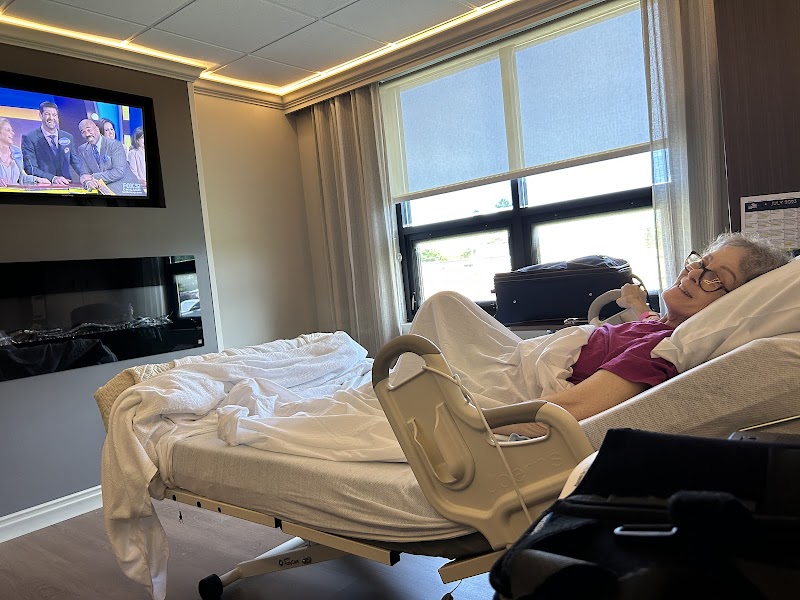
Who Owns and Operates Alta Rehab At Wauconda?

ALTA REHAB AT WAUCONDA is owned by a for-profit company. For-profit facilities operate as businesses with obligations to shareholders or private owners. The facility is operated by APERION CARE, a chain that manages multiple nursing homes. With 149 certified beds and approximately 132 residents (about 89% occupancy), it is a mid-sized facility located in WAUCONDA, Illinois.

How Does Alta Rehab At Wauconda Compare to Other Illinois Nursing Homes?

Compared to the 100 nursing homes in Illinois, ALTA REHAB AT WAUCONDA's overall rating (4 stars) is above the state average of 2.5, staff turnover (41%) is near the state average of 46%, and health inspection rating (4 stars) is above the national benchmark.

What Should Families Ask When Visiting Alta Rehab At Wauconda?

Based on this facility's data, families visiting should ask: "Can I visit during a mealtime to observe dining assistance and food quality?" "How do you handle medical emergencies, and what is your hospital transfer rate?" "Can I speak with family members of current residents about their experience?"

Is Alta Rehab At Wauconda Safe?

Based on CMS inspection data, ALTA REHAB AT WAUCONDA has a clean safety record: no substantiated abuse findings (meaning no confirmed cases of resident harm), no Immediate Jeopardy citations (the most serious violation level indicating risk of serious injury or death), and is not on the Special Focus Facility watch list (a federal program monitoring the lowest-performing 1% of nursing homes). The facility has a 4-star overall rating and ranks #1 of 100 nursing homes in Illinois. While no facility is perfect, families should still ask about staff-to-resident ratios and recent inspection results during their visit.

Do Nurses at Alta Rehab At Wauconda Stick Around?

ALTA REHAB AT WAUCONDA has a staff turnover rate of 41%, which is about average for Illinois nursing homes (state average: 46%). Moderate turnover is common in nursing homes, but families should still ask about staff tenure and how the facility maintains care continuity when employees leave.

Was Alta Rehab At Wauconda Ever Fined?

ALTA REHAB AT WAUCONDA has been fined $7,443 across 1 penalty action. This is below the Illinois average of $33,153. While any fine indicates a compliance issue, fines under $50,000 are relatively common and typically reflect isolated problems that were subsequently corrected. Families should ask what specific issues led to these fines and confirm they've been resolved.

Is Alta Rehab At Wauconda on Any Federal Watch List?

ALTA REHAB AT WAUCONDA is not on any federal watch list. The most significant is the Special Focus Facility (SFF) program, which identifies the bottom 1% of nursing homes nationally based on persistent, serious quality problems. Not being on this list means the facility has avoided the pattern of deficiencies that triggers enhanced federal oversight. This is a positive indicator, though families should still review the facility's inspection history directly.