Pavilion Of Waukegan
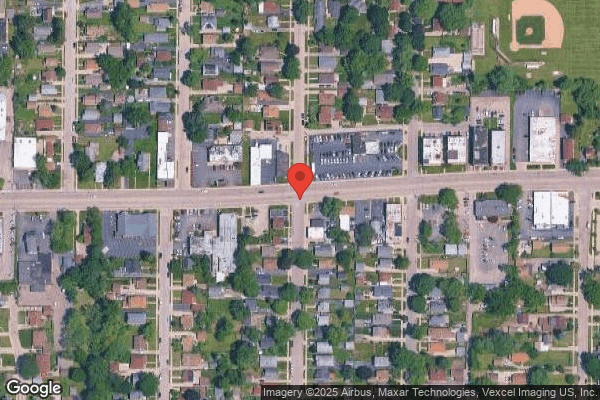

2217 WASHINGTON STREET, WAUKEGAN, IL 60085 (847) 244-4100
For profit - Limited Liability company 112 Beds Independent Data: November 2025
Trust Grade
58/100
#180 of 665 in IL
Last Inspection: May 2025

Inspected within the last 6 months. Data reflects current conditions.

Overview

Pavilion of Waukegan has a Trust Grade of C, which means it is considered average - not the best option, but not the worst either. It ranks #180 out of 665 nursing homes in Illinois, placing it in the top half of facilities statewide, and #9 out of 24 in Lake County, indicating that there are only a handful of local options that perform better. Unfortunately, the facility is worsening, with issues increasing from 6 in 2024 to 9 in 2025. Staffing is a relative strength with a rating of 3 out of 5 stars and a turnover rate of 34%, which is lower than the state average, meaning staff members are more likely to stay long-term and build relationships with residents. However, there have been some concerning incidents, including a serious incident where a resident was injured during a transfer, resulting in a hospital visit for stitches, and a failure to follow safe food handling practices that could affect all residents. Overall, while there are some positives, families should weigh these strengths against the identified weaknesses.

Trust Score
C
58/100
In Illinois
#180/665
Top 27%
Safety Record
Moderate
Needs review
Inspections
Getting Worse
6 → 9 violations
Staff Stability
○ Average
34% turnover. Near Illinois's 48% average. Typical for the industry.
Penalties
✓ Good
$8,328 in fines. Lower than most Illinois facilities. Relatively clean record.
Skilled Nurses
✓ Good
Each resident gets 51 minutes of Registered Nurse (RN) attention daily — more than average for Illinois. RNs are trained to catch health problems early.
Violations
⚠ Watch
24 deficiencies on record. Higher than average. Multiple issues found across inspections.
★★★★☆
4.0
Overall Rating
★★★☆☆
3.0
Staff Levels
★★☆☆☆
2.0
Care Quality
★★★★☆
4.0
Inspection Score
Stable
2024: 6 issues
2025: 9 issues

The Good

  • Full Sprinkler Coverage · Fire safety systems throughout facility
  • No fines on record
  • Staff turnover below average (34%)

    14 points below Illinois average of 48%

Facility shows strength in fire safety.

The Bad

Staff Turnover: 34%

12pts below Illinois avg (46%)

Typical for the industry

Federal Fines: $8,328

Below median ($33,413)

Minor penalties assessed

The Ugly 24 deficiencies on record

2 actual harm
May 2025 9 deficiencies
CONCERN (D)

Potential for Harm - no one hurt, but risky conditions existed

Deficiency F0605 (Tag F0605)

Could have caused harm · This affected 1 resident

Based on interview and record review the facility failed to ensure anti-psychotic psychotropic medications had a stop date of 14 days for 1 of 6 residents (R15) reviewed for unnecessary medications in...

Read full inspector narrative →
Based on interview and record review the facility failed to ensure anti-psychotic psychotropic medications had a stop date of 14 days for 1 of 6 residents (R15) reviewed for unnecessary medications in the sample of 18. The findings include: R15's face sheet shows she has diagnoses including cerebral infarction, unspecified dementia with psychotic disturbance and hemiplegia and hemiparesis. R15's Electronic Medical Record (EMR) shows she entered hospice care on 1/28/25. A Hospice Interdisciplinary Plan of Care completed on 3/20/25 shows an order for R15 to receive Risperdal (risperidone) (Anti-psychotic medication) 1 milligram (mg.) every morning and to continue PRN (as needed) Risperdal 0.5 mg. every 8 hours for agitation. There is no stop date identified. R15's EMR shows the hospice order for the PRN Risperdal was entered into the Physicians Orders with the following statement added, Do not discontinue without discussing with Hospice. A facility provided a not dated Medication Regimen Review Prescriber Recommendations shows the pharmacy had notified the facility on this form of the following for R15, CMS guidelines limit all PRN use of antipsychotics to 14 days and require prescriber examination/evaluation every 14 days to renew orders. Report of the resident's condition from staff to the prescribing practitioner does not constitute an evaluation. R15's Medication Administration Summary shows R15 received 9 doses of the PRN Risperdal on the following dates between 3/20/2025 and 5/21/2025 (3/22/25, 4/14/25, 4/15/25, 4/18/25, 4/27/25, 5/2/25, 5/9/25, 5/14/25, and 5/16/25). On 5/21/25 at 11:23 AM, V2 (Director of Nursing) said R15's medications are being managed by the hospice physician and she had attempted to contact R15's hospice provider for documentation showing that R15 had been re-assessed after 14 days but was not able to obtain those documents. V2 said she found where R15 had changes to the scheduled doses of Risperdal but could not find any stop dates for the PRN Risperdal after 3/20/2025. R15's EMR shows she was being seen by the facility Nurse Practitioner and they did not add any stop dates for R15's PRN Risperdal either. The facility provided Use of Psychotropic Medication Policy implemented on 3/11/25 states, PRN orders for antipsychotic medications only, shall be limited to 14 days with no exceptions. If the attending physician or prescribing practitioner believes it is appropriate to write a new order for the PRN antipsychotic, they must first evaluate the resident to determine if the new order for the PRN antipsychotic is appropriate.
CONCERN (D)

Potential for Harm - no one hurt, but risky conditions existed

Deficiency F0688 (Tag F0688)

Could have caused harm · This affected 1 resident

Based on observation, interview and record review the facility failed to ensure a resident's splint/palm protector was in place to her left hand for 1 of 4 residents (R36) reviewed for splints/restora...

Read full inspector narrative →
Based on observation, interview and record review the facility failed to ensure a resident's splint/palm protector was in place to her left hand for 1 of 4 residents (R36) reviewed for splints/restorative care in the sample of 18. The findings include: On 5/19/25 at 10:30 AM R36 was in bed, asleep with no splint on her left hand. Again on 5/20/25 at 9:00 AM at 12:49 PM R36 was in bed with no splint on her left hand. R36's left hand is contracted in a closed fist position with her fingers pressing into her palm. On 5/20/25 at 12:55 PM V9 (Agency Certified Nursing Assistant) was asked about R36's left hand splint. V9 stated she didn't know anything about it and proceeded to take R36 out of the room in her reclining wheelchair and placed her in the dining room. On 5/21/25 at 9:32 AM V8 (Restorative Nurse) stated, I didn't know she didn't have it. It is a palm protector to keep her fingers from pressing into her palm. She takes it off with her other hand. I don't know where is was, I asked night shift to find it for me. R36's current Physician's Order Sheet shows an order dated 9/10/24 for Splint: Palm Protector for left hand. On during AM cares, off during PM cares. Remove for Hygiene, bathing. Monitor for redness and discomfort. R36's current care plan states, Restorative cna/rna splint program: Application and removal of palm protector for left hand. On during AM cares, off during PM cares. Remove for hygiene, bathing. Monitor for redness and discomfort. The Interventions include: Monitor resident compliance to use of device. Document and report refusals and or unscheduled removal by resident.
CONCERN (D)

Potential for Harm - no one hurt, but risky conditions existed

Deficiency F0692 (Tag F0692)

Could have caused harm · This affected 1 resident

Based on observation, interview, and record review the facility failed to ensure dietary supplements were provided for 1 of 6 residents (R22) reviewed for weight loss in the sample of 18. The finding...

Read full inspector narrative →
Based on observation, interview, and record review the facility failed to ensure dietary supplements were provided for 1 of 6 residents (R22) reviewed for weight loss in the sample of 18. The findings include: R22's face sheet shows she has diagnoses including dementia. R22's Weight Summary shows she weighed 116.4 pounds (lbs.) on 4/1/24 and she weighed 108.3 lbs. on 3/3/25 a 8.1 lb. 7.75% weight loss in 1 year. R22's 3/12/24 Dietary Note completed by V12 (Dietician) shows that R22 has had some weight fluctuations possibly due to dementia. The Dietary Note shows that supplements to promote higher protein and calorie consumption had been added prior to the weight change including yogurt 6 ounces with meals, skim milk three times a day with meals, double eggs at breakfast, and a new dietary supplement of peanut butter and jelly sandwiches with meals was added. On 5/19/25 the noon meal service on the 1st floor was observed. At 1:20 PM R22's meal tray was brought out to her, and staff assisted R22 to start eating and sat at the table with her. On R22's meal tray was a copy of her meal ticket that said 6 ounces of yogurt should be given (if available) with her lunch. There was no yogurt on R22's meal tray and at no time did facility staff go to get one for R22. On 5/20/25 at 12:44 PM during meal service R22 again did not have yogurt on her meal tray. V14 (Certified Nursing Assistant) was sitting at the table R22 was eating at. V14 said they must encourage R22 to wake up and eat but she will eat it just takes her a while. R22's current Weight Loss care plan shows that supplements should be given as ordered. R22's Physician Order Summary shows R22 should receive calorie and protein supplements per dietician recommendation. On 5/20/25 at 1:12 PM, V10 (Director of Culinary Services) said the facility does have yogurt available and if a resident has an order for yogurt with meals it should come out from the kitchen on the meal tray. On 5/21/25 at 7:35 AM, V12 (Dietician) said R22 did trigger for a significant weight loss at one point but they questioned the validity of that earlier weight because it was high for R22. V12 said she did see R22 in March for weight loss and added another supplement. V12 said R22 has been on the yogurt for increased protein and calorie, and she expects the facility to offer the supplement to R22 with her meals because if R22 does eat the yogurt it is good for her.
CONCERN (D)

Potential for Harm - no one hurt, but risky conditions existed

Deficiency F0694 (Tag F0694)

Could have caused harm · This affected 1 resident

**NOTE- TERMS IN BRACKETS HAVE BEEN EDITED TO PROTECT CONFIDENTIALITY** Based on interview and record review the facility failed to document a numerical value for a peripherally inserted central cathe...

Read full inspector narrative →
**NOTE- TERMS IN BRACKETS HAVE BEEN EDITED TO PROTECT CONFIDENTIALITY** Based on interview and record review the facility failed to document a numerical value for a peripherally inserted central catheter (PICC) measurements for 1 of 1 resident (R61) reviewed for intravenous (IV) access in the sample of 18. The findings include: R61's face sheet printed on 5/19/25 showed he was a [AGE] year-old male that had the diagnosis of osteomyelitis (bone infection). A facility assessment done on 4/10/25 showed R61's mental status was intact. On 5/19/25 at 12:19 PM, R61 said he was getting IV antibiotics for a bone infection through a PICC that had been removed. R61 said staff did not measure the catheter length or the circumference of his arm. R61's Medication Administration Records (MAR) for April 2025 and May 2025 showed an order to measure the catheter length of the PICC weekly from the insertion site to the tip of the cap and to call the doctor if the length changed more than 2 centimeters. Also, to measure the arm circumference weekly. The measurements were to be done on the following dates: 5/14/25, 5/7/25, 4/30/25, 4/23/25, 4/16/25, and 4/9/25. The MARs had a check mark documented with no numerical value recorded for the measurements. R61's Progress Notes for 5/14/25, 5/7/25, 4/30/25, 4/23/25, 4/16/25, and 4/9/25 did not have a documented numerical value for the measurements of the PICC length or arm circumference. On 5/20/25 at 1:11 PM, V7 (Registered Nurse) said PICC measurements are documented in the MAR or sometimes in the progress notes. V7 said measurements are done to see if the PICC line was pulled out or if the resident has arm swelling by comparing the measurements with a previous measurement. V7 added there should be a number documented for the measurements. The facility's Care and Maintenance of Central Venous Catheter policy dated 1/1/25 showed central lines will be placed after careful considerations of the risk and benefits of use. Risks associated with central line use include infection, deep vein thrombosis, and dislodgement.
CONCERN (D)

Potential for Harm - no one hurt, but risky conditions existed

Pharmacy Services (Tag F0755)

Could have caused harm · This affected 1 resident

Based on observation, interview, and record review the facility failed to ensure a resident consumed their medications when administering medications for 1 of 18 residents (R42) reviewed for pharmacy ...

Read full inspector narrative →
Based on observation, interview, and record review the facility failed to ensure a resident consumed their medications when administering medications for 1 of 18 residents (R42) reviewed for pharmacy services in the sample of 18. The findings include: R42's Care Plan with an initiated date of 4/24/24 showed R42's memory is or may be impaired. Consequently, the resident has problems with decision-making, insight, logic, calculation, reasoning, planning, and judgement. On 5/19/25 at 9:37 AM, R42 was in bed. On the bedside table was a clear medication cup with 4 pills (one white, one yellow, and two brown). R42 said he had not received his morning medications. R42 was asked about the pills on his bedside table. R42 said he was not aware there were pills sitting on his bedside table. R42 added sometimes staff will leave his medication on the bedside table for him to take later. On 5/19/25 at 10:21 AM, the pills remained on R42's bedside table. On 5/19/25 at 10:50 AM, the pills were no longer on R42's bedside table. On 5/19/25 at 11:09 AM, V5 (Registered Nurse) said he noticed the pills sitting on R42's bedside table. V5 said the pills were not from his shift and he disposed of the pills. V5 said sometimes R42 will ask staff to leave his medications at his bedside. V5 added staff should not leave medications at the bedside. They should stay with the resident to ensure the resident takes the medication. R42's Care Plan and Order Summary Report printed on 5/19/25 did not indicate R42 could self-administer medications. The facility's Medication Administration policy (undated) showed when administering medications staff were to observe residents consume the medication.
CONCERN (D)

Potential for Harm - no one hurt, but risky conditions existed

Deficiency F0761 (Tag F0761)

Could have caused harm · This affected 1 resident

Based on observation, interview, and record review the facility failed to ensure insulin pens were properly stored and labeled for 2 of 18 residents (R60, R78) reviewed for medication storage in the s...

Read full inspector narrative →
Based on observation, interview, and record review the facility failed to ensure insulin pens were properly stored and labeled for 2 of 18 residents (R60, R78) reviewed for medication storage in the sample of 18. The findings include: On 5/20/25 at 12:17 PM, the first-floor medication cart was reviewed with V15 (Registered Nurse). Inside the medication cart in the top drawer there was a 1/4 full (Lantus) insulin pen that had no resident name or open date on it and a Humalog Kwik pen belonging to R78. The pen was not opened and the packaging the pen was in was clearly labeled Refrigerate. V15 verified the Humalog was a new unopened insulin pen and should be kept in the refrigerator until it is open for use. V15 also was unable to verify whose (Lantus) insulin pen was inside the cart that was not labeled and said all insulin pens should be clearly labeled with who it belongs to and the open date. On 5/21/25 at 7:30 AM, V2 (Director of Nursing) said that the insulin pens should clearly be labeled and dated when opened and any insulin pen that is new should be kept refrigerated until it is used. A list of residents receiving Lantus insulin on the 1st floor was provided from the facility and it shows R60 and R78 both received the insulin, and the unlabeled pen could have belonged to either one of them. R60's and R78's Physician Order Summaries both show they have current orders for Lantus insulin pens and R78 also has an active order for Humalog (lispro) insulin. The facility provided Insulin Pen policy shows that the pens must be clearly labeled with the resident's name and the date opened, and any unopened insulin pens should be stored in the refrigerator.
CONCERN (D)

Potential for Harm - no one hurt, but risky conditions existed

Infection Control (Tag F0880)

Could have caused harm · This affected 1 resident

2. On 5/20/25 at 12:39 PM V9 (Agency Certified Nursing Assistant) was providing care for R36. R36 has a gastrostomy tube and an indwelling urinary catheter. There was no sign for Enhanced Barrier Prec...

Read full inspector narrative →
2. On 5/20/25 at 12:39 PM V9 (Agency Certified Nursing Assistant) was providing care for R36. R36 has a gastrostomy tube and an indwelling urinary catheter. There was no sign for Enhanced Barrier Precautions (EBP) on R36's door. V10 dressed R36 and then emptied R36's foley catheter. V10 was not wearing a protective gown while providing care for R36. On 5/20/25 at 11:07 AM V3 (Assistant Director of Nursing/Infection Preventionist) stated, We in-service all the staff and they have to wear PPE, gown and gloves when providing direct care (for resident's on EBP). They should have signs on the resident doors (showing EBP). R36's current Physician's Order Sheet shows and order for Enhanced Barrier Precautions related to indwelling device (urinary catheter and feeding tube). Based on observation, interview, and record review the facility failed to ensure staff wore the required personal protective equipment (PPE) when providing high contact care activities for 2 of 18 residents (R7 and R36) reviewed for infection control in the sample of 18. The findings include: 1. R7's Face Sheet printed on 5/19/25 showed R7 had a gastrostomy (tube feeding). R7's Order Summary Report printed on 5/19/25 showed an order for enhanced barrier precautions related to an indwelling medical device of a tube feeding. On 5/19/25 at 9:50 AM, on R7's door was a sign that indicated R7 was on enhanced barrier precautions. The sign indicated staff were to wear gloves and gown for high contact care such as device care or use of a feeding tube. On 5/19/25 at 9:50 AM, R7 was in bed. V5 (Registered Nurse) was holding R7's tube feeding tubing while connecting a syringe that contained fluid to R7's tube feeding. V5 had on gloves. V5 did not have on an isolation gown. On 5/20/25 at 12:41 PM, V6 (Wound Care Nurse) said staff should put on gloves and gown when providing care or touching an indwelling urinary catheter or tube feeding tubing. R7's Care Plan (undated) showed R7 was on enhanced barrier precautions because of a tube feeding. Listed under interventions was apply personal protective equipment per facility policy. Staff to wear gloves and gown when providing direct nursing care. The facility's Enhanced Barrier Precautions policy dated 2/25/25 showed enhanced barrier precautions refer to an infection control intervention designed to reduce transmission of multidrug-resistant organisms that employs targeted gown and gloves use during high contact resident care activities. PPE for enhanced barrier precautions is only necessary when preforming high-contact care activities. High-contact resident care activities include device care.
CONCERN (E)

Potential for Harm - no one hurt, but risky conditions existed

Safe Environment (Tag F0584)

Could have caused harm · This affected multiple residents

Based on observation, interview, and record review the facility failed to ensure the bathroom was clean and homelike. This applies to 4 of 4 residents (R48, R50, R56, R60) in the sample of 18. The fi...

Read full inspector narrative →
Based on observation, interview, and record review the facility failed to ensure the bathroom was clean and homelike. This applies to 4 of 4 residents (R48, R50, R56, R60) in the sample of 18. The findings include: On 5/20/25 at 9:31 AM, during the resident council meeting, R48, R50, R56 and R60 said the first bathroom/shower room looks like there is mold on the ceiling, it's been like that for a while. There has been no maintenance staff over a month to fix repairs, the last one was fired. On 5/20/25 at 10:06 AM, in the bathroom/shower room on the first floor a brown/yellowish discoloration of dried water rings with pieces of peeled paint and drywall hanging from the ceiling above the toilet. On 5/21/25 at 10:55 AM, V1 (Administrator) said we don't have a maintenance staff right now, our permanent maintenance staff left in October 2024, since then we have hired a couple of new maintenance staff and they have not worked out. The bathroom ceiling does not have mold, there was a leaky toilet upstairs on the 2nd floor that caused the damage. We were waiting to repair the ceiling after we hired a new maintenance staff. The facility did not provide maintenance log for the last three months and did not provide a policy on maintenance repairs when requested.
CONCERN (F)

Potential for Harm - no one hurt, but risky conditions existed

Food Safety (Tag F0812)

Could have caused harm · This affected most or all residents

Based on observation, interview, and record review the facility failed to ensure safe food handling practices were followed to prevent cross-contamination. This has the potential to affect all residen...

Read full inspector narrative →
Based on observation, interview, and record review the facility failed to ensure safe food handling practices were followed to prevent cross-contamination. This has the potential to affect all residents that receive food and nourishments from the kitchen. The findings include: Centers for Medicare and Medicaid form 671 dated 5/19/25, shows there are 88 residents that reside in the facility. On 5/21/25 at 10:40 AM, V10 (Director of Culinary Services) said at this time, all residents residing in the facility receive food, beverage, or nourishment from the kitchen at this time; even those receiving a tube feeding because they are ordered pleasure feeding. 1. On 5/19/25 at 11:25 AM, V11 (Cook) dropped a white cleaning towel onto the floor. V11 picked up the towel and continued to wipe down the food prep counter next to the oven, wipe down and clean a thermometer, clean down the prep counter that attaches in front of the steam table, and then placed the towel by the three-compartment sink. On 5/19/25 at 11:36 AM, V10 began the mechanical soft chicken process and used a green handle scoop to scoop portions of chicken into the food processor. When finished, V10 placed the scoop back into the food service pan of chicken with the food contact surface touching the chicken and the handle outside of the food. When V10 returned to the food service pan of chicken to remove portions for the puree chicken, V10 placed the scoop rim side down onto the prep counter that attaches in the front of the steam table, the same place that V11 cleaned with the towel that touched the floor. There was no additional cleaning of the prep counter after being wiped with the towel that touched the floor. On 5/19/25 at 11:49 AM, V10 started the puree process and used a gray handle scoop to scoop portions of rice into the food processor. When finished, V10 placed the scoop back into the food service pan of rice with the food contact surface touching the rice and the handle outside of the food. On 5/19/25 at 11:57 AM, V11 started to place lids on top of the steam table pans and removed all the scoops that were being stored in the food and placed them on top of the lids, uncovered. On 5/19/25 at 12:02 PM, V10 removed all the steam table lids and placed the scoops that were stored on top of the food service lids back into their respective food items. No new scoops for the rice or chicken were used before starting to serve. On 5/21/25 at 8:59 AM, V10 said after V11 dropped the rag, V11 should have immediately brought the rag to the disposal bin underneath the hand sink, washed V11's hands, then grabbed a new towel before cleaning again. V10 also said scoops that have already been used to serve or retrieve food from bins should be left with the food contact surface inside of the food until service has ended to prevent cross-contamination. 2. On 5/19/25 at 11:26 AM, V10 began pureeing creamed corn for lunch. During the process, V10 reached into the bulk bin of food thickener, grabbed the scoop, and scooped out a portion of food thickener to add to the creamed corn. When V10 lifted the food processor lid to pour the food thickener into the product, drops of creamed corn fell onto the scoop. V10 then used the same scoop and scooped out another portion of food thickener to add to the creamed corn. When finished, V10 returned the scoop to the bulk bin and hung it on the storage hook inside of the bin. On 5/19/25 at 11:42 AM, V10 began pureeing chicken for lunch. During the process, V10 reached back into the bulk bin of food thickener and grabbed the scoop that was used during the creamed corn process, with the creamed corn still on the scoop, and scooped out a portion of food thickener to add to the creamed corn. When V10 lifted the food processor lid to pour the food thickener into the product, drops of pureed chicken fell onto the scoop. On 5/21/25 at 8:59 AM, V10 said during the puree process, V10 did not see the food drop onto the scoop. If V10 saw the food drop onto the scoop, V10 would have either washed and sanitized the scoop before using it again or V10 would have grabbed a new, clean, and sanitized scoop to prevent cross-contamination.
Jun 2024 5 deficiencies 1 Harm
SERIOUS (G)

Actual Harm - a resident was hurt due to facility failures

Pressure Ulcer Prevention (Tag F0686)

A resident was harmed · This affected 1 resident

Deficiency Text Not Available

Read full inspector narrative →
Deficiency Text Not Available
CONCERN (D)

Potential for Harm - no one hurt, but risky conditions existed

ADL Care (Tag F0677)

Could have caused harm · This affected 1 resident

Based on observation, interview and record review the facility failed to ensure a resident who requires assistance with toileting received incontinence care. This applies to 1 of 4 residents (R47) rev...

Read full inspector narrative →
Based on observation, interview and record review the facility failed to ensure a resident who requires assistance with toileting received incontinence care. This applies to 1 of 4 residents (R47) reviewed for activities of daily living in the sample of 18. The findings include: On 6/11/24 at 9:36 AM, R47 was laying down in her bed. A strong permeating smell of urine was present. R47's gown, bed pad, and bed sheet were soaked with urine. R47 said it takes a long time to get help. At 9:47 AM, V8 (Certified Nursing Assistant) came in the room to assist R47 to the bathroom. V8 stated, your soaking wet, I'm so sorry. V8 said she did not change R47 yet, she was busy. R47 was her last resident who needed to be changed. On 6/12/24 at 9:15 AM, V8 (CNA) said residents should be checked and changed every two hours. The facility's Activities of Daily Living Policy dated 2021, states, the facility will ensure a resident is given the appropriate treatment and services to maintain or improve his or her ability to carry out the activities of daily living. the facility will provide care and services for the following activities of daily living: a hygiene,-bathing, dressing, grooming and oral care a resident who is unable to carry out activities of daily living will receive the necessary services to maintain good nutrition, grooming and personal and oral hygiene.
CONCERN (D)

Potential for Harm - no one hurt, but risky conditions existed

Deficiency F0688 (Tag F0688)

Could have caused harm · This affected 1 resident

**NOTE- TERMS IN BRACKETS HAVE BEEN EDITED TO PROTECT CONFIDENTIALITY** 2. R61's Physician Order Sheets (P.O.S.) dated June 2024 shows he is a [AGE] year old male with diagnoses including hemiplegia a...

Read full inspector narrative →
**NOTE- TERMS IN BRACKETS HAVE BEEN EDITED TO PROTECT CONFIDENTIALITY** 2. R61's Physician Order Sheets (P.O.S.) dated June 2024 shows he is a [AGE] year old male with diagnoses including hemiplegia and hemiapresis following cerebral infarction affecting left non-dominant side, dysphagia following cerebral infarct, hypertension, gout and chronic kidney disease. The P.O.S. shows orders for sling to arm when up in the chair. On 6/10/24 at 10:35 AM, R61 was lying in his bed. His left arm was bent upward resting on his chest. He said he can move his right hand, but can not move his left arm. There was no sling observed in his room. At 11:27 AM, V7 and V9 (Certified Nursing Assistant-CNA's) transferred R61 into his recliner chair and wheeled him in the dining room. V7 and V9 did not apply a sling to his left arm. On 6/11/24 at 1:49 PM, V5 (LPN) said R61 has limited mobility to his left arm, he can't move it too much. When he gets up in the chair he is supposed to wear a splint. On 6/11/24 at 2:00 PM, V6 (Restorative Nurse) said R61 has limited mobility to his left side and should have a sling in place when he is in the chair. R61's Restorative assessment dated [DATE] documents his left and right shoulder, right and left elbow, left and right hand/wrist, are within normal limits. The same assessment shows he is dependent on staff for bed mobility, transfers, toileting, personal hygiene and bathing. Based on observation, interview, and record review the facility failed to apply devices to residents with physical limited mobility to 2 of 2 residents (R37, R61) reviewed for range of motion in the sample of 18. The findings include: 1. R37's Physician Order Sheet (POS) show R37 has diagnoses that include hemiplegia (paralysis) affecting right dominant side due to stroke. The same POS show an order of, Right resting hand splint to right hand. On after breakfast and off after supper daily. remove for grooming, and bathing and prn as needed. Monitor for redness /discomfort or skin changes. R37 also has an order of [R37] to wear sling when up in wheelchair to hold her right arm from falling down to side. On 6/10/24 at 12:36 pm, R37 was in the dining room for lunch. As soon as R37 saw this surveyor R37 used her left hand to lift her right hand showing this surveyor her contracted right hand. V12 Certified Nursing Assistant (CNA) who was with R37 said R37 should have a splint in her right hand. This surveyor asked R37 if she was referring to her hand splint and R37 nodded 06/11/24 at 9:30 AM, R37 was again in the dining room for activities. R37 again showed this surveyor her right hand, still, no splint or device to her right hand. V12 (CNA) said she has been looking for R37's splint since yesterday, she will check R37's drawer. At 10 AM, V6 (Restorative Nurse) said R37 has flaccid right hand and needs the splint and the sling to hold R37's right hand in place and prevent further decline. The facility policy entitled Application of Splints dated 1/3/24 show to properly apply a splint for support, comfort or aid in contracture prevention
CONCERN (D)

Potential for Harm - no one hurt, but risky conditions existed

Pharmacy Services (Tag F0755)

Could have caused harm · This affected 1 resident

Based on observation, interview and record review the facility failed to ensure a residents prescribed medication was available to administer. This applies to 1 of 7 residents (R6) reviewed for pharma...

Read full inspector narrative →
Based on observation, interview and record review the facility failed to ensure a residents prescribed medication was available to administer. This applies to 1 of 7 residents (R6) reviewed for pharmacy services in the sample of 18. The findings include: On 6/11/24 at 9:16 AM, V5 (Licensed Practical Nurse-LPN) during the morning medication pass, Did not administer R6's Depakote 500 mg (milligrams). She said she is out of R6's Depakote and will have to re-order the medication. V5 said she usually re-orders medications when there's about five pills left. If we tell the phamracy we need the medication STAT they will send it right away. R6's Medication Administration Record (MAR) dated June 2024 shows orders for Depakote ER oral tablet extended release give 500 mg two times a day at 9 AM and 5 PM. R6's MAR shows the Depakote was not administered on 6/11/24 (R6 missed two doses). On 6/12/24 at 9:17 AM, V2 (DON) said staff should check the medication convience box if they do not have the medications. V2 said she is not sure if Depakote is located in the convenience box. If the staff do not have the medication they should notify the physician and order the medication STAT thru pharmacy. V5 did not tell me yesterday R6 did not have her Depakote and confirmed Depakote is not located in thier conveinence box, V5 should have ordered the medication STAT. The facility's undated Medication Administration Guidelines Policy states If a medication with a current active order cannot be located in the medication cart/drawer, other areas of the medication cart, medication room, are searched, if possible. If the medication cannot be located after further investigation, the pharmacy is contacted or medication removed from the night box/emergency kit.
CONCERN (D)

Potential for Harm - no one hurt, but risky conditions existed

Infection Control (Tag F0880)

Could have caused harm · This affected 1 resident

2. On 6/10/24 at 11:27 AM, a sign posted on R61's door for enhanced barrier precautions. R8 was laying in his bed with a gastric tube in place to his abdomen. V7 and V9 (Both Certified Nursing Assista...

Read full inspector narrative →
2. On 6/10/24 at 11:27 AM, a sign posted on R61's door for enhanced barrier precautions. R8 was laying in his bed with a gastric tube in place to his abdomen. V7 and V9 (Both Certified Nursing Assistant's) entered R8's room without donning a gown. V7 and V9 provided incontinence care, applied barrier cream, and transferred R8 from his bed to a recliner chair using a mechanical lift. On 6/12/24 at 9:15 AM, V8 (CNA) said staff should wear gown and gloves when providing direct care if a resident is on enhanced barrier precautions. R61's Physician Order Sheets dated June 2024 shows orders for enhanced barrier precautions related to presence of g-tube. The facility's Enhanced Barrier Precautions Policy dated 3/2025 states, It is the policy of this facility to implement enhanced barrier precautions for the prevention of transmission of multidrug-resistant organisms. Enhanced Barrier Precautions (EBP) refer to an infections control intervention designed to reduce transmission of multidrug-resistant organisms that employ targeted gown and gloves use during high contact resident care activities high contact resident care activities include dressing, bathing, transferring, providing hygiene, changing linens, changing briefs or assisting with toileting . Based on observation, interview, and record review, facility failed to wash hands and change gloves in a manner to prevent cross contamination and failed to wear personal protective equipment (PPE) during care on a resident on enhanced barrier precaution to 2 of 18 residents (R8, R61) reviewed for infection control in the sample of 18. The findings include: 1. On 06/11/24 at 9:20 AM, V10 (Certified Nursing Assistant-CNA) provided incontince care to R8. V10 removed R8's incontinent brief that was totally soaked with urine. R8 also had a large bowel movement. After providing incontince care and wearing the same soiled gloves and without performing handwashing V10 applied barrier cream to R8, applied new incontinent brief, turned R8 side to side, adjusted R8 in bed, applied new pants to R8 and pulled R8's privacy curtain. V10 then collected the soiled linens and left R8s' room still without removing her soiled gloves and without washing her hands. On 6/12/24 at 9 AM, V11 (Registered Nurse-RN) said staff should change their gloves and wash hands in between care. Once soiled gloves are removed, handwashing should follow to prevent cross contamination and spread of infection The facility policy entitled Hand hygiene/Handwashing dated 5/23 show, hand hygiene means cleaning your hands by handwashing (washing hands with soap and water). Hand hygiene will be performed after removing soiled gloves.
Feb 2024 1 deficiency
CONCERN (D) 📢 Someone Reported This

A family member, employee, or ombudsman was alarmed enough to file a formal complaint

Potential for Harm - no one hurt, but risky conditions existed

Deficiency F0582 (Tag F0582)

Could have caused harm · This affected 1 resident

**NOTE- TERMS IN BRACKETS HAVE BEEN EDITED TO PROTECT CONFIDENTIALITY** Based on interview and record review the facility failed to ensure residents funds were refunded after discharge for 1 of 6 resi...

Read full inspector narrative →
**NOTE- TERMS IN BRACKETS HAVE BEEN EDITED TO PROTECT CONFIDENTIALITY** Based on interview and record review the facility failed to ensure residents funds were refunded after discharge for 1 of 6 residents (R1) reviewed for personal funds in the sample of 6. The findings include: R1's electronic face sheet show [AGE] year-old male admitted to the facility on [DATE] with diagnoses that include cervical disc disorder with myelopathy, quadriplegia C1-C4 and diabetes. R1 was discharged more than a year ago-11/22/2022 under medicaid/social security. On 2/13/24 at 12:16 PM, V7 (Business Office) said R1's social security check went to his personal account to pay for his stay at the facility (cost care). V7 said R1 was discharged last 11/22/22. V7 said R1's social security check came on 12/2/22 after R1 was already discharged from the facility. V7 said it was only refunded to R1 approximately 2 weeks ago-1/30/24, (more than a year after R1 was discharged ) when she received a call from R1's family and asked about his Social Security check for the month of December 2022. V1 (Asst Administrator) said the facility normally does not issue a check of residents funds when a resident transfers to another facility because the resident might not stay at that facility. V1 agreed that a year to refund R1's social security check was too long. A form entitled Resident Fund Management Service Authorization and Agreement to Handle Resident Funds dated 2/15/2018 show R1 signed (X) with witness, and elected direct deposit of her social security funds with the facility's management service R1's Resident Statement provided to this surveyor on 2/13/24 show, 11/18/22 (R1's) account closed. On 12/2/22 a Social Security check was deposited to his account in the amount of $965.00. A check in the amount of $932.00 was issued to R1 on 1/30/24 more than a year after R1 was discharged .
Dec 2023 1 deficiency 1 Harm
SERIOUS (G) 📢 Someone Reported This

A family member, employee, or ombudsman was alarmed enough to file a formal complaint

Actual Harm - a resident was hurt due to facility failures

Accident Prevention (Tag F0689)

A resident was harmed · This affected 1 resident

**NOTE- TERMS IN BRACKETS HAVE BEEN EDITED TO PROTECT CONFIDENTIALITY** Based on observation, interview, and record review the facility failed to safely transfer a resident (R1). This failure resulted...

Read full inspector narrative →
**NOTE- TERMS IN BRACKETS HAVE BEEN EDITED TO PROTECT CONFIDENTIALITY** Based on observation, interview, and record review the facility failed to safely transfer a resident (R1). This failure resulted in R1 being hit in the head with the arm of the mechanical lift, resulting in a large skin tear, being admitted to the hospital, and requirng sutures to her head. This applies to one of three residents (R1) reviewed for safety in the sample of five. The findings include: The facility assessment dated [DATE] shows R1 to be cognitively intact, requires maximum assistance for her activities of daily living and uses a mechanical lift for her transfers. On 12/21/23 at 11:15 AM, R1 said she was being lifted from her bed to her wheelchair using the mechanical lift. R1 said as she was being lowered to her wheelchair, the arm bar on the lift hit her in the head. R1 said she saw stars and was in a lot of pain. R1 said she had to be taken to the hospital for sutures, and had to spend the night and have scans to her brain to rule out a brain injury. R1 said she was very scared and in a lot of pain after the incident. On 12/21/23 at 12:15 PM, V8 Certified Nursing Assistant (CNA) said she was one of the two CNA's transferring R1 when she hit her head. V8 said she was directing the lift and the other CNA (V10) was guiding R1 into her chair. V8 said after R1 was in the chair she moved forward and hit her head on the bar. On 12/21/23 at 12:40 PM, V10 said he was assisting with the transfer of R1 into her wheelchair. V10 said R1 hit her head on the lift bar and it began to bleed. V10 said it happened so fast, but he did not remember where he was during the transfer. On 12/21/23 at 2:23 PM, V2 Licensed Practical Nurse (LPN) said he does the staff training for the mechanical lifts and the staff are trained to always have two staff present, one staff is to drive the lift and the other staff is responsible for guiding the resident safely to their chair or bed. V2 said the lift used for the incident was pulled from use. It was inspected and a padding was added to the arm of the lift. Observations of the facility mechanical lifts was completed on 12/21/23. Numerous mechanical lifts were observed in the facility. Only one lift was observed with padding to the arm of the lift and was located on the first floor. R1 resides on the second floor. A mechanical lift was observed outside R1's room, but no padding was observed to the arm of the lift. The facility report regarding the incident dated 11/23/23 shows R1 recieved a skin tear to her right forehead measuring approximately 10 centimeters. A pressure dressing was applied, 911 was called and R1 was sent to the local hospital. The emergency room report dated 11/23/23 shows R1 had a mechanical lift dropped on her head, which required nine staples and 14 sutures to her right forehead and scalp. The open area was reported to be approximately 12 centimeters in length. R1 was kept at the hospital overnight to rule out brain injury. The facility total mechanical lift competency checklist with a revision date of 4/2008 shows a).two caregivers are present during the transfer, h) gently raises the resident minimally from surface, i). turn resident legs toward the perpendicular support bar during the move and j). gently lower the resident into proper position.
Nov 2023 2 deficiencies
CONCERN (D) 📢 Someone Reported This

A family member, employee, or ombudsman was alarmed enough to file a formal complaint

Potential for Harm - no one hurt, but risky conditions existed

Investigate Abuse (Tag F0610)

Could have caused harm · This affected 1 resident

**NOTE- TERMS IN BRACKETS HAVE BEEN EDITED TO PROTECT CONFIDENTIALITY** Based on interview and record review the facility failed to immediately investigate an injury of unknown origin for 1 of 3 resid...

Read full inspector narrative →
**NOTE- TERMS IN BRACKETS HAVE BEEN EDITED TO PROTECT CONFIDENTIALITY** Based on interview and record review the facility failed to immediately investigate an injury of unknown origin for 1 of 3 residents (R1) reviewed for abuse in the sample of 7. The findings include: R1's face sheet printed on 11/9/23 showed diagnosis including but not limited to cerebrovascular disease, ataxia (muscle movement impairment), aphasia (speech impairment), and vascular dementia without behavioral disturbance. R1's facility assessment dated [DATE] showed severe cognitive impairment. The assessment showed total staff assistance required for bed mobility, transfers, locomotion, dressing, toilet use, and personal hygiene. The same assessment showed R1 is always incontinent of urine and bowel. R1's care plan showed a focus area related to incontinence. Interventions included check pads or briefs every two hours and report any red areas to the nurse. R1's progress note dated 11/7/23 (Tuesday) showed around 6:30 AM a CNA reported a bruise to R1's lower abdomen/pubic area. The writer checked on R1 and was noted with purplish discoloration to the pubic/lower abdomen area measuring approximately 10 x 6 centimeters. The nurse practitioner and director of nursing checked on resident. No complaints of pain or discomfort made known, resident is alert, non-verbal, contracted to both upper and lower extremities. Appears comfortable and smiling. On 11/9/23 at 11:45 AM, V5 (CNA-Certified Nurse Aide) stated she was providing incontinence care for R1 about one week ago and found a bruise on R1's pelvic/pubic area. It was dark purple and approximately the size of a grapefruit. V5 said she found it after breakfast on 11/3/23 (Friday). V5 said she reported the bruise to the floor nurse (V4), the CNA supervisor (V6), and the wound care nurse (V7). V5 said she went to the room with V6 and V7 and all three of them viewed the pelvic area together. V5 said they were next to the bed and the brief was open for V7 to examine the bruising. V5 said she continued to care for R1 over the weekend and saw the same bruise on Saturday and Sunday. At 1:15 PM, V5 was interviewed again and was certain she saw and reported the bruising on 11/3/23. On 11/9/23 at 12:50 PM, V6 (CNA Supervisor) was interviewed regarding V5's report of bruising on 11/3/23. V6 said he did not remember any report or see any bruising. V6 said he did see V7 (WCN-wound care nurse) and V5 (CNA) in R1's room that Friday. They were at R1's bedside while looking at her arm and discussing a bruise. V6 said he remembered they were having a conversation about something in the room, at the bedside. On 11/9/23 at 12:55 PM, V7 (Wound Care Nurse) stated she did not know anything about a bruise to R1's body until 11/7/23 (Tuesday). V7 said she did not remember being in R1's room with V5 on that Friday, four days prior. On 11/9/23 at 1:09 PM, V4 (Licensed Practical Nurse) stated she did not know anything about R1's bruised pelvic area until 11/7/23 (Tuesday). On 11/14/23 at 10:18 AM, V2 (Director of Nurses) stated she was notified of a bruise to R1's lower abdomen/pelvic area on 11/7/23 in the morning. V2 said the night CNA (V9) reported it to the floor nurse. V2 said she went and looked at the area with V10 (Nurse Practitioner). The pelvic bruise was palm-size and a yellowish, purplish, greenish color. V2 said she could not determine how many days old the bruise was. V2 said an investigation was begun that day. V2 said during staff interviews, V5 stated she had found the bruise four days earlier and reported it to the floor nurse, wound care nurse, and CNA supervisor. V2 said V5 was uncertain of the exact reporting date until she looked at her cell phone calendar for verification. On 11/15/23 at 7:12 AM, V10 (Nurse Practitioner) stated she assessed R1's bruising with V2 on 11/7/23 (Tuesday). The pelvic area was light purple and appeared to have been there a few days. V10 said it was fading in color and not a new bruise. V10 said new bruises are a dark purple-reddish color. R1's bruise was lighter and spreading in a manner that indicated it was older. V10 estimated the bruise was approximately 3 days old. On 11/15/23 at 6:45 AM, V9 (CNA) stated she cared for R1 overnight 11/6 to 11/7. V9 said she did check R1's for incontinence during the night. V9 said she used the hallway light to limit the activity and not disturb resident sleep. V9 said she saw the pelvic bruising for the first time in the morning and reported it. V9 said the pelvic bruise was light purple and not super dark like new ones. V9 said the bruise looked old and was starting to fade away. On 11/15/23 at 10:25 AM, V2 (DON) stated new resident bruises should be investigated immediately after being discovered. It is a team effort to determine why and how it happened. V2 said R1's bruise was absolutely an injury of unknown origin based on the unusual location and size. It is important to investigate immediately to determine if abuse is occurring. The investigation determines if other residents or staff are involved and protects the residents. The facility's initial incident report to the Illinois Department of Public Health and the start of the investigation was dated 11/7/23 (four days after being discovered). The facility's Abuse Prevention Program policy date 2/7/17 states under the Internal Investigation section: If classified as an 'injury of unknown origin' the person gathering facts will document the injury, the location and time it was observed, any treatment given and notification of the resident's physician, responsible party. The Department of Public Health will be notified. Time frames for reporting and investigating the abuse will be followed. The policy states under the reporting section: The nursing staff is responsible for reporting the appearance of suspicious bruises, lacerations, or other abnormalities of an unknown origin as soon as it is discovered.
CONCERN (D) 📢 Someone Reported This

A family member, employee, or ombudsman was alarmed enough to file a formal complaint

Potential for Harm - no one hurt, but risky conditions existed

Quality of Care (Tag F0684)

Could have caused harm · This affected 1 resident

Based on interview and record review the facility failed to implement neurological assessments following an unwitnessed fall. This applies to 1 of 5 residents (R2) reviewed for falls in the sample of ...

Read full inspector narrative →
Based on interview and record review the facility failed to implement neurological assessments following an unwitnessed fall. This applies to 1 of 5 residents (R2) reviewed for falls in the sample of 7. The findings include: R2's admission Record (Face Sheet) showed an original admission date of 8/29/23. The Face Sheet showed diagnoses to include traumatic subarachnoid hemorrhage (a bleed in the space surrounding the brain due to a traumatic event); injuries due to a motor vehicle accident; schizoaffective disorder; and altered mental status. R2's 9/5/23 admission Minimum Data Set (MDS) showed he had moderate cognitive impairment with a brief interview for mental status score of 12 out of 15. The MDS showed he required limited assistance of one person for walking in his room. The MDS showed he used a walker and wheelchair for mobility. On 11/14/23 at 11:13 AM, V14 Speech Therapist stated R2 and the room next to his share a bathroom. V14 said she was working in the adjoining room when she heard a bang and R2 had opened the bathroom door with his back as he fell to the ground. V14 said she notified the nurse immediately. V14 stated R2 was one of her patient's and she had seen R2 prior to his fall. V14 said, R2 had complained of a headache the day of his fall. On 11/9/23 at 1:53 PM, V12 Registered Nurse stated she was R2's nurse on 9/28/23, the day of his fall. V12 said the fall was not witnessed. V12 said the fall happened at around 1:00 PM. V12 said R2 stated he had gotten up to the go to the bathroom and then fell in the bathroom. V12 said R2 was known to have headaches. V12 said neurological checks (neurochecks) should be done on unwitnessed falls every 15 minutes for 2 hours. V12 said the neuro checks will continue for 72 hours at a tapered frequency. V12 said she would have documented R2's neurochecks in the electronic charting system. V12 was unable to locate any neurochecks for R2, other than her head to toe assessment on 9/28/23. (The assessment did not specify neurochecks were completed and did not mention a headache.) V12 said she did not do neurochecks at that time because she believed she only needed to do them once a shift. V12 said the 15-minute neurocheck interventions was not implemented for an unwitnessed fall until after R2's fall. On 11/9/23 at 2:25 PM V13 Certified Nursing Assistant stated R2 fell about 5 minutes after she delivered his lunch tray. V13 said this was between 12:30 PM and 1:00 PM. V13 said the fall was not witnessed. On 11/9/23 at 2:36 PM, V8 Registered Nurse stated she has been a nurse at the facility for several months and neurochecks are done every 15 minutes for 2 hours for an unwitnessed fall. V8 said this policy has been in place since she began her employment at the facility. On 11/9/23 at 1:09 PM, V11 Restorative Nurse/Falls Coordinator stated almost all unwitnessed falls are sent to the emergency department for evaluation. V11 said this is a precaution. V11 said if the resident remains in the facility after an unwitnessed fall the nurse should initiate neurochecks. V11 said neurochecks should be done every 15 minutes for the first several hours. V11 said the purpose of neurochecks is because certain problems like a brain blead can take a while to develop and show symptoms. V11 said the neurocheck intervention for falls is not apart of the facility's policy; however, the nursing staff have been trained on it. On 11/14/23 at 11:39 AM, V11 stated neurochecks every 15 minutes for 2 hours has been in place for months, for quite a while. V11 said R2 was at an elevated risk for another brain bleed due to his recent history. V11 said given R2's recent history of brain bleed and the fall was unwitnessed; he would have done neurochecks every 15 minutes for two hours then continue with them per the facility training. V11 said R2 was sent out to the hospital for evaluation the day of his fall because he was not able to sit unsupported at the edge of his bed. V11 said this was a change for R2 who was expected to be discharged home in a few days. R2's 9/28/23 Nurses Note from 3:10 PM showed R2 was transported to the hospital. (Approximately two hours after his fall.) R2's 9/28/23 Nurses Note from 2:29 PM showed R2 had slipped in the bathroom and a physical examination was completed. (The note did not mention neurological status.) The facility's Fall Prevention Program (Revision 5/2023) does not address unwitnessed falls or neurochecks. On 11/15/23 at 12:35 PM, 15 minute neurochecks from 9/28/23 were requested and not provided.
Jul 2023 6 deficiencies
CONCERN (D)

Potential for Harm - no one hurt, but risky conditions existed

Deficiency F0604 (Tag F0604)

Could have caused harm · This affected 1 resident

**NOTE- TERMS IN BRACKETS HAVE BEEN EDITED TO PROTECT CONFIDENTIALITY** Based on observation, interview, and record review, the facility failed to release a resident's physical restraints per physici...

Read full inspector narrative →
**NOTE- TERMS IN BRACKETS HAVE BEEN EDITED TO PROTECT CONFIDENTIALITY** Based on observation, interview, and record review, the facility failed to release a resident's physical restraints per physician's orders for 1 of 4 residents (R76) reviewed for physical restraints in the sample of 22. The findings include: R76's electronic face sheet printed on 7/27/23 showed R76 has diagnoses including but not limited to psychosis, epilepsy, severe intellectual disabilities, and autistic disorder. R76's facility assessment dated [DATE] showed R76 has severe cognitive impairment and uses limb restraints daily. R76's care plan dated 10/3/22 showed, Restraints: bilateral hand mittens on at all times. Potential for adverse effects from use of right-hand mitten to prevent patient from scratching or hitting self. Bilateral hand mittens on continuous .off for care, activities, and meals. R76's physician's orders showed, 7/1/22 Monitor mittens when applied and release every 2 hours. 10/3/22 hand mittens continuous to prevent patient from scratching or hitting self, off during care, meals, and release every 2 hours, check for circulation or skin breakdown. On 7/25/23 at 12:23PM, V20 (Certified Nursing Assistant/CNA) provided incontinence care to R76. V20 did not remove R76's hand mitts during personal cares and did not offer to remove them. V20 stated R76 only gets her hand mitts removed every 2 hours, not during cares or meals. V20 stated whoever is taking care of R76 is responsible for removing her restraints every 2 hours and checking her skin and range of motion. V20 stated there is no official check off sheet to confirm that the restraints were removed. On 7/25/23 at 12:47PM, V19 (Restorative Certified Nursing Assistant) fed R76 her lunch meal. V19 did not remove R76's hand mitts during the lunch meal and R76 was not making attempts to hit herself or staff. On 7/27/23 at 10:57AM, V13 (Certified Nursing Assistant/CNA) stated, We take (R76's) hand mitts off before meals, when she's relaxed, when taking her vitals, and when providing care. I'm not sure why anyone wouldn't take them off during these times unless she is very agitated then we would inform the nurse that we were unable to remove them and try again when she calms down. On 7/27/23 at 1:06PM, V2 (Director of Nursing/DON) and V10 (Restorative Nurse) stated (R76) has hand mitts due to hitting and scratching herself. V10 stated the restorative aide on first shift is responsible for removing (R76's) hand mitts every 2 hours and then the other shifts the aide taking care of (R76) would be responsible for ensuring the hand mitts are removed. We don't release her mitts for cares and meals all the time because she will kick and scratch at times during cares and meals. I would assume if she was calm then the staff could remove them as long as it is safe to do so. V2 stated she was unaware that the physician's order stated to remove the hand mitts during cares and meals but if that is what the physician's order states then that is how staff should be caring for (R76). The facility's policy titled, Restraints dated 5/3/22 showed, Purpose: To ensure that each resident is to attain and maintain his/her highest practicable well-being in an environment that prohibits the use of restraints for discipline or convenience and limits restraint use to circumstances in which the resident has a medical symptom that warrant the use of restraints. To ensure residents are provided a safe environment and the use of restraints is carefully monitored to protect resident rights, personal comfort and safety, assuring the least restrictive means are used .Guidelines: 1. Residents that are admitted with a Physician's Order for restraint use shall have a restraint use assessment performed and a physician order obtained for the release of restraints with supervision during the assessment process, as appropriate, or an order to discontinue use .
CONCERN (D)

Potential for Harm - no one hurt, but risky conditions existed

ADL Care (Tag F0677)

Could have caused harm · This affected 1 resident

Based on observation, interview, and record review, the facility failed to keep a contracted residents nails trimmed for one of two residents reviewed for activities of daily living in the sample of 2...

Read full inspector narrative →
Based on observation, interview, and record review, the facility failed to keep a contracted residents nails trimmed for one of two residents reviewed for activities of daily living in the sample of 22. The findings include: On 7/25/23 at 10:36 AM, R4 was laying on his back in bed with his left arm up to his chest. R4's hands were contracted; his nails were long and cutting into the palms of his hands. On 7/26/23 at 10:55 AM, R4 was sitting up in bed, hands contracted, nails very long and digging into skin. R4's right thumb nail was jagged. On 7/26/23 at 11:00 AM, V8 (Restorative Aide/Certified Nursing Assistant) went to R4's room and looked at his hands and nails. V8 stated R4's nails were too long. On 7/27/23 at 9:30 AM, V2 (Director of Nursing/DON) stated a resident's fingernails are trimmed at shower time. V2 stated residents receive showers twice a week and CNAs are responsible for cutting nails at that time and as needed. The MDS (Minimum Data Set) dated 5/22/23 for R4 showed moderate cognitive impairment, total dependence on staff for bed mobility, transfers, dressing, toilet use, and personal hygiene. The Face sheet dated 7/27/23 for R4 showed medical diagnoses including quadriplegia, dementia, anemia, glaucoma, and neuromuscular dysfunction of the bladder. The facility's Activity of Daily Living policy (1/1/21) showed, a resident who is unable to carry out activities of daily living will receive the necessary services to maintain good nutrition, grooming, and personal and oral hygiene. The facility's Nail Care policy (4/1/2008) showed, it is the facility's policy to keep a resident's fingernails and toenails cleaned and trimmed. Fingernails and toenails are checked daily and cleaned as necessary. Fingernails are trimmed weekly during bathing or more often, if necessary.
CONCERN (D)

Potential for Harm - no one hurt, but risky conditions existed

Quality of Care (Tag F0684)

Could have caused harm · This affected 1 resident

**NOTE- TERMS IN BRACKETS HAVE BEEN EDITED TO PROTECT CONFIDENTIALITY** Based on observation, interview, and record review, the facility failed to implement a physician's order to monitor weights for...

Read full inspector narrative →
**NOTE- TERMS IN BRACKETS HAVE BEEN EDITED TO PROTECT CONFIDENTIALITY** Based on observation, interview, and record review, the facility failed to implement a physician's order to monitor weights for a resident with edema (R17), failed to deliver a meal tray and monitor a resident on a mechanically altered diet for 1 resident (R30). These failures apply to 2 of 3 residents reviewed for quality of care in the sample of 22. The findings include: 1) R17's electronic face sheet printed on 7/27/23 showed R17 has diagnoses including but not limited to chronic obstructive pulmonary disease, type 2 diabetes, history of falls, dementia without behaviors, schizophrenia, dysphagia, and hypertension. R17's facility assessment dated [DATE] showed R17 has moderate cognitive impairment. R17's physician note dated 6/27/23 showed, Bilateral lower extremity edema .monitor weights weekly, update if weight gain of 2 lbs. in a day or 5 lbs. in a week . R17's physician note dated 7/24/23 showed, Extremities: Edema +2 right lower extremity, +1 left lower extremity .monitor weights weekly, update physician if weight gain of 2 lbs. in a day or 5 lbs. in a week. On 7/27/23 at 2:20PM, V2 (Director of Nursing/DON) stated, When a physician or nurse practitioner visits, they usually enter the orders into the electronic medical record under pending orders and the nurse will check that tab after physician visits to verify and implement orders. I'm not sure why nobody implemented the weights to be monitored for R17. Several people review the physician's notes including myself so we must have just missed it. R17 does have edema that we are trying to manage, so it's important that we monitor her weight and inform the physician of any changes. The facility's policy titled, Physician Orders-Entering and Processing dated 1-31-18 showed, Purpose: To provide general guidelines when receiving, entering, and confirming physician or prescriber's orders. (A prescriber is noted as physician, nurse practitioner, and a physician's assistant.) .5. Following a physician visit, a licensed nurse will check for any orders that require confirmation The orders will be confirmed by the nurse and the instructions for the order will be completed . 2. On 7/25/23 at 12:32 PM, R30 was in bed laying on his back. All of the lunch trays had been passed and R30 did not have a tray. R30 stated he did not get a lunch tray and wanted one. R30 stated he has coffee but doesn't know where his lunch tray is. R30 stated I wanted to eat. I don't know why they didn't give me anything. On 7/25/23 at 12:34 PM, V6 (Certified Nursing Assistant/CNA) was not aware R30 did not get a lunch tray and stated, He didn't get a tray? V6 then went to see where R30's lunch tray was. On 7/25/23 at 12:39 PM, V6 came back with a lunch tray for R30. V6 stated she was told V6 was never put back in the system after he returned from the hospital and that is why he didn't get his tray. V6 was unable to state when R30 returned from the hospital but had been back several days. On 7/25/23 at 12:42 PM, V4 (CNA Supervisor) stated, We deliver trays to the rooms first and then the dining room. The residents in the dining room need supervision and/or need to be fed. V6 and I were delivering trays to rooms today. I thought she took a tray into R30's room so I never checked. We were just both bust passing trays. I think V6 knows what happened, but I can find out. I know if someone goes out to the hospital, they take them out of the computer system until they come back so they don't continue to get trays made. On 7/25/23 at 12:48 PM, V5 (Dietary Manager) stated, R30 went to hospital and when he went to the hospital he was taken out of the system (computer). When someone is taken out of the system, I don't print a ticket for their tray or send food up. When someone comes back, they notify me, and I put them back into the system. Normally, I get a slip to put them back into the system. That is how we know someone needs a tray. I don't know if I received a slip or not. On 7/25/23 at 12:52 PM, V4 (CNA Supervisor) stated, It was my fault. I helped pass trays and it's my job to make sure everyone gets a tray. On 7/25/23 at 12:55 PM, R30 was sitting up in bed eating mechanical soft diet. R30 was shoving bread with butter in his mouth while trying to put pork on his fork to eat it. R30 said he didn't get any breakfast today either. On 7/27/23 at 9:30 AM, V2 (Director of Nursing/DON) stated, Food trays are organized in kitchen then to floor CNAs are responsible to make sure residents get meal trays. After meals the nurses are responsible to make sure everyone received one. When the kitchen receives the tray, and it isn't touched they are responsible for letting the nurse know the resident didn't eat. The nurses will round and double check that everyone received a tray. Restorative CNAs assist during mealtime. The Care Plan dated 5/5/23 for R30 showed, alteration in nutritional status related to a mechanically altered, therapeutic diet - no added salt, mechanical soft with thin liquids. Monitor for signs and symptoms of aspiration or any difficulty with swallowing. Monitor resident during meals to provide assistance and encouragement. The resident has unplanned/unexpected weight loss related to inconsistent food intake. Body mass index 16.1 - underweight. Diet as ordered. Monitor and cue resident to stay on task and complete each meal. The Face Sheet dated 7/27/23 for R30 showed medical diagnoses including dysphagia - oral phase, unspecified protein-calorie malnutrition, chronic kidney disease, hypertension, chronic obstructive pulmonary disease, and atrial fibrillation. The MDS (Minimum Data Set) assessment dated [DATE] for R30 showed he needed supervision for eating. The facility's Quality of Care policy (no date) showed, It is the policy of the facility to ensure each resident receive and the facility provides the necessary care and services to attain or maintain the highest practical physical, mental, and psychosocial well-being, in accordance with comprehensive assessment and plan of care, in accordance with State and Federal Regulations.
CONCERN (D)

Potential for Harm - no one hurt, but risky conditions existed

Infection Control (Tag F0880)

Could have caused harm · This affected 1 resident

Based on observation, interview, and record review, the facility failed to wear gloves when providing incontinence care and handling soiled linens for 1 of 4 residents (R46) reviewed for infection con...

Read full inspector narrative →
Based on observation, interview, and record review, the facility failed to wear gloves when providing incontinence care and handling soiled linens for 1 of 4 residents (R46) reviewed for infection control in the sample of 22. The findings include: R46's electronic face sheet printed on 7/27/23 showed R46 has diagnoses including but not limited to arthropathy, pneumonia, history of falling, dementia, and chronic obstructive pulmonary disease. R46's facility assessment showed R46 has moderate cognitive impairment. On 7/26/23 at 9:32AM, V12 (Certified Nursing Assistant/CNA) provided incontinence care to R46. R46 had an incontinence brief on with urine and feces inside of it. V12 cleansed R46's perineal area, removed her gloves, and then provided bed mobility to turn R46 while grabbing her bare buttocks with her ungloved hands. V12 then took each of R46's thighs and spread them apart next to her vaginal area to apply a clean incontinence brief without gloves on. V12 did not perform hand hygiene before applying clean lines and repositioning R46's head with her bare hands. V12 then reached into R46's garbage can and separated the soiled linen and trash (including the incontinence brief with urine and feces on it) with her bare hands. V12 then exited R46's room without performing hand hygiene. V12 stated, I've been doing this a long time, so I guess I don't really think about the gloves too much. I should, but I don't. On 7/27/23 at 2:34PM, V2 (Director of Nursing/DON) stated, Staff should always be wearing gloves during cares with residents. This is standard infection control practice and there is no reason why we wouldn't wear them. I don't even know what to say, it's just gross not to wear gloves when you are touching someone's body after cleaning urine and feces on it, and I certainly would not be digging through the trash can without gloves on. R46 was just placed on isolation today for ESBL (Extended spectrum beta-lactamases) in her urine so it's even more imperative now that we wear gloves with her. I'm sure she had the infection yesterday when (V12) was providing incontinence care to her yesterday, we just didn't know it. The facility's policy titled, Glove Use dated 5/17/22 showed, Purpose: This facility will provide gloves of appropriate quality and size for nursing personnel and use appropriate types of gloves based on medical or surgical aseptic technique and in accordance with universal/standard precautions and transmission based precautions .Non-sterile gloves shall be worn for procedures involving contact with mucous membranes and for other resident care or diagnostic procedures requiring a sense of touch or that require contact with blood or body fluids that are visibly contaminated with blood .examples include but are not limited to: incontinence care, handling of linens, clothing, or other materials soiled with blood or body fluids containing visible blood.
CONCERN (E) 📢 Someone Reported This

A family member, employee, or ombudsman was alarmed enough to file a formal complaint

Potential for Harm - no one hurt, but risky conditions existed

Accident Prevention (Tag F0689)

Could have caused harm · This affected multiple residents

**NOTE- TERMS IN BRACKETS HAVE BEEN EDITED TO PROTECT CONFIDENTIALITY** 4. R17's electronic face sheet printed on 7/27/23 showed R17 has diagnoses including but not limited to chronic obstructive pulm...

Read full inspector narrative →
**NOTE- TERMS IN BRACKETS HAVE BEEN EDITED TO PROTECT CONFIDENTIALITY** 4. R17's electronic face sheet printed on 7/27/23 showed R17 has diagnoses including but not limited to chronic obstructive pulmonary disease, type 2 diabetes, history of falls, dementia without behaviors, schizophrenia, dysphagia, and hypertension. R17's facility assessment dated [DATE] showed R17 has moderate cognitive impairment and has had falls since admission/previous assessment. R17's fall risk assessment dated [DATE] showed R17 is a high fall risk. R17's care plan dated 1/11/23 showed, Potential for injury from falls related to chronic obstructive pulmonary disease, dementia, impaired strength, history of falls .check placement and function of CLIP alarm, check placement and function of sensor pad alarm in wheelchair. On 7/26/23 at 9:49AM, R17 was standing up in her room in front of her wheelchair. R17 did not have a tab alarm on, and her pressure alarm was not sounding. R17 stated the facility usually has a box on the back of her chair so she can't stand up on her own. R17 had a pressure alarm on her wheelchair that did not sound until she sat back in the wheelchair. On 7/27/23 at 10:57AM, V13 (Certified Nursing Assistant) stated R17 is a high fall risk and should have all of her interventions in place at all times. V13 stated R17 stands on her own a lot and staff are constantly assisting her to sit back down and walking her so that she doesn't try to do it on her own. On 7/27/23 at 1:06PM, V2 (Director of Nursing/DON) and V10 (Restorative Nurse) stated R17 can turn her own chair alarm off and move her own call light and does it all the time. The chair alarm should still be on so I'm not sure why it wasn't. She is also care planned to have a tab alarm on because I'm always hoping that if she turns one off then the other one will sound so we can make sure we catch her before she falls. She has had several falls and we are trying to keep all interventions implemented at all times to prevent any injuries. The facility's policy titled, Fall Prevention Program dated 5/17/22 showed, Purpose: To assure the safety of all residents in the facility, when possible. The program will include measures which determine the individual needs of each resident by assessing the risk for falls and implementation of appropriate interventions to provide necessary supervision and assistive devices are utilized as necessary .6. Fall prevention strategies will be utilized for all residents at risk for falls including individualized interventions in accordance with the assessed needs of each resident . 5. R46's electronic face sheet printed on 7/27/23 showed R46 has diagnoses including but not limited to arthropathy, pneumonia, history of falling, dementia, and OPD R46's facility assessment dated [DATE] showed R46 has moderate cognitive impairment. R46's care plan dated 12/8/22 showed, The resident is at risk for falls due to weakness, history of falls .bed alarm, bolsters in bed, mats on floor next to bed, be sure the resident's call light is within reach and encourage the resident to use if for assistance as needed. On 7/25/23 at 10:02AM, R46 was lying in her bed with the bed up in the neutral position (not lowered to the floor). R46's call light was laying underneath her bed and her fall mat was folded up and resting against the far wall in her room. R46 stated she is able to use her call light and uses it frequently and is unable to locate it at this time so she doesn't know how she would call for help if she needed something. On 7/27/23 at 10:57AM, V13 (Certified Nursing Assistant/CNA) stated R46 has a mat on the floor, bolsters, call light in reach, and needs her bed all the way to the floor so that if she does fall, she wouldn't get hurt as bad. V13 stated it's important for residents to have their call light at all times so they can call for assistance as needed and won't try to get up on their own. V13 stated R46 does use her call light frequently so should have it at all times. On 7/27/23 at 1:06PM, V2 (DON) and V10 (Restorative Nurse) stated, (R46) requires a bed alarm, clip alarm on wheelchair, and call light within reach for fall prevention. V2 stated R46's call light should not be under her bed because it isn't accessible to the resident. V10 stated R46 should have the fall mat next to her bed because she is a high fall risk and has had recent falls. V10 stated the purpose of the fall mats is to prevent injury if the resident does fall out of the bed and if it's not in place then the resident could potentially obtain a more severe injury if they fall. 2. R1's admission Record, printed by the facility on 7/26/23, showed she had diagnoses including chronic obstructive pulmonary disease (COPD), severe intellectual disabilities and anxiety disorder. R1's care plan, with a revision date of 5/9/23 showed she has problems with decision-making, insight, logic, reasoning, and judgement. R1's care plan, with a revision date of 2/28/23, showed she is at risk for an alteration in nutritional status related to a mechanically altered diet of puree, with nectar thick liquids. Interventions listed on the care plan included monitoring R1 for signs and symptoms of aspiration or any difficulty with swallowing and monitoring R1 for signs and symptoms of dehydration. R1's facility assessment dated [DATE] showed she has severe cognitive impairment and is totally dependent on staff for eating. The assessment showed R1 has a loss of liquids/solids from mouth when eating or drinking, and holds food in mouth/cheeks, or has residual food in her mouth after meals. R1's Speech Therapy Plan of Care, dated 9/11/18, showed an assessment of R1's swallowing function was performed on 9/7/18. The assessment showed R1 was a severe aspiration risk with severe oral dysphagia (difficulty swallowing) characterized by munching pattern for mastication (chewing food), moderate spillage from oral cavity of liquids and solids, and patient missing all teeth. The plan of care showed Position at 90-degree angle during and 20 minutes after oral intake. On 7/27/23 at 12:41 PM, V22 (Occupational Therapist) said that was the last assessment for R1 by speech therapy. On 7/25/23 at 12:23 PM, V7 (Certified Nursing Assistant-CNA) was feeding R1 during the lunch meal. R1's meal was pureed, and her drinks were thickened liquids. V7 was standing up by R1 while she was feeding her. R1's high-back wheelchair was reclined back to a 45-degree angle. On 07/26/23 at 11:56 AM, V22 (CNA) was feeding R1 in her room. The head of R1's bed was at a 45-degrees angle. 3. R13's admission Record, printed by the facility on 7/26/23, showed she had diagnoses including dysphagia following cerebral infarction (difficulty swallowing foods or liquids after a stroke), and aphasia (the loss of ability to understand or express speech, caused by brain damage). R13's care plan, with a revision date of 5/30/23, showed she has problems with decision-making, insight, logic, reasoning and judgement related to multiple CVAs (cerebral vascular accidents-strokes) and dementia. R13's care plan, with a revision date of 3/10/23, showed R13 is as risk for an alteration in nutritional status related to a therapeutic diet for hypertension and CVA. The care plan showed R13 receives a pureed diet with nectar thick liquids. The goal listed for the care plan showed Will tolerate mechanically altered diet as evidenced by no choking episodes and /or no weight changes . The interventions listed on the care plan show monitor resident during meals to provide assistance and encouragement. The interventions do not list monitoring for signs and symptoms of aspiration or choking. R13's facility assessment dated [DATE] showed R13 had severe cognitive impairment and was totally dependent on staff for eating. R13's Speech Therapy Evaluation and Plan of Treatment, with a revision date of 10/06/21, showed R13 was referred for swallowing dysfunction following a CVA from 2017. The evaluation showed R13 was unable to follow simple one step directions/commands during the evaluation. The evaluation showed R13 was unable to feed herself and requires caregiver to feed. The evaluation showed R13 displayed prolonged mastication (chewing) and oral transit time. Incomplete bolus formation (not chewing food completely until it becomes a soft mass that can be easily swallowed) and oral residue (food or liquid remaining in the oral cavity after swallowing). The evaluation showed, Keep patient upright for oral intake and utilize small bites. R1 and R13's Order Summary Reports, printed by the facility on 7/27/23, show orders for a pureed diet for both R1 and R13. 07/25/23 at 12:25 PM, V14 (Resident Assistant) was feeding R13 during the lunch meal. R13's diet was pureed, and her liquids were thickened. R13's geriatric chair was reclined back to a 35 degrees angle. On 7/26/23 at 12:12 PM, V8 (Restorative Aide) said it is important to make sure the residents are sitting as upright as possible during meals to prevent aspiration. V8 said a resident assistant cannot feed a resident with a pureed diet, only a CNA or a Nurse can feed a resident on a pureed diet. On 7/27/23 at 10:22 AM, V15 (Licensed Practical Nurse-LPN) said it is important to make sure residents on altered diets, such as pureed, are positioned upright because they are at risk of aspiration and are a choking risk. On 7/27/23 at 10:27 AM, V4 (CNA Supervisor) said residents on pureed/altered diets should be in the upright position during meals to prevent aspiration. V4 said the CNAs should be feeding the residents that are on a pureed diet, not resident assistants. V4 said V14 (resident assistant) is not a certified nursing assistant. On 7/27/23 at 11:47 AM, V18 (Registered Dietitian) said residents on pureed diets should always be positioned in the upright position to prevent aspiration. Based on observation, interview, and record review, the facility failed to ensure residents on mechanically altered diets with swallowing problems were placed in an upright position for eating, and failed to ensure preventative measures for falls were in place for 5 of 6 residents (R35, R1, R13, R17, R46) reviewed for safety and supervision in the sample of 22. The findings include: 1. On 7/25/23 at 12:24 PM, R35 was sitting in a reclining wheelchair with a tray table in front of her. R35 was laying at a 45-degree angle while feeding herself a pureed diet. R35 had nectar thick liquids on her tray. R35's meal ticket next to her plate showed she has a general pureed diet with nectar thick liquids. Her meal ticket stated General pureed diet with nectar thick liquids. R35 had yogurt, applesauce, pureed bread, pureed stuffing, pureed pork, mashed cabbage, and gravy for her meal. On 7/26/23 at 12:03 PM, R35 was sitting in a reclining wheelchair at a 45-degree angle. R35 had a pureed diet with nectar thick liquids in front of her. R35 was feeding herself yogurt. On 7/26/23 at 12:06 PM, V3 (Registered Nurse/RN) stated R35 is on a pureed diet, has a history of a cerebral vascular accident and has swallowing issues. V3 stated R35 was in a reclining wheelchair and should be sitting up greater than 45 degrees when eating. V3 went into the dining room and saw that R5 was reclined in her wheelchair while eating. V3 went over to R35 and asked her if she could sit her up in the reclining wheelchair and R35 stated, Yes. V3 refused to answer any questions related to what could happen to R35 when eating in a reclined position, on a pureed diet with swallowing precautions. V3 stated that it was not a safe position for R35. On 7/27/23 at 9:30 AM, V2 DON (Director of Nursing) stated, residents should be in an upright position, straight up and down to prevent aspiration when eating. The resident should be seated at 90 degrees. The Face Sheet dated 7/26/23 for R35 showed medical diagnoses including dysphagia, aphasia, hemiplegia to the right side, cerebral infarction, major depressive disorder, sepsis, urinary tract infection, and chronic respiratory failure. The Physician Orders dated 7/26/23 for R35 showed, general diet, pureed texture, and nectar thickened liquids consistency. The Care Plan dated 6/28/23 for R35 showed, Alteration in nutritional status related to a mechanically altered diet; Diet - pureed diet with nectar thick liquids. Significant weight loss in 3 months. Will tolerate mechanically altered diet as evidenced by no choking episodes and/or no weight changes equal to or greater than 7.5% through next care plan review. Monitor resident during meals to provide assistance and encouragement. Monitor for signs/symptoms of aspiration or any difficulty with swallowing. The care plan did not include any positioning intervention for meals. The MDS (Minimum Data Set) dated 6/14/23 for R35 showed impairment of long term and short-term memory, total dependence on staff for bed mobility, transfers, dressing, eating, toilet use, and personal hygiene. The Speech Therapy Evaluation and Treatment for R35 dated 10/19/22 showed, Compensatory Strategies/Positions: To facilitate safety and efficiency, it is recommended the patient use the following strategies during oral intake: alteration of liquids/solids, bolus size modifications, no straws and rate modification, along with the following maneuvers - upright posture during meals and upright posture for >30 minutes after meals. The facility's Feeding a Resident policy (4/2005) showed, Safety Issue: Aspiration: Elderly residents frequently choke on food or drink. This is called aspiration. If this material flows into the lungs, it can cause pneumonia and even death. To ensure safety and well-being of all of your residents, the following guidelines can be helpful: 1. Place the resident in the proper sitting position for meals; 9. Watch residents who choke easily very closely during mealtimes.
CONCERN (F)

Potential for Harm - no one hurt, but risky conditions existed

Food Safety (Tag F0812)

Could have caused harm · This affected most or all residents

Based on observation, interview, and record review, the facility failed to ensure the sanitizing buckets used to sanitize the food preparation areas, had the correct sanitizing concentration in them, ...

Read full inspector narrative →
Based on observation, interview, and record review, the facility failed to ensure the sanitizing buckets used to sanitize the food preparation areas, had the correct sanitizing concentration in them, and failed to ensure the scoops were clean and not stored directly in the food products, inside the storage bins. This has the potential to affect all of the residents in the facility. The findings include: The Resident Census and Condition form dated 7/25/23 showed 80 residents resided in the facility. The same form showed 3 of these residents received tube feedings. The facility's Diet Type Report, printed by the facility on 7/27/23, showed 1 of the 3 residents (R73) receiving tube feedings, also receives pleasure feedings. On 7/25/210:02 AM, a scoop for the thickener was sitting on top of the storage bin container for the thickener used in food preparation. The scoop was upside down. There were multiple visible areas on the scoop with a white substance. The bin containing the dry oatmeal had the scoop inside the bin, sitting in the dry oatmeal product. On 7/25/23 at 10:23 AM, V16 (Dietary Aide) checked the sanitation concentration of the buckets used to wipe down the countertop/food prep areas in the kitchen. V16 used the chlorine strips to check the sanitation level. The strip did not change colors when she checked the first bucket. The strip did change colors when she checked the second bucket on the other side of the prep area, showing over 200 ppm (parts per million) concentration. On 7/27/23 at 9:56 AM, V16 said she used the wrong test strip on 7/25/23. V16 said she did not know which strips to test the buckets with the other day. When the logbooks for testing the buckets was requested, V16 grabbed the logbook that said buckets on it and showed the logs. V16 verified that there were no entries in the logbook after March 2023. The logs showed the sanitation concentration should be checked before each meal. On 7/27/23 at 9:58 AM, the scoop for the thickener was sitting directly in the product. In addition to the scoop having debris in multiple areas, as observed on 7/25/23 and 7/26/23, there was also a brown substance in the middle area of the scoop. V5 (Dietary Manager-DM) said the white substance was residue from the thickener. V5 said the scoop was clean. V5 was asked to run the scoop through the dishwashing machine. V5 ran the scoop through the dishwashing machine and the scoop came out of the machine with no white or brown substance on the scoop. At 10:04 AM, V5 said the scoops for the thickener and the oatmeal should be hanging on the ledge inside of the bin, or in a container outside of the bin, not in the product, to prevent cross-contamination and food-borne illness. V5 said the concentration of the sanitation buckets should be tested using the (Brand of pH strips) test strips during each meal prep. V5 said it is important to do this to prevent food borne illness. The facility's 4/2017 policy and procedure titled Food Safety and Sanitization: Sanitizing Buckets showed the facility will use sanitizing buckets with wipe cloths to sanitize preparation and food service areas. The policy showed the sanitizer concentration will be checked using a test kit. The following sanitizer concentrations are recommended and use of test strips to monitor accuracy of sanitizer. The policy showed for chlorine sanitation, the concentration range should be 50-100 ppm, and for the Quats sanitation, the concentration should be 150-200 ppm. The facility's 4/2017 policy and procedure titled Food Safety and Sanitation: Storage of Dry Foods/Supplies showed The facility will follow safe handling and storage of dry foods and supplies .Dry foods stored in bins such as flour and sugar will be removed from the original packaging. Storage bins used will be kept clean, labeled, and dated. Scoops will not be stored in the food items.
Understanding Severity Codes (click to expand)
Life-Threatening (Immediate Jeopardy)
J - Isolated K - Pattern L - Widespread
Actual Harm
G - Isolated H - Pattern I - Widespread
Potential for Harm
D - Isolated E - Pattern F - Widespread
No Harm (Minor)
A - Isolated B - Pattern C - Widespread

Questions to Ask on Your Visit

  • "Can I speak with families of current residents?"
  • "What's your RN coverage like on weekends and overnight?"

Our Honest Assessment

Strengths
  • • 34% turnover. Below Illinois's 48% average. Good staff retention means consistent care.
Concerns
  • • Multiple safety concerns identified: 2 harm violation(s), Payment denial on record. Review inspection reports carefully.
  • • 24 deficiencies on record, including 2 serious (caused harm) violations. Ask about corrective actions taken.
  • • Grade C (58/100). Below average facility with significant concerns.
Bottom line: Mixed indicators with Trust Score of 58/100. Visit in person and ask pointed questions.

About This Facility

What is Pavilion Of Waukegan's CMS Rating?

CMS assigns Pavilion Of Waukegan an overall rating of 4 out of 5 stars, which is considered above average nationally. Within Illinois, this rating places the facility higher than 99% of the state's 100 nursing homes. This rating reflects solid performance across the metrics CMS uses to evaluate nursing home quality.
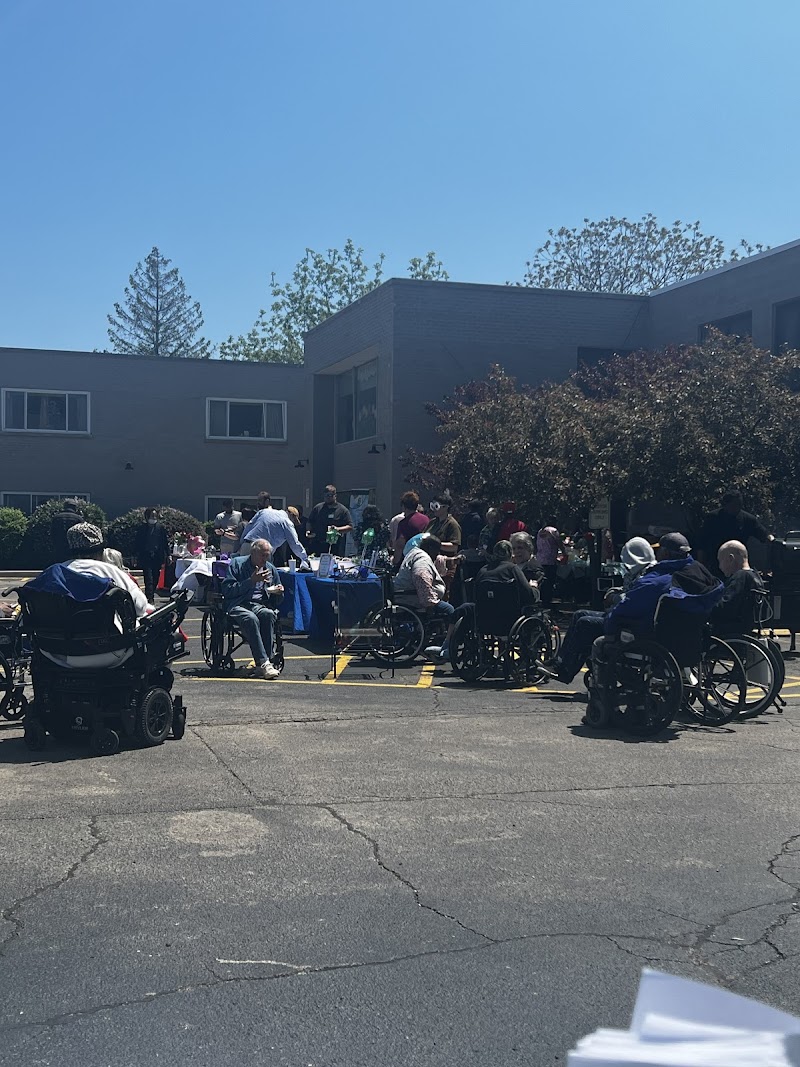
How is Pavilion Of Waukegan Staffed?

CMS rates Pavilion Of Waukegan's staffing level at 3 out of 5 stars, which is average compared to other nursing homes. Staff turnover is 34%, compared to the Illinois average of 46%. This relatively stable workforce can support continuity of care.

What Have Inspectors Found at Pavilion Of Waukegan?

State health inspectors documented 24 deficiencies at Pavilion Of Waukegan during 2023 to 2025. These included: 2 that caused actual resident harm and 22 with potential for harm. Deficiencies causing actual harm indicate documented cases where residents experienced negative health consequences.

Who Owns and Operates Pavilion Of Waukegan?

Pavilion Of Waukegan is owned by a for-profit company. For-profit facilities operate as businesses with obligations to shareholders or private owners. The facility operates independently rather than as part of a larger chain. With 112 certified beds and approximately 83 residents (about 74% occupancy), it is a mid-sized facility located in WAUKEGAN, Illinois.

How Does Pavilion Of Waukegan Compare to Other Illinois Nursing Homes?

Compared to the 100 nursing homes in Illinois, Pavilion Of Waukegan's overall rating (4 stars) is above the state average of 2.5, staff turnover (34%) is significantly lower than the state average of 46%, and health inspection rating (4 stars) is above the national benchmark.

What Should Families Ask When Visiting Pavilion Of Waukegan?

Based on this facility's data, families visiting should ask: "Can I visit during a mealtime to observe dining assistance and food quality?" "How do you handle medical emergencies, and what is your hospital transfer rate?" "Can I speak with family members of current residents about their experience?"

Is Pavilion Of Waukegan Safe?

Based on CMS inspection data, Pavilion Of Waukegan has a clean safety record: no substantiated abuse findings (meaning no confirmed cases of resident harm), no Immediate Jeopardy citations (the most serious violation level indicating risk of serious injury or death), and is not on the Special Focus Facility watch list (a federal program monitoring the lowest-performing 1% of nursing homes). The facility has a 4-star overall rating and ranks #1 of 100 nursing homes in Illinois. While no facility is perfect, families should still ask about staff-to-resident ratios and recent inspection results during their visit.

Do Nurses at Pavilion Of Waukegan Stick Around?

Pavilion Of Waukegan has a staff turnover rate of 34%, which is about average for Illinois nursing homes (state average: 46%). Moderate turnover is common in nursing homes, but families should still ask about staff tenure and how the facility maintains care continuity when employees leave.

Was Pavilion Of Waukegan Ever Fined?

Pavilion Of Waukegan has been fined $8,328 across 1 penalty action. This is below the Illinois average of $33,162. While any fine indicates a compliance issue, fines under $50,000 are relatively common and typically reflect isolated problems that were subsequently corrected. Families should ask what specific issues led to these fines and confirm they've been resolved.

Is Pavilion Of Waukegan on Any Federal Watch List?

Pavilion Of Waukegan is not on any federal watch list. The most significant is the Special Focus Facility (SFF) program, which identifies the bottom 1% of nursing homes nationally based on persistent, serious quality problems. Not being on this list means the facility has avoided the pattern of deficiencies that triggers enhanced federal oversight. This is a positive indicator, though families should still review the facility's inspection history directly.