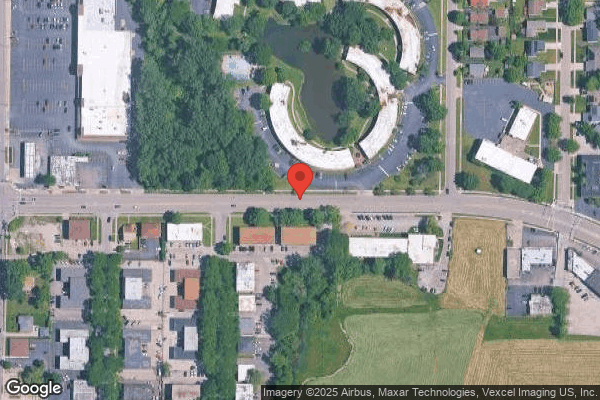
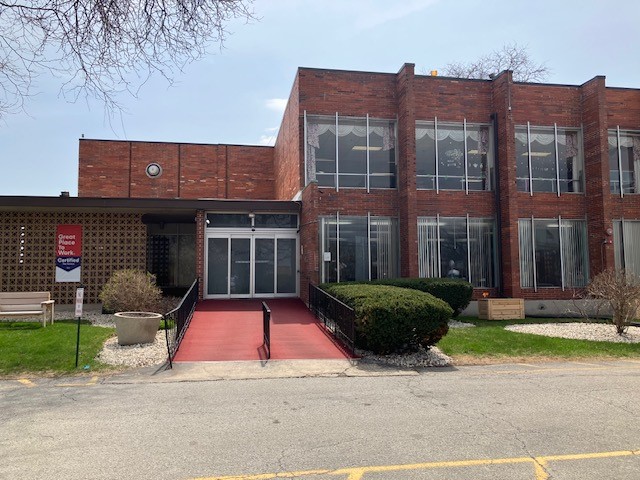
THE TERRACE

1615 SUNSET AVENUE, WAUKEGAN, IL 60087 (847) 244-6700
For profit - Corporation 115 Beds Independent Data: November 2025 1 Immediate Jeopardy citation
Trust Grade
13/100
#410 of 665 in IL
Last Inspection: January 2025

Within standard 12-15 month inspection cycle. Federal law requires annual inspections.

Overview

The Terrace in Waukegan, Illinois has received a Trust Grade of F, indicating significant concerns and a poor reputation among nursing homes. It ranks #410 out of 665 facilities in the state, placing it in the bottom half, and #18 out of 24 in Lake County, suggesting limited choices for better options nearby. The facility's trend is worsening, with the number of issues increasing from 7 in 2024 to 9 in 2025. Staffing is relatively stable with a turnover rate of 38%, which is below the state average, and it has good RN coverage, higher than 85% of facilities in Illinois. However, it has faced $108,886 in fines, which is concerning as it reflects ongoing compliance issues. Specific incidents of care failures include a resident being sexually abused due to inadequate behavioral management, a resident being deprived of necessary medical imaging for 40 hours, and another resident suffering a femur fracture during a lift transfer because safety protocols were not followed. While the facility has strengths in staffing stability and RN coverage, these serious incidents raise significant red flags about the quality of care provided.

Trust Score
F
13/100
In Illinois
#410/665
Bottom 39%
Safety Record
High Risk
Review needed
Inspections
Getting Worse
7 → 9 violations
Staff Stability
○ Average
38% turnover. Near Illinois's 48% average. Typical for the industry.
Penalties
⚠ Watch
$108,886 in fines. Higher than 92% of Illinois facilities. Major compliance failures.
Skilled Nurses
✓ Good
Each resident gets 46 minutes of Registered Nurse (RN) attention daily — more than average for Illinois. RNs are trained to catch health problems early.
Violations
⚠ Watch
30 deficiencies on record. Higher than average. Multiple issues found across inspections.
★★☆☆☆
2.0
Overall Rating
★★☆☆☆
2.0
Staff Levels
★☆☆☆☆
1.0
Care Quality
★★★☆☆
3.0
Inspection Score
Stable
2024: 7 issues
2025: 9 issues

The Good

  • Full Sprinkler Coverage · Fire safety systems throughout facility
  • No fines on record
  • Staff turnover below average (38%)

    10 points below Illinois average of 48%

Facility shows strength in fire safety.

The Bad

2-Star Overall Rating

Below Illinois average (2.5)

Below average - review inspection findings carefully

Staff Turnover: 38%

Near Illinois avg (46%)

Typical for the industry

Federal Fines: $108,886

Well above median ($33,413)

Significant penalties indicating serious issues

The Ugly 30 deficiencies on record

1 life-threatening 2 actual harm
Jun 2025 1 deficiency
CONCERN (F) 📢 Someone Reported This

A family member, employee, or ombudsman was alarmed enough to file a formal complaint

Potential for Harm - no one hurt, but risky conditions existed

Food Safety (Tag F0812)

Could have caused harm · This affected most or all residents

Based on observation, interview, and record review the facility failed to ensure the dishwasher was sanitizing dishes and failed to ensure kitchen staff washed hands to prevent cross contamination to ...

Read full inspector narrative →
Based on observation, interview, and record review the facility failed to ensure the dishwasher was sanitizing dishes and failed to ensure kitchen staff washed hands to prevent cross contamination to clean dishes which applies to all 77 resident in the facility reviewed for kitchen sanitation. The findings include: The Facility Data Sheet dated 6/17/25 showed the facility had census of 77 residents. On 6/17/25 at 9:20 AM, V4 Dietary Aide was using the dishwasher in the kitchen. V4 was not wearing gloves. V4 unloaded a clean rack of dishes, loaded a dirty rack of dishes, and the moved the clean dishes and rack without washing their hands. At this time the sanitizer 5 gallon bucket under the dirty tray line was empty. On 6/17/25 at 10:00 AM, V3 Dietary Manager retrieved test strips from their office and checked the dishwasher. The test strip stayed white showing no sanitizing agent in the dishwasher. V3 noted the 5 gallon sanitizer bucket was empty. V3 stated acceptable levels for chlorine is 50-100 parts per million (PPM) and Quaternary Ammonium (QUAT) sanitizer levels should be 150-200 PPM to sanitize dishes. V3 stated the dishwasher should be checked 3 times a day to make sure it is working correctly. V3 stated if you are washing dishes you need to wash your hands going from dirty dishes to clean to prevent cross contamination. On 6/17/25 at 10:15 AM, V7 Infection Control Nurse stated the dishwasher needs to be sanitizing dishes and utensils residents use to reduce the chance of spreading any food borne illness and/or gastrointestinal viruses. The facility's dishwasher sanitizer check sheet (June 2025) showed no entries of sanitizer checks for 6/15/25 breakfast and lunch, 6/16 lunch, and 6/17/25 breakfast checks prior to dishwasher use. The facility's undated dishwasher policy showed dish machines will be checked prior to meals to assure proper function and appropriate temperature for cleaning and sanitizing. This policy also showed when loading dishes will not handle the clean dishes unless they wash their hands before moving from dirty to clean dishes.
Jan 2025 8 deficiencies
CONCERN (D)

Potential for Harm - no one hurt, but risky conditions existed

ADL Care (Tag F0677)

Could have caused harm · This affected 1 resident

**NOTE- TERMS IN BRACKETS HAVE BEEN EDITED TO PROTECT CONFIDENTIALITY** Based on observation, interview, and record review, the facility failed to assist residents needing assistance with eating, oral...

Read full inspector narrative →
**NOTE- TERMS IN BRACKETS HAVE BEEN EDITED TO PROTECT CONFIDENTIALITY** Based on observation, interview, and record review, the facility failed to assist residents needing assistance with eating, oral care, and grooming. This applies to 4 out of 4 residents (R57, R1, R28, and R26) reviewed for activities of daily living in a sample of 19. Findings include: 1. R57's EMR (Electronic Medical Record) showed she had multiple diagnoses including Alzheimer's disease, left-hand contracture, dysphagia, cognitive communication deficit, stage 4 pressure injury to the sacrum, seizures, and anemia. R57's MDS (Minimum Data Set) dated 12/04/2024 said she required substantial to maximal assistance with eating and was dependent on staff for her personal and oral hygiene needs. On 1/07/2025 at 11:30 AM, R57 was sitting in her reclining wheelchair in the dining room. R57 was confused and non-interviewable. R57 had overgrown facial hair on her upper lip and chin areas. R57's teeth were unkept they had food residue and had a foul mouth odor. At 12:30 PM R57 was trying to feed herself a folded slice of bread with a slice of a barbeque pork tenderloin, unsupervised. R57 was unable to feed herself because she had a surgical mask covering her mouth which was soiled with sauce. Then V8 (Certified Nurse Assistant/CNA) went to R57 to pull her surgical mask down to her chin and handed her the folded slice of bread with the pork tenderloin again. R57 was still having difficulty feeding herself and then V8 guided her with her hand to put the food in her mouth. At 12:45 PM V8 returned to R57 and started to feed her but then stopped and left her unsupervised again. On 1/08/2025 at 12:12 PM, R57 was again in the dining room for lunch. R57 continued to have overgrown facial hair. V9 (CNA) served R57 her lunch meal and did not feed her. R57 was trying to feed herself but was having difficulty. Then at 12:30 PM V6 (Restorative Aide) sat next to her and started to feed her. V6 said R57 was unable to feed herself and had to be fed by the staff. R57's Restorative Observation and Planning form dated 12/04/2024, said R57 was unable to state needs to have needs met .Resident is dependent of staff with all ADL's requires a feeder for meals. 2. R1's EMR showed she had multiple diagnoses including Alzheimer's disease, bilateral hand contractures and pain, weakness, dysphagia, cognitive communication deficit, and generalized osteoarthritis. R1's MDS dated [DATE] said she required supervision to touching assistance with eating and was dependent on staff for her personal and oral hygiene needs. On 1/07/2025 at 10:55 AM, R1 was sitting in her wheelchair in the dining room. R1 was wearing bilateral hand splints. R1 had two cups of thickened water and cranberry juice untouched in front of her. At 12:35 PM V7 (CNA) served R1 her lunch meal and removed the previously served cups of liquids which remained untouched. V7 said R1 was sometimes able to feed herself and did not assist her. R1 started to try to feed herself but her surgical mask was covering her mouth. R1's surgical mask was soiled with pureed food. V7 returned to remove R1's surgical mask and then left her unsupervised again. On 1/08/2025 at 12:25 PM, R1 was trying to feed herself lunch. R1 was having difficulty at times and spilled food on the side of her partially removed surgical mask and clothing protector. R1 had two cups of thickened water and milk untouched. Then at 12:58 PM, V6 (Restorative Aide) came to assist R1 with her drinks. V6 said R1 was able to feed herself food most of the time but required supervision and assistance with her drinks. V6 said R1 was unable to grip drinking cups with her hands because of her contractions and splints. V6 fed R1 her milk which she drank the entire serving and then proceeded with her water. R1's Restorative Observation and Planning form dated 1/02/2025 said R1 had contractions to her hands and cannot state needs to have needs met .Resident is dependent of care on all ADL's, including feeding. 3. R28's EMR showed he had multiple diagnoses including hemiplegia and hemiparesis following an intracranial hemorrhage affecting his right dominant side, dysphagia, right hand and elbow contractions, and other musculoskeletal system symptoms. R28's MDS dated [DATE] said he was dependent on staff for his oral hygiene care. On 1/07/2024 at 11:07 AM, R28 was in bed. R28's teeth were unkept and they had a thick build up of food residue. On 1/08/2024 at 12:20 PM, R28 again had a thick build-up of white residue substance on his teeth. V9 (CNA) was asked to inspect R28's mouth and said his teeth were dirty. V9 said CNAs brush residents' teeth at least daily. V9 said sometimes R28 would not allow for daily oral care but was seen by the dentist. R28's Restorative Observation and Planning form dated 11/12/2024, said R28 had weakness to his right side and requires one assist for ADLs. R28's Dentist consultation report dated 11/11/2024 said Extremely heavy, generalized plaque and heavy calculus present on pt's teeth. Assistance with daily OH (oral hygiene) recommended. 4. R26's EMR showed he had multiple diagnoses including hemiplegia and hemiparesis following an intracranial hemorrhage affecting his right dominant side, malignant neoplasm of the brain, cognitive impairment, seizures, and adult failure to thrive. R26's MDS dated [DATE] said he was dependent on staff for his oral hygiene care. On 1/07/2025 at 10:55 AM, R26 was sitting in his reclining wheelchair in his room. R26's teeth were unkept, had food residue, and were stained with an orange substance. On 1/08/2024 at 12:15 PM, R26 again had a thick white food substance on his front lower teeth. V5 (Registered Nurse/RN) was asked to assess R26's mouth and with her gloved finger, she removed a thick white chunk of white substance from his left gum area. V5 said it appeared to be food residue. V5 said CNAs provide daily oral care to the residents. On 1/09/2025 at 9:50 AM, V2 (Director of Nursing/DON) said she expects staff to assist residents with their ADLs (Activities of Daily Living) including feeding, oral hygiene, and grooming care. V2 said residents who are unable to feed themselves should be assisted if not they can be at risk for improper nutrition, weight loss, choking, or aspiration pneumonia. V2 said residents should be assessed and assisted daily with their grooming needs, including shaving. V2 said it was appropriate to assume that female residents would expect to be assisted with the removal of unwanted facial hair. V2 also said oral care should be provided to residents in the AM, PM, and any time in between if needed. V2 said for residents who may be resistant to oral care staff should at a minimum attempt to swab their teeth and mouth to assist them in promoting healthy oral hygiene. The facility's policy titled Maintaining ADL's dated 3/2021, said Guideline: The facility provides the necessary care and services to attain or maintain the highest practical physical, mental, and psychological wellbeing for the resident in accordance to the comprehensive assessment and plan of care.
CONCERN (D) 📢 Someone Reported This

A family member, employee, or ombudsman was alarmed enough to file a formal complaint

Potential for Harm - no one hurt, but risky conditions existed

Incontinence Care (Tag F0690)

Could have caused harm · This affected 1 resident

**NOTE- TERMS IN BRACKETS HAVE BEEN EDITED TO PROTECT CONFIDENTIALITY** 2) On 1/7/25 at 2:20 PM, observed R67 on her chair with the urinary bag on the floor. R67 was alert, oriented x 3 and stated tha...

Read full inspector narrative →
**NOTE- TERMS IN BRACKETS HAVE BEEN EDITED TO PROTECT CONFIDENTIALITY** 2) On 1/7/25 at 2:20 PM, observed R67 on her chair with the urinary bag on the floor. R67 was alert, oriented x 3 and stated that she is ready to go & take her shower. Meanwhile, V21 (CNA-Certified Nursing Assistant) picked up the urinary bag and placed it under the blanket near the feet of R67. R67's record review showed R67 was admitted to the facility on [DATE] with diagnoses to include spinal stenosis (C1-C4), quadriplegia and chronic obstructive pyelonephritis. R67's care-plan dated 12/3/24 showed, 'Clean catheter bag with vinegar and water solution, hang to dry. Attach clean catheter bag to resident'. On 1/7/25 at 2:25 PM, observed a urinary bag with no cap on the spout, hanging on the handle bar in the bathroom, in R67's room. On 1/7/25 at 2:28 PM, V21 (CNA) stated, everyday morning, she disconnects R67's urinary bag from the catheter, rinses it with vinegar & water solution & hangs it to dry in the bathroom. V21 (CNA) stated, the one that is already washed & hung in the bathroom by the previous shift CNA, she would fix that onto R67's catheter. On 1/7/25 at 2:35 PM, V20 (LPN-Licensed Practical Nurse) stated, Urinary catheter is changed once a month and as needed, per orders. The urinary bag with tubing is cleaned everyday and a new bag is applied every two weeks and as needed. V20 (LPN) stated, twice a day (morning and night), the bag is disconnected from the urinary catheter, rinsed with water and vinegar solution, and is hung in the bathroom to dry. The one that the previous shift cleaned is applied to the pt. Thus the two bags are switched for a couple weeks. On 1/8/25 at 3:00 PM, V3 (IP-Infection Preventionist) stated, morning and evening shift staff clean the urinary bag. They remove the existing bag, clean it with vinegar solution (4 capful of vinegar in 3 cups of water). After rinsing it with this solution, it is hung in the resident's bathroom and covered in a plastic bag to dry. Meanwhile, the bag that was cleaned by the previous shift would be connected to the pt. V3 (IP) stated, this is the practice of the facility for all pts with urinary catheter. On 1/8/25 at 3:00 PM,V3 (IP) stated, the urinary catheter system must be kept closed, as much as possible, to prevent infection. Leaving the bag open to air and reconnecting to the urinary catheter of the resident is a source of infection for the pt. V3 (IP) stated, it is ideal to use a new bag every time the system is disconnected. V3 (IP) stated, disconnecting, cleaning & re-using the bag is a source of infection for the pt. On 1/9/24 at 9:50 AM, V2 (DON-Director of Nursing) stated, the urinary bag is disconnected and cleaned twice a day to keep the system clean. V2 (DON) stated, they are trying to keep the system as clean as possible. V2 (DON) stated, she in-serviced the CNAs on this practice. V2 (DON) stated, they have not received approval from the facility MD (Medical Director) or Urologist for this practice nor is there a physician's order for it. Facility policy 'Foley Catheter- Use and Management' dated 05/2024 showed, ' 10. Cleaning of Leg bags: Night shift will be responsible for cleaning the leg bags. a. The night shift will be responsible for preparing the following vinegar solution. The vinegar and water solution ratio are 2 cups vinegar to 3 cups water b. Pour one cup of the above vinegar solution into the leg bag. Swish the solution in the bag around. Leave this solution in the bag for 20 minutes. Make sure all ports are closed. DO NOT BRING INTO RESIDENT'S ROOM. Leave in utility room. c. When completed, empty the vinegar solution, and close all ports. Store in a clean plastic bag labeled with the resident name until ready to use. d. Cleaning of the leg bag should be done every 24 hours. Based on observation, interview, and record review, the facility failed to properly provide urinary catheter care for 2 of 2 residents (R44, R67) reviewed for urinary catheter care in a sample of 19. The findings include: 1. On January 8, 2025 at 10:14 AM, V18 (CNA/Certified Nurse Assistant) said he changed R44's catheter bag from the hanging bag to the leg bag. V18 said he washed the catheter bag by taking two capfuls of vinegar and water and pouring it into a piston with a syringe in it. V18 said he then pushed the vinegar and water mix into the tubing and the catheter bag and swished it around in the bag and then emptied it into the toilet. V18 said he then does this process again before following it up with water. V18 said he then puts the catheter bag into a plastic bag to dry. V18 said he would put the leg bag on during the day and the hanging catheter bag at bedtime. V18 showed the surveyor the catheter bag, which said the catheter bag was sterile and said not to re-sterilize. On January 9, 2025 at 9:54 AM, V18 said V3 (IP/Infection Preventionist) told them to wash the catheter bags during an in-service. On January 8, 2025 at 10:10 AM, V5 (RN/Registered Nurse) said R44 has a suprapubic catheter, and the CNAs change the bag twice a day. V5 said they wash the bag with vinegar and hang it in the bathroom to dry. V5 said the leg bag is used for the day and the regular hanging bag is used during the night. On January 8, 2025 at 12:21 PM, V17 (Nephrology Nurse Practitioner) said it was recommended to replace the whole catheter set at least once every 30 days. V17 said it was not recommended to disconnect the catheter system because it increases the risk of infection as it would break the sterility and increase the risk of infection. R44's face sheet shows diagnoses including Parkinson's disease, Alzheimer's disease, gastro-esophageal reflux disease, urinary tract infection, neuromuscular dysfunction of bladder, chronic kidney disease, and benign prostatic hyperplasia without lower urinary tract symptoms. R44's POS (Physician Order Sheet) showed to Change catheter bag and tubing every 4 weeks on Tuesdays one time a day every 4 weeks on [Tuesday] for UTI (Urinary Tract Infection) precaution starting tomorrow. Give Bactrim DS prior to and after [catheter] change.
CONCERN (D)

Potential for Harm - no one hurt, but risky conditions existed

Deficiency F0808 (Tag F0808)

Could have caused harm · This affected 1 resident

Based on observation, interview, and record review, the facility failed to provide thickened liquids for a resident (R60) with an order for nectar-thickened liquids. This applies to 1 of 4 residents (...

Read full inspector narrative →
Based on observation, interview, and record review, the facility failed to provide thickened liquids for a resident (R60) with an order for nectar-thickened liquids. This applies to 1 of 4 residents (R60) reviewed for diets in a sample of 19. Findings include: R60's EMR (Electronic Medical Record) showed he had multiple diagnoses including dementia, muscle weakness, and respiratory infection. R60's MDS (Minimum Data Set) dated 10/29/2024 said he required setup assistance for his meals and had an altered diet requiring thickened liquids. On 1/07/2025 at 12:25 PM, V9 (Certified Nurse Assistant/CNA) served R60 lunch in the dining room. R60's meal tray had multiple drinks including a cup of coffee and a carton of milk, both were thin liquid consistency. R60's meal ticket said he required nectar thickened liquids. V8 (CNA) was asked to assess R60's served drinks and said he was served the incorrect type of liquids. V8 removed the drinks and proceeded to thicken R60's coffee and milk. V8 said the dietary staff prepares the residents' meal trays in the kitchen, including their drinks. V8 continued to say that residents who require thickened liquids, usually receive pre-thickened beverages ready to serve and was unsure why R60's drinks did not come thickened. V9 said he should have checked R60's meal ticket prior to serving him to ensure he received the correct consistency of liquids. On 1/09/2025 at 9:40 AM, V2 (Director of Nursing/DON) said the dietary staff prepares the residents' meal trays based on their prescribed diets including drinks. V2 said CNAs are expected to do a final check prior to serving the residents. V2 said dietary cards and meal trays need to be checked to ensure they are correct. V2 said residents' prescribed diets need to be followed to ensure resident meal safety and prevent potential complications such as choking and aspiration pneumonia. R60's Order Summary Report dated 1/09/2025 showed R60 had an active diet of NAS (No Added Salt) diet Regular texture, Nectar consistency. The facility's policy titled Meal Service dated 3/2021, said Purpose: To provide a diet identification system as well as to ensure accuracy of the prescribed diet given to each resident. Guideline: Each resident diet shall be identified using the medical record. Procedure .2. The diet will specify: Diet type, diet texture, and fluid consistency and additional instructions can be entered under special instructions. 3. Dietary aides will check resident name and picture prior to offering appropriate food choices per diet order as well as any special instructions.
CONCERN (D) 📢 Someone Reported This

A family member, employee, or ombudsman was alarmed enough to file a formal complaint

Potential for Harm - no one hurt, but risky conditions existed

Infection Control (Tag F0880)

Could have caused harm · This affected 1 resident

Based on observation, interview, and record review, the facility failed to wear PPE (Personal Protective Equipment) for residents who were on EBP (Enhanced Barrier Precautions). This applies to 2 of ...

Read full inspector narrative →
Based on observation, interview, and record review, the facility failed to wear PPE (Personal Protective Equipment) for residents who were on EBP (Enhanced Barrier Precautions). This applies to 2 of 2 residents (R64, R44) reviewed for infection control in a sample of 19. The findings include: 1. On January 8, 2025 at 12:03 PM, V14 (Restorative Aide/CNA-Certified Nurse Assistant) was in R64's room and was not wearing a gown. R64's doorway showed he was on EBP, with gowns and gloves in an isolation cart outside the room. V14 provided incontinence care, assisted in changing his clothes, and assisted in transferring the resident from the bed to the wheelchair. On January 9, 2025 at 10:10 AM, V14 said if a resident was on EBP, the staff should wear gloves and a gown. On January 9, 2025 at 10 AM, V16 (RN/Registered Nurse) said the staff should wear a gown and gloves when giving direct patient care for residents on EBP. V16 said residents with catheter bags and G-Tubes (Gastrostomy) would require gowns and gloves. V16 also said transferring and incontinence care would be considered direct patient care. R64's face sheet showed he was admitted with diagnoses including hemiplegia and hemiparesis, contractures, anemia, seizures, dysphagia, and dementia. R64's POS (Physician Order Sheet) showed an order for Enhanced Barrier Precautions, gown and gloves, ordered on December 30, 2024. 2. On January 8, 2025 at 10:14 AM, V18 (CNA) was in R44's room without wearing a gown. V18 transferred R44 from the bed to the wheelchair to take him to the shower room. V18 said he had just changed R44's catheter bag. On January 9, 2025 at 9:54 AM, V18 said he needed to wear a gown and gloves to take care of R44 for care such as changing his catheter, changing his incontinence brief, dressing, bathing, showering, transferring, assisting with toileting, and device care. V18 said because R44 has a catheter, the PPE is worn to protect him since there was an opening. On January 9, 2025 at 12:46 PM, V2 (DON/Director of Nursing) said the staff should wear a gown and gloves for residents on EBP for care such as incontinence care and transferring. R44's face sheet shows diagnoses including Parkinson's disease, Alzheimer's disease, gastro-esophageal reflux disease, urinary tract infection, neuromuscular dysfunction of bladder, chronic kidney disease, and benign prostatic hyperplasia without lower urinary tract symptoms. R44's POS showed an order for Enhanced Barrier Precautions, ordered on April 18, 2024. The facility's Enhanced Barrier Precautions dated December 2019 showed Gloves and gowns should be used when providing the following high-contact activities: a. Dressing, b. Bathing/showering, c. Transferring, d. Providing hygiene, e. Changing linens, f. Changing briefs or assisting with toileting, g. Device care or use of a device: central line, catheter, feeding tube or tracheostomy.
CONCERN (E)

Potential for Harm - no one hurt, but risky conditions existed

Safe Environment (Tag F0584)

Could have caused harm · This affected multiple residents

**NOTE- TERMS IN BRACKETS HAVE BEEN EDITED TO PROTECT CONFIDENTIALITY** Based on observation and interview, the facility failed to maintain a homelike environment. This applies to 8 of 8 residents (R7...

Read full inspector narrative →
**NOTE- TERMS IN BRACKETS HAVE BEEN EDITED TO PROTECT CONFIDENTIALITY** Based on observation and interview, the facility failed to maintain a homelike environment. This applies to 8 of 8 residents (R7, R11, R17, R24, R43, R47, R50, R58) reviewed for environment in a sample size of 19. The findings include: On 1/7/25, during initial tour the following observations were made: 1. At 11:04 AM, surveyor went to R11 and R17's room. Both of them were not in their room. Next to R11's bed, there was hole in the wall and paint was peeling from various parts of the wall. On 1/8/25 at 10:23 AM, R17 stated, I want that hole fixed and wall repainted. On 1/8/25 at 10:25 AM, R11 stated, I don't like that hole and I want it fixed. R11's MDS (Minimum Data Set) dated 12/5/24, shows a BIMS (Brief Interview for Mental Status) score of 11, which means she is moderately impaired in cognition. 2. At 11:07 AM, inside R47's room, there was paint peeling from various parts of the room. Some parts of the floor were also missing base boards. R47 stated, It doesn't look nice like that, but it's no [NAME]. R47's MDS dated [DATE] shows a BIMS score of 9, which means he is moderately impaired in cognition. 3. At 11:09 AM, surveyor went to R24's room. She shared a bathroom with R7 who was in the adjacent room. The paint was peeling in various parts of the wall in the bathroom. Both R24 and R7 were not in the room. On 1/8/25 at 10:30 AM, R24 said in broken English, It would be good if some one cleans the wall in my bathroom. On 1/8/25 at 10:33 AM, surveyor asked R7 what she thought of the paint peeling in her bathroom. She was unable to understand surveyor because her primary language was Spanish. 4. At 11:14 AM, there was paint peeling in various parts of the wall in R58's room. R58 stated, Yes, it would look better if it was repainted. R58's MDS dated [DATE] shows a BIMS score of 9, which means she is moderately impaired in cognition. 5. At 11:33 AM, surveyor went to R43's room. She was sleeping. Her bathroom was shared with R50 who was in the adjacent room. R50 was not in her room. In their bathroom, there were big areas of paint peeling on the wall. On 1/8/25 at 10:48 AM, R43 stated she wanted the bathroom repainted. On 1/8/25 at 11:40 AM, R50 stated, All the bathrooms are like that. They are all peeling. I would love for them to repaint it. It would look much better. R43's MDS dated [DATE] shows a BIMS score of 13, which means she is cognitively intact. R50's MDS dated [DATE] shows a BIMS score of which 12, which means she is moderately impaired in cognition. On 1/18/25 at 10:14 AM, V10 (Maintenance Director) stated, This is a big issue, an ongoing issue with paint peeling, wallpaper peeling, holes in wall, and missing base boards. We are planning on remodeling our building. So, I'm hesitant to do all this work now. I'm not sure when or if we will remodel. We are waiting for an answer from corporate. I can't find a policy on this.
CONCERN (E)

Potential for Harm - no one hurt, but risky conditions existed

Pharmacy Services (Tag F0755)

Could have caused harm · This affected multiple residents

Based on observation, interview, and record review, the facility failed to dispose of controlled medication and verify the accuracy of controlled medication logs for residents with controlled medicati...

Read full inspector narrative →
Based on observation, interview, and record review, the facility failed to dispose of controlled medication and verify the accuracy of controlled medication logs for residents with controlled medications. This applies to 4 out of 4 (R57, R5, R26, and R44) residents reviewed for controlled medications in a sample of 19. Findings include: 1. On 1/08/2025 at 9:30 AM, V4 (Licensed Practical Nurse/LPN) was asked to verify the controlled medications located in the 2-East medication cart. V4 said nurses confirmed they completed the end-of-shift handoff count of controlled medications by signing the accountability record log. V4 reviewed the log and confirmed the log for the AM shift on 1/08/2025 was not signed by the incoming morning nurse. V4 said R26 had an open medication bottle of Clonazepam 0.5 mg (milligrams) with 42 tablets. V4 then said R26 did not have an Individual Controlled Drug Administration Record log to verify the medication's quantity. V4 said that nurses should ensure that all controlled medications have Individualized Controlled Drug Administration Record logs to verify the proper count of each medication. R26 had another bottle of Clonazepam 0.5 mg with 9 tablets. V4 reviewed and confirmed that the medication's Individual Controlled Substance Record log said the last removed tablet was on 1/07/2025 and there should be a total of 10 tablets available. V4 said nurses needed to log every removed controlled medication in their Individual Controlled Substance Record logs when removed to ensure accuracy and prevent discrepancies. The document titled Shift Change Accountability Record for Controlled Substances for January 2025 showed multiple omitted nurses' signatures including for the 1/08/2025 AM shift. R26's Individual Controlled Substance Record log for Clonazepam 0.5 mg tablets dated 12/24/2024, showed the last logged removed tablet was on 1/07/2025 at 6 PM and there should be an amount remaining of 10 tablets. The log also had missing signatures for tablets removed on 1/03/2025 at 9 AM and 12:00 PM. R26's MAR (Medication Administration Record) for January 2025 said R26 last received Clonazepam 0.5 mg by mouth at 9 AM. R26's Order Summary Report dated 1/08/2025 showed an active order for clonazepam Oral Tablet 0.5 MG (Clonazepam) Give 1 tablet by mouth three times a day for anticonvulsant. 2. V4 continued to remain present during the following observations: R5's Hydrocodone-APAP 5-325 mg medication punch card was observed with the #7 pill slot punched open with a pill inside, the slot was covered with a piece of cloth tape. R5's Order Summary Report dated 1/08/2025 showed R5 did not have an active order for Hydrocodone. R5's Controlled Drug Administration Record Tablet log for Hydrocodone showed the medication was dispensed on 8/21/2024 and R5's last removed tablet was on 8/23/2024. 3. R57's Lorazepam 0.5 mg medication punch card was observed with the #5 through #8 pill slots punched open with pills inside, the slots were covered with a plastic band-aid and clear pieces of tape. R57's Order Summary Report dated 1/08/2025 showed R57 did not have an active order for Lorazepam. R57's Controlled Drug Administration Record Tablet log for Lorazepam showed the medication was dispensed on 10/04/2023 and R57's last removed tablet was on 2/6 (year unknown). The log showed the following instructions TAKE 1 TABLET BY MOUTH EVERY 8 HOURS AS NEEDED FOR ANXIETY FOR 14 DAYS. 4. On 1/08/2025 at 9:50 AM, V4 (LPN) was asked to verify the controlled medications located in the 1-East medication cart. The cart's accountability record log for controlled medications was not completed. The document titled Shift Change Accountability Record for Controlled Substances for January 2025 showed multiple omitted nurses' signatures including for the 1/08/2025 AM shift. R44's Tramadol 50 mg medication punch card was observed with the #17 and #26 pill slots punched open with pills inside, the slots were covered with tape. R44's Order Summary Report dated 1/08/2025 showed R44 did not have an active order for Tramadol. R44's Controlled Drug Administration Record Tablet log for Tramadol showed the medication was dispensed on 4/02/2024 and R44's last removed tablet was on 6/04/2024. On 1/09/2025 at 9:40 AM, V2 (Director of Nursing/DON) said all controlled medications need to be accounted for to ensure medication safety and prevent variances. V2 said nurses were expected to count controlled medications with the oncoming shift nurse and sign the accountability record log. V2 said that when a medication is removed from the controlled box it needs to be logged immediately in the resident's individual medication log. V2 continued to say controlled medications need to be disposed of appropriately when discontinued or not used. V2 said removed medications should not be placed back into the punch card slots and taped. The facility's policy titled Medications-Controlled dated 3/2021, said Controlled substances are signed out upon dispensing of the medication. A count of controlled drugs is maintained by nurses of the off-going and oncoming shifts. Any irregularities are reported to the director of nursing .Controlled medication documentation: a. A separate controlled substance administration control record is kept on all scheduled II or higher drugs. It contains the amount verifiable inventory .Disposition of unused portion or prescriptions is documented .a. Do not place in container b. Record refusal as per policy c. Destroy drug in accordance with policies of facility for destruction of refused controlled medications.
CONCERN (E)

Potential for Harm - no one hurt, but risky conditions existed

Deficiency F0761 (Tag F0761)

Could have caused harm · This affected multiple residents

Based on observation, interview, and record review, the facility failed to label and store medications for residents receiving insulins and eye drops. This applies to 5 out of 5 (R61, R23, R44, R71, ...

Read full inspector narrative →
Based on observation, interview, and record review, the facility failed to label and store medications for residents receiving insulins and eye drops. This applies to 5 out of 5 (R61, R23, R44, R71, and R42) residents reviewed for medication storage in a sample of 19. Findings include: 1. On 1/08/2025 at 9:30 AM, the medication storage task was done with V4 (Licensed Practical Nurse/LPN) on the 2-East and 1-East medication carts. V4 remained present during the following observations: R44's Levemir insulin vial was opened and undated. R44's Levemir medication package bag said it was dispensed on 12/22/2024 and was also undated. R44's Order Summary Report dated 1/08/2025 showed an active order for Levemir Solution 100 UNIT/ML (Insulin Detemir) Inject 26 units subcutaneously in the morning for DM (Diabetes Mellitus). 2. R42's Humulin R insulin vial was open and dated with an open date of 11/11/2024. R42's Humulin R medication package had instructions to MUST DISCARD W/ IN 31 DAYS after opening. R42's Order Summary Report dated 1/08/2025 showed an active order for HumuLIN R Solution 100 UNIT/ML (Insulin Regular Human) .subcutaneously two times a day for Diabetes. 3. R61's Fiasp insulin vial was unopened at room temperature. R61's Fiasp medication package bag said it was dispensed on 1/03/2025 and had instructions of HIGH ALERT, REFRIGERATE UNTIL OPEN. R61's Order Summary Report dated 1/08/2025 showed an active order for Fiasp 100 UNIT/ML Solution Inject as per sliding scale .subcutaneously before meals and at bedtime for Diabetes. 4. R23's two Glargine insulin pens were opened, unbagged and undated. R23's Lantus and Lispro insulin vials were also opened and unbagged. R23's insulins were stored in an open multi-resident use container with other residents' opened insulins. R23's Order Summary Report dated 1/08/2025 showed active orders for Insulin Glargine Subcutaneous Solution Pen-Injector 100 UNIT/ML (Insulin Glargine) Inject 17 units subcutaneously one time a day for DM and Insulin Lispro Solution 100 UNIT/ML Inject as per sliding scale .subcutaneously before meals for Diabetes. 5. R71's Latanoprost eye drop container was open and undated. R71's Latanoprost medication package bag said it was dispensed on 9/24/2024 and had instructions to DISCARD AFTER 6 WKS after opening. R71's Order Summary Report dated 1/08/2025 did not show an active order for Latanoprost eye drops. On 1/09/2025 at 9:40 AM, V2 (Director of Nursing/DON) said insulin and eye drop medications should be stored inside their packages and package instructions for storing should be followed for safety storage. V2 continued to say multi-dose medications should be labeled when opened and discarded as indicated to ensure medication safety administration. The facility's policy titled Medication Storage dated 3/2021, said The facility maintains proper store of a variety of medications in accordance to the pharmacy recommendations and regulatory guidelines.
CONCERN (F) 📢 Someone Reported This

A family member, employee, or ombudsman was alarmed enough to file a formal complaint

Potential for Harm - no one hurt, but risky conditions existed

Food Safety (Tag F0812)

Could have caused harm · This affected most or all residents

Based on observation, interview, and record review, the facility failed to store, prepare, and distribute food in a manner that would prevent foodborne illnesses. This applies to 71 residents who ate ...

Read full inspector narrative →
Based on observation, interview, and record review, the facility failed to store, prepare, and distribute food in a manner that would prevent foodborne illnesses. This applies to 71 residents who ate food from the kitchen. The findings include: On January 10, 2025 at 2:35 PM, V2 (DON/Director of Nursing) said two residents were NPO (Nothing By Mouth) and did not receive trays from the kitchen. On January 7, 2025 at 10:28 AM, during the initial tour of the kitchen, the dry food storage area was observed to have the following: -5 cartons of [Brand] tomato Juice from concentrate with a best if used by date of September 11, 2024. -16 packets of [Brand] creamy classic mashed potatoes with no 'received on' dates or expiration dates. -5 packets of tortillas with no 'received on' dates. -An opened 25-lb box of instant food thickener, left open to air, with no 'opened on' date. -An opened box of long grain rice with a bag within it, open to air, with no 'opened on' date. On January 7, 2025 at 10:50 AM, the milk refrigerator was checked, and did not contain a thermometer within the refrigerator. There were 32 cartons of 2% milk which were undated. On January 7, 2025 at 10:50 AM, V11 (Cook) said he would not serve the undated milk because there were no dates on them. On January 7, 2025 at 12:20 PM, several residents in the first-floor dining room were served the undated milk. On January 8, 2025 at 3:07 PM, the milk refrigerator still did not have a thermometer inside of it. On January 9, 2025 at 9:46 AM, the milk refrigerator did not have a thermometer inside of it. On January 7, 2025 at 11 AM, the kitchen cooler was checked. The cooler had a disposable, plastic cup with coffee and a straw within it, and a plastic bag with water bottles and a canned beverage, which belonged to staff. The cooler also had the following: -12 cups of juice in the cooler without a plastic cover over it. At 11 AM, V11 said the cups should be covered in plastic and dated. -Opened cheese, wrapped, but not dated. -Opened bologna, wrapped, but not dated. -Cut beets and cauliflower in stainless steel steam table pans, without plastic covers or dates on them. On January 7, 2025 at 11:12 AM, the kitchen freezer had the following: -Raw, frozen pork chops on the top shelf -Tray of tator tots placed on the shelf below the pork chops, not completely covered in plastic and undated. -Frozen sausages in an undated Ziploc bag. -Cooked sausage crumbles in packaging that was open and exposed to air, and no date on the packaging. -Undated Ziploc of beef hotdogs. -Undated frozen pancakes wrapped in plastic wrap. -Undated raw, frozen chicken in plastic wrap. On January 7, 2025 at 11:25 AM, the second kitchen freezer had the following: -A tray of cooked enchiladas, not properly covered and undated. V11 said the enchiladas had been here a minute. -An opened and undated bag of corn. -An undated tub of vanilla ice cream with a broken lid, exposed to air. On January 8, 2025 at 12:27 PM, the food carts were delivered uncovered to the first and second floor dining halls. The carts contained trays with open cups. On January 9, 2025 at 12:15 PM, V13 said the food on the carts should not be exposed to air and should be covered when delivered to the units. The facility's Food Receiving and Storage dated May 2020 showed Dry foods that are stored in bins will be removed from original packaging, labeled and dated (use by date). Such foods will be rotated using a first in-first out system. All foods stored in the refrigerator or freezer will be covered, labeled and dated (use by date). Wrappers of frozen foods must stay intact until thawing. Functioning of the refrigeration and food temperatures will be monitored at designated intervals throughout the day by the food and nutrition services manager or designee and documented. Uncooked and raw animal products and fish will be stored separately in drip-proof containers and below fruits, vegetables, and other ready-to-eat foods. Refrigerators must have working thermometers and be monitored for temperature according to state-specific guidelines. Open containers of food and liquid must be dated and resealed/covered. The facility's undated Storage of Food and Supplies policy showed Prepared foods stored in the refrigerator until service will be covered, labeled, and dated with an expiration date. TCS (Time/Temperature Control for Safety) foods prepared on site must be labeled with the name of the food, the date it should be sold, consumed or discarded. All foods will be covered, labeled, and dated. Items should be stored in original packaging. If removed from its original packaging, wrap in clean moisture-proof material, or place it in a clean sanitized container with a tight fitting lid. All packaging and contaienrs should be labeled with the name of the food and expiration date. Refrigerators and freezers will be equipped with an internal thermometer and monitored. Temperatures will be documented.
Jul 2024 1 deficiency
CONCERN (D) 📢 Someone Reported This

A family member, employee, or ombudsman was alarmed enough to file a formal complaint

Potential for Harm - no one hurt, but risky conditions existed

Deficiency F0563 (Tag F0563)

Could have caused harm · This affected 1 resident

**NOTE- TERMS IN BRACKETS HAVE BEEN EDITED TO PROTECT CONFIDENTIALITY** Based on observation, interview, and record review the facility failed to follow their policy by not ensuring restricted visitor...

Read full inspector narrative →
**NOTE- TERMS IN BRACKETS HAVE BEEN EDITED TO PROTECT CONFIDENTIALITY** Based on observation, interview, and record review the facility failed to follow their policy by not ensuring restricted visitor information was posted for 2 of 3 residents (R1, R3) reviewed for safety in the sample of 3. The findings include: 1. R1's face sheet printed on 7/30/24 showed diagnoses including but not limited to dementia with mood disturbance, psychosis, dysphagia, and adult failure to thrive. The same face sheet showed the names of five family members allowed to visit R1. The face sheet showed instructions to call R1's state guardian if anyone else attempts to visit. R1's facility assessment dated [DATE] showed severe cognitive impairment and total staff assistance required for all ADLs (activities of daily living). R1's July 2024 physician order summary showed hospice care and receiving comfort medications. On 7/30/24 at 10:00 AM, V3 (Social Service Director/SSD) stated R1 was admitted to the facility in November of 2022 and at that time, only five family members were allowed in to see her (R1). V3 said in October of 2023 the state guardian office removed all visitor restrictions after a pending adult protective services case against R1 was resolved (not guilty). V3 said the family dynamics are dysfunctional and the staff had no knowledge of a father even existing until he came to the facility in March of 2024. The father was verbally aggressive, rude, and demanding. The state guardian was notified and instructions to deny R1's father access to the facility was given. V3 said approximately one week later, the father was at the front desk with an aunt and pastor. V3 was notified and made the father leave immediately. V3 said staff are all aware that the father is not allowed in the building, and he has not tried to return. V3 said there is a binder at the front desk showing the receptionists all visitors that are not allowed in the facility. The restricted visitors' names are also posted on a sign behind the front desk. The electronic medical records also show under the special instructions banner who is not allowed to visit. On 7/30/24 at 10:23 AM, V4 (Receptionist) stated she works the day shift, another person covers the afternoon shift, and a third person covers the night shift. V4 said she just knows who is and who is not allowed to visit. V4 said she has it memorized for the current residents and asks a nurse or V3 (SSD) if it is a newer resident. V4 said at one time there was a binder of who is not allowed in the facility, but it was missing. V4 said she could not recall the last time she saw it at the front desk. V4 said signs or notes are also posted at the front desk with names of people that cannot visit. This surveyor observed the front desk area and there was no signage related to restricted visitors. V4 did provide a front desk green binder that showed the names of people that could take residents out for appointments. The binder did not show any information related to visitors denied access. (V4 was able to voice knowledge in R1's father being restricted and R3's son being restricted.) On 7/30/24 at 10:36 AM, V5 (Licensed Practical Nurse/LPN) stated she looks at the special instructions banner in the electronic chart for any visitor restrictions. V5 said she was aware that R1's father was banned and opened the electronic record. There was no information in the banner to indicate the father was restricted. On 7/30/24 at 10:45 AM, V6 (Hospice Nurse) stated she was aware R1's father is denied access to visiting. V6 stated the special instruction banner area does not document his restriction. On 7/30/24 at 11:39 AM, V2 (Director of Nurses) said all residents should have visitor restrictions clearly posted at the front desk on a note and in a binder. The same information should be in the electronic charts for the floor nurses and aides to see. V2 confirmed R1 was missing the documentation under the special instructions area. V2 said it must have gotten erased when R1's feeding tube was discontinued. A lot of nurses go in and out of that charting area. It 100% should be documented there. It must have somehow gotten taken down. On 7/30/24 at 11:59 AM, V7 (LPN) stated R1's father is denied access to the facility. V7 said she was told verbally by V3 (SSD) after he was loud and rude. V7 said she looks under the profile area (special instructions) and R1's father should be listed there as no visitation allowed. On 7/30/24 at 12:36 PM, V3 confirmed the green binder did not include restricted visitors and only contained information for outside appointment transportation. 2. On 7/30/24 at 12:43 PM, R3 stated he has one son that is no longer allowed to visit him. His son had a marijuana pipe and some other things with him at a visit so he can't come in to see him anymore. On 7/30/24 at 1:09 PM, V1 (Administrator) and V2 (Director of Nurses) confirmed R3's son is not allowed inside the facility. R3 did not have any signage or binder information at the front desk. The facility's Visitation policy dated 10/24/22 states: 6. The facility will impose reasonable restrictions on visiting which include but are not limited to: denying access to visitors who are inebriated or disruptive. Restricted or supervised visitation, if the resident's visitor(s) are deemed to be . bringing in illegal substances to the facility.
Feb 2024 6 deficiencies
CONCERN (D)

Potential for Harm - no one hurt, but risky conditions existed

Quality of Care (Tag F0684)

Could have caused harm · This affected 1 resident

Based on observation, interview and record review the facility failed to ensure a resident with sutures to a surgical wound was assessed and removed in a timely manner. The facility also failed to ens...

Read full inspector narrative →
Based on observation, interview and record review the facility failed to ensure a resident with sutures to a surgical wound was assessed and removed in a timely manner. The facility also failed to ensure sutures were removed from a resident's forehead laceration. This applies to 2 of 18 residents (R37 & R38) reviewed for necessary care and services in the sample in 18. The findings include: 1. On February 26, 2024, at 12:02 PM, R38 was sitting up in the dining room. She had a surgical boot on her left foot. Her left foot was wrapped with a gauze dressing. On February 27, 2024, at 10:27 AM, R38 was sitting up in the dining room. She was wearing a surgical boot on her left foot. Her left foot was wrapped with a gauze dressing. On February 27, 2024, at 2:01 PM, R38 was lying in bed. V3 Registered Nurse (RN) was changing R38's dressing to her left foot. R38's left foot was very dry and had a tint of yellow. Her 2nd toe was missing. There were sutures in place of the toe. V3 RN stated, she has had the sutures since she came back from the hospital. She wasn't sure why R38 still had sutures in. Medical Records make the follow up appointments. R38's discharge hospital paperwork shows, she was discharged from the hospital on January 16, 2024, with diagnoses of cellulitis of foot, toe abrasion and osteomyelitis. She was to follow up with her primary care physician in 1 week. R38's progress notes dated January 16, 2024, shows, Resident returned to facility from local hospital where had 2nd left toe amputated due to osteomyelitis. Dressing to the left foot intact, needs to be checked every other day, betadine solution to apply . R38's medical records does not show that resident has any surgical wound or sutures. There are no assessments on her left foot on admission or up to the date of the survey. R38's February 2024 TAR (treatment administration record) shows, Apply betadine to (L) (left) foot over with dry gauze & lightly wrap with kerlix (gauze dressing) every other day & PRN (when needed) one time a day every other day for 30 days. The order was completed on February 14, 2024. R38's Nurse Practitioner progress notes dated February 9, 2024, shows, Assessment/Plan: .S/P (status post) left 2nd toe amputation 2/2 to osteomyelitis (1/9/24 (January 9, 2024)): .F/U (follow up) with podiatrist, NOD (nurse on duty) with f/u with scheduler. On February 28, 2024, at 12:28 PM, V12 Nurse Practitioner stated, she didn't know that R38 had sutures to her left foot because it was always wrapped with the gauze dressing. None of the nurses made her aware of the sutures. She stated, she told the nursing staff to make sure to have R38 follow up with the podiatrist who did the surgery. She also added that the sutures should have been removed. The safest amount of time to leave the sutures in would be 21 days. (It has been 50 days since R38's amputation of her 2nd toe). On February 28, 2024, at 9:56 AM, V4 Medical Records stated, she made an appointment with the podiatrist two weeks ago to follow up from R38's amputation on January 9, 2024. She also stated, the nurses do not do any of the follow ups, only her. They may have told her and she forgot. She couldn't remember. 2. On 2/26/24 at 10:20 AM R37 was lying in his bed in his room. R37 was asked what happened to his forehead and R37 stated he fell but unable to say when or why. R37 had 10 dry healed sutures in a vertical line down the left side of his forehead. On 2/27/24 R37 continued to have 10 sutures in a healed laceration on his forehead. R37's Progress Notes dated 1/31/24 state, Resident was settled in for lunch, he stood up from his wheelchair, lost his balance and fell on the floor. Resident noted to be bleeding from forehead. His BP was 162/60 P81. Resident does not take blood thinner medication. 911 was called and doctor was notified . R37's Progress Notes dated 1/31/24 (26 days prior to observation on 2/26/24) also state, Resident arrived from (Hospital) at around 8:10 PM via stretcher, accompanied by ambulance staff. Resident noted alert with 10 stitches in the forehead and bump noted . On 2/27/24 at 9:10 AM V7 (RN) stated, I'll look on the 24-hour report for when the sutures are going to come out usually, they send them out to get them taken out. On 2/27/24 at 9:15 AM V2 (Director of Nursing) stated, The medical records is scheduling it right now- I asked her last week to try to figure it out- when they need to come out. We need a doctor's order to take them out and the Hospital did not put it on the orders. I may need to call the hospital and we need to figure it out. On 2/28/24 at 9:56 AM V4 (Medical Records) stated, (R37) he has a wound on his forehead. I don't have anything to do with that. I just found out we can remove them (stitches) here so he will have them removed here. The primary should give orders. I did not follow up with primary for (R37) no orders. I am not a nurse; I do medical records. R37's Progress Notes from 1/31/24-present show multiple entries that the sutures are intact, however there is no mention of suture removal. R37's current Physician's Orders do not show any orders for suture removal.
CONCERN (D)

Potential for Harm - no one hurt, but risky conditions existed

Pressure Ulcer Prevention (Tag F0686)

Could have caused harm · This affected 1 resident

**NOTE- TERMS IN BRACKETS HAVE BEEN EDITED TO PROTECT CONFIDENTIALITY** Based on observation, interview and record review the facility failed to identify pressure injuries prior to an unstageable necr...

Read full inspector narrative →
**NOTE- TERMS IN BRACKETS HAVE BEEN EDITED TO PROTECT CONFIDENTIALITY** Based on observation, interview and record review the facility failed to identify pressure injuries prior to an unstageable necrotic wound and failed to assess a pressure injury when identified. The facility also failed to ensure pressure reliving interventions and treatments were in place. This applies to 2 of 7 residents (R72 & R62) reviewed for pressure injuries in the sample of 18. The findings include: 1. R72's face sheet shows she is a [AGE] year-old woman with diagnoses to include: diabetes mellitus type two, dementia, pressure ulcer of left heel, stage 4, non-pressure chronic ulcer of left ankle with fat layer exposed, and adult failure to thrive. On February 26, 2024, at 9:58 AM, R72 was asleep in bed. The head of the bed was elevated to an approximate 45-degree angle. She was turned on her left hip. At 11:17 AM, 12:17 PM and 1:50 PM, R72 was lying in the same position she was in at 9:58 AM. On February 27, 2024, at 12:31 PM, V3 Registered Nurse (RN) was changing R72's wound on her left heel. R72's left leg was contracted. Her left leg was bent at the knee where her left foot was resting on her right buttock and the outside of her left ankle was resting on the bed. There was one pillow under her right thigh. The pillow was not reliving any of the pressure on her contracted left leg. There was also a wedge resting on the right side of her but was not turning her on her left side. R72 had an approximate half dollar size open wound to her left inner heel where it was resting on her right buttock. R72 had another approximately half dollar size wound on her left mallelous (bone on her outer ankle) where it was resting on the bed. R72 did not move herself and needed to be assisted with turning. When V3 RN was done changing R72's dressings she applied the pillow in the same spot. Neither wound was offloaded and was resting on her right buttock and the bed. On February 27, 2024, at 1:00 PM, V5 Wound Care Nurse (WCN) stated, R72's wounds were because her left leg was contracted and underneath her right leg. She can only move her right leg. The staff should be using a wedge to lift her right leg off of her left heel, so the heel isn't resting on her right buttock. They should also be using a pillow under her left foot to keep her outer ankle off the bed. The wound doctor wanted to try this intervention to see if it improved the wounds. If that did not help, then they would try something else. That was awhile ago. She stated, R72's inner heel wound was found at an unstageable necrotic (dead tissue) wound. R72's progress notes dated July 1, 2023, by V5 WCN shows, During changing of resident, CNA (certified nursing assistant) noted with redness on right buttocks that is non-blanchable and pressure sore on left heel . Resident will be put down to see wound the doctor. There is no assessment/skin & wound evaluation of R72's pressure sore on left heel until July 10, 2023. (9 days later) R72's skin & wound evaluation dated July 10, 2023, shows, an unstageable pressure ulcer to the left heel. The wound had 100% of wound filled with eschar (dead tissue), measuring 2.9 cm (centimeters) X 1.9 cm (length X width). R72's wound doctor wound evaluation & management summary dated July 10, 2023, shows, Chief Complaint: Patient has wounds on her right buttock; left heel. The evaluation shows an unstageable (due to necrosis) of left heel, full thickness. The wound is pressure measuring (length x width x depth) 3.5 X 3.5 X not measurable cm, depth is unmeasurable due to presence of nonviable tissue and necrosis. The same assessment shows, resident has a severe contracture that keeps the heel under the buttock. She is active and moving all the time, at the time of the assessment. Heel boots were impossible as they were kicked off within minutes. Will continue to try to find methods of offloading. R72's care plan or medical record does not show she doesn't keep her heel boots on or that other interventions were tried to prevent a necrotic pressure ulcer to her heel. R72's Minimum Data Set, dated [DATE] (prior to wound development) shows, she is not cognitively intact and requires 2 or more staff members to assist with bed mobility. R72's care plan date-initiated March 15, 2023, shows, Focus: R72 has impairment to skin integrity r/t (related too): contracture, stage 4 pressure ulcer to left heel and non-pressure wound to left lateral ankle. Interventions/Tasks: Follow facility protocols for treatment of injury, monitor skin for irritation/breakdown, notify MD (medical doctor) PRN (when needed). R72's care plan date-initiated February 3, 2023 shows, The resident has limited physical mobility r/t weakness and contractures which requires the use of the [mechanical lift] transfer device. Resident is unable to bear weigh to the lower extremities . The facility's pressure ulcer prevention and treatment interventions policy dated April 2020 shows, Guideline: To provide guidance for pressure ulcer prevention and treatment interventions. A. Daily skin hygiene and inspection.4. Inspect skin daily with care for signs and symptoms of breakdown . B. Decreased mobility, activity or sensory perception .2. Establish a turning and repositioning schedule if the resident is immobile . 5. Boney prominences susceptible to pressure will be protected . 10. Avoid positioning the resident on a pressure ulcer . 2. R62's Wound Evaluation Management Summary dated 1/26/24 show R62 has stage 4 pressure wound to his sacrum. R62's Physician Order Sheet treatment dated 2/24 show an order of -Cleanse sacral wound with normal saline then apply silver calcium alginate dressing and cover with border gauze dressing one time a day. Start Date 2/6/2024. On 2/26/24 at 10:30 AM, R62 was in bed with low air loss mattress. R62 was alert and pleasant. R62 said she has a wound on her bottom. At 11:15 AM, V9 (Certified Nursing Assistant-CNA) was in R62's room and provided incontinence care. R62 had no dressing in place to the wound on her sacral area. V9 (CNA) said she also provided incontinence care to R62 this morning at around, at 7:00 AM. R62 did not have a dressing to her wound. V9 said she did not tell R62's nurse this morning as she was busy. V3 (Registered Nurse- RN) came in R62's room and said R62 should have a dressing to her wound at all times. V3 (RN) said she will tell the Wound Nurse. On 2/27/24 at 10:00 AM, V5 (Wound Nurse) said R62 has a Stage 4 open area to her sacral area that is healing. Staff should continue to perform R62's wound dressing as ordered for the wound to continue to heal. R62's latest wound assessment dated [DATE] shows: Wound Size: 0.7 centimeters (cm) x 0.5 x 0.2 cm, stage 4. On 2/26/24 at 1:00 PM, V8 (Wound Physician) was at the facility to see R62. V8 said these dressings are not simply Band-Aid but they are therapeutic dressing to heal the wound and protect the wound from incontinence and from infection.
CONCERN (D)

Potential for Harm - no one hurt, but risky conditions existed

Deficiency F0883 (Tag F0883)

Could have caused harm · This affected 1 resident

**NOTE- TERMS IN BRACKETS HAVE BEEN EDITED TO PROTECT CONFIDENTIALITY** Based on interview and record review, the facility failed to ensure all residents were offered and/or received the recommended p...

Read full inspector narrative →
**NOTE- TERMS IN BRACKETS HAVE BEEN EDITED TO PROTECT CONFIDENTIALITY** Based on interview and record review, the facility failed to ensure all residents were offered and/or received the recommended pneumococcal immunizations to 1 of 5 residents (R72) reviewed for immunizations in the sample of 18. The findings include: R72's admission Record dated 2/28/24 shows R72 is a [AGE] year-old female admitted to the facility on [DATE]. R72's diagnoses include, but are not limited to, diabetes mellitus, type 2, dementia, adult failure to thrive, hypertensive heart disease, and anemia. R72's Immunization Report dated 2/27/24 does not show any documentation of R72 having received or been offered a Pneumococcal vaccine. On 2/29/24 at 9:15 AM, V5, Infection Prevention Nurse, said they offer residents a pneumococcal vaccine on admission. The facility was unable to provide documentation showing R72 was offered, received, and/or refused a pneumococcal vaccine. Per current Centers for Disease (CDC) guidelines, R72 was eligible and recommended for a Pneumococcal Vaccine (PCV15 or PCV20). The facility's Flu/Pneumovax Vaccine Policy (effective 10/2020) shows Pneumococcal vaccination should be offered to residents at the time of admission. Resident refusal of vaccines should be documented in the medical record.
CONCERN (E)

Potential for Harm - no one hurt, but risky conditions existed

Deficiency F0804 (Tag F0804)

Could have caused harm · This affected multiple residents

Based on observation, interview, and record review, the facility failed to follow recipes to ensure nutritional value and palatability was retained for 9 residents of 9 residents (R21, R8, R7, R1, R19...

Read full inspector narrative →
Based on observation, interview, and record review, the facility failed to follow recipes to ensure nutritional value and palatability was retained for 9 residents of 9 residents (R21, R8, R7, R1, R19, R383, R38, R75, and R45) reviewed for pureed diets in the sample of 18. The findings include: On 2/26/24 at 11:16 AM, V11, Dietary Manager/Cook used water to thin the broccoli casserole for the pureed chicken broccoli casserole. On 2/26/24 at 12:30 PM, surveyors obtained a sample tray for the pureed lunch meal, sampled the pureed chicken broccoli casserole, and found it to be bland, lacking flavor, and watery tasting. On 2/27/24 at 2:02 PM, V11 said it is important to follow the recipe to maintain nutritional values. V11 said water or milk can be used to thin pureed foods, the recipe does not show which to use. The facility's F/W 23/24 Menu for Week 3 shows the lunch meal for Monday includes Chicken Broccoli Casserole. The facility's Pureed Chicken Broccoli Casserole recipe provided by the facility for F/W 23/24-Week 3 Monday Lunch shows, May add hot broth and/or thickener, as needed, to achieve desired consistency. The facility's Diet Type Report dated 2/28/24 shows R7, R21, R8, R1, R19, R383, R38, R75, and R45 are on a pureed diet.
CONCERN (F)

Potential for Harm - no one hurt, but risky conditions existed

Food Safety (Tag F0812)

Could have caused harm · This affected most or all residents

Based on interview and record review the facility failed to test and record the concentration level of the sanitizer in the low temperature dishwasher at breakfast, lunch, and supper. This failure has...

Read full inspector narrative →
Based on interview and record review the facility failed to test and record the concentration level of the sanitizer in the low temperature dishwasher at breakfast, lunch, and supper. This failure has the potential to affect all 79 residents residing in the facility. The findings include: During the initial tour of the kitchen on 2/26/24, V11, Dietary Manager, said the sanitization level of the dishwasher should be checked three times a day before each meal. The instructions on the Dish Machine Log-Low Temp provided by the facility for the month of February (2024) shows the sanitizer concentration should be recorded three times a day; breakfast, lunch, and supper. The same log does not have a sanitization concentration level recorded at lunch or supper on 2/25/24 or breakfast on 2/26/24. The CMS 671 form dated 2/26/24 shows there are currently 79 residents residing in the facility.
MINOR (C)

Minor Issue - procedural, no safety impact

Staffing Information (Tag F0732)

Minor procedural issue · This affected most or all residents

Based on observation, interview, and record review the facility failed to post their nurse staffing information. This has the potential to affect all 79 residents residing in the facility. The findin...

Read full inspector narrative →
Based on observation, interview, and record review the facility failed to post their nurse staffing information. This has the potential to affect all 79 residents residing in the facility. The findings include: On 2/28/24 at 10:55 AM, the nurse staffing information was not posted. On 2/28/24 at 10:58 AM, V10 Receptionist said she didn't have any staffing numbers posted, just the schedule of who is working. V10 said she directs staff to their assignment when they come in for the day. On 2/28/24 at 11:51 AM, V2 Director of Nursing (DON) said staffing information was not posted. V2 said the staffing information should be posted. V2 said it is normally posted near the entryway of the facility. The CMS 671 dated 2/26/2024 shows a resident census for 79.
Sept 2023 1 deficiency 1 IJ
CRITICAL (J) 📢 Someone Reported This

A family member, employee, or ombudsman was alarmed enough to file a formal complaint

Immediate Jeopardy (IJ) - the most serious Medicare violation

Free from Abuse/Neglect (Tag F0600)

Someone could have died · This affected 1 resident

**NOTE- TERMS IN BRACKETS HAVE BEEN EDITED TO PROTECT CONFIDENTIALITY** Based on interview and record review the facility failed to ensure a resident (R1) was free from sexual abuse from a resident (R...

Read full inspector narrative →
**NOTE- TERMS IN BRACKETS HAVE BEEN EDITED TO PROTECT CONFIDENTIALITY** Based on interview and record review the facility failed to ensure a resident (R1) was free from sexual abuse from a resident (R2) with known sexual behaviors. This failure resulted in R1 being sexually abused by R2. These failures apply to 1 of 9 residents (R1) reviewed for abuse in the sample of 9. These failures resulted in an Immediate Jeopardy. The Immediate Jeopardy started on 9/6/23 when R2 with a known history of sexually inappropriate behaviors started displaying inappropriate sexual behaviors and the facility failed to put interventions in place, and to notify his physician or nurse practitioner of the behaviors. This led to R2 behaviors escalating and R2 sexually abusing R1. V2 (Director of Nursing/DON) was notified of the Immediate Jeopardy on 9/25/23 at 2:00 PM. This surveyor confirmed by observation, interview, and record review that the Immediate Jeopardy was removed on 9/26/23, however, noncompliance remains at a Level 2 because additional time is needed to evaluate the implementation and effectiveness of the in-service training. The findings include: R2's admission records dated 8/23/23 showed R2 was admitted to the facility, with diagnoses including a traumatic brain injury (TBI) and schizoaffective disorder, after being transferred from a sister facility. R2's admission records consisted only of R2's demographic sheet and background checks from the previous (sister) facility. No care plan, progress notes, resident assessments, or any documented information, identifying R2's behavioral history, was sent with R2, upon his admission to the facility. A Nurse Practitioner Progress Note dated 9/1/23, for R2, showed R2 was a temporary patient as the facility he was staying in is being fixed . The note showed R2's history and physical admission assessment, completed by the nurse practitioner, was limited due to no medical records available from the transferring facility. The note showed R2 was alert, oriented, able to follow commands, and had the ability to propel himself around the facility in his wheelchair. A Behavior Note dated 9/6/23, for R2, showed, Provided patient education on keeping hands to self and not trying to poke staff and make them uncomfortable . A Behavior Note dated 9/7/23, for R2, showed, CNA (certified nursing assistant) reported to this writer that resident would tell her sexual stuff in Spanish that translates in I want to get between your legs. Resident also tries to touch CNA in an inappropriate way. Staff continuously educates him to stop but resident just laughs. A facility incident report dated 9/18/23 showed V7 CNA witnessed R2 touching R1's breasts, in R1's room, on 9/13/23. R2 was immediately removed from R1's room by V7 CNA. The local police, facility administration, and appropriate physicians were notified. The report showed R1 was cognitively impaired due to her diagnosis of Alzheimer's disease. The report showed R1 is typically not able to make her needs known. R2's nurses notes dated 9/13/23-9/15/23 showed R2 was transferred to another floor in the facility and placed on 1:1 staff supervision until his discharge from the facility on 9/15/23. On 9/25/23 at 9:25 AM, a telephone interview was conducted with R2. R2 stated he remembered the incident with R1 on 9/13/23. R2 stated he entered R1's room and touched R1's breasts. On 9/25/23 at 9:50 AM, an attempt to interview R1 was unsuccessful due to her cognition. When R1 was asked questions, she would provide repetitive verbal responses of no, no, no or ok, ok, ok. On 9/25/23 at 10:12 AM, V7 CNA stated R2 would poke at me with his finger and tell me I was pretty prior to the incident on 9/13/23. V7 CNA stated she reported R2's behaviors to V6 Registered Nurse (RN). V7 stated, On 9/13/23, I saw (R2) propelling himself down the hallway, towards the dining room, but he never made it to the dining room. I walked down the hall to look for him. I saw him in (R1's) room so I walked into her room. (R1) was lying in bed. (R2) was in wheelchair, next to (R1's) bed. (R2) had one hand on (R1's) breast and his other hand was going down between her legs. I immediately wheeled (R2) out of the room and told the nurse. (R1) can't consent to anything. She just babbles. On 9/25/23 at 9:19 AM, V6 RN stated she was notified by V7 CNA, on 9/6/23, that R2 was touching/poking V7. V6 stated, I talked to (R2) about it and told him to stop. He just started laughing. V6 stated she reported the incident to V2 DON and documented the behaviors in R2's medical record. V6 stated she did not report R2's behaviors to his physician or nurse practitioner. On 9/25/23 at 11:45 AM, V14 CNA stated, (R2) would touch my leg. He always made (sexually) inappropriate comments to me. This happened multiple times. I would tell him to stop. V13 stated she reported R2's behaviors to a nurse. On 9/25/23 at 1:50 PM, V3 Licensed Practical Nurse (LPN) stated on 9/7/23, A CNA reported to me that (R2) was trying to touch her and speak to her sexually in Spanish. I reported this to the DON (V2). (V2) just told me to redirect him. No other interventions were put into place. V3 stated she did not report R2's behaviors to his physician or nurse practitioner. On 9/25/23 at 11:30 AM, V2 DON stated R2 was an emergency admission from a sister facility. V2 stated, We didn't get any verbal report on him. Our corporate just called and asked us to take him. We didn't get his care plan or any behavioral records from the previous facility. V2 stated she had no idea if R2 displayed any sexual behaviors at his previous facility. V2 stated she was informed of R2's sexual behaviors towards facility staff on 9/6/23 and 9/7/23. V2 stated she did not initiate close monitoring of R2 or 1:1 supervision of R2, after learning of his behaviors, because R2 hadn't done anything to residents at the time, so I told the staff to redirect him and set boundaries. I talked to (R2) about his behaviors. He was laughing. He just said, I'm a man. I got eyes. I can look. V2 stated she did not report R2's behaviors to his physician or nurse practitioner. On 9/25/23 at 11:59 AM, V16 Social Services Director stated she was not aware if R2 exhibited sexually inappropriate behaviors at his previous facility. V16 stated, When (R2) was admitted , we never got a care plan or records from his previous facility. After his behaviors on 9/7/23, I did place a referral to psych for him. We just told staff to keep any eye out for him. V16 stated she did not report R2's behaviors to his physician or nurse practitioner. V16 stated, In the future, we should report these behaviors right away to the physician. We also need to make sure we get report from the transferring facility before we accept a new admission. On 9/25/23 at 11:20 AM, V13 Psychiatric/Social Director, from R2's previous facility, was interviewed via phone. V13 stated, (R2) was transferred out of here due to our building no longer being habitable. Our air conditioning stopped working. We had to transfer all our residents out to other facilities. I know (R2) well. He had a brain injury due to an accident. He has schizophrenia. He was care planned for behaviors of verbal aggression, physical aggression, and for being sexually inappropriate towards staff. He has poor impulse control. V13 stated, I wasn't involved with the actual process of calling report and getting (R2) transferred out. I don't know what records were sent with him when we transferred him out. I don't know if verbal report was called on (R2). We were just in a hurry to get everyone evacuated. V13 stated he did not know if R2's behaviors had been reported to R2's new facility, prior to his transfer. On 9/25/23 at 10:36 AM, R2's Behavioral Notes dated 9/6/23 and 9/7/23 were reviewed with V12 (Nurse Practitioner for R1 and R2). V12 stated, This is the first of me seeing these notes. No one reported (R2's) inappropriate behaviors to me. I saw him on 9/8/23. No one reported anything to me even then. I was not aware of any sexual behaviors exhibited by (R2) until his incident with (R1). Had I been notified of his behaviors towards staff, I would have sent him out of the facility, for a psych evaluation, immediately. I would have been concerned about him being a threat to other residents . V12 also stated, (R1) does not have the mental capacity to give consent. On 9/25/23 at 11:50 AM, V15 (Family of R1) stated, (R1) does not have the mental capability to consent. If she did, she would have never consented to letting that (incident with R2) happen. The facility's Abuse policy dated March 2022 showed, This facility affirms the right of our residents to be free from verbal, physical, sexual, mental abuse, neglect, exploitation, misappropriation of property, involuntary seclusion, or mistreatment .This facility is committed to protecting our residents from abuse, neglect, exploitation, misappropriation of property, involuntary seclusion, or mistreatment by anyone including, but not limited to, facility staff, other residents, consultants, volunteers, staff from other agencies providing services to the individual, family members or legal guardians, friends, or any other individuals .This assumes that all instances of abuse of residents, even those in a coma, cause physical harm or pain or mental anguish . The Immediate Jeopardy that began on 9/6/23 was removed on 9/26/23, when the facility took the following actions to remove the immediacy: 1. The facility has taken the following action concerning the IJ component a) R2 was placed on a 1:1 supervision from 09/13/2023 until discharge on [DATE]. b) R2 is no longer in the facility. 2 .Statement regarding residents that have the potential of being affected. a) Resident R1 has been identified as having been affected. 3 .Measures the facility will take or systems to ensure the problems will be corrected and will not recur. a) Social services will do daily rounds to monitor residents for change in behaviors. Daily rounds will continue for 90 days. b) Nurses and CNAs will complete a tracking sheet for any residents that are presenting with any worsening sexual behaviors, to be monitored 1:1, by their location to prevent any sexual abuse. This tracking sheet will be utilized for 90 days. c) The facility's Behavior Management policy was updated to include notification of the physician for worsening resident behavior. Staff in-services, regarding the policy change, was conducted by the administrator. The in-service was initiated 9/26/23 and will be completed by 9/27/23. PRN staff will be in-serviced prior to their next scheduled shift. d) All facility staff were educated on the abuse prevention policy with emphasis on sexual abuse and the reporting requirements. Staff in-services were conducted by the administrator. The in-services were initiated on 9/25/23 and will be completed by 9/27/23. PRN staff will be in-serviced prior to their next scheduled shift. e) The facility admissions IDT (interdisciplinary team), including the DON, admissions coordinator, and social service director were educated on the facility admission process to include screening of all potential admissions to ensure proper placement. The in-services were facilitated by the administrator. The in-services were initiated on 9/25/23 and completed on 9/26/23. 4. The SSD (Social Service Director) or designees will monitor continued compliance via the following Quality Improvement Programs: a) Daily, the Administrator or designee, will audit all referrals to ensure the admission screening was completed to include medical and psychiatric history for proper placement. Monitoring initiated on 9/26/23. This audit will be completed daily for 90 days. b) Referral packets and care plans reviewed for resident admissions over the last 30 days. Resident care plans updated as appropriate. c) Daily, the administrator or designee, will review the tracking sheets to monitor all residents exhibiting worsening sexual behavior, to ensure they are placed on immediate supervision to prevent abuse. This audit will be completed for 90 days. The physician will be notified of resident behavioral changes and consulted for further direction and interventions. d) The results of the monitoring completed will be submitted to the QA/QI Committee for review and follow-up, monthly, by administrator. e) An emergency QA meeting was held on 9/26/23. f) Medical Director notified about the incident on 9/13/23 by the DON.
May 2023 1 deficiency
CONCERN (D) 📢 Someone Reported This

A family member, employee, or ombudsman was alarmed enough to file a formal complaint

Potential for Harm - no one hurt, but risky conditions existed

Deficiency F0691 (Tag F0691)

Could have caused harm · This affected 1 resident

**NOTE- TERMS IN BRACKETS HAVE BEEN EDITED TO PROTECT CONFIDENTIALITY** Based on observation, interview, and record review the facility failed to ensure necessary care and treatment was provided for r...

Read full inspector narrative →
**NOTE- TERMS IN BRACKETS HAVE BEEN EDITED TO PROTECT CONFIDENTIALITY** Based on observation, interview, and record review the facility failed to ensure necessary care and treatment was provided for residents who require colostomy and ileostomy services. This applies to 2 of 2 (R1, R2) residents reviewed for ostomies in the sample of 3. The findings include: 1. On 5/22/23 at 10:07 AM, R2 was observed lying in her bed. V7 (Certified Nursing Assistant)- CNA lifted up R2's gown her colostomy appliance dressing was soiled with brown fecal matter. V7 (CNA) stated the dressing must be changed it's soiled with stool. On 5/22/23 at 10:10 AM, V5 RN (Registered Nurse Agency) stated she did not know R2 had a colostomy. The dressing appliance should be clean and should be changed when it soiled, it could cause contamination and irritation to the skin. R2's face sheet shows she is a [AGE] year-old female with diagnosis including unspecified dementia, dysphagia, colostomy status, spinal stenosis, and hypertensive heart disease. R2's Minimum Data Set assessment dated [DATE] shows her cognition is severely impaired and is total dependent on staff for bed mobility, transfers, dressing, toilet use and personal hygiene. R2's Treatment Administration Record for May 2023 shows orders for colostomy care; monitor stoma every night shift. R2's T.A.R. shows there was no documentation of colostomy care for 2 out of 21 days. R2's nurses note dated 5/22/23 documents skin irritation noted around stoma .where the wafer (appliance) was placed. 2. On 5/22/23 at 9:27 AM, V5 stated she is an agency nurse, and it was reported to her there were no residents with a colostomy or ileostomy. V5 stated nursing should empty and inspect the stoma and skin every shift. At 11:25 AM, V5 stated she did not know R1 had a colostomy till right now. On 5/22/23 at 11:40 AM, R1 was observed lying in his bed. V5 was observed lifting the gown of R1 whose colostomy was observed with moderate amount of loose stool in his bag. V5 stated it needs to be cleaned and emptied for sure. V5 removed the appliance dressing from his skin. Redness was observed on the skin around the stoma site. V5 stated the reddened areas probably needs some cream. V5 cleansed the area with soap and water and did not apply a skin barrier before applying the appliance dressing to the skin. On 5/22/23 at 2:21 PM, V3 (Wound Nurse) said residents with colostomy's nursing should monitor the stoma and around the stoma every shift. If the appliance is soiled staff should change the appliance. If fecal matter gets on the skin, it can cause skin irritation. If the appliance is not applied securely, it could cause leaking. V3 stated when applying the new appliance staff should apply a skin barrier around the stoma to protect the skin. V3 stated staff should document on the T.A.R. for colostomy/ileostomy care. R1's face sheets shows he is a [AGE] year-old male with diagnosis including unspecified dementia, congested heart failure, incisional hernia, colostomy status, dysphagia, and anxiety. R1's Physician Order Sheets shows order for ileostomy care every shift (order date 5/9/23). The facility did not provide documentation of R1's Treatment Administration Record for May 2023 for his ileostomy care. On 5/22/23 at 2:30 PM, V1 (Administrator) stated they do not have a Treatment Administration Record for R1 for his ileostomy care. The facility's Colostomy/Ileostomy Care Policy dated 3/2021 states, To maintain cleanliness and good skin condition, to eliminate odors and to monitor amount of fecal drainage through colostomy/ileostomy .17. Cleanse the stoma and skin surrounding the stoma with soap and water. 18. Rinse and gently pat dry .20. Cut new appliance 21. apply skin barrier to peristomal area. 22. Apply appliance according to manufacturer's directions. Appliance and skin barrier must fit snugly around stoma as drainage from stoma will irritate surrounding tissue .
Apr 2023 9 deficiencies
CONCERN (D)

Potential for Harm - no one hurt, but risky conditions existed

Deficiency F0558 (Tag F0558)

Could have caused harm · This affected 1 resident

**NOTE- TERMS IN BRACKETS HAVE BEEN EDITED TO PROTECT CONFIDENTIALITY** Based on observation, interview and record review the facility failed to provide a resident with a modified call light and faile...

Read full inspector narrative →
**NOTE- TERMS IN BRACKETS HAVE BEEN EDITED TO PROTECT CONFIDENTIALITY** Based on observation, interview and record review the facility failed to provide a resident with a modified call light and failed to ensure a resident's bed was the appropriate length for 2 of 19 residents (R277, R42) reviewed for accommodation of need in the sample of 19. The findings include: On 4/10/23 at 10:47 AM, R277 was observed sitting up in her wheelchair in her room. There was a call light string hanging straight down from the wall behind and out of R277's reach. R277 stated, I had a fall at home and hit my head, causing an injury to my spinal cord and I am now paralyzed from my shoulders down. I have no way to use the call light here because I cannot pull the string. Last night I had to yell for an hour to get staff attention to come into my room and put me back to bed. R277's speech volume was very soft. This surveyor had to stand close to R277 to be able to hear what she was saying. On 4/10/23 at 11:07 AM, V10 (Certified Nursing Assistant/ CNA) stated R277 cannot use her call light and does yell out to get help. V10 stated that she is familiar with the modified or soft touch call lights but was not sure if the facility had any. On 4/11/23 at 9:19 AM, R277 was observed up in her wheelchair in her room and had the same unusable call light dangling from the wall behind her. She again stated she had to yell out again last night to get help. On 4/12/23 at 7:56 AM, V9 (Maintenance Director) stated he had just been notified on 4/10/23 that R277 needed a modified call light. He had ordered two different ones to try out and he hoped they would be arriving today. V9 stated had he been made aware sooner that she needed a special call light he would have ordered them right away. On 4/12/23 at 8:19 AM, V2 (Director of Nursing/DON) stated the facility makes sure the residents can use their call light. V2 stated V2 was not aware until R277 was admitted that she was a quadriplegic and couldn't use a standard call light. V2 stated she tried to order a special call light for R277 on 4/10/23 but the company credit card was not able to be used and another company did not have any in stock. V2 stated she asked staff to check on R277 frequently, but one hour is too long for a resident to wait to get staff attention for help. R277's face sheet shows she was admitted to the facility on [DATE] with diagnoses including Quadriplegia C1-C4 complete, and dysphagia. R277's active care plan shows she requires total staff dependence with her activities of daily living. The facility's Call Light policy with a effective date of 3/2021 states, 1. At the time of admission, the staff will explain the call light. 2. The staff will then demonstrate the use of the call light as needed. If a resident requires a different call light such as a pancake, the nursing supervisor and/or maintenance director is notified to replace the call light. On April 10, 2023, and April 11, 2023, R42 was observed laying in bed. His feet were observed resting up against the foot board. He used the foot board to push up in the bed however, he was the length of the bed already. He stated, he was 6'4. On April 12, 2023, R42 was observed laying in a different bed. His feet were still resting up against the foot board and he was still the length of the bed. On April 12, 2023, at 11:33 AM, V2 Director of Nursing and V6 Infection Control Nurse stated, they can see if they can order him a longer bed. He is tall.
CONCERN (D)

Potential for Harm - no one hurt, but risky conditions existed

Free from Abuse/Neglect (Tag F0600)

Could have caused harm · This affected 1 resident

**NOTE- TERMS IN BRACKETS HAVE BEEN EDITED TO PROTECT CONFIDENTIALITY** Based on interview and record review the facility failed to ensure interventions were implemented to prevent resident to residen...

Read full inspector narrative →
**NOTE- TERMS IN BRACKETS HAVE BEEN EDITED TO PROTECT CONFIDENTIALITY** Based on interview and record review the facility failed to ensure interventions were implemented to prevent resident to resident physical abuse for 2 of 19 residents (R33 and R40) reviewed for abuse in the sample of 19. The findings include: R40's face sheet shows she is a [AGE] year old female with diagnoses including: altered mental status, unspecified dementia, and difficulty walking. R40's active abuse care plan initiated on 4/27/22 shows she has impaired cognition due to dementia and is at risk for abuse. That same care plan shows R40 had incidents of physical aggression with another resident on 10/23/22 and on 4/5/23. The last updated intervention to this care plan was Reassure safety and monitor for increased behaviors including anxiety, tearfulness and was initiated on 10/24/22. R33's face sheet shows he is a [AGE] year old male with diagnoses including: anxiety, dysphagia, aphasia, bipolar disorder and restlessness and agitation. R33's active care plan initiated on 10/24/22 and revised on 3/13/23 shows he has a history of aggression and attention- seeking behaviors. The last updated intervention to R33's aggression care plan is dated 9/25/2020. R33's abuse neglect care plan initiated on 9/12/22 shows it was revised last on 4/11/23 and updates were made to show he had episodes of physical aggression updated on 10/23/22, 3/13/23 and 4/5/23. The last documented intervention to R33's abuse/neglect care plan is dated 3/13/23 and states, Resident will be counseled in his behaviors as needed. Monitor for potential risks. On 4/10/23 at 1:03 PM, V11 (Certified Nursing Assistant/CNA) stated R33 does what he wants to, he gets up and dressed when he is ready. If staff try to assist R33 he can become aggressive. V11 stated R33 cannot talk he just mumbles and points but he is able to make his needs known to staff. Facility provided reportable IDPH (Illinois Department of Public Health) incident report form notifications show the following incidents have occurred between R33 and R40: On 10/23/22 at around 2:45 PM, a scream was heard from resident {R40} in the day room, {R40} then stated that resident {R33} had struck her. {R33 and R40} were separated. The report also shows that R33 had been acting in an aggressive manner in the wheelchair with staff and was trying to get on the elevator to go smoke. That same report indicates the facility cameras were reviewed and it was not able to be substantiated that R33 had hit R40. This IDPH incident report was completed by V2 (Director of Nursing) on 10/28/22 at 4:00 PM. On 4/12/23 at 8:35 AM, V6 (wound care nurse/IP nurse) stated she was present for the incident on 10/23/22 between R33 and R40. She remembers that R33 was upset that day because he wanted to go outside to smoke and was becoming aggressive to staff. She stated R40 did scream out that R33 had hit her so she went and assessed R40 and separated the 2 residents. V6 stated after this we just tried to keep them separated and observe them. Both residents remained on the 2nd floor of the facility. On 3/11/23 at 1:47 PM, Resident {R33} was in his wheelchair sitting near the nurses station in a solitary position. Resident {R40) was in her wheel chair ambulating per self on the unit and unintentionally bumped into {R33}'s wheelchair. In turn {R33} turn to her side and struck {R40} on the arm and started pushing her wheelchair away. Staff heard {R40} yell out and immediately intervened and moved the residents away from each other. Based on the investigation conducted, review of medical records, interview of staff nurse, residents, and video review it has been determined that {R33 did strike R40}. This IDPH incident report was completed by V1 (Administrator) on 3/11/23 at 2:00 PM. A nursing behavior note was completed by V26 (Licensed Practical Nurse/LPN) on 3/11/23 at 1:44 PM and states, Resident {R33} started to push and hit {R40} {R40} then started yelling, writer broke up the fight and tried to send {R33} to his room but he refused and started resisting, writer separated the two of them. On 4/12/23 at 9:54 AM, V26 (LPN) stated she was sitting at the nursing station when R33 had become aggressive and deliberately hit R40. She stated she remembers him being upset over not going outside to smoke. V26 stated R40 is pleasantly confused and propels herself around the unit in a wheelchair. V26 described R33 as being aggressive to staff and other residents but he knows what he is doing and his acts of aggression are deliberate. V26 stated she is unaware of any interventions besides trying to watch the residents closer that was made after the incident occurred. Both residents remained on the 2nd floor of the facility after this incident. On 4/4/23 at 6:50 PM, Resident {R40} was in the dining room and observed to yell out. Staff observed {R33} near resident and immediately intervened and separated residents. {R40 stated R33} grabbed her hand. Resident {R40} assessed for injuries and noted with minor skin tear to lower posterior arm, cleaned and dressed per nursing. Based on the investigation conducted, review of medical records, interview of staff nurses, and residents, it has been determined that resident {R33 did grab resident R40's) arm, and this resulted in a minor skin tear to the lower posterior arm which was cleaned and bandaged. A nursing progress note was completed by V27 (Registered Nurse) on 4/4/23 at 10:37 PM, states At around 6:50 PM this writer heard a noise/ cries from one of the residents in the dining room. Ran right away to the resident {R40} it was noted the other nurse was a few steps away from the resident {R40}The resident {R40} noted crying. Asked the other nurse what happened and verbalized that the other resident {R33} grabbed her hand. It was noted the resident's left lower posterior arm is bleeding and a skin tear noted almost 6 cm (centimeters) in length. A physician wound evaluation and management summary summary dated 4/10/23 shows R40 was seen by the wound care physician and had a skin tear as a result of altercation with another resident. The skin tear measured 3.5 x 1.5 x 0.2 cm. On 4/12/23 at 9:47 AM, V27 (Registered Nurse) stated on 4/4/23 she heard a resident screaming and crying in the dining room. She went to the dining room and found another nurse with R40. V27 stated R40 told her that R33 had grabbed her arm, and she noticed bleeding coming through R33's shirt. V27 stated R40 had a large skin tear from the incident. V27 said she is not sure why R33 grabbed R40 this time because he was quiet and cooperative that night. V27 said R40 likes to be by the nursing station to use the phone, so they just tried to keep her close to the phone that night. V27 said she is not aware of any additional interventions made besides trying to monitor R40 and keep her away from R33 and close to the phone. On 4/11/23 at 8:31 AM, V1 (Administrator) said she was aware of the incidents of physical aggression between R33 and R40 and they are trying to monitor R40 closer. V1 stated neither resident could be moved from the second floor to the first floor due to them both being potential elopement risks. V1 also said the front desk in the first floor lobby is staffed 24/7 and has an alarm. V1 said she was thinking on her drive to the facility that morning that maybe they could use to activity room on the second floor as an office space and have R40 be in it more with little tasks for her to keep her busy. V1 said both R33 and R40 like to be by the nursing station. On 4/11/23 at 12:48 PM, V12 (Nurse Practitioner) said R33 does have episodes of aggression not all the time but occasionally. She said R40 is not aggressive and she stays with her friends and they try to keep the 2 residents separated but both propel themselves in their wheelchairs so maybe their paths cross. On 4/12/23 at 8:32 AM, V2 (DON) said R33 has behaviors and it is usually over him not being able to go outside and smoke. V2 said both residents R33 and R40 like to be by the nurses station. V2 said interventions that were added to prevent further incidents was just trying to keep them separated and check on both residents more frequently. V2 said both residents have remained on the 2nd floor of the facility. R33's room is closer to the nurses station and R40's is down the hall from R33. (R40 has to pass R33's room to get to hers). On 4/12/23 at 8:36 AM, V1 (Administrator) said she classified the incidents between R33 and R40 as physical aggression. V1 said she was not able to substantiate the first incident on 10/23/22 because the camera did not show R33 striking R40, however the incidents on 3/11/23 and 4/4/23 were substantiated that R33 had struck R40 in the arm, and grabbed her arm causing a skin tear. V1 was asked if this was considered abuse and she responded it was physical aggression. When asked if a resident hitting, slapping, grabbing another resident would be abuse she nodded her head yes. 04/12/23 at 9:00 AM, V11 (CNA) said she is not aware of R33 having altercations or episodes of aggression towards any other residents besides R40. The facility's Abuse policy with an effective date 4/2020 states, This facility affirms the right of our residents to be free from verbal, sexual, mental abuse, neglect exploitation of property, involuntary seclusion, or mistreatment. The purpose of this policy is to assure that the facility is doing all that is within its control to prevent occurrences of abuse, neglect, exploitation, misappropriation of property and mistreatment of residents. This will be done by implementing systems to promptly and aggressively investigation all reports and allegation of abuse, neglect, exploitation, misappropriation of property and mistreatment, and making the necessary changes to prevent future occurrences. Physical Abuse is the infliction of injury on a resident that occurs other than by accidental means and that require medical attention. Physical abuse includes hitting, slapping, pinching, kicking, and controlling behavior through corporal punishment. Residents who allegedly abused another resident shall be immediately evaluated to determine the most suitable therapy, care approaches and placement, considering his or her safety, as well as the safety of other residents and employees of the facility, In addition, the facility shall take all steps necessary to ensure the safety of residents including, but not limited to, the separation of the residents .
CONCERN (D)

Potential for Harm - no one hurt, but risky conditions existed

ADL Care (Tag F0677)

Could have caused harm · This affected 1 resident

**NOTE- TERMS IN BRACKETS HAVE BEEN EDITED TO PROTECT CONFIDENTIALITY** Based on observation, interview and record review the facility failed to ensure a resident was provided incontinence care who re...

Read full inspector narrative →
**NOTE- TERMS IN BRACKETS HAVE BEEN EDITED TO PROTECT CONFIDENTIALITY** Based on observation, interview and record review the facility failed to ensure a resident was provided incontinence care who requires extensive assist with ADLs (activities of daily living). This applies to 1 of 19 residents (R42) reviewed for ADLs in the sample of 19. The findings include: On April 11, 2023, at 9:18 AM, R42 was observed laying in bed. There was a strong urine odor. His gown and sheet were wet with what appeared to be urine. He stated, he needed to be changed. At 11:03 AM, V8 Certified Nursing Assistant (CNA) was observed changing R42. He had on two disposable diapers that were soaked with urine that was brown in color. The urine odor was very strong. He had wet through two disposable diapers, a pad, the bottom sheet, his gown, and onto to the mattress. V8 CNA stated, he was really wet and looked like he hadn't been changed since last night. She started at 7:00 AM and this was the first time she changed him. R42's Minimum Data Set, dated [DATE], shows, he has moderately impaired cognition. The same assessment shows, he requires extensive assist for bed mobility, transfers, dressing, toilet use and personal hygiene. R42's care plan date-initiated July 16, 2022, shows, Focus: The resident has an ADL self-care performance deficit related to impaired balance. Interventions: Assist with dressing, grooming, showers, personal hygiene, transfer and mobility. R42's care plan date-initiated July 16, 2022, shows, Focus: The resident is at risk bladder incontinence related to occasional confusion and decreased mobility. Interventions: Assist with toileting needs.
CONCERN (D)

Potential for Harm - no one hurt, but risky conditions existed

Medication Errors (Tag F0758)

Could have caused harm · This affected 1 resident

Based on interview and record review the facility failed to ensure psychotropic medications had a stop date and a PRN (as needed) antipsychotic medication was not ordered longer than 14 days. This app...

Read full inspector narrative →
Based on interview and record review the facility failed to ensure psychotropic medications had a stop date and a PRN (as needed) antipsychotic medication was not ordered longer than 14 days. This applies to 2 of 5 residents (R66 & R51) reviewed for psychotropic medications in the sample of 19. The findings include: R66's current physician orders show, haloperidol lactate concentrate (antipsychotic medication) 2 MG (milligram)/ ML (milliter), give 2 mg by mouth every 6 hours as needed for agitation for 60 days. The order was started on March 9, 2023 and will end on May 8, 2023 (60 days later). R51's current physician orders show, haloperidol tablet 0.5 mg, give 1 tablet by mouth every 6 hours as needed for agitation. The order starts on March 17, 2023. There is no stop date. R51's current physician orders show, florae oral tablet 0.5 mg, give 1 tablet by mouth every 4 hours as needed for anxiety. The order starts on March 17, 2023. There is no stop date. On April 12, 2023, at 11:33 AM, V2 Director of Nursing stated, PRN psychotropic medications cannot be scheduled for longer than 14 days. The facility's psychotropic medication use policy dated March 2021 does not address how long PRN psychotropic medications are to be ordered.
CONCERN (E)

Potential for Harm - no one hurt, but risky conditions existed

Deficiency F0692 (Tag F0692)

Could have caused harm · This affected multiple residents

**NOTE- TERMS IN BRACKETS HAVE BEEN EDITED TO PROTECT CONFIDENTIALITY** R20's Physician Orders printed on 4/12/23 showed R20 is a [AGE] year old female readmitted to the facility on [DATE] with diagno...

Read full inspector narrative →
**NOTE- TERMS IN BRACKETS HAVE BEEN EDITED TO PROTECT CONFIDENTIALITY** R20's Physician Orders printed on 4/12/23 showed R20 is a [AGE] year old female readmitted to the facility on [DATE] with diagnoses which includes: Hemiplegia (left side) and left femur fracture. The Physician Orders showed no orders pertaining to when weights need to be done. R20's Weights Summary printed on 4/12/23 showed R20's weight on 1/24/23 (readmission) was 224.4 lbs (pounds) , 2/8/23 weight as 224 lbs., no weight completed for the month of March, and on 4/5/23 a weight of 207 lbs. A weight loss of 17 lbs of 7.5% in 2 months which triggered the significant weight loss warning. R20's Careplan printed on 4/12/23 shows no focus area of a modified diet for a planned weight loss. On 4/12/23 at 11:00 AM, V24 Registered Nurse stated a resident's weight is done on admission/readmission, and the weights are done either weekly or monthly depending on what the resident's orders are. On 4/11/23 at 2:30 PM, V7 Dietitian stated residents weights are completed per order (weekly/monthly). If there is a large weight change the facility can send me an email to inform me about a residents weight change. V7 stated the are in the facility every other week. V7 stated they had not received any emails or information of R20 loosing weight. V7 stated R20 does have a high Body Mass Index (BMI), but is not on a planned weight loss program. The facility's Weight Management Policy dated 3/2021 showed residents weights will be done on admission, monthly, or as clinically indicated, and monitor weights for any gain/loss including significant weight loss. Based on observation, interview and record review the facility failed to administer tube feeding at the recommended rate for a resident with a history of weight loss, failed to provide a resident with an ordered diet, failed to follow dietitian recommendations and failed to weigh residents as ordered. This applies to 5 of 7 residents (R20, R39, R42, R65 & R66) reviewed for significant weight loss in the sample of 19. The findings include: R66's electronic medical record (EMR) lists her diagnoses to include: type 2 diabetes mellitus, dementia, dysphagia, adult failure to thrive and disorientation. R66's EMR shows her admission date as November 22, 2022. The facility's weights and vital summary shows her weights as: 11/22/22- 166 lbs (pounds), 11/28/22- 149.5 lbs (16.5 lbs in 6 days), 12/8/22- 135.1 lbs (30.9 lbs in 16 days). R66's dietitian evaluation on December 13, 2022, shows, Recommendations: A. Comments related to documentation review and clinical rational for recommendations: RD (registered dietitian) readmission/weight change assessment for the 55 y/o (year old) female. Diagnosis-acute metabolic encephalopathy, hypernatremia, dysphagia, DM (diabetes mellitus), HTN (hypertension), general weakness. Diet: Puree. Med Pass 1.7 (no amount listed). No skin issues. Meds: folic acid, citalopram, clopidogrel bisulfate, metoprolol tartrate, FeSO4 (iron). Non-verbal. HT (height): 63.78 inches. WT (weight): (12/8): 135.1 lbs which is a decrease of 18.6% since 11/22 and may be related to multiple hospital admissions recently. BMI (body mass index): 23.3 which is normal. Labs (12/6): NA (sodium) 147 (H) (high), K+ (potassium) 3.8, BUN (blood urea nitrogen) 9, Glucose 106, Calcium 9.8, Albumin 4.2. B. Recommendations: Sugar free house supplement 1.7- 120 ml (milliliters) BID (twice per day) Magic cup at lunch, consider adding mirtazapine for appetite . R66's dietary recommendations for physician approval dated December 13, 2022, shows, Dietary recommendations: Sugar Free house supplement 1.7- 120 ml BID, Magic cup at lunch, consider adding mirtazapine for appetite. The recommendation is NOT signed by the physician and there is no response to the recommendations. R66's physician orders do not show any orders that a magic cup was ever ordered. The physician orders show, Mirtazapine tablet 7.5 mg (milligram), give 1 tablet by mouth at bedtime for weight loss. The medication was not ordered until January 17, 2023 (35 days later). R66's nutrition/dietary note dated January 24, 2023, shows, RD weight change note. Diet: Puree. Med Pass 1.7 (no amount listed). Weight on 1/5 (2023) was 130 lbs which is a decrease of 21.7% since 11/22 and 13% since 11/28. BMI 22.5 which is normal range, Mirtazapine 7.5 mg can increase weight and appetite. RD spoke with nurse in charge who states resident PO (by mouth) intake decreased. She likes sweets per nurse. Nurse states resident does not like pureed diet and was working with speech. Nurse states resident likes the shake but that is about all she takes. Labs (1/18): BUN 24 (H), Creatinine .47, Glucose 141, Calcium 9.7, NA 144, K+ 3.7. Nurse states if appetite continues to be poor, she will contact MD (medical doctor) regarding possible alternate source of nutrition, i.e., tube feeding for resident due to weight loss and poor PO intake. Recommend: D/C (discontinued) nutritional drink at lunch and dinner. R66's physician orders dated February 8, 2023, show, PEG tube (percutaneous endoscopic gastrostomy (feeding tube)) insertion at local hospital on Mon 2/9/23 . R66's weights and vital summary list her weights as: 2/21/23 130.8 lbs, 3/2/23- 123 lbs (7 lbs in 8 days). R66's physician orders order date February 15, 2023, shows, Turn tube feeding on at 0900 (9:00 AM), 1200 ml per 24 hours at 60ML/hr for 20 hours-off at 5AM. The physician orders show the order was discontinued (April 11, 2023). R66's nutrition/dietary noted dated March 21, 2023 shows, RD tube feeding/weight change review. Current orders are pureed diet with med pass 2.0- 120 ml BID and nutritional juice at lunch and dinner. Jevity 1.2 @ 60 ml/hour X 20 hours with 200 ml flush every 4 hours. This = (equals) 1200 ml total volume, 1440 kcal (calories), 66.6grams protein, 2168 ml total fluids with formula and flushes. Labs (3/7) Hgb/HCT (N). Weight on 3/2 was 123lb which is a decrease of 6.1% since 2/12, 9% since 12/8 and 25.9% since 11/22. Weight loss since 12/8 and 11/22 may have been due to decreased PO intake. Tube feeding started last month. PO intake poor with current diet. Relies on tube feeding for primary nutrition. RD spoke with nurse about increasing rate by 5 ml/hour to aid with weight stability and nurse feels resident will tolerate. Recommend: Jevity 1.2 @ 65 ml/hour X 20 hours with 200 ml flush every 4 hours, infuse 1300 ml total volume in 24 hours. This = 1560 calories, 72 grams protein and 2249 ml total fluids with flushes and formula. Tube feeding and diet and supplements should help with weight stability. RD to be available as needed. On April 10, 11 & 12th, 2023, during the entire survey, R66's tube feeding was running at 60 ml/hr and not at the recommended/ordered rate of 65 ml/hr. R66's physician orders ordered date April 11, 2023, shows, Turn tube feeding on at 0900 AM. 1300 ML per 24 hours at 65ML/hr for 20 hours-off at 5AM. The same physician orders show, Regular diet, pureed texture, regular- thin liquids consistency. On April 11, 2023, at the noon meal, R66's tray was sitting on a cart in the dining room. All of the residents had been served the noon meal. V11 Certified Nursing Assistant (CNA) stated the trays on the cart in the dining room were trays for residents that were in the hospital and not eating. V8 CNA stated, R66 did not eat because she was tube fed. R66's task list for eating documentation shows, out of 32 responses only 3 of them show see ate her meal. The other documentation shows, Tube Feeding or NPO (nothing by mouth). On April 11, 2023, at 1:40 PM, V7 Registered Dietitian stated, R66 should be offered her meal. She is getting a pureed diet and tube feeding. R66's Minimum Data Set, dated [DATE], shows, she is not cognitively intact and requires total dependence of one person for eating. R66's care plan date-initiated December 8, 2022, shows, Focus: The resident has nutritional problem or potential nutritional problem r/t (related to) dysphagia. Interventions: Pureed, nectar thick liquids diet. R66's care plan date-initiated February 12, 2023, shows, Focus: R66 requires tube feeding r/t dysphagia. Interventions: RD to evaluate quarterly and PRN (when needed). Monitor caloric intake, estimate needs. Make recommendations for changes to tube feeding as needed. R42's EMR list his diagnoses to include: alcohol dependence, seizures, metabolic encephalopathy, muscle wasting and atrophy and muscle weakness. R42's weights and vitals summary list his weights as: 2/5/2023- 165 lbs & 2/23/2023- 122.35 lbs (42.65 lb. weight loss in 18 days). R42's nutrition/dietary progress note dated March 28, 2023, shows, RD weight change note. Weight on 3/11 was 134 lbs, 3/10 was 134.6 lbs, 3/2 was 134.6 lbs, 2/23 was 122.35 lbs, 2/5 was 165 lbs, 1/21 was 164 lbs. This is a decrease of 18.4% since 2/5, 18.9% since 12/6 and 18.9% since 9/27. Diet: Regular diet, regular texture, regular-thin liquids consistency. On ensure 120 ml TID (three times per day) for added calories/protein. Per dietary manager, family is aware of weight loss and wants him to have 2 hot dogs at lunch and 2 hot dogs at dinner. DON (director of nursing) states to add the hot dogs to each lunch and dinner tray. Resident will receive the regular meal and the addition of 2 hot dogs at lunch and dinner. Speech is working with resident per dietary manager. Per social services care plan meeting to be held on April 6th. Nursing states resident is starting to eat better this month. Weight has shown stability for the 3 weights taken this month. Will have dietary add ice cream at lunch and dinner trays for added calories. R42's physician orders dated February 23, 2023, shows, Regular diet, regular texture, regular-thin liquids consistency. There is nothing about getting 2 hot dogs at lunch and dinner. There is also no order for ice cream at lunch and dinner. On April 10, 2023, at the noon meal, R42 was served the regular noon meal and a sandwich. He did not have any hot dogs on his tray. On April 11, 2023, at the noon meal, R42 was served 2 hot dogs, rice, soup and ice cream. The noon meal was lemon pepper fish, herbed rice, California blend vegetables, fruited gelatin with peaches and cornbread. He was not served the entire meal and hot dogs per the dietitian's recommendations. On April 11, 2023, at 1:40 PM, V7 Registered Dietitian stated, R42 was supposed to be getting 2 hot dogs at lunch and dinner as well as the regular meal. On April 11, 2023, at 3:05 PM, V3 Dietary Manager stated, he alternates R42's meals between a sandwich and hot dogs because he felt it was too much nitrates for him to have that many hot dogs. R42's care plan date-initiated July 16, 2022, shows, Focus: The resident is at risk for compromised nutritional status related to: Diagnosis History of ETOH (alcohol) and malnutrition. Interventions: Determine food preferences through resident through resident interview and family interview. Prepare/Serve the resident's diet as ordered. 3. R39's EMR lists his diagnoses to include: chronic heart failure, chronic obstructive pulmonary disease, chronic kidney disease, type 2 diabetes mellitus and muscle weakness. R39's weights and summary list his weights as: 12/19/2022- 199 lbs, 1/20/203- 170 lbs (29 lbs in 32 days), 2/7/2023- 170 lbs, 2/21/2023- 160 lbs (10 lbs in 14 days). R39's nutrition/dietary note dated January 24, 2023, shows, RD weight change note. Diet: Modified Diabetic diet, Mechanical Soft texture, Regular- thin liquids consistency. Weight on 1/20 was 170lb. RD had CNA reweigh resident today which was 168.2lb. This is a decrease of 15.1% since 11/17 and 15.5% since 12/19. Weight on 11/17 was 198lb, weight on 12/19 was 199lb. RD spoke with nurses who state resident doesn't like to eat a lot but doesn't look like he lost 30lb in 1 month. RD spoke with resident about his PO intake and he said yes, I know I am supposed to eat. Nurse states resident may take supplement. Diet: Modified Diabetic diet, Mechanical Soft texture, Regular- thin liquids consistency. Some weight loss expected with decline in appetite but unsure of reason for such a large (30lb) weight loss in 1 month. Recommend: Med pass 1.7 - 120 ml BID for added calories and protein and weight stability. R39's physician orders shows, the order for med pass was not ordered until February 2, 2023 (9 days later). R39's nutrition/dietary note dated March 21, 2023, shows, RD weight change note. Diet: NAS, NCS, Regular- thin liquids consistency. Weight on 3/2 was 157lb which is a decrease of 7.6% since 2/3, 21.2% since 12/19 and 20.7% since 11/17. RD has spoken with nurse who states he is not eating. Med pass 1.7 - 120 ml BID for added calories and protein and weight stability. Recommend: Consider Remeron due to poor appetite. R39's dietary recommendations for physician approval dated March 21, 2023, shows, Dietary recommendations: Consider remeron due to poor appetite. The recommendation is not signed or responded to by the physician. On April 12, 2023, R39's physician orders do not show an order for remeron. R39's Minimum Data Set, dated [DATE], shows, he is not cognitively intact. R39's care plan date-initiated January 30, 2023 shows, 'Focus: The resident has nutritional problem or potential nutritional problem r/t diabetes. R39's care plan date-initiated February 2, 2023, shows, R39 has unplanned/unexpected weight loss r/t: decreased appetite. R65's EMR lists his diagnoses to include major depressive disorder, schizophrenia, anxiety disorder, bipolar disorder, dementia, cognitive communication deficit & dysphagia. R65's weight and vitals summary list his weights as: 1/17/2023- 141 lbs, 2/2/203- 118.6 lbs (22.4 lbs in 16 days). R65's EMR shows, the dietitian was not notified of his significant weight loss and did not see him until February 23, 2023 (21 days later). R65's nutrition/dietary note dated February 23, 2023, shows, RD weight change note. Diet: Pureed. Weight on 2/21 was 117lb. Weight on 2/15 was 109lb. Weight increase of 7.3% since 2/15 and decrease of 17.4% since 12/6. RD spoke with nurse who states resident is eating better in past week and does show weight increase 8lb. Recommend: Med pass 2.0 - 60 ml TID to add additional calories and protein and to aid with weight stability. R65's physician orders show, med pass 2.0 ordered on March 21, 2023 (26 days later). R65's physician orders also show, weekly weights were ordered on February 14, 2023. There are no weekly weights the week of March 12-18, 2023 & March 26-April 1, 2023. R65's Minimum Data Set, dated [DATE], shows, he is not cognitively intact and requires extensive assist of 1 person for eating. R65's care plan does not address his weight loss. On April 11, 2023, at 1:40 PM, V7 Registered Dietitian stated, she comes to the facility 2 times per month. If someone needs to be seen sooner than that they can call her or email her to let her know. She can review the resident remotely. On April 12, 2023, at 11:33 AM, V2 Director of Nursing stated, the dietitian gives her recommendations to the dietary manager. The dietary manager is supposed to let me know if there are things that I need to get physician orders for. The weight management protocol policy dated March 2021 shows, Guideline: To provide an accurate baseline and ongoing reading of the resident's weight and an interdisciplinary approach to weight management. Procedure: 1. Evaluation: a. All residents will be weighed on admission and monthly, with additional weights as clinically indicated. b. A dietary evaluation will be completed by the Dietitian, or designee. c. Report triggers need for additional follow up/assessment: changes in intake, physical changes effecting intake, cognitive or behavioral changes effecting intake, significant weight loss/gain . 4. Monitoring: a. Nursing monitors completion of weights and for significant weight changes. b. Dietitian, or designee, will evaluate the Resident Weight Records and communicate any recommendations to the unit nurse using the Nutrition Recommendation Summary.
CONCERN (E)

Potential for Harm - no one hurt, but risky conditions existed

Deficiency F0883 (Tag F0883)

Could have caused harm · This affected multiple residents

**NOTE- TERMS IN BRACKETS HAVE BEEN EDITED TO PROTECT CONFIDENTIALITY** Based on interview and record review the facility failed to offer Influenza and Pneumonia Vaccines upon resident admission to th...

Read full inspector narrative →
**NOTE- TERMS IN BRACKETS HAVE BEEN EDITED TO PROTECT CONFIDENTIALITY** Based on interview and record review the facility failed to offer Influenza and Pneumonia Vaccines upon resident admission to the facility during Influenza season. The facility also failed to assess residents and offer both the Prevnar 13 Pneumococcal Vaccine and the Pneumovax 23 Pneumococcal Vaccine. This applies to 4 of 5 residents (R39, R40, R59 and R71) reviewed for influenza and pneumonia vaccines in the sample of 19. The findings include: R39's EMR (Electronic Medical Record) shows that R39 was admitted to the facility on [DATE]. here are no consents or declinations for Influenza or Pneumonia in R39's EMR. R71's EMR shows that R71 was admitted to the facility on [DATE]. There are no consents or declinations for Influenza or Pneumonia in R71's EMR. An undated typewritten document provided by the facility on 4/12/23 states, R39- No history of vaccinations in (State Vaccine Tracking Site), declined vaccine in the hospital. This same document shows for R71, From out of state, (Local County Health Department) could not find vaccine history in (State Vaccine Tracking Site). Contacting her sister (POA/Power of Attorney) who is out of state to see if she has any records. R40's EMR shows that R40 was admitted to the facility on [DATE]. The EMR shows that R40 received a vaccine for Pneumovax Dose 1 on 11/23/21. There is no documentation of R40 being offered, declining, or receiving the Prevnar 13. R59's EMR shows that R59 was admitted to the facility on [DATE]. There is no documentation of R40 being offered, declining, or receiving the Prevnar 13 or the Pneumovax 23. On 4/12/23 at 9:45 AM V6 (Infection Preventionist) stated that she will be contacting R71's sister but she has not done it yet. V6 stated that she has tried to gain access to the (State Vaccine Tracking Site) but has been unsuccessful. V6 stated that she was on a leave of absence in November 2022, and she has not done anything with the Pneumococcal Vaccines as the old Director of Nursing was in charge of that before. The facility policy entitled Flu/Pneumovax Vaccine dated 10/2020 states, One of the leading causes of death in persons age [AGE] or over is Pneumonia and Influenza. The Centers for Disease Control and Prevention recommend that individuals over the age of 65 years have: An annual Flu shot, Prevnar 13 and Pneumococcal 23 Vaccine. This policy also states, Administer Flu vaccine once received and If a patient already received the PPSV23, give the dose of PCV13 at least a year after they received the most recent dose of PPSV23.
CONCERN (F)

Potential for Harm - no one hurt, but risky conditions existed

Drug Regimen Review (Tag F0756)

Could have caused harm · This affected most or all residents

Based on interview and record review the facility failed to ensure the monthly Medication Regimen Review reports were obtained from the pharmacy for physician review which pertains to all 73 residents...

Read full inspector narrative →
Based on interview and record review the facility failed to ensure the monthly Medication Regimen Review reports were obtained from the pharmacy for physician review which pertains to all 73 residents in the facility. The findings include: The CMS-672 dated 4/10/23 showed a facility census of 73 residents. On 04/12/23 at 09:55 AM, V23 Pharmacy Representative stated after our pharmacist makes their onsite medication review, makes recommendations for the physicians, and a report is generated which is available to facilities to obtain through our website. V23 stated the facility is given access on our secured website to pull their reports when they are completed. The facility has not contacted me about not having their reports, or any issues with accessing the website. V23 stated the February/March report was completed on 3/16/23. V23 stated she would send a copy of the report to V2's email at the end of the interview. On 04/12/23 at 11:15 AM, V2 Director of Nursing stated she had only been in the position for two months. V2 stated she was not aware the medication review reports needed to be obtained from the pharmacy website. V2 stated she had not pulled a report while working in the facility. The facility's Pharmacy Medication Regimen Review completed on 3/16/23 showed 72 resident's medications were reviewed by the pharmacist.
CONCERN (F)

Potential for Harm - no one hurt, but risky conditions existed

Menu Adequacy (Tag F0803)

Could have caused harm · This affected most or all residents

Based on observation, interview and record review the facility failed to follow the facility menu by not providing the recommended portion size of meatballs to residents at the noon meal. This applie...

Read full inspector narrative →
Based on observation, interview and record review the facility failed to follow the facility menu by not providing the recommended portion size of meatballs to residents at the noon meal. This applies to all 73 residents residing in the facility The findings include: The CMS 672: Resident Census and Conditions Report dated 4/10/23 shows that there are 73 residents currently residing in the facility. On 4/10/23 at 11:00 AM V3 (Dietary Manager), used a spoodle and added 6 scoops of meatballs to the blender to prepare 10 servings for the residents ordered to have pureed diets. V3 stated the serving size is 2-3 meatballs per person. At 12:00 PM V3 started plating the regular diets. V3 added 2 whole meatballs to each plate. When finished with all the plates there was still half a pan of meatballs left in the steam table. On 4/11/23 V3 provided a copy of the facility Daily Spread Sheet. The Spread Sheet shows that each resident should receive 2- 2 oz meatballs = 3 oz of protein. On 4/11/23 V3 provided a copy of the meatball package showing that each meatball served = 1 oz. (Residents should have received 4 meatballs = 4 oz) V3 stated, I am kicking myself now, I was just trying to follow the spreadsheet exactly and I missed that. On 4/10/23 at 1:40 PM R20 stated, For lunch I only had 2 meatballs, some sticky rice, and some broccoli. There were not enough meatballs. I'm still hungry. On 4/10/23 at 1:45 PM R6 stated, Lunch was a joke, 2 dry meatballs, some rice, and broccoli. I only ate the rice. The portions have been very stingy for the last few weeks.
CONCERN (F)

Potential for Harm - no one hurt, but risky conditions existed

Deficiency F0809 (Tag F0809)

Could have caused harm · This affected most or all residents

Based on interview and record review the facility failed to provide residents with HS (Hour of sleep/bedtime) snacks. This failure applies to all 73 residents in the facility. The findings include: On...

Read full inspector narrative →
Based on interview and record review the facility failed to provide residents with HS (Hour of sleep/bedtime) snacks. This failure applies to all 73 residents in the facility. The findings include: On 4/11/23 at 9:45 AM V3 (Dietary Manager) stated that there are no HS snacks provided by the kitchen. V3 stated, We put a coffee cart out about 3-4 PM with cookies, bananas, yogurt, applesauce and coffee. I have sugar free, pureed, something for everyone. We do not put out a cart at night. At 10:10 AM V3 stated, V4 (Dietary Aids) used to work at night, and he said he was putting out a cart, but the snacks were not being passed so he stopped doing it. Now he works during the day. I talked to corporate, and they told me I am supposed to be putting out a cart at night for bedtime snacks so I will start doing that now. On 4/11/23 at 11:37 AM during the resident group meeting R24, R52 R14 and R63 all stated that there are no snacks available at bedtime. On 4/10/23 the facility provided a list of mealtimes showing that Breakfast is served at 8:00 AM, Lunch at 12:30 PM and Dinner at 6:00 PM. The CMS 672: Resident Census and Conditions Report dated 4/10/23 shows that there are 73 residents currently residing in the facility.
Jan 2023 3 deficiencies 2 Harm
SERIOUS (G) 📢 Someone Reported This

A family member, employee, or ombudsman was alarmed enough to file a formal complaint

Actual Harm - a resident was hurt due to facility failures

Free from Abuse/Neglect (Tag F0600)

A resident was harmed · This affected 1 resident

Based on observation, interview, and record review the facility deprived a resident of a STAT X-Ray for 40 hours, failed to notify the physician of the delay, and the facility deprived the resident of...

Read full inspector narrative →
Based on observation, interview, and record review the facility deprived a resident of a STAT X-Ray for 40 hours, failed to notify the physician of the delay, and the facility deprived the resident of assessments after a transfer incident. The neglect began on 12/28/22 at 8:00 PM, when the facility was aware of a delay in imaging and ended on 12/30/22 at 4:30 AM (approximately 32 hours later) when the resident was transported to a local area hospital. This applies to 1 of 3 residents (R1) reviewed for nursing care in the sample of 4. This failure resulted in R1 being in bed without a leg splint and experiencing pain. The findings include: R1's Face Sheet (dated 1/12/23) showed an Initial admission date of 6/3/19 with diagnoses to include left sided hemiplegia (paralysis or weakness to the left side;) muscle weakness; lack of coordination; repeated falls; severe obesity; gait and mobility abnormalities; need for assistance with personal care. R1's 10/28/22 Minimum Data Set showed she required extensive assistance of two staff for transfers and extensive assistance of one for toilet use. During interviews on 1/11/23 at 1:35 PM and 1/12/23 at 10:00 AM, R1 was alert and oriented to person, place, time, and her current condition. R1 responded to questions appropriately and in detail. On 1/12/23, R1 was able to recall details from her interview on 1/11/23. R1's 12/30/22 Inpatient Hospital Note showed, V3 R1's Inpatient and Long-Term Care physician, assessed her as being Alert & Oriented x (times) 4. R1's Inpatient Occupation Therapy assessment from 1/2/23 assessed her as being alert and oriented times 4 and she was aware of her deficits and limitations. The facilities Initial and Final Incident Report (The initial and final were sent as a singular document by V1 Administrator) emailed 12/30/22 at 12:48 PM showed on 12/28/22, During [R1's] transfer from bed to w/c (wheelchair) on 12/28/22, resident heard a pop to her left knee during the process and was lowered to the floor. Physician called and orders received for a STAT X-Ray. Upon X-Ray results it was found that an oblique fx (fracture is not at a right angle to the bone) was found at the distal femoral diaphysis (shaft of the thigh bone closer to the knee than the hip.) Resident was hospitalized for further evaluation. On 1/11/23 at 1:35 PM and 1/12/23 at 10:00 AM, R1 was laying on her back, wearing a hospital gown, and the lower half of her body was covered with a bed sheet. A splint/boot was visible through the sheet to her left leg. R1's left hand; at the area between the base of her thumb and the base or index finger; she had several small scabs and discolored skin indicating remnants of a fading bruise. R1's 12/28/22 Incident Note from 11:56 AM showed, .resident was being transfer from bed to wheelchair, the resident heard a pop to her left knee in the process and was lowered to the floor, used the [mechanical lift, crane type] lift to bring her back to bed, resident complained of pain to her left knee, she was assessed and she stated that she cannot move her left knee, called the physician got an order for STAT left knee X-Ray . On 1/11/23 at 1:35 PM, R1 stated after she heard her leg pop during the transfer, I was afraid it broke. That's what I thought happened and that's what I told the nurses. It was painful; it hurt. R1 stated she had pain when her leg was moved, and her leg was not immobilized until she went to the hospital. R1 stated she did not have surgery at the hospital, instead a boot/splint was applied to her left leg. R1 stated from the time of the incident and until she was sent to the hospital, I couldn't get out of bed .The [acetaminophen] worked as good as it could but I would have wanted something stronger. I had to stay on my back for those two days .I normally get up into the wheelchair for meals but during that time, I couldn't. The facility's schedule showed V12 Licensed Practical Nurse (LPN) worked a double 8-hour shift (AM and PM shift), approximately 6:00 AM to 10:00 PM. On 1/11/22 at 1:00 PM, V12 stated R1 .was having pain. I don't know how bad, but maybe 5 out of 10. She (R1) could move it a little, but she was scared to move it .I thought in the back of my mind she broke something that's why we called for the X-Ray. I called for stat X-Ray, but I was not sure when they would come .STAT X-Ray means it should be done within 4 hours and when I called back to follow up, they said they were backed up. I didn't call [V3 R1's Inpatient and Long-term care physician] to let him know . On 1/12/23 at 11:04 AM, V2 Director of Nursing (DON) stated STAT means they should come immediately. V2 state she was not aware R1 had pain with leg movement R1 would have been sent to the emergency department immediately. V2 stated it would be her expectation of staff to notify providers if a STAT X-Ray was not able to be done immediately and the notification should be documented. On 1/13/23 at 12:10 PM, V3 said, .A STAT X-Ray; it should happen pretty immediately in an urgent manner. I ordered stat because there was pain and swelling, so I was concerned about the patient; concerned that something needed to be done. I was not notified that the X-Ray could not be done immediately. From noon on 12/28/22 until 12/30/22 at 3:00 to 4:00 AM is too long; that is not STAT. If I order a STAT X-Ray and it cannot be done STAT, I expect to be notified. If I had been told of pain with movement, limited movement with the leg, and the X-Ray could not be done I would have told them to send her to the hospital. I would have told them [to send R1] as soon as they knew it couldn't be done STAT. I would have her sent to the hospital for pain control and to assess the situation. She was experiencing a change in condition, and she needed to be assessed. Her change in condition was a concern. I was concerned that this could be a fairly significant. R1's December 2022 Medication Administration Record (MAR) showed R1 was given acetaminophen for pain on 12/28/22 and twice on 12/29/22. The MAR showed R1 had not taken acetaminophen prior to 12/28/22. The MAR showed R1 was not given any other pain medication, except acetaminophen. R1's 12/28/22 Incident Note from 11:56 AM showed, .resident was being transfer from bed to wheelchair, the resident heard a pop to her left knee in the process and was lowered to the floor, used the [mechanical lift, crane type] lift to bring her back to bed, resident complained of pain to her left knee, she was assessed and she stated that she cannot move her left knee, called [V3] and got an order for stat left knee x-ray . R1' 12/28/22 Incident Note from 8:54 PM showed, .around 8:00 PM called [X-Ray contractor] again to f/u (follow up) about the X-Ray, spoke with [X-Ray] and she said that it will be done tomorrow due to their back orders, and they are still trying to catch up, resident was given a [acetaminophen] for pain with relief, will continue to monitor. (Note does not indicate R1's provider was notified of the delay.) R1's Progress Notes showed no nurses notes or assessments on 12/29/22. R1's 12/30/22 Daily Skilled Note from 3:36 AM showed, X-Ray here. X-Ray of left knee/femur done . R1's 12/30/33 Daily Skilled Note from 4:53 AM showed, R1 left the building at 4:30 AM and she was transferred to a local area emergency department. On 1/12/23 at 3:30 PM, V1 Administrator/Nurse stated, while reviewing R1's Electronic Health Record, I don't see any assessment on 12/29/22 or 12/30/22. It should be documented in Forms or in Progress Notes and there are none. I would expect the staff to contact the physician and let him know that a stat X-Ray was not able to be done and that a resident was having pain with movement. I would expect that notification to be documented and any new orders or changes to orders to be documented. The facility's Abuse Policy, dated March 2021, defines neglect as .the failure to provide goods and services to a resident that are necessary to avoid physical harm, pain or mental anguish. Neglect means a facility's failure to provide, or willful withholding of, adequate medical care, mental health treatment, psychiatric rehabilitation, personal care, or assistance with activities of daily living that is necessary to avoid physical harm, mental anguish, or mental illness of a resident. The policy showed, This facility affirms the right of our residents to be free from verbal, physical, sexual, mental abuse, neglect, exploitation, misappropriation of property, involuntary seclusion, or mistreatment. This facility therefore prohibits abuse, neglect, exploitation, misappropriation of property, and mistreatment of residents.
SERIOUS (G) 📢 Someone Reported This

A family member, employee, or ombudsman was alarmed enough to file a formal complaint

Actual Harm - a resident was hurt due to facility failures

Accident Prevention (Tag F0689)

A resident was harmed · This affected 1 resident

Based on observation, interview, and record review the facility failed to utilize safety devices during a mechanical lift transfer and failed to safely transfer a resident for 2 of 3 residents (R1 and...

Read full inspector narrative →
Based on observation, interview, and record review the facility failed to utilize safety devices during a mechanical lift transfer and failed to safely transfer a resident for 2 of 3 residents (R1 and R2) reviewed for transfers in the sample of 4. This failure resulted in R1 receiving a fracture to her left femur (thigh) bone. The findings include: R1's Face Sheet (dated 1/12/23) showed an Initial admission date of 6/3/19 with diagnoses to include left sided hemiplegia (paralysis or weakness to the left side;) muscle weakness; lack of coordination; repeated falls; severe obesity; gait and mobility abnormalities; need for assistance with personal care. R1's 10/28/22 Minimum Data Set showed she required extensive assistance for transfers. During interviews on 1/11/23 at 1:35 PM and 1/12/23 at 10:00 AM, R1 was alert and oriented to person, place, time, and her current condition. R1 responded to questions appropriately and in detail. On 1/12/23, R1 was able to recall details from her interview on 1/11/23. R1's 12/30/22 Inpatient Hospital Note showed, V3 R1's Inpatient and Long-Term Care physician, assessed her as being Alert & Oriented x (times) 4. R1's Inpatient Occupation Therapy assessment from 1/2/23 assessed her as being alert and oriented times 4 and she was aware of her deficits and limitations. The facilities Initial and Final Incident Report (The initial and final were sent as a singular document by V1 Administrator) emailed 12/30/22 at 12:48 PM showed on 12/28/22, During [R1's] transfer from bed to w/c (wheelchair) on 12/28/22, resident heard a pop to her left knee during the process and was lowered to the floor. Physician called and orders received for a STAT X-Ray. Upon X-Ray results it was found that an oblique fx (fracture is not at a right angle to the bone) was found at the distal femoral diaphysis (shaft of the thigh bone closer to the knee than the hip.) Resident was hospitalized for further evaluation. On 1/11/23 at 1:35 PM and 1/12/23 at 10:00 AM, R1 was laying on her back, wearing a hospital gown, and the lower half of her body was covered with a bed sheet. A splint/boot was visible through the sheet to her left leg. R1's left hand; at the area between the base of her thumb and the base or index finger; she had several small scabs and discolored skin indicating remnants of a fading bruise. On 1/11/23 at 1:35 PM, R1 stated It was two weeks ago. I was getting dressed and I normally need help. I need the sit-to-stand (a mechanical lift that takes a resident from the seated to standing position and then back to seated.) and I wasn't on it quite right. The left foot was slipping to the left side. It was never on the machine quite right from the start [of the transfer.] R1 stated the Certified Nursing Assistant was getting her dressed while she was up in the sit to stand, and it was during that time that her left leg slid out of the machine. R1 stated after her left leg slid out of the machine, she collapsed under her own weight, and she was hanging by her arms and shoulders. R1 stated when she collapsed, she heard two pops in her left leg. R1 stated, I was afraid it broke. That's what I thought happened and that's what I told the nurses. It was painful; it hurt. R1 stated, My legs were not strapped in [to the sit-to-stand], if they were [strapped in] it wouldn't have happened. They never strap in my legs. R1 stated, since the fracture she has not gotten out of bed, and she still has pain with movement. On 1/12/23 at 11:04 AM, V2 Director of Nursing (DON) stated We were made aware that the sit-to-stand made a funky maneuver, [R1] heard a pop or crack, she wasn't in any pain, and a STAT X-Ray was ordered. We talked with [V13, (CNA doing R1's transfer)] who affirmed that the sit-to-stand malfunctioned; it jerked her. So that was the conclusion of the investigation .the machine stopped and restarted and made an abnormal movement while the patient was in the machine . On 1/11/23 at 1:15 PM, V11 Registered Nurse (RN) stated she was walking by R1's room on the first floor when V13 asked her for help. V11 stated, It happened so fast. V11 stated, for certain, R1 went to the floor as she entered the room. V11 stated, R1 was laying in front of her wheelchair and V11 believed R1 slid out of the wheelchair. V11 stated, she could not recall if the sit-to-stand machine was in the room. V11 stated she could not understand V13 well; however, she believed he stated R1 slid out of the wheelchair. V11 was not aware of any statements from R1 regarding what happened.V11 stated R1 was not having pain and R1 could move her left leg. V11 said herself and V13 used a crane type mechanical lift and transferred R1 off of the floor and to the bed. V11 said she then notified V12 Licensed Practical Nurse (LPN, R1's Nurse on 12/28/22.) On 1/11/23 at 1:00 PM, V12 stated R1 was already in bed when she arrived at R1's room. V12 stated R1 was having pain and she couldn't move her leg. V12 stated R1 told her she was in the sit-to-stand and she needed to move her leg, it twisted and she heard a pop. V12 stated, In the back of my mind I thought she broke something . On 1/12/23 at 10:00 AM, R1 stated I am 100 percent certain my leg popped while I was standing in the sit to stand. I never told anyone it popped while I was still sitting in bed. My foot slipped off of the sit to stand .they definitely did not have my legs strapped in. On 1/12/23 at 1:40 PM, V12 reiterated (R1) told me the pop happened while she was up in the sit-to-stand, not before. She (R1) said it twisted and popped while she was up in the stand. R1's Progress Note for 12/28/22 at 11:56 AM (Authored by V12) showed, .resident was being transferred from bed to wheelchair, the resident heard a pop to her left knee in the process and was lowered to the floor . On 1/12/23 at 11:29 AM, V1 stated she does not have a statement from V13 himself or V12 regarding the incident with R1. V1 stated a thorough investigation should have those statements. V1 stated, The way it was explained to me, was that when she (R1) was repositioning herself at the edge of the bed her knee popped, and she didn't tell [V13] and when [V13] got her up he lowered her to the ground. V1 stated, the Final Incident Report sent to the State Health Department sounds as if the pop happened during the transfer, not before the transfer. V1 stated At the time I wrote that statement, I got the impression that it popped while she was standing up because that came from my own mind. That's how I thought it happened. The facility's Incident Investigation showed, Resident Description: Resident stated that during transfer using the sit to stand she heard a pop to her left knee, she also complained of pain . The investigation also showed, Statement: Resident was being transfer[ed] from bed to wheelchair using sit to stand, resident heard a pop to her left knee and she was lowered to the floor. The investigation showed she was oriented to person, place, time, and situation. The investigation showed R1 .wasn't able to move her left knee and it was painful . R1's Hospital physician note by V3 from 12/30/22 showed, fall and left femur fracture. R1's Hospital Occupation Therapy Evaluation note from 1/2/23 showed, .presents with left femur fracture. Patient states she was being helped into clothes when she felt her left leg twist and heard a snap . On 1/11/23 at 2:25 PM, the first-floor sit-to-stand was in a storage room on the first floor. The sit to stand had a padded leg brace for the resident to place their shins against. There's a strap that wraps behind their calves and secures the resident's legs tight to the shin pad. On 1/11/23 at 2:25 PM, V15 stated The leg strap does not work anymore. We use the leg strap if we need to. We don't use the leg strap on everyone. [R1], we don't have to use the leg strap on her. She can hold herself up. As long as they can hold themselves up, we don't have to use the strap . On 1/12/23 at 11:04 AM, V2 DON stated the purpose of the leg strap on the sit-to-stand is to keep the legs stable. V2 stated the leg strap is a safety device and the machine should not be used without it. On 1/12/23 at 10:20 AM, V8 Physical Therapist stated The leg straps should always be used; it's standard of care. It would keep the legs in place. On 1/12/23 at 10:21 AM, V9 Occupation Therapist stated, in regard to using or not using the leg strap on a sit-to-stand, I didn't even think it was an option. It is standard of care to use the leg straps to keep the resident secure. On 1/13/23 at 12:10 PM, V3 Physician stated he is her doctor at the facility as well as the hospital. V3 stated he is not aware of any pathological (pertaining to any diseases R1 has) reason for R1's fracture. V3 stated it is certainly possible that R1 fractured her leg at the moment she heard the pop and R1's leg slipping and/or twisting off of the sit-to-stand could have caused her fracture. The sit-to-stand manual showed 2. Position the unit in front of the patient. 3. Have patient place feet on foot plate and position their shins into the shin pad. The shin pad should be positioned below the knees. (See Figure 6) Use of Shin Pad Strap: If a caregiver deems it necessary to keep a patient's shins or feet on the foot plate, secure the shin strap around the patient's legs. Figure 6 shows the person's legs strapped tight to the shin pad with no room to shift laterally or behind the resident. The facility's policy Safe Patient Handling Protocols (effective 4/2020) showed, Lift Transfer .Questions regarding the transfer of a resident can be directed to therapy or the nursing supervisor for clarification or assistance. R2's Face Sheet showed an admission date of 11/12/2019 with diagnoses to include stroke, paralysis to his right side, and overweight. On 1/12/23 at 1:15 PM, R2 was transferred from his high-back wheelchair to his bed using a sit-to-stand mechanical lift. V15 and V16 Certified Nursing Assistants (CNA's) performed the transfer. During the transfer, the CNA had difficulty moving the sit-to-stand. The wheels of the lift took significant force to begin rolling, such that when the wheels broke free and began to roll it caused the resident to swing side to side. On 1/11/23 at 2:25 PM, V15 stated she had notified maintenance regarding the lift's wheels. On 1/12/23 at 1:20 PM, V15 and V16 stated the sit-to-stand does not roll well. V15 and V16 stated it is unsafe to move residents with the sit-to-stand because it does not roll easily. On 1/12/23 at 1:49 PM, V6 Maintenance Supervisor stated, I was told about the wheels a couple of months ago. V6 said he told the corporate maintenance supervisor about the wheels and honestly, after that, we kind of dropped the ball and didn't follow up on the wheels.
CONCERN (D) 📢 Someone Reported This

A family member, employee, or ombudsman was alarmed enough to file a formal complaint

Potential for Harm - no one hurt, but risky conditions existed

Room Equipment (Tag F0908)

Could have caused harm · This affected 1 resident

Based on observation, interview, and record review the facility failed to maintain a mechanical lift in a safe operating condition. This applies to 1 of 3 residents (R2) reviewed for resident care equ...

Read full inspector narrative →
Based on observation, interview, and record review the facility failed to maintain a mechanical lift in a safe operating condition. This applies to 1 of 3 residents (R2) reviewed for resident care equipment in the sample of 4. The findings include: R2's Face Sheet showed an admission date of 11/12/2019 with diagnoses to include: stroke, paralysis to his right side, and overweight. On 1/12/23 at 1:15 PM, R2 was transferred from his high-back wheelchair to his bed using a sit-to-stand mechanical lift. The wheels of the lift took significant force to begin rolling, In addition to poor wheels, the lift's emergency stop button had tape holding it in place; a pin that is used to adjust the horizontal position of the shin pad was missing; and the foot plate had a section of rust. The lift also had a general coating of dirt and many horizontal surfaces had food debris. On 1/11/23 at 2:25 PM, V15 stated she had notified maintenance regarding the lifts wheels. On 1/12/23 at 1:20 PM, V15 and V16 stated the sit-to-stand does not roll well. V15 and V16 stated it is unsafe to move residents with the sit-to-stand because it does not roll easily. On 1/12/23 at 1:49 PM, V6 Maintenance Supervisor stated I was told about the wheels a couple of months ago. V6 stated he told the corporate maintenance supervisor about the wheels and honestly, after that, we kind of dropped the ball and didn't follow up on the wheels.
Understanding Severity Codes (click to expand)
Life-Threatening (Immediate Jeopardy)
J - Isolated K - Pattern L - Widespread
Actual Harm
G - Isolated H - Pattern I - Widespread
Potential for Harm
D - Isolated E - Pattern F - Widespread
No Harm (Minor)
A - Isolated B - Pattern C - Widespread

Questions to Ask on Your Visit

  • "What changes have you made since the serious inspection findings?"
  • "Can I speak with families of current residents?"
  • "What's your RN coverage like on weekends and overnight?"

Our Honest Assessment

Strengths
  • • 38% turnover. Below Illinois's 48% average. Good staff retention means consistent care.
Concerns
  • • Multiple safety concerns identified: 1 life-threatening violation(s), 2 harm violation(s), $108,886 in fines. Review inspection reports carefully.
  • • 30 deficiencies on record, including 1 critical (life-threatening) violation. These warrant careful review before choosing this facility.
  • • $108,886 in fines. Extremely high, among the most fined facilities in Illinois. Major compliance failures.
  • • Grade F (13/100). Below average facility with significant concerns.
Bottom line: Trust Score of 13/100 indicates significant concerns. Thoroughly evaluate alternatives.

About This Facility

What is The Terrace's CMS Rating?

CMS assigns THE TERRACE an overall rating of 2 out of 5 stars, which is considered below average nationally. Within Illinois, this rating places the facility higher than 0% of the state's 100 nursing homes. A rating at this level reflects concerns identified through health inspections, staffing assessments, or quality measures that families should carefully consider.

How is The Terrace Staffed?

CMS rates THE TERRACE's staffing level at 2 out of 5 stars, which is below average compared to other nursing homes. Staff turnover is 38%, compared to the Illinois average of 46%. This relatively stable workforce can support continuity of care.

What Have Inspectors Found at The Terrace?

State health inspectors documented 30 deficiencies at THE TERRACE during 2023 to 2025. These included: 1 Immediate Jeopardy (the most serious level, indicating potential for serious harm or death), 2 that caused actual resident harm, 26 with potential for harm, and 1 minor or isolated issues. Immediate Jeopardy findings are rare and represent the most serious regulatory concerns. They require immediate corrective action.

Who Owns and Operates The Terrace?

THE TERRACE is owned by a for-profit company. For-profit facilities operate as businesses with obligations to shareholders or private owners. The facility operates independently rather than as part of a larger chain. With 115 certified beds and approximately 78 residents (about 68% occupancy), it is a mid-sized facility located in WAUKEGAN, Illinois.

How Does The Terrace Compare to Other Illinois Nursing Homes?

Compared to the 100 nursing homes in Illinois, THE TERRACE's overall rating (2 stars) is below the state average of 2.5, staff turnover (38%) is near the state average of 46%, and health inspection rating (3 stars) is at the national benchmark.

What Should Families Ask When Visiting The Terrace?

Based on this facility's data, families visiting should ask: "What changes have been made since the serious inspection findings, and how are you preventing similar issues?" "Can you walk me through typical staffing levels on day, evening, and night shifts?" "Can I visit during a mealtime to observe dining assistance and food quality?" "How do you handle medical emergencies, and what is your hospital transfer rate?" These questions are particularly relevant given the facility's Immediate Jeopardy citations and the below-average staffing rating.

Is The Terrace Safe?

Based on CMS inspection data, THE TERRACE has documented safety concerns. Inspectors have issued 1 Immediate Jeopardy citation (the most serious violation level indicating risk of serious injury or death). The facility has a 2-star overall rating and ranks #100 of 100 nursing homes in Illinois. Families considering this facility should ask detailed questions about what corrective actions have been taken since these incidents.

Do Nurses at The Terrace Stick Around?

THE TERRACE has a staff turnover rate of 38%, which is about average for Illinois nursing homes (state average: 46%). Moderate turnover is common in nursing homes, but families should still ask about staff tenure and how the facility maintains care continuity when employees leave.

Was The Terrace Ever Fined?

THE TERRACE has been fined $108,886 across 1 penalty action. This is 3.2x the Illinois average of $34,168. Fines at this level are uncommon and typically indicate a pattern of serious deficiencies, repeated violations, or failure to correct problems promptly. CMS reserves penalties of this magnitude for facilities that pose significant, documented risk to resident health or safety. Families should request specific documentation of what issues led to these fines and what systemic changes have been implemented.

Is The Terrace on Any Federal Watch List?

THE TERRACE is not on any federal watch list. The most significant is the Special Focus Facility (SFF) program, which identifies the bottom 1% of nursing homes nationally based on persistent, serious quality problems. Not being on this list means the facility has avoided the pattern of deficiencies that triggers enhanced federal oversight. This is a positive indicator, though families should still review the facility's inspection history directly.