BELLA TERRA WHEELING
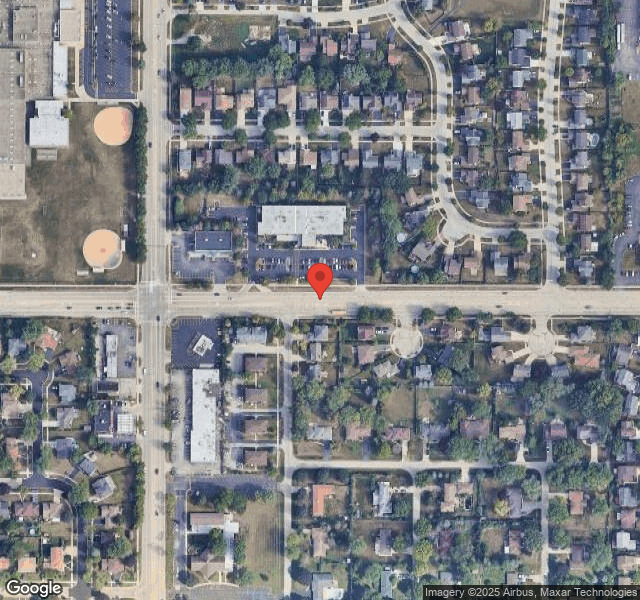
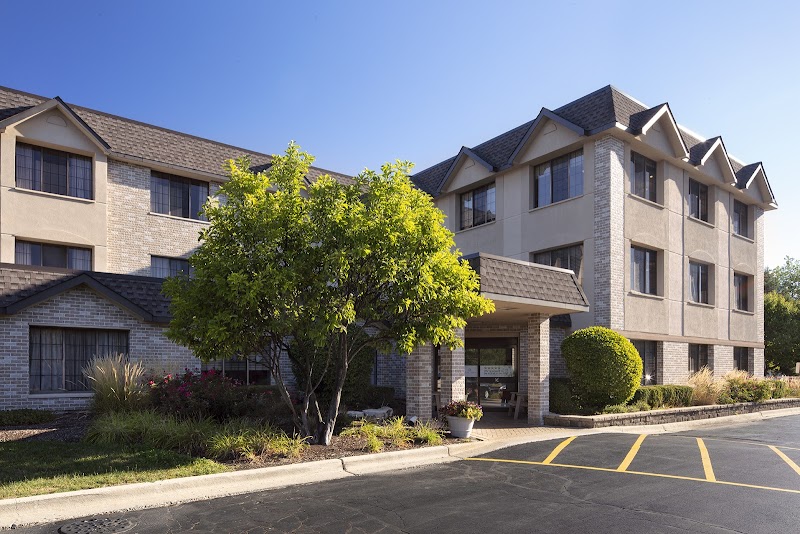
730 WEST HINTZ ROAD, WHEELING, IL 60090 (847) 537-7474
For profit - Corporation 215 Beds LEGACY HEALTHCARE Data: November 2025
Trust Grade
43/100
#119 of 665 in IL
Last Inspection: March 2025

Within standard 12-15 month inspection cycle. Federal law requires annual inspections.

Overview

Bella Terra Wheeling has received a Trust Grade of D, indicating below average performance with some concerns. It ranks #119 out of 665 facilities in Illinois, placing it in the top half of the state, and #39 out of 201 in Cook County, meaning there are only a few better options available locally. The facility is improving, with issues decreasing from five in 2024 to two in 2025, but it still faces challenges, including a significant $77,084 in fines, which reflects some compliance problems. Staffing is relatively stable with a turnover rate of 28%, which is better than the state average. However, there have been serious incidents, such as failing to provide adequate supervision for residents at high risk of falls, leading to injuries like a nasal fracture and a hip fracture requiring surgery, and delays in monitoring a resident's health condition that resulted in a serious MRSA infection. Overall, while there are strengths in staffing and a positive trend, families should be aware of the facility's past issues and the need for improvement in care practices.

Trust Score
D
43/100
In Illinois
#119/665
Top 17%
Safety Record
High Risk
Review needed
Inspections
Getting Better
5 → 2 violations
Staff Stability
✓ Good
28% annual turnover. Excellent stability, 20 points below Illinois's 48% average. Staff who stay learn residents' needs.
Penalties
○ Average
$77,084 in fines. Higher than 56% of Illinois facilities. Some compliance issues.
Skilled Nurses
✓ Good
Each resident gets 49 minutes of Registered Nurse (RN) attention daily — more than average for Illinois. RNs are trained to catch health problems early.
Violations
⚠ Watch
24 deficiencies on record. Higher than average. Multiple issues found across inspections.
★★★★☆
4.0
Overall Rating
★★★☆☆
3.0
Staff Levels
★★☆☆☆
2.0
Care Quality
★★★★☆
4.0
Inspection Score
Stable
2024: 5 issues
2025: 2 issues

The Good

  • Low Staff Turnover (28%) · Staff stability means consistent care
  • Full Sprinkler Coverage · Fire safety systems throughout facility
  • No fines on record
  • Staff turnover is low (28%)

    20 points below Illinois average of 48%

Facility shows strength in staff retention, fire safety.

The Bad

Federal Fines: $77,084

Well above median ($33,413)

Moderate penalties - review what triggered them

Chain: LEGACY HEALTHCARE

Part of a multi-facility chain

Ask about local staffing decisions and management

The Ugly 24 deficiencies on record

4 actual harm
Jan 2025 2 deficiencies 1 Harm
SERIOUS (G) 📢 Someone Reported This

A family member, employee, or ombudsman was alarmed enough to file a formal complaint

Actual Harm - a resident was hurt due to facility failures

Accident Prevention (Tag F0689)

A resident was harmed · This affected 1 resident

**NOTE- TERMS IN BRACKETS HAVE BEEN EDITED TO PROTECT CONFIDENTIALITY** Based on the interview and record review, the facility failed to provide appropriate assistive devices and staff supervision whi...

Read full inspector narrative →
**NOTE- TERMS IN BRACKETS HAVE BEEN EDITED TO PROTECT CONFIDENTIALITY** Based on the interview and record review, the facility failed to provide appropriate assistive devices and staff supervision while walking to two cognitively impaired, high-risk falls residents (R1, R2) out of 3 residents reviewed for incidents/accidents. These failures resulted in R1 bumping R1's nose on the hallway countertop and sustained a nasal fracture. Findings Include: R1's clinical records show an initial admission date of 11/30/22 with included diagnoses but not limited to Unspecified Dementia Without Behavioral Disturbance, Unspecified Psychosis, History of Falling, and Altered Mental Status. R1's Minimum Data Set (MDS) dated [DATE] shows R1 has severe cognitive impairment and requires supervision or touching assistance with walking. R1's fall risk evaluation dated 9/09/24 shows R1 is at high risk for falls. This fall risk evaluation also shows R1 has unsteady gait, has memory problem, and is able to walk with assistance and/or assistive device. R1's restorative mobility evaluation dated 9/09/24 shows R1 uses a walker. R1's fall care plan initiated on 12/06/22 shows R1 is at risk for falls related to impaired balance, weakness, and activity intolerance. This care plan also shows that R1 is ambulatory and uses a rolling walker with cueing assistance. One of the fall interventions in the fall care plan reads in part, I have periods of forgetfulness. I would like staff to frequently reorient me to my surroundings (date initiated 12/06/22). R1's Activity of Daily Living (ADL) care plan date initiated on 11/30/22 shows R1 requires cueing to partial assistance with ADLs (transfers, walking), and R1 primarily utilizes a walker but oftentimes is forgetful to use a walker for ambulation; therefore, R1 is at risk for falls/injury. One of the interventions reads in part, Provide [R1] with reminders to use [R1's] walker, cue/assist if necessary (date initiated 9/09/24). The facility's final incident report sent to the state agency on 9/20/24 at 7:00 PM documents in part: On 9/13/24, at about 7:10 PM, [R1] was ambulating in the hall while holding hands with another female resident [R2]. The other resident began to fall, and as [R1] was still holding onto [R2's] hand, [R1] was pulled forward and bumped [R1's] nose on the hallway railing. [R1] did not fall or have a change in plane, [R1] was noted with swelling and skin tear measuring 0.2x0.5cm [centimeters] to the nose. Minimal bleeding noted. Abrasion was cleansed and covered with a band aid. Pain medication administered and ice pack applied. Neurochecks initiated. [V16 Advanced Practice Nurse] was notified with order to send to ED [Emergency Department] for evaluation. This report also documents that R1 was transferred to the acute hospital via emergency [911] where R1 was diagnosed with closed fracture of nasal bone and returned to the facility on 9/14/24 at 1:20 AM. R1's progress notes documented by V12 (Licensed Practical Nurse) indicates that per ER [Emergency Room] department, R1 has a bilateral nasal bone fracture and will return to the facility. R1's hospital discharge instructions printed on 9/13/24 at 10:58 PM documents that R1's was seen for a fall and [R1] hit [R1's] nose with a diagnosis of Closed fracture of nasal bone, initial encounter. R2's clinical records show an initial admission date of 4/29/22 with included diagnoses but not limited to Unsteadiness on Feet, Adult Failure to Thrive, Other Abnormalities of Gait and Mobility Unspecified Dementia Without Behavioral Disturbance, and History of Falling. R2's MDS dated [DATE] shows R2 has severe cognitive impairment and requires supervision or touching assistance with walking. R2's fall risk evaluation dated 8/16/24 shows R2 is high risk for fall. This fall risk evaluation also shows R2 has unsteady gait, has memory problem, is able to walk with assistance and/or assistive device, and just had a fall. R2's fall care plan initiated on 6/11/22 documents in part: R2 is at high risk for falls related to a history of falls, behaviors, current medication use, poor safety awareness, unsteady gait, and disease process. R2 ambulates with use of walker with cueing and redirection from staff due to wandering behaviors. One of the fall interventions in the fall care plan reads in part, Assist [R2] with walking, remind [R2] of safety precautions as needed. May require frequent reminders and cuing of assistance requires for ambulation (date initiated 6/21/22). Another fall care plan intervention reads in part: Use of assistive device during ambulation to prevent falls (date initiated 6/11/22). R1's behavior care plan initiated on 6/16/22 documents in part: R2 exhibits poor safety awareness and will walk without R2's walker or regard to R2's own safety which increases R2's risk for falling and/or obtain an injury. One of the interventions reads in part, Provide frequent cues and redirection to wait for staff assistance (date initiated 6/16/22). The facility's change in condition form for R2 dated 9/13/24 at 7:10 PM documents in part: R2 holding hands with another resident coming out of the room. The other resident tripped over [R2], and R2 sat down on the floor. Head to toe assessment done, no skin alteration noted, no injury. Vitals taken all within normal limits, denies pain. [R2] alert and oriented x 1, range of motion within the baseline. On 1/12/25 at 10:50 AM and 1:03 PM, interviewed V10 (Agency Registered Nurse) and stated that V10 is the nurse in charge for R1 and R2. V10 stated that R1 needs one person assistance when walking with the use of a rolling walker. V10 stated R1 is confused. V10 stated that R2 is also ambulatory using a rolling walker. V10 stated R2 needs one staff assistance with walking because R2 gets confused and forgetful and is high fall risk. On 1/12/25 at 11:02 AM, interviewed V2 (Director of Nursing) and stated that V2 witnessed the incident that happened with R1 and R2 on 9/13/24 at around 7:10 PM. V2 stated, I went to the floor to do rounds. When I came out the elevator, I turned left to go down the hall and saw [R1] and [R2] walking together. There were no staff walking with them. [R1 and R2] were not using their walkers. [R1] was holding [R2] and walking together. Back there on the third-floor unit there is a cove. There is a countertop on the hallway like an island. I saw [R2] began to fall and [R1] was holding on to [R2] they were walking face to face holding each other's both hands. [R2] was walking backwards and then [R2] lost [R2's] balance and fell backwards. [R2] kind of slid down the wall. [R2's] back was leaning on the wall. [R1] was still holding [R2's] hands and went forward hitting [R1's] face on the countertop. [R1] had a nasal bone fracture. [R1] went to [Acute] hospital. V2 stated that fall assessment is completed upon admission, post fall, quarterly, and re-admission. V2 stated that the fall assessment's purpose is to assess the resident they are high fall risk. V2 stated that the care plan would address fall interventions to prevent from residents' from falling. V2 stated fall interventions include the resident's needs, based on the fall assessment, and is updated based on the root cause analysis post fall. V2 stated that R1 ambulates by herself with a walker and is quite independent. V2 stated that R2 has a walker needs assistance with walking. V2 stated that R2 is very forgetful and needs multiple re-direction. V2 stated that R2 needs staff assistance with walking, toileting, and transfer. A follow up interview conducted with V2 on 1/12/25 at 3:47 PM and stated that there were no other staff witnesses for R1 and R2's incident. On 1/12/25 at 1:10 PM, a phone interview conducted with V12 (Licensed Practical Nurse) and stated that R1 has dementia, walks with a walker, and wanders around. V12 stated that when R1 she walks somebody has to be with [R1]. V17 stated, We have to keep an eye on [R1] and supervise [R1]. [R1] is high risk for fall. [R1] forgetful. [R1] uses a rolling walker, and [R1] needs to use that all the time. [R2] also walks with walker and is more disoriented than R1. [R2] only speaks Spanish a little bit English. [R2] needs supervision at all times when walking. [R2] is a high fall risk. [R2] also needs rolling walker at all times. Surveyor asked V12 regarding the incident that happened on 9/13/24 with R1 and R2. V12 stated, I can't recall the exact time. I was passing medication at that time. It was evening meds. I can't recall the exact time. [V2] brought to my attention that [V2] witnessed [R1] and [R2] were walking holding hands. They were not using the walkers. [R1] lost balance and bumped [R1's] nose on the countertop by the front of [R1's] room. I did a full assessment for both. I took care of [R1]. [R1] was not complaining of pain after the incident but [R1] was holding [R1's] nose. We saw discoloration on [R1's] nose, no bleeding, just a superficial cut on the bridge of [R1's] nose. At that time [R1] did not complain of pain. [R1's] vitals were stable. We called 911 and the doctor. V12 stated that R1 came back to the facility the same night with nasal fracture as R1's diagnosis. On 1/12/25 at 4:38 PM, a follow-up phone interview was conducted with V12. V12 stated that V12 cannot recall what time the last time [V12] saw R1 and R2 before the incident. V12 stated that [V12] can only remember that R1 was in the dining room and R2 was in R2's room the last time V12 saw R1 and R2. On 1/12/25 at 1:33 PM, interviewed V13 (Restorative Licensed Practical Nurse) and stated that the Section GG of the MDS shows the resident's functional assessment, including their mobility assessment. V12 stated that if the resident 's MDS is coded supervision or touching assistance for example if a resident is walking with a walker, the staff should be cuing, reminding, or guiding the resident during walking activity. On 1/12/25 at 3:37 PM, I attempted to conduct a phone interview with V14 (Former Certified Nursing Assistant/CNA). Surveyor asked about the incident with R1 and R2 on 9/13/24. V14 stated that V14 is very sick and can't talk. V14 refused to be interviewed. On 1/13/25 at 10:24 AM, a phone Interview conducted with V18 (Nurse Practitioner) and stated that V18 knows about the incident that happened on 9/13/24 between R1 and R2. V18 stated that R1 sustained the nasal fracture from the incident and was sent to the hospital. V18 stated that based on R1 and R2's cognitive and mobility statuses, R1 and R2 need staff supervision when walking and needs frequent monitoring. Surveyor asked V18 that if staff supervised and monitored R1 and R2 with walking would the incident had been prevented. V18 stated, I'm sure the incident would not happen. On 1/13/25 at 10:33 AM, a phone interview conducted with V2 and stated that for confused residents who are high risk for falls, fall interventions that the staff should be doing are frequent monitoring, re-direction, and to make sure residents are engage with activities. V2 stated that frequent rounding means the staff (Nurses and CNAs) are checking on residents every half hour. The facility's Fall Occurrence policy dated 7/26/24 documents in part: It is the policy of the facility to ensure that residents are assessed for risk for falls, that interventions are put in place, and reevaluated and revised as necessary. Those identified as high risk for falls will be provided fall interventions. The facility's General Care policy dated 7/30/24 documents in part: It is the facility's policy to provide care for every resident to meet their needs. Upon admission or readmission, the facility will evaluate the resident for physical and psychosocial needs. Physical needs would include, but are not limited to ADL, wound care, medical needs, etc. Psychosocial needs would include but are not limited to areas of mental and psychosocial well-being. The facility will assist the resident to meet these needs, unless it shows that the resident's needs cannot be met in the facility.
CONCERN (D) 📢 Someone Reported This

A family member, employee, or ombudsman was alarmed enough to file a formal complaint

Potential for Harm - no one hurt, but risky conditions existed

Pharmacy Services (Tag F0755)

Could have caused harm · This affected 1 resident

**NOTE- TERMS IN BRACKETS HAVE BEEN EDITED TO PROTECT CONFIDENTIALITY** Based on observation, interview, and record review, the facility failed to ensure medications were administered as scheduled per...

Read full inspector narrative →
**NOTE- TERMS IN BRACKETS HAVE BEEN EDITED TO PROTECT CONFIDENTIALITY** Based on observation, interview, and record review, the facility failed to ensure medications were administered as scheduled per physician orders to 3 (R3, R4, R5) out of 3 residents reviewed for medication administration. Findings Include: On 1/12/25 at 9:13 AM, I interviewed R3. R3 stated that yesterday (1/11/25), R3 received [R3's] 9:00 AM medications closed to lunch time. R3 stated they were two hours late. On 1/12/25 at 10:26 AM, the Surveyor observed V8 (Agency Registered Nurse) enter R4's room and administer two insulin injections and medication pills to R1. The Surveyor asked what [V8] had just given to R4 and stated that those were R4's 9:00 AM medications. On 1/12/25 at 10:31 AM, R4 stated that sometimes on weekends, [R4] would get [R4's] medications late, sometimes one hour to two hours late. On 1/12/25 at 10:37 AM, R5 stated that [R5] does not pay attention with the time [R5] gets [R5's] medications and is not sure if [R5's] getting them on time or not. On 1/12/25 at 10:38 AM, V11 (Agency Registered Nurse) prepared R5's 9:00 AM medications. On 1/12/25 at 10:41 AM, R5 took all R5's medications. V11 stated that [V11] documents in the resident's chart that medications were administered after and not before administering medications. V11 stated that [V11] signs off the EMAR (Electronic Medication Administration Record) what were administered. V11 stated, We have to document after just in case resident's refuse their meds. R3's face sheet listed diagnoses, including Orthostatic Hypotension and Syncope and Collapse. Minimum Data Set (MDS) dated [DATE] shows R3 is cognitively intact with BIMS (Brief Interview for Mental Status) of 15. R3's Medication Admin Audit Report printed on 1/12/25 at 10:20 AM shows that on 1/11/25, R3 had ordered and scheduled medication of Midodrine 5 mg by mouth three times a day to be administered at 9:00 AM but was documented administered at 11:48 AM, more than two hours past the scheduled administration time. A review of R3's electronic health records (EHR) does not show any documentation that the physician was notified of the late medication administration for R3. R4's face sheet listed diagnoses not limited to unspecified atrial fibrillation, chronic kidney disease, type 2 diabetes mellitus with diabetic polyneuropathy, essential hypertension, and cerebrovascular disease. MDS dated [DATE] shows R4 is cognitively intact with BIMS of 14. R4's Medication Admin Audit Report printed on 1/12/25 at 11:45 AM shows that on 1/12/25, R4 had ordered and scheduled medications of Insulin Aspart injection 22 units plus insulin sliding scale to be administered at 8:00 AM, but were documented administered at 10:27 AM and 10:28 AM, more than two hours past the scheduled administration times. R4 also had ordered and scheduled medications of Metformin 850 mg two times a day by mouth, Carvedilol 6.25 mg every 12 hours by mouth, Basaglar insulin injection 50 units two times a day, Apixaban 5 mg by mouth two times a day, Baclofen 10 mg by mouth three times a day, and Vascepa 1 gm by mouth two times a day to be administered at 9:00 AM, but were documented administered more than one hour past the administration scheduled time. A review of R4's electronic health records (EHR) does not show any documentation that the physician was notified of the late medication administration for R4. R5's face sheet has listed diagnoses but not limited to Multiple Sclerosis, Anemia, and Hyperlipidemia. R5's MDS dated [DATE] shows R5 has moderately impaired cognition with BIMS of 08. R5's Medication Admin Audit Report printed on 1/12/25 at 11:47 AM shows that on 1/12/25, R5 had ordered and scheduled medication of Ferrous Sulfate 325 mg by mouth two times a day and Methylphenidate 5 mg by mouth two times a day to be administered at 9:00 AM but were documented administered at 10:33 AM and 10:36 AM, more than one hour past the scheduled administration time. A review of R5's electronic health records (EHR) does not show any documentation that the physician was notified of the late medication administration for R5. On 1/12/25 at 11:02 AM, I interviewed V2 (Director of Nursing) and stated that medication administration is done one hour before and one after the scheduled administration times. V2 stated that nurses should follow the phsyician orders when administering medications. V2 stated that if the nurses give the medications late, they must call the doctor. V2 stated that after a resident takes their medications, the Nurses are documenting the time they administered the medications in the EMAR. V2 stated that they have to document what are given, what's missed and if it's late to call the doctor if it's a significant medication such intravenous medications, antibiotic, blood pressure medications, anticoagulant, insulins and antidiabetics. The facility's Physician Orders policy dated 8/16/24 documents in part: It is the policy of this facility to ensure that all resident/patient medications, treatment and plan of care must be in accordance to the licensed physician orders. The facility shall ensure to follow physician orders as it written in the POS. Medication orders entered in the POS (Physician Order Sheet) shall be reflected accurately in the MAR (Medication Administration Record).
Oct 2024 1 deficiency
CONCERN (D) 📢 Someone Reported This

A family member, employee, or ombudsman was alarmed enough to file a formal complaint

Potential for Harm - no one hurt, but risky conditions existed

Notification of Changes (Tag F0580)

Could have caused harm · This affected 1 resident

Based on interview and record review the facility failed to notify the residents Power of Attorney (POA) of an abnormal labororatory results and change in medication/treatment to 1 of 3 residents (R1)...

Read full inspector narrative →
Based on interview and record review the facility failed to notify the residents Power of Attorney (POA) of an abnormal labororatory results and change in medication/treatment to 1 of 3 residents (R1) reviewed of notification of change in the sample of 3. The findings include: On 10/25/24 at 12:27 PM, V7 (R1's POA) said she was not notified when her mom (R1) had an abnormal lab result of low potassium level and R1 was put on Potassium medications. V7 said R1 has heart failure and a change in her potassium level is significant. V7 said she was R1's POA and she should have been notified of new orders or changes in R1's medications or condition. A progress note dated 10/22/24 by V6 (Registered Nurse) showed R1 had a low potassium level (2.2) and was started on Potassium Chloride 40 meq tablet. The progress notes did not show that V7 (R1's POA) was notified. On 10/25/24 at 3:15 PM, V6 (RN) said he was not able to inform V7 R1's POA of the abnormal potassium level and R1 being started on Potassium tablets. V6 said if he did, he would have documented the notification. On 10/25/24 at 3PM, V8 (Nurse Practitioner) said V7 was very particular with R1 medications. V8 said he spoke to V7 regarding medications but that did not include R1's being on Potassium. On 10/25/24 at 3:30 PM V2 (Director of Nursing) said any abnormal labs, or any new order including new mediations or treatments the POA should be notified. The Nurses will be inserviced today. The Facility Policy of Notification of Change of Condition dated 8/16/24 show, the facility will provide notification of residents change in status.
Jun 2024 1 deficiency
CONCERN (D) 📢 Someone Reported This

A family member, employee, or ombudsman was alarmed enough to file a formal complaint

Potential for Harm - no one hurt, but risky conditions existed

Resident Rights (Tag F0550)

Could have caused harm · This affected 1 resident

Deficiency Text Not Available

Read full inspector narrative →
Deficiency Text Not Available
Apr 2024 3 deficiencies 1 Harm
SERIOUS (G) 📢 Someone Reported This

A family member, employee, or ombudsman was alarmed enough to file a formal complaint

Actual Harm - a resident was hurt due to facility failures

Quality of Care (Tag F0684)

A resident was harmed · This affected 1 resident

Based on interviews and record reviews, the facility failed to follow its intravenous therapy policy and accurately assess and monitor resident's signs/symptoms/change of condition, which resulte in d...

Read full inspector narrative →
Based on interviews and record reviews, the facility failed to follow its intravenous therapy policy and accurately assess and monitor resident's signs/symptoms/change of condition, which resulte in delay of care and resulted in MRSA spread causing decline in resident's health, with infection to knee and MRSA pneumonia for one resident's (R422) PICC (peripherally inserted central catheter) out of three reviewed for change in condition in a sample of 37. This failure resulted in R422 developing chills, elevated white blood cell count, and malaise. R422 was transported to the hospital and diagnosed with MRSA infection of PICC line causing MRSA infection of right knee and MRSA pneumonia. Findings include: On 4/26/24 at 8:56 AM, V14 RN (Registered Nurse) stated that PICC (peripherally inserted central catheters) dressing is changed weekly. V14 stated that all the needed supplies are in kit. V14 stated that when you record arm circumference and external catheter length, the previous documented result will appear so that you can compare previous result with current result. V14 stated that 1-2cm difference in arm circumference would not be considered significant but more than that would be considered significant, resident could have edema. V14 stated that the physician should be notified of any changes. V14 stated that the differences in external length catheter could signify concern with catheter position not in correct place and physician should be notified. V14 stated that PICC line insertion site is monitored for signs/symptoms of infection every shift; monitor for swelling, redness, pain at insertion site. V14 stated that when he provided care for R422 the end of February and early March, R422 was complaining of right knee pain. V14 stated that he did not report pain to physician because he believed it was chronic pain. R422's TAR (Treatment Administration Record), dated February and March 2024, notes R422's right upper arm midcircumference measurement on 2/25/24 was 33cm (centimeters), on 3/3/24 it was 23cm (centimeters); and on 3/10 it was 34cm. R422's MAR (Medication Administration Record), dated March 2024, notes R422 received Acetaminophen 650mg (milligrams) for complaints of right knee pain on 3/7, 3/8, 3/11, 3/13, and 3/14. On 4/26/24 at 9:30 AM, V15 NP (Nurse Practitioner) stated that every facility has PICC line protocol and that staff are trained on changing dressing with aseptic technique. V15 stated that when V15 saw R422, there were no signs of infection (redness or swelling) observed at PICC line insertion site. V15 stated that during R422's stay at this facility, staff informed V15 of inability to draw blood from PICC line. V15 stated that R422 was transported to the hospital for further evaluation. V15 stated that the emergency room staff were able to get PICC line working properly after flushing line. V15 stated that when R422 came back from hospital visit, R422 complained of not feeling well. V15 stated that laboratory testing was done and R422's white blood cell count was 19 (normal range is 3.9-11). V15 stated that she believes R422's PICC line became infected from the emergency room staff flushing PICC line and not using aseptic technique. V15 stated that R422 had MRSA (methicillin resistant staphylococcus aureus) infection in PICC line causing MRSA infection in right knee and in lungs. V15 stated that the hospital was unable to determine if MRSA had spread to R422's heart because heart testing was unable to be done due to R422's comorbidities. When questioned how would a PICC line become infected with MRSA, V15 stated MRSA infection due to not using aseptic technique while providing care for PICC line. R422's medical record notes the following: On 2/26/24, R422's white blood cell count was 10.1. On 2/28/24, the nurse noted R422 sent to the hospital to assess and exchange PICC line placement due to no blood return. R422 scheduled/ expected to return today with new picc line. V16 RN noted R422 returned from the hospital at 5:00 PM. The PICC line remained the same. It was flushed in the emergency room and happened to be working fine. The x-ray was done to verify the location. On 3/4/24, R422's white blood cell count was 8.2. On 3/11/24, R422's white blood cell count was 11.5. On 3/14/24, R422's white blood cell count was 19.5. R422's medical record notes the following: On 1/23/24, R422 was admitted to this facility with a right upper arm PICC line, arm circumference 28cm (centimeters). R422's TAR (Treatment Administration Record), dated February and March 2024, notes R422's right upper arm mid-circumference measurement on 2/25/24 was 33cm (centimeters), on 3/3/24 it was 23cm (centimeters); and on 3/10 it was 34cm. R422's pre-admission hospital record, dated 12/18/23-1/23/24, notes R422 was found to have cardiogenic shock secondary to acute decompensated heart failure. An echocardiogram on 1/3/2024 showed an ejection fraction of 10-15%, and a right heart catheterization indicated elevated filling pressures. Left anterior descending artery in heart showed 99% occlusion. R422's left ventricle showed severe dilation. On 2/26, the nurse practitioner noted R422's right lower extremity with 2+ edema (swelling). On 2/28, nurse practitioner noted R422 with bilateral lower extremity edema. R422's progress notes, dated 3/14/24, notes at 1:55 PM, R422 complained of body malaise, bilateral lower extremities with edema. Stayed in bed, WBC (white blood cell count) 19.5 (normal range 3.9 - 11). At 2:43 PM, R422 still complained of body malaise and bilateral lower extremity pain. R422's hospital record, dated 3/14/24-3/25/24, notes R422 presented from this facility due to laboratory abnormalities. R422 reports 48 hours prior to hospitalization she developed severe pain in right knee which interfered with her ADLs (activities of daily living). She had chills/shaking, but no fevers. It also hurts to take deep breaths. 24 hours ago developed shortness of breath. Physical examination noted lungs with poor inspiratory effort. 2+ pitting edema bilateral lower extremities. Right knee swollen, warm, effusion present. Active and passive ROM (range of motion) severely limited. R422 alert and oriented x 4. Speech clear. Generally weak, especially lower extremities. Elevated white blood cell count, suspect pneumonia as there is right perihilar fulness/haziness, pleuritic chest pain and new oxygen requirement. PICC (Peripherally inserted central catheter) inserted right arm on 1/7/24. R422 with septic knee, and MRSA (methicillin resistant staphylococcus aureus) bacteremia (likely due to PICC infection, and then causing the MRSA septic knee and MRSA pneumonia- PICC was partially displaced on arrival to hospital). PICC removed 3/16 given MRSA bacteremia. Given MRSA in the knee, taken for a right knee washout with orthopedics on 3/17. This facility's intravenous therapy policy, revised 8/7/23, notes all intravenous access will be assessed by the nurse to ensure that no signs and symptoms of infection and infiltration are left unaddressed. All central line dressings (PICC line) will be changed every 7 days. The length of the external catheter and extremity circumference will be measured weekly to monitor movement and edema (swelling).
CONCERN (D)

Potential for Harm - no one hurt, but risky conditions existed

Infection Control (Tag F0880)

Could have caused harm · This affected 1 resident

Based on observation, interview, and record review the facility failed to implement appropriate transmission-based precaution and to provide the necessary personal protective equipment (PPE) supplies ...

Read full inspector narrative →
Based on observation, interview, and record review the facility failed to implement appropriate transmission-based precaution and to provide the necessary personal protective equipment (PPE) supplies readily accessible for use by staff and visitors for 3 of 3 residents (R153, R47, R131) reviewed for transmission-based precaution in a sample of 37. Findings include: On 4/23/2024 at 12:05 PM, R153 identified positive COVID 19 and on isolation. Observed isolation signage outside room as Contact Precaution, no other sign identified. On 4/23/2024 at 12:05 PM, V11 (License Practical Nurse - LPN) stated R153 is on isolation for COVID 19 and should have a signage of Contact and Droplet Precaution. On 4/23/2024 at 01:00 PM, V2 (Director of Nursing - DON) said R153 should be Droplet Precaution. On 4/24/2024 at 10:31 AM, V3 (Assistant Director of Nursing/Infection Control) stated R153 should have a signage outside the room of Contact and Droplet Precaution. On 4/23/2024 at 11:45 AM, R47 and R131 on Contact Precaution with Personal Protective Equipment (PPE) bin set-up outside the room. PPE bin without the necessary glove supplies readily accessible for use by staff and visitors. On 4/23/2024 at 11:49 AM, V10 (Registered Nurse - RN) said there should be gloves on the isolation bin for immediate use. Central Supply Personnel is responsible for making sure there is PPE supplies available. V10 stated I will go look for gloves now. On 4/24/2024 at 10:31 AM, V3 (Assistant Director of Nursing/Infection Control) stated isolation bin should have the complete PPE supplies, including gloves, readily accessible for use. (R153) Order Summary Report include: Isolation Precaution: Contact/Droplet - Reason for Isolation: COVID+ (R47, R131) Order Summary Report include: Isolation- contact precautions, Reason for isolation: MRSA sacral wound Care Plan: Focus: R153 requires Droplet/Contact Precautions related to: COVID 19 Focus: Isolation Contact Precautions: R47 is on contact isolation related to MRSA of wound Focus: Isolation Contact Precautions: R131 is on contact isolation related to MRSA of wound Policy: Name: Infection Prevention and Control, Revised 10/23/23 Policy Statement: The facility has established a policy to Identify, Record, Investigate, Control, Test, and Prevent infections in the facility. The facility will also maintain a record of incidents and corrective actions implemented for identified infection. Procedures 7. A transmission-based precaution set up will be provided outside the resident's room to provide Personal Protective Equipment (PPE) like gown and gloves to staff and visitors entering the resident's room. 8. A sign will be provided outside the room for residents on transmission-based precaution indicating the type of the precaution (Contact, Droplet, or EBP).
CONCERN (E)

Potential for Harm - no one hurt, but risky conditions existed

Food Safety (Tag F0812)

Could have caused harm · This affected multiple residents

Based on observation, interview, and record review the facility failed to ensure food containers are stored off the floor and ensure staff are employing hygienic practices during food handling in the ...

Read full inspector narrative →
Based on observation, interview, and record review the facility failed to ensure food containers are stored off the floor and ensure staff are employing hygienic practices during food handling in the dining room. This deficiency has the potential to affect all 165 residents receiving food from the kitchen. Findings include: On 4/23/2024 at 11:05 AM, observed 6 cans of fruit cocktail on the floor in the dry storage room during the initial tour. On 4/23/2024 at 11:05 AM, V12 (Cook) stated those cans should not be on the floor. On 4/23/2024 at 01:00 PM, V1 (Administrator) stated cans of food should be stored on the shelves when delivered. It should be off the floor. On 4/23/2024 at 12:23 PM, observed V13 (Dietary Aide) during lunch in the dining room touched and adjusted her eyeglasses with gloved hands then proceeded to continue preparing food without performing hand hygiene and changing gloves. On 4/23/2024 at 12:24 PM, V13 said I should have changed gloves before continuing to prepare food. On 4/24/2025 at 10:31 AM, V3 (Assistant Director of Nursing/Infection Control) stated V13 should have removed her gloves and performed hand hygiene after touching her eyeglasses and before continuing her task. Policy: Food Storage - Dry Goods, Revision History Date: October 2019 Policy Statement: It is the center policy to insure all dry goods will be appropriately stored in accordance with guidelines of the FDA Food Code. Action Steps: Dry Storage 1. The Dining Services Director or designee is responsible to store all items 6 inches above the floor on shelves. Facility unable to provide Food Handling Policy
Nov 2023 1 deficiency 1 Harm
SERIOUS (G) 📢 Someone Reported This

A family member, employee, or ombudsman was alarmed enough to file a formal complaint

Actual Harm - a resident was hurt due to facility failures

Accident Prevention (Tag F0689)

A resident was harmed · This affected 1 resident

**NOTE- TERMS IN BRACKETS HAVE BEEN EDITED TO PROTECT CONFIDENTIALITY** Based on observation, interview and record review the facility failed to identify supervision needs and implement measures to re...

Read full inspector narrative →
**NOTE- TERMS IN BRACKETS HAVE BEEN EDITED TO PROTECT CONFIDENTIALITY** Based on observation, interview and record review the facility failed to identify supervision needs and implement measures to reduce fall risk for a confused resident at risk for falls, failed to implement plan of care interventions and falls policy to prevent resident's fall and injury. This failure affects 1 (R1) of 3 residents reviewed for accidents/incidents in the sample and resulted in R1 being emergently transferred to the hospital for hip fracture with surgical intervention. Findings include: R1 is a [AGE] year old male admitted to the facility on [DATE] with diagnosis including but not limited to Retention of Urine, Unspecified; Polyosteoarthristis, Unspecified; Atrioventricular Block, Second Degree; Unspecified Dementia, Unspecified Severity, without Behavioral Disturbance, and Anxiety; Altered Mental Status, Unspecified; Unspecified Symptoms and Signs Involving Cognitive Function and Awareness; Unspecified Hearing Loss; Adult Failure to Thrive; and Fracture of Unspecified Part of Neck of Left Femur, Subsequent Encounter for Closed Fracture with Routine Healing. According to most recent MDS (Minimum Data Set) before the fall (that occurred on 10/26/2023) dated 09/01/2023, under section C, R1 has BIMS (Brief Interview of Mental Status) score of 2 indicating severe cognitive impairment; under section G, R1 needs extensive assistance, one person physical assist for transfers, and R1 not steady, only able to stabilize with staff assistance moving from seated to standing position. Per record review, Fall Risk Evaluation dated 09/01/2023 reads in part, Score 4; scoring: 0-7 = low risk. Per record review, Fall Risk Evaluation dated 10/26/2023 reads in part, Score 13; scoring: 8 and above = high risk. Per record review, R1's fall care plan reads in part, R1 has unsteady balance, able to stabilize without staff assist, please monitor R1's balance and assist as needed. I (R1) would like staff to address my needs with a prompt response to all requests for assistance. On 11/13/2023 at 10:07 AM, Surveyor interviewed V8 (Licensed Practical Nurse) who related the following in summary but non-verbatim: Nurses round on residents upon beginning of their shift; however, there is no rounding schedule for nurses. Certified Nursing Assistants are our eyes and ears, and they do the rounding. When we have agency CNAs, we, floor nurses, orientate them upon beginning of their shift to familiarize them with residents. There is also a list that summarizes high fall risk residents and their needs for agency staff to review. Residents' names who are on high risk for fall are also marked with gold leaf as a visual reminder. On 11/15/2023 at 02:08 PM, Surveyor interviewed V2 (Director of Nursing/Interim Falls Coordinator) who related the following in summary but non-verbatim: The expectation on staff rounding is to have nurses and CNAs round at the beginning of their shift and at least every couple of hours throughout the rest of the shift for both, nurses and CNAs. On 11/13/2023 at 10:18 AM, V8 (LPN) provided memory care unit high risk fall residents' list. List reviewed, R1 not included on the high risk fall list. On 11/13/2023 at 10:23 AM, R1 not in the room at this time. No gold leaf observed by R1's name outside of the room. On 11/13/2023 at 10:35 AM, Surveyor interviewed V6 (Agency Certified Nursing Assistant) who related the following in summary but non-verbatim: Nurses give us verbal update on residents' needs, but I am not aware of any resident list pertaining to their specific needs, I've never seen it before. On 11/13/2023 at 02:42 PM, Surveyor interviewed V6 (Agency Certified Nursing Assistant) who related the following in summary but non-verbatim: We are vigilant when working on the third floor because it is dementia unit. I remember R1. I was the one who took care of him on the evening of 10/26/2023. R1 usually goes to bed around 7.30 pm. That evening, I came out of adjacent room, peaked into R1's room and noticed, that he was sitting on the edge of the bed, ready to be assisted to go to bed for the night. I asked R1 to give me a minute while I go to throw away the garbage. When I came back, R1 was already on the hallway floor with his walker beside him and his roommate standing next to him. R1 was complaining of left leg pain. I notified the nurse and R1 was sent to the hospital via 911. R1 is confused, requires 1 person assist with Activities of Daily Living and walking, although he often walks by himself, always with the walker. I don't consider R1 safe to walk by himself. R1 doesn't use a call light and is forgetful. R1 tends to walk out of the room when he needs something instead of using call light. Additionally, R1 is hard of hearing. On 11/13/2023 at 3:50 PM, Surveyor interviewed V9 (Licensed Practical Nurse) who related the following in summary but non-verbatim: On the evening of 10/26/2023, R1 was in the new room when he fell. R1 was not aware of new surroundings since he was moved to the new room the day before. R1's roommate thought that R1 was knocking on the door, and pushed the door as R1 was standing in the doorway. R1 might have gotten startled and fell in the hallway, right outside of the room. V6 (CNA) alerted me about the fall. I approached R1 and assessed him, including vital signs, neurological check, and checked for leg shortening as he was complaining of left leg pain. I asked R1 what happened, but he was unable to recall. R1 was just holding onto his leg, saying that it hurts. We treat all residents on memory unit as a fall risk. Fall risk resident have gold leaf by their names. R1 was ambulatory with a walker but very confused. R1 needed assistance with some Activities of Daily Living and one person assist with getting in and out of the bed. Per record review, hospital record dated 11/01/2023 reads in part, R1 presents to the hospital status post hip fracture. On 10/28 (2023) R1 underwent a left hip open reduction and internal fixation surgery and required postoperative pain management. On 11/13/2023 at 04:12 PM, R1 observed asleep in the bed at this time. Bed alarm pad underneath the resident, bed alarm monitor stored away in the drawer, in the nightstand, next to the R1's bed. On 11/14/2023 at 11:51 AM, Surveyor interviewed V2 (Director of Nursing/Interim Falls Coordinator) who related the following in summary but non-verbatim: R1's fall investigation consisted of staff and roommate interview, we also discussed R1's fall during interdisciplinary team meeting. R1's post fall precaution interventions are: reorienting to surrounding environment and bed alarm; R1's fall precaution interventions previous to the fall were: call light within reach and proper footwear. R1 wasn't a fall risk resident before the fall. We came to this conclusion based on R1's assessments including: no previous falls, whether there was significant change, additionally, we observed R1. R1 was safe to walk unassisted. We determined that the fall that occurred on 10/26/2023 was unavoidable because R1 was pushed by the door. On 11/14/2023 at 3:00 PM, Surveyor interviewed V5 (Restorative Nurse/Interim Fall Coordinator) who related the following in summary but non-verbatim: On 09/01/2023, I assessed R1's Minimum Data Set, section G -Functional Status, based on CNAs documentation, restorative aid comments, and my own assessment. For sit to stand transfer, R1's functional status was graded as 3 - extensive assistance and 2 - one person assist because the CNA placed gait belt on R1 and pulled him up, R1 needed 50% assistance from staff, was unable to complete the task independently. Before the fall on 10/26/2023, R1 wasn't high risk fall resident; however, after the incident, R1 became a high risk fall resident. R1 needs now physical and occupational therapy due to incident/fracture. R1 is not safe to ambulate with a walker like he used to, he uses wheelchair now. On 11/15/2023 at 9:50 AM, Surveyor interviewed V7 (Nurse Practitioner) who related the following in summary but non-verbatim: R1 is a [AGE] year old male who's minimally verbal, doesn't answer questions, follows minimum commands, and is confused, only able to state his name. R1 is also hard of hearing. The main issue when communicating with R1 is not so much trouble hearing, it is his progressive dementia due to old age. I last assessed R1 before the fall (that occurred on 10/26/2023), on 08/08/2023. I didn't see him walk at that time, and even before then, R1 was mostly in his bed. R1 had overall decline in health since August of 2023. I performed full assessment, including chest x-ray and blood work, but there has not been indication of an ongoing infection, R1 has been just declining due to his age. Surveyor further clarified, if I said (R1), I'll back in a minute, just wait for me would R1 be able to understand that command? V7 (NP) stated, No, I doubt R1 would understand that. On 11/15/2023 at 2:48 PM, Surveyor interviewed V10 (Nurse Practitioner 2) who related the following in summary but non-verbatim: (Nurse Practitioner) I've been taking care of R1 for the last year, I see him about once a month. The biggest communication issue with R1 is that he can't hear but just agrees with you; and it has been especially challenging with staff wearing masks. R1 would not remember to use the call light taking his BIMS score into consideration, and his dementia also plays a big role. High-Risk Fall Identification Process policy, not dated, reads in part, The visual identifier is used to identify residents who are on the program. The identifier may be in place next to the resident's name outside of the room. By making it easy to identify high-risk resident's, staff can quickly initiate action to reduce the risk of falling and injuries. Fall Occurrence policy dated 07/17/2023 reads in part: It is the policy of the facility to ensure that residents are assessed for risk for falls, that interventions are put in place, and interventions are reevaluated and revised as necessary. If a resident had fallen, the resident is automatically considered as high risk for falls.
Sept 2023 1 deficiency
CONCERN (D) 📢 Someone Reported This

A family member, employee, or ombudsman was alarmed enough to file a formal complaint

Potential for Harm - no one hurt, but risky conditions existed

Free from Abuse/Neglect (Tag F0600)

Could have caused harm · This affected 1 resident

**NOTE- TERMS IN BRACKETS HAVE BEEN EDITED TO PROTECT CONFIDENTIALITY** Based on interview and record review, the facility failed to have effective interventions in place to keep residents free from p...

Read full inspector narrative →
**NOTE- TERMS IN BRACKETS HAVE BEEN EDITED TO PROTECT CONFIDENTIALITY** Based on interview and record review, the facility failed to have effective interventions in place to keep residents free from physical abuse. This failure applied to two (R4 and R5) of three residents reviewed for abuse. Findings include: R4 and R5 are the subjects of this incident investigation. R4 is a [AGE] year-old resident admitted on [DATE]. R4 has medical diagnoses that include: unspecified psychosis, Alzheimer's disease, anxiety, and unspecified dementia with other behavioral disturbances. R4's abuse assessment upon admission, dated 7/20/23, documents that R4 is at risk of abuse. Narrative section documents that R4 yells at staff and tell them to drop dead and poke her finger at them; she also spits. R4's current care plan includes a focus with date initiated 7/20/23 and reads: (R4) exhibits agitation and calls out and has hit the staff as well as bit another resident; Behavior Focus includes (R4) exhibits confusion r/t her Dementia. She has been spitting on the floor and at staff. Per son, she does this when she is in new surroundings. Interventions include: Identify if there are behaviors or factors from the past that should be considered in treatment planning and conduct appropriate assessments to promote knowledge and understanding of the resident's past. R5 is a [AGE] year-old resident admitted on [DATE]. R5 has medical diagnoses that include: other schizoaffective disorders, unspecified dementia without behavioral disturbance, psychotic disturbance, mood disturbance, anxiety, and insomnia due to other mental disorder. R5's abuse assessment upon admission, dated 8/15/23, documents that R5 is at risk of abuse. Narrative section documents that R5 has a diagnosis of Alzheimer's Disease, Major Depressive d/o , Anxiety d/o and Psychotic d/o. She will grab onto others which doesn't appear to be intentional but more so due to her confusion. R5's current care plan includes a focus with date initiated 12/31/21 and reads: (R5) presents with anxious and restless behaviors and has been identified to have had a difficult or troubled past .presents with behavioral symptoms including minimizing her mental health and psychosocial issues socially inappropriate behavior such as yelling and grabbing onto others .BEHAVIOR/IMPULSIVENESS: (R5) exhibits significant confusion r/t her Alzheimer's Disease and does not appear to be oriented to her surroundings. She often attempts to get up without regard to her own safety, she also slides herself down when in her w/c and his been observed attempting to lift her legs to her chest while in her w/c. She tends to lean onto others when she does walk with assistance. She also grabs others as they walk by her and holds on tightly without letting go and will attempt to pull them closer to her. More recently, she has been dangling her legs while lying in bed between the bedrails and over the bedrails. These behaviors put her at high risk for falling, obtaining an injury, and/or abuse Date Initiated: 04/06/2022 . Interventions include: Identify if there are behaviors or factors from the past that should be considered in treatment planning and conduct appropriate assessments to promote knowledge and understanding of the resident's past. Facility submitted final incident report dated 8/25/23, submitted by V2 (Director of Nursing): On 8/20/2023 at approximately 2:15 pm, CNA (V4) reported that while in the dining room, he observed (R4) bite resident (R5) in the left hand. Both residents were immediately separated and assessed by NOD. Body check was completed on both residents and resident (R5) was noted with bite marks to her left hand, no broken skin was noted. Resident (R4) is AAOx1, confused, with diagnosis of Alzheimer's disease, anxiety disorder, blindness to right eye, and macular degeneration. She has poor Judgement and decision-making skills. POA for (R4), and MD were notified. (R4) was placed on 1:1 supervision pending transfer to ED for evaluation. POA for (R5) and NP were notified. The investigation identified that both residents have cognitive impairments and lack willful intent to harm. Resident (R5) is a [AGE] year old female who is AAO x 0 with confusion and with severely impaired cognition. She has a diagnosis of Alzheimer's Disease with early onset and Psychotic Disorder with Anxiety. She has care planed behaviors that address her attempts of reaching out to others and attempting to pull them close to her and grabbing items and not letting go. She exhibits difficulty with concentration due to her Alzheimer's disease, which makes it difficult for her to process the environment around her and her behaviors do not appear intentional but more so are related to her confusion. Post incident resident did not exhibit any psychosocial distress. Resident (R4) is a [AGE] year old female who is AAO x 1 with periods of confusion and agitation. She has a diagnosis of Alzheimer's disease, Anxiety, Depression and has right eye blindness. She scored a 1/15 on the BIMs indicating severe cognitive impairment. She has care planned behaviors that address her becoming easily annoyed with others, her agitation and poor impulse control. Based upon the investigation conducted, it has been determined that both residents lacked willful intent to harm based on their severely impaired cognition and confusion causing them to have poor Judgement and decision-making skills. Physical Abuse cannot be substantiated. 9/22/23 at 1:48 PM V4 (CNA) stated (regarding incident between R4 and R5), that they were in the dining room, and he saw R4 go towards R5 and R5 said that R4 was pulling her. Then R4 bit R5. After that, R4 was put on one-to-one supervision. V4 said that he had not witnessed these behaviors prior to this incident. V4 said he did report the incident but couldn't remember to who he reported it to and that now R4 is seated by herself at the table and is provided activities to keep her distracted. V4 did not recall other staff in the dining room who may have witnessed incident. 9/22/23 at 1:37 PM V5 (CNA) confirmed that she has worked at the facility for about a year and usually works on this floor so is familiar with the residents. V5 was not on duty during the incident between R4 and R5 but stated that she is familiar with R4's behavior of grabbing on people and spitting at people. V5 confirmed that R4 needs to be kept busy with activities but only participates when she feels like it. 9/23/23 at 3:58 PM V2 (Director of Nursing) was asked about the incident between R4 and R5 and said, we tell the staff to separate her (R4) if they see that she's reaching out to people. She is blind and so she reaches out and puts things in her mouth. Her son is here frequently to help keep her busy and give her one-on-one time. That helps. Facility provided Abuse and Neglect Policy (Effective Date: 7/14/23), which reads: Policy Statement: It is the policy of the facility to provide professional care and services in an environment that is free from any type of abuse, corporal punishment, misappropriation of property, exploitation, neglect, or mistreatment. The facility follows the federal guidelines dedicated to prevention of abuse and timely and thorough investigations of allegations. These guidelines include compliance with the seven (7) federal components of prevention and investigation. Definitions of Abuse, Neglect, Exploitation, & Abuse Coordinator Abuse Abuse is willful infliction of mistreatment, injury, unreasonable confinement, intimidation, or punishment. Abuse assumes intent to harm, but inadvertent or careless behavior done deliberately that results in harm may be considered abuse. Types of abuse. 1. Physical 2. Verbal 3. Mental 4. Sexual 5. Neglect (including medical neglect) 6. Theft/ Misappropriation of Property/Financial abuse 7. Involuntary Seclusion 8. Exploitation 9. Injury of Unknown Origin . Types of Abuse and Examples 1. Physical: Physical abuse includes but not limited to infliction of injury that occur other than by accidental means and requires medical attention. Examples: hitting, slapping, kicking, squeezing, grabbing, pinching, punching, poking, twisting, and roughly handling. Any person in a position of power or authority may potentially cause harm to a resident. Potential aggressors include but are not limited to, facility staff, other residents, state employers, family members, volunteers, students in an affiliated Nurse-training Program, students in affiliated academic institutions including therapy, social, and activity programs, guardian, and other visitors . Prevention (483.13 (b) and 483.13 (c)): Have procedures to: o Provide residents, families, and staff information on how and to whom they may report concerns, incidents, and grievances without fear of retribution: and provide feedback regarding the concerns that have been expressed. .o Identify, correct, and intervene in situations in which abuse, neglect, exploitation, and/or misappropriation of resident properly is more likely to occur. o Establish a safe environment that supports consensual sexual relationship o Develop and implement policy on abuse, neglect, theft, exploitation, and misappropriation of property o Deployment of sufficient and trained staff to deal with behaviors in the units o Identification, assessment, care planning for intervention, and monitoring of residents with needs and behaviors that might lead to conflicts or neglect .
Aug 2023 3 deficiencies
CONCERN (D) 📢 Someone Reported This

A family member, employee, or ombudsman was alarmed enough to file a formal complaint

Potential for Harm - no one hurt, but risky conditions existed

Comprehensive Care Plan (Tag F0656)

Could have caused harm · This affected 1 resident

**NOTE- TERMS IN BRACKETS HAVE BEEN EDITED TO PROTECT CONFIDENTIALITY** Based on observation, interview and record review, the facility failed to develop and implement a comprehensive fall prevention ...

Read full inspector narrative →
**NOTE- TERMS IN BRACKETS HAVE BEEN EDITED TO PROTECT CONFIDENTIALITY** Based on observation, interview and record review, the facility failed to develop and implement a comprehensive fall prevention plan of care for 1 of 3 residents (R1) reviewed for fall care planning in the sample. Findings include: R1 is a [AGE] year old with severe cognitive impairment and diagnosis of dementia, major depressive disorder, atrial fibrillation and hypertension. Care Plan dated 8/9/2022 shows in part, (R1) is at risk for falls related to: Current medication use antidepressants and antipsychotics, Disease process (Polyosteoarthritis, UTI, A-Fib., HTN, Depressive disorder, Dementia). R1 utilizes a wheelchair as primary means for locomotion. R1 will be free of falls through next review date. Ensure R1 is sitting in the center of her wheelchair, offer and assist to take naps in her bedroom in between meals. Keep call light within reach when in bedroom or bathroom. Side rails to aid in bed mobility and transfers. Use of assistive device during ambulation to prevent falls. There were no interventions for assistive/preventative devices such as chair alarms and/or wedge cushions or other devices while in wheelchair to prevent further accidental falls. A fall risk assessment dated [DATE] showed R1 at high risk for falls. On 8/11/23 at 10:22 AM, R1 was observed in the dining area slumped over and asleep in a wheelchair. R1 displayed facial injuries of a swollen lip with dried blood on the right side of her mouth and a right eye that appeared to be swollen shut. R1 was slumped over to the same side she had recently fallen on and there were no preventative devices observed such as a chair alarm nor wedge cushion to prevent R1 from further falls. V5 (Memory Care Manager) stated, This is her usual place in the dining room and it was where she was seated when she fell over last week. Surveyor asked what the facility did to prevent the fall from happening to begin with, V5 stated, There is usually somebody here to watch the residents but I was told that she just ended up on the floor. Surveyor asked again if there was anything else the facility did to prevent R1 from falling, V5 stated, You would have to ask the nurses about that. Surveyor asked what her role was on the unit, V5 stated, I am the memory care manager for this dementia unit. V11 (CNA/Certified Nursing Aide) who was standing nearby was asked about R1 stated, R1 fell during the morning shift but I was not here that time. I am assigned to watch this room (dining room) today and you can see there are a lot of residents here so we can't get to all of them if they fall. Surveyor counted the number of residents in the room which showed 41 residents with only V11 monitoring the room. Surveyor asked V11 who the residents were that were at risk for falls currently in the dining room, V11 stated, I don't know, I think they all are. On 8/11/23 at 1:31 PM, V4 (LPN) stated, I am a new nurse here about 1 month. I remember when (R1) fell because that was my first time working that floor and on that day I remembered I was passing medications and (R1) was in the dining room waiting for breakfast and there was a CNA watching the residents. I didn't hear anything and the CNA just came running out and said (R1) fell and she was lying on her right side and she was bleeding on the floor. I called the DON (V2) and we do check up and everything and she helped me with my assessment. We ordered X-rays for a possible fracture and I immediately sent her 911 to hospital for further evaluation. Surveyor asked who the CNA was that was assigned to watch the dining room, V4 stated, She was agency CNA that day and was supposed to be there and she said she just heard a noise, but the resident was already on the floor Surveyor asked what preventative measures were in place to prevent R1 from falling, V4 stated, I am not sure. I am new but I know the CNA should be watching the room. Surveyor asked if she was provided any fall prevention training during her orientation, V4 stated, Not really. Surveyor asked V4 how she knew R1 did not lose consciousness since she did not witness the fall, V4 stated, I don't know. Surveyor asked if she asked R1 if she knew she lost consciousness, V4 stated, No she is too confused. On 8/12/23 at 3:09 PM, V8 (Agency CNA) stated, I'm with agency and I had just got there that day and they (facility) assigned me to be in charge of watching the dining room. I didn't see (R1) fall and I didn't even know her but I was with another patient when she fell. I think everyone else was passing trays or feeding residents when the patient fell. I just heard this loud noise. There was some other resident by her before she fell, but like I said I don't know the residents at all since it was my first time there. All I heard was just the noise of her falling hard . Surveyor asked if she ever worked another shift at the facility, V8 stated, No I haven't been back since that last time and I only was there once. Surveyor asked if she was told anything about fall interventions or fall risk of residents, V8 stated, No, I didn't know anything about her fall risk. Is she one because they didn't tell me anything? All they do like every place is give you the residents and they don't tell you anything. Surveyor asked if she received any kind of dementia or fall prevention training, V8 stated, I'm with agency, they don't do training. On 8/11/23 at 11:15 AM, V15 (Clinical Manager) stated, I am usually on the dementia floor but I am on call for the whole building. Surveyor asked what her role was in preventing falls in the building as the clinical manager, V15 stated, The only thing I did was check the wheelchair for malfunctioning. I helped the nurse with the assessments but V4 was the nurse on duty so she did most of the paperwork. Surveyor asked if she was part of the IDT (interdisciplinary team) and if they discussed fall prevention, V15 stated, I am part of the IDT and we discussed R1's incident that happened and she needed the x-rays and went to the hospital, but that is all I do. The restorative nurse manager (V7) does the root cause analysis regarding R1's fall but she's been on maternity leave. I don't do that. We do not do anything else. We don't discuss fall prevention in the meetings and the restorative nurse and her team are responsible for the fall prevention. I also do psychotropic review, I do medication review, but I do not have any input in the falls whatsoever. Surveyor asked if she saw R1's injuries or assessed R1 after she fell, V15 stated, No I did not, I was not present during the incident. Surveyor clarified what her role was for the building, V15 stated, I am an RN BSN and the clinical manager for the facility. Policy dated August 5, 2020 titled Fall Occurrence states in part, It is the policy of the facility to ensure that residents are assessed for risk for falls and interventions are put in place to prevent them from falling. A fall risk assessment form will be completed by the nurse upon admission, readmission, quarterly, significant change and annually. Those identified as high risk for falls will be provided interventions to prevent falls. An interim Falls Care Plan may be started but a Fall Care Plan is necessary and required after the State required MDS was done.
CONCERN (D) 📢 Someone Reported This

A family member, employee, or ombudsman was alarmed enough to file a formal complaint

Potential for Harm - no one hurt, but risky conditions existed

Deficiency F0658 (Tag F0658)

Could have caused harm · This affected 1 resident

**NOTE- TERMS IN BRACKETS HAVE BEEN EDITED TO PROTECT CONFIDENTIALITY** Based on observation, interview and record review, the facility failed to provide care in accordance with professional standards...

Read full inspector narrative →
**NOTE- TERMS IN BRACKETS HAVE BEEN EDITED TO PROTECT CONFIDENTIALITY** Based on observation, interview and record review, the facility failed to provide care in accordance with professional standards of quality by failing to prevent falls with significant injuries, and failed to train facility nursing staff on fall preventions and provide implementation of assistive and/or preventative devices to prevent falls. This failure affected 1 of 3 residents (R1) reviewed for falls in the sample. Findings include: R1 is a [AGE] year old with severe cognitive impairment and diagnosis of dementia, major depressive disorder, atrial fibrillation and hypertension. Care Plan dated 8/9/2022 shows in part, (R1) is at risk for falls related to: Current medication use antidepressants and antipsychotics, Disease process (Polyosteoarthritis, UTI, A-Fib., HTN, Depressive disorder, Dementia). R1 utilizes a wheelchair as primary means for locomotion. R1 will be free of falls through next review date. Ensure R1 is sitting in the center of her wheelchair, offer and assist to take naps in her bedroom in between meals. Keep call light within reach when in bedroom or bathroom. Side rails to aid in bed mobility and transfers. Use of assistive device during ambulation to prevent falls. There were no interventions for assistive/preventative devices such as chair alarms and/or wedge cushions or other devices while in wheelchair to prevent further accidental falls. A fall risk assessment dated [DATE] showed R1 at high risk for falls. A facility incident report dated 8/2/23 written by V4 (LPN) reads in part, Went directly to resident (R1) and noticed her lying on her right side. Notified by CNA that resident was lying on the right side. Resident was immediately assessed. Resident was awake, no loss of consciousness. Neurological checks initiated and ongoing PERRLA (pupils equal, round, reactive to light and accommodation) . On 8/11/23 at 1:31 PM, V4 (LPN) stated, I am a new nurse here about 1 month. I remember when (R1) fell because that was my first time working that floor and on that day I remembered I was passing medications and (R1) was in the dining room waiting for breakfast and there was a CNA watching the residents. I didn't hear anything and the CNA just came running out and said (R1) fell and she was lying on her right side and she was bleeding on the floor. I called the DON (V2) and we do check up and everything and she helped me with my assessment. We ordered X-rays for a possible fracture and I immediately sent her to hospital for further evaluation. Surveyor asked who the CNA was that was assigned to watch the dining room, V4 stated, She was agency CNA that day and was supposed to be there and she said she just heard a noise, but the resident was already on the floor Surveyor asked what preventative measures were in place to prevent R1 from falling, V4 stated, I am not sure. I am new but I know the CNA should be watching the room. Surveyor asked if she was provided any fall prevention training during her orientation, V4 stated, Not really. Surveyor asked V4 how she knew R1 did not lose consciousness since she did not witness the fall, V4 stated, I don't know. Surveyor asked if she asked R1 if she knew she lost consciousness, V4 stated, No she is too confused. On 8/12/23 at 3:09 PM, V8 (Agency CNA) stated, I'm with agency and I had just got there that day and they (facility) assigned me to be in charge of watching the dining room. I didn't see (R1) fall and I didn't even know her but I was with another patient when she fell. I think everyone else was passing trays or feeding residents when the patient fell. I just heard this loud noise. There was some other resident by her before she fell, but like I said I don't know the residents at all since it was my first time there. All I heard was just the noise of her falling hard . Surveyor asked if she ever worked another shift at the facility, V8 stated, No I haven't been back since that last time and I only was there once. Surveyor asked if she was told anything about fall interventions or fall risk of residents, V8 stated,No I didn't know anything about her fall risk. Is she one because they didn't tell me anything? All they do like every place is give you the residents and they don't tell you anything. Surveyor asked if she received any kind of dementia or fall prevention training, V8 stated, I'm with agency, they don't do training. On 8/11/23 at 11:15 AM, V15 (Clinical Manager) stated, I am usually on the dementia floor but I am on call for the whole building. Surveyor asked what her role was in preventing falls in the building as the clinical manager, V15 stated, The only thing I did was check the wheelchair for malfunctioning. I helped the nurse with the assessments but V4 was the nurse on duty so she did most of the paperwork. Surveyor asked if she was part of the IDT (interdisciplinary team) and if they discussed fall prevention, V15 stated, I am part of the IDT and we discussed R1's incident that happened and she needed the x-rays and went to the hospital, but that is all I do. The restorative nurse manager (V7) does the root cause analysis regarding R1's fall but she's been on maternity leave. I don't do that. We do not do anything else. We don't discuss fall prevention in the meetings and the restorative nurse and her team are responsible for the fall prevention. I also do psychotropic review, I do medication review, but I do not have any input in the falls whatsoever. Surveyor asked if she saw R1's injuries or assessed R1 after she fell, V15 stated, No I did not, I was not present during the incident. Surveyor clarified what her role was for the building, V15 stated, I am an RN BSN and the clinical manager for the facility. Facility radiology results report interpreted by V13 (MD) shows in part, There is evidence of suspected acute subcapital fracture of the right proximal femur. The hip space is narrowed and the femoral head has abnormal contour. Impression: Subcapital fracture right proximal femur suspected. Hospital records dated 8/2/2023 and signed by V14 (Hospital Physician) shows in part, [AGE] year old female with past medical history of dementia, atrial fibrillation and anticoagulation presents status post fall. Already with outpatient X-ray showing hip fracture, will repeat X-ray of hip and chest here, CT scans of head, neck, face ordered. Will dermabond wound here (face). Will reassess but anticipate admission. Facial lacerations; X-rays of the right hip were performed; multiple CT scans for the brain without contrast, CT scan for cervical spine, CT scan for the maxillorfacial area; and finally, a CT scan of the right hip. Policy dated August 5, 2020 titled Fall Occurrence states in part, It is the policy of the facility to ensure that residents are assessed for risk for falls and interventions are put in place to prevent them from falling. A fall risk assessment form will be completed by the nurse upon admission, readmission, quarterly, significant change and annually. Those identified as high risk for falls will be provided interventions to prevent falls.
CONCERN (D) 📢 Someone Reported This

A family member, employee, or ombudsman was alarmed enough to file a formal complaint

Potential for Harm - no one hurt, but risky conditions existed

Accident Prevention (Tag F0689)

Could have caused harm · This affected 1 resident

**NOTE- TERMS IN BRACKETS HAVE BEEN EDITED TO PROTECT CONFIDENTIALITY** Based on observation, interview and record review, the facility failed to provide adequate supervision for 1 of 3 (R1) residents...

Read full inspector narrative →
**NOTE- TERMS IN BRACKETS HAVE BEEN EDITED TO PROTECT CONFIDENTIALITY** Based on observation, interview and record review, the facility failed to provide adequate supervision for 1 of 3 (R1) residents with severe cognitive impairment and fall risk reviewed for accident/hazards in the sample; failed to provide an environment that was free of accidental hazards; and failed to follow R1's plan of care to prevent accidental falls. Findings include: On 8/11/23 at 10:22 AM, R1 was observed in the dining area slumped over and asleep in a wheelchair. R1 displayed facial injuries of a swollen lip with dried blood on the right side of her mouth and a right eye that appeared to be swollen shut. R1 was slumped over to the same side she had recently fallen on and there were no preventative devices observed such as a chair alarm nor wedge cushion to prevent R1 from further falls. V5 (Memory Care Manager) stated, This is her usual place in the dining room and it was where she was seated when she fell over last week. Surveyor asked what the facility did to prevent the fall from happening to begin with, V5 stated, There is usually somebody here to watch the residents but I was told that she just ended up on the floor. Surveyor asked again if there was anything else the facility did to prevent R1 from falling, V5 stated, You would have to ask the nurses about that. Surveyor asked what her role was on the unit, V5 stated, I am the memory care manager for this dementia unit. V11 (CNA/Certified Nursing Aide) who was standing nearby was asked about R1 stated, R1 fell during the morning shift but I was not here that time. I am assigned to watch this room (dining room) today and you can see there are a lot of residents here so we can't get to all of them if they fall. Surveyor counted the number of residents in the room which showed 41 residents with only V11 monitoring the room. Surveyor asked V11 who the residents were that were at risk for falls currently in the dining room, V11 stated, I don't know, I think they all are. R1 is a [AGE] year old with severe cognitive impairment and diagnosis of dementia, major depressive disorder, atrial fibrillation and hypertension. Care Plan dated 8/9/2022 shows in part, (R1) is at risk for falls related to: Current medication use antidepressants and antipsychotics, Disease process (Polyosteoarthritis, UTI, A-Fib., HTN, Depressive disorder, Dementia). R1 utilizes a wheelchair as primary means for locomotion. R1 will be free of falls through next review date. Ensure R1 is sitting in the center of her wheelchair, offer and assist to take naps in her bedroom in between meals. Keep call light within reach when in bedroom or bathroom. Side rails to aid in bed mobility and transfers. Use of assistive device during ambulation to prevent falls. A fall risk assessment dated [DATE] showed R1 at high risk for falls. A facility incident report dated 8/2/23 written by V4 (LPN) reads in part, Went directly to resident (R1) and noticed her lying on her right side. Notified by CNA that resident was lying on the right side. Resident was immediately assessed. Resident was awake, no loss of consciousness. Neurological checks initiated and ongoing PERRLA (pupils equal, round, reactive to light and accommodation) . On 8/11/23 at 1:31 PM, V4 (LPN) stated, I am a new nurse here about 1 month. I remember when (R1) fell because that was my first time working that floor and on that day I remembered I was passing medications and (R1) was in the dining room waiting for breakfast and there was a CNA watching the residents. I didn't hear anything and the CNA just came running out and said (R1) fell and she was lying on her right side and she was bleeding on the floor. I called the DON (V2) and we do check up and everything and she helped me with my assessment. We ordered X-rays for a possible fracture and I immediately sent her to hospital for further evaluation. Surveyor asked who the CNA was that was assigned to watch the dining room, V4 stated, She was agency CNA that day and was supposed to be there and she said she just heard a noise, but the resident was already on the floor Surveyor asked what preventative measures were in place to prevent R1 from falling, V4 stated, I am not sure. I am new but I know the CNA should be watching the room. Surveyor asked if she was provided any fall prevention training during her orientation, V4 stated, Not really. Surveyor asked V4 how she knew R1 did not lose consciousness since she did not witness the fall, V4 stated, I don't know. Surveyor asked if she asked R1 if she knew she lost consciousness, V4 stated, No she is too confused. On 8/12/23 at 3:09 PM, V8 (Agency CNA) stated, I'm with agency and I had just got there that day and they (facility) assigned me to be in charge of watching the dining room. I didn't see (R1) fall and I didn't even know her but I was with another patient when she fell. I think everyone else was passing trays or feeding residents when the patient fell. I just heard this loud noise. There was some other resident by her before she fell, but like I said I don't know the residents at all since it was my first time there. All I heard was just the noise of her falling hard . Surveyor asked if she ever worked another shift at the facility, V8 stated, No I haven't been back since that last time and I only was there once. Surveyor asked if she was told anything about fall interventions or fall risk of residents, V8 stated,No I didn't know anything about her fall risk. Is she one because they didn't tell me anything? All they do like every place is give you the residents and they don't tell you anything. Surveyor asked if she received any kind of dementia or fall prevention training, V8 stated, I'm with agency, they don't do training. On 8/11/23 at 11:15 AM, V15 (Clinical Manager) stated, I am usually on the dementia floor but I am on call for the whole building. Surveyor asked what her role was in preventing falls in the building as the clinical manager, V15 stated, The only thing I did was check the wheelchair for malfunctioning. I helped the nurse with the assessments but V4 was the nurse on duty so she did most of the paperwork. Surveyor asked if she was part of the IDT (interdisciplinary team) and if they discussed fall prevention, V15 stated, I am part of the IDT and we discussed R1's incident that happened and she needed the x-rays and went to the hospital, but that is all I do. The restorative nurse manager (V7) does the root cause analysis regarding R1's fall but she's been on maternity leave. I don't do that. We do not do anything else. We don't discuss fall prevention in the meetings and the restorative nurse and her team are responsible for the fall prevention. I also do psychotropic review, I do medication review, but I do not have any input in the falls whatsoever. Surveyor asked if she saw R1's injuries or assessed R1 after she fell, V15 stated, No I did not, I was not present during the incident. Surveyor clarified what her role was for the building, V15 stated, I am an RN BSN and the clinical manager for the facility. Facility radiology results report interpreted by V13 (MD) shows in part, There is evidence of suspected acute subcapital fracture of the right proximal femur. The hip space is narrowed and the femoral head has abnormal contour. Impression: Subcapital fracture right proximal femur suspected. Hospital records dated 8/2/2023 and signed by V14 (Hospital Physician) shows in part, [AGE] year old female with past medical history of dementia, atrial fibrillation and anticoagulation presents status post fall. Already with outpatient X-ray showing hip fracture, will repeat X-ray of hip and chest here, CT scans of head, neck, face ordered. Will dermabond wound here (face). Will reassess but anticipate admission. Facial lacerations; X-rays of the right hip were performed; multiple CT scans for the brain without contrast, CT scan for cervical spine, CT scan for the maxillorfacial area; and finally, a CT scan of the right hip. Policy dated August 5, 2020 titled Fall Occurrence states in part, It is the policy of the facility to ensure that residents are assessed for risk for falls and interventions are put in place to prevent them from falling. A fall risk assessment form will be completed by the nurse upon admission, readmission, quarterly, significant change and annually. Those identified as high risk for falls will be provided interventions to prevent falls.
Jun 2023 2 deficiencies
CONCERN (D) 📢 Someone Reported This

A family member, employee, or ombudsman was alarmed enough to file a formal complaint

Potential for Harm - no one hurt, but risky conditions existed

Free from Abuse/Neglect (Tag F0600)

Could have caused harm · This affected 1 resident

**NOTE- TERMS IN BRACKETS HAVE BEEN EDITED TO PROTECT CONFIDENTIALITY** Based on observation, interview and record review the facility failed to ensure a resident was free from physical abuse. This ap...

Read full inspector narrative →
**NOTE- TERMS IN BRACKETS HAVE BEEN EDITED TO PROTECT CONFIDENTIALITY** Based on observation, interview and record review the facility failed to ensure a resident was free from physical abuse. This applies to 1 of 6 (R1) residents reviewed for abuse in the sample of 12. The findings include: The facility's Final Abuse Report dated 6/15/23 documents on 6/10/23 (R1) reported to V13 (Nurse Supervisor) that he was involved in a resident-to resident altercation with (R2). (R1) was noted with an abrasion above his upper lip. (R2) is alert and oriented to self, confused with diagnosis of dementia, delusion disorder and anxiety. (R2) has poor judgement and decision-making skills .(R2) was sent out for further evaluation. R1's Minimum Data Set assessment dated [DATE] shows he's cognitively intact. R1's nurse's note dated 6/10/23 documents, notified by (V13) (R1) had an altercation with another resident (R2) that resulted in (R1) bleeding in the upper lip. On 6/30/23 at 9:10 AM, R1 was observed in his room. He said on 6/10/23, R2 was wandering into another resident's room. I told him he was not supposed to be in there. I held on to his wheelchair and started wheeling him out and that's when he hit me in the face by my lip and drew blood. I told him to stop, and I did not engage back. He attacked me. R9 was there and saw what happened. I reported the incident to V13. R2 has been physical before, and he wanders into other resident's room. On 6/30/23 at 9:27 AM, R9 said (R2) was in another resident's room going thru all his things. R1 went in the room to get him out of there. R1 held onto R2's wheelchair handles and started getting him out of the room and that's when R2 hit R1 in the face by his mouth. I saw it happen. R2 doesn't speak English and he wanders into other resident rooms and has been physical with other residents. On 6/30/23 at 12:34 PM, V13 (Nurse Supervisor) said she was alerted of the incident with R1 and R2. She said R1 reported R2 hit him the face. He was trying to get R2 out of another resident's room. R1 had an abrasion to the top of his lip. After the incident R2 was very agitated, he was pointing his finger at R1. R2 was sent out for his behaviors, he was a history of physical abuse towards others. Staff should be monitoring him. She spoke with R9 who saw the incident and he told me the same thing. R2 hit R1 in the face. R2 hit R1 purposely. R2's face sheet shows he is a [AGE] year-old male with polish as his primary language. His diagnosis include hemiplegia and hemiparesis following cerebral infarction affecting the left non-dominant side, unspecified psychosis, cognitive communication deficit, unspecified dementia with other behavioral disturbance, restlessness and agitation, delusional disorder, anxiety and history of falling. R2's nurses notes dated 5/8/23 documents verbally aggressive to staff and roommate, attempting to be physically aggressive to staff. R2's nurses note dated 5/9/23 documents behaviors of verbal aggression, refusal of cares and hitting staff. R2's nurses note dated 5/13/23 documents he is verbally and physically aggressive towards staff, trying to hit and punch staff and other residents. R2 is also screaming and yelling. R2's nurses note dated 5/31/23 documents he is yelling at staff and other residents. Attempting to bite the writer (V11) RN. On 6/30/23 at 9:40 AM, V11 (RN) said R2 has history of wandering, agitation, physical and verbal behaviors. On 6/30/23 at 9:03 AM, V12 (Certified Nursing Assistant-CNA) said R2 does not speak English, he wanders into other resident's room and get confused. We have to follow him and try to redirect him because a lot of the residents get upset that he goes into their rooms. On 6/30/23 at 11:41 AM, V14 (Clinical Manager) said R2 has several psych diagnosis and frequent behaviors of agitation, restlessness, and verbal behaviors. He has history of physical altercations. V14 confirmed R1 was hit in the face by R2. The facility's Abuse and Neglect Policy states, It is the policy of the facility to provide care and services in an environment that is free from any type of abuse, corporal punishment, misappropriation of property, exploitation, neglect, or mistreatment Abuse is willful infliction or mistreatment, injury types of abuse 1. Physical .physical abuse includes but not limited to infliction of injury that occur other than by accidental means .
CONCERN (D) 📢 Someone Reported This

A family member, employee, or ombudsman was alarmed enough to file a formal complaint

Potential for Harm - no one hurt, but risky conditions existed

Incontinence Care (Tag F0690)

Could have caused harm · This affected 1 resident

Based on observation, interview and record review the facility failed to ensure incontinence care was provided in a manner to prevent infections for 1 of 3 residents (R4) reviewed for incontinence car...

Read full inspector narrative →
Based on observation, interview and record review the facility failed to ensure incontinence care was provided in a manner to prevent infections for 1 of 3 residents (R4) reviewed for incontinence care in the sample of 12. The findings include: R4's Hospital admission Report dated 5/12/23 shows that she was admitted to the hospital with a diagnosis of urinary tract infection. On 6/30/23 at 9:45 AM, V17 (Certified Nursing Assistant) provided incontinence care to R4. V17 pulled up R4's gown and there was a large amount of stool coming out of the top of R4's incontinence brief. The stool went up to her belly button. V17 cleaned R4's front perineal area with disposable wipes. V17 cleaned the groin area and the outer part of the labia. V17 did not spread the labia apart and clean in between. V17 then turned R4 to her side and cleaned her buttock. With the same gloves on, V17 applied barrier cream to R4's buttock and front perineal area. On 6/30/23 at 11:35 AM, V3 (Assistant Director of Nursing) said when providing female incontinence care, it is important to spread the labia and clean in between to make sure all fecal matter is removed to prevent contamination and an infection. V3 also said that gloves should be removed and hands should be washed and new gloves applied before applying barrier cream or whenever a staff member is moving from a clean area to a dirty area. The facility's Incontinent and Perineal Care Policy revised on 7/28/22 shows, It is the policy of the facility to provide perineal care to ensure cleanliness and comfort to the resident, to prevent infection and skin irritation .
Mar 2023 9 deficiencies
CONCERN (D)

Potential for Harm - no one hurt, but risky conditions existed

Resident Rights (Tag F0550)

Could have caused harm · This affected 1 resident

**NOTE- TERMS IN BRACKETS HAVE BEEN EDITED TO PROTECT CONFIDENTIALITY** Based on observation, interview and record review, the facility failed to provide a privacy cover on urinary drainage bag and fa...

Read full inspector narrative →
**NOTE- TERMS IN BRACKETS HAVE BEEN EDITED TO PROTECT CONFIDENTIALITY** Based on observation, interview and record review, the facility failed to provide a privacy cover on urinary drainage bag and failed to knock on the door and ask permission before going inside the room for three (R64, R115, R135) of 13 residents reviewed for dignity in a sample of 32. Findings include: 1. On 03/14/2023 at 10:40 AM, during observation, R115 was observed sitting on her wheelchair in the dining room with an uncovered urinary drainage bag. On 03/14/2023 at 10:55 AM, R115 was observed with V6 (Agency Registered Nurse) and stated that she will ask if it is their policy to have it covered. At 11:20 AM, she said that all urinary drainage bags should be covered. On 03/15/2023 at 9:32 AM, V2 (Director of Nursing) stated that all urinary drainage bags should have a cover. R115's Order Summary Report dated 03/17/2023 indicated admission date of 08/03/2021, and diagnoses of but not limited to extended spectrum beta lactamase (ESBL) resistance and obstructive and reflux uropathy. Facility Policy: Title: Privacy and Dignity Revised: 7/28/22 Policy: It is the facility's policy to ensure that resident's privacy and dignity is respected by the staff at all times. Procedures: 2. Knocking prior to entering resident's room will be done by all staff. 4. Urine bags will be covered with the use of privacy bags. 2. On 03/14/23 at 11:30 AM, surveyor was in the room interviewing R64, V4 (Registered Nurse) opened the door without knocking at the door and waiting to be invited in. On 3/14/23 at 11:43 AM, V4 (Registered Nurse) said that he should have knocked and waited to be invited in. On 3/15/23 at 09:50 AM, V3 (Director of Nursing) said that she expects staff to knock and wait for acknowledgment before entering in residents' rooms. R64 is a [AGE] year old female admitted on [DATE] with a diagnosis not limited to difficulty in walking, type 2 diabetes mellitus, weaknesses, and myocardial infarction 3. On 03/14/23 at 10:30 AM, surveyor observed R135 with V3 (Registered Nurse). R135 was lying in his bed with his urinary catheter exposed. On 3/14/23 at 10:30 AM, V3 said that R135's catheter should have been in a privacy bag. On 3/15/23, V2 (Director of Nursing) said that the urinary catheter should be in the privacy bag. R135 is a [AGE] year old male admitted on [DATE] with a diagnosis not limited to aphasia following unspecified cerebrovascular disease, Alzheimer's disease with early onset, essential hypertension, and pressure ulcer of sacral region. Review of care plan of 2/10/2023 documents: Please position catheter bag and tubing below the level of the bladder and away from entrance room door. R135 has a roommate and at the window door. When the curtain divider is pulled, R135 Foley Catheter is exposed.
CONCERN (D)

Potential for Harm - no one hurt, but risky conditions existed

Comprehensive Care Plan (Tag F0656)

Could have caused harm · This affected 1 resident

2. On 3/14/2023, surveyor observed R135 with V3 (Registered Nurse) lying in his bed. R135 is non-verbal and there was no communication board in his room. V3 said that R135 sometimes responds to verbal...

Read full inspector narrative →
2. On 3/14/2023, surveyor observed R135 with V3 (Registered Nurse) lying in his bed. R135 is non-verbal and there was no communication board in his room. V3 said that R135 sometimes responds to verbal cues. On 3/16/2023 at 3:30 pm, surveyor asked V15 (Clinical Care Coordinator) what interventions are in place for R135. V15 said the resident's needs will be anticipated, R135 unable to participate using communication board, give meds as ordered, make sure resident has eye glasses/hearing aid. When asked if these are appropriate interventions, V15 said, Not sure. The intervention of: offer cues/directions. When asked if it is appropriate, V15 said no he cannot follow. When asked if the residents' communication care plan is comprehensive, person-centered, and individualized, V15 said, No it is not. On 3/16/2023 at 3:40 pm, V14 (Director of Social Services) said that communication care plan is under social services. V14 said the goals are: anticipate his needs, call MD for changes, keep the environment clutter free-for cognition, offer cues for communication, and remove potentially harmful items. V14 said that there were no other interventions, but we could add more interventions. When asked if the care plan is comprehensive, V14 said, in my eyes. Surveyor asked V15 how often do you revise the care plan, and V15 said, quarterly, annually, and as needed. R135's care plan was last reviewed on May 10, 2021. Based on observation, interview, and record review the facility failed to implement the comprehensive care plan for existing interventions to prevent falls for 1 of 5 residents (R122) for fall prevention and failed to implement a comprehensive care-plan for 1 of 1 resident (R135) reviewed for communication in a sample of 32. Findings include: 1. On 3/14/2023 at 10:30 am, R122 was observed in bed with the bed raised high off of the ground above the waistline, and her fall mat was on the opposite side of the bed not facing the resident. On 3/14/2023 at 10:35 am, V6 (Registered Nurse-RN) observed with the writer R122's bed raised high off the ground above waistline and the fall mat on the back side of the bed not facing the resident. V6 said I'll get the nursing assistant now, her bed should be lowered to the floor and her fall mat should be on the side facing her. On 3/14/2023 at 10:40 am, V7 (Certified Nursing Assistant-CNA) observed with V6 and the surveyor R122's bed raised off of the ground and said the bed should be lowered to the floor and the fall mat should be in front of her where she is facing. On 3/16/2023 at 9:30 am, V2 (Director of Nursing-DON) said R122 is a high fall risk, all fall prevention interventions should be in place, the bed should be low to the floor, the fall mat should be on the side that the resident is facing, not behind her. An Order Summary Review indicated that R122 has an history of Restlessness and Agitation. A physician order dated 2/22/2021 documents for a low bed and floor mat while in bed every shift for fall risk. The care-plan indicates a fall intervention for low bed with floor mat while in bed. Facility Policy: Revised August 2022 Fall Prevention Program Guidelines Policy Statement: Fall prevention program guidelines shall be implemented to promote safety of all residents in the facility. This program shall include measures to determine the individual needs of each resident by assessing the risks for fall and the implementation of evidence-based prevention interventions. 3. All assigned nursing personnel and facility staff shall be responsible for ensuring ongoing precautions are put into place and consistently maintained.
CONCERN (D)

Potential for Harm - no one hurt, but risky conditions existed

Tube Feeding (Tag F0693)

Could have caused harm · This affected 1 resident

**NOTE- TERMS IN BRACKETS HAVE BEEN EDITED TO PROTECT CONFIDENTIALITY** Based on observation, interview, and record review, the facility failed to follow standards of practice by failing to ensure tha...

Read full inspector narrative →
**NOTE- TERMS IN BRACKETS HAVE BEEN EDITED TO PROTECT CONFIDENTIALITY** Based on observation, interview, and record review, the facility failed to follow standards of practice by failing to ensure that the head of the bed was elevated while infusing enteral tube feeding for one resident (R150) out of three residents reviewed for enteral feeding in the sample of 32. Findings Include: On 3/14/2023, at 10:15 am, surveyor observed R150 with V5 (Certified Nurses' Aides) CNA, lying almost flat while receiving an enteral feeding. V5 said that the resident's head of the bed should be higher. On 03/14/23 at 10:18 am, V3 ( Registered Nurse) came in resident's room and when asked how low was the resident lying in bed, V3 stated close to being flat Further, V3 said that the resident needs to be positioned at 45 degrees to prevent aspiration that may cause pneumonia. On 3/15/23 at 10:30 am, Surveyor in resident's room, observed that resident was laying below a 45 degree angle. V3, CNA came in room, and when asked, CNA stated that resident is positioned low and he can aspirate. At 10:45 am, when the DON was asked, the DON stated that resident can be a little bit higher laying in bed, as he could aspirate. R150 is a [AGE] year old male with the diagnosis of Chronic obstructive pulmonary disease, dysphagia, dementia, and gastrostomy malfunction. Review of her care plan documents: HOB elevated to 45-60 degrees at all times while feeding tube feeding. Policy Name: Enteral Nutrition Care Reviewed: January 14, 2017 Procedures 3. All nursing personnel (nurses and nurse aides) shall monitor that residents are in upright position and/or fowler's position while on enteral feeding administration and management. Resource: Based on the Clinical Nursing Skills textbook, eight edition revealed under Enteral Feeding .Procedure .6. Elevate client's head of bed 30 - 45-degree angle or high fowler's .9. Aspirate to check residual volume. Rationale: Tube could have migrated between feedings and increased residuals may indicate delayed gastric emptying or that gastrostomy tube's internal stabilizer has migrated and is obstructing pyloric outlet .
CONCERN (D)

Potential for Harm - no one hurt, but risky conditions existed

Respiratory Care (Tag F0695)

Could have caused harm · This affected 1 resident

**NOTE- TERMS IN BRACKETS HAVE BEEN EDITED TO PROTECT CONFIDENTIALITY** Based on observation, interview and record review, the facility failed to ensure that the oxygen prong was properly placed on on...

Read full inspector narrative →
**NOTE- TERMS IN BRACKETS HAVE BEEN EDITED TO PROTECT CONFIDENTIALITY** Based on observation, interview and record review, the facility failed to ensure that the oxygen prong was properly placed on one resident (R150) out of one resident reviewed for supplemental oxygen in a sample of 32. Findings include: On 3/15/23 at 10:30 am, resident's oxygen cannula was observed in his mouth. When V5 (Certified Nurses' Aide) came in, she confirmed that the NC was indeed in resident's mouth and should be in his nose. At 10:45 am, the DON came in resident's room and verified that the resident's oxygen cannula was in his mouth, and DON placed it in resident's nose. R150 is a [AGE] year old male with the diagnosis of Chronic obstructive pulmonary disease, dysphagia, dementia, and gastrostomy malfunction. Review of physician order of 3/8/2023 document 2-3 Liters per minute nasal cannula for shortness of breath. Policy Name: Oxygen Therapy and administration Adopted: August 8, 2016 Reviewed: 7/28/2022 Purpose: To assure adequate oxygenation to all spontaneously breathing and ventilator dependent patients.
CONCERN (D)

Potential for Harm - no one hurt, but risky conditions existed

Deficiency F0757 (Tag F0757)

Could have caused harm · This affected 1 resident

Based on interview and record review, the facility failed to ensure the resident is free from unnecessary antibiotic treatment for one (R115) of four residents reviewed for antibiotic use in a sample ...

Read full inspector narrative →
Based on interview and record review, the facility failed to ensure the resident is free from unnecessary antibiotic treatment for one (R115) of four residents reviewed for antibiotic use in a sample of 32. Findings include: On 03/15/2023 at 2:00 PM, during record review, R115 was noted to have multiple orders of antibiotics for the past three months. On 03/17/2023 at 10:30 AM, V22 (Infectious Disease Nurse Practitioner) stated that if the resident is colonized with a certain bacterium and is not presenting any symptoms, treatment is not necessary. She also added that repeat culture and sensitivity is not necessary to discontinue transmission-based precautions. R115's order summary report indicated admission date of 08/03/2021, diagnoses of but not limited to ESBL resistance and obstructive and reflux uropathy, and the following orders: - Urinalysis, urine culture and sensitivity with start dates of 12/6/22, 2/7/23 - Order for the following: o Nitrofurantoin Macrocrystal Capsule 100 milligrams (mg) Give 1 capsule by mouth every 6 hours for urinary tract infection (UTI) for 7 days with order date of 12/9/2022 o Sulfamethoxazole-Trimethoprim 800-160mg Give 1 tablet by mouth two times a day for ESBL urine for 7 days with order date of 2/1/2023 o Nitrofurantoin Monohydrate Macro 100mg capsule Give 1 capsule by mouth two times a day for ESBL for 10 days with order date of 2/10/2023 R115's Criteria for infection dated 12/9/2022 and 2/10/2023 did not indicate any signs and symptoms under UTI checklist. R115's Progress Notes dated between 11/27/2022 to 12/10/2022 and 2/9/2023 to 2/11/2023 did not indicate any signs and symptoms of UTI reported or observed. R115's Medical Professional Progress Note dated 12/9/2022 indicated that R115 denies burning/pain with urination, denies increased frequency, or urgency, denies abdominal pain, back/flank pain. R115's Medical Professional Progress Note dated 2/13/2023 indicated R115 is likely colonized with ESBL bacteria. Facility Policy: Title: Clinical/Care Guidelines Date: August 8, 2022 Subject: McGeer Criteria Infection Surveillance Checklist Statement: .The criteria as outlined in the tool which define infection based on targeted clinical syndromes will be reviewed through application of definitions in order to evaluate true infections. Procedures: 2. Three (3) conditions should be met when applying surveillance definition; a. All symptoms must be new or acutely worse . b. Alternative non-infectious causes of signs and symptoms (e.g. dehydration; medications) should generally be considered and evaluated before an event is deemed an infection. c. Identification of infection should not be based on a single piece of evidence but should taking into consideration the clinical presentation .
CONCERN (D)

Potential for Harm - no one hurt, but risky conditions existed

Antibiotic Stewardship (Tag F0881)

Could have caused harm · This affected 1 resident

Deficiency Text Not Available

Read full inspector narrative →
Deficiency Text Not Available
CONCERN (D)

Potential for Harm - no one hurt, but risky conditions existed

Deficiency F0883 (Tag F0883)

Could have caused harm · This affected 1 resident

**NOTE- TERMS IN BRACKETS HAVE BEEN EDITED TO PROTECT CONFIDENTIALITY** Based on interview, and record review, the facility failed to ensure that 2 residents (R135, R138) out of five residents reviewe...

Read full inspector narrative →
**NOTE- TERMS IN BRACKETS HAVE BEEN EDITED TO PROTECT CONFIDENTIALITY** Based on interview, and record review, the facility failed to ensure that 2 residents (R135, R138) out of five residents reviewed for pneumococcal immunizations received their second dose of the pneumococcal immunization in the sample of 32. Findings include: On 3/16/2023 at 11:15 am, a review of 5 sampled residents pneumococcal immunizations indicated that R135, and R138 did not receive their second doses of the pneumococcal immunization. R135 received Pneumovax 23 on 6/25/2021. R138 received pneumococcal vaccine PPSV33 on 10/01/2021. On 3/16/2023 at 11:30 am, V9 (Infection Preventionist) (IP) stated the second dose of pneumonia vaccine has not been offered. When asked what would be the implication of not giving the second dose, the IP stated It is for the residents' protection and prevention from Pneumonia as they live in this community. R135 is a [AGE] year old male admitted on [DATE] with a diagnosis not limited to aphasia following unspecified cerebrovascular disease, Alzheimer's disease with early onset, essential hypertension, and pressure ulcer of sacral region. R138 is a [AGE] year old female admitted on [DATE]/2022 with a diagnosis not limited anxiety disorder, chronic obstructive pulmonary, weakness, end stage renal disease, renal dialysis, and low back pain. Policy: Name: Pneumococcal Vaccination Reviewed 10/31/2022 Policy Statement: It is the policy to offer and administer pneumococcal vaccinations to each resident who has not received immunization prior to or upon admission, unless otherwise contraindicated or the resident or responsible party has refused the vaccine.
CONCERN (F)

Potential for Harm - no one hurt, but risky conditions existed

Deficiency F0761 (Tag F0761)

Could have caused harm · This affected most or all residents

Based on observation, interview and record review, the facility failed to discard expired medications from two of five medication carts and one of two medication rooms. This deficiency could potential...

Read full inspector narrative →
Based on observation, interview and record review, the facility failed to discard expired medications from two of five medication carts and one of two medication rooms. This deficiency could potentially affect all 162 residents in the facility. Findings include: On 03/15/2023 at 10:30 AM, during observation with V12 (Registered Nurse-RN), first floor refrigerator was observed with: 1. Ziplock bag with label that reads Influenza vaccine 2022-2023 with 3-milliliter (ml) syringe with clear liquid inside. 2. 3 opened and undated Influenza vaccine 2022-2023 vials 3. 1 opened Influenza vaccine 2022-2023 vial with open date of 10/19/2022 At 10:50 AM, during observation with V10 (RN), second floor medication cart 2 was observed with the following: 1. Opened and undated R90's insulin lispro 100 units (u)/ml vial - label reads Discard after 28 days 2. Opened and undated R60's insulin glargine 100u/ml pen - label reads Once opened store at room temperature for 28 days 3. Opened and undated R16's insulin lispro 100u/ml vial - label reads Discard after 28 days 4. Opened R94's fluticasone propionate and salmeterol 250-50 micrograms/dose inhalation powder with open date 2/8/23 - label reads Discard 1 month after opening foil protection pack At 1:20 PM, during observation with V11 (Licensed Practical Nurse-LPN), second floor cart 3 was observed with the following: 1. House stock Vitamin D 400 international units with expiration date 4/2022 2. House stock Fish Oil 1000 milligrams with expiration date 12/2021 At 1:45 PM, during observation with V11, second floor refrigerator was observed with opened and undated Tuberculin purified protein derivative 5 units/0.1ml. On 03/15/2023 at 10:50 AM, V10 said that there should be an open date on insulins and inhalers. On 03/15/2023 at 1:20 PM, V11 said that expired medications should have been removed from the medication cart. At 1:45 PM, he said that the Tuberculin purified protein derivative should have an open date. On 03/17/2023 at 9:30 AM, V2 (Director of Nursing) stated that all expired medications are expected to be surrendered to the nursing supervisors or sent back to facility to be destroyed. She also added that Tuberculin purified protein derivative and influenza vaccine vials should be dated. Influenza vaccine literature: 16.2 Storage and Handling - Once the stopper of the multi-dose vial has been pierced the vial must be discarded within 28 days. Facility Policy: Title: Medication Storage, Labeling, and Disposal Revised 10/24/22 Policy Statement: It is the facility's policy to comply with federal regulations in storage, labeling, and disposal of medications. Procedures: 2. House stocks designed for multiple administration will be labeled with . and expiration. And the medication automatically expires based on the expiration date based on the manufacturer's guidelines.
CONCERN (F)

Potential for Harm - no one hurt, but risky conditions existed

Food Safety (Tag F0812)

Could have caused harm · This affected most or all residents

Based on observation, interview, and record review the facility failed to maintain sanitizer levels in the three-compartment sink and two sanitizer buckets. This failure has the potential to affect 16...

Read full inspector narrative →
Based on observation, interview, and record review the facility failed to maintain sanitizer levels in the three-compartment sink and two sanitizer buckets. This failure has the potential to affect 160 residents receiving meals from the facility's kitchen. Findings include: On 3/14/23 at 9:55 AM, the quaternary level measured 100 ppm (parts per million) in the three-compartment sink and two sanitizing buckets in the kitchen. On 3/14/23 at 10:19 AM, V17 (Dietary Manager) said (quaternary) should measure 150 ppm in the sink and sanitizer buckets. The facility provided a Pot Sink Sanitation Record that indicates Standards PPM .150-200 Quaternary. The facility provided a diet tally that indicated that 160 residents received meals from the facility kitchen on 3/14/23.
Feb 2023 1 deficiency 1 Harm
SERIOUS (G) 📢 Someone Reported This

A family member, employee, or ombudsman was alarmed enough to file a formal complaint

Actual Harm - a resident was hurt due to facility failures

Accident Prevention (Tag F0689)

A resident was harmed · This affected 1 resident

**NOTE- TERMS IN BRACKETS HAVE BEEN EDITED TO PROTECT CONFIDENTIALITY** Based on interview and record review, the facility failed to ensure adequate supervision is provided to one resident (R1) who is...

Read full inspector narrative →
**NOTE- TERMS IN BRACKETS HAVE BEEN EDITED TO PROTECT CONFIDENTIALITY** Based on interview and record review, the facility failed to ensure adequate supervision is provided to one resident (R1) who is at risk for falls and has had history of multiple falls in the past out of 3 residents reviewed for supervision. This failure resulted to R1 sustaining laceration on right forehead which required sutures and resulted to subarachnoid hemorrhage, displaced fracture right zygomatic arch, fracture of the right inferior orbital wall, fracture of the right superior orbital wall and fracture of the right frontal sinus. R1 was admitted to the facility on [DATE]. R1's Minimum Data Set with a Target date of 12/28/2022 under Brief Interview for Mental Status documents a score of 3/15 which indicates cognitive impairment. R1's Progress notes dated 12/7/22 documents in part: At around 7:15 PM, Resident fell in the dining room, was found on the floor of the dinning (sic) room in the prone position, He was assessed for injuries, bleeding on face was noted with a 3 cm deep cut on R eyebrow, ice pack and sterile gauze were applied on wound site until bleeding stopped. 911 called at 7:18 PM, and resident has been transported to xxx hospital at 7:30 pm. R1's Fall Risk assessment dated [DATE] documents a score of 14 which indicates that R1 is a high fall risk. R1's Fall List documents that R1 had a fall incident on the following dates: 12/7/22, 8/29/22, and 6/17/22 within the last 6-8 months. R1's Fall Care Plan with 12/7/22 revision date documents in part: R1 is at high risk for falls related to: recent fall, Cognitive impairment, Anxiety, Anemia, History of falling, Altered mental status, Left hemi post subdural hemorrhage, Dementia, anemia, cardiac dysrhythmias, CHF, anxiety, depression, schizophrenia, violent behavior, current medication orders for antipsychotics and antidepressants, and incontinence. Due to R1's diagnosis of psychosis, he is noted with periods of agitation and delusional thoughts placing him at high risk for fall/injury. R1 is noted with increase anxious behaviors placing him at risk for fall/injury. Hospital records document result of CT of the brain under Findings in part as: There is a small amount of subarachnoid hemorrhage and intraparenchymal hemorrhage in the right anteroinferior frontal lobe. CT of the facial bones under Findings also document: There is a dispalced fracture of the right zygomatic arch. There is a fracture of the right inferior orbital wall without herniation of the intraorbital contents. There is also a fracture of the right superior orbital wall that extends to involve the frontal sinus. The inner table of the right frontal sinus is fractured and there is pneumocephalus. R1 also had laceration of the right forehead which was sutured in the Emergency Room. On 2/10/22 at 11:17 AM, R1 observed sleeping in bed, bed on low position, with bed alarm, landing pads on both sides of the bed, white noise player on. R1's wheelchair was observed with bolsters on both hand rails. When asked if he recalls his fall incident on 12/7/22, R1 did not respond. Further questioning still did not yield any response from R1. R1 was murmuring something unintelligible. When asked if he is in any pain, R1 did not respond. On 2/10/22 at 12:45 PM, V13, Certified Nursing Assistant/CNA, assigned to R1 at the time of the fall stated, I was the CNA assigned to R1 that shift. Dinner usually starts around 6:00 PM. I fed R1 his dinner, R1 is a feeder. R1 ate everything. I was cleaning up the dining room so R1 stayed in the dining room. There were other residents in the dining room. At that time, I don't really know who was watching the residents in the dining room. Usually one of us is usually there. I can't remember who was in charge of supervising the residents in the dining room at that time. R1 is high risk for falls. R1 shouldn't be left in the dining room unsupervised. I was in and out of the dining room. I did not witness R1 falling. The last time I saw R1 was around 7 PM and then I proceeded to pick up the trays from the other residents' rooms. On 2/10/22 at 12:05 PM, V12, Restorative Nurse stated, I am in charge of investigating fall incidents and updating care plans. For R1, based on my investigation, his fall could be more because of his diagnosis or his behaviors that contributed to him falling. R's fall occurred in the dining room around 7:30 PM. We did put R1 on behavior monitoring when he returned from the hospital. V13 was the CNA in charge of R1 at that time. The CNA said that she put R1 in the dining room around dinner time which would have been around 6 PM. The CNA was there when it happened. She didn't witness the fall because she was putting trays away. For R1 if he is calm, he usually stays in the dining room after dinner. When there's people in the dining room, there should be a staff member supervising the residents. My root cause analysis showed that his behavior contributed to the fall occurrence. On the behavior monitoring for 3 days, I didn't observe any new behaviors that might have contributed to that fall. On 02/10/2023 at 1:38 PM, V11, R1's Physician when asked if she was informed about R1's fall incident on 12/7/22 stated, I'm sure I was informed about R1's fall incident. During my last assessment with R1, all I remember was that the patient was in a wheelchair and he was trying to get up and he was sliding from his chair constantly. And you cannot talk to him, about the dangers, about his surroundings. I tried to call the CNA to pull him back up on the chair. R1 was doing it constantly. You cannot keep patient in bed all the time. I think he (R1) will benefit from social interaction and activities. When he (R1) was on the chair, he (R1) constantly gets up. He (R1) is calmer when he is in bed. When he (R1) is in the chair, he needs constant supervision. In his wheelchair, he (R1) probable needs 1:1. I am told there is always somebody sitting there in the dining room. When I visit the facility, I usually see the breakfast service. During meal time, there's always somebody in the dining based on my observation. I am usually there during breakfast, there is always at least 4 staff members in the dining room. I don't know how can R1 be left unattended. But I am not there during dinner time. On 2/10/22 at 2:02 PM, V7, Licensed Practical Nurse/LPN stated, I was the nurse assigned to R1 on 12/7. R1 was in the dining room when he fell. I was passing medications and then I was told by one of the nurses that R1 had a fall. R1 was bleeding, we put ice pack on him and I went and called 911. R1 got admitted with Subarachnoid hemorrhage. R1 usually eats dinner in bed, most of the time he eats in bed but that day he ate in the dining room. The incident happened after dinner. There's always somebody in the dining room to watch the residents in the dining room. I did not witness the fall. When asked why that day R1 ate dinner in the dining room, V7 responded, I don't know but when the assigned CNA asked me if R1 should get up and go to the dining room for dinner, I told the CNA to get him up. On 2/10/22, during interviews, V5, V8 and V9, CNA's who worked on 12/27/22 3-11 shift, all denied they were assigned to supervise R1 while he was in the dining room. V5, V8 and V9 all stated that were not assigned to supervise the residents who were still in the dining room after dinner time. On 2/10/22 at 2:21 PM, V10, Certified Nursing Assistant/CNA stated, When R1 fell, I was in the dining room but I was asking another resident if she wants to go back to bed. No I was not assigned to supervise in the dining room after dinner, I had already watched the dining room before that time, I don't know who was assigned to watch the dining room at time. It wasn't me who was assigned to watch the dining room, I had already watched the dining room earlier. Surveyor told V10 that on the 12/27/22 Assignment Sheet which the facility provided to me, her name was listed as the CNA in charge of watching the dining room from 7-7:30 PM, which was the time R1 fell. V10 stated, Yes, I was in the dining room but like I said I was there but I was talking to another resident and by the time I turned around R1 was already on the floor.
Understanding Severity Codes (click to expand)
Life-Threatening (Immediate Jeopardy)
J - Isolated K - Pattern L - Widespread
Actual Harm
G - Isolated H - Pattern I - Widespread
Potential for Harm
D - Isolated E - Pattern F - Widespread
No Harm (Minor)
A - Isolated B - Pattern C - Widespread

Questions to Ask on Your Visit

  • "Can I speak with families of current residents?"
  • "What's your RN coverage like on weekends and overnight?"

Our Honest Assessment

Strengths
  • • 28% annual turnover. Excellent stability, 20 points below Illinois's 48% average. Staff who stay learn residents' needs.
Concerns
  • • Multiple safety concerns identified: 4 harm violation(s), $77,084 in fines, Payment denial on record. Review inspection reports carefully.
  • • 24 deficiencies on record, including 4 serious (caused harm) violations. Ask about corrective actions taken.
  • • $77,084 in fines. Extremely high, among the most fined facilities in Illinois. Major compliance failures.
  • • Grade D (43/100). Below average facility with significant concerns.
Bottom line: Trust Score of 43/100 indicates significant concerns. Thoroughly evaluate alternatives.

About This Facility

What is Bella Terra Wheeling's CMS Rating?

CMS assigns BELLA TERRA WHEELING an overall rating of 4 out of 5 stars, which is considered above average nationally. Within Illinois, this rating places the facility higher than 99% of the state's 100 nursing homes. This rating reflects solid performance across the metrics CMS uses to evaluate nursing home quality.
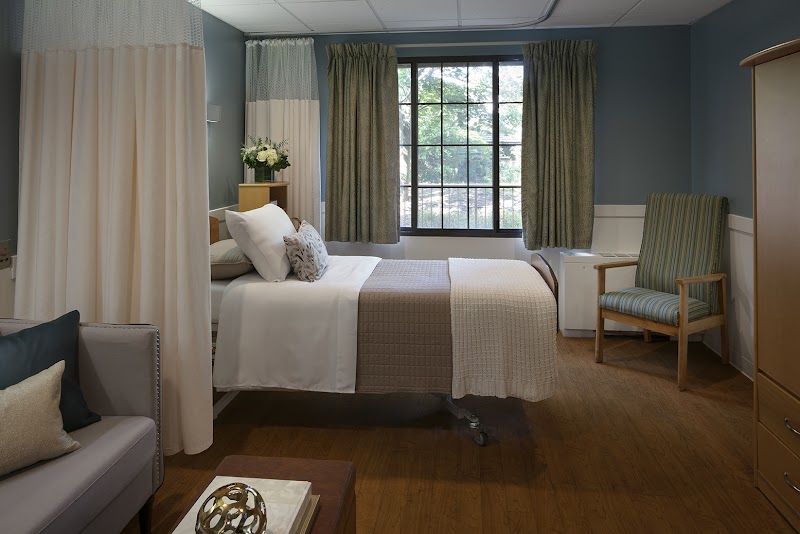
How is Bella Terra Wheeling Staffed?

CMS rates BELLA TERRA WHEELING's staffing level at 3 out of 5 stars, which is average compared to other nursing homes. Staff turnover is 28%, compared to the Illinois average of 46%. This relatively stable workforce can support continuity of care.

What Have Inspectors Found at Bella Terra Wheeling?

State health inspectors documented 24 deficiencies at BELLA TERRA WHEELING during 2023 to 2025. These included: 4 that caused actual resident harm and 20 with potential for harm. Deficiencies causing actual harm indicate documented cases where residents experienced negative health consequences.
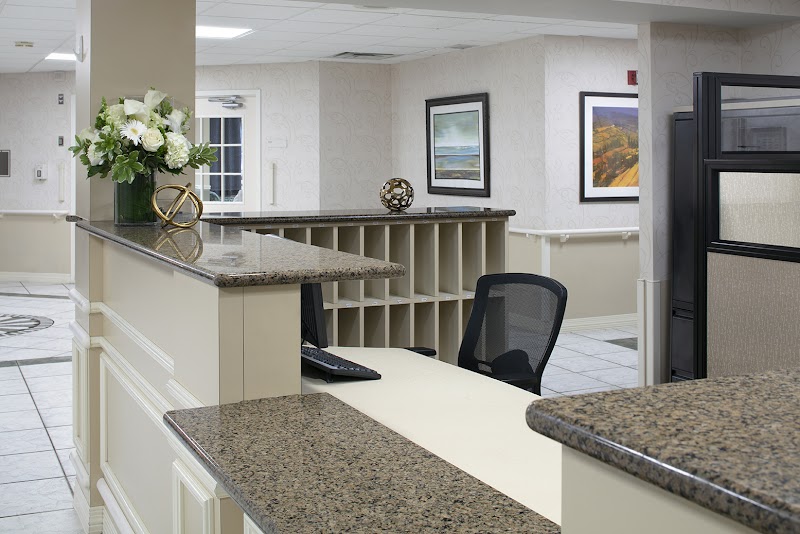
Who Owns and Operates Bella Terra Wheeling?

BELLA TERRA WHEELING is owned by a for-profit company. For-profit facilities operate as businesses with obligations to shareholders or private owners. The facility is operated by LEGACY HEALTHCARE, a chain that manages multiple nursing homes. With 215 certified beds and approximately 180 residents (about 84% occupancy), it is a large facility located in WHEELING, Illinois.
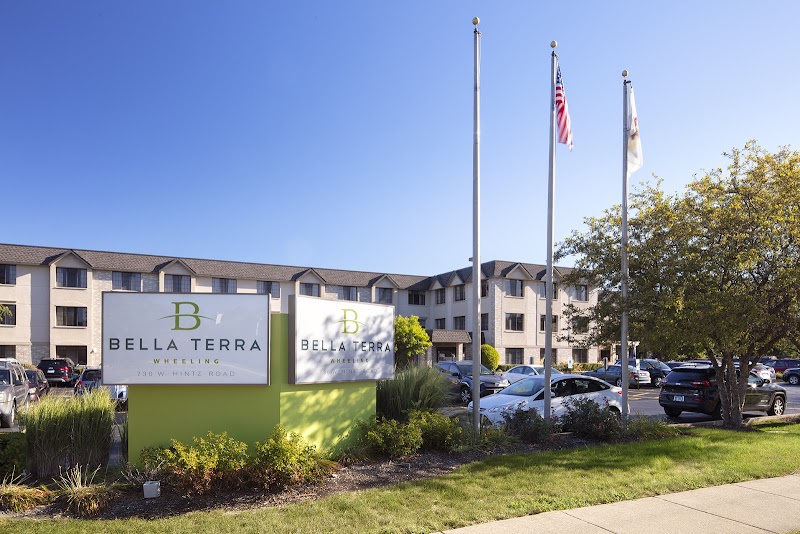
How Does Bella Terra Wheeling Compare to Other Illinois Nursing Homes?

Compared to the 100 nursing homes in Illinois, BELLA TERRA WHEELING's overall rating (4 stars) is above the state average of 2.5, staff turnover (28%) is significantly lower than the state average of 46%, and health inspection rating (4 stars) is above the national benchmark.

What Should Families Ask When Visiting Bella Terra Wheeling?

Based on this facility's data, families visiting should ask: "Can I visit during a mealtime to observe dining assistance and food quality?" "How do you handle medical emergencies, and what is your hospital transfer rate?" "Can I speak with family members of current residents about their experience?"

Is Bella Terra Wheeling Safe?

Based on CMS inspection data, BELLA TERRA WHEELING has a clean safety record: no substantiated abuse findings (meaning no confirmed cases of resident harm), no Immediate Jeopardy citations (the most serious violation level indicating risk of serious injury or death), and is not on the Special Focus Facility watch list (a federal program monitoring the lowest-performing 1% of nursing homes). The facility has a 4-star overall rating and ranks #1 of 100 nursing homes in Illinois. While no facility is perfect, families should still ask about staff-to-resident ratios and recent inspection results during their visit.

Do Nurses at Bella Terra Wheeling Stick Around?

Staff at BELLA TERRA WHEELING tend to stick around. With a turnover rate of 28%, the facility is 18 percentage points below the Illinois average of 46%. Low turnover is a positive sign. It means caregivers have time to learn each resident's needs, medications, and personal preferences. Consistent staff also notice subtle changes in a resident's condition more quickly. Registered Nurse turnover is also low at 21%, meaning experienced RNs are available to handle complex medical needs.

Was Bella Terra Wheeling Ever Fined?

BELLA TERRA WHEELING has been fined $77,084 across 3 penalty actions. This is above the Illinois average of $33,850. Fines in this range indicate compliance issues significant enough for CMS to impose meaningful financial consequences. Common causes include delayed correction of deficiencies, repeat violations, or care failures affecting resident safety. Families should ask facility leadership what changes have been made since these penalties.

Is Bella Terra Wheeling on Any Federal Watch List?

BELLA TERRA WHEELING is not on any federal watch list. The most significant is the Special Focus Facility (SFF) program, which identifies the bottom 1% of nursing homes nationally based on persistent, serious quality problems. Not being on this list means the facility has avoided the pattern of deficiencies that triggers enhanced federal oversight. This is a positive indicator, though families should still review the facility's inspection history directly.