CITADEL CARE CENTER-WILMETTE


432 POPLAR DRIVE, WILMETTE, IL 60091 (847) 216-5000
For profit - Limited Liability company 80 Beds CITADEL HEALTHCARE Data: November 2025
Trust Grade
90/100
#23 of 665 in IL
Last Inspection: February 2025

Within standard 12-15 month inspection cycle. Federal law requires annual inspections.

Overview

Citadel Care Center-Wilmette has earned a Trust Grade of A, indicating it is an excellent choice among nursing homes, suggesting it provides high-quality care. It ranks #23 out of 665 facilities in Illinois, placing it in the top half, and #7 out of 201 in Cook County, meaning there are only six better options locally. The facility is improving, with a decrease in issues from six in 2023 to one in 2025. However, staffing is a concern, rated only 2 out of 5 stars, with a turnover rate of 39%, which is better than the state average but still indicates challenges in staff retention. Notably, there were several concerning incidents, such as a resident not receiving proper safety measures during transfers, and inadequate catheter care that may lead to infections, highlighting areas that need attention despite the overall positive ratings.

Trust Score
A
90/100
In Illinois
#23/665
Top 3%
Safety Record
Low Risk
No red flags
Inspections
Getting Better
6 → 1 violations
Staff Stability
○ Average
39% turnover. Near Illinois's 48% average. Typical for the industry.
Penalties
✓ Good
No fines on record. Clean compliance history, better than most Illinois facilities.
Skilled Nurses
✓ Good
Each resident gets 46 minutes of Registered Nurse (RN) attention daily — more than average for Illinois. RNs are trained to catch health problems early.
Violations
○ Average
7 deficiencies on record. Average for a facility this size. Mostly minor or procedural issues.
★★★★★
5.0
Overall Rating
★★☆☆☆
2.0
Staff Levels
★★★★☆
4.0
Care Quality
★★★★★
5.0
Inspection Score
Stable
2023: 6 issues
2025: 1 issues

The Good

  • 4-Star Quality Measures · Strong clinical quality outcomes
  • Full Sprinkler Coverage · Fire safety systems throughout facility
  • No fines on record
  • Staff turnover below average (39%)

    9 points below Illinois average of 48%

Facility shows strength in quality measures, fire safety.

The Bad

Staff Turnover: 39%

Near Illinois avg (46%)

Typical for the industry

Chain: CITADEL HEALTHCARE

Part of a multi-facility chain

Ask about local staffing decisions and management

The Ugly 7 deficiencies on record

Feb 2025 1 deficiency
CONCERN (D)

Potential for Harm - no one hurt, but risky conditions existed

Medication Errors (Tag F0758)

Could have caused harm · This affected 1 resident

**NOTE- TERMS IN BRACKETS HAVE BEEN EDITED TO PROTECT CONFIDENTIALITY** Based on interview and record review, the facility failed to follow their policy related to psychotropic medications and ensure ...

Read full inspector narrative →
**NOTE- TERMS IN BRACKETS HAVE BEEN EDITED TO PROTECT CONFIDENTIALITY** Based on interview and record review, the facility failed to follow their policy related to psychotropic medications and ensure one resident (R49) was free from unnecessary psychotropic medications. Findings Include: R49 is an [AGE] year-old female who admitted to the facility on [DATE] and continues to reside in the facility. R49 has multiple diagnoses including but not limited to the following: difficulty in walking, lack of coordination, and osteoarthritis. Per physician orders resident is receiving Quetiapine Fumarate Oral Tablet 25 mg - Give 0.5 tablet by mouth at bedtime for sleep/anxiety. On 2/19/2025 at 12:25PM, R49 was noted to be calm and alert and oriented with no behaviors. On 2/19/2025 at 1:30PM, V2 (Director of Nursing) said, R49 came to the facility already receiving an antipsychotic medication. The attending physician is to decide whether to refer them to receive psychiatric care. She was seen on 2/19/2025 and there was no recommendation for psychiatric evaluation. Per progress note, there was no concerns identified with R49's mental health. R49 does not have any serious mental illness diagnoses. On 2/20/2025 at 12:15PM, V19 (Nurse Practitioner) said, I am unsure as to why R49 is on this medication or when she started taking this. When I have seen R49, she doesn't display any issues or behaviors. I have not witnessed her display any sort of anxiety or sleeplessness out of the ordinary. Review of records for R49 does not have a diagnosis of a serious mental illness, insomnia, or anxiety. No behavior documentation or indication for use of medication was given to this surveyor. Facility policy titled Psychotropic Medication Use with Revision Date of December 2024 states in part but not limited to the following: Policy Interpretation and Implementation: 1. Residents will only receive psychotropic/antipsychotic medications when necessary to treat specific conditions which they are indicated and effective. 4. The attending physician and facility staff will identify acute psychiatric episodes and will differentiate them from enduring psychiatric conditions. 5. Residents who are admitted from the community or transferred from a hospital and who are already receiving antipsychotic medications will be evaluated for the appropriateness and indications for use. The interdisciplinary team will: Re-evaluate the use of the antipsychotic medications at the time of admission and/or within two weeks to consider whether the medication can be reduced, tapered, or discontinued. Based on assessing the resident's symptoms and overall situation, the physician will determine whether to continue, adjust, or stop existing antipsychotic medication. 7. Antipsychotic medications shall generally be used only for the following conditions/diagnoses documented in the record: Schizophrenia, Schizo-affective disorder, Schizophreniform disorder, Delusional disorder, Mood disorders, psychosis, medical illnesses with psychotic symptoms, Tourette's Disorder, Huntington Disease, Hiccups, nausea and vomiting associated with cancer or chemotherapy. 11. Antipsychotic medications will not be used if the only symptoms are one or more of the following: restlessness, impaired memory, mild anxiety, insomnia, sadness, nervousness, etc.
Dec 2023 2 deficiencies
CONCERN (D) 📢 Someone Reported This

A family member, employee, or ombudsman was alarmed enough to file a formal complaint

Potential for Harm - no one hurt, but risky conditions existed

Accident Prevention (Tag F0689)

Could have caused harm · This affected 1 resident

**NOTE- TERMS IN BRACKETS HAVE BEEN EDITED TO PROTECT CONFIDENTIALITY** Based on observation, interview, and record review, the facility failed to safely transfer a resident (R1) with a mechanical lif...

Read full inspector narrative →
**NOTE- TERMS IN BRACKETS HAVE BEEN EDITED TO PROTECT CONFIDENTIALITY** Based on observation, interview, and record review, the facility failed to safely transfer a resident (R1) with a mechanical lift. This applies to 1 of 3 residents reviewed for safety & supervision in the sample of 4. The findings include: R1's electronic face sheet showed R1 has diagnoses including but not limited to urinary tract infection, morbid obesity, acute pulmonary edema, and heart failure. R1's facility assessment dated [DATE] showed R1 has no cognitive impairment and is dependent on staff for all transfers. R1's weight documented 12/6/23 showed R1 weighs 363.4lbs. R1's care plan dated 10/26/23 showed, The resident has an activities of daily living (ADL) self-care performance deficit related to activity intolerance, impaired balance, limited mobility, musculoskeletal impairment, and pain .The resident requires assistance from 2-3 staff to move between surfaces with a mechanical lift. On 12/9/23 at 10:30AM, R1 stated, The staff use a (mechanical lift) to get me in and out of bed. They are never careful with me, and I don't feel safe. They are always banging my legs into things, and I can't even tell you how many times they have almost hit my head with the bar that goes over top of me. I don't think the staff here are equipped to handle someone my size. On 12/9/23 at 11:36AM, V4, V5, and V6 (Certified Nursing Assistants/CNA) transferred R1 from her bed to her wheelchair. During the mechanical lift transfer, the mechanical lift grab bar was parallel with R1's body causing the sling to be attached in an incorrect manner. (Mechanical lift grab bar is to be placed perpendicular with the resident's body to ensure full body sling coverage). R1's head had to be tilted to the left side during the transfer to avoid contact with the mechanical lift grab bar. Throughout the transfer, R1's body was swaying in the lift while V6 rolled over 2 different cords with the lift, causing R1's legs to swing into the base of the lift. R1 instructed V4, V5, and V6 several times during the transfer on how to maintain her body in alignment to avoid her limbs and head hitting parts of the lift. On 12/9/23 at 2:01PM, V4, V5, and V6 transferred R1 from her wheelchair to her bed in the same manner with the mechanical lift grab bar parallel to R1's body. V6 stated that is how he has always used the mechanical lift and it works just fine. On 12/9/23 at 2:31PM, V9 (Physical Therapist) stated, I'm not entirely sure how the (mechanical lift) transfers are supposed to work for (R1). I haven't actually seen the staff do them and I didn't do any training with them on the lift with her. On 12/9/23 at 3:20PM, V3 (Director of Nursing) stated, I can't confirm how the grab bar is supposed to be positioned with the (mechanical lift). I'm not sure what (R1's) transfer status is, therapy handles all of that. On 12/9/23 at 4:22PM, V3 stated, We can't transfer (R1) the correct way because she said it hurts her back. It is documented that we spoke with her about this, and she confirmed she understood the risks with not using the lift properly. (The facility was unable to provide documentation regarding this conversation with R1 and R1 declined knowledge of this conversation). The facility's policy titled, Using a mechanical lifting machine dated 07/2019 showed, The purpose of this procedure is to establish the general principles of safe lifting using a mechanical lifting device. It is not a substitute for manufacturer's training or instructions .12. Attach sling straps to sling bar, according to manufacturer's instructions. A. make sure the sling is securely attached to the clips and that is properly balanced. B. check to make sure the resident's head, neck and back are supported . The undated mechanical lift owner's manual provided by the facility showed, Move the lift slowly towards the user and position the spreader (grab) bar over the user's patient's chest.
CONCERN (D) 📢 Someone Reported This

A family member, employee, or ombudsman was alarmed enough to file a formal complaint

Potential for Harm - no one hurt, but risky conditions existed

Incontinence Care (Tag F0690)

Could have caused harm · This affected 1 resident

**NOTE- TERMS IN BRACKETS HAVE BEEN EDITED TO PROTECT CONFIDENTIALITY** Based on observation, interview, and record review, the facility failed to perform incontinence care and provide catheter care i...

Read full inspector narrative →
**NOTE- TERMS IN BRACKETS HAVE BEEN EDITED TO PROTECT CONFIDENTIALITY** Based on observation, interview, and record review, the facility failed to perform incontinence care and provide catheter care in a manner to prevent urinary tract infections for 1 resident. The facility also failed to position a resident's urinary catheter bag off the floor for 1 resident. These failures apply to 2 of 3 residents (R1, R2) reviewed for incontinence care in the sample of 4. The findings include: 1) R1's electronic face sheet showed R1 has diagnoses including but not limited to urinary tract infection, morbid obesity, acute pulmonary edema, and heart failure. R1's facility assessment dated [DATE] showed R1 has no cognitive impairment and is occasionally incontinent of bladder. R1's care plan dated 10/26/23 showed, The resident is at risk for incontinence related to activity intolerance, has current bowel incontinence, current urinary incontinence, impaired mobility, physical limitations, and diagnosis of overactive bladder .The resident uses disposable briefs. Change as needed. Check routinely, upon request, as needed for incontinence. Wash, rinse, and dry the perineum, and apply a barrier cream. On 12/9/23 at 10:30AM, R1 stated, I was in the hospital at the beginning of November for a urinary tract infection. They told me it was a complicated infection and I had to get intravenous antibiotics. They don't change me enough here and when they do, they don't clean me well. On 12/9/23 at 11:36AM, V4, V5, and V6 (Certified Nursing Assistants) provided incontinence care for R1. V6 removed R1's heavy, urine soaked and odorous incontinence brief. V6 cleansed both sides of R1's groin with the same side of the wipe and then pushed the wipe down into R1's vaginal area. V6 performed this action twice in a row while wiping from R1's groin down into her vaginal area. V6 then cleansed R1's vagina by wiping 4 times down the front of R1's vagina with the same side of the wipe. V6 stated that is how he provides incontinence care, and no one has ever told him differently. V6 stated there is nothing incorrect with the way he provides incontinence care. On 12/9/23 at 3:20PM, V3 (Director of Nursing) stated, When staff are providing incontinence care for a female resident, they should be cleansing the groin and vaginal area with different wipes, not wiping from the groin down into the vaginal area. If staff clean a resident's groin and push it into the vaginal area that could introduce bacteria into the vagina and puts the resident at risk for a urinary tract infection. The facility's policy titled, Perineal Care dated 02/2018 showed, The purposes of this procedure are to provide cleanliness and comfort to the resident, to prevent infections and skin irritation, and to observe the resident's skin condition .For a female resident: b. wash perineal area, wiping from front to back. 1) Separate the labia and wash area downward from front to back. 2) Continue to wash the perineum moving from inside outward towards the thighs . 2) R2's electronic face sheet printed on 12/9/23 showed R2 has diagnoses including but not limited to multiple sclerosis, need for assistance with personal cares, and neuromuscular dysfunction of bladder. R2's facility assessment dated [DATE] showed R2 has no cognitive impairment and is dependent on staff for personal hygiene. R2's care plan dated 11/11/23 showed, The resident has a Suprapubic Catheter: (Neurogenic bladder. Foley catheter) and chronic obstructive pyelonephritis. On 12/9/23 at 1:10PM, R2's urinary catheter bag was laying on R2's floor, in direct contact with the floor. R2 stated, Right before I was admitted here, I was in the hospital for a urinary tract infection, and I ended up with sepsis. I was very ill and in the hospital for quite a while, so they kept the catheter in me to see if it helps with my infections. On 12/9/23 at 1:36PM, V7 and V8 (Certified Nursing Assistants) provided urinary catheter care for R2. V8 cleansed each side of R2's groin with the same side of the wipe and then pressed the wipe down into R2's vaginal area. V8 did not clean R2's vaginal area or catheter tubing. R2's vaginal area had several chunks of a white substance stuck on her vagina. V7 stated R2's urinary catheter drainage bag should not be on the floor due to infection control concerns. On 12/9/23 at 3:20PM, V3 (Director of Nursing) stated, Catheter bags should always be placed in a dignity bag and should never be lying on the floor due to infection control. When performing catheter and perineal care for a resident with a catheter, the staff should be cleansing the vagina and wiping down the catheter tubing to prevent infections. The facility's policy titled, Perineal Care dated 02/2018 showed, The purposes of this procedure are to provide cleanliness and comfort to the resident, to prevent infections and skin irritation, and to observe the resident's skin condition .for a female resident: 1) if the resident has an indwelling catheter, gently wash the juncture of the tubing from the urethra down the catheter about 3 inches. Gently rinse and dry the area.
Apr 2023 4 deficiencies
CONCERN (D)

Potential for Harm - no one hurt, but risky conditions existed

Resident Rights (Tag F0550)

Could have caused harm · This affected 1 resident

Based on observation, interview, and record review the facility failed to ensure the indwelling urinary bag was placed in a dignity bag for 1 of 2 residents (R112) reviewed for indwelling urinary cath...

Read full inspector narrative →
Based on observation, interview, and record review the facility failed to ensure the indwelling urinary bag was placed in a dignity bag for 1 of 2 residents (R112) reviewed for indwelling urinary catheter in a sample of 15. Findings include: On 4/11/2023 at 10:45am R112 was observed in bed with his urinary collection bag facing the door without a privacy bag covering. On 4/11/2023 at 10:46am V10(Certified Nursing Assistant/CNA) said the urinary collection bag should have a privacy bag always covering it. On 4/13/2023 at 12:46pm V3(Assistant Director of Nursing/ADON) said I expect all urinary collection bags to have a privacy bag always covering it. An Order Summary Report dated 4/1/2023-4/30/2023 indicates R112 has a diagnosis of Benign Prostatic Hyperplasia without lower urinary tract symptoms. A care plan that indicates R112 has a focus of Neurogenic bladder with interventions that the Catheter must have a dignity bag covering it. Facility Policy: Reviewed December 2018 Quality of Life-Dignity Policy Statement Each resident shall be cared for in a manner that promotes and enhances quality of life, dignity, respect, and individuality. Policy interpretation and Implementation 11. Demeaning practices and standards of care that compromise dignity is prohibited. Staff shall promote dignity and assist residents as needed by: a. Helping the resident to keep the urinary catheter bags covered.
CONCERN (D)

Potential for Harm - no one hurt, but risky conditions existed

Accident Prevention (Tag F0689)

Could have caused harm · This affected 1 resident

**NOTE- TERMS IN BRACKETS HAVE BEEN EDITED TO PROTECT CONFIDENTIALITY** Based on observation, interview, and record review, the facility failed to implement their fall intervention for one resident (R...

Read full inspector narrative →
**NOTE- TERMS IN BRACKETS HAVE BEEN EDITED TO PROTECT CONFIDENTIALITY** Based on observation, interview, and record review, the facility failed to implement their fall intervention for one resident (R22) out of nine residents reviewed for fall in the sample of 15. Finding includes: R22 was admitted on [DATE] with diagnosis not limited to unspecified dementia, psychotic disturbance, and anxiety disorder. Nursing: Quarterly Morse Fall Scale dated 3/16/23 documents: R22 Score = 60 and category: High Risk for Falling. R22 had a fall on 12/12/2022. R22 Care plan fall intervention on 12/12/2022 documents: floor mattress next to bed when R22 is in bed. On 4/11/22 at 10:30 am, R22 was observed sleeping in bed and no floor mattress was next to her bed. On 4/11/2023 at 4:00 pm, R22 was observed again sleeping in bed and no floor mattress was next to her bed. On 4/12/2023 at 12:07, R22 was observed for sacral wound dressing change by V9 (Wound Care Nurse) and no floor mattress was next to her bed. On 4/12/2023 at 3:38 pm, R22 was observed in her bed with V4 (Care Plan Coordinator/MDS) and no floor mattress was next to her bed. V4 said that R22 should have a floor mattress next to her bed. Facility: Falls and Fall Risk, Managing Policy Statement: Based on previous evaluations and current data, the staff will identify interventions related to the resident's specific risks and causes to try to prevent the resident from falling and to try to minimize complications from falling.
CONCERN (D)

Potential for Harm - no one hurt, but risky conditions existed

Incontinence Care (Tag F0690)

Could have caused harm · This affected 1 resident

Based on observation, interview, and record review the facility failed to ensure that the urinary drainage bag was placed below the bladder for 1 of 2 residents (R112) reviewed for urinary catheter in...

Read full inspector narrative →
Based on observation, interview, and record review the facility failed to ensure that the urinary drainage bag was placed below the bladder for 1 of 2 residents (R112) reviewed for urinary catheter in a sample of 15. Findings include: On 4/11/2023 at 10:45am R112 was observed in bed with his urinary drainage bag positioned above his waist. On 4/11/2023 at 10:46am V10(Certified Nursing Assistant/CNA) said the urinary collection bag should place below his waist. On 4/14/2023 at 12:50pm V3(Assistant Director of Nursing/ADON) said I expect all urinary drainage bags to be positioned below the waist to prevent a urinary tract infection. An Order Summary Report dated 4/1/2023-4/30/2023 indicates a diagnosis of Benign Prostatic Hyperplasia without lower urinary tract symptoms and Neuromuscular dysfunction of bladder, unspecified. A care plan with a focus that indicated R112 has an indwelling catheter related to neurogenic bladder. An intervention that indicates R112's indwelling catheter and tubing below the bladder level and away from the entrance room door. Reviewed September 2019 Catheter Care, Urinary Purpose: The purpose of this procedure is to prevent catheter-associated urinary tract infections. Preparation: Maintaining Unobstructed Urine Flow 3. The urinary drainage bag must be always held or positioned lower than the bladder to prevent the urine in the tubing and drainage bag from flowing back into the urinary bladder.
CONCERN (D)

Potential for Harm - no one hurt, but risky conditions existed

Food Safety (Tag F0812)

Could have caused harm · This affected 1 resident

**NOTE- TERMS IN BRACKETS HAVE BEEN EDITED TO PROTECT CONFIDENTIALITY** Based on observation, interview and record review, the facility failed to monitor and maintain the resident's personal refrigera...

Read full inspector narrative →
**NOTE- TERMS IN BRACKETS HAVE BEEN EDITED TO PROTECT CONFIDENTIALITY** Based on observation, interview and record review, the facility failed to monitor and maintain the resident's personal refrigerator temperature for two of four residents (R12, R52) reviewed for food safety in a sample of 15. Findings include: R12's order summary report dated 4/13/2023 indicated admission date of 4/8/2023 and diagnosis of but not limited to pure hypercholesterolemia. R52's order summary report dated 4/13/2023 indicated admission date 3/22/2023 and diagnosis of but not limited to depression. On 04/11/2023 at 10:11 AM during observation with V3 (Assistant Director of Nursing), R12's personal refrigerator temperature had no April 2023 log observed by the refrigerator. The refrigerator was observed with multiple food items inside. V3 stated that resident's refrigerator temperature should be checked daily by maintenance. On 04/11/2023 at 10:41 AM during observation with V6 (Registered Nurse), R52's personal refrigerator temperature log for April 2023 was noted blank and food items were observed inside the refrigerator. V6 said that resident's refrigerator temperature should be checked daily by the Certified Nursing Assistants (CNAs). On 04/13/2023 at 2:36PM, V15 (Maintenance Director) said that resident's refrigerator should be checked by the managers assigned to rooms daily and if they are not available, the CNAs or unit staff are expected to check it. He also mentioned that he checks it each week or throughout the week to see if it is being monitored. Facility Policy: Title: Food [NAME] in By Family or Visitors - Personal Refrigerators Procedure: Personal refrigerator temperatures should be maintained at 41 degrees Fahrenheit or below.
Understanding Severity Codes (click to expand)
Life-Threatening (Immediate Jeopardy)
J - Isolated K - Pattern L - Widespread
Actual Harm
G - Isolated H - Pattern I - Widespread
Potential for Harm
D - Isolated E - Pattern F - Widespread
No Harm (Minor)
A - Isolated B - Pattern C - Widespread

Questions to Ask on Your Visit

  • "Can I speak with families of current residents?"
  • "What's your RN coverage like on weekends and overnight?"

Our Honest Assessment

Strengths
  • • Grade A (90/100). Above average facility, better than most options in Illinois.
  • • No major safety red flags. No abuse findings, life-threatening violations, or SFF status.
  • • No fines on record. Clean compliance history, better than most Illinois facilities.
  • • 39% turnover. Below Illinois's 48% average. Good staff retention means consistent care.
Concerns
  • • No significant concerns identified. This facility shows no red flags across CMS ratings, staff turnover, or federal penalties.
Bottom line: Generally positive indicators. Standard due diligence and a personal visit recommended.

About This Facility

What is Citadel-Wilmette's CMS Rating?

CMS assigns CITADEL CARE CENTER-WILMETTE an overall rating of 5 out of 5 stars, which is considered much above average nationally. Within Illinois, this rating places the facility higher than 99% of the state's 100 nursing homes. This rating reflects solid performance across the metrics CMS uses to evaluate nursing home quality.

How is Citadel-Wilmette Staffed?

CMS rates CITADEL CARE CENTER-WILMETTE's staffing level at 2 out of 5 stars, which is below average compared to other nursing homes. Staff turnover is 39%, compared to the Illinois average of 46%. This relatively stable workforce can support continuity of care.

What Have Inspectors Found at Citadel-Wilmette?

State health inspectors documented 7 deficiencies at CITADEL CARE CENTER-WILMETTE during 2023 to 2025. These included: 7 with potential for harm.
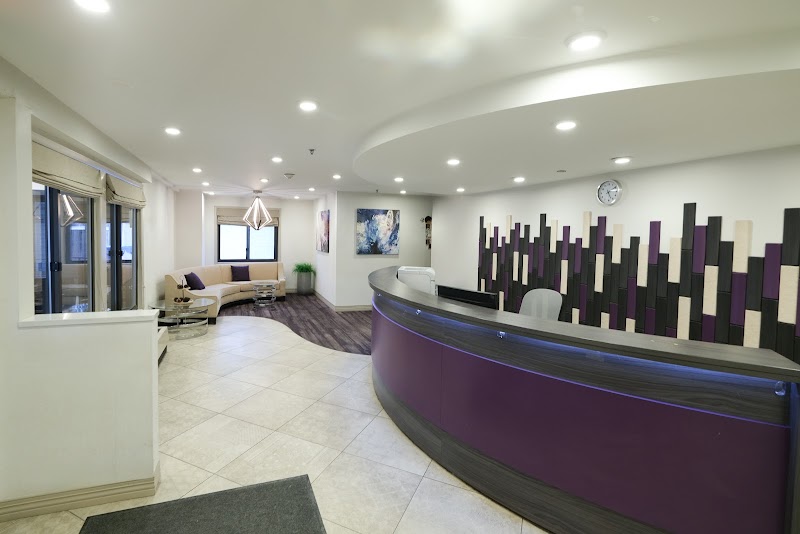
Who Owns and Operates Citadel-Wilmette?

CITADEL CARE CENTER-WILMETTE is owned by a for-profit company. For-profit facilities operate as businesses with obligations to shareholders or private owners. The facility is operated by CITADEL HEALTHCARE, a chain that manages multiple nursing homes. With 80 certified beds and approximately 59 residents (about 74% occupancy), it is a smaller facility located in WILMETTE, Illinois.
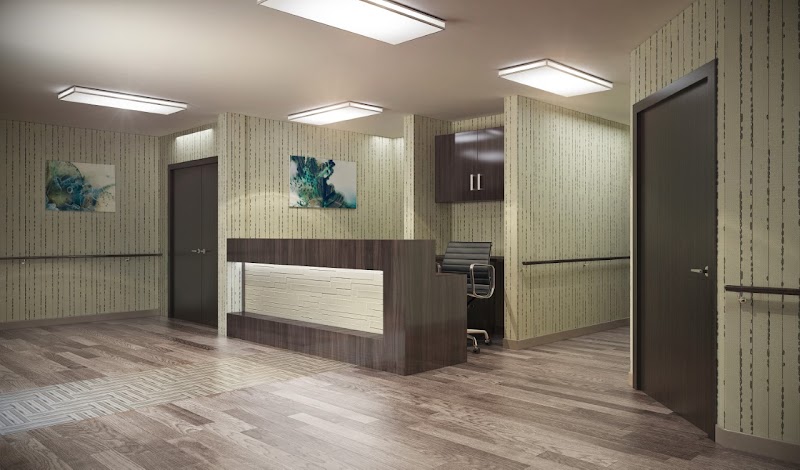
How Does Citadel-Wilmette Compare to Other Illinois Nursing Homes?

Compared to the 100 nursing homes in Illinois, CITADEL CARE CENTER-WILMETTE's overall rating (5 stars) is above the state average of 2.5, staff turnover (39%) is near the state average of 46%, and health inspection rating (5 stars) is much above the national benchmark.

What Should Families Ask When Visiting Citadel-Wilmette?

Based on this facility's data, families visiting should ask: "Can you walk me through typical staffing levels on day, evening, and night shifts?" "Can I visit during a mealtime to observe dining assistance and food quality?" "How do you handle medical emergencies, and what is your hospital transfer rate?" "Can I speak with family members of current residents about their experience?" These questions are particularly relevant given the below-average staffing rating.

Is Citadel-Wilmette Safe?

Based on CMS inspection data, CITADEL CARE CENTER-WILMETTE has a clean safety record: no substantiated abuse findings (meaning no confirmed cases of resident harm), no Immediate Jeopardy citations (the most serious violation level indicating risk of serious injury or death), and is not on the Special Focus Facility watch list (a federal program monitoring the lowest-performing 1% of nursing homes). The facility has a 5-star overall rating and ranks #1 of 100 nursing homes in Illinois. While no facility is perfect, families should still ask about staff-to-resident ratios and recent inspection results during their visit.

Do Nurses at Citadel-Wilmette Stick Around?

CITADEL CARE CENTER-WILMETTE has a staff turnover rate of 39%, which is about average for Illinois nursing homes (state average: 46%). Moderate turnover is common in nursing homes, but families should still ask about staff tenure and how the facility maintains care continuity when employees leave.

Was Citadel-Wilmette Ever Fined?

CITADEL CARE CENTER-WILMETTE has no federal fines on record. CMS issues fines when nursing homes fail to meet care standards or don't correct problems found during inspections. The absence of fines suggests the facility has either maintained compliance or corrected any issues before penalties were assessed. This is a positive indicator, though families should still review recent inspection reports for the full picture.

Is Citadel-Wilmette on Any Federal Watch List?

CITADEL CARE CENTER-WILMETTE is not on any federal watch list. The most significant is the Special Focus Facility (SFF) program, which identifies the bottom 1% of nursing homes nationally based on persistent, serious quality problems. Not being on this list means the facility has avoided the pattern of deficiencies that triggers enhanced federal oversight. This is a positive indicator, though families should still review the facility's inspection history directly.