NORTHERN LAKES NURSING AND REHABILITATION CENTER
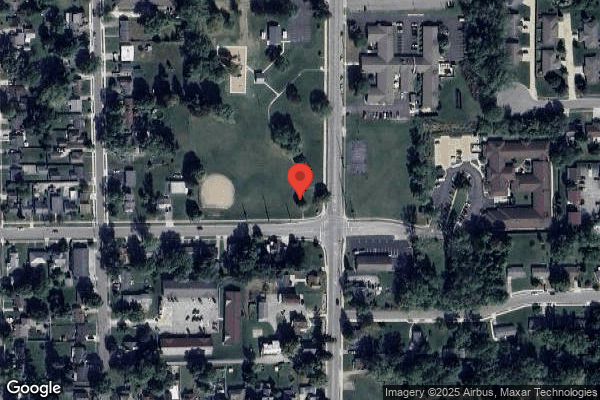
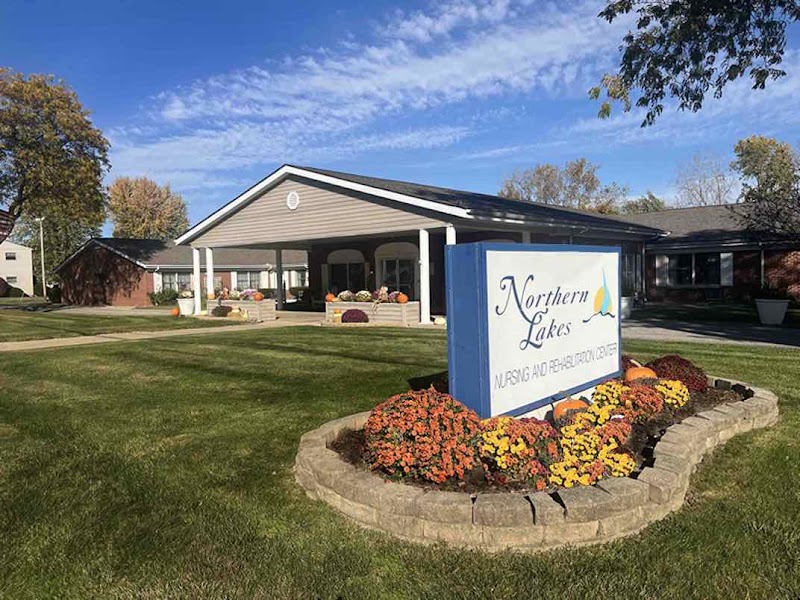
516 N WILLIAMS ST, ANGOLA, IN 46703 (260) 665-9467
Government - Hospital district 99 Beds Independent Data: November 2025 2 Immediate Jeopardy citations
Trust Grade
19/100
#469 of 505 in IN
Last Inspection: December 2024

Within standard 12-15 month inspection cycle. Federal law requires annual inspections.

Overview

Northern Lakes Nursing and Rehabilitation Center has received a Trust Grade of F, which indicates significant concerns regarding the quality of care provided at this facility. It ranks #469 out of 505 nursing homes in Indiana, placing it in the bottom half, and is #2 out of 2 in Steuben County, meaning there is only one local option that is better. While the facility is showing signs of improvement, with issues decreasing from 4 in 2024 to 2 in 2025, there are still serious concerns. Staffing is rated average, with a turnover rate of 28% that is below the state average, but the overall health inspection rating is only 1 out of 5 stars, indicating poor quality. Notable incidents include a failure to promptly notify a physician about a resident's significant change in condition, which tragically resulted in the resident's death, and a failure to adequately monitor another resident's condition, leading to a decline in health. Families should weigh these serious deficiencies against the facility's strengths when considering care options.

Trust Score
F
19/100
In Indiana
#469/505
Bottom 8%
Safety Record
High Risk
Review needed
Inspections
Getting Better
4 → 2 violations
Staff Stability
✓ Good
28% annual turnover. Excellent stability, 20 points below Indiana's 48% average. Staff who stay learn residents' needs.
Penalties
✓ Good
No fines on record. Clean compliance history, better than most Indiana facilities.
Skilled Nurses
○ Average
Each resident gets 30 minutes of Registered Nurse (RN) attention daily — about average for Indiana. RNs are the most trained staff who monitor for health changes.
Violations
⚠ Watch
15 deficiencies on record. Higher than average. Multiple issues found across inspections.
★☆☆☆☆
1.0
Overall Rating
★★★☆☆
3.0
Staff Levels
★★★★☆
4.0
Care Quality
★☆☆☆☆
1.0
Inspection Score
Stable
2024: 4 issues
2025: 2 issues

The Good

  • 4-Star Quality Measures · Strong clinical quality outcomes
  • Low Staff Turnover (28%) · Staff stability means consistent care
  • Full Sprinkler Coverage · Fire safety systems throughout facility
  • No fines on record
  • Staff turnover is low (28%)

    20 points below Indiana average of 48%

Facility shows strength in quality measures, staff retention, fire safety.

The Bad

1-Star Overall Rating

Below Indiana average (3.1)

Significant quality concerns identified by CMS

The Ugly 15 deficiencies on record

2 life-threatening 1 actual harm
Sept 2025 2 deficiencies 2 IJ
CRITICAL (J) 📢 Someone Reported This

A family member, employee, or ombudsman was alarmed enough to file a formal complaint

Immediate Jeopardy (IJ) - the most serious Medicare violation

Notification of Changes (Tag F0580)

Someone could have died · This affected 1 resident

**NOTE- TERMS IN BRACKETS HAVE BEEN EDITED TO PROTECT CONFIDENTIALITY** Based on interview and record review, the facility failed to ensure the physician was immediately notified when 1 of 3 residents...

Read full inspector narrative →
**NOTE- TERMS IN BRACKETS HAVE BEEN EDITED TO PROTECT CONFIDENTIALITY** Based on interview and record review, the facility failed to ensure the physician was immediately notified when 1 of 3 residents reviewed had a significant change in physical condition (Resident K). This resulted in Resident K's death. The Immediate Jeopardy began on [DATE] at 8:51 p.m. when Resident K complained of radiating pain to his left arm, shoulder, and chest. The facility failed to notify the physician of the change, and Resident K was observed to be deceased the following morning. The Administrator and Director of Nursing (DON) were notified of the Immediate Jeopardy on [DATE] at 12:45 PM. Immediate Jeopardy was removed on [DATE] but noncompliance remained at the lower scope and severity of isolated, no actual harm with potential for more than minimal harm that is not immediate jeopardy when the facility reeducated all staff on recognizing and communicating change of condition to the physician. Findings include:On [DATE] at 11:04 AM, Resident K's record was reviewed. Diagnoses included chronic obstructive pulmonary disease (COPD), mild dementia, nicotine dependence, intermittent atrial fibrillation , sick sinus syndrome(a rhythm disorder that occurs when the heart's pacemaker, the Sinoatrial node cannot produce a sufficient heart rate), and left shoulder pain due to degenerative joint disease.The most recent comprehensive Minimum Data Set assessment (MDS) indicated Resident K had clear speech, understood and was able to understand others, had a primary debility related cardiorespiratory conditions including atrial fibrillation, low blood sodium, High blood potassium, and COPD. The resident had mild to moderate cognitive impairment, . He had no behaviors or mood indicators. He was independent with his activities of daily living (ADL) but required set up assistance with bathing. During the assessment, he complained of pain in both shoulders but had not received any non-medical interventions. A pain interview indicated Resident K had moderate pain occasionally that did not interfere with activities. The MDS reflected Resident K took medications related to Atrial fibrillation, and a medication to help him sleep at night due to insomnia.Care Plans indicated Resident K was at risk for pain related to multiple old fractures but did not include shoulder pain. The care plan indicated to give medications as ordered, and if the medication was not effective in controlling the pain, or pain worsened, to notify the physician. A care plan regarding intermittent irregular heartbeat indicated to assess for shortness of breath and follow the physician's orders, monitor and assess breath sounds and complaints of shortness of breath, and notify the physician for worsening shortness of breath. The care plan indicated Resident K had insomnia and requested staff not disturb him at night. A Nurse Practitioner (NP) progress note, dated [DATE], indicated Resident K was being seen for follow up after a left shoulder x-ray was completed due to left shoulder pain. The x-ray indicated degenerative joint disease. Referral to Orthopedics vs conservative management was discussed with the resident and he chose to continue current treatment with topical medications and physical therapy. He was planning to be discharged from the facility at the end of the month. His respirations were regular with scattered crackles. Resident K denied chest pain and palpations. A nurse note, dated [DATE] at 8:51 p.m., indicated the nurse had been called to Resident K's room. Resident K complained of left shoulder pain and it was hard to breathe. His oxygen saturation was 92% (normal >90%) on room air. His blood pressure was normal at 108/68, and pulse was 100. The resident was resting and wanted to see if he felt better. The nurse gave as needed (prn) medications at 8:51 pm but did not chart what medications were given or interventions attempted. The note did not indicate the physician had been notified of Resident K's change in shoulder pain.No pain assessment, pain scale, assessment of respiration rate or character was documented. A nurse note, dated [DATE] at 8:14 a.m., indicated Certified Nurse Aide (CNA) 6 came to get the nurse to check on the resident. Resident K was observed to not be breathing and he had no pulse. CPR was not initiated due to irreversible signs of death. The resident family member and NP were notified of the resident's death. There was no documentation the physician was notified of Resident K's change in condition on [DATE] until after Resident K was found breathless and pulseless on [DATE].According to the article titled shoulder pain causes and treatment, dated [DATE], retrieved from my.clevelandclinic.org on [DATE] symptoms of cardiac dysrhythmia included palpitations, shortness of breath and chest discomfort. The website indicated to get immediate help when trouble breathing or left shoulder pain occurred. The article indicated when shoulder pain did not improve, was severe, or worsening, the patient could be experiencing a heart attack and to notify the physician immediately.There was no documentation between [DATE] at 8:51 p.m. and [DATE] at 8:14 a.m. regarding assessing the resident for continued or worsening pain, or any notification of the Registered Nurse on duty or the physician. A review of Resident K's physician's orders indicated to administer Tylenol 500 mg 2 tablets every 4 hours as needed for pain and to apply Voltaren gel to the resident's left shoulder three times per day as needed. There were no orders for routine pain medications. According to the article titled Tylenol, dated [DATE], retrieved for drugs.com on [DATE], pain should be monitored and when pain was new, continued without relief, or worsened, the physician should be notified immediately.Resident K's Medication Administration Record (MAR), dated [DATE], indicated Resident K received Tylenol for generalized pain on [DATE] at 8:50 p.m. and the dose was effective. There was no documentation Tylenol had been given on [DATE].Resident K's Treatment Administration Record (TAR), dated [DATE], did not indicate Resident K had utilized the Voltaren gel. In an interview, on [DATE] at 2:15 PM, Licensed Practical Nurse (LPN) 3 indicated she worked on Resident K's hall on [DATE] into the morning of [DATE]. She indicated the resident had an appointment to see the orthopedic physician pending. Since admission, Resident K would get upset when anyone would come in his room at night, because he could not get back to sleep, so staff limited how often they went into his room. LPN 3 indicated LPN 2 did not indicate in report Resident K had been given any prn medications or she would have assessed the resident at night. LPN 3 did not assess Resident K because she had not been informed the resident had been given any medications or had any pain. She indicated CNA 7 changed Resident K's ice water at 1:00 am, but she did not look at the resident. LPN 3 indicated when changes in condition occur, the physician should be notified immediately.In an interview, on [DATE] at 3:50 PM, Certified Nurse Aide (CNA) 4 indicated Resident K put on his call light about quarter till 9:00 pm on [DATE]. It was unusual for Resident K to use the call light, so CNA 4 went right away because the resident never put the call light on. Resident K told CNA 4 he was having pain in his left shoulder and arm going into his chest. Resident K looked uncomfortable, but CNA 4 could not put his finger on exactly why he felt that way. Resident K was rubbing his left shoulder and looked bad enough CNA 4 went to get the nurse right away. The resident usually did not need help, so CNA 4 did not check on him after reporting to LPN 2. In an interview, on [DATE] at 9:23 AM, LPN 2 indicated QMA 5 had given the resident an inhaler earlier in the day. The nurse indicated CNA 4 did not tell him the pain was radiating to the resident's chest. Resident K was sitting on the side of the bed, complaining his shoulder hurt. He does not remember a change in skin color. He did not assess the shoulder pain, his breath sounds, or his heart sounds. He indicated he asked the resident if he wanted to go to the hospital because he always asked residents if they wanted to go to the hospital. He did not call the physician because Resident K wanted to see if he felt better, but he did not go back and check on the resident. He did not report any issues to the nurse coming on shift.In an interview, on [DATE] at 10:41 AM, Qualified Medication Assistant (QMA) 5 indicated she had administered no prn medications to Resident K on the day shift of [DATE]. QMA 5 indicated Resident K looked to be his normal self, had no complaints of pain and was up and around the facility as usual. QMA 5 indicated when she saw a change in resident condition, she would report it to the nurse who would report it to the doctor.In an interview, on [DATE] at 11:19 AM, CNA 6 indicated she was taking Resident K's breakfast tray to him, and noticed him sitting up in bed, and slumped over. She indicated his color was gray, and when she touched his hand to wake him, his skin was cold and hard.A current undated policy, titled Change of Condition, indicated All staff members shall communicate any information about resident status change to appropriate licensed personnel immediately upon observation. The policy indicated when the nurse was notified of the change of condition, the nurse must immediately assess the resident, including vital signs, lung sounds, and other assessments as indicated by the change, including complaints of new or worsened pain. The Immediate Jeopardy that began on [DATE] was removed and the deficient practice corrected on [DATE] when the facility conducted audits of current resident's condition to ensure no changes and re-educated nursing staff regarding assessments, documentation, and physician notification but will remain at the lower scope and severity of no actual harm with potential for more than minimal harm that is not immediate jeopardy. This Citation relates to Intake 2616068.3.1-5(a)(2)
CRITICAL (J) 📢 Someone Reported This

A family member, employee, or ombudsman was alarmed enough to file a formal complaint

Immediate Jeopardy (IJ) - the most serious Medicare violation

Quality of Care (Tag F0684)

Someone could have died · This affected 1 resident

**NOTE- TERMS IN BRACKETS HAVE BEEN EDITED TO PROTECT CONFIDENTIALITY** Based on interview and record review, the facility failed to ensure a resident's complaint of shoulder with radiating chest pain...

Read full inspector narrative →
**NOTE- TERMS IN BRACKETS HAVE BEEN EDITED TO PROTECT CONFIDENTIALITY** Based on interview and record review, the facility failed to ensure a resident's complaint of shoulder with radiating chest pain, increased heart rate and shortness of breath (SOB) was re-assessed after initial assessment and treatments given were not monitored for effectiveness for 1 of 3 residents reviewed for quality of care. Resident K was found deceased the following morning. The Immediate Jeopardy began on [DATE] at 8:51 p.m. when Resident K complained of radiating pain to his left arm, shoulder, and chest. The facility failed to assess and monitor his condition, and he was observed to be deceased the following morning. The Administrator and Director of Nursing (DON) were notified of the Immediate Jeopardy on [DATE] at 12:45 PM. Immediate Jeopardy was removed on [DATE] but noncompliance remained at the lower scope and severity of isolated, no actual harm with potential for more than minimal harm that is not immediate jeopardy when the facility re-educated all staff on recognizing and communicating change of condition. Findings include:On [DATE] at 11:04 AM, Resident K's record was reviewed. Diagnoses included chronic obstructive pulmonary disease (COPD), mild dementia, nicotine dependence, intermittent atrial fibrillation, sick sinus syndrome (a heart rhythm disorder that occurs when the heart's sinoatrial node cannot produce a sufficient heart rate, and left shoulder pain due to degenerative joint disease.The most recent comprehensive Minimum Data Set assessment (MDS) indicated Resident K had clear speech, understood and was able to understand others, had a primary debility related cardiorespiratory conditions including atrial fibrillation, low blood sodium, High blood potassium, and COPD. The resident had mild to moderate cognitive impairment, . He had no behaviors or mood indicators. He was independent with his activities of daily living (ADL) but required set up assistance with bathing. During the assessment, he complained of pain in both shoulders but had not received any non-medical interventions. A pain interview indicated Resident K had moderate pain occasionally that did not interfere with activities. The MDS reflected Resident K took medications related to Atrial fibrillation, and a medication to help him sleep at night due to insomnia.A care plans, dated [DATE], indicated Resident K used a hypnotic for sleep, and had insomnia. A care plan, dated [DATE], regarding pain indicated Resident K was at risk for pain related to multiple old fractures, but did not include shoulder pain. The care plan indicated to give medications as ordered, and if the medication was not effective in controlling the pain, or pain worsened, to notify the physician. Certified Nurse Aides (CNA) were to notify the nurse if pain increased or worsened. A care plan, dated [DATE], regarding intermittent irregular heartbeat indicated to assess for shortness of breath and follow the physician's orders; monitor; and assess breath sounds and complaints of shortness of breath. CNAs were to notify the nurse if shortness of breath increased. Physician's orders included to give metoprolol tartrate (for atrial fibrillation), 12.5 milligrams (mg), two times per day and to hold the medication for a heartrate less than 60, or a systolic (the top number on blood pressure) blood pressure of less than 60; midodrine (for low blood pressure) 5 mg, three times daily, and to hold the medication if the residents blood pressure was greater than 110, and to recheck the blood pressure after administration or if the blood pressure was outside of normal range; Tylenol (anti-inflammatory) 500mg 2 tablets as needed every 4 hours for pain, and Voltaren gel (pain reliever) topical to the left shoulder as needed; and Trazadone (an antidepressant) 50 mg at bedtime. According to the article metoprolol tartrate, dated [DATE], retrieved on [DATE] from drugs.com, the medication is used to treat heart failure related to atrial fibrillation. Side effects included slow heartbeats, and the patient should notify the physician for shortness of breath or worsening heart symptoms.According to the article Midodrine, dated [DATE], retrieved on [DATE] from drugs.com, the medication is used to treat low blood pressure. Side effects included slow pulse, and the patient should be closely monitored.According to the article titled Tylenol, dated [DATE], retrieved for drugs.com on [DATE], pain should be monitored and when pain was new, continued without relief, or worsened, the physician should be notified immediately.A Nurse Practitioner (NP) progress note, dated [DATE], indicated Resident K was seen for follow up after a left shoulder x-ray was completed due to arthritis. The x-ray indicated degenerative joint disease. Referral to Orthopedics vs conservative management was discussed with the resident and he chose to continue current treatment with topical medications and physical therapy. He was planning to be discharged from the facility at the end of the month. His respirations were regular with scattered crackles. Resident K denied chest pain and palpations. A nurse note, dated [DATE] at 8:51 p.m., indicated the nurse had been called to the resident's room. Resident K complained of left shoulder pain and indicated it was hard to breathe. His oxygen saturation was 92% (normal >90%) on room air. His blood pressure was normal at 108/68, and pulse was 100. The resident was resting and wanted to see if he felt better. The nurse gave as needed (prn) medications at 8:51 p.m. but did not chart what medications were given or interventions attempted. The documentation did not include a pain assessment, pain scale, respiration rate or character assessment. A nurse note, dated [DATE] at 8:14 a.m., indicated CNA 4 came to get the nurse to check on the resident. Resident K was observed to not be breathing and he had no pulse. CPR was not initiated due to irreversible signs of death. The resident family member and NP were notified of the resident's death. There was no further documentation between [DATE] at 8:51 p.m. and [DATE] at 8:14 a.m. when resident K was found breathless and pulseless. According to the American Heart Association Cardiopulmonary Resuscitation guidelines, dated [DATE], retrieved from cpr.herat.org, indicated left should pain radiating to the chest in a resident with cardiac history could be signs of a heart attack. The article indicated irreversible signs of death included rigor mortis and dependent lividity. A preliminary death certificate, dated [DATE], indicated the cause of Resident K's death was acute cardiac dysrhythmia (abnormal heart rhythm which occurs suddenly and unexpectedly). According to the article cardiac dysrhythmia, dated [DATE], retrieved from my.clevelandclinic.org symptoms of cardiac dysrhythmia included palpitations, shortness of breath and chest discomfort. The website indicated to get immediate help when trouble breathing, or chest pain occurred. Resident K's Medication Administration Record (MAR), dated [DATE], indicated Resident K received Tylenol for generalized pain on [DATE] at 8:50 p.m. and the dose was effective. There was no documentation Tylenol had been given on [DATE].Resident K's Treatment Administration Record (TAR), dated [DATE], did not indicate Resident K had utilized the Voltaren gel. In an interview, on [DATE] at 2:15 PM, Licensed Practical Nurse (LPN) 3 indicated she worked on Resident K's hall on [DATE] into the morning of [DATE]. She indicated the resident had an appointment to see the orthopedic physician pending. Since admission, Resident K would get upset when anyone would come in his room at night, because he could not get back to sleep, so staff limited how often they went in his room. LPN 3 indicated LPN 2 did not indicate in report Resident K had been given any prn medications or she would have assessed the resident at night. LPN 3 did not assess Resident K because she had not been informed the resident had been given any medications or had any pain. She indicated CNA 7 changed Resident K's ice water at 1:00 a.m., but she did not look at the resident. In an interview, on [DATE] at 3:50 PM, CNA 4 indicated Resident K put on his call light about quarter till 9 PM on [DATE]. It was unusual for Resident K to use the call light, so he went right away because the resident never put the call light on. Resident K told CNA 4 he was having pain in his left shoulder and arm going into his chest and asked for his vital signs to be checked because he did not feel well. Resident K looked uncomfortable, but CNA 4 could not put his finger on exactly why he felt that way. Resident K was rubbing his left shoulder and looked bad enough CNA 4 went to get the nurse right away. The resident usually did not need help so CNA 4 did not check on him after reporting to LPN 2.In an interview, on [DATE] at 9:23 AM, LPN 2 indicated Qualified Medication Aide (QMA) 5 had given the resident an inhaler earlier in the day. The nurse indicated CNA 4 did not tell him the pain was radiating to the resident's chest. Resident K was sitting up on the side of the bed when he went in to give him Tylenol as requested. LPN 2 could not remember a change in skin color. He had not assessed the shoulder pain, his breath sounds, or his heart sounds. He indicated he asked the resident if he wanted to go to the hospital because he always asked residents if they wanted to go to the hospital. He did not call the physician because Resident K wanted to see if he felt better, but he did not go back and check on the resident. He did not report any issues to the nurse coming on shift. According to an article titled acute pain, retrieved on [DATE] from simple nursing. com, when a resident complains of pain, the nurse should assess the cause, assess the symptoms, ask the resident their stated level of pain, take vital signs, then monitor the resident's pain level every 2 hours and contact the physician when pain is unrelieved, worsens or radiates into the chest. Pain radiating into the chest could be a sign of heart attack. In an interview, on [DATE] at 10:41 AM, QMA 5 indicated she had administered no prn medications to Resident K on the day shift of [DATE]. QMA 5 indicated Resident K looked to be his normal self, had no complaints of pain and was up and around the facility as usual. In an interview, on [DATE] at 11:19 AM, CNA 6 indicated she was taking Resident K's breakfast tray to him, and noticed him sitting up in bed, and slumped over. She indicated his color was gray, and when she touched his hand to wake him, his skin was cold and hard.A current undated policy, titled Change of Condition, indicated all staff members should communicate any information about resident status change to appropriately licensed personnel immediately upon observation. The policy indicated when the nurse was notified of the change of condition, the nurse must immediately assess the resident, including vital signs, lung sounds, and other assessments as indicated by the change, including complaints of new or worsened pain. The Immediate Jeopardy that began on [DATE] was removed and the deficient practice corrected on [DATE] when the facility conducted audits of current resident's condition to ensure no changes and re-educated nursing staff regarding assessments and documentation but will remain at the lower scope and severity of no actual harm with potential for more than minimal harm that is not immediate jeopardy. This Citation relates to Intake 2616068.3.1-37
Dec 2024 4 deficiencies
CONCERN (D)

Potential for Harm - no one hurt, but risky conditions existed

Deficiency F0583 (Tag F0583)

Could have caused harm · This affected 1 resident

Based on observation, interview, and record review the facility failed to ensure privacy of protected health information for 1 of 24 residents reviewed (Resident 44). Findings include: During an obser...

Read full inspector narrative →
Based on observation, interview, and record review the facility failed to ensure privacy of protected health information for 1 of 24 residents reviewed (Resident 44). Findings include: During an observation, on 12/4/24 at 9:34 AM, a worksheet with resident information visible was uncovered on top of a medication cart in the hallway. No staff member was in the area. Unidentified residents were present in the hallway near the cart. Protected health information including nursing assessments, vital signs and behavior notes were visible on the worksheet. During an observation, on 12/4/24 at 11:38 AM, Licensed Practical Nurse (LPN) 30 walked away from the medication cart leaving the computer screen open. Resident information was visible on the screen. During an observation, on 12/4/24 at 1:41 PM, LPN 30 was observed standing at the nurses' station with other staff. The computer screen on the medication cart was open to Resident 44's chart with protected health information visible on the screen. Five additional staff members walked past the cart and took no action to conceal the resident information. During an interview, on 12/4/24 at 1:44 PM, LPN 30 indicated a button on the computer to hide the screen should have been pushed before she walked away from the medication cart. She indicated Resident information should not be visible on the computer screen when the computer is unattended. Resident 44's record was reviewed on 12/9/24 at 9:58 AM. Diagnoses included unspecified subluxation of right hip, subsequent encounter, type 2 diabetes mellitus with hyperglycemia, and essential (primary) hypertension. Resident 44's current admission Minimum Data Set (MDS) indicated their Basic Interview for Mental Status (BIMS) score was 15 (cognitively intact). During an interview, on 12/9/24 at 12:02 PM, the Administrator indicated staff should ensure confidential resident information could not be visible on top of the medication cart or nurses' station. Resident information on the computer screen should be kept confidential by closing the computer or hiding the screen. She indicated she was aware staff had left a computer screen open. The nursing report form with confidential information should have information hidden. A current policy, undated, provided by the Administrator on 12/9/24 at 12:33 PM, indicated confidential information including forms and worksheets should not be left on medication carts unattended. The policy indicated medication cart laptops should not be left open with resident information while unattended. 3-1(p)(5)
CONCERN (D) 📢 Someone Reported This

A family member, employee, or ombudsman was alarmed enough to file a formal complaint

Potential for Harm - no one hurt, but risky conditions existed

Free from Abuse/Neglect (Tag F0600)

Could have caused harm · This affected 1 resident

Based on interview and record review the facility failed to ensure residents were free from verbal abuse for 3 of 5 residents reviewed (Resident 15, Resident 18, Resident 44). Findings include: Durin...

Read full inspector narrative →
Based on interview and record review the facility failed to ensure residents were free from verbal abuse for 3 of 5 residents reviewed (Resident 15, Resident 18, Resident 44). Findings include: During an interview, on 12/5/24 at 11:18 AM, Resident 15 and Resident 18 indicated Resident 15 was assisted onto the commode (toilet) by Certified Nurse Aide (CNA) 2. Resident 18 indicated CNA 2 told Resident 15 to put on her call light when finished on the commode. Resident 15 indicated when CNA 2 was getting ready to exit the room, Resident 15 told CNA 2 she was finished on the commode. Resident 15 indicated CNA 2 responded to turn on her call light. Resident 18 indicated Resident 15 was frustrated so Resident 18 told Licensed Practical Nurse (LPN) 3 of Resident 15's requested assistance. Resident 18 indicated she then observed CNA 2 return to the resident's room and overheard yelling. Resident 18 indicated she also observed CNA 2 exit the resident's room. An investigation file was provided by the Director of Nursing (DON) on 12/6/24 at 11:30 AM. The file included the following: A facility reported incident (FRI), dated 11/23/24, indicated on 11/22/24 CNA 2 and Resident 15 were overheard yelling at each other. The FRI indicated the Administrator suspended CNA 2 and then interviewed 5 residents. CNA 2's file indicated CNA 2 verbally abused a resident by saying if you're going to act like that then someone else can f****** get you. The file indicated other residents also heard CNA 2 in the hallway using foul language. The investigation file included the following interviews: Resident 15's interview with the Administrator indicated the incident occurred on 11/22/24 around 8 PM. Resident 15 indicated she was frustrated with CNA 2. Resident 15 indicated CNA 2 was rude and a B*** towards Resident 15. Resident 18's interview with the Administrator indicated CNA 2 entered the room and assisted her roommate, Resident 15, onto the commode. Prior to leaving the room CNA 2 told Resident 15 she would return. Resident 18 indicated she overheard Resident 15 tell CNA 2 twice she was finished on the commode. Resident 18 indicated CNA 2 left Resident 15 on the commode and left the room. Resident 18 indicated she overheard Resident 15 yell she was finished, and the door was shut. Resident 18 indicated she notified LPN 3 of Resident 15's requested assistance. Resident 18 indicated she then observed CNA 2 return to their room and closed the door. Resident 18 indicated she overheard CNA 2 and Resident 15 yelling at each other. Resident 18 indicated she then observed CNA 2 leave the room and told LPN 3 just because I didn't get back to her room as quickly as she wanted me to, she threw stuff on the floor, and I am not cleaning it up. Resident 44's interview with the Administrator indicated she overheard Resident 15 yelling on 11/22/24 in the evening for assistance. Resident 44 indicated she overheard CNA 2 indicate something about a f**** fool in the hallway. During an interview, on 12/6/24 at 11:15 AM, CNA 4 indicated staff should never yell at any residents. CNA 4 indicated when a resident was frustrated with staff and needs weren't met, the nurse was notified. A record review was completed on 12/6/24 at 11:49 AM. Diagnosis included: major depressive disorder and hemiplegia/hemiparesis following nontraumatic intracerebral hemorrhage affecting left dominant side. Resident 15's quarterly assessment, dated 10/11/24, indicated Resident 15 had a Brief Interview Mental Status (BIMS) score of 14/15 (cognitively intact). A record review was completed on 12/6/24 at 2:40 PM for Resident 18. Resident 18's admission assessment, dated 9/23/24, indicated Resident 18 had a BIMS score of 15/15 (cognitively intact). intact). A record review was completed on 12/6/24 at 2:41 PM for Resident 44. Resident 44's admission assessment, dated 11/12/24, indicated Resident 44 had a BIMS score of 15/15 (cognitively intact) A policy, last reviewed/updated 1/1/2023, titled Abuse Prohibition, was provided by the Administrator on 12/4/24 at 10 AM. The policy indicated verbal abuse: use of oral or gestured language that willfully includes disparaging and derogatory terms to residents or within hearing distance, regardless of the resident's ability to comprehend. This finding is related to Complaint IN00447844. 3.1-27(a)(b)
CONCERN (D)

Potential for Harm - no one hurt, but risky conditions existed

Deficiency F0688 (Tag F0688)

Could have caused harm · This affected 1 resident

**NOTE- TERMS IN BRACKETS HAVE BEEN EDITED TO PROTECT CONFIDENTIALITY** Based on observation, interview and record review the facility failed to ensure orders were entered and followed for 1 of 3 resi...

Read full inspector narrative →
**NOTE- TERMS IN BRACKETS HAVE BEEN EDITED TO PROTECT CONFIDENTIALITY** Based on observation, interview and record review the facility failed to ensure orders were entered and followed for 1 of 3 residents reviewed (Resident 15). During an interview on 12/5/24 at 11:34 AM, Resident 15 indicated she had a history of a stroke with left side affected. Resident 15 indicated she was discharged from therapy and recommended to use a splint for her left hand. Resident 15 indicated the staff no longer placed the splint on her hand. During an observation on 12/5/24 at 11:34 AM, Resident 15 did not have a splint on her left hand. During an observation on 12/5/24 at 1:30 PM, a palmor hand splint was in a bag by Resident 15's bed. An upside-down paper indicated Resident to wear splint daily/nightly, remove for AM/PM and reapply after care. The paper indicated recommendations provided by Occupational Therapist. During an interview on 12/5/24 at 1:12 PM, Certified Nurse Aide (CNA) 6 indicated Resident 15 wore a hand splint for 4 hours a day, between 6 AM - 10 AM. CNA 6 indicated Resident 15's splint was located in a bag by her bed. During an interview on 12/5/24 at 1:32 PM, Registered Nurse (RN) 5 indicated Resident 15 wore a hand splint per the instructions on the wall by her bed. RN 5 indicated the signage indicated Resident 15 to wear daily/nightly, remove for AM/PM and reapply after care. RN 5 indicated the instructions were signed by occupational therapy. RN 5 indicated Resident 15 did not have an order listed in her chart for the splint, but that staff shared the instructions in the report. RN 5 indicated there should be an order for Resident 15's splint with instructions in her chart. During an interview on 12/5/24 at 1:42 PM, the Director of Nursing (DON) indicated Resident 15 did not have a splint/[NAME] protector order listed. The DON indicated Resident 15 should have a splint order with included instructions/preferences. A record review was completed on 12/6/24 at 11:49 AM. Diagnosis included: hemiplegia and hemiparesis following nontraumatic intracerebral hemorrhage affecting left dominant side, contracture of left hand, and contracture of left wrist. Resident 15's quarterly assessment, dated 10/11/24, indicated Resident 15 had a Brief Interview Mental Status score of 14/15 (cognitively intact). Resident 15's current care plan, dated 8/24, last reviewed 11/11/24 indicated Resident 15 wore a palm protector to my left hand. Resident 15's care plan also indicated Resident 15 was admitted to the facility with a contracture to my left wrist and left-hand r/t cerebral vascular accident (CVA). I am at risk for further contracture to these areas and increased pain. Resident 15's orders were reviewed. There were no orders for a splint or palm protector. Resident 15's Occupational Therapy Discharge summary, dated [DATE] - 9/3/24 was provided by the DON on 12/6/24 at 11:30 AM. The documentation indicated discharge recommendations: palmor protector for skin breakdown protector. A policy, dated 9/2024, titled Therapy Communication and Recommendations, was provided by the DON on 12/6/24 at 11:30 AM. The policy indicated therapist will complete an order for discharge recommendations including: resident indications, summary of recommendations/interventions, start/end date, therapeutic goals and ongoing precautions. 3.1-37
CONCERN (D)

Potential for Harm - no one hurt, but risky conditions existed

Infection Control (Tag F0880)

Could have caused harm · This affected 1 resident

**NOTE- TERMS IN BRACKETS HAVE BEEN EDITED TO PROTECT CONFIDENTIALITY** Based on observation, interview and record review, the facility failed to ensure a blood sugar meter (glucometer) was properly d...

Read full inspector narrative →
**NOTE- TERMS IN BRACKETS HAVE BEEN EDITED TO PROTECT CONFIDENTIALITY** Based on observation, interview and record review, the facility failed to ensure a blood sugar meter (glucometer) was properly disinfected between each resident use for 2 of 2 residents reviewed (Resident 59 and Resident 26). Findings include: On 12/5/24 at 11:17 AM, Licensed Practical Nurse (LPN) 20 was observed cleaning a unit glucometer at the medication (med) cart. In an interview, on 12/5/24 at 11:20 AM, LPN 20 indicated the unit glucometer was used to obtain blood sugars for all the diabetic residents on the unit. LPN 20 indicated they cleaned the glucometer between each resident use with an alcohol pad. LPN 20 indicated cleaning the glucometer with alcohol after each use was standard practice. On 12/5/24 at 11:26 AM, items in a unit med cart were observed with LPN 20. The med cart did not contain disposable bleach wipes. On 12/09/24 at11:39 AM, Qualified Medication Aide (QMA) 10 was observed obtaining Resident 59's blood sugar with the unit glucometer. Resident 59's record was reviewed on 12/9/24 at 11:43 AM. Resident 59 had a diagnosis of insulin dependent diabetes. Resident 59's Quarterly Minimum Data Set, (MDS) dated [DATE], indicated Resident 59's Brief Interview for Mental Status (BIMS) score was 4 (severe cognitive impairment). The MDS indicated Resident 59 received insulin injections 7 days a week. A physician order, dated 10/7/24, indicated Resident 59 was to be administered insulin injections according to a sliding scale (doseage calculated from blood sugar results) 4 times a day. On 12/9/24 at 11:57 AM, QMA 10 was observed wiping the glucometer with an alcohol pad. QMA 10 placed the glucometer on top of the med cart. On 12/9/24 at 12:02 PM, QMA 10 was observed obtaining Resident 26's blood sugar with the unit glucometer. On 12/9/24 at 12:05 PM, QMA 10 was observed wiping the unit glucometer with an alcohol pad. After the glucometer was wiped with alcohol, QMA 20 placed the glucometer on the top of the med cart. In an interview, on 12/9/24 at 12:07 PM, QMA 10 indicated all the residents on the unit used the same glucometer. QMA 10 indicated they sanitized the glucometer between each resident use with an alcohol pad and placed the glucometer on top of the med cart to dry for 2 minutes. QMA indicated they had been trained to clean the glucometers with an alcohol pad between each use. On 12/9/24 at 12:12 PM, items in a unit med cart were observed with QMA 10. The med cart did not contain disposable bleach wipes. Resident 26's record was reviewed on 12/9/24 at 12:15 PM. Resident 26 had a diagnosis of insulin dependent diabetes. Resident 26's Annual Minimum Data Set, (MDS) dated [DATE], indicated Resident 26's Brief Interview for Mental Status (BIMS) score was 15 (no cognitive impairment). The MDS indicated Resident 26 received insulin injections 7 days a week. A physician order, dated 9/11/24, indicated Resident 26 was to be administered 5 units of insulin with meals every day. A physician order, dated 10/22/24, indicated Resident 26 was to be administered insulin injections according to a sliding scale 4 times a day. In an interview, on 12/9/24 at 3:26 PM, the Director of Nursing (DON) indicated shared glucometers should be cleaned with an approved bleach sanitizer after each resident use. The DON indicated alcohol pads were not recommended as a disinfectant for shared glucometer use (CDC, 2024). The DON indicated each med cart should be supplied with a container of disposable bleach wipes. A current undated facility policy, provided by the DON on 12/9/24 at 1:50 PM, indicated the glucometers were to be cleaned with disposable bleach wipes after each use. The policy indicated the glucometers were to remain wet for 1 minute. Reference CDC Injection Safety. (2024, August 7). [Centers for Disease Control and Prevention]. https://www.cdc.gov/injection-safety/hcp/infection-control/index.html 3.1-18(a) 3.1-18(b) 3.1-18 (b)(1)
Dec 2023 2 deficiencies
CONCERN (D)

Potential for Harm - no one hurt, but risky conditions existed

Deficiency F0697 (Tag F0697)

Could have caused harm · This affected 1 resident

Based on record review and interview the facility failed to ensure non-pharmacologic interventions were implemented and documented for 1 of 3 residents reviewed. (Resident 228). Findings include On 12...

Read full inspector narrative →
Based on record review and interview the facility failed to ensure non-pharmacologic interventions were implemented and documented for 1 of 3 residents reviewed. (Resident 228). Findings include On 12/07/23 at 4:57 PM, Resident 228's record was reviewed. Diagnoses included chronic pain syndrome, septic arthritis of right knee status post incision and drainage, and severe right knee pain. Resident 228's comprehensive Minimum Data Set (MDS) assessment, dated 12/1/23, indicated the resident's Brief Interview for Mental Status (BIMS) score was 11 (moderately impaired). The MDS indicated she had almost in constant pain at the time of the assessment that frequently limited activity. She rated her pain 10 on a scale of 0 -10 with 0 being no pain and 10 the worst pain one can image. The MDS indicated she received as needed pain medication and was taking opioid pain medication. Resident 228's order, dated 11/25/23, indicated she could receive an oxycodone-acetaminophen 5/325 mg tablet by mouth every 6 hours as needed for pain. Resident 10's Medication Administration Record (MAR) indicated the resident was administered an oxycodone-acetaminophen 5/325 mg tablet on the following dates and times: 11/25/23 9:54 PM 11/26/23 3:37 PM 11/27/23 9:21 AM 7:52 PM 11/28/23 1:36 AM 7:22 AM 1:18 PM 10:17 PM 11/30/23 5:06 AM 12/1/23 5:13 AM 11:39 AM 12/2/23 3:26 AM 11:15 PM 12/3/23 4:51 AM 10:29 AM 5:05 PM 11:14 PM 12/4/23 5:30 AM 11:04 AM 6:53 PM 12/5/23 10:20 AM 7:34 PM 12/6/23 2:09 AM 1:34 PM 9:27 PM No documentation was located in Resident 228's MAR indicating non-pharmacological interventions were implemented prior to the administration of as needed opioid pain medication except on 12/3/23 at 11:14 PM a note indicated the resident refused repositioning and/ or an ice pack. No documentation was located in Resident 228's nursing progress notes, dated 11/25/23 through 11/6/23, indicating non-pharmacological interventions were implemented prior to the administration of as needed opioid pain medication. No non-pharmacological interventions were identified in Resident 228's current care plan, last reviewed 12/5/23, prior to the administration of as needed opioid pain medication. In an interview on 12/11/23 at 12:04 PM, the Director of Nursing (DON) indicated non-pharmacologic interventions should be implemented prior to the administration of as needed opioid pain medication. The DON indicated there was no indicated non-pharmacologic interventions documentation for Resident 228 prior to her being administered an oxycodone-acetaminophen tablet. In an interview on 12/11/23 at 12:06 PM, the Administrator indicated the facility did not have a policy addressing non-pharmacologic interventions prior to the administration of as needed opioid pain medication. A current procedure titled Medication Documentation, revised/updated 2023, provided by the DON on 12/11/23 at 12:32 PM, did not address non-pharmacologic interventions prior to the administration of as needed opioid pain medication. 483.25(k)
CONCERN (D)

Potential for Harm - no one hurt, but risky conditions existed

Deficiency F0744 (Tag F0744)

Could have caused harm · This affected 1 resident

**NOTE- TERMS IN BRACKETS HAVE BEEN EDITED TO PROTECT CONFIDENTIALITY** Based on interview, and record review the facility failed to ensure dementia care interventions were updated and accurate for 1 ...

Read full inspector narrative →
**NOTE- TERMS IN BRACKETS HAVE BEEN EDITED TO PROTECT CONFIDENTIALITY** Based on interview, and record review the facility failed to ensure dementia care interventions were updated and accurate for 1 of 5 residents reviewed (Resident 4). Findings include: Resident 4's record was reviewed on 12/7/23 at 11:46 AM. Diagnoses included dementia in other diseases classified elsewhere, moderate, with anxiety, congenital cysts, and cerebral infarction, unspecified. A review of Resident 4's current quarterly Minimum Data Set (MDS) dated [DATE] indicated her Basic Interview for Mental Status (BIMS) score was 7 (cognitively impaired). A review of Resident 4's annual MDS dated [DATE] indicated her BIMS score was 12 (mild cognitive impairment). A review of Resident 4's current care plan titled Cognitive Loss/Dementia indicated the resident had a problem of a diagnosis of dementia, with a goal date of 1/9/2024. The care plan indicated Resident 4 had intact memory and her goal was to continue to make daily decisions. In a review of progress notes dated 11/16/23 at 1:33 PM, Nurse Practitioner 2 indicated Resident 4 resided on a memory care unit and had limited cognition and ability to care for herself. In an interview on 12/8/23 at 10:57 AM, Registered Nurse (RN) 3 indicated Resident 4 did not have an intact memory. Upon reviewing the care plan, RN 3 indicated the care plan did not reflect Resident 4's current cognitive status. In an interview on 12/8/23 at 11:37 AM, the MDS Coordinator and Social Services Director indicated they worked together on formulating and updating care plans pertaining to cognitive status. They indicated Resident 4 had a slow cognitive decline over the past year and the care plan should have been updated to reflect her current cognitive status. A current policy last reviewed in 2023 provided by the Director of Nursing on 12/11/23 at 12:35 PM indicated care plans should be updated routinely with the MDS or any other changes, including, but not limited to cognitive/physical functioning. 3.1-37
Jun 2023 1 deficiency
CONCERN (D) 📢 Someone Reported This

A family member, employee, or ombudsman was alarmed enough to file a formal complaint

Potential for Harm - no one hurt, but risky conditions existed

Deficiency F0604 (Tag F0604)

Could have caused harm · This affected 1 resident

Based on interview and record review the facility failed to ensure residents were free from physical restraint for 1 of 6 residents reviewed (Resident B). Findings include: An investigation file was...

Read full inspector narrative →
Based on interview and record review the facility failed to ensure residents were free from physical restraint for 1 of 6 residents reviewed (Resident B). Findings include: An investigation file was provided by the Administrator on 6/15/23 at 2:50 PM. The file included a facility reported incident dated 6/3/23. The report indicated on 6/3/23 Licensed Practical Nurse (LPN) 2 arrived for her shift and noted Resident B had a gait belt around his waist attached to a BRODA (specific wheelchair). LPN 2 received report from Registered Nurse (RN) 3. RN 3 indicated she restrained Resident B due to restlessness and fall prevention. RN 3 also indicated she did not obtain an order from the doctor for the restraint. A resident abuse investigation form indicated RN 3 restrained Resident B. The form also indicated RN 3 quit when the facility requested a statement regarding the incident. The file also included statements as follows: LPN 2's statement, dated 6/3/23, indicated she arrived for her shift at 5:45 AM and observed Resident B at the nurses station. LPN 2 indicated Resident B had a gait belt applied around his waist and a BRODA chair as a restraint. LPN 2 received report from RN 3. The report included Resident B was out of control all evening, fell and the restraint was the only way to keep him from falling again. LPN 2 indicated she immediately removed the restraint, completed a complete body assessment and did not find any marks or redness. Certified Nurse Aide (CNA) 4's statement, dated 6/3/23, indicated Resident B fell on her shift and was restless. CNA 4 indicated they placed a restraint on Resident B, with the use of a gait belt. In an interview on 6/15/23 at 2:40 PM, LPN 2 indicated on 6/3/23 AM she observed Resident B at the nurse's station with his gown mostly off, no blankets and with a gait belt around his chest and his broda chair. LPN 2 indicated she removed the gait belt and performed a skin assessment. She indicated there were no marks or redness. LPN 2 indicated RN 3 did not obtain a doctor's order for the restraint. In an interview on 6/16/23 at 9:40 AM, the Administrator and Director of Nursing (DON) indicated on 6/2/23 Resident B had behaviors and anxiety. The Administrator indicated RN 3 administered as needed medication and spoke with the hospice provider, but no medication was effective. The Administrator indicated RN 3 felt the only option was to secure the resident to the chair with a restraint. LPN 2 arrived for her shift, noticed the gait belt restraint and removed the restraint. LPN 2 then reported to the DON and Administrator. The DON indicated she received a text message from RN 3 around 5:23 AM. The message indicated Resident B was up all night, as needed medications were not effective and RN 3 seat belted him to his chair with a gait belt. The DON indicated RN 3 also messaged her she was aware the belt was a restraint but it was the only way to keep him safe. The DON indicated to RN 3 she should have called the DON. In an interview on 6/15/23 at 2:32 PM, LPN 5 indicated a restraint was anything that restricted the resident from movement. LPN 5 indicated if a resident were anxious or being combative, staff offered snacks, drinks, music, the toilet and as needed medications. Resident B's record was reviewed on 6/16/23 at 8:50 AM. Diagnoses included restlessness, agitation and insomnia. A nursing note, dated 6/3/23 at 12:56 AM, indicated Resident B was agitated, combative and confused. RN 3 administered as needed medication and indicated the medication was somewhat effective. Resident B was brought to the nurse's station for one on one monitoring for fall prevention. A nursing note, dated 6/3/23 at 2:12 AM, indicated Resident B was at the nurse's station aggressive and angry. RN 3 indicated as needed medication was given with mild effectiveness. A nursing note, dated 6/3/23 at 6 AM, indicated LPN 2 observed Resident B at the nurse's station with a gait belt wrapped around his chest and broda chair. LPN 2 also noted Resident B's gown was off and to the side. LPN 2 removed the belt and completed a skin assessment on Resident B. There were no physician orders, communication or other interventions documented prior to the applied restraint. A policy, undated, titled Physical Restraints and Maintaing a Restraint Free Environment, indicated physical restraints are physical or manual devices attached or adjacent to the resident's body which restricted the resident's freedom of normal access or movement. The policy also included using devices in conjunction with a chair, such as trays, tables, bars or belts, that restricts the resident from rising is considered a restraint and should not be utilized. This Federal Finding relates to Complaint IN00410058 and IN00410262. 3.1-3(w) 3.1-26
Jan 2023 2 deficiencies 1 Harm
SERIOUS (G) 📢 Someone Reported This

A family member, employee, or ombudsman was alarmed enough to file a formal complaint

Actual Harm - a resident was hurt due to facility failures

Quality of Care (Tag F0684)

A resident was harmed · This affected 1 resident

Based on interview and record review, the facility failed to assess, monitor, and notify the physician of an acute change in condition that led to a delay in treatment, and decline in condition for 1 ...

Read full inspector narrative →
Based on interview and record review, the facility failed to assess, monitor, and notify the physician of an acute change in condition that led to a delay in treatment, and decline in condition for 1 of 3 residents reviewed (Resident D). Findings include: On 1/31/23 at 10:29 A.M., Resident D's record was reviewed. Diagnoses included paraplegia and right sided inguinal hernia (a bulging of the contents of the abdomen through a weak area in the lower abdominal wall which most often contain fat or part of the small intestine). Physician notes indicated the resident was being monitored by a general surgeon and his primary care physician (PCP) for a right sided inguinal hernia, bothersome to the resident. He was last seen by the surgeon on 11/3/22 and it was agreed that the hernia would be monitored for enlargement, pain, tenderness and incarceration (part of the bowel becomes trapped in the abdominal muscles creating a blockage with symptoms of nausea, vomiting, abdominal pain, fever). He was visited by the PCP on 1/11/23 and continued to complain of the hernia. On exam, the PCP indicated the resident's abdomen was soft and the hernia visible but not emergent. A quarterly MDS (Minimum Data Set) assessment, dated 11/2/22, indicated the resident had no cognitive impairment and no mood indicators or behaviors. He required extensive assistance from 2 staff members for bed mobility, transfers, toileting, dressing, and personal hygiene. A care plan, dated 5/16/17, indicated the resident had a diagnosis of GERD (acid reflux) with history of nausea and vomiting. Interventions were to assess frequency, color, character, consistency, odor, and amount of emesis and/or stool; check abdomen for rebound tenderness; and monitor for evidence of gastrointestinal bleed such as coffee ground emesis and or black tarry stools and report immediately. The care plan didn't indicate the resident had a right inguinal hernia, how to assess and monitor the hernia or signs and symptoms of complications. A Medication Administration Record (MAR), dated January 2023, and nurse progress notes indicated the following: -1/12/23 at 11:33 p.m., Resident D was given Imodium anti-diarrheal medication for 2 loose stools. -1/13/23 at 4:20 a.m., the resident was given Imodium anti-diarrheal medication for 2 loose stools. The physicinan was notified. Zofran (an anti-emetic medication) was ordered and given for nausea and vomiting. The physician indicated to notify him if there was further change in condition. -1/13/23 at 3:03 p.m., he was given Ibuprofen for complaints of headache. -1/14/23 at 3:13 a.m., the resident had a large emesis which required him to be showered and complete bed change done. He denied nausea after vomiting. -1/14/23 at 7:13 a.m., the resident complained of nausea and was given Zofran as ordered. -1/14/23 at 12:57 p.m., the resident complained of a headache and was given Ibuprofen as ordered. -1/14/23 at 2:08 p.m., the resident had requested to speak with the nurse, indicated he had an upset stomach and was nauseated. He was given PRN (as needed) Zofran. He refused his afternoon pills but requested PRN Ibuprofen for a headache which he was given. The nurse was called to his room. There he was audible congestion in his throat and chest on examination. He was encouraged to try and cough to bring up the congestion. He was repositioned and then began vomiting dark brown/black emesis. The nurse went to call EMS to transfer to the hospital and when returned to the room, observed the resident to be very pale, unresponsive, and with no pulse. On 1/31/23 at 1:59 P.M., QMA 2 (Qualified Medication Aide) was interviewed. She indicated she had administered Ibuprofen to Resident D on 1/13/23 at 3:03 p.m. for complaints of a headache. She hadn't heard him yelling out for help and wasn't told during report from the day shift, that he had been yelling out or that he'd had diarrhea, nausea, and vomiting during the night. QMA 2 indicated she had told the nurse about his headache prior to giving him the medication but hadn't known if the nurse had assessed him. She couldn't remember who the nurse was that she'd reported to. On 1/31/23 at 2:09 P.M., LPN 4 (Licensed Practical Nurse) was interviewed. She indicated she cared for Resident D on 1/14/23, but had not been made aware the resident had loose stools and nausea and vomiting on 1/13/23. She hadn't heard the resident yelling out for help. On 1/14/23, she was given report from night shift and had been told the resident had a large emesis during the night. LPN 4 was told by an aide the resident wanted to go to the hospital. She checked on him and he indicated he wanted to go to the hospital due to vomiting. She gave him Zofran for complaints of nausea. She checked on him again after breakfast and noted he'd only eaten a couple bites. He said his nausea was better and he was given his morning medications. When questioned, she indicated she had checked his abdomen and his inguinal hernia and nothing looked out of the ordinary but she hadn't documented it. She checked on him after lunch and observed he'd only eaten a few bites of lunch. He refused his afternoon medications and requested Ibuprofen for a headache which she gave him. He then indicated that whatever she had just given him had made it worse and wanted to go to the hospital. She left the room and went to the nurses station to call the EMS. She returned to his room and observed him seated upright in bed with dark emesis on him and he was unresponsive with no pulse. She had not contacted the doctor to report the resident's request to go to the hospital due to vomiting. When questioned about the resident's inguinal hernia and complications to watch for, she indicated she didn't know but would expect to find it on his care plan or the facility would have a policy for monitoring of his hernia. According to Lippincott's Manual of Nursing Practice, a strangulated hernia presents with pain, nausea, vomiting, and swelling. On 1/31/23 at 3:14 P.M., the Director of Nursing provided a current copy of the facility policy, titled Change of Condition which stated the following: All staff members shall communicate any information about resident status change to appropriate licensed personnel immediately upon observation. 1. The resident's primary physician or assigned alternate will be notified immediately of any change in resident's physical or mental condition .Notification of physicians and/or responsible parties shall be documented in the clinical record .Procedure: 1. When the nurse is notified of a change of condition, she/he must immediately assess the resident, this would include vital signs, lung sounds, and other assessments indicated by the change .The following is a list of some significant changes of condition .nausea and vomiting, diarrhea, loss of appetite This Federal tag relates to Complaint IN00400155. 3.1-37(a)
CONCERN (D) 📢 Someone Reported This

A family member, employee, or ombudsman was alarmed enough to file a formal complaint

Potential for Harm - no one hurt, but risky conditions existed

Notification of Changes (Tag F0580)

Could have caused harm · This affected 1 resident

Based on interview and record review, the facility failed to notify the physician of a resident's significant change in condition for 1 of 3 residents reviewed (Resident D). Findings include: On 1/31/...

Read full inspector narrative →
Based on interview and record review, the facility failed to notify the physician of a resident's significant change in condition for 1 of 3 residents reviewed (Resident D). Findings include: On 1/31/23 at 10:29 A.M., Resident D's record was reviewed. Diagnoses included paraplegia and right sided inguinal hernia. A quarterly MDS (Minimum Data Set) assessment, dated 11/2/22, indicated the resident had no cognitive impairment and no mood indicators or behaviors. He required extensive assistance from 2 staff members for bed mobility, transfers, toileting, dressing, and personal hygiene. A care plan, dated 5/16/17, indicated the resident had a diagnosis of GERD (acid reflux) with history of nausea and vomiting. Interventions were to assess frequency, color, character, consistency, odor, and amount of emesis and/or stool; check abdomen for rebound tenderness; and monitor for evidence of gastrointestinal bleed such as coffee ground emesis and or black tarry stools and report immediately. A Medication Administration Record (MAR), dated January 2023, and nurse progress notes indicated the following: -1/12/23 at 11:33 p.m., Resident D was given Imodium anti-diarrheal medication for 2 loose stools. -1/13/23 at 4:20 a.m., the resident was given Imodium anti-diarrheal medication for 2 loose stools and Zofran anti-emetic medication for nausea and vomiting. -1/13/23 at 3:03 p.m., he was given Ibuprofen for complaints of headache. -1/14/23 at 3:13 a.m., the resident had a large emesis which required him to be showered and complete bed change done. He denied nausea after vomiting. -1/14/23 at 7:13 a.m., the resident complained of nausea and was given Zofran as ordered. -1/14/23 at 12:57 p.m., the resident complained of a headache and was given Ibuprofen as ordered. -1/14/23 at 2:08 p.m., the resident had requested to speak with the nurse, indicated he had an upset stomach and was nauseated. He was given PRN (as needed) Zofran which he said helped. He refused his afternoon pills but requested PRN Ibuprofen for a headache which he was given. The nurse was called to his room, he was heard with audible congestion in his throat and chest. He was encouraged to try and cough to bring up the congestion. He was repositioned and then began vomiting dark brown/black emesis. The nurse went to call EMS to transfer to the hospital and when returned to the room, observed the resident to be very pale, unresponsive, and with no pulse. On 1/31/23 at 1:59 P.M., QMA 2 (Qualified Medication Aide) was interviewed. She indicated she had administered Ibuprofen to Resident D on 1/13/23 at 3:03 p.m. for complaints of a headache. QMA 2 indicated she had told the nurse about his headache prior to giving him the medication but hadn't known if the nurse had assessed him. She couldn't remember who the nurse was that she'd reported to. On 1/31/23 at 2:09 P.M., LPN 4 (Licensed Practical Nurse) was interviewed. She indicated she cared for the resident on 1/14/23 and had not been made aware the resident had loose stools, nausea and vomiting on 1/13/23. On 1/14/23, she was given report from night shift and had been told the resident had a large emesis during the night. LPN 4 was told by an aide the resident wanted to go to the hospital. She checked on him and he indicated he wanted to go to the hospital due to vomiting. She gave him Zofran for complaints of nausea. She checked on him after lunch and observed he'd only eaten a few bites of lunch. He refused his afternoon medications and requested Ibuprofen for a headache which she gave him. He then indicated that whatever she had just given him had made it worse and wanted to go to the hospital. She left the room and went to the nurse's station to call the EMS. She returned to his room and observed him seated upright in bed with dark emesis on him and he was unresponsive with no pulse. She had not contacted the doctor to report the resident's request to go to the hospital due to vomiting. There was no documentation completed to indicate the physician had been notified of the resident's loose stools, nausea and vomiting, or the resident had requested to go to the hospital on 1/13 or 1/14/23. On 1/31/23 at 3:14 P.M., the Director of Nursing provided a current copy of the facility policy, titled Change of Condition which stated the following: All staff members shall communicate any information about resident status change to appropriate licensed personnel immediately upon observation. 1. The resident's primary physician or assigned alternate will be notified immediately of any change in resident's physical or mental condition .Notification of physicians and/or responsible parties shall be documented in the clinical record .Procedure: 1. When the nurse is notified of a change of condition, she/he must immediately assess the resident, this would include vital signs, lung sounds, and other assessments indicated by the change .The following is a list of some significant changes of condition .nausea and vomiting, diarrhea, loss of appetite This Federal tag relates to Complaint IN00400155. 3.1-5(a)(2)
Nov 2022 4 deficiencies
CONCERN (D)

Potential for Harm - no one hurt, but risky conditions existed

ADL Care (Tag F0677)

Could have caused harm · This affected 1 resident

**NOTE- TERMS IN BRACKETS HAVE BEEN EDITED TO PROTECT CONFIDENTIALITY** Based on interview, observation and record review, the facility failed to ensure a resident received showers or bed baths as sch...

Read full inspector narrative →
**NOTE- TERMS IN BRACKETS HAVE BEEN EDITED TO PROTECT CONFIDENTIALITY** Based on interview, observation and record review, the facility failed to ensure a resident received showers or bed baths as scheduled for 1 of 1 resident reviewed. (Resident 26). Findings include: In an interview on 11/14/22 at 12:33 PM, Resident 26 indicated he was not getting showers consistently twice a week as expected. During an observation on 11/14/22 at 12:33 PM, Resident 26 was clean, hair and nails groomed and without odor, but had a little facial hair growth. On 11/14/22 at 3:39 PM, Resident's 26 record was reviewed. Diagnoses included chronic pain syndrome, polyosteoarthritis, polynephropathy, nonrheumatic aortic valve disorder, cardiac implant and grafts, hypertension, obesity, weakness, difficulty walking, and repeated falls. Resident 26's quarterly Minimum Data Set (MDS), dated [DATE], indicated the resident's Brief Interview for Mental Status (BIMS) score was 15, he was alert, oriented and interviewable. The MDS assessment indicated he was totally dependent for bathing and required a two-person physical assist for personal hygiene support. A review of the resident's order, dated 7/19/21, indicated he was to have a shower every Tuesday and Saturday on second shift (2:00 PM - 10 PM). During the showering process, staff were to report any refusals, complete skin checks and document any areas of concern. A review of Resident 26's care plan, last revised 10/5/22, indicated he preferred to take 2 shower a week and require 1 staff for bathing assistance and 2 staff for transfer assistance. A review of Resident 26's Nurse Aide Skin Communication forms, to be completed with every shower, dated between 10/1/22 to 11/13/22, indicated the following: 10/4 7:00 PM Red under belly, nails cleaned clipped and filed. 10/8 No documentation 10/11 5:30 PM Redness on right upper thigh and spot on buttock, nails cleaned, clipped and filed 10/15 No documentation 10/18 Refused 10/22 No documentation 10/25 6:15 PM Scratches on back of left leg, nails cleaned, clipped and filed 10/29 (Time not indicated) Bottom is red/sore, no new skin issue 11/1 First resident refused then said it was too late 11/5 Refused 11/8 9:30 PM Bandage on buttock, nails cleaned, clipped and filed 11/12 7:00 PM Buttock red, nails cleaned, clipped and filed Resident 26 received 7 of the 10 showers/bed baths he should have received from 10/1/22 through 11/13/22. In an interview on 11/17/22 at 11:09 AM, the DON indicated all showers should had been documented or marked refused on the Nurse Aid Skin Communication form and provided to the nurse at the end of each shift. On 11/17/22 at 11:05 AM, a current policy titled Bathing, Complete and Bathing, Shower', undated, provided by the Director of Nursing (DON), indicated to document all appropriate information in the medical record. 3.1-38(a)(3)
CONCERN (D)

Potential for Harm - no one hurt, but risky conditions existed

Quality of Care (Tag F0684)

Could have caused harm · This affected 1 resident

**NOTE- TERMS IN BRACKETS HAVE BEEN EDITED TO PROTECT CONFIDENTIALITY** Based on observation, interview and record review, the facility failed to ensure medications were administered as ordered by the...

Read full inspector narrative →
**NOTE- TERMS IN BRACKETS HAVE BEEN EDITED TO PROTECT CONFIDENTIALITY** Based on observation, interview and record review, the facility failed to ensure medications were administered as ordered by the physician for 1 of 1 resident reviewed (Resident 42). Findings include: During an observation on 11/13/22 at 3:18 PM, Resident 42 was observed sitting in a recliner in his room. A bottle of Tums (antacid tablets) and an unlabeled bottle was observed on a bedside table. During an interview at the same time, Resident 42 indicated the unlabeled bottle was nasal spray and he ordered the medications by mail and administers them himself. He indicated he did not notify staff or keep any records of when he used them. During a record review conducted on 11/14/22 at 2:05 PM, a Minimum Data Set, dated [DATE] indicated Resident 42 was alert and oriented with diagnoses including chronic obstructive pulmonary disease, dyspnea, unspecified, and seasonal allergic rhinitis. A care plan last reviewed 10/20/22 indicated Resident 42 used medications to control his symptoms of rhinitis (postnasal drainage). The care plan indicated staff should administer his medications as ordered. A physician's order report indicated Resident 42 had an order dated 10/13/21 for Rhinocort Allergy nasal spray administered by staff each morning. An order for Tums was not available for review. A medication self-administration assessment was not available for review. During an interview with the Director of Nursing (DON) on 11/14/22 at 2:26PM, she indicated medication self-administration assessments should be completed quarterly for residents who self-administer medications. She also indicated all self-administered medications should have a current physician's order in the medical record. During an interview with the DON on 11/15/22 at 1:11 PM, she indicated Resident 42 ordered medications online frequently and staff is not always aware of deliveries. A policy regarding medication self-administration was not available for review by the time of the survey exit. 3.1-37
CONCERN (D)

Potential for Harm - no one hurt, but risky conditions existed

Deficiency F0757 (Tag F0757)

Could have caused harm · This affected 1 resident

Based on observation, interview, and record review, the facility failed to monitor medication side effects for 1 of 5 residents reviewed. (Resident 19). Findings include: On 11/14/22 at 9:43 PM, Resid...

Read full inspector narrative →
Based on observation, interview, and record review, the facility failed to monitor medication side effects for 1 of 5 residents reviewed. (Resident 19). Findings include: On 11/14/22 at 9:43 PM, Resident 19's record was reviewed. Diagnoses included atrial fibrillation, rheumatoid arthritis, spondylosis without myelopathy or radiculopathy of the lumbar region, mastodynia and idiopathic aseptic necrosis of the right femur. A review of physician orders indicated there was no order to monitor the side effects of the 2.5mg Eliquis tablet she received twice a day and the 5-325mg hydrocodone-acetaminophen tablet she received every 6 hours for pain, both orally. Resident 19's Minimum Data Set (MDS) assessment, dated 8/12/22, indicated her Brief Interview for Mental Status (BIMS) score was 15, she was alert and oriented. The resident's orders indicated she should have 2.5mg Eliquis tablet orally twice a day beginning 8/14/22 and 5-325mg hydrocodone-acetaminophen tablet orally for pain as needed every 6 hours beginning 8/5/22 . The resident's medication administration record (MAR) dated November 2022 indicated the resident received 2.5mg Eliquis twice a day orally in November from the 1st to the 15th at 8:00 AM and 5-325mg hydrocodone-acetaminophen tablet orally on 11/1/22 at 11:18 AM, 11/2/22 at 2:16 AM, and 11/11/22 at 10:36 PM. A review of Resident 19's MAR dated 11/1/22 through 11/15/22 indicated the resident's Eliquis (anticoagulant) and hydrocodone-acetaminophen (opioid) were not monitored for side effects. A review of the resident's current care plan, last reviewed 10/31/22, failed to address monitoring the resident's side effects of Eliquis (anticoagulant) and hydrocodone-acetaminophen (opioid). In an interview on 11/17/22 at 11:16 AM, the DON indicated the facility should had monitored for anticoagulant and opioid side effect per federal guidelines. On 11/17/22 at 11:15 AM, a current policy titled Preventing & Detecting Adverse Consequences related to administration of Opioids, dated 11/16/22, provided by the DON, indicated the facility staff will monitor the resident for possible medication-related adverse consequences related to opioid medication including: constipation, drowsiness, confusion, nausea, respiratory depression, changes in bowel status including abdominal distention, changes in sleep patterns, loss of appetite and dizziness. A policy titled Preventing & Detecting Adverse Consequences related to administration of Anticoagulants, dated 11/16/22, provided by the DON, indicated residents receiving Eliquis would be monitored for possible medication-related adverse effects related to anticoagulant medication including: bruising, bleeding, skin changes, and observe nose, urine, and stool for any sign of bleeding. 3.1-48(a)(1)-(6)
CONCERN (F)

Potential for Harm - no one hurt, but risky conditions existed

Food Safety (Tag F0812)

Could have caused harm · This affected most or all residents

Based on observation, interview and record review, the facility failed to ensure proper food temperatures were maintained at the time of meal service. 78 of 78 residents residing in the facility ate f...

Read full inspector narrative →
Based on observation, interview and record review, the facility failed to ensure proper food temperatures were maintained at the time of meal service. 78 of 78 residents residing in the facility ate food prepared in the kitchen. Findings include: During an interview on 11/13/22 at 10:50 AM, [NAME] 2 indicated food temperatures were normally checked when food was finished cooking prior to placing on the steam table. He indicated lunch items are placed on the steam table between 10 and 11 AM. He indicated temperatures are not checked again prior to meal service. In an observation on 11/13/22 at 10:55 AM, just prior to meal service food temperatures taken included pureed chicken, 122 degrees, tomato soup 110 degrees, and hamburgers 104 degrees. During an interview on 11/13/22 at 11:09 AM, the Dietary Manager indicated temperatures should be checked just prior to the meal service to ensure proper temperatures and items should be reheated if not at or above 135 degrees. During an interview on 11/14/22 at 10:24 AM, Resident 69, identified by the facility as interviewable, he indicated his breakfast was cold that morning. He indicated food is frequently served cold when he eats in his room. A policy titled Monitoring Food Temperatures for meal service dated 1998 indicated food temperatures should be taken and recorded for all hot foods prior to placement on the service line and recorded on a temperature log. Temperature logs dated 11/6/22-11/14/22 indicated temperatures were being checked, but times of the temperature checks did not specify the exact time of the check. 3.1-21(a)(2)
Understanding Severity Codes (click to expand)
Life-Threatening (Immediate Jeopardy)
J - Isolated K - Pattern L - Widespread
Actual Harm
G - Isolated H - Pattern I - Widespread
Potential for Harm
D - Isolated E - Pattern F - Widespread
No Harm (Minor)
A - Isolated B - Pattern C - Widespread

Questions to Ask on Your Visit

  • "What changes have you made since the serious inspection findings?"
  • "Can I speak with families of current residents?"
  • "What's your RN coverage like on weekends and overnight?"

Our Honest Assessment

Strengths
  • • No fines on record. Clean compliance history, better than most Indiana facilities.
  • • 28% annual turnover. Excellent stability, 20 points below Indiana's 48% average. Staff who stay learn residents' needs.
Concerns
  • • Multiple safety concerns identified: 2 life-threatening violation(s), 1 harm violation(s). Review inspection reports carefully.
  • • 15 deficiencies on record, including 2 critical (life-threatening) violations. These warrant careful review before choosing this facility.
  • • Grade F (19/100). Below average facility with significant concerns.
Bottom line: Trust Score of 19/100 indicates significant concerns. Thoroughly evaluate alternatives.

About This Facility

What is Northern Lakes's CMS Rating?

CMS assigns NORTHERN LAKES NURSING AND REHABILITATION CENTER an overall rating of 1 out of 5 stars, which is considered much below average nationally. Within Indiana, this rating places the facility higher than 0% of the state's 100 nursing homes. A rating at this level reflects concerns identified through health inspections, staffing assessments, or quality measures that families should carefully consider.

How is Northern Lakes Staffed?

CMS rates NORTHERN LAKES NURSING AND REHABILITATION CENTER's staffing level at 3 out of 5 stars, which is average compared to other nursing homes. Staff turnover is 28%, compared to the Indiana average of 46%. This relatively stable workforce can support continuity of care.

What Have Inspectors Found at Northern Lakes?

State health inspectors documented 15 deficiencies at NORTHERN LAKES NURSING AND REHABILITATION CENTER during 2022 to 2025. These included: 2 Immediate Jeopardy (the most serious level, indicating potential for serious harm or death), 1 that caused actual resident harm, and 12 with potential for harm. Immediate Jeopardy findings are rare and represent the most serious regulatory concerns. They require immediate corrective action.
Who Owns and Operates Northern Lakes?

NORTHERN LAKES NURSING AND REHABILITATION CENTER is owned by a government entity. Government-operated facilities are typically run by state, county, or municipal agencies. The facility operates independently rather than as part of a larger chain. With 99 certified beds and approximately 86 residents (about 87% occupancy), it is a smaller facility located in ANGOLA, Indiana.
How Does Northern Lakes Compare to Other Indiana Nursing Homes?

Compared to the 100 nursing homes in Indiana, NORTHERN LAKES NURSING AND REHABILITATION CENTER's overall rating (1 stars) is below the state average of 3.1, staff turnover (28%) is significantly lower than the state average of 46%, and health inspection rating (1 stars) is much below the national benchmark.

What Should Families Ask When Visiting Northern Lakes?

Based on this facility's data, families visiting should ask: "What changes have been made since the serious inspection findings, and how are you preventing similar issues?" "Can I visit during a mealtime to observe dining assistance and food quality?" "How do you handle medical emergencies, and what is your hospital transfer rate?" "Can I speak with family members of current residents about their experience?" These questions are particularly relevant given the facility's Immediate Jeopardy citations.

Is Northern Lakes Safe?

Based on CMS inspection data, NORTHERN LAKES NURSING AND REHABILITATION CENTER has documented safety concerns. Inspectors have issued 2 Immediate Jeopardy citations (the most serious violation level indicating risk of serious injury or death). The facility has a 1-star overall rating and ranks #100 of 100 nursing homes in Indiana. Families considering this facility should ask detailed questions about what corrective actions have been taken since these incidents.

Do Nurses at Northern Lakes Stick Around?

Staff at NORTHERN LAKES NURSING AND REHABILITATION CENTER tend to stick around. With a turnover rate of 28%, the facility is 18 percentage points below the Indiana average of 46%. Low turnover is a positive sign. It means caregivers have time to learn each resident's needs, medications, and personal preferences. Consistent staff also notice subtle changes in a resident's condition more quickly. Registered Nurse turnover is also low at 12%, meaning experienced RNs are available to handle complex medical needs.

Was Northern Lakes Ever Fined?

NORTHERN LAKES NURSING AND REHABILITATION CENTER has no federal fines on record. CMS issues fines when nursing homes fail to meet care standards or don't correct problems found during inspections. The absence of fines suggests the facility has either maintained compliance or corrected any issues before penalties were assessed. This is a positive indicator, though families should still review recent inspection reports for the full picture.

Is Northern Lakes on Any Federal Watch List?

NORTHERN LAKES NURSING AND REHABILITATION CENTER is not on any federal watch list. The most significant is the Special Focus Facility (SFF) program, which identifies the bottom 1% of nursing homes nationally based on persistent, serious quality problems. Not being on this list means the facility has avoided the pattern of deficiencies that triggers enhanced federal oversight. This is a positive indicator, though families should still review the facility's inspection history directly.