
AUBURN VILLAGE

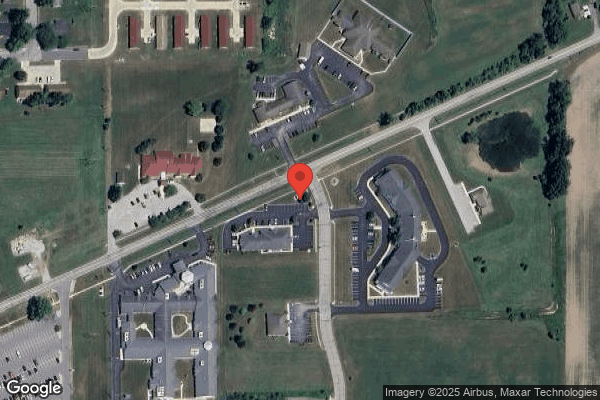
1751 WESLEY ROAD, AUBURN, IN 46706 (260) 925-5494
For profit - Corporation 111 Beds GENERATIONS HEALTHCARE Data: November 2025
Trust Grade
80/100
#118 of 505 in IN
Last Inspection: June 2025

Inspected within the last 6 months. Data reflects current conditions.

Overview

Auburn Village in Auburn, Indiana has a Trust Grade of B+, indicating it is above average and recommended for families considering care options. It ranks #118 out of 505 facilities statewide, placing it in the top half, but it is last in De Kalb County at #4 of 4, meaning there are only three other options nearby that are better. Unfortunately, the facility is experiencing a worsening trend with issues increasing from 3 in 2024 to 5 in 2025. Staffing is a concern, with a below-average rating of 2 out of 5 stars and a turnover rate of 48%, which is on par with the state average. On a positive note, the facility has not incurred any fines, suggesting compliance with regulatory standards. However, there have been specific incidents that raise concerns. For example, the kitchen cleanliness was not maintained, with dirty equipment and unrestrained hair observed among staff, which could pose risks to food safety. Additionally, there was a failure to follow health guidelines during a communicable disease investigation, which could impact residents' health. Lastly, one resident's request to dine in the main dining room for better social interaction was not respected, indicating potential gaps in resident care and communication. Overall, while there are strengths at Auburn Village, families should be aware of the issues that need attention.

Trust Score
B+
80/100
In Indiana
#118/505
Top 23%
Safety Record
Low Risk
No red flags
Inspections
Getting Worse
3 → 5 violations
Staff Stability
⚠ Watch
48% turnover. Above average. Higher turnover means staff may not know residents' routines.
Penalties
✓ Good
No fines on record. Clean compliance history, better than most Indiana facilities.
Skilled Nurses
✓ Good
Each resident gets 48 minutes of Registered Nurse (RN) attention daily — more than average for Indiana. RNs are trained to catch health problems early.
Violations
○ Average
10 deficiencies on record. Average for a facility this size. Mostly minor or procedural issues.
★★★★☆
4.0
Overall Rating
★★☆☆☆
2.0
Staff Levels
★★★☆☆
3.0
Care Quality
★★★★☆
4.0
Inspection Score
Stable
2024: 3 issues
2025: 5 issues

The Good

  • Full Sprinkler Coverage · Fire safety systems throughout facility
  • No fines on record

Facility shows strength in fire safety.

The Bad

Staff Turnover: 48%

Near Indiana avg (46%)

Higher turnover may affect care consistency

Chain: GENERATIONS HEALTHCARE

Part of a multi-facility chain

Ask about local staffing decisions and management

The Ugly 10 deficiencies on record

Jun 2025 5 deficiencies
CONCERN (D)

Potential for Harm - no one hurt, but risky conditions existed

Deficiency F0561 (Tag F0561)

Could have caused harm · This affected 1 resident

**NOTE- TERMS IN BRACKETS HAVE BEEN EDITED TO PROTECT CONFIDENTIALITY** Based on observation, interview and record review the facility failed to ensure dining choices were respected for 1 of 8 residen...

Read full inspector narrative →
**NOTE- TERMS IN BRACKETS HAVE BEEN EDITED TO PROTECT CONFIDENTIALITY** Based on observation, interview and record review the facility failed to ensure dining choices were respected for 1 of 8 residents reviewed (Resident 60). Findings include: During an observation on 6/11/25 at 11:35 AM, Resident 60 was observed seated at a table in the assisted dining room with two other residents. Three staff members were seated at the table assisting the residents with their lunch. During an observation on 6/12/25 at 11:56 AM, Resident 60 was observed seated at a table in the assisted dining room with two other residents. Three staff members were seated at the table assisting the residents with their lunch. During an interview on 6/12/25 at 10:47 AM Resident 60 indicated he had notified staff during a resident council meeting he wished to dine in the main dining room, so he had the opportunity to meet more residents and increase his socialization. He indicated he had expressed to staff he would like to have the choice of where to dine. During an interview on 6/12/25 at 11:32 AM, Registered Nurse (RN) 2 indicated residents could choose which dining room they prefer to sit in. She indicated while no residents were currently aided in the main dining room, residents had been provided assistance there in the past. She indicated some residents preferred not to be assisted in front of others who were not being assisted, but ultimately, the resident could make that decision. During an interview on 6/12/25 at 1:32 PM Resident 60 indicated the Activities Director (AD) told him a few days after the resident council meeting, he was not allowed to eat in the main dining room because he required assistance, and it was a dignity issue. Resident 60 indicated he was comfortable having others observe him receiving feeding assistance. In an interview on 6/12/25 at 2:01 PM, the Activity Director indicated Resident 60 had expressed his desire to eat in the main dining room during a resident council meeting around the first week of June. She indicated the Administrator and corporate staff had told her it was a dignity issue, and he must eat in the assisted dining room. She indicated she reported to Resident 60 that he would not be able to eat in the main dining room due to dignity issues. During an interview on 6/13/25 at 10:29 AM, the Director of Nursing indicated Resident 60 was placed in the assisted dining room due to safety issues. She indicated the facility had plenty of staff available at each meal to assist each resident needing assistance to eat. She did not indicate what safety issues could not be handled in the main dining room. Resident 60's record was reviewed on 6/12/25 at 11:07 AM. Diagnoses included muscular dystrophy and major depressive disorder. A review of Resident 60's current quarterly Minimum Data Set Assessment (MDS), dated [DATE], indicated his Basic Interview for Mental Status (BIMS) score was 15 indicating he was cognitively intact and able to make daily decisions. The MDS indicated Resident 60 required assistance with eating and did not display signs and symptoms of a swallowing disorder or concerns about safety with dining. A review of Resident 60's current care plan titled Resident is independent with activities indicated the resident had a problem of independence with activities, with a goal date of 9/1/25. Interventions included ensuring activities were compatible with known interests and preferences. The care plan indicated resident interests should be established by talking with the resident as needed. A care plan intervention was added on 6/13/25 indicating Resident 60 required total assist with eating and all meals were to be in the Assisted Dining Room as the resident would allow. The care plan did not address Resident 60 having a choice of which dining area to dine in. A Quarterly Nutrition Review, dated 5/30/25, indicated Resident 60 did not display a chewing or swallowing problem and did not indicate a preferred dining location. A review of physician orders dated 11/25/24 indicated Resident 60 received a regular diet with regular/thin consistency fluids. In a Psychotherapy progress note dated 6/3/25 at 6:45 PM, Licensed Social Worker 8 indicated Resident 60 had expressed not having much going on lately and struggling with being young in the facility atmosphere. The note did not indicate the resident was requesting to eat in the main dining room for socialization. A current policy dated 10/21 provided by the Administrator on 6/16/25 at 1:38 PM indicated all residents should be consulted on any matter or activity which may impinge on their life within the facility in any way, and to have their wishes respected. 3.1-3(u)(1) 3.1-3(u)(1)
CONCERN (D) 📢 Someone Reported This

A family member, employee, or ombudsman was alarmed enough to file a formal complaint

Potential for Harm - no one hurt, but risky conditions existed

Deficiency F0688 (Tag F0688)

Could have caused harm · This affected 1 resident

Based on observation, interview and record review, the facility failed to ensure the treatment to maintain or prevent further loss of range of motion for 1 of 1 resident reviewed (Resident 7). Finding...

Read full inspector narrative →
Based on observation, interview and record review, the facility failed to ensure the treatment to maintain or prevent further loss of range of motion for 1 of 1 resident reviewed (Resident 7). Findings include: In an interview, on 6/11/25 at 10:23 AM, Resident 7 indicated they were unable to participate in bingo due to limited use of their hands. On 6/11/25 at 10:25 AM, Resident 7 was observed to have contractures (rigid joints) of both of their wrists. Resident 7's record was reviewed on 6/16/25 at 9:36 AM. Diagnoses included rheumatoid arthritis (a condition that causes stiff joints) and Parkinson's Syndrome (a condition that affects movement and coordination due to stiffness and tremors). Resident 7's Quarterly Minimum Data Set, (MDS)dated 5/20/25 indicated their Brief Interview of Mental Status (BIMS) score was 2 (severe cognitive impairment). The MDS indicated Resident 7 required substantial to maximum staff assistance for eating. The MDS indicated Resident 7 was dependent on staff assistance for oral care, mobility, bathing and toileting. The MDS indicated Resident 7 had no impairment of functional range of motion to their shoulders, elbows, wrists or hands. The MDS indicated Resident 7 had no impairment of functional range of motion to their hips, knees, ankles or feet. Resident 7's care plan, dated 3/24/25, indicated the resident had limited physical mobility due to Parkinson's, Alzheimer's, rheumatoid arthritis and contracted feet. The target goal was for the resident to remain free from immobility complications including further contractures through 7/13/25. Interventions included provision of daily gentle range of motion as tolerated. Resident 7's Medication Administration Record (MAR) dated 6/1/25 through 6/17/25 did not indicate the resident had received range of motion exercises. Resident 7's Treatment Administration Record (TAR) dated 6/1/25 through 6/17/25 did not indicate the resident had received range of motion exercises. Resident 7's nurse aide task sheet did not indicate the resident had received range of motion exercises. In an interview, on 6/17/25 at 9:52 AM, the Director of Nursing (DON) indicated range of motion is documented by the nurse aides under the tasks tab. In an interview, on 6/17/25 at 11:45 AM, the DON indicated Resident 7's range of motion was not documented due to the facility not having an official restorative program. The DON indicated range of motion exercises were not documented due to range of motion was supposed to be automatically performed for all residents. The DON indicated according to a nurse aide training school, nurse aides were trained to perform range of motion during morning and evening care, therefore does not need to be recorded. The DON indicated the facility did not have an official policy for contracture care. 3.1-42(a)(1) 3.1-42(a)(2)
CONCERN (D)

Potential for Harm - no one hurt, but risky conditions existed

Deficiency F0697 (Tag F0697)

Could have caused harm · This affected 1 resident

Based on interview and record review, the facility failed to ensure non-medication pain interventions were implemented as ordered by the physician for 1 of 1 resident reviewed (Resident 30). Findings ...

Read full inspector narrative →
Based on interview and record review, the facility failed to ensure non-medication pain interventions were implemented as ordered by the physician for 1 of 1 resident reviewed (Resident 30). Findings include: Resident 30's record was reviewed on 6/16/25 at 10:56 AM. Diagnoses included chronic pain syndrome, low back pain, right leg pain and polyneuropathy (damage to multiple nerves). Resident 30's Quarterly Minimum Data Set, (MDS) date 4/11/25, indicated the resident's Brief Interview for Mental Status (BIMS) score was 14 (no cognitive impairment). The MDS indicated Resident 30 had not been administered routine pain medication. The MDS indicated Resident 30 had been administered pain medication as needed. The MDS indicated Resident 30 frequently had pain. The pain frequently interfered with Resident 30's sleep at night. The MDS indicated Resident 30 had not been offered non-medication pain interventions. Resident 30's care plan, dated 3/10/25, indicated the resident was at risk for pain due to impaired mobility, diabetes with polyneuropathy, chronic pain syndrome, low back pain, and end stage renal disease dialysis dependent and dorsalgia (back pain). The target goal was to have no interruption of normal activities due to pain through 8/17/25. Interventions included assessment of pain, assessment of effectiveness of pain medications, documentation of probable cause of each episode of pain and removal of causes when possible. A physician order, dated 4/10/25, indicated Resident 30 could be administered 2 tablets of hydrocodone-acetaminophen (Norco) every 6 hours as needed (PRN) for moderate to severe pain. A physician order, dated 11/26/24, indicated Resident 30 could be administered 2 tablets of acetaminophen (Tylenol) every 6 hours as needed (PRN) for mild to moderate pain. A physician order, dated 11/26/24, indicated the nurse should offer non-medication pain interventions prior to administering PRN pain medications. A physician order, dated 4/1/25, indicated Resident 30 would be assessed for pain every shift. Resident 30's MAR, dated 6/1/25 to 6/16/25, indicated the resident had been administered Norco for moderate to severe pain on 20 occasions. The MAR did not indicate the resident had been offered non-medication pain interventions. Resident 30's MAR, dated 6/1/25 to 6/16/25, indicated the resident had not been administered Tylenol for mild to moderate pain. Nursing notes, dated 6/1/25 to 6/15/25, did not indicate any non-pharmacologic interventions had been attempted for Resident 30, In an interview, on 6/16/25 at 2:00 PM, Registered Nurse (RN) 4 indicated non-medication pain interventions were documented in the MAR whenever a PRN pain medication was administered. In an interview, on 6/17/25 at 9:52 AM, the Director of Nursing (DON) indicated non-medication pain interventions are recorded on the MAR when PRN pain meds are administered. The DON reviewed Resident 30's current MAR. The DON indicated non-medication pain interventions were not included in Resident 30's MAR. The DON reviewed Resident 30's physician orders and care plan. The DON indicated non-medication pain interventions were included in the resident's physician orders. The DON indicated specific non-medication pain interventions were not included in the resident's care plan. In an interview, on 6/17/25 at 11:40 AM, the DON, while referring to their phone, indicated a federal regulation did not require non-medication pain interventions. The DON indicated according to the regulation they had referred to; non-medication pain interventions could be a consideration and therefore, were not a requirement. A current facility policy, titled Pain Management, dated 11/2022, provided by the Assistant Director of Nursing on 6/16/25 at 1:54 PM, indicated a resident specific pain management care plan would be developed for each resident who has pain. The policy indicated both pharmacological and non-pharmacological interventions may be implemented. 3.1-37(a)
CONCERN (D)

Potential for Harm - no one hurt, but risky conditions existed

Deficiency F0825 (Tag F0825)

Could have caused harm · This affected 1 resident

**NOTE- TERMS IN BRACKETS HAVE BEEN EDITED TO PROTECT CONFIDENTIALITY** Based on interview and record review the facility failed to ensure massage therapy was provided for 1 of 24 residents reviewed (...

Read full inspector narrative →
**NOTE- TERMS IN BRACKETS HAVE BEEN EDITED TO PROTECT CONFIDENTIALITY** Based on interview and record review the facility failed to ensure massage therapy was provided for 1 of 24 residents reviewed (Resident 60). Findings include: During an interview on 6/12/25 at 10:17 AM, Resident 60 indicated he had notified facility staff of desire to receive massage therapy services for discomfort related to muscular dystrophy. He indicated he could receive the services for free at the Veterans Affairs Hospital. He indicated he had inquired about massage therapy during a Resident Council meeting. After the meeting, the facility driver had told him the facility could not assist him with transportation due to it not being a medically necessary service, but the facility might be able to offer massage in house. He indicated the conversation was several weeks ago and he had not received any further information from the facility. During an interview on 6/12/25 at 1:32 PM, Resident 60 indicated he had not received any massage therapy from facility staff or heard of any plans to be provided with this service. Resident 60's record was reviewed on 6/12/25 at 11:07 AM. Diagnoses included muscular dystrophy and major depressive disorder. A review of Resident 60's current quarterly Minimum Data Set Assessment (MDS), dated [DATE], indicated their Basic Interview for Mental Status (BIMS) score was 15 (cognitively intact). The MDS indicated Resident 60 did not reject any care necessary to achieve his goals for health and well-being. The MDS indicated Resident 60 had limitations of range of motion in both upper extremities and required extensive physical assistance with activities of daily living. A review of Resident 60's current care plan titled Resident is Resistant to care such as wearing a gait belt indicated Resident 60 had a problem of resisting use of a gait belt with a goal date of 9/1/25. The care plan indicated Resident 60 should be allowed to make decisions about his treatment regimen to provide a sense of control. A current care plan titled resident is at risk for pain indicated Resident 60 had a problem of pain related to impaired mobility, benign prostatic hypertrophy, dorsalgia, muscular dystrophy, and irritable bowel syndrome. The care plan had a goal date of 9/1/25. Interventions included reporting complaints of pain or requests for pain treatment to the nurse. The care plan did not include interventions to relieve pain related to range of motion or massage therapy. A review of Resident Council Meeting Minutes dated 6/3/25 indicated the Nurse Practitioner spoke with Resident 60 to obtain preference and transportation related to going out to VA for massage therapy. A review of progress notes dated 5/28/25 at 1:11PM indicated Resident 60 reported persistent side neck pain for which he had received massages in the past. A review of progress notes dated 6/6/25 at 1:25 PM indicated Resident 60 was referred to Physical Therapy for ultrasound and massage therapy to address discomfort with spinal curvature. The progress note indicated Nurse Practitioner (NP) 7 would monitor his condition and adjust treatment as necessary. A review of progress notes from 6/1/25 to 6/16/25 did not include any care refusals or refusals of offers of massage therapy. A review of active physician orders for 6/12/25 did not include an order for physical therapy. A physician's order dated 5/19/25 indicated Skilled Occupational Therapy was ordered 2 times a week for 5 weeks to include therapeutic exercise, self-care, neuromuscular reeducation, therapeutic activities, wheelchair management, and safety awareness. In an interview, on 6/13/25 at 1:03 PM, the Director of Nursing (DON) indicated Physical Therapy was not providing massage therapy to Resident 60. She indicated Resident 60 was on Occupational Therapy (OT) caseload, and OT was handling the massage therapy. In an interview on 6/13/25 at 1:11 PM the Director of Therapy indicated Resident 60 had not been evaluated for massage therapy, but would be evaluated for massage therapy that day. The Occupational Therapy Plan of Care indicated therapy goals for neck pain with the initiation of manual techniques began on 6/13/25. In an interview, on 6/16/25 at 12:07 PM, Qualified Medicine Aide (QMA) 3 indicated she managed facility-provided transportation. She indicated Resident 60 had asked her about massage appointments, but she did not have an appointment for massage therapy on her schedule for him. She did not indicate passing his inquiry on to any other employee. In an interview, on 6/17/25 at 11:30 AM, the DON indicated the discussion of massage therapy was not an order and was only discussed as a possibility. The DON did not indicate the resident had been reviewed for a Restorative Program including Active and Passive Range of Motion. In an interview, on 6/17/25 at 11:40 AM, NP 7 indicated she reviewed her progress note from 6/6/25 and indicated her note appeared to be an order for a Physical Therapy referral. She indicated she did not intend to write an order, but meant to have Physical Therapy discuss massage therapy. She indicated she had not spoken with the facility about rescinding the order. A current policy titled Physician's Orders, dated 3/16, provided by the Administrator on 6/16/25 at 1:38 PM, indicated new orders should be promptly entered into the computer and carried out. 3.1-23 (a)(1)(2)
CONCERN (E)

Potential for Harm - no one hurt, but risky conditions existed

Food Safety (Tag F0812)

Could have caused harm · This affected multiple residents

Based on observation and interview, the facility failed to ensure kitchen cleanliness was maintianed. 70 of 81 residents residing in the facility ate food prepared in the kitchen. Findings include: Du...

Read full inspector narrative →
Based on observation and interview, the facility failed to ensure kitchen cleanliness was maintianed. 70 of 81 residents residing in the facility ate food prepared in the kitchen. Findings include: During an observation, on 06/11/25 at 09:13 AM, there was moisture in 2 of 3 pans on drying rack, the stand mixer located in the cooking and clean storage area had yellow particles and yellow discoloration on the bowl, paddle, and on the main unit. An unlabeled fruit cup had a red liquid puddle underneath on the top drawer of the mini fridge in the south hall. Employee 9 had their hair unrestrained During an interivew, on 06/11/25 at 10:25 AM, The Dietary Manager indicated the kitchen staff needed to restrain their hair with a hairnet. During an observation, on 06/11/25 at 10:30 AM, Employee 9 took the lid off the food processor and placed it right side up on top of the toaster next to it. The top of the toaster had crumbs and dry brown particles on the top surface. The rim of the lid is an interior surface and touches the food inside the food processor. Food and liquid were transferred to the toaster by contact. During an observation, on 06/11/25 at 11:05 AM, the following was observed, in the dining room on the 200 hall brown stains were found on the floor under the coffee maker, and a dry, round, white food-like substance was found on the cabinet door next to the coffee maker. In an interview on, 06/11/25 at 10:30 AM, Employee 10 and the Dietary Manager were notified of the food and liquid from the inside of the food processor was transferred to the toaster. Employee 10 acknowledged they would have to clean the toaster and move it to a better storage location. The Dietary Manager indicated 70 of 81 residents residing in the facility ate food prepared on the facility kitchen. A current policy dated 06/12/25 provided by the Dietary Manager indicated that small appliances such as mixers and food processors should have solid food scraped into a garbage container, and to clean the outer surface with a clean cloth that has been moistened in hot, soapy water. A current policy dated 06/12/25 provided by the Dietary Manager indicated that food should be labeled with the date received, the date opened, and the date by which the item should be discarded. Once opened, these items are refrigerated and labeled with the date opened and with discard or use by date. 483.60(i)(1)(2)
Jul 2024 2 deficiencies
CONCERN (D)

Potential for Harm - no one hurt, but risky conditions existed

Deficiency F0742 (Tag F0742)

Could have caused harm · This affected 1 resident

**NOTE- TERMS IN BRACKETS HAVE BEEN EDITED TO PROTECT CONFIDENTIALITY** Based on observation, interview and record review the facility failed to identify, assess and determine underlying cause of spec...

Read full inspector narrative →
**NOTE- TERMS IN BRACKETS HAVE BEEN EDITED TO PROTECT CONFIDENTIALITY** Based on observation, interview and record review the facility failed to identify, assess and determine underlying cause of specific expressions of distress of a trauma survivor for 1 of 2 residents reviewed (Resident 3). Findings include: On 6/27/24 at 12:10 PM, Resident 3 was observed sitting in the doorway of their room in their wheelchair. Resident 3 greeted a staff member pleasantly. Resident 3 greeted this writer, then quickly looked away. Resident 3 began to speak softly in nonsensical terms while looking at the palms of their hands. Resident 3's record was reviewed on 7/1/24 at 11:36 AM. Resident 3's diagnoses included anxiety, major depressive disorder, paranoid schizophrenia, insomnia, obsessive compulsive disorder, morbid obesity, tracheostomy, (surgical opening for breathing) mechanical ventilator (breathing machine) at night. Resident 12 was a survivor of childhood sexual trauma. Resident 3's Annual Minimum Data Set (MDS) dated [DATE] indicated the resident's Brief Interview for Mental Status (BIMS) score was 12 (mild cognitive impairment). The MDS indicated Resident 3 had not displayed any behaviors related to delusions, aggression or resistance of care. A progress note dated 8/23/23 at 4:07 PM indicated Resident 3 had been swearing and being sexually inappropriate. A Psychiatric Nurse Practitioner (NP) progress note dated 10/12/23 and signed 10/15/23 at 11:53 AM indicated Resident 3 had a history of sexually inappropriate comments and sexually inappropriate behaviors. Resident 3 had a history of physical and verbal aggression. Resident 3 had a history of abuse and/or neglect as a victim and as a perpetrator. A progress note dated 11/19/23 at 4:55 PM indicated Resident 3 often spoke in delusional fantasy themed conversations. A progress note dated 12/3/23 at 2:00 AM indicated Resident 3 refused their shower. Resident 3 had reported they did not want a man to assist with their shower. A progress note dated 1/6/24 at 4:16 AM indicated Resident had been verbally aggressive and had shoved their bedside table into the hallway. A progress note dated 1/6/24 at 6:10 PM indicated Resident 3 had been begging the staff to buy them alcohol. A progress note dated 1/7/24 at 6:20 AM indicated Resident 3 had made inappropriate sexual comments about a staff member's wife. A progress note dated 4/28/24 at 9:40 PM indicated Resident 3 made an inappropriate sexual comment to a staff member. A progress note dated 5/2/24 at 12:58 AM indicated Resident 3 had been making derogatory sexual comments and blaring loud music from their room. Resident 3 did not respond to redirection attempts. A progress note dated 5/2/24 at 2:53 PM indicated Resident 3 had been administered lorazepam due to increased behaviors and agitation. A progress note dated 5/15/24 at 4:35 PM indicated Resident 3 had been evaluated by the Psychiatric NP for yelling in the halls and increased behaviors. A Psychiatric NP progress note dated 11/29/23 and signed on 12/2/23 at 10:14 AM indicated Resident 3 had been obsessively focusing on their diet. A Psychiatric NP progress note dated 2/11/24 and signed 2/13/24 at 6:47 AM indicated Resident 3 had been frustrated because the resident had wanted a second meal tray before finishing their first meal. A Psychiatric NP progress note dated 5/15/24 at 7:27 PM indicated Resident 3 had been evaluated for increased delusions, hallucinations, anxiety, agitation and paranoia. Resident 3 had been yelling out and being inappropriate. A Psychiatric NP progress note dated 5/26/24 at 3:39 PM indicated Resident 3 continued to have anxiety while wearing their ventilator. Resident 3 had been prescribed lorazepam to be administered every 4 hours. A Psychiatric NP progress note dated 6/12/24 and signed 6/13/24 at 3:47 PM indicated Resident 3 had been evaluated for concerns of anxiety, depression, insomnia and a fixation on pickles. Resident 3's care plan dated 5/24/23 indicated the resident was a childhood sexual abuse survivor. The target goal was for Resident 3 to have minimal trauma related stress or anxiety by 9/24/24. Interventions included Resident 3 did not have any known triggers, avoidance of trauma related topics, providing support and assurance of safety. Resident 3's care plan dated 1/28/23 indicated the resident soaked their laundry in the sink, put their clothing on the floor and ate with their fingers. The target goal was Resident 3 would not soak their clothing in their sink through 9/24/24. Interventions included documentation of behaviors, praise for appropriate behavior, remind to use the facility laundry service. Resident 3's care plan dated 1/16/24 indicated Resident 3 refused to reduce clutter in their room. The target was for the resident to make informed choices and be aware of outcomes of resisting care by 9/24/24. Interventions included a calm approach, offer storage containers, allow the resident to maintain control. Resident 3's care plan dated 3/31/22 indicated the resident sometimes removed all the snacks from the resident pantry. The target was for the resident to have decreased behaviors by 9/24/24. Interventions included encouragement to take appropriate portions, redirection, praise for good behavior and mental health services as needed. Resident 3's care plan dated 11/7/23 indicated the resident would sometimes engage in self-gratification. The target was for the resident to be provided with privacy through 9/24/24. Interventions included positive reinforcement for appropriate behavior, encourage activities to decrease boredom, maintain safety, preserve dignity, if Resident 3 engages in self-gratification during care; immediately stop care and step away, use an opposite sex caregiver when necessary, close door and allow privacy. Resident 3's care plan dated 6/27/23 indicated the resident had a disturbed sleep pattern due to insomnia. The target was for the resident to report they feel rested through 9/24/24. Interventions included a restful environment, discouraging daytime naps, maintaining a bedtime routine and a bedtime snack. Resident 3's care plan dated 12/14/21 indicated the resident sometimes had aggressive behaviors such as throwing objects, throwing food, using racial slurs and making sexual comments. The target was for the resident to have decreased aggressive behaviors through 9/24/24. Interventions included approaching in a calm manner, alternating different staff, offering simple choices, approaching later, and providing education. Resident 3's care plan dated 1/26/22 indicated the resident was sometimes resistant to care. The target was for the resident to not have a functional decline through 9/24/24. Interventions included allowing choices, praise for appropriate behavior, avoiding power struggles, approaching later and providing education related to consequences of noncompliance. Resident 3's care plan did not address obsessive compulsive disorder or depression, interventions to identify and assess specific stressors, include pain as a possible stressor for aggression, nor include male caregivers as a possible stressor for refusal of care. In an interview on 7/2/24 at 11:56 AM, the Social Service Director (SSD) indicated they were aware of Resident 3's increased behaviors. The SSD indicated Resident 3's behaviors were reviewed in daily morning meetings and interdisciplinary (IDT) meetings. The SSD indicated specific behavioral triggers were attempted to be identified during IDT meetings. The SSD indicated Resident 3 denied specific triggers related to their history of trauma. The SSD indicated direct care staff were made aware of Resident 3's specific behaviors on daily assignment sheets. In an interview on 7/2/24 at 2:20 PM the Director of Nursing (DON) indicated Resident 3 had denied trauma related triggers. The DON indicated Resident 3 had refused to speak about their trauma history. The DON indicated they agreed stressors could be identified by other means than self-report. The DON indicated they agreed triggers could be identified by staff observances. Resident 3's Profile Care Plan Approach (used by direct care staff to provide resident care) provided by the Administrator on 7/2/24 at 2:15 PM indicated topics related to the resident's trauma should be avoided. The care plan approach did not include specific traumatic topics to be avoided. The care plan approach did not include specific stressors for aggression or resistance to care. A current facility policy dated 5/17 provided by the Social Service Director on 7/1/24 at 3:20 PM indicated the facility would identify experiences and symptoms that may indicate trauma. A current facility policy dated 2/22 provided by the Administrator on 7/1/24 at 4:10 PM indicated residents would be referred to behavioral health services in accordance with their comprehensive assessment and their plan of care. Symptoms of post-traumatic stress disorder (PTSD) can include insomnia, anxiety, and avoidance of thoughts or feelings associated with the event (NIMH, 2024). Risk factors for PTSD include exposure to traumatic events and a history of mental illness. Survivors of childhood sexual trauma have a higher prevalence of anxiety, depression and post-traumatic stress disorder, (National Center for PTSD, 2023) hoarding (and eating disorders (Journal of Eating Disorders, 2023). References National Institute of Mental Health, (nimh.nih.gov, 2024). https://www.nimh.nih.gov/health/topics/post-traumatic-stress-disorder-ptsd The National Center of PTSD, (ptsd.gov, 2023). https://www.ptsd.va.gov/understand/types/sexual_trauma_male.asp The Journal of Eating Disorders, (2023). https://jeatdisord.biomedcentral.com/articles/10.1186/s40337-023-00819-7 3.1-43(a)(1)
CONCERN (E) 📢 Someone Reported This

A family member, employee, or ombudsman was alarmed enough to file a formal complaint

Potential for Harm - no one hurt, but risky conditions existed

Infection Control (Tag F0880)

Could have caused harm · This affected multiple residents

**NOTE- TERMS IN BRACKETS HAVE BEEN EDITED TO PROTECT CONFIDENTIALITY** Based on interview and record review, the facility failed to ensure education about and follow public health authority recommend...

Read full inspector narrative →
**NOTE- TERMS IN BRACKETS HAVE BEEN EDITED TO PROTECT CONFIDENTIALITY** Based on interview and record review, the facility failed to ensure education about and follow public health authority recommendations during investigation of a communicable disease outbreak. This alleged deficient practice affected 1 of 3 residents reviewed (Resident M).and had the potential to affect of 68 residents residing in the facility. Findings include: An anonymous complaint to the Indiana Department of Health (IDOH), dated 6/25/24, indicated Legionella bacteria had been found in water samples collected at the facility and recommendations made to prevent disease were not being followed. Legionnaires' Disease, retrieved from CDC.gov (Centers for Disease Control) on 6/27/24, indicated Legionnaires' disease was a very serious type of pneumonia caused by Legionella bacteria. Legionnaires' disease could cause pneumonia symptoms of cough, muscle aches, fever, shortness of breath, and headache. Legionella bacteria lived in fresh water and man-made settings such as large or complex water systems found in hospitals or nursing homes. Legionella bacteria could grow in these man-made systems if the water was not properly maintained, and could become a health problem when small droplets of water, containing the bacteria, got into the air and people breathed them in. In rare cases, persons could breathe in Legionella bacteria while drinking water and it goes down the wrong pipe into the lungs. In general, Legionnaire's disease was not spread from person to person. Common water sources of Legionella bacteria include water used for showering. When Legionnaires' disease is found, it should be reported to the Local and State Health Departments promptly to allow public health officials to quickly identify and stop potential clusters and outbreaks by linking new cases to previously reported ones. Public Health Authorities are responsible for investigating cases of Legionnaires' disease which typically involves four public health fields: epidemiology, environmental health, laboratory science, and health communication. Centers for Medicare and Medicaid Services (CMS) interpretive guidelines for healthcare-associated Legionella disease indicated: The facility should contact the local/state public health authority if there is a case of healthcare-associated legionellosis or an outbreak of an opportunistic waterborne pathogen causing disease. The facility must follow public health authority recommendations which may include, but is not limited to, remediating the pathogen reservoir and adjusting control measures as necessary. On 6/27/24 at 11:09 A.M., the Maintence Director was interviewed about the facility's water management program. He indicated they had a program in place and were currently working with their water management consultant company to flush the water systems due to positive water tests for Legionella bacteria. He indicated there were no positive water tests for the Legionella species which caused disease. On 6/27/24 at 11:15 A.M., the Administrator and Maintenance Director were interviewed. The Administrator indicated they were notified by the Infectious Disease Epidemiology & Prevention Division of IDOH of a resident (Resident M) who tested positive for Legionnaires' disease when hospitalized in March 2024. He indicated the resident had discharged from the facility prior to their notification and the facility had not been notified by the hospital upon her return. He indicated the facility had been working with Epidemiologist's (Public Health workers who investigate patterns and causes of disease and injury) at IDOH and their water management company to find the source of the infection and put corrective measures in place. He indicated water samples, submitted per IDOH instruction, were found with Legionella bacteria but were not the species which caused Legionnaires' disease. He provided lab test results and map of the facility which indicated where samples had been obtained. The facility, in consultation with their water management company, had started flushing the water system 3 times per week, recorded water temperatures, chlorine levels following the water flush to monitor and raised the level of chlorine to effectively remove Legionella bacteria from the water system. He indicated the Epidemiologist at IDOH had made several recommendations, most of which they followed, but hadn't been able to install Point of Use ([NAME]) filters on their shower heads and continued to use the showers per resident's preference. The cost of replacing all the shower heads was costly and their water management consultant believed it was not necessary. On 6/27/24 at 11:52 A.M., Resident M's record was reviewed. Diagnoses included chronic obstructive pulmonary disease, diabetes, and chronic respiratory failure. She had been hospitalized [DATE]-[DATE] for pneumonia due to influenza and 3/18/24-3/27/24 for acute on chronic respiratory failure and pneumonia. Resident M had resided in a room where a positive water sample had been found for Legionella bacteria after discharging home from the facility. On 6/27/24 at 1:54 P.M., the Administrator provided copies of the water testing results and email exchanges between the facility, water management consultant company and Epidemiologists from IDOH as follows: -4/9/24: The facility was notified by IDOH of a Legionella outbreak investigation based on a resident's (Resident M) positive urine test for Legionella and diagnosis of Legionnaires' disease at the facility. The resident had spent 12 days of the 14 day incubation period at the facility which according to the CDC, prompted an outbreak investigation. IDOH requested documents from the facility and gave recommendations for implementation of immediate water precautions which were: remove ice machines from service, use bottled water for drinking, and remove showers from service until point of use filters could be installed. It was recommended the facility increase surveillance of residents and staff for symptoms of Legionnaires' disease. -4/16/24: An email, detailing a meeting which occurred in the morning with IDOH, local health department and facility staff, had included information shared about Legionella, outbreak response responsibilities of IDOH staff, consideration of notification to resident's and staff or possible drafting of a media statement, and case specific responses detailing Resident M's case. Due to the amount of time the resident spent at the facility, the case was considered, by the CDC, a presumptive healthcare-associated case which implicated the facility. The facility had provided the requested information and immediate water precautions implemented including providing bottled water for drinking, regular flushing per the water management program, cleaning and disinfecting the ice machines, checking their filters and ordering a chlorometer (device to measure amount of chlorine in the water). The facility had increased surveillance for symptomatic individuals and was waiting to implement additional water precautions depending on the water sample results. The facility had contracted with a lab and water samples were to be obtained the following day (4/17/24). -5/9/24: Water samples for Legionella, collected on 4/17/24, resulted in 12 of 35 samples positive for Legionella bacteria. -5/13/24: Lab test results were sent to the facility from the water management consulting company and meeting held between the company and facility to discuss the Legionella investigation testing and IDPH (Indiana Department of Public Health) recommendations. The water company offered their recommendations which were to increase flushing of water at all positive water sample locations for at least 10 minutes per day, at least 3 days per week; measure water temperature after hot water flush; and measure free chlorine after cold water flush for the next 2 weeks and retest. The email indicated if the department of public health changed their recommendations to mandates, the water company would recommend following their guidance. -5/14/24: An email to IDOH indicated the facility would be following recommendations per the consulting water management company. IDOH sent an email, in response, which indicated a meeting was scheduled for 5/21/24 to focus on: Immediate water precaution recommendations, including point-of-use filters, bottled water for drinking, and ice machine use, based on the initial sampling results and what the monitoring period would look like including frequency of sampling, timeline for sampling, quantity and types of samples, etc. -5/29/24: IDOH sent an email to the facility to inquire if the facility had decided on what water precautions to implement, considering the system had tested positive for Legionella; and reminder all Legionella had the potential to cause human illness. The email indicated IDOH recommendations were to install point of use filters onto showerheads currently in use and until [NAME] filters were installed, bottled water should be used for bathing. If the facility decided not to install the [NAME] filters, the bottled water was to be used for bathing and showers not used; Bottled water was to be used for drinking until the end of the response; ice machines removed from service or equipped with [NAME] or in-line filters; and increased surveillance of residents and staff for symptoms consistent with Legionnaires' disease. The email also asked if the facility had been able to conduct system remediation which could include chemical treatment, increased flushing, or replacement of plumbing components. The facility responded and indicated, with direction from their water management team, they had decided to do the following: -Increase flushing to 3x/week & test free chlorine on all of those days -Increase respiratory monitoring -Regenerate water softeners -Ordered point of use filters for ice machines -Retesting to occur once flushing period occurs for 1 month. 5/30/24: An email from IDOH indicated CDC recommended showers be restricted and bed baths used instead since the facility was unable to install [NAME] filters onto showerheads. The email provided a link to CDC recommended control measures which stated: Implementing Control Measures-implement immediate control measures to help reduce the risk of ongoing transmission and prevent exposure to systems or devices suspected to have Legionella. Examples of immediate control measures for potable water systems include: -Restricting showers (using sponge baths instead) -Installing point-of-use microbial filters 6/19/24: An email sent from the facility to IDOH had chlorine logs attached and recommendations made by the facility water management company for next steps. The facility hadn't identified any other symptomatic residents and the facility had regenerated the water softeners and installed filters on the ice machines. The facility elected not to do the sponge bathing due to resident preferences. The facility had done flushing for 10 minutes hot water followed by 10 minutes cold water, 3 days per week over the past 4 weeks, monitored chlorine levels, drained 2 of 3 hot water heaters, regenerated the water softner and disinfected all affected fixtures. The facility would continue flushing for 2 more weeks, increase draining debris from all 3 hot water tanks and replace 6 affected fixtures that had not improved in chlorine readings. On 7/1/24 at 1:45 P.M., the Director of Nursing (DON), Administrator, and Infection Preventionist (IP) were interviewed and provided a copy of the facility's infection control investigation. They indicated Resident M had been in a private room and hadn't come out of her room. She had been hospitalized multiple times for pneumonia and was symptomatic with respiratory symptoms when returning from the hospital prior to the incubation period. They had several teams meetings with IDOH, the Administrator, Maintenance Director, Director of Nursing, and water management consultant company and believed they were following recommendations to prevent transmission and exposure to Legionella. The Administrator indicated they had incorporated discussing resident's respiratory risk daily in their morning meetings, educated staff on infection control and respiratory illness (5/5/24), and consulted with the facility's pulmonologist, physician and NP (Nurse Practitioner) who had no concerns with other residents. Staff were to observe high risk residents for respiratory illness as standard practice and notify the physician, NP, resident, family and DON of changes. The DON indicated they had purchased bottled water but it was not being used for bathing or drinking. The Administrator indicated they had spoken with residents who had indicated they were not willing to have bed baths instead of showering. There was no documentation provided to indicate residents had been notified of Legionella in the water, risks of exposure to while showering and choices made to continue using the showers despite the risks. The DON and Administrator indicated all rooms, except on the vent unit, had their own bathrooms with showers. Residents on the vent unit could use the common shower room on the hall but most were provided bed baths. There were 63 private rooms with their own bathrooms and showers in the facility. The facility's water management program, dated 2024, indicated a Shower Risk Assessment indicated showers in resident rooms were a high risk location for Legionella bacteria due to stagnation of water in low use areas and aerolization of water in the showers. 6/27/24-7/2/24 confidential interviews were conducted with 12 employees including Healthcare Providers who indicated they had not received training on Legionella or other waterborne illness. None had been instructed to monitor for symptoms of pneumonia in high risk residents (vent-dependent or residing in rooms where Legionella bacteria had been found). Many of the interviewed staff indicated not knowing what Legionella was, how it could cause infection and were not told to monitor respiratory symptoms in themselves and report to their supervisor. One Healthcare Provider indicated being told water samples were negative for Legionella bacteria. This tag relates to Complaint IN00437399. 3.1-18(a)
Jan 2024 1 deficiency
CONCERN (D) 📢 Someone Reported This

A family member, employee, or ombudsman was alarmed enough to file a formal complaint

Potential for Harm - no one hurt, but risky conditions existed

Investigate Abuse (Tag F0610)

Could have caused harm · This affected 1 resident

Based on observation, interview and record review, the facility failed to conduct a thorough investigation of injuries of unknown origin for 1 of 2 residents reviewed (Resident B). Findings include: A...

Read full inspector narrative →
Based on observation, interview and record review, the facility failed to conduct a thorough investigation of injuries of unknown origin for 1 of 2 residents reviewed (Resident B). Findings include: An Indiana report form, dated 1/7/24 at 12:17 p.m., indicated the local police had come to the facility for a reported assault on a dependent resident. The resident had an injury to her pubic area which had been determined to have been caused by incontinence and skin allergy. A head to toe assessment had been completed with no suspicious areas identified. On 1/10/24 at 2:43 P.M., Resident B was observed lying in bed attended by the facility wound nurse and Nurse 5. Upon hearing Nurse 5's voice, she opened her eyes, raised her eyebrows and smiled in response. Per Nurse 5, the resident was non-verbal and had the mentality of an infant due to her condition. The resident was observed to have multiple fading bruises that were brown, yellow, and green in color and were in discrete round shapes. She had 2 round bruises on her left upper arm that appeared about 1 inch long. Her right knee had 5 round shaped bruises over the kneecap. The left knee had 2 discrete round shaped bruises which appeared to be about 1/2 inch wide and 1 inch long with one bruise on the kneecap and the other to the outside of the knee. She had a round yellow bruise on the top right side of her mons pubis. There was very slight discoloration at the back of her right ankle. On her chest, were 2 round yellow bruises which were symmetrical and according to staff, was due to her shaker vest (inflatable vest attached to a machine which vibrates the chest to loosen and thin mucous in the lungs). The staff indicated the vest was getting too small for her to wear. On 1/10/24 at 10:48 A.M., Resident B's record was reviewed. The resident had resided at the facility for the past 18 months with a diagnosis of cerebral palsy and dependency on a ventilator. She was dependent on staff for all her care needs and was unable to move her body or extremities. An MAR (Medication Administration Record) dated January 2024 indicated the resident's routine weekly skin check was done on 1/3/23 by the night shift nurse. A routine weekly skin check dated 1/3/23 indicated the resident had no skin conditions noted. A progress note, dated 1/5/24 at 2:14 a.m., did not indicate any bruisign was observed. A Nurse Practitioner (NP) progress note, dated 1/5/24 at 5:01 p.m., indicated the NP visited the resident due to moisture related skin breakdown. Resident B was examined with the staff nurse and facility wound nurse present, No observations of bruising was documented. Progress notes indicated: -1/6/24 at 4:44 a.m., did not indicate any bruising was observed. -1/9/24 at 5:11 p.m., No injury was observed at time of assessment. Per resident's family member, Resident B had sensitive/friable skin and bruised easily. The facility investigation into the allegations, which included the police report, was provided by the Administrator on 1/10/24 at 11:00 A.M. The police report indicated at around 10:30 p.m. on 1/6/24, a call alleging assault of a resident had been received and police had responded to the facility. Nurse 2 and Nurse 3, nurses on duty during the visit, were interviewed. Both indicated Resident B had bruises all over her body along with other marks along her body they alleged were not normal. The officer observed bruises on the resident's ankles, knees, waistline and right upper arm and was told she had bruises on her chest. Staff indicated to the police officer, they were concerned a male resident may have gone into Resident B's room without permission due to his verbal behaviors with other residents, staff and visitors. The report indicated there was a video camera in the hallway which, based on the angle, may have shown if another resident had entered Resident B's room. On 1/10/24 at 10:42 A.M., the NP was interviewed. She indicated on Friday, 1/5/24, she was told the resident had skin breakdown. She, Nurse 5, and the facility wound nurse examined the resident and indicated the resident had some old bruises on her knees, behind one calf and above her mons pubis where her tubing sat. The resident had contractures to both upper and lower extremities and bruised easily due to fair and fragile skin. On 1/10/24 at 1:31 P.M., CNA 7 (Certified Nurse Aide) was interviewed. They indicated they provided direct care to the resident on Wednesday, 1/3/24 and had not observed any bruises on the resident. On 1/10/24 at 1:34 P.M., CNA 8 was interviewed. They indicated, on 1/5/24, they observed multiple bruises on the resident and reported it to the nurse. They indicated the resident had bruises on both knees, both ankles, top of pubic area, her right hip and right upper arm. On 1/10/24 at 3:53 P.M., Nurse 3 was interviewed. They indicated they had returned to work the evening of 1/5/24 after a week of vacation. It was reported to Nurse 3, by the CNA, the resident had several bruises. They examined the resident and observed multiple bruises on the resident's knees, ankles, arms, waist, and chest area. The bruises ranged in color and were purple, green, yellow, and brown and were in various stages of healing. The nurse reported the bruises to the DON who indicated they hadn't been aware of the bruises. On 1/6/24, the DON contacted Nurse 3, indicated the cause of the bruises was being investigated and may have occurred when given a shower the evening of 1/4/24. Nurse 3 indicated she'd never seen Resident B have bruises like those observed, while residing in the facility. On 1/10/24 at 4:22 P.M., the Administrator and DON were interviewed. The Indiana report form hadn't indicated the resident had bruises observed during the police investigators visit. The facility investigation hadn't indicated the cause, location of, or characteristics of the bruises reported by Nurse 3 and CNA 8. There were no statements collected from direct care staff who took care of the resident prior to and after the bruised areas were observed nor were other dependent resident's assessed for injuries of unknown source. There was no documentation regarding the male resident staff were concerned about and his possible wandering into the residents room. The DON bruising on the resident's chest and arms was thought to be due to the resident's too small shaker vest. She indicated the resident had severe contractures of her arms and legs and they may have been bumped while in the shower or when transferred in/out of her wheelchair. There was no documentation the shaker vest had become too small and was difficult to apply or potential for bruising to occur due to contractures when care was provided. When questioned if the video footage mentioned in the police report, was available to view, the DON indicated it had not been reviewed, but would retrieve it. The video footage was not provided prior to the survey exit. The Administrator provided a current copy of the facility policy titled Facility Abuse Prevention Guidance on 1/10/24 which stated the following: The nursing staff is responsible for reporting the appearance of suspicious bruises, lacerations, or other abnormalities of an unknown origin as soon as it is discovered .Following the discovery of any suspicious bruises, laceration or other abnormalities of an unknown origin, the nurse shall complete a full assessment of the resident for other bruises, laceration, or pain .An injury should be classified as an 'injury of unknown source' when all the following conditions are met: The source of the injury was not observed by any person; and The source of the injury could not be explained by the resident; and The injury is suspicious because of the extent of the injury, or the location of the injury, or the number of injuries observed at one particular point in time, or the incidence of injuries over time This deficiency relates to Complaint IN00425572. 3.1-28(d)
Oct 2023 1 deficiency
CONCERN (D) 📢 Someone Reported This

A family member, employee, or ombudsman was alarmed enough to file a formal complaint

Potential for Harm - no one hurt, but risky conditions existed

Deficiency F0561 (Tag F0561)

Could have caused harm · This affected 1 resident

Based on interview and record review, the facility failed to ensure a resident's choice of bedtime for 1 of 3 residents reviewed (Resident P). Findings include: An Indiana report, dated 10/9/23, indic...

Read full inspector narrative →
Based on interview and record review, the facility failed to ensure a resident's choice of bedtime for 1 of 3 residents reviewed (Resident P). Findings include: An Indiana report, dated 10/9/23, indicated on 10/8/23 at 8:15 p.m., Resident P had been wandering in the facility and refused to go to bed. She was put into bed against her wishes. On 10/26/23 at 10:18 A.M., Resident P's daughter was interviewed. She indicated on 10/8/23 around 8:06 p.m., the nurse caring for her mother called and indicated the resident had been going into other resident's rooms and had been taken back to her room where staff were trying to get her into bed. She tried to speak to her mother via the nurse's cell phone but the resident indicated she wanted to go home and hadn't wanted to go to bed. The nurse indicated the resident had to go to bed because of her wandering and she was transferred into bed. On 10/26/23 at 11:40 A.M., Resident P's record was reviewed. Diagnoses included vascular dementia, anxiety and depressive disorders. A significant change MDS (Minimum Data Set) assessment, dated 9/1/23, indicated the resident had severely impaired cognition. She was non-ambulatory but able to propel herself in the wheelchair. She had no mood indicators or behaviors. She was admitted to hospice services due to progressive decline in her condition. A care plan, dated 9/1/23, indicated activities the resident preferred included choosing her own bed time. The goal was to honor the resident's preferences. Interventions included: Ask the resident each evening what time she preferred to go to bed. A nurse note, dated 10/8/23 at 11:26 p.m., indicated the resident had been going into other resident's rooms on another hall. She was assisted to wheel back to her room where she was placed in bed. On 10/26/23 at 10:32 A.M., the DON was interviewed. She indicated the resident was able to choose when to go to bed and her wishes should've been honored. Staff could've offered the resident a warm drink, snack, or activity to deter her from wandering in her wheelchair. A current facility policy, titled Resident Rights, provided on 10/26/23 at 1:35 P.M., stated You have the right to choose your own activities, schedules (including sleeping and waking times), health care, and providers of health care services consistent with your interests, assessments, and plan of care This citation relates to Complaint IN00419195. 3.1-3(u)(1)
Jul 2023 1 deficiency
CONCERN (D)

Potential for Harm - no one hurt, but risky conditions existed

Food Safety (Tag F0812)

Could have caused harm · This affected 1 resident

Based on observation, interview, and record review, the facility failed to ensure hand hygiene procedures were performed during meal service during 1 of 3 observations. Findings include: In an obser...

Read full inspector narrative →
Based on observation, interview, and record review, the facility failed to ensure hand hygiene procedures were performed during meal service during 1 of 3 observations. Findings include: In an observation on 7/26/23 at 11:24 AM, 14 residents were in the 300 hall dining room for lunch. During the observation, Dietary Aide 3 gloved both her hands. Dietary Aide 3 touched her glasses, moved around food containers, touched the tortillas, touched the handle of 2 utensils, then plated shredded cheese and lettuce without a utensil with both gloved hands. Dietary Aide 3 handed the 2 plates of food to another dietary aide to be served to residents. The Surveyor then intervened. In an interview on 7/26/23 at 11:28 PM, Dietary Aide 3 indicated she should have only touched food with one gloved hand. Dietary Aide 3 also indicated she should have used hand hygiene or changed her gloves after touching other items with her gloved hands. A current policy, dated 5/17, titled Hand Hygiene, was provided by the Administrator on 7/26/23 at 2:51 PM. The policy indicated hand hygiene is performed before and after handling food. The policy also indicated the use of gloves does not replace hand hygiene. 16.2-5-5.1 (f)
Understanding Severity Codes (click to expand)
Life-Threatening (Immediate Jeopardy)
J - Isolated K - Pattern L - Widespread
Actual Harm
G - Isolated H - Pattern I - Widespread
Potential for Harm
D - Isolated E - Pattern F - Widespread
No Harm (Minor)
A - Isolated B - Pattern C - Widespread

Questions to Ask on Your Visit

  • "Can I speak with families of current residents?"
  • "What's your RN coverage like on weekends and overnight?"

Our Honest Assessment

Strengths
  • • Grade B+ (80/100). Above average facility, better than most options in Indiana.
  • • No major safety red flags. No abuse findings, life-threatening violations, or SFF status.
  • • No fines on record. Clean compliance history, better than most Indiana facilities.
Concerns
  • • No significant concerns identified. This facility shows no red flags across CMS ratings, staff turnover, or federal penalties.
Bottom line: Generally positive indicators. Standard due diligence and a personal visit recommended.

About This Facility

What is Auburn Village's CMS Rating?

CMS assigns AUBURN VILLAGE an overall rating of 4 out of 5 stars, which is considered above average nationally. Within Indiana, this rating places the facility higher than 99% of the state's 100 nursing homes. This rating reflects solid performance across the metrics CMS uses to evaluate nursing home quality.

How is Auburn Village Staffed?

CMS rates AUBURN VILLAGE's staffing level at 2 out of 5 stars, which is below average compared to other nursing homes. Staff turnover is 48%, compared to the Indiana average of 46%.

What Have Inspectors Found at Auburn Village?

State health inspectors documented 10 deficiencies at AUBURN VILLAGE during 2023 to 2025. These included: 10 with potential for harm.

Who Owns and Operates Auburn Village?

AUBURN VILLAGE is owned by a for-profit company. For-profit facilities operate as businesses with obligations to shareholders or private owners. The facility is operated by GENERATIONS HEALTHCARE, a chain that manages multiple nursing homes. With 111 certified beds and approximately 81 residents (about 73% occupancy), it is a mid-sized facility located in AUBURN, Indiana.

How Does Auburn Village Compare to Other Indiana Nursing Homes?

Compared to the 100 nursing homes in Indiana, AUBURN VILLAGE's overall rating (4 stars) is above the state average of 3.1, staff turnover (48%) is near the state average of 46%, and health inspection rating (4 stars) is above the national benchmark.

What Should Families Ask When Visiting Auburn Village?

Based on this facility's data, families visiting should ask: "Can you walk me through typical staffing levels on day, evening, and night shifts?" "Can I visit during a mealtime to observe dining assistance and food quality?" "How do you handle medical emergencies, and what is your hospital transfer rate?" "Can I speak with family members of current residents about their experience?" These questions are particularly relevant given the below-average staffing rating.

Is Auburn Village Safe?

Based on CMS inspection data, AUBURN VILLAGE has a clean safety record: no substantiated abuse findings (meaning no confirmed cases of resident harm), no Immediate Jeopardy citations (the most serious violation level indicating risk of serious injury or death), and is not on the Special Focus Facility watch list (a federal program monitoring the lowest-performing 1% of nursing homes). The facility has a 4-star overall rating and ranks #1 of 100 nursing homes in Indiana. While no facility is perfect, families should still ask about staff-to-resident ratios and recent inspection results during their visit.

Do Nurses at Auburn Village Stick Around?

AUBURN VILLAGE has a staff turnover rate of 48%, which is about average for Indiana nursing homes (state average: 46%). Moderate turnover is common in nursing homes, but families should still ask about staff tenure and how the facility maintains care continuity when employees leave.

Was Auburn Village Ever Fined?

AUBURN VILLAGE has no federal fines on record. CMS issues fines when nursing homes fail to meet care standards or don't correct problems found during inspections. The absence of fines suggests the facility has either maintained compliance or corrected any issues before penalties were assessed. This is a positive indicator, though families should still review recent inspection reports for the full picture.

Is Auburn Village on Any Federal Watch List?

AUBURN VILLAGE is not on any federal watch list. The most significant is the Special Focus Facility (SFF) program, which identifies the bottom 1% of nursing homes nationally based on persistent, serious quality problems. Not being on this list means the facility has avoided the pattern of deficiencies that triggers enhanced federal oversight. This is a positive indicator, though families should still review the facility's inspection history directly.