

LAURELS OF DEKALB

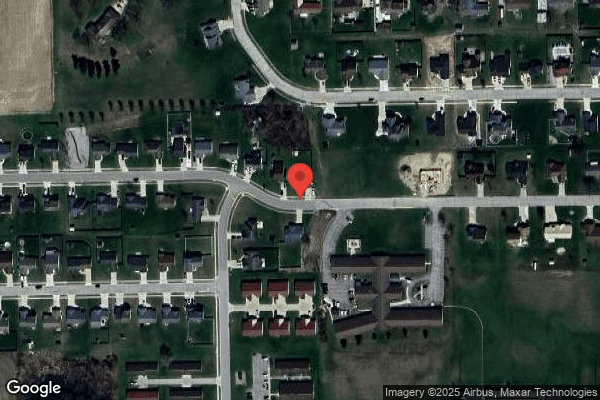
520 W LIBERTY ST, BUTLER, IN 46721 (260) 868-2164
For profit - Corporation 101 Beds CIENA HEALTHCARE/LAUREL HEALTH CARE Data: November 2025
Trust Grade
90/100
#59 of 505 in IN
Last Inspection: September 2024

Within standard 12-15 month inspection cycle. Federal law requires annual inspections.

Overview

The Laurels of Dekalb has received a Trust Grade of A, indicating it is an excellent facility that is highly recommended. It ranks #59 out of 505 nursing homes in Indiana, placing it in the top half of state facilities, and #2 out of 4 in De Kalb County, meaning there is only one local option that performs better. The facility's trend is improving, with reported issues decreasing from 3 in 2023 to 2 in 2024, and it has no fines recorded, which is a positive sign. Staffing is considered average with a rating of 3 out of 5 stars and a turnover rate of 43%, which is below the state average of 47%. However, there have been some concerning incidents, such as a resident being observed with an outdated dressing that had not been changed as per physician orders and another resident's nasogastric tube not being managed according to directives. Overall, while the home has strong ratings and is improving, families should be aware of these specific care management issues.

Trust Score
A
90/100
In Indiana
#59/505
Top 11%
Safety Record
Low Risk
No red flags
Inspections
Getting Better
3 → 2 violations
Staff Stability
○ Average
43% turnover. Near Indiana's 48% average. Typical for the industry.
Penalties
✓ Good
No fines on record. Clean compliance history, better than most Indiana facilities.
Skilled Nurses
○ Average
Each resident gets 32 minutes of Registered Nurse (RN) attention daily — about average for Indiana. RNs are the most trained staff who monitor for health changes.
Violations
○ Average
8 deficiencies on record. Average for a facility this size. Mostly minor or procedural issues.
★★★★★
5.0
Overall Rating
★★★☆☆
3.0
Staff Levels
★★★★★
5.0
Care Quality
★★★★★
5.0
Inspection Score
Stable
2023: 3 issues
2024: 2 issues

The Good

  • 5-Star Quality Measures · Strong clinical quality outcomes
  • Full Sprinkler Coverage · Fire safety systems throughout facility
  • No fines on record
  • Staff turnover below average (43%)

    5 points below Indiana average of 48%

Facility shows strength in quality measures, fire safety.

The Bad

Staff Turnover: 43%

Near Indiana avg (46%)

Typical for the industry

Chain: CIENA HEALTHCARE/LAUREL HEALTH CARE

Part of a multi-facility chain

Ask about local staffing decisions and management

The Ugly 8 deficiencies on record

Sept 2024 2 deficiencies
CONCERN (D) 📢 Someone Reported This

A family member, employee, or ombudsman was alarmed enough to file a formal complaint

Potential for Harm - no one hurt, but risky conditions existed

Quality of Care (Tag F0684)

Could have caused harm · This affected 1 resident

**NOTE- TERMS IN BRACKETS HAVE BEEN EDITED TO PROTECT CONFIDENTIALITY** Based on observation, interview and record review, the facility failed to ensure physician orders were obtained and followed reg...

Read full inspector narrative →
**NOTE- TERMS IN BRACKETS HAVE BEEN EDITED TO PROTECT CONFIDENTIALITY** Based on observation, interview and record review, the facility failed to ensure physician orders were obtained and followed regarding dressing changes for 1 of 7 residents reviewed (Resident 74). Findings include: On 9/3/24 at 9:07 AM, Resident 74 was observed with a dressing on their left below the knee amputation site. The date on the dressing was observed to be 8/22/24. In an interview on 9/3/24 at 9:09AM, Certified Nurse Aide (CNA) 25 indicated they observed the date on the dressing as 8/22/24. CNA 25 indicated they did not normally work on Resident 74's hall and had not been made aware of the dressing. In an interview on 9/3/24 at 9:19 AM, the Director of Nursing (DON) indicated the foam dressing to Resident 74's left leg amputation was most likely applied as a preventative measure to avoid injury. The DON indicated the skin under the dressing would have been inspected during weekly skin assessments. The DON indicated although the weekly skin assessments did not address specific areas of the body, the entire body was assessed. The DON indicated they did not believe the same dressing, dated 8/22/24, would have been reapplied after the dressing was removed to inspect the skin underneath. Resident 74's record was reviewed on 9/3/24 at 9:39 AM. Diagnoses included diabetes, peripheral vascular disease (poor blood circulation) and left below the knee amputation. Resident 74's admission Minimum Data Set (MDS) dated [DATE] indicated the resident's Brief Interview for Mental Status (BIMS) score was 15 (no cognitive impairment). The MDS indicated Resident 74 had a left below the knee amputation surgical incision. The MDS indicated the resident required orthopedic surgical wound care. The MDS indicated Resident 74 was participating in occupational and physical therapy 5 times a week. The MDS indicated Resident 74 was being administered insulin, a blood thinner and antibiotics. A physician order, dated 7/24/24, indicated the wound care practitioner was to evaluate and treat Resident 74 as indicated. A physician order, dated 7/26/24, indicated Resident 74 was to be administered doxycycline (antibiotic) 2 times a day for 14 doses for left below the knee amputation infection. A physician order, dated 7/26/24, indicated Resident 74 was to be administered cephalexin (antibiotic) every 6 hours for 28 doses for left below the knee amputation infection. A physician order, dated 7/26/24, indicated Resident 74's dressing to their left leg was to be left in place until their orthopedic appointment on 8/13/24. Resident 74's physician orders did not include a current or discontinued order for dressing changes of a baby soap cleanse, pat dry, silver infused foam and a tubular compression bandage every Monday, Wednesday and Friday. Resident 74's Care Plan, dated 7/27/24, indicated the resident had a risk for impaired skin integrity related to impaired mobility, diabetes, weakness, incontinence and the use of an indwelling urinary catheter. The target goal was to minimize risk through 11/16/24. Interventions included weekly head to toe skin assessments, observe dressing frequently and refer to actual impaired skin integrity (left below the knee amputation) plan of care. Resident 74's Care Plan, dated 7/27/24, indicated the resident had a risk for complications from their left below the knee amputation incision. The target goal was for the incision to heal without complications through 11/16/24. Interventions included observance of temperature elevation of the resident and observance of swelling, increased drainage, redness, warmth or odor of the incision. Resident 74's Care Plan did not include interventions for Steri-Strips or a prophylactic dressing to their left below the knee amputation incision. An Orthopedic Clinical Visit Summary, dated 8/14/24, indicated staples were removed from Resident 74's left below the knee amputation incision. A Skilled Care Note, dated 8/16/24, indicated Resident 74's left blow the knee amputation incision was open to air with Ster-Strips in place. Resident 74's physician orders did not include a current or discontinued order for Steri-Strips. A Wound Care Consult, dated 8/19/24, indicated Resident 74 had been evaluated for a non-healing wound of their left below the knee amputation after dehiscence (separation of edges) of their incision. The wound bed was debrided mechanically to remove a small scab. A Center for Wound Healing After Visit Summary, dated 8/19/24, indicated Resident 74's wound was to be cleansed with baby soap and water, patted dry, covered with a silver infused foam dressing and secured with an elastic tubular bandage every Monday, Wednesday and Friday. Resident 74 was to follow up with the facility wound care practitioner unless the wound became worse. In an interview on 9/4/24 at 9:40 AM, the DON provided a handwritten Wound and Skin Record for Resident 74. The DON indicated Wound and Skin records were kept in a book at the nurse station and scanned into the resident's electronic medical record later. Resident 74's Wound and Skin Record entries were as follows: On 7/27/24, Resident 74 had a surgical wound to their left below the knee amputation. The dressing was to remain in place until their follow up orthopedic appointment on 8/14/24. On 8/1/24, Resident 74's dressing was intact. On 8/8/24, Resident 74's dressing was intact. On 8/14/24, Resident 74's incision measured 14 centimeters (cm) long and 3.5 cm wide, the incision was pink, well approximated with scattered scabs and Steri-Strips (adhesive wound closure) were intact. On 8/15/24, Resident 74's incision measured 14 centimeters (cm) long and 3.5 cm wide, the incision was pink with scattered scabs and Steri-Strips (adhesive wound closure) were intact. On 8/22/24, Resident 74's incision measured 14 centimeters (cm) long and 1 cm wide, the incision was pink, well approximated with small scabs. On 8/29/24, indicated Resident 74's incision measured 12 centimeters (cm) long and 1 cm wide, the incision was pink, and a prophylactic dressing was applied. In an interview on 9/4/24 at 1:20 PM, the DON indicated the dressing to Resident 74's left leg incision should not have been in place for 12 days. The DON indicated the foam dressing should be changed every 3 to 5 days and as needed. The DON indicated they were not aware of why the dressing was applied. The DON indicated a physician order for the dressing should have been obtained and the dressing application should have been documented. A current facility policy, dated 8/14/24, provided on 9/3/24 at 10:38 AM by the DON indicated residents admitted to the facility with any skin impairment would be provided with the following: -A physician order for treatment -Documentation of the location, measurements and characteristics of the wound -Appropriate interventions to promote wound healing -Preventative treatments would be documented in the care plan The policy indicated a licensed nurse would document preventative measures on the care plan and [NAME] (summary of care plan). The policy indicated a licensed nurse would evaluate and document the condition of the dressing, the condition of the surrounding skin and pain in the resident's medical record. A current facility policy, dated 10/20/23, provided on 9/3/24 at 10:51 AM by the DON indicated the facility would obtain physician orders to ensure concise direction for the care of residents. 3.1-37
CONCERN (D)

Potential for Harm - no one hurt, but risky conditions existed

Tube Feeding (Tag F0693)

Could have caused harm · This affected 1 resident

**NOTE- TERMS IN BRACKETS HAVE BEEN EDITED TO PROTECT CONFIDENTIALITY** Based on observation, interview, and record review the facility failed to ensure a nasogastric (ng) tube was trreated according ...

Read full inspector narrative →
**NOTE- TERMS IN BRACKETS HAVE BEEN EDITED TO PROTECT CONFIDENTIALITY** Based on observation, interview, and record review the facility failed to ensure a nasogastric (ng) tube was trreated according to physician orders for 1 of 1 resident reviewed (Resident 24). Findings include: During an observation and interview on 8/28/24 at 11:21 AM, Resident 24 indicated she had an ng tube placed for nutrition because she was unable to eat due to a worsening hiatal hernia. An ng tube was present in Resident 24's left nostril with tubing attached to a container of Jevity (a nutritional formula for tube feedings). Resident 24's record was reviewed on 9/3/24 at 10:24 AM. Diagnoses included dysphagia, pharyngeal phase, gastro-esophageal reflux disease without esophagitis, and pulmonary hypertension. Resident 24's current significant change Minimum Data Set (MDS) dated [DATE] indicated her Basic Interview for Mental Status (BIMS) score was 15 (cognitively intact). Resident 24's current care plan titled .unable to tolerate nutritionally adequate food or fluid .indicated the resident had a problem of a need for an ng tube for nutrition and hydration, with a goal date of 12/1/24. Interventions included tube dysfunction, or malfunction should be reported to the provider. Current physician orders did not include specific orders for managing blockages in the tubing. Progress notes dated 8/24/24 at 10:29 PM indicated staff were unable to administer Jevity due to a blockage of the tubing. The note indicated Nurse Practitioner (NP) 4 had given orders to send Resident 24 to the hospital. Progress notes dated 8/31/24 at 12:10 PM indicated the ng tube had become blocked after medication administration and Registered Nurse 2 had used Coke (a carbonated beverage) to unblock the tube. The note indicated lab reports were sent to the Nurse Practitioner. No other reports to the NP were recorded in this progress note. In an interview on 9/3/24 at 11:59 AM, the Director of Nursing (DON) indicated the facility did not have a policy for ng tube maintenance and care. She indicated when a policy was not available, staff should refer to [NAME] best practices. In an interview on 9/4/24 at 9:48 AM, the DON indicated the nurse should have contacted the NP for orders when she discovered the ng tube was blocked and should not have used Coke to unclog the ng tube. Lippincott Nursing Center best practice, Nursing 2024, Volume: 48 Number 6, page 66 indicated juices, or carbonated beverages can worsen an occlusion by causing proteins in the formula to precipitate within the tube. The recommended method was pulling back on a syringe plunger and then gently injecting warm water and moving the plunger back and forth to loosen the blockage and clamping the tube to allow the water to loosen the blockage. Additional methods required specific provider orders. 3.1-44(a)(2)
Aug 2023 3 deficiencies
CONCERN (D)

Potential for Harm - no one hurt, but risky conditions existed

Deficiency F0554 (Tag F0554)

Could have caused harm · This affected 1 resident

Based on observation, interview and record review the facility failed to ensure supervision of self-administration of medication for 1 of 6 residents reviewed. (Resident 18) Findings include: During a...

Read full inspector narrative →
Based on observation, interview and record review the facility failed to ensure supervision of self-administration of medication for 1 of 6 residents reviewed. (Resident 18) Findings include: During an observation 8/21/23 at 10:28 AM Resident 18 was sitting in a wheelchair in their room while RN 4 administered medications to Resident 18's roommate. A medication bottle was viewed on Resident 18's bedside table. In an interview on 8/21/23 at 3:00 PM, Resident 18 indicated the medication bottle contained eye drops. Resident 18 indicated they had experienced redness and dryness to both eyes for approximately 1 week. Resident 18 indicated they had made staff aware of the eye discomfort. Resident 18's record was reviewed on 8/22/23 at 10:07 AM. Diagnoses included diabetes mellitus, heart problems, major depressive disorder and chronic pain related to osteoarthritis and spinal stenosis. Resident 18's current comprehensive Minimum Data Set (MDS)dated 8/2/23 indicated their Basic Interview for Mental Status (BIMS) was 15 (no cognitive deficit). The MDS indicated the resident had adequate vision and wore glasses. Resident 18's current care plan initiated on 8/4/23 indicated the resident was at risk for side effects and adverse reactions related to medications with a goal date of 11/16/23. Interventions included administration of medications as ordered, observance for side effects such as dry eyes and reporting abnormal findings to the physician. In an interview on 8/22/23 at 3:16 PM, Resident 18 indicated facility staff had instructed the resident to hide the eye drops due to the government being in the building. The resident removed the eye drops from a plastic storage box. Resident 18 indicated a staff member had stated the resident's eyes were red due bearing down to have a bowel movement. In an interview on 8/24/23 at 9:50 AM, Resident 18 indicated their eyes remained uncomfortable due to dryness and redness. Resident indicated they had made facility staff aware of their eye symptoms and had requested an appointment with their eye doctor. Resident 18 indicated the eye drops were put out of sight due to the facility staff's report of government investigators being in the facility. In an interview on 8/24/23 at 11:45 AM, the Director of Nursing (DON) indicated they had spoken with Resident 18 about the resident having had red and dry eyes. The DON could not recall when the conversation had occurred. The DON indicated Resident 18 had reported their eyes were red due to bearing down to have a bowel movement. The DON indicated they were unaware of Resident 18 having the eye drops at the bedside. The DON indicated Resident 18 was unable to pass a medication self-administration evaluation. A current policy dated 10/14/22 provided by the Administrator indicated residents may administer their own medications after a self-administration evaluation was completed and authorization was granted by the physician. 3.1-11
CONCERN (D)

Potential for Harm - no one hurt, but risky conditions existed

Incontinence Care (Tag F0690)

Could have caused harm · This affected 1 resident

Based on observation, record review, and interview the facility failed to ensure a resident catheter drainage bag did not touch the floor for 1 of 2 residents reviewed for catheter care. (Resident 82)...

Read full inspector narrative →
Based on observation, record review, and interview the facility failed to ensure a resident catheter drainage bag did not touch the floor for 1 of 2 residents reviewed for catheter care. (Resident 82). Findings include: During an observation on 08/21/23 at 2:37 pm Resident 82's catheter drainage bag was obersved laying on the floor. During an observation on 08/22/23 at 10:19 am Resident 82's catheter drainage bag was observed laying on the floor. Resident 82's record was reviewed on 08/24/23 at 12:18 pm. Diagnoses included malignant neoplasm of prostate, neuromuscular dysfunction of Bladder, and quadriplegia. A review of Resident 82's current significant change Minimum Data Set (MDS) assessment, dated 6/30/23, indicated his Basic Interview for Mental Status (BIMS) score was 10 (moderately impaired). The MDS indicated the resident had an indwelling catheter (including suprapubic catheter and nephrostomy tube) and was on hospice. A review of Resident 82's current Care plan indicated the resident was at risk for urinary tract infections, catheter-related trauma and had a foley catheter related to a neurogenic bladder, with a goal he would show no signs or symptoms of urinary infection. Intervention included to ensure the drainage bag was secured properly. A Medication Review Report, dated 8/13/23, indicated the physician ordered an 18 French foley catheter with a 10mm balloon for Resident 82'd diagnosis of neurogenic bladder. In an interview on 8/24/23 at 11:07 AM, CNA 2 indicated a catheter bag should not be on or touching the floor due to contamination. In an interview on 8/24/23 at 11:07 AM, RN 3 indicated a indicated the catheter bag should not be on the floor or touching the floor due to infection risk. In an interview on 8/24/23 at 11:07 AM, The Director of Nursing (DON) indicated a indicated the catheter bag should not be on the floor or touching the floor due to infection risk. A current procedure titled Indwelling urinary catheter (Foley) care and management Critical Notes!, reviewed 12/2/22, provided by the DON on 8/24/23 at 11:15 AM indicated the catheter drainage bag should not be on the floor to reduce the risk of contamination and subsequent catheter-associated urinary tract infections (CAUTI). 3.1-41(a)(1)
CONCERN (D)

Potential for Harm - no one hurt, but risky conditions existed

Deficiency F0692 (Tag F0692)

Could have caused harm · This affected 1 resident

**NOTE- TERMS IN BRACKETS HAVE BEEN EDITED TO PROTECT CONFIDENTIALITY** Based on observation, interview, and record review the facility failed to ensure nutritional risk factors were assessed and inte...

Read full inspector narrative →
**NOTE- TERMS IN BRACKETS HAVE BEEN EDITED TO PROTECT CONFIDENTIALITY** Based on observation, interview, and record review the facility failed to ensure nutritional risk factors were assessed and intervened upon for 1 of 24 residents reviewed (Resident 6). Findings include: During an observation on 8/21/23 at 10:24 AM Resident 6 was observed seated in her wheelchair in her room. She had about 2+ edema of both feet and her abdomen and extremities were consistent with being above ideal body weight. Resident 6's record was reviewed on 8/21/23 at 11:11 AM. Diagnoses included heart failure, type 2 diabetes mellitus without complications, and unspecified intellectual disabilities. A review of Resident 6's current Medicare 5-day Minimum Data Set (MDS) dated [DATE] indicated her Basic Interview for Mental Status (BIMS) score was 8 (cognitively impaired). The MDS indicated the resident had a significant weight gain. A review of Resident 6's current care plan titled Resident is at risk for nutritional decline indicated Resident 6 had a problem of risk for nutritional decline, with a goal, dated 10/19/23, of maintaining current weight. Interventions included notifying the Registered Dietician (RD), family and physician of significant weight changes, and observing and evaluating weight and weight changes. A review of a weight summary document indicated on 2/3/23 Resident 6 weighed 138 lbs. On 8/3/23, Resident 6 weighed 170.2 lbs. This is a 23.33 % gain in six months. A review of a height summary indicated on 7/13/23 Resident 6 was 60 inches tall. A progress note dated 3/13/23 indicated Resident 6 had a weight gain of 8% in 30 days, the Nurse Practitioner (NP) and Power of Attorney (POA) were aware. There was not an indication the Registered Dietician had been notified to review her nutritional status, A progress note dated 4/7/23 indicated Resident 6 had a weight gain of 12% in 3 months and 15% in 6 months. The note indicated the NP and POA were aware. There was not an indication the Registered Dietician had been notified to review her nutritional status, A progress note dated 5/11/23 indicated Resident 6 had a weight gain of 14% in 3 months and the NP and POA were aware. There was not an indication the Registered Dietician had been notified to review her nutritional status, A progress note dated 6/16/23 indicated Resident 6 had a weight gain of 17% in 6 months and the NP and POA were aware. There was not an indication the Registered Dietician had been notified to review her nutritional status, A progress note dated 8/11/23 indicated Resident 6 had a 32.2 lb. weight gain since February and the NP and POA were aware. There was not an indication the Registered Dietician had been notified to review her nutritional status, A review of RD weight reviews dated 11/30/22 indicated Resident 6 weighed 134 lbs. with a BMI of 26.2 indicative of overweight status. No Registered Dietician evaluations after 11/30/22 were available for review. No documentation of Registered Dietician notification of weight changes after 11/30/22 was available for review. In an interview on 8/24/23 at 2:05 PM, the Dietary Manager indicated the RD came in every other week and reviewed all weights, making recommendations as needed. In an interview on 8/23/23 at 1:35 PM the Director of Nursing indicated she was not aware of a policy for Registered Dietician notification of weight changes. 3.1-46(a)(1)
Oct 2022 3 deficiencies
CONCERN (D)

Potential for Harm - no one hurt, but risky conditions existed

Deficiency F0561 (Tag F0561)

Could have caused harm · This affected 1 resident

Based on observation, interview, and record review, the facility failed to ensure the resident choice was observed for 1 of 1 resident reviewed. (Resident 10). Findings include: During an interview o...

Read full inspector narrative →
Based on observation, interview, and record review, the facility failed to ensure the resident choice was observed for 1 of 1 resident reviewed. (Resident 10). Findings include: During an interview on 10/17/22 at 1:20 PM, Resident 10 indicated he had not been out of bed for eight weeks and he wanted to get up in his broda chair. The resident indicated the facility would not get him up due to the wound on his left hip. During an observation on 10/20/22 at 11:15 AM, the resident was lying in bed asleep with heel protector on right foot, foot elevated on pillow and heel floating. During an interview on 10/21/22 at 9:53 AM, Resident 10 was lying in bed. The resident indicated he would prefer being up in his broda chair. On 10/20/22 at 9:11 AM, Resident 10's record was reviewed. Diagnoses included paraplegia, muscle weakness, lack of coordination, need for assistance with personal care, pressure ulcer, and Covid19. Resident 10's quarterly Minimum Data Set (MDS) assessment, dated 7/17/22, was reviewed. The MDS indicated the resident's Brief Interview for Mental Status (BIMS) score was 13; he was alert, oriented and interviewable. The MDS assessment indicated the resident required a two-person physical assist to transfer from his bed to broda chair. In an interview on 10/20/22 at 11:20 AM, LPN 10 and LPN 11 indicated the resident's physician recommended the resident remain in bed due to his wound and pressure ulcer issues. LPN 10 indicated the resident had been educated concerning the physician's recommendation for him to stay in bed. No orders could be located by LPN 11 indicating resident should remain in bed to prevent further skin complications and/or promote wound healing. A review of Resident 10's progress notes indicated CNP 12 did not recommend the resident stay in bed to prevent further skin complications/promote wound healing. In an interview on 10/20/22 at 1:26 PM, the Director of Nursing (DON) indicated she reviewed the physician notes and found no recommendation from the resident's physician the resident should stay in bed to prevent further skin complications/promote wound healing. She indicated she spoke to LPN 10 and LPN 11 that Resident 10 could get up in his broda chair. The DON indicated Resident 10 should be asked during morning care if he would like to get up in his broda chair every morning. On 10/20/22 at 1:48 AM, a current policy titled Routine Guest/Resident Care, revised 6/26/21, provided by the DON, was provided morning care. The policy did not address offering residents help who require physical assistance to get up during or after morning care. No further policies were provided concerning assisting residents up in the morning during or after morning care by the survey exit. 3.1-3(u)(1)
CONCERN (D)

Potential for Harm - no one hurt, but risky conditions existed

Garbage Disposal (Tag F0814)

Could have caused harm · This affected 1 resident

Based on observation, interview, and record review the facility failed to ensure the area surrounding the outdoor dumpsters was free from debris in 2 of 2 observations. Findings include: During a tour...

Read full inspector narrative →
Based on observation, interview, and record review the facility failed to ensure the area surrounding the outdoor dumpsters was free from debris in 2 of 2 observations. Findings include: During a tour with the Assistant Dietary Manager on 10/17/22 at 9:35 am the ground surrounding the dumpster area was observed to be littered with a soiled adult brief. She indicated it was not the dietary department's responsibility to remove debris from the ground. She indicated she believed the responsibility belonged to Maintenance or Housekeeping. During an observation on 10/18/22 at 9:10 am the ground surrounding the outdoor dumpster was littered with a soiled adult brief. In an interview, the Director of Nursing (DON) on 10/18/22 at 9:50 am indicated she was unaware of which department was responsible for cleaning the outdoor dumpster area. In an interview, the Maintenance Director on 10/20/22 at 11:15 am indicated he was not aware of which department was responsible for cleaning the area surrounding the outdoor dumpster. He indicated he saw the soiled adult brief and removed it the next day. A current policy titled Regulated Medical Waste Management was provided by the Administrator on 10/20/22 at 2:07 pm. The policy indicated final disposal on non-regulated waste was to be disposed of according to local, state, and federal regulations. 3.1-21(i)(5)
CONCERN (E)

Potential for Harm - no one hurt, but risky conditions existed

Safe Environment (Tag F0921)

Could have caused harm · This affected multiple residents

**NOTE- TERMS IN BRACKETS HAVE BEEN EDITED TO PROTECT CONFIDENTIALITY** Based on observation, interview, and record review, the facility failed to ensure maintained environment affecting 12 of 12 resi...

Read full inspector narrative →
**NOTE- TERMS IN BRACKETS HAVE BEEN EDITED TO PROTECT CONFIDENTIALITY** Based on observation, interview, and record review, the facility failed to ensure maintained environment affecting 12 of 12 residents. Findings include: During an observation on 10/17/22 at 10:16 AM room [ROOM NUMBER] had several large chips in the windowsill, exposing a chipped, flaking particle board. The chips were about 3 inches by 2 inches and 2 inches by 6 inches in size. A large tear in the drywall on the wall near the window was about 4 inches by 4 inches in size with chalky drywall plaster chipped and exposed. An additional chipped area that was about 6 inches by ½ inch was observed on the side of the window. Two residents resided in the room. An observation conducted on 10/19/22 at 10:28 AM indicated the following In room [ROOM NUMBER], chipped paint and windowsill damage was about 1 inch by 1 inch. two people resided in this room. In room [ROOM NUMBER], chipped paint was observed on the windowsill. Two people resided in this room. In room [ROOM NUMBER], the windowsill was chipped in the wood. Two people resided in this room. In room [ROOM NUMBER], the windowsill was chipped into the wood. Two people resided in this room. In room [ROOM NUMBER], the windowsill was chipped down to the wood. Two people resided in this room. In room [ROOM NUMBER], the windowsill was chipped down to the wood. Two residents resided in this room. In an interview, Resident 46 on 10/19/22 at 10:29 AM indicated she disliked having to look at the unsightly wall and windowsill damage. During a record review conducted on 10/19/22 at 11:28 AM, a Minimum Data Set (MDS) dated [DATE] indicated Resident 46 had diagnoses including anemia, hypothyroidism, and weakness. The MDS indicated she was alert and oriented. In an interview on 10/20/22 at 11:05 AM, the Maintenance man indicated he noted any damage to doors, walls, or window areas during daily rounds. He indicated he was unable to see the wall damage in Resident 46's room because the privacy curtain in the middle of the room blocked his view. He indicated direct care staff should notify him of such damage. He indicated that he had not received any work orders pertaining to wall or windowsill damage. A policy titled Maintenance Department indicated the department will do on-going monitoring for facility areas needing repair and, if needed, will report to the supervisor for approval of the repairs needed. 3.1-19(f)
Understanding Severity Codes (click to expand)
Life-Threatening (Immediate Jeopardy)
J - Isolated K - Pattern L - Widespread
Actual Harm
G - Isolated H - Pattern I - Widespread
Potential for Harm
D - Isolated E - Pattern F - Widespread
No Harm (Minor)
A - Isolated B - Pattern C - Widespread

Questions to Ask on Your Visit

  • "Can I speak with families of current residents?"
  • "What's your RN coverage like on weekends and overnight?"

Our Honest Assessment

Strengths
  • • Grade A (90/100). Above average facility, better than most options in Indiana.
  • • No major safety red flags. No abuse findings, life-threatening violations, or SFF status.
  • • No fines on record. Clean compliance history, better than most Indiana facilities.
  • • 43% turnover. Below Indiana's 48% average. Good staff retention means consistent care.
Concerns
  • • No significant concerns identified. This facility shows no red flags across CMS ratings, staff turnover, or federal penalties.
Bottom line: Generally positive indicators. Standard due diligence and a personal visit recommended.

About This Facility

What is Laurels Of Dekalb's CMS Rating?

CMS assigns LAURELS OF DEKALB an overall rating of 5 out of 5 stars, which is considered much above average nationally. Within Indiana, this rating places the facility higher than 99% of the state's 100 nursing homes. This rating reflects solid performance across the metrics CMS uses to evaluate nursing home quality.

How is Laurels Of Dekalb Staffed?

CMS rates LAURELS OF DEKALB's staffing level at 3 out of 5 stars, which is average compared to other nursing homes. Staff turnover is 43%, compared to the Indiana average of 46%. This relatively stable workforce can support continuity of care.

What Have Inspectors Found at Laurels Of Dekalb?

State health inspectors documented 8 deficiencies at LAURELS OF DEKALB during 2022 to 2024. These included: 8 with potential for harm.

Who Owns and Operates Laurels Of Dekalb?

LAURELS OF DEKALB is owned by a for-profit company. For-profit facilities operate as businesses with obligations to shareholders or private owners. The facility is operated by CIENA HEALTHCARE/LAUREL HEALTH CARE, a chain that manages multiple nursing homes. With 101 certified beds and approximately 71 residents (about 70% occupancy), it is a mid-sized facility located in BUTLER, Indiana.

How Does Laurels Of Dekalb Compare to Other Indiana Nursing Homes?

Compared to the 100 nursing homes in Indiana, LAURELS OF DEKALB's overall rating (5 stars) is above the state average of 3.1, staff turnover (43%) is near the state average of 46%, and health inspection rating (5 stars) is much above the national benchmark.

What Should Families Ask When Visiting Laurels Of Dekalb?

Based on this facility's data, families visiting should ask: "Can I visit during a mealtime to observe dining assistance and food quality?" "How do you handle medical emergencies, and what is your hospital transfer rate?" "Can I speak with family members of current residents about their experience?"

Is Laurels Of Dekalb Safe?

Based on CMS inspection data, LAURELS OF DEKALB has a clean safety record: no substantiated abuse findings (meaning no confirmed cases of resident harm), no Immediate Jeopardy citations (the most serious violation level indicating risk of serious injury or death), and is not on the Special Focus Facility watch list (a federal program monitoring the lowest-performing 1% of nursing homes). The facility has a 5-star overall rating and ranks #1 of 100 nursing homes in Indiana. While no facility is perfect, families should still ask about staff-to-resident ratios and recent inspection results during their visit.

Do Nurses at Laurels Of Dekalb Stick Around?

LAURELS OF DEKALB has a staff turnover rate of 43%, which is about average for Indiana nursing homes (state average: 46%). Moderate turnover is common in nursing homes, but families should still ask about staff tenure and how the facility maintains care continuity when employees leave.

Was Laurels Of Dekalb Ever Fined?

LAURELS OF DEKALB has no federal fines on record. CMS issues fines when nursing homes fail to meet care standards or don't correct problems found during inspections. The absence of fines suggests the facility has either maintained compliance or corrected any issues before penalties were assessed. This is a positive indicator, though families should still review recent inspection reports for the full picture.

Is Laurels Of Dekalb on Any Federal Watch List?

LAURELS OF DEKALB is not on any federal watch list. The most significant is the Special Focus Facility (SFF) program, which identifies the bottom 1% of nursing homes nationally based on persistent, serious quality problems. Not being on this list means the facility has avoided the pattern of deficiencies that triggers enhanced federal oversight. This is a positive indicator, though families should still review the facility's inspection history directly.