ST ANDREWS HEALTH CAMPUS
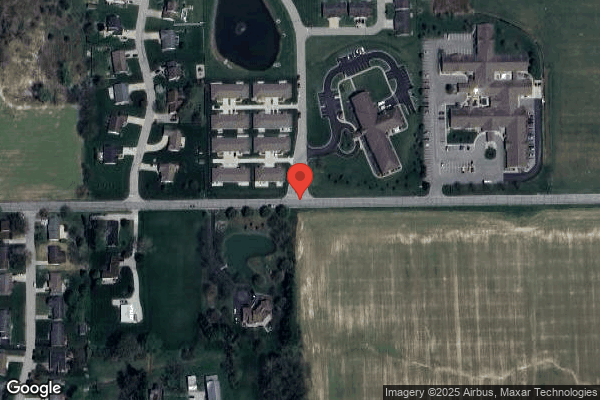
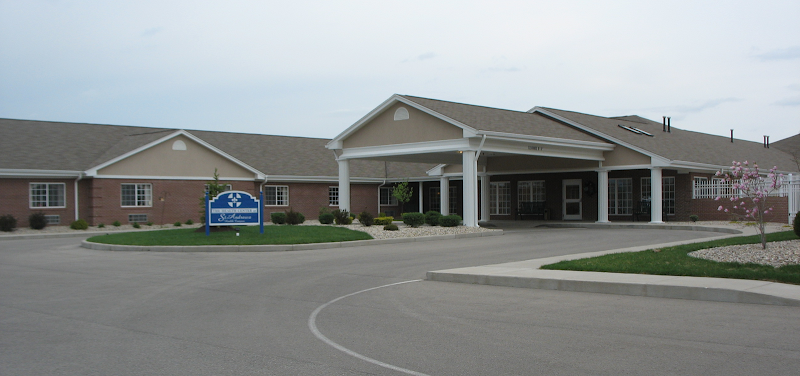
1400 LAMMERS PIKE, BATESVILLE, IN 47006 (812) 934-5090
For profit - Corporation 66 Beds TRILOGY HEALTH SERVICES Data: November 2025
Trust Grade
80/100
#95 of 505 in IN
Last Inspection: December 2024

Within standard 12-15 month inspection cycle. Federal law requires annual inspections.

Overview

St. Andrews Health Campus in Batesville, Indiana has a Trust Grade of B+, indicating it is above average and recommended for families seeking care. It ranks #95 out of 505 facilities in the state, placing it in the top half, and #1 out of 5 in Ripley County, meaning it is the best option locally. The facility is improving, having reduced its issues from 8 in 2023 to just 2 in 2024. Staffing is a moderate strength with a 3 out of 5 rating and a turnover rate of 39%, which is better than the state average of 47%. Notably, there were no fines recorded, and the facility boasts higher RN coverage than 97% of Indiana facilities, ensuring that registered nurses are available to catch potential problems. However, there have been serious incidents, including a failure to transfer a resident properly, resulting in a fracture, and concerns regarding incomplete medication assessments for several residents, which could impact their care. Overall, while St. Andrews has several strengths, families should be aware of past incidents that may raise concerns about safety and care practices.

Trust Score
B+
80/100
In Indiana
#95/505
Top 18%
Safety Record
Moderate
Needs review
Inspections
Getting Better
8 → 2 violations
Staff Stability
○ Average
39% turnover. Near Indiana's 48% average. Typical for the industry.
Penalties
✓ Good
No fines on record. Clean compliance history, better than most Indiana facilities.
Skilled Nurses
✓ Good
Each resident gets 64 minutes of Registered Nurse (RN) attention daily — more than 97% of Indiana nursing homes. RNs are the most trained staff who catch health problems before they become serious.
Violations
⚠ Watch
15 deficiencies on record. Higher than average. Multiple issues found across inspections.
★★★★★
5.0
Overall Rating
★★★☆☆
3.0
Staff Levels
★★★★★
5.0
Care Quality
★★★★☆
4.0
Inspection Score
Stable
2023: 8 issues
2024: 2 issues

The Good

  • 5-Star Quality Measures · Strong clinical quality outcomes
  • Full Sprinkler Coverage · Fire safety systems throughout facility
  • No fines on record
  • Staff turnover below average (39%)

    9 points below Indiana average of 48%

Facility shows strength in quality measures, fire safety.

The Bad

Staff Turnover: 39%

Near Indiana avg (46%)

Typical for the industry

Chain: TRILOGY HEALTH SERVICES

Part of a multi-facility chain

Ask about local staffing decisions and management

The Ugly 15 deficiencies on record

1 actual harm
Dec 2024 2 deficiencies
CONCERN (D)

Potential for Harm - no one hurt, but risky conditions existed

Pharmacy Services (Tag F0755)

Could have caused harm · This affected 1 resident

Based on record review and interview, the facility failed to provide prescribed medications for 1 of 6 residents reviewed for pharmacy services. (Resident 40) Findings include: The clinical record f...

Read full inspector narrative →
Based on record review and interview, the facility failed to provide prescribed medications for 1 of 6 residents reviewed for pharmacy services. (Resident 40) Findings include: The clinical record for Resident 40 was reviewed on 12/11/24 at 11:24 A.M. An admission Minimum Data Set (MDS) assessment, dated 10/02/24, indicated the resident was cognitively intact. The resident's diagnoses included, but were not limited to, Parkinson's disease, anxiety, and macular degeneration. The physician's orders were reviewed on 12/11/24 at 11:29 A.M., and included, but were not limited to, the following current order: - Brimonidine eye drops (used to lower fluid pressure in the eyes), one drop in the left eye three times a day at 7:30 A.M., 2:00 P.M., and 10:00 P.M., with a start date of 09/29/24. The November Electronic Medication Administration Record (EMAR) indicated the medication was not given and documented as unavailable on the following dates and times: - 11/24/24 at 10:00 P.M., - 11/25/24 at 7:30 A.M. and 2:00 P.M., - 11/26/24 at 7:30 A.M., 2:00 P.M., and 10:00 P.M., - 11/27/24 at 10:00 P.M., - 11/28/24 at 7:30 A.M., 2:00 P.M., and 10:00 P.M., and - 11/29/24 at 7:30 A.M. and 2:00 P.M. During an interview on 12/11/24 at 1:56 P.M., Qualified Medication Aide (QMA) 3 indicated staff could peel a sticker off of the eye drop bottles and inhalers and fax the order to the pharmacy or they could press the reorder button on the EMAR. During an interview on 12/11/24 at 1:57 P.M., the Assistant Director of Nursing (ADON) indicated when pressing the reorder button on the EMAR before 7:00 P.M. on weekdays, or 3:00 P.M. on weekends, the medication should be delivered to the facility in less than 24 hours. Medications usually came in after midnight of the day they were ordered. During an interview on 12/13/24 at 10:18 A.M., RN 4 indicated they had called the pharmacy, and the pharmacy indicated they had sent the eye drops. When medications came in, the nurse on duty would sign the list saying they were received. They had checked the other medication carts and could not find the eye drops. When staff ordered medications, they usually would arrive at the facility that same night. During an interview on 12/13/24 at 2:39 P.M., the ADON indicated they could use any of the local pharmacies if they needed a medication they were having difficulty getting from the primary pharmacy. The current UNAVAILABLE MEDICATIONS policy, with a revised date of 11/18, was provided by the ADON on 12/13/24 at 3:02 P.M. The policy indicated, .The facility must make every effort to ensure that medications are available to meet the needs of each resident . 3.1-25(g)(3) 3.1-37(a)
CONCERN (D)

Potential for Harm - no one hurt, but risky conditions existed

Food Safety (Tag F0812)

Could have caused harm · This affected 1 resident

Based on observation and interview, the facility failed to maintain residents' snack refrigerator related to unlabeled items for 1 of 1 resident snack refrigerators reviewed. (Health Center snack refr...

Read full inspector narrative →
Based on observation and interview, the facility failed to maintain residents' snack refrigerator related to unlabeled items for 1 of 1 resident snack refrigerators reviewed. (Health Center snack refrigerator) Findings include: The nourishment area in the Health Center was observed with Qualified Medication Aide (QMA) 2 on 12/16/24 at 9:17 A.M. The snack refrigerator contained the following: - Three lidded bowls that contained what looked like oats and milk that were labeled as belonging to a current resident in the facility. There were instructions for reheating the contents of the bowls. The bowls were not dated and QMA 2 was not sure when the items were brought into the facility. - A bag from a fast-food restaurant with a container of dried out french fries and a wrapped sandwich. The bottom of the bag was discolored from grease. A resident's nickname was written on the bag, but the bag was not labeled with a received-on date. - A white plastic bag from a fast-food restaurant with a half-eaten burrito bowl inside. The bag was not labeled in any way. - A Styrofoam cup of milk with a lid labeled with a resident's first name. The cup was dated 12/07/24. QMA 2 removed the cup and poured the milk out. During an interview on 12/16/24 at 9:20 A.M., QMA 2 indicated food items brought in by family should be labeled with the resident's name and the date it was received. The current facility policy, titled Food Brought Into Facility, dated 01/2023, was provided by the Assistant Director of Nursing (ADON) on 12/16/24 at 1:57 P.M. The policy indicated, .Food or Beverage items are to be properly Labeled and Date marked, stored and discarded, in conjunction with the facilities Date [NAME] and labeling [Policy and Procedure] P&P . The current facility policy, titled Food Labeling and Dating Policy, dated 01/2024, was provided by the ADON on 12/16/24 at 1:57 P.M. The policy indicated, .Any food product .must have a label that contains the following .Date and Time the food was labeled .Use by date . 3.1-21(i)(3)
Nov 2023 6 deficiencies
CONCERN (D)

Potential for Harm - no one hurt, but risky conditions existed

Notification of Changes (Tag F0580)

Could have caused harm · This affected 1 resident

Based on record review and interview, the facility failed to notify the physician for a change in a resident's condition related to weights for 1 of 5 residents reviewed for unnecessary medications. (...

Read full inspector narrative →
Based on record review and interview, the facility failed to notify the physician for a change in a resident's condition related to weights for 1 of 5 residents reviewed for unnecessary medications. (Resident 15) Findings include: The clinical record for Resident 15 was reviewed on 11/01/23 at 10:49 A.M. A Significant Change MDS (Minimum Data Set) assessment, dated 10/01/23, indicated the resident was cognitively intact. The diagnoses included, but were not limited to, heart failure, hypertension, and peripheral vascular disease. The resident had taken medications that included, but was not limited to, a diuretic (water pill). The EMAR/ETAR (Electronic Medication Administration Record/Electronic Treatment Administration Record) for October and September 2023 related to the resident's weights were provided by the Scheduler on 11/03/23 at 11:38 A.M. The record indicated the resident was to be weighed weekly. The MD/NP (Nurse Practitioner) were to be notified if the resident gained three pounds or more in a week. The record included, but was not limited to, the following: - On 10/23/23, the resident gained 3.5 pounds, the record lacked the MD/NP notification. - On 10/09/23, the resident gained 4.8 pounds, the record lacked the MD/NP notification. - On 10/02/23, the resident's weight was not obtained, no reason was documented, and the MD/NP was not notified. - On 09/18/23, the resident's weight was not obtained, no reason was documented, and the MD/NP was not notified. Vitals records for weights for September and October 2023, were provided by the Scheduler on 11/03/23 at 11:38 A.M. The record lacked documentation that the resident had been weighed on 10/02/23 or 09/18/23. A Care Plan for Nutrition was provided by the Scheduler on 11/03/23 at 11:38 A.M. The Care Plan included, but was not limited to, an intervention to, Obtain weight as ordered/needed, with a start date of 01/04/21. Progress Notes for September and October 2023, were provided by the Scheduler on 11/03/23 at 11:38 A.M. The record lacked documentation that the MD/NP had been notified on 10/23/23 or 10/09/23, or that the resident had been weighed on 10/02/23 or 09/18/23. During an interview on 11/03/23 at 10:47 A.M., LPN (Licensed Practical Nurse) 5 indicated CNAs (Certified Nurse Aides) and nursing staff obtained residents' weights. If there was an order for a daily or weekly weight it would come up on the EMAR. Whoever was passing medications on the medication cart would document the weights in the EMAR. If the physician was to be notified it would be documented on the EMAR and staff would have to put a Progress Note in the EHR (Electronic Health Record) stating what the MD recommended. During an interview on 11/03/23 at 11:09 A.M., the DON (Director of Nursing) indicated the physician should have been notified of the resident's weight changes. The current Guidelines for Weight Tracking policy, with a reviewed date of 12/31/22, was provided by the Scheduler on 11/03/23 at 11:38 A.M. The policy indicated, .Purpose .To ensure resident weight is monitored for weight gain and/or loss to prevent complications arising from compromised nutrition/hydration .The weight should be recorded in the individual resident medical record . The current Physician-Provider Notification Guidelines policy, with a reviewed date of 12/31/22, was provided by the Scheduler on 11/03/23 at 11:38 A.M. The policy indicated, .Purpose .The ensure the resident's physician or practitioner .is aware of .change in condition in a timely manner to evaluate condition for need of provision of appropriate interventions for care .Attempts to notify the physician/provider and their response should be documented in the resident electronic health record . 3.1-5(a)(2)
CONCERN (D)

Potential for Harm - no one hurt, but risky conditions existed

Quality of Care (Tag F0684)

Could have caused harm · This affected 1 resident

Based on record review, interview, and observation, the facility failed to implement neurological checks (neurological assessments) following a fall and failed to follow appropriate guidelines for ins...

Read full inspector narrative →
Based on record review, interview, and observation, the facility failed to implement neurological checks (neurological assessments) following a fall and failed to follow appropriate guidelines for insulin pen usage for 2 of 17 residents reviewed for Quality of Care. (Residents 10 and 31) Findings include: 1. The clinical record for Resident 10 was reviewed on 11/03/23 at 2:47 P.M. A Quarterly MDS (Minimum Data Set) assessment, dated 08/10/23, indicated the resident was moderately cognitively impaired. The diagnoses included, but were not limited to, Parkinson's disease and stroke. The resident had two or more falls with no injury and two or more falls with injuries that were not major since the previous assessment, dated 06/26/23. The Progress Notes were provided by the DON (Director of Nursing) on 11/06/23 at 10:54 A.M., and included, but were not limited to, the following: - A note, dated 10/19/23 at 9:41 P.M., indicated the resident was observed on the floor in his room, lying on his left side. - An IDT (Interdisciplinary Team) note dated 10/23/23 at 8:24 A.M., indicated the resident had an unwitnessed fall in his room on 10/19/23. A Fall Event report, dated 10/19/23 at 3:45 P.M., was provided by the DON on 11/06/23 at 10:54 A.M. The report indicated the resident had an unwitnessed fall in their room and staff were to initiate the Neuro check order set. The event contained the initial set of vital signs and neuro (neurological) checks only. During an interview on 11/06/23 at 10:07 A.M., RN 3 indicated when a resident had an unwitnessed fall, the staff obtained vital signs, assessed the resident for injury, assisted them to get up, and started neuro checks every 15 minutes x (times) 4, every 30 minutes x 4, every hour x 4, every 4 hours x 5; and they monitored vital signs and pain for 72 hours. During an interview on 11/06/23 at 10:11 A.M., the DON indicated neuro checks would be documented in the EMAR/ETAR (Electronic Medication Administration Record/Electronic Treatment Administration Record) and they would also be in the vitals record as well. Neuro checks should have been completed for the fall on 10/19/23. The EMAR/ETAR for October 2023 was reviewed on 11/06/23 at 10:30 A.M. The record lacked documentation the neuro checks had been initiated for the fall on 10/19/23. The Vital Signs record for October 2023 was provided by the DON on 11/06/23 at 10:54 A.M. The record included one set (temperature, pulse, respirations, blood pressure, and oxygen saturation) of vital signs on 10/19/23 at 3:45 P.M., and one blood pressure value documented at 8:19 P.M. No other vital signs were documented until 10/20/23 at 7:20 P.M. The current Guidelines for Neurological Checks policy, with a reviewed date of 12/31/22, was provided by the DON on 11/06/23 at 10:54 A.M. The policy indicated, .Residents having a fall should be evaluated for injury .Neuro-checks for 24 hours should be completed within the Fall Event Form . 2. Medication administration was observed on 11/01/23 at 11:49 A.M., with LPN (Licensed Practical Nurse) 2. The nurse checked Resident 31's blood sugar level and indicated the resident was to receive three units of Humalog insulin plus sliding scale insulin before meals. The resident's blood sugar level was 132 and, therefore, would only get the scheduled three units of Humalog insulin. The nurse checked the resident's order, unlocked the medication cart, retrieved the insulin pen from the cart, checked the label, cleaned the hub of the pen, applied the needle, primed the pen with two units with the white needle cap still on the pen, and holding the pen upright. The cap was not transparent. During an interview on 11/01/23 at 11:56 A.M., LPN 2 indicated the purpose of priming the insulin pen was to make sure the bubbles were out of the pen. You had to hold the pen upright. You should be able to see insulin come out of the tip of the needle, and she could not see that with the needle cap still in place. The physician's order for Humalog was provided by the DON on 11/03/23 at 2:54 P.M., and indicated the resident was to receive three units of insulin, subcutaneously, before meals. The undated pharmacy guidelines for Preparing an Insulin Pen for Use policy was provided by the DON on 11/03/23 at 2:54 P.M. The policy indicated, .Remove pen cap .Wipe the rubber septum with an alcohol swab .Remove the seal from the new needle .Line the needle up straight with the pen and screw the needle on .Remove the outer needle cover and do not throw away .Dial a 2-unit prime/test dose .Hold the pen upright, lightly tap the pen reservoir so any air bubbles will rise to the top .Press the injection button all the way in to make sure insulin comes out the end of the needle . 3.1-5(a)(2)
CONCERN (D) 📢 Someone Reported This

A family member, employee, or ombudsman was alarmed enough to file a formal complaint

Potential for Harm - no one hurt, but risky conditions existed

Pressure Ulcer Prevention (Tag F0686)

Could have caused harm · This affected 1 resident

Based on interview, observation, and record review, the facility failed to follow the physician's orders for a dressing change to a pressure ulcer for 1 of 3 residents reviewed for wound care. (Reside...

Read full inspector narrative →
Based on interview, observation, and record review, the facility failed to follow the physician's orders for a dressing change to a pressure ulcer for 1 of 3 residents reviewed for wound care. (Resident 43) Findings include: During an interview on 11/02/23 at 10:47 A.M., LPN (Licensed Practical Nurse) 2 reviewed Resident 43's wound dressing change order and indicated they were to cleanse the left inner ankle area, pat dry, apply Santyl ointment (a prescription medication that removes dead tissue) to the wound bed, and cover with a foam dressing. The dressing was to be changed daily. Wound care for Resident 43 was observed on 11/02/23 at 10:58 A.M., with LPN 2. The nurse prepared the dressing change supplies and followed appropriate infection control guidelines. The nurse removed the soft foam boot that was protecting the resident's left ankle, removed their sock, and removed the old dressing that was dated 10/31. There was a small amount of drainage on the old dressing. The wound, located on the left inner ankle bony prominence, was the size of a pencil eraser. The nurse proceeded with the dressing change and dated the dressing when finished. The nurse indicated staff were to date and initial the dressings. The resident's dressing was to be changed daily and as needed. The dressing should have been changed yesterday (11/01/23). During an interview on 11/02/23 at 11:19 A.M., the DON (Director of Nursing) indicated the resident was admitted with the wound on her inner ankle. They had a wound nurse who evaluated wounds weekly and it would be documented under Wound Management. The clinical record was reviewed on 11/02/23 at 11:37 A.M. An admission MDS (Minimum Data Set) assessment, dated 10/04/23, indicated the resident was severely cognitively impaired. The diagnoses included, but were not limited to, Alzheimer's disease, dementia, anxiety, and depression. The resident was at risk for pressure ulcers and had one unstageable pressure ulcer (obscured full-thickness skin and tissue loss in which the extent of tissue damage within the ulcer cannot be confirmed because the wound bed is obscured by slough [non-viable yellow, tan, gray, green or brown tissue; usually moist] or eschar [dead, black, brown, or dead tissue]), that was present on admission. The Wound Management records for the resident's ankle wound were provided by the DON on 11/03/23 at 2:52 P.M., and included, but were not limited to, the following assessments: - On 09/29/23, the wound measured 1 cm (centimeter) x (by) 0.7 cm, was unstageable, and the wound bed was covered with slough, and - On 10/30/23, the wound measured 0.4 cm x 0.3 cm, and the wound bed was covered with granulation (new connective) tissue. The Progress Notes were provided by the DON on 11/03/23 at 2:52 P.M. There were no notes indicating the dressing change had been completed on 11/01/23. The ETAR (Electronic Treatment Administration Record) was provided by the DON on 11/03/23 at 2:52 P.M., and included, but was not limited to, the following current physician's order: - Wound Care, left inner ankle, cleanse area and pat dry. Apply Santyl to wound bed. Cover with a foam dressing and change daily and as needed if soiled/dislodged. The ETAR was documented that the dressing change had been completed on 11/01/23. The current Dressing Changes policy, with a reviewed date of 12/31/22, was provided by the DON on 11/03/23 at 2:52 P.M. The policy indicated, .To ensure measures that will promote and maintain good skin integrity while maintaining standard measures that will minimize / control contamination . This citation relates to Complaint IN00419961. 3.1-40(a)(2)
CONCERN (D)

Potential for Harm - no one hurt, but risky conditions existed

Deficiency F0692 (Tag F0692)

Could have caused harm · This affected 1 resident

Based on record review and interview, the facility failed to follow a physician's order for daily weights related to edema for 1 of 2 residents reviewed for hydration. (Resident 52) Findings include: ...

Read full inspector narrative →
Based on record review and interview, the facility failed to follow a physician's order for daily weights related to edema for 1 of 2 residents reviewed for hydration. (Resident 52) Findings include: The clinical record for Resident 52 was reviewed on 11/01/23 at 10:46 A.M. An admission MDS (Minimum Data Set) assessment, dated 10/20/23, indicated the resident was cognitively intact. The diagnoses included, but were not limited to, metabolic encephalopathy, lymphedema, cardiomegaly, anxiety, and depression. An NP (Nurse Practitioner) Progress Note, dated 10/23/23, indicated the resident was being seen for post seven-day admission follow-up. The assessment and plan included but was not limited to, .Edema: Start HCTZ (Hydrochlorothiazide) 25 mg (milligrams) daily x (times) 3 days and daily weight . The clinical record lacked indication the resident was weighed daily from 10/24/23 through 11/03/23. During an interview on 11/03/23 at 10:47 A.M., LPN (Licensed Practical Nurse) 5 indicated CNAs (Certified Nurse Aides) and nursing staff obtained residents' weights. If there was an order for a daily or weekly weight it would come up on the EMAR. Whoever was passing medications on the medication cart would document the weights in the EMAR. If the physician was to be notified it would be documented on the EMAR and staff would have to put a Progress Note in the EHR (Electronic Health Record) stating what the MD recommended. During an interview on 11/03/23 at 9:51 A.M., the ADON (Assistant Director of Nursing) indicated the residents daily weight order from 10/23/23 was missed and should have been started on 10/24/23. The nurses would have transcribed the NP's orders the day she was in the building, but the management team should have caught the missed order the next day during their morning meeting. The current facility policy titled, Guidelines for Weight Tracking, with a review date of 12/31/22, was provided by the DON (Director of Nursing) on 11/03/23 at 2:52 P.M. The policy indicated, .To ensure resident weight is monitored for weight gain and/or loss to prevent complications arising from compromised nutrition/hydration .The weight should be recorded in the individual resident medical record . 3.1-46(a)(1)
CONCERN (D)

Potential for Harm - no one hurt, but risky conditions existed

Medication Errors (Tag F0758)

Could have caused harm · This affected 1 resident

Based on record review and interview, the facility failed to follow a physician's order related to a gradual dose reduction of an antipsychotic for 1 of 5 residents reviewed for unnecessary medication...

Read full inspector narrative →
Based on record review and interview, the facility failed to follow a physician's order related to a gradual dose reduction of an antipsychotic for 1 of 5 residents reviewed for unnecessary medications. (Resident 26) Findings include: The clinical record for Resident 26 was reviewed on 11/01/23 at 9:56 A.M. A Quarterly MDS (Minimum Data Set) assessment, dated 09/06/23, indicated the resident was cognitively intact. The diagnoses included, but were not limited to, hypertension, non-Alzheimer dementia, Parkinson's disease, anxiety, and psychotic disorder. A Behavior Management Team Gradual Dosage Reduction Recommendation, dated 03/28/23, indicated the resident was currently taking Seroquel (an antipsychotic medication) 12.5 mg (milligrams) every day. The consideration was given to gradual dose reduction to discontinue the Seroquel at that time. The form was signed by the Nurse Practitioner the same day. A facility Gradual Dose Reduction (GDR) Circumstance was started on 03/29/23 indication the resident Seroquel 12.5 mg every day was GDR' d. The form indicated the resident's representative was notified on 04/03/23. A Progress Note, dated 03/29/23 at 10:02 A.M., indicated the Behavior management team met on 03/28/23 for a monthly behavior meeting. The residents Seroquel 12.5 mg once a day was up for review. The Psychologist and NP decided to discontinue at the time. A Progress Note, dated 03/29/23 at 10:05 A.M., indicated the resident Seroquel was discontinued for GDR per the MD and the POA (Power of Attorney) was aware. A Progress Note, dated 03/30/23 at 12:18 A.M., indicated the resident was without concerns related to the discontinuing of Seroquel. A Progress Note, dated 03/31/23 at 12:52 A.M., indicated the resident continued a GDR of Seroquel with no adverse side effects. A Progress Note, dated 04/01/23 at 1:03 A.M., indicated the resident had no adverse effects related to the GDR of Seroquel. A Progress Note, dated 04/01/23 at 5:55 P.M., indicated the resident had no adverse side effects related to the GDR of Seroquel. A Progress Note, dated 04/03/23 at 7:43 A.M., indicated the IDT (Interdisciplinary Team) reviewed the GDR event and agreed with monitoring the resident for signs and symptoms of changes in mood/behavior related to discontinuation of Seroquel. The POA was notified. The resident was without issues at the time. The resident's family was without concerns. A physician's order, dated 01/23/23 through 04/25/23, indicated the resident was to receive Seroquel 12.5 mg, every day for psychotic disorder. The March and April 2023 EMAR/ETAR (Electronic Medication Administration Record/Electronic Treatment Administration Record) indicated the resident had received the medication daily from 03/28/23 through 04/24/23. During an interview on 11/01/23 at 3:09 P.M., the Social Service Director indicated behavior meetings were completed monthly and they would review the resident's charts that were up for review. If a GDR was needed, then they would discuss if it needed to be decreased or stayed the same. If the medication was going to be GDR' d, then the NP would usually agree or disagree in the meeting. A progress note would be inputted, and the order would be changed if the medication changed. During an interview on 11/01/23 at 3:23 P.M., the ADON (Assistant Director of Nursing) indicated she could not see where the resident's Seroquel had been discontinued. The medication should have changed or there should have been a progress note indicating the family refused to discontinue the medication. The current facility policy titled, Psychotropic Medication Usage and Gradual Dose Reduction with a review date of 12/31/22 was provided by the DON (Director of Nursing) on 11/03/23 at 2:52 P.M. The policy indicated, .To ensure every effort is made for residents receiving psychoactive medications to obtain the maximum benefit with minimal unwanted side effects through appropriate use, evaluation and monitoring by the interdisciplinary team .Efforts to reduce dosage or discontinue psychotropic medications will be ongoing, as appropriate .Gradual dose reductions will be documented on the appropriate event in the EHR [Electronic Health Record] . 3.1-48(a)(2)
CONCERN (D)

Potential for Harm - no one hurt, but risky conditions existed

Deficiency F0761 (Tag F0761)

Could have caused harm · This affected 1 resident

Based on observation, interview, and record review, the facility failed to store medications appropriately related labeling medication and having unsecured loose tablets in the medication carts for 2 ...

Read full inspector narrative →
Based on observation, interview, and record review, the facility failed to store medications appropriately related labeling medication and having unsecured loose tablets in the medication carts for 2 of 3 medication carts reviewed. (The 100 Hall Medication Cart and the 200 Hall Medication Cart) Findings include: 1. The 100 Hall Medication Cart was observed on 11/06/23 at 10:15 A.M., with RN 3. The Cart contained the following loose pills laying in the bottom of the drawers: - two small yellow oval tablets, and - one small white oval tablet, During an interview on 11/06/23 at 10:16 A.M., RN 3 indicated there should not be any loose pills in the medication cart. 2. The 200 Hall Medication Cart was observed on 11/06/23 at 9:58 A.M., with LPN (Licensed Practical Nurse) 4. The Cart contained the following: - a bottle of Refresh eye drops with no resident name and no opened date. During an interview on 11/06/23 at 9:59 A.M., LPN 4 indicated all medication in the medication cart should be labeled with the resident's name and have an opened date. The current facility policy titled, MEDICATION STORAGE IN THE FACILITY with a revised date of 11/2018 was provided by the Director of Nursing on 11/06/23 at 10:54 A.M. The policy indicated, .Medications and biologicals are stored safely, securely, and properly, following manufacturer's recommendations or those of the supplier . 3.1-25(m)
Feb 2023 2 deficiencies 1 Harm
SERIOUS (G) 📢 Someone Reported This

A family member, employee, or ombudsman was alarmed enough to file a formal complaint

Actual Harm - a resident was hurt due to facility failures

Accident Prevention (Tag F0689)

A resident was harmed · This affected 1 resident

Based on interview and record review, the facility failed to transfer a resident appropriately resulting in a fracture for 1 of 3 residents reviewed for accidents. (Resident B) Findings include: The c...

Read full inspector narrative →
Based on interview and record review, the facility failed to transfer a resident appropriately resulting in a fracture for 1 of 3 residents reviewed for accidents. (Resident B) Findings include: The clinical record for Resident B was reviewed on 2/20/23 at 2:38 p.m. A Quarterly MDS (Minimum Data Set) assessment, dated 2/2/23, indicated the resident was severely cognitively impaired. The resident required extensive assistance of two or more staff for mobility, transfer, and ADLs (Activities of Daily Living). She was always incontinent of bladder and frequently incontinent of bowel. The diagnoses included, but were not limited to, dementia, bone density and structure disorder, and abnormal posture. A Progress Note, dated 2/8/23 at 7:27 a.m., indicated Resident B's left shoulder was noted to be edematous, extending down to the elbow. The resident's bicep area had bruising, and she stated, it hurts. A Progress Note, dated 2/8/23 at 11:00 a.m., indicated an X-ray preliminary result showed a noticeable fracture. A Progress Note, dated 2/8/23 a t 2:21 p.m., indicated the ER (Emergency Room) called to report Resident B had a comminuted transverse oblique fracture of the proximal humeral shaft. During a record review and interview on 2/21/23 at 1:30 p.m., the DON (Director of Nursing) indicated the date of the incident was 2/6/23 when staff heard a popping noise during a transfer. It was determined that Resident B was transferred by one staff member's assistance and not two staff member per her care plan. An Event Report, dated 2/8/23, indicated Resident B had a left arm fracture. During an interview on 2/21/23 at 11:47 a.m., QMA (Qualified Medication Assistant) 2 indicated if a resident required two person assist for transfers, it would require two staff members using a gait belt, and then the two staff would assist the resident to transfer. The CNAs (Certified Nursing Aides) have care sheets and it would indicate the number of staff needed and/or type of equipment needed to assist a resident during a transfer. During an interview on 2/21/23 at 11:58 a.m., CNA 3 indicated she was working on Resident B's Hall with another aide; that aide was going to put Resident B to bed. QMA 4 called her to help with Resident B, who was on the foot of the bed. The only way to lift her up was by to arm and leg her up. QMA 4 told her, she had heard a pop when she transferred Resident B to the bed earlier. Resident B required two staff members' assistance and did not have on a gait belt when she went into the room to assist. During an interview on 2/21/23 at 1:37 p.m., QMA 4 indicated it was a very busy night on 2/6/23, it was right after dinner, and there were multiple call lights going off. Her CNA partner went to lay someone else down, and she went to lay Resident B down by herself. When she went to lay the resident down, she heard the resident's shoulder pop. She was not being as careful about the transfer as she usually was, due to the multiple call lights going off. She did have a CNA pocket sheet and it stated Resident B required two-person assistance. During a record review and interview on 2/21/23 at 2:09 p.m., a Care Plan, dated 3/25/22, was provided by the ADON (Assistant Director of Nursing). The profile care guide indicated the staff were to use a sit to stand lift for transfers. The ADON indicated, prior to 2/8/23 Resident B required two-person extensive assistance or staff could use the sit to stand lift. A Physical Therapy Plan of Care, dated 2/10/22, was provided on 2/21/23 at 2:45 p.m. The initial Assessment Current Level of Functional Deficits indicated a mechanical lift was used. The ability to transfer was dependent, that the helper does all the effort, and the Resident does none of the effort to complete the activity with the assistance of two or more helpers. A Point of Care Report was provided by the ADON (Assistant Director of Nursing) on 2/22/23 at 11:48 a.m. The report indicated on 2/4/23 Resident B required extensive assistance for transfer. On 2/5/23 the resident required total dependence for transfer. On 2/6/23 the resident required extensive assistance for transfer. The current facility policy, Resident Transfers, and dated 3/21/22, was provided by the DON on 2/21/23 at 11:38 a.m. The Policy indicated, .To ensure the safety of residents .when performing mobility/transfer tasks .SOP Details 1. Determine the type of .amount of assistance required to assist with safe mobility . This Federal tag relates to Complaint IN00401389. 3.1-45(a)(2)
CONCERN (D) 📢 Someone Reported This

A family member, employee, or ombudsman was alarmed enough to file a formal complaint

Potential for Harm - no one hurt, but risky conditions existed

Notification of Changes (Tag F0580)

Could have caused harm · This affected 1 resident

Based on interview and record review, the facility failed to notify the physician and family of a cognitively impaired resident's change in condition, in a timely manner, for 1 of 3 residents reviewed...

Read full inspector narrative →
Based on interview and record review, the facility failed to notify the physician and family of a cognitively impaired resident's change in condition, in a timely manner, for 1 of 3 residents reviewed for physician notification. (Resident B) Findings include: The clinical record for Resident B was reviewed on 2/20/23 at 2:38 p.m. A Quarterly MDS (Minimum Data Set) assessment, dated 2/2/23, indicated the resident was severely cognitively impaired. The resident required extensive assistance of two staff members for mobility, transfer, and ADLs (Activities of Daily Living). The diagnoses included, but were not limited to, dementia, bone density and structure disorder, and abnormal posture. A Progress Note, dated 2/8/23 a t 2:21 p.m., indicated the ER (Emergency Room) called to report Resident B had a comminuted transverse oblique fracture of the proximal humeral shaft. During an interview on 2/21/23 at 11:38, the Nurse Practitioner (NP) indicated she was notified of Resident B having edema and bruising on 2/8/23 and ordered an x-ray and then had her sent out to the ER. During an interview on 2/21/23 at 1:37 p.m., QMA 4 indicated it was a very busy night, it was right after dinner, and there were multiple call lights going off. Her CNA (Certified Nurse Aide) partner went to lay someone else down, and she went to lay Resident B down by herself. When she went to lay the resident down, she heard the resident's shoulder pop. She was not being as careful about the transfer as she usually was, due to the multiple call lights going off. She did have a CNA pocket sheet and it stated Resident B required two staff members' assistance. During a record review and interview on 2/21/23 at 1:30 p.m., the DON (Director of Nursing) indicated the date of the incident was on 2/6/23. The QMA indicated she heard a popping noise during transfer. During an internal investigation it was determined that Resident B was transferred by one staff member's assistance and not two staff members' assistance per her care plan. An Event Report, dated 2/8/23, indicated Resident B had a left arm fracture. During an interview on 2/22/23 at 11:39 a.m., the DON indicated there was no documentation of an assessment being completed on 2/6/23 or 2/7/23. The clinical record lacked the physician's or family notification of the popping noise during a transfer. The current facility policy, Physician-Provider Notification Guidelines, and with a revision date of 9/12/17 , was provided by the DON on 2/23/23 at 1:06 p.m. The Policy indicated, .Purpose: To ensure the resident's physician .is aware of all .change in condition, suspected injury .should be completed in a timely manner . This Federal tag relates to Complaint IN00401389. 3.1-5(a)(1)
Dec 2022 5 deficiencies
CONCERN (D)

Potential for Harm - no one hurt, but risky conditions existed

Pressure Ulcer Prevention (Tag F0686)

Could have caused harm · This affected 1 resident

Based on interview, observation, and record review, the facility failed to prevent and correctly identify a pressure ulcer for 1 of 4 residents reviewed for pressure ulcers. (Resident 45) Findings inc...

Read full inspector narrative →
Based on interview, observation, and record review, the facility failed to prevent and correctly identify a pressure ulcer for 1 of 4 residents reviewed for pressure ulcers. (Resident 45) Findings include: During an interview and observation on 12/06/22 at 2:28 P.M., Resident 45 indicated she had a place on her right heel that she had been receiving treatments and had been to the doctor to have it looked at. She had a pressure relieving boot in place. During an observation on 12/13/22 at 10:17 A.M., Resident 45 was sitting in her wheelchair in her room. The resident had a pressure relieving boot in place. She gave permission for the DON (Director of Nursing) to observe her right heel. The resident's heel was free from open areas and was clean, there was no redness observed. The clinical record for Resident 45 was reviewed on 12/08/22 at 10:43 A.M. A Quarterly MDS (Minimum Data Set) assessment, dated 11/16/22, indicated the resident was severely cognitively impaired. The diagnoses included, but were not limited to, multiple sclerosis, hypertension, diabetes, non-Alzheimer's dementia, anxiety, and depression. The resident had a diabetic ulcer. A Point of Care History for skin problems records indicated the resident's skin was clear from 08/01/22 through 08/31/22. A Facility Wound Management Detail Report, dated 08/15/22 at 1:30 P.M., indicated the resident had a diabetic ulcer to the right heel. The wound measured 1.5 cm (centimeters) x (by) 2.5 cm x 0.1 cm. There was a light amount of serosanguineous (pale red to pink, thin and watery) drainage. There was partial thickness loss (loss of the epidermis and into but not through the dermis). The wound edges were irregular and macerated/soft. A treatment was initiated. A Facility Wound Management Detail Report, dated 08/25/22 at 8:32 A.M., indicated the resident had a diabetic ulcer to the right heel. The wound measured 1.8 cm x 3.2 cm x 0.1 cm. There was a moderate amount of serosanguineous drainage. The wound was covered in 100% slough (white/yellow, dead tissue). A Facility Wound Management Detain Report, dated 09/01/22 at 8:59 A.M., indicated the resident had a diabetic ulcer to the right heel. The wound measured 1.5 cm x 1.5 cm x 0.1 cm. There was a light amount of serosanguineous drainage. The wound had full thickness loss (through the dermis and down to the subcutaneous tissue, muscle), and was covered in 60% slough. There were treatments in place per the wound clinic. A Local Wound Clinic Note, dated 09/01/22, indicated the resident was seen for an initial visit. She presented with a wound to the right heel. The wound was a Stage 3 (full thickness tissue loss, subcutaneous fat may be visible, slough may be present but does not obscure the depth of tissue loss) pressure ulcer with ulceration of fat/eschar (black/dry tissue). There was a small amount of serosanguineous drainage. The wound measured 1.5 cm x 1.5 cm x 0.1 cm. A Facility Wound Management Detail Report, dated 10/06/22 at 10:50 A.M., indicated the resident had a diabetic ulcer to the right heel. The wound measured 1.2 cm x 1.4 cm x 0.1 cm. There was a moderate amount of serosanguineous drainage. The wound had full thickness loss and was covered in 30% slough. A Facility Wound Management Detail Report, dated 11/17/22 at 1:20 P.M., indicated the wound had healed. The clinical record lacked any documentation related to the right heel until it was an open ulcer. During an interview on 12/08/22 at 2:05 P.M., the local wound clinic indicated the resident had been seen for wound management for a wound to her right heel. Her initial visit was 09/01/22 and the first impression of the wound presented as a Stage 3 pressure ulcer. They had debrided the wound and it remained a Stage 3 following the debridement. After the debridement of the wound, it measured 1.5 cm x 1.5 cm x 0.1 cm. The wound had healed on 11/15/22. During an interview on 12/08/22 at 2:13 P.M., LPN (Licensed Practical Nurse) 10 indicated the residents' skins were assessed daily. The Certified Nurse Aides would look at the resident skin daily and report findings to the nurse. The nurses had an assessment order that would be documented on in the treatment record for a weekly skin assessment. If the resident had any new skin concerns the nurse would initiate a new skin event in the clinical record. The event would include the type of skin concern, such as pressure, skin tears, and bruises, and include a measurement. She was unaware of Resident 48 having any skin issues at that time, looked in the resident record, and the record had lacked any documented skin concerns. During an interview on 12/12/22 at 2:28 P.M., QMA/CNA (Qualified Medication Aide/Certified Nurse Aide) 13 indicated the resident didn't have any open wounds at that time but had a wound in the past that was on her right heel. It had started out as a small area. The CNAs would monitor the resident skins daily. If the resident had any new skin concerns of open areas, bruises, or any other concerns she would document it in the Point of Care History for skin and let the nurse know. During an interview on 12/12/22 at 2:45 P.M., LPN 11, the Wound Nurse, indicated the resident had gone out to the wound clinic for her right heel and the wound had since healed. The wound had started as a diabetic ulcer. The wound had needed some debridement. The resident skin was to be monitored by the CNAs with showers and they reported any new findings to the nurse. The nurse would also observer the residents' skin on their shower days. If the residents had any new skin concerns the CNAs could document in the Point of Care and the nurse would open a new skin event or wound management assessment? if it was an ulcer. When the resident had went out to the wound clinic and they classified the wound as a Stage 3 pressure ulcer, the facility did not classify it as a pressure ulcer because they believed it was a diabetic ulcer. The facility would not usually reclassify the wounds due to knowing the resident's history better. The resident had a history of diabetes. The staff should have noted reddened or boggy skin to the heel prior to it being open. There was no documentation related to the heel until the ulcer was open. The current facility policy titled, Guidelines for General Wound and Skin Care, with an approval date of 12/01/2021, was provided by the Corporate Nurse Consultant on 12/08/22 at 12:10 P.M. The policy indicated, .to provide measures that will promote and maintain good skin integrity .Document the type of wound, location, stage [if applicable], length, width, depth in centimeters, base, drainage, periwound tissue, and treatment of the wound weekly using the wound/skin treatment flow sheet . The current facility policy titled, Guidelines for Weekly Skin Observation, with a review date of 03/16/22 was provided by the Corporate Nurse Consultant on 12/08/22 at 12:10 P.M. The policy indicated, .to monitor the effectiveness of intervention for pressure reduction, identify areas of skin impairment in the early development stage and implement other preventative and/or treatment measures as indicated .Initiate applicable Wound Event if a new area of impairment is identified .In addition to the Weekly Observation by the licensed nurse, the nursing assistant shall observe the skin for areas of impairment with bathing and daily dressing and pericare and notify the nurse if an area is identified . The current Pressure/Stasis/Arterial/Diabetic Wound Guidelines policy, with a revised date of 12/01/21, was provided by the Corporate Nurse Consultant on 12/12/22 at 3:59 P.M. The policy indicated, PURPOSE .To provide weekly documentation of wound measurements and condition . The current facility policy titled, Guidelines for Pressure Prevention, with a revision date of 12/01/21, was provided by the Corporate Nurse Consultant on 12/12/22 at 3:59 P.M. The policy indicated, .To maintain good skin integrity and avoid development of pressure ulcers . 3.1-40(a)
CONCERN (D)

Potential for Harm - no one hurt, but risky conditions existed

Deficiency F0688 (Tag F0688)

Could have caused harm · This affected 1 resident

**NOTE- TERMS IN BRACKETS HAVE BEEN EDITED TO PROTECT CONFIDENTIALITY** Based on observation, interview, and record review, the facility failed to ensure the physician's orders were in place for 1 of ...

Read full inspector narrative →
**NOTE- TERMS IN BRACKETS HAVE BEEN EDITED TO PROTECT CONFIDENTIALITY** Based on observation, interview, and record review, the facility failed to ensure the physician's orders were in place for 1 of 2 residents reviewed for the use of splint/brace devices. (Resident 36) Findings include: During an interview on 12/07/22 at 9:40 A.M., Resident 36 indicated he had a splint device that he wore for his right arm when he was out of bed. On 12/12/22 at 10:21 A.M., Resident 36 was observed in his wheelchair in the library watching television. A splint/brace device was in place on his right arm. During an interview on 12/13/22 at 11:42 A.M., OTR (Occupational Therapist Registered) 14 indicated the resident used a palm protector and dynamic elbow splint. The directions were to apply them in the morning, take them off at night. The therapy department used a communication sheet with instructions for use. Nursing staff would generate an order for use from the therapy instructions. The Occupational Therapy Discharge summary, dated [DATE], was provided by the ADON (Assistant Director of Nursing) on 12/13/22 at 4:13 P.M. The summary indicated, .Fitted patient with dynamic right elbow splint .also continue with right palm protector .caregivers trained in application and wearing schedule . The resident's clinical record was reviewed on 12/13/22 at 10:27 A.M. A Scheduled 5-day MDS (Minimum Data Set) assessment, dated 11/28/22, indicated the resident was cognitively intact. The diagnoses included, but were not limited to, diabetes, hypertension, and CVA (Cerebral Vascular Accident). The resident required extensive staff assistance for most ADLs (Activities of Daily Living). There was a functional limitation in range of motion for one upper extremity and both lower extremities. The resident's current medication and treatment orders lacked a physician's order for use of the palm splint or brace device. During an interview on 12/13/22 at 10:48 A.M., LPN (Licensed Practical Nurse) 10 indicated a resident should have a physician's order for a splint or brace device. The aides or nurses would put the devices in place. If a resident was wearing a brace or splint device, the nurse would check to make sure it wasn't too tight, and they would monitor the skin under the device every shift. During an interview on 12/13/22 at 3:38 P.M. the Director of Nursing indicated a resident should have a physician's order for a brace or splint device. A procedural document, titled Tasks Steps, with a reviewed on date of 09/30/2016, was provided by the Corporate Nurse Consultant on 12/14/22 at 3:00 P.M. The document indicated, .Splint/Orthotics .If Therapy is discharging resident from POC and device is to be continued beyond POC, PD communicates to nursing in CCM meeting. Nursing writes order for device following therapy D/C . 3.1-42(a)(2)
CONCERN (D)

Potential for Harm - no one hurt, but risky conditions existed

Deficiency F0757 (Tag F0757)

Could have caused harm · This affected 1 resident

Based on observation, record review, and interview, the facility failed to ensure a resident was free from unnecessary medications related to following a physician's order for hold parameters for a ca...

Read full inspector narrative →
Based on observation, record review, and interview, the facility failed to ensure a resident was free from unnecessary medications related to following a physician's order for hold parameters for a cardiovascular medication for 1 of 6 residents reviewed for unnecessary medications. (Resident 34) Findings include: On 12/07/22 at 9:06 A.M., Resident 34 was observed sitting in a wheelchair in a common area across from the nurses' station. He was awake and alert with no signs or symptoms of acute distress. The clinical record was reviewed on 12/07/22 at 11:17 A.M. A Quarterly MDS (Minimum Data Set) assessment, dated 09/26/22, indicated the resident was severely cognitively impaired. The diagnoses included, but were not limited to, hypertension and muscle weakness. The EMAR/ETAR (Electronic Medication Administration Record/Electronic Treatment Administration Record) was reviewed on 12/08/22 at 3:23 PM. and included the following physician's order: - Cozaar (losartan) tablet 50 mg (milligrams) once a day, for hypertension, hold for blood pressure less than 110/60 or heart rate below 60, with a start date of 05/31/2022 and a discontinued date of 10/25/2022. The EMAR/ETAR for the Cozaar medication from 05/31/22 to 10/25/22, was provided by the ADON (Assistant Director of Nursing) on 12/13/22 at 4:13 P.M. The record lacked documentation that the heart rate was monitored prior to the administration of the daily medication for the duration the resident received the medication. The Care Plan for High Risk Medications with the potential for cardiovascular distress related to a diagnosis of hypertension was provided by the ADON on 12/13/22 at 4:13 P.M. The interventions included, but were not limited to, .Obtain vital signs as ordered and needed . During an interview on 12/13/22 at 12:32 P.M., LPN 10 indicated when a resident had a medication with hold parameters for cardiac medications there should be vital signs documented on the MAR/ETAR with the medication order. They would put the blood pressure and/or the heart rate values in the EMAR, then either give the medication or hold it based on the values of the required vital signs. There was a box on the EMAR/ETAR to add a note for the reason the medication was held. The current Guidelines for Medication Orders policy, with a reviewed date of 12/01/21, was provided by the Corporate Nurse Consultant on 12/14/22 at 9:50 A.M. The policy indicated, .When recording medication orders specify .type, route, dosage, frequency, strength . 3.1-48(a)(6)
CONCERN (E)

Potential for Harm - no one hurt, but risky conditions existed

Assessment Accuracy (Tag F0641)

Could have caused harm · This affected multiple residents

Based on interview and record review, the facility failed to accurately complete MDS (Minimum Data Set) assessments related to anticoagulant medications for 5 of 18 residents reviewed for accuracy of ...

Read full inspector narrative →
Based on interview and record review, the facility failed to accurately complete MDS (Minimum Data Set) assessments related to anticoagulant medications for 5 of 18 residents reviewed for accuracy of assessments. (Residents 48, 39, 36, 37, and 34) Findings include: 1. The clinical record for Resident 48 was reviewed on 12/13/22 at 3:16 P.M. A Quarterly MDS (Minimum Data Set) assessment, dated 11/25/22, indicated the resident was cognitively intact. The diagnoses included, but were not limited to, inflammatory liver disease, hypertension, and diabetes. The resident had received an anticoagulant for seven of seven days during the review period. The physician's medication order for November, 2022, indicated the resident was prescribed Aspirin (antiplatelet) 81 mg (milligram) once a day. The November 2022 EMAR (Electronic Medication Administration Record) lacked documentation that the resident had received any anticoagulant during the review period. 2. The clinical record for Resident 39 was reviewed on 12/13/22 at 3:16 P.M. A Quarterly MDS assessment, dated 11/09/22, indicated the resident was cognitively intact. The diagnoses included, but were not limited to, stroke, coronary artery disease, heart failure, hypertension, and diabetes. The resident had received an anticoagulant for seven of seven days during the review period. The physician's medication order for November, 2022, indicated the resident was prescribed Clopidogrel (antiplatelet) 75 mg once a day. The November 2022 EMAR lacked documentation that the resident had received an anticoagulant during the review period. During an interview on 12/13/22 at 3:22 P.M., the MDS Coordinator indicated to obtain resident information for the MDS assessments she would go through the the residents history and physicals, physician charting, progress notes, electronic mediation administration records, electronic treatment administration records, and events. For the resident medications she would not document Plavix as an anticoagulant but would document aspirin, warfarin, and Eliquis. 3. The clinical record for Resident 36 was reviewed on 12/13/22 at 10:27 A.M. A Scheduled 5-day MDS assessment, dated 11/28/22, indicated the resident was cognitively intact. The diagnoses included, but were not limited to, diabetes, hypertension, and CVA (Cerebral Vascular Accident). The assessment indicated the resident received an anticoagulant medication on seven of the seven days of the review period. The physician's medication order for November, 2022, indicated the resident was prescribed Aspirin 81 mg once a day. The EMAR for November 2022 was provided by LPN 11 on 12/13/22 at 4:16 P.M. The record lacked documentation that the resident had received an anticoagulant during the review period. 5. The clinical record for Resident 34 was reviewed on 12/07/22 at 11:17 A.M. A Quarterly MDS assessment, dated 09/26/22, indicated the resident was severely cognitively impaired. The diagnoses included, but were not limited to, hypertension and muscle weakness. The resident received an anticoagulant for seven of the seven days during the review period. The physician's medication order for September, 2022, indicated the resident was prescribed Aspirin 81 mg once a day. The EMAR for September 2022 was provided by LPN 11 on 12/13/22 at 4:16 P.M. The record lacked documentation that the resident had received an anticoagulant during the review period. During an interview on 12/13/22 at 3:37 P.M., the MDS Coordinator indicated aspirin or plavix (Clopidogrel) was coded in error and should have not been coded as an anticoagulant on the MDS assessments. The RAI (Resident Assessment Instrument) medication coding guidelines were provided by the MDS Coordinator on 12/13/22 at 3:38 P.M. The guidelines indicated, .Anticoagulant .Do not code antiplatelet medications such as aspirin . 3.1-31(c)(13) 4. The clinical record for Resident 37 was reviewed on 12/12/22 at 10:32 A.M. An Annual MDS assessment, dated 10/13/22, indicated the resident was cognitively intact. The diagnoses included, but were not limited to, hypertension and Chronic Obstructive Pulmonary Disease. The resident received an anticoagulant for seven of the seven days during the review period. The physician's medication order for October, 2022, indicated the resident was prescribed Aspirin 81 mg once a day. The EMAR for October 2022 was provided by LPN 11 on 12/13/22 at 4:16 P.M. The record lacked documentation that the resident had received an anticoagulant during the review period.
CONCERN (E)

Potential for Harm - no one hurt, but risky conditions existed

Quality of Care (Tag F0684)

Could have caused harm · This affected multiple residents

4. During an observation on 12/06/22 at 2:27 P.M., Resident 48 was sitting in her room in a wheelchair. She had a white 4 (inch) x (by) 4 adhesive dressing to the right outer upper leg dated 11/30. D...

Read full inspector narrative →
4. During an observation on 12/06/22 at 2:27 P.M., Resident 48 was sitting in her room in a wheelchair. She had a white 4 (inch) x (by) 4 adhesive dressing to the right outer upper leg dated 11/30. During an observation and interview on 12/08/22 at 9:54 A.M., Resident 48 was sitting in her room in a wheelchair. The resident indicated she had a dressing on her right outer leg that had been there for a while. She wasn't sure what she had done. The resident pulled up her right pant leg and there were two white adhesive dressings covering the right outer leg. The dressing was dated 11/30. During an observation on 12/08/22 at 2:22 P.M., LPN 10 had gone into Resident 48's room and asked if she could observe her right leg. The resident pulled up her pant leg. The nurse donned gloves and removed the white adhesive dressings that were dated 11/30. The resident had 4 small scattered scabs. The clinical record for Resident 48 was reviewed on 12/08/22 at 10:08 A.M. A Quarterly MDS assessment, dated 08/25/22, indicated the resident was cognitively intact. The diagnoses included, but were not limited to, hypertension and diabetes. The Point of Care Skin Problem form indicated the resident's skin was clear from 11/30/22 through 12/08/22. The residents clinical record lacked any documentation related to the areas to the right outer leg. During an interview on 12/08/22 at 2:13 P.M., LPN 10 indicated the residents' skins were assessed daily. The Certified Nurse Aides would look at the residents' skin daily and report findings to the nurse. If the resident had any new skin concerns the nurse would initiate a new skin event in the clinical record. The event would include the type of skin concern, such as pressure, skin tears, and bruises, and include a measurement. She was unaware of Resident 48 having any skin issues at that time and looked in the resident's record. The resident's clinical record lacked any documented skin concerns. During an interview on 12/08/22 at 2:27 P.M., LPN 10 indicated the resident's clinical record should have had an event completed for the skin areas on the right leg. The current facility policy titled, Guidelines for General Wound and Skin Care, with an approval date of 12/01/2021, was provided by the Corporate Nurse Consultant on 12/08/22 at 12:10 P.M. The policy indicated, .to provide measures that will promote and maintain good skin integrity .Document the type of wound, location, stage [if applicable], length, width, depth in centimeters, base, drainage, periwound tissue, and treatment of the wound weekly using the wound/skin treatment flow sheet . The current facility policy titled, Guidelines for Weekly Skin Observation, with a review date of 03/16/22 was provided by the Corporate Nurse Consultant on 12/08/22 at 12:10 P.M. The policy indicated, .to monitor the effectiveness of intervention for pressure reduction, identify areas of skin impairment in the early development stage and implement other preventative and/or treatment measures as indicated .Initiate applicable Wound Event if a new area of impairment is identified .In addition to the Weekly Observation by the licensed nurse, the nursing assistant shall observe the skin for areas of impairment with bathing and daily dressing and pericare and notify the nurse if an area is identified . 3.1-37(a) 3.1-47(a)(1) Based on observation, interview, and record review, the facility failed to follow manufacturer's guidelines related to insulin pen usage (Resident 41); and follow physician's orders, ensure treatments were in place, and initiate monitoring of a wound (Residents 19, 28, and 48). for 4 of 17 residents reviewed for quality of care Findings include: 1. During a medication administration observation on 12/13/22 at 11:02 A.M., LPN (Licensed Practical Nurse) 10 prepared to administer Resident 41's routine and sliding scale insulin. LPN 10 removed the Novolog insulin pen from the medication cart and attached a capped needle to the pen. She held the pen sideways and indicated she was going to prime the pen. She dialed up 1 unit of insulin and pressed the button to expel the insulin. She then dialed up the ordered amount of insulin and administered the medication to the resident. During an interview on 12/13/22 at 11:07 A.M., LPN 10 indicated she should have cleansed the insulin pen with alcohol before she attached the needle, and she should have held the pen upright to prime it instead of sideways. The current Novolog package insert, with a revised date of 11/2019, was provided by the Corporate Nurse Consultant on 12/13/22 at 4:13 P.M. The insert indicated, .Before each injection .Pull off the pen cap .wipe the rubber stopper with an alcohol swab .To avoid injecting air and to ensure proper dosing .Turn the dose selector to select 2 units. Hold your insulin .Flex Pen with the needle pointing up. Tap the cartridge gently with your finger a few times to make any air bubbles collect at the top of the cartridge. Keep the needle pointing upwards, press the bottom all the way in .A drop of insulin should appear at the needle tip . 2. On 12/06/22 at 1:02 P.M., Resident 19 was observed in her room laying on her bed. The resident was wearing blue jeans and green non-skid socks. The resident was not wearing TED hose (Thrombo-Embolic Deterrent stockings) The resident's legs were swollen, and she indicated her feet hurt. On 12/07/22 at 9:00 A.M., the resident was observed in her wheelchair in the hall near her room. The resident was wearing blue jeans and green non-skid socks. The resident was not wearing TED hose. On 12/08/22 at 9:53 A.M., the resident was observed in her room laying on her bed. The resident was wearing black slacks and green non-skid socks. The resident's legs were swollen, and she was not wearing TED hose. On 12/12/22 at 8:35 A.M., the resident was observed heading to her room in her wheelchair. The resident was not wearing TED hose. The resident's clinical record was reviewed on 12/12/22 at 9:30 A.M. An Annual MDS (Minimum Data Set) assessment, dated 08/24/22, indicated the resident was moderately cognitively impaired. The diagnoses included, but were not limited to, atrial fibrillation, coronary artery disease, hypertension, and dementia. The resident required extensive staff assistance with dressing. The resident's December 2022 ETAR (Electronic Treatment Administration Record) was provided by the Corporate Nurse Consultant on 12/13/22 at 4:13 P.M. The current physician's orders included an opened ended treatment order, with a start date of 08/17/21, that indicated staff were to apply TED hose in the morning and remove them at night. The treatments were checked off as administered every day as ordered. The clinical record lacked documentation of the resident's refusal to wear TED hose prior to 12/12/22. During an interview on 12/12/22 at 11:00 A.M., CNA/QMA (Certified Nurse Aide/Qualified Medication Aide) 12 indicated the resident didn't like to wear the TED hose, and they just put non-skid socks on her. The aides were supposed to notify the nurse if a resident refused treatments. During an interview on 12/13/22 at 10:48 A.M., LPN 10 indicated the aides generally applied the hose, but the nurses check the residents to ensure the hose are on. If a resident refused, it would be documented in the ETAR. If a resident consistently refused a treatment, they would notify the MD. During an interview on 12/14/22 at 2:01 P.M., the Corporate Nurse Consultant indicated they could not provide a policy for following MD orders, it was just standard professional practice to follow MD orders. 3. During an interview on 12/07/22 at 11:13 A.M., Resident 28's family member indicated the resident wore compression stockings. She thought staff applied the stockings when he would get up for the day. On 12/12/22 at 11:00 A.M., the resident was observed in the common area in his wheelchair. The resident was wearing blue compression stockings with zippers. CNA/QMA 12 indicated the resident's family member brought them. On 12/13/22 at 10:44 A.M., the resident was observed in the common area in his wheelchair. The resident was wearing blue compression stockings. The resident's clinical record was reviewed on 12/12/22 at 12:55 P.M. A Quarterly MDS assessment, dated 09/23/22, indicated the resident was severely cognitively impaired. The diagnoses included, but were not limited to, stroke, hypertension, aphasia, and hemiplegia/hemiparesis. The resident's current physician's orders were reviewed. There was no indication the resident had a physician's order for the compression stockings. During an interview on 12/13/22 at 10:48 A.M., LPN 10 indicated nurses could apply compression stockings as a nursing measure, but they would have to get physician's order for the treatment. During an interview on 12/13/22 at 3:37 P.M., the DON (Director of Nursing) indicated the resident should have a physician's order for the compression stockings.
Understanding Severity Codes (click to expand)
Life-Threatening (Immediate Jeopardy)
J - Isolated K - Pattern L - Widespread
Actual Harm
G - Isolated H - Pattern I - Widespread
Potential for Harm
D - Isolated E - Pattern F - Widespread
No Harm (Minor)
A - Isolated B - Pattern C - Widespread

Questions to Ask on Your Visit

  • "Can I speak with families of current residents?"
  • "What's your RN coverage like on weekends and overnight?"

Our Honest Assessment

Strengths
  • • Grade B+ (80/100). Above average facility, better than most options in Indiana.
  • • No fines on record. Clean compliance history, better than most Indiana facilities.
  • • 39% turnover. Below Indiana's 48% average. Good staff retention means consistent care.
Concerns
  • • 15 deficiencies on record, including 1 serious (caused harm) violation. Ask about corrective actions taken.
Bottom line: Generally positive indicators. Standard due diligence and a personal visit recommended.

About This Facility

What is St Andrews Health Campus's CMS Rating?

CMS assigns ST ANDREWS HEALTH CAMPUS an overall rating of 5 out of 5 stars, which is considered much above average nationally. Within Indiana, this rating places the facility higher than 99% of the state's 100 nursing homes. This rating reflects solid performance across the metrics CMS uses to evaluate nursing home quality.
How is St Andrews Health Campus Staffed?

CMS rates ST ANDREWS HEALTH CAMPUS's staffing level at 3 out of 5 stars, which is average compared to other nursing homes. Staff turnover is 39%, compared to the Indiana average of 46%. This relatively stable workforce can support continuity of care.

What Have Inspectors Found at St Andrews Health Campus?

State health inspectors documented 15 deficiencies at ST ANDREWS HEALTH CAMPUS during 2022 to 2024. These included: 1 that caused actual resident harm and 14 with potential for harm. Deficiencies causing actual harm indicate documented cases where residents experienced negative health consequences.
Who Owns and Operates St Andrews Health Campus?

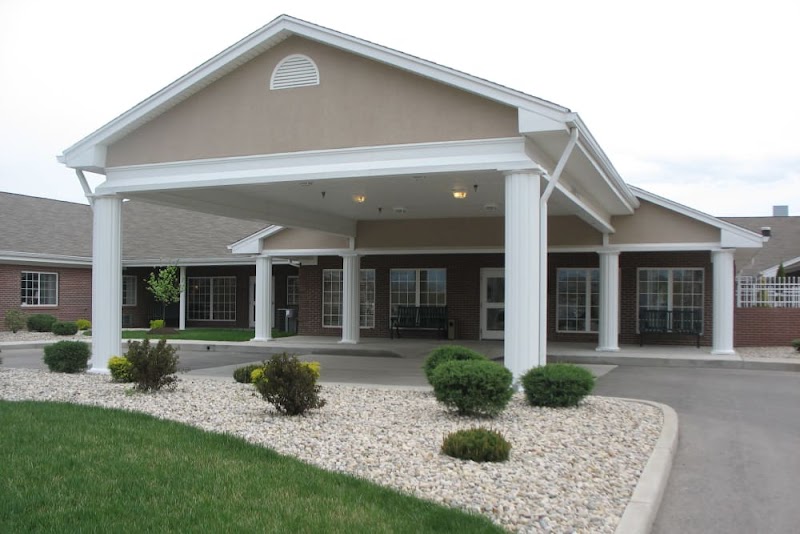
ST ANDREWS HEALTH CAMPUS is owned by a for-profit company. For-profit facilities operate as businesses with obligations to shareholders or private owners. The facility is operated by TRILOGY HEALTH SERVICES, a chain that manages multiple nursing homes. With 66 certified beds and approximately 54 residents (about 82% occupancy), it is a smaller facility located in BATESVILLE, Indiana.
How Does St Andrews Health Campus Compare to Other Indiana Nursing Homes?

Compared to the 100 nursing homes in Indiana, ST ANDREWS HEALTH CAMPUS's overall rating (5 stars) is above the state average of 3.1, staff turnover (39%) is near the state average of 46%, and health inspection rating (4 stars) is above the national benchmark.

What Should Families Ask When Visiting St Andrews Health Campus?

Based on this facility's data, families visiting should ask: "Can I visit during a mealtime to observe dining assistance and food quality?" "How do you handle medical emergencies, and what is your hospital transfer rate?" "Can I speak with family members of current residents about their experience?"

Is St Andrews Health Campus Safe?

Based on CMS inspection data, ST ANDREWS HEALTH CAMPUS has a clean safety record: no substantiated abuse findings (meaning no confirmed cases of resident harm), no Immediate Jeopardy citations (the most serious violation level indicating risk of serious injury or death), and is not on the Special Focus Facility watch list (a federal program monitoring the lowest-performing 1% of nursing homes). The facility has a 5-star overall rating and ranks #1 of 100 nursing homes in Indiana. While no facility is perfect, families should still ask about staff-to-resident ratios and recent inspection results during their visit.

Do Nurses at St Andrews Health Campus Stick Around?

ST ANDREWS HEALTH CAMPUS has a staff turnover rate of 39%, which is about average for Indiana nursing homes (state average: 46%). Moderate turnover is common in nursing homes, but families should still ask about staff tenure and how the facility maintains care continuity when employees leave.

Was St Andrews Health Campus Ever Fined?

ST ANDREWS HEALTH CAMPUS has no federal fines on record. CMS issues fines when nursing homes fail to meet care standards or don't correct problems found during inspections. The absence of fines suggests the facility has either maintained compliance or corrected any issues before penalties were assessed. This is a positive indicator, though families should still review recent inspection reports for the full picture.

Is St Andrews Health Campus on Any Federal Watch List?

ST ANDREWS HEALTH CAMPUS is not on any federal watch list. The most significant is the Special Focus Facility (SFF) program, which identifies the bottom 1% of nursing homes nationally based on persistent, serious quality problems. Not being on this list means the facility has avoided the pattern of deficiencies that triggers enhanced federal oversight. This is a positive indicator, though families should still review the facility's inspection history directly.