MANDERLEY HEALTH CARE CENTER
806 S BUCKEYE ST, OSGOOD, IN 47037 (812) 689-4143
For profit - Corporation 71 Beds ADAMS COUNTY MEMORIAL HOSPITAL Data: November 2025
Trust Grade
50/100
#368 of 505 in IN
Last Inspection: January 2025

Within standard 12-15 month inspection cycle. Federal law requires annual inspections.

Overview

Manderley Health Care Center has a Trust Grade of C, which means it is average and positioned in the middle of the pack among nursing homes. It ranks #368 out of 505 facilities in Indiana, placing it in the bottom half, and #4 out of 5 in Ripley County, indicating there is only one local option better than this facility. The trend is worsening, with issues increasing from 7 in 2024 to 10 in 2025. Staffing is a relative strength, with a 3/5 star rating and a turnover rate of 44%, which is below the Indiana average of 47%. There have been no fines, which is a positive sign, and the facility boasts more RN coverage than 97% of Indiana facilities, ensuring a higher level of oversight. However, there are significant concerns regarding food safety practices. The facility has faced issues like improper food storage, including raw hamburger patties and popsicles found on the floor of the freezer, which could potentially compromise resident safety. Additionally, there were reports of multiple gnats in the kitchen area, indicating insufficient pest control measures. These findings highlight important weaknesses that families should consider when evaluating care options for their loved ones.

Trust Score
C
50/100
In Indiana
#368/505
Bottom 28%
Safety Record
Low Risk
No red flags
Inspections
Getting Worse
7 → 10 violations
Staff Stability
○ Average
44% turnover. Near Indiana's 48% average. Typical for the industry.
Penalties
✓ Good
No fines on record. Clean compliance history, better than most Indiana facilities.
Skilled Nurses
✓ Good
Each resident gets 61 minutes of Registered Nurse (RN) attention daily — more than 97% of Indiana nursing homes. RNs are the most trained staff who catch health problems before they become serious.
Violations
⚠ Watch
23 deficiencies on record. Higher than average. Multiple issues found across inspections.
★★☆☆☆
2.0
Overall Rating
★★★☆☆
3.0
Staff Levels
★★★★☆
4.0
Care Quality
★★☆☆☆
2.0
Inspection Score
Stable
2024: 7 issues
2025: 10 issues

The Good

  • 4-Star Quality Measures · Strong clinical quality outcomes
  • Full Sprinkler Coverage · Fire safety systems throughout facility
  • No fines on record
  • Staff turnover below average (44%)

    4 points below Indiana average of 48%

Facility shows strength in quality measures, fire safety.

The Bad

2-Star Overall Rating

Below Indiana average (3.1)

Below average - review inspection findings carefully

Staff Turnover: 44%

Near Indiana avg (46%)

Typical for the industry

Chain: ADAMS COUNTY MEMORIAL HOSPITAL

Part of a multi-facility chain

Ask about local staffing decisions and management

The Ugly 23 deficiencies on record

Jul 2025 2 deficiencies
CONCERN (F) 📢 Someone Reported This

A family member, employee, or ombudsman was alarmed enough to file a formal complaint

Potential for Harm - no one hurt, but risky conditions existed

Food Safety (Tag F0812)

Could have caused harm · This affected most or all residents

Based on observation and interview, the facility failed to follow appropriate food handling guidelines related to food storage, open dating, and protecting food and drinks from gnats. This deficient p...

Read full inspector narrative →
Based on observation and interview, the facility failed to follow appropriate food handling guidelines related to food storage, open dating, and protecting food and drinks from gnats. This deficient practice had the potential to affect 47 of 48 residents receiving food and drink items from the kitchen. Findings include: 1.a. During an observation, on 07/21/25 at 8:07 A.M., of the facilities kitchen refrigerators, freezers, and dry food storage the following was observed: - a raw premade frozen hamburger patty was lying on the floor of the freezer in the back left corner of the kitchens walk in freezer, - Two popsicles were lying on the floor under the shelves in the walk-in freezer, - An undated, half full, opened half gallon of nectar thick orange juice was in the refrigerator, - An undated, three fourths full, opened half gallon of nectar thick cranberry juice was in the refrigerator, and - Three unopened salt packets, lying on the floor, in the center walkway of the floor into the dry food storage area. During an interview and observation, on 07/21/25 at 8:25 A.M., Kitchen Staff 2 indicated that all foods and drinks should be dated; and if something was undated and opened it needed to be disposed of. Kitchen Staff 2 then disposed of the undated items. During an interview, on 07/21/25 at 9:37 A.M., the Dietary Manager indicated that there should never be food on the floor in the walk-in freezer. 1.b. During an observation and interview, on 07/21/25 at 8:07 A.M., in the kitchen multiple gnats were observed flying in the air near the dry food storage area. Upon entering the dry storage room, the number of gnats increased. Five gnats landed on an unopened bag of cereal on a shelf at eye level. Three gnats landed on an unopened can of cheese approximately four feet off the ground on a metal shelf. 2. During an observation, on 07/21/25 at 11:22 A.M., while in the kitchen three gnats were visualized on the outside plastic of a hotdog bun package partially used and resealed. Multiple other gnats were flying in the air around the kitchen area. The hotdog bun package was sitting at the end of the food preparation table behind the steam tables used for serving residents. Approximately more than 50 gnats were surrounding a commercial sized coffee machine actively brewing a pot of coffee on the left side of the kitchen's refrigerator. Approximately 15 gnats landed on the buttons of the coffee machine directly above the pot being brewed. Multiple gnats were flying around the trash can at the end of the food prep table with seven gnats visualized on the trash can lid close to the open hole on the can. Staff were observed picking up the pieces of raw chicken and placing them in milk and egg mixture then breading them with corn flakes for the residents' noon meal. During this process multiple gnats were visualized flying around the staff and the chicken pieces, as they were preparing. During an observation, on 07/21/25 at 4:32 P.M., in the kitchen there was a pan with precooked sliced meat. The pan was sitting on the left of the stove and the meat was stacked around one foot tall. The pan was uncovered and multiple gnats were visualized flying around the uncovered meat. During an interview, on 07/21/25 at 4:35 P.M., the Dietary Manager indicated the uncovered meat should have been covered and the Dietary Manager proceeded to cover the meat. A current facility policy titled Care of Storage Room, was provided by the Administrator on 7/21/25 at 2:39 P.M., with a revision date of 11/2024 , stated .The floors, walls, shelves, and equipment in the storeroom are clean. A current facility policy titled Storage Areas, was provided by the Administrator on 7/21/25 at 2:39 P.M., with a revision date of 07/2023 , stated .Food items will be stored on shelves.all containers must be legible and accurately labeled and dated. This citation relates to Complaint 1814346. 3.1-21(i)(1)3.1-21(i)(3)
CONCERN (F) 📢 Someone Reported This

A family member, employee, or ombudsman was alarmed enough to file a formal complaint

Potential for Harm - no one hurt, but risky conditions existed

Deficiency F0925 (Tag F0925)

Could have caused harm · This affected most or all residents

Based on observation, interview, and record review, the facility failed to ensure an effective pest control program was maintained and the facility was free of gnats. This deficient practice had the p...

Read full inspector narrative →
Based on observation, interview, and record review, the facility failed to ensure an effective pest control program was maintained and the facility was free of gnats. This deficient practice had the potential to affect 47 of 48 residents residing in the facility. Findings include:During an observation and interview, on 07/21/25 at 8:07 A.M., in the kitchen there were multiple gnats observed flying in the air near the dry food storage area. Upon entering the dry storage room, the number of gnats increased. Five gnats landed on an unopened bag of cereal on a shelf at eye level. Three gnats landed on an unopened can of cheese approximately four feet off the ground on a metal shelf. A blue light was in the dry food storage area, plugged into the wall inside the doorway. The device was approximately two inches wide by five inches long. It had a plastic cover housing the blue light and a tacky substance strip on the inside covered in an abundance of dead gnats. Kitchen Staff 3 indicated the gnats had been an ongoing problem for months within the kitchen. A company came in to clean the drains and spray three days prior, and the number of gnats currently was mild compared to what it was. During an interview, on 07/21/25 at 9:37 A.M., the Dietary Manager indicated the gnat problem wasn't as bad when he started in February but had increased since the weather had warmed up. There was an issue with the drain in the kitchen clogging up from food. A plumber came in and cleaned it out approximately two months ago. Approximately one and a half weeks ago a chemical supplier came in and hooked up a line to keep chemicals in the drain constantly to prevent food from clogging it. It had been an ongoing problem in the kitchen. During an observation, on 07/21/25 at 11:22 A.M., while in the kitchen three gnats were visualized on the outside plastic of a hotdog bun package partially used and resealed. Multiple other gnats were observed flying in the air. The hotdog bun package was sitting at the end of the food preparation table behind the steam tables used for serving residents. Approximately more than 50 gnats were surrounding a commercial sized coffee machine actively brewing a pot of coffee on the left side of the kitchen's refrigerator. Approximately 15 gnats landed on the buttons of the coffee machine directly above the pot being brewed. Multiple gnats were flying around the trash can at the end of the food prep table with seven gnats visualized on the trash can lid by the opening in the lid. Staff were preparing breaded chicken approximately 3 feet away from trash can. During an interview, on 07/21/25 at 3:33 P.M., the Administrator indicated that the gnats had been a problem since June 24, 2025. When the gnats were discovered they deep cleaned the kitchen, and had a pest control company come in monthly to spray. The Pest Control Visit Records for the last three months were provided by the Administrator on 07/21/25 at 10:55 A.M.A Summary of Service Note, dated 05/16/2025, indicated the pest control targeted pests were ants and spiders. The pest Summary indicated the kitchen drain under the ice machine needed scraped clean and hot spot treatments have helped some but not removed the entire buildup. Large trash cans only emptied a few times a day and that might have allowed additional pest concerns and feeding. A Summary of Service Note, dated 06/21/25, indicated the pest control targeted pests were flies and gnats. The pest Summary indicated 5 to 10 gnats were found in the kitchen.A Summary of Service Note, dates 0718/25, indicated the pest control targeted pests were skink bug, boxelder bug, spider, ants, and multicolored lady beetles. The pest Summary indicated the cafeteria area of the kitchen only and lacked any indication of the kitchen area specific. The current facility policy titled, Pest Control, with a revision date of 7-23 and was provided by the Administrator on 07/21/25 at 11:53 A.M. The policy indicated, .If pests are seen in the kitchen.Appropriate action will be taken to eliminate any reported pest situation in the department. This citation relates to Complaint 1814346. 3.1-19(f)(4)
Jan 2025 8 deficiencies
CONCERN (D)

Potential for Harm - no one hurt, but risky conditions existed

Resident Rights (Tag F0550)

Could have caused harm · This affected 1 resident

Based on observation, record review, and interview, the facility failed to treat a resident in a dignified manner during a meal service for 1 of 2 dining observations. (Resident 15) Findings include: ...

Read full inspector narrative →
Based on observation, record review, and interview, the facility failed to treat a resident in a dignified manner during a meal service for 1 of 2 dining observations. (Resident 15) Findings include: Meal service was observed in the Main Dining Room on 01/27/25 at 12:01 P.M. At 12:10 P.M., Certified Nurse Aide (CNA) 6 stood upright next to Resident 15's wheelchair, to the resident's left side, with the resident's head at chest height to the CNA. The CNA was saying the resident's name over and over again, to get her attention, as she spooned food into the resident's mouth. Several empty chairs were observed in the dining room. Another staff member was sitting down in a chair, at the same table, assisting another resident with their meal. CNA 6 continued to stand over Resident 15 while she assisted the resident with her meal until 12:36 P.M. The clinical record for Resident 15 was reviewed on 01/28/25 at 1:29 P.M. A Quarterly Minimum Data Set (MDS) assessment, dated 01/15/25, indicated the resident was moderately cognitively impaired. The resident's diagnoses included, but were not limited to, diabetes, hypertension, dementia, anxiety, depression, and psychotic disorder. The resident was dependent on staff for assistance with eating. During an interview on 01/30/25 at 10:05 A.M., CNA 4 indicated when assisting a resident with their meal, they would apply a clothing protector to the resident, pull up a chair, sit down next to the resident, and assist them with eating their meal. The current Resident Rights policy, with a revised date of June 2023, was provided by the Director of Nursing (DON) on 01/30/25 at 10:25 A.M. The policy indicated, .Employees shall treat all residents with kindness, respect, and dignity . 3.1-3(a)
CONCERN (D)

Potential for Harm - no one hurt, but risky conditions existed

Deficiency F0583 (Tag F0583)

Could have caused harm · This affected 1 resident

Based on observation, record review, and interview, the facility failed to maintain resident records in a private manner related to information visible on a computer screen and on top of a medication ...

Read full inspector narrative →
Based on observation, record review, and interview, the facility failed to maintain resident records in a private manner related to information visible on a computer screen and on top of a medication cart for 2 of 6 random observations. (100 and 300 Hall Medication Carts) Findings include: 1. During a continuous observation on 01/27/25 from 2:17 P.M. to 2:39 P.M., the 100 Hall Medication Cart was left unattended. Resident 249's information was visible on the screen, - On 01/27/25 at 2:17 P.M., two Certified Nurse Aides (CNA) walked by the medication cart. - On 01/27/25 at 2:23 P.M., The computer screen on the medication cart remained unattended. - On 01/27/25 at 2:25 P.M., two CNAs walked by the medication cart. - On 01/27/25 at 2:28 P.M., a CNA walked by the medication cart. - On 01/27/25 at 2:31 P.M., RN 3 walked to the medication cart, made some notes on a piece of paper, and walked back to the nurse's station without closing the computer screen. - On 01/27/25 at 2:33 P.M., a Laundry Aide walked by the medication cart. - On 01/27/25 at 2:38 P.M., two CNAs and a Laundry Aide walked by the medication cart. During an observation and interview on 01/27/25 at 2:39 P.M., RN (3) approached the medication cart and indicated the Qualified Medication Aide was passing medications that shift. The computer screen should have been locked when left unattended. During the observation there were mobile residents in the general area three to five feet of the medication cart. 2. During a continuous observation on 01/29/25 from 10:37 A.M. to 10:45 A.M., the medication cart for the 300 Hall was left unattended. A CNA Report Sheet was laying on the top of the cart and had several resident names listed with resident care information next to each name. A stack of empty medication cards were on top of the cart with one for Resident 27 lying on the top of the stack. No staff were standing in the immediate area of the cart. Several staff members and an independently mobile resident using a walker walked next to the cart during the observation time period. - On 01/29/25 at 10:39 A.M., two staff members walked past the medication cart, - On 01/29/25 at 10:39 A.M., a staff member walked past the medication cart carrying clean linens, - On 01/29/25 at 10:40 A.M., a staff member walked past the medication cart, - On 01/29/25 at 10:40 A.M., a QMA walked past the medication cart, - On 01/29/25 at 10:41 A.M., a staff member walked past the medication cart, - On 01/29/25 at 10:41 A.M., another staff member walked past the medication cart, - On 01/29/25 at 10:42 A.M., Resident 9, who was independently mobile with their walker, walked past the medication cart, and - On 01/29/25 at 10:45 A.M., a QMA walked up to the cart and began tearing off the portion of the medication cards containing the residents' names. During an interview on 01/29/25 at 11:18 A.M., QMA 8 indicated nothing should be left on top of the medication carts with resident names visible. The current Confidentiality of Information and Personal Privacy policy, with a revised date of 10/2017, was provided by the Director of Nursing (DON) on 01/30/25 at 10:25 A.M. The policy indicated, .Our facility will protect and safeguard resident confidentiality and personal privacy .of all resident personal and medical records .The facility will strive to protect the resident's privacy regarding his or her .medical treatment .personal care .Access to resident personal and medical records will be limited to authorized staff and business associates . 3.1-3(o)
CONCERN (D)

Potential for Harm - no one hurt, but risky conditions existed

Quality of Care (Tag F0684)

Could have caused harm · This affected 1 resident

2. The clinical record for Resident 24 was reviewed on 01/28/25 at 10:05 A.M. A Quarterly MDS assessment, dated 12/10/24, indicated the resident was cognitively intact. The resident's diagnoses includ...

Read full inspector narrative →
2. The clinical record for Resident 24 was reviewed on 01/28/25 at 10:05 A.M. A Quarterly MDS assessment, dated 12/10/24, indicated the resident was cognitively intact. The resident's diagnoses included, but were not limited to, hip and knee replacement, hypertension, anxiety, depression, and chronic pain syndrome. A physician's order, dated 09/06/24 through 01/23/25, indicated the resident was to take Midodrine 10 mg, three times a day for low blood pressure. The staff were to hold the medication when the resident's systolic blood pressure (top) number was greater than 110 or the diastolic blood pressure (bottom number) was greater than 70. A current open-ended physician's order, with a start date of 01/23/25, indicated the resident was to take Midodrine 10 mg, with meals for low blood pressure. The staff were to hold the medication when the resident's systolic blood pressure number was greater than 110 or the diastolic blood pressure was greater than 70. The current November and December 2024 and January 2025 EMAR indicated the resident had received the Midodrine when the resident's systolic blood pressure was greater than 110 or the diastolic was greater than 70 for the following dates and times: - 11/04/24 at bedtime when the blood pressure was 114/67, - 11/09/24 at bedtime when the blood pressure was 120/61, - 11/14/24 in the morning when the blood pressure was 112/64, - 11/15/24 at midday when the blood pressure was 112/65, - 11/18/24 in the morning when the blood pressure was 112/60, - 11/26/24 in the morning when the blood pressure was 114/70, - 11/27/24 in the morning when the blood pressure was 114/60, - 12/16/24 in the morning when the blood pressure was 114/68, - 12/20/24 at bedtime when the blood pressure was 115/80, - 12/25/24 at midday when the blood pressure was 115/78 and at bedtime when the blood pressure was 110/82, - 01/01/25 at bedtime when the blood pressure was 127/88, - 01/04/25 in the morning when the blood pressure was 112/75, - 01/05/25 at bedtime when the blood pressure was 116/75, - 01/08/25 in the morning when the blood pressure was 102/72, - 01/10/25 at bedtime when the blood pressure was 123/79, - 01/13/25 in the morning when the blood pressure was 110/72 and at bedtime when the blood pressure was 115/67, - 01/15/25 at bedtime when the blood pressure was 115/69, - 01/17/25 at bedtime when the blood pressure was 111/74, and - 01/22/25 at bedtime when the blood pressure was 119/80. During an interview on 1/30/25 at 10:12 A.M., RN 2 indicated if a medication had hold parameters, then she would obtain the resident's vital signs and if the vitals were within the acceptable parameters, then she would give the medication. If the vitals were not within the parameters, she would not administer the medications and document why the medication was not administered. The current facility policy titled, Administrating Medications, with a revised date of December 2012, was provided by the DON on 01/30/25 at 1:29 P.M. The policy indicated, .Medications shall be administered in a safe and timely manner, and as prescribed .The following information must be checked/verified for each resident prior to administering medications: .Vital signs, if necessary . 3.1-37(a) Based on record review and interview, the facility failed to follow the physician's orders related to hold parameters for medications for 2 of 15 residents reviewed for Quality of Care. (Residents 15 and 24) Findings include: 1. The clinical record for Resident 15 was reviewed on 01/28/25 at 1:29 P.M. A Quarterly Minimum Data Set (MDS) assessment, dated 01/15/25, indicated the resident was moderately cognitively impaired. The resident's diagnoses included, but were not limited to, coronary artery disease, diabetes, and hypertension. A current open-ended physician's order, with a start date of 09/05/24, indicated the resident was to take Coreg (a cardiac medication) 25 milligrams (mg), two times a day related to hypertensive heart disease. The medication was to be held (not given) for a Heart Rate (HR) of less than or equal to 60 beats per minute and/or a blood pressure less than or equal to 110/50. The current October 2024, December 2024, and January 2025, Electronic Medication Administration Record (EMAR) for the resident's Coreg was provided by the Director of Nursing (DON) on 01/30/25 at 1:29 PM., and indicated the resident had received the Coreg medication when the resident's HR was less than or equal to 60 for the following dates and times: - 10/02/24 at bedtime the HR was 57, - 10/03/24 at 7:00 A.M. the HR was 60, - 10/04/24 at bedtime the HR was 60, - 10/06/24 at 7:00 A.M., the HR was 60, - 10/07/24 at 7:00 A.M., the HR was 60, - 10/09/24 at 7:00 A.M., the HR was 60, - 10/09/24 at bedtime the HR was 60, - 10/11/24 at bedtime the HR was 60, - 10/12/24 at bedtime the HR was 56, - 10/13/24 at 7:00 A.M., the HR was 60, - 10/13/24 at bedtime the HR was 54, - 10/15/24 at 7:00 A.M., the HR was 60, - 10/15/24 at bedtime the HR was 59, - 10/16/24 at 7:00 A.M., the HR was 60, - 10/21/24 at 7:00 A.M., the HR was 60, - 10/24/24 at 7:00 A.M., the HR was 60, - 10/24/24 at bedtime the HR was 59, - 10/25/24 at 7:00 A.M., the HR was 55, - 10/29/24 at bedtime the HR was 47, - 10/30/24 at 7:00 A.M., the HR was 60, - 12/04/24 at bedtime the HR was 59, - 12/05/24 at bedtime the HR was 59, - 12/06/24 at 7:00 A.M. the HR was 60, - 12/06/24 at bedtime the HR was 60, - 12/10/24 at 7:00 A.M., the HR was 60, - 12/11/24 at 7:00 A.M., the HR was 60, - 12/13/24 at 7:00 A.M., the HR was 60, - 12/14/24 at 7:00 A.M., the HR was 60, - 12/14/24 at bedtime the HR was 58, - 12/16/24 at bedtime the HR was 58, - 12/17/24 at bedtime the HR was 56, - 12/20/24 at bedtime the HR was 60, - 12/21/24 at bedtime the HR was 60, - 12/22/24 at 7:00 A.M., the HR was 60, - 12/24/24 at bedtime the HR was 60, - 12/25/24 at 7:00 A.M., the HR was 60, - 12/26/24 at 7:00 A.M., the HR was 60, - 12/27/24 at bedtime the HR was 60, - 12/28/24 at 7:00 A.M., the HR was 60, - 12/31/24 at 7:00 A.M., the HR was 60, - 01/01/25 at 7:00 A.M., the HR was 60, - 01/04/25 at 7:00 A.M., the HR was 60, - 01/06/25 at bedtime the HR was 60, - 01/07/25 at 7:00 A.M., the HR was 60, - 01/08/25 at 7:00 A.M., the HR was 60, - 01/14/25 at 7:00 A.M., the HR was 60, - 01/14/25 at bedtime the HR was 60, - 01/15/25 at 7:00 A.M., the HR was 60, - 01/15/25 at bedtime the HR was 60, - 01/17/25 at 7:00 A.M., the HR was 60, - 01/19/25 at bedtime the HR was 60, - 01/21/25 at 7:00 A.M., the HR was 60, - 01/23/25 at 7:00 A.M., the HR was 60, - 01/25/25 at bedtime the HR was 60, and - 01/27/25 at 7:00 A.M., the HR was 60. The Consultant Pharmacist's Medication Regime Review records for October and December 2024, were provided by the DON on 01/30/25 at 1:45 P.M., and indicated the following: - On 10/16/24, the pharmacist indicated there were times when the Coreg medication should have been held due to the resident's HR. This was not documented as such on the Medication Administration Record (MAR). Please educate the staff, and - On 12/18/24, the pharmacist indicated there were times when the Coreg medication should have been held due to the resident's HR. This was not documented as such and to please educate the staff. During an interview on 01/30/25 at 10:40 AM., the DON indicated she received the pharmacy recommendations when they came in. Once they came in, she would give the Nurse Practitioner (NP) the recommendations designated for the NP/MD. For the ones designated for nursing, she would address them. Pharmacy recommendations usually came in around the middle of the month. She tried to have them addressed within 30 days. The Care Plan for the resident being at risk for a cardiac event related to hypertension and coronary artery disease was provided by the DON on 01/30/25 at 1:45 P.M. The interventions included, but were not limited to, monitor vital signs as ordered.
CONCERN (D)

Potential for Harm - no one hurt, but risky conditions existed

Incontinence Care (Tag F0690)

Could have caused harm · This affected 1 resident

Based on record review and interview, the facility failed to treat a Urinary Tract Infection (UTI) in a timely manner for 1 of 2 residents reviewed for UTIs. (Resident 1) Findings include: The clinica...

Read full inspector narrative →
Based on record review and interview, the facility failed to treat a Urinary Tract Infection (UTI) in a timely manner for 1 of 2 residents reviewed for UTIs. (Resident 1) Findings include: The clinical record for Resident 1 was reviewed on 01/28/25 at 2:10 P.M. An admission Minimum Data Set assessment, dated 11/07/24, indicated the resident was severely cognitively impaired. The resident's diagnoses included, but were not limited to, Parkinson's disease, dementia, aortic valve disorder, urinary retention, and hypertension. A Nursing Note, dated 11/02/24 (Saturday) at 11:51 P.M., indicated new physician's orders were received to obtain a Urinalysis and Culture and Sensitivity (UA/CS). A Nursing Note, dated 11/03/24 (Sunday) at 8:38 A.M., indicated the resident denied pain or discomfort but experienced frequent incontinent episodes and frequent feelings of needing to void. The resident's urine had a strong odor. The laboratory (lab) report for the urinalysis indicated the resident's urine was collected on 11/06/24 (Wednesday) and the results were reported on 11/08/24 (Friday). The report indicated the following bacteria were detected in the sample: - Klebsiella pneumoniae, with an estimated high microbial load, - Citrobacter freundii/braak/koseri, with an estimated moderate microbial load, - Proteus mirabilis, with an estimated moderate microbial load, - Pseudomonas aeruginosa, with an estimated moderate microbial load, - Actinobaculum schaalii, with an estimated low microbial load, - Enterobacteriaceae, with an estimated low microbial load, and - Enterococcus faecalis, with an estimated low microbial load. The report recommended potential antibiotics to treat the bacteria. A Nursing Note, dated 11/11/24 (Monday) at 3:31 P.M., indicated a new physician's order was received to administer Fosfomycin (an antibiotic), 3 milligrams every 72 hours for three doses. A Nursing Note, dated 11/11/24 at 4:10 P.M., indicated the facility requested the pharmacy to STAT (immediate) send the Fosfomycin packet. A Shift Level Administration Note, dated 11/11/24 at 7:04 P.M., indicated the resident received first dose of the antibiotic to treat her UTI. During an interview on 01/31/25 at 11:12 A.M., the Director of Nursing (DON) indicated If UA/CS results were available on a Friday, the facility could contact the physician and the pharmacy and get an antibiotic started on the weekend. The current Physician Orders policy, with a revised date of 03/17/22, was provided by the DON on 01/30/25 at 10:25 A.M. The policy indicated, .The facility is obligated to follow and carry out the orders of the prescriber in accordance with all applicable state and federal guidelines . 3.1-41(a)(2) 3.1-49(a)
CONCERN (D)

Potential for Harm - no one hurt, but risky conditions existed

Deficiency F0761 (Tag F0761)

Could have caused harm · This affected 1 resident

Based on observation and interview, the facility failed to store medications appropriately for 1 of 2 medication carts reviewed. (100-Hall Medication Cart) Findings include: During a continuous observ...

Read full inspector narrative →
Based on observation and interview, the facility failed to store medications appropriately for 1 of 2 medication carts reviewed. (100-Hall Medication Cart) Findings include: During a continuous observation on 01/27/25 from 2:17 P.M. to 2:39 P.M., the 100-Hall Medication Cart was unlocked and left unattended, - On 01/27/25 at 2:17 P.M., two Certified Nurse Aides (CNA) walked by the medication cart, - On 01/27/25 at 2:23 P.M., The medication cart remained unlocked and unattended, - On 01/27/25 at 2:25 P.M., two CNAs walked by the medication cart, - On 01/27/25 at 2:28 P.M., a CNA walked by the medication cart, - On 01/27/25 at 2:31 P.M., RN 3 walked to the medication cart, made some notes on a piece of paper, and walked back to the nurse's station without locking the medication cart, - On 01/27/25 at 2:33 P.M., a Laundry Aide walked by the medication cart, and - On 01/27/25 at 2:38 P.M., two CNAs and a Laundry Aide walked by the medication cart. During an observation and interview on 01/27/25 at 2:39 P.M., RN 3 approached the medication cart and indicated the Qualified Medication Aide (QMA) had been passing medications this shift. The medication cart should be locked when left unattended. During the observation there were mobile residents in the general area three to five feet of the medication cart. The current facility policy, titled Storage of Medications, with a revision date of April 2007, was provided by the Director of Nursing (DON) on 01/30/25 at 10:25 A.M. The policy indicated, .The facility shall store all drugs and biologicals in a safe, secure, and orderly manner . 3.1-25(o)
CONCERN (D)

Potential for Harm - no one hurt, but risky conditions existed

Laboratory Services (Tag F0770)

Could have caused harm · This affected 1 resident

**NOTE- TERMS IN BRACKETS HAVE BEEN EDITED TO PROTECT CONFIDENTIALITY** Based on interview and record review, the facility failed to obtain a blood test and a urinalysis for 1 of 5 residents reviewed ...

Read full inspector narrative →
**NOTE- TERMS IN BRACKETS HAVE BEEN EDITED TO PROTECT CONFIDENTIALITY** Based on interview and record review, the facility failed to obtain a blood test and a urinalysis for 1 of 5 residents reviewed for laboratory services. (Resident 1) Findings include: 1a. The clinical record for Resident 1 was reviewed on [DATE] at 2:10 P.M. An admission Minimum Data Set assessment, dated [DATE], indicated the resident was severely cognitively impaired. The resident's diagnoses included, but were not limited to, Parkinson's disease, dementia, and aortic valve disorder. The resident's [DATE] physician's orders included, but were not limited to, the following: - An order, with a start date of [DATE], to administer warfarin (an anticoagulant) medication. The resident was to receive 3.5 milligrams (mg), every Monday, Wednesday, Thursday, Saturday, and Sunday and 4 mg every Tuesday and Friday, and - An order, with a start date of [DATE], to obtain a weekly PT/INR (a blood test that measured how long it took for a blood sample to clot). A Nursing Note, dated [DATE] at 4:51P.M., indicated the laboratory (lab) technician had an expired sample collection tube and would have to obtain the blood sample on [DATE]. A Nursing Note, dated [DATE] at 2:56 P.M., indicated the lab was unable to collect the PT/INR sample on [DATE], [DATE], or [DATE]. The facility spoke with the lab, and they were going to come and collect a STAT (immediate) PT/INR. The lab report for the PT/INR blood test indicated the sample was collected on [DATE] and resulted on [DATE]. The results were within the recommended therapeutic range for the resident. A Nursing Note, dated [DATE] at 11:22 A.M., indicated the Nurse Practitioner was updated on the PT/INR results. The resident was to continue the current dose of warfarin. During an interview on [DATE] at 11:12 A.M., the Director of Nursing (DON) indicated the lab said they couldn't obtain a sample from the resident so there was an order for a STAT PT/INR on [DATE]. The sample was collected by the lab on [DATE] and resulted on [DATE]. She would have liked to have had the lab drawn before [DATE]. 1b. A Nursing Note, dated [DATE] (Saturday) at 11:51 P.M., indicated new physician's orders were received to obtain a Urinalysis and Culture and Sensitivity (UA/CS) for Resident 1. A Nursing Note, dated [DATE] (Sunday) at 8:38 A.M., indicated the resident denied pain or discomfort but experienced frequent incontinent episodes and frequent feelings of needing to void. The resident's urine had a strong odor. A Shift Level Administration Note, dated [DATE] (Monday) at 1:08 A.M., indicated the resident's urine sample was obtained and placed in the refrigerator. The laboratory (lab) report for the urinalysis indicated the resident's urine was collected on [DATE] (Wednesday) and the results were reported on [DATE] (Friday). The report indicated the following bacteria were detected in the sample: - Klebsiella pneumoniae, with an estimated high microbial load, - Citrobacter freundii/braak/koseri, with an estimated moderate microbial load, - Proteus mirabilis, with an estimated moderate microbial load, - Pseudomonas aeruginosa, with an estimated moderate microbial load, - Actinobaculum schaalii, with an estimated low microbial load, - Enterobacteriaceae, with an estimated low microbial load, and - Enterococcus faecalis, with an estimated low microbial load. The report recommended potential antibiotics to treat the bacteria. A Nursing Note, dated [DATE] (Monday) at 3:31 P.M., indicated a new physician's order was received to administer Fosfomycin (an antibiotic), 3 milligrams every 72 hours for three doses. During an interview on [DATE] at 9:25 A.M., RN 2 indicated the lab would pick up specimens on Thursdays, Fridays, and Saturdays. If the facility had a urine specimen that needed to be sent out at any other time the facility would have to ship it. During an interview on [DATE] at 11:12 A.M., the DON indicated nursing staff were to collect the urine sample and contact the lab to pick up the sample. If the sample was collected on a day the lab didn't come to the facility, they would have to ship the sample out. She was unsure where the lab company was located. The current Lab and Diagnostic Test Results - Clinical Protocol with a revision date of [DATE], was provided by the DON on [DATE] at 2:54 P.M. The policy indicated, .The physician will identify, and order diagnostic and lab testing based on diagnostic and monitoring needs .The staff will process test requisitions and arrange for tests . 3.1-49(a)
CONCERN (D)

Potential for Harm - no one hurt, but risky conditions existed

Food Safety (Tag F0812)

Could have caused harm · This affected 1 resident

Based on observation and interview, the facility failed to store foods in a sanitary manner related to unlabeled and outdated foods for 1 of 3 kitchen observations. This deficient practice had the pot...

Read full inspector narrative →
Based on observation and interview, the facility failed to store foods in a sanitary manner related to unlabeled and outdated foods for 1 of 3 kitchen observations. This deficient practice had the potential to affect 45 of 47 resident that receive food from the kitchen. Findings include: During the initial tour of the facility kitchen on 01/27/25 at 10:35 A.M., the following items were observed: - A 1/2 full half gallon of lactose free 2% milk that expired on 01/21/25, - An unopened half gallon of lactose free 2% milk that expired on 01/21/25, and - A metal pan 1/3 full of brown gravy. The pan was covered with plastic wrap and dated 01/21/25. During an interview on 01/27/25 at 10:40 A.M., [NAME] 5 indicated the milk and brown gravy were expired and should have been thrown out. The current facility policy, titled Policy: Storage Areas, dated 07/2023, was provided by the Director of Nursing on 01/30/25 at 10:25 A.M. The policy indicated, .Leftover food is used within 3 days or discarded .All foods should be covered, labeled, and dated . 3.1-21(i)(2) 3.1-21(i)(3)
CONCERN (D)

Potential for Harm - no one hurt, but risky conditions existed

Infection Control (Tag F0880)

Could have caused harm · This affected 1 resident

Based on observation, interview, and record review, the facility failed to follow infection control guidelines related to urinary catheter care for 1 of 2 residents reviewed for infection control. (Re...

Read full inspector narrative →
Based on observation, interview, and record review, the facility failed to follow infection control guidelines related to urinary catheter care for 1 of 2 residents reviewed for infection control. (Resident 19) Findings include: 1a. During an observation on 01/27/25 at 1:50 P.M., Resident 19 was lying in bed. His entire urinary catheter bag was lying on the floor. The urine in the tubing appeared to be cloudy. During an observation 01/30/25 at 10:17 A.M., half of the resident's urinary catheter bag was lying on the floor. During an interview and observation on 01/30/25 at 10:18 A.M., Qualified Medication Aide (QMA) 7 indicated the resident's urinary catheter bags should be below bladder level and should not touch the floor. She went to Resident 19's room, donned gloves and removed the urinary catheter bag off the floor and secured it to the side of the bed. The clinical record for the resident was reviewed on 01/29/25 at 10:15 A.M. A Quarterly Minimum Data Set (MDS) assessment, dated 12/20/24, indicated the resident was moderately cognitively impaired. The resident's diagnoses included, but were not limited to, neurogenic bladder and obstructive uropathy. The resident had a urinary catheter and was dependent on staff for all care. The clinical record indicated the resident was on enhanced barrier precautions due to having a urinary catheter. The current facility policy titled Catheter Care, Urinary, with a revised date of September 2014, was provided by the Director of Nursing (DON) on 01/30/25 at 11:12 A.M. The policy indicated, .Infection Control .Be sure the catheter tubing and drainage bag are kept off the floor . 1b. During an observation on 01/31/25 at 1:01 P.M., Certified Nurse Aide (CNA) 9 entered Resident 19's room and donned a gown and gloves. She was performing urinary catheter care on the resident when CNA 10 walked into the room and donned gloves. CNA 10 went to the right side of the resident's bed, held the dirty washcloths for CNA 9 and placed them in a bag. After the urinary catheter care was completed CNA 10 rolled the resident to his left side to check his backside and laid him on his back. She retrieved a pillow and as she was getting ready to place it behind the resident, the pillow touched her clothing. As the care was completed CNA 9 indicated she was aware that CNA 10 did not don a gown when she entered the room to help care for the resident. During an interview on 01/31/25 at 1:07 P.M., CNA 9 indicated when CNA 10 entered the room to help with urinary catheter care she should have donned a gown. The current facility policy titled, Enhanced Barrier Precautions updated April 2024 was provided by the Administrator on 01/31/25 at 1:23 P.M. The policy indicated, .Enhanced barrier precautions [EBPs] are utilized to prevent the spread of multi-drug resistant organisms [MDROs] to residents .EBPs employ targeted gown and glove use during high contact resident care activities when contact precautions do not otherwise apply .Gloves and gown are applied prior to performing the high contact resident care activities .Examples of high-contact resident care activities requiring the use of gown and gloves for EBP's include .providing hygiene .changing briefs or assisting with toileting .device care or use .urinary catheter .EBPs are indicated [when contact precautions for not otherwise apply] for residents with wounds and/or indwelling medical devices regardless of MDRO colonization . 3.1-18(b) 3.1-41(a)(2)
Mar 2024 7 deficiencies
CONCERN (D)

Potential for Harm - no one hurt, but risky conditions existed

Deficiency F0583 (Tag F0583)

Could have caused harm · This affected 1 resident

2. The computer screen on the med (medication) cart for the 200 hall was observed on 03/04/24 at 11:52 A.M. Resident 20's information was visible on the screen and the med cart was unattended. - On 0...

Read full inspector narrative →
2. The computer screen on the med (medication) cart for the 200 hall was observed on 03/04/24 at 11:52 A.M. Resident 20's information was visible on the screen and the med cart was unattended. - On 03/04/24 at 11:53 A.M. a staff member walked by the med cart. - On 03/04/24 at 11:55 A.M., a resident walked by the med cart. - On 03/04/24 at 11:57 A.M., two CNAs (Certified Nurse Aides) and a housekeeping staff member walked by the med cart. - On 03/04/24 at 12:01 P.M., a CNA walked by the med cart. - On 03/04/24 at 12:02 P.M., a laboratory services technician walked by the med cart. - On 03/04/24 at 12:07 P.M., a visitor pushing a resident in a wheelchair walked by the med cart. - On 03/04/24 at 12:11 P.M., a visitor walked back by the med cart. - On 03/04/24 at 12:12 P.M., a message on the computer screen indicated it would log out of the system in one minute. - On 03/04/24 at 12:13 P.M., the computer logged out of the system due to inactivity. During an interview on 03/08/24 at 1:32 P.M., CNA 3 indicated computer screens should be locked and papers should be turned over to prevent resident's information being seen by others. The current facility policy, titled Electronic Medical Records, with a revision date of March 2014, was provided by the Administrator on 03/08/24 at 1:19 P.M. The policy indicated, .Only authorized persons .will be permitted access to the electronic medical records system .the facility will make reasonable efforts to limit the use or disclosure of protected health information . 3.1-3(o) Based on observation and interview, the facility failed to maintain resident records in a private manner related to records left unattended on the nurse's station counter and a computer screen left open with visible resident information for 3 of 45 residents who resided in the facility. (Residents 27, 14, and 20) Findings include: 1a. During an observation 03/05/24 at 3:27 P.M., the paperwork for Resident 27 was left laying on the upper counter of the nurse's station with a visible doctor's written order. 1b. A report for Resident 14 was visible on top of a stack of several papers. These were the only two visible resident names. Independently mobile residents were walking by the nurse's station. No staff members were sitting at the nurses station near the papers. The current Confidentiality of Information and Personal Privacy policy with a revised date of October 2017, was provided by the DON on 03/08/24 at 3:23 P.M. The policy indicated, .The facility will safeguard the personal privacy and confidentiality of all resident personal and medical records .Access to resident personal and medical records will be limited to authorized staff and business associates .
CONCERN (D)

Potential for Harm - no one hurt, but risky conditions existed

Quality of Care (Tag F0684)

Could have caused harm · This affected 1 resident

Based on record review and interview, the facility failed to follow physician's orders related to hold parameters for a blood pressure medication for 1 of 15 residents reviewed for quality of care. (R...

Read full inspector narrative →
Based on record review and interview, the facility failed to follow physician's orders related to hold parameters for a blood pressure medication for 1 of 15 residents reviewed for quality of care. (Resident 27) Findings include: The clinical record for Resident 27 was reviewed on 03/07/24 at 2:02 P.M. A Quarterly (Minimum Data Set) assessment, dated 01/23/24, indicated the resident was cognitively intact. The diagnoses included, but were not limited to, cirrhosis of the liver, hypertension, heart failure, anxiety, and depression. A current physician's order, with a start date of 01/03/24, indicated the resident was to get Midodrine 10 mg (milligrams), before meals, for hypertensive heart disease with heart failure. The staff were to hold the medication if the resident's systolic (top number) blood pressure was greater than 110. The January, February, and March 2024 EMAR/ETAR (Electronic Medication Administration Record/Electronic Treatment Administration Record) indicated the resident had received the medication when the systolic blood pressure was greater than 110 or when the blood pressure was not obtained on the following dates and times: - 01/05/24 at 7:00 A.M., the blood pressure was 124/68, - 01/08/24, at 4:00 P.M., the blood pressure was not documented, - 01/10/24 at 7:00 A.M., the blood pressure was 118/60, - 01/10/24 at 11:00 A.M., the blood pressure was not obtained, - 01/10/24 at 4:00 P.M., the blood pressure was not obtained, - 01/11/24 at 7:00 A.M., the blood pressure was 130/68, - 01/11/24 at 11:00 A.M., the blood pressure was not obtained, - 01/11/24 at 4:00 P.M., the blood pressure was not obtained, - 01/12/24 at 7:00 A.M., the blood pressure was 118/68, - 01/12/24 at 11:00 A.M., the blood pressure was not obtained, - 01/12/24 at 4:00 P.M., the blood pressure was not obtained, - 01/16/24 at 7:00 A.M., the blood pressure was 120/68, - 01/16/24 at 11:00 A.M., the blood pressure was not obtained, - 01/16/24 at 4:00 P.M., the blood pressure was not obtained, - 01/17/24 at 7:00 A.M., the blood pressure was 140/68, - 01/17/24 at 11:00 A.M., the blood pressure was not obtained, - 01/17/24 at 4:00 P.M., the blood pressure was not obtained, - 01/18/24 at 7:00 A.M., the blood pressure was 130/74, - 01/18/24 at 11:00 A.M., the blood pressure was not obtained, - 01/18/24 at 4:00 P.M., the blood pressure was not obtained, - 01/19/24 at 11:00 A.M., the blood pressure was 120/64, - 01/19/24 at 4:00 P.M., the blood pressure was 118/64, - 01/20/24 at 7:00 A.M., the blood pressure was 146/80, - 01/22/24 at 7:00 A.M., the blood pressure was 120/66, - 01/22/24 at 4:00 P.M., the blood pressure was 116/68, - 01/26/24 at 11:00 A.M., the blood pressure was 112/70, - 01/26/24 at 4:00 P.M., the blood pressure was 112/74, - 01/30/24 at 4:00 P.M., the blood pressure was 112/62, - 02/01/24 at 4:00 P.M., the blood pressure was 114/62, - 02/02/24 at 4:00 P.M., the blood pressure was 116/60, - 02/08/24 at 7:00 A.M., the blood pressure was 112/68, - 02/09/24 at 11:00 A.M., the blood pressure was 118/68, - 02/15/24 at 4:00 P.M., the blood pressure was 114/68, - 02/20/24 at 7:00 A.M., the blood pressure was 126/68, - 02/20/24 at 11:00 A.M., the blood pressure was 126/68, - 02/22/24 at 7:00 A.M., the blood pressure was 112/66, - 02/28/24 at 4:00 P.M., the blood pressure was 112/70, and - 03/03/24 at 7:00 A.M., the blood pressure was 112/74. During an interview on 03/07/24 at 1:51 P.M., RN 5 indicated the blood pressure should be taken prior to the medication administration and if there were hold parameters, they should be followed. The current facility policy titled, Administering Medications, with a revised date of December 2012, was provided by the Director of Nursing on 03/08/24 at 8:53 A.M. The policy indicated, .2. Medications must be administered in accordance with the orders . 3.1-37(a)
CONCERN (D)

Potential for Harm - no one hurt, but risky conditions existed

Deficiency F0692 (Tag F0692)

Could have caused harm · This affected 1 resident

**NOTE- TERMS IN BRACKETS HAVE BEEN EDITED TO PROTECT CONFIDENTIALITY** 3. The clinical record for Resident 4 was reviewed on 03/05/24 at 2:17 P.M. A Quarterly MDS assessment, dated 02/28/24, indicate...

Read full inspector narrative →
**NOTE- TERMS IN BRACKETS HAVE BEEN EDITED TO PROTECT CONFIDENTIALITY** 3. The clinical record for Resident 4 was reviewed on 03/05/24 at 2:17 P.M. A Quarterly MDS assessment, dated 02/28/24, indicated the resident was cognitively intact. The diagnoses included, but were not limited to, anemia, hypertension, diabetes, and depression. A Medical Diagnosis list included, but was not limited to, hypertensive heart and chronic kidney disease without heart failure, with Stage 1 through Stage 4 chronic kidney disease, or unspecified chronic kidney disease. An open-ended physician's order, with a start date of 01/18/24, indicated the resident was on a fluid restriction: 1500 ml (milliliters) total per 24 hours. The Dietary department total was 1080 ml to be served with meals: (breakfast 360 ml, lunch 360 ml, and dinner 360 ml). The Nursing department total was 420 ml: (days 180 ml, afternoons 150 ml, and evenings 90 ml). The clinical record lacked any documented fluid intake amounts. During an interview on 03/05/24 at 2:39 P.M., RN 4 indicated the resident was on a fluid restriction. They would keep track of the resident's fluid intakes. His mother brought in sodas for him. The facility would educate the resident on the importance of the fluid restriction. The resident's order for a fluid restriction was written as an FYI (For your Information) with nowhere to document how much the resident had consumed. During an interview on 03/05/24 at 2:48 P.M., the DON (Director of Nursing) indicated if a resident was on a fluid restriction and had and order for it then the resident's fluids would be monitored. The staff would monitor how much the resident was given throughout the day. The order indicated how much the resident was allotted from dietary and nursing. Outside of the amount the resident could drink, there was no documentation of how much they consumed. There was no place to document if the resident had more than the recommended amount. The current facility policy titled, Encouraging and Restricting Fluids with a revision date of 1/2019 and provided by the DON on 03/06/24 at 8:45 A.M. The policy indicated, .The purpose of this procedure is to provide the resident with the amount of fluids necessary to maintain optimum health. This may include encouraging or restricting fluids .Record fluid intake on the intake side of the intake and output record as per md [MD] order . 3.1-46(a)(1) Based on observation, interview, and record review, the facility failed to address and monitor weight loss concerns in a timely manner (Residents 41 and 35) and monitor fluid intake (Resident 4) for 3 of 5 residents reviewed for nutrition and hydration. Findings include: 1. Resident 41's clinical record was reviewed on 03/07/24 at 11:15 A.M. An admission MDS (Minimum Data Set) assessment, dated 10/30/23, indicated the resident was cognitively intact. The diagnoses included, but were not limited to, hypertension and diabetes. The resident was 6' 3'' and weighed 226 Lbs. (pounds). The resident had no swallowing issues and did not receive a therapeutic or mechanically altered diet. Weight loss or weight gain was unknown. The following weights were documented in the resident's EHR (Electronic Health Record): - On 10/23/23 the resident weighed 226.2 Lbs., - On 11/03/23 the resident weighed 227.6 Lbs., - On 11/13/23 the resident weighed 225.2 Lbs., - On 11/14/23 the resident weighed 202.6 Lbs., and - On 11/20/23 the resident weighed 202.6 Lbs. The EHR lacked any indication the resident's weight loss was acknowledged or addressed. A Dietary Note, dated 12/12/23 at 12:51 P.M., indicated the resident was recently in the hospital. There was a possible weight variance due to the resident's current weight being below his usual weight range. Recommendations included, but were not limited to, obtaining a current weight, and weighing the resident weekly for monitoring related to the weight variance. The RD (Registered Dietician) added a reduced concentrated sweets diet, related to the resident's diagnosis of diabetes. - On 12/12/23 at 12:33 P.M., the resident weighed 196.6 Lbs. The resident's EHR lacked documentation the resident's weight was obtained again in the month of December 2023. The RD Recommendations Worksheet, dated 12/29/23, indicated several residents in the facility were reviewed. The worksheet lacked any indication the RD reviewed Resident 41. - On 01/02/24 the resident weighed 180.2 Lbs. - On 01/06/24 the resident weighed 181.4 Lbs. An NP (Nurse Practitioner) Progress Note, dated 01/10/24, indicated a new order for the resident to receive Remeron (as an appetite stimulant) 7.5 mg (milligrams) daily. During an interview on 03/08/24 at 9:52 A.M., the DON (Director of Nursing) indicated they recently hired a new RD. They started giving the resident health shakes last month in addition to the appetite stimulant prescribed in January. 2. On 03/05/24 at 12:14 P.M., Resident 35 was observed in the main dining room with her meal in front of her on a regular plate. The resident's eyes were closed, and her head was bowed. She had no staff members assisting her with her meal. The resident had a plate of smoked sausage, sauerkraut, and apple sauce, a full cup of ice water, and a full cup of chocolate milk. At 12:18 P.M., the resident was covering her mouth with her clothing protector in a huddled position. On 03/06/24 at 11:06 A.M., the resident was observed in her wheelchair in the main dining room covered with a blanket. Her eyes were closed and she sat in a huddled position. At 11:42 A.M., the resident was served three drinks. Two cups of chocolate milk with lids and straws, and one cup of ice water. The staff did not tell the resident she had drinks or where they were located, they just sat them down on the table and left. At 11:57 A.M., a staff member served the resident her meal and directed her hand to the spoon in her bowl of chili. The resident fed herself one bite then stopped, appearing to dose off. At 12:23 P.M., the resident took her hand off her spoon and covered her mouth with her hand and her clothing protector. No staff offered her assistance or cueing for her meal until 12:25 P.M., 28 minutes after her meal was served, when CNA 3 told her where her food was located based on a clock. The resident refused his help and gave herself one more bite of chili then went back to her huddled position. The clinical record was reviewed on 03/06/24 at 12:09 P.M. An Annual MDS/State Optional assessment, dated 03/01/24, indicated the resident was severely cognitively impaired. The diagnoses included, but were not limited to, legal blindness, arthritis, dementia, anxiety, depression, and psychotic disorder. The resident needed extensive assistance of one staff member for eating. A Quarterly/State Optional MDS assessment dated [DATE], indicated the resident needed supervision with one person's physical assistance for eating. On 08/01/2023, the resident weighed 142.8 lbs. On 02/01/2024, the resident weighed 122.6 pounds which was a - (negative) 14.15 % Loss in 180 days. On 12/07/2023, the resident weighed 134.2 lbs. On 01/01/2024, the resident weighed 124.4 pounds which was a -7.30 % Loss in 30 days. The resident's weight loss was not mentioned or addressed in the RECOMMENDATIONS WORKSHEET - REGISTERED DIETICIAN records for January 23, 2024, or February 6, or 20, 2024. The February 2024 records indicated the RD was in the building on 02/06/24 and 02/20/24. The resident's weight loss was not addressed until 03/06/24, when Mirtazapine 7.5 mg (milligrams) was ordered for an appetite stimulant. The current West CNA Report Sheet was provided by CNA 3 on 03/06/24 at 9:40 A.M. The record indicated Resident 35 needed extensive assistance of one to two staff members, was blind, incontinent, on a regular diet with thin liquids, had their own teeth, and was to have finger foods. During an interview on 03/07/24 at 10:36 A.M., the DON indicated the RD was in every two weeks and usually had recommendations each time she was in the building. All residents were weighed monthly. She reviewed the weights, and the RD did as well. If a resident's weight changed by three to five pounds or more in a month, she would obtain a reweigh. Then, once she had the weights in, she would look at them to see who was triggering for a 5% or 10% weight loss or gain over the last 30 or 180 days. When she identified those individuals, she looked to see if it was a desired weight loss, if it was edema (swelling), or if a resident was trying to lose weight. She also communicated that to the NP (Nurse Practitioner) and the RD. The RD reviewed the residents' weights when she was in the building and the DON would alert her to any significant weight changes for the residents. If it was not a desired weight loss and the DON felt a resident needed a supplement, she would talk to the NP to ensure the residents got an order for what they needed. When a resident had significant weight loss, the staff should address the concerns right away. The NP was in every week and the staff communicated significant weight changes to her. The staff could get an order though Telehealth 24 hours a day, seven days a week. The DON had the NP's phone number and could contact her directly. The Nutrition (Impaired)/Unplanned Weight Loss - Clinical Protocol policy, was provided by the DON on 03/06/24 at 11:11 A.M. The policy indicated, .The staff .will .identify individuals with .weight loss or gain, and significant risk for impaired nutrition .The staff will report to the physician significant weight gains or losses .The physician will limit prescribing of appetite stimulants to situations in which underlying causes cannot be identified or treated, other pertinent interventions have not worked or are not feasible, these medications have a valid indication, and improving appetite and weight is consistent with the individual's condition, prognosis, and wishes .A pertinent assessment and meaningful review of possible medical and non-medical causes of altered nutritional status should precede the use of such medications . The current Serving of Food policy, with a revised date of 07/2023, was provided by the DM on 03/08/24 at 1:51 P.M. The policy indicated, .Food shall be prepared and served in a manner that meets the individual needs of each resident .The Culinary and Nutritional Services team member will work in conjunction with the Nursing team member to ensure the correct food items are provided to the resident to meet meal preferences and diet restrictions . Residents who require assistance with eating will be provided with self-help devices or provided staff assistance as needed .
CONCERN (D)

Potential for Harm - no one hurt, but risky conditions existed

Pharmacy Services (Tag F0755)

Could have caused harm · This affected 1 resident

Based on observation, interview, and record review, the facility failed to follow a physician's order related to medication reduction for 1 of 5 residents reviewed for pharmacy services. (Resident 25)...

Read full inspector narrative →
Based on observation, interview, and record review, the facility failed to follow a physician's order related to medication reduction for 1 of 5 residents reviewed for pharmacy services. (Resident 25) Findings include: During an observation on 03/07/24 at 9:00 A.M., Resident 25 was lying in bed, awake and eating breakfast. His call light was in reach, and he had no concerns. The clinical record was reviewed on 03/06/24 at 9:43 A.M. A Quarterly MDS (Minimum Data Set) assessment, dated 01/06/24, indicated the resident was cognitively intact. The diagnoses included, but were not limited to, respiratory failure, anemia, hypertension, renal insufficiency, diabetes, anxiety, and depression. The resident had received an antidepressant during the review period. A Care Plan for taking an antidepressant, with a start date of 11/24/23, included an intervention, but was not limited to, .Give antidepressant medications ordered by the physician ., with a start date of 11/24/23. A Psychiatry Progress Note, dated 02/26/24, indicated the resident was to continue Zoloft (sertraline), 50 mg (milligrams), daily and will decrease next visit. A Physician's Order, dated 02/26/24, indicated to discontinue sertraline 100 mg every day and start sertraline 50 mg every day. A Progress Note, dated 02/26/24 at 1:57 P.M., indicated there was a new order to lower the resident's Zoloft from 100 mg daily to 50 mg daily per the Psychiatry Nurse Practitioner (NP). The family was made aware. The February and March 2024 EMAR/ETAR (Electronic Medication Administration Record/Electronic Treatment Administration Record) lacked documentation that the resident started sertraline 50 mg after the sertraline 100 mg was discontinued on 02/26/24. During an interview on 03/07/24 at 1:13 P.M., the DON (Director of Nursing) indicated the resident was seen by psychiatry services. When the Psychiatry NP came to the facility she would visit with the residents and would write her orders on paper and give them to the nurse. The nurse would then transcribe the orders into the resident record. The NP would then send her notes from the visit, and they would be uploaded into the clinical record. No one reviewed the notes once they were faxed to the facility. The resident's order should have been started for 50 mg and was missed. The current facility policy titled, Physician Orders, with a revision date of 1/2018, was provided by the DON on 03/07/24 at 3:03 P.M. The policy indicated, .All physician/practitioner orders, including verbal/telephone orders, are recorded on the Physician's Order form for each resident and must be signed and dated within 14 days by the ordering physician, physician assistant or nurse practitioner unless state regulations mandate sooner .The receiving nurse or therapist immediately records telephone or verbal orders and documents their name, title, and the date . 3.1-37(a)
CONCERN (D)

Potential for Harm - no one hurt, but risky conditions existed

Laboratory Services (Tag F0770)

Could have caused harm · This affected 1 resident

Based on interview and record review, the facility failed to follow the physician's orders to obtain blood tests for 1 of 5 residents reviewed for laboratory services. (Resident 12) Findings include: ...

Read full inspector narrative →
Based on interview and record review, the facility failed to follow the physician's orders to obtain blood tests for 1 of 5 residents reviewed for laboratory services. (Resident 12) Findings include: Resident 12's clinical record was reviewed on 03/07/24 at 1:41 P.M. A Quarterly MDS (Minimum Data Set) assessment, dated 02/22/24, indicated the resident was severely cognitively impaired. The diagnoses included, but were not limited to, Alzheimer's dementia, coronary artery disease, hypertension, and COPD (Chronic Obstructive Pulmonary Disease). A current physician's order, dated 06/01/23, indicated the resident was to have a CBC (Complete Blood Count), CMP (Comprehensive Metabolic Panel), TSH (Thyroid Stimulating Hormone), Free T4 (Thyroxine), and a Depakote level obtained every six months, in March and September. The resident's record lacked documentation that the blood tests were obtained in September 2023. During an interview on 03/08/24 at 9:45 A.M., the DON (Director of Nursing) indicated the resident's blood tests were not obtained in September 2023 as ordered by the physician. The current facility policy, titled Lab and Diagnostic Test Results - Clinical Protocol, with a revision date of September 2012, was provided by the Administrator on 03/08/24 at 1:19 P.M. The policy indicated, .The physician will identify and order diagnostic and lab testing based on diagnostic and monitoring needs .The staff will process test requisitions and arrange for tests . 3.1-49(a)
CONCERN (D)

Potential for Harm - no one hurt, but risky conditions existed

Deficiency F0919 (Tag F0919)

Could have caused harm · This affected 1 resident

Based on observation, interview, and record review, the facility failed to provide a functioning call light for 1 of 16 residents reviewed for functioning call lights. (Resident 26) Findings include: ...

Read full inspector narrative →
Based on observation, interview, and record review, the facility failed to provide a functioning call light for 1 of 16 residents reviewed for functioning call lights. (Resident 26) Findings include: During an observation and interview on 03/04/24 at 1:10 P.M., Resident 26 was sitting on the side of his bed. He turned the call light on and indicated it should turn a light on in the hallway. The light in the hallway did not turn on. CNA (Certified Nurse Aide) 7 indicated the call lights were battery operated and if the batteries were dead then the call light stopped working. The resident would just yell for staff when they walked by if he needed something. During an observation and interview on 03/05/24 at 9:07 A.M., Resident 26's call light was not working. There was no bell or other staff-alerting device in the resident's room. The resident indicated there were no concerns overnight and he would yell for help if he needed something. During an observation on 03/05/24 at 12:10 P.M., Resident 26 was sitting on the bedside commode inside his room with the door open. He was asking for help and if the call light was on in the hallway. He indicated he needed help. The resident's call light was not on, and the staff were summoned for the resident. The staff immediately went to the resident room to assist the resident. During an interview on 03/05/24 at 1:40 P.M., Resident 26 was sitting on the side of the bed. He indicated his call light had come unplugged and that staff had come by and easily fixed it. The resident pushed the call light. The light in the hallway was on. During an interview and observation on 03/05/24 at 1:43 P.M., the Maintenance Supervisor indicated the resident's call light system was a wireless system that worked with a computer at the nurse's station. If the resident's call light was not coming on, then the battery or bulb would be checked first. The computer system would let them know if the batteries were running low. The staff should let him know right away that a call light was not working. If it was during the middle of the night, they could call him to come in or write it on his clipboard that he reviewed daily. He had checked on the resident that morning, but he was asleep and laying on his call light, so he didn't wake him up. The staff could give the resident a bell to use if their call light was not working. The resident's call light was observed with the Maintenance Supervisor, and he indicated the cord was broken and needed to be replaced. The current, undated, facility policy titled, Call Light, Use of was provided by the DON (Director of Nursing) on 03/06/24 at 8:45 A.M. The policy indicated, .To assure call system is in proper working order .Check all call lights daily and report any defective call lights to the charge nurse immediately .Log defective call lights with the exact location in a facility maintenance log . 3.1-19(u)
CONCERN (E)

Potential for Harm - no one hurt, but risky conditions existed

Food Safety (Tag F0812)

Could have caused harm · This affected multiple residents

Based on observation and interview, the facility failed to prepare and serve food in a safe and sanitary manner for 2 of 3 dining observations. (Main Dining Room and 300 Hall Room Trays) Findings incl...

Read full inspector narrative →
Based on observation and interview, the facility failed to prepare and serve food in a safe and sanitary manner for 2 of 3 dining observations. (Main Dining Room and 300 Hall Room Trays) Findings include: 1.a. During and observation and interview in the Main Dining Room on 03/04/24 at 12:13 P.M., Resident 4 indicated his meatloaf was not done and was pink in the middle. His meatloaf had a quarter size pink spot in the middle. He had asked for a grilled cheese sandwich, which he was eating at that time. Resident 19 was sitting at a different table with her head slumped down, asleep. Her meal tray was sitting in front of her, and her meatloaf was cut into pieces. There was a quarter size spot in the meatloaf that was pink. The Dietary Manager indicated the meat had been frozen and appear raw, but it was not. She would get any resident something else to eat if they wanted it. During an interview on 03/04/24 at 12:22 P.M., RN 8 indicated she had served resident's their meals and assisted with cutting up the meatloaf. She didn't see any concerns with the meat. If she had, she would have alerted the kitchen staff. During an interview on 03/04/24 at 12:23 P.M., CNA (Certified Nurse Aide) 9 indicated she had not seen any resident's meat that was not cooked. If she had seen undercooked meat, she would have taken the food, thrown it away, let the kitchen staff know, and gotten the resident new food. During an interview on 03/04/24 at 12:25 P.M., the Dietary Manager indicated the meatloaf was cooked in a big pan and cut into four sections. They had obtained temperatures in two of the four sections. During an interview on 03/04/24 at 12:27 P.M., [NAME] 2 indicated Resident 4 had shown him his meatloaf, it had looked a little raw. He told him not to eat it and had informed the other kitchen staff. He got the resident a grilled cheese sandwich. It didn't look like much of the meat was raw. He didn't see any other resident's meatloaf that looked raw. During an interview on 03/04/24 at 12:35 P.M., the DON (Director of Nursing) indicated there had not been any residents sick from a food borne illness in the building. The current facility policy titled, GENERAL FOOD PREPARATION AND HANDLING, with a revision date of 7/2023, and provided by the DON on 03/07/24 at 3:03 P.M. The policy indicated, .All meats are to be cooked or heated to a safe minimum internal temperature . 1.b. During an observation in the Main Dining Room on 03/04/24 at 11:47 A.M., CNA 9 had rubbed her nose with her left hand, opened a cabinet door by the sink using her left hand, retrieved a cup from inside the opened kitchen door, and used her left hand to get sugar packets from the drink station. She held the cup in her left hand and filled it with ice from the ice chest and served it to Resident 42. CNA 9 took a menu to Resident 19 and asked her what she wanted for lunch. She took the menu back to the kitchen. She scratched her chin with her left hand then asked Resident 7 what he would like to drink. She went to the ice chest and opened it with her left hand, retrieved a cup, held it in her left hand, placed ice and the resident's drink choice in the cup and served it to the resident. CNA 9 then got Resident 4 two glasses of tea, scratched her face with her right hand, took dirty cups to the dirty dish side of the kitchen door, and then sanitized her hands. During an interview on 03/08/24 at 1:14 P.M., CNA 10 indicated when serving resident trays she would wash her hands, give residents' drinks, and sanitize between every couple of residents. Staff shouldn't touch any part of their selves and if they did, they should wash their hands. 1.c. On 03/04/24 at 11:43 A.M., in the Main Dining Room, the following was observed: Cook 2 served a meal plate to Resident 15 and opened their ice cream cup, served a meal plate to Resident 9 and opened their ice cream cup, served a meal plate to Resident 30, removed rolled silver ware and a clothing protector from a cabinet, opened Resident 30's ice cream cup, then washed his hands with soap and water, turning on the water with his bare hands. He shut the water off with his bare hands then dried his hands on paper towels. He served a plate to Resident 9's family member, grabbed rolled silverware out of a drawer, put the silverware back in the drawer, passed a stack of black napkins from a staff member through the kitchen door to a kitchen staff member, served a meal plate to Resident 19 and opened their ice cream cup, dropped the lid on the floor, picked it up, threw it away, then washed his hands with soap and water, shutting the water off with paper towels. 2. On 03/04/24 at 12:46 P.M., meal trays were being passed to rooms on the 300 Hall by DA (Dietary Aide) 6 and the following was observed: DA 6 served Resident 6 their meal, touched and moved their over the bed table, went into another room, served Resident 10 their meal, touched their over the bed table, opened their ice cream, went into another room, served Resident 27 their meal, touched items on their over the bed table, opened a straw for them, then used hand sanitizer. During an interview on 03/08/24 at 1:11 PM., the DM (Dietary Manager) indicated when staff took meals to residents' rooms, they should sanitize their hands after delivering each tray served. When serving in the dining room, staff should sanitize their hands after serving each meal as well. Staff should not touch their person before serving a meal. If they did, they should wash their hands before serving another tray. When washing their hands, staff should turn the water on, get some soap, wash their hands, rinse their hands, dry their hands with paper towels, then shut the water off with the paper towel. The current Hand Washing policy, with a revised date of 07/2023, was provided by the DM on 03/08/24 at 1:34 P.M. The policy indicated, .When to Wash Hands .After touching bare human body parts other than clean hands .How to Wash Hands .Turn on the faucet using a paper towel to avoid contaminating the faucet .Wet hands and forearms with warm water .apply .soap .Scrub .Rinse .Dry hands with paper towel. Turn the faucet off with the towel . The current Assisting the Resident with In-Room Meals policy, with a revised date of December 2013, was provided by the DM on 03/08/24 at 1:34 P.M. The policy indicated, .Employees must wash their hands before serving food to residents .if there is contact with .the resident's personal effects, the employee must wash his/her hands before serving food to the next resident . 3.1-21(i)(3)
Jan 2023 6 deficiencies
CONCERN (D)

Potential for Harm - no one hurt, but risky conditions existed

Notification of Changes (Tag F0580)

Could have caused harm · This affected 1 resident

Based on record review and interview, the facility failed to notify the physician of a resident's refusal of medications for 1 of 14 residents reviewed. (Resident 4) Findings include: The clinical rec...

Read full inspector narrative →
Based on record review and interview, the facility failed to notify the physician of a resident's refusal of medications for 1 of 14 residents reviewed. (Resident 4) Findings include: The clinical record for Resident 4 was reviewed on 01/25/23 at 11:32 A.M. A Quarterly MDS (Minimum Data Set) assessment, dated 11/03/22, indicated the resident was cognitively intact. The diagnoses included, but were not limited to, end stage renal disease, anemia, hypertension, diabetes, seizure disorder, anxiety, depression, and bipolar. A physician's orders, dated 12/28/22 through 12/30/22 and 12/31/22 through 01/19/23, indicated the resident was to take Patiromer Sorbitex Calcium (a medication for hyperkalemia), take 16.8 grams, once a day. A physician's order, dated 12/27/22 through 01/18/23, indicated the resident was to take Miralax (a bowel medication), 17 grams, twice a day. The December 2022 and January 2023 EMAR/ETAR (Electronic Medication Administration/Electronic Treatment Administration Record) indicated the resident had refused the medications the following dates and times: -12/27/22, Miralax at 8:00 P.M., - 12/28/22, Patiromer at 6:00 A.M., Miralax at 8:00 P.M., - 12/29/22, Patiromer at 6:00 A.M., Miralax at 8:00 P.M., - 12/30/22, Patiromer at 6:00 A.M., Miralax at 8:00 P.M., - 12/31/22, Patiromer at 6:00 A.M., Miralax at 8:00 A.M., and 8:00 P.M., - 01/01/23, Patiromer at 6:00 A.M., Miralax at 8:00 P.M., - 01/02/23, Patiromer at 6:00 A.M., Miralax at 8:00 P.M., - 01/03/23, Patiromer at 6:00 A.M., Miralax at 8:00 P.M., - 01/04/23, Miralax at 8:00 A.M., and 8:00 P.M., - 01/05/23, Patiromer at 6:00 A.M., Miralax at 8:00 A.M., and 8:00 P.M., - 01/06/23, Patiromer at 6:00 A.M., Miralax at 8:00 A.M., and 8:00 P.M., - 01/07/23, Patiromer at 6:00 A.M., Miralax at 8:00 P.M., - 01/08/23, Patiromer at 6:00 A.M., Miralax at 8:00 P.M., - 01/09/23, Patiromer at 6:00 A.M., Miralax at 8:00 A.M., and 8:00 P.M., - 01/10/23, Patiromer at 6:00 A.M., Miralax at 8:00 P.M., - 01/11/23, Patiromer at 6:00 A.M., Miralax at 8:00 P.M., - 01/12/23, Patiromer at 6:00 A.M., - 01/13/23, Patiromer at 6:00 A.M., Miralax at 8:00 A.M., and 8:00 P.M., - 01/14/23, Patiromer at 6:00 A.M., Miralax at 8:00 A.M., - 01/15/23, Patiromer at 6:00 A.M., Miralax at 8:00 P.M., - 01/16/23, Patiromer at 6:00 A.M., Miralax at 8:00 P.M., - 01/17/23, Patiromer at 6:00 A.M., Miralax at 8:00 A.M., and 8:00 P.M., - 01/18/23, Patiromer at 6:00 A.M., and - 01/19/23, Patiromer at 6:00 A.M. The clinical record lacked documentation the physician had been notified of the resident's refusal of the medications until 01/19/23. During an interview on 01/26/23 at 10:57 A.M., RN 2 indicated if a resident refused their medications the nurse would document the refusal in the EMAR, input a progress note, and notify the physician. The current facility policy, titled Medication Administration General Guidelines, with a review date of 05/20/20, was provided by the DON on 01/26/23 at 1:12 P.M. The policy indicated, .Document any scheduled medication(s) that is withheld, refused, or given at a different time than scheduled. MAR/eMAR should have the licensed personnel initials circled for the medication(s) with an explanation written in the proper area on the backside of MAR/eMAR page designated. Any vital medication(s) refused, or more than one dose of a medication refused should be reported to the DON/designee and/or physician according to facility policy . The current facility policy titled Change in Resident's Condition or Status, with a revised date of 12/16/21, was provided by the DON (Director of Nursing) on 01/26/23 at 1:12 P.M. The policy indicated, .The nurse will notify the resident's Attending Physician of physician on call when there has been a(an) .f. refusal of treatment or medication two (2) or more consecutive times . 3.1-5(a)(2)
CONCERN (D)

Potential for Harm - no one hurt, but risky conditions existed

Quality of Care (Tag F0684)

Could have caused harm · This affected 1 resident

Based on observation, interview, and record review, the facility failed to follow manufacturer's guidelines related to insulin pen usage for 1 of 14 residents reviewed for quality of care. (Resident 4...

Read full inspector narrative →
Based on observation, interview, and record review, the facility failed to follow manufacturer's guidelines related to insulin pen usage for 1 of 14 residents reviewed for quality of care. (Resident 47) Findings include: During a medication administration observation on 01/24/23 at 11:11 A.M., RN 2 removed the cap of the Aspart insulin pen, applied the needle, held the pen sideways, and turned the knob on the end of the pen to the dose of 23 units. She went into Resident 47's room and administered the insulin in the resident's left upper arm. During an interview on 01/24/23 at 11:33 A.M., RN 2 indicated she should have cleaned the end of the insulin pen before applying the needle. She only primed the insulin pen when the pen was new and being used for the first time. The package insert for Aspart Flex Pen Insulin was provided by the DON (Director of Nursing) on 01/26/23 at 1:12 PM. The Instructions For Use indicated, .Preparing your insulin .Pen .Pull off the pen cap .Wipe the rubber stopper with an alcohol swab .Before each injection .Turn the dose selector to select 2 units .Hold .Pen with the needle pointing up. Tap the cartridge gently with your finger a few times to make any air bubbles collect at the top of the cartridge .Keep the needle pointing upwards, press the push-button all the way in .A drop of insulin should appear at the needle tip . The current Insulin Preparation and Administration policy, with a reviewed date of 05/20/20, was provided by the DON on 01/26/23 at 2:30 P.M. The policy indicated, .Remove cap from the pen and wipe needle attachment area with alcohol swab .attach needle to the pen .Remove the outer needle cap and save; remove inner needle cap and discard .Remove air from the insulin pen .Turn the dial to 2 units .Hold pen and point needle up .Gently tap pen to move air bubbles to the top of the pen .Press the inject button .There should be a drop of insulin o [sic] the tip of the pen . 3.1-47(a)(1) 3.1-37(a)
CONCERN (D)

Potential for Harm - no one hurt, but risky conditions existed

Pressure Ulcer Prevention (Tag F0686)

Could have caused harm · This affected 1 resident

Based on record review, observation, and interview, the facility failed to prevent the development and worsening of a pressure ulcer for a resident who was at risk for skin breakdown for 1 of 5 reside...

Read full inspector narrative →
Based on record review, observation, and interview, the facility failed to prevent the development and worsening of a pressure ulcer for a resident who was at risk for skin breakdown for 1 of 5 residents reviewed for pressure ulcers. (Resident 16) Findings include: The clinical record for Resident 16 was reviewed on 01/23/23 at 2:14 P.M. A Quarterly MDS (Minimum Data Set) assessment, dated 12/06/22, indicated the resident was severely cognitively impaired. The diagnoses included, but were not limited to, Alzheimer disease, morbid obesity, and heart failure. The resident was at risk for pressure ulcers and had one unhealed stage 2 pressure ulcer. The resident required extensive assistance of two or more staff members for bed mobility and toileting and was totally dependent on two or more staff members for transfers and dressing. Braden Scale assessments were provided by the DON (Director of Nursing) on 01/26/23 at 1:12 P.M., and included the following: - An admission assessment, dated 09/02/22, indicated the resident was completely immobile, occasionally moist, and had the potential for friction and shearing problems. - An assessment, dated 12/04/22, indicated the resident was completely immobile, constantly moist, and had friction and shearing problems. Skin Assessments were provided by the DON on 01/26/23 at 1:12 P.M., and included, but were not limited to, the following: - A weekly skin assessment, dated 11/30/22, indicated the resident had no pressure wounds. - An Accident/Incident Skin Assessment, dated 12/01/22, was provided by the DON on 01/26/23 at 1:12 P.M. The record indicated it was a Comprehensive skin assessment for conditions arising between week skin assessments and the resident had developed a pressure ulcer on his right heel. No measurements were documented on the record. The Narrative indicated a fluid filled blister had been visualized on the resident's right heel during care. Skin Prep had been applied to the site and an air boot for pressure relief. - A weekly wound assessment, dated 12/07/22, indicated the resident had a Stage 2 (partial thickness loss of dermis presenting as a shallow ulcer with red/pink wound bed (without slough, yellow, tan, gray, green, or brown matter). May also present as an intact or open/ruptured serum filled blister) to his right heel that measured 3.6 cm (centimeters) x (by) 3.6 cm. The treatment was for Skin Prep (a skin toughening agent) and anti-pressure boots. - A weekly skin assessment, dated 12/21/22, indicated the wound to the right heel measured 3 cm x 2.5 cm with eschar (dead tissue). - A Wound Evaluation Flow Sheet, dated 12/21/22, indicated the wound to the right heel was unstageable (Full thickness tissue loss in which the base of the ulcer is covered by slough and/or eschar (tan, brown, or black) in the wound bed. The wound was 95% covered in necrotic (dead) tissue and the color was black. The current treatment was Skin Prep and anti-pressure boots. - A weekly skin assessment, dated 12/28/22, indicated the resident's skin was intact. The EMAR/ETAR (Electronic Medication Administration Record / Electronic Treatment Administration Record) for November and December 2022, was provided by the DON on 01/26/23 at 1:12 P.M., and included, but was not limited to, the following orders: - Monitor for behaviors, including, but not limited to aggression and resistive to care, with a start date of 09/16/22. The record indicated the resident presented with no behaviors in November or December. - Apply skin Prep to the right heel every day and night shift for pressure wound with a start date of 12/02/22, and - Air boot to right foot every day and night shift for pressure wound with a start date of 12/02/22. No preventative measures for the resident's heels were ordered or documented in the record prior to the development of the pressure ulcer on 12/01/22. The Progress Notes for November and December 2022, were provided by the DON on 01/26/23 at 1:12 P.M. The record lacked documentation that any preventative measures for the resident's heels were in place prior to the development of the pressure ulcer to the resident's right heel. The complete Care Plan, including resolved Care Plans, was provided by the DON on 01/25/23 at 1:45 P.M. A plan of care indicating the resident was at risk for pressure related skin breakdown related to decreased ability to off load weight on their own and they were incontinent of bowel and bladder was initiated on 09/06/22. The interventions included, but were not limited to, a pressure reducing mattress to the bed, turn and reposition every two hours, and preventative treatments as ordered. The CNA (Certified Nurse Aide) Assignment Sheets were provided by the ADON (Assistant Director of Nursing) on 01/26/23 at 9:47 A.M. Listed under SPECIAL CARE for Resident 16 was to keep the head of the bed elevated, two side rails up on the bed, and to turn and reposition the resident every two hours. The resident required assistance with his meals and the assistance of two staff members for care. He was to be bathed on Monday and Thursday evenings. No other preventative care measures for his heels were listed on the document. An AIMS (Abnormal Involuntary Movement Scale) assessment, dated 12/04/22, was provided by the DON on 01/26/23 at 1:12 P.M. The assessment indicated the resident had no involuntary movements to the upper or lower extremities. During an observation on 01/26/23 at 10:00 A.M., RN 2 applied Skin Prep to both of the resident's heels. Both heels were intact, and the skin was normal in color. The RN reapplied soft boots to both feet following the treatment. During an interview on 01/26/23 at 10:08 A.M., the DON indicated the CNA Assignment Sheets (pocket sheets) had resident specific care needs, altered diets, new interventions for falls, bathing days and shift, glasses, dentures, code status, and level of physical support. During an interview on 01/26/23 at 2:17 P.M., the ADON indicated the resident was bed bound and really didn't get up except for showers. The current PRESSURE INJURY POLICY & PROCEDURE, with a reviewed date of 12/2022, was provided by the DON on 01/27/23 at 11:18 A.M., and indicated, .It is the policy of the facility to maintain the integrity of the resident's skin, and to identify and assess residents with wounds and/or pressure ulcers, as well as those at risk for skin compromise . The current SKIN AND WOUND MANAGEMENT SYSTEM policy, with a revised date of September 2022, was provided by the DON on 01/27/23 at 11:18 A.M. The policy indicated, .Preventative intervention will be implemented for residents identified at risk . 3.1-40(a)(1)
CONCERN (D)

Potential for Harm - no one hurt, but risky conditions existed

Deficiency F0698 (Tag F0698)

Could have caused harm · This affected 1 resident

3a. The clinical record for Resident 4 was reviewed on 01/25/23 at 11:32 A.M. A Quarterly MDS assessment, dated 11/03/22, indicated the resident was cognitively intact. The diagnoses included, but wer...

Read full inspector narrative →
3a. The clinical record for Resident 4 was reviewed on 01/25/23 at 11:32 A.M. A Quarterly MDS assessment, dated 11/03/22, indicated the resident was cognitively intact. The diagnoses included, but were not limited to, end stage renal disease, anemia, hypertension, diabetes, seizure disorder, anxiety, depression, and bipolar. The resident received dialysis. A Care Plan, dated 10/01/21, indicated the resident had end stage renal disease with dialysis. The resident had a left wrist fistula and right chest dialysis port. The clinical record lacked documentation that an assessment of the dialysis access port was monitored on days the resident did not go to dialysis. The current facility policy, titled Dialysis Care Guidelines, with a reviewed on date of 09/09/14, was provided by the DON (Director of Nursing) on 01/27/23 at 11:17 A.M. The policy indicated, .All residents receiving dialysis treatment will have their access site assessed every shift . 3b. During an observation on 01/24/23 at 8:49 A.M., Resident 4 was sitting in her wheelchair in the Activity Room. The resident was alert and oriented with no signs of discomfort. During an interview on 01/26/23 at 10:53 A.M., RN 2 indicated the resident was alert and oriented. She was a diabetic and went out of the facility for dialysis three days a week. The resident would leave for dialysis around 10:00 A.M. and returned to the facility about 3:00 P.M. The resident did not take medications with her when she left. If she had medications that were due while she was gone, they should have been given to her when she returned. A physician's order, dated 11/29/22 through 12/05/22 and 12/27/22 through 01/26/23, indicated the resident was to take Gabapentin 100 mg (milligrams), three times a day, for neuropathy. The December 2022 and January 2023 EMAR/ETAR indicated the resident had not received the medication due to being absent or on hold for the following dates and times: - 12/02/22 at 2:00 P.M., - 12/03/22 at 2:00 P.M., - 12/28/22 at 2:00 P.M., Progress Noted indicated the resident was at dialysis - 12/30/22 at 2:00 P.M., - 01/02/23 at 2:00 P.M., - 01/04/23 at 2:00 P.M., - 01/06/23 at 2:00 P.M., - 01/09/23 at 2:00 P.M., - 01/11/23 at 2:00 P.M., - 01/13/23 at 2:00 P.M., - 01/16/23 at 2:00 P.M., - 01/18/23 at 2:00 P.M., - 01/20/23 at 2:00 P.M., and - 01/23/23 at 2:00 P.M. A physician's order, dated 12/27/22 through 01/26/23, indicated the resident was to take insulin, 9 units with meals, three times a day for diabetes. The December 2022 and January 2023 EMAR/ETAR indicated the resident had not received the medication due to being absent or on hold for the following dates and times: - 12/28/22 at 12:00 P.M., - 12/30/22 at 12:00 P.M., - 01/02/23 at 12:00 P.M., - 01/04/23 at 12:00 P.M., - 01/06/23 at 12:00 P.M., - 01/09/23 at 12:00 P.M., - 01/11/23 at 12:00 P.M., - 01/13/23 at 12:00 P.M., - 01/16/23 at 12:00 P.M., - 01/18/23 at 12:00 P.M., - 01/20/23 at 12:00 P.M., and - 01/23/23 at 12:00 P.M. A physician's order, dated 12/27/22 through 01/26/23, indicated the resident was to take Midodrine 5 mg, three times a day, for hypotension of hemodialysis. The December 2022 and January 2023 EMAR/ETAR indicated the resident had not received the medication due to being absent or on hold for the following dates and times: - 12/28/22 at 2:00 P.M., - 12/30/22 at 2:00 P.M., - 01/02/23 at 2:00 P.M., - 01/04/23 at 2:00 P.M., - 01/06/23 at 2:00 P.M., - 01/09/23 at 2:00 P.M., - 01/11/23 at 2:00 P.M., - 01/13/23 at 2:00 P.M., - 01/16/23 at 2:00 P.M., - 01/18/23 at 2:00 P.M., - 01/20/23 at 2:00 P.M., and - 01/23/23 at 2:00 P.M. A physician's order, dated 12/27/22 through 01/26/23, indicated the resident was to take Calcium Acetate 667 mg, three times a day with meals, for end stage renal disease. The January 2023 EMAR/ETAR indicated the resident had not received the medication due to being absent or on hold for the following dates and times: - 01/04/23 at 12:00 P.M., - 01/06/23 at 12:00 P.M., - 01/09/23 at 12:00 P.M., - 01/11/23 at 12:00 P.M., - 01/13/23 at 12:00 P.M., - 01/16/23 at 12:00 P.M., - 01/18/23 at 12:00 P.M., - 01/20/23 at 12:00 P.M., and - 01/23/23 at 12:00 P.M. The clinical record lacked a physician notification of the resident not receiving the medications. The current facility policy titled Change in Resident's Condition or Status, with a revised date of 12/16/21, was provided by the DON (Director of Nursing) on 01/26/23 at 1:12 P.M. The policy indicated, .Our facility shall promptly notify the resident, his or her Attending Physician, and representative (sponsor) of changes in the resident's medical/mental condition and/or status (e.g. , changes in level of care, billing/payments, resident rights, etc.) .The nurse will notify the resident's Attending Physician or physician on call when there has been a (an) .e. need to alter the resident's medical treatment significantly . 3.1-46(a) 3.1-37(a) Based on observation, record review, and interview, the facility failed to adequately monitor dialysis access sites and fluid intake amounts for 3 of 3 residents reviewed for dialysis. (Residents 30, 43, 4) Findings include: 1a. Resident 30 was observed in his room on 01/24/23 at 2:42 P.M. The resident indicate he went out for dialysis on Mondays, Wednesdays, and Fridays. He had a dialysis access port on the right side of his chest. He was scheduled to have a procedure to place a permanent access port in his arm soon. The dressing on the resident's chest was clean, dry, and intact. There were no signs of infection. The resident's clinical record was reviewed on 01/27/23 at 2:26 P.M. A Quarterly MDS (Minimum Data Set) assessment, dated 11/22/22, indicated the resident was cognitively intact. The diagnoses included, but were not limited to, Parkinson's disease, diabetes, and ESRD (End Stage Renal Disease). The resident received dialysis treatment. A Care Plan, dated 02/28/22, indicated the resident had end stage renal disease with dialysis. The interventions included, but were not limited to the following: - The resident had a right upper chest port. The intervention was Initiated on 02/28/22 and revised on 12/06/22. - The resident was on a 1800 ml fluid restriction. The intervention was initiated on 06/23/22 and revised on 12/06/22. - Encourage resident to follow all dietary fluid restrictions. The intervention was initiated on 02/28/22. During an interview on 01/26/23 at 1:40 P.M., LPN (Licensed Practical Nurse) 3 indicated nursing staff should monitor dialysis access sites every shift. They would look for bleeding or signs of infection. They documented their assessment of the access site on the forms they sent with the residents on the days they went out for dialysis. They did not document an assessment of the dialysis access site in the resident's clinical record on days the resident did not go out for dialysis. 1b. The resident's January 2023 EMAR (Electronic Medication Administration Record) included a current, open-ended physician's order, with a start date of 11/15/22, for an 1800 ml (milliliter) fluid restriction. The order was checked off as acknowledged twice a day, once on dayshift and once on night shift. During an interview on 01/26/23 at 1:40 P.M., LPN 3 indicated the resident was on a fluid restriction. There was no documentation of the resident's fluid intake in the clinical record. On 01/26/23 at 3:30 P.M., the ADON (Assistant Director of Nursing) provided a document, dated 12/03/22, and titled Dietary Conformance Waiver. The document indicated the resident's physician placed him on a renal diet due to a diagnosis of End Stage Renal. The resident chose to not follow the diet and to have food/drinks per his preference. During an interview on 01/27/23 at 11:39 A.M., the ADON indicated Resident 30 signed a waiver that indicated he did not want to comply with a fluid restriction. The resident still had an active physician's order for a fluid restriction. The facility was not monitoring the resident's fluid intake. 2a. Resident 43 was observed in his room eating snacks on 01/27/23 at 2:15 P.M. The resident indicated he had went out for dialysis earlier today. He went to dialysis on Mondays, Wednesdays, and Fridays. He had a dialysis access port on the left side of his chest. He moved his shirt revealing the port-dressing. The dressing was clean, dry, and intact. There were no signs of infection. The resident's clinical record was reviewed on 01/27/23 at 3:35 P.M. A Quarterly MDS assessment, dated 11/21/22, indicated the resident was cognitively alert and oriented. The diagnoses included, but were not limited to, hypertension, diabetes, and ESRD. The resident received dialysis treatments. A Care Plan, dated 09/13/22, indicated the resident had end stage renal disease with dialysis. The resident had a left upper chest port. The clinical record lacked documentation that an assessment of the dialysis access port was monitored on days the resident did not go out to dialysis. 2b. The resident's January 2023 EMAR included a current, open-ended physician's order, with a start date of 01/07/23, for a 2000 ml fluid restriction. The order was checked off as acknowledged twice a day, once on dayshift and once on night shift. The clinical record lacked documentation of the resident's fluid intake. The current, undated facility policy, titled Fluid Restriction, was provided by the DON on 01/27/23 at 11:18 A.M. The policy indicated, .Fluid intake will be documented as well as compliance with prescribed restrictions .
CONCERN (D)

Potential for Harm - no one hurt, but risky conditions existed

Pharmacy Services (Tag F0755)

Could have caused harm · This affected 1 resident

Based on record review and interview, the facility failed to ensure a resident's medications were available related to their diagnoses of hyperlipidemia and benign prostatic hyperplasia for 1 of 7 res...

Read full inspector narrative →
Based on record review and interview, the facility failed to ensure a resident's medications were available related to their diagnoses of hyperlipidemia and benign prostatic hyperplasia for 1 of 7 residents reviewed for medications. (Resident 38) Findings include: The clinical record for Resident 38 was reviewed on 01/24/23 at 10:12 AM. A Quarterly MDS (Minimum Data Set) assessment, dated 12/21/22, indicated the resident was rarely understood. The diagnoses included, but were not limited to, hyperlipidemia and benign prostatic hyperplasia. The EMAR/ETAR (Electronic Medication Administration Record/Electronic Treatment Administration Record) for January 2023, was provided by the ADON (Assistant Director of Nursing) on 01/24/23 at 2:10 P.M. The EMAR included, but was not limited to the following orders: - Atorvastatin 40 mg (milligrams), one tablet by mouth one time a day for hyperlipidemia (high cholesterol). The record had a notation of 16, indicating to See the Nurse's Notes on the following dates: - 01/10/23, - 01/13/23, - 01/14/23, - 01/15/23, - 01/18/23, - 01/19/23, and - 01/20/23. - Tamsulosin 0.4 mg, one capsule by mouth one time a day related to benign prostatic hyperplasia. The record had a notation of 16, indicating to See the Nurse's Notes on the following dates: - 01/18/23, - 01/19/23, - 01/20/23, and - 01/20/23. The Progress/Nurse's Notes were provided by the ADON on 01/24/23 at 2:10 P.M., and indicated, for the above listed dates, there was no supply available for these medications. The record lacked documentation the physician had been notified of the unavailability of the medications. During an interview on 01/24/23 at 1:40 P.M., LPN (Licensed Practical Nurse) 4 indicated when a resident did not have medications, they had an EDK (Emergency Drug Kit) in the medication room they could access. Not all medications were in the EDK, just general medications. If a resident had no medications in the medication cart or the EDK she would notify the MD and follow their guidance. She would document in a Progress Note if the MD was notified. During an interview on 01/24/23 at 1:46 P.M., the DON (Director of Nursing) indicated the missing medications were due to the transfer from the local pharmacy to the new company's pharmacy. During an interview on 01/24/23 at 2:23 P.M., the ADON indicated the new company took possession of the facility on 12/01/22. The current Williams LTC (Long Term Care) Pharmacy policy and procedure, with a reviewed date of 05/20/20, was provided by the DON on 01/26/23 at 1:12 P.M. The policy indicated, .Preparation or administration of medication(s) .completed in accordance with physician's orders .If it is an emergency and a medication is needed after your community set cutoff please call the pharmacy and select the correct prompt .Pharmacy staff is available 24/7 . 3.1-25(a)
CONCERN (F)

Potential for Harm - no one hurt, but risky conditions existed

Food Safety (Tag F0812)

Could have caused harm · This affected most or all residents

Based on observation, interview, and record review, the facility failed to store food and provide a clean kitchen environment for 2 of 2 kitchen observations. This deficient practice had the potential...

Read full inspector narrative →
Based on observation, interview, and record review, the facility failed to store food and provide a clean kitchen environment for 2 of 2 kitchen observations. This deficient practice had the potential to effect 41 of 41 residents who receive food from the kitchen. Findings include: During an initial tour observation and interview on 01/23/23 at 9:39 A.M., the walk-in refrigerator contained the following: - a container of chicken noodle soup, 1/4 full, dated 12/27/22, - a 1 gallon sized, resealable storage bag with approximately four pieces of corn bread, dated 01/12/23. The Dietary Manager indicated the food should have been disposed. The dry storage room exterior walls had visible a black, dotted substance 6 to 12 inches above the base boards. During an observation and interview on 01/26/23 at 11:30 A.M., the following was observed: - A two door plastic cart contained a container of a mixture of resident boxed foods, in front of the container sat a backpack and a coat. The coat and backpack were touching the food containers, beside the coat and backpack was a box of parchment paper and a boxed roll of aluminum foil. - A rectangular vent above the coffee pot was covered in a visible layer of dust. A circular vent above the food prep table had a two foot diameter ring of visible black dust on the vent and surrounding the ceiling around the vent. - The dry storage room exterior walls had visible a black, dotted substance 6 to 12 inches above the base boards. The substance was able to be removed with the rub of a finger. The Dietary Manager indicated she was unsure what the black substance was and would get it cleaned. The circular vents should be cleaned monthly. The rectangular vent above the coffee pot was changed and cleaned by Maintenance. The Maintenance Director indicated the rectangular vent used to be cleaned monthly. The facility was recently bought by a new company and they wanted them to change and clean them every three months. He had last documented cleaning on 12/05/22. During an interview on 01/26/23 at 12:13 P.M., the Dietary Manager indicated the coat and backpack should not have been sitting on the cart. The Monthly Cleaning Schedules for December 2022 and January 2023 for the Kitchen were provided by the Administrator on 01/26/23 at 1:20 P.M. The form lacked documentation that the storage room had been cleaned in December and January. The form lacked a space for checking off that the vents had been cleaned. The current facility policy titled, Food Storage, undated, was provided by the DON (Director of Nursing) on 01/27/23 at 11:118 A.M. The policy indicated, .Food storage areas shall be maintained in a clean, safe, and sanitary manner. Food storage areas shall be clean at all times. Unserved leftovers shall be labeled, dated, and stored for a period not to exceed three (3) days. The current facility policy titled, Kitchen Sanitation, undated, was provided by the DON on 01/27/23 at 11:18 A.M. The policy indicated, .The food service area shall be maintained in a clean and sanitary manner . 3.1-21(i)(3)
Understanding Severity Codes (click to expand)
Life-Threatening (Immediate Jeopardy)
J - Isolated K - Pattern L - Widespread
Actual Harm
G - Isolated H - Pattern I - Widespread
Potential for Harm
D - Isolated E - Pattern F - Widespread
No Harm (Minor)
A - Isolated B - Pattern C - Widespread

Questions to Ask on Your Visit

  • "Can I speak with families of current residents?"
  • "What's your RN coverage like on weekends and overnight?"

Our Honest Assessment

Strengths
  • • No major safety red flags. No abuse findings, life-threatening violations, or SFF status.
  • • No fines on record. Clean compliance history, better than most Indiana facilities.
  • • 44% turnover. Below Indiana's 48% average. Good staff retention means consistent care.
Concerns
  • • 23 deficiencies on record. Higher than average. Multiple issues found across inspections.
  • • Grade C (50/100). Below average facility with significant concerns.
Bottom line: Mixed indicators with Trust Score of 50/100. Visit in person and ask pointed questions.

About This Facility

What is Manderley Health's CMS Rating?

CMS assigns MANDERLEY HEALTH CARE CENTER an overall rating of 2 out of 5 stars, which is considered below average nationally. Within Indiana, this rating places the facility higher than 0% of the state's 100 nursing homes. A rating at this level reflects concerns identified through health inspections, staffing assessments, or quality measures that families should carefully consider.
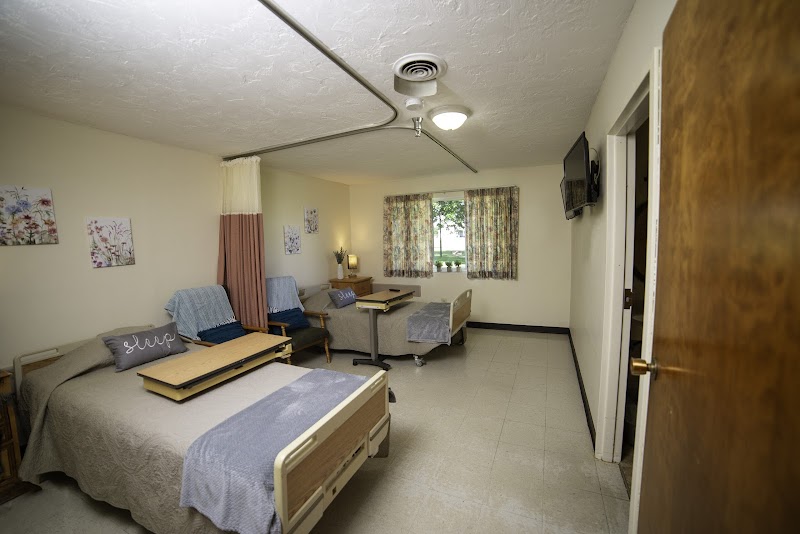
How is Manderley Health Staffed?

CMS rates MANDERLEY HEALTH CARE CENTER's staffing level at 3 out of 5 stars, which is average compared to other nursing homes. Staff turnover is 44%, compared to the Indiana average of 46%. This relatively stable workforce can support continuity of care.

What Have Inspectors Found at Manderley Health?

State health inspectors documented 23 deficiencies at MANDERLEY HEALTH CARE CENTER during 2023 to 2025. These included: 23 with potential for harm.

Who Owns and Operates Manderley Health?

MANDERLEY HEALTH CARE CENTER is owned by a for-profit company. For-profit facilities operate as businesses with obligations to shareholders or private owners. The facility is operated by ADAMS COUNTY MEMORIAL HOSPITAL, a chain that manages multiple nursing homes. With 71 certified beds and approximately 49 residents (about 69% occupancy), it is a smaller facility located in OSGOOD, Indiana.
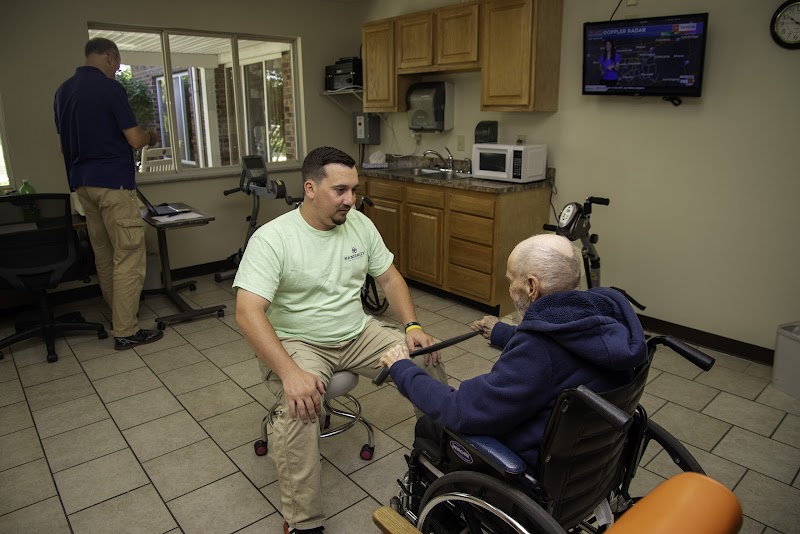
How Does Manderley Health Compare to Other Indiana Nursing Homes?

Compared to the 100 nursing homes in Indiana, MANDERLEY HEALTH CARE CENTER's overall rating (2 stars) is below the state average of 3.1, staff turnover (44%) is near the state average of 46%, and health inspection rating (2 stars) is below the national benchmark.

What Should Families Ask When Visiting Manderley Health?

Based on this facility's data, families visiting should ask: "Can I visit during a mealtime to observe dining assistance and food quality?" "How do you handle medical emergencies, and what is your hospital transfer rate?" "Can I speak with family members of current residents about their experience?"

Is Manderley Health Safe?

Based on CMS inspection data, MANDERLEY HEALTH CARE CENTER has a clean safety record: no substantiated abuse findings (meaning no confirmed cases of resident harm), no Immediate Jeopardy citations (the most serious violation level indicating risk of serious injury or death), and is not on the Special Focus Facility watch list (a federal program monitoring the lowest-performing 1% of nursing homes). The facility has a 2-star overall rating and ranks #100 of 100 nursing homes in Indiana. While no facility is perfect, families should still ask about staff-to-resident ratios and recent inspection results during their visit.

Do Nurses at Manderley Health Stick Around?

MANDERLEY HEALTH CARE CENTER has a staff turnover rate of 44%, which is about average for Indiana nursing homes (state average: 46%). Moderate turnover is common in nursing homes, but families should still ask about staff tenure and how the facility maintains care continuity when employees leave.

Was Manderley Health Ever Fined?

MANDERLEY HEALTH CARE CENTER has no federal fines on record. CMS issues fines when nursing homes fail to meet care standards or don't correct problems found during inspections. The absence of fines suggests the facility has either maintained compliance or corrected any issues before penalties were assessed. This is a positive indicator, though families should still review recent inspection reports for the full picture.

Is Manderley Health on Any Federal Watch List?

MANDERLEY HEALTH CARE CENTER is not on any federal watch list. The most significant is the Special Focus Facility (SFF) program, which identifies the bottom 1% of nursing homes nationally based on persistent, serious quality problems. Not being on this list means the facility has avoided the pattern of deficiencies that triggers enhanced federal oversight. This is a positive indicator, though families should still review the facility's inspection history directly.