MAJESTIC CARE OF BEDFORD
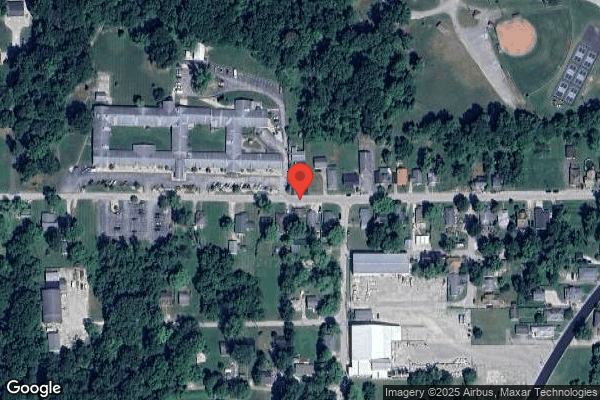
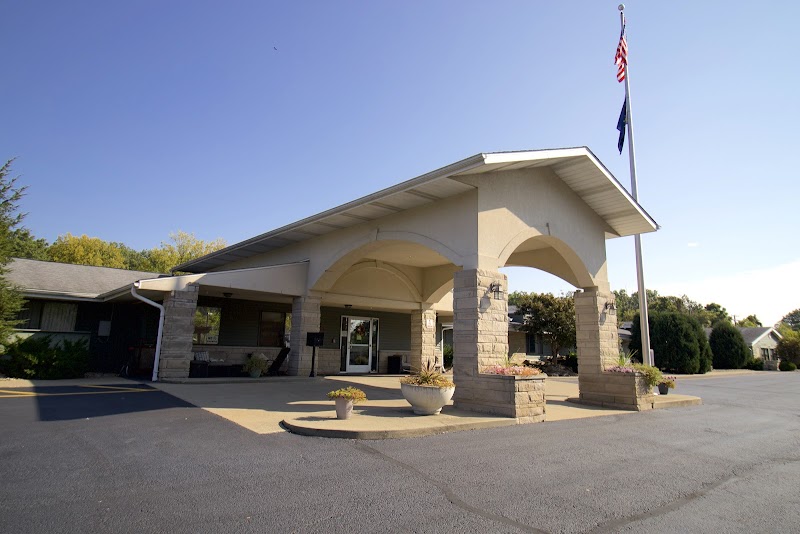
2111 NORTON LN, BEDFORD, IN 47421 (812) 277-3730
For profit - Corporation 190 Beds MAJESTIC CARE Data: November 2025
Trust Grade
50/100
#362 of 505 in IN
Last Inspection: March 2025

Within standard 12-15 month inspection cycle. Federal law requires annual inspections.

Overview

Majestic Care of Bedford has a Trust Grade of C, indicating it is average compared to other nursing homes. It ranks #362 out of 505 facilities in Indiana, placing it in the bottom half, and #6 out of 6 in Lawrence County, meaning only one local option is better. The facility is showing signs of improvement, with the number of issues decreasing from 8 in 2024 to 6 in 2025. Staffing is a concern here, with a low rating of 1 out of 5 stars and a turnover rate of 49%, which is close to the state average. On the positive side, the facility has had no fines, which is a good sign, and it offers average RN coverage, ensuring that registered nurses are available to catch potential issues. However, there have been some serious concerns, such as food not being stored properly, which could impact residents' health, and incidents of physical abuse between residents that went unchecked. Additionally, one resident did not receive necessary incontinence care, leading to an uncomfortable situation. Families should weigh these strengths and weaknesses carefully when considering this facility.

Trust Score
C
50/100
In Indiana
#362/505
Bottom 29%
Safety Record
Low Risk
No red flags
Inspections
Getting Better
8 → 6 violations
Staff Stability
⚠ Watch
49% turnover. Above average. Higher turnover means staff may not know residents' routines.
Penalties
✓ Good
No fines on record. Clean compliance history, better than most Indiana facilities.
Skilled Nurses
⚠ Watch
Each resident gets only 29 minutes of Registered Nurse (RN) attention daily — below average for Indiana. Fewer RN minutes means fewer trained eyes watching for problems.
Violations
⚠ Watch
21 deficiencies on record. Higher than average. Multiple issues found across inspections.
★★☆☆☆
2.0
Overall Rating
★☆☆☆☆
1.0
Staff Levels
★★★★☆
4.0
Care Quality
★★★☆☆
3.0
Inspection Score
Stable
2024: 8 issues
2025: 6 issues

The Good

  • 4-Star Quality Measures · Strong clinical quality outcomes
  • Full Sprinkler Coverage · Fire safety systems throughout facility
  • No fines on record

Facility shows strength in quality measures, fire safety.

The Bad

2-Star Overall Rating

Below Indiana average (3.1)

Below average - review inspection findings carefully

Staff Turnover: 49%

Near Indiana avg (46%)

Higher turnover may affect care consistency

Chain: MAJESTIC CARE

Part of a multi-facility chain

Ask about local staffing decisions and management

The Ugly 21 deficiencies on record

Jun 2025 2 deficiencies
CONCERN (D) 📢 Someone Reported This

A family member, employee, or ombudsman was alarmed enough to file a formal complaint

Potential for Harm - no one hurt, but risky conditions existed

Free from Abuse/Neglect (Tag F0600)

Could have caused harm · This affected 1 resident

Based on interview and record review, the facility failed to protect the residents' right to be free from physical abuse when a severely cognitively impaired male resident grabbed another female resid...

Read full inspector narrative →
Based on interview and record review, the facility failed to protect the residents' right to be free from physical abuse when a severely cognitively impaired male resident grabbed another female resident by the hair, grabbed female resident's face causing a scratch, and slapped resident in the face and pushed on their eyes causing a corneal abrasion for 3 of 3 residents reviewed for abuse. (Resident B, Resident D, Resident E, Resident F) Findings include: The clinical record for Resident B was reviewed on 6/25/25 at 8:42 a.m. The diagnoses included, but were not limited to, chorea (a neurological disorder that causes involuntary, random, and continuous muscle movements while awake), cerebral palsy, anxiety disorder, and autistic disorder. A quarterly Minimum Data Set (MDS) assessment, dated 4/22/25, indicated Resident B was severely cognitively impaired and displayed verbal and physical behavioral symptoms directed towards others. A progress note, dated 6/8/25 at 2:11 p.m., indicated Resident B walked over toward the nurse's desk and as he walked by Resident D, Resident B reached over and grabbed Resident D's hair with both hands and would not let go. It took two staff members to redirect him. A progress note, dated 6/10/25 at 10:39 a.m., indicated Resident B was walking across the dining room with the CNA that was assigned to provide one-on-one supervision for Resident B that shift. As Resident B passed by Resident D, Resident B reached out and grabbed Resident D's arm with his left hand and then reached out with his right hand and grabbed Resident D's hair. Resident B would not let go of Resident D's hair. It took four people to separate and redirect Resident B. A progress note, dated 6/19/25 at 7:50 p.m., indicated Resident B reached out to adjust Resident E's face. In doing so, a scratch was made under Resident E's eye. A progress note, dated 6/20/25 at 4:35 p.m., indicated Resident B went into Resident F's room and poked Resident F in the eye leaving a scratch. When CNA 2 attempted to redirect Resident B, he began open handed slapping Resident F in the face. Resident F had swelling and redness to the left eye and bleeding in his mouth. 1. During an interview on 6/25/25 at 10:47 a.m., Licensed Practical Nurse (LPN) 1 indicated there were two times when Resident B grabbed Resident D by the hair and wouldn't let go. One time Resident D was sitting in her wheelchair and Resident B walked over and grabbed her hair. It took a few staff to separate Resident B from Resident D's hair. Each time this happened Resident D had cried and the first time she complained of pain. The clinical record for Resident D was reviewed on 6/25/25 at 1:02 p.m. The diagnoses included, but were not limited to, spastic quadriplegic cerebral palsy and autistic disorder. An annual Minimum Data Set (MDS) assessment, dated 5/8/25, indicated Resident D was severely cognitively impaired. A progress note, dated 6/8/25 at 2:34 p.m., indicated Resident B walked over toward the nurse's desk and as he walked by Resident D, Resident B reached over and grabbed Resident D's hair with both hands and would not let go. It took two staff members to redirect him. A pain score evaluation, dated 6/8/25 at 2:35 p.m., indicated Resident D had a scratch on the back of her neck and had pain. A progress note, dated 6/10/25 at 11:15 a.m., indicated Resident B was walking across the dining room with the CNA that is assigned to provide one-on-one supervision for Resident B that shift. As Resident B passed by Resident D, he reached out and grabbed Resident D's arm with his left hand and then reached out with his right hand and grabbed Resident D's hair. Resident B would not let go of Resident D's hair. It took four people to redirect Resident B. 2. The clinical record for Resident E was reviewed on 6/25/25 at 1:40 p.m. The diagnoses included, but were not limited to, muscular dystrophy, scoliosis, and myopia. A focused charting evaluation, dated 6/19/25 at 7:33 p.m., indicated Resident B had been physically aggressive toward Resident E. Resident E was seated in the main dining room and Resident B walked up and placed his hand on Resident E's face in what appeared to be an attempt to adjust Resident E's glasses. A skin evaluation, dated 6/19/25 at 7:34 p.m., indicated Resident E had a scratch below her right eye. During an interview on 6/26/25 at 9:58 a.m., CNA 1 indicated last week she was providing one-on-one supervision for Resident B. CNA 1 and Resident B were walking to the dining room and Resident E was sitting in her Broda chair. All of the sudden, Resident B reached over, opened his hand, and grabbed Resident E's face. It looked like Resident B was trying to grab Resident E's eyeballs but Resident E was wearing glasses. Resident E had a scratch and marks under where her glasses sat on her face. CNA 1 had witnessed Resident B be aggressive with multiple other residents. He likes eyeballs and sticking his fingers in other people's mouths. 3. During an interview on 6/25/25 at 10:35 a.m., CNA 2 indicated on 6/20/25 she was providing one-on-one supervision for Resident B when Resident B walked into Resident F's room. Resident B put one of his thumbs into each of Resident F's eyes and pressed on Resident F's eyes. CNA 2 yelled for help and after approximately one to two minutes the staff were able to separate Resident B from Resident F and get Resident B out of the room. Resident F was sent to the hospital. During an interview on 6/25/25 at 10:47 a.m., LPN 1 indicated, on 6/20/25, she heard someone yell for help so she went to Resident F's room. Resident F's left eye had swelled and she could see a scratch under the left eye. Resident F was sent to the hospital and diagnosed with a corneal abrasion and had antibiotic eye drops. The clinical record for Resident F was reviewed on 6/25/25 at 1:35 p.m. The diagnoses included, but were not limited to, neurogenic bladder, aphasia, cerebral palsy, seizure disorder, and anxiety disorder. A quarterly Minimum Data Set (MDS) assessment, 4/20/25, indicated Resident F was severely cognitively impaired, both upper and lower extremities were severely impaired, and was dependent for all activities of daily living. A progress note, dated 6/20/25 at 5:30 p.m., indicated Resident B went into Resident F's room and poked Resident F in the eye leaving a scratch. When CNA 2 attempted to redirect Resident B, he began open handed slapping Resident F in the face hitting Resident F in the eye and mouth causing swelling and redness to the left eye and causing bleeding in his mouth. A pain score evaluation, dated 6/20/25 at 5:33 p.m., indicated Resident F's left eye was red, swollen, and bruised with a scratch under the left eye. Resident F had pain. A progress note, dated 6/21/25 at 12:40 a.m., indicated Resident F returned from the emergency department with a new physicians order to instill one application of erythromycin ointment to left eye four times daily for a corneal abrasion. A current physicians order started, on 6/21/25 at 6:00 a.m., indicated erythromycin ophthalmic ointment 5 milligrams per gram, instill one application in left eye four times daily for corneal abrasion. On 6/25/25 at 9:00 a.m., the Administrator provided a copy of a facility policy, titled Abuse, Mistreatment, Neglect, Exploitation and Misappropriation, dated 6/5/25, and indicated this was the current policy used by the facility. A review of the policy indicated residents have the right to be free from abuse. This citation relates to Complaint IN00460596. 3.1-27(a)(1)
CONCERN (D) 📢 Someone Reported This

A family member, employee, or ombudsman was alarmed enough to file a formal complaint

Potential for Harm - no one hurt, but risky conditions existed

Incontinence Care (Tag F0690)

Could have caused harm · This affected 1 resident

Based on observation, interview, and record review, the facility failed to ensure a resident received urinary incontinence care for a resident that was incontinent of urine for 1 of 3 residents review...

Read full inspector narrative →
Based on observation, interview, and record review, the facility failed to ensure a resident received urinary incontinence care for a resident that was incontinent of urine for 1 of 3 residents reviewed for urinary incontinence. (Resident F) Findings include: On 6/25/25 from 10:59 a.m. until 11:07 a.m., observed Resident F sitting in the common area lying back in his wheelchair. There was a stream of urine running down from the wheelchair seat onto the floor where there was a large puddle of urine. Qualified Medication Aide (QMA) 1 walked up to Resident F's wheelchair and pushed it forward so the housekeeper could mop the floor. Once the housekeeper was finished mopping the area, he moved Resident F's wheelchair back. At that time, QMA 1 indicated she hadn't addressed Resident F's incontinence because the CNA's were busy and Resident F required a mechanical lift. LPN 1 was standing next to QMA 1 and QMA 1 indicated nurses were allowed to help provide incontinence care. The clinical record for Resident F was reviewed on 6/25/25 at 1:35 p.m. The diagnoses included, but were not limited to, neurogenic bladder, aphasia, cerebral palsy, seizure disorder, and anxiety disorder. A quarterly Minimum Data Set (MDS) assessment, dated 4/20/25, indicated Resident F was severely cognitively impaired, was impaired on both sides of upper and lower extremities, was dependent for activities of daily living, and was always incontinent of bladder. On 6/26/25 at 12:30 p.m., the facility was unable to provide a policy regarding incontinence care. 3.1-41(a)(2)
Mar 2025 4 deficiencies
CONCERN (D)

Potential for Harm - no one hurt, but risky conditions existed

Transfer Notice (Tag F0623)

Could have caused harm · This affected 1 resident

**NOTE- TERMS IN BRACKETS HAVE BEEN EDITED TO PROTECT CONFIDENTIALITY** Based on interview and record review, the facility failed to ensure the written notification required for a transfer and dischar...

Read full inspector narrative →
**NOTE- TERMS IN BRACKETS HAVE BEEN EDITED TO PROTECT CONFIDENTIALITY** Based on interview and record review, the facility failed to ensure the written notification required for a transfer and discharge was provided to the resident and the resident representative for 2 of 3 residents reviewed for hospitalization. (Resident 41, Resident 74) Findings include: 1. Resident 74's clinical record was reviewed on 3/27/25 at 10:27 a.m. The diagnoses included, but were not limited to, chronic obstructive pulmonary disease and dementia. Resident 74's progress notes indicated the resident was sent to the hospital on [DATE]. The clinical record lacked documentation of written notification of the transfer and discharge forms having been provided to the resident representative. During an interview on 3/27/25 at 11:30 a.m., the Administrator indicated the facility did not have documentation which indicated the transfer and discharge forms were provided in writing to Resident 74's representative. 2. Resident 41's clinical record was reviewed on 3/27/25 at 2:54 p.m. The diagnoses included, but were not limited to, dementia and repeated falls. Resident 41's progress notes indicated the resident was sent to the hospital on 2/19/25. The clinical record lacked documentation of written notification of the transfer and discharge forms having been provided to the resident and to the resident representative. During an interview at 3/28/25 at 12:27 p.m., the Director of Nursing indicated the facility did not have documentation which indicated the transfer and discharge forms were provided in writing to Resident 41 and to the resident representative. On 3/28/25 at 3:29 p.m., the Director of Nursing provided the facility's policy,Transfer and Discharge dated, 12/12/23, and indicated it was the policy currently being used by the facility. A review of the policy indicated, . 4. the facility's transfer/discharge notice will be provided to the resident and the resident's representative in a language and manner in which they can understand . 3.1-12(a)(6)(A)(i) 3.1-12(a)(6)(A)(iii)
CONCERN (D)

Potential for Harm - no one hurt, but risky conditions existed

Deficiency F0625 (Tag F0625)

Could have caused harm · This affected 1 resident

Based on interview and record review, the facility failed to ensure the notification of the bed-hold policy required for a resident who transferred to the hospital was provided in writing to the resid...

Read full inspector narrative →
Based on interview and record review, the facility failed to ensure the notification of the bed-hold policy required for a resident who transferred to the hospital was provided in writing to the resident or the resident representative for 1 of 3 residents reviewed for hospitalization. (Resident 41) Findings include: Resident 41's clinical record was reviewed on 3/27/25 at 2:54 p.m. The diagnoses included, but were not limited to, dementia and repeated falls. Resident 41's progress notes indicated the resident was sent to the hospital on 2/19/25. The clinical record lacked documentation of written notification which specified the facility's bed-hold policy was provided to the resident or the resident representative. During an interview at 3/28/25 at 12:27 p.m., the Director of Nursing indicated the facility did not have documentation which indicated the bed-hold policy was provided in writing to Resident 41 or to the resident representative. On 3/28/25 at 3:29 p.m., the Director of Nursing provided the facility's policy,Bed Hold dated, 12/12/23, and indicated it was the policy currently being used by the facility. A review of the policy indicated, . At the time of transfer for hospitalization or therapeutic leave, the facility will provide to the resident and/or the resident representative written notice which specifies the duration of the bed-hold policy and addresses information explaining the return of the resident to the next available bed . 3.1-12(a)(25) 3.1-12(a)(26)
CONCERN (D)

Potential for Harm - no one hurt, but risky conditions existed

Accident Prevention (Tag F0689)

Could have caused harm · This affected 1 resident

Based on interview and record review, the facility failed to document and implement new interventions to prevent falls for 1 of 5 residents reviewed for accidents. (Resident 31) Findings include: On ...

Read full inspector narrative →
Based on interview and record review, the facility failed to document and implement new interventions to prevent falls for 1 of 5 residents reviewed for accidents. (Resident 31) Findings include: On 3/27/25 at 11:20 a.m., Resident 31's clinical record was reviewed. The diagnoses included, but were not limited to, dementia, rheumatoid arthritis, and peripheral neuropathy (weakness, numbness, and pain from nerve damage). The Quarterly MDS (Minimum Data Set) assessment, dated 2/24/25, indicated Resident 31 had severe cognitive impairment and had no falls since the prior assessment. The Care Plans included, but were not limited to: - At Risk for Falls, initiated on 10/30/24. The interventions included but were not limited to: Dycem between cushion and chair, dated 2/26/25. Encourage to go to dining room for meals, dated 2/10/25. Bed against the wall, dated 1/31/25. Mat between bed and wall, dated 1/31/25. Touch pad call light, dated 1/31/25. Encourage resident to sleep in bed at night, dated 12/26/24. If resident prefers to sleep in recliner staff will assist with raising foot of chair, dated 12/26/24. Non-skid strips to be placed in front of recliner, dated 12/13/24. Therapy to evaluate and treat as appropriate, dated 12/12/24. Encourage and assist to wear non-skid footwear, dated 10/30/24. Encourage to participate in activities that promote exercise and physical activity, dated 10/30/24. Follow facility fall protocol, dated 10/30/24. Keep call light and frequently used personal items within reach, dated 10/30/24. Therapy to screen quarterly and as needed, notify therapy of changes in gait or balance, dated 10/30/24. - Resident exhibits behavior symptoms of not asking for help when needing assistance, initiated on 3/24/25. The interventions included, but were not limited to: Assess residents needs, dated 3/24/25. Maintain a safe environment, dated 3/24/25. Provide positive feedback for good behaviors, dated 3/24/25. The nursing progress notes indicated the following: - On 3/16/25 at 8:33 p.m., Resident continues on neurological checks post fall this morning. Neurological checks within normal limits. Denies pain or discomfort. Has been in room all day. No distress noted. - On 3/17/25 at 10:42 a.m., resident continues with neurological checks due to fall on 3/16/25, vital signs within normal limits, no signs, symptoms, or complaints of pain at this time. - On 3/18/25 at 6:39 p.m., resident continues with neurological checks due to fall on 3/16/25, vital signs within normal limits, no signs, symptoms, or complaints of pain at this time. - On 3/19/25 at 6:26 p.m., resident continues on neurological checks this shift. Neurological checks within normal limits. Resident denies pain or discomfort. Walked to dining room for lunch and dinner. No distress. The clinical record for Resident 31 lacked documentation and new interventions for the fall on 3/16/25 until 3/24/25. During an interview with the DON on 3/27/25 at 2:15 p.m., she indicated that the fall was not documented in record and was not reported to her at that time. The DON indicated there was no IDT (interdisciplinary team) meeting completed until today, 3/27/25. During an interview with Resident 31's daughter on 3/27/25 at 3:00 p.m., she indicated she was notified on 3/16/25 of resident's fall. On 3/28/25 at 3:20 p.m., the DON provided the facility policy, Fall Prevention, dated 1/2/24, and indicated it was the policy currently being used by the facility. A review of the policy indicated, .When any resident experiences a fall, the facility will: a. Assess the resident b. Complete a post-fall assessment c. Complete an incident report . d. Notify the physician and family. e. Review the resident's care plan and update as indicated. f. Document all assessments and actions . 3.1-45(a)(1)
CONCERN (E)

Potential for Harm - no one hurt, but risky conditions existed

Food Safety (Tag F0812)

Could have caused harm · This affected multiple residents

Based on observation, interview, and record review, the facility failed to ensure food was stored in a sanitary manner for 1 of 2 kitchen observations. Food was not discarded by the discard date and f...

Read full inspector narrative →
Based on observation, interview, and record review, the facility failed to ensure food was stored in a sanitary manner for 1 of 2 kitchen observations. Food was not discarded by the discard date and food was stored under the condenser fan. This had the potential to affect 85 of 102 residents who were served food from the kitchen. Findings include: On 3/28/25 at 10:30 a.m., during a follow-up tour of the kitchen with the Dietary Manager (DM), the following was observed: - The walk in refrigerator had a container of liquid salad dressing with an open date of 1/12/25 and a discard date of 2/12/25. - The walk in freezer had an open box of cheddar biscuits directly under the condenser fan, there was ice accumulation noted on the fan directly above the box of food. The biscuits were covered in a plastic bag inside of opened box. During an interview with the DM on 3/28/25 at 10:30 a.m., she indicated that all containers opened were good for 30 days, after 30 days they were to be discarded. The DM indicated that the container of salad dressing should have been discarded on 2/12/25. The DM indicated that food should not be stored directly under the condenser fan to allow for proper circulation and to protect food from contamination if the fan would leak. On 3/28/25 at 3:10 p.m., the Corporate Nurse Consultant provided the facility's policy, Safe Food Handling, dated 3/1/25, and indicated it was the policy currently being used by the facility. A review of the policy indicated .a. Food items are placed into appropriate storage locations consistent with Food Code Guidelines and protected from contamination. b. Leftover foods will be protected, labeled and dated with date of original preparation and date of discard . 3.1-21(i)(2) 3.1-21(i)(3)
Jun 2024 8 deficiencies
CONCERN (D)

Potential for Harm - no one hurt, but risky conditions existed

Transfer Notice (Tag F0623)

Could have caused harm · This affected 1 resident

3. On 6/11/23 at 11:15 a.m., Resident 15's clinical record was reviewed. The diagnoses included, but were not limited to, epileptic spasms and unspecified intellectual disabilities. The resident was ...

Read full inspector narrative →
3. On 6/11/23 at 11:15 a.m., Resident 15's clinical record was reviewed. The diagnoses included, but were not limited to, epileptic spasms and unspecified intellectual disabilities. The resident was transferred to the hospital on 5/1/24. There was no documentation to indicate the resident and/or the resident's representative were notified of this transfer in writing. On 6/12/24 at 1150 a.m., the Administrator provided the facility's policy,Holding Bed Space undated, and indicated it was the policy currently being used by the facility. A review of the policy did not indicated sending the resident and resident representative a copy of the Transfer and Discharge form in writing . During an interview on 6/13/24 at 10:50 a.m., the facility Administrator indicated the transfer/discharge form was not provided to the resident or resident's representative in writing for the hospital transfer. 3.1-12(a)(6)(A)(i) 3.1-12(a)(6)(A)(iii) Based on interview and record review, the facility failed to ensure the written notification required for a transfer and discharge was provided to the resident and the resident representative for 3 of 3 residents reviewed for hospitalization. (Resident 67, Resident 94, Resident 15) Findings include: 1. Resident 67's clinical record was reviewed on 6/11/24 at 2:13 p.m. The diagnoses included, but were not limited to, lymphedema and fracture of the femur. Resident 67's progress notes indicated the resident was sent to the hospital on 2/19/24. The clinical record lacked documentation of written notification of the Notice of Transfer and Discharge forms having been provided to the resident and the resident representative. 2. On 6/13/24 at 11:46 a.m., Resident 94's clinical record was reviewed. The diagnoses included, but were not limited to, heart failure and atrial fibrillation (a rapid and irregular heartbeat of the heart's upper chambers). A 3/16/24 progress note indicated the resident was sent to the hospital at 7:07 a.m., due to a critical digoxin lab (a test measures the amount of the heart medicine digoxin in the blood) result. The clinical record lacked documentation of written Notice of Transfer and Discharge forms having been provided to the resident and the resident representative.
CONCERN (D)

Potential for Harm - no one hurt, but risky conditions existed

Deficiency F0625 (Tag F0625)

Could have caused harm · This affected 1 resident

3. On 6/11/23 at 11:15 a.m., Resident 15's clinical record was reviewed. The diagnoses included, but were not limited to, epileptic spasms and unspecified intellectual disabilities. The resident was ...

Read full inspector narrative →
3. On 6/11/23 at 11:15 a.m., Resident 15's clinical record was reviewed. The diagnoses included, but were not limited to, epileptic spasms and unspecified intellectual disabilities. The resident was transferred to the hospital on 5/1/24. There was no documentation to indicate the resident and/or the resident's representative were notified of the facility bed hold policy in writing. During an interview on 6/13/24 at 10:15 a.m., the Administrator indicated the facility did not provide the resident nor the resident representative the notification of Bed-Hold forms in writing. The facility sent the forms with the resident when they transfer to another facility. On 6/12/24 at 1150 a.m., the Administrator provided the facility's policy,Holding Bed Space undated, and indicated it was the policy currently being used by the facility. A review of the policy indicated, 1. Upon admission and when a resident is transferred for hospitalization or for therapeutic leave . the business office will provide information concerning our bed-hold policy to the resident and the resident representative . 3.1-12(a)(25) 3.1-12(a)(26) Based on interview and record review, the facility failed to ensure the notification of the bed-hold policy required for a resident who transferred to the hospital was provided in writing to the resident or the resident representative for 3 of 3 residents reviewed for hospitalization. (Resident 67, Resident 94, Resident 15) Findings include: 1. Resident 67's clinical record was reviewed on 6/11/24 at 2:13 p.m. The diagnoses included, but were not limited to, lymphedema and fracture of the femur. Resident 67's progress notes indicated the resident was sent to the hospital on 2/19/24. The clinical record lacked documentation of written notification which specified the facility's bed-hold policy having been provided to the resident or the resident representative. 2. On 6/13/24 at 11:46 a.m., Resident 94's clinical record was reviewed. The diagnoses included, but were not limited to, heart failure and atrial fibrillation (a rapid and irregular heartbeat of the heart's upper chambers). A 3/16/24 progress note, indicated the resident was sent to the hospital at 7:07 a.m., due to a critical digoxin lab (a test measures the amount of the heart medicine digoxin in the blood) result. The clinical record lacked documentation of written notification which specified the facility's bed-hold policy having been provided to the resident or the resident representative.
CONCERN (D)

Potential for Harm - no one hurt, but risky conditions existed

MDS Data Transmission (Tag F0640)

Could have caused harm · This affected 1 resident

Based on record review and interview, the facility failed to ensure a resident's Minimum Data Set assessment was electronically transmitted to the Center for Medicare and Medicaid Services system with...

Read full inspector narrative →
Based on record review and interview, the facility failed to ensure a resident's Minimum Data Set assessment was electronically transmitted to the Center for Medicare and Medicaid Services system within 14 days of the final completion date for 1 of 1 residents reviewed for Resident . (Resident 12) Finding includes: On 6/13/24 at 10:00 a.m., Resident 12's clinical record was reviewed. The diagnoses included, but were not limited to, chronic respiratory failure and anemia. The Discharge Minimum Data Set (MDS) assessment, dated 12/31/23, indicated the assessment was completed but not transmitted to the Center for Medicare and Medicaid Services system within 14 days of the completion date. During an interview on 6/13/24 at 3:25 p.m., the MDS Coordinator indicated the Discharge MDS assessment was not transmitted to the Center for Medicare and Medicaid Services system within 14 days of the completion date.
CONCERN (D)

Potential for Harm - no one hurt, but risky conditions existed

Assessment Accuracy (Tag F0641)

Could have caused harm · This affected 1 resident

Based on interview and record review, the facility failed to ensure residents received an accurate Minimum Data Set (MDS) assessment, reflective of the resident's status at the time of the assessment ...

Read full inspector narrative →
Based on interview and record review, the facility failed to ensure residents received an accurate Minimum Data Set (MDS) assessment, reflective of the resident's status at the time of the assessment for 2 of 22 residents reviewed for accuracy of assessments. (Resident 67, Resident 92) Findings include: 1. On 6/11/24 at 2:51 p.m., Resident 67's clinical record was reviewed. The diagnoses included, but were not limited to, anxiety and depression. The Quarterly Minimum Data Set (MDS) assessment, dated 4/24/24, indicated the resident did not have an anxiety diagnosis. A review of the resident's current June, 2024, orders indicated on 4/10/24, the resident was prescribed lorazepam (an anti-anxiety medication) 0.5 milligrams, 3 times a day, for anxiety. During an interview on 6/13/24 at 11:55 a.m., the MDS Coordinator indicated the resident's MDS assessment was coded incorrectly and it should have reflected a diagnosis of anxiety. 2. On 6/13/24 at 3:15 p.m., Resident 92's clinical record was reviewed. The diagnoses included, but were not limited to, congestive heart failure and hypertension. The Discharge MDS assessment, dated 5/18/24, indicated the resident was discharged to a critical access hospital. A nursing note, dated 5/18/24 at 2:52 p.m., indicated the resident was discharged and transported to a different skilled nursing facility. During an interview on 6/13/24 at 3:53 p.m., the MDS coordinator indicated the resident's MDS assessment was coded incorrectly. 3.1-31(d)
CONCERN (D)

Potential for Harm - no one hurt, but risky conditions existed

Comprehensive Care Plan (Tag F0656)

Could have caused harm · This affected 1 resident

Based on observation, interview, and record review, the facility failed to develop a comprehensive care plan for a resident with behaviors for 1 of 1 residents observed for behaviors. (Resident 60) F...

Read full inspector narrative →
Based on observation, interview, and record review, the facility failed to develop a comprehensive care plan for a resident with behaviors for 1 of 1 residents observed for behaviors. (Resident 60) Findings include: On 6/9/24 at 12:16 p.m., Resident 60 was observed to be sitting in the dayroom in a recliner. The resident was attempting to stand up and was yelling out, I'm gonna die. On 6/10/24 at 10:26 a.m., Resident 60 was observed to be sitting in the dayroom in a recliner. The resident was attempting to stand up and was yelling out, I'm gonna die. On 6/10/24 at 2:10 p.m., Resident 60 was observed to be sitting in the dayroom in a recliner. The resident was attempting to stand up and was yelling out, I'm gonna die. On 6/11/24 at 12:23 p.m., Resident 60 was observed to be sitting in the dayroom in a recliner. The resident was attempting to stand up and was yelling out, help me, I'm gonna die. On 6/12/24 at 11:23 a.m., Resident 60 was observed to be sitting in the dayroom in a recliner. The resident was yelling out, I'm gonna die. On 6/13/24 at 9:40 a.m., Resident 60 was observed to be sitting in the dayroom in the recliner yelling out, help me, I will die. On 6/13/24 at 9:40 a.m., Resident 60 was observed to be sitting at the dining room table in a wheelchair. The resident was observed to be yelling, I will die while the Activity Director was observed to be helping the resident eat some string cheese. Resident 60's clinical record was reviewed on 6/13/24 at 12:00 p.m. The diagnosis included, but was not limited to, anxiety disorder. Physician orders, dated 6/13/24, for Resident 60 indicated . ativan [anti-anxiety medication] oral tablet 0.5 mg [milligrams] give 1 tablet by mouth three times a day for anxiety . The admission Minimum Data Set (MDS) assessment, dated 4/18/24, assessed Resident 60 as having behavioral symptoms directed toward others to be occurring daily and behavior symptoms not directed toward others as occurring 1-3 days during the 7 day look back period. A review of the care plans on 6/13/24 at 1:35 p.m., for Resident 60 indicated the resident did not have a care plan for exhibiting behaviors. During an interview on 6/13/24 at 12:00 p.m., RN 1 indicated Resident 60 constantly exhibited behaviors and they made attempts to redirect and reassure her when she was upset and yelling out. During an interview on 6/13/24 at 3:04 p.m., the Social Services Assistant indicated Resident 60 did not have a care plan for behaviors but probably should have one in place. 3.1-35(a)
CONCERN (D)

Potential for Harm - no one hurt, but risky conditions existed

Deficiency F0688 (Tag F0688)

Could have caused harm · This affected 1 resident

**NOTE- TERMS IN BRACKETS HAVE BEEN EDITED TO PROTECT CONFIDENTIALITY** Based on observation, interview, and record review, the facility failed to provide treatment or services to prevent further decr...

Read full inspector narrative →
**NOTE- TERMS IN BRACKETS HAVE BEEN EDITED TO PROTECT CONFIDENTIALITY** Based on observation, interview, and record review, the facility failed to provide treatment or services to prevent further decrease in range of motion for 3 of 5 residents reviewed for mobility. (Resident 29, Resident 63, Resident 79). Findings include: 1. During an interview on 6/10/24 at 11:07 a.m., Resident 29 indicated she had a stroke and her left side was affected. She had therapy for her left arm and hand contracture (permanent tightening of the muscle, tendon, skin, and nearby tissues that caused the joints to shorten and become stiff). When she was finished with therapy, they did not have a nursing restorative program to assist with her range of motion exercises. At that time, Resident 29 was observed to have a left hand contracture. On 6/12/24 at 2:57 p.m., Resident 29 was observed to be in her wheelchair. Her left hand and wrist were contracted and was resting on her lap. On 6/12/24 at 10:37 a.m., Resident 29's clinical record was reviewed. The diagnoses included, but were not limited to, cerebrovascular disease (stroke) affecting left side, hemiparesis (weakness on entire side of the body), muscle spasm, wrist contracture, and muscle weakness. The Discharge Notification from Therapy, dated 2/6/24, indicated the discharge recommendations were to continue with upper extremity home exercise program. The Occupational Therapy Discharge summary, dated [DATE] at 12:06 p.m., indicated discharge recommendations of restorative range of motion program to her upper body. The Functional Abilities and Goals Assessment, dated 5/20/24 at 10:06 a.m., indicated Resident 29 had functional limitation of range of motion on one side of her upper and lower extremities. The Quarterly Minimum Data Set (MDS) assessment, dated 5/20/24, indicated Resident 29 was cognitively intact, had limited range of motion on one side of her upper and lower extremities, and was not on a active or passive range of motion restorative program. The care plan, dated 6/11/24 and current through target date of 9/11/24, indicated Resident 29 needed assistance with activities of daily living related to cerebrovascular disease with left sided hemiparesis. The care plan lacked documentation of active or passive range of motion or any services to prevent further decrease in range of motion. During an interview on 6/12/24 at 10:02 a.m., Certified Occupational Therapist Assistant (COTA) 1 indicated Resident 29 had a stroke and had functional limitation of her left upper extremity. When she was discharged from the occupational therapy, she would of benefited from a range of motion restorative program. The facility lacked a range of motion restorative program. During an interview on 6/12/24 at 3:03 p.m., CNA 1 indicated Resident 29 had left-sided weakness and left hand contracture. Resident 29 did not have any active or passive range of motion restorative program. During an interview on 6/13/24 at 12:05 p.m., the Director of Health Services (DHS) indicated Resident 29 did not have a nursing restorative program or any services to prevent further decrease in range of motion of her left upper and lower extremity. 2. During an interview on 6/10/24 at 10:15 a.m., Resident 63's wife indicated he had a fall and had a traumatic brain injury. He was quadriplegic and had limited movement to his arms and legs. When Resident 63's therapy was finished, they did not recommend a range of motion restorative program because the facility did not have a restorative program. On 6/12/24 at 10:01 a.m., Resident 63 was observed to be sitting in his wheelchair in the day room with his wife. She was observed to raising his right arm and saying [Resident name] let's do your exercises. On 6/13/24 at 10:02 a.m., Resident 63 was observed to be sitting in the day room with his arms crossed on his chest. On 6/12/24 at 12:49 p.m., Resident 63's clinical record was reviewed. The diagnoses included, but were not limited to, traumatic brain injury and quadriplegia. The care plan, dated 6/29/23 and current through target date of 8/30/24, indicated Resident 63 needed assistance with activities of daily living. The care plan lacked documentation of active or passive range of motion or any services to prevent further decrease in range of motion. The Occupational Therapy Discharge summary, dated [DATE] at 12:04 p.m., indicated recommendations of assistive device for safe functional mobility. The Functional Abilities and Goals Assessment, dated 4/20/24 at 1:38 p.m., indicated Resident 63 had functional limitation of range of motion on both sides of his upper and lower extremities. The Quarterly MDS assessment, dated 4/20/24, indicated Resident 63 had severe impaired decision making ability, had limited range of motion on both sides of his upper and lower extremities, and was not on a active or passive range of motion restorative program. During an interview on 6/12/24 at 3:03 p.m., CNA 1 indicated Resident 63 had limited range of motion to both upper and lower extremities. Resident 63 was not on a range of motion restorative program. During an interview on 6/13/24 at 10:50 a.m., COTA 1 indicated when Resident 63 was discharged from occupational therapy on 3/7/24, range of motion restorative program was not recommended because the facility did not have a restorative program. Resident 63 would benefit from a passive range of motion restorative program. During an interview on 6/13/24 at 12:05 p.m., the DHS indicated Resident 63 did not have a nursing restorative program or any services to prevent further decrease in range of motion of both of his upper and lower extremities. 3. During an interview on 6/10/24 at 2:24 p.m., Resident 79 indicated she had broken her leg. She had therapy but was no longer getting any range of motion to her lower extremities. On 6/12/24 at 2:42 p.m., Resident 79's clinical record was reviewed. The diagnoses included, but were not limited to, tibia (shin bone) fracture, fall, muscle weakness, and difficulty in walking. The care plan, dated 8/29/23 and current through target date of 6/30/24, indicated Resident 79 needed assistance with activities of daily living. The care plan lacked documentation of active or passive range of motion or any services to prevent further decrease in range of motion. The Occupational Therapy Discharge summary, dated [DATE] at 1:21 p.m., indicated recommendations of home exercise program. The Functional Abilities and Goals Assessment, dated 5/16/24 at 10:11 a.m., indicated Resident 79 had functional limitation of range of motion on one side of her lower extremities. The Quarterly MDS assessment, dated 5/16/24, indicated Resident 79 had moderately impaired cognition, had limited range of motion on one side of her lower extremities, and was not on an active or passive range of motion restorative program. During an interview on 6/12/24 at 2:59 p.m., CNA 1 indicated Resident 79 had a broken leg and was no longer on therapy caseload. Resident 79 was not on a restorative program because they did not have a restorative program. During an interview on 6/13/24 10:50 a.m., COTA 1 indicated the Occupational Therapy Discharge summary, dated [DATE], indicated to discharge Resident 79 to a home exercise program because the facility did not have an active or passive restorative program. During an interview on 6/13/24 at 12:05 p.m., the DHS indicated Resident 79 did not have a nursing restorative program or any services to prevent further decrease in range of motion of her lower extremity. On 6/13/24 at 3:04 p.m., the DHS provided the facility policy, Prevention of Decline in Range of Motion, undated, and indicated it was the policy currently being used by the facility. A review of the policy indicated, .b. The facility will provide treatment and care in accordance with professional standards of practice. this include, but is not limited to: 1. Appropriate services (specialized rehabilitation, restorative, and maintenance) .iii. Assistance as needed (active assisted, passive, supervision) . 3.1-42(a)(2)
CONCERN (D)

Potential for Harm - no one hurt, but risky conditions existed

Deficiency F0761 (Tag F0761)

Could have caused harm · This affected 1 resident

Based on observation, interview and record review, the facility failed to ensure an open vial of insulin contained an open date for 1 of 1 resident reviewed for insulin during medication administratio...

Read full inspector narrative →
Based on observation, interview and record review, the facility failed to ensure an open vial of insulin contained an open date for 1 of 1 resident reviewed for insulin during medication administration. (Resident 60) Findings include: During medication administration on 6/13/24 at 11:51 a.m., RN 1 was observed to remove an open vial of Humalog (insulin) from the medication cart and administer 2 units of insulin to Resident 60. The vial of Humalog was not observed to have an open date. Resident 60's clinical record was reviewed on 6/13/24 at 12:00 p.m. The diagnosis included, but was not limited to, type 2 Diabetes Mellitus. Physician orders, dated 6/13/24, for Resident 60 indicated . Humalog Injection Solution 100 unit/ml [milliliters] inject per sliding scale . During an interview on 6/13/24 at 11:53 a.m., RN 1 indicated the insulin was good for 90 days after it was opened and should have had an open date listed on the bottle. On 6/13/24 at 2:50 p.m., the Administrator provided the facility's policy,Labeling of Medications and Biologicals undated, and indicated it was the policy currently being used by the facility. A review of the policy indicated, . 8. Labels for multi-use vials must include: a. The date the vial was initially opened or accessed [needle punctured] . 3.1-25(j)
CONCERN (D)

Potential for Harm - no one hurt, but risky conditions existed

Laboratory Services (Tag F0770)

Could have caused harm · This affected 1 resident

Based on interview and record review, the facility failed to ensure laboratory services were provided for a resident with an order to obtain a blood draw every six months for 1 of 5 residents reviewed...

Read full inspector narrative →
Based on interview and record review, the facility failed to ensure laboratory services were provided for a resident with an order to obtain a blood draw every six months for 1 of 5 residents reviewed for unnecessary medications. (Resident 67) Findings include: Resident 67's clinical record was reviewed on 6/11/24 at 2:13 p.m. The diagnoses included, but were not limited to, lymphedema and fracture of the femur. Physician orders, dated 5/1/24 through 5/31/24, for Resident 67 indicated . cbc [complete blood count] with diff [differential] and bmp [basic metabolic panel] every 6 months due to HTN [hypertension] and CHF [congestive heart failure] . A review of the lab report dated 5/16/24 at 7:30 a.m., for Resident 67 indicated a CBC and BMP was attempted however the lab technician was unable to obtain an adequate sample for testing. A second phlebotomist would be sent. The clinical record lacked documentation of labs being completed on 5/16/24 nor a second attempt being made by another phlebotomist. During an interview on 6/13/24 at 12:13 p.m., the Nurse Practitioner indicated the labs from 5/16/24 were part of the admission follow up labs and the company providing the lab service did not come back to draw the labs. On 6/13/24 at 2:50 p.m., the Administrator provided the facility's policy,Laboratory Services and Reporting undated, and indicated it was the policy currently being used by the facility. A review of the policy indicated, . 2. The facility is responsible for the timeliness of the services . 3.1-49(a)
Oct 2023 2 deficiencies
CONCERN (D) 📢 Someone Reported This

A family member, employee, or ombudsman was alarmed enough to file a formal complaint

Potential for Harm - no one hurt, but risky conditions existed

Accident Prevention (Tag F0689)

Could have caused harm · This affected 1 resident

Based on observation, interview, and record review, the facility failed to provide supervision to prevent accidents for 3 of 3 residents reviewed for accident hazards. Residents were in possession of ...

Read full inspector narrative →
Based on observation, interview, and record review, the facility failed to provide supervision to prevent accidents for 3 of 3 residents reviewed for accident hazards. Residents were in possession of electronic cigarettes and were not assessed for the safe use of electronic cigarettes. (Resident F, Resident C, Resident D) Findings include: On 10/26/23 at 11:05 a.m., RN 1 indicated a couple of residents had electronic cigarettes but had never seen any residents using them. 1. On 10/26/23 at 11:15 a.m., Resident F was observed in his room. In his room, several electronic cigarette devices were observed. On 10/26/23 at 11:28 a.m., Resident F's clinical record was reviewed. The diagnosis included, but was not limited to, quadriplegia. The Annual MDS (Minimum Data Set) assessment, dated 8/16/23, indicated Resident F had no cognitive impairment. The clinical record lacked an assessment for the safe handling of an electronic cigarette or a care plan related to the use of electronic cigarettes. On 10/26/23 at 12:20 p.m., Resident F's room was observed with the Administrator. The Administrator indicated she saw the electronic cigarettes in Resident F's room and was unaware whether the resident needed an assessment for the safe handling of an electronic cigarette or whether the resident was allowed to have them in their possession. 2. On 10/26/23 at 12:52 p.m., Resident C was observed in her room. Resident C was observed to have an electronic cigarette in her possession and actively using the electronic cigarette. On 10/26/23 at 1:00 p.m., Resident C's clinical record was reviewed. The diagnoses included, but were not limited to, COPD (Chronic Obstructive Pulmonary Disorder). The Quarterly MDS assessment, dated 9/9/23, indicated Resident C had moderate cognitive impairment. The clinical record lacked an assessment for the safe handling of an electronic cigarette or a care plan related to the use of electronic cigarettes. 3. On 10/26/23 at 12:52 p.m., Resident D was observed in her room. Resident D was observed to have an electronic cigarette in her possession and actively using the electronic cigarette. On 10/26/23 at 12:55 p.m., Resident D's clinical record was reviewed. The diagnoses included, but were not limited to, Diabetes Mellitus. The Quarterly MDS assessment, dated 9/29/23, indicated Resident D had no cognitive impairment. The clinical record lacked an assessment for the safe handling of an electronic cigarette or a care plan for the use of electronic cigarettes. On 10/26/23 at 12:15 p.m., the Administrator provided the current Smoking Policy-Residents, reviewed 6/2022. The policy included, but was not limited to, Smoking is only permitted in designated resident smoking areas, which are located outside of the building. Electronic cigarettes are not permitted inside .Any smoking-related privileges, restrictions and concerns (for example, need for close monitoring) shall be noted on the care plan, and all personnel caring for the resident shall be alerted to these issues .All residents will be supervised during smoking .All smoking materials will be kept in a secured area by staff. Residents are not permitted to have any smoking related materials . This citation relates to Complaint IN00419692. 3.1-45(a)(2)
CONCERN (D) 📢 Someone Reported This

A family member, employee, or ombudsman was alarmed enough to file a formal complaint

Potential for Harm - no one hurt, but risky conditions existed

Safe Environment (Tag F0921)

Could have caused harm · This affected 1 resident

Based on observation and interview, the facility failed to ensure a clean and sanitary environment for 3 of 5 shower rooms observed. A build up of soap scum and yellow discoloration in the shower stal...

Read full inspector narrative →
Based on observation and interview, the facility failed to ensure a clean and sanitary environment for 3 of 5 shower rooms observed. A build up of soap scum and yellow discoloration in the shower stalls and personal care items were not stored in a sanitary manner. (Memory Care Shower Room, 300 Hall Shower Room, 500 Hall Shower Room) Finding includes: During the initial tour of the facility on 10/26/23 at 10:55 a.m., the following was observed. 1. In the Memory Care Shower Room, a strong odor of urine was observed. The shower stall around and along the bottom half portion a build up of soap scum and yellow discoloration was observed. 2. In the 300 Hall Shower Room, a wet washcloth was observed on the floor. A used towel was draped over the back of a shower chair. The shower stall around and along the bottom half portion a build up of soap scum and yellow discoloration was observed. 3. In the 500 Hall Shower Room, a build up of hair was observed on top of two white drains on the floor. A bottle of shaving cream and after shave was observed to be lying on the floor. On 10/26/23 at 12:42 p.m., the shower rooms were observed with the Administrator. The Administrator indicated housekeeping was responsible for cleaning the shower rooms. This citation relates to Complaint IN00419692. 3.1-19(f)
Jun 2023 4 deficiencies
CONCERN (D)

Potential for Harm - no one hurt, but risky conditions existed

Transfer Notice (Tag F0623)

Could have caused harm · This affected 1 resident

Based on interview and record review, the facility failed to ensure the written notification required for a transfer and discharge was given to the resident and the resident representative for 2 of 4 ...

Read full inspector narrative →
Based on interview and record review, the facility failed to ensure the written notification required for a transfer and discharge was given to the resident and the resident representative for 2 of 4 residents reviewed for hospitalization. (Resident 60, Resident 284) Findings include: 1. On 6/12/23 at 10:46 a.m., Resident 60's clinical record was reviewed. The diagnoses included, but were not limited to, chronic obstructive pulmonary disease, diabetes mellitus, and pneumonia. Resident 60's progress note, dated 5/13/23 at 9:45 p.m., indicated he was dizzy, lightheaded, tired, chilling, and had audile wheezing. An order was received to send to the emergency room. The Notice of Transfer or Discharge form, dated 5/13/23, lacked documentation of a written notification of the transfer and discharge was given to Resident 60 and his representative. 2. On 6/12/23 10:06 a.m., Resident 284's clinical record was reviewed. The diagnoses included, but were not limited to, chronic obstructive pulmonary disease, chronic atrial fibrillation, and diabetes mellitus. Resident 284's progress note, dated 4/2/23 at 6:10 p.m., indicated she was sent to the emergency room for stroke like symptoms. The Notice of Transfer or Discharge form, dated 4/2/23, lacked documentation of a written notification of the transfer and discharge was given to Resident 284 and her representative. Resident 284's progress note, dated 4/6/23 at 2:24 p.m., indicated she was lethargic and sent to the emergency room. The Notice of Transfer or Discharge form, dated 4/6/23, lacked documentation of a written notification of the transfer and discharge was given to Resident 284 and her representative. Resident 284's progress note, dated 4/25/23 at 10:23 a.m., indicated she was sent to the emergency room. The Notice of Transfer or Discharge form dated, 4/25/23, lacked documentation of a written notification of the transfer and discharge was given to Resident 284 and her representative. Resident 284's progress note, dated 5/14/23 at 4:00 p.m., indicated she was lethargic and was sent to the emergency room. The Notice of Transfer or Discharge form, dated 5/14/23, lacked documentation of a written notification of the transfer and discharge was given to Resident 284 and her representative. During an interview on 6/12/23 at 12:55 p.m., the Administrator indicated the clinical record lacked written notification of the transfer and discharge was give given to the residents and the resident's representative. On 6/12/23 at 2:45 p.m., the Administrator provided the facility policy, Discharge Plan and Notice of Transfer, dated 7/2018 and indicated this was the policy currently being used by the facility. A review of the policy indicated .Notice of Transfer or Discharge and Ombudsman Notification For facility-initiated transfer or discharge of a resident, the facility must notify the resident and the resident's representative(s) of the transfer or discharge and the reasons for the move in writing and language and manner they understand 3.1-12(a)(6)(A)(i) 3.1-12(a)(6)(A)(ii)
CONCERN (D)

Potential for Harm - no one hurt, but risky conditions existed

Deficiency F0625 (Tag F0625)

Could have caused harm · This affected 1 resident

Based on interview and record review, the facility failed to ensure the notification of the bed-hold policy required for residents who transferred to the hospital was provided in writing to the reside...

Read full inspector narrative →
Based on interview and record review, the facility failed to ensure the notification of the bed-hold policy required for residents who transferred to the hospital was provided in writing to the resident or the residents representative for 2 of 4 residents reviewed for hospitalization. (Resident 60, Resident 284) Findings include: 1. On 6/12/23 at 10:46 a.m., Resident 60's clinical record was reviewed. The diagnoses included, but were not limited to, chronic obstructive pulmonary disease, diabetes mellitus, and pneumonia. Resident 60's progress note, dated 5/13/23 at 9:45 p.m., indicated he was dizzy, lightheaded, tired, chilling, and had audile wheezing. An order was received to send to the emergency room. The clinical record lacked documentation of a written notice that specified the facility's bed-hold policy was provided to the resident or the resident's representative. 2. On 6/12/23 10:06 a.m., Resident 284's clinical record was reviewed. The diagnoses included, but were not limited to, chronic obstructive pulmonary disease, chronic atrial fibrillation, and diabetes mellitus. Resident 284's progress note, dated 4/2/23 at 6:10 p.m., indicated she was sent to the emergency room for stroke like symptoms. The clinical record lacked documentation of a written notice that specified the facility's bed-hold policy was provided to the resident or the resident's representative. Resident 284's progress note, dated 4/6/23 at 2:24 p.m., indicated she was lethargic and sent to the emergency room. The clinical record lacked documentation of a written notice that specified the facility's bed-hold policy was provided to the resident or the resident's representative. Resident 284's progress note, dated 4/25/23 at 10:23 a.m., indicated she was sent to the emergency room. The clinical record lacked documentation of a written notice that specified the facility's bed-hold policy was provided to the resident or the resident's representative. Resident 284's progress note, dated 5/14/23 at 4:00 p.m., indicated she was lethargic and was sent to the emergency room. The clinical record lacked documentation of a written notice that specified the facility's bed-hold policy was provided to the resident or the resident's representative. During an interview on 6/12/23 at 12:55 p.m., the Administrator indicated the clinical record lacked documentation of a written notice that specified the facility's bed-hold policy was provided to the resident or the resident's representative. On 6/12/23 at 2:15 p.m., the Nurse Consultant provided the facility policy, Bed Hold Notice Upon Transfer, undated, and indicated this was the policy currently being used by the facility. A review of the policy indicated .1. Before a resident is transferred to the hospital or goes on therapeutic leave, the facility will provide to the resident and/or resident representative written information .5. The facility will keep a signed and dated copy of the bed-hold notice information given to the resident and/or resident representative in the resident's file 3.1-12(a)(25) 3.1-12(a)(26)
CONCERN (D)

Potential for Harm - no one hurt, but risky conditions existed

Deficiency F0688 (Tag F0688)

Could have caused harm · This affected 1 resident

Based on observation, interview, and record review, the facility failed to initiate treatment and services on a resident with an assessed limited range of motion (amount of movement around a specific ...

Read full inspector narrative →
Based on observation, interview, and record review, the facility failed to initiate treatment and services on a resident with an assessed limited range of motion (amount of movement around a specific joint) in order to prevent further decline for 1 of 4 residents review for mobility. (Resident 32) Findings include: During an observation on 6/7/23 at 12:12 p.m., Resident 32 was observed to be sitting in a wheelchair in the dining room with limited range of motion (ROM) to both hands. No splint was observed to be placed in either hand. The resident attempted to open both hands, but was unable to open both hands fully. During an observation on 6/9/23 at 10:19 a.m., Resident 32 was observed to be lying in a recliner in the day room with limited ROM to both hands. No splint was observed to be placed in either hand. During an observation on 6/9/23 at 2:11 p.m., Resident 32 was observed to be sitting in a wheelchair in the dining room with limited ROM to both hands. No splint was observed to be placed in either hand. During an observation on 6/12/23 at 1:39 p.m., Resident 32 was observed to be sitting in a wheelchair in the dining room with limited ROM to both hands. No splint was observed to be placed in either hand. The resident attempted to open both hands, but was unable to open both hands fully. On 6/12/23 at 2:00 p.m., Resident 32's clinical record was reviewed. The diagnosis included, but was not limited to, Parkinson's disease. The Annual Minimum Data Set (MDS) assessment, dated 5/18/23, indicated Resident 32 was not cognitively intact, had limited range of motion of upper extremities on both sides; had no days of active or passive range of motion restorative program; and had no days of splint or brace assistance. A care plan, initiated on 7/6/21, and current through target date 9/6/23, for Resident 32 indicated, . Focus: Parkinson's disease . Goal: will remain free of further signs/symptoms, discomfort or complications related to Parkinson's disease . observe/document/report to MD [Medical Doctor] . decline in ROM . During an interview on 6/9/23 at 2:06 p.m., Certified Nursing Aide (CNA) 1 and Registered Nurse (RN) 1 indicated Resident 32 had not worn a splint in her hands and they were unsure if the resident had received therapy for the limitations in both hands. During an interview on 6/12/23 at 11:35 a.m., the Physical Therapist indicated Resident 32 had received therapy for strengthening to the lower extremities however, she had not noticed the limitations to the residents hands when working with her. During at interview on 6/12/23 at 1:40 p.m., the Administrator indicated Resident 32 was known to use a clutched fist when getting upset therefore, none of the staff had noticed a limitation in both hands. On 6/12/23 at 3:30 p.m., the Administrator provided the facility policy, Restorative Nursing Programs, undated, and indicated it was the policy currently being used by the facility. A review of the policy indicated, . Policy: It is the policy of this facility to provide maintenance and restorative services designed to maintain or improve a resident's abilities to the highest practicable level . 3.1-42(a)(2)
CONCERN (D)

Potential for Harm - no one hurt, but risky conditions existed

Deficiency F0776 (Tag F0776)

Could have caused harm · This affected 1 resident

**NOTE- TERMS IN BRACKETS HAVE BEEN EDITED TO PROTECT CONFIDENTIALITY** Based on interview and record review, the facility failed to ensure stat (immediate) X-ray was completed in a timely manner for ...

Read full inspector narrative →
**NOTE- TERMS IN BRACKETS HAVE BEEN EDITED TO PROTECT CONFIDENTIALITY** Based on interview and record review, the facility failed to ensure stat (immediate) X-ray was completed in a timely manner for 1 of 2 residents reviewed for accidents. (Resident 1) Findings include: During an interview on 6/7/23 at 10:50 a.m., the Administrator indicated on 5/12/23, Resident 1 had fallen from the shower bed in the shower room and sustained a laceration on his chin. The resident's right leg was bent in an abnormal manner, with the resident's right foot almost in his left armpit. The resident was transported to a hospital and received stitches to his chin. X-rays were completed of the pelvis and chest with no abnormalities found. No X-ray of the resident's legs were performed, despite staff reporting to the Emergency Medical Technician's (EMT) who transported the resident that the resident's right leg was in an abnormal position following the fall. On 5/17/23 staff observed bruising on the resident's right knee and leg, and the area above the knee moved abnormally. A stat (immediate) X-ray was ordered. Mobile imaging personnel performed an X-ray at the facility and a fracture of the right femur was identified. The resident was transferred to a hospital and then transferred to another hospital where surgery was performed to repair the femur fracture. He was re-admitted to the facility on [DATE]. During an interview on 6/9/23 at 10:40 a.m., Qualified Medication Aide (QMA) 1 who was working as a Certified Nursing Assistant (CNA) on 5/12/23 around 3:10 p.m., when Resident 1 fell from the shower bed. He landed on his face and cut his chin, and his right leg appeared to be in an abnormal position. On 6/8/23 at 1:45 p.m., Resident 1's clinical record was reviewed. The diagnoses included but were not limited to, spastic quadriplegic cerebral palsy and allergic rhinitis. The Quarterly Minimum Data Set (MDS) assessment, dated 5/26/23, indicated the resident does not speak and can rarely or never make himself understood or understand others. A nursing progress note, dated 5/12/23 at 3:16 p.m., indicated CNA 1 reported the resident had fallen off the shower bed and was face down with blood coming from his face and .R [right] leg distorted up under him . An Interdisciplinary Team (IDT) note, dated 5/15/23 at 11:52 a.m., indicated, .Note Text: IDT [Interdisciplinary Team] met to review fall on 5/12/23 @ [at] 2:31 p.m. Resident assisted to shower bed by 2 CNA 's. CNA turned to the side to mover wheelchair and Resident coughed and slid off of shower bed. CNA was at side of shower bed but unable to react quickly enough to stop fall. Nurse was called to shower room immediately and head to toe assessment performed. Resident was laying prone on floor with notable bleeding from chin and right leg bent abnormally for resident. Resident was moaning in pain . An Emergency Department Summary, dated 5/12/23 at 5:59 p.m., indicated the resident had fallen about 4 feet from a bathing table, had a laceration to the chin, and staff reported the right leg was drawn up abnormally. A nursing progress note, dated 5/17/23 at 2:02 a.m., indicated .Resident noted to have bruising on inner R [right] knee and leg. ROM [range of motion] assessed and area above knee is moving abnormally and there is no resistance when extending leg. Reported to on call and received order for lateral Knee and femur xray stat [immediately] . A nursing progress note, dated 5/17/23 at 6:47 a.m., indicated the resident's right ankle was swollen and bruised, and an order for an X-ray of the ankle was added to the previous stat X-ray order. A mobile imaging radiology report dated, 5/17/23 at 2:12 p.m., indicated .acute appearing femoral fracture ., which indicated mobile X-ray was performed approximately 12 hours after the 2:02 a.m. stat X-ray was ordered. A nursing progress note, dated 5/17/23 at 2:19 p.m., indicated .Ambulance called at this time to send resident to hospital for fx's [fractures] to right leg noted on xray per xray tech [technician]. Ambulance arrived at 231p [2:31 p.m.] to transport. Paperwork sent with EMT's [emergency medical technician] . On 6/12/23 at 1:15 p.m., the Administrator indicated on 5/17/23, staff observed bruising around the resident's right knee and an order for a stat X-ray was made at 2:02 a.m The mobile imaging personnel arrived at the facility much later than the acceptable 4 hour time frame for a stat X-ray. On 6/12/23 at 1:25 p.m., the Administrator provided the Radiology and other Diagnostic Services and Reporting policy, undated, and indicated this was the policy used by the facility. A review of the policy indicated, .the facility must provide or obtain radiology and other diagnostic services to meet the needs of its residents . 3.1-49(g)
Feb 2023 1 deficiency
CONCERN (D) 📢 Someone Reported This

A family member, employee, or ombudsman was alarmed enough to file a formal complaint

Potential for Harm - no one hurt, but risky conditions existed

Report Alleged Abuse (Tag F0609)

Could have caused harm · This affected 1 resident

Based on interview and record review, the facility failed to immediately report verbal abuse to the administrator for 2 of 2 residents reviewed for abuse. (Resident B, Resident C, CNA 1, RN 1) Finding...

Read full inspector narrative →
Based on interview and record review, the facility failed to immediately report verbal abuse to the administrator for 2 of 2 residents reviewed for abuse. (Resident B, Resident C, CNA 1, RN 1) Finding includes: During an interview on 2/16/23 at 9:00 a.m., the DON (Director of Nursing) indicated she was out of the facility, but was made aware of an allegation that CNA 1 (Certified Nursing Aide) cursed and yelled at Resident B. During an interview on 2/16/23 at 9:37 a.m., RN 1 (Registered Nurse) indicated on 2/7/23 at approximately 8:00 p.m., she witnessed CNA 1 exit Resident B's room and yell I've been in there 3 f****** times. You are dry and don't need to be changed. At that time, Resident B's roommate, Resident C, wheeled out of their room and into the common area. Resident C asked for help for Resident B. CNA 1 told Resident C I've already been in there 3 f****** times, go tell Resident B to shut the f*** up. RN 1 finished her charting and went home. She reported the incident the next morning, on 2/8/23 around 10:30 a.m., to the Administrator. During an interview on 2/16/23 at 11:55 a.m., the Administrator indicated, on 2/8/23 around 10:30 a.m., RN 1 reported that CNA 1 yelled and told Resident B to stop f****** yelling. She told RN 1 that she should have been reported to her immediately. On 2/16/23 at 9:45 a.m., the DON provided a copy of an undated policy, titled Abuse Policy and Reporting, and indicated this was the current policy used by the facility. A review of the policy indicated staff must report abuse immediately. Staff are required to contact the Administrator immediately. This Federal tag relates to Complaint IN00401242. 3.1-28(c)
Understanding Severity Codes (click to expand)
Life-Threatening (Immediate Jeopardy)
J - Isolated K - Pattern L - Widespread
Actual Harm
G - Isolated H - Pattern I - Widespread
Potential for Harm
D - Isolated E - Pattern F - Widespread
No Harm (Minor)
A - Isolated B - Pattern C - Widespread

Questions to Ask on Your Visit

  • "Can I speak with families of current residents?"
  • "What's your RN coverage like on weekends and overnight?"

Our Honest Assessment

Strengths
  • • No major safety red flags. No abuse findings, life-threatening violations, or SFF status.
  • • No fines on record. Clean compliance history, better than most Indiana facilities.
Concerns
  • • 21 deficiencies on record. Higher than average. Multiple issues found across inspections.
  • • Grade C (50/100). Below average facility with significant concerns.
Bottom line: Mixed indicators with Trust Score of 50/100. Visit in person and ask pointed questions.

About This Facility

What is Majestic Care Of Bedford's CMS Rating?

CMS assigns MAJESTIC CARE OF BEDFORD an overall rating of 2 out of 5 stars, which is considered below average nationally. Within Indiana, this rating places the facility higher than 0% of the state's 100 nursing homes. A rating at this level reflects concerns identified through health inspections, staffing assessments, or quality measures that families should carefully consider.
How is Majestic Care Of Bedford Staffed?

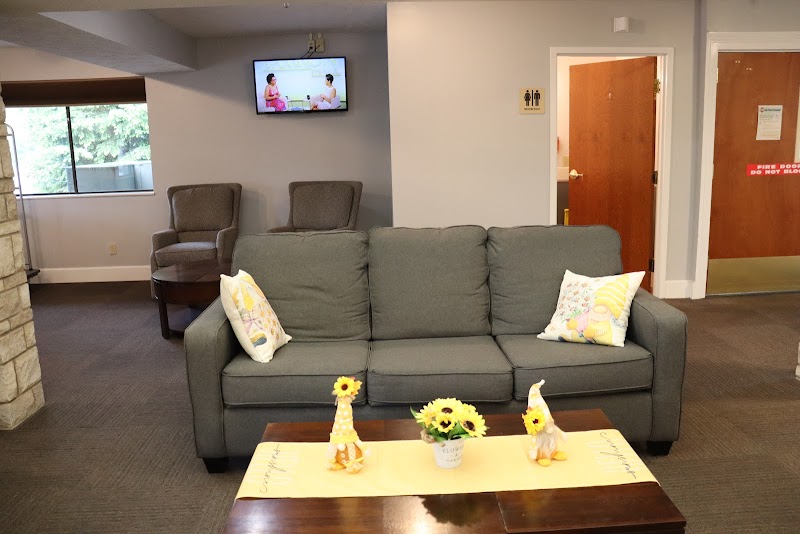
CMS rates MAJESTIC CARE OF BEDFORD's staffing level at 1 out of 5 stars, which is much below average compared to other nursing homes. Staff turnover is 49%, compared to the Indiana average of 46%.

What Have Inspectors Found at Majestic Care Of Bedford?

State health inspectors documented 21 deficiencies at MAJESTIC CARE OF BEDFORD during 2023 to 2025. These included: 21 with potential for harm.
Who Owns and Operates Majestic Care Of Bedford?

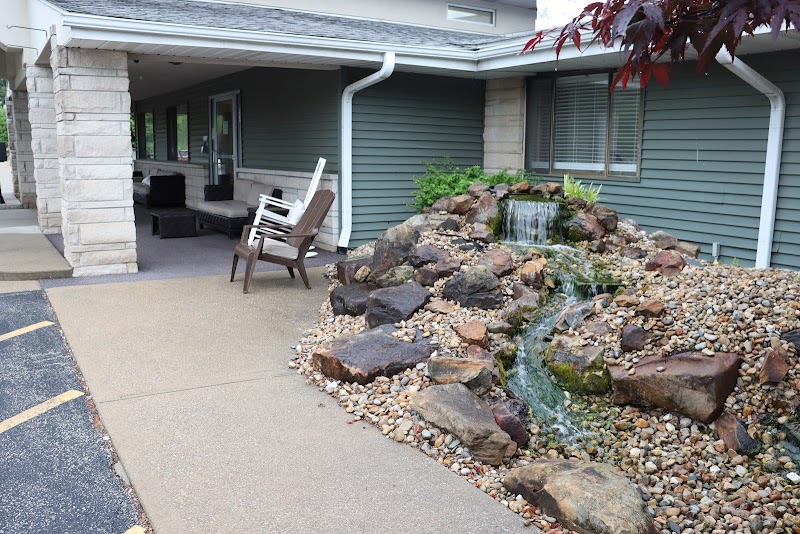
MAJESTIC CARE OF BEDFORD is owned by a for-profit company. For-profit facilities operate as businesses with obligations to shareholders or private owners. The facility is operated by MAJESTIC CARE, a chain that manages multiple nursing homes. With 190 certified beds and approximately 103 residents (about 54% occupancy), it is a mid-sized facility located in BEDFORD, Indiana.

How Does Majestic Care Of Bedford Compare to Other Indiana Nursing Homes?

Compared to the 100 nursing homes in Indiana, MAJESTIC CARE OF BEDFORD's overall rating (2 stars) is below the state average of 3.1, staff turnover (49%) is near the state average of 46%, and health inspection rating (3 stars) is at the national benchmark.

What Should Families Ask When Visiting Majestic Care Of Bedford?

Based on this facility's data, families visiting should ask: "Can you walk me through typical staffing levels on day, evening, and night shifts?" "Can I visit during a mealtime to observe dining assistance and food quality?" "How do you handle medical emergencies, and what is your hospital transfer rate?" "Can I speak with family members of current residents about their experience?" These questions are particularly relevant given the below-average staffing rating.

Is Majestic Care Of Bedford Safe?

Based on CMS inspection data, MAJESTIC CARE OF BEDFORD has a clean safety record: no substantiated abuse findings (meaning no confirmed cases of resident harm), no Immediate Jeopardy citations (the most serious violation level indicating risk of serious injury or death), and is not on the Special Focus Facility watch list (a federal program monitoring the lowest-performing 1% of nursing homes). The facility has a 2-star overall rating and ranks #100 of 100 nursing homes in Indiana. While no facility is perfect, families should still ask about staff-to-resident ratios and recent inspection results during their visit.

Do Nurses at Majestic Care Of Bedford Stick Around?

MAJESTIC CARE OF BEDFORD has a staff turnover rate of 49%, which is about average for Indiana nursing homes (state average: 46%). Moderate turnover is common in nursing homes, but families should still ask about staff tenure and how the facility maintains care continuity when employees leave.

Was Majestic Care Of Bedford Ever Fined?

MAJESTIC CARE OF BEDFORD has no federal fines on record. CMS issues fines when nursing homes fail to meet care standards or don't correct problems found during inspections. The absence of fines suggests the facility has either maintained compliance or corrected any issues before penalties were assessed. This is a positive indicator, though families should still review recent inspection reports for the full picture.

Is Majestic Care Of Bedford on Any Federal Watch List?

MAJESTIC CARE OF BEDFORD is not on any federal watch list. The most significant is the Special Focus Facility (SFF) program, which identifies the bottom 1% of nursing homes nationally based on persistent, serious quality problems. Not being on this list means the facility has avoided the pattern of deficiencies that triggers enhanced federal oversight. This is a positive indicator, though families should still review the facility's inspection history directly.