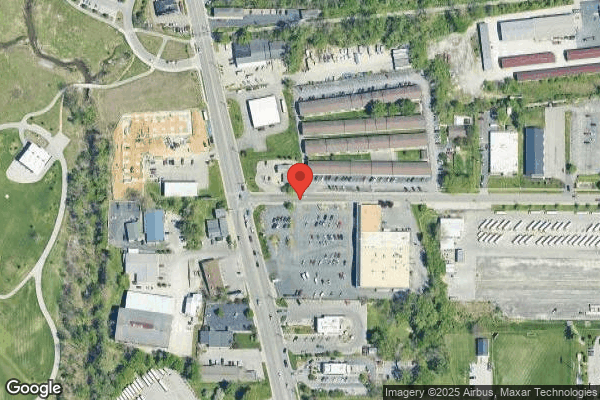

APERION CARE MONROE

120 E MILLER DR, BLOOMINGTON, IN 47401 (812) 336-1055
For profit - Corporation 38 Beds APERION CARE Data: November 2025
Trust Grade
40/100
#418 of 505 in IN
Last Inspection: October 2024

Within standard 12-15 month inspection cycle. Federal law requires annual inspections.

Overview

Aperion Care Monroe has a Trust Grade of D, indicating below-average performance with several concerns about care quality. It ranks #418 out of 505 facilities in Indiana, placing it in the bottom half of state options, and #6 out of 7 in Monroe County, meaning there is only one better local choice. The facility is improving, having reduced issues from 12 in 2023 to 6 in 2024, but it still faces significant challenges. Staffing is rated poorly with a 1-star rating and a 53% turnover rate, which is average for the state, suggesting some instability in care. While the facility has not incurred any fines, there have been serious concerns raised, such as inadequate food storage practices and failure to maintain proper registered nurse coverage, which could jeopardize resident safety.

Trust Score
D
40/100
In Indiana
#418/505
Bottom 18%
Safety Record
Low Risk
No red flags
Inspections
Getting Better
12 → 6 violations
Staff Stability
⚠ Watch
53% turnover. Above average. Higher turnover means staff may not know residents' routines.
Penalties
✓ Good
No fines on record. Clean compliance history, better than most Indiana facilities.
Skilled Nurses
⚠ Watch
Each resident gets only 26 minutes of Registered Nurse (RN) attention daily — below average for Indiana. Fewer RN minutes means fewer trained eyes watching for problems.
Violations
⚠ Watch
28 deficiencies on record. Higher than average. Multiple issues found across inspections.
★☆☆☆☆
1.0
Overall Rating
★☆☆☆☆
1.0
Staff Levels
★★☆☆☆
2.0
Care Quality
★★☆☆☆
2.0
Inspection Score
Stable
2023: 12 issues
2024: 6 issues

The Good

  • Full Sprinkler Coverage · Fire safety systems throughout facility
  • No fines on record

Facility shows strength in fire safety.

The Bad

1-Star Overall Rating

Below Indiana average (3.1)

Significant quality concerns identified by CMS

Staff Turnover: 53%

Near Indiana avg (46%)

Higher turnover may affect care consistency

Chain: APERION CARE

Part of a multi-facility chain

Ask about local staffing decisions and management

The Ugly 28 deficiencies on record

Oct 2024 5 deficiencies
CONCERN (D)

Potential for Harm - no one hurt, but risky conditions existed

Transfer Notice (Tag F0623)

Could have caused harm · This affected 1 resident

Based on interview and record review, the facility failed to ensure the written notification required for a transfer and discharge was provided to the resident and the resident representative for 1 of...

Read full inspector narrative →
Based on interview and record review, the facility failed to ensure the written notification required for a transfer and discharge was provided to the resident and the resident representative for 1 of 1 resident reviewed for hospitalization. (Resident 33) Findings include: Residents 33's clinical record was reviewed on 10/22/24 at 2:02 p.m. The diagnoses included, but were not limited to, dementia and fracture of the left femur. Resident 33's progress notes indicated the resident was sent to the hospital on 9/30/24. The clinical record lacked documentation the written notification of the Transfer and Discharge forms were provided to the resident and the resident representative. During an interview on 10/24/24 at 2:45 p.m., the Administrator indicated the forms were sent in writing to the resident representative but was not documented. On 10/25/24 at 12:09 p.m., the Administrator provided the facility's policy,Discharge Transfer of Resident, dated 11/28/12, and indicated it was the policy currently being used by the facility. A review of the policy did not indicate sending the written notification required for a transfer and discharge to the resident and the resident representative. 3.1-12(a)(6)(A)(i) 3.1-12(a)(6)(A)(iii)
CONCERN (D)

Potential for Harm - no one hurt, but risky conditions existed

Deficiency F0625 (Tag F0625)

Could have caused harm · This affected 1 resident

Based on interview and record review, the facility failed to ensure the notification of the bed hold policy required for a resident who transferred to the hospital was provided in writing to the resid...

Read full inspector narrative →
Based on interview and record review, the facility failed to ensure the notification of the bed hold policy required for a resident who transferred to the hospital was provided in writing to the resident or the resident representative for 1 of 1 resident reviewed for hospitalization. (Resident 33) Findings include: Residents 33's clinical record was reviewed on 10/22/24 at 2:02 p.m. The diagnoses included, but were not limited to, dementia and fracture of the left femur. Resident 33's progress notes indicated the resident was sent to the hospital on 9/30/24. The clinical record lacked documentation the written notification which specified the facility's bed hold policy was provided to the resident or the resident representative. During an interview on 10/24/24 at 2:45 p.m., the Administrator indicated the forms were sent in writing to the resident representative but was not documented. On 10/25/24 at 12:09 p.m., the Administrator provided the facility's policy,Bed Hold and Return to Facility, dated 11/28/12, and indicated it was the policy currently being used by the facility. A review of the policy indicated, . Guidelines: . The facility bed hold policy will be given to the resident and/or resident representative as follows . At the time of a transfer from the facility . In cases of emergency transfer, notice [at time of transfer] means that the family or representative are provided with written notification within 24 hours of the transfer . 3.1-12(a)(25) 3.1-12(a)(26)
CONCERN (D)

Potential for Harm - no one hurt, but risky conditions existed

Assessment Accuracy (Tag F0641)

Could have caused harm · This affected 1 resident

2. On 10/22/24 at 1:43 p.m., Resident 31's clinical record was reviewed. The diagnoses included, but were not limited to, traumatic brain injury, dysphagia (swallowing difficulties), and respiratory f...

Read full inspector narrative →
2. On 10/22/24 at 1:43 p.m., Resident 31's clinical record was reviewed. The diagnoses included, but were not limited to, traumatic brain injury, dysphagia (swallowing difficulties), and respiratory failure. The admission MDS assessment, dated 9/13/24, indicated the resident received Parenteral/IV (a method of providing nutrition directly into the bloodstream through a vein) and tube feedings (medical device used to provide nutrition to people who cannot obtain nutrition by mouth, are unable to swallow safely, or need nutritional supplementation) while a resident. The Physician's orders, dated 9/10/24, indicated the resident was receiving enteral feeding (tube feeding). During an interview with the DON on 10/25/24 at 9:40 a.m., the DON indicated the resident only had tube feedings and had not had IV feedings since admitted . During an interview with the Assistant Director of Nursing (ADON)/MDS Coordinator on 10/25/24 at 9:48 a.m., indicated that the resident never had an IV for feedings and the MDS assessment was marked incorrectly on admission. During an interview with the Administrator on 10/25/24 at 10:05 a.m., she indicated they did not have a MDS assessment coding policy. They followed the Resident Assessment Instrument (RAI) manual for coding the MDS assessment. 3.1-31(d) Based on interview and record review, the facility failed to ensure the accuracy of the Minimum Data Set (MDS) assessment for a 2 of 2 residents reviewed for nutrition. Weight loss and IV (intravenous) nutrition were coded inaccurately. (Resident 7, Resident 31) Findings include: 1. Resident 7's clinical record was reviewed on 10/25/24 at 10:00 a.m. The diagnosis included, but was not limited to, Alzheimer's Disease. A review of the Weights and Vitals Summary for Resident 7 indicated the following: -On 6/24/24, the resident weighed 116 pounds. -On 7/8/24, the resident weighed 110 pounds. -On 8/5/24, the resident weighed 109 pounds. -On 9/4/24, the resident weighed 105 pounds. -On 10/11/24, the resident weighed 101 pounds. This was an assessed 12.93% severe weight loss in 5 months. Resident 7's Annual MDS assessment, dated 10/7/24, indicated the resident weighed 134 and weight loss had not been assessed during the look back period. During an interview on 10/25/24 at 10:15 a.m., the Assistant Director of Nursing indicated the Annual MDS assessment, dated 10/7/24, for Resident 7 had been coded incorrectly for the resident's weight loss and weight during the look back period.
CONCERN (D)

Potential for Harm - no one hurt, but risky conditions existed

Deficiency F0761 (Tag F0761)

Could have caused harm · This affected 1 resident

Based on observation, interview, and record review, the facility failed to label medications with an open and expiration dates for 1 of 1 medication rooms observed. (Medication Room, Resident 14) Find...

Read full inspector narrative →
Based on observation, interview, and record review, the facility failed to label medications with an open and expiration dates for 1 of 1 medication rooms observed. (Medication Room, Resident 14) Findings include: On 10/24/24 at 11:00 a.m., the refrigerator in the medication room was observed to have a vial of tuberculin PPD (purified protein derivative, a solution to aid in diagnosis of a tuberculosis infection) without an open or expiration date. An Ozempic injector pen (an injectable medication used to treat type 2 diabetes) for Resident 14, was observed without an open date or an expiration date. The Director of Nursing (DON) could not find an open date or an expiration date on either medication. The DON indicated every medication that was opened should have an open date and an expiration date on the vial or the pen. The DON was unsure when to discard medications after they were opened. On 10/24/24 at 11:25 a.m., the Administrator provided the facility's policy on Medication Storage, dated 7/2/19, and indicated it was a current policy being used by the facility. A review of the policy indicated .5. Once any medication . is opened, facility should follow manufacturer/supplier guidelines with respect to expiration dates for opened medications. Facility staff should record the date opened on the medication container . 3.1-25(j)
CONCERN (D)

Potential for Harm - no one hurt, but risky conditions existed

Deficiency F0800 (Tag F0800)

Could have caused harm · This affected 1 resident

Based on interview and record review, the facility failed to ensure a resident with a physician order for a carbohydrate controlled diet received the correct diet for 1 of 1 resident reviewed for food...

Read full inspector narrative →
Based on interview and record review, the facility failed to ensure a resident with a physician order for a carbohydrate controlled diet received the correct diet for 1 of 1 resident reviewed for food. (Resident 35) Findings include: During an interview on 10/21/24 at 2:35 p.m., Resident 35 indicated he had been on a low carbohydrate (carb) diet while in the hospital. He was supposed to be on a low carb diet while in the facility but he had been getting meals with high carbs. For lunch today, he had ham salad on bread. He had gained weight since coming to the facility from eating too many carbs. During an interview on 10/22/24 at 2:37 p.m., Resident 35 indicated lunch today had been chicken and noodles but he was only able to eat the chicken because he was not supposed to have carbs. Resident 35's clinical record was reviewed on 10/22/24 at 2:43 p.m. The diagnosis included, but was not limited to, Type II Diabetes Mellitus. Physician orders, dated 9/1/24 through 9/30/24, for Resident 35 indicated . regular diet, regular texture, regular/thin consistency . A review on 10/25/24 at 12:10 p.m., of the Inpatient Hospital Discharge Orders, dated 9/27/24, for Resident 35 indicated, . Discharge Diet: 9/27/24, Low-carb diet . During an interview on 10/24/24 at 1:56 p.m., the Administrator indicated she had not known Resident 35 was supposed to be on a carb controlled diet. During an interview on 10/24/24 at 2:01 p.m., the Administrator indicated the discharge orders from the hospital had been for a carb controlled diet but the diet had been put in wrong at the facility when the resident admitted . On 10/25/24 at 12:09 p.m., the Administrator provided the facility's policy,Diet Orders undated, and indicated it was the policy currently being used by the facility. A review of the policy indicated, . Guideline: Each resident will have a diet order prescribed by the physician . Procedure: 3. Nursing confirms the the diet order is written utilizing standard terminology of the house diets before it is confirmed in the health record . 3.1-20(a)
Apr 2024 1 deficiency
CONCERN (D) 📢 Someone Reported This

A family member, employee, or ombudsman was alarmed enough to file a formal complaint

Potential for Harm - no one hurt, but risky conditions existed

Deficiency F0602 (Tag F0602)

Could have caused harm · This affected 1 resident

Based on interview and record review, the facility failed to ensure a resident was free from misappropriation of resident property though the diversion of a resident's controlled substance for staff u...

Read full inspector narrative →
Based on interview and record review, the facility failed to ensure a resident was free from misappropriation of resident property though the diversion of a resident's controlled substance for staff use for 1 of 3 residents reviewed for misappropriation of property. (Resident B) Finding includes: During an interview on 4/5/24 at 9:30 a.m., the Minimum Data Set (MDS) Coordinator indicated on the morning of 3/2/24 she received a call from Licensed Practical Nurse (LPN) 1 who reported 2 cards of oxycodone (a narcotic medication) were missing for Resident B. She contacted all nurses who had worked that week and had them submit urine drug screens. On 3/4/24, all staff, with the exception of LPN 2 met and submitted urine drug screens. On 3/13/24, LPN 2 submitted a urine drug screen which tested positive for oxycodone, oxymorphone, and oxycodone/oxymorphone. On 4/5/24 at 10:30 a.m., Resident B's clinical record was reviewed. The diagnoses included, but were not limited to, sarcopenia (age-related progressive loss of muscle mass and strength), hemiplegia (paralysis) and hemiparesis (weakness) following unspecified cerebrovascular disease (a group of conditions that affect blood flow and the blood vessels in the brain) affecting left dominant side, pain disorder with related psychological factors, muscle weakness, lack of coordination, difficulty walking, type 2 diabetes mellitus with diabetic neuropathy (weakness, numbness, and pain from nerve damage, usually in the hands and feet), and major depressive disorder. A 3/21/24 Quarterly MDS assessment indicated the resident was prescribed a scheduled pain medication regimen, his pain frequency was occasional, and the pain intensity was rated a 6 out of 10, with 10 being the worst pain experienced. A 10/4/23 physician's order indicated Resident B was prescribed oxycodone-acetaminophen 10-325 milligrams, every 4 hours related to pain disorder with related psychological factors. A 2/26/24 pharmacy invoice indicated the resident had 174 tablets of oxycodone delivered at 3:41 p.m. On 4/5/24 at 10:15 a.m., the Administrator provided an undated Timeline for [Resident B's] oxycodone 10/325. The timeline indicated the following: - 174 tables were received on 2/26/24 by LPN 5 and placed in the cart. Two cards (60 pills) were assigned one sheet of paper. In total, 6 cards of medication and 3 sheets of paper were placed in the medication cart. - On 2/26/24 at 6:00 p.m., cards and papers were counted by two staff. - On 2/27/24 at 6:00 a.m., cards and papers were counted by two staff. - On 2/27/24 at 6:00 p.m., cards and papers were counted by two staff. - On 2/28/24 at 6:00 a.m., cards and papers were counted by two staff. - On 2/28/24 at 6:00 p.m., cards and papers were counted by two staff. - On 2/29/24 at 6:00 a.m., cards and papers were counted by two staff. - On 2/29/24 at 6:00 p.m., cards and papers were counted by two staff. - On 3/1/24 at 6:00 a.m., cards and papers were not counted by two staff. - On 3/1/24 at 6:00 p.m., cards and papers were not counted by two staff. - On 3/2/24 at 6:00 a.m., cards and papers were counted and discovered missing by staff. A 3/13/24 specimen result certificate for LPN 2 indicated her urine tested positive for oxycodone, oxymorphone, and oxycodone/oxymorphone. The lab's final result disposition indicated the test was positive and they were unable to contact the donor. The test was verified on 3/20/24 at 8:39 a.m. A 3/1/24 electronic correspondence sent to the facility from the agency LPN 2 worked indicated she had violated their code of conduct policy high offense for a positive drug test resulting in termination of employment. LPN 3 was not able to be reach via telephone. A review of his written statement, dated 3/4/24 at 8:05 a.m., indicated he did not perform an oncoming narcotic count on 3/1/24. RN 1 was not able to be reached via telephone. A review of his written statement, dated 3/2/24, indicated on 3/1/24 at 6:00 p.m., he was unable to validated the number of the cards because it was not updated for days in the overflow box. On the morning of 3/2/24, during shift change, he tried to reconcile the number of cards and sheets with the day nurse. It was during this reconciliation when they discovered the missing oxycodone. During an interview on 4/5/24 at 9:40 a.m., the Director of Nursing indicated the on-coming and off-going shift nurses were to do a narcotic medication count together to ensure the medication count was accurate. During an interview on 4/5/24 at 11:25 a.m., Qualified Medication Aide (QMA) 1 indicated she did not do a narcotic count with LPN 2 on the front medication cart, only the back cart, which she was scheduled to work. She indicated LPN 3 was scheduled to work the front cart and he was running a little late. She assumed he would do a narcotic count with LPN 2 because that was his cart. During an interview on 4/5/24 at 12:26 p.m., LPN 4 indicated she noticed a discrepancy with the resident's numbered medication cards and narcotic sheets. The cards were labeled 1 through 6 and cards 3 and 4 were missing. She further indicated she knew the resident would have had a new oxycodone shipment delivered because she had to pull the medication from the emergency drug kit (EDK) the week prior. She was unable to locate cards 3 and 4. On 4/5/24 at 9:59 a.m., the Director of Nursing provided the facility policy, Narcotic/Controlled Substances- Counting, revised on 11/26/17, and indicated it was the policy currently being use. A review of the policy indicated, . count controlled substances with a partner and to verify the accuracy of the log sheets . 1. Always participate in the counting of the controlled substances at the beginning and ending of your shift . 3. Have partner assist in the count . 7. Count the remaining doses . 13. Listen while partner verifies the count . 19. Return keys to appropriate person . On 4/5/24 at 11:47 a.m., the Director of Nursing provided the facility policy, Residents' Rights, undated, and indicated it was the policy currently being use. A review of the policy indicated, . HH. The facility shall exercise reasonable care for the protection of residents' property from loss and theft . This deficient practice was corrected on 3/7/24 after the facility implemented a systemic plan that included the following actions: In servicing staff on counting narcotic medications and implementing ongoing monitoring of narcotic medication counting. This citation relates to Complaint IN00429694. 3.1-28(a)
Nov 2023 9 deficiencies
CONCERN (D)

Potential for Harm - no one hurt, but risky conditions existed

Deficiency F0567 (Tag F0567)

Could have caused harm · This affected 1 resident

Based on interview and record review, the facility failed to ensure residents had full access to their facility managed personal funds account during the weekend hours for 1 of 16 residents reviewed f...

Read full inspector narrative →
Based on interview and record review, the facility failed to ensure residents had full access to their facility managed personal funds account during the weekend hours for 1 of 16 residents reviewed for personal funds. (Resident 5) Findings include: During an interview on 11/13/23 at 3:49 p.m., Resident 5 indicated he was unable to get the full amount of money from his personal funds account on the weekends. The facility limited him on how much he could have. Resident 5's clinical record was reviewed on 11/15/23 at 10:00 a.m. The diagnosis included, but was not limited to, chronic obstructive pulmonary disease. The Quarterly Minimum Data Set (MDS) assessment, dated 9/4/23, indicated Resident 5 was cognitively intact. During an interview on 11/16/23 at 4:08 p.m., the Business Office Manager (BOM) indicated the residents would line up outside her office on Friday because they were only allowed to get between $5.00 and $10.00 out of their personal funds account on the weekend. She only kept $40.00 on hand. On 11/16/23 at 4:00 p.m., the BOM provided the facility's policy, Resident Facility Trust Fund Policy and Procedure undated, and indicated it was the one currently being used by the facility. A review of the policy indicated, . Normal Process of Handling Resident Trust . 3. The resident is able to request and receive funds from this account at any time . 4. The resident can withdrawal cash to do what they choose with . 3.1-6
CONCERN (D)

Potential for Harm - no one hurt, but risky conditions existed

Comprehensive Care Plan (Tag F0656)

Could have caused harm · This affected 1 resident

Based on interview and record review, the facility failed to ensure a care plan was developed for a resident with a surgical wound who was on a long term antibiotic for 1 of 1 residents reviewed for a...

Read full inspector narrative →
Based on interview and record review, the facility failed to ensure a care plan was developed for a resident with a surgical wound who was on a long term antibiotic for 1 of 1 residents reviewed for antibiotic use. (Resident 9) Findings include: Resident 9's clinical record was reviewed on 11/16/23 at 9:45 a.m. The diagnoses included, but were not limited to, acquired absence of unspecified hip joint and acquired absence of left leg above knee. Current physician orders, dated 11/16/23, indicated Resident 9's orders included, but were not limited to: clindamycin HCL (an antibiotic) 150 mg (milligrams) give 1 capsule by mouth one time a day related to infection and inflammatory reaction due to internal left hip prosthesis. There was no stop dated listed for the antibiotic. The Quarterly Minimum Data Set (MDS) assessment, dated 8/21/23, assessed Resident 9 as taking an antibiotic 7 out of 7 days during the lookback period. A care plan, initiated on 3/21/14, for Resident 9 indicated: FOCUS: . Is at risk for skin breakdown related to: The resident has impaired physical mobility r/t [related to] AKA [above knee amputation] . Has surgical open area left hip . GOAL: The resident will demonstrate the appropriate use of adaptive devices to increase mobility through the review date . INTERVENTIONS: Invite the resident to activity programs that encourage activity, physical mobility such as exercise group . The resident uses a wheelchair for locomotion . Provide supportive care, assistance with mobility as needed . PT [physical therapy] OT [occupational therapy] referrals as ordered . The care plan for Resident 9 lacked documentation of the resident being on a long term antibiotic for treatment of the infection in the surgical wound. During an interview on 11/16/23 at 10:47 p.m., the Minimum Data Set Coordinator indicated Resident 9 was on a long term antibiotic for the surgical wound on his left hip and there was no care plan for it. On 11/16/23 at 6:00 p.m., the Administrator provided the facility's policy, Care Plans - Comprehensive with a revised date of September 2010, and indicated it was the one currently being used by the facility. A review of the policy indicated, . An individualized comprehensive care plan that includes measurable objective and timetables to meet the resident's medical, nursing mental and psychological needs is developed for each resident . 3.1-35(a)
CONCERN (D)

Potential for Harm - no one hurt, but risky conditions existed

Deficiency F0757 (Tag F0757)

Could have caused harm · This affected 1 resident

Based on interview and record review, the facility failed to monitor a resident with a new medication order for 1 of 5 residents reviewed for unnecessary medications. Blood sugars were not obtained.(R...

Read full inspector narrative →
Based on interview and record review, the facility failed to monitor a resident with a new medication order for 1 of 5 residents reviewed for unnecessary medications. Blood sugars were not obtained.(Resident 11) Findings include: On 11/16/23 at 10:36 a.m., Resident 11's clinical record was reviewed. The diagnoses included, but were not limited to, diabetes mellitus and cerebrovascular disease with left hemiplegia (stroke with paralysis on one side of the body). The diabetes mellitus care plan, dated 8/23/22, lacked any monitoring of blood sugar as interventions. The Physician Orders included, but were not limited to: - Blood sugar every morning and every bedtime and to call the physician if blood sugar less than 50 and greater than 500 (start date 10/3/23). - Insulin detemir (a medication used to treat diabetes mellitus), inject 10 units, in the evening (start date 10/3/23). The October 2023 Medication Administration Record lacked documentation of blood sugars. The November 2023 Medication Administration Record lacked documentation of blood sugars. On 11/16/23 at 4:10 p.m., the Assistant Director of Nursing indicated the clinical record lacked documentation of blood sugars on the Medication Administration Record. On 11/16/23 at 6:06 p.m., the Administrator provided the facility's policy, Diabetes - Clinical Protocol, revised date of 12/2015, and indicated it was the policy being used by the facility. A review of the policy indicated, .3. The Physician will order appropriate lab tests (for example, periodic finger sticks .) and adjust treatment based on these results (3) For the resident receiving insulin who is well controlled: monitor blood glucose levels twice a day if on insulin . 3.1-48(a)(3)
CONCERN (E)

Potential for Harm - no one hurt, but risky conditions existed

Deficiency F0727 (Tag F0727)

Could have caused harm · This affected multiple residents

Based on interview and record review, the facility failed use the services of a registered nurse for at least 8 consecutive hours a day, 7 days a week for 6 of 120 days reviewed. Findings include: On ...

Read full inspector narrative →
Based on interview and record review, the facility failed use the services of a registered nurse for at least 8 consecutive hours a day, 7 days a week for 6 of 120 days reviewed. Findings include: On 11/13/23 at 11:30 a.m., the facility's Payroll Based Journal (PBJ) Staffing Data Report was reviewed. The report indicated the facility had no RN Hours for 4/2/23, 4/9/23, 5/7/23, 5/21/23, 6/4/23, and 6/18/23. On 11/15/23 at 11:46 a.m., the third quarter staffing schedules (4/1/23-6/30/23) were reviewed. The staffing schedules indicated the facility had no RN scheduled on 4/2/23, 4/9/23, 5/7/23, and 6/4/23. A further review of the last thirty days of staffing schedules indicated there were no RN scheduled for 10/21/23 and 10/22/23. During an interview on 11/16/23 at 12:00 p.m. the ADM indicated they were late updating the schedule into a program accessible by computer and thought that may be why the PBJ report triggered so many days. She further indicated the facility did not have any RN coverage on 4/2/23, 4/9/23, 5/7/23, 6/4/23, 10/21/21 and 10/22/23. During an interview on 11/16/23 at 4:38 p.m. the ADM indicated during the third quarter of 2023 (4/1/23-6/30/23), corporate staff was responsible for inputting data into the PBJ. They had performed a schedule audit and were trying to hire a RN. On 11/16/23 at 6:07 p.m., the Administrator provided the facility policy, Departmental Supervision, revised April, 2006, and indicated it was the policy currently being used. A review of the policy indicated, . 1. A Registered or Licensed Practical/Vocational Nurse . is on duty twenty-four hours per day, seven days per week . An RN shall be available in the facility, daily, for 8 consecutive hours each day . 3.1-17(b)(3)
CONCERN (E)

Potential for Harm - no one hurt, but risky conditions existed

Deficiency F0807 (Tag F0807)

Could have caused harm · This affected multiple residents

3. On 11/13/23 at 3:07 p.m., Resident 22 indicated he only gets ice water if he asked for it. At that time, Resident 22 had a clear medication glass at beside which was almost empty. On 11/14/23 at 3:...

Read full inspector narrative →
3. On 11/13/23 at 3:07 p.m., Resident 22 indicated he only gets ice water if he asked for it. At that time, Resident 22 had a clear medication glass at beside which was almost empty. On 11/14/23 at 3:04 p.m., Resident 22 was observed to have a clear medication cup on his bedside table which was half full. On 11/15/23 at 9:18 a.m., Resident 22 was observed to have a clear medication glass on his bedside table which was one quarter full. On 11/16/23 at 11:06 a.m., Resident 22's clinical record was reviewed. The diagnoses included, but were not limited to, dementia and muscle weakness. The dehydration care plan, dated 5/8/23, indicated the staff were to encourage good fluid intake with dietary parameters. 4. During an observation on 11/13/23 at 2:56 p.m., Resident 23 was not observed to have a water pitcher at bedside. During an observation on 11/15/23 at 9:49 a.m., Resident 23 was observed to have a clear water glass at bedside which was one quarter full. A water pitcher was not observed to be at bedside. On 11/16/23 at 9:45 a.m., Resident 23's clinical record was reviewed. The diagnoses included, but were not limited to, cognitive impairment and muscle weakness. The dehydration care plan, dated 10/25/23, indicated the staff were to encourage good fluid intake with dietary parameters. 5. During an observation on 11/13/23 at 11:31 a.m., Resident 29 indicated he would only get ice water if he asked for it. At that time, Resident 29 did not have a water pitcher at bedside. During an observation on 11/14/23 at 9:11 a.m., Resident 29 was observed to have a clear medication cup at bedside, but no water pitcher was observed to be at bedside. On 11/16/23 at 12:20 p.m., Resident 29's clinical record was reviewed. The diagnoses included, but were not limited to, diabetes mellitus and muscle weakness. The dehydration care plan, dated 4/27/23, indicated the staff were to encourage good fluid intake with dietary parameters. During the Resident Council Meeting on 11/14/23 at 2:16 p.m., the Resident Council President indicated they only get fresh ice or water if they ask for it. During an interview on 11/16/23 at 3:10 p.m., Certified Nursing Assistant (CNA) 1 indicated some days they do not have enough time to complete all their required task. Some of the tasks they can't complete was ice pass. The ice pass was at the bottom of the list. On 11/16/23 at 6:06 p.m., the Administrator provided the facility's policy, Resident Rights, revised date of 12/2016, and indicated it was the policy being used by the facility. A review of the policy indicated, .Federal and state laws guarantee certain basic rights to all residents .a. a dignified existence . 3.1-46(b)(2) Based on observation, interview and record review, the facility failed to ensure residents were provided with fresh water on a routine basis for 5 out of 5 residents reviewed for hydration. (Resident 133, Resident 25, Resident 22, Resident 23, Resident 29) Findings include: 1. During an interview on 11/13/23 at 11:33 a.m., Resident 133 indicated she was not getting enough to drink because the facility did not pass water. No water was observed to be at the residents bedside during that time. During an observation on 11/14/23 at 1:59 p.m., Resident 133 was observed to be lying in her bed asleep. There was a gray pitcher with a straw observed on the back dresser that was undated and 3/4 full of warm water with no ice. During an interview on 11/14/23 at 3:16 p.m., Resident 133 indicated she had not known there was a gray water pitcher on the dresser next to the bed and she would have only noticed it if it had been on the bedside table. During an observation on 11/15/23 at 9:45 a.m., Resident 133 was out of the room attending PT (physical therapy). There was a gray pitcher with a straw observed on the bedside table that was undated and 1/4 full of warm water with no ice. During an observation on 11/15/23 at 11:38 a.m., Resident 133 was out sitting in her room in a wheelchair. There was a gray pitcher with a straw observed on the bedside table that was undated and full of ice and water. The resident indicated at that time that today was the first day she had seen the facility pass water. During an observation on 11/16/23 at 9:40 a.m., Resident 133 was out of the room sitting at the nurses station in her wheelchair. There was a gray pitcher with a straw observed on the bedside table that was undated and 3/4 full of warm water with no ice. Resident 133's clinical record was reviewed on 11/16/23 at 11:38 a.m. The diagnoses included, but were not limited to, type II diabetes mellitus and hypertension. The admission Minimum Data Set (MDS) assessment, dated 11/14/23, was still in progress and had not assessed Resident 133's cognitively status at that time. 2. During an interview on 11/13/23 at 12:27 p.m., Resident 25 indicated she was not getting enough to drink because the facility did not pass water. No water was observed to be at the residents bedside during that time. During an observation on 11/14/23 at 1:56 p.m., Resident 25 was observed to be out of her room. No water was observed to be at the bedside. During an observation on 11/16/23 at 9:44 a.m., Resident 25 was observed to be asleep in bed. No water was observed to be at the bedside. During an observation on 11/15/23 at 11:39 a.m., Resident 25 was observed to be out of her room. No water was observed to be at the bedside. During an observation on 11/15/23 at 2:51 p.m., Resident 25 was observed to be out of her room. There was a gray pitcher with a straw observed on the bedside table that was undated and 3/4 full of warm water with no ice. During an observation on 11/16/23 at 10:39 a.m., Resident 25 was observed to be lying in bed asleep. A small clear cup of water 3/4 full used for med pass was observed at bedside however, no water pitcher with ice was observed. Resident 25's clinical record was reviewed on 11/16/23 at 11:52 a.m. The diagnoses included, but were not limited to, hemiplegia and hemiparesis following nontraumatic intracerebral hemorrhage affecting left dominant side and hypertension. The Quarterly Minimum Data Set (MDS) assessment, dated 8/21/23, indicated Resident 25 was cognitively intact.
CONCERN (E)

Potential for Harm - no one hurt, but risky conditions existed

Safe Environment (Tag F0921)

Could have caused harm · This affected multiple residents

**NOTE- TERMS IN BRACKETS HAVE BEEN EDITED TO PROTECT CONFIDENTIALITY** Based on observation and interview, the facility failed to ensure a clean and sanitary environment for 6 of 11 resident rooms an...

Read full inspector narrative →
**NOTE- TERMS IN BRACKETS HAVE BEEN EDITED TO PROTECT CONFIDENTIALITY** Based on observation and interview, the facility failed to ensure a clean and sanitary environment for 6 of 11 resident rooms and 4 of 4 bathrooms observed. Water temperatures in resident room sink faucets were not hot, floor tiles were not in place and clean, and toilet bases were not clean. (room [ROOM NUMBER], room [ROOM NUMBER], room [ROOM NUMBER], room [ROOM NUMBER], room [ROOM NUMBER], room [ROOM NUMBER], Northeast Bathroom, Northwest Bathroom, Southeast Bathroom, Southwest Bathroom) Findings include: 1. On the following dates and times, the hot water temperature for each resident room sink faucet was measured for a period of 3 minutes, with the temperature results documented: - On 11/16/23 from 11:00 A.M. to 11:03 A.M., room [ROOM NUMBER]'s hot water temperature was 77.1 degrees Fahrenheit. - On 11/16/23 from 11:06 A.M. to 11:09 A.M., room [ROOM NUMBER]'s hot water temperature was 64.8 degrees Fahrenheit. - On 11/16/23 from 11:12 A.M. to 11:15 A.M., room [ROOM NUMBER]'s hot water temperature was 76.2 degrees Fahrenheit. 2. On 11/15/23 between 11:15 A.M. and 11:45 A.M., the following resident rooms were observed to have floor covering of vinyl planks which were loose, missing, and with black and brown substances in the spaces between the planks: room [ROOM NUMBER], room [ROOM NUMBER], room [ROOM NUMBER], room [ROOM NUMBER], and room [ROOM NUMBER]. 3. On 11/15/23 at 11:50 A.M., the southeast resident bathroom was observed to have a toilet with a dark brown colored substance around the base as well as brown staining along the wall to floor joints. 4. On 11/15/23 at 11:53 A.M., the northeast resident bathroom was observed to have a toilet with a dark brown colored substance around the base. 5. On 11/15/23 at 11:56 A.M., the southwest resident bathroom was observed to have a toilet with a dark brown colored substance around the base. 6. On 11/15/23 at 11:58 A.M., the northwest resident bathroom was observed to have a toilet with a dark brown colored substance around the base. During an interview on 11/16/23 at 3:00 P.M., the Maintenance Director indicated the hot water boiler which went to several resident rooms was in need of repair in order to heat the water to the proper temperature, the floor tiles were not staying in place and contained stains under them and between the seams, and the toilet bases of the restrooms were in need of cleaning and sealing, 3.1-19(f)
CONCERN (F)

Potential for Harm - no one hurt, but risky conditions existed

Food Safety (Tag F0812)

Could have caused harm · This affected most or all residents

Based on observation, interview, and record review, the facility failed to ensure food was stored and served in a sanitary manner for 3 of 3 kitchen observations. The hand washing station did not have...

Read full inspector narrative →
Based on observation, interview, and record review, the facility failed to ensure food was stored and served in a sanitary manner for 3 of 3 kitchen observations. The hand washing station did not have hot water, the air conditioning unit was dirty, items in the refrigerator and freezer were unlabeled, and the chemical strips used for the 3 compartment sink were expired. This had the potential to impact 30 of 30 residents residing in the facility. Findings include: 1. During an initial tour of the facility kitchen on 11/13/23 at 10:15 a.m., the following was observed: - The hot water in the handwashing sink would not get hot. The Dietary Manager (DM) indicated at that time to use the 3 compartment sink because the water from that pipe would get hot. - The tubing around the wall air conditioning (A/C) unit was dirty with dust and debris and the vent slabs were observed to be dirty with a dark black substance. - The freezer was observed to have 5 packages of frozen meats that were unlabeled. The DM indicated at that time they were hamburger. - The refrigerator was observed to have a pitcher of a red liquid, a gallon of tea that that was almost gone and a gallon of milk that was almost gone with no open or use by date. The DM indicated at that time the red liquid had just been made this morning and the tea and milk would be gone by noon today. 2. During a follow up visit to the kitchen on 11/16/23 at 11:30 a.m., the following was observed: - The hot water in the handwashing sink would not get hot. - The tubing around the wall air conditioning unit was dirty with dust and debris and the vent slabs were observed to be dirty with a dark black substance. - The freezer was observed to have 5 packages of frozen meats that were unlabeled. - The refrigerator was observed to have 2 containers of cottage cheese bowls undated. - The chemical strips used to test the 3 compartment sink had expired on 4/24/13. During an interview on 11/16/23 at 11:31 a.m., the DM indicated the A/C unit was dirty, the hand washing sink would not produce hot water, the test strips were expired, the cottage cheese bowls were being used today and the hamburger in the freezer was unlabeled. 3. During a follow up visit to the kitchen on 11/16/23 at 3:29 p.m., the following was observed: - The handwashing sink hot water measured with a thermometer to be 70.5 degrees. [NAME] 1 indicated at that time the hot water had never been hot in the sink. They had reported it but it never had been fixed. During an interview on 11/16/23 at 3:45 p.m., the Administrator indicated they have had the main water line replaced and they were still working on the hot water issues in the facility. On 11/26/23 at 6:06 p.m., the Administrator provided the facility policy titled, Sanitization with a revised date of October 2008, and indicated it was the policy currently being used by the facility. A review of the policy indicated, . Policy Interpretation and Implementation . 2. All . equipment shall be kept clean . On 11/26/23 at 6:06 p.m., the Administrator provided the facility policy titled, Food Receiving and Storage with a revised date of July 2014, and indicated it was the policy currently being used by the facility. A review of the policy indicated, . Policy Interpretation and Implementation . 7. All foods stored in the refrigerator or freezer will be covered, labeled and dated [use by date] . A review of the above policies did not indicated having hot water in the hand washing sink and the expired chemical test strips. On 11/20/23 at 1:00 p.m., a review of the Indiana State Department of Health Retail Food Establishment Sanitation Requirements manual, effective date November 13, 2004 indicated, .410 IAC 7-24 . Handwashing: .Sec. 128 a. Food employees shall . clean their hands and exposed portions of their arms . at a hand washing sink . in water having a temperature of at least one hundred (100) degrees Fahrenheit and thoroughly rinsing with clean water . Food Labels: Sec. 146. a. Food packaged in a retail food establishment shall be labeled as specified in law . b. Label information shall include the following: 1. The common name of the food or, absent a common name, an adequately descriptive identity statement . 3.1-21(i)(2) 3.1-21(i)(3)
CONCERN (F)

Potential for Harm - no one hurt, but risky conditions existed

Staffing Data (Tag F0851)

Could have caused harm · This affected most or all residents

Based on interview and record review, the facility failed to electronically submit to the Centers for Medicare and Medicaid (CMS) complete and accurate direct care staffing information, including info...

Read full inspector narrative →
Based on interview and record review, the facility failed to electronically submit to the Centers for Medicare and Medicaid (CMS) complete and accurate direct care staffing information, including information for agency and contract staff, based on payroll and other verifiable and auditable data in a uniform format according to specifications established by CMS for Quarter 3 (April 1 to June 30) of fiscal year 2023. Findings include: On 11/13/23 at 11:30 a.m., the facility's Payroll Based Journal (PBJ) Staffing Data Report was reviewed. The report indicated the facility had no RN Hours for 4/2/23, 4/9/23, 5/7/23, 5/21/23, 6/4/23, and 6/18/23. The report further indicated the facility failed to have Licensed Nursing Coverage 24 hours per day on 4/2/23, 4/4/23, 4/8/23, 4/14/23, 4/15/23, 4/16/23, 4/21/23, 4/22/23, 4/30/23, 5/2/23, 5/6/23, 5/7/23, 5/8/23, 5/10/23, 5/11/23, 5/12/23, 5/14/23, 5/15/23, 5/16/23, 5/20/23, 5/21/23, 5/22/23, 5/25/23, 5/26/23, 5/27/23, 5/28/23, 5/29/23, 6/3/23, 6/4/23, 6/5/23, 6/8/23, 6/10/23, 6/11/23, 6/18/23, 6/19/23, 6/22/23, 6/23/23, 6/24/23, 6/25/23, 6/26/23. Lastly, the facility received a 1 star staffing rating during the third quarter. On 11/15/23 at 11:46 a.m., a review of the third quarter staffing schedules indicated the facility had no RN hours on 4/2/23, 4/9/23, 5/7/23, and 6/24/23. An additional review of the last thirty days of schedules indicated there were no RN hours for 10/21/23 and 10/22/23. During an interview on 11/16/23 at 12:00 p.m. the Administrator (ADM) indicated staff was late updating the schedule into a program accessible by computer and thought that may be why the PBJ report triggered so many days. She was unsure, but thought the staff included agency staff into the PBJ numbers. During an interview on 11/16/23 at 4:38 p.m., the ADM indicated during the third quarter of 2023, corporate staff was responsible for inputting the PBJ data to CMS. They had performed a schedule audit and are trying to hire a RN. On 11/16/23 at 6:07 p.m., the ADM provided the facility policy, Reporting Direct-Care Staffing Information (Payroll-Based Journal), revised July, 2006, and indicated it was the policy currently being used. A review of the policy indicated, . 2. Direct-care staffing information will include those hired through an agency, and contract employees . 9. Staffing information will be collected daily and reported for each fiscal quarter no later than 45 days after the end of the reporting quarter . Fiscal Quarter 3 . Date Range April 1 - June 30 . Submission Deadline August 14 .
MINOR (C)

Minor Issue - procedural, no safety impact

Staffing Information (Tag F0732)

Minor procedural issue · This affected most or all residents

Based on observation, interview, and record review, the facility failed to ensure the daily posted nurse staffing sheet had the actual hours worked by staff for 4 of 4 days of daily posted nurse staff...

Read full inspector narrative →
Based on observation, interview, and record review, the facility failed to ensure the daily posted nurse staffing sheet had the actual hours worked by staff for 4 of 4 days of daily posted nurse staffing reviewed. Findings include: During an observation on 11/13/23 at 11:39 a.m., the daily posted nursing staff sheet lacked the the actual hours staff worked. During an interview on 11/16/23 at 3:57 p.m., the Administrator provided the daily posted nursing staff sheets dated 11/13/23 through 11/16/23. At that time, the daily posted nursing staff sheets were reviewed. The Administrator indicated the daily posted nursing staff sheet lacked documentation of the actual hours worked by staff.
Aug 2023 2 deficiencies
CONCERN (D) 📢 Someone Reported This

A family member, employee, or ombudsman was alarmed enough to file a formal complaint

Potential for Harm - no one hurt, but risky conditions existed

Deficiency F0659 (Tag F0659)

Could have caused harm · This affected 1 resident

Based on interview and record review, the facility failed to ensure qualified personnel provided care as indicated by the resident's person-centered plan of care. A QMA (Qualified Medication Aide) ass...

Read full inspector narrative →
Based on interview and record review, the facility failed to ensure qualified personnel provided care as indicated by the resident's person-centered plan of care. A QMA (Qualified Medication Aide) assessed a resident's pain level and did not ensure the resident swallowed a routine narcotic pain medication; administered insulin to a resident without training and certification; and reported a change in condition to the Nurse Practitioner without reporting to the nurse. (Resident C, Resident D, Resident E) Finding includes: 1. During an interview on 8/15/23 at 11:29 a.m., the Administrator indicated on 8/1/23, QMA 1 assessed Resident D's pain level prior to administering a routine narcotic pain medication. Then QMA 1 administered the narcotic pain medication but did not stay in Resident D's room to ensure that he swallowed the pill as indicated in Resident D's care plan. QMA 1 should not have assess Resident D's pain level. That required an assessment. QMA 1 should not have walked out of Resident D's room without ensuring that he swallowed the medication. The clinical record for Resident D was reviewed on 8/14/23 at 3:41 p.m. The diagnoses included, but were not limited to, viral hepatitis C, opioid abuse, and depression. A Quarterly MDS (Minimum Data Set) assessment, dated 6/1/23, indicated Resident D was cognitively intact. A care plan, dated 9/26/22 and current through 8/31/23, indicated Resident D had a history of not swallowing and hoarding his medications. Interventions included, but were not limited to, Resident D will swallow medications when given as evidenced by Nurse or QMA watching Resident D swallow medications and have Resident D open his mouth after swallowing to ensure medications have been swallowed. On 8/1/23 at 10:00 a.m., QMA 1 administered oxycodone/acetaminophen (a narcotic pain medication) 10/325 mg (milligrams). 2. During an interview on 8/15/23 at 11:29 a.m., the Administrator indicated an agency nurse witnessed QMA 1 administer insulin to Resident E. Then during a meeting in the Administrator's office, the Administrator looked out a window in her office and witnessed QMA 1 prepare an insulin pen (device, with a small needle, used to administer an insulin injection into the skin) for administration. QMA 1 closed and locked the medication cart and started walking toward Resident E with the insulin pen. The Administrator asked the ADON (Assistant Director of Nursing) to exit the meeting and stop QMA 1 from administering insulin to Resident E. QMA 1 was not certified to administer insulin and the Administrator had already discussed the policy regarding insulin administration by a QMA and the certification and training requirements for a QMA to administer insulin. The company policy regarding insulin administration was that a QMA could not administer insulin with or without the certification and training. During an interview on 8/15/23 at 2:22 p.m., QMA 2 indicated QMA's should never administer insulin without a certification and the facility does not want any QMA to administer insulin regardless of training and certification. The clinical record for Resident E was reviewed on 8/15/23 at 1:35 p.m. The diagnosis included, but was not limited to, diabetes. A Quarterly MDS assessment, dated 7/24/23, indicated Resident E was severely cognitively impaired. The Physician's orders included, but were not limited to, Humalog (fast acting insulin to reduce blood sugar) quick pen 100 units/ml (milliliters), inject as per sliding scale: if blood sugar was 150 - 199 = give 2 units; 200 - 249 = give 4 units; 250 - 299 = give 6 units; 300 - 349 = give 8 units; 350 - 399 = give 10 units; 400 - 449 = give 12 units; 450 - 499 = give 14 units; Call physician if more than 500. Subcutaneously (under the skin) four times a day for before meals and bedtime. Initiated on 4/22/23 and discontinued on 7/26/23. A review of the MAR (Medication Administration Record) dated July 2023, indicated, on 7/10/23 at 9:00 p.m. Resident E's blood sugar result was 186. QMA 1 administered 2 units of Humalog. 3. During an interview on 8/15/23 at 11:29 a.m., the Administrator indicated QMA 1 reported to the Nurse Practitioner that Resident C returned from a leave of absence and had a change in mentation, slurred speech, and thought he could have been doing illegal substances which would require an assessment. Because of that report, the Nurse Practitioner ordered drug test after every leave of absence. The QMA cannot assess a resident. If QMA 1 felt that there was a change in Resident C's condition she should have reported that to a nurse so the nurse could assess Resident C and report any change to the Nurse Practitioner. The clinical record for Resident C was reviewed on 8/14/23 at 11:22 a.m. The diagnoses included, but were not limited to, viral hepatitis C, psychoactive substance abuse, anxiety, and depression. A Quarterly MDS assessment, dated 8/1/23, indicated Resident C was cognitively intact. A Nurse Practitioner progress note, dated 5/19/23 at 1:20 p.m., indicated date of service 5/15/23. Facility reports Resident C returned from a leave of absence with spouse and mentation was impaired. Noted that patient was lethargic and speech was impaired. Staff suspects patient was using illegal substances while on a leave of absence. A QMA department orientation document, dated 1/16/23, indicated QMA 1 was oriented to documentation requirements, reporting of resident condition changes to the charge nurse, nursing policies and procedures, and review of risk management. The orientation document was signed on 1/17/23 by QMA 1. An employee corrective action document, dated 3/29/23, indicated received a verbal warning for working outside of the scope of practice of a QMA. The document was signed by QMA 1 and the Administrator. An employee corrective action document, dated 8/1/23, indicated QMA 1 received a written warning for not following plan of care to ensure residents swallow their medication. QMA 1 refused to sign as indicated by the document. A termination and separation report, dated 8/3/23, indicated QMA 1 was terminated for working outside of the scope of practice of the QMA. On 8/15/23 at 2:25 p.m., the Administrator provided a copy of an email, dated 2/24/23. A review of the email indicated it was the company's policy that QMA's do not administer insulin because there was too much room for error. On 8/15/23 at 2:25 p.m., the Administrator provided a copy of an undated job description, titled Facility Qualified Medication Aide. A review of the job description indicated present medication to the resident and observe ingestion and function only within the scope of practice in which this position is certified to function. The job description was signed on 1/16/23, by QMA 1 and the ADON. This Federal tag relates to Complaint IN00414701. 3.1-35(g)(2)
CONCERN (D) 📢 Someone Reported This

A family member, employee, or ombudsman was alarmed enough to file a formal complaint

Potential for Harm - no one hurt, but risky conditions existed

Deficiency F0740 (Tag F0740)

Could have caused harm · This affected 1 resident

Based on interview and record review, the facility failed to develop and implement a comprehensive plan of care for residents diagnosed with substance use disorder for 3 of 3 residents reviewed. (Resi...

Read full inspector narrative →
Based on interview and record review, the facility failed to develop and implement a comprehensive plan of care for residents diagnosed with substance use disorder for 3 of 3 residents reviewed. (Resident B, Resident C, Resident D) Finding includes: 1. During an interview on 8/14/23 at 10:16 a.m., Resident B indicated he smoked marijuana in the facility. Resident C offered the marijuana to Resident B. Resident B and Resident C smoked the marijuana in Resident C's room. Resident B had already talked to the Nurse Practitioner. Resident B would never do that again because he doesn't want to get in trouble. Resident B would not have smoked marijuana if it hadn't been offered to him by Resident C. During an interview on 8/14/23 at 10:26 a.m., Resident C indicated he had marijuana and offered to smoke it with Resident B. Resident B and Resident C smoked in Resident C's room with the door open. At that time, Resident C indicated he would not discuss where he got the marijuana nor who he got it from. During an interview on 8/14/23 at 3:02 p.m., the Administrator indicated the incident with Resident B and Resident C was investigated. They were caught smoking marijuana by the Business Office Manager. Resident C told us he got the marijuana during a leave of absence. During an interview on 8/14/23 at 3:10 p.m., the Business Office Manager indicated she caught Resident B and Resident C smoking marijuana in Resident C's room. She explained the facility policy to both residents and notified the Administrator. The clinical record of Resident B was reviewed on 8/14/23 at 11:05 a.m. The diagnoses included, but were not limited to, bipolar disorder, depression, and traumatic brain injury. A Quarterly MDS (Minimum Data Set) assessment, dated 6/9/23, indicated Resident B was cognitively intact. A behavioral health note, dated 8/9/23 at 1:00 a.m., indicated during the session Resident B presented as amiable, with pleasant affect. Clinician spoke with Resident B about recent substance abuse. Resident B reported he had been offered and thought that he used to do this, and it may be fun again. Resident B did not think about the consequences until he was caught. Resident B reported he did not feel this was a way to cope with maladaptive thoughts or emotions at the time. Resident B indicated he did not feel he would do this again as he didn't want to ruin the life he had created. The clinical record for Resident C was reviewed on 8/14/23 at 11:22 a.m. The diagnoses included, but were not limited to, psychoactive substance abuse, depression, and viral hepatitis C. A Quarterly MDS assessment, dated 8/1/23, indicated Resident C was cognitively intact. A history and physical, dated 4/6/23 at 7:52 a.m., indicated the chief complaint was an acute CVA (cerebrovascular accident), left sided weakness, falls, left thigh hematoma-new onset, diabetes, hypertension, and methamphetamine (schedule 2 controlled substance with a high risk for addiction) addiction. Resident C was recently hospitalized in acute care from 3/22/23 through 3/28/23 when he decided to leave the hospital AMA (against medical advice). Resident C had originally went in for falls and weakness. Resident C returned to the hospital on 3/30/23 for falls and left hip pain. Resident C reported that he smoked methamphetamine at least three times in the days between hospital stays. Resident C does report a history of methamphetamine and marijuana usage. Past medical history for depression and substance usage disorder. Resident C's habits included, but were not limited to, drinks alcohol on occasion, uses marijuana daily and smokes methamphetamine occasionally. Substance usage disorder recommend substance usage cessation counseling. Alcohol usage disorder recommend alcohol usage counseling. A Nurse Practitioner progress note, dated 5/19/23 at 1:20 p.m., indicated date of service 5/15/23. Resident C was being seen for report of frequent falls over the past week. Facility reports Resident C returned from a leave of absence with spouse and mentation was impaired. Noted that patient was lethargic and speech was impaired. Staff reported patient fell to the floor and was refusing to get up. When told that ambulance would be called and he could have a drug screen in the hospital, Resident C returned to his bed. Staff suspects patient was using illegal substances while on a leave of absence. Resident C has a history significant for methamphetamine and marijuana abuse. Had recent acute inpatient hospitalization for falls and weakness. Left against medical advice and reportedly smoked meth while out. A progress note, dated 8/7/23 at 3:04 p.m., indicated Resident C with Resident B, residents caught smoking marijuana in room with door open. Staff reported, resident were separated, police and physician were notified. Social Service Director spoke with Resident C. The clinical record lacked a plan of care and interventions related to Resident C's substance use disorder. During an interview on 8/14/23 at 10:44 a.m., the Social Service Director indicated Resident C should have had a person-centered care plan in place because he was diagnosed with psychoactive substance abuse and was currently abusing illegal substances when he initially admitted to the facility, but Resident C was alert and oriented and the facility didn't give him the marijuana. Resident C had the right to leave. Resident C was offered mental health services but refused. When Resident B and Resident C were caught smoking the marijuana, the facility called the police. 2. During an interview on 8/15/23 at 11:29 a.m., the Administrator indicated on 8/1/23, QMA 1 administered narcotic pain medication to Resident D, but did not stay in Resident D's room to ensure that he swallowed the pill as indicated in Resident D's care plan. Resident D was witnessed a short time later snorting a white powdery substance from his bed side table. Resident D indicated the powder was the narcotic pain medication that he crushed when QMA 1 did not stay in the room to ensure he swallowed the pill. QMA 1 should not have walked out of Resident D's room without ensuring that he swallowed the medication. During an interview on 8/15/23 at 8:46 a.m., the Social Service Director indicated she walked in on Resident D snorting a powdery substance off of his bedside table. A housekeeper notified her that Resident D was snorting a pill. She immediately went to Resident D's room and saw a long white line of powder on his bedside table. When Resident D saw the Social Service Director coming, Resident D snorted the powder before she could get to him. Resident D seemed extremely high. Resident D refused mental health treatment for substance abuse in the past. Resident D was suspected of smoking marijuana because of the odor that staff would smell when he was outside behind the smoking area. The facility couldn't prove he was smoking since staff was never with him when he was out there. Resident D agreed to quit smoking marijuana. Then the facility caught him snorting and it seemed out of the blue. The Social Service Director believed the physician ordered a drug test, but was not sure that it has been completed yet. During an interview on 8/15/23 at 2:22 p.m., QMA 2 indicated the staff were supposed to watch Resident D take his pills because of his history with drug abuse. She thought he had hoarded pills and had been suspected of using drugs while a resident. The clinical record for Resident D was reviewed on 8/14/23 at 3:41 p.m. The diagnoses included, but were not limited to, viral hepatitis C, opioid abuse, and depression. A Quarterly MDS assessment, dated 6/1/23, indicated Resident D was cognitively intact. A care plan, dated 9/26/22 and current through 8/31/23, indicated Resident D had a history of not swallowing and hoarding his medications. Interventions included, but were not limited to, Resident D will swallow medications when given as evidenced by Nurse or QMA watching Resident D swallow medications and have Resident D open his mouth after swallowing to ensure medications have been swallowed. A progress note, dated 8/1/23 at 6:14 p.m., indicated Resident D was reported to have crushed narcotics and snorted it, he appeared drowsy, but verbally alert, and respond appropriately to questions. Mental status is appropriate to his usual baseline. Pain medication withheld at this time to avoid reducing his respirations and alertness. A Physician's progress note, dated 8/1/23 at 12:47 p.m., indicated Resident D was reported to have crushed narcotics and snorted it. He appeared drowsy, but verbally alert, and responded appropriately to questions. Mental status was appropriate to his usual base line. Pain medication was withheld at that time to avoid reducing his respirations and alertness. On 8/14/23 at 8:58 a.m., the Administrator provided a copy of a facility policy, titled Behavior Management, dated 12/2015, and indicated this was the current policy used by the facility. A review of the policy indicated behaviors such as resisting care can become a problem which needs thoughtful intervention by the nursing staff. This Federal Tag relates to Complaint IN00414701 3.1-37(a)
Mar 2023 1 deficiency
CONCERN (D) 📢 Someone Reported This

A family member, employee, or ombudsman was alarmed enough to file a formal complaint

Potential for Harm - no one hurt, but risky conditions existed

Free from Abuse/Neglect (Tag F0600)

Could have caused harm · This affected 1 resident

Based on interview and record review, the facility failed to protect the residents right to be free from verbal abuse by a staff member for 1 of 3 residents reviewed for abuse. (LPN 1, Resident B) Fin...

Read full inspector narrative →
Based on interview and record review, the facility failed to protect the residents right to be free from verbal abuse by a staff member for 1 of 3 residents reviewed for abuse. (LPN 1, Resident B) Finding includes: During an interview on 3/13/23 at 8:16 a.m., LPN 1 (Licensed Practical Nurse) indicated she was made aware of a nurse that cursed at a resident. LPN 2 told Resident B to call his mommy; he was a f******* baby. During an interview on 3/13/23 at 9:07 a.m., the Administrator indicated she was working in the kitchen, on 3/8/23, when she heard Resident B yell fat b****. She walked out of the kitchen to see what happened, and when she got out of the kitchen she heard LPN 2 say to Resident B call your mommy you f****** baby. The Administrator was the only witness. The clinical record for Resident B was reviewed on 3/13/23 at 9:41a.m. The diagnoses included, but were not limited to, traumatic brain injury and bipolar disorder. A Quarterly MDS (Minimum Data Set) assessment, dated 2/15/23, indicated Resident B was cognitively intact. A progress note, dated 3/8/23 at 1:10 p.m., indicated staff reported to this Social Service Director that another staff member was overheard by the Administrator telling Resident B, in a horrible way, go call your mother you f****** baby. Staff immediately removed said nurse from the floor. Social Service Director interviewed Resident B. He said he asked his nurse for help with his charging cord, and then she said all that. Resident B was calm with no symptoms of psychosocial distress observed. Resident B stated he was okay at that time. On 3/13/23 at 9:22 a.m., the Administrator provided a copy of a facility policy, titled Abuse and Neglect Policy, dated 11/19/18, and indicated this was the current policy used by the facility. A review of the policy indicated each resident has the right to be free from abuse. This Federal tag relates to Complaint IN00403513. 3.1-27(b)
Dec 2022 10 deficiencies
CONCERN (D)

Potential for Harm - no one hurt, but risky conditions existed

Deficiency F0558 (Tag F0558)

Could have caused harm · This affected 1 resident

Based on observation, interview, and record review, the facility failed to ensure a resident was assessed for their preferred mobility aid for 1 of 1 resident reviewed for accommodation of needs.(Resi...

Read full inspector narrative →
Based on observation, interview, and record review, the facility failed to ensure a resident was assessed for their preferred mobility aid for 1 of 1 resident reviewed for accommodation of needs.(Resident 21) Finding includes: During an observation on 12/13/22 at 11:30 a.m., Resident 21 was observed in a manual wheelchair with a left leg below the knee amputation. During an interview on 12/13/22 at 3:31 p.m., Resident 21 indicated he would like to have a power wheelchair because it was hard for him to get around in the manual wheelchair. On 12/14/22 at 10:45 a.m., Resident 21's clinical record was reviewed. The diagnoses included, but were not limited to, acquired absence of left leg below the knee, unspecified lack of coordination, muscle weakness, and contracture (a condition of shortening and hardening of muscles, tendons, or other tissue, often leading to deformity and rigidity of joints) of left thigh muscle. A nurse practitioner progress note, dated 10/8/22, indicated the resident continued to request a power wheelchair. A review of the resident's clinical record indicated no assessment nor any attempts were made to address the resident's desire to have an power wheelchair. During an interview on 12/16/22 at 10:14 a.m., the Assistant Director of Nursing indicated the facility typically gets an order for Physical Therapy (PT) to evaluate the resident and determine if it would be safe for them to utilize a power wheelchair. During that time, the Administrator in Training (AIT) indicated she was under the impression the resident was assessed for power wheelchair use, however, she did not have any power wheelchair assessments from PT. On 12/16/22 at 3:18 p.m., the AIT provided the policy, Resident Rights, revised 12/ 2016, and indicated it was the policy currently being used by the facility. A review of the policy indicated, . 1. Federal and state laws guarantee certain basic rights to all residents of this facility. These rights include the resident's right to: . e. self-determination; . 3.1-3(v)(1)
CONCERN (D)

Potential for Harm - no one hurt, but risky conditions existed

Deficiency F0572 (Tag F0572)

Could have caused harm · This affected 1 resident

Based on observation, interview, and record review, the facility failed to provide a policy in writing and to have an acknowledgement of a policy signed which indicated residents could not go outside ...

Read full inspector narrative →
Based on observation, interview, and record review, the facility failed to provide a policy in writing and to have an acknowledgement of a policy signed which indicated residents could not go outside to smoke when the temperature was below 20 degrees Fahrenheit for 1 of 1 resident reviewed for accidents. (Resident 29) Finding includes: During an interview on 12/14/22 at 10:30 a.m., Resident 29 indicated he was upset because he couldn't go outside to smoke when the temperature was below 20 degrees. He felt since he was alert and oriented he should be able to go outside to smoke regardless of the temperature outside. During an observation on 12/14/22 at 10:45 a.m., a sign on the door leading to the outside indicated residents were unable to go outside to smoke when the temperature was below 20 degrees. The sign was not dated. During an interview on 12/15/22 at 10:06 a.m., Resident 29 indicated there was a sign on the door leading to the outside indicating they couldn't smoke when the temperature was below 20 degrees but he had not signed anything nor agreed to the policy. On 12/15/22 at 10:00 a.m., Resident 29's clinical record was reviewed. The diagnoses included, but were not limited to, chronic obstructive pulmonary disease and chronic heart failure. The Quarterly Minimum Data Set (MDS) assessment, dated 10/13/22, indicated Resident 29 was cognitively intact. A Safe Smoking Evaluation, dated 11/29/22, for Resident 29 indicated the resident could safely smoke. Resident must be supervised by staff, volunteer or family at all times when smoking. A review of the Resident Smoking Policy Confirmation of Understanding, dated, 4/21/22, and signed by Resident 29, made no mention of not being able to smoke when the temperature was below 20 degrees Fahrenheit. There was no mention of weather in the policy. During an interview on 12/15/22 at 10:31 a.m., the Social Worker indicated the sign on the door indicating residents could not smoke when the temperature was below 20 degrees Fahrenheit had been up for a while now. She thought it also stated it in the policy but she had looked and it was not there. On 12/15/22 at 11:15 a.m., the Administrator in Training provided the facility policy, Smoking Policy and Resource Manual with a revised date of 1/6/22, and indicated it was the policy currently being used by the facility. A review of the policy did not indicate not being able to go outside to smoke when the temperature was below 20 degrees. 3.1-4(a)
CONCERN (D)

Potential for Harm - no one hurt, but risky conditions existed

Comprehensive Care Plan (Tag F0656)

Could have caused harm · This affected 1 resident

Based on observation, interview, and record review, the facility failed to ensure the resident had a behavior care plan implemented for 1 of 5 residents reviewed for unnecessary medications. (Resident...

Read full inspector narrative →
Based on observation, interview, and record review, the facility failed to ensure the resident had a behavior care plan implemented for 1 of 5 residents reviewed for unnecessary medications. (Resident 24) Finding includes: On 12/13/22 at 10:09 a.m., Resident 24 was observed to be sitting in a tilt-in-space positioning chair with an activity board. On 12/15/22 at 1:57 p.m., Resident 24's clinical record was reviewed. The diagnoses included, but were not limited to, Parkinson's disease, dementia, and anxiety. Resident 24's December 2022 Physician Orders included, but were not limited to: Quetiapine (antipsychotic medication) 25 milligram (mg) by mouth at bedtime for anxiety, initiated on 10/23/22. Resident 24's clinical record lacked documentation of a behavior care plan. During an interview on 12/16/22 at 11:28 a.m., the Assistant Director of Nursing (ADON) indicated the clinical record lacked documentation of a behavior care plan. On 12/16/22 at 2:15 p.m., the Administrator-in-training (AIT) provided the facility's policy, Care Plans - Comprehensive, with a revised date of 9/2010, and indicated this was the policy currently being used by the facility. A review of the policy indicated .3. Each resident's comprehensive care plan is designed to: a. Incorporate identified problem areas; . 3.1-35(a)
CONCERN (D)

Potential for Harm - no one hurt, but risky conditions existed

ADL Care (Tag F0677)

Could have caused harm · This affected 1 resident

Based on observation, interview, and record review, the facility failed to ensure a resident who was unable to carry out activities of daily living (ADLs) received the necessary services to maintain g...

Read full inspector narrative →
Based on observation, interview, and record review, the facility failed to ensure a resident who was unable to carry out activities of daily living (ADLs) received the necessary services to maintain good grooming and personal hygiene. (Resident 1) Finding includes: During an observation on 12/14/22 at 10:30 a.m., Resident 1 was observed sleeping in her bed with a strong urine odor noted to the resident. Resident 28 shared a room with the resident and indicated the staff was not great about getting Resident 1 cleaned up and she often smelled bad. On 12/14/22 at 11:00 a.m., Resident 1 was observed in the main dining room drinking a cup of coffee. A strong urine odor was noted to the resident. On 12/16/22 at 12:44 p.m., the resident was observed in the main dining room with disheveled hair and a slight urine odor. On 12/15/22 at 10:45 a.m., the Resident 1's clinical record was reviewed. The diagnoses included, but were not limited to, dementia, muscle weakness, and lack of coordination. A Quarterly MDS (Minimum Data Set) assessment, dated 10/11/22, indicated the resident required extensive assistance of one staff with personal hygiene. A care plan, dated 9/15/17 with a target date of 12/29/22, indicated the resident had an ADL self care performance deficit related to dementia, diabetes mellitus, neuropathy, abnormalities of gait and mobility, pain in left knee, difficulty in walking, muscle weakness. The interventions included but were not limited to, the resident required extensive assistance with dressing, toileting, personal hygiene, and bathing. A review of the resident's shower preference sheet indicated the resident did not self-shower and was scheduled for nightly showers on Mondays and Thursdays. A review of the CNA's (Certified Nursing Assistance) assignment sheet indicated the resident was confused, required assistance with ADLs, was incontinent of bowel and bladder at times, however, incontinence care was not assigned every 2 hours. A review of the shower sheets indicated the following: - On 11/10/22 (Thursday) the resident refused showers two times. - On 11/17/22 (Thursday) the resident had a shower. This was 7 days after her last shower. - On 12/1/22 (Thursday) the resident refused a shower three times and would not let staff make the bed. This was a 2 week gap between showers. - On 12/6/22 (Tuesday) the resident had a shower. The Monday shower was missed. - On 12/12/22 (Monday) the resident had a shower. The Thursday shower was missed. During an interview on 12/15/22 at 2:33 p.m., CNA 1 indicated sometimes the resident refused to get up to go to the bathroom and would be wet from her head to her toes in urine. On 12/16/22 at 3:18 p.m., the Administrator in Training provided the facility policy, Resident Rights, revised 12, 2016, and indicated it was the policy currently being used. A review of the policy indicated, .1. Federal and state laws guarantee certain basic rights to all residents of this facility. These rights include the resident's right to: a. a dignified existence; . 3.1-38(a)(3)
CONCERN (D)

Potential for Harm - no one hurt, but risky conditions existed

Respiratory Care (Tag F0695)

Could have caused harm · This affected 1 resident

Based on observation, interview, and record review, the facility to ensure the respiratory treatment tubing was changed for 1 of 2 residents reviewed for respiratory care. (Resident 18) Finding includ...

Read full inspector narrative →
Based on observation, interview, and record review, the facility to ensure the respiratory treatment tubing was changed for 1 of 2 residents reviewed for respiratory care. (Resident 18) Finding includes: On 12/14/22 at 10:02 a.m., Resident 18's small volume nebulizer (SVN, a machine that mixes the medicine and turns it to a mist) mask and tubing were observed to be laying on his bed. The tubing had the date of 10/16 on a piece of tape. On 12/15/22 at 10:10 a.m., Resident 18's SVN mask and tubing were observed to be laying on his bed. The tubing had the date of 10/16 on a piece of tape. On 12/16/22 at 10:12 a.m., Resident 18's SVN mask and tubing were observed to be laying on his bed. The tubing had the date of 10/16 on a piece of tape. On 12/15/22 at 11:30 a.m., Resident 18's clinical record was reviewed. The diagnosis included, but was not limited to, chronic obstructive pulmonary disease (COPD). Resident 18's December 2022 physicians orders included, but were not limited to: Ipratropium-albuterol solution (a nebulizer medication) 0.5-2.5 milligrams in 3 milliliters, inhale four times a day for shortness of air. Resident 18's December 2022 Medication Administration Record indicated he received the ipratropium-albuterol solution 0.5-2.5 milligrams in 3 milliliters inhale four times a day for shortness of air on 12/13/22 through 12/16/22. During an interview on 12/16/22 at 12:05 p.m., Registered Nurse (RN) 1 indicated SVN mask and tubing were changed weekly. She indicated the mask and tubing was dated 10/16 and should have been changed weekly. On 12/16/22 at 2:15 p.m., the Administrator-In-Training (AIT) provided the facility's policy, Oral Inhalation Policy and Procedures, undated, and indicated this was the policy currently being used by the facility. A review of the policy indicated .17. Change tubing and nebulizer per facility policy (usually every 7 days) . 3.1-47(a)(6)
CONCERN (D)

Potential for Harm - no one hurt, but risky conditions existed

Medication Errors (Tag F0758)

Could have caused harm · This affected 1 resident

Based on observation, interview, and record review, the facility failed to ensure a Gradual Dose Reduction (GDR) for a resident on an antipsychotic medication was completed, and the facility failed to...

Read full inspector narrative →
Based on observation, interview, and record review, the facility failed to ensure a Gradual Dose Reduction (GDR) for a resident on an antipsychotic medication was completed, and the facility failed to ensure an Abnormal Involuntary Movement Scale (AIMS) a tool to detect involuntary movements) for a resident on an antipsychotic medication was completed for 2 of 5 residents reviewed for unnecessary medication use. (Resident 16 and Resident 24) Findings include: 1. On 12/14/22 at 2:26 p.m., Resident 16 was observed to be resting in the bed with his eyes shut. On 12/15/22 at 10:09 a.m., Resident 16 was observed to be resting in the bed with his eyes shut. On 12/15/22 at 2:50 p.m., Resident 16 was observed to be sitting in his wheelchair in his room. On 12/15/22 at 10:40 a.m., Resident 16's clinical record was reviewed. The diagnoses included, but were not limited to, bipolar disorder, depression, diabetes mellitus, and chronic obstructive pulmonary disease. The Quarterly Minimum Data Set (MDS) assessment, dated 7/6/22, indicated Resident 16 had severe cognitive impairment, no mood indicators, no behaviors, had diagnoses of depression and bipolar disorder, received 7 days of antipyschotic medication, and received 7 days of antidepressant medication. Resident 16's Physician Order, dated 7/1/22 through 7/31/22, indicated the following: - Citalopram hydrobromide (antidepressant medication) 10 milligram (mg) by mouth every day for depression (start date 4/5/22). - Citalopram hydrobromide 20 mg by mouth every day for depression (start date 4/5/22). - Divalproex sodium (anticonvulsant medication) 125 mg by mouth two times a day for bipolar disorder (start date 4/2/22). - Olanzapine (antipsychotic medication) 10 mg by mouth one time a day for bipolar disorder (start date 4/3/22). The Consultant Pharmacist Recommendation to Physician evaluation, dated 7/6/22, indicated Resident 16 received olanzapine 10 mg every day; citalopram 30 mg ; and divalproex sodium 125 mg twice a day. He was due for a reduction in antipsychotic medication evaluation. The evaluation lacked a response from the physician. During an interview on 12/16/22 at 10:59 a.m., the Assistant Director of Nursing (ADON) indicated the Consultant Pharmacist Recommendation to Physician evaluation lacked a response from the physician indicating if a reduction in medication was recommended. On 12/16/22 at 2:15 p.m., the Administrator-in-training (AIT) provided the facility's policy, Antipsychotic Medication Use, with a revised date of 2/2013, and indicated this was the policy currently being used by the facility. A review of the policy indicated .7. Based on assessing the resident's symptoms and overall situation, the Physician will determine whether to continue, adjust, or stop existing antipsychotic medication .13. Resident receiving antipsychotic medications will be reviewed at least quarterly by the interdisciplinary team. Gradual dose reductions (GDR) will occur as required unless clinically contraindicated . 2. On 12/13/22 at 10:09 a.m., Resident 24 was observed to be sitting in a tilt-in-space positioning chair with an activity board. On 12/15/22 at 1:57 p.m., Resident 24's clinical record was reviewed. The diagnoses included, but were not limited to, Parkinson's disease, dementia, and anxiety. Resident 24's December 2022 Physician Orders included, but were not limited to: - Quetiapine (antipsychotic medication) 25 milligram (mg) by mouth at bedtime for anxiety (start date of 10/23/22). Resident 24's clinical record lacked documentation of an AIMS tool. During an interview on 12/16/22 at 11:28 a.m., the Assistant Director of Nursing (ADON) indicated the clinical record lacked documentation of an AIMS tool. On 12/16/22 at 2:15 p.m., the Administrator-in-training (AIT) provided the facility's policy, Antipsychotic Medication Use, with a revised date of 2/2013, and indicated this was the policy currently being used by the facility. A review of the policy indicated .12. The resident will also be assessed for abnormal involuntary movements using the AIMS assessment tool at least every 6 months . 3.1-48(a)(3) 3.1-48(b)(2)
CONCERN (D)

Potential for Harm - no one hurt, but risky conditions existed

Deficiency F0761 (Tag F0761)

Could have caused harm · This affected 1 resident

During observation, interview and record reviewed, the facility failed to ensure an opened date was placed on insulin vials for 1 out of 2 medication carts observed during medication storage (west hal...

Read full inspector narrative →
During observation, interview and record reviewed, the facility failed to ensure an opened date was placed on insulin vials for 1 out of 2 medication carts observed during medication storage (west hallway medication cart) and failed to ensure a treatment cart was locked for 1 out of 1 treatment cart observed during a random observation. (west hallway treatment cart) Findings include: 1. During an interview while observing medication administration on 12/15/22 at 11:12 a.m., Licensed Practical Nurse (LPN) 1 indicated insulin in the vial was good for 60 days after being opened. During an observation on 12/16/22 at 12:20 p.m., the following was observed on the west hallway medication cart: - An opened vial of Novolog (insulin) with no open date for Resident 1. - An opened vial of Novolog and a Lantus pen (insulin) with no open date for Resident 16. - An opened vial of Lantus (insulin) with no open date for Resident 23. During an interview on 12/16/22 at 12:25 p.m., the Assistant Director of Nursing indicated the insulin vials should have had an opened date. On 12/16/22 at 2:28 p.m., the Administrator in Training provided the facility policy, Medication Labels with a revised date of 11/18/18, and indicated it was the policy currently being used by the facility. A review of the policy did not indicate labeling insulin vials with an opened date. 2. On 12/16/22 at 12:10 p.m., the treatment cart on the west hallway was observed to be unlocked. The treatment cart contained wound care ointment, antibiotic ointment, hydrocortisone cream, honey meds, dressings, shampoo, and scissors. During an interview on 12/16/22 at 12:15 p.m., Registered Nurse 1 indicated the treatment cart should always be locked. The facility indicated there were 4 out of 26 residents who ambulated independently and were not cognitively intact. On 12/16/22 at 2:28 p.m., the Administrator in Training provided the facility policy, Medication Cart Use with a revised date of June 2008, and indicated it was the policy currently being used by the facility. A review of the indicated, . Security-The medication cart and its storage bins are kept locked . The policy did not indicate keeping the treatment cart locked. 3.1-25(m)
CONCERN (D)

Potential for Harm - no one hurt, but risky conditions existed

Dental Services (Tag F0791)

Could have caused harm · This affected 1 resident

Based on observation, interview, and record review, the facility failed to ensure staff provided dental services for 1 of 1 resident reviewed for dental services. (Resident 28) Finding includes: On 12...

Read full inspector narrative →
Based on observation, interview, and record review, the facility failed to ensure staff provided dental services for 1 of 1 resident reviewed for dental services. (Resident 28) Finding includes: On 12/14/22 at 11:04 a.m., Resident 28 was observed sitting up in her bed, while missing several teeth with some remaining teeth with black decay. The resident indicated she needed to see the dentist and she needed help with brushing her teeth because her left arm was paralyzed. She further indicated that she might be able to brush her teeth herself, however, she would need help with the set up process. On 12/14/22 at 2:39 p.m., Resident 28's clinical record was reviewed. The diagnoses included, but were not limited to, hemiplegia and hemiparesis affecting left dominant side, muscle weakness, abnormalities of gait and mobility, shortness of breath, and difficulty walking. A Quarterly MDS (Minimum Data Set) assessment, dated 10/27/22, indicated the resident required the extensive assistance of 1 staff member with personal hygiene, and had physical limitations on her upper and lower left extremities. Resident authorized the nursing home to administer nonsurgical dental procedures on 9/1/21. A Nutrition Assessment, dated 8/26/22, indicated the resident's oral health and dentition was poor. A Nutrition Assessment, dated 9/18/22, indicated the resident's oral health and dentition was poor. A Registered Respiratory Therapy assessment, dated 9/8/21, indicated staff were to provide oral care every 4 hours as needed. There was no documentation in the resident's clinical record which indicated she had been seen by the dentist in the past year. On 12/15/22 at 2:36 p.m., CNA 1 indicated the resident was able to brush her own teeth and usually brushed every other day. During an interview on 12/16/22 at 2:32 p.m., the Assistant Director of Nursing indicated the dentist comes into the facility every 6 months and staff had to put the residents on a list to be seen. During an interview on 12/16/22 at 2:33 p.m., the Administrator in Training (AIT) indicated a dentist comes to the facility around every 3 months. On 12/16/22 at 3:18 p.m., the Administrator in Training provided the facility policy, Resident Rights, revised 12/2016, and indicated it was the policy currently being used. A review of the policy indicated, .1. Federal and state laws guarantee certain basic rights to all residents of this facility. These rights include the resident's right to: . f. access to people and services, both inside and outside of the facility; . 1.3-24(b)
CONCERN (E)

Potential for Harm - no one hurt, but risky conditions existed

Deficiency F0804 (Tag F0804)

Could have caused harm · This affected multiple residents

Based on observation, interview, and record review, the facility failed to ensure staff provided food that was palatable, attractive, and appetizing temperature for 2 of 2 meal test trays served from ...

Read full inspector narrative →
Based on observation, interview, and record review, the facility failed to ensure staff provided food that was palatable, attractive, and appetizing temperature for 2 of 2 meal test trays served from the kitchen. (Resident 1, Resident 12, Resident 13, Resident 28) Findings include: During an interview on 12/14/22 at 10:57 a.m., Resident 1 indicated the food was sometimes cold and not good. During an interview on 12/14/22 at 11:25 a.m., Resident 28 indicated the food was served cold in the room. During an interview on 12/14/22 at 11:30 a.m., Resident 12 indicated the food was sometimes cold. During an interview on 12/12/22 at 12:55 p.m., Resident 13 indicated the food was not very good. On 12/15/22 at 12:06 p.m., a test tray was obtained from the kitchen. The menu consisted of breaded orange fish patty, cheese stuffed tortellini in marinara sauce, and Harvard beets. The fish was not warm with the marinara sauce bleeding into the breading of the bottom of the fish. The beets were sliced into large thin circular segments. During an interview on 12/15/22 at 12:15 p.m., [NAME] 1 indicated the Dietary Manager was responsible for the menu choices. On 12/16/22 at 12:18 p.m., a test tray was obtained from the kitchen. It was the last tray served from the meal cart. The menu consisted of (cold) tuna noodle casserole on toasted bread, peas, and pears. The tuna casserole appeared unappetizing. It contained elbow macaroni, pepper flakes, and malodorous creamy mayonnaise running over the bread. The casserole was room temperature and the peas lacked seasoning. During an interview on 12/16/22 at 12:30 p.m., [NAME] 1 indicated the tuna casserole was supposed to be chilled, but she had to wait on the staff to pass out the trays and by the time they did, the heated plates warmed up the tuna. During an interview on 12/16/22 12:41 p.m., Resident 28's meals tray was observed to be barely touched. The resident indicated the food was not good. A small bite was observed to be taken from the tuna casserole. Resident 28 indicated she did not want to eat it. On 12/16/22 at 12:42 p.m., Resident 12's food tray was observed untouched on her bedside table. The resident indicated it didn't look good so she would not eat it. During an interview on 12/16/22 at 12:55 p.m., Resident 13 indicated the food was not very good. The tuna was warm. He thought it was supposed to be cold and the peas lacked seasoning. No policy was provided related to food palatability. 3.1-21(a)(1) 3.1-21(a)(2)
CONCERN (E)

Potential for Harm - no one hurt, but risky conditions existed

Safe Environment (Tag F0921)

Could have caused harm · This affected multiple residents

**NOTE- TERMS IN BRACKETS HAVE BEEN EDITED TO PROTECT CONFIDENTIALITY** Based on observation, interview, and record review, the facility failed to ensure a safe and sanitary environment for 15 of 18 r...

Read full inspector narrative →
**NOTE- TERMS IN BRACKETS HAVE BEEN EDITED TO PROTECT CONFIDENTIALITY** Based on observation, interview, and record review, the facility failed to ensure a safe and sanitary environment for 15 of 18 rooms observed. Hot water temperatures in resident room sink faucets were cold, air conditioning/heating units were not sealed, closets doors were in disrepair, bathrooms were in disrepair, and stand lifts were not clean. (room [ROOM NUMBER], room [ROOM NUMBER], room [ROOM NUMBER], room [ROOM NUMBER], room [ROOM NUMBER], room [ROOM NUMBER], room [ROOM NUMBER], room [ROOM NUMBER], room [ROOM NUMBER], room [ROOM NUMBER], room [ROOM NUMBER], room [ROOM NUMBER], room [ROOM NUMBER], room [ROOM NUMBER], room [ROOM NUMBER], Northwest Bathroom, Southeast Bathroom, Resident 7, Resident 11, Resident 18, Resident 24, Resident 29, Resident 4) Findings include: 1. On the following dates and times, the hot water temperature for each resident room sink faucet was measured for a period of 3 minutes, with the results are as follows: - On 12/16/22 from 2:00 p.m. to 2:03 p.m., room [ROOM NUMBER]'s water was reached 74.2 degrees F (Fahrenheit). Two residents resided in the room. - On 12/16/22 from 2:06 p.m. to 2:09 p.m., room [ROOM NUMBER]'s hot water temperature was 75.6 degrees F. One resident resided in the room. - On 12/16/22 from 2:12 p.m. to 2:15 p.m., room [ROOM NUMBER]'s hot water temperature was 76.2 degrees F. One resident resided in the room. - On 12/16/22 from 2:17 p.m. to 2:20 p.m., room [ROOM NUMBER]'s hot water temperature was 75.8 degrees F. One resident resided in the room. - On 12/16/22 from 2:21 p.m. to 2:24 p.m., room [ROOM NUMBER]'s hot water temperature was 70.3 degrees F. One resident resided in the room. - On 12/16/22 from 2:26 p.m. to 2:29 p.m., room [ROOM NUMBER]'s hot water temperature was 80.2 degrees F. Three residents resided in the room. - On 12/16/22 from 2:31 p.m. to 2:34 p.m., room [ROOM NUMBER]'s hot water temperature was 93.3 degrees F. Two residents resided in the room. - On 12/16/22 from 2:35 p.m. to 2:38 p.m., room [ROOM NUMBER]'s hot water temperature was 73.8 degrees F. Three residents resided in the room. - On 12/16/22 from 2:40 p.m. to 2:43 p.m., room [ROOM NUMBER]'s hot water temperature was 75.8 degrees F. Two residents resided in the room. - On 12/16/22 from 2:45 p.m. to 2:48 p.m., room [ROOM NUMBER]'s hot water temperature was 75.6 degrees F. Two residents resided in the room. - On 12/16/22 from 2:53 p.m. to 2:56 p.m., room [ROOM NUMBER]'s hot water temperature was 76.2 degrees F. One resident resided in the room. - On 12/16/22 from 2:58 p.m. to 3:01 p.m., room [ROOM NUMBER]'s hot water temperature was 92.8 degrees F. One resident resided in the room. - On 12/16/22 from 3:08 p.m. to 3:11 p.m., room [ROOM NUMBER]'s hot water temperature was 98.3 degrees F. Two residents resided in the room. - On 12/16/22 from 3:14 p.m. to 3:17 p.m., room [ROOM NUMBER]'s hot water temperature was 98.4 degrees F. During an interview on 12/16/22 at 2:00 p.m., Resident 18 indicated the hot water from the room sink faucet took a long time to warm up and was not hot. During an interview on 12/16/22 at 2:12 p.m., Resident 24 indicated the hot water from the room sink faucet took a long time to warm up and was not hot. During an interview on 12/16/22 at 2:40 p.m., Resident 29 indicated the hot water from the room sink faucet took a long time to warm up and was not hot. 2. During an observation on 12/15/22 from 10:00 a.m. to 10:52 a.m., room [ROOM NUMBER], room [ROOM NUMBER], room [ROOM NUMBER], room [ROOM NUMBER], room [ROOM NUMBER], room [ROOM NUMBER], room [ROOM NUMBER], room [ROOM NUMBER], and room [ROOM NUMBER] the seals around resident heating/air conditioning wall units were observed to have gaps through which outside light and cold air entered the room: 3. On 12/14/22 at 11:02 a.m., the closets of the room [ROOM NUMBER] was observed to be missing a door. On 12/14/22 at 11:25 a.m., the closet doors of the room [ROOM NUMBER] were observed to be hanging loose off of the closet door floor track. On 12/14/22 at 11:35 a.m., the closet of the room [ROOM NUMBER] was observed to be missing doors. 4. On 12/13/22 from 10:15 a.m. to 10:45 a.m., room [ROOM NUMBER], room [ROOM NUMBER], room [ROOM NUMBER], room [ROOM NUMBER], room [ROOM NUMBER], room [ROOM NUMBER], room [ROOM NUMBER], room [ROOM NUMBER], and room [ROOM NUMBER] were observed to have floor covering of vinyl planks which were loose, missing, and with black and brown substances in the spaces between the planks. 5. On 12/15/22 at 11:15 a.m., the wheelchair arm pad covers of both Resident 7 and Resident 11 were observed to be cracked and torn, thereby exposing the soft, porous padding beneath. 6. On 12/15/22 at 11:35 a.m., the northwest resident bathroom was observed to have a toilet with a dark brown colored substance around the base and dark brown stain along the wall to floor joints. The lower portion of the door jamb was dented and discolored. On 12/15/22 at 11:45 a.m., the southeast resident bathroom was observed to have a toilet with a dark brown colored substance around the base and brown staining along the wall to floor joints. The lower portion of the door jamb was dented and discolored. 7. On the following dates, times, and locations, the foot platform on the motorized sit to stand lift (a lift device designed to transfer people from one surface to another) was observed to contain food crumbs and other debris: - On 12/13/22 at 9:55 a.m. and 3:00 p.m., across from room [ROOM NUMBER]. - On 12/15/22 at 10:00 a.m. and 3:05 p.m., next to the northeast bathroom. - On 12/16/22 at 9:30 a.m. and 3:40 p.m., next to the northeast bathroom. During an interview on 12/15/22 at 3:20 p.m., the Assistant Director of Nursing indicated Resident 4 utilized the motorized sit to stand lift During an interview on 12/16/22 at 3:45 p.m., the Administrator indicated the resident room sink hot water faucets did not bring the temperature to a comfortable level, the areas surrounding resident heating/air conditioning units needed to be sealed, resident closet doors and door tracks were in need of repair or replacement, the flooring in resident rooms was in need of repair and cleaning, damaged wheel chair arm pads were in need of repair or replacement, the northwest and southeast resident restrooms were in need of cleaning and repair, and the motorized sit to stand lift was in need of cleaning. 3.1-19(f)
Understanding Severity Codes (click to expand)
Life-Threatening (Immediate Jeopardy)
J - Isolated K - Pattern L - Widespread
Actual Harm
G - Isolated H - Pattern I - Widespread
Potential for Harm
D - Isolated E - Pattern F - Widespread
No Harm (Minor)
A - Isolated B - Pattern C - Widespread

Questions to Ask on Your Visit

  • "Can I speak with families of current residents?"
  • "What's your RN coverage like on weekends and overnight?"

Our Honest Assessment

Strengths
  • • No major safety red flags. No abuse findings, life-threatening violations, or SFF status.
  • • No fines on record. Clean compliance history, better than most Indiana facilities.
Concerns
  • • 28 deficiencies on record. Higher than average. Multiple issues found across inspections.
  • • Grade D (40/100). Below average facility with significant concerns.
Bottom line: Trust Score of 40/100 indicates significant concerns. Thoroughly evaluate alternatives.

About This Facility

What is Aperion Care Monroe's CMS Rating?

CMS assigns APERION CARE MONROE an overall rating of 1 out of 5 stars, which is considered much below average nationally. Within Indiana, this rating places the facility higher than 0% of the state's 100 nursing homes. A rating at this level reflects concerns identified through health inspections, staffing assessments, or quality measures that families should carefully consider.

How is Aperion Care Monroe Staffed?

CMS rates APERION CARE MONROE's staffing level at 1 out of 5 stars, which is much below average compared to other nursing homes. Staff turnover is 53%, compared to the Indiana average of 46%. RN turnover specifically is 67%, which is notably high. RNs provide skilled clinical oversight, so turnover in this role can affect medical care quality.

What Have Inspectors Found at Aperion Care Monroe?

State health inspectors documented 28 deficiencies at APERION CARE MONROE during 2022 to 2024. These included: 27 with potential for harm and 1 minor or isolated issues.

Who Owns and Operates Aperion Care Monroe?

APERION CARE MONROE is owned by a for-profit company. For-profit facilities operate as businesses with obligations to shareholders or private owners. The facility is operated by APERION CARE, a chain that manages multiple nursing homes. With 38 certified beds and approximately 34 residents (about 89% occupancy), it is a smaller facility located in BLOOMINGTON, Indiana.

How Does Aperion Care Monroe Compare to Other Indiana Nursing Homes?

Compared to the 100 nursing homes in Indiana, APERION CARE MONROE's overall rating (1 stars) is below the state average of 3.1, staff turnover (53%) is near the state average of 46%, and health inspection rating (2 stars) is below the national benchmark.

What Should Families Ask When Visiting Aperion Care Monroe?

Based on this facility's data, families visiting should ask: "Can you walk me through typical staffing levels on day, evening, and night shifts?" "Can I visit during a mealtime to observe dining assistance and food quality?" "How do you handle medical emergencies, and what is your hospital transfer rate?" "Can I speak with family members of current residents about their experience?" These questions are particularly relevant given the below-average staffing rating.

Is Aperion Care Monroe Safe?

Based on CMS inspection data, APERION CARE MONROE has a clean safety record: no substantiated abuse findings (meaning no confirmed cases of resident harm), no Immediate Jeopardy citations (the most serious violation level indicating risk of serious injury or death), and is not on the Special Focus Facility watch list (a federal program monitoring the lowest-performing 1% of nursing homes). The facility has a 1-star overall rating and ranks #100 of 100 nursing homes in Indiana. While no facility is perfect, families should still ask about staff-to-resident ratios and recent inspection results during their visit.

Do Nurses at Aperion Care Monroe Stick Around?

APERION CARE MONROE has a staff turnover rate of 53%, which is 7 percentage points above the Indiana average of 46%. Moderate turnover is common in nursing homes, but families should still ask about staff tenure and how the facility maintains care continuity when employees leave.

Was Aperion Care Monroe Ever Fined?

APERION CARE MONROE has no federal fines on record. CMS issues fines when nursing homes fail to meet care standards or don't correct problems found during inspections. The absence of fines suggests the facility has either maintained compliance or corrected any issues before penalties were assessed. This is a positive indicator, though families should still review recent inspection reports for the full picture.

Is Aperion Care Monroe on Any Federal Watch List?

APERION CARE MONROE is not on any federal watch list. The most significant is the Special Focus Facility (SFF) program, which identifies the bottom 1% of nursing homes nationally based on persistent, serious quality problems. Not being on this list means the facility has avoided the pattern of deficiencies that triggers enhanced federal oversight. This is a positive indicator, though families should still review the facility's inspection history directly.