HEARTHSTONE HEALTH CAMPUS
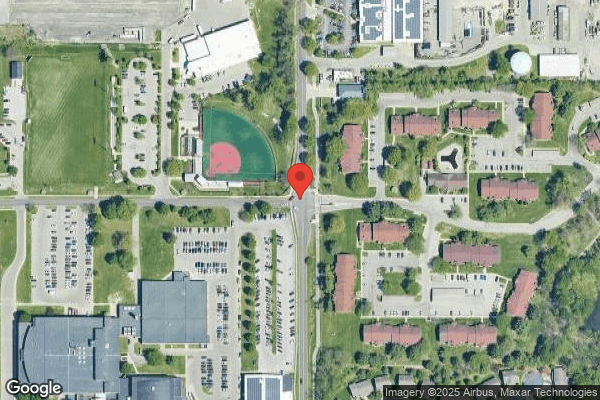
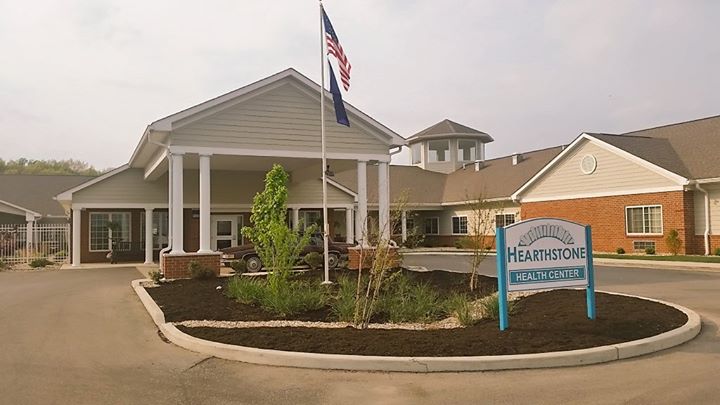
3043 NORTH LINTEL DRIVE, BLOOMINGTON, IN 47404 (812) 333-7622
For profit - Corporation 64 Beds TRILOGY HEALTH SERVICES Data: November 2025
Trust Grade
80/100
#46 of 505 in IN
Last Inspection: January 2025

Within standard 12-15 month inspection cycle. Federal law requires annual inspections.

Overview

Hearthstone Health Campus in Bloomington, Indiana, has a Trust Grade of B+, which means it is recommended and performs above average among nursing homes. It ranks #46 out of 505 facilities in Indiana, placing it in the top half, and is #2 out of 7 in Monroe County, indicating only one local option is better. The facility is improving, having reduced issues from 5 in 2024 to 4 in 2025, although staffing is a noted concern with a rating of 2 out of 5 stars and a turnover rate of 51%, which is about average for the state. While there have been no fines, which is a positive aspect, there have been serious incidents, such as a resident developing a Stage 3 pressure ulcer due to a lack of necessary assistance, and issues with cleanliness in resident rooms. Overall, Hearthstone Health Campus has strengths in certain quality measures, but families should be aware of staffing challenges and specific incidents that raise concerns about resident care.

Trust Score
B+
80/100
In Indiana
#46/505
Top 9%
Safety Record
Moderate
Needs review
Inspections
Getting Better
5 → 4 violations
Staff Stability
⚠ Watch
51% turnover. Above average. Higher turnover means staff may not know residents' routines.
Penalties
✓ Good
No fines on record. Clean compliance history, better than most Indiana facilities.
Skilled Nurses
○ Average
Each resident gets 34 minutes of Registered Nurse (RN) attention daily — about average for Indiana. RNs are the most trained staff who monitor for health changes.
Violations
⚠ Watch
16 deficiencies on record. Higher than average. Multiple issues found across inspections.
★★★★★
5.0
Overall Rating
★★☆☆☆
2.0
Staff Levels
★★★★★
5.0
Care Quality
★★★★☆
4.0
Inspection Score
Stable
2024: 5 issues
2025: 4 issues

The Good

  • 5-Star Quality Measures · Strong clinical quality outcomes
  • Full Sprinkler Coverage · Fire safety systems throughout facility
  • No fines on record

Facility shows strength in quality measures, fire safety.

The Bad

Staff Turnover: 51%

Near Indiana avg (46%)

Higher turnover may affect care consistency

Chain: TRILOGY HEALTH SERVICES

Part of a multi-facility chain

Ask about local staffing decisions and management

The Ugly 16 deficiencies on record

1 actual harm
Jan 2025 4 deficiencies
CONCERN (D)

Potential for Harm - no one hurt, but risky conditions existed

Transfer Notice (Tag F0623)

Could have caused harm · This affected 1 resident

Based on interview and record review, the facility failed to ensure the written notification required for a transfer and discharge was provided to the resident and the resident representative for 1 of...

Read full inspector narrative →
Based on interview and record review, the facility failed to ensure the written notification required for a transfer and discharge was provided to the resident and the resident representative for 1 of 2 residents reviewed for hospitalization. (Resident 262) Findings include: On 1/12/25 at 9:44 a.m., Resident 262's clinical record was reviewed. The diagnoses included, but were not limited to, urinary tract infection, recurrent enterocolitis due to Clostridium difficile (a condition where a person experiences repeated episodes of inflammation in the intestines caused by the bacteria Clostridium difficile), and stage 3 chronic kidney disease. A progress note, dated 1/3/25 at 10:13 a.m., indicated the resident was sent to the hospital for low oxygen saturation and lethargy. The clinical record lacked documentation of written notification of the transfer and discharge forms were provided to the resident and the resident representative. During an interview on 1/13/25 at 10:48 a.m., Clinical Nurse Consultant 1 indicated the notice of transfer and discharge would be documented in the progress notes. No documentation of the transfer and discharge notices were found in the progress notes. During an interview on 1/13/25 at 2:54 p.m., Clinical Nurse Consultant 2 indicated the clinical record lacked documentation the notice of transfer and discharge was provided to the resident and the resident's representative. On 1/13/25 at 2:54 p.m., Clinical Nurse Consultant 1 provided the facility policy, Guidelines for Transfer and Discharge (including AMA), reviewed on 12/17/24, and indicated this was the policy currently being used. A review of the policy indicated, . a. Notify the resident in writing, and if known, a family member or legal representative . of the transfer or discharge . 3.1-12(a)(6)(A)(i) 3.1-12(a)(6)(A)(iii)
CONCERN (D)

Potential for Harm - no one hurt, but risky conditions existed

Deficiency F0625 (Tag F0625)

Could have caused harm · This affected 1 resident

Based on interview and record review, the facility failed to ensure the notification of the bed-hold policy required for a resident who transferred to the hospital was provided in writing to the resid...

Read full inspector narrative →
Based on interview and record review, the facility failed to ensure the notification of the bed-hold policy required for a resident who transferred to the hospital was provided in writing to the resident or the resident representative for 1 of 2 residents reviewed for hospitalization. (Resident 262) Findings include: On 1/12/25 at 9:44 a.m., Resident 262's clinical record was reviewed. The diagnoses included, but were not limited to, urinary tract infection, recurrent enterocolitis due to Clostridium difficile (a condition where a person experiences repeated episodes of inflammation in the intestines caused by the bacteria Clostridium difficile), and stage 3 chronic kidney disease. A progress note, dated 1/3/25 at 10:13 a.m., indicated the resident was sent to the hospital for low oxygen saturation and lethargy. The clinical record lacked documentation of written notification which specified the facility's bed-hold policy having been provided to the resident or the resident representative. During an interview on 1/13/25 at 10:48 a.m., Clinical Nurse Consultant 1 indicated the notice of the bed hold policy would be documented in the progress notes. The clinical record lacked documentation of written notification which specified the facility's bed-hold policy having been provided to the resident or the resident representative During an interview on 1/13/25 at 2:54 p.m., Clinical Nurse Consultant 2 indicated the clinical record lacked documentation of the bed hold policy being provided to the resident and the resident's representative. On 1/13/25 at 2:54 p.m., Clinical Nurse Consultant 1 provided the facility policy, Guidelines for Transfer and Discharge (including AMA), reviewed on 12/17/24, and indicated this was the policy currently being used. A review of the policy indicated, . 5. Notice of Bed-Hold Policy and readmission . b. Before the facility transfers a resident to a hospital . staff member should provide written information to the resident and a family member or legal representative of the bed-hold and admission policies . 3.1-12(a)(25) 3.1-12(a)(26)
CONCERN (D)

Potential for Harm - no one hurt, but risky conditions existed

Respiratory Care (Tag F0695)

Could have caused harm · This affected 1 resident

Based on observation, interview, and record review, the facility failed to ensure a resident had a physician's order for oxygen therapy for 1 of 1 resident reviewed for respiratory care. (Resident 260...

Read full inspector narrative →
Based on observation, interview, and record review, the facility failed to ensure a resident had a physician's order for oxygen therapy for 1 of 1 resident reviewed for respiratory care. (Resident 260) Findings include: On 1/8/25 at 10:18 a.m., Resident 260 was observed to be resting in bed with oxygen on at 3.5 liters (L) per nasal cannula (a device to administer additional oxygen through your nose) (NC). At that time, Resident 260 indicated she was on oxygen at 3.5 L. On 1/9/25 at 3:10 p.m., Resident 260 was observed to be resting in bed with oxygen on at 3.5 L. On 1/10/25 at 9:52 a.m., Resident 260 was observed to be resting in bed with oxygen on at 3.5 L. On 1/13/25 at 11:12 a.m., LPN 1 indicated Resident 260 was on oxygen at 3.5 L. On 1/13/25 11:28 a.m., Resident 260's clinical record was reviewed. The diagnoses included, but were not limited to, pneumonia, pulmonary disease, and chronic respiratory failure. The admission Observation and Data Collection, dated 12/27/24 at 8:16 a.m., indicated Resident 260 utilized a high concentration of continuous oxygen. The baseline care plan goal was oxygen per Medical Doctor (MD) order. The Progress Notes indicated the following: - On 12/27/24 at 8:17 a.m., Resident 260 was on 4 L of oxygen per NC. - On 1/9/25 at 6:26 a.m., Resident 260 utilized oxygen. - On 1/13/25 at 6:18 a.m., Resident 260 utilized oxygen. The care plan, dated 1/9/25, indicated Resident 260 was at risk for cardiovascular distress related to diagnosis of hypertension. The intervention was to administer oxygen per order. The Physician Orders, dated 1/13/25, lacked documentation of a physician order for oxygen. On 1/13/25 at 11:00 a.m., the Corporate Nurse indicated a resident would need a physician order for oxygen. Resident 260's physician orders lacked documentation of a physician order for oxygen. On 1/13/25 at 11:45 a.m., the Corporate Nurse provided the facility's policy, Administration of Oxygen, dated 12/13/24, and indicated it was the policy currently being used by the facility. A review of the policy indicated .1. Verify physician's order for the procedure . 3.1-47(a)(6)
CONCERN (D)

Potential for Harm - no one hurt, but risky conditions existed

Safe Environment (Tag F0921)

Could have caused harm · This affected 1 resident

**NOTE- TERMS IN BRACKETS HAVE BEEN EDITED TO PROTECT CONFIDENTIALITY** Based on observation, interview, and record review, the facility failed to ensure a room was free from a urine odor for 3 of 6 d...

Read full inspector narrative →
**NOTE- TERMS IN BRACKETS HAVE BEEN EDITED TO PROTECT CONFIDENTIALITY** Based on observation, interview, and record review, the facility failed to ensure a room was free from a urine odor for 3 of 6 days during the survey period. (room [ROOM NUMBER]) Findings include: On the following dates and times a strong urine odor was observed in room [ROOM NUMBER]: - On 1/8/25 at 10:19 a.m.; - On 1/8/25 at 11:46 a.m.; - On 1/8/25 at 2:46 p.m.; - On 1/9/25 at 9:21 a.m.; - On 1/9/25 at 11:53 a.m.; - On 1/9/25 at 2:29 p.m.; - On 1/10/25 at 9:41 a.m. During an interview on 1/9/25 at 12:28 p.m., a family member of a resident who currently resided in room [ROOM NUMBER], indicated the room often had a smell of urine. During at interview on 1/13/25 at 10:03 a.m., the Corporate Nurse indicated she believed the smell of urine was in the carpet. They had switched out the mattresses, wheelchair cushions, and had been cleaning the carpets once a week to keep the smell of urine down. On 1/14/25 at 12:02 p.m., the Administrator provided the policy, Your Rights and Protections as a Nursing Home Resident, undated, and indicated it was the policy currently being used by the facility. A review of the policy did not mention the right to be free from odors . The Administrator indicated the facility did not have a policy related to the room environment. 3.1-19(f)
Mar 2024 5 deficiencies 1 Harm
SERIOUS (G)

Actual Harm - a resident was hurt due to facility failures

Pressure Ulcer Prevention (Tag F0686)

A resident was harmed · This affected 1 resident

**NOTE- TERMS IN BRACKETS HAVE BEEN EDITED TO PROTECT CONFIDENTIALITY** Based on observation, interview, and record review, the facility failed to ensure a resident admitted to the facility without pr...

Read full inspector narrative →
**NOTE- TERMS IN BRACKETS HAVE BEEN EDITED TO PROTECT CONFIDENTIALITY** Based on observation, interview, and record review, the facility failed to ensure a resident admitted to the facility without pressure-related skin impairment did not develop a pressure injury for 1 of 2 residents reviewed for pressure injuries. This deficient practice resulted in Resident 5 developing a facility acquired Stage 3 pressure ulcer on the left buttock. Findings include: During a continuous observation on 2/28/24 at 10:27 a.m. through 11:36 a.m., Resident 5 was observed sitting in wheelchair in her room. Resident 5's room was observed to have a urine odor. On 2/28/24 at 11:36 a.m., Certified Nursing Assistant (CNA) 1 was observed to enter Resident 5's room. CNA 1 placed Resident 5's sock on her foot; covered Resident 5's lap with a blanket; and assisted Resident 5 to the dining room for lunch. CNA 1 did not offer to assist Resident 5 to the bathroom or to reposition her prior to going to the dining room. During a continuous observation on 2/28/24 from 11:44 a.m. through 12:36 p.m., Resident 5 was observed to be in the dining room eating lunch. On 2/28/24 at 12:36 p.m., Resident 5's family member was observed to assist Resident 5 back to her room. On 2/28/24 from 12:42 p.m. until 12:57 p.m., Resident 5's family member was with Resident 5 in her room. At that time, Resident 5's family member indicated Resident 5 had a decline since receiving a left arm fracture after a fall. The family member indicated Resident 5 had developed a pressure ulcer to her buttock. When she or other family members visit Resident 5, the resident would be incontinent of urine and her room had an urine odor. On 2/28/24 at 12:57 p.m., Resident 5 was observed to be assisted to bed by CNA 1. During a continuous observation on 3/1/24 from 9:44 a.m. through 11:44 a.m., Resident 5 was observed sitting in a wheelchair in her room. Resident 5's room was observed to have a urine odor. On 3/1/24 at 10:49 a.m., CNA 2 was observed to offer Resident 5 a baby doll. CNA 2 did not offer to assist Resident 5 to the bathroom or to assist in repositioning her. On 3/1/24 at 11:00 a.m., Resident 5's clinical record was reviewed. The diagnoses included, but were not limited to, Stage 3 (full thickness tissue loss) pressure ulcer to left hip, weakness, left humerus (a bone in the upper arm) fracture, pain, and congested heart failure. The Quarterly Minimum Data Set (MDS) assessment, dated 11/17/23, indicated Resident 5 had severe cognitive impairment; no upper and lower extremity impairment; required maximal assistance with toileting, sit to stand; required moderate assistance with rolling left and right in bed, sitting to lying position; was always incontinent of urine and bowel movements; and was at risk for skin breakdown. The Significant Change MDS assessment, dated 1/29/24, indicated Resident 5 had severe cognitive impairment; no upper and lower extremity impairment; required maximal assistance with toileting, roll left and right in bed, sit to stand, and sitting to lying position; was always incontinent of urine and bowel movements; and was at risk for skin breakdown. The care plan, dated 2/22/19 and current through 6/12/24, indicated Resident 5 was at risk for skin breakdown. The interventions were to avoid shearing skin during positioning, turning, and transferring; encourage and assist to turn and reposition for comfort as needed; keep linens clean and dry; keep resident clean and dry as possible. The care plan, dated 2/22/19 and current through 6/12/24, indicated Resident 5 had the potential for decline in activities of daily living (ADLs). Her interventions were to provide incontinent care after each incontinence episode. The care plan, dated 2/22/19 and current through 6/12/24, indicated Resident 5 had impairment with bed mobility, transfers, and toileting. She required extensive assistance with transfers, bed mobility, and toileting. The care plan, dated 2/22/19 and current through 6/12/24, indicated Resident 5 had episodes of incontinence. Her interventions were to offer and to assist with toileting as needed and/or per request and to provide incontinence care as needed. The care plan, dated 2/9/24 and current through 6/12/24, indicated Resident 5 had a pressure ulcer. The care plan lacked interventions to assist with repositioning or toileting resident. The care plan lacked any new interventions after Resident 5's decline in mobility from the left humerus fracture. The Quarterly Observation and Data Collection, dated 11/6/23 at 3:01 a.m., indicated Resident 5 was incontinent and the Braden Scale indicated she was at a moderate risk for skin breakdown. The clinical record lacked documentation of a Braden Scale Assessment after her fall with a left humerus fracture and her Significant Change MDS assessment. The Hospital discharge instructions, dated [DATE], indicated the diagnoses during Resident 5's emergency room visit were a fall and a left humeral fracture. The Progress Notes indicated the following: - On 1/22/24 at 2:16 a.m., Resident 5 returned the from emergency room. She had a left humeral fracture. - On 1/22/24 at 6:42 a.m., Resident 5 had a fall and was diagnosed with a left humerus fracture. The plan was for staff to assist with ADLs and mobility as needed. - On 1/22/24 at 11:09 a.m., the Interdisciplinary Team (IDT) note indicated Resident 5 had pain related to shoulder fracture. The note lacked any documentation of interventions for requiring more assistance since recent fall. - On 2/8/24 at 6:21 p.m., Resident 5 had a chronic wound on her left ischium. The wound was closed and had reopened. - On 2/16/24 at 12:22 p.m., Resident 5 had a pressure ulcer to left buttock. The care plan was reviewed and updated as needed. The Treatment Administration History indicated the following: - On 1/25/24, the weekly skin assessment indicated an old impairment. - On 2/1/24, the weekly skin assessment indicated unchanged. - On 2/8/24, the weekly skin assessment indicated an old impairment. The Wound Management Report dated 7/27/23 at 12:10 p.m., indicated Resident 5 had a Stage 2 pressure ulcer healed to left hip on 9/25/23 at 10:34 a.m., . The Wound Management Detail Report indicated the following: - On 2/8/24 at 10:24 a.m., Resident 5 had a facility acquired Stage 3 pressure ulcer to her left buttock that measured 3.5 centimeters (cm) length (l) by (X) 2.5 cm width (w) with granulation tissue. - On 2/9/24 at 10:26 a.m., Resident 5 had a facility acquired Stage 3 pressure ulcer to her left buttock that measured 3.5 cm l X 2.5 cm w with granulation tissue. - On 2/16/24 at 10:26 a.m., Resident 5 had a facility acquired Stage 3 pressure ulcer to her left buttock that measured 3.5 cm l X 2.5 cm w with granulation tissue. - On 2/21/24 at 11:17 a.m., Resident 5 had a facility acquired Stage 3 pressure ulcer to her left buttock that measured 4 cm l X 3 cm w with granulation tissue. - On 2/28/24 at 9:10 a.m., Resident 5 had a facility acquired Stage 3 pressure ulcer to her left buttock that measured 4cm l X 3 w with granulation tissue. On 3/1/24 at 11:44 a.m., Licensed Practical Nurse (LPN) 1 offered to take Resident 5 to the dining room. LPN 5 did not offer to assist Resident 5 to the bathroom or to reposition her prior to going to the dining room. On 3/1/24 11:44 a.m. through 12:40 p.m., Resident was in the dining room eating lunch. On 3/1/24 at 12:40 p.m., Resident 5 was assisted back to her room from lunch. At that time LPN 1, administered Resident 5 her medication. LPN 1 did not assist Resident 5 to the bathroom or assist in repositioning her. During a continuous observation on 3/1/24 from 12:40 p.m. through 12:55 p.m., Resident 5 was observed sitting in a wheelchair in her room. During this observation, no staff offered to assist Resident 5 to the bathroom or to assist with repositioning her. During a continuous observation from 3/1/24 from 1:00 p.m. through 1:51 p.m., Resident 5 was observed sitting in a wheelchair in her room. During this observation, no staff offered to assist Resident 5 to the bathroom or to assist with repositioning her. On 3/1/24 at 1:55 p.m., the Corporate Nurse Consultant indicated the clinical record lacked any Braden Scale Assessment completed since 11/6/23. On 3/4/24 at 10:30 a.m., Resident 5 was observed to be lying in bed. The Corporate Nurse was observed to remove the dressing on Resident 5's left buttock. The pressure ulcer was the size of a half dollar with a red center and white tissue surrounding the area. The Corporate Nurse indicated Resident 5's pressure ulcer was observed on her left buttock. She indicated Resident 5 had a history of pressure ulcer to her left buttock. On 3/4/24 at 10:33 a.m., LPN 2 indicated Resident 5 had a fall with a left arm fracture. Resident 5 required extensive assistance of 2 staff members with ADLs. She had a pressure ulcer to her left buttock. Her pressure ulcer interventions were a pressure relieving wheelchair cushion, a low-loss air mattress to her bed, and to turn and reposition every 2 hours while she is in the bed or chair. The facility had been working short-staffed. Some days it was difficult to get Resident 5 toileted and turned and repositioned. Some days it would be 4 hours before they could turn and reposition and toilet the residents. On 3/4/24 at 11:23 a.m., CNA 1 indicated Resident 5 had a fall with a fractured left arm and had a pressure ulcer to her left buttock. Resident 5's interventions were check and change and reposition every 2 hours and pressure relieving cushion in her wheelchair and bed. It had been challenging getting the residents checked, changed, and repositioned every 2 hours because they had been working short-staffed. On 3/5/24 at 10:18 a.m., the Corporate Nurse indicated the old impairments on the weekly skin assessments were not documented in the clinical record. On 3/5/24 at 2:04 p.m., Corporate Nurse Consultant indicated the last time Resident 5 had a pressure ulcer on left buttock was 7/27/23 and it was healed on 9/13/23. The pressure ulcer which healed on 9/25/23 at 10:34 a.m., was the same as left buttock. On 3/5/24 at 1:21 p.m., The Administrator provided the facility's policy, Guidelines for Pressure Prevention, dated 12/31/23, and indicated it was the policy being used by the facility. A review of the policy indicated, .Clean skin with premoistened wipes or periwash, rinse and dry thoroughly after incontinent episodes .Keep skin clean, dry and free of body wastes, perspiration, and wound drainage .Establish an individualized turning schedule if resident is immobile or compromised. Frequency of position change is individualized. Notify the nurse to document if the resident refuses turning intervention . On 3/5/24 at 1:21 p.m., The Administrator provided the facility's policy, Guidelines for General Wound and Skin Care, dated 12/31/23, and indicated it was the policy being used by the facility. A review of the policy indicated, .2. Turn/reposition residents who are immobile according to their care plan requirements .8. Provide incontinence care promptly . 3.1-40(a)(2)
CONCERN (D)

Potential for Harm - no one hurt, but risky conditions existed

Transfer Notice (Tag F0623)

Could have caused harm · This affected 1 resident

**NOTE- TERMS IN BRACKETS HAVE BEEN EDITED TO PROTECT CONFIDENTIALITY** Based on interview and record review, the facility failed to ensure the written notification required for a transfer and dischar...

Read full inspector narrative →
**NOTE- TERMS IN BRACKETS HAVE BEEN EDITED TO PROTECT CONFIDENTIALITY** Based on interview and record review, the facility failed to ensure the written notification required for a transfer and discharge was provided to the resident and the resident representative for 3 of 4 residents reviewed for hospitalization and discharge. (Resident 39, Resident 63, Resident 64) Findings include: 1. On 2/29/24 at 12:00 p.m., Resident 39's clinical record was reviewed. The diagnoses included, but were not limited to, sepsis and acute respiratory failure. Resident 39's progress notes indicated the resident was sent to the hospital on 2/2/24, 1/7/24, 11/4/23 and 12/5/23. The clinical record lacked documentation of written notification of the Notice of Transfer and Discharge forms having been provided to the resident and the resident representative. 2. On 2/29/24 at 12:15 p.m., Resident 63's clinical record was reviewed. The diagnosis included, but was not limited to, acquired absence of right leg below knee. Resident 63's progress notes indicated the resident was sent to the hospital on [DATE]. The clinical record lacked documentation of written notification of the Notice of Transfer and Discharge forms having been provided to the resident and the resident representative. 3. On 2/29/24 at 12:45 p.m., Resident 64's clinical record was reviewed. The diagnoses included, but were not limited to, dislocation of left shoulder joint and respiratory failure. Resident 64's progress notes indicated the resident was sent to the hospital on [DATE]. The clinical record lacked documentation of written notification of the Notice of Transfer and Discharge forms having been provided to the resident and the resident representative. During an interview on 3/4/24 at 1:59 p.m., Administrator 2 indicated there had been no documentation of the Notice of Transfer or Discharge forms having been provided to the resident and the resident representative for Resident 39, Resident 63, and Resident 64. On 3/5/24 at 1:28 p.m., Administrator 2 provided the facility policy, Bed Hold Notification, with an approval date of 9/24/18, and indicated this was the policy currently being used by the facility. A review of the policy did not indicate sending a Notice of Transfer and Discharge form with the resident and resident representative when the resident was transferred to the hospital. 3.1-12(a)(6)(A)(i) 3.1-12(a)(6)(A)(ii)
CONCERN (D)

Potential for Harm - no one hurt, but risky conditions existed

Deficiency F0625 (Tag F0625)

Could have caused harm · This affected 1 resident

**NOTE- TERMS IN BRACKETS HAVE BEEN EDITED TO PROTECT CONFIDENTIALITY** Based on interview and record review, the facility failed to ensure the notification of the bed-hold policy required for a resid...

Read full inspector narrative →
**NOTE- TERMS IN BRACKETS HAVE BEEN EDITED TO PROTECT CONFIDENTIALITY** Based on interview and record review, the facility failed to ensure the notification of the bed-hold policy required for a resident who transferred to the hospital was provided in writing to the resident or the resident representative for 2 of 4 residents reviewed for hospitalization. (Resident 39, Resident 64) Findings include: 1. On 2/29/24 at 12:00 p.m., Resident 39's clinical record was reviewed. The diagnoses included, but were not limited to, sepsis and acute respiratory failure. Resident 39's progress notes indicated the resident was sent to the hospital on 2/2/24, 1/7/24, 11/4/23 and 12/5/23. The clinical record lacked documentation of written notification which specified the facility's bed-hold policy having been provided to the resident or the resident representative. 2. On 2/29/24 at 12:45 p.m., Resident 64's clinical record was reviewed. The diagnoses included, but were not limited to, dislocation of left shoulder joint and respiratory failure. Resident 64's progress notes indicated the resident was sent to the hospital on [DATE]. The clinical record lacked documentation of written notification which specified the facility's bed-hold policy having been provided to the resident or the resident representative. During an interview on 3/4/24 at 1:59 p.m., Administrator 2 indicated there had been no documentation of the facility's bed-hold policy having been provided to the resident or the resident representative for Resident 39 and Resident 64. On 3/5/24 at 1:28 p.m., Administrator 2 provided the facility policy, Bed Hold Notification, with an approved date of 9/24/18, and indicated this was the policy currently being used by the facility. A review of the policy indicated, . OVERVIEW: . Before a nursing facility transfers a resident or a hospital or the resident goes on therapeutic leave, the nursing facility must provide written information to the resident or resident representative that specifies the duration of the state bed hold policy . 3.1-12(a)(25) 3.1-12(a)(26)
CONCERN (D)

Potential for Harm - no one hurt, but risky conditions existed

Deficiency F0657 (Tag F0657)

Could have caused harm · This affected 1 resident

Based on interview and record review, the facility failed to include the participation of the resident and the resident's representative in the development of a resident's care plan for 1 of 1 residen...

Read full inspector narrative →
Based on interview and record review, the facility failed to include the participation of the resident and the resident's representative in the development of a resident's care plan for 1 of 1 resident reviewed for care planning conferences. (Resident 8) Findings include: During a family interview on 2/28/24 at 12:31 p.m., Resident 8's family representative indicated they had not been invited to participate in any care planning conferences. On 3/4/24 at 10:36 a.m., Resident 8's clinical record was reviewed. The diagnoses included, but were not limited to, toxic encephalopathy (a disturbance of brain function. It causes confusion, memory loss and coma in severe cases), atrial fibrillation (an irregular and fast heart beat), peripheral vascular disease (a circulatory condition in which narrowed blood vessels reduce blood flow to the limbs), mild cognitive impairment, and chronic kidney disease. A Quarterly Minimum Data Set (MDS) assessment, dated 12/22/23 indicated the resident had moderately impaired cognition. An admission Resident First Meeting (care plan meeting), dated 9/26/23, indicated the resident's representative was not involved in the care plan conference. A review of the resident's clinical record indicated no other care plan meetings took place between 9/26/23 and 3/6/24. During an interview on 3/6/24 at 2:45 p.m. the Clinical Nurse Consultant indicated the resident did not have a quarterly care plan conference after admission because the facility did not have a Social Services Director when her care plan conference would have been due. On 3/6/24 at 3:25 p.m., the Administrator provided the facility policy, Resident First Meeting Guidelines, revised 4/25/22, and indicated the policy was currently being used by the facility. A review of the policy indicated, PURPOSE To facilitate communication and participation regarding the resident's plan of care, medical condition and care need between the resident, family, and family representative and care givers . 3. Subsequent meetings . should be conducted minimally quarterly . 6. Director of Social Services or designee should send invitations to the resident and/or representative notifying them of the date and time of the conference as far in advance as possible . 18. Resident/ Resident Representative to e-sign completed Resident First Observation if present . 19. If the resident or representative is unable to attend . a copy of the Meeting discussion may be communicated with them . 3.1-35(c)(2)(C)
CONCERN (E)

Potential for Harm - no one hurt, but risky conditions existed

Safe Environment (Tag F0921)

Could have caused harm · This affected multiple residents

**NOTE- TERMS IN BRACKETS HAVE BEEN EDITED TO PROTECT CONFIDENTIALITY** Based on observation, interview, and record review, the facility failed to provide a sanitary environment for 4 of 7 days during...

Read full inspector narrative →
**NOTE- TERMS IN BRACKETS HAVE BEEN EDITED TO PROTECT CONFIDENTIALITY** Based on observation, interview, and record review, the facility failed to provide a sanitary environment for 4 of 7 days during the survey. Sit to stand lift foot platforms were not clean and resident rooms were not free from urine odor. (room [ROOM NUMBER], room [ROOM NUMBER], room [ROOM NUMBER]) Findings include: 1. On the following dates and times, a sit to stand lift was observed between rooms [ROOM NUMBERS] with the foot platform containing food crumbs and debris: - On 2/28/24 at 11:37 a.m.; - On 3/1/24 at 1:21 p.m.; - On 3/4/24 at 10:45 a.m.; - On 3/5/24 at 9:15 a.m. On the following dates and times, a sit to stand lift was observed by room [ROOM NUMBER] with the foot platform containing food crumbs and debris: - On 2/28/24 at 11:55 a.m.; - On 3/1/24 at 1:28 p.m.; - On 3/4/24 at 10:55 a.m.; - On 3/5/24 at 9:20 a.m. On the following dates and times, a sit to stand lift between rooms [ROOM NUMBERS] was observed with the foot platform contain food crumbs and debris: - On 2/28/24 at 2:49 p.m.; - On 3/1/24 at 1:25 p.m.; - On 3/4/24 at 10:50 a.m.; - On 3/5/24 at 9:25 a.m. On the following dates and times, a sit to stand lift by room [ROOM NUMBER] was observed with the foot platform containing food crumbs and debris: - On 2/28/24 at 2:52 p.m.; - On 3/1/24 at 1:24 p.m.; - On 3/4/24 at 10:52 a.m.; - On 3/5/24 at 9:27 a.m. 2. On the following dates and times a strong urine odor was observed in room [ROOM NUMBER]: - On 2/28/24 at 2:50 p.m.; - On 3/1/24 at 1:26 p.m.; - On 3/4/24 at 10:51 a.m.; - On 3/5/24 at 9:26 a.m. On the following dates and times a strong urine odor was observed in room [ROOM NUMBER]: - On 2/28/24 at 2:53 p.m.; - On 3/1/24 at 1:25 p.m.; - On 3/4/24 at 10:53 a.m.; - On 3/5/24 at 9:28 a.m. On the following dates and times a strong urine odor was observed in room [ROOM NUMBER]: - On 2/28/24 at 2:53 p.m.; - On 3/1/24 at 1:25 p.m.; - On 3/4/24 at 10:53 a.m.; - On 3/5/24 at 9:28 a.m. During an interview on 3/5/24 at 10:17 a.m., the Executive Director indicated the sit to stand lift foot platforms were in need of cleaning, and rooms [ROOM NUMBER] each had an odor of urine. On 2/28/24 at 11:50 AM, the facility Executive Director provided the Resident Rights, dated 11/1/23 and indicated these were the resident rights currently used by the facility. A review of the Resident Rights indicated, .the resident has the right to a safe, clean, comfortable and homelike environment . 3.1-19(f)
Feb 2023 7 deficiencies
CONCERN (D)

Potential for Harm - no one hurt, but risky conditions existed

Deficiency F0554 (Tag F0554)

Could have caused harm · This affected 1 resident

Based on observation, interview, and record review, the facility failed to ensure a self administration of medications assessment was completed for 1 of 1 residents observed with medications stored at...

Read full inspector narrative →
Based on observation, interview, and record review, the facility failed to ensure a self administration of medications assessment was completed for 1 of 1 residents observed with medications stored at the bedside. (Resident 41) Findings include: On 2/16/23 at 9:45 a.m., Registered Nurse (RN) 2 was observed to administer Resident 41 her medications for the morning. Upon entering the room, two medication cups were observed on the bedside table. One medication cup contained 1 tablet and the other medication cup contained 2 tablets. During an interview on 2/16/23 at 9:46 a.m., RN 2 indicated the medication in the medication cup by itself was a potassium chloride (supplement) from the day before and the other two medications were an eliquis (anticoagulant medication) and a melatonin (a hormone to aid in sleep) from the night before. RN 2 did not know why the medications were still on the bedside table and that Resident 41 was in atrial fibrillation (an irregular heart rate) and needed the eliquis. During an interview on 2/16/23 at 9:47 a.m., Resident 41 indicated she was unsure why the medications were still on her bedside table. She really needed the eliquis and didn't know why she wasn't given the medication the night before. Resident 41's clinical record was reviewed on 2/16/23 at 10:00 a.m. The diagnoses included, but were not limited to, chronic atrial fibrillation and hypokelemia. Current physician orders, dated 2/17/23, indicated Resident 41's medications included, but were not limited to: - potassium chloride 20 meq (milliequivalents) 1 tablet once a day - eliquis 5 mg (milligrams) 1 tablet twice a day - melatonin 3 mg 1 tablet at bedtime. A review of the Medication Administration Record on 2/20/23 at 11:00 a.m., for Resident 41 indicated the potassium chloride, eliquis, and melatonin were administered as ordered on 2/15/23. During an interview on 2/16/23 at 10:18 a.m., the Clinical Corporate Nurse indicated Resident 41 did not self administer medications and the medications should not have been left on the bedside table. On 2/20/2023 at 9:30 a.m., the Administrator provided the facility's policy, Preparation and General Guidelines with a revised date of 11/2018, and indicated it was the policy currently being used by the facility. A review of the policy indicated, . 17. The resident is always observed after administration to ensure that the dose was completely ingested . 3.1-11(a)
CONCERN (D)

Potential for Harm - no one hurt, but risky conditions existed

Deficiency F0558 (Tag F0558)

Could have caused harm · This affected 1 resident

Based on observation, interview, and record review, the facility failed to ensure a resident was provided a side rails for bed mobility for 1 of 1 resident reviewed for accommodation of needs.(Residen...

Read full inspector narrative →
Based on observation, interview, and record review, the facility failed to ensure a resident was provided a side rails for bed mobility for 1 of 1 resident reviewed for accommodation of needs.(Resident 44) Finding includes: During an interview on 2/15/23 at 9:52 a.m., Resident 44 indicated she wished she had side rails to help her get up out of bed. She did not know why she was not allowed to have side rails as they would greatly help her bed mobility. No side rails were observed to the resident's bed. During an interview on 2/16/23 at 10:03 a.m., the resident continued to ask about getting side rails. No side rails were observed to the resident's bed. On 2/16/23 at 11:26 a.m., Resident 44's clinical record was reviewed. The diagnoses included, but were not limited to, Charcot's joint of left knee (a destructive joint disorder initiated by trauma knee), Parkinson's disease, morbid (severe) obesity, fibromyalgia (a disorder characterized by widespread musculoskeletal pain accompanied by fatigue, sleep, memory and mood issues), restless leg syndrome, osteoarthritis, pain, tremor, and edema (swelling). An admission Minimum Data Set (MDS) assessment, dated 1/27/23, indicated the resident was cognitively intact, required extensive assistance of one staff member with bed mobility, and had lower extremity impairment on one side. A Bed Rail Evaluation, dated 1/30/23 at 3:12 p.m., indicated the resident had appropriate safety awareness, could demonstrated the ability to actively initiate and assist with the use of bed rail for safe bed mobility and transfer, and could demonstrate the upper body strength and mobility to reposition self away from the bed rail as needed. Enabler bars were to be applied. On 2/17/23 at 11:36 a.m., side rails were observed on the resident's bed. During an interview on 2/20/23 at 10:00 a.m., the Clinical Nurse Consultant indicated the side rails were not applied due to the resident being confused. The resident's clinical record lacked documentation of confusion between 1/30/23 and 2/9/23, which was when she was sent to the hospital for confusion and critically low potassium of 2.6 millimoles per liter (mmol/L) (normal range is 3.6 to 5.2 mmol/L.) On 2/21/23 at 1:11 p.m., the Corporate Nurse Consultant provided the facility policy, Resident Rights Guidelines, revised on May 11, 2017, and indicated it was the policy currently being used. A review of the policy indicated, . 2. Our residents have a right to . t. Be consulted and encouraged to have input into their care plan which guides theservices [sic] delivered to the resident . 3.1-3(v)(1)
CONCERN (D)

Potential for Harm - no one hurt, but risky conditions existed

ADL Care (Tag F0677)

Could have caused harm · This affected 1 resident

**NOTE- TERMS IN BRACKETS HAVE BEEN EDITED TO PROTECT CONFIDENTIALITY** 2. During an interview on 2/14/23 at 2:38 p.m., Resident 4 indicated she had not been receiving her showers twice a week. Her sh...

Read full inspector narrative →
**NOTE- TERMS IN BRACKETS HAVE BEEN EDITED TO PROTECT CONFIDENTIALITY** 2. During an interview on 2/14/23 at 2:38 p.m., Resident 4 indicated she had not been receiving her showers twice a week. Her shower days were Tuesday and Friday. On 2/17/23 11:03 a.m., Resident 4's clinical record was reviewed. The diagnoses included, but were not limited to, congestive heart failure, osteoarthritis, and muscle weakness. The Annual MDS assessment, dated 12/30/22, indicated Resident 4 had moderate impaired cognition; was very important to choose between a tub bath, shower, bed bath, or sponge bath; and was totally dependent on 2 or more staff for bathing. The care plan, dated 4/12/22 and current through 6/3/23, indicated Resident 4's shower days were Tuesday and Friday. The Point of Care ADL [activities of daily living] Category Report, dated 2/1/23 through 2/20/23 indicated Resident 4 was totally dependent on staff for bathing. She received a shower on 2/3/23 and 2/17/23. The report lacked documentation of showers on 2/7/23 (Tuesday), 2/10/23 (Friday), or 2/14/23 (Tuesday). During an interview on 2/17/23 10:08 a.m., Certified Resident Care Assistant (CRCA) 2 indicated Resident 4 was dependent on staff for bathing. Her showers days were Tuesday and Friday. During an interview on 2/20/23 at 10:43 a.m., Clinical Nurse Consultant indicated Resident 4 only had 2 showers from 2/1/23 through 2/20/23. On 2/21/23 at 1:11 p.m., the Corporate Nurse Consultant provided the facility policy, Resident Rights Guidelines, revised on May 11, 2017, and indicated it was the policy currently being used. A review of the policy indicated, . 2. Our residents have a right to . t. Be consulted and encouraged to have input into their care plan which guides theservices [sic] delivered to the resident . On 2/21/23 at 1:04 p.m., the Executive Director indicated they did not have a bathing or ADL policy. 31-38(a)(3) Based on observation, interview, and record review, the facility failed to ensure residents who were unable to carry out activities of daily living (ADLs) received the necessary services to maintain good grooming and personal hygiene for 2 of 5 residents reviewed for choices. (Resident 47, Resident 4) Findings include: 1. During an interview on 2/15/23 at 10:00 a.m., Resident 47 indicated she was supposed to get showers each Tuesday and Thursday, however, she had 1 shower since she had been admitted . On 2/16/23 at 10:33 a.m., Resident 47's clinical record was reviewed. The diagnoses included, but were not limited to, Raynaud's syndrome (a condition that causes the blood vessels in the extremities to narrow, restricting blood flow), Churg-[NAME] syndrome (a rare blood vessel disease may cause breathing trouble, face pain and a persistent runny nose), motor and sensory neuropathy (a condition that affects the nerves outside your brain or spinal cord), congestive heart failure (CHF), difficulty in walking, unsteadiness on feet, and weakness. The resident was admitted on [DATE]. An admission Minimum Data Set (MDS) assessment, dated 1/27/23, indicated the resident was cognitively intact, required extensive assistance of 1 staff member with personal hygiene, and had upper extremity limitation on one side and had lower extremity limitation on both sides. The resident's clinical record indicated the resident had received only 1 shower on 1/26/23. A Resident Profile had no documentation when the resident was supposed to be showered. A care plan, dated 2/14/23 with a target date of 5/14/23, indicated the resident had the potential for decline in ADLs related to heart disease, Raynaud's syndrome, Churg-[NAME] disease with lung involvement, CHF, HTN (hypertension), anxiety, depression, GERD, and advanced age and disease process. No specific intervention was included in her care plan in regard to shower/bathing schedule. During an interview on 2/20/23 at 10:30 a.m., the Corporate Nurse Consultant indicated the facility did not have any shower documentation for the resident and the staff must have missed giving them. During an interview on 2/20/23 at 10:45 a.m., the Executive Director indicated the resident had not received any showers until 2/17/22, and she should have received more than what she had been given.
CONCERN (D)

Potential for Harm - no one hurt, but risky conditions existed

Quality of Care (Tag F0684)

Could have caused harm · This affected 1 resident

2. During an observation on 2/15/23 at 9:57 a.m., Resident 3 was observed to be sitting in her wheelchair in her room. She was observed to have a white gauze dressing on her right lower leg. The ace w...

Read full inspector narrative →
2. During an observation on 2/15/23 at 9:57 a.m., Resident 3 was observed to be sitting in her wheelchair in her room. She was observed to have a white gauze dressing on her right lower leg. The ace wraps were not observed to be on her lower legs. During an observation on 2/16/23 at 10:19 a.m., Resident 3 was observed to be sitting in her wheelchair with a white gauze dressing on her right leg. The ace wraps were not observed to be on her lower legs. During an observation on 2/20/23 10:22 a.m., Resident 3 was observed to be sitting in her wheelchair with a white dressing on her back of her right leg. The ace wraps were not observed to be on her lower legs. On 02/17/23 at 11:16 a.m., Resident 3's clinical record was reviewed. The diagnoses included, but were not limited to, atrial fibrillation (abnormal heart rhythm), heart failure, and weakness. The Skin Integrity Events, dated 1/8/23 at 9:35 a.m., indicated Resident 3 had a skin tear and hematoma on her left lower leg from being transferred from bed to wheelchair. Resident 3 kicked her leg out and connected with the arm of the wheelchair. The Interdisciplinary Team (IDT) note, dated 1/9/23 at 9:41 a.m., indicated Resident 3 obtained a hematoma to her left lower leg while transferring. The IDT note lacked documentation of interventions to prevent further skin tears. The Skin Integrity Events, dated 1/20/23 at 1:38 p.m., indicated Resident 3 had a skin tear on the back of her right leg. The Interdisciplinary Team (IDT) note, dated 1/23/23 at 10:21 a.m., indicated Resident 3 had a skin tear on the back of her right leg. It appeared she bumped it. The IDT note lacked documentation of interventions to prevent further skin tears. The Physician Order Report, dated 2/20/23, indicated remove ace wraps every evening, initiated 10/27/20. The Treatment Administration Record, dated 2/1/23 through 2/20/23, lacked documentation of Resident 3 refusing ace wraps to lower legs. The Progress Notes, dated 2/2/23 through 2/20/23, lacked documentation of Resident 3 refusing ace wraps to lower legs. During an interview on 2/17/23 at 10:05 a.m., Certified Resident Care Assistant (CRCA) 2 indicated Resident 3's skin was paper thin and had a skin tear to her right lower leg. During an interview on 2/20/23 at 10:44 a.m., the Minimum Data Set (MDS) Nurse indicated Resident 3 had fragile skin and should have had interventions in place to prevent skin tears. On 2/20/23 at 11:30 a.m., the Clinical Nurse Consultant provided the facility's policy, Bruise, Rash, Lesion, Skin tear, Laceration Assessment Guidelines dated 12/31/22, and indicated this was the policy currently being used by the facility. A review of the policy lacked documentation of interventions in place to prevent skin tears. 3.1-37(a) Based on observation, interview, and record review, the facility failed to ensure skin conditions were treated for 2 of 5 residents reviewed for skin conditions. A skin tear wound was not documented as identified with physician treatment orders, skin tear wound dressings were not changed as ordered, interventions to prevent skin tears were not implemented. (Resident 3, Resident 17) Findings include: 1. On 2/16/23 at 12:40 p.m., Resident 17 was observed in her broda chair (a wheelchairs which makes it easier for caregivers to provide optimal care with less stress on the client and the caregiver). On her left upper arm was an island dressing, dated 2/11. On the resident's right forearm, just below the elbow was an island dressing, dated 2/11. On 2/16/23 at 1:05 p.m., Resident 17's clinical record was reviewed. The diagnoses included, but were not limited to, peripheral vascular disease and chronic obstructive pulmonary disease. A nursing progress note, dated 1/19/23 at 2:05 a.m., indicated the resident sustained a skin tear to her left upper posterior (back) arm while turning in bed. The wound was cleansed with wound cleanser, patted dry, approximated with steri strips, and covered by an island dressing. A physician's order, dated 1/19/23 and open ended indicated the island dressing covering the steri-strips on the skin wound on the resident's left upper arm was to be changed once daily, with special orders to change as needed when the dressing becomes dislodged or soiled. The treatment administration record indicated staff initials documenting the dressing was changed on 2/11/23, 2/12/23, 2/13/23, 2/14/23, and 2/15/23. The clinical record lacked documentation indicating the resident had a skin wound to the right arm and lacked physician orders to treat the wound on the right arm. During an interview on 2/16/23 at 12:44 p.m., Certified Nurse Aide (CNA) 2 indicated the resident had very fragile skin. The CNA was did not know when the injuries had occurred but knew the resident had skin tears to the left and right arms with bandages on them dated 2/11. During an interview on 2/16/23 at 3:38 p.m., Registered Nurse (RN) 2 indicated he changed the dressings on the resident's left and right arm skin tears on 2/11, as dated, and the island dressing was to be changed daily as ordered and as needed if the dressings became soiled or dislodged. The dressings had not yet been changed this current date (2/16/23). During an interview on 2/17/23 at 2:40 PM, the facility Administrator indicated the clinical record was lacking documentation of a skin tear and treatment order to Resident 17's right forearm.
CONCERN (D)

Potential for Harm - no one hurt, but risky conditions existed

Incontinence Care (Tag F0690)

Could have caused harm · This affected 1 resident

Based on observation, interview, and record review, the facility failed to provide care for urinary catheters for 1 of 1 residents reviewed for urinary catheter use. Urinary catheter drainage bag was ...

Read full inspector narrative →
Based on observation, interview, and record review, the facility failed to provide care for urinary catheters for 1 of 1 residents reviewed for urinary catheter use. Urinary catheter drainage bag was positioned on the floor and no orders for the urinary catheter were obtained. (Resident 1) Findings include: On 2/16/23 at 10:51 a.m., Resident 1 was observed to be awake in his bed while the urinary catheter drainage bag sat on the floor. On 2/16/23 at 2:57 p.m., Resident 1 was observed to be awake in his recliner while the urinary drainage bag sat on the floor. Resident 1's clinical record was reviewed on 2/16/23 at 10:43 a.m. The diagnoses included, but were not limited to, chronic kidney disease and retention of urine. Current physician orders, dated 2/17/23, lacked documentation of an order for the urinary catheter and indicated Resident 1 was taking cipro (an antibiotic) 500 mg (milligrams) twice a day for a urinary tract infection (UTI). The start date of the cipro was 2/13/23. A care plan, initiated on 2/13/23, and current through target date 5/13/23, for Resident 1 indicated, . Problem: Bowel and Bladder. Resident uses a suprapubic catheter or F/C for dx [diagnoses] of urinary retention . Goal: Resident will be free from adverse effects from catheter use. Approach: lab work completed per physician orders, leg strap in place to prevent residents catheter from being pulling out [sic], maintain a closed system with urinary bag below the residents bladder and cover, observe for any signs of complication such as UTI . observe tubing and avoid any obstructions, please record resident urinary output, provide assist with catheter care and change Foley catheter per physician orders . During an interview on 2/17/23 at 10:27 a.m., Certified Resident Care Assistant (CRCA) 1 indicated the urinary catheter tubing and bag should never be on the floor. During an interview on 2/20/23 at 10:11 a.m., the Administrator indicated there was no order for the urinary catheter but they had entered it in with today's date (2/20/23). On 2/20/23 at 9:30 a.m., the Administrator provided the facility's policy, Urinary Catheter Care, dated 12/31/22, and indicated it was the policy currently being used by the facility. A review of the policy indicated, . Overview: To prevent infection of the resident's urinary tract . 11. Be sure the catheter tubing and drainage bag are kept off the floor . The policy did not mention obtaining a physician order for the F/C. 3.1-41(a)(2)
CONCERN (D)

Potential for Harm - no one hurt, but risky conditions existed

Deficiency F0698 (Tag F0698)

Could have caused harm · This affected 1 resident

Based on interview and record review, the facility failed to ensure ongoing assessment and oversight of the resident before, during and after dialysis treatments, including monitoring the resident's c...

Read full inspector narrative →
Based on interview and record review, the facility failed to ensure ongoing assessment and oversight of the resident before, during and after dialysis treatments, including monitoring the resident's condition during treatments, and failed to have ongoing communication and collaboration with the dialysis facility for 1 of 1 resident reviewed for dialysis services. (Resident 111) Findings include: On 2/15/23 at 11:16 a.m., Resident 111's clinical record was reviewed. The diagnoses included, but were not limited to, acute kidney failure, end stage renal disease, and type 2 diabetes mellitus with diabetic chronic kidney disease. The resident had dialysis on 2/7/23, 2/9/23, and 2/11/23. The resident's dialysis communication documents indicated 3 out of 3 visits had no dialysis nurse communication notes. The clinical record lacked any documentation from the dialysis center to the facility. During an interview on 2/17/23 at 11:16 a.m., LPN 1 indicated she printed off the dialysis observation sheets and sends it with the resident. The nurse did not know if the resident returned to the facility with any communication from the dialysis center because there was no communication binder for dialysis. During an interview on 2/17/23 at 11:30 a.m., RN 1 indicated the dialysis center did not send back any communication to the facility. They would only call or update if there was a change in the resident's condition. During an interview on 2/17/23 at 12:29 p.m., the Corporate Nurse Consultant indicated the facility did not have a communication binder for the resident and they did not get information sent back with the resident unless there was a change in condition. She indicated the resident's clinical record lacked documentation in regard to her previous visits and she would call the dialysis center to get that documentation. On 2/17/23 at 2:00 p.m., the Corporate Nurse Consultant provided a hemodialysis treatment document which indicated pre/post vitals and dialysis treatment for the resident. The facility received once they asked dialysis center to send on this date. On 2/21/23 at 1:11 p.m., the Corporate Nurse Consultant provided the facility policy, Guidelines for Dialysis, revised on May 11, 2016, and indicated it was the policy currently being used. A review of the policy indicated, .4. A report (may be written or verbal) shall be requested from the Dialysis Provider that will alert the campus regarding: a. Tolerance to procedure, b. vital signs, c. medications administered d. other information deemed necessary for the ongoing provision of care . 3.1-37(a)
CONCERN (D)

Potential for Harm - no one hurt, but risky conditions existed

Deficiency F0757 (Tag F0757)

Could have caused harm · This affected 1 resident

Based on observation, interview, and record review, the facility failed to ensure a medication was discontinued per physician's orders for 1 of 7 residents observed during medication administration. (...

Read full inspector narrative →
Based on observation, interview, and record review, the facility failed to ensure a medication was discontinued per physician's orders for 1 of 7 residents observed during medication administration. (Resident 41) Findings include: On 2/16/23 at 9:30 a.m., Registered Nurse (RN) 2 was observed to prepare the morning medications for Resident 41. RN 2 was observed to place in the medication cup the following medications: - potassium chloride (potassium supplement) 20 meq (milliequivalent) 1 tablet PO (by mouth) - venlafaxine (antidepressant medication) 37.5 mg (milligrams) 1 tablet PO - acidophilus (a probiotic supplement) 1 capsule PO - loratadine (an allergy medication) 10 mg 1 tablet PO - metoprolol (a blood pressure medication) 50 mg 1 tablet PO - pantoprazole (a medication used to treat acid reflux) 20 mg 1 tablet PO - torsemide (a diuretic medication) 20 mg 1 tablet PO - eliquis (an anticoagulant medication) 5 mg 1 tablet PO Resident 41's clinical record was reviewed on 2/16/23 at 10:00 a.m. The diagnosis included, but was not limited to, gastric esophageal reflux disease. Current physician orders, dated 2/17/23, indicated Resident 41's medications included, but were not limited to: - acidophilus 1 capsule once a day with a start date of 1/11/23, and a stop date of 2/10/23. During an interview on 2/20/23 at 2:01 p.m., the Clinical Corporate Nurse indicated Resident 41 did not have a current order for the acidophilus. On 2/20/23 at 9:30 a.m., the Administrator provided the facility's policy, Preparation and General Guidelines with a revised date of 11/2018, and indicated it was the policy currently being used by the facility. A review of the policy indicated, . Medications are administered as prescribed in accordance with good nursing principal and practices . 3.1-48(a)(2)
Understanding Severity Codes (click to expand)
Life-Threatening (Immediate Jeopardy)
J - Isolated K - Pattern L - Widespread
Actual Harm
G - Isolated H - Pattern I - Widespread
Potential for Harm
D - Isolated E - Pattern F - Widespread
No Harm (Minor)
A - Isolated B - Pattern C - Widespread

Questions to Ask on Your Visit

  • "Can I speak with families of current residents?"
  • "What's your RN coverage like on weekends and overnight?"

Our Honest Assessment

Strengths
  • • Grade B+ (80/100). Above average facility, better than most options in Indiana.
  • • No fines on record. Clean compliance history, better than most Indiana facilities.
Concerns
  • • 16 deficiencies on record, including 1 serious (caused harm) violation. Ask about corrective actions taken.
Bottom line: Generally positive indicators. Standard due diligence and a personal visit recommended.

About This Facility

What is Hearthstone Health Campus's CMS Rating?

CMS assigns HEARTHSTONE HEALTH CAMPUS an overall rating of 5 out of 5 stars, which is considered much above average nationally. Within Indiana, this rating places the facility higher than 99% of the state's 100 nursing homes. This rating reflects solid performance across the metrics CMS uses to evaluate nursing home quality.

How is Hearthstone Health Campus Staffed?

CMS rates HEARTHSTONE HEALTH CAMPUS's staffing level at 2 out of 5 stars, which is below average compared to other nursing homes. Staff turnover is 51%, compared to the Indiana average of 46%. RN turnover specifically is 56%, which is notably high. RNs provide skilled clinical oversight, so turnover in this role can affect medical care quality.

What Have Inspectors Found at Hearthstone Health Campus?

State health inspectors documented 16 deficiencies at HEARTHSTONE HEALTH CAMPUS during 2023 to 2025. These included: 1 that caused actual resident harm and 15 with potential for harm. Deficiencies causing actual harm indicate documented cases where residents experienced negative health consequences.

Who Owns and Operates Hearthstone Health Campus?

HEARTHSTONE HEALTH CAMPUS is owned by a for-profit company. For-profit facilities operate as businesses with obligations to shareholders or private owners. The facility is operated by TRILOGY HEALTH SERVICES, a chain that manages multiple nursing homes. With 64 certified beds and approximately 58 residents (about 91% occupancy), it is a smaller facility located in BLOOMINGTON, Indiana.
How Does Hearthstone Health Campus Compare to Other Indiana Nursing Homes?

Compared to the 100 nursing homes in Indiana, HEARTHSTONE HEALTH CAMPUS's overall rating (5 stars) is above the state average of 3.1, staff turnover (51%) is near the state average of 46%, and health inspection rating (4 stars) is above the national benchmark.

What Should Families Ask When Visiting Hearthstone Health Campus?

Based on this facility's data, families visiting should ask: "Can you walk me through typical staffing levels on day, evening, and night shifts?" "Can I visit during a mealtime to observe dining assistance and food quality?" "How do you handle medical emergencies, and what is your hospital transfer rate?" "Can I speak with family members of current residents about their experience?" These questions are particularly relevant given the below-average staffing rating.

Is Hearthstone Health Campus Safe?

Based on CMS inspection data, HEARTHSTONE HEALTH CAMPUS has a clean safety record: no substantiated abuse findings (meaning no confirmed cases of resident harm), no Immediate Jeopardy citations (the most serious violation level indicating risk of serious injury or death), and is not on the Special Focus Facility watch list (a federal program monitoring the lowest-performing 1% of nursing homes). The facility has a 5-star overall rating and ranks #1 of 100 nursing homes in Indiana. While no facility is perfect, families should still ask about staff-to-resident ratios and recent inspection results during their visit.

Do Nurses at Hearthstone Health Campus Stick Around?

HEARTHSTONE HEALTH CAMPUS has a staff turnover rate of 51%, which is about average for Indiana nursing homes (state average: 46%). Moderate turnover is common in nursing homes, but families should still ask about staff tenure and how the facility maintains care continuity when employees leave.

Was Hearthstone Health Campus Ever Fined?

HEARTHSTONE HEALTH CAMPUS has no federal fines on record. CMS issues fines when nursing homes fail to meet care standards or don't correct problems found during inspections. The absence of fines suggests the facility has either maintained compliance or corrected any issues before penalties were assessed. This is a positive indicator, though families should still review recent inspection reports for the full picture.

Is Hearthstone Health Campus on Any Federal Watch List?

HEARTHSTONE HEALTH CAMPUS is not on any federal watch list. The most significant is the Special Focus Facility (SFF) program, which identifies the bottom 1% of nursing homes nationally based on persistent, serious quality problems. Not being on this list means the facility has avoided the pattern of deficiencies that triggers enhanced federal oversight. This is a positive indicator, though families should still review the facility's inspection history directly.