BRICKYARD HEALTHCARE - BLOOMINGTON CARE CENTER
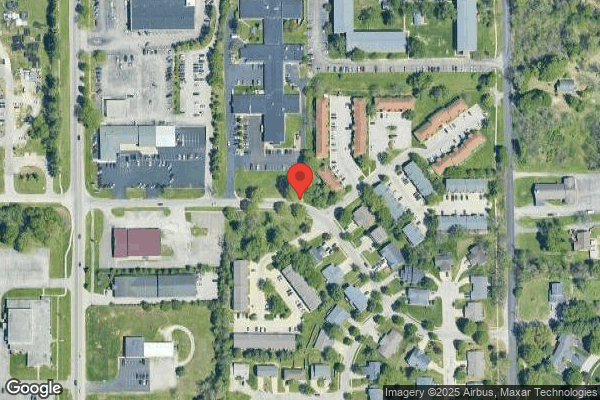
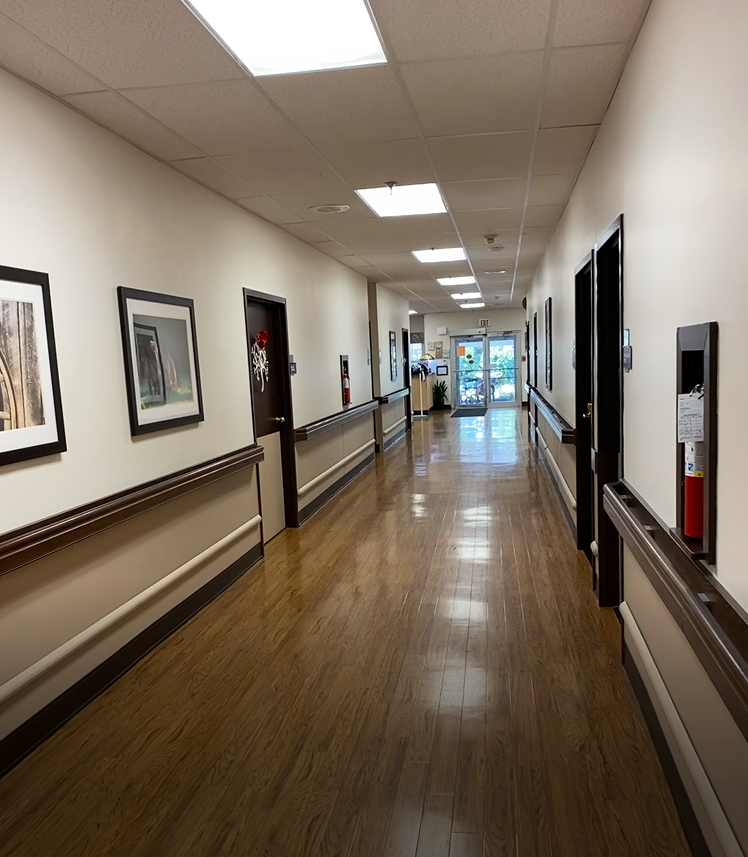
155 E BURKS DR, BLOOMINGTON, IN 47401 (812) 332-4437
For profit - Corporation 153 Beds BRICKYARD HEALTHCARE Data: November 2025 1 Immediate Jeopardy citation
Trust Grade
31/100
#329 of 505 in IN
Last Inspection: April 2025

Within standard 12-15 month inspection cycle. Federal law requires annual inspections.

Overview

Brickyard Healthcare - Bloomington Care Center has received a Trust Grade of F, which indicates significant concerns about the facility's overall quality and care. It ranks #329 out of 505 nursing homes in Indiana, placing it in the bottom half of all facilities in the state, and #5 out of 7 in Monroe County, meaning there are only two other options nearby that perform better. The facility's trend is worsening, with issues increasing from 8 in 2024 to 9 in 2025. Staffing is rated average with a turnover of 46%, which is slightly better than the state average, but the overall star ratings are below average, particularly in health inspection and quality measures. The facility has incurred $14,020 in fines, which is concerning as it is higher than 82% of Indiana facilities, indicating potential compliance issues. While RN coverage is average, there were critical incidents reported, including a cognitively impaired resident leaving the facility without staff knowledge, which required intervention from local law enforcement. Additionally, there was a serious incident of resident-to-resident physical abuse that resulted in one resident needing emergency medical care. Also, the environment has been noted to have issues such as strong odors and signs of disrepair, which could affect residents' comfort and well-being. Families should weigh these significant concerns alongside the facility's average staffing and turnover rates when considering care options.

Trust Score
F
31/100
In Indiana
#329/505
Bottom 35%
Safety Record
High Risk
Review needed
Inspections
Getting Worse
8 → 9 violations
Staff Stability
⚠ Watch
46% turnover. Above average. Higher turnover means staff may not know residents' routines.
Penalties
✓ Good
$14,020 in fines. Lower than most Indiana facilities. Relatively clean record.
Skilled Nurses
⚠ Watch
Each resident gets only 29 minutes of Registered Nurse (RN) attention daily — below average for Indiana. Fewer RN minutes means fewer trained eyes watching for problems.
Violations
⚠ Watch
26 deficiencies on record. Higher than average. Multiple issues found across inspections.
★★☆☆☆
2.0
Overall Rating
★★★☆☆
3.0
Staff Levels
★★☆☆☆
2.0
Care Quality
★★☆☆☆
2.0
Inspection Score
Stable
2024: 8 issues
2025: 9 issues

The Good

  • Full Sprinkler Coverage · Fire safety systems throughout facility
  • No fines on record

Facility shows strength in fire safety.

The Bad

2-Star Overall Rating

Below Indiana average (3.1)

Below average - review inspection findings carefully

Staff Turnover: 46%

Near Indiana avg (46%)

Higher turnover may affect care consistency

Federal Fines: $14,020

Below median ($33,413)

Minor penalties assessed

Chain: BRICKYARD HEALTHCARE

Part of a multi-facility chain

Ask about local staffing decisions and management

The Ugly 26 deficiencies on record

1 life-threatening 1 actual harm
Jul 2025 1 deficiency
CONCERN (D) 📢 Someone Reported This

A family member, employee, or ombudsman was alarmed enough to file a formal complaint

Potential for Harm - no one hurt, but risky conditions existed

Deficiency F0604 (Tag F0604)

Could have caused harm · This affected 1 resident

Based on interview and record review, the facility failed to protect the resident's right to be free from physical restraints for 1 of 4 residents reviewed for restraints. A restraint was applied by u...

Read full inspector narrative →
Based on interview and record review, the facility failed to protect the resident's right to be free from physical restraints for 1 of 4 residents reviewed for restraints. A restraint was applied by unlicensed personnel, there was no physician's order, consent, or documentation for release of the restraint. (Resident B, CNA 3)Finding includes:On 7/14/25 at 12:00 p.m., Resident B's clinical record was reviewed. The diagnoses included, but were not limited to, hemiplegia affecting right dominant side (paralysis or severe weakness on the right side of the body), dementia, and aphasia (a language disorder that affects the ability to communicate).A progress note, dated 6/26/25 at 5:59 p.m., indicated an incident was reported by CNA 1 that when she came on shift, Resident B was noted to have a sock tied around his left hand. The CNA reported the observation to a licensed nurse. A head-to-toe assessment was completed by the licensed nurse, the resident was noted to have swelling of his left hand and red linear indentation (indentation that is long and narrow) on his left wrist.A Care Plan, dated 5/27/25, indicated the resident had a behavior problem of putting hands in his pants and smearing bowel movements. The care plan lacked interventions for use of a glove or sock to prevent behavior.The physician orders lacked documentation of an order for restraint use.The clinical record lacked consent for the use of physical restraints.The clinical record lacked documentation of release of the physical restraint.During an interview on 7/14/15 at 2:45 p.m., CNA 1 indicated during report on 6/26/25 around 3:00 a.m., CNA 2 indicated Resident B kept soiling himself and he had a sock on his left hand. At 4:50 a.m., CNA 1 went to check on Resident B, and he had a sock on his left hand and wrist. When she removed the sock from the left hand, he had a waistband from a pair of boxers wrapped around his palm and wrist. His left hand was severely swollen, had red and purple areas, and indentations where the waistband was. He was unable to use his left hand and had a contracture (permanent tightening of muscles and tendons) of his right hand.During an interview with CNA 3, on 7/14/25 at 3:30 p.m., the CNA indicated he worked the evening of 6/25/25. CNA 3 indicated at 7:00 p.m., he entered Resident B's room and there was feces on the wall, the floor, the resident's left hand, the resident's face and hair, CNA 3 indicated the resident was unable to use his right hand due to a weakness. CNA 3 indicated he cleaned the resident and the surroundings. CNA 3 indicated he then went to check on other residents. CNA 3 indicated when he came back to Resident B's room, he found there was feces on the resident's left hand and face. CNA 3 indicated he cleaned the resident up again. CNA 3 indicated he continued to help other residents with care, after an unknown amount of time he went back to check on Resident B and found the resident to have feces again on his left hand and face. CNA 3 indicated he asked a nurse for a glove to place on the resident's left hand to keep him from getting his feces near his face and he was told there was no glove available to use at that time. CNA 3 indicated at that time he placed a sock on the resident's left hand because he did not want the resident to continue to play with his poop or eat his poop, and it had taken him 45 minutes to clean the resident up the first time. CNA 3 indicated the resident kept pulling the sock off with his mouth, so he took an elastic band from a pair of underwear and placed it around the sock. CNA 3 indicated the sock covered the left hand and went up to the left wrist. CNA 3 indicated CNA 2 relieved him at 10:00 p.m., CNA 3 indicated he forgot to tell CNA 2 that he had placed the sock on Resident B's hand.On 7/15/25 at 2:07 p.m., the Director of Nursing (DON) provided the facility policy, Restraint Free Environment, undated and indicated it was the policy currently being used by the facility. A review of the policy indicated, .1. The resident has the right to be treated with respect and dignity, including the right to be free from any physical or chemical restraint imposed for the purpose of discipline or staff convenience, and not required to treat the resident's medical symptoms .This citation relates to Complaint 1495326.3.1-3(w)
Apr 2025 5 deficiencies
CONCERN (D)

Potential for Harm - no one hurt, but risky conditions existed

Transfer Notice (Tag F0623)

Could have caused harm · This affected 1 resident

Based on interview and record review, the facility failed to ensure the written notification required for a transfer and discharge was provided to the resident and the resident representative for 1 of...

Read full inspector narrative →
Based on interview and record review, the facility failed to ensure the written notification required for a transfer and discharge was provided to the resident and the resident representative for 1 of 1 resident reviewed for hospitalization. (Resident 53) Findings include: Resident 53's clinical record was reviewed on 4/23/25 at 2:15 p.m. The diagnoses included, but were not limited to, congestive heart failure and kidney failure. Resident 53's progress notes indicated the resident was sent to the hospital on 1/9/25 and 3/11/25. The clinical record lacked documentation of written notification of the transfer and discharge forms having been provided to the resident and the resident representative. During an interview on 4/24/25 at 12:11 p.m., the Director of Nursing Services (DNS) indicated the facility did not have documentation which indicated the transfer and discharge forms were provided in writing to Resident 53 and the resident's representative. On 4/25/25 at 12:06 p.m., the DNS provided the facility's policy,Transfer and Discharge undated, and indicated it was the policy currently being used by the facility. A review of the policy indicated, . 3. The facility's transfer/discharge notice will be provided to the resident and the resident's representative in a language and manner in which they can understand . 3.1-12(a)(6)(A)(i) 3.1-12(a)(6)(A)(iii)
CONCERN (D)

Potential for Harm - no one hurt, but risky conditions existed

Deficiency F0625 (Tag F0625)

Could have caused harm · This affected 1 resident

Based on interview and record review, the facility failed to ensure the notification of the bed-hold policy required for a resident who transferred to the hospital was provided in writing to the resid...

Read full inspector narrative →
Based on interview and record review, the facility failed to ensure the notification of the bed-hold policy required for a resident who transferred to the hospital was provided in writing to the resident or the resident representative for 1 of 1 resident reviewed for hospitalization. (Resident 53) Findings include: Resident 53's clinical record was reviewed on 4/23/25 at 2:15 p.m. The diagnoses included, but were not limited to, congestive heart failure and kidney failure. Resident 53's progress notes indicated the resident was sent to the hospital on 1/9/25 and 3/11/25. The clinical record lacked documentation of written notification which specified the facility's bed-hold policy was provided to the resident or the resident representative. During an interview on 4/24/25 at 12:11 p.m., the Director of Nursing Services (DNS) indicated the facility did not have documentation which indicated the bed-hold forms were provided in writing to Resident 53 or the resident's representative. On 4/25/25 at 1:07 p.m., the Administrator provided the facility's policy,Bed Hold Notice undated, and indicated it was the policy currently being used by the facility. A review of the policy indicated, . It is the policy of this facility to provide written information to the resident and/or the resident representative regarding bed hold practices both well in advance, and at the time of, a transfer for hospitalization or therapeutic leave . 3.1-12(a)(25) 3.1-12(a)(26)
CONCERN (D)

Potential for Harm - no one hurt, but risky conditions existed

Comprehensive Care Plan (Tag F0656)

Could have caused harm · This affected 1 resident

**NOTE- TERMS IN BRACKETS HAVE BEEN EDITED TO PROTECT CONFIDENTIALITY** Based on observation, interview, and record review, the facility failed to ensure care plan fall interventions were in place for...

Read full inspector narrative →
**NOTE- TERMS IN BRACKETS HAVE BEEN EDITED TO PROTECT CONFIDENTIALITY** Based on observation, interview, and record review, the facility failed to ensure care plan fall interventions were in place for a resident who was at risk for falls for 1 of 4 residents reviewed for accidents. (Resident 107) Findings include: On 4/21/25 at 11:37 a.m., Resident 107 was observed to be resting in his bed. The bed was against the wall with no mat observed to be beside his bed. On 4/22/25 at 10:32 a.m., Resident 107 was observed to be resting in his bed. The bed was against the wall with no mat observed to be beside his bed. On 4/23/25 at 2:04 p.m., Resident 107 was observed to be resting in his bed. The bed was against the wall with no mat observed to be beside his bed. On 4/24/25 at 11:20 a.m., Resident 107's clinical record was reviewed. The diagnoses included, but were not limited to, traumatic brain injury, major depressive disorder, muscle weakness, anxiety, glaucoma, and dementia. The quarterly MDS (Minimum Data Set), dated 3/31/25, indicated Resident 107 had moderate cognitive impairment and had 2 or more falls with no injury. A care plan, dated 8/8/24, indicated Resident 107 was at risk for falls. On 3/19/25, the intervention was to place a mat by the bed. During an interview on 4/24/25 at 10:23 a.m., LPN 1 indicated Resident 107 had history of falls. LPN 1 indicated Resident 107 did not have a mat beside his bed. During an interview on 4/24/25 at 11:20 a.m., LPN 2 indicated Resident 107 had history of falls. She was unsure if Resident 107 required a mat beside his bed. When a resident gets a new fall interventions, they would be in the physician orders. She looked in the physician orders and did not see an order for mat beside the bed. She did not look at the [NAME] (system used by nurses to quickly assess resident information for their daily care plan) or the care plan. During an interview on 4/25/25 at 2:15 p.m., the Director of Nursing Services (DNS) indicated all nursing staff could find resident's fall interventions in the [NAME] or in the care plan. On 4/25/25 at 2:57 p.m., the DNS provided the facility's policy, Fall Prevention Program, undated, and indicated it was the policy being used. A review of the policy indicated, .d. Provide additional interventions as directed by the resident's assessment, including but not limited to: i. Assisi devices 3.1-35(g)(2)
CONCERN (D)

Potential for Harm - no one hurt, but risky conditions existed

Deficiency F0658 (Tag F0658)

Could have caused harm · This affected 1 resident

Based on interview and record review, the facility failed to provide care per the plan of care for 1 of 5 residents reviewed for unnecessary medications. Insulin was not held per physician's orders. (...

Read full inspector narrative →
Based on interview and record review, the facility failed to provide care per the plan of care for 1 of 5 residents reviewed for unnecessary medications. Insulin was not held per physician's orders. (Resident 107) Findings include: On 4/24/25 at 11:20 a.m., Resident 107's clinical record was reviewed. The diagnoses included, but were not limited to, diabetes mellitus, traumatic brain injury, and dementia. The April 2025 Medication Administration Record (MAR) indicated to inject Humalog (insulin) 3 units subcutaneoulsy (under the skin) before meals. Hold if the blood sugar is less than 150 mg/dl (milligrams per deciliter), ordered 3/21/25. The MAR indicated the following: - On 4/5/25 before breakfast, the Humalog 3 units were administered. The blood sugar was 128 which was less than 150. The clinical record lacked documentation the insulin was held. - On 4/5/25 before lunch, the Humalog 3 units were administered. The blood sugar was 121 which was less than 150. The clinical record lacked documentation the insulin was held. - On 4/5/25 before dinner, the Humalog 3 units were administered. The blood sugar was 130 which was less than 150. The clinical record lacked documentation the insulin was held. - On 4/6/25 before lunch, the Humalog 3 units were administered. The blood sugar was 132 which was less than 150. The clinical record lacked documentation the insulin was held. - On 4/6/25 before dinner, the Humalog 3 units were administered. The blood sugar was 130 which was less than 150. The clinical record lacked documentation the insulin was held. - On 4/19/25 before dinner, the Humalog 3 units were administered. The blood sugar was 140 which was less than 150. The clinical record lacked documentation the insulin was held. - On 4/20/25 before dinner, the Humalog 3 units were administered. The blood sugar was 147 which was less than 150. The clinical record lacked documentation the insulin was held. A care plan, dated 8/8/24, indicated Resident 107 had diabetes mellitus. On 8/8/24, the intervention was to administer diabetes medication as ordered by the physician. During an interview on 4/25/25 at 2:03 p.m., the Director of Nursing Services (DNS) indicated Resident 107 was administered Humalog 3 units when his blood sugar was less 150. On 4/25/25 at 2:57 p.m., the DNS provided the facility's policy, Medication Administration, undated, and indicated it was the policy being used. A review of the policy indicated, .8. Obtain and record vital signs, when applicable or per physician orders. When applicable, hold medication for those vital signs outside the physician's prescribed parameters 3.1-35(g)(2)
CONCERN (E)

Potential for Harm - no one hurt, but risky conditions existed

Safe Environment (Tag F0921)

Could have caused harm · This affected multiple residents

**NOTE- TERMS IN BRACKETS HAVE BEEN EDITED TO PROTECT CONFIDENTIALITY** Based on observation, interview, and record review, the facility failed to provide a homelike environment free of damage, disrep...

Read full inspector narrative →
**NOTE- TERMS IN BRACKETS HAVE BEEN EDITED TO PROTECT CONFIDENTIALITY** Based on observation, interview, and record review, the facility failed to provide a homelike environment free of damage, disrepair, and odor of urine for 1 of 2 secured units and 5 of 7 resident rooms reviewed for environment. (Reflections 2 Unit, room [ROOM NUMBER], room [ROOM NUMBER], room [ROOM NUMBER], room [ROOM NUMBER], room [ROOM NUMBER]) Findings include: 1. On 4/23/25 at 1:20 p.m., 4/24/25 at 2:10 p.m., and 4/25/25 at 10:40 a.m., the bathroom off the dining room on the Reflections 2 unit was observed to emit a strong odor of urine and had brown stained substance around the base of the toilet. 2. On 4/25/25 at 10:45 a.m., the 2 shower room stalls in the Reflections 2 unit shower room were observed to have a brown stained substance around the junctions where the walls meet the floors. 3. On 4/25/25 at 10:50 a.m., the base of the bathroom door in the Lounge room [ROOM NUMBER] was observed to have broken wall board. 4. On 4/25/25 at 10:55 a.m., room [ROOM NUMBER] was observed to have damaged drywall a the head of the 2 beds. There was a brown stained substance around the baseboards and closet track. 5. On 4/25/25 at 10:57 a.m., room [ROOM NUMBER] was observed to have holes in the wall by the bathroom, damaged walls and baseboard on both sides of the air conditioning unit, 4 nails and 4 screws protruding from the wall across from both beds, and brown stained substance around the base of the toilet. 6. On 4/25/25 at 11:00 a.m., the shared bathroom of rooms [ROOM NUMBERS] was observed to have brown stained substance around the base of the toilet. 7. On 4/25/25 at 11:05 a.m., room [ROOM NUMBER] was observed to have an oversized thumbtack pressed into the wall next to the clock. The closet door tracks had brown stained substance in them and one of the closet doors was missing. 8. On 4/23/25 at 1:30 p.m., 4/24/25 at 2:20 p.m., and 4/25/25 at 1:45 p.m., the inside of the Reflections 2 entry/exit door was observed to be sticky to the touch. During an interview on 4/25/25 at 1:50 p.m., the Administrator indicated the aforementioned environmental concerns existed and were in need of attention in order to provide a clean, comfortable, homelike environment for the residents. On 4/25/25 at 2:05 p.m., the Director of Admissions provided the Residents Rights, undated, and indicated these were the resident rights currently used by the facility. A review of the Residents Rights indicated, .you have the right to a safe, clean, comfortable, and homelike environment . 3.1-19(f)
Apr 2025 1 deficiency 1 IJ
CRITICAL (J) 📢 Someone Reported This

A family member, employee, or ombudsman was alarmed enough to file a formal complaint

Immediate Jeopardy (IJ) - the most serious Medicare violation

Accident Prevention (Tag F0689)

Someone could have died · This affected 1 resident

Based on observation, interview, and record review, the facility failed to provide supervision to prevent a cognitively impaired resident, who had an appointed guardian and history of exit seeking, fr...

Read full inspector narrative →
Based on observation, interview, and record review, the facility failed to provide supervision to prevent a cognitively impaired resident, who had an appointed guardian and history of exit seeking, from exiting the facility without staff knowledge for 1 of 3 residents reviewed for elopements. This deficient practice resulted in the resident being located by local law enforcement 1.8 miles away. (Resident B) This deficient practice resulted in an Immediate Jeopardy. The Immediate Jeopardy began on, 3/29/25 at approximately 9:45 p.m., when the facility failed to prevent a cognitively impaired resident from leaving the facility without staff knowledge. The Area [NAME] President and Regional Nurse were notified of the Immediate Jeopardy on 4/2/25 at 12:20 p.m. The Immediate Jeopardy was removed, and the deficient practice corrected, on 3/30/25, prior to the start of the survey and was therefore Past Noncompliance. Finding includes: During an interview on 4/2/25 at 8:06 a.m., LPN 1 indicated she arrived at work on 3/29/25 at approximately 10:50 p.m. Resident B had already left the facility. His wheelchair was found outside the front door. Resident B was located by the police approximately 1.8 miles from the facility, on a busy main road. When the police brought Resident B back to the facility, he told LPN 1 he left to get cigarettes and then was going to go to another city where his family lives. On 1/22/25, Resident B was moved from the secured unit because he was not at risk for elopement. On 4/2/25 at 8:14 a.m., Resident B was observed resting in bed on the secured unit. At that time, Resident B indicated he left the facility, on 3/29/25, to obtain cigarettes. During an interview on 4/2/25 at 8:17 a.m., LPN 2 indicated when Resident B was admitted , he was placed on a secured (locked) unit and had exit seeking behaviors when he was on that unit. During an interview on 4/2/25 at 8:21 a.m., LPN 3 indicated approximately a month ago, Resident B attempted to exit the facility through the front door but was stopped. The clinical record for Resident B was reviewed on 4/2/25 at 8:30 a.m. The diagnoses included, but were not limited to, major depressive disorder, dementia, cognitive communication deficit, and psychoactive substance abuse. The census information tab, indicated Resident B was admitted to the secured unit on 1/3/25 and moved to the unsecured unit on 1/22/25. An Order Appointing Successor Guardian, dated 9/10/19, indicated Resident B was appointed a guardian over person and estate. A referral packet from the previous facility, dated 12/31/24, indicated, on 12/30/24, Resident B was agitated and set on leaving the facility. Resident B attempted to leave that facility against medical advice and was sent to the emergency department. An Elopement Evaluation, dated 1/4/25, indicated Resident B did not have a history of elopement nor an attempted elopement while at home. Resident B was identified as not at risk for an elopement on this evaluation. An admission Minimum Data Set (MDS) assessment, dated 1/10/25, indicated Resident B was moderately cognitively impaired. The Baseline Care Plan, dated 1/6/25, indicated Resident B was at risk for elopement and resided on the secured unit. A Care Plan, dated 1/9/25, indicated Resident B had impaired cognitive function related to altered mental status. The interventions included, but were not limited to, placement on a secured unit (1/9/25) and supervise as needed (1/9/25). This care plan was not updated after Resident B was moved out of the secured unit to the unsecured unit on 1/22/25. A Care Plan, dated 1/10/25, indicated Resident B had a history of psychoactive substances abuse. The interventions included, but were not limited to, educate on the leave of absence policy (1/10/25) and assess for elopement risk (1/10/25). This care plan was not updated after Resident B was moved out of the secured unit to the unsecured unit on 1/22/25. A Nurse Practitioner (NP) progress note, dated 1/23/25 at 12:00 a.m., indicated exit seeking behaviors remained to be an issue. A Progress Note, dated 2/27/25 at 9:56 a.m., indicated Resident B was upset and wanted to discharge and walk to another city. Resident B and the Social Service Director (SSD) discussed the risks of leaving the facility. Resident B was adamant that he was leaving. Resident B's guardian did not want Resident B to discharge from the facility. Resident B became increasingly agitated and packed belongings in his wheelchair and blocked the front door. Resident B indicated he was going to throw his wheelchair through the front door to exit facility. Resident B was unable to be redirected or calmed down. A Hospital Emergency Department note, dated 2/27/25 at 1:02 p.m., indicated Resident B was in his wheelchair blocking access to the front door. Resident B indicated he wanted to leave the facility because he wanted to stay with his daughter though he has not spoken to her recently. The clinical record lacked an updated Elopement Evaluation and Care Plan following Resident B's desire to leave the facility and emergency room visit for agitated elopement behavior on 2/27/25. A Progress Note, dated 2/28/25 at 1:22 p.m., indicated Resident B was located outside the facility smoking a cigarette unsupervised. An Elopement Evaluation, dated 3/22/25, indicated Resident B had not verbally expressed the desire to go home nor packed his belongings to go home nor stayed near an exit door. Resident B was identified as not at risk for an elopement on this evaluation. A Progress note, dated 3/30/25 at 1:46 a.m., indicated nurse was unable to locate Resident B. This writer initiated a code silver. Staff were unable to locate Resident B inside the facility or on facility grounds and notified local law enforcement. Local law enforcement was able to locate Resident B and brought him back to the facility. Resident B indicated that he was trying to get back to the city where he was from. On 4/2/25 at 9:45 a.m., the Area [NAME] President provided a copy of the reportable incident regarding Resident B's elopement from the facility. The incident indicated on 3/29/25 at 10:47 p.m., Resident B was unable to be located in the facility or on facility property. Local law enforcement were able to locate Resident B at approximately 11:45 p.m. and returned him to the facility. On 4/2/25 at 10:31 a.m., the ADON (Assistant Director of Nursing) indicated Resident B was admitted to the facility on the secured unit at the request of Resident B's guardian. Resident B was moved to the unsecured side of the facility due to Resident B's improvement in cognition on 1/22/25. The ADON indicated she was unaware Resident B had elopement behaviors. On 4/2/25 at 10:57 a.m., the Memory Care Director indicated Resident B did not exhibit any elopement behaviors on the secured unit. On 4/2/25 at 11:30 a.m., the Regional Nurse provided a copy of the Alzheimer's/Dementia Special Care Unit Disclosure, dated 12/30/24, and indicated this was the facilities current process and criteria for admission to the secured unit and transfers out of the secured unit. A review of the disclosure indicated a transfer out of the secured unit to the unsecured unit included a physician's evaluation. The clinical record lacked documentation of a physician's evaluation to be transferred out of the secured unit before 1/22/25, when Resident B was transferred out of the secured unit to the unsecured unit. During an interview on 4/3/25 at 9:10 a.m., LPN 4 indicated when she worked on the secured unit with Resident B, Resident B would become very frustrated about residing on the secured unit. On 4/2/25 at 9:45 a.m., the Area [NAME] President provided a copy of an undated facility policy, titled Elopements and Wandering Residents, and indicated this was the current policy used by the facility. A review of the policy indicated adequate supervision will be provided to help prevent elopements. The past noncompliance Immediate Jeopardy began on 3/29/25. The Immediate Jeopardy was removed and the deficient practice corrected by 3/30/25 after the facility implemented a systemic plan that included the following actions: audits of elopement evaluations and care plans, inservicing staff on elopement procedures, and ongoing monitoring. This citation relates to Complaint IN00456505. 3.1-45(a)(2)
Jan 2025 2 deficiencies
CONCERN (D) 📢 Someone Reported This

A family member, employee, or ombudsman was alarmed enough to file a formal complaint

Potential for Harm - no one hurt, but risky conditions existed

Deficiency F0554 (Tag F0554)

Could have caused harm · This affected 1 resident

Based on observation, interview, and record review, the facility failed to ensure a licensed practical nurse observed medication administration for a resident who did not self administer medications f...

Read full inspector narrative →
Based on observation, interview, and record review, the facility failed to ensure a licensed practical nurse observed medication administration for a resident who did not self administer medications for 1 of 1 resident observed during a random observation. (Resident B) Findings include: During an interview with Resident B on 1/27/25 at 9:40 a.m., a medication cup with eight different medications was observed on the bedside table. The medication cup contained a mixture of tablets and capsules. Resident B indicated there had been ten different medications in the cup however, he had taken two already. Resident B indicated staff did not typically observe him when taking medications. During an interview with LPN 1 on 1/27/25 at 9:42 a.m., LPN 1 indicated she had observed Resident B take all his medications that morning and was unsure where the medications in the cup had come from. During an interview with LPN 1 on 1/27/25 at 11:35 a.m., LPN 1 indicated Resident B's morning medications included eleven different medications. He was currently out of one of his medications therefore, she drew up ten and observed the resident taking all morning medications that morning. During an interview on 1/27/25 at 1:00 p.m., the Interim Director of Nursing indicated LPN 1 had been educated on not leaving medications at the residents bedside and LPN 1 had indicated she would not do it again. Resident B's clinical record was reviewed on 1/27/25 at 11:30 a.m. The diagnoses included, but were not limited to, acute kidney failure and chronic obstructive pulmonary disease. Current physician orders, dated 1/27/25, indicated Resident B's medications included, but were not limited to, Aspirin 81 milligrams (mg), one tablet by mouth one time a day. Clopidogrel bisulfate tablet (a blood thinner) 75 mg, one tablet by mouth one time a day. Duloxetine (for depression) 30 mg, two tablets by mouth one time a day. Ferrous sulfate (iron) 325 mg, by mouth one time a day. Flomax (to treat an enlarged prostate) 0.4 mg, one tablet by mouth one time a day. Folic acid (supplement) 1 mg, one tablet by mouth one time a day. Gabapentin (to treat nerve pain) 300 mg, one capsule by mouth three times a day. Hydroxyzine pamoate (for anxiety) 25 mg, one capsule by mouth two times a day. Magnesium oxide (supplement) 400 mg, one tablet by mouth two times a day. Metoprolol (anti-hypertensive) 25 mg, one tablet by mouth one time a day. Multivitamin give one tablet by mouth one time a day. The clinical record lacked a self medication administration assessment. During an interview on 1/27/25 at 1:02 p.m., the Interim DON indicated Resident B did not self administer medications and the medications should not have been left on the bedside table. On 1/27/25 at 1:02 p.m., the Interim DON provided the facility's policy, Medication Administration undated, and indicated it was the policy currently being used by the facility. A review of the policy indicated, . Policy: Medications are administered by licensed nurses . 18. Observe resident consumption of medication . This citation relates to Complaints IN00450128 and IN00450202. 3.1-11(a)
CONCERN (D) 📢 Someone Reported This

A family member, employee, or ombudsman was alarmed enough to file a formal complaint

Potential for Harm - no one hurt, but risky conditions existed

Medical Records (Tag F0842)

Could have caused harm · This affected 1 resident

Based on interview and record review, the facility failed to ensure staff accurately documented wound care treatments for 1 of 3 residents reviewed for documentation. (Resident C) Findings include: ...

Read full inspector narrative →
Based on interview and record review, the facility failed to ensure staff accurately documented wound care treatments for 1 of 3 residents reviewed for documentation. (Resident C) Findings include: Resident C's clinical record was reviewed on 1/27/25 at 2:05 p.m. The diagnoses included, but were not limited to, pressure ulcer and osteorarthritis of the knee. Current physician orders, dated 1/27/25, indicated Resident C's treatments included, but were not limited to: Left lateral foot: cleanse with wound cleaners, apply collagen to wound bed and cover with bordered gauze dressing once daily and prn (as needed). Left lateral lower leg: cleanse with wound cleanser, apply collagen to wound bed and cover with bordered gauze dressing once daily and prn. Right medial ankle: cleanse with wound cleanser, apply xeroform cover with bordered gauze, change daily. The clinical record lacked documentation which indicated the above treatments had been completed on 1/3/25, 1/6/25, 1/15/25, 1/17/25, 1/21/25, 1/24/25 and 1/25/25, nor had the resident refused the treatments on those dates. During an interview on 1/27/25 at 2:10 p.m., the Interim Director of Nursing (DON) indicated she could not find in the clinical record where Resident C's treatments had been completed or where the resident had refused on the above dates. On 1/27/25 at 2:28 p.m., the Interim DON provided the facility's policy, Documentation in Medical Record undated, and indicated it was the policy currently being used by the facility. A review of the policy indicated, . 1. Licensed staff . shall document all . services provided in the resident's medical record in accordance with state law and facility policy . This citation relates to Complaints IN00450128 and IN00450202. 3.1-50(a)(1)
Oct 2024 1 deficiency
CONCERN (D) 📢 Someone Reported This

A family member, employee, or ombudsman was alarmed enough to file a formal complaint

Potential for Harm - no one hurt, but risky conditions existed

Free from Abuse/Neglect (Tag F0600)

Could have caused harm · This affected 1 resident

Based on interview and record review, the facility failed to protect the resident's right to be free from verbal abuse by a staff member for 1 of 3 residents reviewed for abuse. (LPN 1, Resident C) Fi...

Read full inspector narrative →
Based on interview and record review, the facility failed to protect the resident's right to be free from verbal abuse by a staff member for 1 of 3 residents reviewed for abuse. (LPN 1, Resident C) Findings include: On 10/17/24 at 12:07 p.m., Resident C's clinical record was reviewed. The diagnosis included, but was not limited to, discitis (inflammation that develops between the intervertebral discs of the spine). Physician orders, dated 9/29/24, indicated Resident C's medications included, but were not limited to meropenem (an antibiotic) intravenous (IV) solution reconstituted 1 gm (gram) intravenously every 8 hours for discitis. The admission Minimum Data Set (MDS) assessment, dated 8/15/24, indicated Resident C had no cognitive impairment. During a phone interview on 10/17/24 at 2:36 p.m., Resident C indicated he had a PICC line (a long, thin tube that's inserted through a vein in the arm and passed through to the larger veins near the heart) inserted and received an IV medication each evening which took about 30 minutes to infuse. He had had trouble with LPN 1 in the past because she would not unhook the IV tubing when the medication was finished. On 9/29/24, he woke up about 4:00 a.m., with his arm caught in the tubing. He got out of bed, pulled his IV pole down the hall and found LPN 1. He asked her if she could take this F------ [curse word] thing out of his arm. LPN 1 then indicated to Resident C you are making a big deal out of nothing. Resident C indicated he then replied you are on the only nurse who doesn't unhook the medication and LPN 1 replied, shut the F---- [curse word] up. Resident C indicated the verbal abuse escalated from there and as he walked back down the hall, LPN 1 continued to follow him and use expletives and to curse at him. During an interview on 10/18/24 at 9:30 a.m., the Assistant Director of Nursing (ADON) indicated the verbal abuse incident between Resident C and LPN 1 happened about 4:00 a.m. on 9/29/24. There was another nurse (LPN 2) who witnessed the incident but she was no longer employed at the facility. LPN 1 was no longer employed by the facility. On 10/18/24 at 10:00 a.m., a statement from Resident C regarding the incident was reviewed. The statement, dated 9/30/24 at 10:00 a.m., indicated, . I woke up around 4:00 a.m. I could feel the tubing pulling. I went to nurse to have her take off the IV and flush my line. I said to nurse will you take this F------ [curse word] thing off of my arm? She said, I don't know why you're making a big deal of this. Then I said, if you would do your job. She then said F--- [curse word] you. I went back to my room after I cussed back at her and called her names. Then went to my room. I know I didn't come at her very nicely either but she's the professional . On 10/18/24 at 10:10 a.m., a statement from LPN 1 regarding the incident was reviewed. The statement, dated 9/30/24, indicated, . Resident C approached her about flushing his PICC line. She said just a minute and then he began cursing and calling her names. She stated it's not a big deal and he said if you would do your F------ [curse word] job and said F--- [curse word] you and she replied F--- [curse word] you too. We did exchange explicative's with each other. I had a bad night and I was having a hard time dealing with people getting in my face and reacting in an unkind manner. I had another guy who got in my face and cussed me before that . On 10/18/24 at 10:20 a.m., a statement from LPN 2 regarding the incident was reviewed. The statement, dated 9/29/24, indicated, . I was in a patient's room and I heard a loud yelling and profanities. This nurse over heard Resident C and LPN 1 exchanging profanities. I told LPN 1 to go into the lounge. I approached Resident C to calm down and I walked him outside for a while and brought him back in. I notified nursing manager on call who told me to send her home pending investigation. I came back and told LPN 1 she needed to clock out and go home and I would take over her responsibilities. I watched LPN 1 clock out and leave the building . On 10/18/24 at 10:44 a.m., the Clinical Nurse Consultant provided the facility's policy Abuse, Neglect and Exploitation undated, and indicated it was the policy currently being used by the facility. A review of the policy indicated, . Policy: It is the policy of this facility to provide protections for the health, welfare and rights of each resident . Verbal Abuse means the use or oral, written or gestured communication or sounds that willfully includes disparaging and derogatory terms to resident or their families, or within their hearing distance regardless of their age, ability to comprehend . This deficient practice was corrected on 9/30/24 after the facility implemented a systemic plan of correction that included the following actions: all staff was educated on the abuse policy with ongoing monitoring and audits. This citation relates to Complaint IN00444330. 3.1-27(b)
Jun 2024 6 deficiencies
CONCERN (D)

Potential for Harm - no one hurt, but risky conditions existed

Deficiency F0554 (Tag F0554)

Could have caused harm · This affected 1 resident

Based on observation, interview, and record review, the facility failed to ensure a self medication administration assessment was complete for residents with medications left at bedside for 1 of 1 ran...

Read full inspector narrative →
Based on observation, interview, and record review, the facility failed to ensure a self medication administration assessment was complete for residents with medications left at bedside for 1 of 1 random observations. (Resident 80) Findings include: On at 6/19/24 at 9:50 a.m., Resident 80 was observed in her room lying in bed next to the bedside table. On the bedside table in a plastic medication cup were 2 tablets of medication identified as 800 mg (milligrams) each of Sevelamer HCL (a medication used for persons on dialysis to lower blood phosphate levels). No facility staff members were present in the room at that time. Resident 80 indicated she took the medication with food, but she did not eat that morning, and the nurse left the medication on her bedside table and left the room. During an interview on 6/19/24 at 9:55 a.m., the Director of Nursing indicated the medication should not have been left with the resident, as medication administration was to be observed by the administering qualified staff unless the resident was assessed to be able to self administer medications. On 6/19/24 at 10:45 a.m., Resident 80's clinical record was reviewed. The diagnoses included, but were not limited to, end stage renal disease and hypertension. The State Optional Minimum Data Set assessment, dated 3/21/24, indicated the resident was cognitively intact. A physician's order with a start date of 1/23/24 indicated the resident was prescribed 2-800 mg tablets of Sevelamer HCL three times a day with meals. The clinical record lacked a self medication administration assessment. 3.1-11(a)
CONCERN (D)

Potential for Harm - no one hurt, but risky conditions existed

Transfer Notice (Tag F0623)

Could have caused harm · This affected 1 resident

Based on interview and record review, the facility failed to ensure the written notification required for a transfer and discharge was provided to the resident and the resident representative for 2 of...

Read full inspector narrative →
Based on interview and record review, the facility failed to ensure the written notification required for a transfer and discharge was provided to the resident and the resident representative for 2 of 3 residents reviewed for hospitalization. (Resident 54 and Resident 64) Findings include: 1. Residents 54's clinical record was reviewed on 6/24/24 at 9:55 a.m. The diagnoses included, but were not limited to, chronic obstructive pulmonary disease and chronic kidney disease. Resident 54's progress notes indicated the resident was sent to the hospital on 1/27/24 and 2/15/24. The clinical record lacked documentation of written Notice of Transfer and Discharge forms having been provided to the resident and the resident representative. 2. Resident 64's clinical record was reviewed on 6/24/24 at 9:45 a.m. The diagnoses included, but were not limited to, type II diabetes mellitus and chronic kidney disease. Resident 64's progress notes indicated the resident was sent to the hospital on 6/17/24. The clinical record lacked documentation of written Notice of Transfer and Discharge forms having been provided to the resident. During an interview on 6/24/24 at 10:04 a.m., the Director of Nursing Services (DNS) indicated the facility did not provided the resident nor the resident representative the Notice of Transfer and Discharge forms in writing. The facility sent the forms with the resident when they were transferred to another facility. On 6/24/24 at 1:50 p.m., the DNS provided the facility's policy,Transfer and Discharge undated, and indicated it was the policy currently being used by the facility. A review of the policy indicated, 4. The facility's transfer/discharge notice will be provided to the resident and the resident's representative . 3.1-12(a)(6)(A)(i) 3.1-12(a)(6)(A)(iii)
CONCERN (D)

Potential for Harm - no one hurt, but risky conditions existed

Deficiency F0625 (Tag F0625)

Could have caused harm · This affected 1 resident

Based on interview and record review, the facility failed to ensure the notification of the bed-hold policy required for a resident who transferred to the hospital was provided in writing to the resid...

Read full inspector narrative →
Based on interview and record review, the facility failed to ensure the notification of the bed-hold policy required for a resident who transferred to the hospital was provided in writing to the resident or the resident representative for 2 of 3 residents reviewed for hospitalization. (Resident 54 and Resident 64) Findings include: 1. Residents 54's clinical record was reviewed on 6/24/24 at 9:55 a.m. The diagnoses included, but were not limited to, chronic obstructive pulmonary disease and chronic kidney disease. Resident 54's progress notes indicated the resident was sent to the hospital on 1/27/24 and 2/15/24. The clinical record lacked documentation of written notification which specified the facility's bed-hold policy having been provided to the resident or the resident representative. 2. Resident 64's clinical record was reviewed on 6/24/24 at 9:45 a.m. The diagnoses included, but were not limited to, type II diabetes mellitus and chronic kidney disease. Resident 64's progress notes indicated the resident was sent to the hospital on 6/17/24. The clinical record lacked documentation of written notification which specified the facility's bed-hold policy having been provided to the resident. During an interview on 6/24/24 at 10:04 a.m., the Director of Nursing Services (DNS) indicated the facility did not provided the resident nor the resident representative the notification of Bed-Hold forms in writing. The facility sent the forms with the resident when they were transferred to another facility. On 6/24/24 at 1:50 p.m., the DNS provided the facility's policy,Bed Hold Notice Upon Transfer undated, and indicated it was the policy currently being used by the facility. A review of the policy indicated, Policy: At the time of transfer for hospitalization or therapeutic leave, the facility will provide to the resident and/or the resident representative written notice which specifies the duration of the bed-hold policy . 3.1-12(a)(25) 3.1-12(a)(26)
CONCERN (D)

Potential for Harm - no one hurt, but risky conditions existed

Deficiency F0698 (Tag F0698)

Could have caused harm · This affected 1 resident

Based on interview and record review, the facility failed to have an ongoing communication with the dialysis center regarding dialysis care while at dialysis for 1 of 1 residents reviewed for dialysis...

Read full inspector narrative →
Based on interview and record review, the facility failed to have an ongoing communication with the dialysis center regarding dialysis care while at dialysis for 1 of 1 residents reviewed for dialysis care. (Resident 63) Findings include: On 6/20/24 at 10:13 a.m., Resident 63's clinical record was reviewed. The diagnoses included, but were not limited to end stage renal disease, hypertension, and dementia. The physician orders, dated 6/24/24 indicated the following: - Dialysis treatment on Monday, Wednesday, and Friday (start date 11/3/23). - Monitor Post Dialysis dressing for bleeding every Monday, Wednesday, and Friday (start date 7/28/23). - Post Dialysis Assessment every Monday, Wednesday, and Friday (start date 7/28/23). - Pre Dialysis Assessment every shift (start date 7/28/23). - Send Dialysis Communication Binder with resident to dialysis on Monday, Wednesday, and Friday (start date 7/31/23). A care plan, dated 7/28/23, indicated Resident 63 received hemodialysis due to end stage renal disease. The care plan lacked any documentation of dialysis facility communicating with the facility. The In-Facility Post Dialysis Form, dated 6/3/24, lacked any documentation of dialysis center communication. The In-Facility Post Dialysis Form, dated 6/5/24, lacked any documentation of dialysis center communication. The Dialysis/Observation Communication Form, dated 6/10/24, lacked documentation of dialysis center communication. The Dialysis/Observation Communication Form, dated 6/12/24, lacked documentation of dialysis center communication. The In-Facility Post Dialysis Form, dated 6/14/24, lacked any documentation of dialysis center communication. The Dialysis/Observation Communication Form, dated 6/17/24, lacked documentation of dialysis center communication. The Dialysis Communication Form, dated 6/19/24, lacked documentation of post-dialysis information. The Dialysis Communication Form, dated 6/21/24 at 9:00 a.m., lacked documentation of the dialysis center information. The Dialysis Communication Form, dated 6/24/24 at 8:48 a.m., lacked documentation of the dialysis center and post-dialysis information. During an interview on 6/21/24 at 10:30 a.m., the Assistant Director of Nursing Services (ADNS) indicated Resident 63 was at the dialysis center with his dialysis communication binder. The dialysis center did not fill out the dialysis center information on the communication forms. During an interview on 6/24/24 at 11:42 a.m., the ADNS indicated when Resident 63 goes to dialysis, they would send his dialysis binder with the top of the dialysis communication fill out. While at dialysis, the dialysis center would fill out the dialysis center information. When he returns from dialysis center, the dialysis center information was blank. On 6/24/24 at 2:00 p.m., the Director of Nursing Services provided the facility policy, Hemodialysis. revised on 2/23, and indicated it was the policy currently being used. A review of the policy indicated, .3. The facility will coordinate and collaborate with dialysis facility to assure that: d. There is ongoing communication and collaboration for the development and implementation of the dialysis care plan by nursing home and dialyses staff . 3.1-37(a)
CONCERN (D)

Potential for Harm - no one hurt, but risky conditions existed

Deficiency F0757 (Tag F0757)

Could have caused harm · This affected 1 resident

Based on interview and record review, the facility failed to ensure medications were administered with adequate indications for use for 1 of 5 residents reviewed for unnecessary medications. Medicatio...

Read full inspector narrative →
Based on interview and record review, the facility failed to ensure medications were administered with adequate indications for use for 1 of 5 residents reviewed for unnecessary medications. Medications were administered outside of physician order parameters. (Resident 88) Findings include: On 6/21/24 at 11:38 a.m., Resident 88's clinical record was reviewed. The diagnoses included, but were not limited to, congestive heart failure, hypertension, and dementia. Resident 88's physician orders dated 6/24/24 indicated the following: - Lisinopril (medication used to treat high blood pressure) 20 milligrams (mg) by mouth one time a day for hypertension. Hold medication if the systolic blood pressure was less than 90 or diastolic blood pressure less than 60. If systolic blood pressure was greater than 160 and diastolic blood pressure was greater than 90, administer the medication and notify the MD. Recheck blood pressure in 30 minutes and document blood pressure (start date 4/18/24). - Metoprolol succinate extended release (medication used to treat high blood pressure) 25 mg by mouth one a day for hypertension. Hold medication if the systolic blood pressure was less than 90 or diastolic blood pressure less than 60. If systolic blood pressure was greater than 160 and diastolic blood pressure was greater than 90, administer the medication and notify the MD. Recheck blood pressure in 30 minutes and document blood pressure. Hold medication if pulse was less than 60 (start date 4/18/24). Resident 88's May 2024 Medication Administration Record indicated the following on: - On 5/2/24 at 9:00 a.m., lisinopril 20 mg was administered. Her blood pressure was 106/54 (diastolic blood pressure was less than 60). The clinical record lacked documentation of medication being held. - On 5/2/24 at 9:00 a.m., metoprolol succinate extended release 25 mg was administered. Her blood pressure was 108/54 (diastolic blood pressure was less than 60). The clinical record lacked documentation of medication being held. - On 5/12/24 at 9:00 a.m., metoprolol succinate extended release 25 mg was administered. Her pulse was 52. The clinical record lacked documentation of medication being held. - On 5/24/24 at 9:00 a.m., metoprolol succinate extended release 25 mg was administered. Her pulse was 56. The clinical record lacked documentation of medication being held. - On 5/25/24 at 9:00 a.m., lisinopril 20 mg was administered. Her blood pressure was 110/50 (diastolic blood pressure was less than 60). The clinical record lacked documentation of medication being held. - On 5/25/24 at 9:00 a.m., metoprolol succinate extended release 25 mg was administered. Her blood pressure was 110/50 (diastolic blood pressure was less than 60). The clinical record lacked documentation of medication being held. - On 5/28/24 at 9:00 a.m., lisinopril 20 mg was administered. Her blood pressure was 124/56 (diastolic blood pressure was less than 60). The clinical record lacked documentation of medication being held. - On 5/28/24 at 9:00 a.m., metoprolol succinate extended release 25 mg was administered. Her blood pressure was 124/56 (diastolic blood pressure was less than 60). Her pulse was 58. The clinical record lacked documentation of medication being held. Resident 88's June 2024 Medication Administration Record indicated the following on: - On 6/2/24 at 9:00 a.m., lisinopril 20 mg was administered. Her blood pressure was 142/59 (diastolic blood pressure was less than 60). The clinical record lacked documentation of medication being held. - On 6/2/24 at 9:00 a.m., metoprolol succinate extended release 25 mg was administered. Her blood pressure was 142/59 (diastolic blood pressure was less than 60). Her pulse was 53. The clinical record lacked documentation of medication being held. - On 6/9/24 at 9:00 a.m., lisinopril 20 mg was administered. Her blood pressure was 106/58 (diastolic blood pressure was less than 60). The clinical record lacked documentation of medication being held. - On 6/9/24 at 9:00 a.m., metoprolol succinate extended release 25 mg was administered. Her blood pressure was 106/58 (diastolic blood pressure was less than 60). - On 6/17/24 at 9:00 a.m., lisinopril 20 mg was administered. Her blood pressure was 130/48 (diastolic blood pressure was less than 60). The clinical record lacked documentation of medication being held. - On 6/17/24 at 9:00 a.m., metoprolol succinate extended release 25 mg was administered. Her blood pressure was 130/48 (diastolic blood pressure was less than 60). The clinical record lacked documentation of medication being held. - On 6/18/24 at 9:00 a.m., metoprolol succinate extended release 25 mg was administered. Her pulse was 50. The clinical record lacked documentation of medication being held. A care plan, dated 7/27/23, indicated she had hypertension. Her interventions were to administer medication as ordered; obtain and document her vital signs as ordered; and report abnormalities to the MD. During an interview on 6/24/24 11:12 a.m., Registered Nurse (RN) 1 indicated Resident 88 had hypertension and was on lisinopril and metoprolol. If her systolic blood pressure was less than 90 or her diastolic blood pressure was less than 60, her lisinopril and metoprolol was held and the nurse practitioner would be notified. If her pulse was less than 60, her metroprolol would be held. If the medication was held, they would document the medication being held in the medication administration record. During an interview on 6/24/24 at 11:50 a.m., the Director of Nursing Services (DNS) indicated the lisinopril and metoprolol was administrated to Resident 88. The clinical record lacked documentation of lisinopril and metoprolol being held per physician orders. On 6/24/24 at 1:37 p.m., the DNS provided the facility policy, Medication Administration, undated, and indicated it was the policy currently being used. A review of the policy indicated, .8. Obtain and record vital signs, when applicable or per physician orders. When applicable, hold medication for those vital signs outside the physician's prescribed parameters . 3.1-48(a)(4)
CONCERN (D)

Potential for Harm - no one hurt, but risky conditions existed

Medical Records (Tag F0842)

Could have caused harm · This affected 1 resident

Based on interview and record review the facility failed to ensure staff documented neurological assessments for 1 of 1 residents reviewed for falls. (Resident 105) Findings include: On 6/24/24 at 10:...

Read full inspector narrative →
Based on interview and record review the facility failed to ensure staff documented neurological assessments for 1 of 1 residents reviewed for falls. (Resident 105) Findings include: On 6/24/24 at 10:18 a.m., Resident 105's clinical record was reviewed. The diagnoses included, but were not limited to, morbid (severe) obesity, abnormalities of gait and mobility, and edema. Progress notes indicated the following: - On 4/20/24 at 11:10 a.m., the resident was transferring self with a walker to his wheelchair and stepped on barbell weights instead of the floor. The resident complained of left knee pain and a 6 centimeter (cm) by 0.5 cm abrasion was assessed on his left knee. - On 4/20/24 at 2:06 p.m., a telehealth note indicated the resident was found on the floor. He did not know his bed was elevated when he tried to get up and lost his balance. The resident complained of left knee pain, but refused treatment. - On 4/20/24 at 2:30 p.m., the resident was playing game system. The author indicated neuro checks continue and were within normal limits. No documentation was noted in regard to neurological assessment findings. - On 4/20/24 at 3:22 p.m., the resident wanted to see what the x-rays before going to the ER (emergency room). The author indicated neuro checks continue and were within normal limits. PERRLA (pupils are equal, round and reactive to light and accommodation). No additional documentation was noted in regard to neurological assessment findings. A review of the resident's Neuro Checks, documentation, dated 4/20/23 at 3:24 p.m., indicated neurological assessments were performed 15 minutes after the fall, 1 and 1/2 hours the fall, and 4 hours after the fall. The documentation indicated neurological assessments were not completed 30 minutes post fall, 45 minutes post fall, 60 minutes post fall, 2 hours post fall, 2 and 1/2 hours post fall, 3 hours post fall, 5 hours post fall, 6 hours post fall, 7 hours post fall, 11 hours post fall, 15 hours post fall, 19 hours post fall, nor 23 hours post fall. During an interview on 6/24/24 at 1:53 p.m., the Director of Nursing Services (DNS) indicated the neuro check flowsheet was kind of new to them so some nurses would use the form and then others would make a progress note. She indicated there were holes in the resident's Neuro Checks documentation and progress notes, and the standard of care is for staff to perform neuro checks on any unwitnessed falls. 3.1-50(a)(2)
Apr 2024 1 deficiency
CONCERN (D) 📢 Someone Reported This

A family member, employee, or ombudsman was alarmed enough to file a formal complaint

Potential for Harm - no one hurt, but risky conditions existed

Accident Prevention (Tag F0689)

Could have caused harm · This affected 1 resident

Based on interview and record review, the facility failed to prevent a fall when staff did not use a gait belt (an assistive device used by staff that wraps around a resident to assist the resident an...

Read full inspector narrative →
Based on interview and record review, the facility failed to prevent a fall when staff did not use a gait belt (an assistive device used by staff that wraps around a resident to assist the resident and staff with a transfer) to transfer a resident who was dependent on staff for transfers for 1 of 3 residents reviewed for falls. (Resident B) Finding included: During an interview on 4/2/24 at 9:37 a.m., Resident B indicated she had more than one fall. Resident B thought she had a fall when she took a shower. During an interview on 4/2/24 at 11:22 a.m., CNA 1 (Certified Nursing Aide) indicated CNA 1 and CNA 2 took Resident B to the shower room. When CNA 1 and CNA 2 attempted to transfer Resident B, Resident B's knee went out and CNA 1 and CNA 2 lowered Resident B to the floor. Neither CNA 1 nor CNA 2 used a gait belt to assist Resident B transfer from a wheelchair to the shower chair. CNA 1 should have used a gait belt During an interview on 4/2/24 at 11:27 a.m., CNA 2 indicated CNA 2 and CNA 1 took Resident B to the shower room. CNA 2 and CNA 1 tried to transfer Resident B and Resident B's knee went out. Resident B was lowered to the floor. CNA 2 should have used a gait belt for the transfer. The clinical record for Resident B was reviewed on 4/2/24 at 9:45 a.m. The diagnoses included, but were not limited to, multiple sclerosis, anxiety, and bipolar disorder. A Quarterly MDS (Minimum Data Set) assessment, dated 3/9/24, indicated Resident B was moderately cognitively impaired. Resident B was dependent (staff did all effort for transfers) for chair to chair transfers. A Post Fall Evaluation, dated 2/19/24 at 11:47 a.m., indicated Resident B lost balance and was lowered to the floor by CNA 1 and CNA 2 in the shower room. CNA 1 and CNA 2 did not use a gait belt. During an interview on 4/2/24 at 12:15 p.m., the DON (Director of Nursing) indicated CNA 1 and CNA 2 should have used a gait belt to transfer Resident B. On 4/2/24 at 10:32 a.m., the DON provided a copy of an undated facility policy, titled Use of Gait Belt, and indicated this was the current policy used by the facility. A review of the policy indicated it was the policy of the facility to use gait belts with residents that cannot independently ambulate or transfer for the purpose of safety. This citation relates to Complaint IN00430007. 3.1-45(a)(2)
Jul 2023 3 deficiencies
CONCERN (D)

Potential for Harm - no one hurt, but risky conditions existed

Assessment Accuracy (Tag F0641)

Could have caused harm · This affected 1 resident

Based on interview and record review, the facility failed to ensure a Minimum Data Set (MDS) assessment accurately reflected the residents status for 2 of 3 residents reviewed for resident assessment....

Read full inspector narrative →
Based on interview and record review, the facility failed to ensure a Minimum Data Set (MDS) assessment accurately reflected the residents status for 2 of 3 residents reviewed for resident assessment. (Resident 34, Resident 36) Findings include: 1. On 7/24/23 at 10:40 a.m., Resident 34's clinical record was reviewed. The diagnoses included, but were not limited to, post-traumatic stress disorder (PTSD), other psychotic disorder, schizophrenia, anxiety, and major depressive disorder. An Annual MDS assessment, dated 12/19/22, indicated the resident was not evaluated by Level II Preadmission Screening and Resident Review (PASRR) and determined to have a serious mental illness. A Notice of PASRR Level II Outcome, dated 3/22/22, indicated based on the diagnoses, treatment history, current symptoms, and service needs, she met PASRR criteria. The Level II outcome indicated she was approved for long term care without specialized services. During an interview on 7/24/23 at 3:50 p.m., the MDS coordinator indicated the resident's MDS assessment was coded inaccurately because she had a Level II assessment. 2. On 7/24/23 at 10:05 a.m., Resident 36's clinical record was reviewed. The diagnoses included, but were not limited to, unspecified psychosis, generalized anxiety disorder, mood disorder due to known physiological condition with mixed features, depressive episodes, and delusional disorders. An Annual MDS assessment, dated 3/15/23, indicated the resident was not evaluated by Level II Preadmission Screening and Resident Review (PASRR) and determined to have a serious mental illness. A Notice of PASRR Level II Outcome, dated 2/15/18, indicated he was approved for long term care without specialized services. During an interview on 7/24/23 at 3:50 p.m., the MDS coordinator indicated the resident's MDS assessment was coded inaccurately because he had a Level II assessment. 3.1-31(d)
CONCERN (D)

Potential for Harm - no one hurt, but risky conditions existed

Deficiency F0692 (Tag F0692)

Could have caused harm · This affected 1 resident

Based on observation, interview, and record review, the facility failed to ensure staff implemented new weight loss interventions for a resident with an assessed weight loss for 1 of 7 residents revie...

Read full inspector narrative →
Based on observation, interview, and record review, the facility failed to ensure staff implemented new weight loss interventions for a resident with an assessed weight loss for 1 of 7 residents reviewed for nutrition. (Resident 3) Finding includes: On 7/21/23 at 1:05 p.m., Resident 3 was observed to be sitting in her chair in her room eating a ham and cheese sandwich. At that time, Resident 3 indicated she did not want what was served for lunch, and she wanted a ham and cheese sandwich. On 7/21/23 at 11:07 a.m., Resident 3's clinical record was reviewed. The diagnoses included, but were not limited to, osteoporosis, mood disorder, and anxiety. The quarterly Minimum Data Set (MDS) assessment, dated 7/3/23, indicated Resident 3 was cognitively intact, required supervision with eating, and had a 5% weight loss in the last month or a 10% weight loss in the last 6 months. The Care Plans incuded, but were not limited to, At risk altered nutrition/hydration. Resident has a history of significant weight loss and declining meals. Has a need for supplements to meet estimated needs. Resident 3's weight summary indicated the following: - On 2/1/23 at 1:35 p.m., Resident 3 weighed 102.2 pounds. - On 3/2/23 at 10:11 a.m., Resident 3 weighed 94.4 pounds (which was a 7.63% weight loss). - On 4/2/23 at 2:46 p.m., Resident 3 weighed 93 pounds. - On 5/1/23 at 3:00 p.m., Resident 3 weighed 77.6 pounds (which was a 16.56% weight loss). - On 6/1/23 at 12:34 p.m., Resident 3 weighed 77.4 pounds. - On 7/2/23 at 2:50 p.m., Resident 3 weighed 78.9 pounds (which was a 22.80% weight loss). A Nutrition Assessment, dated 3/20/23 at 8:00 p.m., indicated Resident 3's weight was 94.4 pounds. She had an 8 pound weight loss in the past month (7.8% significant) and a 20 pound weight loss in the past 6 months (17.5% significant). She triggered for at risk for malnutrition. She had no supplements currently ordered. The registered dietician recommended discussing supplements or fortified foods to help prevent further significant weight loss and help meet estimated needs. An Interdisciplinary Team (IDT) Nutrition-At-Risk (NAR) note, dated 4/5/23 at 11:53 p.m., indicated Resident 3's weight was 93 pounds. She had a 1.4 pound weight loss. The dietary stock of magic cups (a supplement adding calories and protein for those experiencing involuntary weight loss) were depleted. She will be getting suppplements as ordered next week. The list of interventions were on 3/22/23 to start vanilla magic cup at all meals; house shake (supplement) at medication pass; and lemon ice at each meal. An IDT NAR note, dated 4/12/23 at 2:30 p.m., indicated Resident 3's weight was 89.6 pounds. She was referred to speech therapy. Resident 3 reported trouble chewing and her oral intake was declining. She would benefit from soft sandwiches. The list of interventions were on 3/22/23 to start vanilla magic cup at all meals; house shake at medication pass; lemon ice at each meal; and start ham or egg salad sandwich twice a day. An IDT NAR note, dated 4/19/23 at 6:06 a.m., indicated Resident 3's weight was 89.6 pounds and was down 3 pounds. Nursing will follow-up with speech therapy regarding a referral due to declining oral intake. Resident 3 reported trouble chewing and her oral intake was declining. She would benefit from soft sandwiches. The list of interventions were to start on 3/22/23 vanilla magic cup at all meals; house shake at medication pass; lemon ice at each meal; and start ham or egg salad sandwich twice a day. On 4/19/23, her diet was downgraded to a mechanical soft diet. An IDT NAR note, dated 5/5/23 at 6:31 a.m., indicated Resident 3's weight was 77.6 pounds and was down 7.4 pounds. IDT was aware of weight trends down. Resident 3 is refusing most food and care. The list of interventions were to start on 3/22/23 vanilla magic cup at all meals; house shake at medication pass; lemon ice at each meal; and start ham or egg salad sandwich twice a day. On 4/19/23, her diet was downgraded to a mechanical soft diet. An IDT NAR note, dated 5/10/23 at 6:35 a.m., indicated Resident 3's weight was 76.4 pounds. She was ill and her weight was stabilizing. The list of interventions were to start on 3/22/23 vanilla magic cup at all meals; house shake at medication pass; lemon ice at each meal; and start ham or egg salad sandwich twice a day. On 4/19/23, her diet was downgraded to a mechanical soft diet. An IDT NAR note, dated 5/17/23 at 8:27 a.m., indicated Resident 3's weight was 76.8 pounds. The list of interventions were to start on 3/22/23 vanilla magic cup at all meals; house shake at medication pass; lemon ice at each meal; and start ham or egg salad sandwich twice a day. On 4/19/23, her diet was downgraded to a mechanical soft diet. An IDT NAR note, dated 5/23/23 at 8:19 p.m., indicated Resident 3's weight was 75.6 pounds. This was significant weight loss of 5% in 30 days and 10% in 6 months. The list of interventions were to start on 3/22/23 vanilla magic cup at all meals; house shake at medication pass; lemon ice at each meal; and start ham or egg salad sandwich twice a day. She had refused supplements in the past. An IDT NAR note, dated 5/30/23 at 2:29 p.m., indicated Resident 3's weight was 77.4 pounds. The list of interventions were to start on 3/22/23 vanilla magic cup at all meals; house shake at medication pass; lemon ice at each meal; and start ham or egg salad sandwich twice a day. She had refused supplements in the past. An IDT NAR note, dated 6/6/23 at 3:13 p.m., indicated Resident 3's weight was 81.5 pounds. The list of interventions were to start on 3/22/23 vanilla magic cup at all meals; house shake at medication pass; lemon ice at each meal; and start ham or egg salad sandwich twice a day. She had refused supplements in the past. An IDT NAR note, dated 6/13/23 at 11:21 a.m., indicated Resident 3's weight was 80 pounds. She had a 1.5 pound weight loss for the week. The list of interventions were to start on 3/22/23 vanilla magic cup at all meals; house shake at medication pass; lemon ice at each meal; and start ham or egg salad sandwich twice a day. She had refused supplements in the past. Staff were to continue to offer and encourage intake. A Nutrition Assessment, dated 6/14/23 at 4:30 p.m., indicated Resident 3's weight was 80 pounds. She had a significant weight loss of 14 pounds (14.9%) in the past 3 months and a 28 pound weight loss in the past 6 months (26%). She was underweight and triggered for malnutrition. She had no supplements currently ordered. Her 5/26/23 labs indicated a low albumin (protein in the blood). The registered dietician recommended discussing supplements or fortified foods to help prevent further significant weight loss and help meet estimated needs. An IDT NAR note, dated 6/20/23 at 10:51 a.m., indicated Resident 3's weight was 81.8 pounds. The list of interventions were magic cup with meals and house supplement three times a day. An IDT NAR note, dated 6/27/23 at 10:24 a.m., indicated Resident 3's weight was 83 pounds. The list of interventions were magic cup with meals and house supplement three times a day. An IDT NAR note, dated 7/11/23 at 12:34 p.m., indicated Resident 3's weight was 78.9 pounds which was a 4.1 pound weight loss in a week. The list of interventions were magic cup with meals and house supplement three times a day. An IDT NAR note, dated 7/19/23 at 3:08 p.m., indicated Resident 3's weight was 78.9 pounds. The list of interventions were magic cup with meals and house supplement three times a day. The Resident History Dietary Notification Log indicated the following: - On 3/26/23 at 2:00 p.m., add a frozen nutritional treat to Resident 3's breakfast, lunch, and dinner. - On 3/26/23 at 2:00 p.m., add a house shake to Resident 3's breakfast, lunch, and dinner. - On 4/23/23 at 9:37 a.m., change Resident 3's diet to mechanical soft. The clinical record lacked documentation of revising the interventions based on the assessed significant weight loss. During an interview on 7/21/23 at 9:55 a.m., Certified Nursing Assistant (CNA) 1 indicated Resident 3 had a poor appetite. She would refuse her meals and supplements. During an interview on 7/24/23 at 4:00 p.m., the Director of Nursing Services (DNS) indicated Resident 3 had a significant weight loss due to an recent illness. Her weight loss interventions were health shakes and magic cups which was initiated on 3/26/23. The clinical record lacked any documentation of revising the interventions for weight loss since 4/23/23 when Resident 3 diet was changed to mechanical soft. On 7/24/23 at 4:00 p.m., the DNS provided the facility's policy, Weight Monitoring, dated 2022, and indicted it was the policy being used by the facility. A review of the policy indicated, .The facility will utilize a systemic approach to optimize a resident's nutritional status .d. Monitoring the effectiveness of interventions and revising them as necessary . 3.1-46(a)(1)
CONCERN (E)

Potential for Harm - no one hurt, but risky conditions existed

Food Safety (Tag F0812)

Could have caused harm · This affected multiple residents

Based on observation, interview, and record review, the facility failed to ensure food was stored in a sanitary manner for 3 of 3 kitchen observations. Food was stored beneath a water line on which wa...

Read full inspector narrative →
Based on observation, interview, and record review, the facility failed to ensure food was stored in a sanitary manner for 3 of 3 kitchen observations. Food was stored beneath a water line on which water had condensed and the kitchen walk-in freezer door and walk-in refrigerator seal gasket was in disrepair. Findings include: 1. During a tour of the facility's walk-in freezer on 7/24/23 at 10:30 a.m., food was observed to be stored beneath the freezer condenser water line, upon which water had condensed and ice had formed. Beneath the freezer condenser was a box of dough and a large covered pan of lasagna covered in ice that originated from the condenser water line. During an interview on 7/24/23 at 10:35 a.m., the Dietary Manager indicated the food should not have been kept under the freezer condenser. 2. During tours of the kitchen walk-in freezer on 7/18/23 at 10:30 a.m. and 7/24/23 at 10:20 a.m., the following observations were made: the freezer door seal gasket was observed to be out of alignment and in misshaped condition, preventing a tight seal. The door required excessive force to completely close. The freezer entry way strip curtains were ice covered, the freezer condenser was leaking water which formed into ice, and the shelves and ceiling had ice formed on them. 3. During tours of the kitchen walk-in refrigerator on 7/18/23 at 10:35 a.m. and 7/24/23 at 10:25 a.m., the refrigerator door seal gasket was observed to have a black powder-like substance on the top and sides. During an interview on 7/24/23 at 10:25 a.m., the Dietary Manager indicated the walk-in freezer door did not properly seal, resulting in the formation of ice on multiple surfaces, and the walk-in refrigerator door seal gasket was in need of cleaning to be rid of the black powder-like substance. During an interview on 7/24/23 at 2:10 P.M., the Corporate Dietary Manager indicated the facility used the Indiana State Department of Health Retail Food Establishment Sanitation Requirements, effective date, November 13, 2004, as the facility policy and procedure regarding food storage. A review of the policy indicated, .410 IAC 7-24-178 Food storage; prohibited areas Sec. 178. (a) Food may not be stored as follows: .(2) Under the following: .under lines on which water has condensed .equipment shall be maintained in a state of repair .equipment components, such as (1) doors (2) seals (3) hinges . 3.1-21(i)(2) 3.1-21(i)(3)
Feb 2023 4 deficiencies 1 Harm
SERIOUS (G) 📢 Someone Reported This

A family member, employee, or ombudsman was alarmed enough to file a formal complaint

Actual Harm - a resident was hurt due to facility failures

Free from Abuse/Neglect (Tag F0600)

A resident was harmed · This affected 1 resident

Based on observation, interview, and record review, the facility failed to protect the resident's right to be free from physical abuse for 1 of 3 residents reviewed for abuse. A resident punch another...

Read full inspector narrative →
Based on observation, interview, and record review, the facility failed to protect the resident's right to be free from physical abuse for 1 of 3 residents reviewed for abuse. A resident punch another resident in the face. This resulted in a resident being sent to the emergency room with bruising and a small laceration above the right eye and bridge of the nose. The resident required sutures above his right eye. (Resident C, Resident D) Finding includes: During an interview on 2/7/23 at 1:06 p.m., the Social Service Director indicated he received a phone call that there had been a resident to resident altercation between Resident C and Resident D. He came to the facility and interviewed Resident C and Resident D. Resident C wandered into Resident D's room. Resident D attempted to redirect Resident C out of his room. Resident C attempted to hit Resident D, so Resident D hit Resident C. The residents were separated, and Resident C was placed on 1 on 1 observation. Resident C was sent to the emergency room for evaluation and treatment. On 2/9/23 at 11:25 a.m., Resident C was observed resting in bed. A small purple discoloration to the side and just above Resident C's right eye was observed. At that time, Resident C was unable to remember any altercation with another resident and denied any pain. During an interview on 2/9/23 at 11:31 a.m., Resident D indicated Resident C entered his room. When Resident D tried to get him to leave his room by moving his hand to show him the way out of the room, Resident C swung at him. Resident D swung back and punched him in the face. During an interview on 2/10/23 at 9:29 a.m., LPN 1 (Licensed Practical Nurse) indicated she was the nurse on duty when there was a physical altercation between Resident C and Resident D. She did not see the altercation. Around 8:30 p.m., she heard a yell, and saw the CNA (Certified Nursing Aide) bringing Resident C down the hallway and to his room. When LPN 1 entered Resident C's room, he was sitting on his bed. He had a small laceration above his right eye and some discoloration. When LPN 1 asked Resident C what happen, he indicated to her that he was hit by Resident D. The CNA indicated to her that Resident C had wandered into Resident D's room and when Resident D tried to push Resident C out of his room, Resident C tried to hit Resident D, so Resident D hit Resident C. When LPN 1 asked Resident D what happened, Resident D indicated to her that Resident C wandered into his room and when he tried to redirect him out of the room Resident C punched him 3 times, so Resident D punched Resident C in the face. The clinical record for Resident C was reviewed on 2/9/23 at 11:26 a.m. The diagnoses included, but were not limited to, traumatic brain injury, fractures, and multiple traumas. An admission MDS (Minimum Data Set) assessment, dated 12/13/22, indicated Resident C was not cognitively intact. A progress note, dated 2/1/23 at 8:47 p.m., indicated CNA notified this nurse Resident C was struck in the face by Resident D. Resident C had a laceration to the right eye, an abrasion and laceration to bridge of nose, and complained of pain to the left side of his ribcage. Resident C was sent to the emergency room for evaluation and treatment. A progress note, dated 2/2/23 at 8:07 a.m., indicated Resident C returned from the emergency room. Three sutures to laceration on outside of his right eye that was open to air. Resident C denied any pain and did not have any acute distress. The clinical record for Resident D was reviewed on 2/9/23 at 11:40 a.m. The diagnoses included, but were not limited to, anxiety, depression, and diabetes. A Quarterly MDS assessment, dated 1/3/23, indicated Resident D was cognitively intact. A progress note, dated 2/1/23 at 8:17 p.m., indicated CNA reported to this nurse Resident D struck Resident C in the face. Resident D stated Resident C attempted to enter Resident D's room. Resident D attempted to push Resident C out of his room. Resident C struck Resident D in the face 3 times. Resident D then struck Resident C in the face. CNA then took Resident C to his room. Nurse assessed Resident D. On 2/8/23 at 8:05 a.m., the Administrator provided a copy of an undated policy, titled Abuse, Neglect and Exploitation, and indicated this was the current policy used by the facility. A review of the policy indicated physical abuse includes, but is not limited to, hitting, slapping, punching, biting, and kicking .the facility will develop and implement written polices and procedures that prohibit and prevent abuse. This Federal tag relates to Complaints IN00400730 and IN00400735. 3.1-27(a)(1)
CONCERN (D) 📢 Someone Reported This

A family member, employee, or ombudsman was alarmed enough to file a formal complaint

Potential for Harm - no one hurt, but risky conditions existed

Deficiency F0558 (Tag F0558)

Could have caused harm · This affected 1 resident

Based on observation, interview, and record review, the facility failed to provide reasonable accommodations of resident needs for 1 of 3 residents reviewed. (Resident B) Finding includes: On 2/7/23 a...

Read full inspector narrative →
Based on observation, interview, and record review, the facility failed to provide reasonable accommodations of resident needs for 1 of 3 residents reviewed. (Resident B) Finding includes: On 2/7/23 at 12:07 p.m., observed Resident B's room. Resident B shared the room with another resident, so his bed was located on the side of the room next to the window farthest from the doorway to enter the room. The privacy curtain was pulled, and the back and bottom of Resident B's bedside commode was observed sticking out underneath the privacy curtain, from the doorway entering the room. Just past the privacy curtain on Resident B's side of the room, there was an open space approximately 6 square feet. Resident B's bedside commode had been pushed back into the privacy curtain. Resident B's bed was positioned so the head of the bed was up against the wall, and Resident B's wheelchair was located at the foot of the bed. There was an electrical outlet located on the wall approximately 4 feet above the floor. At that time, Resident B indicated he had his bed positioned so the side of his bed was against the wall. He needed his bed positioned that way because he was severely morbidly obese and needed more room when he transferred himself, used his bedside commode, and maneuvered around his room. He didn't feel like he had enough room to comfortably transfer himself from bed to wheelchair, nor sit up in his wheelchair and do therapy exercises on his own. He liked working with small weights in his room and didn't have room to do that anymore. The staff told him the health department and the fire marshal said he could not keep his bed positioned so the side of the bed was along the wall because that would have been considered a restraint and a fire hazard even though he had requested to have the bed positioned that way. This past Monday, the staff moved his bed, so the head of the bed was up against the wall and now he didn't have enough room. Resident B was observed to raise the bed into the highest position and the bed was not observed to touch the outlet. During an interview on 2/7/23 at 1:53 p.m., the DON (Director of Nursing) indicated if a resident wanted furniture moved around in their room, maintenance would have helped with that unless there was a safety risk. Resident B's bed was not allowed to be positioned with the side of the bed against the wall due to safety concerns. That would be a fire hazard and a restraint. During an interview on 2/7/23 at 2:02 p.m., the Maintenance Supervisor indicated they were told, by their corporate leadership, that the residents could not have their beds positioned so the side of the bed were against the wall because that was a fire hazard and a restraint. Corporate leadership had given the directive to move all the resident's beds that had the side of the bed against the wall, so the beds were moved. During an interview on 2/7/23 at 2:03 p.m., the Unit Manager indicated their company said that having a resident's bed positioned so the side of the bed was up against the wall was a fire hazard and a restraint. We were told, by corporate leadership, to move all the beds so the side of the bed was not against the wall. During an interview on 2/7/23 at 2:09 p.m., the Administrator indicated the facility had a mock survey completed by their corporate leadership and were instructed by corporate leadership that the resident's beds were not allowed to be positioned with the side of the beds against the walls because that would be a fire hazard and a restraint even if a resident request the bed be positioned with side of bed against the wall. The clinical record for Resident B was reviewed on 2/7/23 at 12:17 p.m. The diagnoses included, but were not limited to, diabetes and severe morbid obesity. A Quarterly MDS (Minimum Data Set) assessment, dated 1/6/23, indicated Resident B was cognitively intact. On 2/10/23 at 9:04 a.m., the Administrator provided a copy of an undated document, titled Mock Survey Action Plan, and indicated the document was a list of the results from a mock survey completed by corporate leadership. A review of the document indicated citation/issue: beds placed against electrical outlets in multiple rooms which is a fire hazard as well as an entrapment hazard. On 2/8/23 at 8:05 a.m., the Administrator provided a copy of an undated policy, titled Resident Rights, and indicated this was the current policy used by the facility. A review of the policy indicated the resident has the right to exercise his or her rights as a resident of the facility and as a citizen of the United States. This Federal tag relates to Complaint IN00400312. 3.1-3(v)(1)
CONCERN (E) 📢 Someone Reported This

A family member, employee, or ombudsman was alarmed enough to file a formal complaint

Potential for Harm - no one hurt, but risky conditions existed

Deficiency F0679 (Tag F0679)

Could have caused harm · This affected multiple residents

Based on observation, interview, and record review, the facility failed to provide activities to residents residing on a secured memory care unit. This had the potential to affect 28 of 28 residents r...

Read full inspector narrative →
Based on observation, interview, and record review, the facility failed to provide activities to residents residing on a secured memory care unit. This had the potential to affect 28 of 28 residents residing on the secured unit. (Horizon Secure Memory Care Unit) Finding includes: On 2/7/23 at 9:55 a.m., the Horizon Secured Memory Care Unit was observed. In the dining room, one resident was observed being assisted with a meal at a table. Across the table, a resident was observed to be sitting with her head down on the table. Four other residents were sitting at tables in the dining room. No activities were observed. On 2/7/23 10:10 a.m., observed the activity calendar for the Horizon Secure Memory Care Unit. The calendar indicated the following activities on 2/7/23. - At 9:30 a.m., morning circle - At 11:00 a.m., trivia - At 1:00 p.m., crafting corner - At 2:00 p.m., bingo - At 3:00 p.m., afternoon exercise During an interview on 2/7/23 at 10:12 a.m., LPN 2 (Licensed Practical Nurse) indicated the memory care social worker does all activities with the residents and sometimes the other activity director will come back and do them, but the aides and nurses do not do activities on this unit. She indicated they wouldn't have time for that. During an interview on 2/7/23 at 10:42 a.m., the social worker for the Horizon Memory Care Unit indicated she had been doing activities on Mondays and Fridays only. The activity department takes care of all other activities. During an interview on 2/7/23 at 10:47 a.m., the Activity Director indicated the secured memory care units have their own activity department. They had been helping them for several months. The Activity Director had not completed activities on the secured units. The Activity Assistant was the person that went to those units and helped with activities. During an interview on 2/7/23 at 10:55 a.m., the Activity Assistant indicated she does activities on the Horizon Memory Care Unit at 11:00 a.m. and 2:00 p.m. She did not do activities at any other time on that unit. She did not do an activity on the Horizon Memory Care Unit that morning (2/7/23). On 2/8/23 at 8:05 a.m., the Administrator provided a copy of an undated policy, titled Activities, and indicated this was the current policy used by the facility. A review of the policy indicated facility sponsored group, individual, and independent activities will be designed to meet the interests of each resident, as well as support their physical, mental, and psychosocial well-being. This Federal tag relates to Complaint IN00399885. 3.1-33(a)
CONCERN (E) 📢 Someone Reported This

A family member, employee, or ombudsman was alarmed enough to file a formal complaint

Potential for Harm - no one hurt, but risky conditions existed

Food Safety (Tag F0812)

Could have caused harm · This affected multiple residents

Based on observation, interview, and record review, the facility failed to ensure the kitchen floor was cleaned for 1 of 1 kitchen observations. Finding includes: During a tour of the kitchen on 2/7/...

Read full inspector narrative →
Based on observation, interview, and record review, the facility failed to ensure the kitchen floor was cleaned for 1 of 1 kitchen observations. Finding includes: During a tour of the kitchen on 2/7/23 from 9:20 a.m. to 9:40 a.m., under the flat cook top, stove, oven, and food preparation table observed a buildup of food particles ranging in size from crumbs to pieces approximately 1 square inch, as well as a piece of plastic approximately 4 inches long and 2 inches wide and 3 small pieces of paper. During an interview on 2/7/23 at 9:28 a.m., [NAME] 1 indicated the areas under the stove, flat cook top, oven and preparation table should have been cleaned last night. The floors are supposed to be cleaned every day. All of those food particles and garbage was not from today (2/7/23). On 2/8/23 at 8:05 a.m., the Administrator provided a copy of an undated facility policy, titled Environment, and indicated this was the current policy used by the facility. A review of the policy indicated all food preparation areas, food service areas, and dining areas will be maintained in a clean and sanitary condition. This Federal tag relates to Complaint IN00397138. 3.1-21(i)(2) 3.1-21(i)(3)
Dec 2022 2 deficiencies
CONCERN (D) 📢 Someone Reported This

A family member, employee, or ombudsman was alarmed enough to file a formal complaint

Potential for Harm - no one hurt, but risky conditions existed

Deficiency F0925 (Tag F0925)

Could have caused harm · This affected 1 resident

**NOTE- TERMS IN BRACKETS HAVE BEEN EDITED TO PROTECT CONFIDENTIALITY** Based on observation, and interview, and record review, the facility failed to maintain an effective pest control program for 3 ...

Read full inspector narrative →
**NOTE- TERMS IN BRACKETS HAVE BEEN EDITED TO PROTECT CONFIDENTIALITY** Based on observation, and interview, and record review, the facility failed to maintain an effective pest control program for 3 of 20 rooms observed. Live and dead cockroaches were in resident rooms. (room [ROOM NUMBER], room [ROOM NUMBER], room [ROOM NUMBER]) Finding includes: During an interview on 12/5/22 at 8:09 a.m., CNA 1 (Certified Nursing Aide) indicated he saw cockroaches in a resident's room on the 100 hall. On 12/5/22 at 8:17 a.m., room [ROOM NUMBER] was observed. Four live cockroaches crawling on the floor on left side of the bed nearest to the door was observed. There was a small white cardboard box in the corner, on the floor. The box was filled with dead cockroaches. Approximately 30 dead cockroaches scattered around the floor near the small box were observed. On 12/5/22 at 8:31 a.m., room [ROOM NUMBER] was observed. Under the bed nearest the door, a small white cardboard box was observed. Inside the small box was dead cockroaches were observed. Approximately 40 dead cockroaches scattered around the floor under the bed and going up the privacy curtain were observed. Two dead cockroaches were observed under the resident's pillow on the bed. On 12/5/22 at 12:18 p.m., room [ROOM NUMBER] was observed. Under the bed nearest to the door, a dead cockroach was observed. During an interview on 12/5/22 at 9:02 a.m., the Director of Nursing indicated she had been made aware of cockroaches in the facility. The facility had been trying to treat for the cockroaches but the company that was used had not been effective. The cockroaches should not have been there. On 12/5/22 at 10:21 a.m., the Regional Director of Nursing provided a copy of a facility policy, titled Pest Control Program, dated 11/2017, and indicated this was the current policy used by the facility. A review of the policy indicated it was the policy of the facility to maintain an effective pest control program that eradicates and contains common household pests and rodents. This Federal tag relates to Complaint IN00395664. 3.1-19(f)(4)
CONCERN (E) 📢 Someone Reported This

A family member, employee, or ombudsman was alarmed enough to file a formal complaint

Potential for Harm - no one hurt, but risky conditions existed

Safe Environment (Tag F0921)

Could have caused harm · This affected multiple residents

**NOTE- TERMS IN BRACKETS HAVE BEEN EDITED TO PROTECT CONFIDENTIALITY** Based on observation, interview, and record review, the facility failed to provide a sanitary environment for 8 of 20 rooms revi...

Read full inspector narrative →
**NOTE- TERMS IN BRACKETS HAVE BEEN EDITED TO PROTECT CONFIDENTIALITY** Based on observation, interview, and record review, the facility failed to provide a sanitary environment for 8 of 20 rooms reviewed. Dirt, debris, and grime was bulit up on the baseboards and underneath the beds. (room [ROOM NUMBER], room [ROOM NUMBER], room [ROOM NUMBER], room [ROOM NUMBER], room [ROOM NUMBER], room [ROOM NUMBER], room [ROOM NUMBER], room [ROOM NUMBER]) Findings include: 1. On 12/5/22 at 8:45 a.m., room [ROOM NUMBER] was observed. A buildup of dirt and grime around the baseboards of the room and a buildup of dust, dirt, and debris was observed under the bed. 2. On 12/5/22 at 9:22 a.m., room [ROOM NUMBER] was observed. A buildup of dust, dirt, and debris was observed under both beds. A buildup of dirt, grime and what appeared to be mouse droppings along the baseboard behind the beds was observed. At that time, LPN 1 (Licensed Practical Nurse) indicated she thought housekeeping cleaned the rooms daily. The floor should have been cleaned. 3. On 12/5/22 at 9:33 a.m., room [ROOM NUMBER] was observed. Dirt, debris, and dust was observed under both beds and a buildup of dirt and grime was observed along the baseboards. Above the headboard of the bed nearest the window and covering the top of the recliner a buildup of thick dust was observed. 4. On 12/5/22 at 9:43 a.m., room [ROOM NUMBER] was observed. There was a buildup of dirt and grime around the baseboards of the room. The floor was sticky. 5. On 12/5/22 at 12:18 p.m., room [ROOM NUMBER] was observed. The dust and debris was observed under both beds. There was buildup of dirt and grime along the baseboards. 6. On 12/5/22 at 12:25 p.m., room [ROOM NUMBER] was observed. A buildup of dirt and grime was observed along the baseboards. 7. On 12/5/22 at 12:35 p.m., room [ROOM NUMBER] was observed. A buildup of dirt and grime along the baseboards and dirt, dust, and debris under both beds was observed. 8. On 12/5/22 at 12:40 p.m., room [ROOM NUMBER] was observed. A buildup of dirt, grime, and dust was observed around the baseboards. Under both beds, dust and debris was observed. During an interview on 12/5/22 at 9:35 a.m., the Housekeeping Supervisor indicated the housekeepers cleaned under the beds once a month. The rest of the floor, including baseboards and trim should have been cleaned daily. The dust in room [ROOM NUMBER] should have been cleaned. This was not completed. On 12/5/22 at 10:21 a.m., The Regional Director of Nursing provided a copy of an undated facility policy, titled Routine Cleaning and Disinfection. A review of the policy indicated it is the policy of this facility to ensure the provision of routine cleaning and disinfection in order to provide a safe, sanitary environment .horizontal surfaces with infrequent hand contact (window sills and hard surface flooring) in routine resident-care areas should be cleaned .when soiling and spills occur. This Federal tag relates to Complaint IN00395664. 3.1-19(f)
Understanding Severity Codes (click to expand)
Life-Threatening (Immediate Jeopardy)
J - Isolated K - Pattern L - Widespread
Actual Harm
G - Isolated H - Pattern I - Widespread
Potential for Harm
D - Isolated E - Pattern F - Widespread
No Harm (Minor)
A - Isolated B - Pattern C - Widespread

Questions to Ask on Your Visit

  • "What changes have you made since the serious inspection findings?"
  • "Can I speak with families of current residents?"
  • "What's your RN coverage like on weekends and overnight?"

Our Honest Assessment

Strengths
  • • Licensed and certified facility. Meets minimum state requirements.
Concerns
  • • Multiple safety concerns identified: 1 life-threatening violation(s), 1 harm violation(s). Review inspection reports carefully.
  • • 26 deficiencies on record, including 1 critical (life-threatening) violation. These warrant careful review before choosing this facility.
  • • $14,020 in fines. Above average for Indiana. Some compliance problems on record.
  • • Grade F (31/100). Below average facility with significant concerns.
Bottom line: Trust Score of 31/100 indicates significant concerns. Thoroughly evaluate alternatives.

About This Facility

What is Brickyard Healthcare - Bloomington's CMS Rating?

CMS assigns BRICKYARD HEALTHCARE - BLOOMINGTON CARE CENTER an overall rating of 2 out of 5 stars, which is considered below average nationally. Within Indiana, this rating places the facility higher than 0% of the state's 100 nursing homes. A rating at this level reflects concerns identified through health inspections, staffing assessments, or quality measures that families should carefully consider.

How is Brickyard Healthcare - Bloomington Staffed?

CMS rates BRICKYARD HEALTHCARE - BLOOMINGTON CARE CENTER's staffing level at 3 out of 5 stars, which is average compared to other nursing homes. Staff turnover is 46%, compared to the Indiana average of 46%. This relatively stable workforce can support continuity of care.

What Have Inspectors Found at Brickyard Healthcare - Bloomington?

State health inspectors documented 26 deficiencies at BRICKYARD HEALTHCARE - BLOOMINGTON CARE CENTER during 2022 to 2025. These included: 1 Immediate Jeopardy (the most serious level, indicating potential for serious harm or death), 1 that caused actual resident harm, and 24 with potential for harm. Immediate Jeopardy findings are rare and represent the most serious regulatory concerns. They require immediate corrective action.
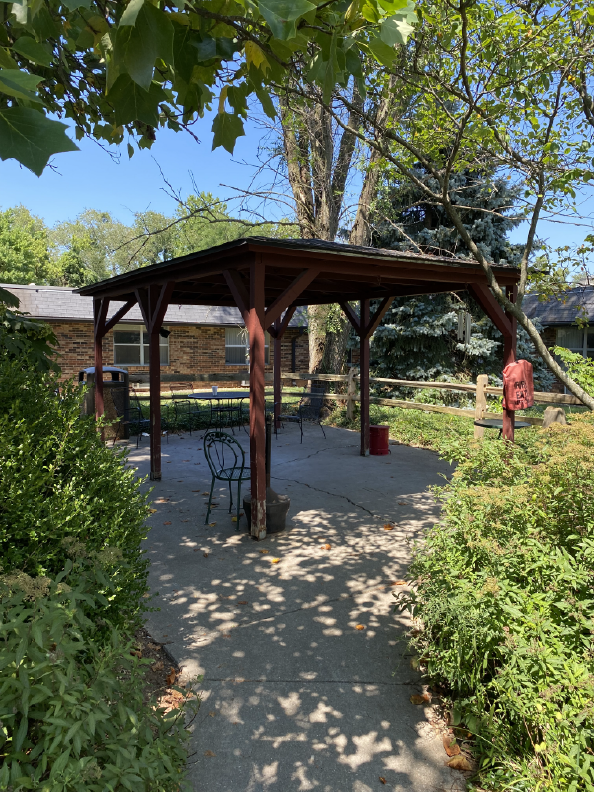
Who Owns and Operates Brickyard Healthcare - Bloomington?

BRICKYARD HEALTHCARE - BLOOMINGTON CARE CENTER is owned by a for-profit company. For-profit facilities operate as businesses with obligations to shareholders or private owners. The facility is operated by BRICKYARD HEALTHCARE, a chain that manages multiple nursing homes. With 153 certified beds and approximately 115 residents (about 75% occupancy), it is a mid-sized facility located in BLOOMINGTON, Indiana.

How Does Brickyard Healthcare - Bloomington Compare to Other Indiana Nursing Homes?

Compared to the 100 nursing homes in Indiana, BRICKYARD HEALTHCARE - BLOOMINGTON CARE CENTER's overall rating (2 stars) is below the state average of 3.1, staff turnover (46%) is near the state average of 46%, and health inspection rating (2 stars) is below the national benchmark.

What Should Families Ask When Visiting Brickyard Healthcare - Bloomington?

Based on this facility's data, families visiting should ask: "What changes have been made since the serious inspection findings, and how are you preventing similar issues?" "Can I visit during a mealtime to observe dining assistance and food quality?" "How do you handle medical emergencies, and what is your hospital transfer rate?" "Can I speak with family members of current residents about their experience?" These questions are particularly relevant given the facility's Immediate Jeopardy citations.

Is Brickyard Healthcare - Bloomington Safe?

Based on CMS inspection data, BRICKYARD HEALTHCARE - BLOOMINGTON CARE CENTER has documented safety concerns. Inspectors have issued 1 Immediate Jeopardy citation (the most serious violation level indicating risk of serious injury or death). The facility has a 2-star overall rating and ranks #100 of 100 nursing homes in Indiana. Families considering this facility should ask detailed questions about what corrective actions have been taken since these incidents.

Do Nurses at Brickyard Healthcare - Bloomington Stick Around?

BRICKYARD HEALTHCARE - BLOOMINGTON CARE CENTER has a staff turnover rate of 46%, which is about average for Indiana nursing homes (state average: 46%). Moderate turnover is common in nursing homes, but families should still ask about staff tenure and how the facility maintains care continuity when employees leave.

Was Brickyard Healthcare - Bloomington Ever Fined?

BRICKYARD HEALTHCARE - BLOOMINGTON CARE CENTER has been fined $14,020 across 1 penalty action. This is below the Indiana average of $33,219. While any fine indicates a compliance issue, fines under $50,000 are relatively common and typically reflect isolated problems that were subsequently corrected. Families should ask what specific issues led to these fines and confirm they've been resolved.

Is Brickyard Healthcare - Bloomington on Any Federal Watch List?

BRICKYARD HEALTHCARE - BLOOMINGTON CARE CENTER is not on any federal watch list. The most significant is the Special Focus Facility (SFF) program, which identifies the bottom 1% of nursing homes nationally based on persistent, serious quality problems. Not being on this list means the facility has avoided the pattern of deficiencies that triggers enhanced federal oversight. This is a positive indicator, though families should still review the facility's inspection history directly.