STONECROFT HEALTH CAMPUS
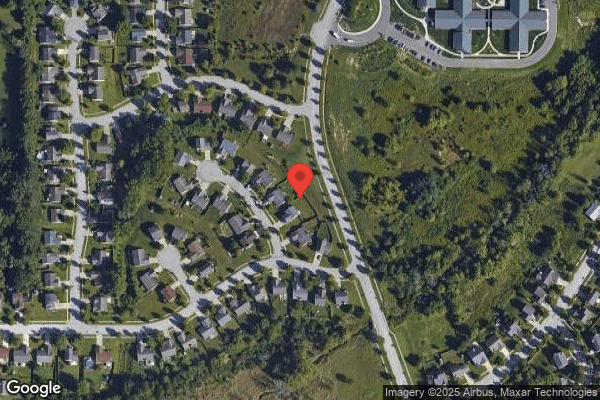

363 SOUTH FIELDSTONE BLVD, BLOOMINGTON, IN 47403 (812) 825-0551
For profit - Corporation 70 Beds TRILOGY HEALTH SERVICES Data: November 2025
Trust Grade
90/100
#98 of 505 in IN
Last Inspection: May 2025

Inspected within the last 6 months. Data reflects current conditions.

Overview

Stonecroft Health Campus in Bloomington, Indiana, has received an excellent Trust Grade of A, indicating it is highly recommended and performing well compared to other facilities. Ranked #98 out of 505 in Indiana, it sits in the top half, and is #4 out of 7 in Monroe County, meaning only three local options are better. The facility's performance has been stable over the past few years, with four issues reported in both 2023 and 2025, and no fines, which is a positive sign. Staffing is another strength, with a 4/5 rating and a turnover rate of 33%, lower than the state average, indicating that staff are experienced and familiar with the residents' needs. However, there were some concerns noted, such as failure to provide proper documentation regarding a resident's transfer and not accurately recording another resident's code status preferences, which could potentially impact their care. Overall, while the facility shows strong performance in many areas, families should be aware of these documented concerns.

Trust Score
A
90/100
In Indiana
#98/505
Top 19%
Safety Record
Low Risk
No red flags
Inspections
Holding Steady
2 → 2 violations
Staff Stability
○ Average
33% turnover. Near Indiana's 48% average. Typical for the industry.
Penalties
✓ Good
No fines on record. Clean compliance history, better than most Indiana facilities.
Skilled Nurses
✓ Good
Each resident gets 62 minutes of Registered Nurse (RN) attention daily — more than 97% of Indiana nursing homes. RNs are the most trained staff who catch health problems before they become serious.
Violations
✓ Good
Only 4 deficiencies on record. Cleaner than most facilities. Minor issues only.
★★★★★
5.0
Overall Rating
★★★★☆
4.0
Staff Levels
★★★★★
5.0
Care Quality
★★★★★
5.0
Inspection Score
Stable
2023: 2 issues
2025: 2 issues

The Good

  • 4-Star Staffing Rating · Above-average nurse staffing levels
  • 5-Star Quality Measures · Strong clinical quality outcomes
  • Full Sprinkler Coverage · Fire safety systems throughout facility
  • No fines on record
  • Staff turnover below average (33%)

    15 points below Indiana average of 48%

Facility shows strength in staffing levels, quality measures, fire safety.

The Bad

Staff Turnover: 33%

13pts below Indiana avg (46%)

Typical for the industry

Chain: TRILOGY HEALTH SERVICES

Part of a multi-facility chain

Ask about local staffing decisions and management

The Ugly 4 deficiencies on record

May 2025 2 deficiencies
CONCERN (D)

Potential for Harm - no one hurt, but risky conditions existed

Deficiency F0578 (Tag F0578)

Could have caused harm · This affected 1 resident

**NOTE- TERMS IN BRACKETS HAVE BEEN EDITED TO PROTECT CONFIDENTIALITY** Based on interview and record review, the facility failed to ensure a resident's choice of code status was documented accurately...

Read full inspector narrative →
**NOTE- TERMS IN BRACKETS HAVE BEEN EDITED TO PROTECT CONFIDENTIALITY** Based on interview and record review, the facility failed to ensure a resident's choice of code status was documented accurately for 1 of 2 residents reviewed for advanced directives. (Resident 13) Finding includes: On [DATE] at 2:34 p.m., Resident 13's clinical record was reviewed. The diagnoses included, but were not limited to, dementia, acute respiratory failure with hypoxia (condition where you don't have enough oxygen in the tissues in your body), and chronic kidney disease (condition where the kidneys are damaged and can't properly filter waste and fluid from the blood). An Out of Hospital Do Not Resuscitate declaration and order, a choice of treatment document, dated [DATE], was signed by the Resident's POA (power of attorney) and the resident's physician, the document indicated no CPR (cardiopulmonary resuscitation) to be performed. The CPR consent, dated [DATE], indicated to perform CPR while the resident was in the facility. The CPR consent was obtained by verbal phone consent of the Resident's POA and witnessed by two nurses on [DATE]. A review of the physician orders indicated the following: On [DATE] Code Status: Full Code (all possible life-saving measures taken in the event of a medical emergency, such as cardiac or respiratory arrest, including CPR). The order was discontinued on [DATE]. On [DATE]: Code Status: DNR (Do Not Resuscitate). The order was discontinued on [DATE]. On [DATE]: Code Status: DNR. The order was discontinued on [DATE]. On [DATE]: Code Status: DNR. A Social Service Comprehensive Note, dated [DATE], indicated the resident was a full code. A Social Service Comprehensive Note, dated [DATE], indicated the resident was a DNR. A Resident First Meeting Minutes Note, dated [DATE], indicated the Resident's code status remained a DNR. A Resident First Meeting Minutes Note, dated [DATE], indicated the Resident's code status remained a DNR. A Hospital History and Physical, dated [DATE], indicated the resident was a full code. No additional documentation was in the clinical record to reflect the change in advanced directive. During an interview with the DON (Director of Nursing) on [DATE] at 11:55 a.m., she indicated she was unsure why the advanced directive order was changed. The DON indicated there was no further documentation in the record that indicated a request from the POA to change the resident's advanced directive. On [DATE] at 11:45 a.m., the Administrator provided the facility's admission packet, dated [DATE]. The Administrator indicated this was the current admission packet used by the facility. The document indicated .Out of Hospital Do Not Resuscitate Declaration and Order .is used to state your wishes .The declaration may be canceled by you at any time by a signed and dated writing .or by communicated to health care providers at the scene the desire to cancel the order . On [DATE] at 1:08 p.m., the DON provided the Guidelines for DNR Order policy. The policy was dated, [DATE], the DON indicated this was a current policy used by the facility. The policy indicated, .2. A Do Not resuscitate Form shall be completed and signed .and placed in medical record .5. The interdisciplinary care planning team will review advance directives with the resident during quarterly Resident First Conference to determine if the resident wishes to make changes in such directives . 3.1-4(f)(5)
CONCERN (D)

Potential for Harm - no one hurt, but risky conditions existed

Assessment Accuracy (Tag F0641)

Could have caused harm · This affected 1 resident

Based on interview and record review, the facility failed to ensure the accuracy of the Minimum Data Set (MDS) assessment for 1 of 1 residents reviewed for Resident Assessment. (Resident 55) Findings ...

Read full inspector narrative →
Based on interview and record review, the facility failed to ensure the accuracy of the Minimum Data Set (MDS) assessment for 1 of 1 residents reviewed for Resident Assessment. (Resident 55) Findings includes: On 5/19/25 at 11:21 a.m., Resident 55's clinical record was reviewed. The diagnoses included, but were not limited to, lung cancer and lupus (disease when your body's immune system attacks your own organs and tissue). The progress notes, dated 4/18/25 at 3:01 p.m., indicated Resident 55 was discharged home with her husband. The discharge MDS assessment, dated 4/18/25, indicated Resident 55 was discharged to a short term general hospital. During an interview on 5/19/25 at 3:07 p.m., the Social Services Director (SSD) indicated Resident 55 was discharged home. During an interview on 5/20/25 at 10:52 a.m., the MDS nurse indicated Resident 55 was discharged home. The MDS was coded wrong. During an interview on 5/20/25 at 12:24 p.m., the MDS Consultant indicated they did not have a MDS coding policy. The facility followed the RAI (Resident Assessment Instrument) manual. 3.1-31(d)
Jun 2023 2 deficiencies
CONCERN (E)

Potential for Harm - no one hurt, but risky conditions existed

Transfer Notice (Tag F0623)

Could have caused harm · This affected multiple residents

5. On 6/19/23 at 10:37 a.m., Resident 41's clinical record was reviewed. The diagnoses included, but were not limited to, urinary tract infection, Parkinson's disease, and kidney failure. Resident 41...

Read full inspector narrative →
5. On 6/19/23 at 10:37 a.m., Resident 41's clinical record was reviewed. The diagnoses included, but were not limited to, urinary tract infection, Parkinson's disease, and kidney failure. Resident 41's progress note dated, 3/16/23 at 1:35 p.m., indicated he was very agitated and was slurring his speech. He was transferred to the emergency room for evaluation and treatment. The Notice of Transfer or Discharge form, dated 3/16/23, lacked documentation of a written notification of the Notice of Transfer or Discharge form was given to Resident 41 and his resident representative. During and interview on 6/20/23 at 3:10 p.m., the Director of Nursing (DON) indicated the clinical record lacked the written notifications were given to the residents or the resident representatives. On 6/21/23 at 1:50 p.m., the Administrator provided the facility policy, Guidelines for Transfer and Discharge, dated 5/3/17 and indicated this was the policy currently being used by the facility. A review of the policy lacked information of Notice of Transfer or Discharge form being given to the resident and the resident representative. 3.1-12(a)(6)(A)(i) 3.1-12(a)(6)(A)(ii) 3. On 6/16/23 at 11:15 a.m., Resident 14's clinical record was reviewed. The diagnoses included, but were not limited to, pneumonia and Parkinson's disease. The resident was transferred to the hospital on 6/10/23. There was no documentation to indicate the resident and the resident's representative were notified of the transfer in writing. 4. On 6/16/23 at 11:35 a.m., Resident 25's clinical record was reviewed. The diagnoses included, but were not limited to, urinary tract infection and pneumonia. The resident was transferred to the hospital on 5/23/23. There was no documentation to indicate the resident and the resident's representative were notified of the transfer in writing. Based on interview and record review, the facility failed to ensure the written notification required for a transfer and discharge was given to the resident and the resident representative for 5 of 5 residents reviewed for hospitalization. (Resident 4, Resident 48, Resident 14, Resident 25, Resident 41) Findings include: 1. On 6/19/23 at 11:42 a.m., Resident 4's clinical record was reviewed. The diagnosis included, but was not limited to, elevated white blood cell count. Resident 4's progress notes indicated the resident was sent to the hospital on 4/27/23. The Notice of Transfer or Discharge forms, dated 4/27/23, lacked documentation the resident and the resident's representative had been notified of the transfer in writing and provided the appeal rights information in writing including the contact information of the the Office of the State LTC (Long Term Care) Ombudsman, after the resident was sent out to the hospital. 2. On 6/19/23 at 11:17 a.m., Resident 48's clinical record was reviewed. The diagnoses included, but were not limited to, atrial fibrillation with RVR (rapid ventricular rate), pulmonary embolism (blood clot in the lung), and deep vein thrombosis and embolism (blood clot in the lower extremities). The resident's progress notes indicated he was sent to the hospital on 4/14/23. The Notice of Transfer or Discharge forms, dated 4/14/23, lacked documentation the resident and the resident's representative had been notified of the transfer in writing and provided the appeal rights information in writing including the contact information of the the Office of the State LTC (Long Term Care) Ombudsman, after the resident was sent out to the hospital.
CONCERN (E)

Potential for Harm - no one hurt, but risky conditions existed

Deficiency F0625 (Tag F0625)

Could have caused harm · This affected multiple residents

5. On 6/19/23 at 10:37 a.m., Resident 41's clinical record was reviewed. The diagnoses included, but were not limited to urinary tract infection, Parkinson's disease, and kidney failure. Resident 41'...

Read full inspector narrative →
5. On 6/19/23 at 10:37 a.m., Resident 41's clinical record was reviewed. The diagnoses included, but were not limited to urinary tract infection, Parkinson's disease, and kidney failure. Resident 41's progress note, dated 3/16/23 at 1:35 p.m., indicated he was very agitated and was slurring his speech. He was transferred to the emergency room for evaluation and treatment. The clinical record lacked documentation the facility's bed-hold policy was provided to the resident or the resident's representative. During and interview on 6/20/23 at 3:10 p.m., the Director of Nursing (DON) indicated the clinical record lacked the documentation the facility's bed-hold policy was provided to the resident or the resident's representative. On 6/21/23 at 1:50 p.m., the Administrator provided the facility policy, Guidelines for Transfer and Discharge, dated 5/3/17 and indicated this was the policy currently being used by the facility. A review of the policy indicated . c. In cases of emergency transfers, the notice of the bed-hold policy under the State plan and facility's bed-hold policy should be provided to the resident or resident's representative with 24 hours of the transfer . 3.1-12(a)(25) 3.1-12(a)(26) 3. On 6/16/23 at 11:15 a.m., Resident 14's clinical record was reviewed. The diagnoses included, but were not limited to, pneumonia and Parkinson's disease. The resident was transferred to the hospital on 6/10/23. There was no documentation to indicate the resident or the resident's representative were notified of information regarding the facility's bed-hold policy in writing. 4. On 6/16/23 at 11:35 a.m., Resident 25's clinical record was reviewed. The diagnoses included, but were not limited to, urinary tract infection and pneumonia. The resident was transferred to the hospital on 5/23/23. There was no documentation to indicate the resident or the resident's representative were notified of information regarding the facility's bed-hold policy in writing. Based on interview and record review, the facility failed to ensure the notification of the bed-hold policy required for residents who transferred to the hospital was provided in writing to the resident or the residents representative for 5 of 5 residents reviewed for hospitalization. (Resident 4, Resident 48, Resident 14, Resident 25, Resident 41). Findings include: 1. On 6/19/23 at 11:42 a.m., Resident 4's clinical record was reviewed. The diagnosis included, but was not limited to elevated white blood cell count. Resident 28's progress notes indicated the resident was sent to the hospital on 4/27/23. There was no documentation that a written notice that specified the facility's bed-hold policy was provided to the resident or the resident's representative. 2. On 6/19/23 at 11:17 a.m., Resident 48's clinical record was reviewed. The diagnoses included, but were not limited to, atrial fibrillation with RVR (rapid ventricular rate), pulmonary embolism (blood clot in the lung), and deep vein thrombosis and embolism (blood clot in the lower extremities). Resident 48's progress notes indicated the resident was sent to the hospital on 4/14/23. There was no documentation that a written notice that specified the facility's bed-hold policy was provided to the resident or the resident's representative.
Understanding Severity Codes (click to expand)
Life-Threatening (Immediate Jeopardy)
J - Isolated K - Pattern L - Widespread
Actual Harm
G - Isolated H - Pattern I - Widespread
Potential for Harm
D - Isolated E - Pattern F - Widespread
No Harm (Minor)
A - Isolated B - Pattern C - Widespread

Questions to Ask on Your Visit

  • "Can I speak with families of current residents?"
  • "What's your RN coverage like on weekends and overnight?"

Our Honest Assessment

Strengths
  • • Grade A (90/100). Above average facility, better than most options in Indiana.
  • • No major safety red flags. No abuse findings, life-threatening violations, or SFF status.
  • • No fines on record. Clean compliance history, better than most Indiana facilities.
  • • Only 4 deficiencies on record. Cleaner than most facilities. Minor issues only.
Concerns
  • • No significant concerns identified. This facility shows no red flags across CMS ratings, staff turnover, or federal penalties.
Bottom line: Generally positive indicators. Standard due diligence and a personal visit recommended.

About This Facility

What is Stonecroft Health Campus's CMS Rating?

CMS assigns STONECROFT HEALTH CAMPUS an overall rating of 5 out of 5 stars, which is considered much above average nationally. Within Indiana, this rating places the facility higher than 99% of the state's 100 nursing homes. This rating reflects solid performance across the metrics CMS uses to evaluate nursing home quality.

How is Stonecroft Health Campus Staffed?

CMS rates STONECROFT HEALTH CAMPUS's staffing level at 4 out of 5 stars, which is above average compared to other nursing homes. Staff turnover is 33%, compared to the Indiana average of 46%. This relatively stable workforce can support continuity of care.

What Have Inspectors Found at Stonecroft Health Campus?

State health inspectors documented 4 deficiencies at STONECROFT HEALTH CAMPUS during 2023 to 2025. These included: 4 with potential for harm.

Who Owns and Operates Stonecroft Health Campus?

STONECROFT HEALTH CAMPUS is owned by a for-profit company. For-profit facilities operate as businesses with obligations to shareholders or private owners. The facility is operated by TRILOGY HEALTH SERVICES, a chain that manages multiple nursing homes. With 70 certified beds and approximately 51 residents (about 73% occupancy), it is a smaller facility located in BLOOMINGTON, Indiana.
How Does Stonecroft Health Campus Compare to Other Indiana Nursing Homes?

Compared to the 100 nursing homes in Indiana, STONECROFT HEALTH CAMPUS's overall rating (5 stars) is above the state average of 3.1, staff turnover (33%) is significantly lower than the state average of 46%, and health inspection rating (5 stars) is much above the national benchmark.

What Should Families Ask When Visiting Stonecroft Health Campus?

Based on this facility's data, families visiting should ask: "Can I visit during a mealtime to observe dining assistance and food quality?" "How do you handle medical emergencies, and what is your hospital transfer rate?" "Can I speak with family members of current residents about their experience?"

Is Stonecroft Health Campus Safe?

Based on CMS inspection data, STONECROFT HEALTH CAMPUS has a clean safety record: no substantiated abuse findings (meaning no confirmed cases of resident harm), no Immediate Jeopardy citations (the most serious violation level indicating risk of serious injury or death), and is not on the Special Focus Facility watch list (a federal program monitoring the lowest-performing 1% of nursing homes). The facility has a 5-star overall rating and ranks #1 of 100 nursing homes in Indiana. While no facility is perfect, families should still ask about staff-to-resident ratios and recent inspection results during their visit.

Do Nurses at Stonecroft Health Campus Stick Around?

STONECROFT HEALTH CAMPUS has a staff turnover rate of 33%, which is about average for Indiana nursing homes (state average: 46%). Moderate turnover is common in nursing homes, but families should still ask about staff tenure and how the facility maintains care continuity when employees leave.

Was Stonecroft Health Campus Ever Fined?

STONECROFT HEALTH CAMPUS has no federal fines on record. CMS issues fines when nursing homes fail to meet care standards or don't correct problems found during inspections. The absence of fines suggests the facility has either maintained compliance or corrected any issues before penalties were assessed. This is a positive indicator, though families should still review recent inspection reports for the full picture.

Is Stonecroft Health Campus on Any Federal Watch List?

STONECROFT HEALTH CAMPUS is not on any federal watch list. The most significant is the Special Focus Facility (SFF) program, which identifies the bottom 1% of nursing homes nationally based on persistent, serious quality problems. Not being on this list means the facility has avoided the pattern of deficiencies that triggers enhanced federal oversight. This is a positive indicator, though families should still review the facility's inspection history directly.