HOOSIER HEALTH & LIVING COMMUNITY
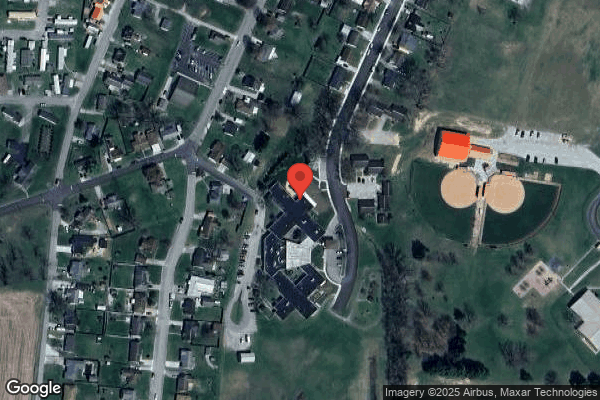
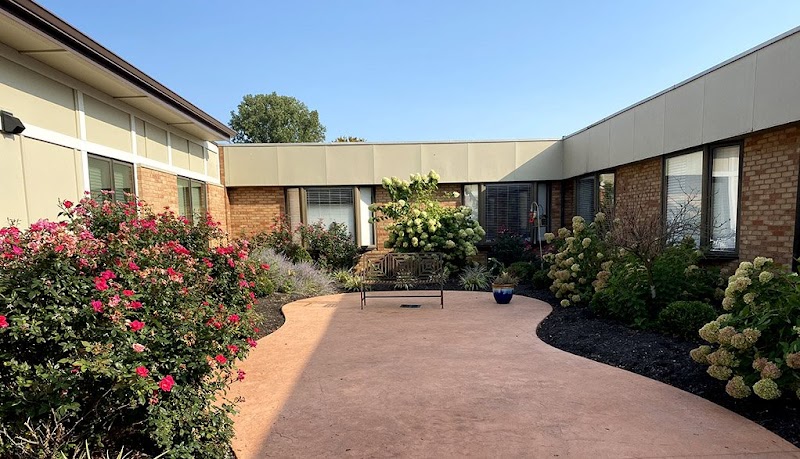
621 S SUGAR ST, BROWNSTOWN, IN 47220 (812) 358-2504
Non profit - Corporation 97 Beds CARDON & ASSOCIATES Data: November 2025
Trust Grade
60/100
#257 of 505 in IN
Last Inspection: October 2024

Within standard 12-15 month inspection cycle. Federal law requires annual inspections.

Overview

Hoosier Health & Living Community in Brownstown, Indiana has a Trust Grade of C+, indicating it is slightly above average but still has room for improvement. It ranks #257 out of 505 facilities in Indiana, placing it in the bottom half overall, and is the last-ranked facility in Jackson County. The facility is trending positively, having reduced its issues from 6 in 2024 to just 1 in 2025. Staffing is rated average with a turnover of 47%, which aligns with the state average, but there is concerningly less RN coverage than 90% of other Indiana facilities, potentially impacting resident care. While the facility has not incurred any fines, which is a positive sign, there have been some areas of concern noted during inspections. For example, a resident with a history of falls was found lying on the floor in their room, which raises questions about adherence to care plans. Additionally, water temperatures in resident rooms were observed to be excessively high, posing a risk of burns. Lastly, food storage issues were noted, including expired nutritional drinks and improper food handling practices. Overall, while there are strengths in the facility, families should weigh these concerns when considering care options.

Trust Score
C+
60/100
In Indiana
#257/505
Top 50%
Safety Record
Moderate
Needs review
Inspections
Getting Better
6 → 1 violations
Staff Stability
⚠ Watch
47% turnover. Above average. Higher turnover means staff may not know residents' routines.
Penalties
✓ Good
No fines on record. Clean compliance history, better than most Indiana facilities.
Skilled Nurses
⚠ Watch
Each resident gets only 21 minutes of Registered Nurse (RN) attention daily — below average for Indiana. Fewer RN minutes means fewer trained eyes watching for problems.
Violations
⚠ Watch
16 deficiencies on record. Higher than average. Multiple issues found across inspections.
★★★☆☆
3.0
Overall Rating
★★★☆☆
3.0
Staff Levels
★★★★☆
4.0
Care Quality
★★★☆☆
3.0
Inspection Score
Stable
2024: 6 issues
2025: 1 issues

The Good

  • 4-Star Quality Measures · Strong clinical quality outcomes
  • Full Sprinkler Coverage · Fire safety systems throughout facility
  • No fines on record

Facility shows strength in quality measures, fire safety.

The Bad

3-Star Overall Rating

Near Indiana average (3.1)

Meets federal standards, typical of most facilities

Staff Turnover: 47%

Near Indiana avg (46%)

Higher turnover may affect care consistency

Chain: CARDON & ASSOCIATES

Part of a multi-facility chain

Ask about local staffing decisions and management

The Ugly 16 deficiencies on record

1 actual harm
Apr 2025 1 deficiency
MINOR (C) 📢 Someone Reported This

A family member, employee, or ombudsman was alarmed enough to file a formal complaint

Minor Issue - procedural, no safety impact

Staffing Information (Tag F0732)

Minor procedural issue · This affected most or all residents

Based on observation and interview, the facility failed to post nurse staffing daily for 2 of 2 observations. Findings include: During an observation, on 04/24/25 at 11:12 A.M., a bulletin board by t...

Read full inspector narrative →
Based on observation and interview, the facility failed to post nurse staffing daily for 2 of 2 observations. Findings include: During an observation, on 04/24/25 at 11:12 A.M., a bulletin board by the Unit Manager's office on the 300 Hall had a daily nurse staff posting dated for 10/31/24. The bulletin board also held an Activity calendar for April. During an observation, on 04/24/25 at 1:12 P.M., a bulletin board by the Unit Manager's office on the 300 Hall had a daily nurse staff posting dated for 10/31/24. The bulletin board also held an Activity calendar for April. During an observation and interview, on 04/24/25 at 1:17 P.M., the Director of Nursing (DON) went to the bulletin board on the 300 Hall and indicated the nurse staff posting was posted there and should be changed daily by herself, the Assistant Director of Nursing, or the scheduler. During an interview, on 04/24/25 at 1:58 P.M., the DON indicated there was not a facility policy on nurse staff posting, they would just follow the regulation.
Oct 2024 6 deficiencies
CONCERN (D)

Potential for Harm - no one hurt, but risky conditions existed

Deficiency F0554 (Tag F0554)

Could have caused harm · This affected 1 resident

Based on observation, interview, and record review, the facility failed to ensure a resident that self-administered medications was appropriately assessed for self-administration for 1 of 17 residents...

Read full inspector narrative →
Based on observation, interview, and record review, the facility failed to ensure a resident that self-administered medications was appropriately assessed for self-administration for 1 of 17 residents reviewed for self administration of medications. (Resident 18) Findings include: During and observation on 10/28/24 at 10:23 A.M., Resident 18 was sitting in his recliner in his room. His over the bed table was in front of him and he was finishing his breakfast. On the left side of the table sat a bottle of severe cold and cough syrup. During an observation on 10/28/24 at 1:06 P.M., Resident 18 was sitting in his recliner in his room. His over the bed table was in front of him. On the left side of table was a bottle of severe cold and cough syrup. During an observation and interview on 10/29/24 at 9:35 A.M., Resident 18 was sitting in his recliner in his room. His over the bed table was in front of him. There was a bottle of severe cold and cough syrup sitting on the table. The resident indicated he only took the medication when he had something caught in his throat. During an interview on 10/29/24 at 11:44 A.M., RN 7 indicated if a resident self-administered medications a fax would be sent to the resident's physician to get an order to have the medication at the bedside and the resident had to be mentally competent to have them at the bedside. Resident 18 did not self-administer any medications. She was unaware the resident had any cough syrup at his bedside. She went into the resident's room and removed the cough syrup. The clinical record for the resident was reviewed on 10/28/24 at 10:33 A.M. An admission Minimum Data Set (MDS) assessment, dated 08/09/24, indicated the resident was cognitively intact. The resident's diagnoses included, but were not limited to, fractures, anemia, hypertension, atrial fibrillation, anxiety, and depression. The clinical record lacked an assessment or a physician's order for the resident to self-administer medications. The resident lacked a physician's order for cough syrup. The current facility policy titled, Self-Administration of Medications with a review date of 02/07/11, was provided by the Director of Nursing (DON) on 10/29/24 at 1:52 P.M. The policy indicated, .The interdisciplinary team is responsible for ensuring the resident is capable and all required documentation is completed .If the resident chooses to self-administer drugs, the interdisciplinary team must assess the resident's cognitive, physical, and visual abilities to carry out this responsibility .A physician's order will be obtained and recorded in the chart. The order will also include if specific medications may be stored at the resident's bedside . The current facility policy titled, Bedside Medication Storage, with an effective date of 09/01/23, was provided by the DON on 10/29/24 at 1:52 P.M. The policy indicated, .Bedside medications storage is permitted for residents who wish to self-administer medications, upon the written order of the prescriber and once self-administration skills have been assessed and deemed appropriate in the judgement of the facility's interdisciplinary resident assessment team . 3.1-11(a)
CONCERN (D)

Potential for Harm - no one hurt, but risky conditions existed

Respiratory Care (Tag F0695)

Could have caused harm · This affected 1 resident

Based on observation, interview, and record review, the facility failed to maintain oxygen therapy equipment in a clean and safe manner and assess a resident during breathing treatments for 1 of 2 res...

Read full inspector narrative →
Based on observation, interview, and record review, the facility failed to maintain oxygen therapy equipment in a clean and safe manner and assess a resident during breathing treatments for 1 of 2 residents reviewed for oxygen therapy. (Resident 69) Findings include: During an observation and interview on 10/24/24 at 1:07 P.M., Resident 69 had a breathing treatment nebulizer machine sitting on her nightstand. The face mask was attached to the side of the machine and open to air. The face mask and the attached tubing were not dated as to when the equipment was put into use. No plastic bag or other breathing treatment equipment was visible in the general vicinity. The resident indicated they received breathing treatments for Chronic Obstructive Pulmonary Disease (COPD). During an observation on 10/28/24 at 10:17 A.M., the breathing treatment nebulizer machine was sitting on the resident's nightstand. The face mask was attached to the side of the machine and open to air. The face mask and the attached tubing were not dated as to when the equipment was put into use. No plastic bag or other breathing treatment equipment was visible in the general vicinity. A small amount of fluid was visible in the reservoir of the breathing treatment apparatus. During an observation and interview on 10/28/24 at 3:17 P.M., the breathing treatment nebulizer machine was sitting on the resident's nightstand. The face mask was attached to the side of the machine and open to air. The face mask and the attached tubing were not dated as to when the equipment was put into use. No plastic bag or other breathing treatment equipment was visible in the general vicinity. A small amount of fluid was visible in the reservoir of the breathing treatment apparatus. The resident indicated there was no plastic bag and the staff did not use a bag for her equipment. She had not been on an antibiotic recently, but she did have COPD. During an observation and interview on 10/28/24 at 3:19 P.M., the Assistant Director of Nursing (ADON), while looking at the resident's uncovered breathing treatment nebulizer machine with undated tubing and mask, indicated oxygen tubing was changed every Sunday night. There was usually a plastic bag on top of the mask. The residents had a physician's order to have the mask and tubing changed on the Electronic Medication Administration Record/Electronic Treatment Administration Record (EMAR/ETAR). The staff dated the equipment with a marker when it was put into use, including the tubing, the mask, and the plastic bag. During an interview on 10/28/24 at 3:33 P.M., Qualified Medication Aide (QMA) 9 indicated oxygen tubing was changed weekly. The clinical record was reviewed on 10/25/24 at 1:50 P.M. A Quarterly Minimum Data Set (MDS) assessment, dated 09/11/24, indicated the resident was cognitively intact. The resident's diagnoses included, but were not limited to, anxiety and COPD. The EMAR/ETAR for September and October 2024, were provided by the Director of Nursing (DON) on 10/29/24 at 10:59 A.M. The records lacked a physician's order to change the resident's breathing treatment equipment. The records included, but were not limited to, the following current physician's order: - Albuterol Sulfate Nebulization Solution, 3 milliliters, inhale orally via nebulizer two times a day related to COPD, with a start date of 06/27/24. The duration of the treatment in minutes, the resident's pulse, number of respirations, and oxygen saturation values were to be documented with each treatment. The records lacked documentation of the values on the following dates: - September 1, through September 30, 2024 (no values were documented for the entire month of September), and - October 1, through October 27, 2024. The Progress Notes for September and October 2024, were provided by the DON on 10/29/24 at 10:59 A.M. The records lacked any indication the resident's breathing treatment equipment had been change or that the resident had been monitored during their breathing treatments. During an interview on 10/29/24 at 2:13 P.M., QMA 6 indicated the vital signs should be taken at the time of the medication administration. The current Oxygen Administration policy, with a reviewed date of 12/21/11, was provided by the Administrator on 10/29/24 at 3:39 P.M. The policy indicated, .Tubing must be changed weekly and must be labeled with date and initials of the individual who changed the tubing . The current Nebulizer policy, with a revised date of 12/21/11, was provided by the DON on 10/29/24 at 10:59 A.M. The policy indicated, .nursing staff will administer and monitor the effectiveness of nebulizer treatments as ordered by the resident's physician .Auscultate lung sounds and assess respiratory rate .assess heart rate . 3.1-47(a)(6)
CONCERN (D)

Potential for Harm - no one hurt, but risky conditions existed

Deficiency F0700 (Tag F0700)

Could have caused harm · This affected 1 resident

Based on observation, interview, and record review, the facility failed to assess a resident for bedrails for 1 of 1 resident reviewed for bedrails. (Resident 78) Findings include: During an observati...

Read full inspector narrative →
Based on observation, interview, and record review, the facility failed to assess a resident for bedrails for 1 of 1 resident reviewed for bedrails. (Resident 78) Findings include: During an observation on 10/24/24 at 12:54 P.M., Resident 78 had a half bedrail up on the side of her bed. During an observation on 10/28/24 at 10:15 A.M., Resident 78 was sitting in a chair in her room. There were half bedrails in place on both sides of the resident's bed. During an observation on 10/28/24 at 1:16 P.M., Resident 78 was sitting in a chair in her room. There were half bedrails in place on both sides of the resident's bed. During an observation on 10/29/24 at 9:40 A.M., Resident 78 was sitting in a chair in her room. There were half bedrails in place on both sides of the resident's bed. During an observation and interview on 10/29/24 at 2:13 P.M., Certified Nurse Aide (CNA) 8 indicated the resident had half bed rails on both sides of her bed. During an interview on 10/29/24 at 2:16 P.M., the Assistant Director of Nursing (ADON) indicated if a resident had an enabler bar on their bed, then they should have a physician's order for the bar. The clinical record for the resident was reviewed on 10/28/24 at 2:32 P.M. A Quarterly Minimum Data Set (MDS) assessment, dated 09/19/24, indicated the resident was severely cognitively impaired. The resident's diagnoses included, but were not limited to, unspecified dementia, hypertension, anxiety. The resident had used a bedrail less than daily. The clinical record lacked a physician's order for bedrails or an assessment for bedrails prior to 10/29/24. During an interview on 10/29/24 at 3:40 P.M., the ADON indicated the resident should have had an order and an assessment prior to the bedrails being placed on her bed. During an interview on 10/29/24 at 3:57 P.M., the Maintenance Director indicated the nurses would let him know when a resident had an order for bedrails to be on their bed and then he would put them on. He was unsure when Resident 78's bedrails were placed on her bed. They were not placed that day. He would inspect resident bedrails once a month. The current facility policy titled, Use of Rails (Side Rails, Bed Rails, Grab Bars, Assist Bars) with a revision date of 12/12/17, was provided by the Director of Nursing (DON) on 10/30/24 at 9:41 A.M. The policy indicated, .After proper assessment, side rails/bed rails/grab bars/assist bars may be used .If alternatives were considered but deemed inappropriate to attempt for a resident, the resident will be assessed for rail use .A physician order will be obtained for the type of rail(s) to be utilized and when the rail is to be utilized (i.e. when in bed) . 3.1-45(2)
CONCERN (D)

Potential for Harm - no one hurt, but risky conditions existed

Deficiency F0757 (Tag F0757)

Could have caused harm · This affected 1 resident

Based on record review and interview, the facility failed to follow physician's orders related to hold parameters and gave medications without adequate need for use for 2 of 5 residents reviewed for u...

Read full inspector narrative →
Based on record review and interview, the facility failed to follow physician's orders related to hold parameters and gave medications without adequate need for use for 2 of 5 residents reviewed for unnecessary medications. (Residents 18 and 5) Findings include: 1. The clinical record for Resident 18 was reviewed on 10/28/24 at 10:33 A.M. An admission Minimum Data Set (MDS) assessment, dated 08/09/24, indicated the resident was cognitively intact. The resident's diagnoses included, but were not limited to, fractures, anemia, hypertension, atrial fibrillation, anxiety, and depression. A current physician's order, dated 09/07/24, indicated the resident was to be administered Digoxin 125 (micrograms) MCG, once a day for atrial fibrillation. The staff were to hold the medication if the resident's heart rate was less than 60. The September and October 2024, Electronic Medication Administration Record/Electronic Treatment Administration Record (EMAR/ETAR) indicated the resident had received the medication on the following dates when the heart rate was less than 60: - 09/08/24, when the heart rate was 49, - 09/17/24, when the heart rate was 58, - 09/25/24, when the heart rate was 51, - 10/08/24, when the heart rate was 56, - 10/15/24, when the heart rate was 56, and - 10/18/24, when the heart rate was 51. 2. The clinical record for Resident 5 was reviewed on 10/25/24 at 12:56 P.M. A Quarterly MDS assessment, dated 07/23/24, indicated the resident was moderately cognitively impaired. The resident's diagnoses included, but were not limited to, diabetes, end stage renal disease, and hypertension. An open-ended physician's order, with a start date of 08/22/24, indicated the resident was to take Midodrine (a blood pressure medication) 5 milligrams three times a day. The staff were to hold the medication if the resident's systolic blood pressure (top number) was greater than 105. The August and September 2024 EMAR indicated the resident received the medication on the following dates and times when the systolic blood pressure was greater than 105: - 08/23/24 at 8:00 A.M., when the blood pressure was 114/56, - 08/24/24 at 4:00 P.M. when the blood pressure was 109/60, - 08/25/24 at 8:00 A.M. when the blood pressure was 138/64, - 08/25/24 at 12:00 P.M. when the blood pressure was 107/58, - 08/26/24 at 8:00 A.M. when the blood pressure was 119/55, - 08/27/24 at 8:00 A.M. when the blood pressure was 112/58, - 08/27/24 at 12:00 P.M. when the blood pressure was 138/64, - 08/27/24 at 4:00 P.M. when the blood pressure was 138/64, - 08/29/24 at 8:00 A.M. when the blood pressure was 120/51 - 08/30/24 at 12:00 P.M. when the blood pressure was 112/74, - 09/06/24 at 4:00 P.M. when the blood pressure was 110/65. - 09/07/24 at 4:00 P.M. when the blood pressure was 128/62, - 09/13 24 at 4:00 P.M. when the blood pressure was 117/51, - 09/16/24 at 8:00 A.M. when the blood pressure was 147/68, - 09/16/24 at 12:00 P.M. when the blood pressure was 135/65, - 09/16/24 at 4:00 P.M. when the blood pressure was 110/65, - 09/19/24 at 8:00 A.M. when the blood pressure was 116/63, - 09/20/24 at 4:00 P.M. when the blood pressure was 118/60, - 09/21/24 at 4:00 P.M. when the blood pressure was 116/56, - 09/24/24 at 8:00 A.M. when the blood pressure was 121/57, - 09/24/24 at 12:00 P.M. when the blood pressure was 115/56, and - 09/28/24 at 12:00 P.M. when the blood pressure was 116/53. During an interview on 10/29/24 at 2:13 P.M., Qualified Medication Aide (QMA) 6 indicated she would obtain residents vital signs at the time she was going to administer the medications. If the vital sign was outside of the parameter per the physician order, then she wouldn't administer the medication. If there was a check on the EMAR/ETAR then that meant the resident was given the medication. The current facility policy titled, MEDICATION ADMINISTRATION-GENERAL GUIDELINES with an effective date of September 01, 2023, was provided by the Director of Nursing (DON) on 10/29/24 at 4:01 P.M. The policy indicated .Medications are administered in accordance with written orders of the prescriber . 3.1-48(a)(3)
CONCERN (D)

Potential for Harm - no one hurt, but risky conditions existed

Medical Records (Tag F0842)

Could have caused harm · This affected 1 resident

Based on observation, interview, and record review, the facility failed to ensure resident skin assessments accurately reflected the condition of a resident's skin/nails for 1 of 2 residents reviewed ...

Read full inspector narrative →
Based on observation, interview, and record review, the facility failed to ensure resident skin assessments accurately reflected the condition of a resident's skin/nails for 1 of 2 residents reviewed for skin conditions. (Resident 80). Findings include: On 10/29/24 at 10:46 A.M., Resident 80's bare feet were observed. The resident's toenails were long. The toenails on the resident's big toes were thick, yellow, and curved in on the sides. The skin under the third toe on the resident's right foot was black in color under the toenail. The toenail appeared raised from the nail bed but was attached to the skin. The resident's toes were observed with the Director of Nursing (DON) on 10/29/24 at 3:19 P.M. The DON indicated the resident's toe was black and it looked like the nail was coming off. The nails were pretty thick. Nursing staff would normally document a skin condition in the resident's record. The weekly skin assessments included a place to document on the resident's toes and toenails. During an interview on 10/29/24 at 3:44 P.M., Certified Nurse Aide (CNA) 2 indicated the resident had been treated for a wound on her bottom but it had healed. She gave the resident a bed bath yesterday and didn't see any skin impairments. She did have an area on one of her toes that looked like the toe had been caught on something. The toe was discolored. The resident moved to this unit of the facility at the beginning of this month and the toe looked like that when the resident came to the unit. If she identified a skin impairment, she would go straight to the charge nurse and tell them. She thought the nurses knew about the resident's toe. During an interview on 10/30/24 at 11:38 A.M., Licensed Practical Nurse (LPN) 3 indicated she was familiar with the resident and cared for her routinely until she moved to another unit in the beginning of October. There were no wounds on the resident's feet that she could recall, and no injuries to the resident's toes. She was not sure how the resident would have injured her toe. She was dependent for all care and the staff used a mechanical lift to transfer her. During an interview on 10/30/24 at 1:36 P.M., CNA 4 indicated she routinely cared for the resident until she moved to another unit at the beginning of October. She had trimmed and filed the resident's nails before. She would notify the nurse if there was a skin issue. The resident's toe was discolored. She had not seen an open area, but she would consider the condition of the toe to be a skin impairment. They were supposed to document skin impairments in the resident's record. She had told a few nurses about the toenail. She was not sure when she first saw the skin impairment, who she told, or when she told them. She was not sure if there was any documentation about the toenail. The resident's clinical record was reviewed on 10/29/24 at 2:41 P.M. An admission Minimum Data Set (MDS) assessment, dated 07/29/24, indicated the resident was severely cognitively impaired. The resident's diagnoses included, but were not limited to, stroke, hemiplegia, hypertension, and aphasia. The resident was impaired on one side of their upper and lower extremities and used a wheelchair. The resident required substantial to maximal staff assistance with eating and was dependent on staff for all other Activities of Daily Living (ADLs). A Progress Note, dated 10/29/2024 at 6:04 P.M., indicated the nurse was notified about a discoloration to the third toe on the right foot. The area under the third toenail was black in color but did not appear to be causing any pain or discomfort. The toenails were very thick and long. The nurse completed the assessment and updated the physician and the family of the new area. They updated the Social Services Director on the need for a podiatry visit if consent was in place. The resident's clinical record lacked documentation of an identified skin impairment prior to the progress note dated 10/29/24. During an interview on 10/29/24 at 3:27 P.M., the Administrator indicated residents were offered ancillary services, including podiatry services, on admission. Additionally, ancillary services were discussed during quarterly Care Plan meetings and on an as needed basis. The podiatrist was in the building at least monthly and would come sooner if there was an urgent need. The resident's family declined podiatry services when the resident was admitted to the facility in July of 2024. She spoke to the family, and they now wanted podiatry services. The current facility policy, titled Skin Check Policy, effective 02/23/21, was provided by the DON on 10/30/24 at 2:42 P.M. The policy indicated, .Complete the head to toe assessment weekly as scheduled or when deemed necessary .Examine status of toenails and fingernails .Document the findings . 3.1-50(a)(2)
CONCERN (E)

Potential for Harm - no one hurt, but risky conditions existed

Safe Environment (Tag F0921)

Could have caused harm · This affected multiple residents

**NOTE- TERMS IN BRACKETS HAVE BEEN EDITED TO PROTECT CONFIDENTIALITY** 3. During an observation on 10/24/24 the following water temperatures were observed using a probe thermometer: - At 12:29 P.M., ...

Read full inspector narrative →
**NOTE- TERMS IN BRACKETS HAVE BEEN EDITED TO PROTECT CONFIDENTIALITY** 3. During an observation on 10/24/24 the following water temperatures were observed using a probe thermometer: - At 12:29 P.M., Resident room [ROOM NUMBER], the water temperature was 122.9 degrees Fahrenheit, - At 12:30 P.M., Resident room [ROOM NUMBER], the water temperature was 122.0 degrees Fahrenheit, - At 12:32 P.M., Resident room [ROOM NUMBER], the water temperature was 121.0 degrees Fahrenheit, the resident indicated the water would get pretty warm, - At 12:37 P.M., Resident room [ROOM NUMBER], the water temperature was 122.7 degrees Fahrenheit, - At 12:39 P.M., Resident room [ROOM NUMBER], the water temperature was 122.9, degrees Fahrenheit, and - At 12:41 P.M., Resident room [ROOM NUMBER], the water temperature was 122.7 degrees Fahrenheit. During an observation on 10/24/24 the following water temperatures were observed with the Maintenance Director: - At 1:14 P.M., Resident room [ROOM NUMBER], the water temperature was 122.5 degrees Fahrenheit, - At 1:16 P.M., Resident room [ROOM NUMBER], the water temperature was 119.5 degrees Fahrenheit, - At 1:23 P.M., Resident room [ROOM NUMBER], the water temperature was 122.5 degrees Fahrenheit, - At 1:23 P.M., Resident room [ROOM NUMBER], the water temperature was 120.5 degrees Fahrenheit, and - At 1:24 P.M., Resident room [ROOM NUMBER], the water temperature was 121.0 degrees Fahrenheit. During an interview on 10/24/24 at 1:09 P.M., the Maintenance Director indicated he would try to keep the hot water temperatures between 120 to 125 degrees Fahrenheit. During an interview on 10/24/24 at 2:18 P.M., the Maintenance Director indicated he had turned the water heater down and was flushing the tanks at that time. The current facility policy titled, Water Temperature Inspection with a review date of 03/02/22, was provided by the Administrator on 10/24/24 at 2:18 P.M. The policy indicated, .Hot water in resident area will range from 100-120 degrees Fahrenheit . 3.1-19(r)(1) 3.1-19(r)(2) Based on interview, observation, and record review, the facility failed to provide safe water temperatures for 10 of 18 resident rooms observed. (Rooms 114, 141, 142, 143, 310, 324, 325, 329, 330, and 343) Findings include: 1. During an interview and observation in Resident room [ROOM NUMBER] on 10/24/24 at 12:20 P.M., The resident indicated the water in his bathroom got hot. You couldn't keep your hand under it for very long. The water in the resident's bathroom sink was felt and found to be hot. The water stream was too hot to keep a hand under the water flow without discomfort. The water temperature was tested with a probe thermometer and was found to be 126.5 degrees Fahrenheit. The resident indicated he had not been burned by the water. On 10/24/24 at 12:49 P.M., the water in the Resident Room next door to room [ROOM NUMBER] (room [ROOM NUMBER]) was checked with a probe thermometer and the water temperature was found to be 126.9 degrees Fahrenheit. The following water temperatures were observed on 10/24/24, with the Maintenance Director using the facility's probe thermometer: - At 1:04 P.M., Resident room [ROOM NUMBER] the water temperature was 126.5 degrees Fahrenheit, - At 1:06 P.M., Resident room [ROOM NUMBER] the water temperature was 125.3 degrees Fahrenheit, - At 1:07 P.M., Resident room [ROOM NUMBER] the water temperature was 124.5 degrees Fahrenheit, and - At 1:10 P.M., Resident room [ROOM NUMBER] the water temperature was 122.7 degrees Fahrenheit. During an interview on 10/24/24 at 1:33 P.M., the Maintenance Director indicated he did random checks of the water temperatures in the resident rooms, but he did not document the actual temperatures of the water from the individual sinks. He documented the temperature reading he obtained from the water heater gauge in his office. The water heater temperature reading was 120 degrees Fahrenheit. 2. On 10/24/24, the following water temperatures were checked using a probe thermometer: - At 12:52 P.M., Resident room [ROOM NUMBER] the water temperature was 125.2 degrees Fahrenheit, and - At 12:54 P.M., Resident room [ROOM NUMBER] the water temperature was 124 degrees Fahrenheit. Resident 69, who resided in the room, was able to get up and use the bathroom on their own. They indicated they had not been burned by the water. During an interview on 10/24/24 at 1:35 P.M., the Administrator indicated if they had a policy related to water temperatures in resident rooms, it probably stated the state regulation of between 100 degrees and 120 degrees Fahrenheit. During an interview on 10/24/24 at 2:17 P.M., the Administrator indicated the staff had rounded with the residents and no residents had any concerns related to the hot water. The Maintenance Director indicated he had turned down the water temperature and was running water at the farthest ends of the building to flush out the lines.
Aug 2023 3 deficiencies
CONCERN (D)

Potential for Harm - no one hurt, but risky conditions existed

Incontinence Care (Tag F0690)

Could have caused harm · This affected 1 resident

2. Resident 88's clinical record was reviewed on 08/28/23 at 11:45 A.M. A Quarterly MDS assessment, dated 07/11/23, indicated the resident was severely cognitively impaired. The diagnoses included, bu...

Read full inspector narrative →
2. Resident 88's clinical record was reviewed on 08/28/23 at 11:45 A.M. A Quarterly MDS assessment, dated 07/11/23, indicated the resident was severely cognitively impaired. The diagnoses included, but were not limited to, stroke, hemiplegia following stroke, hypertension, obstructive uropathy, and non-Alzheimer's dementia. The resident had an indwelling urinary catheter. A progress note, dated 07/17/23 at 5:56 A.M., indicated the resident had a change in condition. The resident had experienced increased restlessness and yelling out. The resident's urine had a foul odor and was amber in color. A progress note, dated 07/17/23 at 2:28 P.M., indicated the resident's urine had been obtained and the sample was available for the courier to pick up. A progress note, dated 07/19/23 at 4:46 A.M., indicated the initial urinalysis results were received. The C&S (Culture and Sensitivity results that determine the appropriate antibiotic to use for the infection) were not available yet. A progress note, dated 07/24/23 at 9:35 A.M., indicated the MD responded to the final C&S results with an order for Ciprofloxacin (an antibiotic) 250 mg by mouth twice a day for five days and an order for a probiotic by mouth three times a day for 10 days. The resident's July EMAR (Electronic Medication Administration Record) indicated the resident received the first dose of the antibiotic on 07/24/23 at 8:00 P.M. The ADON (Assistant Director of Nursing) provided the laboratory report for the resident's urinalysis and C&S on 08/30/23 at 10:56 A.M. The report indicated the urine sample was received by the lab on Monday, July 17, at 6:45 P.M. The final urine culture and sensitivity was verified on Thursday, July 20, at 11:32 A.M. During an interview on 08/28/23 at 3:01 P.M., LPN (Licensed Practical Nurse) 2 indicated nursing staff would obtain a urine sample and a courier would pick it up and take it to the lab. If a C&S of the sample was indicated, the lab would fax the results to the facility once it was completed. A C&S usually took three days. The nurses could contact the lab if they were waiting on the results. Once the nurse received the results, they would notify the MD. The MD would order an antibiotic if one was indicated. Nursing staff would usually receive a reply from the MD the same day, especially if they notified the MD of the results during normal business hours. If they received an order to start an antibiotic during the day, the resident could usually begin the antibiotic that same evening, if that was what the MD wanted. If it was a common antibiotic, they could pull it from the EDK (Emergency Drug Kit). If it wasn't available in the facility, the pharmacy could send it with that evening's pharmacy delivery. During an interview on 08/30/23 at 10:12 A.M., the local hospital lab technician indicated they received the resident's urine sample on 07/17/23. The sample met criteria for a C&S. The C&S results were complete on 07/20/23 and faxed to two different numbers at the facility on 07/20/23 at 12:02 P.M. The results were faxed again on 07/23/23, likely at the facility's request. During an interview on 08/30/23 at 11:08 A.M., The DON indicated they did not have a facility policy related to urinalysis and C&S timeframes. The current facility policy, titled Laboratory Services and Reporting Policy, with a revision date of 12/12/17, was provided by the ADON on 08/30/23 at 10:56 A.M. The policy indicated, .The facility is responsible for the timeliness of services .promptly notify .of laboratory results that fall outside the clinical reference range . 3.1-41(a)(2) Based on observation, interview, and record review, the facility failed to follow appropriate infection control guidelines related to indwelling urinary catheter care and to administer antibiotics in a timely manner for 2 of 4 residents reviewed for Urinary Catheters and Urinary Tract Infections. (Residents 32 and 88) Findings include: 1. Resident 32 was observed on 08/25/23 at 10:49 A.M. He was in his room sitting in a recliner with his feet propped up. He indicated he was getting an antibiotic for a UTI (urinary tract infection) thru his PICC (Peripherally Inserted Central Catheter) line. He had just gotten the PICC line the day before. A plastic ball was attached to his PICC line, and he indicated it contained his antibiotic. His indwelling urinary catheter bag was hanging from the metal that suspended his footrest on his recliner. Over an inch of the bag was laying flat against the floor. During an interview on 08/29/23 at 2:35 P.M., RN 5 indicated the resident was unable to move himself except from the neck up. He required total assistance from staff members with everything including transfers, eating, and toileting. During an interview on 08/30/23 at 2:42 P.M., CNA (Certified Nurse Aide) 4 indicated the urinary catheter drainage bag should not be touching the floor, if it was, they were to make sure there was a bath basin underneath the catheter bag. A Quarterly MDS (Minimum Data Set) assessment, dated 07/07/23, indicated the resident was cognitively intact. The diagnoses included, but were not limited to Multiple Sclerosis, neurogenic bladder, and depression. The Progress Note, dated 08/22/23 at 8:55 A.M., indicated the resident's POA (Power of Attorney) informed the nurse the resident was not acting right, was slightly lethargic, slow to answer questions, and more sleepy than usual. The resident's vital signs were assessed. The resident's temperature was 97.3 degrees, the pulse 103 beats per minute, and the blood pressure was 141/101. The POA requested the resident be sent to the ER (Emergency Room). The Physician's order, dated 02/28/23, indicated the resident was prescribed Cefuroxime Axetil, 500 mg (milligrams) by mouth, two times a day. (antibiotic for a UTI) The Physician's order, dated 03/22/23, indicated the resident was prescribed Levofloxacin, 250 mg by mouth, one time a day for 10 days. (antibiotic for a UTI) The Physician's order, dated 08/22/23, Zosyn, 3.375 grams intravenously, four times a day for 10 days. (antibiotic for a UTI) The current Incontinence and Catheter Management policy, with a revised date of 09/27/21, was provided by the Administrator on 08/30/23 at 3:33 P.M. The policy indicated, .ensure/provide .catheter care .to prevent urinary tract infections .
CONCERN (D)

Potential for Harm - no one hurt, but risky conditions existed

Deficiency F0757 (Tag F0757)

Could have caused harm · This affected 1 resident

Based on observation, record review, and interview, the facility failed to follow a physician's order related to blood pressure medication parameters for 1 of 6 residents reviewed for unnecessary medi...

Read full inspector narrative →
Based on observation, record review, and interview, the facility failed to follow a physician's order related to blood pressure medication parameters for 1 of 6 residents reviewed for unnecessary medications. (Resident 37) Findings include: During and observation and interview on 08/28/23 at 9:17 A.M., Resident 37 was sitting in a wheelchair outside of his room. The resident was awake. The clinical record for the resident was reviewed on 08/29/23 at 2:38 P.M. A Quarterly MDS (Minimum Data Set) assessment, dated 08/03/23, indicated the resident was cognitively intact. The diagnoses included, but were not limited to, unspecified convulsions, hypertension, and depression. A current physician order, with a start date of 06/01/21, indicated the resident was to receive Clonidine 0.3 mg (milligrams), twice a day. The medication was to be held if the systolic (top number) blood pressure was less than 120. The January through August 2023 EMAR (Electronic Medication Administration Record) indicated the resident had received the medication on the following dates and times when the systolic blood pressure was less than 120: - 01/01/23 at 4:00 P.M., the blood pressure was 116/53, - 01/03/23 at 4:00 P.M., the blood pressure was 107/70, - 01/06/23 at 8:00 A.M., the blood pressure was 100/64, - 01/09/23 at 4:00 P.M., the blood pressure was 118/64, - 01/13/23 at 4:00 P.M., the blood pressure was 118/74, - 01/14/23 at 4:00 P.M., the blood pressure was 108/58, - 01/24/23 at 4:00 P.M., the blood pressure was 104/64, - 01/26/23 at 8:00 A.M., the blood pressure was 93/61, - 01/27/23 at 8:00 A.M., the blood pressure was 114/62, - 01/30/23 at 8:00 A.M., the blood pressure was 115/68, - 01/31/23 at 8:00 A.M., the blood pressure was 114/78, - 02/01/23 at 8:00 A.M., the blood pressure was 104/58, - 02/02/23 at 4:00 P.M., the blood pressure was 118/58, - 02/05/23 at 8:00 A.M., the blood pressure was 109/64, - 02/09/23 at 8:00 A.M., the blood pressure was 111/70, - 02/14/23 at 8:00 A.M., the blood pressure was 100/64, - 02/20/23 at 8:00 A.M., the blood pressure was 104/67, - 02/24/23 at 8:00 A.M., the blood pressure was 110/73, - 02/24/23 at 4:00 P.M., the blood pressure was 118/64, - 03/01/23 at 4:00 P.M., the blood pressure was 79/49, - 03/25/23 at 4:00 P.M., the blood pressure was 118/60, - 03/26/23 at 4:00 P.M., the blood pressure was 118/63, - 04/04/23 at 4:00 P.M., the blood pressure was 118/60, - 04/08/23 at 4:00 P.M., the blood pressure was 118/60, - 04/15/23 at 8:00 A.M., the blood pressure was 108/60, - 04/17/23 at 4:00 P.M., the blood pressure was 93/63, - 05/10/23 at 4:00 P.M., the blood pressure was 116/76, - 05/22/23 at 8:00 A.M., the blood pressure was 98/56, - 06/02/23 at 4:00 P.M., the blood pressure was 118/64, - 06/08/23 at 4:00 P.M., the blood pressure was 108/74, - 07/26/23 at 4:00 P.M., the blood pressure was 106/66, - 07/29/23 at 4:00 P.M., the blood pressure was 118/64, - 08/10/23 at 4:00 P.M., the blood pressure was 105/58, - 08/25/23 at 8:00 A.M., the blood pressure was 114/70, and - 08/29/23 at 4:00 P.M., the blood pressure was 113/61. During an interview on 08/30/23 at 10:36 A.M., RN 3 indicated the resident had hold parameters for his clonidine medication. She would obtain the blood pressure before administering the medication. If the blood pressure was out of the parameter she would not give the medication and document in the EMAR that the medication was held. The EMAR would give them a number to input if the medication was to be held. If the medication was given it would have a check on the EMAR. The current facility policy titled, Medication Administration-General Guidelines, dated 12/01/14, was provided by the DON (Director of Nursing) on 08/30/23 at 2:14 P.M. The policy indicated, .Medications are administered in accordance with written orders of the prescriber . 3.1-48(a)(3)
CONCERN (D)

Potential for Harm - no one hurt, but risky conditions existed

Laboratory Services (Tag F0770)

Could have caused harm · This affected 1 resident

Based on interview and record review, the facility failed to follow the physician's orders to obtain blood tests for 1 of 11 residents reviewed for laboratory services. (Resident 83) Findings include:...

Read full inspector narrative →
Based on interview and record review, the facility failed to follow the physician's orders to obtain blood tests for 1 of 11 residents reviewed for laboratory services. (Resident 83) Findings include: Resident 83's clinical record was reviewed on 08/28/23 at 1:30 P.M. A Quarterly MDS (Minimum Data Set) assessment, dated 06/01/23, indicated the resident was severely cognitively impaired. The diagnoses included, but were not limited to, CAD (coronary artery disease), hypertension, non-Alzheimer's dementia, and diabetes. A General Communication Form, dated 03/21/23, indicated the resident had experienced an 11 pound weight gain in one week. The resident's lungs sounded clear, but their bilateral lower extremities were moderately swollen. A provider response, dated 03/22/23, indicated nursing staff were to obtain a chest x-ray, increase the resident's Lasix (a diuretic medication), and obtain the following blood tests on the next lab day: - A CBC (Complete Blood Count), - A BMP (Basic Metabolic Panel), - An A1C (Glycated Hemoglobin Test), - A Vitamin D level, and - A BNP (B-Type Natriuretic Peptide level). Another BMP was to be drawn in one week. A progress note, dated 3/22/2023 at 2:17 P.M., indicated the NP (Nurse Practitioner) was in the facility and added new orders. The resident's family was updated, and the lab requisition was faxed. The resident's clinical record lacked documentation of blood tests obtained until 9 days later on 03/31/23. During an interview on 08/28/23 at 3:01 P.M., LPN (Licensed Practical Nurse) 2 indicated nursing staff would send a fax to the local hospital when there was an MD order to obtain labs. The hospital would send lab technicians to draw labs on Mondays, Wednesdays, and Fridays. If a lab needed to be obtained on a day when the lab techs weren't coming, the nurses in the facility would obtain the labs themselves. The hospital also had couriers that came in the facility every day to pick up any samples that needed to go to the lab. During an interview on 08/28/23 at 2:36 P.M., the ADON (Assistant Director of Nursing) indicated the labs were drawn on 03/31/23. They should have been drawn the next lab day after they were ordered on 03/22/23 and they were not. The current facility policy, titled Laboratory Services and Reporting Policy, with a revision date of 12/12/17, was provided by the ADON on 08/30/23 at 10:56 A.M. The policy indicated, .The facility is responsible for the timeliness of services . 3.1-49(a)
Mar 2023 1 deficiency
CONCERN (D) 📢 Someone Reported This

A family member, employee, or ombudsman was alarmed enough to file a formal complaint

Potential for Harm - no one hurt, but risky conditions existed

Deficiency F0744 (Tag F0744)

Could have caused harm · This affected 1 resident

Based on record review, observation, and interview, the facility failed to provide dementia services for 1 of 2 residents reviewed for dementia care. (Resident C) Findings include: The clinical record...

Read full inspector narrative →
Based on record review, observation, and interview, the facility failed to provide dementia services for 1 of 2 residents reviewed for dementia care. (Resident C) Findings include: The clinical record for Resident C was reviewed on 03/13/23 at 11:14 A.M. A Quarterly MDS (Minimum Data Set) assessment, dated 02/15/23, indicated the resident was severely cognitively impaired. The diagnoses included, but were not limited to, anemia, hypertension, renal insufficiency, and non-Alzheimer's dementia. The Complete Care Plan was provided by the Administrator on 03/13/23 at 3:24 P.M. The Care Plan included the following: - The resident had impaired cognitive function/dementia related to dementia. An intervention included, but was not limited to, requires approaches that maximize involvement in daily decision making and activity limit choices, use cuing, task segmentation, written list and instructions. - The resident was to carry out activities individually with the help of staff or on own. The interventions included, but were not limited to, ask resident how they are doing? If the resident was upset, listen, and reassure them, and report to the Social Services after the visit. Greet the resident and introduce self. A facility reported incident, dated 02/16/23, indicated that staff members had reported to the charge nurse that Activity Aide 2 was overheard being argumentative with Resident C. During an observation on 03/13/23 at 11:31 A.M., CNA (Certified Nurse Aide)/Activity Aide 2 was sitting in the Main Dining Room with other staff assisting a resident with their meal. She was conversing pleasantly with the resident. During an interview on 03/13/23 at 2:13 P.M., CNA (Certified Nurse Aide) 3 indicated on 02/16/23, she was in a resident room when she heard Resident C and CNA/Activity Aide 2 in the day room. She had gone out and caught the end of the situation and believed Resident C had a maraca that she sat down on the table and was picking it back up when CNA/Activity Aide 2 tried to take it out of her hands. Resident C indicated get off me you B****, I am going to hit you if you don't get off me. The CNA/Activity Aide 2 indicated If you do, I am going to knock you on your butt. She reported it to the charge nurse. During an interview on 03/13/23 at 2:15 P.M., the Social Service Director indicated after the incident on 02/16/23, the staff had gone to the charge nurse, and they alerted her. She had told CNA/Activity Aide 2 she had to go home related to an incident and that the Administrator would be in contact with her. CNA 3 was in a resident's room and only heard the last of the incident. She went and interviewed all the staff working on the unit and other residents that lived on that unit, as that was CNA/Activity Aide 2's primary work area. During an interview on 03/13/23 at 2:22 P.M., CNA 5 indicated on 02/16/23, Resident C was in the day room at the activity counter when CNA/Activity Aide 2 got upset and told her to leave. Resident C didn't like the tone of CNA/Activity Aide 2 and told her she was going to knock her out to which CNA/Activity Aide 2 responded back No you won't I will throw you to the ground. The resident didn't know what she was saying half of the time. The CNA/Activity Aide 2 was angry, but she didn't believe she would harm the resident and thinks everyone has bad days. She reported the incident to the charge nurse. During an interview on 03/13/23 at 2:26 P.M., CNA/Activity Aide 2 indicated on 02/16/23 the resident was at the activity counter. She liked to hoard things. She had gone up behind the resident and asked her if she needed something. The resident had coloring supplies in her hands and asked her to leave them there. The resident told her no they are mine and had said something about backing up. She had told the resident if she backed up, they would both end up on the floor on their butts. She wasn't mad at the resident. When the Social Service Director came and talked to her, she was confused. Her schedule was reassigned to where she doesn't work on the dementia unit, and she had to complete education related to communication with dementia, resident rights, and abuse. She had completed all the training the was required after the incident. During an interview on 03/13/23 at 2:35 P.M., the Administrator indicated after the incident was reported and completed staff and resident interviews. She told CNA/Activity Aide 2 tones can be interrupted different by other bystanders. She was remorseful and the staff didn't feel that she would have acted upon anything. CNA/Activity Aide 2 was reassigned to a different area in the building and had to complete additional training. She was also educated on joking with residents and what is not appropriate. The current facility policy titled, Skilled Memory Care Neighborhood with an effective date of February 11, 2021, and provided by the Administrator on 03/13/23 at 3:46 P.M. The policy indicated, .our goal is to fight stigma and support quality of life for person's living with dementia . The current facility policy titled, Resident Rights with an effective date of December 17, 2020, and provided by the Administrator on 03/13/23 at 3:24 P.M. The policy indicated, .Respect and dignity. The resident has a right to be treated with respect and dignity .Safe environment. The resident has a right to a safe, clean, comfortable and homelike environment, including but not limited to receiving treatment and supports for daily living safely . The deficient practice was corrected prior to the start of the survey, therefore was considered past noncompliance. The facility had completed staff education, in-servicing, and monitoring. This Federal tag relates to Complaint IN00401954. 3.1-37(a)
Aug 2022 5 deficiencies 1 Harm
SERIOUS (G)

Actual Harm - a resident was hurt due to facility failures

Accident Prevention (Tag F0689)

A resident was harmed · This affected 1 resident

**NOTE- TERMS IN BRACKETS HAVE BEEN EDITED TO PROTECT CONFIDENTIALITY** 2. On 08/26/22 at 1:25 P.M., Resident 73 was observed lying in her bed. The bed was in a low position and had a scoop mattress. ...

Read full inspector narrative →
**NOTE- TERMS IN BRACKETS HAVE BEEN EDITED TO PROTECT CONFIDENTIALITY** 2. On 08/26/22 at 1:25 P.M., Resident 73 was observed lying in her bed. The bed was in a low position and had a scoop mattress. The resident's call light was within reach and a thick pad was on the floor next to the resident's bed. The clinical record was reviewed on 08/29/22 at 2:28 P.M. A Quarterly MDS assessment, dated 08/03/22, indicated the resident was rarely/never understood. The diagnoses included, but were not limited to, Alzheimer's disease, dementia, anxiety, depression, psychotic disorder, and repeated falls. The resident had two or more falls since the previous assessment. The progress notes were provided by the ADON on 08/30/22 at 11:23 A.M., and included, but were not limited to, the following: - a note, dated 07/11/22 at 3:30 P.M., indicated staff were called to the resident's room. Through a crack in the door, the resident could be seen lying on her back on the floor in her room cross ways in front of the door. The staff had to enter the resident's room through an adjoining room. The resident was alert but not able to answer questions due to advanced dementia. No apparent injuries were noted. The resident had been incontinent of bowel and had two blankets tangled around her ankles. The staff were educated on getting the resident up between 2:30 P.M. and 3:00 P.M., per the resident's care plan. During an interview on 08/26/22 at 1:27 P.M., CNA 6 indicated the resident usually laid down after meals. The staff got her up by 3:00 P.M., because she was a fall risk. The resident attempted to get out of bed by herself and was unable to stand or walk unassisted anymore. During an interview on 08/30/22 at 9:58 A.M., CNA 9 and CNA 10 indicated they knew what was on a resident's care plan by logging into the [NAME] on their tablets. They completed their charting on the tablets. It was a routine that the resident was to be up by 3:00 P.M., daily. The resident's care plan should have her fall preventions listed. They laid the resident down after lunch and she usually took a nap. They often got her up before their shift ended at 2:00 P.M. If she was sleeping really well, they would let the oncoming shift know during the walk through report session to have her up by 2:30 P.M. They laid eyes on each resident during the walk through report. If the resident was awake at that time, they would help the second shift staff transfer her and bring her out to the common room. They tried to keep all fall risk residents in a common community area where a staff member could see them. During an interview on 08/30/22 at 2:13 P.M., CNA 11 indicated she had worked at the facility for over five years. She had been in the building when the resident had fallen at times but could not remember the details of the fall on 07/11/22. The resident currently required extensive assistance of two staff members for mobility and had special instructions to have her up before 3:30 P.M. Today, the staff were to have her up by 2:30 P.M. During an interview on 08/30/22 at 2:20 P.M., CNA 12 and CNA 13 indicated the resident used to get out of bed on her own and had fallen a few times. The intervention to get the resident up by 3:00 P.M., was just put in place in the last couple of months. They had both been working in the facility for about two years. They could not remember the resident's fall on 07/11/22. The Neurological Assessment Flow Sheet for the resident's fall on 07/11/22, was provided by the ADON on 08/30/22 at 11:23 A.M. The assessments began at 3:30 P.M., at the time of the fall. The care plan, provided by the ADON on 8/30/33 at 11:23 A.M., indicated the resident was at risk for falls related to dementia. An intervention, with a start date of 02/17/22, indicated the staff were to assist the resident, following her afternoon nap after lunch, in getting her up between 2:30 P.M., and 3:00 P.M. An intervention, with a start date of 06/17/22, indicated the staff were provided education on assisting the resident in getting up, daily, between 2:30 P.M., and 3:00 P.M. An intervention, with a start date of 07/11/22, indicated the staff were re-educated pertaining to the resident's plan of care. The current Comprehensive Care Plans policy, with a reviewed date of 05/18/17, was provided by the ADON on 08/30/22 at 2:24 P.M. The policy indicated, . It is the policy of this facility to develop and implement a comprehensive person-centered care plan for each resident .to meet a resident's medical, nursing, and mental and psychosocial needs that are identified in the resident's comprehensive assessment .care plan will describe .The services that are to be furnished to attain or maintain the resident's highest practical physical, mental, and psychosocial well-being .Qualified staff responsible for carrying out interventions specified in the care plan will be notified of their roles and responsibilities for carrying out the interventions . 3.1-45(a)(1) 3.1-45(a)(2) Based on observation, record review, and interview, the facility failed to provide adequate assistance for bed mobility and personal hygiene that resulted in a fall with a fracture (Resident 70) and to follow a resident's care plan intervention for a resident who was at risk for falls (Resident 73) for 2 of 5 residents reviewed for accident hazards. Findings include: 1. During an interview and observation on 08/25/22 at 12:19 P.M., Resident 70 was sitting in her bed that had one side flush against the wall. She indicated she had fallen out of bed and broken her hip about three weeks ago when she was given a bed bath. The clinical record for Resident 70 was reviewed on 08/26/22 at 10:06 A.M. An admission MDS (Minimum Data Set) assessment, dated 07/30/22, indicated the resident was cognitively intact. The diagnoses included, but were not limited to, heart failure, hypertension, anxiety, respiratory failure, and morbid obesity. She required extensssive assistance of two staff members for bed mobility and personal hygiene. A Progress Note, dated 8/9/2022 at 6:45 P.M., indicated NA (Nurse Aide) 5 was assisting Resident 70 with a bed bath, as NA 5 rolled the resident toward her, the resident rolled out of bed and onto the floor. The resident was assessed for injuries, and placed back in the bed with a manual lift. A Progress Note, dated 8/9/2022 at 8:14 P.M., indicated the resident was having pain in her left leg when she was moved. The resident was transported to the local emergency room for an evaluation. A Progress Note, dated 8/10/2022 at 1:35 A.M., indicated the resident was being admitted to the local hospital with a fractured left hip. A Skilled Progress Note, dated 8/8/2022 at 7:00 P.M., indicated the resident required the use of a manual lift with the assistance of two staff members and required extensive assistance of two staff members for bed mobility. During an interview on 08/26/22 at 1:11 P.M., CNA (Certified Nurse Aide) 3 indicated prior to receiving her broken hip Resident 70 required the assistance of two staff members for all ADLs. During an interview on 08/30/22 at 2:19 P.M., LPN (Licensed Practical Nurse) 22 indicated NA 5 had been giving Resident 70 a bed bath when the resident's foot and leg slid off the bed. The weight of the leg pulled the rest of the resident off the bed and onto the floor. The resident denied any pain at the time of the fall. The resident later complained of left leg pain and was sent to the emergency room. The current facility policy titled Fall Prevention - Steady Steps Policy, with a revision date of February 17, 2020, was provided by the ADON (Assistant Director of Nursing) on 08/30/22 at 2:51 P.M. The policy indicated .It is the policy of Christian Horizons to provide each resident with an appropriate assessment and interventions to prevent falls .
CONCERN (D)

Potential for Harm - no one hurt, but risky conditions existed

Quality of Care (Tag F0684)

Could have caused harm · This affected 1 resident

Based on observation and interview, the facility failed to follow manufacturer's guidelines related to insulin pen usage for 2 of 10 residents reviewed for medication administration. (Residents 24 and...

Read full inspector narrative →
Based on observation and interview, the facility failed to follow manufacturer's guidelines related to insulin pen usage for 2 of 10 residents reviewed for medication administration. (Residents 24 and 21) Findings include: 1. Medication administration was observed on 08/29/22 at 10:26 A.M., with LPN (Licensed Practical Nurse) 2. Resident 24 had a blood glucose value of 260 and required 13 units of Humalog insulin. The LPN removed the resident's insulin pen from the treatment cart, removed the pen cap, applied a new needle, and primed the pen with two units of insulin leaving the cap on the needle and being unable to visibly see the tip of the needle. She did not clean the end of the pen before applying the needle. 2. Medication administration was observed on 08/29/22 at 10:29 A.M., with LPN 2. Resident 21 had a blood glucose value of 147 and required 6 units of Humalog insulin. The LPN removed the resident's insulin pen from the treatment cart, removed the pen cap, applied a new needle, and primed the pen with two units of insulin leaving the cap on the needle and being unable to visibly see the tip of the needle. She did not clean the end of the pen before applying the needle. During an interview on 08/29/22 at 10:31 A.M., LPN 2 indicated she did not know why she had not cleaned the end of the insulin pen before applying the needle. She would have cleaned the top of a vial of insulin. She primed the pen per the manufacturer's instructions. She primed the pen to make sure there was no air in the pen. During an interview on 08/30/22 at 3:21 P.M., the ADON (Assistant Director of Nursing) indicated no residents had recently had any acute concerns related to blood glucose levels. The Humalog package insert, with a revised date of 02/2020, was provided by the ADON on 08/30/22 at 9:14 A.M. The insert indicated, .Preparing your Pen .Pull the Pen Cap straight off .wipe the Rubber Seal with an alcohol swab .push the capped Needle .onto the pen .Pull off the Outer Needle Shield .If you do not prime before each injection, you may get too much or too little insulin .To prime your pen, turn the Dose Knob to select 2 units .Hold your pen with the needle pointing up. Tap the Cartridge Holder gently to collect air bubbles at the top .Continue holding your Pen with the Needle pointing up. Push the Dose Knob in until it stops .You should see insulin at the tip of the needle .If you do not see insulin, repeat priming steps . The current Insulin Pen policy, dated 2022, was provided by the ADON on 08/30/22 at 9:14 A.M. The policy indicated, .Remove the pen cap from the insulin pen .Wipe the rubber seal with an alcohol wipe .Screw the pen needle onto the insulin pen .Twist open and remove outer cover from the pen needle .With the needle pointing up, push the plunger, and watch to see that at least one drop of insulin appears on the tip of the needle. If not, repeat until at least one drop appears . 3.1-47(a)(1)
CONCERN (D)

Potential for Harm - no one hurt, but risky conditions existed

Deficiency F0761 (Tag F0761)

Could have caused harm · This affected 1 resident

Based on observation and interview, the facility failed to store medications appropriately related to signing out narcotics before they were due, labeling and disposing of expired medications for 4 of...

Read full inspector narrative →
Based on observation and interview, the facility failed to store medications appropriately related to signing out narcotics before they were due, labeling and disposing of expired medications for 4 of 8 medication and treatment carts reviewed. (Hall 3 North medication cart, Hall 2 North medication cart, Hall 2 North treatment cart, and Hall 2 South treatment cart) Findings include: 1. The medication and treatment carts for Hall 3 North and Hall 2 North were observed on 08/24/22 at 10:10 A.M., with LPN (Licensed Practical Nurse) 7, and included, but were not limited to, the following: a. The narcotics drawer in the Hall 3 North medication cart contained two bubble cards of the medication Tramadol for Resident 43. One card had 60 tablets and one card had 5 tablets. The Tramadol record in the narcotics count book indicated the resident had 63 tablets remaining. The LPN indicated she was going to be here the entire shift and had already signed out the noon dose and the 4:00 P.M. dose for the resident and she should not have signed the medication out before it was due. b. The medication cart for Hall 2 North contained an inhaler, Symbicort, for Resident 40 that was 3/4 full and had no open date, and c. The treatment cart for Hall 2 North contained a Humulin 70/30 insulin pen for Resident 54 that was 3/4 full. The open date label was unreadable. A sticker on the pen indicated to discard the pen after 10 days. LPN 7 indicated staff should be able to read the label. 2. A treatment cart for Hall 2 South was observed on 08/24/22 at 10:54 A.M., with LPN 8, and included, but was not limited to, the following: - A Novolin R insulin pen for Resident 11 that was 1/3 full, had an open date of 07/19/22, and a discard date was 09/16/22, and - A Novolog insulin pen for Resident 15 that was 1/3 full, had an open date 07/20/22, and a discard date of 08/17/22. LPN 8 indicated all insulin pens should be dated when opened and have a do not use after sticker that was to be completed by the staff member who opened the pen. During an interview on 08/30/22 at 3:21 P.M., the ADON (Assistant Director of Nursing) indicated no residents had recently had any acute concerns related to blood glucose levels. The Novolin R insulin pen package insert was provided by the ADON on 08/30/22 at 3:20 P.M. The insert indicated when a pen was opened, in use, and at room temperature, it expired after 28 days. The current Insulin Pen policy, dated 2022, was provided by the ADON on 08/30/22 at 9:14 A.M. The policy indicated, .Insulin pens must be clearly labeled with .date dispensed .and expiration date .Insulin pens should be disposed of after 28 days or according to manufacturer's recommendation .Procedure .Check the expiration date on the pen. Discard if expired . The current Storage of Medications policy, with a reviewed date of 12/07/11, was provided by the ADON on 08/30/22 at 2:24 P.M. The policy indicated, .purpose .to ensure that medications are stored in a safe, secure, and orderly manner .Drug containers having soiled, illegible, worn, makeshift, incomplete, damaged, or missing labels will be destroyed .No discontinued, outdated, or deteriorated medications are available for use in this facility. All such medications are destroyed . 3.1-25(j) 3.1-25(o)
CONCERN (D)

Potential for Harm - no one hurt, but risky conditions existed

Infection Control (Tag F0880)

Could have caused harm · This affected 1 resident

**NOTE- TERMS IN BRACKETS HAVE BEEN EDITED TO PROTECT CONFIDENTIALITY** 2. During a random observation on 08/29/22 at 2:24 P.M., Nurse Aide 18 was propelling Resident 13 out of the dining room and dow...

Read full inspector narrative →
**NOTE- TERMS IN BRACKETS HAVE BEEN EDITED TO PROTECT CONFIDENTIALITY** 2. During a random observation on 08/29/22 at 2:24 P.M., Nurse Aide 18 was propelling Resident 13 out of the dining room and down the hallway. Nurse Aide 18 had her mask under her chin. She indicated masks should be covering the nose and mouth. The current facility policy titled, Masking Technique dated 2020, was provided by the Administrator on 08/30/22 at 11:13 A.M. The policy indicated, .Staff, visitors, and family will wear a mask .Place mask over nose and mouth .The mask is intended to fully cover the nose and mouth . 3. During an observation and interview on 08/26/22 at 9:03 A.M., Resident 38 was sitting in her room in a recliner. Her urinary catheter drainage bag was hanging on a garbage can sitting between the recliner and the bed, the resident indicated she had not placed her catheter bag on the garbage can. During an observation on 08/26/22 at 1:20 P.M., Resident 38 was sitting in her room in a recliner. Her urinary catheter drainage bag was hanging on a garbage can sitting between the recliner and the bed. During an observation on 08/29/22 at 10:37 A.M., Resident 38 was sitting in her room in a recliner. Her urinary catheter drainage bag was hanging on a garbage can sitting between the recliner and the bed. During an observation on 08/30/22 at 10:10 A.M., Resident 38 was sitting in her room in a recliner. Her urinary catheter drainage bag was hanging on a garbage can sitting between the recliner and the bed. The clinical record for Resident 38 was reviewed on 08/26/22 at 9:44 A.M. An admission MDS (Minimum Data Set) assessment, dated 07/06/22, indicated the resident was cognitively intact. The diagnosis included, but was not limited to, malignant neoplasm of central portion of right female breast. 4. On 08/24/22 at 12:37 P.M., Resident 20 was observed in her room in bed. The resident's indwelling urinary catheter drainage bag was hanging off the side of the bed. The bed was in a lower position, and 2 to 3 inches of the drainage bag was folded and resting on the floor. On 08/26/22 at 9:02 A.M., the resident was observed lying in bed eating breakfast. Her catheter drainage bag was touching the floor with 5 inches of the bag lying flat against the floor. On 08/26/22 at 1:29 P.M., the resident was observed in her room sitting in her wheelchair in front of the television. The catheter drainage bag and tubing were hanging below the wheelchair, touching the floor. On 08/29/22 at 10:47 A.M., the resident was observed in her room, sitting in her recliner. The resident's feet were elevated, and an overbed table was in place in front of the resident. The catheter drainage bag was hanging from the recliner and the drainage bag was resting on the base of the over bed table. The resident's clinical record was reviewed on 08/29/22 at 2:18 P.M. A Quarterly MDS assessment, dated 06/01/22, indicated the resident was moderately cognitively impaired. The diagnoses included, but were not limited to, dementia, diabetes, chronic kidney disease, neurogenic bladder, and obstructive neuropathy. The resident had an indwelling urinary catheter. During an interview on 08/30/22 at 10:12 A.M., CNA 21 indicated catheter bags shouldn't touch the floor and should be placed below the bladder and should never be hanging from a garbage can. The current facility policy, titled Incontinence and Catheter Management, with a revision date of 09/27/21, was provided by the ADON on 08/30/22 at 2:51 P.M. The policy indicated, .A resident, with a catheter, will receive the appropriate care and services to prevent urinary tract infections .proper storage of collection bag when not in use . 3.1-18(b) 3.1-41(a)(2) Based on observation, interview, and record review, the facility failed to follow appropriate infection control guidelines related to Transmission Based Precautions and mask usage for 2 random observations (Residents 132 and 13), and indwelling urinary catheters (Residents 38 and 20) for 4 of 15 residents reviewed for Infection Prevention. Findings include: 1. During a random observation on 08/26/22 at 11:11 A.M., CNA (Certified Nurse Aide) 4, was wearing only a surgical mask, walked into room [ROOM NUMBER], Resident 132's room, that had an isolation cart located in the hallway, next to the door and outside the room. The room had four signs posted on the outside of the door indicating the resident was in TBP (Transmission Based Precautions). The signs indicated the staff were required to use hand hygiene, don a gown, gloves, eyewear, and an N95 mask before entering the room. CNA 4 and CNA 3 exited the room wearing their scrubs and a surgical mask. During an interview CNA 3 indicated she should have donned a gown before entering the resident's room. The resident was in isolation. During an observation and interview on 08/26/22 at 11:14 A.M., the ADON (Assistant Director of Nursing) indicated Resident 132 was in TBP due to having a cough. She was tested for COVID-19, with a rapid test, on 08/24/22. The test was negative. She had a chest X-ray, that was completed on 08/24/22, and it was negative. She had a pending PCR (Polymerase Chain Reaction) COVID-19 test. Staff were to wear a gown, gloves, face shield, and an N95 mask when entering the resident's room. The resident's room had an isolation cart stocked with PPE (Personal Protective Equipment) in the hallway next to the door. During an interview on 08/29/22 at 3:01 P.M., the DON (Director of Nursing) indicated the facility had a COVID-19 positive resident in the building who tested positive on 8/15/22 and was removed from isolation on 08/25/22. The clinical record for Resident 132 was reviewed on 08/30/22 11:41 AM. The resident was readmitted on [DATE]. The diagnoses included, but were not limited to, congestive heart failure, chronic kidney disease, and cognitive communication deficit. The PCR test result was provided by the ADON on 08/30/22 at 9:14 A.M., and were negative. Signage posted on the resident's room door was provided by the ADON on 08/30/22 at 9:14 A.M. The Contact Precautions sign indicated providers and staff must clean their hands before entering and when leaving the room, don gloves, and a gown before entering the room. The Droplet Precautions sign indicated staff were to make sure their eyes, nose, and mouth were fully covered before entering the resident's room and to remove their face protection before exiting the room. The Aerosol-Generation Procedure in Progress sign indicated the PPE required to enter the resident's room included an N95 mask, eye wear, a gown, and gloves. The PERSONAL PROTECTIVE EQUIPMENT sign indicated staff were to don a gown, mask, face shield or goggles, and gloves. The current Novel Coronavirus Prevention and Response Policy, with an effective date of 02/14/22, was provided by the ADON on 08/30/22 at 9:14 A.M. The policy indicated, .The community will promote appropriate use of personal protective equipment (PPE) by .Posting signs on the door .of the resident room that clearly describe the type of precautions needed and required PPE .
CONCERN (E)

Potential for Harm - no one hurt, but risky conditions existed

Food Safety (Tag F0812)

Could have caused harm · This affected multiple residents

Based on observation and interview, the facility failed to store food in a sanitary manner for 2 of 3 observations in the kitchen and snack refrigerator related to expired dates, food storage, hand hy...

Read full inspector narrative →
Based on observation and interview, the facility failed to store food in a sanitary manner for 2 of 3 observations in the kitchen and snack refrigerator related to expired dates, food storage, hand hygiene and mask usage. Findings include: 1. During an initial tour of the kitchen on 08/24/22 at 10:05 A.M., the following was observed: - a reach-in refrigerator near the steam table had 19 pint-sized cartons of nutritional drinks with a use by date of 07/27/22. The Dietary Manager removed the drinks and threw them away. She indicated they should have already been taken out. - in the walk-in refrigerator on the bottom wired shelf was a 5-pound package of sealed turkey deli meat. A box of ground beef was sitting on top of the deli meat thawing. The ground beef box had no leaks, and the turkey was sealed. The meats were not sitting on trays. The Dietary Manager removed the ground beef from atop the deli meat. - in the walk-in freezer there were two boxes sitting on the floor. A box of frozen chicken was removed from the floor and placed in the refrigerator to thaw. A box of bratwurst were removed from the floor. The bratwurst had a delivery date of 10/18/19. The Dietary Manager removed the bratwurst and threw them away, she indicated the boxes should not have been sitting on the floor. - by the dishwasher area was a wired rack with dry dishes. There was a tray that contained a stack of clean red bowls and various other clean dishes. Beside the red bowls was a set of keys on a lanyard and a plastic fast food restaurant cup without a lid that was half full of a liquid. The Dietary Manager indicated those items were not to be sitting there and instructed a staff member to remove them from the shelf. - the dry storage room contained a sugar and flour bin that was half full. each bin had a scoop inside. The Dietary Manager indicated the scoops should be stored outside of the containers and her staff knew better. During an observation on 08/24/22 at 10:43 A.M., Dietary Aide 14 was standing by the steam table when she touched her face mask with her gloved right hand. She then retrieved a tray of drinks from the reach in refrigerator. She sat the tray down on a cart and removed each glass from the tray with her right hand and sat them in a tub. During an observation on 08/24/22 at 1:41 P.M., Dietary Aide 15 and Dietary Aide 16 were standing at a prep table with their mask under their chin and nose. They were moving a dessert from a pan to cups. Dietary Aide 17 was standing on the opposite side of the prep table with her mask under her chin. During a follow up visit to the kitchen on 08/30/22 at 10:00 A.M., the following was observed: - a reach in refrigerator by the steam table contained 32 power puddings with a date of 08/22/22. The Dietary Manager indicated there were made on 08/22/22 and would need to be used 5-6 days after making them. She removed them and threw them away. - a reach-in refrigerator, located next to the walk-in refrigerator, contained a 5-pound carton of liquid whole eggs that was ¼ full and had an open date of 08/23/22. The label on the side indicated the eggs should be used within 3 days of opening. 2. During an observation and interview on 08/30/22 at 9:52 A.M., a snack refrigerator on the 300 Hall contained the following: - two energy drinks LPN (Licensed Practical Nurse) 2 indicated the drinks belonged to staff and shouldn't have been in there, - a one quart milk jug that was 1/4 full of a red substance. It was unlabeled and undated. LPN 2 indicated she believed it was tomato juice for a resident, but she was unsure how long it had been in there, - a 1.5-liter container of unopened chocolate milk that had no name. The milk had a use by date of 08/21/22. LPN 2 indicated the resident's snack refrigerators were to be cleaned out by the 3rd shift nursing staff. During an interview on 08/30/22 at 10:40 A.M., the Administrator indicated there had not been any food borne illnesses in the building. During an interview on 08/29/22 at 2:24 P.M., Nurse Aide 18 indicated masks should be covering the nose and mouth. The current facility policy titled, Infection Prevention and Control Manual Dietary, dated 2017, was provided by the Administrator on 08/30/22 at 11:13 A.M. The policy indicated, .Labeling, dating, and monitoring refrigerated food, including, but not limited to leftovers, so it is used by its use-by date, or frozen (where applicable) or discard .Store raw meat (e.g., beef, pork, lamb, poultry, and seafood) separately and in drip-proof containers and in a manner that prevents cross-contamination of other food in the refrigerator . The current facility policy titled, Food from Family, Visitors, Community dated 2016, was provided by the Dietary Manager on 08/23/22 at 12:00 P.M. The policy indicated, .Food stored for residents should be labeled and dated appropriately, and discarded per safe food storage guidelines. A facility may choose to utilize a specific refrigerator or area of cooler for resident food . The current facility policy titled, Masking Technique dated 2020, was provided by the Administrator on 08/30/22 at 11:13 A.M. The policy indicated, .Staff, visitors, and family will wear a mask .Place mask over nose and mouth .The mask is intended to fully cover the nose and mouth . 3.1-21(i)(3)
Understanding Severity Codes (click to expand)
Life-Threatening (Immediate Jeopardy)
J - Isolated K - Pattern L - Widespread
Actual Harm
G - Isolated H - Pattern I - Widespread
Potential for Harm
D - Isolated E - Pattern F - Widespread
No Harm (Minor)
A - Isolated B - Pattern C - Widespread

Questions to Ask on Your Visit

  • "Can I speak with families of current residents?"
  • "What's your RN coverage like on weekends and overnight?"

Our Honest Assessment

Strengths
  • • No fines on record. Clean compliance history, better than most Indiana facilities.
Concerns
  • • 16 deficiencies on record, including 1 serious (caused harm) violation. Ask about corrective actions taken.
Bottom line: Mixed indicators with Trust Score of 60/100. Visit in person and ask pointed questions.

About This Facility

What is Hoosier Health & Living Community's CMS Rating?

CMS assigns HOOSIER HEALTH & LIVING COMMUNITY an overall rating of 3 out of 5 stars, which is considered average nationally. Within Indiana, this rating places the facility higher than 0% of the state's 100 nursing homes. This mid-range rating indicates the facility meets federal standards but may have areas for improvement.
How is Hoosier Health & Living Community Staffed?

CMS rates HOOSIER HEALTH & LIVING COMMUNITY's staffing level at 3 out of 5 stars, which is average compared to other nursing homes. Staff turnover is 47%, compared to the Indiana average of 46%.

What Have Inspectors Found at Hoosier Health & Living Community?

State health inspectors documented 16 deficiencies at HOOSIER HEALTH & LIVING COMMUNITY during 2022 to 2025. These included: 1 that caused actual resident harm, 14 with potential for harm, and 1 minor or isolated issues. Deficiencies causing actual harm indicate documented cases where residents experienced negative health consequences.
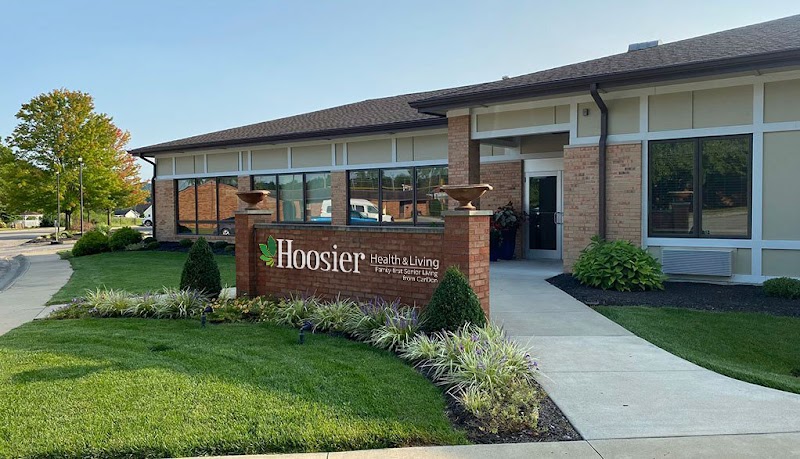
Who Owns and Operates Hoosier Health & Living Community?

HOOSIER HEALTH & LIVING COMMUNITY is owned by a non-profit organization. Non-profit facilities reinvest revenue into operations rather than distributing to shareholders. The facility is operated by CARDON & ASSOCIATES, a chain that manages multiple nursing homes. With 97 certified beds and approximately 84 residents (about 87% occupancy), it is a smaller facility located in BROWNSTOWN, Indiana.
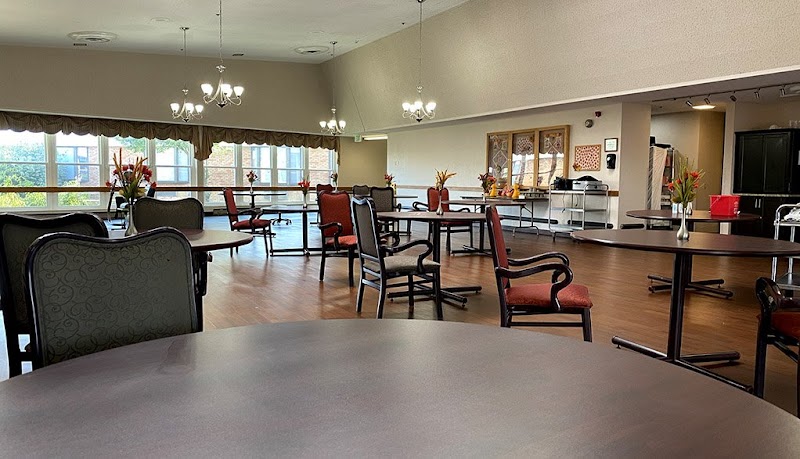
How Does Hoosier Health & Living Community Compare to Other Indiana Nursing Homes?

Compared to the 100 nursing homes in Indiana, HOOSIER HEALTH & LIVING COMMUNITY's overall rating (3 stars) is below the state average of 3.1, staff turnover (47%) is near the state average of 46%, and health inspection rating (3 stars) is at the national benchmark.

What Should Families Ask When Visiting Hoosier Health & Living Community?

Based on this facility's data, families visiting should ask: "Can I visit during a mealtime to observe dining assistance and food quality?" "How do you handle medical emergencies, and what is your hospital transfer rate?" "Can I speak with family members of current residents about their experience?"

Is Hoosier Health & Living Community Safe?

Based on CMS inspection data, HOOSIER HEALTH & LIVING COMMUNITY has a clean safety record: no substantiated abuse findings (meaning no confirmed cases of resident harm), no Immediate Jeopardy citations (the most serious violation level indicating risk of serious injury or death), and is not on the Special Focus Facility watch list (a federal program monitoring the lowest-performing 1% of nursing homes). The facility has a 3-star overall rating and ranks #100 of 100 nursing homes in Indiana. While no facility is perfect, families should still ask about staff-to-resident ratios and recent inspection results during their visit.

Do Nurses at Hoosier Health & Living Community Stick Around?

HOOSIER HEALTH & LIVING COMMUNITY has a staff turnover rate of 47%, which is about average for Indiana nursing homes (state average: 46%). Moderate turnover is common in nursing homes, but families should still ask about staff tenure and how the facility maintains care continuity when employees leave.

Was Hoosier Health & Living Community Ever Fined?

HOOSIER HEALTH & LIVING COMMUNITY has no federal fines on record. CMS issues fines when nursing homes fail to meet care standards or don't correct problems found during inspections. The absence of fines suggests the facility has either maintained compliance or corrected any issues before penalties were assessed. This is a positive indicator, though families should still review recent inspection reports for the full picture.

Is Hoosier Health & Living Community on Any Federal Watch List?

HOOSIER HEALTH & LIVING COMMUNITY is not on any federal watch list. The most significant is the Special Focus Facility (SFF) program, which identifies the bottom 1% of nursing homes nationally based on persistent, serious quality problems. Not being on this list means the facility has avoided the pattern of deficiencies that triggers enhanced federal oversight. This is a positive indicator, though families should still review the facility's inspection history directly.