BARRINGTON OF CARMEL, THE
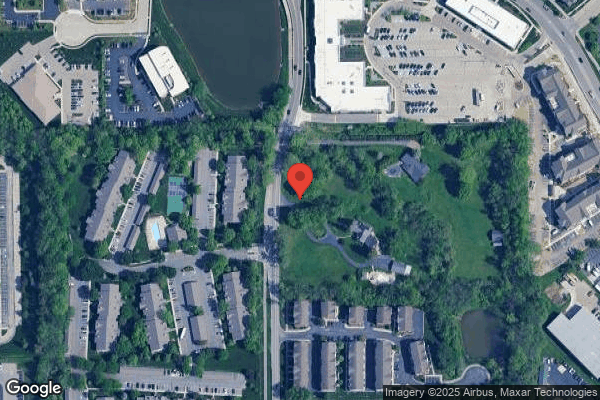

1335 S GUILFORD ROAD, CARMEL, IN 46032 (317) 810-1800
Non profit - Corporation 8 Beds BHI SENIOR LIVING Data: November 2025
Trust Grade
90/100
#8 of 505 in IN
Last Inspection: August 2024

Within standard 12-15 month inspection cycle. Federal law requires annual inspections.

Overview

Barrington of Carmel has received an impressive Trust Grade of A, indicating it is an excellent choice for families seeking a nursing home. It ranks #8 out of 505 facilities in Indiana, placing it in the top tier statewide, and #1 out of 17 in Hamilton County, meaning it is the best local option available. The facility is improving, having reduced its issues from four in 2023 to none in 2024. Staffing is a notable strength, with a 4 out of 5 rating and a remarkable 0% turnover, suggesting that staff remain with the facility and provide consistent care. However, there were some concerns noted during inspections, including failures to ensure timely meal service for all residents at the same table and not reporting significant weight loss for a resident, which could indicate areas where attention is needed. Overall, while there are some weaknesses, the facility’s strong ratings and improvements make it a promising choice for potential residents.

Trust Score
A
90/100
In Indiana
#8/505
Top 1%
Safety Record
Low Risk
No red flags
Inspections
Getting Better
4 → 0 violations
Staff Stability
○ Average
Turnover data not reported for this facility.
Penalties
✓ Good
No fines on record. Clean compliance history, better than most Indiana facilities.
Skilled Nurses
✓ Good
Each resident gets 214 minutes of Registered Nurse (RN) attention daily — more than 97% of Indiana nursing homes. RNs are the most trained staff who catch health problems before they become serious.
Violations
✓ Good
Only 5 deficiencies on record. Cleaner than most facilities. Minor issues only.
★★★★★
5.0
Overall Rating
★★★★☆
4.0
Staff Levels
★★★★★
5.0
Care Quality
★★★★★
5.0
Inspection Score
Stable
2023: 4 issues
2024: 0 issues

The Good

  • 4-Star Staffing Rating · Above-average nurse staffing levels
  • 5-Star Quality Measures · Strong clinical quality outcomes
  • Full Sprinkler Coverage · Fire safety systems throughout facility
  • No fines on record

Facility shows strength in staffing levels, quality measures, fire safety.

The Bad

Chain: BHI SENIOR LIVING

Part of a multi-facility chain

Ask about local staffing decisions and management

The Ugly 5 deficiencies on record

Jun 2023 4 deficiencies
CONCERN (D)

Potential for Harm - no one hurt, but risky conditions existed

Resident Rights (Tag F0550)

Could have caused harm · This affected 1 resident

Based on observation, interview and record review, the facility failed to ensure residents sitting at the same table were all served before assisting other residents for 12 of 17 residents observed fo...

Read full inspector narrative →
Based on observation, interview and record review, the facility failed to ensure residents sitting at the same table were all served before assisting other residents for 12 of 17 residents observed for dining. Finding includes: During an observation, on 6/7/23 at 12:18 p.m., the cook carried two plates to a table of six residents sitting against the wall by the windows. The cook then carried two more plates to another table of six residents sitting at the entrance of the dining room. During an interview, on 6/7/23 at 12:20 p.m., Certified Nursing Assistant (CNA 2) indicated not all residents sitting at one table were served at the same time. During an interview, on 6/7/23 at 12:24 p.m., CNA 3 indicated one cook and two servers were preparing the food and serving the meal to the residents. The plates came out at different times and not all tables were served at the same time. During an interview, on 6/7/23 at 12:49 p.m., Server 4 indicated lunch was first come first served for the residents. The plates were delivered in no particular order, and they normally did not pass one table at a time. During the resident council meeting, on 6/7/23 at 2:05 p.m., the residents indicated they waited a long time for their meals and the tables did not get their food at the same time. One resident indicated she had to watch the other residents eat while waiting for her food. A current policy, titled Resident Rights, not dated and received from the Associate Executive Director on 6/8/23 at 2:54 p.m., indicated .The facility will inform the resident both orally and in writing, in a language that the resident understands, of his or her rights and all rules and regulations governing resident conduct and responsibilities during the stay in the facility .All residents will be treated equally regardless of age, race, ethnicity, religion, culture .The resident has a right to be treated with respect and dignity The facility did not have a dining policy at the time of the exit conference. 3.1-3(t)
CONCERN (D)

Potential for Harm - no one hurt, but risky conditions existed

Deficiency F0692 (Tag F0692)

Could have caused harm · This affected 1 resident

Based on observation, interview and record review, the facility failed to notify the MD (medical doctor) about a greater than 5% weight loss in 3 days according to the order for 1 of 2 residents revie...

Read full inspector narrative →
Based on observation, interview and record review, the facility failed to notify the MD (medical doctor) about a greater than 5% weight loss in 3 days according to the order for 1 of 2 residents reviewed for nutrition. (Resident 7) Finding includes: During an interview, on 06/07/23 at 1:34 p.m., Resident 7's daughter indicated the resident was getting food which was against her gluten-free diet, and it was giving her diarrhea. The record for Resident 7 was reviewed on 06/08/2023 at 9:35 a.m. Diagnoses included, but were not limited to, moderate protein-calorie malnutrition, celiac disease (an immune reaction to eating gluten), age-related physical debility, unspecified dementia, and need for assistance with personal care. A physician's order, dated 05/19/2023, indicated to weigh the resident every Monday during the day shift. A care plan, dated 04/10/2023, indicated the resident was at risk for malnutrition and the facility was to report a significant weight loss of greater than 5% of body weight in 1 month to the MD. The resident's weights were: a. On 05/29/2023, the resident's weight was 104.4 pounds. b. On 06/01/2023, the resident's weight was 98.8 pounds which was a significant weight loss of 5.4% in 3 days. A progress note, dated 06/2/2023 at 8:52 a.m., indicated the facility notified the RDN (Registered Dietary Nutritionist). Her weight was recognized as a 1.8% weight loss in 30 days. The EHR (Electronic Health Record) did not indicate the facility re-weighed the resident after there was a significant weight loss. The progress notes did not indicate the facility contacted the MD. During an interview, on 06/09/23 at 11:56 a.m., the ADON (Assistant Director of Nursing) and the RDN indicated the facility would re-weigh the resident to ensure there was not an error. A current policy, titled Notification of Changes, dated as reviewed in 2022 and received from the Assistant Executive Director on 06/08/2023 at 3:14 p.m., indicated .The facility must inform the resident, consult with the resident's physician and/or notify the resident's family member or legal representative when there is a change requiring such notification .Significant change in the resident's physical, mental, or psychosocial condition such as deterioration in health, mental or psychosocial status A current policy, titled Weight Monitoring, dated as reviewed in 2022 and received from Assistant Executive Director on 06/09/2023 at 10:57 a.m., indicated .Weight Analysis: The newly recorded resident weight should be compared to the previously recorded weight. A significant change in weight is defined as: a. 5% change in weight in 1 month (30 days) 3.1-46(a)(1)
CONCERN (D)

Potential for Harm - no one hurt, but risky conditions existed

Deficiency F0727 (Tag F0727)

Could have caused harm · This affected 1 resident

Based on interview and record review, the facility failed to ensure a Registered Nurse was in the facility for 8 hours during a 24-hour period for 2 days of the second quarter reviewed for sufficient ...

Read full inspector narrative →
Based on interview and record review, the facility failed to ensure a Registered Nurse was in the facility for 8 hours during a 24-hour period for 2 days of the second quarter reviewed for sufficient staffing. (March 11 and 12, 2023) Finding includes: A Payroll-Based Journal (PBJ) Staffing report, for the second quarter of 2023, indicated the facility failed to have licensed nurse coverage for 2/11, 2/12, 2/19, 2/25, 2/26, 3/4, 3/11, 3/12, 3/18, 3/19, 3/25 and 3/26/2023. During an interview, on 6/8/23 at 10:15 a.m., the Director of Nursing (DON) indicated she did not believe the facility went twelve days without Registered Nurse (RN) coverage. They always work with at least two nurses each shift. The facility scheduled a RN daily. During an interview, on 6/8/23 at 10:20 a.m., the Facility Scheduler indicated she normally scheduled a RN daily and did not know why a RN was not on the schedule. During an interview, on 6/8/23 at 11:18 a.m., the DON indicated the facility did not have RN coverage for the weekend of 3/11 and 3/12/23. They should have had RN coverage and did not know why an RN was not on the schedule. During a record review, on 6/8/23 at 11:20 a.m., the actual worked staffing schedule indicated there was no RN coverage for 3/11 and 3/12/23. A current policy, titled Nursing Services and Sufficient Staff, not dated and received from the DON on 6/8/23 at 2:51 p.m., indicated .It is the policy of this facility to provide sufficient staff with appropriate competencies and skill sets to assure resident safety and attain or maintain the high practicable physical, mental and psychosocial well-being of each resident. The facility's census, acuity and diagnoses of the resident population will be considered based on the facility assessment .The facility will supply services by sufficient numbers of each of the following personnel types on a 24-hour basis to provide nursing care to all residents in accordance with resident care plans .The facility is required to provide licensed nursing staff 24 hours a day, 7 days a week .The facility is responsible for submitting timely and accurate staffing data through the CMS Payroll-Based Journal (PBJ) system .Except when waived, the facility must use the services of a registered nurse for at least 8 consecutive hours a day, 7 days a week 3.1-17(b)(3)
CONCERN (D)

Potential for Harm - no one hurt, but risky conditions existed

Medication Errors (Tag F0758)

Could have caused harm · This affected 1 resident

2. The record for Resident 4 was reviewed on 06/08/23 at 10:46 a.m. Diagnoses included, but were not limited to, morbid (severe) obesity due to excess calories, essential (primary) hypertension, weakn...

Read full inspector narrative →
2. The record for Resident 4 was reviewed on 06/08/23 at 10:46 a.m. Diagnoses included, but were not limited to, morbid (severe) obesity due to excess calories, essential (primary) hypertension, weakness, dyspnea, depression, hypothyroidism, age-related physical debility, muscle weakness (generalized), and unsteadiness on feet. A physician's order, dated 03/09/2023, indicated quetiapine (an antipsychotic) 25 milligram tablet, take 1/2 tablet (12.5 milligrams) by mouth daily for a mood stabilizer. A care plan, dated 03/20/2023, indicated the resident received a psychotropic medication and was at a risk for adverse consequences. The interventions included, but were not limited to, administer medications as ordered and monitor for side effects and effectiveness. The MAR did not include if the resident had any of the side effects being monitored. During an interview, on 06/09/23 at 10:09 a.m., the Administrator indicated the facility did not complete routine AIMs testing, and they only did this if needed after monitoring for side effects. During an interview, on 06/09/23 at 11:06 a.m., LPN 6 indicated they monitored for adverse effects of antipsychotic/antidepressant medications such as dry mouth, constipation, and restless. When asked what EPS symptoms were, LPN 6 did not know what Extrapyramidal (EPS) was or what the side effects were. An AIMS assessment was not located in resident's medical record. A current policy, titled Use of Psychotropic Medication, undated and received from the MDS Coordinator on 06/08/2023 at 11:56 a.m., indicated .residents who receive a psychotropic medication will have Abnormal Involuntary Movement Scale (AIMS) test performed if triggered by anti-psychotic monitoring 3.1-48(a)(3) Based on interview and record review, the facility failed to ensure staff knew how to monitor residents for the serious side effect of EPS (extrapyramidal side effects) which can be caused by antipsychotic medications for 2 of 5 residents reviewed for unnecessary medications (Resident 14 and 4). Findings include: 1. The record for Resident 14 was reviewed on 6/8/23 at 9:54 a.m. Diagnoses included, but were not limited to, psychotic disorder with hallucinations due to a known physiological condition, Parkinson's disease, and dementia without behavioral disturbance. A physician's order, dated 5/22/23, indicated quetiapine (an antipsychotic) 25 mg (milligram) give one half tablet at bedtime related to the psychotic disorder with hallucinations due to a known physiological condition. A physician's order, dated 5/22/23, indicated to monitor for the antipsychotic medication side effects of dry mouth, constipation, blurred vision, disorientation, confusion, hypotension, dark urine, yellow skin, nausea, vomiting, lethargy, drooling, EPS symptoms, tremors, disturbed gait, increased agitation, restlessness and involuntary movements of the mouth or tongue. A care plan, dated 5/24/23, indicated the resident was at a risk for behavior problems related to the psychotic disorder with hallucinations. The interventions included, but were not limited to, administer medications as ordered and monitor for side effects and effectiveness. The MAR (Medication Administration Record), dated 5/22/23 through 5/31/23, indicated LPN 5 had observed for antipsychotic side effects including EPS on 5/23/23, 5/24/23, 5/25/23 and 5/31/23 and LPN 6 on 5/26/23. The MAR did not include if the resident had any of the side effects being monitored. The MAR, dated 6/1/23 through 6/7/23, indicated LPN 5 had observed for antipsychotic side effects including EPS on 6/3/23, 6/4/23 and 6/7/23 and LPN 6 on 6/2/23 and 6/5/23. The MAR did not include if the resident had any of the side effects being monitored. During an interview, on 6/8/23 at 11:14 a.m., the MDS (Minimum Data Set) Coordinator indicated the side effect monitoring was on the MAR. If the MAR triggered any side effects, then an AIMS (Abnormal Involuntary Movement Scale) would be initiated. During an interview, on 6/8/23 at 11:37 a.m., LPN 5 indicated when monitoring for antipsychotic medication side effects they would look for behaviors, any changes in bowel habits, dryness of mouth or eyes, increased thirst, and mental changes. LPN 5 did not know what EPS was. When asked to look at the MAR for an explanation of EPS, LPN 5 indicated they still did not know what EPS was. During an interview, on 6/9/23 at 9:50 a.m., LPN 6 indicated for antipsychotic medications the side effects to monitor included dry mouth, increased confusion, restlessness, and to look for worsening behaviors. LPN 6 did not know what EPS was and stated they would have to figure it out. LPN 5 and LPN 6 had signed the MAR, for May 2023 and June 2023, to indicate they had monitored for EPS, and they did not know what EPS included. An In-Service attendance record dated 3/22/23 at 1:30 p.m., for antipsychotic medication conducted by the pharmacy did not include LPN 5 and LPN 6. The facility in-service handout for Monitoring for Adverse Effects of Antipsychotics, dated 2023, indicated to observe for EPS and consider the use of objective rating tools such as an AIMS assessment. Symptoms to monitor included, but were not limited to, tremors, muscle rigidity, shuffled gait, painful and acute muscle contracture commonly in the neck, eyes and trunk, restlessness, fidgeting, pacing, and rocking. The current Nursing Drug Handbook indicated quetiapine could cause EPS. Consider stopping the medication for signs or symptoms of tardive dyskinesia (a type of EPS with stiff jerky movements of the face and body which could not be controlled and could be permanent). Another extrapyramidal side effect was NMS (neuroleptic malignant syndrome which was a rare reaction to antipsychotic medications which causes a high fever, muscle stiffness, sweating, fast or abnormal heartbeat, quick breathing). NMS could cause kidney failure, heart and lung failure, lack of oxygen in the body, and infection in the lungs.
Jun 2022 1 deficiency
CONCERN (D)

Potential for Harm - no one hurt, but risky conditions existed

Deficiency F0583 (Tag F0583)

Could have caused harm · This affected 1 resident

Based on observation, interview and record review, the facility failed to ensure a resident received privacy during an assessment for 1 of 2 residents reviewed for privacy. (Resident 2) Finding includ...

Read full inspector narrative →
Based on observation, interview and record review, the facility failed to ensure a resident received privacy during an assessment for 1 of 2 residents reviewed for privacy. (Resident 2) Finding includes: During an observation, on 06/08/22 at 12:42 p.m., the Psychiatric Nurse Practitioner (NP 2) was observed in the dining room, during the mid day meal, asking Resident 2 questions. The questions which were asked in the dining room, with other residents, dietary staff and a CNA present, were about her sleep patterns, her mood, whether the resident was happy or sad, if she was better on Zoloft (an antidepressant) and if she was participating in activities. During an interview, on 06/08/22 at 12:46 p.m., NP 2 indicated the dining room was not an appropriate area to ask those questions. During an interview, on 06/09/22 at 9:21 a.m., the Director of Nursing indicated NP 2 was a new nurse practitioner, new to a health care environment and was not aware she should not have interviewed the resident in the dining room. It was not appropriate to assess the resident in the dining room. A current facility policy, titled Confidentiality of Personal and Medical Records, undated and provided by the facility on 06/09/22 at 8:30 a.m., indicated .Employees should not discuss resident information in public or semi-public areas 3.1-3(o) 3.1-3(p)(2)
Understanding Severity Codes (click to expand)
Life-Threatening (Immediate Jeopardy)
J - Isolated K - Pattern L - Widespread
Actual Harm
G - Isolated H - Pattern I - Widespread
Potential for Harm
D - Isolated E - Pattern F - Widespread
No Harm (Minor)
A - Isolated B - Pattern C - Widespread

Questions to Ask on Your Visit

  • "Can I speak with families of current residents?"
  • "What's your RN coverage like on weekends and overnight?"

Our Honest Assessment

Strengths
  • • Grade A (90/100). Above average facility, better than most options in Indiana.
  • • No major safety red flags. No abuse findings, life-threatening violations, or SFF status.
  • • No fines on record. Clean compliance history, better than most Indiana facilities.
  • • Only 5 deficiencies on record. Cleaner than most facilities. Minor issues only.
Concerns
  • • No significant concerns identified. This facility shows no red flags across CMS ratings, staff turnover, or federal penalties.
Bottom line: Generally positive indicators. Standard due diligence and a personal visit recommended.

About This Facility

What is Barrington Of Carmel, The's CMS Rating?

CMS assigns BARRINGTON OF CARMEL, THE an overall rating of 5 out of 5 stars, which is considered much above average nationally. Within Indiana, this rating places the facility higher than 99% of the state's 100 nursing homes. This rating reflects solid performance across the metrics CMS uses to evaluate nursing home quality.

How is Barrington Of Carmel, The Staffed?

CMS rates BARRINGTON OF CARMEL, THE's staffing level at 4 out of 5 stars, which is above average compared to other nursing homes.

What Have Inspectors Found at Barrington Of Carmel, The?

State health inspectors documented 5 deficiencies at BARRINGTON OF CARMEL, THE during 2022 to 2023. These included: 5 with potential for harm.

Who Owns and Operates Barrington Of Carmel, The?

BARRINGTON OF CARMEL, THE is owned by a non-profit organization. Non-profit facilities reinvest revenue into operations rather than distributing to shareholders. The facility is operated by BHI SENIOR LIVING, a chain that manages multiple nursing homes. With 8 certified beds and approximately 5 residents (about 62% occupancy), it is a smaller facility located in CARMEL, Indiana.

How Does Barrington Of Carmel, The Compare to Other Indiana Nursing Homes?

Compared to the 100 nursing homes in Indiana, BARRINGTON OF CARMEL, THE's overall rating (5 stars) is above the state average of 3.1 and health inspection rating (5 stars) is much above the national benchmark.

What Should Families Ask When Visiting Barrington Of Carmel, The?

Based on this facility's data, families visiting should ask: "Can I visit during a mealtime to observe dining assistance and food quality?" "How do you handle medical emergencies, and what is your hospital transfer rate?" "Can I speak with family members of current residents about their experience?"

Is Barrington Of Carmel, The Safe?

Based on CMS inspection data, BARRINGTON OF CARMEL, THE has a clean safety record: no substantiated abuse findings (meaning no confirmed cases of resident harm), no Immediate Jeopardy citations (the most serious violation level indicating risk of serious injury or death), and is not on the Special Focus Facility watch list (a federal program monitoring the lowest-performing 1% of nursing homes). The facility has a 5-star overall rating and ranks #1 of 100 nursing homes in Indiana. While no facility is perfect, families should still ask about staff-to-resident ratios and recent inspection results during their visit.

Do Nurses at Barrington Of Carmel, The Stick Around?

BARRINGTON OF CARMEL, THE has not reported staff turnover data to CMS. Staff turnover matters because consistent caregivers learn residents' individual needs, medications, and preferences. When staff frequently change, this institutional knowledge is lost. Families should ask the facility directly about their staff retention rates and average employee tenure.

Was Barrington Of Carmel, The Ever Fined?

BARRINGTON OF CARMEL, THE has no federal fines on record. CMS issues fines when nursing homes fail to meet care standards or don't correct problems found during inspections. The absence of fines suggests the facility has either maintained compliance or corrected any issues before penalties were assessed. This is a positive indicator, though families should still review recent inspection reports for the full picture.

Is Barrington Of Carmel, The on Any Federal Watch List?

BARRINGTON OF CARMEL, THE is not on any federal watch list. The most significant is the Special Focus Facility (SFF) program, which identifies the bottom 1% of nursing homes nationally based on persistent, serious quality problems. Not being on this list means the facility has avoided the pattern of deficiencies that triggers enhanced federal oversight. This is a positive indicator, though families should still review the facility's inspection history directly.