BRIDGEWATER HEALTHCARE CENTER
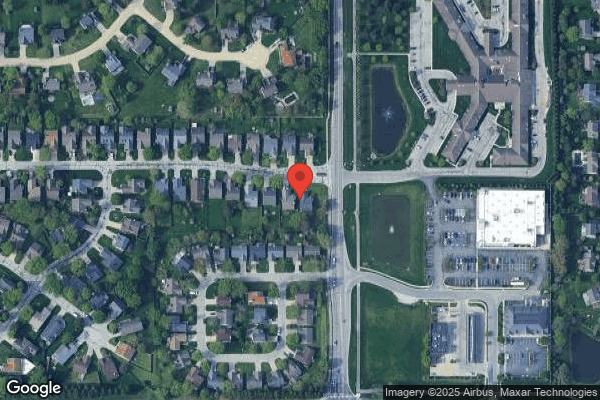

14751 CAREY ROAD, CARMEL, IN 46033 (317) 575-2208
Government - County 120 Beds COMMUNICARE HEALTH Data: November 2025
Trust Grade
70/100
#130 of 505 in IN
Last Inspection: June 2025

Inspected within the last 6 months. Data reflects current conditions.

Overview

Bridgewater Healthcare Center in Carmel, Indiana has a Trust Grade of B, which indicates it is a good choice for nursing care, suggesting reliability and decent service. It ranks #130 out of 505 facilities in Indiana, placing it in the top half statewide, and #4 out of 17 in Hamilton County, meaning it has a competitive position among local options. Unfortunately, the facility is showing a worsening trend, with issues increasing from 5 in 2024 to 6 in 2025. Staffing ratings are average at 3 out of 5 stars, with a turnover rate of 46%, slightly below the state average, indicating some consistency among staff, although improvements could still be made. Notably, the facility has no fines on record, which is a positive sign, and it provides more RN coverage than average, ensuring that registered nurses are available to catch potential issues. However, there are areas of concern based on recent inspections. For instance, there were several lapses in medication administration for a resident, including failure to monitor antidepressant side effects and vital signs consistently. Additionally, the facility did not adequately follow its antibiotic stewardship program, which is essential for preventing infections. Lastly, the comprehensive care plans for some residents were not properly reviewed or revised by the care team, which could impact the quality of care provided. Overall, while there are positive aspects to consider, potential residents and their families should weigh these concerns carefully.

Trust Score
B
70/100
In Indiana
#130/505
Top 25%
Safety Record
Low Risk
No red flags
Inspections
Getting Worse
5 → 6 violations
Staff Stability
⚠ Watch
46% turnover. Above average. Higher turnover means staff may not know residents' routines.
Penalties
✓ Good
No fines on record. Clean compliance history, better than most Indiana facilities.
Skilled Nurses
○ Average
Each resident gets 37 minutes of Registered Nurse (RN) attention daily — about average for Indiana. RNs are the most trained staff who monitor for health changes.
Violations
⚠ Watch
23 deficiencies on record. Higher than average. Multiple issues found across inspections.
★★★★☆
4.0
Overall Rating
★★★☆☆
3.0
Staff Levels
★★★★★
5.0
Care Quality
★★★☆☆
3.0
Inspection Score
Stable
2024: 5 issues
2025: 6 issues

The Good

  • 5-Star Quality Measures · Strong clinical quality outcomes
  • Full Sprinkler Coverage · Fire safety systems throughout facility
  • No fines on record

Facility shows strength in quality measures, fire safety.

The Bad

Staff Turnover: 46%

Near Indiana avg (46%)

Higher turnover may affect care consistency

Chain: COMMUNICARE HEALTH

Part of a multi-facility chain

Ask about local staffing decisions and management

The Ugly 23 deficiencies on record

Jun 2025 6 deficiencies
CONCERN (D)

Potential for Harm - no one hurt, but risky conditions existed

Deficiency F0657 (Tag F0657)

Could have caused harm · This affected 1 resident

Based on interview and record review, the facility failed to ensure the comprehensive care plan was reviewed, revised, and developed by the interdisciplinary team for 2 of 3 residents reviewed for com...

Read full inspector narrative →
Based on interview and record review, the facility failed to ensure the comprehensive care plan was reviewed, revised, and developed by the interdisciplinary team for 2 of 3 residents reviewed for comprehensive care plans. (Resident 27 and 19) Findings include: 1. The clinical record for Resident 27 was reviewed on 6/11/25 at 9:26 a.m. The diagnoses included, but were not limited to, anxiety disorder and moderate recurrent depressive disorder. The major depressive disorder diagnosis was modified on 4/4/25. A therapist progress note, dated 4/8/25, indicated the resident had a problem of moderate recurrent major depressive episodes with a diagnosis of moderate recurrent major depressive disorder. A physician's order, dated 4/22/25, indicated to give duloxetine (an antidepressant medication) 20 mg (milligrams) at bedtime. An annual MDS (Minimum Data Set) assessment, dated 5/2/25, indicated the resident had a diagnosis of depression and was taking an antidepressant medication. A current care plan, dated as reviewed and revised on 5/27/25, did not indicate the resident was taking an antidepressant or had a diagnosis of depression. It did not include any interventions to monitor for effectiveness or side effects of the addition of an antidepressant medication or for caring for the resident experiencing current depression. During an interview, on 6/16/25 at 11:29 a.m., the Clinical Support Nurse indicated the diagnosis and antidepressant medication should have been added to the care plan. 2. During an interview, on 6/9/25 at 10:38 a.m., Resident 19 indicated she had a history of sexual abuse, and she attended virtual therapist appointments every Friday for Post Traumatic Stress Disorder (PTSD). She had attended the visits for several years prior to being admitted into the facility. The clinical record for Resident 19 was reviewed on 6/12/25 at 9:43 a.m. The diagnoses included, but were not limited to, bipolar II disorder, PTSD, and depression. A physician's order for the psychiatric services was not located in the electronic health record. A physician's order, dated 5/20/25, indicated Resident 19 was taking Lamictal (a mood stabilizer) 25 milligrams twice a day for bipolar disorder. A MDS assessment, dated 5/29/25, indicated Resident 19 was admitted into the facility with diagnoses of bipolar disorder and PTSD. The comprehensive care plans, dated 6/12/25, did not include PTSD or bipolar disorder. A trauma informed care assessment had not been completed upon admission into the facility. During an interview, on 6/13/25 at 3:06 p.m., the Director of Nursing (DON) indicated PTSD, and bipolar disorder was not included in Resident 19's comprehensive care plan and should have been. Resident 19 should have had a trauma/PTSD assessment initiated. During an interview, on 6/16/25 at 10:19 a.m., the Social Service Director indicated a resident with a diagnosis of PTSD should have had a PTSD assessment initiated. During an interview, on 6/16/25 at 11:14 a.m., the Clinical Support Nurse indicated the facility did not have a policy regarding comprehensive care plans. A current facility policy, titled Plan of Care Overview, received from the Executive Director (ED) on 6/16/25 at 10:59 a.m., indicated .It is the policy of this facility to provide resident centered care that meets the psychosocial, physical and emotional needs and concerns of the residents. Safety is a primary concern for our residents .Review care plans quarterly and/or with significant changes in care A current facility policy, titled Trauma Informed Care, received from the ED on 6/16/25 at 10:59 a.m., indicated .It is the policy of this facility to provide resident centered care that meets the psychosocial, physical, emotional needs and concerns of the residents. The purpose of this policy is to ensure residents who are trauma survivors receive culturally competent, trauma-informed care in accordance with professional standards of practice .Each resident will be screened for a history of trauma upon admission. If the screening indicates that the patient has a history of trauma and/or trauma-related symptoms, the baseline care plan will identify the trauma and the baseline interventions implemented upon admission .Additional screening/evaluation is completed by the facility social worker or designee when completing the social history assessment and prior to developing the comprehensive care plan .A physician order will be obtained for the patient to be evaluated by a mental health professional .The services provided or arranged by the center, as outlined by the comprehensive care plan, must be provided by qualified person in accordance with each residents written plan of care and .be culturally-competent and trauma-informed 3.1-35(a) 3.1-35(b)(1) 3.1-35(d)(1) 3.1-35(d)(2)(A) 3.1-35(d)(2)(B) 3.1-35(e)
CONCERN (D)

Potential for Harm - no one hurt, but risky conditions existed

Quality of Care (Tag F0684)

Could have caused harm · This affected 1 resident

Based on interview and record review, the facility failed to ensure blood pressure medications were administered according to the physician's orders for 2 of 4 residents reviewed for quality of care. ...

Read full inspector narrative →
Based on interview and record review, the facility failed to ensure blood pressure medications were administered according to the physician's orders for 2 of 4 residents reviewed for quality of care. (Resident 20 and 27) Findings include: 1. The clinical record for Resident 20 was reviewed on 6/11/25 at 2:35 p.m. The diagnoses included, but were not limited to, essential primary hypertension, chronic obstructive pulmonary disease, and pulmonary fibrosis. A current care plan, dated 10/6/20, indicated the resident had the potential for unstable blood pressures. A physician's order, dated 4/2/25, indicated to give Lasix (a diuretic which could lower blood pressure) 20 mg (milligrams) once day with special instructions to hold the medication for a systolic blood pressure of less than 100. A Medication Administration Record (MAR), dated April 2025, indicated Lasix was given with no systolic blood pressure recorded on 4/7/25, 4/8/25, 4/9/25, 4/11/25, 4/13/25, 4/14/25, 4/15/25, 4/16/25, 4/17/25, 4/18/25, 4/21/25, 4/22/25, 4/23/25, 4/24/25, 4/25/25, 4/26/25, 4/27/25, 4/28/25, 4/29/25, and 4/30/25. A MAR, dated May 2025, indicated Lasix was given with no systolic blood pressure recorded on the MAR or in the vitals section of the electronic medical record on 5/1/25, 5/2/25, 5/3/25, 5/4/25, 5/5/25, 5/6/25, 5/7/25, 5/8/25, 5/9/25, 5/13/25, 5/14/25, 5/15/25, 5/16/25, 5/17/25, 5/18/25, 5/19/25, 5/20/25, 5/21/25, and 5/22/25. On 5/26/25, Lasix was given with a systolic blood pressure of 97. During an interview, on 6/13/25 at 10:48 a.m., Unit Manager 6 indicated the nurse should have taken the resident's blood pressure when giving a medication which had a hold parameter, held the medication if needed, and made a nurse's note. If the nurse obtained a blood pressure reading, it would have been recorded in the medical record. 2. The clinical record for Resident 27 was reviewed on 6/11/25 at 9:26 a.m. The diagnoses included, but were not limited to, essential primary hypertension, acute on chronic diastolic congestive heart failure, acute respiratory failure with hypoxia, paroxysmal atrial fibrillation, and acute pulmonary edema. A current care plan, dated 1/13/22, indicated the resident had hypertension with an intervention to administer medications per the physician's orders. A physician's order, dated 6/7/24, indicated to give hydralazine 50 mg every 12 hours as needed for a systolic blood pressure greater than 160. A MAR indicated Resident 27's systolic blood pressure was greater than 160 and the hydralazine medication was not administered on the following dates: a. On 3/24/25, with a systolic blood pressure of 166. b. On 5/18/25, with a systolic blood pressure of 165. c. On 6/2/25, with a systolic blood pressure of 171. d. On 6/5/25, with a systolic blood pressure of 163. e. On 6/9/25, with a systolic blood pressure of 165 at 9:03 a.m. and 1:22 p.m. f. On 6/11/25, with a systolic blood pressure of 172 at 11:48 a.m. and 11:57 a.m. During an interview, on 6/13/25 at 10:48 a.m., Unit Manager 6 indicated if the resident had an as needed medication for high blood pressure, the nurse would give the medication according to the order and document it. During an interview, on 6/16/25 at 11:29 a.m., the Director of Nursing indicated the as needed hydralazine should have been administered based on the physician's order. A current facility policy, titled Medication Administration, received from the Infection Preventionist on 6/13/25 at 3:45 p.m., indicated .Administer medication only as prescribed by the provider .Record pertinent information prior to giving medication if appropriate .Blood pressure recorded 3.1-37(a)
CONCERN (D)

Potential for Harm - no one hurt, but risky conditions existed

Pharmacy Services (Tag F0755)

Could have caused harm · This affected 1 resident

Based on observation, interview and record review, the facility failed to ensure staff followed the facility policy and procedure for reconciliation of controlled medications for 2 of 3 narcotic recon...

Read full inspector narrative →
Based on observation, interview and record review, the facility failed to ensure staff followed the facility policy and procedure for reconciliation of controlled medications for 2 of 3 narcotic reconciliation logs reviewed for medication storage. (3000 and 4000 units) Findings include: 1. During an observation, on 6/9/25 at 10:29 a.m., with Infection Preventionist 8, the SHIFT CHANGE/CONTROLLED SUBSTANCE INVENTORY TRACKER document for the 3000-unit medication cart 1 was missing signatures to show the narcotics had been reconciled and accounted for on the following shifts: June 1, 2025, was missing a signature for the off-going nurse on the day shift. There was a missing signature for the on-coming nurse for the day shift. There was no date filled in on the form. There was a missing signature for the off-going nurse for the day shift. There was no date filled in on the form. There was a missing signature for the on-coming nurse for the day shift. There was no date filled in on the form. There was a missing signature for the off-going nurse for the day shift. There was no date filled in on the form. There was a missing signature for the on-coming nurse for the night shift. There was no date filled in on the form. There was a missing signature for the off-going nurse for the night shift. There was no date filled in on the form. During an interview, on 6/9/25 at 10:29 a.m., Infection Preventionist 8 indicated the narcotic inventory tracker was to be signed every shift. 2. During an observation, on 6/2/25 at 11:04 a.m., with RN 9, the SHIFT CHANGE/CONTROLLED SUBSTANCE INVENTORY TRACKER document for the 4000-unit medication cart 1 was missing signatures to show the narcotics had been reconciled and accounted for, on 6/5/25, for the off-going nurse for the evening shift. During an interview, on 6/9/25 at 11:21 a.m., RN 9 indicated staff were to sign the narcotic count sheets every shift. A current facility policy, titled Medication Controlled Drugs and Security, undated and received from the Director of Nursing on 6/9/25 at 1:03 p.m., indicated .Controlled drugs as well as the controlled drug count sheets and cards, are counted every shift change by the nurse reporting on duty with nurse reporting off duty .The inventory of the controlled drugs count sheets and number of cards must be recorded on the narcotic records and signed for correctness of count 3.1-25(e)(3)
CONCERN (D)

Potential for Harm - no one hurt, but risky conditions existed

Deficiency F0761 (Tag F0761)

Could have caused harm · This affected 1 resident

Based on observation, interview and record review, the facility failed to ensure medications were stored in their original containers, were labeled with an open date, and outdated medications were dis...

Read full inspector narrative →
Based on observation, interview and record review, the facility failed to ensure medications were stored in their original containers, were labeled with an open date, and outdated medications were discarded in 2 of 4 medication carts (3000 and 4000 units) and in 1 of 2 medication refrigerators (4000 unit) reviewed for medication storage. (4000 Unit) Findings include: 1. During an observation, on 6/9/25 at 10:29 a.m., with Infection Preventionist 8, the 3000-unit medication cart 2 was found to have the following items opened and not dated: a. one bottle of latanoprost eye drops was open and was not dated. b. one vial of Lantus insulin was open and was not dated. c. one Lantus insulin pen was open and was not dated. 2. During an observation, on 6/9/25 at 11:13 a.m., with RN 9, the 4000-unit medication cart 1 was found to have the following items opened and not dated: a. one full Lantus insulin pen was open and was not dated. b. one vial of Humalog insulin was open and was not dated. c. one half full Lantus insulin pen was open and was not dated. d. one lispro insulin pen was open and was not dated. During an interview, on 6/9/25 at 11:20 a.m., RN 9 indicated insulin needed to have an open date because it could only be kept for 30 days once it was opened. 3. During an observation, on 6/9/25 at 11:04 a.m., the 4000-unit medication storage refrigerator had a Lantus insulin opened with an expiration date of 5/24/25. During an interview, on 6/9/25 at 11:07 a.m., RN 9 indicated the medication was not to be used after 5/24/25. A current facility policy, titled Storage of Medications, undated and received from the Director of Nursing on 6/9/25 at 1:03 p.m., indicated .All medications dispensed by the pharmacy are stored in the pharmacy container with the pharmacy label .Outdated .are immediately removed from inventory, disposed of according to procedures for medication disposal 3.1-25(j) 3.1-25(k)(6) 3.1-25(o)
CONCERN (D)

Potential for Harm - no one hurt, but risky conditions existed

Food Safety (Tag F0812)

Could have caused harm · This affected 1 resident

Based on observation, interview and record review, the facility failed to ensure food items stored in the unit kitchen refrigerators were dated for 2 of 4 kitchenettes reviewed for food storage. (3000...

Read full inspector narrative →
Based on observation, interview and record review, the facility failed to ensure food items stored in the unit kitchen refrigerators were dated for 2 of 4 kitchenettes reviewed for food storage. (3000 and 4000 units) Findings include: 1. During an observation, on 6/9/25 at 9:56 a.m., the 3000-unit kitchenette refrigerator had a white Styrofoam container for Resident 17 and a white Styrofoam container for Resident 20. Neither container had a date to show when the items were placed for storage. During an interview, on 6/9/25 at 10:01 a.m., Infection Preventionist 8 indicated the items should have been dated. 2. During an observation, on 6/9/25 at 11:55 a.m., the 4000-unit kitchenette refrigerator had a clear container with a red lid stored in the refrigerator without a name or date. There was a bag of yogurt and a container of fruit stored in the refrigerator without a name or date. There was also a container of spread for Resident 19 without a date. During an interview, on 6/9/25 at 12:00 p.m., RN 9 indicated the items should have been dated and if the items belonged to staff members, then they should have been stored in the employee break room. A current facility policy, titled Storage of Resident Food, undated and received from the Executive Director on 6/9/25 at 12:27 p.m., indicated .Staff will date the container when food or beverages are brought into the facility 3.1-21(i)(3)
CONCERN (D) 📢 Someone Reported This

A family member, employee, or ombudsman was alarmed enough to file a formal complaint

Potential for Harm - no one hurt, but risky conditions existed

Infection Control (Tag F0880)

Could have caused harm · This affected 1 resident

Based on observation, interview, and record review, the facility failed to ensure Personal Protective Equipment (PPE) was worn in an Enhanced Barrier Precaution (EBP) room while providing care and wou...

Read full inspector narrative →
Based on observation, interview, and record review, the facility failed to ensure Personal Protective Equipment (PPE) was worn in an Enhanced Barrier Precaution (EBP) room while providing care and wound care was completed according to the standard of practice for 2 of 2 residents randomly observed for infection control. (Resident 80 and 77) Findings include: 1. During an observation, on 6/11/25 at 9:42 a.m., CNA 2 completed catheter care for Resident 80. CNA 2 performed catheter care from start to finish without putting on a gown and Resident 80 was in EBP. An EBP sign was posted on Resident 80's door which indicated Personal Protective Equipment (PPE), which included gowns for close contact care, was required. The clinical record for Resident 80 was reviewed on 6/13/25 at 2:58 p.m. The diagnoses included, but were not limited to, obstructive and reflux uropathy, retention of urine, and type 2 diabetes mellitus with diabetic chronic kidney disease. A physician's order, dated 4/30/25, indicated Enhanced Barrier Precautions was required for Resident 80 for personal hygiene and when providing personal hygiene. A care plan, dated 5/19/25, indicated Resident 80 had an indwelling Foley catheter and interventions for EBP while providing peri-care and while providing care to urinary catheter. During an interview, on 6/11/25 at 9:42 a.m., CNA 2 indicated that gowns needed to be worn if the resident was on EBP. During an interview, on 6/13/25 at 2:12 p.m., the Infection Preventionist (IP) indicated CNA 2 missed putting on a gown for catheter care. 2. During a continuous wound care observation, on 6/11/25 at 10:21 a.m., Wound Nurse 7 provided wound care to Resident 77. She took the bandage off a sacral wound and began to clean it with one (1) piece of gauze. She cleaned the wound from the inside of the wound bed to the outside. Then with the same piece of gauze, she cleaned the wound back towards the inside of the wound, then towards the outside again, and then briefly cleaned the inside of the wound bed again all with the same piece of gauze. Wound Nurse 7 broke clean to dirty technique by using the same piece of gauze and cleaning the outside of the wound bed to the inside of the wound bed multiple times. During an interview, on 6/11/25 at 10:50 a.m., Wound Nurse 7 indicated it was not typical to clean from the outside of the wound bed back to the inside of the wound bed using the same piece of gauze. She should have gotten a new piece of gauze to continue to clean the wound. During an interview, on 6/12/25 at 10:30 a.m., Clinical Support Nurse 4 indicated staff should not go back and forth from clean to dirty areas with the same piece of gauze. During an interview, on 6/16/25 at 11:00 a.m., Clinical Support Nurse 4 indicated they did not have a policy for clean to dirty technique. A current facility policy, titled Catheter Care, received from the Director of Nursing (DON) on 6/12/25 at 12:08 p.m., indicated .Catheter care .check physician orders .Observe Standard Precautions .Doff and discard .if worn .other personal protective equipment A current facility policy, titled Enhanced Barrier Precautions, received from the Director of Nursing (DON) on 6/12/25 at 10:33 a.m., indicated .Enhanced Barrier Precautions [(EBP)] refer to an infection control intervention designed to reduce transmission of multi-drug resistant organisms that employs hand hygiene, targeted gown and glove use during high contact resident care activities that include .providing hygiene .Device care .urinary catheter .EBP are indicated for residents with any of the following .Indwelling medical devices [(even if the resident is not known to be infected)] .Indwelling medical device examples include .urinary catheters .It is not necessary for staff to don PPE prior to entering the resident room but will don PPE when providing high contact care activities as described above A current facility policy, titled Skin Care & Wound Management Overview, undated and received from Clinical Support 4 on 6/12/25 at 10:30 a.m., indicated .Skin care and wound management program includes, but is not limited to .Application of treatment protocols based on clinical best practice standards for promoting wound healing The undated National Library of Medicine techniques for aseptic dressing and procedures, retrieved on 6/18/25 at 10:48 a.m., at https://pmc.ncbi.nlm.nih.gov/articles/PMC4579997/ indicated, .Start from the dirty area and then move out to the clean area .Make sure you do not re-introduce dirt or ooze by ensuring that cleaning materials (i.e. gauze, cotton balls) are not over-used. Change them regularly (use once only if possible) and never re-introduce them to a clean area once they have been contaminated 3.1-18(b)(2) 3.1-18(j)
Jul 2024 5 deficiencies
CONCERN (D)

Potential for Harm - no one hurt, but risky conditions existed

Deficiency F0557 (Tag F0557)

Could have caused harm · This affected 1 resident

Based on interview and record review, the facility failed to exercise reasonable care for the protection of a resident's cell phone holder from loss or theft for 1 of 1 resident reviewed for personal ...

Read full inspector narrative →
Based on interview and record review, the facility failed to exercise reasonable care for the protection of a resident's cell phone holder from loss or theft for 1 of 1 resident reviewed for personal property. (Resident 16) Findings include: During an interview, on 7/16/24 at 3:36 p.m., Resident 16 indicated a phone holder which he had purchased and modified to fit onto his motorized wheelchair had been missing for a while. He indicated he had asked Head of Housekeeping 4 to check in the laundry for the missing phone holder and was told the phone holder was not found in the laundry. The clinical record for Resident 16 was reviewed on 7/17/24 at 4:06 p.m. The diagnoses included, but were not limited to, generalized pain, major depressive disorder, dwarfism, and anxiety disorder. A social service note, dated 5/20/24, indicated the resident spoke with Talk Therapist 7 about modifying a phone holder for his wheelchair. A social service note, dated 6/28/24, from Talk Therapist 7, indicated Resident 16 was feeling disgruntled that the phone holder he purchased and modified was missing. He reported he had discussed it with Head of Housekeeping 4, who advised she would look for the missing phone holder. The facility was unable to able to provide a grievance form (a form which provides written documentation of a concern over something believed to be wrong or unfair) for the missing phone holder. During an interview, on 7/18/24 at 10:54 a.m., the resident indicated he would like someone to look for the missing phone holder inside of a box on top of a cabinet in his room. He was unable to check inside the box because the box was out of reach for him. He had not yet asked anyone to look inside the box. During an interview, on 7/18/24 at 11:09 a.m., Central Supply 2 indicated the missing phone holder was not found inside the box. During an interview, on 7/18/24 at 11:34 a.m., LPN 3 indicated she was not aware of the missing phone holder. She filled out a grievance form for the missing phone holder. During an interview, on 7/19/24 at 2:00 p.m., Head of Housekeeping 4 indicated if a resident had an item go missing, protocol would be followed. Head of Housekeeping 4 recalled the discussion with Resident 16 about his missing phone holder and indicated she looked for the missing item in the laundry. The missing phone holder was not located in the laundry. She indicated she was still looking for the item. During an interview, on 7/22/24 at 8:56 a.m., the Executive Director (ED) indicated he spoke with Housekeeping Supervisor 4 about the missing phone holder. Housekeeping 4 did not file a grievance at the time the phone holder was reported missing. A policy, titled Abuse & Neglect & Misappropriation of Property, undated and received by the ED on 7/22/24 at 5:34 p.m., indicated .Instructions for Reporting .If a resident states that his or her belongings are missing, the facility must determine whether the item ever existed in the facility and/or do a quick search. i. As soon as it is determined that the item did exist within the facility but was not found during the initial search, the facility must make a report of misappropriation of resident property . 3.1-9(b) 3.1-9(c)
CONCERN (D)

Potential for Harm - no one hurt, but risky conditions existed

Comprehensive Care Plan (Tag F0656)

Could have caused harm · This affected 1 resident

Based on interview and record review, the facility failed to have a comprehensive care plan for a resident with congestive heart failure (CHF) for 1 of 4 residents reviewed for care planning. (Residen...

Read full inspector narrative →
Based on interview and record review, the facility failed to have a comprehensive care plan for a resident with congestive heart failure (CHF) for 1 of 4 residents reviewed for care planning. (Resident 3) Finding includes: The clinical record for Resident 3 was reviewed on 7/18/24 at 11:28 a.m. The diagnoses included, but were not limited to, congestive heart failure (CHF), chronic obstructive pulmonary disease (COPD), and hypertension. An encounter note, dated 6/26/24, indicated the resident presented to the facility with a past medical history including hypertension, gastroesophageal reflux disease (GERD), irritable bowel disease (IBS), type 2 diabetes, chronic hyponatremia (low sodium levels), chronic anemia, and CHF. A physician's order, with a start date of 6/27/24, indicated to weigh the resident daily. A nutrition care plan, initiated on 7/2/24, indicated Resident 3 had a potential for altered nutrition related to mechanically altered diet, diet restrictions, and disease process. The goals included, but were not limited to, maintain weight without significant change. Interventions included, but were not limited to, obtaining weekly weights if unplanned weight loss was identified. The care plan did not include the resident's diagnosis of CHF or any interventions for CHF. During an interview, on 7/19/24 at 11:33 a.m., the Clinical Support Nurse indicated there was no care plan for CHF. A current policy, titled Plan of Care Overview, undated and received from the Director of Nursing on 7/18/24 at 4:15 p.m., indicated .It is the policy of this facility to provide resident centered care that meets the psychosocial, physical and emotional needs and concerns of the residents. Safety is a primary concern for our residents, staff and visitors. The purpose of the policy is to provide guidance to the facility to support the inclusion of the resident or resident representative in all aspects of person-centered care planning and that this planning includes the provision of services to enable the resident to live with dignity and support the resident's goals choices, and preferences including, but not limited to, goals related to the their daily routines and goals to potentially return to a community setting 3.1-35(a) 3.1-35(b)(1)
CONCERN (D)

Potential for Harm - no one hurt, but risky conditions existed

Deficiency F0676 (Tag F0676)

Could have caused harm · This affected 1 resident

Based on observation, interview and record review, the facility failed to ensure there was a system in place for communication with a resident who did not speak English as the primary language for 1 o...

Read full inspector narrative →
Based on observation, interview and record review, the facility failed to ensure there was a system in place for communication with a resident who did not speak English as the primary language for 1 of 1 resident reviewed for communication. (Resident 91) Finding includes: During an observation, on 7/17/24 at 11:35 a.m., Resident 91 was lying in bed with her eyes open. Other residents were playing bingo in the common area. The record for Resident 91 was reviewed on 7/17/24 at 4:39 p.m. The diagnoses included, but were not limited to, type 2 diabetes mellitus with diabetic neuropathy, generalized muscle weakness, need for assistance with personal care, and a cognitive communication deficit. A care plan, dated 6/2/24, indicated the resident had a potential for isolation due to being new to the facility and the desire to sleep most of the time. The resident would benefit from social interaction and cognitive stimulation. The interventions included, but were not limited to, providing an activity calendar to view and select activities of interest, provide friendly visits to encourage attendance, and to provide verbal and tactile cues as needed. The care plan did not include interventions for the resident's primary language of Korean. A care plan, dated 6/13/24 and last revised on 7/10/24, indicated the resident was at risk for impaired psychosocial well-being related to personal health practices, cultural needs and preferences and/or linguistic needs/preferences. The interventions included, but were not limited to, approach the provision of care and services for those residents with cultural differences with dignity and respect, promote effective communication between staff and resident, and honor specific preferences. The care plan did not include what the cultural preferences or linguistic needs were for the resident. A care plan, dated 6/13/24 and last revised on 7/17/24, indicated the resident had a communication problem related to speaking primarily Korean. The interventions included, but were not limited to, allow the resident time to answer questions and to verbalize feelings, communicate with the resident and/or representative regarding the resident's capabilities and needs, provide the following tools to aide in communication in the resident's primary language including an interpreter, communication board, and utilize the language line for the interpreter needs. During an interview, on 7/17/24 at 4:39 p.m., LPN 3 indicated the resident would motion with her hands for gestures and the staff could figure out what she wanted by the hand gestures. The resident would speak a few words of English at a time. Everything in the resident's room was written in English and LPN 3 was not sure if the resident could read English. The resident did not have a dementia diagnosis and she did not know what the resident's diagnosis of cognitive communication deficit was related to. During an observation, on 7/18/24 at 10:59 a.m., with CNA 2, the resident was lying in bed in her room. There was a Styrofoam cup, not dated, with some type of supplement drink in the cup. CNA 2 opened the lid to the cup and indicated the supplement appeared like it had been there for a while and she would get a new cup. The resident was pointing and appeared upset that the cup was being removed from the room. The resident smiled when a new Styrofoam cup was brought into her room. The wipe off board in the room had items written in English. During an observation, on 7/18/24 at 11:20 a.m., with the Social Services Designee (SSD), the resident was asked if she could read English. The SSD handed the resident the activity calendar posted on the wipe off board and asked if she could read it. The resident answered, my son and then stated, my eyes. The resident was not able to read the activity calendar. During an interview, on 7/18/24 at 11:52 a.m., the Administrator indicated he thought the resident's diagnosis of the cognitive communication deficit was due to the resident's language barrier. The resident did not have a diagnosis of dementia. Usually there would be some type of communication board with the resident's primary language available. The resident's primary language was Korean. During an interview, on 7/18/24 at 3:42 p.m., the Rehab Director indicated the speech therapist completed the resident's Brief Interview for Mental Status (BIMS) with the resident in English. The resident was able to follow commands in English. The resident's BIMS, dated 6/20/24, had a score of 2 which indicated the resident had a severe cognitive impairment. During an interview, on 7/18/24 at 3:47 p.m., the Clinical Support Nurse indicated they did not have the resident's BIMS score from the previous facility. The facility did not know if the resident's BIMS had declined, if the low BIMS score was due to the language barrier or possibly due to the resident having a urinary tract infection on admission. The notes from the previous facility indicated the resident's family translated for her and she had some mild confusion. During an interview, on 7/18/24 at 3:56 p.m., the Clinical Support Nurse indicated the facility did not have a policy on communication with resident's who had primary languages other than English. A current policy, titled Resident Rights, not dated and received from the Administrator upon entrance indicated .It is the policy of this facility to provide resident centered care that meets the psychosocial, physical and emotional needs and concerns of the residents .The purpose of this policy is to guide the employees in the general principles of dignity and respect of caring for residents .Residents will be treated with dignity and respect including but not limited to .To have a method to communicate needs to staff .Residents have a Right to .Be treated with respect .Participate in activities .Be free from discrimination .Receive proper medical care including but not limited to .To participate in decisions that affects the resident's care 3.1-38(a)(2)(E)
CONCERN (D)

Potential for Harm - no one hurt, but risky conditions existed

Deficiency F0692 (Tag F0692)

Could have caused harm · This affected 1 resident

Based on interview and record review, the facility failed to ensure the physician was notified when a resident had a weight change in a timely manner for 1 of 4 residents reviewed for nutrition. (Resi...

Read full inspector narrative →
Based on interview and record review, the facility failed to ensure the physician was notified when a resident had a weight change in a timely manner for 1 of 4 residents reviewed for nutrition. (Resident 3) Finding includes: The clinical record for Resident 3 was reviewed on 7/18/24 at 11:28 a.m. The diagnoses included, but were not limited to, congestive heart failure (CHF), chronic obstructive pulmonary disease (COPD), and hypertension. A physician's order, with a start date of 6/27/24, indicated to weigh the resident daily. A daily weight paper log indicated the following weights: On 6/25/24, the resident's weight was 149 pounds. On 6/26/24, the resident's weight was 143.6 pounds. On 6/27/24, the resident's weight was 142.4 pounds. On 6/28/24, the resident's weight was 142.9 pounds. On 6/29/24, the resident's weight was143 pounds. On 6/30/24, the resident's weight was 143.7 pounds. A vitals tab in the electronic health record (EHR) indicated the following weights: On 7/1/24, the resident's weight was 141.9 pounds. On 7/2/24, the resident's weight was 141 pounds. The resident's weight went from 149 pounds to 141 pounds in 7 days (a greater than 5% weight loss). During an interview, on 7/19/24 at 3:37 p.m., the Clinical Support Nurse indicated there were no notes in the medical record about the weight loss until later. An encounter note, dated 7/19/24, indicated the physician saw the resident today about a significant weight change and CHF. There were no notes in the electronic health record until 17 days later after the weight change occurred. A current policy, titled Resident Height and Weight, undated and received from the Clinical Support Nurse on 7/19/24 at 11:15 a.m., indicated .Weight loss concerns are reported to the practitioner and discussed at the weekly clinical meetings 3.1-46(a)(1)
CONCERN (D)

Potential for Harm - no one hurt, but risky conditions existed

Deficiency F0740 (Tag F0740)

Could have caused harm · This affected 1 resident

Based on observation, interview and record review, the facility failed to identify and treat a resident's behavior symptom of hoarding for 1 of 1 resident reviewed for behavioral health. (Resident 70)...

Read full inspector narrative →
Based on observation, interview and record review, the facility failed to identify and treat a resident's behavior symptom of hoarding for 1 of 1 resident reviewed for behavioral health. (Resident 70) Finding includes: During an observation, on 7/16/24 at 12:57 p.m., Resident 70 was sitting on the bed in her room. There was a clear plastic container of strawberries and some other round fruit on the resident's bed. The fruit had a large amount of varying colors from light to dark fuzzy mold growing on the fruit. There were piles of items stacked all over the room and on top of plastic tubs. The resident was very irritable. The clinical record for Resident 70 was reviewed on 7/18/24 at 10:23 a.m. The diagnoses included, but were not limited to, acute respiratory failure with hypoxia, chronic obstructive pulmonary disease, acute pulmonary edema, and atrial fibrillation. A care plan, dated 1/10/23, indicated the resident had mood problems related to a disease process and the loss of independence. The interventions included, but were not limited to, administer medications as ordered, behavioral health consults as needed, communicate with the resident/resident representative regarding mood state, encourage the resident to express feelings, and encourage the resident to participate in activities of choice. A care plan, dated 1/31/23 and last revised on 1/21/24, indicated the resident was at risk for impaired psychosocial well-being related to a history of trauma and/or trauma related symptoms. The resident had past trauma from childhood regarding showers and preferred baths and washing up at the sink. The interventions included, but were not limited to, approaching the provision of care and services with dignity and respect and encouraging the resident to make informed decisions regarding care. The care plans did not include the resident's hoarding of food or collecting items in her room. A Nurse Practitioner (NP) psychiatric note, dated 4/4/24, indicated the resident was angry and argumentative. The resident refused to answer most questions and was not agreeable to any medication changes. The note did not include the resident had a tendency to hoard items including food. A physician's order, dated 6/20/24, indicated to monitor every shift for the behaviors of crying spells, self-isolation, change in appetite, restlessness, and aggression. The behaviors did not include the hoarding of items including potentially hazardous food. During an interview, on 7/17/24 at 11:50 a.m., LPN 3 indicated the clear container which had the molded fruit was on the stack of magazines in the resident's room and no longer contained fruit. LPN 3 indicated the resident had trauma as a child and was paranoid. The resident did not eat the spoiled fruit. The staff would wait until the resident was out of her room for a shower and then they would clean the room and get rid of trash. During an interview, on 7/18/24 at 11:11 a.m., the Social Services Designee (SSD) indicated the resident had quite a few quirks. The resident had quite a few things in her room and had a tendency to hoard things. She did not have much while growing up and was very protective of her food and would collect things. The staff would have to bring the resident's attention to the spoiled food, and she had wanted the staff to trim the mold off the strawberries. It was difficult to get things away from her and to get her to understand the health risks. The SSD indicated she did not see anything in the resident's care plan about her hoarding food. During an observation and interview, on 7/18/24 at 11:27 a.m., QMA 5 walked out of Resident 70's room with two clear trash bags full of Styrofoam containers and cups along with other trash. QMA 5 indicated the resident liked to hoard things and would fuss when the staff tried to remove items from the room. QMA 5 told the resident she would get her some fresh milk. During an interview, on 7/18/24 at 11:46 a.m., the Administrator indicated the resident had some anxiety and liked to keep a lot of personal belongings in her room. The resident had a history of wanting to hang onto to things. During an interview, on 7/18/24 at 4:24 p.m., the Clinical Support Nurse indicated she was not aware the resident hoarded food and other items in her room until the surveyor started asking questions. A current policy, titled Behavior Management General, not dated and received from the Director of Nursing on 7/18/24 at 1:50 p.m., indicated .It is the policy of this facility to identify and safely manage residents who are exhibiting behaviors related to psychiatric diagnoses or who may present a danger to themselves or others .Residents will be provided with a resident centered behavior management plan to safely manage the resident and others .Assess for problematic/dangerous behaviors .Safety of the resident and others is a high priority .Document the assessment of behavior in electronic health records .Contact the physician for new onset of unusual behaviors .Assess needs and treat appropriately .Complete a Care Plan .Include resident specific interventions .Discuss plan with resident and family 3.1-37(a) 3.1-43(a)(1)
Dec 2023 3 deficiencies
CONCERN (D) 📢 Someone Reported This

A family member, employee, or ombudsman was alarmed enough to file a formal complaint

Potential for Harm - no one hurt, but risky conditions existed

Resident Rights (Tag F0550)

Could have caused harm · This affected 1 resident

**NOTE- TERMS IN BRACKETS HAVE BEEN EDITED TO PROTECT CONFIDENTIALITY** Based on observation, interview and record review, the facility staff failed to answer a call light for 1 of 1 call light observ...

Read full inspector narrative →
**NOTE- TERMS IN BRACKETS HAVE BEEN EDITED TO PROTECT CONFIDENTIALITY** Based on observation, interview and record review, the facility staff failed to answer a call light for 1 of 1 call light observed flashing on unit 3000. (room [ROOM NUMBER]) Finding includes: During a random observation, on 12/18/23 at 9:59 a.m., the call light for room [ROOM NUMBER] was observed flashing white. The room was located close to the nursing station. QMA 5 was observed to straighten items at nursing station, then go to the end of the hall. A nurse was also visible in the hall passing medications. CNA 1 was then observed to come through the 3000 unit at 10:03 a.m., pass the nursing station, turn right, and move to the end of the hall. CNA 1 was then observed standing at the end of the hall with her back against the wall on her cell phone. The QMA was passing medication to the last room on the left. During an interview, on 12/18/23 at 10:06 a.m., when asked why she did not respond to the call light, CNA 1 indicated she was waiting for her nurse to help her transfer a resident. She had left the resident in the shower and went to get assistance to transfer the resident. On 12/18/23 at 10:07 a.m., a staff member entered the unit and went to answer the call light. None of the three (3) staff members currently working on the unit responded to the call light. During an interview, on 12/18/23 at 10:42 a.m., the Director of Nursing indicated her expectation was for staff to answer the call lights. If they had a phone call they needed to take, staff were to inform the nurse and excuse themselves from the unit, however that was secondary to patient care. A facility in-service, dated 10/16, 10/18, 10/20 and 10/21/23, indicated .Cellphones/Air pods .Cellphones and air pods are not allowed to be in use while the employee is working on the floor CNA 1 was signed-in for the in-service on 10/21/23. A facility policy, titled Resident Rights, undated and received from the Director of Nursing on 12/18/23 at 1:28 p.m., indicated .Staff will answer call needs promptly This Federal Tag relates to Complaint IN00421402. 3.1-3(t)
CONCERN (D) 📢 Someone Reported This

A family member, employee, or ombudsman was alarmed enough to file a formal complaint

Potential for Harm - no one hurt, but risky conditions existed

Deficiency F0691 (Tag F0691)

Could have caused harm · This affected 1 resident

Based on observation, interview and record review, the facility failed to check/change a colostomy bag prior to the bag bursting, failed to follow facility protocol when changing and cleaning the resi...

Read full inspector narrative →
Based on observation, interview and record review, the facility failed to check/change a colostomy bag prior to the bag bursting, failed to follow facility protocol when changing and cleaning the resident, and failed to provide a clean brief for 1 of 1 resident reviewed colostomy care. (Resident C) Finding includes: During an interview, on 12/18/23 at 10:08 a.m., Resident C was resting in bed with the television on. Resident C allowed observation of her colostomy bag. The bag was observed to be intact, distended, and full of feces. There was a brown dried substance noted on the resident's skin at the lower end of the colostomy bag. Resident C indicated sometimes they (facility staff) changed the bag. The record for Resident C was reviewed on 12/18/23 at 10:36 a.m. Diagnoses included, but were not limited to, type 2 diabetes, anemia, and chronic obstructive pulmonary disease (COPD). A physician's order indicated to change the ostomy bag as needed. During an observation, on 12/19/23 at 4:28 a.m., LPN 4 was observed sitting at the nursing station with her cell phone in hand. She was swiping and reading. The nurse put her phone away and left the nursing station. She went to check Resident B who was being cared for by the CNA, then went to check Resident C. On 12/19/23 at 4:31 a.m., Resident C was observed resting in bed. LPN 4 donned gloves and went to the left of Resident C and pulled back the blankets/sheets. Resident C had feces on her gown at waist height and feces at the top of her brief. Also visible was a colostomy bag which had been partially covered with the brief. LPN 4 then indicated the colostomy bag had busted. Feces was observed on the resident's abdomen. LPN 4 then went to the nightstand, removed a new colostomy bag and hygiene wipes, placed them at the foot of the bed, removed her gloves and discarded them in the trash. She indicated she needed to go and get scissors. As she exited the room, she indicated she was going to perform hand hygiene outside the room. At 4:33 a.m., LPN 4 reentered the room, performed hand hygiene using alcohol-based hand sanitizer (ABHR), donned gloves, and cleaned the scissors with alcohol pads. She then cut a hole in the back of the colostomy bag where the wafer (portion which fits over the ostomy and secures the bag in place) was located. She approached the resident's left side, pulled back the brief and indicated, gosh it's really busted here. Feces was observed under the bag on the resident's skin and on the inside of the front of the brief. She removed and discarded the bag. Using the hygiene wipes she cleaned the feces from the skin; each time using one hand to pull the wipes and the other hand to hold the wipe's container down while pull the wipe out. She repeated the process four times. While LPN 4 was cleaning the feces from the resident's skin, Resident C asked what made the nurse come and look at the colostomy bag. The nurse indicated this gal wanted to visit you and see, good thing she came. The nurse discarded the soiled wipes into the trash, removed her gloves, went to the restroom, and performed hand hygiene with soap and water. LPN 4 donned new gloves and applied the self-adhesive wafer/bag to the area. The nurse then removed the soiled gown and place a new gown on the resident. LPN 4 indicated she would have the CNA come in and change the resident's soiled brief. LPN 4 removed one glove and discarded it, picked up the soiled gown and scissors, and put the wipes away in the nightstand drawer. During an interview, on 12/19/23 at 4:56 a.m., LPN 4 indicated she could change the brief, but she did not get her stuff done and she would have the CNA change the brief. A facility in-service, dated 10/16, 10/18, 10/20 and 10/21/23, indicated .Cellphones/Air pods .Cellphones and air pods are not allowed to be in use while the employee is working on the floor A facility policy, titled Routine Resident Care, undated and received from the Director of Nursing on 12/19/23 at 8:32 a.m., indicated .Licensed Staff will include the following services based upon their scope of practice, but not limited to .bowel and bladder management .Toileting, providing care in incontinence A facility policy, titled Colostomy Appliance Bag Change, undated and received from the Director of Nursing on 12/19/23 at 8:32 a.m., indicated .Observe Standard Precautions .Cleanse surrounding skin area and stoma with mild soap and water This Federal tag relates to Complaint IN00421402 and Complaint IN00421407. 3.1-47(a)(3)
CONCERN (D) 📢 Someone Reported This

A family member, employee, or ombudsman was alarmed enough to file a formal complaint

Potential for Harm - no one hurt, but risky conditions existed

Pharmacy Services (Tag F0755)

Could have caused harm · This affected 1 resident

Based on interview and record review, the facility failed to provide medications/treatments per the physician's order and failed to document in the Medication and Treatment Record the reason for the o...

Read full inspector narrative →
Based on interview and record review, the facility failed to provide medications/treatments per the physician's order and failed to document in the Medication and Treatment Record the reason for the omission of the medications/treatments for 2 of 3 residents reviewed for medication administration. (Resident B and C) Findings include: 1. During an interview, on 12/18/23 at 9:27 a.m., Resident B indicated she did not receive her anticoagulant injection daily. During an interview, on 12/20/23 at 12:48 p.m., Resident B was observed in her bed doing an activity. She indicated she did not receive her anticoagulant injection yesterday. The record for Resident B was reviewed on 12/18/23 at 10:20 a.m., and again on 12/20/23 after the resident voiced concerns about her medication. Diagnoses included, but were not limited to, cutaneous abscess of the abdomen (a pocket of puss in the abdomen), type 2 diabetes, and obesity. The resident had a BIMS (Brief Interview for Mental Status) score of 14 on the quarterly assessment, dated 10/24/23, which indicated she was cognitively intact. A care plan, initiated on 4/13/23, indicated Resident B was on an anticoagulant/antiplatelet medication and to provide the medication per the medical provider's orders. A physician's order indicated to give Enoxaparin Sodium (an anticoagulant) 40 milligrams/0.4 milliliters (mg/ml) subcutaneously (injected into the fatty tissue just under the skin) every morning. The Medication Administration and Treatment Record (MAR/TAR) indicated there was no documentation of the administration of the Enoxaparin Sodium on 11/16/23 at 8:00 a.m., and on 12/19/23 at 8:00 a.m. Other omissions found in the MAR/TAR were: a. A physician's order for a daily wound assessment to the bilateral upper arms was missing documentation on 11/23, 11/25 and 11/26/23. b. A physician's order to measure colostomy output every shift was missing documentation on the day shift 11/5, 11/6 and 11/15/23 and on the night shift 11/6/23. During an interview, on 12/20/23 at 11:33 a.m., the Director of Nursing (DON) was informed of the missing anticoagulant injection. The DON indicated she had a QMA on the unit yesterday (12/19/23). 2. The record for Resident C was reviewed on 12/18/23 at 10:36 a.m. Diagnoses included, but were not limited to type 2 diabetes, anemia, and chronic obstructive pulmonary disease (COPD). A care plan, initiated on 10/6/20, indicated Resident C used an antidepressant Trazodone for depression and insomnia and to give the antidepressant medications as ordered by the physician. A physician's order indicated to give Trazodone (an antidepressant) 50 mg at bedtime for depression. The Medication Administration and Treatment Record (MAR/TAR) indicated there was no documentation of the administration of the Trazodone on 11/25/23 at bedtime. A physician's order indicated to give Fluticasone Propionate Nasal Suspension (a nasal spray used for asthma and allergies) every morning and at bedtime. The MAR/TAR indicated there was no documentation of the administration of the Fluticasone Propionate on 11/26/23 at bedtime. A physician's order indicated to give Fluticasone-Salmeterol (an inhaler) 250-50 micrograms (mcg) every morning and at bedtime for COPD. The MAR/TAR indicated there was no documentation of the administration of the Fluticasone-Salmeterol on 11/26/23 at bedtime. A physician's order indicated to give guaifenesin extended release (used to help clear mucus) 600 mg every 12 hours. The MAR/TAR indicated there was no documentation of the administration of the guaifenesin on 11/26/23 at 9:00 p.m. A physician's order indicated to give two (2) sennosides-docusate (a medication for constipation) 8.6-50 mg every morning and every bedtime. The MAR/TAR indicated there was no documentation of the administration of the sennosides-docusate on 11/26/23 at bedtime. A facility policy, titled Medication Administration, undated and received from the Director of Nursing on 12/18/23 at 1:28 p.m., indicated ( .Administer medication only as prescribed by provider .Medications will be charted when given ) This Federal Tag relates to Complaint IN00421402. 3.1-25(a)
Apr 2023 9 deficiencies
CONCERN (D)

Potential for Harm - no one hurt, but risky conditions existed

PASARR Coordination (Tag F0644)

Could have caused harm · This affected 1 resident

Based on interview and record review, the facility failed to ensure a Preadmission Screening and Resident Review (PASARR) was submitted to request a level II screening for mental illness for 1 of 3 re...

Read full inspector narrative →
Based on interview and record review, the facility failed to ensure a Preadmission Screening and Resident Review (PASARR) was submitted to request a level II screening for mental illness for 1 of 3 residents reviewed for PASARR screening. (Resident 16) Finding includes: The record for Resident 16 was reviewed on 04/12/23 at 2:51 p.m. Diagnoses included, but were not limited to, dementia without disturbance, depressive episodes, bipolar disorder, and anxiety. A PASARR, dated 2/12/18, indicated the resident did not have a serious mental illness or an intellectual/developmental disability. If changes occur or new information refutes these findings a new screen must be submitted. A physician's order, dated 10/11/22, indicated Zyprexa (medication used for bipolar) 7.5 milligrams at bedtime for bipolar (a mental illness) A care plan, dated 11/11/22, indicated the resident used an antipsychotic medication for Bipolar. There was not another level I or a level II (screening for residents with serious mental illness) PASARR in the electronic medical record. During an interview, on 04/17/23 at 2:15 p.m., the admission Coordinator indicated a level one should have been resubmitted with the new diagnosis. A current policy, titled Indiana PASRR, dated 8/25/20 and received from the Clinical Support on 4/17/23 at 3:32 p.m., indicated .all individuals who apply for admission to a Medicaid certified nursing facility must be screened for a PASRR disability and if so, whether they need specialized services to address their PASRR-related needs and offer all applicants the most appropriate setting for their needs .a Level I screen requirements . for nursing facility residents who have a significant change in mental status indicating the need for an updated Level one screen, a subsequent level one screen, or an updated Level II evaluation .the PASRR level II evaluation process identifies rehabilitative services that an individual may require 3.1-16(d)(1)(A) 3.1-16(d)(1)(B)
CONCERN (D)

Potential for Harm - no one hurt, but risky conditions existed

Deficiency F0657 (Tag F0657)

Could have caused harm · This affected 1 resident

Based on interview and record review, the facility failed to develop a care plan for a resident with cirrhosis of the liver who was waiting to get on the transplant list and to address the use of a pr...

Read full inspector narrative →
Based on interview and record review, the facility failed to develop a care plan for a resident with cirrhosis of the liver who was waiting to get on the transplant list and to address the use of a prophylaxis antibiotic for 1 of 3 residents reviewed for care planning. (Resident 304) Finding includes: The record for Resident 304 was reviewed on 04/11/23 at 4:25 p.m. Diagnoses included, but were not limited to, ascites (fluid collected in spaces within the abdomen), pleural effusion (collection of fluid between the lungs and chest) and cirrhosis (late-stage liver disease) of the liver. A physician's order, dated 04/01/23, indicated to give Ciprofloxacin (an antibiotic) 500 mg (milligrams) by mouth in the morning prophylactic for spontaneous bacterial peritonitis. There was no end date for the order. The resident did not have a care plan addressing the antibiotic being used while the resident was waiting to get on the transplant list. During an interview, on 04/17/23 at 9:44 a.m., the Director of Nursing indicated Resident 304 should have had a care plan addressing the resident being on an antibiotic prophylaxis while waiting to get on the transplant list. Any resident on an antibiotic needed to have a care plan. A current policy, titled Plan of Care Overview, undated and received from the Director of Nursing on 04/17/23 at 1:50 p.m., indicated .the Plan of Care, also Care Plan is the written treatment provided for a resident that is resident-focused and provides for optimal personalized care 3.1-35(b)(1)
CONCERN (D)

Potential for Harm - no one hurt, but risky conditions existed

Incontinence Care (Tag F0690)

Could have caused harm · This affected 1 resident

Based on observation, interview and record review, the facility failed to ensure the catheter bag was positioned below the bladder and the catheter bag was changed for 2 of 2 residents observed for ca...

Read full inspector narrative →
Based on observation, interview and record review, the facility failed to ensure the catheter bag was positioned below the bladder and the catheter bag was changed for 2 of 2 residents observed for catheters. (Residents 4 and 61) Findings include: 1. During an observation, on 04/10/23 at 3:53 p.m., a supra pubic catheter with dark urine and sediment in the tubing was hanging on the side of the resident's bed. During an observation, on 04/12/23 at 11:06 a.m., the resident was in bed with the head of the bed elevated. A strong urine odor was noted in the room. The catheter tubing had dark amber urine present in the tubing and the catheter bag was purple in color with dark amber urine present. During an observation, on 04/13/23 at 1:40 p.m., the resident was in bed. A strong odor of urine was noted. The catheter bag was purple in color with dark amber urine present. During an observation, on 04/14/23 at 10:30 a.m., the resident was lying in bed, a strong odor of urine was noted in the room. The catheter bag was purple in color with amber urine. The tubing contained a thick sediment. During an observation and interview, on 4/14/23 at 10:39 a.m., LPN 4 indicated the catheter bag was purple in color, had an odor, and a large amount of grayish sediment in the tubing at the loop. The record for Resident 4 was reviewed on 04/12/23 at 11:06 a.m. Diagnoses included, but were not limited to, acute kidney failure, obstructive and reflux uropathy (disorder of the urinary tract) and urinary tract infection. A physician's order, dated 12/20/22, indicated to change the suprapubic catheter and drainage bag as needed. A physician's order, dated 12/20/22, indicated to change the suprapubic catheter leg bag and accessories every 2 weeks and as needed. A progress note, dated 4/2/23 at 2:47 p.m., indicated the resident had amber colored urine, slight odor, with cloudy sediment. The catheter bag was changed, and the catheter was irrigated. The urine was draining to gravity. During an interview, on 4/14/23 at 10:39 a.m., LPN 4 indicated the catheter bag needed changed.2. During an observation, on 4/10/23 at 10:10 a.m., Resident 61 was lying in bed, his catheter was hanging on his wheelchair's left arm rest. The catheter bag was positioned above the resident's bladder level. The record for Resident 61 was reviewed on 4/14/23 at 2:45 p.m. Diagnoses included, but were not limited to, heart failure, chronic kidney disease, obstructive and reflex uropathy (urine cannot flow through the ureter, bladder, or urethra) and hypertension. A care plan, dated 5/19/22, indicated the resident had a suprapubic catheter (a hollow flexible tube used to drain urine from the bladder) and had frequent urinary tract infections (UTI). Interventions included, but were not limited to, antibiotic treatment as ordered for urinary tract infection, encourage, and assist resident to place urinary drainage bag below the bladder as needed, provide catheter care every shift and when needed, notify the medical provider if urine was of abnormal color, consistency, or odor. A physician's order, dated 8/12/22, indicated suprapubic catheter care every shift. A physician's order, dated 4/3/23, indicated Bacterium DS (an antibiotic) 800 mg (milligram) -160 mg tablet, give 1 orally two times a day for 14 days. During an interview, on 4/10/23 at 10:15 a.m., CNA 3 indicated she would change the catheter bag location but was not sure where to put the catheter bag. CNA 3 was unaware of the policy for catheter care. She put on gloves and removed the catheter bag off the wheelchair and attempted to attach the bag to the upper part of the bed. She could not find an area to attach the catheter, so she attached the catheter to the bottom rail of the bed. During an interview, on 4/10/23 at 10:30 a.m., RN 2 indicated catheter care was provided every shift and the catheter should be kept below the bladder level to prevent the urine from flowing back into the bladder. During an interview, on 4/13/23 at 10:23 a.m., LPN 8 indicated the catheter should not be above the bladder and the resident was being treated with an antibiotic for a UTI. A current policy, titled Catheter Care, not dated and received from the Executive Director on 4/10/23 at 3:50 p.m., indicated .It is the policy of this facility to provide resident care that meets the psychosocial, physical and emotional needs and concerns of the residents. Catheter care is performed at least twice daily on residents that have indwelling catheters, for as long as the catheter is in place. CAUTI (Catheter Associated Urinary Tract Infection) is the most common adverse event associated with indwelling urinary catheters, including those that are asymptomatic .The risk of bacteremia in residents with indwelling catheters is 3-36 times more likely than residents without an indwelling catheter .Check that collection bag is not on the floor and is draining properly and secured allowing for no reflux of urine back to the bladder This Federal tag relates to Complaint IN00404230. 3.1-41(a)(2)
CONCERN (D)

Potential for Harm - no one hurt, but risky conditions existed

Deficiency F0692 (Tag F0692)

Could have caused harm · This affected 1 resident

Based on interview and record review, the facility failed to ensure weight monitoring was followed as ordered to identify a weight loss at an earlier stage for 2 of 7 residents reviewed for nutrition....

Read full inspector narrative →
Based on interview and record review, the facility failed to ensure weight monitoring was followed as ordered to identify a weight loss at an earlier stage for 2 of 7 residents reviewed for nutrition. (Resident 82 and 49) Finding includes: 1. The record for Resident 82 was reviewed on 04/12/23 at 11:11 a.m. Diagnoses included, but were not limited to, encephalopathy, aphasia, dysphagia, hemiplegia left side, altered mental status, and type 2 diabetes. A physician's order, dated 1/20/23, indicated weekly weights indefinitely per dietitian related to G-tube feeding every Friday. A physician's order, dated 4/11/23, indicated regular diet, dysphagia mechanical texture, with thin liquid consistency, and double portions. There was no order for supplemental feedings. A care plan, with a revision date of 4/11/23, indicated a potential for altered nutritional status/nutrition related problems related to dysphagia, status post cerebrovascular accident, right sided hemiparesis, hypertension, type 2 diabetes, and history of a feeding tube. Interventions included, but were not limited to, obtain weekly weights, provide meals per diet order, monitor meal intakes, and provide supplements per medical providers orders. A care plan, with a revision date of 4/11/23, indicated the resident had a history of a tube feeding related to dysphagia, now only received water flushes. A weights and vital signs record indicated the following weights: a. On 12/27/22, the weight was 205 pounds. b. On 1/10/23, the weight was 205 pounds. c. On 1/27/23, the weight was 199.8 pounds. d. On 2/8/23, the weight was 199 pounds. e. On 3/8/23, the weight was 205 pounds. f. On 4/6/23, the weight was 189 pounds. A dietitian note, dated 4/11/23 at 12:56 p.m., indicated the resident was weighed on 4/6/23, triggering a weight loss of 7.8% in 30 days. The resident's usual body range was typically 199-205 pounds. Nursing staff believed the weight may have been an error and reported the resident ate well and asked for bigger portions. The dietitian recommended a re-weight to confirm the weight and increase to double portions. There was no re-weight in the electronic record. During an interview, on 04/12/23 at 2:18 p.m., LPN 5 indicated the tube feeding was only if he was not eating and was weekly weights on Friday. 2. The record for Resident 49 was reviewed on 04/13/23 at 3:39 p.m. Diagnoses included, but were not limited to, hypertension, heart failure, and chronic obstructive pulmonary disease. A note written by Nurse Practitioner (NP) 8, on 04/05/23, indicated .Plan .CXR 2 views STAT (immediately) Lasix (a diuretic) 40 mg (milligrams) BID (twice a day) x 3 days then resume the regular dose of 20 mg BID .CBC (complete blood count lab), CMP (complete metabolic panel lab) BNP (B-type natriuretic peptide a lab test to check how the heart is working) .Daily weight An order written by NP 8, on 04/05/23, indicated to give Lasix 40 mg twice a day for edema (too much fluid trapped in body tissues). There was no order for daily weights written prior to 4/13/23. During an interview, on 04/13/23 at 2:19 p.m., Unit Manager 4 indicated the resident was seen by Nurse Practitioner 8 on 04/05/23. NP 8 did see the resident and put a note in the record indicating to get daily weights. The daily weights were not entered into the system. UM 4 was not aware of the new order as it was put into a note and nursing was not informed. She indicated NP 8 would put in her own orders, but she did not put the weight order into the system. The new order should have also showed up on the daily reports. During an interview, on 04/13/23 at 2:30 p.m., NP 8 indicated when a resident transferred from the hospital with heart failure, daily weights were a standing order. The nurse should know a resident with heart failure which was on Lasix was a daily weight, as a standing order. She put the daily weights in her note (on 4/05/23) and it was an order. During an interview, on 04/13/23 at 2:34 p.m., the Director of Nursing indicated when a resident admitted to the facility, they were on weekly weights for four (4) weeks. If there was to be a change, nursing was to make the order change. NP 8 had the ability to put her orders into the system, then nursing would confirm the order. That was how the order showed up on the Medication and Treatment Administration Record (MAR/TAR). During an interview, on 04/14/23 at 3:16 p.m., the Executive Director indicated weekly weights for four (4) weeks was the standing order and if NP 8 wanted daily weights she needed to write the order. Putting the information in a note was not writing an order, and the information would not get on the MAR/TAR. A current policy, titled Resident Height and Weight, not dated and received from the Director of Nursing on 4/11/23 at 2:45 p.m., indicated .Policy: Weights will be obtained monthly or as ordered by the physician or Practitioner .Procedure for obtaining weight: Obtain weight on scales that have been calibrated per the manufacturing recommendations .Weekly Weights: a) Recommend that residents with tube feedings be weighed weekly unless otherwise indicated in care plan or by physician order .9) A plus/minus of 5 pounds of weight in one week will result in: i) Reweigh within 24 hours (1) Validation with nurse for accurate weight (2) Notify IDT team/doctor/family, if indicated. 10) Reporting Weights, a) Weight loss concerns will be discussed at the weekly clinical meetings 3.1-46(1)
CONCERN (D)

Potential for Harm - no one hurt, but risky conditions existed

Respiratory Care (Tag F0695)

Could have caused harm · This affected 1 resident

Based on observation, interview and record review, the facility failed to ensure oxygen tubing was dated and oxygen was set at the physician prescribed levels for 3 of 3 residents reviewed for oxygen....

Read full inspector narrative →
Based on observation, interview and record review, the facility failed to ensure oxygen tubing was dated and oxygen was set at the physician prescribed levels for 3 of 3 residents reviewed for oxygen. (Resident C, 30 and 41) Findings include: 1. During an observation, on 4/12/23 at 11:11 a.m., Resident C was in her bed on 2 LNC (2 liters per nasal cannula). The oxygen tubing was not dated. The record for Resident C was reviewed on 4/12/23 at 11:25 a.m. Diagnoses included, but were not limited to, hypertension, depressive episodes, cardiac pacemaker, and osteoarthritis. A care plan, revised on 7/11/22, indicated the resident had oxygen therapy related to ineffective gas exchange. The interventions included, but were not limited to, monitor for signs and symptoms of respiratory distress and oxygen therapy per orders. A physician's order, dated 2/12/23, indicated oxygen at 2 LNC when needed to keep oxygen saturation greater than 92%. During an interview, on 4/12/23 at 11:08 a.m., RN 2 indicated Resident C's oxygen tubing was not dated and the tubing needed to be dated. During an interview, on 4/14/23 at 11:28 a.m., LPN 8 indicated oxygen tubing should be dated when opened. 2. During an observation, on 4/12/23 at 11:20 a.m., Resident 30 was lying in bed wearing 2 LNC. The oxygen tubing was not dated. The record for Resident 30 was reviewed on 4/12/23 at 9:07 a.m. Diagnoses included, but were not limited to, congestive heart failure, dementia, depression disorder, and anxiety disorder. A care plan, revised on 7/11/22, indicated the resident had oxygen therapy related to ineffective gas exchange. The interventions included, but were not limited to, monitor for signs and symptoms of respiratory distress and oxygen therapy per orders. A physician's order, dated 1/21/22, indicated provide supplemental oxygen at 2 LNC to keep oxygen saturation greater than 94% as needed for shortness of breath. A physician's order, dated 1/21/22, indicated change oxygen tubing every week and when needed every night shift on Sunday for oxygen tubing care. During an interview, on 4/12/23 at 11:20 a.m., RN 2 indicated the oxygen tubing was not dated. The tubing was changed Monday and needed to be dated when opened. During an interview, on 4/14/23 at 11:12 a.m., LPN 8 indicated the resident was on oxygen. The tubing should be labeled with the opened date and was changed on Sunday nights. 3. During an observation, on 4/12/23 at 1:30 p.m., Resident 41 was lying in bed and receiving 3 liters of oxygen. She was wearing a nasal cannula and the oxygen tubing was not dated. The record for Resident 41 was reviewed on 4/12/23 at 1:33 p.m. Diagnoses included, but were not limited to, hypertension, depressive episodes, anxiety disorder, panic disorder, and muscle spasm. A care plan, revised on 8/18/22, indicated the resident had oxygen therapy. The interventions included, but were not limited to, oxygen at 2 liters nasal cannula. A physician's order, dated 8/18/22, indicated change oxygen tubing every week on Sunday night shift and when needed. A physician's order, dated 8/18/22, indicated oxygen at 2 liters nasal cannula continuously for shortness of breath. A physician's order, dated 1/18/23, indicated oxygen at 2 L per nasal cannula. During an interview, on 4/10/23 at 12:40 p.m., RN 2 indicated the resident was on 3 LNC and the order was for 2 LNC. The oxygen tubing should have been changed on Sunday the date was incorrect 3/27/23 should be 4/9/23. A current policy, titled Supplemental Oxygen using Nasal Cannula, not dated and received from the Executive Director on 4/10/23 at 3:47 p.m., indicated .A nasal cannula will be used when the physician orders supplemental oxygen to be administered by this route an at a specified rate of flow. Generally, oxygen can be delivered via a nasal cannula in low to moderate oxygen concentrations intra-nasally (1 LPM to 6 LPM). Oxygen in use signs will be posted whenever a resident is using supplemental oxygen including but not limited to the resident room and beauty shop .Oxygen is considered a medication and will be treated similarly including physician order, and placed on the MAR. A nurse or RT will administer the oxygen as prescribed. 1. Initial oxygen set up and use. a. Place a Oxygen in Use sign at or on the door. Maintenance a. Nasal cannula and tubing will be labeled and dated when opened. b. Nasal cannulas and tubing are changed weekly or when soiled and labeled with date opened 3.1-47(a)(6)
CONCERN (D)

Potential for Harm - no one hurt, but risky conditions existed

Deficiency F0742 (Tag F0742)

Could have caused harm · This affected 1 resident

Based on observation, interview and record review, the facility failed to ensure behavior health notes were available to staff to provide person centered and individualized care approaches which addre...

Read full inspector narrative →
Based on observation, interview and record review, the facility failed to ensure behavior health notes were available to staff to provide person centered and individualized care approaches which address the assessed needs for a resident requiring these services for 1 of 1 resident reviewed for behavioral health. (Residents 19) Finding includes: On 04/11/2023 at 9:31 a.m., Resident 19 was observed in her bed in her room. The room was disorganized and cluttered with clothing and other multiple personal items. The floor was littered with food particles around the circumference of the bed. The breakfast tray remained on the over-the-bed table, along with other snack foods. During an interview, at this time, the resident was unable to focus on questions being asked, required redirection back to the conversation multiple times, and her affect was flat. The record for Resident 19 was reviewed on 04/14/2023 at 1:23 p.m. Diagnosis included, but were not limited to, chronic obstructive pulmonary disease, major depressive disorder, congestive heart failure, diabetes mellitus, hypertension, and cognitive communication deficit. The progress notes indicated the following behaviors: On 08//21/2022 at 11:11 a.m., .crawled out into the hallway and was yelling very loudly while lying on the floor . On 10/21/2022 at 1:42 p.m., .refused shower prior to appt (appointment) . On 10/27/2022 at 10:07 p.m., .refused shower . On 10/29/2022 at 1:28 p.m., .Resident in room with call light in room. Resident is forgetful at times. Stated that no one had been into see her and this writer saw aid in room prior and refused shower. Resident had thrown old briefs on the floor and dirty clothes all around room. Has old food hidden in room. Room cleaned and old food disposed of and clothes to dirty clothes . On 11/06/2022 at 6:30 p.m., .came to dining area where she was served her dinner tray. Resident stated that she did not want to eat. Resident then later came in the hallway yelling stating that we did not provide her with a tray, reminded resident that she refused her tray but it was still sitting at the table. The resident continued to yell at writer and nurses aid, she then grabbed her tray and took it to her room . On 11/17/2022 at 10:10 a.m., .had incontinent episode in bed. cna (certified nursing assistant) offered to assist res (resident) with incontinent care/shower/and personal hygiene. res refused x3 to allow staff to give care. staff x2 approached x3. res refused each time and would become visible agitated whenever reapproached . On 01/06/2023 at 4:16 a.m., .screaming at staff as they are assisting her, toileted afterwards was verbally abusive using profanity and name calling declined to have staff assist back to bed wanted different care giver resident obliged . On 01/09/2023 at 9:18 a.m., .screaming at staff as they are assisting her, toileted afterwards was verbally abusive using profanity and name calling declined to have staff assist back to bed wanted different care giver resident obliged . On 02/08/2023 at 3:10 a.m., .refused to be cleaned or allow aides to change wet bed sheets despite several attempts. Resident has been combative with staff and yelling at them since start of shift with each attempt to get her cleaned up as she has been lying in urine since shift has started. (name of staff) came from another unit in an attempt to get resident up but was not successful either . On 02/25/2023 at 6:00 p.m., .entered resident room to administer medication writer noted resident's linens and depends were soiled writer attempted to change residents bed linens and depend resident refused 15 minutes later resident told Nurse she was calling for help for the last 2 hours to be cleaned up . On 02/25/2023 at 7:00 p.m., .resident requested a blanket CNA provided blanket after CNA left resident room resident began yelling stating she needed a blanket . On 02/26/2023 at 4:36 a.m., .resident requested to get dressed. CNA gathered materials upon returning to get resident dressed resident called staff members bitches and clammed (sic) no care has provided all shift as CNA attempted to dress resident she complained of pain and made false allegations stating second shift broke her neck . On 03/02/2023 at 10:32 a.m., .went in to pt (patient) room. pt did not have 02 on. educated pt on importance of wearing oxygen, attempted to have pt put o2 on, pt still refused and did not want to put o2 on . On 03/13/2023 at 11:44 a.m., .was incontinent, CNA went in room three different times to attempt to take care of pt and clean her up. pt refused and did not want anyone to clean her up . On 04/08/2023 at 10:31 a.m., .Staff in room multiple times a shift and incontinent care provided. Resident yelling at aid during care . On 04/10/2023 at 7:35 a.m., .entered room while wound NP (nurse practitioner) in room. Resident yelling about water. Wound NP offered water. Than (sic) resident stated she wanted a wet washcloth for her face. This writer brought in wet wash cloth and placed in hand and resident remained yelling. Nurse asked her if she could stop yelling. Resident began yelling louder. This writer left room and notified her floor nurse that (resident name) was given what she asked for and remained yelling at staff . A Psychotherapy Progress Note, dated 11/02/2022, indicated the resident was being seen for agitation, confusion, poor hygiene, sadness, uncooperative with nursing care Treatment plan goals included, decrease depression, and increase adjustment to facility. No further psychotherapy notes were observed in the resident's record during review of the clinical record at this time. During an interview, on 04/14/2023 at 3:31 p.m., the Social Service Director (SSD 6) was interviewed regarding Resident 19's behaviors and psychiatric services. SSD 6 indicated the resident was receiving psychiatric services routinely. The resident was a hoarder and the facility had difficulty cleaning the resident's room. The resident often refused to allow housekeeping to clean the room and refused assistance from nursing staff. The resident did not have a diagnosis of dementia but consistently acts as if she has dementia Resident 19 likes only certain nurses and refuses care from others SSD 6 was notified the only psychiatric note found in the clinical record was a single note, dated 11/02/2022, over four months ago. When questioned about psychiatric services, SSD 6 indicated the resident was receiving psychiatric services however she denied having received or reviewed these notes. Psychiatric notes were requested to be placed in the clinical record to be viewed. During a review of Resident 19's record, on 04/17/2023 at 10:17 a.m., eight additional psychiatric progress notes, ranging from 11/02/2022 through 02/07/2023, had been updated in the record. No notes for March 2023 were available for review. A review of the psychiatric progress notes indicated additional diagnoses of dementia, PTSD (post-traumatic stress disorder), bipolar disorder, unspecified mood (affective) disorder, and anxiety disorder. During an interview, on 04/17/2023 at 2:15 p.m., SSD 6 and SSD 7 both denied knowledge of the additional diagnoses seen on the psychiatric notes. A policy and procedure regarding psychiatric behavioral services was requested on 04/17/2023, however no policy and procedure was received prior to or at the time of exit. 3.1-43(a)(1)
CONCERN (D)

Potential for Harm - no one hurt, but risky conditions existed

Infection Control (Tag F0880)

Could have caused harm · This affected 1 resident

2. During an observation, on 4/10/23 at 10:10 a.m., Resident 61's room had a very strong bm (bowel movement) odor. There was a dirty brief sitting on the bedside dresser. The record for Resident 61 w...

Read full inspector narrative →
2. During an observation, on 4/10/23 at 10:10 a.m., Resident 61's room had a very strong bm (bowel movement) odor. There was a dirty brief sitting on the bedside dresser. The record for Resident 61 was reviewed on 4/14/23 at 2:45 p.m. Diagnoses included, but were not limited to, heart failure, chronic kidney disease, obstructive and reflex uropathy (urine cannot flow through ureter, bladder, or urethra) and hypertension. A care plan, revised 5/27/22, indicated the resident required assistance with ADL (Activities of Daily Living). Interventions included, but were not limited to, observe, and anticipate resident's toileting needs and required 1 assistance with toileting. During an interview, on 4/10/23 at 10:15 a.m., CNA 3 indicated there was a foul odor in the room. The dirty brief left on the bedside dresser was from night shift and should have been thrown away. During an interview, on 4/10/23 at 10:30 a.m., RN 2 indicated a dirty brief should be thrown away when removed or when found in the room. During an interview, on 4/13/23 at 10:23 a.m., LPN 8 indicated dirty briefs should not be left on the bedside table or left in the rooms. A current policy, titled PPE Gloves, dated as last reviewed on 06/24/21 and received from the Director of Nursing on 04/11/23 at 2:35 p.m., indicated .Perform hand hygiene before and after the use of .gloves .perform hand hygiene before re-gloving A current policy, titled Standard Precautions, dated as last reviewed on 02/25/22 and received from the Director of Nursing on 04/11/23 at 2:35 p.m., indicated .When to perform hand hygiene .After glove removal A current procedure, titled Pleurx Catheter, undated was received from the Director of Nursing on 04/11/23 at 2:35 p.m., indicated .Remove old dressing and discard .Remove gloves and perform hand hygiene .AFTER DRAINAGE .Place the new cap over the catheter valve .Remove gloves and perform hand hygiene .REPLACING THE DRESSING .Apply clean gloves .Clean around the catheter site with alcohol pad .Place the foam catheter pad around the catheter .Cover the catheter with gauze pads .Remove gloves and perform hand hygiene .Take .adhesive dressing and peel away .backing paper .Center the dressing over the gauze pads .Remove plastic covering from dressing .press it down A current policy, titled Resident Rights, not dated and received from the Director of Nursing on 4/17/23 at 4:33 p.m., indicated .a state worthy of honor or respect, includes but not limited to .providing safe and secure housing, sanitary, food and hydration .It is the policy of this facility to provide resident centered care that meets the psychosocial, physical and emotional needs and concerns of the residents. Safety of resident, visitors and employees is a top priority of care A current policy, titled Infection Prevention Program, dated as reviewed 2/24/22 and received from the Executive Director on entrance, indicated .It is the policy of this facility to provide resident centered care that meets the psychosocial, physical, and emotional needs and concerns of the residents. Residents have a right to reside in a safe environment that promotes health and reduces the risk of acquiring infections. The facility infection program is comprehensive in that it addresses detection, prevention, and control of infections among residents and employees. 3.1-18(b)(1) 3.1-18(l) Based on observation, interview and record review, the facility failed to ensure a dressing change was completed using clean gloves and hand hygiene for 1 of 7 residents reviewed for wound changes (Resident 304) and failed to ensure soiled incontinence briefs were placed in trash cans for 1 of 5 residents reviewed for activities of daily living. (Resident 61) Findings include: 1. During a random observation, on 04/11/23 at 9:59 a.m., Resident 304 was observed in bed. He appeared to be having difficulty breathing. Resident 304 indicated he was having difficulty and the nurse was called to the room. Unit Manager 4 (UM) came to the room and assessed the resident. She indicated she knew what the issue was; the resident needed to be drained. She performed hand hygiene with an alcohol-based hand rub (ABHR) and donned gloves. While the nurse was monitoring the resident vital signs her phone rang. She reached into her pocket and removed the phone, turned off the ringer, and put the phone back into her pocket. She disconnected the vital sign machine from the resident and then exposed the dressing to his right side. She removed the gloves, performed hand hygiene with soap and water and donned a new set of gloves. She then auscultated (listened to) the resident's lung sounds with her stethoscope. She then walked over to the dresser, removed a towel, and placed it under the resident's right side. Returning to the dresser, she removed a biohazard bag and walked into the bathroom. She removed and discarded her gloves and put on a new pair of gloves. She was not observed to perform hand hygiene. She opened a Pleurx drainage set (used to remove fluid from the lung) went to the dresser and removed another towel from the bottom drawer. She returned to the bedside and then opened the drainage package wider and set it on the resident's legs on top of the towel. She removed the dressing from the resident's right side and discarded it, showing a tube which entered the resident into his right lung. She removed her gloves and discarded them and without being observed to perform hand hygiene, she donned a new set of gloves. At this time, the nurse indicated the kit was not sterile, it was not a sterile procedure. The nurse was then observed to wipe the furthest end of the drainage tube with an alcohol pad to clean it. She removed the cap from the drainage tube and attached it to the drainage container and placed the container on the floor. UM 4 then went to the bathroom, retrieved the biohazard bag, returned to the bedside, and placed it on the floor and put the drainage container into the biohazard bag. The fluids drained to gravity without incident and appeared to be dark amber in color. The nurse indicated the fluids removed were 1000 ml (milliliters). Without removing her gloves, she then used the vital sign machine to check the resident's vital signs. She then removed and discarded her gloves. She removed a clean pair of gloves from a box, then performed hand hygiene with soap and water. She then donned the gloves she had previously removed from the box prior to performing hand hygiene. She returned to the bedside and cleaned the drainage line with alcohol pads after disconnecting it from the drainage container. She then placed a clean cap on the end of the line. Using a clean alcohol pad, the nurse cleaned the line beginning at the insertion site, into the body, and down the line. UM 4 ensured the drainage line was closed. She placed a split opening 4 x 4 (a square dressing with a split on one side to fit around lines) around the insertion site and covered it with a clean adhesive cover. The nurse was not observed to have changed gloves and perform hand hygiene after cleaning the drainage line or prior to cleaning and dressing the insertion site. The nurse gathered her trash along with the full drainage container, removed her gloves and placed all the items into the biohazard bag and secured it closed. The nurse then performed hand hygiene using soap and water. During an interview, on 04/11/23 at 10:35 a.m., UM 4 indicated she should have performed hand hygiene between glove changes, and she should have changed gloves after removing the soiled dressing from the insertion site.
CONCERN (E) 📢 Someone Reported This

A family member, employee, or ombudsman was alarmed enough to file a formal complaint

Potential for Harm - no one hurt, but risky conditions existed

Medical Records (Tag F0842)

Could have caused harm · This affected multiple residents

2. The record for Resident C was reviewed on 4/12/22 at 11:25 a.m. Diagnoses included, but were not limited to, hypertension, depressive episodes, cardiac pacemaker, and osteoarthritis. A Medication A...

Read full inspector narrative →
2. The record for Resident C was reviewed on 4/12/22 at 11:25 a.m. Diagnoses included, but were not limited to, hypertension, depressive episodes, cardiac pacemaker, and osteoarthritis. A Medication Administration Record (MAR), dated for the month of March 2023, indicated the following were not signed as administered or not administered: a. monitor antidepressant side effects every shift on 3/28/2023. b. behavior monitoring for antidepressant every shift on 3/28/23. c. behavior monitoring interventions every shift on 3/28/23. d. monitor for pain every shift on 3/28/23. e. provide cup with lid for hot liquids every shift on 3/23/23. A MAR, dated for the month of April 2023, indicated the following were not signed as administered or not administered: a. Docusate Sodium (stool softener) 100 mg (milligrams) on 4/18/23 through 4/30/23. b. blood pressure twice a week every shift on 4/18, 4/20, 4/25 and 4/27/23. A Treatment Administration Record (TAR), dated for the month of February 2023, indicated the following were not signed as administered or not administered: a. monitor for bilateral lower extremities edema on 2/4, 2/13, 2/25 and 2/26/23. b. monitor for heart failure every shift on 2/4, 2/13, 2/25 and 2/26/23. c. monitor for shortness of breath every shift 2/4, 2/13, 2/25 and 2/26/23. A TAR, dated for the month of March 2023, indicated the following were not signed as administered or not administered: a. monitor for bilateral lower extremities edema on 3/19 and 3/21/23. b. monitor for heart failure every shift on 3/19, and 3/21/23. c. monitor for shortness of breath every shift 3/19 and 3/21/23. A TAR, dated for the month of April 2023, indicated the following were not signed as administered or not administered: a. monitor for bilateral lower extremities edema on 4/16/23. b. monitor for heart failure every shift on 4/16/23. 3. The record for Resident D was reviewed on 4/17/22 at 1:48 p.m. Diagnoses included, but were not limited to, spinal stenosis, cervical region, unspecified injury at C3 and C4 level of cervical spinal cord, paraplegia, and neuromuscular dysfunction of bladder. A MAR, dated for the month of January 2023, indicated the following were not signed as administered or not administered: a. behavior monitoring and interventions every shift 1/12/23 (night shift), 1/18 (evening shift), 1/27/23 (night shift), 1/28/23 (night shift), and 1/29/23 (night shift). A TAR, dated for the month of January 2023, indicated the following were not signed as administered or not administered: a. Triad Cream to sacrum twice a day on 1/20/23 (day shift). b. Triad Cream to sacrum twice a day on 1/20/23 (evening shift). c. Daily wound assessment to sacrum every shift 1/17/23 and 1/20/23 (day shift). d. Daily wound assessment to sacrum every shift 1/21/23 (evening shift). e. Indwelling urinary catheter care every shift 1/20/23 (evening shift). f. Indwelling urinary catheter measure and record output every shift 1/17/23 (evening shift). g. Indwelling urinary catheter measure and record output every shift 1/20/23 (evening shift). h. Indwelling urinary catheter measure and record output every shift 1/21/23 (night shift). i. Low air loss mattress check for proper placement and function every shift 1/20/23 (evening shift). A TAR, dated for the month of February 2023, indicated the following were not signed as administered or not administered: a. Triad Cream to sacrum twice a day on 2/5/23 (evening shift). b. Daily wound assessment every shift 2/5/23 (day shift). c. Flush catheter every shift 2/5/23 (evening shift). d. Indwelling urinary catheter measure and record output every shift 2/2/23, 2/5/23, and 2/13/23. A MAR, dated for the month of February 2023, indicated the following were not signed as administered or not administered: a. behavior monitoring and interventions every shift on 2/1/23 and 2/9/23. A MAR, dated for the month of April 2023, indicated the following were not signed as administered or not administered: a. Docusate Sodium (stool softener) 100 mg on 4/18/23 through 4/30/23. b. blood pressure twice a week every shift on 4/18, 4/20, 4/25, and 4/27/23. A TAR, dated for the month of February 2023, indicated the following were not signed as administered or not administered: a. monitor for bilateral lower extremities edema on 2/4, 2/13, 2/25, and 2/26/23. b. monitor for heart failure every shift on 2/4, 2/13, 2/25, and 2/26/23. c. monitor for shortness of breath every shift 2/4, 2/13, 2/25, and 2/26/23. A TAR, dated for the month of March 2023, indicated the following were not signed as administered or not administered: a. monitor for bilateral lower extremities edema on 3/19 and 3/21/23. b. monitor for heart failure every shift on 3/19, and 3/21/23. c. monitor for shortness of breath every shift 3/19 and 3/21/23. A TAR, dated for the month of April 2023, indicated the following were not signed as administered or not administered: a. monitor for bilateral lower extremities edema on 4/16/23. b. monitor for heart failure every shift on 4/16/23. 4. The record for Resident E was reviewed on 4/13/23 at 1:39 p.m. Diagnoses included, but were not limited to, protein calorie malnutrition, hypertension, thrombocytopenia (low platelet level), and colostomy. A MAR, dated for the month of December 2022, indicated the following medications were not signed as administered or not administered: a. omeprazole 20 mg daily on 12/2 and 12/3/22. A TAR, dated for the month of December 2022, indicated the following medications were not signed as administered or not administered: a. daily wound assessment every shift 12/5/22. A TAR, dated for the month of January 2023, indicated the following medications were not signed as administered or not administered: a. daily wound assessment every shift 1/5/23. b. colostomy output every shift 1/20/23. 5. The record for Resident 89 was reviewed on 04/14/23 at 9:10 a.m. Diagnoses included, but were not limited to, type 2 diabetes, type 2 diabetes with diabetic neuropathy, and heart failure. A physician's order, initiated on 03/24/23, indicated to give Gabapentin (an anticonvulsant and nerve pain medication) 300 milligrams twice a day for health maintenance. During an interview, on 04/17/23 at 11:08 a.m., the Director of Nursing indicated Resident 89 had diabetic neuropathy. She then checked the order for Gabapentin and found the diagnosis for the medication was health maintenance. It was not a correct diagnosis. During an interview, on 04/17/23 at 8:59 a.m., the Director of Nursing (DON) indicated nurses were to sign off the MAR/TAR when service/care was provided, if the care/service was not provided the nurse needed to contact the physician and let them know. During an interview, on 04/17/23 at 9:00 a.m., the Corporate Support Nurse indicated missing documentation in the MAR/TAR did not necessarily mean service/care was not done. The facility did call nurses and ask if the care/service was completed. The facility did monitor for missing documentation. During an interview, on 04/17/23 at 9:10 a.m., Unit Manager 4 indicated the MAR/TAR was to be signed off when services had been provided. During an interview, on 4/17/23 at 4:40 p.m., the DON indicated if the MAR (Medication Administration Record) and TAR (Treatment Administration Record) had holes it was not done. They should be signed off on the MAR and TAR if they were given or not given and the reason not given should be documented. A current policy, titled Physician Orders, undated and received from the Executive Director on 04/14/23 at 3:17 p.m., did not address ensuring the correct diagnosis was use for the medications to be administered. A current policy, titled Clinical Documentation Standards, dated 2014 and received from the Director of Nursing on 04/17/23 at 10:25 a.m., indicated .Nurses will follow the basic standard of practice for documentation including but not limited to providing a timely and accurate account of resident information in the medical record This Federal tag relates to Complaint IN00404230, IN00401290, IN00392088, and IN00391751. 3.1-50(a)(1) 3.1-50(a)(2) Based on interview and record review, the facility failed to ensure the medication/treatment records were documented after the administration of medications or treatments and failed to ensure the correct diagnoses was linked to a medication for 5 of 5 residents reviewed for complete and accurate documentation. (Residents F, C, D, E and 89) Findings include: 1. The record for Resident F was reviewed on 04/17/23 at 1:30 p.m. Diagnoses included, but were not limited to, chronic kidney disease, acute kidney failure, and type 2 diabetes mellitus. During the review of the Medication and Treatment records, the following were missing documentation in the January, February, and March records. Admelog (an insulin) was missing documentation on 01/13/23, 01/14/23 and 01/15/23 at 8:00 a.m., and 5:00 p.m. This order was initiated on 01/12/23 at 5:00 p.m. Admelog before meals and at bedtime was missing documentation on 01/05/23 at 11:30 a.m., 4:00 p.m., and 9:00 p.m. This order was initiated on 01/05/23 at 7:30 a.m. Colostomy output amount was missing documentation on 01/07/23 for the night shift, and on 01/20/23 on the evening shift. The daily wound assessment of the buttocks was missing documentation on 01/17/23 on the day and evening shifts, 01/11/23 on the night shift, 01/21/23 on the night shift, and on 01/28/23 on the day shift. The daily wound assessment of the groin area was missing documentation on 01/11/23 for the night shift, 01/17/23 for the day and evening shifts, 01/20/23 on the evening shift, 01/21/23 on the night shift, and 01/28/23 on the day shift. The daily wound assessment of the right buttocks was missing documentation on 01/17/23 on the day and evening shifts, 01/20/23 on the evening shift, 01/21/23 on the night shift, and 01/28/23 on the day shift. The daily wound assessment of the left buttocks was missing documentation on 1/11/23 on the night shift, 01/17/23 on the day and evening shifts, 01/20/23 on the evening shift, 01/21/23 on the night shift, and 01/28/23 on the day shift. The daily wound assessment of the groin/ischium was missing documentation on 01/17/23 on the day and evening shifts, 01/20/23 on the evening shift, and 01/28/23 on the day shift. The indwelling catheter care of cleaning with soap and water was missing documentation on 01/20/23 on the evening shift. The indwelling catheter output was missing documentation on 01/17/23 for the day and evening shifts, 01/17/23 for the day and evening shifts, and 01/20/23 for the evening shift. Colostomy output amount was missing documentation on 02/02/23 for the night shift, 02/05/23 for the evening shift, and on 02/13/23 on the night shift. The daily wound assessment of the left buttocks was missing documentation on 02/03/23 for the evening and night shifts, 02/05/23 for the evening shift, and 02/12/23 for the evening shift. The daily wound assessment of the right groin was missing documentation on 02/03/23 for the evening and night shifts, 02/05/23 for the evening shift, and 02/12/23 for the evening shift. Colostomy output amount on 03/02/23 for the day shift was not documented. The indwelling catheter output on 03/01/23 for the day shift was not documented.
CONCERN (E)

Potential for Harm - no one hurt, but risky conditions existed

Antibiotic Stewardship (Tag F0881)

Could have caused harm · This affected multiple residents

Based on interview and record review, the facility failed to follow an antibiotic stewardship program which included antibiotic use protocols and a system to monitor antibiotic use for 6 of 12 months ...

Read full inspector narrative →
Based on interview and record review, the facility failed to follow an antibiotic stewardship program which included antibiotic use protocols and a system to monitor antibiotic use for 6 of 12 months reviewed for antibiotic stewardship. Finding includes: A review of the Facility Assessment Tool, dated 11/2021 through 10/2022, indicated the facility had an antibiotic stewardship program. The Director of Nursing (DON) started gathering information, documenting, and tracking infections for the program on 4/14/23. During an interview, on 4/17/23 at 9:24 a.m., the DON indicated she did not have any information filled out or track infections and trends until a few days ago. She started to fill out the Antibiotic Stewardship binder on 4/14/23 and only had information from 4/2022 through 10/2022 filled out so far. During an interview, on 4/17/23 at 11:28 a.m., the DON provided a binder titled Antibiotic Stewardship. The binder did not contain information of tracking infections past 10/2022. They were to use McGeer Criteria forms and she had not completed any McGeer Criteria forms and indicated they just started to gather information for the Antibiotic Stewardship on 4/14/23. A current policy, titled Infection Prevention Program, dated as reviewed 2/24/22 and received from the Executive Director on entrance, indicated .It is the policy of this facility to provide resident centered care that meets the psychosocial, physical and emotional needs and concerns of the residents. Residents have a right to reside in a safe environment that promotes health and reduces the risk of acquiring infections. The facility infection program is comprehensive in that it addresses detection, prevention and control of infections among residents and employees 3.1-18(b)(3)
Understanding Severity Codes (click to expand)
Life-Threatening (Immediate Jeopardy)
J - Isolated K - Pattern L - Widespread
Actual Harm
G - Isolated H - Pattern I - Widespread
Potential for Harm
D - Isolated E - Pattern F - Widespread
No Harm (Minor)
A - Isolated B - Pattern C - Widespread

Questions to Ask on Your Visit

  • "Can I speak with families of current residents?"
  • "What's your RN coverage like on weekends and overnight?"

Our Honest Assessment

Strengths
  • • No major safety red flags. No abuse findings, life-threatening violations, or SFF status.
  • • No fines on record. Clean compliance history, better than most Indiana facilities.
Concerns
  • • 23 deficiencies on record. Higher than average. Multiple issues found across inspections.
Bottom line: Mixed indicators with Trust Score of 70/100. Visit in person and ask pointed questions.

About This Facility

What is Bridgewater Healthcare Center's CMS Rating?

CMS assigns BRIDGEWATER HEALTHCARE CENTER an overall rating of 4 out of 5 stars, which is considered above average nationally. Within Indiana, this rating places the facility higher than 99% of the state's 100 nursing homes. This rating reflects solid performance across the metrics CMS uses to evaluate nursing home quality.
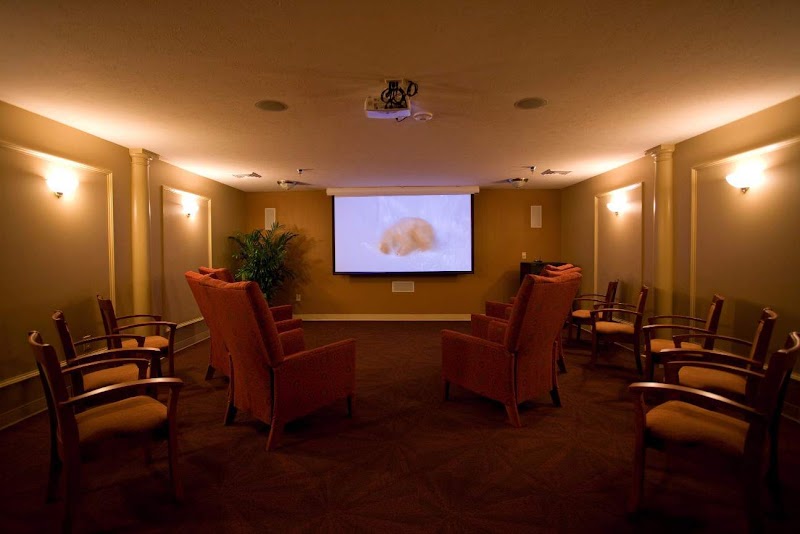
How is Bridgewater Healthcare Center Staffed?

CMS rates BRIDGEWATER HEALTHCARE CENTER's staffing level at 3 out of 5 stars, which is average compared to other nursing homes. Staff turnover is 46%, compared to the Indiana average of 46%.

What Have Inspectors Found at Bridgewater Healthcare Center?

State health inspectors documented 23 deficiencies at BRIDGEWATER HEALTHCARE CENTER during 2023 to 2025. These included: 23 with potential for harm.
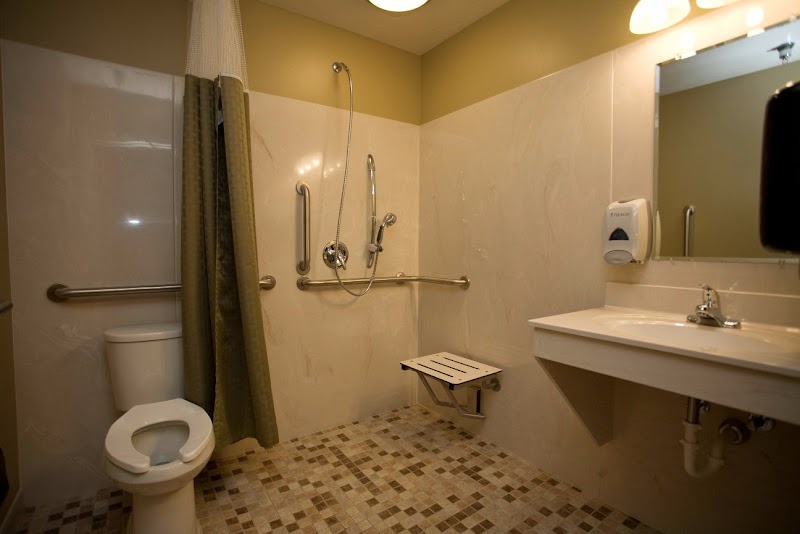
Who Owns and Operates Bridgewater Healthcare Center?

BRIDGEWATER HEALTHCARE CENTER is owned by a government entity. Government-operated facilities are typically run by state, county, or municipal agencies. The facility is operated by COMMUNICARE HEALTH, a chain that manages multiple nursing homes. With 120 certified beds and approximately 103 residents (about 86% occupancy), it is a mid-sized facility located in CARMEL, Indiana.
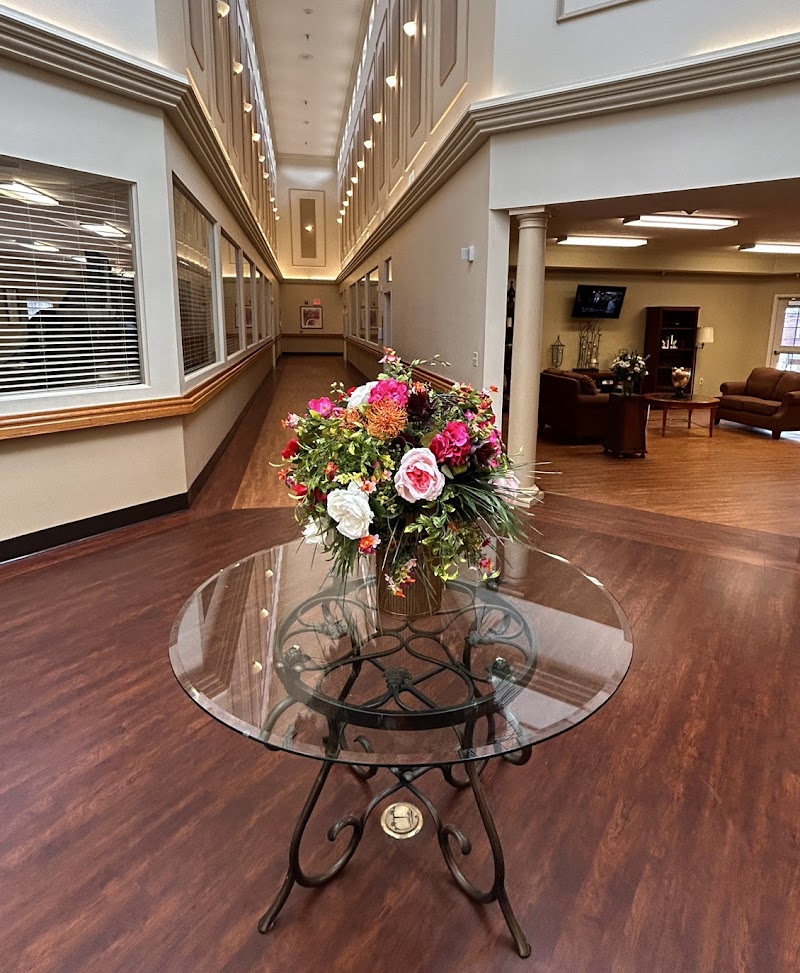
How Does Bridgewater Healthcare Center Compare to Other Indiana Nursing Homes?

Compared to the 100 nursing homes in Indiana, BRIDGEWATER HEALTHCARE CENTER's overall rating (4 stars) is above the state average of 3.1, staff turnover (46%) is near the state average of 46%, and health inspection rating (3 stars) is at the national benchmark.

What Should Families Ask When Visiting Bridgewater Healthcare Center?

Based on this facility's data, families visiting should ask: "Can I visit during a mealtime to observe dining assistance and food quality?" "How do you handle medical emergencies, and what is your hospital transfer rate?" "Can I speak with family members of current residents about their experience?"

Is Bridgewater Healthcare Center Safe?

Based on CMS inspection data, BRIDGEWATER HEALTHCARE CENTER has a clean safety record: no substantiated abuse findings (meaning no confirmed cases of resident harm), no Immediate Jeopardy citations (the most serious violation level indicating risk of serious injury or death), and is not on the Special Focus Facility watch list (a federal program monitoring the lowest-performing 1% of nursing homes). The facility has a 4-star overall rating and ranks #1 of 100 nursing homes in Indiana. While no facility is perfect, families should still ask about staff-to-resident ratios and recent inspection results during their visit.

Do Nurses at Bridgewater Healthcare Center Stick Around?

BRIDGEWATER HEALTHCARE CENTER has a staff turnover rate of 46%, which is about average for Indiana nursing homes (state average: 46%). Moderate turnover is common in nursing homes, but families should still ask about staff tenure and how the facility maintains care continuity when employees leave.

Was Bridgewater Healthcare Center Ever Fined?

BRIDGEWATER HEALTHCARE CENTER has no federal fines on record. CMS issues fines when nursing homes fail to meet care standards or don't correct problems found during inspections. The absence of fines suggests the facility has either maintained compliance or corrected any issues before penalties were assessed. This is a positive indicator, though families should still review recent inspection reports for the full picture.

Is Bridgewater Healthcare Center on Any Federal Watch List?

BRIDGEWATER HEALTHCARE CENTER is not on any federal watch list. The most significant is the Special Focus Facility (SFF) program, which identifies the bottom 1% of nursing homes nationally based on persistent, serious quality problems. Not being on this list means the facility has avoided the pattern of deficiencies that triggers enhanced federal oversight. This is a positive indicator, though families should still review the facility's inspection history directly.