CARMEL HEALTH & LIVING COMMUNITY
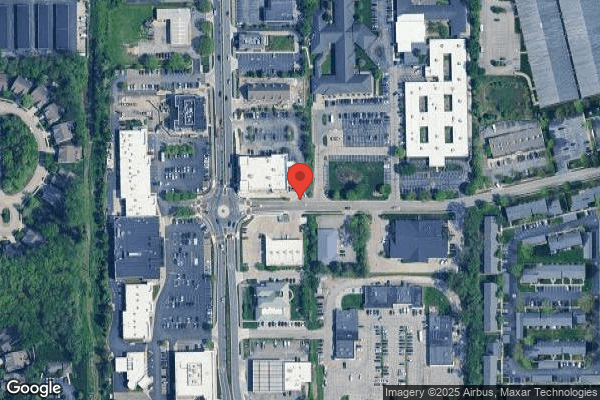
118 MEDICAL DR, CARMEL, IN 46032 (317) 844-4211
Government - County 188 Beds CARDON & ASSOCIATES Data: November 2025
Trust Grade
45/100
#334 of 505 in IN
Last Inspection: November 2024

Within standard 12-15 month inspection cycle. Federal law requires annual inspections.

Overview

Carmel Health & Living Community has received a Trust Grade of D, indicating below-average performance with some concerns about care quality. They rank #334 out of 505 facilities in Indiana, placing them in the bottom half, and #15 out of 17 in Hamilton County, meaning there are only two local options that perform better. The facility is showing improvement, with issues decreasing from 13 in 2024 to just 1 in 2025, but staffing remains a concern with a turnover rate of 65%, significantly higher than the state average of 47%. Although there have been no fines reported, which is a positive sign, inspector findings revealed issues, such as a failure to communicate a resident's medication needs after a UTI diagnosis and problems with medication storage practices. Overall, while there are strengths in the facility's recent trend and absence of fines, families should be aware of the staffing challenges and specific incidents that raise concerns about care quality.

Trust Score
D
45/100
In Indiana
#334/505
Bottom 34%
Safety Record
Low Risk
No red flags
Inspections
Getting Better
13 → 1 violations
Staff Stability
⚠ Watch
65% turnover. Above average. Higher turnover means staff may not know residents' routines.
Penalties
✓ Good
No fines on record. Clean compliance history, better than most Indiana facilities.
Skilled Nurses
○ Average
Each resident gets 33 minutes of Registered Nurse (RN) attention daily — about average for Indiana. RNs are the most trained staff who monitor for health changes.
Violations
⚠ Watch
32 deficiencies on record. Higher than average. Multiple issues found across inspections.
★★☆☆☆
2.0
Overall Rating
★★★☆☆
3.0
Staff Levels
★★★★☆
4.0
Care Quality
★★☆☆☆
2.0
Inspection Score
Stable
2024: 13 issues
2025: 1 issues

The Good

  • 4-Star Quality Measures · Strong clinical quality outcomes
  • Full Sprinkler Coverage · Fire safety systems throughout facility
  • No fines on record

Facility shows strength in quality measures, fire safety.

The Bad

2-Star Overall Rating

Below Indiana average (3.1)

Below average - review inspection findings carefully

Staff Turnover: 65%

19pts above Indiana avg (46%)

Frequent staff changes - ask about care continuity

Chain: CARDON & ASSOCIATES

Part of a multi-facility chain

Ask about local staffing decisions and management

Staff turnover is elevated (65%)

17 points above Indiana average of 48%

The Ugly 32 deficiencies on record

Jan 2025 1 deficiency
CONCERN (D) 📢 Someone Reported This

A family member, employee, or ombudsman was alarmed enough to file a formal complaint

Potential for Harm - no one hurt, but risky conditions existed

Pharmacy Services (Tag F0755)

Could have caused harm · This affected 1 resident

Based on interview and record review, the facility failed to ensure a staff member followed the policy and procedure when administering narcotics for 2 of 2 residents reviewed for pharmaceutical servi...

Read full inspector narrative →
Based on interview and record review, the facility failed to ensure a staff member followed the policy and procedure when administering narcotics for 2 of 2 residents reviewed for pharmaceutical services. (Resident F and G) Finding includes: A document, titled Indiana State Department of Health Survey Report System, dated 12/18/24 at 9:01 a.m., indicated Qualified Medication Aide (QMA) 5 reported to the facility a concern with RN 1. RN 1 was potentially taking residents' narcotic medications due to her signing the narcotic medications out in the count book but not documenting the administration of those narcotic in the residents' medical records. An investigation was initiated, and all the residents' narcotic medications were accounted for, and no discrepancies were found. RN 1 was terminated due to failure to follow facility policy and procedure. The following residents' medical records were reviewed, and their Electronic Medication Administration Record (EMAR) did not have the narcotic medication documented for the dates and times the narcotic count sheet indicated the medication was administered. 1. The clinical record for Resident F was reviewed on 1/8/25 at 3:16 p.m. The diagnoses included, but were not limited to, malignant neoplasm of the rectum, cerebral infarction due to embolism of right middle cerebral artery, mild protein-calorie malnutrition, and gastrostomy status. A physician's order indicated to give an Oxycodone 10 mg (milligrams) tablet every four hours as needed (PRN) for severe pain. The resident's EMAR, dated November 2024, had no documentation to indicate he had received any PRN doses of this medication during the month of November. A facility document, titled Controlled Drug Record, dated 11/9/24, indicated an Oxycodone 10 mg tablet was signed out on the narcotic sheet the following dates and times: 11/09/24 at 12:00 p.m. (RN 1) 11/09/24 at 4:00 p.m. 11/10/24 at 12:00 a.m. 11/10/24 at 1:00 p.m. 11/10/24 at 2:00 p.m. (RN 1) 11/11/24 at 8:00 a.m. (RN 1) 11/11/24 at 12:00 p.m. (RN 1) 11/11/24 at 4:00 p.m. (RN 1) 11/11/24 at 9:00 p.m. (RN 1) 11/13/24 at 7:30 p.m. (RN 1) 11/13/24 at 1:00 p.m. (RN 1) 11/15/24 at 6:30 p.m. (RN 1) 11/15/24 at 8:00 a.m. (RN 1) 11/15/24 at 2:00 p.m. (RN 1) 11/16/24 at 8:00 a.m. (RN 1) 11/16/24 at 2:00 p.m. (RN 1) 11/17/24 at 9:00 p.m. (RN 1) 11/17/24 at 11:00 a.m. (RN 1) 11/17/24 at 2:00 p.m. (RN 1) 11/18/24 at 7:30 a.m. (RN 1) 11/18/24 at 11:00 a.m. (RN 1) 11/20/24 at 8:00 a.m. (RN 1) 11/20/24 at 1:00 p.m. (RN 1) 11/20/24 at 5:00 p.m. (RN 1) 11/20/24 at 10:30 p.m. (RN 1) 11/22/24 at 8:00 a.m. (RN 1) 11/22/24 at 2:00 p.m. (RN 1) 11/23/24 at 12:00 p.m. 11/24/24 unable to determine time given 11/24/24 at 8:00 a.m. (RN 1) A handwritten note on this record indicated Resident has not missed any dose, all meds accounted for. Resident had not complained of any pain. 2. The clinical record for Resident G was reviewed on 1/8/25 at 3:30 p.m. The diagnoses included, but were not limited to, senile degeneration of the brain, severe vascular dementia, malignant neoplasm of the prostate, and depression. A physician's order indicated to give a Hydrocodone-acetaminophen 5-325 mg tablet Give by mouth three times a day PRN for pain The resident's EMAR, dated December 2024, had one (1) PRN dose documented to indicate the resident had received a PRN dose of this medication during the month of December. A facility document, titled Controlled Drug Record, dated 12/4/24, indicated a Hydrocodone-acetaminophen 5-325 mg tablet was signed out on the narcotic sheet the following dates and times: 12/04/24 at 9:00 a.m. (RN 1) 12/04/24 at 6:00 p.m. (RN 1) 12/06/24 at 11:00 a.m. (RN 1) 12/06/24 at 3:00 p.m. (RN 1) 12/06/24 at 10:00 p.m. (RN 1) 12/07/24 at 8:00 a.m. (RN 1) 12/07/24 at 3:00 p.m. (RN 1) 12/08/24 at 8:00 a.m. (RN 1) 12/09/24 at 2:00 p.m. (RN 1) 12/11/24 at 9:00 a.m. (RN 1) 12/11/24 at 2:00 p.m. (RN 1) A handwritten note on this record indicated Resident unable to interview but had not complained of pain. All medication accounted for. A facility document, titled Associate Discipline Form, dated 12/18/24 and provided by Clinical Support Nurse on 1/8/25 at 11:15 a.m., indicated RN 1 was suspended for failure to follow procedure and/or instructions. RN 1 was accused of not following company policy and procedure of signing out narcotics which had been given on both the narcotic count sheet and the EMAR. A facility document, titled Associate Discipline Form, dated 12/19/24 and provided by Clinical Support Nurse on 1/8/25 at 11:15 a.m., indicated RN 1 was terminated for failure to follow procedure and/or instructions. The investigation determined RN 1 did not sign all the narcotic medications she gave on both the narcotic count sheet and the EMAR. She was terminated for failure to follow policy and procedure. During an interview, on 1/8/25 at 4:15 p.m., the Clinical Support Nurse indicated RN 1 was terminated for not following policy and procedure for signing out and documenting the administration of a narcotic medication. The narcotic count sheets were correct, but the narcotic medications were not signed out on the EMAR. A current facility policy, titled Documentation of Medication Administration, dated November 2022 and provided by the Clinical Support Nurse on 1/7/25 at 2:15 p.m., indicated .A medication administration record is used to document all medications administered .A nurse or certified medication aide (where applicable) documents all medications administered to each resident on the resident's medication administration record (EMAR). 2. Administration of medication is documented immediately after it is given A current facility policy, titled Clinical-Policy and Procedure for Scheduled Drugs, dated March 2015 and provided by the Clinical Support Nurse on 1/7/24 at 2:15 p.m., indicated .Immediately after a dose of a scheduled drug is administered, the licensed nurse administering the scheduled drug is to enter all of the following information .Date and time of administration .Dose administered .Signature of nurse administering the dose .Remaining Doses 3.1-25(b)(3)
Nov 2024 11 deficiencies
CONCERN (D)

Potential for Harm - no one hurt, but risky conditions existed

Deficiency F0576 (Tag F0576)

Could have caused harm · This affected 1 resident

Based on interview and record review, the facility failed to ensure mail was delivered unopened for 1 of 1 resident reviewed for resident rights. (Resident 135) Finding includes: During a resident co...

Read full inspector narrative →
Based on interview and record review, the facility failed to ensure mail was delivered unopened for 1 of 1 resident reviewed for resident rights. (Resident 135) Finding includes: During a resident council interview, on 10/30/24 at 1:05 p.m., Resident 135 indicated an item of her mail from Medicaid had been opened by the facility prior to being delivered. She indicated she had not given permission and did not want anyone from the facility to open her mail. The clinical record for Resident 135 was reviewed on 10/30/24 at 3:08 p.m. The diagnoses included, but were not limited to, cerebral palsy, type 2 diabetes mellitus, chronic viral hepatitis, atherosclerotic heart disease, and noninfective gastroenteritis and colitis. Resident 135 signed a Permission & Acknowledgment form, on 9/30/24 at 7:20 p.m. She selected NO to I authorize community personnel and/or volunteers to open the resident's mail and read it to the resident at times the resident is unable to do so and NO to If the resident applies for Medicaid, I authorize the designated community personnel to open the resident's Medicaid mail each month to access the Medicaid number for billing purposes. Resident 135 had signed an Authorized Representative for Health Coverage form which named the facility as her representative. The form was not dated. During an interview, on 10/30/24 at 02:00 p.m., the Business Office Manager (BOM) indicated the facility opened Resident 135's Medicaid approval letter, made a copy of her new Medicaid card, and then delivered it to the resident. She had opened the Medicaid mail under the direction of the corporate office due to other sister facilities had checks delivered to residents which were supposed to go to the facility for payment. During an interview, on 10/31/24 at 9:26 a.m., the Executive Director (ED) indicated the facility did not have a policy pertaining to mail delivery or mail services. A current facility policy, titled Resident Rights, dated 6/6/19 and received from the ED on 10/31/24 at 9:26 a.m., indicated .Exercise his or her rights as a resident of the facility and as a resident or citizen of the United States .privacy and confidentiality .communicate in person and by mail .with privacy .The unauthorized release, access or disclosure of resident information is prohibited 3.1-3(s)(1)
CONCERN (D)

Potential for Harm - no one hurt, but risky conditions existed

PASARR Coordination (Tag F0644)

Could have caused harm · This affected 1 resident

2. The clinical record for Resident D was reviewed on 10/29/24 at 3:29 p.m. The diagnoses included, but were not limited to, major depressive disorder, anxiety, and bipolar disorder. Resident D was ad...

Read full inspector narrative →
2. The clinical record for Resident D was reviewed on 10/29/24 at 3:29 p.m. The diagnoses included, but were not limited to, major depressive disorder, anxiety, and bipolar disorder. Resident D was admitted to the facility with a diagnosis of bipolar disorder on 9/11/24. A PASARR Level I, dated 8/13/24, indicated Resident D did not have a serious mental health disability and it was determined no Level II screen was required. The mental health diagnoses listed on the Level I PASARR were anxiety and depression/depressive disorder. The diagnosis of bipolar disorder was present on Resident D's admission Minimum Data Set (MDS) assessment. During an interview, on 11/1/24 at 2:13 p.m., Social Services 14 indicated the social service department should review the resident's diagnoses upon admission and if the resident triggered for a Level II screen, they would initiate the Level II screening process. Resident D's bipolar diagnosis was missed, and a Level II screening should have been initiated. During an interview, on 11/1/24 at 2:04 p.m., the Clinical Support nurse indicated the facility did not have a policy for PASARR. The facility followed the resident assessment instructions (RAI). 3.1-16(d)(1)(A) 3.1-16(d)(1)(B) Based on interview and record review, the facility failed to ensure pre-admission screening and resident reviews (PASARR) were accurate and updated for 2 of 3 residents reviewed for PASARR. (Residents 87 and D) Findings include: 1. The clinical record for Resident 87 was reviewed on 10/30/24 at 8:49 a.m. The diagnoses included, but were not limited to, depression, borderline personality disorder, and age-related physical debility. A notice of PASARR Level I, dated 8/2/24, indicated Resident 87 did not take any mental health medications. A physician's order, with a start date of 9/23/24, indicated the resident was on Amitriptyline (an antidepressant medication) 50 milligrams once a day. During an interview, on 10/30/24 at 2:10 p.m., the Clinical Support nurse indicated Resident 87 was on Amitriptyline on admission. She should have had the medication listed on her Level I PASARR. During an interview, on 11/01/24 at 11:37 a.m., Social Services 14 indicated the social service department was responsible for the PASARRs and were the ones who made sure the Level I and Level II were up to date. PASARRs should be updated when someone received a new mental health medication.
CONCERN (D)

Potential for Harm - no one hurt, but risky conditions existed

Comprehensive Care Plan (Tag F0656)

Could have caused harm · This affected 1 resident

Based on interview and record review, the facility failed to ensure a comprehensive person-centered care plan was developed for a resident diagnosed and treated for insomnia for 1 of 31 residents revi...

Read full inspector narrative →
Based on interview and record review, the facility failed to ensure a comprehensive person-centered care plan was developed for a resident diagnosed and treated for insomnia for 1 of 31 residents reviewed for comprehensive person-centered care plans. (Resident F) Finding includes: The clinical record for Resident F was reviewed on 10/29/24 at 3:23 p.m. The diagnoses included, but were not limited to, senile degeneration of the brain (dementia), diastolic heart failure, and insomnia. A physician's order, dated 6/18/24, indicated Resident F was to receive a melatonin 10 milligram (mg) tablet, once a day, before bedtime for insomnia. A physician's order, dated 8/29/24, indicated Resident F was to receive a trazodone (an antidepressant medication) 50 mg tablet, once a day, before bedtime for insomnia. A physician's order, dated 10/24/24, indicated Resident F was to receive a Seroquel (an antipsychotic medication) 50 mg tablet, once a day, before bedtime for insomnia. The comprehensive care plan did not include Resident F's diagnosis of insomnia or the use of melatonin, trazodone and Seroquel. During an interview, on 10/30/24 at 10:12 a.m., RN 10 indicated Resident F did not sleep well at night and was on several medications for insomnia. During an interview, on 11/1/24 at 2:13 p.m., Social Services 14 indicated it was the responsibility of the social service department to review the resident's diagnoses and medications to assure they were added to the care plans. Resident F's diagnosis of insomnia and the medications prescribed were not included in the care plan. During an interview, on 11/1/24 at 2:04 p.m., the Clinical Support nurse indicated the facility did not have a policy for care plans. The facility followed the resident assessment instructions (RAI) manual. 3.1-35(a)
CONCERN (D)

Potential for Harm - no one hurt, but risky conditions existed

Accident Prevention (Tag F0689)

Could have caused harm · This affected 1 resident

Based on observation, interview and record review, the facility failed to ensure a resident did not have smoking articles in their room for 1 of 7 residents reviewed for accident hazards. (Resident 24...

Read full inspector narrative →
Based on observation, interview and record review, the facility failed to ensure a resident did not have smoking articles in their room for 1 of 7 residents reviewed for accident hazards. (Resident 241) Finding includes: During an observation, on 10/28/24 at 12:00 p.m., Resident 241 had an electronic cigarette (e-cigarette) or vape in his room on his bedside table. During an observation and interview, on 10/28/24 at 12:05 p.m., CNA 20 walked in the resident's room with the resident's lunch. The resident slowly grabbed the vape and brought it towards his abdomen as CNA 20 came in the door. The vape was still visible in the resident's hand as the CNA placed his lunch tray down on the table. CNA 20 indicated she was not sure if residents could have vapes stored in their rooms or not. The clinical record for Resident 241 was reviewed on 10/30/24 at 10:57 a.m. The diagnoses included, but were not limited to, opioid dependence, drug induced constipation, unspecified pain, and anxiety disorder. During an interview, on 10/28/24 at 12:11 p.m., Unit Manager 4 indicated he did not believe residents could have a vape in their room. It was a smoke free facility. He would check with the Executive Director (ED). During an interview, on 10/28/24 at 12:19 p.m., the ED indicated residents should not have vapes in their room. A current facility policy, titled SMOKING POLICY, dated 6/6/19 and received from the Executive Director on 10/28/24 at 12:30 p.m., indicated .Residents are not permitted to give smoking articles to other residents and personal smoking articles must be secured to prevent access by other residents. 14. Residents without independent smoking privileges may not have or keep any smoking articles, including cigarettes, tobacco, etc., except when they are under direct supervision 3.1-45(a)(1)
CONCERN (D)

Potential for Harm - no one hurt, but risky conditions existed

Respiratory Care (Tag F0695)

Could have caused harm · This affected 1 resident

Based on observation, interview and record review, the facility failed to ensure the correct amount of oxygen was administered as ordered by the physician for 2 of 3 residents reviewed for respiratory...

Read full inspector narrative →
Based on observation, interview and record review, the facility failed to ensure the correct amount of oxygen was administered as ordered by the physician for 2 of 3 residents reviewed for respiratory care. (Resident 10 and 37) Findings include: 1. During an observation, on 10/28/24 at 3:36 p.m., Resident 10's oxygen concentrator (a device used to provide supplemental oxygen therapy) was set on 3 liters per minute (L). During an observation, on 10/29/24 at 10:25 a.m., Resident 10's oxygen concentrator was set on 3L. During an observation, on 10/30/24 at 2:24 p.m., Resident 10's portable oxygen concentrator was set on 3L. During an observation, on 10/31/24 at 3:10 p.m., Resident 10's portable oxygen concentrator was set on 3L. During an observation, on 11/4/24 at 9:56 a.m., Resident 10's oxygen concentrator was set on 3L. The clinical record for Resident 10 was reviewed on 10/31/24 at 9:05 a.m. The diagnoses included, but were not limited to, heart failure, vascular dementia with mood disturbance, type 2 diabetes mellitus, chronic pulmonary embolism, shortness of breath, and acute and chronic respiratory failure. A care plan, dated 7/31/24 and last edited on 10/8/24, indicated the resident was on oxygen therapy. Interventions included, but were not limited to, report signs of hypoxia and administer oxygen as ordered. A physician's order, dated 10/8/24, indicated the resident was to receive 2L of oxygen continuously. During an interview, on 10/30/24 at 2:24 p.m., CNA 2 indicated the resident's oxygen concentrator was set on 3L. She was unsure of the resident's ordered liter flow rate. During an interview, on 10/30/24 at 2:29 p.m., LPN 2 indicated the resident's ordered rate was for 2L. During an interview, on 11/4/24 at 9:58 a.m., the ADON (Assistant Director of Nursing) indicated the resident's order was for 2L and the resident's oxygen was set at 3L. 2. During an observation, on 10/29/24 at 9:11 a.m., Resident 37 was observed sitting up in bed. She was receiving oxygen, through a nasal cannula, at 5 liters per minute. A physician's order, initiated on 7/16/24, indicated to provide oxygen at 2 liters per minute continuously via nasal cannula A care plan indicated the resident required oxygen therapy due to hypoxia (a condition which occurred when the body did not have enough oxygen). An intervention, with a start date of 3/6/24, indicated the resident would receive oxygen therapy per the physician's order. During an interview, on 10/29/24 at 9:15 a.m., the Director of Nursing reviewed the order for the resident's oxygen and indicated it was to be at two (2) liters per minute. The nurse was responsible to set the flow rate of the oxygen. During an interview, on 11/1/24 at 11:09 a.m., RN 10 indicated the nurse was to set the oxygen levels for the resident and check the setting throughout the day. A current facility document, titled OXYGEN ADMINISTRATION SKILLS VALIDATION, dated as revised on 3/4/24 and received from the Corporate Support Nurse on 11/01/24 at 2:00 p.m., indicated .Verify physician's order for the liter flow .prior to administering oxygen 3.1-47(a)(6)
CONCERN (D)

Potential for Harm - no one hurt, but risky conditions existed

Pharmacy Services (Tag F0755)

Could have caused harm · This affected 1 resident

Based on observation, interview and record review, the facility failed to ensure the on-coming and off-going staff signed the narcotic count books each shift for 2 of 3 medication carts reviewed for d...

Read full inspector narrative →
Based on observation, interview and record review, the facility failed to ensure the on-coming and off-going staff signed the narcotic count books each shift for 2 of 3 medication carts reviewed for drug reconciliation. (700-unit and 400-unit) Findings include: 1. During an observation, on 10/31/24 at 3:15 p.m., with Unit Manager 4 present, the October 2024 narcotic log count sheets for the 700-unit were observed. Book 1 was found to be missing 31 of 93 possible opportunities to sign the narcotic log sheet when staff were off-going and 28 of 93 possible opportunities to sign the narcotic log sheet when staff were on-coming. Book 2 was found to be missing 34 of 93 possible opportunities to sign the narcotic log sheet when staff were off-going and 33 of 93 possible opportunities to sign the narcotic log sheet when staff were on-coming. 2. During an observation, on 10/31/24 at 3:38 p.m., with LPN 19 present, the October 2024 narcotic log count sheets for the 400-unit were observed. The book was found to be missing 39 of 93 possible opportunities to sign the narcotic logs sheet when staff were off-going and 30 of 93 possible opportunities to sign the narcotic log sheet when staff were on-coming. During an interview, on 10/31/24 at 3:19 p.m., Unit Manager 4 indicated staff were supposed to sign on/off in the narcotic book. A current facility policy, titled Policy and Procedure for Scheduled Drugs, dated March 2015 and received from the Corporate Support Nurse on 11/01/24 at 2:00 p.m., indicated .At the beginning of an associate's shift they must count and account for all scheduled drugs .with the outgoing associate .At the end of an associate's shift they must count and account for all scheduled drugs .with the oncoming associate .At the conclusion of each shift the outgoing and oncoming licensed nurse should complete the Nurse's Narcotic Sign In/Sign Out sheet 3.1-25(e)(2) 3.1-25(e)(3)
CONCERN (D)

Potential for Harm - no one hurt, but risky conditions existed

Deficiency F0761 (Tag F0761)

Could have caused harm · This affected 1 resident

4. During an observation, on 10/28/24 at 10:23 a.m., Resident 80 had Diclofenac Sodium topical gel 1% (typically used for arthritis pain relief) on his bedside table. During an observation, on 10/29/...

Read full inspector narrative →
4. During an observation, on 10/28/24 at 10:23 a.m., Resident 80 had Diclofenac Sodium topical gel 1% (typically used for arthritis pain relief) on his bedside table. During an observation, on 10/29/24 at 9:26 a.m., Diclofenac Sodium topical gel 1% was still on his bedside table. The clinical record for Resident 80 was reviewed on 10/30/24 at 2:35 p.m. The diagnoses included, but were not limited to, other skin changes, chronic kidney disease, and vitamin d deficiency. The resident did not have a physician's order for Diclofenac Sodium topical gel 1%. During an interview, on 10/29/24 at 9:44 a.m., Unit Manager 4 indicated he should not have the gel in his room especially since he did not have an order for it. 5. During an observation, on 10/28/24 at 10:44 a.m., Resident 45 had Diclofenac Sodium topical gel 1% on a table in his room with a label on it. The label did not look like a facility label. During an observation and interview, on 10/29/24 at 9:38 a.m., the Diclofenac Sodium topical gel 1% was still on the table. Unit Manager 4 indicated they should not have the arthritis gel out in his room. The label on the tube did not look like it was from their pharmacy. The clinical record for Resident 45 was reviewed on 10/30/24 at 10:09 a.m. The diagnoses included, but were not limited to, unspecified edema, unspecified pain, and unspecified vitamin deficiency. A current facility policy, titled DRUG STORAGE, undated and received from the Corporate Support Nurse on 11/01/24 at 2:00 p.m., indicated .All expired .medications are removed from resident care areas and stored separately from medications available for administration .Drugs with different routes of administration should .be stored individually in separate compartments .Discontinued and expired medications should be removed from medication carts, refrigerators A current facility policy, titled BEDSIDE MEDICATIONS AND SELF-ADMINISTRATION OF MEDICATIONS, undated and received from the Director of Nursing (DON) on 11/4/24 at 1:40 p.m., indicated .The DON instructs all staff to report to the charge nurse on duty any medications found at the bedside not authorized for bedside storage. All staff will also be instructed to give the unauthorized medications to the DON for return to the family or responsible party when necessary 3.1-25(j) 3.1-25(m) 3.1-25(o) Based on observation, interview and record review, the facility failed to ensure medications and supplements were labeled and dated, expired medications were removed from the cart and medications were stored safe and secured away from residents for 3 of 3 units and 2 of 2 residents reviewed for medication storage. (500-unit, 800-unit, 700-unit, Resident 80 and Resident 45) Findings include: 1. During an observation, on 10/31/24 at 11:55 a.m., with LPN 16 present, the 500-unit medication cart was found to have an open Lantus insulin pen, dated 9/24/24, without a resident name on the pen. An anesthetic oral gel was opened and stored alongside an opened bottle of ear drops. There was also a 30-ounce bottle of liquid protein found open and without a resident's name on the bottle. During an interview, on 10/31/24 at 11:55 a.m., LPN 16 indicated the insulin was expired. The oral gel and eye drops were not to be stored together. The liquid protein was used for whoever needed it. 2. During an observation, on 10/31/24 at 2:53 p.m., with LPN 17 present, the 800-unit medication cart was found to have a 30-milliliter bottle of liquid protein, opened and without a resident's name on the bottle. The 800-unit medication room refrigerator had a bottle of aplisol (a solution used in tuberculosis testing) with the seal broke. There was no open date on the bottle or box. 3. During an observation, on 10/31/24 at 3:19 p.m., with Unit Manager 4 present, the 700-unit medication refrigerator had a bottle of aplisol with the seal broke and no open date. At that time, Unit Manager 4 indicated the solution was to be dated when it was opened. During an interview, on 11/1/24 at 2:00 p.m., the Corporate Support Nurse indicated it was the expectation open dates were placed on medications when they were opened.
CONCERN (D)

Potential for Harm - no one hurt, but risky conditions existed

Dental Services (Tag F0791)

Could have caused harm · This affected 1 resident

Based on observation, interview and record review, the facility failed to ensure a resident received dental services to repair or replace partial dentures for 1 of 1 resident reviewed for dental servi...

Read full inspector narrative →
Based on observation, interview and record review, the facility failed to ensure a resident received dental services to repair or replace partial dentures for 1 of 1 resident reviewed for dental services. (Resident 122) Finding includes: During an observation, on 10/29/24 at 3:26 p.m., Resident 122 was well groomed with make-up on including lipstick with missing front teeth. During an observation, on 10/30/24 at 2:21 p.m., the resident was again well dressed, her hair was styled and make-up carefully applied. The clinical record for Resident 122 was reviewed on 10/30/24 at 11:11 a.m. The diagnoses included, but were not limited to, repeated falls, bipolar disorder, oral phase dysphagia, Alzheimer's dementia with behavioral disturbance, anxiety, depression, and impaired memory. An admission assessment, dated 2/2/24, indicated the resident had upper partial dentures. A physician's order, dated 2/2/24, indicated the resident may receive dentistry services as needed. A nursing progress note, dated 7/1/24 at 7:51 p.m., indicated the resident was found in her room holding two of her front teeth when the aid entered to assist with her bedtime rituals. They had apparently just fell out, both were completely rotten. The aid came out to the nurse's station to tell the nurse and when they had returned to the room, the resident had flushed both teeth down the toilet. A nursing progress note, dated 7/2/24 at 12:49 p.m., indicated the resident had no pain, infection, or bleeding noted in her mouth where the teeth had fallen out. A nurse practitioner note, dated 7/2/24, indicated per staff the resident's front teeth fell out with no incident. The unit manager was working on a dental consultation. A nursing progress note, dated 7/3/24 at 11:58 a.m., indicated the family was notified of the teeth falling out and the family wanted the resident to be seen by the in-house dentist. A speech therapy note, dated 7/8/24-8/6/24, indicated the resident had natural teeth but was missing a few upper teeth. A care plan, dated 8/26/24, indicated the resident desired to use the facility ancillary services, including dentistry. A speech therapy note, dated 10/26/24-11/24/24, indicated the resident had missing teeth. The electronic medical record did not include any dental visit notes or notes regarding any attempts at repairing or replacing the resident's partial upper dentures. During an interview, on 10/30/24 at 1:14 p.m., the Assistant Director of Nursing (ADON) indicated the teeth which fell out were partial dentures rather than natural teeth. The facility had contacted their dental provider to see if the dentures could be repaired but they had not heard back. During an interview, on 10/31/24 at 9:40 a.m., CNA 5 indicated the resident did not have her partial denture back. She thought they were getting fixed but had not heard anything about them in a long time. The resident was very put together, dressed very well, and always had her make-up and lipstick on. She did not think the resident would be comfortable not having all her front teeth if she did not have dementia. During an interview, on 10/31/24 at 10:00 a.m., Unit Manager 4 indicated the facility was working on getting her partial repaired or replaced, but he had not heard anything about them in a while. He did not know where things were in the process to get her partial dentures back. The resident had not had her dentures since the beginning of July. During an interview, on 10/31/24 at 1:45 p.m., the Administrator indicated the current social worker was new and the facility did not have any notes on any dental consult or dental visits for the resident. The facility could not provide any further notes regarding partial dentures or where things were in the process of getting them repaired or replaced. She thought the partial had been sent to the dentist but there was no documentation on where they were sent, when, or any further progress. The facility had no record of any dental visits arranged for the resident. She had no further paperwork to provide apart from the electronic medical record. A current facility policy, titled Dental Services Policy, dated 6/6/19 and received from the Clinical Support nurse on 11/4/24 at 12:10 p.m., indicated .will assist residents in making appointments .for routine .dental services and will refer residents with lost or damaged dentures for dental services within 3 days of said loss or damage .recognizing the importance of the dentures .to the resident self-esteem .When any member of the Community staff is informed that or notices that a resident's dentures are lost or damaged, that staff person will immediately complete the attached Lost or Damaged Dentures Report and submit the report to the Administrator .Within 3 business days of receiving the report, the Administrator or designee will ensure that the resident has been referred to the appropriate dental service provider for replacement or repair of the dentures. The Administrator or designee will also follow up to ensure that an appointment has been made 3.1-24(a)(3)
CONCERN (D) 📢 Someone Reported This

A family member, employee, or ombudsman was alarmed enough to file a formal complaint

Potential for Harm - no one hurt, but risky conditions existed

Deficiency F0804 (Tag F0804)

Could have caused harm · This affected 1 resident

Based on observation, interview and record review, the facility failed to ensure food was served at a safe and appetizing temperature for 1 of 1 room tray tested for food temperatures. (200 hall) Fin...

Read full inspector narrative →
Based on observation, interview and record review, the facility failed to ensure food was served at a safe and appetizing temperature for 1 of 1 room tray tested for food temperatures. (200 hall) Finding includes: During an interview, on 10/28/24 at 10:49 a.m., Resident E indicated the food was cold. During an interview, on 10/28/24 at 11:29 a.m., Resident D indicated the food was sometimes cold. During an interview, on 10/28/24 at 3:09 p.m., Resident B indicated the food was cold. During an interview, on 10/29/24 at 11:15 a.m., Resident C indicated the food did not have good flavor and it was cold. During a resident council meeting, on 10/30/24 at 1:05 p.m., the resident council indicated the food was sometimes cold, especially the room trays. During an observation and interview, on 10/31/24 at 11:46 a.m., a lunch tray was chosen at random to obtain food temperatures. The country fried steak temped at 100 degrees, the peas temped at 101 degrees, and the glazed carrots temped at 105 degrees. The Assistant Dining Services Supervisor indicated the hot food should be served at least 120 degrees or higher and she would need to reheat the food prior to serving it to the resident. A current facility policy, titled Food Preparation and Safety Policy, dated 2020 and received from the Executive Director on 11/4/24 at 12:44 p.m., indicated .Trays are delivered promptly to ensure that food is served at a preferable temperature and to preserve the quality of the food .Hot food, that is not served at a preferrable temperature to the resident, will be re-heated, to an internal temperature of 165°F for 15 seconds, or replaced . This citation relates to Complaint IN00446463. 3.1-21(a)(2)
CONCERN (D)

Potential for Harm - no one hurt, but risky conditions existed

Safe Environment (Tag F0921)

Could have caused harm · This affected 1 resident

**NOTE- TERMS IN BRACKETS HAVE BEEN EDITED TO PROTECT CONFIDENTIALITY** Based on observation, interview and record review, the facility failed to ensure a safe, functional, sanitary, and comfortable e...

Read full inspector narrative →
**NOTE- TERMS IN BRACKETS HAVE BEEN EDITED TO PROTECT CONFIDENTIALITY** Based on observation, interview and record review, the facility failed to ensure a safe, functional, sanitary, and comfortable environment was provided for 5 of 142 rooms reviewed for environment. (Rooms 314, 401, 428, 527, 719) Findings include: 1. During an observation, on 10/28/24 at 10:36 a.m., room [ROOM NUMBER] had brown stains on 6 ceiling tiles and a telephone outlet without a cover exposing a white wire and a blue wire. During an observation and interview, on 10/29/24 at 10:16 a.m., the wires were still exposed in room [ROOM NUMBER]. Unit Manager 19 indicated he was not sure why the outlet cover would be off. It should be covered. He was not sure what type of wires were exposed. 2. During an observation, on 10/29/24 at 2:15 p.m., room [ROOM NUMBER] had a large brown stain on a dry wall ceiling by the patio door and a kitchenette sink faucet with a constant drip. 3. During an observation, on 10/28/24 at 2:49 p.m., room [ROOM NUMBER] had an improperly fitted light switch cover, resulting in a visible hole between the light switch cover and the wall. 4. During an observation, on 10/28/24 at 2:41 p.m., in room [ROOM NUMBER], Resident 33 was observed sitting up in bed eating a puree meal. The bed was positioned against a wall with a window. The wall below the window was observed to have drip stains, from food, below the window and on the window. During an observation, on 10/29/24 at 9:19 a.m., Resident 33 was up in the room eating breakfast. The window was noted to have dried debris stuck to it. The wooden windowsill was noted to be cracked with a milky white substance over it. During an observation, on 10/30/24 at 9:38 a.m., Resident 33's window was found to have dried debris stuck to it and the wooden windowsill remained unchanged. During an observation, on 10/30/24 at 12:57 p.m., Resident 33's window was noted to have brownish colored debris stuck to the window and the wooden windowsill remained unchanged. 5. During an observation, on 10/28/24 at 10:44 a.m., room [ROOM NUMBER] had opened wound supplies on a table in his room. During an observation and interview, on 10/29/24 at 9:38 a.m., the wound supplies were still in the room and on the table. Unit manager 4 indicated opened wound supplies should be thrown away and not in the room. During an interview, on 10/31/24 at 10:00 a.m., an environmental tour was completed with the Maintenance Supervisor and the Administrator. They indicated the cover came from the telephone outlet and they did not know how long the cover had been missing. The stains on the ceiling tiles were from condensation when the air conditioning unit was running. When the electric company came to replace the light switch fixtures, they did not put the correct size cover on. They were not aware of the brown stains on the dry walled ceiling. A facility document, titled Job Description ENVIRONMENTAL SERVICES SUPERVISOR, dated March 2004 and received from the Administrator on 10/31/24 at 2:54 p.m., indicated .The Environmental Supervisor maintains the facility grounds and all equipment in good working order while providing a clean, safe, sanitary, and attractive living environment conducive to good health and pleasant living conditions for all residents and employees. Supervises the quality of environmental services .Makes rounds of all building areas to observe cleanliness, safety, and working conditions .Inspects and repairs all damage to hallways, walls, ceiling, floors, baseboards, doorjambs, handrails, etc . Supervises the scheduling and performance of housekeeping, laundry and maintenance staff to assure efficient delivery of services 3.1-19(f)(5)
CONCERN (E) 📢 Someone Reported This

A family member, employee, or ombudsman was alarmed enough to file a formal complaint

Potential for Harm - no one hurt, but risky conditions existed

Quality of Care (Tag F0684)

Could have caused harm · This affected multiple residents

**NOTE- TERMS IN BRACKETS HAVE BEEN EDITED TO PROTECT CONFIDENTIALITY** 2. The clinical record for Resident H was reviewed on 10/29/24 at 3:25 p.m. The diagnoses included, but were not limited to, his...

Read full inspector narrative →
**NOTE- TERMS IN BRACKETS HAVE BEEN EDITED TO PROTECT CONFIDENTIALITY** 2. The clinical record for Resident H was reviewed on 10/29/24 at 3:25 p.m. The diagnoses included, but were not limited to, history of urinary tract infections, neuromuscular dysfunction of the bladder, and dementia. During an interview, on 10/29/24 at 1:57 p.m., the daughter of Resident H indicated she had concerns with the lack of communication at the facility. She indicated Resident H had an outpatient urology appointment on 10/18/24 and was diagnosed with a urinary tract infection (UTI). Resident H was supposed to be started on an antibiotic for the UTI, but when she called the facility to see if Resident H had started the medication, the nurse indicated the facility did not know anything about the antibiotic. A physician's order indicated if the resident had a positive urine culture, to fax the information to the Infection Disease (ID) provider or to call and speak with the staff. The physician's order included the ID provider's fax number and office telephone number. A progress note, dated 10/28/24, indicated Resident H's daughter called the facility inquiring if the antibiotic for the UTI had been started. The nurse did not find any information about the urinalysis testing or prescribed antibiotics. The nurse asked Unit Manager 18 if he had any information on the matter. Unit Manager 18 indicated he had not received anything. During an interview, on 10/30/24 at 2:42 p.m., the Administrator indicated Resident H returned from her outpatient appointment without paperwork. During an interview, on 11/1/24 at 9:58 a.m., RN 9 indicated if a resident returned from an appointment without paperwork, she would first check with the transportation driver to see if the paperwork was left in the vehicle. If the paperwork was not in the vehicle, she would then call the office the resident returned from. During an interview, on 10/31/24 at 11:29 a.m., Unit Manager 8 indicated the standard of practice for the facility was to reach out to the provider within 24 hours if a resident returned from an outside appointment without paperwork. During an interview, on 10/31/24 at 3:07 p.m., a staff member from the outside provider indicated Resident H had an appointment, on 10/18/24, for a urinary catheter change and a urinalysis sample was obtained. The positive urine culture results were faxed to the ID provider's office and to the facility on [DATE] at 8:00 a.m. She received a fax confirmation indicating the fax was sent successfully. She sent the fax again, on 10/30/24 at 2:00 p.m., after the resident's daughter came into the office indicating the resident had not received the antibiotic. There was a 6-day delay in Resident H receiving treatment for the UTI. 3. The clinical record for Resident F was reviewed on 10/29/24 at 3:23 p.m. The diagnoses included, but were not limited to, anxiety and insomnia. A physician's order, dated 6/18/24, indicated Resident F was receiving hospice services. An entry in the hospice communication log, dated 10/21/24, indicated hospice nurse RN 12 communicated new orders to discontinue melatonin (a medication to treat insomnia), discontinue the scheduled nighttime lorazepam (a medication to treat anxiety) and to start Seroquel (an antipsychotic medication) 25 milligram (mg) for insomnia with the facility. During a review of the physician's orders: a. an order for Seroquel 25 mg was not found. b. there was an active order for melatonin 10 mg, to be given before bedtime, indicating staff was administering the medication. c. there was an active order for lorazepam 0.5 milliliter (ml), to be given before bedtime, indicating staff was administering the medication. An entry in the hospice communication log, dated 10/24/24, indicated to increase the Seroquel from 25 mg to 50 mg. A physician order, dated 10/24/24, indicated Seroquel 50 mg was started. During an interview, on 10/30/24 at 11:25 a.m., the Director of Nursing (DON) indicated the hospice nurse would give the order to the nurse in the facility or the unit manager. The hospice nurse would then enter the order in the matrix or write the order on the order sheet. Unit manager 8 checked the binders for anything new added by hospice. While reviewing the Medication Administration Record (MAR), on 10/30/24 at 11:25 a.m., the DON indicated the melatonin, and the lorazepam had been administered from 10/21 to 10/29. During an interview, on 10/30/24 at 2:13 p.m., Unit Manager 8 indicated she was not aware the medications had been discontinued. She indicated hospice would give the order to the nurse and if the unit manager was not there, a copy of the order would be placed under the unit manager's office door. Unit Manager 8 indicated she checked the hospice binders for information added by hospice and had missed the entry regarding discontinuing the melatonin and lorazepam. During an interview, on 10/30/24 at 2:51 p.m., hospice nurse RN 12 indicated the protocol for a new order would be to write the order on the order sheet and give the sheet to the facility nurse. To ensure the facility nurse was aware of what the order was, she would have the facility nurse repeat the order back to her. RN 12 indicated she did this with the facility nurse but was unable to recall the name of the nurse she gave the orders to. She indicated she did not have access to the electronic medical record the facility used and was unable to verify if the orders had been placed. A review of the MAR indicated Resident F had been administered melatonin 10 mg, from 10/21-10/29, after the order by hospice to discontinue the medication. A review of the MAR indicated Resident F had been administered lorazepam 0.5 ml, from 10/21 to 10/29, after the order by hospice to discontinue the medication. Based on interview and record review, the facility failed to ensure staff followed physician's orders to hold medications, administer as needed (prn) medications according to the parameters, obtain daily weights, and failed to communicate with a urologist and a hospice provider for 5 of 5 residents reviewed for quality of care. (Residents G, H, F, 33 and 105) Findings include: 1. The clinical record for Resident G was reviewed on 10/30/24 at 11:05 a.m. The diagnoses included, but were not limited to, type 2 diabetes mellitus, essential primary hypertension, anxiety disorder, recurrent major depressive disorder, and moderate vascular dementia with psychotic disturbance. A care plan, dated 7/14/22 and edited 9/9/24, indicated the resident had the potential for hypoglycemia, hyperglycemia, and diabetic complications. The interventions included, but were not limited to, administer accuchecks and any insulin coverage per physician's order. A physician's order, dated 6/8/23, indicated to give 8 units of Humalog U-100 insulin solution subcutaneously three times a day with special instructions to hold the dose if the blood sugar reading was less than 150. A Medication Administration Record (MAR), dated 9/1/24 through 9/30/24, indicated the Humalog was administered: a. On 9/1/24, with a blood sugar of 127. b. On 9/8/24, with a blood sugar of 142. A MAR, dated 10/1/24 through 10/31/24, indicated the Humalog was administered: a. On 10/7/24, with a blood sugar of 148. b. On 10/13/24, with a blood sugar of 144 in the a.m., and a blood sugar of 141 in the p.m. c. On 10/25/24, with a blood sugar of 147. d. On 10/28/24, with a blood sugar of 143. e. On 10/30/24, with a blood sugar of 149. A physician's order, dated 6/5/24, indicated to give a 0.1 milligram (mg) clonidine tablet by mouth twice a day as needed upon rising and before bedtime with special instructions to give for a systolic blood pressure (SBP) greater than 160. A physician's order, dated 7/24/24, indicated to obtain a blood pressure reading daily upon rising. A MAR, dated 9/1/24 through 9/30/24, indicated the as needed clonidine was not administered as ordered: a. On 9/1/24, for a systolic blood pressure of 173 in the a.m., or the p.m. b. On 9/3/24, for a systolic blood pressure of 182 in a.m., or 172 in p.m. c. On 9/7/24, for a systolic blood pressure of 185. d. On 9/16/24, for a systolic blood pressure of 165. e. On 9/18/24, for a systolic blood pressure of 177. f. On 9/20/24, for a systolic blood pressure of 181. g. On 9/25/24, for a systolic blood pressure of 169. h. On 9/27/24, for a systolic blood pressure of 172. i. On 9/28/24, for a systolic blood pressure of 173. A MAR, dated 10/1/24 through 10/31/24, indicated the as needed clonidine was not administered as ordered: a. On 10/6/24, for a systolic blood pressure of 168. b. On 10/9/24, for a systolic blood pressure of 167. c. On 10/17/24, for a systolic blood pressure of 174. d. On 10/21/24, for a systolic blood pressure of 171. A nurse practitioner progress note, dated 10/4/24, indicated the resident had chronic uncontrolled hypertension and to monitor closely. During an interview, on 11/4/24 at 10:30 a.m., the Clinical Support nurse indicated the Humalog doses were supposed to be held when the resident's blood sugar was less than 150. When the dose was held, there would be a 0 for the dose, a blank, or not given on the MAR. During an interview, on 11/4/24 at 12:15 p.m., Unit Manager 4 indicated the as needed clonidine was to be given with the morning and evening medications when the systolic blood pressure was greater than 160. The Humalog should be held according to the physician's hold orders.5. The clinical record for Resident 105 was reviewed on 10/30/24 at 1:03 p.m. The diagnoses included, but were not limited to, unspecified edema, acute kidney failure, and unspecified fluid overload. A current care plan, with a start date of 10/04/23 and last revised on 9/9/24, indicated the resident had a potential for fluid volume excess/exacerbation related to congestive heart failure. Administer medications as ordered. A physician's order, with a start date of 10/4/24, indicated to obtain and record a daily weight upon rising before breakfast. Please give as needed Lasix (a diuretic) for a weight gain of 3 pounds in a day and 5 pounds in a week. A physician's order, with a start date of 6/13/24, indicated to give Lasix 40 mg once a day as needed for a 3-pound weight gain in a day or 5 pounds in a week. The Medication Administration Record (MAR) indicated daily weights were not obtained on 10/4/24, 10/14/24, 10/21/24, and 10/24/24. The MAR indicated Lasix was not administered per the physician's order for weight gains on 10/7/24, 10/12/24, and 10/29/24. During an interview, on 10/31/24 at 2:14 p.m., the Director of Nursing (DON) indicated she did not see where it was charted as the resident refused weights for those specific dates. There were missing as needed Lasix administrations and missing daily weights. During an interview, on 11/1/24 at 3:08 p.m., the Assistant Director of Nursing (ADON) indicated the resident was missing some daily weights and she was not sure why the Lasix had not been given. The staff should chart any refusals. During an interview, on 11/1/24 at 2:05 p.m., the Corporate Support Nurse indicated the facility did not have a policy for following physician's orders. The facility was unable to provide a policy related to follow up communication with outside providers when a resident returned to the facility without paperwork. A facility document, titled NURSING FACILITY AND HOSPICE SERVICES AGREEMENT, updated July 2020 and received upon entrance, indicated .Hospice and facility shall develop a process by which to exchange information between Hospice IDG and Facility staff regarding .updating of the Coordinated POC .Facility Plan of Care .Plan of Care, Medications and Orders. The most recent Coordinated POC, medication information and physician orders specific to each Hospice Patient 3.1-37(a) 4. The clinical record for Resident 33 was reviewed on 10/30/24 at 2:31 p.m. The diagnoses included, but were not limited to, hypertensive heart disease, hyperlipidemia (high cholesterol), and diabetes. A care plan, initiated on 8/21/18, indicated Resident 33 had a potential for abnormal blood pressures due to hypertension. One intervention, dated 8/21/18, indicated to administer medications per physician's orders. A physician's order, initiated on 6/28/24, indicated to give metoprolol tartrate (a medication for high blood pressure) 25 milligrams, twice a day. The order indicated to hold the medication if the resident's systolic blood pressure was less than 110 or if the pulse was less than 60 beats per minute. The October 2024 Medication Administration Record was reviewed and indicated the blood pressure results were outside of the physician's hold parameters, but the medication was administered: a. On 10/5/24, the resident had a blood pressure reading of 106/63. The blood pressure medication was administered between 7:00 a.m. and 11: 00 a.m. b. On 10/17/24, the resident had a blood pressure reading of 105/59. The blood pressure medication was administered between 7:00 a.m. and 11: 00 a.m. c. On 10/24/24, the resident had a blood pressure reading of 107/69. The blood pressure medication was administered between 7:00 a.m. and 11: 00 a.m. d. On 10/26/24, the resident had a blood pressure reading of 99/62. The blood pressure medication was administered between 7:00 a.m. and 11: 00 a.m. During an interview, on 11/1/24 at 10:32 a.m., Unit Manager 8 indicated the nursing staff were not supposed to give the blood pressure medication, metoprolol, based on the blood pressure reading. They should have held the medication.
Mar 2024 2 deficiencies
CONCERN (D) 📢 Someone Reported This

A family member, employee, or ombudsman was alarmed enough to file a formal complaint

Potential for Harm - no one hurt, but risky conditions existed

Deficiency F0554 (Tag F0554)

Could have caused harm · This affected 1 resident

Based on observation, interview and record review, the facility failed to ensure the interdisciplinary team determined a resident was clinically appropriate to self-administer medications for 1 of 1 r...

Read full inspector narrative →
Based on observation, interview and record review, the facility failed to ensure the interdisciplinary team determined a resident was clinically appropriate to self-administer medications for 1 of 1 resident randomly observed for self-administration of medications. (Resident 2) Finding includes: During a random observation, on 2/29/24 at 10:34 a.m., LPN 1 was observed out in the hall, walking, when a staff member informed her Resident 2 was ready for treatment. Upon entering the room of Resident 2, the resident was found sitting in a chair. To her right on her bedside table, within the resident's reach, were two (2) clear medication cups with medications in both and one (1) nebulizer vial which had not been opened. There was no qualified staff with the resident in the room. The clinical record for Resident 2 was reviewed on 2/29/24 at 10:58 a.m. The diagnoses included, but were not limited to, syphilitic endocarditis, melena, and chronic heart failure. A Brief Interview for Mental Status (BIMS) assessment, dated 11/15/23, indicated the resident was cognitively intact at the time of the assessment. There was no self-administration of medication assessment found in the resident's record. There was no physician's order for the resident to self-administer medications found in the record. There was no care plan for the resident to self-administer medications found in the record. During an interview, on 2/29/24 at 10:35 a.m., LPN 1 indicated she had stepped out of the room to assist another resident. A current facility policy, titled BEDSIDE MEDICATIONS AND SELF-ADMINISTRATION OF MEDICATIONS, undated and received from the Executive Director on 2/29/24 at 3:34 p.m., indicated .Each resident who desires to self-administer medication will be permitted to do so if the facility's interdisciplinary team has determined that the practice would be safe for the resident and other residents of the facility 3.1-11(a)
CONCERN (D) 📢 Someone Reported This

A family member, employee, or ombudsman was alarmed enough to file a formal complaint

Potential for Harm - no one hurt, but risky conditions existed

Infection Control (Tag F0880)

Could have caused harm · This affected 1 resident

Based on observation, interview and record review, the facility failed to ensure infection control practices were maintained when a staff member failed to remove medication from the packaging in a san...

Read full inspector narrative →
Based on observation, interview and record review, the facility failed to ensure infection control practices were maintained when a staff member failed to remove medication from the packaging in a sanitary manner for 1 of 5 residents reviewed for medication administration. (Resident 3) Finding includes: During an observation of the medication pass, on 3/1/24 at 8:57 a.m., LPN 2 was observed to use her fingers to remove an Acidophilus/Pectin capsule (a probiotic) from the medication bottle and place it in a medication cup for administration to Resident 3. The clinical record for Resident 3 was reviewed on 3/1/24 at 10:01 a.m. The diagnoses included, but were not limited to, vascular dementia, chronic kidney disease, and insomnia. A physician's order, initiated on 2/26/24, indicated to give Acidophilus-Pectin 75 million cells 100 mg (milligram), two (2) capsules once a day. During an interview, on 3/1/24 at 9:11 a.m., LPN 2 indicated she was not to use her fingers to remove medications from the bottle, she did have a spoon on the cart which could be used to remove the medication from the container. A current facility procedure, titled Licensed Nurse Med Pass Clinical Skills Validation, undated and received from the Executive Director on 3/1/24 at 12:06 p.m., indicated .Tablets and capsules were handled so that fingers do not touch medication 3.1-18(b)
Oct 2023 7 deficiencies
CONCERN (D)

Potential for Harm - no one hurt, but risky conditions existed

Deficiency F0578 (Tag F0578)

Could have caused harm · This affected 1 resident

Based on interview and record review the facility failed to ensure code status was clearly indicated for 1 of 26 residents reviewed. (Resident 81). Findings include: Resident 81's record was reviewed ...

Read full inspector narrative →
Based on interview and record review the facility failed to ensure code status was clearly indicated for 1 of 26 residents reviewed. (Resident 81). Findings include: Resident 81's record was reviewed on 10/24/23 at 3:02 PM. Diagnoses included cerebral infarction with cognitive, speech and language deficits, encephalopathy, disorientation, hemiplegia and hemiparesis following nontraumatic subarachnoid hemorrhage affecting left non-dominant side, and stage 3 chronic kidney disease, chronic diastolic (congestive) heart failure and malignant neoplasm of the female breast. Resident 81's current quarterly Minimum Data Set (MDS) assessment, dated 8/21/23, indicated her Basic Interview for Mental Status (BIMS) score was 5 (moderately impaired). The MDS indicated the resident required physical assistance of 1 person for personal hygiene. She received chemotherapy while a resident. A physician order dated 5/17/23 indicated Resident 81 had a Full code status. The current medical record ribbon indicated Resident 81 had a Do Not Resuscitate (DNR) code status. Resident 81's Continuity of Care Document section Advance Directives indicated Resident 81's had a DNR code status. Resident 81's current care plan, dated 9/11/23, titled Psychological Well-Being indicated the resident had requested a DNR code status with an approach if no pulse to not attempt cardiopulmonary resuscitation. Resident 81's had an Out of Hospital DNR Declaration and Order signed on 11/26/22 by her daughter, Power of Attorney (POA). No POA papers were provided by the Resident 81's daughter. Resident 81's had an Indiana Physician Orders for Scope of Treatment (POST) signed by her daughter on 10/25/23. The form indicated the resident was a DNR. In an interview on 10/25/23 at 8:58 AM, the Director of Nursing (DON) indicated Resident 81's physician's order indicated she was a full code. The DON indicated the medical record ribbon, current care plan, Out of Hospital DNR Declaration and Order, and POST form indicated the resident had a DNR code status. She indicated Resident 81's code status should be the same, DNR. A current policy titled Advanced Directives, undated, provided by the RN 10 on 10/26/23 at 11:05 AM indicated advanced directive documentation will be reviewed quarterly, at a minimum, by designated staff member to ensure consistency throughout the medical record. 3.1-4(l)(5)
CONCERN (D)

Potential for Harm - no one hurt, but risky conditions existed

Deficiency F0583 (Tag F0583)

Could have caused harm · This affected 1 resident

**NOTE- TERMS IN BRACKETS HAVE BEEN EDITED TO PROTECT CONFIDENTIALITY** Based on observation, interview, and record review the facility failed to ensure privacy was maintained for 3 of 11 residents re...

Read full inspector narrative →
**NOTE- TERMS IN BRACKETS HAVE BEEN EDITED TO PROTECT CONFIDENTIALITY** Based on observation, interview, and record review the facility failed to ensure privacy was maintained for 3 of 11 residents reviewed (Resident 8, Resident 43, and Resident 64). Findings include: 1) During an observation on 10/23/23 at 10:57 AM, Housekeeper 6 was observed in the hallway of the 200 hall. She spoke loudly to another employee who was near the nurses' station using Resident 8's name and indicating Resident 8 had a bowel movement and it smelled bad. She indicated she had used spray and it still smelled bad. The surveyor was able to hear the statement in the hallway several doors away from where Housekeeper 6 stood. Resident 8's record was reviewed on 10/25/23 at 1:58 PM. Diagnoses included end stage renal disease, adjustment disorder with mixed anxiety and depressed mood, and multiple sclerosis. A review of Resident 8's current quarterly Minimum Data Set (MDS) dated [DATE] indicated her Basic Interview for Mental Status (BIMS) score was 15 (cognitively intact). The MDS indicated Resident 8 was always incontinent of bowel and utilized extensive staff assistance with toileting tasks. 2) During an observation on 10/24/23 at 10:17 AM, the Director of Nursing (DON) and Assistant Director of Nursing (ADON) entered the room of Resident 43 and began discussing his plan of care with the door open. The surveyor was seated in a nearby lounge with another resident and was able to hear the conversation. Conversation topics included a new lotion that nursing staff would be applying to Resident 43's dry skin and procedure for use of a condom catheter at bedtime for management of bladder elimination needs. Resident 43's record was reviewed on 10/25/23 at 2:18 PM. Diagnoses included Parkinson's disease, depression, and polyneuropathy. A review of Resident 43's quarterly MDS dated [DATE] indicated his BIMS score was 13 (cognitively intact). The MDS indicated Resident 43 was frequently incontinent of bladder and utilized extensive staff assistance with toileting tasks. 3) During an observation on 10/24/23 at 10:24 AM, Certified Nurse Aide (CNA) 7 was standing in the hallway walking toward the 300-hall lounge area. CNA 7 called down the hall to another staff member beyond the view of the surveyor in the hall on the other side of the lounge. She used Resident 64's name and indicated Resident 64 had refused her shower because she had been up all night. Resident 64's record was reviewed on 10/25/23 at 2:26 PM. Diagnoses included vascular dementia without behavioral disturbance, Type 2 diabetes with unspecified complications, and major depressive disorder. A review of Resident 64's quarterly MDS dated [DATE] indicated her BIMS score was 15 (cognitively intact). The MDS indicated Resident 64 had trouble falling asleep, staying asleep, or sleeping too much half or more than half of the time. In an interview on 10/25/23 at 1:28 PM, Unit Manager 2 indicated all resident health information should be discussed in a private area and not in the hallway where others could hear. A current policy dated 6/6/2019 provided by the Administrator on 10/25/23 at 3:24 PM indicated residents have the right to privacy and confidentiality. 3.1-3(p)(4)
CONCERN (D)

Potential for Harm - no one hurt, but risky conditions existed

Grievances (Tag F0585)

Could have caused harm · This affected 1 resident

**NOTE- TERMS IN BRACKETS HAVE BEEN EDITED TO PROTECT CONFIDENTIALITY** Based on interview and record review the facility failed to ensure the right to file a grievance without interference was mainta...

Read full inspector narrative →
**NOTE- TERMS IN BRACKETS HAVE BEEN EDITED TO PROTECT CONFIDENTIALITY** Based on interview and record review the facility failed to ensure the right to file a grievance without interference was maintained for 2 of 9 residents reviewed (Resident 36 and Resident 97). Findings include: During an interview on 10/25/23 at 9:45 AM, Resident 97 indicated he approached three nursing staff members seated at the nurses' station and requested assistance with a grievance form during the previous evening shift. He indicated the staff gave him a hard time and did not provide him a grievance form or help with filling out a form. He indicated he became frustrated and discussed his concern with Resident 36. He indicated Resident 36 approached the desk and requested assistance from the same staff. He indicated Resident 36 asked several times and became angry and adamant before they gave her a form. Resident 97's record was reviewed on 10/25/23 at 3:07 PM. Diagnoses included major depressive disorder, recurrent, unspecified, bipolar disorder, current episode, manic, severe with psychotic features, and chronic kidney disease. A review of Resident 97's current quarterly Minimum Data Set (MDS) dated [DATE] indicated his Basic Interview for Mental Status (BIMS) score was 11 (mild cognitive impairment). During an interview on 10/25/23 at 9:48 AM Resident 36 indicated Resident 97 approached her the previous evening and told her staff would not help him with a grievance form. She indicated she approached the nurse's desk where three members of the nursing staff were present. She indicated staff would not initially give her a grievance form when she asked for one. She indicated the staff did not give her a form until she had asked several times and became upset and insistent. Resident 36's record was reviewed on 10/25/23 at 3:08 PM. Diagnoses included chronic respiratory failure with hypoxia, Spinal stenosis, and chronic kidney disease. A review of Resident 36's current quarterly MDS dated [DATE] indicated her BIMS score was 14 (cognitively intact). In an interview on 10/25/23 at 10:03 AM the Administrator indicated a resident can go to any staff member and the staff member they speak to should assist them in filling out a grievance form. She indicated forms were available in nurse's stations, social services, resident council meetings and staff meetings. She indicated staff should readily provide forms when a grievance is voiced. In an interview on 10/25/23 at 2:51 PM, Social Services 4 indicated when a resident reported a concern, any staff member was able to assist the resident in completing a grievance form. In an interview on 10/26/23 08:28 AM the Administrator indicated she investigated the concern regarding grievances. She indicated it was unclear as to whether staff did not know how to proceed with assisting to fill out a grievance or if they were reluctant to assist with filling out a grievance. She indicated it could have been a combination of both. She indicated she had begun education with the staff. A current policy, untitled and undated, provided by the Administrator on 10/26/23 at 8:30 AM indicated residents should report concerns to Social Services. The policy did not address instructions to floor staff hearing resident concerns during shifts when Social Service staff was not present in the building. 3.1-7(a)(1)
CONCERN (D)

Potential for Harm - no one hurt, but risky conditions existed

Quality of Care (Tag F0684)

Could have caused harm · This affected 1 resident

Based on observation, interview, and record review the facility failed to follow physician orders for 2 of 6 residents reviewed. (Resident 4 and Resident 98) Findings include: 1)During an observation ...

Read full inspector narrative →
Based on observation, interview, and record review the facility failed to follow physician orders for 2 of 6 residents reviewed. (Resident 4 and Resident 98) Findings include: 1)During an observation and interview, on 10/23/23 at 10:16AM, Resident 4 was in her room. An inhaler was observed in the bed with the resisdent. The inhaler had a pharmacy label with Resident 4's name and the drug name of fluticasone furoate-vilanterol. Resident 4 indicated she was not sure when she last administered the inhaler to herself. Resident 4 indicated nursing staff were aware the inhaler was on her bedside table. The inhaler was in open view from the door. Resident 4's record review began on 10/23/23 at 1:10PM. Resident 4 had an order for fluticasone furoate-vilanterol inhaler 1 puff daily. The order had the instructions Resident 4 was able to self-administer medication, but the medication was to be kept at nursing station. The inhaler was ordered on 7/12/23. During an observation with the DON (Director of Nursing) on 10/23/23 at 3:03PM the inhaler continued to be present on Resident 4's bedside table. 2) Resident 98's record review began on ,10/24/23 at 2:53 PM. Resident 98 had a physician order for Humalog U-100 Insulin 100unit/ml solution; 8 units three times a day. The order included instructions to hold if blood sugar was less than 150. The order was started on 6/8/23. The insulin was ordered for Resident 98's diagnosis of Type 2 diabetes mellitus. Resident 98's September MAR (Medication Administration Record) was reviewed. The following times her blood sugar was documented below 150 without documentation the 8 units of insulin was held. 9/1/23 Lunch 125 9/2/23 Breakfast 145, dinner 129 9/4/23 Breakfast 132 9/8/23 Breakfast 144 9/9/23 Breakfast 148, dinner 142 9/12/23 Breakfast 148 9/13/23 Breakfast 139 9/14/23 Breakfast 130 9/15/23 Breakfast 136 9/16/23 Dinner 98 9/17/23 Dinner 108 9/18/23 Dinner 101 9/19/23 Lunch 116 9/22/23 Dinner 78 9/23/23 Lunch 137 9/29/23 Dinner 146 In the month of September there were 14 times the insulin was held for blood sugars under 150. Those incidents were not listed above. Resident 98's October MAR (Medication Administration Record) was reviewed from October 1, 2023, to October 25, 2023. The following times her blood sugar was documented below 150 without documentation the 8 units of insulin was held. 10/6/23 Dinner 123 10/9/23 Dinner 149 10/11/23 Dinner 122 10/13/23 Breakfast 131 10/14/23 Breakfast 141, Dinner 135 10/16/23 Breakfast 141, Dinner 126 10/17/23 Breakfast 133 10/18/23 Breakfast 146, Dinner 129 10/20/23 Dinner 125 10/22/23 Lunch 99 10/24/23 Dinner 102 In the month of October from 1-25 there were 9 times the insulin was held for blood sugars under 150. Those incidents were not listed above. In an interview with the DON, on 10/26/23 at 2:51PM, she indicated the insulin should have been held during all the above incidents listed for September and October; per the physician order, but the MAR was not clear the insulin had been held. A policy and procedure titled, Change in a Resident's Conditions or Status was provided by ADON (Assistant Director of Nursing) on 10/27/23 at 9:59am, revised October 2010. The policy and procedure did not address following physician orders. No other policy and procedure were provided at time of exit. 3.1-37
CONCERN (D)

Potential for Harm - no one hurt, but risky conditions existed

Deficiency F0692 (Tag F0692)

Could have caused harm · This affected 1 resident

Based on record review, and interview, the facility failed to ensure weights weekly as ordered were obtained for 1 of 3 residents reviewed. (Resident 40). Findings include: Resident 40's record was re...

Read full inspector narrative →
Based on record review, and interview, the facility failed to ensure weights weekly as ordered were obtained for 1 of 3 residents reviewed. (Resident 40). Findings include: Resident 40's record was reviewed on 10/24/23 at 2:54 PM. Diagnoses included osteomyelitis of vertebra, sacral and sacrococcygeal region with Proteus mirabilis and morganii infections, stage 4 pressure ulcer of sacral region, stage 3 pressure ulcer of right hip, right hand contracture, mixed receptive-expressive language disorder and nausea. Resident 40's current significant change Minimum Data Set (MDS) assessment, dated 10/6/23, indicated their Basic Interview for Mental Status (BIMS) score was 1 (severe impairment). The MDS indicated the resident had a weight loss of 5% or more in the last month or loss of 10% or more in last 6 months and was on a mechanically altered diet. The MDS indicated 1 stage 4 pressure ulcer, moderate hearing difficulty and had hearing aid or other hearing appliance. The facility indicated on 9/5/23 at 2:55 PM Resident 40's weight was 137.6 pounds. The facility indicated on 10/5/23 at 5:01 PM Resident 40's weight was 130.4 pounds. Resident 40's current Care plan, dated 1/30/22 and revised 10/12/23, titled nutritional status indicated the resident was at nutritional risk related to her diagnosis of dysphagia, mechanically altered diet, meal consumption, and wound infection. The care plan indicated on 10/6/23 the resident had a significant weight loss of 5.2% in 30 days related to a decrease in meal intake and wound infection. A progress note titled IDT/NAR/Weight Review, dated 10/8/23 at 8:03 PM, indicated Resident 40 triggered for weight loss of 5.2% in 30 days from 137.6 pounds on 9/5/23 to 130.4 pounds on 10/5/23. The RD recommended weekly weights for 4 weeks. A physician's order, dated 10/9/23, indicated to complete weekly weight monitoring for 4 weeks to be discontinued 10/30/23. A nutritional assessment, dated 10/11/23 at 2:14 PM by the registered dietician, indicated Resident 40 weighed 130.4 pounds on 10/5/23. This showed significant weight loss of 7.2 pounds or 5.2% in 30 days. The registered dietician indicated she would follow weekly weights for 4 weeks, progress with intakes, skin condition and labs. A weight flow sheet indicated the following weights: On 10/12/23: No weight documented. On 10/19/23: No weight documented. On 10/26/23 9:32 AM: 129.8 pounds Progress notes indicated the following IDT/NAR/Weight Review meetings: Week of 10/16/23: No IDT/NAR/Weight Review meeting was documented. Week of 10/23/23: No IDT/NAR/Weight Review meeting was documented. In an interview on 10/26/23 at 2:20 PM the ADON indicated Resident 40 should have been weighed weekly after 10/5/23. The ADON indicated the resident was not weighed on 10/12/23 and 10/19/23 and she should have been. In an interview on 10/27/23 at 9:15 AM the ADON indicated, per the facility policy, when a resident had a significant weight change the IDT should meet weekly to evaluate the current interventions and make changes as necessary to stabilize the resident and document the meeting in the medical record. On 10/8/2023 at 8:03 PM the IDT/NAR/WEIGHT REVIEW and documentation indicated Resident 40 triggered for weight loss of 5.2% x 30 days and was evaluated. No IDT/NAR/WEIGHT REVIEW or documentation had been completed since 10/8/23 and it should had been completed weekly. A current policy titled CarDon Weight Management Policy, dated 3/2015, provided by the ADON on 10/26/23 at 2:25 PM indicated the IDT would meet weekly on residents with significant weight changes to evaluate the current interventions and make changes as necessary to stabilize the resident, document the meeting in the medical record and monitor weight weekly. 3.1-46
CONCERN (D)

Potential for Harm - no one hurt, but risky conditions existed

Deficiency F0694 (Tag F0694)

Could have caused harm · This affected 1 resident

Based on Observation, interview, and record review the facility failed to ensure consistent midline intravenous (IV) care for 1 of 1 resident reviewed with parenteral fluids. (Resident 40). Findings i...

Read full inspector narrative →
Based on Observation, interview, and record review the facility failed to ensure consistent midline intravenous (IV) care for 1 of 1 resident reviewed with parenteral fluids. (Resident 40). Findings include: During an observation on 10/24/23 at 9:21 AM 5 milligram/milliliter (mg/ml) of metronidazole was infusing at 200 milliliter per hour (ml/hr) through Resident 40's upper left arm via a midline IV. The midline IV dressing was dated 10/7/23. During an observation on 10/25/23 at 9:50 AM 5 mg/ml of metronidazole was infusing at 200 milliliter ml/hr through Resident 40's upper left arm via a midline IV. The midline IV dressing was dated 10/7/23. Resident 40's record was reviewed on 10/24/23 at 2:54 PM. Diagnoses included osteomyelitis of vertebra, sacral and sacrococcygeal region with Proteus mirabilis and morganii infections, stage 4 pressure ulcer of sacral region, and stage 3 pressure ulcer of right hip. Resident 40's current significant change Minimum Data Set (MDS) assessment, dated 10/6/23, indicated their Basic Interview for Mental Status (BIMS) score was 1 (severe impairment). The MDS indicated the resident had a weight loss of 5% or more in the last month or loss of 10% or more in last 6 months and was on a mechanically altered diet. The MDS indicated 1 stage 4 pressure ulcer, on antibiotics 7 day a week and had a weight loss of 5% or more in the last month or loss of 10% or more in last 6 months. Resident 40's current Care plan, initiated 9/26/23 and revised 10/5/23, indicated the resident required IV antibiotics related to the potential of complication from her osteomyelitis. The goal included not experiencing complications related to the IV. Interventions included administer IV medication as ordered, change IV dressing as ordered, maintain/flush IV per orders, and report complications related to IV including localized infection, systemic infection, electrolyte imbalance, air embolus, dislodgment, infiltration, extravasation, phlebitis, fluid overload, dehydration, swelling, redness, tenderness, warmth, and infiltrate.) A progress notes dated 10/7/23 at 8:20 PM indicated Mobilex was at the facility to replace Resident 40's midline IV after previous midline IV was dislodged at 4:00 AM that morning. A progress notes dated 10/7/23 at 10:00 PM indicated Resident 40's midline IV was replaced and patent (one that was correctly placed, allowed the treatment to flow directly into the patient's vein). In an interview on 10/25/23 at 9:50 AM, the Director of Nursing (DON) indicated Resident 40 had no physician orders for the midline IV dressing change or the flushing of the midline IV and she should have had orders. In an interview on 10/25/23 at 1:50 PM, the DON indicated she observed the date on the midline IV dressing to be 10/7/23. In an interview on 10/26/23 at 10:05 AM, Registered Nurse (RN) 10 indicated Resident 40 had no physician orders for her midline IV dressing change or flushing of her midline IV and she should have had orders. A current skills validation titled Changing IV PICC/Midline/Non-Tunneled/Tunneled Dressing Skills, undated, provided by RN 10 on 10/25/23 at 2:10PM indicated to verify the physicians order before changing a midline IV dressing and the dressing should be changed every 7 days. A current skills validation titled Flushing Intravenous Access Devices Skills, undated, provided by the RN 10 on 10/25/23 at 2:10 PM indicated to verify the physician order before flushing the midline IV with 5 milliliters of saline at least every 12 hours or before and after each use and document the type and amount of flush, any complications to the flush, notifications, interventions, and the resident's response to the procedure. 3.1-47(a)(2)
CONCERN (D)

Potential for Harm - no one hurt, but risky conditions existed

Deficiency F0697 (Tag F0697)

Could have caused harm · This affected 1 resident

Based on observation, interview, and record review the facility failed to ensure pain interventions were initiated consistently for 2 of 6 residents reviewed. (Resident 238 and Resident 4) Findings in...

Read full inspector narrative →
Based on observation, interview, and record review the facility failed to ensure pain interventions were initiated consistently for 2 of 6 residents reviewed. (Resident 238 and Resident 4) Findings include: 1) In an interview with Resident 238, on 10/23/23 at 12:03PM, she indicated pain medication was slow to be delivered. Resident 238 indicated it has taken over an hour to receive as needed narcotic medications. Resident 238 indicated she was not offered any non-pharmacological interventions prior to receiving as needed narcotic medications. Resident 238 indicated she was trying very hard to not use as needed medication. During an observation, on 10/24/23 11:06 AM, Resident 238 was being pushed in a wheelchair by a therapist and requested pain medication from RN 8. RN 8 explained to Resident 238 she already had her Tylenol. Resident 238 explained she was in severe pain from walking with therapy. RN 8 indicated she would check into it. Resident 238 again requested pain medication as soon as possible. RN 8 did not offer any non-med interventions at the time of observation. Resident 238's record was reviewed 10/24/23 at 1:38PM. Resident 238 received as needed oxycodone (an opioid pain medication) at 12:49PM from RN 8. The pain medication had been requested at 11:06AM. Resident 238 had an order dated 10/11/23 for oxycodone 5mg 1 tablet every 4 hours as needed for pain. Resident 238's diagnoses included pathological fracture, hypertension, and fracture around internal right hip joint. Resident 238's MAR (Medication Administration Record) indicated Oxycodone was administered as follows: 10/10/23 3:38PM with a x for non-med intervention; at 8:24PM with a x for non-med intervention 10/11/23 1:01AM with a n for non-med intervention; at 5:19AM with a n for non-med intervention; at10:12AM with rest for non-med intervention; at 3:53PM with a n for non-med intervention; at 8:46PM with a n for non-med intervention 10/12/23 2:07AM with a n for non-med intervention; at 6:49AM with a n for non-med intervention; at 10:57AM with a n/a non-med intervention. 10/13/23 5:53AM with a n for non-med intervention. 10/14/23 00:20AM with a rest/ice for non-med intervention. 10/15/23 12:46AM with a 0 (zero) for non-med intervention. 10/16/23 9:40AM with pretherapy as non-med intervention; at 5:48PM n as non-med intervention. 10/17/23 4:29 AM with n as non-med intervention. 10/23/23 12:49AM with n for non-med intervention. For 15 administrations of as needed opioid medication; no non-med interventions were attempted according to Resident 238's documentation. Resident 238's care plan indicated a goal of pain interventions to maintain pain at a manageable level that was identified by the resident. An approach was non-med interventions were attempted to ease patient pain such as ice, warm pack, repositioning, and controlled breathing. In an interview with the DON (Director of Nursing). on 10/25/23 at 10:16AM, she indicated Resident 238 should have been given the pain medication in a timely manner. The DON indicated an hour, and a half was not a reasonable amount of time to wait on pain medication while in pain. The DON indicated nonpharmacological (non med) interventions should be documented or a refusal of the intervention when giving as needed pain medications for every resident every time. In an interview with Resident 238 on 10/25/23 at 11:04AM she indicated she was unsure if ice, repositioning, or heat would help with her pain as it was not offered. Resident 238 indicated no non-pharmacy interventions were offered often prior to getting her medication. Resident 238 indicated she was frequently in too much pain for the medication to be completely effective by time she received it. 2) In an interview with Resident 4 in her room on 10/23/23 at 10:06AM she indicated the facility did not manage her pain. Resident 4 indicated they were late or slow with all medications and did not take requests or needs of residents seriously. Resident 4 indicated she was frequently in pain. Resident 4 denied being offered any non-pharmacological interventions such as ice, heat, repositioning, rest, relaxation, distraction etc. Resident 4's record review, began on 10/23/23 at 3:10PM, indicated her diagnoses included cervical cancer, anxiety, lung disease, and heart disease. Resident 4 had a routine order for gabapentin 100mg twice a day and 300 mg at night for restless leg syndrome (7/12/23-open ended). Oxycodone 5mg at bedtime for pain (10/6/23-open ended). Oxycodone 5mg (1/2 tablet) twice a day PRN upon rising, before bedtime; not to be given within 4 hours of bedtime dose (10/9/23-open ended). Oxycodone 5mg (1/2 tablet) every 6hours (9/21/23 to 10/6/23). Resident 4's care plan indicated a goal of pain interventions to maintain pain at a manageable identified by the resident. An approach was non pharmacy intervention were attempted to ease pain. Resident 4's October MAR (Medication Administration Record) from October 1st through October 24th was reviewed. The following 14 times the Oxycodone, an opioid, medication was documented as administered without a non-pharmacy intervention. 10/1/23 8:21 PM na was documented for non-med intervention. 10/3/23 8:52AM na was documented for non-med intervention. 10/4/23 7:53AM na was documented for non-med intervention. 10/6/23 12:42PM n was documented for non-med intervention. 10/7/23 1:13AM na was documented for non-med intervention. 10/8/23 1:42AM n was documented for non-med intervention. 10/9/23 3:19AM n was documented for non-med intervention. 10/12/23 1:24AM n was documented for non-med intervention. 10/15/23 12:31AM 0 was documented for non-med intervention. 10/16/23 1:05AM n was documented for non-med intervention. 10/17/23 2:20AM n was documented for non-med intervention. 10/20/23 3:16AM n was documented for non-med intervention. 10/22/23 12:07AM n was documented for non-med intervention. 10/23/23 12:07AM n was documented for non-med intervention. A policy titled, Pain Policy printed on May 15, 2015, and provided by the Administrator on 10/26/23 at 3:18PM indicated .the goal for managing pain should be to achieve a consistent level of comfort while maintaining as much function as possible. Alternative treatments should be sought after 3.1-37(a)
May 2023 1 deficiency
CONCERN (D) 📢 Someone Reported This

A family member, employee, or ombudsman was alarmed enough to file a formal complaint

Potential for Harm - no one hurt, but risky conditions existed

Accident Prevention (Tag F0689)

Could have caused harm · This affected 1 resident

Based on interview and record review, the facility failed to ensure a staff member followed the Hoyer lift policy and procedure while transferring a resident from her bed into her wheelchair for 1 of ...

Read full inspector narrative →
Based on interview and record review, the facility failed to ensure a staff member followed the Hoyer lift policy and procedure while transferring a resident from her bed into her wheelchair for 1 of 2 residents reviewed for falls from a Hoyer lift. (Resident B) Finding includes: A concern was called into the Indiana Department of Health regarding Resident B being dropped from a Hoyer lift. The record for Resident B was reviewed on 5/8/23 at 1:34 p.m. Diagnoses included, but were not limited to, paraplegia, neuralgia and neuritis, acute embolism and thrombosis of left femoral vein, neuromuscular dysfunction of bladder, anxiety disorder, depression, morbid (severe) obesity due to excessive calories, and attention and concentration deficit. A physical therapy note, dated 4/26/23, indicated Resident B was a two person assist for bed mobility and transfers. Precautions were she had complete paraplegia (unable to use the lower half of the body from the waist down), neck and back brace. A progress note, dated as a late entry on 5/1/23 at 1:17 a.m., indicated on 4/30/23 at approximately 8:00 p.m., Resident B requested to get out of bed into her wheelchair. Her request was granted by use of the Hoyer lift. When the CNA was close to sitting her into her wheelchair, the Hoyer sling started to get loose, and the CNA was unable to control it. The CNA decided to lower the Hoyer lift sling and the resident to the floor. Two hours after the fall, the resident complained of numbness and generalized pain. A document, titled Post Fall Assessment, dated 5/1/23 at 1:21 a.m., indicated Resident B was observed in the prone position (lying on her stomach) immediately after the fall. Prior to the fall, the resident was lying in bed. The location she was found at was next to her bed. The environmental factors, which contributed to her fall was the Wrong size hoyer Pad. Resident B indicated the aide was trying to assist her into her wheelchair using the Hoyer lift. The Hoyer pad being used was small and loose. The aide had to lower her onto the floor. A progress note, dated 5/1/23 at 1:05 p.m., indicated the IDT (Interdisciplinary Team) met to review Resident B's fall, which occurred on 4/30/23 at 8:15 p.m. She was lying in bed prior to the fall. The staff indicated she was being lifted in a Hoyer lift and transferred to her wheelchair, the Hoyer pad appeared to be loose, so she was quickly lowered to the floor. The Hoyer pad was repositioned, and she was lifted into her wheelchair. The new intervention was there was to be three staff members assisting with her Hoyer lift transfers. Amended 5/1/23 at 2:00 p.m., the IDT felt the prior intervention was not suitable for the resident's fall, so they changed the intervention to state Hoyer Pad size and placement verified by 2 staff members. During an interview, on 5/8/23 at 4:21 p.m., Resident B was sitting in her room in her wheelchair. She indicated CNA 1 had transferred her by herself with the Hoyer lift on 4/30/23, and she had to be lowered to the floor. While CNA 1 was attempting to pull her back into her wheelchair seat, she slipped out of the Hoyer sling and started to fall. She was hanging from the tiny bars at the top of the Hoyer lift where the Hoyer sling attached. She held onto the bars to keep from hitting the floor. Her feet and legs hit the floor first, then the upper part of her body was slowly lowered to the floor. Her feet and legs hit first because they had come out of the sling. CNA 1 told her to hold onto the bed, then she told her to ease down onto her stomach, which the CNA helped her to do. The CNA went out of the room to get assistance to get her off the floor and into her chair because there was no one else in the room. RN 3 and QMA 2 came into the room to assist CNA 1 to get her off the floor. Later that evening, she began to have pain from her neck to her waist on the left side from holding onto the tiny bars of the Hoyer lift. She went to the ER to get a CT scan done of her neck a couple days later. The ER physician determined she had a pulled muscle and placed her on a muscle relaxer for five days. During an interview, on 5/9/23 at 11:30 a.m., the ED (Executive Director) indicated Resident B was supposed to be cared for as a Care in Pairs resident, so she required two staff members to be with her. QMA 2 was standing in the doorway during the Hoyer lift transfer in case CNA 1 needed assistance with the transfer. He should have been inside the room assisting with the transfer. According to their Hoyer lift policy, there was to be two staff members in the room assisting with the Hoyer lift transfers. During an interview, on 5/9/23 at 4:47 p.m., CNA 1 indicated she was doing Resident B's Hoyer lift transfer by herself and there was no one standing at the door during the transfer. She knew she was supposed to have a second person assisting her, but she was not able to find a second person after two attempts of looking. She had transferred Resident B by herself with the Hoyer lift without any problems one other time. She attempted two times to lift the resident off the bed with the Hoyer lift, but both times CNA 1 felt like the resident was slipping out of the Hoyer sling. Both times she lowered her back onto the bed and checked all the connections of the sling on the bar where it connects and tried again. Finally, the third time she tried to lift her with the Hoyer lift the sling did not feel like it was slipping until she got her over the wheelchair and started to pull her back into the wheelchair. Even though she had the sling crisscrossed at the legs as she was supposed to, the resident began slipping out of the Hoyer sling. She was trying to seat the resident back in the wheelchair, watch where the resident's feet and legs were since she was paralyzed, run the remote control, and move the Hoyer lift by herself. She slowly lowered the resident to the floor; her legs and feet were on the floor first. She instructed the resident to grab the bed and she assisted her onto her stomach, where the resident laid until she went to find RN 1 and QMA 3 to help her get the resident off the floor into her wheelchair. A current policy, titled Transferring a Resident with a Hoyer/Mechanical Lift Skills Validations, undated and provided by the ED on 5/9/23 at 3:00 p.m., indicated .Two staff members are required for a mechanical lift .One staff member will man the lift while the other staff member stabilizes the resident's head and feet during the transfer .Have a staff member support resident's legs while the other monitors the movement of the lift .One staff member moves the lift in position and lines the lift up to the chair, while the other staff member supports the legs and feet during the move A current policy, titled Safe Use of a Mechanical Lift, dated as reviewed on 8/15/22 and provided by the ED on 5/9/23 at 3:00 p.m., indicated .GENERAL GUIDELINES: 1. At least 2 trained staff members are needed to safely move a resident using a mechanical lift. 2. Mechanical lifts may be used for tasks that require .a. Lifting a resident from the floor b. Transferring a resident from bed to chair and vice versa .1. PROCEDURE FOR A HOYER OR OTHER MECHANICAL LIFT TRANSFER: 1. Obtain the lift and the appropriate sling for the resident and take to the resident's room .Have a minimum of 2 trained staff to compete the transfer using the Hoyer/mechanical lift .One staff member will manage the lift while the other staff member ensures the resident's head and feet are stabilized during the transfer. 13. Politely ask the resident to cross their arms across their chest or ask if you can cross their arms for them. 14. Raise the sling with resident and check to see that the sling is evenly placed with no slipping or pressure against the resident's skin. 15. Have one staff member support the resident's legs while the other monitors the movement of the lift. This Federal tag relates to Complaint IN00407987. 3.1-45(a)(2)
Apr 2023 3 deficiencies
CONCERN (D) 📢 Someone Reported This

A family member, employee, or ombudsman was alarmed enough to file a formal complaint

Potential for Harm - no one hurt, but risky conditions existed

Pharmacy Services (Tag F0755)

Could have caused harm · This affected 1 resident

Based on observation, interview and record review, the facility failed to ensure residents' scheduled medications were available to meet the needs of 2 of 5 residents reviewed for medication availabil...

Read full inspector narrative →
Based on observation, interview and record review, the facility failed to ensure residents' scheduled medications were available to meet the needs of 2 of 5 residents reviewed for medication availability. (Residents T and U) Findings include: 1. On 4/25/23 at 11:15 a.m., LPN 12 with the DON (Director of Nursing) in attendance was observed pulling Resident T's morning medications. LPN 12 indicated at that time, the resident's Vitamin B12 was not available in the cart. The DON went to the Emergency Kit (E-Kit) to check if Vitamin B12 was available. The DON indicated it was not available in the E-Kit, so the resident was not given the scheduled dose of medication. Resident T's EMAR (Electronic Medication Administration Record), dated 4/1/23 to 4/30/23, included, but was not limited to, the following order: 6/17/22, Cyanocobalamin (Vitamin B-12) extended-release tablet 1,000 mcg (micrograms). Administer one tablet by mouth between 7:00 a.m., and 11:00 a.m. 2. On 4/25/23 at 11:22 a.m., QMA 11 with the DON in attendance was observed pulling Resident U's morning medications. QMA 11 indicated the resident's Latanoprost 0.005% ophthalmic solution was not available in the cart. The DON went to the E-Kit to check if Latanoprost ophthalmic solution was available. The DON indicated it was not available in the E-Kit, so the resident was not given the scheduled dose of medication. Resident U's EMAR, dated 4/1/23 to 4/30/23, included, but was not limited to, the following order: 2/28/23, Latanoprost ophthalmic drops 0.005%. Administer one drop to both eyes topically once daily between 7:00 a.m., and 11:00 a.m. A current policy, titled Licensed Nurse Med Pass Clinical Skills Validation, undated and provided by the ED (Executive Director) on 4/25/23 at 10:30 a.m., indicated MEDICATION ADMINISTRATION SKILLS VALIDATION .Medication was given within the 60 minutes before or after the time designated unless otherwise directed by the physician .If medication was not administered as ordered, provide an explanation on e-mar or progress notes .If a medication is not found in the medication cart or med room, access the CUBEX system. If the Medication cannot be found, contact the pharmacy/back up pharmacy (after hours) for reorder and the physician for further instructions till arrival. Document your process and physician response in your nursing notes .Med pass was not interrupted This Federal tag relates to Complaints IN00397137, IN00398770, IN00406781 and IN00397046. 3.1-25(a)
CONCERN (D) 📢 Someone Reported This

A family member, employee, or ombudsman was alarmed enough to file a formal complaint

Potential for Harm - no one hurt, but risky conditions existed

Unnecessary Medications (Tag F0759)

Could have caused harm · This affected 1 resident

Based on observation, interview and record review, the facility failed to keep the medication error rate less than 5% when three (3) errors were observed during 31 opportunities for errors for 3 of 5 ...

Read full inspector narrative →
Based on observation, interview and record review, the facility failed to keep the medication error rate less than 5% when three (3) errors were observed during 31 opportunities for errors for 3 of 5 residents observed during medication administration. This resulted in a medication error rate of 9.67%. (Residents P, T and U) Findings include: 1. On 4/23/23 at 7:47 p.m., RN 1 was observed administering medications to Resident P, which included, but was not limited to, Lantus Solostar Insulin Pen 45 units subcutaneously. RN 1 was observed dialing 45 units on the insulin pen. Prior to injecting the insulin, the nurse was asked if he had forgotten to do something prior to injecting the insulin. He indicated he should have primed the insulin pen with two units of insulin. Resident P's Electronic Medication Administration Record (EMAR), dated 4/1/23 to 4/30/23, included, but was not limited to, the following order: 4/5/23, Lantus Solostar U-100 Insulin pen 100 units/ml (milliliters) (3 ml to each pen). Administer 45 units subcutaneously once a day between 6:00 p.m., to 10:00 p.m. 2. On 4/25/23 at 11:15 a.m., LPN 12 with the DON (Director of Nursing) in attendance was observed pulling Resident T's morning medications. LPN 12 indicated at that time, the resident's Vitamin B12 was not available in the cart. The DON went to the Emergency Kit (E-Kit) to check if Vitamin B12 was available. The DON indicated it was not available in the E-Kit, so the resident was not given the scheduled dose of medication. Resident T's EMAR (Electronic Medication Administration Record), dated 4/1/23 to 4/30/23, included, but was not limited to, the following order: 6/17/22, Cyanocobalamin (Vitamin B-12) extended-release tablet 1,000 mcg (micrograms). Administer one tablet by mouth between 7:00 a.m., and 11:00 a.m. 3. On 4/25/23 at 11:22 a.m., QMA 11 with the DON in attendance was observed pulling Resident U's morning medications. QMA 11 indicated the resident's Latanoprost 0.005% ophthalmic solution was not available in the cart. The DON went to the E-Kit to check if Latanoprost ophthalmic solution was available. The DON indicated it was not available in the E-Kit, so the resident was not given the scheduled dose of medication. Resident U's EMAR, dated 4/1/23 to 4/30/23, included, but was not limited to, the following order: 2/28/23, Latanoprost ophthalmic drops 0.005%. Administer one drop to both eyes topically once daily between 7:00 a.m., and 11:00 a.m. A current policy, titled Licensed Nurse Med Pass Clinical Skills Validation, undated and provided by the ED (Executive Director) on 4/25/23 at 10:30 a.m., indicated MEDICATION ADMINISTRATION SKILLS VALIDATION .Medication was given within the 60 minutes before or after the time designated unless otherwise directed by the physician .If medication was not administered as ordered, provide an explanation on e-mar or progress notes .If a medication is not found in the medication cart or med room, access the CUBEX system. If the Medication cannot be found, contact the pharmacy/back up pharmacy (after hours) for reorder and the physician for further instructions till arrival. Document your process and physician response in your nursing notes .Med pass was not interrupted This Federal tag relates to Complaints IN00397137, IN00398770, IN00406781and IN00397046. 3.1-48(c)(1)
CONCERN (D) 📢 Someone Reported This

A family member, employee, or ombudsman was alarmed enough to file a formal complaint

Potential for Harm - no one hurt, but risky conditions existed

Medical Records (Tag F0842)

Could have caused harm · This affected 1 resident

Based on observation, interview and record review, the facility failed to ensure a resident's medications were completely and accurately documented on the EMAR (Electronic Medication Administration Re...

Read full inspector narrative →
Based on observation, interview and record review, the facility failed to ensure a resident's medications were completely and accurately documented on the EMAR (Electronic Medication Administration Record) for 1 of 5 residents reviewed for medication administration documentation. (Resident T) Finding includes: On 4/25/23 at 11:22 a.m., QMA 11 with the DON (Director of Nursing) in attendance was observed pulling Resident U's morning medications. QMA 11 indicated the resident's Latanoprost 0.005% ophthalmic solution was not available in the cart. The DON went to the E-Kit to check if Latanoprost ophthalmic solution was available. The DON indicated it was not available in the E-Kit, so the resident was not given the scheduled dose of medication. Resident U's EMAR (Electronic Medication Administration Record), dated 4/1/23 to 4/30/23, included, but was not limited to, the following orders: 1/06/23, Hydrochlorothiazide tablet 25 mg. Administer one tablet by mouth once daily between 7:00 a.m., and 11:00 a.m., for high blood pressure. 2/28/23, Latanoprost ophthalmic drops 0.005%. Administer one drop to both eyes topically once daily between 7:00 a.m., and 11:00 a.m., for glaucoma. The documentation box for Hydrochlorothiazide for the 4/25/23 between 7:00 a.m., and 11:00 a.m., did not have any initials in the box. QMA 11 was observed during a medication pass administering this medication to Resident U but failed to sign the medication off after administering the medication. The documentation box for Latanoprost ophthalmic solution for the date 4/25/23 between 7:00 a.m., and 11:00 a.m., had QMA 11's initials in the box. QMA 11 was not observed during the medication pass administering this medication due to the medication was not available to be given to the resident. A current policy, titled Licensed Nurse Med Pass Clinical Skills Validation, undated and provided by the ED (Executive Director) on 4/25/23 at 10:30 a.m., indicated MEDICATION ADMINISTRATION SKILLS VALIDATION .Medication was given within the 60 minutes before or after the time designated unless otherwise directed by the physician .If medication was not administered as ordered, provide an explanation on e-mar or progress notes .If a medication is not found in the medication cart or med room, access the CUBEX system. If the Medication cannot be found, contact the pharmacy/back of pharmacy (after hours) for reorder and the physician for further instructions till arrival. Document your process and physician response in your nursing notes .Med pass was not interrupted This Federal tag relates to Complaints IN00397137, IN00398770, IN00406781 and IN00397046. 3.1-50(a)(1) 3.1-50(a)(2)
Aug 2022 7 deficiencies
CONCERN (D)

Potential for Harm - no one hurt, but risky conditions existed

Deficiency F0558 (Tag F0558)

Could have caused harm · This affected 1 resident

Based on observation, interview and record review, the facility failed to keep the call light within the resident's reach for 2 of 2 residents randomly observed for accommodation of needs. (Resident 6...

Read full inspector narrative →
Based on observation, interview and record review, the facility failed to keep the call light within the resident's reach for 2 of 2 residents randomly observed for accommodation of needs. (Resident 69 and 49) Findings include: 1. During an observation, on 08/01/22 at 12:00 p.m., the call light was not within reach of the resident. The call light was hanging on the wall. During an observation, on 08/02/22 at 10:09 a.m., the call light was not within reach of the resident. The call light was hanging on the wall as previously observed. During an observation on 08/02/22 at 10:20 a.m., the Unit Manager for the 400/500 unit gave the call light to the resident to see if she was able to use it if desired. The resident was able to push the call light button. The record for Resident 69 was reviewed on 08/03/22 at 11:50 a.m. Diagnoses included, but were not limited to, malignant neoplasm of cervix, chronic obstructive pulmonary disease, anxiety disorder and diarrhea. During an interview, on 08/01/22 at 12:00 p.m., the resident stated she had been trying to get some help, and since she could not reach the call light button, she started yelling for help. The resident indicated she was able to use the call light system if desired. During an interview, on 08/01/22 at 12:30 p.m., LPN 1 indicated the call light button should have been within reach of the resident and not on the wall. During an interview, on 08/02/22 at 10:20 a.m., the Unit Manager for the 400/500 unit indicated the call light was supposed to be within reach of the resident and it should not be hanging on the wall. 2. During an observation, on 08/02/2022 at 10:21 a.m., Resident 49 who was alert and oriented was sitting in a wheelchair next to the bed with the over-the-bed table in front of her. The resident's hair was wet, and she indicated she had just had her hair washed. During the interview, the resident's call light was observed to be clipped to the bed sheets behind the resident's wheelchair. The resident indicated she did not want to stay up too long and would ask staff to assist her when she was ready to go back to bed. When questioned about her call light, the resident indicated she did not know where her call light was. The resident was informed the call light was clipped to the sheet on the bed behind her. The resident indicated she could not reach the call light. A facility policy, titled Resident Rights, dated 06/06/2019 and provided by the Corporate Support Nurse on 08/04/22 at 3:13 p.m., indicated .Equal access to quality care, regardless of source payment, receive care in a manner and in an environment that promotes maintenance or enhancement of his or her quality of life 3.1-3(v)(1)
CONCERN (D)

Potential for Harm - no one hurt, but risky conditions existed

Pressure Ulcer Prevention (Tag F0686)

Could have caused harm · This affected 1 resident

Based on observation, interview and record review, the facility failed to identify and provide needed care in a timely manner for 1 of 2 residents reviewed for pressure ulcers. (Resident 16) Finding i...

Read full inspector narrative →
Based on observation, interview and record review, the facility failed to identify and provide needed care in a timely manner for 1 of 2 residents reviewed for pressure ulcers. (Resident 16) Finding includes: On 08/04/2022 at 4:09 p.m., a skin observation of Resident 16 was completed with the assistance of the Unit Manager (UM) and an unidentified CNA. The resident required total assistance to change position in the bed. When the resident was rolled to her right side, two stage 2 pressure areas were observed. The first area was on the resident's lower left gluteal, measuring by sight to be approximately 5 cm (centimeters) long and 1 cm wide. A second open area was on the upper left thigh, at the gluteal fold, measuring by sight to be approximately 4 cm long and 1 cm wide. Both areas appeared clean and without drainage or odor. The wound beds appeared to be red in color and both areas appeared to have pink granulation tissue. During an interview, with the UM at this time, she indicated she was unaware the resident had open areas and indicated she thought the resident had redness in the gluteal area. The UM applied DermaPhor ointment to the areas, which had been ordered by the physician on 06/28/2022 to apply to the resident's coccyx and gluteal area 3 times a day. She indicated she would notify the doctor of the areas for further orders and treatment. The record for Resident 16 was reviewed on 08/04/2022 at 4:25 p.m. Diagnosis included, but were not limited to, anxiety disorder, Alzheimer's disease, hypertension, diabetes mellitus, gastro-esophageal reflux disease and atrial fibrillation. The resident was documented to be incontinent of bowel. A physician's order, dated 11/18/2021, indicated Weekly head to toe skin inspection to completed (sic) per licensed nurse. If any new areas are noted, please complete the change of condition event. Once A Day on Thu (Thursday) 03:00 PM - 11:00 PM. An Administration History, received from the Clinical Support Nurse (CSN) on 08/10/2022 at 4:37 p.m., indicated the resident had been documented as assessed on 07/14/2022, 07/21/2022, 07/28/2022 and 08/04/2022. The CSN indicated the facility nurses documented by exception indicating if the resident was noted to have concerns at the time of the assessment, the nurse would initiate a change of condition. Documentation was lacking a change of condition associated with the dates the skin inspections had been completed. The resident's most recent Observation Detail List Report, with a date of completion of 08/02/2022 was received from the Clinical Support Nurse on 08/10/2022 at 4:37 p.m. The Skin Risk Assessment portion of the report indicated the resident required assistance to reposition, moved in a way which could cause friction or shearing, refused care, the resident's skin was often exposed to moisture and the resident had a history of pressure ulcers or other skin conditions. A facility policy, titled Skin Assessment Policy, dated 02/01/2019 and received on 08/09/2022 at 12:14 p.m. from the CSN, indicated .is committed to providing quality care to our residents which includes ensuring the completions of thorough skin assessments on admission and throughout the residents' stay .head-to-toe skin assessment completed by a licensed nurse upon admission and weekly thereafter .The nurse doing the assessment will document any abnormal findings affecting the skin 3.1-40(a)(1) 3.1-40(a)(2)
CONCERN (D)

Potential for Harm - no one hurt, but risky conditions existed

Accident Prevention (Tag F0689)

Could have caused harm · This affected 1 resident

Based on observation, interview and record review, the facility failed to ensure medications were not left at the bed side without an order to self-administer medications for 1 of 1 resident randomly ...

Read full inspector narrative →
Based on observation, interview and record review, the facility failed to ensure medications were not left at the bed side without an order to self-administer medications for 1 of 1 resident randomly observed for accidents. (Resident 58) Finding includes: During an observation, on 08/09/2022 at 11:33 a.m., Resident 58 who was alert and oriented was observed sitting in a lounge chair in her room watching television. Sitting on the resident's bedside table was a plastic medicine cup containing multiple pills and capsules inside. The resident indicated the medications contained in the cup were her morning medications which had been delivered by the nurse earlier in the day. Resident 58 was unable to remember exactly what time the medications had been delivered, but indicated at the time of the administration, she didn't feel like taking them due to having an upset stomach. She added the nurse had left the medications and instructed the resident to take them. The record for Resident 58 was reviewed on 08/09/2022 at 12:12 p.m. Diagnosis included, but were not limited to, chronic obstructive pulmonary disease, facial weakness, hyperkalemia (high potassium), gastro-esophageal reflux disease, anxiety disorder, major depressive disorder, hypertensive heart disease, hypothyroidism (low thyroid) and diabetes mellitus. Section C of Resident 58's most recent MDS (Minimum Data Set) assessment, dated 06/14/2022, indicated the resident had a BIMS (Brief Interview for Mental Status) score of 15 which indicated the resident was alert and oriented. Documentation was lacking in the record of a physician's order for the resident to self-administer medications, other than the inhalers used by the resident. Review of the physician's orders indicated the resident was ordered to receive the following medications at the morning medication pass: a. Calcium with Vitamin D 500 mg (milligrams) 1 (one) tablet once a day: Upon rising 7:00 a.m. - 11:00 a.m., beginning 02/18/2019. b. Fluoxetine (a medication to treat major depressive disorder) capsule 20 mg 3 (three) capsules once a day; Upon rising 7:00 a.m. - 11:00 a.m., beginning 12/12/2019. c. Thera (multivitamin with folic acid) 400 mcg (micrograms) once a day: Upon rising 7:00 a.m. - 11:00 a.m., beginning 06/10/2021. d. Farxiga (a medication to treat diabetes mellitus) 10 mg 1 tablet once a day: Upon rising 7:00 a.m. - 11:00 a.m., beginning 12/29/2021. e. Folic Acid (for vitamin deficiency) 800 mcg 1 tablet once a day: Upon rising 7:00 a.m. - 11:00 a.m., beginning 02/04/2022. f. Metformin (a medication to treat diabetes mellitus) 1,000 mg 1 tablet twice a day: Upon rising 7:00 a.m. - 11:00 a.m., and before bedtime 6:00 p.m. - 10:00 p.m., beginning 03/03/2022. g. Cholecalciferol (Vitamin D3) 5000 units/125 mcg once a day: Upon rising 7:00 a.m. - 11:00 a.m., beginning 06/17/2022. h. Thera Multivitamin with folic acid 400 mcg 1 tablet Upon rising 7:00 a.m. - 11:00 a.m., beginning 06/10/2021. During an interview, on 08/09/2022 at 12:12 p.m., with the Director of Nursing (DON) and Unit Manager (UM), they both indicated it was not the policy of the facility to leave medications in the resident's room unattended. The DON indicated the resident had a physician's order to self-administer her inhaler, however denied the resident had a physician's order to self-administer other medications. The DON identified the medications found unattended in Resident 58's room to be, calcium with vitamin D 500/5mcq (milliequivalent); Metformin 1000 mg; Tab 2 Vit; Fluoxetine 20 mg (3 tabs); Farxiga 10 mg; Vit B12 1000 mcq; Lovastatin 40 mg; Vit D3 5000 iu/125 mcq and Folic Acid 800 mcg. A facility policy, titled Medication Administration: General Policies & Procedures, undated and received on 08/10/2022 at 3:55 p.m., indicated .The nurse or approved designee should always remain with the resident to observe that the medication is swallowed .If a dose of regularly scheduled medication is withheld, refused or spit out, the nurse or approved designee is to initial and circle the initials in the resident's MAR (Medication Administration Record), or electronically document, in the space provided for that dosage administration. An explanatory note is then to be entered on the reverse side of the record in the space provided for e (when necessary) documentation .Residents are not allowed to self-administer any medication unless specifically authorized to do so by the interdisciplinary team (IDT) and the attending physician 3.1-45(a)(2)
CONCERN (D)

Potential for Harm - no one hurt, but risky conditions existed

Tube Feeding (Tag F0693)

Could have caused harm · This affected 1 resident

**NOTE- TERMS IN BRACKETS HAVE BEEN EDITED TO PROTECT CONFIDENTIALITY** Based on observation, interview and record review, the facility failed to label the enteral feeding bag with the feeding type an...

Read full inspector narrative →
**NOTE- TERMS IN BRACKETS HAVE BEEN EDITED TO PROTECT CONFIDENTIALITY** Based on observation, interview and record review, the facility failed to label the enteral feeding bag with the feeding type and amount for 1 of 1 resident reviewed for tube feeding. (Resident 89) Finding includes: During an observation, on 08/02/22 at 10:09 a.m., the resident's feeding bag did not have a label indicating the feeding type or amount of feeding poured into the bag. The feeding was in a water bag instead of an enteral feeding bag. 800 mls (milliliters) of feeding was in the water bag. The record for Resident 89 was reviewed on 08/02/22 at 11:30 a.m. Diagnoses included, but were not limited to, intracranial injury with loss of consciousness of unspecified duration, sequela, gastrostomy status and abdominal distension (gaseous). A physician's order, dated 05/09/2022, indicated to administer [NAME] Farms Peptide 1.5 through the feeding pump at a rate of 55 ml/hr (milliliters/hour), flush with water at 45 ml/hr and run for 20 hours (off from 1:00 p.m., to 5:00 p.m.) During an interview, on 08/02/22 at 10:11 a.m., the MDS (Minimum Data Set) Coordinator and the 400/500 Unit Manager were present and indicated the nurse was supposed to label the feeding bag with the formula name, write the amount to be administered, date and time the bag was hung because the feeding was not in the original container. The MDS Coordinator indicated the resident took [NAME] Farms Peptide 1.5 cal/ml (calories/milliliter) and there was 325 ml in a container. An undated document, titled Administering an enteral feeding through a GT/OG/NG Tube Skills Validations, provided by the Director of Nursing (DON) on 08/10/2022 at 1:12 p.m., indicated .Label bag and/or tubing with the date, time, and initials During an interview, on 08/10/2022 at 1:12 p.m., the DON indicated the document she provided was the facility's G-Tube Policy which was given to her by the corporate office. There was no other documentation or policy provided at the time of exit. 3.1-44(a)(2)
CONCERN (D)

Potential for Harm - no one hurt, but risky conditions existed

Infection Control (Tag F0880)

Could have caused harm · This affected 1 resident

2. The record for Resident 69 was reviewed on 08/03/22 at 11:50 a.m. Diagnoses included, but were not limited to, malignant neoplasm of the cervix, chronic obstructive pulmonary disease, anxiety disor...

Read full inspector narrative →
2. The record for Resident 69 was reviewed on 08/03/22 at 11:50 a.m. Diagnoses included, but were not limited to, malignant neoplasm of the cervix, chronic obstructive pulmonary disease, anxiety disorder and diarrhea. A physician's order, dated 08/04/2022, indicated contact isolation. All meals, activities, therapy and services must be provided in room with isolation precautions followed. A physician's order, dated 08/05/2022, indicated to obtain stat lab for C-Diff (Clostridium Difficile) and a Urinalysis (UA). A progress note indicated the resident was positive for C-Diff. During an observation, on 08/05/22 at 3:37 p.m., there was a stop sign at the door indicating the resident was on contact isolation. The instruction read, .Put on gown before room entry, discard gown before room exit During an observation, on 08/05/22 at 3:37 p.m., CNA 9 was at the resident's bedside providing peri-care. CNA 9 did not wear a protective gown and her surgical mask was below her nose. During an interview, on 08/05/22 at 3:40 p.m., CNA9 indicated she did not realize the resident was on contact isolation precaution until she entered the room. She should have went back outside and put on a protective gown when she found out the resident needed peri-care. During an interview, on 08/05/22 at 4:00 p.m., the Executive Director (ED) indicated the only time staff was allowed to go into the resident's room without PPE was if they were in isolation and an emergency would arise. The ED indicated the CNA was supposed to go back outside to put a protective gown on when she realized the resident needed peri-care. During an interview, on 08/08/22 at 11:00 a.m., the Director of Nursing (DON) indicated the resident tested positive for C-Diff, had started treatments and would continue to be on contact isolation precautions. A facility policy, titled CarDon PPE COVID-19 Quick Reference Guide (ORG), updated on 02/25/22 and provided by the Director of Nursing on 08/02/22 at 11:33 a.m., indicated .Admission/Re-Admission/Known Exposure with Contact Tracing .Door Signage: PPE DON/DOF CDC .Contact Precautions Droplet Precautions Yellow Isolation .Wear standard N95 .Gown use .Wear Gown, Goggle/Face Shield, Gloves .N95 masks will be utilized in Yellow and Red areas .Face Shield or Goggles must be worn by healthcare personnel (HCP) who provide essential direct care within 6 feet of the resident when .Caring for a Resident in a yellow zone that is a new admission or re-admission A facility policy, titled Cardon Infection Control Precautions, dated as effective 10/2014 and provided by the DON on 08/10/2022 at 1:12 p.m., indicated .A gown and gloves must be worn at all times while tending to the resident in contact isolation if any contact is going to made with the resident or the environment A facility policy, titled Clostridium Difficile (C-Diff) Policy, dated as effective 6/6/2019 and provided by the DON on 08/10/2022 at 1:12 p.m., indicated .PPE must be used when handling residents with C-Diff or any environmental object in the resident's room This Federal tag relates to Complaint IN00379657. 3.1-18 (b) Based on observation, interview and record review, the facility failed to develop and implement written policies and procedures for infection control, to contain the spread of infections and the Covid-19 virus, when the facility failed to ensure staff used the appropriate Personal Protective Equipment (PPE) while in an isolation room for 2 of 2 random observations. (Resident 172 and 69) Findings include: 1. During a random observation, on 08/02/22 at 8:20 a.m., LPN 1 was observed in an isolation room administering medications to Resident 172, wearing a surgical mask only. The room had an isolation bag, stocked, hanging on the door and signs posted on the door indicating PPE to be used when entering the room. Upon her exit from the room, LPN 1 indicated she had asked which residents were in isolation that morning, she did not work on this unit and she was not paying attention. The record for Resident 172 was reviewed on 08/02/22 at 11:21 a.m. Diagnoses included, but were not limited to, weakness, unsteadiness on feet and type 2 diabetes. A physician's order, dated 07/28/22, indicated .Droplet/contact isolation A facility sign posted on Resident 172's door indicated .STOP .CONTACT PRECAUTIONS EVERYONE MUST .Put on gloves before room entry .Put on gown before room entry A facility sign posted on Resident 172's door indicated .STOP .DROPLET PRECAUTIONS EVERYONE MUST .Make sure their eyes .are fully covered before room entry
CONCERN (E)

Potential for Harm - no one hurt, but risky conditions existed

Deficiency F0761 (Tag F0761)

Could have caused harm · This affected multiple residents

Based on observation, interview and record review, the facility failed to label medications with open dates, failed to ensure mediations were stored in their original containers, failed to ensure an i...

Read full inspector narrative →
Based on observation, interview and record review, the facility failed to label medications with open dates, failed to ensure mediations were stored in their original containers, failed to ensure an insulin pen had a legible label and failed to discard a discontinued medication for 4 of 4 medication carts and 2 of 3 medication storage refrigerators reviewed for medication storage. (700 unit, 500 unit, Memory Care unit and the 400 unit) Findings include: 1. During an observation, of the 700-unit front side medication cart, on 08/03/22 at 2:20 p.m., with RN 6 the following were noted: a. One open 5 milliliter (ml) bottle of Tuberculin (a solution used for tuberculosis testing) was found in the top drawer. The bottle was not observed to have an open date on the container. 2. In the 700-unit medication storage refrigerator the following were noted: a. Two open 5 ml bottles of Tuberculin were found stored in the medication refrigerator. The bottles did not have open dates on the containers. b. An open bottle of Ativan (an anti-anxiety medication) was found in the medication storage refrigerator for Resident 63. The bottle did not have an open date on the container. 3. During an observation, of the 500-unit medication cart, on 08/02/22 at 2:33 p.m., with RN 4 the following were noted: a. There were nine single dose packets of metoprolol 100 milligrams (mg) found in the medication cart drawer. The medications did not have a resident name and were not stored in their original container/box. b. A Humalog insulin pen was found in the medication cart. The label of the insulin pen was not legible and did not contain an open date. c. A Humalog insulin pen for Resident 99 was found open without a date to indicate when the medication had been opened/started. d. A single dose packet of aspirin 81 mg was found in the drawer. The medication did not have a resident's name on it and was not stored in its original container/box. e. A single dose packet of Eliquis (an anti-clotting medication) 5 mg was found in the drawer. The medication did not have a resident's name on it and was not stored in its original container/box. f. A bottle of morphine solution (a narcotic pain reliever) for Resident 53 was found with 18 of 30 ml left in the bottle, open and without a date to indicated when the bottle had been opened. g. A bottle of hydromorphone liquid (a narcotic pain reliever) 1 mg/ml, for Resident 43 was found open without a date to indicated when it had been opened. 4. In the 500-unit medication storage refrigerator the following were noted: a. One bottle of lansoprazole suspension (a medication used for gastric reflux) 3 mg/ml, with 6 ounces remaining, for Resident 89, was found without an open date. b. One bottle of Ativan for Resident 100 was found open without a date to indicated when it had been opened. During an interview, on 08/02/22 at 2:49 p.m., RN 4 indicated medications should have been dated when opened. 5. During an observation of the Memory Care Unit medication cart, on 08/03/22 at 4:33 p.m., with QMA 7 the following were noted: a. A box of glucose control solution, opened, was found stored with the eye drops in the top drawer of the medication cart. b. A round pink pill, without packaging, was found in the bottom of the drawer. c. A small white oval pill, without packaging, was found in the bottom of a drawer. d. A single dose package of clopidogrel 75 mg was found in the drawer. The medication did not have a resident's name and was not stored in its original container/box. e. A single dose package of melatonin 3 mg was found in the drawer. The medication did not have a resident's name and was not stored in its original container/box. During an interview, on 08/03/22 at 10:38 a.m., the Director of Nursing indicated the glucose control solution should have been stored with the glucometer, not the eye drops. 6. During an observation of the 400-unit medication cart, on 08/03/22 at 4:33 p.m., with RN 8 the following were noted: a. A red capsule was found, unpackaged, in the bottom of the drawer. b. Two single dose packages of Divalproex Delayed Release 250 mg were found in the drawer. The medication did not have a resident's name and were not stored in its original container/box. c. Two single dose package of amitriptyline hydrochloride 25 mg were found in the drawer. The medication did not have a resident's name and was not stored in its original container/box. d. A single dose package of acetaminophen 325 mg was found in the drawer. The medication did not have a resident's name and was not stored in its original container/box. e. Two single dose packages of Meloxicam 15 mg were found in the drawer. The medication did not have a resident's name and was not stored in its original container/box. f. A 5 ml bottle of prednisolone eye drops for Resident 48 was found open. It did not have a date to indicated when the medication had been opened. g. An open bottle of morphine solution 100 mg/5 ml containing 21 ml, for Resident 14 was found open in the narcotic drawer. The bottle did not have a date to indicated when it had been opened. During an interview, on 08/05/22 at 10:40 a.m., the Director of Nursing indicated when liquid medications were opened, they were to be labeled with an open date and discontinued medications were to be discarded. An undated facility policy, titled Drug Storage, provided by the Director of Nursing on 08/05/22 at 11:05 a.m., indicated .Medications are to remain in the container in which they are dispensed .Potentially harmful substances .are stored .separately from medications .Discontinued and expired medications should be removed from medication carts and refrigerators .promptly .Return drugs or destroy .Insulin and other multi-dose injectable vials or pens must be discarded after 28 days .Drugs shall be stored in an orderly manner in cabinets, drawers or carts .Insulin and PPD (TB) vaccine .need to be dated when opened .All vials should be discarded within 28 days of the open date An undated facility policy, titled Medication Labeling, provided by the Director of Nursing on 08/05/22 at 11:05 a.m., indicated .Medication containers having soiled, damaged, incomplete, illegible or confusing labels are returned to the dispensing pharmacy for re-labeling or are destroyed 3.1-25(j) 3.1-25(o)
CONCERN (E)

Potential for Harm - no one hurt, but risky conditions existed

Food Safety (Tag F0812)

Could have caused harm · This affected multiple residents

Based on observation, interview and record review, the facility failed to ensure pans were thoroughly dried before being stored on a shelf unit, failed to ensure food items were labeled/dated with ope...

Read full inspector narrative →
Based on observation, interview and record review, the facility failed to ensure pans were thoroughly dried before being stored on a shelf unit, failed to ensure food items were labeled/dated with open dates and failed to identify what was in the containers for 1 of 2 kitchens and 3 of 4 units. (main kitchen, 700 unit, 800 unit and 400 unit) Findings include: During an observation of the main kitchen, unit pantries and the Woodland Kitchen, on 08/02/22 beginning at 9:07 a.m., with the Dietary Manager in attendance four rectangular metal pans were found to have clear fluid inside and on the outside. The pans were stacked on a shelf for storage in the main kitchen. In the 700 Unit pantry refrigerator, a nine-ounce container of jalapeno cheddar dip was found open, half full without a name or date on the container and a clear 32 ounce container with 275 milliliters of red fluid was found without a name or date on the container. In the 800-unit refrigerator, a one-gallon container of whole milk, ¾ full, was found open without an open date. There was also a salad with a zip type storage bag containing a substance on top of the container found in the refrigerator without a name or date and the zip storage bag did not contain a name of the substance it contained, a date or a name. In the 400-unit refrigerator, a 16-ounce bottle of Italian dressing was found open without a date or name and one 340 milliliter bottle of a protein shake was also found without an open date. At the end of the observations of the kitchens and unit food storage areas, the Dietary Manager indicated there should have been names and open dates on the items in the refrigerators and staff was not to store their items in those refrigerators. An undated facility policy, titled Food and Non-Food Storage, provided by the Administrator on 08/05/22 at 4:46 p.m., indicated .Foods that have been removed from their original containers are clearly marked with contents, date that package was opened A facility policy, titled Food and Non-Food Storage, dated 2012 and provided by the Administrator on 08/05/22 at 4:46 p.m., indicated .Subject: Storage of Unused Equipment and Dishware .Dishware and utensils are thoroughly air dried prior to storage 3.1-21(i)(3)
Understanding Severity Codes (click to expand)
Life-Threatening (Immediate Jeopardy)
J - Isolated K - Pattern L - Widespread
Actual Harm
G - Isolated H - Pattern I - Widespread
Potential for Harm
D - Isolated E - Pattern F - Widespread
No Harm (Minor)
A - Isolated B - Pattern C - Widespread

Questions to Ask on Your Visit

  • "Why is there high staff turnover? How do you retain staff?"
  • "Can I speak with families of current residents?"
  • "What's your RN coverage like on weekends and overnight?"

Our Honest Assessment

Strengths
  • • No major safety red flags. No abuse findings, life-threatening violations, or SFF status.
  • • No fines on record. Clean compliance history, better than most Indiana facilities.
Concerns
  • • 32 deficiencies on record. Higher than average. Multiple issues found across inspections.
  • • Grade D (45/100). Below average facility with significant concerns.
  • • 65% turnover. Above average. Higher turnover means staff may not know residents' routines.
Bottom line: Trust Score of 45/100 indicates significant concerns. Thoroughly evaluate alternatives.

About This Facility

What is Carmel Health & Living Community's CMS Rating?

CMS assigns CARMEL HEALTH & LIVING COMMUNITY an overall rating of 2 out of 5 stars, which is considered below average nationally. Within Indiana, this rating places the facility higher than 0% of the state's 100 nursing homes. A rating at this level reflects concerns identified through health inspections, staffing assessments, or quality measures that families should carefully consider.
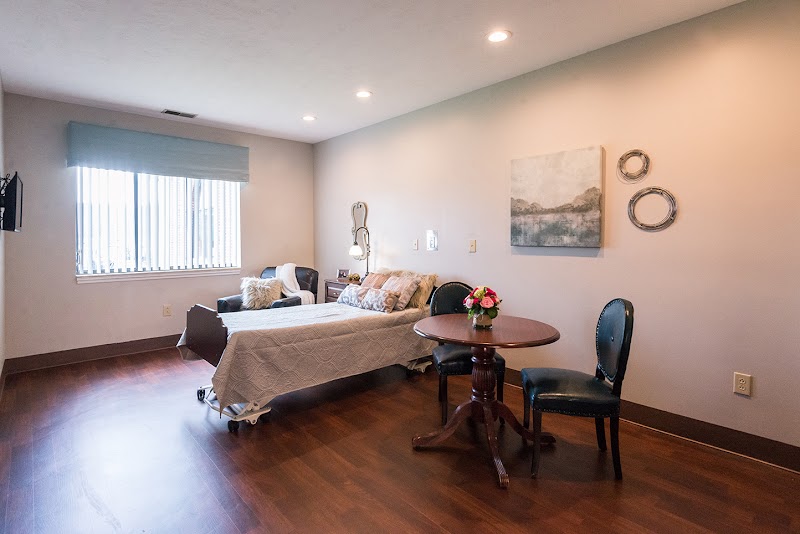
How is Carmel Health & Living Community Staffed?

CMS rates CARMEL HEALTH & LIVING COMMUNITY's staffing level at 3 out of 5 stars, which is average compared to other nursing homes. Staff turnover is 65%, which is 19 percentage points above the Indiana average of 46%. High turnover can affect care consistency as new staff learn residents' individual needs.

What Have Inspectors Found at Carmel Health & Living Community?

State health inspectors documented 32 deficiencies at CARMEL HEALTH & LIVING COMMUNITY during 2022 to 2025. These included: 32 with potential for harm.
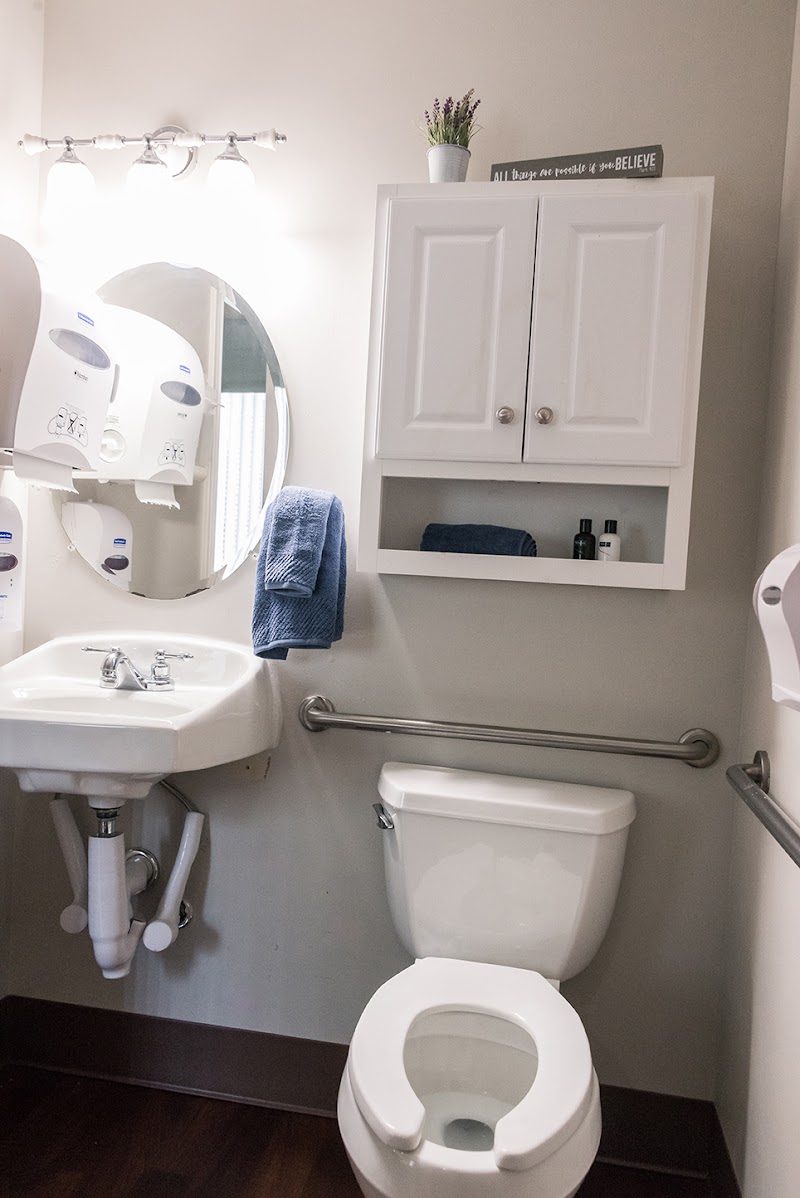
Who Owns and Operates Carmel Health & Living Community?

CARMEL HEALTH & LIVING COMMUNITY is owned by a government entity. Government-operated facilities are typically run by state, county, or municipal agencies. The facility is operated by CARDON & ASSOCIATES, a chain that manages multiple nursing homes. With 188 certified beds and approximately 130 residents (about 69% occupancy), it is a mid-sized facility located in CARMEL, Indiana.
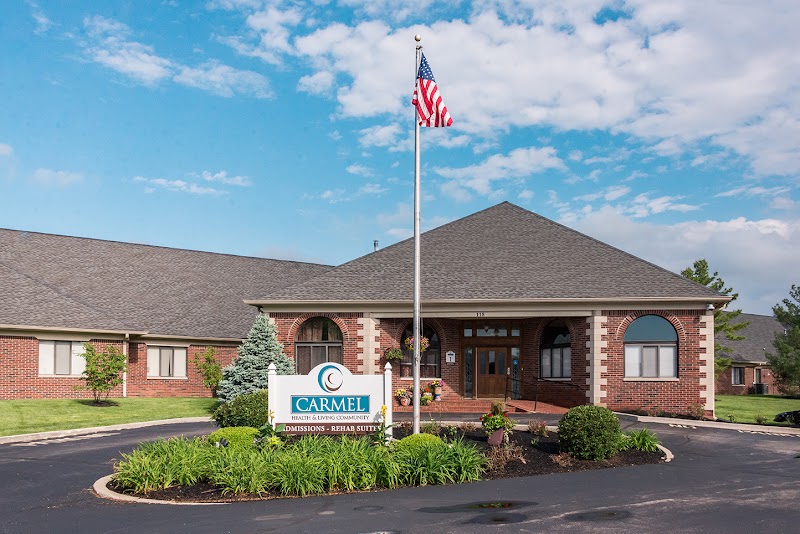
How Does Carmel Health & Living Community Compare to Other Indiana Nursing Homes?

Compared to the 100 nursing homes in Indiana, CARMEL HEALTH & LIVING COMMUNITY's overall rating (2 stars) is below the state average of 3.1, staff turnover (65%) is significantly higher than the state average of 46%, and health inspection rating (2 stars) is below the national benchmark.

What Should Families Ask When Visiting Carmel Health & Living Community?

Based on this facility's data, families visiting should ask: "How do you ensure continuity of care given staff turnover, and what is your staff retention strategy?" "Can I visit during a mealtime to observe dining assistance and food quality?" "How do you handle medical emergencies, and what is your hospital transfer rate?" "Can I speak with family members of current residents about their experience?" These questions are particularly relevant given the facility's high staff turnover rate.

Is Carmel Health & Living Community Safe?

Based on CMS inspection data, CARMEL HEALTH & LIVING COMMUNITY has a clean safety record: no substantiated abuse findings (meaning no confirmed cases of resident harm), no Immediate Jeopardy citations (the most serious violation level indicating risk of serious injury or death), and is not on the Special Focus Facility watch list (a federal program monitoring the lowest-performing 1% of nursing homes). The facility has a 2-star overall rating and ranks #100 of 100 nursing homes in Indiana. While no facility is perfect, families should still ask about staff-to-resident ratios and recent inspection results during their visit.

Do Nurses at Carmel Health & Living Community Stick Around?

Staff turnover at CARMEL HEALTH & LIVING COMMUNITY is high. At 65%, the facility is 19 percentage points above the Indiana average of 46%. High turnover means new staff may not know residents' individual needs, medications, or preferences. It can also be disorienting for residents, especially those with dementia who rely on familiar faces. Families should ask: What is causing the turnover? What retention programs are in place? How do you ensure care continuity during staff transitions?

Was Carmel Health & Living Community Ever Fined?

CARMEL HEALTH & LIVING COMMUNITY has no federal fines on record. CMS issues fines when nursing homes fail to meet care standards or don't correct problems found during inspections. The absence of fines suggests the facility has either maintained compliance or corrected any issues before penalties were assessed. This is a positive indicator, though families should still review recent inspection reports for the full picture.

Is Carmel Health & Living Community on Any Federal Watch List?

CARMEL HEALTH & LIVING COMMUNITY is not on any federal watch list. The most significant is the Special Focus Facility (SFF) program, which identifies the bottom 1% of nursing homes nationally based on persistent, serious quality problems. Not being on this list means the facility has avoided the pattern of deficiencies that triggers enhanced federal oversight. This is a positive indicator, though families should still review the facility's inspection history directly.