MAJESTIC CARE OF CARMEL
12999 N PENNSYLVANIA ST, CARMEL, IN 46032 (317) 848-2448
For profit - Corporation 104 Beds MAJESTIC CARE Data: November 2025
Trust Grade
55/100
#264 of 505 in IN
Last Inspection: July 2024

Within standard 12-15 month inspection cycle. Federal law requires annual inspections.

Overview

Majestic Care of Carmel has a Trust Grade of C, which means it is average and ranks in the middle of the pack compared to other facilities. It is ranked #264 out of 505 in Indiana, placing it in the bottom half, and #11 out of 17 in Hamilton County, indicating there are only a few local options that are better. The facility is improving, as it has reduced its issues from 13 in 2023 to 6 in 2024. Staffing is a concern, with a rating of 2 out of 5 stars and a turnover rate of 55%, which is around the state average, suggesting consistency could be better. While the facility has not incurred any fines, there have been some concerning incidents, such as residents not having properly labeled or covered toothbrushes, and one resident being unable to activate a call light due to physical limitations, which resulted in frustration. Overall, while there are strengths in improving trends and no fines, the staffing issues and specific incidents raise important considerations for families.

Trust Score
C
55/100
In Indiana
#264/505
Bottom 48%
Safety Record
Low Risk
No red flags
Inspections
Getting Better
13 → 6 violations
Staff Stability
⚠ Watch
55% turnover. Above average. Higher turnover means staff may not know residents' routines.
Penalties
✓ Good
No fines on record. Clean compliance history, better than most Indiana facilities.
Skilled Nurses
○ Average
Each resident gets 38 minutes of Registered Nurse (RN) attention daily — about average for Indiana. RNs are the most trained staff who monitor for health changes.
Violations
⚠ Watch
26 deficiencies on record. Higher than average. Multiple issues found across inspections.
★★★☆☆
3.0
Overall Rating
★★☆☆☆
2.0
Staff Levels
★★★☆☆
3.0
Care Quality
★★★☆☆
3.0
Inspection Score
Stable
2023: 13 issues
2024: 6 issues

The Good

  • Full Sprinkler Coverage · Fire safety systems throughout facility
  • No fines on record

Facility shows strength in fire safety.

The Bad

3-Star Overall Rating

Near Indiana average (3.1)

Meets federal standards, typical of most facilities

Staff Turnover: 55%

Near Indiana avg (46%)

Frequent staff changes - ask about care continuity

Chain: MAJESTIC CARE

Part of a multi-facility chain

Ask about local staffing decisions and management

Staff turnover is elevated (55%)

7 points above Indiana average of 48%

The Ugly 26 deficiencies on record

Jul 2024 6 deficiencies
CONCERN (D)

Potential for Harm - no one hurt, but risky conditions existed

Deficiency F0558 (Tag F0558)

Could have caused harm · This affected 1 resident

Based on observation, interview and record review, the facility failed to provide a resident with a call light he was physically capable of activating for 1 of 1 resident reviewed for accommodation of...

Read full inspector narrative →
Based on observation, interview and record review, the facility failed to provide a resident with a call light he was physically capable of activating for 1 of 1 resident reviewed for accommodation of needs. (Resident 40) Finding includes: During an observation, on 7/24/24 at 12:35 p.m., the resident was in the dining room. A nurse was assisting the resident to eat. The resident's hands were contracted with all fingers flat against his palms. He could not grip or use his thumbs. During an observation, on 7/25/24 at 9:50 a.m., the resident was in his room in his reclining Broda chair with a standard small push button call light clipped to his pant leg. The resident indicated he needed to go to the bathroom. He made multiple attempts to push the small red button on the call light. He tried several different ways but was never able to push the small button to activate the call system. The resident was visibly distressed and indicated he was frustrated because the call light did not work most of the time, so he had to call out for help. The resident's voice was low in volume and tone related to his Parkinson's disease. He could barely be heard just outside of his room with the door open. Staff were notified the resident needed assistance but could not operate the call light. The resident indicated he used to have a soft touch pad call button; however, staff had removed it a while ago because he would occasionally roll over on it when he was in bed. He indicated he needed the soft touch call button to be able to call for assistance and wanted it back. The clinical record for Resident 40 was reviewed on 7/26/24 at 3:22 p.m. The diagnoses included, but were not limited to, Parkinson's disease, depression, anxiety, psychotic disorder with delusions, muscle wasting and atrophy of the right hand, muscle wasting and atrophy of the left hand, muscle wasting and atrophy in the right upper arm, muscle wasting and atrophy in the left upper arm, and repeated falls. A care plan, initiated on 2/7/23, indicated the resident had impaired physical mobility related to contractures to his hands and Parkinson's disease. The use of a touch pad call light was initiated, on 7/29/24, after the resident was observed to be unable to use the standard call light. During an interview, on 7/26/24 at 1:30 p.m., LPN1 indicated she thought the resident had a soft touch pad call light. She knew he used to have one because he could not use a regular call light with his hand contractures. She did not know why it would have been taken out of his room and would notify maintenance and her manager to get a soft touch call light in his room. A current facility policy, titled Accommodation of Needs, not dated and received from the Director of Nursing (DON) on 7/30/24 at 6:15 p.m., indicated .The resident's individual needs and preferences, including the need for adaptive devices .shall be .reviewed on an ongoing basis 3.1-3(v)(1)
CONCERN (D)

Potential for Harm - no one hurt, but risky conditions existed

PASARR Coordination (Tag F0644)

Could have caused harm · This affected 1 resident

2. The clinical record for Resident 40 was reviewed on 7/26/24 at 3:22 p.m. The diagnoses included, but were not limited to Parkinson's disease, depression, anxiety, and psychotic disorder with delusi...

Read full inspector narrative →
2. The clinical record for Resident 40 was reviewed on 7/26/24 at 3:22 p.m. The diagnoses included, but were not limited to Parkinson's disease, depression, anxiety, and psychotic disorder with delusions. A Preadmission Screening and Resident Review (PASARR), dated 11/11/22, indicated the resident had diagnoses of depression and obsessive-compulsive disorder (OCD) with medications of olanzapine and quetiapine (Seroquel) for depression. A physician's order, dated 10/18/23 and discontinued 2/5/24, indicated risperidone (an antipsychotic medication) 0.5 mg, give 1 tablet two times a day for psychotic disorder with delusions. A physician's order, dated 3/21/24, indicated klonopin (an antianxiety medication) 0.5 milligram (mg), give 1 tablet by mouth two times a day for anxiety. A physician's order, dated 7/20/23 and discontinued 9/20/23, indicated sertraline (an antidepressant medication) 50 mg, give 1 tablet by mouth for anxiety. A physician's order, dated 10/19/23 and discontinued 6/14/24, indicated sertraline 50 mg, give for anxiety. A physician's order, dated 6/15/24, indicated sertraline 50 mg, give 1 tablet by mouth one time a day for anxiety. A physician's progress note, dated 4/8/24 at 1:25 p.m., indicated the resident's psychiatric history included anxiety and depression. The resident was prescribed klonopin and Ativan for anxiety and sertraline for depressive disorder. The clinical record did not include any additional PASRR after additional medications and diagnoses were added. 3. The clinical record for Resident 46 was reviewed on 7/26/24 at 9:38 a.m. The diagnoses included, but were not limited to, major depressive disorder, Parkinsons disease without dyskinesia (abnormal body movements), and other sleep disorder. A notice of PASARR level 1 outcome, dated 5/30/24, indicated no mental health diagnoses were known or suspected and no mental health medications were known of. A medical diagnosis list indicated the resident had a diagnosis of major depressive disorder. A current physician's order, with a start date of 6/7/24, indicated the resident was to take Trazodone (an antidepressant medication) 50 mg tablet, take 0.5 tablet by mouth. A current physician's order, with a start date of 7/24/24, indicated the resident was to take Fluoxetine HCL (an antidepressant medication) 10 mg capsule by mouth. During an interview, on 7/26/24 at 10:37 a.m., the Minimum Data Set (MDS) Coordinator indicated the diagnoses and medications were not on the PASARR. A current policy, titled Pre-admission Screening and Resident Review, dated as last revised in August 2020 and received from the Clinical Support Nurse on 7/30/24 at 4:35 p.m., indicated .Level 1 and Level 2 Assessments will be reviewed upon admission and are included in the resident's medical record .A level 1 Assessment is completed with any new mental health diagnoses, symptoms, psychiatric hospitalizations and/or related medications 3.1-16(d)(1)(A) 3.1-16(d)(1)(B) Based on interview and record review, the facility failed to ensure a new PASARR (pre-admission screening and resident review) level 1 request was submitted when changes in medications and diagnoses occurred for 3 of 3 residents reviewed for PASARR. (Resident 35, 40 and 46) Findings include: 1. The clinical record for Resident 35 was reviewed on 7/26/24 at 10:22 a.m. The diagnoses included, but were not limited to, general anxiety disorder, recurrent depressive disorder, Parkinson's disease without dyskinesia (involuntary movements), puerperal psychosis, dementia in other disease mild without behavioral symptoms, psychotic or mood disturbance, and anxiety. A PASARR level 1, dated 2/17/22, indicated no level 2 was required due to no significant mental illness, intellectual disability, or related conditions. The level 1 screen indicated a PASARR disability was not present because of the following reason: There was no evidence of a PASARR condition of an intellectual/developmental disability or a serious behavioral health condition. If changes occurred or new information refuted these findings, a new screen must be submitted. A physician's order, dated 10/5/23, indicated Nuplazid (an atypical antipsychotic medication) 34 mg (milligrams) daily for Parkinson's. During an interview, on 7/26/24 at 4:06 p.m., the DON (Director of Nursing) indicated a PASARR level 1 had not been requested for the new order of Nuplazid.
CONCERN (D)

Potential for Harm - no one hurt, but risky conditions existed

Comprehensive Care Plan (Tag F0656)

Could have caused harm · This affected 1 resident

Based on interview and record review, the facility failed to develop a comprehensive care plan for the diagnoses of mental health conditions and the use of antipsychotic medications for 1 of 5 residen...

Read full inspector narrative →
Based on interview and record review, the facility failed to develop a comprehensive care plan for the diagnoses of mental health conditions and the use of antipsychotic medications for 1 of 5 residents reviewed for unnecessary medications. (Resident 19) Finding includes: The clinical record for Resident 19 was reviewed on 7/24/24 at 3:45 p.m. The diagnoses included, but were not limited to, bipolar type schizoaffective disorder, bipolar disorder, metabolic encephalopathy (a brain disorder caused by a chemical imbalance), intellectual disabilities, and type 2 diabetes mellitus. A physician's order, dated 6/28/24, indicated to give risperidone (an antipsychotic medication) 1 milligram (mg) two times a day related to schizophrenia. A psychiatry progress note, dated 7/23/24, indicated the resident was seen for ongoing monitoring and management of mood, behavior and cognition. The diagnoses included, but were not limited to, bipolar type schizoaffective disorder, bipolar disorder, and unspecified intellectual disabilities. The care plans did not include the mental health diagnoses of schizoaffective disorder or bipolar disorder and did not include the use of an antipsychotic medication. During an interview, on 7/29/24 at 2:00 p.m., the Minimum Data Set (MDS) Coordinator indicated the mental health diagnoses and medications should have been added to the care plan. During an interview, on 7/29/24 at 2:54 p.m., the MDS Coordinator indicated the comprehensive care plan should be started immediately upon admission and in place by 14 days. The resident had been in the facility for 31 days and had been on the risperidone for 31 days. A current policy, titled Comprehensive Care Plan, dated as last reviewed on 12/12/23 and received from the Director of Nursing on 7/29/24 at 3:24 p.m., indicated .It is the policy of this facility to develop and implement a comprehensive person-centered care plan for each resident consistent with residents rights, that includes measurable objectives and timeframes to meet a resident's medical, nursing and mental and psychosocial needs that are identified in the resident's comprehensive assessment .The comprehensive care plan will be developed within 7 days after the completion of the comprehensive MDS assessment .The comprehensive care plan will describe, at a minimum, the following .The services that are to be furnished to attain or maintain the resident's highest practicable physical, mental, and psychosocial well-being .Resident specific interventions 3.1-35(a)
CONCERN (D)

Potential for Harm - no one hurt, but risky conditions existed

Quality of Care (Tag F0684)

Could have caused harm · This affected 1 resident

Based on interview and record review, the facility failed to ensure staff followed the physician ordered hold parameters for a medication and failed to ensure treatments were documented in the Treatme...

Read full inspector narrative →
Based on interview and record review, the facility failed to ensure staff followed the physician ordered hold parameters for a medication and failed to ensure treatments were documented in the Treatment Administration Record for 3 of 3 residents reviewed for quality of care. (Resident B, 34 and 46) Finding includes: The record for Resident B was reviewed on 7/26/24 at 9:00 a.m. Diagnoses included, but were not limited to, hypertension, dementia, hallucination, and major depressive disorder A physician's order, dated 3/23/23, indicated hydralazine (a blood pressure medication) 10 mg was to be given by mouth three times a day related to hypertension and to hold if the systolic blood pressure (SBP) was less than 160. The Medication Administration Record (MAR), dated 7/1/24 through 7/31/24, indicated the following: a. the morning administration of hydralazine 10 mg was given to Resident B six (6) times when the systolic blood pressure was below the physician ordered hold parameters. b. the afternoon administration of hydralazine 10 mg was given to Resident B two (2) times when the systolic blood pressure was below the physician ordered hold parameters. c. the evening administration of hydralazine 10 mg was given to Resident B fifteen (15) times when the systolic blood pressure was below the physician ordered hold parameters. During an interview, on 7/26/24 at 10:49 a.m., RN 5 indicated the check mark under the documented blood pressure on the MAR indicated the medication was administered. During an interview, on 7/26/24 at 11:05 a.m., the Director of Nursing (DON) indicated the check marks on the MAR indicated a medication had been administered. He indicated the medication should not have been administered outside the physician ordered hold parameters. 2. The clinical record for Resident 34 was reviewed on 7/26/24 at 9:55 a.m. The diagnoses included, but were not limited to, chronic kidney disease stage 3, unspecified neuromuscular dysfunction of bladder, and dementia. A current physician's order, dated 5/29/24, indicated to assess the resident's vital signs every shift. A Treatment Administration Record (TAR) indicated the following days did not have vital signs for Resident 34 documented: On 7/2/24, there were no vital signs documented for the 1st and 2nd shift. On 7/3/24, there were no vital signs documented for the 3rd shift. On 7/4/24, there were no vital signs documented for the 1st, 2nd and 3rd shift. On 7/8/24, there were no vital signs documented for the 2nd shift. On 7/10/24, there were no vital signs documented for the 3rd shift. On 7/11/24, there were no vital signs documented for the 1st and 3rd shift. On 7/13/24, there were no vital signs documented for the 1st shift. On 7/16/24, there were no vital signs documented for the 3rd shift. On 7/17/24, there were no vital signs documented for the 1st shift and 3rd shift. On 7/18/24, there were no vital signs documented for the 2nd shift. On 7/19/24, there were no vital signs documented for the 2nd shift. On 7/22/24, there were no vital signs documented for the 2nd shift. On 7/24/24, there were no vital signs documented for the 2nd shift. On 7/25/24, there were no vital signs documented for the 2nd shift. On 7/26/24, there were no vital signs documented for the 3rd shift. A current physician's order, dated 5/29/24, indicated to complete Foley catheter care every shift. The TAR indicated the following days did not have Foley catheter care for Resident 34 documented: On 7/2/24, there was no Foley catheter care documented for the 1st and 2nd shift. On 7/3/24, there was no Foley catheter care documented for the 3rd shift. On 7/4/24, there was no Foley catheter care documented for the 1st, 2nd and 3rd shift. On 7/8/24, there was no Foley catheter care documented for the 2nd shift. On 7/10/24, there was no Foley catheter care documented for the 3rd shift. On 7/11/24, there was no Foley catheter care documented for the 1st and 3rd shift. On 7/16/24, there was no Foley catheter care documented for the 3rd shift. On 7/17/24, there was no Foley catheter care documented for the 1st shift and 3rd shift. On 7/18/24, there was no Foley catheter care documented for the 2nd shift. On 7/19/24, there was no Foley catheter care documented for the 2nd shift. On 7/22/24, there was no Foley catheter care documented for the 2nd shift. On 7/24/24, there was no Foley catheter care documented for the 2nd shift. On 7/25/24, there was no Foley catheter care documented for the 2nd shift. On 7/26/24, there was no Foley catheter care documented for the 1st and 3rd shift. 3. The clinical record for Resident 46 was reviewed on 7/26/24 at 9:55 a.m. The diagnoses included, but were not limited to, chronic kidney disease stage 3, dementia, neuromuscular dysfunction of bladder, and vitamin b12 deficiency anemia A current physician's order, with a start date of 6/10/24, indicated to observe Resident 46 for side effects of anticoagulant medication use every shift, and to document y if a side effect was observed and n if none were observed. The TAR indicated the following days did not have anticoagulant monitoring for Resident 46 documented: On 7/2/24, there was no anticoagulant monitoring documented for the 1st and 2nd shift. On 7/3/24, there was no anticoagulant monitoring documented for the 3rd shift. On 7/4/24, there was no anticoagulant monitoring documented for the 1st, 2nd, and 3rd shift. On 7/8/24, there was no anticoagulant monitoring documented for the 2nd shift. On 7/11/24, there was no anticoagulant monitoring documented for the 1st and 3rd shift. On 7/16/24, there was no anticoagulant monitoring documented for the 3rd shift. On 7/17/24, there was no anticoagulant monitoring documented for the 1st shift and 3rd shift. On 7/18/24, there was no anticoagulant monitoring documented for the 2nd shift. On 7/19/24, there was no anticoagulant monitoring documented for the 2nd shift. On 7/22/24, there was no anticoagulant monitoring documented for the 2nd shift. On 7/24/24, there was no anticoagulant monitoring documented for the 2nd shift. On 7/25/24, there was no anticoagulant monitoring documented for the 2nd shift. On 7/26/24, there was no anticoagulant monitoring documented for the 3rd shift. A current physician's order, with a start date of 6/10/24, indicated to observe for the side effects of antidepressant medication every shift, and document y if a side effect was observed and n if none were observed. The TAR indicated the following days did not have antidepressant medication monitoring for Resident 46 documented: On 7/2/24, there was no antidepressant medication monitoring documented for the 1st and 2nd shift. On 7/3/24, there was no antidepressant medication monitoring documented for the 3rd shift. On 7/4/24, there was no antidepressant medication monitoring documented for the 1st, 2nd, and 3rd shift. On 7/8/24, there was no antidepressant medication monitoring documented for the 2nd shift. On 7/11/24, there was no antidepressant medication monitoring documented for the 1st and 3rd shift. On 7/16/24, there was no antidepressant medication monitoring documented for the 3rd shift. On 7/17/24, there was no antidepressant medication monitoring documented for the 1st shift and 3rd shift. On 7/18/24, there was no antidepressant medication monitoring documented for the 2nd shift. On 7/19/24, there was no antidepressant medication monitoring documented for the 2nd shift. On 7/22/24, there was no antidepressant medication monitoring documented for the 2nd shift. On 7/24/24, there was no antidepressant medication monitoring documented for the 2nd shift. On 7/25/24, there was no antidepressant medication monitoring documented for the 2nd shift. On 7/26/24, there was no antidepressant medication monitoring documented for the 3rd shift. A current physician's order, with a start date of 6/7/24, indicated to observe for signs and symptoms of hypoglycemia (low blood sugar) and hyperglycemia (high blood sugar) every shift. The TAR indicated the following days did not have hypoglycemia and hyperglycemia monitoring for Resident 46 documented: On 7/2/24, there was no hypoglycemia and hyperglycemia monitoring documented for the 1st and 2nd shift. On 7/3/24, there was no hypoglycemia and hyperglycemia monitoring documented for the 3rd shift. On 7/4/24, there was no hypoglycemia and hyperglycemia monitoring documented for the 1st, 2nd, and 3rd shift. On 7/8/24, there was no hypoglycemia and hyperglycemia monitoring documented for the 2nd shift. On 7/11/24, there was no hypoglycemia and hyperglycemia monitoring documented for the 1st and 3rd shift. On 7/16/24, there was no hypoglycemia and hyperglycemia monitoring documented for the 3rd shift. On 7/17/24, there was no hypoglycemia and hyperglycemia monitoring documented for the 1st shift and 3rd shift. On 7/18/24, there was no hypoglycemia and hyperglycemia monitoring documented for the 2nd shift. On 7/19/24, there was no hypoglycemia and hyperglycemia monitoring documented for the 2nd shift. On 7/22/24, there was no hypoglycemia and hyperglycemia monitoring documented for the 2nd shift. On 7/26/24, there was no hypoglycemia and hyperglycemia monitoring documented for the 3rd shift. A current physician's order, with a start date of 6/7/24, indicated to observe for the side effects of a diuretic medication every shift. The TAR indicated the following days did not have diuretic medication monitoring for Resident 46 documented: On 7/2/24, there was no diuretic medication monitoring documented for the 1st and 2nd shift. On 7/3/24, there was no diuretic medication monitoring documented for the 3rd shift. On 7/4/24, there was no diuretic medication monitoring documented for the 1st, 2nd, and 3rd shift. On 7/8/24, there was no diuretic medication monitoring documented for the 2nd shift. On 7/11/24, there was no diuretic medication monitoring documented for the 1st and 3rd shift. On 7/16/24, there was no diuretic medication monitoring documented for the 3rd shift. On 7/17/24, there was no diuretic medication monitoring documented for the 1st shift and 3rd shift. On 7/18/24, there was no diuretic medication monitoring documented for the 2nd shift. On 7/19/24, there was no diuretic medication monitoring documented for the 2nd shift. On 7/22/24, there was no diuretic medication monitoring documented for the 2nd shift. On 7/24/24, there was no diuretic medication monitoring documented for the 2nd shift. On 7/25/24, there was no diuretic medication monitoring documented for the 2nd shift. On 7/26/24, there was no diuretic medication monitoring documented for the 3rd shift. During an interview, on 7/29/24 at 1:25 p.m., the Director of Nursing (DON) indicated there were a lot of missing documentation in the TARs. A current facility policy, titled Medication Administration, dated 1/2/2024 and received from the DON on 7/29/24 at 10:54 a.m., indicated .Medications are administered by licensed nurses, or other staff who are legally authorized to do so in this state, as ordered by the physician .Obtain and record vital signs, when applicable or per physician orders. When applicable, hold medication for those vital signs outside the physician's prescribed parameters . A current facility policy, titled Charting and Documentation, dated as last revised in July 2017 and received from the Clinical Support Nurse on 7/30/24 at 4:35 p.m., indicated .All services provided to the resident, progress toward the care plan goals, or any changes in the resident's medical, physical, functional or psychosocial condition, shall be documented in the resident's medical record .The following information is to be documented in the resident medical record .Treatments or services performed 3.1-37(a)
CONCERN (D)

Potential for Harm - no one hurt, but risky conditions existed

Deficiency F0882 (Tag F0882)

Could have caused harm · This affected 1 resident

Based on interview and record review, the facility failed to have an Infection Preventionist (IP) who was able to fulfill the role at least part-time and was not preforming the duties of the full-time...

Read full inspector narrative →
Based on interview and record review, the facility failed to have an Infection Preventionist (IP) who was able to fulfill the role at least part-time and was not preforming the duties of the full-time Director of Nursing (DON) for 1 of 1 Infection Preventionist reviewed. Finding includes: During an interview, on 7/24/24 at 11:15 a.m., the Executive Director (ED) indicated the facility's Infection Preventionist (IP) was the Director of Nursing (DON). He indicated it was not a separate position and no other employees held an infection prevention certification. During an interview, on 7/30/24 at 2:45 p.m., the DON indicated he performed all the infection prevention tracking and duties along with all his DON duties. He indicated he was the only employee who held an infection prevention certification, and no other employees assisted him with the infection control duties. The facility's employee records did not contain an employee with the title of Infection Preventionist. A current policy, titled Infection Control, dated 1/02/24 and received from the Executive Director (ED) on 7/24/24, indicated .The facility's infection prevention and control program (ICPC) is designed to provide a safe, sanitary, and comfortable environment and to help prevent the development and transmission of communicable diseases and infections A current policy, titled INFECTION PREVENTION AND CONTROL PROGRAM, dated as last revised on 12/12/23 and received from the Clinical Support Nurse on 7/30/24 at 4:35 p.m., indicated .This facility has established and maintains an infection prevention and control program designed to provide a safe, sanitary, and comfortable environment and to help prevent the development and transmission of communicable diseases and infections as per accepted national standards and guidelines 3.1-18(b)
CONCERN (E)

Potential for Harm - no one hurt, but risky conditions existed

Infection Control (Tag F0880)

Could have caused harm · This affected multiple residents

3. During an observation, on 7/24/24 at 10:43 a.m., in the bathroom of Residents 4 and 27, the toothbrushes were lying together on the sink behind the faucet. One was touching the surface of the sink,...

Read full inspector narrative →
3. During an observation, on 7/24/24 at 10:43 a.m., in the bathroom of Residents 4 and 27, the toothbrushes were lying together on the sink behind the faucet. One was touching the surface of the sink, and the other was touching the wall. Neither toothbrush was labeled or had a covering for the bristles. The toothpaste was open with no lid. There was urine and toilet paper in the toilet. 4. During an observation, on 7/24/24 at 10:50 a.m., an uncovered toothbrush was lying on the sink touching the wall behind the faucet in the bathroom of Residents 11 and 38. 5. During an observation, on 7/26/24 at 10:26 a.m., uncovered and unlabeled toothbrushes were sitting on the sink next to the faucet in the bathroom of Residents 13 and 15. 6. During an observation, on 7/26/24 at 10:30 a.m., uncovered and unlabeled toothbrushes were lying together on the sink behind the faucet in the bathroom of Residents 4 and 17. Two tubes of toothpaste were unlabeled and did not have lids. During an interview, on 7/30/24 at 2:44 p.m., the DON indicated the toothbrush storage was a concern. 7. During an observation, on 7/25/24 at 9:44 a.m., two hangers with a shirt and pants were hanging on the handrail outside of Resident 11's room. LPN 1 took the clothing into the room and hung it in Resident 11's closet. 8. During an observation, on 7/29/24 at 9:37 a.m., two staff members transported clean towels and wash cloths on an open cart without any covering and placed the linen in closets on the 2nd floor unit. 9. During an observation, on 7/29/24 at 1:35 p.m., clean clothing was hung on the handrail in the hallway outside of the room of Resident 9 and 30. During an interview, on 7/30/24 at 2:44 p.m., the DON indicated all clean linen should be transported covered and protected. Clean clothing should not be hung on the handrails in the hallways. Covered linen carts were available and should be utilized. A current policy, titled Infection Control, dated 1/02/24 and received from the Executive Director (ED) on 7/24/24, indicated .The facility's infection prevention and control program (ICPC) is designed to provide a safe, sanitary, and comfortable environment and to help prevent the development and transmission of communicable diseases and infections A current policy, titled INFECTION PREVENTION AND CONTROL PROGRAM, dated as last revised on 12/12/23 and received from the Clinical Support Nurse on 7/30/24 at 4:35 p.m., indicated .This facility has established and maintains an infection prevention and control program designed to provide a safe, sanitary, and comfortable environment and to help prevent the development and transmission of communicable diseases and infections as per accepted national standards and guidelines The facility did not provide a policy which included keeping catheter tubing off the ground by the time of exit. 3.1-18(b)(1) 3.1-18(b)(5) 3.1-19(g)(2) Based on observation, interview and record review, the facility failed to ensure catheter tubing was not touching the ground, oral care products were stored properly, and clean laundry and linen were stored and handled appropriately for 12 of 12 residents randomly observed for infection control. (Residents 34, 302, 4, 27, 11, 38, 13, 15, 4, 17, 9 and 30) Findings include: 1. During an observation, on 7/24/24 at 12:10 p.m., Resident 34's catheter tubing was touching the floor while she was in the commons area on the 1st floor. During an observation, on 7/29/24 at 1:27 p.m., Resident 34's catheter tubing was touching the ground. During an interview, on 7/29/24 at 1:28 p.m., the Director of Nursing (DON) indicated the catheter tubing was touching the ground and needed fixed. The clinical record for Resident 34 was reviewed on 7/26/24 at 9:55 a.m. The diagnoses included, but were not limited to, chronic kidney disease stage 3, neuromuscular dysfunction of the bladder, and dementia. A current physician's order, with a revision date of 5/29/24, indicated may anchor a 10ml/14fr Foley catheter. A current care plan, initiated on 6/3/24, indicated the resident was at risk for infection and complications related to an indwelling catheter. 2. During an observation, on 7/26/24 at 10:30 a.m., Resident 302 was being wheeled in a wheelchair by a staff member to the therapy room. The resident's catheter tubing was dragging on the ground as she was being wheeled to therapy. During an interview, on 7/26/24 at 10:32 a.m., the DON indicated he would address the catheter tubing dragging the ground. The clinical record for Resident 302 was reviewed on 7/29/24 at 2:41 p.m. The diagnoses included, but were not limited to, chronic kidney disease stage 4, obstructive and reflux uropathy, and unspecified dementia. A current physician's order, with a start date of 7/23/24, indicated may anchor a 30ml/16fr Foley catheter for the diagnosis of obstructive neuropathy. A current care plan, initiated on 7/24/24, indicated the resident was at risk for infection and complications related to an indwelling catheter.
Nov 2023 4 deficiencies
CONCERN (D) 📢 Someone Reported This

A family member, employee, or ombudsman was alarmed enough to file a formal complaint

Potential for Harm - no one hurt, but risky conditions existed

Deficiency F0554 (Tag F0554)

Could have caused harm · This affected 1 resident

Based on observation, interview and record review, the facility failed to ensure a resident was assessed to self-administer medications for 1 of 2 residents observed for medication administration. (Re...

Read full inspector narrative →
Based on observation, interview and record review, the facility failed to ensure a resident was assessed to self-administer medications for 1 of 2 residents observed for medication administration. (Resident D) Findings include: During a random observation, on 11/14/23 at 9:51 a.m., a medication cup of pills was observed left on the bedside table. There were no qualified staff in the room at the time to observe the medication administration. Resident D was left to take her medication unattended. The record for Resident D was reviewed on 11/14/23 at 10:42 a.m. Diagnoses included, but were not limited to, Parkinson's disease, type 2 diabetes, and hypertension. Resident D did not have an order to self-administer medications in her record. Resident D did not have a self-administration assessment in her record to indicated she was able to safely self-administer medications. Resident D was not care planned to self-administer medications. During an interview, on 11/14/23 at 9:53 a.m., Resident D indicated staff did not always leave her medications with her and she was getting ready to take them. During an interview, on 11/14/23 at 9:57 a.m., the Assistant Director of Nursing indicated staff were not supposed to leave medications at the bedside without a nurse or QMA present. A current facility policy, titled Administering Medications, dated as last revised in April of 2019 and received from the Director of Nursing on 11/14/23 at 3:30 p.m., indicated, .Resident's may self-administer their own medications only if the Attending Physician, in conjunction with the Interdisciplinary Care Planning Team, has determined that they have the decision-making capacity to do so safely 3.1-11(a)
CONCERN (D) 📢 Someone Reported This

A family member, employee, or ombudsman was alarmed enough to file a formal complaint

Potential for Harm - no one hurt, but risky conditions existed

Quality of Care (Tag F0684)

Could have caused harm · This affected 1 resident

Based on observation, interview and record review, the facility failed to ensure a medication was administered per the physician's order for 1 of 2 residents observed for quality of care. (Resident B)...

Read full inspector narrative →
Based on observation, interview and record review, the facility failed to ensure a medication was administered per the physician's order for 1 of 2 residents observed for quality of care. (Resident B) Finding includes: During a random observation, on 11/14/23 at 10:16 a.m., Resident B was observed resting in bed. The resident had a Scopolamine transdermal patch (used to decrease secretions) behind his right ear. The patch had been dated 11/9/23. The record for Resident B was reviewed on 11/14/23 at 10:52 a.m. Diagnoses included, but were not limited to, paralytic syndrome following cerebrovascular disease (paralysis), dysphagia (difficulty swallowing), and persistent vegetative state. A physician's order, dated 12/31/20, indicated to administer a Scopolamine Patch 72 hour in the morning every three (3) days and remove per schedule. During an interview, on 11/14/23 at 10:22 a.m., LPN 1 indicated the patch was changed on the night shift and he was not sure how often the patch needed to be changed. He would check the medication order to see how often the patch needed to be changed. A current facility policy, titled Administering Medications, dated as last revised in April of 2019 and received from the Director of Nursing on 11/14/23 at 3:30 p.m., indicated .Medications are administered in accordance with prescriber orders, including any required time frame 3.1-37(a)
CONCERN (D) 📢 Someone Reported This

A family member, employee, or ombudsman was alarmed enough to file a formal complaint

Potential for Harm - no one hurt, but risky conditions existed

Deficiency F0692 (Tag F0692)

Could have caused harm · This affected 1 resident

**NOTE- TERMS IN BRACKETS HAVE BEEN EDITED TO PROTECT CONFIDENTIALITY** Based on interview and record review, the facility failed to ensure staff contacted the physician, dietitian, or nurse practitio...

Read full inspector narrative →
**NOTE- TERMS IN BRACKETS HAVE BEEN EDITED TO PROTECT CONFIDENTIALITY** Based on interview and record review, the facility failed to ensure staff contacted the physician, dietitian, or nurse practitioner to get an order for nutritional formula administration for 1 of 2 residents reviewed for gastronomy tube feedings. (Resident C) Finding includes: The record for Resident C was reviewed on 11/14/23 at 1:08 p.m. Diagnoses included, but were not limited to, malignant neoplasm of laryngeal cartilage (throat cancer), emphysema, and bipolar disorder. A care plan, initiated on 10/19/23, indicated Resident C was at risk for fluid imbalance due to chronic kidney disease and NPO (nothing to be given orally) status. The October Medication and Treatment Administration record did not have any documentation to show Resident C had received any meals or fluids via the gastronomy tube, for approximately 15 hours, from 10/17/23 beginning at 6:00 p.m., until a grievance was filed and investigated on 10/18/23 at 9:30 a.m. The resident admitted to the facility on [DATE] at 5:37 p.m. The hospital discharge orders did not have an order for enteral tube feeding (a way to deliver nutrition to the stomach or small intestine). This resulted in the resident not being provided any meals or fluids between 10/17/23 at 6:00 p.m., to 10/18/23 at 9:30 a.m. A facility document, titled Report of Concern, with a concern date of October 17-October 18, 2023, between 6:00 p.m. to 9:00 a.m., indicated the grievance was reported by the family member of Resident C and indicated the resident had not been fed since she arrived in the facility. The findings documented on the form by facility staff indicated the resident did not have an order for a nutrition formula. The Nurse Practitioner and Registered Dietitian were notified on 10/18/23 at 9:30 a.m. The Registered Dietitian provided orders and the resident did receive the enteral nutrition after the order was received. During an interview, on 11/15/23 at 10:57 a.m., RN 2 indicated if a resident admitted to the facility with a gastronomy tube (a tube inserted into the stomach) and did not have orders, the physician needed to be contacted for nutritional orders. During an interview, on 11/15/23 at 12:26 p.m., the Director of Nursing indicated the policy for medication administration was all the facility had and it applied not only to inappropriate or excessive doses of medications but also applied if the order was absent. It applied to anyone receiving nutrition through a gastronomy tube. A current facility policy, titled Administering Medications, dated as last revised in April of 2019 and received from the Director of Nursing on 11/14/23 at 3:30 p.m., indicated .If a dosage is believed to be inappropriate or excessive for a resident, or a medication has been identified as having potential adverse consequences for the resident or is suspected of being associated with adverse consequences .contact the prescriber, the resident's Attending Physician or the facility's Medical Director to discuss the concern This Federal Tag relates to Complaint IN00420094. 3.1-46(1) 3.1-46(2)
CONCERN (D) 📢 Someone Reported This

A family member, employee, or ombudsman was alarmed enough to file a formal complaint

Potential for Harm - no one hurt, but risky conditions existed

Medical Records (Tag F0842)

Could have caused harm · This affected 1 resident

Based on observation, interview and record review, the facility failed to ensure documentation was correct in the resident record when the administration of a transdermal medication patch found on a r...

Read full inspector narrative →
Based on observation, interview and record review, the facility failed to ensure documentation was correct in the resident record when the administration of a transdermal medication patch found on a resident was dated for 11/9/23 but charted as being changed on 11/12/23 for 1 of 3 residents reviewed for documentation in the medical record. (Resident B) Finding includes: During a random observation, on 11/14/23 at 10:16 a.m., Resident B was observed resting in bed. The resident had a Scopolamine transdermal patch (used to decrease secretions) behind his right ear. The patch had been dated 11/9/23. The record for Resident B was reviewed on 11/14/23 at 10:52 a.m. Diagnoses included, but were not limited to, paralytic syndrome following cerebrovascular disease (paralysis), dysphagia (difficulty swallowing), and persistent vegetative state. A physician's order, dated 12/31/20, indicated to administer a Scopolamine Patch 72 hour in the morning every three (3) days and remove per schedule. The Medication Administration Record indicated the Scopolamine patch was documented as changed on 11/12/23 at 5:00 a.m. During an interview, on 11/14/23 at 10:22 a.m., LPN 1 indicated the patch was changed on the night shift and he was not sure how often the patch needed to be changed. During an interview, on 11/14/23 at 10:37 a.m., LPN 1 indicated the Scopolamine patch was not correctly signed off in the Medication Administration Record. A current facility policy, titled Charting and Documentation, dated as last revised in July of 2017 and received from the Director of Nursing on 11/14/23 at 3:30 p.m., indicated .documentation in the medical record will be objective .complete and accurate 3.1-50(a)(2)
May 2023 9 deficiencies
CONCERN (D)

Potential for Harm - no one hurt, but risky conditions existed

Deficiency F0582 (Tag F0582)

Could have caused harm · This affected 1 resident

Based on interview and record review, the facility failed to ensure notices were given 48 hours prior to the Medicare benefits ending date and to ensure the residents chose an option for ongoing servi...

Read full inspector narrative →
Based on interview and record review, the facility failed to ensure notices were given 48 hours prior to the Medicare benefits ending date and to ensure the residents chose an option for ongoing services for 3 of 3 residents reviewed for beneficiary notices. (Resident 153, 17 and 45) Findings include: 1. The NOMC (Notice of Medicare Non-Coverage) form for Resident 153 indicated the coverage of Medicare Part A services would end on 2/7/23. The daughter was telephoned, on 2/6/2 at 3:20 p.m., to notify her of the end of coverage date. During an interview, on 5/18/23 at 2:42 p.m., the BOM (Business Office Manager) indicated the Social Services Director was in charge of giving notices to the resident or resident representative. The notice should have been given on 2/5/23 for the required 48-hour notice. 2. A Skilled Nursing Facility Advance Beneficiary Notice of Non-Coverage (SNFABN) for Resident 17 indicated beginning on 2/2/23 the resident may have to pay out of pocked for care if there was no other insurance to cover the costs. The form included 3 options: 1. The resident wanted the care and wanted Medicare billed. 2. The resident wanted the care and did not want Medicare billed. 3. The resident did not want the care. The resident signed the form on 1/30/23 and did not check which option was chosen. During an interview, on 5/18/23 at 2:40 p.m., the BOM indicated the staff should ensure an option was chosen by the resident or representative and included in the documentation. 3. An SNFABN form for Resident 45 indicated on 3/15/23 the resident may have to pay out of pocked for care if there was no other insurance to cover the costs. The form included 3 options: 1. The resident wanted the care and wanted Medicare billed. 2. The resident wanted the care and did not want Medicare billed. 3. The resident did not want the care. The verbal consent from the resident's representative was documented on 3/10/23. The documentation did not include which option the representative chose. During an interview, on 5/18/23 at 2:44 p.m., the BOM indicated the facility documentation should have included which option the family representative chose. The facility had not provided a policy for beneficiary notices at time of exit from the facility. 3.1-4(f)(3)
CONCERN (D)

Potential for Harm - no one hurt, but risky conditions existed

Deficiency F0657 (Tag F0657)

Could have caused harm · This affected 1 resident

**NOTE- TERMS IN BRACKETS HAVE BEEN EDITED TO PROTECT CONFIDENTIALITY** 2. During an observation, on 05/16/23 at 12:01 p.m., Resident 35 was on contact isolation for Escherichia Coli (E. coli) and ESB...

Read full inspector narrative →
**NOTE- TERMS IN BRACKETS HAVE BEEN EDITED TO PROTECT CONFIDENTIALITY** 2. During an observation, on 05/16/23 at 12:01 p.m., Resident 35 was on contact isolation for Escherichia Coli (E. coli) and ESBL (Extended Spectrum Beta-Lactamase, a bacteria that could not be killed by many antibiotics which made it harder to treat) in the urine. The record for Resident 35 was reviewed on 05/17/2023 at 11:13 a.m. Diagnosis included, but were not limited to, schizophrenia, anxiety, essential hypertension, ischemic cardiomyopathy, bipolar disorder, heart failure, asthma, allergic rhinitis, personal history of covid-19, and sleep disorder. The facility matrix indicated the resident was in transmission-based precautions for ESBL. A physician's order, dated 05/07/23, indicated Amoxicillin-Pot Clavulanate (an antibiotic) tablet 875-125 mg (milligram) was started on 05/07/2023 and to give 1 tablet by mouth two times a day due to a UTI bacterial infection for 28 days. During an interview, on 05/18/23 at 2:47 p.m., the Regional Support indicated there was not a care plan for the UTI and there should have been one. A current policy, titled Care Planning- Interdisciplinary Team, dated as revised on 09/28/17 and received from the DNS on 05/19/23 at 3:31 p.m., indicated .Our facility's Care Planning/Interdisciplinary Team is responsible for the development of an individualized care plan for each resident .The care plan will be read aloud to the resident, family and IDT team. A written summary or copy of the baseline care plan will be given to the resident and/or representative .Every effort will be made to schedule care plan meetings at the best time of the day for the resident and family .The summary of the baseline and comprehensive care plan will be given to the resident and/or representative within 7 days of completion . 3.1-35(d)(2)(B) Based on observation, interview and record review, the facility failed to offer a care plan meeting and to initiate a care plan for a urinary tract infection for 2 of 2 residents reviewed for care plans. (Resident 4 and 35) Findings include: 1. During an interview, on 5/15/23 at 12:45 p.m., Resident 4 indicated she had not been invited to a care plan meeting since she had been admitted to the facility. The record for Resident 4 was reviewed on 5/16/23 at 4:25 p.m. Diagnoses included, but were not limited to, congestive heart failure, anxiety disorder, depression, hypertension, post traumatic disorder, and chronic pain. A facility document, titled Interdisciplinary Team Care Plan Conference Summary, dated 9/22/22, indicated the form was not completed and the resident did not have a care plan conference. A progress note, dated 2/17/23 at 11:51 p.m., indicated the care plan was reviewed. The staff in attendance were the Minimum Data Set Coordinator (MDSC), Social Service Director (SSD), Unit Manager (UM), Registered Dietician (RD), and the Director of Nursing Services (DNS). The resident was being reviewed for accuracy of her plan of care, all parties reviewed and were satisfied with the plan of care. During an interview, on 5/19/23 at 2:46 p.m., the Regional Support Nurse indicated the resident was admitted on [DATE]. The facility should arrange a care plan meeting with the resident and resident's family within the first 72 hours of being admitted . He was not sure why the resident or resident's family was not included for the 2/17/23 care plan review.
CONCERN (D)

Potential for Harm - no one hurt, but risky conditions existed

Deficiency F0679 (Tag F0679)

Could have caused harm · This affected 1 resident

Based on observation, interview and record review, the facility failed to ensure a resident received twice weekly activities and a resident received the identified preference for the activity of their...

Read full inspector narrative →
Based on observation, interview and record review, the facility failed to ensure a resident received twice weekly activities and a resident received the identified preference for the activity of their choice for 2 of 5 residents for activities. (Resident 3 and 253) Findings include: 1. During an observation, on 5/15/23 at 2:56 p.m., Resident 3 was in his room, lying in his bed, and the television (TV) was on. During an observation, on 5/16/23 at 11:12 a.m., the resident was in his room, lying in his bed, and the TV was on. Other residents were observed in the common area playing bingo. During an observation, 5/17/23 at 10:57 a.m., the resident was in his room, lying in his bed, and the TV was on. Other residents were observed in the dining room listening to live music. During an observation, on 5/18/23 at 3:09 p.m., the resident was in his room, lying in bed, and the TV was on. Other residents were observed in the common area. The record for Resident 3 was reviewed on 5/17/23 at 10:03 a.m. Diagnosis included, but were not limited to, persistent vegetative state, unspecified intercranial injury, cerebrovascular disease, paralytic syndrome, and chronic pain. An activity care plan, dated 1/13/2016 and revised on 9/16/2022, indicated the goal included the resident would attempt to respond with eye tracking and head movement during activities with staff, family, or community at least 2 times a week. The interventions included, but were not limited to, coordinate and display items in the room sent by his sister for visual stimulation and comfort, provide sensory stimulation with 1:1 visits, read family stories to him, and play music. An activity log, dated 4/03/23 through 5/15/23, indicated there were five (5) one to one activities completed. Three of the five one to one activities included watching TV. The resident did not receive twice weekly activities as indicated by the care plan. During an interview, on 5/18/23 at 2:35 p.m., Anonymous Staff 4 indicated the resident liked music and sometimes the staff would read to him. 2. During an interview, on 5/15/23 at 2:57 p.m., Resident 253 indicated he spoke to the Activity Director and told her he liked books about ghost stories, but he had not received any at this time. He could not get out of his room for activities because of his wounds and weakness. During an observation, on 5/17/23 at 2:00 p.m., the resident was lying in bed with the head of the bed elevated. The resident was watching television. During an observation, on 5/18/23 at 2:26 p.m., the resident was lying in bed talking on the telephone. The television was on and there were no books in his room. The record for Resident 253 was reviewed on 5/16/23 at 4:33 p.m. Diagnoses included, but were not limited to, spina bifida, pressure ulcer of right buttock unstageable, pressure ulcer of left buttock unstageable, morbid obesity, sepsis, type 2 diabetes, bacteremia, and left BKA (below the knee amputation). There was no activity care plan in the electronic medical record. During an interview, on 05/18/23 at 3:15 p.m., Anonymous Staff 4 indicated the resident had been signed up for the library at home project. He would be able to pick the library books he wanted, but they would not come until June. She was not sure if he would be in the facility until June. He received the daily chronicles (a daily newsletter from the facility) and a monthly calendar, but he was not able to get out of his room. She had not given him in room activities. A current policy, titled Activity Programs, dated as revised on 7/2018 and received from the Director of Nursing on 05/19/23 at 5:35 p.m., indicated .Individualized and group activities are provided that: reflect the schedules, choices, and rights of the resident, are offered at hours of convenient to the residents, including evenings, holidays, and weekends, reflect the cultural and religious interests, hobbies, life experience, and personal preferences of the residents, appeal to men and women as well as those of various age groups residing in the facility . 3.1-33(a) 3.1-33(b)(8)
CONCERN (D)

Potential for Harm - no one hurt, but risky conditions existed

Quality of Care (Tag F0684)

Could have caused harm · This affected 1 resident

Based on observation, interview and record review, the facility failed to ensure the physician was notified of a weight gain as ordered for a resident who was diagnosed with congestive heart failure f...

Read full inspector narrative →
Based on observation, interview and record review, the facility failed to ensure the physician was notified of a weight gain as ordered for a resident who was diagnosed with congestive heart failure for 1 of 1 resident reviewed for edema. (Resident 41) Finding includes: During an observation, on 5/15/23 at 12:52 p.m., Resident 41 was sitting in her recliner with both legs elevated. The resident's bilateral legs and ankles were swollen. The record for Resident 41 was reviewed on 5/16/23 at 4:42 p.m. Diagnosis included, but were not limited to, congestive heart failure, hypertension, urine retention, and depressive disorder. A physician's order, dated 10/25/22, indicated daily weight and to notify the provider of a 3-pound weight gain in two days or a 5-pound weight gain in a week and to weigh before breakfast related to congestive heart failure. A physician's order, dated 1/4/23, indicated furosemide (a diuretic) 20 mg (milligrams) tablet give two tablets daily related to edema. During a record review, the physician was not notified for the following weight gains: a. 3/9/23 to 3/11/23, the resident had a 5-pound weight gain. b. 3/25/23 to 3/26/23, the resident had a 6-pound weight gain. c. 4/9/23 to 4/10/23, the resident had a 4.8-pound weight gain. d. 4/18/23 to 4/19/23, the resident had an 8-pound weight gain. e. 5/14/23 to 5/15/23, the resident had a 4-pound weight gain. A care plan, revised 3/16/23, indicated the resident was at risk for impaired cardiac output. The interventions included, but were not limited to, the resident would be observed for signs and symptoms of cardiac dysfunction, shortness of breath, and edema. During an interview, on 5/17/23 at 1:15 p.m., Anonymous Staff 2 indicated the resident's legs were swollen and the resident was weighed daily. The resident had a physician's order if the resident had a weight gain of more than 3 pounds in a day the Nurse Practitioner (NP) would be notified and asked if additional Lasix (a diuretic) would be needed. During an interview, on 5/20/23 at 4:15 p.m., the Regional Support Nurse indicated he did not know why the physician was not notified of the weight gains and did not find documentation the physician was notified of the weight gains. A current facility policy, titled Heart Failure - Clinical Protocol, dated as revised 11/2018 and provided by the Regional Support Nurse on 5/19/23 at 5:00 p.m., indicated .The physician will review and make recommendations for relevant aspects of the nursing care plan; for example, what symptoms to expect, how often and what (weights .etc.) to monitor, when to report findings to the physician, etc .The physician will document information related to the individual's prognosis and current signs and symptoms .the presence of edema A current facility policy, titled Resident Weight Monitoring, dated 10/2018 and provided by the Director of Nursing on 5/18/23 at 3:38 p.m., indicated .Daily Weights: Orders for daily weights should include Physician call parameters such as +/- 3 lbs in 24 hours. Should be recorded on MAR or TAR using decimal point numeration such as 152.6 lbs. MAR and TAR should indicate if Physician was notified of parameter change 3.1-37(a)
CONCERN (D)

Potential for Harm - no one hurt, but risky conditions existed

Deficiency F0688 (Tag F0688)

Could have caused harm · This affected 1 resident

Based on observation, interview and record review, the facility failed to ensure a resident was re-assessed for interventions to treat and prevent further contracture for 1 of 2 residents reviewed for...

Read full inspector narrative →
Based on observation, interview and record review, the facility failed to ensure a resident was re-assessed for interventions to treat and prevent further contracture for 1 of 2 residents reviewed for limited range of motion. (Resident 3) Finding includes: During an observation, on 05/15/23 at 3:00 p.m., the resident was in his room lying in bed. The resident had contractures of both hands. During an observation, on 05/17/23 at 11:03 a.m., the resident was in his room lying in bed with rolled up washcloths in both hands. During an observation, on 05/18/23 at 12:23 p.m., the resident was in his room lying in bed with rolled up washcloths in both hands. The resident did not have elbow splints or hand splints during the observations. The record for Resident 3 was reviewed on 05/17/23 at 10:03 am. Diagnoses included, but were not limited to, persistent vegetative state, unspecified intercranial injury, cerebrovascular disease, paralytic syndrome, and chronic pain. A physician's order, dated 03/31/2016, indicated hand splints to be worn daily from 8:00 a.m. through 5:00 p.m. A physician's order, dated 07/28/2016, indicated elbow splints to be worn daily from 8:00 a.m. until bedtime. A physical therapy plan of treatment, dated 07/27/2021-09/24/2021, indicated the short-term goal included resident and caregivers would be able to demonstrate ROM safely 85% of the time in order to prevent further joint contractures. Another goal was for the resident and the caregivers to demonstrate 100% of the time safely performing ROM and proper positioning of the resident in bed in order to limit joint deformities. A contracture care plan, dated 04/24/2018 and revised on 02/02/2023, indicated the resident was at risk for further contractures due to immobility, muscle spasms, neuropathy, vegetative state, and cognition impairment. The goals included the resident would be free of any discomfort or adverse side effects from pain medication. The interventions included, but were not limited to, administer medication as ordered, monitor for increased risk for falls, monitor for altered mental status, anxiety, constipation, depression, dizziness, lack of appetite, nausea, vomiting, pruritus, respiratory distress, sedation, urinary, passive range of motion and non-pharmacologic pain interventions: positioning, quiet environment, distraction, enjoy watching tv at times, and check for incontinence. The care plan was not updated to include the goals of physical therapy to prevent further joint contracture and to limit joint deformity. A care plan, dated 01/02/2011 and revised 02/02/2023, indicated the resident was at a risk for alteration in skin integrity. Goals indicated the resident would have decrease/minimize skin breakdown risk. Interventions included, but were not limited to, pressure redistributing device on bed/chair, provide preventative skin care routinely and prn, and turn and reposition every 2 hours. The care plan was not updated to include the goals of physical therapy to prevent further joint contracture and to limit joint deformity. The resident's census indicated hospice services were stopped on 01/22/2023. There were no orders for contracture prevention or recent therapy assessment following discharge from hospice. During an interview, on 05/18/23 at 12:14 p.m., Anonymous Staff 3 indicated the CNAs would do range of motion when changing him. They would put rolled washcloths in both hands. He was on hospice until a few months ago. He no longer qualified for hospice. During an interview, dated 05/18/23 at 12:23 p.m., Anonymous Staff 6 indicated staff would put washcloths in the resident's hands since the hands were contracted. During an interview, dated 05/19/23 at 2:30 p.m., the Director of Nursing indicated they did not do an assessment for contractures following the resident's release from hospice. The facility did not have a restorative program. A current policy, titled Repositioning, dated as revised May 2013 and received from the Regional Support Nurse on 05/19/2023 at 5:00 p.m., indicated .The purpose of this procedure is to provide guidelines for evaluation of resident repositioning needs, to aid in the development of the individualized care plan for repositioning to promote comfort for all bed or chair-bound residents and to prevent skin breakdown, promote circulation and provide pressure relief for residents .Review the resident's care plan to evaluate for any special needs of the resident .A turning/repositioning program includes a continuous consistent program for changing for the resident's position and realigning the body. A program is defined as a specific approach that is organized, planned, documented, monitored and evaluated .Steps in the procedure .Check the care plan, assignment sheet or the communication system to determine resident's specific positioning needs including special equipment, resident level of participation and the number of staff required to complete procedure 3.1-42(a)(2)
CONCERN (D)

Potential for Harm - no one hurt, but risky conditions existed

Accident Prevention (Tag F0689)

Could have caused harm · This affected 1 resident

Based on observation, interview and record review, the facility failed to ensure a resident who was at risk for falls had their bed in the lowest position for 1 of 4 residents reviewed for falls. (Res...

Read full inspector narrative →
Based on observation, interview and record review, the facility failed to ensure a resident who was at risk for falls had their bed in the lowest position for 1 of 4 residents reviewed for falls. (Resident 3) Finding includes: During an observation, on 05/15/23 at 3:00 p.m., Resident 3 was lying in bed with the bed in a high position. During an observation, on 05/17/23 at 11:03 a.m., Resident 3 was lying in bed with the bed in a high position. During an observation, on 05/15/23 at 12:14 p.m., Resident 3 was lying in bed with the bed in a high position. During an observation, at 05/18/23 at 3:09 p.m., with the Regional Support Nurse, the resident's bed was in the high position. The record for Resident 3 was reviewed on 05/17/23 at 10:03 a.m. Diagnoses included, but were not limited to, persistent vegetative state, unspecified intracranial injury, cerebrovascular disease, paralytic syndrome, and chronic pain. A care plan, dated 12/28/20 and last revised on 02/02/23, indicated the resident was at risk for falls due to involuntary movements, current medical comorbidities, vegetative state, impaired gait, impaired cognition, and bed/chair fast. During an interview, on 05/18/23 at 12:14 p.m., Anonymous Staff 3 indicated the resident's bed was in the high position because the resident was not a fall risk. The bed was kept waist high for the CNAs to provide care. During an interview, on 05/18/23 at 2:47 p.m., the Regional Support Nurse indicated the resident's bed should not be left up in the high position. The staff should raise it up for care and put it back down. A current policy, titled Fall Management, dated as last revised in January 2023 and received from the Director on Nursing on 05/19/23 at 5:35 p.m., indicated .Fall risk will be assessed upon admission, quarterly and with significant change .a care plan will be developed at time of admission with specific care plan interventions to address each resident's fall risk factors 3.1-45 (a)(1)
CONCERN (D)

Potential for Harm - no one hurt, but risky conditions existed

Deficiency F0700 (Tag F0700)

Could have caused harm · This affected 1 resident

Based on observation, interview and record review, the facility failed to ensure an informed consent was completed for the use of side rails for 1 of 2 residents reviewed for accident hazards. (Reside...

Read full inspector narrative →
Based on observation, interview and record review, the facility failed to ensure an informed consent was completed for the use of side rails for 1 of 2 residents reviewed for accident hazards. (Resident 3) Finding includes: During an observation, on 5/18/23 at 12:18 p.m., the resident's bed had two quarter side rails in the raised position. The record for Resident 3 was reviewed on 5/17/23 at 10:03 a.m. Diagnoses included, but were not limited to, persistent vegetative state, unspecified intracranial injury, cerebrovascular disease, paralytic syndrome, and chronic pain. An Adaptive Device Review, dated 4/25/23, indicated the resident had an other type of device in use to promote independence. There was not a consent form signed. The Adaptive Device Review did not state what type of device was utilized. A Resident Care sheet, dated 5/18/23, indicated the resident had assist rails to enhance bed mobility. During an interview, on 5/18/23 at 2:47 p.m., the Regional Support Nurse indicated there was no consent for the side rails in the electronic health record. A current policy, titled Bed Safety, dated as revised in December 2007 and received from the Regional Support Nurse on 5/19/23 at 5:00 p.m., indicated .The staff shall obtain consent for the use of side rails from the resident or the resident's legal representative prior to their use .Before using side rails for any reason, the staff shall inform the resident and family about the benefits and potential hazards associated with side rails 3.1-45(a)(1)
CONCERN (D)

Potential for Harm - no one hurt, but risky conditions existed

Medication Errors (Tag F0758)

Could have caused harm · This affected 1 resident

2. The record for Resident 45 was reviewed on 05/16/23 at 4:44 p.m. Diagnoses included, but were not limited to, Parkinson's disease, anxiety, and insomnia. A physician's order, dated 2/18/23, indica...

Read full inspector narrative →
2. The record for Resident 45 was reviewed on 05/16/23 at 4:44 p.m. Diagnoses included, but were not limited to, Parkinson's disease, anxiety, and insomnia. A physician's order, dated 2/18/23, indicated lorazepam (a medication for anxiety) 0.25 mg (milligrams) every 12 hour as needed. A physician's order, dated 3/21/23, indicated lorazepam 0.25 mg every 12 hours as needed. A physician's order, dated 5/10/23, indicated lorazepam 0.25 ml every 4 hours as needed. During an interview, on 05/19/23 at 4:03 p.m., Anonymous Staff 5 indicated the resident was frequently restless and they tried to keep her occupied. The staff member was not aware the PRN order for the lorazepam needed reviewed every 14 days. A recent publication of PDR.net indicated .risperidone (Risperdal) was indicated for the treatment of schizophrenia .the black box warning indicated antipsychotics are not approved for the treatment of dementia-related psychosis in geriatric patients and the use of risperidone in this population should be avoided if possible due to an increase in morbidity and mortality A current policy, titled Medication Utilization and Prescribing-Clinical Protocol, received from the Regional Support Nurse on 05/19/23 at 3:35 p.m., indicated .a diagnosis by itself may not be sufficient justification for prescribing a medication. The existence of a condition or risk does not necessarily require a treatment and the treatment may be something besides medication, or in addition to, medication .the consultant pharmacist can help by reviewing facility medication usage patterns and trends and by intensifying medication reviews of individuals taking medications that present clinically significant risks .the consultant pharmacist should use the monthly and interim drug regimen review to help identify potentially problematic medications, including medication regimens that are not supported based on clinical signs or symptoms A current policy, titled Antipsychotic Medication Use, received from the Regional Support Nurse on 5/19/23 at 4:03 p.m., indicated .diagnosis of a specific condition for which antipsychotic medications are necessary to treat will be based on comprehensive assessment of the resident .antipsychotic medications will not be used if the only symptoms are on or more of the following .restlessness .fidgeting .the need to continue PRN (as needed) orders for psychotropic medications beyond 14 days requires that the practitioner document the rationale for the extended order. The duration of the PRN order will be indicated in the order .PRN orders for antipsychotic medications will not be renewed beyond 14 days unless the healthcare practitioner has evaluated the resident for the appropriateness of that medication 3.1-48(a)(2) 3.1-48(a)(4) Based on interview and record review, the facility failed to clarify the diagnoses for the use of an antipsychotic medication and to ensure PRN (as needed) psychotropic medications were only ordered and re-evaluated after 14 days for 2 of 5 residents reviewed for unnecessary medications. (Residents 12 and 45) Findings include: 1. The record for Resident 12 was reviewed on 05/16/23 at 4:42 p.m. Diagnoses included, but were not limited to, dementia without behavioral disturbances, psychotic disturbance, and depressive disorder. A care plan, revised 12/12/21, indicated the resident was at risk for exhibiting behavior symptoms due to diagnosis of delusional disorder, dementia, and depression. The interventions included, but were not limited to, administer medication as ordered, approach the resident in a calm and friendly manor, document behaviors per behavior management program, and psychiatry services. A pharmacy note to the attending physician or prescriber, dated 3/14/23, indicated Resident 12 was on Risperidone (an antipsychotic) 1 mg (milligram) twice a day. The active psychotic diagnosis was agitation. Agitation was not an approved indication for antipsychotic therapy. Recommend a review of the resident's condition and update to an approved indication listed in the active diagnosis list to avoid CMS (Center for Medicare & Medicaid Services) regulatory tags. Antipsychotic therapy was contraindicated in the elderly dementia population unless other compelling indications for use exist. A Psychiatry Progress note, dated 3/16/23, indicated the diagnosis for Risperidone was for psychotic disorder with delusion. A physician's order, dated 4/18/23, indicated Risperdal 1 mg twice daily was ordered for agitation. A behavioral note, dated 4/19/23, indicated the resident was seen for a recent event in which he was agitated and intentionally getting on the floor. The resident's antipsychotic medication was just increased due to the increased behavioral activity. During an interview, on 5/20/23 at 4:15 p.m., the Clinical Support Nurse did not know why the diagnoses for the medication was for agitation. The diagnosis of agitation was not an appropriate diagnosis for the medication the resident was on.
CONCERN (D) 📢 Someone Reported This

A family member, employee, or ombudsman was alarmed enough to file a formal complaint

Potential for Harm - no one hurt, but risky conditions existed

Safe Environment (Tag F0921)

Could have caused harm · This affected 1 resident

**NOTE- TERMS IN BRACKETS HAVE BEEN EDITED TO PROTECT CONFIDENTIALITY** Based on observation and interview, the facility failed to ensure ceilings panels were free from stains, rooms were free from fl...

Read full inspector narrative →
**NOTE- TERMS IN BRACKETS HAVE BEEN EDITED TO PROTECT CONFIDENTIALITY** Based on observation and interview, the facility failed to ensure ceilings panels were free from stains, rooms were free from flying insects and garbage, loose baseboard trim and paint on a bathroom floor, and failed to ensure the second-floor dining room was free from scuff marks and gouges on the walls for 8 of 36 rooms observed. (room [ROOM NUMBER], 219, 220, 222, 238, 239, 240, 245 and the second-floor dining room) Findings include: During an observation, beginning at 3:12 p.m., on 5/17/23 with the Executive Director, Director of Nursing (DON), Administrator in Training (AIT), Housekeeping Director, and the Maintenance Director the following were observed: 1. room [ROOM NUMBER] had one ceiling panel by the window with a large brown stain and two smaller brown stains. 2. room [ROOM NUMBER] had seven ceiling panels by the window with eight brown stains. 3. room [ROOM NUMBER] had little flying insects around the room and on the bedside table. 4. room [ROOM NUMBER] had little flying insects around her food sitting on the resident's bedside table and one ceiling panel above the bed with a large brown stain. 5. room [ROOM NUMBER] had a linen closet with black marks and missing paint with gauges above the handrail 6. room [ROOM NUMBER]'s bathroom had baseboard trim hanging off the wall underneath the sink. 7. room [ROOM NUMBER] had a white stain on the floor in the bathroom. The paint on the door frame was missing. 8. room [ROOM NUMBER] had a used syringe on the floor and a pair of dirty gloves under the bed. 9. The dining room on the second floor had black scuff marks on the four walls. The wall by the first window had a large gouge between the windows. During an interview, on 5/17/23 at 3:12 p.m., the Maintenance Director indicated she was unaware of the stained ceiling panels and the flying bugs. During an interview, on 5/17/23 at 3:13 p.m., the Executive Director indicated they had the roof fixed due to leaking last week. A current facility policy, dated 2/2021, titled Pest Control Policy, provided by the Clinical Support Nurse on 5/19/23 at 3:14 p.m., indicated .Purpose: to provide a safe and limited pest environment .the facility will strive to maintain a pest freeze environment, administration will contact the pest control agency as needed should pest control services be needed between routine pest control treatments .residents, family members and visitors should alert facility administration in the event of a pest control concern for follow up as indicated The facility did not have an Environmental Policy. 3.1-19(f)
May 2022 7 deficiencies
CONCERN (D)

Potential for Harm - no one hurt, but risky conditions existed

Resident Rights (Tag F0550)

Could have caused harm · This affected 1 resident

Based on interview and record review, the facility failed to ensure residents received the necessary assistance and services to exercise their right to vote in the May 2022 primary election, held on M...

Read full inspector narrative →
Based on interview and record review, the facility failed to ensure residents received the necessary assistance and services to exercise their right to vote in the May 2022 primary election, held on May 3, 2022 for 3 of 3 residents reviewed for resident rights. (Resident 3, 15 and 27) Finding includes: During an interview, in the resident council meeting, held on 05/20/2022 at 1:52 p.m., 3 of 3 residents present (Resident 3, 15 and 27) indicated they did not vote in the state primary on May 3, 2022. The residents indicated they were not aware of the primary and denied facility staff assisted them to vote or provided transportation to the polls to vote. All three residents indicated they would have voted if they had been offered the opportunity. During an interview, on 05/20/2022 at 3:32 p.m., the Regional [NAME] President of Operations (RVPO) indicated it was the Activity Director's responsibility to oversee arrangements and coordinate services for residents to vote. The Activity Director was unavailable for interview on 05/24/2022 and 05/25/2022 regarding assistance with resident voting. A list of registered voters currently residing in the facility was received, on 05/24/2022 at 3:15 p.m., from the Director of Nursing (DON). The documents indicated Resident 15 and Resident 27 were registered to vote. A current facility policy, titled Voting Rights, dated as revised on 6/1/18 and received from the Corporate Support Nurse (CSN) on 05/24/2022 at 10:18 a.m., indicated .Residents are encouraged to exercise their right to vote in local, state and national elections .The Activity Director or designee will help residents with: a. Voter registration; b. Obtaining absentee ballots; and/or c. Obtaining transportation to voting sites .All requests for voting information should be directed to the Activity Department 3.1-3(a)(1)
CONCERN (D)

Potential for Harm - no one hurt, but risky conditions existed

Report Alleged Abuse (Tag F0609)

Could have caused harm · This affected 1 resident

**NOTE- TERMS IN BRACKETS HAVE BEEN EDITED TO PROTECT CONFIDENTIALITY** Based on interview and record review, the facility failed to report an alleged incident of abuse to the Indiana State Department...

Read full inspector narrative →
**NOTE- TERMS IN BRACKETS HAVE BEEN EDITED TO PROTECT CONFIDENTIALITY** Based on interview and record review, the facility failed to report an alleged incident of abuse to the Indiana State Department of Health for 1 of 3 residents reviewed for incident reporting. (Resident 16) Finding includes: During an interview, on 05/18/22 at 10:03 a.m., Resident 16 indicated staff had treated her roughly by hitting her head on her headboard, twisting her ankle and staff had told her if she fell on the floor she would stay on the floor. She had CNAs which beat her at night. The resident indicated she was afraid to go to her room. On 05/18/22 at 10:45 a.m., the Director of Nursing was informed of the allegation. At that time, the Director of Nursing indicated she had not been made aware of any abuse allegations involving Resident 16 and indicated the resident had dementia. The record for Resident 16 was reviewed on 05/19/22 at 9:09 a.m. Diagnoses included, but were not limited to, depression, gout and recurrent depressive disorders. There was no diagnoses of dementia in the record at the time of the review. The Minimum Data Set (MDS) assessment, dated 05/02/22, indicated the resident had a Brief Interview for Mental Status (BIMS- Residents were considered cognitively intact if they were able to complete the BIMS and scored between 13 and 15) completed. The resident had a BIMS score of 13. There was no diagnoses of dementia on the MDS assessment dated [DATE]. There was no care plan, prior to 05/18/22, to indicate the resident made false accusations of abuse. A nursing note, dated 04/11/2022 at 10:23 a.m., indicated .Skilled Nursing Note Text .Notified by resident .that her R shoulder was injured during the night by an alleged staff member. Writer examined r shoulder after receiving permission from resident and with assistance of CNA. No broken skin, no bruising or visible signs of injury. Resident then proceeded to swing r fist at writer. Notified director of social services. DON aware. No further concerns at this time The investigation of the abuse allegation for 04/11/22 was provided by the Clinical Support Nurse on 05/24/22. It included an interview with the resident completed by the Executive Director, a skin assessment, a nursing note related to the allegation, a note for a urinalysis and a statement from the Business Office Manager indicating the resident did not inform her of alleged abuse. The investigation did not include interviews with the resident's roommate, family, other residents on the unit or staff which cared for the resident. It did not contain an incident report to show it had been reported to the Indiana State Department of Health. During an interview, on 05/19/22 at 2:33 p.m., LPN 3 indicated Resident 16 had made accusations of abuse. Someone hitting her head on the headboard and being rough with her. She did report it to the social worker. She monitored the resident and assessed her for injuries. During an interview, on 05/19/22 at 2:29 p.m., the Social Services Coordinator indicated she was not informed of any abuse allegation prior to 05/18/22. She performed a BIMS assessment on the resident on 05/18/22 and the score was a 15. Staff did sometimes report abuse allegations to her and she reported the allegations to the Executive Director (ED) and the Director of Nursing (DON). Allegations of abuse were to be reported to the ED and DON. During an interview, on 05/20/22 at 9:03 a.m., Resident 16's roommate (Resident 38) was interviewed and indicated she was unable to say if she had heard or observed any abusive actions towards Resident 16. She did not remember. During an interview, on 05/20/22 at 4:11 p.m., the Regional [NAME] President of Operations indicated Resident 16 had been interviewed in regards to the 04/11/22 allegation, but a full investigation of the abuse allegation was not completed and it was not reported to the Indiana State Department of Health. During an interview, on 05/23/22 at 9:20 a.m., the Responsible Party for Resident 16 indicated the resident had made accusations of staff hurting her before and the family had not reported it. They did not feel she was being abused and it was a false accusation. During a follow-up interview, on 05/23/22 at 1:16 p.m., the Social Services Coordinator indicated she had never heard of any abuse allegations from/about Resident 16, and the staff reviewed nursing notes in morning meetings. If she had been aware, she would have interviewed the resident and contacted the family. It (an abuse allegation) was something big and she would have had to act on it. During a follow-up interview, on 05/23/22 at 1:32 p.m., the Director of Nursing indicated she had no record of being notified of an abuse allegation on 04/11/22 and she believed the charting was in error and it was the Executive Director which was notified instead of her. During an interview, on 05/24/22 at 10:05 a.m., the Clinical Support Nurse indicated abuse allegations needed to be reported to the state agency within two hours and the investigation should be started immediately. A current facility policy, titled Abuse Investigation and Reporting, dated as revised July 2017 and provided by the Corporate Support Nurse on 05/24/22, indicated .All reports of resident abuse .mistreatment .shall be promptly reported to local, state and federal agencies .and thoroughly investigated by facility management .The individual conducting the investigation will, as a minimum .Review .completed documentation forms .Review the resident's medical record to determine events leading up to the incident .Interview the person(s) reporting the incident .Interview the resident .Interview the resident's .physician as needed to determine the resident's current level of cognitive function and medical condition .Interview staff members(on all shifts) who have had contact with the resident during the period of the alleged incident .Interview the resident's roommate, family members and visitors .Interview other residents to whom the accused employee provides care or services .Review all events leading up to the alleged incident .All alleged violations involving abuse .will be reported .to the following persons or agencies .The State licensing/certification agency responsible for surveying/licensing the facility An alleged violation of abuse .will be reported immediately, but not later than .Two (2) hours if the alleged violation involves abuse . 3.1-28(c)
CONCERN (D)

Potential for Harm - no one hurt, but risky conditions existed

Comprehensive Care Plan (Tag F0656)

Could have caused harm · This affected 1 resident

Based on record review and interview, the facility failed to ensure a comprehensive care plan was developed for a resident who had known wandering behaviors and failed to ensure a resident's care plan...

Read full inspector narrative →
Based on record review and interview, the facility failed to ensure a comprehensive care plan was developed for a resident who had known wandering behaviors and failed to ensure a resident's care plan reflected the current Advanced Directives for 2 of 5 residents reviewed for care plans. (Resident 11 and 26) Findings include: 1. The record for Resident 11 was reviewed on 05/19/22 at 1:34 p.m. Diagnoses included, but were not limited to, seizures, chronic pain syndrome, tremors, anxiety disorder, dementia, hypertension and depressive disorder. A progress note, dated 05/16/22 at 4:02 p.m., indicated the resident entered another residents room and began eating snacks. During an interview, on 05/18/22 at 2:30 p.m., a family member indicated the resident had a history of wandering into other residents rooms. During an interview, on 05/19/22 at 3:45 p.m., the Clinical Support Nurse indicated the resident did not have a care plan for wandering or elopement. During an interview, on 05/24/22 at 3:06 p.m., the Clinical Support Nurse indicated the Social Services Director and Minimum Data Set (MDS) Coordinator completed the residents care plans. The care plans have not been updated due to the facility not having a MDS Coordinator. The facility did not allow the nurses to update the care plans. 2. The record for Resident 26 was reviewed on 05/23/22 at 10:45 a.m. Diagnoses included, but were not limited to, end stage renal disease, essential (primary) hypertension and dementia without behavioral disturbance. A physician's order, dated 4/6/2022, indicated the resident's code status was do not attempt resuscitation/DNR. A care plan, initiated on 03/03/2021, indicated the resident wished to be a full code. The care plan was revised on 06/27/21 with no other changes in the care plan. During an interview, on 05/24/22 at 11:37 a.m., the Clinical Support Nurse (CSN) indicated the resident's care plan should have been updated immediately to show the new DNR order written on 4/6/2022. A current facility policy, titled Wandering and Elopements, dated as revised on 03/2019 and received by the Clinical Support Nurse on 05/19/22 at 3:44 p.m., indicated .The facility will identify residents who are at risk of unsafe wandering and strive to prevent harm while maintaining the lease restrictive environment for residents .If identified as at risk for wandering, elopement, or other safety issues, the resident's care plan will include strategies and interventions to maintain the resident's safety A current facility policy, titled Care Planning - Interdisciplinary Team, dated as revised on 09/2013 and received by the Clinical Support Nurse on 5/19/22 at 3:43 p.m., indicated .Our facility's Care Planning/Interdisciplinary Team is responsible for the development of an individualized comprehensive care plan for each resident .A comprehensive care plan for each resident is developed within seven (7) days of completion of the resident assessment A current facility policy, titled Do Not Resuscitate Order, dated 04/2017 and provided by the CSN on 5/24/2022 at 4:02 p.m., indicated .The interdisciplinary care planning team will review advance directives with the resident during quarterly care planning sessions A current facility policy, titled Care Plans, Comprehensive Person-Centered, dated 12/2016 and provided by the CSN on 5/24/22 at 3:02 p.m., indicated .Assessments of residents are ongoing and care plans are revised as information about the residents and the residents' conditions change .The interdisciplinary team must review and update the care plan 3.1-35(a)
CONCERN (D)

Potential for Harm - no one hurt, but risky conditions existed

Quality of Care (Tag F0684)

Could have caused harm · This affected 1 resident

Based on observation, record review and interview, the facility failed to ensure orders were received for monitoring a Midline site (a catheter inserted in the upper arm with the tip located just belo...

Read full inspector narrative →
Based on observation, record review and interview, the facility failed to ensure orders were received for monitoring a Midline site (a catheter inserted in the upper arm with the tip located just below the axilla, used for intravenous antibiotic therapy) or flush orders (to keep the Midline patent) for 1 of 1 resident reviewed for receiving antibiotic therapy. (Resident 52) Finding includes: During an observation, on 05/15/22 at 9:44 a.m., Resident 52 had a double lumen midline in her right upper arm. The record for Resident 52 was reviewed on 05/20/22 at 1:00 p.m. Diagnoses included, but were not limited to, acute and chronic respiratory failure, atrophy, abnormalities of gait and mobility, urinary tract infection, atrial fibrillation and anxiety disorder. A physician's order, dated 05/12/22, indicated to insert a Midline (a catheter inserted in the upper arm with the tip located just below the axilla, used for intravenous antibiotic therapy) A physician's order, dated 05/13/22 at 11:59 p.m., indicated to give ceftazidime (an antibiotic) Solution Reconstituted 1 gram (GM) intravenously three times a day. During an interview, on 5/20/22 at 3:12 p.m., the Director of Nursing (DON) indicated the facility followed the recommendation of the pharmacy for flushing the Midline IV. The DON was not aware of the amount of solution used to flush the Midline IV. During an interview, on 05/20/22 at 03:18 p.m., LPN 3 indicated Resident 52's antibiotic was completed. She indicated the resident did not receive anything through the Midline IV and flushing was not done. No assessment was charted for the Midline IV site. During an interview, on 05/20/22 at 03:20 p.m., Resident 52 indicated her antibiotic was completed. The staff had not flushed or looked at her midline. During an interview, on 05/23/22 at 9:30 a.m., Resident 52 indicated she was no longer receiving IV antibiotics and her arm was sore. During an interview, on 05/23/22 at 10:30 a.m., the Clinical Support Nurse indicated there should have been orders to flush the Midline, maintenance and assessment to the IV site. He did not know the amount or solution used for the IV flushes. A current facility policy, titled Medication and Treatment Orders, dated as revised on 07/2016 and received by the Clinical Support Nurse on 05/25/22 at 1:07 p.m., indicated .Orders for medications and treatments will be consistent with principles of safe and effective order writing .Medications shall be administered only upon the written order of a person duly licensed and authorized to prescribe such medications in this state .Orders for medications must include: Name and strength of the drug, number of doses, start and stop date, and/or specific duration of therapy A current facility policy, titled Intravenous Administration of Fluid and Electrolytes, dated as revised on 04/2016 and received by the Clinical Support Nurse on 05/23/22 at 9:24 a.m., indicated .The purpose of this procedure is to provide guidelines for the safe and aseptic administration of intravenous fluids and electrolytes for hydration .Assessment Inspect intravenous catheter and insertion site for signs and symptoms of complication at scheduled intervals (per facility policy), during routine site care and when changing administration sets .The following information should be recorded in the resident's medical record: The condition of the IV site before and after administration. Quote from resident stating how they tolerated the procedure . 3.1-37(a)
CONCERN (D)

Potential for Harm - no one hurt, but risky conditions existed

Deficiency F0757 (Tag F0757)

Could have caused harm · This affected 1 resident

2. The record for Resident 52 was reviewed on 05/20/22 at 1:00 p.m. Diagnoses included, but were not limited to, acute and chronic respiratory failure, atrophy, abnormalities of gait and mobility, uri...

Read full inspector narrative →
2. The record for Resident 52 was reviewed on 05/20/22 at 1:00 p.m. Diagnoses included, but were not limited to, acute and chronic respiratory failure, atrophy, abnormalities of gait and mobility, urinary tract infection, atrial fibrillation and anxiety disorder. A physician's order, dated 03/19/22, indicated Morphine Sulfate (for pain) Solution 20 mg (milligram)/ml(milliliter), to give 0.75 ml by mouth every 2 hours as needed. A physician's order, dated 03/19/22, indicated oxycodone (for pain) 5 mg tablet, to give 1 tablet by mouth every 4 hours as needed. A physician's order, dated 3/22/22, indicated Tylenol 325 mg tablet, to give 2 tablets by mouth three times a day for pain. A physician's order, dated 03/22/22, indicated tramadol (for pain) tablet 50 mg, to give 1 tablet by mouth three times a day. A physician's order, dated 03/22/22, indicated Fentanyl Patch 72 Hour 25 mcg/hr, to apply 1 patch transdermally every 72 hours for pain and remove per schedule. A physician's order, dated 05/14/22, indicated Torsemide (diuretic) Tablet 20 mg, to give 20 mg by mouth one time a day. During a record review, Resident 52 had no monitoring for the use of the diuretic or pain medication. During an interview, on 05/23/22 at 10:32 a.m., the Director of Nursing (DON) indicated there absolutely should be monitoring for side effects for antipsychotic medication, pain medication and diuretic use. A current facility policy, titled Psychotropic Management, dated as reviewed on 09/2020 and received by the Clinical Support Nurse on 05/23/22 at 10:55 a.m., indicated .To ensure that a resident's psychotropic medication regimen helps to promote their highest practicable mental, physical and psychosocial well-being .It is the policy .to ensure that a resident's psychotropic medication regimen helps to promote their highest practicable mental, physical and psychosocial well-being and is in conjunction with person centered plans of care and nonpharmacologic interventions. Psychotropic medications are managed in collaboration with the attending physician, pharmacist and care team members through assessment, interventions and reduction, as applicable .An AIMS assessment is required for residents who are taking antipsychotropic medication. The assessment should be completed within 72 hours of a new order to initiate and antipsychotic and then every six months .All residents who are taking antipsychotic, anxiolytic, sedative/hypnotic, or anticonvulsant medication (used for behavioral indication) are required to have a behavior monitoring program in place identifying targeted behavioral symptoms being monitored as well as personalized non pharmacological interventions A current facility policy, titled Medication and Treatment Orders, dated as revised on 07/16 and provided by the Corporate Support Nurse on 05/25/22 at 1:00 p.m., did not address following physician's orders. 3.1-48(a)(3) Based on interview and record review, the facility failed to monitor daily weights for a resident with chronic heart failure taking diuretics and failed to monitor for side effects of a controlled pain medication for 2 of 5 residents reviewed for unnecessary medications. (Resident 54 and 52) Findings include: 1. The record for Resident 54 was reviewed on 05/19/22 at 8:57 a.m. Diagnoses included, but were not limited to, anxiety disorder, heart failure, hypertension and insomnia. A physician's order, initiated on 04/28/22, indicated to give spironolactone (a diuretic medication used to remove excess fluid from the body) 25 milligrams (mg) one time a day for hypertension. A physician's order, initiated on 04/28/22, indicated to give torsemide (a diuretic medication used to help treat fluid retention (edema) and swelling which was caused by congestive heart failure) 100 mg, give 0.5 tablet by mouth one time a day for edema related to chronic heart failure. Give with 100 mg tab for a total dose of 150 mg. A physician's order, initiated on 04/28/22, indicated to give torsemide 100 mg, one tablet daily for chronic diastolic heart failure. Give with 1/2 tab (50 mg) for a total dose of 150 mg. A physician's order, initiated on 04/29/22, indicated to check weight daily, on the day shift, and to notify of a gain of 3 pounds in 24 hours or 5 pounds in one week. A care plan, initiated on 05/06/22, indicated the resident had a potential for nutritional risks related to, but not limited to, chronic heart failure and diuretic use. Weight fluctuation may occur and could likely be contributed to fluid. One of the interventions listed was to do weights as ordered. The record was missing weights on both the Medication Administration Record, daily shift assessments and in the vital sign documentation for weights on 05/06/22, 05/07/22 and 05/14/22. During an interview, on 05/24/22 at 11:51 a.m., the Director of Nursing indicated the nurses were to follow the physician's orders as they were written.
CONCERN (D)

Potential for Harm - no one hurt, but risky conditions existed

Medication Errors (Tag F0758)

Could have caused harm · This affected 1 resident

**NOTE- TERMS IN BRACKETS HAVE BEEN EDITED TO PROTECT CONFIDENTIALITY** 2. The record for Resident 52 was reviewed on 05/20/22 at 1:00 p.m. Diagnoses included, but were not limited to, acute and chron...

Read full inspector narrative →
**NOTE- TERMS IN BRACKETS HAVE BEEN EDITED TO PROTECT CONFIDENTIALITY** 2. The record for Resident 52 was reviewed on 05/20/22 at 1:00 p.m. Diagnoses included, but were not limited to, acute and chronic respiratory failure, atrophy, abnormalities of gait and mobility, urinary tract infection, atrial fibrillation and anxiety disorder. A physician's order, dated 03/18/22, indicated to give buspirone 150 mg tablet, 2 tablets by mouth daily. A physicians order, dated 05/20/22, indicated lorazepam (for anxiety) concentrate 2 mg/ml (milliliters) give 0.5 ml by mouth every 12 hours as needed for anxiety. The record review indicated Resident 52 was admitted on [DATE] and did not have an Abnormal Involuntary Movement Scale (AIMS) assessment (to assess severity of uncontrolled, involuntary muscle movement) completed before 05/20/22. 3. The record for Resident 42 was reviewed on 05/20/22 at 2:30 p.m. Diagnoses included, but were not limited to, schizoaffective disorder bipolar type, psychotic disorder with delusions, depressive disorder, anxiety disorder, hypertension and dementia. A physicians order, dated 10/02/21, indicated to give clonazepam (for anxiety) 1 mg tablet by mouth three times a day. A physicians order, dated 01/11/22, indicated to give olanzapine (for schizophrenia and bipolar disorder) 20 mg tablet by mouth in the morning. A physicians order, dated 03/23/22, indicated to give buspirone 5 mg (for schizophrenia and bipolar disorder) tablet by mouth three times a day. The record review indicated Resident 42 was admitted on [DATE] and did not have an Abnormal Involuntary Movement Scale (AIMS) assessment (to assess severity of uncontrolled, involuntary muscle movement) completed before 05/20/22. During an interview, on 05/23/22 at 9:30 a.m., the Clinical Support Nurse indicated the AIMS assessment was not completed until 05/20/22 and it should have been done before then. During an interview, on 05/23/22 at 10:32 a.m., the DON indicated there absolutely should be monitoring for side effects for antipsychotic medication, antidepressant medication and antianxiety medication. A current facility policy, titled Psychotropic Management, dated as reviewed on 09/2020 and received by the Clinical Support Nurse on 05/23/22 at 10:55 a.m., indicated .To ensure that a resident's psychotropic medication regimen helps to promote their highest practicable mental, physical and psychosocial well-being .It is the policy .to ensure that a resident's psychotropic medication regimen helps to promote their highest practicable mental, physical and psychosocial well-being and is in conjunction with person centered plans of care and nonpharmacologic interventions. Psychotropic medications are managed in collaboration with the attending physician, pharmacist and care team members through assessment, interventions and reduction, as applicable .An AIMS assessment is required for residents who are taking antipsychotropic medication. The assessment should be completed within 72 hours of a new order to initiate and antipsychotic and then every six months .All residents who are taking antipsychotic, anxiolytic, sedative/hypnotic, or anticonvulsant medication (used for behavioral indication) are required to have a behavior monitoring program in place identifying targeted behavioral symptoms being monitored as well as personalized non pharmacologic interventions A current facility policy, titled Mood and Behavior Management, dated as revised April 2022 and provided by the Clinical Support Nurse on 05/25/22 at 1:00 p.m., indicated .All residents who are taking antipsychotic, anxiolytic, sedative/hypnotic .medication .routinely .to be included in the mood and behavior monitoring program to assist with assessing the effectiveness of .medication use 3.1-48(a)(2) 3.1-48(a)(3) Based on interview and record review, the facility failed to monitor for signs of anxiety for a resident on an anti-anxiety medication, to monitor for side effects of an anxiolytic medication, to monitor for signs of depression and side effects of an antidepressant medication, to monitor sleep patterns for a resident taking an antidepressant for insomnia and failed to complete an AIMS (assessment for involuntary movement scale) for residents on antipsychotic medications for 3 of 5 residents reviewed for unnecessary psychotropic medications. (Resident 54, 52 and 42) Findings include: 1. The record for Resident 54 was reviewed on 05/19/22 at 8:57 a.m. Diagnoses included, but were not limited to, anxiety disorder, heart failure, hypertension and insomnia. A physician's order, initiated on 04/29/22, indicated to give Buspirone (an anti-anxiety medication) 5 milligrams (mg) every morning and every bedtime for anxiety. There was no order to monitor for the side effects of the medication. A care plan, initiated on 04/29/22, indicated Resident 54 exhibited behavior symptoms of anxiety and to document the behavior signs of anxiety. There were no behaviors or signs of anxiety listed to indicated how to tell if the resident was experiencing anxiety. A physician's order, initiated on 04/28/22, indicated to give sertraline (an antidepressant) 150 mg every evening. There was no order to monitor for side effects of the medication or monitoring for signs of depression. A physician's order, initiated on 04/28/22, indicated to give Trazodone (an antidepressant) 150 mg at bedtime for insomnia. There was no order to monitor for side effects of the medication. A care plan, initiated on 04/29/22, indicated Resident 54 has difficulty sleeping and awakens frequently during the night and to notify the physician if the medication was not effective. The care plan also indicated to assess for symptoms of depression or anxiety. There were no behaviors/signs of anxiety or depression listed to indicated how to tell if the resident was experiencing anxiety or depression. There was no monitoring of the resident's sleep pattern to show if the antidepressant medication used for insomnia was effective. During an interview, on 05/23/22 at 1:21 p.m., the Social Services Coordinator indicated the care plans for psychotropic medications should have had signs/symptoms of the behavior the medication was used for and there should have been monitoring of the behaviors.
CONCERN (D)

Potential for Harm - no one hurt, but risky conditions existed

Medical Records (Tag F0842)

Could have caused harm · This affected 1 resident

Based on interview and record review, the facility failed to document medication and treatments in the Medication and Treatment Record (MAR/TAR) for 1 of 14 residents reviewed for documentation. (Resi...

Read full inspector narrative →
Based on interview and record review, the facility failed to document medication and treatments in the Medication and Treatment Record (MAR/TAR) for 1 of 14 residents reviewed for documentation. (Resident 54) Finding includes: The record for Resident 54 was reviewed on 05/19/22 at 8:57 a.m. Diagnoses included, but were not limited to, anxiety disorder, heart failure, hypertension and insomnia. The following medications/treatments were missing documentation on the May 2022 MAR/TAR: Daily weights for May 6, 7 and 14. Metoprolol (a blood pressure medication) 50 milligrams (mg) on May 1 at 8:00 p.m. Baclofen (a muscle relaxant) 5 mg on May 1 at 4:00 p.m. Gabapentin (an anticonvulsant medication) 600 mg on May 6, 7 and 14 at 2:00 p.m. Hydroxychloroquine sulfate (a medication used to treat inflammation) 200 mg on May 6, 7 and 14 at 2:00 p.m. Mirapex (a medication used to treat muscle spasms or tremors) 0.5 mg on May 6, 7 and 14 at 2:00 p.m. During an interview, on 05/23/22 at 3:25 p.m., the Clinical Support Nurse indicated nursing should be documenting treatments and medications in the MAR/TAR. A current facility policy, titled Charting and Documentation, dated as revised July 2017 and provided by the Corporate Support Nurse on 05/23/22 at 3:25 p.m., indicated .The following information is to be documented in the resident medical record .Medications administered .Treatments or services performed 3.1-50(a)(1)
Understanding Severity Codes (click to expand)
Life-Threatening (Immediate Jeopardy)
J - Isolated K - Pattern L - Widespread
Actual Harm
G - Isolated H - Pattern I - Widespread
Potential for Harm
D - Isolated E - Pattern F - Widespread
No Harm (Minor)
A - Isolated B - Pattern C - Widespread

Questions to Ask on Your Visit

  • "Why is there high staff turnover? How do you retain staff?"
  • "Can I speak with families of current residents?"
  • "What's your RN coverage like on weekends and overnight?"

Our Honest Assessment

Strengths
  • • No major safety red flags. No abuse findings, life-threatening violations, or SFF status.
  • • No fines on record. Clean compliance history, better than most Indiana facilities.
Concerns
  • • 26 deficiencies on record. Higher than average. Multiple issues found across inspections.
  • • Grade C (55/100). Below average facility with significant concerns.
  • • 55% turnover. Above average. Higher turnover means staff may not know residents' routines.
Bottom line: Mixed indicators with Trust Score of 55/100. Visit in person and ask pointed questions.

About This Facility

What is Majestic Care Of Carmel's CMS Rating?

CMS assigns MAJESTIC CARE OF CARMEL an overall rating of 3 out of 5 stars, which is considered average nationally. Within Indiana, this rating places the facility higher than 0% of the state's 100 nursing homes. This mid-range rating indicates the facility meets federal standards but may have areas for improvement.

How is Majestic Care Of Carmel Staffed?

CMS rates MAJESTIC CARE OF CARMEL's staffing level at 2 out of 5 stars, which is below average compared to other nursing homes. Staff turnover is 55%, which is 9 percentage points above the Indiana average of 46%. High turnover can affect care consistency as new staff learn residents' individual needs.

What Have Inspectors Found at Majestic Care Of Carmel?

State health inspectors documented 26 deficiencies at MAJESTIC CARE OF CARMEL during 2022 to 2024. These included: 26 with potential for harm.

Who Owns and Operates Majestic Care Of Carmel?

MAJESTIC CARE OF CARMEL is owned by a for-profit company. For-profit facilities operate as businesses with obligations to shareholders or private owners. The facility is operated by MAJESTIC CARE, a chain that manages multiple nursing homes. With 104 certified beds and approximately 46 residents (about 44% occupancy), it is a mid-sized facility located in CARMEL, Indiana.
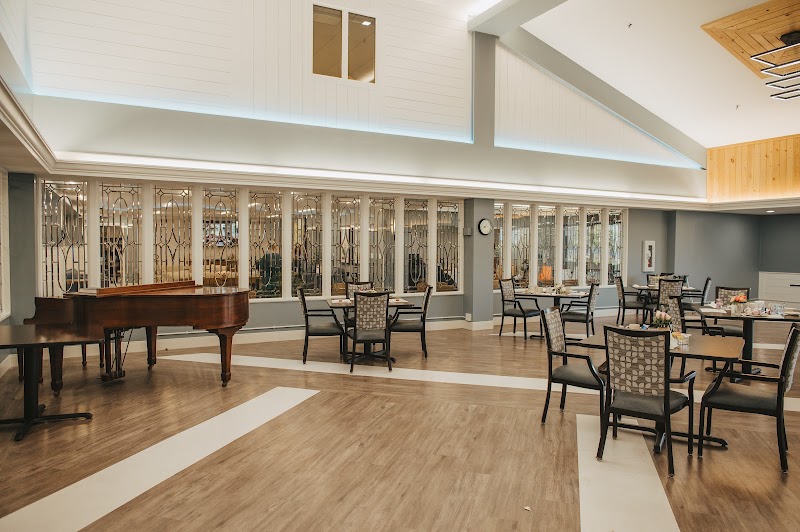
How Does Majestic Care Of Carmel Compare to Other Indiana Nursing Homes?

Compared to the 100 nursing homes in Indiana, MAJESTIC CARE OF CARMEL's overall rating (3 stars) is below the state average of 3.1, staff turnover (55%) is near the state average of 46%, and health inspection rating (3 stars) is at the national benchmark.

What Should Families Ask When Visiting Majestic Care Of Carmel?

Based on this facility's data, families visiting should ask: "How do you ensure continuity of care given staff turnover, and what is your staff retention strategy?" "Can you walk me through typical staffing levels on day, evening, and night shifts?" "Can I visit during a mealtime to observe dining assistance and food quality?" "How do you handle medical emergencies, and what is your hospital transfer rate?" These questions are particularly relevant given the facility's high staff turnover rate and the below-average staffing rating.

Is Majestic Care Of Carmel Safe?

Based on CMS inspection data, MAJESTIC CARE OF CARMEL has a clean safety record: no substantiated abuse findings (meaning no confirmed cases of resident harm), no Immediate Jeopardy citations (the most serious violation level indicating risk of serious injury or death), and is not on the Special Focus Facility watch list (a federal program monitoring the lowest-performing 1% of nursing homes). The facility has a 3-star overall rating and ranks #100 of 100 nursing homes in Indiana. While no facility is perfect, families should still ask about staff-to-resident ratios and recent inspection results during their visit.

Do Nurses at Majestic Care Of Carmel Stick Around?

Staff turnover at MAJESTIC CARE OF CARMEL is high. At 55%, the facility is 9 percentage points above the Indiana average of 46%. High turnover means new staff may not know residents' individual needs, medications, or preferences. It can also be disorienting for residents, especially those with dementia who rely on familiar faces. Families should ask: What is causing the turnover? What retention programs are in place? How do you ensure care continuity during staff transitions?

Was Majestic Care Of Carmel Ever Fined?

MAJESTIC CARE OF CARMEL has no federal fines on record. CMS issues fines when nursing homes fail to meet care standards or don't correct problems found during inspections. The absence of fines suggests the facility has either maintained compliance or corrected any issues before penalties were assessed. This is a positive indicator, though families should still review recent inspection reports for the full picture.

Is Majestic Care Of Carmel on Any Federal Watch List?

MAJESTIC CARE OF CARMEL is not on any federal watch list. The most significant is the Special Focus Facility (SFF) program, which identifies the bottom 1% of nursing homes nationally based on persistent, serious quality problems. Not being on this list means the facility has avoided the pattern of deficiencies that triggers enhanced federal oversight. This is a positive indicator, though families should still review the facility's inspection history directly.