MCGIVNEY HEALTH CARE CENTER
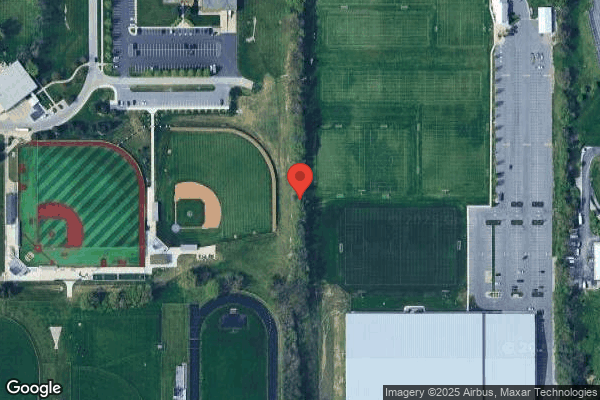
2907 EAST SMOKY ROW, CARMEL, IN 46033 (317) 846-0265
Non profit - Corporation 37 Beds Independent Data: November 2025
Trust Grade
28/100
#465 of 505 in IN
Last Inspection: October 2024

Within standard 12-15 month inspection cycle. Federal law requires annual inspections.

Overview

McGivney Health Care Center has a Trust Grade of F, indicating significant concerns about the quality of care provided. With a state rank of #465 out of 505 facilities in Indiana, they are in the bottom half, and they rank last in Hamilton County. The facility is currently improving, having reduced issues from 25 in 2023 to 5 in 2024, but it still faces serious challenges, including a concerning 62% staff turnover rate. There have been $8,189 in fines, which is higher than 91% of Indiana facilities, pointing to ongoing compliance issues. While RN coverage is less than 99% of state facilities, which is concerning, the most serious incident involved a resident receiving another person's medication, leading to a hospital stay, highlighting significant risks to resident safety.

Trust Score
F
28/100
In Indiana
#465/505
Bottom 8%
Safety Record
Moderate
Needs review
Inspections
Getting Better
25 → 5 violations
Staff Stability
⚠ Watch
62% turnover. Above average. Higher turnover means staff may not know residents' routines.
Penalties
⚠ Watch
$8,189 in fines. Higher than 99% of Indiana facilities. Major compliance failures.
Skilled Nurses
⚠ Watch
Each resident gets only 14 minutes of Registered Nurse (RN) attention daily — below average for Indiana. Fewer RN minutes means fewer trained eyes watching for problems.
Violations
⚠ Watch
43 deficiencies on record. Higher than average. Multiple issues found across inspections.
★☆☆☆☆
1.0
Overall Rating
★☆☆☆☆
1.0
Staff Levels
★★★☆☆
3.0
Care Quality
★★☆☆☆
2.0
Inspection Score
Stable
2023: 25 issues
2024: 5 issues

The Good

  • Full Sprinkler Coverage · Fire safety systems throughout facility
  • No fines on record

Facility shows strength in fire safety.

The Bad

1-Star Overall Rating

Below Indiana average (3.1)

Significant quality concerns identified by CMS

Staff Turnover: 62%

16pts above Indiana avg (46%)

Frequent staff changes - ask about care continuity

Federal Fines: $8,189

Below median ($33,413)

Minor penalties assessed

Staff turnover is elevated (62%)

14 points above Indiana average of 48%

The Ugly 43 deficiencies on record

1 actual harm
Oct 2024 5 deficiencies
CONCERN (D)

Potential for Harm - no one hurt, but risky conditions existed

Comprehensive Care Plan (Tag F0656)

Could have caused harm · This affected 1 resident

Based on interview and record review, the facility failed to develop a comprehensive care plan which addressed constipation, insomnia, hyperlipidemia, and pain for 2 of 2 residents reviewed for Based ...

Read full inspector narrative →
Based on interview and record review, the facility failed to develop a comprehensive care plan which addressed constipation, insomnia, hyperlipidemia, and pain for 2 of 2 residents reviewed for Based on interview and record review, the facility failed to develop a comprehensive care plan which addressed constipation, insomnia, hyperlipidemia, and pain for 2 of 2 residents reviewed for comprehensive care plans. (Resident 11 and 26) Findings include: 1. During an interview, on 9/25/24 at 10:59 a.m., Resident 11 indicated he was often constipated. The clinical record for Resident 11 was reviewed on 9/27/24 at 11:01 a.m. The diagnoses included, but were not limited to, muscle weakness, abnormal weight loss, and chronic idiopathic constipation. A physician's order, initiated on 2/20/23, indicated to give Linzess Oral Capsule (a medication for constipation) 145 micrograms (mcg) once a day related to chronic idiopathic constipation. A physician's order, initiated on 3/2/22, indicated to give Miralax Powder (a medication for constipation) 17 grams/scoop in the morning for constipation. There was no care plan found in the record to indicate the resident was prone to constipation and the use of Linzess or Miralax. During an interview, on 10/2/24 at 10:08 a.m., the Minimum Data Set (MDS) Nurse indicated she did not believe the facility had a policy addressing what needed to be care planned. During an interview, on 10/2/24 at 11:00 a.m., the MDS Nurse indicated the resident should have had a care plan addressing constipation. 2. The clinical record for Resident 26 was reviewed on 9/26/24 at 2:25 p.m. The diagnoses included, but were not limited to, hyperlipidemia, pain in an unspecified joint, and insomnia. A physician's order, initiated on 8/27/21, indicated to give Lipitor (a cholesterol medication) 10 milligrams daily at bedtime for mixed hyperlipidemia (elevated levels of fat in the blood). A physician's order, initiated on 4/22/22, indicated to give Melatonin (a supplement to help with sleep disorders) six (6) milligrams at bedtime for insomnia. A physician's order, initiated on 3/22/24, indicated to give tramadol (a pain reliever) 100 milligrams twice a day for joint pain. There were no care plans addressing the use of Lipitor for hyperlipidemia, Melatonin for insomnia or tramadol for pain found in the record. During an interview, on 10/2/24 at 10:07 a.m., the MDS Nurse indicated the resident should have had a care plan addressing mixed hyperlipidemia, difficulty sleeping, and pain. A current facility policy, titled Care Plans, dated as last reviewed in 2024 and received from the Executive Director on 10/2/24 at 10:32 a.m., indicated .Collaboration of the care plan team is used to help analyze data obtained from the resident's diagnosis, staff notation, MDS (Minimum Data Set) and physician's orders to develop individualized care plans specific to each resident 3.1-35(a) 3.1-35(b)(1)
CONCERN (D)

Potential for Harm - no one hurt, but risky conditions existed

Deficiency F0757 (Tag F0757)

Could have caused harm · This affected 1 resident

Based on interview and record review, the facility failed to obtain laboratory results for the monitoring and effectiveness of a cholesterol medication for 1 of 5 residents reviewed for unnecessary me...

Read full inspector narrative →
Based on interview and record review, the facility failed to obtain laboratory results for the monitoring and effectiveness of a cholesterol medication for 1 of 5 residents reviewed for unnecessary medications. (Resident 26) Finding includes: The clinical record for Resident 26 was reviewed on 9/26/24 at 2:25 p.m. The diagnoses included, but were not limited to, pain in an unspecified joint, insomnia, and mixed hyperlipidemia. A physician's order, initiated on 8/27/21, indicated to give Lipitor (a medication for high cholesterol) 10 milligrams daily at bedtime for mixed hyperlipidemia. A laboratory result, dated 2/11/22, indicated the resident had a high triglyceride level of 188. There were no other laboratory results in the record to indicate a lipid profile (a blood test to monitor the lipid levels in the blood) had been monitored after 2/11/22. There were no entries in the record to indicate laboratory orders had been received and/or were pending. During an interview, on 10/2/24 at 10:07 a.m., the Minimum Data Set (MDS) Nurse indicated the facility did not have a policy addressing monitoring laboratory results for medications and there were no current laboratory results to show monitoring of the cholesterol levels. During a telephone interview, on 10/2/24 at 10:48 a.m., Nurse Practitioner 2 indicated cholesterol labs should be checked at least annually. The facility was not able to provide a policy addressing the monitoring of the medication. 3.1-48(a)(3)
CONCERN (D)

Potential for Harm - no one hurt, but risky conditions existed

Medication Errors (Tag F0758)

Could have caused harm · This affected 1 resident

Based on interview and record review, the facility failed to monitor and document a resident's delusions related to the use of an antipsychotic medication for 1 of 5 residents reviewed for unnecessary...

Read full inspector narrative →
Based on interview and record review, the facility failed to monitor and document a resident's delusions related to the use of an antipsychotic medication for 1 of 5 residents reviewed for unnecessary medications. (Resident 28) Finding includes: The clinical record for Resident 28 was reviewed on 10/1/24 at 9:21 a.m. The diagnoses included, but were not limited to, unspecified dementia, psychotic disorder with delusions, alcohol abuse, and hyperlipidemia. A physician's order, with a start date of 4/5/24, indicated to give Zyprexa (an antipsychotic medication) 7.5 milligrams (mg) by mouth at bedtime for a psychotic disorder with delusions. A care plan, with a revision date of 1/28/21, indicated the resident displayed at times delusions he believed he was incarcerated and he planned to discharge. A care plan, with a revision date of 4/12/24, indicated the resident used the psychotropic medication Zyprexa related to psychosis with delusions. During an interview, on 10/1/24 at 9:58 a.m., the Director of Nursing (DON) indicated Resident 28 did have delusions. Behaviors should be documented in the progress notes in a behavior note. During an interview, on 10/1/24 at 2:18 p.m., Licensed Practical Nurse (LPN) 3 indicated Resident 28 did have delusions. They document behaviors in the behavior notes. The resident thought someone was coming to pick him up from the facility when nobody was coming to pick him up. The resident would want to wear jeans and if staff would put anything else but jeans on him, he would say it was not the law. During an interview, on 10/1/24 at 2:40 p.m., the Minimum Data Set (MDS) Coordinator indicated Resident 28 did have delusions. She did not see anything in the notes about him having any delusions, During an interview, on 10/1/24 at 2:40 p.m., the DON indicated Resident 28 did have delusions. She did not see anything in the notes about him having any delusions. A Point of Care (POC) response history for the resident's behavior monitoring and interventions log indicated no delusions were marked from 5/30/24 to 10/2/24. A current facility policy, titled Use of Antipsychotic Medications/Gradual Dose Reductions, undated and received from the Executive Director on 10/2/24 at 10:30 a.m., indicated .Residents who have not used antipsychotic medications are not to be given these medications unless antipsychotic medication therapy is necessary to treat a specific condition as diagnosed and documented in the clinical record A current facility policy, titled Behavior Tracking, with a revision date of 2024 and received from the Executive Director on 10/2/24 at 10:50 a.m., indicated .Behavior tracking is in the Point of Care (POC). Certified Nursing Assistants (CNAs) will track behavior interventions through POC. All staff observations regarding behaviors will be reported to Nursing and/or Social Services. Nursing and/or Social Services will put in a behavior progress note 3.1-48(a)(3) 3.1-48(a)(4) 3.1-48(a)(5) 3.1-48(b)(1)
CONCERN (D)

Potential for Harm - no one hurt, but risky conditions existed

Food Safety (Tag F0812)

Could have caused harm · This affected 1 resident

Based on observation and interview, the facility failed to ensure food was properly stored in a kitchen refrigerator for 1 of 1 kitchen reviewed for food service safety. (the refrigerator) Finding inc...

Read full inspector narrative →
Based on observation and interview, the facility failed to ensure food was properly stored in a kitchen refrigerator for 1 of 1 kitchen reviewed for food service safety. (the refrigerator) Finding includes: During an observation, on 9/27/24 at 11:02 a.m., there was thawing meat stored above a gallon of milk, next to yogurt and a grocery sack of green bell peppers which belonged to a resident and were unlabeled in a kitchen refrigerator. During an interview, on 9/27/24 at 11:09 a.m., the Kitchen Manager indicated the milk should be stored on the top rack and not under the thawing meat. They should not store residents' food in the kitchen refrigerator. They have a refrigerator for storing residents' food downstairs in storage. A current policy, titled McGivney Health Care Center Food and Nutrition Policy, dated as last revised 3/1/17 and received from the Executive Director on 10/2/24 at 10:30 a.m., indicated .Uncooked and raw animal products and fish will be stored separately in drip-proof containers and below fruits, vegetables and other ready-to-eat foods .All foods belonging to residents must be labeled with the resident's name, the item and the use by date 3.1-21(i)(3)
CONCERN (D)

Potential for Harm - no one hurt, but risky conditions existed

Deficiency F0912 (Tag F0912)

Could have caused harm · This affected 1 resident

**NOTE- TERMS IN BRACKETS HAVE BEEN EDITED TO PROTECT CONFIDENTIALITY** Based on observation, interview and record review, the facility failed to provide at least 80 square feet per resident in 1 of 1...

Read full inspector narrative →
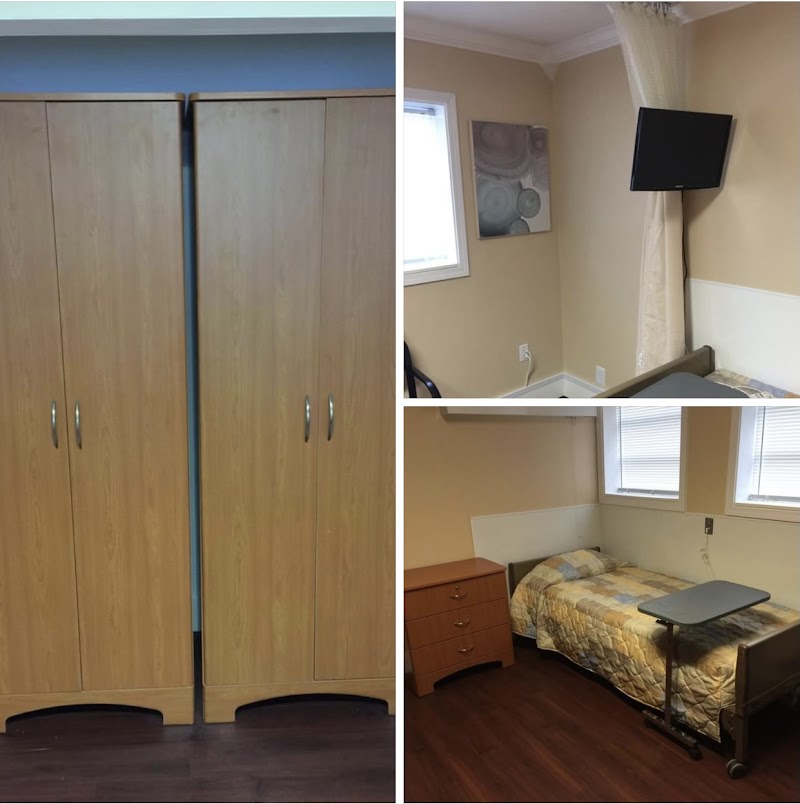
**NOTE- TERMS IN BRACKETS HAVE BEEN EDITED TO PROTECT CONFIDENTIALITY** Based on observation, interview and record review, the facility failed to provide at least 80 square feet per resident in 1 of 18 rooms reviewed for living space. (room [ROOM NUMBER]) Finding includes: During the entrance conference, on 9/25/24 at 10:12 a.m., the Director of Nursing indicated room [ROOM NUMBER] continued to have a room size waiver. During an observation of room [ROOM NUMBER] with Maintenance Staff 4, on 9/25/24 at 9:44 a.m., the room was found to contain two beds and two free standing wardrobes which were used for clothing and storage of personal items belonging to the two occupants of the room. A review of the facility measurement indicated room [ROOM NUMBER] was 153.83 square feet and according to Life Safety code the double occupancy of the room allowed 76.9 square feet of living space per resident. During an interview, on 9/30/24 at 2:34 p.m., Resident 29 indicated he liked his room and felt he had enough space for himself and his roommate. During an interview, on 9/30/24 at 2:49 p.m., Resident 21 indicated he had no concerns with his room and felt he had enough space for himself and his personal belongings. During an interview, on 10/2/24 at 11:34 a.m., the Executive Director indicated room [ROOM NUMBER] was occupied by two residents and should have 80 square feet of living space per resident. A Bed Inventory form, received on 10/2/24, indicated room [ROOM NUMBER] was a Title 18/19 SNF/NF (Medicare and Medicaid) room and was certified for two resident beds. 3.1-19(l)(2)(A)
Sept 2023 25 deficiencies 1 Harm
SERIOUS (G)

Actual Harm - a resident was hurt due to facility failures

Deficiency F0760 (Tag F0760)

A resident was harmed · This affected 1 resident

Based on interview and record review, the facility failed to ensure a resident received the correct medication for 1 of 1 resident reviewed for a significant medication error. (Resident 20) Resident 2...

Read full inspector narrative →
Based on interview and record review, the facility failed to ensure a resident received the correct medication for 1 of 1 resident reviewed for a significant medication error. (Resident 20) Resident 20 required an intensive care stay in the hospital for 5 days. Finding includes: The record for Resident 20 was reviewed on 9/19/23 at 2:01 p.m. Diagnoses included, but were not limited to, dementia with other behavioral disturbance, bradycardia, abnormal weight loss, mood disorder, chronic pain syndrome, and hypertension. A progress note, dated 6/30/23 at 9:25 am, indicated the resident was noted to be lethargic. The skin was cool to touch, he had increased slurring speech, and his speech was garbled. The provider was notified and requested a transfer to the emergency department. An SBAR (situation, background, assessment, and recommendation form), dated 6/30/23 at 9:36 a.m., indicated the resident had a change in mental status and was given another resident's medications. A hospital patient summary report, dated 6/30/23 at 2:46 pm, indicated the admitting diagnosis was an overdose of antipsychotic accidental or unintentional accidental overdose of beta-adrenergic blocker. The resident was diagnosed with acute toxic encephalopathy (brain disfunction caused by toxic exposure) due to receiving the medications for another resident. Poison control recommended flumazenil (to help the resident wake up after an overdose) which was given in the emergency department. The resident also had a diagnosis of lactic acidosis (too little oxygen reaches body tissues) likely related to medications and poor intake. A diagnosis of sinus bradycardia (low heart rate) resulted from an inadvertent dose of metoprolol tartrate (for high blood pressure and heart rate)100 mg (milligrams). A progress note, from the attending physician in medical intensive care unit, dated 6/30/23 at 12:27 p.m., indicated the resident presented from his living facility sedated (sleepy). The resident was given medications which were not his own. These medications included 81 mg (milligrams) of aspirin, 0.5 mg of benztropine (for Parkinson's disease), 10 mg of buspirone (a medication for anxiety), 10 mg of Jardiance (a medication for diabetes), 1 mg lorazepam (a medication for anxiety), 100 mg pimavanserin (for Parkinson's disease), 1 gm (gram) metformin (used for diabetes) and 200 mg Seroquel (used for schizophrenia and bipolar). The resident's medication list included atorvastatin (a cholesterol medication) 40 mg, tamsulosin (for the prostate) 0.4 mg, aspirin 81 mg, Tylenol (for pain) 325 mg as needed, Imodium A-D (for loose stools) 2 mg as needed, and Zyprexa (for behavior disturbance/mood disorder) 5 mg. A progress note, dated 7/5/23 at 2:09 p.m., indicated the resident returned to the facility via stretcher, provider notified of medication changes at this time. Director of nursing notified of return. A medication variance report, dated 6/30/23 at 9:00 a.m., indicated the type of variance was the wrong resident and the reason was failure to identify the resident. Nurse 18 was placed back in orientation. During an interview, on 09/21/23 at 10:13 a.m., the Executive Director indicated he was aware of the significant medication error and the employee was terminated. A current policy, titled Medication Administration, no date, received from the Executive Director on 9/21/23 at 9:34 a.m., indicated .licensed or qualified personnel shall be responsible to follow accepted practices of medication administration as per physicians' order .picture or other method deemed comparable by the facility .if a picture is unavailable, verify resident identity with another staff member and with residents' prior administration 3.1-48(c)(2)
CONCERN (D)

Potential for Harm - no one hurt, but risky conditions existed

Notification of Changes (Tag F0580)

Could have caused harm · This affected 1 resident

Based on interview and record review, the facility failed to notify the physician of a weekly weight gain and a blood sugar outside the call parameters for 2 of 2 residents reviewed for notification o...

Read full inspector narrative →
Based on interview and record review, the facility failed to notify the physician of a weekly weight gain and a blood sugar outside the call parameters for 2 of 2 residents reviewed for notification of change. (Resident 1 and 12) Findings include: 1. The record for Resident 1 was reviewed on 9/21/23 at 11:34 a.m. Diagnoses included, but were not limited to, type 2 diabetes myelitis, dementia, and hypertension. A care plan, revised 2/9/17, indicated the resident was on a diuretic (furosemide) due to hypertension. The interventions included, but were not limited to, weekly weight and notify the physician per protocol. A physician's order, dated 10/1/20, indicated to weigh the resident weekly and if there was a greater than 3-pound weight gain notify the physician. A facility vital sign documentation indicated the following weights: a. The weight, on 8/25/22, was 209 pounds (lbs.). b. The weight, on 9/1/22, was 216 lbs. The resident had a 7 lb. weight gain in one week. There was no documentation to indicate the physician was notified of the 7-pound weight gain. During an interview, on 9/22/23 at 10:32 a.m., the Director of Nursing (DON) indicated if there was an order to notify the physician of a weight gain then the physician needed to be called. During an interview, on 9/22/23 at 11:45 a.m., the Executive Director (ED) indicated there was no documentation to show the physician was notified of the weight gain for Resident 1. 2. The record for Resident 12 was reviewed on 9/19/23 at 12:29 p.m. Diagnoses included, but were not limited to, type 2 diabetes mellitus, paranoid schizophrenia, dysphagia (difficulty swallowing), depressive disorder, and blindness in the right eye. A physician's order, dated 10/21/16, indicated to give Humalog (insulin for blood glucose levels) solution 100 unit/ml(milliliter). Inject the insulin as per sliding scale if the blood glucose levels were as follows: a. 0 - 149 = 0 units b. 150 - 200 = 2 units c. 201 - 250 = 4 units d. 251 - 300 = 6 units e. 301 - 350 = 8 units f. 351 - 400 = 10 units. Call the physician if the blood glucose levels were below 60 or over 400. The resident's blood glucose level document indicated the level, on 4/25/2023 at 10:39 p.m., was 433 and on 6/22/23 at 11:18 p.m., was 495. There was no documentation of the physician being notified for the blood glucose levels of 495 and 433. During an interview, on 9/20/23 at 10:00 a.m., the ED indicated they did not have documentation for the physician being notified of the blood glucose levels over 400. The physician needed to be called since the information was requested. During an interview, on 09/20/23 at 3:00 p.m., the DON indicated the blood glucose level, on 6/22/23 at 11:18 a.m., was 496 and was taken by the Qualified Medical Assistant (QMA). The blood glucose level was crossed out on the Medication Administration Record (MAR) and the physician was not notified of the blood glucose level greater than 400. She would not call the physician if she got a high number on the Accu-check machine. She would take another blood glucose level. The facility did not have a notification of physician policy at the exit conference. A current policy, titled Blood Glucose Monitoring, revised May 16, 2019 and received from the ED on 11/8/21 at 4:53 p.m., indicated .The standard of practice is for all nursing personnel to have direction and guidance through which services are expected to the changing nature of health care provision for people with diabetes .Nursing personnel are subject to Routine Procedures and Non-Routine procedures during the course of action to monitor blood glucose .Document blood glucose results on Blood Sugar Log and notify physician of any readings outside of directed parameters specified by physician caring for management of diabetes 3.1-5(a)(3)
CONCERN (D)

Potential for Harm - no one hurt, but risky conditions existed

Report Alleged Abuse (Tag F0609)

Could have caused harm · This affected 1 resident

Based on interview and record review, the facility failed to ensure a significant medication error which resulted in a resident requiring an intensive care stay of 5 days in the hospital was reported ...

Read full inspector narrative →
Based on interview and record review, the facility failed to ensure a significant medication error which resulted in a resident requiring an intensive care stay of 5 days in the hospital was reported to the State Agency for 1 of 1 resident reviewed for reporting. (Resident 20) Finding includes: The record for Resident 20 was reviewed on 09/19/23 at 2:01 p.m. Diagnoses included, but were not limited to, dementia with other behavioral disturbance, bradycardia, abnormal weight loss, mood disorder, chronic pain syndrome, and hypertension. A progress note, dated 6/30/23 at 9:25 am, indicated the resident was noted to be lethargic. The skin was cool to touch, he had increased slurring speech, and his speech was garbled. The provider was notified and requested a transfer to the emergency department. An SBAR (situation, background, assessment, and recommendation form), dated 6/30/23 at 9:36 a.m., indicated the resident had a change in mental status and was given another resident's medications. A hospital patient summary report, dated 6/30/23 at 2:46 pm, indicated the admitting diagnosis was an overdose of antipsychotic accidental or unintentional accidental overdose of beta-adrenergic blocker. The resident was diagnosed with acute toxic encephalopathy (brain disfunction caused by toxic exposure) due to receiving the medications for another resident. Poison control recommended flumazenil (to help the resident wake up after an overdose) which was given in the emergency department. The resident also had a diagnosis of lactic acidosis (too little oxygen reaches body tissues) likely related to medications and poor intake. A diagnosis of sinus bradycardia (low heart rate) resulted from an inadvertent dose of metoprolol tartrate (for high blood pressure and heart rate)100mg. A progress note, from the attending physician in medical intensive care unit, dated 6/30/23 at 12:27 p.m., indicated the resident presented from his living facility sedated (sleepy). The resident was given medications which were not his own. A progress note, dated 7/5/23 at 2:09 p.m., indicated the resident returned to the facility via stretcher, provider notified of medication changes at this time, Director of nursing was notified of the return. A medication variance report, dated 6/30/23 at 9:00 a.m., indicated the type of variance was the wrong resident and the reason was failure to identify the resident. Nurse 18 was placed back in orientation. A termination notice, dated 9/2/23, indicated on 6/30/23 a medication error resulted in the hospitalization of a resident. Nurse 18 continued to make errors with medication administration and her employment with the facility was terminated. During an interview, on 09/21/23 at 10:13 a.m., the Executive Director indicated he was aware of the significant medication error and the employee was terminated. There was no policy for reporting incidents to the Indiana Department of Health. 3.1-28(c)
CONCERN (D)

Potential for Harm - no one hurt, but risky conditions existed

Assessment Accuracy (Tag F0641)

Could have caused harm · This affected 1 resident

Based on interview and record review, the facility failed to ensure a new diagnosis of systolic heart failure was included in the MDS (Minimum Data Set) under medical diagnoses for 1 of 1 resident rev...

Read full inspector narrative →
Based on interview and record review, the facility failed to ensure a new diagnosis of systolic heart failure was included in the MDS (Minimum Data Set) under medical diagnoses for 1 of 1 resident reviewed for assessments. (Resident 32) Finding includes: The record for Resident 32 was reviewed on 9/19/23 at 11:31 a.m. Diagnoses included, but were not limited to, dementia, depressive episode, psychotic disorder with delusions due to known physiological condition, restlessness and agitation, pain in the right leg, and delusional disorders. A progress note, dated 4/4/23 at 12:09 p.m., indicated the resident had swollen arms, pitting edema to both ankles and abdomen. She had diminished lung sounds noted throughout the lobes. The provider was notified, and a new order was received to send the resident to the emergency department for evaluation and treatment. A hospital discharge summary note, dated 4/9/23 at 1:25 p.m., indicated a new diagnosis of acute systolic heart failure exacerbation. The echocardiogram indicated an ejection fraction (percentage of blood pumped out with the heartbeat) of 25 to 30% with unknown etiology at this time. The provider indicated the uncontrolled atrial flutter could have caused the onset of heart failure. A progress note, dated 4/10/23 at 10:18 a.m., indicated the resident's weight was 118 pounds upon return from hospitalization and was 150 pounds prior to hospitalization. The resident was overloaded per emergency department nurse. A progress note, dated 4/10/23 at 2:46 p.m., indicated the Registered Dietitian was aware of the weight gain due to an increase in edema. The resident had been discharged to an acute setting due to swelling and had returned today. She will continue to monitor. A quarterly MDS assessment, dated 6/20/23, indicated there was no diagnosis of systolic congestive heart failure in the section for active diagnoses. An annual MDS assessment, dated 8/24/23, indicated there was no diagnosis of systolic heart failure entered into the section for active medical diagnoses. During an interview, on 9/22/23 at 11:17 a.m., the MDS Coordinator indicated she was not informed of the information with the resident's new diagnosis of heart failure, and it was not put on the quarterly or annual assessment. During an interview, on 9/22/23 at 11:20 a.m., the MDS Coordinator indicated there was no policy for MDS. The RAI (Resident Assessment Instrument) manual was followed. A current publication, titled Long - Term Care Facility Resident Assessment Instrument 3.0 User's Manual, dated 10/2019, indicated .disease processes can have a significant adverse effect on an individual's health status and quality of life .this section identifies active diseases and infections that drive the current plan of care .the disease conditions in this section require a physician-documented diagnosis in the last 60 days 3.1-31(d)(3) 3.1-31(e)
CONCERN (D)

Potential for Harm - no one hurt, but risky conditions existed

PASARR Coordination (Tag F0644)

Could have caused harm · This affected 1 resident

Based on interview and record review, the facility failed to ensure another PASARR (Preadmission Screening and Resident Review) level I was completed when the resident was prescribed an antipsychotic ...

Read full inspector narrative →
Based on interview and record review, the facility failed to ensure another PASARR (Preadmission Screening and Resident Review) level I was completed when the resident was prescribed an antipsychotic medication for 1 of 2 residents reviewed for PASARR. (Resident 29) Finding includes: The record for Resident 29 was reviewed on 9/20/23 at 4:30 p.m. Diagnoses included, but were not limited to, unspecified dementia, mood disturbance, anxiety disorder, and psychotic disorder with delusion. A PASARR level I, dated 9/4/20, indicated the resident had no mental health medication and no level II was required due to situational symptoms. The level I screen indicated a PASARR disability was not present because of the following reason: Low level behavioral health symptoms were present. However, those appear to be situational. If the individual's symptoms or behaviors did not improve or resolve within 30-60 days of this screen, then the nursing facility must submit an updated status change level I screen to reevaluate the need for a PASARR level II behavioral health evaluation. A physician's order, dated 5/18/23, indicated Zyprexa (an antipsychotic medication) 2.5 mg (milligram) at bedtime related to psychotic disorder with delusions due to known physiological condition. During an interview, on 9/21/23 at 3:25 p.m., the Social Services Director indicated she did not know she was supposed to do another PASARR level I when the resident was started on an antipsychotic medication, or a new psychotic diagnosis was added. The facility did not have a PASARR policy. 3.1-16(d)(1)(A) 3.1-16(d)(1)(B)
CONCERN (D)

Potential for Harm - no one hurt, but risky conditions existed

Comprehensive Care Plan (Tag F0656)

Could have caused harm · This affected 1 resident

Based on record review and interview, the facility failed to ensure a resident with a new seizure diagnosis had a care plan for 1 of 1 resident reviewed for care plans. (Resident 22) Finding includes:...

Read full inspector narrative →
Based on record review and interview, the facility failed to ensure a resident with a new seizure diagnosis had a care plan for 1 of 1 resident reviewed for care plans. (Resident 22) Finding includes: The record for Resident 22 was reviewed on 9/19/23 at 12:19 p.m. Diagnoses included, but were not limited to, unspecified intracranial injury with loss of consciousness of unspecified duration, nontraumatic subarachnoid hemorrhage, epileptic seizures, and fracture of nasal bone. A physician's order, dated 7/14/23, indicated lacosamide (a seizure medication) 150 mg (milligrams) twice daily for seizures. A progress note, dated 7/14/23 at 12:12 a.m., indicated the resident was walking down the hall going to the shower. He was noted hitting the wall and banister while starting to seize. He had issues breathing and a seizure with full tonic-clonic movement. The seizure activity lasted 3 minutes. A hospital discharge note, dated 7/17/23, indicated the resident had a 3-minute grandmal seizure witnessed at the extended care facility. Facility staff indicated the resident had no previous seizures. He was to be discharged to the extended care facility with standard seizure precautions and medications. During an interview, on 9/21/23 at 1:35 p.m., the Director of Nursing indicated the resident did not have a care plan for seizures. There was no care plan for seizure precautions. There was no policy for seizure precautions or care plans. 3.1-35(a) 3.1-35(b)(1)
CONCERN (D)

Potential for Harm - no one hurt, but risky conditions existed

Accident Prevention (Tag F0689)

Could have caused harm · This affected 1 resident

**NOTE- TERMS IN BRACKETS HAVE BEEN EDITED TO PROTECT CONFIDENTIALITY** Based on interview and record review, the facility failed to document and investigate a fall with a major injury for 1 of 4 resi...

Read full inspector narrative →
**NOTE- TERMS IN BRACKETS HAVE BEEN EDITED TO PROTECT CONFIDENTIALITY** Based on interview and record review, the facility failed to document and investigate a fall with a major injury for 1 of 4 residents reviewed for falls. (Resident 186) Finding includes: The record for Resident 186 was reviewed on 9/20/23 at 1:37 p.m. Diagnoses included, but were not limited to, Alzheimer's disease with late onset, non-traumatic chronic subdural hemorrhage, generalized anxiety disorder, and cognitive communication deficit. A progress note, dated 7/22/23 at 3:13 p.m., indicated the resident was experiencing episodes of increased confusion, stumbling during ambulation, and did not feed himself during mealtimes. The resident was sent to the hospital. A hospital presenting symptoms details report, dated 7/22/23, indicated the resident had increased confusion. The resident was not eating on his own at the long-term care (LTC) facility as he usually did and had an unwitnessed fall. The emergency department work up showed the resident had an acute on chronic subdural hematoma (usually caused by a head injury which caused blood to pool between the brain and its outermost covering) with a 5-millimeter (mm) thickness. The resident's other diagnosis included, but were not limited to, sepsis secondary to urinary tract infection (UTI) and right chest wall cellulitis, complicated UTI from e. coli (a bacteria normally found in the intestines), an unwitnessed fall, and acute on chronic subdural hematoma. A hospital geriatric consult, dated 7/24/23 at 3:01 p.m., indicated the resident was well known to their services and had a history of Alzheimer's dementia who presented to the Emergency Room, on 7/22/23, after an unwitnessed fall. The staff at the LTC facility noted the resident was more confused than normal and unsteady on his feet. The resident was not eating on his own and the facility thought it was due to generalized weakness. When the staff at the facility could not find the resident after lunch, they went looking for the resident. The resident was located in the bathroom near the dining room and was oriented to self only. The facility activated emergency medical services and the resident was transported to the emergency room. A facility fall risk evaluation, dated 8/3/23 at 6:55 p.m., indicated the resident had a history of falls and had 1-2 falls in the past 3 months. The resident's fall risk score was 18 which indicated the resident was at a risk for falls. The care plans did not include the resident was at a risk for falls. During an interview, on 9/21/23 at 11:53 a.m., the Executive Director (ED) indicated the Unit Manager would be responsible for reviewing the hospital discharge records. He was not aware the resident had fallen prior to the hospital admission on [DATE] and the facility did not have a fall report or an incident report. The Nursing Fall Procedure Check List included but was not limited to, complete vital signs, complete a physical assessment, document a fall progress note, create a fall intervention, complete a fall risk evaluation, complete a situation, background, assessment and recommendations (SBAR) assessment. A current policy, titled Fall Assessment Policy, effective 2011, revised 2020 and received from the ED on 9/21/23 at 11:30 a.m., indicated .has developed a Fall Assessment policy designed to assist licensed personnel in fall follow up procedures .A Fall Risk Assessment shall be completed upon admission and recommendation made for immediate interventions accordingly. Those interventions will be addressed on the CNA [certified nursing assistant] Assignment Sheet .and the resident's care plan .Should a resident incur a fall; the licensed personnel will follow the Fall Procedure Check List. Immediate interventions shall be initiated and communicated to direct caregivers as warranted. The Post Fall Investigation shall be forwarded to the Director of Nursing [DON] for IDT [interdisciplinary team] Review. 3.1-45(a)(1)
CONCERN (D)

Potential for Harm - no one hurt, but risky conditions existed

Incontinence Care (Tag F0690)

Could have caused harm · This affected 1 resident

Based on observation, interview and record review, the facility failed to ensure a resident being treated for a urinary tract infection was provided timely incontenent care and was free from wearing t...

Read full inspector narrative →
Based on observation, interview and record review, the facility failed to ensure a resident being treated for a urinary tract infection was provided timely incontenent care and was free from wearing two incontinent briefs, failed to obtain a culture and sensitivity after a urinalysis, and failed to prevent a recurrent urinary tract infection for 2 of 3 residents reviewed for urinary tract infections. (Resident 6 and 32) Findings include: 1. During an interview, on 9/22/23 at 2:20 p.m., Resident 6 indicated she had been waiting two hours to have her wet brief changed and her buttock was hurting. The resident asked the Certified Nursing Assistant (CNA) 13 at noon to be changed and was still waiting. During an observation, on 9/22/23 at 2:31 p.m., Qualified Medication Assistant (QMA) 11 and CNA 12 entered the resident's room to provide peri-care. QMA 11 indicated Resident 6 had a strong urine odor. QMA 11 opened the left side of the incontinent brief and tucked the end of the incontinence brief under the resident's left side. The resident was wearing two briefs. The staff turned the resident over to remove the mechanical lift pad (a pad used with a device to assist with transfers for individuals who require support). The pad, the resident's dress, and the brief were all wet with urine. The brief was extremely wet with bowel movement (BM) smears in the brief. The record for Resident 6 was reviewed on 9/20/23 at 2:19 p.m. Diagnoses included, but were not limited to, hemiplegia (paralysis) affecting the right dominant side, depressive disorder, type 2 diabetic mellitus, and anxiety disorder. The MDS (Minimum Data Set) assessment, dated 8/7/23, indicated the resident needed extensive assistance with toilet use. A care plan, dated 1/11/23, indicated the resident had bladder incontinence related to physical limitations. The interventions included, but were not limited to, the resident used disposable briefs, to change every two hours and when needed, and clean the peri-area with each incontinence episode. A care plan, dated 1/11/23, indicated the resident needed assistance with activities of daily living. The interventions included, but were not limited to, the resident was a total dependence with up to 2 staff for toilet use. An emergency room (ER) hospital record, dated 9/2/23, indicated the resident was admitted with a diagnosis of an UTI (urinary tract infection). A physician's order, dated 9/5/23, indicated to give Pyridium (analgesic for urinary tract infection) 200 mg (milligrams) tablet every 8 hours as needed for dysuria (painful urination) for 30 days. A physician's order, initiated on 9/5/23, indicated to give Ceftriaxone sodium (an antibiotic) 1 gram intravenously at bedtime related to urinary tract infection for 13 days. During an interview, on 9/22/23 at 2:20 p.m., QMA 11 indicated she was not sure when the resident was last changed and why the resident was wearing two briefs. The resident's dress, mechanical lift pad and the two briefs were wet and had smears of bowel movement. The resident also had an open area along her right buttock and the facility did not double brief residents. During an interview, on 9/22/23 at 3:33 p.m., CNA 13 indicated she got the resident up at 8:00 am. The resident refused care at 8:00 a.m., and at 12:00 p.m. When asked when she was last changed, CNA 13 indicated she changed her at 8:00 a.m., and she did not know the resident had two briefs on. During an interview, on 9/22/23 at 3:40 p.m., the Director of Nursing (DON) indicated double briefing was a personal preference. During an interview, on 9/22/23 at 3:40 p.m., the Executive Director (ED) indicated they did not have a policy on activities of daily living (ADL) care or double briefing a resident. 2. The record for Resident 32 was reviewed on 9/19/23 at 11:31 a.m. Diagnoses included, but were not limited to, dementia, depressive episode, psychotic disorder with delusions due to known physiological condition, restlessness and agitation, UTI, and delusional disorders. A progress note, dated 6/28/23 at 11:00 a.m., indicated the resident complained of not feeling well. She indicated she had hit her head and she needed to go to the hospital. A hard area was noted at the side of the temple. Her vital signs were a blood pressure of 128/63, pulse 93 and respirations 20. Increased confusion was noted and a cracked tooth. A hospital noted, dated 6/28/23, indicated a urinalysis was obtained. The results were positive for nitrites, small amount of leukocyte esterase, slightly cloudy, 6-10 white blood cells, and marked bacteria. There was no urine culture and sensitivity from the urinalysis. A progress note, dated 6/28/23 at 6:44 p.m., indicated the resident returned from the hospital. The orders from the emergency department were cephalexin 500 mg (milligrams) twice daily for 14 days. A physician's order, dated 6/29/23, indicated cephalexin 500 mg twice daily. A urinalysis report, dated 8/10/23 at 4:15 p.m., indicated the urine color was amber, cloudy, had 3 + leukocytes, 6-30 red blood cells, 50 white blood cells, many bacteria, calcium oxalate crystal and mucus. A urine culture report, date 8/12/23 at 4:05 p.m., indicated the bacteria was Escherichia Coli 70, 000 to 99, 000 CFU (viable cells)/ml and ceftriaxone was the most effective antibiotic. A physician's order, dated 8/14/23, indicated ceftriaxone 1 gm (gram) injection. There was no policy regarding urinary tract infections or antibiotic surveillance provided prior to exit. 3.1-41(a)(2)
CONCERN (D)

Potential for Harm - no one hurt, but risky conditions existed

Deficiency F0725 (Tag F0725)

Could have caused harm · This affected 1 resident

Based on observation, record review and interview, the facility failed to ensure there was 24 hours of CNA (Certified Nursing Assistant) coverage during the day and evening shift according to the faci...

Read full inspector narrative →
Based on observation, record review and interview, the facility failed to ensure there was 24 hours of CNA (Certified Nursing Assistant) coverage during the day and evening shift according to the facility assessment, failed to ensure staff were able to complete documentation on the Medication Administration Record (MAR), and failed to ensure a resident was provided timely incontinent care for 8 shifts and 2 of 2 residents reviewed for sufficient staffing. (5/28/23 day shift, 5/27/23 evening shift, 5/21/23 evening shift, 5/7/23 evening shift, 5/6/23 day and evening shift, and 4/30/23 day and evening shift, and Residents 28 and 6) Finding includes: 1. A payroll Based Journal (PBJ) report, for the third quarter of 2023, indicated the facility triggered for low weekend staffing. During an interview, on 9/19/23 at 2:53 p.m., the Executive Director (ED) indicated the facility assessment showed the need for 24 hours Certified Nursing Assistant (CNA) coverage during the day and evening shifts. This would be a total of 3 CNAs for the day and evening shifts. If the facility was using agency CNAs, then he would only staff the facility with 2 CNAs for the day and evening shifts since it was a budget issue even though the facility assessment showed the need for 3 CNAs. If the facility was using their own staff, then 3 CNAs would be scheduled. 2. The record for Resident 28 was reviewed on 9/19/23 and 3:39 p.m. Diagnoses included, but were not limited to, dementia without behavioral disturbance, psychotic disturbance, mood disturbance, and anxiety disorder. A MAR, dated for the month of July 2023, indicated the following medications were not signed as administered or not administered: a. Buspirone HCI (anxiolytic) 15mg one tablet three times a day on 7/17/23 at 9:00 p.m., and 7/23/23 at 2:00 p.m. b. Depakote DR (delayed release) 125 mg one tablet three times a day on 7/17/23 at 9:00 p.m., and 7/23/23 at 2:00 p.m. d. Sodium chloride 1 gram give one tablet three times a day on 7/17 and 7/23/23 at 9:00 p.m. A MAR, dated for the month of August 2023, indicated the following medications were not signed as administered or not administered: a. Atenolol (high blood pressure) 25 mg one tablet daily on 8/25 and 8/31/23 at 9:00 a.m. b. Colace (stool softener) 100 mg one tablet daily on 8/25 and 8/31/23 at 9:00 a.m. c. Vitamin B (dietary supplement) one tablet twice a day on 8/25 and 8/31/23 at 9:00 a.m. d. Buspirone HCI (anxiolytic) 10 mg one tablet twice a day 8/24/23 at 9:00 p.m., 8/25 and 8/31/23 at 9:00 a.m. e. Depakote (anticonvulsant) 5 mg one tablet daily on 8/24/23 at 9:00 p.m. f. Sodium chloride 1 gram one tablet three times a day on 8/2/423 at 9:00 p.m. g. Tamsulosin (urinary retention) 0.4 mg one tablet daily on 8/25/23 at 9:00 p.m. A care plan, revised 12/7/22, indicated the resident had impaired cognitive function and impaired thought processes related to dementia diagnoses. The interventions included, but were not limited to, administer medication as ordered. 3a. The record for Resident 6 was reviewed on 9/20/23 at 2:19 p.m. Diagnoses included, but were not limited to, chronic obstructive pulmonary disorder, depressive disorder, type 2 diabetes mellitus, and anxiety disorder. A MAR, dated for the month of August 2023, indicated the following medications were not signed as administered or not administered: a. Aspirin (Nonsteroidal anti-inflammatory and blood thinner) 81 mg (milligram) one tablet daily on 8/25 and 8/31/23 at 9:00 a.m. b. Cyclobenzaprine (muscle relaxant) HCI 10 mg one tablet daily on 8/25 and 8/31/23 at 9:00 a.m. c. Doxepin (antidepressant) HCI 10 mg one tablet daily on 8/24/23 at 9:00 a.m. d. Famotidine (antacid) 40 mg one tablet daily on 8/25 and 8/31/23 at 9:00 a.m. e. Fluticansone-Umeclidin-Vilant (steroid) inhalation Aerosol 100-62.5-25 mcg/act one inhale daily at 8/25 and 8/31/23 at 9:00 a.m. f. Lasix (diuretic) 20 mg one tablet daily on 8/25 and 8/31/23 at 9:00 a.m. g. Metformin (anti-diabetic med) for blood HCI 500 one tablet daily on 8/25 and 8/31/23 at 9:00 a.m. h. Montelukast Sodium (anti-inflammatory) 10 one tablet on 8/24/23 at 9:00 p.m. i. Venlafaxine HCI (anti-depressant) 75 mg one tablet daily on 8/25 and 8/31/23 at 9:00 a.m. j. Buspirone (anxiolytic) HCI 10 mg one tablet twice a day on 8/25 and 8/31/23 at 9:00 a.m. k. Depakote Sprinkles Delayed Sprinkle (anticonvulsant) one tablet twice a day on 8/25 and 8/31/23 at 9:00 a.m. l. Norco (pain) 5-325mg one tablet twice a day on 8/25 and 8/31/23 at 9:00 a.m. m. Acetaminophen (pain) 325 mg two tablets three times a day on 8/19/23 at 2:00 p.m., 8/25 and 8/31/23 at 9:00 a.m. and 2:00 p.m. n. Gabapentin (nerve pain) 600 mg one tablets three times a day on 8/19 and 8/24/23 at 9:00 p.m., 8/25 and 8/31/23 at 9:00 a.m. and 2:00 p.m. b. During an interview, on 9/22/23 at 2:20 p.m., Resident 6 indicated she had been waiting two hours to have her wet brief changed and her buttock was hurting. The resident asked the Certified Nursing Assistant (CNA) 13 at noon to be changed and was still waiting. During an observation, on 9/22/23 at 2:31 p.m., Qualified Medication Assistant (QMA) 11 and CNA 12 entered the resident's room to provide peri-care. QMA 11 indicated Resident 6 had a strong urine odor. QMA 11 opened the left side of the incontinent brief and tucked the end of the incontinence brief under the resident's left side. The resident was wearing two briefs. The staff turned the resident over to remove the mechanical lift pad (a pad used with a device to assist with transfers for individuals who require support). The pad, the resident's dress, and the brief were all wet with urine. The brief was extremely wet with bowel movement (BM) smears in the brief. The record for Resident 6 was reviewed on 9/20/23 at 2:19 p.m. Diagnoses included, but were not limited to, hemiplegia (paralysis) affecting the right dominant side, depressive disorder, type 2 diabetic mellitus, and anxiety disorder. The MDS (Minimum Data Set) assessment, dated 8/7/23, indicated the resident needed extensive assistance with toilet use. A care plan, dated 1/11/23, indicated the resident had bladder incontinence related to physical limitations. The interventions included, but were not limited to, the resident used disposable briefs, to change every two hours and when needed, and clean the peri-area with each incontinence episode. A care plan, dated 1/11/23, indicated the resident needed assistance with activities of daily living. The interventions included, but were not limited to, the resident was a total dependence with up to 2 staff for toilet use. During an interview, on 9/22/23 at 2:20 p.m., QMA 11 indicated she was not sure when the resident was last changed and why the resident was wearing two briefs. The resident's dress, mechanical lift pad and the two briefs were wet and had smears of bowel movement. The resident also had an open area along her right buttock and the facility did not double brief residents. During an interview, on 9/22/23 at 3:33 p.m., CNA 13 indicated she got the resident up at 8:00 am. The resident refused care at 8:00 a.m., and at 12:00 p.m. When asked when she was last changed, CNA 13 indicated she changed her at 8:00 a.m., and she did not know the resident had two briefs on. During an interview, on 9/22/23 at 3:40 p.m., the Executive Director (ED) indicated they did not have a policy on activities of daily living (ADL) care or double briefing a resident. During an interview, on 9/22/23 at 10:32 a.m., the Director of Nursing (DON) indicated the MAR should not have blank spaces and she could call the agency staff and ask if they gave the medication. She really doubted they would remember from back in July and August. They should always sign off the medications on the MAR. During an interview, on 9/21/23 at 2:33 p.m., the ED indicated he did not have a staffing policy. 3.1-17(a)
CONCERN (D)

Potential for Harm - no one hurt, but risky conditions existed

Deficiency F0727 (Tag F0727)

Could have caused harm · This affected 1 resident

Based on interview and record review, the facility failed to ensure a Registered Nurse (RN) was in the facility for 8 hours each day during a 24-hour period for 27 days of the third quarter reviewed f...

Read full inspector narrative →
Based on interview and record review, the facility failed to ensure a Registered Nurse (RN) was in the facility for 8 hours each day during a 24-hour period for 27 days of the third quarter reviewed for sufficient staffing. (April 1, 2, 7, 8, 9, 15, 16, 22, 29, and 30, May 6, 7, 13, 14, 20, 21, 27, 28, and 29, June 3, 4, 10, 11, 17, 18, 24 and 25, 2023). Finding includes: A Payroll Based Journal (PBJ) report, for the third quarter of 2023, indicated the facility did not have RN coverage for April 1, April 2, April 7, April 8, April 9, April 15, April 16, April 22, April 29, April 30, May 6, May 7, May 13, May 14, May 20, May 21, May 27, May 28, May 29, June 3, June 4, June 10, June 11, June 17, June 18, June 24 and June 25, 2023. The facility assessment, received at entrance and updated on 6/6/2023, indicated the facility was to have 8 hours of RN coverage each day. During an interview, on 9/19/23 at 11:03 a.m., the Director of Nursing (DON) indicated she started working as the DON at the end of February. She was the only RN who worked at the facility. She was at the facility 4 days per week and usually took either Monday or Friday off along with the weekends. During an interview, on 9/19/23 at 2:53 p.m., the ED indicated the facility assessment showed there was a need for RN coverage 8 hours each day. The DON was the only RN who worked at the facility. The facility did not have RN coverage for the dates listed on the PBJ report. During an interview, on 9/22/23 at 2:33 p.m., the ED indicated the facility did not have a staffing policy. 3.1-17(b)(3)
CONCERN (D)

Potential for Harm - no one hurt, but risky conditions existed

Deficiency F0730 (Tag F0730)

Could have caused harm · This affected 1 resident

Based on record review and interview, the facility failed to ensure performance reviews were completed for nurse aides at least every 12 months for 5 of 5 CNAs (Certified Nursing Assistants) reviewed ...

Read full inspector narrative →
Based on record review and interview, the facility failed to ensure performance reviews were completed for nurse aides at least every 12 months for 5 of 5 CNAs (Certified Nursing Assistants) reviewed for employee records. (CNA 14, CNA 15, CNA 16, CNA 17, and CNA 10) Finding includes: During a record review, on 9/18/23 at 1:55 p.m., the employee records indicated there were several missing in-services. During an interview, on 9/20/23 at 2:53 p.m., the DON (Director of Nursing) indicated she had not done any performance reviews for CNAs and could not provide any. A current position description, titled Director of Nursing, created on March 2019 and received from the Executive Director (ED) indicated .Evaluates the work performance of all nursing personnel During an interview, on 9/21/23 at 2:33 p.m., the ED indicated he had no policy for providing staffing performance reviews. 3.1-14(h)(1) 3.1-14(h)(2) 3.1-14(h)(3)
CONCERN (D)

Potential for Harm - no one hurt, but risky conditions existed

Staffing Information (Tag F0732)

Could have caused harm · This affected 1 resident

Based on observation, interview and record review, the facility failed to post nurse staffing information in an area which could be clearly seen for 35 of 35 residents and visitors reviewed for nurse ...

Read full inspector narrative →
Based on observation, interview and record review, the facility failed to post nurse staffing information in an area which could be clearly seen for 35 of 35 residents and visitors reviewed for nurse staffing. Finding includes: During an observation, on 9/19/23 at 11:10 a.m., there was no posted nurse staffing sheet around the nurse's station or noted in the facility. During an interview, on 9/19/23 at 11:15 a.m., the Activities Director indicated the facility did not post nurse staffing data but kept it in a binder. During an observation, on 9/19/23 at 11:20 a.m., the daily staffing sheet was in a binder behind the nurse's station. The daily staffing sheet was not posted in an area easily visible for residents and visitors. During an interview, on 9/21/23 at 2:33 p.m., the ED (Executive Director) indicated he had no policy about posting nurse staffing but it should be posted in the facility. 3.1-17(b)
CONCERN (D)

Potential for Harm - no one hurt, but risky conditions existed

Deficiency F0761 (Tag F0761)

Could have caused harm · This affected 1 resident

4. During an observation, on 9/19/23 at 9:46 a.m., there were 2 opened pudding cups in the top drawer of the medication cart without a date on them. QMA 3 indicated he was unsure how long they were in...

Read full inspector narrative →
4. During an observation, on 9/19/23 at 9:46 a.m., there were 2 opened pudding cups in the top drawer of the medication cart without a date on them. QMA 3 indicated he was unsure how long they were in there. During an interview, on 9/21/23 at 11:27 a.m., the DON (Director of Nursing) indicated there should not be opened pudding cups in the medication drawer without a label on them. During an interview, on 9/21/23 at 2:10 p.m., the RD (Registered Dietician) indicated pudding cups should be refrigerated 2 to 4 hours after they were opened. A current policy, titled McGivney Health Center Storage of Medications and Biologicals, reviewed and updated on 7/5/17 and received from the ED on 9/19/23 at 3:20 p.m., indicated .The facility will have a policy to ensure that medications and biologicals are stored safely, securely, and properly, following manufacturer's recommendations or those of the supplier .Internally administered medications are kept separate from orally administered medications .Intravenously administered medications are kept separate from orally administered medications .Eye medications are kept separate from ear medications and inhaler, etc .Potentially harmful substances are clearly identified and stored in an area separate from medications .Once a medication has been opened an Open Date Label must be applied with the date medications was opened A current policy, titled Blood Glucose Monitoring, dated 5/16/2019 and received on 9/20/23 at 3:20 p.m., indicated .The standard of this practice is for all nursing personnel to have direction and guidance through which services are expected to be the changing nature of health care provision for people with diabetes .Clean glucometer between each resident and after each finger stick following manufacturer procedures .Store appropriately [i.e. in a storage case, labeled with the resident name if dedicated for individual use] 3.1-25(o) Based on observation, interview and record review, the facility failed to ensure by mouth (PO) medications, injectable medications and eye drops were stored separately, medications and food were not stored together, medications were labeled when opened and glucometers were stored in a separate bag for 2 of 2 medication carts reviewed and 1 of 1 medication rooms reviewed. (long hall cart, short hall cart and the medication room) Findings include: 1. During a medication storage observation, on 9/18/23 at 3:00 p.m., the long hall medication storage cart was observed to have the following: a. One bottle of lidocaine (a numbing injectable medication) was stored with a bottle of eye drops. b. The top drawer of the medication cart had lots of debris, dirt, and a brownish sticky substance all over the bottom. c. There was one glucometer sitting on top of the sticky top drawer and it was not in any type of wrapping or container. d. The bottom drawer on the right had lots of debris and dirt on it. e. The bottom drawer on the left had debris, dirt, and sticky substances on it. 2. During a medication storage observation, on 9/18/23 at 3:10 p.m., the medication storage room was observed to have the following: a. A sticky brown substance all over the bottom of the refrigerator. b. The bottom of the refrigerator had multiple paper cartons of supplements sitting on top of the sticky brown substance. c. There was one clear plastic container of pudding covered with plastic wrap and not dated. d. There was one vial of purified protein derivative (PPD-a testing solution for tuberculosis) opened and not dated. During an interview, on 9/18/23 at 3:15 p.m., LPN 2 indicated the PPD solution was only good for 30 days after being opened and should have been disposed of since it was not dated. 3. During a medication storage observation, on 9/18/23 at 3:20 p.m., the short hall medication storage cart was observed to have the following: a. The top drawer had lots of debris and sticky sediment stuck to the bottom of the drawer and the drawer dividers. b. A glucometer, with no resident name, was sitting directly on top of the dirty top drawer which was visibly soiled with a sticky clear substance on the top of the glucometer. c. One container of hand sanitizer and multiple AA batteries were stored with PO Risperdal (an antipsychotic medication). During an interview, on 9/19/23 at 11:39 a.m., the Director of Nursing (DON) indicated they would need to get another refrigerator to store the pudding and the supplements since they should not be stored with the medications. The glucometers should be stored in a baggy and not directly on the drawer of the medication cart. If the medication drawer had been clean then the glucometer would not have had sticky stuff on it. She was not sure why the facility did not have separate glucometers for each resident. During an interview, on 9/19/23 at 3:20 p.m., the Executive Director (ED) indicated the facility had extra glucometers to use for individual residents for when state got here and the staff were just not using them yet. The night shift was supposed to clean the medication carts. There was no policy on cleaning the medication carts as it was just a professional expectation.
CONCERN (D)

Potential for Harm - no one hurt, but risky conditions existed

Medical Records (Tag F0842)

Could have caused harm · This affected 1 resident

Based on interview and record review, the facility failed to ensure the Medication Administration Records (MARs) were documented completely to identify if the residents did or did not receive the pres...

Read full inspector narrative →
Based on interview and record review, the facility failed to ensure the Medication Administration Records (MARs) were documented completely to identify if the residents did or did not receive the prescribed medication for 2 of 2 residents reviewed for medication administration documentation. (Residents 6 and 28) Findings include: 1. The record for Resident 6 was reviewed on 9/20/23 at 2:19 p.m. Diagnoses included, but were not limited to, chronic obstructive pulmonary disorder, depressive disorder, type 2 diabetes mellitus, and anxiety disorder. A MAR, dated for the month of August 2023, indicated the following medications were not signed as administered or not administered: a. Aspirin (Nonsteroidal anti-inflammatory and blood thinner) 81 mg (milligram) one tablet daily on 8/25 and 8/31/23 at 9:00 a.m. b. Cyclobenzaprine (muscle relaxant) HCI 10 mg one tablet daily on 8/25 and 8/31/23 at 9:00 a.m. c. Doxepin (antidepressant) HCI 10 mg one tablet daily on 8/24/23 at 9:00 a.m. d. Famotidine (antacid) 40 mg one tablet daily on 8/25 and 8/31/23 at 9:00 a.m. e. Fluticansone-Umeclidin-Vilant (steroid) inhalation Aerosol 100-62.5-25 mcg/act one inhale daily at 8/25 and 8/31/23 at 9:00 a.m. f. Lasix (diuretic) 20 mg one tablet daily on 8/25 and 8/31/23 at 9:00 a.m. g. Metformin (anti-diabetic med) for blood HCI 500 one tablet daily on 8/25 and 8/31/23 at 9:00 a.m. h. Montelukast Sodium (anti-inflammatory) 10 one tablet on 8/24/23 at 9:00 p.m. i. Venlafaxine HCI (anti-depressant) 75 mg one tablet daily on 8/25 and 8/31/23 at 9:00 a.m. j. Buspirone (anxiolytic) HCI 10 mg one tablet twice a day on 8/25 and 8/31/23 at 9:00 a.m. k. Depakote Sprinkles Delayed Sprinkle (anticonvulsant) one tablet twice a day on 8/25 and 8/31/23 at 9:00 a.m. l. Norco (pain) 5-325mg one tablet twice a day on 8/25 and 8/31/23 at 9:00 a.m. m. Acetaminophen (pain) 325 mg two tablets three times a day on 8/19/23 at 2:00 p.m., 8/25 and 8/31/23 at 9:00 a.m. and 2:00 p.m. n. Gabapentin (nerve pain) 600 mg one tablets three times a day on 8/19 and 8/24/23 at 9:00 p.m., 8/25 and 8/31/23 at 9:00 a.m. and 2:00 p.m. 2. The record for Resident 28 was reviewed on 9/19/23 and 3:39 p.m. Diagnoses included, but were not limited to, dementia without behavioral disturbance, psychotic disturbance, mood disturbance, and anxiety disorder. A MAR, dated for the month of July 2023, indicated the following medications were not signed as administered or not administered: a. Buspirone HCI (anxiolytic) 15mg one tablet three times a day on 7/17/23 at 9:00 p.m., and 7/23/23 at 2:00 p.m. b. Depakote DR (delayed release) 125 mg one tablet three times a day on 7/17/23 at 9:00 p.m., and 7/23/23 at 2:00 p.m. d. Sodium chloride 1 gram give one tablet three times a day on 7/17 and 7/23/23 at 9:00 p.m. A MAR, dated for the month of August 2023, indicated the following medications were not signed as administered or not administered: a. Atenolol (high blood pressure) 25 mg one tablet daily on 8/25 and 8/31/23 at 9:00 a.m. b. Colace (stool softener) 100 mg one tablet daily on 8/25 and 8/31/23 at 9:00 a.m. c. Vitamin B (dietary supplement) one tablet twice a day on 8/25 and 8/31/23 at 9:00 a.m. d. Buspirone HCI (anxiolytic) 10 mg one tablet twice a day 8/24/23 at 9:00 p.m., 8/25 and 8/31/23 at 9:00 a.m. e. Depakote (anticonvulsant) 5 mg one tablet daily on 8/24/23 at 9:00 p.m. f. Sodium chloride 1 gram one tablet three times a day on 8/2/423 at 9:00 p.m. g. Tamsulosin (urinary retention) 0.4 mg one tablet daily on 8/25/23 at 9:00 p.m. A care plan, revised 12/7/22, indicated the resident had impaired cognitive function and impaired thought processes related to dementia diagnoses. The interventions included, but were not limited to, administer medication as ordered. During an interview, on 9/22/23 at 10:32 a.m., the Director of Nursing (DON) indicated the MAR should not have blank spaces and she could call the agency staff and ask if they gave the medication. She really doubted they would remember from back in July and August. They should always sign off the medications on the MAR. A current policy, titled Medication Administration, no date and received from the Executive Director on 9/21/23 at 9:34 p.m., indicated .The individual medication administration records (MARs) should be reviewed at the end of medication pass to ensure all ordered medications were administered and all administered does were documented 3.1-50(a)(1) 3.1-50(a)(2)
CONCERN (D)

Potential for Harm - no one hurt, but risky conditions existed

QAPI Program (Tag F0867)

Could have caused harm · This affected 1 resident

**NOTE- TERMS IN BRACKETS HAVE BEEN EDITED TO PROTECT CONFIDENTIALITY** Based on interview and record review, the facility failed to ensure the Quality Assurance and Performance Review (QAPI) committe...

Read full inspector narrative →
**NOTE- TERMS IN BRACKETS HAVE BEEN EDITED TO PROTECT CONFIDENTIALITY** Based on interview and record review, the facility failed to ensure the Quality Assurance and Performance Review (QAPI) committee had documentation of quarterly meetings, documentation of problem areas identified, documentation of staff feedback regarding identified problems and documentation if the problems had improved or worsened. Findings include: During an interview, on 9/21/23 at 2:32 p.m., the ED indicated the QAPI meets monthly although they only did QAPI reports 4 times a year. They would review falls, urinary tract infections (UTIs), activities and behaviors. They were also looking at staffing. He indicated there were no meeting minutes for the items reviewed. They were looking at falls and would communicate all the information verbally. There was no documentation about any processes being changed or implementation of new interventions or reports about the effectiveness of the changes. The QAPI meetings were used for the facility clinical meetings since they did not meet for daily or weekly clinical meetings. The facility was not able to provide documentation on facility problems identified through QAPI, root cause analysis of problems, staff feedback, or performance improvement of identified problems. A QAPI program, dated 9/1/22 and received at entrance from the Executive Director (ED), indicated .The QAPI goals .[NAME] Health Care Center will implement a QAPI program designed to identify and correct quality deficiencies, as well as opportunities for improvement, which will lead to improvement in the lives of nursing home residents, through continuous attention to quality of care, quality of life, and resident safety by developing, implementing, and maintaining an effective, comprehensive, data driven QAPI program. The QAPI program may include the following departments: Nursing, Activities, Housekeeping, Dietary, MDS and Social Services .Scope .Address all systems of care and management practices .Include clinical care, quality of life, and resident choice .Utilize the best available evidence to define and measure indicators of quality and facility goals that reflect processes of care and facility operations that have been shown to be predictive of desired outcomes for residents of this facility .Governance and Leadership .Ensuring the program is ongoing, defined, implemented, maintained, and addresses identified priorities .Ensuring the program identifies and prioritizes problems and opportunities that reflect organizational processes, functions, and services to residents based on performance indicator data, and resident and staff input, and other information .Ensuring corrective actions address gap in systems, and are evaluated for effectiveness .Ensuring the plans and goals are carried out and clearly communicated to all staff .the responsibilities of the QAPI steering committee include .Meeting, at a minimum, quarterly and recording minutes on the QAPI Meeting Minutes template .Feedback, Data Systems, and Monitoring .[NAME] will establish performance indicators, which will be a combination of process and outcome measures, for all QAPI-designated goals .Performance thresholds will be set to show gradual trends for improvement .Compliance will be monitored formally through quality measure reports, incident reports, and staff satisfaction, and informally through discussions, observations, staff meetings, brainstorming activities .Data on the following measures will be collected, at a minimum, on a quarterly basis and reported to the QAPI Steering Committee .Quality measures .Input collected from staff, residents, families, and others .Adverse events .Survey results .Grievances .These measures will be collected and reported in a facility report, which is included in the quarterly updates to the Board of Directors .The facility will use data at every QAPI Steering Committee meeting to ensure performance measures are meeting QAPI goals .The facility will take actions aimed at performance improvement as document in QA Committee meeting minutes and action plans .Performance/success of the actions will be monitored in subsequent QA Committee of sub-committee meetings .The facility will utilize Root Cause Analysis. Chooses actions for change will be linked to the root causes and will be designed to effect change at the systems level .Data will be collected throughout the process and then analyzed to determine the effectiveness of any changes .To ensure improvements are sustained, the effectiveness of performance improvement activities will be monitored in QA Committee meetings . 3.1-52(b)(1) 3.1-52(b)(2)
CONCERN (D)

Potential for Harm - no one hurt, but risky conditions existed

Deficiency F0883 (Tag F0883)

Could have caused harm · This affected 1 resident

Based on interview and record review, the facility failed to ensure a resident received the influenza vaccination after consenting to be vaccinated for 1 of 5 residents reviewed for infection control....

Read full inspector narrative →
Based on interview and record review, the facility failed to ensure a resident received the influenza vaccination after consenting to be vaccinated for 1 of 5 residents reviewed for infection control. (Resident 26) Finding includes: The record for Resident 26 was reviewed on 9/20/23 at 9:21 a.m. Diagnoses included, but were not limited to, Parkinson's disease, dementia, and heart disease. The record did not show he had received an influenza vaccine in 2022. An influenza vaccine consent was received by the resident's representative and was signed on 2/2/22. During an interview, on 9/20/23 at 10:54 p.m., the ED (Executive Director) indicated the resident did sign a consent for the 2022 influenza vaccine. He did not receive the vaccine because he slipped through the cracks. During an interview, on 9/21/23 at 2:33 p.m., the ED indicated he did not have a policy on providing influenza vaccinations to residents. A current policy, titled Influenza and Pneumococcal Immunizations, effective date 2016 and received at entrance conference indicated .The resident's medical record includes documentation that indicates, at a minimum, the following .That the resident either received the influenza immunization or did not receive the influenza immunization due to medical contraindication or refusal 3.1-18(b)(5)
CONCERN (D)

Potential for Harm - no one hurt, but risky conditions existed

Deficiency F0887 (Tag F0887)

Could have caused harm · This affected 1 resident

Based on record review and interview, the facility failed to ensure a facility employee had documentation of receiving the Covid-19 vaccination or had obtained an exemption for the vaccine for 1 of 3 ...

Read full inspector narrative →
Based on record review and interview, the facility failed to ensure a facility employee had documentation of receiving the Covid-19 vaccination or had obtained an exemption for the vaccine for 1 of 3 employees reviewed for Covid-19 vaccinations. (Activity Director) Finding includes: The Activity Director's record was reviewed on 9/20/23 at 9:21 a.m., which indicated the Activities Director did not have the Covid-19 vaccine or had documentation supporting refusal for the vaccine. During an interview, on 9/20/23 at 11:07 a.m., the ED (Executive Director) indicated the Activities Director was not Covid-19 vaccinated and did not have any documentation to support refusal or education for the vaccination. A current policy, titled COVID-19 Vaccination Requirements received at entrance conference, indicated .Providers participating in Medicare and Medicaid programs must ensure staff are fully vaccinated for COVID-19, unless exempt 3.1-18(b)(6)
CONCERN (D)

Potential for Harm - no one hurt, but risky conditions existed

Deficiency F0912 (Tag F0912)

Could have caused harm · This affected 1 resident

**NOTE- TERMS IN BRACKETS HAVE BEEN EDITED TO PROTECT CONFIDENTIALITY** Based on observation, interview and record review, the facility failed to provide at least 80 square feet (sq. ft.) per resident...

Read full inspector narrative →
**NOTE- TERMS IN BRACKETS HAVE BEEN EDITED TO PROTECT CONFIDENTIALITY** Based on observation, interview and record review, the facility failed to provide at least 80 square feet (sq. ft.) per resident in 1 of 18 rooms. (room [ROOM NUMBER]) Finding includes: During the entrance conference, on 9/17/23 at 1:07 p.m., the Executive Director indicated there had been no physical changes to the room which had a previous room waiver since the last survey on 7/26/22. He indicated room [ROOM NUMBER] had two beds, two residents, and currently had a waiver. During an observation, on 9/18/23 at 3:26 p.m., room [ROOM NUMBER] was found to have 2 beds. It was noted two residents were occupying the room. A review of the facility measurements for room [ROOM NUMBER] indicated the bedroom did not provide 80 square feet per resident. room [ROOM NUMBER] was 153.83 sq. ft., and according to Life Safety Code the double occupancy in room [ROOM NUMBER] measured out to 76.9 sq. ft. per resident. A Bed Inventory form indicated room [ROOM NUMBER] was a Title 19 NF (Medicaid) room and was certified for two resident beds. Facility documentation of a room size certification indicated the following: room [ROOM NUMBER], 2 beds/NF, 153.83 Sq.Ft/76.9 Sq.Ft for each resident. 3.1-19(l)(2)(A)
CONCERN (D)

Potential for Harm - no one hurt, but risky conditions existed

Safe Environment (Tag F0921)

Could have caused harm · This affected 1 resident

**NOTE- TERMS IN BRACKETS HAVE BEEN EDITED TO PROTECT CONFIDENTIALITY** Based on observation and interview, the facility failed to ensure resident rooms and the dining room were clean, painted, and fr...

Read full inspector narrative →
**NOTE- TERMS IN BRACKETS HAVE BEEN EDITED TO PROTECT CONFIDENTIALITY** Based on observation and interview, the facility failed to ensure resident rooms and the dining room were clean, painted, and free of debris and dirt for 4 of 36 rooms and 1 of 1 dining room reviewed for environment. (room [ROOM NUMBER], 1, 11, 13, and dining room) Findings include: 1. During an observation, on 9/17/23 at 1:55 p.m., the wall in room [ROOM NUMBER] had 4 brown round areas and 2 patches near the resident head of the bed which were painted the wrong color. 2. During an observation, on 09/17/23 at 11:23 a.m., room [ROOM NUMBER] had no closet in the room. There was a clothes basket and belongings on the floor in the room. There was 1 small 2-layer plastic bin for some clothes. 3. During an observation, on 9/18/23 at 3:25 p.m., room [ROOM NUMBER]'s-bathroom shower had a rusty drain and 3 spots where the shower floor was peeled. 4. During an observation, on 9/17/23 at 12:44 p.m., room [ROOM NUMBER] had approximately 2-foot black scuffs mark under the windows and missing trim by the closet. 5. During an observation, on 9/18/23 at 12:11 p.m., there was a bag of trash outside in an area where residents could gather. 6. During an observation, on 9/18/23 at 11:58 a.m., the dining room had dead bugs and debris in the windowsills, scuffed baseboards around the entire room, sticky floors by the bathroom and the vanity trim in the bathroom was torn up and had missing paint at the bottom. 7. During an observation, on 9/19/23 at 11:56 a.m., there were rusted ceiling vents, a large water spot with lint hanging from the ceiling and multiple large areas outside the dining room with patches in the walls which did not match the wall paint color. During an interview, on 9/20/23 at 11:41 a.m., an environmental tour was done with the maintenance man and the ED (Executive Director). They indicated the baseboards in the dining room could not be painted over and did not have plans for repair. The water spot on the ceiling was there since the maintenance man first started working there. The large areas outside the dining room with patches were done almost weekly due to a resident who rubs his wheelchair against the wall. The window seals would be cleaned more frequently. The flooring in the dining room was cleaned every day and they were not sure why they were sticky. The trash pickups would be done more frequently. The trim in room [ROOM NUMBER] was put in but the scuff marks would need to be done later. The shower drains are only replaced when needed. The plastic bin in room [ROOM NUMBER] was the solution to not having a closet. The areas on the wall in room [ROOM NUMBER] must have happened recently. A policy, titled Resident Rights Know Your Rights under Federal Nursing Home Regulations, updated on 3/15/17 and received from the ED on 9/21/23 at 12:13 p.m., indicated .You have the right to a safe, clean, comfortable and homelike environment, including but not limited to receiving treatment and supports for daily living safely 3.1-19(f)(5)
CONCERN (E)

Potential for Harm - no one hurt, but risky conditions existed

Administration (Tag F0835)

Could have caused harm · This affected multiple residents

**NOTE- TERMS IN BRACKETS HAVE BEEN EDITED TO PROTECT CONFIDENTIALITY** 5. During ongoing observations, from 9/17/23 to 9/22/23, there were 2 resident rooms which had scuff marks by the bed, missing t...

Read full inspector narrative →
**NOTE- TERMS IN BRACKETS HAVE BEEN EDITED TO PROTECT CONFIDENTIALITY** 5. During ongoing observations, from 9/17/23 to 9/22/23, there were 2 resident rooms which had scuff marks by the bed, missing trim, patches and spots on the walls, rusty bathroom drains with peeling in the showers and clothes on the ground due to no closet. The dining room had sticky floors, bugs, and debris in the windowsills, multiple torn up and patched areas with miscolored paint outside the dining room, rusted ceiling vents, scuffed baseboards along the room, trash outside in a resident gathering area and a large water spot on the ceiling. During an interview, on 9/20/23 at 11:41 a.m., an environmental tour was done with the maintenance man and the ED. They indicated the baseboards in the dining room could not be painted over and did not have plans for repair. The water spot on the ceiling was there since the maintenance man first started working there. The large areas outside the dining room with patches were done almost weekly due to a resident who rubs his wheelchair against the wall. The window seals would be cleaned more frequently. The flooring in the dining room was cleaned every day and they were not sure why they were sticky. The trash pickups would be done more frequently. The trim in room [ROOM NUMBER] was put in but the scuff marks would need to be done later. The shower drains were only replaced when needed. The plastic bin in room [ROOM NUMBER] was the solution to not having a closet. The areas on the wall in room [ROOM NUMBER] must have happened recently and would be fixed soon. A current job description, titled Administrator Job Description, created August 2008, revised October 2012 and received from the Executive Director on 9/21/23 at 2:33 p.m., indicated .The administrator is responsible for the overall management of the Health Care Facility but shall not function as a departmental supervisor, for example, director of nursing or food supervisor, during the same hours .The administrator is responsible for the overall management of the Gibault Health Care Center but shall not function as a departmental supervisor .Manages the ongoing functions of the facility through employment of adequate numbers of appropriately trained professional and auxiliary personnel and the appropriate delegation of duties .Directs repair and new construction programs .Reviews physical condition of nursing facility and grounds .Maintains compliance with Federal, State, and Local standards for nursing facility operation .Authorizes purchases of major equipment and supplies .Works with the Director of Nursing Services for the development and implementation of facility policy and procedures 3.1-13(1) 3.1-13(2)(A) 3.1-13(2)(B) 3.1-13(2)(C) 3.1-13(2)(D) Based on interview and record review, the Executive Director (ED) failed to ensure the Director of Nursing (DON) was completing the infection surveillance and antibiotic stewardship for the infection control program, to ensure the facility had policies for infection surveillance and antibiotic stewardship, to ensure policies were reviewed annually, to ensure QAPI (quality assurance and performance improvement) meetings had documentation of items reviewed during the meetings, to ensure the facility was staffed according to the needs listed in the facility assessment and to ensure the facility environment was clean and in good repair. Findings include: 1. During an interview, on 9/19/23 at 11:12 a.m., the Director of Nursing (DON) indicated she did not have an infection control binder. There was no infection surveillance or map of the type of infections at the facility or documentation if there were any trends of infections. She indicated she was not familiar with any type of criteria for the appropriate use of antibiotics and was not familiar with the McGeer's criteria (a standardized guidance for infection surveillance for Long Term Care Facilities and for the appropriate use of antibiotics). She indicated if the McGeer's criteria was in the Infection Preventionist webinar she did not know what to do with the information. She had not been a DON prior to this position and was just going by the seat of her pants. 2. During an interview, on 9/19/23 at 12:21 p.m., the Executive Director (ED) indicated the facility did not have a policy on antibiotic stewardship or infection surveillance. The facility did not date their policies to show they had reviewed them annually. 3. During an interview, on 9/21/23 at 2:32 p.m., the ED indicated the QAPI met monthly although they only did QAPI reports 4 times a year. They would review falls, urinary tract infections (UTIs), activities and behaviors. They were also looking at staffing. He indicated there were no meeting minutes for the items reviewed. They were looking at falls and would communicate all the information verbally. The QAPI knew if their plan was working if they did not have very many residents to review and did not document the information. There was no documentation about any processes being changed or implementation of new interventions or reports about the effectiveness of the changes. 4. During an interview, on 9/19/23 at 2:53 p.m., the ED indicated the facility assessment showed the need for 24 hours of certified nursing assistant (CNA) coverage during the day and evening shifts. This would be a total of 3 CNAs for the day and evening shifts. If the facility was using agency CNAs, then he would only staff the facility with 2 CNAs for the day and evening shifts since it was a budget issue even though the facility assessment showed the need for 3 CNAs. If the facility was using their staff, then 3 CNAs would be scheduled.
CONCERN (E)

Potential for Harm - no one hurt, but risky conditions existed

Infection Control (Tag F0880)

Could have caused harm · This affected multiple residents

Based on interview and record review, the facility failed to document an annual review of the infection control policies, to ensure multiple use glucometers were clean and to ensure soiled clothing wa...

Read full inspector narrative →
Based on interview and record review, the facility failed to document an annual review of the infection control policies, to ensure multiple use glucometers were clean and to ensure soiled clothing was not thrown on the floor for 1 of 1 residents reviewed for incontinence care (Resident 6). Findings include: 1. A current policy, titled COVID-19 Vaccination Requirements, received from the Executive Director (ED) at entrance did not have an effective date or a date reviewed. A current policy, titled Influenza and Pneumococcal Immunizations, received from the ED at entrance had an effective date of 2016 and no revision or date reviewed. During an interview, on 9/19/23 at 12:21 p.m., the Executive Director (ED) indicated the facility did not date their policies to show they had reviewed them annually. 2. During a medication storage observation, on 9/18/23 at 3:00 p.m., the long hall medication storage cart was observed to have the following: a. There was one glucometer sitting on top of the sticky top drawer and it was not in any type of wrapping or container. 3. During a medication storage observation, on 9/18/23 at 3:20 p.m., the short hall medication storage cart was observed to have the following: a. The top drawer had lots of debris and sticky sediment stuck to the bottom of the drawer and the drawer dividers. b. A glucometer, with no resident name, was sitting directly on top of the dirty top drawer which was visibly soiled with a sticky clear substance on the top of the glucometer. During an interview, on 9/19/23 at 11:39 a.m., the Director of Nursing (DON) indicated the glucometers should be stored in a baggy and not directly on the drawer of the medication cart. If the medication drawer had been clean, then the glucometer would not have had sticky stuff on it. She was not sure why the facility did not have separate glucometers for each resident. 4. During an observation, on 9/22/23 at 2:31 p.m., Qualified Medical Assistant (QMA) 11 and Certified Nursing Assistant (CNA) 12 entered the resident's room to provide peri-care. QMA 11 indicated Resident 6 had a strong urine odor. CNA 12 dropped the wet dress on the floor at the foot of the bed. When the staff was finished with the peri-care, they moved the resident's bed back against the wall. The wet dress was left on the floor and under the bed. QMA 11 asked CNA 12 to take the trash out of the trash can. CNA 12 took a trash bag and walked towards the bathroom. The staff was stopped and asked if they missed anything and both the QMA 11 and CNA 12 stood at the side of the bed and did not know what they forgot. The record for Resident 6 was reviewed on 9/20/23 at 2:19 p.m. Diagnoses included, but were not limited to, hemiplegia (paralysis) affecting the right dominant side, depressive disorder, type 2 diabetic mellitus, and anxiety disorder. During an interview, on 9/22/23 at 2:31 p.m., QMA 11 indicated she did not know the dress was on the floor and needed to be placed in a bag and taken to laundry. A current policy, titled Blood Glucose Monitoring, dated 5/16/2019 and received on 9/20/23 at 3:20 p.m., indicated .The standard of this practice is for all nursing personnel to have direction and guidance through which services are expected to be the changing nature of health care provision for people with diabetes .Clean glucometer between each resident and after each finger stick following manufacturer procedures .Store appropriately [i.e. in a storage case, labeled with the resident name if dedicated for individual use] 3.1-18(b)(1)
CONCERN (E)

Potential for Harm - no one hurt, but risky conditions existed

Antibiotic Stewardship (Tag F0881)

Could have caused harm · This affected multiple residents

Based on interview and record review, the facility failed to establish policies and a program for antibiotic stewardship, to monitor the use of antibiotics including the use of standardized tools for ...

Read full inspector narrative →
Based on interview and record review, the facility failed to establish policies and a program for antibiotic stewardship, to monitor the use of antibiotics including the use of standardized tools for the appropriateness of antibiotics prescribed and to have a system of surveillance for residents with repeated urinary tract infections (UTIs) for 2 of 2 residents reviewed for UTIs. (Resident 186 and 32) Finding includes: 1. During the entrance conference, the facility failed to provide a policy on antibiotic stewardship and infection surveillance. The Infection Control binder provided by the facility at entrance was dated 2022 and June 2022 was the last entry in the binder. The facility had monthly logs printed by the pharmacy which included the resident name, type of infection, signs and symptoms, and antibiotic utilized. The log did not include if the infection and signs and symptoms met the standardized criteria for the use of the antibiotic. The log did not include if the antibiotic was appropriate for the culture and sensitivity reports for UTIs. During an interview, on 9/19/23 at 11:12 a.m., the Director of Nursing (DON) indicated she did not have an infection control binder and only had an antibiotic log which was printed out by the pharmacy monthly. She did not have any type of monitoring for infections other than the monthly log printed from the pharmacy. There was no surveillance or map of the type of infections at the facility or documentation if there were any trends of infections. She indicated she was not familiar with any type of criteria for the appropriate use of antibiotics and was not familiar with the McGeer's criteria (a standardized guidance for infection surveillance for Long Term Care Facilities and for the appropriate use of antibiotics). She indicated if the McGeer's criteria was in the Infection Preventionist webinar she did not know what to do with the information. She had not been a DON prior to this position and was just going by the seat of her pants. The facility used to have weekly meetings to discuss residents and now they only have monthly QAPI (quality assurance and performance improvement) meetings. The QAPI meetings would only discuss infections if any residents currently had an active infection. If there were any concerns with resident infections, she would communicate the information to the staff by word of mouth since it was such a small facility and there was no documentation to show the communication. 2. The record for Resident 186 was reviewed on 9/20/23 at 1:38 p.m. The diagnoses included, but were not limited to, Alzheimer's disease with late onset, urinary tract infection, protein-calorie malnutrition, and anemia in chronic kidney disease. A hospital presenting symptoms details report, dated 7/22/23, indicated the resident had increased confusion. The resident was not eating on his own at the long-term care (LTC) facility as he usually did and had an unwitnessed fall. The emergency department work up showed the resident had an acute on chronic subdural hematoma (usually caused by a head injury which caused blood to pool between the brain and its outermost covering) with 5-millimeter (mm) thickness. The resident's other diagnosis included, but were not limited to, sepsis secondary to urinary tract infection (UTI) and right chest wall cellulitis, complicated UTI from e. coli (a bacteria normally found in the intestines), an unwitnessed fall, and acute on chronic subdural hematoma. A Hospital Discharge Report, dated 8/3/23, indicated the resident was to take cephalexin (an antibiotic) 250 mg/5 ml oral liquid 10 ml two times a day for 8 days. The discharge report did not indicate if the antibiotic was for the UTI or the chest wall cellulitis. A care plan, dated 8/7/2023, indicated the resident had a UTI. The goal was for the UTI to be resolved without complications by the review date. The interventions included, but were not limited to, check at least every 2 hours for incontinence, encourage adequate fluid intake, give antibiotic therapy as ordered, and to obtain and monitor lab and diagnostic work as ordered. The care plan was not updated to include the resident had a repeat UTI. A urinalysis lab report, dated 8/24/23, indicated the resident's urine was cloudy, amber in color, negative for leukocytes (white blood cells), negative for blood, negative for glucose, negative for ketones. The urinalysis indicated no culture was indicated. The lab report did not show any bacteria in the urine. A progress note, dated 8//28/29 at 8:12 p.m., indicated the labs were reported to the on-call Nurse Practitioner (NP). New orders were received for Bactrim (an antibiotic) double strength (DS) by mouth for 7 days for a UTI. The pharmacy and Power of Attorney were aware. A physician's order, dated 8/29/23 through 9/4/23, indicated to give Bactrim DS oral tablet 800-160 milligram (mg) one time a day for a urinary tract infection. The facility did not have a review of the antibiotic for the UTI to determine if the standard criteria for the use of the antibiotic was present. A progress note, dated 8/29/23 at 12:10 a.m., indicated the resident began treatment for a UTI. The resident remained afebrile (free from fever). During an interview, the ED indicated a culture and sensitivity report was not completed when the resident was ordered the antibiotic on 8/29/23 and the facility did not know the type of bacteria or organism was responsible for the UTI. 3. The record for Resident 32 was reviewed on 9/19/23 at 11:31 a.m. Diagnoses included, but were not limited to, dementia, depressive episode, psychotic disorder with delusions due to known physiological condition, restlessness and agitation, UTI, and delusional disorders. A progress note, dated 6/28/23 at 11:00 a.m., indicated the resident complained of not feeling well. She indicated she had hit her head and she needed to go to the hospital. A hard area was noted at the side of the temple. Her vital signs were a blood pressure of 128/63, pulse 93 and respirations 20. Increased confusion was noted and a cracked tooth. A hospital noted, dated 6/28/23, indicated a urinalysis was obtained. The results were positive for nitrites, small amount of leukocyte esterase, slightly cloudy, 6-10 white blood cells, and marked bacteria. There was no urine culture and sensitivity from the urinalysis. A progress note, dated 6/28/23 at 6:44 p.m., indicated the resident returned from the hospital. The orders from the emergency department were cephalexin 500 mg (milligrams) twice daily for 14 days. A physician's order, dated 6/29/23, indicated cephalexin 500 mg twice daily. A urinalysis report, dated 8/10/23 at 4:15 p.m., indicated the urine color was amber, cloudy, had 3 + leukocytes, 6-30 red blood cells, 50 white blood cells, many bacteria, calcium oxalate crystal and mucus. A urine culture report, date 8/12/23 at 4:05 p.m., indicated the bacteria was Escherichia Coli 70, 000 to 99, 000 CFU (viable cells)/ml and ceftriaxone was the most effective antibiotic. A physician's order, dated 8/14/23, indicated ceftriaxone 1 gm (gram) injection. During an interview, on 9/19/23 at 12:21 p.m., the Executive Director (ED) indicated the facility did not have a policy on antibiotic stewardship or infection surveillance. A current job description, titled Director of Nursing, created March 2019 and received from the ED on 9/20/23 at 3:46 p.m., indicated .The Director of Nursing assumes authority, responsibility, and accountability for the delivery of nursing services in the facility .Essential Functions .Establishes, implements, and monitors the infection control program designed to provide a safe, sanitary, and comfortable environment designed to prevent the development and transmission of disease and infection .Prepares or reviews infection control surveillance reports to identify trends and to develop effective actions to control 3.1-18(b)(1)(A) 3.1-18(b)(1)(B) 3.1-18(b)(1)(C) 3.1-18(b)(2) 3.1-18(b)(3)
CONCERN (E)

Potential for Harm - no one hurt, but risky conditions existed

Deficiency F0882 (Tag F0882)

Could have caused harm · This affected multiple residents

Based on interview and record review, the facility failed to ensure the Infection Preventionist (IP) was knowledgeable, had completed the facility infection surveillance and antibiotic stewardship doc...

Read full inspector narrative →
Based on interview and record review, the facility failed to ensure the Infection Preventionist (IP) was knowledgeable, had completed the facility infection surveillance and antibiotic stewardship documentation, and was not also the acting Director of Nursing (DON) for 1 of 1 Infection Preventionist reviewed. (The DON) Finding includes: During the entrance conference, the Executive Director (ED) provided an IP certificate for the DON which was completed on 6/14/23. During an interview, on 9/18/23 at 4:20 p.m., the ED indicated there was no job description for the IP nurse. The DON job description included the duties of the IP. During an interview, on 9/19/23 at 11:12 a.m., the Director of Nursing (DON) indicated she did not have an infection control binder and only had an antibiotic log which was printed out by the pharmacy monthly. She did not have any type of monitoring for infections other than the monthly log printed from the pharmacy. There was no surveillance or map of the type of infections at the facility or documentation if there were any trends of infections. She indicated she was not familiar with any type of criteria for the appropriate use of antibiotics and was not familiar with the McGeer's criteria (a standardized guidance for infection surveillance for Long Term Care Facilities and for the appropriate use of antibiotics). She indicated if the McGeer's criteria was in the Infection Preventionist webinar she did not know what to do with the information. She had not been a DON prior to this position and was just going by the seat of her pants. The facility used to have weekly meetings to discuss residents and now they only have monthly QAPI (quality assurance and performance improvement) meetings. The QAPI meetings would only discuss infections if any residents currently had an active infection. If there were any concerns with resident infections, she would communicate the information to the staff by word of mouth since it was such a small facility and there was no documentation to show the communication. The facility did not have documentation of trends in facility infections or if the prescribed antibiotics met a standardized criteria for appropriateness of their use. A current job description, titled Director of Nursing, created March 2019 and received from the ED on 9/20/23, indicated .The Director of Nursing assumes authority, responsibility, and accountability for the delivery of nursing services in the facility. In collaboration with facility Administrator, allocates department resources in an efficient and economic manner to enable each resident to attain or maintain the highest practical physical, mental, and psychosocial well-being. Collaborates with other departments, medical professionals, consultants, and organizations, including government agencies and advocacy groups, to develop, support and coordinate resident care, related administrative functions, and to represent the interests of the facility .Actively participates in the direct resident care, as and when needed .Develops, maintains, and implements nursing policies and procedures which conform to current standards of nursing practice, facility philosophy, and operational policies while maintaining compliance with state and federal laws and regulations. Ensures facility programs in compliance and prepared for unexpected visits by state and federal governmental agencies .Communicates and interprets policies and procedures to nursing staff, and monitors staff practices and implementation .Establishes, implements, and monitors the infection control program designed to provide a safe, sanitary, and comfortable environment designed to prevent the development and transmission of disease and infection .Prepares or reviews infection control surveillance reports to identify trends and to develop effective actions to control
CONCERN (F)

Potential for Harm - no one hurt, but risky conditions existed

Deficiency F0809 (Tag F0809)

Could have caused harm · This affected most or all residents

Based on interview and record review, the facility failed to ensure residents were offered bedtime snacks each evening. There was a 15-hour time lapse between the supper meal and breakfast. This defic...

Read full inspector narrative →
Based on interview and record review, the facility failed to ensure residents were offered bedtime snacks each evening. There was a 15-hour time lapse between the supper meal and breakfast. This deficient practice had the potential to affect 35 of 35 residents who resided in the facility. Finding includes: A dining schedule, provided at entrance, indicated the facility supper time was 5:00 p.m., and breakfast was at 8:00 a.m., which was a 15-hour time lapse between these meals. During an interview, on 9/20/23 at 11:00 a.m., CNA 10 indicated the cook on the evening shift would gather a cart of snacks including peanut butter and jelly sandwiches and crackers. The facility staff did not pass out the snacks although they were available for any resident who wanted them. Usually, the residents who wandered and were up all night would get the snacks. During an interview, on 9/20/23 at 11:41 a.m., Resident 6 indicated she did not get a snack at night and the facility staff did not ask her if she wanted a snack. When she did ask for a snack, the staff would tell her they did not have any snacks. During a resident council meeting, on 9/20/23 at 1:53 p.m., the resident council indicated the staff used to pass out snacks at bedtime. They now must ask to get snacks at bedtime and the facility would have sandwiches of peanut butter and jelly, ham, turkey, or bologna at times. Sometimes the sandwiches were not available and then there were no snacks for bedtime. During an interview, on 9/20/23 at 11:34 a.m., the Executive Director (ED) indicated he did not know if the dietician approved the bedtime snacks since the menu indicated assorted snacks. The facility provided snacks of peanut butter and jelly sandwiches and cold meat sandwiches for the residents. The snacks would be kept behind the nurse's station. During an interview, on 9/21/23 at 2:04 p.m., the Registered Dietician (RD) indicated the snacks were not listed on the menu since the food service company provided the menus. She had a list of snacks which would provide protein. The night cook would prep the snacks in the evening and then take them out to the nursing staff. The nursing staff would distribute the snacks in the evenings. The staff were supposed to offer a snack to everyone by going room to room. The facility was to make sure they offered a substantial snack in the evening since there was a 15-hour time lapse between the meals. A current policy, titled McGivney Health Care Center Food and Nutrition Policy, dated 3/1/17 and received from the ED on 9/18/23 at 10:57 a.m., indicated .Meal hours shall be scheduled at regular times to assure that each resident receives at least three [3] meals per day. Snacks are available to the residents 24 hours a day. The resident may request snacks as desired, or snacks may be scheduled between meals to accommodate the resident's typical eating patterns .Frequency of meals .The facility will serve at least three [3] meals or their equivalent daily at scheduled times. There will be no more than a fourteen [14] hour span between the evening meal and breakfast .Evening snacks will be offered routinely to all residents not on diets prohibiting bedtime nourishment .Resident will also be offered nutritious snacks if the time span between the evening meal and the next day's breakfast exceeds fourteen [14] hours. Nutritious snacks provide substantive carbohydrates, protein, and calories .The facility will choose the snacks that are served at bedtime. However, the Dietician and Food Services Manager will solicit input from the residents and/or the resident council 3.1-21(d) 3.1-21(e)
CONCERN (F)

Potential for Harm - no one hurt, but risky conditions existed

Food Safety (Tag F0812)

Could have caused harm · This affected most or all residents

Based on observation, interview and record review, the facility failed to thaw out meat safely and have the sanitizing solution (used to disinfect tables and counters) bucket levels at the recommended...

Read full inspector narrative →
Based on observation, interview and record review, the facility failed to thaw out meat safely and have the sanitizing solution (used to disinfect tables and counters) bucket levels at the recommended range to kill bacteria. This deficient practice had the potential to affect 35 of 35 residents who received food from the kitchen. Findings include: During the kitchen observation, on 9/17/23 at 11:00 a.m., with the Dietary Staff 19 the following were observed: a. The sink contained 2 large plastic bags of frozen chicken. The sink had no cold water in the sink and the chicken was thawing at room temp. b. The red sanitizer bucket was tested three times. Dietary Staff 19 placed a test strip into the bucket and the testing strip did not change colors. She tested the bucket again using a strip from a different container and the testing strip did not change color. She then took a third container, and the testing strip did not change colors. The containers for all three sanitizing solution testing strips indicated the ranges for the solution were numbered 10, 25, 50, 100 and 200 and should be between 50 to 100. During an interview, on 9/17/23 at 11:15 a.m., Dietary Staff 19 indicated the two bags of frozen skinless chicken should not thaw in the sink without cold water. During an interview, on 9/17/23 at 11:22 a.m., Dietary Staff 19 indicated the red bucket contained sanitizing solution and if the sanitizer solution were not at the right strength, it would not kill the bacteria and the residents could get sick. The test strip should be purple and between 50-100 range as shown on the strip container. None of the testing strips turned colors and the test strip should change to purple to indicate the amount of sanitizer was appropriate for cleaning surfaces. A current policy, titled McGivney Health Care Center Food and Nutrition Policy, dated 3/1/17 and received from the Executive Director on 9/18/23 at 10:57 a.m., indicated .All equipment, food contact surfaces and utensils shall be washed to remove or completely loosen soils by using the manual or mechanical means necessary and sanitized using hot water and/or chemical sanitizing solutions .Sanitizing of environmental surfaces must be performed with one of the following solutions: a. 50-100 ppm chlorine solution A current policy, titled McGivney Health Care Center Food and Nutrition Policy, dated 3/1/17 and received from the Executive Director on 9/18/23 at 10:57 a.m., indicated .Thawing Frozen Food 1. Foods will not be thawed at room temperature. Thawing procedures include a. Thawing in the refrigerator in a drip-proof container: b. Submerging the items in cold running water (70 degrees F or below); c. Thawing in a microwave oven and then cooking and serving immediately; or d. Thawing as part of a continuous cooking process 3.1-21(i)(3)
Nov 2022 1 deficiency
CONCERN (D) 📢 Someone Reported This

A family member, employee, or ombudsman was alarmed enough to file a formal complaint

Potential for Harm - no one hurt, but risky conditions existed

Medical Records (Tag F0842)

Could have caused harm · This affected 1 resident

Based on interview and record review, the facility failed to ensure the Medication and Treatment Administration Records were documented after administration of medications and/or treatments for 3 of 3...

Read full inspector narrative →
Based on interview and record review, the facility failed to ensure the Medication and Treatment Administration Records were documented after administration of medications and/or treatments for 3 of 3 residents reviewed for documentation in the medical record. (Resident B, C and D) Findings include: 1. The record for Resident B was reviewed on 11/14/22 at 10:12 a.m. Diagnoses included, but were not limited to, acute kidney failure, type 2 diabetes, and hypertension (high blood pressure). The Medication and Treatment Administration Records (MAR/TAR) were reviewed. Missing documentation included, but was not limited to, the following on the August 2022 and September 2022 administration records. A physician's order, dated 03/16/22, indicated to give Aricept (a medication for confusion related to dementia) 10 milligrams (mg) daily at bedtime (2100/9:00 p.m.) There was missing documentation on 08/19/22, 08/24/22 and 08/25/22. A physician's order, dated 08/10/22, indicated to apply Dankin's solution (a topical antiseptic used to clean wounds) to the left ischium (pelvis) every day shift for stage four (4) pressure ulcer. Cleanse the area, pat it dry and pack the wound with gauze soaked in the Dankin's solution. Cover the area with calcium alginate (a dressing) and cover with a foam dressing. There was missing documentation on 08/10/22, 08/16/22 and 08/17/22. A physician's order, dated 01/19/21 and discontinued on 09/16/22, indicated to give Divalproex Sodium ER (a medication used to treat seizures) 250 mg at bedtime. There was missing documentation on 08/20/22, 08/24/22 and 08/25/22. A physician's order, dated 03/16/16, indicated to give Flomax (a medication used to treat the symptoms of an enlarged prostate) 0.4 mg in the evening. There was missing documentation on 08/19/22, 08/24/22 and 08/25/22. A physician's order, dated 01/18/20 and discontinued on 09/16/22, indicated to give Levemir (a long-acting insulin) 20 units at bedtime. There was missing documentation on 08/11/22, 08/19/22, 08/23/22, 08/24/22 and 08/25/22. A physician's order, dated 01/19/21, indicated to give two melatonin (a supplement) 3 mg (total dose 6 mg) at bedtime for insomnia. There was missing documentation on 08/19/22, 08/24/22 and 08/25/22. A physician's order, dated 07/17/22 and discontinued on 08/11/22, indicated to apply Santyl ointment (an ointment which removes dead tissue from wounds) once a day to the ischium. There was missing documentation on 08/01/22. A physician's order, dated 08/02/22 and discontinued on 08/11/22, indicated to apply silver pad to pack wound every day shift. Clean stage 4 wound to right ischium with normal saline, pat dry, apply skin prep to peri wound, pack wound with silver alginate, cover with an abdominal pad, and secure with tape. There was missing documentation on 08/03/22, 08/09/22 and 08/10/22. A physician's order, dated 03/16/16, indicated to give benztropine mesylate 2 mg two times a day for extrapyramidal side effects (drug-induced movement disorders). There was missing documentation on 08/19/22, 08/24/22 and 08/25/22. A physician's order, dated 09/18/18, indicated to give calcium with vitamin D 600-400 three times a day. There was missing documentation on 08/19/22, 08/24/22 and 08/25/22 for the 9:00 p.m., administration. A physician's order, dated 11/20/17, indicated to give Novolog (an insulin) 6 units with meals. There was missing documentation on 08/16/22 at 12:00 p.m., on 09/22/22 at 12:00 p.m., 09/23/22 at 8:00 a.m., and 12:00 p.m. and on 08/26/22 at 8:00 a.m., and 12:00 p.m. A physician's order, dated 03/16/16, indicated to check the blood sugar four times a day. There was missing documentation on 08/02/22 at 8:30 p.m., 08/11/22 at 8:30 p.m., 08/16/22 at 11:30 a.m., 08/20/22 at 6:30 a.m., and 08/23/22-08/25/22 at 8:30 p.m. There was also missing documentation on 09/19/22 at 6:30 a.m., 09/21/22 at 8:30 p.m., 09/22/22 at 11:30 a.m., and 8:30 p.m., 09/23/22 at 6:30 a.m., 09/26/22 at 8:30 p.m., and 09/29/22 at 11:30 a.m. A physician's order, dated 01/22/21, indicated to administer Aspart (an insulin) per sliding scale (based on blood sugar result) before meals and at bedtime. There was missing documentation on 08/20/22 at 9:00 p.m., 08/11/22 at 9:00 p.m., 08/16/22 at 11:30 a.m., 08/19/22 at 9:00 p.m., and 08/23/22-08/25/22 at 9:00 p.m. There was also missing documentation on 09/21/22 at 9:00 p.m., 09/22/22 at 7:30 a.m., 11:30 a.m. and 9:00 p.m., 09/23/22 at 7:30 a.m., 11:30 a.m., 09/26/22 at 7:30 a.m., 11:30 a.m., 9:00 p.m., and on 08/29/22 at 7:30 a.m., and 11:30 a.m. 2. The record for Resident C was reviewed on 11/14/22 at 10:55 a.m. Diagnoses included, but were not limited to, dementia, psychotic disturbance, and muscle weakness. The Medication and Treatment Administration Records were reviewed for November 2022. A physician's order, dated 10/26/22, indicated to cleanse healing stage 2 (pressure wound) to right posterior thigh with normal saline, pat dry and apply calmoseptine to peri (the area around) wound and cover with dressing daily until healed every day shift. There was missing documentation on 11/02/22 and 11/11/22. A physician's order, dated 10/26/22, indicated to cleanse skin area to right upper arm with normal saline, pat dry and apply Duoderm (a waterproof barrier dressing) every three (3) days until healed. There was missing documentation on 11/02/22 and 11/11/22. A physician's order, dated 11/05/22, indicated to have a sheep skin brace on right hand at all times. May remove the brace for hygiene. There was missing documentation on 11/08/22 for the night shift. 3. The record for Resident D was reviewed on 11/14/22 at 11:07 a.m. Diagnoses included, but were not limited to, hypertension (high blood pressure) diabetes and hyperlipidemia (high cholesterol). The Medication and Treatment Administration Records were reviewed. Missing documentation included, but was not limited to, the following on the September 2022 and October 2022 administration records. A physician's order, dated 09/21/22, indicated to give Crestor (a medication for high cholesterol) 40 milligrams (mg) at 9:00 p.m. There was missing documentation on 09/02/22 at 9:00 p.m., on 10/08/22, 10/19/22 and 10/20/22 at 9:00 p.m. A physician's order, dated 03/08/16, indicated to give Depakote (a medication for seizures) Extended Release (ER)/24 hours, 250 mg at bedtime 9:00 p.m. There was missing documentation on 09/02/2022 at 9:00 p.m., on 10/08/22, 10/19/22 and 10/20/22 at 9:00 p.m. A physician's order, dated 03/08/22, indicated to give Depakote ER/24-hour 500 mg at 9:00 p.m. There was missing documentation on 09/02/2022 at 9:00 p.m., on 10/08/22, 10/19/22 and 10/20/22 at 9:00 p.m. A physician's order, dated 07/06/22, indicated to give Detemir (insulin) 30 units at 9:00 p.m. There was missing documentation on 09/02/22, 09/03/22, 09/20/22, 09/21/22 and 09/30/22 for the 9:00 p.m. administration and on the October MAR/TAR on 10/1/22, 10/6/22, 10/11/22, 10/14/22, 10/15/22, 10/16/22, 10/21/22 and 10/30/22 for the 9:00 p.m., administration. A physician's order, dated 08/01/2022, indicated to give Metoprolol (a medication for high blood pressure) 25 mg. Directions were to give one half tablet (12.5 mg) twice a day. There was missing documentation on 09/02/22 at 5:00 p.m., 09/03/22 at 08:00 a.m., and 09/23/22 at 5:00 p.m. A physician's order, dated 09/25/22, indicated to give Norco (a narcotic pain medication) 5-325 mg twice a day. There was missing documentation on 09/02/22 at 6:00 p.m., and 09/03/22 at 09:00 a.m. A physician's order, dated 09/25/20, indicated to give Gabapentin (a medication for pain due to neuropathy) 800 mg three times a day. There was missing documentation on 09/02/22 at 9:00 p.m., 09/20/22 at 2:00 p.m., 09/23/22 at 2:00 p.m., 09/25/22 at 2:00 p.m., and 10/08/22 at 9:00 p.m. A physician's order, dated 12/21/17, indicated to check the blood sugar (accucheck) before meals and at bedtime. There was missing documentation on the MAR/TAR for 09/02/22 at 9:00 p.m., 09/03/22 at 6:30 a.m., 11:30 a.m. and 9:00 p.m. There was no documentation on the MAR/TAR for 09/04/22 at 6:30 a.m., 09/07/22 at 6:30 a.m., 09/19/22 at 6:30 a.m., 09/21/22 at 9:00 p.m., 09/22/22 at 9:00 p.m., 09/23/22 at 6:30 a.m., 11:30 a.m. and 4:30 p.m., and on 09/30/22 at 9:00 p.m. There was also missing documentation on the MAR/TAR for 10/01/22 at 9:00 p.m., 10/03/22 at 6:30 a.m., 10/06/22 at 9:00 p.m., 10/08/22 at 9:00 p.m., 10/11/22 at 9:00 p.m., 10/12/22 at 6:30 a.m., 10/14 to 10/16/22 at 9:00 p.m., 10/19/22 at 6:30 a.m., 10/20/22 at 9:00 p.m., 10/21-10/22/22 at 6:30 a.m., 10/27/22 at 6:30 a.m. and 10/30/22 at 9:00 p.m. A physician's order, dated 07/06/22, indicated to give Novolog (an insulin) per sliding scale (based on the blood sugar result) before meals and at bedtime. There was missing documentation on the MAR/TAR for 09/02/22 at 9:00 p.m., 09/03/22 at 7:30 a.m., 11:30 a.m. and 9:00 p.m. There was no documentation on the MAR/TAR for 09/21/22 at 9:00 p.m., 09/22/22 at 9:00 p.m., 09/23/22 at 11:30 a.m. and 4:30 p.m. There was also missing documentation on 09/30/22 at 9:00 p.m. There was missing documentation on the MAR/TAR for 10/01/22 at 9:00 p.m., 10/06/22 at 9:00 p.m., 10/08/22 at 9:00 p.m., 10/11/22 at 9:00 p.m., 10/14 to 10/16/22 at 9:00 p.m., 10/17/22 at 7:30 a.m., 10/20/22 at 9:00 p.m. and 10/30/22 at 9:00 p.m. During an interview, on 11/14/22 at 12:30 p.m., the Executive Director indicated Minimum Data Set (MDS) nurse 1 and LPN 2 were to check the Medication and Treatment Records (MAR/TAR) to ensure they had been documented and the documentation was accurate. During an interview, on 11/14/22 at 12:32 p.m., LPN 2 indicated she was responsible for checking the MAR/TAR daily, but you know how that goes. During an interview, on 11/14/22 at 12:33 p.m., MDS nurse 1 indicated she did check the MAR/TAR for documentation quarterly when she did the Minimum Data Set Assessments. During an interview, on 11/14/22 at 12:35 p.m., LPN 3 indicated when medications were administered and treatments were completed, it was to be signed off on the MAR/TAR upon completion. A current facility policy, titled Charting and Documentation, dated 06/17/19 and provided by the Executive Director on 11/14/22 at 12:31 p.m., indicated .The following information is to be documented in the resident medical record .Medication administered .Treatments or services performed This Federal tag relates to Complaint IN00393951. 3.1-50(a)(1)
Jul 2022 12 deficiencies
CONCERN (D)

Potential for Harm - no one hurt, but risky conditions existed

Deficiency F0578 (Tag F0578)

Could have caused harm · This affected 1 resident

**NOTE- TERMS IN BRACKETS HAVE BEEN EDITED TO PROTECT CONFIDENTIALITY** Based on record review and interview, the facility failed to maintain accurate documentation of a code status when a resident's ...

Read full inspector narrative →
**NOTE- TERMS IN BRACKETS HAVE BEEN EDITED TO PROTECT CONFIDENTIALITY** Based on record review and interview, the facility failed to maintain accurate documentation of a code status when a resident's care plan was not in agreement with the code status documented in the physician orders for 1 of 12 residents reviewed for advanced directives. (Resident 5) Finding includes: The record for Resident 5 was reviewed on 07/20/22 at 2:47 p.m. Diagnoses included, but were not limited to, dementia, COPD (Chronic Obstructive Pulmonary Disorder), anxiety disorder and chronic kidney disease. A Social Service progress note, dated 03/22/22 at 10:00 a.m., indicated Resident 5 had a care plan meeting (a meeting with the nursing, Social Services, dietary and activities as well as the resident and resident's family or POA (Power Of Attorney) to discuss care, new wishes and concerns) with the resident's daughter/POA in attendance. At that time, the resident's daughter indicated she wanted to change her mother's code status to DNR (do not resuscitate). An Indiana Physician Orders For Scope Of Treatment (Post) document, signed and dated by the resident's POA, on 04/05/22, indicated if Resident 5 had no pulse AND was not breathing do not attempt resuscitation/DNR. A physician's order, dated 05/27/22, indicated DNR. An undated care plan indicated Resident 5 and her family preferred full code status. Interventions included, but were not limited to, respect new code status preference and update the care plan if Resident 5 and her family identified change in preference for code status during quarterly review. A care plan, initiated on 07/21/22, indicated Resident 5 and her family prefer DNR code status. During an interview, on 07/21/22 at 11:50 a.m., the Social Service Director indicated the resident did have a care plan in place which indicated her families preference for the resident was to be a full code. The care plan should have been revised in March to indicate her families new preference for the resident to be a DNR as discussed at her care plan meeting. An, undated, document, titled Consent/Declination to Resuscitate, provided by the Director of Admissions and Marketing on 07/27/22 at 1:45 a.m., indicated . [NAME] Health Care Center is committed to honoring a resident decision .of my advance directives relating to my health care needs 3.1-4(f)(5)
CONCERN (D)

Potential for Harm - no one hurt, but risky conditions existed

Notification of Changes (Tag F0580)

Could have caused harm · This affected 1 resident

**NOTE- TERMS IN BRACKETS HAVE BEEN EDITED TO PROTECT CONFIDENTIALITY** Based on interview and record review, the facility failed to notify the physician of a blood sugar outside the call parameters (...

Read full inspector narrative →
**NOTE- TERMS IN BRACKETS HAVE BEEN EDITED TO PROTECT CONFIDENTIALITY** Based on interview and record review, the facility failed to notify the physician of a blood sugar outside the call parameters (Resident 10) and failed to notify the guardian when a resident was transferred to the hospital (Resident 183) for 2 of 2 residents reviewed for notification of change. Findings include: 1. The record for Resident 10 was reviewed on 07/21/22 at 10:22 a.m. Diagnoses included, but were not limited to, dementia with behavior disturbance, Parkinson's disease and type 2 diabetes mellitus. A physician's order, initiated on 09/09/2019, indicated to monitor the blood sugar before meals and at bedtime. Call the physician if the blood sugar was below 70 or over 350. A blood sugar result of 66 was recorded on 05/07/22 at 8:56 p.m. There was no documentation found in the record to show the physician had been notified of the low blood sugar. During an interview, on 07/22/22 at 11:33 a.m., the Unit Manager indicated the physician was to be notified of changes in condition, to include blood sugars outside of the parameters set by the physician's order. The Unit Manager was unable to find documentation to show the physician was notified of a low blood sugar for Resident 10. 2. The record for Resident 183 was reviewed on 07/20/22 at 2:36 p.m. Diagnoses included, but were not limited to, Alzheimer's disease with late onset, malignant neoplasm of prostate and restlessness and agitation. A nursing note, dated 07/20/22, indicated Resident 183 was sent out to the hospital for a flushed red face and a temperature of 99.9 degrees Fahrenheit. It further indicated the guardian and DON (Director of Nursing) were notified. During a telephone interview, on 07/21/22 at 3:46 p.m., the legal guardian of Resident 183 indicated she was not made aware the resident was sent to the hospital on [DATE], she was concerned and was going to contact the facility. During an interview, on 07/22/22 at 11:33 a.m., the Unit Manager indicated the Director of Nursing and responsible party/guardian were to be notified of changes in condition, to include hospitalizations. The agency nurse which sent Resident 183 out to the hospital had documented she contacted the guardian and DON however the DON had informed the Unit Manager she had not been notified. During an interview, on 07/22/22 at 3:31 p.m., the Director of Nursing indicated she was not made aware, by the agency nurse, Resident 183 went out to the hospital and she should have been notified. An undated facility policy, titled Physician Notification of Change, provided by the Director of Admissions and Activities on 07/27/22 at 2:01 p.m., indicated .The following are examples of changes in condition .A decision to transfer or discharge the resident from the nursing home .the Nurse is responsible to notify a family member or responsible party .Please note the .Director of Nursing must be notified of any change in condition 3.1-5(a)(2) 3.1-5(a)(4)
CONCERN (D)

Potential for Harm - no one hurt, but risky conditions existed

Deficiency F0582 (Tag F0582)

Could have caused harm · This affected 1 resident

Based on interview and record review, the facility failed to ensure a resident or the resident's representative was provided timely notification of changes in coverage of Medicare part A services for ...

Read full inspector narrative →
Based on interview and record review, the facility failed to ensure a resident or the resident's representative was provided timely notification of changes in coverage of Medicare part A services for 1 of 3 residents reviewed for beneficiary notices. (Resident 21) Finding includes: The record for Resident 21 was reviewed on 07/20/22 at 9:00 a.m. Diagnoses included, but were not limited to, influenza, asthma, and atherosclerotic heart disease of native coronary. A SNF beneficiary protection notification document indicated the last covered day of Part A Service was on 5/6/22. The notice of Medicare non-coverage was signed by the resident's husband on 5/5/22. There was no documentation in the electronic medical record to indicate the reason the resident's husband was not notified on time. During an interview, on 07/22/22 at 11:57 a.m., the Minimum Data Set (MDS) Coordinator indicated it was her understanding the beneficiary notice had to be completed within 48 hours of discharge. She indicated she should have documented in the electronic medical record when she notified the husband on the phone, but she did not, and there was no paper record to provide. A facility policy, titled Instructions for the Notice of Medicare Non-Coverage, dated 2021 and provided by the Social Service Director on 07/22/22 at 3:30 p.m., indicated .The NOMNC must be delivered at least two calendar days before Medicare covered services end .Confirm the telephone contact by written notice mailed on that same day 3.1-4(f)(2) 3.1-4(i)
CONCERN (D)

Potential for Harm - no one hurt, but risky conditions existed

Deficiency F0661 (Tag F0661)

Could have caused harm · This affected 1 resident

Based on interview and record review, the facility failed to ensure a discharge summary was complete for 1 of 1 resident reviewed for discharge planning. (Resident 33) Finding includes: The record fo...

Read full inspector narrative →
Based on interview and record review, the facility failed to ensure a discharge summary was complete for 1 of 1 resident reviewed for discharge planning. (Resident 33) Finding includes: The record for Resident 33 was reviewed on 7/21/22 at 12:13 p.m. Diagnoses included, but were not limited to, bipolar disorder, Alzheimer's disease and essential (primary) hypertension. There were no records of a recapitulation of the resident stay (a concise summary of the resident's stay and course of treatment in the facility) or a reconciliation of medications (a process of comparing pre-discharge medications to post-discharge medications by creating an accurate list of both prescription and over-the-counter medications which includes the drug name, dosage, frequency, route, and indication for use for the purpose of preventing unintended changes or omissions at transition points in care) in the resident's record. During an interview, on 07/25/22 at 10:21 a.m., the Unit Manager (UM) indicated the facility usually sent the face sheet, discharge summary and a medication list with the resident when discharging home or transferring to another facility. During an interview, on 07/25/22 at 11:30 a.m., the Director of Admissions and Marketing indicated the facility did not have extra documentation on the resident's recapitulation of stay and reconciliation of medications. During an interview, on 07/25/22 at 3:18 p.m., LPN 1 indicated it was an expectation to have a physician's discharge order. The nurse would assess the resident, complete the discharge and transfer summary in electronic health record, print the medication reconciliation list, ensure the resident signs the paperwork, send the information to the receiving facility or with the resident going home and keep a copy in the record. A facility policy, titled Discharge Summary for Physician, undated and provided by the Executive Director on 07/25/22 at 12:15 p.m., indicated .When the facility anticipates discharge, a resident must have a Discharge Summary that includes . A Recapitulation of the resident's stay . A Final Summary of the resident's status . Reconciliation of all pre-discharge medications 3.1-36(a)(1) 3.1-36(a)(2)
CONCERN (D)

Potential for Harm - no one hurt, but risky conditions existed

Accident Prevention (Tag F0689)

Could have caused harm · This affected 1 resident

Based on interview and record review, the facility failed to provide adequate supervision for a resident who required the physical assist of one with activities of daily living (ADL's) and implement n...

Read full inspector narrative →
Based on interview and record review, the facility failed to provide adequate supervision for a resident who required the physical assist of one with activities of daily living (ADL's) and implement new fall interventions to help prevent further falls for 1 of 1 resident reviewed for accidents. (Resident 24) Finding includes: During an interview, on 07/19/22 at 11:00 a.m., Resident 24 indicated he had fallen many times because he forgot to lock his breaks on his wheelchair when he finished his shower and went to sit back down in the wheelchair. The resident's quarterly MDS (minimum data set) assessment, dated 05/31/22, indicated the resident required one person physical assist with bathing and transferring. A fall note, dated 06/03/22 at 7:48 p.m., indicated pt (patient) was attempting to transfer from wheelchair to shower chair and fell. A fall note, dated 06/13/22 at 2:45 p.m., indicated the resident fell in the bathroom off the dining room. The resident stated I was about to sit in my wheelchair after using the bathroom, when I went to sit down my wheelchair moved. A fall note, dated 06/14/22 at 7:24 p.m., indicated pt fell while trying to transfer self in shower back to chair. A current care plan, initiated on 01/12/21 and revised on 01/12/21, indicated the resident was at risk for falls related to gait (walking) and balance problems. All interventions in place were initiated on 01/12/21. Documentation was lacking a current plan of care for the resident's actual falls, to include a measurable goal and interventions targeted to help prevent further falls in the future. During an interview, on 07/25/22 at 11:35 a.m., the Executive Director (ED) indicated there was not a current care plan in place which indicated the resident fell on 6/3/22, 6/13/22 and on 6/14/22 and there were not any new interventions documented for each of the falls and there should have been. A current policy, titled Fall Assessment Policy, dated as revised 2020 and provided by the Social Service Director on 07/26/22 at 10:00 a.m., indicated .Policy and Procedure Implementation .interventions will be address on the CNA Assignment Sheet and resident's care plan 3.1-45(a)(2)
CONCERN (D)

Potential for Harm - no one hurt, but risky conditions existed

Deficiency F0700 (Tag F0700)

Could have caused harm · This affected 1 resident

Based on observation, interview and record review, the facility failed to obtain an order, complete an assessment and to obtain a consent for the use of bed rails for 1 of 1 resident reviewed for bed ...

Read full inspector narrative →
Based on observation, interview and record review, the facility failed to obtain an order, complete an assessment and to obtain a consent for the use of bed rails for 1 of 1 resident reviewed for bed rails and accidents. (Resident 13) Finding includes: During an observation, on 07/20/22 at 8:47 a.m., Resident 13 was observed resting in bed with the top side rails up on both sides of her bed. During an observation, on 07/20/22 at 2:28 p.m., Resident 13 was observed in a low bed, her head of the bed was elevated and she had upper side rails up on both sides of her bed. During a medication administration observation, on 07/21/22 at 9:47 a.m., Resident 13 was observed in bed with the top side rails up on both sides of her bed. During an observation, on 07/21/22 at 1:47 p.m., Resident 13 was observed resting in bed with both upper side rails raised. During an observation, on 07/22/22 at 10:08 a.m., Resident 13 was observed in bed with both upper side rails raised. The record for Resident 13 was reviewed on 07/20/22 at 2:25 p.m. Diagnoses included, but were not limited to, seizures, muscle weakness and delusional disorder. There was no order for side rails found in the record. There was no consent for the use of side rails found in the record. There was no care plan for the use of side rails found in the record. There was no assessment for the use of side rails found in the record. During an interview, on 07/26/22 at 9:57 a.m., the Social Services Worker indicated the facility did not have an order, assessment or consent for Resident 13 to use bed rails. During the exit conference, on 07/26/22, the Executive Director indicated there should have been an order for side rails and he thought there was one. A facility policy, titled McGivney Health Care Center Side Rail Protocol, dated as reviewed on 07/07/2017 and provided by the Social Worker on 07/26/22 at 9:54 a.m., indicated .Upon admission/readmission, the Charge Nurse will complete the Side Rail Assessment form .A physician's order will be obtained based on the resident's assessment and needs .Re-assessment will occur every quarter .or when there is a significant change 3.1-45(a)(2)
CONCERN (D)

Potential for Harm - no one hurt, but risky conditions existed

Food Safety (Tag F0812)

Could have caused harm · This affected 1 resident

**NOTE- TERMS IN BRACKETS HAVE BEEN EDITED TO PROTECT CONFIDENTIALITY** Based on observation, interview and record review, the facility failed to ensure a cook wore gloves while preparing pureed food ...

Read full inspector narrative →
**NOTE- TERMS IN BRACKETS HAVE BEEN EDITED TO PROTECT CONFIDENTIALITY** Based on observation, interview and record review, the facility failed to ensure a cook wore gloves while preparing pureed food during the lunch meal preparation for 1 of 1 cook observed pureeing food. (Cook 1) Finding includes: During an observation, on 07/20/22 at 11:49 a.m., with the Dietary Manager present, [NAME] 1 was observed to puree chicken [NAME] without wearing gloves. She measured out the entree, spooned it into the food processor and then turned on the machine to grind down the food to a paste or to a thick liquid texture. She stopped the machine to check on the process and when she reassembled the machine she touched the inside where the food was being ground up with her ungloved hand. During an interview, at that time, the Dietary Manager indicated she should have worn gloves whenever preparing food. A current policy, titled Guidelines for Proper Glove Use in Food Services, undated and provided by the Director of Admissions and Marketing on 07/27/22 at 1:45 p.m., indicated .[NAME] Health Care Center recognizes contamination of food by the hands of food handlers is an important cause of foodborne illness outbreaks .gloves .provide an effective barrier between the hands of food handlers and the foods they handle 3.1-21(i)(3)
CONCERN (D)

Potential for Harm - no one hurt, but risky conditions existed

Deficiency F0912 (Tag F0912)

Could have caused harm · This affected 1 resident

**NOTE- TERMS IN BRACKETS HAVE BEEN EDITED TO PROTECT CONFIDENTIALITY** Based on observation, interview and record review, the facility failed to provide at least 80 square feet (sq. ft.) per resident...

Read full inspector narrative →
**NOTE- TERMS IN BRACKETS HAVE BEEN EDITED TO PROTECT CONFIDENTIALITY** Based on observation, interview and record review, the facility failed to provide at least 80 square feet (sq. ft.) per resident in 1 of 18 rooms. (room [ROOM NUMBER]) This deficient practice had the potential to effect 2 of 2 residents who resided in the room (room [ROOM NUMBER]). Findings include: During the entrance conference, on 07/19/22 at 10:00 a.m., the Maintenance Director indicated there had been no physical changes to the room which had a previous room waiver since the last survey on 06/11/21. He indicated room [ROOM NUMBER] had two beds, two residents, and currently had a waiver. During the initial facility observation, on 07/19/22 at 11:15 a.m., room [ROOM NUMBER] was found to have 2 beds. During an observation of room [ROOM NUMBER], on 07/21/22 at 2:00 p.m., it was noted two residents was occupying the room. A review of the facility measurement for room [ROOM NUMBER] indicated the bedroom did not provide 80 square feet per resident. room [ROOM NUMBER] was 153.83 sq. ft., and according to Life Safety Code the double occupancy in room [ROOM NUMBER] measured out to 76.9 sq. ft. per resident. During an interview, on 07/25/22 at 12:37 p.m., the Administrator indicated two residents were utilizing room [ROOM NUMBER] and the bed inventory had two beds listed for room [ROOM NUMBER] and a room size waiver had been requested in the past and granted. He indicated the room size was supposed to be 80 square feet per resident, 120 square feet per 2 residents. A Bed Inventory form indicated room [ROOM NUMBER] was a Title 19 NF (Medicaid) room and was certified for two resident beds. Facility documentation of a room size certification received on 7/18/2016 at 10:00 a.m., from the Administrator, indicated the following: room [ROOM NUMBER], 2 beds/NF, 153.83 Sq.Ft/76.9 Sq.Ft for each resident. 3.1-19(l)(2)(A)
CONCERN (E)

Potential for Harm - no one hurt, but risky conditions existed

Comprehensive Care Plan (Tag F0656)

Could have caused harm · This affected multiple residents

**NOTE- TERMS IN BRACKETS HAVE BEEN EDITED TO PROTECT CONFIDENTIALITY** Based on interview and record review, the facility failed to develop a care plan which addressed diabetes and constipation (Resi...

Read full inspector narrative →
**NOTE- TERMS IN BRACKETS HAVE BEEN EDITED TO PROTECT CONFIDENTIALITY** Based on interview and record review, the facility failed to develop a care plan which addressed diabetes and constipation (Resident 3), failed to develop a care plan which addressed anticoagulant use and pain (Resident 31), failed to update the pressure wound care plan (Resident 28) and failed to develop a care plan for code status preferences (Resident 32) for 4 of 13 residents reviewed for care plans. Findings include: 1. The record for Resident 3 was reviewed on [DATE]. Diagnoses included, but were not limited to, type 2 diabetes mellitus, schizophrenia and hypertension. A physician's order, dated [DATE], indicated to check blood sugars daily every morning and at bedtime. A physician's order, dated [DATE], indicated to give Levemir 14 units at bedtime for type 2 diabetes mellitus. A physician's order, dated [DATE], indicated to give Novolog (a medication for diabetes) per the sliding scale (a dose listing of how much insulin to give for the blood sugar result). A physician's order, dated [DATE], indicated to give Victoza Solution (a medication for diabetes) 1.8 mg by injection every morning for type 2 diabetes mellitus. A physician's order, dated [DATE], indicated to give Senna (a medication for constipation) 8.5-50 milligrams (mg) daily for constipation. There were no care plans found in the record to address diabetes or constipation. 2. The record for Resident 31 was reviewed on [DATE] at 3:11 p.m. Diagnoses included, but were not limited to, cerebral infarction due to occlusion or stenosis of a cerebral artery (stroke), pain in an unspecified joint and atrial fibrillation (an irregular heart beat). A physician's order, dated [DATE], indicated to give aspirin (a medication used to prevent clotting, pain and treat fever) 81 milligrams (mg) daily for paroxysmal atrial fibrillation. A physician's order, dated [DATE], indicated to give Norco (a narcotic pain reliever) 5-325 mg three times a day for pain in an unspecified joint. A physician's order, dated [DATE], indicated to give Xarelto (a medication to prevent clot formation in the blood) 20 mg every evening for paroxysmal atrial fibrillation. There were no care plans found in the record to address bleeding from taking anticoagulant medications or narcotic medications for pain. During an interview, on [DATE] at 11:38 a.m., the Unit Manager indicated there should have been care plans for pain, diabetes and anticoagulant medications. 3. The record for Resident 28 was reviewed on [DATE] at 12:11 p.m. Diagnoses included, but were not limited to, diabetes mellitus, CVA (cerebral vascular accident), and hemiplegia and hemiparesis (weakness or inability to move one side of the body, usually a result of a stroke) A Skin Only Evaluation document, dated [DATE], indicated the resident had a new pressure ulcer to his left lower buttocks measuring 1.75 cm (centimeters) in length by 1.5 cm in width and 0.2 cm in depth. A Skin Only Evaluation document, dated [DATE], indicated the resident had a pressure ulcer to his left lower buttocks measuring 3.5 cm (centimeters) in length by 2.6 cm in width and 2.3 cm in depth. A review of the current plan of care indicated a problem of the resident had a potential for a pressure ulcer development related to immobility and the resident has a history of pressure injury with an initiation date of [DATE] and revised on [DATE]. The goal for this problem was .will have decreased tissue injury through review date. The date of initiation of the goal was [DATE] with a revision date of [DATE]. Documentation was lacking a current plan of care for the resident's pressure ulcer to the left buttock, to include a measurable goal and interventions targeted to heal the wound. 4. The record for Resident 32 was reviewed on [DATE] at 2:00 p.m. Diagnoses included, but were not limited to, pressure ulcer of sacral (tail bone) region, hemiplegia and hemiparesis following a CVA and Diabetes Mellitus. A census document indicated Resident 32 was admitted to the facility on [DATE] and expired at the facility on [DATE]. A physician's order, dated [DATE], indicated the resident was receiving Palliative care (specialized medical care to optimize quality of care to those living with a serious illness, often associated with a terminal illness). Documentation was lacking a plan of care for palliative care, code status preference and discharge planning. During an interview, on [DATE] at 11:45 a.m., the Social Services Director indicated the resident did not have a care plan which indicated his code status, his discharge plans and for receiving palliative care and he should have had the care plans in place. An undated facility policy, titled Care Plans, provided by the Social Worker on [DATE] at 9:54 a.m., indicated .Collaboration of the care plan team is used to help analyze data obtained from the resident's diagnosis, staff notation, MDS (Minimum Data Set) and physician's orders to develop individualized care plans specific to each resident 3.1-35(a) 3.1-35(d)(1)
CONCERN (E)

Potential for Harm - no one hurt, but risky conditions existed

Medication Errors (Tag F0758)

Could have caused harm · This affected multiple residents

2. The record for Resident 3 was reviewed on 07/20/22. Diagnoses included, but were not limited to, type 2 diabetes mellitus, schizophrenia and hypertension. A physician's order, dated 10/29/18, indi...

Read full inspector narrative →
2. The record for Resident 3 was reviewed on 07/20/22. Diagnoses included, but were not limited to, type 2 diabetes mellitus, schizophrenia and hypertension. A physician's order, dated 10/29/18, indicated to give Benztropine Mesylate (a medication used to treat involuntary movements due to the side effects of certain psychiatric drugs) 0.5 milligrams (mg) twice a day for schizophrenia. A physician's order, dated 02/15/21, indicated to give Invega Sustenna 78 milligrams/0.5 milliliters (a medication for schizophrenia) via injection once a month for schizophrenia. A care plan, initiated on 11/03/18, indicated Resident 3 used a psychotropic medication for a diagnosis of schizophrenia and to monitor/document/report any adverse reactions of the psychotropic medication to include EPS (Extrapyramidal side effects-drug induced movement disorders). The last AIMS assessment completed on Resident 3 was on 03/10/2021. 3. The record for Resident 15 was reviewed on 07/20/22 at 12:23 p.m. Diagnoses included, but were not limited to, schizoaffective disorder, major depressive disorder and encephalopathy (a disease in which the functioning of the brain was affected by some agent or condition). A physician's order, dated 03/19/18, indicated to give benztropine mesylate 1 mg twice a day for EPS. A physician's order, dated 07/24/19, indicated to give Risperdal Consta Suspension 12.5 mg intramuscularly one time a day every 2 weeks on Saturday for schizoaffective disorder, depressive type. A physician's order, dated 03/16/21, indicated to give Risperdal Consta Suspension 12.5 mg intramuscularly one time a day every 2 weeks on Thursday for schizoaffective disorder, depressive type. A care plan, initiated on 11/06/16, indicated Resident 15 received Benztropine Mesylate related to a diagnosis of EPS. The resident would have no evidence of EPS through the review period and to monitor/document for side effects. A care plan, initiated on 11/06/16, indicated Resident 15 received psychotropic medications for a diagnosis of schizoaffective disorder and to observe/document/report any adverse reactions of psychotropic medications to include EPS. The last AIMS assessment was completed on 11/23/21. 4. The record for Resident 31 was reviewed on 07/20/22 at 3:11 p.m. Diagnoses included, but were not limited to, vascular dementia with behavioral disturbance, major depressive disorder and mild cognitive impairment. A physician's order, dated 02/11/20, indicated to give Haloperidol (an antipsychotic medication) 0.5 mg daily at bedtime. A care plan, initiated on 07/29/21, indicated Resident 31 was on Haloperidol and to monitor/document/report any adverse reactions of the psychotropic medication to include EPS. The last AIMS assessment was completed on 01/11/21. During an interview, on 07/22/22 at 11:00 a.m., the Social Services Worker indicated nursing was responsible for completing an AIMS assessment. During an interview, on 07/25/22 at 11:38 a.m., the Unit Manager indicated the Director of Nursing was to complete AIMS assessments. A facility policy, titled McGivney Health Care Center AIMS (Abnormal Involuntary Movement Scale) Procedure, dated as effective 08/2017 and provided by the Unit Manager on 07/25/2022 at 10:49 a.m., indicated .The AIMS shall be completed within 14 days of initiation of psychotropic medication .and every 6 months after 3.1-48(a)(3) Based on interview and record review, the facility failed to complete an AIMS (abnormal involuntary movement scale) assessment (used to measure abnormal involuntary movements after taking anti-psychotic medications for a prolonged period of time) in a timely manner for 4 of 5 residents reviewed for unnecessary medications. (Resident 24, 3, 15 and 31) Findings include: 1. The record for Resident 24 was reviewed on 07/20/22 at 3:51 p.m. Diagnoses included, but were not limited to, dementia, traumatic brain injury and delusional disorder. A current physician's order, dated 06/20/22, indicated the resident was receiving olanzapine (a medication used to treat psychotic illness) 1.5 milligrams once daily. A current care plan, dated as revised on 07/21/22, indicated the resident was receiving olanzapine for the treatment of behaviors related to delusional disorder. Interventions included, but were not limited to, monitor for adverse reactions of medication including tardive dyskinesia (involuntary movement brought on by the use of an antipsychotic medications (olanzapine). During an interview, on 07/25/22 at 11:30 a.m., the Unit Manager indicated she could not provide an AIMS assessment for Resident 24 and he should have had one completed every six months.
CONCERN (E)

Potential for Harm - no one hurt, but risky conditions existed

Deficiency F0883 (Tag F0883)

Could have caused harm · This affected multiple residents

Based on interview and record review, the facility failed to offer the Influenza vaccine for 2022 and the Pneumonia vaccination for 4 of 5 residents reviewed for Influenza and Pneumonia vaccinations. ...

Read full inspector narrative →
Based on interview and record review, the facility failed to offer the Influenza vaccine for 2022 and the Pneumonia vaccination for 4 of 5 residents reviewed for Influenza and Pneumonia vaccinations. (Resident's 16, 18, 27, 28) Findings include: 1. Resident 16's most current consent to receive the influenza vaccine was signed by his POA on 03/09/21. Documentation was lacking a current consent or declination to administer the influenza vaccine for 2022 and any consent or declination the pneumonia vaccine was ever offered. 2. Resident 18's most current declination to receive the influenza vaccine was signed by her POA on 04/30/21. Documentation was lacking a current consent or declination to administer the influenza vaccine for 2022. 3. Resident 27's most current consent to receive the influenza vaccine was signed by his POA on 02/09/21. Documentation was lacking a current consent or declination to administer the influenza vaccine for 2022. 4. Resident 28's most current consent to receive the influenza vaccine was signed by himself on 03/05/21. Documentation was lacking a current consent or declination to administer the influenza vaccine for 2022. During an interview, on 07/25/22 at 2:09 p.m., the Unit Manager indicated influenza and pneumonia vaccinations should be offered yearly and if a resident refused they should be educated on risk versus benefits and have a consent/refusal signed and made part of the resident's medical record. A current policy, titled Influenza and Pneumococcal Immunizations, dated 2016 and provided by the Director of Admissions and Marketing on 7/19/22 at 12:45 a.m., indicated .Each resident is offered an influenza immunization October 1 through March 31 annually .The resident's medical record includes documentation that indicates .That the resident either received the influenza immunization or did not .Each resident is offered a pneumococcal immunization .The resident's medical record includes documentation that indicates .That the resident either received the pneumococcal immunization or did not 3.1-18(b)(5)
CONCERN (F)

Potential for Harm - no one hurt, but risky conditions existed

Deficiency F0886 (Tag F0886)

Could have caused harm · This affected most or all residents

**NOTE- TERMS IN BRACKETS HAVE BEEN EDITED TO PROTECT CONFIDENTIALITY** Based on interview and record review, the facility failed to test 10 exempt employees for COVID-19 two times weekly while the co...

Read full inspector narrative →
**NOTE- TERMS IN BRACKETS HAVE BEEN EDITED TO PROTECT CONFIDENTIALITY** Based on interview and record review, the facility failed to test 10 exempt employees for COVID-19 two times weekly while the county transmission rate was high. This deficient practice had the potential to affect 31 of 31 residents who reside at the facility. Finding includes: During an interview, on 07/22/22 at 10:30 a.m., the Unit Manager indicated she was not vaccinated for COVID-19, she had an approved non-medical exemption and was tested for COVID-19 weekly. During an interview, on 07/26/22 at 1:00 p.m., the Executive Director indicated exempted staff were tested for COVID-19 one time weekly, he was also aware the community transmission level was high and the exempted unvaccinated staff should have been tested twice weekly. A current policy, titled COVID-19 Vaccination Requirements, undated and provided by the Director of Admissions and Marketing on 07/20/22 at 9:47 a.m., indicated .It is the policy of [NAME] Heath Care Center to provide a safe, sanitary and comfortable environment as well as provide guidelines to prevent the development and transmission of infection [NAME] Health Care Center will also comply with Covid-19 testing requirements that are required by any federal, state, or local governments, or accrediting bodies 3.1-18(b)
Understanding Severity Codes (click to expand)
Life-Threatening (Immediate Jeopardy)
J - Isolated K - Pattern L - Widespread
Actual Harm
G - Isolated H - Pattern I - Widespread
Potential for Harm
D - Isolated E - Pattern F - Widespread
No Harm (Minor)
A - Isolated B - Pattern C - Widespread

Questions to Ask on Your Visit

  • "Why is there high staff turnover? How do you retain staff?"
  • "Can I speak with families of current residents?"
  • "What's your RN coverage like on weekends and overnight?"

Our Honest Assessment

Strengths
  • • Licensed and certified facility. Meets minimum state requirements.
Concerns
  • • 43 deficiencies on record, including 1 serious (caused harm) violation. Ask about corrective actions taken.
  • • Grade F (28/100). Below average facility with significant concerns.
  • • 62% turnover. Above average. Higher turnover means staff may not know residents' routines.
Bottom line: Trust Score of 28/100 indicates significant concerns. Thoroughly evaluate alternatives.

About This Facility

What is Mcgivney Health's CMS Rating?

CMS assigns MCGIVNEY HEALTH CARE CENTER an overall rating of 1 out of 5 stars, which is considered much below average nationally. Within Indiana, this rating places the facility higher than 0% of the state's 100 nursing homes. A rating at this level reflects concerns identified through health inspections, staffing assessments, or quality measures that families should carefully consider.

How is Mcgivney Health Staffed?

CMS rates MCGIVNEY HEALTH CARE CENTER's staffing level at 1 out of 5 stars, which is much below average compared to other nursing homes. Staff turnover is 62%, which is 16 percentage points above the Indiana average of 46%. High turnover can affect care consistency as new staff learn residents' individual needs.

What Have Inspectors Found at Mcgivney Health?

State health inspectors documented 43 deficiencies at MCGIVNEY HEALTH CARE CENTER during 2022 to 2024. These included: 1 that caused actual resident harm and 42 with potential for harm. Deficiencies causing actual harm indicate documented cases where residents experienced negative health consequences.

Who Owns and Operates Mcgivney Health?

MCGIVNEY HEALTH CARE CENTER is owned by a non-profit organization. Non-profit facilities reinvest revenue into operations rather than distributing to shareholders. The facility operates independently rather than as part of a larger chain. With 37 certified beds and approximately 33 residents (about 89% occupancy), it is a smaller facility located in CARMEL, Indiana.

How Does Mcgivney Health Compare to Other Indiana Nursing Homes?

Compared to the 100 nursing homes in Indiana, MCGIVNEY HEALTH CARE CENTER's overall rating (1 stars) is below the state average of 3.1, staff turnover (62%) is significantly higher than the state average of 46%, and health inspection rating (2 stars) is below the national benchmark.

What Should Families Ask When Visiting Mcgivney Health?

Based on this facility's data, families visiting should ask: "How do you ensure continuity of care given staff turnover, and what is your staff retention strategy?" "Can you walk me through typical staffing levels on day, evening, and night shifts?" "Can I visit during a mealtime to observe dining assistance and food quality?" "How do you handle medical emergencies, and what is your hospital transfer rate?" These questions are particularly relevant given the facility's high staff turnover rate and the below-average staffing rating.

Is Mcgivney Health Safe?

Based on CMS inspection data, MCGIVNEY HEALTH CARE CENTER has a clean safety record: no substantiated abuse findings (meaning no confirmed cases of resident harm), no Immediate Jeopardy citations (the most serious violation level indicating risk of serious injury or death), and is not on the Special Focus Facility watch list (a federal program monitoring the lowest-performing 1% of nursing homes). The facility has a 1-star overall rating and ranks #100 of 100 nursing homes in Indiana. While no facility is perfect, families should still ask about staff-to-resident ratios and recent inspection results during their visit.

Do Nurses at Mcgivney Health Stick Around?

Staff turnover at MCGIVNEY HEALTH CARE CENTER is high. At 62%, the facility is 16 percentage points above the Indiana average of 46%. High turnover means new staff may not know residents' individual needs, medications, or preferences. It can also be disorienting for residents, especially those with dementia who rely on familiar faces. Families should ask: What is causing the turnover? What retention programs are in place? How do you ensure care continuity during staff transitions?

Was Mcgivney Health Ever Fined?

MCGIVNEY HEALTH CARE CENTER has been fined $8,189 across 1 penalty action. This is below the Indiana average of $33,161. While any fine indicates a compliance issue, fines under $50,000 are relatively common and typically reflect isolated problems that were subsequently corrected. Families should ask what specific issues led to these fines and confirm they've been resolved.

Is Mcgivney Health on Any Federal Watch List?

MCGIVNEY HEALTH CARE CENTER is not on any federal watch list. The most significant is the Special Focus Facility (SFF) program, which identifies the bottom 1% of nursing homes nationally based on persistent, serious quality problems. Not being on this list means the facility has avoided the pattern of deficiencies that triggers enhanced federal oversight. This is a positive indicator, though families should still review the facility's inspection history directly.