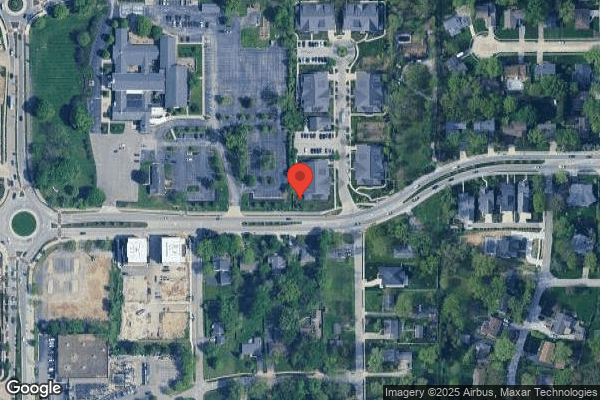
RESTORACY OF CARMEL

616 GREEN HOUSE WAY, CARMEL, IN 46032 (317) 401-8888
For profit - Limited Liability company 72 Beds Independent Data: November 2025 2 Immediate Jeopardy citations
Trust Grade
31/100
#178 of 505 in IN
Last Inspection: February 2025

Within standard 12-15 month inspection cycle. Federal law requires annual inspections.

Overview

Restoracy of Carmel has received a Trust Grade of F, indicating significant concerns about the quality of care provided. It ranks #178 out of 505 facilities in Indiana, placing it in the top half, and #6 out of 17 in Hamilton County, meaning only five local options are better. The facility is showing improvement, with issues decreasing from 13 in 2024 to just 3 in 2025. While staffing is rated at 4 out of 5 stars, turnover is high at 61%, which is concerning compared to the state average of 47%. However, the facility faces serious issues, including $79,674 in fines, which is higher than 98% of Indiana facilities, and critical incidents where injuries of unknown origin were not properly investigated, raising concerns about resident safety.

Trust Score
F
31/100
In Indiana
#178/505
Top 35%
Safety Record
High Risk
Review needed
Inspections
Getting Better
13 → 3 violations
Staff Stability
⚠ Watch
61% turnover. Above average. Higher turnover means staff may not know residents' routines.
Penalties
⚠ Watch
$79,674 in fines. Higher than 97% of Indiana facilities. Major compliance failures.
Skilled Nurses
○ Average
Each resident gets 34 minutes of Registered Nurse (RN) attention daily — about average for Indiana. RNs are the most trained staff who monitor for health changes.
Violations
⚠ Watch
44 deficiencies on record. Higher than average. Multiple issues found across inspections.
★★★★☆
4.0
Overall Rating
★★★★☆
4.0
Staff Levels
★★★★★
5.0
Care Quality
★★★☆☆
3.0
Inspection Score
Stable
2024: 13 issues
2025: 3 issues

The Good

  • 4-Star Staffing Rating · Above-average nurse staffing levels
  • 5-Star Quality Measures · Strong clinical quality outcomes
  • No fines on record

Facility shows strength in staffing levels, quality measures.

The Bad

Staff Turnover: 61%

14pts above Indiana avg (46%)

Frequent staff changes - ask about care continuity

Federal Fines: $79,674

Well above median ($33,413)

Moderate penalties - review what triggered them

Staff turnover is elevated (61%)

13 points above Indiana average of 48%

The Ugly 44 deficiencies on record

2 life-threatening
Feb 2025 3 deficiencies
CONCERN (D)

Potential for Harm - no one hurt, but risky conditions existed

Resident Rights (Tag F0550)

Could have caused harm · This affected 1 resident

Based on observation, interview and record review, the facility failed to ensure urinary catheter bags had dignity covers in place for 2 of 3 residents reviewed for dignity. (Resident 40 and 52) Findi...

Read full inspector narrative →
Based on observation, interview and record review, the facility failed to ensure urinary catheter bags had dignity covers in place for 2 of 3 residents reviewed for dignity. (Resident 40 and 52) Findings include: 1. During an observation, on 2/24/25 at 10:28 a.m., Resident 40 was in the TV area and his catheter bag did not have a dignity cover (a cover which blocked the appearance of urine in the catheter bag). The clinical record for Resident 40 was reviewed on 2/21/25 at 11:06 a.m. The diagnoses included, but were not limited to, benign prostatic hyperplasia, other obstructive and reflux uropathy, and hypertension. A physician's order, with a start date of 1/22/23, indicated the resident had a urinary catheter. A current urinary catheter care plan indicated to encourage/assist the resident to obscure visibility of the drainage bag with a dignity cover as appropriate. During an interview, on 2/24/25 at 10:57 a.m., Licensed Practical Nurse (LPN) 4 indicated the catheter bag did not have a dignity cover. 2. During an observation, on 2/20/25 at 10:23 a.m., Resident 52 was out in the TV area and had a catheter bag under his chair and did not have a dignity cover for his urinary catheter. During an observation, on 2/24/25 at 10:54 a.m., Resident 52 was out in the TV area and did not have a dignity cover for his urinary catheter. The clinical record for Resident 52 was reviewed on 2/21/25 at 10:55 a.m. The diagnoses included, but were not limited to chronic kidney disease, neuromuscular dysfunction of the bladder, and muscle weakness. A physician's order, with a start date of 1/21/25, indicated the resident had a Foley catheter for urinary retention. During an interview, on 2/24/25 at 10:57 a.m., LPN 4 indicated the catheter did not have a cover which needed to be fixed. A current facility policy, titled Quality of Life - Dignity, dated as approved in May 2020, and received from the Director of Nursing on 2/25/25 at 3:00 p.m., indicated .Demeaning practices and standards of care that compromise dignity are prohibited. Staff shall promote dignity and assist residents as needed by: a. Helping the resident to keep urinary catheter bags covered 3.1-3(t)
CONCERN (D)

Potential for Harm - no one hurt, but risky conditions existed

Quality of Care (Tag F0684)

Could have caused harm · This affected 1 resident

Based on interview and record review, the facility failed to ensure staff followed the physician's orders regarding medication administration for 2 of 2 residents reviewed for quality of care. (Reside...

Read full inspector narrative →
Based on interview and record review, the facility failed to ensure staff followed the physician's orders regarding medication administration for 2 of 2 residents reviewed for quality of care. (Resident 19 and 7) Findings include: 1. The clinical record for Resident 19 was reviewed on 2/21/25 at 11:42 a.m. The diagnoses included, but were not limited to, type 2 diabetes, heart failure, and hypertension. A physician's order, with a start date of 5/14/24, indicated to give hydralazine (a medication to lower blood pressure) 10 milligrams (mg) every 4 hours as needed for a systolic blood pressure (SBP) above 170. The medication administration record (MAR) indicated the following: On 9/28/24, the systolic blood pressure was 195. hydralazine was not given. On 10/4/24, the systolic blood pressure was 175. hydralazine was not given. On 10/25/24, the systolic blood pressure was 171. hydralazine was not given. On 11/25/24, the systolic blood pressure was 179. hydralazine was not given. During an interview, on 2/24/25 at 11:41 a.m., the Director of Nursing (DON) indicated the medication should have been given and documented in the MAR. During an interview, on 2/25/25 at 11:37 a.m., the DON indicated she could not find any information the medication was given. It should have been documented in the MAR. 2. The clinical record for Resident 7 was reviewed on 2/21/25 at 1:14 p.m. The diagnoses included, but were not limited to, hypertension, neuromuscular dysfunction of the bladder, and benign prostatic hyperplasia. a. A physician's order, with a start date of 1/31/25, indicated to give sacubitril-valsartan (a medication used to treat heart failure) every 12 hours for hypertension with instructions to hold the medication if the systolic blood pressure was below 110. The Medication Administration Record (MAR) indicated sacubitril-valsartan was administered with the systolic blood pressure below the ordered hold parameter on 1/31/25. The MAR indicated sacubitril-valsartan was administered 3 times with the systolic blood pressure below the ordered hold parameter in February 2025. b. A physician's order, with a start date of 9/4/24, indicated to give metoprolol succinate (a medication used to lower blood pressure) once a day for hypertension with instructions to hold the medication if the systolic blood pressure was below 110 or if the heart rate was below 55. The MAR indicated metoprolol succinate was administered eight (8) times with the systolic blood pressure below the ordered hold parameter and one (1) time with the heart rate below the ordered hold parameter in January 2025. The MAR indicated metoprolol succinate was administered four (4) times with the systolic blood pressure below the ordered hold parameter and one (1) time with the heart rate below the ordered hold parameter in February 2025. During an interview, on 2/25/25 at 1:46 p.m., the Director of Nursing (DON) indicated a check mark on the MAR indicated the medication was administered. While reviewing the MAR with the DON, she indicated the medications were administered with the systolic blood pressure and/or the heart rate below the ordered hold parameter. A current facility policy, titled Medication Administration General Guidelines Policy, with an approval date of 5/27/20 and received from the DON on 2/26/25 at 12:00 p.m., indicated .The licensed nurse and/or the QMA shall administer each resident's medications in accordance with the physician's order .Medications are administered in accordance with written orders of the attending physician 3.1-37(a)
CONCERN (D)

Potential for Harm - no one hurt, but risky conditions existed

Infection Control (Tag F0880)

Could have caused harm · This affected 1 resident

Based on observation, interview and record review, the facility failed to ensure catheter bags were not touching a dirty surface and catheters were disposed of properly for 3 of 5 residents reviewed f...

Read full inspector narrative →
Based on observation, interview and record review, the facility failed to ensure catheter bags were not touching a dirty surface and catheters were disposed of properly for 3 of 5 residents reviewed for infection control. (Resident 52, 7 and 44) Findings include: 1. During an observation, on 2/19/25 at 10:10 a.m., Resident 52's catheter bag was resting on his Broda chair's footrest (a specialty wheelchair). The residents' feet were resting on top of the catheter bag. During an observation, on 2/19/25 at 10:12 a.m., a staff member transported the resident to the TV area from the dining table. During an observation, on 2/19/25 at 12:30 p.m., Resident 52's feet were still resting on his catheter in the same position. No staff had noticed the placement of the catheter bag. The clinical record for Resident 52 was reviewed on 2/21/25 at 10:55 a.m. The diagnoses included, but were not limited to, chronic kidney disease, neuromuscular dysfunction of the bladder, and muscle weakness. A physician's order, with a start date of 1/21/25, indicated the resident had a Foley catheter for urinary retention. During an interview, on 2/24/25 at 10:57 a.m., LPN 4 indicated education would need to be provided for staff about the placement of catheter bags.2. The clinical record for Resident 7 was reviewed on 2/21/25 at 1:14 p.m. The diagnoses included, but were not limited to, neuromuscular dysfunction of the bladder and benign prostatic hyperplasia with lower urinary tract symptoms. During an observation and interview, on 2/19/25 at 10:38 a.m., a used catheter drainage bag was in a trash can next to Resident 7's bed. Resident 7 indicated his catheter bag was leaking a few days ago and the nurse changed the catheter bag. The Medication Administration Record (MAR) indicated Resident 7's catheter had last been changed on 2/3/25. There was no documentation in the electronic medical record to indicate Resident 7's catheter had been changed after 2/3/25. 3. The clinical record for Resident 44 was reviewed on 2/21/25 at 1:42 p.m. The diagnoses included, but were not limited to, paraplegia, neuromuscular dysfunction of the bladder, and retention of urine. During an observation and interview, on 2/24/25 at 10:43 a.m., a catheter drainage bag with dried brown sediment inside the bag, and a used leg drainage bag (a smaller catheter drainage bag) were hanging on a grab bar located in Resident 44's bathroom. Resident 44 indicated the larger catheter drainage bag hanging in her bathroom had been there for a month and the leg bag had been hanging in the bathroom since she returned from her doctor appointment a week ago. A physician's order indicated Resident 44 left the facility for a Urology appointment on 2/11/25. During an interview, on 2/24/25 at 10:55 a.m., Registered Nurse 3 observed the used catheter bags. RN 3 indicated the catheter drainage bags appeared to have been used and all catheter drainage bags should be disposed of properly after being changed. A current facility policy, titled Resident Rights, and received from the Executive Director on 2/25/25 at 3:00 p.m., indicated .Federal and state laws guarantee certain basic rights to all residents of this facility. These rights include the resident's rights to .a dignified existence .equal access to quality care A current facility policy, titled Infection Prevention and Control, with an approval date of 5/27/20 and received upon entrance, indicated .Our community has an Infection Prevention and Control Program .The objectives of the IPCC are to .Provide community guidelines for a safe and sanitary environment .Review and help monitor the medical waste management plan .Surveillance of the workplace to ensure that required work practices are observed 3.1-18(b)(4)
Aug 2024 1 deficiency
CONCERN (D) 📢 Someone Reported This

A family member, employee, or ombudsman was alarmed enough to file a formal complaint

Potential for Harm - no one hurt, but risky conditions existed

Deficiency F0602 (Tag F0602)

Could have caused harm · This affected 1 resident

Based on interview and record review, the facility failed to ensure residents' credit cards were kept safe and secure during their admission for 2 of 3 residents being reviewed for misappropriation of...

Read full inspector narrative →
Based on interview and record review, the facility failed to ensure residents' credit cards were kept safe and secure during their admission for 2 of 3 residents being reviewed for misappropriation of property. (Residents B and C) The deficient practice was corrected on 8/5/24, prior to the start of the survey, and was therefore past noncompliance. Findings include: 1. A facility reported incident, dated 7/31/24, indicated Resident B's son reported to the Executive Director (ED) two of her credit cards were fraudulently used by a person identified as CNA 1. The credit cards were canceled. The city police department was notified. CNA 1 was immediately suspended. A facility document, titled Allegation Investigation Form, dated 8/5/24, indicated CNA 1 was terminated on 8/5/24. Resident B's son reported to the ED there were suspicious charges on his mother's credit cards. The ED and the son called the credit card company to confirm the spelling of a person who had used the resident's credit card to order Door Dash. The son was prompted to look deeper into Resident B's credit card statements and found roughly 18 charges he was not able to account for Resident B making. An investigation was started, which showed CNA 1 worked in the home Resident B was admitted to. Her credit cards were fraudulently used without her knowledge. CNA 1 was terminated, on 8/5/24, due to probable cause she was involved in the fraudulent credit cards activity. A facility document, titled Employee Status Change Form, dated 8/5/24, indicated CNA 1 was terminated, on 8/5/24, without being eligible for rehire due to the theft of a resident's credit cards and fraud. The explanation for dismissal was CNA 1 was proven by the credit card company and the police department to have used Resident B's credit cards fraudulently. During an interview, on 8/6/24 at 12:38 p.m., the ED indicated Resident B's son discovered CNA 1 had stolen Resident B's credit card numbers after a Door Dash charge was on the resident's credit card account. He knew his mother would not have ordered Door Dash. He looked through the credit card statements and discovered other charges which he knew Resident B did not make. The ED indicated he terminated the employee, since the police officer felt there was enough evidence to charge CNA 1 with the Door Dash charge. The resident's son and the police officer were continuing to investigate if CNA 1 was responsible for the other charges on both credit cards. During an interview, on 8/6/24 at 2:18 p.m., the ED and Officer 3 were in attendance. Officer 3 indicated he had spoken to Resident B, and she had not given permission for anyone to use her credit cards. The charge as of now for CNA 1 was fraud due to utilization of credit cards without authorization and since the amount she spent was over $750.00, it would most likely be a level six felony charge. The resident's son noticed multiple transactions on his mother's credit cards which he had disputed all the charges. 2. During a phone interview, on 8/7/24 at 3:57 p.m., Resident C indicated after she was discharged from the facility, she discovered her credit cards were missing from her wallet. Two credit card companies were investigating fraudulent charges. She indicated the person who stole her credit cards was CNA 1. The person charged $705.09, from 7/6/24 to 7/13/24, on one card and charged $93.00 on another credit card. Her money was reimbursed by the credit card companies. She had not contacted the police, only the credit card companies. A current facility policy, titled Abuse Policy, dated as revised 8/2/23 and provided by the Director of Nursing on 8/6/24 at 1:45 p.m., indicated .It is the policy .to ensure that all residents .are free from .misappropriation of resident property and exploitation. This includes but is not limited to .ensure that all employees, residents, family members, consultants, physicians and visitors are aware that .exploitation of residents and misappropriation of resident property .is strictly forbidden by this provider .Misappropriation of Resident property: The deliberate misplacement, exploitation, or wrongful, temporary or permanent use of a resident's belongings or money without the resident's consent. 10. Exploitation: Taking advantage of a resident for personal gain through the use of manipulation, intimidation, threats or coercion. 11. Mistreatment: Inappropriate treatment or exploitation of a resident The deficient practice was corrected by 8/5/24, after the facility implemented a systemic plan which included CNA 1 was terminated for credit card fraud on 8/5/24, abuse in-servicing was initiated for all staff, staff members were interviewed, residents were interviewed, and misappropriation of property was included in the QAPI (Quality Assurance Performance Improvement) program. 3.1-28(a)
Feb 2024 12 deficiencies
CONCERN (D)

Potential for Harm - no one hurt, but risky conditions existed

Resident Rights (Tag F0550)

Could have caused harm · This affected 1 resident

Based on observation, interview and record review, the facility failed to ensure a resident was asked or instructed prior to repositioning for 1 of 1 resident reviewed for respect and dignity. (Reside...

Read full inspector narrative →
Based on observation, interview and record review, the facility failed to ensure a resident was asked or instructed prior to repositioning for 1 of 1 resident reviewed for respect and dignity. (Resident 28) Finding includes: During an observation, on 2/20/24 at 10:30 a.m., Resident 28 was laying, in a recliner, with her head on the right armrest. The resident's chin was touching her chest. The resident was moving around in the recliner. During an observation, on 2/21/24 at 11:06 a.m., the resident was sleeping in a recliner in the lounge. There was no staff interaction with the resident. During an observation, on 2/22/24 at 9:48 a.m., the resident was laying, in her recliner, with her head on the right armrest. CNA 6 approached the resident and stood behind her. CNA 6 took both hands and placed them under the resident's arms. Without saying anything to the resident, CNA 6 lifted the resident up in the recliner. CNA 6 let go of the resident, she slid back down, and her head landed on the right armrest of the chair. CNA 6 walked away from the resident and left the resident with her head on the armrest. Another staff member positioned the resident in an upright position. The clinical record for Resident 28 was reviewed on 2/22/24 at 1:25 p.m. The diagnoses included, but were not limited to, Alzheimer's disease, dementia, psychotic disorder with delusions, hypertension, depression, anxiety disorder, and reduced mobility. A care plan, dated as revised on 3/11/23, indicated the resident preferred to sleep in her personal bed from home. The interventions included, but were not limited to, assisting the resident as needed with bed mobility. A care plan, dated as revised on 3/11/23, indicated the resident preferred to sit or lay on the floor at times. The interventions included, but were not limited to, maintaining safety and frequent rounding by staff. During an interview, on 2/22/24 at 9:35 a.m., QMA 4 indicated the resident's daughter requested for the resident to sit in her own personal recliner. QMA 4 indicated providing care without letting the resident know what you were doing was unacceptable. During an interview, on 2/22/24 at 10:16 a.m., the Administrator indicated it was not acceptable for CNA 6 to reposition the resident without telling the resident what he was doing. A current policy, titled Resident Rights, not dated and received from the Director of Nursing on 2/22/24 at 11:11 a.m., indicated .Employees shall treat all residents with kindness, respect and dignity .Federal and state laws guarantee certain basic rights to all residents of this facility. These rights include the resident's right to: a dignified existence .be treated with respect, kindness, and dignity 3.1-3(t)
CONCERN (D)

Potential for Harm - no one hurt, but risky conditions existed

PASARR Coordination (Tag F0644)

Could have caused harm · This affected 1 resident

2. The clinical record for Resident 36 was reviewed on 2/21/24 at 11:18 a.m. The diagnoses included, but were not limited to, dementia with psychotic disturbance, major depressive disorder, Alzheimer'...

Read full inspector narrative →
2. The clinical record for Resident 36 was reviewed on 2/21/24 at 11:18 a.m. The diagnoses included, but were not limited to, dementia with psychotic disturbance, major depressive disorder, Alzheimer's disease, and anxiety disorder. A PASARR level I, dated 7/16/20, indicated no level 2 PASARR was required. No serious mental illness, intellectual disabilities, or related conditions. No mental health diagnoses were known, no dementia diagnoses were known, and no mental health medications were known. A medical diagnoses sheet indicated the resident was diagnosed with major depressive disorder on 12/4/20. A medical diagnoses sheet indicated the resident was diagnosed with psychotic disorder with delusions on 1/18/21. A medical diagnoses sheet indicated the resident was diagnosed with dementia with anxiety on 10/30/23. A medical diagnoses sheet indicated the resident was diagnosed with anxiety disorder on 4/24/23. A physician's order, with a start date of 1/8/24, indicated the resident was started on Olanzapine (an antipsychotic medication) 5 milligrams. A physician's order, with a start date of 10/16/23, indicated the resident was started on Mirtazapine (an antidepressant medication) 7.5 milligrams. During an interview, on 2/23/24 at 9:37 a.m., the Administrator indicated another PASARR should have been done. The resident did have some diagnoses which would lead to another PASARR needing to be completed. A current policy, titled admission Criteria, dated 5/20/20 and received from the Director of Nursing on 2/23/24 at 11:15 a.m., indicated .The Restoracy admits only residents whose medical and nursing care needs can be met .All new admissions and readmissions are screened for mental disorders [MD], intellectual disabilities [ID] or related disorders [RD] per the Medicaid Pre-admission Screening and Resident Review [PASARR] process .The facility conducts a Level I PASARR screen for all potential admissions, regardless of payer source, to determine if the individual meets the criteria for a MD< ID or RD .If the level I screen indicates that the individual may meet the criteria for MD, ID, or RD, he or she is referred to the state PASARR representative for the Level II [evaluation and determination] screening process 3.1-16(d)(1)(A) 3.1-16(d)(1)(B) Based on interview and record review, the facility failed to ensure the Preadmission Screening and Resident Review (PASARR) were completed when new mental health diagnoses were added for 2 of 4 residents reviewed for PASARR. (Resident 5 and 36) Findings include: 1. The clinical record for Resident 5 was reviewed on 2/19/24 at 2:16 p.m. The diagnoses included, but were not limited to, Parkinson's disease, dementia without behavioral disturbance, atrial fibrillation, delusional disorder, and hallucinations. A PASARR level I, dated 5/25/17, indicated the resident had no mental health diagnosis and had no mental health medications. There were no known mental health behaviors which affected interpersonal interactions and no known mental health symptoms which affected the resident's ability to think through or complete tasks which the resident would be physically capable of completing. If changes occurred or new information refuted the findings, then a new screen must be submitted. The diagnoses of delusional disorder and hallucinations were added on 7/3/18. A care plan, dated 7/3/18, indicated the resident had psychosis and could exhibit delusions and hallucinations at times. The resident reported seeing people in her room and staff reported no people were present. The resident had diagnoses of delusional disorder, dementia, and hallucinations. The approaches included, but were not limited to, administering medications as ordered. During an interview, on 2/23/24 at 9:37 a.m., the Administrator indicated the PASARR was not completed and should have been done again when the new diagnoses of delusional disorder and hallucinations were added.
CONCERN (D)

Potential for Harm - no one hurt, but risky conditions existed

Deficiency F0645 (Tag F0645)

Could have caused harm · This affected 1 resident

**NOTE- TERMS IN BRACKETS HAVE BEEN EDITED TO PROTECT CONFIDENTIALITY** Based on interview and record review, the facility failed to complete a Level 1 Preadmission Screening and Resident Review (PASA...

Read full inspector narrative →
**NOTE- TERMS IN BRACKETS HAVE BEEN EDITED TO PROTECT CONFIDENTIALITY** Based on interview and record review, the facility failed to complete a Level 1 Preadmission Screening and Resident Review (PASARR) prior to admission for 1 of 4 residents reviewed for PASARR. (Resident 3) Finding includes: The clinical record for Resident 3 was reviewed on 2/21/24 at 9:36 a.m. The diagnoses included, but were not limited to, vascular dementia, major depressive disorder, bipolar disorder, and anxiety. The resident was admitted on [DATE]. A medical diagnoses sheet indicated the resident had the following diagnoses: a. major depressive disorder on 1/3/22. b. anxiety disorder on 1/5/22. c. bipolar disorder on 1/5/22. There was no evidence a PASARR level 1 was completed on or prior to admission. During an interview, on 2/23/24 at 9:37 a.m., the Administrator indicated the PASARR was not completed, and it should have been. A current policy, titled admission Criteria, dated 5/20/20 and received from the Director of Nursing on 2/23/24 at 11:15 a.m., indicated .The Restoracy admits only residents whose medical and nursing care needs can be met .All new admissions and readmissions are screened for mental disorders [MD], intellectual disabilities [ID] or related disorders [RD] per the Medicaid Pre-admission Screening and Resident Review [PASARR] process .The facility conducts a Level I PASARR screen for all potential admissions, regardless of payer source, to determine if the individual meets the criteria for a MD< ID or RD .If the level I screen indicates that the individual may meet the criteria for MD, ID, or RD, he or she is referred to the state PASARR representative for the Level II [evaluation and determination] screening process 3.1-16(d)(1)(A) 3.1-16(d)(1)(B)
CONCERN (D)

Potential for Harm - no one hurt, but risky conditions existed

Deficiency F0657 (Tag F0657)

Could have caused harm · This affected 1 resident

Based on observation, interview and record review, the facility failed to provide quarterly care plan conferences and failed to include the use of a positioning cushion in the comprehensive care plan ...

Read full inspector narrative →
Based on observation, interview and record review, the facility failed to provide quarterly care plan conferences and failed to include the use of a positioning cushion in the comprehensive care plan of 2 of 5 residents reviewed for care planning. (Resident 53 and 6) Findings include: 1. During an interview, on 2/20/24 at 10:25 a.m., Resident 53 indicated she did not remember attending any meetings about her care in a long time. During an interview, on 2/22/24 at 9:50 a.m., Resident 53 indicated she had not been invited or attended a care plan meeting in the past year. The clinical record for Resident 53 was reviewed on 2/22/24 at 10:48 A.M. The diagnoses included, but were not limited to, stage 4 pressure ulcer of left buttock, stage 4 pressure ulcer of right buttock, multiple sclerosis, type 2 diabetes mellitus, other chronic osteomyelitis, incomplete paraplegia, and benign neoplasm (mass) of spinal meninges. A Brief Interview of Mental Status (BIMS), dated 1/23/24, indicated Resident 53's cognition was intact. A social service note, dated 10/4/22 at 12:32 p.m., indicated a care conference for Resident 53 was completed. The resident, resident's daughter, and the social worker attended. This was the last recorded care conference for Resident 53 located in the medical record. A social service progress note, dated 11/27/23 at 7:58 p.m., indicated the Social Service Designee invited the resident's representative to schedule a quarterly care plan. During an interview, on 2/22/24 at 3:15 p.m., the Director of Nursing (DON) indicated she did not find any further documentation for care conferences except for the social services note, on 11/27/23, which she provided. 2. During an observation, on 2/21/24 at 11:58 a.m., Resident 6 was sitting up in her wheelchair in front of the television, music was playing, and she had a cushion on her wheelchair with a black part protruding up between her legs. She was moving her right leg and not moving her left. The left foot was not on the footrest. During an observation, on 2/22/24 at 10:47 a.m., the resident was sitting up in her wheelchair in the common area with the pommel cushion (a cushion to provide positioning) in her chair and with th pommel protruding between her legs. The clinical record for Resident 6 was reviewed on 2/21/24 at 11:38 a.m. The diagnoses included, but were not limited to, hemiplegia and hemiparesis following cerebral infarction affecting left non dominant side, dementia, and sequalae unspecified cerebrovascular disease. There were no orders for a pommel cushion. A care plan, dated 10/12/22, indicated the resident had an ADL (activities of daily living) selfcare deficit. Interventions included, but were not limited to, anti-rollbacks, anti-tippers, left foot/leg rest, the resident had a splint for staff to place and remove per order, her daughter often took the splint home to wash and did not return it promptly, stand-up lift as ordered, required assistance from staff to turn and reposition, required assistance to eat, required assistance to toilet, and required assistance to move between surfaces. There was no intervention for a pommel cushion. During an interview, on 2/22/24 at 11:04 a.m., the lead Physical Therapist (PT) indicated the resident had a pommel cushion. The pommel cushion was used to help with positioning, maintaining alignment, and reducing the risk for falls. It prevented falls by preventing the resident from sliding down in the chair and helped maintain the upright position. During an interview, on 2/22/24 at 11:11 a.m., the lead PT indicated they just took over therapy from another company. He pulled the evaluation, dated 12/2/22, and it indicated the resident was referred to occupational therapy due to the daughter had requested a seating and positioning evaluation, because the resident was sliding out of her chair. The resident already had the cushion when his company took over, on November 1, 2022. He did not know the policy and was not sure the resident needed an order or a care plan or both. A current policy, titled Care Plans, Comprehensive Person-Centered, dated as approved on 5/20/20 and received from the DON on 2/23/24 at 3:32 p.m., indicated The Interdisciplinary Team includes .The resident and the resident's legal representative .The comprehensive, person-centered care plan will: Incorporate identified problem areas .Enhance the optimal functioning of the resident by focusing on a rehabilitative program; and reflect currently recognized standards of practice for problem areas and conditions .Assessments of residents are ongoing and care plans are revised as information about the residents and the resident's conditions change .The Interdisciplinary Team must review and update the care plan .At least quarterly, in conjunction with the required MDS assessment. 3.1-35(a) 3.1-35(b)(1) 3.1-35(d)(2)(B)
CONCERN (D)

Potential for Harm - no one hurt, but risky conditions existed

ADL Care (Tag F0677)

Could have caused harm · This affected 1 resident

Based on observation, interview and record review, the facility failed to ensure a resident who was unable to carry out activities of daily living (ADL) care received the oral care recommendations fro...

Read full inspector narrative →
Based on observation, interview and record review, the facility failed to ensure a resident who was unable to carry out activities of daily living (ADL) care received the oral care recommendations from the Registered Dental Hygienist for 1 of 2 residents reviewed for ADL care. (Resident 5) Finding includes: During an observation, on 2/19/24 at 2:16 p.m., the resident had her mouth open, and no teeth were observed. The clinical record for Resident 5 was reviewed on 2/21/24 at 4:42 p.m. The diagnoses included, but were not limited to, dementia without behavioral disturbance, atrial fibrillation, rheumatoid arthritis, osteoporosis, and delusional disorder. A care plan, dated 7/25/17, indicated the resident had a potential risk for an activities of daily living (ADL) self-care performance deficit related to dementia and Parkinson's disease. The resident required assistance due to impaired coordination and balance. The goal was to maintain the current level of function with dressing and hygiene. The interventions included, but were not limited to, assist to the bathroom upon rising and before and after meals and assist with the right knee brace in the morning. The care plan did not include oral care. A care plan, dated 8/8/17, indicated the resident had a potential risk for oral/dental health problems related to needing assistance with oral care. The resident had her own teeth. The goal was to be free of infection, pain, or bleeding in the oral cavity by the review date. The approaches included, but were not limited to, administering medications as ordered, coordinate arrangements for dental care, and diet as ordered. A dental hygienist note, dated 9/12/23, indicated the resident had poor periodontal health. The resident had moderate plaque (a sticky film which hardens if not removed and could damage teeth and lead to tooth decay or loss) and calculus (calcified dental plaque). The resident was partially edentulous, her oral hygiene was poor, there was moderate calculus and there were root tips where 10 teeth had been. A dental hygienist note, dated 10/10/23, indicated the resident needed to have her teeth brushed twice daily specifically at the gum line, daily mouthwash rinse was recommended for gingiva (gums of mouth) health. The resident needed daily assistance with oral hygiene. During an interview, on 2/23/24 at 2:09 p.m., the Director of Nursing (DON) 1 indicated the recommendations from the dental hygienist to assist the resident with the twice daily brushing of her teeth and the recommendation for daily mouthwash did not get entered as an order and did not get added to the resident's plan of care. During an interview, on 2/23/24 at 2:39 p.m., DON 2 indicated the facility would complete regular brushing of the resident's teeth. The care plan did not include the recommendations from the dental hygienist about her oral health being poor, the buildup of tartar and calculus, the need to brush twice daily specifically at the gumline or the recommendation for the daily mouthwash. A current policy, titled Activities of Daily Living (ADL), Supporting, dated 5/20/20, indicated .residents will be provided with care, treatment and services as appropriate to maintain or improve their ability to carry out activities of daily living (ADLs) .residents who are unable to carry out activities of daily living independently will receive the services necessary to maintain good nutrition, grooming, and personal and oral hygiene .appropriate care and services with be provided for residents who are unable to carry out ADLs independently with the consent of the resident and in accordance with the plan of care, including appropriate support and assistance with: hygiene (bathing, dressing, grooming and oral care) .if residents with cognitive impairment or dementia resist care, staff will attempt to identify the underlying cause of the problem and not just assume the resident is refusing or declining care .approaching the resident in a different way or at a different time, or having another staff member speak with the resident may be appropriate .interventions to improve or minimize a resident's functional abilities will be in accordance with the resident's assessed needs, preference, stated goals and recognized standards of practice .the resident's response to interventions will be monitored, evaluated and revised as appropriate 3.1-38(a)(3)(C)
CONCERN (D)

Potential for Harm - no one hurt, but risky conditions existed

Deficiency F0679 (Tag F0679)

Could have caused harm · This affected 1 resident

Based on observation, interview and record review, the facility failed to ensure cognitively stimulating activities were offered daily for 3 of 5 residents reviewed for activities. (Resident 23, 51 an...

Read full inspector narrative →
Based on observation, interview and record review, the facility failed to ensure cognitively stimulating activities were offered daily for 3 of 5 residents reviewed for activities. (Resident 23, 51 and 61) Findings include: 1. During an observation, on 2/20/24 at 10:46 a.m., the Activity Director entered Cottage 4's lounge carrying two children's books. The Activity Director informed the residents she was going to read a book about the month. The Activity Director read the book and left the cottage. During an observation, on 2/20/24 at 10:50 a.m., Resident 23 was sitting in a high back wheelchair in Cottage 4's lounge. The television was playing a musical and the volume was loud. The resident's head was tilted down. During an observation, on 2/21/24 at 10:59 a.m., the resident was sitting in Cottage 4's lounge with the television on. The head of the wheelchair was leaning back, and the resident was looking around. There were no activity staff in the cottage. During an observation, on 2/23/24 at 10:15 a.m., the resident was sitting in a high back wheelchair. The television was on, and the resident's wheelchair was pointing in the opposite direction and the resident was unable to watch the television. The clinical record for Resident 23 was reviewed on 2/22/24 at 11:53 a.m. The diagnoses included, but were not limited to, contracture of left hand, quadriplegia, Alzheimer's disorder, dementia, diabetes mellitus, congestive heart failure, and anxiety disorder. The resident did not have a care plan for activities. A facility activity log, for 1/1/24 to 1/31/24, indicated the resident missed 3 activities marked for the day shift and 6 activities marked for the evening shift. A facility activity log, for 2/1/24 to 2/23/24, indicated the resident missed 4 activities marked for the day shift and 7 activities marked for the evening shift. During an interview, on 2/22/24 at 11:59 a.m., the Director of Nursing (DON) 2 indicated the activity log for January and February were missing several holes and if there was no documentation then the activity was not done. 2. During an observation, on 2/20/24 at 10:50 a.m., Resident 51 was sitting in a wheelchair in Cottage 4's lounge. The television was playing a musical and the volume was loud. The resident's head was tilted down. During an observation, on 2/22/24 at 10:40 a.m., the resident was sitting in a wheelchair with his eyes closed. The television was playing very loud music. During an observation, on 2/22/24 at 4:00 p.m., the resident was sitting in a wheelchair with his eyes closed. The television was playing a basketball game, and the volume was turned up. During an observation, on 2/23/24 at 10:49 a.m., the resident was sitting in his wheelchair in the lounge. The staff brought other residents into the lounge and lined all the residents up in front of the television. The clinical record for Resident 51 was reviewed on 2/22/24 at 9:18 a.m. The diagnoses included, but were not limited to, diabetes mellitus, congestive heart failure, hypertension, Alzheimer's disease, and dementia. A care plan, dated as revised on 4/4/23, indicated the resident's preference was to keep to self and participate in self-directed activities of interest and choice. The interventions included, but were not limited to, having reading materials available, listening to favorite types of music, and participating in activities with groups of people of similar and common interest. A facility activity log, for 1/1/24 to 1/31/24, indicated the resident missed 4 activities marked for the day shift and 6 activities marked for the evening shift. A facility activity log, for 2/1/24 to 2/23/24, indicated the resident missed 3 activities marked for the day shift and 7 activities marked for the evening shift. During an interview, on 2/23/24 at 10:13 a.m., QMA 4 indicated the facility had a new Activity Director. The Activity Director went between several cottages and did the activities. QMA 4 would only see the Activity Director a few times a day. 3. During an observation, on 2/20/24 at 10:33 a.m., Resident 61 was sitting in the lounge with the television on. There were no activity staff present. During an observation, on 2/20/24 at 10:56 a.m., the resident was sitting in a wheelchair in the lounge with the television on. The resident's eyes were open, and she was staring at the floor. During an observation, on 2/21/24 at 10:57 a.m., the resident was sitting in her wheelchair in the lounge with no activity staff present. The resident was opening and closing her eyes. During an observation, on 2/22/24 at 9:20 a.m., the resident was sitting in her wheelchair with the television on and no activity staff was present. During an observation, on 2/23/24 at 10:46 a.m., the resident was asleep in her wheelchair. The resident's head leaning forward. The clinical record for Resident 61 was reviewed on 2/22/24 at 11:27 a.m. The diagnoses included, but were not limited to, senile degeneration of brain, depression, hypertension, and anxiety. The resident did not have a care plan for activities. A facility activity log, for 1/1/24 to 1/31/24, indicated the resident missed 3 activities marked for the day shift and 5 activities marked for the evening shift. A facility activity log, for 2/1/24 to 2/23/24, indicated the resident missed 3 activities marked for the day shift and 7 activities marked for the evening shift. During an interview, on 2/20/24 at 11:42 a.m., a family member indicated there were not a lot of activities to interact with the residents. The resident's family member did not know what the staff did for activities for Resident 61. They did not see any staff doing activities with the residents. They would like to see the residents doing more things besides sitting in front of the television all the time. During an interview, on 2/22/24 at 3:00 p.m., DON 2 indicated if the residents did not have something charted it was probably because they had agency staff or they just did not chart the activities. When there was no documentation, it probably was not done. During an interview, on 2/22/24 at 4:50 p.m., DON 2 indicated the resident did not have an activity care plan and should have had one. A current policy, titled Activities Program Policy, dated 5/27/20 and received from the Director of Nursing on 2/23/24 at 11:15 a.m., indicated .To support our vision of enjoying each day, connecting with other and balancing with others and individual fulfillment through meaningful activities and stimulation .The Activities program at The Restoracy focuses on balancing engagement with others and individual fulfillment through meaningful activities and stimulation .The resident's activity goal will match his/her functional ability with attainable challenges and personal preferences .All residents, including those who wish to remain in their rooms, will be offered a variety or alternative activities based on their interests, hobbies, and preferences .The activity calendar is posted monthly and includes activities 7 days per week. Unplanned changes to the activity calendar will be posted as soon as possible .Activities are designed to meet the interests, physical and psychosocial wellbeing of each resident, in keeping with the individual comprehensive care plan .The activity program is directed by a qualified Activity Coordinator 3.1-33(a) 3.1-33(b)(8) 3.1-33(d)(2)
CONCERN (D)

Potential for Harm - no one hurt, but risky conditions existed

Deficiency F0691 (Tag F0691)

Could have caused harm · This affected 1 resident

Based on interview and record review, the facility failed to ensure a resident who had a colostomy had specific direction for colostomy care for 1 of 1 resident reviewed for bowel and bladder. (Reside...

Read full inspector narrative →
Based on interview and record review, the facility failed to ensure a resident who had a colostomy had specific direction for colostomy care for 1 of 1 resident reviewed for bowel and bladder. (Resident 25) Finding includes: The clinical record for Resident 25 was reviewed on 2/20/24 at 3:03 p.m. The diagnoses included, but were not limited to, colostomy. A care plan, dated 10/26/23, indicated the resident had an alteration in gastrointestinal status, and an ostomy related to colon cancer. Interventions included to assist the resident with ostomy care as needed, to give medications as ordered, to monitor and document side effects and the effectiveness of the medications, to obtain and monitor lab or diagnostic work as ordered, and to report the lab and diagnostic results to the physician and follow up as indicated. A physician's order, dated 12/23/23, indicated to change the colostomy bag every 3 days and as needed due to dislodgement. A physician's order, dated 12/25/23, indicated to check the colostomy bag for patency. There were no resident specific directions for the colostomy. During an interview, on 2/22/24 at 2:28 p.m., LPN 2 indicated she did not know what brand or size of bag the resident wore. The colostomy bags came in a red and white box. The supplies were ordered from a pharmacy and were delivered. When changing the bag, she cleaned the area around the stoma with soap and water, cut the hole in the bag, applied skin prep, and gave it time to dry. She was not sure if there were other products to be used. She indicated the resident had excoriation around the stoma because the bag was not fitted correctly. A current policy, titled Colostomy /Ileostomy Care - Clinical Protocol, not dated and received from the Director of Nursing, on 2/22/24 at 1:30 p.m., indicated .the purpose of this procedure is to provide guidelines that will aid in preventing exposure of the resident's skin to fecal matter .review the resident's care plan to assess for any special needs of the resident, assemble the equipment and supplies as needed .the following equipment and supplies will be necessary when performing this procedure .skin cleansing prep, clean drainage bag, soap and water, barrier creams and lotions and personal protective equipment 3.1-47(3)
CONCERN (D)

Potential for Harm - no one hurt, but risky conditions existed

Deficiency F0692 (Tag F0692)

Could have caused harm · This affected 1 resident

Based on interview and record review, the facility failed to recognize, provide interventions, and to notify the physician of a weight loss for 2 of 5 residents reviewed for nutrition. (Resident 51 an...

Read full inspector narrative →
Based on interview and record review, the facility failed to recognize, provide interventions, and to notify the physician of a weight loss for 2 of 5 residents reviewed for nutrition. (Resident 51 and 5) Findings include: 1. The clinical record for Resident 51 was reviewed on 2/22/24 at 9:18 a.m. The diagnoses included, but were not limited to, diabetes mellitus, cardiomyopathy, congestive heart failure, hypertension, Alzheimer's disorder, and dementia. A care plan, dated as revised on 3/11/23, indicated the resident had a self-care performance deficit. The interventions included, but were not limited to, the resident required assistance from staff to eat. A care plan, dated as revised on 3/11/23, indicated the resident had diabetes mellitus. The interventions included, but were not limited to, a dietary consult for nutritional regimen and ongoing monitoring, to monitor, document and report compliance with diet and to document any problems, and to offer a substitute for foods not eaten. A physician's order, dated 3/12/23, indicated the resident was on a regular diet and received Mighty shakes (a dietary supplement) with all meals. The resident had the following weights: a. On 11/13/23, the weight was 164.0 pounds. b. On 11/20/23, the weight was 146.0 pounds. The resident had a 10.98% weight loss in one week. There was no documentation of the physician being notified of the weight loss. During an interview, on 2/23/24 at 12:19 p.m., DON 2 indicated the CNAs obtained the residents' weights and the nurses were supposed to look at the weights. Resident 51 should have been reweighed within a day or two. 2. The clinical record for Resident 5 was reviewed on 2/21/24 at 4:42 p.m. The diagnoses included, but were not limited to, Parkinson's disease, dementia without behavioral disturbance, rheumatoid arthritis, vitamin D deficiency, and dysphagia (difficulty swallowing). A care plan, dated 7/31/2017, indicated the resident had a potential to be at a nutritional risk and for unintended weight changes related to the diagnosis of Parkinson's disease and dementia. The goal included the resident would maintain adequate nutritional status as seen by no further significant weight changes. The interventions included, but were not limited to, monitor for signs and symptoms of dysphagia, refusing to eat, and to monitor, record and report to the physician and Registered Dietician (RD) significant weight loss of 5% in one month, 7.5% in 3 months and 10% in 6 months and the RD was to evaluate and make recommendations as needed. A physician's order, dated 1/4/24, indicated a regular diet with a mechanical soft texture. The resident had the following weights: a. On 12/12/24, the weight was 110 pounds. b. On 12/18/24 the weight was 106.4 pounds. c. On 1/1/24, the weight was 106.2 pounds. d. On 1/8/24, the weight was 106 pounds. e. On 1/22/24, the weight was 107.4 pounds. f. On 1/29/24, the weight was 103.2 pounds which was a weight loss of 6.18% in 47 days. g. On 2/1/24, the weight was 99 pounds which was a significant weight loss in 10 days of 7.82% and a 10% weight loss in 50 days from the weight on 12/12/24. During an interview, on 2/23/24 at 11:38 a.m., the RD indicated she would calculate the weight changes from the month before and the resident did not hit the 5% mark for a significant weight loss. There was no nutrition note completed and no assessment for a significant weight change completed. During an interview, on 2/23/24 at 11:40 am., DON 1 indicated there was no physician or resident representative notification for the weight changes. A current policy, titled Weight Assessment and Interventions, revised on 5/20/20 and received from the DON on 2/23/24 at 11:27 p.m., indicated .The nursing staff will measure residents' weights on admission and weekly for four weeks thereafter. If no weight concerns are noted at this point, weights will be measured monthly thereafter. Weights will be recorded in each unit's Weight Record in the electronic chart .The Dietician will review the unit Weight Record by the 15th of the month to follow individual weight trends over time. Negative trends will be evaluated by the treatment team whether or not the criteria significant' weight change has been met .The threshold for significant unplanned and undesired weight loss will be based on the following criteria .1 month - 5% weight loss is significant; greater than 5% is severe. 3 months - 7.5% weight loss is significant; greater than 7.5% is severe. 6 months - 10% weight loss is significant; greater than 10% is severe .If the weight change is desirable, this will be documented and no change in the care plan will be necessary 3.1-46(a)(1)
CONCERN (D)

Potential for Harm - no one hurt, but risky conditions existed

Deficiency F0882 (Tag F0882)

Could have caused harm · This affected 1 resident

Based on interview and record review, the facility failed to ensure a designated Infection Preventionist was onsite to work within the facility and completed the qualifying training or certification f...

Read full inspector narrative →
Based on interview and record review, the facility failed to ensure a designated Infection Preventionist was onsite to work within the facility and completed the qualifying training or certification for 1 of 1 Infection Preventionist reviewed. (DON 2) Finding includes: During an interview, on 2/23/24 at 9:20 a.m., DON 1 indicated the DON of the Restoracy of Whitestown (DON 2) was overseeing the infection control program at the Carmel facility. DON 1 indicated DON 2 was not an employee of this facility. She provided a certificate of training to show DON 2 had completed Module 2 of the CDC Infection Preventionist training course. From the CDC website, https://www.cdc.gov/longtermcare/training.html, reviewed on 2/23/24 at 6:30 p.m., the CDC Infection Preventionist Training course was for individuals responsible for infection prevention and control programs in long term care and contained 23 modules which must be completed to obtain the certification. During an interview, on 2/23/24 at 11:35 a.m., DON 2 indicated she was currently acting as the Infection Preventionist for the Carmel facility. She worked full-time at the Whitestown facility and did not work part-time at the Carmel facility although she performed the Infection Preventionist duties for the Carmel facility. The plan was for the Assistant Director of Nursing to take over the Infection Control program after the Assistant Director of Nursing completed the Infection Preventionist certification. The facility did not provide a certificate of completion for a complete Infection Preventionist course from any source for any of the current employees in the facility. 3.1-18(b)
CONCERN (E)

Potential for Harm - no one hurt, but risky conditions existed

Quality of Care (Tag F0684)

Could have caused harm · This affected multiple residents

A current policy, titled Pressure Injury Risk Assessment, not dated, indicated .the purpose of this procedure is to provide guidelines for the assessment and identification of resident at risk of deve...

Read full inspector narrative →
A current policy, titled Pressure Injury Risk Assessment, not dated, indicated .the purpose of this procedure is to provide guidelines for the assessment and identification of resident at risk of developing pressure injuries .skin will be assessed for the presence of developing pressure injuries on a weekly basis or more frequently if indicated .nurses will conduct skin assessments at least weekly to identify changes .the following information should be recorded in the resident's medical record utilizing facility forms: type of assessment conducted (for example, admission assessment, weekly skin integrity tool) .the date and time and type of skin care provided, if appropriate .the name title (or initials) of the individual who conducted the assessment .any change in the resident's condition, if identified .the condition of the resident's skin (i.e. the size and location of any red or tender areas, (if identified) .initiation of a (pressure or non-pressure) form related to the type of alteration in skin if new skin alteration noted .documentation in medical record addressing MD (medical doctor) notification if new skin alteration noted with change of plan of care if indicated .documentation in medical record addressing family, guardian or resident notification if new skin alteration noted with change of plan of care if indicated A current policy, titled Change in a Resident's Condition or Status, dated 5/20/20 and received from DON 1, on 2/23/24 at 4:03 p.m., indicated .our facility shall promptly notify the resident, his or her attending physician, and representative (sponsor) of changes in the resident's medical/mental condition and/or status (e.g., changes in level of care, billing/payments, resident rights, etc.) A current policy, titled Assistive Devices and Equipment, dated 5/20/20 and received from the Director of Nursing on 2/23/24 at 11:25 a.m., indicated .provides, maintains, trains, and supervises the use of assistive devices and equipment for residents .Devices and equipment that assist with resident mobility, positioning, safety and independence are provided for residents. These include but are not limited to: Positioning Aides (e.g., braces, wedges, splints, joint stabilizer) .Recommendations for the use of devices and equipment are based on the comprehensive assessment by therapy services .Staff will be trained and will demonstrate competency in the use of devices and equipment prior to assisting or supervising residents 3.1-37(a) 5. During an observation, on 2/21/24 at 10:59 a.m., Resident 23 was sitting in the lounge. The resident was not wearing a right ankle brace, foam boots, or a left palm protector. During an observation, on 2/22/24 at 11:51 a.m., the resident was sitting in the lounge and was not wearing a right ankle brace, foam boots, or a left palm protector. During an observation, on 2/23/24 at 10:15 a.m., the resident did not have her heels off loaded, was not wearing a left-hand palm protector, and did not have a brace to the right ankle. During an observation, on 2/23/24 at 10:20 a.m., CNA 3 went to the resident's room and could not locate the residents left hand palm protector, a right ankle brace, or foam boots. The clinical record for Resident 23 was reviewed on 2/22/24 at 11:53 a.m. The diagnoses included, but were not limited to, contracture of the left hand, quadriplegia, Alzheimer's disorder, dementia, diabetes mellitus, congestive heart failure, and anxiety disorder. A care plan, revised on 10/21/22, indicated the resident was required to wear a left-hand splint and right ankle brace. The interventions included, but were not limited to, applying the splint per order, and observing the skin underneath the splint for redness and irritation. A quarterly Minimum Data Set assessment, dated 11/22/22, indicated Resident 23 was dependent on staff for oral hygiene, toileting, showers, bathing, dressing, and personal hygiene. The resident made no effort to complete the activity. A physician's order, dated 1/9/23, indicated to always wear a left-hand palm protector. The palm protector could be off for hand hygiene. A physician's order, dated 5/26/23, indicated to apply a brace to the right ankle during the day. A physician's order, dated 12/11/23, indicated to offload the resident's heels while in bed and in the chair. The resident was to use a foam boot or equivalent every shift. During an interview, on 2/23/24 at 10:30 a.m., CNA 3 indicated physical therapy had stopped the resident's order for the palm protector. CNA 3 indicated she had never seen the brace or splint. During an interview, on 2/22/24 at 11:59 a.m., QMA 4 indicated the CNAs normally put on braces and splints. During an interview, on 2/23/24 at 2:22 p.m., Physical Therapist 5 indicated the multiple splints were discontinued by Occupational Therapy. The order was not removed from the orders and should have been. During an interview, 2/23/24 at 2:25 p.m., DON 2 indicated they should have questioned the order for the devices when the resident was not wearing them. Based on observation, interview and record review, the facility failed to ensure a resident had documentation for the use of a positioning device, to ensure residents had splints placed as ordered by the physician, to notify the physician of a blood sugar which was out of parameter and to ensure a resident's skin impairment was accurately assessed and documented for 5 of 5 residents reviewed for quality of care. (Resident 6, 44, 64, 5 and 23) Findings include: 1. During an observation, on 2/19/24 at 2:25 p.m., Resident 6 had a device on the seat of her wheelchair with a black raised area sticking up between the resident's legs. During an observation, on 2/22/24 at 10:47 a.m., the resident was sitting up in her wheelchair in the common area. The device was still on the resident's wheelchair with the black raised area sticking up between her legs. The clinical record for Resident 6 was reviewed on 2/21/24 at 11:38 a.m. The diagnoses included, but were not limited to, hemiplegia (paralysis of one side of the body) and hemiparesis (weakness) following cerebral infarction affecting the left non dominant side, dementia, anxiety disorder, and depressive episodes. A care plan, dated 10/12/22, indicated the resident had an activity of daily living (ADL) self-care performance deficit related to limited mobility, pain issues, weakness, and left sided paralysis. The interventions included, but were not limited to, anti-roll backs (device to lock a wheelchair when a resident stands up), anti-tippers (a device to keep the wheelchair from tipping back), and left foot/leg rest on the wheelchair. The care plan did not include the Pommel cushion to be in the wheelchair. A physician's order, dated 2/20/24, indicated to have anti-roll backs, anti-tippers, and a left leg rest and foot support for the resident's wheelchair. The physician's orders did not include the use of the Pommel cushion in the wheelchair. During an interview, on 2/22/24 at 10:48 a.m., QMA 10 did not know what type of cushion/device was in the resident's wheelchair. During an interview, on 2/22/24 at 10:49 a.m., QMA 4 did not know what type of cushion/device was in the resident's wheelchair. At that time, QMA 11, who was also present, searched the electronic health record and could not find information about the device in the resident's electronic health record. During an interview, on 2/22/24 at 11:04 a.m., the Lead Physical Therapist (PT) indicated the resident had a Pommel cushion in her wheelchair which was used to help with positioning, to maintain alignment, and to reduce the risk for falls. It reduced the risk of falls by preventing the resident from sliding down in her wheelchair and helped the resident maintain an upright position. Occupational therapy would do a lot of wheelchair positioning devices. During an interview, on 2/22/24 at 11:11 a.m., the Lead PT indicated the current therapy department took over for another therapy company. On 12/2/22, the resident's daughter had requested occupational therapy for seating and positioning since the resident had been sliding out of her wheelchair. The Pommel cushion was secured to the wheelchair. The Lead PT was not sure if they needed a physician's order for the use of the Pommel cushion or if the Pommel cushion should be included in the plan of care. During an interview, on 2/22/24 at 3:55 p.m., the Minimum Data Set (MDS) Coordinator indicated the resident had a cushion in her wheelchair and the facility would not enter anything in the electronic record for just a cushion. The cushion in the wheelchair was not a Pommel cushion used for positioning. During an interview, on 2/22/24 at 3:56 p.m., the Director of Nursing (DON) indicated the cushion should be listed on the care plan if it was used as a fall prevention. During an interview, on 2/23/24 at 10:53 a.m., the [NAME] President who was also a PT indicated the resident had been at the facility since 2022 and had the Pommel cushion for 5 years. A therapist was going to do an evaluation for a replacement of the current Pommel cushion since it was 5 years old. The resident would lean to one side if the Pommel cushion was not used for positioning. The cushion helped with positioning for meals and participation in activities. The [NAME] President indicated the cushion was not utilized to keep the resident from sliding out of the wheelchair. The Pommel cushion was not included in the care plan and there was no physician's order for the Pommel cushion. The brand of the Pommel cushion was not known although it did look like the Secure convex Pommel cushion. 2. During an observation, on 2/19/24 at 2: 5 p.m., Resident 44 was leaned back in his Broda chair (a chair used for positioning) in the common area and there was no splint on his right hand. During an observation, on 2/21/24 at 11:10 a/m., the resident was sitting up in his Broda chair in the common area. There was no splint on the resident's right hand. During an observation, on 2/22/24 at 9:46 a.m., the resident was in the common area in his Broda chair and staff were feeding the resident bites of food. The resident did not have a splint on his right hand. The clinical record for Resident 44 was reviewed on 2/21/24 at 10:20 a.m. The diagnoses included, but were not limited to, Alzheimer's disease, heart failure, dementia without behavioral disturbance, and chronic kidney disease stage 3. A physician's order, dated 11/18/23, indicated to place a right-hand splint on the resident in the a.m., and to remove it before dinner. A Treatment Administration Record (TAR), dated 2/1/24 through 2/21/24, indicated the resident had the splint to the right hand in place on 2/19, 2/21 and 2/22. The splint was marked as applied and the resident did not have the splint in place. During an interview, on 2/22/24 at 11:36 a.m., CNA 6 indicated therapy staff just brought in a splint for the resident's right hand. The staff could not put the splint on the right hand because there was not a splint in the facility. CNA 6 thought the splint had been discontinued. During an interview, on 2/22/24 at 1:25 p.m., the Lead PT indicated he did just provide a splint for Resident 44's right hand, on 2/22/24. He did not know how long the resident had been without a splint to the right hand. 3. The clinical record for Resident 64 was reviewed on 2/21/24 at 3:12 p.m. The diagnoses included, but were not limited to, type 2 diabetes mellitus, rheumatoid arthritis, congestive heart failure, atrial fibrillation, long term use of insulin, repeated falls, and a cognitive communication deficit. A physician's order, dated 11/18/23, indicated to complete accu-checks (blood glucose testing) as needed and to notify the physician for a blood sugar reading less than 70 or greater than 300. On 11/23/24 at 9:45 a.m., the resident's blood sugar was 465. There was no progress note to show the physician was notified of the blood sugar reading and no documentation of a repeat blood sugar. 4. The clinical record for Resident 5 was reviewed on 2/21/24 at 4:42 p.m. The diagnoses included, but were not limited to, Parkinson's disease, dementia without behavioral disturbance, atrial fibrillation, rheumatoid arthritis, and osteoporosis. A weekly skin assessment, dated 1/31/24, indicated a new skin area was noted. There was open skin on the resident's sacrum which measured 1 centimeter (cm) by 1 cm. The area was identified as a non-pressure area, and a treatment was ordered. The treatment order was not located in the electronic health record (EHR). A care plan, dated 2/9/24, indicated the resident had a potential for impaired skin integrity related to impaired mobility and impaired cognition. The goal was for the skin to remain intact through the review date. The interventions included, but were not limited to, apply house barrier cream as needed, encourage good nutrition and hydration, and a weekly skin assessment by a licensed nurse. During an interview, the Assistant Director of Nursing (ADON) indicated the nurse had incorrectly identified the skin condition on 1/31/24. The resident had old scar tissue which was pink in color. The resident did not have open skin, so no treatment was prescribed. The ADON had forgotten to document the updated information in the electronic health record.
CONCERN (E)

Potential for Harm - no one hurt, but risky conditions existed

Drug Regimen Review (Tag F0756)

Could have caused harm · This affected multiple residents

3. During an observation, on 2/19/24 at 3:17 p.m., Resident 38 appeared calm and smiled frequently. During an observation, on 2/20/24 at 10:30 a.m., Resident 38 was calm and appeared comfortable while...

Read full inspector narrative →
3. During an observation, on 2/19/24 at 3:17 p.m., Resident 38 appeared calm and smiled frequently. During an observation, on 2/20/24 at 10:30 a.m., Resident 38 was calm and appeared comfortable while lying in bed after breakfast with his wife at his bedside. During an observation, on 2/22/24 at 9:42 a.m., Resident 38 was trying to eat breakfast with his eyes closed. Despite frequent cuing from staff, the resident kept closing his eyes again and was having difficulty eating his breakfast. The clinical record for Resident 38 was reviewed on 2/22/24 at 11:07 a.m. The diagnoses included, but were not limited to, Parkinson's disease with dyskinesia, dementia in other diseases with psychotic disturbance, hallucinations, and insomnia. A care plan, initiated 11/18/22, indicated the physician was to consider dosage reductions when clinically appropriate for the psychotropic medications of Resident 38. In a pharmacist's note to the attending physician/prescriber, dated 5/19/23, the prescriber disagreed to a gradual dose reduction for quetiapine for depression to 25 mg at bedtime with no rationale given. In a pharmacist's note to the attending physician/prescriber, dated 11/10/23, the prescriber disagreed to a gradual dose reduction for quetiapine to 25 mg in the evening and 50 mg at bedtime for dementia with no rationale given. The prescriber noted neurology was aware of the recommendation. In a pharmacist's note to the attending physician/prescriber, dated 12/4/23, the prescriber disagreed to a gradual dose reduction for sertraline to 50 mg each day for depression and indicated the resident was stable on the current dose. During an interview, on 2/22/24 at 3:15 p.m., DON 2 indicated the physician may have documented the reasons for refusing the pharmacist's recommendation for the gradual dose reductions somewhere else in the clinical record. She did not know the prescriber needed to document a clinical reason for disagreeing with the pharmacy recommendation. 4. During an interview, on 2/21/24 at 10:58 a.m., Resident 42 indicated her urologist had put her on cephalexin (an antibiotic) prophylactically after she had a severe urinary tract infection with sepsis and was in the intensive care unit at the hospital. The clinical record for Resident 42 was reviewed on 2/21/24 at 11:06 a.m. The diagnoses included, but were not limited to, multiple sclerosis, recurrent major depressive disorder, anxiety disorder, and insomnia. A physician's order, dated 11/17/22, indicated to give Fluoxetine 20 mg every morning for depression. A physician's order, dated 11/17/22, indicated to give Cephalexin 500 mg every morning and had no stop date recorded. In a pharmacist's note to the attending physician/prescriber, dated 5/19/23, the prescriber disagreed to a gradual dose reduction for fluoxetine for depression to 10 mg with no rationale given. In a pharmacist's note to the attending physician/prescriber, dated 11/14/23, the prescriber disagreed to a gradual dose reduction for fluoxetine for depression to 10 mg with no rationale given. In a pharmacist's note to the attending physician/prescriber, dated 4/24/23, the prescriber disagreed to discontinuing the cephalexin with no rationale given. In a pharmacist's note to the attending physician/prescriber, dated 10/23/23, the prescriber checked agree to discontinuing cephalexin and then marked disagree indicating the resident refused. In a pharmacist's note to the attending physician/prescriber, dated 12/11/23, the prescriber disagreed to discontinuing cephalexin and indicated the resident refused. During an interview, on 2/22/24 at 3:15 p.m., DON 2 indicated the physician might have documented the reasons for refusing the pharmacist's recommendation for gradual dose reductions and discontinuing the antibiotic for Resident 42 somewhere else in the clinical record. She did not know the prescriber needed to document a clinical reason for disagreeing with the pharmacy recommendation. A current policy, titled Tapering Medications and Gradual Dose Reduction, dated as approved on 5/20/20 and received from DON 1 on 2/2324 at 11:35 a.m., indicated .the GDR may be considered contraindicated if .the physician has documented the clinical rationale for why any additional attempted dose reduction at that time would be likely to impair the resident's function or cause psychiatric instability by exacerbating an underlying medical or psychiatric disorder .Attempted tapering of psychopharmacologic medications .The continued use is in accordance with relevant current standards of practice and the physician has documented the clinical rationale for why any attempted dose reduction would be likely to impair the resident's function or cause psychiatric instability by exacerbating an underlying medical or psychiatric disorder 3.1-25(i) Based on observation, interview and record review, the facility failed to ensure the provider documented the rationale for not agreeing with a pharmacist recommendation for gradual dose reductions and pharmacy reviews and failed to give a rational for not discontinuing the use of a prophylactic antibiotic for 4 of 5 residents reviewed for unnecessary medications. (Residents 3, 36, 38 and 42) Findings include: 1. The clinical record for Resident 3 was reviewed on 2/21/24 at 9:36 a.m. The diagnoses included, but were not limited to, major depressive disorder, bipolar disorder, vascular dementia, and anxiety. A gradual dose reduction (GDR), dated 1/2/24, indicated the resident was due for a trial reduction of olanzapine (an antipsychotic medication). Discontinue the morning dose of 2.5 mg (milligram) and continue the evening dose of 10 mg. The provider disagreed with the recommendation and the note indicated verbal from MD and was dated 1/5/24. There was no clinical rationale as to why the provider disagreed with the pharmacist recommendations. A note to the attending physician/provider, dated 2/7/24, indicated the current dose of olanzapine 30 mg at night was considered high dose therapy. The labeled max dose was 20 mg at night. The recommended action was to evaluate the continued need of the current dose. The note indicated the doctor was aware and refused the GDR. The document was signed on 2/8/24. There was no clinical rationale as to why the provider disagreed with the pharmacist recommendations. A GDR, dated 3/9/24, indicated the resident was due for a trial reduction of lorazepam (an antianxiety medication) 0.5 mg in the evening for anxiety. If therapy was to continue at the current dose, please provide a statement of rationale. The provider marked disagree and did not provide any notes or rationales. 2. The clinical record for Resident 36 was reviewed on 2/21/24 at 11:18 a.m. The diagnoses included, but were not limited to, dementia with psychotic disturbance, major depressive disorder, Alzheimer's disease, and anxiety disorder. A note to the attending physician/provider, dated 1/2/24, indicated the resident was on mirtazapine (an antidepressant medication) 7.5 mg in the evening for appetite stimulation. The resident's weight had remained stable. The recommendation was to avoid the use of the medication and work with dietary to utilize non-pharmacologic methods to achieve sustainable weight goals. The provider disagreed with the recommendation and indicated failed prior GDR. The prior GDR was in November of 2023, almost 2 months prior. During an interview, on 2/22/24 at 3:13 p.m., the Director of Nursing (DON) 2 indicated they would need to do education on documentation on the pharmacy reviews.
CONCERN (E)

Potential for Harm - no one hurt, but risky conditions existed

Food Safety (Tag F0812)

Could have caused harm · This affected multiple residents

Based on observation, record review and interview, the facility failed to ensure the refrigerators and freezers were clean, food was sealed, labeled, and dated, and expired foods were discarded for 4 ...

Read full inspector narrative →
Based on observation, record review and interview, the facility failed to ensure the refrigerators and freezers were clean, food was sealed, labeled, and dated, and expired foods were discarded for 4 of 6 kitchens reviewed. (Kitchen 3, 4, 5 and 6) Findings include: 1. During an observation, on 2/19/24 at 1:10 p.m., the kitchen in Cottage 3 had the following: a. cooked cream of wheat brought in by a family which was dated 2/3/24. b. The freezer drawers were very dirty and had brown dried liquid spilled inside. c. The refrigerator in the kitchen had lime built up near the ice machine. During an interview, on 2/19/24 at 1:13 p.m., the Dietary Manager (DM) indicated the cooked cream of wheat should have been discarded after 3 days and the freezer looked like a soda exploded. During an interview, on 2/19/24 at 1:15 p.m., [NAME] 8 indicated the cream of wheat was frozen and was taken out when needed. 2. During an observation, on 2/21/24 at 10:37 a.m., the kitchen in Cottage 4 had the following: a. The refrigerator in the kitchen was dirty on the outside. The left side of the refrigerator where the ice came out had lime buildup. b. Three spices in the cabinet above the right side of the counter had one bottle of black pepper, seasoned salt, and cinnamon without an opened date and the bottles were sticky. c. The refrigerator in the storage room had a brown sticky substance on the door and inside on the bottom shelf. During an interview, on 2/21/24 at 10:39 a.m., the DM indicated the spices should have a date when opened on the label. The refrigerators were to be wiped off every shift. 3. During an observation, on 2/19/24 at 1:05 p.m., the kitchen in Cottage 5 had the following: a. The refrigerator in the dry storage area had meat defrosting with no thermometer in the refrigerator. 4. During an observation, on 2/19/24 at 1:10 p.m., the kitchen in Cottage 6 had the following: a. The cans in the dry storage did not have received dates. b. The bags of cereal were open and undated. c. Two bags of rice were undated. During an interview, on 2/19/24 at 1:49 p.m., [NAME] 7 indicated she did not know when the facility received the cans, and the cans should have received dates on them. A current policy, titled Food Receiving and Storage, dated 5/27/20 and received from DON 1 on 2/23/24 at 3:53 p.m., indicated .Foods shall be received and stored in a manner that complies with safe food handling practices .Food Services, or other designated staff, will maintain clean food storage area at all times .Dry foods that are stored in bins will be removed from original packaging, labeled and dated (use by' date). Such foods will be rotated using a first in-first out system .All foods stored in the refrigerator or freezer will be covered, labeled, and dated (use by date) .Uncooked and raw animal products and fish will be stored separately in drip-proof containers and below fruits, vegetables and other ready-to-eat foods A current policy, titled Food Brought by Family/Visitors, dated 5/20/20 and received from DON 1 upon entrance, indicated .Food brought to the facility be visitors and family is permitted. Facility staff will strive to balance residents' choice and a homelike environment with the nutritional and safety needs of residents .The nursing staff will discard perishable foods on or before the use by date .The nursing and/or food service staff will discard any foods prepared for the resident that show obvious signs of potential foodborne danger 3.1-21(i)(1) 3.1-21(i)(3)
Aug 2023 1 deficiency
CONCERN (D) 📢 Someone Reported This

A family member, employee, or ombudsman was alarmed enough to file a formal complaint

Potential for Harm - no one hurt, but risky conditions existed

Accident Prevention (Tag F0689)

Could have caused harm · This affected 1 resident

**NOTE- TERMS IN BRACKETS HAVE BEEN EDITED TO PROTECT CONFIDENTIALITY** Based on observation, interview and record review, the facility failed to ensure a proper transfer technique was used during a t...

Read full inspector narrative →
**NOTE- TERMS IN BRACKETS HAVE BEEN EDITED TO PROTECT CONFIDENTIALITY** Based on observation, interview and record review, the facility failed to ensure a proper transfer technique was used during a transfer, resulting in an injury to 1 of 3 residents reviewed for accidents. (Resident B) Finding includes: During an interview, on 08/02/23 at 11:18 a.m., Resident B indicated the CNA was very strong, I don't think she realized how strong she was. She picked me up under my arms and pressed me to her very hard and plunked me down in the chair. This was all discolored and swollen (motioned to her left arm and shoulder). The resident then displayed her left arm, which was observed to have a red discolored area above her left elbow and under the upper left arm. There were red and purple discolorations with a yellow discoloration around the area. The record for Resident B was reviewed on 08/02/23 at 10:15 a.m. Diagnoses included, but were not limited to, unspecified fall, displaced trimalleolar fracture of unspecified lower leg, subsequent encounter for closed fracture with routine healing, unspecified fracture of right femur, and difficulty in walking. The resident's Basic Interview for Mental Status was scored at 15 per the admission assessment, dated 06/08/2023, which meant she was cognitively intact. The care plan for Resident B was reviewed and had been updated to the current lift/transfer technique to be used. A nursing note, dated 07/21/2023, indicated .Res (resident) noted with purple bruising to L (left) upper arm/ anterior axillary. Limited ROM (range of motion). Area noted with swelling and firmness to L upper chest A nursing note written by the Social Worker, dated 07/22/2023, indicated .resident reported being afraid of the CNA providing care for her. She began to tear up as she reported her concern. Resident was reassured that CNA was reeducated on proper lifting and reassigned to another home. Resident was pleased with this solution During a telephone interview, on 08/03/2023 at 10:07 a.m., Therapist 3 indicated Resident B was to be transferred using a squat-pivot technique and a gait belt, by one (1) person. The resident was now a maximum assist with two (2) people using a gait belt related to a fear of being transferred. During a telephone interview, on 08/03/23 at 10:50 a.m., CNA 2 indicated when she transferred Resident B she grabbed the resident around the waist, grabbed her pants, and then lifted the resident. She should have used a gait belt. She had never worked with the resident before. How to transfer a resident can be found in the [NAME] (record). She indicated CNA 1 did come to her and ask for assistance with the transfer and indicated she transferred the resident alone because the other CNA would have caused injury to her (CNA 2) and it would have been like performing the transfer alone so she did it alone. During an interview, on 08/02/23 at 11:58 a.m., the Director of Nursing indicated gait belts were to be used for transfers. A facility document, titled INDIANA STATE DEPARTMENT OF HEALTH SURVEY REPORT SYSTEM, with an incident date of 07/21/2023, indicated .07/21/23 Resident noted with swelling to front of left shoulder and bruising to left axilla .Resident voiced during a transfer on 07/19, CNA was rough and just does not know her own strength .Follow up added .another aide had asked CNA 2 to help her and instead of waiting for her help, felt comfortable that she could transfer her alone A facility policy, titled Safe Lifting and Movement of Residents, undated and received from the Director of Nursing on 08/03/2023 at 12:21 p.m , indicated .Resident safety .and medical condition will be incorporated into goals and decisions regarding the safe lifting and moving of residents This Federal tag relates to Complaint IN00413720. 3.1-45(a)(2)
Jul 2023 2 deficiencies
CONCERN (D) 📢 Someone Reported This

A family member, employee, or ombudsman was alarmed enough to file a formal complaint

Potential for Harm - no one hurt, but risky conditions existed

Pressure Ulcer Prevention (Tag F0686)

Could have caused harm · This affected 1 resident

Based on interview and record review, the facility failed to ensure the physician's pressure ulcer orders were transcribed to the ETAR (Electronic Treatment Administration Record) and failed to ensure...

Read full inspector narrative →
Based on interview and record review, the facility failed to ensure the physician's pressure ulcer orders were transcribed to the ETAR (Electronic Treatment Administration Record) and failed to ensure a resident's pressure ulcer treatment was completed as ordered by the physician for 1 of 3 residents reviewed for pressure ulcers. (Resident B) Finding includes: An anonymous concern was emailed to the Indiana Department of Health office indicating Resident B's pressure ulcer was not cared for by the facility in an appropriate manner. The record for Resident B was reviewed on 7/3/23 at 11:00 a.m. Diagnoses included, but were not limited to, pressure ulcer left hip stage 4 (6/2/23), type II diabetes mellitus, pressure ulcer sacral region (5/8/23), urinary tract infection (UTI), dependence on wheelchair, cognitive communication deficit, and osteomyelitis (infection of a bone) (6/2/23). A care plan addressed the problem he had a pressure injury to the left ischium related to immobility, impaired bed mobility, obesity, sensory issues, edema, diabetes mellitus, friction/shear, osteomyelitis, and had a wound vac (a negative-pressure wound therapy, which used vacuum assisted closure using a suction pump, tubing and a dressing to remove excess drainage and to promote healing in acute or chronic wounds) per physician orders. Approaches included, but were not limited to, administer treatments as ordered and monitor for effectiveness. The admission physician's orders dated June 21, 2023, and ETAR (Electronic Treatment Administration Record) dated June 2023, were reviewed and the following orders were not transcribed onto the ETAR as ordered: a. Order date-6/3/23. Start date-6/5/23. NPWT (Negative-Pressure Wound Therapy) (wound vac) for stage 4 pressure ulcer: Left Ischium. Change black foam and drape every Monday and Thursday and PRN for soilage/dislodgement. If unable to form a seal, see PRN Vashe treatment. b. Order date-6/6/23. Start date-6/6/23. Vashe Wound Therapy External Solution (Wound Cleaners). Apply to Left Ischium ulcer. Cleanse ulcer to Left Ischium with wound cleanser or NS, pat dry, apply skin prep to peri wound then pack wound bed with Vashe soaked gauze, and cover with ABD pad and secure. The progress notes were reviewed, which included, but were not limited to, the following notes: a. On 6/2/23 at 1:20 p.m., Resident B was readmitted to the facility for skilled nursing care (dressing changes to his left Ischial wound) and rehabilitation. b. On 6/2/23 at 4:27 p.m., a wound vac was placed on the resident's left Ischial pressure wound. c. On 6/5/23 at 11:50 a.m., the resident was admitted to the facility after a hospital stay related to sepsis (a blood infection). He was admitted with a Stage 4 pressure ulcer to the left Ischium. New orders were received for a wound vac to the left ischial pressure ulcer and the wound center group to evaluate and treat. d. On 6/15/23, there was no documentation in the progress notes regarding the residents wound vac dressing being changed on this date, which was a Thursday. e. On 6/21/23 at 3:49 p.m., the resident was soiled when he was transferred from the wheelchair to the bed. His wound vac was not connected when he was transferred to the bed. There were no alerts sounding and the wound vac was at the correct settings providing suction. The aide notified the nurse the resident's wound vac was dislodged and there was a lot of drainage. The resident's wife told the nurse there was no dressing over the resident's wound, so the wound was just left open. The nurse viewed the wound, which had black foam in it. There was a large amount of sanguineous drainage (this type of drainage indicated the leakage of fresh blood produced by the open wound, which was typically associated with blood vessel damage) and a mild odor. The bed pad was changed and had an excessive amount of blood and a foul odor on it. The wife wanted the resident sent to the ER, so the nurse sent him to the ER. The resident was admitted to the hospital for an infection to the pressure ulcer to his left ischial area and pneumonia. A hospital ER record indicated, on 6/21/23 at 1:07 a.m., Resident B's wife was concerned the resident's left perineal wound was not taken care of properly. She was concerned about his decubitus care, which she indicated it was draining/leaking around the wound vac for the last two days. He was admitted to the ER without a wound vac or wound packing in place to his ischial pressure ulcer. He had increased drainage from the wound. Wound notes from the hospital indicated the wife had noticed increased purulent drainage (sign of infection, made up of white blood cells trying to fight the infection and any bacteria pushed out of the wound and it may have an odor) from the wound along with worsening foul odor, the wound vac was not working or was being applied incorrectly at the facility. The wife indicated the wound vac had been off the resident for a day and she thought the wound might be infected. During an interview, on 7/3/23 at 1:50 p.m., the DON (Director of Nursing) indicated there were no orders on Resident B's ETAR to indicate the wound vac to his left Ischium was changed. She did not know why his wound vac orders did not show up on his ETAR. The facility did not send the wound vac to the hospital with the resident because they are rented pieces of equipment, but he should have had packing in the wound with a dressing covering the wound. The nurse sending him to the ER was most likely in a hurry and did not get time to check his wound dressing prior to sending him out 911. During an interview, on 7/3/23 at 3:42 p.m., the ADON (Assistant Director of Nursing) indicated she placed the wound vac orders into the computer on the ETAR on 6/5/23. She must have forgotten to click the TAR box before she submitted the orders, so the orders did not show up on the TAR for the nurses to know what the wound vac dressing orders were to change it as ordered by the physician. A current policy, titled Wound Care, dated 5/2020 and provided by the DON (Director of Nursing) on 7/5/23 at 2:00 p.m., indicated .Purpose: The purpose of this procedure is to provide guidelines for the care of wounds to promote healing. Preparation: Verify that there is a physician's order for this procedure This Federal tag relates to Complaint IN00411683. 3.1-40(a)(2)
CONCERN (D) 📢 Someone Reported This

A family member, employee, or ombudsman was alarmed enough to file a formal complaint

Potential for Harm - no one hurt, but risky conditions existed

Accident Prevention (Tag F0689)

Could have caused harm · This affected 1 resident

Based on interview and record review, the facility failed to ensure a resident with a diagnosis of dementia and who was identified as a high risk for falls was free from injury after she was left unat...

Read full inspector narrative →
Based on interview and record review, the facility failed to ensure a resident with a diagnosis of dementia and who was identified as a high risk for falls was free from injury after she was left unattended on the toilet by a CNA for 1 of 3 residents reviewed for accidents. (Resident H) Finding includes: The record for Resident H was reviewed on 7/5/23 at 11:14 a.m. Diagnoses included, but were not limited to, Parkinson's disease, need for assistance with personal care, lack of coordination, unsteadiness on feet, urgency on urination, difficulty in walking, and abnormalities of gait and mobility. A Quarterly MDS (Minimum Data Set) assessment, dated 6/19/23, indicated the resident's BIMS (Brief Interview for Mental Status) assessment score was 7, which indicated she was severely cognitively impaired. She required an extensive assist of one person for transfers and toilet use. Her balance moving from a seated to standing position, moving on and off the toilet, from one surface to another, and walking with an assistive device was coded as 2 which meant she was not steady, and only able to stabilize with human assistance. Her active diagnoses included, but were not limited to, progressive neurological condition, Parkinson's disease, and dementia. Resident B's care plans were reviewed, which included, but were not limited to, the following care plans: The resident had a Care Plan, which addressed the problem she exhibited impaired cognitive function, impaired thought processes and short-term memory loss related to dementia without behaviors, Parkinson's Disease, hallucinations, delusional disorder, insomnia, history of transient ischemia attacks. (Initiated 7/25/2017). Approaches included, but was not limited to, 7/27/17-cue, reorient and supervise as needed. A care plan addressed the problem she had a history of falls and was at risk for falls with injury due to unsteadiness at times related to Parkinson's disease. Approaches included, but were not limited to, riser over the toilet, encourage resident to stay in common area when up and in wheelchair, offer assist to the bathroom upon rising, before and after meals and at bedtime, assist to the bathroom nightly between 5 a.m. to 6 a.m., offer resident assistance to toilet every two hours when up in wheelchair. A care plan addressed the problem she had the potential risk for an ADL (Activity of Daily Living) self-care performance deficit related to dementia and Parkinson's disease. She required assistance due to impaired coordination/balance with lower body tasks. Approaches included, but were not limited to, Toilet use: the resident required limited assist by one staff for toileting, and transfer: the resident required assistance of one staff member with transfers to move between surfaces. Resident B's Morse Fall Scale score, dated 3/24/23, indicated her score was 65. The scoring indicated 45 or higher indicated a high risk for falls. She had previous falls on 2/23/23, 3/4/23, 3/8/23, and 5/1/23. On 5/3/23 at 8:08 p.m., she fell off the toilet. A progress note, dated 5/3/23 at 8:03 p.m., indicated Resident B was found on her bathroom floor with a laceration to her head. She was being toileted by CNA 1 when she left her unattended on the toilet to grab some missing supplies. CNA 1 instructed the resident to wait on the toilet seat with her wheelchair placed underneath the sink. When CNA 1 returned to the resident's bathroom, Resident B was found on the bathroom floor on her left side, with her pants down at her ankles and her pull-up was at her mid-thighs. Blood was noted on the bathroom floor due to a laceration (two centimeters long), as well as blood on each side of the corner of the wall. The laceration was cleansed, then steri-strips were applied. A progress note, dated 5/4/23 at 2:52 p.m., indicated the IDT (Interdisciplinary Team) met to discuss the fall which occurred on 5/3. Resident B was found on the floor in her bathroom with a laceration to her head. She was being toileted by CNA 1, then she left the resident unattended to gather supplies in another area other than the bathroom. When CNA 1 returned the resident was laying on the floor on her left side. The resident had a two-centimeter-long laceration to the middle of her forehead. Staff education given to CNA 1 on not leaving residents alone when on the toilet. A document, titled Non-ulcer Weekly Skin Assessment, dated 5/3/23 at 3:50 p.m., indicated the resident had a laceration due to a fall, which measured 2.0 by 0.2 by 0.2 cm (centimeters), which was steri-stripped closed. It had a moderate amount of sanguineous (bloody) drainage. A current untitled and undated document, provided by the DON on 7/5/23 at 4:28 p.m., which indicated to the CNAs and nurses how to care for the residents listed Resident B's care on the sheet. The Needs section indicated to Restroom often, but did not indicate to not leave the resident alone on the toilet. A document, titled Teachable Moment, dated 5/4/23 and provided by the DON (Director of Nursing) on 7/5/23 at 1:20 p.m., indicated the ED (Executive Director) gave CNA 1 a teachable moment regarding she left a resident who was a high fall risk alone in the bathroom. The teachable moment indicated residents who were impulsive should not be left on alone on the toilet. CNA 1 indicated she knew residents should not be left alone on the toilet and it would not happen again. She had stepped out of the room to get supplies and did not think anything would happen. CNA 1 was provided with education to ensure supplies such as gloves, wipes and briefs were available before helping the residents to the toilet. During an interview, on 7/5/23 at 3:17 p.m., the ED (Executive Director) indicated he gave CNA 1 a teachable moment for leaving Resident B alone on the toilet and she fell. During a phone interview, on 7/5/23 at 3:20 p.m., CNA 1 indicated on 5/3/23 at approximately 4:00 p.m., she left Resident B alone on the toilet to go to the next room to grab some wipes and when she got back to the bathroom, she found the resident on the floor with a cut to her forehead. She instructed the resident to sit on the toilet until she got back from the other room. She did not give her the call light to call for assistance. CNA 1 knew Resident B was a high fall risk and had fallen on previous occasions. She was given a teachable moment from the ED for leaving Resident B on the toilet alone. A current policy, titled Falls-Clinical Protocol, dated 5/20/20 and provided by the DON on 7/5/23 at 2:00 p.m., indicated .The staff will document risk factors for falling in the resident's record and discuss the resident's fall risk. a. Risk factors for subsequent falling include .musculoskeletal abnormalities .gait and balance disorders, cognitive impairment, weakness .confusion . and illnesses affecting the central nervous system .Cause Identification: 1. For an individual who has fallen, staff will attempt to define possible causes within 24 hours of the fall .Often, multiple factors in varying degrees contribute to a falling problem .After more than one fall, the physician should review the resident's gait, balance, and current medications that may be associated with dizziness or falling .If underlying causes cannot be readily identified or corrected, staff will try various relevant interventions, based on assessment of the nature or category of falling, until falling reduces or stops or until a reasons identified for its continuation (for example, if the individual continues to try to get up and walk without waiting for assistance). Monitoring and Follow-Up .The staff and physician will monitor and document the individual's response to interventions intended to reduce falling or the consequences of falling. a. Frail elderly individuals are often at greater risk for serious adverse consequences of falls. b. Risks of serious adverse consequences can sometimes be minimized even if falls cannot be prevented This Federal tag relates to Complaint IN00407963. 3.1-45(a)(2)
Mar 2023 1 deficiency
CONCERN (D) 📢 Someone Reported This

A family member, employee, or ombudsman was alarmed enough to file a formal complaint

Potential for Harm - no one hurt, but risky conditions existed

Medical Records (Tag F0842)

Could have caused harm · This affected 1 resident

**NOTE- TERMS IN BRACKETS HAVE BEEN EDITED TO PROTECT CONFIDENTIALITY** Based on interview and record review, the facility failed to ensure residents' deaths were accurately and completely documented ...

Read full inspector narrative →
**NOTE- TERMS IN BRACKETS HAVE BEEN EDITED TO PROTECT CONFIDENTIALITY** Based on interview and record review, the facility failed to ensure residents' deaths were accurately and completely documented in the residents' records for 4 of 4 residents reviewed for accurate and complete documentation. (Residents B, C, D and E) Findings include: A concern was called into the Indiana Department of Health regarding documentation of the death of a resident not being complete in the resident's medical record. The following residents' records were reviewed for complete documentation for their deaths in their medical records. 1. The record for Resident B was reviewed on [DATE] at 12:11 p.m. Diagnoses included, but were not limited to, respiratory failure, dementia, metabolic encephalopathy, dysphagia, adult failure to thrive, moderate protein-calorie malnutrition, and generalized anxiety disorder. A document, titled Provisional Notification of Death-Burial Transit Permit, dated [DATE], indicated the resident passed away on [DATE] at 10:57 p.m., at the facility. The resident's progress notes (nurses notes) lacked information pertaining to the resident's death (date and time of death and the name and the title of the person pronouncing the resident deceased ) and whether the MD, family, and the Executive Director (ED) were notified of the resident's death. The name of the Mortician and the person removing the deceased resident from the facility was not documented. The Attending Physician did not write a progress note indicating the cause of death. 2. The record for Resident C was reviewed on [DATE] at 1:12 p.m. Diagnoses included, but were not limited to, bipolar disorder, dementia, type II diabetes mellitus, orthostatic hypotension, chronic kidney disease Stage III, and hyperkalemia. A progress note, dated [DATE] at 11:56 a.m., indicated the nurse was notified the resident was unresponsive. He was on the floor of his bathroom with his pants down. The CNA indicated while transferring him off the toilet, his knees were weak, then he went unresponsive. 911 was called. The resident expired and the Executive Director was notified. The resident's progress notes (nurses notes) lacked information pertaining to the resident's death (the name and the title of the person pronouncing the resident deceased ) and whether the MD and the family were notified of the resident's death. The name of the Mortician and the person removing the deceased resident from the facility was not documented. The Attending Physician did not write a progress note indicating the cause of death. 3. The record for Resident D was reviewed on [DATE] at 2:10 p.m. Diagnoses included, but were not limited to, displaced intertrochanteric fracture of left femur, dementia, type II diabetes mellitus, chronic kidney disease Stage III, acute respiratory failure with hypoxia, and hypertension. A progress note, dated [DATE] at 9:53 p.m., indicated the resident passed away. Death was verified by two nurses. Hospice, Medical Doctor, and resident's family was aware. The resident's progress notes (nurses notes) lacked information pertaining to the resident's death (the name and the title of the person pronouncing the resident deceased ). The name of the Mortician and the person removing the deceased resident from the facility was not documented. The Attending Physician did not write a progress note indicating the cause of death. 4. The record for Resident E was reviewed on [DATE] at 2:45 p.m. Diagnoses included, but were not limited to, dementia, fracture of shaft of left femur, anxiety disorder, cognitive communication deficit, and depression. A progress note, dated [DATE] at 6:16 p.m., indicated the resident had no pulse, two nurses verified, her time of death was 6:02 p.m. The Medical Doctor and hospice team was made aware of the resident's death. A burial transit was completed. The resident's progress notes (nurses notes) lacked information pertaining to the resident's death, which was the name and the title of the person pronouncing the resident deceased and whether the family and the Executive Director (ED) were notified of the resident's death. The name of the Mortician and the person removing the deceased resident from the facility was not documented. The Attending Physician did not write a progress note indicating the cause of death. During an interview, on [DATE] at 3:00 p.m., the DON (Director of Nursing) indicated a resident's death should have been documented in the resident's record by following the death of a resident, documenting policy. A current policy, titled Death of a Resident, Documenting, undated and provided by the Executive Director on [DATE] at 12:30 p.m., indicated Policy Statement: Appropriate documentation shall be made in the clinical record concerning the death of a resident. Policy Interpretation and Implementation: A resident may be declared dead by a Licensed Physician or Registered Nurse with physician authorization in accordance with state law. All information pertaining to a resident's death (i.e., date, time of death, the name and title of the individual pronouncing the resident dead, etc.) must be recorded on the nurses' notes. The attending Physician must record the cause of death in the progress notes and must complete and file a death certificate with the appropriate agency within twenty-four (24) hours of the resident's death or as may be prescribed by state law .The name of the mortician and person removing the deceased resident must be entered in the resident's medical record. The person removing the deceased resident from the facility must sign the release for the body, and the release must be filed in the resident's medical record. This Federal tag relates to Complaint IN00404058. 3.1-50(a)(1) 3.1-50(a)(2)
Dec 2022 24 deficiencies 2 IJ
CRITICAL (J)

Immediate Jeopardy (IJ) - the most serious Medicare violation

Free from Abuse/Neglect (Tag F0600)

Someone could have died · This affected 1 resident

Based on interview and record review, the facility failed to identity injuries of unknown origin as possible abuse for 3 of 11 residents in Cottage 3 reviewed for injuries of unknown origin. (Resident...

Read full inspector narrative →
Based on interview and record review, the facility failed to identity injuries of unknown origin as possible abuse for 3 of 11 residents in Cottage 3 reviewed for injuries of unknown origin. (Resident 27, 5 and 46) The immediate jeopardy began on November 2, 2022, when Resident 27 was found to have a bruising on the right side of the forehead. On 11/8/22, Resident 5 was noted to have discoloration and a skin tear. On 12/2/22, Resident 46 was noted to have several bruises on her left arm. The Director of Nursing was notified of the immediate jeopardy on 12/5/22 at 4:02 p.m. The immediate jeopardy was removed on 12/07/22, but noncompliance remained at the lower scope and severity level of isolated, no actual harm with potential for more than minimal harm that is not immediate jeopardy. Findings include: 1. The record for Resident 27 was reviewed on 12/5/22 at 11:00 p.m. Diagnoses included, but was not limited to, Alzheimer's disease, depression, anxiety, and dementia. A care plan, dated 3/24/20, indicated Resident 27 had an activity of daily living (ADL) self-care performance deficit related to her Alzheimer's disease, dementia, and decline in mobility. Interventions included, but were not limited to, provide skin inspection weekly and observe for redness, open areas, scratches, cuts, bruises, and report changes to the nurse. The Quarterly Minimum Data Set (MDS) assessment, dated 11/18/22, indicated Resident 27 had a severe cognitive impairment and demonstrated no behaviors. She required supervision with walking, transfers, and eating. She required limited assistance for personal hygiene, bed mobility, toilet use, dressing, and locomotion on the unit. The Treatment Administration Record (TAR), dated 10/31/22, indicated Resident 27 was scheduled to have a shower on Monday and Thursday with a head-to-toe assessment in the evening on Monday and Thursday. A shower and a head-to-toe assessment was completed on 10/31/22. Resident 27's skin observation task, dated 11/1/22 to 11/27/22, lacked indication bruising was noted. A Nurse Progress note, dated 11/2/22 at 5:47 p.m., indicated the nurse was notified a bruising on the right side of Resident 27's forehead. The area was assessed by the nurse and described as dark purple-blackish area in color and measured 4 cm (centimeter) by 3 cm. The nursing team was made aware. The progress note lacked indication family, or the provider was notified, an investigation was completed, or the care plan was updated. A Skin Observation assessment, dated 11/3/22 at 10:58 p.m., indicated Resident 27 had no new skin issues. A physician's progress note, dated 11/3/22 at 2:28 p.m., indicated Resident 27 was seen for an acute visit for a bruise on her forehead. She had a bruise on the right side of the forehead and was an unwitnessed injury. The contusion measured 4 cm by 3 cm and Resident 27 had not been taking blood thinners. During an interview, on 12/5/22 at 10:18 a.m., the Assistant Director of Nursing (ADON) indicated staff needed to have education on documentation, communication, and assessment of an injury of unknown source. They resident was at risk for a potential delay in treatment by not reporting concerns as soon as the injury happened or was observed. A Nursing Assistant was terminated in Nonmember related to concerns about rough care and an increase in bruising was found. 2. The record for Resident 5 was reviewed on 12/5/22 at 12:00 p.m. Diagnoses included, but were not limited to, dementia, depressive disorder, chronic obstructive pulmonary disease, and chronic kidney disease. A care plan, dated 12/3/22, indicated Resident 5 had a history of developing bruising, skin tears, and abrasions easily and sometimes from unknown causes. She was at risk for future falls, bruising, and skin tears due to fragile skin and unsteadiness at time. Interventions included, but were not limited to, remove wander guard, complete a new elopement assessment, and put the wander guard around the walker if it was still appropriate in attempt to prevent further skin breakdown, and staff were to encourage the resident to reposition if sitting with legs cross for too long in attempt to prevent further bruising. A Quarterly Minimum Data Set (MDS) assessment, date 9/26/22, indicated the resident had demonstrated no behaviors, and had a severe cognitive impairment. She required supervision for walking, transfers, and eating. She required limited assistance for personal hygiene, bed mobility, toilet use, dressing, and locomotion on the unit. The Treatment Administration Record (TAR), dated 11/22, indicated for the staff to complete a skin assessment weekly on Tuesday in the morning, and complete a skin observation assessment on Thursday. Staff were to document any abnormal findings. A skin observation task, dated 11/8/22 at 11:59 p.m., indicated Resident 5 had discoloration and a skin tear. A skin observation, dated 11/9/22 at 10:00 a.m., indicated she had the following bruising: a. On the back of right hand was a bruise which measured 2 centimeters (cm) x 2 cm. b. On the right elbow was a bruise which measured 2.5 cm by 1 cm. c. On the left iliac crest was a bruise which measured 7 cm by 3 cm. d. On the front left knee was a bruise which measured 5 cm x 2 cm. A nurse progress note, dated 11/9/22 at 10:15 a.m., indicated Resident 5 had bruising on her right inner wrist and bicep, the left side of her abdomen, and her left inner thigh which was light reddish-purple in color. Her skin was intact. Resident 5 was unable to explain what occurred due to her cognition. The nurse progress note lacked indication the physician was notified, or the bruise of unknown origin was investigated. A physician's progress note, dated 11/9/22 at 4:09 p.m., indicated Resident 5 was seen for a pain management visit. The progress note indicated she had no rash. The record lacked indication the resident had falls around the time the bruising was found. During an interview, on 12/2/22 at 3:29 p.m., the Director of Nursing (DON) indicated a family member had reported concerns regarding rough care from staff to the residents. On 11/22, a Nursing Assistant was terminated because of concerns related to rough care. During an interview, on 12/2/22 at 3:32 p.m., the Administrator indicated he would report immediately if he was notified of an injury of unknown source. Staff should be reporting immediately to the nurse, DON, or Administrator any concerns related to an injury of unknown source. During an interview, on 12/2/22 at 4:00 p.m., the Assistant Director of Nursing (ADON) indicated no education was provided to staff on investigating or reporting injuries of unknown source after the concerns were found on 11/9/22. No investigation was completed and an update to Resident 5's care plan had not been completed for the 11/9/22, injury of unknown source. During an interview, on 12/5/22 at 9:44 a.m., with the DON and ADON, they indicated staff were educated on 12/2/22 related to reporting of incidents of abuse, neglect, and injuries of unknown sources. The DON indicated she had a concern staff was not reporting the incident immediately when it was found, the lack of documentation, and not completing an assessment. Staff should have followed up the chain of command to the ADON, DON, or Administrator when concerns were found. The DON indicated her expectation for staff when an injury was identified was to complete a skin assessment, notify the family and provider, and communicate to the management staff. 3. The record for Resident 46 was reviewed on 11/29/22 on 11:00 a.m. Diagnoses included but were not limited to, dementia, delusional disorders, major depressive disorder, anxiety, macular degeneration, Parkinson's disease, and psychotic disorder. A care plan, dated 10/23/22, indicated Resident 46 had a behavior problem with physical aggression during brief changes by hitting, spiting, and biting related to dementia, depression, and psychosis due to Parkinson. Interventions, included but were not limited to, administer medications as ordered, monitor and document for side effects and effectiveness, anticipate and meet the resident's needs, assist the resident to develop more appropriate methods of coping and interacting, encourage the elder to express feelings appropriately, explain all procedures to the elder before starting and allow the elder to acknowledge an understanding or accept, intervene as necessary to protect the rights and safety of others, approach the resident calmly and speak in a respectful tone of voice, divert attention and remove from a situation and take to an alternate location as needed. A quarterly MDS assessment, dated 12/1/22, indicated she had severe cognitive impairment and demonstrated no physical behaviors. The MDS further indicated she was an extensive assistance of one staff of all activities of daily living. A skin observation task, dated from 11/24/22 to 12/2/22, indicated no issues were found on Resident 46 skin. Physician's orders included, but were not limited to, on 7/16/22, staff were to provide a weekly skin assessment from head to toe every Thursday. On 12/3/22, staff were to clean the skin tear with normal saline, apply bacitracin (antibiotic ointment) and leave open to air. A Skin Observation, dated 12/1/22 on 12:11 a.m., indicated Resident 26 had bruising on left forearm. A progress note, dated 12/2/22 at 7:50 a.m., and created on 12/2/22 at 11:27 a.m., indicated the nurse received a phone call to notify her Resident 46 had several bruises on her left arm. The wound was cleansed, and a bandage applied. The second bruise, close to the left elbow measured 7 cm by 5 cm and was described as dark purple in color. During the dressing change, Resident 46 was described as uncomfortable, and she grimaced during the wound cleaning. The bruise closest to her wrist measured 7.5 cm x 3 cm and had a skin tear which measured 2 cm by 1 cm and was described as dark purple and lighter purplish pink areas. A small area above the left elbow measured 1 cm by 1 cm was described as red in color. A progress note, dated 12/2/22 at 3:35 p.m., indicated the nurse was notified by the Nursing Assistant Resident 46 was combative with care overnight when she was checked and changed to see if she was incontinent. Resident 46 was startled by the Nursing Assistant and had grabbed her chest area. The Nursing Assistant released the grip of Resident 46 to change her brief. The nurse notified the Nurse Practitioner. A progress note, dated 12/2/22 at 4:21 p.m., indicated the nurse obtained an order for both skin tears to be cleaned with normal saline, apply bacitracin, and to leave the skin tears open to air. The Power of Attorney and DON were notified. A progress note, dated 12/2/22 at 6:12 p.m., indicated the staff, the DON, and the Executive Director were notified of the bruising and skin tear to the resident's left arm. The nurse assessed the area and investigated what transpired when bruise and skin tear occurred. The Nurse Practitioner was notified of what occurred and orders were put in place for the skin tear. The resident had a history of being combative during care at times. Resident 46 was startled when the CNA went in to give care around 2:00/2:30 a.m., and she grabbed the CNA's chest area. The CNA then removed the grip the resident had on her breast. This was reported to the staff nurse and the management followed up on all concerns at this time. A Social Service progress note, dated 12/2/22 at 7:10 p.m., and created on 12/2/22 at 7:14 p.m., indicated the Social Service Director (SSD) was sitting with the resident when the Nursing Assistant attempted to put a sleeve on the resident's arm with the bruising and wound, but the resident refused. On 12/3/22, the Nursing Assistant indicated at 2:17 p.m., the resident had a red, bruised, scratched, discolored, and open area. During an interview, on 12/01/22 at 8:59 a.m., the Executive Director indicated the facility had identified a concern regarding increased bruising which were unexplained. During an interview, on 12/1/22 at 10:30 a.m., Nursing Assistant (NA) indicated she had observed bruising on residents which was not on the resident the day before when she worked. She had not received any recent education on abuse or reporting injuries of an unknown source, since before 11/22. During an interview, on 12/2/22 at 12:20 p.m., the Memory Care Coordinator indicated she had reported many times to the ED and the DON concerns about rough care, bruising, and injuries of unknown sources which had occurred in Cottage 3 and Cottage 4. During an interview, on 12/02/22 at 3:03 p.m., the DON indicated she had concerns regarding the unexplained bruising on residents. Her expectation was for staff to report concerns regarding bruising or injuries to the nurse, nurse manager, DON, or ED immediately. When she started her employment, skin assessments were completed to monitor or check for bruising. The facility had not completed any audits, observations, or investigations regarding the unexplained bruising. She was aware of three or four other incidents of bruising or injuries of unknown source. During an interview, on 12/2/22 on 4:25 p.m., the DON indicated education was not provided and she was going to start training now. A copy of education on abuse, care planning, investigation was requested. The DON indicated the staff had no education except when hired on abuse, or dementia. Education was not provided on abuse or reporting after the incidents. She was unsure if the cooks were educated on dementia. The week she was hired, around 11/9/22, a staff member was let go due to rough care. A current facility policy, titled Prevention of Elder Abuse, Neglect, and Misappropriation of Elder Property Policy, dated 2016, indicated each elder living in this community had the right to be free from abuse, neglect, and misappropriation of their property. All reported incidents will be immediately investigated. The Immediate Jeopardy that began on 11/2/22 was removed on 12/7/22 when the facility completed a head-to-toe skin assessment on all residents and interviewed all cognitively intact residents for any concerns of mistreatment. The facility in-serviced all staff on the Abuse Policy, body areas which were considered vulnerable or areas of concern, and the Elder Justice Law. 3.1-27(a)(1) 3.1-27(a)(3)
CRITICAL (J)

Immediate Jeopardy (IJ) - the most serious Medicare violation

Investigate Abuse (Tag F0610)

Someone could have died · This affected 1 resident

Based on interview and record review, the facility failed to thoroughly investigate injuries of unknown origin as possible allegations of abuse and report to the state agency potentially preventing fu...

Read full inspector narrative →
Based on interview and record review, the facility failed to thoroughly investigate injuries of unknown origin as possible allegations of abuse and report to the state agency potentially preventing further injury to a resident for 3 of 11 residents reviewed for injuries of unknown origin. (Resident 27, 5 and 46) The immediate jeopardy began on November 2, 2022, when Resident 27 was found to have a bruising on the right side of the forehead. On 11/8/22, Resident 5 was noted to have discoloration and a skin tear. On 12/2/22, Resident 46 was noted to have several bruises on her left arm. The Director of Nursing was notified of the immediate jeopardy on 12/5/22 at 4:02 p.m. The immediate jeopardy was removed on 12/07/22, but noncompliance remained at the lower scope and severity level of isolated, no actual harm with potential for more than minimal harm that is not immediate jeopardy. Findings Include: 1. The record for Resident 27 was reviewed on 12/5/22 at 11:00 p.m. Diagnoses included, but was not limited to, Alzheimer's disease, depression, anxiety, and dementia. A progress note, dated 11/2/22 at 5:47 p.m., indicated Resident 27 had bruising to the right side of her forehead and the nurse assessed the bruise. The progress note lacked indication the bruising of unknown source was investigated. 2. The record for Resident 5 was reviewed on 12/5/22 at 12:00 p.m. Diagnoses included, but were not limited to, dementia, depressive disorder, chronic obstructive pulmonary disease, and chronic kidney disease. A progress note, dated 11/9/22 at 10:15 a.m., indicated Resident 5 had bruising to her right inner wrist, under her arm, the left side of her abdomen, and her left inner thigh. The progress notes further indicated the bruising was assessed and family was notified. A review of Resident 5's medical record lacked indication the unexplained bruising was investigated. 3. The record for Resident 46 was reviewed on 11/29/22 on 11:00 a.m. Diagnoses included but were not limited to, dementia, delusional disorders, major depressive disorder, anxiety, macular degeneration, Parkinson's disease, and psychotic disorder. A progress note, dated 12/2/22 at 7:50 a.m., and created on 12/2/22 at 11:27 a.m., indicated the nurse received a phone call to notify her Resident 46 had several bruises on her left arm. The wound was cleansed, and a bandage was applied. The second bruise, close to the left elbow measured 7 cm by 5 cm and was described as dark purple in color. During the dressing change, Resident 46 was described as uncomfortable, and she grimaced during the wound cleaning. A progress note, dated 12/2/22 at 3:35 p.m., indicated the nurse was notified by the Nursing Assistant, Resident 46 was combative with care overnight when she was checked and changed to see if she was incontinent. The resident was started by the Nursing Assistant and had grabbed her chest area. The Nursing Assistant released the grip of Resident 46 to change her brief. Resident 46's record lacked indication the injuries were reported or investigated immediately after the injury occurred. During an interview, on 12/01/22 at 8:59 a.m., the Executive Director (ED) indicated the facility had identified an increase in unexplained bruising in Cottage 3. If an injury or bruising of unknown origin was found, the staff should immediately report the concern to the nursing staff and follow the chain of command. The injury of unknown source should be investigated to determine the cause and to ensure the resident safety. During an interview, on 12/1/22 at 10:30 a.m., a Nursing Assistant (NA) indicated she had observed bruising on residents which was not on the resident the day before when she worked. She had not received any recent education on abuse or reporting injuries of an unknown source, since before 11/22. During an interview, on 12/2/22 at 12:20 p.m., the Memory Care Coordinator indicated she had reported many times to the ED and the DON regarding concerns about rough care, bruising, and injuries of unknown origin which had occurred in Cottage 3 and Cottage 4. During an interview, on 12/02/22 at 3:03 p.m., the DON indicated she had concerns regarding the unexplained bruising on residents. Her expectation was for staff to report concerns regarding bruising or injuries to the nurse, nurse manager, DON, or ED immediately. When she started her employment, skin assessments were completed to monitor or check for bruising. The DON indicated the facility had not completed any audits, observations, or investigations regarding the unexplained bruising. She was aware of three or four other incidents of bruising or injuries of an unknown source. During an interview, on 12/2/22 on 4:25 p.m., the DON indicated education was not provided and she was going to start training now. A copy of education on abuse, care planning, investigation was requested. The DON indicated the staff had no education except when hired on abuse, or dementia. Education was not provided on abuse or reporting after the incidents. She was unsure if the cooks were educated on dementia. The week she was hired, around 11/9/22, a staff member was let go due to rough care. During an interview, on 12/5/22 at 3:15 p.m., the ED indicated concerns for bruising of an unknown source should be investigated to rule out concerns for abuse. The concern was with the communication from staff and the reporting of bruising or injuries of an unknown source. A current facility policy, titled Investigating Injuries of Unknown Origin, dated 2016, indicated an injury shall be classified as an injury of unknown source when both conditions are met: a. The resident is unable to explain how the injury occurred or the injury was not observed by a team member or visitor. b. The injury is suspicious because of the extent or the location or the injury is in an area not vulnerable to trauma, or the number of injuries observed at a particular time or incidences of injury that occurred over time cannot be explained. Injuries of unknown causes will be investigated to determine if abuse or neglect could be a contributing factor. The Immediate Jeopardy that began on 11/2/22 was removed on 12/7/22 when the facility completed a head-to-toe skin assessment on all residents and interviewed all cognitively intact residents for any concerns of mistreatment. The Executive Director reviewed the Division of Long-Term Care Reporting Policy and the facility Abuse Investigation and Reporting Policy. Education was provided to the Director of Nursing, Assistant Director of Nursing, Memory Care Facilitator, and Social Service Director. 3.1-28(c) 3.1-28(d) 3.1-28(e)
CONCERN (D)

Potential for Harm - no one hurt, but risky conditions existed

Deficiency F0578 (Tag F0578)

Could have caused harm · This affected 1 resident

**NOTE- TERMS IN BRACKETS HAVE BEEN EDITED TO PROTECT CONFIDENTIALITY** Based on interview and record review, the facility failed to ensure an advance directive was reviewed, obtained, or updated to r...

Read full inspector narrative →
**NOTE- TERMS IN BRACKETS HAVE BEEN EDITED TO PROTECT CONFIDENTIALITY** Based on interview and record review, the facility failed to ensure an advance directive was reviewed, obtained, or updated to reflect admitted residents' current wishes for 1 of 1 resident reviewed for advance directives. (Resident 213) Finding includes: The record for Resident 213 was reviewed on [DATE] at 11:30 a.m. Diagnoses included, but were not limited to, dementia, anxiety, aphasia (loss of ability to understand or express speech), and respiratory failure (develops when the lungs can't get enough oxygen into the blood). A Hospital History and Physical progress note, dated [DATE] at 7:33 p.m., indicated Resident 213 had an order for Do Not Attempt Cardiopulmonary Resuscitation (DNR)/Do Not Intubate (DNI). A Palliative Care Consult note, dated [DATE] at 4:21 p.m., indicated Resident 213's code status was reviewed, and he requested a DNR/DNI. A Hospital Internal Medicine progress note, dated [DATE] at 5:00 p.m., indicated his code status was a DNR/DNI. Resident 213's Physician Orders for Scope and Treatment (POST), dated [DATE], indicated his wishes were a DNR/DNI. The POST had not been signed by a physician. A Nursing admission assessment, dated [DATE] at 1:31 p.m., indicated Resident 213 was admitted from the hospital and had an admitting diagnosis of dementia. The admission assessment lacked indication code status was reviewed. A care plan, dated [DATE], indicated he was a Full Code, and the staff were to initiate CPR (life saving measures) accordingly. A Plan of Care Note, dated [DATE] at 4:55 p.m., indicated a care plan meeting was held. There was no discussion regarding Resident 213's advanced care directive or code status. Resident 213's record lacked indication he had an order, the banner at the top of his EMR (electronic medical record) screen and face sheet lacked any indication of what code status Resident 213 wanted if his heart stopped beating and/or he stopped breathing. During an interview, on [DATE] at 9:36 a.m., the Social Service Director (SSD) indicated there was no code status on the EMR banner and no order for code status. A full code was indicated in the care plan. There were no progress notes from nursing or social services with the discussion of the care plan. The hospital records indicated DNR/DNI. There was a discrepancy in his code status, and it needed to be addressed. During an interview, on [DATE] at 12:36 p.m., the Assistant Director of Nursing (ADON) indicated the admission staff should have reviewed the code status with the family and the resident and completed the physician's order for scope of treatment (POST). Staff should review the banner, order, or miscellaneous records for a code status. A facility policy, titled Advanced Directive, dated [DATE], indicated the plan of care for each resident will be consistent with the resident's his or her documented treatment preferences or advanced directive. 3.1-4(f)(4)(ii) 3.1-4(f)(5)
CONCERN (D)

Potential for Harm - no one hurt, but risky conditions existed

Notification of Changes (Tag F0580)

Could have caused harm · This affected 1 resident

Based on interview and record review, the facility failed to notify the physician of a change in a resident's condition which resulted in a facility acquired pressure ulcer for 1 of 3 residents review...

Read full inspector narrative →
Based on interview and record review, the facility failed to notify the physician of a change in a resident's condition which resulted in a facility acquired pressure ulcer for 1 of 3 residents reviewed for notification of change. (Resident 53) Finding includes: During an interview, on 11/28/22 at 1:27 p.m., the resident indicated she had a pressure area on her bottom which she had acquired at the facility. The record for Resident 53 was reviewed on 11/30/22 at 2:00 p.m. Diagnoses included, but were not limited to, pressure ulcer of sacral region, morbid obesity, and diabetes mellitus. A document, titled Braden Scale for Predicting Pressure Score Risk, dated 03/15/22, indicated the resident was at high risk for the development of a pressure sore. A quarterly MDS (Minimum Data Set) assessment, dated 09/06/22, indicated the resident required the physical assist of one person for bed mobility. A current care plan, initiated 10/20/22, indicated the resident was at risk to develop a pressure ulcer. A health status note, dated 11/2/22 at 2:23 a.m., indicated the nurse was notified by the CNA, Resident 53 had reddened areas to the top of her right and left buttock measuring 1.4 cm (centimeters) in length by 0.7 cm in width. The nurse applied skin prep (a treatment to help the skin from opening) and educated the resident about the importance of turning on her side to relieve the pressure from her buttock. It did not indicate the physician was made aware of the new reddened areas. A significant change MDS assessment, dated 11/10/22, indicated the resident had developed a sacral pressure sore. During an interview, on 12/07/22 at 3:51 p.m., the Medical Director indicated he was not notified the resident had a reddened area to her coccyx and it was his expectation to be notified of any clinical change in a resident's condition. A current facility policy, titled Notification of a Significant Change in Condition, undated and provided by the Director of Nursing on 12/02/22 at 1:00 p.m., indicated .The elder's physician will be notified promptly when the elder experiences a significant change in condition A current policy, titled Nurse Notification to Physician, undated and provided by the Director of Nursing on 12/02/22 at 1:00 p.m., indicated .It is the responsibility of the Licensed Clinical Support Team to notify the elder's physician when the elder's clinical condition may require or requires physician intervention 3.1-5(a)(2) 3.1-5(a)(3)
CONCERN (D)

Potential for Harm - no one hurt, but risky conditions existed

Report Alleged Abuse (Tag F0609)

Could have caused harm · This affected 1 resident

Based on interview and record review, the facility failed to ensure injuries of an unknown origin were reported to the Indiana State Department of Health (ISDH) for 3 of 3 residents reviewed for repor...

Read full inspector narrative →
Based on interview and record review, the facility failed to ensure injuries of an unknown origin were reported to the Indiana State Department of Health (ISDH) for 3 of 3 residents reviewed for reporting allegations. (Resident 27, 5, and 46) Findings include: 1. The record for Resident 27 was reviewed on 12/5/22 at 11:00 p.m. Diagnoses included, but were not limited to, Alzheimer's disease, depression, anxiety, and dementia. A progress note, dated 11/2/22 at 5:47 p.m., indicated Resident 27 had bruising to the right side of her forehead and the nurse assessed the bruise. The progress note lacked indication the bruising of unknown source was investigated. A review of Resident 27's medical record lacked indication the injuries were reported to the state agency or investigated immediately after the injury occurred. 2. The record for Resident 5 was reviewed on 12/5/22 at 12:00 p.m. Diagnoses included, but were not limited to, dementia, depressive disorder, chronic obstructive pulmonary disease, and chronic kidney disease. A progress note, dated 11/9/22 at 10:15 a.m., indicated Resident 5 had bruising to her right inner wrist, under her arm, the left side of her abdomen, and her left inner thigh. The progress note indicated the bruising was assessed and the family was notified. A review of Resident 5's medical record lacked indication the injuries were reported to the state agency or investigated immediately after the injury occurred. 3. The record for Resident 46 was reviewed on 11/29/22 on 11:00 a.m. Diagnoses included, but were not limited to, dementia, delusional disorders, major depressive disorder, anxiety, macular degeneration, Parkinson's disease, and psychotic disorder. A progress note, dated 12/2/22 at 7:50 a.m., and created on 12/2/22 at 11:27 a.m., indicated the nurse received a phone call to notify her Resident 46 had several bruises on her left arm. The wound was cleansed, and a bandage was applied. The second bruise, close to the left elbow measured 7 cm (centimeters) by 5 cm and was described as dark purple in color. During the dressing change, Resident 46 was described as uncomfortable, and she grimaced during the wound cleaning. A progress note, dated 12/2/22 at 3:35 p.m., indicated the nurse was notified by the Nursing Assistant, Resident 46 was combative with care overnight when she was checked and changed to see if she was incontinent. The resident was startled by the Nursing Assistant and had grabbed her chest area. The Nursing Assistant released the grip of Resident 46 to change her brief. Resident 46's record lacked indication the injuries were reported to the state agency or investigated immediately after the injury occurred. During an interview, on 12/2/22 at 4:25 p.m., the Director of Nursing (DON) indicated education was not provided and the injuries were not reported after the injuries of unknown source were found. The week she was hired, around 11/9/22, a staff member was let go due to rough care. During an interview, on 12/5/22 at 3:15 p.m., the Executive Director (ED) indicated the concern for reporting the injuries was a communication issue with staff not reporting the bruising or injuries of an unknown source to the right person. Injuries of unknown origin which could not be explained should be reported immediately. A current facility policy, titled Investigating Injuries of Unknown Origin, dated 2016, indicated an injury shall be classified as an injury of unknown source when both conditions are met: a. The resident is unable to explain how the injury occurred or the injury was not observed by a team member or visitor. b. The injury is suspicious because of the extent or the location or the injury is in an area not vulnerable to trauma, or the number of injuries observed at a particular time or incidences of injury that occurred over time cannot be explained. Injuries of unknown causes will be investigated to determine if abuse or neglect could be a contributing factor. 3.1-28(c) 3.1-28(d) 3.1-28(e)
CONCERN (D)

Potential for Harm - no one hurt, but risky conditions existed

Assessment Accuracy (Tag F0641)

Could have caused harm · This affected 1 resident

Based on record review and interview, the facility failed to ensure staff accurately coded the Minimum Data Set (MDS) assessment for 1 of 2 residents reviewed for MDS. (Resident 213) Finding includes:...

Read full inspector narrative →
Based on record review and interview, the facility failed to ensure staff accurately coded the Minimum Data Set (MDS) assessment for 1 of 2 residents reviewed for MDS. (Resident 213) Finding includes: The record for Resident 213 was reviewed on 12/1/22 at 11:30 a.m. Diagnoses included, but were not limited to, dementia, respiratory failure, dysphagia, anxiety, and aphasia (loss of ability to understand or express speech). A physician's order, dated 11/17/22, indicated Resident 213 had an order for a regular diet, mechanical soft texture, and thin regular consistency. An admission Minimum Data Set (MDS) assessment, dated 11/22/22, indicated Resident 213 was admitted to the facility after an acute hospital stay. He was on tube feedings while in the facility and received 25 percent or less of total calories and 500 less fluids through his tube feeding. An admission progress note, dated 11/17/22 at 7:07 p.m., indicated Resident 213 ate less than 25 percent of his meals with an assist of one staff. During an observation, on 11/30/22 at 12:30 p.m., Resident 213 was seated, at the dining room table, in his wheelchair. He was eating his lunch; no tube feeding was connected. During an interview, on 11/29/22 at 3:30 p.m., the Executive Director (ED) indicated the MDS assessment was coded incorrectly for Resident 213. The MDS Coordinator marked the wrong column regarding tube feedings while in the facility. He had a nasal gastric tube while in the hospital but did not when he admitted to the facility. The MDS assessment was inaccurately coded. The facility followed the RAI (Resident Assessment Instrument) manual for all assessments. 3.1-31(c)(5)
CONCERN (D)

Potential for Harm - no one hurt, but risky conditions existed

Comprehensive Care Plan (Tag F0656)

Could have caused harm · This affected 1 resident

Based on interview and record review, the facility failed to document targeted behaviors in the comprehensive care plan for a resident receiving an antipsychotic medication for delusional behaviors fo...

Read full inspector narrative →
Based on interview and record review, the facility failed to document targeted behaviors in the comprehensive care plan for a resident receiving an antipsychotic medication for delusional behaviors for 1 of 5 residents reviewed for comprehensive care plans. (Resident 22) Finding includes: The record for Resident 22 was reviewed on 12/01/22 at 12:08 p.m. Diagnoses included, but were not limited to, Alzheimer's disease, delusional disorder, depression, and mood disorder. A current physician's order, dated 03/07/22, indicated the resident was taking risperidone (an antipsychotic) 1 mg (milligram) two times a day for psychotic disorder. A current care plan, initiated in 06/29/22, indicated the resident was prescribed an anti-psychotic medication related to a psychotic disorder with hallucinations. Interventions included, but were not limited to, observe and document occurrence of targeted behavior symptoms. The specific targeted symptoms were not indicated in the care plan. During an interview, on 12/06/22 at 12:18 p.m., the Social Service Director indicated it was her responsibility to initiate behavior care plans for resident's including the use of antipsychotic medication for behaviors. A behavior care plan should indicate the resident's specific targeted behaviors. Resident 22's anti-psychotic care plan should have indicated her specific delusions or hallucination behaviors she exhibited. 3.1-35(a) 3.1-35(b)(1)
CONCERN (D)

Potential for Harm - no one hurt, but risky conditions existed

ADL Care (Tag F0677)

Could have caused harm · This affected 1 resident

Based on observation, interview and record review, the facility failed to provide assistance with activities of daily living (ADLs), related to shaving, for 1 of 1 resident reviewed for ADL care. (Res...

Read full inspector narrative →
Based on observation, interview and record review, the facility failed to provide assistance with activities of daily living (ADLs), related to shaving, for 1 of 1 resident reviewed for ADL care. (Resident 213) Finding includes: During an observation, on 11/29/22 at 1:40 p.m., Resident 213 had quarter inch long, gray, and white-colored facial hair which spread from ear to ear and on his upper lip. During an observation, on 11/30/22 at 8:30 a.m., Resident 213 had quarter inch long, gray, and white-colored facial hair which spread from ear to ear and on his upper lip. In Resident 213's room, there were many pictures of him, and all the pictures had a clean-shaven face of Resident 213. During an observation, on 12/2/22 at 2:25 p.m., Resident 213's hair was disheveled, and he had quarter inch long, gray, and white-colored facial hair which spread from ear to ear and on his upper lip. The record for Resident 213 was reviewed on 11/30/22 at 3:00 p.m. Diagnoses included, but were not limited to, dementia, respiratory failure, aphasia, and limited mobility. An admission Minimum Data Set (MDS) assessment, dated 11/22/22, indicated he had a severe cognitive impairment, and demonstrated no behaviors. He required extensive assistance of two staff for ADLs and personal hygiene. He was totally dependent on two staff for bathing. A Care Area Assessment (CAA), dated 11/22/22, lacked indicated Resident 213 was triggered for activity of daily living (ADL). The record lacked indication Resident 213 had refused or was offered to have his beard and mustache hairs shaved. During an interview, on 12/1/22 at 10:10 a.m., the Memory Care Coordinator indicated it was her expectation for the CNA (Certified Nursing Assistant) to provide shaving as needed for Resident 213. During an interview, on 12/1/22 at 3:30 p.m., the Director of Nursing (DON) indicated it was her expectation for the CNA providing ADL care to provide grooming which included shaving on the bath days or as needed. During an interview, on 12/2/22 at 2:25 p.m., a family member indicated Resident 213 had been a director of a business for many years, and his appearance was important to him. He always had a clean-shaven face and would dress neat. During an interview, on 12/2/22 at 3:00 p.m., Nursing Assistant 4 indicated she had not asked or offered Resident 213 if he preferred to be shaved when she assisted with his morning care. During an interview, on 12/1/22 at 3:30 p.m., the DON indicated they did not have a policy related to shaving. 3.1-38(a)(3)(D)
CONCERN (D)

Potential for Harm - no one hurt, but risky conditions existed

Quality of Care (Tag F0684)

Could have caused harm · This affected 1 resident

Based on interview and record review, the facility failed to identify a change of condition, ensure the physician's order was followed, and ensure the physician was notified of a change of condition f...

Read full inspector narrative →
Based on interview and record review, the facility failed to identify a change of condition, ensure the physician's order was followed, and ensure the physician was notified of a change of condition for 1 of 2 residents reviewed for quality of care. (Resident 48) Finding includes: The record for Resident 48 was reviewed on 11/29/22 at 10:15 a.m. Diagnoses included, but were not limited to, dementia, malignant left breast cancer, chronic obstructive pulmonary disease, diabetes, and irritable bowel. A quarterly Minimum Data Set (MDS) assessment, dated 9/23/22, indicated the resident had a severe cognitive impairment and demonstrated no rejection to care. Resident 48 required an extensive physical assistance of one staff with all activities of daily living. She took no anticoagulant during the assessment. A progress note, dated 10/18/22, indicated the nurse was called to Cottage 4 by a Nursing Assistant (NA) due to the elder had a skin tear to her lower right shin. The skin tear was bright red and non-bleeding. Due to the resident's cognitive state, she was unable to describe how she obtained the skin tear. The skin tear measured 3.5 cm (centimeters) by 1.5 cm. It was cleansed with normal saline, bacitracin was applied to the area, and covered with a foam dressing. The wound had no signs or symptoms of infection. Skin observation task notes, dated 10/17/22 to 10/20/22, lacked indication Resident 48 had any skin conditions, tears, bruises, or redness. A skin observation assessment, dated 10/21/22 at 12:00 a.m., indicated Resident 48 had no new skin issues. A skin observation task, dated 10/21/22 at 6:21 a.m., indicated Resident 48 had redness but lacked indication where the redness was located. A physician's progress note, dated 10/26/22 at 10:55 a.m., indicated Resident 48 was seen for an acute visit related to a skin tear of right leg and staff report a bandage had been in place since 10/18/22. The skin inspection of the right lower extremity discovered a skin tear with slough present at the right lateral border, and the skin tear on the left forearm was scabbed with steri-strips. A progress note, dated 10/26/22 at 4:54 p.m., indicated Resident 48 was seen by the Nurse Practitioner (NP) with new orders for immediate labs of a complete metabolic panel, and a complete blood count (a lab test to check for infections). The NP ordered Medihoney to the right lower extremity skin tear twice a day, and leave open to air. A skin observation assessment, dated 10/31/22, indicated Resident 48 had a right anterior leg skin tear and measured 2.5 cm by 1.5 cm by 0.1 cm. The skin tear had granulation tissue, and xeroform was applied. Physician's orders, entered on 11/24/22 at 11:05 p.m., indicated for staff to complete a weekly skin assessment which included a complete visual head-to-toe skin assessment every day shift on Thursday, and to complete the skin observation under assessments and document any abnormal findings in the progress notes. The medical record lacked indication the provider, family, Director of Nursing, or the Executive Director was notified of the injuries, an investigation was completed for an injury of unknown source, the care plan was updated, or the staff were educated. There was a lack of assessment from 10/18/22 to when the provider examined the wound on 10/26/22, when slough was found on the right lower extremity skin tear. A review of Resident 48's Medication Administration Record (MAR) indicated documentation was being completed for dressing changes to the left and right forearm but lacked documentation dressing changes were completed to the right lower extremity. During an interview, on 12/2/22 at 3:20 p.m., the Assistant Director of Nursing (ADON) indicated Resident 48 had not been provided with wound care from 10/18/22 to 10/26/22, when the nurse practitioner had been asked to see the resident regarding the skin tear. The skin tear did have slough on the edges and there was a concern for infection. Staff should have provided wound care and requested wound care orders from the provider. A current facility policy, titled Wound Care, undated, indicated staff should ensure there was a physician's order for wound care and to document in the resident's record the type of wound care, the date and time wound care was given, any change in the resident's condition, and all assessment data obtained when inspecting the wound. 3.1-37(a)
CONCERN (D)

Potential for Harm - no one hurt, but risky conditions existed

Respiratory Care (Tag F0695)

Could have caused harm · This affected 1 resident

Based on observation, interview and record review, the facility failed to ensure oxygen tubing was dated and a nebulizer mask and oxygen tubing were stored in a sanitary manor for 1 of 3 residents rev...

Read full inspector narrative →
Based on observation, interview and record review, the facility failed to ensure oxygen tubing was dated and a nebulizer mask and oxygen tubing were stored in a sanitary manor for 1 of 3 residents reviewed for respiratory care. (Resident 7) Finding includes: During an observation, on 11/29/22 at 11:47 a.m., Resident 7's nasal cannula and oxygen tubing were wrapped around the oxygen concentrator (a medical device which supplies extra oxygen), a non-rebreathing mask with the tubing attached was sitting on top of her bed side table both uncovered and undated. The record for Resident 7 was reviewed on 11/30/22 at 1:30 p.m. Diagnoses included, but were not limited to, acute and chronic respiratory failure, hypoxia (lack of oxygen), and diabetes mellitus. A current physician's order, dated 9/13/22, indicated the resident was to receive oxygen to keep her oxygen levels greater than 90%. A current physician's order, dated 6/16/22, indicated to change the resident's oxygen tubing every Sunday on the night shift. A current care plan, initiated 10/25/22, indicated the resident had an altered respiratory status related to respiratory failure and required oxygen as needed. During an interview, on 11/29/22 at 11:47 a.m., LPN 11 indicated the resident's oxygen tubing and mask should be dated and contained in a bag. A current facility policy, titled Oxygen Policy and Procedure, undated and provided by the Director of Nursing on 12/02/22 at 3:04 p.m., indicated .Label storage bag that will store tubing, cannula, and/or mask .Oxygen tubing, nasal cannula, and/or mask will be labeled with date replaced or contained in a bag indicating the date 3.1-47(a)(6)
CONCERN (D)

Potential for Harm - no one hurt, but risky conditions existed

Deficiency F0697 (Tag F0697)

Could have caused harm · This affected 1 resident

Based on observation, interview and record review, the facility failed to appropriately treat a resident's pain consistent with professional standards of practice for 1 of 1 resident reviewed for pain...

Read full inspector narrative →
Based on observation, interview and record review, the facility failed to appropriately treat a resident's pain consistent with professional standards of practice for 1 of 1 resident reviewed for pain management. (Resident 37) Finding includes: During an observation, on 11/28/22 at 11:25 a.m., to 11:40 a.m., Resident 37 was seated in the dining room, in his wheelchair, leaning forward rubbing his knees roughly. He lowered his eyebrows and squinted his eyes. Resident 37 indicated Yes, I hurt when asked if he had pain. Staff were observed to walk by him and did not interact with the resident or provide intervention for his pain. The record for Resident 37 was reviewed on 11/28/22 at 11:45 a.m. Diagnoses included, but were not limited to, dementia, anxiety, osteoarthritis, and low back pain. A history and physical progress note, dated 6/13/21, indicated Resident 37 had arthritic changes in his upper and lower extremities. A physician progress note, dated 6/21/21, indicated Resident 37 was seen for complaints of back pain. A Care Area Assessment, dated 4/20/22, indicated Resident 37 was not triggered for pain. A hip and pelvis X-ray, dated 8/31/22, indicated the resident had degenerative changes in his left hip and pelvis. A care plan, dated 10/15/22, indicated Resident 37 had a risk for pain related to arthritis, back pain, and general discomfort. Interventions included, but were not limited to, encourage elder to try different pain-relieving methods such as positioning, relaxation, quiet environment with low light, bathing, warm or cool cloth, back rub, and soft music, administer analgesia per orders, anticipate his need for pain relief and respond immediately to any complaint of pain, monitor and document for side effects of pain medication, notify the physician if interventions were unsuccessful, observe and report to the nurse any signs of non-verbal pain: changes in breathing. A Quarterly Minimum Data Set assessment, dated 11/7/22, indicated Resident 37 received opioids and was on a scheduled pain medication regimen. A physician progress note, dated 11/7/22, indicated Resident 37 was seen and had completed he had pain in his knee. Physician's orders included, but were not limited to, tramadol 50 milligrams (mg) tablets, give 25 mg by mouth three times a day for pain, Tylenol 1000 mg by mouth three times a day for osteoarthritis of the knee, and Biofreeze gel 4 percent (%) was to be applied to the back and bilateral knees topically every six hours as needed for pain related to osteoarthritis of knee. A review of Resident 37's Medication Administration Record, dated 11/22, indicated he did not receive his scheduled Tramadol for his pain on the following 11 occurrences: a. At 8:00 a.m., on 11/26/22 and 11/27/22. b. At 2:00 p.m., on 11/8/22, 11/9/22, 11/12/22, 11/22/22, 11/23/22, 11/25/22, and 11/26/22. c. At 8:00 p.m., on 11/26/22 and 11/27/22. A nurse progress note, dated 11/27/22 at 5:58 a.m., indicated the pharmacy was called for a refill of Tramadol. A nurse progress note, dated 11/28/22 at 8:00 p.m., indicated Resident 37 was out of Tramadol and the pharmacy was notified and authorization was given to pull from the emergency kit. A provider progress note, dated 12/1/22, indicated Resident 37 was seen for a refill of his Tramadol which he took for knee pain. He reported he had muscle aches, muscle weakness, back pain, and swelling in the extremities. During an interview, on 11/29/22 at 3:19 p.m., the Director of Nursing (DON) indicated the nursing staff should follow the physician's orders, administer medication as directed, and when a medication was not available staff should have notified the pharmacy, the DON, and the physician. During an interview, on 12/1/22 at 4:00 p.m., the Assistant Director of Nursing indicated the resident had not received his tramadol and it was not available. A current facility policy, titled Mediation Administration General Guidelines Policy, dated 5/27/20, indicated the facility would provide appropriate care and services to manage the resident's medication regimen to avoid negative outcomes. 3.1-37(a)
CONCERN (D)

Potential for Harm - no one hurt, but risky conditions existed

Deficiency F0700 (Tag F0700)

Could have caused harm · This affected 1 resident

Based on observation, interview and record review, the facility failed to assess, obtain a physician's order, care plan, and provide maintenance inspections for side rails for 2 of 2 residents reviewe...

Read full inspector narrative →
Based on observation, interview and record review, the facility failed to assess, obtain a physician's order, care plan, and provide maintenance inspections for side rails for 2 of 2 residents reviewed for accident hazards. (Resident 21 and 51) Findings include: 1. During an observation, on 11/30/22 at 8:25 a.m., Resident 21 was observed in her bed, awake, with her bilateral grab bars elevated. During an observation, on 12/01/22 at 9:07 a.m., Resident 21 was observed in her bed with her bilateral grab bars elevated. During an observation, on 12/06/22 at 8:40 a.m., Resident 21 was observed in her bed, awake, with her bilateral grab bars elevated. The record for Resident 21 was reviewed on 11/29/22 at 3:53 p.m. Diagnoses included, but were not limited to, dementia, anxiety, depression, and fracture of her right fibula (bone in lower leg). A side rail assessment, dated 04/09/19, indicated the resident was assessed for the use of side rails as well as an informed consent was obtained from the resident's responsible party. A physician's order, a care plan, or any maintenance inspections for the side rails were not found in the resident's record. 2. During an observation, on 11/28/22 at 11:46 a.m., Resident 51 was lying in bed, dressed, with her grab bar away from the wall elevated. During an observation, on 11/30/22 at 9:04 a.m., Resident 51 was in bed, watching television, with the grab bar away from the wall elevated. During an observation, on 12/01/22 at 11:41 a.m., Resident 51 was in bed with the grab bar away from the wall elevated. The record for Resident 51 was reviewed on 11/30/22 at 9:44 a.m. Diagnoses included, but were not limited to, fracture of lower vertebra, dementia, and stroke. An assessment, consent, physician's order, care plan, or any maintenance inspections for the side rails were not found in the resident's record. During an interview, on 12/02/22 at 8:53 a.m., the Director of Nursing (DON) indicated Resident 21 did not have an order, care plan or maintenance inspections and Resident 51 did not have an assessment, order, care plan, consent, or maintenance inspections for side rail use and they should have had. A current facility policy, titled Bed Safety, undated and provided by the Director of Nursing on 12/02/22 at 3:00 p.m., indicated .a. Inspection by maintenance staff of all beds and related equipment as part of our regular bed safety program to identify risks and problems including potential risks .d. Ensure that bed rails are properly installed .to ensure proper fit .6. The staff shall obtain consent for the use of side rails from the resident or the resident's legal representative prior to their use .7. If side rails are used .assessment of the resident, consultation with the attending physician, and input from the resident or the resident's legal representative prior to their user .9. Before using side rails for any reason, the staff shall inform the resident and family about the benefits and potential hazards associated with side rails 3.1-45(a)(1)
CONCERN (D)

Potential for Harm - no one hurt, but risky conditions existed

Deficiency F0727 (Tag F0727)

Could have caused harm · This affected 1 resident

Based on interview and record review, the facility failed to ensure a Registered Nurse (RN) was on site for 8 hours a day for 3 of 30 days reviewed for RN coverage from November 01, 2022, to November ...

Read full inspector narrative →
Based on interview and record review, the facility failed to ensure a Registered Nurse (RN) was on site for 8 hours a day for 3 of 30 days reviewed for RN coverage from November 01, 2022, to November 30, 2022. (November 12, 28, and 29, 2022) Finding includes: During a review of the schedule for licensed staff, on 12/08/2022 at 9:20 a.m., documentation of the hours worked lacked evidence of a RN for 8 consecutive hours for November 12, 2022, November 28, 2022 and November 29, 2022. During an interview, at that time, the Director of Nursing reviewed the documents and indicated there was no RN coverage, for 8 consecutive hours on those dates. A policy was requested on 12/09/22 at 3:25 p.m., and 5:14 p.m., but was not provided. 3.1-17(b)(3)
CONCERN (D)

Potential for Harm - no one hurt, but risky conditions existed

Deficiency F0757 (Tag F0757)

Could have caused harm · This affected 1 resident

Based on interview and record review, the facility failed to reassess a resident's medication regimen who had been prescribed a prophylaxis antibiotic for a history of urinary tract infections (UTI) f...

Read full inspector narrative →
Based on interview and record review, the facility failed to reassess a resident's medication regimen who had been prescribed a prophylaxis antibiotic for a history of urinary tract infections (UTI) for 1 of 2 residents reviewed for unnecessary medications. (Resident 5) Finding includes: The record for Resident 5 was reviewed on 11/30/22 at 2:45 p.m. Diagnoses included, but were not limited to, dementia and chronic kidney disease. A history and physical, dated 12/21/20, indicated Resident 5 had orders for Keflex (an antibiotic) for UTI prophylaxis. A physician's order, dated 2/23/21, indicated Resident 5 was to receive Keflex 250 milligram (mg) capsule by mouth in the morning for UTI prophylaxis. A care plan, dated 3/2/21, indicated Resident 5 was on antibiotic therapy prophylaxis. Interventions included, but were not limited to, administer the antibiotic medication as ordered by physician, monitor and document side effects and effectiveness every shift, and observe, document, and report as needed signs and symptoms of secondary infection related to antibiotic therapy. A social service note, dated 3/23/22 at 2:11 p.m., indicated a care conference was held; medications and care plans were reviewed and updated. Nursing explained to the family, Resident 5 had not had signs or symptoms of a UTI. During an interview, on 11/30/22 at 3:21 p.m., the Nurse Practitioner indicated Resident 5's antibiotic had been prescribed to her since her admission to the facility for a history of UTI. Resident 5 had not had a UTI in more than a year and the antibiotic should be discontinued. During an interview, on 12/1/22 at 3:59 p.m., the Consultant Nurse indicated no antibiotic stewardship had been done for months. The facility had not been tracking infections or antibiotics to determine if the medication was appropriate. During an interview, on 12/2/22 at 3:45 p.m., the Consulting Pharmacist indicated the medication should be reviewed by the provider to determine whether a prophylaxis medication was available for a resident on a daily antibiotic. A current facility policy, titled Mediation Administration General Guidelines Policy, dated 5/27/20, indicated the facility would provide appropriate care and services to manage the resident's medication regimen to avoid unnecessary medication and minimize negative outcomes. 3.1-48(a)(2)
CONCERN (D)

Potential for Harm - no one hurt, but risky conditions existed

Unnecessary Medications (Tag F0759)

Could have caused harm · This affected 1 resident

Based on observation, record review and interview, the facility failed to ensure a medication error rate of less than five percent based on medication errors observed during 2 of 26 opportunities for ...

Read full inspector narrative →
Based on observation, record review and interview, the facility failed to ensure a medication error rate of less than five percent based on medication errors observed during 2 of 26 opportunities for errors resulting in a medication error rate of 7.69 percent. (Residents 10 and 42) Findings include: 1. During a medication administration observation, on 11/29/22, at 8:40 a.m., QMA 1 prepped the medications for Resident 10. QMA 1 put the medications into a plastic sleeve and used the medication crusher to crush the medication. She then mixed the medication into vanilla pudding. QMA 1 indicated Resident 10 had an order to crush her medications. The record for Resident 10 was reviewed on 11/28/22 at 3:10 p.m. Diagnoses included, but were not limited to, urgency of urination, hallucinations, delusional disorder, Parkinson's disease, dementia, mood disturbance, and anxiety. A review of Resident 10's Medication Administration Record, on 11/29/22 at 8:45 a.m., indicated she received the following medication which should not have been crushed: a. Oxybutynin Chloride Extended Release 24 Hour 10 mg (milligram), one tablet by mouth for urgency of urination. This medication was an extended-release tablet and should not be crushed. 2. During an observation, on 11/30/22 at 8:45 a.m., QMA 1 prepped the medications for Resident 42 and placed them in a plastic sleeve. She then crushed the medications and mixed them in vanilla pudding. QMA 1 proceeded to spoon the medication mixed into pudding into Resident 42's mouth. The record for Resident 42 was reviewed on 11/30/22 at 8:45 a.m. Diagnoses included, but were not limited to, mood disorder, and depression. A care plan, dated 2/20/22, indicated Resident 42 was prescribed antidepressant medications related to insomnia, mood disorder with depressive features, and anxiety. Interventions included, but were not limited to, administer antidepressant medications as ordered by physician. A physician's order, dated 6/6/22, indicated Resident 42 may have his mediations crushed (or open capsules) if therapeutically acceptable and mixed into a food source. Resident 42's Medication Administration Record, indicated on 11/30/22, he received the following medication which should not have been crushed: a. Wellbutrin SR tablet extended release 12-hour 150 mg, one tablet by mouth for mood disorder. During an interview, on 11/30/22 at 8:45 a.m., QMA 1 indicated she had an order for the medications to be crushed so she was able to crush the medications. She did not respond when asked what medications could not be crushed. She indicated she could contact the nurse or director of nursing if she had questions. During an interview, on 11/29/22 at 9:17 a.m., the Director of Nursing (DON) indicated medications should be given as directed by the physician. If staff had a question whether a medication could be crushed, they should review the medication, contact the DON or pharmacy for clarification. During an interview, on 11/29/22 at 1:51 p.m., the DON she indicated medications which are extended released or sustained release should not be crushed and staff should have reviewed the medication, information or contacted the pharmacy for a liquid form. During an interview, on 12/2/22 at 3:45 p.m., the Consulting Pharmacist indicated medications which are extended released or sustained release should not be crushed to ensure the medication was absorbed by the body as intended. A facility policy, titled Crushing Medication, undated, indicated medication shall be crushed only when it was appropriate and safe to do so, consistent with physician orders. Nursing staff or the consulting pharmacist should contact the physician who gives an order to crush a drug the manufacture states should not be crushed for example long acting or enteric coated medications. 3.1-48(c)(1)
CONCERN (D)

Potential for Harm - no one hurt, but risky conditions existed

Deficiency F0761 (Tag F0761)

Could have caused harm · This affected 1 resident

**NOTE- TERMS IN BRACKETS HAVE BEEN EDITED TO PROTECT CONFIDENTIALITY** Based on observation, interview and record review, the facility failed to ensure medications were secure and inaccessible to res...

Read full inspector narrative →
**NOTE- TERMS IN BRACKETS HAVE BEEN EDITED TO PROTECT CONFIDENTIALITY** Based on observation, interview and record review, the facility failed to ensure medications were secure and inaccessible to residents and staff in 2 of 6 cottages reviewed for medication storage. (Cottage 3 and Cottage 4) Findings include: 1. During an observation, on [DATE] at 11:00 a.m., with the Dietary Manager, a round white tablet, identified as Tylenol was found on the floor in Cottage 3, six feet from the dining tablet. The medication on the floor was given to Qualified Medication Aide (QMA) 1. During an observation, on [DATE] at 11:50 a.m., with the Memory Care Coordinator (MCC), a small orange colored tablet was found on the floor in the dining room near Room L which was found to be Paroxetine Hydrochloride Extended Release 37.5 milligrams. The tablet was given to QMA 1 by the MCC. The MCC indicated the medication should have been picked up immediately and destroyed because the residents had a lack of safety awareness. During an observation, on [DATE] at 8:48 a.m., to 8:54 a.m., QMA 1 picked up medication off the medication cart which was in the common area near the fireplace. The medication cart was unlocked and unsecured as she walked away. One resident was observed seated in the living room. Two visitors and a facility staff member were touring Cottage 3. [NAME] 7 was observed in the kitchen with her back to the common area. Two residents were observed seated at the dining table. During an observation, on [DATE], at 8:55 a.m., the medication/nurse's room in Cottage 3 was found with the white glass door opened all the way. The cabinet door labeled number 5 was unlocked and unsecured. The cabinet door pulled opened and inside the cabinet was a large gray colored box. The gray box was labeled as an Emergency Kit. The green zip tie was found intact on the container. The QMA 1 verified the medication med room door and cabinet were unlocked and unsecured and a resident could get into the room. She indicated the residents in Cottage 3 had diagnoses of dementia and had poor safety awareness. The medication cart should be locked and secured prior to walking away. She did not have the keys to the cabinet, was not able to lock and secure the cabinet, and it had been like that for a while. During an interview, on [DATE] at 12:00 p.m., QMA 1 indicated some of the residents in Cottage 3 would spit out the medication or pretend to take the medication and drop them on the floor. When asked if the medications should be picked up when found, QMA 1 indicated it was the responsibility of the night shift nursing assistants to sweep and mop the floor. The day shift nursing assistants should vacuum the carpets. The medication cart was opened because she forgot to lock it prior to walking away. 2. During an observation, on [DATE], at 9:00 a.m., the medication/nurse's room in Cottage 4 was found with the white glass door opened all the way. The cabinet door labeled number 5 was unlocked and unsecured. The cabinet door pulled opened and inside the cabinet was a large gray colored box. The gray box was labeled as an Emergency Kit. The green zip tie was found intact on the container. During an observation and interview, on [DATE] at 9:15 a.m., the Director of Nursing indicated the medication/nurse's room was found unlocked with the white glass door wide open. The cabinet labeled number 5 and number 7 were unlocked and pulled right open. Inside the cabinet 5 was a large gray colored box and she indicated it was an Emergency Kit. The Emergency Kit had a green zip tie found intact on the kit. The residents in Cottage 4 had diagnoses of dementia and had poor safety awareness and could be at risk for ingesting medication. During the observation, with the DON, the following were in the unlocked and unsecured cabinets: Inside the Cabinet labeled number 5 in Cottage 4 the following medications were on the shelf near the Emergency kit: a. a 473 ml bottle of valproic acid. b. a bottle of Coppertone sunscreen. c. a bottle of Miralax. d. a 12-ounce bottle of Antigas. e. a bottle of regaloid powered 538 grams. f. an expired bottle of Promed liquid protein, half full with a use by date of [DATE]. g. 5 lovenox 40 mg syringes. h. a bottle of oral rinse. Inside Cabinet labeled number 7 the following were found unlocked and unsecured: a. a 237 ml bottle of Cetaphil lotion. b. a bottle of baby shampoo. c. three tubes of aspercream. d. eight patches of aspercream/lidocaine (pain relieving patches). e. a tube of Resitcare 5 % cream. f. a tube of AD ointment g. a tube of Desitin. h. five tubes of Calmoseptine. i. six tubes of Biofreeze. j. a tube of Bacitracin ointment. k. a tube of nystatin. l. a tube of cortisone cream. m. a tube of medihoney. n. a tube of recitcare ointment. The Pharmacy Ekit Contents document had an expiration date of [DATE] and indicated each of the Ekits contained more than 197 different medications. During an interview, on [DATE] at 9:20 a.m., the Executive Director indicated the doors to the medication room should be locked until the locks on the cabinet doors could be replaced. Medications should be secured to ensure the residents could not get into them. During an interview, on [DATE] at 4:41 p.m., the Consulting Pharmacist indicated medication should be locked and secured. Medications which were unsecured could be accidentally ingestion especially with residents with cognitive impairment. 3.1-25(m) 3.1-25(n)
CONCERN (D)

Potential for Harm - no one hurt, but risky conditions existed

Safe Environment (Tag F0921)

Could have caused harm · This affected 1 resident

Based on observation and interview, the facility failed to maintain a functional and safe environment related to multiple gaps in the flooring for 2 of 6 cottages reviewed for environment. (Cottage 3 ...

Read full inspector narrative →
Based on observation and interview, the facility failed to maintain a functional and safe environment related to multiple gaps in the flooring for 2 of 6 cottages reviewed for environment. (Cottage 3 and Cottage 4) Findings include: 1. During an initial tour of Cottage 3, on 11/28/22 at 11:15 a.m., there was an accumulation of dried food and dirt in multiple areas of the flooring where the vinyl planks had separated from each other. Many areas measured a 1/2 inch up to 5 inches. During an observation, on 11/28/22 at 11:52 a.m., Cottage 3 had 2-inch gaps in the flooring throughout the cottage main living areas and an area in the dining room had a separation of flooring which measured 6 inches. 2. During an observation, on 11/28/22 at 11:34 a.m., the dining room in Cottage 4 had multiple gaps in the flooring which had 1/4-to-1/2-inch separation. Within the cracks were dust, dirt, and food particles. During an observation, on 11/28/22 at 11:44 a.m., in Cottage 4, near Room B, a corner of the laminate flooring plank had peeled up. During an interview, on 11/28/22 at 12:05 p.m., Certified Nursing Assistant (CNA) 3, in Cottage 4, indicated she had noticed multiple areas of separation in the flooring. Cottage 4 seemed to have a lot more separation and it was difficult to get the dirt out of the groves. Some of the residents who use a walker could get their walker stuck. During an interview, on 11/28/22 at 3:04 p.m., CNA 4 indicated the flooring had separated in multiple areas of Cottage 4 including the main common areas and in the residents' rooms. During an interview, on 11/28/22 at 3:16 p.m., the Maintenance Director indicated the flooring had been an issue where it had separated from each other leaving gaps to collect dirt and food particles. It was a safety concern with the residents. During an interview, on 11/29/22 at 9:20 a.m., the Executive Director verified there was multiple areas in Cottage 3 and Cottage 4 where the flooring had separated in some areas which needed to have the flooring pushed back together and other areas needed repair. 3.1-19(f)(5)
CONCERN (E) 📢 Someone Reported This

A family member, employee, or ombudsman was alarmed enough to file a formal complaint

Potential for Harm - no one hurt, but risky conditions existed

Deficiency F0679 (Tag F0679)

Could have caused harm · This affected multiple residents

Based on observation, interview and record review, the facility failed to provide meaningful activities, staff engagement, and assistance with activities for residents who were dependent on staff for ...

Read full inspector narrative →
Based on observation, interview and record review, the facility failed to provide meaningful activities, staff engagement, and assistance with activities for residents who were dependent on staff for activity involvement for 6 of 6 residents reviewed for activities. (Resident 4, 5, 25, 30, 46, and 213) Findings include: 1. During an observation, on 11/28/22 from 2:28 p.m., to 3:00 p.m., Resident 4 was found seated in the chair, in the living room common area, with other residents. The television was on and no interactions from staff or residents were observed. The record for Resident 4 was reviewed on 11/28/22 at 3:10 p.m. Diagnoses included, but were not limited to, Alzheimer's disease and major depressive disorder. A care plan, dated 12/13/19, indicated Resident 4 was dependent on staff to meet her emotional, intellectual, physical, and social needs related to her cognitive deficits and dementia. Resident 4 required set up assistance from staff with group and independent activities. A Significant Change in Status Minimum Data Set (MDS) assessment, dated 1/16/22, indicated she had a severe cognitive impairment, demonstrated no behaviors, and required limited assistance with her activities of daily living. Her preferences indicated it was very important to be around animals and go outside when the weather was nice. She found it somewhat important to listen to music, do things as a group, and to do her favorite activities. A Care Area Assessment (CAA) for Resident 4 lacked indication activities were triggered. Resident 4's record lacked indication a Life Enrichment Participation Review had been completed. A Review of Resident 4's activity task record indicated she participated mainly in group activities which consisted of watching television or movies. 2. During an observation, on 11/28/22 from 10:34 a.m., to 10:50 a.m., Resident 5 was seated in common area, near the fireplace, with other residents. The television was on, but no staff were engaged. During an observation, on 11/28/22 at 1:42 p.m., Resident 5 was seated in common area, near the fireplace, with other residents. The television was on, but no staff were engaged. During an observation, on 11/29/22 from 1:30 p.m., to 1:45 p.m., Resident 5 was seated in common area, near the fireplace, with other residents. The television was on, but no staff were engaged. A care plan, dated 3/11/21, indicated staff were to encourage her to participate in favorite activities of her choosing. An annual MDS assessment, dated 1/15/22, indicated Resident 5 had a severe cognitive impairment and required limited assistance for her ADLs. A CAA lacked indication Resident 5 trigger for activities. A Life Enrichment Assessment, dated 11/4/22, indicated Resident 5 enjoyed participating in one to one, individual, group, and event activities. A review of Resident 5's activity task record indicated the activities documented were movies and television on all events except for six occasions. 3. During an observation, on 11/28/22 at 11:15 a.m., Resident 25 was observed seated, in the living room common area with the television on, with six other residents and no staff interactions. During an observation, on 11/28/22 at 2:59 p.m., Resident 25 appeared to be sleeping with his eyes closed, seated in his wheelchair, in the living room area. A movie was playing on the television. No interaction from staff were observed with the residents. The record for Resident 25 was reviewed on 12/1/22 at 8:30 a.m. Diagnoses included, but were not limited to, encephalopathy, dementia, major depressive disorder, and repeated falls. A care plan, dated 4/7/22, indicated he had behaviors and was at risk for elopement, wandered aimlessly and went to the front door after family left. The care plan indicated to distract Resident 25 with structured activities, television, and conversation. A CAA, dated 4/7/22, indicated it was very important for Resident 25 to have books, magazines, and newspapers to read. It was somewhat important for him to do group activities, do his favorite activities, listen to music he liked, and to be around animals. A Social Services Initial Assessment, dated 4/7/22, indicated Resident 25 had grown up on a farm, worked in trucking, and was a security guard. His family wanted staff to know he liked to read the newspaper, liked sports and social interactions, and having a job or duty to do. A Life Enrichment Annual Participation Review, dated 10/6/22, indicated Resident 25 enjoyed participating in one to one, individual, group, and event activities. His interests included watching television, westerns, sports, listening to music, outdoor time, and visiting with family. Resident 25 was very social and liked to converse with peers. A quarterly MDS assessment, dated 10/7/22, indicated Resident 25 had a severe cognitive impairment, and demonstrated no behaviors. He required extensive assistance from staff to complete activities of daily living. An activity task record, dated 8/8/22 to 12/7/22, indicated the activities Resident 25 attended was movies and television on all occasions except for two which included gardening and coloring. 4. During an observation, on 11/28/22 from 10:34 a.m., to 10:50 a.m., Resident 30 was seated in her wheelchair, in the common area near the fireplace, with other residents. The television was on, but no staff were engaged. During an observation, on 11/30/22 from 1:00 p.m., to 2:35 p.m., Resident 30 was seated in her wheelchair, in the common area near the fireplace, with other residents. The television was on, but no staff were engaged. The record for Resident 30 was reviewed on 11/29/22 at 2:15 p.m. Diagnoses included, but were not limited to, Alzheimer's disease, chronic obstructive pulmonary disease, and bipolar. A care plan, dated 3/19/20, indicated Resident 30 was dependent on staff for meeting emotional, intellectual, physical, and social needs related to dementia. She benefited from working with her hands and was sensitive to loud noises. Interventions included, but were not limited to, ensure the activities for the resident were compatible with her physical and mental capabilities, known interest and preferences, and invite her to the scheduled activities. An annual MDS assessment, dated 2/7/22, indicated Resident 30 had a severe cognitive impairment and required extensive assistance from staff in all activities of daily living. Her preferences indicated it was very important for Resident 30 to participate in her favorite activities and listen to music. She found it somewhat important to go outside when weather was good, do things in groups, and to have books, newspapers, and magazines. A CAA, dated 2/7/22, indicated Resident 30 was rarely understood due to her progression of her Alzheimer's disease, and was unable to ask for assistance as desired. Resident 30 was not triggered for activities. During an interview, on 11/30/22 at 1:12 p.m., a family member indicated she was concerned with the lack of engaging activities for Resident 30. The Activity Director did not participate or provide activities for Cottage 3 and Cottage 4. 5. During an observation, on 11/28/22 at 10:34 a.m., Resident 46 was seated in her wheelchair, in the common area near the fireplace, with other residents. The television was on, but no staff were engaged. During an observation, on 11/28/22 from 1:05 p.m., to 2:35 p.m., Resident 46 was seated in her wheelchair, in the common area near the fireplace, with other residents. The television was on, but no staff were engaged. The record for Resident 46 was reviewed on 11/29/22 at 2:00 p.m. Diagnoses included, but were not limited to, dementia, Parkinson's disease, psychotic disturbance, mood disturbance, and anxiety. An admission MDS assessment, dated 5/13/22, indicated Resident 46 had a severe cognitive impairment. It was very important for Resident 46 to participate in religious services, go outside when the weather was good, do her favorite activities, and to be around pets. It was somewhat important for her to read books, newspaper, magazines, listen to music, or keep up with the news. A care plan, dated 9/13/22, indicated Resident 46 was dependent on staff for meeting emotional, intellectual, physical, and social needs related to cognitive deficits. Interventions included, but were not limited to, ensure the activities for Resident 46 were compatible with physical and mental capabilities, known interest, and preferences, invite the resident to scheduled activities, and the resident needed one to one bedside in room visits and activities if unable to attend out of room events. A Life Enrichment Participation assessment, dated 10/23/22 on 3:32 p.m., indicated Resident 46 enjoyed participating in one to one, individual, group, and event activities. She relied on family and staff to anticipate and meet all her wants and needs. She enjoyed music, outdoor time, and watching some television. A CAA, dated 11/22/22, indicated Resident 46 required assistance with all activities of daily living including bed mobility, transfers, toileting, and eating. Resident 46 was not triggered for activities. 6. During an observation, on 11/30/22 at 9:00 a.m., Resident 213 was seated in his wheelchair, in the common area near the fireplace, with other residents. The television was on, but no staff were engaged. During an observation, on 12/2/22 at 2:08 p.m., Resident 213 was seated in his wheelchair, in the common area with seven other residents. He was looking across the room. The television was on, but no staff were engaged. During an interview and observation, on 12/2/22 at 12:15 p.m., Resident 213 was seated in his wheelchair, with his family member and another male resident, in the library of the cottage. The family member indicated Resident 213 worked as a director for a company and had many interactions with people during his career. He found a lot of enjoyment with interactions especially with men. Resident 213 needed engaging activities with staff and other residents. The family member did not feel like having the television on was an engaging activity. The record for Resident 213 was reviewed on 12/1/22 at 2:00 p.m. Diagnoses included, but were not limited to, dementia, cognitive communication deficit, anxiety, and aphasia. An admission MDS assessment, dated 11/22/22, indicated Resident 213 had a severe cognitive impairment. It was somewhat important for Resident 213 to participate in religious services, go outside when the weather was good, do his favorite activities, and to be around pets. It was not very important to read books, newspapers, magazines, or listen to music. A CAA, dated 11/22/22, indicated Resident 213 required assistance with all activities of daily living including bed mobility, transfers, toileting, and eating. Resident 213 was on psychotropic medications for dementia, depression, and anxiety. He was not triggered for activities. A Life Enrichment Participation assessment had not been completed on Resident 213. An activity task record, dated 11/17/22 to 12/8/22, indicated all activities Resident 213 participated in or were provided by the staff were movies and television except for one day which was a manicure. A plan of care progress note, dated 12/1/22, indicated a care plan meeting was held, and family voiced concerns on dietary, therapy, medication, and socialization. The Memory Care Coordinator indicated she would create a more robust schedule of activities which would stimulate cognition and upper body strength. During an interview, on 11/30/22 at 1:30 p.m., a family member indicated she was concerned with the lack of engaging activities for Resident 213. The staff appeared to walk by the residents and not engaged with them. She had not observed staff interacting with the residents except for when care need to be completed. An activity calendar for Cottage 3 and Cottage 4, dated 11/22, indicated the following: a. On 11/28/22, activities were to include music, current events, table talk, special events, refresh/rejuvenate, and evening news. b. On 11/29/22, activities were to include music, holiday program, manipulatives, tea/talk, puzzles, manicures, and refresh/rejuvenate. c. On 11/30/22, activities were to include table talk, history of America, manicures, fall stories, music, refresh/rejuvenate, and classic television. During an interview, on 11/30/22 at 9:45 a.m., the Memory Care Coordinator indicated no activity calendars had been displayed recently for the residents. The Activity Director did not provide activities for the residents in Cottage 3 and Cottage 4 who have a diagnosis of dementia. Some of the staff were more engaging with the residents than others. The main activities were television and music throughout the day. It was difficult for nursing staff to complete their daily activities of living for the residents and provide the activities. During an interview, on 11/30/22 at 10:47 a.m., Nursing Assistant (NA) 4 indicated family members had complained about the lack of activities, engagement from staff, and activities which met the resident's interest. The main activity used was television even though residents rarely watch it. During an interview, on 11/30/22 at 10:54 a.m., the Mental Health Provider indicated it was very important for residents with dementia and Alzheimer's disease, especially those residents in Cottage 3 and Cottage 4, to have engaging activities such as reminiscing, staff engagement, and tactile activities. Residents with dementia could use music to help with long term memory and to reactivate certain areas of the brain. Television could be used occasionally and for a limited time but not a primary activity throughout the day. Activities were important to have during the day to decrease behaviors in residents with dementia, and it also helped residents to sleep at night. A current facility policy, titled Programming for Residents with Cognitive impairments and other Special Needs, undated, indicated activity programs are provided for the maintenance and enhancement of each resident's quality of life while promoting physical, cognitive, and emotional health. The facility would offer meaningful programs for residents with cognitive impairments which use reality and sensory awareness techniques. This Federal tag relates to Complaint IN00393166. 3.1-33(a)
CONCERN (E)

Potential for Harm - no one hurt, but risky conditions existed

Accident Prevention (Tag F0689)

Could have caused harm · This affected multiple residents

**NOTE- TERMS IN BRACKETS HAVE BEEN EDITED TO PROTECT CONFIDENTIALITY** Based on observation, interview, and record review, the facility failed to ensure there was adequate supervision to prevent acci...

Read full inspector narrative →
**NOTE- TERMS IN BRACKETS HAVE BEEN EDITED TO PROTECT CONFIDENTIALITY** Based on observation, interview, and record review, the facility failed to ensure there was adequate supervision to prevent accidents when kitchen cleaning chemicals and chemicals in the medication room were unlocked and unsecured and failed to ensure the metal fireplace was supervised while in use for 2 of 6 cottages reviewed for supervision to prevent accidents. (Cottage 3 and 4) Findings include: 1. a. On 11/28/22 at 10:42 a.m., during an initial kitchen tour of Cottage 3, the half door was open six inches. Under the two-compartment sink, a half full bottle of Lysol toilet bowl cleaner and a bottle of Dawn Dish soap was found unsecured and unlocked. At 10:48 a.m., the cabinet next to the dishwasher contained the following: a. Two one-gallon bottles of crystal dry rinse aide. b. A gallon bottle of [NAME] pot and pan detergent. c. A gallon bottle of Sanitizer Es. d. A bottle of Dawn Dish soap. b. During an observation, on 11/28/22 at 2:55 p.m., the fireplace in Cottage 3 was on. The black metal surround of the fireplace measured 2 inches wide on the two sides and the top was hot to the touch. An infrared thermometer found the temperature of the metal to be 157.7 degrees. Six residents were observed seated, in the living room common area, with no staff in direct view of the residents. During an observation and interview, on 11/28/22 at 3:16 p.m., the Maintenance Director indicated the metal surround temperature was 145.7 degrees. During an interview, on 11/30/22 at 9:45 a.m., the Memory Care Coordinator indicated the residents were not always supervised in the common areas when the staff were providing care to other residents or were on their break. The residents were at risk for injuries related to the hot temperatures of the fireplace surround. 2. a. On 11/28/22 at 11:34 a.m., during an initial kitchen tour of Cottage 4, the half door was open and unsecured. The cabinet next to the dishwasher contained the following: a. A one-gallon bottle of crystal dry rinse aide. b. A one-gallon bottle of [NAME] pot and pan detergent. c. A one-gallon bottle of Sanitizer Es. d. A bottle of Dawn Dish soap. e. A one-gallon bottle of high temperature aide. On 11/28/22 at 12:05 p.m., a spray bottle of Champion Spring Air Freshener -Clean Linen was observed on the mantel of the fireplace in the living room of Cottage 4. During an interview, on 11/28/22 at 11:15 a.m., the Dietary Manager (DM) indicated chemicals were in the kitchen, in a cabinet, which was unlocked and unsecured. The staff did not have keys for the cabinets to lock the doors. During an interview, on 11/28/22 at 3:04 p.m., Nursing Assistant (NA) 4 indicated the spray bottle of air freshener was on the mantel of the fireplace in the living room of Cottage 4. She indicated all chemicals should be locked up and secured away from the residents for their safety. b. During an observation, on 11/29/22 at 8:59 a.m., the Cottage 4 medication room was found unlocked and unsecured with the doors open. A bottle of drug buster, a spray bottle with pink colored liquid, and a one-gallon bottle of hand sanitizer was sitting on the floor under the counter. During an interview, on 11/29/22 at 9:15 a.m., the Director of Nursing (DON) indicated the chemicals were in the room and they should be locked up and secured away from the residents who have dementia. During an interview, on 11/30/22 at 9:45 a.m., the Memory Care Coordinator indicated the residents were not always supervised in the common areas when the staff were providing care to other residents or were on their break. The residents were at risk for injuries related to the unsecured chemicals. Residents have gone into the kitchen because the door was not secured and not always locked. A review of the facility maintenance requests lacked indication a report was made regarding the cabinet locks not working. The Array Safety Data Sheet (SDS) for Concentrated Liquid Dish Machine Detergent, dated 6/6/14, indicated the detergent was classified as hazardous for skin corrosion and acute toxicity for oral ingestion, and to seek immediate medical attention if exposed to the eyes, skin, ingestion, or inhalation. The Array SDS for Warewash Detergent, dated 1/15/15, indicated the detergent was classified as hazardous for skin corrosion and acute toxicity for oral ingestion, and to seek immediate medical attention if exposed to the eyes, skin, ingestion, or inhalation. The Array SDS for Chlorine Sanitizer, dated 7/7/20, indicated the detergent was classified as hazardous for skin corrosion and acute toxicity for oral ingestion, and to seek immediate medical attention if exposed to the eyes, skin, ingestion, or inhalation. The Material Safety Data Sheet (MSDS), dated 10/31/09, indicated Lysol Toilet Bowl Cleaner was classified as hazardous for exposure to eye, skin, inhalation, and ingestion, and to seek immediate medical attention if exposed to the eyes, skin, ingestion, or inhalation. The Champion Spray Air Freshener [NAME] and Gamble MSDS, dated 2/20/13, indicated it may be hazardous if exposed to eye, skin, inhaled, or ingested, and to seek medical attention immediately if swallowed, exposed to eyes, or inhaled. A current facility policy, titled Storage Areas, Maintenance, undated, indicated cleaning supplies must be stored in areas separate from food storage rooms and must be stored as instructed on the labels of such product. A current facility policy, titled Poisonous and Toxic Materials, undated, indicated when poisonous and toxic materials will be stored on shelves. The policy lacked indication the chemicals should be secured away from residents. A current facility policy, titled Physical Environment, undated, indicated plant operations would conduct weekly safety inspections of each small home environment and maintain preventative maintenance log inspections for all equipment used in the homes. 3.1-45(a)(1)
CONCERN (F)

Potential for Harm - no one hurt, but risky conditions existed

Food Safety (Tag F0812)

Could have caused harm · This affected most or all residents

Based on observation, interview and record review, the facility failed to properly handle and store potentially hazardous foods in a manner which was intended to prevent the spread of food borne illne...

Read full inspector narrative →
Based on observation, interview and record review, the facility failed to properly handle and store potentially hazardous foods in a manner which was intended to prevent the spread of food borne illnesses, maintain equipment and kitchen areas in a manner to prevent microbial growth and cross contamination, label and date containers of refrigerated products when opened and failed to wear a hair restraint which completely covered hair and beard while food was being prepped in 6 of 6 cottages reviewed for kitchens. (Cottage 3, 4, 1, 2, 5, and 6) Findings include: 1. During an initial tour of Cottage 3's kitchen, on 11/28/22 at 10:42 a.m., the following were observed: a. The white refrigerator/freezer in the storage room had a gallon which was half full of sweet pickle relish dated 9/29/22. b. The black refrigerator/freezer in the main kitchen had a large tube of ground beef sitting directly on the bottom shelf with no pan underneath. To the left side of the tube of ground beef, was a large area of dried blood which measured 2.5 inches by 10 inches and smeared to the front in a L shaped mark. The whole tube of ground beef was defrosted and did not have a sticker to indicate a pull date or use by date. c. a container of a vinegar coleslaw which was opened and had a dated of 10/20, marked on top of the lid. d. a container of sour cream had a date of 11/10, marked on top of the lid. e a container of cottage cheese had a date of 11/10, marked on top of the lid. f. a bottle of sweet baby rays, opened, 1/3 full, and was undated sitting on a shelf on the door. g. a container of hazelnut spread with a date of 6/8/22, was marked on top of the lid. h. an opened bottle of honey was undated. i. a jar of grape jelly was opened and had a date of 9/16. j. a jar of almond butter, was opened and had a date of dated 7/27. 2 During an initial tour of Cottage 4's kitchen, on 11/28/22 on 11:15 p.m., the following one-gallon containers of salad dressing were observed opened, and in a reach-in cooler: a. Buttermilk Ranch dressing with a received date of 10/26/22. 3. During an observation of Cottage 4's kitchen, on 11/28/22 at 11:34 a.m., the Dietary Manager was observed not wearing a hairnet or a beard guard when he entered the kitchen. A 32-gallon gray trash can was found outside the kitchen next to the half door, directly across from a resident's room. The trash can container was full of garbage, food waste, and metal cans. During an interview, on 11/28/22 at 11:35 a.m., the Dietary Manager indicated staff should be washing their hands, wearing hair nets and beard guards to keep hair out of food. Staff should put them on prior to walking into the kitchen. The garbage should not be outside the kitchen and should be taken out when full to the outside garbage dumpster. This was a safety and health issue for residents. Staff were putting containers into the refrigerator after they were opened, and not putting dates on them. All containers should have a received date and an open date to ensure items were discarded appropriately. Staff needed to do a better job at labeling food and ensuring the kitchen was kept clean. 4. During an observation in Cottage 1 kitchen, with [NAME] 9 and 10 in attendance, on 11/28/22 beginning at 10:35 a.m., the following items were noted: a. The bottom cupboard shelves had scattered crumbs throughout. b. The canned foods did not have any date indicating when they were received. c. The Dietary Supervisor walked through the kitchen, at 11:12 a.m., without a hair net. His hair was extended beyond the ball cap he was wearing in the back. He indicated at that time he should have worn a hair net. 5. During an observation of the Cottage 2 kitchen, with the Dietary Manager and Registered Dietician in attendance, on 11/29/21 beginning at 12:36 p.m., the following items were noted: a. In freezer 1, there were several bags of frozen vegetables which were frozen solid, crunched when pick up, and had freezer burn. b. In freezer 2, there was an unidentifiable plastic bag of crumbled meat which was discolored with freezer burn. At that time, the Dietary manager indicated when the meat was put in the freezer it should have been labeled and dated and if something appears to be freezer burn it should be thrown away. 6. During a tour of the kitchen in Cottage 5, on 12/01/2022 at 2:39 p.m., with the Dietary Manager (DM) and the Registered Dietitian, the following was observed: a. In a black refrigerator/freezer, 2 packages of link sausages, with an open date of 11/15/2022, were observed in the freezer compartment. The package was loosely wrapped in plastic cling wrap which had come loose at the end of the package. A large amount of ice crystals was observed inside the bag around the sausages. b. In a black refrigerator/freezer, a gallon size plastic bag contained frozen Swai (fish) found in the freezer compartment. The undated plastic bag was open to air and ice crystals were in and around the fish portions. The microwave was observed to have dried, brown food splatter on the ceiling and the right side of the heating compartment. A flat griddle on the center island was heavily soiled with black, burnt, and stuck on food debris. During an interview, with the DM (Dietary Manager), he indicated the griddle was used for preparing eggs in the morning. 7. During a tour of the kitchen in Cottage 6, on 12/01/2022 at 3:34 p.m., with the Dietary Manager (DM) and the Registered Dietitian, the following was observed: a. 2 bags of cubed squash and 2 bags of carrots were observed in the freezer compartment. Both unopened bags were observed to have a large buildup of ice crystals on the inside of the bag and all items appeared discolored. A policy related to kitchen was not provided before exit. 3.1-21(i)(1) 3.1-21(i)(3)
CONCERN (F)

Potential for Harm - no one hurt, but risky conditions existed

Infection Control (Tag F0880)

Could have caused harm · This affected most or all residents

Based on observation, interview and record review, the facility failed to maintain an infection prevention and control program to help prevent the development and transmission of communicable diseases...

Read full inspector narrative →
Based on observation, interview and record review, the facility failed to maintain an infection prevention and control program to help prevent the development and transmission of communicable diseases and infections, failed to handle, store, process, and transport linens to prevent the spread of infection, ensure the laundry rooms and washing machines were kept clean and in good repair, and to ensure proper infection control measures were followed related to hand hygiene during direct resident care observations including feeding, wound care, and medication administration. This had the potential to affect 64 of 64 residents who resided in the facility. Findings include: 1. During an interview, on 12/1/22 at 2:32 p.m., the Nurse Consultant indicated the facility had a management change over and did not have an infection control program in place. The Director of Nursing (DON) and Assistant Director of Nursing (ADON) had not completed the program for infection preventionist. She had not found any documentation over the last year to indicate the facility had been providing infection surveillance. During a review of the facility document, titled Resident Infection Tracker, lacked indication from 1/1/22 to 12/1/22, the facility had been tracking infections throughout the facility. A review of the QAPI plan, on 12/1/22 at 2:45 p.m., with the Nurse Consultant, the QAPI plan dated 11/1/22, identified areas of concern related to no infection control system in place, no antibiotic stewardship program, or covid vaccine program. The root cause was due to the lack of tools to document and track infections, lack of education, and a frequent turn over in management and floor staff. The goal of the QAPI plan was to establish an infection control program, antibiotic program and covid vaccine program. 2. During an observation, on 11/28/22 at 10:43 a.m., a bath towel, pillowcase, and gown were found directly on floor. The floor was observed to have dirt and dust under the linens. During an observation, on 11/28/22 at 10:53 a.m., a bath towel, pillowcase, and top sheet were found directly on floor. The floor was observed to have dirt and dust under the linens. During an interview, on 11/28/22 at 2:00 p.m., the Memory Care Coordinator indicated the linens should not be on the dirty floor. Staff should be cleaning the floor and ensure all linens were on the shelves. 3. During a continuous observation, on 11/28/22 from 11:59 a.m., to 12:37 p.m., Certified Nursing Assistant (CNA)6 was observed to walk over to the wall and grab a red colored four wheeled walker and push it over to the table between two residents. He sat down on the walker and picked up a fork near Resident 49 and proceeded to pick up bites of spaghetti and feed the resident. CNA 6 than grabbed a fork next to Resident 30 and provided bites of spaghetti. CNA 6 had his hand touching his hair on the side of his head. CNA 6 put his arm down and grabbed a cup with his left hand and helped Resident 49 take a drink. CNA 6 did not perform hand hygiene throughout the process of feeding Resident 30 or Resident 49. During an interview, on 11/28/22 at 12:40 p.m., CNA 6 indicated he was not aware he did not perform hand hygiene during the meal service. During an interview, on 11/29/22 at 1:45 p.m., the DON indicated staff should be performing hand hygiene before, during, and after providing feeding assistance to a resident. Staff should not rest their head on their arm or hands during the meal service. During an interview, on 12/1/22, at 2:30 p.m., the Consultant Nurse indicated her expectation was for staff to perform hand hygiene as needed and before providing care such as medication pass or feeding. Staff should perform hand hygiene before feeding or in between feeding residents. The staff should avoid touching their face or hands while providing care or passing medications. 4. During an observation, on 11/29/22 at 8:40 a.m., Qualified Medication Aide (QMA) 1 had prepped medication for Resident 10. After mixing the crushed medication into pudding, she grabbed the cup and a spoon. She then walked over to Resident 10's room, along the way scratched her stocking hat on three different occasions. QMA 1 was observed to walk into Resident 10's room, directly into the bathroom where Resident 10 was seated on the toilet with her pants and brief down to her thighs and administered the medication mixed in pudding. QMA 1 handed Resident 10 a glass of water and she took a drink. QMA 1 was not observed performing hand hygiene before, during, or after administering the medication. During an interview, on 11/29/22 at 8:50 a.m., QMA 1 indicated she forgot to perform hand hygiene before giving the medications and giving medications in the bathroom while a resident was using the toilet may not be the best place. During an interview, on 11/29/22 at 1:51 p.m., the DON indicated QMA 1 should not be giving medication to a resident while on the toilet, it was an infection control and a dignity issue. QMA 1 should perform hand hygiene after scratching her stocking hat and performing a medication pass. 5. During a tour of laundry room in Cottage 3 and Cottage 4, with Consultant Nurse, on 12/1/22 from 1:30 p.m., to 1:45 p.m., the following were observed: a. The first laundry room in Cottage 3 had no separation of the clean and dirty laundry area. A white bath towel was found on the floor with a 2-inch brown stain. The towel was not in a bag. The floor of the laundry room was more than 50 percent dirty with dried stains, dirt, and dust. The washer and dryer had dirt, dust, and dried stains on the outside, and the glass on the inside of the machine had dirt and grime on them. b. The second laundry room in Cottage 3 had no separation of the clean and dirty laundry area. The floor of the laundry room was more than 50 percent dirty with dried stains, dirt, and dust. The washer and dryer had dirt, dust, and dried stains on the outside, and the glass on the inside of the machine had dirt and grime on them. c. The first laundry room in Cottage 4 had no separation of the clean and dirty laundry area. The floor of the laundry room was more than 50 percent dirty with dried stains, dirt, and dust. On the soap dispenser and on top of the machine, a quarter size spot of dried blood was found with fingerprint impression lines. The washer and dryers had dirt, dust, and dried stains on the outside, and the glass on the inside of the machine had dirt and grime on them. d. The second laundry room in Cottage 4 had no separation of the clean and dirty laundry area. The floor of the laundry room was more than 50 percent dirty with dried stains, dirt, and dust. The washer and dryer had dirt, dust, and dried stains on the outside, and the glass on the inside of the machine had dirt and grime on them. A two-foot area of water was observed under the washing machine on the floor. 6. During an observation of Resident 53's pressure dressing change, on 11/30/22 at 10:37 a.m., LPN 23 removed the old dressing from the resident's pressure sore, she then removed her gloves and washed her hands. She put on new gloves and cleansed the wound with normal saline (salt water) and opened the medihoney (a medication used to treat open pressure sores) tube and spread it on the new dressing, directly from the tube not using a clean application stick. She then placed the dressing onto the wound and dated it. She did not change her gloves in between cleaning the dirty wound and putting on the treatment and a clean dressing. During an interview, at that time, LPN 23 indicated she should have removed her gloves and washed her hands when going from cleaning the resident's dirty wound to putting on medication and applying the clean dressing. The record for Resident 53 was reviewed on 11/30/22 at 2:00 p.m. Diagnoses included, but were not limited to, pressure ulcer of sacral region, morbid obesity, and diabetes mellitus. A current physician's order, dated 11/15/22, indicated to cleanse the residents pressure wound with normal saline, apply medihoney, and cover with a dry dressing every day for pressure wound healing. A current care plan, initiated 11/07/22, indicated the resident had a pressure ulcer to her coccyx. Interventions included, but were not limited to, administer treatments as ordered. 7. On 11/28/2022 at 11:39 a.m., an unidentified CNA (certified nursing assistant) was observed to emerge from a room on the south side of Cottage 5 holding a large amount of loosed, uncovered soiled linen on her left shoulder, balancing the load of soiled linen next to her face. The CNA briefly entered another resident room and then proceeded to carry the uncovered linens the length of the cottage and deliver them to the laundry room. During an interview, on 12/1/22 at 3:00 p.m., the Consultant Nurse indicated the laundry room needed to have a dedicated clean and dirty area for linens, the equipment needed to be repaired or replaced, the floor needed to be mopped, staff needed education on infection control with linens, a process needed to be developed and implemented for laundry to include transporting dirty clothes or lines especially when the linens are soiled with body fluids. Staff should be wearing gloves and gowns, and soiled linens and towels should be bagged appropriately as the staff carry the linens through the facility. A current policy, titled Hand Washing When Providing Direct Care to an Elder, undated and provided by the Director of Nursing on 11/30/22 at 2:00 p.m., indicated .9. Wash hands if moving from a contaminated-body site to a clean-body site during elder care . A current policy, titled Standard Precautions for Infection Control Prevention and Control, undated and provided by the Director of Nursing on 11/30/22 at 2:00 p.m., indicated .i. Wash hands after touching blood, body fluids, secretions, excretions, and contaminated items regardless if gloves are worn .ii. Wash hands immediately after gloves are removed .between infected wound sites and when necessary to avoid transfer of microorganisms A current policy, titled Wound Care, undated and provided by the Director of Nursing on 11/30/22 at 2:00 p.m., indicated .Steps in the procedure .Pull glove over dressing and discard into appropriate receptacle. Wash and dry hands thoroughly. Put on gloves .remove ointments and creams from their containers 3.1-18(b)(4)
CONCERN (F)

Potential for Harm - no one hurt, but risky conditions existed

Antibiotic Stewardship (Tag F0881)

Could have caused harm · This affected most or all residents

Based on interview and record review, the facility failed to establish an antibiotic stewardship program which included antibiotic use protocols and a system to monitor antibiotic use for 12 of 12 mon...

Read full inspector narrative →
Based on interview and record review, the facility failed to establish an antibiotic stewardship program which included antibiotic use protocols and a system to monitor antibiotic use for 12 of 12 months reviewed for antibiotic stewardship. Finding includes: A review of the facility QAPI plan, dated 11/1/22, indicated the facility had no antibiotic stewardship program in place. The root cause was due to the lack of tools to document and track infections, lack of education for staff, and a frequent turn over in management and floor staff. The goal of the QAPI plan was to establish an antibiotic program. There was no documentation the QAPI plan this had been started. During a document review, on 12/1/22 at 11:00 a.m., the Nurse Consultant provided a binder titled Antibiotic Stewardship. The binder did not contain information of any tracking for 2022. The Nurse Consultant indicated the facility would use the McGeer Criteria Forms which were to be completed by the nursing staff and would be reviewed by IDT (Interdisciplinary Team) and the provider, with recommendations being made. During an interview, on 12/1/22 at 11:00 a.m., the Nurse Consultant indicated the facility had not been involved in an antibiotic stewardship program for a long time. She recently discovered the concern when reviewing the facility records. It was important to have an antibiotic stewardship program to ensure the treatment of infections and to reduce adverse events such as antibiotic resistance. Residents, family, staff, and clinicians need an antibiotic stewardship program to learn about antibiotic resistance and opportunities for improving antibiotic use. A current facility policy, titled Antibiotic Stewardship-Orders for Antibiotic, dated 5/20/20, indicated the antibiotics will be prescribed and administered to residents under the guidance of the community's antibiotic stewardship program and in conjunction with the community's general policy for medication utilization and prescribing. 3.1-18(b)(3)
CONCERN (F)

Potential for Harm - no one hurt, but risky conditions existed

Deficiency F0888 (Tag F0888)

Could have caused harm · This affected most or all residents

Based on interview and record review, the facility failed to implement COVID - 19 vaccination policy and procedures by providing education on COVID-19 to staff, offering the COVID -19 vaccination, and...

Read full inspector narrative →
Based on interview and record review, the facility failed to implement COVID - 19 vaccination policy and procedures by providing education on COVID-19 to staff, offering the COVID -19 vaccination, and report COVID-19 vaccination status to the NHSN for staff. This had the potential to affect 64 of 64 residents who resided in the facility. Findings include: The COVID-19 Staff Vaccination Status for Providers matrix indicated: a. Total number of staff was 62. b. Total number of staff partially vaccinated was 5 c. Total number of staff completely vaccinated was 54. d. No pending exemptions. e. One granted exemption. f. No temporary delay of new hire. g. Two staff were not vaccinated without exemption or delay. A review of the facility QAPI plan, dated 11/1/22, indicated the facility had no infection control system in place or covid vaccine program. The root cause was due to the lack of tools to document and track infections, lack of education for staff, and a frequent turn over in management and floor staff. The goal of the QAPI plan was to establish an infection control program and covid vaccine program. There was no documentation the QAPI plan had been started. During an interview, on 12/1/22, at 2:32 p.m., the Consultant Nurse indicated the facility had not educated, documented refusals if there were any, or offered staff the COVID 19 vaccine. The facility recently held a vaccination clinic for all the resident to receive their influenza and COVID-19 vaccine. The facility did not maintain documentation prior to her involvement to assist the facility to build the infection prevention program. There were two staff members the facility did not have documentation on vaccination status or an exemption. During an interview, on 12/1/22, at 3:59 p.m., the Consultant Nurse indicated the facility sent a message to staff requesting vaccination status for COVID-19 but had not received information from some staff. The facility had not recently sent in information to the National Healthcare Safety Network (NHSN (healthcare-associated infection (HAI) tracking system) on vaccination status. A facility policy on COVID-19 was requested but was not provided. The Consultant Nurse indicated the facility did not have a policy at this time and she was working on developing the infection prevention program with the Director of Nursing. 3.1-18(b)(6)
MINOR (C)

Minor Issue - procedural, no safety impact

Staffing Information (Tag F0732)

Minor procedural issue · This affected most or all residents

Based on observation and interview, the facility failed to provide current daily staff postings for residents and visitors to view in 2 of 5 cottages observed for sufficient nurse staffing. (Cottage 1...

Read full inspector narrative →
Based on observation and interview, the facility failed to provide current daily staff postings for residents and visitors to view in 2 of 5 cottages observed for sufficient nurse staffing. (Cottage 1 and Cottage 2) Finding includes: During the survey dates, of 11/28/22 through 12/05/22, the daily staff posting information located in both Cottage 1 and Cottage 2 were observed to remain dated 11/29/22 and not updated with current dates throughout the survey dates. During an interview, on 12/08/22 at 10:05 a.m., the Staffing Coordinator indicated it was her responsibility to post the daily staff information and it should be kept up to date in each cottage. A current facility policy, regarding daily staff posting in the facility, was requested on 12/09/2022 at 3:25 p.m. During an interview, on 12/09/22 at 5:14 p.m., the Assistant Director of Nursing indicated the facility did not have a written policy. 3.1-13(g)(4)(B)
Understanding Severity Codes (click to expand)
Life-Threatening (Immediate Jeopardy)
J - Isolated K - Pattern L - Widespread
Actual Harm
G - Isolated H - Pattern I - Widespread
Potential for Harm
D - Isolated E - Pattern F - Widespread
No Harm (Minor)
A - Isolated B - Pattern C - Widespread

Questions to Ask on Your Visit

  • "What changes have you made since the serious inspection findings?"
  • "Why is there high staff turnover? How do you retain staff?"
  • "Can I speak with families of current residents?"
  • "What's your RN coverage like on weekends and overnight?"

Our Honest Assessment

Strengths
  • • Licensed and certified facility. Meets minimum state requirements.
Concerns
  • • Multiple safety concerns identified: 2 life-threatening violation(s), $79,674 in fines, Payment denial on record. Review inspection reports carefully.
  • • 44 deficiencies on record, including 2 critical (life-threatening) violations. These warrant careful review before choosing this facility.
  • • $79,674 in fines. Extremely high, among the most fined facilities in Indiana. Major compliance failures.
  • • Grade F (31/100). Below average facility with significant concerns.
Bottom line: Trust Score of 31/100 indicates significant concerns. Thoroughly evaluate alternatives.

About This Facility

What is Restoracy Of Carmel's CMS Rating?

CMS assigns RESTORACY OF CARMEL an overall rating of 4 out of 5 stars, which is considered above average nationally. Within Indiana, this rating places the facility higher than 99% of the state's 100 nursing homes. This rating reflects solid performance across the metrics CMS uses to evaluate nursing home quality.

How is Restoracy Of Carmel Staffed?

CMS rates RESTORACY OF CARMEL's staffing level at 4 out of 5 stars, which is above average compared to other nursing homes. Staff turnover is 61%, which is 14 percentage points above the Indiana average of 46%. High turnover can affect care consistency as new staff learn residents' individual needs.

What Have Inspectors Found at Restoracy Of Carmel?

State health inspectors documented 44 deficiencies at RESTORACY OF CARMEL during 2022 to 2025. These included: 2 Immediate Jeopardy (the most serious level, indicating potential for serious harm or death), 41 with potential for harm, and 1 minor or isolated issues. Immediate Jeopardy findings are rare and represent the most serious regulatory concerns. They require immediate corrective action.

Who Owns and Operates Restoracy Of Carmel?

RESTORACY OF CARMEL is owned by a for-profit company. For-profit facilities operate as businesses with obligations to shareholders or private owners. The facility operates independently rather than as part of a larger chain. With 72 certified beds and approximately 69 residents (about 96% occupancy), it is a smaller facility located in CARMEL, Indiana.

How Does Restoracy Of Carmel Compare to Other Indiana Nursing Homes?

Compared to the 100 nursing homes in Indiana, RESTORACY OF CARMEL's overall rating (4 stars) is above the state average of 3.1, staff turnover (61%) is significantly higher than the state average of 46%, and health inspection rating (3 stars) is at the national benchmark.

What Should Families Ask When Visiting Restoracy Of Carmel?

Based on this facility's data, families visiting should ask: "What changes have been made since the serious inspection findings, and how are you preventing similar issues?" "How do you ensure continuity of care given staff turnover, and what is your staff retention strategy?" "Can I visit during a mealtime to observe dining assistance and food quality?" "How do you handle medical emergencies, and what is your hospital transfer rate?" These questions are particularly relevant given the facility's Immediate Jeopardy citations and the facility's high staff turnover rate.

Is Restoracy Of Carmel Safe?

Based on CMS inspection data, RESTORACY OF CARMEL has documented safety concerns. Inspectors have issued 2 Immediate Jeopardy citations (the most serious violation level indicating risk of serious injury or death). The facility has a 4-star overall rating and ranks #1 of 100 nursing homes in Indiana. Families considering this facility should ask detailed questions about what corrective actions have been taken since these incidents.

Do Nurses at Restoracy Of Carmel Stick Around?

Staff turnover at RESTORACY OF CARMEL is high. At 61%, the facility is 14 percentage points above the Indiana average of 46%. High turnover means new staff may not know residents' individual needs, medications, or preferences. It can also be disorienting for residents, especially those with dementia who rely on familiar faces. Families should ask: What is causing the turnover? What retention programs are in place? How do you ensure care continuity during staff transitions?

Was Restoracy Of Carmel Ever Fined?

RESTORACY OF CARMEL has been fined $79,674 across 3 penalty actions. This is above the Indiana average of $33,876. Fines in this range indicate compliance issues significant enough for CMS to impose meaningful financial consequences. Common causes include delayed correction of deficiencies, repeat violations, or care failures affecting resident safety. Families should ask facility leadership what changes have been made since these penalties.

Is Restoracy Of Carmel on Any Federal Watch List?

RESTORACY OF CARMEL is not on any federal watch list. The most significant is the Special Focus Facility (SFF) program, which identifies the bottom 1% of nursing homes nationally based on persistent, serious quality problems. Not being on this list means the facility has avoided the pattern of deficiencies that triggers enhanced federal oversight. This is a positive indicator, though families should still review the facility's inspection history directly.