RETREAT AT THE STRATFORD, THE
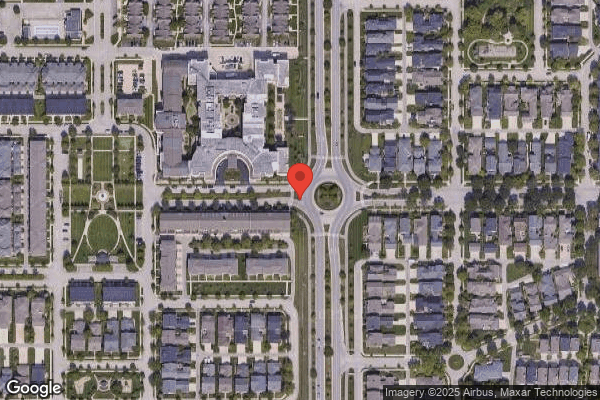

2460 GLEBE ST, CARMEL, IN 46032 (317) 733-9560
For profit - Limited Liability company 18 Beds SENIOR LIVING COMMUNITIES Data: November 2025
Trust Grade
60/100
#284 of 505 in IN
Last Inspection: March 2025

Within standard 12-15 month inspection cycle. Federal law requires annual inspections.

Overview

The Retreat at the Stratford in Carmel, Indiana has a Trust Grade of C+, indicating it is slightly above average but still has room for improvement. It ranks #284 out of 505 nursing homes in Indiana, placing it in the bottom half of all facilities, and #13 out of 17 in Hamilton County, meaning only four local options are better. Unfortunately, the facility's trend is worsening, with issues increasing from 3 in 2024 to 8 in 2025. Staffing is relatively strong, rated 4 out of 5 stars, with a 55% turnover rate, which is average for the state. There have been no fines, which is a positive sign, and the facility boasts higher RN coverage than 96% of Indiana facilities, ensuring better oversight of resident care. However, there are significant concerns regarding food safety and medication management. For instance, during a meal service observation, staff failed to check the temperatures of food before distribution, which could lead to unsafe eating conditions. Additionally, there were instances of unlabelled food bins in the kitchen, raising potential health risks. Furthermore, one resident was found to be self-administering medications without proper assessment, which could jeopardize their safety. Overall, while the facility has strengths like good RN coverage and no fines, families should be aware of the concerning trends and specific incidents that may affect their loved ones’ care.

Trust Score
C+
60/100
In Indiana
#284/505
Bottom 44%
Safety Record
Low Risk
No red flags
Inspections
Getting Worse
3 → 8 violations
Staff Stability
⚠ Watch
55% turnover. Above average. Higher turnover means staff may not know residents' routines.
Penalties
✓ Good
No fines on record. Clean compliance history, better than most Indiana facilities.
Skilled Nurses
✓ Good
Each resident gets 137 minutes of Registered Nurse (RN) attention daily — more than 97% of Indiana nursing homes. RNs are the most trained staff who catch health problems before they become serious.
Violations
⚠ Watch
16 deficiencies on record. Higher than average. Multiple issues found across inspections.
★★★☆☆
3.0
Overall Rating
★★★★☆
4.0
Staff Levels
★★★☆☆
3.0
Care Quality
★★★☆☆
3.0
Inspection Score
Stable
2024: 3 issues
2025: 8 issues

The Good

  • 4-Star Staffing Rating · Above-average nurse staffing levels
  • Full Sprinkler Coverage · Fire safety systems throughout facility
  • No fines on record

Facility shows strength in staffing levels, fire safety.

The Bad

3-Star Overall Rating

Near Indiana average (3.1)

Meets federal standards, typical of most facilities

Staff Turnover: 55%

Near Indiana avg (46%)

Frequent staff changes - ask about care continuity

Chain: SENIOR LIVING COMMUNITIES

Part of a multi-facility chain

Ask about local staffing decisions and management

Staff turnover is elevated (55%)

7 points above Indiana average of 48%

The Ugly 16 deficiencies on record

Jun 2025 2 deficiencies
CONCERN (D) 📢 Someone Reported This

A family member, employee, or ombudsman was alarmed enough to file a formal complaint

Potential for Harm - no one hurt, but risky conditions existed

Deficiency F0554 (Tag F0554)

Could have caused harm · This affected 1 resident

Based on observation, interview and record review, the facility failed to ensure the interdisciplinary team (IDT) assessed to determine a resident was safe to self-administer medications for 1 of 1 re...

Read full inspector narrative →
Based on observation, interview and record review, the facility failed to ensure the interdisciplinary team (IDT) assessed to determine a resident was safe to self-administer medications for 1 of 1 resident reviewed for self-medication administration. (Resident D) Findings include: During an observation and interview, on 6/2/25 8:46 a.m., Resident D had a clear plastic medication cup, with pills, on her bedside table next to her meal tray. The resident indicated the staff left her medications in her room. She would take the pills. The clinical record for Resident D was reviewed on 6/2/25 at 10:29 a.m. The diagnoses included, but were not limited to, a fracture of the lower end of the left humerus (upper arm bone) and cirrhosis of the liver. An assessment for self-administration of medication completed by the interdisciplinary team (IDT), a physician's order and a comprehensive care plan for the self-administration of medications was not located in the clinical record. During an observation and interview, on 6/2/25 at 8:52 a.m., LPN 1 indicated the resident's medications were on her bedside table. The resident had wanted to eat before she took her medications. She did not know if Resident D had been assessed for self-administration of medications. She was supposed to stay with the residents while they took their medications. During an interview, on 6/2/25 at 12:51 p.m., the Care Services Administrator indicated the resident did not have an assessment, a physician's order or a care plan to self-administer medications. A current facility policy, titled Medication Self-Administration, undated and received from the Care Services Administrator on 6/2/25 at 3:00 p.m., indicated .A Medication Self-Administration Evaluation shall be completed for each resident who desires to self-administer medications .The Director of Health Services or designee will notify the attending physician of the evaluation results, and will obtain an order for the resident to self-administer medications 3.1-11(a)
CONCERN (D) 📢 Someone Reported This

A family member, employee, or ombudsman was alarmed enough to file a formal complaint

Potential for Harm - no one hurt, but risky conditions existed

Free from Abuse/Neglect (Tag F0600)

Could have caused harm · This affected 1 resident

Based on observation, interview and record review, the facility failed to ensure residents were free from verbal abuse and intimidation for 2 of 4 residents reviewed for abuse. (Resident B and C) The ...

Read full inspector narrative →
Based on observation, interview and record review, the facility failed to ensure residents were free from verbal abuse and intimidation for 2 of 4 residents reviewed for abuse. (Resident B and C) The deficient practice was corrected on 5/25/25, prior to the start of the survey, and therefore was past noncompliance. Findings include: 1. During an interview, on 6/2/25 at 8:56 a.m., Resident B indicated a staff member had been cross and impatient. She was unable to give the staff member's name (CNA 3). Resident B indicated she had slid down in her bed and CNA 3 accused her of doing it on purpose. She indicated she did not like the accusation. 2. During an interview, on 6/2/25 at 9:00 a.m., Resident C indicated CNA 3 had been verbally rude to her and she filed a complaint. Her remote control had fallen between the wall and the bed. The bed needed to be moved to get the remote. CNA 3 threw her hands up and looked at me like I was crazy and said she don't move beds. Resident C indicated she then asked for some milk. CNA 3 went and got the milk, returned, opened the milk, slammed it down, and stormed out. Later in the evening, at 10-10:30 p.m., her roommate (Resident B) turned on the call light. CNA 3 had raised her voice and sounded belligerent toward Resident B. Resident C indicated she was afraid of CNA 3. She went to talk to Resident B to see if she was okay. Resident B told her she slid down in bed, needed help, and CNA 3 had started screaming. As Resident C was talking to Resident B, CNA 3 walked into their room. Resident C indicated she started walking to the door and had her hands on her walker when CNA 3 grabbed both of her wrists hard and pushed her back into her room. Resident C sat on her bed, picked up her phone to call her son, and CNA 3 grabbed her phone from her, put it on the chest of drawers, and stormed out. Resident C indicated she was shaking. Resident C contacted RN 4, and he informed her CNA 3 was gone for the night and the incident would be taken care of the next day. She indicated she was afraid CNA 3 would return with a gun, but RN 4 assured her she was safe, and CNA 3 could not get into the facility. The resident indicated she did feel safe now. The clinical record for Resident C was reviewed on 6/2/25 at 10:59 a.m. The diagnoses included, but were not limited to, left bundle branch block (electrical signals to the heart are blocked), atrioventricular block (electrical signal block from the upper chamber to the lower chamber of the heart) and atherosclerotic heart disease. A Basic Interview for Mental Status (BIMS) assessment, dated 5/26/25, indicated she was cognitively intact. A nursing progress note, charted late on 5/27/25 at 2:13 p.m., for the date of 5/23/25, indicated the nurse was called to Resident C's room. Resident C indicated she had been in an altercation with CNA 3. CNA 3 had taken the resident's phone away from her. The resident was upset and shaken but no injury was observed. RN 4 spoke with Resident C and her son and informed them CNA 3 was no longer in the facility. Resident C was asked to write down the details of what happened. RN 4 then spoke with Resident B, and she informed him CNA 3 was .gruff and was yelling at her . CNA 3 reported Resident C scratched her. There were no witnesses to the altercation. Resident C was assessed for injury and none were found. A facility document, titled Coaching & Counseling Form, received from the Care Service Administrator on 6/2/25 at 3:48 p.m., indicated, CNA 3 was terminated. The document failed to state a reason for the termination. A facility letter addressed to CNA 3 indicated effective 5/23/25 the CNA's position had been terminated due to committing resident abuse. During an interview, on 6/2/25 at 9:46 a.m., the Care Services Administrator indicated CNA 3 had been terminated from the facility. According to Resident C, CNA 3 grabbed her wrist. Resident C grabbed her phone and told CNA 3 she was going to report her. CNA 3 grabbed the phone, put it on the dresser, and left. RN 4 sent the CNA home and the next working day she was terminated. He indicated she was terminated for abuse. She had put her hands on a resident, snatched a phone from her, and the facility had a zero-tolerance policy. During a telephone interview, on 6/2/25 at 12:29 p.m., CNA 3 indicated when she entered the residents' room, Resident C was attempting to pull Resident B up in the bed. CNA 3 told Resident C it was not safe. Resident C was screaming and yelling. Resident C then grabbed the staff member, spat on her, and scratched her. RN 4 came to the room about five minutes after it happened. CNA 3 denied all allegations made and indicated she was going to leave the facility anyway. During an interview, on 6/2/25 at 1:20 p.m., RN 4 indicated he was called to Resident B and C's room by CNA 3. When he arrived at the room, Resident C was crying and upset. Resident C indicated CNA 3 had taken her phone. RN 4 indicated he asked CNA 3 to leave the room, and he reported the incident to the Care Service Administrator. A current facility policy, titled Abuse, Neglect, Exploitation and Misappropriation Prevention Program, dated April 2021 and received from the Care Service Administrator on 6/2/25 at 3:00 p.m., indicated .Residents have the right to be free from abuse, neglect .This includes but is not limited to .verbal, mental .or physical abuse A current facility policy, titled Resident Rights, dated February of 2021 and received from the Care Service Administrator on 6/2/25 at 3:00 p.m., indicated .Federal and state laws guarantee certain basic rights to all residents of this facility .These rights include the resident's right to .be free from abuse The deficient practice was corrected by 5/25/25 after the facility implemented a systemic plan which included an investigation of the incident, education to the staff on resident abuse and reporting, residents were interviewed related to abuse, and CNA 3 was terminated. This citation relates to Complaint IN00460150. 3.1-27(a)(1) 3.1-27(b)
Mar 2025 6 deficiencies
CONCERN (D)

Potential for Harm - no one hurt, but risky conditions existed

Deficiency F0578 (Tag F0578)

Could have caused harm · This affected 1 resident

**NOTE- TERMS IN BRACKETS HAVE BEEN EDITED TO PROTECT CONFIDENTIALITY** 3. The clinical record for Resident 68 was reviewed on 3/3/25 at 11:38 a.m. The diagnoses included, but were not limited to, mor...

Read full inspector narrative →
**NOTE- TERMS IN BRACKETS HAVE BEEN EDITED TO PROTECT CONFIDENTIALITY** 3. The clinical record for Resident 68 was reviewed on 3/3/25 at 11:38 a.m. The diagnoses included, but were not limited to, morbid obesity, fracture of the right femur, and hypertension. Resident 68 was admitted to the facility on [DATE]. Resident 68 did not have an order for the resident's code status entered into the record. During an interview, on 3/4/25 at 9:43 a.m., the Director of Nursing indicated the residents should have had a physician's order. During an interview, on 3/7/25 at 1:11 p.m., the Corporate Support Nurse indicated the facility followed state and federal regulations and had no other information to present. A current facility policy, dated as revised April 2009 and received from the Clinical Support Nurse on 3/7/25 at 1:00 p.m., indicated .The director of nursing services (DNS) or designee notifies the attending physician of advanced directives (or changes in advanced directives) so that appropriate orders can be documented in the residents medical record and plan of care 3.1-4(f)(5) 3.1-4(f)(7) Based on interview and record review, the facility failed to ensure the physician was notified of the residents' advanced directives and an order was documented in the residents' medical record for 3 of 3 residents reviewed for advanced directives. (Resident 8, 63 and 68) Findings include: 1. The clinical record for Resident 8 was reviewed on 3/4/25 at 9:51 a.m. The diagnoses included, but were not limited to, hypertension, senile degeneration of the brain, and muscle weakness. An Indiana Physicians Orders for Scope of Treatment (POST) form was completed and signed on 11/12/24 and indicated the resident wished to be a Do Not Resuscitate (DNR). Resident 8 was admitted to the facility on [DATE]. A physician's order, dated 3/4/25, indicated the resident was a DNR. The physician's order was not in place until 3.5 months after the resident was admitted to the facility. 2. The clinical record for Resident 63 was reviewed on 3/4/25 at 2:04 p.m. The diagnoses included, but were not limited to, heart failure, stage 3 chronic kidney disease, and adult failure to thrive. An Indiana Physicians Orders for Scope of Treatment (POST) form was completed and signed on 2/21/25 and indicated the resident wished to be a DNR. Resident 63 was admitted to the facility on [DATE]. The physician's order, dated 3/4/25, indicated the resident was a DNR. The physician's order was not in place until 15 days after the resident was admitted to the facility.
CONCERN (D)

Potential for Harm - no one hurt, but risky conditions existed

Comprehensive Care Plan (Tag F0656)

Could have caused harm · This affected 1 resident

Based on interview and record review, the facility failed to ensure person-centered comprehensive care plan interventions were developed for a resident who had a significant weight loss for 1 of 1 res...

Read full inspector narrative →
Based on interview and record review, the facility failed to ensure person-centered comprehensive care plan interventions were developed for a resident who had a significant weight loss for 1 of 1 resident reviewed for nutrition. (Resident 6) Findings include: The clinical record for Resident 6 was reviewed on 3/4/25 at 12:52 p.m. The diagnoses included, but were not limited to, heart failure, vitamin deficiency, dysphagia, and anorexia. A physician's order, dated 5/1/23, indicated the resident was to be weighed monthly. A vitals tab indicated the following: On 1/1/25, the resident weighed 107.12 pounds. On 2/1/25, the resident weighed 101 pounds. On 2/10/25, the resident weighed 96 pounds. Resident 6 had a significant weight loss of 5.7% in 30 days and then continued to lose more weight on 2/10/25. A Registered Dietician (RD) note, dated 2/18/25, indicated the resident triggered for a significant weight loss. The current body weight was 96 pounds and recommended Ensure Plus (nutritional supplement) twice per day to help with weight stability. A current care plan, effective 4/6/23, indicated the resident was at risk for altered nutrition and hydration related to heart failure. During an interview, on 3/6/25 at 3:02 p.m., the Clinical Support nurse indicated the facility should have updated the resident's care plan within 14 days after a significant weight loss. During an interview, on 3/7/25 at 12:05 p.m., the Director of Nursing indicated the care plan should have been updated within 14 days after significant weight loss. During an interview, on 3/7/25 at 1:11 p.m., the Corporate Support Nurse indicated the facility followed state and federal regulations and had no other information to present. A current facility policy, titled Goals and Objectives, Care Plans, dated as revised April 2009 and received from the Clinical Support Nurse on 3/7/25 at 1:00 p.m., indicated .When goals and objectives are not achieved, the resident's clinical record will be documented as to why the results were not achieved and what new goals and objectives have been established. Care plans will be modified accordingly 3.1-35(a) 3.1-35(b)(1)
CONCERN (D)

Potential for Harm - no one hurt, but risky conditions existed

Quality of Care (Tag F0684)

Could have caused harm · This affected 1 resident

Based on observation, interview and record review, the facility failed to assess and document skin issues for 1 of 2 residents reviewed for quality of care. (Resident 5) Findings include: During an ob...

Read full inspector narrative →
Based on observation, interview and record review, the facility failed to assess and document skin issues for 1 of 2 residents reviewed for quality of care. (Resident 5) Findings include: During an observation, on 3/3/25 at 10:15 a.m., Resident 5 was noted to have multiple bruises on both her arms. The clinical record for Resident 5 was reviewed on 3/4/25 at 11:10 a.m. The diagnoses included, but were not limited to, diabetes mellitus, hypertension, hyperlipidemia, and a history of a stroke. A care plan, initiated on 4/17/24, indicated the resident was at risk for skin alterations and to perform and record complete skin assessments. A physician's order, initiated on 4/18/24, indicated to give aspirin (a medication used to prevent platelets from sticking together and causing clots) 81 milligrams once a day. The only documented bruise found in Resident 5's record was an area on the right lateral elbow. No other skin concerns had been found in the record. During an interview, on 3/3/25 at 10:36 a.m., LPN 2 indicated the resident had lots of bruises. During an interview, on 3/7/25 at 10:06 a.m., the Corporate Support Nurse indicated the bruising on both arms should have been documented on skin sheets and monitored. During an interview, on 3/7/25 at 11:31 a.m., the Corporate Support Nurse indicated weekly assessments of the skin were to be completed and should note any discolorations, rashes, wounds, open areas and dryness. The documentation was to include the characteristics of the areas such as color and size. During an interview, on 3/7/25 at 1:11 p.m., the Corporate Support Nurse indicated the facility followed state and federal regulations and had no other information to present. A current facility policy, titled Resident Examination and Assessment, dated as last revised in 2/14 and received from the Corporate Support Nurse on 3/7/25 at 1:07 p.m., indicated Physical Exam .Skin .presence of bruises .Documentation .All assessment data obtained during the procedure 3.1-37(a)
CONCERN (D)

Potential for Harm - no one hurt, but risky conditions existed

Pharmacy Services (Tag F0755)

Could have caused harm · This affected 1 resident

Based on observation, interview and record review, the facility failed to ensure narcotic count sheets were signed off by the on-coming and off-going nurses to ensure an accurate reconciliation was co...

Read full inspector narrative →
Based on observation, interview and record review, the facility failed to ensure narcotic count sheets were signed off by the on-coming and off-going nurses to ensure an accurate reconciliation was completed for 1 of 1 narcotic book reviewed for reconciliation. Findings include: During an observation, on 3/3/25 at 5:27 a.m., with RN 1 in attendance, the narcotic book was found to be missing entries to show the on-coming and off-going nurses had reconciled the narcotic count and signed the narcotic book to indicate the count had been reviewed. During an interview, on 3/3/25 at 5:27 a.m., RN 1 indicated staff were supposed to sign the narcotic count sheets each shift. A facility document, titled Narcotic Count January 2025 Skilled, was provided by the Director of Nursing on 3/3/25 at 5:29 a.m., and indicated the following: On 1/4/25, there were no signatures for the on-coming and off-going day and evening shifts. On 1/5/25, there were no signatures for the on-coming and off-going day and evening shifts. On 1/11/25, there was no signature for the off-going evening shift. On 1/12/25, there was no signature for the off-going evening shift. On 1/13/25, there were no signatures for the on-coming or off-going evening shift. On 1/16/25, there were no signatures for the on-coming or off-going evening shift. On 1/18/25, there was no signature for the off-going evening shift. On 1/19/25, there was no signature for the off-going evening shift. There were five (5) other blank signature boxes on the form. A facility document, titled Narcotic Count February 2025 Skilled, was provided by the Director of Nursing on 3/3/25 at 5:29 a.m., and indicated there were 24 of 84 missed opportunities to sign off on the narcotic count sheet. During an interview, on 3/6/25 at 3:43 p.m., the Director of Nursing indicated the narcotic count sheet was to be signed by the on-coming and off-going staff. A facility document located in the narcotic book and received from RN 1 on 3/3/25 at 5:29 a.m., indicated .ATTENTION!!! Nurses and QMA's .Please Make Sure That You Are SIGNING ON/OFF IN The NARC BOOK Each Shift!!! A current facility policy, titled Controlled Substances, dated as last revised 11/22 and received from the Clinical Support Nurse on 3/6/25 at 3:25 p.m., indicated .Nursing staff count controlled medication inventory at the end of each shift .The nurse coming on duty and the nurse going off duty make the count together 3.1-25(e)(3)
CONCERN (D)

Potential for Harm - no one hurt, but risky conditions existed

Deficiency F0761 (Tag F0761)

Could have caused harm · This affected 1 resident

Based on observation, interview and record review, the facility failed to ensure medications were stored in their original packaging, failed to label an open vial with a date, and failed to monitor an...

Read full inspector narrative →
Based on observation, interview and record review, the facility failed to ensure medications were stored in their original packaging, failed to label an open vial with a date, and failed to monitor and document medication refrigerator temperatures for 1 of 1 medication cart and 1 of 1 medication refrigerator reviewed for medication storage. Findings include: 1. During an observation of medication storage, on 3/3/25 at 5:21 a.m., with RN 1 in attendance, the following pills were found outside of their packaging and loose in the cart: One round white oval tablet with imprint C-2. Three small round white tablets. Three oval white tables. One medium round white tablet and one rectangular white tablet. During an interview, on 3/3/25 at 5:21 a.m., RN 1 indicated another nurse last cleaned the cart. 2. During an observation of the medication refrigerator, on 3/3/25 at 5:30 a.m., with RN 1 in attendance, a bottle of Aplisol (tuberculosis testing serum) was found opened and without an open date. During the observation the medication refrigerator temperature logs were reviewed. The refrigerator temperatures had not been documented on January 3, 5, 6, 10, 12, 13, 17, 19, 20, 24, 26, 27, 29, 30 and January 31st, 2025. The February refrigerator temperature log was also found to be missing 13 of 28 temperatures. During an interview, on 3/3/25 at 5:33 a.m., RN 1 indicated the vial of Aplisol should have been labeled with a date when it was opened, and the refrigerator temperatures were to be checked and logged on the sheet every night. During an interview, on 3/6/25 at 3:25 p.m., the Corporate Support Nurse indicated the refrigerator temperatures were to be monitored daily. A current facility policy, titled MEDICATION STORAGE, dated as last reviewed in 7/12 and received from the Clinical Support Nurse on 3/6/25 at 3:25 p.m., indicated .Medication storage areas are kept clean .Medication storage conditions are monitored on a regular basis 3.1-25(j) 3.1-25(m)
CONCERN (D)

Potential for Harm - no one hurt, but risky conditions existed

Deficiency F0804 (Tag F0804)

Could have caused harm · This affected 1 resident

Based on observation, interview and record review, the facility failed to ensure a recipe was available and followed for puree foods to ensure nutritive value and flavor was conserved for 2 of 2 resid...

Read full inspector narrative →
Based on observation, interview and record review, the facility failed to ensure a recipe was available and followed for puree foods to ensure nutritive value and flavor was conserved for 2 of 2 residents reviewed for a pureed diet. (Resident 1 and 4) Findings include: During a continuous observation, on 3/4/25 at 10:34 a.m., Dietary Manager (DM) 5 was pureeing tuna melt sandwiches for the residents who required a puree diet. As she was pureeing the sandwich, there was no recipe out and she was using an unmeasured amount of cold milk to thin the food out. During an interview, on 3/4/25 at 10:44 a.m., DM 5 indicated they did not have recipes for how to puree food. They did not have recipes for portion sizes or for what thickeners and thinners to use for each meal. They thinned the meal with the appropriate liquids, and they trained staff in orientation about what liquids to use. During an interview, on 3/4/25 at 11:01 a.m., DM 5 indicated she was not sure how someone would know what liquids to use for the puree if someone had to fill in for absent staff members. They trained staff during orientation on what liquids to use but they did not have a recipe. During an interview, on 3/5/25 at 11:47 a.m., DM 5 indicated she made a recipe book yesterday. The recipe was not in place on the day of the observation and indicated to use hot milk and DM 5 used cold milk when completing the puree. A Dining Manager recipe, titled Pureed Tuna Melt, dated 2025 and received from DM 5 on 3/5/25 at 3:15 p.m., indicated .Ingredients: Tuna Melt .Milk, hot A current facility policy, titled Pureed Diet, dated 2022 and received from DM 5 on 3/5/25 at 3:15 p.m., indicated .Gather the equipment needed: scale, measuring cups, measuring spoons, spatulas, recipes .Add measured amounts of hot liquid for cooked foods and cold liquid (if required) for cold foods and process until a smooth consistency is achieved 3.1-21(a)(1)
Apr 2024 3 deficiencies
CONCERN (D) 📢 Someone Reported This

A family member, employee, or ombudsman was alarmed enough to file a formal complaint

Potential for Harm - no one hurt, but risky conditions existed

Quality of Care (Tag F0684)

Could have caused harm · This affected 1 resident

Based on interview and record review, the facility failed to ensure ordered wound treatments were completed as ordered for 1 of 4 residents reviewed for wound treatment (Resident B). Findings include...

Read full inspector narrative →
Based on interview and record review, the facility failed to ensure ordered wound treatments were completed as ordered for 1 of 4 residents reviewed for wound treatment (Resident B). Findings include: Resident B's closed clinical record was reviewed on 4/02/24 at 12:02 p.m. Discharge diagnoses included, chronic atrial fibrillation, heart failure, and pacemaker placement. The resident had a 12/22/23 care plan need regarding the placement of a cardiac pacemaker. Review of the resident's Clinical Notes indicated the following: 12/22/23- The resident was admitted to the facility following the placement of a pacemaker. 12/28/23-The resident was admitted after a recent pacemaker implantation. The resident had an incision on her left upper chest. No redness was present at the wound site. 1/2/24-The resident returned from a follow-up visit with the cardiologist. The resident had a new order to clean incision daily with soap and water, no lotions, creams or powders to the incision site. Review of the Clinical Notes indicated the entries were identical on four days, and included the same typo and same wording. The identical notes were entered on the following dates and times: 12/27/23 at 8:59 a.m., 12/28/23 at 1:22 p.m., 12/29/23 at 2:16 p.m., 1/1/24 at 2:42 p.m. The entries read as follows, Res. here after hospital stay fro (sic) bradycardia with pacemaker implantation. Res. has incision on left upper chest steri strips in place dry intact some bruising noted no redness warmth or drainage noted. The typo was corrected on 1/2/24. Following the correction of the typo the identical entry was made on the following dates and times: 1/2/24 at 1:49 p.m., 1/3/24 at 7:35 p.m., 1/8/24 at 9:17 p.m. Following the 14 day period of identical documentation, a 1/9/24 at 11:15 a.m., Addendum Note indicated the resident was having some redness around the left chest incision where the steri strips (wound closure strips) were present. The resident complained of pain and had a fever. The Medical Director was in the facility and assessed the area and indicated the resident needed to see her cardiologist as soon as possible. The resident went to the Cardiologist were she was placed on antibiotics for an infection at the pacemaker site. The resident had a 1/2/24, cardiology Ambulatory Visit Summary which contained an order to wash the pacemaker incision site with soap and water and pat dry, one time each day. The clinical record lacked documentation that the pacemaker incision site was washed and patted dry from 1/2/24, when the order was received, until 1/9/24, when the site was red and the resident had a fever. The resident had a 1/9/24 order for doxycycline hyclate 100 mg tablet (an antibiotic) - take one tablet two times a day for 10 days. A 1/11/24 at 3:34 p.m. Clinical Note indicated the resident had returned from a cardiology appointment and would need to go to the hospital for a pacemaker replacement. A 1/16/24 at 12:37 p.m., Clinical Note indicated RISK MEETING. The resident was started on antibiotics for an infection to the pacemaker site. A grievance was received. During an interview, on 4/2/24 at 2:47 p.m. Resident B's family indicated the following: The family took the resident to a cardiology appointment on 1/2/24. The doctor changed an oral medication and order the pacemaker site be washed with soap and water and patted dry each day. On 1/9/24 the facility called the family and said the Medical Director wanted the resident to see the cardiologist that day or go to the hospital. The family took the resident to the cardiologist that day. When the incision was observed at the cardiologist, the site was red all around the incision and down the arm. The wound was draining a green liquid. The cardiologist ordered a very strong antibiotic and wanted them to return in a couple days. When they returned to the cardiologist on 1/11/24, the decision was made to remove and replace the pace maker because the infection was not healing quick enough. The family spoke with the DON, who could not show any proof that the facility had routinely monitored the site nor washed the wound with soap as ordered. The resident did not return to the facility following the pacemaker replacement. During an interview on 4/3/24 at 9:45 a.m., the Administrator indicated the facility had developed a plan of correction to address the concerns expressed in the grievance made by Resident B's family regarding monitoring wounds and providing wound care as ordered. The Administrator provided paperwork regarding the concern and the facilities actions. The paperwork included a Grievance Form: and the corresponding documentation. A 1/10/24, Grievance Form indicated during a care conference Resident B's family expressed concern due to the resident's pacemaker site not being cleaned. The form indicated the Action taken and Date for this concern was as follows: 1/12/24-Nursing Inservice on charting and documentation for medication and treatment orders related to wound care, 1/13/24 Audit of all residents in house, 1/15/24 Resident Incident Reporting Form, (No date listed) QA review, 2/21/24 Nursing education on second (2nd) checks of orders. A current, 10/2010, facility policy titled, Wound Care, which was provided by the DON on 4/5/24 at 10:34 a.m., indicated the following: .Documentation The following information should be recorded in the resident's medical record: 1. The type of wound care given. 2. The date and time the wound care was given. . 6. All assessment data (i.e., wound bed color, size, drainage, etc) obtained when inspecting the wound The deficient practice was corrected by February 21, 2024, prior to the start of the survey, and was therefore past noncompliance. The facility had completed Nursing Inservices/education, completed audits, and taken the concern to the Quality Assurance Committee. This citation relates to complaint IN00426019. 3.1-37
CONCERN (D)

Potential for Harm - no one hurt, but risky conditions existed

Deficiency F0698 (Tag F0698)

Could have caused harm · This affected 1 resident

Based on observation, interview, and record review, the facility failed to ensure ongoing communication for continuation of care with the dialysis center for 1 of 1 resident reviewed for dialysis serv...

Read full inspector narrative →
Based on observation, interview, and record review, the facility failed to ensure ongoing communication for continuation of care with the dialysis center for 1 of 1 resident reviewed for dialysis services (Resident 6) Findings include: During an interview on 4/02/24 at 1:54 p.m., Resident 6 was sitting in bed in her room watching TV. She indicated she went to dialysis and had a port to her left chest. Resident 6's clinical record was reviewed on 4/2/24 at 3:18 p.m. Current diagnoses included end stage renal disease (ESRD), dependence on dialysis, and congestive heart failure. The resident had a current April 2024 order for dialysis. The resident had a current care plan problem/need regarding a diagnosis of ESRD and receiving hemodialysis. The goal for this problem was Fluid balance will be maintained and resident will have no complications with hemodialysis through the next review. Approaches/interventions included: Interventions: monitor for complications from dialysis such as: hypoglycemia, hypotension, irritation to access site, and muscle cramps and Dialysis is at ( dialysis facility name) on Tuesday, Thursday, and Saturday The clinical record for dialysis communication indicated, from January 2024 to April 2024, communication notes were not down loaded into the electronic medical record. The dialysis communication binder was reviewed on 4/3/24 at 10:02 a.m. Each Nurses Dialysis Communication Record: contained three (3) sections as follows: a. PRE- DIALYSIS ASSESSMENT b. DIALYSIS CENTER c. STRATFORD POST DIALYSIS ASSESSMENT Review of communication records from 4/1/24 to 3/1/24 identified the following incomplete records: 4/1/24- Pre dialysis vitals only, 3/29, 3/27, 3/25, 3/22, 3/20, and 3/18 did not have any communication logs completed, 3/18/24- Pre dialysis vitals, dialysis vitals only, 3/15 and 3/13 did not have any communication log completed, 3/11/24- Pre dialysis vitals only. 3/8 and 3/6 did not have communication logs completed, 3/4/24- Pre dialysis vitals, dialysis vitals. January and February 2024 also had missing log pages and or missing information. During an interview on 4/03/24 at 2:32 p.m., both the DON and Administrator indicated this was an ongoing problem with the dialysis center not wanting to fill this form out. The DON had many calls with the dialysis center administrator and this issue never resolved. This company is the most local one to the facility, and that's why they were still utilized. These points of contact happen by phone and there were not records of the conversation. The Administrator and DON indicated the facility sent this form with the resident for every visit. A current facility contract titled Long Term Care Facility Outpatient Dialysis Services Coordination Agreement, which was provided by the facility following the entrance conference on 4/1//24, indicated the following: .Interchange of Information: The Long Term Care Facility shall provide for the interchange of information necessary for the care of ESRD Residents, including a contact person at the Long Term Care Facility whose responsibilities included assisting with the coordination of Renal Dialysis Services for ESRD residents 3.1-37(a)
CONCERN (F) 📢 Someone Reported This

A family member, employee, or ombudsman was alarmed enough to file a formal complaint

Potential for Harm - no one hurt, but risky conditions existed

Food Safety (Tag F0812)

Could have caused harm · This affected most or all residents

Based on observation, interview, and record review, the facility failed to ensure food was distributed under safe sanitary conditions for 14 of 14 residents who resided in the nursing home area of the...

Read full inspector narrative →
Based on observation, interview, and record review, the facility failed to ensure food was distributed under safe sanitary conditions for 14 of 14 residents who resided in the nursing home area of the facility. Findings include: During the lunch meal service observation on 4/3/24 from 11:54 a.m. to 12:38 p.m., the following concerns were identified: a. At 11:58 a.m., three meal trays were placed in the food service cart. During an interview on 4/3/24 at 11:59 a.m., [NAME] 3 indicated she had not taken the temperatures of the food prior to placing the three trays in the meal service cart. She was aware the temperature of all foods should be taken prior to placing any meal in the food service cart. b. At 12:03 p.m., [NAME] 3 was taking the temperatures of the food items on the steam table. She dropped the wrapper off of the alcohol wipe on the floor. She bent over an picked the wrapper up with her gloved hands. With the same soiled gloved hands, she continued to take temperatures of the food the steam table. c. At 12:19 p.m., [NAME] 3 was serving meals using her gloved hands to serve meals. With her gloved hands she touched, meal tickets, dishes, utensils counter tops, the bag containing hot dog buns, drawer handles, and other kitchen services. With the soiled gloved hands [NAME] 3 took a bun out of the bun bag. She opened the bun with the same gloves. While holding the bun in the palm of her same soiled gloved hand, she placed a sausage in the bun. d. At 12:21 p.m., she changed her gloves without washing her hands between doffing her soiled gloves and donning her new gloves. She then repeated the process of touching counter tops, meal tickets, utensils, counter tops, bun bags, drawer handles, and multiple other surfaces. Using her soiled gloved hands she opened a hot dog bun and held it in the palm of her hand while placing a sausage in the bun. At 12:25 p.m., she changed her gloves again without washing her hands between doffing and donning. She once again began the process of touching multiple surfaces and serving sausages in the bun. At 12:38 she changed gloves without washing her hands between doffing and donning new gloves. She again touched multiple surfaces with her gloved hands. She then used her soiled gloves to open a bun, holding it in her soiled palm, and serve a sausage in the bun. A current, 10/2017, facility policy, titled Preventing Forborne Illness Employee Hygiene and Sanitary Practice, which was provided by the Administrator on 4/4/24 at 10;00 a.m., indicated the following: .6. Employees must wash their hands . d, Before coming in contact with any food surface . f. After handling soiled equipment or utensils; g. During food preparation, as often as necessary to remove soil and contamination and to prevent cross contamination . 9. Food services employees will be trained in the proper use of utensils such as tongs, gloves, deli paper, and spatulas as tools to prevent forborne illness. 10. Gloves are considered single -use items and must be discarded after completing the task This citation relates to complaint IN00417225.
Mar 2023 5 deficiencies
CONCERN (D)

Potential for Harm - no one hurt, but risky conditions existed

Deficiency F0578 (Tag F0578)

Could have caused harm · This affected 1 resident

Based on interview and record review, the facility failed to update advanced directives upon admission for 1 of 4 residents reviewed for advanced directives. (Resident 13) Finding includes: The Face S...

Read full inspector narrative →
Based on interview and record review, the facility failed to update advanced directives upon admission for 1 of 4 residents reviewed for advanced directives. (Resident 13) Finding includes: The Face Sheet for Resident 13 indicated the resident was a Full Code for advance directive status. A care plan indicated Resident 13 had a Full code status on admission to the facility. An Internal Medicine Progress Note, dated 10/26/22 at 12:06 p.m., indicated Resident 13's code status was DNR (do not resuscitate), and DNI (do not intubate). During an interview, on 03/14/23 at 11:05 a.m., the Executive Director (ED) indicated upon admission normally the social worker would update the code status. During an interview, on 03/14/23 at 11:19 a.m., the Social Worker indicated the facility did not have the updated code status in the record. The family and Resident 13 had changed Resident 13's code status during the last hospital visit. During an interview, on 03/14/23 at 1:34 p.m., the ED indicated upon admission to the skilled nursing center Resident 13's code status was not addressed. A current policy, titled Advance Directives, received from the ED on 3/14/23 at 2:34 p.m., indicated .The resident has the right to formulate an advance directive, including the right to accept or refuse medical or surgical treatment .Prior to or upon admission of a resident, the social services director or designee inquires of the resident, his/her family members and/or his legal representative, about the existence of any written advance directives 3.1-4(f)(5)
CONCERN (D)

Potential for Harm - no one hurt, but risky conditions existed

Deficiency F0625 (Tag F0625)

Could have caused harm · This affected 1 resident

Based on interview and record review, the facility failed to provide documentation to show the bed-hold policy was provided to 1 of 1 resident reviewed for bed-hold policy notification. (Resident 11) ...

Read full inspector narrative →
Based on interview and record review, the facility failed to provide documentation to show the bed-hold policy was provided to 1 of 1 resident reviewed for bed-hold policy notification. (Resident 11) Finding includes: The record for Resident 11 was reviewed on 03/09/23 at 12:00 p.m. Diagnoses included, but were not limited to, heart failure, anemia, and hypertension. A nursing note, dated 12/21/22, indicated Resident 11 was sent to the hospital for intravenous therapy (IV fluids). There was no note or assessment found in the record indicating the resident or responsible party was provided a bed hold policy at the time of transfer or within 24 hours of the transfer. A nursing note, dated 01/24/23, indicated Resident 11 was sent to the emergency room for the evaluation and treatment of a low hemoglobin (a protein in the red blood cells which carries oxygen to the organs and tissues of the body). There was no note or assessment found in the record indicating the resident or responsible party was provided a bed hold policy at the time of transfer or within 24 hours of the transfer. During an interview, on 03/09/23 at 9:18 a.m., LPN 2 indicated when a resident was sent out of the facility, they were to be provided with the bed hold policy. A facility policy, titled Bed-Holds and Returns, dated as revised in October 2022 and provided by the Executive Director on 03/14/23 at 1:30 p.m., indicated .All residents/representatives are provided written information regarding the facility and state bed-hold policies, which address holding or reserving a resident's bed during periods of absence .Residents regardless of payer source, are provided written notice about these policies .notice .well in advance of any transfer (e.g., in the admission packet); and .notice .at the time of transfer (or, if the transfer was an emergency, within 24 hours) 3.1-12(a)(25)(A) 3.1-12(a)(25)(B)
CONCERN (D)

Potential for Harm - no one hurt, but risky conditions existed

Comprehensive Care Plan (Tag F0656)

Could have caused harm · This affected 1 resident

Based on interview and record review, the facility failed to develop a comprehensive care plan related discharge planning and the use of psychoactive medications for 2 of 6 residents reviewed for comp...

Read full inspector narrative →
Based on interview and record review, the facility failed to develop a comprehensive care plan related discharge planning and the use of psychoactive medications for 2 of 6 residents reviewed for comprehensive care plans. (Resident 9 and 11) Findings include: 1. The record for Resident 9 was reviewed on 03/10/23 at 3:36 p.m. Diagnoses included, but were not limited to, impaired mobility, and Parkinson's disease. The resident did not have a discharge goal care planned as part of the comprehensive care. During an interview, on 03/14/23 at 10:37 a.m., the Executive Director indicated Resident 9 discharged to another facility due to financial reasons, initially Resident 9 was to be long term care. During an interview, on 03/14/23 at 3:27 p.m., the [NAME] President of Clinical (VPC) indicated a care plan should have been developed anticipating the resident's needs after a Medicare Part A (care in a skilled nursing facility, hospice care, and some home health care) stay was completed. 2. The record for Resident 11 was reviewed on 03/10/23 at 1:25 p.m. Diagnosis included, but were not limited to, mild protein malnutrition, cognitive communication deficit, and dysphagia (difficulty swallowing). A physician's order, initiated on 02/24/23, indicated to give mirtazapine (an antidepressant) 30 milligrams (mg) once a day for anorexia (an abnormal loss of the appetite for food). There was no care plan addressing the use of the antidepressant mirtazapine off label use for anorexia, or the side effects to monitor for during the use of the medication. During an interview, on 03/14/23 at 3:33 p.m., the VPC indicated a care plan should have been developed for the use of an antidepressant for anorexia. A facility policy, titled Care Plans, Comprehensive Person-Centered, dated as revised March 2022 and provided by the Executive Director on 03/14/23 at 3:32 p.m., indicated .The interdisciplinary team (IDT), in conjunction with the resident and his/her family or legal representative, develops and implements a comprehensive, person-centered care plan for each resident .The comprehensive, person-centered care plan .describes the services that are to be furnished to attain or maintain the resident's highest practicable physical, mental, and psychosocial wellbeing .includes the resident's state goals upon admission and desired outcomes .Assessments of residents are ongoing and care plans are revised as information about the residents and the residents' conditions change 3.1-35(a)
CONCERN (D)

Potential for Harm - no one hurt, but risky conditions existed

Respiratory Care (Tag F0695)

Could have caused harm · This affected 1 resident

Based on observation, interview and record review, the facility failed to maintain and store oxygen equipment for 1 of 3 residents reviewed for oxygen use. (Resident 10) Finding includes: During an ob...

Read full inspector narrative →
Based on observation, interview and record review, the facility failed to maintain and store oxygen equipment for 1 of 3 residents reviewed for oxygen use. (Resident 10) Finding includes: During an observation, on 03/09/23 at 10:18 a.m., Resident 10's nasal cannula (device for putting oxygen into the nasal passage) and tubing was lying on top of the oxygen concentrator in Resident 10's room and dated 3/3. During an observation, on 03/10/23 at 8:24 a.m., Resident 10's nasal cannula and tubing was lying on top of the oxygen concentrator in Resident 10's room and dated 3/3. During an observation, on 03/10/23 at 2:37 p.m., Resident 10's nasal cannula and tubing was lying on top of the oxygen concentrator in Resident 10's room and dated 3/3. During an observation, on 03/13/23 at 8:33 a.m., Resident 10's nasal cannula and tubing was lying on top of the oxygen concentrator in Resident 10's room and dated 3/3. During an observation and interview, on 03/13/23 at 8:39 a.m., Licensed Practical Nurse (LPN) 1 observed Resident 10's oxygen tubing and nasal cannula lying on the oxygen concentrator and indicated it was just sitting on the oxygen concentrator. The oxygen tubing and nasal cannula had not been changed and the date on the tubing was 3/3 and it was greater than 1 week after date. The oxygen tubing and cannula should be changed weekly. The record for Resident 10 was reviewed. Diagnoses included, but were not limited to, respiratory failure unspecified with hypoxia (low oxygen level in blood). A physician's order, dated 2/25/23, indicated oxygen (O2) at 1 L/min (liter per minute) per nasal cannula 3 times daily. A care plan, dated 2/26/23, indicated Resident 10 was unable to maintain O2 (oxygen) saturation, and received oxygen at 1 L/min. During an interview, on 03/13/23 at 2:11 p.m., the [NAME] President of Clinical indicated the oxygen tubing and cannula needed to be dated, bagged, and changed weekly. A current policy, titled Department (Respiratory Therapy)- Prevention of Infection, received from the Executive Director (ED) on 3/13/23 at 3:42 p.m., indicated .The purpose of this procedure is to guide prevention of infection associated with respiratory therapy tasks and equipment, including ventilators, among residents and staff .Change the oxygen cannula and tubing every seven (7) days, or as needed .Keep the oxygen cannula and tubing used PRN (as needed) in a plastic bag when not in use 3.1-47(a)(6)
CONCERN (F)

Potential for Harm - no one hurt, but risky conditions existed

Food Safety (Tag F0812)

Could have caused harm · This affected most or all residents

Based on observation, interview and record review, the facility failed to maintain sanitary conditions in the kitchen resulting in the potential for food borne illness for all residents who consume fo...

Read full inspector narrative →
Based on observation, interview and record review, the facility failed to maintain sanitary conditions in the kitchen resulting in the potential for food borne illness for all residents who consume food from the kitchen. Findings include: 1. During an initial kitchen tour, on 03/09/23 at 9:48 a.m., with the Director of Dining Services (DDS) the following were observed: a) a large bin of yellow cornmeal like substance was noted with no open date on the bin. b) a large bin of bread crumb like substance was noted with no open date on the bin. c) a large bin of white sugar like substance was noted with no open date on bin. During an interview, on 03/09/23 at 9:48 a.m., the DDS indicated he did not know when the food was placed in the large bins without an open date on the bins. 2. A review of the Dish Machine Temperature Log, dated March 2023, indicated there was no documentation of dishwasher temperatures after 3/9/23 at dinner through 3/13/23. During an interview, on 03/13/23 at 11:02 a.m., the Executive Chef (EC) reviewed the dish machine temperature log and indicated nobody documented the dishwasher temperatures. It was not known if the dishwasher was at the proper temperature to know if the dishes were sanitized without the documentation on the dishwasher log. 3. A review of the sanitizing logs indicated there was no documented sanitizer concentration checks after 3/9/23 at 11:30 a.m., through 3/13/23. During an interview, on 03/13/23 at 11:30 a.m., the EC indicated there was no sanitizing log documentation for the sanitizer concentration after 3/9/23 at 11:30 a.m., until the present day and time. 4. During an observation of the 3 (three) compartment sink, on 03/13/23 at 11:33 a.m., the quaternary ammonium compound (QAC) solution was checked for concentration by the EC. The observed result of the QAC was 300 ppm (parts per million). 5. During an observation and interview with EC, on 03/13/23, the following was observed: a) 11:10 a.m., a plastic wrapped open bag of crispy onions was noted. The EC indicated it was an open food item without an open date. b) 11:12 a.m., an open 5-pound bag of long grain rice was noted. The EC indicated it was not dated and it was open. c) 11:14 a.m., an open 10-pound bag of spaghetti noodles was noted with no date. The EC indicated there was no date on the open bag of spaghetti noodles. d) 11:16 a.m., an open 1 liter of club soda was noted with no open date on the bottle. The EC indicated the soda was open, but no date was on the bottle. e) 11:22 a.m., a large open bag of mixed greens was noted with no date. The EC indicated the open bag of mixed greens was supposed to be dated when opened. f) 11:23 a.m., a bag of broccoli was noted without an open date. The EC indicated there was no open date on the broccoli. g) 11:25 a.m., an open bag of quinoa (edible seeds) was wrapped in plastic with no open date. The EC indicated it was open without a date. h) 11:25 a.m., multiple pieces of corn bread were noted with a missing piece of corn bread covered in plastic with no open date on the cornbread. The EC indicated the open cornbread was not dated. A current policy, titled Dishwashing Machine Use, received from the Executive Director (ED) on 3/13/23 at 1:15 p.m., indicated .The operator will check temperatures using the machine gauge with each dishwashing machine cycle, and will record the results in a facility approved log A current policy, titled Sanitization, received from the ED on 3/13/23 at 1:15 p.m., indicated .The food service area shall be maintained in a clean and sanitary manner .Sanitizing of environmental surfaces must be performed with one of the following solutions: 150 - 200 ppm (parts per million) of quaternary ammonium compound (QAC) A current policy, titled Food Receiving and Storage, received from the ED on 3/13/23 at 1:15 p.m., indicated .Food shall be received and stored in a manner that complies with safe food handling practices .Dry foods that are stored in bins will be removed from original packaging, labeled, and dated (use by date) .Other opened containers must be dated and sealed or covered during storage 3.1-21(i)(3)
Understanding Severity Codes (click to expand)
Life-Threatening (Immediate Jeopardy)
J - Isolated K - Pattern L - Widespread
Actual Harm
G - Isolated H - Pattern I - Widespread
Potential for Harm
D - Isolated E - Pattern F - Widespread
No Harm (Minor)
A - Isolated B - Pattern C - Widespread

Questions to Ask on Your Visit

  • "Why is there high staff turnover? How do you retain staff?"
  • "Can I speak with families of current residents?"
  • "What's your RN coverage like on weekends and overnight?"

Our Honest Assessment

Strengths
  • • No fines on record. Clean compliance history, better than most Indiana facilities.
Concerns
  • • 16 deficiencies on record. Higher than average. Multiple issues found across inspections.
  • • 55% turnover. Above average. Higher turnover means staff may not know residents' routines.
Bottom line: Mixed indicators with Trust Score of 60/100. Visit in person and ask pointed questions.

About This Facility

What is Retreat At The Stratford, The's CMS Rating?

CMS assigns RETREAT AT THE STRATFORD, THE an overall rating of 3 out of 5 stars, which is considered average nationally. Within Indiana, this rating places the facility higher than 0% of the state's 100 nursing homes. This mid-range rating indicates the facility meets federal standards but may have areas for improvement.

How is Retreat At The Stratford, The Staffed?

CMS rates RETREAT AT THE STRATFORD, THE's staffing level at 4 out of 5 stars, which is above average compared to other nursing homes. Staff turnover is 55%, which is 9 percentage points above the Indiana average of 46%. High turnover can affect care consistency as new staff learn residents' individual needs. RN turnover specifically is 60%, which is notably high. RNs provide skilled clinical oversight, so turnover in this role can affect medical care quality.

What Have Inspectors Found at Retreat At The Stratford, The?

State health inspectors documented 16 deficiencies at RETREAT AT THE STRATFORD, THE during 2023 to 2025. These included: 16 with potential for harm.

Who Owns and Operates Retreat At The Stratford, The?

RETREAT AT THE STRATFORD, THE is owned by a for-profit company. For-profit facilities operate as businesses with obligations to shareholders or private owners. The facility is operated by SENIOR LIVING COMMUNITIES, a chain that manages multiple nursing homes. With 18 certified beds and approximately 11 residents (about 61% occupancy), it is a smaller facility located in CARMEL, Indiana.

How Does Retreat At The Stratford, The Compare to Other Indiana Nursing Homes?

Compared to the 100 nursing homes in Indiana, RETREAT AT THE STRATFORD, THE's overall rating (3 stars) is below the state average of 3.1, staff turnover (55%) is near the state average of 46%, and health inspection rating (3 stars) is at the national benchmark.

What Should Families Ask When Visiting Retreat At The Stratford, The?

Based on this facility's data, families visiting should ask: "How do you ensure continuity of care given staff turnover, and what is your staff retention strategy?" "Can I visit during a mealtime to observe dining assistance and food quality?" "How do you handle medical emergencies, and what is your hospital transfer rate?" "Can I speak with family members of current residents about their experience?" These questions are particularly relevant given the facility's high staff turnover rate.

Is Retreat At The Stratford, The Safe?

Based on CMS inspection data, RETREAT AT THE STRATFORD, THE has a clean safety record: no substantiated abuse findings (meaning no confirmed cases of resident harm), no Immediate Jeopardy citations (the most serious violation level indicating risk of serious injury or death), and is not on the Special Focus Facility watch list (a federal program monitoring the lowest-performing 1% of nursing homes). The facility has a 3-star overall rating and ranks #100 of 100 nursing homes in Indiana. While no facility is perfect, families should still ask about staff-to-resident ratios and recent inspection results during their visit.

Do Nurses at Retreat At The Stratford, The Stick Around?

Staff turnover at RETREAT AT THE STRATFORD, THE is high. At 55%, the facility is 9 percentage points above the Indiana average of 46%. Registered Nurse turnover is particularly concerning at 60%. RNs handle complex medical decisions and coordinate care — frequent RN changes can directly impact care quality. High turnover means new staff may not know residents' individual needs, medications, or preferences. It can also be disorienting for residents, especially those with dementia who rely on familiar faces. Families should ask: What is causing the turnover? What retention programs are in place? How do you ensure care continuity during staff transitions?

Was Retreat At The Stratford, The Ever Fined?

RETREAT AT THE STRATFORD, THE has no federal fines on record. CMS issues fines when nursing homes fail to meet care standards or don't correct problems found during inspections. The absence of fines suggests the facility has either maintained compliance or corrected any issues before penalties were assessed. This is a positive indicator, though families should still review recent inspection reports for the full picture.

Is Retreat At The Stratford, The on Any Federal Watch List?

RETREAT AT THE STRATFORD, THE is not on any federal watch list. The most significant is the Special Focus Facility (SFF) program, which identifies the bottom 1% of nursing homes nationally based on persistent, serious quality problems. Not being on this list means the facility has avoided the pattern of deficiencies that triggers enhanced federal oversight. This is a positive indicator, though families should still review the facility's inspection history directly.