WEDGEWOOD HEALTHCARE CENTER
101 POTTERS LN, CLARKSVILLE, IN 47129 (812) 948-0808
Non profit - Corporation 124 Beds COMMUNICARE HEALTH Data: November 2025 1 Immediate Jeopardy citation
Trust Grade
23/100
#403 of 505 in IN
Last Inspection: August 2024

Within standard 12-15 month inspection cycle. Federal law requires annual inspections.

Overview

Wedgewood Healthcare Center has received a Trust Grade of F, indicating significant concerns about its care quality. It ranks #403 out of 505 nursing homes in Indiana, placing it in the bottom half of facilities statewide, and #6 out of 7 in Clark County, meaning only one local option is better. While the facility is showing improvement, reducing issues from 19 in 2023 to 11 in 2024, it still faces serious challenges. Staffing is a concern as it has a low rating of 2/5 stars and a turnover rate of 51%, which is close to the state average. Additionally, the home has accumulated $63,440 in fines, higher than 96% of Indiana facilities, indicating ongoing compliance issues. There have been alarming incidents reported, including a failure to schedule a critical medical procedure for a resident, ultimately leading to their hospitalization and death, and another resident went four days without necessary pain medication, causing severe discomfort. It’s important for families to weigh these serious issues against the facility's strengths, such as its average quality measures rating and the fact that it is improving overall.

Trust Score
F
23/100
In Indiana
#403/505
Bottom 21%
Safety Record
High Risk
Review needed
Inspections
Getting Better
19 → 11 violations
Staff Stability
⚠ Watch
51% turnover. Above average. Higher turnover means staff may not know residents' routines.
Penalties
✓ Good
$63,440 in fines. Lower than most Indiana facilities. Relatively clean record.
Skilled Nurses
⚠ Watch
Each resident gets only 24 minutes of Registered Nurse (RN) attention daily — below average for Indiana. Fewer RN minutes means fewer trained eyes watching for problems.
Violations
⚠ Watch
48 deficiencies on record. Higher than average. Multiple issues found across inspections.
★★☆☆☆
2.0
Overall Rating
★★☆☆☆
2.0
Staff Levels
★★★☆☆
3.0
Care Quality
★★☆☆☆
2.0
Inspection Score
Stable
2023: 19 issues
2024: 11 issues

The Good

  • Full Sprinkler Coverage · Fire safety systems throughout facility
  • No fines on record

Facility shows strength in fire safety.

The Bad

2-Star Overall Rating

Below Indiana average (3.1)

Below average - review inspection findings carefully

Staff Turnover: 51%

Near Indiana avg (46%)

Higher turnover may affect care consistency

Federal Fines: $63,440

Above median ($33,413)

Moderate penalties - review what triggered them

Chain: COMMUNICARE HEALTH

Part of a multi-facility chain

Ask about local staffing decisions and management

The Ugly 48 deficiencies on record

1 life-threatening 1 actual harm
Nov 2024 2 deficiencies
CONCERN (D) 📢 Someone Reported This

A family member, employee, or ombudsman was alarmed enough to file a formal complaint

Potential for Harm - no one hurt, but risky conditions existed

Incontinence Care (Tag F0690)

Could have caused harm · This affected 1 resident

**NOTE- TERMS IN BRACKETS HAVE BEEN EDITED TO PROTECT CONFIDENTIALITY** Based on observation, interview and record review, the facility failed to ensure indwelling urethral catheter orders were in pla...

Read full inspector narrative →
**NOTE- TERMS IN BRACKETS HAVE BEEN EDITED TO PROTECT CONFIDENTIALITY** Based on observation, interview and record review, the facility failed to ensure indwelling urethral catheter orders were in place for a resident with an indwelling urethral catheter for 1 of 3 residents reviewed for bowel and bladder. (Resident D) Findings include: The clinical record for Resident D was reviewed on 11/13/24 at 2:20 p.m. The resident's diagnoses included, but were not limited to, indwelling urethral catheter; and obstructive and reflux uropathy. The quarterly Minimum Data Set (MDS) assessment, dated 10/10/24, indicated the resident had an indwelling catheter. Review of the census record for Resident D indicated he was re-admitted to the facility on [DATE] with an indwelling urethral catheter. On 11/13/24 at 2:05 p.m., Resident D was observed in his room with an indwelling urethral catheter in place. The care plan, dated 8/6/24, indicated the resident had an indwelling catheter related to obstructive uropathy. The interventions included, but were not limited to, change the catheter per the medical provider orders, provide catheter care every shift and as needed, enhanced barrier precautions, observe and document for pain and discomfort related to the catheter. Review of Resident D's physician's orders indicated the following: A physician's order, dated 11/13/24, indicated staff were to provide catheter care for Resident D every shift and as needed with soap and water, secure straps if applicable, and document output every shift. A physician's order, dated 11/13/24, for Resident D's indwelling urinary catheter care: cleanse with soap and water every shift. A physician's order, dated 11/13/24, indicated staff were to change the resident's indwelling catheter and drainage bag as needed unless specified by physician order for specified medical reasons. A physician's order, dated 11/13/24, indicated staff were to change the resident's indwelling catheter leg bag and accessories every two weeks and as needed. A physician's order, dated 11/13/24, indicated staff were to change catheter as needed as per MD (medical doctor) order. A physician's order, dated 11/13/24, indicated staff were to ensure Resident D's indwelling urinary catheter was in a privacy bag and catheter leg strap on at all times. A physician's order, dated 11/13/24, indicated staff were to secure the resident's indwelling catheter tubing using anchoring device to prevent movement and urethral traction. A physician's order, dated 11/13/24, indicated staff were to measure and record output every shift of the resident's indwelling urinary catheter. A physician's order, dated 11/14/24, indicated staff were to change the resident's catheter as needed as per MD order The clinical record lacked documentation of any indwelling catheter orders for Resident D from 7/26/24 until 11/13/24. During an interview on 11/15/24 at 3:02 p.m., the Director of Nursing indicated due to the transition of staff, the orders were missed when the resident was readmitted . On 11/15/24 at 1:30 p.m., the Regional Director of Clinical Operations provided a current, undated copy of the document titled Catheter Care. It included, but was not limited to, It is the policy of this facility to provide resident centered care that meets the .physical .needs .of the residents 3.1-41(a)(2)
CONCERN (D) 📢 Someone Reported This

A family member, employee, or ombudsman was alarmed enough to file a formal complaint

Potential for Harm - no one hurt, but risky conditions existed

Medical Records (Tag F0842)

Could have caused harm · This affected 1 resident

Based on interview and record review, the facility failed to ensure a resident's medication administration record accurately reflected the administration on pain medication for 1 of 3 residents review...

Read full inspector narrative →
Based on interview and record review, the facility failed to ensure a resident's medication administration record accurately reflected the administration on pain medication for 1 of 3 residents reviewed for medical records. (Resident C) Findings include: The clinical record for Resident C was reviewed on 11/13/24 at 10:47 a.m. The resident's diagnoses included, but were not limited to, osteomyelitis and stage 4 (wound that extends to muscle, tendon or bone) pressure ulcer to the sacrum. The physician's order, dated 8/21/24, indicated the resident was to receive Oxycodone (narcotic pain medication) HCl (hydrochloride) 10 mg (milligrams) every 4 hour as needed for pain. Review of the September 2024 controlled drug administration record indicated the pain medication was signed as given 90 times during the month. Review of the September 2024 medication administration record indicated the pain medication was documented as administered 13 times during the month. Review of the October 2024 controlled drug administration record indicated the pain medication was signed as given 38 times to the resident. Review of the October 2024 medication administration record indicated the pain medication was documented as administered 19 times. During an interview on 11/15/24 at 2:51 p.m., Licensed Practical Nurse (LPN) 5 indicated when an as needed narcotic pain medication was administered, the narcotic should be signed out on the controlled drug administration record. Once administered, the medication should be signed off on the medication administration record as administered. On 11/15/24 at 1:30 p.m., the Regional Director of Clinical Operations provided a current, undated copy of the document titled Medication Administration. It included, but was not limited to, Medication Administration Record - the legal documentation for medication administration .Policy .It is the policy of this facility to provide resident centered care .Procedure .Medications will be charted when given This Citation relates to Complaint IN00446311 3.1-50(a)(2)
Aug 2024 5 deficiencies
CONCERN (D)

Potential for Harm - no one hurt, but risky conditions existed

Accident Prevention (Tag F0689)

Could have caused harm · This affected 1 resident

Based on observation, record review and interview, the facility failed to ensure smoking materials were secured in a locked area when not in use for 5 of 25 smokers reviewed for accidents hazards. (Re...

Read full inspector narrative →
Based on observation, record review and interview, the facility failed to ensure smoking materials were secured in a locked area when not in use for 5 of 25 smokers reviewed for accidents hazards. (Residents 6, 46, 54, 72, and 86) Findings include: 1. During an observation on 8/9/24 at 10:00 a.m., Resident 6 had her cigarettes and lighter laying on the bedside table. The resident was sound asleep sitting up in her wheelchair. During am observation on 8/9/24 at 1:00 p.m., Resident 6 had her cigarettes and lighter laying on her bedside table. She had just finished eating her lunch. During an interview on 8/11/24 at 12:55 p.m., Resident 6 indicated she did not lock up her lighter. She indicated the staff trust me with my lighter When she left her room, she would hide her lighter and cigarettes underneath her left leg where no one could see them. During an observation on 8/12/24 at 8:30 a.m., Resident 6 had her cigarette lighter laying on her bedside table. 2. During an interview on 8/9/24 at 1:00 p.m., Resident 54 indicated she had her cigarettes and lighter in her purse. She would keep her purse in bed with her so no one would steal it. 3. During an interview on 8/9/24 at 2:30 p.m., Resident 46 indicated he did go outside to smoke. He would keep his cigarettes and lighter in his beside dresser or in his pocket. He did not lock up his lighter and there wasn't a lock on the dresser drawers. 4. During an interview on 8/9/24 at 2:50 p.m., Resident 86 indicated she kept her cigarettes and lighter in her room. She indicated they were not locked up. The resident had her lighter laying on the picnic table while outside smoking. 5. During an interview on 8/9/24 at 3:00 p.m., Resident 72 indicated she was a smoker, and she kept her cigarettes and lighter in her purse. She had no way to lock up her lighter, so she slept with her purse which contained her cigarettes and lighter. During an interview on 8/9/24 at 1:30 p.m., Social Services Director indicated the social service staff would do the smoking evaluation on the residents that smoke. The residents were allowed to keep their cigarettes and lighter in their rooms. The lighters were not locked up. The residents kept their lighters with them. The residents would turn in their lighters at bedtime. She indicated there were residents that resided on all the floors that were independent smokers. The review of the residents on Halls 100, 300, 400, and 500, there were 25 residents that smoked. Each resident had their own cigarettes and lighter. There were 8 residents that resided on the units that were confused and had a diagnosis of dementia. The Resident/Patient Smoking policy, dated 3/25/18, included, but was not limited to, .a. Secure smoking materials in a locked area when not in use by the resident/patient for both independent and supervised smokers . 3.1-45(a)
CONCERN (D)

Potential for Harm - no one hurt, but risky conditions existed

Deficiency F0698 (Tag F0698)

Could have caused harm · This affected 1 resident

Based on record review and interview, the facility failed to ensure a dialysis access site was monitored and the physician was notified for 1 of 2 resident reviewed for dialysis. (Resident 51) Finding...

Read full inspector narrative →
Based on record review and interview, the facility failed to ensure a dialysis access site was monitored and the physician was notified for 1 of 2 resident reviewed for dialysis. (Resident 51) Findings Include: The record for Resident 51 was reviewed on 8/8/24 at 10:56 a.m. The diagnoses included, but were not limited to, peripheral vascular angioplasty with implants and grafts, anemia in chronic kidney disease, hypo-osmolality and hyponatremia, chronic kidney disease, diabetes, and acute kidney failure.c The physician orders, dated 4/15/24,indicated staff were to monitor the dialysis site for signs and symptoms of infection, monitor the graft site for signs and symptoms of infection, and monitor for thrill and bruit every shift. The physician's order, dated 4/25/24, indicated the resident was to receive hemodialysis every Tuesday, Thursday, and Saturday. The Annual MDS (Minimum Data Set) assessment, dated 5/10/24, indicated the resident was cognitively intact. , The care plan, initiated on 4/16/24 and revised on 8/7/24 indicated, Resident 51 was currently on dialysis therapy. He had a newly placed AV (Arteriovenous) fistula in his left arm; however, dialysis was currently still being performed per port in his upper right chest. The dialysis port was resolved on 8/7/24. The interventions included, but were not limited to, administer medications per physician orders, and report abnormal findings, evaluate the AV fistula and chest port for bleeding, monitor the access site for signs and symptoms of infection, and report the abnormal findings to the physician. The nurse's note, dated 6/16/24 at 10:00 p.m., indicated Resident 51 was informed of swelling at his AV fistula and his upper left arm when he got back from his dialysis on Saturday. The AV fistula appeared to be swollen. The resident preferred to wait and inform the NP (Nurse Practitioner) in the a.m. The clinical record lacked documentation indicating the NP was notified and the dialysis site was monitored every shift per physician orders. The review of MAR (Medication Administration Record) indicated the following related to the nursing assessment of the resident's bruit and thrill (Assessing a bruit and thrill in a dialysis fistula helps determine if the fistula is working and to identify potential issues): - On 6/5/24, 6:00 a.m. to 6:00 p.m., the MAR lacked documentation related to the monitoring of bruit and thrill. - On 6/7/24, 6:00 p.m. to 6:00 a.m., the MAR lacked documentation related to the monitoring of bruit and thrill. - On 6/11/24,6:00 a.m. to 6:00 p.m., the MAR lacked documentation related to the monitoring of bruit and thrill. - On 6/13/24, 6:00 a.m. to 6:00 p.m., the MAR lacked documentation related to the monitoring of bruit and thrill. - On 6/20/24,6:00 a.m. to 6:00 p.m., the MAR lacked documentation related to the monitoring of bruit and thrill. - On 6/23/24, 6:00 a.m. to 6:00 p.m., the MAR lacked documentation related to the monitoring of bruit and thrill. - On 6/24/24, 6:00 a.m. to 6:00 p.m., the MAR lacked documentation related to the monitoring of bruit and thrill. - On 6/25/24, 6:00 p.m. to 6:00 a.m., the MAR lacked documentation related to the monitoring of bruit and thrill. - On 6/29/24, 6:00 a.m. to 6:00 p.m., the MAR lacked documentation related to the monitoring of bruit and thrill. - On 6/39/24, 6:00 a.m. to 6:00 p.m., the MAR lacked documentation related to the monitoring of bruit and thrill. The review of the MAR indicated the following related to the nursing assessment of the resident's dialysis site for signs of infection: - On 6/5/24, 6:00 a.m. to 6:00 p.m., the MAR lacked documentation related to the monitoring of the resident's dialysis site. - On 6/7/24, 6:00 p.m. to 6:00 a.m., the MAR lacked documentation related to the monitoring of the resident's dialysis site. - On 6/11/24, 6:00 a.m. to 6:00 p.m., the MAR lacked documentation related to the monitoring of the resident's dialysis site. - On 6/13/24, 6:00 a.m. to 6:00 p.m., the MAR lacked documentation related to the monitoring of the resident's dialysis site. - On 6/20/24, 6:00 a.m. to 6:00 p.m., the MAR lacked documentation related to the monitoring of the resident's dialysis site. - On 6/23/24, 6:00 a.m. to 6:00 p.m., the MAR lacked documentation related to the monitoring of the resident's dialysis site. - On 6/24/24, 6:00 a.m. to 6:00 p.m., and 6:00 p.m. to 6:00 a.m., the MAR lacked documentation related to the monitoring of the resident's dialysis site. - On 6/25/24, 6:00 p.m. to 6:00 a.m., the MAR lacked documentation related to the monitoring of the resident's dialysis site. - On 6/29/24, 6:00 a.m. to 6:00 p.m., the MAR lacked documentation related to the monitoring of the resident's dialysis site. - On 6/39/24, 6:00 a.m. to 6:00 p.m., the MAR lacked documentation related to the monitoring of the resident's dialysis site. During an interview on 8/12/14 at 8:30 a.m., LPN (Licensed Practical Nurse) 5 indicated the dialysis fistula or catheter should be assessed every shift. If there were any signs and symptoms of edema, she would immediately call the physician. She would never let the resident decide when to call the physician. During an interview on 8/12/24 at 9:18 a.m., Regional Director of Clinical Operations (RDCO) indicated she did not see a follow up note where the nurse called the physician about the fistula edema. She should not have let the resident make the decision when to call the physician. The current Hemodialysis Care and Monitoring policy indicated . Residents may have specific signs/symptoms on non-dialysis days or on dialysis days that may include but are not limited to: i. Nausea above baseline ii. Fatigue greater than baseline iii. Pain iv. Pruritus [itchy] skin: 1. Lotion or emollient may relieve v. Reduced cognition or mental clarity from baseline vi. Thrombosis at or near site 1. Felt as a hard knot, may include pain, redness or swelling: a. Do not massage b. Contact physician . 3.1-37(a)
CONCERN (D)

Potential for Harm - no one hurt, but risky conditions existed

Infection Control (Tag F0880)

Could have caused harm · This affected 1 resident

Based on observation, record review, and interview, the facility failed to ensure infection control practices were followed for proper procedures during 2 of 2 observations of incontinence care relate...

Read full inspector narrative →
Based on observation, record review, and interview, the facility failed to ensure infection control practices were followed for proper procedures during 2 of 2 observations of incontinence care related to infection control. (Resident 196) Findings include: 1. The record for Resident 196 was reviewed on 8/7/24 at 11:00 a.m. The resident's diagnoses included, but were not limited to, encephalopathy, acute kidney failure, dementia, anxiety disorder, intellectual disabilities, muscle weakness, abnormalities of gait and mobility, lack of coordination, and cognitive communication deficit. The admission MDS (Minimum Data Set) assessment, dated 7/26/24, indicated the resident was severely cognitively impaired. He was frequently incontinent of bowel and bladder. The care plan, dated 8/1/24, indicated the resident was incontinent of bowel and bladder due to impaired cognition and impaired mobility. The interventions, dated 8/1/24, indicated for staff to apply barrier creams as needed, check the resident for incontinence., wash, rinse, and dry the perineum. During an observation of wound care for Resident 196 on 8/9/24 at 10:21 a.m., Wound Nurse and LPN (Licensed Practical Nurse) 7, both performed hand hygiene. LPN 7 turned off the faucet with her bare hand. They both applied gloves. LPN 7, cleaned the shaft of the resident's penis with 7 swipes of the same area of the wipe in a downward motion. She obtained another wipe and with 7 swipes with the same area of the wipe, cleaned down on the resident's penis shaft. She obtained another wipe and with 12 swipes with the same area of the wipe, cleaned the penis tip and continued with 4 swipes on the creases and scrotum, with the same area of the wipe. The resident was rolled and with the wipe, she cleaned the rectal area, using a back to front motion, pulling around the wound dressing, toward the scrotum on the resident's left buttock. One side of the dressing was loose. The right buttock was not cleaned. The resident wasn't dried, and no barrier cream was applied. 2. During an observation of incontinence care for Resident 196 on 8/9/24 at 1:46 p.m., CNA (Certified Nurse Aide) 9 and CNA 8 performed hand hygiene. The staff both applied gloves. CNA 9 obtained wipes and with 5 swipes on the same area of the wipe, she cleaned the resident's penis, she folded the wipe and with 1 swipe, cleaned the penis and folded the wipe again and cleaned the penis. She performed hand hygiene and applied gloves. She indicated the resident's brief was dry. The wound dressing to the sacral wound was observed to be folded on one side and was hanging loose. No barrier cream was applied, and the resident wasn't dried. CNA 9 indicated the barrier cream was out of stock, but was ordered. She felt she performed good incontinence care for the resident. During an interview on 8/9/24 at 2:05 p.m., CNA 9 indicated the resident was not a heavy wetter. She indicated she would fold the wipe with each swipe to clean the resident during care. During an interview on 8/9/24 at 2:08 p.m., CNA 8 indicated the amount the resident urinated varied on how much the resident drank. The CNA did not want to answer if while they were performing incontinence care staff had used the same area of the wipes multiple times. The current Perineal Care-Male and Female policy, included, but was not limited to, . 9. Gently dry the perineum following the same sequence [penis, scrotum and inner thighs] . 13. Wash and rinse the rectal area thoroughly, including the area under the scrotum, the anus, and the buttocks. 14. Dry area thoroughly . 3.1-18(a)
CONCERN (E)

Potential for Harm - no one hurt, but risky conditions existed

Deficiency F0565 (Tag F0565)

Could have caused harm · This affected multiple residents

Based on record review and interview, the facility failed to promptly resolve the grievances and recommendations made by the Resident Council during 12 of 12 meetings and 5 of 7 Food Committee meeting...

Read full inspector narrative →
Based on record review and interview, the facility failed to promptly resolve the grievances and recommendations made by the Resident Council during 12 of 12 meetings and 5 of 7 Food Committee meetings reviewed in that the same issues were being reported as continuing problems. Findings include: 1. The Resident Council meeting, held on 7/25/23, indicated the following concerns were not addressed by the responsible department or resolved: - Clean rooms more. - Better and more snacks for all the halls as residents didn't know where they went - Be informed about medication changes. - Problem with medications on the 500 Hall. - Asked for help twice and did not get it. On 7/25/23, the Director of Nursing (DON) addressed the issue residents were having in getting their showers. No other concerns were addressed. 2. The Resident Council meeting, held on 8/22/23, indicated the following concerns were not addressed by the responsible department or resolved: - Safety concerns - Bed changes not always occurring. - Need to order medications before they ran out. - Wheelchairs and walkers - who repairs them? - Laundry and clothes were a problem. - Rooms and bathrooms were not cleaned. - Not getting treatments done. - New nurses were messing up their medications and not checking blood pressure or blood sugars. - Not being treated nice by some of the nurse aides. - Staff not knocking on doors before coming in. - Aides not answering call lights timely; staff ignoring or turning the light off; night shift aides a problem. - Water not being passed. No response to these concerns could be located or provided. 3. The Resident Council meeting, held on 10/24/23, indicated the following concerns were not addressed by the responsible department or resolved: - New trash bags were not being put in empty cans after trash was collected by housekeeping. - Night time snacks. - Dessert serving size. No response to these concerns could be located or provided. 4. The Resident Council meeting, held on 11/21/23, indicated the following concerns were not addressed by the responsible department or resolved: - Bed linens were not being changed on shower days. - Dressing changes not being done. - Medications still not accurate and running out. - Nursing staff attitude. No response to these concerns could be located or provided. 5. The Resident Council meeting, held on 2/19/23, indicated the following concerns were not addressed by the responsible department or resolved: - Showers were not always hot because the valves were turned the wrong way. - Don't just take clothes and make sure they were labeled. - Would like bacon for the hamburgers. - The food carts still showing up late and when they did show up, they would just sit on the hall. - Pill accuracy still remained a problem. - Dressing changes still not being done. - Smokers blocking the hall at smoking times and smoking where and when they wanted to. No response to these concerns could be found or provided. 6. The Resident Council meeting, held on 2/20/24, indicated the following concerns were not addressed by the responsible department or resolved: - Want to flip their mattresses - Fix broken drawers in several rooms. - Housekeeping needed to take out the trash and clean rooms better. - More snacks need to be available. - Staff need to turn their phones off while at work. - Check and change needed to be every 2 hours and as needed. On 2/20/24, RN 1 addressed the concern regarding the Check and Change and indicated the CNAs (Certified Nurse Aide) would be in-serviced. On 2/20/24, the Director of Housekeeping addressed the concerns and indicated the manager would in-service the housekeepers on the 5+7 steps of cleaning (the cleaning cheek list step by step) and would ensure the trash was taken out and a final walk through the halls to ensure the rooms were being completed. No other concerns were addressed. 7. The Resident Council meeting, held on 3/19/24, indicated the following concerns were not addressed by the responsible department or resolved: - Ice water at night not being passed. - Would like a newspaper even if it was a day old. - Want old cable company back. - Were there any open times in therapy for non-scheduled work outs? - Is there going to be a new schedule for serving in the dining room? - Dresser drawers were still falling apart. - Laundry not able to keep up with their personal clothes - need another aide in there. - Housekeeping still was not cleaning all the rooms. - Dressing changes were still not being completed routinely. - Shift changes were too loud and there was no need to shout. - Want to be spoken to like an adult - not everyone had issues. - Medications were not always accurate, especially when it was a different nurse. On 3/18/24, the DON indicated the issues of dressing changes and medication accuracy were being addressed. On 3/18/24. the Director of Housekeeping addressed the laundry and housekeeping issues and indicated she would continue to hire a part-time person for laundry. The staff would be in-serviced on proper cleaning techniques, and she will be holding the staff more accountable. No other concerns were addressed. 8. The Resident Council meeting, held on 4/16/24, indicated the following concerns were not addressed by the responsible department or resolved: - Please post a real serving schedule that will be adhered to. - Still having hot water issues resulting in having to take a cold shower. - Would like a new serving time for meals, such as 15 minutes earlier. - Please spread out the snacks. - More diabetic friendly meals. - Parties at the nurses station too loud for no reason. - Blood pressure checks were not always being done. - The aides were not doing the check and changing like they should. - Want belongings left in place after cleaning the room. - Felt the facility was making up rules. - Cable was an issue and were not having previous channels. On 4/16/24, the Director of Housekeeping responded to the concerns which involved her department in which she indicated mandatory in-servicing of all front line employees and housekeepers on the 5+7 steps of proper cleaning and will be held accountable. On 4/17/24, the DON addressed the nursing concerns and indicated staff will be educated on the process of passing ice water at the beginning of day shift and night shift and the DON or designee will monitor. Quiet time hours would be put into effect immediately between 5 to 7 AM. The DON or designee would monitor Q (every) 2 hour rounding sheets were being completed. On 4/16/24, the Maintenance Director responded and indicated the dropping off of channels had always been a problem with (name of cable company). No other concerns were addressed. 9. The Resident Council meeting held on 5/21/24, indicated the following concerns were not addressed by the responsible department or resolved: - Windows were being bolted shut. - No night time supervision. - Nursing station too loud during shift change. - No consistent staffing with the CNAs. On /21/24, the Executive Director (ED) indicated the bolting of the windows was only a temporary solution and there would be a permanent solution in the future. There was an evening supervisor on Monday and Tuesday night and there was a weekend supervisor on Friday, Saturday and Sunday. Staff were scheduled on the same hall but were re-assigned when staff were off, and she would continue to work on noise level at the nurse station. No other concerns were addressed. 10. The Resident Council meeting, held on 6/18/24, indicated the following concerns were not addressed by the responsible department or resolved: - Serving in the dining room was not consistent. - No ice water at night. - Wound care not happening consistently. - Call lights being turned off even though help was not given. On 6/18/24, the ED addressed the call lights issue and indicated an in-service and re-education to nursing. No other issues were addressed. 11. The Resident Council meeting, held on 7/25/24, indicated the following concerns were not addressed by the responsible department or resolved: - Staff not serving in the dining room on the weekends. - No one is picking up the phone when there was a call. - Housekeeping not mopping floors. - More thorough cleaning in the bathrooms. - Water still not being passed. - CNAs yelling into and down the hall. - Trash needs to be taken out twice a day. - Wanted cable in the activity room. On 7/18/24, the ED responded to the issue of ice water not being passed and indicated one-on-one education would be done. There would continue to be staff serving in the dining room and the dining room schedule was posted in the dining room and at each nursing station. She would put in a request for IT (computer personnel) to look at getting cable in the activity room. No other issues were addressed. 12. The Resident Council meeting, held on 8/7/24 at 1:30 p.m., indicated the following concerns: - Would not allow any resident who had already served as President to serve again - Residents were not allowed to take the notes during the Resident Council meetings, a staff member was to be there to take the notes. - The remotes to the TVs in the resident rooms did not work separately. One remote worked for both residents in the room and had a tendency to cancel out the other person's TV show if it was pressed. - Waiting a long time for staff to answer the call lights. The aides were turning the lights off without coming in to check on the resident. Lots of call ins on night shift. - Not enough snacks. If one went to an activity or were out of their room, the aides gave out all the snacks and there were none left when they returned to their room. Snacks tend to run out. - The aides were still not passing ice water - Wanted to see their physician and not the Nurse Practitioner all the time. - Not ordering medications in a timely manner. The nurses did not explain to the resident when a new order came in, especially if it was a medication. - Wound treatments were not consistently being done. - Housekeeping still were not cleaning properly. They were not mopping the floors or emptying the trash. One housekeeper was observed to clean a resident's commode and then used the same rag to clean the sink. Dirty shower rooms in which some residents refused to go in for their showers. - Staff who had to serve the dining room were frequently complaining about having to do it. They seem to have an attitude problem. The assigned dining room personnel were not always showing up to serve. - Meal tickets did not match what was served, especially if the resident ate in their room. - The residents were not aware of their rights and rules of the facility. Resident 34 indicated that so much paperwork was thrown at them to sign when they were first admitted to the facility, he didn't know what it all was. - If suggestions were made by the residents or Resident Council, they were not followed up on and residents did not know the outcome of the concerns they voiced at the meetings. - Did not know the 1-800 hotline number to the State Department of Health when they wanted to make a complaint. The facility's current policy on Resident Council dated effective 4/22/21 as presented by the ED included, but was not limited to, Policy: .While it is the residents' choice to have in attendance, Administration should ask permission to attend (even for a short appearance) to assure residents that all grievances and concerns are as important to management as they are to the resident .4. Document the Resident Council on the Resident Council Minutes Form. Any concerns voiced at the meeting should be documented on the Concern Form and distributed to the appropriate Department Head . 3.1-3(k) 3.1-3(l) 3.1-7(a)(2)
CONCERN (E)

Potential for Harm - no one hurt, but risky conditions existed

Food Safety (Tag F0812)

Could have caused harm · This affected multiple residents

Based on observation, record review, and interview, the facility failed to ensure the kitchen was maintained in a sanitary manner for 4 of 4 kitchen observations. This deficient practice had the poten...

Read full inspector narrative →
Based on observation, record review, and interview, the facility failed to ensure the kitchen was maintained in a sanitary manner for 4 of 4 kitchen observations. This deficient practice had the potential to affect all 97 residents currently residing at the facility. Findings include: 1. During the initial tour of the kitchen, on 8/5/24 at 9:30 a.m., while accompanied by the Dietary Manager and the Regional Dietary Manager, the following concerns were observed: In the Dry Storage Room the following was observed: - Three (3) of three (3) food shelves had crumbs under them - raisin bran. pieces of paper and spaghetti noodles. - A small blue cup was in the large sugar bin - (the Regional Dietary Manager indicated this was not supposed to be left in there and removed it). - The top of the large seasoning storage bin was heavily soiled with brown drips and food particles on it and down the sides. In the Walk in freezer the following was observed: - There was a 2 foot by 2 foot area of ice under the milk crates below the condenser unit, which was approximately 3/4 inch thick. Two cup sized thick ice spots were observed under the right shelving on the floor. The Dietary Manager indicated there was a repair last week on the unit and they had to clean it up every day and she didn't have time yet to clean it up this morning. The Maintenance Director also indicated that the unit was functioning fine, but the ice would appear every time after the unit went on the defrost cycle. The freezer was currently on the defrost cycle and the food remained frozen. In the Walk in refrigerator the following was observed: - There were large containers of peas, rice and gravy were on the shelf with a use-by date of 8/1/24. The Dietary Manager indicated the facility's policy was after 3 days, the items got thrown away. In the Kitchen the following was observed: - Plastic cup lids, a wadded piece of paper, and food crumbs were under the steam table, the table holding the coffee pot, the prep table and toaster. - One sink and the eye wash station had heavy soil of whitish/black dirt with a sand-like texture. - The left side of the reach-in refrigerator had red spills under the rack containing juices. - The shelf below the steamer and the shelf holding the steamer had multiple white dried water spots. - The top of the steamer had a heavy build up of grease with food crumbs in it. - The stove top burners had a heavy build up of orange food particles and black crust. 2. During a second kitchen observation on 8/5/24 at 11:40 a.m., while [NAME] 3 was getting the meal ready, the following concerns were observed: - The same issues identified at 9:30 a.m. remained. 3. During a kitchen observation on 8/8/24 at 10:15 a.m., while accompanied by the Dietary Manager, the following concerns were observed: - In the walk-in freezer, the floor under the condenser unit and milk crates had a half inch area of thick ice covering half the area under the crates. - In the walk-in refrigerator, there was a large container of BBQ chicken on the shelf with a storage date of 8/5/24 and a use-by date of 8/7/24. - The stove had the same dried food particles and black crust. - Plastic cup lids, a wadded piece of paper, and food crumbs were under the steam table, the table holding the coffee pot, the preparation table and toaster. - The shelf below the steamer and the shelf holding the steamer had multiple white dried water spots. The top of the steamer had a heavy build up of grease with food crumbs in it. - The left side of the reach-in refrigerator had red spills under the rack containing juices. - At 10:30 a.m., in the serving area of the dining room, a large container of bleach wipes were next to the china cups in the cabinet for the residents' use. The Dietary Manager indicated they were used by nursing and never should have been in that cabinet next to the coffee cups. 4. During a kitchen observation on 8/12/24 at 10:30 a.m., the ice remained on the floor inside the walk-in freezer under the milk crates and condenser unit as previously seen on 8/8/24 at 10:15 a.m. The Dietary Manager indicated that the ice had been removed and was no longer an issue. When shown the ice on the floor, she indicated she thought the ice was on the condenser pipes and was not aware of it being on the floor. The current Cleaning Log for the Prep [NAME] indicated her responsibilities for Monday through Friday included, but were not limited to the following: - Sweep and mop dry storage room - Make sure all bins were closed in dry stock room. - Sweep and organize the walk in (remove all out dated items). The current Cleaning Log for the Main [NAME] indicated her responsibilities for Monday through Sunday daily included, but were not limited to the following: - Sweep floor from the plate holder to the sink. - Remove all food and liquids that were visible. The current Monday through Friday, tasks which were to be completed on any of those days: - Deep clean the steam table and fryer The Cleaning Log for Aide One/Dishwasher indicated her responsibilities for Monday through Sunday daily included, but were not limited to, - Sweep and mop from double doors, to the back door and around the dish room area. The Cleaning Log for the 2nd Aide indicated her responsibilities for Monday through Sunday daily included, but were not limited to, - Clean both sinks (eye wash station) - Sweep and mop from toaster around to the sink. The Monday through Friday tasks were to be completed on any day of those days: - Deep clean inside and out of the reach in - remove any outdated items Review the Cleaning logs, dated 8/4/24 through 8/11/24, indicated all tasks had been completed as assigned for Aide One's and 2nd Aide's Monday through Sunday cleaning logs. During an interview with the Dietary Manager on 8/8/24 at 1:30 p.m., she indicated she did not have policies which addressed Leftovers and the Cleaning of the kitchen. 3.1-21(i)(3)
Jul 2024 3 deficiencies
CONCERN (D) 📢 Someone Reported This

A family member, employee, or ombudsman was alarmed enough to file a formal complaint

Potential for Harm - no one hurt, but risky conditions existed

Incontinence Care (Tag F0690)

Could have caused harm · This affected 1 resident

Based on interview and record review, the facility failed to ensure Indwelling catheter care was completed for 1 of 1 residents reviewed for Indwelling catheters. (Resident E) Findings include: The cl...

Read full inspector narrative →
Based on interview and record review, the facility failed to ensure Indwelling catheter care was completed for 1 of 1 residents reviewed for Indwelling catheters. (Resident E) Findings include: The clinical record for Resident E was reviewed on 7/24/24 at 3:03 p.m. The resident's diagnosis included, but was not limited to, sacral region pressure ulcer, stage 4 (full thickness tissue loss with exposed bone, tendon, or muscle). The care plan, dated 2/15/23, indicated the resident required a condom catheter due to impaired skin integrity and staff were to provide catheter care every shift. The March 2024 treatment administration record (TAR) indicated staff were to cleanse the resident's condom catheter with soap and water every shift and to change the drainage bag weekly on Mondays. The resident's March 2024 TAR indicated the resident's condom catheter care was not completed on the following dates and shifts: - 3/01/24 - 3/02/24 on day shift - 3/04/24 on night shift - 3/05/24 on day shift - 3/07/24 on day shift - 3/10/24 on day shift - 3/11/24 on day and night shift - 3/13/24 on night shift - 3/15/24 on night shift - 3/17/24 and 3/18/24 on night shift - 3/21/24 on day shift - 3/28/24 on night shift - 3/30/24 on night shift - 3/31/24 on day shift The resident's March 2024 TAR indicated the resident's drainage bag was not changed on 3/11/24 at 9:00 a.m. The resident's April 2024 TAR indicated staff were to cleanse the resident's condom catheter with soap and water every shift and to change the drainage bag weekly on Mondays. The resident's April 2024 TAR indicated the resident's condom catheter care was not completed on the following dates and shifts: - 4/02/24 on night shift - 4/08/24 on day shift - 4/09/24 on night shift - 4/10/24 on day shift - 4/15/24 on day shift - 4/16/24 on night shift - 4/23/24 on night shift - 4/28/24 on night shift - 4/30/24 on day shift The resident's April 2024 TAR indicated the resident's drainage bag was not changed as ordered on 4/8/24, 4/15/24 and 4/22/24. During an interview on 7/26/24 at 1:25 p.m., LPN (Licensed Practical Nurse) 6 indicated when a nurse completes any treatment, it should have been signed off on the treatment administration record. On 7/25/24 at 1:48 p.m., the Regional Director of Clinical Operations provided a current, undated copy of the document titled Catheter Care. It included, but was not limited to, Policy .It is the policy of this facility to provide resident care .Catheter care is performed at least twice daily on residents .for as long as the catheter is in place This Citation relates to Complaint IN00439287 3.1-41
CONCERN (D) 📢 Someone Reported This

A family member, employee, or ombudsman was alarmed enough to file a formal complaint

Potential for Harm - no one hurt, but risky conditions existed

Infection Control (Tag F0880)

Could have caused harm · This affected 1 resident

Based on observation, interview and record review, the facility failed to ensure a staff member followed infection control practices for 1 of 5 observations related to infection control. ( CNA 4) Find...

Read full inspector narrative →
Based on observation, interview and record review, the facility failed to ensure a staff member followed infection control practices for 1 of 5 observations related to infection control. ( CNA 4) Findings include: During an observation on 7/23/24 at 8:13 p.m., CNA (Certified Nursing Aide) 4 was observed to exit a resident's room wearing gloves and carrying a soiled brief in one gloved had and a soiled pair of pants in the other. During an interview on 7/26/24 at 12:34 p.m., CNA 5 indicated after resident care was provided, soiled briefs should be placed in a bag and soiled clothing in a separate bag. Soiled gloves should have been removed prior to exiting the resident's room and all soiled clothing should be in a bag. The bagged items should then be placed in the soiled utility room. On 7/25/24 at 1:48 p.m., the Regional Director of Clinical Operations provided a current copy of the document titled Infection Prevention Program effective 3/9/2000. It included, but was not limited to, Policy .It is the policy of this facility to provide resident centered care .Residents have the right to reside in a safe environment that .reduces the risk of acquiring infections .The facility infection prevention program .addresses .prevention and control of infections among residents and employees 3.1-18(a)
CONCERN (E) 📢 Someone Reported This

A family member, employee, or ombudsman was alarmed enough to file a formal complaint

Potential for Harm - no one hurt, but risky conditions existed

Quality of Care (Tag F0684)

Could have caused harm · This affected multiple residents

Based on interview and record review, the facility failed to follow medication administration parameters (Residents B, D and H); obtain blood pressure as ordered for 7 days (Resident F); and complete ...

Read full inspector narrative →
Based on interview and record review, the facility failed to follow medication administration parameters (Residents B, D and H); obtain blood pressure as ordered for 7 days (Resident F); and complete non-pressure wound treatments as ordered (Residents B and D) for 4 of 6 residents reviewed for quality of care. Findings include: 1.a. The clinical record for Resident B was reviewed on 7/24/24 at 1:35 p.m. The resident's diagnoses included, but were not limited to, diabetes, hypertension, and morbid obesity. The care plan, dated 10/27/23, indicated the resident had hypertension (high blood pressure) and staff were to administer the resident's medications as ordered by the medical provider. The physician's order, dated 11/21/23, indicated the resident was to receive Carvedilol 12.5 mg (milligrams) twice daily at 8:00 a.m. and 8:00 p.m. for hypertension. Staff were to hold the resident's medication for a SBP (systolic blood pressure) less than 110 or a pulse less than 60. The resident's May and June 2024 MAR (medication administration record) indicated the following: - On 5/06/24 at 8:00 p.m., the resident's Carvedilol was administered with no blood pressure or pulse obtained. - On 6/17/24 at 8:00 p.m., the resident's Carvedilol was administered with no blood pressure or pulse obtained. - On 6/23/24 at 8:00 p.m., the resident's Carvedilol was administered with no blood pressure or pulse obtained. The physicians' order, dated 11/20/23, indicated the resident was to receive Hydralazine HCl (hydrochloride) 50 mg every 8 hours at 7:00 a.m., 3:00 p.m., and 11:00 p.m. Staff were to hold the resident's medication if the resident's SBP was less than 115. The resident's May and June 2024 MAR indicated the following: - On 5/06/24 at 11:00 p.m., the resident's Hydralazine was administered with no documented blood pressure. - On 5/25/24 at 11:00 p.m., the resident's Hydralazine was administered with no documented blood pressure. - On 5/26/24 at 11:00 p.m., the resident's Hydralazine was administered with no documented blood pressure. - On 6/01/24 at 11:00 p.m., the resident's Hydralazine was administered with no documented blood pressure. - On 6/05/24 at 11:00 p.m., the resident's Hydralazine was administered with no documented blood pressure. - On 6/10/24 at 11:00 p.m., the resident's Hydralazine was administered with no documented blood pressure. - On 6/17/24 at 11:00 p.m., the resident's Hydralazine was administered with no documented blood pressure. - On 6/23/24 at 11:00 p.m., the resident's Hydralazine was administered with no documented blood pressure. - On 6/24/24 at 11:00 p.m., the resident's Hydralazine was administered with no documented blood pressure. 1.b. The care plan, dated 11/20/23, indicated the resident was at risk for impaired skin integrity and staff were to administer treatments as ordered by the medical provider. The physician's order, dated 1/10/24, indicated Nystatin External cream was to be applied to the resident's abdominal folds and groin area every day and night shift due to moisture associated skin damage and fungal infection. Review of the June 2024 treatment administration indicated the resident's treatment was not completed on the following days: - 6/02/24 on night shift - 6/05/24 on day shift - 6/09/24 on night shift - 6/11/24 on day shift - 6/20/24 on day shift - 6/23/24 on day shift - 6/24/24 on day shift - 6/29/24 on day shift - 6/30/24 on day shift During an interview on 7/26/24 at 1:25 p.m., LPN (Licensed Practical Nurse) 6 indicated the physician orders should be followed. If parameters were set by the physician for a resident's blood pressure medication, the resident's blood pressure should have been obtained prior to the medication administration. If the blood pressure was out of the parameters, the medication should have been held. When medications or treatments are administered/completed, the medication record and treatment record should have been initialed. On 7/25/24 at 1:48 p.m., the Regional Director of Clinical Operations provided a current, undated copy of the document titled Medication Administration. It included, but was not limited to, MAR: Medication Administration Record - the legal documentation for medication administration .Policy .It is the policy of this facility to provide resident centered care .Administer medication only as prescribed by the provider .Medications will be charted when given .Record pertinent information prior to giving medication .Blood pressure .Apical pulse .Blood sugar .Documentation of medication will be current for medication administration 2.a. The clinical record for Resident D was reviewed on 7/24/24 at 1:59 p.m. The resident's diagnoses included, but were not limited to, hypertension and surgical incision. The care plan, dated 5/31/24, indicated the resident had hypertension and staff were to administer the resident's medications per the medical provider's order. The June 2024 MAR indicated the resident was to receive Metoprolol Tartrate (antihypertensive medication) 50 mg two times a day at 8:00 a.m. and 8:00 p.m. The resident's medication was to be held by staff for a SBP less than 110 or a pulse of less than 60. Review of the resident's June 2024 MAR indicated the following: - On 6/05/24 at 8:00 p.m., the resident's Metoprolol Tartrate was administered with no blood pressure or pulse obtained. - On 6/10/24 at 8:00 p.m., the resident's Metoprolol Tartrate was administered with no blood pressure or pulse obtained. - On 6/17/24 at 8:00 p.m., the resident's Metoprolol Tartrate was administered with no blood pressure or pulse obtained. - On 6/23/24 at 8:00 p.m., the resident's Metoprolol Tartrate was administered with no blood pressure or pulse obtained. - On 6/24/24 at 8:00 p.m., the resident's Metoprolol Tartrate was administered with no blood pressure or pulse obtained. Review of the resident's July 2024 MAR indicated the following: - On 7/02/24 at 8:00 p.m., the resident's Metoprolol Tartrate was administered with no blood pressure or pulse obtained. - On 7/08/24 at 8:00 p.m., the resident's Metoprolol Tartrate was administered with no blood pressure or pulse obtained. - On 7/15/24 at 8:00 p.m., the resident's Metoprolol Tartrate was administered with no blood pressure or pulse obtained. - On 7/22/24 at 8:00 p.m., the resident's Metoprolol Tartrate was administered with no blood pressure or pulse obtained. - On 7/23/24 at 8:00 p.m., the resident's Metoprolol Tartrate was administered with no blood pressure or pulse obtained. 2.b. The care plan, dated 6/7/24, indicated the resident had a surgical incision to the abdomen and staff were to administer treatments as ordered by the medical provider Review of the June 2024 TAR indicated staff were to cleanse the resident's abdominal incision with normal saline and apply a dry dressing daily. The June 2024 TAR lacked documentation that the treatment was completed on the following days: 6/5/24, 6/7/24, 6/11/24, 6/13/24, 6/20/24, 6/23/24, 6/24/24, 6/29/24 and 6/30/24. 3. The clinical record for Resident F was reviewed on 7/24/24 at 2:40 p.m. The resident's diagnosis included, but was not limited to, hypertension. The care plan, dated 11/15/22, indicated the resident had hypertension and staff were to observe the resident for signs/symptoms of elevated blood pressure. The June 2024 medication administration record indicated the resident's blood pressure was to be checked daily in the morning, from 6/20/24 through 6/26/24, due to an elevated blood pressure. The resident's clinical record lacked documentation of the resident's blood pressure from 6/23/24 through 6/26/24. 4. The clinical record for Resident H was review on 7/24/24 at 1:00 p.m. The resident's diagnosis included, but was not limited to, hypertension. The care plan, dated 1/30/23, indicated the resident had hypertension and staff were to administer the resident's medications per the medical providers orders. The physician's order, dated 5/28/23, indicated the resident was to receive Coreg (medication for high blood pressure) 6.25 mg twice daily at 8:00 a.m. and 8:00 p.m Staff were to hold the resident's medication for a SBP less than 110 or a pulse less than 60. Review of the resident's May 2024 MAR indicated the following: - On 5/02/24 at 8:00 a.m., the resident's Coreg was administered when the resident's SBP was 109. - On 5/04/24 at 8:00 a.m., the resident's Coreg was administered when the resident's SBP was 100 and a pulse of 59. - On 5/05/24 at 8:00 a.m., the resident's Coreg was administered when the resident's SBP was 102. - On 5/08/24 at 8:00 p.m., the resident's Coreg was administered with no blood pressure or pulse obtained. - On 5/10/24 at 8:00 a.m., the resident's Coreg was administered when the resident's SBP was 107. - On 5/15/24 at 8:00 p.m., the resident's Coreg was administered with no blood pressure or pulse obtained. - On 5/20/24 at 8:00 a.m., the resident's Coreg was administered when the resident's pulse was 59. - On 5/23/24 at 8:00 p.m., the resident's Coreg was administered with no blood pressure or pulse obtained. Review of the resident's June 2024 MAR indicated the following: - On 6/06/24 at 8:00 p.m., the resident's Coreg was administered with no blood pressure or pulse obtained. - On 6/19/24 at 8:00 a.m., the resident's Coreg was administered when the resident's SBP was 107. - On 6/19/24 at 8:00 p.m., the resident's Coreg was administered with no blood pressure or pulse obtained. - On 6/28/24 at 8:00 p.m., the resident's Coreg was administered with no blood pressure or pulse obtained. - On 6/30/24 at 8:00 a.m., the resident's Coreg was administered when the resident's SBP was 108 and a pulse of 58. Review of the resident's July 2024 MAR indicated the follwing: - On 7/03/24 at 8:00 p.m., the resident's Coreg was administered with no blood pressure or pulse obtained. - On 7/04/24 at 8:00 p.m., the resident's Coreg was administered with no blood pressure or pulse obtained. - On 7/17/24 at 8:00 p.m., the resident's Coreg was administered with no blood pressure or pulse obtained. This Citation relates to Complaints IN00437398 and IN00439287 3/1-37
Mar 2024 1 deficiency
CONCERN (D) 📢 Someone Reported This

A family member, employee, or ombudsman was alarmed enough to file a formal complaint

Potential for Harm - no one hurt, but risky conditions existed

Deficiency F0554 (Tag F0554)

Could have caused harm · This affected 1 resident

Based on observation, interview, and record review, the facility failed to ensure a resident that self-administered medications was appropriately assessed for self-administration for 1 of 3 residents ...

Read full inspector narrative →
Based on observation, interview, and record review, the facility failed to ensure a resident that self-administered medications was appropriately assessed for self-administration for 1 of 3 residents reviewed for medications. (Resident E) Findings include: The clinical record for Resident E was reviewed on 3/20/24 at 1:30 p.m. The resident's diagnoses included, but were not limited to, osteoarthritis, morbid obesity, congestive heart failure, chronic respiratory failure with hypoxia, depression, and hypertension. Review of the March 2024 physician's orders indicated the resident was to receive the following medications every morning: -Aspirin 81 mg (milligrams) chewable for heart health -Carvedilol 3.125 mg twice daily for hypertension -Clopidogrel Bisulfate 75 mg daily for heart health -Ergocalciferol 1.25 mg daily for supplement -Gabapentin 100 mg twice daily for health maintenance -Lexapro 10 mg daily for depression On 3/20/24 at 11:40 a.m., Resident E was observed resting in bed in her room. On the resident's bedside table was a medication cup with 6 unidentified medications. The medication cup had 9:00 a.m. written on the side in red marker. On 3/20/24 at 11:42 a.m., LPN (Licensed Practical Nurse) 10 entered Resident B's room. She indicated she handed the resident her medications to take this morning, but she did not watch the resident take the medication because she had a lot going on. She made a mistake. During an interview on 3/20/24 at 2:22 p.m., the Regional Director of Clinical Operations indicated there were no residents in the facility that self-administered medications. The clinical record lacked an assessment for the resident to self administer medications. On 3/20/24 at 2:22 p.m., the Regional Director of Clinical Operations provided the current, undated copy of the document titled Medication Administration. It included, but was not limited to, Policy .It is the policy of this facility to provide resident centered care .Safety of residents .is a top priority of care .Procedure .Remain with resident until the medication is swallowed .Do not leave medications at bedside 3.1-11(a)
Sept 2023 1 deficiency
CONCERN (D) 📢 Someone Reported This

A family member, employee, or ombudsman was alarmed enough to file a formal complaint

Potential for Harm - no one hurt, but risky conditions existed

Deficiency F0625 (Tag F0625)

Could have caused harm · This affected 1 resident

Based on interview and record review, the facility failed to ensure a resident's (Resident B) representative was provided a bed hold notification information, in a timely manner, for 1 of 3 residents ...

Read full inspector narrative →
Based on interview and record review, the facility failed to ensure a resident's (Resident B) representative was provided a bed hold notification information, in a timely manner, for 1 of 3 residents reviewed for transfer/discharge. Findings include: The clinical record for Resident B was reviewed on 9/15/23 at 10:25 a.m. The diagnoses included, but were not limited to, Alzheimer's disease, adjustment disorder, post traumatic stress disorder, schizoaffective disorder and bipolar disorder. The progress note, dated 8/16/23 at 9:16 a.m., indicated the resident was sent to a psychiatric hospital related to behaviors towards staff. Review of the bed hold authorization form indicated Resident B's representative was not informed related to the bed hold policy until 9/6/23 which was three weeks after his discharge to the hospital. During an interview on 9/15/23 at 10:51 a.m., the complainant indicated she was notified of the bed hold authorization on 9/6/23. During an interview on 9/15/23 at 12:41 p.m., the Admissions Coordinator indicated the bed hold authorization got missed. On 9/15/23 at 1:09 p.m., the Regional Director of Clinical Operations provided a current copy of the document titled Bed Hold Policy dated 2/17/17. It included, but was not limited to, Policy .It is the policy of this facility to provide resident centered care .It is the intent of this facility to obtain the proper authorization .The bed hold authorization form may be signed prior to the patient leaving the building, or within 24 hours of the resident leaving the facility or the following business day if the resident leaves on the weekend or a holiday This Federal tag relates to Complaint IN00416995. 3.1-12(a)(25)(A)
Jun 2023 14 deficiencies 1 IJ
CRITICAL (J) 📢 Someone Reported This

A family member, employee, or ombudsman was alarmed enough to file a formal complaint

Immediate Jeopardy (IJ) - the most serious Medicare violation

Quality of Care (Tag F0684)

Someone could have died · This affected 1 resident

**NOTE- TERMS IN BRACKETS HAVE BEEN EDITED TO PROTECT CONFIDENTIALITY** Based on record review and interview, the facility failed to ensure the physician's orders were followed to schedule a paracente...

Read full inspector narrative →
**NOTE- TERMS IN BRACKETS HAVE BEEN EDITED TO PROTECT CONFIDENTIALITY** Based on record review and interview, the facility failed to ensure the physician's orders were followed to schedule a paracentesis for a resident with ascites and jaundice which resulted in the unstable hospitalization which was followed by the death of Resident C for 1 of 32 residents reviewed for Quality of Care. (Resident B) The Immediate Jeopardy began on 9/30/22 when facility staff failed to schedule an appointment as ordered for Resident C to have a paracentesis (procedure to remove excess fluid buildup from the abdomen) procedure performed to relieve the resident's ascites (collection of fluid in the abdomen). The Executive Director (ED), Director of Nurses (DON) and Regional Director of Clinical Operations (RDCO) were notified of the immediate jeopardy at 12:51 p.m. on 6/20/23. The immediate jeopardy was removed on 6/21/23, but noncompliance remained at the lower scope and severity level of isolated, no actual harm with potential for more than minimal harm that is not immediate jeopardy. Findings include: The record for Resident B was reviewed on 6/19/23 at 11:00 a.m. The diagnoses included, but were not limited to, cognitive communication deficit, acute kidney failure, and alcoholic cirrhosis of liver with ascites. The hospital report, dated 9/8/22, indicated the resident was treated in the hospital for weakness that had started several months prior and gotten progressively worse. He had a history of multiple falls within the past few months and had a decreased appetite. He had a large amount of ascites in the abdomen pelvis. The ascites could be due to severe hypothyroidism but additional work-up would need to be done. Gastroenterology was following him, and he was receiving paracentesis. He desired skilled rehabilitation placement at discharge. The nurse's note, dated 9/19/23 at 7:06 p.m., indicated the resident arrived at the facility via his personal vehicle escorted by a family member. His blood pressure was hypotensive at 92/61, but he was asymptomatic. He was in no distress. His orders were verified by the Nurse Practitioner (NP). The nurse's note, dated 9/21/22 at 10:35 a.m., indicated the resident had been assisted up from the floor by therapy where he had gone down on his knees while using his walker. The SBAR (Situation Background Assessment Recommendation) note, dated 9/21/22 at 10:47 a.m., indicated the resident's vitals were within normal limits. He had been walking back from the bathroom with 2 therapists when his knees buckled and hit the floor slightly. The only new intervention was for staff to remind the resident to use the call light for assistance and to alert staff to have hands on assistance was implemented. The nurse's note, dated 9/23/22 at 4:01 a.m., indicated the resident was on an antibiotic therapy for an upper respiratory infection. He had a round, distended abdomen which was nontender with active bowel sounds. He refused his bolus feeding because it made him feel nauseated. The Wound NP's note, dated 9/27/22 at 6:33 p.m., indicated the resident's abdomen was taut and he had observed ascites. The nurse's note, dated 9/29/22 at 7:15 p.m., indicated the resident refused to eat due to an upset stomach. He asked for assistance to toilet but was unable to urinate. The NP's order, dated 9/30/22 at 1:30 p.m., indicated to set up an appointment for paracentesis for ascites one time only. The NP's note, dated 9/30/22 at 8:30 p.m., indicated the resident was developing ascites. He had diffusely located jaundice which was gradual in onset. The plan indicated to set up paracentesis for ascites and for her to conduct a return NP visit in 1 week. The clinical record lacked documentation of any appointments being scheduled for the resident's paracentesis as ordered by the NP. The nurse's note, dated 10/4/22 at 11:35 a.m., indicated the resident was sitting on the floor with his walker. The nurse had assisted him to the restroom and when he was walking back to his bed he stumbled over his feet and sat down on the floor. He indicated he felt weak and had to go to the floor. The NP was notified and indicated staff were to continue to monitor the resident and report any changes. The physician's note, dated 10/11/22 at 8:20 a.m., indicated the resident had a change in condition. He had altered mental status and labored breathing. His vitals were unstable, and he had blue fingertips and pale skin. His blood pressure was 84/40, his heart rate was 47, his respiratory rate was 24, and his temperature was 96.9 Fahrenheit. He was sent to the emergency department for evaluation and management of acute respiratory failure and altered mental status. The nurse's note, dated 10/11/22 at 2:30 p.m., indicated the resident was found on the floor during morning round by the CNA (Certified Nurse Aide). He had an unwitnessed fall. The nurse saw him lying on the floor on his right side. He could not state his name or where he was. The nurse assessed the resident and notified the on-call provider. The resident was sent to the emergency room. The nurse's note, dated 10/11/22 at 7:16 p.m., indicated the resident was admitted to the intensive care unit for a diagnosis of resident found down. The hospital final report, dated 10/14/22, indicated on 10/11/22 the resident had cirrhosis of the liver and hypotension. His GCS (Glasgow Coma Scale) was an 8 (a score of 8 or less being indicative of severe brain injury) on arrival to the emergency department and he was intubated. His initial pressures were in the 60's and he was started on Levophed. He likely had septic shock. His core body temperature was 87.62 degrees Fahrenheit and he was placed on a bearhugger (a forced air warming system to warm the resident's body). His creatinine was 5.9 (indicative of severe kidney damage), his BUN (Blood Urea Nitrogen)was 39 mg/dL (normal value 7 to 20 mg/dl). A catheter for CRRT (a non-stop, 24-hour dialysis therapy) was going to be placed. His upper and lower extremities were cold and mottled. On 10/12/22 the resident remained hemodynamically unstable and he was receiving CCRT. The resident's CT (Computed Tomography) scan showed he had a large collection of ascites. Paracentesis was performed on 10/14/22 with 5.7 liters of output obtained. A culture of his ascites fluid was obtained from the resident's abdomen. His diagnoses included altered mental status, renal failure, and sepsis. He had end stage hepatorenal syndrome. On 10/14/22 the family indicated they were ready to move towards comfort measures only. He was not likely to improve clinically. Orders for comfort measure were processed. During an interview on 6/19/23 at 1:37 p.m., the Nurse Practitioner indicated she did vaguely recall the patient, but she would have to review her notes for some information because the patient was there back in September. Usually when they came in on admission, she would see them. Then two weeks after admission and anytime something came up, as well as monthly regulatory visits if they didn't have an acute need. She could not recall the visit on 9/30/22. She did assess him for ascites. Her expectation was for the nurse to set up outpatient paracentesis with a GI (gastrointestinal) doctor. She would have given orders to the nurse to set up the appointment. She did give the orders to the nurse. It would have been done verbally and she would have put the order in the resident's record. She would have wanted it done within 7 days at the minimum if she felt he needed paracentesis. The ideal was to see him in a week. She indicated he should have had the appointment set up. During an interview on 6/19 at 2:24 p.m., the RDCO (Regional Director of Clinical Operations) indicated the order to schedule an appointment for paracentesis was in the resident's record. During an interview on 6/19/23 at 2:30 p.m., the NP indicated the resident had an order for an appointment, but they did not have any documentation of whether or not he went out to the appointment. They did not find any documentation that the appointment was scheduled. She did not know if he had any paracentesis until he went out on 10/11/22 when he went out to the hospital. Up until that time he was not symptomatic. He had no shortness of breath or trouble breathing, so she would have been ok with an extended wait period. She did not give any orders for an extended wait period, but she didn't give any orders for seven days either. During an interview on 6/20/23 at 9:44 a.m., LPN 7 indicated she did not recall the resident. She did not recall sending any residents out for paracentesis. They would chart that they went LOA to doctors' appointments. Sometimes they put an order in the system but sometimes they did not. Usually, the nurses were responsible for setting up transportation and appointments. During an interview on 6/20/23 at 10:12 a.m., the RDCO indicated she was still not sure if the resident had ever gone to any appointment for paracentesis. They were still trying to get the information. During an interview on 6/20/23 at 10:16 a.m., the resident's family member indicated prior to coming to the facility the resident had been told he would need to have fluid taken off weekly, however she was not sure if that had been put in his orders. When he went to the facility, he was there for three weeks and they never had any fluid taken off When his stomach filled up with fluid he had no energy, he couldn't move, and he couldn't eat. She kept asking about his paracentesis while he was at the facility, they kept saying they were waiting on an appointment. One night he finally got up and fell, and they sent him to the hospital. They took him out on 10/11/23 and he passed away at the hospital on [DATE]. They took off over five liters of fluid at the hospital. He never did regain consciousness at the hospital. She came in and saw him three times weekly while he was there. They never scheduled an appointment for him to have his fluid taken off. In fact, she ran into the NP on 10/10/23 before he went to the hospital and asked her why she still hadn't made the appointment. The NP asked her who his GI doctor was, and she told them. The NP told her she had tried to reach them, but the GI doctor wouldn't return her calls. His feet and legs were swelling, his stomach was swollen, and he got weaker and weaker. To her knowledge they did not do anything to help with his ascites. She had a copy of his death certificate, and it said his cause of death was multiple organ failures. If he had an appointment he would have had to have gone by ambulance because he was so weak they couldn't have transported him. He was so weak she couldn't even get him in the car. During an interview on 6/20/23 at 12:29 p.m., the RDCO indicated she had contacted three local hospitals and she could locate no documentation or record of Resident C being at any of their facilities for a paracentesis between the dates of 9/30/22 and 10/10/22. She had looked at all their documentation and the only thing they had was the order to schedule the paracentesis. She did not have any documentation of an appointment date or time, or anything to show that he went out between those dates. The most current, but undated, Physician Orders policy, provided on 6/20/23 at 12:44 p.m. by the RDCO, included but was not limited to, . It is the policy of this facility to provide resident centered care that meets the psychosocial, physical and emotional needs and concerns of the residents . III. Execution of Order and Notifications a. The nurse that takes the physician order will be responsible for executing the order or provide safe hand-off to the next nurse . i. Contact laboratory services, radiology services, pharmacy services, therapy or other outside vendors as required to execute the medical order . The immediate jeopardy, that began on 9/30/22, was removed on 6/21/23, when the facility conducted the following: The DON/Designee reviewed all orders given by physicians for the last 30 days to ensure they were initiated and completed per physician's order. An audit was conducted for all orders from 9/30/22 to 6/21/23 to ensure that no specialized appointments were missed. The DON/Designee educated all licensed nurses on the facility's policy identified as, Physician Orders with emphasis on ensuring all orders for appointments were completed. All nurses were educated in person or on phone as well as via app, on scheduling appointments and physician's orders. This Federal Tag relates to Complaint IN00409941. 3.1-37(a)
CONCERN (D)

Potential for Harm - no one hurt, but risky conditions existed

Notification of Changes (Tag F0580)

Could have caused harm · This affected 1 resident

Based on record review and interview, the facility failed to notify the physician of a blood sugar levels over 400 mg/dL for 1 of 3 residents reviewed for Notification of Change. (Resident 79) Finding...

Read full inspector narrative →
Based on record review and interview, the facility failed to notify the physician of a blood sugar levels over 400 mg/dL for 1 of 3 residents reviewed for Notification of Change. (Resident 79) Findings include: The record for Resident 79 was reviewed on 6/15/23 at 11:44 a.m. The diagnoses included, but were not limited to, type 2 Diabetes Mellitus, chronic kidney disease stage 3, and acute kidney failure. The Quarterly MDS (Minimum Data Set) assessment, dated 3/30/23, indicated the resident was cognitively intact. The care plan, dated 8/8/22 and last revised on 10/10/22, indicated the resident had Diabetes Mellitus and was non-compliant with diet, placing him at risk for complications related to high blood glucose. The interventions included, but were not limited to, administer insulin injections per orders and report any abnormal findings to the medical provider. The physician order, dated 1/19/23, indicated staff were to administer the resident's insulin lispro subcutaneously with meals by pen-injector as per sliding scale: If the resident's blood sugar was 151 to 200 they were to give 5 units; 201 to 250 give 8 units; 251 to 300 give 10 units; 301 to 350 give 12 units; 351 to 400 give 14 units; 401 to 450 give 16 units and Lantus Solostar subcutaneously by pen-injector inject 20 units subcutaneously at bedtime for hyperglycemia and inject 30 units subcutaneously in the morning for hyperglycemia. The Blood Sugar Summary indicated the following: - On 9/12/22 at 12:30 p.m., the resident's blood sugar level was 472 mg/dL (milligrams per deciliter). The clinical record lacked documentation indicating the physician was notified. - On 4/7/23 at 12:07 a.m., the resident's blood sugar level registered HI (meaning over 600 mg/dL). The clinical record lacked documentation indicating the physician was notified. - On 5/8/23 the resident's blood sugar level was 450 mg/dL. The clinical record lacked documentation indicating the physician was notified. - On 6/9/23 the resident's blood sugar level was 466 mg/dL. The clinical record lacked documentation indicating the physician was notified. - On 6/10/23 the resident's blood sugar level was 450 mg/dL. The clinical record lacked documentation indicating the physician was notified. During an interview on 6/19/23 at 2:35 p.m., the NP (Nurse Practitioner) indicated when a resident's blood sugar was above 400 mg/dL the NP should be notified. During an interview on 6/20/23 at 10:04 a.m., LPN (Licensed Practical Nurse) 7 indicated if a resident's blood sugar was elevated, she would go by the sliding scale for insulin. If the blood sugar was over 400 mg/dL, she would call the physician or NP and give insulin according to what was ordered. During an interview on 6/21/23 at 10:00 a.m., RN 11 indicated if a blood sugar was over 400 mg/dL and according to the sliding scale, she would call the physician. She would give the insulin within 15 minutes of the blood sugar results. During an interview on 6/21/23 at 3:00 p.m., the RDCO (Regional Director of Clinical Operations) indicated the goal for the facility would be to manage the resident's diabetes and ensure he had no adverse effects from the diabetes. The current Notification for Changes in Condition Policy, provided by the Corporate Nurse on 6/21/22 included, but was not limited to, . The attending practitioner is promptly notified of significant changes in condition, and the medical record must reflect the notification, response, and interventions implemented to address the resident's condition . 3.1-5(a)2 3.1-5(a)3
CONCERN (D) 📢 Someone Reported This

A family member, employee, or ombudsman was alarmed enough to file a formal complaint

Potential for Harm - no one hurt, but risky conditions existed

Safe Environment (Tag F0584)

Could have caused harm · This affected 1 resident

Based on observation, record review, and interview, the facility failed to ensure the heating and air units were in good working condition for a comfortable temperature for 2 of 106 resident residing ...

Read full inspector narrative →
Based on observation, record review, and interview, the facility failed to ensure the heating and air units were in good working condition for a comfortable temperature for 2 of 106 resident residing in the facility. (Residents E and D) Finding include: During and observation on 6/14/23 at 9:55 p.m., the HVAC (heating, ventilation, and air conditioning) unit was set to the fan only setting, upon entrance into Residents E and D's room. The room was observed to feel warm. During an interview on 6/14/23 at 9:55 a.m., Resident E, indicated the air conditioning unit was not functioning properly. The fan only button was on and was blowing warm air. If the cool setting was on, it would only run for 10 minutes or so and then shut off. The E9 (error) lighted setting would appear in the temperature screen. The HVAC unit didn't work even though it was new. The Maintenance Director informed Resident E that he couldn't do anything about it. During an interview on 6/15/23 at 10:44 a.m., Resident E indicated the HVAC unit was out and had been this way for a few months. Her roommate got hot sometimes or cold sometimes, so Resident E would go by how Resident D felt, as to whether she would have the fan turned on or not. The fan was all that worked on the unit. On 6/16/23 at 1:50 p.m., the ED (Executive Director) provided a copy of the original work order, dated 4/19/23. The work order indicated a medium priority by the Maintenance Director to replace the HVAC unit. During an interview on 6/20/23 at 9:46 a.m., the Maintenance Director indicated the issue with the unit could have been a surge in the plug or electric. The E9 was probably nothing and it could be reset. He indicated the new units were crap. He had done 5 room per week checks on the units. At that time, Maintenance Staff 10, indicated on 6/15/23, he had reset the unit and it showed E9 again, so he replaced the unit with a new one. During an interview on 6/21/23 at 3:44 p.m., the RDCO (Regional Director of Clinical Operations) indicated the facility had no policy for environmental repairs. This Federal tag relates to Complaint IN00409941 3.1-19(j)
CONCERN (D)

Potential for Harm - no one hurt, but risky conditions existed

Free from Abuse/Neglect (Tag F0600)

Could have caused harm · This affected 1 resident

Based on record review and interview, the facility failed to ensure a resident was free of verbal abuse for 1 of 3 residents reviewed for abuse. (Resident 58) Findings include: The record for Reside...

Read full inspector narrative →
Based on record review and interview, the facility failed to ensure a resident was free of verbal abuse for 1 of 3 residents reviewed for abuse. (Resident 58) Findings include: The record for Resident 58 was reviewed on 6/15/23 at 12:53 p.m. The diagnoses included, but were not limited to, aphasia following cerebral infarction, dysphasia following cerebral infarction, dementia. The care plan, dated 5/1/22, indicated the resident had a self-care performance deficit and required assistance of 2 staff members with toileting and 1 staff member with personal hygiene. The record for Resident 12 was reviewed on 6/20/23 at 9:24 a.m. The Quarterly MDS (Minimum Data Set) assessment, dated 5/9/23, indicated the resident was cognitively intact. The statement of Resident 12 (Resident 58's roommate), dated 5/25/23, indicated early that morning during care, two aides came in to provide care to his roommate, Resident 58. Resident 58 was resistive to care and the male aide CNA (Certified Nurse Aide) 16 said to the resident . We aren't putting up with your s*** tonight, you're going to get changed whether you like it or not. They then proceeded to provide care to the resident without any issues. The Executive Director's (ED) statement, dated 5/25/23, indicated he requested a statement from CNA 16 concerning the incident. CNA 16 refused to give a statement and gave his resignation. The ED's statement, dated 5/25/23, indicated he conducted an interview with CNA 15 to take her statement. She indicated during care for Resident 58, CNA 16 stated to the resident that he was done putting up with the resident's s***, rolled the resident to his side, and continued to provide care. CNA 15 was unavailable for interview. During an interview on 6/21/23 at 1:18 p.m., the ED indicated he took CNA 15's statement on the incident. The statement he provided a copy of was her verbatim words. She did confirm that CNA 16 said what he did to Resident 58. Resident 58 was non-interviewable, but they obtained confirmation of the incident from both CNA 15 and Resident 12. He did feel the allegation was substantiated. The most current Resident Rights policy, provided on 6/21/23 at 1:00 p.m. by the RDCO (Regional Director of Clinical Operations), included but was not limited to, . Residents have the right to . Be free from abuse and neglect . The most current Abuse & Neglect & Misappropriation of Property policy, provided on 6/14/23 at 1:00 p.m. by the ED, included but was not limited to, . Definitions . Verbal Abuse: In Indiana, oral, written, and/or gestured language that includes disparaging and/or derogatory terms to the residents or their families, either directly or within their hearing . Verbal abuse includes any staff to resident episodes . 3.1-27(b)
CONCERN (D)

Potential for Harm - no one hurt, but risky conditions existed

Pressure Ulcer Prevention (Tag F0686)

Could have caused harm · This affected 1 resident

Based on observation, record review, and interview, the facility failed to ensure pressure reducing boots were in place as ordered for 1 of 6 residents reviewed for Pressure Ulcers. (Resident 22) Fin...

Read full inspector narrative →
Based on observation, record review, and interview, the facility failed to ensure pressure reducing boots were in place as ordered for 1 of 6 residents reviewed for Pressure Ulcers. (Resident 22) Findings include: The record for Resident 22 was reviewed on 6/19/23 at 8:58 a.m. The diagnoses included, but were not limited to, contracture of unspecified joint, left hip, and left knee, osteomyelitis of vertebra, sacral, and sacrococcygeal region, cerebral infarction affecting right dominant side, pressure ulcer of the hip, and contracture of multiple sites both upper and lower extremities. The physician's order, dated 10/28/22, indicated the resident was to wear heel boots to his bilateral feet while in bed every shift for prevention. The physician's order, dated 10/28/22, indicated staff were to encourage the resident to float heels while in bed as tolerated every shift for preventative measure. The care plan, initiated on 10/18/22, indicated the resident had impaired skin integrity and was admitted with stage 3 pressure wound to his left hip and was at risk for altered skin integrity. The interventions included, but were not limited to, apply appropriate pressure reducing appliances. The Wound NP's (Nurse Practitioner) note, dated 10/28/22, indicated the resident was seen by the Wound NP for the pressure ulcer to his left hip which was present on the resident's admission to the facility. The wound was improving with delayed wound closure. Recommendations included for heel lift boots or pillows to be placed to offload the heels and both sides of the feet. The resident was at high risk for skin breakdown related to contractures, decreased mobility, and chronic medical conditions. During an observation on 6/15/23 at 10:04 a.m., Resident 22 was lying abed. He did not have pressure relief boots on, and both heels were lying directly on the bed. There was a blue pressure relief boot lying in a chair in the corner of the resident's room. During an observation on 6/16/23 at 10:56 a.m., Resident 22 was laying abed. He had no pressure relief boots in place and his heels were lying directly on the bed. There was one blue pressure relief boot lying in a chair in the corner of his room. No other boot was observed in the room. During an interview on 6/16/23 at 10:57 a.m., Resident 22 indicated he was supposed to wear boots on his heels and he didn't know why they were not on. During an interview, on 6/16/23 at 11:06 a.m., CNA 19 indicated they put a pressure relief boot on him in the afternoons. He did wear the boot sometimes, but only to the right heel. She didn't know if he could wear one on his left due to his contractures. She looked in the room and indicated she could only locate one pressure relief boot. During an observation, on 6/16/23 at 1:04 p.m., Resident 22 was lying on his back in bed. He had no boots to his heels. During an observation on 6/19/23 at 8:51 a.m., Resident 22 was lying abed. He had no pressure boots in place. One blue pressure relief boot was observed lying in a chair in the corner of the room. During an observation on 6/20/23 at 10:00 a.m., CNA 21 indicated she did not believe the resident was supposed to wear any boots. During an observation on 6/21/23 at 12:46 p.m., LPN (Licensed Practical Nurse) 7 provided wound care to the resident's left hip. The resident had a shallow wound to the left hip which was fully granulating with minimal bloody drainage. LPN 7 indicated the wound had greatly improved and was healing well. During an interview on 6/21/23 at 12:47 p.m., OT 22 (Occupational Therapist) indicated the resident's pressure relief boot was dirty and needed washed, but he had pressure relief donuts that they could apply to elevate the resident's heels. During an interview on 6/21/23 at 1:04 p.m., LPN 7 indicated she had never seen him refuse his pressure relief boots. He was usually compliant. If staff worked with him they could get him to do stuff for them, they just had to be gentle with him. The Pressure Ulcer Prevention policy, last revised on 5/31/22, provided on 6/21/23 at 1:00 p.m. by the RDCO (Regional Director of Clinical Operations) included, but was not limited to, . Individualized interventions are implemented as indicated for a resident . Procedure . 2. Monitor for consistent implementation of interventions . 3.1-40(a)(2)
CONCERN (D)

Potential for Harm - no one hurt, but risky conditions existed

Accident Prevention (Tag F0689)

Could have caused harm · This affected 1 resident

Based on observation, record review, and interview, the facility failed to ensure fall interventions were in place for 1 of 4 residents reviewed for accidents. (Resident 22) Findings include: The cl...

Read full inspector narrative →
Based on observation, record review, and interview, the facility failed to ensure fall interventions were in place for 1 of 4 residents reviewed for accidents. (Resident 22) Findings include: The clinical record for Resident 22 was reviewed on 6/19/23 at 8:58 a.m. The diagnoses included, but were not limited to, contracture of unspecified joint, left hip, and left knee, osteomyelitis of vertebra, sacral, and sacrococcygeal region, cerebral infarction affecting right dominant side, pressure ulcer of hip, and contracture of multiple sites both upper and lower extremities. The care plan, dated 10/18/22, indicated the resident was at risk for falls related to gait and balance problems, impaired cognition, incontinence, medication, weakness, hemiplegia, and schizophrenia. The interventions, initiated on 10/18/22, indicated staff were to place the resident's call bell within reach, remind the resident to call for assistance, and personal items within reach. The nurse's note, dated 1/28/23 at 3:43 p.m., indicated the resident fell out of bed. He was moving around a lot and trying to fall out of bed. He hit his head and had two small cuts by his eyebrow that looked as if they might cause bruising. The nurse contacted the physician and they indicated to monitor the resident and call back if there were any significant changes. The nurse's note, dated 5/29/23 at 2:33 p.m., indicated the resident was trying to get up and he fell and landed on his feet and legs and hit his right outer ankle. He did not hit his head. The fall was witnessed by a CNA. During an observation on 6/15/23 at 10:04 a.m., Resident 22 was lying abed. Both upper and lower extremities were contracted. The resident's call light was lying across the resident's roommate's bed, tucked into the footboard where he could not reach it. His left hand was fully contracted with no palm protector or splint in place. During an observation on 6/19/23 at 8:51 a.m., Resident 22 was lying abed. His call light was dangling over the headboard of his bed, dangling approximately 2 to 4 inches above the ground where the resident could not touch it to activate the light. During an observation on 6/20/23 at 10:00 a.m., CNA 21 indicated the resident was able to use his call light, it was a touch pad and he could nudge it with his elbow. It had to be near his elbow. If it was over the bed or across the room he couldn't get to it. He would use it sometimes, or he would scream for help. During an interview on 6/21/23 at 1:04 p.m., LPN 7 indicated the resident did sometimes use his call light and they needed to try and keep it within his reach. The most current Resident Rights policy, provided on 6/21/23 at 1:00 p.m. by the RDCO (Regional Director of Clinical Operations), included but was not limited to, . i. Call light or bell access will be within reach of the resident as one method to communicate needs to staff . 3.1-45(a)(2)
CONCERN (D)

Potential for Harm - no one hurt, but risky conditions existed

Incontinence Care (Tag F0690)

Could have caused harm · This affected 1 resident

Based on observation, record review, and interview, the facility failed to ensure proper maintenance of a catheter and drainage system off the floor for 1 of 2 residents reviewed for bowel and bladder...

Read full inspector narrative →
Based on observation, record review, and interview, the facility failed to ensure proper maintenance of a catheter and drainage system off the floor for 1 of 2 residents reviewed for bowel and bladder. (Resident 57) Findings include: The record for Resident 57 was reviewed on 6/16/23 at 8:16 a.m. The diagnoses included, but were not limited to, urinary tract infection, ESBL (Extended Spectrum Beta Lactamase) resistance, acute cystitis, obstructive uropathy, acute kidney failure, and benign prostatic hyperplasia with lower urinary tract symptoms. The nurse's note, dated 6/21/22 at 3:20 p.m., indicated the resident was on an antibiotic for ESBL of his urine. The nurse's note, dated 9/19/22 at 7:33 p.m., indicated the resident was sent to the hospital and returned three days later with a diagnosis of a UTI (urinary tract infection) and was on IV (intravenous) antibiotics. He had a urinary catheter in place draining clear yellow urine. The Nurse Practitioner's (NP) note, dated 10/21/22 at 1:24 p.m., indicated the resident presented with dysuria. It was described as aching and burning. The symptom was sudden in onset. He had a UTI with Providencia startii which was sensitive to Bactrim. He was started on Bactrim-DS (Bactrim Double Strength) twice daily for ten days. The nurse's note, dated 11/1/22 at 5:42 p.m., indicated the resident returned from an appointment with his urologist and an order was received for the resident to have a 20 Fr (French) catheter which was placed at the urologist's office. The medication administration note, dated 12/20/22 at 4:45 a.m., indicated the resident was started on Sulfamethoxazole-Trimethoprim Tablet 800-160 mg (milligram) one tablet every 12 hours for a urinary tract infection for 10 days. The care plan, dated 1/1/23 and last revised on 1/5/23, indicated the resident had an indwelling catheter related to obstructive reflux uropathy. The resident's goals included to show no signs or symptoms of urinary infections through the next review date. The nurse's note, dated 2/6/23 at 6:22 p.m., indicated the resident had returned from the emergency room with a diagnosis of a UTI and new orders for cefdinir 300 mg twice daily for 7 days. The nurse's note, dated 2/15/23 at 12:23 p.m., indicated the resident had completed his antibiotic however continued with pain and discomfort at his catheter site. His catheter had dark, yellow urine and his family requested he be seen at the hospital. The resident was sent to the hospital. The nurse's note, dated 2/16/23 at 12:03 a.m., indicated the resident was admitted to the hospital with altered mental status and a urinary tract infection. The nurse's note, dated 2/18/23 at 3:30 p.m., indicated the resident was admitted back to the facility from the hospital. He had a catheter with amber urine to bedside drainage. He would continue on antibiotics per order. The physician's order, dated 4/7/23, indicated the resident had a 16 Fr urinary catheter to drainage for neurogenic bladder. During an observation on 6/15/23 at 9:55 a.m., Resident 57's catheter bag was hanging on the frame of his bed. The tubing of the bag was lying directly on the floor. There was no urine in the tubing at the time. During an observation on 6/16/23 at 11:23 a.m., Resident 57's catheter was hanging on the bed frame with the tubing of the catheter lying directly on the floor. The catheter had light, orange tinged urine in the tubing. During an observation on 6/16/23 at 1:03 p.m., the resident's catheter remained on the floor with light orange-tinged urine observed in the catheter. During an observation and interview on 6/20/23 at 9:51 a.m., CNA (Certified Nurse Aide) 21 provided catheter care for Resident 57. During the care she retracted the skin around the resident's insertion site, and a moderate amount of greenish-brown drainage was observed. CNA 21 indicated the resident had the drainage for quite some time now, at least a week or two. She had told the nurses but she did not know if anything had been done about it yet. She wiped the drainage with a wet wipe and a moderate amount of drainage was observed on the wipe before she discarded it. She indicated the resident had a history of UTIs. They should provide good perineal care, encourage fluids, and ensure his catheter tubing was up off the floor. The catheter tubing being on the floor would put the resident at risk for infection. The most current Catheter Care policy, provided on 6/21/23 at 1:00 p.m. by the RDCO (Regional Director of Clinical Operations, included but was not limited to, . V. Check that collection bag is not on the floor and is draining properly . 3.1-41(a)(2)
CONCERN (D)

Potential for Harm - no one hurt, but risky conditions existed

Deficiency F0745 (Tag F0745)

Could have caused harm · This affected 1 resident

Based on record review and interview, the facility failed to ensure Social Services followed up on a resident's psychosocial well-being and care planned the behavior after an allegation of sexual inap...

Read full inspector narrative →
Based on record review and interview, the facility failed to ensure Social Services followed up on a resident's psychosocial well-being and care planned the behavior after an allegation of sexual inappropriateness was made. This deficient practice affected 1 of 3 residents reviewed for Social Services. (Resident 99) Finding includes: The Reportable to State Incident, dated 4/27/23 at 3:01 a.m., indicated the resident alleged that a man came into her room and was sexually inappropriate with her. The resident was sent to the hospital for evaluation and an investigation was started. The Executive Director (ED), Director of Nursing (DON), the physician and the police were notified. No injury was observed. The type of preventative measures to be put into place after the resident returned to the facility were: care plans and interventions would be updated, and the resident's well-being will be followed. The Hospitalist's progress note, dated 4/28/23, indicated that during the conversation between the resident and the Hospitalist about the possible sexual assault, the resident indicated she really did not know if she was raped and thought maybe she imagined it. The record for Resident 99 was reviewed on 6/19/23 at 1:30 p.m., The diagnoses included, but were not limited to, cognitive communication deficit and anxiety disorder. The care plan, initiated on 3/31/23 and revised on 6/5/23, indicated the resident had an order for anti-anxiety medication for anxiety. The goal was for the resident to be without complications of anti-anxiety medication side effects. The approaches included, but were not limited to, observe for side-effects of anti-anxiety medications, such as anxiety, agitation, depression, hallucinations, and aggressive behaviors. The admission 5 day Minimum Data Set (MDS) assessment, dated 4/6/23, indicated the resident had moderate cognitive impairment; had occasional, little interest in doing things, trouble with sleep, felt tired, and had a poor appetite. The resident had no behavior issues, hallucinations or delusions were observed. The care plan, initiated on 4/6/23, indicated the resident had impaired cognitive function related to memory issues. The goal was for the resident to be able to communicate basic needs daily. The approaches included, but were not limited to, encourage the resident to be involved in daily decision making and activities as able; keep her routine as consistent as possible to decrease confusion, and offer 2-3 step instructions when competing basic tasks. A nurse's note, dated 4/27/23 at 11:05 a.m., indicated that while the resident was resting in her room, she reported to the staff that she was raped on the night of 4/26/23. She was unable to recall who it was or any physical features to identify the person. The resident denied pain or distress and a skin assessment indicated no bruises or abrasions were observed to the perineal area. The resident then requested to be sent to the emergency room for evaluation and treatment. The ED, DON, family, and Nurse Practitioner were notified of the accusations. The Nurse Practitioner's note, dated 5/5/23 at 1:00 a.m., indicated the resident was sent to the hospital after making a generalized allegation of rape and she could not substantiate any details. The resident had a past medical history of dementia. Her mood was stable with no reported behaviors. The admission 5 Day MDS assessment, dated 5/11/23, was completed after the resident returned from the hospital on 5/4/23. The assessment indicated the resident had moderate cognitive impairment; had frequent feelings of little interest in doing things, felt tired, trouble with sleep, poor appetite, and had trouble concentrating. The resident had no behavior issues, hallucinations or delusions observed. The record lacked documentation of any Social Services follow-up on the resident's psychosocial well-being after the allegation, or addition and updates to the care plan to address the resident's accusations. During an interview with the Social Worker on 6/20/23 at 10:15 a.m., she indicated she was out with COVID when the incident with Resident 99 happened and the ED was supposed to be covering for her. She indicated when she came back from medical leave, she was told the issue was resolved, but guessed she still should have followed up on it. All documentation of a resident's psychosocial well-being should be documented in the Social Services notes and a care plan should have been developed to address the resident's allegation. Upon looking through the record, the Social Worker was unable to locate any follow-up documentation or care plan to address the allegation and behavior. During a second interview with the Social Worker on 6/20/23 at 10:30 a.m., she indicated psychosocial well-being follow-up was usually 3 days after the incident. She had spoken with everyone who was involved with the incident and because the resident was sent to the hospital and admitted for a week, there was no need to do a follow-up when she returned because she had been cleared in the hospital about the incident. During an interview with the Regional Director of Clinical Operations (RDCO) on 6/20/23 at 10:55 a.m., she indicated the resident was sent out to the hospital the day she made the allegation because she indicated penetration. The hospital evaluated her, and nothing was confirmed. An order was obtained when she came back to monitor for behaviors and there were none. On 6/20/23 at 2:20 p.m., the RDCO (Regional Director of Clinical Operations) presented a copy of the physician's order for behavior monitoring. The order was dated for 5/25/23, three weeks after the resident had been re-admitted to the facility. On 6/20/23 at 12:00 p.m., the RDCO presented a copy of the Social Worker's signed Job Description, dated 9/3/19. The Job Description included, but was not limited to, Purpose/Belief Statement: The position of Social Services Assistant provides coordination and implementation of services to enhance each resident's social and psychosocial well-being and assure care standards are met and the highest degree of quality resident care is provided .Job Duties & Responsibilities: Perform all duties involved in resident advocacy. Reports all grievances and complaints and makes necessary oral/written reports. Serves as the resident's advocate at all times working in harmony with all direct care giving staff to assure that the resident's needs are being met at all times .Is aware of any changes in a resident's condition . Provides information to the Director of Social Services/designee that would: helps resolve the problems of the residents to better meet their needs. Determines the proper approach to an issue in question. Assist in identifying and correcting problem areas . 3.1-34(a)(1) 3.1-34(a)(2)
CONCERN (D)

Potential for Harm - no one hurt, but risky conditions existed

Deficiency F0761 (Tag F0761)

Could have caused harm · This affected 1 resident

Based on observation and interview, the facility failed to ensure insulin flexpens were labeled for 1 of 3 medication carts reviewed. (500 Hall medication cart) Findings include: During an observatio...

Read full inspector narrative →
Based on observation and interview, the facility failed to ensure insulin flexpens were labeled for 1 of 3 medication carts reviewed. (500 Hall medication cart) Findings include: During an observation of the 500 Hall medication cart on 6/20/23 at 10:32 a.m., the label was missing from a Humalog flexpen, a glargine flexpen and a Lantus flexpen. Three labeled flexpens were out of their bags with instructions and the LPN (Licensed Practical Nurse) placed them back into the correct bags. LPN 13 indicated she was not sure who the insulin flexpens with the missing labels belonged to. She was also not sure how the residents labels came off. During an interview on 6/21/23 at 11:04 a.m., LPN 12 indicated there was a problem in April with the insulin pens not having labels, but nothing recently. Nursing should make sure there was a label on the insulin. During an interview on 6/21/23 at 1:39 p.m., the RDCO (Regional Director of Clinical Operations) indicated the nurses should monitor the medications for an expiration date. Insulin pens should be labeled and bagged. If the nurse obtained the insulin out of the EDK (emergency drug kit), they should place a sticker on the pen and it should be placed in a bag, indicating who it was to be administered to. The current Medication Administration policy was provided by the RDCO on 6/20/23 at 3:30 p.m. The policy included, but was not limited to, . Procedure . b. A resident-centered, individualized approach to medication administration will be used for administering medications as possible I. Safety and avoiding adverse effects is considered a high priority for medication administration and may preclude some preferences . l. Read medication label three times before administering medication . ii. Second, when comparing label to MAR [Medication Administration Record] . z. Do not administer medications if the label is not legible or missing. aa. For medication that expire, label the date opened on the label (insulin, irrigation solutions etc.) . 3.1-25(k)(1) 3.1-25(k)(2) 3.1-25(k)(3) 3.1-25(k)(4) 3.1-25(k)(5) 3.1-25(k)(6) 3.1-25(k)(7) 3.1-25(o)
CONCERN (D)

Potential for Harm - no one hurt, but risky conditions existed

Laboratory Services (Tag F0770)

Could have caused harm · This affected 1 resident

Based on observation, record review, and interview, the facility failed to ensure a drainage culture was obtained as ordered for 1 of 3 residents reviewed for laboratory services. (Resident 57) Findi...

Read full inspector narrative →
Based on observation, record review, and interview, the facility failed to ensure a drainage culture was obtained as ordered for 1 of 3 residents reviewed for laboratory services. (Resident 57) Findings include: The record for Resident 57 was reviewed on 6/16/23 at 8:16 a.m. The diagnoses included, but were not limited to, urinary tract infection, ESBL (Extended Spectrum Beta Lactamase) resistance, acute cystitis, obstructive uropathy, acute kidney failure, and benign prostatic hyperplasia with lower urinary tract symptoms. The care plan, dated 6/1/22 and last revised on 2/7/23, indicated the resident had a history of infections related to ESBL in his urine. Interventions included, but were not limited to, report abnormal findings to the medical provider, and obtain and monitor laboratory and diagnostic studies as ordered. The NP (Nurse Practitioner) note, dated 6/12/23 at 1:00 a.m., indicated the resident had abnormal non-bloody drainage from his penis. A new order was written to obtain a culture of the drainage. The Medication Administration Note, dated 6/13/23 at 4:08 p.m., indicated the resident's culture of his penile discharge was not obtained because no culture tubes were available. The clinical record lacked any documentation of the culture being obtained as ordered or any results or follow-up on the testing. During an observation and interview on 6/20/23 at 9:51 a.m., CNA (Certified Nurse Aide) 21 provided catheter care for Resident 57. During the care she retracted the skin around the resident's insertion site, and a moderate amount of greenish-brown drainage was observed. CNA 21 indicated the resident had the drainage for quite some time now, at least a week or two. She had told the nurses but she did not know if anything had been done about it yet. She wiped the drainage with a wet wipe and a moderate amount of drainage was observed on the wipe before she discarded it. She indicated the resident had a history of UTIs. They should provide good perineal care, encourage fluids, and ensure his catheter tubing was up off the floor. The catheter tubing being on the floor would put the resident at risk for infection. The nurse's note, written by the MDS (Minimum Data Set) Coordinator, dated 6/20/23 at 6:55 p.m., indicated the culture ordered on 6/13/23 was not completed. The resident had no further drainage, no elevated temperatures, and no complaints. The NP was notified and recommended no further orders. During an interview on 6/21/23 at 1:04 p.m., LPN (Licensed Practical Nurse) 7 indicated she thought the lab culture had been obtained. She knew he had the drainage now for quite some time and had personally observed it. The culture should have been obtained when the doctor ordered it. If there were not enough supplies she would order the supplies and it would only take a day or two to get them. During an interview on 6/21/23 at 1:08 p.m., the RN (Registered Nurse) Supervisor indicated if the result posted it would be sent from the company and downloaded to the system. The culture absolutely should have been conducted, and the NP should have followed up on it. She had a responsibility to come back and ask about the results. It was a combined effort. He would expect himself to check on it, to see if the order was carried out if he gave an order. During an interview on 6/21/23 at 1:45 p.m., the MDS Coordinator indicated she had authored the note on 6/20/23. They were going through orders to make sure they were followed and they found there was no results of the penile culture. It had been long enough he had not had any symptoms, so they called the NP and asked if she wished to repeat the culture. She said there was no need. She did not look at the resident herself. She did not talk to the nurses. She did not talk to the aides. She did not ask anyone if he was having any drainage, but it was not reported by the wound nurse, and the wound nurse saw him on the 6/16/23. She looked at his buttocks so she assumed she would see his penis as well. She was not aware he had continued drainage. The nurses should be documenting on the drainage. She did not know who was supposed to follow up to ensure the orders were done. She would expect the nurse practitioner to follow up on the orders. It should have been reported. She did not know how long it took to get lab supplies. The most current, but undated, Physician Orders policy, provided on 6/20/23 at 12:44 p.m. by the RDCO (Regional Director of Operations), included, but was not limited to, . It is the policy of this facility to provide resident centered care that meets the psychosocial, physical and emotional needs and concerns of the residents . III. Execution of Order and Notifications a. The nurse that takes the physician order will be responsible for executing the order or provide safe hand-off to the next nurse . i. Contact laboratory services, radiology services, pharmacy services, therapy or other outside vendors as required to execute the medical order . 3.1-49(a)
CONCERN (D)

Potential for Harm - no one hurt, but risky conditions existed

Infection Control (Tag F0880)

Could have caused harm · This affected 1 resident

Based on observation and interview, the facility failed to ensure PPE (Personal Protective Equipment) was donned and doffed per CDC (Centers for Disease Control and Prevention) guidelines upon exit fr...

Read full inspector narrative →
Based on observation and interview, the facility failed to ensure PPE (Personal Protective Equipment) was donned and doffed per CDC (Centers for Disease Control and Prevention) guidelines upon exit from isolation rooms during 3 of 4 observations on the 300 and 500 halls. (LPN 16, LPN 17, and CNA 15) Findings include: 1. Upon entrance to the facility on 6/14/23 at 9:00 a.m., the ED (Executive Director) indicated surgical masks had to be worn at all times and an N-95 mask and full PPE was required in two rooms due to Residents 71 and 74 testing positive for COVID-19 on 6/13/23. During an observation and interview on 6/14/23 at 12:10 p.m., Licensed Practical Nurse (LPN) 16, entered Resident 74's room donned in a gown, gloves, surgical mask, and face shield. She did not don an N-95 mask. Upon exiting the room, she removed her PPE and disposed of it in the trash can just inside the resident's room and went back to her medication cart. She failed to change her surgical mask or sanitize her hands before working on the computer on the cart. She indicated she forgot the N-95 mask. 2. During an observation on 6/15/23 at 1:05 p.m., LPN 17 entered Resident 71's room, donned in a gown, gloves, and an N-95 mask. Her surgical mask was around her neck and no face shield or goggles were used. She removed her PPE and discarded it in the trash can just inside the door. She disposed of her surgical mask in her medication cart trash can, down the hall by the nursing station, sanitized her hands and donned a new surgical mask. 3. During an observation on 6/15/23 at 1:36 p.m., Certified Nurse Aide (CNA) 15, entered Resident 71's room, donned a gown, gloves, N-95 over her surgical mask, and a pair of goggles out of the rack, which hung on the outside of the resident's room. She then removed her PPE into the trash can just inside the resident's room. She put the goggles she had just used back into the rack without sanitizing them and threw away her surgical mask to obtain a new one after sanitizing her hands. During an interview on 6/15/23 after CNA 15 sanitized her hands, she indicated she usually had her own goggles for her exclusive use in the isolation rooms but forgot them and had to use the ones in the rack. She also indicated she did not normally sanitize her goggles because they were for her exclusive use only and didn't think to sanitize the ones she just used. She then returned to the nurse's station. On 6/14/23 at 10:00 a.m., the Executive Director (ED) presented a copy of the facility's current policy titled, Standard Precautions and Transmission Based Precautions with a revision date of 6/25/21. The policy included, but was not limited to, . II. Tier II Precautions: a. Tier 2 Precautions Transmission-Based Precautions: 1. Transmission-Based Precautions are designed for residents documented or suspected to be infected with highly transmissible or epidemiologically important pathogens for which additional precautions beyond Standard Precautions are needed to interrupt transmission of disease causing microorganisms .c. Residents with confirmed or suspected COVID-19 (SARS-CoV2) are placed in transmission based precautions. The following PPE is required when caring for a resident confirmed or suspected to have COVID-19: N-95 mask, face shield, gown, gloves. 2. Tier II Droplet Precautions: b. Staff will utilize the proper PPE's upon entering the room or cubical area including gloves, mask, and eye protection before contacting the resident or the environment. c. Discard PPE's before leaving room . 3.1-18(b)(i)
CONCERN (E)

Potential for Harm - no one hurt, but risky conditions existed

Deficiency F0565 (Tag F0565)

Could have caused harm · This affected multiple residents

Based on record review and interview, the facility failed to promptly resolve the grievances and recommendations made by the Resident Council during 9 of 12 meetings and 7 of 11 complaint logs reviewe...

Read full inspector narrative →
Based on record review and interview, the facility failed to promptly resolve the grievances and recommendations made by the Resident Council during 9 of 12 meetings and 7 of 11 complaint logs reviewed where the same issues were being reported as continuing problems. This deficient practice had the potential to affect all 106 residents residing in the facility. Findings include: On 6/19/23 at 2:00 p.m., the Resident Council minutes for the months of July 2022 through June 2023 were reviewed after permission was obtained by the Resident Council President. The review of the Resident Council minutes indicated on 7/26/22 the residents' had the following concerns: - Staff were not distributing trays in a timely manner. - Staff were not reminding people on their shower days and/or putting them off until too late. - Staff were not offering to change bed linens. No response to these concerns could be located. The review of the Resident Council minutes indicated on 11/22/22 the residents' had the following concerns: - Certified Nurse Aides (CNA) were rude when they answered call lights. - There were no weekly bed changes. - Staff were saying showers were refused when they weren't. No response to these concerns could be located. The review of the Resident Council minutes indicated on 12/27/22 the residents' had the following concerns: - CNAs were not emptying the trash. - CNAs and nurses were too loud in the hallways. They were laughing, talking and discussing residents where they can be easily overheard. No responses to these concerns could be located. The review of the Resident Council minutes indicated on 1/31/23 the residents' had the following concerns: - Housekeeping was not sweeping or mopping floors. - Mops were not being changed out. - There were stained or torn bed linens. - Resident's clothes were missing. - CNAs were wearing their name tags backwards and refusing to tell their names when asked. - Residents could not find aides on night shift. They were always at the desk or on their phones with ear buds in. On 2/4/23, the Housekeeping Supervisor did not address all the housekeeping issues identified by the residents. On 2/4/23, the RN Supervisor responded to the concern and indicated staff re-education would be done on the use of name tags and onboarding new staff. The review of the Resident Council minutes indicated on 2/28/23 the residents' had the following concerns: - Housekeeping was not mopping the floors. - CNAs were not cleaning out the urinals and commodes. - CNAs were ignoring the residents and sitting at the nurse's station. - Ice water was not being passed out on the halls. - Staff were on their cell phones. - Call lights were not being answered in a timely manner. - Staff were not distributing meal trays in a timely manner. Meal carts sat for 30 minutes or more at times, before they were passed. On 2/28/23, the Housekeeping Supervisor responded to the concern that she would re-train her staff. On 2/28/23 and 3/1/23, RN Supervisor in-serviced the CNAs on emptying the urinals and bedside commodes, passing ice and water every shift and as needed on demand, acknowledging the residents when they approach the nurse's station and med carts, answering call lights, distribution of meal trays, and cell phone usage. The review of the Resident Council minutes indicated on 3/28/23 the residents' had the following concerns: - A housekeeping staff member was only taking the garbage out and did not sweep, dust or mop. - Second shift CNAs and nurses were too noisy and woke the residents up. - CNAs were still not distributing meal trays in a timely manner. - CNAs were still not passing ice water. - Night-time medication was passed too slowly. On 3/30/23, the Housekeeping Supervisor had a meeting with all housekeeping staff and went over the 5-step room cleaning process, bathroom cleaning process. She indicated she would be monitoring the staff to ensure every room was cleaned and deep cleaning was done daily. On 3/30/23, the RN Supervisor re-educated the nursing staff on customer service, prioritizing medication pass, and that it was all-hands on deck with team work to pass food trays timely. The review of the Resident Council minutes indicated on 4/25/23 the residents' had the following concerns: - Sinks and toilets were not being cleaned. - Some of the nursing staff gave the appearance of not caring. They were not smiling and resident concerns were brushed off or ignored entirely. - CNAs were still not answering call lights in a timely manner. - Wound care was being neglected. - CNAs were not offering showers. On 4/25/23, the Housekeeping Supervisor indicated she re-trained all her team members. On 4/26/23, the RN Supervisor indicated the nursing staff were re-educated on customer service, answering call lights, prioritizing residents for wound care, and taking the initiative to complete all scheduled showers. All staff would be monitored for compliance. The review of the Resident Council minutes indicated on 5/23/23 the residents' had the following concerns: - Housekeeping was taking too long to clean up messes. - Toilet paper holders were broken. - Laundry was not getting clothes back to the residents. - Residents wanted diabetic friendly foods. - CNAs were not emptying bedside commodes. - Nursing staff were taking too long to answer call lights. - There were not enough linens. On 5/23/23, the Housekeeping Supervisor responded to the concerns with resident clothes were not labeled. Residents were not writing down what was missing and nursing was throwing linen away rather than cleaning it. The laundry staff had up to 72 hours to return residents clothing after being cleaned. On 5/24/23, RN Supervisor re-educated the staff on providing showers on scheduled days, emptying commodes when rounding and staff performance would be reviewed regularly by administration. On 5/23/23, the Maintenance Director responded to the concern that he would be changing out all broken toilet paper holders. The review of the Resident Council minutes indicated on 6/20/23 the residents' had the following concerns: - Housekeeping staff were not mopping and garbage was not changed. Residents were being told the floor looked clean and good enough that it didn't need to be swept or mopped. - Medications, including insulins were not being passed on time, especially at night. Medications could be as late as 11:00 p.m. to 1:00 a.m. - Nursing staff were not getting things when residents asked. When an aide was asked to help resident or for something, if they were not assigned to that resident, then they would not help and would say they would have to get the resident's assigned aide or nurse, even for something as simple cup of water. Or they would say they would be right back and then never came back. - Wound dressing changes were completed late or not at all. - Bed linens were not being changed. - Residents had to wait for the floor staff to pass trays. Sometimes the food was cold by the time staff would come on the floor and passed them. - Residents could hear staff laughing and talking at the nurse's station when resident call lights were going off. Sometimes the residents would have to go out to nurse's station to get them. Staff would occasionally have an attitude when they came into the room like they didn't want to be there or they treated the resident like a child. On 6/21/23 at 9:30, the Executive Director (ED) presented a copy of the Resident Grievance/Complaint Logs for August 2022 through June 2023. The logs identified the following concerns in August 2022: - Trays on the halls were not getting passed in a timely manner. - Staff were putting off showers. - Staff were not changing bed linens - Call lights were not being answered timely. - Ice water was not being passed. - There was no help on the night shifts. The logs identified the following concerns in September 2022: - Ice water was not being passed. - Clothing was not being labeled and labeled clothing was found in the lost and found rather than returned to the residents. The logs identified the following concerns in October 2022: - Residents observed other resident's wearing clothing that did not belong to them. - There was missing clothing and belongings. - Residents were not getting showers. The logs identified the following concerns in November 2022: - Residents were missing clothes. - Residents were not receiving showers. - Bed linens were not being changed with clean linen weekly. The logs identified the following concerns in December 2022: - Residents were missing clothes. - Residents were not being changed on 300 hall. - Staff were too loud. - Floors were not being mopped in resident rooms and trash was not being emptied. The logs identified the following concerns in January 2023: - Resident clothing was missing. The logs identified the following concerns in February 2023: - Residents were not getting showers on 300 hall. - Mop heads were not being changed. - Residents were missing clothing. On 6/21/23 at 10:00 a.m., the Activities Assistant provided the facility's current policy titled Resident Grievance Indiana, dated 6/19/18 with a review date of 5/30/19. Review of this policy included, but was not limited to, .Policy: It is the policy of this facility to provide resident centered care that meets the psychosocial, physical and emotional needs and concerns of the residents. This facility will provide a venue for residents, and others involved in patient care, to voice concerns, complaints, or grievances to the facility leadership and external parties .Procedure: .3. Investigation: a. The Grievance Official shall complete an investigation of the resident's grievance .4. Time Frame: a. The Grievance review will be completed in a reasonable time frame consistent with the type of grievance but not to exceed 30 days .6. Resident Notification: a. The Grievance Official will meet with the resident and inform the resident of the results of the investigation and how the resident's grievance was resolved or will be resolved, if applicable . This Federal tag relates to Complaint IN00407490. 3.1-3(k) 3.1-3(l) 3.1-7(a)(2) 3.1-3(l) 3.1-7(a)(2)
CONCERN (E)

Potential for Harm - no one hurt, but risky conditions existed

Respiratory Care (Tag F0695)

Could have caused harm · This affected multiple residents

Based on observation, record review, and interview, the facility failed to ensure the oxygen concentrator filters were maintained for 9 of 20 residents reviewed for respiratory care. (Residents 18, 15...

Read full inspector narrative →
Based on observation, record review, and interview, the facility failed to ensure the oxygen concentrator filters were maintained for 9 of 20 residents reviewed for respiratory care. (Residents 18, 15, D, 99, 78, 66, 65, 6, and 40) Findings include: 1. During the initial tour on 6/14/23 at 9:32 a.m., Resident 18's oxygen concentrator filter was completely coated with a white powdery substance. The record for Resident 18 was reviewed on 6/21/23 at 3:12 p.m. The diagnoses included but were not limited to COPD (chronic obstructive pulmonary disease), chronic congestive heart failure, and automatic cardiac defibrillator. The admission MDS (Minimum Data Set) assessment, dated 5/19/23, indicated the resident was cognitively intact. The care plan, dated 5/17/23 and last revised on 6/15/23, indicated the resident had COPD with shortness of breath while lying flat. She required oxygen at 2 L related to her disease process. The interventions, dated 6/15/23, included, but was not limited to, provide oxygen therapy as ordered. Change tubing per facility policy. The physician's orders, dated 6/15/23, indicated to administer oxygen at 2 L (liters) per minute by nasal cannula. 2. During the initial tour on 6/14/23 at 9:42 a.m., both of Resident 15's oxygen concentrator filters were coated with a white powdery substance. The oxygen was running at 2 liters per minute. During a second observation with the DON (Director of Nursing) on 6/15/23 at 8:30 a.m., both of Resident 15's oxygen concentrator filters were completely coated with a white powdery substance. The record for Resident 15 was reviewed on 6/21/23 at 2:15 p.m. The diagnoses included, but were not limited to, acute respiratory failure with hypercapnia, pneumonia, COPD, and anxiety disorder. The nurse's note, dated 4/18/23 at 7:30 p.m., indicated the resident admitted from a local hospital. The resident received oxygen at 3 L per minute. The care plan, dated 4/19/23, indicated the resident had chronic obstructive pulmonary disease with shortness of breath while lying flat and she required the use of supplemental oxygen. The interventions, dated 4/19/23, included, but was not limited to provide oxygen therapy as ordered. Change the tubing per facility policy. The admission MDS assessment, dated 4/25/23, indicated the resident was cognitively intact. The physician's order, dated 6/15/23, indicated to administer oxygen at 2 L per minute by nasal cannula to keep her oxygen saturation greater than 90% as needed and every shift for shortness of breath. 3. During the initial tour on 6/14/23 at 9:55 a.m., Resident D's oxygen concentrator filter was completely coated with a white powdery substance. The oxygen was running at 3 L per minute. During a second observation with the DON on 6/15/23 at 8:35 a.m., Resident D's oxygen concentrator filter was coated with a white powdery substance. The record for Resident D was reviewed on 6/15/23 at 3:11 a.m. The diagnoses included, but were not limited to, COPD, hypoxemia, dementia, and cognitive communication deficit. The physician's order, dated 3/9/23, indicated to apply oxygen at 2 liters per minute every shift for shortness of breath. The physician's order, dated 3/13/23, indicated to clean the oxygen concentrator filter with soap and water weekly and as needed one time a day every Monday for O2 (oxygen) care. The Quarterly MDS assessment, dated 5/3/23, indicated the resident was moderately cognitively impaired. The Convergence Consultation diagnosis note, dated 3/22/23 at 1:20 a.m., indicated the resident complained of shortness of breath. The nurse report indicated the resident complained of shortness of breath this afternoon, however vitals were completely stable and the resident did not appear SOB. The resident's oxygen saturation prior to receiving her scheduled nebulizer treatment was 95% on 2 L and now post scheduled nebulizer treatment was at 97% on 2L. The resident's vitals indicated a blood pressure of 132/89, heart rate of 86 beats per minute, respirations at 18, a temperature of 97.8 degrees Fahrenheit, and oxygen saturation of 96% on 2L. The resident initially indicated she felt fine, but when asked if anything was bothering her, the resident indicated it was hard to breathe. The resident was able to speak in full sentences but was hard of hearing. Her respirations appeared even and unlabored via video. The resident indicated she had chest pain, a racing heart, and shortness of breath. The resident's family was at the bedside and reported the resident had severe dementia and was hard of hearing, so it was unclear what could really be bothering her and she may just be answering just to answer. The nurse indicated the resident was normally dependent on supplemental 02 at 2L per minute, so no increased oxygen demands were warranted at this time. The resident's family came up to the desk to report that the resident just told her that when she took a deep breath if she felt pain under her breast. An order to administer prednisone 20 mg (milligrams) 2 tablets now with food or snack. a stat (urgent) CXR (chest x-ray) 2 view, a stat CBC (complete blood count) with differential, BMP (basic metabolic panel), D-Dimer (protein fragment made when a blood clot dissolves) test, obtain vitals every 8 hours was ordered. Report outliers to the providers promptly, report any laboratory results of diagnostic results received to providers for review upon receipt, and monitor the resident and report any acute changes in condition to providers promptly especially any further respiratory decline observed or changes in vitals. 4. During an observation with the DON on 6/15/23 at 8:32 a.m., Resident 99's oxygen concentrator filter was completely covered with a white powdery substance. The record for Resident 99 was reviewed on 6/15/23 at 3:00 p.m. The diagnoses included, but was not limited to, COPD, anxiety disorder, atrial fibrillation, heart failure, and pneumonia. The care plan, dated 4/5/23, indicated the resident had COPD with shortness of breath while lying flat. The interventions, dated 6/15/23, included, but was not limited to, provide oxygen therapy as ordered. Change tubing per facility policy. The admission MDS assessment, dated 4/6/23, indicated the resident was severely cognitively impaired. The nurse's note, dated 5/25/23 at 2:16 a.m., the resident began to experience shortness of breath. Her oxygen saturation was at 94% on room air. The oxygen was placed on the resident at 2 L and the prn (as needed) diltiazem was administered. The resident was now feeling a bit cold and hot with continued shortness of breath. The nurse's note, dated 5/25/23 at 2:30 a.m., the resident indicated the shortness of air was better, however it still continued some. Her pulse was 100 beats per minute and her oxygen saturation was at 99% on oxygen. The MD was notified and ordered as needed diltiazem a little more time to work and to check back in after 30 minutes. The physician's orders, dated 5/25/23, indicated to provide oxygen at 2 L to keep the oxygen saturations greater than 90%. 5. During an observation with the DON on 6/15/23 at 8:35 a.m., Resident 78's oxygen concentrator filter was completely covered with a light layer of a white powdery substance. The record for Resident 78 was reviewed on 3/21/23 at 3:28 p.m. The diagnoses included, but were not limited to, COPD, traumatic subarachnoid hemorrhage, and brain cancer. The admission MDS assessment, dated 12/14/22, indicated the resident was moderately cognitively impaired. The care plan, dated 12/14/22 and last revised on 12/21/22, indicated the resident had chronic obstructive pulmonary disease with shortness of breath while lying flat. The interventions, dated 6/13/23, included, but were not limited to, provide oxygen as ordered, and change tubing per facility policy. 6. During an observation with the DON on 6/15/23 at 8:37 a.m., Resident 66's oxygen concentrator filter had chunks of white particles over the surface. The record for Resident 66 was reviewed on 6/21/23. The diagnoses included, but were not limited to respiratory failure with hypoxia, COPD, cardiac arrest, anxiety disorder, and anoxic brain damage. The 5 Day MDS assessment, dated 4/24/23, indicated the resident was cognitively intact. The care plan, dated 12/14/22, indicated the resident had chronic obstructive pulmonary disease with shortness of breath while lying flat. The interventions, dated 6/13/23, included, but was not limited to, oxygen therapy as ordered and change tubing per facility policy. The care plan, dated 6/13/23, indicated the resident had oxygen therapy related to COPD. The intervention, dated 6/13/23, included, but was not limited to, provide oxygen as ordered. The physician's order, dated 6/6/23, indicated to administer oxygen at 2-4 L by way of nasal cannula to keep the oxygen saturation < (less than) 90% every shift for shortness of breath. 7. During an observation with the DON on 6/15/23 at 8:37 a.m., Resident 65's oxygen concentrator was completely covered with a white powdery substance. The record for Resident 65 was reviewed on 6/21/23. The diagnoses included, but were not limited to, COPD and anxiety disorder. The care plan, dated 3/31/23 and last revised on 6/15/23, indicated the resident had chronic obstructive pulmonary disease with shortness of breath while lying flat and required oxygen at 3.5 L per minute by nasal cannula. The interventions, dated 3/31/23, included, but was not limited to, observe for signs and symptoms of COPD. The admission MDS assessment, dated 4/12/23, indicated the resident was cognitively intact. The physician's order, dated 6/15/23, indicated to administer oxygen at 3.5 L per minute by nasal cannula. 8. During an observation with the DON on 6/15/23 at 8:38 a.m., Resident 6's oxygen concentrator filter had the plastic bag covering the filter. The filter was coated with a white powdery substance. The record for Resident 66 was reviewed on 6/15/23 at 2:20 p.m. The diagnoses included, but were not limited to, COPD (chronic obstructive pulmonary disease and atrial fibrillation. The care plan, dated 11/15/21 and last revised on 12/12/21, indicated the resident had COPD with shortness of breath while lying flat. The interventions, dated 11/15/21, indicated to administer oxygen therapy as ordered. Change the tubing per facility policy. The physician's order, dated 11/4/21, indicated to administer oxygen at 3 L by way of nasal cannula continuously. May titrate to keep oxygen saturations at greater than 90%. The Quarterly MDS assessment, dated 2/10/22, indicated the resident was severely cognitively impaired. 9. During an observation with the DON on 6/15/23 at 8:45 a.m., Resident 40's oxygen concentrator filters were both coated with a white powdery substance. He indicated he had not needed the oxygen for a week. The record for Resident 40 was reviewed on 3/21/23 at 3:37 p.m. The diagnoses included but were not limited to, chronic congestive heart failure, atrial fibrillation, and obstructive sleep apnea. The admission MDS assessment, dated 4/18/23, indicated the resident was cognitively intact. The physician's orders, dated 6/14/23, indicated to place the resident on oxygen at 2 L and titrate to keep his oxygen saturations above 92% (percent). The care plan, dated 6/15/23, indicated the resident had oxygen therapy related to CHF. The interventions, dated 6/15/23, included, but were not limited to, give medications as order by physician, for residents who should be ambulatory, provide extension tubing or portable oxygen apparatus, to provide oxygen at 2 L by way of nasal cannula and titrate to keep saturations above 92% as needed every shift for hypoxia. The physician's order, dated 6/21/23, indicated to change the cannula initial and date the tubing every night shift on Wednesday for 02 mask and tubing care. The physician's order, dated 6/28/23, indicated, to clean oxygen concentrator filter with soap and water weekly and as needed every night shift every Wednesday for O2 care. During an interview on 6/15/23 at 10:01 a.m., the DON indicated the filters should be cleaned weekly. If the filters were covered in the white powdery dust, the resident could develop respiratory infections or respiratory issues. The current Oxygen Therapy Using Concentrators policy was provided by the DON on 6/15/23 at 10:01 a.m. The policy included, but was not limited to, . A physician order is required for residents on oxygen concentrators . v. The tubing cannula (with prongs) will not touch the floor for sanitary conditions and fall prevention . III. Care and Maintenance a. Filters and machines are to be cleaned once a week . 3.1-47(a)(6)
CONCERN (E)

Potential for Harm - no one hurt, but risky conditions existed

Food Safety (Tag F0812)

Could have caused harm · This affected multiple residents

Based on observation, record review, and interview, the facility failed to ensure the kitchen was maintained in a sanitary manner for 3 of 3 kitchen observations. This deficient practice had the poten...

Read full inspector narrative →
Based on observation, record review, and interview, the facility failed to ensure the kitchen was maintained in a sanitary manner for 3 of 3 kitchen observations. This deficient practice had the potential to affect all 106 residents currently residing at the facility. Findings include: During the initial tour of the kitchen on 6/14/23 at 9:12 a.m., the following concerns were observed: - There was heavy black grime under the dishwasher, on the pipes and going up the walls. There were also two dirty cups and two forks on the floor under the dishwasher. - There was grime under the floor beneath the deep fryer and the steam and hold oven. - There was heavy grease build up to the wall and floor behind and under the deep-fryer and oven as well as on the sides of the grill. - There was a broken white dish and copious amounts of food debris under the stove and deep fryer, including several French fries, tater tots, and scraps of aluminum foil. - There was a heavy black buildup of residue on the splatter guard of the stove. - There was a heavy accumulation of grease, approximately 1 half inch thick to the grease drain on the flat top stove. - There was a heavy accumulation of food particles in the deep fryer, many of the particles were blackened. The oil in the deep fryer was a very dark brown. - Under the prep table there was a very heavy accumulation of food debris, black grime, paper and foil scraps. - In the dry storage the floors were sticky and there was a moderate amount of brown grime under the metal food racks, as well as 5 loose potato chips. - In the walk in freezer there was an ice formation which was approximately 3 inches thick and 12 inches tall rising up from the floor by the first rack on the left. The floor was sticky and there was a heavy amount of brown grime on the floors. - In the walk in fridge there was a heavy amount of brown grime on the floor as well as butter packets and onion peels. -The ceilings were observed throughout the kitchen to be buckling and cracking in places, with large visible cracks above food preparation areas. -The light fixture over the dirty dish area was secured to wooden boards where the ceiling had to be reinforced. During a follow-up observation on 6/14/23 at 11:54 a.m., the following concerns were observed: - Dietary [NAME] 26 was observed utilizing oven mitts that had several holes in the material. The insulated padding could be seen showing through and the staff members exposed skin on thumb and forearm could be seen through the holes. - Dietary Aide 27 was observed preparing lemonade in the three compartment sink. The sink was observed to have several dirty dishes in the pan. - Dietary Aide 28 brought a pitcher of red Kool-Aid over to the sink and filled it in the same sink with the dirty dishes. During a follow-up visit to the kitchen on 6/16/23 at 11:57 a.m., the following concerns were observed: - There was grime under the floor beneath the deep fryer and the steam and hold oven. - There was heavy grease build up to the wall and floor behind and under the deep-fryer and oven as well as on the sides of the grill. - There was a broken white dish and copious amounts of food debris under the stove and deep fryer, including several French fries, tater tots, and scraps of aluminum foil. - There was a heavy black buildup of residue on the splatter guard of the stove. - Under the prep table there was a very heavy accumulation of food debris, black grime, paper and foil scraps. - In the dry storage the floors were sticky and there was a moderate amount of brown grime under the metal food racks, as well as 5 loose potato chips and white powder on the floor under the thickener bin. - In the walk in freezer there was an ice formation which was approximately 3 inches thick and 12 inches tall rising up from the floor by the first rack on the left. The floor was sticky and there was a heavy amount of brown grime on the floors. Ice formation on condenser hoses, dripping formation approximately four inches hanging off the pipes. - In the walk in fridge there was a heavy amount of brown grime on the floor as well as butter packets and onion peels. During a follow-up visit to the kitchen on 6/21/23 at 10:03 a.m. with the Dietary Manager, the following concerns were observed: the same concerns identified on 6/16/23 remained. The Dietary Manager indicated she was not sure what the black debris under the dishwasher was, they have had issues with it leaking. Usually they filled beverages at the prep sink not the 3 compartment sink. If it had dirty dishes in it, staff should not be using the sink for drinks. Preparation of food and drinks were always conducted at the prep station. Floors and under equipment was supposed to be swept daily and staff should degrease any time the fryer is cleaned. They should also clean behind and under it. She could see the grease trap was full of garbage. It needed to be cleaned out any time it was used. The back splash on stove was to be cleaned weekly. Floors were to be mopped daily. Usually it was sticky in the dry storage, they needed a scrub machine, like a deep cleaning machine. If spilled products were on floor staff should clean it up. The walk in fridge and freezer were also to be swept daily and deep cleaned weekly. She had replaced the oven mitts five months prior, but she should replace them if they were visibly damaged. The Main [NAME] Cleaning log, provided on 6/21/23 at 2:00 p.m. by the Dietary Manager, indicated staff were to, on a daily basis sweep the floor from plate holder to sink, remove all food and liquids that are visible, wipe down steam table, stove, prep table, and clean the sink area. On a weekly basis staff were to pull the steam table, tray holder, and bottom warmer away from the wall and clean, wipe the walls down, wipe everything down before moving it back into place, deep clean the stove and fryer, and deep clean the steam table and steamer. The Prep cook cleaning log, provided on 6/21/23 at 2:00 p.m., by the Dietary Manager, indicated on a daily basis staff were to sweep and mop the dry stock room, wipe down the prep tables. On a weekly basis staff were to sweep and organize the walk in, deep clean the prep tables, and pull the small prep table away from the wall sweep, mop, and wipe the wall down. The Cleaning log for the Dishwasher, provided on 6/21/23 at 2:00 p.m., by the Dietary Manager, indicated on a daily basis staff were to wipe down the dishwasher from top to bottom, and sweep and mop the floor from double doors to the back door and around dish areas. 3.1-21(i)(3)
Apr 2023 4 deficiencies
CONCERN (D) 📢 Someone Reported This

A family member, employee, or ombudsman was alarmed enough to file a formal complaint

Potential for Harm - no one hurt, but risky conditions existed

Report Alleged Abuse (Tag F0609)

Could have caused harm · This affected 1 resident

Based on interview and record review, the facility failed to ensure staff reported resident to resident abuse to the Administrator, in a timely manner, for 3 of 8 incidents reviewed for abuse. (Reside...

Read full inspector narrative →
Based on interview and record review, the facility failed to ensure staff reported resident to resident abuse to the Administrator, in a timely manner, for 3 of 8 incidents reviewed for abuse. (Residents D, E, G and L) Findings include: 1. The clinical record for Resident D was reviewed on 4/3/23 at 3:02 p.m , the diagnosis included, but was not limited to, dementia with behavioral disturbance. The incident report, dated 3/20/23, indicated on 3/17/23 Resident E made contact with Resident D's face. The alleged incident was not witnessed by staff. The incident report, dated 3/20/23, indicated on 3/18/23 Resident L struck Resident D when Resident D walked by the table and knocked Resident L's bottle of water off the table. During an interview on 4/3/23 at 1:50 p.m., the Executive Director (ED) indicated he was unaware of the incidents on 3/17/23 and 3/18/23 until 3/20/23. LPN (Licensed Practical Nurse) 3 told the ED she was unaware that she needed to notify him. During an interview on 4/5/23 at 11:35 a.m., LPN (Licensed Practical Nurse) 5 indicated the Administrator should be notified immediately of any type of abuse. 2. The clinical record for Resident E was reviewed on 4/3/23 at 11:20 a.m. The diagnoses included, but were not limited to, bipolar, affective mood disorder and dementia with anxiety. The incident report, dated 3/20/23 indicated on 3/17/23, Resident E made contact with Resident D's face. The alleged incident was not witnessed by staff. The indicated report, dated 3/20/23, indicated on 3/18/23 Resident G entered his room at which time Resident E made contact with him. 3. The clinical record for Resident G was reviewed on 4/4/23 at 1:55 p.m. The diagnoses included, but was not limited to, dementia, insomnia and anxiety. The indicated report, dated 3/20/23, indicated on 3/18/23, Resident G entered his room at which time Resident E made contact with him. 4. The clinical record for Resident L was reviewed on 4/4/23 at 2:31 p.m. The diagnoses included, but were not limited to, Huntington's disease and anxiety. The incident report, dated 3/20/23, indicated on 3/18/23 Resident L made contact with Resident D when Resident D walked by the table and knocked off Resident L's bottle of water. On 4/3/23 at 11:41 a.m., the Executive Director provided a current copy of the document titled INDIANA Abuse & Neglect & Misappropriation of Property dated 9/1/2017. It included, but was not limited to, Policy .It is the policy of the facility to provide resident centered care .Allegations must be reported to the ED immediately This Federal tag relates to Complaint IN00404879 3.1-28(c)
CONCERN (D) 📢 Someone Reported This

A family member, employee, or ombudsman was alarmed enough to file a formal complaint

Potential for Harm - no one hurt, but risky conditions existed

Comprehensive Care Plan (Tag F0656)

Could have caused harm · This affected 1 resident

Based on interview and record review, the facility failed to ensure a plan of care was implemented for a resident (Resident C) with a diagnosis of anxiety for 1 of 4 residents reviewed for comprehensi...

Read full inspector narrative →
Based on interview and record review, the facility failed to ensure a plan of care was implemented for a resident (Resident C) with a diagnosis of anxiety for 1 of 4 residents reviewed for comprehensive care plans. Findings include: The clinical record for Resident C was reviewed on 4/3/23 at 2:21 p.m. The diagnosis included, but was not limited to, anxiety. The physician's order, dated 2/3/23, indicated the resident was to start Clonazepam (anti-anxiety medication), 0.25 mg (milligrams) twice a day for anxiety. The clinical record lacked documentation of a plan of care for the resident's anxiety diagnosis. During an interview on 4/5/23 at 11:35 a.m., LPN (Licensed Practical Nurse) 5 indicated if a resident had a diagnosis of anxiety and received medication for the anxiety, there should be a care plan in place. On 4/4/23 at 12:45 p.m., the Regional Director of Clinical Operations provided a current, undated copy of the document titled Plan of Care Overview. It included, but was not limited to, Definitions .for the purpose of this policy the Plan of Care, also Care Plan is the written treatment provided for a resident that is resident-focused and provides for optimal personalized care .It is the policy of this facility to provide resident centered care .The purpose of the policy is to provide guidance to the facility to support the inclusion of the resident .in all aspects of person-centered care planning and that this planning includes the provision of services to enable the resident to live with dignity and supports the resident's goals .related to .their daily routines This Federal tag relates to Complaint IN00403032 3.1-35(a)
CONCERN (D) 📢 Someone Reported This

A family member, employee, or ombudsman was alarmed enough to file a formal complaint

Potential for Harm - no one hurt, but risky conditions existed

Deficiency F0757 (Tag F0757)

Could have caused harm · This affected 1 resident

Based on interview and record review, the facility failed to ensure staff monitored a resident (Resident C) for adverse side effects after the resident was started on an anti-anxiety medication and an...

Read full inspector narrative →
Based on interview and record review, the facility failed to ensure staff monitored a resident (Resident C) for adverse side effects after the resident was started on an anti-anxiety medication and anti-depressant/sedative for 1 of 3 residents reviewed for unnecessary medications. Findings include: The clinical record for Resident C was reviewed on 4/3/23 at 2:21 p.m. The diagnoses included, but were not limited to, anxiety and insomnia. The physician's order, dated 2/3/23, indicated the resident was start Clonazepam (anit-anxiety medication) 0.25 mg (milligrams) twice daily for anxiety at 9:00 a.m. and 9:00 p.m. The physician's order, dated 2/6/23, indicated the resident was to start Trazodone (Sedative) 25 mg at bedtime for insomnia. Review of the March 2023 medication administration record indicated the resident started the Trazodone on 2/7/23 and the Clonazepam on 2/3/23 at 9:00 p.m. The clinical record lacked documentation of the staff monitoring the resident for any side effects of the medications. On 4/4/23 at 11:02 a.m., the Nurse Practitioner indicated the monitoring of the Trazadone and Clonazepam should be in the chart and staff are supposed to document behaviors of insomnia and anxiety. During an interview on 4/5/23 at 11:35 a.m., LPN (Licensed Practical Nurse) 5 indicated if a resident was on Clonazepam or Trazodone, monitoring of side effects should be completed every shift. On 4/4/23 at 12:45 p.m., the Regional Director of Clinical Operations provided a current, undated copy of the document titled Behavior Management General. It included, but was not limited to, Policy .It is the policy of this facility to .safely manage resident who are exhibiting behaviors .Review pharmacologic .interventions .Include resident specific interventions This Federal tag relates to Complaint IN00403032 3.1-48(a)(3)
CONCERN (E) 📢 Someone Reported This

A family member, employee, or ombudsman was alarmed enough to file a formal complaint

Potential for Harm - no one hurt, but risky conditions existed

Free from Abuse/Neglect (Tag F0600)

Could have caused harm · This affected multiple residents

Based on observation, interview and record review, the facility failed to ensure Resident to Resident abuse did not occur for 4 of 8 resident to resident altercations reviewed for abuse. (Residents E,...

Read full inspector narrative →
Based on observation, interview and record review, the facility failed to ensure Resident to Resident abuse did not occur for 4 of 8 resident to resident altercations reviewed for abuse. (Residents E, D and G) Findings include: 1. The clinical record for Resident E was reviewed on 4/3/23 at 11:20 a.m. The diagnoses included, but were not limited to, bipolar, affective mood disorder and dementia with anxiety. On 4/3/23 at 3:25 p.m., the resident was observed resting in his bed with his eyes closed. There was 1:1 (one staff member to on resident) supervision in place. The incident report, dated 3/20/23, indicated on 3/17/23 Resident E made contact with Resident D's face. The alleged incident was not witnessed by staff. There were no documented interventions. The indicated report, dated 3/20/23, indicated on 3/18/23 Resident G entered his room at which time Resident E made contact with him. There were no documented interventions The incident report, dated 3/24/23, indicated Resident D was standing near Resident E when Resident E made contact with Resident D. The incident report, dated 3/30/23, indicated Resident E and Resident G were passing in the hallway when Resident E made contact with Resident G for no apparent reason. The care plan, dated 3/6/23, indicated the resident had a behavior problem such as hitting staff. The interventions indicated staff were to intervene as necessary to protect the rights and safety of others and to maintain as much independence and control/decision making as possible. On 3/20/23, the care plan was revised to include the resident had a behavior problem such as hitting others and to monitor behavioral episodes, attempt to determine underlying causes, and to anticipate the residents' needs. The progress note, dated 3/1/23 at 2:42 p.m., indicated while a staff member was kneeling to assist the resident to change, Resident E struck the staff member on the top of the head. The resident was noted with baseline aggressive behaviors. The resident was sent to the hospital for evaluation. The progress note, dated 3/1/23 at 8:57 p.m., indicated the resident returned from the hospital. The social worker note, dated 3/20/23 at 12:18 p.m., indicated the resident was going to be sent to the hospital for evaluation due to his behaviors. The progress note, dated 3/20/23 at 3:15 p.m., indicated the resident left via EMS (emergency medical services) for transfer to the hospital. The progress note, dated 3/20/23 at 8:16 p.m., indicated the resident returned from the hospital with a diagnosis of dementia with behavioral disturbance. There were no new orders or medication changes made. The progress note, dated 3/24/23 at 10:53 p.m., indicated Resident E hit another resident in the face with his fist. The nurse intervened immediately and separated the residents. Resident E was placed 1:1 supervision. The progress noted, dated 3/24/23 at 9:29 p.m., the resident was sent to the hospital for a psychiatric evaluation. The progress note, dated 3/25/23 at 12:32 p.m., indicated the resident returned from the hospital. There were no medication adjustments or changes. Upon return from the hospital on 3/25/23, Resident E was placed on 1:1 supervision. During an interview on 4/3/23 at 1:50 p.m., the Executive Director indicated staff did not report the incidents to him on 3/17/23 and 3/18/23. He was unaware until 3/20/23, while in morning meeting. He had been sent to the hospital for psychiatric evaluation and the hospital would keep him a few hours and then send him back. He had been 1:1 since his return on 3/25/23. They had discontinued the 1:1 supervision on 3/30/23 per the psychiatric physician and 3 hours later Resident E struck another resident. The resident had been 1:1 supervision ever since. 2. The clinical record for Resident D was reviewed on 4/3/23 at 3:02 p.m , the diagnosis included, but was not limited to, dementia with behavioral disturbance. The incident report, dated 3/20/23, indicated on 3/17/23 Resident E made contact with Resident D's face. The alleged incident was not witnessed by staff. The incident report, dated 3/24/23, indicated Resident D was standing near Resident E when Resident E made contact with Resident D. 3. The clinical record for Resident G was reviewed on 4/4/23 at 1:55 p.m. The diagnoses included, but were not limited to, dementia, insomnia and anxiety. The indicated report, dated 3/20/23, indicated on 3/18/23 Resident G entered his room at which time Resident E made contact with him. The incident report, dated 3/30/23, indicated Resident E and Resident G were passing in the hallway when Resident E made contact with Resident G for no apparent reason. On 4/3/23 at 11:41 a.m., the Executive Director provided a current copy of the document titled INDIANA Abuse & Neglect & Misappropriation of Property date 9/1/2017. It included, but was not limited to, Physical Abuse .defined as a willful act against a resident by another resident .hitting .Policy .It is the policy of this facility to provide resident centered care .It is the intent of this facility to prevent the abuse .of residents This Federal tag relates to Complaint IN00404879 3.1-27(a)(1)
Dec 2022 1 deficiency
CONCERN (D) 📢 Someone Reported This

A family member, employee, or ombudsman was alarmed enough to file a formal complaint

Potential for Harm - no one hurt, but risky conditions existed

Deficiency F0602 (Tag F0602)

Could have caused harm · This affected 1 resident

Based on observation, interview and record review, the facility failed to ensure misappropriation of resident property did not occur for 1 of 3 residents reviewed for abuse. (Resident D) Findings incl...

Read full inspector narrative →
Based on observation, interview and record review, the facility failed to ensure misappropriation of resident property did not occur for 1 of 3 residents reviewed for abuse. (Resident D) Findings include: The clinical record for Resident D was reviewed on 12/27/22 at 12:20 p.m. The diagnoses included, but were not limited to, hypertension and anxiety. The quarterly MDS (Minimum Data Set) assessment, dated 12/5/22, indicated the resident's cognition was intact. During an interview on 12/27/22 at 12:48 p.m., Resident D indicated he notified the police that someone took his credit card and made purchases at 3 different places which totaled over $200 dollars. The incident report, dated 12/6/22 at 2:01 p.m., indicated Resident D reported to the Executive Director on 12/7/22 that his credit card and debit card were missing. The police report, dated 12/7/22 at 8:46 a.m., indicated Resident D reported that he had 3 unauthorized purchases on his credit card that happened earlier that day which totaled $200.76. Resident D was unsure of when he last saw his credit card and did not remember seeing it the previous day. He kept his card on the top of his dresser. The officer retrieved a video from one of the businesses, made a photo and provided a copy to the facility Executive Director (ED). The ED identified the person in the photo as CNA (Certified Nursing Assistant) 4 and that she was employed by the facility. CNA 4 went home sick because she stated she had the flu. The office then contacted CNA 4 who came to the station. CNA 4 confirmed the person in the photo was her. She found the credit card in the facility parking lot but it did not have a name on it. CNA 4 used the card to make purchases at 3 different businesses and then threw the card away. During an interview on 12/28/22 at 2:50 p.m., the Director of Nursing indicated she had spoken with CNA 4 to let her know she was on administrative leave at which time CNA 4 agreed to give her statement either verbally or in written form as requested. She reached out again because she had not received anything from her and had not been able to reach her. The police arrested her and charged her with fraud. On 12/27/22 at 3:35 p.m., the Director of Nursing provided a current copy of the document titled INDIANA Abuse & Neglect & Misappropriation of Property dated 9/1/17. It included, but was not limited to, Misappropriation of resident funds or property. In Indiana, the deliberate misplacement .temporary or permanent use of a resident's property or money without the resident's consent Policy .It is the policy of this facility to provide resident centered care .It is the intent of this facility to prevent abuse .of residents or the misappropriation of their property The deficient practice is past non-compliance due to the facility had completed an investigation and corrected the deficient practice prior to the start of the survey. This Federal tag relates to Complaint IN00397394 3.1-28(a)
Nov 2022 2 deficiencies
CONCERN (D) 📢 Someone Reported This

A family member, employee, or ombudsman was alarmed enough to file a formal complaint

Potential for Harm - no one hurt, but risky conditions existed

Unnecessary Medications (Tag F0759)

Could have caused harm · This affected 1 resident

Based on interview and record review, the facility failed to ensure staff removed all transdermal patches prior to applying a new patch for 1 of 3 residents reviewed for medication errors. (Resident D...

Read full inspector narrative →
Based on interview and record review, the facility failed to ensure staff removed all transdermal patches prior to applying a new patch for 1 of 3 residents reviewed for medication errors. (Resident D) Findings include: The clinical record for Resident D was reviewed on 10/28/22 at 1:48 p.m. The diagnoses included, but were not limited to, lung cancer, liver cancer and malignant neoplasm of the brain. The incident report, dated 10/19/22 at 5:28 p.m., indicated the night shift nurse (LPN [Licensed Practical Nurse] 6) discovered two Fentanyl Patches (narcotic transdermal patch) in place on a resident during walking rounds. The resident's clinical record indicated the resident was only prescribe one pain patch every 72 hours. The physician's order, dated 9/27/22, indicated the resident was to have a Fentanyl patch 25 mcg (micrograms)/hour applied transdermally every 72 hours for pain and to remove per schedule. The progress noted, dated 10/19/22 at 2:39 a.m., indicated the resident's Fentanyl patch was applied on day shift (10/18/22). The old patch was removed ,on 10/19/22, by LPN 5. LPN 6 and LPN 5 found an old patch on the shoulder dated 10/15/22. The patch was removed and the current patch remained in place. During an interview on 11/1/22 at 11:20 a.m., the Director of Nursing indicated LPN 5 had lifted up Resident D's shirt, removed the patch she had seen, applied a new patch, then put the residents shirt back down. LPN 6 had recalled that the resident's patch was higher on the shoulder than what was reported to her by LPN 5. Both of the nurses went and looked and found 2 patches on the resident and removed the old patch. Neither could recall the date on the old patch that was removed. On 10/28/22 at 3:40 p.m., the Director of Nursing provided a current copy of the document titled Fentanyl Transdermal Patch dated 9/22/2017. It included, but was not limited to, Policy .It is the policy of this facility to provide resident centered care .Procedure .Application .Remove previous patch .Validate there is no patch on the skin prior to applying the next patch This Federal tag relates to Complaint IN00392845 3.1-48(a)(1)
CONCERN (D) 📢 Someone Reported This

A family member, employee, or ombudsman was alarmed enough to file a formal complaint

Potential for Harm - no one hurt, but risky conditions existed

Deficiency F0761 (Tag F0761)

Could have caused harm · This affected 1 resident

Based on interview and record review, the facility failed to ensure documentation on the narcotic count sheet of administered narcotics was accurate for 1 of 3 residents reviewed for medication storag...

Read full inspector narrative →
Based on interview and record review, the facility failed to ensure documentation on the narcotic count sheet of administered narcotics was accurate for 1 of 3 residents reviewed for medication storage. (Resident C) Findings included: The clinical record for Resident C was reviewed on 10/31/22 at 11:48 a.m. The diagnoses included, but were not limited to, panic disorder and anxiety disorder. The incident report, dated 9/30/222 at 1:22 p.m., indicated LPN (Licensed Practical Nurse) 2 reported to the Director of Nursing that she went on break and gave her cart keys to RN (Registered Nurse) 4. Upon return from break, two of Resident C's Clonazepams were missing and that the Clonazepam narcotic count was correct during the count at shift change. The physician's order, dated 7/12/22, indicated the resident was to receive Clonazepam (anti-anxiety) 0.5 mg (milligrams) three times a day. The September 2022 medication administration record indicated the resident was to receive the Clonazepam at 6:00 a.m., 2:00 p.m. and 10:00 p.m. and on 9/29/22, the resident received all scheduled doses. The progress note, dated 9/30/22, indicated the resident had missed the 2:00 p.m. and 10:00 p.m. dose of Clonazepam on 9/30/22. The controlled drug administration record indicated the resident received the Clonazepam on 9/29/22 at 5:00 a.m. with an ending count of 22 Clonazepams. On 9/30/22 at 2:00 a.m., the narcotic count was corrected with 20 Clonazepams as the ending count. There was not another entry for administration of the medication until 9/30/22 at 5:23 a.m., with an ending count of 19 Clonazepams. During an interview on 10/28/22 at 2:50 p.m., the Director of Nursing indicated she could not prove the medication was taken, however two Clonazepams were missing. The Executive Director indicated they viewed the video footage at the time the incident was reported and did not see any medications diverted. On 10/31/22 at 2:28 p.m., the Director of Nursing provided a current copy of the document titled Medication Administration dated 8/3/2010. It included, but was not limited to, Policy .It is the policy of the facility to provide resident centered care .Narcotics will be signed out when given 3.1-25(b)(3)
Jul 2022 15 deficiencies 1 Harm
SERIOUS (G)

Actual Harm - a resident was hurt due to facility failures

Deficiency F0697 (Tag F0697)

A resident was harmed · This affected 1 resident

**NOTE- TERMS IN BRACKETS HAVE BEEN EDITED TO PROTECT CONFIDENTIALITY** Based on observation, record review, and interview, the facility failed to ensure narcotic pain medication was reordered in a ti...

Read full inspector narrative →
**NOTE- TERMS IN BRACKETS HAVE BEEN EDITED TO PROTECT CONFIDENTIALITY** Based on observation, record review, and interview, the facility failed to ensure narcotic pain medication was reordered in a timely manner for a resident, which resulted in the resident experiencing severe pain, 4 days without her routine pain medication, difficulty sleeping, multiple stools, and irritability, and episodes of extended crying for 1 of 6 residents reviewed for pain. (Resident 8) Findings include: During an observation and interview on 7/18/22 at 9:26 a.m., Resident 8 was resting in bed. She indicated she had a lot of pain. She took methadone in the morning and the evening. She didn't known until the night before she had as needed medication she could take. The facility was out of her methadone currently. She indicated she got mad when they ran out of it and didn't know why they ran out. She hadn't received any of her methadone in 2 days. The night prior she was having what she described as withdrawals. She indicated she couldn't lay still and got funny feelings. She felt she was short tempered and irritated. She didn't feel well. The nurse finally give her the as needed medication because she had been crying. It did calm her down and help her, but she still hadn't been able to sleep. She believed that was one of the side effects of coming off the methadone. She had been awake for two straight days and nights. The staff told her they ran out of her medication. The nurse had told her said yesterday when she was asking about the methadone she may need to call the doctor for a prescription. She rated her current pain at an 8 out of 10 on the numerical pain scale, with 10 being the worst pain. During an observation and interview on 7/19/22 at 5:09 a.m., Resident 8 was resident in bed. She was in tears, her eyes were swollen and reddened from visibly crying and she appeared upset. She indicated she was not doing well. Her pain medication had still not arrived. She rated her pain a 9 on a numerical pain scale, with 10 being the worst. She'd had bowel movements all night long. The aide had to come in and cleaned her up every 2 hours. The clinical record for Resident 8 was reviewed on 7/18/22 at 10:00 a.m. The diagnoses included, but were not limited to, spondylosis with myelopathy, cervical region, opioid dependence, hypotension, cervicalgia, encounter for surgical aftercare following surgery on the circulatory system, hypersplenism, depressive episodes, splenomegaly, neuromuscular scoliosis, claustrophobia, alcohol abuse, nicotine dependence, hypertension, immobility syndrome (paraplegic) muscle weakness, cognitive communication deficit, and chronic pain syndrome. The Quarterly MDS (Minimum Data Set) Assessment, dated 4/26/22, indicated the resident was cognitively intact. She received a scheduled pain medication. The resident had not received any as needed pain medications or non-medication interventions for pain in the last five days. The pain assessment was not completed. The Physician's order, dated 4/7/22, indicated the resident could have tramadol 50 mg by mouth every 6 hours as needed for pain. The Physician's order, dated 6/7/22, indicated the resident received methadone HCl (hydrochloride) tablet 5 mg (milligrams) every morning and bedtime for pain at 9:00 a.m. and 10:00 p.m. The order was discontinued on 7/18/22. The Physician's order, dated 7/18/22, indicated the resident received methadone HCl 5 mg twice daily at 9:00 a.m. and 9:00 p.m. for chronic pain. The EMAR (Electronic Medical Administration Record) note, dated 7/16/22 at 12:07 a.m., indicated the resident's methadone HCl 5 mg was unavailable and the facility was awaiting the medication from pharmacy. The review of the EMAR (Electronic Medication Administration Record) for July 2022 indicated the resident's order for Methadone HCl 5 mg tablet twice daily at 9:00 a.m. and 10:00 p.m., was not documented as administered on the following dates and times: - 7/15/22 at 10:00 p.m. - 7/16/22 at 10:00 p.m. - 7/17/22 at 9:00 a.m., and - 7/18/22 at 9:00 a.m. - 7/18/22 at 9:00 p.m. The resident received no tramadol on 7/15/22 or 7/16/22. She received one dose of the medication on 7/17/22 at 2:33 a.m., one dose on 7/18/22 at 9:45 a.m., and one dose on 7/19/22 at 5:49 a.m. The EMAR medication administration note, dated 7/16/22 at 9:54 p.m., indicated the resident's methadone HCl 5 mg was not administered due to being ordered from pharmacy. The EMAR medication administration note, dated 7/17/22 at 2:33 a.m., indicated the resident was given tramadol 50 mg 1 tablet by mouth for pain. The EMAR medication administration note, dated 7/17/22 at 3:41 a.m., indicated the PRN tramadol pain follow-up scale was a zero and the administration was effective. The EMAR medication administration note, dated 7/17/22 at 10:45 a.m., indicated the facility was still awaiting the medication from the pharmacy. The EMAR medication administration note, dated 7/18/22 at 9:45 a.m., indicated the resident was given tramadol 50 milligrams as needed for pain. The EMAR medication administration note, dated 7/18/22 at 9:46 a.m., indicated the resident's methadone HCL 5 milligram tablet by mouth every morning and at bedtime for pain needed a new prescription from the Nurse Practitioner (NP). The EMAR medication administration note, dated 7/18/22 at 10:32 a.m., indicated the PRN tramadol pain assessment follow-up was effective, with a pain scale rating of zero. The Nurse Practitioner's note, dated 7/18/22 at 10:32 a.m., indicated the resident was seen by the Nurse Practitioner for a routine follow-up for chronic disease management. There were no prescriptions for the visit. A return visit would be conducted in 1 month. The nurse's note, dated 7/19/22 at 1:48 a.m., indicated the resident's family called and inquired about her pain medication. The nurse placed a call to the pharmacy and was informed the medication would be delivered on the night run. The information was communicated to the resident, the resident stated she understood. She rated her pain at a 7 on the pain scale. The clinical record lacked documentation of the administration of any pain relief to the resident at that time. During an interview on 7/19/2 at 5:12 a.m., CNA (Certified Nurse Aide) 10 indicated the resident was upset because she didn't have her medicine. She had been crying all night about it. She thought it was her methadone. The resident had been crying tears all night. They tried to get her to understand. She had been in a lot of pain and had not slept at all. She'd been in there caring for the resident all night and every time she went in, she asked about her pain medication. During an interview on 7/19/22 at 5:16 a.m., LPN (Licensed Practical Nurse) 11 indicated she called pharmacy for her and spoke to her family. When she was on the hall, she saw her call light come on and went in. The resident told her she hadn't received her medication. Her family made a phone call to the facility, and she asked him to let her call the pharmacy. She called them and they said it was being put on the night run and it went out at 8:00 p.m. In the meantime, they found out her medication was routine and not as needed, so when it came in it couldn't just be given. Maybe she was out of it for a day or so. The resident was still upset they couldn't give her medication to her. It was in the facility at this moment, but it was a routine pain medication given twice daily and had scheduled times. She had not spoken to the doctor. She spoke with LPN 12 and the resident didn't appear to be in any tremendous amount of pain. They only had three nurses and it made it hard for them to do their jobs. LPN 11 was not aware of the symptoms of opioid withdrawal, but she felt it could be related to her having frequent bowel movements. During an interview on 7/19/22 at 5:16 a.m., LPN 12 indicated the resident never said anything to her about her pain. She'd been in the room earlier and the resident was talking, laughing, cutting up. She had no idea the resident didn't have her medication in three days. They had to split the hall. A nurse had left at 10:00 p.m. and they didn't get report from her. She had not been informed of the resident crying all night. She hadn't given the resident any of her as needed tramadol. The CNA had just told her the resident wanted Lomotil, but she didn't know the resident had several bowel movements that night. Had she known of the resident's medication being out, she would have gotten her an order for something different. She would have expected the off-going shift to let her know, because it was something she needed to know. She would have called the pharmacy, talked to the family, and obtained the medication. She never knew the resident was in pain. During an interview, on 7/19/22 at 5:25 a.m., CNA 10 indicated the resident had a lot of bowel movements that night. She asked for Imodium, and said she was using the restroom so much because she didn't have her other medication. LPN 12 questioned the CNA about the resident crying, and the CNA again indicated yes, the resident had been crying all night and it had been going on since before the nurse got there. She indicated LPN 11 had been aware of the resident being in pain. During an interview, on 7/19/22 at 10:23 a.m., the Interim DON indicated she had investigated the incident and found the resident ran out of her methadone. The last dose she'd received had been on 7/14/22 at 9:00 p.m. At that point they should have notified the NP, they should have notified her before that. She did not see where a new script was asked for. She read the daily notes every day, so she would not have picked up on it until yesterday unless they had called her, because at 9:00 a.m. on 7/15/22 they signed the medication out as being given. It wasn't in the building. According to the narcotic sheets she ran out on 7/14/22. Therein lied an issue. She doubted it was given because it was an Agency nurse, and she did not know that they would have had access to log in to the Emergency Drug Kit (EDK). She wasn't notified she would have needed access. The reordered the medication yesterday. When the dose came in this morning staff could have called and gotten a one-time order to give the medication. It was not acceptable. The pharmacy had the ability to send an emergency supply, at least a 3-day supply. She could have had her doses on the 15th, 16th, and 17th, and they could have statted (immediately) the medication and taken care of it. She wished staff would have called her. Pain was easily controlled, that was an easy fix that shouldn't have escalated to that point. During an interview, on 7/20/22 at 2:08 p.m., the NP indicated she was aware of the incident with the pain medication, she wrote the script immediately when they notified her the resident was out. She was not contacted prior to let her know the medication was running low. She did expect and rely on staff to notify her of a resident being low on a narcotic, she managed all the residents and relied on them to tell her because it would be difficult for her to keep up with. She was not notified of the resident having any side effects related to being out of the medication. She would expect to be notified of withdrawal symptoms, sweating, pain, nausea, sometimes they can have diarrhea. It depended on the person as far as the withdrawal symptoms. It definitely could cause insomnia, and she would think for behaviors it could cause increased anxiety. Going Through Methadone Withdrawal at www.healthline.com. [NAME] K, et al. (2015). American Society of Addiction Medicine ([NAME]) national practice guideline for the use of medications in the treatment of addiction involving opioid use. ncbi.nlm.nih.gov/pmc/articles/PMC4605275/ Methadone. (2015). samhsa.gov/medication-assisted-treatment/treatment/methadone.Methadone is a prescription drug used to treat severe pain Methadone is itself an opioid and can be addictive When you stop taking methadone after you've been taking it for a while, you may experience withdrawal symptoms. Getting through methadone withdrawal can be a painful experience . and .Symptoms of methadone withdrawal .typically start to appear approximately 24 to 36 hours after you last took the drug .You may be having withdrawal if within the first 30 hours that you stop taking methadone, you experience: .tiredness .anxiety .restlessness .trouble sleeping .At first, symptoms of withdrawal may feel like the flue .Certain symptoms may peak after about three days .muscle aches and pains .severe nausea .vomiting .cramps .diarrhea. The Pain Management and Assessment policy, last reviewed 1/18/22, provided on 7/20/22 at 9:15 a.m. by the Corporate Nurse, included, but was not limited to, . the facility must ensure that residents receive the treatment and care in accordance with professional standards of practice, the comprehensive care plan, and the resident's choices related to pain management . Procedure . Pain management considerations . a. To the extent possible and in consideration of cognitive abilities, the nurse will provide a thorough assessment by observation of activities and treatment/relief for detection of pain and to attempt to identify location and any limitations imposed by the pain . f. Impact of pain on quality of life including but not limited to . Sleep loss . Function abilities . appetite . mood . h. Additional symptoms associated with pain . Examples may include nausea, anxiety . physical examination of the site of the pain . movement . activity that causes the pain . as well as any discussion with the resident about any psychological or psychosocial concerns that may be causing or exacerbating the pain . the resident's satisfaction with the current level of pain control . The 1-10 Pain Scale . For residents with intact cognition abilities who can/and are willing to determine their 'worst pain ever' (10) and 'no pain' (1) range using numbers . Breath-through Pain Management . Pain that is above the routine pain and requires interventions along with the current pain management regime . May require, on occasion, adjuvant therapies including pharmacological and nonpharmacological interventions for enhancing pain relief . Pharmacological interventions added to scheduled pain plan may include but are not limited to . non-steroidal anti-inflammatory drugs . Side Effect Management . The nurse will observe for and manage side effects including those associated with opioid use . Documentation . Medication pain relief and response . The Controlled Substances Prescriptions policy, last revised 8/20, provided on 7/20/22 at 9::15 a.m., included, but was not limited to, . Before a controlled drug can be dispensed, the pharmacy must be in receipt of a clear, complete, and signed written prescription from a person lawfully authorized to prescribe controlled substances . The prescriber issuing the chart order must also provide the pharmacy with a valid prescription to ensure the delivery of medication .Communicating with the Prescriber . The prescriber is contacted for direction when the medication is not or will not be available for administration . 3.1-37(a)
CONCERN (D)

Potential for Harm - no one hurt, but risky conditions existed

ADL Care (Tag F0677)

Could have caused harm · This affected 1 resident

**NOTE- TERMS IN BRACKETS HAVE BEEN EDITED TO PROTECT CONFIDENTIALITY** Based on observation, record review, and interview, the facility failed to ensure residents were provided with incontinence care...

Read full inspector narrative →
**NOTE- TERMS IN BRACKETS HAVE BEEN EDITED TO PROTECT CONFIDENTIALITY** Based on observation, record review, and interview, the facility failed to ensure residents were provided with incontinence care (Resident 11) and showers (Resident 16) as needed for 2 of 26 resident's reviewed for ADL's (Activities of Daily Living). Findings include: 1. During an observation on 7/20/22 at 9:10 a.m., CNA (Certified Nurse Aide) 14 entered Resident 11's room to provide perineal care. The resident indicated she was hurting in her perineal area. CNA 14 removed the residents brief and it was observed to be fully saturated, with a strong odor of urine. The resident's skin was reddened between her thighs and in her groin. There was clear gel on her skin from the saturated diaper. The brief had both urine and stool inside of it. There was a brown ring on the draw sheet underneath of the resident. The CNA indicated she would have to go and obtain clean sheets and a second person to help her. During an observation on 7/20/22 at 9:30 a.m., the Scheduler and CNA 14 entered the resident's room and removed the saturated brief. The resident was rolled to her left side. Dark brown stool was staining the sheet, and the sheet had been soaked through to the mattress under the resident. The mattress was heavily saturated from area from mid-thigh to lower back. CNA 14 indicated she'd been at the facility since 8:00 a.m. When she arrived to work she started from the back with showers. They were just finishing the meal trays when she arrived. She had not changed the resident, but was not sure if the other CNA on the hall had or not. The clinical record for Resident 13 was reviewed on 7/20/22 at 10:35 a.m. The diagnoses included, but were not limited to, Parkinson's disease, benign neoplasm of meninges, Wernicke's encephalopathy, dementia, and muscle weakness. The Quarterly MDS (Minimum Data Set) assessment, dated 4/20/22, indicated the resident was severely cognitively impaired and was totally dependent on 2 or more staff members for toileting and personal hygiene. The care plan, dated 10/6/20, indicated the resident had a potential for skin/tissue integrity due to impaired mobility, anorexia, anemia, vitamin deficiency, incontinence, and alcohol abuse. Interventions included, turn and reposition every 2 hours. The physician's order, dated 11/12/21, indicated to check the resident's sacrum and coccyx for any redness or evidence of pressure ulcers developing. Apply barrier cream twice daily and turn every 2 hours if patient wasn't getting out of bed. The weekly skin assessment, dated 7/6/22 at 4:11 a.m., indicated the resident had no skin impairments with warm, dry, intact skin which was rarely moist and no new findings. The weekly skin assessment, dated 7/20/22 at 5:52 a.m., indicated the resident's skin was intact with no concerns. During an interview on 7/18/22 at 9:49 a.m., Resident 11 was able to appropriately answer screening questions, including the day of the week, her name, and the name of the facility, as well as what she had for dinner the night before. She did not feel the facility had enough staff sometimes. Sometimes they forgot to change her. When she didn't get changed she could sit in urine for about 2 hours. She didn't like that. The night before she didn't get changed all night and that made her so mad. She got sore from not being changed. She indicated she was hurting in her perineal area. During a confidential interview, between 7/17/22 and 7/21/22, Staff B indicated when she came in sometimes the draw sheets would have three to four brown rings on them. They did not typically have time to check and change the residents. They came in and nobody was changed. Resident 14 had galded skin. She did not get changed at all the night prior and had been a full bed strip. Urine was dripping off the side of her bed and she slid in it. The resident still had the same draw sheet under her she had applied on her prior shift. She could tell because of how small it was folded. During an interview on 7/20/22 at 9:44 a.m., CNA 17 indicated she was on the hall by herself that day. When she arrived the off going shift had just finished a bed check at 5:50 a.m. She had not changed Resident 13 yet that day. She'd done her ice waters and stuff first. She normally checked and changed residents every 2 hours, but had not had time to do so on that day. The problem was the morning shift would not get there until an hour to an hour and 45 minutes late. There was no way staff could keep up with all of the bed checks and bed baths and answering lights. There were supposed to be two on the hall way. She was running behind before CNA 14 had arrived. She could not stop passing trays to start checking and changing residents. She had no idea what time CNA 14 showed up, but it was some time into her shift. Staffing was the main thing. People just weren't showing up. If everyone showed up they could stay on top of it. During an interview on 7/20/22 a 2:00 p.m., the Director of Nursing indicated she would be adamant that residents were checked and changed every 2 hours, more if the situation deemed necessary. 2. During an observation on 7/17/22 at 11:29 a.m., Resident 16 was in his bed in his room wearing a red t-shirt with a yellow logo on it. He indicated he wanted to take showers but staff did not ever ask or offer for him to take a shower. He did not want to ask them and bother them. He did not feel staff asked if he needed showers. He sometimes washed up at the sink, but he wanted a real shower. During an observation on 7/18/22 at 9:59 a.m., Resident 16 was in his room in his wheelchair. He was wearing the same red shirt as the day prior with a pair of jean shorts. The resident indicated he stll had not received a shower, and didn't believe he'd received one since the week before. He was supposed to have showers on Mondays and Fridays but did not always get them. The clinical record for Resident 16 was reviewed on 7/19/22 at 10:14 a.m. The diagnoses included, but were not limited to, apinal stenosis, osteoarthritis, peripheral vascular disease, chronic obstructive pulmonary disease, history of COVID-19, pain in bilateral hips, age-related physical debility, and bilateral primary osteoarthritis of hips. The resident's baseline care plan, 7/1/22, indicated the resident required physical assistance of one person with personal hygiene and physical help of one person in part of bathing activity. The resident's daily routine and preferences indicated, na. The facility provided copies of shower sheets which indicated the following: -On 7/4/22 the resident washed at sink. -On 7/11/22 the nurse gave the resident a shower. -On 7/17/22 the resident washed at the sink. -On 7/18/22 the resident had a shower. The CNA task sheet since admission indicated only one shower was given to the resident, on 7/11/22. The clinical record lacked documentation of any other showers since the resident's admission on [DATE]. During an interview on 7/20/22 at 1:42 p.m., the Director of Nursing indicated the residents shower schedule was based on the room he was in and he was supposed to have showers on Mondays and Thursdays. The Routine Care- Bathing Hygiene policy, lat revised 5/1/17, provided on 7/21/22 at 9:41 a.m. by the Corporate Nurse, included, but was not limited to, . The facility will provide routine care for the resident for hygenic purposes . including but not limited to routine bathing or showering . Procedure . a. To the extent possible, the resident may choose the method of personal bathing hygiene. This may include but is not limited to . Shower . Tub bathing . Bed Bathing . 3.1-38(a)(2)
CONCERN (D)

Potential for Harm - no one hurt, but risky conditions existed

Quality of Care (Tag F0684)

Could have caused harm · This affected 1 resident

**NOTE- TERMS IN BRACKETS HAVE BEEN EDITED TO PROTECT CONFIDENTIALITY** Based on observation, record review, and interview, the facility failed to ensure appropriate documentation of blood sugar level...

Read full inspector narrative →
**NOTE- TERMS IN BRACKETS HAVE BEEN EDITED TO PROTECT CONFIDENTIALITY** Based on observation, record review, and interview, the facility failed to ensure appropriate documentation of blood sugar levels for a resident with diabetes, for 1 of 26 residents reviewed for quality of care. (Resident 16) Findings include: During an observation on 7/20/22 at 8:49 a.m., LPN (Licensed Practical Nurse) 9 administered 16 units of insulin lispro to Resident 16. The LPN indicated during the administration his sugar had just been tested and was 429 mg/dL (milligrams per deciliter). The clinical record for Resident 16 was reviewed on 7/20/22 at 9:00 a.m. The diagnosis included, but was not limited to, Diabetes Mellitus type 2. The Discharge summary, dated [DATE], indicated the resident's medication orders at discharge included, but were not limited to, insulin glargine (Lantus) 45 units under the skin every night, and insulin lispro 15 units subcutaneously three times daily with meals, may inject additional units per sliding scale as follows; 150 to 199 mg/dL 1 unit, 200 to 249mg/dL 2 units, 250 to 299 mg/dL 3 units, 300 to 349 mg/dL 4 units, 350 to 399 mg/dL 5 units, if blood sugar above 400 mg/dL staff were to call the physician. The admission physician's order, dated 6/30/22, indicated to administer insulin (lispro) 16 units three times daily with meals. The clinical record lacked documentation of any orders for sliding scale insulin, the lantus insulin at night, or parameters for physician notification. The July MAR (Medication Administration Record), indicated the resident was administered insulin lispro 16 units subcutaneously with meals three times daily as ordered, however lacked documentation of blood sugar values, with X indicated as the value for blood sugar, except the following; -On 7/15/22 the resident's insulin administration was not documented as administered. -On 7/18/22 at 5:00 p.m. the resident's blood sugar was documented as 408 mg/dL. -On 7/19/22 at 8:00 a.m., the resident's blood sugar was documented as 480 mg/dL. The clinical record lacked documentation of notification to the physician of any blood glucose levels over 400 mg/dL. During an interview on 7/21/22 at 9:17 a.m., Resident 16 indicated his sugars were running very high. During an interview on 7/20/22 at 2:02 p.m. the NP indicated she had discontinued the resident's long acting insulin and his sliding scale because they had been well controlled on but they recently started to go up. She was first notified of his sugars being elevated that same morning. Staff were supposed to notify her of any blood sugar over 400, and parameters were based on what she decided. The resident should have orders for parameters. During an interview on 7/20/22 at 2:03 p.m., the DON indicated she would expect staff to be documenting the resident's blood sugar values. At 2:45 p.m., the DON indicated indicated she could not produce the resident's blood glucose levels from the time of admission to 7/17/22. She believed her nurses did them they checked them off but the values were not documented. 3.1-37(a)
CONCERN (D)

Potential for Harm - no one hurt, but risky conditions existed

Pressure Ulcer Prevention (Tag F0686)

Could have caused harm · This affected 1 resident

Based on observation, record review, and interview, the facility failed to ensure the appropriate assessment and treatment of pressure ulcers for 2 of 3 residents reviewed for pressure ulcers. (Reside...

Read full inspector narrative →
Based on observation, record review, and interview, the facility failed to ensure the appropriate assessment and treatment of pressure ulcers for 2 of 3 residents reviewed for pressure ulcers. (Residents 8 and 44) Findings include: 1. During an observation and interview on 7/18/22 at 8:57 a.m. CNA (Certified Nurse Aide) 5 provided perineal care to Resident 8. She removed the residents brief, and a large area of reddened skin, approximately 3 inches in length by 2 inches in width, with softened, white skin peeling around it was observed to the resident's posterior left thigh. There were two open areas within the area, about pea sized and circular, and several smaller open eroded area throughout the area, which were all bleeding. There was a reddish-brown stain on the bed when the resident was rolled. The CNA indicated it was probably blood and the nurses were aware of the area, she believed it was from getting changed and rolled. She felt the resident's briefs rubbed on her and caused friction. She had talked to management about seeing if they could get a catheter for the resident to ease the irritation. This was the second time she'd changed the resident that morning since 7:45 a.m. She applied a clean brief and left the room for a few minutes. Upon return she rolled the resident to replace her sheets and a small amount of blood was observed on the clean brief. The CNA indicated she'd had the reddened area but she hadn't been bleeding prior. She thought it was from where they had to get the brief up in the resident's perineal creases. She indicated an imprint of the brief could be observed, and demonstrated by separating the resident's inner thighs, which were reddened with linear imprints from the brief. She then pulled the new brief up between the resident's thighs and indicated if they did not do it this way, the resident would be a full bed strip with every change. She secured the resident's brief, but did not apply any barrier cream or powder. The resident then asked the staff member to have someone help pull her up. The CNA she had to go check the other hall and see if she could find someone, she was the only aide on the hall. It was supposed to be 2 CNA's on the hall, however, the other person didn't show. Someone was supposed to be coming but she was already on her second round of bed checks and still by herself. It was normally like that. The CNA left and the resident indicated her butt was uncomfortable from laying in the curve of the bed. Sometimes they just stuck a draw sheet under her and she had laid in a wet bed many times. During an observation on 7/21/22 at 9:04 a.m., CNA 5 provided perineal care to Resident 8. A moderate amount of blood was observed to the residents brief, which was clean, and to the wound on her left posterior thigh. The area appeared worse than it did in the previous observation, with three open areas now, larger than pea sized, and the eroded areas appearing deeper than prior. The center of the reddened skin appeared to have darkened with a purple hue under the skin. CNA 5 indicated the area appeared to have worsened. They had just changed the resident 15 minutes prior and there had been more blood. All of the nurses knew she had the area, she didn't know the name of any of the nurses but she had told them. She had asked for a bandage to keep the bleeding off her skin. The resident indicated a nurse came in and asked her about the area The brief rubbed against her skin and was irritating the wound. During an observation on 7/21/22 at 10:07 a.m., the Wound Nurse and the Wound Care NP (Nurse Practitioner) provided wound care to Resident 8. The resident was rolled and her brief was removed. The Wound Care NP indicated he was going to assess the wound as being a stage 2 pressure ulcer, with underlying MASD (moisture associated skin damage). He described the wound as excoriated around the peri-wound, with bruising to the center of the area. She had little erosions scattered throughout the wound, and he estimated she had 14 to 15 open areas of what he described as erosion. There were two larger open areas of erosion and a one open area on the lower thigh of pressure. The area could be related to pressure from the brief. He could not provide wound measurements at the time. He would have to redraw the measurements manually, as he used a device and due to the nature of the wound it would not accurately describe the measurements until he could redraw it. The resident indicated the wound burned. The clinical record for Resident 8 was reviewed on 7/18/22 at 10:00 a.m. The diagnoses included, but were not limited to, spondylosis with myelopathy, cervical region, opioid dependence, hypotension, cervicalgia, encounter for surgical aftercare following surgery on the circulatory system, hypersplenism, depressive episodes, splenomegaly, neuromuscular scoliosis, claustrophobia, alcohol abuse, nicotine dependence, hypertension, immobility syndrome (paraplegic) muscle weakness, cognitive communication deficit, and chronic pain syndrome. The Quarterly MDS (Minimum Data Set) Assessment, dated 4/26/22, indicated the resident was cognitively intact, The physician's order, dated 5/11/22, indicated staff were to conduct a weekly skin assessment. The documentation was to be completed on weekly skin assessment every Friday night. The skin assessment, dated 7/1/22, indicated the resident had no skin conditions or changes, ulcers, or injuries. The clinical record lacked documentation of any current skin impairments or any notification to the physician, treatment orders, assessments, or measurements of any skin impairment to the posterior left thigh. There were no skin assessment evaluations completed after 7/1/22. During an interview on 7/20/22 at 2:07 p.m., the NP indicated she was not aware of the resident having any current skin impairments. Nursing had not recently notified her of any skin impairments. During an interview on 7/21/22 at 9:58 a.m., LPN (Licensed Practical Nurse) 8 indicated she was familiar with Resident 8. She had just completed an assessment on the wound and reported it to the wound nurse. She had worked with the resident on 7/20/22 and was not informed of the resident having the area. She didn't have any treatment orders in place to the area. She thought it was due to friction from her brief, from where her brief was not being pulled up far enough. She did not measure it, she took the Wound Nurse in and indicated she would take the Wound Care NP in and take pictures and do more in depth stuff with the wound. During an interview on 7/21/22 at 10:04 a.m., the Wound Nurse indicated she had just been informed of the wound that same morning. She had not been made aware of any bleeding or open areas prior or any wounds to the resident's thigh. She would expect to be notified once the nurse assessed it. They then would report it to the NP. She expected staff to notify her of new areas of skin impairment. They would then follow the wound with the Wound Care NP until it was healed. She did expect staff to notify her of new areas. Then they pick it up and follow it until it was healed. During an interview on 7/21/22 at 3:03 p.m., the DON (Director of Nursing) indicated she could not find any skin assessments for the resident after 7/1/22. Nurses were supposed to document the assessments weekly. She expected the Treatment Administration Record to be a trigger for staff to go and do the weekly skin assessment. She was made aware the resident had an area they identified today. If someone, say a CNA, noticed an area, her expectation was they would notify the charge nurse immediately, then the charge should make the appropriate notifications including the MD (Medical Doctor) or NP, the family, and then herself. She also expected when they notified the provider they had an appropriate treatment ordered. 2. During an observation on 7/18/22 at 1:40 p.m., CNA (Certified Nurse Aide) 17 performed a skin observation on Resident 44. She pulled the resident's brief down and rolled the resident onto her left side. The resident had a reddened area to the buttocks and sacral area. There were 2 dime sized areas on each buttock. One was open and bleeding. Dried barrier cream was visible on the area. The resident had a small bowel movement and the CNA conducted perineal care. There was redness to the creases to each side of the labia and on the buttocks. The CNA left the room and entered the refreshment room. She did not inform the nurse of the wound at that time. During an observation and interview on 7/19/22 at 5:10 a.m., LPN 18 indicated Resident 44's wound had just opened up. She came out of the resident's room carrying a measuring tape after having measured the wound. The CNA 19 indicated she had changed her at the same time. The clinical record for Resident 44 was reviewed on 7/18/22 at 12:52 p.m. The diagnoses included, but were not limited to, type 2 diabetes mellitus, protein calorie malnutrition, pressure induced deep tissue damage to the right heel, muscle weakness, dysphagia, anemia, and mixed incontinence. The Quarterly MDS (Minimum Data Set) assessment, dated 5/31/22, indicated the resident was severely cognitively impaired. The care plan, dated 7/26/21 and last revised on 5/18/22, indicated the resident had impaired skin integrity, or at risk for altered skin integrity, diabetes mellitus, immobility, incontinence and use of O2. The interventions, dated 5/18/22, included to complete the skin at risk assessment upon admission, readmission, quarterly, and weekly skin checks. The care plan, dated 3/20/14 and last revised on 9/16/21, indicated the resident had the potential for skin/tissue integrity impairment related to decreased mobility, incontinence, diabetes, venous insufficiency, obesity. The interventions, dated 10/6/20, indicated to observe skin daily during baths/care for signs of breakdown. Report any areas of concern to the LPN, pressure reducing mattress to bed, and provide incontinence care as needed after incontinent episodes. Skin assessment weekly per protocol and prn (as needed) any reports of areas of concern, and address appropriately with the MD/NP (Medical Doctor or Nurse Practitioner), resident to be turned every 2 hours, keeping heels off bed. Tx (treatment) as ordered for candidiasis to abdominal fold, use caution during transfers and bed mobility to prevent striking arms, legs, and hands against any sharp or hard surface. The skin assessments, dated 6/4/22, 6/11/22, 6/17/22, 6/24/22, 7/1/22, 7/8/22, 7/11/22, 7/15/22, lacked documentation of the pressure ulcer to the left and right buttocks or sacral area. The physician's order, dated 5/13/22, indicated weekly skin assessment to be completed. Documentation to be completed on Weekly Skin Assessment UDA. every night shift every Friday. The nurse's note, dated 7/18/22 at 3:29 p.m., indicated the resident's family were informed of the superficial open area on the buttocks with continued treatment in place of Bordeaux butt paste. The clinical record lacked notification to the NP or MD of the new open area to the buttocks. The Skin Grid Pressure note, dated 7/19/22 at 4:46 a.m., indicated the resident had a new area of deterioration to the left buttock due to pressure, which measured 3 cm (centimeters) in length, 3.5 cm in width, and a depth greater than 0.1 cm, and was classified as a stage 2 pressure ulcer. The Skin Grid Pressure note, dated 7/19/22 at 1:34 p.m., indicated the resident had a new area to the left buttock due to MASD (moisture-associated skin damage) which measured 1 cm in length, 0.8 cm in width, and a depth greater of 0.1 cm. The Skin Grid Pressure note, dated 7/19/22 at 4:46 a.m., indicated the resident had a new area to the right buttock due to MASD, which measured 2.5 cm in length, 1.5 cm in width, and a depth of 0.1 cm. The physician's order, dated 8/6/21, indicated a butt paste ointment 40 % (zinc oxide). Apply to left buttock topically. During an interview, on 7/18/22 at 1:50 p.m., CNA 17 indicated she was new to the hall and did not know of the area to the buttocks. She also indicated another CNA 20 had the resident, not her. During an interview, on 7/18/22 at 2:00 p.m., CNA 20 indicated he had observed redness to the resident left side. She had not had any issues to her bottom when he had taken care of her. He didn't have her on his part of the hall today, CNA 17 had her. If he observed a skin issue, he would report it to the nurse and if the nurse didn't do anything about it, he would go to the DON. During an interview on 7/18/22 at 2:10 p.m., LPN 21 indicated the resident received cream to her bottom. She had an area that would open one day then would be healed the next day. It was not staged. The wound appeared to be just barely rubbed, like an excoriation. The night shift staff did the skin assessments. The Wound Care NP made rounds on residents with the Wound Nurse. She looked on her computer and found orders for the barrier cream and indicated it was first ordered on 8/6/21. She could not locate any completed weekly skin assessments. During an interview on 7/19/22 at 5:55 a.m., LPN 18 indicated she completed her own skin assessments. The night shift nurse was supposed to complete them. During an interview on 7/20/22 at 10:20 a.m., the NP indicated it had been 2 days since she had been in the building, so she would have to check to see if she was informed of the resident's new areas to the buttocks. Once she checked, she indicated she had not been informed of it yet. During an interview on 7/20/22 at 10:22 a.m., the Wound Nurse indicated the resident was placed on a list that day, to be seen on that same day. She would be followed weekly by the the Wound Care NP and herself. He was from the wound care company. The Wound Nurse saw the request that morning. The Wound Care NP rounded for new pressure ulcers or wounds every Friday. On Wednesdays new admission residents were seen for skin assessments. The CNAs, who observed a new wound, should notify the nurse. The nurse would then notify the regular NP. If a nurse was notified of a new area, they would open a Skin Grid to document the wound measurements. The resident had a history of pressure ulcers. The resident recently had a decline and was not getting up. The night shift nurses would conduct the weekly skin assessments. 3.1-40(a)(2)
CONCERN (D)

Potential for Harm - no one hurt, but risky conditions existed

Respiratory Care (Tag F0695)

Could have caused harm · This affected 1 resident

**NOTE- TERMS IN BRACKETS HAVE BEEN EDITED TO PROTECT CONFIDENTIALITY** 3. During an observation on 7/17/22 at 10:11 a.m., of Resident 24's oxygen concentrator there was a moderate amount of white dus...

Read full inspector narrative →
**NOTE- TERMS IN BRACKETS HAVE BEEN EDITED TO PROTECT CONFIDENTIALITY** 3. During an observation on 7/17/22 at 10:11 a.m., of Resident 24's oxygen concentrator there was a moderate amount of white dust collected on the oxygen concentrator filter. During an observation on 7/18/22 at 9:25 a.m., of the resident's oxygen concentrator there was a moderate amount of white dust collected on the filter. During an observation on 7/19/22 at 8:05 a.m., of the resident's oxygen concentrator there was a moderate amount of white dust collected on the filter. During an observation on 7/20/22 at 8:48 a.m., of the resident's oxygen concentrator there was a moderate amount of white dust collected on the filter. The clinical record for Resident 24 was reviewed on 7/19/22 at 9:31 a.m. The diagnoses included, but were not limited to, acute respiratory failure with hypoxia, acute combined systolic congestive and diastolic congestive heart failure, COPD (chronic obstructive pulmonary disease) with acute exacerbation, obstructive sleep apnea, seizures, and anxiety disorder. The Quarterly MDS assessment, dated 1/28/22, indicated the resident was moderately cognitively impaired. The care plan, dated 8/31/19 and last revised on 5/25/22, indicated the resident may require 02 therapy related to COPD, MS (multiple sclerosis), and hypoxia. The interventions, dated 10/6/20, included, but were not limited to, change residents position every 2 hours to facilitate lung secretion movement and drainage, monitor for signs and symptoms of respiratory distress and report to MD as needed. Oxygen settings. The nurse's note, dated 3/23/22 at 1:17 p.m., indicated the resident had complaints of coughing up blood. The NP (Nurse Practitioner) ordered a stat CXR (chest x-ray) and a stat CBC (complete blood count). The physician's orders, dated 6/1/20, indicated to change the humidifier bottle weekly on Mondays 11 to 7 shift every night shift. The physician's orders, dated 6/1/20, indicated to clean the oxygen concentrator filter with soap and water every week on Monday 11 to 7 shift every night. The physician's orders, dated 9/14/20, indicated O2 at 2 to 4 lpm via nasal cannula to maintain saturations 90% or greater as needed for SOA (shortness of air). The physician's orders, dated 3/11/22, indicated bilateral chest x-ray 2 views for cough, congestion, discolored sputum one time. 4. During an observation, on 7/17/22 at 5:34 p.m., Resident 9's oxygen concentrator. There was no filter in the oxygen concentrator intake area. During an observation, on 7/18/22 at 9:32 a.m., of the resident's oxygen concentrator there was no filter in the oxygen concentrator intake area. During an observation, on 7/19/22 at 8:10 a.m., of the resident's oxygen concentrator there was no filter in the oxygen concentrator intake area. During an observation, on 7/20/22 at 8:40 a.m., of the resident's oxygen concentrator the filter was lying on the floor next to the oxygen concentrator. The clinical record for Resident 9 was reviewed on 7/20/22 at 11:18 a.m. The diagnoses included, but were not limited to, acute respiratory failure with hypercapnia, COPD with acute exacerbation, acute respiratory failure with hypoxia, morbid obesity, and congestive heart failure. The Quarterly MDS assessment, dated 7/17/22, indicated the resident was cognitively intact. The care plan, dated 2/22/21 and last revised on 5/18/22, indicated the resident had COPD with shortness of breath while lying flat. The interventions included, but were not limited to, elevate the head of the bed as needed to prevent shortness of breath while lying flat, monitor vitals, oxygen therapy as ordered. Change tubing per facility policy. The nurse's note, dated 5/9/22 at 11:30 a.m., indicated the resident was started on 02 related to being SOA (short of air). He indicated it was because he ambulated in the hall with his walker and it got him out of breath. His 02 dropped to 75% and after 02 was started for approximately 5 minutes his saturations went to 90%. The PHP (Primary Healthcare Physician) progress note, dated 5/9/22 at 11:43 a.m., indicated the resident was morbidly obese and had an episode of hypoxia, O2 sats dropped to 75% after being over exercised in an attempt to help patient get more exercise. The plan was related to acute hypoxia related to overexertion, patient was now satting at 82% on 3 lpm (liters per minute) O2, and continue to titrate oxygen to keep sats above 90-92% The physician's note, dated 5/10/22 at 3:10 a.m., indicated on the video evaluation, the resident indicated he felt SOB, no cough, the CXR (chest x-ray) was pending. The albuterol had not arrived yet. The O2 was at 88% on 4 L and the resident was SOB when speaking. The assessment indicated progressive hypoxia and tachycardia, SOB, and the resident was worsening, given the history of respiratory failure, he needed treatment for expedited management. The PHP progress note, dated 5/16/22 at 1:22 p.m., indicated the resident was SOA and lethargic early Monday morning. The nursing staff put him on O2 and kept saturations above 90%. As the day progressed, he became increasingly hypoxic, was given Combivent, a CXR, CBC (complete blood count) and CMP (complete metabolic panel) were ordered. It was delayed so the physician's company was consulted and sent patient to ED (emergency department). The nurse's note, dated 5/20/22 at 1:30 p.m., indicated the nurse was called into the resident's room per the CNA. The resident was observed with seizure activity, full body shaking, unresponsive except for sternal rubs. The 02 saturations ranged from 85 to 96% with 02 in place. The NP (Nurse Practitioner) was at the facility and 911 was notified. The resident became postictal. EMS (Emergency Medical Services) arrived and the resident was transported to a local hospital. 5. During an observation on 7/17/22 at 10:30 a.m., of Resident 178's oxygen concentrator, there were large white dust particles on the oxygen concentrator filter. During an observation on 7/18/22 at 9:41 a.m., of the resident's oxygen concentrator, there were large white dust particles on filter. He indicated he sometimes felt out of breath. During an observation on 7/19/22 at 8:11 a.m., of the resident's oxygen concentrator, there were large white dust particles on the oxygen concentrator filter. During an observation on 7/20/22 at 8;42 a.m., of the resident's oxygen concentrator, there were large white dust particles on the oxygen concentrator filter. The clinical record for Resident 178 was reviewed on 7/19/22 at 9:25 a.m. The diagnoses included, but were not limited to, cardiomyopathy, acute respiratory failure with hypoxia, symptoms and signs involving the circulatory and respiratory systems, generalized edema, cerebral infarction, heart failure, paroxysmal atrial fibrillation, morbid severe obesity due to excess calories, peripheral vascular disease, old myocardial infarction, and chronic pulmonary edema. The Quarterly MDS assessment, dated 5/30/22, indicated the resident was moderately cognitively impaired. The care plan, dated 2/11/22, indicated the resident had chronic pulmonary edema with shortness of breath while lying flat. The interventions included, but were not limited to, administer medications per medical provider's orders, oxygen therapy as ordered, and change tubing per facility policy. The care plan, dated 2/7/22 and last revised on 2/11/22, indicated the resident had oxygen therapy related to chronic pulmonary edema, ineffective gas exchange. The interventions, dated 2/7/22, indicated 2 to 3 liters by nasal cannula for hypoxia and congestive heart failure diagnoses. If the resident was allowed to eat, oxygen still must be given to the resident but in a different manner and return resident to usual oxygen deliver method after the meal. The physician's order, dated 7/7/22, indicated to assist the resident with elevating head when in bed to prevent SOB while lying flat secondary to the diagnosis of Chronic Pulmonary Edema every shift for Chronic Pulmonary Edema. The physician's order, dated 4/6/22, indicated the resident was prescribed Albuterol sulfate aerosol solution 108 mcg (micrograms), 2 puff inhale orally every 4 hours as needed for cough. The physician's order, dated 4/7/22, indicated the resident was prescribed Bumetanide tablet 2 mg (milligrams). Give 1 tablet by mouth in the morning for edema and give 1 tablet by mouth in the afternoon for edema. The nurse's note, dated 2/3/22 at 8:20 a.m., indicated upon entering the resident's room, he was sitting on the edge of his bed, but leaning to his right side. His O2 was on the floor and his saturations were at 82%, O2 was applied at 3 liters per minute and this increased to 95%. The resident was laid down and repositioned. The physician's note, dated 3/29/22 at 12:03 a.m., indicated the resident was having SOB and orthopnea. The resident asked to go to the hospital. The 02 saturations were at 97% on 3 liters of oxygen. The Assessment: CHF exacerbation, resident insisting on going to the hospital. He did not want to be treated in house. The plan was to send the resident to the ER. The nurse's note, dated 3/29/22 at 12:10 a.m., indicated EMS was called, and the local hospital was given report. The nurse's note, dated 4/6/22 at 4:42 p.m., indicated the resident was readmitted to facility with bilateral venous leg wound and edema to the lower legs 1 plus pitting edema. The nurse's note, dated 4/27/22 at 1:00 a.m., indicated the resident complained of chest pain, had hypertension, SOA, O2 saturations at 91% on 3 liters of oxygen. The MD on call was notified and the resident was sent to a local hospital for further evaluation. During an interview on 7/20/22 at 8:50 a.m., the DON (Director of Nursing) indicated the oxygen company came in weekly. During an interview on 7/20/22 at 11:05 a.m., the ED (Executive Director) indicated the oxygen cleaning company came in last week to clean the filters. He had a conversation about the filters not being cleaned, after looking at the oxygen concentrators. During an interview on 7/21/22 at 10:57 a.m., the Clinical Support Nurse indicated the oxygen company was not able to enter the building during the last couple of weeks. She agreed the facility should be responsible for making sure the filters were cleaned. The Oxygen Therapy Using Concentrators policy, last reviewed on 2/15/22, was provided by the Clinical Support Nurse on 7/20/22 at 11:12 a.m. The policy included, but was not limited to, . Care and Maintenance a. Filters and machines are to be cleaned once a week . ii. Remove filter. iii. Rinse with running water until clean. iv. Squeeze water from filter. v. Dry with towel (cloth or paper) vi. Replace filter. 3.1-47(a)(6) Based on observation, record review, and interview, the facility failed to ensure oxygen concentrator filters were applied and maintained for 5 of 16 residents reviewed for respiratory care. (Residents 67, 73, 24, 9, and 178). Findings included: 1. During an observation of Resident 67's oxygen concentrator on 7/17/22 at 9:50 a.m., the oxygen concentrator filter grate was observed with a moderate coating of white dust. The resident was observed to be wearing his oxygen at this time. During an observation of Resident 67's oxygen concentrator on 7/18/22 at 8:55 a.m., the oxygen concentrator filter grate was observed with a moderate coating of white dust. The resident was observed to be wearing his oxygen at this time. The resident indicated he was having trouble breathing. The nurse indicated she had just checked him and his oxygen saturation was 98% and was functioning without issue and that he would sometimes complain of not being able to breathe. During an observation of Resident 67's oxygen concentrator on 7/19/22 at 8:10 a.m., the oxygen concentrator filter grate was observed with a moderate coating of white dust. The resident was not in use at this time. During an observation of Resident 67's oxygen concentrator on 7/20 /22 at 8:35 a.m., the oxygen concentrator filter grate was observed with a moderate coating of white dust. The resident was observed to not be wearing his oxygen at this time. No date was observed on the tubing to indicate as to when it was last changed. The clinical record for Resident 67 was reviewed on 7/19/22 at 8:27 a.m The diagnosis included, but was not limited to, chronic obstructive pulmonary disease (COPD). The Quarterly Minimum Data Set (MDS) assessment, dated 3/23/22, indicated the resident was severely cognitively impaired. A care plan, dated 7/8/22, indicated the resident had COPD with shortness of breath while lying flat. The interventions included, but were not limited to, oxygen therapy as ordered and change tubing per facility policy. The physician's orders indicated the resident was prescribed Ipratroplum-Albuterol inhalation Solution 0.5-2.5 3mg (milligrams)/3ml (millimeters). He received 3 ml inhale orally via nebulizer every 6 hours as needed for wheezing or shortness of breath, dated 7/7/22. Although the resident had been observed using oxygen continuously on 7/17, 7/18, and 7/20/22, there was no physician order for use. 2. During an observation of Resident 73's oxygen concentrator on 7/17/22 at 8:46 a.m., the oxygen concentrator filter was completely covered in fuzzy white dust. The resident was observed to be wearing her oxygen at this time. During an observation of Resident 73's oxygen concentrator on 7/18/22 at 8:30 a.m., the oxygen concentrator filter was completely covered in fuzzy white dust. The resident was observed to be wearing her oxygen at this time. During an observation of Resident 73's oxygen concentrator on 7/19/22 at 8:15 a.m., the oxygen concentrator filter was completely covered in fuzzy white dust. The resident was observed to be wearing her oxygen at this time. During an observation of Resident 73's oxygen concentrator on 7/20/22 at 8:46 a.m., the oxygen concentrator filter was completely covered in fuzzy white dust. The resident was observed to be wearing her oxygen at this time. The date on the oxygen tubing indicated it was last changed on 7/10/22. The clinical record for Resident 73 was reviewed on 7/19/22 at 10.26 a.m. The diagnosis included, but was not limited to, COPD. The Quarterly MDS assessment dated [DATE] indicated the resident's cognitive status was not assessed. A care plan, dated 10/6/20, indicated the resident had COPD and was unable to lie flat without SOB (shortness of breath) r/t (related to) COPD. The interventions included, but were not limited to, give oxygen therapy as ordered by the physician, head of bed to be elevated due to inability to lie flat r/t shortness of breath, and observe for difficulty breathing (Dyspnea) on exertion. A care plan, dated 10/6/20, indicated the resident had Oxygen Therapy r/t Ineffective gas exchange secondary to COPD. The interventions included, but were not limited to, Resident to have O2 (oxygen) in place per MD order O2 at 3L (liter) per NC (nasal cannula). The physician's orders indicated the following: - Clean filter every week every night shift every Monday dated 5/4/20 - 02 @ (at) 3LPM (liters per minute) via n/c continuously every shift r/t DX (diagnosis) of COPD every shift for COPD dated 11/5/19. An interview on 7/20/22 at 8:40 a.m., LPN (Licensed Practical Nurse) 13 indicated that a company came in to clean the concentrators but did not know how often. The O2 tubing was changed monthly she thought. The LPN was then shown the resident's O2 concentrator filter. She acknowledged it was very fuzzy with dust and should have been cleaned sooner.
CONCERN (D)

Potential for Harm - no one hurt, but risky conditions existed

Unnecessary Medications (Tag F0759)

Could have caused harm · This affected 1 resident

Based on observation, record review, and interview, the facility failed to ensure the timely administration of medication for 2 of 25 medication administrations observed. (Residents 13 and 65) Finding...

Read full inspector narrative →
Based on observation, record review, and interview, the facility failed to ensure the timely administration of medication for 2 of 25 medication administrations observed. (Residents 13 and 65) Findings include: 1. During an observation, on 7/20/22 at 10:53 a.m., LPN (Licensed Practical Nurse) 13 administered trihexyphenidyl 2 mg (milligrams) to Resident 65. The medication was scheduled as 1 tablet three times daily for Parkinson's disease, with the next dose being highlighted in red as late and marked as due at 9:00 a.m. The clinical record for Resident 65 was reviewed on 7/21/22 at 9:49 a.m. Diagnosis included, but was not limited to, Parkinson's disease The care plan, dated 1/22/21, indicated the resident had Parkinson's disease. The interventions included, but was not limited to, administer medications per medical providers orders. The physician's order, dated 7/12/21, indicated to administer trihexyphenidyl HCl (Hydrochloride)tablet 2 mg three times daily for Parkinson's disease. 2. During an observation, on 7/20/22 at 10:59 a.m., LPN 13 administered Glucophage 500 mg to Resident 13. The medication was scheduled as twice daily, with the next dose being highlighted in red as late and marked as due at 9:00 a.m. The clinical record for Resident 13 was reviewed on 7/21/22 at 10:00 a.m. The diagnosis included, but was not limited to, Diabetes Mellitus type 2. The physician's order, dated 8/26/21 at 9:00 p.m., indicated to administer glucophage 500 mg one tablet by mouth twice daily for diabetes. During an interview on 7/20/22 at 11:00 a.m., LPN 13 indicated she had ran late on medication administration due to getting people ready for appointments and having to help the aides. During an interview, on 7/20/22 at 3:13 p.m., the DON indicated it was her expectation that medication would be given within the approved window. If a medication had a specific time for administration, it was to be administered within one hour before and one hour after the scheduled time. POLICY 3.1-25(a)
CONCERN (D)

Potential for Harm - no one hurt, but risky conditions existed

Deficiency F0809 (Tag F0809)

Could have caused harm · This affected 1 resident

Based on observation and interview, the facility failed to ensure an adequate amount of snacks were provided after the kitchen closed for the evening. This had the potential to affect all 78 of 78 res...

Read full inspector narrative →
Based on observation and interview, the facility failed to ensure an adequate amount of snacks were provided after the kitchen closed for the evening. This had the potential to affect all 78 of 78 residents residing in the facility. Findings include: During an observation on 7/17/22 at 2:15 p.m., the resident's refrigerator contained the following: - 2 boxes of popsicles for Resident 34 - 5 containers of ice cream for Resident 19 - 2 frozen meal, and 1 mega bowl for resident 37 - 1 box of popsicles for Residents for the activity department - 1 box of popsicles for Resident 72 - 1 Box of frozen cheese poppers. - 1 container of soup - 1 Subway sandwich dated 7/15/22 with initials on it - 13 containers of milk - 4 containers of Nepro - 2 containers of 2% milk The supply cabinet contained 10 to 15 packs of crackers. During an observation on 7/18/22 at 8:25 a.m., the supply room contained the same items as on 7/17/22. No sandwiches were in the refrigerator and the supply cabinet was empty of resident snacks. The review of the Resident Council minutes between September 2021 and June 2022, indicated the following concerns: February 2022: - Did not have snacks between dinner and breakfast. May 2022: - Late night snacks not being made available for the residents. During an interview on 7/17/22 at 2:15 p.m., LPN (Licensed Practical Nurse) 21 indicated the kitchen should deliver snacks and sandwiches after supper for the residents. When the snacks were delivered the nurse on duty had to sign for them. During an interview on 7/18/22 at 9:21 a.m., Resident 8 indicated sometimes they get snacks, it just depends on who gets to them first. They don't bring her a snack every evening. If you ask for it and they have it they'll bring it, but there were times they didn't have any. They ran out last night and she didn't get a snack. Sometimes she didn't eat a lot for lunch and supper. Later on at night she got hungry. During an interview on 7/18/22 at 10:07 a.m., Resident 39 indicated sometimes the facility did not have anything for snacks. This happened frequently. She indicated she tries to keep a few snacks at her bedside. During an interview on 7/19/22 at 5:10 a.m., LPN 18 indicated the snacks were brought to the floor by dietary after the kitchen closed. A nurse would sign for the snacks. She indicated she was not going to say they did not run out of snacks, but she had snacks to give to her residents. During an interview on 7/21/22 at 10:06 a.m., the Dietary Manager indicated the snacks would be delivered to the floor after dinner around 7:00 p.m. The snacks for the residents included sandwiches, snack cakes, chips, pudding, and any leftover desserts. She indicated 7 sandwiches were delivered for the whole facility residents. The kitchen would be locked up at 8:00 p.m. During the day staff could inform the kitchen if a resident wanted a snack. She would expect snacks would be available for all residents. Staff should not be running out of snack. No policy was presented pertaining to snacks. 3.1-21(f)
CONCERN (D)

Potential for Harm - no one hurt, but risky conditions existed

Deficiency F0886 (Tag F0886)

Could have caused harm · This affected 1 resident

Based on record review and interview, the facility failed to ensure COVID-19 testing was completed for residents experiencing COVID-19 symptoms for 1 of 3 residents reviewed for Covid 19. Resident 44)...

Read full inspector narrative →
Based on record review and interview, the facility failed to ensure COVID-19 testing was completed for residents experiencing COVID-19 symptoms for 1 of 3 residents reviewed for Covid 19. Resident 44) Findings Include: During an observation on 7/18/22 at 1:40 p.m., Resident 44 was coughing. Her roommate indicated the resident coughes all night. The clinical record for Resident 44 was reviewed on 7/18/22 at 12:52 p.m. The diagnoses included, but were not limited to, chronic obstructive pulmonary disease, dysphagia, contact with and suspected exposure to other viral communicable diseases, hypertensive heart disease with heart failure, and anemia. The Quarterly MDS assessment, dated 5/31/22, indicated the resident was severely cognitively impaired. The care plan, dated 7/7/22, indicated the resident had chronic obstructive pulmonary disease (COPD) with shortness of breath while lying flat. The interventions, dated 7/7/22, included Administer medications per medical provider's orders. Observe for side effects and effectiveness. Report abnormal findings to medical provider, resident or resident representative. Elevate the head of the bed as needed to prevent shortness of breath while lying flat. Monitor vitals. Report abnormal findings to medical provider, resident or resident representative. Observe for signs and symptoms of COPD: increased shortness of breath, frequent coughing with and without mucus, wheezing, tightness in the chest, anxiety. Report any abnormal findings to medical provider, resident or resident representative. Obtain and monitor lab and diagnostic studies, as ordered. Report abnormal findings to the medical provider, resident or the resident representative. The nurse's note, dated 6/14/22 at 4:08 p.m., indicated an order was received for Benzonatate 200 mg every 8 hrs PRN (as needed) for her cough. The nurse's note, dated 6/14/22 at 4:53 p.m., indicated the resident had a dry non-productive cough and diminished lung sounds. The NP (Nurse Practitioner) was notified with an order for a CXR (chest x-ray) 2 views. The PHP (Primary Health Provider) progress note, dated 6/14/22 at 6:36 p.m., indicated the resident presented with cough. It was described as acute. The patient complained of a cough, but denied wheezing, shortness of breath and difficulty breathing. Plan: 1. Cough -check CXR for PNA (pneumonia). A return visit is indicated in 2 days. The nurse's note, dated 6/21/22 at 7:03 p.m., indicated the result from the CXR was received and reviewed by the NP. The results showed pneumonia. New orders were received for Rocephin, intramuscularly Lasix, Solu-medrol, and Duo-neb breathing treatments. The resident had congestion throughout the lung fields. The physician's orders, dated 7/7/22, indicated to assist the resident with elevating head when in bed to prevent SOB while lying flat secondary to the diagnosis of COPD, every shift for COPD. On 7/11/22, the resident began having symptoms of Covid/Respiratory. The physician's order, dated 7/20/21, indicated to check the resident's O2 saturations every shift for monitoring of oxygenation. The physician's order, dated 7/20/21, indicated to O2 at 2 l/m (liters per minute) staff may titrate to keep the resident's saturations at 89% or greater every shift. The Respiratory Surveillance Line List and the clinical record lacked documentation of the resident being tested for Covid when respiratory symptoms began. During an interview on 7/20/22, the DON indicated the resident was not tested in June 2022. The facility followed the corporate guidelines for Covid-19 testing. The facility didn't have an outbreak in June, only a few residents were positive. They waited for a larger number of Covid positive residents appeared to test everyone. 3.1-18(b)(2)
CONCERN (E)

Potential for Harm - no one hurt, but risky conditions existed

Deficiency F0565 (Tag F0565)

Could have caused harm · This affected multiple residents

Based on record review and interview, the facility failed to act upon the residents' grievances and provide feedback to concerns voiced during 8 of 8 Resident Council minutes reviewed. (September 2021...

Read full inspector narrative →
Based on record review and interview, the facility failed to act upon the residents' grievances and provide feedback to concerns voiced during 8 of 8 Resident Council minutes reviewed. (September 2021, October 2021, November 2021, December 2021, January 2022, February 2022, March 2022, and May 2022) Findings include: During an interview with the Resident Council President on 7/20/22 at 1:15 p.m., she indicated the following concerns: - food was always cold and it was voiced at every meeting with no resolution. It was not a dietary issue, they bring out the cart; it was a CNA (certified nurse aide) issue as often there was not an aide on 100 unit. Call ins were not usually replaced. Frequently the food carts would sit for a 1/2 hour to 1 hour as the staff were on breaks or just not scheduled. - CNAs were on their phones making personal phone calls.They were on the phone not paying attention to us. They were not waking the residents up when they delivered the meal trays, especially at breakfast. They would just set it down and go on. - Vending machines frequently were not working - the Resident Council had asked for a new contractor or new machines. - The residents were not being asked about showers - staff were not reminding us when it was our shower days. Often we were told they would do a shower and set a time, but then staff did not always come back and do it. - Residents were running out of medication and it could be days before staff would re-order the medicine and then it took awhile for them to come in. - Because the Activity Director complained about the smoke coming into her office, the smoke area was moved from the large area to the smaller area off of 200 hall. There were 14 residents who competed for room especially if it was raining. In the Resident Council minutes between September 2021 and June 2022, the following concerns were voiced: - September 2021: - Staffing problems scheduling CNAs and Nurses such as 100 and 500 hall needs their own staff and not sharing the duties of both halls. Staff weren't wanting to help the residents - they felt they were not getting the care they needed. - Taking too long to get medications. - Social Services was never around when they need her, could never find her as always in meetings. - Food still needed some work. - October 2021: - CNAs missing work. - Staffing continued to be a problem. - November 2021: - Nurses not giving as needed medication when the residents requested. - shortages with staff was problematic. - when showers were requested, they got denied every day. - missing utensils. - never actual money to distribute to residents when requested. Never had money on weekend. - Social Services too busy - doesn't make time for residents or staff. - Rude/poor attitude by the nurses. - December 2021: - Nurses not giving as needed medication when resident requested. - when showers are requested, they get denied every day. - Noticing the turnover rate due to being short of staff. - Residents were open to going up the chain if nothing got done about the neglect and abuse in the facility. - Residents say they felt as if they're imprisoned and their bank accounts were being wiped by the company. - 400 hall needed 2 CNAs and nurse all the time. - Residents never knew if the dining room would be opened for the meals. - The order in which the food carts came out for each meal should be rotated monthly so residents could take turns to having warm food. - Menu options still being requested - no outcome thus far. - Business office - unapproachable - Administrator had become unapproachable and residents felt there was no point in bringing any concerns to her attention. - Social Services didn't make time for residents or staff, unapproachable. - January 2022: - too many CNAs engaged in personal phone calls while working - via on speaker and/or earbuds while passing food trays, doing changes. It made it awkward and/or impossible to ask for additional help. - Residents wanted any contract with existing vending company canceled and a new vendor be retained. vending machines broke every week and held together by electrical tape. - many meals not filling. - February 2022: - not enough CNAs on 400 hall. Not enough nurses on duty. Needed better scheduling. - new vending machines or repair the current ones. Want sandwiches in the vending machines. - The lock on the Activity room bathroom needed to be removed. - Food cold, especially breakfast. Need hot carts. Many meals, especially breakfast too skimpy, not filling. - activities non-existent. - Notify residents when the dining room would not be open at least an hour in advance if possible or put signs on doors if open or closed. - Did not have snacks between dinner and breakfast. - March 2022: - Business office not going to the bank often enough. Run out of change too often, thus caused residents to go days without change for the vending machines. - CNAs not distributing meals from the cart in a timely manners and food was cold. - Nurses not administering medications at scheduled times. - May 2022: - Kitchen needed to add condiments to the trays. DON (Director of Nursing) needed to be contacted regarding cold CNA-related food trays - Business Office personnel often rude to residents. - Late night snacks were not available. - Too many staff making personal calls while working. The documentation was lacking of any follow up by the responsible departments to the concerns. During an interview with the Corporate Nurse on 7/20/22 at 2:50 p.m., she indicated the facility did not have a policy related to Resident Council. An interview with the Activity Director, on 7/21/22 at 9:45 a.m., indicated she just recently started and was told several different things about how to report concerns voiced in Resident Council but didn't know what she was supposed to do. She indicated she started filling out concern forms and passed them to the responsible department to respond to and return back to her. 3.1-7(2)
CONCERN (E)

Potential for Harm - no one hurt, but risky conditions existed

Notification of Changes (Tag F0580)

Could have caused harm · This affected multiple residents

**NOTE- TERMS IN BRACKETS HAVE BEEN EDITED TO PROTECT CONFIDENTIALITY** Based on observation, record review, and interview, the facility failed to ensure appropriate notification to the physician for ...

Read full inspector narrative →
**NOTE- TERMS IN BRACKETS HAVE BEEN EDITED TO PROTECT CONFIDENTIALITY** Based on observation, record review, and interview, the facility failed to ensure appropriate notification to the physician for changes in skin integrity (Residents 8 and 44), elevated blood sugar values (Resident 16), and a resident's change in condition (Resident 39) for 4 of 26 residents reviewed for notification of change. Findings include: 1. During an observation on 7/18/22 at 8:57 a.m. CNA (Certified Nurse Aide) 5 provided perineal care to Resident 8. She removed the residents brief, and a large area of reddened skin, approximately 3 inched in length by 2 inches in width, with softened, white skin peeling around it was observed to the resident's posterior left thigh. There were two open areas within the area, about pea sized and circular, and several smaller open eroded area throughout the area, which were all bleeding. There was a reddish-brown stain on the bed when the resident was rolled. The CNA indicated it was probably blood and the nurses were aware of the area. During an observation on 7/21/22 at 9:04 a.m., CNA 5 provided perineal care to Resident 8. The area appeared worse than it did in the previous observation, with three open areas now, larger than pea sized, and the eroded areas appearing deeper than prior. The center of the reddened skin appeared to have darkened with a purple hue under the skin. CNA 5 indicated the area appeared to have worsened. All of the nurses knew she had the area, she didn't know the name of any of the nurses but she had told them. The resident indicated a nurse came in and asked her about the area. The clinical record for Resident 8 was reviewed on 7/18/22 at 10:00 a.m. The diagnoses included, but were not limited to, spondylosis with myelopathy, cervical region, opioid dependence, hypotension, cervicalgia, encounter for surgical aftercare following surgery on the circulatory system, hypersplenism, depressive episodes, splenomegaly, neuromuscular scoliosis, claustrophobia, alcohol abuse, nicotine dependence, hypertension, immobility syndrome (paraplegic) muscle weakness, cognitive communication deficit, and chronic pain syndrome. The Quarterly MDS (Minimum Data Set) Assessment, dated 4/26/22, indicated the resident was cognitively intact. The physician's order, dated 5/11/22, indicated to conduct weekly skin assessments. The documentation was to be completed on weekly skin assessment every Friday night. The skin assessment, dated 7/1/22, indicated the resident had no skin conditions or changes, ulcers, or injuries. The clinical record lacked documentation of any notification to the physician of any skin impairment to the posterior left thigh. During an interview on 7/20/22 at 2:07 p.m., the NP (Nurse Practitioner) indicated she was not aware of the resident having any current skin impairments. Nursing had not recently notified her of any skin impairments. During an interview on 7/21/22 at 9:58 a.m., LPN (Licensed Practical Nurse) 8 indicated she had worked with the resident on 7/20/22 and was not informed of the resident having the area. During an interview on 7/21/22 at 10:04 a.m., the Wound Nurse indicated she had just been informed of the wound that same morning. She had not been made aware of any bleeding or open areas prior or any wounds to the resident's thigh. She would expect to be notified once the nurse assessed it. They then would report it to the NP. She expected staff to notify her of new areas of skin impairment. They would then follow the wound with the Wound Care NP until it was healed. She did expect staff to notify her of new areas. During an interview on 7/21/22 at 3:03 p.m., the DON (Director of Nursing) indicated If staff noticed an area, her expectation was they would notify the charge nurse immediately, then the charge nurse should make the appropriate notifications including the MD or NP, the family, and then herself. 2. During an observation on 7/20/22 at 8:49 a.m., LPN 9 administered 16 units of insulin lispro to Resident 16. She indicated during the administration his sugar had just been tested and had been 429 mg/dL (milligrams per deciliter). The clinical record for Resident 16 was reviewed on 7/20/22 at 9:00 a.m. The diagnosis included, but was not limited to, Diabetes Mellitus type 2. The Discharge summary, dated [DATE], indicated the residents medication orders at discharge included, but were not limited to, if blood sugar above 400 mg/dL call physician. The physician's order, dated 6/30/22, upon admission to the facility indicated to administer insulin lispro 16 units three times daily with meals. The clinical record lacked documentation of any parameters for the physician notification. The review of the MAR, indicated the following: -On 7/15/22 the resident's insulin administration was not documented as administered. -On 7/18/22 at 5:00 p.m. the resident's blood sugar was documented as 408 mg/dL. -On 7/19/22 at 8:00 a.m., the resident's blood sugar was documented as 480 mg/dL. The clinical record lacked documentation of notification to the physician of any blood glucose levels over 400 mg/dL. During an interview on 7/21/22 at 9:17 a.m., Resident 16 indicated his sugars were running very high. During an interview on 7/20/22 at 2:02 p.m., the NP indicated she was first notified of his sugars being elevated that same morning (7/20/22). Staff were supposed to notify her of any blood sugar over 400 mg/dL, and parameters were based on what she decided. 3. The clinical record for Resident 39 was reviewed on 7/19/22 at 8:39 a.m. The diagnoses included, but were not limited to, pneumonia due to MRSA (Methicillin Resistant Staphylococcus Aureus), acute and chronic respiratory failure, seizure disorder, morbid (severe) obesity, post traumatic stress disorder, anxiety, depression, bipolar, and hypertension. The Quarterly MDS assessment dated [DATE], indicated the resident was cognitively intact. The SBAR note dated 7/17/22, indicated a change in condition was reported. The resident had bleeding (other than gastrointestinal). At the time of evaluation residents weight and vital signs were as followed: -Blood Pressure 126/74 - Pulse 72 and regular - Respirations 18 - Temperature 97 degrees Fahrenheit - Weight 368.4 lb (pounds) - Pulse Oximetry 97% on room air Nursing observations, evaluation, and recommendations were mild blood-tinged urine observation on 7/16/22. The nurse continued to monitor. On 7/17/22 the nurse observed moderate bright red bleeding from the resident's vaginal area. The nurse's note, dated 7/17/22 at 9:15 a.m., indicated the CNA reported to the nurse that blood was observed in the resident's brief. The nurse witnessed a moderate bright red blood in the resident's perineal area and brief. Resident 39 denied pain or discomfort. No evidence of injury was observed. The resident stated she had No menses for about 3 to 4 years. The NP was notified. New orders were received to send the resident to the hospital for evaluation and treatment. The clinical record lacked documentation of any notification to the physician of the vaginal bleeding, prior to 7/17/22 when the resident was sent to the hospital. During a confidential interview between 7/17/22 and 7/21/22, Staff B indicated they had a resident that was sent out one morning for excessive bleeding. The CNA indicated she told the nurse the day before, about the resident having blood in her urine and brief, but the nurse kept going outside and smoking. Resident 39 was having excessive vaginal bleeding and it started with urine and then just kept coming out. She could not tell how many times they had to change her sheets the day prior with bright red blood on them. She was sent to the hospital the next day. During an interview on 7/21/22 at 11:30 a.m., the DON indicated she was not aware the resident had any bleeding before she went to the hospital on the 17th She reviewed the resident's chart and there was no documentation indicating the resident had bleeding symptoms before the 17th. She indicated the CNA informed the nurse of the issue and the nurse called the NP and she was sent to the hospital. During an interview on 7/21/22 at 12:05 p.m., CNA 5 indicated Resident 39 was having bleeding the day before she was sent to the hospital. She told the resident's nurse on 7/16/22 and she said to monitor the bleeding. The resident said she had not had a menstrual period for at least 3 to 4 years. The bleeding was so bad it filled her brief and drained out onto the resident's sheets. During an interview on 7/21/22 at 12:10 p.m., Resident 39 indicated she had started bleeding the day before she went to the hospital. It was not as bad, but she knew she did not have a UTI (Urinary Tract Infection) or kidney issues. The CNA 5 informed the nurse of the bleeding. The nurse came in later that day (7/16/22) and asked her when was the last she had a menstrual cycle. She told the nurse she had not had one for 5 years because she had gone through menopause. The nurse told her this was normal to have bleeding. She indicated she was confused by what the nurse was telling her because she knew that was not right. She felt like something else was going on. The day she went to the hospital the CNA told the nurse about the bleeding and the nurse told her they would monitor it. The nurse came back in later and told her they were sending her to the hospital. She was sent to the hospital for a large amount of bleeding and the physician told her he thought she might have cancer and she had to see a specialist. During an interview on 7/21/22, at 2:45 p.m., the Interim DON indicated she would expect the nurse to call the physician first anytime there was a change in the resident's condition from their baseline. The physician would be called first, the DON and then the family. 4. During an observation on 7/18/22 at 1:40 p.m., CNA 17 performed a skin observation on Resident 44. She pulled the resident's brief down and rolled the resident onto her left side. The resident had a reddened area to the buttocks and sacral area. There were 2 dime sized areas on each buttock. One was open and bleeding. There was dried barrier cream visible on the area. The resident had a small bowel movement and the CNA conducted perineal care. There was redness to the creases to each side of the labia and on the buttocks. The CNA left the room and entered the refreshment room. She did not inform the nurse of the wound. During an observation and interview on 7/19/22 at 5:10 a.m., LPN 18 indicated Resident 44's wound had just opened up. She came out of the resident's room carrying a measuring tape after having measured the wound. CNA 19 indicated she had changed her at the same time. The clinical record for Resident 44 was reviewed on 7/18/22 at 12:52 p.m. The diagnoses included, but were not limited to, type 2 diabetes mellitus, protein calorie malnutrition, pressure induced deep tissue damage to the right heel, muscle weakness, dysphagia, anemia, and mixed incontinence. The Quarterly MDS assessment, dated 5/31/22, indicated the resident was severely cognitively impaired. The care plan, dated 3/20/14 and last revised on 9/16/21, indicated the resident had the potential for skin/tissue integrity impairment related to decreased mobility, incontinence, diabetes, venous insufficiency, obesity. The interventions, included but were not limited to, report any areas of concern to the LPN and complete a skin assessment weekly per protocol and as needed. For any reports of areas of concern, address appropriately with the MD (Medical Doctor) or NP. The nurse's note, dated 7/18/22 at 3:29 p.m., indicated the resident's family were informed of the superficial open area on the buttocks with continued treatment in place of Bordeaux butt paste. The clinical record lacked notification to the NP or MD of the new open areas to the buttocks. The Skin Grid Pressure note, dated 7/19/22 at 4:46 a.m., indicated the resident had a new area of deterioration to the left buttock due to pressure, which measured 3 cm (centimeters) in length, 3.5 cm in width, and a depth greater than 0.1 cm, and was classified as a stage 2 pressure ulcer. The Skin Grid Pressure note, dated 7/19/22 at 1:34 p.m., indicated the resident had a new area to the left buttock due to MASD (moisture-associated skin damage) which measured 1 cm in length, 0.8 cm in width, and a depth greater of 0.1 cm. The Skin Grid Pressure note, dated 7/19/22 at 4:46 a.m., indicated the resident had a new area to the right buttock due to MASD, which measured 2.5 cm in length, 1.5 cm in width, and a depth of 0.1 cm. During an interview on 7/18/22 at 1:50 p.m., CNA 17 indicated she was new to the hall and did not know of the area to the resident's buttocks. CNA 20 had the resident not her. During an interview on 7/18/22 at 2:00 p.m., CNA 20 indicated he had observed redness to the resident's left side. She had not had any issues to her bottom when he had taken care of her. He didn't have her on his part of the hall that day, CNA 17 had her. If he observed a skin issue, he would report it to the nurse and if the nurse didn't do anything about it, he would go to the DON. During an interview on 7/18/22 at 2:10 p.m., LPN 21 indicated the resident received cream to her bottom. She had an area that would open one day then would be healed the next day. It was not staged. The wound appeared to be just barely rubbed, like an excoriation. The night shift staff did the skin assessments. The wound care doctor made rounds on residents with the Wound Nurse. She looked on her computer and found orders for the barrier cream and indicated it was first ordered on 8/6/21. She could not locate any completed weekly skin assessments. During an interview on 7/20/22 at 10:20 a.m., the NP indicated it had been 2 days since she had been in the building, so she would have to check to see if she was informed of the resident's new areas to the buttocks. Once she checked, she indicated she had not been informed of it yet. During an interview on 7/20/22 at 10:22 a.m., Wound Nurse indicated the resident was placed on a list that day to be seen on that same day. She would be followed weekly by the the Wound Care NP and herself. She saw the request that morning. The CNAs, who observed a new wound, should notify the nurse. The nurse would then notify the regular NP. The Notification for Changes in Condition Policy, last reviewed 5/30/19, provided by the Corporate Nurse on 7/21/22 at 9:41 a.m., included, but was not limited to, . Procedure: I . a. The nurse aid will identify basic changes and promptly notify the nurse . b. Nurses will be skilled at identifying changes in condition for a resident based upon their needs, medical status, and report those changes to the Unit Manager (UM) . i. For immediate change needs when no UM is on duty, the nurse will use good clinical judgment to call the MD or their supervisor if uncertain in a change in condition . 3.1-5(a)(2)
CONCERN (E)

Potential for Harm - no one hurt, but risky conditions existed

Deficiency F0725 (Tag F0725)

Could have caused harm · This affected multiple residents

2. Residents were not provided ADL, including incontinence care and showers, related to staffing concerns. Cross Reference F677. 3. Residents did not receive medications in a timely manner. Cross R...

Read full inspector narrative →
2. Residents were not provided ADL, including incontinence care and showers, related to staffing concerns. Cross Reference F677. 3. Residents did not receive medications in a timely manner. Cross Reference F759 During a confidential interview between 7/17/22 and 7/22/22, Staff C indicated they had gone through three to four management teams in a few months. The facility needed nurses. It was short every single weekend. The prior weekend there were only three aides in the whole building. Typically they ran with four aides and then nurses sometimes they had good days where all four show up and sometimes they had bad days. They had to find their own coverage. They only had three full time nurses on day shift and ran short frequently. They staffed fully, but then people called in and it was hard to reach the scheduler on the weekends. The residents were lacking care. They could not tend to the residents like they were supposed to if they were tending to three halls. Hall 400 was the heaviest, they needed at least 3 CNAs just on that hall. She did not have time to do all of her check and changes on Hall 400, there were 16 resident to be checked. Showers just depended on the hall and if they had the staff. Patient care was lacking due to staffing. During a confidential interview between 7/17/22 and 7/22/22, Staff B indicated they typically had three to four aides and were lucky if they had two nurses. They have patients complaining they were not getting medications on time, they're not getting pain medication. They had a resident sent out one morning for excessive bleeding. They told the nurse the day before about it but she kept going outside and smoking. They didn't have time to do showers, linens, the nurses made CNAs do their skin sweeps, vitals, and weights for them. It was not feasible to do everything they had to do with the staff they had. Hall 400 really needed 3 aides but they barely had one aide down there. They did not typically have time to check and change the residents. They were lucky to have staff from the night before to do walking rounds with them. Trash overflowed. They came in and nobody was changed, they would still be changing people at breakfast. Their skin was galded. During a confidential interview between 7/17/22 and 7/22/22, Staff F indicated she was alone on her hall from 6:00 a.m. to 11:30 a.m. It took a long time to do it all. She hadn't been able to look at her shower list. She wouldn't have time to get them done. She did not have enough time to check and change and turn everyone the way they should. Her first round took her from 6:00 to 9:30 a.m. There were a couple who required two people and she was by herself. She did not have a nurse on the hall. During a confidential interview between 7/17/22 and 7/22/22, Staff G indicated on night shift the aides typically had a whole hall to themselves, the ratio depended on the hall. 400 Hall had a lot of very heavy men and it was hard for one person. They had an issue with people not showing up to work. During a confidential interview between 7/17/22 and 7/22/22, Staff D indicated they were expected to do a lot of work when they didn't have help. There was supposed to be two CNAs per hall and sometimes there's only 1. Two weekends prior only had one aide per hall, the nurses they don't have enough and they're stressed out, sometimes they have to take two halls, then they stress the aides out when they ask them to do things like the colostomy bags. She knew they were not supposed to be changing those, but the man on 400 kept asking someone to change it, he kept passing by them and no one changed it, he had been asking all morning. There were a lot of staffing issues, and patient care suffered. Nurses were getting burnt out. They couldn't get showers done. They either didn't have enough staff or people were not showing up. Agency people didn't show up. During an interview, on 7/21/22 at 12:55 p.m., the Executive Director indicated they were slowly replacing all Agency B employees with contracted agency staff. Agency B employees were the worst about not showing up, and they did have an issue with agency staff not showing up. 3/1-17(a) 3.1-17(b)(1) Based on observation, record review, and interview, the facility failed to ensure adequate staffing which contributed to the lack of resident care, timely meals and medications, timely assessments, adequate ADL (activities of daily living) care, and the development of pressure ulcers. The facility failed to ensure there was a charge nurse and a Registered Nurse (RN) on each shift per Facility Assessment. This deficient practice had the potential to affect 78 of 78 residents currently residing in the facility. Findings include: 1. During an interview with the Resident Council President on 7/20/22 at 1:15 p.m., she indicated the following concerns: cold food due to to the trays sitting on the halls waiting for the aides to pass them, short staff due to call-ins or splitting nurses and CNAs (Certified Nurse Aide) between halls, CNAs on their phones while passing meals trays or not waking the residents up when tray was delivered, not being given their showers as promised, and running out of medications and having to wait days before they were re-ordered. Review of the Resident Council minutes between September 2021 and June 2022, indicated the following concerns were voiced: staffing issues with certain halls needing their own CNA and having to share staff among the halls; taking too long to pass medications; not getting showers when requested; poor attitude by nursing staff; CNAs on their personal phones while providing care or meal tray. Cross reference F565 The facility daily occupancy census between May and July 2022, indicated there were between 76 and 80 residents in house per day. Review of the daily as-worked Nursing schedule between May and July 2022 indicated the following: - 6 a.m. to 2 p.m. CNAs - 6 to 7 scheduled - 2 p.m. to 10 p.m. CNAs - 5 to 6 scheduled - 10 p.m. to 6 a.m. CNAs - 4 to 5 scheduled - 6 a.m. to 6:30 p.m. LPNs (Licensed Practical Nurse) - 3 to 4 scheduled - 6:00 p.m. to 6:30 a.m. LPN - 3 to 4 scheduled On 7/18/22, the Executive Director (ED) presented a copy of the facility's assessment which indicated the facility would staff one (1) RN per shift to be 24 hours a day. Facility would also staff CNAs at 1 CNA per 8 residents on 1st shift; 1 CNA per 9 residents on 2nd shift; and, 1 CNA per 15 residents on 3rd shift. Interview with the ED on 7/21/22 at 2:50 p.m., he indicated he was not meeting the staffing ratios as designated in the Facility Assessment. He also indicated the agency nursing staff, which was majority of their staff, often called out or were a no call-no shows and the staff would then have to pick up other halls and residents in addition to their regular work load. Some of the resident care needs were not always being met like they should be. During interviews between 7/19/22 and 7/21/22, staff indicated there was no RN (Registered Nurse) or a charge nurse designated on each shift every day. Cross Reference F727
CONCERN (E)

Potential for Harm - no one hurt, but risky conditions existed

Deficiency F0727 (Tag F0727)

Could have caused harm · This affected multiple residents

Based on observation, record review and interviews, the facility failed to provide 8 hour RN (Registered Nurse) coverage for 71 of 92 schedule days reviewed. Findings include: On 7/18/22, the Executiv...

Read full inspector narrative →
Based on observation, record review and interviews, the facility failed to provide 8 hour RN (Registered Nurse) coverage for 71 of 92 schedule days reviewed. Findings include: On 7/18/22, the Executive Director (ED) presented a copy of the facility's assessment which indicated the facility would staff one (1) RN per shift to be 24 hours a day. During an interview with the ED on 7/21/22 at 2:50 p.m., he indicated he was not meeting the staffing ratios as designated in the Facility Assessment, but was in the process of hiring some RNs. During a confidential interview between 7/17/22 and 7/20/22., Staff G indicated she had never seen an RN on the 10:00 p.m. to 6:00 a.m. shift. During an interview on 7/19/22 at 5:55 a.m., CNA 10 indicated there was no RN on the night shift at any time. During an interview on 7/19/22 8:00 a.m., the interim DON indicated the facility provided 8 hours of RN coverage Monday through Friday in July 2022 as she would serve as the RN on the units during the dayshift when the regular DON was also present in the facility. She also indicated there was no RN coverage on the weekends. During an interview on 7/20/22 at 1:30 p.m., LPN (Licensed Practical Nurse)13 indicated there was no RNs on the floor as all of the nurses were LPNs. There was an RN only when the DON was here, but after she left, then there was no RN. During an interview on 7/20/22 at 1:40 p.m., the Director of Nursing (DON) indicated there was RN coverage by the new Infection Preventionist and the Interim DON Monday through Friday on the dayshift since July 1, 2022, but not on the weekends. At 3:15 p.m. the DON indicated she was unable to produce a schedule that showed RN coverage every day for May and June 2022 and weekends in July 2022. The facility census was greater than 60 for the months reviewed of May, June, and July. 3.1-17(a)
CONCERN (E)

Potential for Harm - no one hurt, but risky conditions existed

Deficiency F0804 (Tag F0804)

Could have caused harm · This affected multiple residents

8. During an observation on 7/18/22 at 1:20 p.m., a test tray was provided. Upon tasting, the mashed potatoes were very bland, lacking flavor, with a pasty taste and aftertaste, the turkey was bland, ...

Read full inspector narrative →
8. During an observation on 7/18/22 at 1:20 p.m., a test tray was provided. Upon tasting, the mashed potatoes were very bland, lacking flavor, with a pasty taste and aftertaste, the turkey was bland, dry, and was hard to cut. The ends were browned, overcooked and dry. During an interview on 7/18/22 at 9:21 a.m., Resident 8 indicated the food was horrible. It was the same things all the time. The mashed potatoes were nasty, they were the instant kind and they tasted terrible. The Food: Preparation policy, revised on September 2017, was provided by the ED on 7/20/22 at 9:55 a.m. The policy included, but was not limited to, . The Dining Services Director/Cook(s) will be responsible for food preparration techniques which minimize the amount of time that food items are exposed to temperatures greater than 41 degrees farenheit and/or less than 135 degrees farengeit, or per state regulation . 10. Time/Temperature Control for Safety (TCS) hot food items will be cooked to a minimum internal temperature for 15 seconds, as follows . Fish, pork, other meats 145 degrees F . 11. When hot pureed, ground, or diced food drop into the danger zone (below 135 degrees), the mechanicall altered food must be reheated to 165 degrees for 15 seconds if holding for hot service . 13. All foods will be held at appropriate temperatures, greater than 135 degrees F (or as state regulation requires) for hot holding, and less than 41 degrees F for cold food holding . 3.1-21(a)(2) Based on observation and interview, the facility failed to ensure food was palatable and at appropriate temperatures during 2 of 5 survey days. This had the potential to affect all 78 of 78 residents in the facility. 1. The food temperatures were obtained on 7/17/22 at 11:45 p.m. and indicated the following temperatures: -Chicken salad sandwiches-41 degrees -Green Bean Salad-40.8 degrees -Ravioli-166 degrees -Pureed Ravioli-116 degrees -Garlic Bread-141 degrees -Salad-53 degrees -The steam table was missing two knobs to control the heat for the steam table. At a repeat check of the lunch meal on 7/17/22 at 12:55 p.m., the temperatures had changed for the following foods: -Chicken salad sandwiches-32.5 degrees -Pureed Ravioli-186 degrees -Salad-40.6 degrees 2. On 7/17/22 between 1:20 and 1:45 p.m., the following was observed: -The 400 hall lunch meal trays were delivered. Two CNAs (Certified Nurse Aides) were serving the trays. The trays were stacked out of room order and the staff were delivering the trays to the front of the hall, then to the end of the hall, then to the middle of the hall, then back to the end of the hall again. A sample meal tray was obtained at the end of the meal service and the temperatures were obtained. The ravioli was at 102 degrees, garlic bread was 97 degrees and the salad was at 57 degrees. 3. During an observation on 7/21/22 at 12:22 p.m. the lunch meal cart arrived on the 400 hall. 2 CNAs and 1 LPN (Licensed Practical Nurse) were serving the meals. The following temperatures were obtained on the meal tray: -Pepper steak was 122.5 degrees -Mashed potatoes was 120.3 degrees -Peas were 124.7 degrees The ED (Executive Director) was present and sampled the pepper steak and indicated it was okay tasting. The mashed potatoes were bland like they were instant. It could use salt, pepper, and butter. The peas and pears were alright. 4. During interviews, the following was indicated: -On 7/17/22 at 10:19 a.m., Resident 69 indicated the food was not warm at times. -On 7/17/22 at 10:23 a.m., Resident 14 indicated the food was cold. -On 7/17/22 at 10:25 a.m., Resident 76 indicated the food was awful and it was cold. -On 7/18/22 at 9:52 a.m., Resident 55 indicated he did not like the food here. 5. During an interview on 7/18/22 at 9:38 a.m., Resident 70 indicated the food was cold and the chicken was not completely cooked. 6. During an interview with the Resident Council President on 7/20/22 at 1:15 p.m., she indicated the following concerns: - The food was always cold and it was voiced at every meeting with no resolution. Is not a dietary issue, they bring out the cart; it was a CNA (Certified Nurse Aide) issue as often there was not an aide on 100 unit. If they were short nurses, then the 100 nurse was pulled and would have to share a nurse. Call ins were not usually replaced. Frequently the food carts would sit for a 1/2 hour to 1 hour as the staff were on breaks or just not scheduled. 7. The Resident Council minutes between September 2021 and June 2022, were reviewed on 7/20/22 and indicated the following concerns: December 2021: - The order in which the food cats come out for each meal should be rotated monthly so residents can take turns to having warm food. January 2022: - many meals not filling. February 2022: - Food cold, especially breakfast. Need hot carts. Many meals, especially breakfast too skimpy, not filling. March 2022: - CNAs not distributing meals from the cart in a timely manners and food was cold. May 2022: - DON (Director of Nursing) needs to be contacted regarding cold CNA-related food tray. During an interview on 7/20/22 2:52 p.m., Resident 34 indicated the food was cold and he would not eat it. His family brought him food and he had snacks at the bedside.
CONCERN (E)

Potential for Harm - no one hurt, but risky conditions existed

Food Safety (Tag F0812)

Could have caused harm · This affected multiple residents

Based on observation and interview, the facility failed to ensure the kitchen was maintained and clean, foods were monitored for expiration dates, and hair and beard nets were worn properly for 2 of 2...

Read full inspector narrative →
Based on observation and interview, the facility failed to ensure the kitchen was maintained and clean, foods were monitored for expiration dates, and hair and beard nets were worn properly for 2 of 2 observations of the kitchen. Findings include: During a tour of the kitchen on 7/17/22 at 9:22 p.m., the following was observed: -A glove and a bottle of water were under the steam table. -A black and brown greasy substance was built up on the back wall of the stove, around the 6 grates, on the griddle wall and the right side of the double doored oven. During an interview [NAME] 22 indicated, the stove ovens were not used due to one pilot light being out in one oven and the other just wasn't used. They used the double doored oven only. -The drip pan under the grill top had foil and food debris scattered over it. The [NAME] indicated he didn't know there was a drip pan there. -A paper insect trap covered with insects was observed under the left corner of the coffee/orange juice counter. An insect trap was observed under the right corner of the same counter. -The orange juice dispenser was broken. The cook indicated the repair company was called 4 to 5 months ago and had never showed up at the building to repair it. They had been using cartons of orange juice for now. -2 broken eggs were observed in the top egg carton. The cook removed them. Sliced tomatoes in a container were dated 6/25/22. -Cheese slices were stacked in a container with the lid laid aside, open to air. Whole milk had a date of 7/16/22 and was 3/4 full. -Shredded lettuce, cabbage, and carrots in a bag had a use by date of 7/13/22. The cook indicated he was going to use it for mechanical soft salads. -The cook started to prepare individual bowls of salads when he was asked to check the date. He indicated he had not seen the date on the bag and emptied the bowls to be washed. -A bug trap was observed under the dry goods shelving in the corner to the right inside of the door. It had a small amount of bugs in it. -Bins with thickener, sugar, flour, salt, and powdered sugar were sitting on the bottoms shelf in the dry goods room. The date on the bin lids was 7/21/21. The thickener was open to air with the lid laid ajar to the back of the bin. -The cook indicated he had not worked in the kitchen for a while and did not know the expiration dates of the thickener, sugar, flour, salt and powdered sugar. -The microwave had a saucer sized white liquid substance on the plate inside of the microwave. There was a brown ring around the substance. During an observation on 7/17/22 at 11:52 a.m., the Dietary Manager 22 had arrived at the facility. She was standing in within six inches to the front of the stove, over the cooking ravioli in a sauce. She slid her hair net down while adjusting her mask. The hair net was on the back of her head. -Dietary Aide 23 had on a hair net pulled back to six inches from her hairline. Her hair was hanging from the sideburn area and the back of her head. -The Cook's beard was hanging out under the beard netting. -At 12:10 p.m., fat free milk small cartons were in the stand alone refrigerator with an expiration date of 7/10/22. The cook indicated it had been used by only one resident and he had discharged from the facility a while back. There were 30 small cartons in the cart. During an interview on 7/17/22 at 12:12 p.m., the Dietary Manager 22, indicated everyone in the kitchen should check and date everything. They should also check it before serving it. All hair should be covered with netting. She indicated the salads were brought out of the refrigerator for a large group instead of one tray at a time. That was why the temperature was high. She indicated the staff were new and she had to educate them on meal preparation. During an interview on 7/17/22 at 11:15 a.m., the cook indicated the first and second shift were responsible for checking the expiration dates of the food. He prepared the pureed salad mix by measuring the 6 portions with fistfuls of lettuce. He added thickener and pureed until the salad was completely pureed. He indicated on a normal day, the Dietary Manager was in the facility for the breakfast and lunch meals. There was a cook and 2 dietary aides. There was no manager for the dinner meal. The residents had been served meals in their rooms during the Covid outbreak. On 7/18/22 at 2:00 p.m., the former Dietary Manager 24 provided the following: -The cleaning schedule for the kitchen by the Main Cook. The Main [NAME] was to remove all food and liquids that were visible, wipe down the steam table, stove, and prep table, sweep and mop after lunch from the plate holder to the sink, do the lunch pots and pans and clean the 3 sink area daily. -The Cleaning Log for the Dishwasher indicated to wipe down the dishwasher top to bottom, wipe down all stainless steel in the dish room, and wipe down the rack on the wall daily. -The Cleaning list for the 2nd Aide was to wipe down all carts, clean both sinks (eye wash station), wipe down and organize condiment bins, wipe out the microwave and wipe outside, wipe down outside of the reach-in, and sweep and mop from the toaster around to the sink daily. The current Storage of Resident Food policy, provided by the ED (Executive Director) on 7/20/22 at 9:55 a.m., included, but was not limited to, . The dietary staff will monitor refrigerator contents for food safety and reserve the right to dispose of expired, unsafe foods . The dietary staff will monitor refrigerator storage areas for resident's food monitoring for outdated, unsafe or otherwise food unfit for consumption. 3.1-21(i)(3)
CONCERN (E)

Potential for Harm - no one hurt, but risky conditions existed

Infection Control (Tag F0880)

Could have caused harm · This affected multiple residents

**NOTE- TERMS IN BRACKETS HAVE BEEN EDITED TO PROTECT CONFIDENTIALITY** 6. During an observation on 7/17/22 at 9:30 a.m., Staff B was observed coming out of a COVID-19 positive resident's room. Staff ...

Read full inspector narrative →
**NOTE- TERMS IN BRACKETS HAVE BEEN EDITED TO PROTECT CONFIDENTIALITY** 6. During an observation on 7/17/22 at 9:30 a.m., Staff B was observed coming out of a COVID-19 positive resident's room. Staff B entered another resident's room on the green zone and did not change her mask or sanitize her goggles before entering the room. Staff B was assisting another CNA with the resident's care. The Transmission based precautions instructions for donning and doffing PPE were posted on the isolation room door. 7. During an observation on 7/18/22 at 10:23 a.m., the following resident rooms were on droplet isolation: Rooms 106, 202, 203, 213, 301, 302, 308, 309, and 310. The nine rooms did not have disinfecting supplies readily available for staff to clean their goggles and face shields after exiting an isolation room. 8. During an observation on 7/21/22 at 11:55 a.m., CNA 23 was observed exiting room [ROOM NUMBER] which was a Covid-19 positive resident. She did not sanitize her face shield after exiting the room. 9. During an observation on 7/21/22 at 12:04 p.m., Housekeeper 24 was observed exiting a TBP (Transmission Based Precautions) room and did not sanitize her face shield. During an interview on 7/21/22, at 12:04 p.m., Housekeeping 24 indicated on exiting a TBP room she would remove her gown and gloves. She indicated she did not need to change her N95 mask or clean her face shield upon exit. If she was supposed to no one had told her. 10. During an observation on 7/21/22 at 12:06 P.M., CNA 25 was observed exiting a TBP after providing patient care. Upon exiting she did not sanitize her goggles before entering another resident's room. During an interview on 7/19/22 at 5:00 a.m., CNA 26 indicated for the isolation rooms she would don an N95 mask, face shield, gown, and gloves. When exiting the room she would dispose of her gown, gloves, and mask in the container in the resident's room. She would then clean her face shield with a sanitized wipe. During an interview on 7/20/22 at 10:12 a.m., the DON/IP (Infection Preventionist) indicated staff were expected before entering a red or yellow zone, they would need to don goggles or face shield and an N95 mask. They do not wear the surgical mask over the N95 to enter a room. If you need to go in a TBP room, you must change your mask before you come out and wash your goggles or face shield with a sanitized wipe. They cannot go out of a red or yellow room and into a green room without changing their mask and cleaning their goggles. They have wipes to clean the goggles. All PPE supplies are readily available for staff, and they are aware of where to get them if needed. On 7/21/21 at 9:00 p.m., the DON (Director of Nursing) presented a copy of the facility's current policy titled Use of PPE While in the Facility dated 3/2/22. Review of this policy included, but was not limited to, .Resident with a positive COVID diagnosis. Full PPE will be used when entering a Covid - 19 positive room. Full PPE consist of N95 mask, gloves, gown, and eye protection. Discard PPE at door when exiting the room and preform hand hygiene. Apply surgical mask. Eye protection may be cleaned in between patients or new eyewear applied. At Risk for Covid - 19 room (Yellow): These are residents who [may] be contagious. [Quarantined area] Full PPE consisting of N95 mask, eye protection, gown, and gloves are donned when entering resident room. PPE is discarded before exiting the resident room and hand hygiene performed. A surgical mask and eye protection is applied when exiting the resident room. The eye protection may be discarded and new one applied or may be cleaned after each patient encounter . 3.1-18(b) 5. During an observation on 7/17/22 at 1:54 p.m., Staff E was observed delivering the lunch meal trays to the 100 Hall. Staff E obtained the meal tray for Resident 10, who was placed in a red zone room after testing positive for Covid-19 on July 12, 2022. The Staff E entered the room without applying the gown and gloves. Staff E already had on an N-95 mask and goggles. Upon leaving the room the staff used hand sanitizer was used and a meal tray was obtained for the green zone room of Resident 41. During an interview on 7/17/22 at 2:05 p.m., Staff E indicated she had not delivered the meal to the red zone room, but looked inside and indicated she had delivered the meal tray. Staff E indicated the should have worn a gown and gloves into the room. Staff E said it was normal for her to wear the same N-95 mask and goggles from a red zone room into a green zone room. Staff E applied hand sanitizer, gloves and a gown and obtained a meal tray for Resident 12, who was in the red zone room with Resident 10. She removed the gown and gloves and exited the room. Staff E did not wipe down the goggles. Staff E applied hand sanitizer and obtained meal trays and delivered them to Residents 74, 21, 29, 70, 68, and 24. Signage of the PPE required was on the door of the red zone room. PPE was available and was hanging on the door. The clinical record for Resident 10 was reviewed on 7/21/22 at 11:08 a.m. The diagnoses included, but was not limited to chronic obstructive pulmonary disease. On 7/11/22, the resident began having symptoms of Covid/Respiratory. The PHP (primary healthcare provider) progress respiratory note, dated 7/13/22 at 4:35 p.m., indicated the resident denied cough, wheezing, shortness of breath and difficulty breathing. The resident had been vaccinated for Covid-19 on 2/9/21, 1/12/21, and 11/3/21. During an interview on 7/21/22 at 11:22 a.m., the DON indicated the resident was placed in transmission based precautions for Covid-19 on 7/12/22. Based on observation, record review and interview, the facility failed to ensure PPE (Personal Protective Equipment) was donned and doffed per CDC (Centers for Disease Control and Prevention) guidelines upon entrance and exit from isolation rooms, before entering non-isolation rooms, disinfecting supplies readily available for staff, and PPE isolation trash cans were in proper use and placement for 10 of 18 infection control observations. (Wound Nurse, CNA 14, CNA 22, Resident 35, Staff E, Staff B, CNA 23, Housekeeper 24, CNA 25, Isolation Carts Rooms 106, 202, 203, 213, 301, 302, 308, 309, and 310) Findings include: 1. During an observation on 7/17/22 at 12:25 p.m., the Wound Nurse was standing in Resident 28 and 128's rooms. Both residents were in Red Zone since 7/11/22 due to COVID. She was observed to be wearing only goggles and an N95 mask with no gown or gloves observed on the nurse. When the nurse came out of room to return to her medication cart, she indicated that the family had been trying to get her into the room and she just was not thinking about it being a Red zone room and the need to gown up. There was signage on the door which indicated as to what PPE was required while working in the room. Resident 28 was placed into Red zone precautions due to COVID on 7/11/22. She was vaccinated against COVID on 10/21/21 and 12/1/21. Resident 128 was placed into Red zone precautions due to COVID on 7/11/22. She refused all offers of vaccination for COVID. 2. During an observation on 7/17/22 at 1:40 p.m., CNA 14 walked into room [ROOM NUMBER] (Yellow zone) with no PPE on except an N95 and face shield to bring Resident 2's lunch tray. She set it down on her table and then went over to Resident 6 to talk to her and took her cup and threw it away. When questioned as she left the room as to whether or not there were any precautions on this room, she indicated that it was a yellow room and she did not have the proper PPE on. After the Clinical Support Nurse was informed, the CNA was overheard to say she didn't know the protocol for what precautions were required based on the color of the room and that just so much was going on she didn't realize what she failed to do. Signage was posted on the door as to what PPE was required. 3. During an observation on 7/17/22 at 2:00 p.m., CNA 22 picked up the red bag from inside the trash can outside of Residents 2 and 6's room (Red zone). The trash can was observed full to overflowing with soiled PPE and disposed of it in the soiled utility room. She then replaced the bag in the can with a new red bag. No gloves were used in handling this soiled PPE bag. When questioned, the CNA indicated that she just didn't realize she should have had gloves on. 4. During an observation on 7/18/22 at 8:44 a.m., the PPE red bag trash can was outside the door to Resident 35's room (Yellow zone). Used PPE was observed in the trash can. During an observation on 7/19/22 at 5:10 a.m., the PPE red bag trash can was outside the door to Resident 35's room (Yellow zone) and the lid was open in which soiled PPE was observed in the trash can. During an observation on 7/20/22 at 8:30 a.m., the PPE red bag trash can was outside the door to Resident 35's room (Yellow zone) and the lid was open in which soiled PPE was observed in the trash can. During an observation on 7/20/22 at 8:30 a.m., the PPE red bag trash can was outside the door to Resident 35's room (Yellow zone). Although the lid was closed, soiled PPE was observed in the trash can. During an interview with the Director of Nursing (DON) on 7/21/22 at 10:07 a.m., she indicated the soiled PPE trash can for those residents on isolation - Red or yellow zone - should be on the inside of the room, not outside the door. The DON made aware of observations.
Understanding Severity Codes (click to expand)
Life-Threatening (Immediate Jeopardy)
J - Isolated K - Pattern L - Widespread
Actual Harm
G - Isolated H - Pattern I - Widespread
Potential for Harm
D - Isolated E - Pattern F - Widespread
No Harm (Minor)
A - Isolated B - Pattern C - Widespread

Questions to Ask on Your Visit

  • "What changes have you made since the serious inspection findings?"
  • "Can I speak with families of current residents?"
  • "What's your RN coverage like on weekends and overnight?"

Our Honest Assessment

Strengths
  • • Licensed and certified facility. Meets minimum state requirements.
Concerns
  • • Multiple safety concerns identified: 1 life-threatening violation(s), 1 harm violation(s), $63,440 in fines. Review inspection reports carefully.
  • • 48 deficiencies on record, including 1 critical (life-threatening) violation. These warrant careful review before choosing this facility.
  • • $63,440 in fines. Extremely high, among the most fined facilities in Indiana. Major compliance failures.
  • • Grade F (23/100). Below average facility with significant concerns.
Bottom line: Trust Score of 23/100 indicates significant concerns. Thoroughly evaluate alternatives.

About This Facility

What is Wedgewood Healthcare Center's CMS Rating?

CMS assigns WEDGEWOOD HEALTHCARE CENTER an overall rating of 2 out of 5 stars, which is considered below average nationally. Within Indiana, this rating places the facility higher than 0% of the state's 100 nursing homes. A rating at this level reflects concerns identified through health inspections, staffing assessments, or quality measures that families should carefully consider.
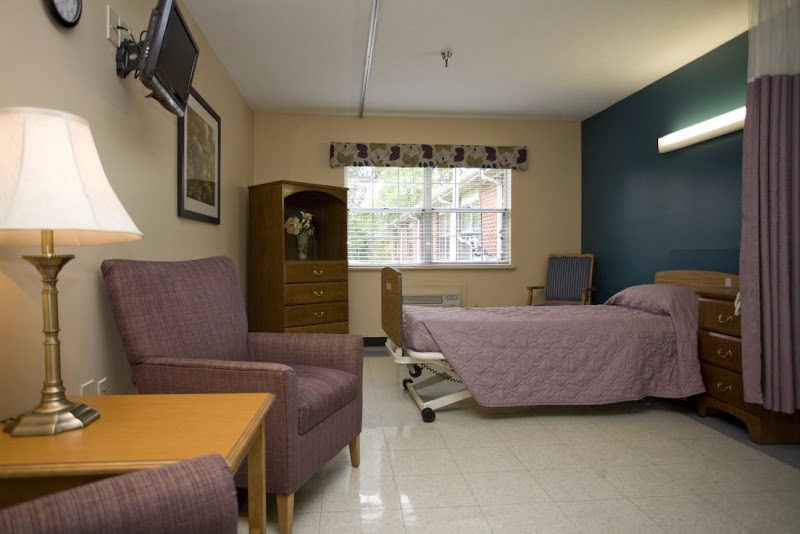
How is Wedgewood Healthcare Center Staffed?

CMS rates WEDGEWOOD HEALTHCARE CENTER's staffing level at 2 out of 5 stars, which is below average compared to other nursing homes. Staff turnover is 51%, compared to the Indiana average of 46%. RN turnover specifically is 69%, which is notably high. RNs provide skilled clinical oversight, so turnover in this role can affect medical care quality.

What Have Inspectors Found at Wedgewood Healthcare Center?

State health inspectors documented 48 deficiencies at WEDGEWOOD HEALTHCARE CENTER during 2022 to 2024. These included: 1 Immediate Jeopardy (the most serious level, indicating potential for serious harm or death), 1 that caused actual resident harm, and 46 with potential for harm. Immediate Jeopardy findings are rare and represent the most serious regulatory concerns. They require immediate corrective action.
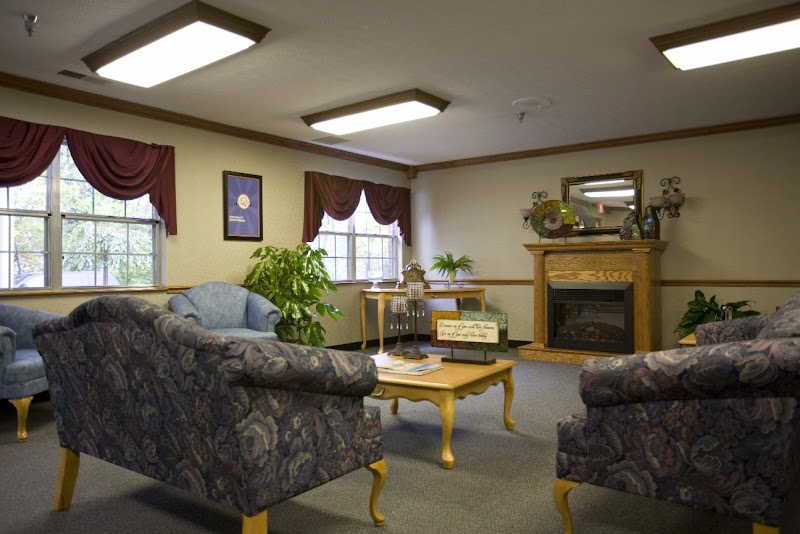
Who Owns and Operates Wedgewood Healthcare Center?

WEDGEWOOD HEALTHCARE CENTER is owned by a non-profit organization. Non-profit facilities reinvest revenue into operations rather than distributing to shareholders. The facility is operated by COMMUNICARE HEALTH, a chain that manages multiple nursing homes. With 124 certified beds and approximately 97 residents (about 78% occupancy), it is a mid-sized facility located in CLARKSVILLE, Indiana.
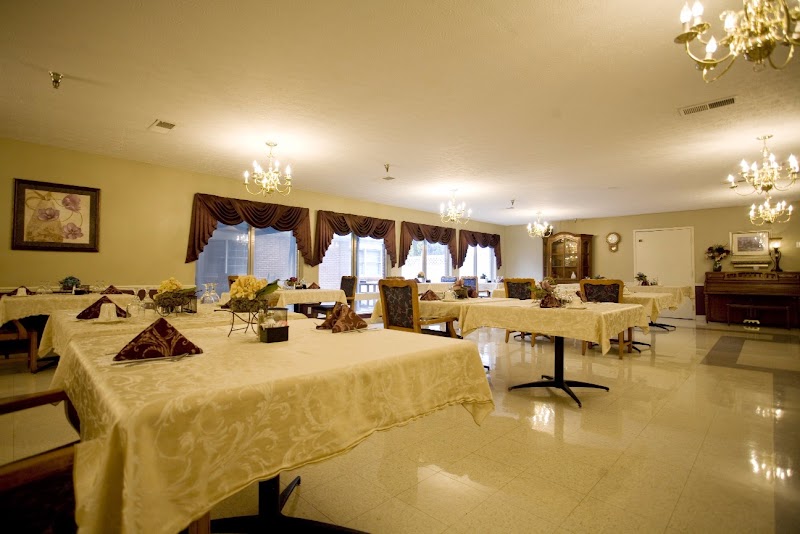
How Does Wedgewood Healthcare Center Compare to Other Indiana Nursing Homes?

Compared to the 100 nursing homes in Indiana, WEDGEWOOD HEALTHCARE CENTER's overall rating (2 stars) is below the state average of 3.1, staff turnover (51%) is near the state average of 46%, and health inspection rating (2 stars) is below the national benchmark.

What Should Families Ask When Visiting Wedgewood Healthcare Center?

Based on this facility's data, families visiting should ask: "What changes have been made since the serious inspection findings, and how are you preventing similar issues?" "Can you walk me through typical staffing levels on day, evening, and night shifts?" "Can I visit during a mealtime to observe dining assistance and food quality?" "How do you handle medical emergencies, and what is your hospital transfer rate?" These questions are particularly relevant given the facility's Immediate Jeopardy citations and the below-average staffing rating.

Is Wedgewood Healthcare Center Safe?

Based on CMS inspection data, WEDGEWOOD HEALTHCARE CENTER has documented safety concerns. Inspectors have issued 1 Immediate Jeopardy citation (the most serious violation level indicating risk of serious injury or death). The facility has a 2-star overall rating and ranks #100 of 100 nursing homes in Indiana. Families considering this facility should ask detailed questions about what corrective actions have been taken since these incidents.

Do Nurses at Wedgewood Healthcare Center Stick Around?

WEDGEWOOD HEALTHCARE CENTER has a staff turnover rate of 51%, which is about average for Indiana nursing homes (state average: 46%). Moderate turnover is common in nursing homes, but families should still ask about staff tenure and how the facility maintains care continuity when employees leave.

Was Wedgewood Healthcare Center Ever Fined?

WEDGEWOOD HEALTHCARE CENTER has been fined $63,440 across 1 penalty action. This is above the Indiana average of $33,713. Fines in this range indicate compliance issues significant enough for CMS to impose meaningful financial consequences. Common causes include delayed correction of deficiencies, repeat violations, or care failures affecting resident safety. Families should ask facility leadership what changes have been made since these penalties.

Is Wedgewood Healthcare Center on Any Federal Watch List?

WEDGEWOOD HEALTHCARE CENTER is not on any federal watch list. The most significant is the Special Focus Facility (SFF) program, which identifies the bottom 1% of nursing homes nationally based on persistent, serious quality problems. Not being on this list means the facility has avoided the pattern of deficiencies that triggers enhanced federal oversight. This is a positive indicator, though families should still review the facility's inspection history directly.