WATERS OF COLUMBIA CITY SKILLED NURSING FACILITY
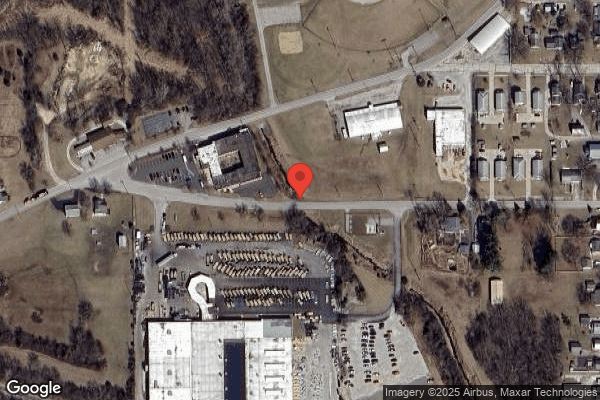
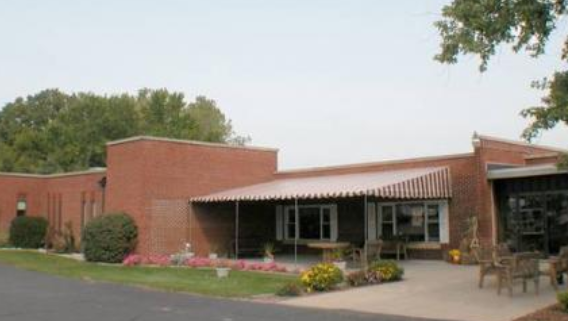
640 W ELLSWORTH ST, COLUMBIA CITY, IN 46725 (260) 248-8101
For profit - Limited Liability company 84 Beds INFINITY HEALTHCARE CONSULTING Data: November 2025 2 Immediate Jeopardy citations
Trust Grade
36/100
#304 of 505 in IN
Last Inspection: October 2024

Within standard 12-15 month inspection cycle. Federal law requires annual inspections.

Overview

Waters of Columbia City Skilled Nursing Facility has received a Trust Grade of F, indicating significant concerns about its care quality. It ranks #304 out of 505 nursing homes in Indiana, placing it in the bottom half of facilities in the state, and is the second out of two options in Whitley County, meaning there is only one facility locally that is rated higher. The facility's condition is worsening, with the number of issues increasing from 5 in 2023 to 7 in 2024. Staffing is a relative strength with a 3/5 star rating and only 40% turnover, which is below the state average, although the facility faces concerning fines totaling $59,961, higher than 97% of Indiana facilities. Critical incidents include a resident's death due to a medication error where an opioid was administered incorrectly without proper monitoring, and concerns about food safety, as leftovers were not stored properly, which could pose a health risk to residents. Overall, while there are some strengths in staffing, the serious issues and poor trust grade raise significant red flags for potential residents and their families.

Trust Score
F
36/100
In Indiana
#304/505
Bottom 40%
Safety Record
High Risk
Review needed
Inspections
Getting Worse
5 → 7 violations
Staff Stability
○ Average
40% turnover. Near Indiana's 48% average. Typical for the industry.
Penalties
✓ Good
$59,961 in fines. Lower than most Indiana facilities. Relatively clean record.
Skilled Nurses
✓ Good
Each resident gets 61 minutes of Registered Nurse (RN) attention daily — more than 97% of Indiana nursing homes. RNs are the most trained staff who catch health problems before they become serious.
Violations
⚠ Watch
12 deficiencies on record. Higher than average. Multiple issues found across inspections.
★★★☆☆
3.0
Overall Rating
★★★☆☆
3.0
Staff Levels
★★★★★
5.0
Care Quality
★★☆☆☆
2.0
Inspection Score
Stable
2023: 5 issues
2024: 7 issues

The Good

  • 5-Star Quality Measures · Strong clinical quality outcomes
  • Full Sprinkler Coverage · Fire safety systems throughout facility
  • No fines on record
  • Staff turnover below average (40%)

    8 points below Indiana average of 48%

Facility shows strength in quality measures, fire safety.

The Bad

3-Star Overall Rating

Near Indiana average (3.1)

Meets federal standards, typical of most facilities

Staff Turnover: 40%

Near Indiana avg (46%)

Typical for the industry

Federal Fines: $59,961

Above median ($33,413)

Moderate penalties - review what triggered them

Chain: INFINITY HEALTHCARE CONSULTING

Part of a multi-facility chain

Ask about local staffing decisions and management

The Ugly 12 deficiencies on record

2 life-threatening
Oct 2024 5 deficiencies
CONCERN (D)

Potential for Harm - no one hurt, but risky conditions existed

ADL Care (Tag F0677)

Could have caused harm · This affected 1 resident

**NOTE- TERMS IN BRACKETS HAVE BEEN EDITED TO PROTECT CONFIDENTIALITY** Based on observation, interview and record review, the facility failed to ensure personal hygiene of fingernails was met for 1 o...

Read full inspector narrative →
**NOTE- TERMS IN BRACKETS HAVE BEEN EDITED TO PROTECT CONFIDENTIALITY** Based on observation, interview and record review, the facility failed to ensure personal hygiene of fingernails was met for 1 of 6 residents reviewed (Resident 22). Findings include: On 1017/24 at 2:40 PM, Resident 22's fingernails were observed to be long and uneven. A dark brown substance was observed under Resident 22's fingernails. In an interview on 10/17/24 at 2:53 PM, Resident 22 indicated they had a rash on their perianal area. Resident 22 indicated it was difficult for them to cleanse the area themself. Resident 22 indicated the staff had repeatedly failed to cleanse their perianal region adequately. Resident 22 indicated the staff had never offered to assist with them with trimming their fingernails. On 10/18/24 at 12:02 PM, Resident 22 was observed in the hallway ambulating with their walker. Resident 22's fingernails were long and uneven. There was a dark brown substance under Resident 22's fingernails. Resident 22's record was reviewed on 10/18/24 at 12:50 PM. Diagnoses included diabetes, heart failure, lung disease with dependence on oxygen and body mass index of 45-49 (morbid obesity). Resident 22's Quarterly Minimum Data Set (MDS), dated [DATE], indicated Resident 22's Brief Interview for Mental Status (BIMS) was 15 (no cognitive deficit). The MDS indicated Resident 22 required partial to moderate assistance with toileting hygiene. The MDS indicated Resident 22 required partial to moderate assistance with personal hygiene (washing and drying hands, shaving, combing hair). The MDS indicated Resident 22 was occasionally incontinent with bowel movements. The MDS indicated Resident 22 was frequently incontinent of urine. Resident 22's [NAME], (care plan summary for direct care staff) current as of 10/18/24, indicated staff was to refer to the most current Choices for Resident Care document to determine Resident 22's care preferences for their personal hygiene. The [NAME] indicated cleansing of the perianal region was to be provided after every incontinent episode. In an interview, on 10/18/24 at 12:22 PM, the Director of Nursing (DON) indicated resident choices were included in each resident's care plan. The DON indicated Resident 22 had a history of refusing care. Resident 22's Care Plan, dated 7/31/24, indicated Resident 22 required assistance with activities of daily living (ADLs). The target goal was for Resident 22 to have their ADL needs met by 11/26/24. Interventions included referring to the most current Choices for Resident Care document for resident preferences, following the resident's preferences as detailed on the resident's [NAME], and assisting the resident as needed to maintain cleanliness and dryness. Resident 22's Care Plan did not indicate the resident had refused ADL care. Resident 22's point of care task sheets, dated 9/1/24 through 10/20/24, did not indicate the resident had refused ADL care. In an interview, on 10/21/24 at 10:36 AM, the DON indicated nail care should be performed during routine ADL care. The DON indicated residents diagnosed with diabetes were to only have their nails trimmed by licensed nurses. The DON indicated the facility did not have a schedule for when nails were to be trimmed. The DON indicated the facility did not have a list available of which residents were to have nail care provided by the nurses. The DON indicated the facility did not document when nail care had been provided. A current facility policy, dated 3/21/23, provided by the DON on 10/21/24 at 10:36 AM, indicated the area under the fingernails was to be cleaned during morning care. The policy indicated fingernails were to be maintained at a safe and smooth length. A current facility policy, dated 3/27/23, provided by the DON on 10/21/24 at 10:36 AM, indicated only a licensed nurse was to trim fingernails of diabetic residents. The policy indicated nail care should be documented in the appropriate location. 3.1-38(a)(3)
CONCERN (D)

Potential for Harm - no one hurt, but risky conditions existed

Deficiency F0761 (Tag F0761)

Could have caused harm · This affected 1 resident

**NOTE- TERMS IN BRACKETS HAVE BEEN EDITED TO PROTECT CONFIDENTIALITY** Based on observation, interview, and record review the facility failed to ensure safe storage of treatment supplies for 1 of 27 ...

Read full inspector narrative →
**NOTE- TERMS IN BRACKETS HAVE BEEN EDITED TO PROTECT CONFIDENTIALITY** Based on observation, interview, and record review the facility failed to ensure safe storage of treatment supplies for 1 of 27 residents reviewed (Resident 11). Findings include: During an observation, on 10/16/24 at 10:57 AM, a bottle of wound cleanser, a tube of medi-honey (medical grade honey used for skin ulcer treatment), nystatin powder (medicated powder for treatment of fungal infections of the skin, Calmoseptine cream (a medicated skin protectant cream) and an open bag of cough drops. During an interview, on 10/16/24 at 10:58 AM, Resident 11 indicated these items were normally kept in the room to make it easier for the staff, so they didn't have to go to the desk to get them. During an observation, on 10/16/24 at 11:12 AM, treatment supplies were observed on top of a table in the bathroom about 2 feet from the toilet including nystatin powder, medi-honey and Preparation H cream. During an interview, on 10/16/24 at 11:14 AM, Qualified Medicine Aide (QMA) 2 indicated should not be stored in the bathroom. QMA 2 indicated she removed the items from the bedside table and placed them in the bathroom because she saw them in the resident's room and knew they should not be there. She indicated the items should be in the treatment cart, but she did not have the keys to lock them up. Resident 11's record was reviewed on 10/16/24 at 1:49 PM. Diagnoses included acute kidney failure with medullary necrosis, unspecified dementia, pressure ulcer of the sacral region, unstageable. Resident 11's current quarterly Minimum Data Set (MDS), dated [DATE], indicated his Basic Interview for Mental Status (BIMS) score was 13 (cognitively intact). Physician orders, dated 10/11/24 at 9:45 AM, indicated Nystatin powder should be applied to Resident 11's groin every eight hours as needed for excoriation. Physician orders, dated 10/8/24 at 6:00 AM, indicated medical grade honey should be applied to Resident 11's ulcer on his buttocks every shift. Physician orders, dated 7/22/24 at 2:00 PM, indicated Preparation H External Cream, 5-14.4% should be applied to Resident 11's rectum every four hours as needed for itching or burning. Physician orders, dated 7/19/24 at 12:15 PM, indicated triad cream should be applied to Resident 11's buttocks daily and as needed after incontinent episodes. In an interview, on 10/16/24 at 2:06 PM, the Administrator indicated treatment supplies should be kept locked in the treatment cart for sanitary and security reasons. A current policy, undated, provided by the Regional Nurse Consultant on 10/16/24 at 2:14 PM, indicated medications should be stored safely and securely, only accessible to nursing personnel, pharmacy personnel or staff members lawfully authorized to administer medications. The policy indicated medications for skin irritations and wound applications should be kept in a treatment cart or in a separate labelled drawer of the medication cart. 3.1-25(m)
CONCERN (E)

Potential for Harm - no one hurt, but risky conditions existed

Safe Environment (Tag F0584)

Could have caused harm · This affected multiple residents

**NOTE- TERMS IN BRACKETS HAVE BEEN EDITED TO PROTECT CONFIDENTIALITY** Based on observation, interview, and record review the facility failed to ensure safe and comfortable temperatures between 71 an...

Read full inspector narrative →
**NOTE- TERMS IN BRACKETS HAVE BEEN EDITED TO PROTECT CONFIDENTIALITY** Based on observation, interview, and record review the facility failed to ensure safe and comfortable temperatures between 71 and 81 degrees were maintained in resident areas for 4 of 27 residents reviewed (Resident 4, Resident 11, Resident 14 and Resident 128). Findings include: During an observationon, on 10/16/24 at 9:08 AM, the ambietn temperature of the building felt cold. During an interview, on 10/16/24 at 9:10 AM, the Administrator indicated she understood the building was cold and a Heating Ventilation and Air Conditioning (HVAC) technician was scheduled to come to the facility the following day to activate the boiler heating system. During an interview on 10/16/24 at 11:40 AM, Resident 4 indicated they were very cold. She was able to answer questions appropriately. 1) During an observation, on 10/16/24 at 11:42 AM, Resident 4 was observed transferring from a wheelchair to a recliner. Resident 4 sat in the wheelchair and covered up with a blanket. Resident 4 had been rubbing their hands together. At 11:48 AM, a thermometer was placed in Resident 4's room. At 1:07 PM the thermometer, placed at 11:48 AM, read 61 degrees. Resident 4's Quarterly Minimum Data Set (MDS) dated [DATE], indicated Resident 4's Brief Interview for Mental Status (BIMS) was 12 (mild cognitive impairment). The MDS indicated Resident 4 required supervision or touching assistance for chair to chair transfers. 2) During an observation, on 10/16/24 at 10:55 AM, Resident 11 was sitting in a recliner pulling a blanket over his shoulders. During an interview, on 10/16/24 at 10:58 AM, Resident 11 indicated it was too cold in his room. Resident 11's record was reviewed on 10/16/24 at 1:49 PM. Diagnoses included acute kidney failure with medullary necrosis, unspecified dementia, pressure ulcer of the sacral region, unstageable. Resident 11's current quarterly Minimum Data Set (MDS) dated [DATE] indicated his Basic Interview for Mental Status (BIMS) score was 13 (cognitively intact). 3) During an observation, on 10/16/24 at 10:11 AM, Resident 14 was observed lying in bed under several blankets. During an interview, on 10/16/24 at 10:13 AM, Resident 14 indicated she felt like she was freezing, and the room had been very cold for several days. She indicated she did not know what the problem was, and staff was unable to make the room any warmer. Resident 14's record was reviewed on 10/18/24 at 12:45 PM. Diagnoses included hemiplegia, unspecified, affecting right dominant side, type 2 diabetes mellitus, and long- term current use of insulin. Resident 14's current quarterly, MDS dated [DATE], indicated her BIMS score was 15 (cognitively intact). 4) During an observation, on 10/16/24 at 1:31 PM, Resident 128 was observed lying in bed covered in blankets wearing gloves. During an interview, on 10/16/24 at 1:31 PM, Resident 128 indicated her room had been terribly cold for days. She indicated when she was in her room, she had to be bundled in bed to try to stay warm. She indicated she had asked staff if they should adjust the heat, and they indicated they were waiting to have the heat turned on. Resident 128's record was reviewed on 10/18/24 at 11:24 AM. Diagnoses included cerebral infarction, emphysema and hydronephrosis with urethral stricture. A current Minimum Data Set (MDS) was not available for review due to Resident 128's recent admission to the facility. A Document titled Brief Interview for Mental Status (BIMS) dated 10/17/24, provided by the Director of Nursing on 10/18/24 at 12:48 PM indicated Resident 128 had a BIMS score of 15 (cognitively intact). In an interview on 10/16/24 at 1:34 PM, the Administrator indicated the temperature in the building should be 71- 81 degrees. She indicated Maintenance 3 had called the HVAC company on Monday, 10/7/24 and they were booked solid until 10/17/24 and could not come out any sooner. She indicated her corporate office called the HVAC company and they were coming out that day to activate the boiler. She indicated she activated her shelter in place plan today and was providing residents with extra blankets until the building reached the desired temperature range after activation. During an interview on 10/17/24 at 8:52 AM, Maintenance 3 indicated he turned off the chiller (air conditioning cooling system) and turned on the rooftop heating units that serviced the building hallways on 10/7/24. He indicated the facility boiler was used to provide heat to the individual resident rooms. He indicated he placed a call to a heating and air conditioning company and requested a service technician come to the building to activate the boiler heating system on Friday, 10/11/24. He indicated a service tech from the company was scheduled to come to the facility on [DATE]. He indicated his corporate supervisor called the company on 10/16/24 and they sent someone out that same day. He indicated it was difficult to determine when to activate the boiler system because the temperatures vary this time of year. He indicated the temperature should be around 70 to 74 degrees, but it would tend to get a little colder at night. He indicated he was aware that he had readings under 70 degrees over the last few weeks, but he hesitated to notify the heating and air company until daytime temperatures were cooler. He indicated there were probably protocols in the emergency preparedness book to provide guidance on what to do if the rooms became too cold. A document titled Building Temperature Log Daily Check provided by the Administrator on 10/16/24 at 3:00 PM indicated the following temperatures were logged: 9/30/24: Front Lobby first shift, 10:00 AM: 68 degrees. 9/30/24: Front Lobby second shift (no time specified) 68 degrees. 10/1/24: Hillcrest Unit (Hall where residents reside), first shift, 10:15 AM, 68 degrees. 10/1/24: Hillcrest Unit (Hall where residents reside), second shift, no time specified, 68 degrees. 10/2/24: [NAME] Court (Hall where residents reside), first shift, 9:45 AM, 70 degrees. 10/2/24: [NAME] Court (Hall where residents reside), second shift, no time specified, 71 degrees. 10/3/24: Dining Room, first shift, 11:00 AM, 69 degrees. 10/3/24: Dining Room, second shift, no time specified, 69 degrees. 10/4/24: Kitchen, first shift, 9:15 AM, 62 degrees. 10/4/24: Kitchen, second shift, no time specified, 64 degrees. 10/7/24: Dining Room, first shift, no time specified, 70 degrees. 10/7/24: Dining Room, second shift, no time specified, 70 degrees. 10/8/24: Kitchen, first shift, no time specified, 63 degrees. 10/8/24: Kitchen, first shift, no time specified, 65 degrees. 10/9/24: [NAME] Court (Hall where residents reside), first shift, no time specified, 70 degrees. 10/9/24: [NAME] Court (Hall where residents reside), second shift, no time specified, 69 degrees. 10/10/24: Hillcrest Unit (Hall where residents reside), first shift, no time specified, 70 degrees. 10/10/24: Hillcrest Unit (Hall where residents reside), second shift, no time specified, 68 degrees. 10/11/24: Front Lobby: first shift, no time specified, 70 degrees. 10/11/24: Front Lobby: second shift, no time specified, 69 degrees. 10/14/24: Front Lobby: 69 degrees 10/14/24: Dining room: 70 degrees 10/14/24: Hillcrest 69 degrees 10/15/24: [NAME] Court 9 AM 70 degrees 10/15/24: Kitchen 65 dgrees There were no temperatures available on the temperature logs for the following days: There were no temperatures taken in individual rooms between 9/30/24 and 10/16/24. During an interview on 10/17/24 at 10/18 AM, temperature logs were reviewed with Maintenance 3. He indicated he would not turn boilers on when daytime temperatures were still warm outside. He indicated he used outside temperatures to determine when to turn the boilers on. He indicated the building was old and made of brick, so it was not capable of holding temperatures. He indicated he did not notify anyone of temperatures below 71 degrees because he did not need to. Maintenance 3 indicated the only temperature monitoring completed was in the common areas of the building and no monitoring had been completed in residnet rooms. A current policy, undated, titled Building Temperature Log provided by the Administrator on 10/16/24 at 3:00 PM indicated building temperatures should be checked during each shift and recorded on the building temperature log. The policy indicated any deviations from the state regulations must be reported to the facility Administrator, the facility Environmental Supervisor and the [NAME] President of Property Management. The policy indicated when building temperatures go outside of 71-81 degrees Fahrenheit, evacuations of the affected areas must be followed. A current policy, undated, excerpt from the emergency preparedness manual, provided by Maintenance 3 on 10/17/24 at 10:23 AM indicated ambient air temperatures should be documented in various locations throughout the building to determine when and if evacuation should be necessary, such as dining areas, lounges and a sampling of resident rooms. The policy indicated if temperatures are not maintained between 71 and 81 degrees, the [NAME] President of Property Management should be notified, and the Maintenance Director should arrange for technical service from an HVAC provider. 3.1-19 (h)(i)(j)
CONCERN (E)

Potential for Harm - no one hurt, but risky conditions existed

Infection Control (Tag F0880)

Could have caused harm · This affected multiple residents

**NOTE- TERMS IN BRACKETS HAVE BEEN EDITED TO PROTECT CONFIDENTIALITY** Based on observation, interview, and record review the facility failed to ensure hand hygiene was correctly performed and blood ...

Read full inspector narrative →
**NOTE- TERMS IN BRACKETS HAVE BEEN EDITED TO PROTECT CONFIDENTIALITY** Based on observation, interview, and record review the facility failed to ensure hand hygiene was correctly performed and blood glucose monitors were properly cleaned during care for 4 of 8 residents reviewed (Resident 11, Resident 13, Resident 14, and Resident 128). Findings include: 1) During a medication pass observation, beginning 10/18/24 at 8:44 AM, Licensed Practical Nurse (LPN) 6 prepared medications for Resident 128, handed her the cup of medications and water and received the items back from the resident when she was finished. LPN 6 then washed her hands, scrubbing them for 9 seconds. Resident 128's record was reviewed on 10/18/24 at 11:24 AM. Diagnoses included cerebral infarction, emphysema and hydronephrosis with urethral stricture. A current Minimum Data Set (MDS) was not available for review due to Resident 128's recent admission to the facility. A Document titled Brief Interview for Mental Status (BIMS) dated 10/17/24, provided by the Director of Nursing on 10/18/24 at 12:48 PM indicated Resident 128 had a BIMS score of 15 (cognitively intact). 2) During a medication pass observation, beginning 10/18/24 at 8:44 AM, LPN 6 prepared medications for Resident 13, floated the medications in applesauce and delivered them to Resident 13. Resident 13 handed LPN 6 the cup after she consumed the medicine. LPN 6 washed her hands, scrubbing for 13 seconds. Resident 13's record was reviewed on 10/18/24 at 12:16 PM. Diagnoses included hereditary and idiopathic neuropathy, type 2 diabetes, and dementia. Resident 13's current quarterly Minimum Data Set (MDS) dated [DATE] indicated her Brief Interview for Mental Status (BIMS) score was 6 (cognitively impaired). 3) During a medication pass observation, beginning 10/18/24 at 8:44 AM, LPN 6 removed a glucometer from the top drawer of the medicine cart and performed a blood glucose check by obtaining a pin prick blood sample for Resident 14. LPN 6 did not perform hand hygiene or a glove change after obtaining the blood glucose results. LPN 6 obtained a cloth disinfectant wipe from the cart and wiped the machine for about 3 seconds, placed the machine in a plastic container and put the container in the medicine cart. LPN 6 prepared a cup of pills for Resident 14 with no additional hand hygiene performed. LPN 6 washed her hands, scrubbing for 11 seconds after administering the medications to Resident 14. Resident 14's record was reviewed on 10/18/24 at 12:45 PM. Diagnoses included hemiplegia, unspecified, affecting right dominant side, type 2 diabetes mellitus, and long- term current use of insulin. Resident 14's current quarterly, MDS dated [DATE], indicated her BIMS score was 15 (cognitively intact). During an observation, on 10/18/24 at 11:26 AM, LPN 6 had a blood glucose meter in her hand as she stepped out of a resident's room, placed it in a plastic container, and placed the container in the medicine cart. During an interview, on 10/18/24 at 11:28 AM, LPN 6 indicated blood glucose meters should be cleaned after each use. She indicated she did not clean the meter that was in her hand because she would normally collect all of her blood glucose meters and disinfect them after lunch when she had more time. She indicated the meters should be wiped with a disinfectant towelette and should stay wet for a minute. She indicated she did not do this during the morning observation or during the current observation due to concerns with time constraints. She indicated the staff had used egg timers in the past and wrapped the device in a towelette, but she was unclear on current company policies. LPN 6 also indicated hands should be washed with thorough scrubbing addressing all hand surfaces for at least 20 seconds and hand hygiene should occur after each resident contact or contact with contaminated items. She indicated she might not have scrubbed her hands for a long enough period due to nervousness. During an interview, on 10/18/24 11:48 AM, the DON indicated she was not sure how a glucometer should be cleaned and would provide a policy. A current policy titled Policy and Procedure Cleaning/Disinfecting/Maintaining Glucose Meters, undated, provided by the DON on 10/18/24 at 10:57 AM indicated staff should wipe the entire surface of a blood glucose meter 3 times horizontally and 3 times vertically using one disinfecting towelette to clean blood and body fluids and dispose of the towelette. Staff should then wipe the entire surface of the meter 3 times horizontally and 3 times vertically and the meter should be maintained wet for a duration recommended by the towelette manufacturer. During an interview, on 10/18/24 at 11:49 AM, the DON indicated the staff should go by the blood glucose meter cleaning competency form instead of the policy presented. A document titled Blood Glucose Meter Cleaning Competency, undated, provided by the DON on 10/18/24 at 11:49 AM indicated using a disinfecting wipe, staff should wipe the meter on the front, back and sides and let the meter dry by manufacturer's instructions. A document titled Microdot Minute Wipe, dated 12/23/15, provided by the DON on 11/18/24 at 11:58 AM, indicated the treated surface must remain visibly wet for one minute to achieve complete disinfection of pathogens. During an interview, on 10/18/24 at 12:24 PM, the DON indicated blood glucose meters should be cleaned upon completion of the procedure. She indicated when the blood glucose meter was immediately put away, wetness over all surfaces of the meter for one minute could not be determined. 4) During a wound care observation, on 10/18/24 at 9:28 AM, Certified Nurse Aide (CNA) 4, the Director of Nursing (DON), and Nurse Practitioner (NP) 5 donned gowns and gloves before entering Resident 11's room. The DON, NP, and CNA 4 used a mechanical sling lift to transfer Resident 11 to bed for his dressing change. After the transfer the DON removed her gloves and gown, washed her hands for 11 seconds and left the room. CNA 4 removed her gloves and gown, washed her hands for 14 seconds and left the room. NP 5 removed her gloves, rinsed her hands in the sink for 2 seconds and applied new gloves. The DON returned to the room, applied a gown and gloves and assisted Resident 11 to turn on his side. NP 5 released the closure on Resident 11's brief, sprayed wound cleanser on a gauze sponge and cleansed the wound. NP 5 went into the restroom, removed her gloves and rinsed her hands for about 2 seconds, dried them and applied clean gloves. NP 5 obtained measurements of the wound and palpated the surrounding tissue during her assessment. No hand hygiene was performed. She opened a box of medical grade honey, poured a marble sized amount of product onto her hand and applied it to the wound. After the treatment application, she closed Resident 11's incontinent brief and assisted the DON in repositioning the resident into a sitting position. Using the gloved hand she had used to apply the medi-honey, NP 5 handed Resident 11 a glass of apple juice to drink. NP 5 then went to the bathroom, removed her gloves and washed her hands for 9 seconds. The DON removed her gloves and washed her hands for 14 seconds. Resident 11's record was reviewed on 10/16/24 at 1:49 PM. Diagnoses included acute kidney failure with medullary necrosis, unspecified dementia, pressure ulcer of the sacral region, unstageable. Resident 11's current quarterly Minimum Data Set (MDS) dated [DATE] indicated his Basic Interview for Mental Status (BIMS) score was 13 (cognitively intact). In an interview, on 10/18/24 at 12:30 PM, the DON indicated handwashing should include at least 20 seconds of scrubbing to all surfaces of the hands. She indicated during wound care hand hygiene and clean glove application should be performed before wound treatment removal, before cleansing, after assessments requiring touching the wound, and after treatment was applied. She indicated she observed NP 5 handing Resident 11 a glass of apple juice while wearing dirty gloves. She indicated NP 5 should have removed her dirty gloves and performed hand hygiene prior to touching Resident 11's glass. A current policy titled Hand Hygiene Guidelines, undated, provided by the DON on 10/18/24 at 12:28 PM, indicated staff should wet hands with warm water, apply a generous amount of soap to hands and rub hands vigorously for at least 20 seconds during handwashing. A current policy titled Guidelines/Policy/Procedure Non-Sterile Dressings, dated 5/23/23, provided by the DON on 10/18/24 at 12:28 PM, indicated hand hygiene should occur after removing the previous treatment, after cleaning the area, and after applying the new treatment. 3.1-18(l)
CONCERN (F)

Potential for Harm - no one hurt, but risky conditions existed

Food Safety (Tag F0812)

Could have caused harm · This affected most or all residents

Based on observation, interview and record review, the facility failed to ensure safe and sanitary food storage practices for facility prepared leftovers. Food prepared in the facility kitchen was con...

Read full inspector narrative →
Based on observation, interview and record review, the facility failed to ensure safe and sanitary food storage practices for facility prepared leftovers. Food prepared in the facility kitchen was consumed by 27 of 27 residents who lived in the facility. Findings include: On 10/16/24 at 9:05 AM, a tour of the kitchen was guided by the [NAME] 7. Five plastic containers were observed on the counter next to the sink. The dates on the containers ranged from 10/9/24 through 10/12/24. During an interview, on10/16/24 at 9:07 AM, [NAME] 7 indicated the containers held leftovers that were going to be thrown away. [NAME] 7 indicated they were unaware of how long leftovers should be kept, but thought leftovers should be thrown away after about 1 week. On 10/18/24 at 11:35 AM, a tour of the kitchen was guided by the Certified Dietary Manager in training (CDM 8). A pan covered with clear plastic wrap containing approximately 3 servings of meatloaf was observed in a walk-in cooler. The pan of meatloaf was dated 10/13/24. A half full, 1-gallon sized plastic container, labeled as meat sauce, was observed in a walk-in cooler. The meat sauce label did not include a date. A pan covered with clear plastic wrap containing approximately 1 serving of meatloaf was observed in a walk-in cooler. The pan of meatloaf did not include a date. During an interview, on 10/18/24 at 11:35 AM, CDM 8 indicated leftovers should be thrown away after 5 days. CDM 8 indicated there should have been dates on the meat sauce and the meatloaf. A current facility policy, dated 1/1/17, indicated all food should be labeled with the date the item was opened and the date the item expired. The policy indicated all food prepared at the facility would be discarded after 72 hours. 3.1-21(i)(1) and (3)
Feb 2024 2 deficiencies 2 IJ
CRITICAL (J) 📢 Someone Reported This

A family member, employee, or ombudsman was alarmed enough to file a formal complaint

Immediate Jeopardy (IJ) - the most serious Medicare violation

Quality of Care (Tag F0684)

Someone could have died · This affected 1 resident

**NOTE- TERMS IN BRACKETS HAVE BEEN EDITED TO PROTECT CONFIDENTIALITY** Based on interview and record review, the facility failed to ensure respiratory status was effectively assessed after a medicati...

Read full inspector narrative →
**NOTE- TERMS IN BRACKETS HAVE BEEN EDITED TO PROTECT CONFIDENTIALITY** Based on interview and record review, the facility failed to ensure respiratory status was effectively assessed after a medication error for 1 of 3 residents reviewed for change of condition. See F760 for additional information regarding Resident Q. This deficient practice resulted in a change in the resident's condition and subsequent death (Resident Q). The Immediate Jeopardy began on 2/16/24 when Resident Q was administered MS Contin 30 mg (extended-release morphine tablet) (an opioid pain medication) that was not prescribed for her. The facility failed to adequately assess and monitor the resident for respiratory depression after identifying the medication error. This resulted in a change of condition and death of the resident. The Administrator, Director of Nursing and Regional Nurse Consultant were notified of the Immediate Jeopardy on February 21, 2024 at 12:48 P.M. The Immediate Jeopardy was removed on February 22, 2024. Findings include: A complaint reported to the Indiana Department of Health dated 2/19/24 indicated, on 2/16/24 at 8:00 a.m., a facility nurse had accidentally administered another resident's MS Contin (long-acting morphine) 30 mg. The report indicated the facility notified the family on 2/16/24 at 10:00 a.m., of the medication error and told the family that staff would monitor the resident's condition. The report indicated the facility notified the family, on 2/16/24 at 5:30 p.m., that the resident was not breathing and was later pronounced dead. On 2/20/24 at 2:54 P.M., Resident Q's family member was interviewed. The family member indicated they were notified of the medication error at 10:00 a.m. on 2/16/24. They were told staff would monitor the resident for 72 hours and notify them and the doctor of any changes in her condition. The family hadn't heard back from the facility until 5:30 p.m. when they were notified the resident had stopped breathing and attempts were being made to resuscitate her. The family member indicated they hadn't been told what medication had been given in error in the morning, and had they known, the family member would have insisted the resident be sent to the hospital immediately. The family member indicated upon their arrival to the facility, the EMS and Sheriff's department continued resuscitative efforts, but hadn't been told the resident had been given MS Contin in error. After being informed Resident Q had received MS Contin in error, paramedics administered Narcan however, the family member alleged it was too late and the resident died. On 2/20/24 at 11:15 A.M., Resident Q's clinical record was reviewed. Diagnoses included chronic obstructive pulmonary disease (COPD) with dependence on supplemental oxygen, chronic respiratory failure with hypoxia (low levels of oxygen in the body), type 2 diabetes with diabetic neuropathy (nerve damage with symptoms of pain and numbness in the legs), and chronic pain syndrome. Resident Q was admitted to the facility for rehabilitation following hospitalization for sepsis due to urinary tract infection. Her goal was to discharge back home following therapy. A Physician Order Summary Report, dated 1/25/24 through 2/18/24, indicated Resident Q was not prescribed MS Contin or other opioid pain medications. She was prescribed Gabapentin (an anticonvulsant CNS depressant medication) for pain related to diabetic neuropathy, which had been increased on 2/12/24, from 200 mg to 300 mg (milligrams) by mouth 3 times per day. Side effects of Gabapentin included sedation and respiratory depression. According to FDA.gov, on 12/19/2019, The U.S. Food and Drug Administration (FDA) is warning that serious breathing difficulties may occur in patients using gabapentin who have respiratory risk factors. These include the use of opioid pain medicines and other drugs that depress the central nervous system, and conditions such as chronic obstructive pulmonary disease (COPD) that reduce lung function. The elderly are also at higher risk. The website www.myamericanurse.com on 2/21/24 indicated: Opioid naïve patients are those not chronically receiving opioid analgesics on a daily basis .these patients are at higher risk for oversedation and aspiration, especially if they receive opioids in inappropriate dosages .Risk factors for oversedation and respiratory depression include: lack of recent opioid use, pulmonary disorders, older than age [AGE], and use of other central nervous depressants. Monitoring patients receiving opioids: Routine monitoring of vital signs may fail to detect early signs of respiratory depression. Many nurses focus on pulse oximetry, blood pressure, and respiratory rate when assessing a patient for opioid-related oversedation and respiratory depression. Pulse oximetry also may not provide accurate information, especially in a patient receiving oxygen .In opioid-naïve patients, respiratory rate is a poor predictor of respiratory depression; it may be normal despite significant hypoventilation .The most commonly monitored parameters of respiratory function are respiratory rate and oxygen saturation yet significant hypercapnia (high levels of carbon dioxide in the blood) may arise before oxygen desaturation occurs. Patients may fall asleep and slip into respiratory depression .Signs of hypercapnia include flushed skin, fast breathing, difficulty breathing, headache, confusion, and sleepiness .Respiratory depression can occur even when the patient can be aroused and speak with and answer questions yet may be over sedated so if the patient appears to be sleeping or resting comfortably, be sure to check arousability. Patients who are sedated from opioids may experience nausea and vomiting after eating and then suffer aspiration. To prevent this, don't give patients solid foods until they can tolerate clear liquids and nausea and vomiting have subsided Nursing Notes, completed on the night shift, dated 2/14/24, indicated Resident Q was on continuous oxygen at 2 liters per nasal cannula, had shortness of breath and orthopnea (shortness of breath while laying down). Lung assessments indicated her lungs were clear, but breath sounds were diminished in both bases. The note indicated Resident Q denied increased shortness of breath, but did not include documentation to show the staff effectively monitored the resident for breathing. Nursing Notes, completed on the night shift, dated 2/15/24, indicated Resident Q was on continuous oxygen at 2 liters per nasal cannula, had shortness of breath and orthopnea (shortness of breath while laying down). Lung assessments indicated her lungs were clear, but breath sounds were diminished in both bases. The note indicated Resident Q denied increased shortness of breath, but did not include documentation to show the staff effectively monitored the resident for breathing abnormality. Nursing Notes, completed on the night shift, dated 2/16/24, indicated Resident Q was on continuous oxygen at 2 liters per nasal cannula, had shortness of breath and orthopnea (shortness of breath while laying down). Lung assessments indicated her lungs were clear, but breath sounds were diminished in both bases. The note indicated Resident Q denied increased shortness of breath, but did not include documentation to show the staff effectively monitored the resident for breathing abnormality. An SBAR (Situation, Background, Assessment/Appearance, and Review/Notify), Communication Form, dated 2/16/24 at 8:00 a.m., indicated the resident's Nurse Practitioner (NP) was notified Resident Q had been given an unprescribed MS Contin tablet. The form indicated the facility reported to the NP that Resident Q exhibited no signs or symptoms of adverse reaction to the opioid medication. The NP recommended for the nursing staff to monitor the resident's mental status and/or vital signs and report any changes. Nurse progress notes, dated 2/16/24 between 8:00 a.m. and 9:29 a.m. did not include documentation to show the resident was effectively monitored for adverse signs and symptoms of MS Contin administration or respiratory depression, the subsequent nurse progress notes indicated the following: -At 9:30 a.m., the resident was alert and oriented with no adverse effects from the medication erroneous administration of MS Contin. She continued on continuous oxygen at 2 liters per nasal cannula continuously, but was reminded to keep it in her nose because she frequently removed it. Resident Q was trying to bring up phlegm. Her lungs were clear with diminished breath sounds which were baseline findings for the resident. Her vital signs were P (pulse) 68, R (respirations) 16, and BP (blood pressure) 126/74. Neuro (neurological) checks were within normal limits and would continue to be monitored. The progress note did not include documentation to show the resident was assessed for signs of medication intoxication. -11:00 a.m., Follow Up for Med Error: Resident Q was sitting in her wheelchair, was alert and oriented, vital signs were P 68, R16, and BP 122/68. Neuro checks were within normal limits, and she had no signs of adverse reaction from the MS Contin administration. The note did not include documentation to show the resident was assessed for signs of medication intoxication. -12:06 p.m., continued follow up of medication error: Resident Q was alert and oriented. She sat in her wheelchair in her room eating lunch. Her vital signs were P 68, R 16, and BP 118/66. Neuro checks were within normal limits. When asked, the resident indicated she was feeling ok and the buzz had worn off. -1:53 p.m., Follow Up for Med Error: Resident Q was alert and oriented and able to make needs known to staff. She had no complaints related to the medication error, her vital signs were P 66, R 16, BP 110/66 and neuro checks remained within normal limits, but no oxygen saturation had been obtained. Resident Q was lying in bed and resting quietly. The clinical record did not include documentation to show the resident was effectively monitored for adverse signs and symptoms of MS Contin administration or for signs and symptoms of signs and symptoms of respiratory depression, on 2/16/24 between 1:53 p.m. and 5:20 p.m. -5:20 p.m., the NP was notified Resident Q was having abnormal breath sounds and audible gurgling sounds. The NP ordered to check the resident's oxygen saturation and if hypoxic (low blood oxygen), send the resident to the ER. -5:22 p.m., RN 8 went to check the Resident Q's oxygen saturation and observed the resident vomit orange tinted liquid. The resident became unresponsive with no pulse or respirations, CPR was initiated, and 911 called. The family was immediately notified of the resident's condition. No Oxygen saturation was obtained. On 2/20/24 at 11:45 A.M., Resident Q's roommate, identified as interviewable, indicated on Friday, 2/16/24 before lunch, her roommate began spitting up and making gagging noises about mid-morning. After lunch, the resident continued coughing, gagging, and gurgling. The roommate put on her call light, yelled out for staff to come in and check her roommate, but the staff did not respond. On 2/20/24 at 1:49 P.M., CNA 2 (Certified Nurse Aid) was interviewed. The CNA had cared for Resident Q during the day on 2/16/24. She was transferred to the bed and while lying in the bed, had some coughing and rattling noises. CNA 2 indicated Resident Q's arms were floppy, she couldn't lift her arms to help put her shirt on. This was a change for her. CNA 2 indicated Resident Q would inhale air, then when exhaled, she made gurgling noises and sounded like she was drowning. CNA 2 informed LPN 7 of the coughing and gurgling noises. CNA 2 indicated she was not sure LPN 7 assessed Resident Q after being informed of her condition, and she was not instructed to monitor the resident's condition. A written witness statement, dated 2/17/24 by CNA 3, indicated she had cared for Resident Q on 2/15/24 from 2-10 p.m. and hadn't noticed any change in condition. Resident Q had been her usual normal self. On 2/16/24, she cared for Resident Q from 6 a.m. to 2 p.m. CNA 3 observed Resident Q to be very sleepy with difficulty keeping her eyes open. Resident Q had been coughing and her breathing was rattly. This was new for the resident. CNA 3 indicated she did not notify the nurse of the change. CNA 3 was not instructed to monitor the resident during shift change. On 2/20/24 at 2:14 P.M., CNA 4, assigned to care for Resident Q on 2/16/24 from 2-6 p.m., indicated she was informed the resident had been given a medication she wasn't prescribed. At approximately 3:30 p.m., she overheard the resident's roommate calling out for help. She went into the room; the roommate was very upset. The roommate said the resident was gagging, coughing, and having a hard time breathing. CNA 4 observed Resident Q lying in bed with her head elevated. She was awake and coughing, gagging, and bringing up phlegm. The CNA elevated the head of Resident Q's bed until she was sitting straight up and left the room to get a basin. She returned to the room and placed the basin on her overbed table and then left the room. She indicated she couldn't remember telling the charge nurse about Resident Q's condition. On 2/20/24 at 3:07 P.M., LPN 7 (Licensed Practical Nurse) indicated on 2/16/24 at 8:00 a.m., she was passing medications and accidentally gave Resident Q another resident's dose of MS Contin 30 mg. LPN 7 told the resident she had been given a pill belonging to another resident and she would closely monitor her for any ill effects. LPN 7 indicated she monitored Resident Q's vital signs closely throughout the day and hadn't observed any changes in her condition. She indicated she had not monitored her oxygen saturation or for other signs of respiratory depression such as flushed skin, fast breathing, difficulty breathing, headache, confusion, and sleepiness. On 2/20/24 at 3:25 P.M., RN 8 indicated she took over for LPN 7 at 2:00 p.m. on 2/16/24. RN 8 indicated there was no documentation to review, because the resident had not been monitored on 2/16/24 between 2:00 p.m. and 4:55 p.m. She indicated there was an emergency with another resident, and she wasn't able to see Resident Q until 4:55 p.m. RN 8 was aware of the medication error involving Resident Q. When RN 8 went into the room she observed Resident Q lying in her bed with the head of the bed elevated and she was coughing. RN 8 went out to the medication cart to see if Resident Q had any medication for her cough but did not assess her breath sounds or oxygen saturation. RN 8 called the NP and informed her of Resident Q's coughing. When she went back into Resident Q's room to inform the resident what the NP ordered and observed Resident Q coughing with audible gurgles. RN 8 did not assess Resident Q's breath sounds or oxygen saturation. RN 8 called the NP again and told her of the gurgling respirations. The NP instructed RN 8 to check the resident's oxygen saturation level and if hypoxic (low blood oxygen), send the resident to the ER. RN 8 re-entered the room at 5:20 p.m. to obtain the resident's oxygen saturation level and observed the resident spitting up orange colored liquid. RN 8 indicated she was unable to obtain an Oxygen saturation, RN 8 called for assistance and got the crash cart (emergency resuscitation equipment). At 5:25 p.m., Resident Q's pulse and respirations ceased, CPR was started and 911 called. On 2/21/24 at 9:40 A.M., the Nurse Practitioner indicated LPN 7 texted her on 2/16/24 around 8:00 a.m. to inform her of a medication error. The text indicated Resident Q had been given MS Contin 30 mg by mouth. The resident had no allergies to the medication and the nurse was going to monitor the resident closely. She replied ok in answer, but wasn't notified of any change in Resident Q's condition throughout the day. The NP indicated she hadn't ordered specific monitoring instructions because she assumed the facility had policies and procedures in place for monitoring residents following a medication error. She expected the facility would have assessed Resident Q's vital signs, respirations, mental status changes, and oxygen saturations every hour for 24 hours. There was no documentation to indicate the NP had been made aware Resident Q was receiving gabapentin. On 2/21/24 at 11:00 A.M., the Rehabilitation Director indicated Resident Q had been receiving physical therapy services with her last treatment completed on 2/16/24 prior to lunch. She indicated Resident Q's treatment had been shortened that day due to the resident being more tired and nauseated after her morning medications. The Rehabilitation Director indicated she notified LPN 7. A current copy of an undated facility policy, titled Change in Resident's Condition or Status, was provided by the Administrator on 2/21/24 at 3:44 P.M., and stated: The nurse will notify the resident's attending physician when there is a significant change in the resident's physical, mental or psychological status .A significant change in condition is a decline or improvement in the resident's status that will not normally resolve itself without intervention by staff or by implementing standard disease related clinical interventions, impacts more than one area of the resident's health status .The nurse will record in the resident's medical record any changes in the resident's medical condition or status. In an interivew on 2/21/24 at 3:44 P.M., a facility policy regarding monitoring after a medication error was requested, but the Administrator indicated the facility did not have a policy. The Immediate Jeopardy that began on 2/16/24 was removed and the deficient practice corrected on 2/22/24 when the facility re-educated nursing staff on medication administration, opioid drug overdose, change in condition, and respiratory assessments but will remain at the lower scope and severity of no actual harm with potential for more than minimal harm that is not immediate jeopardy. This tag relates to Complaint IN00428695. 3.1-37
CRITICAL (J) 📢 Someone Reported This

A family member, employee, or ombudsman was alarmed enough to file a formal complaint

Immediate Jeopardy (IJ) - the most serious Medicare violation

Deficiency F0760 (Tag F0760)

Someone could have died · This affected 1 resident

**NOTE- TERMS IN BRACKETS HAVE BEEN EDITED TO PROTECT CONFIDENTIALITY** Based on interview and record review, the facility failed to ensure Resident Q did not receive an opioid medication that was ord...

Read full inspector narrative →
**NOTE- TERMS IN BRACKETS HAVE BEEN EDITED TO PROTECT CONFIDENTIALITY** Based on interview and record review, the facility failed to ensure Resident Q did not receive an opioid medication that was ordered for another resident and failed to ensure Resident Q was effectively monitored for signs and symptoms of adverse reaction for 1 of 3 residents reviewed for significant medication errors. This deficient practice resulted in Resident Q becoming unresponsive and the resident expired (Resident Q). The Immediate Jeopardy began on [DATE] when Resident Q was administered a MS Contin 30 mg (extended release morphine) (an opioid medication for pain) tablet not prescribed for her. The facility failed to adequately assess and monitor the resident's condition after identifying the medication error. This resulted in a change of condition and death of the resident. The Administrator, Director of Nursing and Regional Nurse Consultant were notified of the Immediate Jeopardy on February 21, 2024 at 12:48 P.M. The Immediate Jeopardy was removed on February 22, 2024. Findings include: A report to the Indiana Department of Health on [DATE] indicated Resident Q had accidentally been given another resident's MS Contin 30 mg tablet at 8:00 a.m The facility notified the family on [DATE] at 10:00 a.m. of the medication error and were told staff would monitor the resident's condition. On [DATE] at 5:30 p.m., the facility notified the family the resident was not breathing and pronounced dead. MS Contin manufacturers prescribing information, retrieved from the website www.accessdata.fda.gov indicated Warnings and Precautions which included: Serious, life-threatening, or fatal respiratory depression may occur in Patients with Chronic Pulmonary Disease or in Elderly, Cachectic, or Debilitated Patients: patients with significant chronic obstructive pulmonary disease or cor pulmonale, and those with a substantially decreased respiratory reserve, hypoxia, hypercapnia, or pre-existing respiratory depression are at increased risk of decreased respiratory drive including apnea, even at recommended dosages of MS CONTIN. Life-threatening respiratory depression is more likely to occur in elderly, cachectic, or debilitated patients as they may have altered pharmacokinetics or altered clearance compared to younger, healthier patients. Respiratory depression, if not immediately recognized and treated, may lead to respiratory arrest and death. Management of respiratory depression may include close observation, supportive measures, and use of opioid antagonists, depending on the patient's clinical status. Carbon dioxide (CO2) retention from opioid-induced respiratory depression can exacerbate the sedating effects of opioids. Monitor patients closely for respiratory depression, especially within the first 24-72 hours of initiating therapy .The starting dose for patients who are not opioid tolerant is MS CONTIN 15 mg orally every 12 hours. Use of higher starting doses in patients who are not opioid tolerant may cause fatal respiratory depression .MS CONTIN is an extended-release tablet containing morphine sulfate. Morphine is released from MS CONTIN somewhat more slowly than from immediate-release oral preparations On [DATE] at 11:15 A.M., Resident Q's record was reviewed. Diagnoses included chronic obstructive pulmonary disease (COPD) with dependence on supplemental oxygen, chronic respiratory failure with hypoxia (low levels of oxygen in the body), type 2 diabetes with diabetic neuropathy (nerve damage with symptoms of pain and numbness in the legs), and chronic pain syndrome. The resident was admitted to the facility for rehabilitation following hospitalization for sepsis due to urinary tract infection. Her goal was to be discharged back home following therapy. A current admission Minimum Data Set (MDS) assessment, dated [DATE], indicated Resident Q was moderately cognitively impaired and had physical limitations on one side. A care plan dated resident was at risk for respiratory distress due to COPD. No interventions were listed on the care plan. An admission assessment, dated [DATE], indicated Resident Q was alert and oriented, had clear lungs, and no shortness of breath or respiratory distress. A Physician Order Summary Report, dated [DATE] through [DATE], indicated Resident Q was not prescribed MS Contin or other opioid pain medications. An SBAR (Situation Background Appearance Review and Notify) Communication Form, dated [DATE] at 8:00 a.m., indicated the resident's Nurse Practitioner (NP) was notified Resident Q had been given a tablet of MS Contin at 8:00 a.m. that was not prescribed for her. The resident had no signs or symptoms of an adverse reaction to the medication at the time of the error notification. The form indicated recommendations from the NP were to monitor and report any changes in the resident's mental status and/or vital signs. The Nurse progress notes, dated [DATE] between 8:00 a.m. and 9:29 a.m. did not include documentation to show the Resident was effectively monitored for adverse signs and symptoms of MS Contin or respiratory depression, the subsequent nurse progress notes indicated the following: -At 9:30 a.m., Resident Q was alert and oriented with no adverse effects from the erroneous administration of MS Contin. She continued on oxygen at 2 liters per nasal cannula continuously, but was reminded to keep it in her nose because she frequently removed it. Resident Q was trying to bring up phlegm. Her lungs were clear with diminished breath sounds which were baseline findings for the resident. Her vital signs were P (pulse) 68, R (respirations) 16, BP (blood pressure) 126/74. Neuro (neurological) checks were within normal limits and would continue to be monitored. -11:00 a.m., Follow Up for Med Error: Resident Q was up sitting in her wheelchair, was alert and oriented, vital signs were P 68, R 16, BP 122/68. Neuro checks were within normal limits, and she had no signs of adverse reaction from the MS Contin administration. -12:06 p.m., continued follow up of medication error: Resident Q was alert and oriented. She sat in her wheelchair in her room eating lunch. Her vital signs were P 68, R 16, BP 118/66. Neuro checks were within normal limits. When asked, the resident indicated she was feeling ok and the buzz had worn off. -1:53 p.m., Follow Up for Med Error: Resident Q was alert and oriented and able to make needs known to staff. She had no complaints related to the medication error, her vital signs were P 66, R 16, BP 110/66 and neuro checks remained within normal limits. Resident Q was lying in bed and resting quietly. The clinical record did not include documentation to show the resident was effectively monitored for signs and symptoms of respiratory depression, on [DATE] between 1:53 p.m. and 5:20 p.m. On [DATE] at 3:25 P.M., RN 8 indicated there was no documentation to reveiw, becasue the resident had not been monitored on [DATE] between 2:00 p.m. and 4:55 p.m. -5:20 p.m., the NP was notified Resident Q was having abnormal breath sounds and audible gurgling sounds. Orders were given to obtain a chest x-ray, administer Rocephin (antibiotic) 1 gram IM (intramuscularly) and Lasix (water pill) 40 mg IM STAT (Immediately). The NP ordered to check the resident's oxygen saturation and if hypoxic ( low blood oxygen), send the resident to the ER. -5:22 p.m., RN 8 went to check the Resident Q's oxygen saturation and observed the resident vomit orange tinted liquid. The resident became unresponsive with no pulse or respirations, CPR was initiated, and 911 called. The family was immediately notified of the resident's condition. No Oxygen saturation was obtained. On [DATE] at 11:45 A.M., Resident Q's roommate, identified as interviewable, indicated on Friday, [DATE] before lunch, her roommate began spitting up and making gagging noises about mid-morning. After lunch, the resident continued coughing, gagging, and gurgling. The roommate put on her call light, yelled out for staff to come in and check her roommate, but the staff did not respond. On [DATE] at 1:49 P.M., CNA 2 (Certified Nurse Aid) was interviewed. The CNA had cared for Resident Q during the day on [DATE]. She indicated Resident Q had been gotten up for breakfast in her room. Resident Q had seemed her normal self and hadn't recalled the resident coughing or gagging. After breakfast, the CNA was told by the nurse the resident was bringing up phlegm, but she hadn't observed it. Resident Q remained in her wheelchair, in her room for lunch. After lunch, between 1-1:30 p.m., CNA 2 and CNA 3 asked the resident if she wanted to lay down. Resident Q refused but agreed to allow the CNAs to put her in bed and change her. She was transferred to the bed and while lying in the bed, had some coughing and rattling noises. CNA 2 indicated Resident Q's arms were floppy, she couldn't lift her arms to help put her shirt on. This was a change for her. Resident Q was assisted into her wheelchair. She continued to have rattling noises. CNA 2 indicated Resident Q would inhale air, then when exhaled, she made gurgling noises and sounded like she was drowning. CNA 2 informed the nurse of the coughing and gurgling noises. CNA 2 indicated right after the resident had been gotten up, LPN 7 told the CNAs to lay Resident Q down but hadn't been able to do so due to caring for other residents. A written witness statement, dated [DATE] by CNA 3, indicated she had cared for Resident Q on [DATE] from 2-10 p.m. and hadn't noticed any change in condition. Resident Q had been her usual normal self. On [DATE], she cared for Resident Q from 6 a.m. to 2 p.m. CNA 3 observed Resident Q to be very sleepy with difficulty keeping her eyes open. Resident Q had been coughing and her breathing was rattly. This was new for the resident. CNA 3 indicated she did not notify the nurse of the change. CNA 3 was not instructed to monitor the resident during shift change. On [DATE] at 2:02 P.M., RN 5 indicated, on [DATE], he was responsible for residents on the other hallway but had been asked by Resident Q's nurse (LPN 7) to assist her in transferring the resident into bed. He assisted the nurse to place Resident Q back into bed at approximately 1:45 p.m. He indicated the resident sounded raspy but hadn't heard any coughing. He was only in the room briefly and exited as soon as the resident was placed in bed. On [DATE] at 2:14 P.M., CNA 4, assigned to care for Resident Q on [DATE] from 2-6 p.m., indicated she was informed the resident had been given a medication she wasn't prescribed. At approximately 3:30 p.m., she overheard the resident's roommate calling out for help. She went into the room; the roommate was very upset. The roommate said the resident was gagging, coughing, and having a hard time breathing. CNA 4 observed Resident Q lying in bed with her head elevated. She was awake and coughing, gagging, and bringing up phlegm. The CNA elevated the resident head of her bed until she was sitting straight up and left the room to get a basin. She returned to the room and placed the basin on her overbed table and then left the room. When questioned, she couldn't remember telling the charge nurse about the incident due to an emergency with another resident shortly after leaving the resident's room. On [DATE] at 3:07 P.M., LPN 7 (Licensed Practical Nurse) indicated on [DATE] at 8:00 a.m., she was passing medications and accidentally gave Resident Q another resident's dose of MS Contin 30 mg. She identified the error within minutes and returned to Resident Q's room to see if she had swallowed the MS Contin. LPN 7 told the resident she had been given a pill belonging to another resident and she would closely monitor her for any ill effects. LPN 7 immediately texted the NP of the medication error. Resident Q had no allergies to MS Contin and couldn't recall ever taking the medication. LPN 7 informed the NP she would be monitoring the resident closely. The NP texted back okay, but no further orders were given. LPN 7 called and left a message for Resident Q's emergency contact to return her call. LPN 7 indicated she monitored Resident Q's vital signs closely throughout the day and hadn't observed any changes in her condition. She indicated she used a neurological checklist form to keep a record of when vital signs were checked and had looked in on the resident frequently during the day. Resident Q's emergency contact returned LPN 7's call at 10:00 a.m. The emergency contact was told of the medication error, staff were monitoring her closely and she'd had no effects from the medication at that time. LPN 7 informed the emergency contact Resident Q had some spitting up of phlegm but indicated this had been an ongoing issue. On [DATE] at 3:25 P.M., RN 8 indicated she took over for LPN 7 at 2:00 p.m. on [DATE]. She indicated there was an emergency with another resident, and she wasn't able to see Resident Q until 4:55 p.m. RN 8 was aware of the medication error involving Resident Q, RN 8 went into the room to give Resident Q's roommate her medications. Upon entering the room, she observed Resident Q lying in her bed with the head of the bed elevated and she was coughing. RN 8 went out to the medication cart to see if Resident Q had any medication for her cough. RN 8 called the NP and informed her of Resident Q's coughing. Orders were given to obtain a chest x-ray and administer 1 gram of Rocephin ( an antibiotic) IM. At 5:10 p.m., she went back into Resident Q's room to inform the resident what the NP ordered and observed Resident Q coughing with audible gurgles. RN 8 called the NP again and told her of the gurgling respirations. Orders were given to obtain a chest x-ray STAT (immediately), give the Rocephin and Lasix (diuretic) 40 mg IM STAT. The NP instructed RN 8 to check the resident's oxygen saturation level and if hypoxic (low blood oxygen), send the resident to the ER. RN 8 re-entered the room at 5:20 p.m. to obtain the resident's oxygen saturation level and observed the resident spitting up orange colored liquid. RN 8 indicated she was unable to obtain an Oxygen saturation, RN 8 called for assistance and got the crash cart (emergency resuscitation equipment). At 5:25 p.m., Resident Q's pulse and respirations ceased, CPR was started and 911 called. On [DATE] at 9:40 A.M., the Nurse Practitioner indicated LPN 7 texted her on [DATE] around 8:00 a.m. to inform her of a medication error. The text indicated Resident Q had been given MS Contin 30 mg by mouth. The resident had no allergies to the medication and the nurse was going to monitor the resident closely. She replied ok in answer, but wasn't notified of any change in Resident Q's condition throughout the day. The NP indicated she hadn't ordered specific monitoring instructions because she assumed the facility had policies and procedures in place for monitoring residents following a medication error. She expected the facility would have assessed Resident Q's vital signs, respirations, mental status changes, and oxygen saturations every hour for 24 hours. On [DATE] at 11:00 A.M., the Rehabilitation Director indicated Resident Q had been receiving physical therapy services with her last treatment completed on [DATE] prior to lunch. She indicated Resident Q's treatment had been shortened that day due to the resident being more tired and nauseated after her morning medications. The Rehabilitation Director indicated she notified LPN 7. On [DATE] at 3:44 P.M., the Administrator provided a current copy of the facility's Medication Administration Guidelines. The guidelines indicated 10 guidelines for administering medications. This included giving the medication to the right resident, the right medication, the right dose, the right time and the right route .Standards of Practice include knowing indication for medication being given, side effects of the medication and nursing implications for administering the medication The Immediate Jeopardy that began on [DATE] was removed and the deficient practice corrected on [DATE] when the facility re-educated licensed nursing staff on medication administration, opioid drug overdose, and respiratory assessments but will remain at the lower scope and severity of no actual harm with potential for more than minimal harm that is not immediate jeopardy. This tag relates to Complaint IN00428695. 3.1-48(c)(2)
Sept 2023 5 deficiencies
CONCERN (D)

Potential for Harm - no one hurt, but risky conditions existed

Resident Rights (Tag F0550)

Could have caused harm · This affected 1 resident

**NOTE- TERMS IN BRACKETS HAVE BEEN EDITED TO PROTECT CONFIDENTIALITY** Based on observation, interview, and record review the facility failed to ensure dignity was provided for 2 of 8 residents revie...

Read full inspector narrative →
**NOTE- TERMS IN BRACKETS HAVE BEEN EDITED TO PROTECT CONFIDENTIALITY** Based on observation, interview, and record review the facility failed to ensure dignity was provided for 2 of 8 residents reviewed (Resident 6 and Resident 12). Findings include: 1. During an observation on 9/26/23 at 9:56 AM Resident 6 was observed lying in bed with a catheter bag hanging on the bedframe facing the doorway. Yellow liquid was visible in the bag from the hallway. Resident 6's record was reviewed on 9/27/23 at 9:26 AM. Diagnoses included malignant neoplasm of the upper outer quadrant of the left female breast, embolus and thrombosis of arteries of the extremities, and neuromuscular dysfunction of the bladder. A review of Resident 6's current quarterly Minimum Data Set (MDS) dated [DATE] indicated her Basic Interview for Mental Status (BIMS) score was 7 (cognitively impaired). The MDS indicated Resident 6 used an indwelling catheter. 2. During an observation on 9/26/23 at 9:54 AM, Resident 12 was observed lying in bed with a catheter bag hanging on the bedframe facing the doorway. Yellow liquid was visible in the bag from the hallway. During an observation and interview on 9/27/23 at 1:59 PM, yellow liquid was observed from the hall outside Resident 12's room in the catheter bag hanging from the side of the bed. The Director of Nursing (DON) indicated catheter bags should be covered and urine should not be visible from the hallway. Resident 12's record was reviewed on 9/29/23 at 9:19 AM. Diagnoses included chronic kidney disease, neuromuscular disease of the bladder, and age-related cognitive decline. A review of Resident 12's current quarterly Minimum Data Set (MDS) indicated his Basic Interview for Mental Status (BIMS) score was 1 (cognitively impaired). The MDS indicated Resident 12 used an indwelling catheter. A current policy titled Dignity dated 8/29/23 provided by the Director of Nursing on 9/27/23 at 2:35 PM indicated urinary drainage bags should not be uncovered and visible from the hall. 3.1-3(t)
CONCERN (D)

Potential for Harm - no one hurt, but risky conditions existed

Deficiency F0583 (Tag F0583)

Could have caused harm · This affected 1 resident

**NOTE- TERMS IN BRACKETS HAVE BEEN EDITED TO PROTECT CONFIDENTIALITY** Based on observation, interview, and record review the facility failed to ensure privacy of medical records for 2 of 5 residents...

Read full inspector narrative →
**NOTE- TERMS IN BRACKETS HAVE BEEN EDITED TO PROTECT CONFIDENTIALITY** Based on observation, interview, and record review the facility failed to ensure privacy of medical records for 2 of 5 residents reviewed (Resident 6 and Resident 10). Findings include: 1. During an observation on 9/27/23 at 8:54 AM a medication cart was unattended just outside the dining room with the computer screen open to Resident 10's information. Resident 10's picture, medication list and other medical information was visible. Licensed Practical Nurse (LPN) 2 returned to the cart at 8:57 AM. Resident 10's record was reviewed on 9/29/23 at 10:17 AM. Diagnoses included traumatic subarachnoid hemorrhage with loss of consciousness, unspecified duration sequela, type 2 diabetes mellitus without complications, and chronic kidney disease. A review of Resident 10's current quarterly Minimum Data Set (MDS) dated [DATE] indicated his Basic Interview for Mental Status (BIMS) score was 13 (mild cognitive impairment). 2. During medication pass observation on 9/27/23 at 9:21 AM, LPN 2 left the medication cart to wash her hands during medication preparation and left the computer screen open to Resident 6's information. Resident 6's picture, medication list and other medical information was visible. The medication cart was positioned in the hallway in full view of passersby. LPN 2 returned to the cart, finished preparing the medication and took it to the Resident 6's room. The computer screen remained open to Resident 6's personal information. Resident 6's record was reviewed on 9/27/23 at 9:26 AM. Diagnoses included malignant neoplasm of the upper outer quadrant of the left female breast, embolus and thrombosis of arteries of the extremities, and neuromuscular dysfunction of the bladder. A review of Resident 6's current quarterly Minimum Data Set (MDS) dated [DATE] indicated her Basic Interview for Mental Status (BIMS) score was 7 (cognitively impaired). In an interview on 9/27/23 at 9:30 AM, LPN 2 indicated she should have activated a locked screen to hide private health information when she was not directly attending to her medication cart. A current policy titled Dignity dated 8/29/23 provided by the Director of Nursing on 9/27/23 at 2:35 PM indicated residents should not have their personal information able to be viewed by passersby, including information displayed on a computer screen on a medication cart. 3-1(p)(5)
CONCERN (E)

Potential for Harm - no one hurt, but risky conditions existed

Deficiency F0565 (Tag F0565)

Could have caused harm · This affected multiple residents

**NOTE- TERMS IN BRACKETS HAVE BEEN EDITED TO PROTECT CONFIDENTIALITY** Based on observation, interview, and record review the facility failed to ensure a private setting for a resident council meetin...

Read full inspector narrative →
**NOTE- TERMS IN BRACKETS HAVE BEEN EDITED TO PROTECT CONFIDENTIALITY** Based on observation, interview, and record review the facility failed to ensure a private setting for a resident council meeting for 4 of 16 residents reviewed (Resident 9, Resident 11, Resident 15, and Resident 22). Findings include: During an observation on 9/26/23 at 1:40 PM, the Administrator introduced the resident council in a large open room on the lower level of the facility. The room contained an elevator and was open to a hallway where the kitchen, laundry, and housekeeping stations were located. A staff area was observed at the other end of the room. Residents 9, 11, 15 and 22 were introduced as the resident council. The Activity Director (AD) was present and was notified the meeting was private and no staff were to be present. On 9/26/23 at 1:50 PM, the Administrator and an unidentified female entered the room from the elevator and walked to the staff area. After a few minutes, they returned into the room and left the room via the elevator. Over the course of the meeting, the Regional Nurse Consultant, two unidentified dietary employees, an unidentified laundry aide, Housekeeper 5, and Qualified Medicine Aide 6 walked into the meeting area and used the elevator. The meeting was stopped with each interruption. In an interview on 9/26/23 at 2:25 PM, Resident 15 indicated staff should only be present in the council meetings if invited by the council. She indicated no staff were invited to be present at this meeting. Resident 9's record was reviewed on 9/29/23 at 10:08 AM. Diagnoses included type 2 diabetes, chronic kidney disease, and hypertension. A review of Resident 9's current quarterly Minimum Data Set (MDS) dated [DATE] indicated her Basic Interview for Mental Status (BIMS) score was 13 (mild cognitive impairment). Resident 11's record was reviewed on 9/29/23 at 10:01 PM. Diagnoses included chronic kidney disease, heart failure, unspecified, and chronic obstructive pulmonary disease. A review of Resident 11's current quarterly MDS dated [DATE] indicated her BIMS score was 11 (mild cognitive impairment). Resident 15's record was reviewed on 9/29/23 at 9:56 AM. Diagnoses included chronic obstructive pulmonary disease, peripheral vascular disease, and polyneuropathy. A review of Resident 15's current annual MDS dated [DATE] indicated her BIMS score was 15 (cognitively intact). Resident 22's record was reviewed on 9/29/23 at 10:04 AM. Diagnoses included displaced fracture of the base of neck of right femur, sequela, chronic pain syndrome, and major depressive disorder, single episode, unspecified. A review of Resident 22's current quarterly MDS dated [DATE] indicated her BIMS score was 15 (cognitively intact). In an interview on 9/26/23 at 2:30 PM, the AD indicated he was aware the resident council meeting should be held in a private area and not interrupted by staff. He indicated an empty resident room could have provided more privacy. In an interview on 9/28/23 at 2:49 PM, the Administrator indicated the resident council meeting should have been held in a more private space that was not prone to frequent staff use with a door that could be closed for privacy. A current policy titled Resident Council Policy dated 2/9/16 provided by the Director of Nursing on 9/28/23 at 3:00 PM indicated the facility should provide a private space for resident meetings. 3.1-3(i)
CONCERN (E)

Potential for Harm - no one hurt, but risky conditions existed

Deficiency F0725 (Tag F0725)

Could have caused harm · This affected multiple residents

Based on observation, interview and record review, the facility failed ensure adequate staffing levels to implement fall prevention interventions and provide personal assistance preferred by the resid...

Read full inspector narrative →
Based on observation, interview and record review, the facility failed ensure adequate staffing levels to implement fall prevention interventions and provide personal assistance preferred by the residents. for 4 of 6 residents reviewed ( Resident 138, Resident 12, Resident 15, and Resident 30) Findings include: 1. On 9/26/23 at 10:46 AM, Resident 138's call light was observed to be on. On 9/26/23 at 10:53 AM, Resident 138's call light was answered by Certified Nurse Aide (CNA) 4. CNA 4 was overheard telling Resident 138 they could not be changed due to the mechanical lift required 2 staff members. CNA 4 indicated the other nurse aid was on break. On 9/26/23 at 11:00 AM, CNA 4 was overheard telling Licensed Practical Nurse (LPN) 2 and LPN 3 Resident 138's call light had been activated repeatedly. CNA 4 indicated they could not assist Resident 138 due to the mechanical lift requiring 2 staff members and the other nurse aide being on break. 2. In an interview on 9/26/23 at 1:46 PM Resident 12's son indicated the facility has had issues with short staffing since the facility was bought by another company. The son indicated since the sale, Resident 12 had only received nail care at his request. He indicated Resident 12 had endured long wait times to get out of bed related to the resident required a mechanical lift for transfers that necessitated 2 staff members. Resident 12 often had to wait for as long as 2 hours for the availability of a second staff member to utilize the mechanical lift. Resident 12's son indicated the facility does not have enough nurses. The son indicated sometimes the QMAs must pass medicine before they can assist with personal care. 3. On 9/27/23 at 11:46 AM, Resident 30 was observed attempting to get up from their recliner. A housekeeper intervened and activated the call system. No nursing staff were observed in the hallway or at the nurse station. 4. In an interview on 9/27/23 at 12:44 PM, Resident 15, identified as interviewable by the facility, indicated they frequently had to wait 30-45 minutes to have their call light answered. Resident 15 indicated the facility was often short of help. A review of the Facility Assessment on 9/28/23 at 8:02 PM indicated the facility was to have direct care staffing as follows: Licensed nurses-Registered Nurse (RN) or Licensed Practical Nurse (LPN) 2 nurses on 1st shift (17-19 residents to each nurse) 2 nurses on 2nd shift (17-19 residents to each nurse) 1-2 nurses on 3rd shift (15-37 residents to each nurse) Nurse Aides- 1 aide to 10-12.5 residents on 1st shift 1 aide to 10-12.5 residents on 2nd shift 1 aide to 12-18.5 residents on 3rd shift A review of the facility's time cards for the week of 9/22/23-9/28/23 indicated the following: Friday 9/22/23 2nd shift: 1 RN- 3:45 PM-9:46 PM. No other Licensed Nurse was scheduled on the shift between 2 and 10 PM. Saturday 9/23/23 1st shift: 1 LPN-6:00-3:15 PM. No other Licensed Nurse was scheduled on the shift between 2 and 10 PM. Saturday 9/23/23 2nd shift: 1 RN 2:00 PM-10:00 PM. No other Licensed Nurse was scheduled on the shift between 2 and 10 PM. Sunday 9/24/23 1st shift: 1 LPN 6:00 Am-2:15 PM. No other Licensed Nurse was scheduled on the shift between 2 and 10 PM. Monday 9/25/23 2nd shift: 1 RN 2:00 PM-11:00 pm 2 CNAs 2:00 PM-10:00 PM 1 CNA 6:00 PM-10:00 PM. No other Licensed Nurse or CNA was scheduled on the shift between 2 and 10 PM. Tuesday 9/26/23 2nd shift 1 LPN 2:00 PM-10:00 PM 1 RN 6:00 PM-10:00 PM. No other Licensed Nurse was scheduled on the shift between 2 and 10 PM. Wednesday 9/27/23 2nd shift 1 RN 6:00 PM-10:00 PM 1 RN 8:00 PM-11:00 PM. No other Licensed Nurse was scheduled on the shift between 2 and 10 PM. Thursday 9/28/23 2nd shift 1 RN 2:00 pm-10:30 PM 1 RN 6:00 PM-10:00 PM. No other Licensed Nurse was scheduled on the shift between 2 and 10 PM. In an interview on 9/29/23 at 12:29 PM, the Director of Nursing (DON) indicated the facility was attempting to hire nursing staff. The DON indicated the facility did not have a staffing policy. The DON indicated they were aware of 20 of 37 residents having had recent falls. The DON indicated there were 6 residents who required 2 staff members to transfer with mechanical lifts. 3.1-17(b)
CONCERN (E)

Potential for Harm - no one hurt, but risky conditions existed

Infection Control (Tag F0880)

Could have caused harm · This affected multiple residents

Based on observation, interview, and record review the facility failed to ensure infection prevention strategies were implemented consistently. 25 of 37 residents currently residing in the facility co...

Read full inspector narrative →
Based on observation, interview, and record review the facility failed to ensure infection prevention strategies were implemented consistently. 25 of 37 residents currently residing in the facility consume meals prepared in the kitchen. Findings include: During an observation beginning on 9/27/23 at 8:41 AM, [NAME] 8 was observed removing plates, cups, and silverware from tables with ungloved hands. No hand hygiene was observed during the process of removing items from each of the tables in the dining room. [NAME] 8 was observed wiping her hands on her uniform pants after handling dirty dishes used by a resident. After clearing the tables, [NAME] 8 picked up a cloth with sanitizer solution and wiped the tables. No hand hygiene was performed before or after wiping the tables. In an interview on 9/27/23 at 10:21 AM, [NAME] 8 indicated she had never worn gloves while bussing tables and had not thought about performing hand hygiene because she used sanitizer solution on the tables. She indicated she didn't realize she had wiped her hands on her pants. During an observation and interview on 9/27/23 at 12:11 PM, an ice scoop was observed resting in the ice supply. Licensed Practical Nurse 3 indicated the ice scoop should have been placed in the cup next to the ice supply. During an observation on 9/27/23 at 12:13 PM Certified Nurse Aide 11 washed her hands for 11 seconds and delivered lunch trays to residents. On 9/27/23 at 12:16 PM, a portable oxygen tank attached to the back of an unidentified resident's wheelchair fell on the floor. Qualified Medicine Aide (QMA) 6 picked up the tank and placed it back on the chair. She then picked up a chair and placed it next to a table for a visitor. She then touched a resident's walker by the handles and pushed it toward a wall for storage. She went to a different resident's wheelchair, touched it on the handles and adjusted her chair to sit more squarely at the table. She then handed the resident her drinking cup. No hand hygiene between touching resident items and offering a resident their drinking cup. During an observation on 9/27/23 at 9:21 AM, Resident 138 approached Licensed Practical Nurse (LPN) 2 during medication pass. LPN 2 touched his IV tubing, the port cap, adjusted a mesh wrap to cover and secure it to his arm. She then opened the medicine cart drawer, handled an inhaler package and packages of medicine in pill form. She picked up a medicine cup with pills in it and placed it inside the medicine cart. After this, she washed her hands and returned to the medicine cart. She took the medicine cup form the cart, added another pill, finished her preparation, and delivered it to Resident 6. LPN 2 did not perform had hygiene between touching the IV, the mesh wrap and handling medications. During an interview on 9/27/23 at 9:30 AM, LPN 2 indicated she should have secured the cup of medication in the cart and performed hand hygiene before touching resident 138 and performed hand hygiene again after contact with him before returning to the medication cart. In an interview on 9/28/23 at 2:49 PM the Administrator indicated hand hygiene should be performed between tasks involving different residents, after touching items that have been on the floor and before touching residents' dishes or utensils while providing dining assistance. She indicated hand hygiene should be performed after touching dirty dishes and utensils and before performing a cleaning task. Handwashing should also occur after contact with a resident. She indicated handwashing should include at least 20 seconds of washing. A current policy titled Hand Hygiene Guidelines, dated 8/21/13 provided by the Director of Nursing on 9/27/23 at 12:24 PM indicated when hands are visibly soiled or exposure to an organism is suspected hands should be washed with soap. The policy indicated handwashing should include rubbing hands together vigorously for at least 20 seconds. The Director of Nursing indicated she did not locate a policy for bussing tables in the dining room or a policy detailing additional handwashing opportunities. 3.1-18(l)
Understanding Severity Codes (click to expand)
Life-Threatening (Immediate Jeopardy)
J - Isolated K - Pattern L - Widespread
Actual Harm
G - Isolated H - Pattern I - Widespread
Potential for Harm
D - Isolated E - Pattern F - Widespread
No Harm (Minor)
A - Isolated B - Pattern C - Widespread

Questions to Ask on Your Visit

  • "What changes have you made since the serious inspection findings?"
  • "Can I speak with families of current residents?"
  • "What's your RN coverage like on weekends and overnight?"

Our Honest Assessment

Strengths
  • • 40% turnover. Below Indiana's 48% average. Good staff retention means consistent care.
Concerns
  • • Multiple safety concerns identified: 2 life-threatening violation(s), $59,961 in fines. Review inspection reports carefully.
  • • 12 deficiencies on record, including 2 critical (life-threatening) violations. These warrant careful review before choosing this facility.
  • • $59,961 in fines. Extremely high, among the most fined facilities in Indiana. Major compliance failures.
  • • Grade F (36/100). Below average facility with significant concerns.
Bottom line: Trust Score of 36/100 indicates significant concerns. Thoroughly evaluate alternatives.

About This Facility

What is Waters Of Columbia City Skilled Nursing Facility's CMS Rating?

CMS assigns WATERS OF COLUMBIA CITY SKILLED NURSING FACILITY an overall rating of 3 out of 5 stars, which is considered average nationally. Within Indiana, this rating places the facility higher than 0% of the state's 100 nursing homes. This mid-range rating indicates the facility meets federal standards but may have areas for improvement.

How is Waters Of Columbia City Skilled Nursing Facility Staffed?

CMS rates WATERS OF COLUMBIA CITY SKILLED NURSING FACILITY's staffing level at 3 out of 5 stars, which is average compared to other nursing homes. Staff turnover is 40%, compared to the Indiana average of 46%. This relatively stable workforce can support continuity of care.

What Have Inspectors Found at Waters Of Columbia City Skilled Nursing Facility?

State health inspectors documented 12 deficiencies at WATERS OF COLUMBIA CITY SKILLED NURSING FACILITY during 2023 to 2024. These included: 2 Immediate Jeopardy (the most serious level, indicating potential for serious harm or death) and 10 with potential for harm. Immediate Jeopardy findings are rare and represent the most serious regulatory concerns. They require immediate corrective action.

Who Owns and Operates Waters Of Columbia City Skilled Nursing Facility?

WATERS OF COLUMBIA CITY SKILLED NURSING FACILITY is owned by a for-profit company. For-profit facilities operate as businesses with obligations to shareholders or private owners. The facility is operated by INFINITY HEALTHCARE CONSULTING, a chain that manages multiple nursing homes. With 84 certified beds and approximately 35 residents (about 42% occupancy), it is a smaller facility located in COLUMBIA CITY, Indiana.

How Does Waters Of Columbia City Skilled Nursing Facility Compare to Other Indiana Nursing Homes?

Compared to the 100 nursing homes in Indiana, WATERS OF COLUMBIA CITY SKILLED NURSING FACILITY's overall rating (3 stars) is below the state average of 3.1, staff turnover (40%) is near the state average of 46%, and health inspection rating (2 stars) is below the national benchmark.

What Should Families Ask When Visiting Waters Of Columbia City Skilled Nursing Facility?

Based on this facility's data, families visiting should ask: "What changes have been made since the serious inspection findings, and how are you preventing similar issues?" "Can I visit during a mealtime to observe dining assistance and food quality?" "How do you handle medical emergencies, and what is your hospital transfer rate?" "Can I speak with family members of current residents about their experience?" These questions are particularly relevant given the facility's Immediate Jeopardy citations.

Is Waters Of Columbia City Skilled Nursing Facility Safe?

Based on CMS inspection data, WATERS OF COLUMBIA CITY SKILLED NURSING FACILITY has documented safety concerns. Inspectors have issued 2 Immediate Jeopardy citations (the most serious violation level indicating risk of serious injury or death). The facility has a 3-star overall rating and ranks #100 of 100 nursing homes in Indiana. Families considering this facility should ask detailed questions about what corrective actions have been taken since these incidents.

Do Nurses at Waters Of Columbia City Skilled Nursing Facility Stick Around?

WATERS OF COLUMBIA CITY SKILLED NURSING FACILITY has a staff turnover rate of 40%, which is about average for Indiana nursing homes (state average: 46%). Moderate turnover is common in nursing homes, but families should still ask about staff tenure and how the facility maintains care continuity when employees leave.

Was Waters Of Columbia City Skilled Nursing Facility Ever Fined?

WATERS OF COLUMBIA CITY SKILLED NURSING FACILITY has been fined $59,961 across 1 penalty action. This is above the Indiana average of $33,678. Fines in this range indicate compliance issues significant enough for CMS to impose meaningful financial consequences. Common causes include delayed correction of deficiencies, repeat violations, or care failures affecting resident safety. Families should ask facility leadership what changes have been made since these penalties.

Is Waters Of Columbia City Skilled Nursing Facility on Any Federal Watch List?

WATERS OF COLUMBIA CITY SKILLED NURSING FACILITY is not on any federal watch list. The most significant is the Special Focus Facility (SFF) program, which identifies the bottom 1% of nursing homes nationally based on persistent, serious quality problems. Not being on this list means the facility has avoided the pattern of deficiencies that triggers enhanced federal oversight. This is a positive indicator, though families should still review the facility's inspection history directly.