COLONIAL NURSING HOME
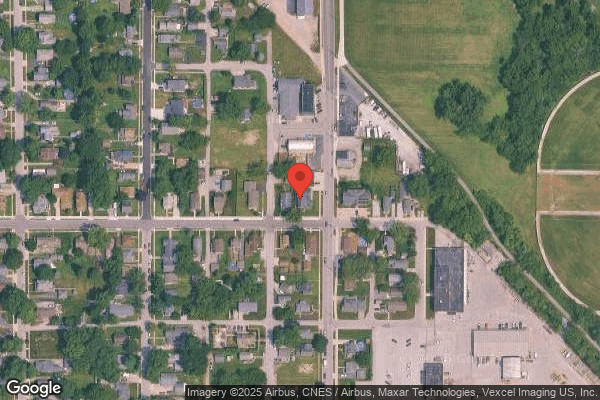
119 N INDIANA AVE, CROWN POINT, IN 46307 (219) 663-2532
For profit - Individual 55 Beds IDE MANAGEMENT GROUP Data: November 2025
Trust Grade
33/100
#443 of 505 in IN
Last Inspection: June 2025

Inspected within the last 6 months. Data reflects current conditions.

Overview

Colonial Nursing Home in Crown Point, Indiana has received a Trust Grade of F, indicating significant concerns and poor overall performance. It ranks #443 out of 505 facilities in Indiana, placing it in the bottom half of all nursing homes in the state, and #11 out of 20 in Lake County, meaning only a few local options are worse. The facility is worsening, with issues increasing from 8 in 2024 to 14 in 2025. Staffing is below average with a rating of 2 out of 5 stars and a turnover rate of 59%, significantly higher than the state average of 47%, indicating challenges in retaining staff. The home has also accumulated $9,750 in fines, which is concerning and higher than 88% of Indiana facilities. Recent inspections revealed several troubling incidents, such as a failure to ensure a sanitary kitchen, as testing strips for the dishwasher did not provide reliable results, posing a risk to the food served to residents. Additionally, multiple resident rooms did not meet the required space standards, with several rooms providing less than the mandated square footage per resident. Staff also failed to use proper personal protective equipment when caring for residents requiring enhanced precautions and did not consistently practice hand hygiene, which raises concerns about the overall safety and quality of care at this facility. Families should weigh these significant weaknesses against any potential strengths when considering Colonial Nursing Home for their loved ones.

Trust Score
F
33/100
In Indiana
#443/505
Bottom 13%
Safety Record
Low Risk
No red flags
Inspections
Getting Worse
8 → 14 violations
Staff Stability
⚠ Watch
59% turnover. Above average. Higher turnover means staff may not know residents' routines.
Penalties
⚠ Watch
$9,750 in fines. Higher than 78% of Indiana facilities, suggesting repeated compliance issues.
Skilled Nurses
○ Average
Each resident gets 41 minutes of Registered Nurse (RN) attention daily — about average for Indiana. RNs are the most trained staff who monitor for health changes.
Violations
⚠ Watch
46 deficiencies on record. Higher than average. Multiple issues found across inspections.
★☆☆☆☆
1.0
Overall Rating
★★☆☆☆
2.0
Staff Levels
★★★☆☆
3.0
Care Quality
★☆☆☆☆
1.0
Inspection Score
Stable
2024: 8 issues
2025: 14 issues

The Good

  • Full Sprinkler Coverage · Fire safety systems throughout facility
  • No fines on record

Facility shows strength in fire safety.

The Bad

1-Star Overall Rating

Below Indiana average (3.1)

Significant quality concerns identified by CMS

Staff Turnover: 59%

13pts above Indiana avg (46%)

Frequent staff changes - ask about care continuity

Federal Fines: $9,750

Below median ($33,413)

Minor penalties assessed

Chain: IDE MANAGEMENT GROUP

Part of a multi-facility chain

Ask about local staffing decisions and management

Staff turnover is elevated (59%)

11 points above Indiana average of 48%

The Ugly 46 deficiencies on record

Jun 2025 10 deficiencies
CONCERN (D)

Potential for Harm - no one hurt, but risky conditions existed

Notification of Changes (Tag F0580)

Could have caused harm · This affected 1 resident

Based on record review and interview, the facility failed to ensure the resident's physician was notified of medication being held for 1 of 5 residents reviewed for unnecessary medications. (Resident ...

Read full inspector narrative →
Based on record review and interview, the facility failed to ensure the resident's physician was notified of medication being held for 1 of 5 residents reviewed for unnecessary medications. (Resident 183) Finding includes: Resident 183's record was reviewed on 5/29/25 at 11:10 a.m. Diagnoses included, but were not limited to, cellulitis of the right lower limb, type 2 diabetes mellitus, and pressure ulcer to the right heel. The Discharge Minimum Data Set (MDS) assessment, dated 5/10/25, indicated the resident was cognitively intact for daily decision making. She received diuretic, opioid, antiplatelet, and hypoglycemic medications in the 7-day look-back period. The current May 2025 Physician's Order Summary indicated the resident received Novolog FlexPen (insulin injection) subcutaneous solution pen-injector 100 unit/milliliter, inject 12 units subcutaneously three times a day with meals. The May 2025 Medication Administration Record indicated the Novolog medication was coded 11= blood sugar level below parameters on the following dates and times: - At 8:00 a.m.: 5/1/25 blood sugar 97, 5/4/25 blood sugar 123, 5/8/25 blood sugar 80, and 5/9/25 blood sugar 75 - At 12:00 p.m.: 5/6/25 blood sugar 111, 5/8/25 blood sugar 106, and 5/9/25 blood sugar not applicable - At 5:00 p.m.: 5/6/25 blood sugar 107 and 5/8/25 blood sugar 89 There was a lack of any physician's orders for parameters for holding the medication, corresponding progress notes related to the medication being held, or documentation that the physician was notified when the medication was held. During an interview on 5/29/25 at 2:09 p.m., the Director of Nursing indicated the resident often refused her insulin dose based on what the blood sugar levels were and the nurse should have documented refusals instead of holding the medications. She had no further information to provide. 3.1-5(a)(2)
CONCERN (D)

Potential for Harm - no one hurt, but risky conditions existed

Comprehensive Care Plan (Tag F0656)

Could have caused harm · This affected 1 resident

Based on observation, record review, and interview, the facility failed to ensure a comprehensive care plan was implemented for a resident with a diabetic foot ulcer for 1 of 12 resident care plans re...

Read full inspector narrative →
Based on observation, record review, and interview, the facility failed to ensure a comprehensive care plan was implemented for a resident with a diabetic foot ulcer for 1 of 12 resident care plans reviewed. (Resident 13) Finding includes: During an observation of wound care on 5/29/25 at 10:00 a.m., Resident 13's left foot diabetic foot ulcer treatment was observed with RN 1. The area was located on the lateral foot and was open, light red in color, and had minimal drainage. RN 1 performed the wound care per the physician's order and then adjusted the resident in bed for comfort with a round cushion noted to the right leg. Resident 13's record was reviewed on 5/28/25 at 3:08 p.m. Diagnoses included, but were not limited to, hemiplegia and hemiparesis (weakness and paralysis) affecting the right dominant side, cognitive communication deficit, and type 2 diabetes mellitus. The Quarterly Minimum Data Set (MDS) assessment, dated 4/4/25, indicated the resident was severely cognitively impaired. The resident had impairments in range of motion to one side of the upper extremities and both sides of the lower extremities. She was dependent on staff for all activities of daily living including, but not limited to, bed mobility and transfers. She had diabetic foot ulcer(s) and skin tear(s). A Physician's Order, dated 5/29/25, indicated cleanse with normal saline, apply calcium alginate, and cover with dry dressing to left foot (dorsal) every day shift. A Care Plan, revised on 10/2/23, indicated the resident was at risk for alterations in skin integrity. Interventions included, but were not limited to, adjust tubing to avoid skin breakdown, administer treatments as ordered, and turn and reposition as indicated. A Skin and Wound Note, dated 5/28/25 at 4:17 p.m., indicated the resident had a diabetic ulcer to the left lateral distal foot which measured smaller today. The resident had the wound on 9/11/24 and was receiving treatments at the time. The wound healed on 1/22/25, reopened on 3/5/25, healed on 4/16/25, and reopened on 5/28/25. The diabetic foot ulcer was a full thickness wound, measuring 1 centimeter (cm) long by 0.1 cm wide with 100% epithelial tissue, and had a scant amount of drainage. The recommendations were to continue ongoing pressure reduction and turning/repositioning precautions per protocol, including pressure reduction to the heels and all bony prominences. The record lacked a comprehensive care plan related to the diabetic foot ulcer. During an interview on 5/29/25 at 1:56 p.m., the Director of Nursing indicated there was no care plan at the time for the diabetic foot ulcer, as it was a wound that would heal out and then reopen again. The wound was currently open and being treated, so the care plan should have been initiated. 3.1-35(b)(1)
CONCERN (D)

Potential for Harm - no one hurt, but risky conditions existed

Quality of Care (Tag F0684)

Could have caused harm · This affected 1 resident

Based on observation, record review, and interview, the facility failed to ensure a resident with a reddened sclera (white part of eyeball) of the eye was assessed and monitored for 1 of 2 residents r...

Read full inspector narrative →
Based on observation, record review, and interview, the facility failed to ensure a resident with a reddened sclera (white part of eyeball) of the eye was assessed and monitored for 1 of 2 residents reviewed for vision/hearing services. (Resident 20). Finding includes: On 5/28/25 at 11:02 a.m., Resident 20 was sitting in a recliner in her room. She indicated her right eye had been red for some time, but could not say exactly when it began. The nursing staff had pointed it out to her the other day as she was not even aware of the redness noted to her eye. The right eyeball was observed to be solid red in color on the bottom portion of the sclera. On 5/30/25 at 1:20 p.m., Resident 20 was observed in the common area. Her right eye was still red in color. Resident 20's record was reviewed on 5/30/25 at 2:45 p.m. Diagnoses included, but were not limited to, schizophrenia and neuromuscular dysfunction of the bladder. The Quarterly Minimum Data Set (MDS) assessment, dated 4/8/25, indicated the resident was cognitively intact for daily decision making. The record lacked documentation of assessment or monitoring of the right eye discoloration. During an interview on 6/2/25 at 11:42 a.m., the Director of Nursing indicated she had no further information related to the resident's red eye. 3.1-37(a)
CONCERN (D)

Potential for Harm - no one hurt, but risky conditions existed

Pressure Ulcer Prevention (Tag F0686)

Could have caused harm · This affected 1 resident

**NOTE- TERMS IN BRACKETS HAVE BEEN EDITED TO PROTECT CONFIDENTIALITY** Based on observation, record review, and interview, the facility failed to ensure a resident with pressure ulcers received the n...

Read full inspector narrative →
**NOTE- TERMS IN BRACKETS HAVE BEEN EDITED TO PROTECT CONFIDENTIALITY** Based on observation, record review, and interview, the facility failed to ensure a resident with pressure ulcers received the necessary treatment and services related to not obtaining treatment orders for a wound vac for 1 of 4 residents reviewed for pressure ulcers. (Resident 183) Finding includes: During an observation of wound care on 5/29/25 at 9:53 a.m. with RN 1, a dressing change was observed to Resident 183's proximal and distal left thigh. RN 1 indicated at the time that Resident 183 had a wound vac placed to her right heel the day before (5/28/25) and there was no treatment change due at the time. Resident 183's record was reviewed on 5/29/25 at 11:10 a.m. Diagnoses included, but were not limited to, cellulitis of the right lower limb, type 2 diabetes mellitus, and pressure ulcer to the right heel. The Discharge Minimum Data Set (MDS) assessment, dated 5/10/25, indicated the resident was cognitively intact for daily decision making. The resident had two unstageable pressure ulcers. A Skin and Wound Note, dated 5/28/25 at 6:23 p.m., indicated the resident had readmitted to the facility on [DATE]. The right heel pressure injury was surgically debrided during the recent hospital admission due to purulent drainage and evidence of infection. The wound vac was to continue to the heel wound at 100 mmHg (millimeters mercury) per the surgeon's request and a rescue dressing of calcium alginate with silver. The plan was discussed with the wound nurse. The right heel wound was an open surgical full thickness wound measuring 9.8 centimeters (cm) long by 5.5 cm wide by 1.7 cm deep. Treatment recommendations for the right heel open surgical wound were to clean with wound cleanser, apply a wound vac at 100 mmHg, rescue dressing of calcium alginate with silver with abdominal pad and rolled gauze to the base of the wound, secure with transparent film, change three times per week and as needed. There were no treatment orders for the right heel wound vac or rescue dressing in the May 2025 Physician's Order Summary. During an interview on 5/29/25 at 2:09 p.m., the Director of Nursing (DON) indicated there should have been physician's orders entered for the wound vac. A policy titled, Skin and Wound Management System, received on 6/2/25 at 1:05 p.m., indicated .5. Residents identified with skin impairments will have appropriate interventions, treatment and services implemented to promote healing and impede infection. Wound location, characteristics and a physician's order for treatment are documented in the medical record. Wound status will be evaluated and documented in PCC [electronic record system] on the Wound Evaluation Flow Sheet form . 3.1-40
CONCERN (D)

Potential for Harm - no one hurt, but risky conditions existed

Deficiency F0692 (Tag F0692)

Could have caused harm · This affected 1 resident

Based on observation, record review, and interview, the facility failed to ensure there were orders and/or monitoring completed for a resident on a fluid restriction. (Resident 183) Finding includes: ...

Read full inspector narrative →
Based on observation, record review, and interview, the facility failed to ensure there were orders and/or monitoring completed for a resident on a fluid restriction. (Resident 183) Finding includes: During an observation and interview on 5/28/25 at 9:47 a.m., Resident 183 indicated she had returned to the facility the day before and had an infection, so she was now on antibiotic therapy. She had to have surgery on her leg. The resident indicated she has had to have fluid removed at the hospital before and was on a fluid restriction at the hospital; however, since being back in the facility, she was not required to be on a fluid restriction any longer. There was a large foam cup on her bedside table full of water. Resident 183's record was reviewed on 5/29/25 at 11:10 a.m. Diagnoses included, but were not limited to, chronic kidney disease, type 2 diabetes mellitus, and pressure ulcer to the right heel. The Discharge Minimum Data Set (MDS) assessment, dated 5/10/25, indicated the resident was cognitively intact for daily decision making. She received diuretic, opioid, antiplatelet, and hypoglycemic medications in the 7-day look-back period. The current May 2025 Physician's Order Summary indicated the resident received a carbohydrate controlled no added salt diet, received furosemide (diuretic medication) 40 milligrams (mg) daily, and spironolactone (diuretic medication) 100 mg daily. The Nursing Evaluation, dated 5/27/25 at 10:33 p.m., indicated the resident had readmitted to the facility. She had skin conditions noted to the right buttock, coccyx, groin redness, right elbow pressure, right hand bruising, right wrist bruising, left lower extremity healed surgical wound, left lower arm generalized bruising, left heel deep tissue injury, left thigh surgical wound, right heel surgical incision, left lower leg surgical wound, left lower leg lateral healed surgical wound, and was to receive a regular no added salt thin liquid diet with 1800 milliliter fluid restriction. There were no orders or documentation of fluid intake/restriction in the record. During an interview on 5/29/25 at 2:09 p.m., the Director of Nursing indicated she was going to add the order for the fluid restriction and monitoring now. A policy titled, Encouraging and Restricting Fluids, indicated .General Guidelines .1. Follow specific instructions concerning fluid intake and restrictions .Restricting Fluids: 1. Remove the resident's water pitcher and cup from the room. Store in designated area 6. Record the amount of fluid consumed on the intake side of the intake an output record. Record fluid intake in mLs . 3.1-46(b)
CONCERN (D)

Potential for Harm - no one hurt, but risky conditions existed

Respiratory Care (Tag F0695)

Could have caused harm · This affected 1 resident

**NOTE- TERMS IN BRACKETS HAVE BEEN EDITED TO PROTECT CONFIDENTIALITY** Based on observation, record review and interview, the facility failed to ensure a resident received the necessary care and trea...

Read full inspector narrative →
**NOTE- TERMS IN BRACKETS HAVE BEEN EDITED TO PROTECT CONFIDENTIALITY** Based on observation, record review and interview, the facility failed to ensure a resident received the necessary care and treatment related to oxygen administration for 1 of 1 resident reviewed for respiratory care. (Resident 9) Finding includes: On 5/27/25 at 11:09 a.m., Resident 9 was observed in her room lying in bed. A nasal cannula was in place and oxygen was flowing. The oxygen concentrator was set at 2 liters. On 5/28/25 at 3:05 p.m., Resident 9 was observed in her room lying in bed. A nasal cannula was in place and oxygen was flowing. The oxygen concentrator was set at 2 liters. Resident 9's record was reviewed on 5/29/25 at 10:38 a.m. Diagnoses included, but were not limited to, type 2 diabetes mellitus, heart failure, and hypertension. A Physician's Order, dated 4/3/25, indicated oxygen 2 L (liters) via nasal cannula as needed (PRN) for shortness of breath, maintain oxygen saturation above 90. The Quarterly Minimum Data Set assessment (MDS), dated [DATE], indicated the resident was cognitively impaired, dependent on staff for all activities of daily living (ADLs), and had not received oxygen. A Care Plan, updated 5/14/25, indicated the resident was at risk for alterations in oxygen levels due to heart failure. The interventions included to administer oxygen as ordered. The Medication Administration Record (MAR) and Treatment Administration Record (TAR), dated 5/2025, lacked any documentation the PRN oxygen had been signed out as administered or that the resident's oxygen saturation had been monitored. During an interview on 5/29/25 at 1:50 p.m., the Director of Nursing indicated the resident would get short of breath when staff was doing wound care or repositioning, so they would just keep the oxygen on at all times. She would update the oxygen orders. No further information was provided. A facility policy, titled, Oxygen Administration, received from the Administrator as current, indicated .Steps in the Procedure .10. Adjust the oxygen delivery device so that it is comfortable for the resident and the proper flow of oxygen is being administered .Documentation: After completing the oxygen setup or adjustment, the following information should be recorded in the resident's medical record: .3. The rate of oxygen flow, route, and rationale. 4. The frequency and duration of the treatment. 5. The reason for p.r.n. administration . 3.1-47(a)(6)
CONCERN (D)

Potential for Harm - no one hurt, but risky conditions existed

Infection Control (Tag F0880)

Could have caused harm · This affected 1 resident

Based on observation, interview, and record review, the facility failed to ensure infection control practices were in place and implemented related to the disposal of used lancets into the garbage can...

Read full inspector narrative →
Based on observation, interview, and record review, the facility failed to ensure infection control practices were in place and implemented related to the disposal of used lancets into the garbage can for 1 of 1 glucometer (machine used to test blood sugar levels) testing observed. (Resident 183, RN 1) Finding includes: On 5/30/25 at 11:02 a.m., RN 1 indicated he was going to check Resident 183's blood sugar. The nurse washed his hands, applied gloves, and wiped the resident's left first finger with an alcohol wipe. He then poked the resident's finger with the lancet. Blood was observed on the resident's finger and he then proceeded to check the blood sugar with the glucometer. He discarded the lancet into the garbage can next to the resident's bed. He then proceeded back to the medication cart. During an interview at that time with RN 1, he indicated he should not have discarded the lancet into the garbage can, but instead into the sharps container. He was unsure what the blood sugar reading was and he would have to re-check the resident's blood sugar. The nurse then proceeded to wash his hands again, applied gloves, and wiped the resident's second finger with an alcohol wipe. He then poked the resident's finger with a lancet. Blood was observed on the resident's finger and then he proceeded to check the blood sugar again with the glucometer. He then discarded the lancet into the garbage can next to the resident's bed again. During an interview after the second observation with RN 1, he indicated he had thrown the lancet away again into the garbage can and he was aware it needed to be discarded into the sharps container. He also wrote down the blood sugar at that time so he would remember what it was. During an interview on 5/30/25 at 2:00 p.m., the Director of Nursing indicated the nurse should have discarded the lancets into the sharps container and not into the garbage can. A facility policy titled, Obtaining a Fingerstick Glucose Level and received as current from the Administrator, indicated, .Steps in the Procedure .16. Dispose of the lancet in the sharps disposal containers . 3.1-18(b)
CONCERN (D)

Potential for Harm - no one hurt, but risky conditions existed

Safe Environment (Tag F0921)

Could have caused harm · This affected 1 resident

Based on observation and interview, the facility failed to maintain a sanitary, safe, and homelike environment related to dirty kitchen walls and floors in the kitchen. (Main Kitchen) Findings include...

Read full inspector narrative →
Based on observation and interview, the facility failed to maintain a sanitary, safe, and homelike environment related to dirty kitchen walls and floors in the kitchen. (Main Kitchen) Findings include: During the initial kitchen tour on 5/27/25 at 9:10 a.m. with the Dietary Food Manager (DFM), the following was observed: a. The wall next to stove top was covered in splashed food and debris. b. The floor and baseboard underneath the dishwasher was dirty and covered in a build up of debris. During an interview at the time, the DFM indicated the above areas were in need of a deep clean. He was not supposed to be the main cook today, so he had not had time to get to those areas yet. 3.1-19(f)
CONCERN (E)

Potential for Harm - no one hurt, but risky conditions existed

Deficiency F0912 (Tag F0912)

Could have caused harm · This affected multiple residents

**NOTE- TERMS IN BRACKETS HAVE BEEN EDITED TO PROTECT CONFIDENTIALITY** Based on observation, record review, and interview, the facility failed to provide at least 80 square feet (SQ FT) per resident ...

Read full inspector narrative →
**NOTE- TERMS IN BRACKETS HAVE BEEN EDITED TO PROTECT CONFIDENTIALITY** Based on observation, record review, and interview, the facility failed to provide at least 80 square feet (SQ FT) per resident in multiple resident rooms and 100 SQ FT in single occupancy rooms. This was evidenced in 8 of 30 resident rooms in the facility. (Rooms 101, 104, 111, 201, 202, 204, 206, and 208) Findings include: 1. The floor area of the following single resident room measured: a. room [ROOM NUMBER] - 1 resident, 96.2 SQ FT. NF. 2. The floor areas of the following multiple resident rooms measured: a. room [ROOM NUMBER] - 0 residents, 150.3 SQ FT, 75.2 SQ FT per bed. NF. b. room [ROOM NUMBER] - 1 resident, 145.0 SQ FT, 72.5 SQ FT per bed. NF. c. room [ROOM NUMBER] - 1 resident, 149.0 SQ FT, 74.5 SQ FT per bed. NF. d. room [ROOM NUMBER] - 1 resident, 144.0 SQ FT, 72.0 SQ FT per bed. NF. e. room [ROOM NUMBER] - 1 resident, 144.0 SQ FT, 72.0 SQ FT per bed. NF. f. room [ROOM NUMBER] - 0 residents, 140.0 SQ FT, 70.0 SQ FT per bed. NF. g. room [ROOM NUMBER] - 0 residents, 146.9 SQ FT, 73.4 SQ FT per bed. NF. The facility rooms with room variances were observed on 5/28/25 at 2:50 p.m. The rooms were observed with the following number of beds: room [ROOM NUMBER] - 1 bed room [ROOM NUMBER] - 1 bed room [ROOM NUMBER] - 1 bed room [ROOM NUMBER] - 1 bed room [ROOM NUMBER] - 1 bed room [ROOM NUMBER] - 1 bed room [ROOM NUMBER] - 1 bed room [ROOM NUMBER] - 1 bed During an interview on 5/27/25 8:53 a.m., the Administrator indicated these were the rooms which had the room variance waivers and did not have the required square footage. 3.1-19(l)(2)
CONCERN (F)

Potential for Harm - no one hurt, but risky conditions existed

Food Safety (Tag F0812)

Could have caused harm · This affected most or all residents

Based on observation and interview, the facility failed to ensure a sanitary kitchen related to testing the dishwasher sanitation level with faulty test strips in 1 of 1 kitchens observed (Main Kitche...

Read full inspector narrative →
Based on observation and interview, the facility failed to ensure a sanitary kitchen related to testing the dishwasher sanitation level with faulty test strips in 1 of 1 kitchens observed (Main Kitchen). This had the potential to affect the 26 of 29 residents in the facility who received food from the kitchen. Finding includes: During the initial kitchen tour on 5/27/25 at 9:10 a.m. with the Dietary Food Manager (DFM), the dishwasher was observed and noted to be a low temperature, chemical system. The DFM obtained a testing strip, dipped it into the dishwasher water and compared it to the results on the side of the testing strip container. The strip did not have a readily discernable color change. He indicated they always used those strips and was unsure why they were not changing. He opened a new package of test strips and attempted to get another reading, however the strips still did not have a discernable color change. He indicated he would call the service company to address the dishwasher and go get another new package of strips. During a follow up interview on 6/2/25 at 11:45 a.m., the DFM provided a test strip that was the appropriate sanitation level for the dishwasher (50 parts per million). He indicated the other test strips were not working and was not sure the reason why. He had called the service company and they recalibrated the dishwasher on 5/27/25 and it had been working appropriately since that time. 3.1-21(i)(3)
Mar 2025 4 deficiencies
CONCERN (D) 📢 Someone Reported This

A family member, employee, or ombudsman was alarmed enough to file a formal complaint

Potential for Harm - no one hurt, but risky conditions existed

Safe Environment (Tag F0584)

Could have caused harm · This affected 1 resident

Based on observation, record review, and interview, the facility failed to ensure residents had a clean and homelike environment related to soiled bed linens for 2 of 8 residents reviewed for a clean ...

Read full inspector narrative →
Based on observation, record review, and interview, the facility failed to ensure residents had a clean and homelike environment related to soiled bed linens for 2 of 8 residents reviewed for a clean and homelike environment. (Residents B and D) Findings include: 1. During an observation on 3/18/25 at 4:58 a.m., Agency CNA 2 entered Resident B's room to completed incontinence care. A soiled incontinent brief was removed, pericare was completed and a clean brief was applied. When the resident was turned to the side, there was a dried urine ring under the resident's incontinent pad. Agency CNA 2 indicated she had not checked the bottom sheet under the incontinent pad when she provided care earlier in the night. Resident B's record was reviewed on 3/18/25 at 10:03 a.m. The diagnoses included, but were not limited to chronic obstructive pulmonary disease. A Quarterly Minimum Data Set (MDS) assessment, dated 1/16/25, indicated a moderately impaired cognitive status, was dependent for toileting, and was always incontinent of bowel and bladder. 2. During an observation on 3/18/25 at 5:40 a.m., Agency CNA 2 and RN 1 were providing incontinence care to Resident D. The resident had a urinary catheter and had been incontinent of bowel. There was a clean dressing located on her left knee. There was dried blood and other drainage on the sheet under the resident's knee. RN 1 acknowledged the dried drainage on the sheet. Resident D's record was reviewed on 3/18/25 at 10:36 a.m. The diagnoses included, but were not limited to, stroke. A Care Plan, dated 3/11/24, indicated a pressure ulcer was present on the left knee. The interventions indicated a treatment would be completed as ordered by the physician. A Quarterly Minimum Data Set (MDS) assessment, dated 1/28/25, indicated a short and long term memory problem, had a urinary catheter, and was always incontinent of bowel movement. She had one stage three (full thickness tissue loss) pressure ulcer present on admission. The Treatment Administration Record, dated 3/2025, indicated the treatment to the left knee had been completed on 3/17/25 on the day shift. This citation relates to Complaint IN00454373. 3.1-19(f)
CONCERN (D) 📢 Someone Reported This

A family member, employee, or ombudsman was alarmed enough to file a formal complaint

Potential for Harm - no one hurt, but risky conditions existed

ADL Care (Tag F0677)

Could have caused harm · This affected 1 resident

Based on observation, record review and interview, the facility failed to ensure residents who were dependent on staff received incontinence care for 2 of 7 residents reviewed for activities of daily ...

Read full inspector narrative →
Based on observation, record review and interview, the facility failed to ensure residents who were dependent on staff received incontinence care for 2 of 7 residents reviewed for activities of daily living. (Residents E and F) Findings include: 1. During an observation on 3/18/25 at 5:26 a.m., RN 1 and Agency CNA 2 entered Resident E's room on the C-Hall, to assist with positioning the resident in bed. The incontinence brief was saturated with urine. The incontinence pad under the resident was soaked with urine and there were circles of dried urine on the sheet under the incontinence pad. The staff repositioned the resident in bed and Agency CNA 2 informed the resident she would be back in a few minutes. She indicated she had last provided incontinence care at 3:00 a.m. During an observation on 3/18/25 at 6:08 a.m., incontinence care had not yet been completed. During an observation on 3/18/25 at 7:19 a.m., CNA 3 and LPN 4 entered the room and and completed incontinence care and a linen change. There was a strong urine odor in the room. LPN 4 acknowledged the saturated brief, wet incontinence pad, and the dried urine rings under the pad. Resident E's record was reviewed on 3/18/25 at 10:56 a.m. The diagnoses included, but were not limited to, chronic respiratory failure and vascular dementia. A Care Plan, dated 3/1/25, indicated there was urinary incontinence. The interventions included, incontinence care would be completed as needed. An admission Minimum Data Set (MDS) assessment, dated 3/4/25, indicated a severely impaired cognitive status, maximum assistance was required for toileting and hygiene, and she was always incontinent of bladder and bowel. During an interview on 3/18/25 at 5:35 a.m., Agency CNA 2 indicated she was providing care to the best of her abilities. During an interview on 3/18/25 at 5:46 a.m., Agency CNA 2 indicated she had not completed care on the C-hall yet. 2. During an observation of Resident F, who resided on the C-Hall, on 3/18/25 at 6:07 a.m. with LPN 4, the incontinence brief, top sheet, and lift sheet were saturated with urine. There were rings of urine on the bottom sheet under the lift sheet. At 6:11 a.m., Agency CNA 5 entered the room and assisted LPN 4 with the resident's incontinence care and linen change. Resident F's record was reviewed on 3/18/25 at 11:09 a.m. The diagnoses included, but were not limited to, stroke. A Care Plan, dated 4/1/21, indicated there was incontinence of the bladder. The interventions included, incontinence care would be completed as needed. A Quarterly MDS assessment, dated 12/28/24, indicated a moderately impaired cognitive status, was dependent for toileting and hygiene, and was always incontinent of bladder and bowel. This citation relates to Complaint IN00454373. 3.1-38(a)(3)
CONCERN (E) 📢 Someone Reported This

A family member, employee, or ombudsman was alarmed enough to file a formal complaint

Potential for Harm - no one hurt, but risky conditions existed

Infection Control (Tag F0880)

Could have caused harm · This affected multiple residents

Based on observation, record review, and interview, the facility failed to ensure correct Personal Protective Equipment (PPE) was used by staff members (Agency CNA 1 and Agency CNA 5) when providing c...

Read full inspector narrative →
Based on observation, record review, and interview, the facility failed to ensure correct Personal Protective Equipment (PPE) was used by staff members (Agency CNA 1 and Agency CNA 5) when providing care to residents (Resident D and F) who were in Enhanced Barrier Precautions (EBP) for 2 of 2 residents reviewed for EBP. The facility also failed to ensure hand hygiene was completed by a staff member (Agency CNA 1) after care had been completed on a resident (Resident B) and care initiated on another resident (Resident C) and to ensure a personal care item was used for only 1 resident and was not used for multiple residents (Residents B, C, G, D, and H) by a staff member related to incontinent wipes. (Agency CNA 1) Findings include: 1. During an observation on 3/18/25 at 5:30 a.m., Agency CNA 1 entered Resident D's room to provide care. There was a sign on the outside of the entry door that indicated the resident required EBP during care. Agency CNA 1 applied gloves and was stopped prior to starting care. She indicated she had no idea if the resident required PPE due to EBP. The CNA then acknowledged the EBP sign on the outside of the door. She then applied PPE to provide incontinence care. Resident D's record was reviewed on 3/18/25 at 10:36 a.m. The diagnoses included, but were not limited to, stroke. A Physician's Order, dated 4/19/24, indicated EBP was required due to a feeding tube and pressure wounds. A Care Plan, dated 4/20/24, indicated EBP was required. The interventions included the guidelines for EBP would be followed. A Quarterly Minimum Data Set (MDS) assessment, dated 1/28/25, indicated a feeding tube and pressure ulcer were present. 2. During an observation on 3/18/25 at 6:11 a.m., Agency CNA 5 wore gloves and started to provide incontinence care to Resident F and was stopped. Agency CNA 5 indicated she was unsure if the resident required EBP. She then looked at the EBP sign located on the wall outside of the room door and applied the PPE. Resident F's record was reviewed on 3/18/25 at 11:09 a.m. The diagnoses included, but were not limited to, stroke. A Physician's Order, dated 4/19/24, indicated EBP was to be followed due to a feeding tube. A Care Plan, dated 4/20/24, indicated EBP was required due to the feeding tube. The interventions included EBP guidelines would be followed. A Quarterly MDS assessment, dated 12/28/24, indicated a feeding tube was present. A facility policy for EBP, dated 8/2022 and received as current from the Director of Nursing (DON), indicated EBP was to be used for high contact resident care activities. Gloves and gown would be applied prior to performing the high contact resident care activity. 3. During an observation on 3/18/25 at 4:58 a.m., Agency CNA 2 completed incontinence care on Resident B. Upon completion of the care, Agency CNA 2 removed her gloves and exited the room without washing her hands. She then started to enter Resident C's room to provide incontinence care and started to don gloves and was stopped. She then went to the sink in the common area and washed her hands. A facility policy for handwashing and hand hygiene, dated January 2019 and received from the DON as current, indicated hand hygiene procedures would be followed to help prevent the spread of infections. 4. During an observations on 3/18/25 from 4:58 a.m. through 5:51 a.m., Agency CNA 2 completed incontinence care on Resident B. Upon leaving Resident B's room, she removed the package of cleansing wipes. She indicated at the time of the observation that she didn't have any other wipes to use. She then entered Resident C's room to provide incontinence care and placed the package of wipes on the over the bed table and provided incontinence care using the wipes. Agency CNA 2 then entered Resident G's room and placed the cleansing wipes package on the resident's bed. She then completed incontinence care. After the care, she exited the room with the package of cleansing wipes. Agency CNA 2 then entered Resident D's room and used the wipes to complete incontinence care and exited the room with the cleansing wipes package. Agency CNA 2 then entered Resident H's room with the cleansing wipes package and used the wipes to complete incontinence care. During an interview on 3/18/25 at 6:29 a.m., the Central Supply Clerk indicated there were cleansing wipes in the store room and the nurses' had a key to the storeroom if they were needed. An observation of the store room indicated there were cases of cleansing wipes. 3.1-18(b)
CONCERN (E) 📢 Someone Reported This

A family member, employee, or ombudsman was alarmed enough to file a formal complaint

Potential for Harm - no one hurt, but risky conditions existed

Safe Environment (Tag F0921)

Could have caused harm · This affected multiple residents

**NOTE- TERMS IN BRACKETS HAVE BEEN EDITED TO PROTECT CONFIDENTIALITY** Based on observation, record review, and interview, the facility failed to ensure the residents' environment was clean and in go...

Read full inspector narrative →
**NOTE- TERMS IN BRACKETS HAVE BEEN EDITED TO PROTECT CONFIDENTIALITY** Based on observation, record review, and interview, the facility failed to ensure the residents' environment was clean and in good repair related to scraped paint, nicks and gouges on the walls, dried feeding on the feeding poles, a oxygen concentrator and on the floor, debris and trash on the floors, a dirty floor mat, and a stool with a cracked vinyl seat for 1 of 2 floors. (First Floor). During an environmental tour with the Director of Maintenance/Housekeeping on 3/18/25 from 12:59 through 1:29 p.m., the following was observed: a. room [ROOM NUMBER] - There were paint scrapes behind the head of the bed. During an interview at the time of the observation, the Director of Maintenance/Housekeeping acknowledged the scrapes and indicated when the residents were discharged or moved rooms, the walls were repaired. b. room [ROOM NUMBER], bed 2 - There was dried feeding on the feeding pump pole, the oxygen concentrator and on the floor. The Director of Maintenance/Housekeeping indicated the Housekeeper probably had not mopped due to all the cords. c. room [ROOM NUMBER], bed 2 - There were nicks on the wall, debris on the floor by the baseboard behind the bed and a plastic medication cup under the bed, which was also observed earlier at 6:06 a.m. The Director of Maintenance /Housekeeping indicated the Housekeeper may not have cleaned the room yet. d. room [ROOM NUMBER] bed 2 - There was dried liquid feeding on the feeding pump pole. There was a dried liquid substance on the floor mat and paper/debris on the floor. There was a rolling stool with a cracked vinyl on the seat in the corner of the room. e. room [ROOM NUMBER] - there were scrapes and a large gouge on the wall behind the bed. f. room [ROOM NUMBER], bed 1 - there was paper and a mask on the floor and nicks on the wall behind the head of the bed. During an interview on 3/18/25 at 1:15 p.m., Housekeeper 6 indicated the rooms on the first floor had all been cleaned. The Housekeeping Completion Form, received as current from the Director of Maintenance/Housekeeping on 3/18/25 at 1:18 p.m., indicated the rooms were to be dusted, swept, and mopped daily including underneath the bed. The walls, furniture, and bedrails were to be cleaned daily. This citation relates to Complaint IN00454373. 3.1-19(e)
Aug 2024 7 deficiencies
CONCERN (D)

Potential for Harm - no one hurt, but risky conditions existed

Deficiency F0679 (Tag F0679)

Could have caused harm · This affected 1 resident

Based on observation, record review, and interview, the facility failed to ensure activities were implemented for a cognitively impaired dependent resident for 1 of 1 resident reviewed for activities....

Read full inspector narrative →
Based on observation, record review, and interview, the facility failed to ensure activities were implemented for a cognitively impaired dependent resident for 1 of 1 resident reviewed for activities. (Resident 14) Finding includes: On 8/19/24 at 11:16 a.m., Resident 14 was observed lying in bed with her eyes open and looking up at the ceiling. The room was dark, the television was off, and there was no music playing. On 8/20/24 at 1:07 p.m., Resident 14 was was observed lying in bed with her eyes open and looking up at the ceiling. The room was dark, the television was off, and there was no music playing. On 8/20/24 at 2:25 p.m., Resident 14 was was observed lying in bed with her eyes open and looking up at the ceiling. The room was dark and the television was not on. A bingo activity was being played in the dining area and in some resident rooms. Record review for Resident 14 was completed on 8/20/24 at 1:27 p.m. Diagnoses included, but were not limited to, stroke, aphasia (loss of ability to understand or express speech) and depression. The Annual Minimum Data Set (MDS) assessment, dated 7/22/24, indicated the resident was severely cognitively impaired. The resident had an impairment of both upper and lower extremities for a functional limitation in range of motion. The resident was dependent on staff for all ADLs (activities of daily living). The Preferences for Routines and Activities, completed by staff, indicated listening to music, keeping up with the news, doing things with groups of people, participating in favorite activities, and participating in religious activities were important to the resident. A Care Plan, revised 4/20/22, indicated the resident would passively observe in group activities when available. The resident was seen for one on one visits with staff three times a week for social and cognitive stimulations. The resident had a customary preference to love a specific singer and a specific actor. The resident would passively observe the roommate's television and music at times. Her roommate would play music and put on movies for them to watch together. When the resident was not participating in group activities, she would enjoy watching television in the common area and or passively observing the happenings around her. Interventions included to assist the resident to and from activities, and to the invite resident to daily activities. A Care Plan, dated 12/19/22, indicated the resident had a personal preference that she preferred 1 on 1 activities. Interventions included to allow the resident 1 on 1 activities, and to provide the opportunity to listen to music she preferred. A Care Plan, dated 6/28/23, indicated the resident was at risk for a decline in activity status due to health condition deficits. An intervention included the staff would invite and encourage the resident to participate in scheduled group activities. A Care Plan, revised 4/23/24, indicated the resident chose to remain in room related to her preference. An intervention included to provide activities of interest for resident to do in room. During an interview on 8/21/24 at 8:51 a.m., CNA 1 indicated the resident did not get out of bed to attend activities. The staff would talk with the resident when providing care but had not seen any activities being completed with her in her room. The resident's roommate did not like when they turned on the television or any lights being on in the room. She was unsure if the resident had a radio in her room. During an interview on 8/21/24 at 8:58 a.m., the Activity Director indicated she did not have any set curriculum for residents who received 1 on 1 activities. The residents who received 1 on 1 visits preferred conversations with her. She would do a daily visit with the resident and talk to her. She had not documented any 1 on 1 visits for activities when she completed them. She did not have a computer, so she would document the Activity Assessments on paper and she would provide a copy of the most recent assessment she had completed for the resident. A copy of the most current Activity Assessment completed was not provided by the Activity Director. 3.1-33(a)
CONCERN (D)

Potential for Harm - no one hurt, but risky conditions existed

Quality of Care (Tag F0684)

Could have caused harm · This affected 1 resident

Based on observation, record review and interview, the facility failed to ensure a resident's wounds were assessed and monitored for 1 of 3 residents reviewed for non-pressure skin conditions. (Reside...

Read full inspector narrative →
Based on observation, record review and interview, the facility failed to ensure a resident's wounds were assessed and monitored for 1 of 3 residents reviewed for non-pressure skin conditions. (Resident 10) Finding includes: On 8/19/24 at 3:10 p.m. and on 8/20/24 at 2:15 p.m., Resident 10 was observed lying in bed. She had two open areas, approximately 3 centimeters round each, on her right shin. She indicated they had been fluid filled blisters that had opened. The resident's record was reviewed on 8/20/24 at 11:33 a.m. Diagnoses included, but were not limited to, hemiparesis (one sided weakness) and hemiplegia (one sided paralysis) following a cerebral vascular accident, Diabetes Mellitus and heart failure. The Annual Minimum Data Set assessment, dated 6/30/24, indicated the resident was cognitively intact and was dependent on assistance for bed mobility and transfers. A Nursing Note, dated 8/14/24, indicated the resident had been up in a chair for five hours and fluid filled blisters developed to her right leg. The Nurse Practitioner was notified and orders were received to apply skin prep to the blisters. A Physician's Order, dated 8/19/24, indicated to apply Betadine external solution 19% to open blisters twice daily and monitor until resolved. There were no additional progress notes related to assessment or monitoring of the wounds. A Weekly Skin Assessment, dated 8/14/24, indicated the resident's skin was dry and intact. A Weekly Skin Assessment, dated 8/21/24, indicated the skin was dry and there was a treatment in progress to the right lower leg. During an interview on 8/21/24 at 11:20 a.m., the Wound Nurse indicated the Wound Nurse Practitioner had seen the resident that morning to assess the wounds and provided new treatment orders. There had not been an assessment completed before today. The policy, Skin and Wound Management System, dated September 2022, indicated, .5. Residents identified with skin impairments will have appropriate interventions, treatment and services implemented to promote healing and impede infection. Wound location, characteristics and a physician's order for treatment are documented in the medical record. Wound status will be evaluated and documented in PCC [electronic medical record system] on the Wound Evaluation Flow Sheet form 3.1-37(a)
CONCERN (D)

Potential for Harm - no one hurt, but risky conditions existed

Deficiency F0688 (Tag F0688)

Could have caused harm · This affected 1 resident

**NOTE- TERMS IN BRACKETS HAVE BEEN EDITED TO PROTECT CONFIDENTIALITY** Based on observation, record review, and interview, the facility failed to follow up on an Occupational Therapy recommendation f...

Read full inspector narrative →
**NOTE- TERMS IN BRACKETS HAVE BEEN EDITED TO PROTECT CONFIDENTIALITY** Based on observation, record review, and interview, the facility failed to follow up on an Occupational Therapy recommendation for a resting hand splint for 1 of 2 residents reviewed for position/mobility. (Resident 8) Finding includes: On 8/19/24 at 10:59 a.m., Resident 8 was observed seated in her wheelchair. Her right hand was contracted (tightening of muscle, tendons and skin that causes joints to shorten and become very stiff)and there was not a splint in place. The resident's record was reviewed on 8/20/24 at 2:40 p.m. Diagnoses included, but were not limited to, hemiplegia (one sided weakness) and hemiparesis (one sided paralysis) and unspecified dementia. The Quarterly Minimum Data Set assessment, dated 6/11/24, indicated the resident had severe cognitive impairment and was dependent for bed mobility and transfers. The resident received Occupational Therapy from 1/30/24 to 3/29/24. An Occupational Therapy Discharge summary, dated [DATE], indicated the resident was to tolerate a resting hand splint for 5 hours a day to ensure joint protection and contracture management. There were no order Physician's Orders for a resting hand splint. During an interview on 8/20/24 at 3:11 p.m., the Director of Rehab indicated she had worked with the resident and she did well with the resting hand splint. She did not know why the splint had not been carried over after discharge from therapy. During an interview on 8/21/24 at 10:00 a.m., the Director of Nursing indicated the resident's mother had been trained on how to use the splint, but she did not want the resident to use it, so the order had never been completed. The record should have some documentation related to the refusal of the splint recommendation. 3.1-42(a)(2)
CONCERN (D) 📢 Someone Reported This

A family member, employee, or ombudsman was alarmed enough to file a formal complaint

Potential for Harm - no one hurt, but risky conditions existed

Incontinence Care (Tag F0690)

Could have caused harm · This affected 1 resident

**NOTE- TERMS IN BRACKETS HAVE BEEN EDITED TO PROTECT CONFIDENTIALITY** Based on record review and interview, the facility failed to ensure catheter care was completed and urinary output was recorded ...

Read full inspector narrative →
**NOTE- TERMS IN BRACKETS HAVE BEEN EDITED TO PROTECT CONFIDENTIALITY** Based on record review and interview, the facility failed to ensure catheter care was completed and urinary output was recorded for 1 of 3 residents reviewed for urinary catheters. (Resident D) Finding includes: The closed record for Resident D was reviewed on 8/22/24 at 10:20 a.m. Diagnoses included, but were not limited to, cerebral infarction, type 2 diabetes mellitus, and malignant neoplasm of the prostate. The resident was admitted to the facility on [DATE] and discharged to the hospital on 4/12/24. The admission Minimum Data Set (MDS) assessment, dated 3/11/24, indicated the resident was cognitively impaired and had an indwelling urinary catheter. A Care Plan, updated 3/26/24, indicated the resident had an indwelling urinary catheter. An intervention indicated to monitor and document intake and output. A Physician's Order, dated 3/8/24, indicated 10 cc (cubic centimeters) 18 fr (french, catheter size) Foley catheter with drainage bag to gravity, monitor every shift. The Medication Administration Records (MAR) and Treatment Administration Records (TAR), dated 3/2024 and 4/2024, lacked any documentation of catheter care or urine output. The Task documentation lacked any documentation of catheter care or urine output. During an interview on 8/23/24 at 10:43 a.m., the Infection Preventionist (IP) indicated the catheter order included monitoring every shift, but she was unable to provide any further documentation that catheter care was completed or urinary output was recorded. A facility policy, titled Urinary Catheter Care, received from the IP as current, indicated, .Input/Output .2. Maintain an accurate record of the resident's daily output, per facility policy and procedure .Infection Control .2. Maintain clean technique when handling or manipulating the catheter, tubing, or drainage bag. a. Do not clean the periurethral area with antiseptics to prevent catheter associated UTIs while the catheter is in place. Routine hygiene [e.g. cleansing of the meatal surface during daily bathing or showering] is appropriate .Documentation. The following information should be recorded in the resident's medical record: 1. The date and time that catheter care was given. 2. The name and title of the individual[s] giving the catheter care. 3. All assessment data obtained when giving catheter care This citation relates to Complaints IN00433696 and IN00440056. 3.1-41(a)(2)
CONCERN (D)

Potential for Harm - no one hurt, but risky conditions existed

Deficiency F0694 (Tag F0694)

Could have caused harm · This affected 1 resident

Based on observation, record review and interview, the facility failed to care for a PICC line (peripherally inserted central catheter, intravenous catheter placed into the peripheral veins of the upp...

Read full inspector narrative →
Based on observation, record review and interview, the facility failed to care for a PICC line (peripherally inserted central catheter, intravenous catheter placed into the peripheral veins of the upper arm) in accordance with professional standards of practice, related to flushing the PICC line for 1 of 1 resident reviewed for intravenous care. (Resident 25) Finding includes: On 8/19/24 at 2:00 p.m., Resident 25 was observed lying in bed in her room. There was a PICC line in place to her right upper arm. She indicated she had surgery last week and was now getting antibiotics through the line. Resident 25's record was reviewed on 8/20/24 at 3:03 p.m. Diagnoses included, but were not limited to, hypertension, abdominal aortic aneurysm, major depressive disorder. The admission Minimum Data Set (MDS) assessment, dated 7/18/24, indicated the resident was cognitively impaired. A Care Plan, updated 8/17/24, indicated the resident was receiving IV (intravenous) antibiotics for a urinary tract infection. A Care Plan, updated 8/19/24, indicated the resident had a PICC line. An intervention indicated to flush line as needed/per policy. A Physician's Order, dated 8/17/24, indicated meropenem (an antibiotic) 1 g (gram) IV every 8 hours at 12:00 a.m., 8:00 a.m., and 4:00 p.m. A Physician's Order, dated 8/17/24, indicated normal saline flush, 10 ml (milliliters) every shift for IV patency. There were no Physician's Orders to indicate the PICC was to be flushed with saline before and after the administration of the antibiotic medication The Medication Administration Record (MAR), dated 8/2024, indicated the meropenem had been administered as ordered. The normal saline flushes were documented as given once each on the day, evening, and night shifts. There was lack of documentation to indicate the PICC was flushed with saline before and after the administration of the antibiotic medication. During an interview on 8/20/24 at 4:00 p.m., the Director of Nursing (DON) indicated the PICC line should have been flushed before and after the antibiotic administration. She would clarify the orders. A facility policy, titled Medication Infusion, received from the DON as current, indicated, .7. Intermittent medication administration with no continuous infusion .c. Flush IV access catheter with preservative-free 0.9% sodium chloride .g. Infuse medication as prescribed and per label instructions .j. Disinfect IV access port with alcohol swab and let air dry, flush with preservative-free 0.9% sodium chloride . 3.1-47(a)(2)
CONCERN (D)

Potential for Harm - no one hurt, but risky conditions existed

Respiratory Care (Tag F0695)

Could have caused harm · This affected 1 resident

Based on observation, record review and interview, the facility failed to ensure a resident received the necessary care and treatment related to incorrect oxygen flow rate for 1 of 2 residents reviewe...

Read full inspector narrative →
Based on observation, record review and interview, the facility failed to ensure a resident received the necessary care and treatment related to incorrect oxygen flow rate for 1 of 2 residents reviewed for respiratory care. (Resident 22) Finding includes: On 8/19/24 at 10:06 a.m., Resident 22 was observed seated in his room. He had a nasal cannula in place that was attached to an oxygen concentrator and the flow rate was set on 2 liters per minute (lpm). On 8/20/24 at 2:25 p.m., the resident was observed seated in his room. His oxygen was on and flowing at 2.5 lpm. The resident's record was reviewed on 8/21/24 at 10:50 a.m. Diagnoses included, but were not limited to, chronic respiratory failure and chronic obstructive pulmonary disease. The Quarterly Minimum Data Set assessment, dated 6/4/24, indicated the resident was cognitively intact and was on oxygen. A Physician's Order, dated 7/16/23, indicated the resident was to receive oxygen at 3 lpm continuously. On 8/21/24 at 1:27 p.m., the oxygen concentrator was observed with the Director of Nursing. She indicated it was set on 2.5 lpm. She then adjusted the flow rate from 2.5 lpm to 3 lpm. 3.1-47(a)(6)
CONCERN (E)

Potential for Harm - no one hurt, but risky conditions existed

Deficiency F0912 (Tag F0912)

Could have caused harm · This affected multiple residents

**NOTE- TERMS IN BRACKETS HAVE BEEN EDITED TO PROTECT CONFIDENTIALITY** Based on observation, record review, and interview, the facility failed to provide a least 80 square feet (SQ FT) per resident i...

Read full inspector narrative →
**NOTE- TERMS IN BRACKETS HAVE BEEN EDITED TO PROTECT CONFIDENTIALITY** Based on observation, record review, and interview, the facility failed to provide a least 80 square feet (SQ FT) per resident in multiple resident rooms and 100 SQ FT in single occupancy rooms. This was evidenced in 8 of 30 resident rooms in the facility. (Rooms 101, 104, 111, 201, 202, 204, 206, and 208) Findings include: 1. The floor area of the following single resident room measured: a. room [ROOM NUMBER] - 1 resident, 96.2 SQ FT. NF. 2. The floor areas of the following multiple resident rooms measured: a. room [ROOM NUMBER] - 1 resident, 150.3 SQ FT, 75.2 SQ FT per bed. NF. b. room [ROOM NUMBER] - 0 resident, 145.0 SQ FT, 72.5 SQ FT per bed. NF. c. room [ROOM NUMBER] - 1 resident, 149.0 SQ FT, 74.5 SQ FT per bed. NF. d. room [ROOM NUMBER] - 1 resident, 144.0 SQ FT, 72.0 SQ FT per bed. NF. e. room [ROOM NUMBER] - 1 resident, 144.0 SQ FT, 72.0 SQ FT per bed. NF. f. room [ROOM NUMBER] - 1 resident, 140.0 SQ FT, 70.0 SQ FT per bed. NF. g. room [ROOM NUMBER] - 1 resident, 146.9 SQ FT, 73.4 SQ FT per bed. NF. The facility rooms with room variances were observed on 8/20/24 at 9:45 a.m. The rooms were observed with the following number of beds: room [ROOM NUMBER] - 1 bed room [ROOM NUMBER] - 1 bed room [ROOM NUMBER] - 1 bed room [ROOM NUMBER] - 1 bed room [ROOM NUMBER] - 1 bed room [ROOM NUMBER] - 1 bed room [ROOM NUMBER] - 1 bed room [ROOM NUMBER] - 1 bed During an interview on 8/19/24 at 8:50 a.m., the Administrator indicated these were the rooms which had the variance waivers and did not have the required square footage. 3.1-19(l)(2)
Apr 2024 1 deficiency
CONCERN (D) 📢 Someone Reported This

A family member, employee, or ombudsman was alarmed enough to file a formal complaint

Potential for Harm - no one hurt, but risky conditions existed

Medical Records (Tag F0842)

Could have caused harm · This affected 1 resident

**NOTE- TERMS IN BRACKETS HAVE BEEN EDITED TO PROTECT CONFIDENTIALITY** Based on interview and record review, the facility failed to ensure a resident's medical record was complete and accurate relate...

Read full inspector narrative →
**NOTE- TERMS IN BRACKETS HAVE BEEN EDITED TO PROTECT CONFIDENTIALITY** Based on interview and record review, the facility failed to ensure a resident's medical record was complete and accurate related to incontinence care logs, for 1 of 3 residents reviewed for incontinence care. (Resident B) Finding includes: Resident B's closed record was reviewed on 4/15/24 at 10:37 a.m. Diagnoses included, but were not limited to, acute respiratory failure, heart failure, and bipolar disorder. The resident was admitted to the facility on [DATE] and discharged on 1/18/24. The Discharge Minimum Data Set (MDS) assessment, dated 1/18/24, indicated the resident was cognitively intact for daily decision making, was occasionally incontinent of bowel and bladder and required assistance with toileting. A Care Plan, dated 12/22/23, indicated the resident had an activity of daily living (ADL) self-care performance deficit related to activity intolerance, chronic obstructive pulmonary disease, and respiratory failure. Interventions included, but were not limited to, the resident required staff participation for use of the toilet, transfers, repositioning and turning in bed, and eating. The January 2024 Tasks indicated ADL-Toilet Use had a frequency of every shift. There were no entries on 1/10/24. There was one entry on 1/5/24, 1/6/24, 1/9/24, 1/13/24, 1/14/24, and 1/18/24. There were two entries on 1/2/24, 1/3/24, 1/7/24, 1/8/24, 1/12/24, 1/17/24. During an interview on 4/15/24 at 12:20 p.m., the Nurse Manager indicated the resident was incontinent and required incontinence care provided by the staff. The staff should have documented at least every shift for incontinence care provided, which would include how much assistance they required and whether they were continent or incontinent. At a minimum, documentation should have been three times a day at the end of each shift. During an interview on 4/15/24 at 12:37 p.m., the Director of Nursing indicated she had no further information to provide. During an interview on 4/15/24 at 12:57 p.m., the Administrator indicated the staff had reported that charting was not always accessible during their shifts, so the facility had implemented a tablet to use for charting. She was unable to provide any additional information. This citation relates to Complaint IN00428577. 3.1-50(a)(1)
Jun 2023 13 deficiencies
CONCERN (D)

Potential for Harm - no one hurt, but risky conditions existed

Comprehensive Care Plan (Tag F0656)

Could have caused harm · This affected 1 resident

Based on record review and interview, the facility failed to ensure a comprehensive care plan was in place for a resident receiving an antipsychotic medication for 1 of 13 residents whose care plans w...

Read full inspector narrative →
Based on record review and interview, the facility failed to ensure a comprehensive care plan was in place for a resident receiving an antipsychotic medication for 1 of 13 residents whose care plans were reviewed. (Resident 33) Finding includes: The record for Resident 33 was reviewed on 6/27/23 at 11:20 a.m. Diagnoses included, but were not limited to, dementia with behavioral disturbance, hypertension, and osteoarthritis. The admission MDS (Minimum Data Set) assessment, dated 4/10/23, indicated the resident had received antipsychotic medication in the past seven days. The June 2023 Physician's Order Summary indicated an order for olanzapine (an antipsychotic medication) 5 mg (milligrams) daily. The June 2023 Medication Administration Record (MAR) indicated the resident received the antipsychotic medication as ordered. Interview with the Administrator on 6/27/23 at 3:31 p.m., indicated there had not been a care plan for the antipsychotic medication but staff had now initiated one. 3.1-35(a)
CONCERN (D)

Potential for Harm - no one hurt, but risky conditions existed

Deficiency F0657 (Tag F0657)

Could have caused harm · This affected 1 resident

Based on record review and interview, the facility failed to ensure a resident was invited to their care plan conference for 1 of 13 residents whose plans of care were reviewed. (Resident 19) Finding ...

Read full inspector narrative →
Based on record review and interview, the facility failed to ensure a resident was invited to their care plan conference for 1 of 13 residents whose plans of care were reviewed. (Resident 19) Finding includes: Interview with Resident 19 on 6/26/23 at 8:59 a.m., indicated she had not been invited to any recent care plan meetings and she could not remember attending one. The record for Resident 19 was reviewed on 6/26/23 at 2:44 p.m. Diagnoses included, but were not limited to, type 2 diabetes mellitus, hypertension, and congestive heart failure. The Quarterly Minimum Data Set (MDS) assessment, dated 6/9/23, indicated the resident was cognitively intact. A Care Plan Note, dated 1/25/23, indicated the IDT (interdisciplinary team) had met with the resident and her daughter. The care plans were reviewed, discussed, and updated. There was lack of documentation the resident had been invited to any care plan meetings or any care plan meetings had been held since 1/25/23. Interview with the Administrator on 6/27/23 at 3:31 p.m., indicated there had been no formal care plan meetings for the resident since January. She met with the resident in February to discuss her payor source and staff met with the resident regularly to discuss concerns, but she was unable to provide any documentation. 3.1-35(c)(2)(C)
CONCERN (D) 📢 Someone Reported This

A family member, employee, or ombudsman was alarmed enough to file a formal complaint

Potential for Harm - no one hurt, but risky conditions existed

Deficiency F0660 (Tag F0660)

Could have caused harm · This affected 1 resident

**NOTE- TERMS IN BRACKETS HAVE BEEN EDITED TO PROTECT CONFIDENTIALITY** Based on record review and interview, the facility failed to develop and implement an effective discharge planning process that ...

Read full inspector narrative →
**NOTE- TERMS IN BRACKETS HAVE BEEN EDITED TO PROTECT CONFIDENTIALITY** Based on record review and interview, the facility failed to develop and implement an effective discharge planning process that focuses on the resident's discharge goals, the preparation of residents to be active partners and effectively transition them to post-discharge care, and the reduction of factors leading to preventable readmissions related to lack of planning, education, and supplies for a resident's caregivers on how to care for the resident's ileostomy before the resident's discharge home from the facility for 1 of 1 residents reviewed for ileostomy care. (Resident C) Finding includes: A closed record review for Resident C was completed on 6/28/23 at 1:54 p.m. Diagnoses included, but were not limited to, stroke, hemiplegia (paralysis on one side of the body), hypertension, and seizure disorder. The resident was admitted to the facility on [DATE] and discharged home on 6/24/23. The admission Minimum Data Set (MDS) assessment, dated 5/26/23, indicated the resident was cognitively moderately impaired. The resident required an extensive 2+ person assistance with bed mobility, transfers, and toilet use. The resident required an extensive 1 person assistance for locomotion, dressing, eating, and personal hygiene. The resident had an impairment on one side of his upper extremities for functional limitation in range of motion (ROM). The resident had surgical wounds and an ostomy (opening from inside of the body to the outside for passage of bodily waste). A Care Plan indicated the resident had an ileostomy (operation to bring the small bowel through an opening in the belly to move waste out of the body) related to bowel surgery. Interventions included to change the bag after each bowel episode or when full, and to change the wafer as ordered and when indicated. The June 2023 Physician's Order Summary indicated an order for ileostomy care every shift and to change ileostomy appliance every 7 days. An Occupational Therapy (OT) Discharge Summary for 6/23/23 indicated it was recommended the resident had 24 hour care when discharged . A Physician's Note, dated 6/22/23 at 4:46 p.m., indicated the resident had a history of a stroke with residual right upper extremity weakness. The resident had an ileostomy that was new to the resident. The resident would require training on care and maintenance if he was going home. A Social Services (SS) Note, dated 6/23/23 at 2:31 p.m., indicated the resident received a NOMNC (Notice of Medicare Non-Coverage) with LCD (Last Covered Day) of 6/23/23. The SS reviewed the notice with the resident. The resident did not want to appeal the notice and was to discharge home on 6/26/23. A Nursing Note, dated 6/24/23 at 2:30 p.m., indicated the resident's brother arrived to the facility. The resident was transferred to home. Medications and paperwork were given to the resident. There was no documentation to indicate the resident's care givers who he was going to live with on discharge had any teaching related to the care of the resident's ileostomy. Interview with Director of Therapy on 6/29/23 at 9:19 a.m., indicated that if he was going home they recommended he had a 24 hour care giver to assist with his ileostomy care. He only had the use of one hand and she was concerned he would be unable to care for the ileostomy on his own. She was unsure if nursing had completed any ileostomy teaching with the resident's care givers. Interview with the Director of Nursing on 6/29/23 at 10:00 a.m., indicated the resident had ileostomy teaching every time it was changed. The plan was for him to discharge home with family. She could not provide any documentation the family was given any instructions or teaching related to the ileostomy care. The nurse should have sent home ileostomy supplies with the resident when he discharged . She could not provide any documentation the supplies were sent home with the resident. Interview via phone with the Social Services Director on 6/29/23 at 10:09 a.m., indicated she was unsure if nursing had set up and completed any teaching with the resident's care givers before discharge related to ileostomy care. This Federal tag relates to Complaint IN00411495. 3.1-47(a)(3)
CONCERN (D) 📢 Someone Reported This

A family member, employee, or ombudsman was alarmed enough to file a formal complaint

Potential for Harm - no one hurt, but risky conditions existed

Deficiency F0661 (Tag F0661)

Could have caused harm · This affected 1 resident

**NOTE- TERMS IN BRACKETS HAVE BEEN EDITED TO PROTECT CONFIDENTIALITY** Based on record review and interview, the facility failed to ensure a discharged resident had a discharge summary completed, inc...

Read full inspector narrative →
**NOTE- TERMS IN BRACKETS HAVE BEEN EDITED TO PROTECT CONFIDENTIALITY** Based on record review and interview, the facility failed to ensure a discharged resident had a discharge summary completed, including a post-discharge plan of care with the resident and responsible party, for 1 of 2 residents reviewed for discharges. (Resident C) Finding includes: Record review for Resident C was completed on 6/28/23 at 1:54 p.m. Diagnoses included, but were not limited to, stroke, hemiplegia (paralysis on one side of the body), hypertension, and seizure disorder. The resident was admitted to the facility on [DATE] and discharged home on 6/24/23. The admission Minimum Data Set (MDS) assessment, dated 5/26/23, indicated the resident was cognitively moderately impaired. The resident required an extensive 2+ person assistance with bed mobility, transfers, and toilet use. The resident required an extensive 1 person assistance for locomotion, dressing, eating, and personal hygiene. The resident had an impairment on one side of his upper extremities for functional limitation in range of motion (ROM). The resident had surgical wounds and an ostomy (opening from inside of the body to the outside for passage of bodily waste). The June 2023 Physician's Order Summary (POS), indicated an order for the resident to be discharged home on 6/26/23. A Social Services (SS) Note, dated 6/23/23 at 2:31 p.m., indicated the resident received a NOMNC (Notice of Medicare Non-Coverage) with LCD (Last Covered Day) of 6/23/23. The SS reviewed the notice with the resident. The resident did not want to appeal the notice and was to discharge home on 6/26/23. A Nursing Note, dated 6/24/23 at 2:30 p.m., indicated the resident's brother arrived to the facility. The resident was transferred to home. Medications and paperwork were given to the resident. There were no other progress notes or documentation to indicate what medications or paperwork was given to the resident. There was no documentation to indicate a Discharge Summary was completed which included, but was not limited to, a recapitulation of the resident's stay, a final summary of the resident's status at the time of discharge, and a post-discharge plan of care. Interview with the Director of Nursing (DON) on 6/29/23 at 10:00 a.m., indicated she could not provide any documentation a discharge assessment was completed on the resident which would have included medications and supplies that were sent home with the resident. The resident was scheduled to discharge home on 6/26/23 but discharged home on 6/24/23. The nurse should have completed a discharge assessment on 6/24/23 when the resident discharged home. A facility policy titled, Discharge Summary and Plan and received as current from the Administrator on 6/30/23, indicated, .1. When the facility anticipates a resident's discharge to a private residence, another nursing care facility, a discharge summary and a post-discharge plan will be developed which will assist the resident to adjust to his or her new living environment. 2. The discharge summary will include a recapitulation of the resident's stay at this facility and a final summary of the resident's status at the time of the discharge in accordance with established regulations governing release of resident's information and as permitted by the resident . This Federal tag relates to Complaint IN00411495. 3.1-36(a) 3.1-36(a)(1) 3.1-36(a)(2) 3.1-36(a)(3)
CONCERN (D)

Potential for Harm - no one hurt, but risky conditions existed

Quality of Care (Tag F0684)

Could have caused harm · This affected 1 resident

Based on observation, record review, and interview, the facility failed to ensure a lymphedema sleeve was applied as ordered and a scabbed area was assessed and monitored for 1 of 1 residents reviewed...

Read full inspector narrative →
Based on observation, record review, and interview, the facility failed to ensure a lymphedema sleeve was applied as ordered and a scabbed area was assessed and monitored for 1 of 1 residents reviewed for edema and non-pressure skin conditions. (Resident 25) Finding includes: On 6/26/23 at 12:56 p.m., Resident 25 was observed lying in bed watching television. The resident did not have a lymphedema sleeve applied to the left arm. The resident had a visible black scabbed area to the base of his 2nd toenail on the left foot. On 6/27/23 at 1:10 p.m., Resident 25 was observed lying in bed watching television. The resident did not have a lymphedema sleeve applied to the left arm. The black scabbed area was still observed to the base of his 2nd toenail on the left foot. Record review for Resident 25 was completed on 6/27/23 at 9:15 a.m. Diagnoses included, but were not limited to, anemia, atrial fibrillation, deep vein thrombosis (DVT), heart failure and diabetes mellitus. The admission Minimum Data Set (MDS) assessment, dated 5/3/23, indicated the resident was cognitively impaired. The resident required an extensive 2+ person assistance for bed mobility, transfers, dressing, and toilet use. The resident had an impairment on both sides of his upper and lower extremities for a functional limitation in range of motion (ROM). A Care Plan, dated 4/25/23, indicated the resident was at risk for thrombus/embolus related to a DVT to the left arm. Interventions included to observe for edema, pain, and increased color changes of the effected extremity. A Care Plan, dated 4/24/23, indicated the resident had potential impairment to the skin integrity related to generalized weakness. An intervention included to monitor and document location, size, and treatment of skin injury. Nursing was to report abnormalities to the Physician. The June 2023 Physician's Order Summary, indicated an order to wear a lymphedema sleeve to the left arm/hand at all times related to swelling. A Physician's Progress Note, dated 6/20/23 at 4:24 p.m., indicated the resident was seen for a follow up on swelling to the left hand. The resident had 2 to 3+ edema to the left hand. A lymphedema sleeve had been ordered on 6/18/23. A Weekly Skin Review, dated 6/19/23, indicated the resident's skin was intact. There was no documentation to indicate the residents scabbed area had been assessed or was being monitored. Interview with the Director of Nursing on 6/27/23 at 3:03 p.m., indicated nursing should have been applying the resident's lymphedema sleeve. Interview with the Wound Nurse on 6/27/23 at 3:30 p.m., indicated she was previously unaware of the resident's scabbed area to his toe. She went and measured the area and received an order from the Physician to monitor the area. 3.1-37(a)
CONCERN (D) 📢 Someone Reported This

A family member, employee, or ombudsman was alarmed enough to file a formal complaint

Potential for Harm - no one hurt, but risky conditions existed

Deficiency F0697 (Tag F0697)

Could have caused harm · This affected 1 resident

**NOTE- TERMS IN BRACKETS HAVE BEEN EDITED TO PROTECT CONFIDENTIALITY** Based on record review and interview, the facility failed to ensure pain medications were available for a newly admitted residen...

Read full inspector narrative →
**NOTE- TERMS IN BRACKETS HAVE BEEN EDITED TO PROTECT CONFIDENTIALITY** Based on record review and interview, the facility failed to ensure pain medications were available for a newly admitted resident experiencing pain for 1 of 1 residents reviewed for pain management. (Resident B) Finding includes: The closed record for Resident B was reviewed on 6/26/23 at 1:04 a.m. The resident was admitted on [DATE], and left against medical advice on 4/22/23. Diagnoses included, but were not limited to, left femur fracture, rectal cancer and spinal stenosis. A 4/21/23 Nursing admission Assessment indicated the resident had a surgical incision on the left hip with 33 staples. A Physician's Order, dated 4/1/23, indicated to give hydrocodone-acetaminophen, (an opioid pain medication) 7.5 milligrams (mg) /325 mg every 6 hours as needed for pain. A Skilled Nursing Note, dated 4/22/23 at 2:03 a.m., indicated at 10:55 p.m., (4/21/23) a call was placed to the pharmacy for authorization to pull hydrocodone-acetaminophen from the EDK (emergency drug kit), The pharmacist informed the nurse there was no order for the medication, the Physician would have to Escript (electronic prescription) it over. The Physician was paged twice with no response. The nurse gave the resident acetaminophen and apologized to the resident. A Nursing Note, dated 4/22/23 at 5:50 a.m., indicated there had been no response from the Physician. A Nursing Note, dated 4/22/23 at 9:01 a.m., indicated the Nurse Practitioner had been called for an Escript for the pain medication. The resident was rating pain 7 out of 10. The Escript was received by the pharmacy and the resident was given the hydrocodone-acetaminophen at 9:31 a.m. Interview with the Director of Nursing, on 6/27/23 at 1:30 p.m., indicated that should not have happened. There was another Physician and also Nurse Practitioners available to call for an Escript. This Federal tag relates to Complaint IN00407030. 3.1-37(a)
CONCERN (D)

Potential for Harm - no one hurt, but risky conditions existed

Deficiency F0757 (Tag F0757)

Could have caused harm · This affected 1 resident

Based on record review and interview, the facility failed to ensure each resident's medication regimen was managed and monitored to promote or maintain the resident's highest practicable mental, physi...

Read full inspector narrative →
Based on record review and interview, the facility failed to ensure each resident's medication regimen was managed and monitored to promote or maintain the resident's highest practicable mental, physical, and psychosocial well-being, related to labs not completed as ordered for 1 of 5 residents reviewed for unnecessary medications. (Resident 25) Finding includes: Record review for Resident 25 was completed on 6/27/23 at 9:15 a.m. Diagnoses included, but were not limited to, anemia, atrial fibrillation, deep vein thrombosis (DVT), heart failure and diabetes mellitus. The admission Minimum Data Set (MDS) assessment, dated 5/3/23, indicated the resident was cognitively impaired. The resident required an extensive 2+ person assistance for bed mobility, transfers, dressing, and toilet use. The resident had an impairment on both sides of his upper and lower extremities for a functional limitation in range of motion (ROM). The June 2023 Physician's Order Summary, indicated the following laboratory orders: - weekly BMP (basic metabolic panel) ordered 5/11/23 - iron studies, Vitamin B12, and folate level on 6/5/23 There was no documentation to indicate the laboratory orders for 6/5/23 had been completed. There was no documentation to indicate the BMP had been completed since 6/2/23. Interview with the Director of Nursing on 6/27/23 at 3:03 p.m., indicated she was unable to find any documentation the above laboratory tests had been completed. 3.1-48(a)(3)
CONCERN (D)

Potential for Harm - no one hurt, but risky conditions existed

Deficiency F0805 (Tag F0805)

Could have caused harm · This affected 1 resident

Based on observation, interview, and record review, the facility failed to ensure food was prepared in form to meet individual needs related to not following a recipe for pureed food. This had the pot...

Read full inspector narrative →
Based on observation, interview, and record review, the facility failed to ensure food was prepared in form to meet individual needs related to not following a recipe for pureed food. This had the potential to affect 1 resident who received a pureed diet. (Main Kitchen) Finding includes: On 6/29/23 at 11:15 a.m., the [NAME] was observed preparing pureed cornbread. She indicated she had already made the pureed food for the resident, but would demonstrate how the cornbread was made. She placed a piece of cornbread in the blender, then added some milk. The milk was not measured. There was no recipe in use. She blended the items together. The mixture was thin and soupy. She then took some of the previously prepared pureed cornbread and added it to the mixture in the blender. She indicated there were recipes for everything in the recipe book. The previously prepared pureed cornbread and pureed BBQ riblette were removed from the warming oven. The [NAME] indicated they were ready to be served. The cornbread was thick and dry. The Dietary Manager (DM) indicated it was too thick. The BBQ riblette was still chunky. The DM indicated it had to be smooth like baby food. The DM placed the BBQ riblette in the blender and ran it through three cycles. It remained chunky, not smooth. He then added some powered food thickener and ran it through three more cycles. He indicated he was not able to get the meat smooth and would have to make an alternate food. There was no recipe in use. The recipes were received from the DM, on 6/29/30 at 2:25 p.m. The Pork Riblette recipe indicated, .for any of the above modified texture diets: (including pureed) Add small amounts of gravy, sauce, vegetable juice, cooking water, fruit juice, milk or half and half to meet desired consistency .Add commercial thickener if product needs thickening The Pureed Cornbread recipe indicated, .Measure desired # of servings into food processor. Blend until smooth. Add water if product needs thinning. Add commercial thickener if product needs thickening 3.1-21(a)(3)
CONCERN (D)

Potential for Harm - no one hurt, but risky conditions existed

Infection Control (Tag F0880)

Could have caused harm · This affected 1 resident

Based on observation, record review, and interview, the facility failed to ensure infection control guidelines were in place and implemented related to improper cleaning of reusable equipment for 3 of...

Read full inspector narrative →
Based on observation, record review, and interview, the facility failed to ensure infection control guidelines were in place and implemented related to improper cleaning of reusable equipment for 3 of 4 medication pass observations. (RN 1, LPN 1) Findings include: 1. On 6/28/23 at 9:03 a.m., RN 1 was observed preparing a resident's medications. She placed a wrist blood pressure cuff on the resident's wrist and checked his blood pressure. She then removed the blood pressure cuff and cleaned it using an alcohol prep pad and set it on top of the medication cart. She administered the resident's medications and went on to the next resident. At 9:20 a.m., she prepared the next resident's medications, placed the wrist blood pressure cuff on the resident's wrist, and checked her blood pressure. She then removed the blood pressure cuff and cleaned it using an alcohol prep pad and set it on top of the medication cart. She administered the resident's medications and went on to the next resident. 2. On 6/28/23 at 9:41 a.m., LPN 1 was observed preparing a resident's medications. There was a sign on the resident's door indicating he was on contact isolation. LPN 1 indicated the resident was on isolation for C.diff infection (Clostridium difficile, a bacteria). She donned a gown and gloves took the blood pressure cuff from the top of her medication cart and entered the resident's room. She placed the blood pressure cuff on the resident's left arm and checked his blood pressure. She then removed the blood pressure cuff and set it on top of the medication cart, which was in the doorway of the room. She administered the resident's medications, removed her gown and gloves, performed hand hygiene, and exited the room. She pushed her medication cart down the hall and went to assist another resident. She had not cleaned the blood pressure cuff. Interview with the Director of Nursing (DON) on 6/28/23 at 10:42 a.m., indicated there should have been a disposable blood pressure cuff to use in the isolation room. LPN 1 should have cleaned the blood pressure cuff. The nurses were to use a larger sized alcohol wipe to clean the reusable equipment. There was no specific facility policy on cleaning reusable equipment. Interview with the Infection Preventionist on 6/28/23 at 11:26 a.m., indicated the staff should have cleaned the reusable equipment using a Super Sani-Cloth germicidal wipe, not an alcohol prep pad. The DON was completing an inservice currently. 3.1-18(b)
CONCERN (E)

Potential for Harm - no one hurt, but risky conditions existed

Food Safety (Tag F0812)

Could have caused harm · This affected multiple residents

Based observation, record review, and interview, the facility failed to ensure food was served and stored under sanitary conditions related to unlabeled and expired food in the refrigerator, dirty ref...

Read full inspector narrative →
Based observation, record review, and interview, the facility failed to ensure food was served and stored under sanitary conditions related to unlabeled and expired food in the refrigerator, dirty refrigerator shelves, lack of hand hygiene during food preparation, dirty utensil bins and a broken oven door. This had the potential to affect 30 residents who received food from the kitchen. (The Main Kitchen) Findings include: 1. During the initial kitchen tour on 6/26/23 at 8:07 a.m., the following was observed in the reach in refrigerator with the Dietary Aide (DA): - an open pack of sliced cheddar cheese, undated - an open pack of Swiss cheese, undated - sliced ham, dated 5/22/23 - bag of sliced red onions, undated - open bag of shredded cabbage, with a use by date of 6/21/23 - open pack of breaded fish, undated - open pack of breaded chicken, undated There was liquid spillage and food debris on the refrigerator shelves and on the bottom of the refrigerator. Interview with the DA at the time of the observation, indicated the items should be dated when opened, the expired items were thrown away, and the refrigerator was in need of cleaning. 2. During the follow up visit to the kitchen, on 6/28/23 at 11:15 a.m. the following was observed: a. The [NAME] was standing near the stove wearing a pair of disposable gloves. She prepared to make pureed cornbread. Wearing the gloves, she opened the refrigerator and got a gallon of milk. She then opened the oven door and, using her gloved hand, got a piece of cornbread, then opened the blender and placed the cornbread in it, covered and turned it on, all with the same gloved hands. She then added some milk and continued to blend the mixture. The mixture was too thin, so she retrieved a previously made batch of pureed cornbread and scooped some out with her gloved hand and added it to the mixture in the blender. Interview with the [NAME] at that time, indicated she had not changed gloves or completed hand hygiene as she should have. b. Below the preparation counter, there were two open plastic bins with kitchen utensils. There was visible food debris and crumbs in the bottom of each bin. There was a plastic measuring spoon with a white powder coating it. The Dietary Manager (DM) removed it from the bin and indicated the bins needed to be covered. c. The oven door would not stay closed. The [NAME] and DM continually closed the door, and it would fall open again. The [NAME] indicated it had been like that at least since January. Interview with the DM during the observations, indicated he had requested utensil bins with covers as they were crumb catchers. He also indicated the stove door had been broken since he had been there, he had put in a maintenance request, but it had not been fixed yet. He would prop it closed using a sheet pan at times to keep it closed. The policy, Food Storage, was received from the DM on 6/27/23, indicated, .1. Food storage areas should be clean at all times The policy, Preventing Foodborne Illness-Employee Hygiene and Sanitary Practice, was received from the DM on 6/28/23, indicated, .6. Employees must wash their hands: .f. After handling soiled equipment or utensils; g. During food preparation, as often as necessary to remove soil and contamination and to prevent cross contamination when changing tasks. 3.1-21(i)(3)
CONCERN (E)

Potential for Harm - no one hurt, but risky conditions existed

Deficiency F0912 (Tag F0912)

Could have caused harm · This affected multiple residents

**NOTE- TERMS IN BRACKETS HAVE BEEN EDITED TO PROTECT CONFIDENTIALITY** Based on observation, record review, and interview, the facility failed to provide a least 80 square feet (SQ FT) per resident i...

Read full inspector narrative →
**NOTE- TERMS IN BRACKETS HAVE BEEN EDITED TO PROTECT CONFIDENTIALITY** Based on observation, record review, and interview, the facility failed to provide a least 80 square feet (SQ FT) per resident in multiple resident rooms and 100 SQ FT in single occupancy rooms. This was evidenced in 8 of 30 resident rooms in the facility. (Rooms 101, 104, 111, 201, 202, 204, 206, and 208) Findings include: 1. The floor area of the following single resident room measured: a. room [ROOM NUMBER] - 1 resident, 96.2 SQ FT. NF. 2. The floor areas of the following multiple resident rooms measured: a. room [ROOM NUMBER] - 1 resident, 150.3 SQ FT, 75.2 SQ FT per bed. NF. b. room [ROOM NUMBER] - 0 resident, 145.0 SQ FT, 72.5 SQ FT per bed. NF. c. room [ROOM NUMBER] - 1 resident, 149.0 SQ FT, 74.5 SQ FT per bed. NF. d. room [ROOM NUMBER] - 1 resident, 144.0 SQ FT, 72.0 SQ FT per bed. NF. e. room [ROOM NUMBER] - 1 resident, 144.0 SQ FT, 72.0 SQ FT per bed. NF. f. room [ROOM NUMBER] - 1 resident, 140.0 SQ FT, 70.0 SQ FT per bed. NF. g. room [ROOM NUMBER] - 1 resident, 146.9 SQ FT, 73.4 SQ FT per bed. NF. The facility rooms with room variances were observed on 6/28/23 at 9:50 a.m. The rooms were observed with the following number of beds: room [ROOM NUMBER] - 1 bed room [ROOM NUMBER] - 1 bed room [ROOM NUMBER] - 1 bed room [ROOM NUMBER] - 1 bed room [ROOM NUMBER] - 1 bed room [ROOM NUMBER] - 1 bed room [ROOM NUMBER] - 1 bed room [ROOM NUMBER] - 1 bed Interview with the Administrator, on 6/29/23 at 9:14 a.m., indicated these were the rooms which had the variance waivers and did not have the required square footage. 3.1-19(l)(2)
CONCERN (E) 📢 Someone Reported This

A family member, employee, or ombudsman was alarmed enough to file a formal complaint

Potential for Harm - no one hurt, but risky conditions existed

Safe Environment (Tag F0921)

Could have caused harm · This affected multiple residents

**NOTE- TERMS IN BRACKETS HAVE BEEN EDITED TO PROTECT CONFIDENTIALITY** Based on observation and interview, the facility failed to maintain a functional, safe, and homelike environment related to bent...

Read full inspector narrative →
**NOTE- TERMS IN BRACKETS HAVE BEEN EDITED TO PROTECT CONFIDENTIALITY** Based on observation and interview, the facility failed to maintain a functional, safe, and homelike environment related to bent or loose baseboard heater covers, marred and gouged doors and walls, a ripped and torn wheelchair armrest, loose thermostat cover and broken floor tiles for 4 of 30 resident rooms (Rooms 111, 112, 124 and 202) and 2 of 2 units (first and second floor). Findings include: During the Environmental Tour on 6/29/23 from 1:15 p.m.-1:30 p.m. with the Maintenance Supervisor, the following was observed: 1. First floor: a. In room [ROOM NUMBER], the baseboard heater cover was bent, loose, and pulling away from the wall. One resident resided in the room. b. In room [ROOM NUMBER], the baseboard heater cover was bent and falling off. One resident resided in the room. c. In room [ROOM NUMBER], Resident 7's wheelchair armrest was torn and ripped. d. In the dining room, the baseboard heater covers were loose and bent, and the endcap was falling off one end. e. In the hall near the elevator, the thermostat cover was pulled away from the wall and attached by only one screw. d. In the halls, the tile was chipped and broken in several places. f. The resident bathroom door had laminate peeling away from the bottom and a marred doorframe. g. The wall next to the resident bathroom had an area with several small holes and was unpainted. 2. Second floor: a. In room [ROOM NUMBER], there were gouges on the wall and a black substance on the wall near the bed. One resident resided in this room. b. The trim surrounding the exterior of the elevator had a large piece missing from the bottom. Interview with the Maintenance Supervisor at the end of the tour, indicated the above was in need of repair. This Federal tag relates to Complaints IN00407030 and IN00411495. 3.1-19(f)
MINOR (C)

Minor Issue - procedural, no safety impact

Staffing Information (Tag F0732)

Minor procedural issue · This affected most or all residents

Based on observation and interview, the facility failed to have accurate daily nurse staffing postings. This had the potential to affect all 33 residents residing in the facility. Finding includes: On...

Read full inspector narrative →
Based on observation and interview, the facility failed to have accurate daily nurse staffing postings. This had the potential to affect all 33 residents residing in the facility. Finding includes: On 6/26/23 at 7:50 a.m., the Daily Nursing Staffing Form, dated 6/26/23, was observed posted on the wall near the desk at the main entrance. There was no daily facility census number listed on the form. On 6/29/23 at 10:15 a.m., the Daily Nursing Staffing Forms, dated 6/1/23 through 6/28/23, were reviewed. The daily facility census number was not listed on any of the forms. Interview with the Administrator on 6/29/23 at 10:27 a.m., indicated she was unsure why the census number wasn't listed on the forms and staff would go over the census in their daily meetings. She would update the forms.
Feb 2023 9 deficiencies
CONCERN (D) 📢 Someone Reported This

A family member, employee, or ombudsman was alarmed enough to file a formal complaint

Potential for Harm - no one hurt, but risky conditions existed

Free from Abuse/Neglect (Tag F0600)

Could have caused harm · This affected 1 resident

Based on interview and record review, the facility failed to protect a resident's right to be free from mental and verbal abuse by staff, related to a CNA using foul language and making derogatory rem...

Read full inspector narrative →
Based on interview and record review, the facility failed to protect a resident's right to be free from mental and verbal abuse by staff, related to a CNA using foul language and making derogatory remarks about the resident during care for 1 of 3 residents reviewed for abuse. (Resident E) Finding includes: An Indiana Department of Health (IDOH) reported incident indicated Resident E alleged that CNA 4 had spoken to her in a derogatory manner on 2/19/23 at 5:01 a.m. During an interview on 2/20/23 at 11:10 a.m., Resident S, who was identified as having no cognitive impairment, indicated the night before last she over heard CNA 4 tell Resident E she was too fat and other derogatory remarks. CNA 3 was also in the room and was saying, uh-huh to everything CNA 4 was saying. During an interview on 2/20/23 at 11:15 a.m., Resident E indicated CNA 3 and CNA 4 entered her room during the night. CNA 4 was saying how she was tired of cleaning up after one of the evening shift CNA's. She had voiced that the resident was the heaviest wetter she had to take care of. She called her fat. CNA 3 was in the room and agreed with CNA 4 by humming uh-huh. CNA 4 had called her fat a few weeks ago as well and had said she was big and she was tired of rolling her back and forth at night during care. Resident E also indicated CNA 3 had told her to shut up about a month ago. During an interview on 2/21/23 at 1:22 p.m., Resident E indicated it was just CNA 4 who was making the derogatory remarks and had said Resident E was the heaviest bed wetter in the building and she was tired of having to come in and clean her up. She indicated this had been going on for a while and she was tired of it. She indicated it was abuse and she had been fearful to use the call light. CNA 3 would stand back and agree with CNA 4. CNA 4 had said while caring for her, F*** this, I'm not doing this anymore. The initial facility investigation per the Administrator, indicated on 2/19/23 CNA 3 had been suspended and denied the allegation. CNA 4 was interviewed on 2/19/23 and denied the allegation. The resident had been interviewed by the Administrator on 2/20/23 and indicated CNA 4 had been the one making the statements about her size. CNA 4 was then suspended. Resident S was interviewed by the Administrator on 2/21/23 and indicated she had heard CNA 4 making comments to Resident E that she was too da** big and she goes through a lot of bed pads. CNA 4 also told the resident she was not going to provide care to her. Resident E's record was reviewed on 2/20/23 at 2:42 p.m. The diagnoses included, but were not limited to, left below the knee amputation and morbid obesity. An admission Minimum Data Set (MDS) assessment, dated 1/1/23, indicated an intact cognitive status, no behaviors, required extensive assistance of 2 for bed mobility and toileting, was dependent for transfers and bathing, and was incontinent of bowel and bladder. The facility abuse policy, dated 9/2022, indicated the residents had a right to be free from abuse and to be treated with respect and dignity. This Federal tag relates to Complaint IN00400504. 3.1-27(a)(1) 3.1-27(b)
CONCERN (D) 📢 Someone Reported This

A family member, employee, or ombudsman was alarmed enough to file a formal complaint

Potential for Harm - no one hurt, but risky conditions existed

Deficiency F0602 (Tag F0602)

Could have caused harm · This affected 1 resident

Based on observation, record review, and interview, the facility failed to ensure residents were free from misappropriation of property for 1 of 4 residents observed during medication administration. ...

Read full inspector narrative →
Based on observation, record review, and interview, the facility failed to ensure residents were free from misappropriation of property for 1 of 4 residents observed during medication administration. (Resident K) Finding includes: On 2/17/23 at 10:24 a.m., Nurse 1 was observed preparing medications for Resident K. The medications included atorvastatin (a cholesterol medication) 20 mg (milligrams). Nurse 1 popped the medication out of the card and placed it in the medication cup. At that time, the atorvastatin medication card was observed to be labeled with another resident's name. Nurse 1 was stopped and made aware. Interview with Nurse 1 on 2/17/23 at 10:26 a.m., indicated the other resident's medication card must have been placed in the wrong spot. She found the correct medication card and reviewed it. The medication and the dosage were the same. She indicated she was going to continue to administer the medication already in the medication cup since she had already popped it out, even though it was from the other resident's medication card. Interview with the Director of Nursing (DON) on 2/17/23 at 11:37 a.m., indicated the nurse should have ensured the medication was for the correct resident. She would provide education to the nurse immediately. A facility abuse policy, dated 9/2022, and received from the Administrator as current, indicated the residents had a right to be free from misappropriation of resident property. This Federal tag relates to Complaint IN00400504. 3.1-28(c)
CONCERN (D) 📢 Someone Reported This

A family member, employee, or ombudsman was alarmed enough to file a formal complaint

Potential for Harm - no one hurt, but risky conditions existed

Abuse Prevention Policies (Tag F0607)

Could have caused harm · This affected 1 resident

Based on record review and interview, the facility failed to implement written policies and procedures that prohibit and prevent abuse, neglect, and exploitation of residents and misappropriation of r...

Read full inspector narrative →
Based on record review and interview, the facility failed to implement written policies and procedures that prohibit and prevent abuse, neglect, and exploitation of residents and misappropriation of resident property, related to employees not screened thoroughly prior to caring for the residents for 2 of 5 employees hired in the past 4 months. (QMA 5 and CNA 6) Findings include: Employee files were reviewed on 2/21/23 at 12:00 p.m. QMA 1 was hired on 2/2/23 and had started working with the residents on 2/6/23. She had worked on February 6, 7, 8, 11, 12, 13, 17, and 20, 2023. The State of Indiana background check, dated 1/19/13 indicated the background check was pending. During an interview on 2/21/23 at 12:09 p.m., the Business Office Manager indicated the background check was pending due to finger printing being required for the employee. She was unsure if the employee had gone to be finger printed. CNA 6 was hired on 11/10/22 and had started working with the residents part time on 11/15/22. There were no references in the file. There were letters in the file, dated 1/3/22, which indicated on 1/3/22, the reference checks were sent out. During an interview on 2/21/23 at 1:39 p.m., the Business Office Manager indicated the references had not been sent out until 1/3/23. The facility abuse policy, dated 9/2022, and received from the Administrator as current, indicated, .Abuse Prevention and Protection Guidelines. 1. The facility must no employ or otherwise engage individuals who: Have been found guilty of abuse, neglect, exploitation, misappropriation of property, or mistreatment by a court of law .Our facility conducts employee background checks and will not knowingly employ any individual who has been convicted of abusing, neglecting, or mistreating individuals .Our abuse prevention program as a minimum provides: Screening - Protocols for conducting employment background checks; background checks include State Criminal .reference checks . This Federal tag relates to Complaint IN00400504. 3.1-28(a)
CONCERN (D) 📢 Someone Reported This

A family member, employee, or ombudsman was alarmed enough to file a formal complaint

Potential for Harm - no one hurt, but risky conditions existed

Quality of Care (Tag F0684)

Could have caused harm · This affected 1 resident

Based on observation, record review, and interview, the facility failed to ensure Physician ordered interventions were in place related to compression stockings for a resident with edema, for 1 of 8 r...

Read full inspector narrative →
Based on observation, record review, and interview, the facility failed to ensure Physician ordered interventions were in place related to compression stockings for a resident with edema, for 1 of 8 residents reviewed for quality of care. (Resident C) Finding includes: Resident C was observed on 2/20/23 at 8:30 a.m., 10:24 a.m., and 11:18 a.m., dressed for the day and sitting on the side of the bed. Her legs were hanging down on the side of the bed and she was not wearing compression socks. During an interview on 2/20/23 at 11:18 a.m., Nurse 1 indicated the compression socks were not on the resident. Resident C's record was reviewed on 2/20/23 at 9:05 a.m. The diagnoses included, but were not limited to, diabetes mellitus and peripheral vascular disease. A Physician's Order, dated 2/8/23, indicated a compression stocking was to be worn on the right leg when out of bed for swelling. A Nurse Practitioner's Progress Note, dated 2/7/23 at 12:13 p.m., indicated the resident stated she had some swelling and it was worse now. there was no pain, warmth, redness, or tenderness. She was instructed to elevate her legs when possible and compression stockings were to be utilized. The right lower extremity had swelling and she had peripheral vascular disease changes to the leg. she was to elevate the leg when in bed, be monitored for signs and symptoms of deep vein thrombosis, and compression stockings were to be used. This Federal tag relates to Complaint IN00400504. 3.1-37(a)
CONCERN (D) 📢 Someone Reported This

A family member, employee, or ombudsman was alarmed enough to file a formal complaint

Potential for Harm - no one hurt, but risky conditions existed

Accident Prevention (Tag F0689)

Could have caused harm · This affected 1 resident

Based on observation, record review, and interview, the facility failed to ensure a resident's fall was thoroughly investigated for the root cause and circumstances of the fall to prevent further fall...

Read full inspector narrative →
Based on observation, record review, and interview, the facility failed to ensure a resident's fall was thoroughly investigated for the root cause and circumstances of the fall to prevent further falls. The facility also failed to ensure residents who were at risk for falls had care-planned interventions in place, related to a floor mat next to the bed and non-skid strips applied to the floor for 3 of 3 residents reviewed for falls. (Residents C, G, and H) Findings include: 1. Resident C's record was reviewed on 2/20/23 at 9:05 a.m. The diagnoses included, but were not limited to, diabetes mellitus. A Quarterly Minimum Data Set assessment, dated 1/22/23, indicated no cognition problems, required extensive assistance of two for bed mobility and transfers, no impairment of the upper or lower extremities, and had one fall without injuries. A Care Plan, dated 3/25/22, indicated a risk for falls and an actual fall occurred on 1/4/23. The interventions included, safety checks, therapy would screen for transfer status initiated on 4/26/22, staff would anticipate and meet the resident's needs, she would be encouraged to participate in activities to promote exercise, physical activity to improve mobility, and information on past falls would be reviewed to attempt to determine the cause of the falls initiated on 3/18/22. A Nurse's Progress Note, dated 1/4/23 at 9:29 a.m., indicated the resident was observed lying on the floor on her left side. A neurological and range of motion assessment was completed. There had been no complaints of pain and the vital signs were within normal ranges. The resident had been on the telephone with a family member when the fall occurred. The Nurse Practitioner was notified. The fall on 1/4/23 had not been investigated for the root cause of the fall and the circumstances of the fall. There were no interventions initiated to prevent further falls. During an interview on 2/20/23 at 1:15 p.m., the Director of Nursing (DON) indicated there was no investigation for the cause of the fall nor the circumstances of the fall. A fall and fall risk policy, dated 3/2018 and received from the Administrator as current, indicated the resident would be evaluated for specific risks and causes of a fall in an attempt to prevent the resident from a fall. 2. Resident G was observed on 2/21/23 at 8:39 a.m. and 8:45 a.m., lying in bed. The head of the bed was elevated and the bed was in low position. There was no mat on the floor next to the bed. The DON indicated at 8:45 a.m., the mat was not next to the bed, then moved the floor mat from the right side of the bed by the door to the right side of the bed next to the window. Resident G's record was reviewed on 2/21/23 at 8:38 a.m. The diagnoses included, but were not limited to, a fractured pelvis and dementia. The admission date into the facility was 2/13/23 and an MDS assessment was not completed. A cognitive assessment was completed on 2/17/23 with a result of moderately impaired cognitive status. A Fall Risk Assessment, dated 2/16/23, indicated a high risk for falls. A Care Plan, dated 2/13/23, indicated a risk for falls. An intervention, initiated on 2/16/23, indicated a floor mat would be placed at the bedside and the staff were to ensure the mat was in place at all times. A Physician's Order, dated 2/17/23, indicated the resident was a fall risk and a floor mat was to be at the bedside. 3. Resident H was observed on 2/21/23 at 8:59 a.m. sitting in a wheelchair in her room. There were no non-skid strips on the floor next to her bed. On 2/21/23 at 10:11 a.m., the Administrator indicated there were no non-skid strips on the floor next to the bed. Resident H's record was reviewed on 2/21/23 at 9:21 a.m. The diagnoses included, but were not limited to, stroke A Quarterly MDS assessment, dated 2/2/23, indicated a moderately impaired cognitive status, required supervision of bed mobility and transfers, balance was not steady without staff assistance, and had no falls. A Care Plan, dated 1/12/22, indicated a risk for falls. Interventions included, the resident's needs would be anticipated and met, the call light was to be in reach and she was to be encouraged to use the call light, appropriate footwear would be worn with ambulation or wheelchair mobilization. A Nurse's Progress Note, dated 11/30/22 at 9:46 p.m., indicated the resident was observed sitting on the floor on the side of the bed. She had indicated she had slipped out of bed when she attempted to go to the bathroom. The Interdisciplinary Team Progress Note, dated 12/1/22 at 10:38 a.m., indicated the intervention of non-skid strips next to the bed would be initiated and the Care Plan would be reviewed and updated. This Federal tag relates to Complaints IN00400504. 3.1-45(a)(2)
CONCERN (D) 📢 Someone Reported This

A family member, employee, or ombudsman was alarmed enough to file a formal complaint

Potential for Harm - no one hurt, but risky conditions existed

Infection Control (Tag F0880)

Could have caused harm · This affected 1 resident

Based on observation and interview, the facility failed to ensure infection control practices and standards were maintained related to medication administration for 2 of 4 residents observed during th...

Read full inspector narrative →
Based on observation and interview, the facility failed to ensure infection control practices and standards were maintained related to medication administration for 2 of 4 residents observed during the medication administration observation. (Residents K and L) Findings include: 1. During a medication administration observation on 2/17/23 at 10:24 a.m., Nurse 1 was observed preparing Resident K's medications, which included 11 oral medications. She popped each of the medications out of their individual pill cards into her hand and then placed the medications in a medication cup one by one. She then administered the medications to the resident. 2. During a medication administration observation on 2/17/23 at 10:50 a.m., Nurse 1 was observed preparing Resident L's medications, which included 5 oral medications. She popped each of the medications out of their individual pill cards into her hand and then placed the medications in a medication cup one by one. She then administered the medications to the resident. Interview with the Director of Nursing (DON) on 2/17/23 at 11:37 a.m., indicated the nurse should not have touched the pills with her hands. She would provide education to the nurse immediately. 3.1-18(a)
CONCERN (E) 📢 Someone Reported This

A family member, employee, or ombudsman was alarmed enough to file a formal complaint

Potential for Harm - no one hurt, but risky conditions existed

ADL Care (Tag F0677)

Could have caused harm · This affected multiple residents

Based on observation, record review, and interview, the facility failed to ensure extensive to dependent residents received necessary care and services in a timely manner, related to activities of dai...

Read full inspector narrative →
Based on observation, record review, and interview, the facility failed to ensure extensive to dependent residents received necessary care and services in a timely manner, related to activities of daily living (ADLs) of incontinent care, meal service, bathing, and call light response for care needed for 4 out of 7 residents interviewed for call light response (Residents E, N, C, and M) and 4 of 4 residents reviewed for ADLs. (Residents E, J, C, and D) Findings include: 1. The following residents were interviewed regarding ADLs and assistance: On 2/17/23 at 9:10 a.m., Resident E indicated she would activate the call light and no one would answer it for long periods of time. On 2/17/23 at 10:31 a.m., Resident N indicated the call light has taken up to 30 minutes to get answered and he has had to transfer himself to the bathroom because it had not been answered timely. On 2/20/23 at 8:30 a.m., Resident C indicated she has waited long periods of time to get assistance with changing the soiled brief or to get help. On 2/21/23 at 8:50 a.m., Resident M indicated she has waited long periods of time for assistance with soiled briefs. 2. During an observation and interview on 2/17/23 at 9:10 a.m., Resident E was lying in bed. The head of the bed was raised and the resident had slid down on the mattress so her head was not at the top of the bed. The room had a urine odor and the resident indicated she had a soiled brief. The brief was wet. She indicated she had been waiting 6-8 hours to get the brief changed and the last time someone was in to provide incontinent care was late the past evening. She indicated she had informed a CNA she needed assistance when they brought her breakfast tray in around 8 a.m. and no one had been back to assist her. She indicated she had not received bed baths often and was unable to take a shower at this time. An observation on 2/17/23 at 9:30 a.m., indicated no staff has entered the room to provide care. An observation on 2/17/23 at 10:15 a.m., indicated the resident had been assisted with her daily care. She was dressed, in the wheelchair, and there were no odors. She indicated she was assisted around 10 a.m. The shower schedule indicated bathing was to be completed on Wednesday and Saturday days. The bathing records indicated there had been no bathing between January 11, 2023 and January 16, 2023, between 1/26/23 and 2/1/23, and between 2/8/23 and 2/17/23. Resident E's record was reviewed on 2/20/23 at 2:42 p.m. The diagnoses included, but were not limited to, left below the knee amputation and morbid obesity. An admission Minimum Data Set (MDS) assessment, dated 1/1/23, indicated an intact cognitive status, no behaviors, required extensive assistance of 2 for bed mobility and toileting, was dependent for transfers and bathing, and was incontinent of bowel and bladder. A Care Plan, dated 12/27/22, indicated assistance was required for ADLs. The interventions included the resident would be encouraged to use the call light for assistance and assistance would be provided for all ADLs. 3. During an observation on 2/17/23 at 12:20 p.m., Resident J was lying in bed. The head of the bed was up and she was leaning to the left side of the bed. The over the bed table was partially across the bed. The lunch tray was on top of the table and was uncovered. The resident was unable to reach the tray due to her position and the position of the table. Resident J said at the time of the observation, the table needed to be pulled closer to her. At 12:28 p.m., CNA 1 and CNA 2 entered the room. They indicated they had not delivered the meal tray to the resident. If they would have delivered the tray, they would have repositioned her so she was able to reach her food. They then assisted the resident with positioning and re-heated the food. On 2/17/23 at 12:39 p.m., the Activity Director indicated she had delivered the lunch tray at approximately 12:05 p.m. and placed it on the over the bed table. She indicated they were not to leave the plate covers in the room and she had mentioned to Nurse 1 the over the bed table needed adjusted. On 2/17/23 at 12:41 p.m., Nurse 1 indicated she had not been informed the resident needed to be repositioned. The bathing records indicated resident was to receive bathing on Tuesdays and Fridays. The bathing schedule indicated bathing was to be completed on Monday and Thursdays. The bathing records indicated bathing had not been completed on January 2 or 3, 2023, January 23 or 24, 2023, January 30 or 31, February 9 or 10, and February 13, or 14, 2023. Resident J's record was reviewed on 2/21/23 at 10:23 a.m. The diagnoses included, but were not limited to, cognitive communication deficit. A Quarterly MDS assessment, dated 12/27/22, indicated an intact cognitive status, no behaviors, required extensive assistance with bed mobility, dependent with transfers, supervision with eating, and was dependent for bathing. A Care Plan, dated 9/14/22, indicated an ADL deficit. The interventions included assistance would be provided for ADLs and meals would be set up and supervised. 4. Resident C's record was reviewed on 2/20/23 at 9:05 a.m. The diagnoses included, but were not limited to, peripheral vascular disease. A Quarterly MDS assessment, dated 1/22/23, indicated an intact cognitive status, required extensive assistance with bed mobility and transfers and was dependent for bathing. A Care Plan, dated 5/20/22, indicated she preferred bathing three times a week and as needed and a shower or bed bath would be completed three times a week. A Care Plan, dated 3/25/22, indicated assistance was required for ADLs. The interventions included assistance would be provided for ADLs. The bathing schedule indicated bathing was to be provided on Monday, Wednesday and Friday. The bathing record indicated bathing had not been completed on 1/13/23, 1/25/23, 1/27/23, 1/30/23, 2/1/23, 2/6/23, 2/10/23, 2/13/23, and 2/15/23. 5. Resident D's closed record was reviewed on 2/20/23 at 12:28 p.m. The diagnoses included, but were not limited to, dementia. A Quarterly MDS assessment, dated 12/14/22, indicated a severely impaired cognitive status, no behaviors, required limited assistance with bed mobility, supervision with transfers, and was dependent on staff for bathing. A Care Plan, dated 9/2/22, indicated a deficit in self care for ADLs. The interventions indicated she was dependent on staff for bathing. The bathing schedule indicated bathing was scheduled for Tuesdays and Fridays. The bathing record indicated bathing had not occurred from January 4 through January 28, 2023 and had not occurred from January 29 through February 6, 2023. During an interview on 2/20/23 at 1:15 p.m., the Director of Nursing indicated she thinks the bathing was getting done, but the staff were not documenting the bathing. This Federal tag relates to Complaints IN00400504 and IN00401479. 3.1-38(a)(3)
CONCERN (E) 📢 Someone Reported This

A family member, employee, or ombudsman was alarmed enough to file a formal complaint

Potential for Harm - no one hurt, but risky conditions existed

Deficiency F0804 (Tag F0804)

Could have caused harm · This affected multiple residents

Based on observation, record review, and interview, the facility failed to serve 1 of 1 meals observed at an appetizing temperature as well as palatable foods and proper temperatures for other meals s...

Read full inspector narrative →
Based on observation, record review, and interview, the facility failed to serve 1 of 1 meals observed at an appetizing temperature as well as palatable foods and proper temperatures for other meals served, related to a lunch meal served with temperatures of the food under 135 degrees and not palatable to taste, for 1 of 1 discharged resident (Resident B) and 6 of 9 current residents interviewed for food service. (Residents C, E, N, P, Q, and R) Findings include: 1. discharged Resident B was interviewed on 2/17/23 at 10 a.m. per telephone, and indicated the food was not palatable during the stay at the facility. They had served raw/undercooked biscuits, undercooked french fries, and the food was always served cold. 2. The following residents were interviewed on 2/17/23: At 9:10 a.m., Resident E indicated the food served did not taste good and was served cold. At 10:31 a.m., Resident N indicated the food served did not taste good. At 10:46 a.m., Resident C indicated the food served did not taste good and was served cold. At 11:11 a.m. , Resident R indicated the food served did not taste good and was served cold. The menu posted in outside of the Dining Room, indicated the lunch meal consisted of buttered crumb Tilapia, french fries, green beans, and vanilla pudding. The noon meal trays arrived to the first floor on 2/17/23 at 12:01 p.m. and a test tray was included with the residents trays. The sample meal was tested at 12:05 p.m., immediately after the residents received their meals. The Tilapia was observed with pink areas on the outer fillet. The temperature of the Tilapia fillet was 108 degrees. It was cold to taste and had a strong fish taste. The green beans had a temperature of 116.9 and were cold to taste, and the mashed potatoes served had a temperature of 128.3 and was tepid to taste. The Dietary Manager was interviewed at the time the lunch meal was tested and indicated the Tilapia was cooked to temperature and they were precooked fillets. Residents C, P, Q, and N were interviewed on 2/17/23 at 12:12 p.m. through 12/16 p.m They had all been served the Tilapia for lunch. Resident C, P, Q, and N indicated the Tilapia had not tasted good. Resident N indicated the french fries were too hard to eat. Cook 1 was interviewed on 2/17/23 at 12:44 p.m. and indicated she had been training another cook today. The Tilapia was raw and was not pre-cooked and the fillets were cooked to 140 degrees. She indicated she checked the temperature of all the fillets cooked except the smaller fillets and they all had the temperature of 147 degrees. She indicated they were served to the residents at 145 degrees. The Dietary Manager entered the kitchen during the interview and indicated she had been wrong about the Tilapia being pre-cooked and indicated the Tilapia was raw before it was cooked. An Internet resource, titled https://eating expired.com, indicated raw Tilapia fillets would have a visible red blood lines or veins and the flesh would be pinkish white in color. The color of the fillet would change to completely white/opaque when fully cooked. An undated policy for serving food, received from the Administrator on 2/21/23 at 9:22 a.m. as current, indicated all hot food would be held during service at or above 135 degrees. All food items were to be served at a palatable temperature. This Federal tag relates to Complaints IN00399626, IN00400138, and IN00400247. 3.1-21(a)(2)
CONCERN (E) 📢 Someone Reported This

A family member, employee, or ombudsman was alarmed enough to file a formal complaint

Potential for Harm - no one hurt, but risky conditions existed

Safe Environment (Tag F0921)

Could have caused harm · This affected multiple residents

**NOTE- TERMS IN BRACKETS HAVE BEEN EDITED TO PROTECT CONFIDENTIALITY** Based on observation and interview, the facility failed to maintain a sanitary and homelike environment, related to stained ceil...

Read full inspector narrative →
**NOTE- TERMS IN BRACKETS HAVE BEEN EDITED TO PROTECT CONFIDENTIALITY** Based on observation and interview, the facility failed to maintain a sanitary and homelike environment, related to stained ceiling tiles, scraped walls, and a loose/hanging wall protector, for 4 of 12 rooms observed on 1 of 2 Units observed. (Rooms 102, 108, 116, and 127) Findings include: During the initial tour of the facility on 2/17/23 at 9:10 a.m. through 11:30 a.m. the following was observed: - At 9:10 a.m., there were water stained ceiling tiles in room [ROOM NUMBER]. - At 10:26 a.m., there four water stained ceiling tiles in room [ROOM NUMBER]. - At 10:46 a.m., the wall behind the head of the bed by the door in room [ROOM NUMBER] had a large amount of scrapes. - At 11:14 a.m., the wall behind the bed by the door in room [ROOM NUMBER] had a wall protector that was hanging off the wall and a large amount of scrapes on the wall. During an interview on 2/20/23 at 10:10 a.m., CNA 1 indicated Maintenance is notified if any repairs are needed. This Federal tag relates to Complaint IN00400247. 3.1-19(f)
Dec 2022 2 deficiencies
CONCERN (E) 📢 Someone Reported This

A family member, employee, or ombudsman was alarmed enough to file a formal complaint

Potential for Harm - no one hurt, but risky conditions existed

Quality of Care (Tag F0684)

Could have caused harm · This affected multiple residents

Based on record review and interview, the facility failed to provide treatments and care in accordance with professional standards of practice and the comprehensive care plan, related to lack of an as...

Read full inspector narrative →
Based on record review and interview, the facility failed to provide treatments and care in accordance with professional standards of practice and the comprehensive care plan, related to lack of an assessment of pain prior to the administration of pain medications by a Licensed Nurse and an assessment of the effectiveness of the pain medication after the the administration, for 4 of 5 residents reviewed for a risk for pain care plan. (Residents D, E, F, and G) The facility also failed to administer pain medications as ordered for resident D. Findings include: 1. Resident D's record was reviewed on 12/16/22 at 9:39 a.m. The diagnoses included, but were not limited to, dementia and spinal stenosis. A Quarterly Minimum Data Set (MDS) assessment, dated 11/10/22, indicated a severely impaired cognition, frequent pain was present, and had received an opioid pain medication daily the past seven days. A Care Plan, dated 4/11/18, indicated chronic pain was present. The interventions included, the pain medication would be administered as ordered, the Physician would be notified if pain medications and interventions were not effective, and pain assessment would be completed as needed. A) A Physician's Order, dated 11/3/22, indicated Percocet (narcotic pain medication) 5-325 milligrams (mg), one tablet was to be given every 12 hours for chronic pain. The Medication Administration Record (MAR), dated 11/2022, indicated the Percocet had been administered at 8 a.m. and 8 p.m. The Controlled Drug Record indicated the Percocet had been administered 9 a.m. and 5 p.m. on November 26, 27, 28, 29, and 30, 2022 The MAR, dated 12/2022, indicated the Percocet had been administered at 8 a.m. and 8 p.m. The Controlled Drug Record, indicated the Percocet had been administered at 9 a.m. and 5 p.m. on December 1 -9, 2022. During an interview on 12/16/22 at 11:31 a.m., the Director of Nursing (DON) indicated the Percocet had not been given every 12 hours as ordered. B) A Physician's Order, dated 11/3/22, indicated Percocet 5-325 mg, one tablet could be given every 24 hours as needed (prn) for chronic pain, in addition to the every 12 hour pain medication. The Controlled Drug Record, indicated a prn Percocet was given on 12/12/22 at 5 a.m., 12/15/22 at 2 p.m. The Percocet administration had not been documented on the Medication Administration Record(MAR), dated 12/2022. There had been no assessment of the pain prior to the administration of the medications and no assessment of the effectiveness of the pain medication. The MAR, dated 12/2022 indicated a prn Percocet was administered on 12/13/22 at 2:23 p.m. for pain. There had been no pain assessment or effectiveness of the pain medication assessment completed by a Licensed Nurse. There were no pain assessments documented in the Nurses' Progress Notes indicating why the prn Percocet had been administered. 2. Resident E's record was reviewed on 12/16/22 at 9:10 a.m. The diagnoses included, but were not limited to, osteoarthritis. A Quarterly MDS assessment, dated 9/24/22, indicated an intact cognitive status, no pain was present, and no opioids had been administered in the past seven days. A Care Plan, dated 10/12/17, indicated acute pain was present due to arthritis. The interventions included, pain medication as ordered by the Physician would be administered and the effectiveness of the pain interventions would be observed. A Physician's Order, dated 8/22/22, indicated Tramadol (narcotic pain medication) 50 mg was to be administered every six hours as needed for pain (prn). The Controlled Drug Record indicated the Tramadol was given on 11/23/22 at 2 p.m. and 8 p.m., 11/24/22 at 3 p.m. and 9 p.m., 11/28/22 at 2 p.m. and 8 p.m., and 11/29/22 at 8 p.m. There was no documentation on the MAR, dated 11/2022, that indicated the Tramadol had been given. An assessment of the pain and effectiveness of the pain medication had not been completed by a Licensed Nurse. The Controlled Drug Record indicated the Tramadol was given on 11/27/22 at 8 a.m. The signature was not legible. The Tramadol was not documented on the MAR and an assessment of the pain and effectiveness of the pain medication had not been completed. There was no documentation in the Nurses' Progress Notes an assessment of the pain, pre-authorization was given, and the Tramadol had been given on November 23, 24, 28, and 29, 2022. The Controlled Drug Record indicated the Tramadol had been administered on 12/1/22 at 2 p.m. and 8 p.m., 12/5/22 at 8 p.m., 12/6/22 at 2 p.m., 12/9/22 at 3:30 p.m. and 9:30 p.m., 12/13/22 at 3 p.m. and 9 p.m. and 12/15/22 at 8 p.m. there was no documentation on the MAR, dated 12/2022, indicating the Tramadol had been given. There had been no assessment of the pain or the effectiveness of the pain medication completed by a Licensed Nurse. The Controlled Drug Record indicated the Tramadol had been administered 12/12/22 at 8 a.m. The MAR indicated the medication had been given. There was no assessment of the pain and effectiveness of the pain medication completed by a Licensed Nurse. There were no documented assessments of the pain or rationale for administration of the Tramadol in the Nurses' Progress Notes. 3. Resident F's record was reviewed on 12/16/22 at 10:50 a.m. The diagnoses included, but were not limited to, osteoarthritis. A Quarterly MDS assessment, dated 11/8/22, indicated a moderately impaired cognitive status, no pain was present, and had not received an opioid in the past seven days. A Care Plan, dated 1/19/22, indicated acute and chronic pain was present. The interventions indicated the effectiveness of the pain interventions would be evaluated. A Physician's Order, dated 3/20/22, indicated hydrocodone (narcotic pain medications) 5-325 mg, one tablet every six hours for pain could be administered as needed. The MAR, dated 11/2022, indicated the hydrocodone had not been administered. The Controlled Drug Record indicated the hydrocodone had been administered on 11/19/22 at 3 p.m. and 8 p.m., 11/20/22 at 3 p.m. and 8 p.m., 11/29/22 at 7 p.m., and 11/30/22 at 3 p.m. There were no assessments of the pain and effectiveness of the pain medications completed by a Licensed Nurse. The MAR, dated 12/2022, indicated one hydrocodone had been administered 12/12/22 at 7:11 p.m. The pain had not been assessed and the effectiveness of the pain medication by a Licensed Nurse. The Controlled Drug Record indicated the hydrocodone had been administered the medication on 12/3/22 at 2 p.m., and 8 p.m., 12/4/22 at 3 p.m. and 8 p.m., 12/14/22 at 3 and 9 p.m. The administration had not been documented on the MAR, dated 12/2022. There were no pain assessments and effectiveness of the pain medication assessments by a Licensed Nurse. 4. Resident G's record was reviewed on 12/16/22 at 11:39 a.m. The diagnoses included, but were not limited to, peripheral vascular disease and stroke. An Annual MDS assessment, dated 12/9/22, indicated an intact cognition, had no pain, and received an opioid every day in the past seven days. A Care Plan, dated 2/18/29, indicated chronic pain. The interventions included, the pain medications would be administered as ordered. A Physician's Order, dated 7/14/22, indicated Norco (narcotic pain medication) 5-325 mg, one table every eight hours as needed for pain. The Controlled Drug Record indicated the Norco was signed out on 12/1/22 at 11 p.m., 12/2/22 at 7 p.m., 12/2/22 , 12/3/22 at 2 p.m. and 10 p.m., 12/4/22 at 2 p.m. and 10 p.m., 12/8/22 at 1:30 a.m., 12/9/22, 12/10/22 at 10 p.m., 12/13/22, and 12/15/22 at 8:30 p.m. There was no documentation on the MAR, dated 12/2022, the Norco had been administered. There had been no pain assessments and assessments of the effectiveness by a Licensed Nurse. The MAR, dated 12/2022, indicated the Norco had been given on 12/12/22 at 2:36 p.m. and 12/24/22 at 2:35 p.m. There had been no assessment of the pain and effectiveness of the pain medication by a Licensed Nurse. During an interview on 12/16/22 at 10:05 a.m., LPN 3 indicated there had been no Licensed Nurse pain assessment for the as needed pain medications for Residents D and E. During an interview on 12/16/22 at 10:13 a.m., LPN 7 indicated there had been no Licensed Nurse pain assessment for the as needed pain medications for Residents F and G. During an interview on 12/16/22 at 10:43 a.m. the Director of Nursing acknowledge the missing documentation and assessments on the MARs and the lack of pain assessments. An undated pain management policy, provided by the Director of Nursing on 12/16/22 at 12 p.m. as current, indicated if a PRN pain medication was administered, documentation was required on the Pain Management Flow Sheet and documentation must also be completed on the MAR. The effectiveness of the medication was to be documented 60-90 minutes after the medication was given. A facility medication administration policy, received from the Director of Nursing as current, indicated documentation was to be completed on the MAR immediately after the administration. PRN medications were to have the date, time, reason, and follow up results documented. This Federal tag relates to Complaint IN00396866. 3.1-37
MINOR (C) 📢 Someone Reported This

A family member, employee, or ombudsman was alarmed enough to file a formal complaint

Minor Issue - procedural, no safety impact

Staffing Information (Tag F0732)

Minor procedural issue · This affected most or all residents

Based on observation and interview, the facility filed to post and provide accurate staffing posts as required for all licensed staff working in the building. This had the potential to affect all of t...

Read full inspector narrative →
Based on observation and interview, the facility filed to post and provide accurate staffing posts as required for all licensed staff working in the building. This had the potential to affect all of the residents who resided in the facility. Findings include: 1, During an observation on 12/15/22 at 8:33 a.m. and 10:46 a.m., the posted daily nursing staffing forms were dated 12/9/22, 12/12/22, and 12/13/22. The staff member responsible for scheduling indicated on 12/15/22 at 11:11 a.m., she had just posted the correct dates for the daily nursing schedules. She had not worked 12/14/22 and no one had posted the hours over the past weekend. 2. The Nursing Schedules from 11/1/22 through 11/13/22 and 12/1/22 through 12/15/22 were reviewed on 12/15/22 at 2:30 p.m On 11/6/22, there was a Day Shift Nurse who had not shown for work as scheduled and a Day and Evening Shift CNA who had called in sick. The Daily Nursing Staffing Post had not been updated with the changes. On 11/9/22, a Day Shift CNA had called off. The Daily Nursing Staffing Post had not been updated with the changes. On 11/13/22, a QMA was scheduled for the Day Shift and was not listed on the Daily Nursing Staffing Post. On 12/6/22, a Day Shift CNA and Evening Shift CNA had called off. The Daily Nursing Staffing Post had not been updated with the changes. On 12/7/22, an Evening Shift CNA had called off. The Daily Nursing Staffing Post had not been updated with the changes. On 12/9/22, an Evening Shift CNA had called off and there were three Night Shift CNA's scheduled. The Daily Nursing Staffing Post was not posted with the correct hours. On 12/10/22, a Day Shift CNA had called off. The Daily Nursing Staffing post was not updated with the change. During an interview on 12/16/22 at 12:58 p.m., the Administrator acknowledged the postings were not updated with changes. This Federal tag relates to Complaint IN00395293.
Understanding Severity Codes (click to expand)
Life-Threatening (Immediate Jeopardy)
J - Isolated K - Pattern L - Widespread
Actual Harm
G - Isolated H - Pattern I - Widespread
Potential for Harm
D - Isolated E - Pattern F - Widespread
No Harm (Minor)
A - Isolated B - Pattern C - Widespread

Questions to Ask on Your Visit

  • "Why is there high staff turnover? How do you retain staff?"
  • "Can I speak with families of current residents?"
  • "What's your RN coverage like on weekends and overnight?"

Our Honest Assessment

Strengths
  • • No major safety red flags. No abuse findings, life-threatening violations, or SFF status.
Concerns
  • • 46 deficiencies on record. Higher than average. Multiple issues found across inspections.
  • • Grade F (33/100). Below average facility with significant concerns.
  • • 59% turnover. Above average. Higher turnover means staff may not know residents' routines.
Bottom line: Trust Score of 33/100 indicates significant concerns. Thoroughly evaluate alternatives.

About This Facility

What is Colonial's CMS Rating?

CMS assigns COLONIAL NURSING HOME an overall rating of 1 out of 5 stars, which is considered much below average nationally. Within Indiana, this rating places the facility higher than 0% of the state's 100 nursing homes. A rating at this level reflects concerns identified through health inspections, staffing assessments, or quality measures that families should carefully consider.
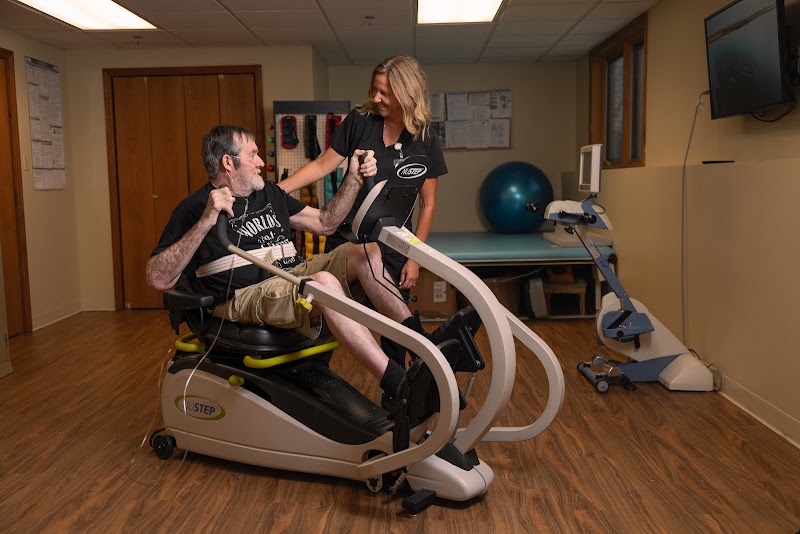
How is Colonial Staffed?

CMS rates COLONIAL NURSING HOME's staffing level at 2 out of 5 stars, which is below average compared to other nursing homes. Staff turnover is 59%, which is 13 percentage points above the Indiana average of 46%. High turnover can affect care consistency as new staff learn residents' individual needs.

What Have Inspectors Found at Colonial?

State health inspectors documented 46 deficiencies at COLONIAL NURSING HOME during 2022 to 2025. These included: 44 with potential for harm and 2 minor or isolated issues.
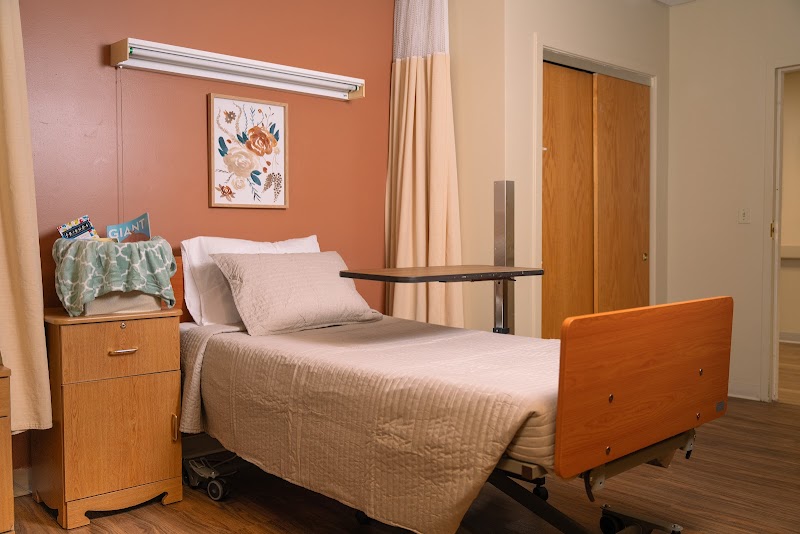
Who Owns and Operates Colonial?

COLONIAL NURSING HOME is owned by a for-profit company. For-profit facilities operate as businesses with obligations to shareholders or private owners. The facility is operated by IDE MANAGEMENT GROUP, a chain that manages multiple nursing homes. With 55 certified beds and approximately 29 residents (about 53% occupancy), it is a smaller facility located in CROWN POINT, Indiana.
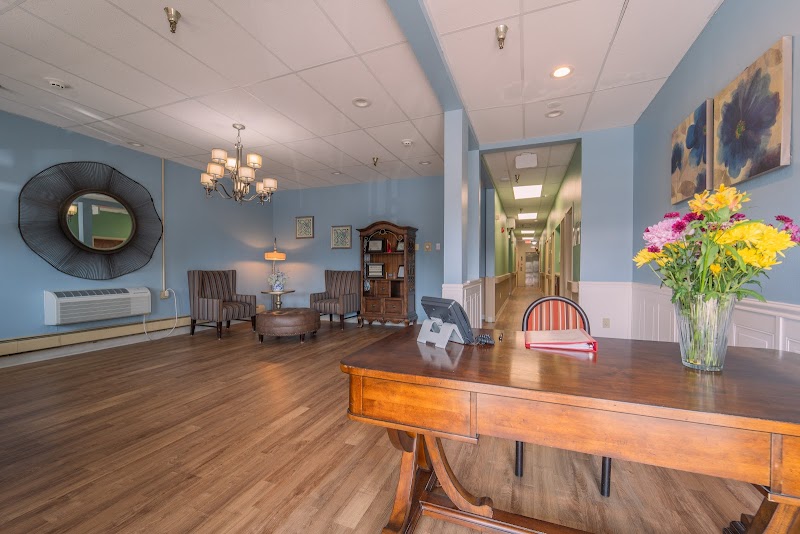
How Does Colonial Compare to Other Indiana Nursing Homes?

Compared to the 100 nursing homes in Indiana, COLONIAL NURSING HOME's overall rating (1 stars) is below the state average of 3.1, staff turnover (59%) is significantly higher than the state average of 46%, and health inspection rating (1 stars) is much below the national benchmark.

What Should Families Ask When Visiting Colonial?

Based on this facility's data, families visiting should ask: "How do you ensure continuity of care given staff turnover, and what is your staff retention strategy?" "Can you walk me through typical staffing levels on day, evening, and night shifts?" "Can I visit during a mealtime to observe dining assistance and food quality?" "How do you handle medical emergencies, and what is your hospital transfer rate?" These questions are particularly relevant given the facility's high staff turnover rate and the below-average staffing rating.

Is Colonial Safe?

Based on CMS inspection data, COLONIAL NURSING HOME has a clean safety record: no substantiated abuse findings (meaning no confirmed cases of resident harm), no Immediate Jeopardy citations (the most serious violation level indicating risk of serious injury or death), and is not on the Special Focus Facility watch list (a federal program monitoring the lowest-performing 1% of nursing homes). The facility has a 1-star overall rating and ranks #100 of 100 nursing homes in Indiana. While no facility is perfect, families should still ask about staff-to-resident ratios and recent inspection results during their visit.

Do Nurses at Colonial Stick Around?

Staff turnover at COLONIAL NURSING HOME is high. At 59%, the facility is 13 percentage points above the Indiana average of 46%. High turnover means new staff may not know residents' individual needs, medications, or preferences. It can also be disorienting for residents, especially those with dementia who rely on familiar faces. Families should ask: What is causing the turnover? What retention programs are in place? How do you ensure care continuity during staff transitions?

Was Colonial Ever Fined?

COLONIAL NURSING HOME has been fined $9,750 across 1 penalty action. This is below the Indiana average of $33,176. While any fine indicates a compliance issue, fines under $50,000 are relatively common and typically reflect isolated problems that were subsequently corrected. Families should ask what specific issues led to these fines and confirm they've been resolved.

Is Colonial on Any Federal Watch List?

COLONIAL NURSING HOME is not on any federal watch list. The most significant is the Special Focus Facility (SFF) program, which identifies the bottom 1% of nursing homes nationally based on persistent, serious quality problems. Not being on this list means the facility has avoided the pattern of deficiencies that triggers enhanced federal oversight. This is a positive indicator, though families should still review the facility's inspection history directly.