CROWN POINT HEALTH CAMPUS
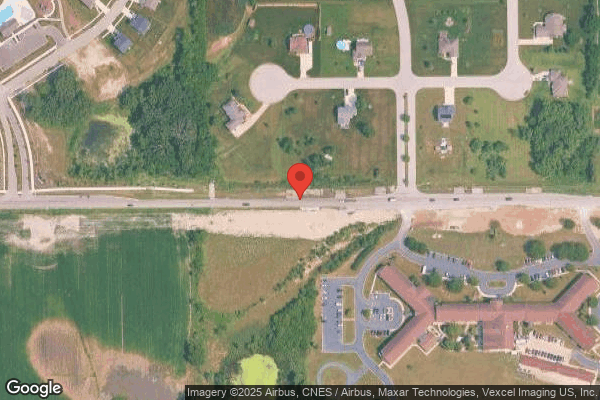
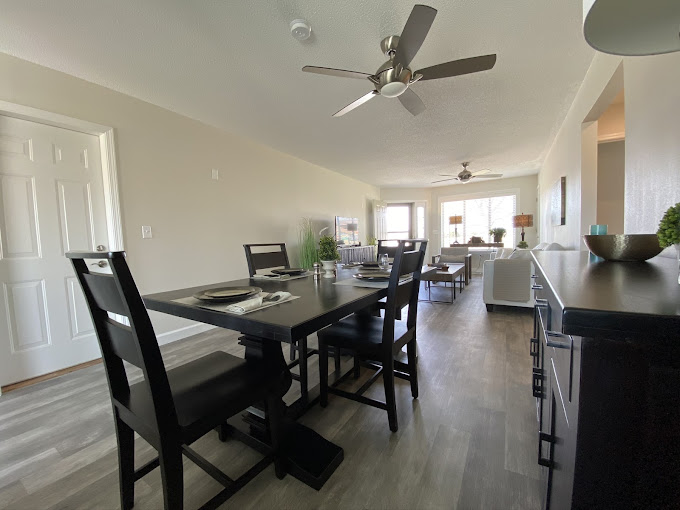
6685 EAST 117TH AVENUE, CROWN POINT, IN 46307 (219) 662-0642
Non profit - Corporation 145 Beds CASA CONSULTING Data: November 2025 1 Immediate Jeopardy citation
Trust Grade
0/100
#445 of 505 in IN
Last Inspection: February 2025

Within standard 12-15 month inspection cycle. Federal law requires annual inspections.

Overview

Crown Point Health Campus has received a Trust Grade of F, indicating significant concerns about the quality of care provided. With a state ranking of #445 out of 505 facilities in Indiana, this places them in the bottom half, and they rank #12 out of 20 in Lake County, meaning only one facility nearby performs worse. The trend is worsening, with the number of issues increasing from 26 in 2024 to 30 in 2025. Staffing is a major concern, with a low rating of 1 out of 5 stars and a staggering turnover rate of 90%, which is much higher than the Indiana average of 47%. Although the facility has no fines on record, which is a positive sign, there are serious issues, such as a resident with dementia being found alone on a busy road due to inadequate supervision and concerns about unsanitized medical equipment and food safety practices. Overall, while there are no fines, the high turnover and critical incidents raise serious questions about the quality of care at this facility.

Trust Score
F
0/100
In Indiana
#445/505
Bottom 12%
Safety Record
High Risk
Review needed
Inspections
Getting Worse
26 → 30 violations
Staff Stability
⚠ Watch
90% turnover. Very high, 42 points above average. Constant new faces learning your loved one's needs.
Penalties
✓ Good
No fines on record. Clean compliance history, better than most Indiana facilities.
Skilled Nurses
⚠ Watch
Each resident gets only 25 minutes of Registered Nurse (RN) attention daily — below average for Indiana. Fewer RN minutes means fewer trained eyes watching for problems.
Violations
⚠ Watch
69 deficiencies on record. Higher than average. Multiple issues found across inspections.
★☆☆☆☆
1.0
Overall Rating
★☆☆☆☆
1.0
Staff Levels
★★★☆☆
3.0
Care Quality
★☆☆☆☆
1.0
Inspection Score
Stable
2024: 26 issues
2025: 30 issues

The Good

  • Full Sprinkler Coverage · Fire safety systems throughout facility
  • No fines on record

Facility shows strength in fire safety.

The Bad

1-Star Overall Rating

Below Indiana average (3.1)

Significant quality concerns identified by CMS

Staff Turnover: 90%

44pts above Indiana avg (46%)

Frequent staff changes - ask about care continuity

Chain: CASA CONSULTING

Part of a multi-facility chain

Ask about local staffing decisions and management

Staff turnover is very high (90%)

42 points above Indiana average of 48%

The Ugly 69 deficiencies on record

1 life-threatening
Aug 2025 1 deficiency
CONCERN (D) 📢 Someone Reported This

A family member, employee, or ombudsman was alarmed enough to file a formal complaint

Potential for Harm - no one hurt, but risky conditions existed

Notification of Changes (Tag F0580)

Could have caused harm · This affected 1 resident

Based on record review and interview, the facility failed to ensure a resident's family/Responsible Party was notified for a new medication order, for 1 of 3 residents reviewed for family/Responsible ...

Read full inspector narrative →
Based on record review and interview, the facility failed to ensure a resident's family/Responsible Party was notified for a new medication order, for 1 of 3 residents reviewed for family/Responsible Party notification. (Resident O)Finding includes:Resident O's record was reviewed on 8/18/25 at 1:06 p.m The diagnoses included, but were not limited to, osteomyelitis and schizophrenia.A Nurse Practitioner's Progress Note, dated 8/12/25 at 12:29 p.m., indicated the resident voiced she was not able to fall asleep at night and when she does fall asleep, she has difficulty staying asleep. A Nurse Practitioner's Order, dated 8/12/25, indicated melatonin three milligrams was to be administered every night for insomnia.There was no documentation that indicated the resident's Responsible Party/family had been notified of the change in medication.During an interview on 8/19/25 at 3:10 p.m., the Regional Nurse Consultant indicated the Responsible Party/family had not been notified of the medication order.This citation relates to Intake 2590825.3.1-5(a)(3)
Jul 2025 8 deficiencies 1 IJ
CRITICAL (J) 📢 Someone Reported This

A family member, employee, or ombudsman was alarmed enough to file a formal complaint

Immediate Jeopardy (IJ) - the most serious Medicare violation

Accident Prevention (Tag F0689)

Someone could have died · This affected 1 resident

**NOTE- TERMS IN BRACKETS HAVE BEEN EDITED TO PROTECT CONFIDENTIALITY** Based on observation, record review and interview, the facility failed to ensure adequate supervision was in place to prevent el...

Read full inspector narrative →
**NOTE- TERMS IN BRACKETS HAVE BEEN EDITED TO PROTECT CONFIDENTIALITY** Based on observation, record review and interview, the facility failed to ensure adequate supervision was in place to prevent elopement of a resident with diagnoses of dementia and bipolar in a manic state with psychotic features. The resident had indicators of being an elopement risk and behaviors of wanting to exit the facility. The facility was unaware of the resident's where abouts and the resident was found by a Good Samaritan standing in the road, approximately 0.15 miles from the facility, on a highly traveled road. The resident was returned to the facility by the Good Samaritan. (Resident E) The Immediate Jeopardy began on 6/24/25, when the facility was unaware the resident had exited the facility without supervision. The resident walked independently and was found standing on the road that runs in front of the facility at approximately 4:50 a.m. by a Good Samaritan, who assisted the resident back to the facility. The Administrator, Executive Director (ED), and the Director of Nursing (DON), were notified of the immediate jeopardy on 7/22/25 at 2:52 p.m. The immediate jeopardy was removed on 7/23/25, but noncompliance remained at the lower scope and severity level of isolated, no actual harm with potential for more than minimal harm that is not immediate jeopardy. The facility also failed to ensure a resident who had falls had documentation of a fall, assessments after the fall, family and Physician notification, investigation of the fall, assessments and follow up assessments after the falls, for 1 of 1 resident reviewed for falls. (Resident H) Findings include:1. During an interview on 7/22/25 at 5:05 a.m., the Administrator and DON indicated there had been no current elopements from the facility. The Administrator indicated if there had been an elopement, she would have reported it to the Indiana Department of Health (IDOH). During an interview on 7/22/25 at 5:21 a.m., RN 1 indicated a person from the outside community had found Resident E outside of the building on 6/24/25 and brought her back to the facility. She had not been the nurse assigned to the resident that night. The resident was last seen in the lounge across from the Nurses' Station drinking coffee and was gone from the facility approximately 30 minutes. The DON had been notified of the incident. During an interview on 7/22/25 at 5:24 a.m., LPN 2 indicated she had been the nurse assigned to Resident E. On 6/24/25, early morning, the resident was in the Dining Room/Lounge, across from the Nurses' Station, and requested coffee. She drank the coffee and said she was going back to her room. The resident was brought back to the facility through the [NAME] Unit Doors by a community person. LPN 2 indicated one of the staff members from the [NAME] Unit called the DON and the DON called the Grace Unit and directed her to go to the [NAME] Unit to assist the resident back up to the Grace Unit. There were no injuries observed. She was missing from the building about 30 minutes from the last time she was observed. She left through the front door. The Front door had been slid open and would not close when attempts were made to reset the door. LPN 1 indicated she was instructed not to document the incident. The resident had not been at the facility very long and kept her belongings packed and made statements she was going home. She also had other behaviors. During an interview on 7/22/25 at 5:33 a.m., CNA 3 indicated Resident E would make comments she was ready to go and she was not going to stay at the facility. She would wander the hallways and was exit-seeking. She never stayed in her room very long. The staff had to keep a close eye on the resident. During an interview on 7/22/25 at 6:20 a.m., the Executive Director (ED) indicated the incident had not been reported to the Indiana Department of Health (IDOH). They had not considered this event an elopement. The resident was oriented to person, place and time and was assessed as safe to be out in the community. The Administrator indicated the resident was not off the facility grounds and she had been found at the edge of the parking lot. During a telephone interview on 7/22/25 at 8:17 a.m., the Good Samaritan indicated she was driving west on the road in front of the facility about 4:50 a.m. on 6/24/25 and saw a woman who was kind of hunched over standing in the road. She indicated it was just getting light outside. She turned her car around and came back to get the resident. She indicated the resident was about a quarter of a mile down the road from the main entrance and was at the end of the turn in lane into the facility parking lot. The resident was not hesitant about getting in the car and just wanted a cup of coffee. The resident gave her a home address and informed her she did not want to go back to the facility. The resident was returned to the unit at the back of the building and the Good Samaritan indicated she had spoken to the DON on the phone. The resident had indicated her knees were hurting. On 7/22/25 at 8:45 a.m., the pathway from the front door to the approximate area where the resident was found, through the grass and not the parking lot, was walked. Once in the grassy area, it was downhill, then uphill closer to the road. The distance was measured with a sports watch and registered at 0.15 mile. A longer distance would have been walked if the resident used the driveway. There were several cars observed driving on the road. There were no sidewalks or shoulder areas along the road. Resident E's closed record was reviewed on 7/22/25 at 9:09 a.m. The diagnoses included, but were not limited to dementia, bipolar with current manic episodes with psychotic features, and unsteadiness on her feet. The admission date was 6/20/25. A Hospital History and Physical, dated 6/11/25, indicated the resident was confused at times. A Guardianship Physician's Report, dated and signed by the Physician on 6/18/25 and downloaded into the resident's record on 6/23/25, indicated the resident was impulsive and had unsafe behaviors. She was confused but able to follow commands and instructions. She had good social skills and could communicate well. She was delusional and at times and made unsafe decisions due to the confusion and delusions. The resident would likely need a long-term nursing home and eventually, as her dementia progressed, a locked memory care. Changes in the routine could cause more confusion, triggering an aggressive episode. A Guardian was needed for personal and financial needs.A Nurse's Progress Note, dated 6/20/25 at 11:30 p.m., indicated the resident packed her belongings and said she was leaving. She attempted to leave out the locked front door. The resident indicated she was not staying and wanted an Uber notified. LPN 4 informed the resident she would need to stay at least for the night and in the morning, she could notify her family. The resident calmed.An admission Clinical Observation, dated 6/20/25 at 11:45 p.m., indicated a baseline Care Plan for a risk for falls. The interventions included to educate the resident about safety reminders and what to do if a fall occurred and Physical and Occupational Therapy. The Neurological Observation indicated the resident was oriented to person. The Elopement section indicated she was able to ambulate independently, was not oriented to person, place, time. Statements were made by the resident of dissatisfaction or intention to leave. The resident was physically able to leave the facility independently. There was no Base Line Care Plan for the risk of elopement nor for resident behaviors. There was no admission/arrival to the facility note located in the record. During an interview on 7/23/25 at 2:10 p.m., the Administrator indicated the resident was admitted to the facility at 8:00 p.m. on 6/24/25, but the admission Clinical Observation note was entered in the electronic record at 11:45 p.m. on 6/24/25. An attempt was made to contact LPN 4 for clarification of the resident's orientation on 7/23/25 at 10:57 a.m. and a voicemail was left to return the call. There was no return call from LPN 4. The DON also attempted to contact LPN 4 with no return call at the time of exit on 7/24/25 at 4:15 p.m.A Skilled Evaluation, dated 6/21/25 at 10:36 a.m., indicated the resident was oriented to person, place, and time (x3), though was disoriented to person and time. During an interview on 7/23/24 at 11:33 a.m., LPN 5 indicated the resident had periods of confusion and she was forgetful at times. She was not oriented at all times and the oriented x3 may have been marked by accident. LPN 5 could not recall the status of the resident on 6/21/25.A Nurse's Progress Note, dated 6/21/25 at 11:59 a.m., indicated a family member was notified per phone at the resident's request. The family member indicated he could not pick the resident up and informed the nurse the resident was confused. The resident continued to pack her belongings and brought them to the Nurses' Station. There were no documented interventions for behavior management or to prevent elopement.During an interview on 7/23/25 at 11:33 a.m., LPN 5 indicated the family member was notified by her at the resident's request because she wanted to leave the facility. The family member had not wanted to speak to the resident and informed LPN 5 he was not coming to pick the resident up and the resident was confused.A Nurse's Progress Note, dated 6/21/25 at 4:15 p.m., indicated the resident demanded a soda and a candy bar. She was informed by the nurse that they would try to get them for her. The resident shouted she would get them herself and attempted to open the Emergency Exit and set off the alarm. There were no documented interventions for behavior management or to prevent elopement. A Nurse's Progress Note, dated 6/21/25 at 8:20 p.m., indicated the resident approached the Nurses' Station with her belongings packed and indicated she was taking the items to make up for the things that were stolen from her. The resident was redirected back to her room and after a few minutes of conversation, she calmed down and returned to her room.A Nurse's Progress Note, dated 6/21/25 at 8:56 p.m., indicated the resident was not found in her room and was located in the Bistro pulling dishes out of the cabinets, saying they were hers and they were stolen from her. LPN 4 indicated she explained to the resident that the dishes belonged to the facility. After speaking with the resident, she calmed down and returned to her room.There were no Care Plans with interventions implemented for the elopement risk and the behaviors on 6/21/25.A Nurse's Progress Note, dated 6/22/25 at 9:30 p.m., indicated aggressive and destructive behavior was exhibited. The resident entered the front foyer area and destroyed a plant, a glass vase, and the Check-In Stand. She was agitated and verbally upset. One-on-one supervision was implemented.There were no Care Plans and/or interventions implemented for the elopement risk and behaviors on 6/22/25. A Cognitive Status Assessment, dated 6/23/25 at 7:06 a.m. and completed by the Social Service Director (SSD), indicated an intact cognitive status. A Skilled Evaluation, dated 6/23/25 at 12:57 p.m., indicated the resident was anxious, agitated, and restless, had confusion and was forgetful.A Nurse Practitioner's (NP) Progress Note, dated 6/23/25 at 1:25 p.m., indicated the resident had a flight of ideas, seemed anxious and was ready to go home. The resident had dementia and needed monitored for any exit seeking behaviors. There was no Care Plan or interventions implemented for the monitoring of the exit-seeking behaviors.There were no further Elopement Assessments completed from 6/20/25 until 6/23/25.An Elopement Assessment, dated 6/23/25 at 4:04 p.m. and completed by the Social Services Director (SSD), indicated there was no history of wandering and/or elopement. There was a diagnosis of dementia and/or severe mental illness. There were no reported or documented episodes of elopement and/or attempts to elope. There were no behaviors of wandering, hanging around exits or stairways, verbalizing a strong intent to leave the facility. There was no agitation, confusion and/or disorientation and there was no display of poor judgement or engaging in theme behavior. The resident had the ability to leave the facility and the score was a 2, which indicated there was not risk for an elopement. A Nurse's Progress Note, dated 6/24/25 at 7:30 a.m. and written by the DON on 6/24/25 at 1:51 p.m., indicated the resident was banging on the front door and tried to open the door. She was verbalizing she wanted to leave. The staff were unable to redirect. One-on-one care was provided, the family was notified and arrived at the facility. The Nurse Practitioner was notified and the resident was transferred to the hospital for further evaluation. During an interview on 7/22/25 at 9:16 a.m., the DON indicated she had spoken with the person who brought the resident back to the facility and was told the resident was walking in the grass out front. Discussed this with the Administrator and ED and it was decided it was not an incident. She indicated she was unsure if it was an unusual occurrence. She indicated no one had told her not to document the event but was told what to document. During an interview on 7/22/25 at 10:44 a.m., the Administrator provided an undated investigation/timeline of the incident. The investigation indicated the resident had an intact cognitive status and was oriented to person, place, time, and situation. Behaviors were displayed on 6/22/25. On 6/23/25, staff discussed behaviors with family. On 6/24/25 at 1:29 a.m., there were no behaviors and the resident was in bed, she received a Tylenol at 3:33 a.m. for a headache and remained in bed. At approximately 3:45 - 4 a.m., she was in the Dining Room/Lounge, dressed and watching TV. At 4:35 a.m., the Nurse followed up on the Tylenol and the resident said it was effective. At 4:55 a.m., the resident was returned to the facility and she stated she was trying to go home. She was immediately placed on one-on-one's. The family arrived at the facility and decided to take the resident to the hospital. There were no employee written statements in the investigation. The Administrator indicated the investigation had been started on 6/24/25.The ED, SSD, Administrator, and DON were interviewed together on 7/22/25 at 11:35 a.m.:The ED indicated the resident had been at the facility for a short time. They were unaware of the Guardianship paper. The resident would visit with her and there was no confusion. The nurse was told not to document at that time because they wanted to make sure the documentation was factual. The SSD indicated that the resident was admitted on a Friday and she completed the Elopement Assessment and other assessments on the following Monday (6/23/25). The cognitive assessment indicated her cognition was intact and she was consistent. There was no confusion when the assessment had been completed. She did not recall looking at the Nurses' Progress Notes when she completed the assessments. She was aware of the behaviors. The Administrator indicated she had spoken to the resident, and she was talking about wanting to leave and to go home. The family had not been concerned about any other diagnoses other than the bipolar diagnosis. She indicated the administrative staff wanted to discuss the event and ensure the documentation was objective and not subjective. She indicated she did not have the name or phone number for the community person who brought the resident back to the facility and had not spoken with her to get a statement. The DON indicated she had spoken to the community person on the phone when she brought the resident back to the facility. She did not recall the name of the person. She indicated she had informed the nurse not to document because they wanted to make sure the verbiage was correct. She indicated the 6/24/25 at 7:30 a.m. entry was her own documentation. She assumed the resident was pounding on the door and saying she wanted to go home but she had not witnessed the event. She indicated it was the family who decided to transfer the resident to the hospital. During an interview on 7/24/25 at 8:56 a.m., the DON indicated the elopement assessment was to be done on admission and if the staff saw signs of a risk for elopement. There was no care plan or interventions put into place for the resident when she had signs of being an elopement risk. It was the responsibility of the nurse to do the assessment and put interventions in place until Social Service evaluated the resident. A facility elopement policy, dated 2/12/24 and received from the Administrator as current, indicated it was the intent of the facility to be aware of the residents' locations as reasonably practicable. The Immediate Jeopardy that began on 6/24/25 was removed on 7/23/25 when the facility inserviced 172 out of 179 staff members on the facility resident at risk for elopement, elopement, and missing resident policy and procedures. Staff were interviewed and indicated residents who exhibited signs of possible elopement would be reported to the Charge Nurse, DON, and Administrator. Care Plans would be implemented and interventions followed. If a resident was unable to be found, a code pink would be called and an immediate search of the building would be completed. The Administrator would be immediately notified. The Wanderguard bracelets were to be checked every shift for placement. Residents' behaviors would be reviewed by the interdisciplinary team to ensure residents at risk for elopement had appropriate interventions in place and the care plan would be revised. The non-compliance remained at a lower scope and severity level of isolated, no actual harm with potential for more than minimal harm that is not immediate jeopardy. The facility will continue to inservice all new staff and all staff who have not been educated prior to their next working day. An audit was initiated for all residents in the facility and elopement risk assessments were updated. All residents who were identified as a risk were reassessed by social service and the care plan interventions were reviewed and revised if needed. The Maintenance Director checked all exit doors for proper functioning. An Elopement Drill was completed and will be completed on alternate shifts. The Social Service Director was provided education to ensure all behaviors are reviewed and appropriate interventions were in place. 2. Resident H's record was reviewed on 7/23/25 at 1:56 p.m. The diagnoses included, but were not limited to, gastrostomy tube, dysphagia, and malignant breast cancer. A Care Plan, dated 5/27/25, indicated the resident was a fall risk. The interventions indicated on 6/28/25 bolsters were added to the bed, needed items/frequently used items were within reach, and the call light would be kept in reach. An admission Minimum Data Set (MDS) assessment, dated 5/28/25, indicated a severely impaired cognitive status, no impairment of the upper and lower extremities, dependent for all activities of daily living, had a feeding tube which provided 51% or more of daily nutrition and 502 milliliters (ml) or more of fluids daily, and had a pressure reducing mattress for the bed. a. A Nurse's Progress Note, dated 6/15/25 at 8:41 a.m., indicated the resident's roommate informed the nurse that the resident had fallen from the bed on 6/14/25 on the evening shift. The resident complained of pain and discomfort of the bilateral lower extremities and grimaced in pain upon movement. There was slight swelling of the left knee with redness. The physician and the responsible party were notified. The resident was transferred to the Emergency Room. A Nurse's Progress Note, dated 6/15/25 at 3:15 p.m., indicated the resident returned from the emergency room and there were no fractures. The responsible party had been notified. There was no documentation on 6/14/25 evening shift of the fall, nursing assessment after the fall, or that the Physician and Responsible Party had been made aware of the fall. There were no follow-up assessments after the fall or return from the hospital. During an interview on 7/23/25 at 8:56 a.m., the DON indicated she was aware the resident's roommate reported the resident had fallen on 6/14/25 on the evening shift. She was unsure if the fall had actually occurred. There was no documentation of the fall or an investigation of the fall. There was no assessment of the resident after the fall. She had attempted to notify the nurse who was on duty the evening of the alleged fall and the nurse never got back with her and then she forgot to follow up on the call. She had not interviewed the CNA's who were on duty. There were no follow-up assessments after the reported fall or hospital visit. b. A Fall Progress Note, dated 6/28/25 at 1:30 a.m., indicated Resident H was found on the floor next to the bed. She had stated she was reaching for her lotion and slipped out of the bed. There were no visible injuries, and she was able to move her extremities. She denied pain or discomfort. She was assisted back to bed and vital signs and neuro checks were initiated. There were no follow-up assessments completed on 6/28/25 until 11:30 p.m. There were no follow-up assessments completed from 6/28/25 at 11:30 p.m. to 6/29/25 at 3:01 p.m. There were no follow-up assessments completed from 6/28/25 at 11:30 p.m. to 6/29/25 at 3:01 p.m. and 9:18 p.m. There were no follow-up assessments completed from 6/29/25 at 9:18 p.m. to 6/30/25 at 10:20 a.m. and 3:13 p.m. There were no follow up assessments completed from 6/29/25 at 9:18 a.m. to 6/30/25 at 10:20 a.m. There were no follow-up assessments completed from 6/30/25 at 6:30 p.m. to 7/1/25 at 6:36 p.m. c. A Fall Follow-up assessment, dated 7/18/25 at 11:53 a.m., indicated a recent fall, no report of pain, no injury, no change in cognition or mental status, no change in activity of daily living status or mobility, and no changes in physician's orders related to the event. A Change of Condition Summary, dated 7/18/25 at 11:58 a.m., indicated the resident had fallen, vital signs were obtained. There were no changes in mental status and the Nurse Practitioner was notified. There were no neurological assessments completed after the fall. There were no post fall follow-up assessments documented. During an interview on 7/23/25 at 8:56 a.m., the DON indicated the nurse had documented the fall in the electronic record on a change of status form instead of a fall event, so it had not transferred over to the report sheet. There were no neurological assessments completed and there was no documentation about the fall, the location or the cause of the fall. There were no witnesses to the fall so neurological assessments should have been completed. A facility policy for fall management, dated 1/13/25 and received form the Corporate Regional RN as current, indicated a post-fall assessment was to be completed, which included vital signs, neurological assessment for all unwitnessed falls and if the resident hit their head. The post fall documentation was to include the circumstances and location of the fall, range of motion status, injuries observed, vital signs, neurological status, and post-fall interventions. A post-fall assessment was to be completed on each shift for 72 hours and documented in the medical record. This citation relates to Complaint 1811008. 3.1-45(a)(2)
CONCERN (D) 📢 Someone Reported This

A family member, employee, or ombudsman was alarmed enough to file a formal complaint

Potential for Harm - no one hurt, but risky conditions existed

Report Alleged Abuse (Tag F0609)

Could have caused harm · This affected 1 resident

Based on interview and record review, the facility failed to develop and/or implement policies and procedures for ensuring the reporting of a reasonable suspicion of a crime in accordance with section...

Read full inspector narrative →
Based on interview and record review, the facility failed to develop and/or implement policies and procedures for ensuring the reporting of a reasonable suspicion of a crime in accordance with section 1150B of the Act related to an allegation of physical and sexual abuse for 1 of 1 resident reviewed for abuse. (Resident E) Finding includes:Resident E's closed record was reviewed on 7/22/25 at 9:09 a.m. The diagnoses included, but were not limited to dementia, bipolar with current manic episodes with psychotic features, and unsteadiness on her feet. The admission date was 6/20/25. A Nurse's Progress Note, dated 6/20/25 at 11:30 p.m., indicated the resident voiced an allegation that she had been both physically and sexually assaulted the day earlier.During an interview on 7/22/25 at 11:35 a.m., the Administrator indicated the allegation had not been investigated or reported immediately to the Administrator, Indiana Department of Health (IDOH), the resident's previous facility, physician, responsible party, or local law enforcement.A Reported IDOH Incident, dated 7/22/25, indicated the Administrator was notified of a Progress Note that indicated an allegation of physical and sexual abuse. LPN 4 had indicated she thought the resident was in a manic state and the allegation was related to the mental state at the time the allegation was voiced. The Resident's family and Physician were notified on 7/22/25.The facility abuse policy, dated 9/1/24 and received as current from the Administrator, indicated the employees were required to report any allegation of abuse to the Administrator immediately or to the immediate supervisor. Any allegation of abuse was to be investigated and reported to the IDOH.3.1-28(c)
CONCERN (D) 📢 Someone Reported This

A family member, employee, or ombudsman was alarmed enough to file a formal complaint

Potential for Harm - no one hurt, but risky conditions existed

Tube Feeding (Tag F0693)

Could have caused harm · This affected 1 resident

Based on observations, record review, and interview, the facility failed to ensure a resident's tube feeding was infusing at the correct flow rate for 1 of 3 residents reviewed for feeding tube usage....

Read full inspector narrative →
Based on observations, record review, and interview, the facility failed to ensure a resident's tube feeding was infusing at the correct flow rate for 1 of 3 residents reviewed for feeding tube usage. (Resident H)Finding includes:During an observation on 7/22/25 at 3:03 p.m., the liquid tube feeding for Resident H was not infusing.During an observation on 7/23/25 at 11:51 a.m., the liquid tube feeding of Jevity 1.5 was infusing at 60 cc/hr (cubic centimeters per hour).Resident H's record was reviewed on 7/23/25 at 1:56 p.m. The diagnoses included, but were not limited to, gastrostomy tube and dysphagia.A Care Plan, dated 5/26/25, indicated a feeding tube was present. The interventions indicated the tube feeding and water flushes were to be administered as ordered by the Physician.An admission Minimum Data Set assessment, dated 5/28/25, indicated a severely impaired cognitive status and had a feeding tube and it provided 51% or more of daily nutrition and 502 milliliters or more of fluids daily. A Physician's Order, dated 7/17/25, indicated a liquid feeding of Jevity 1.5 at 60 cc/hr for 18 hours. Turn the feeding off at 8:00 a.m. and turn the feeding on at 2:00 p.m. The Medication Administration Record, dated 7/2025, indicated the enteral feeding order was one time per day of Jevity 1.5 at 60 cc/hr for 18 hours for a total of 1350 cc's. Turn feeding off at 8:00 a.m. and on at 2:00 p.m. The time was documented as 5:30 p.m. and was being checked off as done. During an interview on 7/23/25 at 4:46 p.m., the Director of Nursing indicated she would re-write the feeding tube orders to make the orders clearer. This citation relates to Complaint 1811010.3.1-44(a)(2)
CONCERN (D) 📢 Someone Reported This

A family member, employee, or ombudsman was alarmed enough to file a formal complaint

Potential for Harm - no one hurt, but risky conditions existed

Deficiency F0694 (Tag F0694)

Could have caused harm · This affected 1 resident

Based on observation, record review, and interview, the facility failed to ensure a PICC (peripherally inserted central catheter) line had physician's orders for the care and monitoring and the dressi...

Read full inspector narrative →
Based on observation, record review, and interview, the facility failed to ensure a PICC (peripherally inserted central catheter) line had physician's orders for the care and monitoring and the dressing was changed once weekly for 1 of 1 resident reviewed for PICC line care. (Resident D)Finding includes:During an observation on 7/23/25 at 2:42 p.m., a PICC line was observed in the resident's left upper arm. The date on the dressing covering the PICC line was 7/13/25. The Wound Nurse indicated the dressing was to be changed weekly.Resident D's record was reviewed on 7/24/25 at 10:13 a.m. The diagnoses included, but were not limited to, osteomyelitis, stroke, and post-surgical closure and debridement of stage four (full thickness) pressure ulcers. The admission date was 6/20/25.A Skin/Wound Note, dated 6/20/25 at 4:30 p.m., indicated an intravenous (IV) line was observed on the left upper arm.A Physician's Order, dated 6/21/25, indicated ceftriaxone (antibiotic) 2 grams was to be administered daily for osteomyelitis until 7/17/25.There were no physician's orders for the flushes, dressing changes, nor other care of the PICC line.The Medication and Treatment Administration Records, dated 6/2025 and 7/2025, lacked instructions for the flushes, dressing changes, and other care of the PICC line.A Nurse's Progress Note, dated 6/24/25 at 6:26 a.m., indicated the PICC line was intact and was flushed with 10 cc's (cubic centimeters) of normal saline. The site of insertion was clean, dry and intact and there was no signs or symptoms of infection.An admission Minimum Data Set (MDS) assessment, dated 6/26/25, indicated an intact cognitive status, received an antibiotic, had an intravenous (IV) access and received IV medications.Nurses' Progress Notes, dated 6/29/25 at 12:01 p.m. and 9:15 p.m., indicated the IV site was patent and there were no signs and symptoms of infection. The notes had not indicated the IV was flushed.A Nurse's Progress Note, dated 6/30/25 at 12:50 a.m., indicate the IV was flushed with 10 cc's of sterile normal saline, flushes easily and the insertion site was without signs of infection.A Nurse's Progress Note, dated 7/1/25 at 2:27 a.m., indicated the IV was flushed with normal saline and the site was with signs of infection.A Nurse's Progress Note, dated 7/2/25 at 12:17 a.m., indicated the IV site had no symptoms of infection.A Nurse's Progress Note, dated 7/3/25 at 1:52 a.m., indicated no signs of infection at the insertion site.There were no other assessments of the PICC line or indications the PICC was flushed until 7/8/25 at 7:22 p.m.A Nurse's Progress Note, dated 7/8/25 at 6:15 a.m., indicated the PICC was flushed with normal saline and the site was without signs of infection.A Nurse's Progress Note, dated 7/8/25 at 11:15 p.m., indicated the PICC flushed easily and there was no sign of infection.The next documentation on the PICC was 7/12/25 at 1:52 a.m., that indicated the PICC was flushed and no signs of infection at the insertion site.A Nurse's Progress Note, dated 7/13/25 at 2:57 p.m., indicated the PICC line dressing had been changed with sterile technique.A Nurse's Progress Note, dated 7/14/25 at 12:09 a.m., indicated the PICC was flushed and there was no sign of infection at the insertion site.The Medication Administration Records, dated 7/2025, indicated the last dose of the antibiotic was on 7/16/25.A Nurse's Progress Note, dated 7/18/25 at 2:25 a.m., indicated the antibiotic treatment continued and there was no signs of infection at the PICC insertion site.A Care Plan, revised on 7/18/25, indicated an IV in the left upper arm was present. The interventions indicated the insertion site would be assessed during the infusions and at least every shift when not in use and the line would be flushed with 10 cc's (cubic centimeters) of normal saline and follow with 5 cc's of heparin - 10 units per cc.A Nurse's Progress Note, dated 7/19/25 at 6:30 a.m., indicated the resident was still receiving the antibiotic.A Nurse's Progress Note, dated 7/20/25 at 12:32 a.m. (late entry on 7/22/25 at 1:51 a.m.), indicated the PICC was flushed with normal saline, the dressing was clean, dry, and intact, and there was no signs of infection at the insertion site. There were no further Nurses' Progress Notes that indicated the PICC had been flushed, assessed, and dressing had been changed per the Care Plan interventions.During an interview on 7/24/25 at 1:33 p.m., the Director of Nursing (DON), indicated the PICC line was to be removed today. There were no order for the flush, dressing change, nor other care of the PICC.A facility policy for flushing the PICC line, dated 9/1/16 and received from the Corporate Regional RN as current, indicated the lines would be flushed to maintain patency. The catheters were to be flushed at regular intervals to maintain patency and before and after medication administration.A facility policy for PICC dressing changes, received from the Corporate Regional RN as current, indicated dressing changes were to be completed every five to seven days or as needed.3.1-47(a)(2)
CONCERN (D) 📢 Someone Reported This

A family member, employee, or ombudsman was alarmed enough to file a formal complaint

Potential for Harm - no one hurt, but risky conditions existed

Deficiency F0761 (Tag F0761)

Could have caused harm · This affected 1 resident

Based on observation and interview, the facility failed to ensure medications were stored properly for 2 of 2 medication carts observed. (B wing medication cart and C wing medication cart)Findings inc...

Read full inspector narrative →
Based on observation and interview, the facility failed to ensure medications were stored properly for 2 of 2 medication carts observed. (B wing medication cart and C wing medication cart)Findings include:1. On 7/23/25 at 8:04 a.m., LPN 1 was observed in Resident C's room. The C Wing medication cart was in the hallway and the following medications were sitting on top of the cart unsupervised and accessible to anyone in the hallway:a. 1 bottle of amoxicillin labeled for Resident T.b. 2 Nystatin bottles labeled for Resident U and Resident V.c. 1 tube of wound paste and 1 tube of cooling gel labeled for Resident W.During an interview on 7/23/25 at 8:36 a.m., LPN 1 indicated the medications on top of her cart belonged in the treatment cart and not in the medication cart. LPN 1 indicated the treatment cart was at the end of the hallway and those medications did not belong in her cart. 2. On 7/23/25 at 8:38 a.m., the B wing medication cart was observed with LPN 3 during a medication administration pass for Resident Y. LPN 3 was out of a medication and left her cart to check for it. The medication cards that she had previously pulled were sitting on top of the medication cart. There was 1 resident walking in the hallway at the time. The following medications were on top of the cart and accessible to anyone in the hallway: a. pantoprazoleb. carvedilolc. digoxind. Acetaminophene. ferrosolDuring an interview on 7/23/25 at 3:10 p.m., the Nurse Consultant indicated she understood the med storage concern and had no further information to provide.3.1-25(m)
CONCERN (D) 📢 Someone Reported This

A family member, employee, or ombudsman was alarmed enough to file a formal complaint

Potential for Harm - no one hurt, but risky conditions existed

Medical Records (Tag F0842)

Could have caused harm · This affected 1 resident

**NOTE- TERMS IN BRACKETS HAVE BEEN EDITED TO PROTECT CONFIDENTIALITY** Based on record review and interview, the facility failed to ensure medical records were complete and accurately documented rela...

Read full inspector narrative →
**NOTE- TERMS IN BRACKETS HAVE BEEN EDITED TO PROTECT CONFIDENTIALITY** Based on record review and interview, the facility failed to ensure medical records were complete and accurately documented related to an elopement incident and antibiotic administration for 2 of 24 residents reviewed for medical record documentation. (Residents E and D)Findings include: 1. During an interview on 7/22/25 at 5:24 a.m., LPN 2 indicated she had been the nurse assigned to Resident E on 6/23-6/24/25 night shift. On 6/24/25 in the early morning, the resident was in the Dining Room/Lounge, across from the Nurses’ Station, and requested coffee. She drank the coffee and said she was going back to her room. The resident was brought back to the facility through the [NAME] Unit Doors by a community person a little while later. LPN 2 indicated one of the staff members from the [NAME] Unit called the DON and the DON called the Grace Unit and directed her to go to the [NAME] Unit to assist the resident back up to the Grace Unit. There were no injuries observed. The resident was missing from the building for about 30 minutes from the last time she was observed. The resident left through the front door. The front door had been slid open and would not close when attempts were made to reset the door afterwards. LPN 2 indicated she was instructed not to document the incident. The resident had not been at the facility for very long and kept her belongings packed and made statements she was going home. She also had other behaviors. During a telephone interview on 7/22/25 at 8:17 a.m., the Good Samaritan indicated she was driving west on the road in front of the facility about 4:50 a.m. on 6/24/25 and saw a woman who was “kind of hunched over” standing in the road. She indicated it was just getting light outside. She turned her car around and came back to get the resident. She indicated the resident was about a quarter of a mile down the road from the main entrance and was at the end of the turn-in lane into the facility parking lot. The resident was not hesitant about getting in the car and just wanted a cup of coffee. The resident gave her a home address and informed her she did not want to go back to the facility. The resident was returned to the unit at the back of the building and the Good Samaritan indicated she had spoken to the DON on the phone. The resident had indicated her knees were hurting. Resident E’s closed record was reviewed on 7/22/25 at 9:09 a.m. The diagnoses included, but were not limited to dementia, bipolar with current manic episodes with psychotic features, and unsteadiness on her feet. The admission date was 6/20/25. Cross reference F689. There were no Nurses’ Progress Notes for 6/24/25 written by LPN 2 related to the elopement incident. A Nurse’s Progress Note, dated 6/24/25 at 7:30 a.m. and written by the DON (Director of Nursing) on 6/24/25 at 1:51 p.m., indicated the resident was banging on the front door and tried to open the door. She was verbalizing she wanted to leave. The staff were unable to redirect. One-on-one care was provided, the family was notified and arrived at the facility. The Nurse Practitioner was notified and the resident was transferred to the hospital for further evaluation. During an interview on 7/22/25 at 9:16 a.m., the DON indicated no one had told her not to document the event but she was told what to document. During interviews on 7/22/25 at 11:35 a.m., the Executive Director indicated the Nurse was told not to document at that time because they wanted to make sure the documentation was, “factual”. The Administrator indicated they wanted to discuss the event and “ensure the documentation was objective and not subjective”. The DON indicated the note for 6/24/25 at 7:30 a.m. was her documentation, but she had not witnessed what had happened prior to or after the resident left the building. She assumed the resident had been pounding on the door and saying she wanted to go home. She indicated it was the family who wanted the resident transferred to the hospital. 2. Resident D’s record was reviewed on 7/24/25 at 10:13 a.m. The diagnoses included, but were not limited to, osteomyelitis, stroke, and post-surgical closure and debridement of stage four (full thickness) pressure ulcers. The admission date was 6/20/25. A Physician’s Order, dated 6/21/25, indicated ceftriaxone (antibiotic) 2 grams was to be administered daily for osteomyelitis until 7/17/25. The Medication Administration Records, dated 7/2025, indicated the last dose of the antibiotic was on 7/16/25. A Nurse’s Progress Note, dated 7/18/25 at 2:25 a.m., indicated the antibiotic treatment continued and there was no signs of infection at the PICC insertion site. A Care Plan, revised on 7/18/25, indicated an IV in the left upper arm was present. The interventions indicated the insertion site would be assessed during the infusions and at least every shift when not in use and the line would be flushed with 10 cc’s (cubic centimeters) of normal saline and follow with 5 cc’s of heparin - 10 units per cc. A Nurse’s Progress Note, dated 7/19/25 at 6:30 a.m., indicated the resident was still receiving the antibiotic. There were no additional physician’s orders to indicate the antibiotic was to continue past 7/17/25 and no or MAR documentation that the antibiotic was given past 7/16/25. During an interview on 7/24/25 at 11:43 a.m., the Director of Nursing (DON) acknowledged the antibiotic was completed on the MAR on 7/16/25 and had no further information to provide regarding the documentation discrepancies. Cross reference F694. This citation relates to Complaint 1811008. 3.1-50(a)(2)
CONCERN (D) 📢 Someone Reported This

A family member, employee, or ombudsman was alarmed enough to file a formal complaint

Potential for Harm - no one hurt, but risky conditions existed

Infection Control (Tag F0880)

Could have caused harm · This affected 1 resident

Based on observation, record review, and interview, the facility failed to ensure infection control practices were in place related to hand hygiene during medication pass for 3 random medication pass ...

Read full inspector narrative →
Based on observation, record review, and interview, the facility failed to ensure infection control practices were in place related to hand hygiene during medication pass for 3 random medication pass observations. (LPN 1 and LPN 3, Residents Z, X and Y)Findings include:1. On 7/23/25 at 8:18 a.m., LPN 1 was observed leaving Resident C's room after administering medication. She then began a medication pass for Resident Z. She popped out all the medication required into a medicine cup and then donned a gown and gloves prior to entering resident Z's room. The residents' blood pressure was checked and pills were administered. She did not wash her hands or use hand sanitizer upon leaving resident C's room prior to preparing resident Z's medication or before donning the gloves upon entering Resident Z's room.2. On 7/23/25 at 8:29 a.m., LPN 1 was observed preparing a medication pass for Resident X. LPN 1 entered the resident's room and checked the blood pressure. She exited the room and prepared the resident's medication. She then re-entered Resident X's room and administered her medication. LPN 1 completed the medication pass and went back to her treatment cart. At that time, she realized she had not given the resident a pain patch. The pain patch was out of the packaging and was lying flat on the treatment cart. LPN 1 then re-entered the resident's room and applied the pain patch. She did not wash her hands or use hand sanitizer upon leaving Resident Z's room, upon entering Resident X's room, after she checked Resident X's blood pressure, before preparing Resident X's medication, or prior to applying the pain patch.3. On 7/23/25 at 8:38 a.m., LPN 3 was observed during a medication pass. LPN 3 did not have one medication and went to the medication room. She returned and completed preparing the medication pass. She entered Resident Y's room and administered the medication. She did not wash her hands or use hand sanitizer upon entering Resident Y's room.During an interview at the time, LPN 3 indicated she had used hand hygiene in the medication room and hadn't realized she needed to use hand hygiene again prior to entering Resident Y's room. During an interview on 7/23/25 at 3:10 p.m., the Nurse Consultant indicated she understood the infection control concern and indicated the staff members were nervous. She had no additional information to provide. The facility policy titled Hand Hygiene/Handwashing was provided on 7/23/25 at 3:10 p.m. by the Nurse Consultant and identified as current. The policy indicated hand hygiene should be performed, .Before and after having direct contact with a patient's intact skin (taking a blood pressure, performing physical examinations, lifting a patient in bed), after glove removal.3.1-18(b)
CONCERN (E) 📢 Someone Reported This

A family member, employee, or ombudsman was alarmed enough to file a formal complaint

Potential for Harm - no one hurt, but risky conditions existed

Quality of Care (Tag F0684)

Could have caused harm · This affected multiple residents

Based on observation, record review and interview, the facility failed to ensure residents received necessary care and services, related to, treatments to surgical sites were not completed, glucometer...

Read full inspector narrative →
Based on observation, record review and interview, the facility failed to ensure residents received necessary care and services, related to, treatments to surgical sites were not completed, glucometer monitoring (blood sugar checks) were not completed and orders not clarified for the glucometer monitoring, a thorough admission assessment was not completed, a elopement risk assessment was not completed accurately, insulin was not administered as ordered, and bruising un unknown cause was not investigated and monitored, for 4 of 12 residents reviewed for quality of care. (Residents D, E, F, and M)Findings include:1. During an observation on 7/23/25 at 2:42 p.m., the Wound Nurse indicated Resident D had two surgical wounds located on the left ischium and on the sacral area. There was a dressing on each of the areas with the date of 7/21/25. Both areas were washed and patted dried, covered with calcium alginate (wound treatment) and covered with foam dressings. She indicated the wounds were improving. Resident D’s record was reviewed on 7/24/25 at 10:13 a.m. The diagnoses included, but were not limited to, osteomyelitis, stroke, and post-surgical closure and debridement of stage four (full thickness) pressure ulcers. The admission date was 6/20/25. A Care Plan, dated 6/24/25 and revised on 7/17/25, indicated there were surgical wounds on the left ischium and sacrum area. The interventions included the treatment would be completed as ordered. An admission Minimum Data Set assessment, dated 6/26/25, indicated an intact cognitive assessment, surgical wounds were present, was receiving an antibiotic, and had intravenous (IV) medications and access. a. A Skin/Wound Note, dated 6/20/25 at 4:30 p.m., indicated the resident had been admitted from an acute care facility. A head-to-toe assessment was completed. There was an IV line in the left upper arm, a feeding tube, colostomy, and urinary catheter present. There was a surgical site observed on the right hip with 10 sutures and 24 staples. The coccyx and left ischium both had six sutures, and the right ischium had eight sutures. There were pressure ulcers on the bilateral heels. New orders were received from the Nurse Practitioner and skin would be re-assessed in a week. There was no admission Assessment completed at the time of admission other than the Skin and Wound Note. A facility policy for the admission assessments, dated 9/1/24, and received from the Administrator as current, indicated the residents were to have a comprehensive assessment upon admission to identify each resident’s physical, emotional, psychological, and social needs. b. The Physician’s admission Orders indicated an order on 6/20/25 to monitor the blood glucose four times a day and on 6/21/25 there was also an order to complete blood sugar glucose testing twice a day. There was no clarification of the blood sugar monitoring orders. The blood sugars had not been completed on the Medication and Treatment Administration Records from 6/21/25 to 7/24/25. c. A Physician’s Order, dated 6/21/25 and discontinued on 7/8/25, indicated the coccyx (sacrum) surgical site was to be cleansed with normal saline, patted dry, and a foam dressing was to be applied every day shift and as needed for dislodgement/soilage. The Treatment Administration Record (TAR), dated 7/2025, indicated the treatment had not been completed on 7/5/25 A Physician’s Order, dated 6/21/25 and discontinued on 7/8/25, indicated the left ischium surgical site was to be cleansed with normal saline, patted dry, and a foam dressing was to be applied every day shift and as needed for soilage/dislodgement. The TAR, dated 7/2025, indicated the treatment had not been completed on 7/8/25. During an interview on 7/24/25 at 1:33 p.m., the Director of Nursing indicated the blood sugar monitoring had not been completed. The order had not been transcribed correctly so it had not been transferred over to the Medication Administration Record. She indicated the resident was not diabetic. She acknowledged the treatment had not been completed as ordered and an admission Assessment should have been completed. 2. Resident E’s closed record was reviewed on 7/22/25 at 9:09 a.m. The diagnoses included, but were not limited to dementia, bipolar with current manic episodes with psychotic features, and unsteadiness on her feet. The admission date was 6/20/25. A Nurse’s Progress Note, dated 6/20/25 at 11:30 p.m., indicated the resident packed her belongings and stated she was leaving the facility. An admission Clinical Observation was dated 6/20/25 at 11:45 p.m. The Neurological Observation indicated the resident was oriented to person. The Elopement section indicated she was able to ambulate independently, was not oriented to person, place, time. Statements were made by the resident of dissatisfaction or intention to leave. The resident was physically able to leave the facility independently. A Skilled Evaluation, dated 6/21/25 at 10:36 a.m., indicated the resident was oriented to person, place, and time (x3), though was disoriented to person and time. During an interview on 7/23/24 at 11:33 a.m., LPN 5 indicated the resident had periods of confusion and she was forgetful at times. She was not oriented at all times and the “oriented x3” may have been marked by accident. LPN 5 could not recall the status of the resident on 6/21/25. A Nurse’s Progress Note, dated 6/21/25 at 11:59 a.m., indicated the resident had packed her belongings and was wanting to leave. A family member indicated the resident was confused. A Nurse’s Progress Note, dated 6/21/25 at 4:15 p.m., indicated she had attempted to exit the facility using the Emergency Exit due to wanting to get a soda and candy bar and the alarm was activated. A Nurse’s Progress Note, dated 6/21/25 at 8:20 p.m., indicated she had packed her belonging and thought someone was stealing from her. A Nurse’s Note, dated 6/21/25 at 8:56 p.m., indicated she was pulling plates from a cabinet in the Bistro and telling staff they were hers and someone had stolen them. A Nurse’s Note, dated 6/22/5 at 9:30 p.m., indicated the resident was in the front foyer area and had aggressive and destructive behavior. A Cognitive Status Assessment, dated 6/23/25 at 7:06 a.m., indicated an intact cognition status. A Skilled Evaluation, dated 6/23/25 at 12:57 p.m., indicated the resident was agitated, anxious, and restless. She had confusion and was forgetful. A Nurse Practitioner’s Progress Note, dated 6/23/25 at 1:25 p.m., indicated the resident had a flight of ideas, seemed anxious and was ready to go home. She had dementia and needed to be monitored for any exit seeking behaviors. The Elopement Risk Assessment, dated 6/23/24 at 4:04 p.m. and completed by the Social Service Director, included the following questions: - Is there a history (prior to admission) of wandering/elopement and/or does the resident verbalize a strong desire to leave? This was marked no. - Is there a diagnosis of dementia and/or severe mental illness? This was marked yes - Was there any reported/documented episodes of elopement and/or attempts to elope? This was marked no. - Are there signs of compromised decision capacity and substantially impaired judgement and/or physical status limitations that would place the resident at risk in the community? This was marked no. The Behavioral Observations indicated if 6 or more triggers, makes the resident a possible elopement risk: - Does the resident, hang around the facility exits and/or stairways? (if yes, score 2 points). This was marked no - Does the resident verbalize a serious/strong intent to leave the facility in the absence of an appropriate discharge plan? (if, yes, score 3 points). This was marked no - Does the resident have the physical ability to leave the building? (if yes, score 1 point). This was marked yes. - Does the resident become agitated, confused, and/or disoriented or displays consistently poor judgement (i.e would not be able to safely care for hi/herself outside of the facility)? (if yes, score 2 points) This was marked no. The assessment indicated the combined score was 2 and the resident was not a risk for elopement. The Nurse’s Progress Notes indicated the above questions would have been a yes, making the score 8 and the resident was at risk for elopement. During an interview on 7/22/25 at 11:35 a.m., the Social Service Director indicated she did not recall if she reviewed the Nurses’ Progress and Skilled Notes prior to the completion of the Elopement Risk Assessment. 3. Resident F’s record was reviewed on 7/23/25 at 9:23 a.m. The diagnoses included, but were not limited to, dementia, long term use of insulin, depression, diabetes, and hypertension (high blood pressure). The 5/27/25 admission Minimum Data Set (MDS) assessment indicated the resident was moderately impaired for daily decision making and he received insulin. A Care Plan, dated 6/3/25, indicated the resident was at risk for complications related to diagnosis of diabetes. Interventions included, but were not limited to, administer diabetes medication as ordered and monitor/document for side effects and effectiveness. A Physician’s Order, dated 5/21/25, indicated the resident was Insulin Dependent. A Physician’s Order, dated 5/23/25, indicated the resident received a Humalog Injection (insulin injection) per sliding scale (amount of medication needed is based on blood sugar levels) subcutaneously (applied under the skin) before meals and at bedtime. A Physician's Order, dated 7/1/25, indicated the resident received 5 units of Insulin Glargine subcutaneously at bedtime. The June 2025 Medication Administration Record (MAR) indicated the Humalog was not signed out as given and no blood sugar level was documented on 6/24/25 at 11:00 a.m., and 6/27/25 at 9:00 p.m. The July 2025 Medication Administration Record (MAR) indicated the Insulin Glargine was not signed out as given and no blood sugar level was documented on 7/1/25 at 9:00 p.m. During an interview on 7/23/25 at 4:00 p.m., the nurse consultant indicated she had no answer as to why insulin was not given or documented on 6/24, 6/27, and 7/1/25. 4. Resident M’s record was reviewed on 7/24/25 at 9:00 a.m. The diagnoses included, but were not limited to, dysphagia (difficulty swallowing), parkinsonism, gastrostomy status, diabetes, and chronic respiratory failure. The 5/19/25 Quarterly Minimum Data Set (MDS) assessment indicated the resident was severely impaired for daily decision making. A Care Plan, dated 6/2/25, indicated the resident had diabetes. Interventions included, but were not limited to, administer diabetes medication as ordered and monitor for adverse effects, monitor/document/report signs of hyperglycemia and hypoglycemia. A Physician’s Order, dated 7/3/25, indicated the resident received 20 units of Lantus insulin subcutaneously two times a day. The June 2025 Medication Administration Record (MAR) indicated the Lantus was not signed out as given on 6/6, 6/7, 6/13, 6/14, and 6/15/2025 for the 8:00 p.m. dose. The July 2025 Medication Administration Record (MAR) indicated the Lantus was not signed out as given on 7/12/25 for the 8:00 p.m. dose. During an interview on 7/24/25 at 10:18 a.m., the Director of Nursing indicated she did not have an answer to why Resident M’s insulin was not given and signed out. No further information was provided. This citation relates to Complaints 1810989, 1811010, and 1811012. 3.1-37(a)
Apr 2025 5 deficiencies
CONCERN (D) 📢 Someone Reported This

A family member, employee, or ombudsman was alarmed enough to file a formal complaint

Potential for Harm - no one hurt, but risky conditions existed

Notification of Changes (Tag F0580)

Could have caused harm · This affected 1 resident

Based on observation, record review, and interview, the facility failed to notify the physician and the resident that a medication was unavailable for 1 of 3 residents reviewed for medications. (Resid...

Read full inspector narrative →
Based on observation, record review, and interview, the facility failed to notify the physician and the resident that a medication was unavailable for 1 of 3 residents reviewed for medications. (Resident E) Finding includes: During an interview on 4/8/25 at 11:09 a.m., Resident E indicated she had not received her long-acting insulin this past Saturday and Sunday evening. She had told the nurse where to look for it but apparently she couldn't find it. She was not sure why the nurse had not found it and was not given any further explanation. Record review for Resident E was completed on 4/7/25 at 3:09 p.m. Diagnoses included, but were not limited to, type 2 diabetes mellitus, atrial fibrillation, and multiple sclerosis. The Quarterly Minimum Data Set (MDS) assessment, dated 3/13/25, indicated the resident was cognitively intact. The Physician's Order Summary, dated 4/2025, indicated Lantus (insulin glargine, long-acting insulin) 25 units subcutaneous at bedtime. The Medication Administration Record (MAR), dated 4/2025, indicated the Lantus administrations for 4/5/25 at 8:00 p.m. and 4/6/25 at 8:00 p.m. had been marked with the code 9, which indicated to see the progress notes. An Electronic Medication Administration Record (EMAR) Note, dated 4/5/25 at 8:30 p.m., indicated the Lantus was unavailable and had not been reordered from the pharmacy because it was trying to be refilled too soon. The pharmacy was going to send over a form for the facility to sign in order to get it refilled. The medication was not available in the emergency drug kit (EDK) supply. There was lack of documentation to indicate the physician or the resident had been made aware the insulin was unavailable. An EMAR Note, dated 4/6/25 at 8:53 p.m., indicated the Lantus had not yet been delivered from the pharmacy. There was lack of documentation to indicate the physician or the resident had been made aware the insulin was unavailable. The Progress Notes, dated 4/5/25 through 4/6/25, lacked any documentation the physician or the resident had been made aware the insulin was unavailable. During an interview on 4/9/25 at 11:26 a.m., the Interim Director of Nursing (DON) indicated the previous DON had identified that the resident had not received the insulin on 4/5/25 and 4/6/25. The DON had spoken with the nurse who worked those shifts. The nurse indicated she had called the pharmacy to reorder the insulin and was told the DON would have to sign a form to get it refilled. She had text messaged the on-call Nurse Practitioner to make them aware and there were no new orders. She had notified the resident that the insulin was unavailable and had to be reordered. The Interim DON was unable to provide any documentation the Nurse Practitioner or the resident had been made aware the insulin was unavailable. This citation relates to Complaint IN00456087. 3.1-5(a)(2) 3.1-5(a)(3)
CONCERN (D) 📢 Someone Reported This

A family member, employee, or ombudsman was alarmed enough to file a formal complaint

Potential for Harm - no one hurt, but risky conditions existed

ADL Care (Tag F0677)

Could have caused harm · This affected 1 resident

Based on record review and interview, the facility failed to document incontinence care for a resident who was dependent on staff for activities of daily living (ADLs) for 1 of 4 residents who were re...

Read full inspector narrative →
Based on record review and interview, the facility failed to document incontinence care for a resident who was dependent on staff for activities of daily living (ADLs) for 1 of 4 residents who were reviewed for ADLs. (Resident B) Finding includes: Resident B's record was reviewed on 4/7/25 at 10:20 a.m. Diagnoses included, but were not limited to, dementia, hemiplegia and hemiparesis (weakness and paralysis) following a cerebral infarction (stroke). The Discharge Minimum Data Set (MDS) assessment, dated 3/12/25, indicated the resident was severely cognitively impaired. She was totally dependent on staff for assistance with toileting and transfers. She was frequently incontinent of bladder and always incontinent of bowel. The current Care Plans indicated the resident had episodes of incontinence and was at risk for complications. Interventions included, but were not limited to, encourage fluids, provide incontinence care, and toilet at regular intervals or scheduled voiding. The CNA Task: Incontinence Care was reviewed from 3/17/25 to 4/7/25. The documentation frequency was every shift. The following dates and shifts were not documented: - 1st shift on 3/17, 3/18, and 3/24/25 - 2nd shift on 3/17, 3/18, 3/31, 4/1, and 4/4/25 - 3rd shift on 3/17, 3/29, 3/30, 3/31, and 4/3/25 During an interview on 4/9/25 at 11:30 a.m. the Interim Director of Nursing indicated the care plan for scheduled voiding would be discontinued as she was no longer a candidate for scheduled voiding. A policy titled, Incontinence, indicated .c. A resident who is incontinent of bladder receives appropriate treatment and services to maintain bladder function as much as possible and prevent complications related to incontinence. This citation relates to Complaint IN00455245. 3.1-38(a)(2)(c)
CONCERN (D) 📢 Someone Reported This

A family member, employee, or ombudsman was alarmed enough to file a formal complaint

Potential for Harm - no one hurt, but risky conditions existed

Quality of Care (Tag F0684)

Could have caused harm · This affected 1 resident

Based on record review and interview, the facility failed to ensure a resident received treatment and care in accordance with professional standards of practice related to a medication not administere...

Read full inspector narrative →
Based on record review and interview, the facility failed to ensure a resident received treatment and care in accordance with professional standards of practice related to a medication not administered as ordered by the physician for 1 of 3 residents reviewed for quality of care. (Resident F) Finding includes: Resident F's record was reviewed on 4/9/25 at 2:04 p.m. The diagnoses included, but were not limited to neuropathy and arthritis. A Physician's Order, dated 3/29/25, indicated guaifenesin (cough syrup) extended release (ER) 600 mg, one tablet was to be administered every 12 hours for seven days for a cough. (14 doses) The Medication Administration Record (MAR), dated 3/2025, indicated the guaifenesin had not been administered on 3/29/25 at 9:00 p.m., 3/30/25 at 9:00 a.m. and 9:00 p.m., and 3/31/25 at 9:00 p.m. The guaifenesin was documented as given on 3/31/25 at 9:00 a.m. The MAR, dated 4/2025, indicated the guaifenesin had been administered on April 1-4, 2025 at 9:00 a.m. and 9:00 p.m., and April 5, 2025 at 9:00 a.m. The resident had not received the medication for seven days as ordered and had received 9 of the 14 doses ordered. During an interview on 4/10/25 at 9:20 a.m., the Interim Director of Nursing (IDON) acknowledged the medication had not been administered as ordered. A facility medication administration policy, dated 10/24/14 and received as current from the IDON, indicated medications were to be administered as prescribed. This citation relates to Complaint IN00456087. 3.1-37
CONCERN (D) 📢 Someone Reported This

A family member, employee, or ombudsman was alarmed enough to file a formal complaint

Potential for Harm - no one hurt, but risky conditions existed

Deficiency F0692 (Tag F0692)

Could have caused harm · This affected 1 resident

**NOTE- TERMS IN BRACKETS HAVE BEEN EDITED TO PROTECT CONFIDENTIALITY** Based on observation, record review, and interview, the facility failed to provide supplements as ordered and document nutrition...

Read full inspector narrative →
**NOTE- TERMS IN BRACKETS HAVE BEEN EDITED TO PROTECT CONFIDENTIALITY** Based on observation, record review, and interview, the facility failed to provide supplements as ordered and document nutritional intake for meals for residents with weight loss for 2 of 3 residents reviewed for nutrition. (Residents D and H) Findings include: 1. On 4/8/25 at 11:24 a.m., CNA 3 was observed taking a lunch tray to Resident D. She received a cheeseburger, tater tots, pickles, and a can of soda. There was no Mighty Shake on the tray at the time. During an observation and interview on 4/8/25 at 11:45 a.m., CNA 3 brought out Resident D's tray to return to the tray cart. The resident had picked at the food. There was no Mighty Shake present on the tray. Both CNA 3 and LPN 1 confirmed the resident had not received the Mighty Shake and dietary was responsible for putting those on the trays. Resident D's record was reviewed on 4/7/25 at 11:16 a.m. Diagnoses included, but were not limited to, dementia, protein-calorie malnutrition, and cognitive communication deficit. The resident weighed 100.5 pounds on 11/12/24 and the most recent weight was 96 pounds on 4/7/25. The Quarterly Minimum Data Set (MDS), dated [DATE], indicated the resident was severely cognitively impaired. The resident required setup assistance for eating. The current April 2025 Physician Order Summary indicated Mighty Shake twice daily, regular diet, and 1000 milliliter (ml) fluid restriction per day, nursing to provide 215 ml per shift, dietary to provide 120 ml per day, and nursing to provide Mighty Shakes, 4 ounces to be given in place of 4 ounces of fluid at lunch and dinner. The current Care Plans indicated the resident had a physician's order for a diet with fluid restriction. Interventions included, but were not limited to, provide the appropriate diet as ordered and dietary to provide 4 ounces per meal and may provide Mighty Shake twice daily. During an interview on 4/9/25 at 11:30 a.m., the Interim Director of Nursing indicated she had no further information to provide. 2. Resident H's record was reviewed on 4/10/25 at 9:00 a.m. Diagnoses included, but were not limited to, Alzheimer's disease and dementia. The Quarterly Minimum Data Set (MDS) assessment, dated 3/10/25, indicated the resident was severely cognitively impaired and was dependent on staff for all ADLs including eating, toileting, personal hygiene, and transfers. She received hospice care. The resident weighed 154.8 pounds on 10/15/24 and 138.8 pounds on 4/2/25. The current Care Plans indicated the resident has unplanned/unexpected weight loss related to the need for end of life care. Interventions included, but were not limited to, monitor and record food intake at each meal. The CNA Task: Nutritional Intake was reviewed from 3/17- 4/10/25. There were no lunch or dinner meals documented on 3/21. There were no dinner meals documented on 3/25/25, 3/28/25, 3/30/25, 4/2/25, 4/3/25, and 4/5/25. During an interview on 4/10/25 at 10:45 a.m., the Interim Director of Nursing indicated she had no further information to provide. A facility policy titled, Nutritional Monitoring, indicated, .Ensure staff awareness of resident diet order, including supplements and food consistency. Ensure receipt of correct, diet, supplements, and food consistency .Monitor each meal intake to include food, hydration, and supplement consumption. Indicate overall percentage consumed by the end of the meal . This citation relates to Complaint IN00455369 and IN00455913. 3.1-46(a)
CONCERN (D) 📢 Someone Reported This

A family member, employee, or ombudsman was alarmed enough to file a formal complaint

Potential for Harm - no one hurt, but risky conditions existed

Pharmacy Services (Tag F0755)

Could have caused harm · This affected 1 resident

Based on record review and interview, the facility failed to ensure a resident was provided with routine medications in a timely manner by the contracted pharmacy, related to medications not available...

Read full inspector narrative →
Based on record review and interview, the facility failed to ensure a resident was provided with routine medications in a timely manner by the contracted pharmacy, related to medications not available to be administered as ordered by a physician for 1 of 3 residents reviewed for medications. (Resident F) Finding includes: Resident F's record was reviewed on 4/9/25 at 2:04 p.m. The diagnoses included, but were not limited to neuropathy and arthritis. An After Visit Summary from the hospital, dated 3/28/25, indicated the resident was being treated for a urinary tract infection. The discharge orders included cephalexin (antibiotic) 500 mg (milligrams), one capsule three times a day for seven days. A Nurse's Progress Note, dated 3/29/25 at 3:32 a.m., indicated the resident was readmitted to the facility and the Physician's Discharge Orders were verified with the physician. a) The Physician's Orders, dated 3/29/25 and discontinued on 3/31/25, indicated cephalexin 500 mg, one tablet was to be given three times a day for infection for seven days. The medication was to be started on 3/29/25 at 10 p.m. The Medication Administration Record (MAR), dated 3/2025, indicated the cephalexin 500 mg was administered on 3/29/25 at 10:00 p.m., 3/30/25 at 6:00 a.m., 2:00 p.m.,10:00 p.m. and had not been administered on 3/31/25 at 6:00 a.m. The MAR, dated 3/2025, indicated the cephalexin 500 mg had not been given on 3/31/25 at 6:00 a.m., 2:00 p.m., and 10:00 p.m. A Medication Administration Progress Note, dated 3/31/25 at 6:05 a.m., indicated the cephalexin was unable to be given due to a power outage and was unable to be obtained from the Emergency Drug Kit (EDK). A Nurse's Progress Note, dated 3/31/25 at 12:24 p.m., indicated the pharmacy was notified in regards to the delivery status and informed the facility the resident's insurance would not cover the cephalexin and they would fax the Director of Nursing (DON) for an authorization. The Unit Manager, Nurse Practitioner, DON, and POA (Power of Attorney) were notified. A Medication Administration Progress Note, dated 3/31/25 at 1:42 p.m., indicated the cephalexin 500 mg's was not available due to the insurance would not cover the cost. The Nurse Practitioner, POA, DON, and the Unit Manager were notified. A Physician's Order, dated 3/31/25 at 2:00 p.m., indicated the cephalexin 500 mg, one tablet was to be administered three times a day for five days for bronchopneumonia. The MAR, dated 4/2025, indicated the cephalexin 500 mg was started three times a day on 4/1/25 at 6:00 a.m. During an interview on 4/9/25 at 4:07 p.m., with the Interim DON (IDON), the Executive Director (ED), and the Administrator, the ED indicated there was a power outage and the generator was working and the EDK would have been functional. The IDON was unsure why the authorization had not been given by the DON. During an interview on 4/10/25 at 9:20 a.m., the IDON indicated the cephalexin 500 mg was obtained from the EDK for the 3/29/25 10:00 p.m. dose and the 3/30/25 6:00 a.m. dose. She indicated the 3/30/25 2:00 p.m. and 10:00 p.m. doses were signed out as given, though she was unsure where they obtained the medications from since the pharmacy had not delivered the medication and the medication was not removed from the EDK per the EDK records. She indicated the medication order was transcribed incorrectly indicating another pharmacy would be supplying the medication. The facility pharmacy had not indicated the insurance would not pay for the medication. The nurses and/or DON had not contacted the pharmacy to question why the medication had not been sent or about the authorization. b) A Physician's Order, dated 3/29/25, indicated guaifenesin (cough syrup) extended release (ER) 600 mg, one tablet was to be administered every 12 hours for seven days for a cough. The MAR, dated 3/2025, indicated the guaifenesin had not been administered on 3/29/25 at 9:00 p.m., 3/30/25 at 9:00 a.m. and 9:00 p.m., and 3/31/25 at 9:00 p.m. The guaifenesin was documented as given on 3/31/25 at 9:00 a.m. Medication Administration Progress Notes, dated 3/29/25 at 10:08 p.m., 3/30/25 at 10:33 a.m., 3/30/25 at 10:00 p.m., and 3/31/25 at 8:00 p.m., indicated the guaifenesin had not been delivered from the pharmacy and was not available in the EDK. During an interview on 4/10/25 at 9:20 a.m., the IDON indicated the guaifenesin was transcribed incorrectly indicating another pharmacy would be supplying the medication. The facility pharmacy had not sent the medication and the guaifenesin was not available in the EDK. She was unsure where the the nurse obtained the guaifenesin for the 3/31/25 9:00 a.m. dose. A facility policy for ordering medications, dated 10/25/14 and received as current from the IDON, indicated medication orders were to be written on a medication order form and entered into an electronic medical record system. re-admission orders were sent to the pharmacy. The facility was to indicate the name of the pharmacy supplier. This citation relates to Complaint IN00456087. 3.1-25(a)
Feb 2025 16 deficiencies
CONCERN (D)

Potential for Harm - no one hurt, but risky conditions existed

Deficiency F0554 (Tag F0554)

Could have caused harm · This affected 1 resident

Based on observation, record review and interview, the facility failed to ensure residents were assessed to self-administer medication and had a physician's order to self-administer medication for 2 o...

Read full inspector narrative →
Based on observation, record review and interview, the facility failed to ensure residents were assessed to self-administer medication and had a physician's order to self-administer medication for 2 of 2 residents observed self-administering medications. (Residents 41 and 201) Findings include: 1. During a random observation on 2/17/25 at 9:09 a.m., Resident 41 was observed seated in her wheelchair in her room. There was a medicine cup with several pills on her overbed table in front of her. Several minutes later, the pills were again observed on the resident's table. The resident asked if she had to take all of them. RN 1 entered the room and then assisted the resident with taking the medications. During an interview on 2/17/25 at 9:13 a.m., the nurse indicated she had left them with the resident because she was taking her time, and she should not have left the medications with the resident. The resident's record was reviewed on 2/17/25 at 9:20 a.m. There was no self-medication administration assessment and no Physician's order to self-administer medications. 2. On 2/17/25 at 9:35 a.m., RN 1 was observed passing medications to Resident 201. The resident was in her bed. On her nightstand, there was a tube of antibiotic ointment and loperamide tablets (anti diarrhea medication). The resident indicated she had diarrhea from the antibiotics she was taking. The RN did not remove the medications. The resident's record was reviewed on 2/17/25 at 10:00 a.m. There was no self-medication assessment, physician's order to self-administer medications, or orders for the antibiotic ointment or loperamide. During an interview on 2/18/25 at 8:45 a.m., the Director of Nursing indicated the resident's companion had brought the medications and had been educated that all medications needed to have a physician's order. 3.1-11
CONCERN (D)

Potential for Harm - no one hurt, but risky conditions existed

Comprehensive Care Plan (Tag F0656)

Could have caused harm · This affected 1 resident

**NOTE- TERMS IN BRACKETS HAVE BEEN EDITED TO PROTECT CONFIDENTIALITY** Based on record review and interview, the facility failed to ensure a comprehensive care plan was developed and in place for res...

Read full inspector narrative →
**NOTE- TERMS IN BRACKETS HAVE BEEN EDITED TO PROTECT CONFIDENTIALITY** Based on record review and interview, the facility failed to ensure a comprehensive care plan was developed and in place for residents with significant weight loss for 2 of 24 care plans reviewed. (Residents 75 and 85) Findings include: 1. Resident 75's record was reviewed on 2/18/25 at 10:55 a.m. Diagnoses included, but were not limited to, heart failure, spinal stenosis, iron deficiency anemia and atrial fibrillation. The Quarterly Minimum Data Set assessment (MDS), dated [DATE], indicated the resident was cognitively intact and was dependent on staff assist for toileting and bed mobility. He had a weight loss of 5% or more in a month or 10% or more in 6 months and was not on a physician-prescribed weight loss regimen. The resident's admission weight on 8/8/24 was 324.4 pounds. The resident's weight on 11/5/24 was 293.6 pounds and on 2/5/25, was 246.5 pounds. This was a weight loss of 30.8 pounds, a 24% change, in six months. A Dietary Note, dated 2/13/25, indicated the resident had a significant weight loss. The resident had reported difficulty chewing foods and holding cups. His diet had been downgraded to pureed and Speech and Occupational Therapy had been ordered. There was not a care plan in place to related to the significant weight loss. During an interview on 2/21/25 at 2:50 p.m., the Director of Nursing indicated there was no care plan related to the significant weight loss. 2. The record for Resident 85 was reviewed on 2/19/24 at 9:54 a.m. Diagnoses included, but were not limited to, Alzheimer's Disease, general anxiety disorder, and major depressive disorder. The Quarterly Minimum Data Set (MDS) assessment, dated 1/24/25, indicated the resident was cognitively impaired and had a significant weight loss. A care plan, updated 7/30/24, indicated the resident was on a regular diet. The interventions included to provide supplements per orders. There was no care plan related to significant weight loss. The resident's weight on 7/19/24 was 154 pounds and on 2/3/25 was 135 pounds. The Culinary Nutritional Comprehensive Assessment, dated 11/1/24, indicated the resident had a significant weight loss x 90 days. The Culinary Nutritional Quarterly Assessment, dated 1/29/25, indicated the resident had a significant weight loss x 180 days. During an interview on 2/21/25 at 1:44 p.m., the Director of Nursing indicated there should have been a care plan in place for weight loss. 3.1-35(a)
CONCERN (D)

Potential for Harm - no one hurt, but risky conditions existed

Deficiency F0657 (Tag F0657)

Could have caused harm · This affected 1 resident

Based on observation, record review, and interview, the facility failed to ensure care plans were updated for 1 of 24 resident care plans reviewed. (Resident 7) Finding includes: On 2/17/25 at 2:46 p....

Read full inspector narrative →
Based on observation, record review, and interview, the facility failed to ensure care plans were updated for 1 of 24 resident care plans reviewed. (Resident 7) Finding includes: On 2/17/25 at 2:46 p.m., Resident 7 was observed in a wheelchair. Her left hand appeared to be contracted (a condition where the fingers or palm of the hand are involuntarily bent or curled in). The resident was unable to communicate if she was able to open her hand or if she wore any splinting devices. The record for Resident 7 was reviewed on 2/20/25 at 10:25 a.m. Diagnoses included, but were not limited to, cerebral palsy, mild intellectual disabilities, and hemiplegia and hemiparesis (paralysis and weakness) following a stroke affecting the left side. The Quarterly Minimum Data Set (MDS) assessment, dated 11/19/24, indicated the resident was moderately cognitively impaired, had a functional limitation in range of motion on one side of the upper extremities, and required assistance from staff with toileting, showering, and transfers. The February 2025 Physician Order Summary indicated the resident may participate in restorative programs if indicated. A Care Plan, dated 8/22/24, indicated the resident had an ambulation activity of daily living (ADL) self-care performance deficit. Interventions included, but were not limited to, ambulation program with restorative to assist resident by ambulating up to 50 feet with platform walker and gait belt. A Care Plan, dated 8/30/24, indicated the resident was to maintain range of motion. Interventions included, but were not limited to, restorative to instruct and supervise active range of motion (AROM) to the bilateral lower extremities (BLE), 10 repetitions twice daily for 6 to 7 days per week. The CNA Task List indicated restorative was to ambulate the resident up to 50 feet as tolerated with left hand platform walker and restorative was to instruct and supervise AROM to the BLE 10 repetitions twice daily for 6 to 7 days per week. There was no restorative therapy documented for the last 30 days reviewed. During an interview on 2/21/25 at 1:43 p.m., the Director of Nursing indicated the facility has not had restorative therapy since September 2024 and the Care Plan should have been removed. The resident had cerebral palsy and was seen by therapy in the past with no recommendations for splinting devices. 3.1-35(c)(1)
CONCERN (D) 📢 Someone Reported This

A family member, employee, or ombudsman was alarmed enough to file a formal complaint

Potential for Harm - no one hurt, but risky conditions existed

ADL Care (Tag F0677)

Could have caused harm · This affected 1 resident

Based on record review and interview, the facility failed to document incontinence care for a resident who was dependent on staff for activities of daily living (ADLs) for 1 of 7 residents who were re...

Read full inspector narrative →
Based on record review and interview, the facility failed to document incontinence care for a resident who was dependent on staff for activities of daily living (ADLs) for 1 of 7 residents who were reviewed for ADLs. (Resident C) Finding includes: During an interview on 2/18/25 at 9:14 a.m., Resident C's Power of Attorney (POA) indicated she had come to the facility on multiple occasions and found the resident in a soaking wet brief. The resident was fully dependent on the staff for all activities of daily living (ADLs) including, but not limited to, toileting, eating, and drinking. The record was reviewed on 2/20/25 at 11:20 a.m. Diagnoses included, but were not limited to, Alzheimer's disease and dementia. The Quarterly Minimum Data Set (MDS) assessment, dated 12/8/24, indicated the resident was severely cognitively impaired and was dependent on staff for all ADLs including eating, toileting, personal hygiene, and transfers. She was always incontinent of bowel and bladder and received hospice care. The current Care Plans indicated the resident needed assistance with ADLs due to cognitive deficit and was totally dependent on staff for all ADL care. The resident was incontinent of bladder due to decreased mobility and cognition. She had a diagnosis of Alzheimer's disease and did not alert staff of her need to use the bathroom. Interventions included, but were not limited to, encourage fluids, and incontinence care with each incontinence episode. The CNA Task: Incontinence Care was reviewed for the last 30 days (1/23-2/20/25). The documentation frequency was every shift. The following dates and shifts were not documented: - 1st shift on 1/28, 2/11, 2/17, and 2/18/25 - 2nd shift on 2/1, 2/4, 25, 2/6, 2/8, 2/9, 2/11, 2/14, 2/16, 2/17, and 2/18/25 - 3rd shift on 1/23, 1/26, 1/28, 2/2, 2/10, and 2/19/25 During an interview on 2/21/25 at 8:17 a.m., the Director of Nursing had no further information to provide. This citation relates to Complaint IN00453351.
CONCERN (D)

Potential for Harm - no one hurt, but risky conditions existed

Quality of Care (Tag F0684)

Could have caused harm · This affected 1 resident

Based on observation, record review, and interview, the facility failed to ensure physician's orders were followed for non-pressure skin condition treatments and non-pressure skin areas were assessed ...

Read full inspector narrative →
Based on observation, record review, and interview, the facility failed to ensure physician's orders were followed for non-pressure skin condition treatments and non-pressure skin areas were assessed and monitored for 2 of 5 residents reviewed for skin conditions, non-pressure related. (Residents 1 and 16). Findings include: 1. During an interview and observation on 2/17/25 at 9:42 a.m., Resident 1 indicated she had a sore area on her right upper chest. She had it for the last couple of weeks and told the staff about it the night before. The area was observed to be a large scab with the surrounding skin red in color. On 2/20/25 at 11:09 a.m., Resident 1 had a 4 by 4 padded gauze covering the area on her right upper chest. The resident indicated the staff put a cream on it the night before and was keeping it covered so her top would not rub the area. Resident 1's record was reviewed on 2/19/25 at 11:10 a.m. Diagnoses included, but were not limited to, hereditary motor and sensory neuropathy (affecting the peripheral nerves) and diabetes mellitus. The Quarterly Minimum Data Set (MDS) assessment, dated 2/2/25, indicated the resident was cognitively intact for daily decision making. She had an impairment to range of motion on one side of the upper extremities. She was totally dependent for toileting and transfers and required maximal assistance with showering/bathing. The Skin Check Assessment, dated 2/14/25, indicated there were no skin concerns. During an interview on 2/19/25 at 2:59 p.m., the Wound Nurse indicated she was unaware of the scabbed area until Tuesday (2/18/25) when the resident told her about the area, she was then assessed by the Nurse Practitioner (NP) and received orders for a treatment to the area. During an interview on 2/21/25 at 1:40 p.m., the Director of Nursing indicated she would follow up with the Wound Nurse regarding the scabbed area. There was no further information provided. 2. Resident 16's record was reviewed on 2/18/25 at 3:11 p.m. Diagnosis included, but were not limited to, lymphedema, venous insufficiency, and non-pressure chronic ulcer of the right and left calf. The Quarterly Minimum Data Set (MDS) assessment, dated 1/6/25, indicated the resident was moderately cognitively impaired and required assistance from staff for activities of daily living (ADL) care. The current Care Plan indicated the resident had a non-pressure wound to her right lower shin, venous ulcers to the right and left posterior calf, and a history of a neoplasm tumor to the left lower shin. Interventions included, but were not limited to, observe the areas at least daily, document weekly until resolved, and complete the treatments as ordered. A Physician's Order, dated 10/24/24, indicated to cleanse the left lower shin area with normal saline, pat dry, apply hydrofera blue to the wound bed and cover with a dry dressing every Monday, Wednesday, and Friday and as needed. The December 2024 and January 2025 Treatment Administration Records (TARs) indicated the treatment was not completed as ordered on 12/18/24, 12/25/24, 1/1/25, 1/17/25, 1/22/25, and 1/24/25. A Physician's Order, dated 12/6/24, indicated to cleanse the left posterior calf area with normal saline, apply calcium alginate to the wound bed, cover with an abdominal (ABD) pad, wrap with kerlix and secure with tape every Monday, Wednesday, and Friday. The December 2024 and January 2025 TARs indicated the treatment was not completed as ordered on 12/18/24, 12/25/24, 1/1/25, and 1/8/25. A Physician's Order, dated 12/6/24, indicated to cleanse the right posterior calf area with normal saline, pat dry, apply calcium alginate to the wound bed, cover with an ABD pad, wrap with kerlix, and secure with tape every Monday, Wednesday, and Friday. The December 2024 and January 2025 TARs indicated the treatment was not completed as ordered on 12/18/24, 12/25/24, 1/1/25, and 1/8/25. A Physician's Order, dated 12/9/24, indicated to cleanse the right shin with normal saline, pat dry, apply hydrofera blue to the wound bed and cover with a dry dressing every Monday, Wednesday, and Friday. The December 2024 and January 2025 TARs indicated the treatment was not completed as ordered on 12/18/24, 12/25/24, 1/1/25, 1/8/25, 1/17/25, and 1/22/25. A Physician's Order, dated 1/10/25, indicated to cleanse the right posterior calf with normal saline, pat dry, apply xeroform to the wound bed, cover with an ABD pad, wrap with kerlix, then secure with tape every Monday, Wednesday, and Friday. The January 2025 TAR indicated the treatment was not completed as ordered on 1/17, 1/22, and 1/24/25. A Physician's Order, dated 1/10/25, indicated to cleanse the left posterior calf with normal saline, pat dry, apply xeroform to the wound bed, cover with an ABD pad, wrap with kerlix and secure with tape every Monday, Wednesday, and Friday. The January 2025 TAR indicated the treatment was not completed as ordered on 1/17, 1/22, and 1/24/25. During an interview on 2/19/25 at 1:40 p.m., the Wound Nurse indicated there should have been a progress note corresponding to any day the resident refused a treatment. The resident had frequently refused treatments in the past. During an interview on 2/21/25 at 1:50 p.m., the Director of Nursing had no further information to provide. A facility policy titled, Wound Assessment, indicated 3. New wounds and/or other skin impairments/abnormalities will be assessed and documented in the medical record upon being observed. 3.1-37(a)
CONCERN (D)

Potential for Harm - no one hurt, but risky conditions existed

Pressure Ulcer Prevention (Tag F0686)

Could have caused harm · This affected 1 resident

Based on observation, record review and interview, the facility failed to ensure residents with pressure ulcers received the necessary treatment and services to promote healing related to weekly wound...

Read full inspector narrative →
Based on observation, record review and interview, the facility failed to ensure residents with pressure ulcers received the necessary treatment and services to promote healing related to weekly wound assessments not completed and a physician's treatment order not updated for 2 of 2 residents reviewed for pressure ulcers. (Residents D and 4) Findings include: 1. On 2/19/25 at 10:42 a.m., the Wound Nurse was observed providing care for a pressure ulcer on Resident D's left heel. There was a round, dime-sized scabbed area on the left heel. The nurse indicated it was a healing stage 4 pressure ulcer. The resident's record was reviewed on 2/18/25 at 3:05 a.m. Diagnoses included, but were not limited to, Alzheimer's dementia, depression and chronic respiratory failure. The Quarterly Minimum Data Set assessment, dated 12/24/24, indicated the resident had severe cognitive impairment, was dependent for toileting, eating, bed mobility and transfers and had a stage 4 pressure ulcer. The Pressure Injury Care Plan, dated 5/29/24, indicated the resident had a history of pressure ulcers and the potential to develop additional pressure ulcers. Interventions included, but were not limited to, provide daily skin monitoring and weekly skin checks. A Skin and Wound Evaluation, dated 12/19/24, indicated there was a stage 4 pressure ulcer on the left heel that measured 0.9 centimeters (cm) x 1.4 cm, scab, no drainage. There were no additional skin and wound evaluations. During an interview on 2/19/25 at 2:56 p.m., the Wound Nurse indicated she did not do weekly wound assessments because it was just a scab. During an interview on 2/21/25 at 2:50 p.m., the Director of Nursing indicated there should be weekly wound assessments. The current policy, Wound Assessment, indicated, .5. A complete wound assessment will be completed weekly for all wounds and skin impairments/abnormalities using the Skin and Wound Program in the electronic medical record 2. On 2/19/25 at 2:16 p.m., the Wound Nurse was observed providing treatment to a pressure ulcer on Resident 4's right lower leg. The nurse removed the old dressing. She cleansed the wound with normal saline and gauze, then applied calcium alginate (an absorbent wound material) to the wound bed and covered the wound with a border dressing. The resident's record was reviewed on 2/19/25 at 9:53 a.m. Diagnoses included, but were not limited to, diabetes mellitus and schizophrenia. The Significant Change Minimum Data Set assessment, dated 1/30/25, indicated the resident had moderate cognitive impairment, was dependent on bed mobility and toileting, and had a stage 4 pressure ulcer. A Physician's Order, dated 12/27/24, indicated the right lower leg treatment was to clean with normal saline and pat dry, apply Hydrofera Blue (an antimicrobial wound foam) to the wound bed and cover with a dry dressing every Monday, Wednesday and Friday. During an interview on 2/19/25 at 2:56 p.m., the Wound Nurse indicated the physician had changed the order a couple weeks ago and she had overlooked changing it in the medical record, but had just . updated it. 3.1-40
CONCERN (D)

Potential for Harm - no one hurt, but risky conditions existed

Deficiency F0688 (Tag F0688)

Could have caused harm · This affected 1 resident

Based on observation, record review, and interview, the facility failed to ensure an order for a palmar guard and a resting hand splint device was followed and in place for a resident with a right han...

Read full inspector narrative →
Based on observation, record review, and interview, the facility failed to ensure an order for a palmar guard and a resting hand splint device was followed and in place for a resident with a right hand contracture for 1 of 1 resident reviewed for range of motion. (Resident 42) Finding includes: During random observations on 2/17/24 at 2:17 p.m., on 2/19/25 at 9:26 a.m., and on 2/20/25 at 10:35 a.m., Resident 42 was observed lying in bed. At those times, the resident was observed with her right hand clenched against her chest. On 2/19/25 at 2:01 p.m., CNA 1 indicated the resident could not open her right hand without forcing her hand open or using a hot water towel to open the resident's hand. She had never used a palm protector and did not know if the resident was supposed to have a palm protector applied to her right hand. The record for Resident 42 was reviewed on 2/17/25 at 2:17 p.m. Diagnoses included, but were not limited to, Alzheimer's disease with late onset, generalized muscle weakness, and stiffness. The Quarterly Minimum Data Set (MDS) assessment, dated 1/29/25, indicated the resident was cognitively impaired. An Occupational Therapy (OT) Plan and Treatment Note, dated 1/7/25-2/17/25, indicated Resident 42 was recommended to wear a palmar guard and a resting hand splint on the right hand and on the right wrist at all times except bathing and exercise in order to develop and establish a wearing schedule, reduce pain caused by joint deformity, and reduce pain caused by muscle tightening. During an interview on 2/21/25 at 2:37 p.m., Physical Therapist (PT) 1 indicated that the nursing staff were educated and a schedule for splinting was supposed to be implemented for Resident 42. The schedule for the splint/soft palm protector was to wear daily and take off for showers and baths. There was also a restorative program that was written for the resident. During an interview on 2/21/25 at 3:02 p.m., the Assistant Director of Nursing indicated she thought therapy had tried to apply the splint and found her hand to be too tight, so they were attempting to possibly discontinue the splint order. She indicated that the nursing staff did not put a splint order in for the resident. 3.1-42(a)(2)
CONCERN (D)

Potential for Harm - no one hurt, but risky conditions existed

Accident Prevention (Tag F0689)

Could have caused harm · This affected 1 resident

Based on observation, record review, and interview, the facility failed to ensure fall precautions were in place for a resident with a history of falls for 1 of 5 residents reviewed for accidents. (Re...

Read full inspector narrative →
Based on observation, record review, and interview, the facility failed to ensure fall precautions were in place for a resident with a history of falls for 1 of 5 residents reviewed for accidents. (Resident 34) Finding includes: On 2/19/25 at 1: 49 p.m., Resident 34 was observed seated in his wheelchair in the unit dining room. There were no anti-rollback bars or anti-tippers noted to the wheelchair. On 2/19/25 at 2:50 p.m., Resident 34 was observed seated in his wheelchair propelling himself around the unit dining room. There were no anti-rollback bars or anti-tippers noted to the wheelchair. On 2/20/25 at 10:11 a.m., Resident 34 was observed seated in his wheelchair and was brought to the unit dining room by a CNA. There were no anti-rollback bars or anti-tippers noted to the wheelchair. The record for Resident 34 was reviewed on 2/19/25 at 2:56 p.m. Diagnoses included, but were not limited to, Alzheimer's Disease, hypertension, and depression. The Quarterly Minimum Data Set (MDS) assessment, dated 12/26/24, indicated the resident was cognitively impaired. He had two or more falls with minor injury since the prior assessment and was dependent on staff for transfers. A Care Plan, dated 10/1/24, indicated the resident was at risk for falls. An intervention, dated 11/9/24, indicated to apply front and rear anti-tippers to the wheelchair. A Care Plan Note, dated 11/11/24 at 2:51 p.m., indicated the resident had a fall on 11/9/24 while attempting to self-transfer. Anti-tippers were put in place to the resident's wheelchair as an intervention. During an interview on 2/21/25 at 1:51 p.m., the Director of Nursing (DON) indicated anti-tippers were added to the resident's wheelchair on 11/11/24 per the completed work order. She had determined staff had been putting the resident in his roommate's wheelchair by mistake, which did not have anti-tippers. He was now in the correct wheelchair. A facility policy, titled Fall Prevention, indicated, .Residents are identified as at risk for falls, clinically appropriate interventions will be put into place to reduce the risk for falls and/or to prevent recurrence of falls . 3.1-45(a)
CONCERN (D)

Potential for Harm - no one hurt, but risky conditions existed

Incontinence Care (Tag F0690)

Could have caused harm · This affected 1 resident

Based on record review and interview, the facility failed to ensure urinary output was recorded and the physician was notified for low urinary output as ordered for 1 of 1 resident reviewed for urinar...

Read full inspector narrative →
Based on record review and interview, the facility failed to ensure urinary output was recorded and the physician was notified for low urinary output as ordered for 1 of 1 resident reviewed for urinary catheters. (Resident 37) Finding includes: The record for Resident 37 was reviewed on 2/20/25 at 10:38 a.m. Diagnoses included, but were not limited to, Alzheimer's disease, history of urinary tract infections (UTIs), urethral stricture (narrowing of the urethra), and obstructive and reflux uropathy (disorders of the bladder causing problems with urine flow). The Quarterly Minimum Data Set (MDS) assessment, dated 12/22/24, indicated the resident was severely cognitively impaired and had an indwelling urinary catheter. The current February 2025 Care Plans indicated the resident had an indwelling urinary catheter. An intervention indicated to monitor and document intake and output. The current February 2025 Physician Order Summary indicated monitor Foley catheter output every shift. If output was less than 300 milliliters (ml), notify the physician. The Medication Administration Record (MAR) and Treatment Administration Record (TAR), dated 2/2025, indicated the Foley output was not documented for the following dates and shifts: - 1st shift: 2/4/25 - 2nd shift: 2/1, 2/2, and 2/9/25 - 3rd shift: 2/1 and 2/11/25 The Medication Administration Record (MAR) and Treatment Administration Record (TAR), dated 2/2025, indicated the Foley output was less than 300 ml on the following shifts: - 1st shift: 2/2, 2/9, 2/10, and 2/16/25 - 2nd shift: 2/3, 2/6, 2/8, 2/10, 2/11, and 2/17/25 - 3rd shift: 2/5, 2/6, and 2/9/25 There was no documentation of the physician being contacted when the Foley output was less than 300 milliliters. During an interview on 2/21/25 at 1:45 p.m., the Director of Nursing indicated she had no further information to provide. 3.1-41(a)(2)
CONCERN (D)

Potential for Harm - no one hurt, but risky conditions existed

Deficiency F0692 (Tag F0692)

Could have caused harm · This affected 1 resident

**NOTE- TERMS IN BRACKETS HAVE BEEN EDITED TO PROTECT CONFIDENTIALITY** Based on record review and interview, the facility failed to monitor weekly weights and document nutritional intake for fluids, ...

Read full inspector narrative →
**NOTE- TERMS IN BRACKETS HAVE BEEN EDITED TO PROTECT CONFIDENTIALITY** Based on record review and interview, the facility failed to monitor weekly weights and document nutritional intake for fluids, meals, and supplements as ordered for residents with significant weight loss for 3 of 3 residents reviewed for nutrition. (Residents 75, 85 and C) Findings include: 1. Resident 75's record was reviewed on 2/18/25 at 10:55 a.m. Diagnoses included, but were not limited to, heart failure, spinal stenosis, iron deficiency anemia and atrial fibrillation. The Quarterly Minimum Data Set assessment (MDS), dated [DATE], indicated the resident was cognitively intact and was dependent on staff assist for toileting and bed mobility. He had a weight loss of 5% or more in a month or 10% or more in 6 months and was not on a physician-prescribed weight loss regimen. The resident's admission weight on 8/8/24 was 324.4 pounds. The resident's weight on 11/5/24 was 293.6 pounds and on 2/5/25, was 246.5 pounds. This was a weight loss of 30.8 pounds, a 24% change, in six months. A Physician's Order, dated 11/19/24, indicated to check a weekly weight. The 2025 Medication Administration Record (MAR) indicated the following weekly weights: 1/13/25: n/a 1/20/25: n/a 1/27/25: 256 pounds 2/3/25: n/a 2/10/25: 246.5 pounds 2/17/25: blank During an interview on 2/21/25 at 1:55 p.m., the Director of Nursing indicated there were no additional weekly weights available. 2. On 2/20/25 at 11:36 a.m. Resident 85 was observed seated at a table in the unit dining room eating lunch. He had a mighty shake open in front of him but was not drinking it. The record for Resident 85 was reviewed on 2/19/24 at 9:54 a.m. Diagnoses included, but were not limited to, Alzheimer's Disease, general anxiety disorder, and major depressive disorder. The Quarterly Minimum Data Set (MDS) assessment, dated 1/24/25, indicated the resident was cognitively impaired and had a significant weight loss. A Care Plan, updated 7/30/24, indicated the resident was on a regular diet. The interventions included to provide supplements per orders. There was no care plan related to significant weight loss. The resident's weight on 7/19/24 was 154 pounds and on 2/3/25 was 135 pounds. The Culinary Nutritional Comprehensive Assessment, dated 11/1/24, indicated the resident had a significant weight loss x 90 days. A Nurse Practitioner (NP) Note, dated 12/31/24 at 3:01 p.m., indicated the resident's weight was continuing to decline. The mighty shake was increased from two to three times a day and a 2 cal supplement was added twice a day. A Physician's Order, dated 9/16/24, indicated mirtazapine (Remeron, an antidepressant medication also used as an appetite stimulant) 45 milligrams at bedtime for insomnia and appetite stimulant. Physician's Orders, dated 12/31/24, indicated to give 2 cal supplement twice a day and a mighty shake with meals for weight loss. The Culinary Nutritional Quarterly Assessment, dated 1/29/25, indicated the resident had a significant weight loss x 180 days. The Medication Administration Record (MAR), dated 2/2025, indicated the mighty shake and 2 cal supplements had been administered, however, there was no amount or percentage consumed documented. There was only a check mark documented with each administration. During an interview on 2/21/25 at 1:44 p.m., the Director of Nursing indicated the supplement orders had not been put in the computer correctly to leave an area for the percentage consumed to be documented. She had now updated the orders. 3. Resident C's record was reviewed on 2/20/25 at 11:20 a.m. Diagnoses included, but were not limited to, Alzheimer's disease and dementia. The Quarterly Minimum Data Set (MDS) assessment, dated 12/8/24, indicated the resident was severely cognitively impaired and was dependent on staff for all ADLs including eating, toileting, personal hygiene, and transfers. She received hospice care. The resident weighed 155.4 pounds on 8/1/24 and 139 pounds on 2/1/25. The current Care Plans indicated the resident needed assistance with ADLs due to cognitive deficit and was totally dependent on staff for all ADL care. The resident had a nutritional problem and was admitted to hospice. Interventions included, but were not limited to, monitor intake and record. The February 2025 Physician's Order Summary indicated the resident received super cereal in the morning and a Mighty Shake with meals for supplement. The February 2025 Medication and Treatment Administration Records indicated the Mighty Shake was administered with meals, but did not include how much of the supplement was consumed. The CNA Task: Nutritional Intake was reviewed for the last 30 days (1/23-2/20/25). The following meals were not documented: - Breakfast: 1/28, 2/17, and 2/18/25 - Lunch: 1/28, 2/17, and 2/18/25 - Dinner: 1/24, 1/27, 2/1, 2/4, 2/6, 2/16, and 2/18/25 The CNA Task: Fluid Intake was reviewed for the last 30 days (1/23-2/20/25). The frequency of documentation was at each meal and as needed. There were no documented amounts of fluids consumed at the following meals: - Breakfast: 2/11, 2/17, and 2/18/25 - Lunch: 2/11, 2/17, and 2/18/25 - Dinner: 2/11, 2/16, and 2/18/25 During an interview on 2/21/25 at 9:27 a.m., the Director of Nursing indicated she had no further information to provide. 3.1-46(a)
CONCERN (D)

Potential for Harm - no one hurt, but risky conditions existed

Tube Feeding (Tag F0693)

Could have caused harm · This affected 1 resident

Based on record review and interview, the facility failed to provide proper feeding tube (gastrostomy tube) (g-tube) care as per professional standards, related to a lack of documentation of tube feed...

Read full inspector narrative →
Based on record review and interview, the facility failed to provide proper feeding tube (gastrostomy tube) (g-tube) care as per professional standards, related to a lack of documentation of tube feeding administration for a resident with a history of weight loss for 1 of 2 residents reviewed for tube feeding. (Resident 47) Finding includes: Resident 47's record was reviewed on 2/20/25 at 8:32 a.m. Diagnoses included, but were not limited to, vascular dementia. The Quarterly Minimum Data Set (MDS) assessment, dated 1/7/25, indicated the resident was severely cognitively impaired. She had a feeding tube and was receiving hospice care. The current Care Plans indicated the resident was as risk for dehydration related to the g-tube use. Interventions included, but were not limited to, administer all tube feedings and fluids via g-tube per order. The resident had a g-tube related to dysphagia after a stroke. Interventions included, but were not limited to, registered dietician (RD) to evaluate quarterly and as needed and tube feedings per order. The resident had a potential nutritional problem. Interventions included, but were not limited to, RD to evaluate and make diet changes as needed, supplements as ordered, and monitor signs and symptoms of malnutrition such as significant weight loss: 3 lbs in 1 week, >5% in 1 month, >7.5% in 3 months, >10% in 6 months. A Dietary Note, dated 1/15/2025 at 6:20 p.m., indicated the resident was not receiving any food by mouth and only received tube feeding. She weighted 151.8 pounds (lbs) on 10/11/24, 146.8 lbs on 12/1/24 and 140.2 lbs on 12/18/24. With significant weight loss evident, it was recommended to increase the duration of the tube feeding to 18 hours at 45 ml per hour with Jevity 1.5 formula. The current February 2025 Physician's Order Summary indicated enteral feed of Jevity 1.5 per g-tube via pump at 45 milliliters per hour. Start the infusion at 2:00 p.m. and turn off at 8:00 a.m. or until total volume was infused for 18 hours. Record all fluid administered through the g-tube every shift. The February 2025 Medication and Treatment Administration Records indicated the tube feeding was not administered on the following days: - 7:00 a.m. to 3:00 p.m.: 2/9, 2/10, and 2/13/25 - 11:00 p.m. to 7:00 a.m.: 2/11 and 2/17/25 During an interview on 2/21/25 at 1:34 p.m., the Director of Nursing indicated the nurse had just forgotten to sign off on the tube feeding administration. 3.1-44(a)
CONCERN (D)

Potential for Harm - no one hurt, but risky conditions existed

Respiratory Care (Tag F0695)

Could have caused harm · This affected 1 resident

**NOTE- TERMS IN BRACKETS HAVE BEEN EDITED TO PROTECT CONFIDENTIALITY** Based on observation, record review and interview, the facility failed to ensure residents received the necessary care and treat...

Read full inspector narrative →
**NOTE- TERMS IN BRACKETS HAVE BEEN EDITED TO PROTECT CONFIDENTIALITY** Based on observation, record review and interview, the facility failed to ensure residents received the necessary care and treatment related to incorrect oxygen flow rates and not monitoring an oxygen level for 2 of 3 residents reviewed for respiratory care. (Residents 75 and 74) Findings include: 1. On 2/17/25 at 11:12 a.m. and 2/18/25 at 2:58 p.m., Resident 75 was observed lying in his bed with his nasal cannula in place and oxygen flowing at a rate of 3 liters per minute (lpm). Resident 75's record was reviewed on 2/18/25 at 10:55 a.m. Diagnoses included, but were not limited to, heart failure, spinal stenosis, iron deficiency anemia and atrial fibrillation. The Quarterly Minimum Data Set assessment (MDS), dated [DATE], indicated the resident was cognitively intact and was dependent on staff assist for toileting and bed mobility. A Physician's Order, dated 11/5/24, indicated to administer oxygen at 2 lpm continuously. On 2/19/25 at 10:05 a.m., the resident was observed with LPN 2. The nurse indicated the oxygen was incorrectly set between 2.5 and 3 lpm and she adjusted it to 2 lpm at that time. 2. On 2/18/25 at 10:33 a.m., Resident 74 was observed in his wheelchair wearing oxygen per nasal cannula. Resident 74's oxygen concentrator was set at 2.5 liters of oxygen. On 2/19/25 at 2:51 p.m., Resident 74 was observed in his wheelchair, his oxygen was set to 2.5 liters. On 2/20/25 at 10:52 a.m., the resident was observed with the ADON. She indicated the oxygen was set to 4 liters. She adjusted the oxygen to 2 liters at that time. The record for Resident 74 was reviewed on 2/18/25 at 10:33 a.m. Diagnoses included, but were not limited to, chronic combined systolic congestive and diastolic heart failure. The Quarterly Minimum Data Set (MDS) assessment, dated 1/9/25, indicated the resident was cognitively intact. A Physician's Order, dated 10/10/24, indicated oxygen use at 2 liters via nasal cannula to be administered every 24 hours as needed for hypoxia. Administer oxygen if oxygen saturation falls below 92%. An Assessment of Resident 74's vital record tasks indicated Resident 74's oxygen saturation levels were last checked on 1/20/25, and the resident was saturating at 98% room air. During an interview on 2/20/25 at 10:57 a.m., the Assistant Director of Nursing verified that Resident 74 should be on 2 liters of oxygen. She indicated she would turn the concentrator to the correct rate immediately. The ADON indicated that Resident 74's oxygen saturation levels were last documented on 1/20/25. She indicated she would get a current oxygen saturation level on the resident immediately. 3.1-47(a)(6)
CONCERN (D)

Potential for Harm - no one hurt, but risky conditions existed

Pharmacy Services (Tag F0755)

Could have caused harm · This affected 1 resident

Based on observation, record review and interview, the facility failed to ensure routine and emergency drugs were received in a timely manner and procedures for accurate dispensing were provided for 2...

Read full inspector narrative →
Based on observation, record review and interview, the facility failed to ensure routine and emergency drugs were received in a timely manner and procedures for accurate dispensing were provided for 2 of 2 residents reviewed for pharmacy services. (Residents 32 and 77) Findings include: 1. On 2/17/25 at 2:00 p.m., Resident 32 was observed seated in her recliner in her room. She indicated she had an itching rash on both arms and her left leg for about a week. She had requested to see the Nurse Practitioner. The resident's record was reviewed on 2/20/25 at 1:30 p.m. Diagnoses included, but were not limited to, diabetes mellitus, asthma and colostomy. The Quarterly Minimum Data Set assessment, dated 1/25/25, indicated the resident was cognitively intact and was independent for toileting, transfers, bed mobility and eating. A Physician's Progress Note, dated 2/18/25, indicated the resident was seen that day for a complaint of itching. She had about five red patches to her upper arms and left leg. An order was given for triamcinolone cream twice daily for 14 days to the affected areas. A Progress Note, dated 2/21/25 at 6:15 a.m., indicated the resident was upset the triamcinolone cream had not arrived yet. The pharmacy was called and indicated they would check on it. During an interview on 2/21/25 at 9:25 a.m., the Director of Nursing (DON) indicated medications ordered from the pharmacy should be received within 24 hours. At 3:43 p.m., the DON indicated the pharmacy received the order on 2/18/25 and sent it out via a delivery service on 2/19/25. There was a back up pharmacy for emergency medications. The resident received the medication on 2/21/25. 2. On 2/21/25 at 9:35 a.m., a family interview was held with Resident 77's son. He indicated that he was the power of attorney for his mother and he believed that his mother may have been receiving a discontinued medication named Sertraline (Sertraline is used to treat depression, panic attacks, obsessive compulsive disorder, post-traumatic stress disorder, and social anxiety disorder). He indicated that he believed the medication was in the medication cart and was possibly being administered to his mother during daily medication pass times. The record for Resident 77 was reviewed on 2/21/25 at 9:35 a.m. Diagnoses included, but were not limited to, anxiety disorder, unspecified, other forms of tremors, unspecified dementia, unspecified severity without behavioral disturbance, psychotic disturbance, and mood disturbance. The admission Minimum Data Set assessment, dated 11/20/24, indicated the resident was cognitively impaired. A Physician's Order, dated 1/23/25, indicated Sertraline HCl Oral Tablet 25 milligrams (mg). The Sertraline was also discontinued on 1/23/25. On 2/21/25 at 9:40 a.m., it was observed that the medication cart was found to have Resident 77's discontinued Sertraline HCI 25 milligrams in the weekly cycled medication roll. There was a hand written note that indicated not to administer Resident 77's Sertraline when passing daily medications to the resident. During an interview on 2/21/25 at 9:41 a.m., LPN 2 indicated she had called the pharmacy several times to inform them to stop sending the Sertraline order. She indicated the medication continued to be delivered, so she wrote a note to inform the other nursing staff not to administer the discontinued Sertraline medication to Resident 77. During an interview on 2/21/25 at 3:48 p.m., the DON indicated the pharmacy was interfaced with the facility and received all new and discontinued medication orders. She spoke with the pharmacy and the pharmacist informed her that the medication was originally discontinued, however another pharmacy staff member reordered the Sertraline, which caused the Sertraline to be delivered to the facility weekly. 3.1-25(o)
CONCERN (D)

Potential for Harm - no one hurt, but risky conditions existed

Deficiency F0757 (Tag F0757)

Could have caused harm · This affected 1 resident

**NOTE- TERMS IN BRACKETS HAVE BEEN EDITED TO PROTECT CONFIDENTIALITY** Based on record review and interview, the facility failed to ensure non-pharmacological interventions were attempted prior to gi...

Read full inspector narrative →
**NOTE- TERMS IN BRACKETS HAVE BEEN EDITED TO PROTECT CONFIDENTIALITY** Based on record review and interview, the facility failed to ensure non-pharmacological interventions were attempted prior to giving narcotic pain medication for 1 of 5 residents reviewed for unnecessary medications. (Resident 75) Finding includes: Resident 75's record was reviewed on 2/18/25 at 10:55 a.m. Diagnoses included, but were not limited to, heart failure, spinal stenosis, iron deficiency anemia and atrial fibrillation. The Quarterly Minimum Data Set assessment (MDS), dated [DATE], indicated the resident was cognitively intact and was dependent on staff assist for toileting and bed mobility. The resident had pain that occurred almost constantly, did not receive prn (as needed) pain medication or non-medication interventions for pain. A Pain Care Plan, dated 8/8/24, indicated the resident had chronic pain due to spinal stenosis. Interventions included, but were not limited to, encourage resident to try different pain-relieving methods such as positioning, relaxation therapy, progressive relaxation, bathing, heat and cold application, ultra sound, muscle stimulation. A Physician's Order indicated to give Norco (an opioid pain medication) 5 milligrams (mg)/325 mg, every six hours as needed for pain. A Physician's Order, dated 11/19/24, indicated to monitor pain: non-pharmacological interventions documentation as follows: ice; heat; reposition; elevate; massage; spiritual /meditation; visual imagery; music; other. The 2025 Medication Administration Record (MAR) indicated the resident received seven Norco in January and eight in February. The January and February 2025 MARs lacked documentation to indicate any non-pharmacological interventions had been attempted prior to the administration of the Norco. During an interview on 2/21/25 at 1:55 p.m., the Director of Nursing indicated there was no documentation non-pharmacological interventions has been attempted. 3.1-48(a)(4)
CONCERN (D) 📢 Someone Reported This

A family member, employee, or ombudsman was alarmed enough to file a formal complaint

Potential for Harm - no one hurt, but risky conditions existed

Infection Control (Tag F0880)

Could have caused harm · This affected 1 resident

Based on observation, record review and interview, the facility failed to ensure infection control guidelines were in place and implemented related to improper personal protective equipment (PPE) worn...

Read full inspector narrative →
Based on observation, record review and interview, the facility failed to ensure infection control guidelines were in place and implemented related to improper personal protective equipment (PPE) worn in an isolation room and lack of signage in place for a room on contact isolation. (Residents D and B) Findings include: 1. On 2/19/25 at 3:34 p.m., LPN 1 was observed giving medications by g-tube to Resident D. She donned a pair of gloves, assessed the g-tube for placement and checked residual. She then administered the medication dissolved in water into the g-tube. There was a sign on the resident's door that indicated Enhanced Barrier Precautions should be used. Everyone that entered the room should wash hands before entering and when leaving. Staff must also: Wear gloves and a gown for the following high-contact resident care activities. Activities included, but were not limited to, device care or use: central line, urinary catheter, feeding tube, tracheostomy. During an interview on 2/19/25, immediately after the observation, the LPN indicated the resident wasn't on isolation any longer. The sign on the door was observed and she again indicated the resident was no longer on isolation. During an interview on 2/19/25 at 3:54 p.m., the Director of Nursing indicated the nurse should have been wearing a gown during the g-tube medication administration and she would speak to her. 2. During observations on 2/18/25 at 3:06 p.m., 2/19/25 at 9:22 a.m., and 2/20/25 at 3:25 p.m., Resident B was in the day room and her room was observed with an isolation bin next to the entrance with no signage posted on or near the door. Resident B's record was reviewed on 2/24/25 at 8:49 a.m. Diagnoses included, but were not limited to, dementia, colon and breast cancer, and traumatic brain injury. The February 2025 Physician's Order Summary indicated the resident was in contact isolation related to candida auris. During an interview on 2/20/25 at 4:05 p.m., the Infection Preventionist indicated the resident was contact isolation precautions as she had candida auris. She believed the family had removed the contact isolation sign. This citation relates to Complaint IN00453429. 3.1-18(b)
CONCERN (E)

Potential for Harm - no one hurt, but risky conditions existed

Deficiency F0887 (Tag F0887)

Could have caused harm · This affected multiple residents

Based on record review and interview, the facility failed to ensure the residents' medical records included documentation the resident or resident representative was provided education on the benefits...

Read full inspector narrative →
Based on record review and interview, the facility failed to ensure the residents' medical records included documentation the resident or resident representative was provided education on the benefits and potential risk associated with the COVID-19 vaccination and documentation why the vaccine was not administered for 4 of 5 residents reviewed for COVID-19 vaccinations. (Residents 53, B, 201, and 300) Findings include: 1. Resident 53's record was reviewed on 2/21/25 at 9:55 a.m. The COVID-19 vaccination had not been documented as offered or administered since 9/22/22. There was no documentation education on the benefits and potential risk of the the COVID-19 vaccine had been provided to the resident or the resident's representative. 2. Resident B's record was reviewed on 2/21/25 at 10:10 a.m. The resident received the first COVID-19 vaccination on 2/26/22. The COVID-19 vaccination had not been documented as offered or administered since 2/26/22. There was no documentation education on the benefits and potential risk of the the COVID-19 vaccine had been provided to the resident or the resident's representative. 3. Resident 201's record was reviewed on 2/21/25 at 10:00 a.m. The COVID-19 vaccination had not been documented as offered or administered. There was no documentation education on the benefits and potential risk of the the COVID-19 vaccine had been provided to the resident or the resident's representative. 4. Resident 300's record was reviewed on 2/21/25 at 10:05 a.m. The COVID-19 vaccination had not been documented as offered or administered. There was no documentation education on the benefits and potential risk of the the COVID-19 vaccine had been provided to the resident or the resident's representative. During an interview on 2/20/25 at 2:42 p.m., the Infection Preventionist (IP) indicated she had offered vaccinations at the time of admission. She did not offer vaccinations at other times. The COVID-19 vaccination was not available from their pharmacy, so she had been trying to set up a clinic with the county health department, but she was having difficulty getting it completed. She was not aware she needed to periodically ask the long term residents if they were interested in receiving the COVID-19 vaccinations when eligible, she had only been offering the influenza vaccine when those were available. During an interview on 2/24/25 at 1:22 p.m., the Director of Nursing indicated the IP had been trying to get things set up and in place so that they could have a COVID-19 vaccination clinic. They had not hosted a clinic lately. She did not provide any further information. A policy titled COVID-19 Vaccination Policy, indicated .Procedure .4.2 COVID-19 vaccinations will be offered as per CDC (ACIP) and/or FDA guidelines unless such immunization is medically contraindicated. This will include additional doses or booster doses when appropriate and available .4.5 Prior to administration of the vaccine, the person receiving the immunization, or representative, will be provided with a copy of the CDC's current vaccine information statement .4.9 The resident's medical record will include documentation that the resident was provided education regarding the benefits and potential side effects of the immunization .
Dec 2024 4 deficiencies
CONCERN (D) 📢 Someone Reported This

A family member, employee, or ombudsman was alarmed enough to file a formal complaint

Potential for Harm - no one hurt, but risky conditions existed

Notification of Changes (Tag F0580)

Could have caused harm · This affected 1 resident

**NOTE- TERMS IN BRACKETS HAVE BEEN EDITED TO PROTECT CONFIDENTIALITY** Based on record review and interview, the facility failed to notify a resident's physician and responsible party in a timely man...

Read full inspector narrative →
**NOTE- TERMS IN BRACKETS HAVE BEEN EDITED TO PROTECT CONFIDENTIALITY** Based on record review and interview, the facility failed to notify a resident's physician and responsible party in a timely manner related to abnormal laboratory results for 1 of 3 residents reviewed for change in condition (Resident F). Finding includes: Resident F's record was reviewed on 12/17/24 at at 9:42 a.m. The diagnoses included, but were not limited to, Alzheimer's disease, dementia, colostomy status, iron deficiency anemia, and congestive heart failure. The Quarterly Minimum Data Set (MDS) assessment, dated 9/12/24, indicated the resident was severely cognitively impaired for daily decision making. He was dependent on staff for all activities of daily living including, but not limited to, hygiene, toileting, and transfers. The resident had an ostomy and required oxygen therapy. A Nurses' Note, dated 8/30/24 at 9:23 a.m., indicated the resident had audible crackles in the lungs with no improvement after nebulizer treatments were administered per orders. A Nurses' Note, dated 8/30/24 at 3:43 p.m., indicated the resident was to have a laboratory blood draw for a CBC (complete blood count) and BMP (basic metabolic profile) the next day. The Hematology Report, dated 8/31/24, indicated the blood sample was collected at 5:15 a.m. on 8/31/24. It was reported to the facility at 5:00 p.m. on 8/31/24. There were abnormal results as follows: - Red blood cells: 2.97 (normal reference range: 4.7-6.1) - Hemoglobin: 8.5 (normal reference range: 14-18) - Hematocrit: 30.9 (normal reference range: 42-52) - Platelet count: 134 (normal reference range: 150-400) There were no notes related to the Physician or the family representative being notified of the results of the laboratory testing. A Physician's Order, dated 9/5/24, indicated the resident was to have a CBC and BMP on 9/6/24. The Hematology Report, dated 9/6/24, indicated the blood sample was collected at 4:15 a.m. There were abnormal results as follows: - [NAME] blood cells: 4.14 (normal reference range: 4.8-10.8) - Red blood cells: 3.53 (normal reference range: 4.7-6.1) - Hemoglobin: 10.3 (normal reference range: 14-18) - Hematocrit: 37.6 (normal reference range: 42-52) There were no notes related to the Physician or the family representative being notified of the results of the laboratory testing. A Physician's Order, dated 12/6/24, indicated the resident was to have a stool occult blood test. The Laboratory Occult Blood test, dated 12/6/24, indicated the results were positive (blood found in stool). There were no notes to indicate the Physician or the family representative were notified of the abnormal laboratory results. A Nurses' Note, dated 12/6/24 at 6:04 a.m., indicated the resident had liquid black stool in his colostomy bag. A Nurses' Note, dated 12/7/24 at 6:10 a.m., indicated the resident had liquid black stool noted in the colostomy bag. A Hematology Report, dated 12/7/24, indicated a blood sample was collected on 12/7/24 at 6:15 a.m. The results were reported to the facility on [DATE]. There were abnormal results as follows: - Red blood cells: 3.08 (normal reference range: 4.7-6.1) - Hemoglobin: 9.3 (normal reference range: 14-18) - Hematocrit: 30.4 (normal reference range: 42-52) There were no orders in the Electronic Health Record (EHR) for the testing or any corresponding notes related to notification to the Physician or family representative of the abnormal laboratory results. A Nurses' Note, dated 12/9/24 at 10:26 a.m., indicated new orders were received to obtain a stat CBC/BMP and stool occult blood test. Stool was collected and placed in the refrigerator for collection. A Nurses' Note, dated 12/9/24 at 1:29 p.m., indicated new orders were received to send the resident to the Emergency Department for further evaluation due to abnormal laboratory results and dark tarry stools. The resident's family representative was made aware. During an interview on 12/19/24 at 10:05 a.m., the Director of Nursing (DON) indicated there was an order placed on 12/6/24 for the stool occult blood and lab draw for CBC/BMP, however the lab draw order did not get put into the EHR and was only on a laboratory slip. This was due to the nurse on duty getting COVID-19 and having to leave the facility. When labs were completed without an order entered in the computer, the DON did not receive a notification they were completed when running her daily reports. This instance for Resident F occurred on a weekend, so the DON was responsible for running the report and sending any notifications out to the Physician regarding lab values. The laboratory values were reported to the Physician on 12/9/24, but should have been reported immediately. A facility policy titled, Diagnostic Testing Services, and noted as current, indicated, 1. Facility will maintain a schedule of diagnostic tests (laboratory and radiology) in accordance with the physician's orders. No diagnostic tests will be performed without specific physician orders in accordance with State law to include scope of practice laws. 2. Qualified nursing personnel will receive and review the diagnostic test reports and communicate the results to the ordering Physician. 3. Documentation of diagnostic tests, the results, and date/time of Physician notification will be maintained in the resident's clinical record. This citation relates to Complaint IN00442945. 3.1-5(a)(2)
CONCERN (D) 📢 Someone Reported This

A family member, employee, or ombudsman was alarmed enough to file a formal complaint

Potential for Harm - no one hurt, but risky conditions existed

Quality of Care (Tag F0684)

Could have caused harm · This affected 1 resident

2. Resident F's record was reviewed on 12/17/24 at at 9:42 a.m. The diagnoses included, but were not limited to, Alzheimer's disease, dementia, colostomy status, iron deficiency anemia, and congestive...

Read full inspector narrative →
2. Resident F's record was reviewed on 12/17/24 at at 9:42 a.m. The diagnoses included, but were not limited to, Alzheimer's disease, dementia, colostomy status, iron deficiency anemia, and congestive heart failure. The Quarterly Minimum Data Set (MDS) assessment, dated 9/12/24, indicated the resident was severely cognitively impaired for daily decision making. He was dependent on staff for all activities of daily living including, but not limited to, hygiene, toileting, and transfers. The resident had an ostomy and required oxygen therapy. The current Care Plans, indicated the resident had a history of anemia. Interventions included, but were not limited to, administer medications as ordered, labs/diagnostics as ordered, and monitor/document/report any signs or symptoms of anemia. The resident had gastroesophageal reflux disorder (GERD). Interventions included, but were not limited to, administer medications as ordered, monitor/document side effects and effectiveness, labs/diagnostics as ordered, and monitor/document any signs or symptoms of GERD. A Nurses' Note, dated 8/21/24 at 4:39 p.m., indicated a new lab order for complete blood count (CBC)and basic metabolic profile (BMP) were ordered and placed for 8/23/24. The family was aware. A Physician's Progress note, dated 8/23/24 at 10:05 p.m., indicated the resident was seen for follow up with pneumonia. The patient had rhonchi anteriorly with wheezing. His oxygen saturations were between 91-94%. He had a cough that was loose with congestion. The staff denied any fevers. Lab results were still pending. Staff reported no issues. The Hematology Report, dated 8/24/24, indicated the labs were collected at 6:15 a.m. on 8/24/24. Critical values of hemoglobin and hematocrit were phoned (with read back) and faxed to a nurse at the facility at 3:33 p.m. on 8/24/24. A Nurses' Note, dated 8/24/24 at 5:57 p.m., indicated the resident was sent to the hospital for a critical hemoglobin of 4.4 via 911. Before the resident left, he had projectile emesis with blood clots. The Nurse Practitioner, Director of Nursing, and the resident's family representative were all aware. All of the paper work was sent with the resident and report called to the emergency department. A Nurses' Note, dated 8/28/24 at 10:58 a.m., indicated the resident was in the hospital. He was tested again for hemoglobin with a result of 4.14. He received 2 units of blood. He had labs redrawn on 8/25/24 at the hospital with a hemoglobin of 6.45. A Physician Progress Note, dated 8/29/24 at 11:59 p.m., indicated the resident admitted back into the facility at 2:09 p.m. on 8/29/24 following a hospitalization due to severe anemia with dark blood in the colostomy and vomiting blood clots on 8/24/24. The resident had a transfusion and was determined to have an esophageal ulcer. During an interview on 12/18/24 at 3:27 p.m., the Director of Nursing indicated the lab had called the facility and given a nurse the report of the critical laboratory values. The nurse had the labs sitting on the desk. When the Director of Nursing saw them sitting on the desk, she immediately called the doctor and got orders to send the resident out to the hospital 911. The nurse should have immediately sent the resident out to the hospital once she knew the labs were critical. The Director of Nursing indicated she did not believe the nurse that received the report understood that the labs were critical and how to proceed. A Physician's Order, dated 8/29/24, indicated lansoprazole oral suspension 3 milligrams/milliliter (mg/ml), give 30 mg via G-Tube twice daily for 54 days A Medication Administration Note, dated 8/30/24 at 6:47 p.m., indicated the lansoprazole oral suspension 3 mg/ml was reordered. A Medication Administration Note, dated 9/2/24 at 6:06 a.m., indicated the lansoprazole medication was ordered to be given later today. A Nurses' Note, dated 9/2/24 at 9:44 p.m., indicated the back-up Pharmacist was contacted and informed the facility the Pharmacy Supervisor was going to go to the pharmacy to check if the medication had been delivered to the pharmacy. If the medication was there, it would be delivered tonight (9/2/24). If the medication was not at the pharmacy, it would be delivered tomorrow (9/3/24). The resident's family representative was informed. A Nurses' Note, dated 9/2/24 at 11:24 p.m., indicated the back-up Pharmacist indicated the lansoprazole would be sent out stat to the facility tonight (9/2/24). The resident's family representative was informed. A Nurses' Note, dated 10/5/24 at 5:45 p.m., indicated the lansoprazole medication was not found. The Medication Administration Record (MAR) for August, September, and October 2024 indicated the resident received the lansoprazole on 8/30/24 at 6:00 a.m., 8/31/24 at 6:00 a.m. and 6:00 p.m., 9/1/24 at 6 a.m., and 9/2/24 at 6 p.m. The medication was not administered as ordered on 8/30/24 at 6:00 p.m., 9/1/24 at 6:00 p.m., 9/2/24 at 6 a.m., and 10/5/24 at 6:00 p.m. During an interview on 12/18/24 at 2:20 p.m., the Director of Nursing indicated she contacted the pharmacy to determine when the medication was actually delivered. The pharmacy indicated it was delivered very late on 9/2/24 because the pharmacy did not have the medication available. The first dose given of the medication would have been on the morning of 9/3/24. She could not provide any rationale as to why the medications were marked as administered on the MAR between 8/30-9/2/24 since they had not yet been delivered at those times. A Nurses' Note, dated 9/22/24 at 11:05 a.m., indicated the resident's colostomy bag and wafer were being changed as per policy and order. The nurse noted 2 open areas and one vesicle located laterally beside the left hip and above groin area, where the resident's brief got wrapped and secured in place. The first and most distal open area measured 1.2 centimeter (cm) x 1 cm. The second open area, located on top of the first, measured 0.5 cm x 0.5 cm. The third area was a vesicle located on top of second open area, which measured 0.25 cm x 0.25 cm. Monitoring would take place throughout the shift. There were no other Nurses' Notes or wound assessments related to the new skin conditions. During an interview on 12/18/24 at 3:15 p.m., LPN 2 indicated she had changed the colostomy bag and discovered the three areas on Resident F. Whenever a new skin condition was observed, she was supposed to write a progress note and tell the wound nurse about the area. When LPN 2 worked her next shift, the areas were no longer there. LPN 2 could not recall when her next shift worked occurred exactly. She did not receive notification in report about the areas either, so she did not document anything further about the skin conditions. During an interview on 12/18/24 at 3:17 p.m., the Director of Nursing indicated any time a new skin condition was identified, the staff were responsible for filling out a form that was created by the Wound Care Nurse. The Wound Care Nurse did not recall ever receiving information about the three areas, and no form was ever filled out at the time. A facility policy titled, Wound Assessment, and noted as current indicated, .3. New wounds and/or other skin impairments/abnormalities will be assessed and documented using the Skin and Wound Program in the electronic medical record upon being observed. 4. Wounds will be monitored daily for complications and intact dressing. 5. A completed wound assessment will be completed weekly for all wounds and skin impairments/abnormalities using the Skin and Wound Program in the electronic medical record . A Physician's Progress note, dated 8/29/24 at 11:59 p.m., indicated the resident had an upper gastrointestinal hemorrhage, acute blood loss anemia, esophageal ulcer, and iron deficiency anemia due to chronic blood loss. The plan of treatment indicated the resident had been hospitalized and received high-dose proton pump inhibitors (treatment for gastroesophageal reflux disease) and a blood transfusion. The serial complete blood count (CBC) had been stable and continual following the CBC results weekly for 4 weeks, every two weeks for 1 month, and then back on the monthly laboratory routine. The Hematology Reports were reviewed from August 2024 to current. There were laboratory draws on the following dates: 8/31/24, 9/6/24, 9/19/24, 9/25/24, 10/2/24, 10/14/24, 10/16/24, 12/3/24, and 12/7/24. A Nurses' Note, dated 9/18/24 at 2:38 p.m., indicated the resident's daughter called to inquire about if the resident's labs were done for today and last week. There were no orders for labs for the specified dates of 9/13 or 9/18/24. The Nurse Practitioner was contacted regarding orders received for labs, then called the lab and requested a lab draw for the following day (9/19/24) as well as filled out lab slips for future dates with orders from the Nurse Practitioner. The daughter was informed of the new orders. There were no laboratory results provided between 9/6-9/19/24 and for the month of November. During an interview on 12/19/24 at 3:41 p.m., the Director of Nursing indicated she was not aware of the Physician ordering the labs. Usually the facility's Nurse Practitioners would order the labs and put their own orders in the computer. It was not normal for this specific doctor to come in and write orders for labs. A facility policy titled, Diagnostic Testing Services and provided as current, indicated 1. Facility will maintain a schedule of diagnostic tests (laboratory and radiology) in accordance with the physician's orders. No diagnostic tests will be performed without specific physician orders in accordance with State law to include scope of practice laws. This citation relates to Complaints IN00442945, IN00447461 and IN00449198. 3.1-37(a) Based on observation, record review, and interview, the facility failed to ensure a resident received the necessary care and services related to a lack of orders or monitoring in place for a neck collar, a delay in treatment after notification of critical laboratory results, medications not administered as ordered by the Physician, lack of assessment or monitoring of a new skin condition, and labs not completed as ordered by the Physician for 2 of 3 residents reviewed for change of condition. (Residents M and F) Findings include: 1. On 12/18/24 at 12:05 p.m., Resident M was observed lying in bed in her room. She had a soft neck collar in place around her neck. During an interview with the resident's family at that time, they indicated the resident recently had neck surgery which was why she was wearing the neck collar. On 12/19/24 at 11:13 a.m., Resident M was observed lying in bed in her room. She had a soft neck collar in place around her neck. Record review for Resident M was completed on 12/18/24 at 2:11 p.m. Diagnoses included, but were not limited to, fusion of the spine, osteomyelitis of the vertebra, and neoplasm of the spinal cord. The admission Minimum Data Set (MDS) assessment, dated 10/26/24, indicated the resident was cognitively intact and dependent on staff for ADLs (activities of daily living). A Care Plan, dated 10/23/24, indicated the resident had surgical sites to her neck and throat. There were no interventions related to the neck collar. A Nurse Practitioner Note, dated 12/11/24 at 7:18 p.m., indicated the resident had a cervical laminectomy (spinal surgery) on 10/16/24. The drain was removed on 10/19/24 and the staples were removed on 10/31/24. Soft cervical collar in place x [for] 3 weeks. The Physician's Order Summary, dated 12/2024, lacked any orders for a neck collar, guidance on when the resident should wear it, or monitoring to the skin under the neck collar. During an interview on 12/18/24 at 3:28 p.m., the Director of Nursing was made aware there were no orders for the neck collar, guidance on when the resident should wear it, or monitoring to the skin under the neck collar. She indicated she would look into it. No further information was received.
CONCERN (D) 📢 Someone Reported This

A family member, employee, or ombudsman was alarmed enough to file a formal complaint

Potential for Harm - no one hurt, but risky conditions existed

Deficiency F0776 (Tag F0776)

Could have caused harm · This affected 1 resident

Based on observation, record review, and interview, the facility failed to ensure an x-ray was completed as ordered by the Physician in a timely manner for 1 of 3 residents reviewed for change in cond...

Read full inspector narrative →
Based on observation, record review, and interview, the facility failed to ensure an x-ray was completed as ordered by the Physician in a timely manner for 1 of 3 residents reviewed for change in condition. (Resident M) Finding includes: On 12/18/24 at 12:05 p.m., Resident M was observed lying in bed in her room. She had a soft neck collar in place around her neck. During an interview with the resident's family at that time, they indicated the resident recently had neck surgery which was why she was wearing the neck collar. She was supposed to have a neck x-ray done last week to compare with the previous x-ray, but it was not completed until this week and they were unsure why there was a delay. Record review for Resident M was completed on 12/18/24 at 2:11 p.m. Diagnoses included, but were not limited to, fusion of the spine, osteomyelitis of the vertebra, and neoplasm of the spinal cord. A Nursing Note, dated 12/10/24 at 8:51 p.m., indicated a new order was received from the resident's surgeon for an x-ray of the cervical spine. The Nurse Practitioner was made aware. The order would be placed with the facility's radiology services provider. A Physician's Order, dated 12/16/24, indicated and order for a cervical spine x-ray 2 views, status post-surgery. A Radiology Exam Order Form, dated 12/16/24, indicated an order for a cervical spine x-ray. A Nursing Note, dated 12/16/24 at 10:52 p.m., indicated the radiology report had been received, all parties were aware, and there were no new orders at this time. The cervical spine x-ray results, dated 12/16/24 at 7:45 p.m., indicated intact orthopedic hardware and mild degenerative changes without acute findings. There was lack of documentation to indicate why the cervical spine x-ray had not been completed until 12/16/24. During an interview on 12/18/24 at 3:28 p.m., the Director of Nursing indicated the x-ray had not been completed until 12/16/24. She was unsure why the orders had not been put in until 12/16. The x-ray was considered non-emergent so radiology services would have come to complete it as soon as they were available. A radiology services policy was requested. A facility policy, titled Diagnostic Testing Services, indicated, .1. Facility will maintain a schedule of diagnostic tests (laboratory and radiology) in accordance with the physician's orders . This citation relates to Complaint IN00442945. 3.1-49(g) 3.1-49(h) 3.1-49(i)
CONCERN (E) 📢 Someone Reported This

A family member, employee, or ombudsman was alarmed enough to file a formal complaint

Potential for Harm - no one hurt, but risky conditions existed

Deficiency F0761 (Tag F0761)

Could have caused harm · This affected multiple residents

Based on observation and interview, the facility failed to ensure a controlled substance was double locked at all times for 1 of 2 medication rooms observed (Grace Point). This had the potential to af...

Read full inspector narrative →
Based on observation and interview, the facility failed to ensure a controlled substance was double locked at all times for 1 of 2 medication rooms observed (Grace Point). This had the potential to affect the residents on Grace Point who had the ability to access the storage room. Finding includes: On 12/18/24 at 10:45 a.m., the Grace Point Medication Room was observed with LPN 1. Inside the unlocked refrigerator was a clear tackle box. The box was not locked. Inside the box was 2 medication cards of Dronabinol (Marinol) pills. Interview with LPN 1 at that time, indicated the clear box key was lost and the box should be locked. During an interview on 12/18/24 at 10:48 a.m., LPN 1 indicated the box should be locked and they lost they keys to the box. During an interview on 12/18/24 at 11:45 a.m., the Assistant Director of Nursing indicated the box should be lock at all times and she would locate the key to ensure the narcotic box was locked and stored correctly. A current facility policy, titled, Medication, Ordering, Receiving, and Storage, indicated, .4. Controlled substances will be stored in the medication room in a locked container, separate from containers for any non-controlled medications. This container will always remain locked, except when it is accessed with a key or access code to obtain medications for residents . The U.S. Department of Justice Drug Enforcement Administration Drugs of Abuse Guide, dated 2020, indicated Dronabinol was a Schedule III medication. This citation relates to Complaint IN00442945. 3.1-25(m)
Sept 2024 3 deficiencies
CONCERN (D) 📢 Someone Reported This

A family member, employee, or ombudsman was alarmed enough to file a formal complaint

Potential for Harm - no one hurt, but risky conditions existed

Deficiency F0583 (Tag F0583)

Could have caused harm · This affected 1 resident

Based on interview and record review, the facility failed to ensure a resident's privacy was respected, related to RN 2 using her private cell phone to take pictures of bruising on the left arm and le...

Read full inspector narrative →
Based on interview and record review, the facility failed to ensure a resident's privacy was respected, related to RN 2 using her private cell phone to take pictures of bruising on the left arm and left breast of a cognitively impaired resident (Resident B) without the approval of the resident's Responsible Party, for 1 of 1 resident reviewed for privacy. See F609 for additional information regarding Resident B. Finding includes: Resident B's record was reviewed on 9/5/24 at 9:47 a.m. The diagnoses included, but were not limited to, Alzheimer's disease. A Quarterly Minimum Data Set assessment, dated 6/22/24, indicated a moderately impaired cognitive status. A Nurse's Progress Note, dated 8/24/24 at 5:46 a.m. and signed by RN 2, indicated a large bruised area was observed on the left breast and left upper arm and the left ankle was slightly swollen. The resident complained of pain with movement of the ankle and was unable to remember how she received the bruises. Cross reference F609. During an interview on 9/5/24 at 1:16 p.m., RN 1 indicated the bruising of the left arm and breast area was purple when she first observed them on the morning of 8/24/24. The DON had asked her to take pictures and the pictures were sent to the Director of Nursing (DON). The pictures were taken on her personal cell phone and sent to the DON. During an interview on 9/5/24 at 1:30 p.m., the DON indicated the pictures were sent to her personal cell phone. The only facility cell phone available was the on-call cell phone. During an interview on 9/5/24 at 2:04 p.m., the Administrator indicated taking pictures of the residents on a cell phone was against the facility policy. The Resident's Authorization to Disclose Resident Photographs and Voices consent, signed by the Responsible Party on 2/14/19, indicated photographs could be used for marketing or promoting the community. The facility's Employee Handbook, dated 9/2019, indicated cell phone cameras or any cameras were not to be used in any resident areas nor to capture photos of the residents. This citation relates to Complaint IN00442079.
CONCERN (D) 📢 Someone Reported This

A family member, employee, or ombudsman was alarmed enough to file a formal complaint

Potential for Harm - no one hurt, but risky conditions existed

Report Alleged Abuse (Tag F0609)

Could have caused harm · This affected 1 resident

Based on observation, record review, and interview, the facility failed to ensure an injury of unknown source was immediately reported to the Administrator/Abuse Coordinator and the Indiana Department...

Read full inspector narrative →
Based on observation, record review, and interview, the facility failed to ensure an injury of unknown source was immediately reported to the Administrator/Abuse Coordinator and the Indiana Department of Health (IDOH) and failed to ensure the injury was investigated/assessed thoroughly for 1 of 3 residents reviewed for injuries and abuse. (Resident B) Finding includes: During an observation on 9/5/24 at 1:50 p.m., CNA 1 lifted up Resident B's shirt and removed her left arm from the sleeve of the shirt. There was a fading purplish/red bruised area from the underarm to the elbow, approximately 20 centimeters (cm) by 13 cm. The entire side and underneath the left breast had a purple bruise. CNA 1 indicated she was unsure how the injury occurred. The resident was unable to recall how the bruise occurred. Resident B's record was reviewed on 9/5/24 at 9:47 a.m. The diagnoses included, but were not limited to, Alzheimer's disease. A Quarterly Minimum Data Set assessment, dated 6/22/24, indicated a moderately impaired cognitive status, no behaviors, no impaired movements of the upper and lower extremities, was dependent on staff for toileting, showers, dressing, hygiene, bed mobility, transfers and wheelchair mobility, and was not receiving blood thinners or anticoagulant medications. A Care Plan, dated 12/31/23, indicated assistance was required for activities of daily living. The interventions included two staff members and a mechanical lift was required for all transfers. A Nurse's Progress Note, dated 8/24/24 at 5:46 a.m. and signed by RN 2, indicated a large bruised area was observed on the left breast and left upper arm and the left ankle was slightly swollen. The resident complained of pain with movement of the ankle and was unable to remember how she received the bruises. There were no measurements of the bruising of the left arm or breast documented. A Nurse's Progress Note, dated 8/24/24 at 7:31 a.m., indicated the Nurse Practitioner ordered STAT X-rays for the left ankle and chest. The X-ray results, received by the facility on 8/24/24 at 11:46 a.m., indicated there were no fractures observed on the left ankle and there were no rib fractures. During an interview on 9/5/24 at 11:16 a.m., the Director of Nursing (DON), indicated the staff from 8/22/24, 8/23/24, and 8/24/24 had been interviewed. The interviews and the investigation had not been typed up. None of the staff had reported the resident had fallen. During an interview on 9/5/14 at 1 p.m., the DON indicated the bruising had not been measured when it was found. The policy indicated the the nurse who initially observed the bruising was to measure the bruise. The bruising had been observed by the DON on 8/24/24 and the bruise on the left arm went from the shoulder area to the mid arm and was approximately 7 cm by 4 cm. The left chest bruising went from under the arm to the left side of the breast and was about 4 cm by 4 cm. The DON indicated the following staff had been interviewed after the bruising was reported on 8/24/24: CNA 3 and CNA 4, who had worked night shift on 8/22/24 through the morning of 8/24/24, and they were unaware of the bruising and of a fall. They indicated CNA 5 had taken care of the resident. CNA 5 indicated she had been floated to another area and had not taken care of the resident. CNA 2 had reported there was gossip the resident had been dropped and was transferred off the floor without the incident being reported to the nurse. None of the other staff interviewed had indicated they heard the resident had been dropped. CNA 6 had indicated the bruises were observed on 8/23/24 on the evening shift while night time care was provided. The bruising was not reported at this time because she thought it had already been reported. During an interview on 9/5/24 at 1:16 p.m., RN 1 indicated the bruising of the left arm and breast area was purple when they were first observed on the morning of 8/24/24. The DON had asked her to take pictures of the areas and send them to her. The bruising was observed on the whole side of the left breast and the left arm had bruising from the elbow up to the shoulder. She had not measured the bruising and would estimate the bruising on the left arm at 20 cm by 7 cm. The ankle was a little puffy and Resident B complained of pain with movement. CNA 6 had worked a double shift and notified her. CNA 6 informed RN 1 she had seen the bruising earlier and had forgotten to report the bruising. CNA 7 came into work on 8/24/24 and indicated she had seen the bruises on the morning of 8/23/24. During an interview on 9/5/24 at 1:30 p.m., the DON indicated she forgot about the pictures. The pictures from 8/24/24 were observed on the cell phone. The left arm bruising was from under the arm at the shoulder to the elbow and the whole side of the left breast had purple bruising. The DON estimated the bruising of the breast to be 20 cm by 7 cm, and then indicated she was not good at estimating the size. The bruising had not been reported to the IDOH. During an interview on 9/5/24 at 1:35 p.m., CNA 7 indicated the bruises on the left arm and breast were observed when the resident was assisted with dressing on the morning of 8/23/24. She was unable to locate the nurse and went back to work and had not reported the bruising until she left for day around 11 a.m. The bruising was reported to LPN 8. During an interview on 9/5/24 at 1:44 p.m., LPN 8 indicated CNA 7 reported the bruising of the left arm and breast. CNA 7 had informed her the bruising had been reported to another nurse. LPN 8 had not followed up/assessed the bruising. During an interview on 9/5/24 at 2:04 p.m., the Administrator indicated the bruising had just been reported to IDOH. During an interview on 9/5/24 at 2:05 p.m., CNA 2 indicated the bruises were observed on 8/24/24. There had been rumors the resident had rolled out of bed on the night of 8/22/24 and was placed back into bed without the nurse being notified. During an interview on 9/5/24 at 2:11 p.m., the DON indicated CNA 3 had reported the resident was turned and repositioned. The resident had not been transferred from the bed the morning of 8/23/24. CNA 4 had indicated CNA 5 had taken care of the resident. CNA 5 was interviewed and had been floated to another unit and had not been in the resident's room. During an interview on 9/5/24 at 2:32 p.m., CNA 3 indicated CNA 5 had been assigned to the resident until she was moved to another unit around 1:00 a.m. The resident had not screamed out or fallen during the night and was unable to move around in the bed independently. During an interview on 9/5/24 at 3:25 p.m., CNA 6 indicated a report was given by CNA 7 on 8/23/24 about the bruising. There was a nurse sitting at the desk and CNA 6 was unsure if the nurse heard CNA 7 report the bruising. CNA 6 indicated she had not reported the bruising because she thought CNA 7 had already reported it. The facility abuse policy, dated 5/30/17 and received as current from the DON, indicated when an incident of neglect or abuse of a resident was suspected, the Abuse Coordinator was to be be notified immediately. An initial report was to be sent to IDOH. All alleged violations involving abuse, neglect and injuries of unknown source were to be reported immediately but no later than two hours. Injuries of unknown origin will be investigated. An injury of unknown origin would be an injury that was not observed and was suspicious because of the extent or the injury or the location of the injury. A facility wound assessment policy, dated 1/2024 and received as current from the Administrator, indicated bruising would be assessed if considered significant in size, location or characteristics. This citation relates to Complaint IN00442079. 3.1-28(c) 3.1-28(d)
CONCERN (D) 📢 Someone Reported This

A family member, employee, or ombudsman was alarmed enough to file a formal complaint

Potential for Harm - no one hurt, but risky conditions existed

Respiratory Care (Tag F0695)

Could have caused harm · This affected 1 resident

Based on observation, record review, and interview, the facility failed to ensure a resident who required respiratory care received care consistent with profession standards and was administered oxyge...

Read full inspector narrative →
Based on observation, record review, and interview, the facility failed to ensure a resident who required respiratory care received care consistent with profession standards and was administered oxygen as ordered by the physician, for 1 of 1 resident reviewed for respiratory care. (Resident E) Finding includes: During an observation on 9/5/24 at 9:38 a.m., LPN 8 responded to an activated call light activated by Resident F. Resident F indicated Resident E's oxygen concentrator was alarming and it was driving him crazy. LPN 8 indicated she needed to administer medications then she would take care of the concentrator, said she would be back, then left the room. During an observation on 9/5/24 at 9:42 a.m., Resident E was lying in bed with the head of the bed elevated. A nasal cannula for the oxygen was in place. The oxygen concentrator was alarming and a lit picture of a wrench was flashing on the concentrator. The concentrator was set at less than 0.5 liters per minute. During an interview on 9/5/24 at 9:59 a.m., Minimum Data Set (MDS) Nurse 9 indicated she was unsure what the wrench meant. She acknowledged the alarm continued and the concentrator was setting for oxygen administration at a little bit over zero. Another concentrator would be needed and she would also report this to the resident's nurse. During an observation on 9/5/24 at 10:06 a.m., LPN 8 entered the room and indicated all the other concentrators were broken. MDS Nurse 9 had brought an oxygen cylinder into the room. LPN 8 obtained the resident's oxygen saturation at 83% and indicated the resident was still wheezing and he had just received a nebulizer treatment. The oxygen had been working during the night shift and the setting would not go higher than the 0.5 liters per minute. MDS Nurse 9 applied the oxygen at 2 liters per minute through the oxygen cylinder and the resident's oxygen saturation result was 93%. LPN 8 indicated she had been in the room about 30-40 minutes ago and had turned the concentrator on and off and it still beeped. No one else had been notified and the oxygen cylinder had not been used because they have never used them. During an interview on 9/5/24 at 10:12 a.m., the Administrator indicated the concentrator not working was just reported to her and there were other concentrators in the building. A different nurse had retrieved another concentrator was taking it to the resident's room There were also cylinders in the building the staff could have used. Resident B's record was reviewed on 9/5/24 at 4:10 p.m. The diagnoses included, but were not limited to, Alzheimer's disease. A Care Plan, dated 8/23/24, indicated a diagnosis of pneumonia. The interventions included medications would be administered as ordered. A current Physician's Order indicated oxygen to be delivered at two liters per nasal cannula. A Nurse Practitioner's Progress Note, dated 8/22/24, indicated wheezing and congestion. The oxygen saturation had been low the past week and oxygen was started at two liters by nasal cannula. There was difficulty obtaining a good oxygen saturation reading due to clenching of hands. A facility oxygen administration policy, dated 9/2009 and received as current, indicated oxygen would be provided to the resident as ordered by the attending physician. 3.1-47(a)(6)
Aug 2024 6 deficiencies
CONCERN (D) 📢 Someone Reported This

A family member, employee, or ombudsman was alarmed enough to file a formal complaint

Potential for Harm - no one hurt, but risky conditions existed

Notification of Changes (Tag F0580)

Could have caused harm · This affected 1 resident

Based on observation, record review, and interview, the facility failed to notify a resident's physician and responsible party in a timely manner, related to a gastrostomy (g-tube, feeding tube) mecha...

Read full inspector narrative →
Based on observation, record review, and interview, the facility failed to notify a resident's physician and responsible party in a timely manner, related to a gastrostomy (g-tube, feeding tube) mechanical malfunction requiring hospital intervention, which resulted in medications and flushes not being given as ordered for 1 of 3 residents reviewed for physician and family notifications. (Resident B) See F693 for additional information on Resident B. Finding includes: During an observation on 8/13/24 at 5:24 a.m., the resident was lying in bed with the head of the bed elevated. A liquid tube feeding of Osmolyte 1.5 was infusing at 72 cc (cubic centimeters) per hour. During an observation on 8/13/24 at 11:45 a.m., the resident's tube feeding was turned off. Resident B's record was reviewed on 8/13/24 at 10:31 a.m. The diagnoses included, but were not limited to, Alzheimer's disease, gastrostomy, and iron deficiency anemia. An Annual Minimum Data Set (MDS) assessment, dated 5/15/24, indicated a feeding tube was present, the resident received 51% or more calories from the feeding tube and 501 cc's (cubic centimeters) or more of fluids from the feeding tube. A Care Plan, dated 5/15/24, indicated a feeding tube was required for nutrition and fluids. The interventions included, the the tube feeding would be administered as ordered by the Physician. During an observation on 8/13/24 at 1:33 p.m., LPN 3 indicated she was unable to administer the morning medications and the water flush to the resident. She was unable to separate the g-tube from the feeding tube line. The feeding tube line was inserted into the g-tube with a male connector. LPN 3 was unable to remove the feeding tube line. She indicated she had administration nurses and other nurses attempt to get the tube apart and they were also unable to get it apart. LPN 3 indicated she needed to find a syringe so she could see if the second port on the g-tube could be used and left the room. Cross reference F693. LPN 3 reentered the room on 8/13/24 at 1:50 p.m. with the ADON (Assistant Director of Nursing) and informed the ADON the resident needed to be sent out to the hospital. She indicated she had attempted to administer the morning medications between 9 a.m. and 9:30 a.m. and was unable to get the remove the feeding line from the g-tube. She then attempted to the use flush the second port and the second port on the g-tube was blocked. During an interview on 8/13/24 at 2:00 p.m., LPN 3 indicated she was going to notify the physician and get an order to transfer the resident to the hospital for the tubing removal. During an interview on 8/13/24 at 2:11 p.m., the ADON and the Unit Manager/Infection Control Nurse indicated they had not been notified that the nurse could not remove the feeding line from the g-tube so the medications and flushes could be administered. During an interview on 8/13/24 at 2:53 p.m., LPN 3 indicated she had just paged the physician and was awaiting a return call. She indicated the Wound Nurse, the ADON, and the Unit Manager/Infection Control Nurse also tried to get the feeding line and g-tube separated, and they were unable to do so. The ADON again indicated she had not been notified about the feeding line and g-tube malfunction. The Medication Administration Record (MAR), dated 8/2024, indicated the flush was scheduled for 2:00 a.m., 8:00 p.m., 2:00 p.m., and 8:00 p.m. The 325 cc's of water was not administered at 8 a.m. or at 2 p.m. The morning medications, scheduled for 8:00 a.m. and 9:00 a.m., were marked not given on the MAR on 8/13/24. The Progress Note, written by LPN 3, dated 8/13/24 at 10:52 p.m., indicated the resident's morning medications and water flush were not administered because she was unable to unhook the feeding line from the g-tube. The Wound Nurse, the Unit Manager/Infection Control Nurse and the ADON were unable to separate the line. The Nurse Practitioner was notified and she was waiting on a return call. The resident's family was in the building and made aware of the situation and did not want the resident sent to the hospital and she could get the feeding line apart from the g-tube. The Progress Note from 8/13/24 at 10:52 p.m., when investigated further, indicated it had been created at 3:16 p.m. The Physician had not been notified until after 2:30 p.m. and the family member had not been notified until she arrived at the facility after 2:53 p.m. During an interview on 8/14/24 at 8:20 a.m., the ADON and Unit Manager/Infection Control Nurse acknowledged the Nurse Practitioner/Physician had not been notified until after 2:30 p.m. and the family had not been notified until they came in to the facility. The ADON indicated the resident was sent to the hospital for the g-tube to be changed and had returned to the facility. A facility physician and family notification policy, received from the Administrator on 8/14/24 at 10:44 a.m. as current, indicated the physician and responsible party would be notified with a change in status and the need to significantly alter the resident's treatment. This citation relates to Complaint IN00434830. 3.1-5(a)(3) 3.1-5(a)(4)
CONCERN (D) 📢 Someone Reported This

A family member, employee, or ombudsman was alarmed enough to file a formal complaint

Potential for Harm - no one hurt, but risky conditions existed

ADL Care (Tag F0677)

Could have caused harm · This affected 1 resident

Based on record review and interview, the facility failed to ensure residents who were dependent on staff for activities of daily living (ADL's) received bathing/showers at least twice a week for 2 of...

Read full inspector narrative →
Based on record review and interview, the facility failed to ensure residents who were dependent on staff for activities of daily living (ADL's) received bathing/showers at least twice a week for 2 of 3 dependent residents who were reviewed for ADL's. (Residents B and H) Findings include: 1. Resident B's record was reviewed on 8/13/24 at 10:31 a.m. The diagnoses included, but were not limited to, Alzheimer's disease, gastrostomy tube, and iron deficiency anemia. An Annual Minimum Data Set (MDS) assessment, dated 5/15/24, indicated and short and long term memory problem, had no behaviors, and was dependent for ADL's. Shower and bathing status was marked as not assessed. A Care Plan, dated 5/10/23, indicated a self-care performance deficit and all ADL needs would be met. The Shower Schedule, located in the Shower Sheets Binder, indicated the resident was to be bathed/showered on Mondays and Thursdays. The Shower Sheets in the binder indicated bathing had occurred on 7/22/24 and 7/29/24. During an interview on 8/13/24 1:33 p.m., CNA 2 indicated the bathing was documented either on the Shower Sheets or in the computer. The computer documentation for bathing was received on 8/14/24 at 10:44 a.m. from the Administrator, and indicated a shower and bed bath had not been received twice a week. The bathing had not occurred on 6/13/24 - the form was left blank, 6/17/24 - the form was documented as non-applicable, 6/24/24 - the form was left blank, 2024, 7/25/24 - the form was left blank, and on 8/1/24 - the form was marked non-applicable. No additional Shower Sheets were received from the facility. 2. Resident H's record was reviewed on 8/14/24 at 2:02 p.m. The diagnoses included, but were not vascular dementia. A Quarterly MDS assessment, dated 6/5/24, indicated an intact cognitive status, no behaviors, and was dependent on staff for bathing. A Care Plan, dated 6/18/24, indicated assistance was required with ADL's and the resident was totally dependent for bathing. The computer documentation for bathing was received on 8/14/24 at 10:44 a.m. from the Administrator, and indicated the showers were scheduled on Wednesday and Saturdays. Bathing had not been received on 7/24/24 - the form was marked with non-applicable and on 8/3/24 - the form was left blank. No additional Shower Sheets were received from the facility. During an interview on 8/14/24 at 3:05 p.m., the Unit Manager/Infection Control Nurse indicated the residents were to receive bathing twice a week and as needed. This citation relates to Complaint IN00434830. 3.1-38(a)(3) 3.1-38(b)(2)
CONCERN (D) 📢 Someone Reported This

A family member, employee, or ombudsman was alarmed enough to file a formal complaint

Potential for Harm - no one hurt, but risky conditions existed

Quality of Care (Tag F0684)

Could have caused harm · This affected 1 resident

2. The record for Resident D was reviewed on 8/13/24 at 9:11 a.m. Diagnoses included, but were not limited to, dementia, general anxiety disorder, and malignant neoplasm of the colon. The Quarterly Mi...

Read full inspector narrative →
2. The record for Resident D was reviewed on 8/13/24 at 9:11 a.m. Diagnoses included, but were not limited to, dementia, general anxiety disorder, and malignant neoplasm of the colon. The Quarterly Minimum Data Set (MDS) assessment, dated 8/3/24, indicated the resident was cognitively impaired and received anti-anxiety medication. A Care Plan, dated 1/4/24, indicated the resident had periods of restlessness and increased anxiety. The interventions included, administer medications as ordered . The Physician's Order Summary, dated 8/2024, indicated an order for Xanax (alprazolam, an anti-anxiety medication) 0.5 milligrams (mg) 1 tab every afternoon. The Medication Administration Record (MAR), dated 8/2024, indicated the Xanax medication was not signed off as given on 8/3/24 and 8/10/24. The Medication Administration Record (MAR), dated 7/2024, indicated the Xanax medication was not signed off as given on 7/11/24. During an interview on 8/14/24 at 10:39 a.m., the Administrator was made aware of the blanks on the MARs. No further information was provided. This citation relates to Complaints IN00434830. 3.1-48(a)(6) Based on observation, record review, and interview, the facility failed to ensure a resident received the necessary care and services related to medications not administered as ordered by the Physician, for 2 of 15 residents reviewed for quality of care. (Residents B and D) Finding includes: 1. Resident B's record was reviewed on 8/13/24 at 10:31 a.m. The diagnoses included, but were not limited to, Alzheimer's disease, gastrostomy, and iron deficiency anemia. A Care Plan, dated 6/9/23, indicated a diagnosis of anemia. The interventions included the medications would be administered as ordered and laboratory testing would be completed as ordered. The complete blood count laboratory results on 5/10/24 indicated red blood cells (RBC) level was 3.88 (normal 4.7-6.10) and hemoglobin (HGB) was 11.4 (normal 14-18). On 7/15/24, the RBC was 3.46 and HGB 10.5. On 7/31/24, the RBC was 3.24 and HGB 9.7, and on 8/5/24, the RBC was 3.14 and HGB 9.3. The Physician's Orders, dated 6/13/23, indicated five cc's (cubic centimeters) of a liquid multi-vitamin was to be administered daily and seven cc's of ferrous sulfate (iron) liquid 220 milligrams per five cc's was to bed administered through the gastrostomy tube (g-tube) twice a day. The Medication Administration Records (MARs), dated 6/2024 and 7/2024, indicated by initials the multi-vitamin and ferrous sulfate had been administered as ordered. The MAR, dated 8/2024, indicated the multi-vitamin and ferrous sulfate had been administered as ordered on 8/1/24 through 8/12/24. During an observation on 8/13/24 at 2:00 p.m., LPN 3 indicated there were two bottles of ferrous sulfate for the resident in the medication cart. The labels indicated one bottle was delivered on 6/20/24 and the second bottle was delivered on 8/9/24. The bottle that was delivered on 6/20/24, came with 473 cc's of medication in the bottle and the bottle was 3/4 full of the medication. LPN 3 acknowledged the amount of the medication. The bottle delivered on 8/9/24 was full. The Physician's Orders for the ferrous sulfate, was to administer seven cc's twice a day. Each bottle of the ferrous sulfate would have approximately 33 doses of the medication. The bottle delivered 6/20/24 still had 3/4 of the medication remaining. LPN 3 indicated she was unsure why there was a large amount of ferrous sulfate left in the bottle delivered on 6/20/24. During an interview on 8/13/24 at 2:11 p.m. the Unit Manage/Infection Control Nurse indicated the Nurse Practitioner had spoken with her about the resident's laboratory results and had asked about the ferrous sulfate and if it had been given. She indicated on 8/8/24, she observed the cart and saw there was a bottle of ferrous sulfate that was delivered on 6/1/24 that was almost gone and a full bottle that was delivered on 6/20/24. The 6/1/24 bottle was destroyed and the bottle delivered on 6/20/24 should have been all used or at least almost emptied. A Pharmacy Fill History form, received from the Assistant Director of Nursing (ADON) on 8/13/24 at 3:00 p.m., indicated a 30 day supply of ferrous sulfate, 473 cc's, was delivered on 3/21/24, 5/24/24, 6/20/24, and 8/9/24. She acknowledged a bottle of the ferrous sulfate should last approximately 33 days, with the dosage of seven cc's twice a day. During an observation on 8/13/24 at 2:53 p.m., The ADON indicated the bottle of multi-vitamin liquid in the medication cart was delivered on 3/30/24. There was 236 cc's of medication in a full bottle and there was approximately 1/4 of medication remaining in the multi-vitamin bottle that was delivered on 3/30/24. The resident was to receive five cc's of the medication daily. There was 47 doses in each bottle. A Pharmacy Fill History form, received from the ADON on 8/13/24 at 3:38 p.m., indicated the multi-vitamin liquid medication was delivered on 3/3/24 and 3/30/24. There had been no deliveries of the vitamin after 3/30/24. The form indicated each bottle was a 30 day supply. The ADON indicated the multi-vitamin could not have been administered as ordered.
CONCERN (D) 📢 Someone Reported This

A family member, employee, or ombudsman was alarmed enough to file a formal complaint

Potential for Harm - no one hurt, but risky conditions existed

Tube Feeding (Tag F0693)

Could have caused harm · This affected 1 resident

2. On 8/14/24 at 9:07 a.m., Resident J was observed lying in his bed with the head of bed elevated. He had a feeding tube connected to a feeding tube bag containing formula. The pump was set to 90 mil...

Read full inspector narrative →
2. On 8/14/24 at 9:07 a.m., Resident J was observed lying in his bed with the head of bed elevated. He had a feeding tube connected to a feeding tube bag containing formula. The pump was set to 90 milliliters per hour. The feeding tube bag had no label observed and the formula inside was unidentified. The enteral feeding syringe was placed in a plastic bag hanging on the tube feeding pole and was dated 8/12/24. During an interview on 8/14/24 at 9:17 a.m., LPN 1 indicated the enteral feeding syringe was not available in the stock room on the unit, but it was supposed to be replaced each day. The tube feeding bag should have been labeled when it was started at 9:00 a.m. that morning. Resident J's record was reviewed on 8/13/24 at 3:26 p.m. The diagnoses included, but were not limited to, dementia, gastrostomy status, and heart failure. The Quarterly Minimum Data Set (MDS) assessment, dated 5/14/24, indicated the resident was moderately impaired for daily decision making. The resident was dependent for all activities of daily living including, but not limited to, oral hygiene, toileting hygiene, personal hygiene, and transfers. The resident received 51% or more of total calories and 501 cc per day or more of fluid intake through a tube feeding. The August 2024 Physician Order Summary indicated the resident received a 150 cc water flush every 6 hours, a pump feeding of Fibersource through a PEG (feeding tube) at 90 milliliters per hour, on at 9:00 a.m. and off at 5:00 a.m., change the feeding syringe and storage bag/canister every night shift, and label the feeding container with the resident's name, formula, date, time hung, and rate every day. During an interview on 8/14/24 at 10:39 a.m., the Assistant Director of Nursing indicated she had no further information to provide. During an interview on 8/14/24 at 10:50 a.m., the Administrator indicated she had no further information to provide. A policy titled, Enteral Feedings, noted as current, indicated, Procedures . 2 . A new catheter tip syringe and feeding administration set will be utilized and dated daily .7. Label the feeding or ready to hang container with the resident's name, formula ordered, and date. If a feeding bag is used, each time a feeding is administered into the bag, the amount of formula hung and the time it was hung must be noted on the feeding bag 11 . If using a feeding bag, once a formula is put into a feeding bag, it must be administered within eight hours. If the formula is in the bag beyond 8 hours, it must be discarded This citation relates to Complaint IN00434830. 3.1-44(a)(2) Based on observation, record review, and interview, the facility failed to provide proper feeding tube (gastrostomy tube) (g-tube) care as per professional standards, related to water flushes not completed as ordered, verification of the g-tube placement not completed prior to medication administration, failure to flush the g-tube after each medication was administered, a liquid feeding bag not labeled, dated or timed, and a piston syringe (used for water flushing and other care for the g-tube) not changed daily, for 2 of 3 residents reviewed for feeding tube care. (Residents B and J) See F580 for additional information on Resident B Findings include: 1. Resident B's record was reviewed on 8/13/24 at 10:31 a.m. The diagnoses included, but were not limited to, Alzheimer's disease, gastrostomy, and iron deficiency anemia. An Annual Minimum Data Set (MDS) assessment, dated 5/15/24, indicated feeding tube was present, he received 51% or more calories from the feeding tube and 501 cc's (cubic centimeters) or more of fluids from the feeding tube. A Care Plan, dated 5/15/24, indicated a feeding tube was required for nutrition and fluids. The interventions included, the placement of the feeding tube would be checked for gastric contents/residual volume and the tube feeding would be administered as ordered by the Physician. During an observation on 8/13/24 at 1:33 p.m., LPN 3 indicated the morning medications and water flush had not been administered because she was unable to separate the g-tube from the feeding tube line. The feeding tube line was inserted into the g-tube with a male connector. LPN 3 was unable to remove the feeding tube from the g-tube. Cross reference F580. A Physician's Order, dated 4/26/24, indicated the g-tube was to flushed with 325 cc's of water every six hours. The Medication Administration Record (MAR), dated 8/2024, indicated the flush was scheduled for 2:00 a.m., 8:00 p.m., 2:00 p.m., and 8:00 p.m. The 325 cc's of water was not administered at 8:00 a.m. or at 2:00 p.m. on 8/13/24. The morning medications of ascorbic acid (vitamin C) 250 mg (milligrams), one tablet, cholecalciferol (vitamin D3) 1000 units, one tablet, cyanocobalamin (vitamin B12) 2500 micrograms, one tablet, escitalopram (anti-anxiety/anti-depressant) 5 mg, one tab, ferrous sulfate 220 mg/5 cc's, give 7 cc's, twice a day, lorazepam (anti-anxiety) 0.5 mg twice a day, Miralax (laxative) 17 grams daily, memantine (Alzheimer's medication) 10 mg, one tablet daily, multivitamin 5 cc's, and omeprazole (stomach medication) 20 mg, one tablet were marked not given on the MAR on 8/13/24. During an observation on 8/14/24 at 8:35 a.m., LPN 4 was starting to prepare the morning medications for Resident B, which consisted of the above listed medications. She placed each medication in a separate plastic medication cup. She crushed the tablets of medication and placed the powder back into the individual cups. LPN 4 filled three cups with 120 cc's of water each and mixed each medication with 30 cc's of water. The feeding pump was then turned off, and the feeding line was removed from the g-tube. The g-tube was flushed with 30 cc's of water that was pushed in with a syringe. The g-tube placement was not verified prior to administration of the medications. The syringe was used to administer the first medication dissolved in 30 cc's of water and pushed into the stomach through the g-tube. LPN 4 continued to use this pushing technique with the next medication and then indicated she had forgotten to verify placement of the g-tube, and pulled back on the syringe to check for gastric contents, then the gastric contents were pushed back into the g-tube. Two more medications were dissolved in 30 cc's of water and were pushed separately into the feeding tube, then 30 cc's of water was pushed into the g-tube. The g-tube was not flushed with water until after the fourth medication was administered. After the 30 cc flush, the rest of the medications were pushed into the stomach through the g-tube with the syringe piston. After the last medication was pushed, the g-tube was flushed by pushing 30 cc's of water into the tube. The liquid feeding was then resumed. During an interview on 8/14/24 at 9:47 a.m., LPN 4 indicated there was no order for the amount of water with which to flush the feeding tube or to mix the medications. The policy stated the flush was to be 30 cc's of water and the g-tube should have been flushed with 30 cc's of water after each medication. She indicated she had to push the medications in to the stomach because they would not flow in by gravity. If she attempted to administer the medications by gravity, they would not go in and the feeding would flow out of the stomach. The medications were always pushed into the stomach through the feeding tube. A Professional Resource, titled, Medication Aide Training Curriculum, dated 1/2/24, indicated if more than one medication was being administered, they were to be given separately with a minimum of 10 cc's of warm water or according to facility policy or provider's order before and after each medication. Tube placement was to be verified prior to medication administration. Medications and fluids were not to be forced into the tube. The medications were to be administered by gravity and if necessary, gentle pressure could be applied. The delivery of the medication was to be slow and steady. The fluid was not to be administered too quickly. The g-tube was to be flushed after checking for placement. A facility policy, dated 9/1/2023 and received from the Administrator as current, indicated the medication was to be dissolved in 5-10 cc's of warm water or the prescribed amount. The g-tube was to be verified for placement. The g-tube was to be flushed with 15-30 cc's of water, the preferred amount of flush was 30 cc's, using gravity flow. The medications were to be given and allowed to flow in by gravity and were to be flushed with 15 cc's of water between medications.
CONCERN (D) 📢 Someone Reported This

A family member, employee, or ombudsman was alarmed enough to file a formal complaint

Potential for Harm - no one hurt, but risky conditions existed

Respiratory Care (Tag F0695)

Could have caused harm · This affected 1 resident

Based on observation, record review, and interview, the facility failed to ensure a resident who required nebulizer breathing treatments was assessed prior to, during, and/or after the treatment for e...

Read full inspector narrative →
Based on observation, record review, and interview, the facility failed to ensure a resident who required nebulizer breathing treatments was assessed prior to, during, and/or after the treatment for effectiveness of the treatment, lung sounds, pulse, oxygen status, and blood pressure status for 1 of 1 resident reviewed for oxygen therapy. (Resident B) Finding includes; Resident B's record was reviewed on 8/13/24 at 10:31 a.m. The diagnoses included, but were not limited to, Alzheimer's disease, gastrostomy, and iron deficiency anemia. An Annual Minimum Data Set (MDS) assessment, dated 5/15/24, indicated a short and long term memory problem, had no behaviors, was dependent for activities of daily living and oxygen was administered. A Care Plan, dated 5/13/24, indicated the resident required oxygen therapy. The interventions included, the medications would be administered as ordered. A Physician's Order, dated 7/5/24, indicated a nebulizer treatment of ipratropium-albuterol (breathing medication) inhalation solution 0.5-2.5 mg (milligrams) per 3 cc's (cubic centimeters) was to be given every six hours due to wheezing. During an observation on 8/14/24 at 8:35 a.m., LPN 4 prepared the resident's morning medication, which included 3 cc's of the ipratropium-albuterol to be administered by a nebulizer. She entered the room and obtained an oximeter reading (oxygen level) of 94 with a pulse of 79. LPN 4 placed the liquid medication in the nebulizer reservoir and placed the mask over the resident's mouth and nose. She then proceeded to administer the other morning medications through the gastrostomy tube. At 9:40 a.m., LPN 4 had finished the administration of the morning medications and then obtained another oximeter reading of 95% with a pulse of 83. She then turned the nebulizer off, removed the mask with the reservoir from the resident and placed it in a plastic bag in the top drawer of the bedside dresser. She did not rinse the reservoir or the mask with water after the treatment. LPN 4 had not assessed lung sounds or monitored the blood pressure before, during or after the treatment. The oxygen saturation level and pulse had not been monitored during the treatment. A facility nebulizer policy, dated 6/2/2009 and received from the Administrator as current, indicated lung sounds were to be auscultated, the respiratory rate/effort and pulse was to be assessed. The mask and reservoir was to be rinsed with water and allowed to dry after each treatment. During an interview on 8/14/24 at 1:48 p.m., the Assistant Director of Nursing indicated the policy had not been followed for the nebulizer medication administration. This citation relates to Complaint IN00434830. 3.1- 47(a)(6)
CONCERN (F) 📢 Someone Reported This

A family member, employee, or ombudsman was alarmed enough to file a formal complaint

Potential for Harm - no one hurt, but risky conditions existed

Infection Control (Tag F0880)

Could have caused harm · This affected most or all residents

**NOTE- TERMS IN BRACKETS HAVE BEEN EDITED TO PROTECT CONFIDENTIALITY** Based on observation, record review, and interview, the facility failed to provide a safe and sanitary environment to help preve...

Read full inspector narrative →
**NOTE- TERMS IN BRACKETS HAVE BEEN EDITED TO PROTECT CONFIDENTIALITY** Based on observation, record review, and interview, the facility failed to provide a safe and sanitary environment to help prevent the potential of transmission of communicable diseases and infections, related to glucometers (blood sugar monitor) used for multiple residents not sanitized before and after each resident use (RN 8) and failed to sanitize an oximeter (oxygen saturation monitor) used for multiple residents after it was used on a resident. (Resident B, LPN 4) This had the potential to affect the 26 residents in the facility who receive glucometer testing and the 25 residents who reside on [NAME] C Hall. The facility also failed to ensure staff were educated on Enhanced Barrier Precautions (EBP), ensure staff were aware of which residents were on EBP, and correct Personal Protective Equipment (PPE) was used by staff members (CNA 5, CNA 6, CNA 7). This had the potential to affect the 96 residents who reside in the facility. Findings include: 1. During an observation of the Gracepoint Unit on 8/13/24 at 5:32 p.m., RN 9 was in Resident S's room administering a glucometer test. During an observation on 8/13/24 at 5:37 a.m., RN 9 exited Resident S's room and walked down the hallway. RN 9 held a small basket that contained lancets (fingerstick needles) and a glucometer in her hand. RN 9 indicated she was doing the morning blood sugar tests. No sanitizing wipes were observed. She indicated the glucometer was sanitized prior to starting the blood sugar testing and the glucometer was not sanitized after each resident, only before starting the tests and again after everyone was tested. RN 9 indicated bleach wipes were to be used to sanitize the glucometer and was unaware that the glucometers needed to be sanitized after each use. RN 9 indicated she worked on both Gracepoint Unit and [NAME] Unit. A facility blood glucose monitoring policy, dated 3/26/20 and received as current from the Administrator, indicated the glucometer was to be cleaned after each use. 2. During observations on 8/13/24 at 8:24 a.m., Resident J was observed with a feeding tube, Resident H had a urinary catheter, Resident F had a urinary catheter, Resident T had a feeding tube, and Resident B had a feeding tube. There were no signs on the doors or inside the room that indicated the residents were on EBP. Resident H's room was the only room with gowns in a storage container in the room. CNA 5 was interviewed and indicated she was unsure what EBP was. She looked on the care card in her pocket and indicated there was no information on the care card about EBP. During an interview on 8/13/24 at 8:28 a.m., CNA 7 indicated if the the resident required EBP, there would be a sign on the door and a cart with PPE outside of the door. During an interview on 8/13/24 at 8:39 a.m., LPN 8 indicated she had not received education about EBP and was unsure when EBP was. She indicated gloves were always worn while providing care. During an interview on 8/13/24 at 9:30 a.m., the Unit Manager/Infection Control Nurse indicated there had not been education on EBP since she started employment in July. The Assistant Director of Nursing indicated the facility had not had training for EBP. They were unable to fully explain what the EBP requirements were. During an observation on 8/13/24 at 10:23 a.m., Resident H was lying in bed and CNA 5 was providing care. The resident had a urinary catheter and colostomy. CNA 5 wore gloves and had no gown on to cover her uniform. CNA 5 was observed emptying the urinary catheter drainage bag. A gown was put on after being made aware of the EPB sign on the wall inside by the room entry door. During on observation on 8/13/24 at 1:33 a.m., CNA 6 and CNA 7 were in Resident B's room and indicated they had just finished his daily care. CNA 6 and CNA 7 had gloves on and no gowns were on. CNA 6 indicated she forgot to put a gown on. There was now a sign on the entry door that indicated EBP required to be used when in the room. A facility infection control policy, dated 7/9/24 and received from the Administrator as current, indicated EBP was to be implemented for residents with wounds, indwelling medical devices or targeted multi-drug resistant organisms. High-contact care activities included dressing, bathing, hygiene, changing linens, changing briefs, device care or use, and wound care. PPE was to be stored in an isolation cart immediately outside of the resident's room. 3. During an observation on 8/14/24 at 8:35 a.m., LPN 4 applied an oximeter probe to Resident B's finger and the oxygen saturation level was obtained. The oximeter probe was removed from the finger and placed in the basket attached to the blood pressure/oximeter machine on a rolling pole, on top of the blood pressure cuffs stored in the basket. Resident B's nebulizer treatment was administered. The blood pressure/oximeter machine remained in the room during the nebulizer treatment. During an observation on 8/14/24 at 9:40 a.m., the nebulizer treatment was completed and LPN 4 removed the mask. LPN 4 reapplied the oximeter probe to the resident's finger and obtained the oxygen saturation level. The probe was removed from the resident's finger and placed in the basket attached to the blood pressure/oximeter machines, on top of the blood pressure cuffs stored in the basket. LPN 4 then removed the machine from the room and placed it in the hallway. The oximeter probe, blood pressure cuffs, rolling pole and the machines were not sanitized after it was removed from the room. The rolling pole, machines, and oximeter probe was not used from 9:40 a.m. until 10:55 a.m. During an interview on 8/14/24 at 10:55 a.m., the Wound Nurse indicated the pole, machines, blood pressure cuffs and oximeter probe should have been sanitized after it was used. 3.1-18(b)
May 2024 2 deficiencies
CONCERN (D) 📢 Someone Reported This

A family member, employee, or ombudsman was alarmed enough to file a formal complaint

Potential for Harm - no one hurt, but risky conditions existed

ADL Care (Tag F0677)

Could have caused harm · This affected 1 resident

Based on record review and interview, the facility failed to ensure dependent residents received the necessary ADL (activities of daily living) care, related to lack of documentation of incontinence c...

Read full inspector narrative →
Based on record review and interview, the facility failed to ensure dependent residents received the necessary ADL (activities of daily living) care, related to lack of documentation of incontinence care for 3 of 4 residents reviewed for ADL care. (Residents F, G, and H) Findings include: 1. Resident F's record was reviewed on 5/8/24 at 9:00 a.m. Diagnoses included, but were not limited to Alzheimer's disease, gastrostomy and colostomy status, and traumatic brain injury. The Quarterly Minimum Data Set (MDS) assessment, dated 3/9/24, indicated the resident was severely cognitively impaired for daily decision making. He was dependent on staff for ADL care including, but not limited to, oral hygiene, toileting hygiene, and personal hygiene. A Care Plan, dated 5/10/23, indicated the resident had an ADL self-care performance deficit. Interventions included, but were not limited to, the resident required total assistance for toileting and colostomy care. A Care Plan, dated 5/18/23, indicated the resident was incontinent of bladder. Interventions included, but were not limited to, check and change. The CNA Task - Bladder Continence was reviewed for the last 21 days. The frequency was every shift. Incontinence care was documented once daily on 4/20/24, 4/24/24, 5/2/24, 5/5/24, and 5/7/24. Incontinence care was documented twice daily on 4/18/24, 4/25/24, 4/27/24, 4/28/24, 4/29/24, and 5/3/24. During an interview on 5/9/24 at 11:23 a.m., the Director of Nursing indicated staff should have documentation of incontinence care at least every shift. 2. Resident G's record was reviewed on 5/8/24 at 1:08 p.m. Diagnosis included, but were not limited to, Alzheimer's disease and dementia. The Quarterly Minimum Data Set (MDS) assessment, dated 3/7/24, indicated the resident was severely cognitively impaired. He was dependent on staff for activities of daily living (ADLs) including, but not limited to, oral hygiene, toileting hygiene, and personal hygiene. A Care Plan, dated 9/11/20, indicated the resident had bladder incontinence. Interventions included, but were not limited to, check and change. A Care Plan, dated 10/26/21, indicated the resident had an ADL self-care performance deficit. Interventions included, but were not limited to, the resident required extensive assistance for toileting. The CNA Task - Bladder Continence was reviewed for the last 21 days. The frequency was every shift. Incontinence care was documented once daily on 4/24/24 and 5/5/24. Incontinence care was documented twice daily on 4/17/24, 4/20/24, 4/22/24, 4/25/24, 4/27/24, 4/30/24, 5/1/24, 5/3/24, and 5/7/24. During an interview on 5/9/24 at 11:23 a.m., the Director of Nursing indicated staff should have documentation of incontinence care at least every shift. 3. Resident H's record was reviewed on 5/8/24 at 2:52 p.m. Diagnoses included, but were not limited to, dementia, anxiety, and cognitive communication deficit. The Quarterly Minimum Data Set (MDS) assessment, dated 3/28/24, indicated the resident was cognitively intact for daily decision making. She was dependent on staff for toilet hygiene. A Care Plan, dated 10/5/23, indicated the resident needed assistance with ADLs. Interventions included, but were not limited to, the resident required extensive assistance for toileting. A Care Plan, dated 4/1/24, indicated the resident had incontinence and was at risk for complications. Interventions included, but were not limited to, incontinence care with each incontinence episode. The CNA Task - Bladder Continence was reviewed for the last 21 days. The frequency was every shift. There was no incontinence care documented on 4/22/24. Incontinence care was documented once daily on 4/20/24, 4/24/24, 4/25/24, 4/27/24, 5/2/24, and 5/5/24. Incontinence care was documented twice daily on 4/19/24, 4/28/24, 4/29/24, 5/1/24, 5/4/24, and 5/8/24. During an interview on 5/9/24 at 11:23 a.m., the Director of Nursing indicated staff should have documentation of incontinence care at least every shift. This citation relates to Complaint IN00432891 and IN00433545. 3.1-38(2)(C)
CONCERN (D) 📢 Someone Reported This

A family member, employee, or ombudsman was alarmed enough to file a formal complaint

Potential for Harm - no one hurt, but risky conditions existed

Deficiency F0692 (Tag F0692)

Could have caused harm · This affected 1 resident

Based on record review, and interview, the facility failed to ensure physician's orders were followed related to an incorrect amount of enteral feeding documented and incomplete meal consumption logs ...

Read full inspector narrative →
Based on record review, and interview, the facility failed to ensure physician's orders were followed related to an incorrect amount of enteral feeding documented and incomplete meal consumption logs for residents with a history of weight loss for 3 of 4 residents reviewed for nutrition. (Residents F, G, and H) Findings include: 1. Resident F's record was reviewed on 5/8/24 at 9:00 a.m. Diagnoses included, but were not limited to Alzheimer's disease, gastrostomy and colostomy status, and traumatic brain injury. The Quarterly Minimum Data Set (MDS) assessment, dated 3/9/24, indicated the resident was severely cognitively impaired for daily decision making. He had a feeding tube. He received 51% or more of his total calories and 501 cc per day or more fluids through the feeding tube. A Care Plan, dated 6/7/23, indicated the resident required a tube feeding. Interventions included, but were not limited to, feed via tube feed pump per Physician's order. A Physician's Order, dated 8/9/23, indicated Osmolite 1.5 at 72 milliliter per hour for 20 hours, on at 1:00 p.m. and off at 9:00 a.m. A Physician's Order, dated 6/13/23, indicated monitor enteral feeding intake every shift and document amount administered. The April 2024 Medication Administration Record (MAR) indicated the resident received the following total enteral feeding amounts per day: - 4/17/24: 1,590 milliliter (ml) - 4/18/24: 1,441 ml - 4/19/24: 1,185 ml - 4/20/24: 1,543 ml - 4/21/24: 1,953 ml - 4/22/24: 1,396 ml - 4/23/24: 976 ml - 4/24/24: 882 ml - 4/25/24: 976 ml - 4/26/24: 2,456 ml - 4/27/24: 1,586 ml - 4/28/24: 1,303.5 ml - 4/29/24: 1,446 ml - 4/30/24: 975 ml During an interview on 5/9/24 at 12:35 p.m., the Director of Nursing indicated the staff had probably not reset the feeding pump which led to inaccurate documentation of the enteral feeding. 2. Resident G's record was reviewed on 5/8/24 at 1:08 p.m. Diagnosis included, but were not limited to, Alzheimer's disease, dementia, and gastrostomy status. The Quarterly Minimum Data Set (MDS) assessment, dated 3/7/24, indicated the resident was severely cognitively impaired. He received feedings through a feeding tube and also had a mechanically altered and therapeutic diet. The May 2024 Physician Order Summary indicated the resident was on a mechanical soft diet with thin liquids. A Care Plan, dated 4/25/22, indicated the resident had a potential nutrition problem. Interventions included, but were not limited to, provide diet per order, monitor intake and record. The CNA Task - Eating ADL (activity of daily living) indicated there was no breakfast meal documented on 4/24/24, 4/26/24, 4/27/24, and 5/1/24. There was no lunch meal documented on 4/24/24 and 4/27/24. There was no dinner meal documented on 4/18/24, 4/20/24, 4/22/24, 4/24/24, 4/25/24, 4/30/24, 5/1/24, and 5/5/24. During an interview on 5/9/24 at 11:23 a.m., the Director of Nursing indicated she was unable to provide any further information. 3. Resident H's record was reviewed on 5/8/24 at 2:52 p.m. Diagnoses included, but were not limited to, dementia, anxiety, and cognitive communication deficit. The Quarterly Minimum Data Set (MDS) assessment, dated 3/28/24, indicated the resident was cognitively intact for daily decision making. The resident's weight log indicated the resident weighed 101.8 pounds on 4/7/24. She weighed 96.4 pounds on 5/7/24. The May 2024 Physician Order Summary indicated the resident received a regular diet with fortified food with all meals due to weight loss and a wound that returned. A current Care Plan, indicated the resident had a nutritional problem related to increased needs for wound healing. Interventions included, but were not limited to, provide and service diet as ordered and monitor intake and record each meal. The CNA Task - Eating ADL (activity of daily living) indicated there was no breakfast meal documented on 4/18/24, 4/22/24, 4/24/24, 4/25/24, 4/29/24, and 5/2/24. There was no lunch meal documented on 4/20/24, 4/22/24, 4/24/24, 4/25/24, 4/29/24, and 5/2/24. There was no dinner meal documented on 4/20/24, 4/24/24, 4/25/24, 4/27/24, 4/28/24, 5/2/24, 5/4/24, 5/5/24, and 5/6/24. During an interview on 5/9/24 at 11:23 a.m., the Director of Nursing indicated she had no further information to provide. This citation relates to Complaint IN00432891 and IN00433279. 3.1-46(a)(1)
Mar 2024 9 deficiencies
CONCERN (D)

Potential for Harm - no one hurt, but risky conditions existed

Deficiency F0554 (Tag F0554)

Could have caused harm · This affected 1 resident

Based on observation, record review, and interview, the facility failed to ensure residents had Physician's Orders for medications and an assessment to self-administer their own medications, for 2 of ...

Read full inspector narrative →
Based on observation, record review, and interview, the facility failed to ensure residents had Physician's Orders for medications and an assessment to self-administer their own medications, for 2 of 2 residents reviewed for self-administration of medication. (Residents 35 and 101) Findings include: 1. On 3/18/24 at 2:13 p.m., a Breo Ellipta inhaler (asthma treatment) and an albuterol inhaler (asthma treatment) were both observed on Resident 35's bedside table. The resident indicated she administered the Breo Ellipta inhaler every morning and the albuterol inhaler only when she needed it. On 3/19/24 at 10:30 a.m., a Breo Ellipta inhaler (asthma treatment) and an albuterol inhaler (asthma treatment) were both observed on Resident 35's bedside table. Resident 35's record was reviewed on 3/21/24 at 8:55 a.m. Diagnoses included, but were not limited to, asthma and type 2 diabetes mellitus. The Quarterly Minimum Data Set (MDS) assessment, dated 1/23/24, indicated the resident was cognitively intact for daily decision making. A Physician's Order, dated 2/17/24, indicated Breo Ellipta inhalation aerosol powder breath activated 100-25 microgram/actuation, 1 puff inhale orally one time a day. A Physician's Order, dated 6/9/23, indicated albuterol sulfate 108 microgram/actuation, 2 puff inhale orally every 8 hours as needed. There were no orders for self-administration of the medications. There were no assessments completed for self-administration of the medications. During an interview, on 3/20/24 at 1:20 p.m., the Director of Nursing (DON) indicated she should have had orders to keep the medications at bedside and an assessment completed. 2. On 3/19/24 at 10:02 a.m., a calcitonin salmon nasal spray (osteoporosis treatment) was observed on Resident 101's bedside table and a box of lidocaine 4% patches were observed on another table in the resident's room. On 3/20/24 at 9:16 a.m., a calcitonin salmon nasal spray was observed on Resident 101's bedside table and a box of lidocaine 4% patches were observed on another table in the resident's room. The resident indicated he wasn't sure what the nasal spray was for. Resident 101's record was reviewed on 3/20/24 at 9:31 a.m. Diagnoses included, but were not limited to, osteoporosis, osteoarthritis, and collapsed vertebra in the thoracic region. The admission Minimum Data Set (MDS) assessment, dated 2/15/24, indicated the resident was moderately cognitively impaired for daily decision making. A Physician's Order, dated 2/10/24, indicated lidocaine external patch 4%, apply to back topically one time a day for pain. There was no order for the calcitonin salmon nasal spray. There were no orders for self-administration of the medications or a self-administration of medication assessment completed for either of the medications. During an interview on 3/20/24 at 9:32 a.m., the 200 Unit Manager indicated the resident should not have either of the medications at the bedside. During an interview on 3/20/24 at 11:27 a.m., the Director of Nursing indicated the resident should not have had the medications at the bedside. 3.1-11(a)
CONCERN (D)

Potential for Harm - no one hurt, but risky conditions existed

Deficiency F0576 (Tag F0576)

Could have caused harm · This affected 1 resident

Based on interview, the facility failed to ensure a resident's right to privacy, related to facility staff opening a resident's personal mail, for 1 of 1 residents reviewed for residents' rights. (Res...

Read full inspector narrative →
Based on interview, the facility failed to ensure a resident's right to privacy, related to facility staff opening a resident's personal mail, for 1 of 1 residents reviewed for residents' rights. (Resident 35). Finding includes: During an interview on 3/19/24 at 9:14 a.m., Resident 35 indicated within the last week, she had ordered a new debit card. She had received a notification on her cell phone that indicated her card was going to be delivered to the facility soon. She had gone to see the Business Office Manager (BOM) upstairs regarding another matter, and asked if she had received any mail addressed to her. The BOM indicated she had received a letter the day before, and gave the letter to the resident. The letter had already been opened by the BOM. Resident 35 indicated she had never received a call from the BOM indicating the letter had arrived the day before. In the meantime, Resident 35 had canceled the card because she was afraid it had been lost, and now had to wait for another card to be delivered. Resident 35's record was reviewed on 3/21/24 at 8:55 a.m. The Quarterly Minimum Data Set (MDS) assessment, dated 1/23/24, indicated the resident was cognitively intact for daily decision making. During an interview, on 3/20/24 at 2:14 p.m., the Business Office Manager indicated she had opened Resident 35's mail last week. The facility had received a letter in the mail addressed to Resident 35. The envelope was blank with no return address. The BOM indicated she would open any resident letters that appeared to be for insurance, as anything that was insurance-related had to be scanned into the resident's chart or sent in with check deposits. Once she determined the letter was a personal letter, she gave it to the resident the following day when she saw her. During an interview, on 3/20/24 at 3:38 PM, the Administrator indicated she was not aware of any mail being opened prior to delivery to the resident. All of the residents in the facility had the right to receive all of their mail unopened. 3.1-3(s)(1)
CONCERN (D)

Potential for Harm - no one hurt, but risky conditions existed

ADL Care (Tag F0677)

Could have caused harm · This affected 1 resident

**NOTE- TERMS IN BRACKETS HAVE BEEN EDITED TO PROTECT CONFIDENTIALITY** 2. During an interview, on 3/19/24 at 1:17 p.m., Resident B's Power of Attorney (POA) indicated the resident was not getting che...

Read full inspector narrative →
**NOTE- TERMS IN BRACKETS HAVE BEEN EDITED TO PROTECT CONFIDENTIALITY** 2. During an interview, on 3/19/24 at 1:17 p.m., Resident B's Power of Attorney (POA) indicated the resident was not getting checked for incontinence and changed every two hours. She had arrived to the facility to visit the resident, and when staff got him up, his brief was so saturated it was dripping onto the floor. A continuous observation of Resident B was started on 3/21/24 at 9:50 a.m. The resident was observed in bed asleep at the time, with both heels elevated. On 3/21/24 at 10:42 a.m., LPN 2 entered the room to check on the resident's roommate. She did not check or change Resident B. Resident B was observed awake in bed with his heels elevated. On 3/21/24 at 11:35 a.m., QMA 1 was observed entering Resident B's room to administer medications to the resident's roommate. On 3/21/24 at 11:48 a.m., Agency CNA 1 was observed delivering the roommate's lunch tray. She placed the tray on Resident B's bedside table and exited the room. On 3/21/24 at 11:51 a.m., CNA 1 entered Resident B's room, picked up the roommate's tray from Resident B's bedside table and proceeded to assist the roommate with his lunch. The continuous observation concluded at 11:54 a.m. on 3/21/24. No staff were observed checking or changing Resident B's brief. On 3/21/24 at 1:07 p.m., CNA 1 indicated she had just changed Resident B's brief and it was moderately wet. She typically went thru her line-up the same way as time allowed, and that was the soonest she could get to Resident B's incontinence check and change. She tried to check and change him every two hours. Resident B's record was reviewed on 3/21/24 at 10:32 a.m. Diagnoses included, but were not limited to, Alzheimer's disease, pressure ulcer of left heel, colostomy status, and benign prostatic hyperplasia (an enlarged prostate). The Quarterly Minimum Data Set (MDS) assessment, dated 12/8/23, indicated the resident was severely cognitively impaired for daily decision making. A Care Plan, dated 5/10/23, indicated the resident had an ADL self-care performance deficit. Interventions included, but were not limited to, the resident required total assist for toileting and colostomy care. A Care Plan, dated 5/18/23, indicated the resident was incontinent of bladder. Interventions included, but were not limited to, check and change. The CNA Task - Bladder continence was reviewed for the last 30 days. The frequency was every shift. All documented care was marked for incontinence. There was no documented incontinence care on 2/22/24, 2/27/24, 3/1/24, 3/3/24, 3/12/24, 3/14/24, and 3/16/24. Incontinence care was documented once daily on 2/21/24, 2/23/24, 2/25/24, 2/26/24, 2/28/24, 2/29/24, 3/4/24, 3/5/24, 3/8/24, 3/10/24, 3/11/24, 3/15/24, 3/17/24, 3/18/24, and 3/19/24. Incontinence care was documented twice daily on 3/2/24, 3/6/24, 3/7/24, 3/9/24, 3/13/24, and 3/20/24. During an interview, on 3/21/24 1:54 p.m., the Director of Nursing indicated staff should have documentation of incontinence care every two hours. 3. During an interview, on 3/18/24 at 10:50 a.m., Resident 27 indicated he wanted his fingernails trimmed and had asked staff to help him, but they had not assisted him with it. On 3/20/24 at 9:05 a.m., Resident 27 indicated he still wanted his fingernails trimmed. Resident 27's record was reviewed on 3/20/24 at 9:51 a.m. Diagnoses included, but were not limited to, heart failure and chronic respiratory failure. The State Optional MDS, dated [DATE], indicated he was cognitively intact for daily decision making. He required extensive assistance with one person physical assist for bed mobility and limited assistance for transfers and toilet use. A Care Plan, dated 12/18/23, indicated the resident needed assistance with ADLs. During an interview, on 3/20/24 at 1:20 p.m., the Director of Nursing indicated staff would address his nails when he returned from an appointment. 3.1-38(a)(3)(D) 3.1-38(a)(3)(E) Based on observation, record review, and interview, the facility failed to ensure dependent residents received the necessary ADL (activities of daily living) care, related to unshaven facial hair, lack of incontinence care, and long fingernails, for 3 of 3 residents reviewed for ADL care. (Residents 17, B, and 27) Findings include: 1. On 3/18/24 at 10:13 a.m., Resident 17 was observed in bed. She had long facial hair on her chin. On 3/19/24 at 1:26 p.m., the resident was again observed in bed, with long facial hair on her chin. She indicated she did not like the facial hair and the staff would sometimes shave her. Resident 17's record was reviewed on 3/19/24 at 1:50 p.m. Diagnoses included, but were not limited to, atherosclerotic heart disease, lymphedema and low back pain. The Quarterly Minimum Data Set (MDS) assessment, dated 1/4/24, indicated the resident had moderate cognitive impairment and required extensive staff assistance for bed mobility and transfers. The current ADL Care Plan indicated the resident needed assistance with ADLs due to immobility. Shower sheets for the past 30 days indicated the following: 2/26/24 - bed bath, not shaved 2/29/24 - refused 3/4/24 - bed bath, shave not needed 3/7/24 - refused 3/11/24 - refused 3/14/24 - bed bath, not shaved 3/18/24 - refused During an interview, on 3/19/24 at 3:20 p.m., the Infection Prevention Nurse indicated the resident would often refuse care. She indicated there were no notes or refusals documented on the shower sheets to indicate shaving had been offered or provided in the past 30 days.
CONCERN (D)

Potential for Harm - no one hurt, but risky conditions existed

Quality of Care (Tag F0684)

Could have caused harm · This affected 1 resident

**NOTE- TERMS IN BRACKETS HAVE BEEN EDITED TO PROTECT CONFIDENTIALITY** 3. On 3/20/24 at 2:35 p.m., LPN 3 was observed during a wound dressing change for Resident 27. She washed her hands and donned c...

Read full inspector narrative →
**NOTE- TERMS IN BRACKETS HAVE BEEN EDITED TO PROTECT CONFIDENTIALITY** 3. On 3/20/24 at 2:35 p.m., LPN 3 was observed during a wound dressing change for Resident 27. She washed her hands and donned clean gloves. She removed the old dressing from his left medial calf, which was dated 3/19/24 on 7 a.m. to 3 p.m. shift. She removed her gloves and donned clean gloves. She did not perform hand hygiene between changing her gloves. She washed the wound with normal saline and applied a Vaseline dressing to the wound and then wrapped the calf with kerlix. Resident 27's record was reviewed on 3/20/24 at 9:51 a.m. Diagnoses included, but were not limited to, hypertensive heart disease with heart failure, chronic respiratory failure, and peripheral vascular disease. The State Optional MDS, dated [DATE], indicated he was cognitively intact for daily decision making. A Care Plan, dated 3/18/24, indicated the resident had a traumatic hematoma to his left medial calf. Interventions included, but were not limited to, observe area at least daily, document weekly until resolved, and render treatment per order. A Physician's Order, dated 3/17/24, indicated apply Vaseline dressing to the left inner calf and wrap with kerlix every day shift and as needed. A Wound Evaluation and Management Summary, dated 3/15/24, indicated a new order for the non-pressure wound of the left, medial calf for betadine, apply once daily for 30 days. During an interview, on 3/20/24 at 2:51 p.m., LPN 3 indicated she was following the order on the current Physician's Order Summary, and the Wound Nurse had not updated the order in the system for the betadine. During an interview on 3/20/24 at 3:23 p.m., the Director of Nursing indicated the order should have been updated and followed for wound care. 3.1-37(a) 2. On 3/18/24 at 2:59 p.m., Resident 52 was observed sitting in her wheelchair in the lounge area. She had a sling in place to her left arm. She indicated she fell and hurt her shoulder a few months ago and had to wear the sling until it healed. The record for Resident 52 was reviewed on 3/20/24 at 9:35 a.m. Diagnoses included, but were not limited to, dementia, hypertension, and anxiety disorder. The Significant Change Minimum Data Set (MDS) assessment, dated 1/18/24, indicated the resident was moderately cognitively impaired, had one fall with major injury since the prior assessment, and impaired range of motion to the upper extremity on one side. A Progress Note, dated 12/29/23 at 12:23 p.m., indicated the resident complained of left arm pain and bruising was noted to the clavicle and shoulder area. An order was received for an x-ray. A Progress Note, dated 12/29/23 at 5:55 p.m., indicated the x-ray results indicated an acute left clavicle fracture. There was a lack of a post fall assessment or any fall documentation. A Nurse Practitioner (NP) Note, dated 12/29/23 at 7:39 p.m., indicated .She is seen today for staff reporting that patient was complaining of pain to left shoulder .The patient reports she fell a few days ago, staff were not aware. The patient is now complaining of left arm/shoulder pain and had a fading bruise to left chest area .Left shoulder/clavicle pain. X-ray revealed acute distal left clavicle fracture . An IDT (Interdisciplinary Team) Note, dated 12/29/23 at 6:24 p.m., indicated .This resident complained of left shoulder pain approximately 12:20 p.m. The resident was assessed by the nurse and noted to have pain and bruising/yellow discoloration to her left shoulder area. She scored a 2/10 for pain. She received acetaminophen 650 mg (milligrams) for the discomfort. The NP was notified, and an x-ray was ordered. The x-ray revealed an acute left clavicle fracture. An investigation was immediately initiated, and interviews were conducted. Upon further investigation, it was determined the resident had an incident a week before where she was observed on the floor. There were no witnesses on how the resident got to the floor. Resident was not able to recall if she fell or what occurred. Probable cause of fracture is likely a result from incident of resident on the floor where she was observed lying on her left side. This was the same side where she was complaining of pain, had the bruising/yellow discoloration and where the clavicle fracture is located . An IDOH (Indiana Department of Health) reportable incident investigation, dated 12/20/23, indicated the CNA who was working on 12/29/23 indicated she had received in report, approximately 1 week prior, that this resident had a fall during the midnight shift. The CNA who was working on 12/23/23 on the 12 a.m. to 6 a.m. shift was interviewed, and indicated the resident was observed lying on her left side on the floor next to her bed at approximately 4:45 a.m. The CNA had informed the nurse that the resident was on the floor. The nurse came into the room and asked the resident if she was ok. According to the CNA's statement, the resident indicated she was ok, but her shoulder hurt. The nurse was not observed doing any assessment and the resident was assisted back to bed. When the nurse was interviewed during the investigation, he indicated he did not recall the fall. The nurse was suspended. During an interview with the Administrator, on 3/20/24 at 1:25 p.m., she indicated the nurse was no longer employed by the facility. They had completed an inservice regarding fall documentation and put a performance improvement plan in place. Based on observation, record review, and interview, the facility failed to ensure residents received the necessary care and treatment, related to compression stockings not in place as ordered, a non-pressure skin treatment not completed as ordered, and a fall assessment not completed, for 1 of 1 residents reviewed for edema, 1 of 2 residents reviewed for non-pressure skin conditions, and 1 of 1 resident reviewed for falls. (Residents 64, 52 & 27) Findings include: 1. On 3/18/24 at 1:14 p.m., Resident 64 was observed seated in her Broda chair near the Nurses' Station. She was fully dressed with regular socks and tennis shoes on her feet. There were no compression stockings on her legs. On 3/19/24 at 9:30 a.m., the resident was in her room seated. There were no compression stockings on her legs. A family member was present in the room and indicated she frequently did not have them on. Staff said she would take them off, but she wasn't able to do so herself. On 3/19/24 at 1:25 p.m., the resident was observed again seated by the Nurses' Station. She had shoes and socks on her feet with no compression stockings. Resident 64's record was reviewed on 3/19/24 at 10:05 a.m. Diagnoses included, but were not limited to, unspecified dementia and congestive heart failure. The Quarterly Minimum Data Set assessment, dated 2/7/24, indicated the resident was severely cognitively impaired and required extensive staff assistance for bed mobility, transfers, and toileting. A Physician's Order, dated 8/5/23, indicated to apply TED hose (compression stockings) in the morning and remove at bedtime. Document if the resident refuses. The March 2024 Treatment Administration Record indicated the TED hose were applied 3/19/24 and the entry for 3/18/24 was blank. During an interview, on 3/19/24 at 1:34 p.m., LPN 1 indicated the previous shift had documented the resident's TED hose were on.
CONCERN (D)

Potential for Harm - no one hurt, but risky conditions existed

Pressure Ulcer Prevention (Tag F0686)

Could have caused harm · This affected 1 resident

2. During a wound care treatment observation for Resident B, on 3/22/24 at 9:35 a.m., the Wound Nurse performed hand hygiene and donned clean gloves. She removed the old dressing, dated 3/21/24. She r...

Read full inspector narrative →
2. During a wound care treatment observation for Resident B, on 3/22/24 at 9:35 a.m., the Wound Nurse performed hand hygiene and donned clean gloves. She removed the old dressing, dated 3/21/24. She removed her gloves, performed hand hygiene, and donned clean gloves. She washed the wound with normal saline and a 4x4 gauze. She removed her gloves, performed hand hygiene, and donned clean gloves. She used a phone camera and took a picture of the wound to retrieve measurements for her documentation and open the assessment. The Wound Nurse indicated the camera captured the measurements, but took the measurement of his whole heel and not just the wound. She performed hand hygiene, donned new gloves, and measured the wound using a paper tape measure. The wound measured 3.4 cm by 3.0 cm. She measured the small reddened open area in the middle of the wound about the size of a pencil eraser. The medial heel had an area that was discolored, however the nurse indicated that was not part of the heel wound, and it was only the reddened open area. She then poured betadine into a cup. The betadine had no patient label or instructions for use on it. The Wound Nurse indicated it was house stock. She then placed a 4x4 gauze into the cup to soak up the betadine. She wiped the 4x4 soaked gauze from the most distal portion of the wound across the middle towards the most proximal part of the wound. She applied a clean 4x4 gauze to the wound bed and wrapped the wound with kerlix. She removed her gloves and washed her hands. Resident B's record was reviewed on 3/21/24 at 10:32 a.m. Diagnoses included, but were not limited to, Alzheimer's disease, pressure ulcer of left heel, colostomy status, and benign prostatic hyperplasia (an enlarged prostate). The Quarterly Minimum Data Set (MDS) assessment, dated 12/8/23, indicated the resident was severely cognitively impaired for daily decision making. He had 1 stage 4 pressure ulcer. A Physician's Order, dated 6/14/23, indicated evaluate left lateral heel wound/peri-wound for complications, including symptoms of infection, every day shift. A Physician's Order, dated 9/29/23, indicated cleanse left heel stage 4 pressure injury with normal saline, apply betadine to wound bed, cover with 4x4 gauze and wrap with kerlix, with no compression, daily and as needed. A Care Plan, dated 5/10/23, indicated the resident admitted with a stage 4 pressure injury to his left heel. Interventions included, but were not limited to, administer treatments as ordered and assess and document appearance of the area at least weekly and as needed. A Skin and Wound Evaluation, dated 2/16/24 at 4:45 a.m., indicated the resident had a pressure injury stage 4 to the left heel measuring 3.9 cm by 3.0 cm by 1.8 cm. The wound bed description, exudate description, periwound description, and wound pain description were left blank. A Skin and Wound Evaluation, dated 2/27/24 at 1:06 p.m., indicated the resident had a pressure injury stage 4 to the left heel measuring 0.6 cm by 0.7 cm by 2.2 cm. The notes section indicated the wound measured 3.0 cm by 1.8 cm. The wound bed description, exudate description, periwound description, and wound pain description were left blank. A Skin and Wound Evaluation, dated 2/28/24 at 7:44 a.m., indicated the resident had a pressure injury stage 4 to the left heel measuring 8.5 cm by 3.1 cm by 3.9 cm. The treatment was intact,. It was cleansed with normal saline, painted with betadine, and wrapped with kerlix. The wound was stable. The wound bed description, exudate description, periwound description, and wound pain description were left blank. A Skin and Wound Evaluation, dated 3/8/24 at 1:18 p.m., indicated the assessment was still in progress. A Skin and Wound Evaluation, dated 3/15/24 at 8:15 a.m., indicated the resident had a pressure injury stage 4 to the left heel measuring 0.1 centimeters (cm) by 0.6 cm by 0.3 cm. The treatment was intact,. It was cleansed with normal saline, painted with betadine, and wrapped with kerlix. The wound was stable. The wound bed description, exudate description, periwound description, and wound pain description were left blank. During an interview on 3/22/24 at 9:25 a.m., the Wound Nurse indicated she was never instructed that she had to fill out the entire assessment. She just did the measurements with the camera. She would have to clarify with the Physician what he would like her to do weekly. The other Wound Physician usually did the full assessment when he came to evaluate the residents, and she would use his notes for the weekly assessment. During an interview, on 3/22/24 at 9:33 a.m., the Interim Director of Nursing (DON) indicated the Wound Nurse should have done a thorough assessment and included all of the information on the wound documentation, including, but not limited to, the wound bed, periwound, and exudate descriptions. There was a discrepancy with wound measuring because the assessments were only opened once they used a camera to measure the wounds. The nurse could not override the measurements on the assessment. The nurse also should have applied the betadine using betadine swabs. 3.1-40(a)(2) Based on observation, record review, and interview, the facility failed to ensure pressure ulcer care was provided as ordered and a pressure ulcer was correctly assessed, for 2 of 4 residents reviewed for pressure ulcers. (Residents 49 and B) Findings include: 1. On 3/20/24 at 1:26 p.m., Resident 49's wound care was observed with LPN 4. The LPN removed a Flagyl (antibiotic) 500 milligram (mg) tablet from the cart, crushed it and poured it into a medicine cup. She gathered additional supplies, then indicated she had not seen the wound before and did not know if there were one or two areas. She removed another Flagyl 500 mg tablet, crushed it and poured it into the same medicine cup. The resident was positioned on her side. The old dressing was removed from her sacral area. There was a full thickness wound with reddened edges, approximately 10 centimeters (cm) wide by 10 cm long. The area was cleansed with normal saline and gauze. The nurse then sprinkled all the crushed Flagyl over the area, applied calcium alginate and covered with a dry dressing. Resident 49's record was reviewed on 3/19/24 at 2:10 p.m. Diagnoses included, but were not limited to, heart disease, macular degeneration and a stage 3 pressure ulcer to the sacral region. The admission Minimum Data Set (MDS) assessment, dated 1/14/24, indicated the resident was cognitively intact and required extensive staff assistance for bed mobility and transfers. A Physician's Order, dated 3/11/24, indicated Flagyl 500 mg, crush and sprinkle medication to wound bed every Monday, Wednesday and Friday. Cleanse with normal saline, sprinkle medication, apply calcium alginate and cover with a dry dressing. During an interview on 3/20/24 at 1:45 p.m., LPN 4 indicated she had crushed two tablets because she didn't know if it was one or two areas, and she should have clarified the treatment order.
CONCERN (D)

Potential for Harm - no one hurt, but risky conditions existed

Deficiency F0692 (Tag F0692)

Could have caused harm · This affected 1 resident

Based on observation, record review, and interview, the facility failed to complete meal consumption logs for a resident with a history of weight loss, for 1 of 1 resident reviewed for nutrition. (Res...

Read full inspector narrative →
Based on observation, record review, and interview, the facility failed to complete meal consumption logs for a resident with a history of weight loss, for 1 of 1 resident reviewed for nutrition. (Resident 78) Finding includes: On 3/19/24 at 9:45 a.m., Resident 78 was observed in the dining area eating breakfast, but falling asleep during breakfast time. The resident ate about 40% of her breakfast. The resident picked up a small piece of food and put it in her mouth, then fell asleep. The resident's breakfast tray was removed from in front of the resident. On 03/21/24 at 9:21 a.m., Resident 78 was asleep in bed. The resident's breakfast tray was on the food cart in the hallway and was untouched by the resident. Breakfast service time was at 7:00 a.m. The record for Resident 78 was reviewed on 3/18/24 at 9:39 a.m. Diagnoses included, but were limited to, unspecific dementia, behavioral disturbance, psychotic disturbance, mood disturbance, and anxiety. The 1/25/24 State Optional Minimum Data Set (MDS) assessment indicated the resident required supervision and set up help for eating. The resident was cognitively impaired. A Care Plan, dated 2/6/24, indicated the resident required a regular diet and the resident was noted to have had a significant weight loss in 3 months. The approaches were to monitor food consumption, supervise and set up the resident for meals. A Nutritional Intake Assessment, dated 2/21/24 through 3/20/24, indicated the resident's meal consumption logs were not being monitored daily for three meals per day. No refusals of meals were documented for the period of 2/21/24 through 3/20/24. During an interview, on 3/21/24 at 10:42 a.m., the Director of Nursing indicated the staff should properly document every meal the resident consumes or refuses, especially for a resident with weight loss. 3.1-46(a)
CONCERN (D)

Potential for Harm - no one hurt, but risky conditions existed

Infection Control (Tag F0880)

Could have caused harm · This affected 1 resident

3. On 3/20/24 at 2:35 p.m., LPN 3 was observed during wound dressing changes for Resident 27. She washed her hands and donned clean gloves. She removed the old dressing from his left medial calf, whic...

Read full inspector narrative →
3. On 3/20/24 at 2:35 p.m., LPN 3 was observed during wound dressing changes for Resident 27. She washed her hands and donned clean gloves. She removed the old dressing from his left medial calf, which was dated 3/19/24 on the 7 a.m. to 3 p.m. shift. She removed her gloves and donned clean gloves. She did not perform hand hygiene between changing her gloves. She washed the wound with normal saline and applied a Vaseline dressing to the wound, and then wrapped the calf with kerlix. She removed her gloves and donned clean gloves. She did not perform hand hygiene. She removed the dressing to the right calf, dated 3/19/24. She removed her gloves and applied new gloves without performing hand hygiene. She then wrapped the right calf with kerlix. She removed her gloves and performed hand hygiene. She washed the wound on the resident's coccyx with normal saline and patted dry with gauze. She removed her gloves and donned clean gloves. She did not perform hand hygiene between glove use. She applied maxorb alginate to the wound and then applied a padded foam dressing. She removed her gloves and washed her hands. During an interview, on 3/20/24 at 2:51 p.m., LPN 3 indicated she should have washed her hands between glove changes. During an interview, on 3/20/24 at 3:23 p.m., the Director of Nursing indicated the nurse should have performed hand hygiene between glove use. 3.1-18(b) Based on observation, record review, and interview, the facility failed to ensure infection control practices and standards were maintained, related to staff touching pills during medication administration, for 2 of 5 residents observed during the medication administration observation, and lack of hand hygiene during wound care, for 1 of 4 residents reviewed for pressure ulcers. (Residents 67, 47, and 27) Finding includes: 1. On 3/19/24 at 9:57 a.m., LPN 1 was observed preparing Resident 67's medications. She opened the pre-packaged medication pouch and poured the pills in to her hand, then placed them in a medicine cup. She then administered the medications. During an interview with LPN 1 at that time, she indicated she wasn't aware she was touching the pills and was not aware she shouldn't touch the medications with her hands. During an interview, on 3/19/24 at 10:15 a.m., the Director of Nursing (DON) indicated the nurse should not have been putting the pills in her hand and then administering them. 2. On 3/20/24 at 8:59 a.m., QMA 1 was observed preparing Resident 47's medications. She popped one hydrocodone/acetaminophen 5/325 mg (milligram) tablet from the medication card into her hand and then put it in a medication cup. She dispensed 1 capsule of Linzess 290 mcg (micrograms) from the bottle into her hand. She opened the capsule with her hands, and poured the medication into a medication cup. She then administered the medications. During an interview with QMA 1 at that time, she indicated she was not aware she couldn't touch the medications with her hands. During an interview on 3/20/24 at 9:14 a.m., the Assistant Director of Nursing (ADON) indicted the QMA should have put on gloves before touching any pills.
CONCERN (D) 📢 Someone Reported This

A family member, employee, or ombudsman was alarmed enough to file a formal complaint

Potential for Harm - no one hurt, but risky conditions existed

Deficiency F0940 (Tag F0940)

Could have caused harm · This affected 1 resident

Based on observation and record review, the facility failed to ensure agency staff were provided adequate orientation to the facility and residents care needs, related to Agency CNA 1 delivering a mea...

Read full inspector narrative →
Based on observation and record review, the facility failed to ensure agency staff were provided adequate orientation to the facility and residents care needs, related to Agency CNA 1 delivering a meal tray to a resident who was NPO (nothing by mouth), for a random observation on the 200 C hall. This had the potential to affect 3 residents residing in the facility who were NPO. Finding includes: On 3/21/24 at 11:48 a.m., Agency CNA 1 was observed delivering Resident C's lunch tray. She placed Resident C's tray on Resident B's bedside table and exited the room. Resident B was observed sitting in his bed with his eyes open. On 3/21/24 at 11:51 a.m., CNA 1 entered Resident B's room, picked up Resident C's tray from Resident B's bedside table and proceeded to assist Resident C with his lunch. Resident B's record was reviewed on 3/21/24 at 10:32 a.m. Diagnoses included, but were not limited to, Alzheimer's disease, pressure ulcer of left heel, colostomy status, and benign prostatic hyperplasia (an enlarged prostate). The Quarterly Minimum Data Set (MDS) assessment, dated 12/8/23, indicated the resident was severely cognitively impaired for daily decision making. A Physician's Order, dated 6/13/23, indicated Resident B was on an NPO diet. A Care Plan, dated 5/10/23, indicated Resident B required a tube feeding related to oral and pharyngeal dysphagia. Interventions included, but were not limited to, resident is NPO. During an interview, on 3/21/24 at 1:44 p.m., CNA 1 indicated she had provided Agency CNA 1 a short orientation using a cheat sheet that she had made. The sheet provided information on residents who required assistance, were NPO (not eating or drinking by mouth), and other special care instructions. Agency CNA 1 had placed Resident C's lunch tray on Resident B's bedside table. She had gone into the room to assist Resident C with his lunch, and observed the tray on the wrong bedside table. She indicated Resident B was NPO and should not have received a tray. She had spoken to Agency CNA 1 and she did not know which resident was in bed 1 or 2. Both residents in the room were non-interviewable. CNA 1 indicated she was having to provide orientation to a lot of agency staff, as they would come work for a short amount of time and not return. She had to follow behind the agency staff and provide the care for the residents, as the agency staff did not know the residents and/or they just did not perform their job duties. They often were leaving their work for the next shift to complete. During an interview, on 3/21/24 at 1:54 p.m., the Director of Nursing indicated the agency staff should be oriented to the unit that they are working on and should know the residents who were NPO. She was unable to provide documentation of Agency CNA 1 receiving any orientation to the building and the residents care needs. This citation relates to Complaint IN00429849 and IN00429192. 3.1-13(b)(1)
CONCERN (F)

Potential for Harm - no one hurt, but risky conditions existed

Food Safety (Tag F0812)

Could have caused harm · This affected most or all residents

Based on observation and interview, the facility failed to ensure food was stored under sanitary conditions, related to unlabeled and undated food and beverages, and a scoop stored in the dry food sto...

Read full inspector narrative →
Based on observation and interview, the facility failed to ensure food was stored under sanitary conditions, related to unlabeled and undated food and beverages, and a scoop stored in the dry food storage bin, for 2 of 4 refrigerators reviewed (Main Kitchen), as well as unlabeled and undated staff beverages in 1 of 2 unit refrigerators (Grace Point 2 Unit) observed. This had the potential to affect 103 residents who received food from the kitchen. Findings include: 1. During the initial tour of the kitchen, with Chef 1 on 3/18/24 at 9:12 a.m., the following observations were made: a. There was an unlabeled and undated beverage in the dessert refrigerator. b. There was an unlabeled and undated pan of rice in the cook's refrigerator. c. In the dry storage room, there was a scoop stored in the rice bin. During an interview, on 3/18/24 at 9:15 a.m., Chef 1 indicated food and drinks should be labeled and dated and there should not be scoops stored in the bins. 2. During an observation of the Grace Point 2 Unit refrigerator, with LPN 4 on 3/21/24 at 2:55 p.m., there were unlabeled and undated staff beverages stored in the refrigerator. During an interview at the time, LPN 4 indicated the staff should not use the unit refrigerators for their personal use. 3.1-21(i)(3)
Jan 2024 2 deficiencies
CONCERN (D) 📢 Someone Reported This

A family member, employee, or ombudsman was alarmed enough to file a formal complaint

Potential for Harm - no one hurt, but risky conditions existed

Deficiency F0676 (Tag F0676)

Could have caused harm · This affected 1 resident

Based on record review and interview, the facility failed to ensure a resident who required minimal assistance with showers received bathing at least twice a week, for 1 of 1 resident who required min...

Read full inspector narrative →
Based on record review and interview, the facility failed to ensure a resident who required minimal assistance with showers received bathing at least twice a week, for 1 of 1 resident who required minimal assistance with bathing. (Resident BB) Finding includes: During an interview on 1/31/24 9:16 a.m., Resident BB indicated her showers were scheduled on Wednesdays and Saturday days. She had not had a shower in over a week and does not always receive her showers. Resident B's record was reviewed on 1/31/24 at 10:24 a.m. The diagnoses included, but were not limited to, diabetes mellitus. An Annual Minimum Data Set assessment, dated 10/24/23, indicated an intact cognitive status, no behaviors, independent for toileting, hygiene, mobility, and walking. Shower status was not assessed. A Care Plan, dated 9/8/21, indicated self performance for activities of daily living fluctuates. The interventions indicated she preferred her shower in the morning. The Shower Task Form indicated a shower was received on 1/20/24 and 1/27/24. A bed bath was received on 1/24/24. There was no documentation of bathing/showers received in November and December. On 1/31/24 at 1:30 p.m., the Interim Director of Nursing indicated she was unable to find documentation any further showers were completed. This citation relates to Complaints IN00420769 and IN00421819. 3.1-38(a)(2)(A)
CONCERN (D) 📢 Someone Reported This

A family member, employee, or ombudsman was alarmed enough to file a formal complaint

Potential for Harm - no one hurt, but risky conditions existed

ADL Care (Tag F0677)

Could have caused harm · This affected 1 resident

Based on record review and interview, the facility failed to ensure residents who required extensive to dependent assistance for activities of daily living (ADL's), received bathing/showers at least t...

Read full inspector narrative →
Based on record review and interview, the facility failed to ensure residents who required extensive to dependent assistance for activities of daily living (ADL's), received bathing/showers at least twice a week, for 2 of 2 residents who require extensive to dependent assistance for ADL's. (Residents DD and EE) Findings include: 1) Resident DD's record was reviewed on 1/31/24 at 11:32 a.m. the diagnoses included, but were not limited to stroke. A Quarterly Minimum Data Set (MDS) assessment, dated 12/21/23, indicated a moderately impaired cognitive status, no behaviors, dependent for ADL's, bed mobility, and transfers. A Care Plan, dated 1/11/24, indicated assistance was required for ADL's. The interventions included she was totally dependent for bathing, preferred bed baths, and did not have a time preference for her bathing. The shower/bathing schedule indicated bathing was on Mondays and Thursdays on the evening shift. There was no documentation that indicated showers/bathing had been completed in January. The bathing was documented as completed on 11/2/23, 11/13/23, 12/21/23, 12/28/23. On 1/31/24 at 1:30 p.m., the Interim Director of Nursing (DON) indicated she was unable to find any other documentation that showers/bathing had been completed. 2) During an interview on 1/31/24 at 9:30 a.m., Resident EE indicated she had not received showers/bathing as scheduled twice a week. Resident EE's record was reviewed on 1/31/24 at 12:41 p.m. The diagnoses included, but were not limited to vascular dementia. A Quarterly MDS assessment, dated 12/6/23, indicated a moderately impaired cognitive status, no behaviors and was dependent for showers/bathing. A Care Plan, dated 12/15/23, indicated an ADL deficit. The interventions included, the resident would be encouraged to assist with ADL's. The Shower Schedule, indicated showers/bathing was scheduled for Wednesday and Saturday days. The Shower Sheet Forms indicated a shower/bathing had not been completed on December 13 and 23, 2023 and January 6, 17, 20, 2024. This citation relates to Complaints IN00420769 and IN00421819. 3.1-38(a)(3) 3.1-38(b)(2)
Oct 2023 1 deficiency
CONCERN (D) 📢 Someone Reported This

A family member, employee, or ombudsman was alarmed enough to file a formal complaint

Potential for Harm - no one hurt, but risky conditions existed

Deficiency F0573 (Tag F0573)

Could have caused harm · This affected 1 resident

Based on record review and interview, the facility failed to ensure residents received medical records within 48 hours of request for 2 of 3 residents reviewed for medical record requests. (Residents ...

Read full inspector narrative →
Based on record review and interview, the facility failed to ensure residents received medical records within 48 hours of request for 2 of 3 residents reviewed for medical record requests. (Residents H and J) Findings include: Requests for medical records were reviewed on 10/26/23 at 1:57 p.m. 1. Resident H requested his medical records on 9/25/23. The request was stamped as received by medical records on 9/25/23. The medical records were made available and released to the resident on 10/19/23. 2. Resident J requested his medical records on 8/4/23. The request was stamped as received by medical records on 8/9/23. The medical records were made available and released to the resident on 8/17/23. The current policy, Medical Record Request, indicated, .It is our policy to fulfill requests for uses and disclosures of protected health information within 30 days of receipt of a valid Authorization of Release of Medical Information Form Interview with the Medical Records Director on 10/26/23, indicated she had been on vacation when Resident J's request had been made, that was why the delay in received by date. Interview with the Administrator on 10/26/23, indicated their policy indicated records were to be provided within 30 days of request. She was not aware of the 48 hour requirement. This citation relates to Complaint IN00419505. 3.1-4(b)(2)
Apr 2023 12 deficiencies
CONCERN (D)

Potential for Harm - no one hurt, but risky conditions existed

Deficiency F0554 (Tag F0554)

Could have caused harm · This affected 1 resident

**NOTE- TERMS IN BRACKETS HAVE BEEN EDITED TO PROTECT CONFIDENTIALITY** Based on observation, record review and interview, the facility failed to ensure a resident with medications in his room had a s...

Read full inspector narrative →
**NOTE- TERMS IN BRACKETS HAVE BEEN EDITED TO PROTECT CONFIDENTIALITY** Based on observation, record review and interview, the facility failed to ensure a resident with medications in his room had a self-medication administration assessment completed for 1 of 1 random observations. (Resident 146) Finding includes: On 4/17/23 at 1:28 p.m. and 4/18/23 at 10:31 a.m., Resident 146 was observed seated in his room. On his counter, visible from the hall, was a bottle Tolnaftate antifungal power and a bottle of Flonase nasal spray. The resident's record was reviewed on 4/19/23 at 8:15 a.m. The resident was admitted on [DATE]. Diagnoses included, but were not limited to, chronic obstructive pulmonary disease. A Physician's Order, dated 4/11/23, indicated to apply the antifungal power twice daily. There was no order for the Flonase. Interview with the Director of Nursing, on 4/18/23 at 1:10 a.m., indicated the resident did not have a self-medication administration assessment and the medications should not be in his room. 3.1-11
CONCERN (D)

Potential for Harm - no one hurt, but risky conditions existed

Deficiency F0625 (Tag F0625)

Could have caused harm · This affected 1 resident

Based on record review and interview, the facility failed to ensure the transfer/ bed hold policy was sent to a resident's responsible party following a hospitalization for 1 of 3 residents reviewed f...

Read full inspector narrative →
Based on record review and interview, the facility failed to ensure the transfer/ bed hold policy was sent to a resident's responsible party following a hospitalization for 1 of 3 residents reviewed for hospitalization. (Resident 12) Finding includes: Resident 12's record was reviewed on 4/19/23 at 9:34 a.m. Diagnoses included, but were not limited to, paraplegia, Diabetes Mellitus and unspecified dementia. On 1/30/23, the resident was sent to the hospital due to a change in condition. She was admitted and returned to the facility on 2/13/23. There was no documentation that the transfer/ bed hold policy had been sent to the resident's family/ responsible party. Interview with Director of Nursing, on 4/19/23 at 2:27 p.m., indicated she was unable to locate documentation the transfer/ bed hold policy had been sent to the family. She indicated they sent paperwork with the resident to the hospital. 3.1-12(25)(A)
CONCERN (D) 📢 Someone Reported This

A family member, employee, or ombudsman was alarmed enough to file a formal complaint

Potential for Harm - no one hurt, but risky conditions existed

ADL Care (Tag F0677)

Could have caused harm · This affected 1 resident

Based on record review and interview, the facility failed to ensure residents who required staff assistance for activities of daily living (ADLs) received necessary services related to bathing and nai...

Read full inspector narrative →
Based on record review and interview, the facility failed to ensure residents who required staff assistance for activities of daily living (ADLs) received necessary services related to bathing and nail care for 1 of 4 residents reviewed for ADLs. (Resident B) Finding includes: Interview with Resident B on 4/17/23 at 10:48 a.m. indicated he had not received his shower last week because he was sleeping. He felt staff should have woken him up and offered the shower or came back when he was awake to offer the shower. His fingernails were observed to be long. He indicated he would like them cut but staff had never offered to cut them. On 4/19/23 at 11:33 a.m., Resident B was observed seated in his wheelchair propelling himself toward the dining room for lunch. His fingernails remained long. Resident B's record was reviewed on 4/20/23 at 8:56 a.m. Diagnoses included, but were not limited to, type 2 diabetes mellitus, hypertension, and atrial fibrillation. The Annual Minimum Data Set (MDS) assessment, dated 3/15/23, indicated the resident was cognitively intact, required an extensive assist of one with personal hygiene, and was totally dependent on staff for bathing. The Bathing Tasks documentation indicated the resident was to receive bathing on Tuesdays and Fridays. He received a bed bath on 4/11/23 and 4/18/23. There was lack of documentation any bathing was offered or completed on 4/14/23. There was lack of any documentation nail care was offered or provided. Interview with the Assistant Director of Nursing (ADON) on 4/20/23 at 9:49 a.m., indicated she was unable to find any bathing documentation for 4/14/23. Staff would clean nails on shower days but not cut the nails. There was no specific place nail care would have been documented. The resident had not requested to have his nails cut. This Federal Tag relates to Complaint IN00405158. 3.1-38(a)(2)(A) 3.1-38(a)(3)(E)
CONCERN (D)

Potential for Harm - no one hurt, but risky conditions existed

Deficiency F0679 (Tag F0679)

Could have caused harm · This affected 1 resident

Based on observation, record review, and interview, the facility failed to ensure a dependent resident received one on one activities as scheduled for 1 of 1 residents reviewed for activities. (Reside...

Read full inspector narrative →
Based on observation, record review, and interview, the facility failed to ensure a dependent resident received one on one activities as scheduled for 1 of 1 residents reviewed for activities. (Resident 61) Finding includes: On 4/17/23 at 10:53 a.m., Resident 61 was observed lying in bed. There was no television or radio playing. On 4/19/23 at 11:30 a.m. and 1:30 p.m., and 4/20/23 at 8:48 a.m., and 11:00 a.m., the resident was observed lying in bed with the television turned on. The resident's record was reviewed on 4/20/23 at 11:15 a.m. Diagnoses included, but were not limited to, late onset Alzheimer's dementia and dysphagia. The Quarterly Minimum Data Set assessment, dated 4/10/23, indicated the resident had significant cognitive impairment and required extensive 2+ staff assistance for bed mobility and toileting. The current Activity Care Plan indicated the resident was dependent on staff to initiate activities due to cognitive impairment. Interventions included to provide one on one visits three times weekly. The Activity Participation Log for February, March and April 2023 indicated the resident had one on one visits on 2/7/23, 3/7/23, 3/13/23, 3/16/23, 3/24/23 and 4/3/23. There were no refusals documented. Interview with the Activity Director (AD) on 4/20/23 at 2:47 p.m., indicated the resident rarely got out of bed, so they would provide one on one visits in his room three times weekly. The AD indicated there was very little documented on the activity log and there had been no participation refusals documented. 3.1-33(a)
CONCERN (D)

Potential for Harm - no one hurt, but risky conditions existed

Quality of Care (Tag F0684)

Could have caused harm · This affected 1 resident

Based on observation, record review, and interview, the facility failed to ensure a resident received the necessary treatment and services related to the monitoring and assessment of skin discoloratio...

Read full inspector narrative →
Based on observation, record review, and interview, the facility failed to ensure a resident received the necessary treatment and services related to the monitoring and assessment of skin discolorations for 1 of 2 residents reviewed for non-pressure related skin conditions. (Resident 51) Finding includes: On 4/18/23 at 9:06 a.m., Resident 51 was observed with a dark blue discoloration to his left inner arm and smaller dark blue discolorations to the top of his left forearm. He indicated the area to his inner arm was most likely from a recent blood draw and he was unsure if staff was aware or monitoring the area. On 4/20/23 at 11:37 a.m., the resident was observed eating lunch. The dark blue discolorations remained to his left inner arm and left forearm. Record review for Resident 51 was completed on 4/19/23 at 1:15 p.m. Diagnoses included, but were not limited to, congestive heart failure, atrial fibrillation, and end stage renal disease. The Quarterly Minimum Data Set (MDS) assessment, dated 2/21/23, indicated the resident was cognitively intact and received anticoagulant medication. A current care plan indicated the resident was on anticoagulant (blood thinning) therapy. The interventions included daily skin checks. The Medication Administration Record, dated 4/2023, indicated the resident was receiving apixaban (Eliquis, an anticoagulant medication) 2.5 milligrams twice a day. The Skin Check Assessments, dated 4/13/23 and 4/20/23, lacked any documentation of the skin discolorations to the left arm. Interview with the ADON on 4/20/23 at 3:41 p.m., indicated she had just looked at the resident's skin discolorations to the top of his left forearm and they looked like purpura. She would have the Nurse Practitioner assess them tomorrow. She had not looked at the discoloration to the left inner forearm yet but indicated it was probably from a blood draw. The skin discolorations should have been noted on the skin check assessment. 3.1-37(a)
CONCERN (D)

Potential for Harm - no one hurt, but risky conditions existed

Deficiency F0692 (Tag F0692)

Could have caused harm · This affected 1 resident

**NOTE- TERMS IN BRACKETS HAVE BEEN EDITED TO PROTECT CONFIDENTIALITY** Based on record review and interview, the facility failed to ensure a resident being monitored for weight loss was accurately as...

Read full inspector narrative →
**NOTE- TERMS IN BRACKETS HAVE BEEN EDITED TO PROTECT CONFIDENTIALITY** Based on record review and interview, the facility failed to ensure a resident being monitored for weight loss was accurately assessed and reweighed for 1 of 3 residents reviewed for nutrition. (Resident 43) Finding includes: Resident 43's record was reviewed on 4/19/23 at 3:11 p.m. The resident was admitted on [DATE]. Diagnoses included, but were not limited to, adult failure to thrive and chronic obstructive pulmonary disease. The admission Minimum Data Set assessment, dated 3/7/23, indicated the resident was cognitively intact, and required extensive 2+ staff assistance for bed mobility and transfers. The current Nutrition Care Plan indicated the resident had a nutritional problem related to being underweight. Interventions included weigh resident as ordered and to consume adequate energy to support weight gain. The resident's weights were as follows: 3/3/23 - 102 lbs 3/14/23 - 103 lbs 3/21/23 - 102 lbs 3/28/23 - 89.6 lbs. A Weight Change Note, dated 3/31/23, indicated the resident had a significant weight loss of 12.2% in 30 days. It was recommended the resident be reweighed, and additional supplements were recommended. Interview with the Assistant Director of Nursing, on 4/20/23 at 10:24 a.m., indicated a resident should be reweighed within 72 hours and the resident had not been reweighed until that day. She completed a weight variance form on 4/5/23, due to the resident's hospital weight was 86 pounds. She did not believe the 102 pounds was accurate and not sure where it came from. The resident's weight on 4/20/23 was 89 pounds. 3.1-46(a)(1)
CONCERN (D)

Potential for Harm - no one hurt, but risky conditions existed

Respiratory Care (Tag F0695)

Could have caused harm · This affected 1 resident

**NOTE- TERMS IN BRACKETS HAVE BEEN EDITED TO PROTECT CONFIDENTIALITY** Based on observation, record review, and interview, the facility failed to ensure a resident received proper respiratory treatme...

Read full inspector narrative →
**NOTE- TERMS IN BRACKETS HAVE BEEN EDITED TO PROTECT CONFIDENTIALITY** Based on observation, record review, and interview, the facility failed to ensure a resident received proper respiratory treatment and care related to an outdated humidifier bottle on an oxygen concentrator for 1 of 1 residents reviewed for respiratory care. (Resident 146) Finding includes: On 4/17/23 at 1:15 p.m., Resident 146 was observed seated in his room. He had oxygen via nasal cannula in use. The cannula was attached to a humidifier bottle on the oxygen concentrator. The humidifier bottle was dated 3/20/23. The resident's record was reviewed on 4/19/23 at 8:15 a.m. The resident was admitted on [DATE]. Diagnoses included, but were not limited to, chronic obstructive pulmonary disease. A Physician's Order, dated 4/15/23, indicated the oxygen tubing and humidifier bottle were to be changed every 7 days. Interview with the Director of Nursing, on 4/18/23 at 1:10 p.m., indicated the humidifier bottle was outdated and she would exchange it for a new one. 3.1-47(a)(6)
CONCERN (D)

Potential for Harm - no one hurt, but risky conditions existed

Deficiency F0760 (Tag F0760)

Could have caused harm · This affected 1 resident

Based on observation, interview, and record review, the facility failed to ensure a resident was free from significant medication errors related to the incorrect administration of insulin for 1 of 6 r...

Read full inspector narrative →
Based on observation, interview, and record review, the facility failed to ensure a resident was free from significant medication errors related to the incorrect administration of insulin for 1 of 6 residents observed during medication pass. (Resident B) Finding includes: During a medication administration observation on 4/20/23 at 11:05 a.m., LPN 1 prepared Resident B's insulin. She took the Novolog Flexpen (insulin) out of the cart, cleaned the hub with an alcohol prep pad, and attached the needle. She then dialed the pen to 4 units and entered the resident's room. She cleaned the resident's right side of his abdomen with an alcohol prep pad and injected the insulin. She had not primed the insulin pen or performed an air shot prior to administering the insulin. Interview with the LPN indicated she had not primed the insulin pen prior to administering the resident's insulin. She only primed the insulin pen when it was new and first opened. Interview with the Director of Nursing (DON) on 4/20/23 at 11:13 a.m., indicated the nurse should have primed the insulin pen prior to each administration. A facility policy titled, Insulin Pen Use - Procedure, and received as current from the Assistant Director of Nursing (ADON), indicated, .1.8 Prime the insulin pen: 1.8.1 Dial 2 units by turning the dose selector clockwise. 1.8.2 With the needle pointing up, push the plunger, and watch to see that at least one drop of insulin appears on the tip of the needle 3.1-48(c)(2)
CONCERN (E)

Potential for Harm - no one hurt, but risky conditions existed

Deficiency F0761 (Tag F0761)

Could have caused harm · This affected multiple residents

Based on observation and interview, the facility failed to ensure medications were properly stored for safety, labeled, and dated for 2 of 3 medication carts and 1 of 2 medication storage rooms observ...

Read full inspector narrative →
Based on observation and interview, the facility failed to ensure medications were properly stored for safety, labeled, and dated for 2 of 3 medication carts and 1 of 2 medication storage rooms observed. (Grace Point Medication Cart, Grace Point Medication Room and C Hall Medication Cart) Findings include: 1. On 4/24/23 at 9:23 a.m., with QMA 1 and LPN 2, the Grace Point Medication Cart and the Grace Point Medication Room was observed. a. In the cart there was a Levemir Flexpen (insulin pen) with no open date and an insulin glargine pen with no instructions on how to administer the insulin. b. In the medication room there was a 3 compartment plastic bin with drawers. In each drawer there were multiple vials of different antibiotics for intravenous administration. There were no resident names on any of the bottles. Interview at the time of the observations with LPN 2 indicated the insulin pens are supposed to be dated with the open date. The bag on how to administer the insulin was probably in the refrigerator with the extra insulin pens. She was unsure why the multiple vials of antibiotic medication were in the plastic bins or for which residents they were prescribed. 2. On 4/24/23 at 9:44 a.m., with LPN 2, the C Hall Medication Cart was observed. There were 5 insulin pens with no instructions on how to administer the insulin. One of the insulin pens did not have a resident's name visible on the pen. Interview with LPN 2 indicated the directions on how to administer the insulins were usually on the bags, but she was unsure where the insulin bags were located. Interview with the Director of Nursing (DON) and the Assistant Director of Nursing (ADON) on 4/24/23 at 10:04 a.m., indicated the pens should have been labeled with the directions and open dates. The antibiotic vials should not have been in the plastic bins with no resident identifiers on them. 3.1-25(j) 3.1-25(o)
CONCERN (E) 📢 Someone Reported This

A family member, employee, or ombudsman was alarmed enough to file a formal complaint

Potential for Harm - no one hurt, but risky conditions existed

Safe Environment (Tag F0921)

Could have caused harm · This affected multiple residents

**NOTE- TERMS IN BRACKETS HAVE BEEN EDITED TO PROTECT CONFIDENTIALITY** Based on observation and interview, the facility failed to ensure the residents' environment was clean and in good repair relate...

Read full inspector narrative →
**NOTE- TERMS IN BRACKETS HAVE BEEN EDITED TO PROTECT CONFIDENTIALITY** Based on observation and interview, the facility failed to ensure the residents' environment was clean and in good repair related to gouged walls, peeled ceiling paint, a rusty grab bar and a dirty over the toilet riser on 1 of 3 units. (Pathway Unit) Findings include: During the Environmental tour with the Directors of Maintenance and Housekeeping on 4/24/23 at 11:07 a.m., the following was observed: Pathway Unit a. In room [ROOM NUMBER], the over the toilet riser in the bathroom had a dark brown substance on the front. Two residents resided in the room. b. In room [ROOM NUMBER], the ceiling had paint peeling, holes in the bathroom ceiling, and the light switch by the entryway door was cracked. One resident resided in the room and two residents shared the bathroom. c. In room [ROOM NUMBER], the ceiling had paint peeling, gouges in the wall behind the chair, holes in the wall next to the window, and the grab bar in the bathroom was rusted on one end. One resident resided in the room. Two residents shared the bathroom. Interview with the Directors of Maintenance and Housekeeping at the time, indicated all of the above were in need of repair or cleaning. This Federal tag relates to Complaint IN00401028. 3.1-19(f)
CONCERN (F)

Potential for Harm - no one hurt, but risky conditions existed

Deficiency F0865 (Tag F0865)

Could have caused harm · This affected most or all residents

Based on record review and interview, the facility failed to ensure a complete Quality Assurance and Performance Improvement (QAPI) program that addresses the full range of services the facility provi...

Read full inspector narrative →
Based on record review and interview, the facility failed to ensure a complete Quality Assurance and Performance Improvement (QAPI) program that addresses the full range of services the facility provides was in place related to lack of a QAPI plan and lack of an ongoing Performance Improvement Project (PIP). This had the potential to affect all residents in the facility. Finding includes: The Quality Assessment and Assurance (QAA) and QAPI program was reviewed on 4/21/23 at 10:30 a.m. The QAA and QAPI policies were available for review. Interview with the Assistant Director of Nursing (ADON) on 4/21/23 at 10:40 a.m. indicated she ran the monthly QAA and QAPI meetings. She indicated each department would present reports and review any concerns. Some issues, such as falls, were discussed at each meeting. When asked for the current QAPI plan, she indicated she was unsure what that was. They would discuss issues, but did not have a formal plan for documentation, monitoring and analysis. She further indicated there was not a PIP in progress. The current policy, Crown Point Christian Village QAPI Program Plan, indicated, .3. The Facility shall present this QAPI plan to a State Agency of Federal surveyor at each annual recertification survey .4. The Facility shall present documentation and evidence of its ongoing QAPI program's implementation and the Facility's compliance with requirements to a State Agency, Federal surveyor or CMS upon request
CONCERN (F) 📢 Someone Reported This

A family member, employee, or ombudsman was alarmed enough to file a formal complaint

Potential for Harm - no one hurt, but risky conditions existed

Deficiency F0868 (Tag F0868)

Could have caused harm · This affected most or all residents

Based on record review and interview, the facility failed to ensure the required staff were present at the monthly Quality Assessment and Assurance (QAA) and Quality Assurance and Performance Improvem...

Read full inspector narrative →
Based on record review and interview, the facility failed to ensure the required staff were present at the monthly Quality Assessment and Assurance (QAA) and Quality Assurance and Performance Improvement (QAPI) meetings related to the Administrator not being present. This had the potential to affect all residents in the facility. Finding includes: The QAA and QAPI Minutes sign in sheets were reviewed on 4/21/23. January, February and March, 2023 lacked indication the Administrator was present at the meetings. Interview with the Assistant Director of Nursing, on 4/21/23 at 10:51 a.m., indicated she ran the monthly meetings. The Administrator was not present at the meetings, and did not participate by phone or videochat. The current policy, Quality Assessment and Assurance, indicated, .(QAA Committee, which shall consist, at a minimum of the following individuals: i. The director of nursing services; ii. The medical director or his or her designee; iii. At least three other members of the Facility's staff, at least one of whom must be the administrator, owner, or board member This Federal tag relates to Complaint IN00405158. 3.1-52
Understanding Severity Codes (click to expand)
Life-Threatening (Immediate Jeopardy)
J - Isolated K - Pattern L - Widespread
Actual Harm
G - Isolated H - Pattern I - Widespread
Potential for Harm
D - Isolated E - Pattern F - Widespread
No Harm (Minor)
A - Isolated B - Pattern C - Widespread

Questions to Ask on Your Visit

  • "What changes have you made since the serious inspection findings?"
  • "Why is there high staff turnover? How do you retain staff?"
  • "Can I speak with families of current residents?"
  • "What's your RN coverage like on weekends and overnight?"

Our Honest Assessment

Strengths
  • • No fines on record. Clean compliance history, better than most Indiana facilities.
Concerns
  • • Multiple safety concerns identified: 1 life-threatening violation(s), Special Focus Facility, Payment denial on record. Review inspection reports carefully.
  • • 69 deficiencies on record, including 1 critical (life-threatening) violation. These warrant careful review before choosing this facility.
  • • Grade F (0/100). Below average facility with significant concerns.
  • • 90% turnover. Very high, 42 points above average. Constant new faces learning your loved one's needs.
Bottom line: This facility is on CMS's Special Focus list for poor performance. Consider alternatives strongly.

About This Facility

What is Crown Point Health Campus's CMS Rating?

CMS assigns CROWN POINT HEALTH CAMPUS an overall rating of 1 out of 5 stars, which is considered much below average nationally. Within Indiana, this rating places the facility higher than 0% of the state's 100 nursing homes. A rating at this level reflects concerns identified through health inspections, staffing assessments, or quality measures that families should carefully consider.
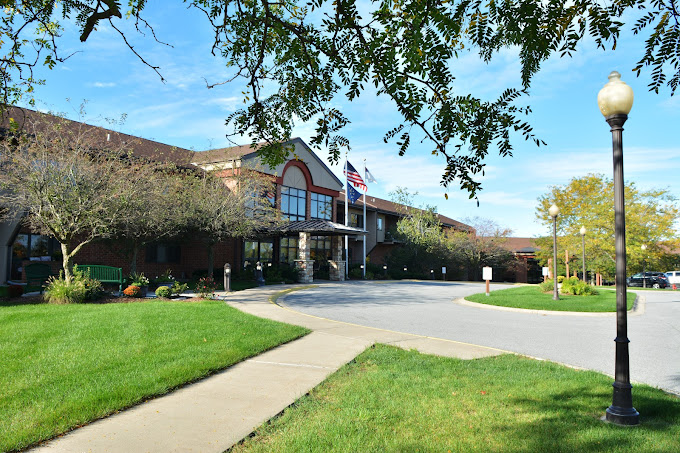
How is Crown Point Health Campus Staffed?

CMS rates CROWN POINT HEALTH CAMPUS's staffing level at 1 out of 5 stars, which is much below average compared to other nursing homes. Staff turnover is 90%, which is 44 percentage points above the Indiana average of 46%. High turnover can affect care consistency as new staff learn residents' individual needs. RN turnover specifically is 93%, which is notably high. RNs provide skilled clinical oversight, so turnover in this role can affect medical care quality.

What Have Inspectors Found at Crown Point Health Campus?

State health inspectors documented 69 deficiencies at CROWN POINT HEALTH CAMPUS during 2023 to 2025. These included: 1 Immediate Jeopardy (the most serious level, indicating potential for serious harm or death) and 68 with potential for harm. Immediate Jeopardy findings are rare and represent the most serious regulatory concerns. They require immediate corrective action.
Who Owns and Operates Crown Point Health Campus?

CROWN POINT HEALTH CAMPUS is owned by a non-profit organization. Non-profit facilities reinvest revenue into operations rather than distributing to shareholders. The facility is operated by CASA CONSULTING, a chain that manages multiple nursing homes. With 145 certified beds and approximately 113 residents (about 78% occupancy), it is a mid-sized facility located in CROWN POINT, Indiana.
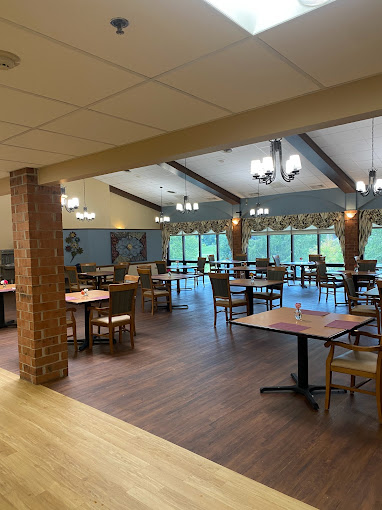
How Does Crown Point Health Campus Compare to Other Indiana Nursing Homes?

Compared to the 100 nursing homes in Indiana, CROWN POINT HEALTH CAMPUS's overall rating (1 stars) is below the state average of 3.1, staff turnover (90%) is significantly higher than the state average of 46%, and health inspection rating (1 stars) is much below the national benchmark.

What Should Families Ask When Visiting Crown Point Health Campus?

Based on this facility's data, families visiting should ask: "What changes have been made since the serious inspection findings, and how are you preventing similar issues?" "How do you ensure continuity of care given staff turnover, and what is your staff retention strategy?" "Can you walk me through typical staffing levels on day, evening, and night shifts?" "Can I visit during a mealtime to observe dining assistance and food quality?" These questions are particularly relevant given the facility's Immediate Jeopardy citations, the facility's high staff turnover rate, and the below-average staffing rating.

Is Crown Point Health Campus Safe?

Based on CMS inspection data, CROWN POINT HEALTH CAMPUS has documented safety concerns. Inspectors have issued 1 Immediate Jeopardy citation (the most serious violation level indicating risk of serious injury or death). The facility is currently on the Special Focus Facility watch list (a federal program monitoring the lowest-performing 1% of nursing homes nationwide). The facility has a 1-star overall rating and ranks #100 of 100 nursing homes in Indiana. Families considering this facility should ask detailed questions about what corrective actions have been taken since these incidents.

Do Nurses at Crown Point Health Campus Stick Around?

Staff turnover at CROWN POINT HEALTH CAMPUS is high. At 90%, the facility is 44 percentage points above the Indiana average of 46%. Registered Nurse turnover is particularly concerning at 93%. RNs handle complex medical decisions and coordinate care — frequent RN changes can directly impact care quality. High turnover means new staff may not know residents' individual needs, medications, or preferences. It can also be disorienting for residents, especially those with dementia who rely on familiar faces. Families should ask: What is causing the turnover? What retention programs are in place? How do you ensure care continuity during staff transitions?

Was Crown Point Health Campus Ever Fined?

CROWN POINT HEALTH CAMPUS has no federal fines on record. CMS issues fines when nursing homes fail to meet care standards or don't correct problems found during inspections. The absence of fines suggests the facility has either maintained compliance or corrected any issues before penalties were assessed. This is a positive indicator, though families should still review recent inspection reports for the full picture.

Is Crown Point Health Campus on Any Federal Watch List?

CROWN POINT HEALTH CAMPUS is currently an SFF Candidate, meaning CMS has identified it as potentially qualifying for the Special Focus Facility watch list. SFF Candidates have a history of serious deficiencies but haven't yet reached the threshold for full SFF designation. The facility is being monitored more closely — if problems continue, it may be added to the official watch list. Families should ask what the facility is doing to address the issues that led to this status.