MILLER'S MERRY MANOR
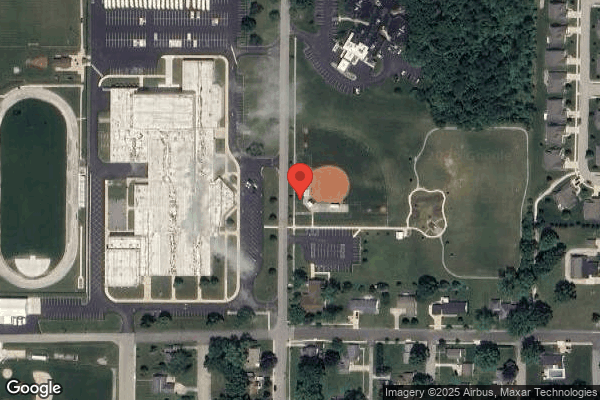
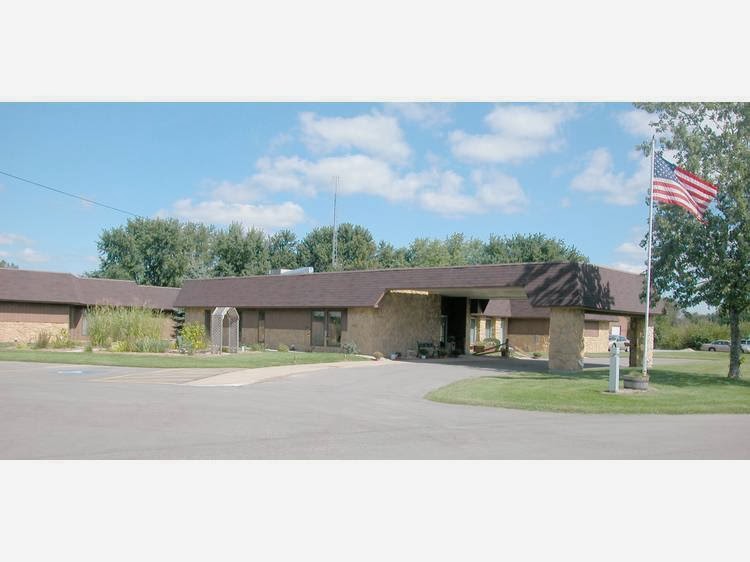
730 SCHOOL ST, CULVER, IN 46511 (574) 842-3337
For profit - Corporation 66 Beds MILLER'S MERRY MANOR Data: November 2025
Trust Grade
70/100
#166 of 505 in IN
Last Inspection: December 2024

Within standard 12-15 month inspection cycle. Federal law requires annual inspections.

Overview

Miller's Merry Manor has a Trust Grade of B, indicating it is a good choice for care, suggesting solid quality but with some room for improvement. It ranks #166 out of 505 facilities in Indiana, placing it in the top half, and #2 out of 4 in Marshall County, meaning only one local option is better. The facility is improving, with issues decreasing from eight in 2024 to just one in 2025, which is a positive trend. Staffing is average, rated at 3 out of 5 stars, with a turnover rate of 52%, slightly higher than the state average, indicating some instability. Notably, there have been no fines, which is reassuring, and the facility has more RN coverage than 88% of other facilities, helping to ensure better care. However, there are some serious concerns. A serious medication error was noted where a resident did not receive their insulin as required, which could have significant implications for their health. Additionally, there were issues in the kitchen with improperly stored food items and a failure to maintain proper hygiene during a dressing change, raising potential health risks. While there are strengths in RN coverage and no fines, families should be aware of these deficiencies when considering care for their loved ones.

Trust Score
B
70/100
In Indiana
#166/505
Top 32%
Safety Record
Moderate
Needs review
Inspections
Getting Better
8 → 1 violations
Staff Stability
⚠ Watch
52% turnover. Above average. Higher turnover means staff may not know residents' routines.
Penalties
✓ Good
No fines on record. Clean compliance history, better than most Indiana facilities.
Skilled Nurses
✓ Good
Each resident gets 54 minutes of Registered Nurse (RN) attention daily — more than average for Indiana. RNs are trained to catch health problems early.
Violations
⚠ Watch
13 deficiencies on record. Higher than average. Multiple issues found across inspections.
★★★★☆
4.0
Overall Rating
★★★☆☆
3.0
Staff Levels
★★★☆☆
3.0
Care Quality
★★★★☆
4.0
Inspection Score
Stable
2024: 8 issues
2025: 1 issues

The Good

  • Full Sprinkler Coverage · Fire safety systems throughout facility
  • No fines on record

Facility shows strength in fire safety.

The Bad

Staff Turnover: 52%

Near Indiana avg (46%)

Higher turnover may affect care consistency

Chain: MILLER'S MERRY MANOR

Part of a multi-facility chain

Ask about local staffing decisions and management

The Ugly 13 deficiencies on record

1 actual harm
Jun 2025 1 deficiency
CONCERN (D) 📢 Someone Reported This

A family member, employee, or ombudsman was alarmed enough to file a formal complaint

Potential for Harm - no one hurt, but risky conditions existed

Free from Abuse/Neglect (Tag F0600)

Could have caused harm · This affected 1 resident

Based on observation, record review and interview, the facility failed to ensure 1 of 1 residents reviewed was free from abuse/exploittation related to a staff member's post of resident pictures/video...

Read full inspector narrative →
Based on observation, record review and interview, the facility failed to ensure 1 of 1 residents reviewed was free from abuse/exploittation related to a staff member's post of resident pictures/video on social media. (Resident B) The deificent practice was corrected on 6/11/2025, prior to the start of the survey and was therefore Past Noncompliance. Finding includes: A complaint, dated 6/11/2025, indicated a staff member had posted a video of an undressed resident in a shower room in the facility. The complaint included an attached social media video of a female resident (Resident B), shown from the shoulders up and a female staff member (CNA 3). In the video, CNA 3 was instructing Resident B to say 'Hi' multiple times. The only portion of Resident B's body that was visible were the upper portion of her shoulders, her neck and her face. During an interview, on 6/12/2025 at 10:48 A.M., QMA 2 indicated she had heard of an incident in the shower room, because the DON had questioned employees yesterday, 6/11/2025 about the incident. QMA 2 indicated the incident had involved Resident B and CNA 3. During an interview, on 6/12/2025 at 10:53 AM., the Director of Nursing (DON) indicated she had received a call yesterday (Wednesday 6/11/2025) at 5:50 A.M. from the night nurse, indicating she had been informed by the night aide that a former employee had reported to the night aide that a current employee had posted a video of her and a current resident on the Snapchat (Social media application). The DON indicated the night nurse informed her the aide in question was scheduled to work on Wednesday 6/11/2025 from 6:00 A.M. to 2:00 P.M. The DON indicated she had instructed the night nurse to tell CNA 3 to go back home when she arrived to work and to tell the employee she (the DON) would call her. The DON indicated CNA 3 had not shown up at 6:00 A.M., but had came in around 7:00 A.M. She indicated she was present in the building and had another facility nurse come into her office as a witness while she interviewed CNA 3. The DON indicated she had asked CNA 3 if she had posted a video of a resident on social media and the CNA had replied no. The DON stated she had shown CNA 3 the video that had been sent to her and informed CNA 3 that she had proof she had posted the video. The DON informed CNA 3 that she was terminated. The DON indicated that the aide had signed the facility policy regarding social media upon her hire. The DON indicated the Administrator had reported the allegation of abuse on 6/11/2025 to the Department of Helath and she had started the investigation by interviewing alert residents regarding any staff member using their phones to take videos of them. The DON indicated the Inservice Director had completed education of all staff regarding the facility's abuse policy, including cell phone usage and HIPAA (Health Insurance Portability and Accountability Act) requirements. The deficient practice was corrected by 6/12/2025 after the facility implemented a plan of correction that included the following actions: resident interviews, nursing staff education of the facility policies regarding abuse, HIPAA privacy requirements and cell phone usage in the facility and termination of the alleged perpetrator (CNA 3). On 6/12/2025 at 10:12 A.M., the Director of Nursing provided the policy titled, Cell Phone/ECD Usage, dated 9/23/2011, and indicated the policy was the one currently used by the facility. The policy indicated .At no time will employees include resident-specific information in a text message, email, or other forms of electronic communication, nor capture pictures, videos, or recordings which include any resident(s) . Employees are not permitted to use non-authorized cell phone/ECDs while in working areas The deficient practice was corrected on 6/11/2025, prior to the start of the survey, and was therefore past noncompliance. This Citation relates to complaint IN00461325. 3.1-27(a)(b)
Dec 2024 2 deficiencies
CONCERN (D)

Potential for Harm - no one hurt, but risky conditions existed

Notification of Changes (Tag F0580)

Could have caused harm · This affected 1 resident

Based on record review and interview, the facility failed to to notify the physician of out of range blood sugars for 1 of 2 residents reviewed for insulin (Resident 30). Finding includes: A record re...

Read full inspector narrative →
Based on record review and interview, the facility failed to to notify the physician of out of range blood sugars for 1 of 2 residents reviewed for insulin (Resident 30). Finding includes: A record review for Resident 30 was completed on 12/4/2024 at 9:06 A.M. Diagnoses included, but were not limited to: unspecified dementia, diabetes mellitus, epilepsy, atrial fibrillation, hypertension, hemiparesis and hemiplegia following cerebral infarction, bilateral visual field deficits and depression. A Quarterly Minimum Data Set (MDS) assessment, dated 11/4/2024, indicated the resident was moderately cognitively impaired. Physicians' Orders included, but were not limited to: notify MD if blood sugar less than 70 milligrams per deciliter (mg/dL) or greater than 350 mg/dL, dated 8/12/2021. A current Care Plan, dated 7/14/2021, indicated Resident 30 was to be monitored for low blood sugar. Interventions included, but were not limited to: call MD if blood sugar less than 70 mg/dL or greater than 350 mg/dL. The October 2024 Medication Administration Record (MAR) indicated Resident 30's blood glucose readings on the following dates were: -10/23/2024 7:11 A.M. as 57 mg/dL - 10/26/2024 8:52 A.M. as 60 mg/dL. The November 2024 MAR indicated Resident 30 had a blood glucose reading of 60 mg/dL on 11/25/2024 at 7:09 A.M. Resident 30's clinical record lacked documentation the physician was notified of any of these out of range low blood sugar assessments. During an interview, on 12/4/2024 at 2:24 P.M., Employee 1 indicated physician notification of an out of range blood sugar should be documented in the nursing progress notes of the clinical record. During an interview, on 12/6/2024 at 2:24 P.M., the Director of Nursing (DON) indicated the nurse should have documented physician notification in the nursing progress notes of the electronic medical record or on the medication administration record but failed to provide documentation of the notification of the MD for blood sugars less than 70 mg/dL for Resident 30. On 12/6/2024 at 3:15 P.M., the DON provided a policy titled, New Order Transcription, dated 10/16/2023 and indicated the policy was the one currently used by the facility. The policy indicated .is the policy of (Miller's Merry Manor Culver) to ensure that physician orders .maintained in a manner that ensures safety upon administration . 3.1-5(a)(2)
CONCERN (D)

Potential for Harm - no one hurt, but risky conditions existed

Deficiency F0658 (Tag F0658)

Could have caused harm · This affected 1 resident

Based on interview and record review, the facility failed to ensure physician services met professional standards of quality related to diagnosis of schizophrenia for 1 of 2 residents reviewed for unn...

Read full inspector narrative →
Based on interview and record review, the facility failed to ensure physician services met professional standards of quality related to diagnosis of schizophrenia for 1 of 2 residents reviewed for unnecessary medications. (Residents 1, 25) Finding includes: A record review for Resident 1 was completed on 12/4/2024 at 2:41 P.M. Diagnosis included but were not limited to: Dementia without behavioral disturbances, major depressive disorder, delusional disorder, schizophrenia and hypertension. Resident 1's Physician Orders included, but were not limited to: Zoloft (antidepressant)100 milligram (mg), 1 tablet by mouth one time a day, Risperidone (antipsychotic) 0.25 mg 1 tablet by mouth one time a day every Wednesday and give 1 tablet by mouth two times all other days. A Care Plan, initiated 3/14/2024 and revised 11/20/2024, indicated Resident 1's behaviors included the following: mood changes such as distress, screaming/yelling, delusions (believing her name is another name other than her given name, her brother is upstairs). Interventions include but wee not limited to: redirect/reassure, administer psychological medications as ordered (risperidone), monitor for gradual dose reduction (GDR) and notify physician as needed. The record indicated Resident 1 was admitted to facility on 9/15/2022 with no diagnosis of delusional disorder or schizophrenia. A Facility Behavior/Psychotropic Medication Quarterly Review form, dated 3/18/2024, indicated Resident 1 had began exhibiting distress, screaming/yelling, and delusions on 2/14/2024. A Nursing Progress Note, dated 6/4/2024, indicated the Psych Nurse Practitioner (NP) initiated orders for risperidone 0.25 mg two times a day and to increase the Zoloft medication to 100 mg and added a new diagnosis of delusional disorder. Review of Resident 1's behaviors from May 2024 to November 2024 indicated the following: May there were 31 behaviors. June there were seventeen behaviors. July there were four behaviors. August and September there were three behaviors. October there was one behavior. November there were two behaviors. A Rounding Providers Psych Progress Note, dated 11/19/2024, indicated the resident was pleasant, coherent, had current delusions, no hallucinations and no risk of harm to self or others. A General Progress Note, dated 11/19/2024 at 2:03 P.M., indicated the NP had visited with the resident and a new order to add the diagnosis of Schizophrenia was received. According to the DSM-5 criteria for schizophrenia an individual must have Two (or more) of the following, each present for a significant portion of time during a 1-month period (or less if successfully treated). At least one of these must be delusions, hallucinations or disorganized speech: Delusions, Hallucinations, Disorganized speech (e.g., frequent derailment or incoherence), Grossly disorganized or catatonic behavior, Negative symptoms (i.e., diminished emotional expression or avolition). The clinical record for Resident 1 lacked the documentation of any other exhibited criteria other than delusions. Review of a pharmaceutical communication form, dated 11/4/2024, indicated the risperidone was not covered by Resident 1's prescription plan. Review of a pharmaceutical communication form, dated 11/14/2024, indicated prior authorization was required for the risperidone medication. During an interview, on 12/6/2024 at 10:57 A.M, the Social Service Director indicated the diagnosis of schizophrenia was given by the NP, and the resident should have been given that diagnosis earlier. The Social Service staff indicated Resident 1 had not been seen by a psychiatrist and the insurance company for Resident 1 wanted a more appropriate diagnosis in order to cover the cost of the medication. During an interview, on 12/6/2024 at 11:05 A.M., the Director of Nursing indicated the NP had spoken with the insurance company via the telephone and changed the diagnosis in order for the insurance company be able to cover the cost of the medication. A policy was provided on 12/06/2024 at 1:50 P.M. by the DON. The policy titled Psychotropic Medication Use indicated: .The facility will assure that medication therapy is based upon an adequate indication for use by documenting the supporting diagnosis . 3.1-35(g)(1)
Jan 2024 6 deficiencies
CONCERN (D)

Potential for Harm - no one hurt, but risky conditions existed

Deficiency F0554 (Tag F0554)

Could have caused harm · This affected 1 resident

**NOTE- TERMS IN BRACKETS HAVE BEEN EDITED TO PROTECT CONFIDENTIALITY** Based on observation, interview, and record review, the facility failed to ensure medications were not stored at the bedside wit...

Read full inspector narrative →
**NOTE- TERMS IN BRACKETS HAVE BEEN EDITED TO PROTECT CONFIDENTIALITY** Based on observation, interview, and record review, the facility failed to ensure medications were not stored at the bedside without authorization and evaluation to self administer for 2 random resident observations. (Residents 30 & 203) Findings include: 1. During an interview on 1/8/2024 at 10:17 A.M., Resident 30 indicated she had a sore on her leg and they changed the dressing every day. She indicated staff keep the salve for the sore in her nightstand drawer. A bottle of Nyamyc [NAME] and bacitracin/zinc ointment from the facility pharmacy with the resident's name was noted in the drawer. In addition, there was an over the counter (OTC) bottle of liquid anesthetic, which was not labeled, in the drawer. During an observation on 1/10/2024 at 9:05 A.M., the Nyamyc [NAME] bottle was sitting on the resident's bedside tray table and the bacitracin and oral pain relief was in the nightstand drawer. A record review was completed for Resident 30 on 1/10/2024 at 10:18 A.M. Diagnoses included, but were not limited to: chronic kidney disease stage 3, atrial fibrillation, edema, left lower leg blister, shortness of breath, and chronic diastolic congestive heart failure. During an interview on 1/10/2024 at 9: 22 A.M. the Licensed Practical Nurse (LPN) 11 indicated the nyamyc and bacitracin should have been in a bag in the treatment cart and there was no order for the Rexall oral pain relief and it should not have been in the facility. 2. A record review was completed on 1/10/2024 at 10:34 A.M. Diagnoses were included, but not limited to: cerebral infarction, obstructive sleep apnea, insomnia, and abnormal finding of lung field. During an interview and observation on 1/10/2024 at 10:50 A.M., Resident 203 indicated he had problems sleeping at night. He indicated the doctor had ordered something, but it was not working. His wife brought in some gummies about a month ago that were helping and he kept them in the bottom drawer of the nightstand. He indicated his wife gave him 3 gummies in a bowl along with some cookies and he ate them when he was ready for bed. A bottle of over the counter Melatonin 10 mg gummies was observed in the bedside drawer. The bottle contained 60 tablets and there was approximately one-fourth of the bottle left. During an interview on 1/10/2024 at 11:33 A.M., LPN 11 indicated Resident 203 currently did not have a written order for Melatonin and the medication should not have been in his room for self administration. A Progress Note, dated 1/4/2024 at 12:01, indicated d/c ambien. pt [patient] may restart melatonin 10 mg (milligram) at HS (hour of sleep). Wife notified. She will bring in. She does not wish for any medication from our pharmacy or pyxis system. Will write order once wife bring in medications. [NAME] aware. A Care Plan, dated 10/12/2024 indicated Insomnia: I have sleeplessness/insomnia. An intervention was to administer medications as ordered - Ambien daily thru 12/31/ then start melatonin daily 1/1. On 1/11/2024 at 8:45 A.M. the Director of Nursing provided a policy titled,Storage Of Medications, dated 4/24/2019, and indicated the policy was the one currently used by the facility. The policy indicated .Medications and biologicals are stored safely, securely, and properly, following manufacturer's recommendations or those of the supplier. The medication supply is accessible only to licensed nursing personnel, pharmacy personnel, or staff members lawfully authorized to administer medications 3.1-45(a)(1)
CONCERN (D)

Potential for Harm - no one hurt, but risky conditions existed

Quality of Care (Tag F0684)

Could have caused harm · This affected 1 resident

Based on observation, interview, and record review, the facility failed to ensure treatments were carried out per Physician's Orders for 3 out of 3 residents reviewed for quality of care. (Residents 2...

Read full inspector narrative →
Based on observation, interview, and record review, the facility failed to ensure treatments were carried out per Physician's Orders for 3 out of 3 residents reviewed for quality of care. (Residents 22, 30 & 32) Findings include: 1. During an observation on 1/9/2024 at 10:02 A.M. and 2:21 P.M., Resident 22 did not have a splint or a washcloth in her left hand. Her left hand was in a tight fist. During an observation on 1/10/2024 at 1:55 P.M., the resident did not have a washcloth in her left hand, it was in a tight fist. During an observation on 1/11/2024 at 9:23 A.M. and at 2:24 P.M., the resident did not have a washcloth in her left hand, it was in a tight fist. During an observation on 1/12/2024 at 12:15 P.M., the resident did not have a splint on or a washcloth to the left hand. A record review was completed for Resident 22 on 1/10/2024 at 1:20 P.M. Diagnoses included, but were not limited to: hemiplegia and hemiparesis following nontraumatic subarachnoid hemorrhage affecting left non-dominant side, and contracture, left hand. A Physician's Order, dated 7/13/2023, indicated the resident was to wear a left hand splint from approximately 10 a.m. to 4 p.m. or as she tolerated, off for skin checks and hygiene, every day and evening shift. A Physician's Order, dated 12/26/2023, indicated to place a rolled wash cloth in the resident's left hand for contractures every shift. A Care Plan, dated 12/27/2023, indicated the resident had a contracture to her left hand with interventions of a left hand splint from 10 am-PM as tolerated and to place a rolled washcloth in the left hand as ordered. The Treatment Administration Record (TAR), dated 1/1/2024-1/31/2024, indicated the rolled wash cloth was applied on the following dates: 1/9/2024, 1/10/2024, 1/11/2024 and 1/12/2024 on all three shifts. A left hand splint was applied on 1/9/2024 and 1/12/2024. During an interview on 1/10/2024 at 2:00 P.M., LPN 11 indicated the resident should have had the wash cloth and hand splint applied. The nurse could not locate the splint in the room. 2. During an observation and interview on 1/8/2024 at 10:23 A.M., Resident 30 had kerlix gauze wrapped around her left lower leg dated 1/7/2024 with initials of AB. The resident was not wearing any TED (Thrombo-Embolic Deterrent) hose on her right leg. During an observation on 1/9/2024 at 9:49 A.M., Resident 30's dressing to the left lower leg was dated 1/7/2024 with initials AB and had yellow drainage seeping thru the kerlix. The resident was not wearing any TED hose on her right leg. During an observation on 1/10/2024 at 1:38 P.M., the resident was not wearing any TED Hose to the right leg. A record review was completed for Resident 30 on 1/10/2024 at 10:18 A.M. Diagnoses included, but were not limited to: chronic kidney disease stage 3, atrial fibrillation, edema, left lower leg blister, shortness of breath, and chronic diastolic congestive heart failure. A Physician's Order, dated 12/26/2023, indicated to cleanse the left lower extremity with normal saline and apply triple antibiotic ointment and dry dressing daily. A Physician's Order, dated 8/9/2023, indicated TED Hose to the right lower extremity on in A.M. and off in P.M. A Care Plan, dated 12/26/2023, indicated a plan to address a blister- at risk for complications to the left lower extremity, with interventions to administer a treatment of antibiotic ointment and cover with a dry dressing daily. A Care Plan, dated 7/26/2023, indicated she had edema (swelling) to lower extremities with an intervention of TED Hose as ordered. The TAR (Treatment Administration Record), dated 1/1/2024-1/31/2024, indicated the right lower leg TED Hose was applied on 1/8/2024, 1/9/2024 and 1/10/2024. During an interview on 1/10/2024 at 9:11 A.M., LPN 11 indicated Resident 30's dressing to her left leg was to be changed daily. She confirmed the dressing, when removed yesterday, had a lot of yellow drainage on it. During an interview on 1/10/2024 at 1:47 P.M., LPN 11 indicated the resident should have had on the TED Hose to the right lower leg. 3. During an observation on 1/9/2024 at 10:06 A.M., Resident 32 was sitting in her recliner in an upright position with no helmet in place. A soft helmet was noted on her bedside table. During an observation on 1/11/2024 at 10:51 A.M. the resident was sitting in her recliner leaning forward at the waist with her head perpendicular to her knees, and the leg rest to the recliner slightly raised. Her helmet was sitting on the bedside table. A record review was completed on 1/11/2024 at 10:55 A.M. for Resident 32. Diagnoses included, but were not limited to: nontraumatic intracerebral hemorrhage in brain stem, type 2 diabetes, aphasia, and seizures. A Physician's Order, dated 5/15/2023, indicated Resident 32 was to wear her helmet when out of bed every shift. A Care Plan, dated 5/23/2023, indicating she was a fall risk due to her condition, risk factors, diagnoses and history or weakness and seizures. An intervention indicated for her to wear a helmet when out of bed. The TAR (Treatment Administration Record), dated 1/1/2024-1/31/2024 indicated she was wearing it on 1/9/2024 and 1/11/2024 on day shift when out of bed. During an interview on 1/11/2024 at 10:59 A.M., CNA 5 indicated Resident 32 was not a fall risk. Resident 32 wore the helmet during transfers and when she was in her wheelchair. During an interview on 1/11/2024 at 11:12 A.M., RN 3 indicated she did not think the resident was a fall risk and her husband did not want her to wear the helmet when she was in the recliner. There was no documentation or plan located to support the statement regarding Resident 32's husband's preference for her not to wear the soft helmet when she was seated in the recliner. During an interview on 1/11/2024 at 11:24 A.M. the Director of Nursing (DON) indicated if staff put Resident 32's helmet on, she would remove it when she was in the recliner. It should have been care planned under preferences when someone refused, but no plan could be located. On 1/11/2024 at 8:45 A.M. the DON indicated the facility did not have a policy for splints or following Physician Orders. 3.1-37(a)
CONCERN (D)

Potential for Harm - no one hurt, but risky conditions existed

Respiratory Care (Tag F0695)

Could have caused harm · This affected 1 resident

Based on observation, interview and record review, the facility failed to ensure respiratory equipment/tubing was properly stored when not in use and distilled water was labeled for 1 out of 3 residen...

Read full inspector narrative →
Based on observation, interview and record review, the facility failed to ensure respiratory equipment/tubing was properly stored when not in use and distilled water was labeled for 1 out of 3 residents reviewed for respiratory care. (Resident 26) Finding includes: During an observation on 1/8/2024 at 11:28 A.M., Resident 26's continuous positive airway pressure (CPAP) nasal cushion and tubing was hanging from the bed headboard with half of the tubing on the floor. One of two partial gallons of distilled water had no open date, and the other gallon of water was marked with the residents name and it indicated it was for CPAP machine, but was undated. The record review was completed for Resident 26 on 1/11/2024 at 9:15 A.M. Diagnoses included, but were not limited to: Parkinson's Disease, type 2 diabetes, obstructive sleep apnea and edema. During an interview on 1/11/2024 at 11:52 A.M., RN 3 indicated when the CPAP was not in use, the tubing should be in a bag and the bottled water should have an opened date. On 1/11/2024 at 3:29 P.M., the Director of Nursing indicated she did not have a policy on the storage of respiratory equipment when not in use or a policy regarding the distilled water. 3.1-47(6) · ·
CONCERN (D)

Potential for Harm - no one hurt, but risky conditions existed

Deficiency F0761 (Tag F0761)

Could have caused harm · This affected 1 resident

Based on observation, record review and interviews, the facility failed to over the counter medications were labeled properly for 2 of 2 medication carts observed. In addition, the facility failed to ...

Read full inspector narrative →
Based on observation, record review and interviews, the facility failed to over the counter medications were labeled properly for 2 of 2 medication carts observed. In addition, the facility failed to ensure insulin was not expired for 1 of 2 medication carts. Findings include: 1. During an observation of the medication cart for the Grand unit with LPN 10 on 1/11/2024 at 1:11 P.M., the following was noted: A bottle of Calcium tablets had Resident 9's name written on the bottle but the physician's name and dose were not written on the bottle, A bag of Halls Defense cough drops had no resident name, physician's name or dose instructions on the bag. During an interview with LPN 10, she indicated the cough drops belonged to Resident 9. A box of Alka Seltzer severe cold and cough medication had no resident or physician's name and no dose instructions, except the manufacturer's instructions. During an interview with LPN 10, she indicated the cold medication was brought in by Resident 9's family. An unopened bottle of low dose aspirin tablet and a second bottle with just one tablet of low dose aspirin tablets left had no resident name, physician's name, or dose instructions on the bottle. During an interview with LPN 10 she indicated the medication belonged to Resident 9. An opened bottle of Calcium with Vitamin D tablets had the name of Resident 40, but no physician's name or dose instructions on the bottle. An opened bottle of Macular health vitamins had no resident name, physician's name or dose instructions. During an interview with LPN 10, she indicated the vitamins belonged to Resident 40. An opened box of allergy relief medication had no resident or physician's name and no dose instructions. During an interview with LPN 10, she indicated the medication belonged to Resident 40. An opened box of Salon pas pain relief patches had the name and room number of Resident 40 but no ordering physician's name or dose instructions. A bottle of acetaminophen extra strength tablets had no resident or physician's name and no dose instructions. During an interview with LPN 10, she indicated the medication belonged to Resident 40. She indicated Resident 40 was switching to the facility pharmacy and she would probably return the Acetaminophen tablets to her daughter. 2. The following was noted during an observation of the Victory medication cart with RN 3 on 1/11/2024 at 1:30 P.M.: An opened bottle of Melatonin gummies had no resident's name, physician's name or dose instructions. During an interview with RN 3, on 1/11/2024 at 1:30 P.M., she indicated the Melatonin gummies belonged to Resident 203. An opened box of Mucinex only had Resident 203's name on it, but there was no ordering physician's name or dose instructions on the box. An opened bottle of Novulin R insulin for Resident 10 had an open date of 12/1/2023 on the bottle. An opened bottle of Novolog insulin for Resident 33 had an opened date of 11/29/2023 on the bottle. An opened bottle of Lantus insulin for Resident 14 had an opened date of 11/29/2023. During an interview with RN 3, on 1/11/2023 at 1:35 P.M., she indicated once the insulin was opened and not refrigerated, it expired in 30 days. She confirmed the insulin bottles for Residents 10, 14 and 33 were all expired and should have been discarded. Review of the facility policy and procedure, titled, Medication Labels, provided by the MDS nurse on 1/12/2024 at 10:00 A.M., included the following: .5. Resident - specific nonprescription medications (not floor stock/OTC) that are not labeled by the pharmacy are kept in the manufacturer's original container and identified with the resident's name. Facility personnel may write the resident's name on the container or label as long as the required information listed above (see B) is not covered The section of the policy, labeled B included the following: .B. Specific directions for use, including route of administration Review of the facility policy and procedure, titled, Storage of Medications, provided by the MDS nurse on 1/12/2024 at 10:00 A.M. included the following: .5. When the original seal of a manufacturer's container or vial is initially broken, the container or vial will be dated. 1. The nurse shall place as date opened sticker on the medication and enter the date opened and the new date of expiration (NOTE: the best stickers to affix contain both a date opened and expiration notation line). The expiration date of the vial or container will be (30) days unless the manufacturer recommends another date or regulations/guidelines required differed dating .8. All expired medications will be removed from the active supply and destroyed in the facility, regardless of amount remaining. The medication will be destroyed in the usual manner . 3.1-25 (l)(1) 3.1-25(l)(2) 3.1-25(o)
CONCERN (E)

Potential for Harm - no one hurt, but risky conditions existed

Infection Control (Tag F0880)

Could have caused harm · This affected multiple residents

3. During an observation of a dressing change to Resident 30's left lower leg on 1/10/2024 at 9:35 A.M., LPN 4 removed the soiled kerlix from the resident, picked up the dressing which was sticking to...

Read full inspector narrative →
3. During an observation of a dressing change to Resident 30's left lower leg on 1/10/2024 at 9:35 A.M., LPN 4 removed the soiled kerlix from the resident, picked up the dressing which was sticking to wound, removed her gloves and donned new gloves, then opened 2 packages of gauze. During an interview on, 1/10/2024 at 9:37 A.M., LPN 4 indicated she should have washed her hands when removing her soiled gloves. During an observation on 1/10/2024 at 9:41 A.M., LPN 4 removed her gloves, collected her supplies and put them in the basket, took her scissors and washed them at the sink, set them down and applied soap to her hands, scrubbed for 3 seconds, rinsed, then dried. During an interview on 1/10/2024 at 9:42 A.M., LPN 4 indicated she sang Happy Birthday twice while she was washing her scissors with her hands and should have washed her hands after the scissors for 30 seconds. A record review was completed for Resident 30 on 1/10/2024 at 10:18 A.M. Diagnoses included, but were not limited to: chronic kidney disease stage 3, atrial fibrillation, edema, left lower leg blister, shortness of breath, and chronic diastolic congestive heart failure. On 1/11/2024 at 8:45 A.M. the Director of Nursing provided a policy titled,Dressing-Clean Procedure, dated 7/14/2014, and indicated it was the one currently used at the facility. The policy indicated .7. Remove soiled dressings and discard in plastic bag, including gloves. 8. Wash hands. 9. Apply clean gloves and cleanse wound with prescribed solution. Discard gloves in plastic bag. Wash hands. 10. Apply clean gloves, apply medication, if prescribed, apply dressing and secure with tape. Use tape on skin only when there is no way to tape dressing-to-dressing. 11. Remove treatment changed under wound area and discard with soiled dressing, disposable equipment, and gloves in plastic bag. Tie off bag. 12. Wash hands 3.1-18(l) 1. Based on observation, record review and interview, the facility failed to ensure 2 of 4 nursing staff (QMA 7 and LPN 8) administering medications followed infection control policies regarding hand washing and equipment cleaning and storage and 1 of 2 nursing staff (LPN 4) followed infection control policies during a dressing change. Findings include: 1. During an observation of a medication pass, conducted on 1/8/2024 at 11:54 A.M., LPN 8 obtained the blood glucose level of Resident 33 utilizing a Lancet and glucometer. After obtaining the blood glucose level, before she left the resident's room, LPN 8 placed the used glucometer in a small plastic container on top of unused alcohol swabs and unused lancets and carried the items to her medication cart. Once she arrived at her medication cart, after charting the blood glucose levels in her computer, LPN 8 then cleaned and sanitized the glucometer. During an interview with LPN 8 on 1/8/2024 at 12:02 P.M., she confirmed each medication cart had two glucometers which were to be cleaned and sanitized in between residents. She indicated the procedure was to wipe the glucometer off with a Lysol disinfectant wipe and then wrap the glucometer in a Microdol bleach wipe so the surface of the glucometer remained wet for one minute. The facility policy and procedure, titled, Injection - Subcutaneous Procedure, provided by the Administrator on 1/12/2024 at 10:15 A.M., did not address obtaining the blood glucose level or cleaning of the glucometers. 2. During an observation of a medication pass, conducted on 1/9/2024 from 3:17 P.M. to 3:30 P.M., QMA 7 administered oral medications to Residents 7, 27, 36 and 47. QMA 7 did not wash her hands and/or utilize alcohol sanitizing gel to clean her hands in between residents. The facility policy and procedure, titled Hand Washing and Hand Asepsis provided by the Administrator on 1/12/2024 at 10:15 A.M. included the following: .3. Key Procedural Points: A. SPECIFIC TIMES HANDS MUST BE WASHED: .III. Before and after direct resident contact The facility policy and procedure, titled Medication Administration provided by the Administrator on 1/12/2023 at 10:15 A.M. included the following: 20. Administer medications . 21. Remain with the resident until each medication is swallowed. Never leave medication with the resident. 22. Perform hand hygiene
CONCERN (F)

Potential for Harm - no one hurt, but risky conditions existed

Food Safety (Tag F0812)

Could have caused harm · This affected most or all residents

Based on observation, record review, and interview, the facility failed store food and equipment properly related to undated opened food, and air-dry pitchers, coffee cups and resident's water cups no...

Read full inspector narrative →
Based on observation, record review, and interview, the facility failed store food and equipment properly related to undated opened food, and air-dry pitchers, coffee cups and resident's water cups not in an inverted position free from dust and contaminates for 1 of 1 kitchens observed. (Main Kitchen) This had the potential to affect 50 out of 50 residents who received food from the kitchen. Findings include: 1. During a tour of the kitchen with the Dietary Manager (DM) on 1/8/2024 between 9:20 A.M. - 9:44 A.M., there were 3 dessert dishes with yogurt, 2 with mandarin oranges, one tomato slice, 2 individual cups of salad dressing and an open bag of grapes in the refrigerator undated. There were 5 of 8 opened packages of hamburger buns undated on the open bread rack. During an interview on 1/8/2024 at 9:29 A.M., the DM indicated the items should have been dated when they were opened. 2. During a follow up visit to the kitchen for operation of the dishwasher, there was a fan attached to the wall facing the dish machine on high speed. Under the fan, there was a cart with water cups and lids positioned on their side. There were also juice/water pitchers noted on a wall rack above the table attached to the dishwasher, also lying on their sides. Finally, there were coffee cups at the end of the table on a cart, stacked on a tray positioned on their side all facing the aisle. During an interview on 1/12/2024 at 10:40 A.M., the Dietary Aide indicated this was how they had always air dried the cups and pitchers. After they dried, she would take the coffee cups to the dining room and invert them on a tray, put the pitchers in the cabinet and take the residents' water cups to the units. She acknowledged that they could become contaminated from any particles the fan blew into the inside of the cups/dishes. On 1/12/2024 at 12:00 P.M., the Dietary Manager provided a policy titled, Equipment and Utensils - Cleaning and Sanitizing, dated 9/15/2015, and indicated the policy is the one currently used by the facility. The policy indicated . 3. After sanitation, all equipment and utensils are air-dried, then handled and stored covered or inverted. 3.1-21(i)(3)
Feb 2023 1 deficiency 1 Harm
SERIOUS (G) 📢 Someone Reported This

A family member, employee, or ombudsman was alarmed enough to file a formal complaint

Actual Harm - a resident was hurt due to facility failures

Deficiency F0760 (Tag F0760)

A resident was harmed · This affected 1 resident

**NOTE- TERMS IN BRACKETS HAVE BEEN EDITED TO PROTECT CONFIDENTIALITY** Based on observation, interview and record review, the facility failed to ensure a significant medication did not occur for 1 of...

Read full inspector narrative →
**NOTE- TERMS IN BRACKETS HAVE BEEN EDITED TO PROTECT CONFIDENTIALITY** Based on observation, interview and record review, the facility failed to ensure a significant medication did not occur for 1 of 5 residents reviewed for medication errors. ( Resident B) Finding includes: On 2/9/23 at 11:07 A.M., a review of the clinical record for Resident B was conducted. The record indicated the resident was admitted on [DATE]. The resident's diagnoses included, but were not limited to: diabetic, fractured left hip with surgical repair, chronic atrial fibrillation and hypertension. The admission Minimum Data Set (MDS), dated [DATE], indicated the resident had moderately impaired cognition and had been administered insulin 7 days a week. A care plan, dated 1/18/23, indicated the resident had diabetes and had the potential for hyper/hypoglycemia. The interventions included, but were not limited to: give medications and monitor blood sugars as ordered. The Physician Order, dated 1/18/23, indicated the resident was to be administered Lispro (a rapid-acting insulin which covers insulin needs for meals) three times a day ( 7:00 A.M., 11:00 A.M. & 4:00 P.M.) per sliding scale, for diabetes-15 minutes before meal/snack. Sliding scale indicated for blood sugars at: 150-200 administer 2 units, 201-250 administer 4 units, 251-300 administer 6 units, 301-350 administer 8 units, 351-400 administer 10 units and 401-450 administer 12 units. If blood sugar is less than 70 or greater than 450 call the Medical Doctor. The Medication Administration Record, for January 2023, indicated the resident was administered 2 units of Lispro, at 4:00 P.M., and his blood sugar was 180. A Progress Note, dated 1/28/23 at 9:01 P.M., indicated resident .given Toujeo 100 units sub q [subcutaneous injection], BS [blood sugar] checked 147 .MD [Medical Doctor] notified, N.O [new order] received to send res [resident] to ER [Emergency room] A self-reported incident #81, dated 1/28/23 at 9:01 P.M., indicated nurse RN 2 accidentally administered Resident B the wrong dose of insulin and was sent to the hospital. The incident indicated RN 2 would be educated on the proper administration of medication. The follow-up indicated all nursing staff in-serviced on medication administration. A form titled, Medication and Treatment Error Report, dated 1/28/23 at 9:21 P.M., indicated Toujeo (a long acting insulin which covers insulin needs for about one full day and was often combined with rapid-or-short-acting insulin) 100 units was administered to the wrong resident by RN 2. The resident's medical doctor and family were notified of the error. The MD ordered the resident to be sent to a local emergency room for an evaluation and treatment. A Quality Assessment/Improvement Program, dated 2/4/23, indicated RN 2 was observed during a medication pass to ensure she followed the following procedures: .Medications verified against MD [Medical Doctor] order on MAR [Medication Administration Record] when being prepared. Medications administered per MD [Medical Doctor] orders using the 5 rights: Right Patient Right Drug Right Dose Right Route Right time Medications signed off on MAR after administration The Quality Assessment/Improvement Program indicated RN 2 was instructed to take medication cart to resident's room and park it just outside of the room. RN 2 was educated on the facility's policy and procedure regarding subcutaneous injections. An emergency room (ER) Department Note, dated 1/28/22, indicated the patient presented to the ER for unintentional administration of insulin. Patient received 100 units of insulin glargine (Toujeo). Poison Control was contacted and recommended lab work and to monitor blood glucose for 30 hours. The patient's blood glucose was 140 upon arrival at ER. The Discharge summary, dated [DATE], indicated .the patient initially was maintained on continuous D5 [intravenous sugar solution] with frequent blood sugar checks without further dropping. D5 was discontinued 2 days ago and patient sustained his blood sugar without further dropping. Other blood work was stable on admission. He will be discharged back to his facility During an interview, on 2/10/23 at 9:23 A.M., the Director of Nursing (DON) indicated the error occurred during the bedtime insulin administration. Resident B did not have an order, for evening dose, of insulin; however Resident C was the resident who should of received the 100 units of Toujeo insulin, per the physicians order. The DON indicated RN 2 had another nurse check the dosage amount, which RN 2 had drawn up, but then went into the wrong room and administered the Toujeo insulin to Resident B, instead of Resident C. RN 2 immediately realized, after administrating the insulin, she had made a mistake. RN 2 was in-serviced the night of the incident over the phone. The DON indicated RN 2 had not taken the cart to outside of the resident's room. The RN 2 returned to work on 2/4/22 and at that time she was required to perform a return demonstration regarding insulin administration. During an interview, on 2/10/23 at 10:50 A.M., the resident was lying in bed, he had just come from therapy. He was alert to self but not to place and unsure what date it was. He indicated he had been to the hospital and showed me his finger and indicated he had hip surgery. Resident B had no concerns about taking insulin and indicated he didn't take it anymore. On 2/10/23 at 9:45 A.M., the DON provided a policy titled, Injection - Subcutaneous Procedure, dated 3/2011, and indicated the policy was the one currently used by the facility. The policy indicated .Administering a Subcutaneous Injection Goal: The patient receives medication via the subcutaneous route. 1. Gather equipment. 2. Move the med [medication] cart to the outside of the resident's room or prepare in med room .6. Read the administration record and select the proper medication from the resident's med [medication] stock. 7. Compare the label with the administration record .14. Identify the resident one of three ways: Check the picture in the med [medication] book Ask the resident to state name Ask co-worker who knows the resident The Past Noncompliance Significant Medication Error began on 1/28/23. The Significant Medication Error was corrected on 1/29/23 when the facility had completed the investigation, and all staff in-servicing was completed regarding medication administration, five rights verification, and medication administration observations were conducted This Federal tag relates to complaint IN00400398. 3.1-48(c)(2)
Dec 2022 3 deficiencies
CONCERN (D)

Potential for Harm - no one hurt, but risky conditions existed

Assessment Accuracy (Tag F0641)

Could have caused harm · This affected 1 resident

**NOTE- TERMS IN BRACKETS HAVE BEEN EDITED TO PROTECT CONFIDENTIALITY** Based on record review and interview, the facility failed to ensure an admission MDS Assessment was accurate for 1 of 17 residen...

Read full inspector narrative →
**NOTE- TERMS IN BRACKETS HAVE BEEN EDITED TO PROTECT CONFIDENTIALITY** Based on record review and interview, the facility failed to ensure an admission MDS Assessment was accurate for 1 of 17 residents whose assessments were reviewed. (Resident 40) Finding includes: A clinical record review was completed, on 11/30/2022 at 6:03 A.M. Resident 40's current diagnoses included cancer of cerebellum, seizers, dysphagia, hypertension and BPH (benign prostatic hyperplasia). An admission MDS (Minimum Data Set) Assessment, dated 10/13/2022, lacked documentation of any diagnoses. During an interview, on 12/01/2022 at 8:56 A.M., RN 4 indicated the assessment was inaccurate and should have had the diagnoses checked on it. During an interview, on 12/1/2022 at 11:19 A.M., the Director of Nursing indicated the facility used the RAI (Resident Assessment Instrument) as their policy. On 12/2/2022 at 2:43 P.M., the Director of Nursing provided the policy titled, Comprehensive Assessments (MDS), dated [DATE], and indicated the policy was the one currently used by the facility. The policy indicated . B. The assessment is to describe the resident's capabilities to perform daily life functions and to identify significant impairments in functional capacity. 2. Procedure: .B. Information derived from the comprehensive assessment enables the staff to plan care that allows the resident to reach his/her highest practicable level of functioning and includes, as a minimum, the following: I. Medically defined conditions and prior medical history. II. Medical status measurement. III. Physical and mental functional status
CONCERN (D)

Potential for Harm - no one hurt, but risky conditions existed

ADL Care (Tag F0677)

Could have caused harm · This affected 1 resident

Based on observation, record review and interview, the facility failed to ensure 1 of 3 residents received assistance related to daily living needs regarding bathing needs. (Resident 35) Finding inclu...

Read full inspector narrative →
Based on observation, record review and interview, the facility failed to ensure 1 of 3 residents received assistance related to daily living needs regarding bathing needs. (Resident 35) Finding includes: During a random observation of Resident 35's electronic shower documentation, on 11/29/2022 at 10:30 A.M., the following documentation was noted: a shower was documented as received on 11/1, 11/2, 11/4, 11/12 and 11/29/2022, with no documentation of any refusals of showers. During an interview, on 11/29/2022 at 10:30 A.M., QMA (qualified medication aide) 2 indicated the resident did not have 2 showers per week per the documentation. A paper shower sheet for Resident 35 was provided for November 2022, and indicated the resident had received a shower on 11/1, 11/2, 11/4, 11/8, 11/12 and 11/29/2022. The shower schedule for the resident indicted she was to receive showers on Tuesdays and Fridays. Review of the paper and electronic shower documentation lacked the documentation to show that a shower had not been received for 16 days from 11/13/2022 to 11/29/2022. A current care plan, dated 6/28/2022 indicated: Late loss ADL's. The resident needs limited to extensive assist with eating/drinking. Extensive assist with bed mobility, extensive assist with toileting, and have had a stroke and have aphasia and unable to care for myself at this time. A current care plan, dated 7/27/2021, indicated Resident 35's preferences were: expressed during the assessment process, that it is important to her to choose for bathing-showers as scheduled and allowed with restrictions. Liked showers in the morning but ok to take in the afternoon. During an interview, on 12/01/2022 at 8:50 A.M., CNA 5 indicated she is usually the bath aide and will document the showers on the shower sheet and in point click care (electronic chart). On 12/2/2022 at 2:43 P.M., the Director of Nursing provided the policy titled, Point of Care Documentation & Legends, dated 9/23/2014, and indicated the policy was the one currently used by the facility. The policy indicated .A. It is the policy of [Name of Facility] to document information in the electronic medical record. The Point of Care Program (POC) is where the daily care (ADL's), activities and restorative tasks are documented. 2 . Procedure A. Staff will document care immediately following the completion of a task or by the end of their shift. .B. Routine tasks assigned to all residents are: Document Bath/Shower each shift 3.1-38(a)(3)
CONCERN (D)

Potential for Harm - no one hurt, but risky conditions existed

Quality of Care (Tag F0684)

Could have caused harm · This affected 1 resident

Based on record review and interview, the facility failed to follow physician orders for pain medication in 1 of 2 residents reviewed for pain. (Resident 44) Finding includes: A clinical record review...

Read full inspector narrative →
Based on record review and interview, the facility failed to follow physician orders for pain medication in 1 of 2 residents reviewed for pain. (Resident 44) Finding includes: A clinical record review was completed on 12/1/2022 at 11:00 A.M. Resident 44's diagnoses included, but were not limited to: fractured shaft of right humerus, fracture of the left humerus, Guillain-Barre Syndrome and bipolar. A Physicians' Order, dated November 23, 2022, indicated Resident 44 was to receive Hydrocodone-Acetaminophen 10/325 mg (milligrams) 1 tablet every 4 hours as needed for moderate to severe pain for 7 days with a start date of 11/23/2022. A current care plan, dated 11/8/2022, indicated the resident had the potential for pain/discomfort related to my diagnosis. The November MAR (Medication Administration Record) indicated the narcotic medication was started on 11/23/2022 and was given through 11/30/2022, 8 total days. During an interview, on 12/2/2022 at 11:26 A.M., the Director of Nursing indicated the added dose should not have been given and would be considered a medication error. On 12/2/2022 at 2:43 P.M., the Director of Nursing provided the policy titled, Physician Order Transcription Procedure, dated 6/15/2010, and indicated the policy was the one currently used by the facility. The policy indicated .G. 1. New orders- Medications ordered for a specific time frame i.e. x 7 days, shall be added to the MAR and will be numbered off or x' d off to ensure only the amount ordered are given 3.1-37
Understanding Severity Codes (click to expand)
Life-Threatening (Immediate Jeopardy)
J - Isolated K - Pattern L - Widespread
Actual Harm
G - Isolated H - Pattern I - Widespread
Potential for Harm
D - Isolated E - Pattern F - Widespread
No Harm (Minor)
A - Isolated B - Pattern C - Widespread

Questions to Ask on Your Visit

  • "Can I speak with families of current residents?"
  • "What's your RN coverage like on weekends and overnight?"

Our Honest Assessment

Strengths
  • • No fines on record. Clean compliance history, better than most Indiana facilities.
Concerns
  • • 13 deficiencies on record, including 1 serious (caused harm) violation. Ask about corrective actions taken.
Bottom line: Mixed indicators with Trust Score of 70/100. Visit in person and ask pointed questions.

About This Facility

What is Miller'S Merry Manor's CMS Rating?

CMS assigns MILLER'S MERRY MANOR an overall rating of 4 out of 5 stars, which is considered above average nationally. Within Indiana, this rating places the facility higher than 99% of the state's 100 nursing homes. This rating reflects solid performance across the metrics CMS uses to evaluate nursing home quality.

How is Miller'S Merry Manor Staffed?

CMS rates MILLER'S MERRY MANOR's staffing level at 3 out of 5 stars, which is average compared to other nursing homes. Staff turnover is 52%, compared to the Indiana average of 46%.

What Have Inspectors Found at Miller'S Merry Manor?

State health inspectors documented 13 deficiencies at MILLER'S MERRY MANOR during 2022 to 2025. These included: 1 that caused actual resident harm and 12 with potential for harm. Deficiencies causing actual harm indicate documented cases where residents experienced negative health consequences.

Who Owns and Operates Miller'S Merry Manor?

MILLER'S MERRY MANOR is owned by a for-profit company. For-profit facilities operate as businesses with obligations to shareholders or private owners. The facility is operated by MILLER'S MERRY MANOR, a chain that manages multiple nursing homes. With 66 certified beds and approximately 45 residents (about 68% occupancy), it is a smaller facility located in CULVER, Indiana.

How Does Miller'S Merry Manor Compare to Other Indiana Nursing Homes?

Compared to the 100 nursing homes in Indiana, MILLER'S MERRY MANOR's overall rating (4 stars) is above the state average of 3.1, staff turnover (52%) is near the state average of 46%, and health inspection rating (4 stars) is above the national benchmark.

What Should Families Ask When Visiting Miller'S Merry Manor?

Based on this facility's data, families visiting should ask: "Can I visit during a mealtime to observe dining assistance and food quality?" "How do you handle medical emergencies, and what is your hospital transfer rate?" "Can I speak with family members of current residents about their experience?"

Is Miller'S Merry Manor Safe?

Based on CMS inspection data, MILLER'S MERRY MANOR has a clean safety record: no substantiated abuse findings (meaning no confirmed cases of resident harm), no Immediate Jeopardy citations (the most serious violation level indicating risk of serious injury or death), and is not on the Special Focus Facility watch list (a federal program monitoring the lowest-performing 1% of nursing homes). The facility has a 4-star overall rating and ranks #1 of 100 nursing homes in Indiana. While no facility is perfect, families should still ask about staff-to-resident ratios and recent inspection results during their visit.

Do Nurses at Miller'S Merry Manor Stick Around?

MILLER'S MERRY MANOR has a staff turnover rate of 52%, which is 6 percentage points above the Indiana average of 46%. Moderate turnover is common in nursing homes, but families should still ask about staff tenure and how the facility maintains care continuity when employees leave.

Was Miller'S Merry Manor Ever Fined?

MILLER'S MERRY MANOR has no federal fines on record. CMS issues fines when nursing homes fail to meet care standards or don't correct problems found during inspections. The absence of fines suggests the facility has either maintained compliance or corrected any issues before penalties were assessed. This is a positive indicator, though families should still review recent inspection reports for the full picture.

Is Miller'S Merry Manor on Any Federal Watch List?

MILLER'S MERRY MANOR is not on any federal watch list. The most significant is the Special Focus Facility (SFF) program, which identifies the bottom 1% of nursing homes nationally based on persistent, serious quality problems. Not being on this list means the facility has avoided the pattern of deficiencies that triggers enhanced federal oversight. This is a positive indicator, though families should still review the facility's inspection history directly.