WATERS OF DILLSBORO-ROSS MANOR, THE
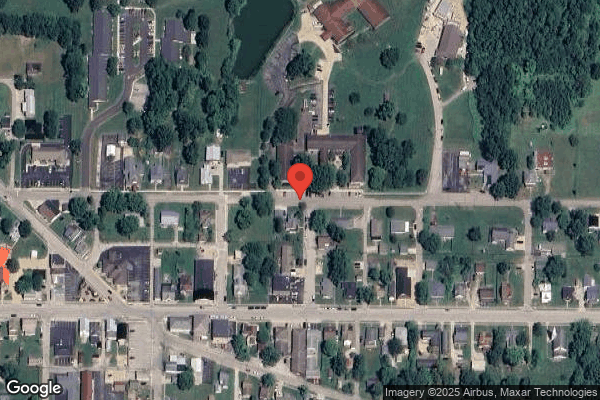
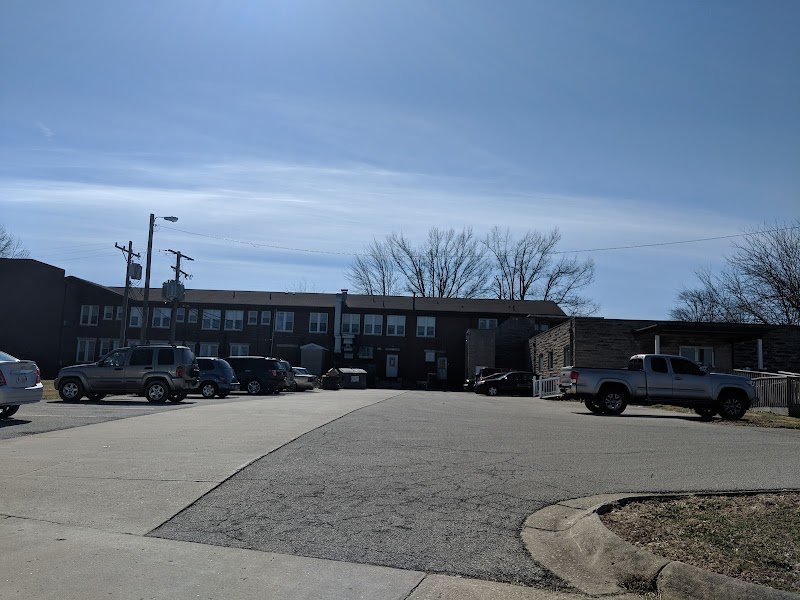
12803 LENOVER ST, DILLSBORO, IN 47018 (812) 432-5226
For profit - Corporation 123 Beds INFINITY HEALTHCARE CONSULTING Data: November 2025
Trust Grade
35/100
#492 of 505 in IN
Last Inspection: March 2025

Within standard 12-15 month inspection cycle. Federal law requires annual inspections.

Overview

Waters of Dillsboro-Ross Manor has received a Trust Grade of F, which indicates significant concerns and overall poor quality. With a state rank of #492 out of 505, it falls in the bottom half of Indiana facilities, and it is the lowest-ranked option in Dearborn County. Unfortunately, the facility is worsening, with reported issues increasing from 6 in 2024 to 16 in 2025. Staffing is a weak point here, rated at 1 out of 5 stars, although turnover is slightly better than average at 40%. Notably, the facility recorded zero fines, which is a positive sign, but RN coverage is concerning, as it is less than 96% of state facilities. Specific incidents include a serious case where a resident ingested a harmful chemical that led to hospitalization, and a situation where a resident was forcibly showered against her will, resulting in bruising. While the facility has some strengths, such as good quality measures with a 4 out of 5 rating, families should carefully consider these serious shortcomings before making a decision.

Trust Score
F
35/100
In Indiana
#492/505
Bottom 3%
Safety Record
Moderate
Needs review
Inspections
Getting Worse
6 → 16 violations
Staff Stability
○ Average
40% turnover. Near Indiana's 48% average. Typical for the industry.
Penalties
✓ Good
No fines on record. Clean compliance history, better than most Indiana facilities.
Skilled Nurses
⚠ Watch
Each resident gets only 15 minutes of Registered Nurse (RN) attention daily — below average for Indiana. Fewer RN minutes means fewer trained eyes watching for problems.
Violations
⚠ Watch
31 deficiencies on record. Higher than average. Multiple issues found across inspections.
★☆☆☆☆
1.0
Overall Rating
★☆☆☆☆
1.0
Staff Levels
★★★★☆
4.0
Care Quality
★★☆☆☆
2.0
Inspection Score
Stable
2024: 6 issues
2025: 16 issues

The Good

  • 4-Star Quality Measures · Strong clinical quality outcomes
  • Full Sprinkler Coverage · Fire safety systems throughout facility
  • No fines on record
  • Staff turnover below average (40%)

    8 points below Indiana average of 48%

Facility shows strength in quality measures, fire safety.

The Bad

1-Star Overall Rating

Below Indiana average (3.1)

Significant quality concerns identified by CMS

Staff Turnover: 40%

Near Indiana avg (46%)

Typical for the industry

Chain: INFINITY HEALTHCARE CONSULTING

Part of a multi-facility chain

Ask about local staffing decisions and management

The Ugly 31 deficiencies on record

1 actual harm
Jul 2025 3 deficiencies
CONCERN (D) 📢 Someone Reported This

A family member, employee, or ombudsman was alarmed enough to file a formal complaint

Potential for Harm - no one hurt, but risky conditions existed

Pressure Ulcer Prevention (Tag F0686)

Could have caused harm · This affected 1 resident

Based on observation, interview, and record review, the facility failed to treat and identify pressure ulcers in a timely manner for 1 of 3 residents reviewed for pressure ulcers. (Resident C)Findings...

Read full inspector narrative →
Based on observation, interview, and record review, the facility failed to treat and identify pressure ulcers in a timely manner for 1 of 3 residents reviewed for pressure ulcers. (Resident C)Findings include:During an observation, on 07/18/25 at 10:19 A.M., Qualified Medication Aide (QMA), answered Resident C's call light. The resident indicated she needed to get off the bed pan. The Assistant Director of Nursing (ADON) assisted the QMA to get the resident off the bed pan. The ADON cleansed the resident and left the room. She returned with a cream and applied it to the resident's bottom. She told the resident she didn't put the cream on her wounds just around them because the wounds would need a treatment put in place. The resident had a wound to the right posterior thigh that was pink in color with to drainage. The wound was pea size and did not have a dressing in place. The resident also had a wound on the coccyx that was a slit that was approximately the size of pencil lead. The wounds were shown by the ADON. The staff applied a brief and dressed the resident with pants. The staff told the resident that they would let the Certified Nurse Aides (CNA)'s know that she was ready to get up. They left the room and alerted the CNA's that the resident was ready to get up. The resident's wounds did not have treatments in place before the QMA and the ADON left the room, and the resident was left laying on her back.During an observation, on 07/18/25 at 11:01 A.M., the ADON returned to Resident C's room and indicated that she was going to apply a dressing to her wounds. The resident was rolled to her left side, her pants and brief were removed, and a treatment was applied to the resident's right posterior thigh. The resident's brief was reapplied, her shorts were pulled up, and the resident's full body mechanical lift pad was hooked up to the lift. The nurse was questioned about the coccyx wound not having a treatment in place at that time.During an interview, on 07/18/25 at 11:08 A.M., the ADON indicated she was unsure if the resident had an order for the coccyx wound. If she did, she must have missed it when she checked the orders. If she did have an order, then she would wait and apply the dressing after lunch. The resident had a pressure reducing cushion in her wheelchair. The ADON went to the resident's room and asked the resident if she was ok to wait for a minute so she could recheck her orders for a treatment to her coccyx. She indicated to the resident that she didn't want her sitting up without a treatment in place.During an interview, on 07/18/25 at 11:11 A.M., the ADON indicated the resident had a treatment to the coccyx and she would get the supplies and apply it before she got out of bed.During an observation, on 07/18/25 at 11:15 A.M., the ADON returned to the resident's room and applied the treatment to the coccyx. The clinical record for Resident C was reviewed on 07/17/25 at 12:29 P.M. A Quarterly Minimum Data Set (MDS) assessment, dated 06/03/25, indicated the resident was cognitively intact. The resident's diagnoses included, but were not limited to, stroke, hypertension, diabetes, and depression. The resident was at risk for pressures ulcer with no pressure ulcers identified at the time of the assessment.A Facility Weekly Skin Check, dated 07/15/25, indicated the resident had an existing area of loss but did not have any new skin loss of skin integrity.A Shower Sheet, dated 07/14/25, indicated the resident had no new skin concerns.A Wound Nurse Practitioner (NP) Wound Assessment Report, dated 07/16/25, indicated the resident had a facility acquired Stage 3 (Full-thickness skin loss in which subcutaneous fat may be visible in the ulcer and granulation tissue and epibole (rolled wound edges) are often present. Slough and/or eschar may be visible but does not obscure the depth of tissue loss.) pressure ulcer to the right posterior thigh, that was acquired on 07/15/25.During a family interview, on 07/17/25 at 1:50 P.M., they indicated that the resident would frequently go without treatments to their wounds.During an interview, on 07/18/25 at 10:06 A.M., CNA's 6 and 7 indicated they would monitor resident's skin daily during care and during their showers. If they noticed any skin concerns, they would alert their nurse. The only place they had to documented skin concerns was on their shower sheets.During an interview, on 07/18/25 at 10:09 A.M., Licensed Practical Nurse (LPN) 4 indicated resident's skin assessments were completed weekly by the nurse and the CNAs would monitor it during care daily. If she was aware of a new skin impairment then she would assess it, notify the wound nurse, and retrieve new orders.During an interview, on 07/18/25 at 1:31 P.M., the Director of Nursing (DON) indicated the thigh wound for the resident was identified by the Wound NP. The staff should have potentially saw the wound before it was a Stage 3.The current facility policy, dated 10/09/23, titled GUIDELINES FOR PREVENTION/TREATMENT OF PRESSURE INJURIES policy, indicated .The policy indicated, .based on resident assessment, the facility will ensure .A resident receives care, consistent with professional standards of practice; to prevent pressure ulcers .A Risk Assessment is considered the starting point for prevention of pressure injury .It is important to note and at risk resident can develop a pressure injury within hours of the onset of pressure. For this reason, the at risk resident must be identified, and have specific interventions put promptly in place and care planned to prevent formation of a pressure injury .This citation relates to Complaint 2561987.3.1-40(a)(2)
CONCERN (D) 📢 Someone Reported This

A family member, employee, or ombudsman was alarmed enough to file a formal complaint

Potential for Harm - no one hurt, but risky conditions existed

Infection Control (Tag F0880)

Could have caused harm · This affected 1 resident

Based on observation, interview, and record review, the facility failed to follow infection control guidelines related to Enhanced Barrier Precautions (EBP) for 2 of 2 wound care observations. (Reside...

Read full inspector narrative →
Based on observation, interview, and record review, the facility failed to follow infection control guidelines related to Enhanced Barrier Precautions (EBP) for 2 of 2 wound care observations. (Residents C and F) Findings include:1.During an observation, on 07/18/25 at 11:01 A.M., the Assistant Director of Nursing (ADON) entered Resident C’s room and indicated that she was going to apply a dressing to her wounds. The resident was rolled to her left side, her pants and brief were removed, and a treatment was applied to the resident’s right posterior thigh. The resident’s brief was reapplied, her pants were pulled up, and the resident’s full body mechanical lift pad was hooked up to the lift. The nurse was questioned about the coccyx wound not having a treatment in place at that time. The ADON nor the Certified Nurse Aide (CNA) in the room had donned gowns prior to the treatment of the right posterior thigh wound. During an observation, on 07/18/25 at 11:15 A.M., the ADON returned to the resident’s room and applied the treatment to the coccyx. The ADON nor the CNA had donned gowns prior to the treatment of the wound. The resident lacked a sign on her door indicating she was on EBP during the survey from 07/17/25 through 07/18/25. The clinical record for Resident C was reviewed on 07/17/25 at 12:29 P.M. The record lacked a physician's order for EBP. 2. The clinical record for Resident F was reviewed on 07/18/25 at 11:45 A.M. A Quarterly MDS assessment, dated 06/05/25, indicated the resident was severely cognitively impaired. The residents’ diagnoses included, but were not limited to, hypertension, dementia, anxiety, and depression. The resident had a chronic pressure wound on her right heel. The clinical record lacked a physician’s order for the resident to be in EBP for wound care. During an observation, on 07/18/25 at 12:55 P.M., Licensed Practical Nurse (LPN) 4 entered the resident’s room, donned gloves, pulled back the heel dressing and exposed a small pinpoint sized wound. She placed the dressing back in place and pulled a sock over the resident’s heel and ankle. The LPN failed to wear a gown during the wound care. The resident’s door lacked a sign indicating she was in EBP. There was no PPE, other than gloves, outside or inside the resident’s room. During an interview, on 07/18/25 at 1:31 P.M., the Director of Nursing (DON) indicated residents with significant or chronic wounds, urinary catheters, and any indwelling tubes should be in EBP. Residents C and F should have been in EBP because they had chronic pressure wounds. The current facility policy titled, Guidelines for Enhance Barrier Precautions, was provided by the Director of Nursing on 06/03/25 at 3:18 P.M. The policy indicated, .It is the policy of the facility to ensure that additional and appropriate PPE [Personal Protective Equipment] is utilized, when indicated, to prevent the spread of Multidrug-resistant Organisms .Enhanced Barrier Precautions are defined as the use of PPE [gowns and gloves] during high-contact resident care activities . This citation relates to Complaint 2561987. 3.1-18(b)
CONCERN (E) 📢 Someone Reported This

A family member, employee, or ombudsman was alarmed enough to file a formal complaint

Potential for Harm - no one hurt, but risky conditions existed

Deficiency F0557 (Tag F0557)

Could have caused harm · This affected multiple residents

Based on interview and record review, the facility failed to ensure residents were treated with respect and dignity related to Activities of Daily Living (ADL) care and monitoring inventory of persona...

Read full inspector narrative →
Based on interview and record review, the facility failed to ensure residents were treated with respect and dignity related to Activities of Daily Living (ADL) care and monitoring inventory of personal belongings for 4 of 9 residents reviewed for resident rights. (Residents B, C, K, and L) Findings include:1. During an interview and observation, on 07/17/25 at 10:17 A.M., Resident B indicated she was bruised during ADL care a couple of weeks ago. Staff members had come into her room early in the morning, after breakfast, and said she was going to take a shower. The resident held onto the grab bar on the side of the bed and kept saying she refused. The staff peeled her fingers off her side grab bar and proceeded to use the mechanical lift, transferred her to a shower chair, and forced her to take a shower. The resident indicated she was just bruised on her hands. There were no visible bruises observed to the resident's hands. The resident indicated she gave one of the aides a good titty twister when they got one of her hands loose, she should not have touched the aide, she was just angry. She had not been bruised during care in the past. Her shower days were Wednesdays and Saturdays. The staff that were working with her were Certified Nurse Aide (CNA) 2 and CNA 3. The clinical record for Resident B was reviewed on 07/18/25 at 1:08 P.M. A Quarterly Minimum Data Set (MDS) assessment, dated 04/18/25, indicated the resident was severely cognitively impaired. The resident's diagnoses included, but were not limited to, heart failure, hypertension, anxiety, chronic pain syndrome, and depression. The resident was dependent on staff members to assist her with bathing and required maximal assistance. An Interdisciplinary Team (IDT) note, dated 06/30/25, indicated the resident had discoloration to her left forearm and right knuckle. The root cause of the discoloration was determined to be due to the resident grabbing on to the breast of a staff member, twisting, and pulling. Staff had to remove the resident's hand off the staff member's breast, on 06/25/25. Additional factors included the enabler bars the resident used to promote mobility and the use of Xarelto (a blood thinning medication) increasing risks of bruising During an interview, on 07/18/25 at 1:35 P.M., the DON indicated the resident had bruising on her arm. Multiple times, the resident thought it was from her bed, then she thought it happened during a shower. The facility did resident and staff interviews and had nothing substantiated. The resident indicated she did not want CNA 3 to give her a shower, which was typical of Resident B, she would choose who she didn't want to help her. For that instance, CNA 2 put the resident in the shower and gave her a shower. The resident was in the shower chair, holding on to the bed rail, and they were afraid she would fall out of the chair. During an interview, on 07/17/25 at 10:38 A.M., CNA 2 indicated if a resident was resistive to care or refusing care, staff were not to force them. Residents were to be encouraged to allow staff to provide care. If a resident was resistive or combative with care, staff were to stop and then come back a little later to try again. They might have a different staff member attempt to provide care. If the resident still refused, the aides were to notify the nurse. During an interview, on 07/17/25 at 12:25 P.M., CNA 2 indicated, a couple of weeks ago, in regard to the day in question, she was going to assist Resident B with a shower. CNA 2 left the resident’s room and went to get the shower chair. CNA 3 was in the room with the resident. When CNA 2 came back, the resident was mad at CNA 3 and said she did not want CNA 3 to give her a shower. CNA 2 told the resident she was going to give the resident the shower, not CNA 3. The resident was super mad; she kept saying things. CNA 2 could not recall what she was saying, she was just trying to calm the resident down. CNA 3 remained in the resident’s room. At some point the resident grabbed CNA 3’s breast. The CNAs had to remove the resident’s hand from CNA 3’s breast. The resident was still in bed, and the CNAs were putting the mechanical lift pad under the resident. The resident was holding on to the bed railing. They told her to let go of the railing. CNA 2 removed the resident’s fingers from the railing. She could not remember what the resident was saying, she kept saying she didn’t want CNA 3 to give her a shower. The CNAs got the resident into the shower chair. The resident said she was going to yell all the way down the hall to the shower room, and she did. Once CNA 2 got the resident into the shower, she was fine. She was able to shower the resident and wash her hair without difficulty. She assisted the resident with combing her hair after the shower. During an anonymous interview, a staff member indicated residents were not allowed to refuse care. Staff were not allowed to document that a resident refused care. The staff member thought residents had the right to refuse, but there had been instances when they were told they had to provide care even if the resident refused. The current facility policy, titled GUIDELINES FOR OBSERVING AND IMPLEMENTING - RESIDENT RIGHTS, dated 07/12/23, was provided by the Regional Director of Operations on 07/18/25 at 2:07 P.M. The policy indicated, .7) It is important that staff be aware of the RESIDENT RIGHTS to include but not limited to: A dignified existence - resident being treated with dignity in all situations . Residents are to have their well-being and self-esteem, and self-worth enhanced during all care and services interactions .1. Staff will treat each resident with respect and dignity .3. Staff will not use any profanity or vulgar words in the presence of the resident and under no circumstances directed at the resident . 2a. During an interview, on 07/18/25 at 10:45 A.M., Resident K indicated he was missing a blue blanket with sharks on it that his family brought him. He was unsure if the blanket was on an inventory list. The resident’s clinical record was reviewed on 07/17/25 at 1:48 P.M. A Quarterly MDS assessment, dated 04/15/25, indicated the resident was moderately cognitively impaired. The resident’s diagnosis included, but were not limited to, stroke, hemiplegia, and malnutrition. The resident’s record lacked an inventory list of personal items. 2b. During an interview, on 07/17/25 at 2:11 P.M., Resident C indicated she had a name brand purse that was missing. Her family member had hung the purse out of view in the back of the closet. She realized it was gone a few weeks ago. The clinical record for Resident C was reviewed on 07/17/25 at 12:29 P.M. A Quarterly MDS assessment, dated 06/03/25, indicated the resident was cognitively intact. The resident’s diagnoses included, but were not limited to, stroke, hypertension, diabetes, and depression. The resident’s record lacked an inventory list of personal items. 2c. During an interview, on 07/17/25 at 2:55 P.M., Resident L indicated she was not missing any personal items. Staff labeled clothing with residents’ names. She did not think the facility made an inventory list of her belongings when she was admitted . Resident L’s clinical record was reviewed on 07/18/25 at 1:10 P.M. An admission MDS assessment, dated 04/14/25, indicated the resident was severely cognitively impaired. The resident’s diagnoses included, but were not limited to, stroke, hypertension, and diabetes. The resident’s record lacked an inventory list of her personal items. During an interview, on 07/18/25 at 11:31 A.M., the Housekeeping Supervisor indicated she could not find inventory lists of residents’ belongings. The previous Housekeeping Supervisor, that left a few months ago, was supposed to be taking care of inventory lists. All resident records should be in the computer; they didn’t have hard charts. She could find no documentation of any resident’s belongings. Inventory lists of residents’ belongings, should include, but would not be limited to, clothing, purses, shoes, personal electronics, etc. The current, undated facility policy, titled “Policy and Procedure, Resident Personal Clothing and Belongings Handling” was provided by the DON on 07/18/25 at 2:07 P.M. The policy indicated, “…To ensure that all resident’s clothing are identified, stored, and laundered appropriately…Personal Belonging are to be listed on the Belongings List in the resident’s chart…” This citation relates to Complaints 2561987 and 2560828. 3.1-3(t) 3.1-9(g)
Jun 2025 4 deficiencies
CONCERN (D) 📢 Someone Reported This

A family member, employee, or ombudsman was alarmed enough to file a formal complaint

Potential for Harm - no one hurt, but risky conditions existed

Accident Prevention (Tag F0689)

Could have caused harm · This affected 1 resident

Based on observation, record review, and interview, the facility failed to ensure staff supervised a resident that resided on a secured unit when off the unit for 1 of 3 residents reviewed for acciden...

Read full inspector narrative →
Based on observation, record review, and interview, the facility failed to ensure staff supervised a resident that resided on a secured unit when off the unit for 1 of 3 residents reviewed for accident hazards. (Resident C) Findings include: Upon entering the facility on 06/16/25 at 4:25 P.M., on the first floor of the facility, there were no staff observed anywhere on or near the outside of the locked unit. There were three residents sitting in the dining room, outside the locked unit, including Resident C. There was an exit door approximately 10 feet to the right of where Resident C was sitting. During an observation, on 06/16/25 at 4:30 P.M., Dietary Staff 15 knocked on the dementia unit door and no staff answered the door. The door had a window that was approximately four feet by four feet and was 4.5 feet high. The dietary staff member indicated she was unsure of what the code was to get into the locked unit. The dietary staff left the area and then went upstairs to the second floor. Resident C was still sitting in the dining room outside the dementia unit with no staff present. During an observation, on 06/16/25 at 4:45 P.M., there were two visitors leaving the dementia unit when Resident C had gotten up from her chair and asked them to hold the door open to the dementia unit so she could enter. Resident C walked into the dementia unit. The clinical record for Resident C was reviewed on 06/16/25 at 5:00 P.M. A Quarterly Minimum Data Set Assessment, dated 04/30/25, indicated the resident was moderately cognitively impaired. The resident's diagnoses included, but were not limited to, Alzheimer's disease, non-Alzheimer's dementia, and diabetes. The census report indicated the resident resided on the locked dementia unit. A current open-ended physician's order, with a start date of 04/25/24, indicated the resident may reside on a secured unit. A Wandering Risk Assessment, dated 04/11/25, indicated the resident was at a moderate risk for wandering. During an interview, on 06/16/25 at 5:23 P.M., Licensed Practical Nurse (LPN) 2 indicated Resident C was able to be off the locked dementia unit with staff supervision. She should have had a staff member's supervision when she was sitting outside of the locked unit. The facility could not provide a policy related to resident supervision. The current facility policy titled, Guidelines for Incidents/Accidents/Falls, was provided by the Regional Director of Plant Operations on 06/16/25 at 6:02 P.M. The policy indicated, .It is the policy of the facility to ensure that any incident/accident .is reported immediately to the nurse or appropriate person designated to be in charge . 3.1-45(a)(2)
CONCERN (D) 📢 Someone Reported This

A family member, employee, or ombudsman was alarmed enough to file a formal complaint

Potential for Harm - no one hurt, but risky conditions existed

Pharmacy Services (Tag F0755)

Could have caused harm · This affected 1 resident

Based on record review and interview, the facility failed to provide medications in a timely manner for 1 of 3 residents reviewed for pharmacy services. (Resident B) Findings include: The clinical rec...

Read full inspector narrative →
Based on record review and interview, the facility failed to provide medications in a timely manner for 1 of 3 residents reviewed for pharmacy services. (Resident B) Findings include: The clinical record for Resident B was reviewed on 6/16/25 at 5:30 P.M. A Quarterly Minimum Data Set (MDS) Assessment, dated 04/11/25, indicated the resident was severely cognitively impaired. The resident's diagnoses included, but were not limited to, hypertension, non-Alzheimer's dementia, and malnutrition. A physician's order, dated 04/16/24 through 05/29/25, indicated the staff were to administer the resident's Cyproheptadine (an antihistamine) 4 milligrams, three times a day for itching. The May 2025 Electronic Medication Administration Record indicated the resident did not receive the medication on the following dates and times due to it nor being available: From 05/19/25 through 05/23/25 for the 8:00 A.M. dose and the 2:00 P.M. dose. The clinical record lacked documentation that the physician was notified that the resident's medications were not available. During an interview, on 06/17/25 at 06/17/25 at 12:10 P.M., Licensed Practical Nurse (LPN) 2 indicated when a resident was out of a medication, she would call the pharmacy to see if they could get it out of the facility's emergency drug kit. If the medication was not available in the emergency drug kit, she would document in the EMAR that the medication was not administered due to it being unavailable, document that she spoke with the pharmacy, and let the physician know. The current facility policy titled, PHARMACY HOURS AND DELIVERY SCHEDULE, dated July 2024, was provided by the Assistant Director of Nursing (ADON) on 06/17/25 at 1:37 P.M. The policy indicated, .is open 24 hours/365 days a year. New orders and refill requests may be faxed or sent electronically at any time .0 The current, undated, facility policy titled, PHYSICIAN-ORDERS--(FOLLOWING PHYSICIAN ORDERS) was provided by the ADON on 06/17/25 at 11:35 A.M. The policy indicated, .It is the policy of the facility to follow the orders of the physician . 3.1-25(a)
CONCERN (D) 📢 Someone Reported This

A family member, employee, or ombudsman was alarmed enough to file a formal complaint

Potential for Harm - no one hurt, but risky conditions existed

Deficiency F0776 (Tag F0776)

Could have caused harm · This affected 1 resident

Based on record review and interview, the facility failed to obtain a STAT x-ray in a timely manner for 1 of 3 residents reviewed for radiology services. (Resident B) Findings include: The clinical re...

Read full inspector narrative →
Based on record review and interview, the facility failed to obtain a STAT x-ray in a timely manner for 1 of 3 residents reviewed for radiology services. (Resident B) Findings include: The clinical record for Resident B was reviewed on 6/16/25 at 5:30 P.M. A Quarterly Minimum Data Set (MDS) Assessment, dated 04/11/25, indicated the resident was severely cognitively impaired. The resident's diagnoses included, but were not limited to, hypertension, non-Alzheimer's dementia, and malnutrition. A Progress Note, dated 05/23/25 at 6:15 P.M., indicated the resident was noted to have some swelling and discoloration to the right lower leg. The Nurse Practitioner (NP) was notified, and a new order was obtained for a STAT (immediately) x-ray of the knee, ankle, and extended tibia/fibula. A Progress Note, dated 05/24/25 at 12:40 P.M., indicated the resident's x-ray was obtained and a new order was received to send the resident to the local emergency room. A Radiology X-Ray Report, dated 05/24/25 at 12:23 P.M., indicated the resident had a two view, right tibia and fibula x-ray. During an interview, on 06/26/25 at 6:58 P.M., RN 3 indicated she was working the night the NP ordered a STAT x-ray for Resident B. She had been working all night until 6:00 A.M. the next morning and the technician never came on her shift. She had instructed that the staff to not get the resident out of bed due to not having the x-ray completed. She believed over 12 hours was an unacceptable time frame for a STAT x-ray to be completed. During an interview, on 06/17/25 at 10:40 A.M., Licensed Practical Nurse (LPN) 4 indicated a STAT x-ray should be obtained within a couple of hours. During an interview, on 06/17/25 at 11:39 A.M., the Assistant Director of Nursing (ADON) indicated a STAT x-ray should be obtained within four hours of getting the order. The NP ordered a STAT x-ray for Resident B on 05/23/25 around 6:00 P.M. and the technician did not come until the next day. The current facility policy titled, Guidelines for Diagnostic Services, dated 07/14/23, was provided by the ADON on 06/17/25 at 1:37 P.M. The policy indicated, .It is the policy of this facility to ensure that laboratory, radiology, and other diagnostic services meet the needs of residents, that results are reported promptly to the ordering provider to address potential concerns and for disease prevention, provide for resident assessment, diagnosis, and treatment, and that the facility has established policies and procedures and is responsible for the quality and timeliness of services whether services are provided by the facility or an outside resource . This citation relates to Complaint IN00460383. 3.1-49(a)
CONCERN (D) 📢 Someone Reported This

A family member, employee, or ombudsman was alarmed enough to file a formal complaint

Potential for Harm - no one hurt, but risky conditions existed

Medical Records (Tag F0842)

Could have caused harm · This affected 1 resident

Based on record review and interview, the facility failed to document a resident's behaviors for 1 of 3 residents reviewed for medical records. (Resident B) Findings include: During an interview, on 0...

Read full inspector narrative →
Based on record review and interview, the facility failed to document a resident's behaviors for 1 of 3 residents reviewed for medical records. (Resident B) Findings include: During an interview, on 06/16/25 at 6:46 P.M., Certified Nurse Aide (CNA) 5 indicated Resident B had been having more behaviors during care for the last two to three weeks related to kicking her legs. The CNAs didn't have access to document a resident's behaviors. The CNAs had to let the nurse know and the nurse would document on the resident's record. She had told Licensed Practical Nurse (LPN) 4 and LPN 6 about the resident's behavior related to kicking her legs. During an interview, on 06/17/25 at 10:40 A.M., LPN 4 indicated the resident had some behaviors of kicking during care. The resident behaviors would be documented in the Electronic Medication Administration Record/Electronic Treatment Administration Record (EMAR/ETAR) or a progress note. During an interview, on 06/17/25 at 11:39 A.M., the Assistant Director of Nursing (ADON) indicated after interview staff, from 05/24/25 through 05/29/25. It was determined the resident was having increased behaviors during care and was kicking during care. She was unsure if the behaviors were documented. The CNAs were not able to document resident behaviors and should have told the nurse. The nurse would document resident behaviors in a progress note. The clinical record for Resident B was reviewed on 6/16/25 at 5:30 P.M. A Quarterly Minimum Data Set (MDS) Assessment, dated 04/11/25, indicated the resident was severely cognitively impaired. The resident's diagnoses included, but were not limited to, hypertension, non-Alzheimer's dementia, and malnutrition. A physician's order, dated 12/22/23 through 06/17/25, indicated the staff were to monitor the resident's behavior every shift. The May 2025 EMAR/ETAR indicated to see the Progress Notes on the following dates and times: - On 05/03/25 at night, - On 05/04/25 at night, - On 05/08/25 at night, - On 05/09/25 at night, - On 05/13/25 at night, - On 05/14/25 at night, - On 05/17/25 at night, - On 05/18/25 at night, and - On 05/21/25 at night. The May 2025 Progress Notes lacked any documented behaviors for the resident. The current facility policy titled, Guidelines for Addressing/Managing Resident Who-----Refuse Care or Who Are NON-ADHERENT TO THEIR CARE PLAN dated 10/11/2024, was provided by the ADON on 06/17/25 at 1:39 P.M. The policy indicated, .DOCUMENT DOCUMENT DOCUMENT .It cannot be stressed enough that THROUGH DOCUMENTATION IS CRITICAL . The current facility policy titled, Guidelines for Handling and Addressing Behavioral Emergencies, dated 03/18/23, was provided by the ADON on 06/17/25 at 11:35 A.M. The policy indicated, .Documentation .Record specifics related to the behavior incident .Documentation in the clinical record should include facts as related to time, possible causative factors, actual behavior with the consequences, interventions and outcomes . This citation relates to Complaint IN00460383. 3.1-50(a)(2)
May 2025 1 deficiency
CONCERN (D) 📢 Someone Reported This

A family member, employee, or ombudsman was alarmed enough to file a formal complaint

Potential for Harm - no one hurt, but risky conditions existed

Resident Rights (Tag F0550)

Could have caused harm · This affected 1 resident

Based on interview, and record review, the facility failed to ensure a resident was treated with respect and dignity for 1 of 3 residents reviewed. (Resident D) Finding included: A Progress note, date...

Read full inspector narrative →
Based on interview, and record review, the facility failed to ensure a resident was treated with respect and dignity for 1 of 3 residents reviewed. (Resident D) Finding included: A Progress note, dated 04/13/25 at 5:58 P.M., indicated Resident D was hitting, pinching, and spitting at staff during care. The resident was wanting to be left alone. The resident was cleaned up and the call light was given to the resident. A Significant Change Minimum Data Set (MDS) assessment, dated 3/5/25, indicated the resident was severely cognitively impaired. The resident's diagnoses included, but were not limited to, hypertension, non-Alzheimer's dementia, anxiety, and depression. The current Care Plan, dated 4/25/22, indicated Resident D was declining. The resident had episodes of declining resident care, medications, treatments, and refused showers. The interventions included, but were not limited to the following: - If resident continues to decline have another staff member approach. - if resident declines, make resident safe and leave; and reapproach in five minutes. During an interview, on 05/16/25 at 2:06 P.M., Certified Nurse Aide (CNA) 2 indicated Resident D was resistive and combative. CNA 2 and CNA 3 continued to provide care to the resident. During an interview, on 05/16/25 at 2:23 P.M., CNA 3 indicated she went in to check on Resident D and asked CNA 2 for help. Resident D was being resistive to care by hitting, pinching, and spitting. CNA 3 and CNA 2 continued to provide care to the resident. Staff failed to allow an upset and combative resident time to calm down prior to providing care. During an interview on 05/16/25 at 3:20 P.M., CNA 5 indicated if a resident was resistive to care you should make sure they are safe, walk away, approach them later, or have another staff member approach them. The current facility policy titled GUIDELINES FOR OBSERVING AND IMPLEMENTING - RESIDENT RIGHTS, was provided by the Corporate Clinical Support on 05/16/25 at 3:42 P.M., dated 07/12/23. The policy indicated, 7) It is important that staff be aware of the RESIDENT RIGHTS to include but not limited to: A dignified existence - resident being treated with dignity in all situations . Residents are to have their well-being and self-esteem, and self-worth enhanced during all care and services interactions .1. Staff will treat each resident with respect and dignity .3. Staff will not use any profanity or vulgar words in the presence of the resident and under no circumstances directed at the resident . This deficient practice was corrected, on 04/14/25, prior to the start of the survey and was therefore Past Noncompliance. The facility implemented a systemic plan of all residents assessed, re-educated staff on dignity and respect, and implemented a monitory system. This citation relates to Complaints IN00457440 and IN00457734. 3.1-3(t)
Mar 2025 7 deficiencies
CONCERN (D)

Potential for Harm - no one hurt, but risky conditions existed

Quality of Care (Tag F0684)

Could have caused harm · This affected 1 resident

Based on record review and interview, the facility failed to follow the physician's orders related to medication hold parameters (Resident 13) and implement fall interventions of non-skid strips (Resi...

Read full inspector narrative →
Based on record review and interview, the facility failed to follow the physician's orders related to medication hold parameters (Resident 13) and implement fall interventions of non-skid strips (Resident 54) for 2 of 20 residents reviewed for Quality of Care. Findings include: 1. The clinical record for Resident 13 was reviewed on 03/05/25 at 10:26 A.M. An Annual Minimum Data Set (MDS) assessment, dated 01/15/25, indicated the resident was severely cognitively impaired. The resident's diagnoses included, but were not limited to, heart failure, hypertension, dementia, anxiety, and depression. A current open-ended physician's order, with a start date of 01/08/25, indicated the resident was to receive Losartan (a blood pressure medication) 25 milligrams (mg), one time a day. The staff were to hold the medication when the systolic blood pressure (SBP) was less than 110 or the diastolic blood pressure (DBP) was less than 70. The January and February 2025 Electronic Medication Administration Record (EMAR) indicated the resident received the medication when the blood pressure was either not obtained, when the SBP was less than 110, or when the DBP was less than 70 on the following dates: - On 01/08/25 the resident's blood pressure was not obtained, - On 01/10/25 the resident's blood pressure was not obtained, - On 01/11/25 the resident's blood pressure was not obtained, - On 01/13/25 the resident's blood pressure was not obtained, - On 01/14/25 the resident's blood pressure was not obtained, - On 01/15/25 the resident's blood pressure was not obtained, - On 01/16/25 the resident's blood pressure was not obtained, - On 01/17/25, the resident's blood pressure was not obtained, - On 01/18/25 the resident's blood pressure was not obtained, - On 01/19/25 the resident's blood pressure was not obtained, - On 01/20/25 the resident's blood pressure was not obtained, - On 01/21/25 the resident's blood pressure was not obtained, - On 01/22/25 the resident's blood pressure was not obtained, - On 01/23/25 the resident's blood pressure was not obtained, - On 01/24/25 the resident's blood pressure was not obtained, - On 01/25/25 the resident's blood pressure was 131/69, - On 01/26/25 the resident's blood pressure was not obtained, - On 01/27/25 the resident's blood pressure was not obtained, - On 01/28/25 the resident's blood pressure was not obtained, - On 02/19/25 the resident's blood pressure was 120/67, - On 02/23/25 the resident's blood pressure was 124/68, - On 02/24/25 the resident's blood pressure was 11/64 and, - On 02/25/25 the resident's blood pressure was 115/68. During an interview, on 03/06/25 at 2:14 P.M., Qualified Medication Aide (QMA) 5 indicated if a resident's blood pressure medication had hold parameters, she would check the resident's blood pressure just prior to giving the medication. If the blood pressure was outside the parameters, she would hold the medication and document on the EMAR why it was held. The current facility policy titled MEDICATION ADMINISTRATION, dated July 2024, was provided by the Director of Nursing (DON) on 03/05/25 at 3:04 P.M. The policy indicated, .To administer all medications safely and appropriately to aid residents to overcome illness, relieve and prevent symptoms, and help in diagnosis . 2. Resident 54 was observed in his room on 03/04/25 at 9:24 A.M. The resident was standing near his recliner and putting a sweater on to go outside. There were no non-skid strips on the floor near the recliner. The resident was observed in his room on 03/05/25 at 12:40 P.M. The resident was sitting in his recliner. The resident indicated he recently fell outside but was usually steady on his feet. There were no non-skid strips on the floor near the resident's recliner. The resident's clinical record was reviewed on 03/06/25 at 9:59 A.M. An Annual Minimum Data Set assessment, dated 02/06/25, indicated the resident was moderately cognitively impaired. The resident's diagnoses included, but were not limited to, a traumatic brain injury, diabetes, and bipolar disorder. The resident experienced one fall without injury since the last assessment. A Progress Note, dated 11/29/24 at 11:40 A.M., indicated the resident was putting the footrest down on his recliner when he slid out of the recliner and onto the floor in front of the chair. The resident was not injured. A Progress Note, dated 12/02/24 at 10:45 A.M., indicated the fall was reviewed and an intervention to install non-skids strips on the floor near the recliner was initiated. The resident's current Fall Care Plan indicated an intervention was initiated on 12/02/24 to place non-skid strips on the floor by the resident's recliner. During an interview on 03/06/25 at 10:07 A.M., Certified Nurse Aide 6 indicated fall interventions were listed in the computer in the residents' Care Plans. The resident's interventions included non-skid strips on the floor near the resident's recliner. The CNA observed the resident's room and indicated there were no non-skid strips on the floor near the recliner. The resident had recently moved rooms. The strips should have been placed on the floor after the room change. The current facility policy, titled GUIDELINES FOR INCIDENTS/ACCIDENTS/FALLS, dated 06/30/23, indicated, .All falls will have a site investigation .to define root cause of the fall .Each fall needs a new care plan intervention rolled out . 3.1-45(a)(2) 3.1-37(a)
CONCERN (D)

Potential for Harm - no one hurt, but risky conditions existed

Pressure Ulcer Prevention (Tag F0686)

Could have caused harm · This affected 1 resident

**NOTE- TERMS IN BRACKETS HAVE BEEN EDITED TO PROTECT CONFIDENTIALITY** Based on observation, interview, and record review, the facility failed to promptly identify and treat a pressure wound infectio...

Read full inspector narrative →
**NOTE- TERMS IN BRACKETS HAVE BEEN EDITED TO PROTECT CONFIDENTIALITY** Based on observation, interview, and record review, the facility failed to promptly identify and treat a pressure wound infection in a timely manner for 1 of 3 residents reviewed for pressure ulcers/skin impairments. (Resident 64) Findings include: An admission Minimum Data Set assessment, dated 08/23/24, indicated Resident 64 was cognitively intact. The resident's diagnoses included, but were not limited to, non-traumatic spinal cord dysfunction, heart failure, multi-drug-resistant organism infection, diabetes, paraplegia, and malnutrition. The resident was at risk for pressure ulcers and had an unhealed Unstageable (Obscured full-thickness skin and tissue loss in which the extent of tissue damage within the ulcer cannot be confirmed because the wound bed is obscured by slough or eschar) pressure ulcer upon admission. The resident utilized pressure reducing devices for the bed and chair, and pressure ulcer treatments were administered. A Skin and Wound Note, dated 08/19/24, indicated the resident's prior medical history included a hospitalization in July and August of 2024 for abdominal pain and altered mental status. The patient was found to have meningitis, osteomyelitis (bone infection), and an intraspinal abscess. The patient received intravenous antibiotics. The patient developed an unstageable pressure ulcer while in the hospital, prior to his admission to the facility. The Wound NP's initial assessment indicated the wound measured 7 cm x 7 cm, with a depth of 0.3 cm. The wound base was 30% granulation tissue and 70% slough. There was a scant amount of serosanguinous (pale red to pink, thin, and watery) drainage. A Skin and Wound note, dated 09/03/24, indicated the resident developed a new pressure ulcer on the left buttock. The wound was an evolving Deep Tissue Injury (Persistent non-blanchable deep red, maroon, or purple discoloration of intact skin). The wound measured 6 cm x 4.5 cm, with a depth of 0.1 cm. The wound bed was 60% granulation tissue and 40% slough, with a moderate amount of serosanguineous drainage. A Skin and Wound note, dated 09/09/24, indicated the resident had a new pressure ulcer on the right buttock identified. The wound was a Stage III pressure ulcer that measured 4 cm x 3.8 cm, with a depth of 0.3 cm. The wound bed was 50% granulation tissue and 50% slough. There was a scant amount of serous drainage. An observation and interview, on 03/05/25 at 10:45 A.M, Resident 64's pressure ulcers were observed with the Facility Wound Nurse and the Wound Nurse Practitioner (Wound NP). The resident's sacral wound was currently classified as a Stage IV (Full-thickness skin and tissue loss with exposed or directly palpable fascia, muscle, tendon, ligament, cartilage, or bone in the ulcer. Slough [non-viable, usually moist tissue] and/or eschar [dry, dead tissue] may be visible on some parts of the wound bed) that measured 5.9 centimeters (cm) x 6.5 cm, with a depth of 0.6 cm. The wound bed was pinkish red, with 90% granulation (new/healing) tissue, and 10% slough. There was no drainage or signs of infection. The pressure ulcer on the resident's left buttock was a Stage III (Full-thickness skin loss in which subcutaneous fat may be visible in the ulcer and granulation tissue was often present. Slough and/or eschar [dry dead tissue] may be visible but would not obscure the depth of tissue loss) that measured 5 cm x 4.9 cm, with a depth of 0.3 cm. The wound bed was pinkish red with 70% granulation tissue and 30% yellow slough present. There was no drainage or signs of infection. At 10:51 A.M., the Wound NP indicated the resident's sacral wound was present when the resident was admitted to the facility back in August of last year. The resident's left buttock wound developed in the facility a few weeks after admission. Another Stage III wound developed on the resident's right buttock around the same time, but that wound healed rather quickly. The resident was on several antibiotics when he was admitted to the facility for various infections and spent several weeks in the hospital related to infections shortly after admission. They had tried many different treatments for the resident's wounds, and they have improved significantly. There were no current infections. During an interview, on 03/06/25 at 11:25 A.M., the Wound NP indicated the resident's sacral wound was unstageable when he discharged from the facility to the hospital on [DATE]. When the resident returned to the facility on [DATE], the sacral wound was categorized as a Stage IV. The left buttock wound was classified as an evolving DTI on the initial wound assessment dated [DATE]. There was purple discoloration of an intact area of skin, open skin with granulation tissue, and slough present. Ideally, every wound should be identified before the skin was non-blanchable (skin doesn't turn white when pressed, a clinical sign of pressure damage) and before slough was present. A Skin and Wound Note, dated 12/09/24, indicated the resident's sacral wound measured 8.2 cm x 8 cm, with a depth of 1.4 cm. The wound base was 90% granulation and 10% slough. There was a mild odor after the wound was cleansed. A Progress Note, dated 12/09/24, indicated there was a new physician's order to obtain a wound culture. A Skin and Wound note, dated 12/16/24, indicated the wound culture from 12/09/24 was reviewed that day. The culture was positive for heavy growth of proteus mirabilis and beta hemolytic streptococci. The Wound NP recommended Augmentin (an antibiotic) by mouth, twice a day for fourteen days for continued wound infection. A Nursing Progress Note, dated 12/16/2024, indicated the NP was in to see the resident and gave a new order for Augmentin. An Antibiotic Therapy Note, dated 12/17/24, indicated the resident was to receive Augmentin 850 milligrams for fourteen days for a wound infection. The wound was noted to have gross drainage with a strong odor. During an interview on 03/06/25 at 11:14 A.M., the Director of Nursing indicated typically, when the facility sent a sample out to the lab, they would get the results via fax. Cultures usually took 48 to 72 hours. The wound culture was sent out on 12/09/24, but they didn't get the results until 12/16/24. It should have been followed up on. The current facility policy, dated 10/09/23, titled GUIDELINES FOR PREVENTION/TREATMENT OF PRESSURE INJURIES policy, indicated .The policy indicated, .based on resident assessment, the facility will ensure .A resident receives care, consistent with professional standards of practice; to prevent pressure ulcers .A Risk Assessment is considered the starting point for prevention of pressure injury .It is important to note and at risk resident can develop a pressure injury within hours of the onset of pressure. For this reason, the at risk resident must be identified, and have specific interventions put promptly in place and care planned in an effort to prevent formation of a pressure injury . 3.1-40(a)(2)
CONCERN (D)

Potential for Harm - no one hurt, but risky conditions existed

Deficiency F0692 (Tag F0692)

Could have caused harm · This affected 1 resident

Based on interview and record review, the facility failed to ensure a resident's food preferences were identified and replacement meal options were offered for 1 of 3 residents reviewed for nutrition....

Read full inspector narrative →
Based on interview and record review, the facility failed to ensure a resident's food preferences were identified and replacement meal options were offered for 1 of 3 residents reviewed for nutrition. (Resident 76) Findings include: During an interview, on 03/03/25 at 11:19 A.M., Resident 76 indicated he was recently admitted to the facility, and he did not like the food. They brought him eggs and sausage for breakfast, and sometimes oatmeal. He did not like to eat any of those things for breakfast. He was used to eating dry cereal with milk and fruit every day for breakfast at home. He liked to drink his coffee with his breakfast, not before breakfast. They always brought it before the meal, and it was cold by the time he got the food. He just didn't eat breakfast anymore. No one ever came and asked him about what food he liked or didn't like. He had been there a little over two weeks. During an interview on 03/04/25 at 10:27 A.M., the Dietary Manager indicated when a resident was admitted to the facility she would usually go and talk to them within a few days to find out what they liked and didn't like to eat. The information would be entered into the computer and would print out on the resident's tray ticket. Staff would use the information to prepare the resident's meals. The Dietary Manager looked in the computer and indicated there was no information entered in to address the resident's likes or dislikes. She did not remember if she talked to him when he came to the facility, she may have missed him. She should have talked to him by now. The resident's clinical record was reviewed on 03/06/25 at 9:16 A.M. An admission Minimum Data Set assessment, dated 2/17/25, indicated the resident was cognitively intact. The resident's diagnoses included, but were not limited to, coronary artery disease, atrial fibrillation, heart failure and hypertension. The resident was 6 feet tall and weighed 175 pounds. The resident had no problems with eating or swallowing. The resident's Care Plans indicated he was to receive his diet as ordered. The interventions included, but were not limited to; dated 02/14/25, staff were to offer the resident substitutions when the resident consumed fifty percent or less of a meal. During an interview, on 03/06/25 at 10:07 A.M., Certified Nurse Aide 6 indicated aides were to document how much a resident ate for each meal in the computer. If they didn't eat much, staff would encourage them to eat and offer the resident something else. That would be documented in a separate section in the computer (replacement meal). They would let the nurse know when the resident did not each much. The resident's meal intake records since his admission to the facility were reviewed and indicated on the following dates and times the resident ate 50% or less of his meal and he was not offered a replacement meal: - The resident ate between 26% and 50% at breakfast and supper on 02/14/25, - The resident ate between 26% and 50% at lunch on 02/15/25, - The resident refused breakfast on 02/18/25, - The resident ate between 26% and 50% for supper on 02/21/25, there was no documentation for breakfast or lunch, - The resident refused breakfast and lunch on 02/22/25, - The resident refused breakfast and lunch on 02/23/25, - The resident refused breakfast and ate between 26% and 50% for lunch on 02/24/25, - The resident ate between 26% and 50% for lunch on 02/25/25, - The resident ate between 0% and 26% for supper on 02/26/25, - The resident refused breakfast on 02/28/25, - The resident ate between 0% and 26% for breakfast and refused lunch on 03/02/25, - The resident refused breakfast on 03/03/25, and - The resident ate between 26% and 50% for breakfast and refused lunch on 03/06/25. The current, undated facility policy, titled Resident Food Preferences indicated .Upon the resident's admission or within seventy-two (72) hours after his/her admission, the dietary professional or nursing staff will identify a resident's food preferences . 3.1-21(a)(4)
CONCERN (D)

Potential for Harm - no one hurt, but risky conditions existed

Pharmacy Services (Tag F0755)

Could have caused harm · This affected 1 resident

**NOTE- TERMS IN BRACKETS HAVE BEEN EDITED TO PROTECT CONFIDENTIALITY** Based on observation, interview, and record review, the facility failed to ensure a resident's medications were available for 1 ...

Read full inspector narrative →
**NOTE- TERMS IN BRACKETS HAVE BEEN EDITED TO PROTECT CONFIDENTIALITY** Based on observation, interview, and record review, the facility failed to ensure a resident's medications were available for 1 of 5 residents observed for pharmacy services. (Resident 33) Findings include: Medication administration was observed on [DATE] at 10:56 A.M., with Licensed Practical Nurse (LPN) 4. As the nurse prepared medications for Resident 33, she discovered the resident did not have the physician prescribed Gabapentin 200 milligrams (mg) available. The resident was to receive two 100 mg tablets. The LPN indicated they had gotten a big shipment of medications that morning. The LPN indicated they would do a refill request, and the medication would come in that night. The resident was to receive Gabapentin 200 mg at 11:00 A.M. and at 4:00 P.M. The LPN checked the resident's record and indicated the resident's 200 mg dose was ordered on [DATE] and had not been reordered since. The medication cards usually held 30 pills. She did not know where the list was indicating what medications were delivered on [DATE]. The clinical record for Resident 33 was reviewed on [DATE] at 10:43 A.M. A Quarterly Minimum Data Set assessment, dated [DATE], indicated the resident was cognitively intact. The resident's diagnoses included, but were not limited to, Gastroesophageal Reflux Disease (GERD), stroke, hypertension, diabetes, Chronic Obstructive Pulmonary Disease (COPD), and respiratory failure. The February and March Electronic Medication Administration Record/Electronic Treatment Administration Record (EMAR/ETAR) and the Progress Notes indicated the resident did not receive the following medications on the following dates and times, and for the following reasons: - On February 4 and 5, 2025, the resident's had not received her Losartan Potassium 50 milligrams (mg), one tablet by mouth in the morning for hypertension. The facility was waiting on the pharmacy to deliver the medication. - On February 19, 2025, the resident had not received her Famotidine 20 mg, one tablet by mouth in the morning for GERD. The facility was waiting on the pharmacy to deliver the medication. - On February 19, 2025 at 9:10 A.M., the resident had not received her Metformin 500 mg, one tablet by mouth every morning and at bedtime for diabetes. The facility was waiting for the pharmacy to deliver the medication. - On February 21, 22, 24, and 25, 2025, the resident had not received her Anoro Ellipta inhaler, one puff, inhale orally in the morning for COPD. The facility was waiting for the pharmacy to deliver the medications. - On February 21, 2025, the resident had not received her Cholestyramine 4 grams, one packet by mouth in the morning for diarrhea. The facility was waiting for the pharmacy to deliver the medication. - On February 24, 2025, the resident had not received her Lasix 20 mg, one tablet by mouth in the morning for edema. The facility was waiting for the pharmacy to deliver the medication. - On [DATE], the resident had not received her Jardiance 10 mg, one tablet by mouth in the morning for diabetes. The facility was waiting for the pharmacy to deliver the medication. - On [DATE] at 9:35 A.M., the resident had not received her Metoprolol 12.5 mg, by mouth every morning and at bedtime for hypertension. The facility was waiting for the pharmacy to deliver the medication. - On [DATE] at 11:00 A.M. and 4:00 P.M., the resident had not received her Gabapentin 100 mg, give 200 mg by mouth three times a day for neuropathy. The resident's medication was not available. The resident's pain level was monitored twice a day and had been rated at a zero out of ten on [DATE], 3, and in the morning of [DATE]. On night shift of [DATE], the resident rated their pain at a three out of ten. The start date for the above listed physician's orders were in February of 2024 or before. None of the medications were new orders for this resident. During an interview on [DATE] at 10:50 A.M., Resident 33 indicated she had pain in her left shoulder and the left side of her neck. During an interview on [DATE] at 2:03 P.M., the Assistant Director of Nursing (ADON) indicated the pharmacy delivered medications to the facility twice a day, every day of the week. The nurse working on the floor was responsible for ordering residents' medications. They can call the pharmacy, fax the pharmacy, or reorder medications using the computer system. The staff can order while passing medications if they see the resident getting low on a medication. The cut off time for ordering medications was 6:00 P.M. on the day before, to receive medications the following morning. Medications are generally received by 8:00 A.M., less than 24 hours after ordering them. If they ordered after 6:00 P.M., they should arrive within a day and a half. The staff can reorder medications with the click of a button. They may have to call to check if a resident had a refill on a narcotic, but most other medications they could order without calling. Medications usually came on cards of 30. Resident 33 had orders that expired per the ADON's phone call with the pharmacy, even though the facility order was still active. The pharmacist told the ADON that the facility just had to call, and the pharmacy just had to click a button to order the medication. The ADON did not monitor what medications were ordered daily. She was not aware of any staff member who monitored what medications were ordered each day. The nurse working on the floor could call the pharmacy for medications. The current undated CUBEX STATION POLICIES AND PROCEDURES policy was provided by the Director of Nursing (DON) on [DATE] at 3:04 P.M. The policy indicated, .Nursing and pharmacy staff will use the CUBEX Station as an inventory, charging and information system for the control and distribution of medications for emergency, first-dose use and other situations where medications are not readily available from the pharmacy until the next scheduled delivery. The CUBEX Station is not intended to be a source of medications for continuous dosing i.e. routine and scheduled medications . The current undated RESIDENT RIGHTS policy was provided by the DON on [DATE] at 3:04 P.M. The policy indicated, .Accommodation of Needs .They have the right to receive services with reasonable accommodations to individual needs . 3.1-25(g)(2) 3.1-25(g)(3) 3.1-37(a)
CONCERN (D)

Potential for Harm - no one hurt, but risky conditions existed

Laboratory Services (Tag F0770)

Could have caused harm · This affected 1 resident

**NOTE- TERMS IN BRACKETS HAVE BEEN EDITED TO PROTECT CONFIDENTIALITY** Based on record review and interview, the facility failed to obtain a wound culture in a timely manner for 1 of 2 residents revi...

Read full inspector narrative →
**NOTE- TERMS IN BRACKETS HAVE BEEN EDITED TO PROTECT CONFIDENTIALITY** Based on record review and interview, the facility failed to obtain a wound culture in a timely manner for 1 of 2 residents reviewed for infections. (Resident 64) Findings include: Resident 64's clinical record was reviewed on 03/05/25 9:57 A.M. An admission Minimum Data Set assessment, dated 08/23/24, indicated the resident was cognitively intact. The resident's diagnoses included, but were not limited to, non-traumatic spinal cord dysfunction, heart failure, multi-drug-resistant organism infection, diabetes, paraplegia, and malnutrition. The resident was at risk for pressure ulcers and had an unhealed pressure ulcer upon admission. A Skin and Wound Note, dated 12/09/24, indicated the resident's sacral wound measured 8.2 cm x 8 cm, with a depth of 1.4 cm. The wound base was 90% granulation and 10% slough. There was a mild odor after the wound was cleansed. A Progress Note, dated 12/09/24, indicated there was a new physician's order to obtain a wound culture. The Lab Results Report for the wound culture ordered on 12/09/24 was reviewed. The sample was collected and received by the lab on 12/09/24. The results were reported on 12/16/24 and indicated there was heavy growth of Proteus Mirabilis bacteria and heavy growth of Beta Hemolytic Streptococci bacteria. The report listed the antibiotics that could be used to treat the bacteria. The lab results were reviewed by the Nurse Practitioner on 12/18/24. The report indicated The specimen was received without two patient identifiers on the specimen container. Clinical correlation confirming that the specimen was obtained from the named patient was recommended prior to action based on the results. The lab indicated they sent an affidavit related to the lack of resident identification information to the facility via fax on 12/10/24 with no response. The lab sent the affidavit a second time to the facility on [DATE] via fax. As of 12/16/24, there was no signed affidavit received. The sample may need to be recollected for testing due to missing identifier on specimen. During an interview, on 03/05/25 at 1:13 P.M., the Assistant Director of Nursing/Infection Preventionist indicated she reviewed the infection tracking every day. Every morning, she would review residents' physician's orders for lab tests that were ordered the previous day. She was unsure of what happened with the resident's wound culture order. During an interview, on 03/06/25 at 11:14 A.M., the Director of Nursing indicated typically, when the facility sent a sample out to the lab, they would get the results via fax. Cultures usually took 48 to 72 hours. The wound culture was sent out on 12/09/24, but they didn't get the results until 12/16/24. It should have been followed up on. The current facility policy titled GUIDELINES FOR LAB SCHEDULING/TRACKING, dated 09/01/23, indicated, .It is the policy of the facility to ensure that laboratory tests ordered by the physician are systematically scheduled and tracked so that lab work is obtained and results are received and reported timely .Any omitted labs will be researched and the lab will be contacted for an explanation as to the delay . 3.1-49(a)
CONCERN (D)

Potential for Harm - no one hurt, but risky conditions existed

Infection Control (Tag F0880)

Could have caused harm · This affected 1 resident

Based on observation and interview, the facility failed to follow appropriate infection control guidelines related to hand hygiene for 2 of 6 residents observed during medication administration. (Resi...

Read full inspector narrative →
Based on observation and interview, the facility failed to follow appropriate infection control guidelines related to hand hygiene for 2 of 6 residents observed during medication administration. (Residents 52 and 7) Findings include: Medication administration was observed on Station 3 on 03/04/25 at 1:36 P.M., with Licensed Practical Nurse (LPN) 4. The nurse prepared a medication, Gabapentin 300 milligrams, at the medication cart in the hallway for Resident 3. The LPN took the medication into the resident's room in a medication cup. The resident had limited use of his hands, and the nurse assisted the resident by moving his straw. The resident's straw was in his personal water bottle. The LPN continued to assist the resident with adjusting his foot pedals and applying the brakes on his wheelchair. The nurse went back to the medication cart, picked up a medication cup, expelled a dose of Carbidopa/Levodopa into a cup for Resident 52, poured water into a plastic cup, put a straw into the cup, closed the medication cart, and locked it. While administering the medication to Resident 52, the nurse touched the resident's shoulder with her hand and assisted the resident with her medication. The nurse disposed of the water cup and medication cup at a sink near the dining room, went to the computer on the medication cart, touched the keys on the computer, went into Resident 7's room, touched the lift harness that was underneath the resident, then the nurse pulled up her own pants, and went back to the computer on the medication cart. During an interview, immediately following the observation on 03/04/25, LPN 4 indicated she should have used hand sanitizer or washed her hands between assisting the residents. The current MEDICATION ADMINISTRATION policy, dated July 2024, was provided by the DON on 03/05/25 at 3:04 P.M. The policy indicated, .Before the Medication Pass .Cleanse your hands before beginning and before contact with each resident . 3.1-18(l)
CONCERN (E)

Potential for Harm - no one hurt, but risky conditions existed

Deficiency F0761 (Tag F0761)

Could have caused harm · This affected multiple residents

**NOTE- TERMS IN BRACKETS HAVE BEEN EDITED TO PROTECT CONFIDENTIALITY** Based on observation, interview, and record review, the facility failed to store medications appropriately related to vials of i...

Read full inspector narrative →
**NOTE- TERMS IN BRACKETS HAVE BEEN EDITED TO PROTECT CONFIDENTIALITY** Based on observation, interview, and record review, the facility failed to store medications appropriately related to vials of insulin for 2 of 3 medication carts reviewed. (Station 3 Medication Cart 2 and Station 2 Medication Cart) Findings include: 1. Medication Cart 2 on Station 3 was observed on [DATE] at 9:23 A.M., with Licensed Practical Nurse (LPN) 2, and included the following: - A Fiasp/Aspart insulin vial for Resident 3, that was 1/4 full. The delivery date on the storage bottle was [DATE]. No open date was on the vial or the storage bottle. The LPN indicated the resident received the insulin four times a day per a sliding scale, but he had not received it yet that day. - A Lispro insulin vial for Resident 64, that was 3/4 full. The delivery date on the storage bottle was [DATE]. No open date was on the vial or the storage bottle. The LPN indicated the resident no longer used the insulin and it should have been removed from the cart. The clinical record for Resident 64 indicated his Lispro insulin had been discontinued on [DATE]. During an interview, on [DATE] at 9:38 A.M., LPN 2 indicated insulin pens and vials should be dated when opened and labeled with an expiration date. 2. The Medication Cart on Station 2 was observed on [DATE] at 9:46 A.M., with Qualified Medication Aide (QMA) 3, and included the following: - A Lantus insulin vial for Resident 35, that was 1/2 full. The box the vial was in was dated [DATE]. The vial was not dated. QMA 3 indicated insulin was usually good for 30 days. - A Lantus insulin vial for Resident 40, that was over 3/4 full. The box the vial was in was dated [DATE]. The vial was not dated. The QMA indicated she did not manage the insulin for the residents, the nurse was responsible for the use of the insulin. The Medication Room was observed, on [DATE] at 9:54 A.M., with QMA 3. A small refrigerator in the room had a sign on the front reminding nursing staff to date insulin containers when they were opened. QMA 3 indicated they did not keep insulin in that refrigerator anymore. The Lantus insulin package insert was provided by the Director of Nursing (DON) on [DATE] at 3:04 P.M. The record indicated, .The LANTUS vials you are using should be thrown away after 28 days, even if it still has insulin left in it . The Fiasp insulin package insert was provided by the DON on [DATE] at 2:54 P.M. The record indicated an open vial in use expired after 28 days. The current MEDICATION STORAGE IN THE FACILITY policy, dated [DATE], was provided by the DON on [DATE] at 3:04 P.M. The policy indicated, .Facility staff will assure that the multi-dose vial is stored following manufacturer's suggested storage conditions .If the medication is discontinued or outdated, remove medication from [sic] proper disposal . 3.1-25(j)
Feb 2025 1 deficiency 1 Harm
SERIOUS (G) 📢 Someone Reported This

A family member, employee, or ombudsman was alarmed enough to file a formal complaint

Actual Harm - a resident was hurt due to facility failures

Accident Prevention (Tag F0689)

A resident was harmed · This affected 1 resident

Based on record review, and interview, the facility failed to ensure a maintenance staff removed lye-based chemical drain cleaner from the bathroom of vulnerable resident for 1 of 3 residents reviewed...

Read full inspector narrative →
Based on record review, and interview, the facility failed to ensure a maintenance staff removed lye-based chemical drain cleaner from the bathroom of vulnerable resident for 1 of 3 residents reviewed for accidents. (Resident C) This deficient practice resulted in the resident ingesting the chemical liquid and sustaining low-grade esophageal injury and moderate-grade gastric injury that required intensive care at an acute care hospital. Findings include: A Quarterly Minimum Data Set (MDS) assessment, dated 11/27/24, indicated the resident was cognitively intact. The resident's diagnoses included, but were not limited to, anemia, hypertension, and paranoid schizophrenia (a subtype of schizophrenia characterized by persistent delusions and hallucinations). The resident had no documented behaviors of inattention, disorganized thinking or altered level of consciouness. She had symptoms of feeling down or depressed a total of three time during the assessment review. The resident had no prior history of consuming harmful chemicals. A Progress Note, dated 01/07/25 at 11:23 A.M., indicated Resident C was sent to the emergency room after ingesting the drain cleaner. During an interview on 01/31/25 at 11:02 A.M., the Maintenance Director indicated that he had gone into Resident C's room to unclog her toilet. He knelt in front of the resident's toilet with a plastic garbage bag and a container of drain cleaner. He then realized the toilet was clogged with brown paper towels; he removed the clog and placed the towels into the plastic bag. He thought he placed the bottle of drain cleaner into the same plastic bag since the drain cleaner bottle was nearly empty. Within a few minutes after the Maintenance Director walked out of the resident's room the resident walked out into the hallway and handed a staff member the drain cleaner bottle. During an interview, on 02/03/25 at 8:46 A.M., Qualified Medication Aide (QMA) 2 indicated Resident C brought the drain cleaner out to QMA 2. The resident started complaining of her throat hurting, so QMA 2 immediately took the resident to the nurse. A Hospital Discharge Summary Document, dated 01/12/25, provided by the Director of Nursing (DON), on 01/31/25 at 12:15 P.M., indicated Resident C consumed a bottle of [NAME] Lye drain opener which was left unattended by staff. Resident C was admitted to the intensive care unit for monitoring. An Esophagogastroduodenoscopy (imaging test for examining the lining of the esophagus, stomach, and the first part of the small intestine) with esophageal evaluation showed low grade injuries, but gastric evaluation shows moderate-grade injuries from lye ingestion. The Safety Data Sheet (SDS) for Instant Power [NAME] Lye was provided by the Administrator, on 01/31/25 at 1:20 P.M. The SDS indicated the chemical was harmful if swallowed and should be kept out of reach of children. The current facility policy titled, Chemical Safety and Storage, with a review date of 12/05/24, was provided by the Administrator on 01/31/25 at 1:20 P.M. The policy indicated, .Hazardous chemicals should be kept in a locked area inaccessible to residents . The current undated facility policy titled, Resident Rights was provided by the DON on 01/31/25 at 1:20 P.M. The policy indicated, .The facility must provide a safe, clean, comfortable, home-like environment . This deficient practice was corrected on 01/09/25 after the facility implemented a systemic plan of all resident environments assessed and all staff were educated on chemical safety and storage. This citation relates to Complaint IN00450781. 3.1-45(a)(1)
Mar 2024 6 deficiencies
CONCERN (D)

Potential for Harm - no one hurt, but risky conditions existed

Comprehensive Care Plan (Tag F0656)

Could have caused harm · This affected 1 resident

Based on interview, observation, and record review, the facility failed to develop a care plan related to dentures for 1 of 20 residents care plans reviewed. (Resident 37) Findings include: During an ...

Read full inspector narrative →
Based on interview, observation, and record review, the facility failed to develop a care plan related to dentures for 1 of 20 residents care plans reviewed. (Resident 37) Findings include: During an interview on 03/21/24 at 10:01 A.M., a family member indicated Resident 37 had dentures, but he usually didn't have them in. He had kept playing with them and someone took them away and never offered them back. During an interview on 03/22/24 at 9:29 A.M., the resident was assisted out of bed by nursing staff member. The resident was assisted to his wheelchair and propelled to the hallway. He was not wearing his dentures. The resident indicated he was unsure of where his dentures were. During an observation on 03/22/24 at 9:32 A.M., the resident was offered a snack and accepted it. He did not have his dentures in and had not been offered them. He proceeded to eat his snack without difficulty. During an observation on 03/22/24 at 11:33 A.M., the resident was sitting at the dining table and served his lunch. The tray was a regular diet. He was eating and was not wearing his dentures. The staff had not offered them to him. The clinical record for Resident 37 was reviewed on 03/22/24 at 1:41 P.M. An admission MDS (Minimum Data Set) assessment, dated 02/02/24, indicated the resident was moderately cognitively impaired. The diagnoses included, but were not limited to, fractures, anemia, hypertension, diabetes, Alzheimer's disease, non-Alzheimer's dementia, malnutrition, anxiety, depression, and mood (affective disorder). The resident was edentulous. The care plan lacked a edentulous care plan. During an interview on 03/26/24 at 3:17 P.M., the Administrator indicated when a resident was admitted to the facility, the management team completed their assessments and developed their comprehensive care plan based on their assessments. The current, undated, facility policy titled, Baseline Care Plan Assessment/Comprehensive Care Plans, was provided by the Administrator on 03/26/24 at 3:41 P.M. The policy indicated, .The Comprehensive Care Plan will be finalized within 7 days of completion of the Full Comprehensive Care Plan . 3.1-35(a)
CONCERN (D) 📢 Someone Reported This

A family member, employee, or ombudsman was alarmed enough to file a formal complaint

Potential for Harm - no one hurt, but risky conditions existed

ADL Care (Tag F0677)

Could have caused harm · This affected 1 resident

Based on record review and interview the facility failed to provide routine bathing for 1 of 3 residents reviewed for ADL (Activities of Daily Living) care. (Resident B) Findings include: During an ob...

Read full inspector narrative →
Based on record review and interview the facility failed to provide routine bathing for 1 of 3 residents reviewed for ADL (Activities of Daily Living) care. (Resident B) Findings include: During an observation in the dining room on 03/20/24 at 11:24 A.M., a staff member sat down next to the resident. Staff were assisting another resident at the table and cuing Resident B to keep her awake and focused as she was eating with her bare hands. The clinical record for Resident B was reviewed on 03/26/24 at 11:01 A.M. A Quarterly MDS (Minimum Data Set) assessment, dated 02/03/24, indicated the resident was severely cognitively impaired. The diagnoses included, but were not limited to, dementia and hypertension. The resident was totally dependent on staff members for bathing. The paper shower sheets for January, February, and March 2024, were provided by the DON (Director of Nursing) on 03/26/24 at 10:26 A.M. The records were dated and indicated the following: - On 01/01/24, the resident did not receive a shower, - On 01/07/24, the resident did not receive a shower, - On 01/21/24, the resident did not receive a shower, - On 02/05/24, the resident did not receive a shower, - On 02/12/24, the resident did not receive a shower, - On 02/15/24, the resident did not receive a shower, - On 02/23/24, the resident did not receive a shower, - On 02/26/24, the resident did not receive a shower, - On 02/29/24, the resident did not receive a shower, - On 03/04/24, the resident did not receive a shower, - On 03/07/24, the resident received a shower, - On 03/11/24, the resident did not receive a shower, - On 03/14/24, the resident received a shower, - On 03/17/24, the resident received a shower, and - On 03/21/24, the resident received a shower. The Tasks bathing report for January, February, and March 2024, from the EHR (Electronic Health Record) was provided by the DON on 03/25/24 at 11:30 A.M. The record indicated the following: - On 01/29/24, the resident received a shower, and her hair was washed, - On 02/02/24, the resident received a bed bath, and her hair was not washed, - On 02/09/24, the resident received a bed bath, and her hair was not washed, - On 02/20/24, the resident received a bed bath, and her hair was not washed, - On 02/26/24, the resident received a shower, and her hair was washed, - On 02/29/24, the resident received a shower, and her hair was washed, - On 03/07/24, the resident received a shower, and her hair was washed, - On 03/11/24, the resident received a shower, and her hair was washed, and - On 03/21/24, the resident received a shower, and her hair was washed. From January 1, 2024, to March 23, 2024, the resident should have received 24 showers or complete bed baths. The resident had only received 12 of the planned 24 baths. No resident bathing refusals were documented on either set of records. The complete Care Plan was provided by the Administrator on 03/26/24 at 2:47 P.M. A Care Plan Focus indicated the resident had late loss ADLs and required staff assistance with ADLs. The interventions included, but were not limited to, Bathe per resident preference 2x week and prn (as needed). The Care Plan did not indicate the resident had a history of refusing care. During an interview on 03/22/24 at 9:52 A.M., CNA 2 indicated staff documented on shower sheets and on the computer. If a resident refused a shower it should be documented in both places. During an interview on 03/26/24 at 2:16 P.M., LPN 3 indicated the CNAs knew they were supposed to report to the nurse on duty if a resident refused care of any kind, especially showers. If a resident refused a shower, she would go to the resident and investigate why the resident was refusing. Residents generally got two showers a week. They usually got their hair washed with showers. Staff should mark it on the shower sheets if residents got their hair washed, nail care, and if the staff noticed anything like skin changes. They would mark the nurse was notified, then the nurse on the floor would sign the sheets. The current undated Activities of Daily Living policy was provided by the Administrator on 03/26/24 at 2:47 P.M. The policy indicated, .Residents are given routine daily care .by a C.N.A. or a Nurse to promote hygiene, provide comfort and provide a homelike environment .ADL care of the resident includes .Assisting the resident in personal care such as bathing, showering .hair care .Do all required ADL documentation as required per policy and regulations . This citation relates to Complaint IN00429901. 3.1-38(a)(2)(A)
CONCERN (D)

Potential for Harm - no one hurt, but risky conditions existed

Quality of Care (Tag F0684)

Could have caused harm · This affected 1 resident

Based on observation, interview, and record review, the facility failed to follow physician's orders related to wound treatments and TED (anti-embolism) hose for 3 of 20 residents reviewed for quality...

Read full inspector narrative →
Based on observation, interview, and record review, the facility failed to follow physician's orders related to wound treatments and TED (anti-embolism) hose for 3 of 20 residents reviewed for quality of care. (Residents 44, 61, and 30) Findings include: 1. During an observation and interview on 03/20/24 at 1:33 P.M., Resident 44 was sitting on a couch in his room and indicated he had a sore on his toe. The clinical record for Resident 44 was reviewed on 03/21/24 at 2:38 P.M. A Quarterly MDS (Minimum Data Set) assessment, dated 02/21/24, indicated the resident was cognitively intact. The diagnoses included, but were not limited to, diabetes, anemia, hypertension, non-Alzheimer's dementia, depression and pain in his left foot. A Wound assessment, dated 02/19/24, indicated the resident had an arterial wound to the left foot. A physician's order, dated 12/24/23 through 01/22/24, indicated the staff were to apply betadine moist gauze and alginate, foam, and sterile gauze between the left great toe and second toe, and wrap with gauze, every day shift. A physician's order, dated 01/23/24 through 02/13/24, indicated the staff were to apply betadine to the left big and second toe topically every shift. A physician's order, dated 02/14/24 through 03/01/24, indicated the staff were to apply betadine to the left big and second toe topically every day shift. A physician's order, dated 03/02/24 through 03/25/24, indicated the staff were to apply betadine to the second toe every day shift. The January, February, and March 2024, EMAR/ETAR (Electronic Medication Administration Record/Electronic Treatment Administration Record) lacked documentation that the treatments were completed for the following dates: - 01/01/24, - 01/04/24, - 01/11/24, - 02/11/24, - 02/13/24, - 02/16/24 day shift, - 02/18/24 day shift, - 03/05/24, and - 03/07/24. During an interview on 03/26/24 at 3:05 P.M., the DON (Director of Nursing) indicated a blank in the EMAR/ETAR could be an error of the nurse not signing out the medication or treatment or it wasn't completed. There should not be any blanks in the EMAR/ETAR. 3. Resident 30 was observed in his room on 03/21/24 at 10:02 A.M. The resident was sitting on the side of his bed with his feet on the floor. The resident was wearing slippers without socks. The tops of his bare feet and his lower legs were visible and appeared swollen and reddish pink in color. On 03/22/24 at 9:44 A.M., the resident was observed in his room sitting on the side of his bed with his feet on the floor. The resident was wearing slippers without socks. The tops of his bare feet and his lower legs were visible and appeared swollen and reddish pink in color. On 03/22/24 at 11:20 A.M., the resident was sitting on the side of his bed with his feet on the floor eating lunch. The resident was wearing slippers without socks. The tops of his bare feet and his lower legs were visible and appeared swollen and reddish pink in color. On 03/25/24 at 2:59 P.M., the resident was observed sitting in his wheelchair in the dining room during bingo. The resident was wearing slippers without socks. The tops of his bare feet and his lower legs were visible and appeared swollen and reddish pink in color. On 03/26/24 at 10:04 A.M., the resident was observed in his room sitting on the side of his bed with his feet on the floor. The resident was wearing slippers without socks. The tops of his bare feet and his lower legs were visible and appeared swollen and reddish pink in color. The resident's clinical record was reviewed on 03/25/24 at 2:16 P.M. A Significant change MDS assessment, dated 01/29/24, indicated the resident was moderately cognitively impaired. The diagnoses included, but were not limited to, coronary artery disease, diabetes, hypertension, and Parkinson's disease. The resident exhibited no behaviors and did not reject care during the assessment review period. The resident's current physician's orders included, but were not limited to, an open ended order, with a start date of 11/21/23, that indicated the resident was to wear knee high TED hose every day. The stockings were to be applied in the morning and removed before bed. The March 2024 EMAR was reviewed on 03/25/24 at 2:16 P.M. The EMAR was initialed by nursing staff were to indicate the resident's TED hose were applied every day except on 03/14/24. On 03/14/24, it was documented, that was the only day of the reviewed time, the resident refused the TED hose. During an interview on 03/26/24 at 10:25 A.M., CNA 4 indicated she always worked on Station 3 and was familiar with the resident. If a resident was supposed to wear TED hose staff would try and put them on the resident. If they refused, they would try again. If the resident continued to refuse, they would let the nurse know. She was not sure if the resident was supposed to wear TED hose. There were other residents on Station 3 that wore them. One resident usually already had them on when she got to work in the mornings. Another resident's TED hose were usually laying out on the back of their wheelchair or some other place in their room; she would see the hose when she went in to provide care. CNA 4 was not sure how she would check the resident's record to determine if they were supposed to wear TED hose. They didn't use CNA sheets. During an interview on 03/26/24 at 10:27 A.M., LPN 3 indicated she didn't think the resident wore TED hose. The current, undated, facility policy, titled PHYSICIAN ORDERS--(FOLLOWING PHYSICIAN ORDERS), was provided by the DON on 03/26/24 at 2:12 P.M. The policy indicated, .It is the policy of the facility to follow the orders of the physician . 3.1-37(a) 2. During an interview and observation on 03/21/24 at 9:27 A.M., Resident 61 indicated they had trouble with swelling in their feet and ankles. The staff did not put their TED hose on because they couldn't get them on easily. The resident was not wearing TED hose and their feet and ankles were swollen. The resident indicated they were left in bed a lot of the time because the staff had to use a lift to get them up. They had recently started taking the medication Lasix (a diuretic). During an observation and interview on 03/21/24 at 2:51 P.M., the resident was sitting in a recliner in their room. Their feet were swollen, and they were not wearing TED hose. They indicated staff had not offered to put their TED hose on them. There was a pair of clean white TED hose in the drawer of their nightstand. During an observation and interview on 03/22/24 at 11:23 A.M., the resident was sitting up in bed eating lunch. They indicated they had congestive heart failure and did not have their tight socks (TED hose) on today. Their feet were swollen. During an interview and observation on 03/25/24 at 10:43 A.M., the resident indicated the staff had not put their TED hose on them today and they had not offer to put them on. The resident's feet and ankles were swollen. The resident was lying in bed. They had asked to be put in their chair. The staff usually told them they only had one lift and it took two people to move them. During an interview and observation on 03/25/24 at 1:58 P.M., the resident indicated the staff had not gotten them up out of bed. They had told the staff they would like to get up. The resident was not wearing their TED hose. The clinical record was reviewed on 03/26/24 at 9:28 A.M. A Significant Change MDS assessment, dated 02/15/24, indicated the resident was moderately cognitively impaired. The diagnoses included, but were not limited to, congestive heart failure and hypertension. The EMAR/ETAR for March 2023 was provided by the Administrator on 03/26/24 at 2:47 P.M. The record indicated the resident had a physician's order to apply knee high TED hose to both legs every day shift for edema prior to getting up in the morning, with a start date of 02/15/24. The record had been checked off each day indicating the hose had been applied as ordered. During an interview on 03/26/24 at 2:16 P.M., LPN (Licensed Practical Nurse) 3 indicated the CNAs (Certified Nurse Aides) usually applied TED hose to the residents who had orders for them. The nursing staff would pass the information on to the CNA staff if a resident required TED hose. The CNAs had not reported to her any residents refusing their TED hose. The CNAs knew they were supposed to report to nursing staff if a resident refused care of any kind.
CONCERN (D)

Potential for Harm - no one hurt, but risky conditions existed

Deficiency F0761 (Tag F0761)

Could have caused harm · This affected 1 resident

Based on observation, interview, and record review, the facility failed to label and store medications appropriately for 2 of 3 medication storage refrigerators observed. (Station 1 medication refrige...

Read full inspector narrative →
Based on observation, interview, and record review, the facility failed to label and store medications appropriately for 2 of 3 medication storage refrigerators observed. (Station 1 medication refrigerator and Station 3 medication refrigerator) Findings include: Medication storage was observed on 03/26/24 at 1:41 P.M., with the ADON (Assistant Director of Nursing). 1. The medication refrigerator on Station 1 contained an open vial of TB (Tuberculin) serum with no label indicating when it was opened. The vial was about half full. The ADON could not recall when the last resident was admitted to the unit. 2. The medication refrigerator on Station 3 contained an open vial of TB serum with no label indicating when it was opened. The vial was one quarter full. The ADON could not recall when the last resident was admitted to the unit. LPN (Licensed Practical Nurse) 3, who was present at the time, indicated she had administered the serum to Resident 8 last week. During an interview on 03/26/24 at 2:10 P.M., the DON (Director of Nursing) indicated the TB serum vials should be dated when they were opened. The TB serum package insert was provided by the DON on 03/26/24 at 2:18 P.M. The directions for storage indicated, .A vial .which has been entered and in use for 30 days should be discarded .Do not use after expiration date . The current undated MEDICATION STORAGE IN THE FACILITY policy was provided by the DON on 03/26/24 at 2:18 P.M. The policy indicated, .Medications and biological [sic] are stored safety [sic], and properly following the manufacturer or supplier recommendations . 3.1-25(j)
CONCERN (E)

Potential for Harm - no one hurt, but risky conditions existed

Deficiency F0679 (Tag F0679)

Could have caused harm · This affected multiple residents

Based on interview, observation, and record review, the facility failed to provide activities for 1 of 4 stations reviewed. This had the potential to affect 13 of 68 resident residing in the facility....

Read full inspector narrative →
Based on interview, observation, and record review, the facility failed to provide activities for 1 of 4 stations reviewed. This had the potential to affect 13 of 68 resident residing in the facility. (Memory Springs-Dementia Unit) Findings include: During an interview on 03/21/24 at 9:53 A.M., a family member indicated the Memory Springs Station never had any activities. During a continuous observation on 03/26/24 from 10:06 A.M. through 11:45 A.M., the following was observed: - at 10:06 A.M. two residents were asleep in recliners, and four residents in the dining room, staff were present and talking with a couple of the residents, - at 10:33 A.M., there were four residents in the dining room. Two of the residents were sleeping, 1 resident was eating a snack, and another resident was looking at pictures. The activity calendar was observed hanging on a bulletin board and indicated the resident's were to fold laundry at 10:30 A.M. - at 10:43 A.M., 1 resident left the dining room and there was a CNA (Certified Nurse Aide) in the common area. There was no staff engaging residents in any activity, - at 11:05 A.M., there were four residents in the dining room, two of the residents were sleeping and there was no activity being completed. There were two residents asleep in recliners in the common area. - at 11:45 A.M., the residents were served their lunch. During a continuous observation on 03/26/24 from 1:55 P.M. through 2:25 P.M. the following was observed: - at 1:55 P.M., there were four residents in the dining room. One resident was asleep and another resident was trying to stand up and CNA 5 directed the Resident 43 to sit back down, - at 1:57 P.M., CNA 5 asked a Resident 34 to sit down in his wheelchair, - at 1:58 P.M., CNA 5 asked Resident 34 to sit down in his wheelchair, she took the resident to his room to put on a new shirt. She was the only staff member on the unit at the time, - at 2:05 P.M., no activity was being intiated. RN 6 entered the station, - at 2:06 P.M., Resident 43 propelled herself to Resident 65 who was asleep at the dining room table and woke him up, - at 2:09 P.M., Resident 34 asked to watch a football game. CNA 5 indicated she didn't believe football was on and went to the T.V. and turned on a western show and assisted Resident 34 in front of the T.V. Resident 43 was propelling herself around the dining room in her wheelchair, - at 2:11 P.M., Resident 65 was offered a snack and moved up to the table, Resident 43 had propelled herself to an empty table, and Resident 34 started propelling himself down the hallway, - at 2:13 P.M., CNA 5 asked Resident 34 to sit back down in his wheelchair. He sat back down and was offered to sit in a recliner. The resident refused. The resident again asked about watching a football game, CNA 5 indicated she had turned on a different show until the football game came on. She continued to converse with the resident who was down the hallway and facing away from the T.V., - at 2:16 P.M., Resident 43 approached Resident 65 and started to take his snack. CNA 5 told the resident it wasn't her snack and took the empty wrapper to the trash. The resident was not offered a snack, - at 2:17 P.M., CNA 5 left the station to answer a call light on a different station. RN 6 was present on Memory Springs, - at 2:17 P.M., Resident 43 was propelling herself around the dining room while RN 6 was sitting at a table working on a laptop, another CNA entered the station, - at 2:21 P.M., RN 6 gave Resident 43 a drink, - at 2:24 P.M., Resident 43 approached Resident 65 and started talking to the resident, who was asleep, and - at 2:25 P.M., the CNA took Resident 43 to the restroom. During an interview on 03/26/24 at 10:13 A.M., CNA 5 indicated there was only one activity aide for the entire building so the CNA's on Memory Springs would help out with scheduled activities. During an interview on 03/26/24 at 2:28 P.M., CNA 5 indicated the activity aide was responsible for making sure the scheduled activities were being completed on Memory Springs. At 10:30 A.M., the lunch time drink cart came to the station and the CNA's would be busy serving the drinks. It was too busy at that time for them to complete activities. She wasn't sure why the activity aide had not been over there that day for the planned activities of at 10:30, laundry folding; or at 2:00 P.M., horseshoes. During an interview on 03/26/24 at 2:40 P.M., the Activity Director indicated she makes the resident's activity calendar for all the stations. Memory Springs had their own activity calendar. The activity department consisted of her and one other staff member. She drove the bus a lot and was not there during the days. The Activity Aide was responsible for completing the scheduled activities. If the activity aide was not able to get to an activity then the CNA's working the floor would be notified so they could complete the activity. The activity calendar for Memory Springs was placed in every resident room and on the bulletin board in the dining room. The activities should be completed when they are scheduled or should have asked the CNA's to complete them. The activity calendar was provided by the Activity Director on 03/26/24 at 2:51 P.M., the Memory Springs Activity Calendar included, but were not limited to, the following activities for 03/26/24: - 10:30 A.M., folding laundry and 2:00 P.M., horseshoes. The current, undated, facility policy titled, Activities Program, was provided by the Administrator on 03/26/24 at 3:41 P.M. The policy indicated, .It is the policy of the facility to provide an ongoing program of Activities designed to meet, in accordance with the comprehensive assessment, the interests and the physical, mental and psychosocial well-being of the residents .Facility will offer activities both individual and group to enhance the physical, mental and psychosocial well-being of residents, taking into consideration any limitations that the resident's might have individually or as a group .Facility will develop specialized activities for residents with Alzheimer's Disease and/or other Dementia related conditions. Nursing and SSD [Social Service Director] will assist with this endeavor . 3.1-33(a) 3.1-33(c)
CONCERN (E)

Potential for Harm - no one hurt, but risky conditions existed

Safe Environment (Tag F0921)

Could have caused harm · This affected multiple residents

Based on observation and interview, the facility failed to provide a homelike environment related to odors for 1 of 4 stations reviewed. This had the potential to affect 13 of 68 resident residing in ...

Read full inspector narrative →
Based on observation and interview, the facility failed to provide a homelike environment related to odors for 1 of 4 stations reviewed. This had the potential to affect 13 of 68 resident residing in the facility. (Memory Springs-Dementia Unit) Findings include: During an observation on 03/20/24 at 9:51 A.M., there was a strong urine odor when entering Memory Springs. During an observation on 03/21/24 at 10:50 A.M., there was a strong urine odor in the common area of Memory Springs. The common area had seven recliners with cloth pads covering the seats. There were two recliners with residents sitting in them, asleep. During an observation on 03/22/24 at 1:41 P.M., there was a urine odor when entering Memory Springs, there were a few residents in the dining room. The common area had several recliners with cloth pads on the seats. The common area was open to the dining room. During and observation on 03/26/24 at 10:06 A.M., the common area in Memory Springs had a urine odor, there were several recliners with cloth pads on them. During an interview on 03/26/24 at 2:31 P.M., the Housekeeping Supervisor indicated all the stations would get cleaned everyday. The housekeeping staff were to clean everything in the resident room, that included sweeping and mopping the floors, and cleaning the toilets. The common area recliners in Memory Springs were cleaned by the nursing staff. If a recliner got moved to a resident room the the housekeeping staff would deep clean it. During an observation and interview on 03/26/24 at 2:34 P.M., the Housekeeping Supervisor entered Memory Springs and as she walked through the dining room, she indicated she could smell the urine odor and the odor was a little stronger in the common area with the recliners. The nursing staff were to keep the cloth pads on the recliners. At 2:38 P.M., she exited Memory Springs and indicated it smelled a lot better off the unit. During an interview on 03/21/24 at 9:58 A.M., a family member indicated the Memory Springs always smelled like urine. The current, undated, facility policy titled, HOMELIKE ENVIRONMENT was provided by the Administrator on 03/26/24 at 3:41 P.M. The policy indicated, .It is the policy of the facility to ensure that the environment provided by the facility is safe, sanitary, functional and comfortable. The surroundings for the residents must also be homelike de-emphasizing the institutional character of the setting to the greatest extent possible . 3.1-19(f)(5)
Aug 2023 1 deficiency
CONCERN (E) 📢 Someone Reported This

A family member, employee, or ombudsman was alarmed enough to file a formal complaint

Potential for Harm - no one hurt, but risky conditions existed

Resident Rights (Tag F0550)

Could have caused harm · This affected multiple residents

Based on observation, record review, and interview, the facility failed to ensure residents' rights to a dignified existence related to toileting and dining for 5 of 7 residents reviewed for Activitie...

Read full inspector narrative →
Based on observation, record review, and interview, the facility failed to ensure residents' rights to a dignified existence related to toileting and dining for 5 of 7 residents reviewed for Activities of Daily Living. (Residents B, C, E, F, and G) Findings include: 1. During an observation on 8/22/23 at 10:50 a.m., CNA (Certified Nurse's Aide) 2 and CNA 3 entered Resident B's room to check and change him and get him up for lunch. Resident B was in bed, eyes closed, and covered with a blanket. The CNAs did not identify themselves to the resident. CNA 2 told him, Come this way, rolled him to the left, he grabbed the grab bar, then CNA 3 told him, Come this way and rolled him to the right. They checked him, he was clean and dry. They used the lift to transfer him to the wheelchair. Resident B never opened his eyes. The clinical record for Resident B was reviewed on 8/22/23 at 10:10 a.m. A Quarterly MDS (Minimum Data Set) assessment, dated 5/20/23, indicated the resident was severely cognitively impaired. The resident required two-person extensive assistance for toileting and one-person extensive assistance for eating. The diagnoses included, but were not limited to, dementia and depression. 2. During an observation on 8/22/23 at 11:08 a.m., CNA 2 and CNA 3 assisted Resident C to the bathroom to use the toilet. The CNAs placed his wheelchair in front of the toilet, placed a gait belt on him, and assisted him to stand. He said, I need to sit. The CNAs stood him in front of the toilet, told him to step forward and told him to try to go to the bathroom. Resident C had a large bowel movement while standing. The clinical record for Resident C was reviewed on 8/22/23 at 1:25 p.m. An admission MDS assessment, dated 8/17/23, indicated the resident was severely cognitively impaired. The resident required two-person extensive assistance for toileting. The diagnoses included, but were not limited to, metabolic encephalopathy, and urine retention. 3. During a continuous observation of the noon meal on 8/22/23 from 11:47 a.m. to 12:08 p.m., the following occurred: - At 11:47 a.m., Residents E, F, and G were seated together at one table. Residents B, D, and H were seated at another table with the Speech Therapist. - At 11:48 a.m., Resident F had a meal tray served, with a glass of milk. Resident F took a drink of the milk and placed the glass on the table. - At 11:49 a.m. Resident E was sitting at the table without food or drinks, he picked up Resident F's milk glass, took a drink, and placed the glass of milk back in front of Resident F. - At 11:50 a.m., Resident D was sitting at the table with Resident B. Resident D reached across the corner of the table and took Resident B's peaches. Resident B had his eyes closed and was not eating or being assisted with the meal. Resident D tried to get a bite of the peaches by placing the cup to her mouth. The Speech Therapist indicated Resident D should keep those peaches and they would get Resident B some more. - At 11:51 a.m., Resident F was sitting at the table with Residents E and G. Resident F took a drink of milk from her glass and placed it back on the table. Resident E and G did not have their meal trays. - At 11:53 a.m., the Speech Therapist indicated resident B required staff assistance with eating when he was sleepy. - At 11:56 a.m., Resident E was sitting at the table without a meal tray. He reached across the table and picked up Resident F's small bowl of peaches and tried to drink them. He was able to get a couple in his mouth, and then placed the bowl back in front of Resident F. - At 11:58 a.m., CNA 2 was observed standing on the right side of Resident G. The CNA asked Resident G if she wanted a drink and then began to feed the resident but did not ask if she wanted a bite of food. She just put the food to the resident's mouth. There were no available chairs for the CNA to sit on. - At 12:07 p.m., CNA 2 was still standing at the table with the Resident G. She did not ask the resident if she wanted a bite or a drink, she took the spoon, filled it with pureed food and stuck the spoon to the resident's mouth. - At 12:08 p.m. Resident E received his meal tray. CNA 3 sat down to assist him with eating. During an interview on 8/22/23 2:02 p.m., CNA 2 and CNA 3 indicated they looked at the computer system to know what each resident needed. If the resident was new, they could ask the nurse. They did not hear Resident C say he needed to sit down during toileting. During an interview on 8/22/23 at 2:12 p.m., RN (Registered Nurse) 4 indicated Resident B usually woke up in the afternoon and liked to move furniture, so someone had to be with him. She did not notice that at lunch, some of the residents at the same table had food and some did not. Resident E was usually the last one to be served because he liked to grab food and he required assistance with eating. She did not see Resident E take Resident F's milk or peaches. Resident E was a choking hazard. The current facility policy titled; Resident Rights was provided by the Administrator on 08/22/23 at 10:38 a.m. The policy indicated, .As a resident of this facility, you have the right to a dignified existence .Quality of Life - The facility must care for you in a manner and environment that enhances or promotes your quality of life .Dignity - the facility will treat you with dignity and respect .Accommodation of Needs - You have the right to receive services with reasonable accommodations to individual needs . The current facility policy titled; Meal Service was provided by the Administrator on 08/22/23 at 3:01 p.m. The policy indicated, .all residents be provided adequate supervision to meet each resident's nursing and personal care needs including meal service and assistance with eating .Procedure: 3. Each table will be served in sequence to ensure that every resident at the table is eating at the same time . This Federal Tag relates to Complaint IN00415219 3.1-3(t) 3.1-3(v)(1)
Feb 2023 8 deficiencies
CONCERN (D)

Potential for Harm - no one hurt, but risky conditions existed

Comprehensive Care Plan (Tag F0656)

Could have caused harm · This affected 1 resident

2. The clinical record for Resident 3 was reviewed on 02/14/23 at 1:39 P.M. A Quarterly MDS assessment, dated 01/08/23, indicated the resident was moderately cognitively impaired. The active diagnoses...

Read full inspector narrative →
2. The clinical record for Resident 3 was reviewed on 02/14/23 at 1:39 P.M. A Quarterly MDS assessment, dated 01/08/23, indicated the resident was moderately cognitively impaired. The active diagnoses included, but were not limited to, epilepsy, anemia, seizure disorder, anxiety, and PTSD. The Complete Care Plan for Resident 3 was provided by the Administrator on 02/14/23 at 2:50 P.M. The resident's clinical record lacked a care plan for PTSD. During an interview on 02/14/23 at 2:31 P.M., the Social Service Director and Administrator indicated if a resident had a diagnosis for PTSD they should be care planned for it. They were unsure what Resident 3's PTSD was related to. The resident had never had any triggers or outbursts since living in the facility. She had received psychiatry services. During an interview on 02/14/23 at 3:06 P.M., RN 4 indicated the resident was alert and oriented. She required extensive assistance with care. She had no behaviors and was pleasant with staff. The current facility policy titled, Care Plans dated, 02/02/15, was provided by the Administrator on 02/15/23 at 9:14 A.M. The policy indicated, .It is the intent of the facility that each resident will have a plan of care to identify problems, needs and strengths that will identify how the interdisciplinary team will provide care . 3.1-35(a) Based on observation, interview, and record review, the facility failed to develop care plans for a resident that received an anticoagulant medication and a resident that had a diagnosis of PTSD (Post Traumatic Stress Disorder) for 2 of 17 residents reviewed for care plans. (Residents 35 and 3) Findings include: 1. Resident 35 was observed sitting in a chair in the common area of the dementia unit on 02/13/23 at 9:43 A.M. The resident had fallen earlier that morning and had a small laceration on the right side of her head that was sutured and open to air. The resident's clinical record was reviewed on 02/13/23 at 10:00 A.M. A Quarterly MDS (Minimum Data Set) assessment, dated 01/09/23, indicated the resident was severely cognitively impaired. The diagnoses included, but were not limited to, dementia, diabetes, and a blood clot in the venous system of the skull. The resident received an anticoagulant medication on seven of seven days of the assessment review period. During an interview on 02/14/23 at 3:08 P.M., RN 4 indicated nursing staff should monitor a resident that received an anticoagulant medication for bleeding and bruising every shift. The resident's current MD orders included an open-ended order, with a start date 04/08/21, for Eliquis (an anticoagulant), 5 mg (milligrams). Give one tablet by mouth every morning and at bedtime for a non-occlusive clot in the sigmoid sinus. The resident's February 2023 EMAR (Electronic Medication Administration Record) indicated the resident received the medication every day as ordered. The resident's Complete Care Plan was provided by the Administrator on 02/15/23 at 9:58 A.M. and lacked a care plan for the anticoagulant medication. During an interview on 02/15/23 at 11:40 A.M., the Administrator indicated if a resident was receiving an anti-coagulant medication, they should have a care plan for anticoagulant medication usage.
CONCERN (D)

Potential for Harm - no one hurt, but risky conditions existed

Pressure Ulcer Prevention (Tag F0686)

Could have caused harm · This affected 1 resident

Based on observation, interview, and record review, the facility failed to administer treatments for a Stage 2 pressure ulcer for 1 of 1 resident reviewed for pressure ulcers. (Resident 63) Findings i...

Read full inspector narrative →
Based on observation, interview, and record review, the facility failed to administer treatments for a Stage 2 pressure ulcer for 1 of 1 resident reviewed for pressure ulcers. (Resident 63) Findings include: Resident 63's wound was observed with RN 6 on 02/13/23 at 10:19 A.M. The resident had an implanted pain stimulator under the skin on her left lower back/hip area. The wound was on the skin directly over the top of the implanted device and was approximately 1.5 cm (centimeters) in diameter. The wound bed was dark pink, with a very small amount of white slough (dead tissue) present. The skin around the wound was lighter pink. There was no drainage or signs of infection. RN 6 indicated the family was looking into getting the device removed. The resident's clinical record was reviewed on 02/15/23 at 11:46 A.M. A Quarterly MDS (Minimum Data Set) assessment, dated 11/02/22, indicated the resident was severely cognitively impaired. The diagnoses included, but were not limited to, spinal stenosis, anemia, diabetes, malnutrition, schizophrenia, and unspecified dementia. The resident required extensive staff assistance for all ADLs (Activities of Daily Living). The resident was at risk for pressure ulcers. The resident had four unhealed Stage 2 (partial thickness loss of dermis presenting as a shallow open ulcer with a red/pink wound bed, without slough. May also present as an intact or open/ruptured serum-filled blister.) pressure ulcers, one venous ulcer, and one skin tear. The implemented interventions included, but were not limited to, pressure reducing devices for the chair and bed, and nutrition or hydration interventions to manage skin problems. A Weekly Wound Evaluation report indicated the resident's wound was a blister that was first identified on 11/27/22. The wound measured 1.2 cm x (by) 1.4 cm. There was a scant amount of clear drainage. There were no signs of infection, and a treatment was in place. The December 2022 ETAR (Electronic Treatment Administration Record) was provided by the Administrator on 02/15/23 at 11:26 A.M. An MD order indicated the treatment was to cleanse the wound and apply betadine and a foam dressing every shift. The ETAR lacked documentation the treatment was administered on the following dates and shifts: - 12/05/22 on day shift, - 12/06/22 on night shift, - 12/07/22 on day shift, - 12/11/22 on day and night shift, - 12/12/22 on night shift, - 12/13/22 on night shift, - 12/15/22 on night shift, - 12/21/22 on day and night shift, and - 12/24/22 on day shift. During an interview on 02/15/23 at 12:54 P.M., Licensed Practical Nurse 5 indicated treatments should be administered as ordered and documented as administered on the ETAR. If the treatment wasn't administered, nursing staff should document the reason it wasn't done. There shouldn't be blanks on the ETAR. The current facility policy, titled Pressure Ulcer Assessment and Staging, with an issued date of 07/01/11, was provided by the Administrator on 02/15/23 at 12:00 P.M. The policy indicated, .When a pressure area is identified .a treatment program will be initiated and monitored . 3.1-40(a)(2)
CONCERN (D)

Potential for Harm - no one hurt, but risky conditions existed

Incontinence Care (Tag F0690)

Could have caused harm · This affected 1 resident

Based on observation, interview, and record review, the facility failed to follow the physician's orders for a UTI related to antibiotic medication administration for 1 of 5 residents reviewed for UTI...

Read full inspector narrative →
Based on observation, interview, and record review, the facility failed to follow the physician's orders for a UTI related to antibiotic medication administration for 1 of 5 residents reviewed for UTI. (Resident 67) Findings include: During an observation on 02/15/23 at 10:57 A.M., Resident 67 was lying in bed, awake. Her television was on. She had no concerns at that time. An admission MDS (Minimum Data Set) assessment, dated 11/30/22, indicated the resident was severely cognitively impaired. The diagnoses included, but were not limited to, thrombocytopenia, hypertension, atrial fibrillation, renal insufficiency, diabetes, and depression. She required extensive assistance of two or more staff for toileting and personal hygiene. She was frequently incontinent of bowel and bladder. A Progress Note, dated 01/29/23 at 5:01 P.M., indicated the resident had exhibited some confusion that shift, with some aggression towards staff during care. Her urine was foul-smelling. A new order was obtained for a urinalysis. A physician's order, dated 02/03/23 through 02/10/23, indicated the resident was to take cefuroxime axetil (an antibiotic medication) 250 mg (milligrams), twice a day, for a UTI (Urinary Tract Infection). The February 2023 EMAR/ETAR (Electronic Medication Administration Record/Electronic Treatment Administration Record) lacked documentation the resident had received the cefuroxime axetil on the following dates and times: - 02/05/23 at 6:00 A.M., - 02/06/23 at 6:00 A.M. and 6:00 P.M., and - 02/08/23 at 6:00 P.M. During an interview on 02/14/23 at 3:08 P.M., RN 4 indicated a resident's medication administrations were documented in the EMAR. If there was a blank in the EMAR, it could have meant that the nurse accidentally missed signing out the medication or the medication wasn't given. A Care Plan titled, Antibiotic Therapy r/t (related to) UTI with a start date of 02/06/23 included an intervention, but was not limited to, .Administer medication as ordered . The current facility policy titled, Medication Administration was undated and provided by the Dietary Manager on 02/15/23 at 11:25 A.M. The policy indicated, .To ensure that resident medications are administered in a timely manner and documentation is completed to substantiate administration . 3.1-41(a)(2)
CONCERN (D)

Potential for Harm - no one hurt, but risky conditions existed

Pharmacy Services (Tag F0755)

Could have caused harm · This affected 1 resident

Based on record review and interview, the facility failed to follow the physician's orders related to insulin administration for 2 of 3 residents for pharmacy services reviewed. (Residents 7 and 42 ) ...

Read full inspector narrative →
Based on record review and interview, the facility failed to follow the physician's orders related to insulin administration for 2 of 3 residents for pharmacy services reviewed. (Residents 7 and 42 ) Findings include: The clinical record for Resident 7 was reviewed on 02/15/23 at 2:45 P.M. A Quarterly MDS assessment, dated 01/18/23, indicated the resident was severely cognitively impaired. The diagnoses included, but were not limited to, diabetes, heart failure, and Parkinson's disease. The resident received insulin injections seven of the seven days of the assessment review period. An open-ended physician's order, with a start date of 03/07/22, indicated the resident was to receive 6 units of Insulin Glargine (long acting insulin) at 8:00 A.M. and 8:00 P.M. The January 2023 EMAR lacked documentation of the Glargine insulin administration on the following dates and times: - 01/18/23 at 8:00 P.M., and - 01/29/23 at 8:00 A.M. During an interview on 02/14/23 at 3:08 P.M., RN 4 indicated a resident's medication administrations were documented in the EMAR. If there was a blank in the EMAR, it could have meant that the nurse accidentally missed signing out the medication or it wasn't given. If a medication required vital signs to be administered prior to the administration the nurse would assess the vitals. If the medication was to be held the nurse would not administer the medication and document in the EMAR and progress note. If the physician was to be notified of the medication being held, she would document in a progress note that they were notified. If the EMAR didn't trigger for a vital to be checked and the order indicated that it should have been then she would document in a vitals report and a progress note. The residents' blood glucose levels should be monitored per the physician's order. 2. The clinical record for Resident 42 was reviewed on 02/10/23 at 2:20 P.M. A Quarterly MDS (Minimum Data Set) assessment, dated 01/25/23, indicated the resident was cognitively impaired. The diagnoses included, but were not limited to, stroke, hypertension, diabetes, aphasia, depression, and respiratory failure. An open-ended physician's order, with a start date of 8/09/22, indicated the staff were to administer Novolog (an insulin medication) 5 units, with meals. The December 2022 and January 2023 EMAR/ETAR (Electronic Medication Administration Record/Electronic Treatment Administration Record) lacked documentation the resident had received the insulin on the following dates and times: - 12/03/22 at 5:00 P.M., - 12/09/22 at 5:00 P.M., - 01/05/23 at 5:00 P.M., - 01/17/23 at 5:00 P.M., and - 01/29/23 at 5:00 P.M. The clinical record lacked documentation that the medications were administered, or the physician was notified. There was no documentation that the resident was out of the building. The current facility policy titled, Medication Administration was undated and provided by the Dietary Manager on 02/15/23 at 11:25 A.M. The policy indicated, .To ensure that resident medications are administered in a timely manner and documentation is completed to substantiate administration . 3.1-25(b)
CONCERN (D)

Potential for Harm - no one hurt, but risky conditions existed

Deficiency F0757 (Tag F0757)

Could have caused harm · This affected 1 resident

Based on observation, interview, and record review, the facility failed to follow the physician's medication administration hold parameters related to a resident's blood pressure for 1 of 7 residents ...

Read full inspector narrative →
Based on observation, interview, and record review, the facility failed to follow the physician's medication administration hold parameters related to a resident's blood pressure for 1 of 7 residents reviewed for unnecessary medications. (Resident 17) Findings include: During an observation on 02/14/23 at 12:45 P.M., Resident 17 was sitting in a wheelchair in his room. The clinical record for Resident 17 was reviewed on 02/13/23 at 9:39 A.M. A Quarterly MDS assessment, dated 01/02/23, indicated the resident was moderately cognitively impaired. The diagnoses included, but were not limited to, Parkinson's disease, anemia, hypertension, non-Alzheimer's dementia, seizure disorder, anxiety, and depression. An open-ended physician's order, with a start date of 07/14/22, indicated the staff were to administer enalapril maleate 5 mg once a day, for hypertension at 8:00 A.M. The medication was to be held if the resident's systolic blood pressure was less than 100 and the staff were to notify the provider. The January and February 2023 EMAR/ETAR lacked documentation that the medication was held the following days when the systolic blood pressure was less than 100: - 01/09/23, the blood pressure was 88/60, - 01/21/23, the blood pressure was 99/68, - 01/29/23, the blood pressure was 92/54, and - 02/05/23, the blood pressure was 90/64. The clinical record lacked documentation that the physician was notified of the blood pressures. An open-ended physician's order, with a start date of 07/23/22, indicated the staff were to administer carvedilol 3.125 mg, twice a day for hypertension at 8:00 A.M. and 8:00 P.M. The medication was to be held if the resident's systolic blood pressure was less than 100 and the staff were to notify the provider. The January and February 2023 EMAR/ETAR lacked documentation that the blood pressure was held the following dates when the systolic blood pressure was less than 100 or that the blood pressure was monitored at the 8:00 P.M. medication administration time: - 01/09/23 at 8:00 A.M. the blood pressure was 88/60, - 01/21/23 at 8:00 A.M. the blood pressure was 99/68, - 01/29/23 at 8:00 A.M. the blood pressure was 92/54, and - 02/05/23 at 8:00 A.M. the blood pressure was 90/64. The clinical record lacked documentation that the physician was notified of the resident's blood pressures. The current facility policy titled, Medication Administration was undated and provided by the Dietary Manager on 02/15/23 at 11:25 A.M. The policy indicated, .To ensure that resident medications are administered in a timely manner and documentation is completed to substantiate administration . 3.1-48(a)(6)
CONCERN (D)

Potential for Harm - no one hurt, but risky conditions existed

Deficiency F0761 (Tag F0761)

Could have caused harm · This affected 1 resident

Based on observation, interview, and record review, the facility failed to store medications appropriately related to insulin pens for 1 of 2 medication carts reviewed. (Cart 2) Findings include: On 0...

Read full inspector narrative →
Based on observation, interview, and record review, the facility failed to store medications appropriately related to insulin pens for 1 of 2 medication carts reviewed. (Cart 2) Findings include: On 02/15/23 at 12:38 P.M., Medication Cart 2, located on the second floor, was observed with LPN (Licensed Practical Nurse) 2, and contained the following: - A Novolog insulin pen for Resident 7, labeled with an opened-date of 01/10/23. The Do not use after space on the label was left blank. The pen was half full. LPN 2 indicated insulin pens were good for 30 days (2/9/23), the resident was on a sliding scale for insulin, and had not received any that day. The vitals record for Resident 7 was reviewed on 02/15/23 at 2:40 P.M., and indicated the resident had no critical blood sugar values in February 2023. - A Novolog insulin pen for Resident 42 was undated and unused. LPN 2 indicated the new pen should have been kept in the refrigerator until needed. The plastic bag containing the pen was labeled and indicated to keep the pen refrigerated until opened. The resident had a second Novolog pen in the drawer that was over 3/4 full and labeled appropriately. The vitals record for Resident 42 was reviewed on 02/15/23 at 2:44 P.M., and indicated the resident had no critical blood sugar values in February 2023. The Novolog package insert, dated 11/2021, was provided by the SSD (Social Services Director) on 02/15/23 at 12:16 P.M., and indicated, .Store unused NovoLog .Pen .in the refrigerator .Unused NovoLog .Pen stored at room temperature should be thrown away after 28 days . The current, undated facility policy, titled MEDICATION STORAGE IN THE FACILITY was provided by the Administrator on 02/15/23 at 2:05 P.M. The policy indicated, .Medications .are stored safely, securely, and properly following the manufacturer or supplier recommendations .Medications requiring storage 'in a cool place' are refrigerated unless otherwise directed on the label .Outdated .drugs .will be immediately withdrawn from stock. They will be disposed of according to drug disposal procedures .Facility staff will assure that the multidose vial is stored following manufacturer's suggested storage conditions . 3.1-25(j) 3.1-25(o)
CONCERN (D)

Potential for Harm - no one hurt, but risky conditions existed

Laboratory Services (Tag F0770)

Could have caused harm · This affected 1 resident

Based on record review and interview, the facility failed to follow the physician's orders related to laboratory services for 1 of 5 residents reviewed for unnecessary medications. (Resident 56) Findi...

Read full inspector narrative →
Based on record review and interview, the facility failed to follow the physician's orders related to laboratory services for 1 of 5 residents reviewed for unnecessary medications. (Resident 56) Findings include: The clinical record for Resident 56 was reviewed on 02/14/23 at 3:29 P.M. A Quarterly MDS (Minimum Data Set) assessment, dated 01/10/23, indicated the resident was cognitively intact. The diagnoses included, but were not limited to, stroke, anemia, heart failure, hypertension, diabetes, hyponatremia, and hyperlipidemia. The EMAR/ETAR (ELECTRONIC MEDICATION ADMINISTRATION RECORD/ELECTRONIC TREATMENT ADMINISTRATION RECORD) for January 2023 was provided by the Administrator on 02/14/23 at 3:22 P.M. The record indicated the following physician's order for labs: - CMP (Comprehensive Metabolic Panel), osmolality of urine, protein and creatine urine, sodium level, uric acid level, urinalysis, one time only for Kidney function, with a start date of 01/09/2023. The test results were provided by the Administrator on 02/14/23 at 3:22 P.M. The blood specimen was drawn on 01/09/23. The results were reported on 01/10/23 and indicated the testing had not been performed due to the specimen sample being hemolyzed (condition of a specimen that had broken blood cells dissolved in it). The facility needed to make a new requisition for a redraw on the next routine lab day. During an interview on 02/14/23 at 2:54 P.M., the Administrator indicated if a lab was drawn and the specimen was not good, they should have redrawn the blood specimen or contacted the physician, and it should have been documented in the Progress Notes. The Progress Notes were provided by the Administrator on 02/14/23 at 3:22 P.M. The clinical record lacked documentation the facility completed the redraw of the requested lab orders and that the physician had been notified of the failed test. The current undated Lab Monitoring policy provided by the Administrator on 02/14/23 at 3:22 P.M., and indicated, .Purpose .To ensure that laboratory services are being performed as ordered .Process .Documentation that the attending and ordering physician were notified of lab results . The current undated policy for following physician's orders was provided by the Administrator on 02/14/23 at 3:22 P.M., and indicated, .It is the policy of the facility to follow the orders of the physician . 3.1-25(b)
CONCERN (E)

Potential for Harm - no one hurt, but risky conditions existed

Quality of Care (Tag F0684)

Could have caused harm · This affected multiple residents

3. During an observation on 02/15/23 at 10:57 A.M., Resident 67 was lying in bed, awake. An admission MDS assessment, dated 11/30/22, indicated the resident was severely cognitively impaired. The dia...

Read full inspector narrative →
3. During an observation on 02/15/23 at 10:57 A.M., Resident 67 was lying in bed, awake. An admission MDS assessment, dated 11/30/22, indicated the resident was severely cognitively impaired. The diagnoses included, but were not limited to, thrombocytopenia, hypertension, atrial fibrillation, renal insufficiency, diabetes, and depression. She required extensive assistance of two or more staff for toileting and personal hygiene. She was frequently incontinent of bowel and bladder. An open-ended physician's order, with a start date of 01/20/23, indicated the staff were to administer amlodipine 5 mg (milligrams), once a day for hypertension. The medication was to be held if the resident's systolic (top number) blood pressure was less than 110 or the heart rate was less than 60. The clinical record included the January and February 2023 EMAR/ETAR lacked documentation the resident blood pressure and heart rate were monitored prior to administration of the medication. 4. During an observation on 02/15/23 at 10:49 A.M., Resident 74 was sitting in a wheelchair in the dining room. The clinical record for Resident 74 was reviewed on 02/14/23 at 1:25 P.M. An admission MDS assessment, dated 02/06/23, indicated the resident was moderately cognitively impaired. The diagnoses included, but were not limited to, acute respiratory failure, anemia, atrial fibrillation, hypertension, diabetes, anxiety, and respiratory failure. An opened-ended physician's order, with a start date of 02/03/23, indicated staff were to administer metoprolol 50 mg, twice a day for hypertension between 8:00 A.M. to 10:00 A.M. and 8:00 P.M. to 10:00 P.M. An open-ended physician's order, with a start date of 02/07/23, indicated staff were to administer amiodarone 200 mg once a day for atrial fibrillation at 8:00 A.M. The medication was to be held if the resident's systolic blood pressure was less than 100 or the heart rate was less than 60. The February EMAR/ETAR lacked documentation the heart rate was monitored prior to administration from 02/07/23 through 02/15/23. During an interview on 02/14/23 at 3:08 P.M., RN 4 indicated If a medication required vital signs to be administered prior to the administration the nurse would assess the vitals. If the medication was to be held the nurse would not administer the medication and document in the EMAR and progress note. If the physician was to be notified of the medication being held, she would document in a progress note that they were notified. If the EMAR didn't trigger for a vital to be checked and the order indicated that it should have been then she would document in a vitals report and a progress note. The residents' blood glucose levels should be monitored per the physician's order. The current undated, facility policy titled Physician Orders---(Following Physician Orders), indicated, .It is the policy of the facility to follow the orders of the physician . 3.1-47(a)(1) 3.1-37(a) 2. The clinical record for Resident 7 was reviewed on 02/15/23 at 2:45 P.M. A Quarterly MDS assessment, dated 01/18/23, indicated the resident was severely cognitively impaired. The diagnoses included, but were not limited to, diabetes, heart failure, and Parkinson's disease. The resident received insulin injections seven of the seven days of the assessment review period. An open-ended physician's order, with a start date of 08/02/22, indicated staff were to check the resident's blood sugar four times a day and notify the physician if the blood sugar was below 60 or above 500. The resident's January 2023 EMAR was provided by the Administrator on 02/15/23 at 2:33 P.M. The EMAR lacked documentation of the blood sugar readings on the following dates and times: - 01/04/23 at 5:00 A.M., - 01/05/23 at 4:00 P.M. or at 5:00 P.M. - 01/17/23 at 4:00 P.M. or at 5:00 P.M. - 01/18/23 at 8:00 P.M. or at 9:00 P.M. - 01/19/23 at 5:00 A.M. - 01/29/23 at 7:00 A.M., 12:00 P.M., 5:00 P.M. - 01/30/23 at 4:00 P.M., and - 01/31/23 at 5:00 A.M.Based on observation, interview, and record review, the facility failed to follow manufacturer's guidelines related to insulin pen usage; and following the physician's orders related to blood glucose level monitoring and vital sign hold parameters for a residents blood pressure and heart rate for 4 of 6 residents observed for Quality of Care. (Residents 42, 7, 67, and 74 ) Findings include: 1.a. Medication administration was observed on 02/13/23 at 10:50 A.M., on Unit 3 with LPN (Licensed Practical Nurse) 3. The nurse checked Resident 42's blood sugar level and prepared the Novolog insulin pen for administration. She donned gloves, touched her computer, used keys to unlock the medication cart, removed the insulin pen from the cart, cleaned the end of the pen with alcohol and applied the needle. The needle was covered with a solid white non-transparent needle cap. The nurse primed the pen with 2 units of insulin, holding the pen upright with the needle cap in place being unable to visualize the needle tip. She went into the resident's room and administered the insulin. During an interview on 02/13/23 at 11:00 A.M., following the insulin administration, LPN 3 indicated the purpose of priming the insulin pen was to make sure the resident received the proper amount of insulin. They held the pen upright when priming. She indicated she should have removed the needle cap when priming the insulin pen. The Vitals record for blood sugar values for Resident 42 was provided by the SSD (Social Services Director) on 02/15/23 at 12:16 P.M. The record indicated the resident had no critical blood sugar values for January or February 2023. During an interview on 02/15/23 at 12:32 P.M., the MDS (Minimum Data Set) Coordinator indicated they did not have a policy related to insulin pen usage, they just followed the manufacturer's guidelines The Novolog package insert, dated 11/2021, was provided by the SSD on 02/15/23 at 12:16 P.M., and indicated, .Recommended Storage .Unused NOVOLOG .should be stored in a refrigerator between .36 (degrees) F (Fahrenheit) to 46 F .Screw the needle tightly onto your .Pen .Pull off the inner needle cap .Before each injection small amounts of air may collect in the cartridge during normal use. To avoid injecting air and to ensure proper dosing .Turn the dose selector to select 2 units .Hold .Pen with the needle pointing up. Tap the cartridge gently with our finger a few times to make any air bubbles collect at the top of the cartridge .Keep the needle pointing upwards, press the push-button all the way in .A drop of insulin should appear at the needle tip. If not, change the needle and repeat the procedure . 1.b. The clinical record for Resident 42 was reviewed on 02/10/23 at 2:20 P.M. A Quarterly MDS (Minimum Data Set) assessment, dated 01/25/23, indicated the resident was cognitively impaired. The diagnoses included, but were not limited to, stroke, hypertension, diabetes, aphasia, depression, and respiratory failure. An open-ended physician's order, with a start date of 08/02/22, indicated the resident's blood glucose level was to be checked before meals and at bedtime, at 5:00 A.M., 11:00 A.M., 4:00 P.M., and 9:00 P.M The physician was to be notified if the blood glucose level was less than 60 or greater than 500. An open-ended physician's order, with a start date of 08/09/22, indicated the staff were to administer Novolog per sliding scale with meals at 7:00 A.M., 12:00 P.M., and 5:00 P.M. The December 2022 and January 2023 EMAR/ETAR lacked documentation that the resident's blood glucose was monitored on the following dates and times: - 12/02/22 at 9:00 P.M., - 12/03/22 at 5:00 A.M. and 5:00 P.M., - 12/09/22 at 4:00 P.M. or 5:00 P.M., - 12/16/22 at 5:00 A.M., - 12/17/22 at 5:00 A.M., - 01/05/23 at 4:00 P.M. or 5:00 P.M., - 01/17/23 at 5:00 P.M., - 01/18/23 at 9:00 P.M., - 01/19/23 at 5:00 A.M., - 01/27/23 at 5:00 A.M., - 01/28/23 at 5:00 A.M. and - 01/29/23 at 5:00 P.M. The clinical record lacked documentation that the blood glucose levels were monitored, the medications were administered, or the physician was notified. There was no documentation that the resident was out of the building.
Understanding Severity Codes (click to expand)
Life-Threatening (Immediate Jeopardy)
J - Isolated K - Pattern L - Widespread
Actual Harm
G - Isolated H - Pattern I - Widespread
Potential for Harm
D - Isolated E - Pattern F - Widespread
No Harm (Minor)
A - Isolated B - Pattern C - Widespread

Questions to Ask on Your Visit

  • "Can I speak with families of current residents?"
  • "What's your RN coverage like on weekends and overnight?"

Our Honest Assessment

Strengths
  • • No fines on record. Clean compliance history, better than most Indiana facilities.
  • • 40% turnover. Below Indiana's 48% average. Good staff retention means consistent care.
Concerns
  • • 31 deficiencies on record, including 1 serious (caused harm) violation. Ask about corrective actions taken.
  • • Grade F (35/100). Below average facility with significant concerns.
Bottom line: Trust Score of 35/100 indicates significant concerns. Thoroughly evaluate alternatives.

About This Facility

What is Waters Of Dillsboro-Ross Manor, The's CMS Rating?

CMS assigns WATERS OF DILLSBORO-ROSS MANOR, THE an overall rating of 1 out of 5 stars, which is considered much below average nationally. Within Indiana, this rating places the facility higher than 0% of the state's 100 nursing homes. A rating at this level reflects concerns identified through health inspections, staffing assessments, or quality measures that families should carefully consider.
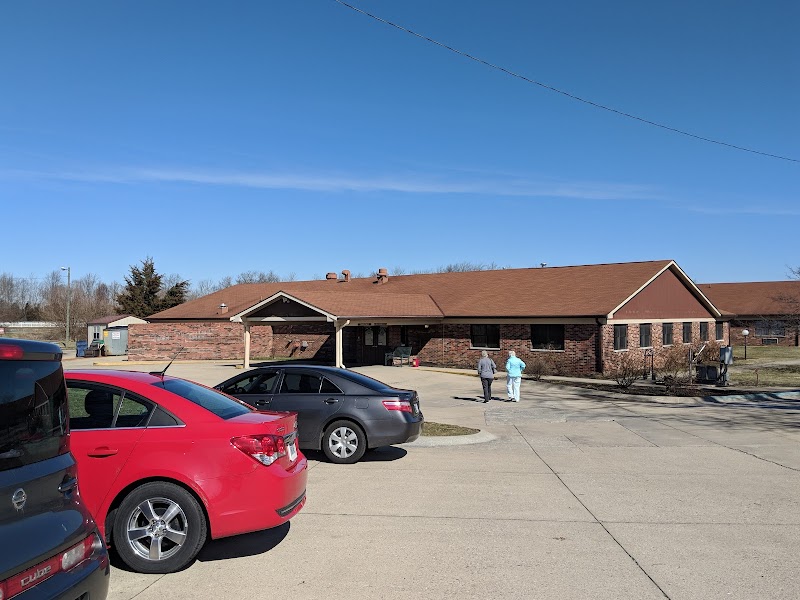
How is Waters Of Dillsboro-Ross Manor, The Staffed?

CMS rates WATERS OF DILLSBORO-ROSS MANOR, THE's staffing level at 1 out of 5 stars, which is much below average compared to other nursing homes. Staff turnover is 40%, compared to the Indiana average of 46%. This relatively stable workforce can support continuity of care.

What Have Inspectors Found at Waters Of Dillsboro-Ross Manor, The?

State health inspectors documented 31 deficiencies at WATERS OF DILLSBORO-ROSS MANOR, THE during 2023 to 2025. These included: 1 that caused actual resident harm and 30 with potential for harm. Deficiencies causing actual harm indicate documented cases where residents experienced negative health consequences.
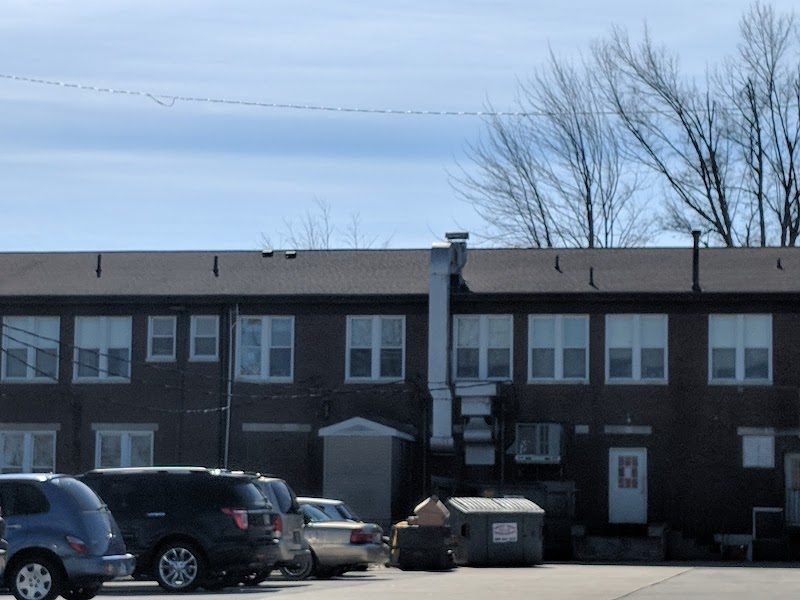
Who Owns and Operates Waters Of Dillsboro-Ross Manor, The?

WATERS OF DILLSBORO-ROSS MANOR, THE is owned by a for-profit company. For-profit facilities operate as businesses with obligations to shareholders or private owners. The facility is operated by INFINITY HEALTHCARE CONSULTING, a chain that manages multiple nursing homes. With 123 certified beds and approximately 68 residents (about 55% occupancy), it is a mid-sized facility located in DILLSBORO, Indiana.
How Does Waters Of Dillsboro-Ross Manor, The Compare to Other Indiana Nursing Homes?

Compared to the 100 nursing homes in Indiana, WATERS OF DILLSBORO-ROSS MANOR, THE's overall rating (1 stars) is below the state average of 3.1, staff turnover (40%) is near the state average of 46%, and health inspection rating (2 stars) is below the national benchmark.

What Should Families Ask When Visiting Waters Of Dillsboro-Ross Manor, The?

Based on this facility's data, families visiting should ask: "Can you walk me through typical staffing levels on day, evening, and night shifts?" "Can I visit during a mealtime to observe dining assistance and food quality?" "How do you handle medical emergencies, and what is your hospital transfer rate?" "Can I speak with family members of current residents about their experience?" These questions are particularly relevant given the below-average staffing rating.

Is Waters Of Dillsboro-Ross Manor, The Safe?

Based on CMS inspection data, WATERS OF DILLSBORO-ROSS MANOR, THE has a clean safety record: no substantiated abuse findings (meaning no confirmed cases of resident harm), no Immediate Jeopardy citations (the most serious violation level indicating risk of serious injury or death), and is not on the Special Focus Facility watch list (a federal program monitoring the lowest-performing 1% of nursing homes). The facility has a 1-star overall rating and ranks #100 of 100 nursing homes in Indiana. While no facility is perfect, families should still ask about staff-to-resident ratios and recent inspection results during their visit.

Do Nurses at Waters Of Dillsboro-Ross Manor, The Stick Around?

WATERS OF DILLSBORO-ROSS MANOR, THE has a staff turnover rate of 40%, which is about average for Indiana nursing homes (state average: 46%). Moderate turnover is common in nursing homes, but families should still ask about staff tenure and how the facility maintains care continuity when employees leave.

Was Waters Of Dillsboro-Ross Manor, The Ever Fined?

WATERS OF DILLSBORO-ROSS MANOR, THE has no federal fines on record. CMS issues fines when nursing homes fail to meet care standards or don't correct problems found during inspections. The absence of fines suggests the facility has either maintained compliance or corrected any issues before penalties were assessed. This is a positive indicator, though families should still review recent inspection reports for the full picture.

Is Waters Of Dillsboro-Ross Manor, The on Any Federal Watch List?

WATERS OF DILLSBORO-ROSS MANOR, THE is not on any federal watch list. The most significant is the Special Focus Facility (SFF) program, which identifies the bottom 1% of nursing homes nationally based on persistent, serious quality problems. Not being on this list means the facility has avoided the pattern of deficiencies that triggers enhanced federal oversight. This is a positive indicator, though families should still review the facility's inspection history directly.