DYER NURSING AND REHABILITATION CENTER
601 SHEFFIELD AVE, DYER, IN 46311 (219) 322-2273
For profit - Corporation 161 Beds CASA CONSULTING Data: November 2025 1 Immediate Jeopardy citation
Trust Grade
13/100
#446 of 505 in IN
Last Inspection: February 2025

Within standard 12-15 month inspection cycle. Federal law requires annual inspections.

Overview

Dyer Nursing and Rehabilitation Center has received a Trust Grade of F, which indicates a poor rating with significant concerns about the quality of care. It ranks #446 out of 505 facilities in Indiana, placing it in the bottom half of all nursing homes in the state, and it is #13 out of 20 in Lake County, meaning only seven local options are worse. The facility's situation is worsening, with reported issues increasing from 11 in 2024 to 19 in 2025. Staffing is below average at 2 out of 5 stars, with a high turnover rate of 57%, suggesting that staff are not staying long enough to build strong relationships with residents. Additionally, the facility has incurred $33,007 in fines, which is concerning as it is higher than 89% of Indiana facilities. While there are some strengths, such as an average rating for quality measures, there are serious weaknesses highlighted by specific incidents. For instance, a resident developed a severe pressure injury that required hospitalization due to inadequate care, and another resident was injured during a transfer due to insufficient staff assistance. Furthermore, the facility failed to properly monitor food temperatures, which could affect many residents' health. Overall, families should weigh these significant concerns against any potential positives when considering Dyer Nursing and Rehabilitation Center for their loved ones.

Trust Score
F
13/100
In Indiana
#446/505
Bottom 12%
Safety Record
High Risk
Review needed
Inspections
Getting Worse
11 → 19 violations
Staff Stability
⚠ Watch
57% turnover. Above average. Higher turnover means staff may not know residents' routines.
Penalties
✓ Good
$33,007 in fines. Lower than most Indiana facilities. Relatively clean record.
Skilled Nurses
⚠ Watch
Each resident gets only 26 minutes of Registered Nurse (RN) attention daily — below average for Indiana. Fewer RN minutes means fewer trained eyes watching for problems.
Violations
⚠ Watch
79 deficiencies on record. Higher than average. Multiple issues found across inspections.
★☆☆☆☆
1.0
Overall Rating
★★☆☆☆
2.0
Staff Levels
★★★☆☆
3.0
Care Quality
★☆☆☆☆
1.0
Inspection Score
Stable
2024: 11 issues
2025: 19 issues

The Good

  • Full Sprinkler Coverage · Fire safety systems throughout facility
  • No fines on record

Facility shows strength in fire safety.

The Bad

1-Star Overall Rating

Below Indiana average (3.1)

Significant quality concerns identified by CMS

Staff Turnover: 57%

11pts above Indiana avg (46%)

Frequent staff changes - ask about care continuity

Federal Fines: $33,007

Below median ($33,413)

Moderate penalties - review what triggered them

Chain: CASA CONSULTING

Part of a multi-facility chain

Ask about local staffing decisions and management

Staff turnover is elevated (57%)

9 points above Indiana average of 48%

The Ugly 79 deficiencies on record

1 life-threatening 1 actual harm
Aug 2025 1 deficiency
CONCERN (D) 📢 Someone Reported This

A family member, employee, or ombudsman was alarmed enough to file a formal complaint

Potential for Harm - no one hurt, but risky conditions existed

Deficiency F0777 (Tag F0777)

Could have caused harm · This affected 1 resident

Based on record review, and interview, the facility failed to report Doppler ultrasound results to the physician in a timely manner resulting in delayed treatment for 1 of 3 residents reviewed for not...

Read full inspector narrative →
Based on record review, and interview, the facility failed to report Doppler ultrasound results to the physician in a timely manner resulting in delayed treatment for 1 of 3 residents reviewed for notification. (Resident D)Finding includes:Resident D's record was reviewed on 8/11/25 at 1:51 p.m. The diagnoses included, but were not limited to, stroke, aphasia (difficulty speaking), hemiparesis (paralysis on one side of the body, dysphagia (difficulty swallowing) and weakness.The Quarterly Minimum Data Set (MDS) assessment, dated 5/12/25, indicated the Resident was severely impaired for daily decision making. The resident required substantial/maximum assistance with shower/bathing, upper body dressing and personal hygiene. The resident required dependent care with lower body dressing and toileting. A Physician's Order, dated 7/29/25, indicated for a Doppler ultrasound (non-invasive imaging technique used to assess blood flow in various parts of the body) to be completed on the right lower extremity due to new onset edema with pain.A Nurse's Note, dated 7/29/25 at 10:35 a.m., indicated the resident had new onset edema (swelling) to the right lower extremity and foot and had complaints of pain. The Nurse Practitioner (NP) was aware and had ordered a Doppler. The paperwork was ready and a tech would arrive at the facility within 24 hours.A Nurse's Note, dated 7/30/25 at 10:30 a.m., indicated the resident continued to have edema on the right lower extremity. The Doppler tech was in the facility and indicated the report would be ready in an hour. The NP was made aware.The Doppler report indicated results were interpreted on 7/30/25 at 12:25 p.m. The impression indicated there was partial clotting in the proximal to distal superficial femoral vein causing luminal stenosis (a blood clot partially impeding blood flow through the vein).There was no documentation indicating the facility had communicated the abnormal Doppler results upon receipt to the physician or NP. There was no follow up on the Doppler procedure from 7/30-8/5/25.A Nurses Note, dated 8/5/25 at 10:16 a.m., indicated a new order was received for Eliquis (blood thinner) 5 milligrams twice a day.A Physician's Order dated 8/5/25, indicated to administer Eliquis (blood thinner) 5 milligrams by mouth twice a day.During an interview on 8/11/25 at 3:35p.m., the Director of Nursing indicated a Doppler had been ordered on 7/29/25 and it was completed on 7/30/25. She had called the company who interpreted the results, and they indicated they reported the results on 7/30/25. She could not determine when the results were reported to the physician and understood the concern that there was a delay in treatment.This citation relates to Complaint 2584012.3.1- 49(j)(2)
Jun 2025 2 deficiencies
CONCERN (D) 📢 Someone Reported This

A family member, employee, or ombudsman was alarmed enough to file a formal complaint

Potential for Harm - no one hurt, but risky conditions existed

Resident Rights (Tag F0550)

Could have caused harm · This affected 1 resident

Based on observation, record review, and interview, the facility failed to ensure a resident's dignity was maintained related to food spillage on the clothing and a shirt raised up exposing the reside...

Read full inspector narrative →
Based on observation, record review, and interview, the facility failed to ensure a resident's dignity was maintained related to food spillage on the clothing and a shirt raised up exposing the resident's back for 1 of 3 residents reviewed for dignity. (Resident E) Finding includes: During a random observation on 6/18/25 at 9:42 a.m., Resident E was observed sitting in a wheelchair at a table. The resident's shirt was raised up exposing his abdomen, the incontinent brief, and his back and side. There was a wet red stain on the front of the shirt and scrambled eggs were observed on his shorts and lower abdomen. During a random observation on 6/18/25 at 1:15 p.m., the resident was observed sitting in his wheelchair in the main lobby after eating ice cream. There was a white towel over the front of the white shirt. The white shirt was the same one as above and it was still raised up in the back, exposing the resident's sides and back. The red stain was now dried. On 6/18/25 at 1:27 p.m., the resident was observed sitting in his wheelchair in the east unit dining room. The white towel was still in place over the front of him and the white shirt was still lifted up, exposing his side and back. On 6/18/25 at 1:45 p.m., CNA 1 pushed the resident back to his room and was going to lay him down and provide incontinence care. During an interview at that time, the resident indicated he was able to feed himself. During an interview on 6/18/25 at 2:00 p.m., CNA 1 indicated after he was showered and before breakfast, he had a blow out so he was changed. She was aware that his white shirt had a dried red stain on it and saw the dried scrambled eggs in his brief. The record for Resident E was reviewed on 6/18/25 at 3:12 p.m. Diagnoses included, but were not limited to, stroke, left side hemiplegia, Parkinson's disease, major depressive disorder, high blood pressure, anxiety disorder, and need for assistance with personal care. The 4/3/25 Annual Minimum Data Set (MDS) assessment indicated the resident was not cognitively intact for daily decision making and had a limited range of motion impairment on one side for both upper and lower extremities. The resident was dependent on staff for toileting, bathing, and dressing and needed substantial to maximum assist with eating. A Care Plan, revised on 4/14/25, indicated the resident required assistance with ADLs including eating, and toileting. The approaches were assist with toileting, personal hygiene, and dressing as needed. During an interview on 6/18/25 at 4:15 p.m., the Director of Nursing indicated the resident's shirt should have been pulled down and at least changed. This citation relates to Complaint IN00459057. 3.1-3(t)
CONCERN (D) 📢 Someone Reported This

A family member, employee, or ombudsman was alarmed enough to file a formal complaint

Potential for Harm - no one hurt, but risky conditions existed

ADL Care (Tag F0677)

Could have caused harm · This affected 1 resident

Based on record review and interview, the facility failed to ensure activities of daily living (ADLs) were completed for dependent residents related to incontinence care for 1 of 3 residents reviewed ...

Read full inspector narrative →
Based on record review and interview, the facility failed to ensure activities of daily living (ADLs) were completed for dependent residents related to incontinence care for 1 of 3 residents reviewed for ADLs. (Resident E) Finding includes: During a random observation on 6/18/25 at 9:42 a.m., Resident E was observed sitting in a wheelchair at a table. The resident's shirt was raised up exposing his abdomen, the incontinent brief, and his back and side. There was a wet red stain on the front of the shirt and scrambled eggs were observed on his shorts and lower abdomen. On 6/18/25 at 1:45 p.m., CNA 1 pushed the resident back to his room and was going to lay him down and provide incontinence care. CNA 2 entered the room with the hoyer lift and assisted CNA 1 with the resident as they put him in the bed. CNA 1 indicated at that time, that she had given the resident a shower before breakfast that morning. She then proceeded to remove the resident's shorts and incontinent brief. The brief was heavily soiled with urine and bowel movement and had the remnants of dried scrambled eggs near his pubic area. During an interview on 6/18/25 at 2:00 p.m., CNA 1 indicated after he was showered and before breakfast, he had a blow out so he was changed, but he had not been changed since then. She was aware and saw the dried scrambled eggs in his brief. The record for Resident E was reviewed on 6/18/25 at 3:12 p.m. Diagnoses included, but were not limited to, stroke, left side hemiplegia, Parkinson's disease, major depressive disorder, high blood pressure, anxiety disorder, and need for assistance with personal care The 4/3/25 Annual Minimum Data Set (MDS) assessment indicated the resident was not cognitively intact for daily decision making and had a limited range of motion impairment on one side for both upper and lower extremities. The resident was dependent on staff for toileting, bathing, and dressing and needed substantial to maximum assist with eating. A Care Plan, revised on 4/14/25, indicated the resident was at risk for complications related to bowel and bladder incontinence. The approaches were to check and change as required for incontinence. A Care Plan, revised on 4/14/25, indicated the resident required assistance with ADLs including eating, and toileting. The approaches were assist with toileting, personal hygiene, and dressing as needed. The Bladder Incontinence section in the CNA task section indicated the resident was incontinent of bladder as follows: - 5/23/25: documented at 9:56 a.m. and 9:59 p.m. - 5/25/25: documented at 9:32 a.m. and 9:59 p.m. - 5/26/25: documented at 4:14 a.m. as not applicable and 10:37 a.m. - 5/31/25: documented at 1:15 a.m. and 11:07 a.m. - 6/1/25: documented at 10:18 a.m. - 6/2/25: documented at 10:48 a.m. and 8:23 p.m. - 6/6/25: documented at 9:23 a.m. and 9:59 p.m. - 6/10/25: documented at 12:41 p.m. and 9:59 p.m. - 6/11/25: documented at 12:40 a.m. and 1:59 p.m. - 6/14/25: documented at 9:39 a.m. and 9:59 p.m. - 6/16/25: documented at 12:06 a.m. and 1:26 p.m. During an interview on 6/18/25 at 4:15 p.m., the Director of Nursing (DON) indicated the CNAs should have provided incontinence care in a more timely manner. The 2/12/21 Incontinence Bowel/Bladder policy, provided by the DON as current on 6/19/25 at 12:14 p.m., indicated a resident who was incontinent of bladder should receive appropriate treatment and services to maintain bladder function. Clinical staff would provide assistance with incontinence care for residents who were incontinent of bladder routinely, including but not limited to brief changes, peri care, clothing changes, and bed linen changes. This citation relates to Complaint IN00459314. 3.1-38(a)(2)(C)
Feb 2025 16 deficiencies
CONCERN (D)

Potential for Harm - no one hurt, but risky conditions existed

Resident Rights (Tag F0550)

Could have caused harm · This affected 1 resident

Based on observation, record review, and interview, the facility failed to ensure each resident's dignity was maintained related to wearing a hospital gown while in bed during the day for 1 of 2 resid...

Read full inspector narrative →
Based on observation, record review, and interview, the facility failed to ensure each resident's dignity was maintained related to wearing a hospital gown while in bed during the day for 1 of 2 residents reviewed for dignity. (Resident 72) Finding includes: On 2/3/25 at 11:49 a.m. and 2:12 p.m., Resident 72 was observed in her room in bed. The resident was wearing a hospital gown at both times. On 2/4/25 at 10:23 a.m., the resident was again observed in her room in bed wearing a hospital gown. On 2/5/25 at 9:27 a.m., 10:54 a.m., and 1:49 p.m., the resident was observed in her room in bed wearing a hospital gown. On 2/6/25 at 9:25 a.m., 10:25 a.m., 11:40 a.m., and 3:27 p.m., the resident was again observed in her room in bed wearing a hospital gown. On 2/7/25 at 5:45 a.m., AM care was provided to the resident. The resident was dressed in a clean hospital gown. The record for Resident 72 was reviewed on 2/6/25 at 10:54 a.m. Diagnoses included, but were not limited to, dementia without behavior disturbance, dysphagia (difficulty swallowing) and gastrostomy status (a tube surgically inserted into the stomach that allows for the delivery of food and medication). A Significant Change Minimum Data Set (MDS) assessment, dated 1/18/25, indicated the resident was cognitively impaired for daily decision making and was dependent on staff for upper and lower body dressing. A Care Plan, which was last reviewed on 1/14/25, indicated there was no current care plan related to the resident wanting to wear a gown in bed during the day. During an interview on 2/7/25 at 1:45 p.m., the Director of Nursing indicated a care plan would be initiated related to the resident wearing a gown in bed during the day. 3.1-3(t)
CONCERN (D)

Potential for Harm - no one hurt, but risky conditions existed

Deficiency F0554 (Tag F0554)

Could have caused harm · This affected 1 resident

Based on observation, record review, and interview, the facility failed to ensure residents were assessed to self-administer medications and oxygen therapy and had physician's orders to self-administe...

Read full inspector narrative →
Based on observation, record review, and interview, the facility failed to ensure residents were assessed to self-administer medications and oxygen therapy and had physician's orders to self-administer for 3 of 3 residents reviewed for self-administration of medication. (Residents 91, 105 and 30) Findings include: 1. During a random observation on 2/3/25 at 2:15 p.m., there was an Albuterol hand held inhaler observed on Resident 91's over bed table. The resident was not in her room at that time. During random observations on 2/4/25 at 9:39 a.m. and 11:25 a.m., the resident was observed in bed. At those times, the Albuterol inhaler was observed on the over bed table. During an interview on 2/4/25 at 9:40 a.m., the resident indicated she brought the inhaler from home and used it almost every day. The record for Resident 91 was reviewed on 2/4/25 at 10:00 a.m. Diagnoses included, but were not limited to, heart failure, type 2 diabetes, and dyspnea (difficulty breathing) The 12/21/24 Quarterly Minimum Data Set (MDS) assessment indicated the resident was cognitively intact for daily decision making. There was no care plan indicating the resident could self-administer her own medications. There was no physician's order for the Albuterol inhaler. There was no self-administration of medication completed for the resident. During an interview on 2/5/25 at 9:42 a.m., Assistant Director of Nursing (ADON) 2 indicated she was made aware the resident had an inhaler on her over bed table on 2/4/25 in the afternoon. The resident informed staff that she brought the inhaler from home. She had discontinued the inhaler months ago because it was an as needed medication and the resident was not asking for it. The current 2/15/21 Self-Administration of Medications-Clinically Appropriate policy, provided by Nurse Consultant 1 on 2/10/25 at 11:55 a.m., indicated a resident may only self-administer medications after the interdisciplinary team (IDT) had determined which medications may be self-administered. The IDT will determine at a minimum if the resident had the capacity to follow directions, the resident's cognitive status was evaluated, and the resident's ability to understand and store medication securely. 2. During a random observation on 2/3/25 at 2:20 p.m., Resident 105 was observed in bed and indicated she was not feeling well. At that time, there was a plastic cup filled with an orange substance on the over bed table. The resident was asked what was in the cup, and she indicated it was her potassium medication. She had vomited and had diarrhea earlier, so the nurse waited and brought her medication to her later after lunch. During an observation on 2/3/25 at 2:45 p.m., the resident's call light was on and Assistant Director of Nursing (ADON) 2 got up to answer it. At that time, she observed the orange liquid on the over bed table. She was not aware it was the potassium medication and thought it was an orange drink. During an interview at 2:45 p.m., LPN 1 indicated she had administered the potassium medication after lunch and then heard a code blue, so she ran out of the room to go and help, and left the medication on the resident's over bed table. She did not go back to see if the resident had consumed the medication. The record for Resident 105 was reviewed on 2/5/25 at 10:12 a.m. Diagnoses included, but were not limited to stroke, heart disease, and heart failure. There was no care plan the resident could consume medication without supervision. There was no self-administration of medication assessment completed to indicate the resident could consume medication without staff supervision. A Physician's Order, dated 11/20/24, indicated Effer-K Oral Tablet Effervescent 25 milliequivalents (meq), give 1 tablet by mouth two times a day for supplement. During an interview on 2/7/25 at 3:15 p.m., the Director of Nursing had no additional information. The current 10/25/14 Oral Medication Administration Policy provided by Nurse Consultant 1 on 2/7/25 at 11:25 a.m., indicated staff were to administer medication and remain with the resident while the medication was swallowed. 3. During observations on 2/3/25 at 3:13 p.m., 2/5/25 at 1:53 p.m., and 2/7/25 at 9:15 a.m., an oxygen concentrator with nasal cannula (a pronged tube for dispensing oxygen through the nose) connected was observed in Resident 30's room. During an interview on 2/3/25 at 3:13 p.m., the resident indicated he used the oxygen whenever he felt like he needed it, and usually at night. He demonstrated how to turn the concentrator on, which he learned from watching staff do it. The record for Resident 30 was reviewed on 2/5/25 at 10:09 a.m. Diagnoses included, but were not limited to, COPD (chronic obstructive pulmonary disease), dementia, schizophrenia, and sleep apnea. The 12/1/24 Annual Minimum Data Set (MDS) Assessment indicated the resident was cognitively intact for daily decision making. A Physician's Order, dated 1/27/25, indicated oxygen at two lpm (liters per minute) every eight hours as needed for shortness of breath. There was no order or an assessment for self-administration. During an interview on 2/7/25 at 9:20 a.m., Respiratory Therapist (RT) 1 indicated the resident put his oxygen on and off independently, and she did not know she needed to assess his ability to use the oxygen correctly. During an interview on 2/7/25 at 9:23 a.m. the Director of Nursing (DON) indicated they should determine if a resident could use oxygen correctly before allowing them to self-administer. 3.1-11(a)
CONCERN (D)

Potential for Harm - no one hurt, but risky conditions existed

PASARR Coordination (Tag F0644)

Could have caused harm · This affected 1 resident

Based on record review and interview, the facility failed to ensure a PASARR (preadmission screening and resident review) was completed when a new mental health diagnoses was added for 1 of 1 resident...

Read full inspector narrative →
Based on record review and interview, the facility failed to ensure a PASARR (preadmission screening and resident review) was completed when a new mental health diagnoses was added for 1 of 1 resident reviewed for PASARR. (Resident 124) Finding includes: The record for Resident 124 was reviewed on 2/7/25 at 10:32 a.m. Diagnoses included but were not limited to, metabolic encephalopathy, dementia, and unspecified psychosis not due to a substance or known physiological condition. A PASARR level I, dated 1/10/25, indicated further screening was not needed unless the resident had a serious mental illness or intellectual development disability. The diagnosis of unspecified psychosis not due to a substance or known physiological condition was added to the resident's record on 1/13/25. There was no PASARR level 2 performed. During an interview on 2/4/25 at 1:44 p.m., the Social Services Director indicated they did not do a level 2 PASARR, but she would re-do the level 1. She thought the resident had the diagnosis of psychosis since a prior hospitalization, but she was not sure. The PASARR level I, completed on 2/5/25, indicated a face-to-face level 2 was needed. During an interview on 2/6/25 at 4:45 p.m., the Social Services Director indicated she was making arrangements for the level 2 to be done. 3.1-16(d)(1)(A)
CONCERN (D)

Potential for Harm - no one hurt, but risky conditions existed

Comprehensive Care Plan (Tag F0656)

Could have caused harm · This affected 1 resident

Based on observation, record review, and interview, the facility failed to develop a plan of care that was individualized to the needs of a bilateral amputee for 1 of 27 residents reviewed for care pl...

Read full inspector narrative →
Based on observation, record review, and interview, the facility failed to develop a plan of care that was individualized to the needs of a bilateral amputee for 1 of 27 residents reviewed for care plans. (Resident P) Finding includes: During a random observation on 2/3/25 at 3:37 p.m., Resident P was observed to have bilateral below-the-knee amputations. The record for Resident P was reviewed on 2/7/25 at 8:44 a.m. Diagnoses included, but were not limited to, ESRD (end-stage renal disease), congestive heart failure, diabetes, and stroke. The 11/27/24 Quarterly Minimum Data Set (MDS), indicated the resident was cognitively intact for daily decision making and required maximum assistance with ADLs. A Care Plan, revised on 2/4/25, indicated the resident was at risk for complications related to diabetes. Approaches included inspecting the resident's feet for open areas, sores, pressure areas, blisters, edema, or redness and referring to a podiatrist to monitor and document foot care needs and cut long nails as needed. During an interview on 2/7/25 at 4:00 p.m., the Director of Nursing (DON) indicated foot inspection / care / podiatry should be removed from the resident's care plan because he was a bilateral amputee. 3.1-35(a)
CONCERN (D)

Potential for Harm - no one hurt, but risky conditions existed

Deficiency F0657 (Tag F0657)

Could have caused harm · This affected 1 resident

**NOTE- TERMS IN BRACKETS HAVE BEEN EDITED TO PROTECT CONFIDENTIALITY** 2. During an interview on 2/3/25 at 3:05 p.m., Resident 30 indicated he was trying to contact his sister to get his lab results ...

Read full inspector narrative →
**NOTE- TERMS IN BRACKETS HAVE BEEN EDITED TO PROTECT CONFIDENTIALITY** 2. During an interview on 2/3/25 at 3:05 p.m., Resident 30 indicated he was trying to contact his sister to get his lab results because when the facility got the results, they gave them to his sister and not to him. The record for Resident 30 was reviewed on 2/5/25 at 10:09 a.m. Diagnoses included, but were not limited to, COPD (chronic obstructive pulmonary disease), dementia, schizophrenia, and sleep apnea. The 12/1/24 Annual Minimum Data Set (MDS) assessment indicated the resident was cognitively intact for daily decision making. The resident had lab testing completed on 1/28/25, 1/31/25, and 2/3/25. There was no documentation the resident was informed of his lab results. During an interview on 2/7/25 at 1:40 p.m., Assistant Director of Nursing (ADON) 2 indicated she documented that she updated the family member because they were the POA (power of attorney), but that she would inform the resident of his results. 3.1-35(c)(1) Based on record review and interview, the facility failed to ensure residents received a care conference and were involved in decisions about their care related to not informing them of new medications and lab results for 2 of 3 residents reviewed for participation in care planning. (Residents 4 and 30) Findings include: 1. During an interview on 2/4/25 at 9:34 a.m., Resident 4 indicated she did not recall having a recent care conference and staff did not always inform her of new medications that were ordered by the doctor. The record for Resident 4 was reviewed on 2/5/25 at 7:50 a.m. The resident was admitted to the facility on [DATE]. Diagnoses included, but were not limited to, type 2 diabetes, heart failure, cardiac pacemaker, anemia, and peptic ulcer. The 11/6/25 Quarterly Minimum Data Set assessment indicated the resident was cognitively intact for daily decision making. The resident had documented care plan conferences on 7/12/24 and 12/18/24. There were no other conferences for the resident. A Nurse's Note, dated 9/20/24 at 1:57 p.m., indicated the resident's cardiologist called and ordered to discontinue the Xarelto (a blood thinner), then start Aspirin 81 milligrams (mg) daily and Plavix 75 mg daily. Physician's Orders, dated 9/20/24, indicated Plavix 75 mg, give 1 tablet by mouth one time a day for heart disease and Aspirin 81 mg daily. There was no documentation the resident was made aware of the new medications. Nurse's Notes, dated 9/23/24 at 3:44 p.m., indicated the resident has been started on Bactrim (an antibiotic) for an urinary tract infection. At 4:04 p.m., the resident's daughter was made aware of the residents antibiotic therapy. A Physician's Order, dated 9/23/24, indicated Bactrim 400-80 mg, give one tablet by mouth two times a day for 10 days. There was no documentation the resident was made aware of the new medications. Physician's Orders, dated 1/2/25, indicated Hiprex (an urinary antiseptic) 1 gram, give one tablet two times a day for urine acidification and Macrobid (an antibiotic) 100 mg, give one capsule by mouth two times a day for 10 days for an urinary tract infection. A Nurse's Note, dated 1/2/25 at 10:51 a.m., indicated the resident's daughter was called and informed of the new orders. There was no documentation the resident was notified of the new medications. During an interview on 2/6/25 at 2:10 p.m., the Social Service Director indicated there was one care plan conference missing. During an interview on 2/7/25 at 3:15 p.m., the Director of Nursing had no additional information to provide.
CONCERN (D)

Potential for Harm - no one hurt, but risky conditions existed

Deficiency F0688 (Tag F0688)

Could have caused harm · This affected 1 resident

Based on observation, record review, and interview, the facility failed to ensure a resident with a limited range of motion had a physician-ordered splint in place for 1 of 1 resident reviewed for ran...

Read full inspector narrative →
Based on observation, record review, and interview, the facility failed to ensure a resident with a limited range of motion had a physician-ordered splint in place for 1 of 1 resident reviewed for range of motion. (Resident O) Finding includes: During an observation on 2/3/25 at 2:52 p.m., Resident O was observed sitting in his wheelchair in his room. At that time, his left hand was flaccid and closed and he could not open his hand without assistance. There was no anti-contracture device in his left hand. During random observations on 2/4/25 at 11:02 a.m., 2/5/25 at 7:25 a.m. and 1:56 p.m., on 2/6/25 at 9:28 a.m. and 3:20 p.m., and on 2/7/25 at 11:05 a.m., the resident's left hand was observed flaccid and closed. There was no anti-contracture device in his left hand. The record for Resident O was reviewed on 2/5/25 at 3:06 p.m. Diagnoses included, but were not limited to, stroke and hemiplegia affecting the left side. The 11/27/24 Quarterly Minimum Data Set (MDS) assessment indicated the resident was cognitively intact for daily decision making and had a functional range of motion impairment to one side of his upper and lower extremity. A Care Plan, revised on 7/29/24, indicated the resident was at risk for complications secondary to experiencing alteration in musculoskeletal status due to a contracture to the left hand that required a splint. There was no care plan the resident refused care or the splint. A Physician's Order, dated 7/29/24, indicated apply a resting hand splint to the left hand daily, on for a minimum of four hours and maximum of eight hours. The Treatment and Medication Administration Records for the months of 11/2024, 12/2024 and 1/2025 indicated the splint was not signed out as being donned or doffed. During an interview on 2/7/25 at 11:20 a.m. CNA 2 indicated she had not donned a splint to his left hand because when restorative was working, they took care of it. During an interview on 2/7/25 at 3:15 p.m., the Director of Nursing indicated she had no additional information to provide. 3.1-42(a)(2)
CONCERN (D)

Potential for Harm - no one hurt, but risky conditions existed

Deficiency F0692 (Tag F0692)

Could have caused harm · This affected 1 resident

Based on observation, record review and interview, the facility failed to ensure residents were assisted with meals and nutritional supplement consumption was recorded for residents with a history of ...

Read full inspector narrative →
Based on observation, record review and interview, the facility failed to ensure residents were assisted with meals and nutritional supplement consumption was recorded for residents with a history of weight loss for 2 of 4 residents reviewed for nutrition. (Residents R and 81) Findings include: 1. During a random observation on 2/3/25 at 12:03 p.m., Resident R was observed sitting in a wheelchair in the memory care lounge area at a table. The resident's lunch was in front of her. She was served pork, broccoli, and a baked potato. The baked potato was cut up, however the piece of pork was still whole and not cut into smaller pieces. There was no staff in the room to assist the resident and she just stared out of the window. At 12:15 p.m., the resident picked up a carton of lactose free milk, belonging to the resident who was sitting next to her, and drank it. Again, no staff were in the room to assist the resident. At 12:23 p.m., CNA 6 entered the lounge and offered to help the resident eat. The resident had not touched or ate any of her food before the CNA arrived. During a random observation on 2/6/25 at 11:59 a.m., Resident R was observed seated in the dining room on the memory care unit. At that time, she received her lunch tray, which consisted of some type meat, mashed potatoes, vegetables, and green jello. She received one cup of pink lemonade, for which she drank the entire cup in one breath. She was observed to pick up her fork and started to eat her mashed potatoes. No staff were observed to help the resident at that time. At 12:06 p.m., the resident stopped eating and no staff were in the room to assist her or encourage her to eat. At 12:09 p.m., QMA 1 entered the room and gave the resident her health shake supplement. The carton was already opened with a straw and the resident was observed to drink the shake. The QMA did not offer to help or encourage the resident to eat. At 12:12 p.m., the resident reached over to the resident sitting to her left and grabbed a cup of pink lemonade and drank the entire contents in one breath. Again, no staff were in the room helping the resident eat or redirecting the resident. At 12:15 p.m., the resident pushed herself away from the table and sat and stared out the window. No staff were observed to redirect or offer to help the resident finish her lunch, as she only ate the mashed potatoes. The record for Resident R was reviewed on 2/6/25 at 10:13 a.m. Diagnoses included, but were not type 2 diabetes, major depressive disorder, anxiety disorder, dementia, altered mental status, adult failure to thrive, high blood pressure, and heart failure. The 12/7/24 Annual Minimum Data Set (MDS) assessment indicated the resident was not cognitively intact for daily decision making and needed supervision or touching assistance with eating. She weighed 181 pounds with no weight loss and received a therapeutic diet. The Care Plan, revised on 7/29/24, indicated the resident was at risk for impaired nutritional status due to depression, dementia, and functional decline. The approaches were to provide assistance with meal intake as needed. The resident weighed 207 pounds on 6/5/24 and 181 pounds on 12/3/24, which was a significant weight loss of 10% or greater in 6 months. The resident weighed 184 pounds on 1/9/25. A Physician's Order, dated 12/10/23, indicated consistent carbohydrate and a no added salt general diet with regular texture and thin liquids. A Physician's Order, dated 11/13/24, indicated sugar free mighty shakes house supplement three times a day. A Registered Dietitian (RD) Note, dated 12/18/24, indicated the resident had a 10.8% weight loss in the last six months which mostly occurred in June and July 2024. The staff reported the resident's dementia may be progressing and she slept a lot. The resident received sugar free health shakes three times a day, fed herself with set up and staff assist as needed. The 1/2025 and 2/2025 Medication Administration Record (MAR) indicated there was no documentation of how much of the health shake was consumed by the resident. During an interview on 2/7/25 at 3:15 p.m., the Director of Nursing indicated the consumption of health shakes were to be documented and the resident also needed more assistance with eating. 2. During a random observation on 2/3/25 at 12:03 p.m., Resident 81 was observed sitting in a wheelchair at a table in the memory care lounge with her lunch meal in front of her. She was served pureed meat, pureed vegetable, pureed potatoes, and a pureed dessert in a separate bowl. She was also served a red beverage and a carton of lactose free milk. At 12:17 p.m., no staff were observed in the room and resident was observed pouring her red beverage over the mashed potatoes. She then picked up her plate and was going to set it on the floor as she thought there was a dog there to eat it. At 12:19 p.m. she put the plate back on the table and started playing with all of her food. She mixed the dessert with the meat and green vegetable. She was not eating and there was no staff in the room to assist the resident. She was not using any utensils while playing with her food and she used her fingers. The resident sitting next to her picked up the resident's carton of lactose free milk and drank it. Again no staff were observed in the room. At 12:23 p.m., CNA 6 entered the lounge and sat down to feed another resident. The CNA picked up the carton of lactose free milk from the other resident and placed it back in front of Resident 81, despite the other resident having drank from the carton. She did not offer to assist Resident 81 with eating or encourage the resident to use the spoon to eat rather than her fingers. At 12:26 p.m., the resident was eating the dessert with her hands and still mixing all of it together. Again no staff were observed to assist the resident. During a random observation on 2/5/25 at 7:34 a.m., Resident 81 was observed in bed and awake. At 8:00 a.m., the resident was observed still in bed and feeding herself with her fingers. At that time, she had placed the cup of water in the middle of her plate. At 8:13 a.m., the resident put the cup of juice on her plate and was observed licking the food from the bottom of the cup and spilling the juice on herself. No staff were observed in the room helping the resident eat or redirecting her, so at that time, she was asked by the surveyor if she could try to use the spoon to eat. The resident picked up the spoon and started to eat her food and ate all of the pureed food that was left on the plate. No staff were observed to assist the resident to eat. At 8:28 a.m., the resident was observed pouring juice into the inverted dome lid, again no staff were around to help the resident. During a random observation on 2/6/25 at 11:54 a.m., the resident received her lunch tray in the memory care dining room. She received a carton of lactose free milk, double portions of pureed meat, pureed rice, pureed vegetables and applesauce. The resident was handed a plastic spoon and started to eat her food. At 12:26 p.m., the resident was not eating and was just sitting in her wheelchair at the table with her eyes closed. No staff were observed to help the resident. At 12:32 p.m., Assistant Director of Nursing (ADON) 1 woke the resident up and encouraged her to finish eating, as she had not eaten much food. The record for Resident 81 was reviewed on 2/6/25 at 8:45 a.m. Diagnoses included, but were not limited to, heart disease, major depressive disorder, anxiety disorder, psychosis, dementia with behaviors, high blood pressure, and osteoarthritis. The 10/29/24 Quarterly Minimum Data Set (MDS) assessment, indicated the resident was not cognitively intact for daily decision making and needed supervision or touching assistance with eating. The resident weighed 199 pounds and had no weight loss and received a mechanically altered diet. A Care Plan, revised on 11/1/24, indicated the resident was at risk for impaired nutritional status related to a history of weight fluctuations. The approaches were to provide assistance with meal intake as needed. A Physician's Order, dated 10/3/24, indicated a general pureed diet. A Physician's Order, dated 11/13/24, indicated weekly weights times four weeks. The weight log indicated the resident was weighed on the following dates: 11/19/24 194 pounds 11/27/24 190 pounds 12/6/24 191 pounds 1/9/25 192 pounds The resident weighed 216 pounds on 9/2/24 and 192 pounds on 1/9/25. A Registered Dietitian (RD) Note, dated 1/26/25, indicated the January weight of 192 pounds showed significant weight loss of 11.2% in three months and a significant weight loss of 10% in six months. The resident required set up and as needed staff assistance with meals. During an interview on 2/7/25 at 3:15 p.m., the Director of Nursing indicated the resident needed more assistance with eating. 3.1-46(a)(1)
CONCERN (D)

Potential for Harm - no one hurt, but risky conditions existed

Tube Feeding (Tag F0693)

Could have caused harm · This affected 1 resident

Based on observation, record review, and interview, the facility failed to ensure gastrostomy tube (a tube surgically inserted into the stomach that allows for the delivery of food and medication) pla...

Read full inspector narrative →
Based on observation, record review, and interview, the facility failed to ensure gastrostomy tube (a tube surgically inserted into the stomach that allows for the delivery of food and medication) placement was checked prior to medication administration, water flushes and medications were instilled via gravity, and documentation of gastrostomy tube care was completed for 2 of 3 residents reviewed for tube feeding. (Residents 72 and K) Findings include: 1. On 2/7/25 at 6:40 a.m., RN 3 was observed preparing a medication for Resident 72. The resident received her medications by the way of a gastrostomy tube. Upon entering the room, the RN donned gloves and placed the cup containing the medication on the over bed table. The RN proceeded to place his stethoscope on the resident's abdomen and listen to her bowel sounds. After listening to the resident's bowel sounds, the RN proceed to flush the resident's gastrostomy tube, he pushed 30 milliliters (mls) of water in via the syringe plunger rather than instilling the water via gravity. He then proceeded to administer the resident's medication. Again, he pushed the medication in rather than instilling the medication via gravity. After he was done administering the medication, he listened to the resident's bowel sounds and proceeded to check the gastrostomy tube for residual (the amount of fluid left in the stomach after receiving enteral nutrition). The RN proceeded to remove his gloves and left the resident's room. During an interview on 2/7/25 at 1:45 p.m., the Director of Nursing indicated the RN should have checked for residual prior to administering the medication and should have the let the flush and the medications instill by gravity. The facility policy titled, Enteral Feeding Tube Medication Administration was provided by Nurse Consultant 1 and identified as current on 2/7/25 at 11:05 a.m. The policy indicated, prior to flushing a feeding tube, the administration of medication via a feeding tube , or the providing of tube feedings, the nurse performing the procedure ensures the proper placement of the feeding tube. Once residual is checked and prior to medication administration, the nurse will flush the tube with 30 (mls) of water. 2. During a random observation on 2/4/25 from 10:00 a.m. to 11:00 a.m., Resident K was observed sitting in the wheelchair in the hallway by the nurses' station. At that time, the resident was not connected to any enteral feeding. At 11:01 a.m. the resident was taken to his room by Assistant Director of Nursing (ADON) 2 and was seated in the wheelchair by his bed. RN 1 entered the room at 11:05 a.m. and obtained 30 cubic centimeters (cc) of tap water from the sink. She unclamped his peg tube (a tube inserted directly into the stomach for nutrition) and pushed (plunged) the water through the tube rather than via gravity. RN 1 indicated she wanted to make sure the tube was patent before connecting him to the enteral feeding. The record for Resident K was reviewed on 2/5/25 at 10:35 a.m. Diagnoses included, but were not limited to, cerebral palsy, quadriplegia, epilepsy, autistic disorder, severe protein malnutrition, peg tube, and dysphagia (difficulty swallowing) The 1/22/25 Quarterly Minimum Data Set (MDS) assessment, indicated the resident was not cognitively intact for daily decision making, weighed 70 pounds, had a feeding tube, and received 51% or more and 501 cc of fluids through the peg tube. The Care Plan, revised on 9/25/24, indicated the resident required a tube feeding. The approaches were to monitor and report infections at tube site. A Physician's Order, dated 11/16/22, indicated enteral feeding of Jevity 1.5 at 50 cc per hour for 20 hours, on at 10:00 a.m., and off at 6:00 a.m. A Physician's Order, dated 8/31/24, indicated NPO (nothing by mouth) There were no orders to clean around the peg tube site at least daily. A Nurse's Note, dated 2/4/25 at 9:55 a.m. and created on 2/4/25 at 12:11 p.m., indicated staff attempted to flush the resident's peg tube and was only able to flush 90 cc of water, was unable to flush remaining 30 cc and hang the enteral feeding due to the resident refusing care, swinging his right arm towards abdomen, and yelling out. The Nurse Practitioner was made aware. The Medication and Treatment Administration Records for 12/2024, 1/2025 and 2/2025 indicated there were no orders to clean around the peg tube site on daily basis. During an interview on 2/7/25 at 3:15 p.m., the Director of Nursing indicated the water should not be plunged into the peg tube. There was no documentation of the peg tube site care in the clinical record. The current 2/15/21 Gastrostomy Site Care policy, provided by the Administrator on 2/7/25 at 4:10 p.m., indicated it was the facility policy to provide gastrostomy site care to decrease the risk of infection. The procedure was to obtain a physician order to include the type of solution for cleansing and the frequency of the treatment. For an established site, the procedure was to use soap and water and gently clean the area around the tube and under the bolster, use gauze pads and dry after cleaning. Leave the site open to air unless otherwise ordered. 3.1-44(a)(2)
CONCERN (D)

Potential for Harm - no one hurt, but risky conditions existed

Respiratory Care (Tag F0695)

Could have caused harm · This affected 1 resident

**NOTE- TERMS IN BRACKETS HAVE BEEN EDITED TO PROTECT CONFIDENTIALITY** Based on observation, record review, and interview, the facility failed to ensure oxygen was at the correct flow rate for 3 of 3...

Read full inspector narrative →
**NOTE- TERMS IN BRACKETS HAVE BEEN EDITED TO PROTECT CONFIDENTIALITY** Based on observation, record review, and interview, the facility failed to ensure oxygen was at the correct flow rate for 3 of 3 residents reviewed for oxygen. (Residents T, G, and 30) Findings include: 1. On 2/3/25 at 11:59 a.m., Resident T was observed in his room in bed. The resident had oxygen in use by the way of a nasal cannula. The oxygen concentrator, which was located in the resident's bathroom, was set at four liters. At 3:18 p.m., the oxygen remained in use at four liters. On 2/4/25 at 10:34 a.m., the resident's oxygen remained in use at four liters per nasal cannula. On 2/5/25 at 9:31 a.m., 11:10 a.m., and 1:53 p.m., the resident remained in his room in bed with oxygen per nasal cannula in use. The resident's oxygen concentrator was set at three liters. On 2/6/25 at 9:30 a.m., 11:58 a.m., and 3:03 p.m., the resident remained in his room in bed with oxygen per nasal cannula in use. The resident's oxygen concentrator was set at three liters. On 2/7/25 at 5:43 a.m., the resident was observed in his bed with oxygen per nasal cannula in use. The resident's oxygen concentrator was set at three liters. The record for Resident T was reviewed on 2/7/25 at 7:58 a.m. Diagnoses included, but were not limited to, chronic respiratory failure, chronic obstructive pulmonary disease (COPD), hypertensive heart disease with heart failure, and anxiety. The admission Minimum Data Set (MDS) assessment, dated 2/5/25, was in progress. A Care Plan, dated 1/30/25, indicated the resident required oxygen therapy related to the diagnosis of COPD with chronic hypoxic respiratory failure. Interventions included, but were not limited to, oxygen via nasal cannula per physician's order. A Physician's Order, dated 1/30/25, indicated the resident was to receive oxygen at two liters per minute via nasal cannula continuously. During an interview on 2/7/25 at 1:45 p.m., the Director of Nursing indicated the resident's oxygen concentrator should have been at the correct flow rate of two liters. 2. During a random observation on 2/3/25 at 3:00 p.m., Resident G was observed in bed with her eyes closed. At that time, she was wearing oxygen per nasal cannula and flow rate was set at 1.5 liters. During random observations on 2/4/25 at 11:03 a.m. and 11:45 a.m., the resident was in bed and wearing oxygen at 1 liter per nasal cannula. The record for Resident G was reviewed on 2/5/25 at 8:25 a.m. the resident was admitted to the facility on [DATE]. Diagnoses included, but were not limited to, cellulitis of the limb, chronic obstructive pulmonary disease (COPD), heart failure, bipolar disorder, anxiety, and depression. The admission Minimum Data Set (MDS) assessment, dated 1/29/25, indicated she was cognitively intact for daily decision making and received oxygen while a resident. The Care Plan, dated 1/27/25, indicated the resident has oxygen therapy related to the diagnosis of COPD. The approaches were to administer oxygen as ordered. A Physician's Order, dated 1/24/25, indicated continuous oxygen per nasal cannula at two liters per minute. During an interview on 2/7/25 at 3:15 p.m., the Director of Nursing had no additional information to provide. 3. On 2/3/25 at 3:13 p.m., an oxygen concentrator with nasal cannula (a pronged tube for dispensing oxygen through the nose) connected was observed in Resident 30's room. The resident indicated he used the oxygen whenever he felt like he needed it, and usually at night. He demonstrated how to turn the concentrator on, and the flow rate was observed at 3 lpm (liters per minute). On 2/5/25 at 1:53 p.m., the set oxygen flow rate was again observed at 3 lpm. The record for Resident 30 was reviewed on 2/5/25 at 10:09 a.m. Diagnoses included, but were not limited to, COPD, dementia, schizophrenia, and sleep apnea. The 12/1/24 Annual Minimum Data Set (MDS) assessment indicated the resident was cognitively intact for daily decision making. A Physician's Order, dated 1/27/25, indicated oxygen at 2 lpm (liters per minute) every eight hours as needed for shortness of breath. During an interview on 2/5/25 at 3:11 p.m., LPN 1 indicated the oxygen should be at 2 lpm, and she would change it. During an interview on 2/7/25 at 9:23 a.m., the Director of Nursing (DON) observed the oxygen flow rate remained at 3 lpm and indicated the flow rate should match what was ordered. 3.1-47(a)(6)
CONCERN (D)

Potential for Harm - no one hurt, but risky conditions existed

Unnecessary Medications (Tag F0759)

Could have caused harm · This affected 1 resident

Based on observation, record review, and interview, the facility failed to ensure a medication error rate of less than 5% for 3 of 8 residents observed during medication pass. Four errors were observe...

Read full inspector narrative →
Based on observation, record review, and interview, the facility failed to ensure a medication error rate of less than 5% for 3 of 8 residents observed during medication pass. Four errors were observed during 34 opportunities for errors during medication administration. This resulted in a medication error rate of 11.7% (Residents 72, 9, and 114) Findings include: 1. On 2/7/25 at 6:58 a.m., RN 3 was observed preparing Resident 72's Lispro insulin. The RN administered 8 units of insulin by the way of an insulin pen for a blood sugar of 362. At 8:34 a.m., RN 2 was observed preparing the resident's Entrapenem (an antibiotic) for an intramuscular (IM) injection (a medical procedure where the medication was injected directly into the muscle). The RN diluted the medication with 3.2 milliliters (mls) of Lidocaine (a medication to numb the skin) and then proceeded to dilute the medication with 10 cc's (cubic centimeters) of normal saline. The RN administered the injection into the right upper arm. The record for Resident 72 was reviewed on 2/7/25 at 10:00 a.m. The resident's diagnoses included, but were not limited to, type 2 diabetes and urinary tract infection. Current Physician's Orders indicated the resident was to receive 10 units of Lispro insulin for a blood sugar between 351 and 400. The resident was also to receive Entrapenem 1 gram IM. The medication was to be diluted with 3.2 mls of Lidocaine and administered immediately. There was no order for the medication to be diluted with 10 cc's of normal saline. During an interview on 2/7/25 at 1:45 p.m., the Director of Nursing indicated the resident should have received 10 units of insulin rather than eight and the IM antibiotic should have only been diluted with the Lidocaine based on the information received from the pharmacy. 2. On 2/7/25 at 8:02 a.m., QMA 1 was observed preparing medications for Resident 9. The QMA dispensed a Buspirone (an anti-anxiety medication) 5 milligram tablet into the medication cup. The resident was observed to take the medication at 8:05 a.m. The record for Resident 9 was reviewed on 2/7/25 at 10:10 a.m. The resident's Buspirone had been discontinued on 2/5/25. During an interview on 2/7/25 at 1:45 p.m., the Director of Nursing indicated the resident should not have received the Buspirone and the medication should have been removed from the medication cart. 3. On 2/7/25 at 9:20 a.m., LPN 2 was observed preparing Resident 114's medications. A 5 milligram (mg) Lexapro tablet was dispensed into the medication cup. The resident was given her medications at that time. The record for Resident 114 was reviewed on 2/7/25 at 10:15 a.m. A current Physician's Order, indicated the resident was to receive Lexapro 5 mg, three tablets daily. During an interview on 2/7/25 at 1:45 p.m., the Director of Nursing indicated the resident should have received three tablets of Lexapro instead of one. 3.1-48(c)(1)
CONCERN (D)

Potential for Harm - no one hurt, but risky conditions existed

Deficiency F0761 (Tag F0761)

Could have caused harm · This affected 1 resident

Based on observation, record review and interview, the facility failed to ensure a controlled substance was double locked at all times for 1 of 2 medication rooms observed. (West Unit) Finding include...

Read full inspector narrative →
Based on observation, record review and interview, the facility failed to ensure a controlled substance was double locked at all times for 1 of 2 medication rooms observed. (West Unit) Finding includes: On 2/10/25 at 10:11 a.m., the [NAME] Unit Medication Room was observed with Assistant Director of Nursing (ADON) 2. Inside the unlocked refrigerator, there was an unlocked white hospice box which contained Morphine Sulfate Roxanol 20 milligrams (mg), a Schedule II controlled substance. During an interview on 2/10/25 at 10:11 a.m., ADON 2 indicated the hospice box should be locked due to the narcotic contents inside. A facility policy, titled Receiving Controlled Substances, indicated, .G Medications listed in Schedules II, III, IV, and V were stored double lock . 3.1-25(m)
CONCERN (D)

Potential for Harm - no one hurt, but risky conditions existed

Dental Services (Tag F0791)

Could have caused harm · This affected 1 resident

Based on observation, record review, and interview, the facility failed to ensure a resident received routine dental services for 1 of 1 resident reviewed for dental services. (Resident J) Finding inc...

Read full inspector narrative →
Based on observation, record review, and interview, the facility failed to ensure a resident received routine dental services for 1 of 1 resident reviewed for dental services. (Resident J) Finding includes: During an interview on 2/4/25 at 9:18 a.m., Resident J indicated he wanted to see a dentist for routine dental treatment. The record for Resident J was reviewed on 2/5/25 at 1:54 p.m. Diagnoses included, but were not limited to, dysphasia (difficulty swallowing). The Quarterly Minimum Data Set (MDS) assessment, dated 12/9/24, indicated the resident was cognitively intact. A signed dental consent, dated 3/28/24, indicated the resident wanted to receive dental services offered by the facility. There was no documentation any dental appointments had been completed for the resident. Documentation provided by the Social Service Director on 2/6/25 at 12:40 p.m., indicated the facility switched to a different dental company in July of 2024. During an interview on 2/6/25 at 12:47 p.m., the Social Service Director indicated the resident did not sign a consent form for the new dental company and was accidentally skipped for dental services. 3.1-24(a)(1)
CONCERN (E) 📢 Someone Reported This

A family member, employee, or ombudsman was alarmed enough to file a formal complaint

Potential for Harm - no one hurt, but risky conditions existed

ADL Care (Tag F0677)

Could have caused harm · This affected multiple residents

**NOTE- TERMS IN BRACKETS HAVE BEEN EDITED TO PROTECT CONFIDENTIALITY** Based on observation, record review, and interview, the facility failed to ensure activities of daily living (ADLs) were complet...

Read full inspector narrative →
**NOTE- TERMS IN BRACKETS HAVE BEEN EDITED TO PROTECT CONFIDENTIALITY** Based on observation, record review, and interview, the facility failed to ensure activities of daily living (ADLs) were completed for dependent residents related to assistance with meals, shaving, oral care, and providing showers and nail care for 12 of 14 residents reviewed for ADLs. (Residents E, K, O, B, M, G, F, H, L, N, P, and J) Findings include: 1. On 2/5/25 at 8:05 a.m., Resident E received her breakfast tray. The resident was seated at a table with two other residents. At 8:11 a.m., the resident was asked by a staff member if she was going to eat. The resident picked up her milk and put it back down. At 8:18 a.m., no staff had offered to sit down and feed the resident or assist her with her meal. Staff were observed to be passing coffee and the trays. At 8:25 a.m., a CNA walked over to the resident and handed her a spoon and told her where her fork was. The resident then proceeded to start eating her oatmeal. On 2/6/25 at 11:59 a.m., Resident E was seated at a table in the unit dining room. She had been served her lunch tray and she was making no attempts to feed herself. The resident's eyes were open and she was looking around the room. At 12:15 p.m., a CNA told the resident to wake up and that it was time to eat. The CNA approached the resident and gave her something to drink and she also gave her a few bites of food. The resident started feeding herself after that. This was the first time the resident was provided assistance since 11:59 a.m. The record for Resident E was reviewed on 2/5/25 at 2:02 p.m. Diagnoses included, but were not limited to, Alzheimer's disease, dementia with behavior disturbance, nonpsychotic mental disorder, and anxiety disorder. The Quarterly Minimum Data Set (MDS) assessment, dated 12/7/24, indicated the resident was cognitively impaired for daily decision making and she needed set up assistance with eating. A current Care Plan indicated the resident required assistance with ADLs including bed mobility, eating, transfers, toileting and bathing related to dementia. Interventions included, but were not limited to, assist with meal consumption, eating and drinking as needed. During an interview on 2/7/25 at 1:45 p.m., the Director of Nursing indicated the resident should have been assisted with her meals in a more timely manner. 2. During random observations on 2/4/25 at 9:10 a.m. and 11:10 a.m., Resident K was observed with dry cracked lips with flakes of skin hanging from the top lip. During random observations on 2/5/25 at 7:21 a.m., on 2/6/25 at 9:27 a.m., 9:54 a.m., and 3:20 p.m., and on 2/7/25 at 11:16 a.m., the resident's lips were dry, and cracked. There was a scabbed area noted on his bottom lip. The record for Resident K was reviewed on 2/5/25 at 10:35 a.m. Diagnoses included, but were not limited to, cerebral palsy, quadriplegia, epilepsy, autistic disorder, severe protein malnutrition, peg tube, and dysphagia (difficulty swallowing). The 1/22/25 Quarterly Minimum Data Set (MDS) assessment indicated the resident was not cognitively intact for daily decision making and was dependent on staff for oral hygiene and bathing. A Care Plan, revised on 8/29/24, indicated the resident needed assistance with ADLs including bathing. The approaches were to assist with oral care as needed and provide a shower or a complete bed bath at least two times a week. A Care Plan, revised on 9/25/24, indicated the resident was at risk for oral/dental health problems. The approaches were to provide mouth care as per ADL personal hygiene. There was no documentation of oral care in the CNA task section. The CNA task section of the electronic record indicated the resident was scheduled to receive showers every Monday and Thursday evenings. For December 2024 and January 2025, the resident was missing showers on 12/9/24, 12/19/24, 1/2/25, 1/13/25, 1/20/2, and 1/23/25. During an interview on 2/7/25 at 11:51 a.m., the resident's mother indicated there were many times she had come in and his lips were very dry, cracked or flakes of skin hanging off of them. During an interview on 2/8/25 at 3:15 p.m., the Director of Nursing indicated oral care was to be completed daily and showers were to be done two times a week. 3. During an observation on 2/3/25 at 2:52 p.m., Resident O was observed sitting in his wheelchair in his room. At that time, his left hand was flaccid and closed and he could not open his hand without assistance. His fingernails on the left hand were very long and digging into his skin. During random observations on 2/4/25 at 11:02 a.m. and 2/5/25 at 7:25 a.m., the resident's fingernails on the left hand were long and digging into his skin. During an interview on 2/5/25 at 1:56 p.m., the resident indicated the nurse had cut his fingernails for him so they would not dig into his skin. The record for Resident O was reviewed on 2/5/25 at 3:06 p.m. Diagnoses included, but were not limited to, stroke and hemiplegia affecting the left side. The 11/27/24 Quarterly Minimum Data Set (MDS) assessment indicated the resident was cognitively intact for daily decision making and needed substantial to maximum assist for bathing and personal hygiene. A Care Plan, revised on 6/14/23, indicated the resident required assistance with ADLs including bathing. The approaches were to provide a shower or complete bed bath at least two times a week. The documentation in the CNA task section indicated nail care had not been provided from 1/7/25 through 2/2/25. The CNA task section of the electronic record indicated the resident was to receive a shower on Monday and Thursday evenings. There were no showers documented on 12/19/24, 1/6/25, 1/13/25, 1/20/25, 1/23/25, and 1/30/25. There were no showers documented for the resident for 2/2025. During an interview on 2/7/25 at 3:15 p.m., the Director of Nursing had no further information to provide. 4. During an interview on 2/3/25 at 11:55 a.m., Resident B indicated he liked to be clean shaven. At that time, the resident had a large amount of facial hair on his face and his fingernails were very long and dirty, and had a black like substance underneath them. The resident indicated he did not always get a shower two times a week. On 2/5/25 at 7:20 a.m. and 9:22 a.m., the resident's fingernails were still long and dirty. The record for Resident B was reviewed on 2/7/25 at 11:57 a.m. The resident was admitted to the facility on [DATE]. Diagnoses included, but were not limited to, periprosthetic fracture of the internal prosthetic left hip joint and right hip joint, end stage renal disease, dependence on renal dialysis, and a skin infection. The 12/10/24 admission Minimum Data Set (MDS) assessment indicated the resident was moderately impaired for daily decision making and needed partial to moderate assist with bathing and substantial to max assist with personal hygiene. A Care Plan, dated 1/30/25, indicated the resident required assistance with ADLs including bathing. The approaches were to assist with person hygiene including dressing/grooming as needed. There was no documentation the resident was assisted with shaving. The CNA task section of the electronic record indicated the resident was to receive a shower every Monday and Thursday evening. The resident refused a shower on 1/2/25 and there were no other complete bed baths or showers documented. There was no documentation of any other refusals. Nail care had been completed last on 1/20/25. During an interview on 2/7/25 at 3:15 p.m., the Director of Nursing indicated she had no additional information to provide. 5. During an observation on 2/6/25 at 11:44 a.m., the lunch trays arrived to the memory care unit. The first trays passed to the residents who were seated in the dining room was at 11:52 a.m. Resident M was seated at a table with 3 other residents. Two of the four residents seated at the table were served immediately. At 12:09 p.m., Resident M still had not received her lunch tray. Finally at 12:16 p.m., the resident received her meal tray. It was left front of her and not set up, so she could not eat it. At 12:23 p.m., the resident still had not been assisted with eating. At 12:30 p.m., the resident picked up her juice and removed the lid and drank from it by herself. All other residents were eating and one other resident was being assisted by CNA 1. At 12:34 p.m., QMA 1 was asked why no one was assisting Resident M, and she stated Oh she is a feed. Finally at 12:35 p.m., Assistant Director of Nursing (ADON) 1 moved Resident M to a different table and started to feed her. The record for Resident M was reviewed on 2/10/25 at 2:00 p.m. The resident was admitted on [DATE]. Diagnoses included, but were not limited to, dementia, anxiety, heart disease, and protein calorie malnutrition. The 12/16/24 admission Minimum Data Set (MDS) assessment indicated the resident was not cognitively intact for daily decision making and she needed substantial to maximal assistance with eating. A Care Plan, dated 12/20/24, indicated the resident required assistance with ADLs including eating. The approaches were to assist with meal consumption and eating/drinking as needed. During an interview on 2/7/25 at 3:15 p.m., the Director of Nursing indicated the resident should have been assisted to eat in a timely manner. 6. During an interview on 2/3/25 at 3:00 p.m., Resident G indicated she had not received a shower since been being admitted . The record for Resident G was reviewed on 2/5/25 at 8:25 a.m. The resident was admitted to the facility on [DATE]. Diagnoses included, but were not limited to, cellulitis of the limb, chronic obstructive pulmonary disease (COPD), heart failure, bipolar disorder, anxiety, and depression. The admission Minimum Data Set (MDS) assessment, dated 1/29/25, indicated the resident was cognitively intact for daily decision making, and was dependent on staff for bathing. A Care Plan, dated 1/25/25, indicated the resident required assistance with ADLs including bathing. The approaches were to provide a shower or complete bed bath at least two times a week. The CNA task section of the electronic record indicated the resident was to receive a shower on Tuesday and Friday evenings. The resident received 1 complete bed bath on 1/28/25 and there was no other documentation the resident refused or had another shower or completed bed bath since admission. During an interview on 2/7/25 at 3:15 p.m., the Director of Nursing had no additional information to provide. 7. During random observations on 2/3/25 at 1:06 p.m., 3:15 p.m., 3:30 p.m. and 3:55 p.m., Resident F was observed lying in bed, curled up on his left side. On 2/5/25 at 10:38 a.m., the resident was observed lying on his right side. At 1:49 p.m. he was observed lying on his right side, and a melted, unopened sherbet was on the bedside table. He was observed again at 3:08 p.m., lying on his right side. On 2/6/25 at 11:11 a.m., the resident was observed lying on his right side. Two full styrofoam cups were on the bedside table. At 11:13 a.m., the CNA repositioned the resident on his left side, but did not offer him any fluids. At 1:22 p.m., he was observed lying on his left side. On 2/7/25 at 9:04 a.m., the resident was observed lying on his right side. An unopened dietary supplement carton and full juice cup were on the bedside table. At 10:54 a.m., he was observed lying on his right side. At 1:30 p.m., he was lying on his right side. A full juice and unopened applesauce were both warm and on the nightstand. The record for Resident F was reviewed on 2/5/25 at 8:33 a.m. Diagnoses included, but were not limited to, congestive heart failure, dementia, depression, and emphysema. The 11/3/24 Annual Minimum Data Set (MDS) assessment indicated the resident had severe cognitive impairment, was dependent in activities of daily living (ADLs), and was receiving hospice services. A Care Plan, revised on 2/12/24, indicated the resident was dependent with ADLs including bed mobility and eating. The approaches included assisting with bed mobility and eating and drinking as needed. During an interview on 2/7/24 at 4:08 p.m., ADON (Assistant Director of Nursing) 2 indicated the resident should be turned and repositioned every two hours and the CNAs should assist/feed the resident for between meal drinks and snacks. 8. During a Resident Council meeting on 2/6/25 at 2:17 p.m., Resident H indicated he was supposed to be getting showers on Tuesdays and Fridays, but had not been receiving them. The record for Resident H was reviewed on 2/6/25 at 2:53 p.m. Diagnoses included but were not limited to, Alzheimer's disease, unspecified intellectual disabilities, and depression. The 11/16/24 Annual Minimum Data Set (MDS) assessment indicated the resident was cognitively intact for daily decision making and required one-person physical assistance with activities of daily living (ADLs) and transfers. A Care Plan, revised on 11/22/23, indicated the resident required assistance with ADLs. Approaches included assist with bathing as needed. The CNA task section of the electronic record indicated there was no shower or bath documented for 12/3/24, 12/10/24, 1/7/25, 1/14/25, and 2/5/25. There were no documented resident refusals. During an interview on 2/7/25 at 9:34 a.m., ADON (Assistant Director of Nursing) 2 indicated the resident should have been getting showers every Tuesday and Friday. 9. During random observations on 2/4/25 at 9:16 a.m. and 2/5/25 at 8:06 a.m., Resident L's fingernails were long, jagged, and dirty. During an interview on 2/6/25 at 11:04 a.m., the resident indicated he wanted his fingernails cut and wanted a shower. At that time, his fingernails remained long, jagged, and dirty. The record for Resident L was reviewed on 2/5/25 at 1:23 p.m. Diagnoses included, but were not limited to pneumonia, type 2 diabetes, and dementia. The 12/31/24 Medicare-5 day Minimum Data Set (MDS) assessment indicated, the resident had severe cognitive impairment, and required moderate assistance with ADLs. A Care Plan, updated 3/24/25, indicated the resident had the potential for impaired skin integrity. Approaches included keeping the resident's fingernails short. The CNA task section of the electronic record indicated only one shower, on 1/29/25, was documented since the resident was admitted on [DATE]. Resident refusal of showers were documented on 1/11/25, 1/15/25, and 1/18/25. The record lacked documentation of attempting to re-schedule missed showers. During an interview on 2/7/25 at 3:56 p.m., ADON (Assistant Director of Nursing) 1 indicated all showers should be documented in the electronic record, refused showers should be re-attempted, and that she would have a nurse cut the resident's fingernails. 10. During a dining room observation on 2/3/25 at 12:03 p.m., Resident N was observed in a broda chair (a positioning chair for individuals with complex needs) without a meal tray. The three other residents in the room had meal trays. There was no staff in the room. At 12:17 p.m., there still was no staff in the room and Resident N had no lunch tray. At 12:24 p.m., a CNA started to feed the resident. During a dining room observation on 2/6/25, the meal trays arrived at 11:44 a.m. At 12:22 p.m., CNA 1 started feeding Resident N. At 12:23 p.m., CNA 1 left the dining room. No other staff were present. At 12:29 p.m., CNA 1 returned and resumed feeding the resident. The record for Resident N was reviewed on 2/6/25 at 10:48 a.m. Diagnoses included, but were not limited to, Alzheimer's disease, dementia, and hypertension. The 1/5/25 Quarterly Minimum Data Set (MDS) assessment indicated the resident had severe cognitive impairment, was dependent with ADLs and required maximum assist with eating. The Task List, updated 2/3/25, indicated the resident was totally dependent for feeding, and the staff must complete the task for the resident. During an interview on 2/7/25 at 4:00 p.m., the Director of Nursing (DON) indicated the resident should not have had to wait to be fed. 11. During an interview on 2/3/25 at 3:37 p.m., Resident P indicated he was supposed to be getting showers on Tuesdays and Fridays but was not receiving them. The record for Resident P was reviewed on 2/7/25 at 8:44 a.m. Diagnoses included, but were not limited to, ESRD (end-stage renal disease), congestive heart failure, diabetes, and stroke. The 11/27/24 Quarterly Minimum Data Set (MDS) assessment, indicated the resident was cognitively intact for daily decision making and required maximum assistance with ADLs. A Care Plan, revised on 7/3/24, indicated the resident required assistance with ADLs related to the amputation of both lower legs. Approaches included assisting with hygiene as needed. The CNA task section of the electronic record indicated there was no shower or bath documented for 12/3/24, 12/6/24, 12/10/24, 12/17/24, 12/24/24, 12/27/24, 12/31/24, 1/10/25, 1/17/25, 1/21/25, and 1/31/25. There were no documented resident refusals. During an interview on 2/7/25 at 9:34 a.m., Assistant Director of Nursing (ADON) 1 indicated the resident should be getting showers on Tuesdays and Fridays. During an interview on 2/7/25 at 9:34 a.m. the Director of Nursing (DON) indicated she had talked to the resident about showers before, and with the schedule they made, he should be getting them.12. During an interview on 2/4/25 at 9:20 a.m., Resident J indicated he did not get a shower at least two times a week, he only remembered receiving a shower on Saturday. The record for Resident J was reviewed on 2/5/25 at 1:54 p.m. Diagnoses included, but were not limited to, acquired absence of right below knee, type 2 diabetes mellitus with neuropathy, other complications of amputation stump, and dependence on renal dialysis. The Quarterly Minimum Data Set (MDS) assessment, dated 12/9/24, indicated the resident was cognitively intact and needed substantial to maximal assist for showers. The CNA task section of the electronic record indicated the resident was supposed to receive a shower every Tuesday and Friday. Documentation for the month of January 2025 indicated the resident did not receive a shower or bed bath from 1/3/25 - 1/20/25. During an interview on 2/6/25 at 3:15 p.m., Nurse Consultant 1 indicated the resident should have received at least two showers per week. This citation relates to Complaints IN00450533 and IN00451791. 3.1-38(a)(2)(A) 3.1-38(a)2)(D) 3.1-38(a)(3)(C) 3.1-38(a)(3)(D) 3.1-38(a)(3)(E)
CONCERN (E) 📢 Someone Reported This

A family member, employee, or ombudsman was alarmed enough to file a formal complaint

Potential for Harm - no one hurt, but risky conditions existed

Quality of Care (Tag F0684)

Could have caused harm · This affected multiple residents

**NOTE- TERMS IN BRACKETS HAVE BEEN EDITED TO PROTECT CONFIDENTIALITY** Based on observation, record review, and interview, the facility failed to ensure insulin was signed out as ordered for 2 of 5 r...

Read full inspector narrative →
**NOTE- TERMS IN BRACKETS HAVE BEEN EDITED TO PROTECT CONFIDENTIALITY** Based on observation, record review, and interview, the facility failed to ensure insulin was signed out as ordered for 2 of 5 residents reviewed for unnecessary medications. The facility also failed to ensure treatments for skin excoriation, skin tears, and bruises were ordered and the areas were assessed and monitored for 2 of 6 residents reviewed for non-pressure related skin conditions, signs and symptoms of edema were addressed for 1 of 1 resident reviewed for edema, and no assessment of lung sounds were documented and new orders put into place for 1 of 1 resident reviewed for a change in condition. (Residents S, T, R, Q, and F) Findings include: 1. The record for Resident S was reviewed on 2/6/25 at 9:44 a.m. Diagnoses included, but were not limited to, dementia with behavior disturbance and type 2 diabetes. The Annual Minimum Data Set (MDS) assessment, dated 11/22/24, indicated the resident was cognitively impaired for daily decision making and she was receiving insulin injections. A Care Plan, reviewed on 12/30/24, indicated the resident was at risk for complications related to a diagnosis of diabetes mellitus. Interventions included, but were not limited to, administer diabetes medications as ordered. A Physician's Order, dated 5/25/24 and listed as current on the February 2025 Physician's Order Summary (POS), indicated the resident was to receive Humalog insulin based on a sliding scale twice a day. The sliding scale insulin dose was to be administered based on the resident's blood sugar: If 151 - 200 = 2 units; 201 - 250 = 4 units; 251 - 300 = 6 units; 301 - 350 = 8 units; 351 - 400 = 10 units. If blood sugar was over 400, call the Physician. The December 2024 Medication Administration Record (MAR), indicated there was no documentation of the resident's blood sugar and/or insulin administration at 5:00 p.m. on 12/9/24 and 12/23/24. The January 2025 MAR, indicated there was no documentation of the resident's blood sugar and/or insulin administration on 1/5/25 at 9:00 a.m. and at 5:00 p.m. on 1/4/25, 1/10/25, and 1/29/25. The February 2025 MAR, indicated there was no documentation of the resident's blood sugar and/or insulin administration on 2/2/25 at 5:00 p.m. During an interview on 2/7/25 at 1:45 p.m., the Director of Nursing indicated the insulin and/or blood sugar results should have been signed out as given. 2. On 2/3/25 at 11:59 a.m., Resident T was observed in his room in bed. The resident had multiple reddish/purple discolored areas to his bilateral arms and blood stains were observed on the sheet underneath the resident's left arm. On 2/4/25 at 10:31 a.m., the discoloration remained to the resident's bilateral arms and again there were fresh blood stains on the sheet beneath the resident's left arm and on the protective sleeve to the resident's left elbow. On 2/5/25 at 1:53 p.m., the resident was observed in his room in bed. There was dried blood on the sheet beneath the resident's left arm. The discoloration remained to both of his arms. The record for Resident T was reviewed on 2/7/25 at 7:58 a.m. Diagnoses included, but were not limited to, chronic respiratory failure and atherosclerotic heart disease. The admission Minimum Data Set (MDS) assessment, dated 2/5/25, was in progress. A Care Plan, dated 1/30/25, indicated the resident was at risk for complications related to antiplatelet (a medication that prevents blood clots from forming) therapy use. Interventions included, but were not limited to, daily skin inspection and report abnormalities to the nurse. An admission Nurse's Note, dated 1/29/25 at 1:20 p.m., indicated the resident was admitted with many purple areas to the bilateral upper and lower extremities. He indicated his skin was very fragile and he had a skin tear to the left wrist area with a Hydrocolloid (a self adhesive water proof dressing for wounds) dressing in place. The admission Assessment, dated 1/29/25, indicated the resident was admitted with purple discolored areas to the bilateral upper and lower extremities, a wound to the left chin area, and a skin tear to the left wrist. The Weekly Skin Observation sheet, dated 2/6/25, indicated the resident's skin was intact and no new areas were observed. The February 2025 Physician's Order Summary (POS) had no orders related to assessing and monitoring the discolorations and there were no treatment orders for the resident's left arm. During an interview on 2/7/25 at 1:45 p.m., the Director of Nursing indicated areas of bruising were to be monitored every shift and orders should have been obtained to do so. 3. The record for Resident R was reviewed on 2/6/25 at 10:13 a.m. Diagnoses included, but were not type 2 diabetes, major depressive disorder, anxiety disorder, dementia, altered mental status, adult failure to thrive, high blood pressure, and heart failure. The 12/7/24 Annual Minimum Data Set (MDS) assessment indicated the resident was not cognitively intact for daily decision making and received insulin in the last 7 days. A Care Plan, revised on 2/4/25, indicated the resident had the diagnosis of diabetes and received insulin. The approaches were to provide diabetic medication as ordered by the doctor. A Physician's Order, dated 10/25/24, indicated Humalog KwikPen Subcutaneous Solution Pen-injector 100 units/ml, inject as per sliding scale: if 151 - 200 = 6 units; 201 - 250 = 8 units; 251 - 350 = 10 units; 351 - 400 = 12 units. If the glucose was greater than 400, give 12 units and call the doctor four times a day. A Physician's Order, dated 10/28/24, indicated Insulin Detemir Solution 100 units/milliliter (ml), inject 50 units subcutaneously at bedtime. A Physician's Order, dated 1/31/25, indicated Humalog KwikPen Subcutaneous Solution Pen-injector 100 units/ml, inject as per sliding scale: if 151 - 200 = 6 units; 201 - 250 = 8 units; 251 - 350 = 10 units; 351 - 400 = 12 units. If the glucose was greater than 400, give 12 units and call the doctor four times a day and inject 10 unit subcutaneously three times a day. The 11/2024, 12/2024, and 1/2025 Medication Administration Records (MAR) indicated the Humalog KwikPen was not signed out as being administered at 8:00 a.m. on 11/6/24, 11/20/24, 1/4/25, 1/13/25, and 1/16/25, at 11:30 a.m., on 11/20/24, 12/4/24, 1/4/25, 1/5/25, 1/8/25, 1/16/25, 1/17/25, 1/18/25, and 1/19/25, at 4:30 p.m. on 11/7/24, 11/26/24, 12/22/24, and 1/5/25, and at 9:00 p.m., on 11/7/24, 11/9/24, 11/26/24, 12/22/24, and 12/23/24. The 11/2024 and 12/204 MAR indicated the Insulin Detemir 50 units at 9:00 p.m. was not signed out as being administered on 11/7/24, 11/9/24, 11/26/24, 12/3/24, 12/22/24, and 12/23/24. During an interview on 2/7/25 at 3:15 p.m., the Director of Nursing had no additional information to provide. 4. During a random observation on 2/5/25 at 1:30 p.m., Resident Q was observed sitting in a broda chair in the dining room on the memory care unit. At that time, an audible loose, congested, weak cough could be heard and observed from the resident. The resident's eyes were closed and she did not respond when spoken to. At 2:05 p.m., the resident remained in the same position as above and was still observed with an audible gurgle and a loose and congested cough. No staff were observed in the room at that time. On 2/5/25 at 2:19 p.m., CNA 7 came into the dining room and heard the resident's loose cough with the audible gurgle and indicated she needed to tell the nurse about the resident. At that time, she removed the resident from the dining room and took her back to her room. At 2:25 p.m LPN 1 entered the memory care and assessed the resident in her room and indicated she needed to notify the Nurse Practitioner. The words chest x-ray could be heard from the nurse while she was in the hallway. During an observation on 2/6/25 at 9:33 a.m., the resident was dressed in street clothes lying in a broda chair. Her eyes were closed and an audible wheeze could be heard while she was breathing. There was a clear liquid running down her face, shirt and right arm. Her shirt was visibly wet on the right side. At 10:54 a.m., the Social Service Employee brought in the traveling dentist to assess the resident's mouth. At that time, the dentist donned clean gloves to both hands and performed an assessment of her mouth and teeth right there in the dining room in front of all the other residents. The dentist indicated to CNA 1 the resident was severely dehydrated and possibly needed intravenous fluids as her tissue in her mouth was sticking to her teeth. On 2/6/25 at 11:00 a.m., CNA 1 entered the dining room, removed the resident and took her back to her room where she was placed in bed. The record for Resident Q was reviewed on 2/6/25 at 2:33 p.m. The resident was admitted to the facility on [DATE]. Diagnoses included, but were not limited fracture right pubis, osteoarthritis, heart failure, heart disease, vascular dementia, chronic kidney disease, anxiety, dysphagia (difficulty swallowing), protein calorie malnutrition, and mood disorder. The admission Minimum Data Set (MDS) assessment, completed on 1/30/25, indicated the resident was not cognitively intact for daily decision making and needed set up or clean up assistance for eating. A Care Plan, dated 1/15/25, indicated the resident required assistance with ADLs (activities of daily living) including eating. The approaches were to assist with meal consumption, eating and drinking as needed. · A Care Plan, dated 1/15/25, indicated the resident was at risk for complications secondary to renal insufficiency related to chronic kidney disease and will have no complications of fluid overload. A Nurse's Note, dated 2/5/25 at 2:39 p.m., indicated Resident coughing/congestion noted, Vitals 64, b/p [blood pressure] 128/66. Np [Nurse Practitioner] notified orders received and noted. POA [Power of Attorney] made aware. A Nurse's Note, dated 2/5/25 at 5:04 p.m. and documented on 2/6/25 at 4:10 p.m., indicated the resident was fed and consumed 25% of dinner. The resident had 120 cubic centimeters (cc) of juice and two ounces of the mighty shake supplement. There was no cough or temperature noted and no other issues or concerns. A Nurse's Note, dated 2/5/25 at 8:15 p.m. and documented on 2/6/25 at 4:13 p.m., indicated the resident received her evening medications and took few sips of water. Her vital signs were stable. A Nurse's Note, dated 2/6/25 at 11:15 a.m., indicated the resident was sitting in the dining room up in the broda chair and was seen by the dentist. The CNA informed the nurse of the concerns about resident sounding like she was gurgling. The resident was assessed and her blood pressure was 95/58, pulse was 58, respirations were 16 and the oxygen saturation was 65% on room air. The resident was started on oxygen at two liters and the Nurse Practitioner (NP) was notified and gave orders to send the resident to hospital for an evaluation. An NP Progress Note, dated 2/6/25 at 11:21 a.m., indicated the resident was seen for dehydration, abnormal vital signs and hypoxia (a condition where the body's tissues do not receive enough oxygen) and lethargy. The resident was currently lying in bed, was lethargic and had reports of dry mucous membranes and notable for dehydration with profound hypoxia of 65% on room air. Her respiratory exam indicated diminished lung sounds throughout with equal excursions (when both sides of the chest expand equally when a person inhales deeply). The plan was to send the resident out to the hospital for an evaluation. The resident's temperature, oxygen saturation, and blood pressure were checked on 2/5/25 at 1:04 p.m. (prior to the nurse's assessment when the resident was observed with the loose cough). The next documented temperature, oxygen saturation and blood pressure was documented on 2/5/25 at 4:10 p.m., all of which were within normal limits. There were no vital signs, including an oxygen saturation, checked for the midnight shift on 2/5/24. There was no documented assessment of the resident's lung sounds on 2/5/25 after her change of condition. There was no documentation of any orders obtained from the NP on 2/5/25. During an interview on 2/6/25 at 11:30 a.m., Assistant Director of Nursing (ADON) 1 indicated she had a resident who she needed to send out to the hospital. When queried if the resident was Resident Q, she indicated yes it was. The ADON was unaware the resident was observed with congestion, a loose cough and gurgling the day before. She was not made aware of those details, and was told the resident just needed to see the nurse. ADON 1 indicated she was going to send the resident out immediately. During an interview on 2/6/25 at 3:15 p.m., ADON 1 indicated the resident was assessed by the NP and had an oxygen saturation of 65% and the NP indicated to send the resident to the hospital. During an interview on 2/6/25 at 3:47 p.m., Nurse Consultant 1 indicated she called LPN 1, who did order the chest x-ray, however, it was ordered through the mobile x-ray portal and not in the point click care system. She indicated the Director of Nursing was looking into why the mobile x-ray company had not been out to do the x-ray. There was no physician order documented in the point click care system, therefore ADON 1 would not have known the x-ray had been ordered and there was no assessment for the resident on the midnight shift. During an interview on 2/6/25 at 4:25 p.m., Nurse Consultant 1 indicated the mobile x-ray company indicated a routine order meant they had 24 hours to come out to the facility and get it done. During an interview on 2/7/25 at 11:10 a.m., LPN 1 indicated she notified the NP of the resident's condition and orders were obtained to get a chest x-ray as soon as possible. LPN 1 indicated the x-ray was put in as routine because she did not know when the mobile x-ray company would get there as sometimes they come from all different parts of the state. During an interview on 2/7/25 at 3:15 p.m., the Director of Nursing had no additional information to provide. The resident was admitted to the hospital on [DATE] with influenza A, healthcare associated bacterial pneumonia and acute kidney injury. A chest x-ray report, dated 2/6/25 and obtained in the hospital, indicated consider a cat scan to further evaluate the findings to exclude any possibility of pulmonary nodules versus possibility of nodular infiltrates in the right lung base accounting for these opacities. Additionally, the possibility of right lower lobe and right middle lobe pneumonia including possible aspiration pneumonia was considered. The current 10/1/20 Change in Condition/Assessment policy, provided by Nurse Consultant 1 on 2/10/25 at 11:55 a.m., indicated when a change in resident condition was identified, the RN/LPN must complete an assessment including vital signs and any complaints of pain. Any recommendations or new orders related to the change in condition were to be transcribed and carried out per the providers instructions. 5. During an observation on 2/4/25 at 10:00 a.m., Resident F's left hand was very swollen and he had red, excoriated skin patches on the back of his right shoulder area. The hospice aide indicated there was no treatment she knew of for either area. On 2/5/25 at 8:30 a.m., the hospice aide finished bathing the resident and pointed out where the excoriated area remained on the back of the resident's shoulder. The swelling to the resident's hand was unchanged. The record for Resident F was reviewed on 2/5/25 at 8:33 a.m. Diagnoses included, but were not limited to, CHF, dementia, depression, and emphysema. The 11/3/24 Annual Minimum Data Set (MDS) assessment, indicated the resident had severe cognitive impairment, was dependent in activities of daily living (ADLs), and was receiving hospice services. A Care Plan, updated on 11/4/24, indicated the resident had the potential for impaired skin integrity related to fragile skin. Approaches included identifying and documenting potential causative factors, monitoring and documenting location, size and treatment of skin injury, and reporting abnormalities to the physician. A Nurse's Note dated 2/3/25 at 6:44 a.m., indicated the resident's left hand was very puffy, and they would report it to the a.m. nurse. A Nurse's Note dated 2/3/25 at 8:57 a.m., indicated the hospice aide informed LPN 1 the resident had skin excoriation under the right arm, groin, and buttocks. The record lacked follow up assessments and treatments for the swollen hand and skin excoriation. During an interview on 2/7/25 at 10:13 a.m., LPN 1 indicated she would normally inform the hospice nurse and they would get orders for treatment, but she did not call them on 2/3/25, then she was off for a few days. She indicated she would call them immediately. On 2/7/25 at 10:54 a.m., the Director of Nursing and Assistant Director of Nursing (ADON) 2 were informed of the findings and offered no further information. This citation relates to Complaint IN00451791. 3.1-37(a)
CONCERN (E)

Potential for Harm - no one hurt, but risky conditions existed

Accident Prevention (Tag F0689)

Could have caused harm · This affected multiple residents

Based on observation and interview, the facility failed to ensure residents in the memory care unit were supervised during meals and while eating for 4 of 4 residents reviewed for supervision. (Reside...

Read full inspector narrative →
Based on observation and interview, the facility failed to ensure residents in the memory care unit were supervised during meals and while eating for 4 of 4 residents reviewed for supervision. (Residents 81, R, L, and 6) Findings include: 1. During a random observation on 2/3/25 at 12:03 p.m., there were 4 residents observed in the memory care unit lounge at the end of the hall. All of them were observed with their lunch meal in front of them and eating by themselves with no staff in the room. Resident 81 and Resident R were observed seated at a table by themselves. Resident R was served pork, broccoli, and a baked potato. The baked potato was cut up, however the pork was still whole and not cut into smaller pieces. Resident 81 was observed sitting in a wheelchair next to Resident R. She was served pureed meat, pureed vegetable, pureed potatoes, and a pureed dessert in a separate bowl. She was also served a red beverage and a carton of lactose free milk. At 12:15 p.m., Resident R picked up the carton of lactose free milk, which was Resident 81's milk, and drank it. Again there was no staff in the room to assist the residents. Resident 6 and Resident L were seated at a table by themselves and eating their food. Resident 6 had a mechanically altered diet and her meat was ground. She also had a cup of thickened liquid in front of her. There was no staff in the room to supervise the residents. At 12:23 p.m., CNA 6 entered the lounge and sat down to feed another resident who was in the room as well. Residents 81, R, L, and 6 were still eating their food without staff supervision. 2. During a random observation on 2/6/25 at 9:33 a.m., Resident 81 was observed sitting in the dining room on the memory care unit. At that time, she was eating a jelly packet. There was no staff in the room. At 11:44 a.m., the lunch trays arrived to the unit and were parked by the dining room. At 11:52 a.m., Assistant Director of Nursing (ADON) 1 started to pass the trays to the residents who were seated in the dining room. Resident 81 received her lunch tray at 11:54 a.m., which consisted of a carton of lactose free milk, double portions of pureed meat, pureed rice, pureed vegetables and applesauce. Resident R received her lunch at 11:59 a.m., which consisted of some type meat, mashed potatoes, vegetables, and green jello. She received one cup of pink lemonade, of which she drank the entire cup in one breath. At 12:01 p.m., CNA 1 left the dining room and proceeded to pass the rest of the lunch trays to those residents who were in their rooms. QMA 1 was observed passing medications by the medication cart in the hallway, therefore there was no staff in the dining room supervising the residents while they ate. At 12:09 p.m., there still was no staff in the dining room to supervise the residents while they ate. During an interview on 2/7/25 at 3:15 p.m., the Director of Nursing indicated the residents were to be supervised while eating. 3.1-45(a)(2)
CONCERN (E)

Potential for Harm - no one hurt, but risky conditions existed

Infection Control (Tag F0880)

Could have caused harm · This affected multiple residents

**NOTE- TERMS IN BRACKETS HAVE BEEN EDITED TO PROTECT CONFIDENTIALITY** Based on observation, record review and interview, the facility failed to ensure infection control practices were in place and i...

Read full inspector narrative →
**NOTE- TERMS IN BRACKETS HAVE BEEN EDITED TO PROTECT CONFIDENTIALITY** Based on observation, record review and interview, the facility failed to ensure infection control practices were in place and implemented related to staff failing to disinfect multi-use equipment, perform hand hygiene after glove removal, medications touched with bare hands, hand hygiene not completed after direct resident contact, glucometers not disinfected after use for 1 of 1 glucometer observed, not donning personal protective equipment (PPE) for a resident in enhanced barrier precautions (EBP), not containing soiled linen, and the improper storage of personal care equipment during random infection control observations. (Residents 63, 25, 83, 72, and 10 ) Findings include: 1. On 2/4/25 at 9:13 a.m., CNA 4 and CNA 5 were observed in Resident 63's room preparing to transfer her via a Hoyer lift (a mechanical lift). At 9:25 a.m., the CNAs donned gloves without hand sanitizing and transferred the resident via the Hoyer lift. After transferring the resident, the CNAs removed their gloves and CNA 5 placed the Hoyer lift in the hallway outside of the resident's room. The CNA did not disinfect the Hoyer after use and both CNAs did not hand sanitize after removing their gloves. At 9:39 a.m., a different CNA removed the Hoyer from the hallway and took it into another resident's room. At 9:45 a.m., the Hoyer was again taken into another resident's room. The Hoyer was not disinfected until 9:50 a.m. by CNA 4. During an interview on 2/7/25 at 1:45 p.m., the Director of Nursing and Assistant Director of Nursing 1 indicated the multi-use equipment was to be wiped down with a germicidal wipe after use. The Hand Hygiene policy was provided by Nurse Consultant 1 on 2/7/25 at 11:05 a.m. and identified as current. The policy indicated an alcohol based hand sanitizer was to be used immediately before touching a patient, after touching a patient or the patient's immediate environment, and immediately after glove removal. 2. On 2/7/25 at 5:30 a.m., RN 4 was observed preparing Resident 25's medication. The RN dispensed the medication into her bare hand and then she placed the medication into the medication cup prior to administer to the resident. During an interview on 2/7/25 at 1:45 p.m., the Director of Nursing indicated the RN should not have touched the resident's medication with her bare hand. 3. On 2/7/25 at 5:35 a.m., RN 4 was observed preparing Resident 83's medication. The RN dispensed the medication into her bare hand and then she placed the medication into the medication cup prior to administering to the resident. During an interview on 2/7/25 at 1:45 p.m., the Director of Nursing indicated the RN should not have touched the resident's medication with her bare hand. The Oral Medication Administration policy was provided by Nurse Consultant 1 on 2/7/25 at 11:05 a.m. The policy indicated to pour or push the correct number of tablets or capsules into the souffle cup, taking care to avoid touching the tablet or capsule, unless wearing gloves. 4. On 2/7/25 at 5:45 a.m., CNA 3 was observed in Resident 72's room providing morning care. The CNA was wearing gloves but no gown. The resident was in Enhanced Barrier Precautions (EBP) due to having a gastrostomy tube (a tube surgically inserted into the stomach that allows for the delivery of food and medication) and a pressure ulcer. At that time, soiled bed linens and a gown were observed on the floor. An incontinence brief soiled with bowel movement and disposable wash cloths were also observed on the floor next to the resident's bed. There was also two areas of bowel movement observed on the floor next to the resident's bed. None of the linen and personal care items were contained. During an interview at that time, the CNA indicated the resident needed to be changed and she didn't have a bag. The CNA proceeded to pick the items up from the floor and dispose of them in the trash can. The linens were placed in a bag and removed from the room. The CNA left the resident's room wearing her gloves in the hallway and carrying the bag of soiled linen and went to another resident's room in another hallway. The CNA donned a clean pair of gloves over her dirty gloves and placed the soiled bag of linen on the floor outside of another resident's room. After leaving the resident's room, the CNA proceeded down the hallway wearing her gloves and dragging the bag of soiled linen on the floor while she made multiple stops in other resident rooms in the hallway. During an interview on 2/7/25 at 1:45 p.m., the Director of Nursing and Assistant Director of Nursing 1 indicated the linen should have been contained in Resident 72's room and gloves were not to be worn in the hallway. They also indicated the bag of soiled linen should not have been dragged down the hallway. The facility Infection Prevention and Control Program was provided by Nurse Consultant 1 on 2/7/25 at 11:05 a.m., and identified as current. The policy indicated soiled linens were to be bagged or otherwise contained at the point of collection in leak-proof containers or bags. 5. On 2/7/25 at 6:40 a.m., RN 3 was observed checking Resident 72's blood pressure. He was not wearing gloves and he did not wash or sanitize his hands prior to entering the resident's room. After obtaining the resident's blood pressure result, the RN left the room. He did not wash or sanitize his hands and the blood pressure cuff was not disinfected. At 6:53 a.m., RN 3 was observed checking the resident's blood sugar with a glucometer. The RN donned gloves but did not sanitize or wash his hands prior. After obtaining the resident's blood sugar result, the RN removed his gloves and did not sanitize or wash his hands. At 6:58 a.m., the RN administered the resident's insulin. Prior to administering the insulin, the RN donned gloves without sanitizing or washing his hands. After administering the insulin, the RN walked back to the medication cart in the hallway. The RN was still wearing his gloves and proceeded to document on the computer while wearing his gloves. The glucometer was placed back inside the medication cart. During an interview on 2/7/25 at 7:05 a.m., RN 3 indicated the glucometer was for the unit and not individual residents. He also indicated he should have disinfected the glucometer prior to putting it back into the medication cart. The RN then proceeded to wipe the glucometer with a germicidal wipe and then placed it back into the cart. RN 3 indicated he should have sanitized his hands in between contact with each resident. During an interview on 2/7/25 at 1:45 p.m., the Director of Nursing and Assistant Director of Nursing 1 indicated the multi-use equipment was to be wiped down with a germicidal wipe after use. They also indicated the glucometer was to wiped down and wrapped with a germicidal wipe and then left open to air to dry. Hand sanitizing should be completed after resident contact and after glove removal. The facility Glucometer Cleaning policy was provided by Nurse Consultant 1 on 2/7/25 at 11:05 a.m. and identified as current. The policy indicated the glucometer was to be cleaned and disinfected with a pre-moistened germicidal or antimicrobial wipe. The meter was to be wiped with the wipe/towel until all surfaces of the glucometer were visibly wet, wrap with wipe, leave wet according to manufacturer's instructions and place the glucometer on a clean surface such as a paper towel and allow to air dry. 6. On 2/7/25 at 6:30 a.m., RN 3 was observed administering medications to Resident 10. The RN was not wearing gloves at the time. The RN did not sanitize his hands prior to administering the medications and he did not sanitize his hands after making direct contact with the resident. During an interview on 2/7/25 at 1:45 p.m., the Director of Nursing indicated hands were to be sanitized and/or washed after each direct resident contact. The Hand Hygiene policy was provided by Nurse Consultant 1 on 2/7/25 at 11:05 a.m. and identified as current. The policy indicated an alcohol based hand sanitizer was to be used immediately before touching a patient, after touching a patient or the patient's immediate environment, and immediately after glove removal. 7. During the environmental tour with the Maintenance Director on 2/11/25 at 1:16 p.m., the following was observed: a. room [ROOM NUMBER] - A pink wash basin was positioned on the back of the toilet and uncontained. b. room [ROOM NUMBER] - A bed pan was on the floor in the bathroom next to the garbage can. c. room [ROOM NUMBER] - There was a pink bed pan on the night stand that was uncontained. d. room [ROOM NUMBER] - A urinal with yellow fluid was in the sink and open. e. room [ROOM NUMBER] - An uncontained wash basin was on the floor in the resident's room. During an interview on 2/11/25 at 1:45 p.m. the Maintenance Director, indicated the bed pans should not be on the floor. 3.1-18(b)
Sept 2024 4 deficiencies
CONCERN (D) 📢 Someone Reported This

A family member, employee, or ombudsman was alarmed enough to file a formal complaint

Potential for Harm - no one hurt, but risky conditions existed

Quality of Care (Tag F0684)

Could have caused harm · This affected 1 resident

Based on observation, record review, and interview, the facility failed to ensure a resident received the necessary care and services related to medications not administered as ordered by the Physicia...

Read full inspector narrative →
Based on observation, record review, and interview, the facility failed to ensure a resident received the necessary care and services related to medications not administered as ordered by the Physician, for 2 of 15 residents reviewed for quality of care. (Residents F and G) Findings include: 1. During a random observation on 9/26/24 at 8:18 a.m., QMA 1 was preparing Resident F's morning medication. She indicated the Vitamin D was not in the medication cart and the medication had been ordered from the Pharmacy on 9/23/24. Resident F's record was reviewed on 9/26/24 at 1:09 p.m. The diagnoses included, but were not limited to, anemia and chronic kidney disease stage three. The admission Physician's Orders, dated 8/13/24, included Vitamin D2 (supplement), 10 micrograms (mcg) (400 Units) every morning and medications were to be initiated upon arrival from the pharmacy. The Medication Administration Record (MAR), dated 8/2024, indicated the Vitamin D2 10 mcg had been administered at 9:00 a.m. on 8/14/24 through 8/31/24. The MAR, dated 9/2024, indicated the Vitamin D2 10 mcg had been administered at 9:00 a.m. on 9/1/24 through 9/22/24 and 9/24 through 9/26/24. The MAR lacked initials that indicated the medication had been administered on 9/23/24. A Pharmacy Audit Report, received on 9/26/24 at 12:15 p.m. from the Nurse Consultant, indicated the Vitamin D2 had been ordered from the pharmacy on 8/12/24 and was not delivered to the facility until 8/16/24, 30 tablets were delivered. The Pharmacy Audit Report, indicated the Vitamin D2 had been re-ordered on 9/23/24, which was 38 days after it was received. During an interview on 9/26/24 at 12:15 p.m., the Nurse Consultant acknowledged the medication had been documented as administered after the 30 day supply was administered. During an interview on 9/26/24 at 2:25 p.m., the Director of Nursing (DON) indicated the pharmacy had informed the facility on 9/27/24 that the Vitamin D2 was on back order. 2. During a Medication Administration Observation on 9/25/24 at 8:43 a.m., QMA 2 prepared Resident G's morning medications and indicated the morning dose of senna (stool softener) 8.6 milligrams (mg) was not found in the medication cart. QMA 2 indicated the last time it had been ordered was on 7/31/24 and it was delivered on 8/1/24. During an interview on 9/26/24 at 11:39 a.m., the Assistant Director of Nursing indicated medications were to be ordered when seven days of the medication remained. The Pharmacy Audit Report, received from the Nurse Consultant on 9/26/24 at 12:15 p.m., indicated the senna had been ordered on 7/29/24 and 30 tablets were received on 8/1/24. Resident G's record was reviewed on 9/26/24 at 1:47 p.m. The diagnoses included, but were not limited to, Parkinson's disease. A Physician's Order, dated 8/11/23, indicated senna 8.6 mg, one tablet was to be administered one time a day. The MAR, dated 8/2024, indicated the senna had been administered daily at 9:00 a.m. from 8/1/24 through 8/24/24. The senna was marked as refused on 8/25/24 and was given 8/26/24 through 8/31/24. The MAR, dated 9/2024, indicated the senna had been administered daily at 9:00 a.m. on 9/1/24 through 9/25/24. During an interview on 9/26/24 at 2:35 p.m., the Nurse Consultant acknowledged if the senna was ordered with seven tablets left and the facility received 30 tablets on 8/1/24, the date the medication would have depleted was approximately on 9/4/24. The nurses and QMA's were documenting the medication had been given when the medication would not have been available. A facility medication administration policy, dated 2/17/20, indicated medications were to be administered in accordance with Physician's orders. A policy for re-ordering medications had not yet been provided by the facility at the time of the exit on 9/26/24 at 3 p.m. This citation relates to Complaint IN00443290. 3.1-48(a)(6)
CONCERN (D) 📢 Someone Reported This

A family member, employee, or ombudsman was alarmed enough to file a formal complaint

Potential for Harm - no one hurt, but risky conditions existed

Deficiency F0697 (Tag F0697)

Could have caused harm · This affected 1 resident

Based on record review and interview, the facility failed to ensure a resident with pain was monitored and assessed, medication effectiveness was evaluated and non-pharmacological interventions were a...

Read full inspector narrative →
Based on record review and interview, the facility failed to ensure a resident with pain was monitored and assessed, medication effectiveness was evaluated and non-pharmacological interventions were attempted prior to giving pain medication for 1 of 2 residents reviewed for injury of unknown origin. (Resident D) Finding includes: An IDOH (Indiana Department of Health) Facility Reported Incident, dated 8/19/24, indicated Resident D was noted to have pain in the left knee. The nurse assessed the area and observed swelling and left thigh/knee pain. The MD was notified and orders received to obtain an X-ray. The X-ray results indicated a comminuted, displaced left femoral (upper leg) fracture. The resident's record was reviewed on 9/25/24 at 1:30 p.m. Diagnoses included, but were not limited to, cardiomegaly, osteoarthritis of both knees and repeated falls. A Significant Change Minimum Data Set assessment, dated 8/30/24, indicated the resident had significant cognitive impairment, and was dependent for toileting and transfer assistance. She received scheduled and prn (as needed) pain medication and showed signs of pain during the assessment period. A Physician's Order, dated 11/1/23, indicated to monitor the resident's pain scale every shift. A Physician's Order, dated 1/4/24, indicated: may provide non-phamacological interventions prior to administering prn pain and antipsychotic medications. Code for Prior intervention on the MAR. Interventions included 1-Reposition, 2-Ice/Cold Compress, 3-Diversional Activity, 4-Snack/Drink, 5-Elevation, 6-Toileting, 7-1:1, 8-Quiet Environment, 9-Offer Rest/Sleep, 10-Other. A Physician's Order, dated 7/17/24, indicated to give Norco (opioid pain medication) 5 milligram (mg)/325 mg every 6 hours as needed for pain. The Controlled Drug Receipt/Record/Disposition Form for August 2024 indicated the resident received prn Norco between 8/13 and 8/19 on the following dates and time: 8/13/24 2:30 am 8/14/24 12:00 a.m. 8/14/24 10:00 a.m. 8/15/24 2:39 a.m. 8/16/24 12:00 a.m. 8/16/24 6:00 a.m. 8/16/24 12:30 p.m. 8/17/24 7:15 a.m. 8/17/24 11:25 p.m. 8/18/24 8:00 p.m. 8/19/24 3:00 a.m. The Controlled Drug Receipt/Record/Disposition Form did not include a pain assessment, prior non-phamacological interventions attempted or if the medication was effective. The August 2024 electronic Medication Administration Record (MAR) indicted the resident was administered prn Norco between 8/13 and 8/19 on the following dates and indicated the pain scale prior to administering the medication and if it was effective: 8/16/24 12:10 a.m.: pain scale 8 (on a 10 point scale), ineffective. 8/17/24 7:16 p.m.: pain scale 5, effective. 8/17/24 11:45 p.m.: pain scale 5, ineffective. The August 2024 MAR indicated the resident's pain was evaluated every shift 8/13-8/19. The pain was 0 every shift with the exception of the following: 8/14/24 evening - blank 8/19/24 days - pain scale 2 The August 2024 MAR indicated there were no specific non-pharmacological pain interventions attempted prior to any medication given between 8/13-8/19. All shifts were checkmarked, but did not indicate with a number code if any interventions had been attempted. A Nurses Note, dated 8/16/24 at 5:44 a.m., indicated Resident D was awake during the night sounding out, talking out and crying out most of the night. The resident was observed rubbing knees and leg which, was medicated for accordingly. An Order Administration Note, dated 8/16/24 at 12:10 a.m., indicated the resident was grabbing onto knees indicating pain. A follow up at 12:41 indicated medication was ineffective. An Order Administration Note, dated 8/17/24 at 7:16 a.m., indicated resident complained of knee pain, interventions x 3 were attempted with minimal relief. Pain med given. An Order Administration Note, dated 8/17/24 at 10:07 p.m., indicated the resident had been medicated for pain and it was effective. The note did not indicate when med was given or where pain was. An Order Administration Note, dated 8/18/24 at 12:58 a.m., indicated the resident had been given pain medication and it was ineffective. The note did not indicate when the med was given or where the pain was located. A Nurses Note, dated 8/18/24 at 11:35 p.m., indicated the writer observed swelling on the resident's left thigh, painful to touch. Family and Nurse Practitioner (NP) were notified. An NP order for left hip and pelvic X-rays was received. The X-ray results indicated a comminuted, displaced left femoral fracture. The resident was sent to the hospital on 8/19/24 for surgical repair. A Care Plan, revised on 12/4/23, indicated the resident was at risk for complications secondary to arthritis. Interventions included to give analgesics ordered by the Physician and monitor for effectiveness and side effects. During an interview on 9/26/24 at 9:55 a.m., CNA 1 indicated she took care of the resident regularly and she complained of knee pain regularly. About a month ago, before she went to the hospital, she had been complaining of worsening pain. On 8/15, she had notified the nurse the resident was complaining of pain and crying, she told the QMA to give her a pain pill. During an interview on 9/26/24 at 10:45 a.m., the DON was made aware of the concerns of lack of assessment and monitoring of effectiveness and lack of non-pharmacological interventions utilized. There was no additional information provided. This citation relates to Complaint IN00443701. 3.1-37(a)
CONCERN (D) 📢 Someone Reported This

A family member, employee, or ombudsman was alarmed enough to file a formal complaint

Potential for Harm - no one hurt, but risky conditions existed

Deficiency F0744 (Tag F0744)

Could have caused harm · This affected 1 resident

Based on record review and interview, the facility failed to ensure a resident's behavior plan of care was implemented related to a resident with dementia who was exhibiting challenging and aggressive...

Read full inspector narrative →
Based on record review and interview, the facility failed to ensure a resident's behavior plan of care was implemented related to a resident with dementia who was exhibiting challenging and aggressive behaviors, for 1 of 2 residents reviewed for abuse. (Resident E) Finding includes: An IDOH (Indiana Department of Health) Facility Reported Incident, dated 8/19/24, indicated a CNA had reported that while caring for Resident E during a combative episode, the nurse was rough with the resident. The resident was unable to describe any incident occurred. There was no apparent sign of abuse or deviation in psychosocial well being noted. The follow up report, dated 8/26/24, indicated there were two CNAs in the room during the incident. One had been bending over and unable to see exactly what happened. The other CNA stated that she thought LPN 1 shoved the resident at some point during the event and his hands swiped the resident's ears. The LPN denies being rough with the resident and was trying to assist with care, it was possible his hands bumped the resident's ear as he continued to swing his arms. The nurse had been terminated for failing to deescalate the situation. The record for Resident E was reviewed on 9/26/24 at 11:07 a.m. Diagnoses included, but were not limited to, Alzheimer's dementia, depression and peripheral vascular disease. He resided on the locked memory care unit. The Quarterly Minimum Data Set assessment, dated 8/5/25, indicated the resident had significant cognitive impairment and required moderate assistance for toileting. He displayed behaviors directed at others such as hitting or kicking for 1-3 days during the assessment period. A Nurse's Note, dated 8/19/24, indicated the CNA informed the nurse that while changing the resident, he became combative. A nurse came in the room to assist, and allegedly became a little rough with the resident. Assessment of the resident noted bilateral ears were reddened, no complaint of pain was voiced. A Witness Statement by CNA 3, dated 8/22/24, indicated on 8/19, she was changing the resident with another CNA. The resident became combative and started swinging at her. The nurse came in behind the resident and hit his ear with his hand. The resident fell over onto the bedside table. CNA 3 finished care and reported it immediately. CNA 3 was unavailable for interview. A Behavior Care Plan, revised on 7/29/24, indicated the resident had the potential to demonstrate physical behaviors related to dementia, depression and history of harm to others. Interventions included, but were not limited to, provide physical and verbal cues to alleviate anxiety, give positive feedback. Staff will intervene before agitation escalates. If the response was aggressive, staff were to walk calmly away and reapproach later. During a telephone interview on 9/26/24 at 1:32 p.m., CNA 2 indicated on 8/19/24, she and CNA 3 were changing the resident's brief. The resident was being combative. LPN 1 came into the room, they had not asked for assistance. LPN 1 started tapping both of the resident's ears with his hands saying it would calm him down, but it didn't. We eventually got him changed, I bent down to pick up items from the floor and the resident fell onto the bed, I thought the nurse pushed him, but did not witness that. CNA 3 left immediately to report the incident. During an interview on 9/26/24 at 1:44 p.m., the Administrator indicated the resident was complicated, with dementia and behaviors. She felt the nurse was gently tapping the sides of his face to calm the resident down. The LPN 1 was terminated because as the nurse, he failed to deescalate the situation. All staff was reeducated on dementia patients with challenging behaviors after the incident. This citation relates to Complaint IN00443701. 3.1-37
CONCERN (D) 📢 Someone Reported This

A family member, employee, or ombudsman was alarmed enough to file a formal complaint

Potential for Harm - no one hurt, but risky conditions existed

Medical Records (Tag F0842)

Could have caused harm · This affected 1 resident

Based on record review and interview, the facility failed to ensure medical records were thoroughly and accurately documented related to pain medication administration for 1 of 2 residents reviewed fo...

Read full inspector narrative →
Based on record review and interview, the facility failed to ensure medical records were thoroughly and accurately documented related to pain medication administration for 1 of 2 residents reviewed for injury of unknown origin. (Resident D) Finding includes: Resident D's record was reviewed on 9/25/24 at 1:30 p.m. Diagnoses included, but were not limited to, cardiomegaly, osteoarthritis of both knees and repeated falls. A Significant Change Minimum Data Set assessment, dated 8/30/24, indicated the resident has significant cognitive impairment, and was dependent for toileting and transfer assistance. She received scheduled and prn (as needed) pain medication and showed signs of pain during the assessment period. A Physician's Order, dated 7/17/24, indicated to give Norco (opioid pain medication) 5 milligram (mg)/325 mg every 6 hours as needed for pain. The Controlled Drug Receipt/Record/Disposition Form for August 2024 indicated the resident received prn Norco between 8/13 and 8/19 on the following dates and times: 8/13/24 2:30 am 8/14/24 12:00 a.m. 8/14/24 10:00 a.m. 8/15/24 2:39 a.m. 8/16/24 12:00 a.m. 8/16/24 6:00 a.m. 8/16/24 12:30 p.m. 8/17/24 7:15 a.m. 8/17/24 11:25 p.m. 8/18/24 8:00 p.m. 8/19/24 3:00 a.m. The August 2024 electronic Medication Administration Record (MAR) indicted the resident was administered prn Norco between 8/13 and 8/19 on the following dates and times: 8/16/24 12:10 a.m. 8/17/24 7:16 p.m. 8/17/24 11:45 p.m. The August 2024 MAR indicated the resident's pain was evaluated every shift 8/13-8/19. The pain was 0 every shift with the exception of the following: 8/14/24 evening - blank 8/19/24 days - pain scale 2 A Nurses Note, dated 8/16/24 at 5:44 a.m., indicated Resident D was awake during the night, sounding out, talking out and crying out most of the night. She was observed rubbing her knees and leg, which was medicated for accordingly. An Order Administration Note, dated 8/16/24 at 12:10 a.m., indicated the resident was grabbing on to her knees indicating pain. A follow up at 12:41 a.m., indicated medication was ineffective. An Order Administration Note, dated 8/17/24 at 7:16 a.m., indicated the resident complained of knee pain, interventions x 3 were attempted with minimal relief. Pain med given. An Order Administration Note, dated 8/17/24 at 10:07 p.m., indicated the resident had been medicated for pain and it was effective. The note did not indicate when the medication was given or where the pain was located. An Order Administration Note, dated 8/18/24 at 12:58 a.m., indicated the resident had been given pain medication and it was ineffective. The note did not indicate when the medication was given or where the pain was located. During an interview on 9/26/24 at 10:45 a.m., the Director of Nursing indicated prn Norco should be signed off on both the Controlled Drug Receipt/Record/Disposition Form and the MAR for each administration. This citation relates to Complaint IN00443701. 3.1-50(a)(1) 3.1-50(a)(2)
Apr 2024 3 deficiencies 1 IJ
CRITICAL (J) 📢 Someone Reported This

A family member, employee, or ombudsman was alarmed enough to file a formal complaint

Immediate Jeopardy (IJ) - the most serious Medicare violation

Pressure Ulcer Prevention (Tag F0686)

Someone could have died · This affected 1 resident

**NOTE- TERMS IN BRACKETS HAVE BEEN EDITED TO PROTECT CONFIDENTIALITY** Based on record review and interview, the facility failed to ensure effective services were provided to a dependent resident at ...

Read full inspector narrative →
**NOTE- TERMS IN BRACKETS HAVE BEEN EDITED TO PROTECT CONFIDENTIALITY** Based on record review and interview, the facility failed to ensure effective services were provided to a dependent resident at risk to develop pressure injuries, and Resident C developed a facility-acquired pressure injury on the sacrum that deteriorated and exhibited signs and symptoms of infection for 1 of 3 residents reviewed for pressure ulcers. This deficient practice resulted in Resident C experiencing a significant change in condition that required hospitalization for wound-related septic shock and surgical debridement of the wound. The immediate jeopardy began on 3/9/24, when the sacral area was found and not thoroughly assessed. Treatment and further interventions for prevention and healing of the DTI were not initiated. The Administrator, Director of Nursing, and the Nurse Consultant were notified of the immediate jeopardy at 4/5/24 at 9:34. The immediate jeopardy was removed on 4/5/24, and the deficient practice corrected on 3/18/24, prior to the start of the survey, and was therefore Past Noncompliance Finding includes: Resident C's record was reviewed on 4/3/24 at 11:48 a.m. The diagnoses included, but were not limited to, stroke, subarachnoid hemorrhage, non-traumatic, respiratory failure, bipolar, aphasia, vascular implants and grafts, spina-bifida with shunts, and history of breast cancer (9/23/22). An admission Clinical Observation, dated 3/2/24 at 3:09 p.m., indicated the resident was oriented to person and situation, was incontinent of bowel and bladder, bedfast, had a very limited ability to respond meaningfully to pressure related discomfort, the skin was constantly exposed to moisture, was completely immobile, and required maximum assistance with moving. There were no pressure ulcers present. The special instructions and risk factors included, a potential/actual impairment to the skin integrity. The interventions were to educate the resident/family caregivers of causative factors and measures to prevent skin injury, avoid scratching and keep hands and body parts from excessive moisture, keep fingernails short, and follow facility protocols for treatment of injury. Effective interventions to provide complete pressure relief to the bilateral buttocks were not included on the admission Clinical Observation. A Care Plan, dated 3/4/24, indicated a potential for skin impairment. The interventions were to avoid scratching and keep hands and body parts from excessive moisture. Keep fingernails short. Educate resident/family/caregivers of causative factors and measures to prevent skin injury. Encourage good nutrition and hydration in order to promote healthier skin. Follow facility protocols for treatment of injury. Provide peri care to keep clean and dry as possible. Keep HOB (head of bed) as low as possible when in bed with knee [NAME] (bed adjustment to achieve elevation and bend) raised to prevent shearing injury. Heel boots/elevate heels off mattress with pillows under calves in bed. Assist with repositioning as needed. Barrier cream to buttock/peri area after each incontinent care every shift. A Physician's Order, dated 3/4/24, indicated house barrier cream was to be used after each incontinence episode, every shift, for prevention and could be kept at bedside for the CNAs to apply. The plan of care for potential skin impairment and the Physician Orders, dated 3/4/24, did not include documentation to show the facility implemented effective interventions for pressure relief to prevent the development of pressure injuries. An admission Minimum Data Set (MDS) assessment, dated 3/9/24, indicated a moderately impaired cognitive status, limited impairment of the bilateral upper extremities, and one side of the lower extremities, a wheelchair was used, eating had not been attempted, had a feeding tube for nutrition and hydration, and received a mechanical altered diet. The resident was dependent for toileting, showers, hygiene, and transfers. She required maximum assistance with bed mobility, was incontinent of bowel and bladder, was a risk for pressure ulcers, and had one unstageable pressure ulcer that was not present on admission. There was an application of dressings and ointments/medications, pressure reducing devices for the chair and bed, and nutrition or hydration interventions, and pressure ulcer care. The March 2024 CNA Task Form indicated the staff were to remind or assist the dependent resident to change positions every two hours. The form indicated staff had not reminded nor assisted with repositioning on 26 of 39 shifts between 3/5/24 and 3/17/24. The form had not included specific documentation that determined whether staff reminded or assisted the dependent resident with repositioning during the remaining 13 shifts. The CNA Skin Condition Task form, dated 3/6/24 at 5:59 p.m., indicated a discolored area was found, was not a new area, and the Nurse was notified. The task form did not include sufficient documentation to determine location of the skin impairment, the specific nurse notified, or when the nurse was notified. The Nurses' Progress Notes, Nursing Assessments, and IDT (Interdisciplinary Team) Progress Notes, dated from 3/6/24 at 6 p.m. through 3/9/24 at 12:25 p.m., had no documentation that indicated an area of skin discoloration had been identified or assessed. A Registered Dietician's (RD) admission Evaluation, dated 3/7/24, indicated Resident C had no skin impairments. The note indicated the RD recommended to the physician to decrease the resident's calorie intake by 120 calories and protein intake by 25 grams daily. A Physician's Order, dated 3/9/24, indicated a new order was received to decrease the resident's parenteral feeding of Jevity 1.5 (calorically dense, fiber-fortified therapeutic nutrition) to be administered at 70 cc an hour for 16 hours. A Weekly Skin Observation report, dated 3/9/24 at 12:08 p.m., indicated the facility-acquired discoloration on the sacrum area was identified by LPN 5 as a Deep Tissue Injury (purple or maroon area of discolored intact skin due to damage of underlying soft tissue. The area may be preceded by tissue that is painful, firm mushy, boggy, warmer, or cooler than adjacent tissue). There were no measurements or description of the specific wound characteristics. The report did not include documentation to show interventions were implemented to provide complete pressure relief to the sacrum. A Risk Management Form, offered by the DON (Director of Nursing), dated 3/9/24 at 11:31 a.m., indicated, a nursing description of a DTI to the sacrum. The description of action taken was repositioned and notified the Physician and family. The actions taken did not include interventions implemented to provide complete pressure relief and treatment to the facility-acquired DTI on the sacrum. A Communication Progress Note, dated 3/9/24 at 1:39 p.m., indicated the family and Physician were notified of the newly acquired DTI to the sacral area. A Physician's Order, dated 3/14/24, and back-dated to start on 3/9/24, indicated the sacrum area was to be cleansed with normal saline or wound cleanser and skin barrier cream was to be applied to the peri-wound and the facility- acquired DTI was to be covered with a border gauze every Monday, Wednesday, Friday, and as needed. The Treatment Administration Record (TAR), dated 3/2024, indicated the treatment was not provided in accordance with the Physician's order of 3/9/24 for two days, and there were no interventions that provided complete pressure relief to the facility-acquired DTI implemented. A Family Communication Progress Note, dated 3/14/24 at 4:41 p.m., indicated the resident's family was updated on the sacrum area, current treatment, and gave consent for the resident to see the Wound Specialist weekly. There were no Nursing Progress Notes, Wound Progress Notes, nor IDT Progress Notes, dated 3/9/24 through 3/14/24, that included sufficient documentation to show the facility-acquired DTI on the sacrum was effectively assessed or monitored by the staff. There were no interventions initiated that provided complete pressure relief to the facility-acquired DTI. A Care Plan, dated 3/14/24, indicated an impaired skin breakdown on the sacrum. The interventions were, administer treatments as ordered and monitor for effectiveness, assess/record/monitor wound healing as per facility policy, measure length, width and depth where possible, assess and document status of wound perimeter, wound bed and healing progress, report improvements and declines to the nurse and physician, monitor the nutritional status, serve the diet as ordered, monitor intake and record, monitor/document/report PRN (as needed) any changes in skin status: appearance, color, wound healing, signs and symptoms of infection, wound size (length X (by) width X depth), and stage. The plan of care had not included documentation to show interventions were implemented to provide complete pressure relief to the facility-acquired DTI on the sacrum. The initial facility Wound Nurse assessment, dated 3/15/24 at 10:15 a.m., indicated the facility-acquired DTI on the sacrum had deteriorated to an unstageable (pressure ulcer known but not stageable due to coverage of the wound bed by slough and/or eschar) pressure injury that measured 6.0 cm (centimeters) in length by 6.0 cm in width by an unknown depth. The wound bed contained 90% necrotic and 10% red tissue with a scant amount of serosanguinous drainage and distinct wound edges. The assessment had not included documentation that indicated interventions to provide complete pressure relief to the facility-acquired DTI that deteriorated to an unstageable sacral wound. The first assessment of the sacral wound was completed on 3/15/24 at 10:15 a.m. and indicated the wound was acquired on 3/9/24. It was now unstageable, with 90% necrotic soft tissue and 10% red non-granulating tissue. There was scant serosanguinous (blood tinged) drainage. The wound edge was distinct and attached. The measurement of the wound was 6.00 centimeters (cm) by 6.00 cm by unknown (length by width by depth). A Skin and Wound Progress Note, dated 3/15/24 at 12:58 p.m., indicated the resident was seen for a wound evaluation with a family member present in the room. The family member was aware of the wound decline. A low air loss mattress would be placed. Supplements were in place to help promote wound healing. The Physician and Registered Dietician were notified of the decline and the treatment was changed. A referral was completed for the Wound Specialist to evaluate the acquired wound on his next visit. The note did not include documentation of an assessment of the wound that included the location, the size, the stage, and the characteristic of the wound in the note. A Physician's Order, dated 3/15/24, indicated the facility-acquired, unstageable sacral wound was to be cleansed with normal saline or wound cleanser and patted dry. Skin prep was to be applied and allowed to dry and then covered with a hydrocolloid (wound protector and moist healing environment) dressing three times a week and as needed. A Physician's Order, dated 3/15/24, indicated a multivitamin was to be administered daily and 30 cc (cubic centimeters) of Prostat (protein supplement) was to be administered daily, and to be started on 3/16/24. The Physician's Orders, dated 3/15/24, had not included sufficient documentation that indicated complete pressure relief should be provided to the facility-acquired unstageable pressure injury on the sacrum. A Nurse's Progress Note, dated 3/27/24 at 3:54 p.m. for 3/18/244 at 3:30 p.m.,indicated a blood pressure of 96/64, a pulse of 108 per minute, respirations of 16 per minute, and temperature of 97.9 degrees. The oxygen saturation was at 87%. The NP (Nurse Practitioner) was notified and an order was received for a transfer to the emergency room for an evaluation and treatment. The Responsible Party was notified. The emergency room Physician's Progress Note, dated 3/18/24, indicated Resident C was febrile with a temperature of 102 degrees rectally. Respirations were 34 a minute, the blood pressure was 101/74 and the oxygen saturation was 99%. Resident C was ill appearing and a sacral wound was present. The lactic acid (blood test to determine sepsis/infection) was 4.0 (normal level less than 2) and Procalcitonin (test for presence of bacterial infection) was 0.74 (normal less than 0.05). There was significant leukocytosis (high white blood cell count). The chest x-ray did not demonstrate pneumonia. The urinalysis showed no infection. The hospital admission diagnoses were septic shock and sepsis due to skin infection. A Hospitalist admission Note, dated 3/18/24 at 10:27 p.m., indicated the resident's family said the facility-acquired, unstageable sacral wound had developed about a week ago. The resident was diagnosed with sacral wound infection and septic shock. A Hospital Physician's Note, dated 3/22/24 at 9:32 a.m., indicated the resident presented to the hospital with septic shock, from the sacral wound. The wound culture resulted in polymicrobial (presence of multiple microorganisms) growth and a broad spectrum antibiotic was initiated. On 3/20/24, the superficial wound culture included staphylococcus aureus, e-faecalis, proteus [NAME], and e-coli. A Hospital Physician Progress Note, dated 3/21/24, indicated a surgical debridement of the unstageable sacral wound was scheduled for 3/21/24. The Hospital Operative Report, dated 3/21/24 at 6:28 p.m., indicated the unstageable sacral wound was surgically debrided down to the level of the bone. The area was measured at 7.0 cm length x 9.0 cm wide x 3.5 cm depth. During an interview, on 4/3/24 at 2:50 p.m., the DON indicated the IDT discussed changes of condition and pressure ulcers every morning. When a pressure wound was found, a Risk Management Form was to be filled out, and the Wound Nurse was to check for the Risk Management forms every morning, and then an assessment, treatment, and documentation was to be initiated. The DON indicated a Risk Management form had been filled out, and the Wound Nurse had indicated she had not seen the form, so an assessment of the area had not been completed. If the Wound Nurse had seen the Risk Management form, the Wound Specialist would have been able to see Resident C prior to the transfer to the Hospital. During an interview, on 4/3/24 at 3:13 p.m., the Director of Nursing (DON) indicated she had been the Manager on Duty (MOD) on 3/9/24. She had already put the barrier cream on the DTI on 3/9/24 and had not written the Physician's Order for the treatment until 3/14/24. LPN 1, the nurse on duty on evening shift on 3/6/24, was interviewed on 4/4/24 at 11:23 a.m., and indicated she did not recall a CNA reporting a discolored area on the resident's skin. During an interview, on 4/4/24 at 12:14 p.m., RN 3 (the Wound Nurse at the time of the unstageable sacral ulcer identification), indicated she reviewed the Risk Management Forms daily, and if a skin issue was found and the form was filled out, she then would have assessed the wound, notified the Physician and obtained a treatment. She would have also notified the family. RN 3 indicated she looked at the Risk Management Forms three times and the area marked was for a fall, so she had not reviewed the form any further. On 3/14/24, a nurse, unsure of the name, had informed her Resident C had an area on the buttocks. The nurse was directed to fill out a Risk Management Form. The DON had not verbally informed her of the area. If the Risk Management Form had been filled out, she would have assessed the area immediately. During an interview with CNA 2, on 4/4/24 at 2:41 p.m., she indicated the discolored area on 3/6/24 was on the buttocks and she had immediately reported it to the nurse on duty. She was unable to remember which nurse was on duty. A facility skin condition assessment and monitoring policy, dated 9/1/24 and received as current from the Administrator, indicated pressure ulcers would be assessed and measured at least weekly by a licensed nurse and documented in the clinical record. A skin condition assessment and pressure ulcer risk assessment (Braden) would be completed at the time of admission/readmission and would be updated quarterly and as needed. A wound assessment for each identified wound will be completed and will include, the site location, size (length x width x depth), and stage (if applicable). The resident's care plan will be revised as appropriate to reflect the alteration of the skin integrity, approaches and goals for care. A facility policy for pressure ulcer prevention, dated 9/1/20 and received as current from the Administrator, indicated to maintain clean/dry skin during daily hygiene measures, inspect the skin several times daily during bathing, hygiene, and repositioning measures, turn dependent residents approximately every two hours or as needed, and if redness does not disappear within 30 minutes the turning schedule may be shortened to an hour. Pressure reducing (foam) mattresses are used for all residents unless otherwise indicated. Specialty mattresses such as low air loss and alternating pressure, may be used as determined clinically appropriate. Specialty mattresses are typically used for residents who have multiple stage two (partial thickness loss of the dermis) or one or more stage three (full thickness tissue loss) and stage four wounds (full thickness tissue loss with exposed bone, tendon, or muscle). Moisture barrier may be applied by CNA as needed to intact skin and may be kept at bedside. The past noncompliance immediate jeopardy began on 3/9/24. The immediate jeopardy was removed and the deficient practice corrected by 4/5/24, after the facility implemented a systemic plan that included the following actions: The facility determined a deficiency in their wound prevention, assessment, and treatment program on 3/14/24 and immediately implemented a plan of improvement. Interventions were initiated for Resident C on 3/16/24. All 19 of 21 nurses were educated on skin assessments at the time of admission and any newly identified skin concerns. They were educated on the policy if a new skin concern was found, a Risk Management Form was to be initiated, the Physician and family were to be notified, a treatment was to be obtained and initiated, and the DON and Wound Nurse was to be notified. Braden scales were to be completed and accurate with appropriate interventions, orders and care plans to be initiated for anyone with a low Braden score. The Clinical team were to audit and follow through with the treatments and plan of care. Additionally, 20 out of 47 CNAs were educated on 3/18/24 to ensure the nurses were notified of all new skin concerns found during care, interventions to be implemented and where to find those interventions. For any concerns, the DON, Wound Nurse, and Administrator may be notified. All residents have had updated Braden Scales and those with changes had interventions initiated for prevention. Four Nursing staff and five CNAs from different shifts were interviewed and all were knowledgeable of the policies and procedures they were educated on. The Administrator was interviewed on 4/8/24 at 11:30 a.m., and indicated staff who had not been educated would receive the education prior to working. Audits had been completed and were still ongoing to ensure Braden assessments, care plans, and interventions were in place. All information would be reviewed and submitted to the facility's Quality Assurance Program. This citation relates to Complaints IN00430826, IN00431391, and IN00431447. 3.1-40(a)(1) 3.1-40(a)(2)
SERIOUS (G) 📢 Someone Reported This

A family member, employee, or ombudsman was alarmed enough to file a formal complaint

Actual Harm - a resident was hurt due to facility failures

Accident Prevention (Tag F0689)

A resident was harmed · This affected 1 resident

Based on observation, record review, and interview, the facility failed to ensure adequate supervision was provided to Resident B during a sit to stand mechanical lift transfer. Resident B required tw...

Read full inspector narrative →
Based on observation, record review, and interview, the facility failed to ensure adequate supervision was provided to Resident B during a sit to stand mechanical lift transfer. Resident B required two staff assistance with transfers and was transferred with one CNA and not placed in the correct position on the bed and slid out of the sit to stand transfer sling with her right arm caught in the sling, onto the floor. This resulted in a fracture of the right humeral neck (shoulder). The facility also failed to ensure a fall prevention intervention was in place, related to a call light not with in reach for 2 of 3 residents reviewed for falls. (Residents B and F) Findings include: 1. During an interview on 4/1/24 at 8:52 a.m., Resident B was lying in bed with the head of the bed elevated. She indicated she was lowered to the floor after she slid out of a sling when she was being transferred to bed. She indicated there was only one staff member who assisted her with the transfer. Resident B's record was reviewed on 4/3/24 at 8:48 a.m. The diagnoses included, but were not limited to, stroke with right side paralysis and obesity. An Annual Minimum Data Set (MDS) assessment, dated 2/23/24, indicated an intact cognitive status, had clear speech, made self understood and understood other No behaviors were present, had an impairment of the upper and lower extremity on one side, had not ambulated, had one fall with no major injuries since the last assessment, and was dependent on staff for sit-to-stand position changes and transfers. A Care Plan, dated 12/11/23, indicated Resident B was at risk to experience falls related to a history of a stroke and right-sided paralysis. The interventions indicated the staff were to ensure the resident's needs were anticipated, the call light would be within reach, and she would be encouraged to use the call light when assistance was needed. The staff would ensure the resident was wearing non-skid footwear when ambulating and when she was in the wheelchair. Physical Therapy (PT) would evaluate the resident as ordered by the Physician and as needed. A) A, Post Fall Observation, dated 2/3/24 at 8:45 a.m., indicated two CNA's were using the sit-to-stand mechanical lift to transfer the resident and the resident fell while CNA 6 and CNA 7 was transferring her with the sit-to-stand mechanical lift. The resident was wearing non-skid footwear at the time of the fall. The Nurse indicated a 2.0 centimeter length by 2.0 centimeter width was found on the back of the head. Neurological assessment was without abnormal findings. The Nurse Practitioner (NP) was notified and messages had been left on the family's voicemail. A Nurse's Progress Note, dated 2/3/24 at 8:50 a.m., indicated Resident B experienced a witnessed fall and was observe lying in a supine (lying on the back) position on the floor of the shower room with one end of the sit-to-stand belt around the residents back and the other end connected to the mechanical lift. The resident indicated she had bumped her head and received a 2.0 cm by 2.0 cm hematoma (a solid swelling of clotted blood within the tissues) on the back of the head. The Neurological assessment was performed without abnormal findings. The NP and Director of Nursing (DON) were notified. There were several messages left for the Power of Attorney to return a call to the facility. A Care Plan, dated 2/3/24, indicated Resident B experienced a fall. The new intervention implemented to prevent further falls was to have a PT consult conducted to evaluate the resident's strength and mobility and to evaluate the resident's needs for safe transfers with appropriate mechanical lift equipment. The plan of care did not include documentation to show immediate and effective interventions were implemented to prevent further falls. A Fall Interdisciplinary Team(IDT) Progress Note, dated 2/5/24 at 9:38 a.m., indicated the resident experienced a fall during a transfer with the sit-to-stand mechanical lift. The resident started to slide. The root cause was the resident is a hemiplegic. The new intervention added, indicated therapy was to evaluate for full mechanical lift (Hoyer) usage for transfers. An Occupational Therapy (OT) Evaluation and Plan of Treatment, dated 2/6/24, indicated the sit-to-stand mechanical lift for transfers was to continue to be used. The resident had not wanted the full mechanical (Hoyer) lift to be used. The note indicated OT services would be provided for strengthening exercises, wheelchair management, and self-care management. During an interview, on 4/3/24 at 10:57 a.m., the Therapy Supervisor indicated therapy staff recommended the staff use a full mechanical (Hoyer) lift for transfers after the resident fell on 2/3/24. The Therapy Supervisor indicated the resident refused the recommendation to use the full mechanical (Hoyer) lift and said she would just not get out of bed if it was used. B) A Nurse's Progress Note, dated 3/12/24 at 8:51 p.m., indicated the CNA (Past Employee CNA 4) reported a witnessed fall and had slid from the sit-to-stand mechanical lift sling to the floor during a transfer from the wheelchair to the bed with the assistance of one staff. The note indicated the nurse observed the resident sitting on the floor of the bedroom and the resident reported pain to the right shoulder. No injuries were noted and the range of motion was within normal limits. The NP and family members were notified. A, Post Fall Observation, dated 3/12/24 at 11:35 p.m., indicated Past Employee CNA 4 had transferred the resident without the assistance of a second staff person using the mechanical sit-to-stand lift. The resident resident reported that Past Employee 4 guided her body to a sitting position on the floor during the fall. Non-skid footwear was not in use at the time of the fall and she experienced right shoulder pain that increased with range of motion. The NP and the resident's family member were notified. A Nurse's Note, dated 3/13/24 at 12 a.m., indicated the resident complained of right shoulder pain that radiated to the right hand. The pain was rated at a 7 out of 10. Pain medication was administered (as needed acetaminophen 325 milligrams, two tablets). The resident reported the pain started after her fall. The resident has a history of pain to the right shoulder and reported the pain was worse than what she usually experienced. There was no bruising or swelling observed on the right shoulder. The area was very tender with palpation . The NP was notified and an order was received to obtain an X-ray for the right shoulder, arm, elbow, and wrist as soon as possible. A voicemail was left with the Responsible Party. A Nurse's Note, dated 3/13/24 at 2 p.m., indicated the X-ray results were positive for a fracture. The NP, DON, and family member was notified and the resident was transferred to the Hospital emergency room for treatment. The X-ray results, dated 3/13/24, indicated a right humeral neck fracture with displacement of fracture fragments. A Nurse's Progress Note, dated 3/13/24 at 10 p.m., indicated the resident returned to the facility with an immobilizer and soft cast with elastic bandage to the the right shoulder. An Interdisciplinary Team (IDT) Note, dated 3/14/24 at 9:47 a.m., indicated the resident slid out of the sling down to the floor while being transferred from the wheelchair to the bed. The intervention was to use the full mechanical lift (Hoyer) for all transfers. The note indicated the root cause of the fall was the resident slid out of the sling of the sit-to-stand mechanical lift while being transferred. The fall plan of care, dated 2/3/24, was revised and updated on 3/14/24 and the intervention to use a full mechanical lift (Hoyer) for all transfers. The Administrator provided an undated, unsigned, typed statement on 4/3/24 and indicated it was from Past Employee CNA 4. The statement indicated Past Employee CNA 4 had transferred Resident B without assistance from another staff member, with the mechanical sit-to-stand lift. She had seated the resident on the bed and before she could remove the transfer sling, the resident slid to the floor. She received assistance from another CNA, Nurse, and full mechanical lift (Hoyer) to transfer the resident back into the bed. The statement did not include sufficient documentation to show the CNA was aware two staff should have been present during the sit-to-stand mechanical lift transfer. The Job Specific Orientation Check List for Past Employee CNA 4, indicated orientation had been completed on 11/11/23 for use of the Hoyer and the sit-to-stand mechanical lift. During an interview on 4/3/24 at 11:55 a.m., the Nurse Consultant indicated the instructions on how to transfer the resident were located on the Resident's Dashboard in the computer under special instructions. She was unable to pull-up the past transfer intervention, though knew it was listed as a sit-to-stand mechanical lift and it required two staff to assist. During an interview on 4/3/24 at 1:02 p.m., the Administrator indicated the investigation found the resident still had the sling hooked up to the lift when she slid out and the resident's right arm was caught in the sling due to the paralysis. She indicated the resident had not been placed on the bed correctly and had slid out. Two staff members were supposed to assist with transfers when using any type of mechanical lift. Past Employee CNA 4 had not said why she had not obtained assistance to help with the transfer. A Facility Transfer and Mechanical lift policy, dated 9/1/20, and received from the Administrator as current, indicated a mechanical lifting device was to be used for any resident who required two-person assistance, or who could not transfer comfortably and /or safely by normal transfer technique. The -transferring needs of the resident would be assessed on an ongoing basis and would be designated into a categories, which included, sit to stand lift with two caregivers. 2. Resident F was observed lying in bed with her head of the bed elevated on 4/1/24 at 9:05 a.m. The resident was interviewed at the time of the observation and indicated she was unsure how to call the staff if she needed assistance. Resident F was observed lying in bed with her head of the bed elevated on 4/1/24 at 10:25 a.m. and at 10:43 a.m. with the call light draped over the side table to the right of the bed and out of the resident's reach. During an interview on 4/1/24 at 10:43 a.m., the DON indicated the call light was not in reach of the resident and placed the call light on the resident's bed. Resident F's record was reviewed on 4/3/24 at 9:42 a.m. The diagnoses included but were not limited to, diabetes mellitus and dementia. Nursing Progress Notes, dated 3/26/24, indicated the resident was found on the floor, assessed, no injuries noted, family and NP (Nurse Practitioner) were notified. A Care Plan, dated 3/11/24, indicated the resident required assistance with bed mobility and transfers. A Care Plan, dated 3/11/24, indicated a risk for falls with actual falls on 11/2/23, 12/28/23, and 2/12/24. The interventions included, but not limited to, ensure the resident's call light was within reach and encourage to use it for assistance as needed. There were no care plan updates or interventions added after the fall on 3/26/24. A fall prevention policy, dated 9/1/20 and received as current from the Administrator, indicated the call light would be placed within the resident's reach at all times. This citation relates to Complaint IN00430737. 3.1-45(a)(2)
CONCERN (D) 📢 Someone Reported This

A family member, employee, or ombudsman was alarmed enough to file a formal complaint

Potential for Harm - no one hurt, but risky conditions existed

Medical Records (Tag F0842)

Could have caused harm · This affected 1 resident

Based on record review and interview, the facility failed to ensure a Resident's record was completed in a timely manner, related to a change in condition assessment not charted at the time of the cha...

Read full inspector narrative →
Based on record review and interview, the facility failed to ensure a Resident's record was completed in a timely manner, related to a change in condition assessment not charted at the time of the change and then had late entries entered 9 days after the event, for 1 of 10 residents reviewed for medical records. (Resident C) Finding includes: Resident C's record was reviewed on 4/3/24 at 11:48 a.m. The diagnoses included, but were not limited to, stroke, subarachnoid hemorrhage, non traumatic, respiratory failure, bipolar, aphasia, vascular implants and grafts, spina-bifida with shunts, and history of breast cancer (9/23/22). A Nurse's Progress Note, dated 3/27/24 at 3:54 p.m. for 3/18/24 at 4:01 p.m., written by LPN 1, indicated the resident was exiting the facility and being transferred to the emergency room by three Paramedics. The resident's Power of Attorney was made aware. The Nurse Practitioner was notified of the transfer. A Change of Condition assessment form, dated 3/27/24 at 3:54 p.m. for 3/18/24 at 3:30 p.m., written by LPN 1, indicated Resident C had abnormal vital signs and a loss of consciousness. The resident's blood pressure was 96/64, pulse was 108 beats per minute, respirations were 16 per minute, and temperature was 97.6 degrees. The oxygen saturation was 87%. The resident was unresponsive. A Nurse's Progress Note, dated 3/27/24 at 3:54 p.m., for 3/18/244 at 3:30 p.m., written by LPN 1, indicated a blood pressure of 96/64, a pulse of 108 per minute, respirations of 16 per minute, and temperature of 97.9 degrees. The oxygen saturation was at 87%. The NP was notified and an order was received for a transfer to the emergency room for an evaluation and treatment. The Responsible Party was notified. During an interview, on 4/4/24 at 11:23 a.m., LPN 1 indicated there had been a lot of things that happened that day and it had been shift change and she had thought the Evening Shift Nurse should have charted the change of condition, though the change of condition occurred on the day shift. This citation relates to Complaint IN00430826. 3.1-50(a)(1)
Feb 2024 4 deficiencies
CONCERN (D) 📢 Someone Reported This

A family member, employee, or ombudsman was alarmed enough to file a formal complaint

Potential for Harm - no one hurt, but risky conditions existed

Deficiency F0554 (Tag F0554)

Could have caused harm · This affected 1 resident

Based on observation, record review, and interview, the facility failed to determine self-administration of medications was appropriate for residents, related to medications left with the residents fo...

Read full inspector narrative →
Based on observation, record review, and interview, the facility failed to determine self-administration of medications was appropriate for residents, related to medications left with the residents for self administration and no assessment to indicate the residents were appropriate for self administration of medications, for 2 of 2 residents observed with medications left in the room for administration. (Residents N and K) Findings include: 1) During an observation on 2/19/24 at 9:03 a.m., Resident N was in her room and in bed. with the head of the bed elevated. Located on the table next to the bed. were four stacked plastic medication cups with three to four pills in each one, one cup by itself with one pill, and one cup by itself with five pills in it, and a bottle of turmeric capsules (supplement). She indicated she takes the turmeric. She indicated the cup sitting by itself with the five pills contained the vitamins she takes and it was brought to her this morning, and the others were extras. She stated she did not need the Nurse to stand by her when she took the medications. During an interview, on 2/19/24 at 9:18 a.m., QMA 1 indicated the morning medications are given to the resident and she would take her vitamins and supplements when she wants and she was checked on to ensure the medications were taken. Resident N's record was reviewed on 2/20/24 at 12:55 p.m. The diagnoses included, but were not limited to, diabetes mellitus. An Annual Minimum Data Set assessment, dated 2/2/24, indicated an intact cognitive status. The current Physician's Orders, indicated the following medications were to be administered at 9 a.m.: Ascorbic acid 500 mg (vitamin C), 1 tablet Calcium citrate with D, 1 tablet Multi-vitamin, 1 tablet Hiprex 1 gm (antibiotic) 1 tablet for prophylactic for an urinary tract infection Metformin (anti-diabetic) 500 mg tablet There was no Self-Administration of Medication assessment completed. There was no Care Plan for self-administration of medication, and no Physician's Orders that indicated the resident could self administer the medications. 2) During an observation, on 2/20/24 at 8:23 a.m., Resident K was in bed with the head of the bed elevated. There was a plastic medication cup with five pills in the cup sitting on the over the bed table. She identified the pills as her morning medications, and indicated she had forgotten to take them. The pills were given to her when she had not eaten breakfast yet, and did not like to take the medications on an empty stomach. She had forgotten to take pills after she ate her breakfast. She then took the medications one at a time. Resident K's record was reviewed on 2/20/24. The diagnoses included, but were not limited to, stroke and cognitive communication deficit A Quarterly Minimum Data Set assessment, dated 12/18/23, indicated an intact cognitive status and impairment of one side of the upper and lower extremities. The current Physician's Orders, indicated the following medications were to be administered at 9 a.m.: Multivitamin capsule, one capsule. Furosemide (diuretic) 20 mg (milligrams), two tablets. Levetiraceta tablets (anti-seizure), 500 mg, one tablet. Metoprolol 50 mg (hypertension), one tablet. Gabapentin (nerve pain) 300 mg, 1 capsule. The Physician's Orders lacked an order for the turmeric capsules. There was no order or assessment that indicated medication could be kept at the bedside. There was no Self-Administration of Medication assessment completed. There was no Care Plan for self-administration of medication, and no Physician's Orders that indicated the resident could self administer the medications. A Self-Administration of Medication Policy, dated 1/2021, and received as current from the Administrator, indicated the residents would be allowed to self-administer medications if the interdisciplinary team determined that it was safe. Appropriate documentation of the determination was to be completed and care planned. 3.1-11
CONCERN (D) 📢 Someone Reported This

A family member, employee, or ombudsman was alarmed enough to file a formal complaint

Potential for Harm - no one hurt, but risky conditions existed

Transfer Requirements (Tag F0622)

Could have caused harm · This affected 1 resident

Based on record review and interview, the facility failed to ensure the requirements for a resident initiated discharge were completed, related to documentation of the intent to discharge, lack of a d...

Read full inspector narrative →
Based on record review and interview, the facility failed to ensure the requirements for a resident initiated discharge were completed, related to documentation of the intent to discharge, lack of a discharge planning Care Plan, lack of a discussion with the resident or Responsible Party about the discharge, and lack of a Discharge Summary, for 1 of 3 residents reviewed for discharges from the facility. (Resident J) Finding includes: Resident J's closed record was reviewed on 2/20/24 at 11:19 a.m. The diagnoses included, but were not limited to, stroke. The resident was discharged from the facility on 2/13/24. An admission Minimum Data Set assessment, dated 1/22/24, indicated an intact cognitive status, had no behaviors, required moderate assistance for toileting, dressing of the upper body, bed mobility, transfers and ambulation. She required maximum assistance with showers and dressing of the lower extremities and was dependent for wheelchair mobility. The current Care Plan, dated 1/15/24, indicated assistance was required for all activities of daily living. The Care Plan indicated an impaired cognitive functioning related to dementia. The interventions included the resident and family would be updated with with the resident's capabilities and needs. The Baseline Care Plan, dated 1/15/24, indicated she had been admitted for therapy, the discharge goal was to return to the community and no discharge plans were initiated. The last Progress Note in the record was a Nutrition/Dietary Note, dated 2/9/24 at 2:25 p.m. and indicated there were no recommendations. The Physician's Orders lacked an order for the resident to be discharged from the facility. There was no documentation of a discussion of the discharge with the resident and/or Responsible Party, no discharge planning and preparedness for the discharge, no discharge summary completed, and no documentation when the resident discharged , where she went, and status of the resident when she discharged . During an interview, on 2/20/24 at 11:28 a.m., the Social Service Director indicated a discharge planning care plan should have been initiated. The resident had been discharged to the Assisted Living Community at the facility and therefore was a discharge from the Healthcare facility. She acknowledged there was no resident and/or family input on the discharge documented, no discharge paperwork/summary, nor discharge planning completed from the facility. This citation relates to Complaint IN00427627. 3.1-12(a)(3) 3.1-12(a)(5) 3.1-12(a)(6)(B)
CONCERN (D) 📢 Someone Reported This

A family member, employee, or ombudsman was alarmed enough to file a formal complaint

Potential for Harm - no one hurt, but risky conditions existed

Quality of Care (Tag F0684)

Could have caused harm · This affected 1 resident

Based on observation, record review, and interview, the facility failed to ensure a resident received treatment and care in accordance with professional standards, related to treatment, assessment, an...

Read full inspector narrative →
Based on observation, record review, and interview, the facility failed to ensure a resident received treatment and care in accordance with professional standards, related to treatment, assessment, and documentation of a skin condition, for 1 of 3 residents reviewed for quality of care related to skin conditions. (Resident D) Finding includes: During an interview on 2/19/24 at 4 p.m., Resident D was in her room and in bed. She indicated she was given a shower today, she had a rash under her breasts and abdominal folds, and the staff only applied powder to the areas after they bathed her. The area under the left breast was observed and was pink, and had a superficial rash on the inner area of the upper abdomen under the breast. Resident D's record was reviewed on 2/19/24 at 1:51 p.m. The diagnoses included, but were not limited to, diabetes mellitus. A Quarterly Minimum Data Set assessment, dated 1/9/24, indicated an intact cognitive status, no behaviors, was dependent for showers, hygiene, bed mobility, and transfers. Applications of ointments or medications were provided to areas other than the feet. The current Care Plans, dated 1/2/24, indicated no care plan was initiated for the skin conditions under the bilateral breasts and abdominal folds. A Physician's Order, dated 9/20/23, indicated clobetasol propionate cream (steroid cream) 0.05% was to be applied to the abdominal and breast folds twice a day for MASD (moisture associated skin damage) A Physician's Order, dated 10/10/23, indicated the abdominal folds were to be washed with soap and water, patted dry, clobetasol cream was to be applied, and Interdry AG (moisture wicking fabric) was to be applied on day shift on Monday and Thursdays and as needed due to MASD. A Physician's Order, dated 1/1/24, indicated nystatin (anti-fungal) powder was to be applied to the breast and abdominal folds daily due to a rash. The Medication Administration and Treatment Administration Records, indicated the nystatin treatment and the Interdry treatment had been completed as ordered. The clobetasol cream treatment was not documented as completed on the evening shift of 1/19/24, day shift on 1/28/24, and evening shift on 2/14/24. The Weekly Skin Assessments, dated 1/18/24, 2/1/24, 2/10/24 indicated the skin was intact and there were no skin concerns. The Weekly Skin Assessment, dated 1/26/24, indicated there was bruising of the left arm and an open area to the left gluteal area. The Weekly Skin Assessment, dated 2/12/24, indicated an open area to the left buttock area. There were no assessments of the areas under the breast and abdominal folds in the Progress Notes from 1/15/24 to 2/19/24. During an interview on 2/19/24 at 4:14 p.m., the Wound Nurse indicated it was ultimately her responsibility to ensure the areas under the breast and abdominal folds were care planned and the skin condition was monitored and assessed. This citation relates to Complaint IN00426658. 3.1-37
MINOR (C) 📢 Someone Reported This

A family member, employee, or ombudsman was alarmed enough to file a formal complaint

Minor Issue - procedural, no safety impact

Staffing Information (Tag F0732)

Minor procedural issue · This affected most or all residents

Based on observation, record review, and interview, the facility failed to ensure the posted Nurse Staffing Information was up-to-date and current, related to a lack of facility census documented on t...

Read full inspector narrative →
Based on observation, record review, and interview, the facility failed to ensure the posted Nurse Staffing Information was up-to-date and current, related to a lack of facility census documented on the postings. This had the potential to affect all of the residents who resided in the facility for the month of February, 2024. Findings include: During an observation on 2/19/24 at 10 a.m., the Nursing Staff Posting was posted at the front door of the facility. The facility census was not documented on the posting. At the time of the observation, the Administrator indicated the census was usually written on the posting after the morning meeting. The Nursing Staff Schedules and Postings from 1/10/24 to 2/11/24 were reviewed on 2/19/24 at 7 p.m. There was no facility census posted on the postings from 2/5/24 through 2/11/24. The Administrator acknowledged on 2/20/24 at 10 a.m., the facility census had not been documented on the postings. This citation relates to Complaints IN00426658 and IN00428128.
Dec 2023 13 deficiencies
CONCERN (D)

Potential for Harm - no one hurt, but risky conditions existed

Comprehensive Care Plan (Tag F0656)

Could have caused harm · This affected 1 resident

Based on record review and interview, the facility failed to initiate Care Plans related to psychotropic medications for 1 of 26 residents whose Care Plans were reviewed. (Resident 80) Finding include...

Read full inspector narrative →
Based on record review and interview, the facility failed to initiate Care Plans related to psychotropic medications for 1 of 26 residents whose Care Plans were reviewed. (Resident 80) Finding includes: The record for Resident 80 was reviewed on 12/15/23 at 10:55 a.m. Diagnoses included, but were not limited to, metabolic encephalopathy, cellulitis of the left lower limb, vascular dementia, dementia with behaviors, high blood pressure, non-psychotic mental disorder, and Alzheimer's disease. The Quarterly Minimum Data Set (MDS) assessment, dated 10/3/23, indicated the resident was not cognitively intact and was receiving an antipsychotic, antianxiety, antidepressant, and diuretic medication. Physician's Orders, dated 5/25/23, indicated Lorazepam (an anti-anxiety medication) 0.5 milligrams (mg), 1 tablet by mouth two times a day. Physician's Orders, dated 9/28/23, indicated Sertraline (an antidepressant medication) 50 mg, give 1 tablet by mouth daily. There was no Care Plan for the Sertraline or the Lorazepam medications. During an interview on 12/19/23 at 12:30 p.m., Nurse Consultant 1 indicated there were no Care Plans developed for the above mentioned medications. 3.1-35(a)
CONCERN (D)

Potential for Harm - no one hurt, but risky conditions existed

Deficiency F0657 (Tag F0657)

Could have caused harm · This affected 1 resident

2. During an interview on 12/14/23 at 10:15 a.m., Resident 20's daughter indicated she used to be invited to the resident's care conferences, but had not received a call recently. Resident 20's record...

Read full inspector narrative →
2. During an interview on 12/14/23 at 10:15 a.m., Resident 20's daughter indicated she used to be invited to the resident's care conferences, but had not received a call recently. Resident 20's record was reviewed on 12/14/23 at 2:44 p.m. Diagnoses included, but were not limited to, dementia, malnutrition (poor nutrition) , anxiety, hypertension (high blood pressure), chronic obstructive pulmonary disease (restrictive airway disease). The Quarterly Minimum Data Set (MDS) assessment, dated 10/19/23, indicated the resident was severely impaired for daily decision making. The resident had no impairment of upper and lower extremities and used a wheelchair. The Care Conference Report, dated 12/15/23 at 10:40 a.m., indicated a care conference was conducted with the resident at the bedside on 1/25/23, and 4/25/23. A Social Service Progress Note, dated 10/19/23, indicated a care plan meeting was held with the Interdisciplinary Team (IDT). There was no documentation the resident's daughter had been invited and/or attended the care conference. There was no annual care plan meeting documented for July 2023. During an interview with the Social Service Director (SSD) on 12/15/23 at 10:09 a.m., she indicated there was no documentation the resident's daughter had been invited and/or attended the care conference. 3.1-35(d)(2)(B) Based on record review and interview, the facility failed to ensure care plan meetings were completed quarterly and/or included the resident, responsible party, and IDT (interdisciplinary team) members as required for 2 of 3 residents reviewed for care planning. (Residents 72 and 20) Findings include: 1. During an interview on 12/13/23 at 10:21 a.m., Resident 72 indicated he had not been invited or attended any care plan conferences for a while. Resident 72's record was reviewed on 12/15/23 at 10:27 a.m. Diagnoses included, but were not limited to, type 2 diabetes mellitus, chronic kidney disease, and heart failure. The Quarterly Minimum Data Set assessment, dated 9/3/23, indicated the resident was cognitively intact. There was a lack of documentation any care plan meetings had been completed. During an interview on 12/15/23 at 11:20 a.m., the Social Service Director indicated she was new to the facility and would see if she could find any care conference documentation. On 12/15/23 at 12:51 p.m., the Administrator provided a care conference report from the facility's previous charting system. The last care conference meeting was documented as 3/7/23. She was unable to provide any further information.
CONCERN (D)

Potential for Harm - no one hurt, but risky conditions existed

ADL Care (Tag F0677)

Could have caused harm · This affected 1 resident

3. On 12/14/23 at 2:14 p.m., Resident 20 was observed with long, uneven, and sharp fingernails. There was dried blood on her hands, fingers, and nail beds. The resident indicated that she was painting...

Read full inspector narrative →
3. On 12/14/23 at 2:14 p.m., Resident 20 was observed with long, uneven, and sharp fingernails. There was dried blood on her hands, fingers, and nail beds. The resident indicated that she was painting her nails and that was why her hands were red. On 12/14/23 at 2:18 p.m., a nurse's aide was observed entering the resident's room to provide care. On 12/14/23 at 3:16 p.m., the resident was observed with hands and nails covered with dried blood. The resident's nails were sharp and uneven and she was observed scratching her skin. The nurses aide was notified. Resident 20's record was reviewed on 12/14/23 at 2:44 p.m. Diagnoses included, but were not limited to, dementia, malnutrition (poor nutrition), anxiety, hypertension (high blood pressure), chronic obstructive pulmonary disease (restrictive airway disease). The Quarterly Minimum Data Set (MDS) assessment, dated 10/19/23, indicated the resident was severely impaired for daily decision making. The resident had no impairment of upper and lower extremities and used a wheelchair. A Care Plan, dated 9/19/23, indicated the resident had a self care deficit with ADLs including bed mobility, eating, transfers, bathing and toileting. Interventions included, but were not limited to, assist with bed mobility, oral care, eating, transfers, personal hygiene, toileting, and dressing/grooming as needed. During an interview on 12/19/23 at 9:08 a.m., the East Unit Manager indicated the resident's nails should've been trimmed. 3.1-38(a)(3)(D) 3.1-38(a)(3)(E) Based on observation, record review, and interview, the facility failed to ensure dependent residents received assistance with activities of daily living (ADL's) related to nail care and the removal of facial hair for 3 of 9 residents reviewed for ADL's. (Residents 88, B, and 20) Findings include: 1. On 12/13/23 at 10:44 a.m., Resident 88 was observed sitting in a wheelchair in the memory care dining room. At that time, there was a large amount of facial hair observed on her face, chin and neck areas. On 12/14/23 at 9:45 a.m. and 1:50 p.m., on 12/15/23 at 8:08 a.m. and 12:50 p.m., and on 12/18/23 at 9:35 a.m. and 11:45 a.m., the resident was observed sitting in her wheelchair in the memory care dining room. At those times, she had a large amount of facial hair on her chin, face, and neck areas. The record for Resident 88 was reviewed on 12/15/23 at 1:07 p.m. Diagnoses included, but were not limited to, dementia, high blood pressure, anxiety, major depressive disorder, and psychotic disorder with delusions. The admission Minimum Data Set (MDS) assessment, dated 10/5/23, indicated the resident was not cognitively intact. The State Optional MDS assessment, dated 10/5/23, indicated the resident needed extensive assist with her ADL's. A Care Plan, revised on 11/21/23, indicated the resident required assistance with ADL's including bathing. The approaches were to assist with personal hygiene including dressing and grooming as needed. During an interview on 12/19/23 at 8:50 a.m., Nurse Consultant 1 indicated the resident should have had her facial hair removed in a more timely manner. 2. During an interview on 12/13/23 at 10:59 a.m., Resident B indicated their fingernails were long and dirty and in need of cleaning and trimming. At that time, their fingernails were observed to be long and dirty. On 12/14/23 at 10:13 a.m. and 1:50 p.m., on 12/15/23 at 8:10 a.m. and 1:50 p.m., and on 12/18/23 at 9:35 a.m., the resident was observed with long and dirty fingernails. The record for Resident B was reviewed on 12/18/23 at 11:05 a.m. Diagnoses included, but were not limited to, disorder of the brain, heart failure, convulsions, high blood pressure, repeated falls, dementia, and major depressive disorder. The 10/20/23 Quarterly Minimum Data Set (MDS) assessment, indicated the resident was moderately impaired for decision making. The 10/20/23 State Optional MDS assessment, indicated the resident needed extensive assist with ADL's. A Care Plan, revised on 11/26/23, indicated the resident required assistance with ADL's including bathing. The approaches were to assist with personal hygiene including dressing and grooming as needed. During an interview on 12/19/23 at 9:00 a.m., the Director of Nursing indicated the resident's nails should have been cleaned and trimmed as needed.
CONCERN (D)

Potential for Harm - no one hurt, but risky conditions existed

Quality of Care (Tag F0684)

Could have caused harm · This affected 1 resident

3. On 12/14/23 at 1:58 p.m., Resident 53 was observed lying in bed with her eyes closed. She had 2 sutures intact to the right temple area of her head. On 12/18/23 at 11:16 a.m., Resident 53 was obser...

Read full inspector narrative →
3. On 12/14/23 at 1:58 p.m., Resident 53 was observed lying in bed with her eyes closed. She had 2 sutures intact to the right temple area of her head. On 12/18/23 at 11:16 a.m., Resident 53 was observed lying in bed with her eyes closed. She had 2 sutures intact to the right temple area of her head. Record review for Resident 53 was completed on 12/15/23 at 11:58 a.m. Diagnoses included, but were not limited to, vascular dementia, hypertension, and anxiety disorder. The Quarterly Minimum Data Set (MDS) assessment, dated 10/25/23, indicated the resident was cognitively impaired and required staff assistance with ADLs (activities of daily living). A Progress Note, dated 12/8/23 at 6:55 a.m., indicated the resident was found on the floor in her room. She had a laceration to her right brow area. The resident was sent to the emergency room for evaluation. A Progress Note, dated 12/9/23 at 7:15 p.m., indicated the resident had returned from the hospital. She had 2 sutures in place to her right forehead. A Physician's Order, dated 12/10/23, indicated to monitor the sutures to the right forehead each shift. A separate Physician's Order, dated 12/10/23, indicated to cleanse the right forehead with normal saline, pat dry, apply betadine, and leave open to air daily. The Medication Administration Record (MAR) and Treatment Administration Records (TAR), dated 12/2023, lacked any documentation the sutures had been monitored each shift or the betadine treatment had been completed daily. During an interview on 12/18/23 at 3:21 p.m., the Director of Nursing indicated she had informed the Wound Nurse to make sure the orders would appear on the TAR. No further information was provided. 3.1-37(a) Based on observation, record review, and interview, the facility failed to ensure treatments were obtained for non pressure ulcers, and bruises and sutures were assessed and monitored for 3 of 3 residents reviewed for skin conditions, and residents were assessed and monitored after falls for 1 of 3 residents reviewed for accidents. (Residents 51, 80 and 53) Findings include: 1. During an interview on 12/13/23 at 1:50 p.m., Resident 51 indicated he had 2 sores on his butt and they hurt really bad. They were putting something over them to cover them up but that was over a month ago and they have not done anything since then. At 2:03 p.m., CNA 3 was asked to remove the resident's brief and roll him onto his side so his buttocks could be viewed. The CNA removed his brief and rolled him over and at that time there were was a large reddened area on his sacrum with 2 open areas on the left buttock. The CNA cleaned the resident and removed peri cream from the drawer and put it all over the red area. The resident's legs were very dry with scaly skin. The record for Resident 51 was reviewed on 12/14/23 at 2:50 p.m. Diagnoses included, but were not include, Parkinson's disease, heart failure, atrial fibrillation, anemia, high blood pressure, and heart disease. The 9/7/23 Quarterly Minimum Data Set (MDS) assessment indicated the resident was cognitively intact and needed extensive assist with 1 person physical assist for bed mobility and was totally dependent on staff for transfers and bathing. A Care Plan, (no date) indicated the resident had impaired skin integrity, Moisture Associated Skin Dermatitis (MASD) to the sacrum related to incontinence of bowel and bladder. A Wound Observation Report, dated 10/8/23, indicated the MASD to the sacrum had healed. A Weekly Skin Assessment, dated 12/14/23, indicated the resident had no skin impairments. A Skin/Wound Note, dated 12/14/23 at 2:24 p.m., indicated a CNA had reported the resident had complaints of pain to his bottom. The area was assessed and a small area of MASD was observed. Physician's Orders, dated 12/14/23 at 2:22 p.m., indicated cleanse the sacrum with normal saline, pat dry, and apply to skin prep and cover with a hydrocolloid bandage every 3 days. During an interview on 12/15/23 at 2:15 p.m., the Wound Nurse indicated she was made aware of the open area from the CNA yesterday. She was informed the MASD was observed on 12/13/23 by a CNA and the surveyor. She was not made aware of the area until 12/14/23. During an interview on 12/19/23 at 8:50 a.m., Nurse Consultant 1 indicated the CNA should have informed the nurse when the open area was first observed. 2. On 12/13/23 at 11:09 a.m., Resident 80 was observed with faded yellow bruise above her right eye. At that time she was observed with no ace wraps to either leg. On 12/14/23 at 9:45 a.m., the resident had no ace wraps to either leg. On 12/15/23 at 8:10 a.m., 12:48 a.m., and 2:06 p.m., the resident had an ace wrap to the right leg. She was not wearing any compression socks. On 12/18/23 at 9:40 a.m. and 11:30 a.m., the resident was wearing an ace wrap to the right leg, there was nothing on the left leg. At those times, the resident was wearing a short sleeve shirt and there was a faded red/yellow bruise observed to her upper left arm. The record for Resident 80 was reviewed on 12/15/23 at 10:55 a.m. Diagnoses included, but were not limited to, metabolic encephalopathy, cellulitis of the left lower limb, vascular dementia, dementia with behaviors, high blood pressure, non-psychotic mental disorder, and Alzheimer's disease. The Quarterly Minimum Data Set (MDS) assessment, dated 10/3/23, indicated the resident was not cognitively intact and was receiving an antipsychotic, antianxiety, antidepressant, and diuretic medication. A Care Plan, revised on 12/4/23, indicated the resident had an actual fall. A Care Plan, revised on 11/21/23, indicated the resident was at risk for complications due to arterial/ischemic ulcer of the bilateral lower extremities. The approaches indicated the resident needed the following protective devices: (compression stockings, ace wraps or tubi grips) to bilateral lower extremities. A Weekly Skin Observation, dated 12/8/23, indicated the resident had bilateral lower leg edema. Physician's Orders, dated 7/17/23, indicated left and right lower extremities. Apply 6 ace bandages from below the knee to the base of the toes daily. A Physician's Order, dated 12/14/23, indicated apply compression socks in the morning to bilateral lower extremities. A Nurses' Note, dated 12/2/23 at 4:13 a.m., indicated the resident was observed face down in the activity room. There were 2 bumps on her face, ice packs were applied. A Nurses' Note, dated 12/5/23 at 4:59 p.m., indicated the resident was noted with bruising to the right eyebrow that was green in color and bruising to the left upper arm. There was no other documentation of the bruising to the right eye or the left upper arm. Fall Follow Up Assessments were completed on 2/3/23 at 9:12 a.m. and 5:37 p.m., on 12/4/23 at 5:42 a.m., on 12/5/23 at 1:25 p.m., on 12/6/23 at 12:23 p.m., on 12/7/23 at 9:03 p.m., and on 12/8/23 at 8:46 a.m. The assessments were not completed every shift for 72 hours. During an interview on 12/19/23 at 8:30 a.m., Nurse Consultant 1 indicated the facility had identified the problem of not following up after a resident fell. A PIP (Performance Improvement Project), dated 11/7/23, indicated fall follow up assessments were not being completed. There was to be a daily review of fall documentation in point click care by the DON she was to use the fall review audit form. During an interview on 12/19/23 at 12:05 p.m., Nurse Consultant 1 indicated there was no follow up assessment regarding the bruises to the right eye and left arm. Fall follow up assessments were still not being done as there were no audits for the fall. The ace wraps and/or compression stockings should have been on as ordered by the Physician. During an interview on 12/19/23 at 1:30 p.m., the Director of Nursing indicated the bruise to the resident's right eye was now healed, however, there was still a large faded yellow and red bruise to her left upper arm. There was no assessment or follow up regarding the bruise to the arm.
CONCERN (D)

Potential for Harm - no one hurt, but risky conditions existed

Deficiency F0685 (Tag F0685)

Could have caused harm · This affected 1 resident

Based on record review and interview, the facility failed to ensure residents with impaired vision received the necessary services for 1 of 2 residents reviewed for vision. (Resident 72) Finding inclu...

Read full inspector narrative →
Based on record review and interview, the facility failed to ensure residents with impaired vision received the necessary services for 1 of 2 residents reviewed for vision. (Resident 72) Finding includes: During an interview on 12/13/23 at 10:25 a.m., Resident 72 indicated he had glasses, but had not seen the eye doctor for a while. He needed to see a specialist for his right eye as he was going blind in that eye. Resident 72's record was reviewed on 12/15/23 at 10:27 a.m. Diagnoses included, but were not limited to, type 2 diabetes mellitus, chronic kidney disease, and heart failure. The Quarterly Minimum Data Set assessment, dated 9/3/23, indicated the resident was cognitively intact. His vision was listed as adequate with no corrective lenses. A Physician's Order, dated 4/20/23, indicated the resident may receive services of eye care physician, audiologist, dentist, and podiatrist. Eye Care Consult Notes, dated 5/16/23 and 8/8/23, indicated the resident had been scheduled to be treated those days but was not as he was unavailable due to being at dialysis. There was a lack of documentation the facility had attempted to make any other arrangements for the resident to receive eye care services. During an interview on 12/15/23 at 11:20 a.m., the Social Service Director indicated she was new to the facility and would see if she could find any documentation. No further information was provided. 3.1-39(a)(1)
CONCERN (D)

Potential for Harm - no one hurt, but risky conditions existed

Pressure Ulcer Prevention (Tag F0686)

Could have caused harm · This affected 1 resident

**NOTE- TERMS IN BRACKETS HAVE BEEN EDITED TO PROTECT CONFIDENTIALITY** Based on observation, record review, and interview, the facility failed to ensure each resident received the necessary treatment...

Read full inspector narrative →
**NOTE- TERMS IN BRACKETS HAVE BEEN EDITED TO PROTECT CONFIDENTIALITY** Based on observation, record review, and interview, the facility failed to ensure each resident received the necessary treatment and services to promote healing for pressure ulcers related to completing treatments as ordered for 1 of 2 residents reviewed for pressure ulcers. (Resident 216) Finding includes: On 12/14/23 at 1:59 p.m., Resident 216 was observed lying in bed with eyes closed. Soft boots were in place to both feet. Record review for Resident 216 was completed on 12/14/23 at 9:17 a.m. Diagnoses included, but were not limited to, type 2 diabetes mellitus, hypertension, and cerebral infarction. The resident was admitted to the facility on [DATE]. Wound Rounds, dated 12/11/23, indicated the resident was admitted with a deep tissue injury to the left heel and a fluid filled blister to the left plantar foot. The Physician's Order Summary, dated 12/2023, indicated an order to cleanse the left heel with normal saline or wound cleanser, apply skin prep, and leave open to air daily. A separate order indicated to cleanse the left plantar foot with normal saline or wound cleaner, pat dry, apply skin prep, and leave open to air daily. The Medication Administration Record (MAR) and Treatment Administration Record (TAR), dated 12/2023, indicated the left heel treatment had not been signed off as completed on 12/11/23, 12/12/23, and 12/13/23. During an interview on 12/18/23 at 3:21 p.m., the Director of Nursing indicated she had informed the Wound Nurse about the blanks on the TAR. No further information was provided. 3.1-40(a)(2)
CONCERN (D)

Potential for Harm - no one hurt, but risky conditions existed

Accident Prevention (Tag F0689)

Could have caused harm · This affected 1 resident

Based on observation, record review, and interview, the facility failed to ensure a resident with a history of falls was wearing the proper footwear to prevent further falls and/or injury for 1 of 3 r...

Read full inspector narrative →
Based on observation, record review, and interview, the facility failed to ensure a resident with a history of falls was wearing the proper footwear to prevent further falls and/or injury for 1 of 3 residents reviewed for accidents. (Resident D) Finding includes: On 12/13/23 at 11:00 a.m., Resident D was observed in bed wearing plain socks to both feet. At that time, there was a floor mat beside the bed and the other side of the bed was against the wall. On 12/14/23 at 9:46 a.m., the resident was observed in bed and attempting to get out with their legs hanging over the side of the bed. The resident was wearing plain socks to both feet with no non-skids. On 12/14/23 at 3:11 p.m., on 12/15/23 at 8:10 a.m. and 1:30 p.m., and on 12/18/23 at 9:36 a.m. and 11:45 a.m., the resident was observed in bed wearing plain sock with no non-skids to both feet. The record for Resident D was reviewed on 12/15/23 at 9:15 a.m. Diagnoses included, but were not limited to, malnutrition, weakness, psychotic disorder, alcohol dependence, high blood pressure, dementia, and adult failure to thrive. The State Optional Minimum Data Set (MDS) assessment, dated 10/2/23, indicated the resident was not cognitively intact and was an extensive assist with a 1 person physical assist for bed mobility and transfers. The resident displayed physical and verbal behaviors 1 to 3 days during the reference period. A Care Plan, revised on 11/26/23, indicated the resident preferred to lower self to the floor and crawl on the floor within the unit. A Care Plan, revised on 11/23/23, indicated the resident was at risk for falls. The approaches were to follow the facility fall protocol. A Nurses' Note, dated 11/9/23 at 12:00 p.m., indicated the resident was observed walking away from their wheelchair in the hallway. At that time, the resident's legs weakened, causing the resident to grab the handrails and fall to the floor. A Nurses' Note, dated 11/16/23 at 9:50 a.m., indicated the resident was observed standing in front of the wheelchair. The resident started to ambulate and then lowered self to the floor. During an interview on 12/19/23 at 12:35 p.m., Nurse Consultant 1 indicated she had spoken to the Unit Manager and the resident was wearing non-skid socks today. The current 9/1/20 Fall Prevention Program policy provided by Nurse Consultant 1 on 12/19/23 at 12:05 p.m., indicated foot wear will be monitored to ensure the resident has proper fitting shoes and/or footwear was non-skid. 3.1-45(a)(2)
CONCERN (D)

Potential for Harm - no one hurt, but risky conditions existed

Deficiency F0692 (Tag F0692)

Could have caused harm · This affected 1 resident

Based on record review and interview, the facility failed to ensure the Registered Dietitian's (RD) recommendations were acted upon in a timely manner for a resident with a history of weight loss for ...

Read full inspector narrative →
Based on record review and interview, the facility failed to ensure the Registered Dietitian's (RD) recommendations were acted upon in a timely manner for a resident with a history of weight loss for 1 of 2 residents reviewed for nutrition. (Resident 52) Finding includes: The record for Resident 52 was reviewed on 12/14/23 at 2:03 p.m. Diagnoses included, but were not limited to, congestive heart failure, repeated falls, restlessness and agitation, high blood pressure, atrial fibrillation, and dementia with behaviors. The Annual Minimum Data Set (MDS) assessment, dated 11/14/23, indicated the resident was not cognitively intact. The resident had complaints or difficulty swallowing and weighed 116 pounds. He received a mechanically altered diet and had no significant weight loss during the assessment period. A Care Plan, revised on 11/6/23, indicated the resident was at risk for impaired nutritional status due to a mechanically altered diet and a history of weight loss. The resident's current weight on 12/7/23 was 114 pounds. The resident weighed 117 pounds on 8/2/23 and 111 pounds on 9/6/23, which was a significant weight loss greater than 5% in one month. An RD Note, dated 9/7/23 at 8:49 p.m., indicated the resident was receiving Hospice care and a pureed diet. The resident's weight was 111 pounds on 9/6/23 which presented a 5.8% weight loss over the last 30 days. Although not desirable, but anticipate further decline in nutritional status due to disease process. Recommend 120 milliliters (ml) of a high calorie supplement twice a day. Physician's Orders, dated 9/14/23, indicated a 4 ounce house supplement two times a day for weight loss prevention. During an interview on 12/19/23 at 11:30 a.m., Nurse Consultant 1 indicated the recommendations were to be done in a timely manner. The current and undated Medical Nutrition Therapy Recommendations policy, provided by Nurse Consultant 1 on 12/19/23 at 11:30 a.m., indicated the facility clinical designee will follow through on these recommendations in a timely manner. Recommendations that were more urgent will be handled and returned within 72 hours or less. 3.1-46(a)
CONCERN (D)

Potential for Harm - no one hurt, but risky conditions existed

Respiratory Care (Tag F0695)

Could have caused harm · This affected 1 resident

**NOTE- TERMS IN BRACKETS HAVE BEEN EDITED TO PROTECT CONFIDENTIALITY** 2. On 12/13/23 at 2:02 p.m., on 12/14/23 at 11:39 a.m., and on 12/15/23 at 9:03 a.m., Resident 6 was observed in bed. At those t...

Read full inspector narrative →
**NOTE- TERMS IN BRACKETS HAVE BEEN EDITED TO PROTECT CONFIDENTIALITY** 2. On 12/13/23 at 2:02 p.m., on 12/14/23 at 11:39 a.m., and on 12/15/23 at 9:03 a.m., Resident 6 was observed in bed. At those times, the resident was not observed wearing oxygen per nasal cannula. The oxygen was on and the flow rate was on at 3 liters. The tubing was observed on the floor, under the bed, or on the side of the resident. The record for Resident 6 was reviewed on 12/19/22 at 11:29 a.m. Diagnoses included, but were not limited to, anemia, hypertension (high blood pressure) atrial fibrillation (abnormal heart rhythm), heart failure, wound infection, stroke, hemiplegia (paralysis on one side of the body), depression, dysphagia (difficulty swallowing). The Significant Change Minimum Data Set (MDS) assessment, dated 11/20/23, indicated the resident was not cognitively intact. The resident had upper extremity impairment on one side and her lower extremity had impairment on both sides. The resident had an unhealed pressure ulcer and was at risk for pressure ulcers. The Care Plan, dated 11/15/23, indicated the resident used oxygen therapy due to respiratory illness. The approaches were to provide oxygen therapy per nasal cannula and monitor for signs of respiratory distress. Physician's Orders, dated 11/7/23, indicated to administer oxygen at 3 liters via nasal cannula continuously every shift. Physician's Orders, dated 11/8/23, indicated the resident received contracted hospice services every shift. During an interview on 12/19/23 at 3:52 p.m., Nurse Consultant 1 indicated she had no additional information to provide. 3. On 12/18/23 at 10:40 a.m., Resident 17 was sitting in her wheelchair watching tv. The resident was short of breath while talking. She was observed wearing oxygen via nasal cannula and the flow rate was on 4 liters. On 12/18/23 at 12:05 p.m., the resident was observed asleep in her wheelchair. She was wearing oxygen via nasal cannula at 4 liters. On 12/19/23 at 9:00 a.m., the resident was observed asleep in her bed. She was wearing oxygen via nasal cannula and the flow rate was set to 4 liters. The record for Resident 17 was reviewed on 12/17/22 at 10:02 a.m. Diagnoses included, but were not limited to, hypertension (high blood pressure), dementia, anxiety, depression, respiratory failure, difficulty walking, and atrial fibrillation (abnormal heart rhythm). The Quarterly Minimum Data Set (MDS) assessment, dated 9/9/23, indicated the resident was cognitively intact for daily decision making. The Care Plan, dated 12/3/23, indicated the resident required oxygen therapy due to respiratory illness. The interventions were to provide oxygen therapy per nasal cannula and administer medication as ordered. A Physician's Order, dated 11/29/23, indicated to administer oxygen via nasal cannula at 1 liter every evening and night shift. The current Medication Administration Record (MAR), indicated the order for oxygen to be administered at 1 liter at evening and night was signed out daily from 11/29/2023-12/18/2023. During an interview on 12/19/23 at 9:08 a.m., the East Unit Manager indicated the resident should've had orders for increased oxygen use. She would notify the physician after assessing the resident. 4. On 12/13/23 at 2:16 p.m. Resident 4 was observed wearing oxygen over his tracheostomy (trach). Oxygen flow rate was on at 9 liters. At the time the resident indicated that staff provided all trach care, but they do not do it everyday. On 12/14/23 at 2:04 p.m. the resident was observed lying in bed watching his laptop. The resident's oxygen mask was covering the tracheostomy (trach) at 9 liters. The resident was short of breath while talking and had visible thick mucus in and around his trach. The resident indicated he had not been suctioned yet that day and that staff does not suction him every day. He had requested for the trach ties to be changed yesterday and they had not been changed yet. On 12/15/23 at 8:58 a.m., Resident 4 was observed sitting in bed watching his computer. He was breathing better and he remained on 9 liters of oxygen via trach mask. He indicated he was not suctioned on 12/14/23 and trach care was not offered or provided. On 12/15/23 at 1:20 p.m., Resident 4 was observed in bed with an oxygen mask over his tracheostomy (trach). At that time, RN 1 was observed performing tracheostomy care. The RN used hand sanitizer and donned clean gloves to both hands. She opened the suction kit, the tracheostomy cleaning kit, and the tracheostomy tie kit on the resident's bedside dresser. After she prepped the kits, she removed her gloves and applied hand sanitizer. She turned on the suction machine and then donned sterile gloves. At that time, RN 1 begun to suction the resident with her clean hand and the catheter became quickly occluded to due to thick secretions. The nurse then used her clean hand and reached behind her to open a box of single use normal saline vials. She opened the vial with both hands and suctioned the resident again. The catheter remained occluded after using more saline and a tube cleaner to help remove mucus secretions. The RN removed her gloves, applied hand sanitizer, prepped a trach new suction kit, and donned sterile gloves. She began to suction the resident a third time and was able to clear secretions before the catheter became clogged again. She removed her sterile gloves, applied hand sanitizer, donned clean gloves, and changed the tracheostomy ties. During an interview at the time with RN 1, she indicated her right hand was her clean hand and her left hand was her dirty hand, and she realized she shouldn't have opened the saline box with her right hand. Suction and trach care was ordered daily and prn (as needed) for the resident. The record for Resident 4 was reviewed on 12/15/22 at 1:58 p.m. Diagnoses included, but were not limited to, chronic obstructive pulmonary disease (restrictive airway disease), hypertension (high blood pressure), heart failure, renal insufficiency , neurogenic bladder, diabetes, depression, chronic respiratory failure with hypoxia, cellulitis of left and right leg , and tracheostomy. The Quarterly Minimum Data Set (MDS) assessment, dated 9/21/23, indicated the resident was cognitively intact for daily decision making. The resident was independent with eating and oral hygiene, dependant with toileting, showering and bathing, and upper/lower body dressing and frequently incontinent of bowel and bladder. A Care Plan, dated 12/8/23, indicated the resident required assistance with ADLs including bed mobility, eating, transfers, bathing and toileting due to congestive heart failure and chronic respiratory failure. Interventions included, but were not limited to, assist with bed mobility, oral care, eating, transfers, personal hygiene, toileting, and dressing/grooming as needed. A Care Plan, dated 12/8/23, indicated the resident required oxygen therapy via tracheostomy related to respiratory illness. Interventions included, but were not limited to, change tracheostomy tubing and mask, oxygen via tracheostomy, and administer medications as ordered by physician. A Physician's Order, dated 12/10/23, indicated to provide daily tracheotomy care and change trach ties daily and as needed (PRN) every day shift. A Physician's Order, dated 12/10/23, indicated to provide tracheotomy care and suctioning daily and as needed (PRN) every day shift. A Physician's Order, dated 7/17/23, indicated to provide tracheotomy care and suctioning daily and as needed (PRN) every day shift. Order was discontinued on 12/8/23. A Physician's Order, dated 12/11/23, indicated to administer oxygen at 9 liters to humidified trach collar every shift. The MARs indicated daily tracheostomy care and suctioning was not signed out for the months of July, August, September, and October 2023. The December 2023 Medication Administration Record (MAR), indicated daily tracheostomy care and suctioning was signed out as provided for from 12/1/23 -12/18/23. Tracheostomy tie changes were not documented in the MAR from 12/9/23-12/18/23. A Policy titled Tracheostomy Care, dated 9/1/20, indicated .10. Turn on suction machine. Put on sterile gloves. Connect sterile catheter to suction tubing keeping one gloved hand and suction catheter sterile . During an interview on 12/18/23 at 9:08 a.m., the East Unit Manager indicated the order to change trach ties daily and prn was not transferred over to the medication administration record (MAR) and therefore was not documented from 12/9/23-12/18/23. During an interview on 12/19/23 at 9:15 a.m., Nurse Consultant 1 indicated the facility just hired a respiratory therapist last Monday. The resident was supposed to be suctioned as ordered by the physician. 3.1-47(a)(4) 3.1-47(a)(5) 3.1-47(a)(6) Based on observation, record review, and interview, the facility failed to ensure oxygen was on and set at the correct flow rate, and tracheostomy care was completed as ordered by the Physician for 4 of 4 residents reviewed for respiratory care. (Residents 27, 6, 17, and 4) Findings include: 1. On 12/13/23 at 1:41 p.m., Resident 27 was observed in bed. At that time, her oxygen tubing was laying the bed next to her. The oxygen concentrator in the room was set at 2.5 liters per minute. On 12/14/23 at 9:37 a.m. and 1:49 p.m., the resident was observed in bed and the oxygen tubing was in both nares and the flow rate was set at 2.5 liters per minute. On 12/15/23 at 8:05 a.m., the resident was observed in bed and the oxygen tubing was laying in the bed and not in her nares. On 12/15/23 at 12:49 p.m. and 2:20 p.m., the resident was in bed and her oxygen was not in her nares and was turned off. On 12/18/23 at 9:30 a.m., the resident was observed in bed and her oxygen was in both nares with the concentrator set at 2.5 liters per minute. The record for Resident 27 was reviewed on 12/18/23 at 10:10 p.m Diagnoses included, but were not limited to, stroke, COPD, type 2 diabetes, cardiac pacemaker, seizures, and high blood pressure. The resident was admitted to the hospital on [DATE]. The Significant Change Minimum Data Set (MDS) assessment, dated 10/4/23, indicated the resident was severely cognitively impaired for decision making and received oxygen as a resident. A Care Plan, revised on 11/5/23, indicated the resident had COPD and required oxygen. The approaches were to have the oxygen set at 2 liters per minute. Physician's Orders, dated 9/28/23, indicated oxygen at 2 liters per minute via nasal cannula continuously for shortness of breath. During an interview on 12/19/23 at 8:50 a.m., Nurse Consultant 1 indicated the oxygen was to be set at 2 liters per minute and Care Plan indicating the resident removed her oxygen was written on 12/15/23.
CONCERN (D)

Potential for Harm - no one hurt, but risky conditions existed

Deficiency F0744 (Tag F0744)

Could have caused harm · This affected 1 resident

Based on record review and interview, the facility failed to provide care according to the Care Plan to prevent injury for a resident with dementia and who was combative with care for 1 of 2 residents...

Read full inspector narrative →
Based on record review and interview, the facility failed to provide care according to the Care Plan to prevent injury for a resident with dementia and who was combative with care for 1 of 2 residents reviewed for dementia care. (Resident 52) Finding includes: The record for Resident 52 was reviewed on 12/14/23 at 2:03 p.m. Diagnoses included, but were not limited to, congestive heart failure, repeated falls, restlessness and agitation, high blood pressure, atrial fibrillation, and dementia with behaviors. The Annual Minimum Data Set (MDS) assessment, dated 11/14/23, indicated the resident was not cognitively intact. The resident had complaints or difficulty swallowing and weighed 116 pounds. He received a mechanically altered diet and had no significant weight loss during the assessment period. A Care Plan, revised on 10/23/23, indicated the resident became combative with staff when given care, as evidenced by swinging arms and hitting staff. The approaches were to educate the resident of the necessity of care, ensure the resident was safe, provide emotional support regarding the behavior, utilize diversion techniques as needed, and reorient the resident to person, place and time. A Care Plan, revised on 12/3/23, indicated the resident had impaired cognitive function or impaired thought processes related to dementia. The approaches were to keep the resident's routine consistent and try to provide consistent care givers as much as possible in order to decrease confusion. An allegation of abuse, reported to the Administrator on 10/19/23 at 5:01 a.m., indicated the nurse on the midnight shift made the administrator aware she heard a CNA being rude to a resident. The follow up report on 10/25/23 indicated, upon speaking to staff, the resident was combative with staff during care and they described the manner in which he will hit the arm of the caregiver repeatedly. According to staff present on the unit, the resident was slapping the CNA's arms during care and the CNA told the resident no, no, no, don't fight. She did raise her voice in an appropriate manner. Staff interviews from the facility investigation indicated the RN heard the resident yelling from his room at the nurses' station. She entered the room and observed the resident and the CNA yelling. The resident spoke Spanish and the CNA was saying no, no, no. The resident was being aggressive while she was providing care so the nurse intervened and counseled the CNA. At that time, the CNA was not receptive and yelled back at the nurse. Another LPN heard the altercation and indicated he fights a lot during care with his good arm. She heard the CNA telling the resident not to fight and she was not yelling at him nor was she hurting him. The CNA providing morning care indicated the resident fights when care was provided. She leaned over and told the resident not to fight as he was slapping her arm. She held his other hand so she could see his face. There was no documentation of any of these behaviors in Nursing Progress Notes on 10/19/23 and there was no documentation of any progress notes from Social Service regarding the resident's well being. There were no other interventions or strategies for providing care in the clinical record. A Nurse Practitioner (NP) Behavioral Progress Note, dated 10/19/23, indicated there was no report of agitation, aggression, psychosis or any documentation of the incident that happened earlier that day. During an interview on 12/19/23 at 8:46 a.m., the Administrator indicated the resident was always combative with care by hitting the CNAs and on that particular day during morning care, the nurse heard commotion in the room. She entered the room and told the CNA she had to leave because of the way she was talking to the resident and then the CNA became argumentative with the nurse. Another LPN informed her the resident fought all the time during care and the CNA did nothing wrong. There was no documentation of an assessment of the resident after the incident or any documentation of the incident in the record. She indicated the CNA should have left the room and came back later to see if she could provide the care. 3.1-37(a)
CONCERN (D) 📢 Someone Reported This

A family member, employee, or ombudsman was alarmed enough to file a formal complaint

Potential for Harm - no one hurt, but risky conditions existed

Deficiency F0757 (Tag F0757)

Could have caused harm · This affected 1 resident

**NOTE- TERMS IN BRACKETS HAVE BEEN EDITED TO PROTECT CONFIDENTIALITY** Based on record review and interview, the facility failed to ensure medications were managed appropriately related to missed med...

Read full inspector narrative →
**NOTE- TERMS IN BRACKETS HAVE BEEN EDITED TO PROTECT CONFIDENTIALITY** Based on record review and interview, the facility failed to ensure medications were managed appropriately related to missed medications, the timing of medications, and no indication for the use of Morphine Sulfate for 2 of 5 residents reviewed for unnecessary medications (Residents D and B). Findings include: 1. The record for Resident D was reviewed on 12/15/23 at 9:15 a.m. Diagnoses included, but were not limited to, malnutrition, weakness, psychotic disorder, alcohol dependence, high blood pressure, dementia, and adult failure to thrive. The State Optional Minimum Data Set (MDS) assessment, dated 10/2/23 indicated the resident was not cognitively intact and was an extensive assist with a 1 person assist for bed mobility and transfers. The resident displayed physical and verbal behaviors 1 to 3 days during the reference period. The 10/2/23 Quarterly MDS assessment indicated the resident received an antidepressant medication. The resident received hospice services as of 12/1/23. Physician's Orders, dated 12/6/23, indicated Morphine Sulfate concentrate solution 20 mg/ml, give 0.5 ml orally every 1 hour as needed for shortness of breath. The Controlled Drug Receipt/Record/Disposition Form indicated the facility received 16 syringes of the pre-poured Morphine. The medication was signed out as being administered on 12/7 at 12 a.m. and 12/7 at 9 a.m. There was no documentation on the 12/2023 MAR the medication was signed out as given and there was no documentation the resident had shortness of breath prior to the administration of the Morphine. During an interview on 12/19/23 at 8:50 a.m., Nurse Consultant 1 indicated nursing staff were to sign the medication out on the MAR after administration and there were was no indication for the use of the Morphine Sulfate when is was administered to the resident. 2. During a phone interview on 12/14/23 at 11:06 a.m., Resident B's family indicated the resident had a seizure and was hospitalized last week. They were unsure the resident was receiving the anticonvulsant medication at all. The record for Resident B was reviewed on 12/18/23 at 11:05 a.m. Diagnoses included, but were not limited to, disorder of the brain, heart failure, convulsions, high blood pressure, hypothyroidism, dementia, and major depressive disorder. The resident was admitted on [DATE]. The 10/20/23 Quarterly Minimum Data Set (MDS) assessment indicated the resident was moderately impaired for decision making. There was no Care Plan for seizures. A Nurses' Note, dated 12/8/23 at 5:53 a.m., indicated the resident was observed with tremors to both arms and legs. The resident's vital signs were abnormal and the Physician was notified and gave orders to send the resident to hospital for further evaluation. The resident was hospitalized on [DATE] due to seizure activity. Hospital Notes, dated 12/8/23, indicated the resident's Keppra level was less than 2 at 7:37 a.m At that time, 1000 milligrams (mg) of Keppra was administered per IV and at 3:57 p.m., the level was 22.4. On 12/9/23 a TSH (thyroid stimulating hormone) blood test was collected and indicated a level of 23.04 (a high value indicating hypothyroidism). A TSH blood test collected on 7/18/23 indicated a value of 1.969 (normal was .550-4.780). Physician's Orders, dated 7/13/23, indicated Levothyroxine (thyroid medication) Sodium tablet 150 micrograms (mcg), give 1 tablet a day. The scheduled time was for 9:00 a.m. Physician's Orders, dated 7/13/23, indicated Ferosul tablet 325 milligrams (mg), give 1 tablet by mouth two times a day. The scheduled times were 9:00 a.m., and 9:00 p.m. Physician's Orders, dated 7/14/23, indicated Caltrate 600+D Plus Minerals 600-800 mg (Calcium Carbonate-Vitamin D with Minerals), give 1 tablet by mouth one time a day. The scheduled time was for 9:00 a.m. Physician's Orders, dated 7/29/23, indicated Levetiracetam tablet 750 mg (Keppra, an anticonvulsant medication), give 1 tablet by mouth every morning and at bedtime for seizures. Physician's Orders, dated 8/17/23, indicated Centrum Silver oral tablet (Multiple Vitamins with Minerals), give 1 tablet by mouth one time a day. The scheduled time was for 9:00 a.m. Physician's Orders, dated 12/10/23, indicated Levetiracetam tablet 1000 mg, give 1 tablet by mouth every morning and at bedtime for seizures. The 8/2023, 9/2023, 10/2023, 11/2023 and 12/1-12/7 Medication Administration Records (MAR) indicated the Levothyroxine was signed out as being administered at 9:00 a.m. with the iron, calcium and multi-vitamin medication. On 12/18/23 at 2:00 p.m., the medication cart was observed. At that time, LPN 1 removed 2 cards of the Levetiracetam 1000 mg medication. There were 11 pills missing from the card since 12/10/23. The 12/2023 MAR indicated the first dose of the Levetiracetam was signed out as being administered on 12/10 at 10 p.m. From 12/11-12/18 at 9 a.m., the 1000 mg of the medication had been signed out as being administered two times a day, therefore 16 pills should have been removed from the card rather than 11 pills. During a telephone interview on 12/18/23 at 1:38 p.m., the Pharmacist from the facility's pharmacy indicated they received an order on 7/29/23 for Keppra 750 mg twice a day and it had been filled and sent to the facility on 7/29, 8/22, 10/4, 10/28, and the last one filled was 11/25/23. The Pharmacist indicated they received a new order on 12/10/23 and it was filled that day for 1000 mg twice a day. During an interview on 12/18/23 at 2:30 p.m., the Director of Nursing (DON) indicated she had no medication disposition record from the nursing staff who removed the Keppra 750 mg from the medication cart and placed it in the pile of medications to be sent back to pharmacy. The resident only received 11 doses of the medication from 12/10-12/18/23 at 9:00 a.m. She was unsure if the resident received the correct dose of the Keppra on 12/10/23 at 9:00 p.m., as it might not have been received yet from the pharmacy. During an interview on 12/19/23 at 9:00 a.m., the DON indicated it was the facility's policy to complete a medication disposition form when sending medications back to the pharmacy for destruction or credit. The website https://www.mayoclinic.org/diseases-conditions/hypothyroidism/diagnosis-treatment, indicated some medicines, supplements and even some foods may affect your body's ability to absorb levothyroxine. Also, tell your provider if you take other medicines, especially Iron supplements or multivitamins that contain iron, Aluminum hydroxide, which is found in some antacids. and Calcium supplements. The current 10/27/14 Returning Medications to Pharmacy policy, provided by the DON as current on 12/18/23 at 3:21 p.m., indicated for each medication returned, an entry was made on the drug disposition form. The entry included the date, medication name, strength, quantity, and prescription number. This citation relates to Complaint IN00423640. 3.1-48(a)(6)
CONCERN (D)

Potential for Harm - no one hurt, but risky conditions existed

Medication Errors (Tag F0758)

Could have caused harm · This affected 1 resident

Based on record review and interview, the facility failed to ensure non-pharmacological interventions were attempted first before the administration of an anti-anxiety medication and the medication wa...

Read full inspector narrative →
Based on record review and interview, the facility failed to ensure non-pharmacological interventions were attempted first before the administration of an anti-anxiety medication and the medication was documented on the Medication Administration Record (MAR) for 1 of 5 residents reviewed for unnecessary medications. (Resident D) Finding includes: The record for Resident D was reviewed on 12/15/23 at 9:15 a.m. Diagnoses included, but were not limited to, malnutrition, weakness, psychotic disorder, alcohol dependence, high blood pressure, dementia, and adult failure to thrive. The State Optional Minimum Data Set (MDS) assessment, dated 10/2/23, indicated the resident was not cognitively intact and was an extensive assist with a 1 person assist for bed mobility and transfers. The resident displayed physical and verbal behaviors 1 to 3 days during the reference period. The 10/2/23 Quarterly MDS assessment indicated the resident received an antidepressant medication. The resident received hospice services as of 12/1/23. Physician's Orders, dated 12/6/23, indicated Lorazepam concentrate 2 milligrams (mg)/milliliters (ml) give 0.5 ml by mouth every 2 hours as needed for anxiety. The Controlled Drug Receipt/Record/Disposition Form indicated the facility received 16 syringes of the pre-poured Lorazepam. The medication was signed out as being administered on 12/7/23 at 12 a.m., 12/7 at 8 p.m., 12/9 at 9 a.m., 12/10 at 9 a.m., 12/13 at 10 a.m., and 12/14 at 9 a.m. There was no documentation on the 12/2023 MAR the medication was signed out and there was no documentation of any non-pharmacological interventions tried first before the administration of the Lorazepam. During an interview on 12/18/23 at 2 p.m., LPN 1 indicated she had administered the Lorazepam last week and did not sign the medication out on the MAR. She gave him the Ativan because he was crawling on the floor and seemed agitated. She did not provide any non-pharmacological interventions prior to the administration. During an interview on 12/19/23 at 8:50 a.m., Nurse Consultant 1 indicated nursing staff were to sign the medication out on the MAR after administration and there were no non-pharmacological interventions completed before administering the as needed Lorazepam. 3.1-48(a)(4)
CONCERN (D)

Potential for Harm - no one hurt, but risky conditions existed

Infection Control (Tag F0880)

Could have caused harm · This affected 1 resident

Based on observations, record review, and interview, the facility failed to ensure infection control guidelines were in place and implemented related to isolation precautions for 1 of 1 resident revie...

Read full inspector narrative →
Based on observations, record review, and interview, the facility failed to ensure infection control guidelines were in place and implemented related to isolation precautions for 1 of 1 resident reviewed for antibiotic use. (Resident 59) Finding includes: During an interview on 12/14/23 at 10:42 a.m., Resident 59 indicated she had a wound to her abdomen that recently became infected, and she was just started on an antibiotic. She was unsure if she was on any type of isolation precautions. There was no isolation signage posted on her door nor any PPE (personal protective equipment) bin outside her room. On 12/14/23 at 2:04 p.m., the resident was lying in bed with her eyes closed. There was no isolation signage posted on her door nor any PPE bin outside her room. On 12/18/23 at 11:20 a.m., the resident was lying in bed watching television. There was no isolation signage posted on her door nor any PPE bin outside her room. On 12/18/23 at 11:53 a.m., staff delivered the resident's lunch tray to her. They did not don PPE prior to entering the room. There was no isolation signage posted on her door nor any PPE bin outside her room. Record review for Resident 59 was completed on 12/18/23 at 10:10 a.m. Diagnoses included, but were not limited to, type 2 diabetes mellitus, congestive heart failure, and hyperlipidemia. The Quarterly Minimum Data Set (MDS) assessment, dated 10/12/23, indicated the resident was cognitively intact. Abdominal Wound Culture Results, dated 12/6/23 and reported 12/10/23, indicated moderate gram-positive cocci (a type of bacteria) and many methicillin resistant staphylococcus aureus (MRSA). A Progress Note, dated 12/12/23, indicated the resident had been seen by the wound care Physician that morning. The wound culture showed MRSA and the resident was started on linezold (an antibiotic) 600 mg (milligrams) twice a day for four weeks. The red IPC (infection prevention and control) isolation tab at the top of the resident's chart indicated, onset date-12/12/23, infection status-confirmed, isolation precautions-contact, isolation start date- 12/12/23, expected end date- 1/10/24, PPE requirements-gloves and gown, route of transmission-direct contact. During an interview on 12/18/23 at 3:21 p.m., the Director of Nursing (DON) indicated the resident was to be on contact isolation. She had placed a PPE bin outside the resident's room. No further information was provided. 3.1-18(b)
Sept 2023 2 deficiencies
CONCERN (D) 📢 Someone Reported This

A family member, employee, or ombudsman was alarmed enough to file a formal complaint

Potential for Harm - no one hurt, but risky conditions existed

Quality of Care (Tag F0684)

Could have caused harm · This affected 1 resident

**NOTE- TERMS IN BRACKETS HAVE BEEN EDITED TO PROTECT CONFIDENTIALITY** Based on record review and interview, the facility failed to ensure a resident was assessed and monitored prior to being sent to...

Read full inspector narrative →
**NOTE- TERMS IN BRACKETS HAVE BEEN EDITED TO PROTECT CONFIDENTIALITY** Based on record review and interview, the facility failed to ensure a resident was assessed and monitored prior to being sent to the hospital for a change in condition and hospice orders were followed as written for 1 of 3 residents reviewed for a change in condition and 1 of 1 residents reviewed for hospice. (Resident B) Finding includes: The closed record for Resident B was reviewed on 9/20/23 at 12:16 p.m. Diagnoses included, but were not limited to, hemiplegia and hemiparesis (muscle weakness and/or paralysis on one side of the body) following a stroke affecting the left non-dominant side, palliative care, dysphagia (difficulty swallowing), type 2 diabetes, protein calorie malnutrition, and depression. The Significant Change Minimum Data Set (MDS) assessment, dated 5/17/23, indicated the resident was cognitively impaired for daily decision making and she was totally dependent for bed mobility and needed extensive assistance with transfers and eating. Nurses' Notes, dated 5/11/23 at 8:45 p.m., indicated the resident returned to the facility from the hospital and was admitted to hospice. Orders were received to discontinue all medication orders, blood draws, and diagnostic orders. There was no documentation of an assessment prior to the resident going to the hospital and no change in condition assessment had been completed. The Hospital Discharge summary, dated [DATE], indicated the resident arrived to the hospital on 5/11/23 at 3:16 a.m. in respiratory distress. The work up revealed severe sepsis with lactic acidosis, acute kidney injury, dehydration, and hyponatremia (low sodium level). The resident was given an intravenous (IV) fluid bolus and a dose of broad spectrum antibiotics. Palliative care was consulted and the family made the decision to transition the resident to hospice. Hospice Orders, dated 5/11/23, indicated to discontinue all blood draws and diagnostic testing. The resident had blood draws for a complete blood count (CBC) and a comprehensive metabolic panel (CMP) completed on 5/12, 5/13, and 5/15/23. Interview with the Administrator on 9/21/23 at 2:00 p.m., indicated documentation should have been completed prior to the resident being sent to the hospital. Interview with Nurse Consultant 1 on 9/21/23 at 3:30 p.m., indicated the facility's Nurse Practitioner (NP) had ordered the labs on 5/11/23 while the resident was in the hospital. An order was sent to the lab on 5/12/23 to discontinue the standing orders for the CBC and CMP but they were still drawn on 5/13 and 5/15/23. This Federal tag relates to Complaint IN00417422. 3.1-37(a)
CONCERN (F) 📢 Someone Reported This

A family member, employee, or ombudsman was alarmed enough to file a formal complaint

Potential for Harm - no one hurt, but risky conditions existed

Food Safety (Tag F0812)

Could have caused harm · This affected most or all residents

Based on observation, record review, and interview, the facility failed to ensure food temperatures were monitored for each meal. This had the potential to affect the 100 residents who received their ...

Read full inspector narrative →
Based on observation, record review, and interview, the facility failed to ensure food temperatures were monitored for each meal. This had the potential to affect the 100 residents who received their food from the kitchen. (The Main Kitchen) Finding includes: On 9/20/23 at 10:02 a.m., a kitchen sanitation tour was completed with the Dietary Food Manager (DFM). The food temperature binder was reviewed at that time. The food temperature logs for August and September 2023 were lacking documentation for the following dates and meals: - No documentation of lunch temperatures on 8/21/23. - No documentation of breakfast or lunch temperatures on 8/23/23 and 9/5/23. - No documentation of dinner temperatures on 9/1/23. - No documentation of any food temperatures on 9/2 and 9/3/23. The food temperatures that were documented from 9/5 through 9/20/23, were documented at the start of the meal service. Interview with the DFM at that time, indicated food temperatures were to be documented for each meal. The facility policy titled, Safe Food Handling was provided by the Administrator on 9/21/23 at 1:21 p.m. The policy indicated, Cooks will monitor proper temperatures of TCS foods and record and start of meal service, middle of meal service and the completion of meal service. This Federal tag relates to Complaint IN00416460. 3.1-21(i)(3)
Jul 2023 4 deficiencies
CONCERN (D) 📢 Someone Reported This

A family member, employee, or ombudsman was alarmed enough to file a formal complaint

Potential for Harm - no one hurt, but risky conditions existed

Notification of Changes (Tag F0580)

Could have caused harm · This affected 1 resident

Based on record review and interview, the facility failed to notify a resident's Responsible Party and Physician of a change in condition related to refusals of medications, decreased dietary and flui...

Read full inspector narrative →
Based on record review and interview, the facility failed to notify a resident's Responsible Party and Physician of a change in condition related to refusals of medications, decreased dietary and fluid intake, and weight changes, for 2 of 4 residents reviewed for notification of change. (Residents B and D) Findings include: 1. Resident B's record was reviewed on 7/25/23 at 9:41 a.m. The diagnoses included, but were not limited to, seizures, diabetes, dementia, and Alzheimer's disease. The Physician's Medication Orders included the following medications: Amlodipine (calcium channel blocker) 10 mg (milligrams) daily at 9 a.m. Aspirin 81 mg daily at 9 a.m. Lactobacillus (supplement), 1 tablet daily at 9 a.m. Levothyroxin (hypothyroid) 112 micrograms daily at 9 a.m. Rivastigmine Transdermal Patch (dementia) apply daily at 9 a.m. after removal of previous days patch Vitamin D3 (supplement), 125 micrograms daily at 9 a.m. Vortioxetine (antidepressant), 20 mg daily at 9 a.m. Bisacodyl (laxative), 5 mg twice a day at 9 a.m. and 9 p.m. Hydralazine (hypertension), 50 mg twice a day at 9 a.m. and 9 p.m. Lacosamide (anticonvulsant), 50 mg twice a day at 9 a.m. and 9 p.m. Levetiracetam (anticonvulsant), 7.5 milliliters every 12 hours at 9 a.m. and 9 p.m. Memantine (dementia), 10 mg twice a day at 9 a.m. and 5 p.m. Mirtazapine (antidepressant), 15 mg twice a day at 9 a.m. and 9 p.m. Carbidopa-Levodopa (Parkinson's disease) 25-100 mg four times a day at 9 a.m., 1 p.m., 5 p.m., and 9 p.m. The Medication Administration Record (MAR), dated 7/2023 indicated the amlodipine, aspirin, lactobacillus, levothyroxin, vitamin D3, vortioxetine, bisacodyl, hydralazine, lacosamide, levetiracetam, memantine, mirtazapine, and carbidopa-levodopa at 9 a.m. had not been given and were marked as refused on July 4, 6, and 8, 2023. The rivastigmine patch had not been given at 9 a.m. on July 7 and 8, 2023 and was marked as refused. The carbidopa-levodopa, had not been given at 9 a.m. and 1 p.m. on July 4, 7, and 8, 2023 and was marked as refused. The Physician and the Responsible Party had not been notified the medication had not been administered as ordered. During an interview on 7/25/23 at 1:55 p.m., the RN Consultant, indicated she would look for information the Responsible Party and Physician was notified of the medications not given. The resident was admitted into the facility on 6/5/23. A Nutritional Care Plan, dated 6/15/23, indicated the Physician and Family would be notified of significant weight changes. The Hospital Transfer Papers, dated 6/5/23, indicated the residents weight was 180 pounds. The Facility Clinical admission Assessment, dated 6/5/23 at 1:37 p.m., lacked documentation of a weight obtained on admission. The weight form in the record, dated 6/7/23 at 11:20 a.m., indicated the weight was 180 pounds. A Hospital return admission Clinical Assessment, dated 6/10/23 at 6:32 p.m., indicated the weight was obtained by a mechanical lift on 6/7/23 at 11:29 a.m. and was 180 pounds. The Hospital Transfer Form, dated 6/10/23, indicated the weight was 163 pounds. The resident was weighed at the facility on 6/20/23 and was 138 pounds and a second charting indicated 178.8 pounds. On 6/26/23, the weight from 6/7/23 and the 178.8 pounds from 6/20/23 were crossed out and was coded as, technical error. The weight of 138 pounds remained active. The Physician and Responsible party had not been notified of the weight loss/discrepancy. During an interview on 7/25/23 at 1:55 p.m., the RN Consultant indicated an admission weight had not been completed and the documented weight was from the Hospital. The first facility weight was on 6/20/23 and it was 138. The policy had had not been followed. A Registered Dietician's Progress Note, dated 7/6/23 at 1:27 p.m., indicated estimated nutritional needs were 1575-1750 calories and 1575-1750 milliliters of fluids per day. The nutritional intakes from July 1 through July 8, 2023 were: On 7/1/23, breakfast 25-50%, lunch 25-50%, and supper 51-75%. On 7/2/23, breakfast 0-25%, lunch 75-100%, and supper was refused. On 7/3/23, all meals were refused. On 7/4/23, breakfast 75-100%, lunch 0-25%, and supper 50-75%. On 7/5/23, breakfast 25-50%, lunch 25-50%, and supper 75-100%. On 7/6/23, all meals were 0-25%. On 7/7/23, breakfast was refused, no lunch intake, and supper was 25-50%. On 7/8/23, breakfast and lunch was 0-25% and there was no intake marked for supper. The fluid intakes from July 1 through July 8, 2023 were: On 7/1/23 - 720 milliliters (ml). On 7/2/23 - 480 ml. On 7/3/34 - no fluid intake On 7/4/23 - 1060 ml. On 7/5/23 - 830 ml. On 7/6/23 - 360 ml. On 7/7/23 - 120 ml. On 7/8/23 - 480 ml. The Nurse Practitioner had been notified of the decrease in oral intake on 6/21/23. There was documentation that indicated the Responsible Party had not been notified of the decrease and refusals of food and fluid intakes. During an interview with a Responsible Family Member on 7/26/23, they indicated they had not been notified of a weight discrepancy or weight loss. They had not been notified of her decline in diet and fluid intakes, nor had they been notified of the refusals of the medications. They indicated they spoke to the Director of Nursing on July 5, 2023 about their concerns about her weight, but the facility had not contacted them. 2. Resident D's record was reviewed on 7/25/23 at 4:23 p.m. The diagnoses included, but were not limited to, vascular dementia. A Nutritional Care Plan, dated 07/13/2023, indicated the family and the Physician would be notified of significant weight changes. A Registered Dietician's Progress Note, dated 7/13/23 at 8:08 p.m., indicated a weight on 7/12/23 of 130 pounds, a weight on 4/5/23 was 154.2 pounds, and on 1/4/23 was 146 pounds. There was a 15.7% weight loss in the past 90 days and a 11.8% weight loss in the past 180 days. There was no documentation that indicated the family and Physician had been notified of the significant weight loss. During an interview on 7/26/23 at 11:51 a.m., the Administrator indicated all Dietary recommendations and assessments were shown to the Nurse Practitioner weekly. The record had not indicated the family had been notified of the weight loss. A Weight Management policy, received from the Administrator as current and dated 3/21/21, indicated the Physician and the resident or Resident Representative would be notified of any significant unexpected and/or unplanned weight changes. The Nurse would document the notification in the medical record. A Medication Administration policy, dated 10/25/2014 and received by the RN Consultant as current, indicated medication refusals must be reported to the Physician and the notification was to be documented in the record. An undated Change of Condition policy, received as current on 7/26/23 at 11:46 a.m. from the RN Consultant, indicate the Physician and the Resident's Representative would be notified of a significant change in the resident's status or a need to alter treatment. This Federal tag relates to Complaint IN00412775. 3.1-5(a) 3.1-5(a)(2) 3.1-5(a)(3)
CONCERN (D) 📢 Someone Reported This

A family member, employee, or ombudsman was alarmed enough to file a formal complaint

Potential for Harm - no one hurt, but risky conditions existed

Quality of Care (Tag F0684)

Could have caused harm · This affected 1 resident

Based on record review and interview, the facility failed to ensure appropriate emergency care was provided, related to an emergency transfer (911) not obtained for an emergency room transfer for a re...

Read full inspector narrative →
Based on record review and interview, the facility failed to ensure appropriate emergency care was provided, related to an emergency transfer (911) not obtained for an emergency room transfer for a resident with a significant change of condition, related to a low oxygen saturation and a decrease in the level of consciousness. Thorough assessments had not been completed on the resident related to lung, abdomen, and neurological assessments prior to the transfer, for 1 of 3 residents reviewed for an emergency room transfer. (Resident B) Finding includes: Resident B's record was reviewed on 7/25/23 at 9:41 a.m. The diagnoses included, but were not limited to, seizures, diabetes, dementia, and Alzheimer's disease. A Nurse's Note, dated 7/8/23 at 7:58 p.m., indicated the resident had a change in condition. She was not eating and was holding medication in her mouth. Temperature was 97.5, blood pressure 146/73, pulse 57, and respirations were 18. The oxygen concentration was 67%. Oxygen was applied and the oxygen saturations increased to 83%. A rebreather mask was then applied and the oxygen level came up to 90%. The resident had a do not resuscitate order and the Power of Attorney (POA) was notified of the changes and asked if he would like her transferred to the hospital or have her remain at the facility. The POA made the decision to have her transferred to the hospital. The Nurse Practitioner was notified and an order to transfer the resident to the emergency room was received. The transport service arrived at 7:55 p.m. and transported the resident at 8:08 p.m. The Change of Condition Evaluation, dated 7/8/23 at 11:15 p.m., indicated the change in condition were decreased or unable to eat and/or drink adequate amounts and low oxygen saturation. The change of condition started on 7/8/23 in the afternoon. The symptoms had worsened and the oxygen level had dropped. The resident had respiratory distress as evidenced by a low oxygen level during the first encounter. She has had a poor appetite and is refusing food and medication. The mental changes were altered level of consciousness. A decreased level of consciousness, a sudden change in level or responsiveness. At 7:30 p.m., the oxygen saturation was 67%. The Clinician was notified on 7/8/23 at 7:30 p.m. and orders were obtained to send the resident to the Emergency Room. Respiratory changes was marked as other respiratory changes. An abdominal evaluation was completed due to the change, decreased appetite and fluid intake was checked. There were no other assessments of the lungs (shortness of breath, description of breathing, cough, or lung sounds). There were no other assessments of the abdomen (pain, distention, bowel sounds). There were no other neurological assessments (level of alertness, drowsy, unresponsive, difficult to arouse). The Change of Condition Evaluation, General Background Information, indicated the resident was administered oxygen per a nasal cannula and a rebreather mask which increased the oxygen level from 83 to 90%. The oxygen saturation was not re-evaluated after the 90% was reached. The Medical Transportation Record, dated 7/8/23, indicated dispatch was notified on 7/8/23 at 7:33 p.m., arrived at the facility at 7:58 p.m., left the facility at 8:18 p.m. and arrived at the hospital at 8:26 p.m. The chief complaint was listed as altered consciousness, normal respirations. Blood pressure at 8:01 p.m. was 90/46, strong and regular pulse, respirations were 40 and regular, and the oxygen saturation level was 84%. The lung sounds were normal and clear. When they entered the room, the resident was on a non-rebreather that was not inflated (should hold one third of exhaled air to assist in rebreathing carbon dioxide to stimulate breathing). The oxygen saturation was 84% on 10 liters of oxygen and the breathing was shallow. An ambu bag was used at 15 liters of oxygen and the oxygen saturation increased. The resident was then transferred to the Hospital Emergency Room. The Hospital Emergency Triage Notes, indicated per the Medical Transportation Company, they were called for a altered mental status. When they arrived at the facility the resident was in respiratory distress and required the assistance of ambu breathing (delivers positive pressure ventilation). The pulse was weak and she was responsive to pain. The emergency room oxygen saturation was 98%. The Physician indicated the resident was in acute distress, had and ill appearance, the mucous membranes were dry, the eyes were fixed and dilated, tachycardia was present. The respirations were shallow with a rate of 10. The clinical impression included acute respiratory failure with hypoxia, acute renal failure, and severe sepsis. The resident was intubated. The Medical Transport Company was interviewed on 7/25/23 at 2:18 p.m. They indicated the call for transport came in at 7:30 p.m. on 7/8/23 and they arrived at 7:56 p.m. The facility called it in as an emergency, however, they are not a 911/quick response company. They are a request for transport, not a 911 service for emergencies. The resident's Spouse was interviewed on 7/26/23 at 9:29 a.m. and indicated he received the phone call about 7:30 p.m. on 7/8/23 and when he arrived at the facility the ambulance had not arrived yet. The resident had an oxygen mask on. She was not responsive. When the transport company arrived, they were upset that 911 had not been notified instead of them. They quickly checked her breathing and said it was labored and shallow and that she was in distress. Nurse 1 was interviewed on 7/26/23 at 9:39 a.m., she indicated she arrived at work at 7 p.m. and was told by staff the resident was not doing well, had not been eating and had been declining for a week. She indicated 911 dispatch had not been notified as the resident was stable and responding. She does not remember checking breath sounds. She indicated when she gave the transport company the papers, she was told by them that 911 should have been contacted not them. CNA 2 was interviewed on 7/26/23 at 12:10 p.m. and indicated the resident had not been eating well for over a month and she would not take her medications. That evening, she had reported the change of condition to the Nurse and she went in to assess her and had no concerns. After supper the resident, looked bad, the Nurse went in to check on her. She had a do not resuscitate order so the Nurse called the Spouse to find out what he wanted and he wanted her sent to the Emergency Room. The resident was not in distress. There was no struggle to breathe. She was not gasping for air. The EMT (Emergency Medicine Tech) arrived and stated the resident was in distress and 911 should have been notified. This Federal tag relates to Complaint IN00412775. 3.1-37
CONCERN (D) 📢 Someone Reported This

A family member, employee, or ombudsman was alarmed enough to file a formal complaint

Potential for Harm - no one hurt, but risky conditions existed

Accident Prevention (Tag F0689)

Could have caused harm · This affected 1 resident

Based on observation, record review and interview, the facility failed to ensure assistive devices were utilized as documented to prevent injury from falls, for 1 of 3 residents reviewed for accidents...

Read full inspector narrative →
Based on observation, record review and interview, the facility failed to ensure assistive devices were utilized as documented to prevent injury from falls, for 1 of 3 residents reviewed for accidents. (Resident E) Finding includes: Resident E was observed on 7/25/23 at 12:26 p.m., lying in his bed. An extra mattress was leaning against the wall opposite the head of the bed. At 12:29 p.m., CNA 3 entered the room and provided incontinent care. She then left the room. The extra mattress remained leaning against the wall. On 7/25/23 at 5:06 p.m., the resident was lying in bed on his right side. The extra mattress remained leaning against the wall. Resident E's record was reviewed on 7/25/23 at 5:10 p.m. The diagnoses included, but were not limited to, stroke. An admission Minimum Data Set assessment, dated 6/29/23, indicated a severely impaired cognitive status, required extensive assistance for transfer and toileting, his balance was not steady with staff assistance, and had no prior falls. A Care Plan, dated 6/28/23, indicated a risk for falls related to hypotension, poor balance, unsteady gait. The interventions included, interventions on the at-risk plan would be followed. A Fall Risk Evaluation, dated 6/24/23, indicated a high risk for falls. A Nurse's Progress Note, dated 7/20/23 at 11:26 p.m., indicated he was found on the floor in his room. There was a cut to the bridge of his nose and forehead. The Nurse Practitioner was notified and orders were received to send to the Emergency Room. A SBAR (situation-background assessment recommendation) form, dated 7/20/23, indicated the resident had bleeding due to a fall. There was a laceration present and the resident needed sutures. Orders were received to send the resident to the Emergency room. A new intervention order for a mat to be placed on the floor was received. The Administrator and RN Consultant were questioned about the mattress not in place on 7/26/23 at 11:09 a.m. No further information was received. This Federal tag relates to Complaint IN00412775. 3.1-45(a)(2)
CONCERN (D) 📢 Someone Reported This

A family member, employee, or ombudsman was alarmed enough to file a formal complaint

Potential for Harm - no one hurt, but risky conditions existed

Deficiency F0692 (Tag F0692)

Could have caused harm · This affected 1 resident

Based on observation, record review, and interview, the facility failed to ensure residents maintained acceptable parameters of nutritional and hydration status related to decreased food and fluid con...

Read full inspector narrative →
Based on observation, record review, and interview, the facility failed to ensure residents maintained acceptable parameters of nutritional and hydration status related to decreased food and fluid consumption, significant weight loss, weight discrepancies, weights not obtained, supplement intake not documented, and assessments not completed for a resident with decreased food and fluid intakes (Resident B). They also failed to ensure supplements as ordered were provided to a resident with a significant weight loss. (Resident D). Findings include: 1. Resident B's record was reviewed on 7/25/23 at 9:41 a.m. The diagnoses included, but were not limited to, seizures, diabetes, dementia, and Alzheimer's disease. The admission date was 6/5/23. An admission Minimum Data Set (MDS) assessment, dated 6/14/23 indicated a severely impaired cognitive status, required extensive to total care with activities of daily living, extensive assistance with eating, a weight of 180 pounds, had no significant weight gain or loss, and was on a mechanical soft diet. A Nutrition Care Plan, dated 6/15/23, indicated she was at risk for an impaired nutritional status. the interventions included, the Physician and family would be notified of significant weight changes, meal assistance would be provided as needed, diet and supplements would be provided as ordered, and the Registered Dietician (RD) would evaluate and make diet change recommendations as needed. The Hospital Transfer Papers, dated 6/5/23, indicated the residents weight was 180 pounds. The Facility Clinical admission Assessment, dated 6/5/23 at 1:37 p.m., lacked documentation of a weight obtained on admission. The Weight Record, dated 6/7/23 at 11:20 a.m. indicated the weight was 180 pounds. A Hospital stay occurred from 6/7/23 to 6/10/23. Upon return from the Hospital, the admission Clinical Assessment, dated 6/10/23 at 6:32 p.m., indicated a weight had been obtained on 6/7/23 at 11:29 a.m A mechanical lift was used and the weight obtained was 180 pounds. The Hospital Transfer Form, dated 6/10/23, indicated the weight was 163 pounds. The Weight Record indicated the resident was not weighed at the facility until 6/20/23 at 10:51 a.m. and the weight was 138 pounds. Another entry for 6/20/23 at 10:51 a.m. indicated the weight was 178.8 pounds. The weight on 6/26/23 at 2:09 p.m. was 139.8. The weights of 180 pounds on 6/7/23 and 178.8 pounds on 6/20/23 had a line drawn through them on 6/26/23 at 2:08 p.m. and documented Technical Error. The weight obtained on 7/3/23 at 9:32 a.m. was 138.8. During an interview on 7/23/23 at 1:55 p.m., the RN Consultant, indicated an admission weight had not been obtained and the weight on 6/7/23 was taken from the Hospital transfer papers and not obtained at the facility. She did not think the weight of 180 pounds was correct at the hospital. The facility should have caught the weight discrepancies and obtained a weight and/or reweight. The weight should have been obtained in the first 24 hours after admission. The policy had not been followed. The Hospital paper she had was from the admission at the hospital, dated 6/7/23 and the weight was 161. She thought the weight on 6/20/23 was incorrect also. There were no weekly weights to compare. She had interviewed the Assistant Director of Nursing, who indicated she had been subtracting the 20-21 pounds of the wheelchair the resident had sat in when weighed and had not realized the CNA who had weighed the resident had already subtracted the weight of the chair. No one had questioned the weight loss and the facility was unsure how much the resident actually weighed and if there was a weight loss. The Weight Management policy, dated 3/21/21, and received from the Administrator as current, indicated residents would be weighed upon admission or within 24 hours of the admission and then at least weekly for four weeks. A re-weight would be obtained for any weight changes of three pounds from the previous weight. The re-weights would be obtained immediately and would be visualized by a license nurse. The RD was unable to assess the resident on 6/8/23 due to admission into the Hospital. On 6/15/23 at 10:56 a.m., the RD Progress Note indicated a puree diet was ordered with a 4 ounce house shake twice a day. The estimated calorie needs were 1725 calories per day and fluid needs were 1725 milliliters (ml). Remeron (antidepressant) was ordered to assist with appetite stimulation and house shakes were added for nutritional support. A Physician's Order, dated 6/11/23, indicated a regular puree diet with 4 ounces health shake with meals. A RD's Progress Note, dated 7/6/23 at 1:27 p.m., indicated it was a weight clarification note. A puree diet was ordered with 4 ounces of house shake to be given twice a day (order for three times a day with meals). The weight on 7/3/23 was 138.8 and on 6/26/23 was 138. The body mass index was in normal limits at 23.8. The estimated nutritional needs were 1575 to 1750 calories and 1575 to 1750 ml's of fluid daily. The hospital weights were 158 and 160 pounds and the resident's weighs were stable since she returned to the facility. The Spouse was in the hallway and voiced concern about the weight and intake. Discussed increasing the 4 ounce house shake supplement to three times a day and continue to do weekly weights. The nutritional intakes from July 1 through July 8, 2023 were: On 7/1/23, breakfast 25-50%, lunch 25-50%, and supper 51-75%. On 7/2/23, breakfast 0-25%, lunch 75-100%, and supper was refused. On 7/3/23, all meals were refused. On 7/4/23, breakfast 75-100%, lunch 0-25%, and supper 50-75%. On 7/5/23, breakfast 25-50%, lunch 25-50%, and supper 75-100%. On 7/6/23, all meals were 0-25%. On 7/7/23, breakfast was refused, no lunch intake, and supper was 25-50%. On 7/8/23, breakfast and lunch was 0-25% and there was no intake marked for supper. There was no documentation of the percent of intake of the 4 ounces of the house shakes received with her meals. The fluid intakes from July 1 through July 8, 2023 were: On 7/1/23 - 720 milliliters (ml). On 7/2/23 - 480 ml. On 7/3/34 - no fluid intake On 7/4/23 - 1060 ml. On 7/5/23 - 830 ml. On 7/6/23 - 360 ml. On 7/7/23 - 120 ml. On 7/8/23 - 480 ml. There were no assessments with the decrease of food and fluid intake. A Nurse's Progress Note, dated 7/8/23 at 7:58 p.m., indicated the resident had been having a poor appetite and had been refusing food and medication. The Change of Condition Evaluation Form, dated 7/8/23 at 11:15 p.m., indicated the food and/or fluid intake had decreased or was unable to eat and/or drink adequate amounts and she has had a decrease in her food and fluid intake. The resident was transferred to the Hospital emergency room (ER) on 7/8/23 due to decreased level of consciousness and low oxygen saturations. The Hospital Physician's Notes, indicated she was ill appearing and the mucous membranes were dry. The sodium level was 179 (136-144), potassium 5.9 (3.7-5.2), chloride 133 (96-106), protein 9 (6-8.3), creatinine 11.5 (0.8-1.2), BUN 264 (6-20) and the GFR (glomerular filtration rate - kidneys) was 3 (over 60). The Hospitalist admission Note, dated 7/8/23 at 8:28 p.m., indicated the admission diagnoses included severe protein calorie malnutrition, .Patient has likely not been eating or drinking for the last 7 days . and acute renal failure with severely abnormal creatinine and BUN.suspect acute tubular necrosis due to prolonged prerenal state from severe dehydration . A Confidential Family interview, indicated when the resident was visited, either there was no meal tray in the room or the tray had been sitting untouched in the room and the staff would not come and assist her. A Confidential Family interview, indicated they had a meeting with the Director of Nursing DON) on 7/5/23 after she had face-timed with the resident and observed the resident's face as having a sunken in appearance. She appeared to have lost a lot of weight in her face. The DON had informed them that nothing had flagged with her weight and the resident was eating. She had informed them the BMI was in a good range. They were upset because the weight loss was caused by her not eating and was not a healthy loss. A Confidential Family interview, indicated they had also met with the DON on 7/5/23 and discussed their concerns with the resident not eating. Weight loss was noticeable. The facility had not informed them she was not eating or drinking. During an interview on 7/26/23 at 9:39 a.m., Nurse 1 indicated the resident had not been eating and had been declining for a week. During an interview on 7/26/23 at 12:10 p.m., CNA 2 indicated the resident had not been eating well for over a month. They assisted her with the meals. She would clench her teeth and refuse to open her mouth and swallow. 2. Observations on 7/25/23 indicated: At 9:12 a.m., Resident D was in bed with her eyes closed. There was an uncovered and untouched breakfast tray on the over the bed table, which included a box of lactaid free milk, lemonade, and a bowl of frosted flakes. The dietary card on the tray indicated a 4 ounce health shake and a glass of prune juice was to be served with all meals. Neither were on the tray. CNA 3 entered the room and encouraged the resident to wake up and eat the breakfast. She indicated the resident could feed herself. At 12:50 p.m., the lunch tray was on the over the bed table and covered. Therapy was in the room. There was a box of lactaid free milk on the tray and glass of prune juice observed on the tray. No health shake was on the tray. At 1:02 p.m., she was sitting on the side of the bed eating her lunch of ground meat, potatoes, and a roll. There was no health shake present. During an interview on 7/25/23 at 1:06 p.m., Nurse 4 indicated the 4 ounce health shakes come from the dietary department on the tray and the 8 ounce supplement was provided by Nursing. During an interview on 7/25/23 at 1:10 p.m., [NAME] 5 with the Dietary Consultant indicated they were out of the supplements and the shipment had just been received. The Dietary Consultant indicated there were supplements available. Nurse 4 indicated on 7/25/23 at 1:30 p.m., the resident did not eat a lot in the morning so she would go to the kitchen and get the 4 ounces of the health shake and give it to her with breakfast and she drank 100% of it. The lunch time shake should have been on the tray. The Dietary Consultant indicated on 7/25/23 at 4:30 p.m., there were health shakes available, they had just not been thawed out. Resident D's record was reviewed on 7/25/23 at 4:23 p.m. The diagnoses included, but were not limited to, vascular dementia. A Quarterly MDS assessment, dated 7/13/23, indicated a severely impaired cognitive status, supervision needed with eating, weight of 130 pounds, a significant weight loss without being on a prescribed weight loss regimen, and a mechanically altered diet. A Nutritional Care Plan, dated 7/13/23, indicated supplements would be provided as ordered. A Physician's Order, dated 5/22/23, indicated super cereal (high calorie supplement) was to be served at breakfast and 4 ounces of the house supplement was to be served with meals three times a day. An RD (Registered Dietician) Progress Note, dated 6/8/23 at 6:07 p.m., indicated a mechanical soft diet with house shakes three times a day were ordered. The weights were 133.4 pounds on 6/7/23, 133.6 on 5/29/23, 136.8 on 5/25/23, 147 on 5/22/23, 134.4 on 5/18/23, 146 on 5/16/23, and 152 on 3/7/23. She had fair to good oral intake. The accuracy of the weight on 5/22/23 was questioned and had a stable weight since 5/18/23. An RD Progress Note, dated 6/22/23 at 2:08 p.m., indicated the weights had been stable since 5/29/23 and the weekly weights were no longer needed. An RD Progress Note, dated 7/13/23 at 8:08 p.m., indicated a weight on 7/12/23 of 130 pounds, a weight on 4/5/23 was 154.2 pounds, and on 1/4/23 was 146 pounds. There was a 15.7% weight loss in the past 90 days and a 11.8% weight loss in the past 180 days. She had fair to good oral intakes per the food consumption records, and was at risk for malnutrition due to dementia and history of weight loss. Weekly weights were recommended. A food and drink policy, dated 3/21/21 and received as current from the RN Consultant, indicated the facility would provide food to meet the individual needs and drinks/other liquids consistent with the resident needs and preferences and sufficient to maintain resident hydration. This Federal tag relates to Complaint IN00412775. 3.1-46(a)(1) 3.1-46(a)(2) 3.1-46(b)
Jun 2023 9 deficiencies
CONCERN (D) 📢 Someone Reported This

A family member, employee, or ombudsman was alarmed enough to file a formal complaint

Potential for Harm - no one hurt, but risky conditions existed

ADL Care (Tag F0677)

Could have caused harm · This affected 1 resident

**NOTE- TERMS IN BRACKETS HAVE BEEN EDITED TO PROTECT CONFIDENTIALITY** 2. The Closed record for Resident D was reviewed on 6/27/23 at 2:16 p.m. The resident was admitted to the facility on [DATE]. Di...

Read full inspector narrative →
**NOTE- TERMS IN BRACKETS HAVE BEEN EDITED TO PROTECT CONFIDENTIALITY** 2. The Closed record for Resident D was reviewed on 6/27/23 at 2:16 p.m. The resident was admitted to the facility on [DATE]. Diagnosis included, but were not limited to, lung cancer, anemia, malnutrition, chronic obstructive pulmonary disease, and respiratory failure. The admission Minimum Data Set (MDS) assessment, dated 3/31/23, indicated the resident was not cognitively intact. The resident was frequently incontinent and needed extensive assist with 1 person physical assist for toileting. The updated Care Plan, dated 3/27/23, indicated the resident experienced bladder incontinence. The approaches were to provide assistance for toileting, to keep the resident clean and dry, and to provide incontinence care after each incontinent episode. The updated Care Plan, dated 3/27/23, indicated the resident had limited functional ability and required instruction with toileting. The approaches were to provide instruction with transfers and toileting, provide assistance with toileting as needed, and to keep the call light within reach. The incontinent responses documented in Matrix (computer tracking program) by the CNA's for the months of March and April 2023, indicated the following: 3/24/23 8:13 p.m. - Incontinent 3/26/23 2:18 p.m. - Incontinent 3/26/23 7:16 p.m. - Incontinent 3/27/23 1:41 p.m. - Incontinent 3/27/23 7:18 p.m. - Incontinent 3/28/23 9:36 p.m. - Incontinent 3/29/23 3:04 a.m. - Incontinent 3/29/23 7:06 p.m. - Incontinent 3/30/23 2:52 a.m. - Incontinent 3/30/23 1:56 p.m. - Incontinent 3/30/23 7:47 p.m. - Incontinent 3/31/23 4:21 a.m. - Incontinent 3/31/23 2:01 p.m. - Incontinent 3/31/23 9:30 p.m. - Incontinent 4/1/23 5:49 a.m. - Incontinent 4/2/23 1:02 a.m. - Incontinent 4/2/23 12:43 p.m. - Incontinent 4/3/23 12:32 a.m. - Incontinent 4/3/23 12:51 p.m. - Incontinent 4/3/23 3:45 p.m. - Incontinent 4/4/23 2:41 a.m. - Incontinent 4/4/23 1:33 p.m. - Incontinent 4/4/23 6:10 p.m. - Incontinent 4/5/23 2:59 a.m. - Incontinent 4/5/23 4:02 p.m. - Incontinent 4/6/23 2:04 a.m. - Incontinent 4/6/23 11:23 a.m. - Incontinent There was no documentation the resident was checked and changed at least every 2 hours, and on some days was only changed 1 time. Interview with the resident's daughter on 6/26/23 at 3:32 p.m., indicated she felt the CNA's did not want to do their job. She stated My father would sit in his own filth for several hours. Interview with the Nurse Consultant on 6/27/23 at 2:16 p.m., indicated the documentation of incontinence care was lacking. 3. The record for Resident L was reviewed on 6/26/23 at 9:21 a.m. Diagnosis included, but were not limited to, anemia, high blood pressure, peripheral vascular disease, and diabetes mellitus. The admission Minimum Data Set (MDS) assessment, dated 6/18/23, indicated the resident was moderately impaired for decision making. The resident needed extensive assist with 1 person physical assist for personal hygiene. The Care Plan, dated 6/18/23, indicated the resident required assistance with activities of daily living including toileting and bathing. The approaches were to provide assistance with bathing as needed, offer shower at least 2 times daily, offer full or partial bed bath on non shower days, or with shower refusals. The 6/2023 bathing record did not indicate if the resident received a shower or a bed bath. The bathing report indicated the self performance and the support provided for the bed bath or shower. Interview with the [NAME] President of Operations on 6/28/23 at 11:33 a.m. indicated they have someone working on the situation in Point Click Care regarding the bathing activity and to identify whether the resident had a shower or a bed bath. This Federal tag relates to Complaints IN00404721 and IN00405373. 3.1-38(a)(2)(A) 3.1-38(a)(2)(C) Based on observation, record review, and interview, the facility failed to ensure dependent residents received help with Activities of Daily Living (ADLs) related to showers at least 2 times a week and the timeliness of incontinence care for 3 of 4 residents reviewed for ADLs. (Residents B, D and L) Findings include: 1. The record for Resident B was reviewed on 6/27/23 at 11:05 a.m. Diagnoses included, but were not limited to, stroke, fracture of the right femur, dysphagia, heart failure, high blood pressure, pain, arthritis, atrial fibrillation, major depressive disorder and anemia. The 5/11/23 Quarterly Minimum Data Set (MDS) assessment, indicated the resident was moderately impaired for decision making and was totally dependent with bathing. A Care Plan, dated 6/13/23, indicated the resident required assistance with activities of daily living including bathing. The approaches were to assist with bathing as needed. The 4/2023 bath/shower sheets indicated the resident received a bed bath on 4/1, 4/5, 4/18, 4/25 and 4/28/23. The 6/2023 bathing report did not indicate if the resident received a shower or bed bath. The bathing report indicated the self performance and the support needed for the bath or shower. Interview with the [NAME] President of Operations on 6/28/23 at 11:33 a.m., indicated they have someone working on the situation in point click care regarding the bathing activity and to identify whether the resident had a shower or complete bed bath. Interview with the Nurse Consultant on 6/28/23 at 1:45 p.m., indicated the resident should have received 2 showers or complete bed baths per week.
CONCERN (D) 📢 Someone Reported This

A family member, employee, or ombudsman was alarmed enough to file a formal complaint

Potential for Harm - no one hurt, but risky conditions existed

Quality of Care (Tag F0684)

Could have caused harm · This affected 1 resident

**NOTE- TERMS IN BRACKETS HAVE BEEN EDITED TO PROTECT CONFIDENTIALITY** 3. The closed record was reviewed for Resident F on 6/26/23 at 10:24 a.m. Diagnoses included but were not limited to, chronic ob...

Read full inspector narrative →
**NOTE- TERMS IN BRACKETS HAVE BEEN EDITED TO PROTECT CONFIDENTIALITY** 3. The closed record was reviewed for Resident F on 6/26/23 at 10:24 a.m. Diagnoses included but were not limited to, chronic obstructive pulmonary disease, high blood pressure, end stage renal disease, diabetes mellitus, and depression. The admission Minimum Data Set (MDS) assessment, dated 5/18/23, indicated the resident was cognitively intact and had a skin condition of MASD (Moisture Associated Skin Damage). A Care Plan, dated 6/7/23, indicated the resident had a rash on the right buttock and MASD. The approaches were to monitor the skin for rashes for increased spread or signs of infection. A Wound Round Assessment, dated 6/6/23, indicated the resident had MASD and it was classified as full thickness. A Physician's Order, dated 6/8/23, indicated to perform weekly skin assessments on Thursdays. There were no weekly skin assessments in the resident's clinical record after 6/7/23. Interview with Nurse Consultant on 6/28/23 at 2:50 p.m., indicated there were no skin assessments completed after 6/7/23. This Federal tag relates to Complaints IN00399021, IN00404721, IN00405569, and IN00411260. 3.1-37(a) Based on record review, and interview, the facility failed to ensure transportation services were provided for a Physician's appointment for 1 of 3 residents reviewed for transportation, weekly skin assessments were completed as ordered for 1 of 3 residents reviewed for non-pressure skin conditions, and follow up assessments were completed after a fall with a fracture for 1 of 3 residents reviewed for falls. (Residents E, N, and F) Findings include: 1. The record for Resident E was reviewed on 6/26/23 at 2:20 p.m. Diagnoses included, but were not limited to, stroke, dysphagia, kidney stones, urinary tract infection, type 2 diabetes, major depressive disorder, high blood pressure, and anxiety. The resident was admitted to the hospital on [DATE] and returned to the facility on 3/22/23, then was admitted again on 5/8/23 and returned to the facility on 5/11/23. The Quarterly Minimum Data Set (MDS) assessment, dated 5/26/23, indicated the resident was cognitively intact. A Nurses' Note, dated 3/28/23 at 3:50 p.m., indicated the resident was readmitted back from the hospital. The resident had an upcoming appointment on April 3rd for a cystoscopy. There was no documentation in the nursing progress indicating the resident went to her Physician's appointment for the procedure. Interview with the Assistant to the Administrator (AA) on 6/28/23 at 11:45 a.m., indicated the resident's appointment was scheduled at 11 a.m., however, the transportation company had called the facility and canceled the ride. The AA called the Physician's office and explained what happened and was told she could come later in the day. The transportation company was called back and indicated they could pick her up at 12:30 p.m. The resident was picked up and taken to the appointment, however, when she arrived they were not able to do the procedure. Interview with the Administrator on 6/28/23 at 3:30 p.m., indicated they do have other transportation companies to reach out to if the regular transportation company canceled the ride. 2. The record for Resident N was reviewed on 6/28/23 at 10:16 a.m. Diagnoses included, but were not limited to, peg tube, major depressive disorder, anxiety, epilepsy, fractured ankle, and pulmonary edema. The 6/9/23 Annual Minimum Data Set (MDS) assessment, indicated the resident was moderately impaired for decision making. Nurses' Notes, dated 4/4/23 at 6:39 a.m., indicated the CNA on duty reported to the writer the resident had complaints of pain and was yelling out. The resident indicated her shoulder and right ankle hurt. There was a purple discoloration to the right inner ankle. An X-ray was obtained and indicated the resident had a fracture of the right ankle and she was sent to the hospital on 4/4/23 at 2:15 p.m. The resident returned back to the facility on 4/4/23 at 10:27 p.m., with a post mold cast to the right ankle. Physician's Orders, dated 4/4/23, indicated monitor circulation, movement, and sensitivity to the right foot every shift. The Medication Administration Record (MAR) for the month of 4/2023 indicated the monitoring of the right ankle was blank and not signed out as being completed as follows: - Day shift: 4/4, 4/6, 4/7, 4/10, 4/12, 4/14, 4/23-4/26, 4/28 and 4/29/23 - Evening shift: 4/4, 4/21, and 4/24-4/29/23 - Night shift: 4/24-4/2923 Interview with the Nurse Consultant on 6/28/23 at 1:45 p.m., indicated nursing staff should have completed the assessments of the right ankle every shift.
CONCERN (D) 📢 Someone Reported This

A family member, employee, or ombudsman was alarmed enough to file a formal complaint

Potential for Harm - no one hurt, but risky conditions existed

Pressure Ulcer Prevention (Tag F0686)

Could have caused harm · This affected 1 resident

Based on observation, record review, and interview, the facility failed to ensure pressure areas were assessed and monitored related to a blistered area to the resident's heel for 1 of 3 residents rev...

Read full inspector narrative →
Based on observation, record review, and interview, the facility failed to ensure pressure areas were assessed and monitored related to a blistered area to the resident's heel for 1 of 3 residents reviewed for pressure ulcers. (Resident B) Finding includes: On 6/27/23 at 10:35 a.m., Resident B was being provided incontinence care. At that time, the resident was wearing a heel boot to the left foot. The CNA was asked to remove the heel boot. There were loose bandages observed on the bottom of the heel covered with dried betadine. The heel was black and pink in color. On 6/27/23 at 11:55 a.m., the Wound Nurse was called to the resident's room to perform a skin assessment to the left heel. The Wound Nurse indicated the Wound Physician was in earlier today and the bandages were changed as well as some of the treatments. She removed the heel boot to the left foot and there were bandages noted on the bottom of the heel. She removed the bandages and indicated the new order was for the areas to be open to air. She identified the pressure ulcer as a Deep Tissue Injury that was acquired in the facility. The record for Resident B was reviewed on 6/27/23 at 11:05 a.m. Diagnoses included, but were not limited to, stroke, fracture of right femur, dysphagia, heart failure, high blood pressure, pain, arthritis, atrial fibrillation, major depressive disorder and anemia. The 5/11/23 Quarterly Minimum Data Set (MDS), indicated the resident was moderately impaired for decision making. The resident needed limited assist with 1 person physical assist for bed mobility, supervision and set up help for eating, and was totally dependent with bathing. The resident had no history of weight loss. A Care Plan, dated 5/12/23, indicated the resident had a pressure ulcer to the left heel. A Nurses' Note, dated 4/18/23 at 8:57 p.m., and recorded as a late entry on 4/19/23 at 5:57 a.m., indicated the resident was being monitored for a blister to the left heel. The blister was intact and the resident had no complains of pain. A Nurses' Note, dated 4/19/23 at 5:57 a.m., indicated the resident was resting in bed and was being monitored for a blister to the left heel. There was no assessment of the blister or measurements obtained. There was no other documentation regarding the blister to the left heel until 5/4/23. Nurses' Notes, dated 5/8/23 at 12:41 p.m., indicated a call was placed to the resident's family for permission for the Wound Physician to treat the resident's open area to the left heel. The first documented entry on the Wound Summary Report was on 5/4/23 regarding the left heel pressure ulcer. The left heel was identified as a Deep Tissue Injury that measured 3 centimeters (cm) by 4 cm. The skin was identified as 30% deep maroon and 70% of hard necrotic tissue. Physician's Orders, dated 5/6/23, indicated Cleanse the left heel with normal saline or wound cleanser, pat dry, and apply skin prep to the wound and leave open to air one time a day. The Wound Physician saw the resident beginning on 5/9/23 on a weekly basis. Interview with the Wound Nurse on 6/27/23 at 1:03 p.m., indicated she was not able to find anything in the resident's clinical record regarding the blister to the left heel back in April 2023. She indicated she was the interim DON at that time and was not doing wound treatments. She would have expected nursing staff to assess, measure and document on the blistered left heel in the chart. She indicated the treatment would have been to monitor the blister and leave open to air. Interview with the Nurse Consultant on 6/28/23 at 11:45 a.m., indicated the left heel was first assessed and measured on 5/4/23 and that was when treatments orders were obtained. The current 1/2017, Measurement of Alterations in Skin Integrity policy, provided by the Wound Nurse on 6/27/23 at 1:30 p.m., indicated at first observation of any skin condition, the charge nurse or treatment nurse was responsible to measure and/or describe skin condition in the clinical record. All measurements will be recorded in centimeters. All wounds/ulcers (pressure, arterial, diabetic, and venous) will be measured weekly and results recorded in the clinical record. This Federal tag relates to Complaint IN00404721. 3.1-40(a)(2)
CONCERN (D) 📢 Someone Reported This

A family member, employee, or ombudsman was alarmed enough to file a formal complaint

Potential for Harm - no one hurt, but risky conditions existed

Accident Prevention (Tag F0689)

Could have caused harm · This affected 1 resident

Based on observation, record review, and interview, the facility failed to ensure fall interventions were in place for a resident with a history of falls and fracture related to a floor mattress and b...

Read full inspector narrative →
Based on observation, record review, and interview, the facility failed to ensure fall interventions were in place for a resident with a history of falls and fracture related to a floor mattress and bolsters for 1 of 3 residents reviewed for falls with fractures. (Resident B) Finding includes: On 6/26/23 at 1:14 p.m., on 6/27/23 at 9:15 a.m., 10:37 a.m., and 11:55 a.m., Resident B was observed in bed. At those times, the bed was against the wall and there was no floor mat noted on the right side of the bed. There were no bolsters on either side of the resident nor did she have a wing tipped mattress on the bed. The record for Resident B was reviewed on 6/27/23 at 11:05 a.m. Diagnoses included, but were not limited to, stroke, fracture of right femur, dysphagia, heart failure, high blood pressure, pain, arthritis, atrial fibrillation, major depressive disorder and anemia. The 5/11/23 Quarterly Minimum Data Set (MDS) assessment indicated the resident was moderately impaired for decision making. The resident needed limited assist with 1 person physical assist for bed mobility, supervision and with set up help for eating, and was totally dependent with bathing. A Care Plan, updated on 2/9/23 at 11:36 a.m., indicated the resident was at risk for falling related to limited mobility, history of a stroke, and general muscle weakness. The approaches were to have a right side halo, a floor mat, and a winged mattress. A fall and fracture investigation, dated 12/10/23, indicated there were 2 CNAs providing care for the resident in the early morning. The resident was rolled over to the side towards the wall and the bed shifted and the resident fell out of bed. Both CNAs indicated they could not stop her from falling. The resident sustained a laceration above the right eye and complained of pain to the her leg. She was sent to the emergency room and diagnosed with a hip fracture. The interventions put into place post fall were to provide a bariatric bed for comfort and an air mattress bolster overlay. Interview with the Nurse Consultant on 6/28/23 at 11:45 a.m indicated the resident did not have a floor mat on the side of the bed and she should have had the bolsters on the air mattress. Interview with the Administrator on 6/28/23 at 11:45 a.m., indicated the bolster overlay for the air mattress was in the laundry and had not been on the resident's bed. This Federal tag relates to Complaint IN00399021. 3.1-45(a)(2)
CONCERN (D) 📢 Someone Reported This

A family member, employee, or ombudsman was alarmed enough to file a formal complaint

Potential for Harm - no one hurt, but risky conditions existed

Deficiency F0694 (Tag F0694)

Could have caused harm · This affected 1 resident

**NOTE- TERMS IN BRACKETS HAVE BEEN EDITED TO PROTECT CONFIDENTIALITY** 3. On 6/26/23 at 2:21 p.m., Resident L was observed in bed with her eyes closed. At that time, the resident was noted to have a ...

Read full inspector narrative →
**NOTE- TERMS IN BRACKETS HAVE BEEN EDITED TO PROTECT CONFIDENTIALITY** 3. On 6/26/23 at 2:21 p.m., Resident L was observed in bed with her eyes closed. At that time, the resident was noted to have a PICC line in her right upper arm. The date on the bandage was 6/26/23. On 6/27/23 at 9:16 a.m., the resident was awake watching television. The bandage on her PICC line was clean and dated 6/26/23. The record for Resident L was reviewed on 6/26/23 at 9:21 a.m. Diagnoses included, but were not limited to, high blood pressure, peripheral vascular disease, and diabetes mellitus. The admission Minimum Data Set (MDS) assessment, dated 6/18/23. indicated the resident was moderately impaired for decision making. A Physician's Progress Note, dated 6/13/23 at 4:22 p.m., indicated the resident was admitted with a right arm PICC line. There were no orders to change the PICC line bandage prior to 6/26/23. There was no Care Plan for the IV (intravenous) antibiotic therapy or for the care of the PICC line. Interview with Nurse Consultant on 6/28/23 at 1:50 p.m., indicated there were no orders for the PICC line bandage change prior to 6/26/23. This Federal tag relates to Complaint IN00405569. 3.1-47(a)(2) Based on observation, record review, and interview, the facility failed to ensure PICC (peripherally inserted central catheter) line bandages were changed one time a week and there were Physician's Orders for the care and monitoring of PICC lines for 3 of 3 residents reviewed for PICC lines. (Residents K, E, and L) Findings include: 1. On 6/26/23 at 1:22 p.m., Resident K was observed in bed. At that time, she was noted with a PICC line in her right upper arm. The date on the bandage was 6/26/23. The record for Resident K was reviewed on 6/26/23 at 1:30 p.m. The resident was admitted to the facility on [DATE] from the hospital. Diagnoses included, but were not limited to, dementia with anxiety, urinary tract infection, sepsis, stroke, chronic kidney disease, high blood pressure, and anemia. The admission Minimum Data Set (MDS) assessment, dated 6/16/23, indicated the resident was not cognitively intact and had received antibiotic therapy while and while not a resident. There was no Care Plan for the IV (intravenous) antibiotic therapy or for the care of the PICC line. A Nurses' Note, dated 6/10/23 at 11:19 p.m., indicated the resident was admitted to the facility at 7:35 p.m. The resident had a single lumen PICC line to the right upper extremity. Physician's Orders, dated 6/26/23, indicated change transparent dressing to Midline/PICC line weekly and measure the circumference of the arm and the length of the exposed catheter every 7 days and as needed. There were no orders to change the PICC line bandage prior to 6/26/23. Interview with the Nurse Consultant on 6/28/23 at 1:50 p.m., indicated there were no orders for the PICC line bandage to be changed prior to 6/26/23. 2. During an interview on 6/26/23 at 1:15 p.m., Resident E indicated she had not had a PICC line since she was last in the hospital. The record for Resident E was reviewed on 6/26/23 at 2:20 p.m. Diagnoses included, but were not limited to, stroke, dysphagia, kidney stones, urinary tract infection, type 2 diabetes, major depressive disorder, high blood pressure, and anxiety. The resident was admitted to the hospital on [DATE] and returned on 3/22/23, and then again had a hospital admission on [DATE] and returned to the facility on 5/11/23. The Quarterly Minimum Data Set (MDS) assessment, dated 5/26/23, indicated the resident was cognitively intact. A Nurses' Note, dated 3/22/23 at 11:39 p.m., indicated at 7:30 p.m., the resident arrived back to the facility. The resident had a urinary tract infection, had kidney stones extracted with laser lithotripsy, and bilateral stents placed in the ureters. The resident had a PICC line and was to receive intravenous antibiotic therapy. A Nurses' Note, dated 3/23/23 at 6:25 a.m., indicated the resident had a right single lumen PICC line that was patent with a positive blood return. There were no Physician's Orders for the care of the PICC line as well as saline flushes and bandage changes. There was no Care Plan for the PICC line. There was no documentation in the record of when the PICC line was removed. Interview with Nurse Consultant on 6/28/23 at 1:45 p.m., indicated there were no orders for the PICC line or documentation when it was discontinued.
CONCERN (D) 📢 Someone Reported This

A family member, employee, or ombudsman was alarmed enough to file a formal complaint

Potential for Harm - no one hurt, but risky conditions existed

Deficiency F0697 (Tag F0697)

Could have caused harm · This affected 1 resident

Based on record review and interview, the facility failed to ensure pain medication was administered as ordered by the Physician for 1 of 3 residents reviewed for fractures. (Resident N) Finding incl...

Read full inspector narrative →
Based on record review and interview, the facility failed to ensure pain medication was administered as ordered by the Physician for 1 of 3 residents reviewed for fractures. (Resident N) Finding includes: The record for Resident N was reviewed on 6/28/23 at 10:16 a.m. Diagnoses included, but were not limited to, peg tube, major depressive disorder, anxiety, epilepsy, fractured ankle, and pulmonary edema. The 6/9/23 Annual Minimum Data Set (MDS) assessment indicated the resident was moderately impaired for decision making and did not have any pain during the assessment period. Nurses' Notes, dated 4/4/23 at 6:39 a.m., indicated the CNA on duty reported to the writer the resident had complaints of pain and was yelling out. The resident indicated her shoulder and right ankle hurt. There was a purple discoloration to the right inner ankle. An X-ray was obtained and indicated the resident had a fracture of the right ankle and she was sent to the hospital on 4/4/23 at 2:15 p.m. The resident returned back to the facility on 4/4/23 at 10:27 p.m. with a post mold cast to the right ankle. Physician's Orders, dated 4/4/23, indicated Tylenol 325 milligrams (mg) 2 tablets every 6 hours for pain. The Medication Administration Record for 4/2023, indicated the medication was not signed out as being administered at 12 a.m. on 4/27-4/30/23, at 6 .a.m. on 4/24, and 4/27-4/30/23, at 12 p.m. on 4/7, 4/14, and 4/24-4/29/23, and at 6 p.m. on 4/21, 4/24, and 4/26-4/29/23. There was no Care Plan for pain. Interview with the Nurse Consultant on 6/28/23 at 3:30 p.m., indicated the pain medication was not signed out as being administered. 3.1-37(a)
CONCERN (D) 📢 Someone Reported This

A family member, employee, or ombudsman was alarmed enough to file a formal complaint

Potential for Harm - no one hurt, but risky conditions existed

Deficiency F0757 (Tag F0757)

Could have caused harm · This affected 1 resident

**NOTE- TERMS IN BRACKETS HAVE BEEN EDITED TO PROTECT CONFIDENTIALITY** Based on record review and interview, the facility failed to manage medications appropriately related to administering insulin, ...

Read full inspector narrative →
**NOTE- TERMS IN BRACKETS HAVE BEEN EDITED TO PROTECT CONFIDENTIALITY** Based on record review and interview, the facility failed to manage medications appropriately related to administering insulin, antibiotics and antihypertensive (blood pressure) medications as ordered for 2 of 3 residents reviewed for unnecessary medications. (Residents K and E) Findings include: 1. The record for Resident K was reviewed on 6/26/23 at 1:30 p.m. The resident was admitted to the facility on [DATE] from the hospital. Diagnoses included, but were not limited to, dementia with anxiety, urinary tract infection, sepsis, stroke, chronic kidney disease, high blood pressure, and anemia. The admission Minimum Data Set (MDS) assessment, dated 6/16/23, indicated the resident was not cognitively intact and had received antibiotic therapy while and while not a resident. Physician's Orders, dated 6/10/23 and discontinued on 6/13/23, indicated Piperacillin Sod-Tazobactam (Zosyn) (an antibiotic medication) 4-0.5 gram (gm). Use 4.5 gram intravenously every 8 hours for wound infection until 7/12/23 for 29 days. Physician's Orders, dated 6/13/23, indicated Piperacillin Sod-Tazobactam Intravenous Solution Reconstituted 4-0.5 gm. Use 4.5 gram intravenously every 8 hours for wound infection until 7/12/23 for 29 days. Physician's Orders, dated 6/11/23, indicated Amlodipine Besylate oral tablet 5 milligrams (mg), give 1 tablet by mouth one time a day for high blood pressure and hold if systolic blood pressure was less than 130. A Nurses' Note, dated 6/11/23 at 6:16 a.m., indicated the Piperacillin Sod-Tazobactam IV antibiotic was not available at that time. The Medication Administration Record (MAR) for the month of 6/2023, indicated the Piperacillin antibiotic was to be administered at 12 a.m., 8 a.m., and 4 p.m. The antibiotic was not administered and blank on the MAR on 6/11 at 8 a.m. and 6/12 at 4 p.m. The antibiotic was coded with a 9 (see nursing progress notes) on 6/11 at 12 a.m. and 4 p.m. The 6/2023 MAR, indicated the Amlodipine 5 mg was administered at 9:00 a.m. on the following days when the blood pressure was outside the parameters: - 6/12 with a blood pressure of 116/64 - 6/15 with a blood pressure of 114/60 - 6/17 with a blood pressure of 114/70 - 6/18 with a blood pressure of 110/60 - 6/19 with a blood pressure of 107/64 - 6/20 with a blood pressure of 114/73 - 6/21 with a blood pressure of 106/59, - 6/23 with a blood pressure of 116/62 - 6/24 with a blood pressure of 120/70 Interview with the Nurse Consultant on 6/28/23 at 1:50 p.m., indicated the antibiotic should have been administered as per Physician's Orders and the Amlodipine should have been held as per the blood pressure parameters. 2. During an interview on 6/26/23 at 1:15 p.m., Resident E indicated she has not had a PICC line since she was last in the hospital. The record for Resident E was reviewed on 6/26/23 at 2:20 p.m. Diagnoses included, but were not limited to, stroke, dysphagia, kidney stones, urinary tract infection, type 2 diabetes, major depressive disorder, high blood pressure, and anxiety. The resident was admitted to the hospital on [DATE] and returned on 3/22/23, and then again had a hospital admission on [DATE] and returned to the facility on 5/11/23. The Quarterly Minimum Data Set (MDS) assessment, dated 5/26/23, indicated the resident was cognitively intact. A Nurses' Note, dated 3/22/23 at 11:39 p.m., indicated at 7:30 p.m., the resident arrived back to the facility. The resident had a urinary tract infection, had kidney stones extracted with laser lithotripsy, and bilateral stents placed in the ureters. The resident had a picc line and was to receive intravenous antibiotic therapy. A Nurses' Note, dated 3/23/23 at 6:25 a.m., indicated the resident had a right single lumen PICC line that was patent with a positive blood return. There was no Care Plan for the PICC line or antibiotic therapy. Physician's Orders, dated 3/23/23, indicated Cefepime (antibiotic) 1 gram (gm) in 0.9 normal saline into the vein every 12 hrs for 18 doses until April 1, 2023. The 3/2023 Medication Administration Record (MAR) indicated the antibiotic was not signed out as being administered at 9 a.m. on 3/28/23. Physician's Orders dated 3/23/23, indicated Lantus Insulin, give 20 units at bedtime and was to be administered at 8 p.m. The 3/2023 MAR indicated the Lantus was not signed as being administered on 3/26, 3/27, 3/29, and 3/30/23. The 4/2023 MAR indicated the Lantus was not signed as being administered on 4/4, 4/5, 4/13, 4/19, and 4/25/23. A Physician's Order, dated 3/23/23, indicated Insulin Lispro to be administer per sliding scale: If Blood Sugar was less than 70, call MD. If Blood Sugar was 71 to 180, give 0 Units. If Blood Sugar was 181 to 230, give 1 Unit. If Blood Sugar was 231 to 280, give 2 Units. If Blood Sugar was 281 to 330, give 3 Units. If Blood Sugar was 331 to 350, give 4 Units. If Blood Sugar was greater than 350, give 4 Units and call the Physician. The insulin was to be administered at 7 a.m., 11 a.m., 4 p.m. and 8 p.m. The 3/2023 MAR indicated the insulin Lispro was not signed as being administered on the following days: 7 a.m. on 3/30/23 11 a.m. on 3/28/23 8 p.m. on 3/29/23 The blood sugar was documented on the following days, however, the amount of the insulin Lispro administered was blank and not recorded: 11 a.m. on 3/24-3/28/23 4 p.m. on 3/24-3/27, 3/29 and 3/31/23 The 4/2023 MAR indicated the insulin Lispro was not signed out as being administered on the following days: 7 a.m. on 4/10 and 4/20/23 4 p.m. on 4/5, 4/13, 4/19, and 4/20/23 8 p.m. on 4/4, 4/13 and 4/19/23 The blood sugar was documented on the following days, however, the amount of the insulin Lispro administered was blank and not recorded: 4 p.m., on 4/1, 4/2, 4/7, 4/8, 4/11, 4/14, 4/15, and 4/16/23 8 p.m., on 4/1, 4/2, 4/3, 4/11, and 4/25/23 The 5/2023 MAR indicated the blood sugar was documented on the following days, however, the amount of the insulin Lispro administered was blank and not recorded: 11 a.m. on 5/1, 5/3, 5/4, and 5/5/23. 4 p.m. on 5/5/23 The 6/2023 MAR indicated the insulin Lispro was not signed as being administered on the following days: 11 a.m. on 6/4/23 4 p.m., on 6/17/23 Interview with the Nurse Consultant on 6/28/23 at 1:45 p.m., indicated Lantus and Lispro insulins and the antibiotic were not administered as ordered by the Physician. This Federal tag relates to Complaint IN00405569. 3.1-48(a)3)
CONCERN (D) 📢 Someone Reported This

A family member, employee, or ombudsman was alarmed enough to file a formal complaint

Potential for Harm - no one hurt, but risky conditions existed

Medical Records (Tag F0842)

Could have caused harm · This affected 1 resident

**NOTE- TERMS IN BRACKETS HAVE BEEN EDITED TO PROTECT CONFIDENTIALITY** Based on record review and interview, the facility failed to ensure the resident's clinical record was complete related to meal ...

Read full inspector narrative →
**NOTE- TERMS IN BRACKETS HAVE BEEN EDITED TO PROTECT CONFIDENTIALITY** Based on record review and interview, the facility failed to ensure the resident's clinical record was complete related to meal consumption records for 3 of 3 residents reviewed for nutrition. (Residents B, C, and E) Findings include: 1. The record for Resident B was reviewed on 6/27/23 at 11:05 a.m. Diagnoses included, but were not limited to, stroke, fracture of right femur, dysphagia, heart failure, high blood pressure, pain, arthritis, atrial fibrillation, major depressive disorder and anemia. The 5/11/23 Quarterly Minimum Data Set (MDS) assessment indicated the resident was moderately impaired for decision making. The resident needed supervision with set up help for eating and had no history of weight loss. A Care Plan, dated 6/13/23, indicate the resident required assistance with activities of daily living including eating. The approaches were to assist with meal consumption, eating, and drinking as needed. The meal consumption logs indicated the breakfast meal was not documented on 6/20 and 6/24/23. The lunch meal was not documented on 6/17 and 6/20/23 and the dinner meal was not documented on 6/4, 6/9, 6/12, 6/14, 6/15, 6/17, 6/18, 6/19, 6/20, 6/21, 6/23, and 6/24/23. Interview with the Nurse Consultant on 6/28/23 at 11:45 a.m. indicated staff were to document the intake of every meal. 2. The closed record for Resident C was reviewed on 6/27/23 at 2:10 p.m. The resident was admitted to the facility on [DATE] and discharged on 2/23/23. Diagnoses included, but were not limited to, acute osteomyelitis of the right ankle and foot, type 2 diabetes mellitus, high blood pressure, dementia, and obesity. The admission Minimum Data Set (MDS) assessment, dated 1/15/23, indicated the resident was not cognitively intact. The resident needed supervision with 1 person assist for eating and had significant weight loss. A Care Plan, dated 1/10/23, indicated the resident was limited in functional status in regards to eating and drinking independently. The approaches were to assist as needed and encourage intake of food and fluids. The meal consumption logs indicated the breakfast meal was not documented on 1/15, 2/5, and 2/20/23. The lunch meal was not documented on 1/15, 2/5, and 2/20/23 and the dinner meal was not documented on 2/5 and 2/20/23. Interview with the Nurse Consultant on 6/28/23 at 11:45 a.m indicated staff were to document the intake of every meal. 3. The record for Resident E was reviewed on 6/26/23 at 2:20 p.m. Diagnoses included, but were not limited to, stroke, dysphagia, kidney stones, urinary tract infection, type 2 diabetes, major depressive disorder, high blood pressure, and anxiety. The Quarterly Minimum Data Set (MDS) assessment, dated 5/26/23, indicated the resident was cognitively intact. The resident had no oral problems and weighed 113 pounds. The resident needed supervision with set up help for eating. A Care Plan, dated 5/18/23, indicated the resident was at risk for impaired nutritional status. The approaches were to provide assistance with meal intake as needed. The meal consumption logs indicated the breakfast meal was not documented on 6/20 and 6/21/23. The lunch meal was not documented on 6/20 and 6/21/23, and the dinner meal was not documented on 5/28, 5/29, 5/31, 6/2, 6/3, 6/6-6/8, 6/11, 6/12, 6/14, 6/15, and 6/18/23. Interview with the Nurse Consultant on 6/28/23 at 11:45 a.m indicated staff were to document the intake of every meal. The current 9/1/20, Nutritional Monitoring policy, provided by the Nurse Consultant on 6/28/23 at 2:00 p.m., indicated to record the food intake with an overall percentage consumed by the end of each meal. This Federal tag relates to Complaint IN00404721. 3.1-50(a)(1)
CONCERN (E) 📢 Someone Reported This

A family member, employee, or ombudsman was alarmed enough to file a formal complaint

Potential for Harm - no one hurt, but risky conditions existed

Safe Environment (Tag F0921)

Could have caused harm · This affected multiple residents

**NOTE- TERMS IN BRACKETS HAVE BEEN EDITED TO PROTECT CONFIDENTIALITY** 2. During random observations on the [NAME] Unit the following was observed: a. On 6/26/23 at 8:35 a.m., there was strong urine ...

Read full inspector narrative →
**NOTE- TERMS IN BRACKETS HAVE BEEN EDITED TO PROTECT CONFIDENTIALITY** 2. During random observations on the [NAME] Unit the following was observed: a. On 6/26/23 at 8:35 a.m., there was strong urine odor throughout the entire [NAME] Unit. The hallway floors were sticky, stained, and dirty throughout the entire unit. b. On 6/26/23 at 1:48 p.m., room [ROOM NUMBER] was observed with crumbs and trash on the floor and under the bed. The floor had a large stain in front of the bed. The floor was sticky and the room had a strong urine odor. There were 2 residents who resided in the room. c. On 6/26/23 at 1:28 p.m., room [ROOM NUMBER] was observed and the closet doors were not on the track and were leaning against the closet. Interview with the Administrator on 6/28/23 at 3:30 p.m., indicated their scrubber had been broken and they were trying to have it replaced under warranty but are having some difficulty. She Indicated they were looking into renting a scrubber. This Federal tag relates to Complaint IN00405373. 3.1-19(f) Based on random observation and interview, the facility failed to keep the resident's environment clean and in good repair related to urine odors, dirty and sticky floors, marred walls and door frames, and broken closet doors for 2 of 2 units. (The East and [NAME] units) Findings include: 1. During random observations on the East Unit, the following was observed: a. On 6/26/23 at 1:15 p.m , there was a strong urine odor on the entire East Unit. The hallway floors were stained and dirty. b. On 6/27/23 at 9:15 a.m., there was a strong urine odor down the hallway where rooms 119-124 were located. There was also a strong urine odor in the small dining room. The ceiling vent in that hallway was dusty and dirty. The floors on the entire unit were stained and dirty. c. On 6/27/23 at 10:30 a.m., room [ROOM NUMBER] was observed with the closet door marred and door knob broken. The walls were marred and gouged as well as the door frames. There were crumbs of dirt and debris observed in between the bed frame and box springs. The floor in the room was dirty and stained. There were 2 residents residing in the room. d. On 6/27/23 at 10:45 a.m., room [ROOM NUMBER] was observed with dirty and stained floors. The walls and door frames were marred. There were 2 residents in the room. Interview with the Administrator on 6/28/23 at 3:30 p.m., indicated she was aware the floors were stained, their scrubber has been broken and they were trying to get it fixed.
Jan 2023 1 deficiency
CONCERN (D) 📢 Someone Reported This

A family member, employee, or ombudsman was alarmed enough to file a formal complaint

Potential for Harm - no one hurt, but risky conditions existed

ADL Care (Tag F0677)

Could have caused harm · This affected 1 resident

Based on record review and interview, the facility failed to ensure dependent residents received help with Activities of Daily Living (ADLs) related to twice a week showers/bed baths for 1 of 3 reside...

Read full inspector narrative →
Based on record review and interview, the facility failed to ensure dependent residents received help with Activities of Daily Living (ADLs) related to twice a week showers/bed baths for 1 of 3 residents reviewed for ADLs. (Resident B) Finding includes: Resident B's closed record was reviewed on 1/5/23 at 9:41 a.m. Diagnoses included, but were not limited to, anxiety disorder, diabetes mellitus, and high blood pressure. The Discharge Minimum Data Set (MDS) assessment, dated 12/13/22, indicated the resident was cognitively intact for daily decision making. The December 2022 Bath and Skin Report Sheets indicated the resident received bed baths on the following days: - 12/12/22 - 12/22/22 - 12/29/22 Interview with the Director of Nursing on 1/6/23 at 1:49 p.m., indicated she was unable to provide any further documentation related to at least twice a week bed baths being given for the resident. This Federal tag relates to Complaint IN00395443. 3.1-38(b)(2)
Nov 2022 20 deficiencies
CONCERN (D)

Potential for Harm - no one hurt, but risky conditions existed

Deficiency F0554 (Tag F0554)

Could have caused harm · This affected 1 resident

**NOTE- TERMS IN BRACKETS HAVE BEEN EDITED TO PROTECT CONFIDENTIALITY** 2. On 11/14/22 at 10:13 a.m., Resident 38 was observed sitting up in his bed. At that time there were 2 bottles of Over The Coun...

Read full inspector narrative →
**NOTE- TERMS IN BRACKETS HAVE BEEN EDITED TO PROTECT CONFIDENTIALITY** 2. On 11/14/22 at 10:13 a.m., Resident 38 was observed sitting up in his bed. At that time there were 2 bottles of Over The Counter (OTC) medications of Prevagen and Super Beta Prostate on the over bed table. He indicated his family had brought the medications to him and he does take them every day by himself. On 11/16/22 at 9:23 a.m., the resident was observed lying in bed dressed in a shirt. At that time the 2 OTC bottles of Prevagen and Super Beta Prostate were observed on the dresser. On 11/16/22 at 11:30 a.m. and 11/17/22 at 10:00 a.m., the resident was not in the room and the 2 bottles of OTC medications remained on top of the dresser. The record for Resident 38 was reviewed on 11/15/22 at 2:20 p.m. The resident was admitted on [DATE]. Diagnoses included, but were not limited to, dementia without behaviors, high blood pressure, atrial fibrillation, heart failure, and cognitive communication. The Quarterly Minimum Data Set (MDS) assessment, dated 10/16/22, indicated the resident was moderately impaired for decision making. There was no Care Plan for the resident to self administer his own medications. Physician's Orders, dated 10/10/22, indicated Prevagen give 1 capsule daily in the morning self-administer. Family will provide. There was no Physician's Order for the OTC medication of Super Beta Prostate supplement. There was no self administration of medication assessment available for review. Interview with the Nurse Consultant on 11/21/22 at 12:45 p.m., indicated a self administration of medication assessment was just completed that day. 3.1-11(a) Based on observation, record review, and interview, the facility failed to ensure residents had Physician's Orders for medications and an assessment to self-administer their own medications for 2 of 2 residents reviewed for self-administration of medication. (Residents 32 and 38) Findings include: 1. On 11/18/22 at 8:50 a.m., Resident 32 asked QMA 1 for her Nystatin (an anti-fungal) powder. The QMA took the powder to the resident and left it in the room. The record for Resident 32 was reviewed on 11/22/22 at 9:21 a.m. Diagnoses included, but were not limited to, type 2 diabetes and functional quadriplegia. The 10/22/22 Quarterly Minimum Data Set (MDS) assessment, indicated the resident was cognitively intact. The resident did not have a Care Plan for self-administration of medications nor did she have an Self-Administration of medication assessment. A Physician's Order, dated 7/8/22, indicated the resident was to receive Nystatin powder 100,000 unit/gram, apply to affected areas daily as needed. There was no order indicating the medicated powder could be left at the bedside or the resident could apply it. Interview with the Nurse Consultant on 11/21/22 at 2:15 p.m., indicated the medication should not have been left at the bedside and the resident would be assessed for self administering the powder.
CONCERN (D)

Potential for Harm - no one hurt, but risky conditions existed

Deficiency F0657 (Tag F0657)

Could have caused harm · This affected 1 resident

**NOTE- TERMS IN BRACKETS HAVE BEEN EDITED TO PROTECT CONFIDENTIALITY** Based on record review and interview, the facility failed to ensure residents were invited to their Care Plan conferences for 2 ...

Read full inspector narrative →
**NOTE- TERMS IN BRACKETS HAVE BEEN EDITED TO PROTECT CONFIDENTIALITY** Based on record review and interview, the facility failed to ensure residents were invited to their Care Plan conferences for 2 of 2 residents reviewed for care planning. (Residents 38 and D) Findings include: 1. During an interview with Resident 38 on 11/14/22 at 10:19 a.m., he indicated he does not recall being invited to attend a care conference. The record for Resident 38 was reviewed on 11/15/22 at 2:20 p.m. The resident was admitted on [DATE]. Diagnoses included, but were not limited to, dementia without behaviors, high blood pressure, atrial fibrillation, heart failure, and cognitive communication. The Quarterly Minimum Data Set (MDS) assessment, dated 10/16/22, indicated the resident was moderately impaired for decision making. There was no documentation of a care conference for the resident since admission. Interview with the Nurse Consultant on 11/21/22 at 12:45 p.m., indicated the resident had a care conference held today. 2. During an interview with Resident D on 11/14/22 at 10:50 a.m., she indicated she did not know anything about a care conference. The record for Resident D was reviewed on 11/16/22 at 2:10 p.m. Diagnoses included, but were not limited to, major depressive disorder, morbid (severe) obesity due to excess calories, and fibromyalgia. The Quarterly Minimum Data Set (MDS) assessment, dated 10/18/22, indicated the resident was cognitively intact. The resident was an extensive assist with a 2 plus person physical assist for bed mobility, dressing, toilet use, personal hygiene, and bathing. The last documented care conference was 7/26/22. Interview with the Administrator on 11/21/22 at 12:45 p.m., indicated the resident had a care conference held today. 3.1-35(d)(2)(B)
CONCERN (D) 📢 Someone Reported This

A family member, employee, or ombudsman was alarmed enough to file a formal complaint

Potential for Harm - no one hurt, but risky conditions existed

ADL Care (Tag F0677)

Could have caused harm · This affected 1 resident

**NOTE- TERMS IN BRACKETS HAVE BEEN EDITED TO PROTECT CONFIDENTIALITY** 2. Resident B's closed record was reviewed on [DATE] at 9:47 a.m. The resident was admitted into the facility on [DATE] and expi...

Read full inspector narrative →
**NOTE- TERMS IN BRACKETS HAVE BEEN EDITED TO PROTECT CONFIDENTIALITY** 2. Resident B's closed record was reviewed on [DATE] at 9:47 a.m. The resident was admitted into the facility on [DATE] and expired on [DATE]. Diagnoses included, but were not limited to, heart disease, high blood pressure, non-Alzheimer's dementia, depression, and renal insufficiency. The Quarterly Minimum Data Set (MDS) assessment, dated [DATE], indicated the resident was severely cognitively impaired for daily decision making. The September and October Bath and Skin Report Sheets indicated the resident received showers on the following days: - [DATE] - [DATE] - [DATE] - [DATE] Interview with the Director of Nursing on [DATE] at 11:19 a.m., indicated she was unable to provide any more documentation related to at least twice a week showers being given for the resident. This Federal tag relates to Complaint IN00392424. 3.1-38(a)(2)(B) 3.1-38(b)(2) 3.1-38(b)(3) Based on observation, record review and interview, the facility failed to ensure dependent residents received help with Activities of Daily Living (ADLs) related to repositioning in bed, hair washed, and showers, for 2 of 9 residents reviewed for ADLs. (Residents D and B) Findings include: 1. During an interview with Resident D on [DATE] at 10:45 a.m., she indicated her hair was greasy and had not been washed in a very long time. Her bathing preference was a bed bath, which she received 2 times a week. On [DATE] at 11:15 a.m., the resident was observed lying in bed. The right side of the bed was against the wall. At that time, CNA 1 was observed standing next to the bed holding a bed pan in one hand. The resident indicated she had to have a bowel movement. The CNA instructed the resident to turn onto her right side so she could place the bed pan under her. The resident was very obese, and was unable to turn by herself onto her side. The CNA placed both of her hands on the resident's left hip and physically pushed her over to the other side. The resident was heard telling the CNA she was hurting her while pushing her over. The resident already had the bowel movement so the CNA provided incontinence care. The CNA did not stop to get or ask for help from any other staff member. Interview with CNA 1 at that time, indicated the resident was supposed to be a 2 person physical assist with bed mobility, however, when she had to go to the bathroom there was no time to get anyone to help. On [DATE] at 11:20 a.m., the resident was observed in bed. At that time, her hair was disheveled and greasy. Interview with the resident at that time, indicated she did not want to have hair washed at that time. The record for Resident D was reviewed on [DATE] at 2:10 p.m. Diagnoses included, but were not limited to, major depressive disorder, morbid (severe) obesity due to excess calories, and fibromyalgia. The Quarterly Minimum Data Set (MDS) assessment, dated [DATE], indicated the resident was cognitively intact. The resident was an extensive assist with a 2 plus person physical assist for bed mobility, dressing, toilet use, personal hygiene, and bathing. A Care Plan, dated [DATE], indicated the resident displayed rejection of care and refused bed baths. The approaches were staff would provide education on the risks and consequences of their refusal of care. A Care Plan, dated [DATE], indicated the resident required assistance with ADLs. The shower sheets for 11/2022 indicated there was no documentation the resident received a bed bath. The computer Point of Care charting indicated the resident received a complete bed bath on [DATE]. She received a partial bed bath on 11/8, 11/10, 11/13 and [DATE]. There was no documentation the resident had her hair washed. Interview with the [NAME] Assistant Director of Nursing (ADON) on [DATE] at 2:45 p.m., indicated the CNA should have asked for help in turning the resident over to provide incontinence care. The resident required a 2 plus person assist for repositioning in bed. Interview with the [NAME] Shower CNA 1 on [DATE] at 11:20 a.m., indicated she just became the shower aide in the last 2 weeks. When she took over as the shower aide, she initiated all new shower sheets for all the residents. Resident D was an evening bed bath, so she would not give the resident a bed bath during the day, and the evening CNA would be responsible for that. Interview with the Administrator on [DATE] at 12:45 p.m., indicated she had just spoken to the Central Supply Supervisor and they were going to order a different type of device so the resident's hair could be washed during her bed baths. Interview with the Nurse Consultant on [DATE] at 12:45 p.m., indicated there was no documentation of the resident refusing to have her hair washed during the complete bed baths.
CONCERN (D)

Potential for Harm - no one hurt, but risky conditions existed

Quality of Care (Tag F0684)

Could have caused harm · This affected 1 resident

**NOTE- TERMS IN BRACKETS HAVE BEEN EDITED TO PROTECT CONFIDENTIALITY** Based on observation, record review, and interview, the facility failed to ensure areas of bruising were assessed and monitored ...

Read full inspector narrative →
**NOTE- TERMS IN BRACKETS HAVE BEEN EDITED TO PROTECT CONFIDENTIALITY** Based on observation, record review, and interview, the facility failed to ensure areas of bruising were assessed and monitored for 1 of 4 residents reviewed for skin conditions, non-pressure related. (Resident E) Finding includes: On 11/14/22 at 9:59 a.m., Resident E was observed sitting in a chair inside her room. At that time the resident's entire forehead, nose, around both eyes and her cheek bones were red and purple color. The record for Resident E was reviewed on 11/16/22 at 9:45 a.m. The resident was admitted to the facility on [DATE]. Diagnoses included, but were not limited to, depression, fractured right femur, dementia with other behavioral disturbances, repeated falls, weakness, and high blood pressure. The Quarterly Minimum Data Set (MDS) assessment, dated 10/6/22, indicated the resident was not cognitively intact and had no mood or behaviors. The resident needed extensive assist with 2 person physical assist for transfers. The resident had no falls since the last assessment. Nurses' Notes, dated 11/09/22 at 2:20 a.m., indicated the resident was observed lying on the floor next to the floor mat. A hematoma was noted to the left forehead. The resident was also noted with a moderate amount of blood from her nose. The resident was transferred to the emergency room for treatment. Nurses' Notes, dated 11/09/22 at 10:13 a.m., indicated the resident returned to the facility from the hospital. She was diagnosed with a contusion/closed fracture of left orbital. There was a hematoma to the left side of her face, with red and purple bruising to the left eye and the left side of her forehead. Physician's Orders, dated 11/11/22, indicated monitor bruising daily to left forehead/cheek/eye. Monitor left forehead hematoma daily. Monitor all bruising every shift. The 11/2022 Medication Administration Record (MAR) indicated there was no documentation for monitoring all bruising every shift on 11/12/22 and 11/13/22 for the day shift and 11/12/22 and 11/14/22 for the evening shift. The 11/2022 MAR indicated there was no documentation for monitoring the hematoma to the left forehead on 11/12/22 and 11/13/22 for the day shift and 11/11/22 and 11/14/22 for the evening shift. The 11/2022 MAR indicated there was no documentation for monitoring the left forehead/cheek/eye bruising on 11/12/22 and 11/13/22 for the day shift and 11/11/22 and 11/14/22 for the evening shift. Interview with the Nurse Consultant on 11/21/22 at 12:45 p.m., indicated the bruises were to be monitored as ordered by the Physician. 3.1-37(a)
CONCERN (D)

Potential for Harm - no one hurt, but risky conditions existed

Deficiency F0688 (Tag F0688)

Could have caused harm · This affected 1 resident

**NOTE- TERMS IN BRACKETS HAVE BEEN EDITED TO PROTECT CONFIDENTIALITY** Based on observation, record review, and interview, the facility failed to ensure splints were applied as ordered and range of m...

Read full inspector narrative →
**NOTE- TERMS IN BRACKETS HAVE BEEN EDITED TO PROTECT CONFIDENTIALITY** Based on observation, record review, and interview, the facility failed to ensure splints were applied as ordered and range of motion was completed for 3 of 3 residents reviewed for limited range of motion (ROM). (Residents 1, 30, and 90) Findings include: 1. On 11/14/22 at 10:00 a.m., Resident 1 was observed in his room seated in a broda chair. The resident's right hand had a splint in place. On 11/15/22 at 10:24 a.m., the resident's right hand was closed in a first and no anti-contracture device was in use. On 11/16/22 at 11:04 a.m. and 1:31 p.m., the resident was wearing a right hand splint. On 11/17/22 at 10:17 a.m., 11:44 a.m., and 3:50 p.m., the resident was not wearing the splint to his right hand. On 11/18/22 at 8:20 a.m., the splint was not in use. On 11/21/22 at 9:40 a.m. and 11:58 a.m., the splint was not in use. The record for Resident 1 was reviewed on 11/17/22 at 3:41 p.m. Diagnoses included, but were not limited to, hemiplegia and hemiparesis (muscle weakness and paralysis) affecting his right dominant side following a stroke and altered mental status. The Quarterly Minimum Data Set (MDS) assessment, dated 10/26/22, indicated the resident was moderately impaired for daily decision making. The resident had a functional limitation in range of motion (ROM) on one side of his upper and lower extremities. A Care Plan, dated 7/22/22, indicated the resident had a history of a stroke with right sided hemiparesis. Interventions included, but were not limited to, monitor and record any increased stiffness in joints and follow physical and occupational therapy guidelines. The November 2022 Physician's Order Summary (POS), indicated the resident had no order for the hand splint. There was no documentation on the October or November Medication and/or Treatment records indicating the splint was applied. Interview with the Nurse Consultant on 11/21/22 at 2:15 p.m., indicated the order for the splint needed to be clarified. A new Physician's Order, dated 11/21/22, indicated the resident was to wear the splint to his right hand, apply in the morning and remove at bedtime, may remove for hygiene. 2. The record for Resident 30 was reviewed on 11/16/22 at 2:56 p.m. Diagnoses included, but were not limited to, Parkinson's and stiffness of unspecified joint. The 10/6/22 Quarterly Minimum Data Set (MDS) assessment, indicated the resident was cognitively impaired for daily decision making and required extensive assistance with bed mobility and transfers. The resident had a functional limitation in range of motion (ROM) on one side of his lower extremities. The Physical Therapy Discharge summary, dated [DATE], indicated a restorative nursing program was recommended for passive ROM. The Occupational Therapy Discharge summary, dated [DATE], indicated a restorative nursing program was recommended for active and passive ROM to maintain his current level of performance and prevent decline. There was no documentation indicating the resident had received ROM as recommended by therapy. Interview with the Administrator on 11/22/22 at 10:44 a.m., indicated there was no documentation where the resident had received ROM per his therapy discharge recommendations. 3. Interview with Resident 90 on 11/14/22 at 10:25 a.m., indicated she had been discharged from therapy and referred to restorative. She had been seen by restorative only once. The record for Resident 90 was reviewed on 11/16/22 at 10:44 a.m. Diagnoses included, but were not limited to, chronic obstructive pulmonary disease (COPD), heart failure, and stiffness of unspecified joint. The Quarterly Minimum Data Set (MDS) assessment, dated 10/28/22, indicated the resident was moderately impaired for daily decision making and she required extensive assistance with bed mobility and transfers. She had no functional limitation in range of motion (ROM). The Physical Therapy Discharge summary, dated [DATE], indicated the resident had reached her maximum potential. A restorative nursing program was recommended to facilitate maintaining her current level of performance and to prevent decline. The following restorative nursing program had been developed and instruction provided with the Interdisciplinary Team for bed mobility and passive ROM. The Occupational Therapy Discharge summary, dated [DATE], indicated the resident had a good prognosis to maintain her current level of function with consistent staff follow through. Restorative nursing was recommended for active and passive ROM. Social Service notes, dated 11/14/22 at 1:44 p.m., indicated the resident inquired about restorative therapy and when she would start services. The writer spoke with the restorative aide about the resident's services. The aide informed the writer that once the nurse determined her schedule she would inform the resident. Social Service notes, dated 11/21/22 at 9:47 a.m., indicated the resident expressed concerns about the therapy she was receiving from the restorative department. She expressed that she did not feel that she was receiving enough therapy to complete her goal of going home. The Plan of Care response section indicated the resident received active ROM on the following dates and times: -11/15/22 at 12:55 p.m. and 3:37 p.m. -11/17/22 at 10:43 a.m. and 3:51 p.m. -11/19/22 at 9:41 a.m. -11/20/22 at 9:33 a.m. Interview with the Administrator on 11/22/22 at 10:46 a.m., indicated the resident should have been added to the restorative case load in a more timely manner. 3.1-42(a)(2)
CONCERN (D) 📢 Someone Reported This

A family member, employee, or ombudsman was alarmed enough to file a formal complaint

Potential for Harm - no one hurt, but risky conditions existed

Accident Prevention (Tag F0689)

Could have caused harm · This affected 1 resident

**NOTE- TERMS IN BRACKETS HAVE BEEN EDITED TO PROTECT CONFIDENTIALITY** 3. Resident C's record was reviewed on 11/17/22 at 11:39 a.m. Diagnosis included, but were not limited to, heart failure, high b...

Read full inspector narrative →
**NOTE- TERMS IN BRACKETS HAVE BEEN EDITED TO PROTECT CONFIDENTIALITY** 3. Resident C's record was reviewed on 11/17/22 at 11:39 a.m. Diagnosis included, but were not limited to, heart failure, high blood pressure, non-Alzheimer's dementia, anxiety disorder, depression, and dysphagia (difficulty swallowing). A Significant Change Minimum Data Set (MDS) assessment, dated 10/4/22, indicated the resident was moderately cognitively impaired for daily decision making. The resident required extensive assistance with a two person assist for bed mobility, transfers, dressing, toilet use, bathing and personal hygiene. Nurses' Notes, dated 8/12/2022 at 2:31 a.m., indicated the resident was observed face down on the side of the bed closest to the window. The resident was assisted back to bed via a hoyer lift, a head to toe assessment was conducted, and a skin tear to the right knee was noted. The resident stated he was trying to get up to get water. The floor mat was not in place, he had no socks or shoes on, and was wearing a gown. The Physician and the resident's family were notified. Nurses' Notes, dated 10/17/2022 at 2:00 a.m., indicated the resident was observed lying on the floor beside the bed on his back. The resident stated he was trying to get up and turn on the news. The Physician and the resident's family were notified. The Fall Investigation for the fall on 10/17/22 at 2:00 a.m., indicated the resident had attempted to get out of bed to turn on the news. He was ambulating in the room at the time of the fall and was wearing regular socks. There was not a bed mattress in place on the floor. The fall resulted in an abrasion to the resident's head and a skin tear to his right leg. A Care Plan, dated 5/25/22, indicated the resident was a risk for falling related to limited mobility, diagnoses, and medication profile. Interventions included, but were not limited to, placement of a floor mattress. Interview with the Director of Nursing on 11/22/22 at 11:19 a.m., indicated she had no further information. This Federal tag relates to Complaint IN00392985. 3.1-45(a)(2) Based on observation, record review, and interview, the facility failed to ensure fall interventions were in place for residents with a history of falls with and without injury related to a floor mattress and non-slip socks for 3 of 4 residents reviewed for falls. (Residents E, F, and C) Findings include: 1. On 11/14/22 at 9:59 a.m., Resident E was observed sitting in a chair inside her room. At that time the resident's entire forehead, nose, around both eyes and her cheek bones were red and purple color. On 11/15/22 at 10:06 a.m., the resident was observed in bed. At that time, the floor mattress was standing up on end and not on the floor beside the bed. At 10:08 a.m. the Restorative Nurse walked into the room and swabbed the resident for COVID-19. She left the room and left the mattress standing on end. At 10:21 a.m., the mattress was still standing on end and not on the floor beside the resident. At 10:45 a.m., LPN 1 entered the room and placed the mattress on the floor beside the bed. On 11/16/22 at 1:30 p.m., the resident was observed in bed. She was awake and sitting up. The floor mattress was observed standing on end and not on the floor beside the resident's bed. At 1:40 p.m., Agency CNA 1 walked into the room and put the mattress down beside the bed. The record for Resident E was reviewed on 11/16/22 at 9:45 a.m. The resident was admitted to the facility on [DATE]. Diagnoses included, but were not limited to, depression, fractured right femur, dementia with other behavioral disturbances, repeated falls, weakness, and high blood pressure. The Quarterly Minimum Data Set (MDS) assessment, dated 10/6/22, indicated the resident was not cognitively intact and had no mood or behaviors. The resident needed extensive assist with 2 person physical assist for transfers. The resident had no falls since the last assessment. A Care Plan, dated 8/23/22, indicated the resident was at risk for falling related to impaired mobility. The approaches were to place a floor mattress next to the bed. Nurses' Notes, dated 9/9/22 at 10:32 a.m., indicated the resident was found on the floor in her room. She was observed with the left leg extended and the right leg bent. At that time, she complained of pain to the right hip. The resident was transferred to the emergency room. Nurses' Notes, dated 9/9/22 at 2:58 p.m., indicated they received a call from the hospital and the resident would be admitted with a fractured right hip. Nurses' Notes, dated 11/09/22 at 2:20 a.m., indicated the resident was observed lying on floor next to the floor mat. A hematoma was noted to the left forehead. The resident was also noted with a moderate amount of blood from her nose. The resident was transferred to the emergency room for treatment. Nurses' Notes, dated 11/09/22 at 10:13 a.m., indicated the resident returned to the facility from the hospital. She was diagnosed with a contusion\closed fracture of left orbital. There was a hematoma to the left side of her face, with red and purple bruising to the left eye and the left side of her forehead. Physician's Orders, dated 11/9/22, indicated mattress at bedside. Interview with the Nurse Consultant on 11/21/22 at 12:45 p.m., indicated the floor mattress was to be on the floor next to the bed while the resident was in bed. 2. On 11/15/22 at 10:28 a.m., Resident F was observed lying on one half of the bed and her feet were dangling over the side of the bed on the floor mat. The resident was not wearing any socks on her feet. On 11/16/22 at 9:23 a.m., 11:10 a.m., and 1:30 p.m., the resident was observed sitting in a reclined broda chair. At those times, she was wearing plain socks that were not non-slip. On 11/17/22 at 9:30 a.m., 10:15 a.m., and 11:00 a.m., the resident was observed sitting in a reclined broda chair. At those times, she was wearing plain socks that were not non-slip. The record for Resident F was reviewed on 11/17/22 at 10:20 a.m. The resident was admitted to the facility on [DATE]. Diagnoses included, but were not limited to, insomnia, anxiety disorder, repeated falls, dementia in other diseases classified elsewhere, unspecified severity, with agitation, and major depressive disorder. The admission Minimum Data Set (MDS)) assessment, dated 9/12/22, indicated the resident was not cognitively intact. The resident needed extensive assist with 1 person physical assist for bed mobility, transfers, dressing, eating, toilet use, and personal hygiene. She had a history of falls prior to admission in the last month. In the last 7 days the resident received an antipsychotic medication 6 times, an antidepressant medication 6 times, a hypnotic medication 6 times. A Care Plan, dated 9/16/22, indicated the resident was at risk for falling related to dementia, impaired mobility, poor cognition, and safety awareness. The approaches were to provide proper, well-maintained footwear. A Fall Event, dated 9/28/22 at 11:37 a.m., indicated the resident had a fall out of the wheelchair. A small lump was noted to the top of the ride side of the head. Nurses' Notes, dated 9/28/22 at 11:47 a.m., indicated the resident was sitting at the Nurses' Station in a wheelchair. She stood up and lost her balance and fell sideways, hitting her head on the floor. There was a small lump to the ride top side of the head. Interview with the Nurse Consultant on 11/21/22 at 2:15 p.m., indicated the resident was to be wearing a type of non-slip socks at all times.
CONCERN (D)

Potential for Harm - no one hurt, but risky conditions existed

Incontinence Care (Tag F0690)

Could have caused harm · This affected 1 resident

Based on interview and record review, the facility failed to ensure a resident with a urinary catheter received the necessary treatment and services related to completing catheter care as ordered for ...

Read full inspector narrative →
Based on interview and record review, the facility failed to ensure a resident with a urinary catheter received the necessary treatment and services related to completing catheter care as ordered for 2 of 2 residents reviewed for urinary catheters. (Residents J and 84) Findings include: 1. Interview with Resident J on 11/14/22 at 1:48 p.m., indicated the resident did not always receive catheter care every shift. The record for Resident J was reviewed on 11/16/22 at 2:01 p.m. Diagnoses included, but were not limited to, high blood pressure, paraplegia, chronic lung disease, diabetes mellitus, and depression. The Quarterly Minimum Data Set (MDS) assessment, dated 10/23/22, indicated the resident was cognitively intact for daily decision making. The resident required extensive assistant with bed mobility, dressing, toilet use, and personal hygiene. She had an indwelling catheter and an ostomy. A Care Plan, dated 4/27/22, indicated the resident required an indwelling catheter. Interventions included, but were not limited to, provide catheter care as ordered and as needed, and provide assistance for catheter care. A Physician's Order, dated 9/8/22, indicated catheter care every shift. The September Medication Administration Record (MAR) indicated the resident did not have catheter care performed on the following dates and shifts: - Day shift: 9/9/22, 9/10/22, 9/11/22, 9/12/22, 9/13/22, 9/14/22, 9/15/22, 9/16/22, 9/22/22, 9/23/22, 9/27/22, 9/28/22, 9/29/22, and 9/30/22 - Evening shift: 9/26/22 and 9/29/22 - Night shift: 9/24/22, 9/25/22, 9/27/22, and 9/29/22 The October Medication Administration Record (MAR) indicated the resident did not have catheter care performed on the following dates and shifts: - Day shift: 10/7/22 - Night shift: 10/5/22, 10/7/22, and 10/9/22 Interview with the Regional Nurse Consultant on 11/21/22 at 10:10 a.m., indicated she had no further information. 2. The record for Resident 84 was reviewed on 11/16/22 at 1:40 p.m. Diagnoses included, but were not limited to, cancer, heart failure, high blood pressure, paraplegia, bipolar disorder and depression. The Quarterly Minimum Data Set (MDS) assessment, dated 10/26/22, indicated the resident was cognitively intact for daily decision making. The resident required extensive assistance with bed mobility, dressing, toilet use, and personal hygiene. He had an indwelling catheter. A Physician's Order, dated 10/20/22, indicated to clean the suprapubic catheter site daily and as needed. A Care Plan, dated 12/1/21, indicated the resident required a suprapubic catheter related to neuromuscular dysfunction of bladder and obstructive uropathy. The Medication Administration Record (MAR) for October 2022 indicated suprapubic catheter care every shift was not completed on the following dates and shifts: - Day shift: 10/20/22, 10/21/22, 10/23/22, 10/24/22, 10/25/22, 10/26/22, 10/27/22, 10/28/22, 10/29/22, 10/31/22 - Evening shift: 10/20/22, 10/26/22 - Night shift: 10/20/22, 10/21/22, 10/24/22, 10/26/22, 10/28/22 Interview with the Director of Nursing on 11/22/22 at 11:19 a.m., indicated she had no further information to provide. 3.1-41(a)(2)
CONCERN (D) 📢 Someone Reported This

A family member, employee, or ombudsman was alarmed enough to file a formal complaint

Potential for Harm - no one hurt, but risky conditions existed

Deficiency F0692 (Tag F0692)

Could have caused harm · This affected 1 resident

2. Resident B's closed record was reviewed on 11/16/22 at 9:47 a.m. The resident was admitted into the facility on 8/29/22 and expired on 10/12/22. Diagnoses included, but were not limited to, heart d...

Read full inspector narrative →
2. Resident B's closed record was reviewed on 11/16/22 at 9:47 a.m. The resident was admitted into the facility on 8/29/22 and expired on 10/12/22. Diagnoses included, but were not limited to, heart disease, high blood pressure, non-Alzheimer's dementia, depression, and renal insufficiency. The Quarterly Minimum Data Set (MDS) assessment, dated 9/21/22, indicated the resident was severely cognitively impaired for daily decision making. The resident required extensive assistance with bed mobility, dressing, eating, and personal hygiene. A Registered Dietician note, dated 9/15/22 at 6:31 p.m., indicated the resident had weight loss over the past week (6.9% weight loss) and since admission into the facility (10.8% weight loss). The resident had poor oral intake per the food consumption records. The recommendations included an increase of the 4 ounce ready care shake to three times a day, supercereal at breakfast, and a weekly weight the following week. The Weekly Weights for the resident were completed on the following dates: - 9/1/22: 100.8 pounds (lbs) - 9/7/22: 96.6 lbs - 9/14/22: 89.9 lbs - 9/21/22: 91.8 lbs - 9/29/22: 89.2 lbs - 10/6/22: 89.2 lbs A Physician's Order, dated 9/16/22, indicated 4 ounce ready care shake three times a day at 9:00 a.m., 2:00 p.m., and 8:00 p.m. The September Medication Administration Record (MAR) indicated the resident did not receive the ready care shake on the following dates and times: - 9:00 a.m.: 9/16/22, 9/17/22, 9/18/22, 9/19/22, 920/22, 9/21/22, 9/22/22, 9/23/22, 9/24/22, 9/25/22, 9/26/22, 9/27/22, 9/28/22, 9/29/22, and 9/30/22 - 2:00 p.m.: 9/16/22, 9/17/22, 9/18/22, 9/19/22, 920/22, 9/21/22, 9/22/22, 9/23/22, 9/24/22, 9/25/22, 9/26/22, 9/27/22, 9/28/22, 9/29/22, and 9/30/22 - 8:00 p.m.: 9/16/22, 9/17/22, 9/18/22, 9/20/22, 9/23/22, and 9/28/22 Interview with the Director of Nursing on 11/22/22 at 11:19 a.m., indicated she had no further information. This Federal tag relates to Complaint IN00392424. 3.1-46(a)(1) Based on observation, record review, and interview, the facility failed to ensure reweights were obtained, food consumption logs were completed and supplements were provided for residents with a history of weight loss for 2 of 4 residents reviewed for nutrition. (Residents H and B) Findings include: 1. The record for Resident H was reviewed on 11/16/22 at 2:06 p.m. Diagnoses included, but were not limited to, hemiplegia (muscle weakness), stroke, dysphagia (difficulty swallowing), and type 2 diabetes. The Quarterly Minimum Data Set (MDS) assessment, dated 8/9/22, indicated the resident was cognitively intact and required extensive assistance with eating. The resident had no weight issues and received a mechanically altered diet. A Care Plan, reviewed on 11/10/22, indicated the resident required a mechanically altered diet. Interventions included, but were not limited to, obtain/record weight per facility protocol. Notify the Physician and family of any significant weight change. A Care Plan, reviewed on 11/10/22, indicated the resident was limited in functional status in regards to eating and drinking independently. Interventions included, but were not limited to, observe and record intake of food and fluids. A Registered Dietitian (RD) progress note, dated 11/13/22 at 3:10 p.m., indicated the resident presented with a 26.0% weight loss over the past 30 days, 32.8% weight loss over the past 90 days, and 36.4% weight loss over the past 180 days. Question the accuracy of the resident's weight. Ready care shakes and supercereal in place for nutritional support as well as double portions at breakfast. Recommend one can of Ensure daily and add weekly weights to verify the resident's weight. On 10/6/22, the resident weighed 189 pounds. On 11/11/22, the resident weighed 140 pounds. No re-weight had been completed. The food consumption log for the month of October 2022, indicated the following meals were not documented: -No breakfast or lunch documented on 10/21, 10/24, 10/28, and 10/30/22. -No dinner documented on 10/27 and 10/29/22. The food consumption log for the month of November 2022, indicated the following meals were not documented: -No dinner was documented on 11/7 and 11/13/22. Interview with the Nurse Consultant on 11/21/22 at 2:15 p.m., indicated a reweight should have been obtained and the food consumption sheets completed. Follow up interview with the Nurse Consultant at 3:02 p.m., indicated the resident was reweighed and he weighed 180 pounds.
CONCERN (D)

Potential for Harm - no one hurt, but risky conditions existed

Tube Feeding (Tag F0693)

Could have caused harm · This affected 1 resident

Based on observation, record review, and interview, the facility failed to ensure gastrostomy tube placement was checked prior to administering medications and the water flush and medications were ins...

Read full inspector narrative →
Based on observation, record review, and interview, the facility failed to ensure gastrostomy tube placement was checked prior to administering medications and the water flush and medications were instilled via gravity for 1 of 1 gastrostomy tube medication administrations. (Resident 24) Finding includes: On 11/18/22 at 11:27 a.m., LPN 2 was observed preparing medications for Resident 24. The resident was going to receive Oyster Shell Calcium 500 milligrams (mg), Prevacid (a medication for gastroesophageal reflux) 30 mg, and Sucralfate (an antacid) 1 gram by the way of her gastrostomy tube (G Tube). At 11:45 a.m., the LPN entered the resident's room. Prior to giving the medications, the LPN placed her stethoscope on the resident's abdomen and she listened to the resident's bowel sounds for placement of the tube. She did not instill an air bolus or check for residual. The LPN then proceeded to administer a water flush prior to giving the medications, she used the plunger of the syringe and pushed the water through the tube instead of letting the water instill via gravity. The LPN administered each med separately with a water flush in between and after the medications had been given. She used the plunger of the syringe to instill the medications and the water flushes. The medications and water flushes were not instilled via gravity. The record for Resident 24 was reviewed on 11/21/22 at 3:24 p.m. Diagnoses included, but were not limited to, stroke, dysphagia (difficulty swallowing), and gastrostomy. The 10/20/22 admission Minimum Data Set (MDS) assessment indicated the resident was cognitively impaired and required a feeding tube. A Care Plan, dated 10/14/22, indicated the resident was dependent on a tube feeding for total nutrition and hydration support due to swallowing difficulty and refusal to eat related to dementia and Alzheimer's. Interventions included, but were not limited to, verify feeding tube placement and patency every shift. Check for residual per Physician Orders and report noted abnormalities to the Physician. Interview with the Nurse Consultant on 11/21/22 at 2:15 p.m., indicated the water flushes and medications should have been instilled by gravity and tube placement checked either by air bolus or residual. 3.1-44(a)(2)
CONCERN (D) 📢 Someone Reported This

A family member, employee, or ombudsman was alarmed enough to file a formal complaint

Potential for Harm - no one hurt, but risky conditions existed

Deficiency F0697 (Tag F0697)

Could have caused harm · This affected 1 resident

Based on record review and interview, the facility failed to ensure a resident with complaints of pain received scheduled medication to relieve the pain for 1 of 3 residents reviewed for pain. (Reside...

Read full inspector narrative →
Based on record review and interview, the facility failed to ensure a resident with complaints of pain received scheduled medication to relieve the pain for 1 of 3 residents reviewed for pain. (Resident J) Finding includes: Interview with Resident J on 11/14/22 at 1:53 p.m., indicated she did not always receive her pain medications. The record for Resident J was reviewed on 11/16/22 at 2:01 p.m. Diagnoses included, but were not limited to, high blood pressure, paraplegia, chronic lung disease, diabetes mellitus, and depression. The Quarterly Minimum Data Set (MDS) assessment, dated 10/23/22, indicated the resident was cognitively intact for daily decision making. The resident required extensive assistance with bed mobility, dressing, toilet use, and personal hygiene. She had an indwelling catheter and an ostomy. She received a scheduled pain medication regimen. A Care Plan, dated 4/7/22, indicated the resident had complaints of chronic pain related to intractable back pain and wounds. Interventions included, but were not limited to, administer medications and monitor and record effectiveness. A Physician's Order, dated 11/9/22, indicated hydrocodone-acetaminophen 10-325 milligram (mg), 1 tablet every six hours. The September and October 2022 Medication Administration Record (MAR) indicated the resident did not receive the hydrocodone-acetaminophen tablet on the following dates and times: - 9/9/22 at 12:00 a.m. and 6:00 a.m. - 9/29/22 at 6:00 a.m. - 10/27/22 at 12:00 a.m. and 6:00 a.m. Interview with the Regional Nurse Consultant on 11/21/22 at 10:10 a.m., indicated she had no further information to provide. This Federal tag relates to Complaint IN00392575. 3.1-37(a)
CONCERN (D)

Potential for Harm - no one hurt, but risky conditions existed

Deficiency F0757 (Tag F0757)

Could have caused harm · This affected 1 resident

**NOTE- TERMS IN BRACKETS HAVE BEEN EDITED TO PROTECT CONFIDENTIALITY** 2. The record for Resident J was reviewed on 11/16/22 at 2:01 p.m. Diagnoses included, but were not limited to, high blood press...

Read full inspector narrative →
**NOTE- TERMS IN BRACKETS HAVE BEEN EDITED TO PROTECT CONFIDENTIALITY** 2. The record for Resident J was reviewed on 11/16/22 at 2:01 p.m. Diagnoses included, but were not limited to, high blood pressure, paraplegia, chronic lung disease, diabetes mellitus, and depression. The Quarterly Minimum Data Set (MDS) assessment, dated 10/23/22, indicated the resident was cognitively intact for daily decision making. A Physician's Order, dated 9/8/22, indicated insulin lispro, 100 unit/milliliter, administer three times a day per sliding scale as follows: If blood sugar is less than 70, call Physician. If blood sugar is 150 to 200, give 2 units. If blood sugar is 201 to 250, give 4 units. If blood sugar is 251 to 300, give 6 units. If blood sugar is 301 to 350, give 8 units. If blood sugar is greater than 250, call Physician. The September 2022 Medication Administration Record (MAR) indicated the following: - There was no documentation of how many units of insulin were administered with a blood sugar of 151 on 9/11/22 at 8:00 p.m. - There was no documentation (was blank) on 9/14/22 at 7:00 a.m. - There was no documentation of how many units of insulin were administered with a blood sugar of 159 on 9/17/22 at 11:00 a.m. - There was no documentation of how many units of insulin were administered with a blood sugar of 167 on 9/21/22 at 8:00 p.m. - There was no documentation of how many units of insulin were administered with a blood sugar of 154 on 9/28/22 at 8:00 p.m. - There was no documentation (was blank) on 9/29/22 at 7:00 a.m. Interview with the Regional Nurse Consultant on 11/21/22 at 10:10 a.m., indicated she had no further information to provide. 3.1-48(a)(6) Based on record review and interview, the facility failed to ensure insulin was administered as ordered related to sliding scale insulin for 2 of 5 residents reviewed for unnecessary medications. (Residents G and J) Findings include: 1. The record for Resident G was reviewed on 11/17/22 at 1:30 p.m. The resident was admitted to the facility on [DATE]. Diagnoses included, but were not limited to, metabolic encephalopathy, stroke, high blood pressure, type 2 diabetes, repeated falls, major depressive disorder, syncope, specified dementia, unspecified severity, with other behavioral disturbance. The Quarterly Minimum Data Set (MDS) assessment, dated 10/4/22 indicated the resident was not cognitively intact. In the last 7 days the resident received insulin 7 times and an antipsychotic medication 7 times. A Care Plan, dated 11/9/22, indicated the resident received insulin related to diabetes mellitus. The approaches were to administer insulin per doctor's order. Physician's Orders, dated 11/8/22, indicated Insulin Aspart U-100 per sliding scale as follows: If Blood Sugar was 71 to 180, give 0 Units. If Blood Sugar was 181 to 230, give 4 Units. If Blood Sugar was 231 to 280, give 7 Units. If Blood Sugar was 281 to 330, give 10 Units. If Blood Sugar was 331 to 350, give 13 Units. If Blood Sugar was greater than 350, give 13 Units. If Blood Sugar was greater than 350, call Medical Doctor. The 9/2022 Medication Administration Record (MAR) indicated the following: - There was no documentation (was blank) on 9/15 at 8:00 a.m. and 12:00 p.m. - There was no documentation of the blood sugar and 10 units were administered on 9/3 and 9/11 at 12:00 p.m. - There was no documentation of how many units of Insulin was administered on 9/11 at 5:00 p.m., and the blood sugar was 379. - There was no documentation (was blank) on 9/18/22 at 5:00 p.m. - There was no documentation of how many units of Insulin was administered on 9/23 at 5:00 p.m., and the blood sugar was 230. The 10/2022 MAR indicated the following: - There was no documentation (was blank) on 10/8 and 10/9/22 at 12:00 p.m. - There was no documentation of how many units of Insulin was administered on 10/9/22 at 8:00 a.m., and the blood sugar was 242. - There was no documentation of how many units of Insulin was administered on 10/17/22 at 12:00 p.m., and the blood sugar was 277. - There was no documentation (was blank) on 10/24 at 12:00 p.m. Interview with the Nurse Consultant 11/21/22 at 12:45 p.m., indicated the insulin was either not signed out on the MAR, missing units administered or missing the blood sugar.
CONCERN (D) 📢 Someone Reported This

A family member, employee, or ombudsman was alarmed enough to file a formal complaint

Potential for Harm - no one hurt, but risky conditions existed

Medication Errors (Tag F0758)

Could have caused harm · This affected 1 resident

**NOTE- TERMS IN BRACKETS HAVE BEEN EDITED TO PROTECT CONFIDENTIALITY** Based on observation, record review, and interview, the facility failed to ensure residents did not receive unnecessary medicati...

Read full inspector narrative →
**NOTE- TERMS IN BRACKETS HAVE BEEN EDITED TO PROTECT CONFIDENTIALITY** Based on observation, record review, and interview, the facility failed to ensure residents did not receive unnecessary medications without adequate indications for use and prn (as needed) anti-anxiety medication were only administered after non-pharmaceutical interventions were attempted for 2 of 5 residents reviewed for unnecessary medications. (Residents G and F) Findings include: 1. On 11/16/22 at 9:34 a.m., Resident G was observed sitting in a wheelchair in the memory care dining room. At that time, his head was low and his eyes were closed. At 11:15 a.m., the resident remained with his eyes closed. At 1:30 p.m., the resident was observed sitting in his wheelchair with his back facing the room door. At that time, his head was low and his eyes were closed. The record for Resident G was reviewed on 11/17/22 at 1:30 p.m. The resident was admitted to the facility on [DATE]. Diagnoses included, but were not limited to, metabolic encephalopathy, stroke, high blood pressure, type 2 diabetes, repeated falls, major depressive disorder, syncope, and specified dementia, unspecified severity, with other behavioral disturbance. The Quarterly Minimum Data Set (MDS) assessment, dated 10/4/22 indicated the resident was not cognitively intact. In the last 7 days the resident received insulin 7 times and an antipsychotic medication 7 times. A Care Plan, dated 8/25/22, indicated the resident was at risk for adverse consequences related to receiving antipsychotic medication for treatment of dementia with behavioral disturbance. A Hospital Note, dated 8/25/22, indicated the resident was receiving Seroquel 25 milligrams (mg) as needed for agitation. A History and Physical Note from the hospital indicated the resident was not taking Seroquel at home prior to hospitalization. Physician's Orders, dated 8/25/22, indicated Seroquel (an antipsychotic medication) 25 mg at night time. The medication was discontinued on 8/31/22. Physician's Orders, dated 8/31/22, indicated Seroquel 25 mg 1 tab three times a day. The medication was discontinued on 11/16/22. Physician's Orders, dated 11/16/22, indicated Seroquel 25 mg twice a day for insomnia. There were no psychiatric Physician Progress Notes from time of admission to current regarding the Seroquel medication. The resident was not being seen by the outside behavioral health consultant. Interview with the resident's spouse on 11/17/22 at 3:11 p.m., indicated the resident had been sleeping all the time and that concerned her. The resident was not on an antipsychotic medication while at home when she was taking care of him. Interview with the Nurse Consultant 11/21/22 at 2:15 p.m., indicated the resident had not been seen by the behavioral health consultants since admission 2. The record for Resident F was reviewed on 11/17/22 at 10:20 a.m. The resident was admitted to the facility on [DATE]. Diagnoses included, but were not limited to, insomnia, anxiety disorder, repeated falls, dementia in other diseases classified elsewhere, unspecified severity, with agitation, and major depressive disorder. The admission Minimum Data Set (MDS) assessment, dated 9/12/22, indicated the resident was not cognitively intact. The resident needed extensive assistance with 1 person physical assist for bed mobility, transfers, dressing, eating, toilet use, and personal hygiene. She had a history of falls prior to admission in the last month. In the last 7 days the resident received an antipsychotic medication 6 times, an antidepressant medication 6 times, and a hypnotic medication 6 times. A Care Plan, dated 9/16/22, indicated the resident received an anti-anxiety medication related to dementia with behaviors. The approaches were to quantitatively and objectively document the resident's behavior/mood. Physician's Orders, dated 9/6/22, indicated Lorazepam (an anti-anxiety medication) 0.5 milliliters (ml) every 6 hours as needed (prn). Physician's Orders, dated 9/7/22, indicated Haloperidol 0.25 milligrams (mg) under the tongue prn (as needed) every 4 hours. The Medication Administration Record (MAR) for 10/2022 indicated the prn Haloperidol was administered on 10/25/22 and 10/29/22 at 12:30 p.m. for agitation, and on 10/30/22 at 8:00 p.m. for agitation. The MAR for 10/2022 indicated the prn Lorazepam was administered on 10/29/22 and 10/30/22 at 4:00 p.m. for agitation. There was no documentation in the Nurses' Notes of any interventions attempted prior to administering the prn medications on 10/25/22, 10/29/22 or 10/30/22. The resident was moved to the memory care unit on 11/2/22. Interview with the Nurse Consultant on 11/21/22 at 12:45 p.m., indicated there was no documentation of interventions attempted prior to administration of the prn Haloperidol and prn Lorazepam. This Federal tag relates to Complaint IN00392424 3.1-48(a)(4)
CONCERN (D)

Potential for Harm - no one hurt, but risky conditions existed

Deficiency F0761 (Tag F0761)

Could have caused harm · This affected 1 resident

Based on observation, record review, and interview, the facility failed to ensure medication carts were locked when out of view on 1 of 3 units throughout the facility. (The [NAME] Unit) Finding inclu...

Read full inspector narrative →
Based on observation, record review, and interview, the facility failed to ensure medication carts were locked when out of view on 1 of 3 units throughout the facility. (The [NAME] Unit) Finding includes: On 11/17/22 at 4:27 p.m., RN 1 entered Resident 90's room to administer her medications. The medication cart was left unlocked and the cart was out of the RN's view when she was in the resident's room. At 4:44 p.m., the RN remained in the resident's room and the cart was still unlocked and out of her view. Interview with the Nurse Consultant on 11/21/22 at 2:15 p.m., indicated the medication cart should have been locked prior to entering the resident's room. A facility policy, titled Storage of Medications was provided by the Administrative Consultant on 11/22/22 at 3:04 p.m. The policy indicated medication rooms, carts, emergency kits/boxes, and medication supplies were to be locked when not attended by persons with authorized access. 3.1-25(m)
CONCERN (D)

Potential for Harm - no one hurt, but risky conditions existed

Deficiency F0800 (Tag F0800)

Could have caused harm · This affected 1 resident

Based on observation, record review, and interview, the facility failed to provide a resident with a nourishing and well-balanced diet and failed to provide special dietary needs for 1 of 3 residents ...

Read full inspector narrative →
Based on observation, record review, and interview, the facility failed to provide a resident with a nourishing and well-balanced diet and failed to provide special dietary needs for 1 of 3 residents reviewed for nutritional services. (Resident J) Finding includes: During an interview on 11/14/22 at 1:28 p.m., Resident J indicated she had an allergy to corn and corn products, but the facility staff were still serving her corn products. She indicated she often just ate less during her meals because of it. During an observation of a lunch meal on 11/21/22 at 12:42 p.m., the resident received her lunch which consisted of barbeque meat loaf, mashed potatoes with brown gravy, seasoned corn, cornbread, juice, and a S'Mores bar dessert. The resident's meal card was still on the tray, which indicated for lunch meals the resident was to receive double protein and juice with lunch. The resident was not to be served: corn, cornbread, soda, juice drinks, barbeque sauce, jelly, crackers, applesauce, syrup, any desserts, or grits. The residents allergies were listed as corn. The meal card indicated the resident was not to receive any corn products at all. The record for Resident J was reviewed on 11/16/22 at 2:01 p.m. Diagnoses included, but were not limited to, high blood pressure, paraplegia, chronic lung disease, diabetes mellitus, and depression. The Quarterly Minimum Data Set (MDS) assessment, dated 10/23/22, indicated the resident was cognitively intact for daily decision making. A Physician's Order, dated 11/9/22, indicated a mechanical soft, no added salt, no concentrated sweets diet with special instructions for super cereal at breakfast, double protein at all meals, ground meats, and no corn or corn products. Interview with the Administrator on 11/21/22 at 2:00 p.m., indicated she had no further information to provide. 3.1-46
CONCERN (D)

Potential for Harm - no one hurt, but risky conditions existed

Deficiency F0883 (Tag F0883)

Could have caused harm · This affected 1 resident

**NOTE- TERMS IN BRACKETS HAVE BEEN EDITED TO PROTECT CONFIDENTIALITY** Based on interview and record review, the facility failed to ensure residents and/or responsible parties were offered the opport...

Read full inspector narrative →
**NOTE- TERMS IN BRACKETS HAVE BEEN EDITED TO PROTECT CONFIDENTIALITY** Based on interview and record review, the facility failed to ensure residents and/or responsible parties were offered the opportunity to receive or decline an influenza and pneumococcal immunization and provided education on the benefits and potential side effects of the immunizations for 2 of 5 residents reviewed for immunizations. (Residents D and 72) Findings include: 1. The record for Resident D was reviewed on 11/17/22 at 1:30 p.m. Diagnoses included, but were not limited to, metabolic encephalopathy, respiratory syncytial virus, respiratory failure, high blood pressure, chronic obstructive pulmonary disease, and dementia. There was no documentation the resident was offered the influenza or pneumococcal immunizations or provided education regarding them. 2. The record for Resident 72 was reviewed on 11/16/22 at 2:14 p.m. The resident was admitted on [DATE]. Diagnoses included, but were not limited to, stroke, high blood pressure, coronary artery disease, depression, and dysphagia. There was no documentation the resident was offered the influenza or pneumococcal immunizations or provided education regarding them. Interview with the Director of Nursing on 11/22/22 at 11:15 a.m., indicated there was no documentation related to the facility offering or providing education on the influenza or pneumococcal vaccinations to those residents.
CONCERN (E)

Potential for Harm - no one hurt, but risky conditions existed

Deficiency F0804 (Tag F0804)

Could have caused harm · This affected multiple residents

Based on observation and interview, the facility failed to ensure food served to resident rooms was received hot for 1 of 2 units observed. This had the potential to affect the 56 residents who reside...

Read full inspector narrative →
Based on observation and interview, the facility failed to ensure food served to resident rooms was received hot for 1 of 2 units observed. This had the potential to affect the 56 residents who resided on that unit and received food from the kitchen. (East Unit) Finding includes: Interview with Resident J, who resided on the East Unit, on 11/14/22 at 1:43 p.m., indicated the food was not warm for a lot of the meals she had been served. On 11/21/22 at 12:34 p.m., the last tray from the East Unit food tray cart was removed. It was delivered with the plastic dome lid covering the plate. At that time, the Dietary Manager removed the plastic dome lid and used a food thermometer to obtain the following food temperatures: - Barbeque meatloaf: 127 degrees - Mashed potatoes with brown gravy: 125 degrees - Seasoned corn: 113 degrees Interview with the Dietary Manager at that time, indicated she would like the temperature to be a little warmer, approximately 135 degrees or warmer. 3.1-21(a)(2)
CONCERN (E)

Potential for Harm - no one hurt, but risky conditions existed

Food Safety (Tag F0812)

Could have caused harm · This affected multiple residents

Based on observation and interview, the facility failed to serve and prepare food under sanitary conditions related to dirty food equipment, steam tables, wire racks, standing fans, and standing mixer...

Read full inspector narrative →
Based on observation and interview, the facility failed to serve and prepare food under sanitary conditions related to dirty food equipment, steam tables, wire racks, standing fans, and standing mixer for 1 of 1 kitchens observed. This had the potential to affect the 116 residents who received food from the kitchen. (The Main Kitchen) Findings include: During the Brief Kitchen Sanitation Tour on 11/14/22 at 9:18 a.m. with the Dietary Food Manager, the following was observed: a. There was a moderate amount of dirt and dust on the storage racks that housed clean pots and pans. b. There was a heavy accumulation of burned food and crumbs on the stove top. c. There was a heavy accumulation of food spillage and grease on the inside of both convection ovens and on the inside of the glass doors. There was grease noted on the sides of the ovens. d. There was a heavy accumulation of grease on the sides of the griddle, stove, and both ovens. e. The handles to the ovens were sticky to touch. e. There was a heavy accumulation of dirt and dust on the standing fan blades blowing directly at the steam table. f. There was a heavy accumulation of food spillage on the bottom of the steam table. g. There was a heavy accumulation of dirt, dried food spillage, and grease on a portable steam table. Interview with the Dietary Manager at that time, indicated the steam table was not in use and not functional. h. There was a torn, dirty, and food stained piece of plastic over the stand mixer. There was a moderate amount of food crumbs on the stand and around the bowl. Interview with the Dietary Food Manager on 11/21/22 at 10:45 a.m., indicated all of the above was in need of cleaning or repair. 3.1-21(i)(3)
CONCERN (E)

Potential for Harm - no one hurt, but risky conditions existed

Infection Control (Tag F0880)

Could have caused harm · This affected multiple residents

**NOTE- TERMS IN BRACKETS HAVE BEEN EDITED TO PROTECT CONFIDENTIALITY** 5. During a random observation on 11/16/22 at 9:50 a.m., Nurse Practitioner (NP) 1 entered the memory care dining room and began...

Read full inspector narrative →
**NOTE- TERMS IN BRACKETS HAVE BEEN EDITED TO PROTECT CONFIDENTIALITY** 5. During a random observation on 11/16/22 at 9:50 a.m., Nurse Practitioner (NP) 1 entered the memory care dining room and began to assess Resident G. At that time, she listened to the resident's chest with her stethoscope and checked his oxygen saturation by placing a pulse oximeter she pulled out of her coat pocket on his finger. After the resident's assessment, she walked over to Resident 41 and checked his oxygen saturation with the same pulse oximeter that had not been disinfected in between residents. NP 1 did not perform hand hygiene in between the residents. The NP was then summoned back into the memory care dining room to assess Resident 91. She removed the pulse oximeter from her coat pocket and placed it on Resident 91's finger and removed her stethoscope from her coat pocket and listened to the resident's chest. The pulse oximeter had not been disinfected in between residents. 6. During a random observation on 11/16/22 at 1:30 p.m., Agency CNA 1 was observed sitting in the dining room on his cell phone with his face mask below his mouth and nose. LPN 1 was in the nursing office on the unit and not in view of the CNA. At that time, there were 2 residents in the dining room sitting near the Agency CNA. At 1:35 p.m., a visitor brought some dirty clothes and gave them to the CNA, who then stood up and pulled up his mask over his mouth but not his nose and walked out of the dining room and out of the unit with a glove on one of his hands. He returned to the memory care unit with his face mask over his mouth only and not his nose. He then walked into Resident E's room at 1:40 p.m., and placed the floor mattress on the side of the resident's bed. His face mask was still observed below his nose. He left the room and did not perform hand hygiene, then walked down the hall into another resident's room. He returned to the dining room and pulled out his cell phone with his face mask still below his nose. The same 2 residents remained in the dining room. 7. During a random observation on 11/17/22 at 9:50 a.m., the Restorative Nurse moved the treatment cart into the memory care dining room. At that time, she was preparing to swab residents for COVID-19. The Restorative Nurse was wearing a regular surgical face mask. She was not wearing any gloves, protective eyewear, or a gown. She swabbed Resident 102 and placed the specimen in the package and placed it on the treatment cart. She did not perform hand hygiene. She attempted to swab Resident 82, but she refused. She walked over to Resident 85 and swabbed him, again only wearing a surgical face mask. She obtained the specimen and placed it in the package and set it on the treatment cart. She did not perform hand hygiene. After swabbing those residents, she placed a face mask over each of their noses and mouths with her bare hands and did not perform hand hygiene in between residents. The current and updated 2/8/22, COVID-19 Infection Control Guidance in Long-term Care Facilities, indicated hand hygiene (use of alcohol-based hand rub (ABHR)) was preferred. Adherence to strict hand hygiene must continue for all, particularly HCP, including when entering the facility and before and after resident care. The updated 4/4/22 CDC guidance for Guidance for SARS-CoV-2 Point-of-Care and Rapid Testing, indicated For personnel collecting specimens or working within 6 feet of patients suspected to be infected with SARS-CoV-2, maintain proper infection control and use recommended personal protective equipment [PPE], which could include an N95 or higher-level respirator [or face mask if a respirator is not available], eye protection, gloves, and a lab coat or gown. Interview with the Nurse Consultant on 11/21/22 at 2:15 p.m., indicated the appropriate Personal Protective Equipment to swab a person for COVID-19 was an N95 face mask, protective eyewear, and gloves. She indicated staff should be wearing their face masks over their mouth and nose and multi-use equipment was to be sanitized in between residents. 3.1-18(b) Based on observation, record review, and interview, the facility failed to ensure infection control guidelines were in place and implemented, including those to prevent and/or contain COVID-19, related to ensuring hand hygiene was completed before and after glove removal. The facility also failed to ensure lancets were disposed of properly for 2 of 2 glucometers observed, personal protective equipment (PPE) was worn correctly during COVID-19 testing, masks were worn correctly, wash basins were stored correctly, and multi-use equipment was disinfected for random observations for infection control. (Residents 58, 90, 102, 82, 85, 41, and G) Findings include: 1. On 11/17/22 at 4:08 p.m., RN 1 was preparing to check Resident 58's blood sugar. The RN washed her hands and donned a pair of gloves. She wiped the glucometer with a sani wipe, removed her gloves, did not hand sanitize, and donned a new pair of gloves. The RN then proceeded to punch the resident's pills from the punch card into the medication cup. When done, she removed the gloves and used hand sanitizer. The RN then proceeded to enter the resident's room to check her blood sugar. She sanitized her hands prior to donning her gloves, the resident's finger was cleansed with an alcohol wipe, then pricked with the lancet, and a blood sample was obtained. The RN removed her gloves, the lancet was wrapped up in one of the gloves and discarded in the trash can on the side of the medication cart. At 4:27 p.m., the RN entered Resident 90's room to check her blood sugar. When done, the RN placed the lancet in one of her gloved hands. She proceeded to remove both gloves and disposed of them in the resident's trash can next to her bed. Interview with RN 1 at 4:46 p.m., indicated she should have disposed of both lancets in the sharps container rather than in the trash can. Interview with the Nurse Consultant on 11/21/22 at 2:15 p.m., indicated the lancets were to be disposed of in the sharps container and staff had recently been inserviced. 2. On 11/15/22 at 10:24 a.m., two gray wash basins were stacked together and on the floor next to the toilet in room [ROOM NUMBER]. Two residents shared the bathroom. 3. On 11/15/22 at 10:12 a.m., there was a wash basin on the floor in the bathroom of room [ROOM NUMBER]. The wash basin was not contained. One resident used the bathroom. 4. On 11/15/22 at 10:15 a.m., there was a wash basin on the floor, not contained, in the bathroom of room [ROOM NUMBER]. Two residents shared the bathroom. During the Environmental tour on 11/16/22 at 10:05 a.m., the wash basins remained on the bathroom floor in rooms [ROOM NUMBERS]. Interview with the Nurse Consultant on 11/22/22 at 2:55 p.m., indicated the wash basins should not have been stored on the floor.
CONCERN (E) 📢 Someone Reported This

A family member, employee, or ombudsman was alarmed enough to file a formal complaint

Potential for Harm - no one hurt, but risky conditions existed

Safe Environment (Tag F0921)

Could have caused harm · This affected multiple residents

**NOTE- TERMS IN BRACKETS HAVE BEEN EDITED TO PROTECT CONFIDENTIALITY** 2. During the Brief Kitchen Sanitation Tour on 11/14/22 at 9:18 a.m. with the Dietary Food Manager, the following was observed: ...

Read full inspector narrative →
**NOTE- TERMS IN BRACKETS HAVE BEEN EDITED TO PROTECT CONFIDENTIALITY** 2. During the Brief Kitchen Sanitation Tour on 11/14/22 at 9:18 a.m. with the Dietary Food Manager, the following was observed: a. The white PVC pipes under the dish machine were dirty with dried food spillage. b. There was a moderate amount of lime build up on floor under the dish machine and under the food prep table. c. There was a moderate amount of adhered dirt and grime along the base board in the entire kitchen. d. The outside of all the garbage cans were dirty with dried food substance. e. The rubber bumper on the outside of 6 transportation carts were dirty with dried food spillage. The wheels on all of those carts were greasy with adhered dirt. f. The white PVC pipes under a food prep sink were dirty. The food prep sink was not in working order and had been that way for a very long time. Inside the sink was dried food spillage and there was lime build up underneath on the floor. g. The plastic strip in the ice machine was peeling away and broken. h. There was a heavy accumulation of food crumbs and debris under the tables and and along the wall. Interview with the Dietary Manager on 11/21/22 at 10:45 a.m., indicated all of the above was in need of cleaning or repair. This Federal tag relates to Complaints IN00392424 and IN00392575. 3.1-19(f) Based on observation and interview, the facility failed to ensure the residents' environment as well as the kitchen area was clean and in good repair related to dirty floors, marred doors, lime build up, dirty heating unit covers, dirty baseboards, food build up on the baseboards, lime build up on pipes, dirty floor tile, and dirty transportation carts in 1 of 1 kitchen areas and on 3 of 4 units. (The Main Kitchen and East, West, and Memory Care Units) Findings include: 1. During the Environmental tour with the Director of Maintenance and the Director of Housekeeping on 11/16/22 at 10:00 a.m., the following was observed: East Unit a. The privacy curtain in room [ROOM NUMBER] was stained. b. Only one side of the window blind in room [ROOM NUMBER] pulled up. The front of the heating unit was loose and was coming off. One resident resided in this room. West Unit a. An accumulation of lime build up was observed on the bathroom faucet in room [ROOM NUMBER]. The floor tile in the bathroom was dirty and a black substance was on the floor tile behind toilet. The door frame to the room was marred and the plastic cover was peeling along the edges. Two residents resided in the room and shared the bathroom. b. The floor tile in the bathroom of room [ROOM NUMBER] was marred and stained. Two residents resided in the room and shared the bathroom. c. The floor tile in room [ROOM NUMBER] was dirty with a dull finish. The edge of the bathroom door was marred. The floor tile in the bathroom was discolored and the caulk around the base of the toilet was discolored. The baseboard behind the toilet was peeling away from the wall. Two residents resided in the room and shared the bathroom. d. The floor tile in room [ROOM NUMBER] was dirty with a dull finish. There was dried spillage on the front of the heating unit. Two residents resided in the room. Memory Care Unit a. The arm of the wheelchair in room [ROOM NUMBER] was ripped and torn. One resident resided in the room. Interview with the Maintenance and Housekeeping Directors at the time, indicated all of the above were in need of cleaning and/or repair.
MINOR (B)

Minor Issue - procedural, no safety impact

Transfer Notice (Tag F0623)

Minor procedural issue · This affected multiple residents

**NOTE- TERMS IN BRACKETS HAVE BEEN EDITED TO PROTECT CONFIDENTIALITY** 4. The record for Resident 72 was reviewed on 11/16/22 at 2:14 p.m. Diagnosis included, but were not limited to, stroke, anemia,...

Read full inspector narrative →
**NOTE- TERMS IN BRACKETS HAVE BEEN EDITED TO PROTECT CONFIDENTIALITY** 4. The record for Resident 72 was reviewed on 11/16/22 at 2:14 p.m. Diagnosis included, but were not limited to, stroke, anemia, thyroid disorder, depression, and dysphagia (swallowing difficulties). The Significant Change in Status Minimum Data Set (MDS) assessment, dated 11/1/22, indicated the resident was severely cognitively impaired for daily decision making. Nurses' Notes, dated 10/19/22 at 6:06 a.m., indicated the resident was lying in her room with her eyes closed, when spoken to the resident made babbling noises but did not open her eyes. The residents arms were noted to have jerking movements. Vitals were assessed and she was not noted to be in respiratory distress. The Physician was notified at 5:55 a.m. and gave an order to send the resident to the hospital. There was no documentation to indicate the State approved transfer form was completed and sent with the resident. There was no documentation to indicate the resident's Responsible Party had received written notification of the resident's transfer to the hospital. Interview with the Director of Nursing on 11/22/22 at 11:19 a.m., indicated there was no documentation related to the State transfer form being sent with the resident or to the resident's Responsible Party. 5. The record for Resident 77 was reviewed on 11/16/22 at 9:37 a.m. Diagnoses included, but were not limited to, sepsis, high blood pressure, non-Alzheimer's dementia, respiratory failure, and diabetes mellitus. The Quarterly Minimum Data Set (MDS) assessment, dated 11/6/22, indicated the resident was cognitively intact for daily decision making. Nurses' Notes, dated 10/24/2022 at 10:52 a.m., indicated the resident was lethargic and not responsive, vital signs were taken and orders were received from the Nurse Practitioner to send the resident to the hospital for evaluation. Nurses' Notes, dated 10/24/2022 at 11:00 a.m., indicated the resident was transferred to the hospital for evaluation. There was no documentation to indicate the State approved transfer form was completed and sent with the resident. There was no documentation to indicate the resident's Responsible Party had received written notification of the resident's transfer to the hospital. Interview with the Director of Nursing on 11/22/22 at 11:19 a.m., indicated there was no documentation related to the State transfer form being sent with the resident or to the resident's Responsible Party. 3.1-12(a)(6) 3.1-12(A)(ii) 3.1-12(A)(iii) Based on record review and interview, the facility failed to ensure a resident and/or their Responsible Party were notified in writing related to a transfer to the hospital for 5 of 6 residents reviewed for hospitalization. (Residents 1, 73, 110, 72, and 77) Findings include: 1. The record for Resident 1 was reviewed on 11/17/22 at 3:41 p.m. Diagnoses included, but were not limited to, hemiplegia and hemiparesis (muscle weakness and paralysis) affecting his right dominant side following a stroke and altered mental status. The Quarterly Minimum Data Set (MDS) assessment, dated 10/26/22, indicated the resident was moderately impaired for daily decision making. Nurses' Notes, dated 8/23/22 at 10:22 p.m., indicated the CNA reported to the nurse the resident had dark colored emesis. The nurse observed the resident with coffee ground emesis. The Physician was notified and orders were obtained to send the resident to the emergency room for evaluation. 911 was called for transport. The resident was admitted to the hospital with the diagnosis of septic shock and returned to the facility on 8/29/22. There was no documentation indicating the resident's Responsible Party had been notified in writing of the transfer. Interview with the Administrator on 11/21/22 at 2:15 p.m., indicated no transfer notice was given because the resident was sent out 911. 2. The record for Resident 73 was reviewed on 11/17/22 at 1:42 p.m. Diagnoses included, but were not limited to, congestive heart failure and palliative care. The 11/14/22 Significant Change Minimum Data Set (MDS) assessment indicated the resident was cognitively impaired for daily decision making. Nurses' Notes, dated 10/10/22 at 12:35 p.m., indicated the resident was unresponsive. His blood pressure was unreadable and his blood sugar was 165. The Nurse Practitioner was present and orders were given to send the resident to the emergency room for evaluation. The resident returned to the facility on [DATE]. There was no documentation indicating the resident's Responsible Party had been notified in writing of the transfer. Interview with the Administrator on 11/21/22 at 2:15 p.m., indicated no transfer notice was given because the resident was sent out 911. 3. The record for Resident 110 was reviewed on 11/16/22 at 9:44 a.m. Diagnoses included, but were not limited to, myocardial infarction and atrial fibrillation (irregular heartbeat). The admission Minimum Data Set (MDS) assessment, dated 11/3/22, indicated the resident had modified independence for daily decision making. Nurses' Notes, dated 10/22/22 at 5:27 p.m., indicated the resident was semi-unresponsive and he was unable to speak or respond. His eyes were open but his body was rigid. 911 was called and the resident was transported to the hospital. He returned to the facility on [DATE]. There was no documentation indicating the resident's Responsible Party had been notified in writing of the transfer. Interview with the Administrator on 11/21/22 at 2:15 p.m., indicated no transfer notice was given because the resident was sent out 911.
Understanding Severity Codes (click to expand)
Life-Threatening (Immediate Jeopardy)
J - Isolated K - Pattern L - Widespread
Actual Harm
G - Isolated H - Pattern I - Widespread
Potential for Harm
D - Isolated E - Pattern F - Widespread
No Harm (Minor)
A - Isolated B - Pattern C - Widespread

Questions to Ask on Your Visit

  • "What changes have you made since the serious inspection findings?"
  • "Why is there high staff turnover? How do you retain staff?"
  • "Can I speak with families of current residents?"
  • "What's your RN coverage like on weekends and overnight?"

Our Honest Assessment

Strengths
  • • Licensed and certified facility. Meets minimum state requirements.
Concerns
  • • Multiple safety concerns identified: 1 life-threatening violation(s), 1 harm violation(s), $33,007 in fines, Payment denial on record. Review inspection reports carefully.
  • • 79 deficiencies on record, including 1 critical (life-threatening) violation. These warrant careful review before choosing this facility.
  • • $33,007 in fines. Higher than 94% of Indiana facilities, suggesting repeated compliance issues.
  • • Grade F (13/100). Below average facility with significant concerns.
Bottom line: Trust Score of 13/100 indicates significant concerns. Thoroughly evaluate alternatives.

About This Facility

What is Dyer's CMS Rating?

CMS assigns DYER NURSING AND REHABILITATION CENTER an overall rating of 1 out of 5 stars, which is considered much below average nationally. Within Indiana, this rating places the facility higher than 0% of the state's 100 nursing homes. A rating at this level reflects concerns identified through health inspections, staffing assessments, or quality measures that families should carefully consider.
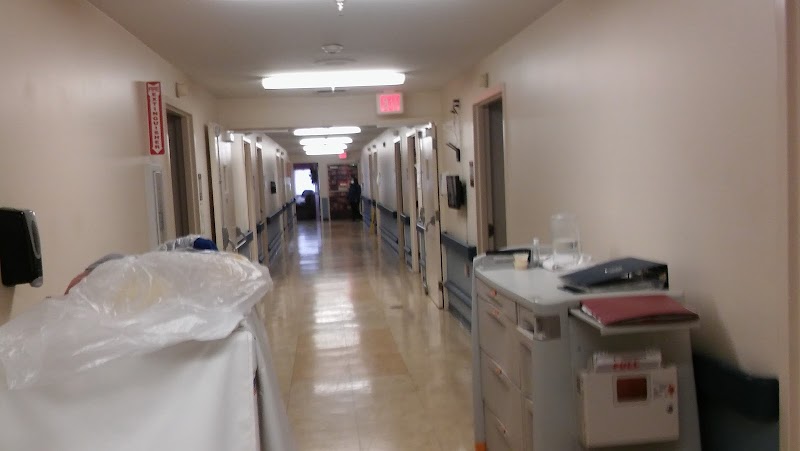
How is Dyer Staffed?

CMS rates DYER NURSING AND REHABILITATION CENTER's staffing level at 2 out of 5 stars, which is below average compared to other nursing homes. Staff turnover is 57%, which is 11 percentage points above the Indiana average of 46%. High turnover can affect care consistency as new staff learn residents' individual needs.

What Have Inspectors Found at Dyer?

State health inspectors documented 79 deficiencies at DYER NURSING AND REHABILITATION CENTER during 2022 to 2025. These included: 1 Immediate Jeopardy (the most serious level, indicating potential for serious harm or death), 1 that caused actual resident harm, 75 with potential for harm, and 2 minor or isolated issues. Immediate Jeopardy findings are rare and represent the most serious regulatory concerns. They require immediate corrective action.
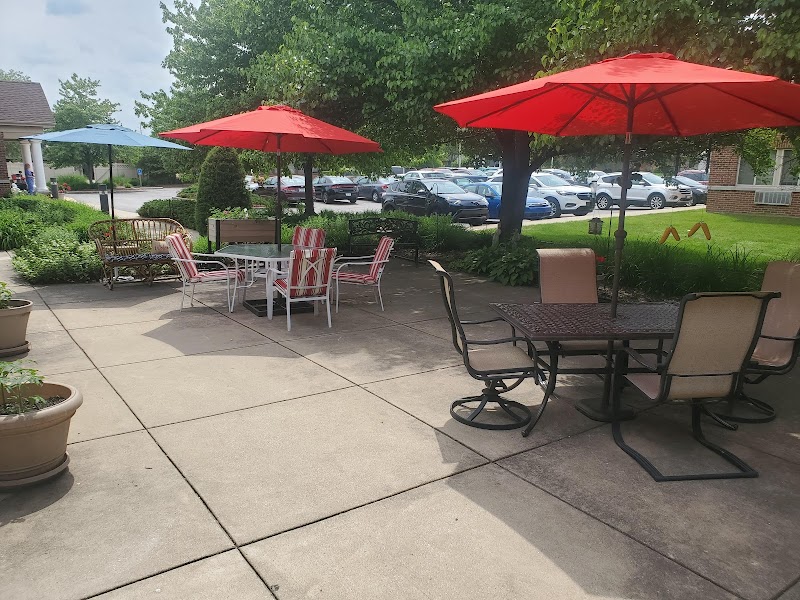
Who Owns and Operates Dyer?

DYER NURSING AND REHABILITATION CENTER is owned by a for-profit company. For-profit facilities operate as businesses with obligations to shareholders or private owners. The facility is operated by CASA CONSULTING, a chain that manages multiple nursing homes. With 161 certified beds and approximately 122 residents (about 76% occupancy), it is a mid-sized facility located in DYER, Indiana.
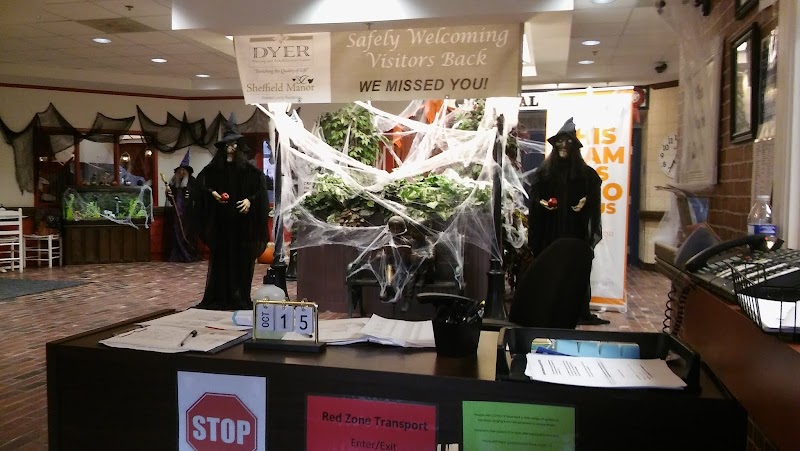
How Does Dyer Compare to Other Indiana Nursing Homes?

Compared to the 100 nursing homes in Indiana, DYER NURSING AND REHABILITATION CENTER's overall rating (1 stars) is below the state average of 3.1, staff turnover (57%) is significantly higher than the state average of 46%, and health inspection rating (1 stars) is much below the national benchmark.

What Should Families Ask When Visiting Dyer?

Based on this facility's data, families visiting should ask: "What changes have been made since the serious inspection findings, and how are you preventing similar issues?" "How do you ensure continuity of care given staff turnover, and what is your staff retention strategy?" "Can you walk me through typical staffing levels on day, evening, and night shifts?" "Can I visit during a mealtime to observe dining assistance and food quality?" These questions are particularly relevant given the facility's Immediate Jeopardy citations, the facility's high staff turnover rate, and the below-average staffing rating.

Is Dyer Safe?

Based on CMS inspection data, DYER NURSING AND REHABILITATION CENTER has documented safety concerns. Inspectors have issued 1 Immediate Jeopardy citation (the most serious violation level indicating risk of serious injury or death). The facility has a 1-star overall rating and ranks #100 of 100 nursing homes in Indiana. Families considering this facility should ask detailed questions about what corrective actions have been taken since these incidents.

Do Nurses at Dyer Stick Around?

Staff turnover at DYER NURSING AND REHABILITATION CENTER is high. At 57%, the facility is 11 percentage points above the Indiana average of 46%. High turnover means new staff may not know residents' individual needs, medications, or preferences. It can also be disorienting for residents, especially those with dementia who rely on familiar faces. Families should ask: What is causing the turnover? What retention programs are in place? How do you ensure care continuity during staff transitions?

Was Dyer Ever Fined?

DYER NURSING AND REHABILITATION CENTER has been fined $33,007 across 3 penalty actions. This is below the Indiana average of $33,409. While any fine indicates a compliance issue, fines under $50,000 are relatively common and typically reflect isolated problems that were subsequently corrected. Families should ask what specific issues led to these fines and confirm they've been resolved.

Is Dyer on Any Federal Watch List?

DYER NURSING AND REHABILITATION CENTER is not on any federal watch list. The most significant is the Special Focus Facility (SFF) program, which identifies the bottom 1% of nursing homes nationally based on persistent, serious quality problems. Not being on this list means the facility has avoided the pattern of deficiencies that triggers enhanced federal oversight. This is a positive indicator, though families should still review the facility's inspection history directly.