GREAT LAKES HEALTHCARE CENTER
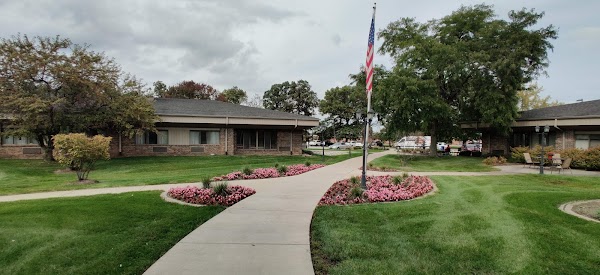
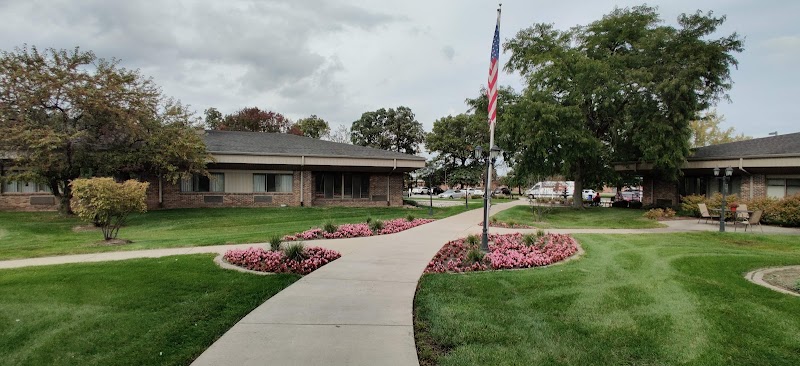
2300 GREAT LAKES DR, DYER, IN 46311 (219) 322-3555
For profit - Corporation 134 Beds COMMUNICARE HEALTH Data: November 2025
Trust Grade
25/100
#349 of 505 in IN
Last Inspection: February 2025

Within standard 12-15 month inspection cycle. Federal law requires annual inspections.

Overview

Great Lakes Healthcare Center in Dyer, Indiana, has received a Trust Grade of F, indicating significant concerns about the quality of care provided. It ranks #349 out of 505 facilities in Indiana, placing it in the bottom half of nursing homes statewide, and #4 out of 20 in Lake County, meaning only three local options are rated lower. The facility is improving slightly, with reported issues decreasing from 29 in 2024 to 25 in 2025. Staffing is a weak point, rated at 1 out of 5 stars with a turnover rate of 53%, which is close to the state average. While there have been no fines, which is a positive aspect, recent inspections revealed serious lapses, including a resident experiencing significant weight loss due to missed dietary recommendations and unsanitary kitchen conditions. Overall, families should weigh these strengths and weaknesses carefully when considering this facility for their loved ones.

Trust Score
F
25/100
In Indiana
#349/505
Bottom 31%
Safety Record
Moderate
Needs review
Inspections
Getting Better
29 → 25 violations
Staff Stability
⚠ Watch
53% turnover. Above average. Higher turnover means staff may not know residents' routines.
Penalties
✓ Good
No fines on record. Clean compliance history, better than most Indiana facilities.
Skilled Nurses
○ Average
Each resident gets 30 minutes of Registered Nurse (RN) attention daily — about average for Indiana. RNs are the most trained staff who monitor for health changes.
Violations
⚠ Watch
88 deficiencies on record. Higher than average. Multiple issues found across inspections.
★★☆☆☆
2.0
Overall Rating
★☆☆☆☆
1.0
Staff Levels
★★★★★
5.0
Care Quality
★☆☆☆☆
1.0
Inspection Score
Stable
2024: 29 issues
2025: 25 issues

The Good

  • 5-Star Quality Measures · Strong clinical quality outcomes
  • Full Sprinkler Coverage · Fire safety systems throughout facility
  • No fines on record

Facility shows strength in quality measures, fire safety.

The Bad

2-Star Overall Rating

Below Indiana average (3.1)

Below average - review inspection findings carefully

Staff Turnover: 53%

Near Indiana avg (46%)

Higher turnover may affect care consistency

Chain: COMMUNICARE HEALTH

Part of a multi-facility chain

Ask about local staffing decisions and management

The Ugly 88 deficiencies on record

1 actual harm
Feb 2025 25 deficiencies
CONCERN (D)

Potential for Harm - no one hurt, but risky conditions existed

Resident Rights (Tag F0550)

Could have caused harm · This affected 1 resident

Based on observation, record review, and interview, the facility failed to ensure each resident's dignity was maintained related to wearing a hospital gown while in bed during the day for 1 of 3 resid...

Read full inspector narrative →
Based on observation, record review, and interview, the facility failed to ensure each resident's dignity was maintained related to wearing a hospital gown while in bed during the day for 1 of 3 residents reviewed for dignity. (Resident L) Finding includes: On 2/17/25 at 10:24 a.m. and 11:50 a.m., Resident L was observed in the dining room wearing a hospital gown. On 2/18/25 at 10:38 a.m., the resident was observed in his room in a broda chair wearing a hospital gown. On 2/18/25 at 2:35 p.m., the resident was observed in dining area wearing a hospital gown. The record for Resident L was reviewed on 2/19/25 at 3:57 p.m. Diagnoses included, but were not limited to, dementia, type 2 diabetes, and adult failure to thrive. The 11/30/24 Significant Change Minimum Data Set (MDS) assessment indicated the resident had severe cognitive impairment for daily decision making and he required substantial/maximum assistance with dressing. A Care Plan, revised on 12/4/24, indicated the resident had self-care deficits and required maximum assistance with dressing. There was no care plan related to wearing a hospital gown during the day. During an interview on 2/21/25 at 2:43 p.m., the Director of Nursing (DON) indicated she was aware the resident wore a gown during the day, and that he did not have many clothes, but that should be in a care plan. 3.1-3(t)
CONCERN (D)

Potential for Harm - no one hurt, but risky conditions existed

Deficiency F0554 (Tag F0554)

Could have caused harm · This affected 1 resident

Based on observation, record review, and interview, the facility failed to ensure a resident was assessed to self-administer medications and had physician's orders to self-administer for 2 of 2 reside...

Read full inspector narrative →
Based on observation, record review, and interview, the facility failed to ensure a resident was assessed to self-administer medications and had physician's orders to self-administer for 2 of 2 residents reviewed for self-administration of medication. (Residents 83 and G) Findings include: 1. During observations on 2/17/25 at 11:28 a.m. and 1:20 p.m., a medicine cup containing two chewable antacids was observed on Resident 83's bedside table. During an interview on 2/17/25 at 11:28 a.m., the resident indicated the nurse gave him the antacids because his stomach got upset sometimes, and he took them when he wanted. The record for Resident 83 was reviewed on 2/19/25 at 2:58 p.m. Diagnoses included, but were not limited to, post-laminectomy syndrome (a chronic pain syndrome that can develop after spinal surgery), depression, and anxiety. The 2/4/25 Quarterly Minimum Data Set (MDS) assessment, indicated the resident was cognitively intact for daily decision making and required set-up assistance for ADLs and transfers. A Physician's Order, dated 12/18/24, indicated Tums Oral Tablet Chewable 500 MG Calcium Carbonate (Antacid); Give 2 tablets by mouth every 6 hours as needed for GERD (gastro-esophogeal reflux disease). There was no self-administration assessment or a physician's order for the resident to self-administer the medication. During an interview on 2/21/25 at 2:43 p.m., the Director of Nursing (DON) had no additional information to provide. 2. During an observation on 2/17/25 at 10:48 a.m., Resident G was observed holding a tube of Lidocaine cream (a topical numbing agent). At that time, the resident indicated he kept the medication in his room and applied it himself to his left upper arm AV fistula (access port for dialysis) site 40 minutes before dialysis on Mondays, Wednesdays, and Fridays. The record for Resident G was reviewed on 2/19/25 at 9:29 a.m. Diagnoses included but were not limited to, endocarditis, diabetes type 2, and dependence on renal dialysis. The Nursing admission Evaluation, dated 2/13/25, indicated the resident was cognitively intact for daily decision making, required set-up assistance with ADLs (activities of daily living), and maximum assistance with transfers. There was no self-administration assessment or a physician's order for the medication. During an interview on 2/21/25 at 2:43 p.m., the Director of Nursing (DON) indicated she was aware the resident kept the lidocaine at his bedside and applied it himself, she did not want to take away what he was used to doing himself, but there should have been an order. A policy titled, Self-Administration of Medications, received as current from the DON on 2/24/25 at 9:47 a.m., indicated, . For those residents who self-administer, the interdisciplinary team verifies the resident's ability to self-administer medications by means of a skill assessment conducted on a monthly basis or when there is a significant change in condition . If the resident demonstrates the ability to safely self-administer medications, a further assessment of the safety of bedside medication storage is conducted . 3.1-11(a)
CONCERN (D)

Potential for Harm - no one hurt, but risky conditions existed

Deficiency F0558 (Tag F0558)

Could have caused harm · This affected 1 resident

**NOTE- TERMS IN BRACKETS HAVE BEEN EDITED TO PROTECT CONFIDENTIALITY** Based on observation, record review, and interview, the facility failed to provide reasonable accommodations of needs related to...

Read full inspector narrative →
**NOTE- TERMS IN BRACKETS HAVE BEEN EDITED TO PROTECT CONFIDENTIALITY** Based on observation, record review, and interview, the facility failed to provide reasonable accommodations of needs related to a resident's bed being long enough so his feet were not touching the foot board for 1 of 2 residents reviewed for positioning. (Resident D) Finding includes: During an interview on 2/18/25 at 10:17 a.m., Resident D indicated he stayed in bed most of the time. At that time, the resident was observed high up in his bed and both feet were observed touching the foot board. At 11:28 a.m., the resident was observed lying on his back and positioned high up in the bed and his feet were touching the foot board. On 2/19/25 at 1:42 p.m., the resident was observed lying on his back in bed. Both feet were touching the foot board. On 2/20/25 at 9:52 a.m., and 11:36 a.m., the resident was observed lying flat on his back in bed. At those times, he was positioned high up in the bed, however, both feet were touching the foot board. On 2/21/25 at 8:29 a.m., the resident was observed lying flat on his back in bed and both feet were touching the foot board. During an observation on 2/21/25 at 8:32 a.m., LPN 5 was passing medications to the resident's roommate. At that time, she was asked to observe the resident and his feet touching the foot board. LPN 5 stated, I believe he needs a new bed, that one is too short. During an interview at that time, the resident indicated he could not reposition or pull himself up in the bed as he needed help. The record for Resident D was reviewed on 2/20/25 at 10:21 a.m. The resident was admitted to the facility on [DATE]. Diagnoses included, but were not limited to, Parkinson's disease, history of falling, depressive disorder, anxiety disorder, epilepsy, heart disease, kidney disorder, and stroke. The 2/3/25 Quarterly Minimum Data Set (MDS) assessment indicated the resident was moderately impaired for daily decision making and needed partial to moderate assistance with rolling to the left and right and the ability to roll from lying on his back. The resident's height was 73 inches lying down, which was last checked on 9/9/24. During an interview on 2/21/25 at 8:36 a.m., the Assistant Director of Nursing indicated both of the resident's feet should not be touching the foot board. During an interview on 2/21/25 at 8:40 a.m., the Administrator indicated he would get the resident a new bed as soon as possible. During an interview on 2/21/25 at 8:42 a.m., the Maintenance Director indicated he would look to see if they had a bigger bed in the facility for the resident. 3.1-3(v)(1)
CONCERN (D) 📢 Someone Reported This

A family member, employee, or ombudsman was alarmed enough to file a formal complaint

Potential for Harm - no one hurt, but risky conditions existed

Deficiency F0573 (Tag F0573)

Could have caused harm · This affected 1 resident

**NOTE- TERMS IN BRACKETS HAVE BEEN EDITED TO PROTECT CONFIDENTIALITY** Based on record review and interview, the facility failed to ensure a resident's family received the resident's medical record i...

Read full inspector narrative →
**NOTE- TERMS IN BRACKETS HAVE BEEN EDITED TO PROTECT CONFIDENTIALITY** Based on record review and interview, the facility failed to ensure a resident's family received the resident's medical record in a timely manner after the request was processed for 1 of 1 resident reviewed for medical records. (Resident H) Finding includes: The closed record for Resident H was reviewed on 2/20/25 at 3:35 p.m. Diagnoses included but were not limited to, multiple sclerosis, respiratory failure, type 2 diabetes, pressure ulcers, and anxiety. The resident admitted to the facility on [DATE] and discharged home on 5/28/24. The 4/12/24 Quarterly Minimum Data Set (MDS) assessment indicated the resident was moderately impaired for daily decision making. A Nurse's Note, dated 5/28/24 at 2:30 p.m., indicated the resident left the facility with all of her belongings from the room. Nursing staff spoke with the resident's son regarding her medications and he indicated he would be in later to pick them up. The Release of Information Log, provided by the Administrator on 2/21/25 at 2:30 p.m., indicated on 9/6/24, an IT tech request was sent to request to advise for a medical record release for the resident. The Release of Information Log, provided by the Administrator on 2/21/25 at 2:30 p.m., indicated on 10/30/24, corporate had released the resident's medical records. An email provided by the Administrator on 2/21/25 at 2:30 p.m., indicated the medical records were sent out electronically to the family on 12/2/24. During an interview on 2/21/25 at 11:42 a.m., the Medical Records Supervisor indicated she had only been in the position since 10/2024. The resident's family did have the medical records at this time. During an interview on 2/21/25 at 3:12 p.m., the Administrator indicated the medical records should have been given to the resident's family in a more timely manner. The current and undated Medical Record Request Guide policy, provided by the Medical Records Supervisor on 2/20/25 at 10:00 a.m., indicated The process is as follows from residents and resident families: when you receive a request you immediately forward the complete request and all accompanying papers that came with the request to record requests. We will review the paperwork to determine if it was HIPPA compliant and we can proceed or we need additional paperwork such as a copy of a POA or guardianship. When compliant we will instruct you to scan and email the paper files and billing and generate the PCC charts. Once all documents are received they will be reviewed for HIPPA compliance. Once that review is completed, either legal will release the documents by email or the facility will be emailed the complete record to release depending on the type of request. This citation relates to Complaint IN00446581. 3.1-4(b)(1) 3.1-4(b)(2)
CONCERN (D)

Potential for Harm - no one hurt, but risky conditions existed

Deficiency F0658 (Tag F0658)

Could have caused harm · This affected 1 resident

Based on observation, record review, and interview, the facility failed to ensure professional standards of quality were maintained related to the intent to borrow medications from another resident du...

Read full inspector narrative →
Based on observation, record review, and interview, the facility failed to ensure professional standards of quality were maintained related to the intent to borrow medications from another resident during medication pass for 1 of 6 residents and 1 of 5 nurses observed during medication pass. (Resident C and LPN 1) Finding includes: During medication pass on 2/18/25 at 8:03 a.m., LPN 1 was observed removing Resident C's medications from the punch cards and then placing all of them into the medication cup. After pouring all of the medications, she entered the resident's room and administered all of the medications to her. At that time, the resident had requested Tylenol for pain. The LPN told the resident she would be back with her Tylenol in just a minute. She walked back to the medication cart, opened the drawer and removed 2 white round tablets into her bare hands from a medication card and placed them into a medication cup and closed the medication drawer. The LPN was asked to remove the card where she had punched the Tylenol from to verify the pills and label. LPN 1 opened the medication cart drawer and started rummaging threw all of the cards. As she kept looking, she stopped and picked up the medication cup of pills and stated, Can I start over? She was then asked where she retrieved the Tylenol tablets from and she stated, I borrowed them from another resident, because she did not have any. The LPN opened the medication drawer again and started rummaging through all of the cards looking for the resident's Tylenol punch card. She was unable to find the card and removed the resident's Tylenol card from which she borrowed the pills. During an interview at that time, LPN 1 indicated she was aware she was not supposed to borrow medications from other residents and there was an emergency drug machine from which she could have obtained the Tylenol. She stated, honestly I have never ran into this problem before with Tylenol. The record for Resident C was reviewed on 2/19/25 at 2:17 p.m. A Physician's Order, dated 2/21/24 and on the current 2/2025 Physician's Order Summary, indicated Acetaminophen 325 milligrams (mg), give two tablets by mouth every 6 hours as needed. During an interview on 2/24/25 at 8:30 a.m., the Director of Nursing (DON) indicted the nurse should not have pulled the Tylenol from another resident's punch card. The current 2013 Medication Administration policy provided by the DON on 2/24/25 at 9:08 a.m., indicated do not touch the medication, either when opening a liquid or dose pack. Do not share or borrow medications from others. 3.1-35(g)(1)
CONCERN (D)

Potential for Harm - no one hurt, but risky conditions existed

Pressure Ulcer Prevention (Tag F0686)

Could have caused harm · This affected 1 resident

Based on record review and interview, the facility failed to ensure treatments were completed as ordered for 1 of 4 residents reviewed for pressure ulcers. (Resident 59) Finding includes: During an in...

Read full inspector narrative →
Based on record review and interview, the facility failed to ensure treatments were completed as ordered for 1 of 4 residents reviewed for pressure ulcers. (Resident 59) Finding includes: During an interview on 2/17/25 at 1:53 p.m., Resident 59 indicated she had a sore on her bottom and staff didn't always do her treatment. The record for Resident 59 was reviewed on 2/20/25 at 2:34 p.m. Diagnoses included, but were not limited to, chronic obstructive pulmonary disease (COPD), chronic kidney disease, and hypertension. The Quarterly Minimum Data Set (MDS) assessment, dated 1/30/25, indicated the resident was cognitively intact and she had two Stage 3 pressure ulcers (full thickness tissue loss but bone, tendon, and muscle are not exposed). A Care Plan, dated 1/7/25, indicated the resident had an actual alteration in skin integrity related to pressure areas to the left buttock and sacrum. Interventions included, but were not limited to, administer treatments as ordered by the medical provider. A Skin and Wound Note, dated 1/2/25 at 12:04 p.m., indicated the resident had new skin concerns for wounds to the sacrum. The wounds were identified as Stage 3 pressure ulcers that had developed in the facility. A Physician's Order, dated 1/3/25, indicated the resident's sacrum was to be cleansed with soap and water, collagen (a type of dressing) was to be applied, and the wound covered with a border gauze dressing every day shift for wound care. The January 2025 Treatment Administration Record (TAR), indicated the treatment was not signed out as being completed on 1/5/25, 1/19/25, 1/27/25, and 1/30/25. A Physician's Order, dated 2/7/25, indicated the Cygnus (a skin substitute) was to be left in place to the resident's sacrum. The border gauze dressing was to be changed every day shift. The February 2025 TAR, indicated the treatment was not signed out as being completed on 2/9/25. A Physician's Order, dated 2/13/25, indicated the Cygnus was to be left in place to the resident's sacrum. Change border gauze dressing. If the Cygnus dislodged, cleanse the sacrum with wound cleanser, pat dry with gauze, apply collagen, and cover with a border gauze dressing every day shift for wound care. The February 2025 TAR indicated the treatment had not been signed out as being completed on 2/15/25. During an interview on 2/21/25 at 3:30 p.m., the Director of Nursing indicated the resident's treatments should have been completed as ordered. 3.1-40(a)(2)
CONCERN (D)

Potential for Harm - no one hurt, but risky conditions existed

Deficiency F0688 (Tag F0688)

Could have caused harm · This affected 1 resident

Based on observation, record review, and interview, the facility failed to ensure a resident with limited range of motion received appropriate treatment and services to increase range of motion and/or...

Read full inspector narrative →
Based on observation, record review, and interview, the facility failed to ensure a resident with limited range of motion received appropriate treatment and services to increase range of motion and/or to prevent further decrease in range of motion for 1 of 2 residents reviewed for mobility. (Resident L) Finding includes: On 2/17/25 at 10:24 a.m. and again on 2/19/25 at 9:26 a.m., Resident L was observed in the dining room. His right wrist was fixed in a hyperextended (bent backwards) position, and was supporting his head. His fingers appeared contracted (bent or curled). There was nothing in his right hand. On 2/18/25 at 10:38 a.m., the resident was observed in a Broda chair in his room. He was in the same position, leaning to his right side, supporting his head with his hyperextended hand. There was nothing in his right hand. During observations on 2/19/25 at 1:35 p.m., 2/20/25 at 9:26 a.m., and 2/21/25 at 10:29 a.m., the resident was in a similar position, with nothing in his right hand. The record for Resident L was reviewed on 2/19/25 at 3:57 p.m. Diagnoses included, but were not limited to, dementia, type 2 diabetes, and adult failure to thrive. The 11/30/24 Significant Change Minimum Data Set (MDS) assessment indicated the resident had severe cognitive impairment for daily decision making and he required substantial/maximum assistance with ADLs. A Care Plan, revised on 10/18/23, indicated a washcloth should be placed in the resident's right hand for 4-6 hours a day up to 7 days a week. There was no documentation in the treatment record of a washcloth being placed in the resident's hand. During an interview on 2/21/25 at 2:43 p.m., the Director of Nursing was informed of the findings, nodded, and offered no further information. 3.1-42(a)(2)
CONCERN (D)

Potential for Harm - no one hurt, but risky conditions existed

Accident Prevention (Tag F0689)

Could have caused harm · This affected 1 resident

Based on observation, record review, and interview, the facility failed to ensure smoking materials were secured for 1 of 1 resident reviewed for smoking. (Resident 56) Finding includes: During an int...

Read full inspector narrative →
Based on observation, record review, and interview, the facility failed to ensure smoking materials were secured for 1 of 1 resident reviewed for smoking. (Resident 56) Finding includes: During an interview on 2/17/25 at 2:20 p.m., Resident 56 indicated he was supposed to lock up his cigarettes and lighter when he was done smoking in the mail box located across from the smoking area. The resident indicated he knew he was going to get into trouble, but he rarely locked his cigarettes up because he lost the key to his mail box before and it made him nervous. When asked where his cigarettes were, the resident patted his coat pocket and indicated he had them along with his lighter in his pocket. The resident indicated that he knew better than to smoke in his room. During an interview on 2/19/25 at 1:40 p.m., the resident indicated that his cigarettes and lighter remained in his coat pocket. The record for Resident 56 was reviewed on 2/19/25 at 11:53 a.m. Diagnoses included, but were not limited to, respiratory failure, tracheostomy status, sleep apnea, and nicotine dependence. The Quarterly Minimum Data Set (MDS) assessment, dated 11/15/24, indicated the resident was cognitively intact. A Smoking Assessment, dated 1/31/25, indicated the resident was independent with smoking. A Care Plan, reviewed on 2/13/25, indicated the resident utilized nicotine products. The Resident Smoking Guidelines, provided by the Administrator on 2/24/25 at 8:55 a.m. and identified as current, indicated facility staff would store smoking materials in a secure area when not in use by the resident for both independent and supervised smokers. Smoking safety instructions for all smokers included all smoking materials would be maintained by the facility staff and provided to the resident upon request. Smoking materials were to be returned to the facility staff upon completion of smoking. During an interview on 2/24/25 at 9:10 a.m., the Administrator indicated smoking materials were to be left in the locked mail boxes outside of the smoking area. Each resident had a key and the residents were not to keep their smoking materials. 3.1-45(a)(2)
CONCERN (D)

Potential for Harm - no one hurt, but risky conditions existed

Incontinence Care (Tag F0690)

Could have caused harm · This affected 1 resident

Based on observation, interview, and record review, the facility failed to ensure an indwelling Foley (urinary) catheter collection bag was kept off of the floor and documentation of urinary output wa...

Read full inspector narrative →
Based on observation, interview, and record review, the facility failed to ensure an indwelling Foley (urinary) catheter collection bag was kept off of the floor and documentation of urinary output was completed for 1 of 1 resident reviewed for urinary catheters. (Resident 73) Finding includes: On 2/17/25 at 10:44 a.m. and 1:54 p.m., Resident 73 was observed lying in bed. The resident's catheter collection bag was lying on the floor next to his bed. During an interview on 2/17/25 at 1:55 p.m., RN 3 indicated the resident's catheter collection bag should not have been laying on the floor. She then went into the resident's room to pick the catheter collection bag off of the floor and hang it so it did not touch the floor. Record review for Resident 73 was completed on 2/21/25 at 9:46 a.m. Diagnoses included, but were not limited to, prostate cancer, end stage renal disease, and obstructive uropathy (obstruction of urine flow). The Quarterly Minimum Data Set (MDS) assessment, dated 12/28/24, indicated the resident was moderately cognitively impaired. The resident had an indwelling urinary catheter. A Care Plan, dated 3/6/24, indicated the resident had an indwelling Foley catheter related to obstructive uropathy. An intervention included to provide catheter care every shift and when necessary. Notify the medical provider if urine was an abnormal color, consistency, or odor. The February 2025 Physician's Order Summary, indicated the resident had an indwelling urinary catheter and to measure and record output every shift. The January and February 2025 Treatment Administration Records lacked documentation urinary output was completed on the following dates and shifts: Day Shift: 2/9/25 and 2/17/25 Evening Shift: 1/24/25 Night Shift: 1/25/25, 1/27/25, 2/3/25, and 2/18/25 During an interview on 2/24/25 at 8:50 a.m., the Director Of Nursing (DON) indicated the staff should be documenting the resident's urinary output every shift. She could not provide any documentation the urinary output had been documented on the above dates and shifts. A facility policy titled, Catheter Care and received as current from the DON on 2/24/25, indicated, .III. Catheter care: .V. Check that collection bag is not on the floor and is draining properly and secured allowing for no reflux of urine back to the bladder. VI. Document and report any adverse findings to nurse . 3.1-41(a)(2)
CONCERN (D)

Potential for Harm - no one hurt, but risky conditions existed

Deficiency F0692 (Tag F0692)

Could have caused harm · This affected 1 resident

**NOTE- TERMS IN BRACKETS HAVE BEEN EDITED TO PROTECT CONFIDENTIALITY** Based on observation, record review, and interview, the facility failed to ensure food consumption logs were completed for resid...

Read full inspector narrative →
**NOTE- TERMS IN BRACKETS HAVE BEEN EDITED TO PROTECT CONFIDENTIALITY** Based on observation, record review, and interview, the facility failed to ensure food consumption logs were completed for residents with a history of weight loss for 2 of 2 residents reviewed for nutrition. (Residents 65 and 67) Findings include: 1. During an interview on 2/17/25 at 10:57 a.m., Resident 65 indicated she had a recent weight loss. The record for Resident 65 was reviewed on 2/19/25 at 3:04 p.m. The resident was admitted to the facility on [DATE]. Diagnoses included, but were not limited to, COPD (chronic obstructive pulmonary disease) high blood pressure, anxiety, dehydration, and alcohol abuse. The admission Minimum Data Set (MDS) assessment, dated 2/5/25, indicated the resident was cognitively intact for daily decision making, held food in her mouth, and had complaints of pain when she swallowed. The resident weighed 85 pounds, received a mechanically altered diet, and has had a significant weight loss. The Care Plan, revised on 2/10/25, indicated the resident had the potential for an altered nutrition status. The approaches were to monitor meal intake. The resident's weight was 91 pounds on 1/10/25 and 85 pounds on 2/12/25, which was a 6.59% weight loss in one month. A Physician's Order, dated 2/11/25, indicated a two gram sodium puree texture diet with nectar thick liquids and double portions at all meals for weight gain. The meal consumption log indicated there was no breakfast documented on 2/12/25, 2/13/25, 2/17/25, and 2/18/25. There was no lunch documented on 2/12/25, 2/13/25, 2/17/25, 2/18/25 and no dinner documented on 2/6/25, 2/11/25, 2/16/25 and 2/17/25. During an interview on 2/21/25 at 2:30 p.m., the Director of Nursing indicated the resident had gained weight since 2/12/25 and meal consumptions were to be documented after each meal. 2. On 2/18/25 at 9:17 a.m., Resident 67 was observed lying in bed. He indicated he didn't like to eat much and had lost weight. Record review for Resident 67 was completed on 2/21/25 at 12:00 p.m. Diagnoses included, but were not limited to, stroke, heart failure, hypertension, seizure disorder, and depression. The resident had an impairment on one side of his upper and lower extremities for a functional limitation in range of motion. The resident required supervision for eating. A Care Plan, dated 6/14/24 and revised on 12/26/24, indicated the resident had the potential for altered nutrition related to left hemiplegia (muscle weakness), depression, and weight loss. An intervention included to monitor meal intake. The resident's weight on 8/8/24 was 136.8 pounds. On 2/10/24, the resident weighed 127.6 pounds. This was a weight loss of 6.73% in 6 months. The Task Nutrition-Amount Eaten Logs were documented with percentage of meals eaten. The last 30 days lacked documentation for the following meals: - breakfast: 1/26/25, 2/7/25, 2/10/25, 2/12/25, 2/13/25, 2/15/25, 2/16/25, and 2/17/25 - lunch: 1/26/25, 2/7/25, 2/10/25, 2/12/25, 2/13/25, 2/15/25, 2/16/25, and 2/17/25 - dinner: 2/11/25 and 2/19/25 During an interview on 2/24/25 at 8:50 a.m., the Director of Nursing indicated she was unable to provide any documentation related to the resident's percentage eaten for meals on the above dates. 3.1-46(a)(1)
CONCERN (D)

Potential for Harm - no one hurt, but risky conditions existed

Tube Feeding (Tag F0693)

Could have caused harm · This affected 1 resident

Based on observation, record review, and interview, the facility failed to ensure gastrostomy tube (a tube surgically inserted into the stomach that allows for the delivery of food and medication) wat...

Read full inspector narrative →
Based on observation, record review, and interview, the facility failed to ensure gastrostomy tube (a tube surgically inserted into the stomach that allows for the delivery of food and medication) water flushes and medications were instilled via gravity, and enteral feedings were started at the correct time for 2 of 2 residents reviewed for tube feeding. (Residents 147 and 58) Findings include: 1. On 2/19/25 at 4:21 p.m., LPN 5 was observed preparing a medication for Resident 147. The resident received his medications by the way of a gastrostomy tube. Upon entering the room, the LPN donned gloves and an isolation gown and placed the cups containing the medication on the over bed table. The LPN checked for placement by pulling back any residual in the peg tube. She then proceeded to flush the resident's gastrostomy tube by plunging (pushing) 30 milliliters (mls) of water rather than instilling the water via gravity. She diluted all of the medications with 10 ml of water and added them one at time, and rather than administering them completely via gravity, she pushed most of the medication with the plunger. After the last medication, she plunged another 30 ml of water through the peg tube. During an interview on 2/19/25 at 4:36 p.m., LPN 5 indicated she was aware she was to administer the medications and water flush via gravity and not by plunging them. During an interview on 2/19/25 at 4:38 p.m., the Director of Nursing (DON) indicated medications and water were to be administered via gravity through the peg tube. The current and undated Enteral Tube Medication Administration policy, provided by the DON, indicated the plunger was to be removed from the 60 milliliter (ml) syringe and connect the syringe to the clamped tubing using the appropriate port. Administer each medication separately and flush the tubing between each medication. Place 30 ml of water in syringe and flush tubing using gravity flow and pour dissolved or diluted medication in the syringe allowing medication to flow by gravity. 2. On 2/17/25 at 3:20 p.m., Resident 58 was observed in bed with her eyes closed. The resident had a feeding pump machine next to the bed. The machine had a bottle of tube feeding hanging up with the tubing wrapped around the bottle. The tubing was not connected to the resident and the machine was not turned on. During an interview on 2/17/25 at 3:22 p.m., RN 2 indicated they had just changed shift and she was unaware the resident's tube feeding had not been started. She would go down to the resident's room and start the tube feeding. Record review for Resident 58 was completed on 2/19/25 at 1:42 p.m. Diagnoses included, but were not limited to, stroke, diabetes mellitus, and adult failure to thrive. The Quarterly Minimum Data Set (MDS) assessment, dated 12/31/24, indicated the resident was cognitively intact. The resident had an impairment on one side of the upper and lower extremities for a functional limitation in range of motion. The resident had a feeding tube. A Care Plan, dated 7/17/24, indicated the resident had an activities of daily living self care performance deficit related to a decline in functional status, and received enteral nutrition. The resident was totally dependent on staff for eating. The February 2025 Physician's Order Summary, indicated an enteral feed order for Jevity (fortified liquid nutrition) 1.5 at 50 ml (milliliters) an hour via G-tube (gastrostomy tube, tube inserted into abdomen to deliver nutrition to the stomach). The enteral feed was to start at 2:00 p.m. and stop at 6:00 a.m. every day. 3.1-44(a)(2)
CONCERN (D)

Potential for Harm - no one hurt, but risky conditions existed

Respiratory Care (Tag F0695)

Could have caused harm · This affected 1 resident

Based on observation, record review, and interview, the facility failed to ensure oxygen was at the correct flow rate for 1 of 4 residents reviewed for oxygen. (Resident 59) Finding includes: On 2/17/...

Read full inspector narrative →
Based on observation, record review, and interview, the facility failed to ensure oxygen was at the correct flow rate for 1 of 4 residents reviewed for oxygen. (Resident 59) Finding includes: On 2/17/25 at 1:56 p.m. and 2:30 p.m., Resident 59 was observed with oxygen in use by the way of a nasal cannula. The resident's portable oxygen tank was set at three liters. At 3:52 p.m., the resident was observed in her room in bed. The resident's oxygen remained in use and her oxygen concentrator was set at three liters. On 2/18/25 at 10:27 a.m. and 11:55 a.m., the resident was observed with her oxygen per nasal cannula in use. The resident's portable oxygen tank was set at three liters. On 2/19/25 at 1:35 p.m., the resident was observed in her room in bed. Her oxygen was in use and the oxygen concentrator was set at three liters. On 2/20/25 at 9:57 a.m. and 2:14 p.m., the resident was observed in her recliner with her oxygen per nasal cannula in use. The portable oxygen tank was set at three liters. On 2/21/25 at 9:18 a.m., the resident was observed in her room in bed. The resident's oxygen was in use and the oxygen concentrator was set at three liters. At 9:20 a.m., LPN 3 observed the resident's oxygen concentrator and indicated it was set at three liters. The record for Resident 59 was reviewed on 2/20/25 at 2:34 p.m. Diagnoses included, but were not limited to, chronic obstructive pulmonary disease (COPD), chronic kidney disease, and hypertension. The Quarterly Minimum Data Set (MDS) assessment, dated 1/30/25, indicated the resident was cognitively intact and she was receiving oxygen while a resident of the facility. A Care Plan, dated 11/8/24, indicated the resident received oxygen therapy related to ineffective gas exchange. A Physician's Order, dated 10/25/24, and listed as current on the February 2025 Physician's Order Summary (POS), indicated the resident was to receive two liters of oxygen continuously every shift via nasal cannula. During an interview on 2/21/25 at 3:30 p.m., the Director of Nursing indicated the resident's portable oxygen tank and concentrator should have been set at two liters. 3.1-47(a)(6)
CONCERN (D) 📢 Someone Reported This

A family member, employee, or ombudsman was alarmed enough to file a formal complaint

Potential for Harm - no one hurt, but risky conditions existed

Deficiency F0697 (Tag F0697)

Could have caused harm · This affected 1 resident

Based on observation, record review, and interview, the facility failed to ensure a resident's pain was controlled with over the counter medications for 1 of 5 residents reviewed for pain. (Resident E...

Read full inspector narrative →
Based on observation, record review, and interview, the facility failed to ensure a resident's pain was controlled with over the counter medications for 1 of 5 residents reviewed for pain. (Resident E) Finding includes: During an observation on 2/17/25 at 10:46 a.m., Resident E was observed in her room lying in bed and crying out that she was in pain. During an interview on 2/18/25 at 11:30 a.m the resident indicated an area on her bottom hurt constantly, and all they had given her was over the counter medications, however, she would like something stronger. On 2/19/25 at 9:10 a.m. and 2:50 p.m., the resident was observed lying in bed. At those times, the resident indicated her current pain level was a six out of 10 and all she had received was over the counter Tylenol. She had stopped using the Lidoderm patches because they made her back raw and tender, however, no one had offered any other topical cream for pain. On 2/20/25 at 9:45 a.m., the resident was observed in bed and indicated her pain level was around a five. At 11:45 a.m., her pain was at a six out of 10. The record for Resident E was reviewed on 2/19/25 at 10:50 a.m. Diagnoses included, but were not limited to, multiple sclerosis, quadriplegia, chronic pain, anxiety disorder, and low back pain. The 1/24/25 Quarterly Minimum Data Set (MDS) assessment indicated the resident was cognitively intact for daily decision making and was not receiving scheduled pain medication, but received PRN (as needed) medications. She occasionally had pain that affected her sleep and day to day activities. The resident's pain level was a 5 out of 10. A Care Plan, revised on 12/14/23, indicated the resident had chronic pain related to a decline in functional status, weakness, and multiple sclerosis. The approaches were to observe for pain every shift, provide medication as ordered, and have a pain management consult. A Physician's Order, dated 11/12/22 and listed as current on the 2/2025 Physician's Order Summary, indicated Acetaminophen 325 milligrams (mg), give 2 tablets by mouth every 6 hours as needed for pain. A Physician's Order, dated 11/14/22 and listed on the current 2/2025 Physician's Order Summary, indicated to monitor for pain every shift. A Physician's Order, dated 6/13/24 and discontinued on 12/4/24, indicated Lidocaine Pain Relief 4% patch, apply to low back topically one time a day for chronic back pain. The Medication Administration Record (MAR) for 11/2024 indicated the Lidoderm patch had been refused many times during the month. The MAR for the months of 12/2024, 1/2025, and 2/2025, indicated the pain assessment was only signed out as competed by nursing staff, there was no pain level (numbered) assessment completed. The 1/2025 and 2/2025 MARs indicated the pain level each time the resident had asked for the Tylenol ranged from one to four out of 10. A Behavioral Health Note, dated 2/16/25 at 11:00 p.m., indicated the resident was awake and in bed during the session. The resident indicated she was having pain in her legs and back. She stated that nursing was aware. The last Pain Observation Assessment was dated 5/24/24, and indicated the resident had no pain. A Physician's Progress Note, dated 1/27/25 at 12:26 p.m., indicated the resident had leg and muscle cramps. During an interview on 2/20/25 at 11:45 a.m., LPN 3 indicated the resident had nothing ordered for pain except over the counter Tylenol. The resident had not ever expressed a desire to have something more than that and she would let the Nurse Practitioner (NP) know about her complaints. The LPN indicated the resident had a fungal rash going on around the time she had refused the Lidoderm patches, so she did not think the patch caused her to have a rash. There was never any topical pain cream ordered for her. During an interview on 2/21/25 at 8:17 a.m., the resident indicated she received her first dose of Tramadol (a pain medication) and was happy and hoped the medication would relieve some of her pain. During an interview on 2/21/25 at 2:15 p.m., the Director of Nursing was unaware the resident was crying out in pain and if she had been aware, she would have requested something else for her pain. During an interview on 2/21/25 at 4:00 p.m., the NP indicated he was just made aware the resident was having pain to the open area on her buttocks and in her lower back . He ordered Tramadol for her two times a day. The current 2022 Pain Management and Assessment policy, provided by the DON, indicated the 1-10 pain scale for assessing pain was to be used for residents with intact cognition abilities who could or were willing to determine their worst pain ever and no pain using numbers. This citation relates to Complaints IN00443889 and IN00451991. 3.1-37(a)
CONCERN (D) 📢 Someone Reported This

A family member, employee, or ombudsman was alarmed enough to file a formal complaint

Potential for Harm - no one hurt, but risky conditions existed

Deficiency F0698 (Tag F0698)

Could have caused harm · This affected 1 resident

Based on observation, record review, and interview, the facility failed to monitor for signs and symptoms of an infection of a resident's perma cath (a long, flexible tube that's inserted into a vein ...

Read full inspector narrative →
Based on observation, record review, and interview, the facility failed to monitor for signs and symptoms of an infection of a resident's perma cath (a long, flexible tube that's inserted into a vein in the neck or chest) used for dialysis for 1 of 2 residents reviewed for dialysis. (Resident M) Finding includes: During a random observation on 2/19/25 at 2:50 p.m., Resident M was observed in bed and dressed in a hospital gown. At that time, there was a clear bandage over his perma cath located on his right upper chest. The resident indicated the perma cath was used for dialysis. The record for Resident M was reviewed on 2/20/25 at 3:08 p.m. Diagnoses included, but were not limited to, end stage renal disease, type 2 diabetes, stroke, and high blood pressure. The 1/17/25 Quarterly Minimum Data Set (MDS) assessment indicated the resident was moderately impaired for daily decision making and received dialysis while a resident. A Care Plan, revised on 7/1/24, indicated the resident had direct access to the circulatory system related to a right subclavian perma cath. The approaches were to evaluate for signs and symptoms of infection such as redness, tenderness, swelling, pain, drainage and to visually inspect the site each shift. A Physician's Order, dated 3/12/24, indicated check dialysis site (Chest) for signs and symptoms of infection every shift . There was no documentation on the 12/2024, 1/2025 and 2/2025 Medication or Treatment Administration Records of the dialysis site being checked for signs and symptoms of infection. During an interview on 2/21/25 at 2:01 p.m., the Director of Nursing had no additional information to provide. This citation relates to Complaint IN00452308. 3.1-37(a)
CONCERN (D)

Potential for Harm - no one hurt, but risky conditions existed

Unnecessary Medications (Tag F0759)

Could have caused harm · This affected 1 resident

Based on observation, record review, and interview, the facility failed to ensure a medication error rate of less than 5% for 2 of 6 residents observed during medication pass. Two errors were observed...

Read full inspector narrative →
Based on observation, record review, and interview, the facility failed to ensure a medication error rate of less than 5% for 2 of 6 residents observed during medication pass. Two errors were observed during 28 opportunities for errors during medication administration. This resulted in a medication error rate of 7.14% (Residents 12 and 147) Findings include: 1. During medication pass on 2/18/25 at 11:27 a.m., LPN 2 was preparing to check Resident 12's blood sugar. The resident's blood sugar was 335 and the LPN indicated she was to receive 33 units of Lispro Insulin. She removed the insulin pen from the medication cart and dialed it to 2 units and primed the pen. She then dialed the pen to 30 units, as it would not dial any further. She administered 30 units to the resident and then removed the needle, placed a new one on the pen and dialed the pen to 3 units and administered the remaining 3 units. She did not prime the second needle before administering the remaining 3 units of insulin. The record for Resident 12 was reviewed on 2/18/25 at 1:10 p.m. Diagnoses included, but were not limited to, type 2 diabetes. A Physician's Order, dated 9/27/24, indicated Humalog injection solution, inject 33 units subcutaneously before meals for diabetes management at 8:00 a.m., 11:00 a.m., and 4:00 p.m. During an interview on 2/18/25 at 11:30 a.m., LPN 2 indicated she was aware she had forgotten to prime the second needle to administer the 3 units of insulin. During an interview on 2/18/25 at 1:50 p.m., the Director of Nursing indicated the insulin pen needed to be primed before administration. 2. On 2/19/25 at 4:21 p.m., LPN 5 was observed preparing a medication for Resident 147. The resident received his medications by the way of a gastrostomy tube. The LPN poured Atorvastatin (a medication used to lower cholesterol) 80 milligrams (mg), Metoprolol (a medication used to lower the blood pressure and heart rate) 100 mg and Lansoprazole (a medication used to help with food digestion) 10 ml/30 mg. She crushed all the medications and placed them separately into the medication cups. Upon entering the room, the LPN donned gloves and an isolation gown and placed the cups containing the medication on the over bed table. The LPN checked for placement by pulling back any residual in the peg tube. She then proceeded to flush the resident's gastrostomy tube, by plunging 30 milliliters (mls) of water rather than instilling the water via gravity. She diluted all of the medications with 10 ml of water and added them one at time, and rather than administering them completely via gravity, she pushed most of the medication with the plunger. After the last medication she plunged another 30 ml of water through the peg tube. The record for Resident 147 was reviewed on 2/24/25 at 9:00 a.m. Diagnoses included, but were not limited to, stroke, dysphagia (difficulty swallowing), and peg tube. A Physician's Order, dated 2/10/25, indicated Lansoprazole Oral Suspension 3 mg/ml, give 10 ml via peg tube every morning and at bedtime. During an interview on 2/19/25 at 4:36 p.m., LPN 5 indicated the Lansoprazole was to be administered at bedtime. During an interview on 2/21/25 at 2:15 p.m., the Director of Nursing indicated bedtime administration was not at 4:30 p.m. 3.1-48(c)(1)
CONCERN (D)

Potential for Harm - no one hurt, but risky conditions existed

Deficiency F0760 (Tag F0760)

Could have caused harm · This affected 1 resident

**NOTE- TERMS IN BRACKETS HAVE BEEN EDITED TO PROTECT CONFIDENTIALITY** Based on observation, record review, and interview, the facility failed to ensure a resident was free from a significant medicat...

Read full inspector narrative →
**NOTE- TERMS IN BRACKETS HAVE BEEN EDITED TO PROTECT CONFIDENTIALITY** Based on observation, record review, and interview, the facility failed to ensure a resident was free from a significant medication error related to the administration of a sliding scale insulin for 1 of 6 residents and 1 of 5 nurses observed during medication pass. (Resident 12 and LPN 2) Finding includes: During medication pass on 2/18/25 at 11:27 a.m., LPN 2 was preparing to check Resident 12's blood sugar level. The resident's blood sugar was 335 and the LPN indicated she was to receive 33 units of Lispro Insulin. She removed the insulin pen from the medication cart and dialed it to 30 units, as it would not dial any further. She administered 30 units to the resident and then dialed the pen to 3 units and administered the remaining 3 units. There was no other insulin administered to the resident. The record for Resident 12 was reviewed on 2/18/25 at 1:10 p.m. Diagnoses included, but were not limited to, type 2 diabetes. A Physician's Order, dated 1/16/24, indicated Humalog [NAME] Kwik Pen, inject as per sliding scale: if 201 - 250 = 2 units; 251 - 300 = 4 units; 301 - 350 = 6 units; 351 - 400 = 8 units; 401 - 450 = 10 units; 451 - 500 = 12 units; 501 - 550 = 14 units; 551 - 600 = 16 units subcutaneously every 8 hours as needed for diabetes management with meals. If the blood sugar was greater than 600 or less than 60, the doctor was to be called. A Physician's Order, dated 9/27/24, indicated Humalog injection solution, inject 33 units subcutaneously before meals for diabetes management at 8:00 a.m., 11:00 a.m., and 4:00 p.m. The Medication Administration Record (MAR) for the months of 1/2025 and 2/2025 indicated the medication had been assigned as PRN (as needed) and not as a routine sliding scale. There was no documentation the resident received any Humalog Insulin per sliding scale from 1/1/25-1/31/25 and 2/1/25-2/18/25 for the noon meal. The 1/2025 MAR, indicated the resident's blood sugar was greater than 200 and should have received extra insulin at the following times: - 8:00 a.m., 28 times - 11:00 a.m., 22 times - 4:00 p.m., 20 times The 2/2025 MAR (2/1/25-2/17/25) indicated the resident's blood sugar was greater than 200 and should have received extra insulin at the following times: - 8:00 a.m., 14 times - 11:00 a.m., 13 times - 4:00 p.m., 13 times During an interview on 2/18/25 at 1:15 p.m., LPN 2 indicated the sliding scale insulin did not pop up on her MAR, therefore, she was unaware there was an order for the sliding scale insulin. During an interview on 2/18/25 at 1:50 p.m., the Director of Nursing indicated the sliding scale insulin was put into the computer incorrectly as a PRN order so it did not come up for the nursing staff to administer. 3.1-48(c)(2)
CONCERN (D)

Potential for Harm - no one hurt, but risky conditions existed

Deficiency F0825 (Tag F0825)

Could have caused harm · This affected 1 resident

**NOTE- TERMS IN BRACKETS HAVE BEEN EDITED TO PROTECT CONFIDENTIALITY** Based on observation, record review, and interview, the facility failed to ensure that every resident received specialized rehab...

Read full inspector narrative →
**NOTE- TERMS IN BRACKETS HAVE BEEN EDITED TO PROTECT CONFIDENTIALITY** Based on observation, record review, and interview, the facility failed to ensure that every resident received specialized rehabilitative services as determined by their comprehensive plan of care to restore their highest practicable level of physical well-being for 1 of 1 resident reviewed for rehabilitative services. (Resident G) Finding includes: During an observation of a physical therapy session on 2/18/25 at 10:55 a.m., Resident G was observed in bed. He had a dressing intact to his left upper arm AV fistula (an access port for dialysis), and a large gauze wrap around his left forearm with a baseball-sized area bleeding through. There were large areas of bruising to both sides of his neck and his chest. His right arm was swollen. Physical Therapist (PT) 1 had the resident hold his hands and pull his upper body toward him multiple times. The resident then fell back on the bed and complained that his chest hurt. PT 1 left the room to look for an aide to help him reposition the resident in bed. The record for Resident G was reviewed on 2/19/25 at 9:29 a.m. Diagnoses included, but were not limited to, endocarditis (inflammation of the heart valve), diabetes type 2, heart failure, and dependence on renal dialysis. He was admitted to the facility on [DATE] after hospitalization following open heart surgery. On 1/16/25 he had an aortic valve replacement, pulmonic valve replacement, and tricuspid valve annuloplasty (repair of a leaky heart valve). The Nursing admission Evaluation, dated 2/13/25, indicated the resident was cognitively intact for daily decision making, required set-up assistance with ADLs (activities of daily living), and maximum assistance with transfers. The hospital Physical Therapy Notes, dated 2/13/25, indicated sternal precautions (a set of guidelines for protecting the sternum after surgery which included no pushing or pulling with the arms for 6 to 8 weeks) were in place. The notes indicated the resident was trying to use his arms for pushing and pulling, but the physical therapist reinforced the importance of following sternal precautions. The Therapy Care Plan indicated, . Precautions (OT) Fall precautions, sternotomy + cardiac precautions, ESRD [end stage renal disease] on HD [hemodialysis] M-W-F, DM [diabetes], HTN [hypertension] (PT) Fall risk, Diabetic precautions, HTN, a-fib [arrhythmia], low back pain. Dialysis MWF . During an interview on 2/18/25 at 11:00 a.m., when asked if having a resident grab your hands and pull his body weight toward you was an appropriate exercise for a resident who had open heart one month ago, a dialysis graft to his left upper arm, and a wound dressing with large bleed-through on his left lower arm, PT 1 indicated it was to strengthen his arms. During an interview on 2/20/25 at 3:32 p.m., the Therapy Manager was informed of the findings and offered no further information. During an interview on 2/24/25 at 10:45 a.m., the Administrator indicated that sternal precautions were under OT (occupational therapy) on the care plan and maybe the PT did not think they needed them. There was no documentation or physician's orders that indicated standard sternal precautions were not to be followed for physical therapy. There was no documentation of communication with the physician regarding what safety precautions were necessary for the resident or if the same movement of pulling oneself up that the hospital physical therapist instructed the resident against doing 5 days prior was now a safe exercise. 3.1-23(a)(1)
CONCERN (D)

Potential for Harm - no one hurt, but risky conditions existed

Medical Records (Tag F0842)

Could have caused harm · This affected 1 resident

Based on record review and interview, the facility failed to maintain clinical records that were complete and accurately documented related to documentation of medications given for 1 of 5 residents r...

Read full inspector narrative →
Based on record review and interview, the facility failed to maintain clinical records that were complete and accurately documented related to documentation of medications given for 1 of 5 residents reviewed for unnecessary medications (Resident F) and percentage of tube feeding given for 1 of 2 residents reviewed for tube feeding. (Resident 75) Findings include: 1. Record review for Resident F was completed on 2/19/25 at 9:11 a.m., Diagnoses included, but were not limited to, diabetes mellitus, atrial fibrillation (irregular heart beat), heart failure, hypertension, Parkinson's disease, anxiety, depression, and chronic obstructive pulmonary disease (COPD). The admission Minimum Data Set (MDS) assessment, dated 11/15/24, indicated the resident was cognitively intact. The February 2025 Physician's Order Summary (POS) indicated orders for Metoprolol Succinate ER (heart medication) 50 mg (milligrams) in the morning and Glimepiride (anti-diabetic medication) 4 mg in the morning. The February 2025 Medication Administration Record (MAR) indicated the following: - Metoprolol Succinate ER had an X and a code of 5 which indicated to see the nurse's note on 2/8/25 and 2/16/25 - Glimepiride had a blank on 2/10/25 There was no documentation to indicate why the Metoprolol had an X and the Glimepiride was blank on the above dates. During an interview on 2/19/25 at 2:30 p.m., the Director of Nursing (DON) indicated she could not provide any documentation if the medications had been administered or not on the above dates. The nurse had probably held the Metoprolol due to blood pressure but she could not find any documentation to indicate that. 2. The record was reviewed for Resident 75 on 2/19/25 at 11:14 a.m. Diagnoses included, but were not limited to, encephalopathy, alcohol dependence, epilepsy, and vascular dementia. The 11/16/24 Significant Change Minimum Data Set (MDS) assessment indicated the resident was severely cognitively impaired, dependent in ADLs and transfers, and received tube feedings. A Care Plan, revised on 11/6/24, indicated the resident had a PEG tube (a feeding tube inserted through the abdomen into the stomach) due to failure to thrive and malnutrition. Interventions included to monitor intake of enteral tube feeding. The eMAR (electronic medication administration record) indicated the following, Enteral Feed Order one time a day Glucerna 1.2 [a type of liquid nutrition] @ 65 ml/hr for 12 hrs 7pm 7am for 720 ml/12 hrs total - Start Date 12/20/2024. The percentage of the feeding intake was to be documented on the eMAR. The following numbers were documented: 2/1/25 180, 2/2/25 180, 2/3/25 60, 2/4/25 180, 2/5/25 180, 2/6/25 180, 2/7/25 180, 2/8/25 300, 2/9/25 65 ml, 2/10/25 100, 2/11/25 100, 2/12/25 100, 2/13/25 195, 2/14/25 X, 2/15/25 180, 2/16/25 195, 2/17/25 100, and 2/18/25 180. During an interview on 2/24/25 at 2:28 p.m., the Director of Nursing indicated the numbers documented did not make sense, and they did not reflect the percentage of the tube feeding intake. She indicated the staff needed to be educated on documenting. 3.1-50(a)(1) 3.1-50(a)(2)
CONCERN (E)

Potential for Harm - no one hurt, but risky conditions existed

Assessment Accuracy (Tag F0641)

Could have caused harm · This affected multiple residents

**NOTE- TERMS IN BRACKETS HAVE BEEN EDITED TO PROTECT CONFIDENTIALITY** Based on record review and interview, the facility failed to ensure the Minimum Data Set (MDS) comprehensive assessment was accu...

Read full inspector narrative →
**NOTE- TERMS IN BRACKETS HAVE BEEN EDITED TO PROTECT CONFIDENTIALITY** Based on record review and interview, the facility failed to ensure the Minimum Data Set (MDS) comprehensive assessment was accurately completed related to pressure ulcers and medication use for 4 of 30 MDS assessments reviewed. (Residents 59, 86, D, and F) Findings include: 1. The record for Resident 59 was reviewed on 2/20/25 at 2:34 p.m. Diagnoses included, but were not limited to, chronic obstructive pulmonary disease (COPD), chronic kidney disease, and hypertension. The Quarterly Minimum Data Set (MDS) assessment, dated 1/30/25, indicated the resident was cognitively intact and she had two Stage 3 pressure ulcers (full thickness tissue loss but bone, tendon, and muscle are not exposed) which were present on admission. The resident was readmitted to the facility on [DATE]. A Skin and Wound Note, dated 1/2/25 at 12:04 p.m., indicated the resident had new skin concerns for wounds to the sacrum. The wounds were identified as Stage 3 pressure ulcers that had developed in the facility. During an interview on 2/24/25 at 11:22 a.m., the MDS Coordinator indicated the pressure ulcers had developed in the facility and a modification MDS had been completed. 2. The record for Resident 86 was reviewed on 2/19/25 at 9:39 a.m. Diagnoses included, but were not limited to, type 2 diabetes, occlusion and stenosis of the carotid artery, peripheral vascular disease (PVD), and atherosclerotic heart disease. The admission Minimum Data Set (MDS) assessment, dated 2/5/25, indicated the resident was moderately impaired for daily decision making and he did not receive an antiplatelet medication (a medication that prevents blood clots from forming) during the last seven days. A Physician's Order, dated 1/29/25, indicated the resident was to receive Plavix (an antiplatelet medication) 75 milligrams (mg) in the morning. The January 2025 Medication Administration Record (MAR) indicated the resident received the Plavix on 1/30/25 and 1/31/25. The February 2025 MAR indicated the resident received the Plavix daily 2/1-2/19/25. During an interview on 2/21/25 at 3:25 p.m., the MDS Coordinator indicated the antiplatelet should have been coded and a modification of the MDS would be completed. 3. The record for Resident D was reviewed on 2/20/25 at 10:21 a.m. The resident was admitted to the facility on [DATE]. Diagnoses included, but were not limited to, Parkinson's disease, history of falling, depressive disorder, anxiety disorder, epilepsy, heart disease, kidney disorder, and stroke. The 2/3/25 Quarterly Minimum Data Set (MDS) assessment indicated the resident was moderately impaired for daily decision making and received an antipsychotic medication. The next section under medications was checked with no if the resident received scheduled antipsychotic medications. A Physician's Order, dated 11/20/24 and on the current 2/2025 Physician's Order Summary, indicated Risperidone (an antipsychotic medication) 2 milligrams (mg), give 1 tablet by mouth one time a day. During an interview on 2/21/25 at 4:00 p.m., the MDS Coordinator indicated the Quarterly MDS was coded incorrectly for the use of scheduled antipsychotics. 4. Record review for Resident F was completed on 2/19/25 at 9:11 a.m. Diagnoses included, but were not limited to, diabetes mellitus, atrial fibrillation, heart failure, hypertension, Parkinson's, anxiety, depression, and chronic obstructive pulmonary disease. The admission Minimum Data Set (MDS) assessment, dated 11/15/24, indicated the resident was cognitively intact. The resident had received an insulin injection 1 day and there were 0 orders for insulin checked on the assessment. A Physician's Order, dated 11/11/24, was for Trulicity (glucagon-like peptide-1 [GLP-1] agonist) (medication to treat diabetes); inject 0.5 ml (milliliters) in the morning every Monday. The record lacked any documentation the resident received insulin during the MDS assessment period. During an interview on 2/24/25 at 11:20 a.m., the MDS Coordinator indicated she was unaware the Trulicity was not supposed to be marked as insulin and should have been marked under the section of hypoglycemic medication. 3.1-31(i)
CONCERN (E) 📢 Someone Reported This

A family member, employee, or ombudsman was alarmed enough to file a formal complaint

Potential for Harm - no one hurt, but risky conditions existed

ADL Care (Tag F0677)

Could have caused harm · This affected multiple residents

**NOTE- TERMS IN BRACKETS HAVE BEEN EDITED TO PROTECT CONFIDENTIALITY** Based on observation, record review, and interview, the facility failed to ensure activities of daily living (ADLs) were complet...

Read full inspector narrative →
**NOTE- TERMS IN BRACKETS HAVE BEEN EDITED TO PROTECT CONFIDENTIALITY** Based on observation, record review, and interview, the facility failed to ensure activities of daily living (ADLs) were completed for dependent residents related to shaving, washing hair, providing showers, and providing nail care for 6 of 10 residents reviewed for ADLs. (Residents E, D, C, B, F, and L) Findings include: 1. During a random observation on 2/17/25 at 10:46 a.m., Resident E was observed with long and dirty fingernails. During an interview on 2/18/25 at 11:25 a.m., the resident indicated she wanted her fingernails cleaned and cut. She also indicated she did not always receive a bed bath or a shower. During random observations on 2/19/25 at 9:10 a.m. and 2:50 p.m., and on 2/20/25 at 9:45 a.m. and 11:45 a.m., the resident was observed with long dirty fingernails and greasy hair. She indicated she had not received a shower or bed bath. During an interview on 2/21/25 at 8:17 a.m., the resident indicated she received a bed bath the previous day and her hair was finally washed. She was observed in bed at that time, but her fingernails were still long and dirty as she indicated they were not cut on the bath day. The record for Resident E was reviewed on 2/19/25 at 10:50 a.m. Diagnoses included, but were not limited to, multiple sclerosis, quadriplegia, chronic pain, anxiety disorder, and low back pain. The 1/24/25 Quarterly Minimum Data Set (MDS) assessment indicated the resident was cognitively intact for daily decision making and had a range of motion impairment to both sides of her upper and lower extremities. Showering and bathing was not attempted due to a medical condition or safety concerns. The resident was dependent on staff for personal hygiene. A Care Plan, revised on 5/13/22, indicated the resident had an ADL self care performance deficit and required assistance with ADLs. A Care Plan, revised on 8/30/24, indicated the resident had a behavior problem related to refused or resisted care. The CNA Task section indicated the resident was to receive a shower every Monday and Thursday during the day shift and lacked documentation that the resident was provided nail care. Shower Sheets indicated the form was blank on 1/16/25 and the resident received a shampoo on 1/27/25. The next and last shampoo was on 2/3/25. During an interview on 2/21/25 at 8:25 a.m., the Assistant Director of Nursing indicated the resident's nails were in need of being cleaned and trimmed. She indicated her hair was washed on 2/20/25 as she got a shower. During an interview on 2/21/25 at 2:15 p.m., the Director of Nursing indicated if there was no documentation a bed bath was completed then a shower was given. She would instruct the CNAs to complete the bath sheet as far as shampoos were concerned. 2. During an interview on 2/17/25 at 2:34 p.m., Resident D indicated he would like a shower once a week, and right now he was not getting them that often. He also indicated he needed to go to the barber for a haircut and shave. At that time, the resident's fingernails were long and dirty. During random observations on 2/19/25 at 8:53 a.m., 1:42 p.m., and 2:43 p.m., on 2/20/25 at 9:52 a.m. and 11:36 a.m., and on 2/21/25 at 8:29 a.m., the resident was observed in bed. At those times, his fingernails were long and dirty and he was unshaven. During an interview on 2/21/25 at 8:29 a.m., LPN 5 indicated the resident's fingernails were long and dirty. At 8:36 a.m., the Assistant Director of Nursing (ADON) was shown the resident's long and dirty fingernails as well as his facial hair. The record for Resident D was reviewed on 2/20/25 at 10:21 a.m. The resident was admitted to the facility on [DATE]. Diagnoses included, but were not limited to, Parkinson's disease, history of falling, depressive disorder, anxiety disorder, epilepsy, heart disease, kidney disorder, and stroke. The 2/3/25 Quarterly Minimum Data Set (MDS) assessment indicated the resident was moderately impaired for daily decision making and needed partial to moderate assistance with bathing, personal hygiene, and rolling to the left and right, the ability to roll from lying on his back, and roll to the left or right. The resident had no behaviors coded. A Care Plan, revised on 11/26/24, indicated the resident had an ADL self care performance deficit and required assistance with ADLs. A Care Plan, revised on 1/6/25, indicated the resident had a behavior problem related to refusing showers and care at times. The CNA Task section lacked documentation of nail care completed and any indications the resident had refused nail care. Shower Sheets, dated 12/2024 through 2/2025, indicated the resident was not shaved. The resident received a shower on 2/3, 2/6, 2/13/25 for the month of February. During an interview on 2/21/25 at 8:36 a.m., the ADON indicated his nails were in need of trimming. During an interview on 2/21/25 at 2:15 p.m., the Director of Nursing indicated she would instruct her staff to complete the bath sheets to indicate if the resident received a shave or shampoo. She also indicated if it did not say bed bath or refused then the resident received a shower. 3. During random observations on 2/19/25 at 8:51 a.m., 1:42 p.m., and 2:39 p.m., and on 2/20/25 at 9:50 a.m., Resident C was observed in bed. At those times, her fingernails on the left hand were long and digging into her skin, as her fingers were contracted. On 2/20/25 at 11:30 a.m., CNA 1 and CNA 2 were observed providing incontinence care for the resident. At that time, CNA 2 was asked to observe the resident's left hand and her fingernails. The CNA indicated her nails were very long and in need of trimming. She indicated nail care was done when needed or if the resident had asked for their nails to be trimmed. On 2/21/25 at 8:30 a.m., the resident was observed with long fingernails on her left hand. The resident indicated at that time, CNA 2 had told her she would come back and cut her nails but she never did. The record for Resident C was reviewed on 2/19/25 at 2:17 p.m. Diagnoses included, but were not limited to, type 1 diabetes, heart disease, heart failure, depressive disorder mood disorder, anemia, and schizophrenia. The 11/28/24 Quarterly Minimum Data Set (MDS) assessment indicated the resident was moderately impaired for daily decision making and had no functional limitation of range of motion to her upper extremities. She needed partial to maximal assistance with personal hygiene. The Care Plan, revised on 12/9/24, indicated the resident had a behavior problem related to the refusal of care including showers and baths and ADL care. The CNA Task section lacked documentation of nail care or any indications the resident refused nail care. During an interview on 2/21/25 at 8:36 a.m., the Assistant Director of Nursing indicated the resident's fingernails were long and digging into her left hand. 4. The closed record for Resident B was reviewed on 2/21/25 at 11:46 a.m. The resident was discharged home on [DATE]. Diagnoses included, but were not limited to, type 2 diabetes, schizophrenia, high blood pressure, syncope, major depressive disorder, heart disease, and osteoarthritis. The 12/27/24 Quarterly Minimum Data Set (MDS) assessment indicated the resident was moderately impaired for daily decision making and needed partial to moderate assist for bathing. The CNA Task section indicated the resident was to receive a shower every Monday and Thursday evening. The Shower Sheets for 10/2024 - 12/1014 indicated the following: - The resident received a shower or bed bath on 10/2/24, 10/4/24, 10/7/24, and 10/9/24 for the month of 10/2024. The resident refused a shower on 10/31/24. - The resident refused a shower or bed bath on 11/7/24, 11/11/24, and 11/14/24. There were no other showers or bed baths documented for the resident in 11/2024. - The resident refused a shower on 12/5/24. There were no other shower sheets or documentation in 12/2024. During an interview on 2/24/25 at 11:00 a.m., the Assistant Director of Nursing indicated the CNAs were not documenting in the point of care task charting when they completed a shower, so the facility had put an order in for the nurse to make sure the resident received a shower on their shower days. The order was discontinued for the resident on 11/22/24 and there was no other order put in for the nurses to monitor and document when the resident received a shower after 11/22/24. There were no other shower sheets available to review after 11/22/24. 5. On 2/17/25 at 1:40 p.m., Resident F was observed lying in bed. His fingernails were long with dark debris underneath them. He indicated he would have liked them cut and cleaned, but the staff had not offered to help him. On 2/19/25 at 8:56 a.m., Resident F was observed lying in bed. His fingernails were still observed to be long with dark debris underneath them. Record review for Resident F was completed on 2/19/25 at 9:11 a.m., Diagnoses included, but were not limited to, diabetes mellitus, Parkinson's disease, anxiety, depression, and chronic obstructive pulmonary disease. The admission Minimum Data Set (MDS) assessment, dated 11/15/24, indicated the resident was cognitively intact. The resident required a substantial maximal assistance for bathing and personal hygiene. A Care Plan, dated 11/9/24 and revised on 11/11/24, indicated the resident had an ADL self care performance deficit related to a decline in functional status, weakness, and Parkinson's disease. The resident required a substantial maximal assist for personal hygiene. The helper did more than half the effort. The record lacked any documentation the staff had performed fingernail care for the resident. During an interview on 2/19/25 at 2:57 p.m., the Director of Nursing (DON) indicated the CNAs do not document anywhere when they clipped the resident's fingernails. She would have staff clean and cut his nails right away. 6. On 2/17/25 at 10:24 a.m. and again on 2/19/25 at 9:26 a.m., Resident L was observed in the dining room. His fingernails were long and dirty and his face was unshaven. His right wrist was fixed in a hyperextended (bent backwards) position, and was supporting his head. His fingernails were indenting into his face. On 2/18/25 at 10:38 a.m., the resident was observed in a Broda chair in his room. He was in the same position, leaning to his right side, supporting his head with his hyperextended hand. His fingernails remained long and dirty, and his face unshaven. The record for Resident L was reviewed on 2/19/25 at 3:57 p.m. Diagnoses included, but were not limited to, dementia, type 2 diabetes, and adult failure to thrive. The 11/30/24 Significant Change Minimum Data Set (MDS) assessment indicated the resident had severe cognitive impairment for daily decision making and he required substantial/maximum assistance with ADLs. A Care Plan, revised on 12/4/24, indicated the resident had self-care deficits, required maximum assistance with ADLs, and refused shaving and nail care. A review of the CNA Shower Sheets from January and February 2025 did not indicate the resident refused care. There was no documentation that nail care was attempted or completed. During an interview on 2/21/25 at 2:43 p.m., the Director of Nursing indicated she would have someone shave the resident and cut his nails. This citation relates to Complaint IN00443889. 3.1-38(a)(3)(B) 3.1-38(a)(3)(D) 3.1-38(a)(3)(E)
CONCERN (E)

Potential for Harm - no one hurt, but risky conditions existed

Quality of Care (Tag F0684)

Could have caused harm · This affected multiple residents

**NOTE- TERMS IN BRACKETS HAVE BEEN EDITED TO PROTECT CONFIDENTIALITY** Based on observation, record review, and interview, the facility failed to ensure medications were administered and/or held per ...

Read full inspector narrative →
**NOTE- TERMS IN BRACKETS HAVE BEEN EDITED TO PROTECT CONFIDENTIALITY** Based on observation, record review, and interview, the facility failed to ensure medications were administered and/or held per blood pressure parameters for 4 of 6 residents reviewed for unnecessary medications. The facility also failed to ensure pre and post respiratory assessments were completed for 1 of 2 residents reviewed for hospitalization, and areas of discoloration, peeling skin, and edema were assessed and monitored for 2 of 9 residents reviewed for skin conditions non-pressure related and 2 of 2 residents reviewed for edema. (Residents 59, M, 65, 87, F, 81, 75, and 24) Findings include: 1. The record for Resident 59 was reviewed on 2/20/25 at 2:34 p.m. Diagnoses included, but were not limited to, chronic obstructive pulmonary disease (COPD), chronic kidney disease, and hypertension. The Quarterly Minimum Data Set (MDS) assessment, dated 1/30/25, indicated the resident was cognitively intact. A current Care Plan indicated the resident had altered cardiovascular status related to hypertension, congestive heart failure, and atrial fibrillation (an irregular heartbeat). Interventions included, but were not limited to, administer medications per medical provider's order. A Physician's Order, dated 11/9/24 and listed as current on the February 2025 Physician's Order Summary (POS), indicated the resident was to receive Midodrine HCl (a medication used to treat low blood pressure) 10 milligrams (mg) three times a day. The medication was to be held if the resident's systolic (top number) blood pressure (BP) was greater than 100. The December 2024 Medication Administration Record (MAR) indicated the Midodrine was not held on the following dates and time with the corresponding BP readings: - 9:00 a.m.: 12/9/24 104/63, 12/18/24 106/52, 12/23/24 122/70, and 12/24/24 124/83. - 3:00 p.m.: 12/1/24 101/57, 12/14/24 103/62, 12/23/24 102/63, 12/24/24 112/69, 12/25/24 112/60, and 12/26/24 118/58. - 9:00 p.m.: 12/3/24 116/64, 12/8/24 110/70, 12/9/24 109/60, 12/14/24 118/68, 12/18/24 110/58, 12/19/24 121/60, 12/21/24 128/80, and 12/23/24 101/62. The January 2025 MAR indicated the Midodrine was not held on the following dates and time with the corresponding BP readings: - 9:00 a.m.: 1/6/25 128/72, 1/7/25 117/61, 1/9/25 132/78, 1/13/25 132/76, 1/14/25 128/78, and 1/30/25 132/78. - 3:00 p.m.: 1/3/25 106/54, 1/8/25 112/68, 1/9/25 112/59, 1/14/25 118/68, and 1/31/25 124/68. - 9:00 p.m.: 1/1/25 101/67, 1/3/25 106/51, 1/11/ 25 112/50, 1/14/25 122/74, and 1/31/25 124/68. The February 2025 MAR indicated the Midodrine was not held on the following dates and time with the corresponding BP readings: - 9:00 a.m.: 2/5/25 137/80. - 3:00 p.m.: 2/13/25 102/60. - 9:00 p.m.: 2/13/25 102/60, 2/17/25 121/76, and 2/19/25 126/70. During an interview on 2/21/25 at 3:30 p.m., the Director of Nursing indicated the medication should have been held per the parameters. 2. The record for Resident M was reviewed on 2/20/25 at 3:08 p.m. Diagnoses included, but were not limited to, end stage renal disease, type 2 diabetes, stroke, atrial fibrillation, heart failure, and high blood pressure. The 1/17/25 Quarterly Minimum Data Set (MDS) assessment indicated the resident was moderately impaired for daily decision making and received dialysis while a resident. A Care Plan, revised on 8/10/22, indicated the resident had an altered cardiovascular status. The approaches were to administer medications as ordered. A Physician's Order, dated 9/30/24, indicated the resident was to receive Midodrine HCl (a medication used to raise the blood pressure) 5 mg, give 1 tablet by mouth every 6 hours as needed for a systolic blood pressure of less than 100. A Physician's Order, dated 1/27/24, indicated the resident was to receive Metoprolol Tartrate (a medication used to lower the blood pressure and heart rate) 25 milligrams (mg), give 12.5 mg by mouth two times a day every Tuesday, Thursday, Saturday, and Sunday for high blood pressure and hold if the systolic blood pressure (top number) was less than 110. The 12/2024 Medication Administration Record (MAR), indicated the Midodrine was not administered on the following days and the systolic blood pressure was less than 100: - 12/14/24 blood pressure was 98/63 - 12/23/24 blood pressure was 92/57 - 12/24/24 blood pressure was 91/65 - 12/30/24 blood pressure was 85/54 The 12/2024 MAR indicated the Metoprolol was administered on the following days when the systolic blood pressure was less than 110: - 12/23/24 blood pressure was 92/57 - 12/24/24 blood pressure was 91/65 - 12/31/24 blood pressure was 100/61 The 1/2025 MAR indicated the Midodrine was not administered on the following days and the systolic blood pressure was less than 100: - 1/7/25 blood pressure was 94/57 - 1/12/25 blood pressure was 93/62 - 1/17/25 blood pressure was 86/50 - 1/19/25 blood pressure was 97/68 - 1/21/25 blood pressure was 90/60 - 1/30/25 blood pressure was 98/61 The 1/2025 MAR indicated the Metoprolol was administered on the following days when the systolic blood pressure was less than 110: - 1/9/25 blood pressure was 107/61 - 1/30/25 blood pressure was 108/70 The 2/2025 MAR indicated the Midodrine was not administered on the following days and the systolic blood pressure was less than 100: - 2/1/25 blood pressure was 99/61 The 2/2025 MAR indicated the Metoprolol was administered on the following days when the systolic blood pressure was less than 110: - 2/1/25 blood pressure was 99/61 - 2/2/25 blood pressure was 103/86 - 2/13/25 blood pressure was 108/60 - 2/16/25 blood pressure was 104/62 During an interview on 2/21/25 at 2:01 p.m., the Director of Nursing had no additional information to provide. 3. The record for Resident 65 was reviewed on 2/19/25 at 3:04 p.m. The resident was admitted to the facility on [DATE]. Diagnoses included, but were not limited to, COPD (chronic obstructive pulmonary disease) high blood pressure, anxiety, dehydration, alcohol abuse, wheezing, hypoxemia, pleural effusion, and seizures. The resident was admitted to the hospital on [DATE] and returned on 1/29/25. The admission Minimum Data Set (MDS) assessment, dated 2/5/25, indicated the resident was cognitively intact for daily decision making. A Nurse's Note, dated 1/13/25 at 11:30 a.m., indicated the resident's oxygen saturation was 72% while on oxygen. At that time, the resident was given a breathing treatment and her oxygen saturation was 92%. Approximately 30 minutes later, the resident was complaining of shortness of breath and her oxygen saturation was 74%. The oxygen flow was increased from four liters per minute to five liters per minute and another breathing treatment was administered to the resident. After the treatment, the oxygen was decreased back to four liters and her oxygen saturation was 87%. Per the Nurse Practitioner (NP), no orders to send the resident out to the hospital were received. Will continue to monitor the resident. A Skilled Documentation Note, dated 1/13/25 at 2:34 p.m., indicated the resident was alert and oriented times three and received oxygen per nasal cannula. An NP Note, dated 1/13/25 at 3:00 p.m., indicated the resident had a longstanding history of COPD and she wore oxygen at four liters per nasal cannula. This morning, she indicated she could not breathe well, her pulse oximetry was 79% and I spoke with the nurse and told her to administer nebulizer treatments. After the treatments, the oximetry was 93% and she indicated she felt much better. Returned later, about 1-2 hours and the nurse was concerned. The resident's oximetry for the nurse was 82%, it was rechecked by myself and it was 88% to 91% vacillating [wavering]. The resident indicated she felt good. An assessment of the resident was as follows: 99.1 pounds; 10/25/24 12:29 p.m. Pulse: 98 beats per minute 10/30/24 6:31 a.m. Blood Pressure: 124/76; 10/30/24 10:05 a.m. oxygen Saturation: 92%; 10/30/24 6:31 a.m. Temperature: 98 Fahrenheit; 10/30/24 6:31 a.m. Respiratory Rate: 30 Breaths per minute; 10/30/24 6:31 a.m. The resident's lung sounds were with rhonchi and mild wheezing to auscultation bilaterally. All of the above vital signs were from a previous admission and not current. A Nurse's Note, dated 1/13/25 at 7:04 p.m., indicated the resident continued to utilize accessory muscles to breathe. Her respirations were labored and at 36 breaths per minute as she was having difficulty speaking. Her blood pressure was 142/64, pulse 103 beats per minute, temperature was 99 degrees, and her oxygen saturation was 70% on four liters of oxygen. A nebulizer treatment was administered and the oxygen saturation went up to 73%. The resident had requested to be sent out to the hospital. 911 was called and the resident was transported to the hospital. The arrival time to the Emergency Department (ED) was at 7:13 p.m. The resident was admitted for acute hypoxic respiratory failure and tested positive for RSV (Respiratory Syncytial Virus), and was intubated in the ED. She was not responsive and had bilateral rales in both lungs with mild wheezing. She was admitted to the ICU at 11:30 p.m. Physician's Orders, dated 1/9/25, indicated the following: - Albuterol Sulfate HFA Inhalation Aerosol Solution 108 micrograms (mcg) 2 puffs inhale orally every six hours as needed (PRN) for wheezing and shortness of breath. - Budesonide Inhalation Suspension (a steroid inhaler) 0.5 milligrams (mg)/2 milliliters (ml), inhale orally two times a day for COPD. - Albuterol Sulfate Inhalation Nebulization Solution 2.5 mg/3 ml, 1 vial inhale orally via nebulizer four times a day for shortness of breath, wheezing, or chest tightness. The 1/2025 Medication Administration Record (MAR), indicated the PRN inhaler was not signed out at all on 1/13/25. The Budesonide inhaler was signed out for the a.m. shift as well as the Albuterol nebulizer treatments at 9:00 a.m., 1:00 p.m., and 5:00 p.m. Physician's Orders dated 1/10/25 indicated the following: - Yupelri Inhalation Solution (a medication used to treat COPD) 175 mcg/3 ml 1 vial inhale orally one time a day for COPD - Arformoterol Tartrate Inhalation (a medication used to treat COPD) Solution 15 mcg/2 ml, inhale orally in the morning for COPD. - Ipratropium-Albuterol Solution 0.52.5 mg/3 ml, 1 vial inhale orally two times a day for COPD. The 1/2025 MAR indicated all of the above medications ordered on 1/10/25 were signed out as being administered for the a.m. shift on 1/13/25. There was no documentation of pre or post nebulizer assessments that included breath sounds, vital signs or a pulse oximetry. There were no other assessments of lung sounds or oxygen saturations checked between 3:00 p.m. and 7:00 p.m. During an interview on 2/21/25 at 4:00 p.m., the NP indicated he was notified about the resident earlier in the day and told the nurse to give the breathing treatments, and after those, her oxygen saturation was higher. He indicated he came back around 3:00 p.m. and assessed her again. The resident was responsive and her oxygen saturation was between 88% and 90%, so he did not give orders to send her to the emergency room. The NP indicated he was not in a position to determine if the nurse should have assessed the resident's oxygen saturation more frequently and assessed the resident's lung sounds before and after the breathing treatments. During an interview on 2/24/25 at 8:30 a.m., the Director of Nursing had no additional information to provide. 4. On 2/17/25 at 10:25 a.m., Resident 87 was observed lying in bed. The resident had large reddish purple discoloration to the top of his left hand. The resident indicated he had probably bumped it but was unsure. On 2/20/25 at 9:01 a.m., Resident 87 was lying in bed. The discoloration was still observed to the top of his left hand. Record review for Resident 87 was completed on 2/20/25 at 11:49 a.m. Diagnoses included, but were not limited to, anemia, atrial fibrillation (irregular heartbeat), hypertension, and dementia. The admission Minimum Data Set (MDS) assessment, dated 12/19/24, indicated the resident was moderately cognitively impaired. The resident required a partial moderate assistance for bed mobility and transfers. A Care Plan, dated 12/13/24, indicated the resident was at risk for abnormal bleeding or hemorrhage due to the use of aspirin. An intervention included to monitor for signs and symptoms of bleeding including bruising. A Weekly Skin Assessment, dated 2/14/25, indicated no skin areas were noted. There was a lack of documentation to indicate the resident's discoloration was assessed and being monitored. During an interview on 2/20/25 at 4:24 p.m., the Director of Nursing (DON) indicated there was no documentation to indicate the discoloration had been assessed or was being monitored. 5. On 2/17/25 at 1:46 p.m., Resident F was observed lying in bed. The resident indicated he had been sent out to the hospital a few times since he was admitted . He left the facility last summer and then he was re-admitted to the facility in the fall of last year. Record review for Resident F was completed on 2/19/25 at 9:11 a.m. Diagnoses included, but were not limited to, diabetes mellitus, atrial fibrillation (irregular heartbeat), heart failure, hypertension, Parkinson's disease, anxiety, depression, and chronic obstructive pulmonary disease (COPD). The admission Minimum Data Set (MDS) assessment, dated 7/12/24, indicated the resident was cognitively intact. The resident had received antipsychotic, antidepressant, anticoagulant, antibiotic, diuretic, and antiplatelet medications. The resident discharged to the hospital on 8/13/24 and re-admitted to the facility on [DATE]. The After Visit Summary from the hospital, dated 8/21/24, indicated there were no changes made to the resident's medications. The medication list included the following: albuterol inhaler amiodarone (heart rhythm medication) 200 mg (milligrams) daily Abilify (antipsychotic medication) 5 mg daily Lipitor (cholesterol medication) 40 mg every evening Breo Ellipta (inhaler) 200-25 mcg (microgram), 1 puff daily Tums (antacid medication) Plavix (antiplatelet medication) 75 mg daily dapagliflozin propanediol (antidiabetic agent) 10 mg daily docusate sodium (stool softener) 100 mg daily Eliquis (blood thinner) 5 mg every 12 hours Entrestro (heart medication) 24-26 every 12 hours escitalopram (antidepressant medication) 20 mg daily famotidine (heartburn medication) 20 mg daily furosemide (diuretic medication) 20 mg daily Norco (pain medication) 1 tablet every 6 hours as needed metformin (diabetic medication) 500 mg twice a day metoprolol succinate XL (heart medication) 50 mg daily potassium chloride sa (treats low potassium) 20 mEq (milliequivalent) daily Flomax (prostate and bladder medication) 0.4 mg every evening Ultram (pain medication) 50 mg every 12 hours. A Pharmacy New admission Recommendation, dated 8/23/24, indicated, .After review of prior to hospital medications and current active medications upon admission to the nursing home there is a transcribing error. Medication orders can be transcribed incorrectly during a transition period from various healthcare locations. Recommendation: Please review and update the transcription errors. DC summary includes the following orders which are not currently active in PCC: BreoEllipta 200-25 mcg one puff daily Eliquis 5 mg every 12 hours Entresto 24-26 mg every 12 hours Escitalopram 20 mg daily Famotidine 20 mg daily Furosemide 20 mg daily Metformin 500 mg twice a day Metoprolol succinate 50 mg XL daily Potassium Chloride 20 mEq daily. Please clarify if these medications should be resumed The August 2024 Medication Administration Record indicated the following medications were not re-started when the resident re-admitted to the facility on [DATE]: escitalopram 20 mg daily BreoEllipta 200-25 mcg, 1 puff daily furosemide 20 mg in the morning metoprolol succinate XL 50 mg daily potassium chloride sa 20 mEq daily famotidine 20 mg daily Eliquis 5 mg twice a day Entresto 24-26 mg twice a day metformin 500 mg twice a day There was a lack of documentation to indicate why the resident's medications had not been re-started after re-admission on [DATE] until his discharge home on 8/29/24. During an interview on 2/20/25 at 10:01 a.m., the Director of Nursing indicated she was unsure why the resident's medications had not re-started after his hospitalization. The pharmacy recommendation was not followed up on. The resident discharged home on 8/29/24 with his full medication list. 6. The record for Resident 81 was reviewed on 2/21/25 at 9:07 a.m. Diagnoses included, but were not limited to, chronic obstructive pulmonary disease (COPD), diabetes type 2, hypertension, and Alzheimer's. The 1/10/25 Quarterly Minimum Data Set (MDS) assessment indicated the resident had severe cognitive impairment for daily decision making. A Physician's Order, dated 5/1/24, indicated Carvedilol (a medication for heart failure and high blood pressure) oral tablet 6.25 milligrams (mg) by mouth two times a day. Hold for a systolic blood pressure (top number of a blood pressure reading) of 100 or lower or diastolic blood pressure (bottom number of a blood pressure reading) of 60 and lower and notify the physician. The eMAR (electronic medication administration record) indicated the medication was not held per ordered parameters for the following dates: the p.m. blood pressure on 2/3/25 was 147/59, the p.m. blood pressure on 2/12/25 was 128/50, the p.m. blood pressure on 2/15/25 was 141/51, the p.m. blood pressure on 2/16/25 was 137/51, and the p.m. blood pressure on 2/17/51 was 135/58. During an interview on 2/21/25 at 2:43 p.m., when informed of the findings, the Director of Nursing indicated she would need to do an in-service with staff regarding holding medications with parameters. 7. During observation of a bed bath on 2/18/25 at 10:45 a.m., swelling was observed to Resident 75's right arm and hand. The skin on his feet was scaly, peeling and had a dark discoloration. At that time, CNA 5 indicated the resident's arm and hand were swollen, and she did not know or use any treatment for his feet. On 2/19/25 at 1:43 p.m., the resident was observed lying in bed. His right hand and elbow area appeared swollen. During an observation of wound care on 2/20/25 at 10:07 a.m., the Assistant Director of Nursing (ADON) washed the resident's feet and pulled off large pieces of thick, scaly skin. At that time, the ADON indicated there was no current treatment for his feet, but they needed to be treated. The record was reviewed for Resident 75 on 2/19/25 at 11:14 a.m. Diagnoses included, but were not limited to, encephalopathy, alcohol dependence, epilepsy, and vascular dementia. The 11/16/24 Significant Change Minimum Data Set (MDS) assessment indicated the resident was severely cognitively impaired and dependent for ADLs and transfers. There was no order or Care Plan to monitor or treat the edema. During an interview on 2/20/25 at 3:15 p.m., the ADON indicated she did not know why the resident's hand and arm were swollen, but she would ask the Nurse Practitioner. During an interview on 2/20/25 at 3:28 p.m., the Nurse Practitioner indicated the resident had edema to his right arm and hand, but he did not know why. He indicated they may need to do an MRI to find out why he was swelling, but no interventions were currently in place. 8. On 2/17/25 at 2:08 p.m., Resident 24 was observed lying in bed. His legs appeared swollen and his socks were digging into his skin above his ankles. On 2/18/25 at 10:25 a.m., the resident was observed resting in bed. His legs continued to appear swollen and he complained that they felt numb. On 2/19/25 at 9:05 a.m., the resident was observed resting in a chair in his room. The swelling remained visible to both of his legs. His socks were indented approximately 1/2 inch into each leg. He complained of pain to both legs. On 2/20/25 at 2:46 p.m., the resident was observed sitting in his wheelchair in his room. Again his socks were observed indenting approximately 1/2 inch into each leg. He indicated the socks were uncomfortable. The resident's record was reviewed on 2/20/25 at 1:28 p.m. Diagnoses included, but were not limited to, Alzheimer's, diabetes, atrial fibrillation (heart arrhythmia), and heart failure. The 1/16/25 Annual Minimum Data Set (MDS) assessment indicated the resident had severe cognitive impairment, and was dependent in ADLs and transfers. A Nurse Practitioner (NP) Progress Note, dated 1/29/25, indicated the resident had trace edema. There was no order or Care Plan to monitor or treat the edema. During an interview on 2/20/25 at 3:02 p.m., LPN 6 indicated she did not know of the resident having a problem with edema (swelling) to his legs. During an interview on 2/20/25 at 3:28 p.m., the NP indicated he was going to see the resident, that he might need Lasix (a diuretic) and/or TED hose (compression stockings), and he thought he previously ordered TED hose for the resident. 3.1-37(a)
CONCERN (E)

Potential for Harm - no one hurt, but risky conditions existed

Deficiency F0761 (Tag F0761)

Could have caused harm · This affected multiple residents

**NOTE- TERMS IN BRACKETS HAVE BEEN EDITED TO PROTECT CONFIDENTIALITY** Based on observation, record review, and interview, the facility failed to ensure proper medication storage related to insulin p...

Read full inspector narrative →
**NOTE- TERMS IN BRACKETS HAVE BEEN EDITED TO PROTECT CONFIDENTIALITY** Based on observation, record review, and interview, the facility failed to ensure proper medication storage related to insulin pens and multi-dose vials not labeled when opened or expired, and loose pills observed in the medication carts and medication rooms for 2 of 2 units (The [NAME] and East Units) Findings include: 1. The medication cart on the [NAME] unit was observed with the Assistant Director of Nursing (ADON) on [DATE] at 9:02 a.m. At that time, there were eight loose pills observed inside the medication drawers. The [NAME] medication room was also observed at that time and inside the refrigerator was an opened multi-dose vial of Aplisol (a medication used for tuberculin vaccines). The vial was not dated when opened. During an interview at that time, the ADON indicated pharmacy came out every Thursday and cleaned the carts and checked the medication rooms. 2. A medication cart was observed on [DATE] at 9:15 a.m. with LPN 2 on the East unit. At that time, there were 22 loose pills noted inside the medication drawers. There was 1 Lantus Insulin multi-dose vial with a discard date of [DATE] and Humalog Insulin multi-dose vial with a discard date of [DATE]. A Lispro Insulin pen was opened with no date. During an interview at that time, LPN 2 indicated the carts were cleaned out by pharmacy but she did not know how often. 3. A medication cart on the East unit was observed on [DATE] at 9:25 a.m. with RN 1. At that time, there were four loose pills observed in the medication drawers and a Lispro Insulin multi-dose vial with a discard date of [DATE]. There was an Aspart Insulin pen with a discard date of [DATE] and a Lantus Insulin pen with a discard date of [DATE]. During an interview at that time, RN 1 indicated she just checked each insulin pen and the multi-dose vials for dates and did not see when or if they had expired. During an interview on [DATE] at 1:50 p.m., the Director of Nursing (DON) indicated there were protocols for the medication carts to be cleaned and to date opened insulin pens and multi-dose vials of Aplisol as well as to discard expired vials and pens of Insulin. The current and undated Storage of Medications policy, provided by the DON on [DATE] at 8:30 a.m., indicated all medications dispensed by the pharmacy were stored in the container with the pharmacy label. Medication storage areas were kept clean and free of clutter. When the original seal of a manufacture's container or vial was initially broken, the container or vial would be dated. The nurse shall place a date opened sticker on the medication and enter the date opened. The nurse would check the expiration date of each medication before administering it. Drugs dispensed in the manufacture's original container would carry the manufacture's expiration date, unless a multi-dose injectable vial or an item for which the manufacture has specified a usable life after opening. 3.1-25(j)
CONCERN (E)

Potential for Harm - no one hurt, but risky conditions existed

Infection Control (Tag F0880)

Could have caused harm · This affected multiple residents

Based on observation, record review, and interview, the facility failed to ensure infection control practices were in place and implemented related to medications touched with bare hands, disposal of ...

Read full inspector narrative →
Based on observation, record review, and interview, the facility failed to ensure infection control practices were in place and implemented related to medications touched with bare hands, disposal of a used lancet into the garbage can, glucometers not disinfected after use for 1 of 2 glucometers observed, and not donning personal protective equipment (PPE) for residents in enhanced barrier precautions (EBP). (Residents C, 20, 12, 146, and G ) Findings include: 1. During medication pass on 2/18/25 at 8:03 a.m., LPN 1 was observed removing Resident C's medications from the punch cards into her bare hands and then placing all of the pills into the medication cup. After finishing pouring all of the medications, she picked up the glucometer from a basket on top of the medication cart, a lancet, a test strip and an alcohol pad, and walked into the room to administer the resident her medications as well as check her blood sugar. After checking the resident's blood sugar, she put the glucometer into her shirt pocket and picked up the used lancet, walked into the bathroom and wrapped it in a paper towel and put that into her shirt pocket as well. She performed hand hygiene and walked out of the room and back to the medication cart. She removed the glucometer from her pocket and placed it in the basket on top of the medication cart. She did not clean it immediately after use. On 2/18/25 at 8:18 a.m., LPN 1 was observed preparing Resident 20's medications. At that time, she punched all 11 pills into her bare hands and then placed them into the medication cup. She walked into the resident's room and administered all 11 medications to her. During an interview on 2/18/25 at 8:25 a.m., LPN 1 indicated she was aware she was not supposed to punch the resident's medications into her bare hands. She was not aware that placing the dirty glucometer into her shirt pocket was an infection control issue. When queried as to when she cleaned the glucometer, the LPN indicated she was supposed to clean it with a bleach wipe. At that time, she removed the tub of wipes, wiped down the glucometer with her bare hands and then placed it back into the basket where she had it before. During an interview on 2/24/25 at 8:30 a.m., the Director of Nursing (DON) indicted LPN 1 should not have punched the pills into her bare hands before administration and the glucometer was to be cleaned immediately after use The current and undated Cleaning and Disinfection of Glucose Meter policy, provided by the DON on 2/24/25 at 8:30 a.m., indicated place all used sharps immediately in the sharps safety disposal box. Return glucometer after use for disinfection process placing on a clean barrier until disinfection was completed. Do not place a contaminated glucometer on top of the medication cart or other surface without a clean protective barrier. Disinfect the glucometer immediately before re-use and clean and disinfect the meter after use. The current 2013 Medication Administration policy provided by the DON on 2/24/25 at 9:08 a.m., indicated do not touch the medication when opening a liquid or dose pack. 2. During medication pass on 2/18/25 at 11:27 a.m., LPN 2 was preparing to check Resident 12's blood sugar with the glucometer. She entered the resident's room and checked the blood sugar, which was 335. She rolled her gloves off of her hands and inside the ball of gloves was the used lancet, the strip, and the alcohol wipe. After removing the gloves, she walked out of the room back to the medication cart and placed the used gloves on top of the medication cart. She performed hand hygiene and then prepared the insulin for the resident. She walked back into the resident's room and administered the insulin, walked back out the room and threw the gloves with the used lancet inside into the trash can on the side of the medication cart. During an interview at that time, LPN 2 indicated she just set the used gloves into the garbage can to get them out of the way, she was going to put them into the sharps container. During an interview on 2/18/25 at 1:50 p.m., the Director of Nursing indicated used lancets were to be disposed of in the sharps container. The current and undated Cleaning and Disinfection of Glucose Meter policy, provided by the DON on 2/24/25 at 8:30 a.m., indicated place all used sharps immediately in the sharps safety disposal box. 3. During medication pass on 2/19/25 at 8:57 a.m., LPN 4 was observed preparing an IV (intravenous) antibiotic medication through a PICC (peripherally inserted central catheter) line for Resident 146. There was a sign on the resident's door, which indicated she was in Enhanced Barrier Precautions (EBP) due to the PICC line, so an isolation gown and gloves were to be used for resident contact. The LPN performed hand hygiene, donned an isolation gown, and clean gloves to both hands, she then removed the IV tubing from the package and mixed the saline with the antibiotic. She primed the tubing and placed it inside the IV pump for infusion. She walked to the other side of the bed, where the resident's PICC line was in her left arm. The LPN removed the green cap from the port and put it on top of the over bed table, she wiped the port with an alcohol swab and pushed 10 cubic centimeters (cc) of saline through the port. She did not have another alcohol wipe, so she removed her gloves and walked over to the medication cart, which was located in the doorway, and picked up some more wipes, walked back to the bed, reached into her shirt pocket under the isolation gown and pulled out a pair of clean gloves which she donned at that time. She opened the wipe, cleaned the port and connected the IV antibiotic for infusion. During medication pass on 2/19/25 at 9:37 a.m., LPN 4 was observed to take down the IV antibiotic medication because it was completed. She performed hand hygiene, donned a clean isolation gown and gloves to both hands, and removed the IV from the port. With her gloved hands, she reached into her shirt pocket and pulled out an alcohol wipe to wipe off the port after she disconnected the tubing. She wiped the port off and pushed the normal saline through the line. She was then looking for another alcohol wipe, so she reached into the same shirt pocket with gloved hands, however, she could not find one, so she reached into her other shirt pocket wearing the same gloves to both hands and found more alcohol wipes. The LPN cleaned the port and put the green cap back on it, she removed all of her personal protective equipment and performed hand hygiene. During an interview on 2/19/25 at 9:45 a.m., LPN 4 indicated she was not aware she could not store the gloves or alcohol wipes in her shirt pockets and reach into them for a resident who was on EBP. During an interview on 2/19/25 at 10:00 a.m., the Director of Nursing indicated she should not have put the gloves or alcohol wipes in her shirt pockets. 4. On 2/19/25 at 1:51 p.m., CNA 3 and CNA 4 were observed transferring Resident G from a chair to a bed using a Hoyer lift (a mechanical transport device). There was an intravenous access device in the resident's right chest, a dressing with visible bleed-through on his left lower arm, and another dressing to his left upper arm. Once in bed, the CNAs changed the resident's brief and repositioned him. There was a sign on the door indicating the resident was on Enhanced Barrier Precautions (EBP). There were disposable gowns in a bin on the wall. Neither CNA was wearing a gown while providing direct care. The record for Resident G was reviewed on 2/19/25 at 9:29 a.m. Diagnoses included, but were not limited to, endocarditis (inflammation of a heart valve), diabetes type 2, and dependence on renal dialysis. The Nursing admission Evaluation, dated 2/13/25, indicated the resident was cognitively intact for daily decision making, required set-up assistance with ADLs (activities of daily living), and maximum assistance with transfers. A Care Plan, dated 2/15/25, indicated the resident required Enhanced Barrier Precautions (EBP) and that those providing direct care, including transferring and changing briefs, should wear appropriate PPE (personal protective equipment). During an interview on 2/19/25 at 2:02 p.m., CNA 4 indicated she should have put on a gown. During an interview on 2/19/25 at 2:05 p.m., CNA 3 indicated he did not know when he had to wear a gown, and the gowns were not always available nearby. During an interview on 2/21/25 at 2:43 p.m. the Director of Nursing (DON) indicated the CNAs should have worn gowns and gloves when transferring and changing the resident's brief. A policy titled, Enhanced Barrier Precautions, received as current from the DON on 2/25/25 at 11:20 a.m., indicated, . EBP are indicated for residents with any of the following . Indwelling medical device examples include central lines including PICC [peripherally inserted central catheter] , urinary catheters, feeding tubes, and tracheostomies. A peripheral IV line is not considered an indwelling medical device for the purpose of EBP . 3.1-18(b)
CONCERN (E) 📢 Someone Reported This

A family member, employee, or ombudsman was alarmed enough to file a formal complaint

Potential for Harm - no one hurt, but risky conditions existed

Safe Environment (Tag F0921)

Could have caused harm · This affected multiple residents

**NOTE- TERMS IN BRACKETS HAVE BEEN EDITED TO PROTECT CONFIDENTIALITY** Based on observation and interview, the facility failed to ensure the residents' environment was clean and in good repair relate...

Read full inspector narrative →
**NOTE- TERMS IN BRACKETS HAVE BEEN EDITED TO PROTECT CONFIDENTIALITY** Based on observation and interview, the facility failed to ensure the residents' environment was clean and in good repair related to dirty resident equipment, floors, curtains, personal and hygiene items not contained, and a clock not working for 2 of 2 units. (East Unit and [NAME] Unit) Findings include: During the Environmental Tour on 2/24/25 at 1:34 p.m., with the Maintenance Director, Account Manger, and the Administrator, the following was observed: 1. East Unit a. room [ROOM NUMBER] A: The resident's bed handrails had a build up of a dark brown substance. One resident resided in the room. 2. [NAME] Unit a. room [ROOM NUMBER] B: A tube feeding pole was observed next to the bed. There was spillage of tube feeding on the floor and the bottom of the tube feeding pole. Two residents resided in the room. b. room [ROOM NUMBER] A: The resident had a Broda chair that had a dried up brown substance on the side and on the front of the Broda chair. Two residents resided in the room. c. room [ROOM NUMBER] A: There was clothing piled up on boxes on the floor and in a wheelchair. Two residents resided in the room. d. room [ROOM NUMBER] B: The window curtains were stained on the bottom by the heat register. There were two emesis basins on the sink that contained a toothbrush and denture cup. They were not contained. Two residents resided in the room. e. room [ROOM NUMBER]: The garbage bins were overflowing in the room and the bathroom. The floor had crumbs and food spilled on it. The bathroom had briefs on the floor that were uncontained. There were washcloths and resident hygiene items on the back seat of the toilet. Two residents resided in the room. f. room [ROOM NUMBER] B: The clock on the wall did not work. There was another clock on a shelf that did not work. There were items on the floor in a bag by the bed. The resident indicated that the bag was not his and was unsure of what the items were. Two residents resided in the room. During an interview on 2/24/25 at 1:59 p.m., the Administrator indicated all of the above areas were in need of cleaning or repair. This citation relates to Complaint IN00443889. 3.1-19(f)
CONCERN (F)

Potential for Harm - no one hurt, but risky conditions existed

Food Safety (Tag F0812)

Could have caused harm · This affected most or all residents

Based on observation, record review, and interview, the facility failed to keep the kitchen clean and in good repair related to dirty oven doors, dry storage bin, light fixtures, vents, and floors for...

Read full inspector narrative →
Based on observation, record review, and interview, the facility failed to keep the kitchen clean and in good repair related to dirty oven doors, dry storage bin, light fixtures, vents, and floors for 1 of 1 kitchen. Finding includes: During the Initial Kitchen Sanitation Tour on 2/17/25 at 9:09 a.m. with the Kitchen Manager, the following was observed: a. There was a dark, dripping substance along the bottom of the oven door. b. There was an accumulation of dirt on the edges of the ceiling light fixtures above the food preparation area. c. There was an accumulation of dirt on the vents in the ceiling above the food preparation area. d. There was a tan, sticky substance on the handle of the sugar storage bin. e. There was an accumulation of dust and debris under the shelves in the dry storage room. During an interview on 2/17/25 at 9:12 a.m., the Kitchen Manager indicated they needed to do some deep cleaning and maintenance may need to come in with a ladder to clean the light fixtures and vents. A policy titled Environment, received as current from the Administrator on 2/24/25 at 9:50 a.m., indicated, . It is the center policy that all food preparation areas, food service areas, and dining areas will be maintained in a clean and sanitary condition . 3.1-21(i)(3)
Sept 2024 4 deficiencies
CONCERN (D) 📢 Someone Reported This

A family member, employee, or ombudsman was alarmed enough to file a formal complaint

Potential for Harm - no one hurt, but risky conditions existed

Report Alleged Abuse (Tag F0609)

Could have caused harm · This affected 1 resident

Based on record review and interview, the facility failed to accurately and thoroughly report an allegation of resident to resident abuse to the Indiana Department of health (IDOH), related to locatio...

Read full inspector narrative →
Based on record review and interview, the facility failed to accurately and thoroughly report an allegation of resident to resident abuse to the Indiana Department of health (IDOH), related to location of altercation, circumstances of the altercation, diagnoses of the residents, injury, and results of the investigation in the five day follow-up, for 1 of 2 abuse incidents reviewed. (Residents C and D) Findings include: An IDOH reported incident, dated 9/2/24 with a follow-up date of 9/6/24, indicated Residents C and D had a physical altercation that resulted in Resident C falling to the ground and Resident D receiving a scratch to his left eye. The diagnosis listed for Resident C was bi-polar disorder. The injury of the incident indicated Resident C had a hematoma (bruise) to the back of his head and Resident D had a scratch under his eye. Resident C refused treatment and Resident D was transferred to the emergency room for an evaluation and treatment as needed. The follow-up, dated 9/6/24, indicated there were no further issues noted between the residents, they remained at baseline during the Social Service and Psychiatric follow-up, and the care plans were updated to reflect current needs. A) Resident C's record was reviewed on 9/17/24 at 1 p.m. The diagnoses included, but were not limited to, alcohol dependency. There was no diagnosis of bi-polar. A Nurse's Progress Note, dated 9/2/24 at 3:30 a.m., indicated there had been an altercation outside between the resident and another male resident. The resident had a hematoma to the left eyebrow and he aggressively refused emergency care. An Interdisciplinary Team (IDT) Progress Note, dated 9/3/24 at 12:52 p.m., indicated a fall had occurred on 9/2/24 related to an altercation with another resident. The root cause was intoxication. A Social Services Progress Note, dated 9/3/24 at 3:32 p.m. and signed by the Administrator, indicated the resident was interviewed and had no recollection of the incident. He acknowledged he drank alcohol that he had obtained from the liquor store while out on pass. The reported incident had not included the altercation occurred outside of the building at 3:30 a.m., Resident C was intoxicated, and the injury was not a hematoma to the back of the head. The injury was a hematoma/bruising to the left eye/brow. A Witness Statement from Resident L indicated Resident C was yelling at Resident D. Resident C stood up and swung at Resident D. Resident D stepped out of the way and Resident C fell to the ground. There had been no physical contact. A statement from Resident D indicated Resident C stood up and swung at him, he stepped out of the way and Resident C fell to the ground. His face came in contact with the concrete. Resident D entered the building and reported the incident to the nurse. B) During an interview on 9/17/24 at 9:24 a.m., Resident D indicated Resident C had been cussing him out and they had not had any problems prior to this night. Resident D then refused to answer any other questions. Resident D's record was reviewed on 9/17/24 at 4:45 p.m. The diagnoses included, but were not limited to, bi-polar and schizophrenia. An Annual Minimum Data Set assessment, dated 7/7/24, indicated an intact cognition and was independent for all activities of daily living. A Nurse's Progress Note, dated 9/2/24 at 3:50 a.m., indicated an altercation with another resident occurred outside the building. It was unclear of the events that had taken place prior to the altercation. The resident was transferred to the hospital for an evaluation. A Nurse's Progress Note, dated 9/2/24 at 5:35 a.m., indicated the resident returned to the facility with no new physician's orders. A Social Service Progress Note, dated 9/4/24 at 3:12 p.m., indicated Resident C was upset with Resident D for talking. Resident C stood up and attempted to hit Resident D. Resident D then stepped out of the way and Resident C fell to the ground and hit his face. Resident D indicated he was not mad or upset and denied having any issues with Resident C. The follow-up report to the IDOH had not included what the investigation concluded for the cause of the altercation and the what had actually occurred during the incident. During an interview on 9/17/24, the Administrator indicated both residents smoked independently and the incident occurred in the smoking area. There were no set times for smoking for the independent residents. The times have been changed to 6 a.m. to 10 p.m. since the incident. During an interview on 9/18/24 at 9:15 a.m., the Director of Nursing indicated they were initially informed there had been physical contact and it was verified with the investigation that there was no physical contact. She indicated Resident D had been transferred to the emergency room for precautionary measures. The Administrator indicated the incident occurred at 3 a.m. and that is when the first report went to the IDOH. He indicated the follow-up report had not included the investigation summary or the clarification of injuries. The follow up had not included that no physical contact had been made. An undated abuse policy, received from the Administrator as current on 9/17/24 at 2:06 p.m., indicated the initial incident report to the IDOH must provide sufficient information to describe the alleged violation. The results of the facility's investigation must be reported to the IDOH within five working days of the incident. This citation relates to Complaint IN00442817. 3.1-28(c)
CONCERN (D) 📢 Someone Reported This

A family member, employee, or ombudsman was alarmed enough to file a formal complaint

Potential for Harm - no one hurt, but risky conditions existed

Accident Prevention (Tag F0689)

Could have caused harm · This affected 1 resident

Based on record review and interview, the facility failed to have a current smoking assessment completed for 1 of 3 residents reviewed who smoked independently. (Resident C) Finding includes: Resident...

Read full inspector narrative →
Based on record review and interview, the facility failed to have a current smoking assessment completed for 1 of 3 residents reviewed who smoked independently. (Resident C) Finding includes: Resident C's record was reviewed on 9/17/24 at 1 p.m. The diagnoses included, but were not limited to, alcohol dependency. The most current smoking assessment was completed on 9/20/23 at 4 a.m. and indicated the resident was assessed to smoke independently. During an interview on 9/17/24 at 2:56 a.m., Social Service 1 indicated there had not been a current smoking assessment completed. An undated resident smoking policy, received as current from the Director of Nursing on 9/17/24 at 2:06 p.m., indicated the residents would be assessed by the interdisciplinary team for smoking assistance status upon admission, quarterly, and with a significant change of condition. 3.1-45(a)
CONCERN (D) 📢 Someone Reported This

A family member, employee, or ombudsman was alarmed enough to file a formal complaint

Potential for Harm - no one hurt, but risky conditions existed

Deficiency F0740 (Tag F0740)

Could have caused harm · This affected 1 resident

Based on record review and interview, the facility failed to monitor a resident with a history of substance abuse for signs and symptoms of alcohol use and the resident had an altercation with another...

Read full inspector narrative →
Based on record review and interview, the facility failed to monitor a resident with a history of substance abuse for signs and symptoms of alcohol use and the resident had an altercation with another resident while intoxicated, for 1 of 2 residents reviewed for behaviors. (Resident C) Finding includes: Resident C's record was reviewed on 9/17/24 at 1 p.m. The diagnoses included, but were not limited to, alcohol dependency. A Nurse's Progress Note, dated 5/6/24 at 9:11 a.m., indicated the resident signed out of the facility on a pass. A Nurse's Progress Note, dated 5/6/24 at 4:51 p.m., indicated a nearby store employee observed the resident to be slumbering and he appeared to be intoxicated. The employee notified Emergency Management Services (EMS) and the resident was transferred to the hospital. A Nurse's Progress Note, dated 5/6/24 at 7:46 p.m., indicated a report from the hospital was received. The blood alcohol was measured at 108 (over 50 = intoxicated) and a bottle of vodka had been confiscated from the resident. He was administered a liter of normal saline intravenous fluid and had returned to the facility with no distress or discomfort. A Interdisciplinary Team Note, dated 5/9/24 at 11:02 a.m., indicated the resident fell while out on pass on 5/8/24 (sic). He was observed by a store employee to be intoxicated. Education about drinking alcohol to excess while out of the facility, safety related to drinking alcohol and risks was completed. The resident indicated he would stop drinking. A Behavioral Contract related to drinking alcohol excessively was signed by the resident. A Nurse Practitioner's Progress Note, dated 5/9/24 at 9:48 a.m., indicated the resident was alert and oriented. The resident was intoxicated at a store near the facility and had fallen, was taken to the Emergency Room, and was diagnosed with a left thumb fracture. A Care Plan, revised on 5/9/24, indicated a risk for falls and a fall had occurred on 5/6/24. The intervention added on 5/9/24, indicated education would be given related to safety and risk when drinking to excess while out of the facility. A Social Service Note, dated 5/10/24 at 3:02 p.m. and written by the Administrator, indicated the Behavioral Contract had been reviewed with the resident. There was a moderately impaired cognitive status. The resident verbalized understanding of the contract and his rights and was agreeable to follow the guidelines. He was offered a 12-step program and he declined. He was given the Administrator's cell phone number and encouraged to notify him if any assistance was wanted. The Guideline for Resident Behavior (Behavior Contract) was signed on 5/10/24 by the resident indicated, .possession of or use of alcohol must be authorized by the facility . Non-compliance with the Behavior Contract indicated a behavioral management plan would be developed. There were no care plans or behavior management plan for the alcohol abuse initiated after the incident of 5/6/14 and after the Behavioral Contract was signed. There was no behavioral plan that indicated the resident would be monitored for alcohol usage and behaviors related to alcohol usage after the Behavioral Contract was signed. A Quarterly Minimum Data Set assessment, dated 8/8/24, indicated a severely impaired cognitive status and verbal behaviors occurred one to three days during the assessment period. A Physician's Progress Note, dated 8/23/23 at 12:53 p.m., indicated an orientation times three (person, place, and time). There was no documentation that indicated the resident was monitored for alcohol usage and behaviors from 5/6/24 through 9/2/24. A Nurse's Progress Note, dated 9/2/24 at 3:30 a.m., indicated there had been an altercation outside between the resident and another male resident. The resident had a hematoma to the left eyebrow and he aggressively refused emergency care. A Nurse Practitioner's Progress Note, dated 9/3/24 at 10:58 a.m., indicated an altercation with another resident had occurred on 9/2/24 and resulted in bruising of the left eye and hematoma of the left brow area. The resident was not sure if he was pushed down or not. He was alert and oriented times three, pleasant, cooperative and answered questions appropriately. A Social Service Note, dated 9/3/24 at 11:31 a.m. and signed by Social Service (SS) 1, indicated education on the smoking policies and behavior policies and Social Service will assist as needed. An Interdisciplinary Team Progress Note, dated 9/3/24 at 12:52 p.m., indicated a fall had occurred on 9/2/24 related to an altercation with another resident. The root cause was intoxication. A Social Services Progress Note, dated 9/3/24 at 3:32 p.m. and signed by the Administrator, indicated the resident was interviewed and had no recollection of the incident. He acknowledged he drank alcohol that he had obtained from the liquor store while out on pass. A Psychiatry Progress Note, dated 9/3/24 and no time documented, signed on 9/4/24 at 1:50 p.m., indicated a history of alcohol dependency. The resident had an altercation with another resident and had allegedly calling the other resident rude/derogatory names. He attempted to hit the other resident and the other resident then hit him and it resulted in a black eye. The resident (Resident C) was intoxicated. The resident refused a change in medication. Severe impairment of judgement, oriented to person and place, fair long and short term memory. The nursing staff were to monitor and document any new or worsening moods/behaviors There were no behavioral plans/care plans for the alcohol consumption and monitoring initiated. The Director of Nursing (DON) provided several sheets of small papers on 9/17/24, that indicated the resident had signed himself out of the facility frequently from May to August 30, 2024. The Resident Sign Out forms, indicated he had signed himself out on the following dates and times in September: On 9/1/24 at 4:50 p.m. to 5:07 p.m., no reason documented. On 9/2/24 at 9:20 a.m. to 9:30 a.m. and went to the store,10:25 a.m. to 11 a.m. to sit out front and smoke, and 1:10 p.m. to 1:30 p.m. to sit outside to smoke. On 9/4/24 at 12:30 p.m. through 12:40 p.m. to go to the store. On 9/5/24 at 6:15 p.m. to 6:30 p.m. to go to the store. On 9/6/24 at 5:21 p.m , no time signed as return, to go to the store. On 9/8/24 at 12:00 p.m. to 12:15 p.m., to go to the store. On 9/10/24, no time documented, to go to the store. On 9/11/24, no time documented, to go to the store. On 9/12/24 at 6:20 (no a.m. or p.m.) to 6:45 to go to the store. During an interview on 9/17/24 at 2:47 p.m., the Administrator indicated the behavior monitoring plan was that the staff were allowed to check the resident for alcohol. The Behavior Contract had not indicated the facility had to assess the resident every time he left on pass and returned. The Behavior Contract did not say the staff would assess him for alcohol consumption and it did say they could search his room. The residents cognitive status fluctuated. During an interview on 9/17/24 at 2:56 p.m., SS 1 indicated there was no care plan for the alcohol use and the behavior of alcohol consumption. During an interview on 9/17/24 at 4:50 p.m., the Director of Nursing indicated there were no behavior monitoring records for the resident. An undated behavioral management policy, received from the Director of Nursing as current on 9/18/24 at 2:01 p.m., indicated residents would be provided with a resident centered behavior management plan to safely manage the resident and others. The resident would be assessed for problematic/dangerous behaviors. The behavior would be documented in the medical record. The Care Plan would be updated with changes and/or new behaviors. This citation relates to Complaint IN00442817. 3.1-37(a)
CONCERN (D) 📢 Someone Reported This

A family member, employee, or ombudsman was alarmed enough to file a formal complaint

Potential for Harm - no one hurt, but risky conditions existed

Medical Records (Tag F0842)

Could have caused harm · This affected 1 resident

Based on record review and interview, the facility failed to ensure a resident's record was complete and accurate related to an intrafacility transfer for 1 of 9 residents reviewed for medical record ...

Read full inspector narrative →
Based on record review and interview, the facility failed to ensure a resident's record was complete and accurate related to an intrafacility transfer for 1 of 9 residents reviewed for medical record accuracy. (Resident J) Finding includes: Resident J's record was reviewed on 9/18/24 at 11:41 a.m. The diagnoses included, but were not limited to, paraplegia. An Annual Minimum Data Set assessment, dated 7/17/24, indicated an intact cognitive status A Notification of Room Change form, dated 8/8/24 at 12:00 a.m., indicated a transfer from one room to another. The reason for the room transfer was listed as long term bed, the resident was satisfied with room change and the new roommate. The form was not signed by the resident. The instructions at the bottom of the form indicated signatures were to be obtained and the form was to be uploaded into the electronic health record. During an interview on 9/18/24 at 11:50 a.m., Social Service 1 indicated the resident was not happy about the intrafacility transfer. There was no documentation the resident had been given prior notice of an impending intrafacility transfer, the option of choosing the room and roommate, and the actual date and time of the transfer. During an interview on 9/18/24 at 12 p.m., the Administrator indicated the resident had been given plenty of notice and she had chosen the room she transferred to herself. The resident had been in a private room and was informed she would need to have a roommate. During an interview on 9/18/24 at 12:25 p.m., the Administrator indicated he had spoken to the resident personally and she was in agreement with the room transfer. He indicated the conversation should have been documented and acknowledged there had been no documentation in the record. 3.1-50(a)(1) 3.1-50(a)(2)
Aug 2024 2 deficiencies
CONCERN (D) 📢 Someone Reported This

A family member, employee, or ombudsman was alarmed enough to file a formal complaint

Potential for Harm - no one hurt, but risky conditions existed

Deficiency F0583 (Tag F0583)

Could have caused harm · This affected 1 resident

Based on interview and record review, the facility failed to ensure a resident's privacy was respected, related to Employee 1 using her private cell phone to take a video of the cognitively impaired r...

Read full inspector narrative →
Based on interview and record review, the facility failed to ensure a resident's privacy was respected, related to Employee 1 using her private cell phone to take a video of the cognitively impaired resident (Resident B), without the approval of the resident's Court Appointed Guardian for 1 of 1 residents reviewed for privacy. Finding includes: During an interview on 8/19/24 at 8:45 a.m., the Administrator indicated Receptionist 1 had taken a Snapchat video of Resident B. The video had been sent to one of the Housekeeping Supervisors. The resident had given approval for the facility to take pictures and/or videos. During an interview on 8/19/24 at 8:58 a.m. Receptionist 1 indicated Resident B came to the Receptionist Desk often and visited. On 7/10/24, she asked the resident if she could make a video about what she was going to do over the weekend and the resident agreed. The resident was usually funny and told jokes. When asked by Receptionist 1 what she was going to do over the weekend, the resident indicated, I don't know. I may just kill myself. The video was ended after the statement was made and was sent to a Housekeeping Supervisor 2 via Snapchat (instant messaging application) Resident B's record was reviewed on 8/19/24 at 8:56 a.m. The diagnoses included, but were not limited to, dementia and depressive disorder. An Indiana Physician's Report, dated 3/19/21, indicated the resident was incapacitated due to dementia and poor judgement. A Court Ordered Guardian was assigned and the court document was signed on 9/28/21. A Photo Release Form, dated 1/3/23 and completed by the Activity Department, indicated permission was given to use recordings or photographs in any medium for education, promotional, advertising, or other purposes that support the mission of the facility and the family of companies to which it belongs. The form was signed by the resident, not the Guardian. A Quarterly Minimum Data Set assessment, dated 7/24/24, indicated a moderately impaired cognitive status, no behaviors, and no mood concerns or feeling of depression. A Nurse Practitioner's Progress Note, dated 7/2/24, indicated poor short and long term memory and moderately impaired judgement. A facility policy, titled, Unauthorized Disclosure of Resident Images, dated 10/25/22 and received from the Administrator as current, indicated the Health Insurance Portability and Accountability Act (HIPAA) prohibits employees from taking photos and/or distributing photographs in any fashion, outside the medical or safety use for photos, including but not limited to posting on social media sites. This citation relates to Complaint IN00439972. 3.1-3(o)
CONCERN (D) 📢 Someone Reported This

A family member, employee, or ombudsman was alarmed enough to file a formal complaint

Potential for Harm - no one hurt, but risky conditions existed

Deficiency F0744 (Tag F0744)

Could have caused harm · This affected 1 resident

Based on record review and interview, the facility failed to act upon a suicidal ideation of a cognitive impaired resident in a timely manner, related to the resident's statement of wanting to kill he...

Read full inspector narrative →
Based on record review and interview, the facility failed to act upon a suicidal ideation of a cognitive impaired resident in a timely manner, related to the resident's statement of wanting to kill herself on 7/10/24 and Social Service and the Administrator not notified until 7/23/24, for 1 of 1 dementia resident reviewed with suicidal ideation. (Resident B) Finding includes: During an interview on 8/19/24 at 8:58 a.m. Receptionist 1 indicated on 7/10/24, she asked Resident B if she could record a video of her. Resident B agreed. When resident B was asked what she was going to do over the weekend, the resident answered, I don't know. I may just kill myself. Receptionist 1 indicated she ended the video and sent the video to Housekeeping Supervisor 2 via Snapchat because she and the resident talked frequently. Receptionist 1 indicated she did not think the resident meant it and Social Service 3 was notified. During an interview, on 8/19/24 at 9:14 a.m., Housekeeping Supervisor 2, indicated she did not look at Snapchat often and saw the video on either 7/14/24 or 7/15/24. The video had been sent by Receptionist 1 on 7/10/24. After she watched the video, she notified Social Service 3. The video was sent to Social Service 3, and she immediately reported it to the Administrator. During an interview on 8/19/24 at 9:20 a.m., Social Service 3 indicated she had not been notified about the video and the statement from the resident. Social Service 3 indicated when she was made aware of the statement, she visited with the resident and the resident was unable to remember making the comment. The resident indicated she was a little depressed and she had no intentions of hurting herself. The resident did not remember making the statement and indicated if she had made the statement, she was only joking. Social Service 3 indicated when a suicide ideation was voiced, they immediately speak to the resident, notify the Director of Nursing, the Administrator, the Guardian, the Physician, and Psychiatric Services. During an interview on 8/19/24 at 9:20 a.m., the Social Service Director (SSD) indicated she had not been notified until 7/23/24 of Resident B's statement. The video of the resident saying she might just kill herself was sent to her by Housekeeping Supervisor 2 on 7/23/24. The date on the video was 7/10/24. The SSD went immediately to Human Resources and the Administrator. The video was deleted. During an interview on 8/19/24 at 10:13 a.m., Resident B indicated she did not remember making a comment of wanting to hurt herself. During an interview on 8/19/24 at 10:40 a.m., Housekeeper Supervisor 2 indicated she the dates were incorrect in the earlier interview, and she saw the video for the first time on 7/22/24. The video was dated as sent on 8/10/24. She indicated the resident had said she wanted to commit suicide on the video. Resident B's record was reviewed on 8/19/24 at 8:56 a.m. The diagnoses included, but were not limited to, dementia and depressive disorder. An Indiana Physician's Report, dated 3/19/21, indicated the resident was incapacitated due to dementia and poor judgement. A Nurse Practitioner's Progress Note, dated 7/2/24, indicated poor short and long term memory and moderately impaired judgement A Quarterly Minimum Data Set assessment, dated 7/24/24, indicated a moderately impaired cognitive status, no behaviors, and no mood concerns or feeling of depression. A Care Plan, dated 1/28/21, indicated an impaired cognitive function. A Psychiatric Progress Note, dated 7/11/24, indicated depression, no suicidal ideation or plan to harm self. Memory impairment was present. The Psychiatric Consultant was not made aware of the suicidal ideation statement from 7/10/24. A Social Service Progress Note, dated 7/23/24 at 3:58 p.m., indicated the Guardian was notified of the resident's statement. An undated facility policy for suicide ideations, received as current from the Director of Nursing on 8/19/24 at 9:54 a.m., indicated verbal, expressed thoughts or behaviors of suicidal ideations will be taken seriously by the staff and no dismissed as an insignificant behavior until it has been determined by a qualified professional that the resident was safe and did not wish to harm him/herself. The resident was to have one on one monitoring. The staff were to notify the Administrator and/or Director of Nursing. The resident's mood and behaviors were to be monitored by Social Service and the Physician was to be contacted. This citation relates to Complaint IN00439972. 3.1-37
Jul 2024 3 deficiencies
CONCERN (D) 📢 Someone Reported This

A family member, employee, or ombudsman was alarmed enough to file a formal complaint

Potential for Harm - no one hurt, but risky conditions existed

Notification of Changes (Tag F0580)

Could have caused harm · This affected 1 resident

**NOTE- TERMS IN BRACKETS HAVE BEEN EDITED TO PROTECT CONFIDENTIALITY** Based on record review and interview, the facility failed to promptly notify the resident's Power of Attorney (POA) of the onset...

Read full inspector narrative →
**NOTE- TERMS IN BRACKETS HAVE BEEN EDITED TO PROTECT CONFIDENTIALITY** Based on record review and interview, the facility failed to promptly notify the resident's Power of Attorney (POA) of the onset of new non-pressure skin areas and a transfer to the hospital. The facility also failed to promptly notify the resident's physician of abnormal labs for 1 of 3 residents reviewed for non-pressure sores and 1 of 3 residents reviewed for a change in condition. (Resident E) Finding includes: The closed record for Resident E was reviewed on 7/15/24 at 12:40 p.m. The resident was admitted to the facility on [DATE] and discharged to the hospital on 6/13/24. Diagnoses included, but were not limited to, stroke, hemiplegia, heart disease, dysphagia (swallowing difficulties), peg tube (a tube inserted directly into the stomach for nutrition), chest pain, high blood pressure, and vascular dementia. The 5/9/24 Quarterly Minimum Data Set (MDS) assessment indicated the resident was not cognitively intact for daily decision making. The resident had a limited range of motion with impairment to one side for both upper and lower extremities, and was dependent on staff for toilet hygiene, showers, and baths. The resident was at risk for developing pressure ulcers and currently had pressure ulcers. A Wound Nurse Practitioner (NP) Progress Note, dated 3/4/24, indicated the resident had developed moisture associated skin damage (MASD) to the right lower buttock. A treatment was ordered to care for the non-pressure wound. A Wound NP Progress Note, dated 3/11/24, indicated the resident acquired a left medial knee skin tear. There was no documentation the resident's POA was notified of the new skin conditions. A Nursing Progress Note, dated 3/9/24 at 12:34 p.m., indicated the resident was observed with redness and a fluid-filled blister on the upper right outer thigh. There was no documentation the resident's POA was notified of the fluid filled blister. A Nursing Progress Note, dated 3/11/24 at 1:38 p.m., indicated the resident was observed with a small lump on the left side of her forehead that was tender to touch. A Nursing Progress Note, dated 3/12/24 at 1:00 p.m., indicated the resident's family was updated on resident's lump to the forehead. This was the first documented entry the family was notified of the lump. A NP Progress Note, dated 6/7/24, indicated the resident had a right gluteal wound infection and the plan was to start IV (intravenous) Vancomycin (an antibiotic) and Levaquin (an antibiotic) through the peg tube. A weekly Complete Blood Count (CBC) and a Complete Metabolic Panel (CMP) were to be drawn for laboratory work. Nurses' Notes, dated 6/7-6/9/24, indicated a PICC (a peripheral inserted central catheter) line was not able to be placed. A Nurses' Note, dated 6/10/24 at 5:58 p.m., indicated the resident was sent out to hospital for the PICC line insertion. There was no documentation the resident's POA was notified of the transfer. A CBC, collected on 6/11/24 and received by the facility at 3:13 p.m., indicated the resident had abnormal labs as follows: - [NAME] Blood Cells were 13.08 a high value (normal range 4.8-10.8) - Hemoglobin was 11.1 a low value (normal range 12-16) - Neutrophils were 10.29 a high value (normal range 1.40-6.8) A CBC, collected on 6/7/24, indicated the [NAME] Blood Cells were 10.19. The NP did not review the abnormal labs until 6/12/24 at 3:37 p.m. (over 24 hours). There was no documentation in nursing progress notes to indicate the NP was notified of the abnormal labs. During an interview on 7/16/24 at 1:55 p.m., the Director of Nursing (DON) indicated there was no documentation the resident's family was notified of all the non-pressure areas, the lump on the forehead, and the transfer to ER for the PICC line insertion. The NP did not review the abnormal labs until 24 hours later. The current and undated Notification of Change in Condition policy, provided by the DON indicated the center must inform the resident, consult with the resident's physician and/or notify the residents' representative, authorized family member, or legal POA or guardian when there was a change requiring notification. Circumstances requiring notification, included but were not limited to, a transfer or discharge of the resident from the center, a need to alter treatment and a significant change in the resident's physical condition. This citation relates to Complaint IN00437410. 3.1-5(a)(2) 3.1-5(a)(3) 3.1-5(a)(4)
CONCERN (D) 📢 Someone Reported This

A family member, employee, or ombudsman was alarmed enough to file a formal complaint

Potential for Harm - no one hurt, but risky conditions existed

Quality of Care (Tag F0684)

Could have caused harm · This affected 1 resident

**NOTE- TERMS IN BRACKETS HAVE BEEN EDITED TO PROTECT CONFIDENTIALITY** Based on record review and interview, the facility failed to initiate neurological checks after an unwitnessed fall for 1 of 3 r...

Read full inspector narrative →
**NOTE- TERMS IN BRACKETS HAVE BEEN EDITED TO PROTECT CONFIDENTIALITY** Based on record review and interview, the facility failed to initiate neurological checks after an unwitnessed fall for 1 of 3 residents reviewed for falls. (Resident D) Finding includes: The record for Resident D was reviewed on 7/16/24 at 8:15 a.m. The resident was admitted to the facility on [DATE]. Diagnoses included, but were not limited to, stroke, dysphagia (swallowing difficulties), peg tube (a tube inserted directly into the stomach for nutrition), hemiplegia, type 2 diabetes, and high blood pressure. The admission Minimum Data Set (MDS) assessment, dated 5/1/24, indicated the resident was not cognitively intact for daily decision making. The resident was dependent on staff for toilet hygiene and had an indwelling foley (urinary) catheter. The resident had no history of falls while at the facility. A Care Plan, dated 4/26/24, indicated the resident was at risk for falls. A nursing approach was to ensure the resident was wearing appropriate non-skid footwear. A Care Plan, dated 5/2/24, indicated the resident had a behavior problem of intentionally throwing his legs on the side of the bed, increasing his risk for falls. A Nurses' Note, dated 5/28/24 at 3:58 p.m., indicated a CNA had walked by the resident's room and the resident was observed on the floor. The resident was sent out to the emergency room for further testing and returned back on 5/29/24 at 3:37 a.m. An IDT (Interdisciplinary Team) Fall Follow Up, dated 5/30/24 at 12:02 p.m., indicated the resident was last observed in bed and then was observed on the floor in his room. There were no neurological checks initiated at the time of the fall or after the resident returned from the hospital. Nurses' Note, dated 6/10/24 at 7:32 a.m., indicated the resident was observed on the floor in his room. An IDT Fall Follow Up, dated 6/10/24 at 2:34 p.m., indicated the resident had a fall on 6/10/24. The resident was in bed in his room and was observed violently shaking, which caused him to change his position in bed. During an interview on 7/16/24 at 1:55 p.m., the Director of Nursing indicated there were no neurological checks completed after the fall on 5/28/24 and the staff had informed her the 6/10/24 fall was witnessed. The current and undated Neurological Checks policy provided by the DON on 7/16/24 at 2:46 p.m., indicated neurological checks should be performed for falls with unknown head injury. This citation relates to Complaint IN00436341. 3.1-37(a)
CONCERN (D) 📢 Someone Reported This

A family member, employee, or ombudsman was alarmed enough to file a formal complaint

Potential for Harm - no one hurt, but risky conditions existed

Accident Prevention (Tag F0689)

Could have caused harm · This affected 1 resident

**NOTE- TERMS IN BRACKETS HAVE BEEN EDITED TO PROTECT CONFIDENTIALITY** Based on observation, record review, and interview, the facility failed to ensure a resident with a history of falls was wearing...

Read full inspector narrative →
**NOTE- TERMS IN BRACKETS HAVE BEEN EDITED TO PROTECT CONFIDENTIALITY** Based on observation, record review, and interview, the facility failed to ensure a resident with a history of falls was wearing the proper footwear to prevent further falls and/or injury for 1 of 3 residents reviewed for falls. (Resident D) Finding includes: During a random observation on 7/16/24 at 8:00 a.m., Resident D was observed sitting in a geri recliner with both feet elevated. At that time, he was observed wearing plain black ankle socks to both feet. During random observations on 7/16/24 at 10:05 a.m. and 11:30 a.m., the resident was observed lying in bed. At those times, he was wearing plain black ankle socks to both feet. The record for Resident D was reviewed on 7/16/24 at 8:15 a.m. The resident was admitted to the facility on [DATE]. Diagnoses included, but were not limited to, stroke, dysphagia (swallowing difficulties), peg tube (a tube inserted directly into the stomach for nutrition), hemiplegia, type 2 diabetes, and high blood pressure. The admission Minimum Data Set (MDS) assessment, dated 5/1/24, indicated the resident was not cognitively intact for daily decision making. The resident was dependent on staff for toilet hygiene and had an indwelling foley (urinary) catheter. The resident had no history of falls while at the facility. A Care Plan, dated 4/26/24, indicated the resident was at risk for falls. A nursing approach was to ensure the resident was wearing appropriate non-skid footwear. A Care Plan, dated 5/2/24, indicated the resident had a behavior problem of intentionally throwing his legs on the side of the bed, increasing his risk for falls. A Nurses' Note, dated 5/28/24 at 3:58 p.m., indicated a CNA had walked by the resident's room and the resident was observed on the floor. The resident was sent out to the emergency room for further testing and returned back on 5/29/24 at 3:37 a.m. An IDT (Interdisciplinary Team) Fall Follow Up, dated 5/30/24, at 12:02 p.m., indicated the resident was last observed in bed and then was observed on the floor in his room. Nurses' Note, dated 6/10/24 at 7:32 a.m., indicated the resident was observed on the floor in his room. An IDT Fall Follow Up, dated 6/10/24 at 2:34 p.m., indicated the resident had a fall on 6/10/24. The resident was in bed in his room and was observed violently shaking, which caused him to change his position in bed. A grievance, filed by the resident's spouse and dated 5/28/24, indicated the ambulance service had left the resident alone in his room and in bed and did not tell staff that he had returned. The resident then fell out of bed. The resolution for the concern was to educate staff and monitor ongoing staff performance. During an interview on 7/16/24 at 1:55 p.m., the Director of Nursing indicated the resident was supposed to have appropriate footwear on at all times. This citation relates to Complaint IN00436341. 3.1-45(a)(2)
Apr 2024 7 deficiencies
CONCERN (D) 📢 Someone Reported This

A family member, employee, or ombudsman was alarmed enough to file a formal complaint

Potential for Harm - no one hurt, but risky conditions existed

Deficiency F0558 (Tag F0558)

Could have caused harm · This affected 1 resident

Based on observation, record review, and interview, the facility failed to meet residents' needs related to a call light not placed within reach for 2 of 7 residents observed for call light placement....

Read full inspector narrative →
Based on observation, record review, and interview, the facility failed to meet residents' needs related to a call light not placed within reach for 2 of 7 residents observed for call light placement. (Residents G and K) Findings include: 1. During an observation on 4/22/24 at 9:52 a.m., Resident G was lying in bed with the head of the bed up and his breakfast tray sitting in front of him on the over the bed table. The call light was draped over the bedside dresser on the right side of the bed and was out of reach of the resident. During an observation on 4/22/24 at 10 a.m., CNA 3 and CNA 4 entered the room, and removed the meal tray. The call light remained draped over the bedside dresser. During an observation on 4/22/24 at 10:10 a.m., the call light remained draped over the bedside dresser. During an observation on 4/22/24 at 10:22 a.m., CNA 3 and CNA 4 entered the room. They indicated they had been checking on the resident every one to two hours. After repositioning the resident, CNA 4 placed the call light within reach of the resident. CNA 3 indicated at the time of the observation the resident would not have been able to reach the call light when it was draped over the bedside dresser. Resident G's record was reviewed on 4/22/24 at 11:54 a.m. The diagnoses included, but were not limited to, cerebrovascular insufficiency and dementia. A Quarterly Minimum Data Set assessment, dated 2/12/24, indicated a moderately impaired cognitive status, impairment of the bilateral lower extremities, was dependent for bed mobility and transfers, and has had a history of falls and one fall since the last assessment. A Care Plan, revised on 2/1/24, indicated a risk for falls and actual falls had occurred. An intervention, dated 8/14/23, indicated the call light would be within reach of the resident. 2. During an observation on 4/22/24 at 9:42 a.m., Resident K was lying in bed with her eyes closed. The breakfast tray was on the over the bed table in front of her. The call light was tied to the side rail, and hanging down toward the floor and not within reach for the resident. During an observation on 4/22/24 at 10:12 a.m., the meal tray had been removed. The head of the bed remained elevated. The call light continued to be out of reach from the resident and was hanging down from the side rail on the bed. During an observation on 4/22/24 at 10:34 a.m., Resident K received incontinent care by CNA 5. The call light was placed within reach to the resident. This citation is related to Complaints IN00429320 and IN00429834. 3.1-35(b)(1)
CONCERN (D) 📢 Someone Reported This

A family member, employee, or ombudsman was alarmed enough to file a formal complaint

Potential for Harm - no one hurt, but risky conditions existed

Deficiency F0559 (Tag F0559)

Could have caused harm · This affected 1 resident

**NOTE- TERMS IN BRACKETS HAVE BEEN EDITED TO PROTECT CONFIDENTIALITY** 2. The record for Resident M was reviewed on 4/23/24 at 9:10 a.m. Diagnoses included, but were not limited to, type 2 diabetes m...

Read full inspector narrative →
**NOTE- TERMS IN BRACKETS HAVE BEEN EDITED TO PROTECT CONFIDENTIALITY** 2. The record for Resident M was reviewed on 4/23/24 at 9:10 a.m. Diagnoses included, but were not limited to, type 2 diabetes mellitus, hypertension, and chronic kidney disease. The Quarterly Minimum Data Set (MDS) assessment, dated 4/12/24, indicated the resident had impaired short term and long term memory and severely impaired cognitive decision making skills. A Progress Note, dated 3/15/24 at 12:58 p.m., indicated the resident had tested positive for COVID-19, was on droplet isolation precautions, and was to reside on the quarantine unit in a room alone. The census tab of the chart indicated the resident was moved from room [ROOM NUMBER] B to room [ROOM NUMBER] A on 3/15/24. The was a lack of an intra-facility transfer form or documentation of a room change notification. During an interview with the Social Service Director on 4/23/24 at 11:07 a.m., she indicated she had not completed a notification of room change form. The resident had changed rooms due to being COVID positive. 3. The record for Resident N was reviewed on 4/23/24 at 9:10 a.m. Diagnoses included, but were not limited to, hypertension, atrial fibrillation, and coronary artery disease. The Annual Minimum Data Set (MDS) assessment, dated 4/8/24, indicated the resident was cognitively intact. A Progress Note, dated 3/15/24 at 12:57 p.m., indicated the resident had tested positive for COVID-19, was on droplet isolation precautions, and was to reside on the quarantine unit in a room alone. The census tab of the chart indicated the resident was moved from room [ROOM NUMBER] A to room [ROOM NUMBER] A on 3/15/24. The was a lack of an intra-facility transfer form or documentation of a room change notification. During an interview with the Social Service Director on 4/23/24 at 11:07 a.m., she indicated she had not completed a notification of room change form. The resident had changed rooms due to being COVID positive. This citation relates to Complaint IN00430986. 3.1-3(v)(2) Based on record review and interview, the facility failed to notify the resident and/or the resident's Responsible Party in writing of an intrafacility transfer related to changing rooms due to a COVID-19 outbreak for 3 of 3 residents reviewed for infection control. (Residents D, M, N) Findings include: 1. During an interview on 4/22/24 at 11:14 a.m., Resident D indicated he was moved to a different room when he had COVID-19. He was in the other room for 20 days and they kept telling him he was going to move back tomorrow. The record for Resident D was reviewed on 4/22/24 at 12:18 p.m. Diagnoses included, but were not limited to, COPD (chronic obstructive pulmonary disease) hemiplegia, stroke, heart failure, venous insufficiency, vascular dementia, anxiety disorder, and chronic kidney disease. The Quarterly Minimum Data Set (MDS) assessment, dated 2/16/24, indicated the resident was cognitively intact for daily decision making. Nurses' Notes, dated 3/20/24 at 11:33 a.m., indicated the resident had tested positive for COVID-19 that morning. Nurses' Notes, dated 3/20/24 at 11:34 a.m., indicated the resident and Guardian were made aware of the room change and had no questions or concerns at the time. The resident was transferred back to the original room on 4/7/24. There was no documentation regarding the move back in the clinical record. There was no documentation of an intrafacility transfer form for the move to another room when the resident had tested positive for COVID-19. During an interview on 4/22/24 at 3:15 p.m., the Director of Nursing indicated there was no intrafacility transfer form for the resident when he had moved to a different room when he tested positive for COVID-19.
CONCERN (D) 📢 Someone Reported This

A family member, employee, or ombudsman was alarmed enough to file a formal complaint

Potential for Harm - no one hurt, but risky conditions existed

Safe Environment (Tag F0584)

Could have caused harm · This affected 1 resident

Based on observation and interview, the facility failed to ensure a clean and homelike environment, related to stained, dirty, and tattered bed linens for 3 of 6 residents reviewed for a homelike envi...

Read full inspector narrative →
Based on observation and interview, the facility failed to ensure a clean and homelike environment, related to stained, dirty, and tattered bed linens for 3 of 6 residents reviewed for a homelike environment. (Residents D, C, and H) Findings include: 1. During an observation on 4/22/24 at 11:14 a.m., Resident D was sitting up in a wheelchair at the bedside. He had requested to be transferred back to bed after his bed was made. His bed had been stripped and two CNAs entered the room and made the bed. There was a hole in the bottom sheet that had been placed on the bed. The CNAs transferred the resident to bed after the bed was made and left the room. During an observation on 4/23/24 at 10:10 a.m., the bottom sheet with hole in the sheet remained on the resident's bed. 2. During an observation on 4/22/24 at 3:48 p.m., Resident J was lying in bed with the head of the bed slightly elevated. There were two pillows under the resident's head. There was a brownish/tan dried stain on the pillow case of the bottom pillow. 3. During an observation on 4/23/24 at 7:55 a.m., Resident C was lying in bed with the head of the bed elevated. There was an orange stain on the pillow case under her head. Resident C indicated she would like to be repositioned in bed and activated the call light. Wound Nurse 1 and the Unit Manager entered the room and began to reposition the resident. When the pillow was removed from under the right leg, a dried tan stain was observed on the pillow case. Wound Nurse 1 indicated the dressing on the right lower leg was intact and she was unsure what the dried tan stain was from. They turned the resident to the right side. An incontinent brief was worn by the resident and intact. The pressure dressing and wound vacuum dressings on the buttocks were intact. There were large dried beige stains on the bottom sheet under the resident. The Unit Manager indicated the staff had not been in the room for the morning care yet. No further information was received from the Unit Manger when asked if the sheets should have been changed during the night when they repositioned and checked the resident. During an interview with the resident at the time of the observation, she indicated no one had been her room all night. During an interview on 4/23/24 at 8:25 a.m., the Administrator indicated if the linens were soiled, they should have been changed. During an interview on 4/23/24 at 1:20 p.m., the Administrator indicated the facility has ordered 16 dozen new sheets, both tops and fitted. If the linen was tattered, they were to be thrown out and replaced, as there was plenty of linen to replace the stained and tattered linen. This citation relates to Complaints IN00429320 and IN00429834. 3.1-19(f)(5) 3.1-19(g)(4)
CONCERN (D) 📢 Someone Reported This

A family member, employee, or ombudsman was alarmed enough to file a formal complaint

Potential for Harm - no one hurt, but risky conditions existed

Deficiency F0661 (Tag F0661)

Could have caused harm · This affected 1 resident

**NOTE- TERMS IN BRACKETS HAVE BEEN EDITED TO PROTECT CONFIDENTIALITY** Based on record review and interview, the facility failed to ensure a recapitulation of the resident's stay was documented on th...

Read full inspector narrative →
**NOTE- TERMS IN BRACKETS HAVE BEEN EDITED TO PROTECT CONFIDENTIALITY** Based on record review and interview, the facility failed to ensure a recapitulation of the resident's stay was documented on the discharge summary provided to the resident at the time of discharge for 3 of 3 residents reviewed for discharge. (Residents B, E, and F) Findings include: 1. The record for Resident B was reviewed on 4/22/24 at 9:53 a.m. Diagnoses included, but were not limited to, high blood pressure, atrial fibrillation, heart disease, heart failure, adult failure to thrive, hallucinations, and anemia. The Modification of the Quarterly Minimum Data Set (MDS) assessment, dated 1/10/24, indicated the resident was moderately impaired for daily decision making. Physician's Orders, dated 3/21/22, indicated may discharge to an assisted living facility on 3/22/24. The Discharge summary, dated [DATE], indicated the Course of illness/Progress (include any complications experienced) had N/A documented in the space. There was no documentation of a recapitulation of the resident's stay on the discharge summary. During an interview on 4/22/24 at 3:25 p.m., the Director of Nursing indicated she was unaware the nursing staff were documenting N/A under the course of stay. The Discharge Summary was to be completed and was given to the resident at the time of discharge. 2. The record for Resident E was reviewed on 4/22/24 at 10:53 a.m. Diagnoses included, but were not limited to, fracture of the left radius, high blood pressure, uterine cancer, and major depressive disorder. The resident was discharged to an assisted living facility on 4/19/24. The admission Minimum Data Set (MDS) assessment, dated 4/2/24, indicated the resident was moderately impaired for decision making. Physician's Orders, dated 4/17/24, indicated may discharge to assistant living facility on Friday 4/19/24. The Discharge summary, dated [DATE], indicated the Course of illness/Progress (include any complications experienced) had N/A documented in the space. There was no documentation of a recapitulation of the resident's stay on the discharge summary. There was no documentation in Nursing Progress Notes at the time of discharge on [DATE]. During an interview on 4/22/24 at 3:25 p.m., the Director of Nursing indicated she was unaware the nursing staff were documenting N/A under the course of stay. The Discharge Summary was to be completed and was given to the resident at the time of discharge. There was no documentation in Nursing Notes at the time the resident discharged . 3. The record for Resident F was reviewed on 4/22/24 at 11:14 a.m. Diagnoses included, but were not limited to, fracture lower leg, high blood pressure, depressive disorder, and mild intellectual disabilities. The admission Minimum Data Set (MDS) assessment, dated 1/29/24, indicated the resident was cognitively impaired for daily decision making. Physician's Orders, dated 3/11/24, indicated may discharge home on Wednesday 3/13/24 with home health. The Discharge summary, dated [DATE], indicated the Nursing section where the Course of illness/Progress (include any complications experienced) was located was blank and not completed. During an interview on 4/22/24 at 3:25 p.m., the Director of Nursing indicated the Discharge Summary was to be completed at the time of discharge and given to the resident. The current and undated Transfer and Discharge policy, provided by the Administrator on 4/23/24 at 10:51 a.m., indicated when a resident was discharged to home, assisted living, or another long term care facility was anticipated, the facility will develop a discharge summary that included, but was not limited to, the following: Summary of Stay-a summary of the resident's stay that included diagnosis, course of illness/treatment or therapy, pertinent labs, radiology, and consultation results. , This citation refers to Complaint IN00428543 3.1-36(a)(1)
CONCERN (D) 📢 Someone Reported This

A family member, employee, or ombudsman was alarmed enough to file a formal complaint

Potential for Harm - no one hurt, but risky conditions existed

ADL Care (Tag F0677)

Could have caused harm · This affected 1 resident

**NOTE- TERMS IN BRACKETS HAVE BEEN EDITED TO PROTECT CONFIDENTIALITY** Based on observation, record review, and interview, the facility failed to ensure residents who were dependent and/or required a...

Read full inspector narrative →
**NOTE- TERMS IN BRACKETS HAVE BEEN EDITED TO PROTECT CONFIDENTIALITY** Based on observation, record review, and interview, the facility failed to ensure residents who were dependent and/or required assistance with activities of daily living (ADL's) received assistance with their meals, for 2 of 6 residents reviewed for ADL's. (Residents L and C) Findings include: 1. During a random observation on 4/22/24 at 1:00 p.m., CNA 1 delivered a lunch tray to Resident L. The CNA placed the tray on the over bed table and left the room. At 1:13 p.m., 1:23 p.m. and 1:30 p.m., the tray remained in the same place, untouched, and the resident had not been assisted to eat. During an interview on 4/22/24 at 1:30 p.m., CNA 1 indicated she delivered the tray to the resident who was asleep at the time, and asked her if she was ready to eat. The resident told staff she was not ready to eat, so the tray was left on the over bed table. The CNA indicated she was going to check on the resident to see if she was ready to eat before she left for the day at 2:00 p.m. She was unaware that no other staff had been in the room to see if the resident was ready to eat and if she needed assistance. The record for Resident L was reviewed on 4/23/24 at 9:15 a.m. The resident was admitted to the facility on [DATE]. Diagnoses included, but were not limited to, dysphagia, stroke, aphasia depressive disorder, anxiety disorder, bipolar disorder, sepsis, cerebral edema, and high blood pressure. A Nursing admission Assessment, dated 4/11/24, indicated the resident was alert and oriented to person, place, and time. A Functional Abilities and Goals Assessment, dated 4/14/24, indicated the resident needed partial to moderate assistance with the task of eating (the ability to use suitable utensils to bring food and/or liquid to the mouth and swallow food and/or liquid once the meal was placed before the resident). In the task section for eating, the resident was coded as being dependent for 15 meals served and independent with eating for 9 meals served. During an interview on 4/22/25 at 3:15 p.m., the Director of Nursing indicated the CNA had informed her about the time lapse of her lunch tray being in the room and that no staff had gone back into feed her. The DON indicated the CNA said she was asleep and did not want to eat at that time. During an interview on 4/23/24 at 8:00 a.m., the resident indicated she does need assistance with eating at times. 2. During an observation on 4/22/24 at 12:59 p.m., the lunch meal was delivered to Resident C's room, and placed on the shelf in the room, due to care was just being completed on the resident. At 1:02 p.m., CNA 2 offered the meal and Resident C indicated she wanted to wait until her treatments were completed before she ate her meal. Wound Nurse 1 and the Wound Nurse Practitioner then completed the treatments for the resident's pressure areas. During an observation on 4/22/24 at 2:13 p.m., Resident C was lying in bed with the head of the bed elevated. The meal tray was on her over the bed table in front of her. She had consumed the baked beans and California blend vegetable. The smoked sausage, which was approximately four inches long and a quarter size around, was untouched on the plate. Resident C indicated she wanted to eat the sausage but was unable to cut it up by herself to eat it. The Director of Nursing (DON) was interviewed immediately after the observation, and indicated she would get a staff member to come and cut the sausage up for the resident. Resident C's record was reviewed on 4/22/24 at 1:17 p.m. The diagnoses included, but were not limited to, multiple sclerosis. An admission Minimum Data Set assessment, dated 2/21/24, indicated a moderately impaired cognitive status, no behaviors, impairment of the bilateral upper extremities, and required supervision/set-up for eating. A Care Plan, dated 2/23/24, indicated a potential for an altered nutritional status. The interventions included the staff would provide assistance with the meals as needed. This citation relates to Complaints IN00429320 and IN00429834. 3.1-38(a)(3)
CONCERN (D) 📢 Someone Reported This

A family member, employee, or ombudsman was alarmed enough to file a formal complaint

Potential for Harm - no one hurt, but risky conditions existed

Pressure Ulcer Prevention (Tag F0686)

Could have caused harm · This affected 1 resident

Based on observation, record review, and interview, the facility failed to ensure a resident with pressure ulcers received the necessary treatment and services to promote healing, related to dressings...

Read full inspector narrative →
Based on observation, record review, and interview, the facility failed to ensure a resident with pressure ulcers received the necessary treatment and services to promote healing, related to dressings not present as ordered by the Physician, for 1 of 3 residents reviewed for pressure ulcers. (Resident C) Finding includes: During an observation on 4/22/24 at 8:27 a.m., Resident C was lying in bed. CNA 2 and CNA 7 entered the room to provide repositioning and check for incontinence. The incontinent brief was undone and the resident was rolled onto her left side. The pressure area on the sacrum/coccyx area had foam inside of the area and the wound vacuum was not in place. There was no dressing covering the area. The pressure area on the left ischium had no dressing covering it, and there was no dressing on the right ischium pressure ulcer. CNA 2 indicated he started his shift at 6:30 a.m. and the resident was last checked by him, there were no dressings on the pressure wounds. CNA 7 indicated the dressings were on the resident on 4/21/24 during the day shift. During an interview on 4/22/24 at 1:02 p.m., Wound Nurse 1 and the Wound Nurse Practitioner indicated sometimes when the resident was soiled, the pressure dressings would be removed. They indicated no one had reported to them the pressure dressings were not in place. Resident C's record was reviewed on 4/22/24 at 1:17 p.m. The diagnoses included, but were not limited to, multiple sclerosis. An admission Minimum Data Set assessment, dated 2/21/24, indicated a moderately impaired cognitive status, no behaviors, impairment of the bilateral upper and lower extremities. She required maximum assistance with toileting and bed mobility, was dependent for transfers and showers, and had an indwelling urinary catheter and was frequently incontinent of bowel movement. She was admitted into the facility with two stage four pressure ulcers (full thickness tissue loss with exposed bone, tendon, or muscle. Slough or eschar may be present on some parts of the wound bed. Often includes undermining and tunneling) and two unstageable pressure ulcers (pressure ulcer known but not stageable due to coverage of wound bed by slough and/or eschar). A Care Plan, revised on 3/27/24, indicated pressure ulcers were present. The interventions included the treatments would be completed as ordered by the Physician. The current Physician's Orders indicated the following orders for the pressure wounds treatments: - An order date of 3/2/24, indicated a wound vacuum was to be placed on the stage four pressure wounds on the sacrum and right ischium and was to be changed on Mondays, Thursdays and as needed on day shift. - An order date of 3/6/24, indicated the left ischium pressure wound was to be cleansed with wound cleanser and a hydrocolloid dressing (enhances wound healing) was to be applied on Monday, Wednesday, Friday, and as needed, on the day shift. The Wound Nurse Practitioner's Progress Note, dated 4/15/24, indicated: - The sacrum pressure wound was a stage four and was improving without complications. The wound measured at 5 centimeters (cm) in length by 6.3 cm in width and 1.5 cm in depth. The wound had undermining from 9 o'clock to 3 o'clock with a depth of 2.8 cm. 75-99% of the would had granulation tissue and 1-24% slough. There was moderate amount of serosanguinous drainage. - The right ischium pressure wound was a stage four and was improving without complications. The wound measured 5.3 cm in length by 4 cm in width and 0.7 cm in depth. There was 75-99% granulation tissue and 1-24% slough. There was a moderate amount of serosanguinous drainage. - The left ischium area was identified as moisture associated skin damage (MASD) and partial thickness of the skin was present. The area was improving without complications and was 100% epithelial tissue. There was a scant amount of serosanguinous drainage. During an interview on 4/23/24 at 11:24 a.m., the Director of Nursing indicated she had interviewed the CNA who worked the night shift on 4/21/24 - 4/22/24 and was informed the resident's dressings had come off during the night and she had forgotten to let the nurse know. An undated, Skin Care & Wound Management policy, received from the Administrator as current on 4/23/24 at 10:53 a.m., indicated skin care and wound management would include application of treatments and daily monitoring of the existing wounds. This citation relates to Complaints IN00429320 and IN00429834. 3.1-40(a)(2)
CONCERN (E) 📢 Someone Reported This

A family member, employee, or ombudsman was alarmed enough to file a formal complaint

Potential for Harm - no one hurt, but risky conditions existed

Infection Control (Tag F0880)

Could have caused harm · This affected multiple residents

Based on observation, record review, and interview, the facility failed to ensure infection control guidelines were in place and implemented, related to improper PPE (personal protective equipment) pr...

Read full inspector narrative →
Based on observation, record review, and interview, the facility failed to ensure infection control guidelines were in place and implemented, related to improper PPE (personal protective equipment) prior to providing care to a resident on enhanced barrier precautions (EBP) and hand hygiene not completed after direct resident care, for 2 of 5 residents observed for infection control practices. (Residents C and G) This had the potential to affect the residents on 2 of 3 Units (East and West) and residents who required treatment for pressure wounds. Findings include: 1. Prior to entering Resident C's room on 4/22/24 at 8:27 a.m., there was no sign on the door that indicated enhanced barrier precautions were to be used. There was a container of PPE located on the wall inside the door. During an observation on 4/22/24 at 8:27 a.m., Resident C was lying in bed. The resident had urinary catheter. CNA 2 donned gloves and unstuck the tabs on the incontinent brief. He was then stopped prior to any other care completed and asked if he should have any other special PPE on for care. CNA 2 indicated he did not need anything other than gloves on. He indicated he had not received education on enhanced barrier precautions. He then removed the gloves and left the room to go get help. No hand washing was completed upon leaving the room. CNA 2 and CNA 7 returned to the room. Hand hygiene was performed and gloves and a gown were donned from the supply located inside the door of the room. The resident's incontinent brief was undone and the resident was rolled onto her left side. The pressure area on the sacrum/coccyx area had foam inside of the area and the wound vacuum was not in place. There was no dressing covering the area. The pressure area on the left ischium had no dressing covering it, and there was no dressing on the right ischium pressure ulcer. The sheets were changed and the soiled items were placed in a plastic bag. CNA 7 completed hand hygiene after removal of the PPE. CNA 2 removed the gloves and gowns and left the room with the soiled bag without hand hygiene and walked down the hall to the Soiled Utility Room. During an observation on 4/22/24 at 1:02 p.m., the Wound Nurse Practitioner and Wound Nurse 1 entered the room for wound care treatment to be completed. Both had donned gloves and had brought supplies in for the treatment and were beginning to start the treatment when stopped prior to care started and were asked about EBP. Gowns were then donned. Wound Nurse 1 indicated she usually dons the PPE, but she was tired and forgot. Resident C's record was reviewed on 4/22/24 at 1:17 p.m. The diagnoses included, but were not limited to, multiple sclerosis. An admission Minimum Data Set assessment, dated 2/21/24, indicated a moderately impaired cognitive status, no behaviors, impairment of the bilateral upper and lower extremities. She required maximum assistance with toileting and bed mobility, was dependent for transfers and showers, and had an indwelling urinary catheter and was frequently incontinent of bowel movement. She was admitted into the facility with two stage four pressure ulcers (full thickness tissue loss with exposed bone, tendon, or muscle. Slough or eschar may be present on some parts of the wound bed. Often includes undermining and tunneling) and two unstageable pressure ulcers (pressure ulcer known but not stageable due to coverage of wound bed by slough and/or eschar). A Care Plan, dated 2/23/24, indicated an indwelling urinary catheter was present. The interventions included enhanced barrier precautions with dressing/bathing/showering/transferring/personal hygiene/changing linens/toileting/peri-care, and providing care to the urinary catheter would be used. A Care Plan, dated 2/23/24, indicated a history of vancomycin-resistant enterococcus (VRE) wound and urine infections. The interventions included enhanced barrier precautions with dressing/bathing/showering/transferring/personal hygiene/changing linens/toileting/peri-care, and providing care to the urinary catheter would be used. A Physician's Order, dated 2/22/24, indicated enhanced barrier precautions were to be used, related to an indwelling catheter and a history of or colonized multi-drug resistant organism. 2. During an observation on 4/22/24 at 10:22 a.m., Resident G was lying in bed with the head of the bed up. CNA 3 and CNA 4 entered the room. They pulled the resident up in bed by using the sheet underneath the resident. Neither CNA had donned gloves. CNA 3 then exited the room without hand hygiene and walked down the hall and retrieved a blanket from the linen closet and covered the resident with the blanket. CNA 3 then exited the room with the soiled blanket taken off the resident in his hands without placing the blanket in a plastic bag and without hand hygiene. CNA 4 completed hand hygiene upon leaving the room, using the alcohol based hand rub located outside the resident's door. During an interview on 4/22/4 at 1:30 p.m., the Director of Nursing indicated the facility educated the staff in the past week and there should be sign for the EBP and the PPE's on the resident's door. An educational training sign in form, dated 4/18/24, indicated an inservice on EBP, hand hygiene and glove usage was given to 21 nursing employees. CNA 2, CNA 3, and Wound Nurse 1 had not attended the education. 3.1-18(b)
Feb 2024 1 deficiency
CONCERN (D) 📢 Someone Reported This

A family member, employee, or ombudsman was alarmed enough to file a formal complaint

Potential for Harm - no one hurt, but risky conditions existed

Pressure Ulcer Prevention (Tag F0686)

Could have caused harm · This affected 1 resident

Based on observation, record review, and interview, the facility failed to ensure residents' with pressure ulcers received the necessary treatment and services to promote healing, related to dressings...

Read full inspector narrative →
Based on observation, record review, and interview, the facility failed to ensure residents' with pressure ulcers received the necessary treatment and services to promote healing, related to dressings not present, treatments not completed as ordered, and preventative interventions not completed correctly, for 3 of 3 residents reviewed for pressure ulcers. (Residents C, B, and D) Findings include: 1) During an observation, on 2/12/24 at 8:54 a.m., Resident C was lying on her left side. LPN 1 indicated the resident was admitted into the facility with multiple pressure ulcers. She then unfastened the resident's incontinence brief and pulled the urine soaked brief away from the skin. She indicated there was no dressing present on the pressure area on the sacral area. The sacral area was observed to have two pressure areas that were pinkish-red and without drainage. There was no dressing located in the brief. She then reapplied the soiled brief, and indicated she would need to have help with the care. She indicated the Wound Nurse would not be in the facility today, but the Wound Specialist was scheduled to visit today. During an interview, on 2/12/24 at 8:57 a.m., CNA 2 indicated she had checked the resident around 6 a.m. and she was dry. She indicated the resident had a dressing on at that time. Employee 1 indicated there was a dressing on the lower right buttock, and not on the sacral area. During an interview, on 2/12/24 at 9:25 a.m., the Director of Nursing (DON) indicated the Wound Specialist was unable to visit the facility on 2/12/24. During an observation, on 2/12/24 at 9:37 a.m., LPN 1, CNA 2, CNA 3, and RN 4 entered the room to complete care. RN 4 removed the urine soaked brief. She then washed the sacrum with incontinent wipes and a washcloth/towel. LPN 1 then used skin prep and applied a hydrocolloid dressing (moist healing dressing). Wound wash was not used prior to the dressing being applied. Resident C's record was reviewed on 2/12/24 at 2:17 p.m. The diagnoses included, but were not limited to, stroke. An admission Minimum Data Set (MDS) assessment, dated 1/5/24, indicated a severely impaired cognitive status, required maximum to dependent care needed for all activities of daily living (ADLs), was always incontinent of urine and frequently incontinent of bowel, and had eight unstageable (full-thickness pressure injuries in which the base is obscured by slough and/or eschar) pressure injuries present. A Care Plan, dated 12/29/23, indicated pressure ulcers were present. The interventions included, treatments would be completed as ordered. The most recent Wound Specialist Progress Note, dated 2/5/24, indicated the sacrum wound was unstageable and improving without complications. The size was 2 centimeters by 1.8 centimeters with a depth of 0.1 centimeters. Subcutaneous tissue was exposed. The treatment recommendations were to cleanse the area with wound cleanser, then apply a hydrocolloid dressing to the base of the wound, and change the dressing three times a week and as needed. A Physician's Order, dated 1/31/24, indicated the sacrum wound was to be cleansed with wound cleanser, then covered with a hydrocolloid dressing, three times a week and as needed. The Treatment Administration Record (TAR), dated 2/2024, indicated the treatment to the sacrum pressure area had last been done on Friday February 9, 2024. 2) During an observation, on 2/12/24 at 9:03 a.m., LPN 1 indicated Resident B had been admitted into the facility with multiple pressure areas. The low air loss bed he was lying on, was set for 350 pounds and firm. During an observation, on 2/12/24 at 10:42 a.m., the low air loss bed remained set for 350 pounds and firm. During an observation, on 2/12/24 at 3:22 p.m., the low air loss bed remained set for 350 pounds and firm. During an observation, on 2/12/24 at 3:34 p.m., the Administrator acknowledged the low air loss bed was set at 350 pounds. Resident B's record was reviewed on 2/12/24 at 10:50 a.m. The diagnoses included, but were not limited to, stroke. An admission MDS assessment, dated 12/14/23, indicated he was admitted from an acute care hospital, had a severely impaired cognitive status, an impairment of the bilateral upper and lower extremities, required maximum to dependent assistance with all ADL's (activities of daily living). He was admitted with the following pressure ulcers: one stage 2 (open superficial wound), two stage 3's (deeper tissue open areas) and four unstageable pressure areas and a pressure reducing mattress was used. A Care Plan, dated 1/25/24, indicated the pressure ulcers were present. The interventions included an off-loading mattress would be provided. A Physician's Order, dated 1/31/24, indicated a pressure reducing/relieving mattress was to be used. The most current Wound Specialist Progress Note, dated 2/1/24, indicated an alternating air/low air loss mattress was being used for pressure redistribution and the staff were to ensure the settings were maintained at the appropriate level based on the resident's needs and body habitus (physical build). The resident's most current weight, dated 1/31/24, was 124.9 pounds, which was not close to the current mattress setting of 350 pounds. 3) During an interview, on 2/12/24 at 10:26 a.m., LPN 5 indicated Resident D had a pressure area on the coccyx. The resident refused to allow an observation of the area. Resident D's record was reviewed on 2/12/24 at 3:02 p.m. The diagnoses included, but were not limited to, diabetes mellitus. A Quarterly MDS assessment, dated 11/28/24, indicated an intact cognitive status, was dependent with toileting, was always incontinent of bowel and bladder, and had no unhealed pressure ulcers. A Care Plan, dated 9/14/23, indicated a risk for pressure ulcers. The interventions included to administer treatments as ordered. A Care Plan, dated 12/14/23, indicated a behavioral problem of refusal of care at times. The interventions included to administer medications as ordered and educate the resident. The Physician's Orders, dated 12/21/23, indicated zinc oxide 20% (barrier cream) was to be used on the right lower buttock for MASD (Moisture-Associated Skin Damage) with every incontinence change, three times a day for wound care. The zinc oxide 20% was to be used for the reopened area on the left buttock every shift. The TAR, dated 2/2024, indicated the left buttock treatment had not been completed on the night shift on February 7 and 10, 2024 and the treatment for the right buttock had not been completed on the evening shift on February 7, 2024 and the night shift on February 10, 2024. Documentation in the Nurses' Progress Notes for February 7 and 10, 2024, had not indicated the resident refused the treatments as ordered. The DON was notified on 2/12/24 at 3:27 of the treatments to the buttocks not provided as ordered. No further information was provided. A facility policy, titled, Skin Care & Wound Management, revised on 5/31/22, and received from the DON as current, indicated, treatment plans and interventions would be monitored. This citation relates to Complaint IN00427499. 3.1-40(a)(2)
Jan 2024 12 deficiencies
CONCERN (D)

Potential for Harm - no one hurt, but risky conditions existed

Deficiency F0554 (Tag F0554)

Could have caused harm · This affected 1 resident

3. On 1/8/24 at 2:14 p.m.,Resident 15 was observed in her room . On the over bed table, there was a bottle of fish oil capsules. On 1/9/24 at 2:17 p.m. and on 1/10/24 at 10:18 a.m., the bottle of fis...

Read full inspector narrative →
3. On 1/8/24 at 2:14 p.m.,Resident 15 was observed in her room . On the over bed table, there was a bottle of fish oil capsules. On 1/9/24 at 2:17 p.m. and on 1/10/24 at 10:18 a.m., the bottle of fish oil capsules remained on the over bed table in her room. The record was reviewed for Resident 15 on 1/10/24 at 2:31 p.m. Diagnoses included, but were not limited to, anemia (low iron), hypertension (high blood pressure), diabetes , depression, and pressure ulcer. The 12/11/23 Annual Minimum Data Set (MDS) assessment, indicated the resident was cognitively intact for daily decision making. There was no Care Plan to self-administer her medications. There was no self-administer of medications assessment completed for the resident. There was no Physician's Order for the fish oil capsules. During an interview on 1/10/23 at 2:22 p.m., the Director of Nursing (DON) indicated residents should not have any medications at the bedside, and she would follow up immediately. 3.1-11(a) Based on observation, record review, and interview, the facility failed to ensure residents had Physician's Orders for medications and an assessment to self-administer their own medications for 3 of 4 residents reviewed for self-administration of medication. (Residents 43, 52, and 15) Findings include: 1. During random observations on 1/8/24 at 10:30 a.m., and 2:10 p.m., Resident 43 was observed in bed. At those times, there was a tube of Bacitracin ointment on the over bed table. The record for Resident 43 was reviewed on 1/10/24 at 10:25 a.m. Diagnoses included, but were not limited to, bipolar disorder, atrial fibrillation, anxiety, major depressive disorder, dementia, and schizophrenia. The 12/30/23 Annual Minimum Data Set (MDS) assessment indicated the resident was moderately impaired for decision making. There was no Care Plan for the resident to self-administer her own medications. There was no Physician's Order for the Bacitracin ointment or for the resident to self-administer her own medications. There was no self-administer of medications assessment completed. During an Interview on 1/11/24 at 2:15 p.m., the Director of Nursing indicated residents were not to self-administer their own medications without an order or an assessment. 2. During random observations on 1/8/24 at 10:43 a.m., 2:54 p.m., on 1/9/24 at 11:12 a.m., and 2:08 p.m., and on 1/10/24 at 9:23 a.m., Resident 52 was observed in bed. At those times, there were 2 bottles of Bismuth tablets and 1 tube of bio freeze in a container on his over bed table. The record for Resident 52 was reviewed on 1/10/24 at 12:00 p.m. Diagnoses included, but were not limited to, morbid obesity, high blood pressure, bipolar disorder, recurrent depressive disorders, schizophrenia, neuropathy, low back pain, anxiety disorder, and chronic pain. The Quarterly Minimum Data Set (MDS) assessment, dated 11/28/23, indicated the resident was cognitively intact. There was no Care Plan for the resident to self-administer his own medications. There were no Physician's Orders for the Bismuth tablets and the bio freeze or for the resident to self-administer his own medications. There was no self-administer of medications assessment completed. During an interview on 1/11/24 at 2:15 p.m., the Director of Nursing indicated residents were not to self-administer their own medications without an order or an assessment.
CONCERN (D)

Potential for Harm - no one hurt, but risky conditions existed

Notification of Changes (Tag F0580)

Could have caused harm · This affected 1 resident

Based on record review and interview, the facility failed to ensure the resident's Responsible Party was notified of a change in condition for 1 of 1 residents reviewed for notification of change. (Re...

Read full inspector narrative →
Based on record review and interview, the facility failed to ensure the resident's Responsible Party was notified of a change in condition for 1 of 1 residents reviewed for notification of change. (Resident 63) Finding includes: The record for Resident 63 was reviewed on 1/10/24 at 3:30 p.m. Diagnoses included, but were not limited to, stroke, COPD, high blood pressure, kidney failure, and muscle weakness. The 10/8/23 Quarterly Minimum Data Set (MDS) assessment indicated the resident was not cognitively intact, had no behaviors, and received oxygen. The resident had no oral problems and received 51% or more of his nutrition through a peg tube (a tube inserted directly into the stomach for nutrition). A Nurses' Note, dated 12/19/23 at 7:45 a.m., indicated the resident's peg tube was dislodged and was infusing in the resident's bed. At that time, a foley catheter was placed in the insertion site. There was clumpy enteral feeding running out of the tubing. The cap was placed on the tubing and the NP and Unit Manager were made aware. A Nurses' Note, dated 12/19/23 at 8:05 a.m., indicated the resident's peg tube was dislodged and was replaced with a foley catheter tubing. The Physician was aware, however, there was no documentation the resident's Responsible Party was notified. Nurses' Notes, dated 12/19/23 at 10:30 a.m., indicated the NP (Nurse Practitioner) ordered a stat X-ray of the abdomen. The X-ray was taken on 12/20/23 at 12:55 a.m. Nurses' Notes, dated 12/20/23 at 1:49 p.m., indicated a new order for the resident to receive a Fleets enema was obtained. There was no documentation the resident's Responsible Party was made aware of the X-ray results or the new order for the Fleets enema. Nurses' Notes, dated 12/31/23 at 2:03 p.m., indicated the resident was observed with dried drainage around his right eye. The information was passed on to the p.m. nurse. There was no documentation the resident's Responsible Party was made aware of the drainage. Nurses' Notes, dated 1/6/24 at 6:13 a.m., indicated the resident's peg tube was clogged and not functioning. The Physician was notified and new orders were obtained to send the resident out to the hospital. The resident's Responsible Party was called but did not answer, so a voice message was left for her to call the facility. A Nurses' Note, dated 1/6/24 at 4:46 p.m., indicated the resident returned back to the facility with a new peg tube. There was no documentation the resident's Responsible Party was notified. During an interview on 1/11/24 at 2:15 p.m., the Director of Nursing (DON) indicated there was no documentation the resident's family was notified of the changes in condition as described above. 3.1-5(a)(2)
CONCERN (D)

Potential for Harm - no one hurt, but risky conditions existed

Deficiency F0583 (Tag F0583)

Could have caused harm · This affected 1 resident

Based on observation, record review, and interview, the facility failed to ensure a resident had privacy during a physical exam by the Nurse Practitioner (NP) for 1 of 1 residents reviewed for privacy...

Read full inspector narrative →
Based on observation, record review, and interview, the facility failed to ensure a resident had privacy during a physical exam by the Nurse Practitioner (NP) for 1 of 1 residents reviewed for privacy. (Resident 63) Finding includes: During a random observation on 1/10/24 at 9:50 a.m., the NP was observed performing an assessment on Resident 63 in the lounge area on the [NAME] Unit. At that time, there were 2 other residents sitting in their wheelchairs in the room. The NP proceeded to assess the resident as he lifted up the resident's shirt and pressed on his abdomen with his bare hands. He then lifted up his pant leg and felt his calves with his bare hands. He took his stethoscope and placed it on the resident's bare abdomen and listened and then listened to his heart. The resident was observed with a peg tube (a tube inserted directly into the stomach for nutrition). He documented his findings on an IPad and then stood up and left the lounge area. The record for Resident 63 was reviewed on 1/10/24 at 3:30 p.m. Diagnoses included, but were not limited to, stroke, dysphagia, high blood pressure, kidney failure, and muscle weakness. The 10/8/23 Quarterly Minimum Data Set (MDS) assessment indicated the resident was not cognitively intact, received a mechanically altered diet and had feeding tube in which he received 51% or more of his nutrition. The State Optional MDS assessment, dated 10/8/23, indicated the resident needed extensive assist for activities of daily living. During an interview on 1/11/24 at 9:45 a.m., the Director of Nursing indicated the NP should have provided privacy while completing the assessment for the resident by removing him from the lounge and taking him back to his room. 3.1-3(p)(4)
CONCERN (D)

Potential for Harm - no one hurt, but risky conditions existed

ADL Care (Tag F0677)

Could have caused harm · This affected 1 resident

Based on observation, record review, and interview, the facility failed to ensure dependent residents received assistance with activities of daily living (ADL's) related to nail care and the removal o...

Read full inspector narrative →
Based on observation, record review, and interview, the facility failed to ensure dependent residents received assistance with activities of daily living (ADL's) related to nail care and the removal of facial hair for 3 of 8 residents reviewed for ADL's. (Residents 12, 47, and 63) Findings include: 1. On 1/8/24 at 1:52 p.m., on 1/9/24 at 11:00 a.m. and 2:05 p.m., and on 1/10/24 at 9:36 a.m., Resident 12 was observed with long and dirty fingernails as well as a full beard. The record for Resident 12 was reviewed on 1/10/24 at 9:45 a.m. Diagnoses included, but were not limited to, dementia, type 2 diabetes, high blood pressure, adult failure to thrive, osteoarthritis, sleep apnea, COPD and coronary graft. The 10/15/23 Significant Change Minimum Data Set (MDS) assessment, indicated the resident was not cognitively intact. The 10/15/23 State Optional MDS assessment, indicated the resident was an extensive assist with ADL's. There was a current Care Plan indicating the resident needed assistance with personal hygiene. There was no Care Plan indicating the resident refused care or that he liked having long fingernails or a full beard. The resident had a shower on 1/6/24 and there was no documentation his nails were trimmed or cleaned or he was shaved. During an interview on 1/10/24 at 11:45 a.m., the resident's son indicated his dad does not like having a beard and preferred to be clean shaven. During an interview on 1/11/24 at 11:10 a.m., the Director of Nursing indicated the resident's nails should have been cleaned and clipped and he should have been shaved. 2. On 1/8/24 at 9:55 a.m., Resident 47 was observed with a large amount of facial hair on her chin. The facial hair remained on her chin on 1/8/24 at 1:52 p.m., on 1/9/24 at 11:00 a.m., and on 1/10/24 at 9:45 a.m. The record for Resident 47 was reviewed on 1/10/24 at 3:00 p.m. Diagnoses included, but were not limited to dementia, high blood pressure, syncope, delirium, pain, and acute kidney failure. The 12/22/23 Annual Minimum Data Set (MDS) assessment indicated the resident was not cognitively intact. The 12/22/23 State Optional MDS assessment, indicated the resident required assistance with ADL's. There was a current Care Plan indicating the resident needed assistance with personal hygiene. There was no Care Plan the resident refused care. The resident received a shower on 1/4 and 1/8/24 and there was no documentation her facial hair was removed. During an interview on 1/11/24 at 11:10 a.m., the Director of Nursing indicated the resident's facial hair should have been removed. 3. On 1/8/24 at 11:25 a.m., and 3:03 p.m., on 1/9/24 at 10:54 a.m., and 2:04 p.m., and on 1/10/24 at 9:20 a.m., Resident 63 was observed with long and dirty fingernails as well as a large amount of facial hair. The record for Resident 63 was reviewed on 1/10/24 at 3:30 p.m. Diagnoses included, but were not limited to, stroke, dysphagia, high blood pressure, kidney failure, and muscle weakness. The 10/8/23 Quarterly Minimum Data Set (MDS) assessment indicated the resident was not cognitively intact and had no behaviors of refusing care. The State Optional MDS assessment, dated 10/8/23, indicated the resident needed extensive assist for ADL's. There was a current Care Plan indicating the resident needed assistance with personal hygiene. There was no Care Plan the resident refused ADL care. The resident had a shower on 1/5/24 and there was no documentation he received nail care or a shave. A Nurses' Note, dated 1/10/24 at 7:43 a.m., indicated the resident refused nail care and a shave today. There was no other documentation in Nurses' Notes regarding refusal of care. During an interview on 1/11/24 at 9:45 a.m., the Director of Nursing indicated the resident should have been shaved and his nails trimmed and cleaned as needed. 3.1-38(a)(3)(D) 3.1-38(a)(3)(E)
CONCERN (D)

Potential for Harm - no one hurt, but risky conditions existed

Quality of Care (Tag F0684)

Could have caused harm · This affected 1 resident

Based on observation, record review, and interview, the facility failed to ensure areas of bruising were assessed and monitored for 1 of 4 residents reviewed for skin conditions non-pressure related. ...

Read full inspector narrative →
Based on observation, record review, and interview, the facility failed to ensure areas of bruising were assessed and monitored for 1 of 4 residents reviewed for skin conditions non-pressure related. (Resident 96) Finding includes: On 1/8/24 at 11:15 a.m., Resident 96 was observed with two fading bruises to her left upper arm. During an interview with the resident at that time, she indicated she was not sure how she got the bruises and maybe they were from my insulin shots. The record for Resident 96 was reviewed on 1/11/24 at 9:39 a.m. Diagnoses included, but were not limited to, fracture of the lower end of the left and right femurs, diabetes mellitus, and acute embolism and thrombosis. The admission Minimum Data Set (MDS) assessment, dated 10/16/23, indicated the resident was cognitively intact and she was receiving an anticoagulant (blood thinner) medication. The resident had no order to monitor the bruising to the left upper arm. A Physician's Order, dated 10/11/23, indicated the resident was to receive Brilinta (an antiplatelet medication) 90 milligrams (mg) twice a day for prevention of a blood clot. A Physician's Order, dated 11/11/23, indicated the resident was to receive Aspirin 325 mg daily for a blood thinner. The Weekly Skin assessment, dated 1/6/24, indicated the resident had no skin areas. During an interview with the Director of Nursing on 1/11/24 at 3:18 p.m., indicated the areas of bruising should have been monitored. 3.1-37(a)
CONCERN (D)

Potential for Harm - no one hurt, but risky conditions existed

Pressure Ulcer Prevention (Tag F0686)

Could have caused harm · This affected 1 resident

**NOTE- TERMS IN BRACKETS HAVE BEEN EDITED TO PROTECT CONFIDENTIALITY** Based on observation, record review, and interview, the facility failed to ensure residents with pressure ulcers received the ne...

Read full inspector narrative →
**NOTE- TERMS IN BRACKETS HAVE BEEN EDITED TO PROTECT CONFIDENTIALITY** Based on observation, record review, and interview, the facility failed to ensure residents with pressure ulcers received the necessary treatment and services to promote healing, related to treatments not completed as ordered for 1 of 4 residents reviewed for pressure ulcers. (Resident 213) Finding includes: During a pressure ulcer treatment on 1/10/24 at 8:10 a.m., Resident 213 was observed with 6 pressure ulcers. The right inner knee, left inner knee, right hip, and right shoulder were noted with black eschar (necrotic tissue) and had pink tissue on the surrounding skin. The right cheek was pink in color with yellow slough (necrotic tissue) noted and the right ear had hard black necrotic tissue. The record for Resident 213 was reviewed on 1/9/24 at 2:20 p.m. The resident was admitted to the facility on [DATE]. Diagnoses included, but were not limited to, fall, intellectual disabilities, high blood pressure, and reduced mobility. The admission Minimum Data Set (MDS) assessment was in progress and not completed. The Care Plan, dated 12/30/23, indicated the resident had impaired skin integrity and was at risk for altered skin integrity. Physician's Orders, dated 1/3/24, indicated to apply betadine to the right upper cheek three times a day and leave open to air. Cleanse the right lateral knee and right hip with wound cleanser, apply medical grade honey, and cover with a bordered gauze every day shift. The 1/2024 Treatment Administration Record (TAR) indicated the right upper cheek was not signed out as being completed on 1/6 and 1/7 for the day shift and on 1/7 for the night shift. The right lateral knee and right hip was not signed out as being completed on 1/6 and 1/7/24. During an interview on 1/11/24 at 8:45 a.m., the Wound Nurse indicated the bandages were to be changed daily as ordered by the Physician. During an interview on 1/11/24 at 11:10 a.m., the Director of Nursing indicated treatments were to be signed out after they were completed. 3.1-40(a)(2)
CONCERN (D)

Potential for Harm - no one hurt, but risky conditions existed

Incontinence Care (Tag F0690)

Could have caused harm · This affected 1 resident

Based on observation, record review, and interview, the facility failed to ensure a resident's urostomy was documented and monitored for 1 of 2 residents reviewed for catheters. (Resident D) Finding i...

Read full inspector narrative →
Based on observation, record review, and interview, the facility failed to ensure a resident's urostomy was documented and monitored for 1 of 2 residents reviewed for catheters. (Resident D) Finding includes: On 1/8/24 at 10:49 a.m., Resident D was observed in his room in bed. The resident indicated he had an urostomy bag. The resident's daughter indicated the resident continued to get urinary tract infections because the staff only changed the urostomy bag every month. The record for Resident D was reviewed on 1/10/24 at 10:55 a.m. Diagnoses included, but were not limited to, end stage renal disease, malignant neoplasm of the bladder, acquired absence of the kidney and an urostomy to the left lower quadrant. The Quarterly Minimum Data Set (MDS) assessment, dated 11/16/23, indicated the resident was moderately impaired for daily decision making, required substantial assistance with toileting, and had an urostomy. A Care Plan, updated on 11/16/23, indicated the resident had an urostomy related to bladder cancer and a history of urinary tract infections. Interventions included, but were not limited to, report and observe for blood tinged urine, consistency, eating patterns, changes in mental status, changes in amount of urine produced, fever and increased vitals. There were no Physician's Orders for the care, changing the bag/wafer, or monitoring the urostomy. During an interview on 1/10/24 at 9:15 a.m., RN 4 indicated there was no documentation the resident had an urostomy. During an interview on 1/10/24 at 10:49 a.m., the Director of Nursing indicated the resident went to the hospital and when he returned, the orders were not reactivated. The current, Stable Suprapubic Catheter Routine Care policy, provided by Director of Nursing on 1/10/24 at 2:07 p.m., indicated routine daily catheter care may be a delegated task for long term and well healed long term suprapubic catheters as evaluated by a nurse. New or unstable suprapubic catheter care will be performed by a licensed nurse. This citation relates to Complaint IN00420481. 3.1-41(a)(1)
CONCERN (D)

Potential for Harm - no one hurt, but risky conditions existed

Tube Feeding (Tag F0693)

Could have caused harm · This affected 1 resident

Based on observation, record review, and interview, the facility failed to ensure enteral tube feeding was infusing at the correct flow rate through a peg tube (a tube inserted directly into the stoma...

Read full inspector narrative →
Based on observation, record review, and interview, the facility failed to ensure enteral tube feeding was infusing at the correct flow rate through a peg tube (a tube inserted directly into the stomach for nutrition) for 1 of 2 residents reviewed for tube feeding. (Resident 63) Finding includes: On 1/8/24 at 11:25 a.m., and 3:03 p.m., on 1/9/24 at 10:54 a.m., and 2:04 p.m., and on 1/10/24 at 9:20 a.m., 9:34 a.m.,and 9:50 a.m., Resident 63 was observed with an enteral tube feeding infusing at 65 cubic centimeters (cc) per hour into his peg tube. On 1/10/24 at 2:30 p.m., the resident was observed in bed and the tube feed was off and not infusing. The record for Resident 63 was reviewed on 1/10/24 at 3:30 p.m. Diagnoses included, but were not limited to, stroke, dysphagia, high blood pressure, kidney failure, and muscle weakness. The 10/8/23 Quarterly Minimum Data Set (MDS) assessment indicated the resident was not cognitively intact, received a mechanically altered diet and had feeding tube in which he received 51% or more of his nutrition. A Care Plan, revised on 12/18/23, indicated the resident was at nutritional risk related to a history of weight loss. The approaches were to provide the diet as ordered and to provide the enteral feeding as ordered by the Physician. Physician's Orders, dated 11/16/23, indicated enteral tube feeding of Glucerna 1.5 continuously via the peg tube at 50 cc per hour. During an interview on 1/11/24 at 8:50 a.m., LPN 2 indicated she noticed the tube feeding was infusing at the wrong rate yesterday during the late morning, so she changed it back to 50 cc per hour. The resident was being put back to bed right before she left yesterday around 2:00 p.m., so maybe the nurse had not turned the tube feeding back on after he was in bed. During an interview on 1/11/24 at 11:10 a.m., the Director of Nursing indicated the rate of the enteral feeding should have been infusing as ordered by the Physician. 3.1-44(a)(2)
CONCERN (D)

Potential for Harm - no one hurt, but risky conditions existed

Respiratory Care (Tag F0695)

Could have caused harm · This affected 1 resident

**NOTE- TERMS IN BRACKETS HAVE BEEN EDITED TO PROTECT CONFIDENTIALITY** 2. On 1/8/24 at 11:06 a.m., Resident 312 was observed lying in bed. She was wearing oxygen at 3 liters via nasal cannula. On 1/...

Read full inspector narrative →
**NOTE- TERMS IN BRACKETS HAVE BEEN EDITED TO PROTECT CONFIDENTIALITY** 2. On 1/8/24 at 11:06 a.m., Resident 312 was observed lying in bed. She was wearing oxygen at 3 liters via nasal cannula. On 1/9/24 at 2:11 p.m., the resident was observed sitting up in a chair watching tv, her nasal cannula was in place and the oxygen was on at 3 liters. On 1/10/24 at 10:05 a.m., the resident was observed in her room. The oxygen was being administered at 3 liters via nasal cannula. On 1/10/24 at 4:40 p.m., LPN 5 was observed administrating a nebulizer treatment. The LPN donned personal protective equipment (PPE) appropriately and then she poured the solution into the nebulizer casing. The nurse removed the resident's oxygen, which was on at 2 liters, and replaced it with a respiratory treatment mask. LPN 5 instructed and educated the resident to inhale and exhale slowly. At 4:50 p.m., the machine began to make a sputtering noise indicating the treatment was completed. The resident became antsy and asked why she was still wearing the mask when the treatment was completed. The LPN indicated to give it just a little bit longer, the treatment was not completed yet. The resident indicated she was feeling shaky and fatigued. At 4:54 p.m., the East Unit Manager was standing outside the resident's door and was asked to by the surveyor to assist LPN 5 with ending the treatment. The record for Resident 312 was reviewed on 1/09/24 at 4:06 p.m. The resident was admitted to the facility on [DATE]. Diagnoses included, but were not limited to, muscle weakness, anemia (low iron), chronic kidney disease, hypertension (high blood pressure), and shortness of breath. A Nursing admission Evaluation Assessment, dated 1/6/24, indicated the resident was alert and oriented to person, place and time. The resident had clear speech and adequate hearing. A Physician's Order, dated 1/6/24, indicated to administer oxygen at 2 liters per nasal cannula continuously. A Physician's Order, dated 1/6/24, indicated to administer Ipratropium-Albuterol (respiratory medication) Inhalation Solution 0.5-2.5 milligrams (mg)/3 milliliters (ml) and to inhale orally four times a day. A Nurse's Progress Note, dated 1/1/24 at 9:38 a.m., indicated the resident was receiving oxygen at 2 liters per minute continuously. The Medication Administration Record (MAR) was reviewed and the oxygen order dated 1/6/24 was not transferred to the MAR. The oxygen was not signed out on 1/6/24, 1/7/24, 1/8/24, 1/9/24 and 1/10/24. A Policy titled, Oxygen Medical Gas Use with reviewed date 2/15/22, indicated .Will be monitored by licensed personnel for use and potential adverse side effects . During an interview on 1/10/24 at 11:35 a.m., the East Unit Manager indicated the resident's oxygen was on at 3 liters, there was no additional information provided. During an interview on 1/11/24 at 9:48 a.m., the Director of Nursing (DON) indicated the nurse should have known when to stop the breathing treatment. 3.1-47(a)(6) Based on observation, record review, and interview, the facility failed to ensure oxygen was on and set at the correct flow rate, and nebulizer treatments were completed in a timely manner for 2 of 3 residents reviewed for respiratory care and 1 of 1 nebulizer treatments observed. (Residents 63 and 312) Findings include: 1. On 1/8/24 at 11:25 a.m., and 3:03 p.m., Resident 63 was observed sitting in a broda chair in his room. At those times, he was wearing oxygen per nasal cannula and the portable tank was set at 2.5 liters per minute. On 1/9/24 at 10:54 a.m., and 2:04 p.m., the resident was observed in bed and his oxygen tubing was not in his nares. On 1/11/24 at 8:05 a.m., the resident was observed sitting in the broda chair waiting for breakfast. The oxygen flow rate was set at 2.5 liters per the portable tank. The record for Resident 63 was reviewed on 1/10/24 at 3:30 p.m. Diagnoses included, but were not limited to, stroke, COPD, high blood pressure, kidney failure, and muscle weakness. The 10/8/23 Quarterly Minimum Data Set (MDS) assessment indicated the resident was not cognitively intact, had no behaviors, and received oxygen. There was no Care Plan for the oxygen or if the resident refused to wear the oxygen. Physician's Orders, dated 8/1/23, indicated oxygen at 3 liters continuously via nasal cannula. During an interview on 1/11/24 at 8:50 a.m., LPN 2 indicated she normally checked the resident's oxygen when she administered his morning medications. She was unaware his portable concentrator was set at 2.5 liters per minute. During an interview with the Director of Nursing on 1/11/24 at 11:10 a.m., indicated the oxygen flow rate was to be set as ordered by the Physician.
CONCERN (E)

Potential for Harm - no one hurt, but risky conditions existed

Deficiency F0761 (Tag F0761)

Could have caused harm · This affected multiple residents

**NOTE- TERMS IN BRACKETS HAVE BEEN EDITED TO PROTECT CONFIDENTIALITY** Based on observation, interview, and record review, the facility failed to ensure medication was labeled correctly, insulin bott...

Read full inspector narrative →
**NOTE- TERMS IN BRACKETS HAVE BEEN EDITED TO PROTECT CONFIDENTIALITY** Based on observation, interview, and record review, the facility failed to ensure medication was labeled correctly, insulin bottles were not expired, and expired medication were discarded timely for 2 of 3 medication carts and 1 of 2 medication rooms. (South and [NAME] Unit medication Carts, and the East Unit medication room) Findings include: 1. On [DATE] at 10:20 a.m., the East Unit Medication room was observed with LPN 3. Inside the top cabinet were 2 bottles of Tums with the order administration label visibly peeled off, there was a bottle of expired ear wax, dated [DATE], with administration details to administer for 14 days, there was an enema box, a bottle of deep sea nasal spray, and a bottle of polyethylene glycol (Miralax). During an interview on [DATE] at 10:24 a.m., LPN 3 indicated she was unsure why the medications were in the cabinet. Medications to be returned were to be placed in a bag and put into a bin located on the counter where they would get sent back to the pharmacy. 2. On [DATE] at 10:53 a.m., the South Unit Medication cart was observed with RN 2. The top drawer had a Nystatin tube with no label. During an interview on [DATE] at 11:03 a.m., RN 2 indicated she was unsure who the Nystatin cream belonged to. 3. On [DATE] at 11:11 a.m., the East Unit medication cart was observed with LPN 2. There was a multi use vial of Insulin with the date opened of [DATE] and a use by date of [DATE]. There was a multi use vial of Lantus with a date opened of [DATE] and a use by date of [DATE]. There was a multi use vial of Glargine Insulin with a date opened of [DATE] and a use by date of [DATE]. During an interview on [DATE] at 11:18 a.m., LPN 2 indicated she didn't realize the insulin vials were expired. During an interview on [DATE] at 11:31 a.m., the Director of Nursing (DON) indicated she understood the medication storage concerns and had no additional information to provide. 3.1-25(j) 3.1-25(o) 3.1-25(r)
CONCERN (E)

Potential for Harm - no one hurt, but risky conditions existed

Infection Control (Tag F0880)

Could have caused harm · This affected multiple residents

**NOTE- TERMS IN BRACKETS HAVE BEEN EDITED TO PROTECT CONFIDENTIALITY** 3. During a random observation on 1/10/24 at 9:34 a.m., CNA 2 was observed cutting Resident 63's fingernails. After he was finis...

Read full inspector narrative →
**NOTE- TERMS IN BRACKETS HAVE BEEN EDITED TO PROTECT CONFIDENTIALITY** 3. During a random observation on 1/10/24 at 9:34 a.m., CNA 2 was observed cutting Resident 63's fingernails. After he was finished, he placed the nail clippers on the counter in the room and walked out of the lounge. At 9:36 a.m., the CNA was asked about Resident 12's fingernails being very long and dirty. The CNA indicated at that time, he thought some other CNA cut them, however, he would go look at them. He walked over to the resident and observed his fingernails and asked the resident if he could cut them, the resident did not refuse. The CNA retrieved the same clippers from the counter and trimmed his nails. During an Interview on 1/10/24 at 9:40 a.m., CNA 2 indicated he used the same nail clippers for Resident 12 that he used for Resident 63 without cleaning them in between residents. During an interview on 1/11/24 at 11:10 a.m., the Director of Nursing indicated the nail clippers should have been sanitized between residents. 4. During a random observation on 1/10/24 at 9:50 a.m., the NP (Nurse Practitioner) was observed performing an assessment on a female resident in front of the nurses' station. He touched the resident's legs and pressed on her abdomen with his bare hands, asked her a question and then walked into the lounge area. He did not perform hand hygiene. The NP proceeded to assess Resident 63 in the lounge in front of 2 other residents. He lifted up the resident's shirt and pressed on his abdomen with his bare hands. He then lifted up his pant leg and felt his calves with his bare hands. He took his stethoscope and placed it on the resident's bare abdomen and listened and then listened to his heart. He documented his findings on an IPad and then stood up and left the lounge area. The NP did not perform hand hygiene in between the residents or after he had finished the assessment of Resident 63. During an interview on 1/11/24 at 9:45 a.m., the Director of Nursing indicated the NP should have performed hand hygiene after he was finished with the assessment and in between residents. 5. On 1/11/24 at 8:10 a.m., the Wound Nurse was observed changing Resident 213's pressure ulcer bandages. The resident had 6 pressure ulcers and 5 of them were covered with bordered gauze bandages. The Wound Nurse washed her hands with soap and water prior to the treatment. She prepared the over bed table and placed her bandages and ointments on top of it. She donned a pair of clean gloves to both hands and removed the bandage from the right knee. She removed those gloves and donned a clean pair of gloves and cleaned the ulcer with wound cleanser. She removed those gloves, donned a clean pair of gloves to both hands, put the ointment on the bordered gauze sponge and placed it on the wound. She removed her gloves and donned a clean pair of gloves and proceeded to the left knee. The Wound Nurse did the same procedure as above for all the pressure ulcers without performing hand hygiene after glove removal and before donning a clean pair of gloves. During an interview on 1/11/24 at 8:45 a.m., the Wound Nurse indicated she did not perform hand hygiene after glove removal. During an interview 1/11/24 at 9:45 a.m., Director of Nursing (DON) indicated the Wound Nurse should have performed hand hygiene after glove removal. The current and updated 6/24/21 Standard Precautions policy, provided by the DON on 1/11/24 at 9:45 a.m., indicated hand hygiene should be performed after care between residents, after glove removal and after contact with inanimate objects (medical equipment). 6. During random observations on 1/8/24 at 10:43 a.m., 1/9/24 at 2:58 p.m., and 1/10/24 at 9:23 a.m., room [ROOM NUMBER] was observed with a pink wash basin on the floor under the sink and a clear plastic cylinder on the back of the toilet in the bathroom. Both the basin and cylinder were uncontained. There was 1 resident who used the bathroom. 7. During a random observation on 1/8/24 at 3:04 p.m., room [ROOM NUMBER] was observed with a toothbrush behind the faucet on the bathroom sink and pink wash basin on the floor underneath the sink, both were not contained. There were 2 residents who used the bathroom. 8. During a random observation on 1/8/24 at 1:41 p.m., room [ROOM NUMBER] was observed with a pink wash basin on the floor in the bathroom. There were 2 residents who shared the bathroom. 3.1-18(b) Based on observation, record review, and interview, the facility failed to ensure infection control guidelines were in place and implemented, including those to prevent and/or contain COVID-19, related to improper use of personal protective equipment (PPE) prior to entering and leaving a COVID-19 room, cleaning of reusable equipment, hand hygiene after direct resident contact and glove removal, and the storage of wash basins and tooth brushes for random observations of infection control. (Residents 264, 213, 63, and 12) Findings include: 1. On 1/10/24 at 9:47 a.m., Resident 264, who had COVID-19, had pressed his call light. The Admissions Director proceeded to the resident's room. Prior to entering the room, the Admissions Director donned an isolation gown, gloves, and an N95 mask. She did not don a face shield, which was available in the isolation bin, prior to entering the resident's room. A CNA took a cup of coffee to the resident's room and she knocked on the door. The Admissions Director opened the door to retrieve the coffee and she was not wearing a face shield or any other type of eye protection. When told by the East Unit Manager that she had to wear a face shield, the Admissions Director indicated that she didn't think she had to because she wasn't providing resident care. 2. On 1/10/24 at 11:05 a.m., LPN 4 was observed donning PPE prior to entering Resident 264's room. The resident had COVID-19. She donned an isolation gown, gloves, and an N95 mask. The LPN was wearing eyeglasses and she did not don a face shield or any other type of eye protection prior to entering the room. When exiting the resident's room, she was still wearing her N95 mask. The LPN proceeded down the hallway with her medication cart and entered another resident's room to answer a call light. At 11:19 a.m., the LPN continued to wear the N95 mask and she entered another resident's room, who was not COVID positive, to administer medication. During an interview with the Director of Nursing on 1/11/24 at 3:00 p.m., indicated a face shield should have been worn when in the room by both staff members and the nurse should have removed her N95 mask prior to leaving the COVID positive room.
CONCERN (E) 📢 Someone Reported This

A family member, employee, or ombudsman was alarmed enough to file a formal complaint

Potential for Harm - no one hurt, but risky conditions existed

Safe Environment (Tag F0921)

Could have caused harm · This affected multiple residents

**NOTE- TERMS IN BRACKETS HAVE BEEN EDITED TO PROTECT CONFIDENTIALITY** 3. On 1/11/24 at 2:00 p.m., the following was observed on the [NAME] Unit during the Environmental Tour: a. room [ROOM NUMBER] -...

Read full inspector narrative →
**NOTE- TERMS IN BRACKETS HAVE BEEN EDITED TO PROTECT CONFIDENTIALITY** 3. On 1/11/24 at 2:00 p.m., the following was observed on the [NAME] Unit during the Environmental Tour: a. room [ROOM NUMBER] - there was dark brown debris around the faucet on the bathroom sink and an accumulation of dirt and debris along baseboard in bathroom. The base of the wall next to the closet was scratched and marred. There were 2 residents who resided in the room and used the bathroom. b. room [ROOM NUMBER] - the floor tile in the room was cracked in areas in between the beds. There was no toilet paper holder in bathroom and the floor tile underneath bathroom sink was discolored. There was an accumulation of dirt along the baseboard in bathroom and the paint was cracked and peeling around the ceiling vent. There were 2 residents who resided in the room and used the bathroom. c. room [ROOM NUMBER] - the tube feeding pole was rusted at the base. There was a bar of soap not contained laying directly on the white wooden rack in the bathroom. There were 2 residents who resided in the room and 2 resident share the bathroom. d. room [ROOM NUMBER] - the privacy curtain was observed with red and orange stains and the window curtain was falling off the rod by the window. There were 2 residents who resided in the room. 4. During random observations on 1/8/24 at 10:43 a.m., 1/9/24 2:58 p.m., and on 1/10/24 at 9:23 a.m., the following was observed in room [ROOM NUMBER]: The floor beside the window was very dirty with dried food substance and debris. The room smelled like urine as well as the bathroom. The padded 1/4 side rails on the bed were torn and the there was a dried substance smeared on the rails. There was 1 resident in the room and used the bathroom. During an interview on 1/11/24 at 2:00 p.m., the Administrator indicated all of the above was in need of repair or cleaning. This citation relates to Complaints IN00417995 and IN00423615. 3.1-19(f) Based on observation and interview, the facility failed to ensure the kitchen area, as well as the residents' environment, was clean and in good repair related to an accumulation of rust, dirty baseboards, dirty floors, stained curtains, discolored floor tile, and urine odors in 1 of 1 kitchen areas and on 1 of 3 units. (The Main Kitchen and [NAME] Unit) Findings include: 1. During the Initial Kitchen Sanitation Tour on 1/8/24 at 9:13 a.m., with the Dietary Food Manager (DFM), the following was observed: A steel dish rack located in the dish room had an accumulation of rust along the edges. 2. During the Kitchen Sanitation Tour on 1/10/24 at 11:29 a.m. with the DFM, the following was observed: a. An accumulation of dirt and debris was observed along the baseboard underneath the handwashing sink. b. An accumulation of dirt was observed along the baseboard underneath the steamer and extended to behind the oven. During an interview with the DFM on 1/12/24 at 11:20 a.m., indicated the dish rack was thrown away and the baseboards were in need of cleaning.
Sept 2023 7 deficiencies
CONCERN (D) 📢 Someone Reported This

A family member, employee, or ombudsman was alarmed enough to file a formal complaint

Potential for Harm - no one hurt, but risky conditions existed

Deficiency F0694 (Tag F0694)

Could have caused harm · This affected 1 resident

Based on observation, record review, and interview the facility failed to care for a PICC (peripherally inserted central catheter) line in accordance with professional standards of practice, related t...

Read full inspector narrative →
Based on observation, record review, and interview the facility failed to care for a PICC (peripherally inserted central catheter) line in accordance with professional standards of practice, related to not obtaining line flush orders, lack of aseptic technique with care of the line, and dressing changes, for 1 of 3 residents reviewed for PICC line care. (Resident F) Finding includes: During an observation on 9/11/23 at 5 a.m., Resident F was in bed with his eyes opened. There was a PICC line located in the left upper arm with a dressing dated 9/5/23. There was a bag of 0.9% normal saline with a 3.375 gram bottle of piperacillin (antibiotic) hanging on the normal saline bag. There was liquid approximately in a quarter of the bottle that the piperacillin medication was diluted with. The normal saline bag was empty and the IV (intravenous) infusion pump was beeping and with a warning there was air in the line. LPN 4 entered the room and indicated she had ensured all the medication was in the IV bag before starting the medication and squeezed the bottle into the IV bag to allowed the rest of the piperacillin to be infused. She then removed the IV line from the PICC and primed the IV line with the fluid and then flushed the PICC with 5 cc's (cubic centimeters) of normal saline, then placed the line back into the PICC hub (port). Alcohol swabs were not used for the insertion and removal of the flush or the IV line into the PICC hub. During an interview after the observation , LPN 4 indicated she was unsure if she needed to use an alcohol swab on the hub of the PICC line. Resident F's record was reviewed on 9/12/23 at 11:44 a.m. The diagnoses included, but were not limited to, stroke and diabetes mellitus. A Quarterly Minimum Data Set assessment, dated 7/20/23, indicated a moderately impaired cognitive status and no infections. A Care Plan, dated 9/7/23, indicated a PICC line in the left upper arm. The interventions included, to flush the PICC line as ordered by the Physician and the dressing on the PICC was to be changed 24 hours after the PICC line was inserted and then weekly. The flush was to be of 10 cc's of normal saline and followed by 5 cc of heparin (blood thinner). The PICC insertion site was to be visually inspected each shift for bleeding, redness, swelling, pain, or drainage. A Physician's Order, dated 9/5/23, indicated a PICC line was to be inserted. There were no orders for flushing the PICC line or for the dressing changes. The Pharmacy IV form indicated the PICC was inserted on 9/5/23 at 7 p.m. The PICC insertion site was monitored per the Nurses' Progress Notes on 9/6/23 at 10:44 a.m. and 9:02 p.m., 9/7/23 at 12:37 p.m., 9/8/23 at 12:40 p.m. and 9:02 p.m., 9/9/23 at 12:54 p.m. and 3:57 p.m., 9/10/23 at 12 a.m. and 11:29 a.m., 9/11/23 at 10:10 a.m. and 9:14 p.m. The insertion site had not been monitored every shift per the care plan interventions. A facility policy, dated 12/2014 and titled, Intermittent Infusion, received from the Administrator as current, indicated the venous access devices were to be flushed as ordered. The needless connector (hub) was to be vigorously cleansed with alcohol and allowed to air dry prior to and after flushing and prior to attaching the IV line. A facility policy, dated 2/2009, titled, Central Venous Catheter, received from the DON as current, indicated a Physician's Order was to be obtained for dressing changes. 3.1-47(a)(2)
CONCERN (D) 📢 Someone Reported This

A family member, employee, or ombudsman was alarmed enough to file a formal complaint

Potential for Harm - no one hurt, but risky conditions existed

Unnecessary Medications (Tag F0759)

Could have caused harm · This affected 1 resident

Based on observation, record review, and interview, the facility failed to ensure a medication error rate of less than 5% for 2 of 5 residents reviewed during 5 medication pass observations. 3 errors ...

Read full inspector narrative →
Based on observation, record review, and interview, the facility failed to ensure a medication error rate of less than 5% for 2 of 5 residents reviewed during 5 medication pass observations. 3 errors in medications were observed during 33 opportunities for errors in medication administration. This resulted in a medication error rate of 9.09%. (Residents L & M) Findings include: 1) During a morning Medication Pass Observation on 9/11/23 at 7:24 a.m., RN 2 prepared Resident L's medication for administration, which included vitamin D3 (cholecalciferol) (supplement), 1000 IU (international units), 1 tablet. The label on the vitamin D3 indicated 2000 IU (two tablets) were to be administered. RN 2 indicated there were nine pills in the medication cup to be administered (count should have been 10 if the second vitamin D3 had been included), and then proceeded to administer the medications to the resident. Resident L's record was reviewed on 9/11/23 at 10:22 a.m. The diagnoses included, but were not limited to, fractured right femur and hypertension. A Physician's Order, dated 11/10/22, indicated 2000 IU (two tablets) of the vitamin D3 was to be administered every morning. 2) During a Medication Pass Observation on 9/11/23 at 8:04 a.m., RN 3 prepared Resident M's medication for administration, which included gabapentin (nerve pain) 100 mg (milligrams), two capsules, and metoclopramide (antiemetic) 5 mg, one tablet. There were 14 pills total which should have been administered. RN 3 placed only one gabapentin in the medication cup for the administration. The label on the medication indicated 200 mg of gabapentin was to be administered. After all the medications for the administration were placed in the medication cup, RN 3 returned the medication cards to the drawer on the cart. There was a small white pill lying on top of the cart next to the plastic medication cart. RN 3 placed the little white pill in the biohazard container. RN 3 then indicated she had counted the cards when she placed them in the cart and there were 13 pills in the medication cup and was ready to administer the medications to Resident M. She then counted the actual pills in the medication cup, when asked to do so, and indicated there were 12 medications in the cup. She then checked each medication with the medication card and indicated the little white pill that was discarded was the metoclopramide and replaced the pill in the medication cup. She then entered the resident's room for the medication administration. Resident M indicated she had pain everywhere and rated it at a 7 out of 10 and had not wanted to take her medication RN 3 had brought into the room. RN 3 indicated she would get her a, Tylenol for the pain. She exited the room with the medication cup of medications and added an acetaminophen 500 mg, 1 tablet to the medication cup. When asked about the gabapentin, RN 3 removed the medication card from the drawer and indicated after reading the label, the resident should get two tablets, not one and placed another tablet in the medication cup. She then attempted to administer the medications again and the resident accepted the medications. Resident M's record was reviewed on 9/11/23 at 10:38 a.m. The diagnoses included, but were not limited to diabetes mellitus. A Physician's Order, dated 5/17/23, indicated gabapentin 100 mg, give 200 mg by mouth three times a day. A Medication Administration policy, received as current from the Director of Nursing on 9/11/23 at 1:29 p.m., indicated, medications were to be administered as prescribed by the Provider. This Federal tag relates to Complaints IN00414907, IN00415789, and IN00416649. 3.1-25(b)(9) 3.1-48(c)(1)
CONCERN (D) 📢 Someone Reported This

A family member, employee, or ombudsman was alarmed enough to file a formal complaint

Potential for Harm - no one hurt, but risky conditions existed

Deficiency F0800 (Tag F0800)

Could have caused harm · This affected 1 resident

Based on observation, record review, and interview, the facility failed to provide residents with diets as care-planned, ordered, and per preferences, for 3 of 3 residents reviewed for nutritional ser...

Read full inspector narrative →
Based on observation, record review, and interview, the facility failed to provide residents with diets as care-planned, ordered, and per preferences, for 3 of 3 residents reviewed for nutritional services. (Residents J, K, and L) Findings include: 1. During an interview on 9/11/23 at 12:29 p.m., Resident J indicated she did not like what food was being served. She did not receive what she was supposed to get for her meals and her food was cold when she ate her meals in her room. During an observation of the breakfast meal on 9/12/23 at 8:42 a.m., she received a cheese omelet, bacon and a cinnamon roll. There was a carton of 2% milk and a glass of apple juice on the tray also. The Dietary Card on the tray indicated a Regular diet and was to receive a baked cheese omelet, two slices of bacon, 6 ounces of fortified hot cereal of choice, a English muffin, one packet of jelly, one packet of margarine, and eight ounces of whole milk. There was no fortified hot cereal, English muffin, jelly, margarine, or whole milk on the breakfast tray. The resident indicated at the time of the observation that the 2% milk was ok with her and acknowledged she had not received the cereal, English muffin, jelly and margarine. During an interview on 9/12/23 at 9:08 a.m., the Unit Manager acknowledged the missing items on the breakfast tray. The resident indicated she was full and no longer wanted the cereal. Resident J's record was reviewed on 9/12/23 at 8:26 a.m. The diagnoses included, but were not limited to, pulmonary hypertension and adult failure to thrive. A Quarterly Minimum Data Set (MDS) assessment, dated 8/15/23, indicated an intact cognition, no behaviors, supervision with eating, a weight of 162 pounds, and no significant weight gain or loss. A Care Plan, dated 10/10/22 and revised on 1/2/23, indicated an altered nutritional status. The interventions included, fortified foods at breakfast and whole milk was to be served at all meals. A Physician's Order, dated 9/7/23, indicated a regular diet. A Dietary Progress Note, dated 9/9/23, indicated a weight increase of over 10% in the past 180 days. The current interventions would be continued. 2. During an observation on 9/12/23 at 9:09 a.m., Resident K was in bed and feeding himself stiff/set cream of wheat. There was no milk on the breakfast tray. He had already consumed the baked cheese omelet and stated he had received one omelet. He stated he preferred oatmeal as his hot cereal. He had not received milk, the English muffin, margarine, or jelly. The Dietary Card on the tray indicated he was on a regular diet, was to receive double proteins, and the breakfast tray was to have two baked cheese omelets, two slices of bacon, six ounces of oatmeal, one English muffin, one packet of jelly, one packet of margarine, and eight ounces of milk. Resident K's record was reviewed on 9/12/23 at 1:25 p.m. The diagnoses included, but were not limited to, stroke. A Quarterly MDS assessment, dated 8/5/23, indicated an intact cognation, was able to feed himself, a weight of 127 pounds, and no significant weight loss or gain. A Care Plan, dated 5/1/23, indicated a potential for an altered nutrition status. The interventions included the diet would be served as ordered by the Physician. A Physician's Order, dated 6/4/23, indicated a regular, no added salt diet was to be received. A Dietary Nutritional Assessment, dated 8/13/23, indicated he was underweight for advanced age and to avoid an unintentional weight loss. 3. During an interview on 9/12/23 at 9:03 a.m., Resident L, indicated he had not received two baked cheese omelets, the English muffin, jelly, nor margarine. He had received a dry piece of toast instead and there was no margarine to put on the toast. He indicated he was hungry, so he ate the one piece of toast. The Dietary Card on the breakfast tray indicated he was on a regular diet with double protein portions. He was to have received two baked cheese omelets, four slices of bacon, one serving of the cereal, one English muffin, one packet of jelly, and one packet of margarine. Resident L's record was reviewed on 9/12/23 at 1:53 p.m. The diagnoses included, but were not limited to, right femur fracture. A Quarterly MDS assessment, dated 8/28/23, indicated an intact cognitive status, had no behaviors, fed himself, was 285 pounds, and had no significant weight loss or gain. A Care Plan, dated 12/30/22, indicated a risk for altered skin integrity. The interventions include, the diet would be served as ordered by the Physician. A Care Plan, revised on 3/6/23, indicated a potential for an altered nutritional status. The interventions included the resident's preferences would be identified and meals would be provided as ordered by the Physician. A Physician's Order, dated 6/1/22, indicated a regular diet with double protein was to be served. 3.1-20(a)
CONCERN (D) 📢 Someone Reported This

A family member, employee, or ombudsman was alarmed enough to file a formal complaint

Potential for Harm - no one hurt, but risky conditions existed

Medical Records (Tag F0842)

Could have caused harm · This affected 1 resident

Based on record review and interview, the facility failed to ensure a resident's record was accurately documented, related to documenting a medication was administered when the medication had been omi...

Read full inspector narrative →
Based on record review and interview, the facility failed to ensure a resident's record was accurately documented, related to documenting a medication was administered when the medication had been omitted, for 1 of 3 residents reviewed for documentation of medications. (Resident D) Finding includes: Resident D's record was reviewed on 9/11/23 at 9:33 a.m. Diagnoses included, but were not limited to, stroke, hypertension (high blood pressure), seizure disorder, anxiety, and asthma. A Physician's Order, dated 8/23/23, indicated to administer Nystatin Mouth/Throat Suspension 100000 UNIT/ML (antifungal), 5 milliliters was to be administered by mouth four times a day for a fungal infection. The Medication Administration Record, dated 9/2023, indicated the Nystatin was signed out as administered by QMA 1 on 9/1/23 at 9 a.m. An interview with QMA 1 on 9/12/23 at 9:00 a.m., indicated she had not administered the Nystatin to the resident on 9/1/23. An interview with the Director of Nursing on 9/12/23 at 12:19 p.m., indicated the QMA shouldn't have documented a medication had been administered if it had not been given. This Federal tag relates to Complaint IN00414907. 3.1-50(a)(2)
CONCERN (E) 📢 Someone Reported This

A family member, employee, or ombudsman was alarmed enough to file a formal complaint

Potential for Harm - no one hurt, but risky conditions existed

Deficiency F0804 (Tag F0804)

Could have caused harm · This affected multiple residents

Based on observation, interview, and record review, the facility failed to ensure a meal was served at an appetizing temperature related to the temperature of the hot foods served for a breakfast meal...

Read full inspector narrative →
Based on observation, interview, and record review, the facility failed to ensure a meal was served at an appetizing temperature related to the temperature of the hot foods served for a breakfast meal for 1 of 3 Units (East), which has the potential to affect the 30 residents who resided on the Unit. Finding includes: During interviews with Resident E on 9/11/23 at 4:31 a.m., Resident J on 9/11/23 at 12:29 p.m., and Resident L on 9/11/23 at 2:55 p.m., they indicated the meals were often cold when served. During an observation on 9/12/23 at 8:36 a.m., the breakfast trays arrived on the East Unit. The staff began passing the meal out to the residents in their rooms. All breakfast meals were delivered to the residents at 8:55 a.m. and there were two trays left in the cart, which were identified as one of the trays, the resident was not in the facility and the other tray, the resident refused the meal. The aide had taken the tray into Resident N, and immediately walked back out of the room with the plate covered when the resident indicated he had not wanted the tray. She then placed the tray in the cart with the other trays. The tray for Resident N was then tested for the temperature of the food. The baked cheese omelette was 83.8 degrees and tasted cold, the cinnamon roll was 110.1 degrees and tasted tepid, the hot cereal was 110.1 degrees. The Administrator observed the testing of the food temperatures and was aware of the cool temperatures. He indicated the plates should have been sitting in a thermal plate cover. An interview on 9/12/23 at 9:30 a.m., Resident L indicated his cheese omelette and toast was cold when served. A facility policy, dated 9/2017, titled, Food:Quality and Palatability, received from the Administrator as current, indicated the food would be served at the appropriate temperature as determined by the type of food to ensure resident's satisfaction. 3.1-21(a)(2)
CONCERN (E) 📢 Someone Reported This

A family member, employee, or ombudsman was alarmed enough to file a formal complaint

Potential for Harm - no one hurt, but risky conditions existed

Infection Control (Tag F0880)

Could have caused harm · This affected multiple residents

Based on observation and interview, the facility failed to ensure an employee completed proper hand hygiene after coughing and blowing their nose for 1 staff member on 1 of 3 units (East Unit) during ...

Read full inspector narrative →
Based on observation and interview, the facility failed to ensure an employee completed proper hand hygiene after coughing and blowing their nose for 1 staff member on 1 of 3 units (East Unit) during a random observation for infection control, which had the potential to affect the 30 residents on the unit. (LPN 5) Finding includes: During an observation on 9/12/23 at 8:39 a.m., LPN 5 was assisting with the passing of the breakfast trays to the residents. She was standing in the hallway near the tray cart and covered her mouth with her hand and coughed. She then removed a tissue from her pocket and blew her nose. She placed the tissue back into her pocked and then went to the food cart to obtain a tray without performing hand hygiene. LPN 5 was asked to complete hand hygiene. The Unit Manager was informed without further information provided. 3.1-18(b)(1)
MINOR (C) 📢 Someone Reported This

A family member, employee, or ombudsman was alarmed enough to file a formal complaint

Minor Issue - procedural, no safety impact

Safe Environment (Tag F0921)

Minor procedural issue · This affected most or all residents

Based on observation and interviews, the facility failed to ensure the facility was a sanitary and comfortable environment for the residents, related to cigarette smoking where the residents are taken...

Read full inspector narrative →
Based on observation and interviews, the facility failed to ensure the facility was a sanitary and comfortable environment for the residents, related to cigarette smoking where the residents are taken in and out of the building by the Ambulance (Ambulance Bay), which had the potential to affect any of the 101 residents who reside in the facility if they are transferred by Ambulance. Finding includes: An observation of the Ambulance Bay on 9/11/23 at 2:25 p.m., indicated a No Smoking Sign located directly outside of the entry door. The area had a very strong smell of cigarette smoke and there were more than 10 smoked cigarette butts located on the ground inside the bay. The Administrator indicated on 9/11/23 at 2:30 p.m. that the Ambulance Bay was a no-smoking area. This Federal tag relates to Complaint IN00415789. 3.1-19(f)
Aug 2023 4 deficiencies
CONCERN (D) 📢 Someone Reported This

A family member, employee, or ombudsman was alarmed enough to file a formal complaint

Potential for Harm - no one hurt, but risky conditions existed

Quality of Care (Tag F0684)

Could have caused harm · This affected 1 resident

Based on record review and interview, the facility failed to ensure a change in condition related to edema was assessed and monitored, a fall follow up assessment and neurological checks were complete...

Read full inspector narrative →
Based on record review and interview, the facility failed to ensure a change in condition related to edema was assessed and monitored, a fall follow up assessment and neurological checks were completed, and an assessment including vital signs was documented prior to hospitalization for 1 of 3 residents reviewed for falls and 2 of 3 residents reviewed for a change in condition. (Residents E and K) Findings include: 1. The closed record for Resident E was reviewed on 8/1/23 at 2:00 p.m. Diagnoses included, but were not limited to, wedge compression fracture, paraplegia, uropathy, depressive disorders, urine retention, schizophrenia, history of falling, and anemia. The Annual Minimal Data Set (MDS) assessment, dated 6/15/23, indicated the resident was moderately impaired for decision making. The resident was an extensive assist with 1 person physical assist for bed mobility and toilet use. She needed supervision for transfers and was independent for locomotion off the unit. A Care Plan, revised on 6/16/23, indicated the resident was at risk for falls related to a decline in functional status, weakness, pain, paraplegia, and wedge compression fractures. Nurses' Notes, dated 5/11/23 at 4:54 p.m., indicated the resident was heard per staff calling out for help. Upon entering the resident's room, she was noted to be sitting on the floor next to the bed. The resident indicated she slid out of her wheelchair trying to get from the chair to the bed. The resident denied pain, hitting her head, and any discomfort. Her vital signs were blood pressure 136/90, pulse of 88, respirations were 18, and the temperature was 99.2. A post fall observation/assessment, dated 5/11/23 at 4:47 p.m., indicated the resident had an unwitnessed fall with no injuries. Neurological checks were initiated on 5/12 at 6:00 a.m., 5/12 at 10:00 a.m., and 5/12 at 2:00 p.m. There were no neurological checks initiated immediately after the fall on 5/11/23. There were no fall follow up assessments completed after the fall on 5/11/23. A Podiatrist physical exam, dated 6/9/23, indicated the resident had pitting plus edema to both feet. A Nurses' Note, dated 6/16/23 at 12:44 p.m., indicated the resident's POA (Power of Attorney) phoned in with medical concerns regarding the resident's condition. The Physician was notified and new orders were received for labs of a CBC (Complete Blood Count), a BMP (Basic Metabolic Panel) to be drawn on 6/19/23. The Physician also ordered x-rays of the lower back and bilateral knees. The medication of Lasix (a diuretic) 20 milligrams (mg) daily related to bilateral lower extremity swelling was also ordered. Physician's Orders, dated 6/16/23 indicated CBC, CMP, and Lasix 20 mg daily. Lumbar spine x-rays 2 views, a portable left and right knee x-ray with 2 views. A Nurses' Note, dated 6/16/23 at 12:45 p.m., indicated the resident had complaints of lower back pain and left and right knee pain. She was also noted with 2 plus edema to the bilateral lower extremities. The next documented Nurses' Note was dated 6/17/23 at 1:56 p.m., which indicated the x-rays were completed and the resident's feet remained swollen. A Nurses' Note, dated 6/18/23 at 10:46 a.m., indicated the resident had 3 plus bilateral edema noted to her feet. There was no more documentation or an assessment of the resident's edema after 6/18/23. Interview with the Director of Nursing on 8/3/23 at 12:50 p.m., indicated she had no additional information to provide. The facility policy titled, Fall Prevention and Management was provided by the Administrator on 8/2/23 at 2:52 p.m. The policy indicated the Post Fall Assessment was to be completed and the Fall Follow Up was to be completed at least twice daily for 3 days unless the resident's condition was such that it should be continued longer. 2. The record for Resident K was reviewed on 8/2/23 at 3:20 p.m. Diagnoses included, but were not limited to, paraplegia, neuromuscular dysfunction of the bladder, depression, anxiety, anemia, and pain. The 7/17/23 Quarterly Minimum Data Set (MDS) assessment, indicated the resident was cognitively intact for daily decision making. A Discharge Return Anticipated MDS assessment, dated 5/26/23, indicated the resident was sent to the hospital. There was no documentation in the nursing progress notes or an assessment of a change of condition or why the resident was discharged . There were also no vital signs checked that day. A Nurses' Note, dated 5/29/23 at 8:00 p.m., indicated the resident was readmitted from the hospital. Interview with the Director of Nursing on 8/3/23 at 12:50 p.m., indicated she had no additional information, however, she would expect nursing staff to document why the resident was being sent out to the hospital. This Federal tag relates to Complaints IN00413262 and IN00413351. 3.1-37(a)
CONCERN (D) 📢 Someone Reported This

A family member, employee, or ombudsman was alarmed enough to file a formal complaint

Potential for Harm - no one hurt, but risky conditions existed

Pressure Ulcer Prevention (Tag F0686)

Could have caused harm · This affected 1 resident

2. On 8/2/23 at 11:00 a.m., Resident J was observed laying flat in bed with heel boots to both of her feet and they were elevated on a pillow. At that time, the resident indicated she had a pressure s...

Read full inspector narrative →
2. On 8/2/23 at 11:00 a.m., Resident J was observed laying flat in bed with heel boots to both of her feet and they were elevated on a pillow. At that time, the resident indicated she had a pressure sore on one of her heels. The record for Resident J was reviewed on 8/2/23 at 2:20 p.m. Diagnoses included, but were not limited to, morbid obesity, depressive disorder, high blood pressure, angina, anemia, chronic kidney disease, and dementia without behaviors. The Quarterly Minimum Data Set (MDS) assessment, dated 7/24/23, indicated the resident was moderately impaired for daily decision making and had 1 Stage 3 pressure ulcer (full thickness tissue loss) that was present upon admission. A Care Plan, revised on 7/19/23, indicated the resident had a pressure ulcer to the right heel. The approaches were to administer treatments as ordered and evaluate the existing wound daily for changes. Physician's Orders, dated 5/24/23, indicated Skin Prep Wipes (a skin barrier), were to be applied to the right heel every day shift for wound care. The order was discontinued on 6/12/23. The Treatment Administration Record (TAR) for 6/2023, indicated the Skin Prep was signed out as being completed 6/1-6/11/23. A Wound Nurse Practitioner (NP) Progress Note, dated 6/8/23, indicated it was the first evaluation of the right heel pressure ulcer. The wound was unstageable (full thickness tissue loss in which actual depth of the wound is completely obscured) and measured 2 centimeters (cm) by 2.1 cm with 100% of eschar (necrotic tissue). The treatment to be ordered was Betadine (a topical antiseptic) daily and leave open to air. Physician's Orders, dated 6/12/23 (4 days after the NP had ordered the new treatment), indicated Betadine to the right heel daily and leave open to air for wound healing. The order was discontinued on 6/14/23. The 6/2023 TAR indicated the treatment was signed out as being completed on 6/12 and 6/13/23. Physician's Orders, dated 6/14/23, indicated to cleanse the right heel with wound cleaner, apply medical grade honey (a debriding agent) and cover with a bordered gauze daily for wound healing. The TARs for 6/2023 and 7/2023 indicated the treatment for the medical honey was not signed out as being completed on 6/15, 7/11, 7/16, and 7/31/23. Physician's Orders, dated 5/23/23, indicated a daily wound assessment of the right heel was to be completed every shift. The TAR for 6/2023 and 7/2023 indicated the daily wound assessment for the right heel was not signed out as being completed at 5:00 a.m. on 6/1-6/6, 6/9, 6/12, 6/14-6/24, 6/26-6/28, 6/30, 7/1-7/5, 7/7-7/9, and 7/14-7/18/23. Interview with the Director of Nursing on 8/3/23 at 12:50 p.m., indicated she had no additional information. This Federal tag relates to Complaint IN00407169. 3.1-40(a)(2) Based on observation, record review, and interview, the facility failed to ensure daily wound assessments and treatments were completed as ordered and treatments were initiated in a timely manner for 2 of 3 residents reviewed for pressure ulcers. (Residents M and J) Findings include: 1. On 8/3/23 at 9:28 a.m., Resident M was observed in his room in bed. His feet were elevated on a pillow and bilateral heel boots were in use. The record for Resident M was reviewed on 8/3/23 at 11:09 a.m. Diagnoses included, but were not limited to, stroke and type 2 diabetes mellitus. The Quarterly Minimum Data Set (MDS) assessment, dated 7/20/23, indicated the resident was moderately impaired for daily decision making. The resident required extensive assistance with bed mobility and was totally dependent for transfers. He had three Stage 3 (full thickness tissue loss) pressure ulcers. The resident did not have a current care plan related to the pressure ulcers. A Physician's Order, dated 6/12/23, indicated the resident was to have a daily wound assessment completed for his left heel. Any abnormalities were to be documented in the progress notes. The June 2023 Medication Administration Record (MAR) indicated the daily wound assessment was not signed out as being completed on 6/12, 6/23, 6/24, 6/29, and 6/30/23. The July 2023 MAR indicated the daily wound assessment was not signed out as being completed on 7/2, 7/7, 7/11-7/14, 7/16, 7/17, and 7/26-7/28/23. A Physician's Order, dated 6/12/23, indicated the resident's left heel was to be cleansed with wound cleanser, apply medical grade honey with fiber (a debriding agent), and cover with bordered gauze daily and as needed (prn) every day shift. The June 2023 Treatment Administration Record (TAR) indicated the treatment was not signed out as being completed on 6/12, 6/23, 6/24, 6/29, and 6/30/23. The July 2023 TAR indicated the treatment was not signed out as being completed on 7/2/23. A Physician's Order, dated 6/21/23, indicated the resident's left lateral plantar foot was to be cleansed with wound cleaner, apply Medihoney (a debriding agent), and cover with bordered gauze daily and prn. The June 2023 TAR indicated the treatment was not signed out as being completed on 6/23, 6/24, 6/29, and 6/30/23. The July 2023 TAR indicated the treatment was not signed out as being completed on 7/2, 7/6, 7/7, 7/9, 7/11-7/14, 7/16, 7/17, and 7/19/23. A Physician's Order, dated 7/5/23, indicated betadine (a topical antiseptic) was to be applied to the resident's left lateral plantar foot daily. The July 2023 TAR indicated the treatment was not signed out as being completed on 7/6, 7/7, and 7/9/23. A Physician's Order, dated 7/10/23, indicated the resident's left heel was to be cleansed with wound cleaner, apply medical grade honey, silver alginate (a wound dressing), and cover with a bordered foam dressing daily and prn. The July 2023 TAR indicated the treatment was not signed out as being completed on 7/11, 7/12, 7/13, 7/14, and 7/16/23. Interview with the Director of Nursing on 8/3/23 at 12:50 p.m., indicated the daily wound assessments should have been completed as ordered as well as the resident's treatments.
CONCERN (D) 📢 Someone Reported This

A family member, employee, or ombudsman was alarmed enough to file a formal complaint

Potential for Harm - no one hurt, but risky conditions existed

Unnecessary Medications (Tag F0759)

Could have caused harm · This affected 1 resident

Based on observation, record review, and interview, the facility failed to ensure a medication error rate of less than 5% for 2 of 5 residents observed during medication pass. Two errors were observed...

Read full inspector narrative →
Based on observation, record review, and interview, the facility failed to ensure a medication error rate of less than 5% for 2 of 5 residents observed during medication pass. Two errors were observed during 29 opportunities for errors during medication administration. This resulted in a medication error rate of 6.89% (Residents N and P) Findings include: 1. On 8/3/23 at 9:44 a.m., RN 1 was observed preparing Resident N's medications. She dispensed one Extra Strength Tylenol 500 milligrams (mg), one Vitamin D3 25 micrograms (mcg)/1,000 units tablet, one Gabapentin (a medication used for nerve pain), and one Docusate Sodium 100 mg tablet. A total of 4 pills were observed in the medication cup. The record for Resident N was reviewed on 8/3/23 at 10:30 a.m. Diagnoses included, but were not limited to, dementia without behavior disturbance, depressive disorder, and alcohol abuse. A Physician's Order, dated 4/5/23, indicated the resident was to receive a Cholecalciferol tablet 1,000 units, give 2 tablets by mouth daily for Vitamin D deficiency. Interview with the Director of Nursing on 8/3/23 at 3:00 p.m., indicated the resident should have received the correct dose of Vitamin D3. 2. On 8/3/23 at 10:06 a.m., RN 1 was preparing Resident P's insulin injection. The resident was to receive 10 units of Aspart insulin for a blood sugar of 264. The RN entered the resident's room and the insulin was administered at 10:10 a.m. The record for Resident P was reviewed on 8/3/23 at 11:05 a.m. Diagnoses included, but were not limited to, respiratory failure and type 2 diabetes mellitus. A Physician's Order, dated 5/25/23, indicated the resident was to receive Insulin Aspart subcutaneously, inject per sliding scale four times a day with meals and at bedtime. Inject as per sliding scale: if 150 - 200 = 5 units; 201 - 250 = 7 units; 251 - 300 = 10 units; 301 - 350 = 15 units; 351 - 400 = 20 units Call the Physician if the blood sugar was less than 60 or greater than 400. The scheduled administration time was at 8:00 a.m. Interview with the Director of Nursing on 8/3/23 at 3:00 p.m., indicated the resident should have received his insulin in a more timely manner. This Federal tag relates to Complaint IN00413483. 3.1-48(c)(1)
CONCERN (D) 📢 Someone Reported This

A family member, employee, or ombudsman was alarmed enough to file a formal complaint

Potential for Harm - no one hurt, but risky conditions existed

Deficiency F0773 (Tag F0773)

Could have caused harm · This affected 1 resident

Based on record review and interview, the facility failed to ensure specimens for laboratory testing were collected as ordered by the Physician and abnormal results were reported to the Physician in a...

Read full inspector narrative →
Based on record review and interview, the facility failed to ensure specimens for laboratory testing were collected as ordered by the Physician and abnormal results were reported to the Physician in a timely manner for 1 of 3 residents reviewed for laboratory testing. (Resident E) Finding includes: The closed record for Resident E was reviewed on 8/1/23 at 2:00 p.m. Diagnoses included, but were not limited to, wedge compression fracture, paraplegia, uropathy, depressive disorders, urine retention, schizophrenia, history of falling, and anemia. The Annual Minimal Data Set (MDS) assessment, dated 6/15/23, indicated the resident was moderately impaired for decision making. The resident was an extensive assist with 1 person physical assist for bed mobility and toilet use. She needed supervision for transfers and was independent for locomotion off the unit. A Nurses' Note, dated 6/16/23 at 12:44 p.m., indicated the resident's POA (Power of Attorney) phoned in with medical concerns regarding the resident's condition. The Physician was notified and new orders were received for labs of a CBC (Complete Blood Count) and a BMP (Basic Metabolic Panel) to be drawn on 6/19/23. The Physician also ordered x-rays of the lower back and bilateral knees. The medication of Lasix (a diuretic) 20 milligrams (mg) daily related to bilateral lower extremity swelling was also ordered. A Physician's Order, dated 6/16/23, indicated the resident was to have a CBC and CMP (Complete Metabolic Panel). The labs were reported to the facility on 6/19/23 at 3:24 p.m. Abnormal lab findings were as follows: WBC (White Blood Cells) 11.96 a high value (4.5-11.0 normal) Glucose 40 a low value (70-110 normal) BUN (Blood Urea Nitrogen) 38 a high value (7-28 normal) Calcium 6.9 a low value (8.7-10.5 normal) Albumin 1.6 a low value (3.2-4.9 normal) A hand written note on the bottom of the lab page indicated, 6/20/23 Dr. paged awaiting call back. Another hand written note indicated, 6/21/23 1:19 p.m., Called MD-went to vm [voicemail]-mailbox is full. The last hand written note indicated, 6/21/23 at 1:46 p.m., MD notified, new orders received. On the very bottom of the lab page a hand written order indicated, UA and check glucose times 2 days. Nurses' Notes, dated 6/20/23 at 9:18 p.m., indicated the Medical Doctor was called and a message was left to call the facility back regarding the resident's lab results. There was no return answer at that time. Nurses' Notes, dated 6/21/23 at 1:51 p.m., indicated the Medical Doctor was notified of the lab results from 6/19/23. New orders were received to collect a urine sample for a urinalysis with a culture. The resident was encouraged to consume fluids. There was no documentation of a Physician's Order for the glucose check. A blood glucose of 49 was documented on 6/23/23 at 7:51 a.m. There were no other documented glucose levels in the resident's clinical record. Interview with the Director of Nursing on 8/3/23 at 12:50 p.m., indicated she had no additional information to provide. This Federal tag relates to Complaint IN00413262. 3.1-49(f)(1) 3.1-49(f)(2)
Feb 2023 1 deficiency
CONCERN (D) 📢 Someone Reported This

A family member, employee, or ombudsman was alarmed enough to file a formal complaint

Potential for Harm - no one hurt, but risky conditions existed

Deficiency F0757 (Tag F0757)

Could have caused harm · This affected 1 resident

**NOTE- TERMS IN BRACKETS HAVE BEEN EDITED TO PROTECT CONFIDENTIALITY** Based on record review and interview, the facility failed to manage medications appropriately related to not administering Carbi...

Read full inspector narrative →
**NOTE- TERMS IN BRACKETS HAVE BEEN EDITED TO PROTECT CONFIDENTIALITY** Based on record review and interview, the facility failed to manage medications appropriately related to not administering Carbidopa-Levodopa (Sinemet - a medication used to treat Parkinson's disease)as ordered by the Physician for 1 of 3 residents reviewed for unnecessary medications. (Resident C) Finding includes: The closed record for Resident C was reviewed on 2/9/23 at 10:03 a.m. The resident was admitted to the facility on [DATE] and discharged on 1/26/23. Diagnoses included, but were not limited to, Parkinson's disease. The 1/21/23 admission Minimum Data Set (MDS) assessment indicated the resident was moderately impaired for decision making. Discharge notes, dated 1/14/23, indicated Some difficulty finding a facility to take her with 2-hour Carbidopa Levodopa for her Parkinson's. Thus neurology was consulted for other medical treatment for Parkinson's. Patient was trialed on extended release Sinemet but this did not work for her and neurology put her back on the every 2 hours Sinemet. Case management did find a facility a little further from home that would take the patient with every 2 hours in the morning. Rehab facilities will not take patient with every 2 hour dosing. Physician's Orders, dated 1/14/23, indicated Carbidopa-Levodopa oral tablet 25-100 milligrams (mg). Give 1.5 tablet by mouth every 2 hours. The medication was scheduled at 12:00 a.m., 2:00 a.m., 4:00 a.m., 6:00 a.m., 8:00 a.m., 10:00 a.m., 12:00 p.m., 2:00 p.m., 4:00 p.m., 6:00 p.m., 8:00 p.m., and 10:00 p.m. The Medication Administration Record (MAR), dated 1/2023, indicated the Carbidopa-Levodopa was administered as follows: 1/16: 10 a.m. and 12:00 p.m. doses at 11:02 a.m., and the 2 p.m. dose at 4:01 p.m. 1/17: 8 a.m., 10 a.m., and 12 p.m. doses at 11:21 a.m., 4 p.m. and 6 p.m. doses at 6:31 p.m., and the 8 p.m. and 10 p.m. doses at 9:11 p.m. 1/18: 4 a.m. and 6 a.m. doses at 4:44 a.m., and the 4 p.m. and 6 p.m. doses at 5:21 p.m. 1/19: 4 p.m. and 6 p.m. doses at 5:55 p.m., and the 10 p.m. and 12 a.m. doses at 11:46 p.m. 1/20: 4 a.m. and 6 a.m. doses at 5:11 a.m., and the 12 p.m. and 2 p.m. doses at 1:23 p.m. 1/21: 12 p.m. and 2 p.m. doses at 1:16 p.m., and the 8 p.m. and 10 p.m. doses at 10:30 p.m. 1/22: 4 a.m. dose at 5:02 a.m., 2 p.m. dose at 3:24 p.m., and the 4 p.m. and 6 p.m. doses at 5:19 p.m. 1/23: 4 p.m. and 6 p.m. doses at 5:01 p.m. 1/24: 2 a.m. dose at 3:07 a.m., 12 p.m. and 2 p.m. doses 4:23 p.m., 4 p.m. dose at 6:16 p.m., and the 8 p.m. and 10 p.m. doses at 9:01 p.m. 1/25: 2 a.m. and 4 a.m. doses at 3:54 a.m., 8 a.m. and 10 a.m. doses at 9:11 a.m., 12 p.m. and 2 p.m. doses at 1:51 p.m., and the 4 p.m., 6 p.m., and 8 p.m. doses at 7:07 p.m. 1/26: 12 a.m., 2 a.m. and 4 a.m. doses were blank and not signed out. The 6 a.m. and the 8 a.m. doses were administered at 8:14 a.m. Interview with the Director of Nursing (DON) on 2/9/23 at 1:15 p.m., indicated she had only been working as the interim DON at the facility for 1.5 weeks. The resident should have received the medication as ordered by the Physician. This Federal tag relates to Complaint IN00400967. 3.1-48(a)(6)
Dec 2022 22 deficiencies 1 Harm
SERIOUS (G)

Actual Harm - a resident was hurt due to facility failures

Deficiency F0692 (Tag F0692)

A resident was harmed · This affected 1 resident

**NOTE- TERMS IN BRACKETS HAVE BEEN EDITED TO PROTECT CONFIDENTIALITY** Based on observation, record review, and interview, the facility failed to ensure acceptable parameters of nutrition were mainta...

Read full inspector narrative →
**NOTE- TERMS IN BRACKETS HAVE BEEN EDITED TO PROTECT CONFIDENTIALITY** Based on observation, record review, and interview, the facility failed to ensure acceptable parameters of nutrition were maintained related to not following the Registered Dietitian's (RD) recommendations timely which resulted in a significant weight loss for a resident who was NPO and only receiving an enteral feeding. The facility also failed to ensure food consumption was documented for residents with a history of weight loss for 5 of 7 residents reviewed for nutrition. (Residents 89, 24, N, 5, and 8) Findings include: 1. On 12/12/22 at 9:37 a.m., Resident 89 was observed sitting in a wheelchair in her room. At that time, there was an enteral tube feeding of Jevity infusing at 45 cubic centimeters (cc) per hour. On 12/16/22 at 5:30 a.m., the resident was observed in bed. The tube feeding had been disconnected. At 8:03 a.m., LPN 1 was observed to hang a new bottle of the enteral feeding. The record for Resident 89 was reviewed on 12/15/22 at 3:00 p.m. Diagnoses, included but were not limited to, multiple sclerosis, dysphagia, dementia with behaviors, schizophrenia, peg tube, and depressive disorder. The Annual Minimum Data Set (MDS) assessment, dated 12/7/22, indicated the resident was moderately impaired for decision making. The resident weighed 105 pounds and had significant weight loss. She received greater than 51% of fluid intake and calories every day through the peg tube. The Care Plan, revised on 12/14/22, indicated the resident required a tube feeding. The resident's weights were as follows: 7/7/22 - 129 pounds 8/16/22 - 129 pounds 9/2/22 - 108 pounds 10/2/22 - 112 pounds 10/17/22 - 112 pounds 11/13/22 - 105 pounds 12/19/22 - 101 pounds An RD Progress Note, dated 10/19/22 at 3:06 p.m. and 10/20/22 at 12:47 p.m., indicated the resident was NPO and received all nutrition via peg tube. The current tube feeding order of Jevity 1.2 at 35 cc per hour provided 42 grams of protein, 924 Kcal, and 1521 of water. RD recommended to discontinue current enteral nutrition order and current tube feed flush order. RD recommended Fibersource HN at 45 cc per hour times 22 hours. This would provide 990 milliliters (ml) of total volume, 1188 kcal, 53 grams of protein. RD recommended to flush with 125 ml of water every 4 hours. A RD Progress Note, dated 11/17/22 at 2:54 p.m., indicated the resident was NPO and received all nutrition via peg tube. The current tube feeding order of Jevity 1.2 at 35 cc per hour provided 42 grams of protein, 924 Kcal, and 1521 of water. The resident presented with a with a significant weight loss of 6.3% times 30 days. RD recommended Fibersource HN at 45 cc per hour times 22 hours. This would provide 990 milliliters (ml) of total volume, 1188 kcal, 53 grams of protein. RD recommended to flush with 125 ml of water every 4 hours. Physician's Orders, dated 3/25/22 and discontinued 10/8/22, indicated Enteral feed of Jevity 1.2 at 50 cc per hour times 22 hours. Physician's Orders, dated 10/9/22 and discontinued 11/17/22, indicated Enteral feed Jevity 1.2 at 35 cc per hour times 22 hours. Off at 6:00 a.m., and on at 8:00 a.m. Physician's Orders, dated 11/18/22 and discontinued 12/5/22, indicated Enteral feed Fibersource HN at 45 cc per hour times 22 hours. Off at 6 a.m., and on at 8 a.m. Physician's Orders, dated 10/20/22, indicated Fibersource HN - may substitute if Jevity 1.2 & Jevity 1.5 unavailable. Infuse at same rate per order. Physician's Orders, dated 12/6/22, indicated Enteral feed of Jevity 1.2 at 45 cc per hour times 22 hours. Off at 6:00 a.m., and on at 8:00 a.m. The Medication Administration Record (MAR) for the months of 10/2022 and 11/2022 indicated the Jevity 1.2 at 35 cc per hour was signed out as being administered 10/9-10/31/22 and 11/1-11/17/22. The tube feeding was flushed every 4 hours with 150 cc of water from 10/1-10/31/22 and 11/1-11/17/22. Jevity at 35 cc per hour was signed out as being substituted for the Fibersource HN on 10/20, 10/21, 10/24, 10/27-10/30/22 and on 11/2-11/4, 11/7, 11/10-11/13, and 11/16-11/17/22. Interview with the RD on 12/19/22 at 3:35 p.m., indicated she had made the recommendation for the tube feeding increase and for a different formula. The recommendation was not acted upon for 1 month. She documented her recommendations on a paper and it was up to the nursing staff to follow through with the orders. Interview with the Nurse Consultant on 12/21/22 at 8:15 p.m., indicated there were no other weights obtained during the months of November or December 2022 and the RD's recommendation was not acted upon in a timely manner. 2. On 12/13/22 at 3:00 p.m., Resident 24 was observed in bed. At that time, the enteral feeding was turned off and not infusing. On 12/14/22 at 9:30 a.m., the resident was observed in bed and enteral feeding was infusing at 55 cubic centimeters (cc) per hour. On 12/16/22 at 5:30 a.m., the resident was observed in bed. The tube feeding had been disconnected. At 8:05 a.m., LPN 1 was observed to hang a new bottle of the enteral feeding. The record for Resident 24 was reviewed on 12/16/22 at 5:00 a.m. Diagnoses included but were not limited to, encephalopathy, quadriplegia, epilepsy, anxiety, and peg tube. The Modification of the Quarterly Minimum Data Set (MDS) assessment, dated 9/30/22, indicated the resident was not cognitively intact. The resident weighed 148 pounds and had a significant weight loss. A Care Plan, revised on 11/28/22, indicated the resident was NPO and required tube feeding. The approaches were to provide enteral feeding per physician diet orders and the RD will evaluate quarterly and as needed and make recommendations for changes to tube feeding as needed. The resident's weights were as follows: 8/16/22 199 pounds 9/2/22 148 pounds 10/2/22 146 pounds 10/3/22 146 pounds 10/4/22 146 pounds 11/13/22 142 pounds 12/14/22 145 pounds A RD Quarterly Assessment, dated 11/28/22, indicated the resident presented with a significant weight loss of 28.5% times 90 days (8/16-11/13/22). The resident was NPO and had an open wound on the right second toe. Recommendations were to discontinue current tube feed order and start Fibersource HN at 65 cc times 22 hrs. Interview with the Registered Dietitian on 12/19/22 at 3:35 p.m., indicated she made the recommendation for the tube feeding increase and it had not been acted upon as of yet. She documented her recommendations on a paper and it was up to the nursing staff to follow through with the orders. Physician's Orders, dated 11/17/22, indicated Fibersource HN at 55 cc per hour times 22 hours. Off at 6:00 a.m., and on at 8:00 a.m. Water flush of 125 cc every 4 hours per peg tube. Interview with the Nurse Consultant on 12/20/22 at 3:18 p.m., indicated the RD was going to reassess the resident's nutritional status. 3. The record for Resident N was reviewed on 12/16/22 at 6:50 a.m. Diagnoses included, but were not limited to, stroke, type 2 diabetes, chronic kidney disease, heart failure, depressive disorder, atrial fibrillation, altered mental status, and high blood pressure. The Quarterly, 10/23/22 Minimum Data Set (MDS) assessment, indicated the resident was not alert and oriented and was severely impaired for decision making. The resident was an extensive assist with a 1 person assist for personal hygiene and totally dependent on staff for bathing. The resident weighed a 126 pounds and had significant weight loss. A Care Plan, revised on 10/12/22, indicated the resident had a nutritional problem. The approaches were to monitor meal intake. The resident's weights were as follows: 8/1/22 178 pounds 9/4/22 177 pounds 10/10/22 126 pounds 10/18/22 126 pounds 10/20/22 127 pounds 10/24/22 128 pounds 10/27/22 128 pounds 11/3/22 128 pounds 12/14/22 128 pounds An admission RD Assessment, dated 10/12/22, indicated the resident presented with a significant weight loss of 28.8% x 30 days (10/10/22 vs 9/4/22). The resident received a regular diet. Recommendations to continue weekly weights. The meal consumption for the last 30 days indicated no meals were documented on 11/18-11/20, 11/23, 11/24, 11/26, 11/27, 11/30, 12/4, 12/6-12/10, 12/14, and 12/15/22. Breakfast was not documented on 11/17, 11/21, 11/22, 11/25, 12/5, and 12/11/22. Lunch was not documented on 11/17, 11/21, 11/22, 11/25, 12/5, and 12/11/22. Dinner was not documented on 12/3 and 12/12/22. Interview with the Nurse Consultant on 12/20/22 at 3:18 p.m., indicated the meal consumption intakes were incomplete. 4. The record for Resident 5 was reviewed on 12/19/22 at 9:48 a.m. Diagnoses included, but were not limited to, chronic obstructive pulmonary disease (COPD), urinary tract infection, and schizoaffective disorder. The Quarterly Minimum Data Set (MDS) assessment, dated 9/17/22, indicated the resident had short and long term memory problems and was severely impaired for daily decision making. She required extensive assistance with eating and received a mechanically altered diet. A Physician's Order, dated 12/8/22, indicated the resident was to receive a pureed diet with nectar thick liquids. A revision on 12/14/22, indicated the resident could have soft foods with supervision. Dietary Progress Notes, dated 12/1/22 at 4:44 p.m., indicated the resident was being followed in Nutrition at Risk (NAR) for readmission on [DATE]. The resident was currently NPO (nothing by mouth) and was receiving a tube feed bolus. The resident presented with a significant weight loss of 38.9% times 60 days. Her current weight was stable with a gradual weight gain of 4.5% times 45 days. Continue with current nutritional plan. Dietary Progress Notes, dated 12/9/22 at 12:49 p.m., indicated the resident was being followed in Nutrition at Risk (NAR) for readmission on [DATE]. Her current diet order was a regular diet with puree texture and continue with tube feed order of Jevity 1.5 bolus four times a day. The resident presented with a weight gain of 4.3% in 7 days. The weight gain was desired related to a history of weight loss. Continue to follow in NAR. The food consumption logs, dated 12/8-12/18/22, indicated there was no meal consumption documented on 12/13, 12/17, and 12/18/22. No breakfast was documented on 12/15/22 and no dinner was documented on 12/11 and 12/14/22. Interview with the Director of Nursing on 12/19/22 at 1:30 p.m., indicated the food consumption logs should have been completed based on the resident's history of weight loss. 5. The record for Resident 8 was reviewed on 12/15/22 at 3:13 p.m. Diagnoses included, but were not limited to, acquired absence of the left leg below the knee, type 2 diabetes, and dementia without behavior disturbance. The Quarterly Minimum Data Set (MDS) assessment, dated 11/16/22, indicated the resident had short and long term memory problems and was severely impaired for daily decision making. She required extensive assistance with eating and received a mechanically altered diet. A Care Plan, dated 10/12/22, indicated the resident was at nutritional risk related to a history of diabetes, hypertension, cognitive status, weight loss, and impaired skin integrity. Interventions included, but were not limited to, monitor daily intakes. The 12/2022 Physician's Order Summary (POS), indicated the resident was to receive a pureed diet. The food consumption log, dated 11/16 - 12/16/22, indicated no meal consumption was documented on 11/25, 11/28, 12/3, 12/4, 12/5, 12/6, 12/8, and 12/9/22. No breakfast or lunch was documented on 11/24, 11/26, 12/11, and 12/12/22. No dinner was documented on 11/17, 11/19, 11/20, 11/21, 11/29, 12/1, and 12/15/22. Interview with the Director of Nursing on 12/19/22 at 1:30 p.m., indicated the food consumption logs should have been completed based on the resident's history of weight loss. 3.1-46(a)(1)
CONCERN (D)

Potential for Harm - no one hurt, but risky conditions existed

Deficiency F0554 (Tag F0554)

Could have caused harm · This affected 1 resident

Based on observation, record review, and interview, the facility failed to ensure residents had Physician's Orders and an assessment to self-administer their own medications for 1 of 1 residents revie...

Read full inspector narrative →
Based on observation, record review, and interview, the facility failed to ensure residents had Physician's Orders and an assessment to self-administer their own medications for 1 of 1 residents reviewed for self-administration of medication. (Resident S) Finding includes: On 12/13/22 10 a.m., and 2:54 p.m., Resident S was observed in bed. At those times, there was an inhaler observed of Fluticasone Furoate-Vilanterol Inhalation Aerosol Powder 100-25 micrograms (mcg) on the over bed table. The resident indicated she used the inhaler 1 time every day. The record for the resident was reviewed on 12/15/22 at 11:25 a.m. Diagnoses included, but were not limited to, congestive heart failure, chronic respiratory failure, stroke, COPD, type 2 diabetes, sleep apnea, and bradycardia. The Annual Minimum Data Set (MDS) assessment, dated 10/12/22, indicated the resident was cognitively intact. There was no care plan to self-administer her medications. There was no self-administer of medications assessment completed for the resident. Physician's Orders, dated 9/22/22, indicated Fluticasone Furoate-Vilanterol Inhalation Aerosol Powder Breath 100-25 mcg (Fluticasone Furoate-Vilanterol). Inhale 1 puff orally in the morning for COPD. Rinse and spit after every use. Interview with the Nurse Consultant on 12/20/22 at 3:18 p.m., indicated there was no self-administration of medication orders or an assessment for the resident. 3.1-11(a)
CONCERN (D) 📢 Someone Reported This

A family member, employee, or ombudsman was alarmed enough to file a formal complaint

Potential for Harm - no one hurt, but risky conditions existed

Quality of Care (Tag F0684)

Could have caused harm · This affected 1 resident

**NOTE- TERMS IN BRACKETS HAVE BEEN EDITED TO PROTECT CONFIDENTIALITY** Based on observation, record review, and interview the facility failed to ensure a resident received timely treatment for a frac...

Read full inspector narrative →
**NOTE- TERMS IN BRACKETS HAVE BEEN EDITED TO PROTECT CONFIDENTIALITY** Based on observation, record review, and interview the facility failed to ensure a resident received timely treatment for a fractured shoulder, treatment was provided for a resident with complaints of constipation, and dry skin was assessed and treated for 1 of 1 residents reviewed for falls, 1 of 2 residents reviewed for constipation, and 1 of 1 residents reviewed for skin conditions non-pressure related. (Residents F, Q, and P) Findings include: 1. Resident F's record was reviewed on 12/14/22 at 9:53 a.m. Diagnoses included, but were not limited to, syncope and collapse, coronary artery disease, heart failure, and stroke. The Quarterly Minimum Data Set (MDS) assessment, dated 11/26/22, indicated the resident was moderately impaired for daily decision making. Nurses' Notes, dated 8/14/22 at 7:40 a.m., indicated the resident was found on the floor sitting upright leaning back on the bed. The CNA who found the resident indicated the wheelchair was found in the hallway. The resident stated that his roommate moved the wheelchair from behind him and that was why he fell. The resident began to complain of left shoulder pain. The physician was notified and orders were received to have a STAT x-ray of the left shoulder and Tylenol for pain. Nurses' Notes, dated 8/14/22 at 5:13 p.m., indicated the writer called regarding the x-ray results. The results were not ready. Nurses' Notes, dated 8/14/2022 at 10:00 p.m., indicated the x-ray results were received of left shoulder with acute fracture noted, the physician was notified and a new order was received to send the resident to the hospital. Transportation was notified and stated the estimated time of arrival would be approximately 60 minutes. Nurses' Notes, dated 8/14/2022 at 11:24 p.m., indicated transportation arrived to take resident to the hospital. The x-ray examination was completed on 8/14/22 at 11:59 a.m. The x-ray results were reported on 8/14/22 at 5:11 p.m. Interview with the Nurse Consultant on 12/21/22 at 10:55 a.m., indicated she had no further information to provide. 2. During an interview with Resident P on 12/13/22 at 2:29 p.m., the resident indicated she had an ongoing problem with constipation since she arrived to the facility on [DATE]. Resident P's record was reviewed on 12/16/22 at 10:25 a.m. Diagnoses included, but were not limited to, spondylosis of the lumbar region (degeneration of the spine), anxiety disorder, and depression. The admission Minimum Data Set assessment, dated 11/25/22, indicated the resident was cognitively intact for daily decision making. A Care Plan, dated 11/21/22, indicated the resident received an antidepressant medication. Interventions included, but were not limited to, observe for side effects of the medications such as constipation, weight change, headache, or urinary retention. A Care Plan, dated 11/21/22, indicated the resident received an antipsychotic medication. Interventions included, but were not limited to, observe for side effects of the medication such as constipation, dry mouth, and abnormal movements. A Care Plan, dated 11/21/22, indicated the resident received an anti-anxiety medication. Interventions included, but were not limited to, observe for side effects of the medication such as constipation, dry mouth, and urinary retention. The Bowel Movement task indicated the resident did not have any bowel movements on the following dates: 11/20/22, 11/21/22, 11/28/22, 11/30/22, 12/1/22, 12/2/22, 12/7/22, 12/8/22, 12/10/22, 12/12/22, 12/15/22, 12/17/22, and 12/19/22. The record lacked an order for a treatment for constipation. Interview with the Nurse Consultant on 12/20/22 at 3:41 p.m., indicated she would get an order for a laxative for the resident. 3. Interview with Resident Q on 12/14/22 at 10:19 a.m., indicated she had very dry toes on her left foot and the bottom of her right foot felt dry too. On 12/15/22 at 10:40 a.m., Resident Q indicated her toes were still very dry on her left foot. Resident Q's record was reviewed on 12/15/22 at 1:03 p.m. Diagnoses included, but were not limited to, high blood pressure and diabetes mellitus. The admission Minimum Data Set (MDS) assessment, dated 11/28/22, indicated the resident was cognitively intact for daily decision making. A Physician's Order, dated 12/1/22 at 2:00 p.m., indicated to monitor digits to the left upper extremity cast and left lower extremity cast for circulation, motor, and sensory changes. Notify the physician with changes in color, temperature, and appearance every shift. Interview with RN 1 on 12/16/22 at 11:12 a.m., indicated the resident did have very dry and scaly toes on the left foot and they should have been putting lotion on the resident after bathing. Interview with the Nurse Consultant on 12/20/22 at 3:41 p.m., indicated she had no further information to provide. This Federal tag relates to Complaint IN00390793. 3.1-37(a)
CONCERN (D)

Potential for Harm - no one hurt, but risky conditions existed

Deficiency F0685 (Tag F0685)

Could have caused harm · This affected 1 resident

Based on observation, record review, and interview, the facility failed to ensure residents with impaired vision and hearing received the necessary services related to following up with referrals for ...

Read full inspector narrative →
Based on observation, record review, and interview, the facility failed to ensure residents with impaired vision and hearing received the necessary services related to following up with referrals for hearing aids and eye glasses for 2 of 3 residents reviewed for vision and hearing. (Residents 48 and H) Findings include: 1. During an interview on 12/13/22 at 11:18 a.m., Resident 48 indicated he had seen both the ear and eye doctor months ago, and was still waiting on his hearing aids and eye glasses. The resident indicated, They even took molds of my ears for the hearing aids. The record for resident 48 was reviewed on 12/15/22 at 2:05 p.m. Diagnoses included, but were not limited to, type 2 diabetes, heart disease, and colon cancer. The Quarterly Minimum Data Set (MDS) assessment, dated 11/22/22, indicated the resident was cognitively intact. The resident's hearing was adequate and he had no hearing aides. The resident had clear speech and his vision was adequate and he had no corrective lenses. A Care Plan, revised on 7/13/22, indicated the resident had impaired visual function related to blurred vision and does not have glasses. The approaches were to arrange for consultation with eye care practitioner as required and follow up with ophthalmology/optometrist as needed. There was no Care Plan for hearing loss. The resident was seen by the Audiologist on 7/5/22. Clinical findings indicated the resident had a degree of hearing loss to both ears. Hearing aids were recommended and impressions were taken. A medical consult was recommended to obtain medical clearance for the hearing aids. The resident was seen by the eye doctor on 6/22/22. A recommendation for new glasses and bifocals was made upon approval. A glasses prescription was written at the time of visit. The Audiologist was in the facility on 7/5, 7/6, 7/20 and 10/26/22. The eye doctor was in the facility on 6/22, 6/23, 6/24, 7/1, 7/29, 9/9, 9/30, 10/6, and 11/2322. The resident was not seen by the Audiologist or the eye doctor for follow up after the initial recommendations. Interview with the Director of Nursing on 12/20/22 at 8:30 a.m., indicated the resident had not seen the eye doctor or the Audiologist since they both had made the recommendations for a new hearing aids and new glasses. 2. During an interview with Resident H on 12/13/22 at 10:30 a.m., he indicated he was supposed to see the eye doctor and staff were supposed to get him up, but they could not find a hoyer pad so he was not seen. He had not seen the eye doctor or been told another appointment had been made for him. The record for Resident H was reviewed on 12/16/22 at 10:00 a.m. Diagnoses included, but were not limited, depressive disorder, osteoarthritis, high blood pressure, and anxiety. The Quarterly Minimum Data Set (MDS) assessment, dated 12/3/22, indicated the resident was cognitively intact. The resident's vision was adequate. There was no Care Plan for impaired vision. An eye doctor visit report on 7/29/22 indicated the resident was not treated due to refusal. The eye doctor was in the facility on 6/22, 6/23, 6/24, 7/1, 7/29, 9/9, 9/30, 10/6, and 11/2322. Interview with the Nurse Consultant on 12/20/22 at 3:18 p.m., indicated the resident was not on the list each time the eye doctor had been in the facility since 7/29/22. 3.1-39(a)(1)
CONCERN (D)

Potential for Harm - no one hurt, but risky conditions existed

Pressure Ulcer Prevention (Tag F0686)

Could have caused harm · This affected 1 resident

Based on observation, record review, and interview, the facility failed to ensure pressure ulcers were covered as ordered for 1 of 2 residents reviewed for pressure ulcers. (Resident 8) Finding includ...

Read full inspector narrative →
Based on observation, record review, and interview, the facility failed to ensure pressure ulcers were covered as ordered for 1 of 2 residents reviewed for pressure ulcers. (Resident 8) Finding includes: On 12/16/22 at 3:44 a.m., Resident 8 was observed in her room in bed sleeping. A white gauze bandage was observed on the resident's left stump. At 9:14 a.m., the resident was in her room in bed. She was being assisted with breakfast and the bandage to the resident's left stump was not observed. At 10:31 a.m., the resident was seated in a broda chair across from the nurses' station. She was taken back to her room for a skin assessment by LPN 1. The LPN rolled up the resident's left pant leg and the bandage to the left stump was not visible. She proceeded to elevate the resident's upper leg and the gauze dressing was stuck together and dangling from the stump area. The resident's wound was not covered at that time. The LPN then unfolded the dressing and covered the pressure area. The record for Resident 8 was reviewed on 12/15/22 at 3:13 p.m. Diagnoses included, but were not limited to, acquired absence of the left leg below the knee, type 2 diabetes, and dementia without behavior disturbance. The Quarterly Minimum Data Set (MDS) assessment, dated 11/16/22, indicated the resident had short and long term memory problems and was severely impaired for daily decision making. She needed extensive assistance with bed mobility and was total assist for transfers. The resident had one Stage 3 pressure ulcer. A Care Plan, dated 10/12/22, indicated the resident was at risk for pressure ulcer development, impaired skin integrity, or at risk for altered skin integrity related to cognitive status, weakness, and incontinence. She had left knee trauma and a pressure ulcer to the left stump. Interventions included, but were not limited to, administer treatments as ordered by the medical provider. A Physician's Order, dated 11/2/22, indicated the left stump was to be cleansed every day shift with either normal saline or wound cleanser. Collagen was to be applied to the wound bed and the area covered with a dry dressing. The dressing could be changed as needed (prn) for soilage. Wound measurements, dated 12/12/22, indicated the area to the left stump was a Stage 3 and measured 1.18 centimeters (cm) x 1.28 cm with undermining of 0.4 cm at 5-10 o'clock Interview with the Director of Nursing on 12/19/22 at 1:30 p.m., indicated the area to the resident's left stump should have been covered and a new dressing applied. 3.1-40(a)(2)
CONCERN (D)

Potential for Harm - no one hurt, but risky conditions existed

Deficiency F0691 (Tag F0691)

Could have caused harm · This affected 1 resident

Based on interview and record review, the facility failed to ensure a nephrostomy was monitored as ordered for 1 of 2 residents reviewed for catheters. (Resident O) Finding includes: The record for R...

Read full inspector narrative →
Based on interview and record review, the facility failed to ensure a nephrostomy was monitored as ordered for 1 of 2 residents reviewed for catheters. (Resident O) Finding includes: The record for Resident O was reviewed on 12/15/22 at 11:39 a.m. Diagnoses included, but were not limited to, obstructive uropathy, Parkinson's disease, and acute respiratory failure. The Discharge Minimum Data Set (MDS) assessment, dated 11/21/22, indicated the resident was cognitively intact for daily decision making. The resident had an indwelling catheter and required extensive assistance for activities of daily living. A Care Plan, dated 9/1/22, indicated the resident had a right nephrostomy tube and foley catheter in place due to obstructive uropathy, renal calculus, and urine retention. A Physician's Order, dated 12/1/22, indicated to measure ostomy output every shift for nephrostomy care. The Treatment Administration Record for December 2022 lacked documentation of output from the nephrostomy on the following days and shifts: - 12/1/22: days and evenings - 12/3/22: days - 12/4/22: days and evenings - 12/5/22: days and evenings - 12/6/22: days and nights - 12/7/22: nights - 12/8/22: nights - 12/12/22: days - 12/13/22: days - 12/14/22: nights Interview with the Nurse Consultant on 12/20/22 at 3:41 p.m., indicated she had no further information to provide. 3.1-47(a)(3)
CONCERN (D)

Potential for Harm - no one hurt, but risky conditions existed

Tube Feeding (Tag F0693)

Could have caused harm · This affected 1 resident

Based on observation, record review, and interview, the facility failed to ensure a resident's tube feeding was infusing at the correct time for 1 of 1 residents reviewed for tube feeding. (Resident 8...

Read full inspector narrative →
Based on observation, record review, and interview, the facility failed to ensure a resident's tube feeding was infusing at the correct time for 1 of 1 residents reviewed for tube feeding. (Resident 85) Finding includes: On 12/13/22 at 11:00 a.m., Resident 85 was observed in his room in bed. His tube feeding pump was turned off. On 12/14/22 at 11:06 a.m., the resident was observed in his room in bed with the tube feeding pump turned off. On 12/15/22 at 9:47 a.m., the resident's tube feeding was infusing at 35 cubic centimeters (cc's) per hour. At 11:45 a.m. and 1:09 p.m., the resident was seated in his wheelchair in the main dining room. He was disconnected from his tube feeding. At 2:54 p.m., the resident was in his room watching television. The tube feeding remained disconnected and the pump was turned off. On 12/16/22 at 3:47 a.m., the resident was in his room in bed watching television. His tube feeding was infusing at 35 cc/hr. At 5:47 a.m., the feeding pump was turned off and the tube feeding bag had been removed from the pole. At 8:17 a.m. and 10:31 a.m., the resident's tube feeding was infusing at 35 cc/hr. On 12/17/22 at 9:17 a.m., the resident's tube feeding was infusing at 35 cc/hr. The record for Resident 85 was reviewed on 12/15/22 at 11:21 a.m. Diagnoses included, but were not limited to, stroke and dysphagia (difficulty swallowing). The Quarterly Minimum Data Set (MDS) assessment, dated 10/8/22, indicated the resident was moderately impaired for decision making and he needed extensive assistance with eating. He had a feeding tube and received a mechanically altered diet. The Care Plan, dated 9/19/22, indicated the resident was at nutritional risk related to needing a tube feeding to aid in meeting his nutrition needs. Interventions included, but were not limited to, provide tube feeding per medical provider orders. A Physician's Order, dated 10/1/22, indicated the resident was to receive Glucerna 1.2 at 35 cc/hr for 20 hrs via his feeding tube. There was no documentation indicating when the tube feeding was to be turned on and off. There was also no documentation on the 12/2022 Medication and Treatment Administration Records indicating what time the tube feeding was to be turned on and off. Interview with the Director of Nursing on 12/19/22 at 1:30 p.m., indicated a clarification order needed to be obtained. 3.1-44(a)(2)
CONCERN (D)

Potential for Harm - no one hurt, but risky conditions existed

Deficiency F0697 (Tag F0697)

Could have caused harm · This affected 1 resident

Based on interview and record review, the facility failed to ensure pain was effectively monitored for a resident with complaints of pain and a resident receiving pain medications for 2 of 2 residents...

Read full inspector narrative →
Based on interview and record review, the facility failed to ensure pain was effectively monitored for a resident with complaints of pain and a resident receiving pain medications for 2 of 2 residents reviewed for pain. (Residents F and P) Findings include: 1. During an interview with Resident F on 12/14/22 at 9:59 a.m., the resident had complaints of pain to his hand that were not being addressed. During an interview on 12/16/22 at 1:15 p.m., Resident F complained of pain to his hand and rated his pain a 9 out of 10 on the pain scale and requested to have his nurse bring him something for pain. Resident F's record was reviewed on 12/16/22 at 12:08 p.m. Diagnoses included, but were not limited to syncope and collapse, heart failure, diabetes mellitus, and respiratory failure. The Quarterly Minimum Data Set (MDS) assessment, dated 11/26/22, indicated the resident was moderately impaired for daily decision making. A Physician's Order, dated 6/7/22, indicated to monitor for pain every shift. The December 2022 Medication and Treatment Administration Record (MAR/TAR) indicated the resident did not have pain accurately assessed each shift. Interview with RN 1 on 12/16/22 at 1:18 p.m. indicated the order for the pain scale must have been entered incorrectly because there should have been a numeric pain scale to complete on the MAR/TAR. Interview with the Nurse Consultant on 12/20/22 at 3:41 p.m., indicated she would be changing the way they enter the pain scales on the MAR/TAR so it reflects a numeric pain scale. 2. Interview with Resident P on 12/13/22 at 2:19 p.m., indicated the resident received pain medications but she was still in pain. Resident P's record was reviewed on 12/16/22 at 10:25 a.m. Diagnoses included, but were not limited to, spondylosis of the lumbar region (degeneration of the spine), anxiety disorder, and depression. The admission Minimum Data Set assessment, dated 11/25/22, indicated the resident was cognitively intact for daily decision making. A Physician's Order, dated 11/18/22 at 4:30 p.m., indicated Acetaminophen 325 milligrams (mg) two tablets every six hours as needed for pain or fever. A Physician's Order, dated 11/18/22 at 9:00 p.m., indicated Gabapentin 300 mg one capsule by mouth two times a day for nerve pain. A Physician's Order, dated 11/18/22 at 5:00 p.m., indicated Hydrocodone-acetaminophen 5-325 mg, 1 tablet by mouth every 6 hours as needed for pain. A Physician's Order, dated 11/18/22 at 10:00 p.m., indicated to monitor for pain every shift. The December 2022 Medication and Treatment Administration Record (MAR/TAR) indicated the resident did not have an accurate pain evaluation completed each shift. Interview with the Nurse Consultant on 12/20/22 at 3:41 p.m., indicated she would be changing the way they enter the pain scales on the MAR/TAR so it reflects a numeric pain scale. 3.1-37(a)
CONCERN (D)

Potential for Harm - no one hurt, but risky conditions existed

Deficiency F0698 (Tag F0698)

Could have caused harm · This affected 1 resident

Based on record review and interview, the facility failed to ensure a dialysis access site was assessed for 1 of 2 residents reviewed for dialysis. (Resident B) Finding includes: The record for Reside...

Read full inspector narrative →
Based on record review and interview, the facility failed to ensure a dialysis access site was assessed for 1 of 2 residents reviewed for dialysis. (Resident B) Finding includes: The record for Resident B was reviewed on 12/19/22 at 9:39 a.m. Diagnoses included, but were not limited to, end stage renal disease, stroke, and hypertension. The Quarterly Minimum Data Set (MDS) assessment, dated 11/11/22, indicated the resident was moderately impaired for daily decision making and he received dialysis while a resident of the facility. A Care Plan, reviewed on 11/8/22, indicated the resident had direct access to his circulatory system related to having a right subclavian permacath (dialysis access site). Interventions included, but were not limited to, evaluate for signs and symptoms of infection: redness, tenderness, swelling, pain, and drainage. Report abnormal findings to the medical provider, resident, and resident's representative. A Physician's Order, dated 11/10/22, indicated to check the dialysis site (right chest) for signs and symptoms of infection every shift. The order had not been transcribed onto the 11/2022 and 12/2022 Medication and Treatment Administration Records (MAR's and TAR's) and there was no other documentation in the resident's record. Interview with the Director of Nursing on 12/19/22 at 2:00 p.m., indicated the resident had a perma cath and it was assessed in dialysis. She indicated the order should have been carried over onto either the MAR or TAR and the perma cath assessed every shift as ordered. 3.1-37(a)
CONCERN (D)

Potential for Harm - no one hurt, but risky conditions existed

Medication Errors (Tag F0758)

Could have caused harm · This affected 1 resident

2. The record for Resident E was reviewed on 12/15/22 at 10:00 a.m. Diagnoses included, but were not limited to, COPD, bipolar disorder, anxiety, major depressive disorder, unspecified dementia with b...

Read full inspector narrative →
2. The record for Resident E was reviewed on 12/15/22 at 10:00 a.m. Diagnoses included, but were not limited to, COPD, bipolar disorder, anxiety, major depressive disorder, unspecified dementia with behavioral disturbances, schizophrenia, and dependence on oxygen. The Quarterly Minimum Data Set (MDS) assessment, dated 10/14/22, indicated the resident was cognitively intact. In the last 7 days the resident received an antipsychotic medication 7 times, anti-anxiety medication 7 times, and antidepressant medication 7 times. A Care Plan, revised on 2/1/22 indicated the resident used anti-anxiety medication, antipsychotic medication and antidepressant medication. The approaches were to observe for side effects of each of the medications. Physician's Orders, dated 4/7/22 and updated 9/11/22, indicated Lorazepam (an anti-anxiety medication) 0.5 milligrams (mg). Give 0.5 mg by mouth three times a day for anxiety. Physician's Orders, dated 4/7/22 and updated 5/9/22, indicated Risperidone (an antipsychotic medication) 0.25 mg. Give 0.25 mg by mouth two times a day for bipolar schizophrenia. Physician's Orders, dated 4/7/22, indicate Bupropion (an antidepressant medication) HCl ER (XL) 300 mg. Give 1 tablet by mouth one time a day for depression. The 11/2022 and 12/2022 Medication Administration Record (MAR) indicated there was no documentation of the monitoring of signs and symptoms of side effects for the psychotropic medication. Interview with the Nurse Consultant on 12/20/22 at 3:18 p.m., indicated documentation of monitoring the side effects of the psychotropic medication was lacking in the clinical record. 3.1-48(a)(3) Based on record review and interview, the facility failed to ensure AIMS (Abnormal Involuntary Movement, a rating scale that was designed to measure involuntary movements known as tardive dyskinesia) scales were completed and side effects for antipsychotic medications were monitored for 2 of 5 residents reviewed for unnecessary medications. (Residents 12 and E) Findings include: 1. The record for Resident 12 was reviewed on 12/15/22 at 9:59 a.m. Diagnoses included, but were not limited to, dementia without behavior disturbance, psychotic disturbance, mood disturbance, and anxiety. The Quarterly Minimum Data Set (MDS) assessment, dated 12/6/22, indicated the resident was moderately impaired for daily decision making and she received an antipsychotic medication on a routine basis. A Care Plan, dated 9/9/22, indicated the resident had a mood problem related to being bipolar and having a mood disorder. Interventions included, but were not limited to, administer medications as ordered. Observe and document signs and symptoms of effectiveness and side effects. A Care Plan, dated 9/5/22, indicated the resident received an antipsychotic medication Risperdal related to having bipolar and mood disorder. Interventions included, but were not limited to, complete AIMS test per company process and observe for side effects of the antipsychotic medication. · A Physician's Order, dated 11/23/22, indicated the resident was to receive Risperidone (Risperdal - an antipsychotic medication) 0.25 milligrams (mg) one time a day for bipolar disorder. There was no order to monitor for medication side effects. There was no documentation on the November and December 2022 Medication Administration Records (MAR's) where the resident was being monitored for side effects. There was no AIMS scale available for review. Interview with the Director of Nursing on 12/19/22 at 1:25 p.m., indicated the resident should have been monitored for medication side effects and an AIMS scale should have been completed upon admission.
CONCERN (D)

Potential for Harm - no one hurt, but risky conditions existed

Deficiency F0760 (Tag F0760)

Could have caused harm · This affected 1 resident

Based on observation, record review, and interview, the facility failed to ensure a resident was free from significant medication errors related to not priming an insulin pen prior to administration f...

Read full inspector narrative →
Based on observation, record review, and interview, the facility failed to ensure a resident was free from significant medication errors related to not priming an insulin pen prior to administration for 1 of 5 residents observed during medication pass. (Resident 40) Finding includes: On 12/19/22 at 9:00 a.m., LPN 2 was observed preparing medications for Resident 40. She had checked the resident's blood sugar and it was 221, the LPN indicated the resident was going to receive 19 units of Novolog (a fast acting insulin) based on her routine order and her sliding scale order. The LPN dialed the Novolog flex pen to 19 units. She proceeded to enter the residents room, she sanitized her hands, donned gloves, wiped the resident's left upper arm with an alcohol pad and then she administered the insulin. She did not prime the insulin pen prior to giving the resident her dose. The record for Resident 40 was reviewed on 12/19/22 at 10:00 a.m. Diagnoses included, but were not limited to, type 2 diabetes and heart failure. The Quarterly Minimum Data Set (MDS) assessment, dated 11/28/22, indicated the resident was moderately impaired for daily decision making and she received insulin. The December 2022 Physician's Order Summary (POS), indicated the following: Insulin Aspart Solution Pen-injector 100 UNIT/ML Inject as per sliding scale: if 151 - 200 = 2 units; 201 - 250 = 4 units; 251 - 300 = 6 units; 301 - 350 = 8 units; 351 - 400 = 10 units above 400 or below 60 call the Physician, subcutaneously three times a day for diabetes inject 2-10 units into the skin three times a day (3 milliliter) injection pen and inject 15 unit subcutaneously three times a day for diabetes. The Novolog Flex Pen manufacturer's recommendations indicated the pen must be primed before each injection to ensure no air was present. To prime the insulin pen, turn the dosage knob to the 2 units indicator. With the pen pointing upward, push the knob in all of the way. Interview with the Director of Nursing on 12/19/22 at 1:30 p.m., indicated the insulin pen should have been primed. 3.1-48 (c)(2)
CONCERN (D)

Potential for Harm - no one hurt, but risky conditions existed

Dental Services (Tag F0791)

Could have caused harm · This affected 1 resident

**NOTE- TERMS IN BRACKETS HAVE BEEN EDITED TO PROTECT CONFIDENTIALITY** Based on observation, record review, and interview, the facility failed to ensure residents with dental concerns received the ne...

Read full inspector narrative →
**NOTE- TERMS IN BRACKETS HAVE BEEN EDITED TO PROTECT CONFIDENTIALITY** Based on observation, record review, and interview, the facility failed to ensure residents with dental concerns received the necessary services related to a follow up for a tooth extraction for 1 of 1 residents reviewed for dental services. (Resident M) Finding includes: During an interview on 12/13/22 at 2:44 p.m., Resident M indicated he had issues with his teeth. He had seen the dentist but had no follow up since then. The record for Resident M was reviewed on 12/19/22 at 10:15 a.m. The resident was admitted to the facility on [DATE]. Diagnoses included but were not limited to, respiratory failure, tracheostomy, psychotic disorder, schizoaffective disorder, sleep apnea, high blood pressure, and major depressive disorder. The Quarterly Minimum Data Set (MDS) assessment, dated 10/4/22 indicated the resident was cognitively intact. The resident had no issues with his teeth. There was no Care Plan for dental issues. A dental visit, dated 9/14/22, indicated a recommendation for the extraction of tooth #25. A dental visit, dated 10/5/22, indicated the resident had his teeth cleaned. The dentist's last visit in the facility was on 11/10/22 and the resident was not seen. There was no follow up for the tooth extraction recommendation. Interview with the Nurse Consultant on 12/20/22 at 2:20 p.m., indicated the resident had not seen the dentist after 10/5/22 and had not had the tooth extracted. 3.1-24(a)(3)
CONCERN (D)

Potential for Harm - no one hurt, but risky conditions existed

Medical Records (Tag F0842)

Could have caused harm · This affected 1 resident

Based on interview and record review, the facility failed to ensure the resident's medical record was complete and accurate related to meal consumption logs for 1 of 6 residents reviewed for nutrition...

Read full inspector narrative →
Based on interview and record review, the facility failed to ensure the resident's medical record was complete and accurate related to meal consumption logs for 1 of 6 residents reviewed for nutrition. (Resident 114) Finding includes: The record for Resident 114 was reviewed on 12/16/22 at 10:38 a.m. Diagnoses included, but were not limited to dementia, depression, and high blood pressure. The Quarterly Minimum Data Set (MDS) assessment, dated 12/4/22, indicated the resident was cognitively intact for daily decision making. A Care Plan, dated 10/27/22, indicated the resident had a potential for altered nutritional status/nutrition related problems related to history of dementia, high blood pressure, and depression. The CNA task sheet for Amount Eaten was reviewed for the last 30 days. There were no meal consumptions logged for the following days and meals: - 11/21/22: breakfast and lunch - 11/22/22: breakfast, lunch, and dinner - 11/23/22: breakfast, lunch, and dinner - 11/24/22: breakfast, lunch, and dinner - 11/30/22: breakfast and lunch - 12/1/22: breakfast and lunch - 12/2/22: breakfast - 12/5/22: breakfast and lunch - 12/6/22: dinner - 12/11/22: dinner - 12/13/22: breakfast and lunch - 12/17/22: dinner - 12/18/22: breakfast and lunch Interview with the Nurse Consultant on 12/20/22 at 3:41 p.m., indicated she had no further information to provide. 3.1-50(a)(1)
CONCERN (E) 📢 Someone Reported This

A family member, employee, or ombudsman was alarmed enough to file a formal complaint

Potential for Harm - no one hurt, but risky conditions existed

Deficiency F0565 (Tag F0565)

Could have caused harm · This affected multiple residents

**NOTE- TERMS IN BRACKETS HAVE BEEN EDITED TO PROTECT CONFIDENTIALITY** Based on interview and record review, the facility failed to address resident council concerns in a timely manner for 1 of 1 res...

Read full inspector narrative →
**NOTE- TERMS IN BRACKETS HAVE BEEN EDITED TO PROTECT CONFIDENTIALITY** Based on interview and record review, the facility failed to address resident council concerns in a timely manner for 1 of 1 resident council groups. This had the potential to affect all residents who attended or participated in the resident council group. Findings include: 1. The resident council minutes from the last 3 months were reviewed on 12/19/22 at 11:25 a.m. The 9/29/22 meeting minutes indicated there were no new concerns and they wanted their concerns from the August 2022 meeting addressed. The Old Business to be addressed were call lights, name tags, CNA rounds, food temperatures, and customer service concerns. The Administrator and the Director of Nursing were in attendance and informed the council there was no resolution for their concerns and they were following up. 2. During the resident council meeting held on 12/19/22 at 1:30 p.m., there were 8 residents who attended. The residents expressed a concern that they still had not received resolution for grievances filed from the 8/2022 meeting. In October, they were so angry they boycotted the meeting. The residents stated [Name] Administrator keeps saying he is new. [Name] the Director of Nursing says she is new and there is no staff, but they will keep working on it. The Activity Director completed all of the grievances and handed them to the department of concern. They were all aware of how to file personal grievance with the Social Service Director. A resident council grievance, dated 6/30/22, indicated the food was not hot enough when it was served. A summary of the interview indicated the dining room was now open and they were taking temps of the food three times a week. The resolution was blank and if the resident was satisfied was also blank. The grievance was signed by the Dietary Manager and the Administrator with no date. The resident council grievances, dated 8/25/22, indicated the following: a. Call light response: Residents indicated it takes a long time for someone to answer call lights on both units daily. The grievance was signed by Administrator with no date. There was no resolution or resident satisfaction completed. b. Residents don't know staff names or titles when approached by staff on both units. The grievance was signed by Administrator with no date. There was no resolution or resident satisfaction completed. c. CNA rounds: Residents indicated they were not being checked on every 2 hours on both units daily. The grievance was signed by Administrator with no date. There was no resolution or resident satisfaction completed. d. Residents indicated they were hearing CNA and other staff cussing and saying rude insults in the hallways on both units. The residents indicated there was poor customer service in the hallways and at the nurses' station on both units. The grievance was signed by Administrator with no date. There was no resolution or resident satisfaction completed. e. Residents indicated the food was cold when they received it in their rooms for all meals on both units. The grievance was signed by Administrator with no date. There was no resolution or resident satisfaction completed. Interview with the Administrator on 12/20/22 at 9:00 a.m., indicated he was aware the grievances for the council were still a work in progress and documentation was lacking of the resolutions. The information was not being passed onto the residents. Interview with the Activity Director on 12/20/22 at 9:22 a.m., indicated during the council meetings she completed the grievance forms based on the residents' concerns and turned them into the Administrator if they were building concerns and the Director of Nursing if they were nursing concerns. At the meeting in 9/2022, the council wanted all of their past grievances from 8/2022 acted on. They boycotted the meeting for 10/2022 and just had one at the and of 11/2022. She expected the department heads to give their resolution to her by the next meeting within 30 days. The current 6/19/18, Resident Grievance policy, provided by the Nurse Consultant on 12/20/22 at 9:30 a.m., indicated upon receipt of an oral, written, or anonymous grievance submitted by a resident the Grievance Official will take immediate action to prevent further potential violations of any resident right while the alleged violation was being investigated, if indicated. The grievance review will be completed in a reasonable time frame consistent with the type of grievance but not exceed 30 days. The Grievance Official will meet with the resident and inform the resident of the results of the investigation and how the resident's grievance was resolved or will be resolved. A copy of the grievance decision will be provided to the resident upon request. This Federal tag relates to Complaint IN00388811. 3.1-3(I)
CONCERN (E) 📢 Someone Reported This

A family member, employee, or ombudsman was alarmed enough to file a formal complaint

Potential for Harm - no one hurt, but risky conditions existed

Grievances (Tag F0585)

Could have caused harm · This affected multiple residents

Based on record review, and interview, the facility failed to investigate and resolve resident grievances that were reported to staff for 4 of 4 residents reviewed for grievances. (Residents C, K, E, ...

Read full inspector narrative →
Based on record review, and interview, the facility failed to investigate and resolve resident grievances that were reported to staff for 4 of 4 residents reviewed for grievances. (Residents C, K, E, and H) Findings include: 1. During an interview with Resident C on 12/13/22 at 2:04 p.m., indicated she had filed many grievances in the last couple of months about missing her medications, the food, and staffing and there was no follow up or resolution. During an interview on 12/20/22 at 3:00 p.m., Resident C expressed how offended she was and humiliated in front of other residents when another resident cursed at her and told her to shut up and mind her own business. The resident indicated it happened in November of this year and she filed a grievance against the resident for being so rude. No one had ever spoken to her about the incident or even looked into the matter. The record for Resident C was reviewed on 12/20/22 at 12:15 p.m. Diagnoses included, but were not limited to, heart failure, renal dialysis, type 2 diabetes, high blood pressure and heart disease. The Quarterly Minimum Data Set (MDS) assessment, dated 11/15/22, indicated the resident was cognitively intact. A grievance, dated 8/24/22 at 11:20 p.m., indicated the resident reported not receiving her 8 p.m. medications through a text message to the Social Service Director (SSD) at 11:20 p.m. The SSD notified the Director of Nursing (DON). The resolution indicated the nurse was notified and ordered to give the meds. The medications were given and the nurse was disciplined. The resident notification of resolution/satisfaction was blank. The grievance was signed by the Assistant Director of Nursing and Administrator on 8/24/22. A grievance, dated 11/12/22 at 11:00 a.m., recorded by the Activity Director, indicated during an activity, a male resident (name) was playing dice with other residents. The resident was sitting next to Resident C and she asked what he rolled on the dice. The male resident said mind your own f****** business. Resident C said, you know I cannot see. He said, we all know you cannot see. Resident C stated do you have to say the F word? The male resident stated, last time I checked this is a free country. Resident C did not respond to him. The location of the incident was in the main dining room in front of 7 other residents. The entire investigation, resolution, and interviews were blank and not completed. The Administrator had signed the grievance with no date noted. Interview with the Nurse Consultant on 12/20/22 at 3:18 p.m., indicated there was no follow up for the resident's grievances. 2. Interview with Resident K on 12/14/22 at 10:00 a.m., indicated the food was terrible and meals were always late. The resident had missed meals before and she filed a grievance regarding the issue. She had also filed grievances for the food being cold and missing medications, however, no one ever gets back to her with the resolution. The record for Resident K was reviewed on 12/16/22 at 11:15 a.m. Diagnoses included, but were not limited to, bipolar disorder, vascular dementia, delusional disorder, high blood pressure, and schizoaffective disorder. The 12/2/22 Annual Minimum Data Set (MDS) assessment indicated the resident was cognitively intact. A grievance, dated 8/24/22, indicated the resident reported not receiving evening medications on the west unit. The resolution indicated the nurse was notified and ordered to give the meds. The medication were given and the nurse was disciplined. The resident notification of resolution/satisfaction was blank. The grievance was signed by the Assistant Director of Nursing and Administrator on 8/24/22. A grievance, dated 8/29/22, indicated there was no cold cereal on her tray and she did not get eating utensils. The resolution was will inservice staff to check trays. The resident notification of resolution/satisfaction was blank. The grievance was signed by the Registered Dietitian and Administrator on 8/30/22. A grievance, dated 10/11/22 at 6:15 p.m., indicated the resident was served dinner at 6:15 p.m. and received a chicken salad sandwich. The resident had concerns regarding the sandwich as she was once hospitalized in February of 2022 and requested something else and informed the CNA. The CNA came back to the resident's room and informed her the kitchen was closed and there was no food available or people to prepare anything for the resident. The resident documented that she reported the incident to the nurse on duty who went to the kitchen and was also informed the same thing, there was no food available. The CNA did come back later and brought a peanut butter and jelly sandwich for the resident, however, she had already ordered out for dinner because she was hungry. There were 3 pages of hand written concerns attached to the grievance form. The grievance was not investigated, resolved or signed by any facility staff. Interview with the Nurse Consultant on 12/20/22 at 3:18 p.m., indicated the grievances were not resolved. 3. During an interview with Resident E on 12/13/22 11:00 a.m., indicated the food was terrible and she does not know what was on the menus. The record for Resident E was reviewed on 12/15/22 at 10:00 a.m. Diagnoses included, but were not limited to, COPD, bipolar disorder, anxiety, major depressive disorder, unspecified dementia with behavioral disturbances, schizophrenia, and dependence on oxygen. The Quarterly Minimum Data Set (MDS) assessment, dated 10/14/22, indicated the resident was cognitively intact. She was totally dependent on staff with 1 person physical assist for bathing. In the last 7 days the resident received an antipsychotic medication 7 times, anti-anxiety medication 7 times, and antidepressant medication 7 times. The resident did not use oxygen. A grievance, dated 9/21/22, indicated the resident did not know what was on the menu for breakfast, lunch and dinner. The summary of the interview indicated menus were being placed on units and will being doing updates. The resident notification of resolution/satisfaction was blank. The Dietary Manager and Administrator signed the grievance on 9/22/22. Interview with the Nurse Consultant on 12/20/22 at 3:18 p.m., indicated the grievance was not resolved or follow up completed. 4. Interview with Resident H on 12/13/22 at 10:25 a.m., indicated the resident ate all of his meals in his room. The food was cold all of the time. The food sucks and they did not follow his food likes and dislikes. The record for Resident H was reviewed on 12/16/22 at 10:00 a.m. Diagnoses included, but were not limited, depressive disorder, osteoarthritis, high blood pressure, and anxiety. The Quarterly Minimum Data Set (MDS) assessment, dated 12/3/22, indicated the resident was cognitively intact. He was an extensive assist with 2 person physical assist for bathing and extensive assist with 1 person physical assist for personal hygiene. The resident's vision was adequate. A grievance, filed on 8/2/22, indicated the resident reported the food was always cold on the west unit. The summary of the interview indicated the food was getting better, and the resident would like double portions. The resolution was not completed and the resident notification of resolution/satisfaction was blank. The grievance was signed by the Dietary Manager and the Administrator on 8/3/22. A grievance, filed on 11/2/22, indicated the food was poor quality and the portions were small. The food does not match the meal ticket and there was no hot plate. The summary of the interview indicated the resident stated the roast beef is like chewing on the end of a belt. The resolution was to inservice staff on hot plates and checking meal tickets. The resident notification of resolution/satisfaction was not completed. The grievance was signed by the Administrator, Dietary Manager and the Registered Dietitian on 11/14/22. A grievance, dated 11/7/22, indicated the food was cold and he was not getting what was on the meal ticket. The summary of the interview indicated staff were inserviced on using hot plates and checking meal tickets. The resolution was not completed and the resident notification of resolution/satisfaction was blank. The grievance was signed by the Dietary Manager and the Administrator on 11/8/22. Interview with the Nurse Consultant on 12/20/22 at 3:18 p.m., indicated the grievances were not resolved. The current 6/19/18, Resident Grievance policy, provided by the Nurse Consultant on 12/20/22 at 9:30 a.m., indicated upon receipt of an oral, written, or anonymous grievance submitted by a resident the Grievance Official will take immediate action to prevent further potential violations of any resident right while the alleged violation was being investigated, if indicated. The grievance review will be completed in a reasonable time frame consistent with the type of grievance but not exceed 30 days. The Grievance Official will meet with the resident and inform the resident of the results of the investigation and how the resident's grievance was resolved or will be resolved. A copy of the grievance decision will be provided to the resident upon request. This Federal tag relates to Complaints IN00387079 and IN00388811. 3.1-7(a)(2)
CONCERN (E)

Potential for Harm - no one hurt, but risky conditions existed

Deficiency F0657 (Tag F0657)

Could have caused harm · This affected multiple residents

**NOTE- TERMS IN BRACKETS HAVE BEEN EDITED TO PROTECT CONFIDENTIALITY** 4. During an interview with Resident F on 12/14/22 at 9:57 a.m., the resident indicated he was never involved in a care plan mee...

Read full inspector narrative →
**NOTE- TERMS IN BRACKETS HAVE BEEN EDITED TO PROTECT CONFIDENTIALITY** 4. During an interview with Resident F on 12/14/22 at 9:57 a.m., the resident indicated he was never involved in a care plan meeting. Resident F's record was reviewed on 12/16/22 at 12:08 p.m. Diagnoses included, but were not limited to, syncope and collapse, heart failure, stroke, and high blood pressure. The Quarterly Minimum Data Set (MDS) assessment, dated 11/26/22, indicated the resident was moderately cognitively impaired. The last documented care conference was 6/16/22. Interview with the Director of Nursing on 12/19/22 at 3:43 p.m., indicated she had no further information to provide. 3.1-35(d)(2)(B) 2. During an interview on 12/13/22 at 10:24 a.m., Resident H indicated he has had no recent care conference. The record for Resident H was reviewed on 12/16/22 at 10:00 a.m. Diagnoses included, but were not limited, depressive disorder, osteoarthritis, high blood pressure, and anxiety. The Quarterly Minimum Data Set (MDS) assessment, dated 12/3/22, indicated the resident was cognitively intact. A care conference was held with the resident and daughter on 7/14/22. There were no other care conferences completed for the resident. Interview with the Director of Nursing (DON) on 12/20/22 at 4:00 p.m., indicated the old Social Service Director left in November and his care conference was missed. 3. The record for Resident M was reviewed on 12/19/22 at 10:15 a.m. The resident was admitted to the facility on [DATE]. Diagnoses included but were not limited to, respiratory failure, tracheostomy, psychotic disorder, schizoaffective disorder, sleep apnea, high blood pressure, and major depressive disorder. The Quarterly Minimum Data Set (MDS) assessment, dated 10/4/22, indicated the resident was cognitively intact. In the last 7 days the resident had received an antipsychotic medication 7 times. A Care Plan, revised on 4/8/22, indicated the resident received an antipsychotic medication related to depression and sleeplessness. Physician's Orders, dated 7/19/22, indicated Quetiapine Fumarate (an antipsychotic medication) tablet 25 milligrams (mg) daily. The medication was discontinued on 10/25/22. Interview with the Nurse Consultant on 12/20/22 at 3:18 p.m., indicated the Care Plan was outdated. Based on record review and interview, the facility failed to ensure residents or Responsible parties were invited to attend and participate in care planning conferences and care plans were updated to reflect the resident for 4 of 27 residents whose care plans were reviewed. (Residents 5, H, M, and F) Findings include: 1. Interview with Resident 5's Mother on 12/14/22 at 9:56 a.m., indicated she used to be invited to the resident's care conference but not recently. The record for Resident 5 was reviewed on 12/19/22 at 9:48 a.m. Diagnoses included, but were not limited to, chronic obstructive pulmonary disease (COPD), urinary tract infection, and schizoaffective disorder. The Quarterly Minimum Data Set (MDS) assessment, dated 9/17/22, indicated the resident had short and long term memory problems and she was severely impaired for daily decision making. The Care Plan conference summary, dated 12/30/21 at 4:05 p.m., indicated a Care Plan meeting was held with the Interdisciplinary Team (IDT) and the resident's Mother was updated via a phone call. The resident's Care Plan was reviewed on 1/30, 3/17, 6/17, 9/17, and 12/17/22. There was no documentation the resident's Mother had been invited and/or attended the care conference. Interview with the Director of Nursing on 12/19/22 at 4:00 p.m., indicated the resident's Mother should have been invited to the Care Plan meetings.
CONCERN (E) 📢 Someone Reported This

A family member, employee, or ombudsman was alarmed enough to file a formal complaint

Potential for Harm - no one hurt, but risky conditions existed

ADL Care (Tag F0677)

Could have caused harm · This affected multiple residents

**NOTE- TERMS IN BRACKETS HAVE BEEN EDITED TO PROTECT CONFIDENTIALITY** 5. During an interview with Resident P on 12/13/22 at 2:22 p.m., the resident indicated she had not had her hair washed in a ver...

Read full inspector narrative →
**NOTE- TERMS IN BRACKETS HAVE BEEN EDITED TO PROTECT CONFIDENTIALITY** 5. During an interview with Resident P on 12/13/22 at 2:22 p.m., the resident indicated she had not had her hair washed in a very long time and it felt greasy. Resident P's record was reviewed on 12/16/22 at 10:25 a.m. Diagnoses included, but were not limited to, spondylosis of the lumbar region (degeneration of the spine), anxiety disorder, and depression. The admission Minimum Data Set assessment, dated 11/25/22, indicated the resident was cognitively intact for daily decision making. The resident required physical help with one person physical assist for bathing and limited assistance for personal hygiene. The Shower/Bath Sheets indicated the resident received a complete bed bath on 11/21/22, 11/24/22, and 12/12/22. The type of shower or bath was not listed on 11/28/22, 11/30/22, 12/5/22, and 12/7/22. The Shower/Bath Sheets did not indicate the resident had her hair washed. Interview with the Nurse Consultant on 12/20/22 at 3:41 p.m., indicated she had no further information to provide. 6. Interview with Resident O on 12/13/22 at 10:51 a.m., indicated the resident wanted to be clean shaven. His toe nails were also long. On 12/15/22 at 11:34 a.m., Resident O indicated staff still had not shaved his face or cut his toenails. Resident O's record was reviewed on 12/15/22 at 11:39 a.m. Diagnoses included, but were not limited to, Parkinson's disease, chronic pain syndrome, and acute respiratory failure. The Discharge Minimum Data Set (MDS) assessment, dated 11/21/22, indicated the resident was cognitively intact for daily decision making. The resident required extensive assistance for personal hygiene, bed mobility, and dressing. A Care Plan, dated 8/12/22, indicated the resident had an activities of daily life (ADL) self care performance deficit and required assistance with ADLs. The Shower/Bath sheets indicated the resident received a bed bath on 11/17/22, 12/1/22, 12/6/22, 12/9/221, 12/13/22, and 12/15/22. The record lacked documentation the resident received nail care or assistance with shaving. Interview with the Nurse Consultant on 2/20/22 at 3:41 p.m., indicated she had no further information to provide. This Federal tag relates to Complaints IN00387079 and IN00390113. 3.1-38(a)(3)(B) 3.1-38(a)(3)(D) 3.1-38(a)(3)(E) 3.1-38(b)(2) Based on observation, record review and interview, the facility failed to provide ADL (activities of daily living) assistance to dependant residents related to completing scheduled showers, nail care, hair washed, and shaving male residents for 6 of 10 residents reviewed for ADL care. (Residents N, E, H, M, P, and O) Findings include: 1. On 12/14/22 at 9:30 a.m., Resident N was observed in bed with his eyes open. The resident was unshaven and his fingernails were long and dirty. On 12/15/22 at 9:40 a.m., 11:30 a.m., and 1:08 p.m., the resident was observed in bed. At those times, the resident was unshaven and his fingernails were long and dirty. On 12/16/22 at 5:30 a.m., and 10:00 a.m., the resident was observed in bed. At those times, the resident was unshaven and his fingernails were long and dirty. The record for the resident was reviewed on 12/16/22 at 6:50 a.m. Diagnoses included, but were not limited to, stroke, type 2 diabetes, chronic kidney disease, heart failure, depressive disorder, atrial fibrillation, altered mental status, and high blood pressure. The Quarterly 10/23/22 Minimum Data Set (MDS) assessment indicated the resident was not alert and oriented and was severely impaired for decision making. The resident was an extensive assist with a 1 person assist for personal hygiene and totally dependent on staff for bathing. The Care Plan, revised on 4/6/22, indicated the resident had an ADL self care deficit and required assistance. The shower sheets indicated the resident received a bed bath on 12/7, however, being shaved was not checked as being done. The resident refused a shower on 12/10/22. A shower was given on 12/14/22 and shaved was not checked as being completed. No shower or bath was completed on 12/3 and 12/17/22. Interview with the Nurse consultant on 12/20/22 at 3:18 p.m., indicated the resident should have been shaved and his nails trimmed and cleaned. 2. During an interview with Resident E on 12/13/22 11:00 a.m., she indicated she did not get 2 bed baths twice a week and only gets her hair washed when a certain CNA was there. She had not had her hair washed in weeks. The record for Resident E was reviewed on 12/15/22 at 10:00 a.m. Diagnoses included, but were not limited to, COPD, bipolar disorder, anxiety, major depressive disorder, unspecified dementia with behavioral disturbances, schizophrenia, and dependence on oxygen. The Quarterly Minimum Data Set (MDS) assessment, dated 10/14/22, indicated the resident was cognitively intact. She was totally dependent on staff with 1 person physical assist for bathing. A Care Plan, revised on 2/1/22, indicated the resident had an ADL deficit related to weakness and incontinence. The resident was to receive bed baths on Tuesdays and Fridays. There was no documentation the resident received a bath on 11/22, 11/25, and 12/1/22. There was no documentation on the shower sheets if the resident's hair was washed. Interview with the Nurse Consultant on 12/20/22 at 3:18 p.m., indicated the resident should receive at least 2 baths a week and have her hair washed. 3. During an interview on 12/13/22 10:18 a.m., Resident H indicated he did not get 2 showers a week and has not had his hair washed. The resident's hair was visibly greasy during the interview The record for Resident H was reviewed on 12/16/22 at 10:00 a.m. Diagnoses included, but were not limited, depressive disorder, osteoarthritis, high blood pressure, and anxiety. The Quarterly Minimum Data Set (MDS) assessment, dated 12/3/22, indicated the resident was cognitively intact. He was an extensive assist with 2 person physical assist for bathing and extensive assist with 1 person physical assist for personal hygiene. A Care Plan, revised on 9/14/22, indicated the resident had a ADL self care deficit and required assistance with all ADLs. The shower sheets indicated the resident was to receive a shower on Wednesdays and Fridays. The resident did not receive a shower on 11/19 and 12/4/22. There was no documentation the resident's hair was washed at the time of the showers. Interview with the Nurse Consultant on 12/20/22 at 3:18 p.m., indicated the resident was to have at least 2 showers a week. 4. During an interview on 12/13/22 2:30 p.m., Resident M indicated he did not get showers 2 times a week. He preferred to have a shower at night time before he went to bed because he slept better. The record for Resident M was reviewed on 12/19/22 at 10:15 a.m. The resident was admitted to the facility on [DATE]. Diagnoses included but were not limited to, respiratory failure, tracheostomy, psychotic disorder, schizoaffective disorder, sleep apnea, high blood pressure, and major depressive disorder. The Quarterly Minimum Data Set (MDS) assessment, dated 10/4/22, indicated the resident was cognitively intact, was independent and only needed set up help for bathing. A Care Plan, revised on 3/28/22, indicated the resident had an ADL self care deficit related to weakness and a decline in functional status. Physician's Orders, dated 9/29/22, indicated the resident was to have staff set him up in the shower before bed nightly per his request. The shower sheets indicated the resident received a shower on 11/3, 11/8, 11/17, 11/22, 11/24, 11/29, 12/6, 12/10, and 12/17/22. His showers were not completed 2 times a week or nightly per request. Interview with the Nurse Consultant on 12/20/22 at 3:18 p.m., indicated the resident should have at least 2 showers a week.
CONCERN (E)

Potential for Harm - no one hurt, but risky conditions existed

Respiratory Care (Tag F0695)

Could have caused harm · This affected multiple residents

**NOTE- TERMS IN BRACKETS HAVE BEEN EDITED TO PROTECT CONFIDENTIALITY** 3. On 12/13/22 at 10:00 a.m. and 2:54 p.m., and on 12/14/22 at 9:25 a.m. and at 11:50 a.m., Resident S was observed in bed. At t...

Read full inspector narrative →
**NOTE- TERMS IN BRACKETS HAVE BEEN EDITED TO PROTECT CONFIDENTIALITY** 3. On 12/13/22 at 10:00 a.m. and 2:54 p.m., and on 12/14/22 at 9:25 a.m. and at 11:50 a.m., Resident S was observed in bed. At those times, the resident was wearing oxygen per nasal cannula. The flow rate was greater than 3.5 liters but not above 4 liters. The tubing was dated 12/2/22 as well as the nebulizer face mask on the night stand. The record for the resident was reviewed on 12/15/22 at 11:25 a.m. Diagnoses included, but were not limited to, congestive heart failure, chronic respiratory failure, stroke, COPD, type 2 diabetes, sleep apnea, and bradycardia. The Annual Minimum Data Set (MDS) assessment, dated 10/12/22, indicated the resident was cognitively intact and used oxygen. The Care Plan, revised on 10/18/22, indicated the resident had Chronic Obstructive Pulmonary Disease (COPD) with shortness of breath while lying flat. The approaches were to provide oxygen therapy as ordered and change tubing per facility policy. Physician's Orders, dated 9/22/22, indicated oxygen at 3 liters via nasal cannula continuously every shift for shortness of breath. Physician's Orders, dated 11/3/22, indicated change oxygen tubing and humidifier bottle every week and as needed one time a day every Thursday. Interview with the Nurse Consultant on 12/20/22 at 3:18 p.m., indicated the oxygen was to be at 3 liters per nasal cannula and the tubing was to be changed weekly. 4. On 12/13/22 at 11:00 a.m., on 12/14 at 10:54 a.m., on 12/15 at 9:41 a.m., 11:30 a.m., 1:10 p.m., and 3:00 p.m., and on 12/16 at 6:40 a.m. and 10:00 a.m., Resident E was observed in bed. At those times she was wearing oxygen per nasal cannula at 5 liters per minute. There was no date on the oxygen tubing. On 12/19/22 at 9:10 a.m., the resident was observed in bed wearing oxygen per nasal cannula at 2.5 liters per minute. There was no date on the tubing. The record for Resident E was reviewed on 12/15/22 at 10:00 a.m. Diagnoses included, but were not limited to, COPD, bipolar disorder, anxiety, major depressive disorder, unspecified dementia with behavioral disturbances, schizophrenia, and dependence on oxygen. The Quarterly Minimum Data Set (MDS) assessment, dated 10/14/22, indicated the resident was cognitively intact. She was totally dependent on staff with 1 person physical assist for bathing and did not use oxygen. A Care Plan, revised on 2/1/22, indicated the resident had Chronic Obstructive Pulmonary Disease (COPD) with shortness of breath while lying flat. The approaches were to provide oxygen therapy as ordered and change tubing per facility policy. There were no Physician's Orders for the oxygen Interview with the Nurse Consultant on 12/20/22 at 3:18 p.m., indicated there were no orders for oxygen for the resident. 5. During an interview with Resident M on 12/13/22 at 2:40 p.m., he indicated he was able to do his own tracheostomy care. He changed the inner cannula when it needed to be done. It was not done every day. He cleaned the actual trach and changed it out every month. He soaked the old trach in a bleach and water mixture until he was ready to change it. He walked to the bathroom and pointed to a clear cylinder with a lid over it and inside was a white plastic tracheostomy piece floating in the water. The resident indicated nursing staff do nothing with his tracheostomy as he took care of it himself. The record for Resident M was reviewed on 12/19/22 at 10:15 a.m. The resident was admitted to the facility on [DATE]. Diagnoses included but were not limited to, respiratory failure, tracheostomy, psychotic disorder, schizoaffective disorder, sleep apnea, high blood pressure, and major depressive disorder. The Quarterly Minimum Data Set (MDS) assessment, dated 10/4/22 indicated the resident was cognitively intact and had a tracheostomy. A Care Plan, revised on 4/8/22, indicated the resident had a tracheostomy in place due to respiratory failure. The approaches were to provide trach care as ordered. Physician's Orders, dated 4/12/22, indicated change trach ties one time a week and prn. Trach care every shift. The 11/2022 and 12/2022 Treatment Administration Records indicated all the trach care was signed out by nursing staff as being completed. Interview with LPN 1 on 12/19/22 at 11:00 a.m., indicated the resident does his own trach care. He transferred from the east unit, so she was unsure how long that had been going on. She had never seen him do his trach care nor had she done his trach care. She had not assessed the trach or the stoma on a daily basis when she worked. There was no self assessment for the resident to do his own trach care. Interview with the Director of Nursing on 12/20/22 at 8:30 a.m., indicated the resident did not have a self assessment to perform his own trach care. The nursing staff were supposed to be assessing the trach and making sure the care was completed. Interview with the Nurse Consultant on 12/20/22 at 8:30 a.m., indicated the resident's trach had been discontinued as well as the inner cannula. The resident refused for staff to put a new trach in. The facility was going to set up another appointment with the ENT Doctor and have him replace the trach. 3.1-47(a)(4) 3.1-47(a)(6) Based on observation, record review, and interview, the facility failed to ensure signs and symptoms of upper respiratory infections were monitored after medication was initiated, orders were obtained for oxygen and it was set at the correct flow rate, and tracheostomy care was monitored for 5 of 7 residents reviewed for respiratory services. (Residents 64, 85, S, E, and M) Findings include: 1. Interview with Resident 64 on 12/13/22 at 11:06 a.m., indicated she had a cough and was recently started on nebulizer treatments. The record for Resident 64 was reviewed on 12/16/22 at 8:27 a.m. Diagnoses included, but were not limited to, chronic obstructive pulmonary disease (COPD) and anxiety disorder. The Quarterly Minimum Data Set (MDS) assessment, dated 11/16/22, indicated the resident was cognitively intact. A Physician's Order, dated 12/13/22, indicated the resident was to receive Albuterol Sulfate Inhalation Nebulization Solution 2.5 milligrams/3 milliliters 0.083%, 1 vial inhale orally every 6 hours as needed for shortness of breath, wheezing, and coughing. Nurses' Notes, dated 11/21/22 at 11:08 a.m., indicated the resident was complaining of nasal congestion and a nonproductive cough was noted. A new order was obtained to start Fluticasone Propionate Nasal Suspension 50 micrograms daily. The next entry in the Nurses' Notes was on 11/27/22. Nurses' Notes, dated 11/27/22 at 11:28 a.m., indicated the resident was complaining of shortness of breath, wheezing, and a nonproductive cough. As needed Albuterol and guaifenesin (a medication for chest congestion) were given as ordered. Oxygen was applied at 2 liters per nasal cannula. Nurses' Notes, dated 11/28/22 at 1:50 p.m., indicated the resident was complaining of coughing and chest congestion. The Physician was in the facility and a new order was received for Prednisone (a steroid) 20 mg daily for 5 days. The next entry in the Nurses' Notes was on 12/13/22. Nurses' Notes, dated 12/13/22 at 2:58 p.m., indicated the resident continued to smoke outside with a harsh cough, new orders were received to start as needed (prn) nebulizer treatments. Interview with the Director of Nursing on 12/19/22 at 1:30 p.m., indicated follow up documentation should have been completed. 2. The record for Resident 85 was reviewed on 12/15/22 at 11:21 a.m. Diagnoses included, but were not limited to, stroke and chronic obstructive pulmonary disease (COPD). The Quarterly Minimum Data Set (MDS) assessment, dated 10/8/22, indicated the resident was moderately impaired for daily decision making. Physician's Orders, dated 12/2/22, indicated the resident was to receive Diabetic Tussin EX Syrup (cough syrup), give 10 milliliters (ml) every 4 hours as needed (prn) for cough and Azithromycin (an antibiotic) tablet 250 milligrams (mg), give 2 tablets by mouth one time only for infection/cough then 250 mg, 1 tablet for 4 days. Nurses' Notes, dated 12/2/22 at 1:20 p.m., indicated the resident was complaining of pain and discomfort when he coughed. No active cold symptoms were noted at the time. The Physician was updated and new orders were received for a Zpac (Azithromycin) and prn cough syrup. The next entry in the Nurses' Notes was on 12/9/22 related to Nutrition at Risk. There was no additional documentation in the Nurses' Notes or skilled documentation notes since the antibiotic was initiated. Interview with the Director of Nursing on 12/19/22 at 1:30 p.m., indicated follow up documentation should have been completed.
CONCERN (E) 📢 Someone Reported This

A family member, employee, or ombudsman was alarmed enough to file a formal complaint

Potential for Harm - no one hurt, but risky conditions existed

Deficiency F0757 (Tag F0757)

Could have caused harm · This affected multiple residents

4. Resident Q's record was reviewed on 12/15/22 at 1:03 p.m. Diagnoses included, but were not limited to, high blood pressure and diabetes mellitus. The admission Minimum Data Set (MDS) assessment, d...

Read full inspector narrative →
4. Resident Q's record was reviewed on 12/15/22 at 1:03 p.m. Diagnoses included, but were not limited to, high blood pressure and diabetes mellitus. The admission Minimum Data Set (MDS) assessment, dated 11/28/22, indicated the resident was cognitively intact for daily decision making. A Physician's Order, dated 11/22/22 at 9:00 a.m., indicated Insulin Glargine pen 100 unit/milliliter, inject 15 units subcutaneously in the morning. The December 2022 Medication Administration Record (MAR) indicated the dose of Insulin Glargine was not marked as administered at 9:00 a.m. on 12/1/22 with a blood sugar of 119, 12/6/22 with no blood sugar listed, or 12/6/22 with no blood sugar listed. There were no orders or parameters to hold the insulin Glargine. A Physician's Order, dated 11/29/22 at 8:00 a.m., indicated Macrobid (an antibiotic) 100 mg, give one capsule two times a day until 12/6/22. The December 2022 Medication Administration Record (MAR) indicated the Macrobid was not administered on 12/3/22 at 5:00 p.m., 12/4/22 at 8:00 a.m., 12/5/22 8:00 a.m. and 5:00 p.m., 12/6/22 at 8:00 a.m. and 5:00 p.m. Interview with the Nurse Consultant on 12/20/22 at 3:41 p.m., indicated she had no further information to provide. This Federal tag relates to Complaint IN00388811 and IN00388985. 3.1-48(a)(6) 2. The record for Resident S was reviewed on 12/15/22 at 11:25 a.m. Diagnoses included, but were not limited to, congestive heart failure, chronic respiratory failure, stroke, COPD, type 2 diabetes, sleep apnea, and bradycardia. The Annual Minimum Data Set (MDS) assessment, dated 10/12/22, indicated the resident was cognitively intact and used oxygen as a resident. Physician's Orders, dated 10/28/22, indicated Midodrine HCl tablet 10 milligrams (mg). Give 1 tablet by mouth every morning and at bedtime for low blood pressure and hold if SBP (Systolic Blood Pressure - top number) is greater than 120. Metoprolol Tartrate tablet 25 mg. - give 12.5 mg by mouth every morning and at bedtime for high blood pressure. Hold if SBP is less than 100 or DBP (Diastolic Blood Pressure - bottom number) is less than 60. Physician's Orders, dated 9/22/22, indicated Insulin Glargine 100 units/milliliter. Inject 30 units subcutaneously at bedtime. The Medication Administration Record (MAR) for the month of 11/2022 indicated the Insulin 30 units was not signed out as being administered on 11/12, 11/19, 11/26, and 11/29/22 The Metoprolol and Midodrine was not signed out as being administered on 11/12, 11/19 and 11/29/22 for the 9:00 p.m. dose. The Midodrine was administered on 11/10 at 8:00 a.m., (blood pressure was 144/78), on 11/15 (blood pressure was 142/75), and on 11/20/22 (blood pressure was 130/80). The medication was signed out as being administered for the 9:00 p.m. dose on 11/9 (blood pressure was 121/75), on 11/10 (blood pressure was 125/74), 11/17 (blood pressure was 122/84), and 11/24/22 (blood pressure was 129/78). 12/2022 MAR indicated the Midodrine was signed out as being administered at 8:00 a.m., on 12/6 (blood pressure was 124/87) and on 12/9/22 (blood pressure was 126/70). The 9:00 p.m. dose was held on 12/2/22 and blood pressure was 120/68. The medication was administered on 12/11/22 at 9:00 p.m., and the blood pressure was 128/76. The Midodrine was not signed out as being administered on 12/8/22 at 9:00 p.m. Interview with the Nurse Consultant on 12/20/22 at 3:18 p.m., indicated the blood pressure medications were blank and/or given when they should have been held. 3. During an interview on 12/13/22 at 2:10 p.m., Resident C indicated she did not get her medications on time and sometimes she had missed her medications, including blood pressure medications and insulin. The record for Resident C was reviewed on 12/20/22 at 12:15 p.m. Diagnoses included, but were not limited to, heart failure, renal dialysis, type 2 diabetes, high blood pressure and heart disease. The Quarterly Minimum Data Set (MDS) assessment, dated 11/15/22, indicated the resident was cognitively intact. The 9/2022 Medication Administration Record (MAR) indicated the following medications were not signed out being administered at 8:00 p.m. on 9/6/22 - Glipizide 5 mg (milligrams) - Gabapentin 100 mg - Coreg 3.125 mg - Bumetanide 1 mg - Atorvastatin 40 mg The 11/2022 MAR indicated the following medications were not signed out as being administered on 11/12/22 at 8:00 p.m. - Atorvastatin 40 mg - Refresh Optive Advanced Ophthalmic 2 drop in both eyes - Bumetanide 1 mg 2 tabs - Coreg 3.125 mg - Gabapentin 100 mg - Glipizide 5 mg Interview with the Nurse Consultant on 12/21/22 at 8:15 a.m., indicated the medications were not signed out as being administered. Based on record review and interview, the facility failed to manage medications appropriately related to ensuring blood pressure and heart rate parameters were monitored prior to giving blood pressure medication, administering medications as ordered, and holding insulin with no Physician's Order for 4 of 5 residents reviewed for unnecessary medications. (Residents B, S, C, and Q) Findings include: 1. The record for Resident B was reviewed on 12/19/22 at 9:39 a.m. Diagnoses included, but were not limited to, end stage renal disease, stroke, and hypertension. The Quarterly Minimum Data Set (MDS) assessment, dated 11/11/22, indicated the resident was moderately impaired for daily decision making and he received dialysis while a resident of the facility. A Physician's Order, dated 12/12/22, indicated the resident was to receive Metoprolol Tartrate (a cardiac medication) Oral Tablet 25 milligrams (MG) by mouth twice a day for blood pressure. Hold the medication if the systolic blood pressure (top number) was less than 100 or heart rate less than 60. The 12/2022 Medication Administration Record (MAR) indicated there was no documentation that the resident's blood pressure or heart rate had been checked prior to giving the medication from 12/12 to current. Interview with the Director of Nursing on 12/19/22 at 1:30 p.m., indicated the resident's blood pressure and heart rate should have been documented on the MAR.
CONCERN (E) 📢 Someone Reported This

A family member, employee, or ombudsman was alarmed enough to file a formal complaint

Potential for Harm - no one hurt, but risky conditions existed

Deficiency F0809 (Tag F0809)

Could have caused harm · This affected multiple residents

Based on observation, record review, and interview, the facility failed to ensure meals were served in a timely manner for 1 of 3 units. (West Unit) Findings include: 1. On 12/15/22 at 1:25 p.m., the ...

Read full inspector narrative →
Based on observation, record review, and interview, the facility failed to ensure meals were served in a timely manner for 1 of 3 units. (West Unit) Findings include: 1. On 12/15/22 at 1:25 p.m., the first cart of lunch trays arrived on the [NAME] Unit and staff started passing them out. A list of meal times, provided by the facility as current, indicated on the [NAME] Unit, breakfast was to be served from 8:00 a.m. to 8:15 a.m., lunch was to be served from 12:45 p.m. to 1:00 p.m., and dinner was to be served from 6:15 p.m. to 6:30 p.m. 2. On 12/16/22 at 7:25 a.m., Dietary staff had brought down the beverage cart to the [NAME] Unit. At 8:02 a.m., the first cart of breakfast trays arrived on the unit. At 8:11 a.m., the second breakfast cart was delivered to the [NAME] Unit. At 8:14 a.m., two CNAs were passing trays on the middle hall and one CNA was preparing beverages. At 8:18 a.m., the third cart was delivered to the unit. No trays from the second cart had been passed. CNA 1 started passing trays from the third cart rather than the second cart. She was not in the area when the second cart was delivered. At 8:22 a.m., CNA 2 opened the second cart and CNA 1 told him, No, we are doing this one first. She was referring to the third cart. She said that cart had been there longer, even though she wasn't in the area when the second cart was delivered. At 8:28 a.m., the first tray was served from the second cart. At 8:36 a.m., staff stopped serving from the second cart. They had to call down to the kitchen for more glasses and milk. Staff continued to serve the second cart at 8:42 a.m. At 8:50 a.m., staff had to call down to the kitchen again for more coffee cups. A CNA returned with more cups at 9:02 a.m. The last tray on the cart was served at 9:10 a.m. 3. On 12/19/22 at 9:12 a.m., the first cart of breakfast trays arrived on the [NAME] Unit. The second cart of trays arrived at 9:15 a.m., the third cart arrived at 9:30 a.m., and the fourth cart arrived at 9:42 a.m. A list of meal times, provided by the facility as current, indicated on the [NAME] Unit breakfast was to be served from 8:00 a.m.-8:15 a.m., lunch was to be served from 12:45 p.m. to 1:00 p.m., and dinner was to be served from 6:15 p.m. to 6:30 p.m. Interview with the Administrator on 12/19/22 at 3:00 p.m., indicated the dietary staff were compromised and they were having a problem with the meals being served on time. This Federal tag relates to Complaint IN00388811. 3.1-21(c)
CONCERN (E)

Potential for Harm - no one hurt, but risky conditions existed

Food Safety (Tag F0812)

Could have caused harm · This affected multiple residents

Based on observation and interview, the facility failed to serve and prepare food under sanitary conditions related to dirty food equipment and a dirty tray in the dry storage room for 1 of 1 kitchens...

Read full inspector narrative →
Based on observation and interview, the facility failed to serve and prepare food under sanitary conditions related to dirty food equipment and a dirty tray in the dry storage room for 1 of 1 kitchens observed. This had the potential to affect the 106 residents who received food from the kitchen. (The Main Kitchen) Findings include: During the Brief Kitchen Sanitation Tour on 12/13/22 at 9:43 a.m. with [NAME] 1, the following was observed: a. A dirty tray with garbage and food debris was sitting on the dry storage shelving unit b. Two ovens were dirty with built up food grime c. The stove top was dirty with built up food grime d. The meat slicer was dirty and had food debris on it Interview with the Dietary Food Manager on 12/19/22 at 9:10 a.m., indicated the food equipment was in need of cleaning. 3.1-21(i)(3)
CONCERN (E)

Potential for Harm - no one hurt, but risky conditions existed

Safe Environment (Tag F0921)

Could have caused harm · This affected multiple residents

**NOTE- TERMS IN BRACKETS HAVE BEEN EDITED TO PROTECT CONFIDENTIALITY** Based on observation and interview, the facility failed to ensure the residents' environment as well as the kitchen area was cle...

Read full inspector narrative →
**NOTE- TERMS IN BRACKETS HAVE BEEN EDITED TO PROTECT CONFIDENTIALITY** Based on observation and interview, the facility failed to ensure the residents' environment as well as the kitchen area was clean and in good repair related to dirty floors, marred walls, and wash basins stored on the floor in 1 of 1 kitchen areas and on 1 of 3 units. (The Main Kitchen and [NAME] Unit) Findings include: 1. During the Environmental tour with the Director of Maintenance and the Director of Housekeeping on 12/21/22 at 11:10 a.m., the following was observed: West Unit: a. In room [ROOM NUMBER], the walls were marred in the entry way, behind bed one, and in the bathroom. There was rust on the pipes under the sink in the bathroom. Two residents resided in the room. b. In room [ROOM NUMBER], the wall behind bed two was marred and gouged. The base of the closet door was marred and gouged. Two residents resided in the room. c. In room [ROOM NUMBER], the wall behind bed one was marred. There was a brown dried substance on the floor near the bed. The bathroom walls were stained and there was a wash basin stored on the bathroom floor uncovered. Two residents resided in the room. d. In room [ROOM NUMBER], there were two wash basins stored on the bathroom floor uncovered. Two residents resided in the room. e. In room [ROOM NUMBER], the wall behind bed two was marred. There was a dried brown substance on the wall behind bed one and there was a wash basin stored on the bathroom floor uncovered. Two residents resided in the room. f. In room [ROOM NUMBER], there were two wash basins stored on the bathroom floor uncovered. Two residents resided in the room. g. In room [ROOM NUMBER], the walls were marred throughout the room. Two residents resided in the room. h. In room [ROOM NUMBER], there were two wash basins stored on the bathroom floor uncovered. Two residents resided in the room. Interview with the Maintenance and Housekeeping Directors at the time, indicated all of the above were in need of cleaning and/or repair. 2. During the Brief Kitchen Sanitation Tour on 12/13/22 at 9:43 a.m. with the [NAME] 1, the following was observed: a. The floors throughout the kitchen were dirty with food debris and garbage. Interview with the Dietary Manager on 12/19/22 9:10 a.m., indicated the floors were in need of cleaning. 3.1-19(f)
Understanding Severity Codes (click to expand)
Life-Threatening (Immediate Jeopardy)
J - Isolated K - Pattern L - Widespread
Actual Harm
G - Isolated H - Pattern I - Widespread
Potential for Harm
D - Isolated E - Pattern F - Widespread
No Harm (Minor)
A - Isolated B - Pattern C - Widespread

Questions to Ask on Your Visit

  • "Can I speak with families of current residents?"
  • "What's your RN coverage like on weekends and overnight?"

Our Honest Assessment

Strengths
  • • No fines on record. Clean compliance history, better than most Indiana facilities.
Concerns
  • • Multiple safety concerns identified: Special Focus Facility, 1 harm violation(s), Payment denial on record. Review inspection reports carefully.
  • • 88 deficiencies on record, including 1 serious (caused harm) violation. Ask about corrective actions taken.
  • • Grade F (25/100). Below average facility with significant concerns.
Bottom line: This facility is on CMS's Special Focus list for poor performance. Consider alternatives strongly.

About This Facility

What is Great Lakes Healthcare Center's CMS Rating?

CMS assigns GREAT LAKES HEALTHCARE CENTER an overall rating of 2 out of 5 stars, which is considered below average nationally. Within Indiana, this rating places the facility higher than 0% of the state's 100 nursing homes. A rating at this level reflects concerns identified through health inspections, staffing assessments, or quality measures that families should carefully consider.
How is Great Lakes Healthcare Center Staffed?

CMS rates GREAT LAKES HEALTHCARE CENTER's staffing level at 1 out of 5 stars, which is much below average compared to other nursing homes. Staff turnover is 53%, compared to the Indiana average of 46%.

What Have Inspectors Found at Great Lakes Healthcare Center?

State health inspectors documented 88 deficiencies at GREAT LAKES HEALTHCARE CENTER during 2022 to 2025. These included: 1 that caused actual resident harm, 86 with potential for harm, and 1 minor or isolated issues. Deficiencies causing actual harm indicate documented cases where residents experienced negative health consequences.
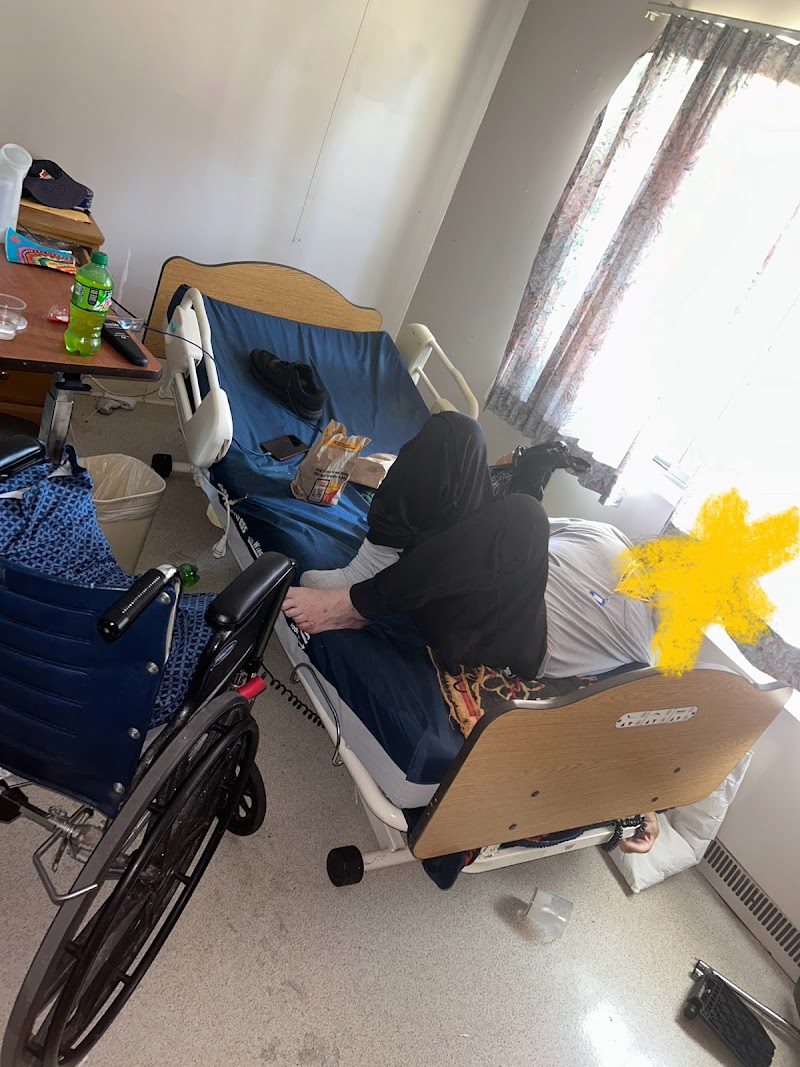
Who Owns and Operates Great Lakes Healthcare Center?

GREAT LAKES HEALTHCARE CENTER is owned by a for-profit company. For-profit facilities operate as businesses with obligations to shareholders or private owners. The facility is operated by COMMUNICARE HEALTH, a chain that manages multiple nursing homes. With 134 certified beds and approximately 101 residents (about 75% occupancy), it is a mid-sized facility located in DYER, Indiana.
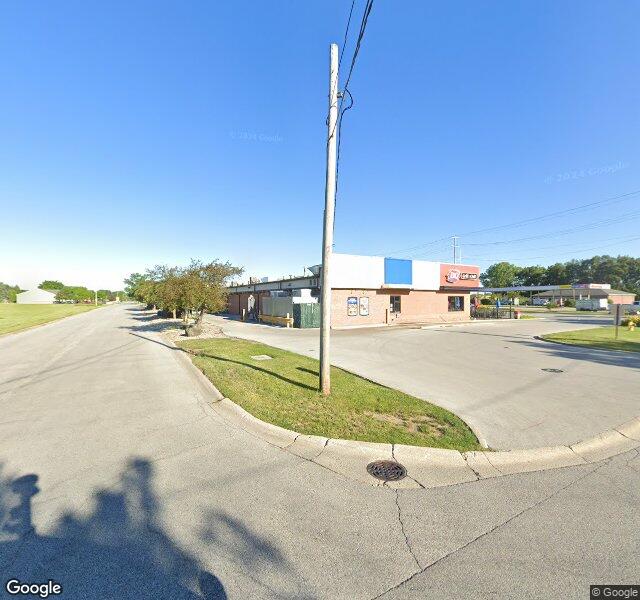
How Does Great Lakes Healthcare Center Compare to Other Indiana Nursing Homes?

Compared to the 100 nursing homes in Indiana, GREAT LAKES HEALTHCARE CENTER's overall rating (2 stars) is below the state average of 3.1, staff turnover (53%) is near the state average of 46%, and health inspection rating (1 stars) is much below the national benchmark.

What Should Families Ask When Visiting Great Lakes Healthcare Center?

Based on this facility's data, families visiting should ask: "Can you walk me through typical staffing levels on day, evening, and night shifts?" "Can I visit during a mealtime to observe dining assistance and food quality?" "How do you handle medical emergencies, and what is your hospital transfer rate?" "Can I speak with family members of current residents about their experience?" These questions are particularly relevant given the below-average staffing rating.

Is Great Lakes Healthcare Center Safe?

Based on CMS inspection data, GREAT LAKES HEALTHCARE CENTER has documented safety concerns. The facility is currently on the Special Focus Facility watch list (a federal program monitoring the lowest-performing 1% of nursing homes nationwide). The facility has a 2-star overall rating and ranks #100 of 100 nursing homes in Indiana. Families considering this facility should ask detailed questions about what corrective actions have been taken since these incidents.

Do Nurses at Great Lakes Healthcare Center Stick Around?

GREAT LAKES HEALTHCARE CENTER has a staff turnover rate of 53%, which is 7 percentage points above the Indiana average of 46%. Moderate turnover is common in nursing homes, but families should still ask about staff tenure and how the facility maintains care continuity when employees leave.

Was Great Lakes Healthcare Center Ever Fined?

GREAT LAKES HEALTHCARE CENTER has no federal fines on record. CMS issues fines when nursing homes fail to meet care standards or don't correct problems found during inspections. The absence of fines suggests the facility has either maintained compliance or corrected any issues before penalties were assessed. This is a positive indicator, though families should still review recent inspection reports for the full picture.

Is Great Lakes Healthcare Center on Any Federal Watch List?

GREAT LAKES HEALTHCARE CENTER is currently an SFF Candidate, meaning CMS has identified it as potentially qualifying for the Special Focus Facility watch list. SFF Candidates have a history of serious deficiencies but haven't yet reached the threshold for full SFF designation. The facility is being monitored more closely — if problems continue, it may be added to the official watch list. Families should ask what the facility is doing to address the issues that led to this status.