IGNITE MEDICAL RESORT DYER LLC
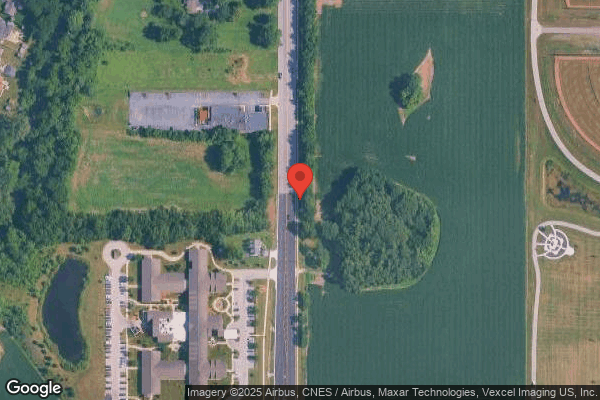
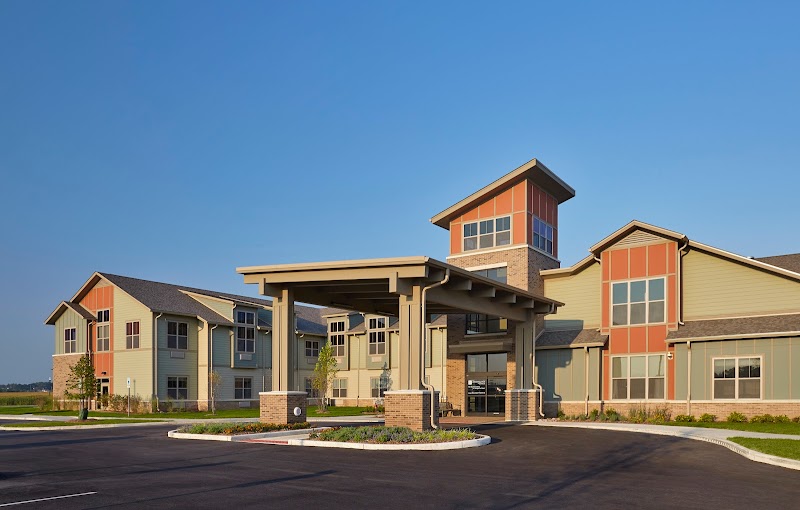
1532 CALUMET AVENUE, DYER, IN 46311 (219) 515-4700
For profit - Corporation 100 Beds IGNITE MEDICAL RESORTS Data: November 2025 1 Immediate Jeopardy citation
Trust Grade
8/100
#460 of 505 in IN
Last Inspection: April 2025

Within standard 12-15 month inspection cycle. Federal law requires annual inspections.

Overview

Ignite Medical Resort Dyer LLC has received an F grade for its trust score, indicating significant concerns and poor performance. It ranks #460 out of 505 facilities in Indiana, placing it in the bottom half, and #16 out of 20 in Lake County, meaning there are only a few local options that are better. While the facility is showing an improving trend with the number of reported issues decreasing from 28 in 2024 to 22 in 2025, it still has a high total of 73 issues, including one critical incident where a resident with dementia exited the facility unsupervised. Staffing is a mixed bag; while the turnover rate is on par with the state average at 47%, the facility has less RN coverage than 97% of Indiana facilities, potentially impacting resident care. On a positive note, there have been no fines recorded, but there are serious concerns about the cleanliness of the kitchen and the availability of oxygen on crash carts, which are critical for emergency situations.

Trust Score
F
8/100
In Indiana
#460/505
Bottom 9%
Safety Record
High Risk
Review needed
Inspections
Getting Better
28 → 22 violations
Staff Stability
⚠ Watch
47% turnover. Above average. Higher turnover means staff may not know residents' routines.
Penalties
✓ Good
No fines on record. Clean compliance history, better than most Indiana facilities.
Skilled Nurses
⚠ Watch
Each resident gets only 21 minutes of Registered Nurse (RN) attention daily — below average for Indiana. Fewer RN minutes means fewer trained eyes watching for problems.
Violations
⚠ Watch
73 deficiencies on record. Higher than average. Multiple issues found across inspections.
★☆☆☆☆
1.0
Overall Rating
★★☆☆☆
2.0
Staff Levels
★★★☆☆
3.0
Care Quality
★☆☆☆☆
1.0
Inspection Score
Stable
2024: 28 issues
2025: 22 issues

The Good

  • Full Sprinkler Coverage · Fire safety systems throughout facility
  • No fines on record

Facility shows strength in fire safety.

The Bad

1-Star Overall Rating

Below Indiana average (3.1)

Significant quality concerns identified by CMS

Staff Turnover: 47%

Near Indiana avg (46%)

Higher turnover may affect care consistency

Chain: IGNITE MEDICAL RESORTS

Part of a multi-facility chain

Ask about local staffing decisions and management

The Ugly 73 deficiencies on record

1 life-threatening
Jul 2025 3 deficiencies 1 IJ
CRITICAL (J) 📢 Someone Reported This

A family member, employee, or ombudsman was alarmed enough to file a formal complaint

Immediate Jeopardy (IJ) - the most serious Medicare violation

Accident Prevention (Tag F0689)

Someone could have died · This affected 1 resident

**NOTE- TERMS IN BRACKETS HAVE BEEN EDITED TO PROTECT CONFIDENTIALITY** Based on observation, record review and interview, the facility failed to initiate and update effective resident-specific interv...

Read full inspector narrative →
**NOTE- TERMS IN BRACKETS HAVE BEEN EDITED TO PROTECT CONFIDENTIALITY** Based on observation, record review and interview, the facility failed to initiate and update effective resident-specific interventions to prevent the elopement from the facility of a resident with a diagnosis of dementia and history of exit-seeking behaviors for 1 of 5 residents reviewed as elopement risk. The resident had indicators of being an elopement risk and behaviors of wanting to exit the facility. The resident exited the building without supervision, through the main front door entrance, and the facility was unaware of the resident's whereabouts. The resident ambulated approximately 0.15 miles from the facility on a highly traveled four lane road and was returned to the facility by Emergency Services staff. (Resident B)The Immediate Jeopardy began on 7/27/25, when the facility was unaware that the resident had exited the facility without supervision. The resident walked independently and was found across the street from the facility at approximately 9:03 p.m. by Emergency Services staff, who assisted the resident back to the facility. The Administrator, Director of Nursing (DON), and [NAME] President of Clinical Operations were notified of the immediate jeopardy on 7/30/25 at 1:30 p.m. The immediate jeopardy was removed on 7/30/25 and the deficient practice corrected on 7/28/25, prior to the start of the survey and was therefore Past Noncompliance.Finding includes:Resident B's closed record was reviewed on 7/30/25 at 9:06 a.m. Diagnoses included, but were not limited to, dementia and abnormalities of gait and mobility. The resident was admitted to the facility on [DATE]. A Wander/Elopement Risk Evaluation, dated 7/9/25, indicated the resident was not an elopement risk. The Initial/Baseline Care Plan, dated 7/9/25, indicated the resident had cognitive impairment, was at risk for falls, and was not an elopement risk. A Fall Risk Evaluation, dated 7/9/25, indicated the resident was at high risk for falls. A Social Service Note, dated 7/10/25 at 7:10 p.m., indicated the resident was currently exit-seeking. The resident's daughter was notified and informed the resident would need alternate placement. Education was provided on facilities with a memory care unit. The resident's daughter indicated the family was exploring other facilities.There was no documentation to indicate any interventions were implemented by the facility to address the resident's exit-seeking behavior identified by Social Services to the family on 7/10/25. An Initial Psychiatric Evaluation, dated 7/10/25, indicated given acuity of cognitive symptoms, she is not a good candidate for psychotherapy at this time. Will only follow-up in the future if requested by medical team or family. A Physician Note, dated 7/11/25 at 9:04 a.m., indicated the resident had profound dementia. Found to be wandering in the hall on 9 occasions yesterday and set off the door alarms on several occasions. This will be reviewed with psych services to determine if any therapy is needed. There was no documentation to indicate any new interventions were attempted for the wandering behaviors on 7/11/25. A Progress Note, dated 7/12/25 at 7:16 p.m., indicated the resident was actively trying to elope. She had tried to get out the emergency exits on both doors on the unit. She was difficult to redirect. A Behavior Progress Note, dated 7/12/25 at 8:23 p.m., indicated the resident was attempting to leave the unit again and indicated she wanted to go outside. She was redirected multiple times and continued to wander. A Behavior Progress Note, dated 7/12/25 at 9:13 p.m., indicated the resident was attempting to go out the emergency exit door on the unit and asking to go outside. A Behavior Progress Note, dated 7/12/25 at 9:28 p.m., indicated the resident was attempting to exit the building through the emergency exit. A Behavior Progress Note, dated 7/12/25 at 9:41 p.m., indicated the resident was wandering the halls asking to go outside. She was not easily redirected and did not understand why she was at the facility. A Behavior Progress Note, dated 7/12/25 at 9:57 p.m., indicated the resident was exit seeking and the door alarm was sounding as the resident was attempting to leave the building. The resident's daughter was notified and indicated the resident's family had been at the facility visiting most of the day and had taken the resident outside for much of that time. The resident lived on her own prior to being hospitalized and was accustomed to going outside whenever she wanted to. There was no documentation to indicate new resident-specific interventions were implemented to address the continued exit-seeking on 7/12/25 or the resident's previous lifestyle and routine to go outside with supervision. A new Elopement Risk Screening, dated 7/12/25, indicated the resident was at risk for elopement. The admission Minimum Data Set (MDS) assessment, dated 7/13/25, indicated the resident was severely cognitively impaired, had wandering behaviors 1 to 3 days, and wandering placed her at significant risk of getting to a potentially dangerous place. A Progress Note, dated 7/14/25 at 10:50 a.m., indicated the resident was observed ambulating toward the exit and was redirected by staff. There was no documentation to indicate any new interventions were attempted for the wandering/exit-seeking behaviors on 7/14/25. A Care Plan, dated 7/15/25, indicated the resident was at risk for elopement and had a history of attempts to leave the facility unattended. The interventions included frequent monitoring and to distract resident from wandering by offering pleasant diversions, structured activities, food, conversation, television, or a book. A Physician Progress Note, dated 7/15/25 at 11:13 a.m., indicated the resident had advanced dementia and was a wanderer. The resident was not safe to return home, and family was making alternative plans. A Progress Note, dated 7/16/25 at 6:32 p.m., indicated the resident continued to exit-seek and her daughter was notified. There was no documentation to indicate any new interventions were attempted for the exit-seeking behaviors on 7/16/25. There was no documentation assessing the effectiveness of interventions put into place on the 7/15/25 care plan. A Physician's Order, dated 7/17/25, indicated to monitor the placement of wander guard (wearable device that alarms when exiting facility doors) to left ankle every shift for elopement risk. The Medication Administration Record, dated 7/2025, indicated the wander guard was monitored for placement every shift. A Physician Progress Note, dated 7/18/25 at 2:15 p.m., indicated the resident had advanced dementia, was a wanderer, and continued to exit-seek. There was no documentation from 7/18 - 7/27/25 indicating the effectiveness of current interventions for the exit-seeking behaviors or any new interventions implemented. A Progress Note, dated 7/27/25 at 9:00 p.m., indicated at approximately 8:45 p.m. the resident was no longer be sitting at the Nurse's Station where she was previously observed. A code was called, and a search of the entire facility was initiated including all indoor and exterior areas. Emergency Services was called at approximately 9:00 p.m. and the resident was located a few minutes later outside the facility by the local police. The resident was returned to the facility at 9:16 p.m. and placed on 1:1 care. An assessment was completed and there were no injuries noted. The resident's daughter and Physician were notified. An Indiana Department of Health Reportable Incident, dated 7/28/25, indicated on 7/27/25 at 8:35 p.m. Resident B stood up from the Nurse's Station where she had been sitting and walked to the front entrance of the facility and out the door. At 8:46 p.m. staff realized the resident was no longer sitting at the Nurse's Station and began searching for the resident in the immediate area. Staff was unable to find the resident and called a code orange (missing resident) alert. At 8:49 p.m. multiple staff members went outside the facility and searched the property and surrounding area but were unable to find the resident. At 9:00 p.m. staff called the Administrator, the resident's Physician, the resident's daughter, and Emergency Services, to report the resident missing. At 9:03 p.m. the local police department called the facility to notify them that the resident had been located down the street. The resident was returned to the facility at 9:16 p.m. by Emergency Services staff. During an interview on 7/30/25 at 9:55 a.m., LPN 1 indicated she was working the night of 7/27/25. She was passing medications, and the CNAs were doing rounds. The resident was seated at the Nurse's Station and the next time she looked; the resident was gone. Staff were unable to locate the resident and LPN 1 called a code orange. Staff searched the entire building and outside the facility and were unable to find the resident. LPN 1 then called Emergency Services. While on the phone with Emergency Services they indicated the resident had already been found across the street. EMTs (Emergency Medical Technicians) were called to assess the resident and there were no injuries. The Police returned the resident to the facility, and she was put on 1:1 care. The resident had a history of exit seeking and did have a wander guard in place. LPN 1 had not heard the wander guard sound when the resident left the building nor when the Police had brought her back in the building. During an interview on 7/30/25 at 10:15 a.m., the Administrator indicated the resident did have a wander guard in place on 7/27/25 and it was functioning. The wander guard alarm sound was the same sound as a call light going off. Staff would have to look at the call light box at the Nurse's Station to see that the wander guard was alarming. If staff were on the floor doing care they would not have seen the box to know wander guard alarm was going off. The resident was observed on the facility camera walking from the Nurse's Station to the front entrance of the facility and exiting the main entrance at 8:35 p.m. At 8:46 p.m. staff realized the resident was no longer sitting at the Nurse's Station and began searching for the resident. They were unable to locate the resident and called Emergency Services. The resident was found across the street near where the bridge begins to go uphill and was brought back to the facility by Emergency Services. Upon admission to the facility, the resident wanted to go home but she was not exit seeking. She had multiple episodes of exit seeking on 7/12/25 and staff were educated to keep the resident in their view. An elopement drill was completed with the resident on 7/16/25. She had never previously gone out of the facility unattended. The resident was reviewed for exit seeking behaviors in the At Risk Meeting on 7/17/25 and the wander guard was put in place at that time. During an interview on 7/30/25 at 10:32 a.m., LPN 2 indicated she was working the night of 7/27/25. She had received notice of a code orange and assisted with searching for the resident in the facility going room to room. She then searched the back parking lot and grass areas outside the facility but could not locate the resident. During an interview on 7/30/25 at 11:00 a.m., CNA 1 indicated she was working the night of 7/27/25. Around 8:30 p.m. to 8:45 p.m. she was doing rounds, and the resident had been sitting at the table at the Nurse's Station. She came out of a resident room and noticed the resident was no longer sitting there. She immediately started looking for the resident but was unable to find her. She reported this to LPN 1 who called a code orange. On 7/30/25 at 11:30 a.m., the pathway from the front door to the approximate area, across the street, where the resident was found, was walked. Once across the street, there was a sidewalk that led uphill toward an overpass bridge. The distance was measured with a sports watch and registered at 0.15 mile. The road had four lanes and there were multiple cars observed driving on the road. During an interview on 7/30/25 at 11:47 a.m., CNA 2 indicated she was working the night of 7/27/25. She had been doing her rounds and answering call lights. She noticed the resident was no longer sitting at the table where she had been and the CNAs started looking for her. They were unable to locate her and notified the nurse who called a code orange. They searched outside the building but could not find the resident. She got in her car to continue searching and saw an ambulance with its lights on across the street towards the top of the bridge. It was dark outside, and the resident was on the sidewalk. She had already been found by Emergency Services. The facility elopement policy, updated 11/2024 and received from the Administrator as current, indicated The facility wishes to ensure the safety of those residents who have been identified as being at risk for elopement. It is the policy of this facility to identify those residents at risk for elopement and take precautions to ensure their safety and well-being. The past noncompliance immediate jeopardy began on 7/27/25. The immediate jeopardy was removed on 7/30/25 and the deficient practice corrected by 7/28/25 after the facility implemented a systemic plan that included the following: staff members were inserviced on residents at risk for elopement, elopement, and the elopement policy and procedures, further elopement drills were conducted, the exit doors were all tested and the service company changed the exit door alarm sounds. Staff were interviewed and indicated residents who exhibited signs of possible elopement would be reported to the Charge Nurse, DON, and Administrator. Care Plans would be implemented and interventions followed. If a resident was unable to be found, a code orange would be called and an immediate search of the building and surrounding area would be completed. The Administrator would be notified immediately and Emergency Services would be contacted. The facility will continue to inservice all new staff and remaining staff who have not yet been educated prior to working. An audit was initiated for all residents in the facility and elopement risk assessments were updated. Care plans of all residents who were identified as at risk were reviewed and revised as needed. All exit doors were checked for proper functioning. Wander guard bracelets were checked every shift for placement and the wander guard alarm system was updated. This citation relates to Complaint 2573709. 3.1-45 (a)(2)
CONCERN (D) 📢 Someone Reported This

A family member, employee, or ombudsman was alarmed enough to file a formal complaint

Potential for Harm - no one hurt, but risky conditions existed

Quality of Care (Tag F0684)

Could have caused harm · This affected 1 resident

Based on record review and interview, the facility failed to ensure treatment orders were updated and completed as ordered for 1 of 3 residents reviewed for non-pressure related skin conditions. (Resi...

Read full inspector narrative →
Based on record review and interview, the facility failed to ensure treatment orders were updated and completed as ordered for 1 of 3 residents reviewed for non-pressure related skin conditions. (Resident H) Finding includes: Resident H's record was reviewed on 7/31/25 at 11:17 a.m. Diagnoses included, but were not limited to, orthopedic aftercare following surgical amputation, chronic osteomyelitis (bone infection) of the right ankle and foot, cellulitis (skin infection) of the left and right lower limb, and type 2 diabetes mellitus. The admission Minimum Data Set (MDS) assessment, dated 6/27/25, indicated the resident was cognitively intact for daily decision making and had 1 unstageable pressure injury. A Care Plan, dated 6/20/25, indicated the resident had actual impairment to the skin integrity. Interventions included, but were not limited to, evaluate and treat per physician order and wound consult as needed. A Physician's Order, dated 6/21/25, indicated cleanse the second toe on the right foot with normal saline, pat dry, apply Xeroform (fine mesh gauze occlusive dressing), wrap with Kerlix (medical gauze), and secure with tape, Monday, Wednesday, Friday, and as needed. A Physician's Order, dated 6/21/25, indicated cleanse the fourth toe on the right foot with normal saline, pat dry, apply Xeroform, wrap with Kerlix, and secure with tape Monday, Wednesday, Friday, and as needed. A Physician's Order, dated 6/20/25, indicated cleanse the right lateral foot with normal saline, apply skin prep and leave open to area every day and as needed. A Physician's Order, dated 6/21/25, indicated cleanse the right medial foot with normal saline, pat dry, apply Xeroform, wrap with Kerlix, and secure with tape Monday, Wednesday, Friday, and as needed. The July 2025 Medication and Treatment Administration Record indicated the orders for wound care were administered as ordered by the physician. An After Visit Summary, dated 7/2/25, indicated, Instructions - Have the facility change dressings to all open wounds. On open wounds apply Iodosorb followed by xeroform, gauze roll, and tap. Apply betadine to deep tissue injuries/eschar. A Progress Note, dated 7/2/25 at 4:34 p.m., indicated the resident returned from a podiatry appointment with new orders for for iodosorb (gel for wound treatment) followed by adaptive dressing and rolled gauze and to apply betadine to deep tissue injury. An After Visit Summary, dated 7/11/25, indicated, Wound Care Discharge Instructions .Dressing Change Instructions: Have nurse at facility change dressings every 2-3 days. Keep clean and dry. Right lateral foot - apply betadine to deep tissue injuries followed by ABD and gauze roll. All other wounds to bilateral feet - apply xeroform, ABD, and gauze roll . A Progress Note, dated 7/11/25 at 12:00 p.m., indicated the resident returned from a wound care appointment with new orders for wound care nurse to change dressing every 2-3 days. The right lateral foot wound care order was to apply betadine to the deep tissue injury followed by abdominal (ABD) gauze pad and gauze roll. All other wounds to the bilateral feet were to apply Xeroform, ABD, and gauze roll. The Physician's Orders and Medication Administration Record for July 2025 indicated the wound care orders were not updated and implemented after the 7/2 and 7/11/25 wound care visits. During an interview on 7/31/25 at 4:10 p.m., the Wound Care Nurse indicated she had put in the progress notes for the order updates and did not update on the Physician Order Summary. This citation relates to Complaint 2573709. 3.1-37(a)
CONCERN (E) 📢 Someone Reported This

A family member, employee, or ombudsman was alarmed enough to file a formal complaint

Potential for Harm - no one hurt, but risky conditions existed

Respiratory Care (Tag F0695)

Could have caused harm · This affected multiple residents

Based on observation, record review and interview, the facility failed to ensure oxygen was available on the crash cart (mobile unit with life-saving equipment used in medical emergencies) for 1 of 2 ...

Read full inspector narrative →
Based on observation, record review and interview, the facility failed to ensure oxygen was available on the crash cart (mobile unit with life-saving equipment used in medical emergencies) for 1 of 2 crash carts reviewed. (A Wing) Finding includes:On 7/31/25 at 1:25 p.m., the A wing crash cart near Room A160 was observed with the A Wing Unit Manager. The oxygen tank on the cart were empty. During an interview at that time, the A Wing Unit Manager indicated the oxygen tank was empty and she would replace it. She was unsure how often the oxygen tank level was checked but the crash cart supplies were checked daily. During an interview on 7/31/25 at 2:08 p.m., the Director of Nursing (DON) indicated the crash cart oxygen should be checked daily. A facility policy, titled Oxygen Storage and received from the DON as current, indicated, .Check oxygen nightly on crash cart. This citation relates to Complaint 2573709. 3.1-47(a)(6)
Jun 2025 1 deficiency
CONCERN (D) 📢 Someone Reported This

A family member, employee, or ombudsman was alarmed enough to file a formal complaint

Potential for Harm - no one hurt, but risky conditions existed

Tube Feeding (Tag F0693)

Could have caused harm · This affected 1 resident

Based on observation, record review and interview, the facility failed to ensure G-tube (gastrostomy tube, a tube inserted directly into the stomach) placement and/or residual was checked prior to ins...

Read full inspector narrative →
Based on observation, record review and interview, the facility failed to ensure G-tube (gastrostomy tube, a tube inserted directly into the stomach) placement and/or residual was checked prior to instilling a bolus feeding as well as flushing the tube after the feeding had infused. The facility also failed to ensure the amount of G-tube residual was documented for 3 of 3 residents reviewed for tube feeding. (Residents D, C and E) Findings include: 1. On 6/5/25 at 1:12 p.m., LPN 2 was observed washing her hands and donning a gown and gloves prior to entering Resident D's room. The LPN was going to administer the resident's bolus (a G-tube feeding given in a short amount of time) tube feeding. The LPN poured 300 milliliters (ml) of Osmolite into a plastic cylinder, explained to the resident what she was going to do, and then connected a plastic syringe to the G-tube port. At that time, the LPN indicated that she had checked the G-tube for placement and residual (the amount of fluid or formula remaining in the stomach after a tube feeding) that morning. The LPN proceeded to instill the feeding via gravity. After the bolus feeding was completed, the LPN removed the syringe from the port and she rinsed the syringe and cylinder with water prior to leaving the room. The LPN did not flush the resident's G-tube with water after the feeding was completed. The record for Resident D was reviewed on 6/5/25 at 1:42 p.m. Diagnoses included, but were not limited to, gastrostomy status, dysphagia (difficulty swallowing), and protein calorie malnutrition. The 5 day Medicare Minimum Data Set (MDS) assessment, dated 5/28/25, indicated the resident was cognitively intact and had a feeding tube. A Care Plan, dated 5/24/25, indicated the resident required enteral (nutrition through a feeding tube) nutrition. Interventions included, but were not limited to, check for tube placement and gastric contents/residual volume per facility protocol and record. Hold per physician's orders. A Physician's Order, dated 4/4/25 and listed as current on the June 2025 Physician's Order Summary (POS), indicated the feeding tube was to be checked for placement and patency every shift for monitoring. Check enteral feeding tube placement and patency prior to each use per guidelines. A Physician's Order, dated 5/27/25, indicated the resident's feeding tube was to be flushed with 225 ml of water every 6 hours at 12:00 a.m., 6:00 a.m., 12:00 p.m., and 6:00 p.m. A Physician's Order, dated 5/29/25, indicated the resident was to receive 300 ml of Osmolite tube feeding four times a day at 9:00 a.m., 1:00 p.m., 5:00 p.m., and 9:00 p.m. During an interview on 6/5/25 at 2:33 p.m., the Director of Nursing (DON) indicated the resident's G-tube should have been checked for placement and/or residual prior to giving the bolus tube feeding. He also indicated the nurses at times will just check once a shift and think that is okay, but most staff are used to using a tube feeding pump rather than administering the feeding as a bolus. The DON indicated he would check with the dietitian about adjusting the tube feeding flush order. 2. Resident C's record was reviewed on 6/5/25 at 9:18 a.m. The diagnoses included, but were not limited to, respiratory failure with hypoxia, stroke, dysphagia (difficulty swallowing), diabetes, COPD, and dementia. A Care Plan, dated 4/16/25, indicated the resident required enteral nutrition. Interventions included, but were not limited to, check tube placement and gastric contents/residual volume per facility protocol and record, listen to lung sounds as ordered, and provide local care to the G tube site. A Physician's Order, dated 4/16/25, indicated to administer enteral tube feeding continuously and check residual every shift and the nurse was to record the amount. If residual was greater than 100 ml, stop tube feeding and restart in 1 hour. The Medicare 5-day Minimum Data Set assessment, dated 4/20/25, indicated the resident was severely impaired for daily decision making, had a feeding tube and impairment on both sides of the upper extremities. The resident was dependant with all activities of daily living (ADLs), bed mobility and transfers. The April 2025 Medication Administration Record (MAR) indicated tube feeding residual was not recorded on the following dates: 4/16/25 4/17/25 4/18/25 4/19/25 During an interview on 6/5/25 at 2:22 p.m., The DON indicated he understood the concern and had no further information to provide. There was no place on the April 2025 MAR to document residual. 3. On 6/5/25 at 12:35 p.m., Nurse 1 was observed preparing Resident E's bolus feeding. She had donned gown and gloves appropriately and the bolus feed was measured to 175 milliliters (ml). Nurse 1 lifted the resident's shirt and attached the piston syringe to the G tube port and began the bolus feed by gravity. The resident indicated he felt full after he had received 125 ml and requested the feeding be stopped. The Resident then received his 150 ml flush with no complaints. Placement was not verified, and residual was not checked prior to the bolus feeding. During an interview on 6/5/25 at 12:50 p.m., Nurse 1 indicated she did not verify placement or residual. The policy states to check placement as needed. The record for Resident E was reviewed on 6/5/25 at 2:33 p.m. The diagnoses included, but were not limited to, respiratory failure, adult failure to thrive, gastrostomy status, anxiety, high blood pressure, dysphagia (difficulty swallowing), and anemia. A Care Plan, dated 5/1/25, indicated the resident required enteral nutrition. Interventions included, but were not limited to, check tube placement and gastric contents/residual volume per facility protocol and record, listen to lung sounds as ordered, and provide local care to the G tube site. A Physician's order, dated 5/1/25, indicated the resident's diet was nothing by mouth (NPO). The resident may have water or ice chips with no straw. The admission Minimum Data Set (MDS) assessment, dated 5/7/25, indicated the resident was cognitively intact for daily decision making. The resident had impairment on both sides of the upper extremities. The resident was dependent on oral hygiene. Toileting needed supervision or touching assistance. Shower/bathing and upper body dressing needed partial/moderate assistance. Lower body dressing and personal hygiene required dependent assistance. Bed mobility and transfers required supervision or touching assistance. The resident had a feeding tube. A Physician's Order, dated 5/21/25, indicated to administer 175 ml bolus feed of Jevity 1.5 per tube feeding 5 times a day. During an interview on 6/5/25 at 2:33 p.m., the Director of Nursing indicated the resident's G-tube should have been checked for placement and/or residual prior to giving the bolus tube feeding. He also indicated staff would be re-educated on tube feeding policy regarding placement verification and checking for residuals. A policy titled Tube Feeding , received as current by the Director if Nursing on 6/5/25 at 9:15 a.m., indicated the following for bolus tube feeding, .3. Check tube replacement by aspiration or air insertion . 5. Flush tube with amount of water ordered at end of tube feeding . This citation relates to Complaint IN00459895. 3.1-44(a)(2)
Apr 2025 14 deficiencies
CONCERN (D)

Potential for Harm - no one hurt, but risky conditions existed

Deficiency F0554 (Tag F0554)

Could have caused harm · This affected 1 resident

Based on observation, record review and interview, the facility failed to ensure residents who were left to complete nebulizer treatments independently had been assessed for safe self-administration f...

Read full inspector narrative →
Based on observation, record review and interview, the facility failed to ensure residents who were left to complete nebulizer treatments independently had been assessed for safe self-administration for 1 of 4 residents reviewed for respiratory services. (Resident 29) Finding includes: During a random observation on 4/21/25 at 11:40 a.m., Resident 29 was observed sitting alone in his room. A nebulizer treatment was in progress via a face mask. He removed the face mask and put it in the drawer of his nightstand. At that time, the resident indicated the staff did not stay in the room while he received the nebulizer treatments. They would initiate the treatment, and when he thought it was done, he would remove the mask and put it in his drawer. The resident's record was reviewed on 4/23/25 at 2:57 p.m. Diagnoses included, but were not limited to, COPD (chronic obstructive pulmonary disease), chronic respiratory failure with hypoxia (low oxygen levels), and dementia. The 4/10/25 Quarterly MDS (Minimum Data Set) assessment, indicated the resident had moderate cognitive impairment, and required partial/moderate assistance with activities of daily living and transfers. The 1/27/25 Self Administration Assessment did not indicate the resident was safe to self-administer nebulizer treatments. There was no physician's order for the resident to self-administer nebulizer treatments. During an interview on 4/24/25 at 11:57 a.m., the DON (Director of Nursing) indicated the resident had not been evaluated for self-administration of nebulizers. A policy titled Self Administration of Medications and Treatments, received as current from the DON on 4/28/25 at 3:31 p.m. indicated, . Self administration of medications and treatments is determined by physician order after determining that the resident is able to self administer . 3.1-11(a)
CONCERN (D)

Potential for Harm - no one hurt, but risky conditions existed

Notification of Changes (Tag F0580)

Could have caused harm · This affected 1 resident

Based on record review and interview, the facility failed to ensure the physician was notified of elevated blood sugars, blood pressure medications and insulin being held, and medication refusals for ...

Read full inspector narrative →
Based on record review and interview, the facility failed to ensure the physician was notified of elevated blood sugars, blood pressure medications and insulin being held, and medication refusals for 3 of 3 residents reviewed for notification of change. (Residents 52, 154, and 264) Findings include: 1. The record for Resident 52 was reviewed on 4/24/25 at 3:03 p.m. Diagnoses included, but were not limited to, type 2 diabetes and end stage renal disease. The admission Minimum Data Set (MDS) assessment, dated 3/2/25, indicated the resident was cognitively intact. A Physician's Order, dated 3/20/25, indicated the resident was to receive Lantus insulin, 25 units subcutaneously (injecting a medication into the fatty tissue layer beneath the skin) at bedtime. The Physician was to be notified if the resident's blood sugar level was less than 60 or greater than 400. The March 2025 Medication Administration Record (MAR) indicated the resident's blood sugar was 425 on 3/20/25 at 9:00 p.m. On 3/21/25 at 9:00 p.m., the resident's blood sugar was 433. There was no documentation indicating the physician and/or the nurse practitioner (NP) were notified of the blood sugars greater than 400. During an interview on 4/29/25 at 2:09 p.m., the Director of Nursing indicated the physician and/or the NP were not notified of the resident's blood sugars above 400 on 3/20/25 and 3/21/25. 2. The record for Resident 154 was reviewed on 4/23/25 at 11:34 a.m. Diagnoses included, but were not limited to, dementia with mood disturbance, type 2 diabetes, hypertension, and acute kidney failure. The admission Minimum Data Set (MDS) assessment, dated 4/14/25, indicated the resident was moderately impaired for daily decision making. A Physician's Order, dated 4/12/25, indicated the resident was to receive Midodrine HCl (a medication used to treat low blood pressure) 5 milligrams (mg) by mouth three times a day for hypotension (low blood pressure). There were no blood pressure parameters indicating when the medication should be held. The April 2025 Medication Administration Record (MAR), indicated the resident's blood pressure was 132/79 on 4/19/25 at 9:00 a.m. and 145/69 at 5:00 p.m. The Midodrine was not given at 9:00 a.m. and 5:00 p.m. There was no documentation indicating the physician and/or the nurse practitioner (NP) were notified of the medication being held. During an interview on 4/24/25 at 12:00 p.m., the Director of Nursing indicated the physician and/or the NP should have been notified that the Midodrine was held. 3. Resident 264's record was reviewed on 4/23/25 at 10:58 a.m. Diagnoses included, but were not limited to, CHF (congestive heart failure) and diabetes. The 4/12/25 admission Minimum Data Set (MDS) assessment indicated the resident had mild cognitive impairment and was dependent for activities of daily living and transfers. A Physician's Order, dated 4/6/25, indicated Insulin Lispro (a fast-acting insulin) 18 units before meals. There were no parameters for holding the insulin. The April 2025 Medication Administration Record (MAR) indicated the resident refused the morning dose of insulin on 4/14/25. The nurse held the 4/16/25 evening insulin dose when the resident's blood sugar was 70. There was no documentation indicating the physician was informed of the insulin doses not given. During an interview on 4/25/25 at 1:00 p.m., the Director of Nursing indicated the staff should have informed the physician of the refused and held doses of insulin. 3.1-5(a)(3)
CONCERN (D)

Potential for Harm - no one hurt, but risky conditions existed

Assessment Accuracy (Tag F0641)

Could have caused harm · This affected 1 resident

Based on record review and interview, the facility failed to ensure the Minimum Data Set (MDS) assessment was accurately completed related to terminal prognosis and hospice care for 1 of 27 MDS assess...

Read full inspector narrative →
Based on record review and interview, the facility failed to ensure the Minimum Data Set (MDS) assessment was accurately completed related to terminal prognosis and hospice care for 1 of 27 MDS assessments reviewed. (Resident 44) Finding includes: Resident 44's record was reviewed on 4/28/25 at 10:05 a.m. Diagnoses included, but were not limited to, hypertension, atrial fibrillation, and Alzheimer's disease. The Quarterly MDS assessment, dated 4/9/25, indicated the resident had not received hospice care and did not have a condition or chronic disease that may result in a life expectancy of less than six months. A Physician's Order, dated 10/4/24, indicated the resident was admitted to hospice services. A Care Plan, dated 2/21/25, indicated the resident had a terminal end stage prognosis and was receiving hospice services. The Hospice Certification, dated 2/26/25, indicated the resident was terminally ill with a life expectancy of six months or less. During an interview on 4/28/25 at 3:14 p.m., MDS Nurse 1 and MDS Nurse 2 indicated the resident was receiving hospice care and had a terminal prognosis. They would modify the MDS assessment. 3.1-31(i)
CONCERN (D)

Potential for Harm - no one hurt, but risky conditions existed

Comprehensive Care Plan (Tag F0656)

Could have caused harm · This affected 1 resident

Based on observation, record review, and interview, the facility failed to ensure a comprehensive care plan was developed and in place for edema, compression glove use, and oxygen for 1 of 27 resident...

Read full inspector narrative →
Based on observation, record review, and interview, the facility failed to ensure a comprehensive care plan was developed and in place for edema, compression glove use, and oxygen for 1 of 27 resident care plans reviewed. (Resident 60) Finding includes: On 4/22/25 at 9:18 a.m., Resident 60 was observed with oxygen in place via nasal cannula. The flow rate was set at 1.5 liters. Her right hand was slightly swollen and there was a compression glove on her bedside table. The resident indicated she used oxygen and it was usually at 2 liters. She wore the compression glove on her right hand, but only at night. Record review for Resident 60 was completed on 4/23/25 at 11:33 a.m. Diagnoses included, but were not limited to, hypertension, end stage renal disease, and type 2 diabetes mellitus. The admission Minimum Data Set (MDS) assessment, dated 2/23/25, indicated the resident was moderately cognitively impaired and did not receive oxygen therapy. A Care Plan, dated 3/10/25, indicated the resident had renal insufficiency. The interventions included to elevate feet to help prevent dependent edema and to monitor for signs of hypervolemia (fluid overload) such as dependent edema. There was no specific care plan or interventions related to the right hand edema or the compression glove use. There was no current care plan related to oxygen use. During an interview on 4/24/25 at 1:53 p.m., the Director of Nursing was made aware of the lack of care plans. He indicated he would put in care plans for oxygen, edema, and compression glove use. 3.1-35(a)
CONCERN (D)

Potential for Harm - no one hurt, but risky conditions existed

Deficiency F0658 (Tag F0658)

Could have caused harm · This affected 1 resident

Based on observation, record review, and interview, the facility failed to ensure professional standards of quality were maintained related to a CNA placing a tube feeding pump on hold for 1 of 2 resi...

Read full inspector narrative →
Based on observation, record review, and interview, the facility failed to ensure professional standards of quality were maintained related to a CNA placing a tube feeding pump on hold for 1 of 2 residents reviewed for tube feeding. (Resident 73) Finding includes: During a random observation on 4/23/25 at 3:34 p.m., Resident 73 was observed in her room in bed. The head of the bed was elevated and the resident's tube feeding was infusing at 50 cubic centimeters (cc's). CNA 1 proceeded to enter the resident's room to perform incontinence care. Prior to lowering the head of the bed, the CNA placed the tube feeding pump on hold. After incontinence care was completed, the CNA had a nurse resume the tube feeding. The record for Resident 73 was reviewed on 4/25/25 at 2:10 p.m. Diagnoses included, but were not limited to, gastrostomy (a feeding tube placed through the abdomen and into the stomach to deliver nutrition, fluids, or medications), adult failure to thrive, and dysphagia (difficulty swallowing). The admission Minimum Data Set (MDS) assessment, dated 2/24/25, indicated the resident had short and long term memory problems and was severely impaired for daily decision making. The resident was receiving the majority of her nutrition through a feeding tube. The Indiana State Department of Health Nurse Aide Curriculum states, . The resident with a feeding infusing should not lie flat . If the bed must be flattened, seek the nurse ' s assistance to turn off the pump prior to the procedure and turn the pump back on after the procedure During an interview on 4/23/25 at 4:08 p.m., the Nurse Consultant indicated it was not within the CNA's scope of practice to put the tube feeding pump on hold and education would be provided. 3.1-35(g)(1)
CONCERN (D)

Potential for Harm - no one hurt, but risky conditions existed

Deficiency F0685 (Tag F0685)

Could have caused harm · This affected 1 resident

Based on record review and interview, the facility failed to assist a resident to see an eye doctor for 1 of 1 resident reviewed for vision. (Resident 29) Finding includes: During an interview on 4/...

Read full inspector narrative →
Based on record review and interview, the facility failed to assist a resident to see an eye doctor for 1 of 1 resident reviewed for vision. (Resident 29) Finding includes: During an interview on 4/21/25 at 11:33 a.m., Resident 29 indicated he could not see with the glasses he had and he had not been evaluated by an eye doctor since before his admission to the facility on 7/8/24. During an interview on 4/23/25 at 2:00 p.m., the resident's daughter indicated she had asked Social Worker 1 about setting up an eye doctor appointment for the resident, and he indicated seeing the eye doctor was not part of his care at the facility and they could not make arrangements for him. The resident's record was reviewed on 4/23/25 at 2:57 p.m. Diagnoses included, but were not limited to, COPD (chronic obstructive pulmonary disease), chronic respiratory failure with hypoxia (low oxygen levels), and dementia. The 4/10/25 Quarterly Minimum Data Set (MDS) assessment indicated the resident had moderate cognitive impairment, and required partial/moderate assistance with activities of daily living and transfers. There was no documentation of vision/eye care for the resident. During an interview on 4/24/25 at 11:08 a.m., the Director of Social Services indicated the resident should be able to see an eye doctor if needed and they would help make those arrangements. 3.1-39(a)(1) 3.1-39(a)(2)
CONCERN (D)

Potential for Harm - no one hurt, but risky conditions existed

Tube Feeding (Tag F0693)

Could have caused harm · This affected 1 resident

Based on observation, record review and interview, the facility failed to ensure G-tube (gastrostomy tube, a tube inserted directly into the stomach) flushes were instilled via gravity for 1 of 6 resi...

Read full inspector narrative →
Based on observation, record review and interview, the facility failed to ensure G-tube (gastrostomy tube, a tube inserted directly into the stomach) flushes were instilled via gravity for 1 of 6 residents observed for medication administration. (Resident 202) Finding includes: On 4/24/25 at 1:04 p.m., LPN 2 was observed preparing Resident 202's medications. She crushed each pill and placed it in a separate cup. She entered the resident's room, put the tube feeding on hold, and poured 30 cubic centimeters (cc) of water into a medication cup. She inserted the G-tube syringe into the medication cup and drew up the 30 cc of water. She opened the G-tube and placed the syringe directly into the tube and pushed the 30 cc of water down the tube using the plunger. She diluted each of the medications in 5 cc of water and administered the medications and remaining flushes by gravity. During an interview on 4/24/25 at 1:30 p.m., LPN 2 indicated she should have administered the G-tube flush by gravity. During an interview on 4/24/25 at 1:53 p.m., the Director of Nursing was made aware the G-tube flush had not been administered by gravity. The G-tube medication administration policy was requested. A current facility policy, titled Medication Administration Enteral Tubes, indicated, .9. Remove plunger from syringe and insert syringe into tubing. 10. Flush with water .b. Allow medication to flow down tube via gravity . 3.1-44(a)(2)
CONCERN (D)

Potential for Harm - no one hurt, but risky conditions existed

Respiratory Care (Tag F0695)

Could have caused harm · This affected 1 resident

Based on observation, record review and interview, the facility failed to ensure residents received the necessary care and treatment related to oxygen administration for 1 of 4 residents reviewed for ...

Read full inspector narrative →
Based on observation, record review and interview, the facility failed to ensure residents received the necessary care and treatment related to oxygen administration for 1 of 4 residents reviewed for respiratory care. (Resident 60) Finding includes: On 4/22/25 at 9:18 a.m., Resident 60 was observed with oxygen in place via nasal cannula. The flow rate was set at 1.5 liters. The resident indicated she used oxygen and it was usually set at 2 liters. On 4/22/25 at 2:26 p.m., Resident 60 was observed with oxygen in place via nasal cannula. The flow rate was set at 1.5 liters. Record review for Resident 60 was completed on 4/23/25 at 11:33 a.m. Diagnoses included, but were not limited to, hypertension, end stage renal disease, and type 2 diabetes mellitus. The admission Minimum Data Set (MDS) assessment, dated 2/23/25, indicated the resident was moderately cognitively impaired and did not receive oxygen therapy. There was no current care plan related to oxygen use. The Physician's Order Summary, dated 4/2025, lacked any orders for oxygen. During an interview on 4/24/25 at 11:58 a.m., the Director of Nursing indicated he was unable to find any current orders for oxygen. A facility policy, titled Oxygen, indicated, 1. Residents who are admitted on oxygen or isolation precautions will have orders recorded in the resident's chart. The oxygen will be administered by the route and liter flow ordered by the physician . 3.1-47(a)(6)
CONCERN (D)

Potential for Harm - no one hurt, but risky conditions existed

Unnecessary Medications (Tag F0759)

Could have caused harm · This affected 1 resident

Based on observation, record review, and interview, the facility failed to ensure a medication error rate of less than 5% for 1 of 6 residents observed during medication administration. Two medication...

Read full inspector narrative →
Based on observation, record review, and interview, the facility failed to ensure a medication error rate of less than 5% for 1 of 6 residents observed during medication administration. Two medication errors were observed during 26 opportunities for error in medication administration. This resulted in a medication error rate of 7.69%. (Resident 66) Finding includes: On 4/24/25 at 9:30 a.m., LPN 1 was observed preparing Resident 66's medications, which included Lantus (insulin glargine, long-acting insulin). LPN 1 removed the resident's insulin pen from the medication cart and donned a gown and gloves. She entered the room, cleaned the top of the insulin pen with an alcohol swab, and put the needle on the pen. She dialed the Lantus insulin pen to 20 units and administered the injection to the resident's left abdomen. She had not primed the insulin pen prior to administering the injection. She then removed her gown and gloves, washed her hands, and disposed of the needle in the sharps container. The record for Resident 66 was reviewed on 4/23/25 at 2:33 p.m. Diagnoses included, but were not limited to, type 2 diabetes mellitus. The Physician's Order Summary, dated 4/2025, indicated Lantus 18 units subcutaneously in the morning. During an interview on 4/24/25 at 9:55 a.m., LPN 1 indicated she had not primed the insulin pen prior to administering the injection. The insulin pens were primed when they were new and first opened. She had administered 20 units of insulin, and the resident was supposed to receive 18 units. During an interview on 4/24/25 at 10:44 a.m., the Director of Nursing was made aware of the medication errors. The insulin administration policy was requested. A facility policy, titled Insulin Administration Procedure, indicated, .Insulin Pens: .8. Turn the dose selector to 2 units. Hold the pen with the needle pointing up, and tap the cartridge gently a few times. This moves the air bubbles to the top. 9. Press the push button all the way in until the dose selector is back to a 0. A drop of insulin should appear at the tip of the needle. This will ensure proper dosing and avoid injecting air onto the patient .12. Turn the dose selector to the number of units needed to inject. The pointer should line up with the correct dose . 3.1-48(c)(1)
CONCERN (D)

Potential for Harm - no one hurt, but risky conditions existed

Deficiency F0761 (Tag F0761)

Could have caused harm · This affected 1 resident

Based on observation and interview, the facility failed to ensure medications were kept in a locked medication cart at all times for 1 of 6 residents observed during medication administration. (Reside...

Read full inspector narrative →
Based on observation and interview, the facility failed to ensure medications were kept in a locked medication cart at all times for 1 of 6 residents observed during medication administration. (Resident 66) Finding includes: On 4/24/25 at 9:30 a.m., LPN 1 was observed preparing medications for Resident 66. She placed a pill card of multivitamin medication and a pill card of ferrous sulfate medication on top of the medication cart. She placed the medication cup containing the resident's morning medications on top of the medication cart. At 9:37 a.m. she indicated she needed to go get something from the Nurse's Station and walked down the hallway away from the medication cart. The two pill cards of medications and the medication cup with the resident's morning medications remained on top of the medication cart, out of her sight. On 4/24/25 at 9:40 a.m., LPN 1 returned to the medication cart. During an interview, at that time, LPN 1 indicated she should not have left the medications unattended. During an interview on 4/24/25 at 10:44 a.m., the Director of Nursing was made aware the medications had been left on top of the medication cart. A medication storage policy was requested. No further information was provided. 3.1-25(m)
CONCERN (D)

Potential for Harm - no one hurt, but risky conditions existed

Deficiency F0790 (Tag F0790)

Could have caused harm · This affected 1 resident

Based on record review and interview, the facility failed to assist a resident to obtain dental care for 1 of 1 resident reviewed for dental services. (Resident 29) Finding includes: During an inter...

Read full inspector narrative →
Based on record review and interview, the facility failed to assist a resident to obtain dental care for 1 of 1 resident reviewed for dental services. (Resident 29) Finding includes: During an interview on 4/21/25 at 11:33 a.m., Resident 29 indicated his dentures did not fit well, making it difficult to chew, and he had not been evaluated by a dentist since before his admission to the facility on 7/8/24. During an interview on 4/23/25 at 2:00 p.m., the resident's daughter indicated she asked Social Worker 1 about setting up a dentist appointment for the resident, and he indicated dental care was not part of his care at the facility and they could not make arrangements for him. The resident's record was reviewed on 4/23/25 at 2:57 p.m. Diagnoses included, but were not limited to, COPD (chronic obstructive pulmonary disease), chronic respiratory failure with hypoxia (low oxygen levels), and dementia. The 4/10/25 Quarterly MDS (Minimum Data Set) assessment indicated the resident had moderate cognitive impairment, and required partial/moderate assistance with activities of daily living and transfers. There was no documentation of dental care for the resident. During an interview on 4/24/25 at 11:08 a.m., the Director of Social Services indicated the resident should be able to see a dentist if needed and they would help make those arrangements. 3.1-24(a)(1) 3.1-24(b)
CONCERN (D)

Potential for Harm - no one hurt, but risky conditions existed

Medical Records (Tag F0842)

Could have caused harm · This affected 1 resident

Based on record review and interview, the facility failed to ensure the medical record was complete and accurately documented related to medication administration documentation and medication orders f...

Read full inspector narrative →
Based on record review and interview, the facility failed to ensure the medical record was complete and accurately documented related to medication administration documentation and medication orders for 1 of 27 records reviewed. (Resident 42) Finding includes: Resident 42's record was reviewed on 4/24/25 at 8:26 a.m. Diagnoses included, but were not limited to, diabetes and heart failure. A Physician's Order, dated 2/25/25, indicated Droxidopa (a medication to treat the symptoms of low blood pressure) every 8 hours. The boxes for documenting administration of the medication on the April 2025 Medication Administration Record (MAR) were blank for the following doses: 4/6/25 at 10:00 p.m., 4/7/25 at 6:00 a.m., and 4/12/25 at 6:00 a.m. A Physician's Order, dated 4/13/25, indicated Midodrine (a medication to treat low blood pressure)every 8 hours as needed for hypotension (low blood pressure). There were no orders for blood pressure parameters for administration. During an interview on 4/24/25 at 3:45 p.m., the Assistant Director of Nursing indicated the nurse administered the Droxidopa at the times that were blank on the MAR, but she forgot to document it. During an interview on 4/24/25 at 12:01 p.m., the Director of Nursing indicated there should be specific blood pressure parameters for administering the Midodrine, but he could not find any. 3.1-50(a)(1) 3.1-50(a)(2)
CONCERN (E)

Potential for Harm - no one hurt, but risky conditions existed

Quality of Care (Tag F0684)

Could have caused harm · This affected multiple residents

Based on observation, record review, and interview, the facility failed to ensure bruises were assessed and monitored for 2 of 2 residents reviewed for non-pressure related skin conditions, signs and ...

Read full inspector narrative →
Based on observation, record review, and interview, the facility failed to ensure bruises were assessed and monitored for 2 of 2 residents reviewed for non-pressure related skin conditions, signs and symptoms of constipation were monitored for 1 of 1 resident reviewed for constipation, edema was monitored and assessed for 1 of 3 residents reviewed for edema and medications were held per blood pressure parameters for 1 of 5 residents reviewed for unnecessary medications. (Residents 91, 255, 60, 27, and 264) Findings include: 1. During a random observation on 4/22/25 at 10:14 a.m., an area of reddish/purple discoloration was noticed on Resident 91's left forearm. The record for Resident 91 was reviewed on 4/23/25 at 12:17 p.m. Diagnoses included, but were not limited to, type 2 diabetes, severe sepsis with septic shock, and atherosclerotic heart disease. The admission Minimum Data Set (MDS) assessment, dated 3/28/25, indicated the resident was cognitively intact and he was receiving an anticoagulant (blood thinner). A Care Plan, dated 3/21/25, indicated the resident was receiving anticoagulant therapy. Interventions included, but were not limited to, monitor/document/report as needed (PRN) adverse reactions of anticoagulant therapy such as bruising. Physician's Orders, dated 3/21/25, indicated the resident was receiving Plavix (an antiplatelet) 75 milligrams (mg) by mouth at bedtime and Aspirin 81 mg by mouth daily. A Physician's Order, dated 3/24/25, indicated the resident was receiving Enoxaparin Sodium Solution (a blood thinner) 40 mg/0.4 milliliters (ml), inject 40 mg subcutaneously one time a day to prevent blood clotting for 30 days. The Daily Skilled Nursing Evaluation, dated 4/23/25, indicated there was no documentation related to new and/or existing skin conditions. During an interview on 4/24/25 at 2:04 p.m., the Embers Unit Manager was informed of the discoloration. She indicated documentation should have been completed related to the discoloration. 2. The record for Resident 255 was reviewed on 4/23/25 at 10:21 a.m. Diagnoses included, but were not limited to, orthopedic aftercare following a surgical amputation and osteomyelitis (a bone infection) of the left ankle and foot. The Medicare 5 day Minimum Data Set (MDS) assessment, dated 4/16/25, was in progress and indicated the resident was cognitively intact. A Physician's Order, dated 4/16/25, indicated the resident was to receive Hydrocodone-Acetaminophen Tablet (an opioid pain medication) 5-325 milligrams (mg), give 1 tablet every 6 hours as needed for pain. The April 2025 Medication Administration Record (MAR) indicated the resident received the Hydrocodone-Acetaminophen on 4/16/25 at 5:44 p.m., 4/17/25 at 12:34 p.m., 4/19/25 at 6:03 p.m., and 4/20/25 at 3:22 a.m. The Bowel Elimination Flow Sheet located in the Task section of the electronic medical record indicated the resident did not have a bowel movement on 4/17/25, 4/18/25, and 4/19/25. There was no documentation on 4/20/25. A Nurse's Note, dated 4/20/25 at 9:07 p.m., indicated during shift report the oncoming nurse was told the resident had vomited twice. The resident vomited again right after shift change and the Nurse Practitioner (NP) was notified. An order was received for Zofran (a medication to prevent nausea and vomiting) 4 mg every 6 hours as needed. The first dose was given at 8:00 p.m. Since the first dose was given, the resident continued to vomit and the NP was notified. A Physician's Order, dated 4/20/25, indicated the resident was to have a KUB (kidney, ureter, and bladder x-ray). Physician's Orders, dated 4/21/25, indicated the resident was to receive Docusate Sodium (a stool softener) 100 mg, 1 capsule two times a day for constipation for 30 days, Lactulose (a laxative) oral solution 20 grams/30 ml, give 30 ml every 24 hours as needed for constipation for 30 days, and Glycolax Powder (a laxative) 17 gram scoop, give 17 grams as needed for constipation for 30 days, give 17 grams mixed with 8 ounces of fluid twice daily as needed. The April 2025 MAR indicated the resident received the Docusate Sodium on 4/21/25 at 5:00 p.m. and 4/22/25 at 9:00 a.m. The resident had not received the Lactulose or the Glycolax Powder. A Care Plan was initiated on 4/21/25 related to the resident receiving opioid medications. The Bowel Elimination Flow Sheet indicated the resident had a large bowel movement on 4/21/25. A Nurse's Note, dated 4/22/25 at 2:08 p.m., indicated the resident's KUB showed a mild adynamic ileus (a condition where the bowel's movement is slowed or stopped due to a lack of coordinated muscle activity) in the right mid abdomen with no bowel obstruction. The resident continued with nausea and vomiting and abdominal pain. The resident would be sent to the emergency room for evaluation. During an interview on 4/25/25 at 11:00 a.m., the Director of Nursing and the Nurse Consultant indicated they would follow up on the issue with the resident's constipation. During an interview on 4/25/25 at 11:15 a.m., the C Wing Unit Manager indicated the resident did have a bowel movement on 4/20/25 but it was not documented. The current facility Bowel Protocol policy was provided by the Director of Nursing on 4/29/25 at 4:25 p.m. The policy indicated the resident's drug regimen would be evaluated to identify possible constipating medications and per the bowel protocol, if the resident had no bowel movement or only small documented bowel movements for days outside of the baseline, the provider would determine if additional testing and/or medications were warranted. 3. On 4/22/25 at 9:18 a.m., Resident 60's right hand was observed to be slightly swollen and there was a compression glove on her bedside table. The resident indicated she wore the compression glove on her right hand, but only at night. On 4/22/25 at 2:26 p.m., Resident 60 was observed with the compression glove in place to her right hand. Record review for Resident 60 was completed on 4/23/25 at 11:33 a.m. Diagnoses included, but were not limited to, hypertension, end stage renal disease, and type 2 diabetes mellitus. The admission Minimum Data Set (MDS) assessment, dated 2/23/25, indicated the resident was moderately cognitively impaired. A Care Plan, dated 3/10/25, indicated the resident had renal insufficiency. The interventions included to elevate feet to help prevent dependent edema and to monitor for signs of hypervolemia (fluid overload) such as dependent edema. There was no specific care plan or interventions related to the right hand edema or the compression glove use. A Physician's Order, dated 3/21/25, indicated to remove the right hand glove to assess the skin every morning for skin breakdown and to document any abnormalities or skin issues. There were no directions on when to apply the compression glove or how long the resident was to wear the glove each day. The Medication Administration (MAR) and Treatment Administration (TAR) Records, dated 4/2025, indicated the compression glove had been removed daily at 9 a.m. The skin was monitored and either a + or - sign was documented. A - sign was documented on 4/1, 4/3, 4/5, 4/6, 4/7, 4/8, 4/11, 4/13, 4/14, 4/15, 4/16, 4/17, 4/19, 4/20, and 4/22/25. A + sign was documented on 4/2, 4/4, 4/9, 4/10, 4/12, 4/18, 4/21, and 4/23/25. There was no definition or key to indicate what the + or - sign meant. During an interview on 4/24/25 at 1:53 p.m., the Director of Nursing indicated he had clarified the compression glove order so it would be less confusing. 4. Resident 27's record was reviewed on 4/23/25 at 4:29 p.m. Diagnoses included, but were not limited to, type 2 diabetes mellitus, hypertension, and atrial fibrillation. The admission Minimum Data Set (MDS) assessment, dated 2/16/25, indicated the resident was cognitively intact. A Care Plan, dated 2/11/25, indicated the resident had an altered cardiovascular status related to atrial fibrillation, coronary artery disease, heart failure, hypertension, and hyperlipidemia. A Physician's Order, dated 2/15/25, indicated hydralazine (a medication used to lower blood pressure) 100 mg (milligrams) three times a day, hold if systolic blood pressure (top number of blood pressure reading) is less than 120. A Physician's Order, dated 2/15/25, indicated Entresto (sacubitril-valsartan, a medication used to treat heart failure that can lower blood pressure) 97-103 mg every morning and at bedtime, hold if systolic blood pressure is less than 120. The Medication Administration Record (MAR), dated 4/2025, indicated the hydralazine was not held per the Physician's Order on the following dates and times: - 4/1/25 at 2:00 p.m., blood pressure 112/63 and 10:00 p.m., blood pressure 112/69 - 4/2/25 at 2:00 p.m., blood pressure 116/63 - 4/3/25 at 6:00 a.m., blood pressure 112/68 - 4/10/25 at 2:00 p.m., blood pressure 115/64 - 4/16/25 at 2:00 p.m., blood pressure 117/63 - 4/17/25 at 2:00 p.m., blood pressure 118/72 - 4/18/25 at 2:00 p.m., blood pressure 118/58 - 4/19/25 at 2:00 p.m., blood pressure 113/65 The MAR, dated 4/2025, indicated the Entresto was not held per the Physician's Order on the following dates and times: - 4/1/25 at 8:00 a.m., blood pressure 112/61 and 8:00 p.m., blood pressure 112/69 - 4/2/25 at 8:00 a.m., blood pressure 116/63 and 8:00 p.m., blood pressure 116/63 - 4/3/25 at 8:00 a.m., blood pressure 113/61 - 4/16/25 at 8:00 a.m., blood pressure 117/63 - 4/18/25 at 8:00 a.m., blood pressure 115/62 - 4/19/25 at 8:00 a.m., blood pressure 113/65 During an interview on 4/25/25 at 12:44 p.m., the Director of Nursing indicated the medications had been given outside the blood pressure parameters. 5. During random observations on 4/22/25 at 9:31 a.m., 4/23/25 at 10:21 a.m., and 4/24/25 at 10:05 a.m., Resident 264 was observed resting in bed. There were purple bruises on the back of both of his hands, and on his right arm. The resident's record was reviewed on 4/23/25 at 10:58 a.m. Diagnoses included, but were not limited to, CHF (congestive heart failure) and diabetes. The 4/12/25 admission MDS (Minimum Data Set) assessment, indicated the resident had mild cognitive impairment and was dependent in activities of daily living and transfers. A Care Plan, dated 3/24/25, indicated the resident was at risk for adverse reactions related to anticoagulant (blood thinner) therapy. Interventions included monitoring, documenting, and reporting bruising. There was no documentation of an assessment of the bruises. During an interview on 4/24/25 at 10:05 a.m., LPN 3 indicated the bruises were from lab blood draws. The left hand bruise had been present since his last hospitalization, but it was improving. She indicated the bruising should have been monitored and documented in the record. A policy titled, Bruise Identification Monitoring--Indiana, received as current from the Director of Nursing on 4/24/25 at 11:19 a.m., indicated . The staff nurse will obtain a physician order to monitor the new bruise daily until resolved. This monitoring will be recorded on the MAR [medication administration record] or TAR [treatment administration record] . 3.1-37(a)
CONCERN (F)

Potential for Harm - no one hurt, but risky conditions existed

Food Safety (Tag F0812)

Could have caused harm · This affected most or all residents

Based on observation, record review, and interview, the facility failed to keep the kitchen clean and in good repair related to food not labeled and dated for 1 of 1 kitchen. This had the potential to...

Read full inspector narrative →
Based on observation, record review, and interview, the facility failed to keep the kitchen clean and in good repair related to food not labeled and dated for 1 of 1 kitchen. This had the potential to affect 86 residents who resided in the facility and received food from the kitchen. (The Main Kitchen) Findings include: During the Initial Kitchen Sanitation Tour on 4/21/25 at 9:17 a.m. with the Kitchen Manager, the following was observed: 1. In the dry storage room, there was a large unlabeled storage bin containing a white powder and an unlabeled container partially filled with yellow liquid. 2. In the walk-in cooler, there was a partially full, unlabeled squeeze bottle containing a red/brown substance. There was an uncovered bucket filled with cut-up potatoes and water. There were trays of desserts in a rack that were uncovered and unlabeled. 3. In the walk-in freezer, there was an open, unlabeled bag of fish patties and an open, unlabeled bag of corn. 4. In the food prep area, there was a large plastic bin and a smaller plastic container filled with a white powder. Both were unlabeled. During an interview on 4/21/25 at 9:20 a.m., the Kitchen Manager indicated all food items should have been labeled and dated when opened and the uncovered items should have had lids on them. A policy titled Labeling and Dating Foods, received as current from the Kitchen Manager on 4/24/25 at 8:28 a.m. indicated, . Packaged or containerized bulk food may be removed from the original package and stored in an ingredient bin labeled with the common name of the food, the date the item was opened and the date by which the item should be discarded or used by . A policy titled Storage of Dry Goods/Foods, received as current from the Kitchen Manager on 4/24/25 at 8:28 a.m. indicated, . Opened products are labeled, dated with the use by date and tightly covered to protect against contamination including from insects and rodents . A policy titled Labeling and Dating Foods--Refrigerated Food, received as current from the Kitchen Manager on 4/24/25 at 8:28 a.m. indicated, . If opened, the cold food item is labeled with the date opened and the date by which to discard or use by . 3.1-21(i)(3)
Mar 2025 2 deficiencies
CONCERN (D) 📢 Someone Reported This

A family member, employee, or ombudsman was alarmed enough to file a formal complaint

Potential for Harm - no one hurt, but risky conditions existed

Notification of Changes (Tag F0580)

Could have caused harm · This affected 1 resident

Based on record review and interview, the facility failed to ensure the physician was notified in a timely manner of a medication that was unavailable for 1 of 3 residents reviewed for notification of...

Read full inspector narrative →
Based on record review and interview, the facility failed to ensure the physician was notified in a timely manner of a medication that was unavailable for 1 of 3 residents reviewed for notification of change. (Resident E) Finding includes: Resident E's record was reviewed on 3/3/25 at 11:23 a.m. Diagnoses included, but were not limited to, heart failure, gout (increase level of uric acid), muscle weakness, and chronic obstructive pulmonary disease (COPD). The admission Minimum Data Set (MDS) assessment, dated 2/19/25, indicated the resident was cognitively intact for daily decision making. A Physician's Order, dated 2/12/25, indicated the resident was to receive Vericiguat (chronic heart failure medication) 10 milligram (MG) oral tablet once a day for heart failure. A Nurse's Note, dated 2/14/25 at 12:29 p.m., indicated Vericiguat oral tablet was not available and pharmacy was aware. A Nurse's Note, dated 2/15/25 at 9:50 a.m., indicated Vericiguat oral tablet was pending delivery from pharmacy. A Nurses Note, dated 2/16/25 at 6:24 p.m., indicated the nurse and the physician notified the resident's spouse of the vericiguat medication being a high cost medication and requested she bring the prescription in. There was no documentation prior to 2/16/25 of the physician being notified of the delayed medication order. During an interview on 3/3/25 at 1:42 p.m., the Director of Nursing (DON) indicated he received notification from the pharmacy on 2/18/25 at 1:20 p.m. that vericiguat was a high cost medication and required approval. He approved the medication the same day and the resident's family did not have to supply the medication. He indicated a physician should be notified of a medication delay after 48 hours of not receiving a medication. During an interview on 3/4/25 at 10:18 a.m., the DON indicated there was no documentation indicating the physician was notified prior to 2/16/25. A facility policy for medications on back-order, dated 11/2024 and received from the DON as current, indicated if the medication was not available in the Emergency/Convenience Boxes, the staff nurse was to call the physician for a possible and/or appropriate alternative. 3.1-5(a)(2)
CONCERN (D) 📢 Someone Reported This

A family member, employee, or ombudsman was alarmed enough to file a formal complaint

Potential for Harm - no one hurt, but risky conditions existed

Infection Control (Tag F0880)

Could have caused harm · This affected 1 resident

Based on observation, interview, and record review, the facility failed to ensure correct Personal Protective Equipment (PPE) was used by staff member (CNA 1) when providing care to a resident (Reside...

Read full inspector narrative →
Based on observation, interview, and record review, the facility failed to ensure correct Personal Protective Equipment (PPE) was used by staff member (CNA 1) when providing care to a resident (Resident G) who was in Enhanced Barrier Precautions (EBP) for 1 of 4 residents reviewed for EBP. Finding includes: During an observation on 3/3/25 at 9:04 a.m., there was a container on Resident G's outside door that contained PPE of gowns, gloves, and masks. There was a sign on the door frame that indicated the resident required EBP. Resident G was lying in bed, was uncovered and wore a clean incontinent brief. A family member was assisting the resident to lie on his right side and CNA 1 was on the left side of the bed and placed a clean and rolled incontinent pad under the resident. The resident was then rolled to the left side and the incontinent pad was pulled through to be placed under the resident. CNA 1 was not wearing a gown. She then started to leave the room to find assistance to position the resident in the bed. At that time, she indicated a gown should have been worn during care. During an interview on 3/4/25 at 8:41 a.m., the resident's family member indicated CNA 1 had answered the call light and provided incontinent care when observed on the morning of 3/3/25. Resident G's record was reviewed on 3/3/25 at 2:43 p.m. The diagnoses included, but were not limited to, stroke. A Physician's Order, dated 1/20/25, indicated EBP was required due to a feeding tube being present. A facility EBP policy, dated 3/2024 and identified as current by the Director of Nursing, indicated staff were to don a gown and gloves during high-contact resident care. EBP PPE was to be used for residents with a feeding tube. This citation relates to Complaint IN00450991. 3.1-18(b)
Jan 2025 2 deficiencies
CONCERN (D) 📢 Someone Reported This

A family member, employee, or ombudsman was alarmed enough to file a formal complaint

Potential for Harm - no one hurt, but risky conditions existed

Pressure Ulcer Prevention (Tag F0686)

Could have caused harm · This affected 1 resident

Based on observation, record review, and interview, the facility failed to ensure a resident with a pressure ulcer received the necessary treatment and services to promote healing, related to interven...

Read full inspector narrative →
Based on observation, record review, and interview, the facility failed to ensure a resident with a pressure ulcer received the necessary treatment and services to promote healing, related to interventions not in place and a treatment was not completed as ordered and care planned for 1 of 3 residents reviewed for pressure ulcers. (Resident G) Finding includes: During an observation on 1/8/25 at 10:00 a.m., Resident G was lying in bed with the head of the bed elevated. There were heel protectors observed lying on top of the dresser and the resident's heels were lying directly on a regular mattress. There was a low air mattress lying on the floor in the entryway of the room. During an observation on 1/8/25 at 10:18 a.m., LPN 1 and LPN 2 entered the room and provided incontinent care to the resident. After washing the resident, a new brief was applied. The skin barrier cream had not been applied. Upon completion of the incontinent care, the heels remained resting on the mattress of the bed. The low air mattress remained on the floor in the entryway of the room. During an interview on 1/8/25 at 11:14 a.m., Wound Nurse 4 indicated the resident had a DTI (deep tissue injury) (underlying soft tissue damage resulting in a discolored area of intact skin) on the right heel. During an observation on 1/8/25 at 11:14 a.m., Wound Nurse 3 and CNA 4 entered the room to provide a pressure ulcer treatment to the DTI on the right heel. Wound Nurse 3 indicated she was unsure why the low air loss mattress was on the floor in the entryway to the room and maybe the mattress needed to be placed on the resident's bed. CNA 4 assisted the resident to turn onto the left side. There was no dressing on the DTI of the right heel and the resident's heels remained directly on the mattress. Wound Nurse 3 indicated the wound was approximately the size of a dime and was a reabsorbed fluid filled blister and a DTI. She indicated the resident's heels were to be off loaded off the mattress (kept off the mattress to prevent pressure to the area). The DTI was purple in color. Wound Nurse 3 then washed the DTI, placed a betadine soaked gauze over the area and covered the gauze with two foam dressings. Two pillows were then placed under the resident's calves to prevent the heels from directly lying on the mattress. During an observation on 1/8/25 at 2:35 p.m., the low air loss air mattress remained on the floor in the entryway of the resident's room. Resident G's record was reviewed on 1/8/25 at 11:55 a.m. The diagnoses included, but were not limited to, diabetes mellitus, peripheral vascular disease, and stroke. An admission Minimum Data Set assessment, dated 12/12/24, indicated an intact cognitive status, moderate assistance was required for bed mobility, was always incontinent of bowel and bladder, and had no unhealed pressure ulcers. A Nurse's Progress Note, dated 12/29/24 at 3:33 p.m., indicated the resident was admitted into the hospital for hypoglycemia, chronic kidney disease, and vomiting. A Nurse's Progress Note, dated 1/6/25 at 10:03 p.m., indicated the resident was re-admitted into the facility. The Nursing re-admission Evaluation, dated 1/6/25, indicated a DTI was present on the right heel and there was redness to the coccyx. A Skin/Wound Note, dated 1/7/25 at 2:30 p.m., indicated there was a DTI to the right heel. The Physician was notified and treatment orders were received. The Wound Round Progress Notes, dated 1/7/25, indicated the DTI on the right heel was 1.2 centimeters (cm) by 1 cm and the skin was intact. A Care Plan, dated 1/7/25, indicated a DTI was present on the right heel. The interventions included, an air mattress would be utilized and offloading the heels would be considered with heel protectors or other offloading devices. Moisture barrier cream after each incontinence episode would be used. A Physician Order, dated 1/6/25, indicated barrier cream was to be used after incontinence care as needed. Physician's Orders, dated 1/7/25, indicated a low air loss mattress was to placed on the bed for pressure reduction and the right heel DTI was to be cleansed with normal saline, patted dry, painted with betadine and was to be covered with a dry dressing daily and as needed. The Treatment Administration Record, dated 1/2025, indicated the low air loss mattress was present as ordered on 1/7/25, night shift. During an interview with the Administrator and the Director of Nursing (DON) on 1/8/25 at 3:01 p.m., the DON indicated he would ensure the low air loss mattress would be placed on the resident's bed. A facility wound policy and procedure, dated 3/2020 and received from the DON as current, indicated wounds would be assessed and interventions implemented and documented in the resident's clinical record. This citation relates to Complaint IN00450726. 3.1-40(a)
CONCERN (D) 📢 Someone Reported This

A family member, employee, or ombudsman was alarmed enough to file a formal complaint

Potential for Harm - no one hurt, but risky conditions existed

Infection Control (Tag F0880)

Could have caused harm · This affected 1 resident

Based on observation, interview, and record review, the facility failed to ensure correct Personal Protective Equipment (PPE) was used by staff members (LPN 1 and LPN 2) when providing care to a resid...

Read full inspector narrative →
Based on observation, interview, and record review, the facility failed to ensure correct Personal Protective Equipment (PPE) was used by staff members (LPN 1 and LPN 2) when providing care to a resident (Resident G) who was in Enhanced Barrier Precautions (EBP) for one random observation for infection control. Finding includes: During an observation on 1/8/25 at 10:18 a.m., LPN 1 and LPN 2 entered Resident G's room to provide incontinent care. The LPN's applied gloves, stood on each side of the bed and assisted the resident in turning from side to side. LPN 2 provided washing of the skin and a clean brief was applied. LPN 1 and LPN 2 had not donned a gown prior to providing the care. During an observation and interview on 1/8/25 at 10:32 a.m., there was a sign on the door that indicated the resident required PPE due to EBP and a cart was located inside the door to the room with the PPE. LPN 1 acknowledged the sign on the door and indicated PPE should have been used. LPN 1 was unsure why the resident required EBP. LPN 2 indicated PPE for the EBP should have been utilized. Resident G's record was reviewed on 1/8/25 at 11:55 a.m. The diagnoses included, but were not limited to, diabetes mellitus, peripheral vascular disease, and stroke. The Nursing re-admission Evaluation, dated 1/6/25, indicated a Deep Tissue Injury (DTI) (underlying soft tissue damage resulting in a discolored area of intact skin) was present on the right reel and there was redness to the coccyx. A Skin/Wound Note, dated 1/7/25 at 2:30 p.m., indicated there was a DTI to the right heel. The Physician was notified and treatment orders were received. The Wound Round Progress Notes, dated 1/7/25, indicated the DTI on the right heel was 1.2 centimeters (cm) by 1 cm and the skin was intact. A Physician's Order, dated 1/8/25, indicated EBP precautions were to be utilized due to the wound on the right heel. A facility EBP policy, dated 3/2024, indicated staff were to don a gown and gloves during high-contact resident care. EBP PPE was to be used for residents with wounds including any skin opening that required a dressing. 3.1-18(b)
Nov 2024 5 deficiencies
CONCERN (D) 📢 Someone Reported This

A family member, employee, or ombudsman was alarmed enough to file a formal complaint

Potential for Harm - no one hurt, but risky conditions existed

Notification of Changes (Tag F0580)

Could have caused harm · This affected 1 resident

**NOTE- TERMS IN BRACKETS HAVE BEEN EDITED TO PROTECT CONFIDENTIALITY** Based on record review and interview, the facility failed to ensure the resident's responsible party was promptly notified after...

Read full inspector narrative →
**NOTE- TERMS IN BRACKETS HAVE BEEN EDITED TO PROTECT CONFIDENTIALITY** Based on record review and interview, the facility failed to ensure the resident's responsible party was promptly notified after a significant change in status related to an intravenous (IV) site placement, changes in medications and medication times for 1 of 3 residents reviewed for notification of change. (Resident D) Finding includes: During a phone interview on 11/12/24 at 2:30 p.m., Resident D's responsible party indicated her husband had dementia and she was his primary caretaker. During his stay at the facility, she was never notified of medication changes, times of medications, or the need for IV fluids and the placement of an IV site. The closed record for Resident D was reviewed on 11/12/24 at 1:30 p.m. The resident was admitted to the facility on [DATE] and discharged home on 9/24/24. Diagnoses included, but were not limited to, acute kidney failure, type 2 diabetes mellitus, dementia, pain in the left foot, high blood pressure, atrial fibrillation, chronic kidney failure, anemia, and anxiety. The admission Minimum Data Set (MDS) assessment, dated 9/16/24, indicated the resident was cognitively impaired for daily decision making. A Nurse's Note, dated 9/16/24 at 10:22 p.m., indicated new orders were received for IV fluids. Peripheral IV insertion was attempted times two, however, the line infiltrated when flushed each time. The resident was informed that a peripheral inserted central catheter (PICC) line nurse would be coming within the next two hours to insert a midline (a type of IV). The resident signed an informed consent and a call was placed to request the PICC team for line insertion. A Nurse's Note, dated 9/16/24 at 11:15 p.m., indicated the PICC line Nurse was in the facility and inserted a single lumen midline to the right upper arm. IV fluids were initiated at 100 milliliters (ml) per hour. Physician's Orders, dated 9/16/24, indicated to insert a peripheral IV or midline stat (immediately) for IV hydration. Administer Sodium Chloride Solution 0.9 %, use 100 ml/hr intravenously times 24 hours for IV hydration. A Physician/Physician Assistant (PA)/Nurse Practitioner (NP) Progress Note, dated 9/17/24 at 1:32 p.m., indicated On my evaluation today patient is sitting up in bed. Labs reviewed, wbc [white blood cells] 7.58, hgb [hemoglobin] 11.5, plt [platelets] 280, bun [blood urea nitrogen] 46, create [creatinine] 3.00, na [sodium] 140, k [potassium] 4.9. BUN and creatinine are rising. Patient with known CKD [chronic kidney disease]. IVF [IV fluids] will be ordered. Collaborated with gabapentin will be decreased to nightly. Discussed with nursing A Physician's Order, dated 9/17/24, indicated the resident was to receive a Gabapentin (a medication used to treat nerve pain) capsule 300 milligrams (mg), one capsule by mouth in the evening for neuropathy. A Nurse's Note, dated 9/17/24 at 10:07 p.m., indicated the resident accidentally pulled the PICC line out while removing his shirt. The NP was notified and did not want the line replaced at that time. The PICC line was intact and there was no bleeding or irritation noted at the site. A Physician/PA/NP Progress Note, dated 9/18/24 at 11:22 a.m., indicated the Gabapentin was changed to nightly due to an elevated BUN/CR. Collaborated with the Physical Medical and Rehabilitation Physician and will start the resident on Lyrica. A Physician's Order, dated 9/18/24, indicated the resident was to receive Lyrica (a medication used to treat nerve pain) 25 mg, give 1 capsule by mouth in the morning for pain. A Physician's Order, dated 9/23/24, indicated the resident was to receive Sodium Polystyrene Sulfonate Suspension (a medication used to treat high potassium levels in the blood) 15 grams (gr)/60 ml, give 15 gr by mouth one time for one day. There was no documentation the resident's responsible party was notified of the PICC line insertion or need for consent, the IV fluids that were administered, the Gabapentin medication time change and adding the new medication of Lyrica. There was no documentation the responsible party was notified the resident had a high potassium level and had received a medication to lower the level. During an interview, on 11/13/24 at 3:30 p.m., the Chief Nursing Officer (CNO) indicated there was no documentation the resident's responsible party was notified of the changes in medication, and the PICC line insertion as well as the IV fluids. The current and revised 10/2021 Notification of the Physician policy, provided by the CNO on 11/14/24 at 11:00 a.m., indicated nursing would notify the resident's physician when there was a significant change in the resident's status. Once the physician had been notified and a plan developed, the nursing or social service staff would alert the resident and family of the issue and physician orders. The communication with the resident and their responsible party as well as the physician would be documented in the resident record or other appropriate documents. This citation relates to Complaint IN00444812. 3.1-5(a)(2) 3.1-5(a)(3)
CONCERN (D) 📢 Someone Reported This

A family member, employee, or ombudsman was alarmed enough to file a formal complaint

Potential for Harm - no one hurt, but risky conditions existed

Deficiency F0676 (Tag F0676)

Could have caused harm · This affected 1 resident

**NOTE- TERMS IN BRACKETS HAVE BEEN EDITED TO PROTECT CONFIDENTIALITY** Based on observation, record review, and interview, the facility failed to ensure activities of daily living (ADLs) were complet...

Read full inspector narrative →
**NOTE- TERMS IN BRACKETS HAVE BEEN EDITED TO PROTECT CONFIDENTIALITY** Based on observation, record review, and interview, the facility failed to ensure activities of daily living (ADLs) were completed for residents who needed assistance related to long fingernails for 1 of 5 residents reviewed for ADLs. (Resident F) Finding includes: On 11/12/24 at 11:30 a.m., Resident F was observed in their room. The resident had long fingernails. During an interview with the resident at that time, Resident F indicated they did not have any nail clippers or they would have taken care of the nails themselves. The resident also indicated staff had not asked them if they would like their fingernails cut. On 11/13/24 at 1:30 p.m., the resident was observed in their bed watching television. The resident's fingernails remained long and the resident asked if there was anyone who could cut their nails. On 11/14/24 at 9:00 a.m., the resident's fingernails were observed to have been cut. The record for Resident F was reviewed on 11/12/24 at 11:43 a.m. Diagnoses included, but were not limited to, fracture of left femur, osteoarthritis, and lack of coordination. The resident was admitted to the facility on [DATE]. The admission Minimum Data Set (MDS) assessment, dated 10/21/24, indicated the resident was cognitively intact. The resident required supervision with personal hygiene and partial to moderate assistance with bathing. During an interview, on 11/13/24 at 3:15 p.m., the Chief Nursing Officer indicated that he would ask the resident if they would like their fingernails trimmed. This citation relates to Complaints IN00444812, IN00445480, IN00445567, and IN00446247. 3.1-38(a)(2)(A)
CONCERN (D) 📢 Someone Reported This

A family member, employee, or ombudsman was alarmed enough to file a formal complaint

Potential for Harm - no one hurt, but risky conditions existed

Quality of Care (Tag F0684)

Could have caused harm · This affected 1 resident

Based on observation, record review, and interview, the facility failed to ensure areas of bruising were assessed and monitored for 1 of 3 residents reviewed for skin conditions non-pressure related. ...

Read full inspector narrative →
Based on observation, record review, and interview, the facility failed to ensure areas of bruising were assessed and monitored for 1 of 3 residents reviewed for skin conditions non-pressure related. (Resident K) Finding includes: On 11/12/24 at 11:05 a.m., Resident K was observed in their room watching television. Scattered areas of reddish/purple discolorations were observed to the right and left forearms and hands. The record for Resident K was reviewed on 11/13/24 at 9:17 a.m. Diagnoses included, but were not limited to, orthopedic aftercare following surgical amputation, cellulitis of the left lower limb, type 2 diabetes, and atherosclerotic heart disease. The admission Minimum Data Set (MDS) assessment, dated 8/27/24, indicated the resident was cognitively intact and they had received an anticoagulant (blood thinner) during the last seven days. There was no care plan related to the bruising and/or the anticoagulant use. A Physician's Order, dated 8/23/24, indicated the resident was to receive Rivaroxaban (a blood thinner) 2.5 milligrams (mg) daily for deep vein thrombosis (DVT) prevention. A Physician's Order, dated 8/28/24, indicated the resident was to have a skin check on Wednesdays and Saturdays. The skin assessment was signed out as being completed on 11/13/24 on the November 2024 Medication Administration Record (MAR), but there was no documentation to indicate any new skin concerns were observed. During an interview, on 11/14/24 at 11:15 a.m., the Chief Nursing Officer indicated an order was obtained to monitor the bruising to the bilateral arms and a care plan related to the anticoagulant use was initiated. This citation relates to Complaint IN00446247. 3.1-37(a)
CONCERN (D) 📢 Someone Reported This

A family member, employee, or ombudsman was alarmed enough to file a formal complaint

Potential for Harm - no one hurt, but risky conditions existed

Deficiency F0694 (Tag F0694)

Could have caused harm · This affected 1 resident

**NOTE- TERMS IN BRACKETS HAVE BEEN EDITED TO PROTECT CONFIDENTIALITY** 2. During a phone interview on 11/12/24 at 2:30 p.m., Resident D's responsible party indicated her husband had dementia and she ...

Read full inspector narrative →
**NOTE- TERMS IN BRACKETS HAVE BEEN EDITED TO PROTECT CONFIDENTIALITY** 2. During a phone interview on 11/12/24 at 2:30 p.m., Resident D's responsible party indicated her husband had dementia and she was his primary caretaker. She had visited one evening and her husband had complained about a pain in his upper right arm. At that time, she removed his shirt and discovered an IV had been inserted in his deltoid (shoulder muscle). The site was bloody and red and was bothering him. The closed record for Resident D was reviewed on 11/12/24 at 1:30 p.m. The resident was admitted to the facility on [DATE] and discharged home on 9/24/24. Diagnoses included, but were not limited to, acute kidney failure, type 2 diabetes mellitus, dementia, pain in the left foot, high blood pressure, atrial fibrillation, chronic kidney failure, anemia, and anxiety. The admission Minimum Data Set (MDS) assessment, dated 9/16/24, indicated the resident was cognitively impaired for daily decision making. A Nurse's Note, dated 9/16/24 at 10:22 p.m., indicated new orders were received for IV fluids. Peripheral IV insertion was attempted times two, however, the line infiltrated when flushed each time. The resident was informed that a peripheral inserted central catheter (PICC) line nurse would be coming within the next two hours to insert a midline (a type of IV). The resident signed an informed consent and a call was placed to request the PICC team for line insertion. A Nurse's Note, dated 9/16/24 at 11:15 p.m., indicated the PICC line Nurse was in the facility and inserted a single lumen midline to the right upper arm and IV fluids were initiated at 100 milliliters (ml) per hour. Physician's Orders, dated 9/16/24, indicated to insert a peripheral IV or midline stat (immediately) for IV hydration. Administer Sodium Chloride Solution 0.9 %, use 100 ml/hr intravenously times 24 hours for IV hydration. A Physician/Physician Assistant (PA)/Nurse Practitioner (NP) Progress Note, dated 9/17/24 at 1:32 p.m., indicated On my evaluation today patient is sitting up in bed. Labs reviewed, wbc [white blood cells] 7.58, hgb [hemoglobin] 11.5, plt [platelets] 280, bun [blood urea nitrogen] 46, create [creatinine] 3.00, na [sodium] 140, k [potassium] 4.9. BUN and creatinine are rising. Patient with known CKD [chronic kidney disease]. IVF [IV fluids] will be ordered A Nurse's Note, dated 9/17/24 at 10:07 p.m., indicated the resident accidentally pulled the PICC line out while removing his shirt. The NP was notified and did not want the line replaced at that time. The PICC line was intact and there was no bleeding or irritation noted at the site. There were no Physician's Orders to monitor the PICC line site for signs and symptoms of infection as well as no orders to maintain patency with normal saline flushes. During an interview, on 11/13/24 at 3:30 p.m., the Chief Nursing Officer (CNO) indicated there were no orders to monitor the PICC line for signs and symptoms of infection, nor were there orders for saline flushes. The current 6/2024 Administration of IV Fluids policy, provided by the CNO on 11/14/24 at 11:30 a.m., indicated the IV site would be monitored for signs of IV infiltration. Staff were to inspect the insertion site and surrounding area for inflammation, redness, warmth, tenderness, and swelling. This citation relates to Complaint IN00444812. 3.1-47(a)(2) Based on observation, record review, and interview, the facility failed to ensure a peripheral intravenous (IV) catheter was maintained, monitored and assessed for patency for 2 of 3 residents reviewed for IV catheters. (Residents G and D) Findings include: 1. On 11/14/24 at 9:46 a.m., Resident G was observed in their room in bed. A peripheral intravenous (IV) catheter was observed in the resident's right upper arm. The record for Resident G was reviewed on 11/12/24 at 2:34 p.m. Diagnoses included, but were not limited to, dementia without behavior disturbance and extended spectrum beta lactamase (ESBL) resistance. The admission Minimum Data Set (MDS) assessment, dated 8/23/24, indicated the resident was cognitively impaired for daily decision making. Physician's Orders, dated 11/6/24, indicated the resident was to receive Meropenem (an antibiotic) one gram IV every eight hours for ESBL in the urine for 10 days. The IV was to be flushed with one unit of normal saline every 24 hours as needed for midline flush protocol and flushed with 10 milliliters (ml's) of normal saline before and after infusing the medication. The November 2024 Medication Administration Record (MAR), indicated the normal saline flush had not been signed out as being administered before and after the Meropenem was infused from 11/6/24 through 11/14/24. During an interview, on 11/14/24 at 1:15 p.m., the Chief Nursing Officer indicated the flush order was listed on the MAR as PRN (as needed) and not routine. He indicated the MAR was updated to reflect the flush orders for before and after the antibiotic administration.
CONCERN (D) 📢 Someone Reported This

A family member, employee, or ombudsman was alarmed enough to file a formal complaint

Potential for Harm - no one hurt, but risky conditions existed

Medical Records (Tag F0842)

Could have caused harm · This affected 1 resident

**NOTE- TERMS IN BRACKETS HAVE BEEN EDITED TO PROTECT CONFIDENTIALITY** 2. During a phone interview on 11/12/24 at 2:34 p.m., Resident E's responsible party indicated the resident had fallen three tim...

Read full inspector narrative →
**NOTE- TERMS IN BRACKETS HAVE BEEN EDITED TO PROTECT CONFIDENTIALITY** 2. During a phone interview on 11/12/24 at 2:34 p.m., Resident E's responsible party indicated the resident had fallen three times while at the facility and the facility was aware she had dementia. The closed record for Resident E was reviewed on 11/12/24 at 11:02 a.m. The resident was admitted to the facility on [DATE] and discharged on 10/6/24. Diagnoses included, but were not limited to, congestive heart failure, falls, stroke, hemiplegia (muscle weakness/paralysis) to the right side, type 2 diabetes mellitus, osteoporosis, dementia with psychotic disturbance, physical debility, high blood pressure, heart failure, weakness, and osteoarthritis. The 5-day Medicare Minimum Data Set (MDS) assessment, dated 8/30/24, indicated the resident was not cognitively intact for daily decision making. The resident needed partial assistance from another person to complete any activities of daily living and had a limited range of motion function on one side to the upper extremity. The resident had a fall in the last 2 to 6 months prior to admission and in the last month prior to admission. A Nurse's Note, dated 8/23/24 at 7:53 p.m., indicated the resident had arrived to the facility with her daughter. The resident was a high risk for falls and had tried to climb out of the bed while her daughter was present. A Care Plan, dated 8/24/24, indicated the resident was at risk for falls. The approaches were to ensure the bed brakes were locked, and to follow the facility fall protocol. A Nurse's Note, dated 9/1/24 at 4:54 a.m., indicated Resident noted to be in bed asleep with eyes close and no s/s of adverse reactions, she appeared to attempt to get up without assist. (sic) A Care Plan, dated 9/1/24, indicated the resident had an actual fall. The approaches were to put a fall mat on the side of the bed. A Fall Risk Evaluation, identified as a late entry for 9/1/24 at 4:38 a.m., and created on 9/3/24 at 1:56 p.m., by the Chief Nursing Officer (CNO), indicated the reason for the evaluation was for a post fall. The resident was confused at the time of the fall and sustained no injury. An IDT (Interdisciplinary Team Note), dated 9/3/24 at 1:57 p.m., indicated the resident sustained a fall on 9/1/24 at 4:38 a.m. The resident was observed sitting on the floor next to the bed and was unable to describe what had happened. There were no injuries related to the fall and the physician and family were notified immediately. A fall mat would be placed at the bedside when the resident was in bed and to be removed when out of bed. During an interview, on 11/13/24 at 3:10 p.m., the CNO indicated the nurse on duty that night only completed the internal risk assessment regarding the fall, which was not part of the resident's clinical record. The fall happened on a weekend, so the next work day he had reviewed what had happened and realized a fall risk evaluation had not been completed. He called the nurse to have him complete it, but the nurse indicated he did not have a computer, so he completed the evaluation with the nurse over the phone. During an interview, on 11/14/24 at 11:00 a.m., the CNO indicated the fall risk evaluation form was to be completed right after a fall as well as any documentation related to the fall in nursing progress notes. The undated and identified as current Fall Protocol policy, provided by the CNO on 11/14/24 at 11:00 a.m., indicated fall risk evaluations were completed upon admission and after every fall. This citation relates to Complaints IN00443720, IN00445316, IN00446247, and IN00446301. 3.1-50(a)(1) 3.1-50(a)(2) Based on record review and interview, the facility failed to ensure clinical records were complete and accurately documented related to falls for 1 of 3 residents reviewed for falls. (Resident E) The facility also failed to document that treatments were completed as ordered for 1 of 3 residents reviewed for pressure ulcers and 1 of 3 residents reviewed for skin conditions non-pressure related. (Resident K) Findings include: 1. The record for Resident K was reviewed on 11/13/24 at 9:17 a.m. Diagnoses included, but were not limited to, orthopedic aftercare following surgical amputation, cellulitis of the left lower limb, type 2 diabetes, and atherosclerotic heart disease. The admission Minimum Data Set (MDS) assessment, dated 8/27/24, indicated the resident was cognitively intact. The resident had a surgical wound and a Stage 3 (a deep wound that involves full thickness tissue loss, but does not expose bone, tendon, or muscle) pressure ulcer. The current Care Plan, indicated the resident had a pressure injury to the left heel. Interventions included, but were not limited to, dressing change per physician's order. A Physician's Order, dated 8/26/24, indicated the resident's right above the knee amputation (AKA) was to be cleansed with normal saline, apply Xerofoam (a wound dressing), followed by a dry dressing on Monday, Wednesday, and Friday and as needed (PRN). The October 2024 Treatment Administration Record (TAR), indicated the treatment had not been signed out as being completed on 10/11/24, 10/16/24, and 10/28/24. A Physician's Order, dated 9/12/24, indicated the resident's left forefoot and the left heel were to be cleansed with normal saline, apply alginate with silver (a wound dressing), followed by a dry dressing every Monday, Wednesday, and Friday and PRN. The October 2024 TAR, indicated the treatment had not been signed out as being completed on 10/11/24 and 10/16/24. During an interview, on 11/14/24 at 1:15 p.m., the Wound Nurse indicated she completed the treatments as ordered on the above dates but she did not sign them out on the TAR.
Aug 2024 8 deficiencies
CONCERN (D) 📢 Someone Reported This

A family member, employee, or ombudsman was alarmed enough to file a formal complaint

Potential for Harm - no one hurt, but risky conditions existed

Deficiency F0624 (Tag F0624)

Could have caused harm · This affected 1 resident

Based on record review and interview, the facility failed to provide and document sufficient information for a resident who was being transferred to the hospital emergency room (ER), related to the ci...

Read full inspector narrative →
Based on record review and interview, the facility failed to provide and document sufficient information for a resident who was being transferred to the hospital emergency room (ER), related to the circumstances of a resident being transferred to the ER not documented in the resident's record and transfer information was not provided to the Emergency Medical Services (EMS) and hospital, for 1 of 3 residents reviewed for transfers and discharges. (Resident E) Finding includes: Resident E's record was reviewed on 8/6/24 at 10:25 a.m. The diagnoses included, but were not limited to, metabolic encephalopathy. The Census Form indicated the resident was discharged from the facility on 7/19/24. The discharge status was not listed on the Discharge, return not anticipated Minimum Data Set assessment, dated 7/19/24. There was no documentation in the Nurses' Progress Notes, dated 7/19/24, the resident had a change of condition, was transferred to the ER, and/or discharged from the facility. There was no Transfer Form or Discharge Form that indicated the resident had been transferred or discharged from the facility. The Hospital ER Notes, dated 7/19/24, indicated the resident had lost consciousness when he had been transferred from the bed to the chair. There was no prolonged loss of consciousness. During an interview on 8/6/24 at 11:41 a.m., the Director of Nursing (DON) indicated the family member had called 911 for the transfer. There was no documentation in the record that indicated the resident had a change of condition and no transfer sheet had been completed. The DON was unable to determine if any paperwork was sent with the resident or if the hospital ER was notified with information about the resident. He indicated the circumstances about the transfer should have been documented in the record. This citation relates to Complaint IN00438865. 3.1-12(a)(21)
CONCERN (D) 📢 Someone Reported This

A family member, employee, or ombudsman was alarmed enough to file a formal complaint

Potential for Harm - no one hurt, but risky conditions existed

Assessment Accuracy (Tag F0641)

Could have caused harm · This affected 1 resident

Based on record review and interview, the facility failed to ensure Minimum Data Set (MDS) assessments were accurately completed related to falls, medications, and behaviors for 2 of 8 MDS assessments...

Read full inspector narrative →
Based on record review and interview, the facility failed to ensure Minimum Data Set (MDS) assessments were accurately completed related to falls, medications, and behaviors for 2 of 8 MDS assessments reviewed. (Residents G and J) Findings include: 1. Resident G's record was reviewed on 8/8/24 at 9:21 a.m. The diagnoses included, but were not limited to, dementia. An admission MDS assessment was completed on 6/26/24. The MDS indicated there had been no behaviors, no falls, and the resident had not received an antipsychotic medication. The Nurses's Progress Notes indicated the resident had fallen on 6/22/24 at 11:06 a.m., 6/23/24 at 9:45 a.m., and 6/24/24 at 10:33 p.m. The Physician's Orders, dated 6/23/24, indicated olanzapine (antipsychotic) 10 milligrams daily was ordered for bipolar disorder with behaviors. The Medication Administration Record, dated 6/2024, indicated the resident had 4 episodes of behaviors on 6/24/24 on the evening shift. A Nurse's Progress Note, dated 6/24/24 at 11:33 p.m., indicated Resident G was in the Unit Dining Room with magazines and a cup of water in front of him. He stood from the wheelchair, lost his balance and fell. There were no injuries. A Nurse's Progress Note, dated 6/25/24 at 1:04 a.m., indicated the resident transferred himself out of bed and propelled himself to the bathroom in the wheelchair. A CNA attempted to assist him and he became agitated, yelling, cursing, and calling the staff names. Resident G attempted several times to hit the staff with his fist. Redirection, one on one care, and assistance with toileting was attempted and were unsuccessful. He continued to yell foul language and told the staff to leave. He was offered snacks and juice. The Psychiatric Nurse Practitioner was notified. During an interview on 8/8/24 at 11:49 a.m., MDS LPN 2, indicated the admission MDS had not been coded correctly. 2. Resident J's record was reviewed on 8/8/24 at 2:11 p.m. The diagnoses included, but were not limited to, diabetes mellitus. An admission MDS assessment, dated 6/26/24, indicated there had been no falls since admission into the facility. A Nurse's Progress Note, dated 6/21/24 at 12 p.m., indicated the resident had an unwitnessed fall and was found on the floor in her room next to her bed. The Director of Nursing was informed of the incorrect MDS on 8/8/24 at 3:38 p.m., no further information was provided. This citation relates to Complaint IN00439371. 3.1-31(i)
CONCERN (D) 📢 Someone Reported This

A family member, employee, or ombudsman was alarmed enough to file a formal complaint

Potential for Harm - no one hurt, but risky conditions existed

Comprehensive Care Plan (Tag F0656)

Could have caused harm · This affected 1 resident

Based on observation, record review, and interview, the facility failed to ensure individualized Care Plans were developed and implemented related to a knee immobilizer and behaviors for 2 of 8 reside...

Read full inspector narrative →
Based on observation, record review, and interview, the facility failed to ensure individualized Care Plans were developed and implemented related to a knee immobilizer and behaviors for 2 of 8 residents reviewed for care plans. (Resident J and G) See F744 for additional information regarding Resident G. Findings include: 1. During an observation on 8/5/24 at 10:53 a.m., Resident J was in the bathroom sitting in a wheelchair. There was a knee immobilizer on the left lower extremity. The resident indicated she had a pressure sore from the immobilizer that started out as a blister. During an observation on 8/6/24 at 11:04 a.m. with LPN Wound Nurse 3 and LPN Wound Nurse 4, LPN Wound Nurse 3 completed a treatment on the left heel wound and left posterior ankle wound. Both areas were dried. LPN Wound Nurse 3 indicated the immobilizer slid down and the staff continued to pull the immobilizer back up. There was a pad that went under the immobilizer to prevent pressure issues. The treatments were applied and the immobilizer was reapplied with the padding underneath to assist with pressure prevention. Resident J's record was reviewed on 8/8/24 at 2:11 p.m. The diagnoses included, but were not limited to, diabetes mellitus and left knee fracture. A Physician's Order, dated 6/20/24, indicated a left leg immobilizer was to remain on at all times. There was no care plan for the left knee immobilizer and care to assist with prevention of pressure ulcers. During an interview on 8/8/24 at 3:38 p.m., the Director of Nursing indicated there had been no care plan for the left leg immobilizer. 2. Resident G's record was reviewed on 8/8/24 at 9:21 a.m. The diagnoses included, but were not limited to, dementia. Cross Reference F744. The Medication Administration Record (MAR), dated 6/2024, indicated episodes of behaviors were documented on the following days: On 6/24/24, evening shift, there were four episodes of behaviors. He was redirected, one on one given and the provider was notified of the changes. The interventions were effective. On 6/28/24, evening shift, there were four episodes of behaviors. There were no interventions provided. On 6/29/24, evening shift, there were four episodes of behaviors. He was redirected and one on one care was given. The outcome of the interventions was not documented. On 6/30/24, day shift, there were 4 episodes of behaviors. He was redirected and one on one care provided. The outcome of the interventions was not documented The Medication Administration Record (MAR), dated 7/2024, indicated episodes of behaviors were documented on the following days: On 7/1/24, day shift there was one episode. He was redirected and removed from his peers. The interventions were effective. On 7/1/24, evening shift, there were three episodes, he was redirected and the the intervention was effective. On 7/2/24, evening shift, there were three episodes, he was redirected and the intervention was effective. On 7/3/24, evening shift, there were two episodes, he was redirected and the intervention was effective. On 7/5/24, evening shift, there was one episode, he was removed from the environment and the intervention was not effective. On 7/6/24, day shift, there was one episode, no interventions documented. On 7/6/24, evening shift, there were two episodes, he was redirected and the intervention was effective. On 7/7/24, day shift, there were two episodes. There were no interventions documented. On 7/12/24, evening shift, there were three episodes. He was redirected and the intervention was effective. On 7/13/24, day shift, there was one episode, he was redirected and the intervention was effective. The resident had no care plan for behaviors. During an interview on 8/8/24 at 1:27 p.m., the Social Service Director indicated there was no care plan for the resident's behaviors. This citation relates to Complaint IN00439585. 3.1-25(a)
CONCERN (D) 📢 Someone Reported This

A family member, employee, or ombudsman was alarmed enough to file a formal complaint

Potential for Harm - no one hurt, but risky conditions existed

Quality of Care (Tag F0684)

Could have caused harm · This affected 1 resident

Based on record review and interview, the facility failed to ensure a resident received the necessary care and services related to antibiotics not administered, a blood sugar level not obtained, and p...

Read full inspector narrative →
Based on record review and interview, the facility failed to ensure a resident received the necessary care and services related to antibiotics not administered, a blood sugar level not obtained, and physician notification of elevated blood sugar levels not completed as ordered for 1 of 8 residents reviewed for quality of care. (Resident B) Finding includes: Resident B's record was reviewed on 8/5/24 at 11:10 a.m. The diagnoses included, but were not limited to, diabetes mellitus and an abscess of the abdominal wall. An admission Minimum Data Set assessment, dated 6/14/24, indicated the resident received insulin, an antibiotic, and a hypoglycemic medication. A Care Plan, dated 6/17/24, indicated insulin was received. The interventions included the blood glucose would be monitored as ordered and hyperglycemia protocol would be followed as ordered by the physician. (a) A Physician's Order, dated 6/17/24, indicated ceftriaxone sodium (antibiotic), 1 gram was to be administered once a day for seven days for an abdominal wall abscess. The Medication Administration Record (MAR), dated 6/2024 indicated the ceftriaxone sodium was marked as not administered on 6/18/24. The antibiotic was administered on June 19, 20, 21, 22, 23, and 24, 2024 and was only administered for six days. A Physician's Order, dated 6/29/24, indicated cephalexin (antibiotic) 500 milligrams (mg), one capsule was to be administered three times a day for a urinary tract infection. The MAR, dated 6/2024, indicated the antibiotic had not been administered on 7/6/24 at 5 p.m. (b) A Physician's Order, dated 6/24/24, indicated the blood glucose was to be checked three times a day before meals and Novolog (regular insulin) was to be administered per the results of the blood glucose results (sliding scale). The dose of insulin was to be 10 units if the blood glucose result was 351 or more and the physician was to be notified. The MAR, dated 7/2024, indicated the blood glucose had not been monitored and insulin administration not received if needed at 4 p.m. on 7/6/24. The following blood glucose results were 351 or above. The physician had not been notified of the high blood glucose levels: On 6/24/24 at 4 p.m., the blood glucose was 484. On 6/25/24 at 4 p.m., the blood glucose was 351. On 6/26/24 at 11 a.m., the blood glucose was 400. On 6/27/24 at 6 a.m., the blood glucose was 391, at 11 a.m. it was 515, and at 4 p.m. it was 462. On 6/28/24 at 6 a.m., the blood glucose was 483 and at 4 p.m. it was 368. The MAR, dated 7/2024, indicated on 7/11/24 at 4 p.m., the blood glucose was 375 with no physician notification. During an interview on 8/5/24 at 2:06 p.m., the Director of Nursing indicated the the antibiotics had not been administered and the blood glucose had not been obtained as ordered. During an interview on 8/5/24 at 3:43 p.m., the Director of Nursing indicated there had been no documentation that indicated the physician had been notified of the blood glucose results of 351 and over. This citation relates to Complaints IN00438865 and IN00439585. 3.1-37
CONCERN (D) 📢 Someone Reported This

A family member, employee, or ombudsman was alarmed enough to file a formal complaint

Potential for Harm - no one hurt, but risky conditions existed

Accident Prevention (Tag F0689)

Could have caused harm · This affected 1 resident

Based on record review and interview, the facility failed to ensure a thorough investigation of a fall was completed which included the root cause of the fall and failed to initiate an intervention re...

Read full inspector narrative →
Based on record review and interview, the facility failed to ensure a thorough investigation of a fall was completed which included the root cause of the fall and failed to initiate an intervention related to the circumstances of the fall, for 1 of 3 residents reviewed for falls. (Resident D) Finding includes: Resident D's record was reviewed on 8/6/24 at 9:11 a.m. The diagnoses included, but were not limited to, dementia. An admission Cognitive Assessment, completed on 7/18/24 by Social Service, indicated a severe cognitive impairment. An admission Fall Risk Assessment, completed by nursing staff on 7/18/24, indicated a high risk for falls. A Care Plan, dated 7/18/24, indicated a risk for falls. The interventions included a possible root cause of the fall would be determined and the potential cause of the fall would be altered and/or removed. A Nurse's Progress Note, dated 7/22/24 at 10:38 p.m., indicated there resident was observed on the floor. The resident had indicated he just wanted to see what the world looked like from the bottom up. He denied falling. He was assisted off the floor and back into the wheelchair by two staff members. He was educated to use the call light. The Fall Investigation, dated 7/22/24 at 8:45 p.m. and received from the Director of Nursing (DON), indicated the resident was found on the floor, was assessed for injuries and then placed back into the wheelchair prior to being assisted with changing and getting ready for bed. The predisposing situation factors included, the call light was in reach, a wheelchair had been in use, footwear was in place, and the wheelchair was unlocked. A note at the end of the investigation, dated 7/23/24, indicated a fall mat was placed at the bedside. A Nurse's Note, dated 7/23/24 at 8:55 a.m., indicated an un-witnessed fall occurred on 7/22/24 and the resident had been observed on the floor beside the bed. He was unable to describe the circumstances leading up to the fall and a fall mat had been placed immediately by the bedside. The investigation had not indicated when the resident had been observed prior to the fall nor the root cause of the fall. The intervention initiated immediately after the fall indicated he was educated to use the call light. The resident was assessed with a severely impaired cognitive status. During an interview on 8/6/24 at 1:24 p.m., the DON indicated he thought the resident had rolled out of bed and the intervention post-fall was a mat was placed on the floor next to the bed. The investigation had not included the last time the resident had been observed prior to the fall or the root cause of the fall. During an interview on 8/6/24 at 1:50 p.m., the DON indicated staff discussed falls every morning and thought the resident had fallen from the bed. During an interview on 8/6/24 at 2:11 p.m., LPN 1 indicated she was the nurse on duty at the time of the fall. The resident had been sitting in his wheelchair before the fall but no prior observation time was documented. The facility's fall prevention policy, dated 5/2024 and received from the DON as current, did not include a post fall protocol. This citation refers to Complaint IN00439371. 3.1-45(a)
CONCERN (D) 📢 Someone Reported This

A family member, employee, or ombudsman was alarmed enough to file a formal complaint

Potential for Harm - no one hurt, but risky conditions existed

Deficiency F0744 (Tag F0744)

Could have caused harm · This affected 1 resident

Based record review and interview, the facility failed to ensure a resident with dementia received appropriate treatment and services to meet his needs, related to ongoing behaviors without input from...

Read full inspector narrative →
Based record review and interview, the facility failed to ensure a resident with dementia received appropriate treatment and services to meet his needs, related to ongoing behaviors without input from the Interdisciplinary Team (IDT) and Social Service, no identification of behavior type, no Care Plan with interventions for the behaviors, no updated nursing interventions for the behaviors, no interventions attempted, and no interventions attempted for the behaviors before medication was administered, for 1 of 1 resident reviewed for dementia/behaviors. (Resident G) Finding includes: Resident G's record was reviewed on 8/8/24 at 9:21 a.m. The diagnoses included, but were not limited to, dementia. An admission Minimum Data Set assessment, dated 6/26/24, indicated a severely impaired cognitive status, no behaviors, no impairment of the bilateral upper extremities, impairment of the bilateral lower extremities, moderate assistance required with chair to bed transfers, supervision with wheelchair mobility, moderate assistance with ambulation of 10 feet, no falls, and received an anti-anxiety medication. There was no Care Plan for behaviors. A Physician's Order, dated 6/21/24, indicated, resident specific targeted behavior/s: (specify) ., no behaviors were listed. The interventions were, #1 - redirect, #2 - remove from environment, #3 - remove objects of self harm, #4 - remove peers from area, #5 - provide 1 on 1 time/validation, #6 - notify providers of clinical changes. The outcome of the interventions and the number of episodes were to be documented. A Physician's Order, dated 6/21/24, indicated, TARGETED BEHAVIOR: Resident specific targeted behavior/s (specify) . The interventions were #1 - redirect, #2 - remove from environment, #3 - see notes, #4 - PRN (as needed) given. The outcome to the interventions and number of episodes were to be documented. A Physician's Order, dated 6/21/24, indicated prior to the administration of any PRN psychotropic medication (antidepressants, anti-anxiety, stimulants, antipsychotics, and mood stabilizers), non-pharmacological interventions were to be attempted and the response was to be documented. A Psychiatry Consult, dated 6/22/24 at 7:03 a.m., indicated they would follow the resident for management of psychotropic medications. A Nurse's Behavior Progress Note, dated 6/23/24 at 6:51 a.m., indicated the resident was restless throughout the night shift. There were multiple exit seeking attempts made through the emergency exit doors. He was verbally abusive and at times was combative with attempts to redirect. He continued to stand from the wheelchair and walk around the the unit while he looked for an exit door and voiced he was going home. Scheduled medications to treat the restlessness were ineffective. One on one care was recommended. Physician's Orders, dated 6/23/24, indicated olanzapine (antipsychotic) 10 mg (milligrams) daily for behaviors and lorazepam (anti-anxiety) 0.5 mg every 12 hours for anxiety. A Nurse's Progress Note, dated 6/23/24 at 4:11 p.m., indicated the resident stood up from the wheelchair, attempted to walk and fell. There were no injuries. A Nurse's Progress Note, dated 6/24/24 at 11:33 p.m., indicated the resident was in the Unit Dining Room with magazines and a cup of water in front of him. He stood from the wheelchair, lost his balance and fell. There were no injuries. A Nurse's Progress Note, dated 6/25/24 at 1:04 a.m., indicated the resident transferred himself out of bed and propelled himself to the bathroom in the wheelchair. A CNA attempted to assist him and he became agitated, yelling, cursing, and calling the staff names. He attempted several times to hit the staff with his fist. Redirection, one on one care, and assistance with toileting was attempted and were unsuccessful. He continued to yell foul language and told the staff to leave. He was offered snacks and juice. The Psychiatric Nurse Practitioner was notified. A Psychiatric Nurse Practitioner Progress Note, dated 6/28/24 at 4:30 p.m., indicated there were concerns with dementia with psychosis and adjustment anxiety disorder. The staff reported psychotic behaviors of agitation, yelling, cursing, and inappropriate language. He attempted several time to hit the nursing staff with his fist. Staff provided one on one care and toileting and they were unsuccessful. The resident had made several attempts to exit the facility. The olanzapine and lorazepam was to be continued. A Nurse's Behavior Note, dated 6/29/24 at 2:51 p.m., indicated the resident was not easily directed and required extensive monitoring from the staff. He was displaying exit seeking behavior and would stand from the wheelchair and had an unsteady gait. A Nurse's Progress Note, dated 6/29/24 at 10:39 p.m., indicated the resident was ambulating in his room. The nursing staff attempted to assist the resident and he began to yell obscenities towards the staff and told them to get out. The nursing staff continued to monitor and supervise the resident. He attempted to enter other residents' rooms. The nursing staff provided one on one redirection and food. He accepted the food. A Nurse's Behavior Note, dated 6/30/24 at 2:30 p.m., indicated the resident required frequent monitoring. He would stand up from his wheelchair and has an unsteady gait. The staff assisted with toileting needs, meals, and fluids were given. He verbalized he wanted to get to his car and go home. He propelled himself to the exit doors and attempted to leave the facility. He became verbally hostile while staff attempted to redirect. He cursed at the staff and threatened to hit the staff. The Medication Administration Record (MAR), dated 6/2024, indicated episodes of behaviors were documented on the following days: - On 6/24/24, evening shift, there were four episodes of behaviors. He was redirected, one on one care was given and the provider was notified of the changes. The interventions were effective. - On 6/28/24, evening shift, there were four episodes of behaviors. There were no interventions provided. - On 6/29/24, evening shift, there were four episodes of behaviors. He was redirected and one on one care was given. The outcome of the interventions was not documented. - On 6/30/24, day shift, there were 4 episodes of behaviors. He was redirected and one on one care provided. The outcome of the interventions was not documented. There were no specific targeted behaviors listed. There were no times documented when the behavior occurred. The MAR, dated 6/2024, indicated, TARGETED BEHAVIOR: Resident specific targeted behavior/s (specify) . The interventions were #1 - redirect, #2 - remove from environment, #3 - see notes, #4 - PRN (as needed) given. The outcome to the interventions and number of episodes were to be documented. were monitored. Each day and shift was initialed with a check mark. There was no number of episodes, interventions attempted or outcomes documented. A Behavior Progress Note, dated 7/1/24 at 8:15 a.m., indicated the resident ambulated out of his room. He had urinated on the floor. The staff redirected him back to his room. He was yelling and cursing at the staff. The staff were unable to get his clothes and brief changed. He had hit a nurse three times. The nurse left the room. The other staff attempted to get his clothing changed and he drew a fist and stated to leave him alone and verbally threatened to hit the staff. Staff redirected the resident and after several attempts he allowed the staff to clean him and change his clothing. A Nurse's Progress Note, dated 7/3/24 at 1:10 a.m., indicated the resident was combative and verbally abusive toward the staff. He had grabbed and pulled a staff member's arm multiple times while being redirected to the wheelchair. He cursed throughout the shift. The Nurse Practitioner was notified and orders were obtained to transfer the resident to the emergency room for an evaluation. A Nurse's Progress Note, dated 7/3/24 at 2 a.m., indicated the resident returned to the facility from the emergency room with no new orders. A Social Service Note, dated 7/3/24 at 9:39 a.m., indicated referrals for long term care placement would be sent as requested from the resident's family. Physician's Orders, dated 7/3/24, indicated olanzapine 10 mg every 12 hours for dementia/psychotic disturbances, trazodone (anti-anxiety) 50 mg at bedtime, and lorazepam 0.5 mg every 12 hours as needed for adjustment disorder with anxiety for 14 days. A Medication Administration Note, dated 7/5/24 at 7:15 p.m., indicated the resident was very anxious and aggressive. The lorazepam 0.5 mg was administered. There was no documentation of any prior interventions attempted. The MAR, dated 7/2024, indicated the lorazepam 0.5 mg was administered on 7/5/24 at 7:15 p.m. and was ineffective. A Nurse's Behavior Note, dated 7/5/24 at 10:03 p.m., indicated the resident was voicing a strong desire to leave the facility and displayed aggressive behavior towards the staff. He was resistant to redirection and had not responded to the lorazepam 0.5 mg. A Nurse's Progress Note, dated 7/6/24 at 1:00 p.m., indicated the nurse attempted to assess the resident, he became combative and resistant. Care was stopped and would be re-attempted at a later time. A Medication Administration Note, dated 7/10/24 at 7:38 a.m., indicated lorazepam, 0.5 mg was administered. There was no reason documented and there were no interventions attempted prior to the administration of the lorazepam. The MAR, dated 7/2024, indicated the lorazepam 0.5 mg was administered on 7/10/24 at 7:38 a.m. and was effective. A Nurse's Progress Note, dated 7/12/24 at 1:47 a.m., indicated the resident had continuously attempted to get in and out of bed most of the shift when he fell. There were no injuries from the fall. The Medication Administration Record (MAR), dated 7/2024, indicated episodes of behaviors were documented on the following days: - On 7/1/24, day shift there was one episode. He was redirected and removed from his peers. The interventions were effective. - On 7/1/24, evening shift, there were three episodes, he was redirected and the the intervention was effective. - On 7/2/24, evening shift, there were three episodes, he was redirected and the intervention was effective. - On 7/3/24, evening shift, there were two episodes, he was redirected and the intervention was effective. - On 7/5/24, evening shift, there was one episode, he was removed from the environment and the intervention was not effective. - On 7/6/24, day shift, there was one episode, no interventions documented. - On 7/6/24, evening shift, there were two episodes, he was redirected and the intervention was effective. - On 7/7/24, day shift, there were two episodes. There were no interventions documented. - On 7/12/24, evening shift, there were three episodes. He was redirected and the intervention was effective. - On 7/13/24, day shift, there was one episode, he was redirected and the intervention was effective. There were no specific targeted behaviors listed. There were no times documented when the behaviors occurred. The MAR, dated 7/2024, indicated, TARGETED BEHAVIOR: Resident specific targeted behavior/s (specify) . The interventions were #1 - redirect, #2 - remove from environment, #3 - see notes, #4 - PRN (as needed) given. The outcome to the interventions and number of episodes were to be documented. were monitored. Each day and shift was initialed with a check mark. There were no number of episodes, interventions attempted and outcomes documented. A Psychiatric Nurse Practitioner Progress Note, dated 7/14/24 at 9:15 a.m., indicated the resident was seen for a follow up visit for medication management evaluation due to concerns with dementia with psychotic disturbance and adjustment disorder with anxiety. The facility staff reported psychotic behaviors of agitation, yelling, cursing, and inappropriate language. The resident had attempted several time to hit the the nursing staff with his fist. His behaviors had improved with medication adjustments during the last visit. The frequency and intensity had decreased. (Last medication change was 7/3/24) During an interview on 8/8/24 at 1:27 p.m. with the Social Service Director (SSD), Director of Nursing (DON), and the Administrator, the SSD indicated there was no care plan with interventions for the resident's behaviors and there had been no social service involvement with behavior modification. There had been no updated interventions for the behaviors. The Administrator indicated the facility had spoken with the family and the conversation had not been documented. The DON indicated there was no specific behavior documented on the MAR to indicated what behaviors the resident was exhibiting. The SSD indicated social services should have been involved with the resident's behaviors and the CNA's were to document the behaviors on the Plan of Care in the computer, which would communicate to social service there was a behavior and the nurse was to document the behaviors. The DON acknowledged there were no interventions attempted prior to the PRN lorazepam administration. During an interview on 8/8/24 at 2 p.m., the DON indicated there CNA's were not to mark the behaviors on the Plan of Care in the computer and there was not a place for them to do that. They were to tell the nurse on duty, who was then supposed to document the behavior. The DON indicated not all the behaviors were documented. The behavioral management policy, dated 4/2023 and received from the DON as current, indicated all behaviors related to any/all types of dementia were to be monitored and documented for the purpose of tracking and trending the behaviors for the development of person-centered, individualized dementia care plan programming for each resident to identify triggers of behaviors and unmet needs, development of care plan interventions, and to evaluate current behavior management programming interventions. Direct care staff were to monitor and document behaviors and all behaviors were to be reported to the nurse. The nurse was to evaluate, assess and document the behaviors in the clinical record. 3.1-37
CONCERN (D) 📢 Someone Reported This

A family member, employee, or ombudsman was alarmed enough to file a formal complaint

Potential for Harm - no one hurt, but risky conditions existed

Infection Control (Tag F0880)

Could have caused harm · This affected 1 resident

Based on observation, interview, and record review, the facility failed to ensure correct Personal Protective Equipment (PPE) was used by staff members (LPN Wound Nurse 3 and LPN Wound Nurse 4) when p...

Read full inspector narrative →
Based on observation, interview, and record review, the facility failed to ensure correct Personal Protective Equipment (PPE) was used by staff members (LPN Wound Nurse 3 and LPN Wound Nurse 4) when providing pressure ulcer treatments for 1 of 1 random observation (Resident J). This had the potential to affect 13 residents who required wound treatments. Finding includes: During an observation on 8/5/24 at 11:04 a.m., Resident J's room was entered with LPN Wound Nurse 3 and LPN Wound Nurse 4. There was no sign on the resident's door that indicated Enhanced Barrier Precautions (EBP) were to be used. The dressing had already been taken off the pressure sores on the left heel and the left posterior ankle. The Wound Nurses had applied gloves. LPN Wound Nurse 3 indicated Enhanced Barrier Precautions only had to be implemented if the wounds had drainage. LPN Wound Nurse 3 continued to complete the wound treatments on the left heel and left posterior ankle. A facility enhanced barrier precaution policy, dated 3/2024 and received as current from the Director of Nursing, indicated EBP was to be used for wounds, including any skin opening that required a dressing. 3.1-18(b)
MINOR (C) 📢 Someone Reported This

A family member, employee, or ombudsman was alarmed enough to file a formal complaint

Minor Issue - procedural, no safety impact

Staffing Information (Tag F0732)

Minor procedural issue · This affected most or all residents

Based on observation, record review, and interview, the facility failed to ensure the posted Nurse Staffing Information was current and included only the staff who were scheduled for Long Term Care. T...

Read full inspector narrative →
Based on observation, record review, and interview, the facility failed to ensure the posted Nurse Staffing Information was current and included only the staff who were scheduled for Long Term Care. This had the potential to affect all residents who resided in the facility during July and August, 2024. Findings include: 1. The facility was entered on 8/5/24 at 7:34 a.m. The Nurse Staffing Information was posted at the Receptionist Desk by the entry door to the facility. The date on the Nurse Staffing Information was 8/1/24. During an interview on 8/5/24 at 9:22 a.m., the Director of Nursing indicated he would leave the posting information in a binder for the Weekend Manager to post. 2. The schedules and Nurse Staffing Information Postings for July 1 through July 31, 2024 were reviewed on 8/5/24 at 5:00 p.m. During an interview on 8/6/24 at 7:49 a.m., the Administrator indicated the Nurse Staffing Information postings included the Assisted Living Staff also and just realized on 8/5/24 they were included on the postings. This citation relates to Complaint IN00439585.
Jun 2024 2 deficiencies
CONCERN (D) 📢 Someone Reported This

A family member, employee, or ombudsman was alarmed enough to file a formal complaint

Potential for Harm - no one hurt, but risky conditions existed

Deficiency F0573 (Tag F0573)

Could have caused harm · This affected 1 resident

Based on record review and interview, the facility failed to provide residents' medical records to the resident/Power of Attorney (POA) in a timely manner after a request was made for 2 of 3 residents...

Read full inspector narrative →
Based on record review and interview, the facility failed to provide residents' medical records to the resident/Power of Attorney (POA) in a timely manner after a request was made for 2 of 3 residents reviewed for medical record requests. (Residents G and H) Finding includes: 1. Resident G's closed record was reviewed on 6/18/24 at 8:51 a.m. The diagnoses included, but were not limited to, congested heart failure. An admission Minimum Data Set assessment, dated 3/12/24, indicated no cognitive problems. A Request and Authorization for Release of Health Information form, indicated the complete medical record was requested by the resident and the POA on Friday 5/31/24. The record was not received by the resident and POA until 6/7/24. During an interview on 6/17/24 at 3:24 p.m., the Business Office Manager indicated once the request form for the medical record was filled out, it was scanned and sent to the Corporate Office. The Legal Department reviewed the request and would then contact the facility when the records could be released. The facility also had to wait for therapy and other third party departments to give them their records since there was no access to them through the facility record system. 2. Resident H's record was reviewed on 6/18/24 at 9:04 a.m. The diagnoses included, but were not limited to, congestive heart failure. An admission Minimum Data Set assessment, dated 4/21/24, indicated no cognitive problems. A Request and Authorization for Release of Health Information form, indicated the complete medical record was requested by the resident and the POA on Tuesday 5/14/24. The medical records were received by resident and the POA on 5/19/24. During an interview on 6/18/24 at 9:15 a.m., the Business Office Manager indicated she had not received the therapy records until 5/17/24 and she printed them out on 5/19/24 and added the notes to the medical record for the resident and POA. A medical records policy, dated 5/2023 and received from the Business Office Manager as current, indicated the facility would allow the resident to obtain a copy of the records or any portion of the records, which included electronically or paper, upon request and two working days advance notice to the facility. This citation relates to Complaint IN00431978. 3.1-4(b)(2)
CONCERN (D) 📢 Someone Reported This

A family member, employee, or ombudsman was alarmed enough to file a formal complaint

Potential for Harm - no one hurt, but risky conditions existed

Infection Control (Tag F0880)

Could have caused harm · This affected 1 resident

Based on observation, interview, and record review, the facility failed to ensure correct Personal Protective Equipment (PPE) was used by a staff member (CNA 1) when emptying out a urinary catheter dr...

Read full inspector narrative →
Based on observation, interview, and record review, the facility failed to ensure correct Personal Protective Equipment (PPE) was used by a staff member (CNA 1) when emptying out a urinary catheter drainage bag for a resident who was in Enhanced Barrier Precautions (EBP) for 1 of 1 random observation. (Resident J) Finding includes: During an random observation on 6/17/24 at 11:54 a.m., CNA 1 was in Resident J's room and was emptying the resident's urinary catheter drainage bag. There was no EBP sign on the door and no PPE in a cart next to the door. CNA 1 was wearing gloves and no gown. CNA 1 indicated she thought she had education on EBP and stated if the resident was on EBP there would be a sign on the door and a PPE cart in the hallway next to the door. She indicated if the resident had an urinary tract infection, an ostomy, or a urinary catheter, the residents were to supposed to be in EBP. CNA 1 acknowledged she had not donned a gown prior to emptying the urinary catheter drainage bag. During an interview on 6/17/24 at 11:59 a.m., LPN 2 indicated residents with clostridium difficile (C-diff) and COVID-19 were to be in EBP. LPN 2 indicated she had just completed the education on EBP. She indicated a sign that indicated EBP was required was to be placed on the door and a cart with PPE was in the hallway outside the resident's room. A resident with an urinary catheter was to be placed in EBP and the nurse who had admitted Resident J should have put a sign on the door and a PPE container outside the room. During an interview on 6/17/24 at 12:02 p.m., LPN 3 indicated she has had education on EBP and residents with wounds, indwelling medical devices, and certain infections were to be placed in EBP. She indicated the Infection Control Nurse placed the signs on the doors and the PPE cart outside of the doors. When the Infection Control Nurse was not in the facility, the nurses have access to signs and carts and it was their responsibility to ensure they were in place. During an interview on 6/17/24 at 12:09 p.m., the LPN Infection Control Nurse indicated when she completed resident rounds this morning, she missed that Resident J had a urinary catheter. The resident had been admitted during the weekend and had been without the EBP signage and PPE cart outside the door. The nurse who admitted the resident was responsible to ensure the signage and PPE were initiated. She indicated she had just completed a full house education on EBP with staff. Resident J's record was reviewed on 6/18/24 at 9:28 a.m. The diagnoses included, but were not limited to, multiple sclerosis. A Care Plan, dated 6/16/24, indicated an urinary catheter was present. The interventions included, EBP would be initiated. A Pre-admission Physician's Order, dated 6/14/24, indicated EBP was to be initiated related to the urinary catheter. A facility EBP policy, dated 3/2024, and received from the LPN Infection Control Nurse, indicated residents with indwelling medical devices, which included urinary catheters, were to placed in EBP. The signage was to placed on the door or on the wall outside the room. Gown and gloves were to be available near or outside the resident's room. 3.1-18(b)
Mar 2024 13 deficiencies
CONCERN (D)

Potential for Harm - no one hurt, but risky conditions existed

Deficiency F0602 (Tag F0602)

Could have caused harm · This affected 1 resident

**NOTE- TERMS IN BRACKETS HAVE BEEN EDITED TO PROTECT CONFIDENTIALITY** Based on record review and interview, the facility failed to implement a system to prevent misappropriation of resident property...

Read full inspector narrative →
**NOTE- TERMS IN BRACKETS HAVE BEEN EDITED TO PROTECT CONFIDENTIALITY** Based on record review and interview, the facility failed to implement a system to prevent misappropriation of resident property, related to no documentation of narcotics being signed out of the facility's emergency medication machine, for 1 of 1 residents reviewed for pain management. (Resident Q) Finding includes: During an interview on 3/4/24 at 11:28 a.m., Resident Q indicated nursing staff have told him more than once they have run out of his Norco (a narcotic medication) (Hydrocodone) medication and he was in a lot of pain. He indicated one day, the nurse told him there would be no Norco available until the next day, and that was at 3:00 p.m. The record for Resident Q was reviewed on 3/6/24 at 12:08 p.m. The resident was admitted to the facility on [DATE]. Diagnoses included, but were not limited to, peripheral vascular disease, pulmonary embolism, osteomyelitis, high blood pressure, absence of the left toes, and adult failure to thrive. The 2/18/24 admission Minimum Data Set (MDS) assessment, indicated the resident was cognitively intact and required as needed (prn) pain medication. He had frequent and moderate pain in the last 5 days that occasionally affected his sleep. A Care Plan, dated 3/4/24, indicated the resident was receiving opioid medications. A Care Plan, dated 2/22/24, indicated the resident had potential for pain. The approaches were to administer medications as ordered, anticipate the resident's need for pain relief and respond immediately to any complaints of pain, and identify and record previous pain history and management of that pain and impact on function. Physician's Orders, dated 2/12/24, indicated Hydrocodone-Acetaminophen oral tablet 5-325 milligrams (mg), give 1 tablet by mouth every 4 hours as needed for pain. The Medication Administration Record (MAR), dated 2/2024, indicated the resident received 1 Hydrocodone tablet on 2/12-2/15/24. He received 2 tablets on 2/16/24 and then 1 tablet on 2/17-2/20/24. He did not receive any Hydrocodone on 2/21/24. The Narcotic Sheet indicated 30 tablets of the Hydrocodone was received on 2/22/24 (10 days after the resident was admitted ). The 2/2024 MAR indicated after the 30 tablets of Hydrocodone were received the resident consistently asked for the pain medication at least 3 times a day for the rest of the month. During an interview on 3/7/24 at 9:30 a.m., the Pharmacy Account Manager indicated the first order they received for the Hydrocodone was on 2/21/24. The medication would have been sent out on 2/22/24 and should have arrived at the facility on that day. The second request for the Hydrocodone was on 3/2/24 and that was sent to the facility as well. The facility had a RX Now medication machine to dispense medications that were not available or that they had not yet received from the pharmacy. The Account Manager verified the Hydrocodone 5-325 mg was in the RX Now machine. He indicated he was just at the facility on 2/13/24 and did an audit of all the medications. On that day, there were 17 Hydrocodone 5-325 mg tablets available to dispense. The Pharmacy Account Manager was able to look in the RX Now medication records to see what days the Hydrocodone was pulled for Resident Q. He indicated from 2/12-2/20/24 there was no documentation the Norco was pulled for Resident Q during that time frame. During an interview on 3/7/24 at 10:00 a.m., the Director of Nursing (DON) indicated he had called 2 of the nurses who signed the medication out as being administered from 2/12-2/20/24 and they both indicated they pulled it from the RX Now machine, however, there was no documentation to prove they did. The DON indicated he was unaware and did not know why the script for the Hydrocodone was not sent to pharmacy right after the resident was admitted . He had no additional information to review. 3.1-28(a)
CONCERN (D)

Potential for Harm - no one hurt, but risky conditions existed

Deficiency F0679 (Tag F0679)

Could have caused harm · This affected 1 resident

Based on observation, record review, and interview, the facility failed to ensure an ongoing activity program was implemented for cognitively impaired dependent residents, for 1 of 2 residents reviewe...

Read full inspector narrative →
Based on observation, record review, and interview, the facility failed to ensure an ongoing activity program was implemented for cognitively impaired dependent residents, for 1 of 2 residents reviewed for activities. (Resident 26) Finding includes: During random observations on 3/4/24 at 10:15 a.m. and 1:56 p.m., Resident 26 was seated in a broda chair and positioned next to a table in the Northwest Lounge area. His eyes were closed and the television was turned on. During a random observation on 3/5/24 at 9:30 a.m., the resident was again seated in a broda chair and positioned at the table in the Northwest Lounge area. His eyes were closed and the television was turned on. During random observations on 3/7/24 at 9:04 a.m., 11:26 a.m., and 12:18 p.m., the resident was again seated in a broda chair and positioned at the table in the Northwest Lounge area. His eyes were closed and the television was turned on. At 2:00 p.m., the resident was in his room in bed sleeping. A music activity was taking place in the main dining room. The record was reviewed on 3/5/24 at 3:09 p.m. Diagnoses included, but were not limited to, intellectual disabilities, bipolar, and intermittent explosive disorder. The 2/23/24 Annual Minimum Data Set (MDS) assessment, indicated the resident had short and long term memory problems and he was severely impaired for daily decision making. It was very important for the resident to listen to music, do things with groups of people, do his favorite activities, and participate in religious activities. A Care Plan, dated 2/20/23 and reviewed on 3/4/24, indicated the resident's activity involvement during the COVID-19 pandemic would be reflective of personal preferences and focus on abilities the resident had, while at the same time maintaining safe social distance as much as possible. The resident currently engaged in the following leisure/recreation pursuits: attend activity groups daily, enjoy observing his peers play a variety of table games, watch a variety of television programs, movies and the news daily, is social with family during visits. A Care Plan, dated 2/20/23 and reviewed on 3/4/24, indicated the resident would maintain psycho-social well being and quality of life through meaningful activities until the next review. Interventions included, but were not limited to, Provide activity programming consistent with physical and psychosocial abilities. Help the resident monitor his energy level and recognize over-activity, as well as under-activity. There was no Care Plan indicating he refused to attend activities. The resident had no current activity notes nor an activity assessment. The 1:1 program and group documentation indicated there was no participation documentation for the last 30 days. The February 2024 Activity Calendar indicated the resident had 1 to 1 visits for the month, which included giving him daily chronicles. No group activities were attended. One to one visits were received on 2/6, 2/15, and 2/29/24. The resident was asleep on 2/6 and 2/29/24. The March 2024 Activity Calendar indicated no group activities were attended. One to one visits were attempted on 3/4 and 3/7/24 but the resident was asleep. During an interview on 3/11/24 at 10:00 a.m., the Activity Director indicated she had only been in this role for 3 weeks. She was in the process of hiring more activity aides to help her out, however, currently she was responsible for the entire building, including assisted living. She was unaware residents who were cognitively impaired and dependent needed 1 to 1 activities if they were not going to participate in group sessions. The resident had not attended any group activities during 2/2024 and 3/2024. 3.1-33(a)
CONCERN (D)

Potential for Harm - no one hurt, but risky conditions existed

Quality of Care (Tag F0684)

Could have caused harm · This affected 1 resident

**NOTE- TERMS IN BRACKETS HAVE BEEN EDITED TO PROTECT CONFIDENTIALITY** 3. On 3/4/24 at 11:18 a.m., Resident 5 was observed in bed watching television. At that time, she indicated she has had diarrhea...

Read full inspector narrative →
**NOTE- TERMS IN BRACKETS HAVE BEEN EDITED TO PROTECT CONFIDENTIALITY** 3. On 3/4/24 at 11:18 a.m., Resident 5 was observed in bed watching television. At that time, she indicated she has had diarrhea every morning for over a month. On 3/5/24 at 2:36 p.m. the resident was sitting in bed watching television. The resident indicated she had diarrhea again that morning. On 3/6/24 at 9:47 a.m., the resident was observed eating breakfast. She indicated she was starting to have diarrhea at that moment. On 3/06/24 at 11:30 a.m., the resident was observed watching television. She indicated she was just cleaned up and had diarrhea again. The record for Resident 5 was reviewed on 3/6/24 at 11:04 a.m. Diagnoses included, but were not limited to, hemiplegia, diabetes, chronic obstructive pulmonary disease (respiratory disease), dementia, hypertension (high blood pressure), gout, acute and chronic respiratory failure. The 2/22/24 Quarterly Minimum Data Set (MDS) assessment, indicated the resident was severely impaired with daily decision making. A Physicians' Order, dated 2/29/24, indicated to administer Imodium A-D oral tablet 2 milligrams(MG), and to give 1 tablet by mouth every 4 hours as needed (prn) for an antidiarrheal. The Medication Administration Record (MAR) indicated the prn antidiarrheal was not signed out at all from the order date of 2/29/24 through 3/6/24. Bowel movements were documented as loose/diarrhea on the following dates: 2/12/24, 2/13/24, 2/15/24, 2/17/24, 2/18/24, 2/19/24, 2/21/24, 2/22/24, 2/28/24, 2/29/24, 3/1/24, 3/2/24, and 3/5//24. During an interview, on 3/6/24 at 11:32 a.m., CNA 1 indicated the resident had diarrhea this morning and that every time the resident had a bowel movement she has had diarrhea. During an interview on 3/6/24 at 1:54 p.m., the Director of Nursing (DON) indicated he understood the resident had not received antidiarrheal medication despite multiple, ongoing episodes of diarrhea, and had no additional information to provide. 3.1-37(a) 2. During an interview, on 3/4/24 at 11:17 a.m., Resident Q indicated he could not go to the wound clinic to have a surgeon complete the treatment to his left foot. He had been going for the last 2 weeks, and then on 2/29/24, the facility told him he could not go due to insurance reasons. The facility wanted him to sign a paper so their wound Nurse Practitioner (NP) could take over and provide wound care. He indicated he refused, as he wanted a Physician to complete the wound care. The record for Resident Q was reviewed on 3/6/24 at 12:08 p.m. The resident was admitted to the facility on [DATE]. Diagnoses included, but were not limited to, peripheral vascular disease, pulmonary embolism, osteomyelitis, high blood pressure, absence of the left toes, and adult failure to thrive. The 2/18/24 admission Minimum Data Set (MDS) assessment, indicated the resident was cognitively intact, and it was very important for him to choose between a shower or bath. He needed substantial assistance with bathing and received scheduled and as needed (prn) pain medication. He had frequent and moderate pain in the last 5 days that occasionally effected his sleep. The resident received an anticoagulant and antiplatelet medication while a resident. A Care Plan, dated 2/29/24, indicated the resident had arterial ulcer to the left dorsal foot. The resident was transported to the wound clinic on 2/15 and 2/22/24. The last visit indicated a follow up appointment was scheduled for 2/29/24 at 9:00 a.m. A Nurses' Note, dated 2/22/24 at 1:13 p.m., indicated the resident went to a Wound Doctor for a follow up appointment. The next appointment was scheduled for 2/29/24 at 9:00 a.m. During an interview, on 3/7/24 at 11:30 a.m., the Assistant Director of Nursing and the Unit Manager both indicated they had heard the resident was not going out to see his physician for wound care because the facility had its own wound care and Wound NP. During an interview, on 3/7/24 at 11:45 a.m., the Wound Nurse indicated she performed the bandage changes and did the treatments, however, he had refused to see the facility's own Wound NP. She thought they were waiting on a surgical consult because the wound was not healing, and the resident had decided on another amputation. She was not sure why he did not go to his wound clinic appointment on 2/29/24. During an interview, on 3/7/24 at 12:18 p.m., the Administrator indicated the resident missed his appointment on 2/29/24 and did not go to the wound clinic. She was unsure why he missed it, but thought staff probably told the resident he could not go to his appointment because his insurance wound not pay to be treated at both places. The Administrator indicated that was not true, and the resident had the right to choose his own wound care. The resident did go to the wound clinic today for treatment the wound on his left foot. Based on observation, record review, and interview, the facility failed to ensure areas of bruising were assessed and monitored for 1 of 2 residents reviewed for skin conditions non-pressure related. The facility also failed to ensure treatment orders were obtained for excessive diarrhea for 1 of 1 residents reviewed for constipation and transportation was arranged for surgical appointments for 1 of 1 residents reviewed for change in condition. (Residents 13, Q, and 5) Findings include: 1. On 3/4/23 at 3:15 p.m., Resident 13 was observed with areas of scattered purple bruising to his left forearm and right arm. During an interview at that time, the resident indicated the bruises were from lab draws. The record for Resident 13 was reviewed on 3/6/24 at 2:13 p.m. Diagnoses included, but were not limited to, Parkinson's disease and chronic kidney disease. The admission Minimum Data Set (MDS) assessment, dated 2/10/24, indicated the resident was cognitively intact for daily decision making. A Care Plan, dated 3/4/24, indicated the resident was receiving anticoagulant therapy. Interventions included, but were not limited to, document and report as needed (PRN) adverse reactions of anticoagulant (blood thinner) therapy such as bruising. Physician's Orders, dated 2/5/24, indicated the resident was to receive a Lovenox (a blood thinner) injection, 0.4 milliliters (ml) one time a day for DVT (deep vein thrombosis) prophylaxis and skin checks weekly. The Daily Skilled Nursing Evaluation, dated 3/5/24, indicated there was no documentation related to bruising. There were no Physician's Orders to monitor the bruising. During an interview on 3/6/24 at 3:49 p.m., the Northwest Unit Manager indicated orders should have been obtained to monitor the bruising. Nurses' Notes, dated 3/6/24 at 4:05 p.m., indicated the resident was noted with scattered bruising to the right and left upper extremities. The resident indicated the bruising happened after blood draws. Orders were received to monitor the bruising every shift until resolved.
CONCERN (D)

Potential for Harm - no one hurt, but risky conditions existed

Respiratory Care (Tag F0695)

Could have caused harm · This affected 1 resident

2. On 3/4/24 at 11:18 a.m., Resident 5 was observed in bed wearing oxygen via nasal cannula. The flow rate was set at 3.5 liters. On 3/5/24 at 2:36 p.m., the resident was sitting in bed watching tele...

Read full inspector narrative →
2. On 3/4/24 at 11:18 a.m., Resident 5 was observed in bed wearing oxygen via nasal cannula. The flow rate was set at 3.5 liters. On 3/5/24 at 2:36 p.m., the resident was sitting in bed watching television. She was wearing oxygen via nasal cannula at 3.5 liters. On 3/6/24 at 9:47 a.m., the resident was observed eating breakfast. The resident was wearing her oxygen and the flow rate was on at 4 liters. The record for Resident 5 was reviewed on 3/6/24 at 11:04 a.m. Diagnoses included, but were not limited to, hemiplegia, diabetes, chronic obstructive pulmonary disease (respiratory disease), dementia, hypertension (high blood pressure), gout, acute and chronic respiratory failure. The 2/22/24 Quarterly Minimum Data Set (MDS) assessment, indicated the resident was severely impaired with daily decision making. A Care Plan, dated 2/22/24, indicated the resident had COPD. Interventions included, but were not limited to, giving oxygen therapy as ordered by the physician and monitoring and documenting any side effects and effectiveness A Care Plan, dated 2/22/24, indicated the resident received oxygen therapy related to respiratory failure. Interventions included, but were not limited to, giving oxygen therapy as ordered by the physician and observing and documenting any side effects and effectiveness. A Physicians' Order, dated 8/21/23, indicated to administer oxygen via nasal cannula every shift at 3 liters per minute. The Medication Administration Record (MAR) indicated oxygen was signed out at 3 liters every shift from 3/1/24 to 3/6/24. During an interview, on 3/6/24 at 1:54 p.m., the Director of Nursing (DON) indicated he understood the resident had oxygen on at the incorrect flow rate, and had no additional information to provide. 3. On 3/4/24 at 10:13 a.m., and 11:44 a.m., Resident 45 was observed wearing oxygen via nasal cannula at a flow rate of 2 liters. On 3/5/24 at 9:26 a.m., the resident was observed in her room eating breakfast. She had oxygen on at 2 liters via nasal cannula. On 3/6/24 at 9:42 a.m., the resident was observed in her room watching television. She had oxygen on at 2 liters via nasal cannula. The record for Resident 45 was reviewed on 3/6/24 at 10:22 a.m. Diagnoses included, but were not limited to, stroke, respiratory failure, anxiety, obstructive uropathy and hypertension (high blood pressure). The 2/7/24 admission Minimum Data Set (MDS) assessment, indicated the resident was cognitively intact with daily decision making. A Care Plan, dated 2/7/24, indicated the resident received oxygen therapy related to respiratory failure with hypoxia. Interventions included, but were not limited to, giving oxygen therapy as ordered by the physician, observe and document side effects and effectiveness, and observe for signs of respiratory distress and report to physician. There was no Physician's Order to administer oxygen. A Nurses' Note, dated 2/1/24, indicated the resident was receiving oxygen at 3 liters via nasal cannula. During an interview, on 3/06/24 at 1:54 p.m., the Director of Nursing (DON) indicated he understood the resident was wearing oxygen without a Physician's order, and had no additional information to provide. 3.1-47(a)(6) Based on observation, record review, and interview, the facility failed to ensure oxygen was set at the correct flow rate for 3 of 4 residents reviewed for respiratory care (Residents M, 5 and 45) Findings include: 1. During random observations on 3/4/24 at 1:50 p.m., on 3/5/24 at 8:43 a.m. and 2:34 p.m., and on 3/6/24 at 9:38 a.m., Resident M was observed wearing oxygen via nasal cannula. The oxygen flow rate was above 3.5 liters per minute. The record for Resident M was reviewed on 3/6/24 at 10:34 a.m. Diagnoses included, but were not limited to, brain and lung cancer, COPD, respiratory failure, and high blood pressure. The 1/22/24 admission Minimum Data Set (MDS) assessment, indicated the resident was moderately impaired for daily decision making. The resident used oxygen while a resident. The Care Plan, dated 1/16/24, indicated the resident required oxygen therapy related to lung cancer and COPD. The approaches were to administer oxygen per Physician's Orders. Physician's Orders, dated 1/15/24, indicated provide continuous oxygen at 2 liters per minute. During an interview on 3/6/24 at 10:50 a.m., the Assistant Director of Nursing indicated the resident's oxygen should be on per Physician's Orders.
CONCERN (D)

Potential for Harm - no one hurt, but risky conditions existed

Deficiency F0697 (Tag F0697)

Could have caused harm · This affected 1 resident

**NOTE- TERMS IN BRACKETS HAVE BEEN EDITED TO PROTECT CONFIDENTIALITY** Based on record review and interview, the facility failed to administer pain relief medication as ordered by the Physician, rela...

Read full inspector narrative →
**NOTE- TERMS IN BRACKETS HAVE BEEN EDITED TO PROTECT CONFIDENTIALITY** Based on record review and interview, the facility failed to administer pain relief medication as ordered by the Physician, related to the administration of narcotic medication, for 1 of 1 residents reviewed for pain management. (Resident Q) Finding includes: During an interview, on 3/4/24 at 11:28 a.m., Resident Q indicated nursing staff had told him more than once they have run out of his Norco (Hydrocodone) medication, and he was in a lot of pain. He indicated one day, the nurse told him there would be no Norco available until the next day, and that was at 3:00 p.m. The record for Resident Q was reviewed on 3/6/24 at 12:08 p.m. The resident was admitted to the facility on [DATE]. Diagnoses included, but were not limited to, peripheral vascular disease, pulmonary embolism, osteomyelitis, high blood pressure, absence of the left toes, and adult failure to thrive. The 2/18/24 admission Minimum Data Set (MDS) assessment, indicated the resident was cognitively intact, and received scheduled and as needed (prn) pain medication. He had frequent and moderate pain in the last 5 days that occasionally affected his sleep. A Care Plan, dated 3/4/24, indicated the resident was receiving opioid medications. A Care Plan, dated 2/22/24, indicated the resident had potential for pain. The approaches were to administer medications as ordered, anticipate the resident's need for pain relief and respond immediately to any complaints of pain, identify and record previous pain history and management of that pain and its impact on function, and identify previous response to analgesia including pain relief, side effects and its impact on function. Physician's Orders, dated 2/12/24, indicated Hydrocodone-Acetaminophen oral tablet 5-325 milligrams (mg), give 1 tablet by mouth every 4 hours as needed for pain. The Medication Administration Record (MAR), dated 2/2024, indicated the resident received 1 Hydrocodone tablet on 2/12-2/15/24. He received 2 tablets on 2/16/24 and then 1 tablet on 2/17-2/20/24. He did not receive any Hydrocodone on 2/21/24. The Narcotic Sheet indicated 30 tablets of the Hydrocodone was received 2/22/24 (10 days after the resident was admitted ). The 2/2024 MAR indicated after the 30 tablets of Hydrocodone were received, the resident consistently asked for the pain medication at least 3 times a day for the rest of the month. The facility had a RX Now medication machine to dispense medications that were currently unfilled, and Hydrocodone 5-325 mg was available. During an interview, on 3/7/24 at 10:00 a.m., the Director of Nursing indicated he was unaware and did not know why the script was not sent to the pharmacy right after the resident was admitted . He had no additional information to review. 3.1-37(a)
CONCERN (D)

Potential for Harm - no one hurt, but risky conditions existed

Deficiency F0757 (Tag F0757)

Could have caused harm · This affected 1 resident

**NOTE- TERMS IN BRACKETS HAVE BEEN EDITED TO PROTECT CONFIDENTIALITY** Based on record review and interview, the facility failed to ensure medications were managed appropriately, related to missed do...

Read full inspector narrative →
**NOTE- TERMS IN BRACKETS HAVE BEEN EDITED TO PROTECT CONFIDENTIALITY** Based on record review and interview, the facility failed to ensure medications were managed appropriately, related to missed doses of an anticoagulant medication, for 1 of 5 residents reviewed for unnecessary medications (Resident Q) Finding includes: During an interview, on 3/4/24 at 11:22 a.m., Resident Q indicated he had missed his Lovenox (anticoagulant) injections many times. Some days he only received 1 shot, and on other days he did not receive any of them. The record for Resident Q was reviewed on 3/6/24 at 12:08 p.m. The resident was admitted to the facility on [DATE]. Diagnoses included, but were not limited to, peripheral vascular disease, pulmonary embolism, osteomyelitis, high blood pressure, absence of the left toes, and adult failure to thrive. The 2/18/24 admission Minimum Data Set (MDS) assessment, indicated the resident was cognitively intact and received an anticoagulant and antiplatelet medication while a resident. A Care Plan, dated 2/12/24, indicated the resident received an anticoagulant medication. The approaches were to administer the medication as ordered. Physician's Orders, dated 2/13/24, indicated Enoxaparin (Lovenox) Sodium Injection Solution Prefilled Syringe 100 milligrams/milliliters (mg)/(ml) Inject 1.025 ml subcutaneously two times a day for 29 days. The 2/2024 Medication Administration Record (MAR), indicated the Enoxaparin was signed out as being administered on 2/12-2/20/24 two times a day. On 2/21/24 a 9 was coded for both the 9:00 a.m. and 5:00 p.m. doses, indicating to see nurses' notes. The rest of the month, 2/22-2/29/24, the Enoxaparin was signed out as being administered for 2 times a day. Nurses' Notes, dated 2/21/24, indicated the Enoxaparin was not available. The 3/2024 MAR indicated the Enoxaparin was signed out as being administered 3/1-3/4/24 twice a day. On 3/5/24, a 9 was coded for 5 p.m. dose, and on 3/6/24, a 9 was coded for 9 a.m. dose. Nurses' Notes, dated 3/5/24 at 5:46 p.m., indicated the Enoxaparin was on order. Nurses' Notes, dated 3/6/24 at 8:01 a.m., indicated the Enoxaparin medication was unavailable and was reordered with pharmacy. During an interview, on 3/7/24 at 9:30 a.m., the Pharmacy Account Manager indicated they sent over 10 doses (enough for 5 days) of the Enoxaparin on 2/14/24. They sent another 10 doses (enough for 5 days) on 2/27/24. They received an order for more, however, the medication was on backorder and they had not sent any since 2/27/24. The Account Manager indicated the medication was available in the RX Now machine, so staff could have used that medication so the resident would not go without, however, he verified there was no documentation the Enoxaparin was signed out for the resident from the RX Now medication machine. A total of 20 doses (enough for 10 days) were received from the pharmacy and the resident had already been residing in the facility for 24 days. On 3/7/24 at 10:00 a.m., the Director of Nursing entered the medication room where the RX Now machine was located. At that time, he used his fingerprint and was able to open the machine to remove the 100 mg of Enoxaparin prefilled syringes. There were a total of 8 syringes available for use. During an interview at that time, the DON indicated he was unaware the Enoxaparin medication was even available in the RX Now machine. During an interview, on 3/7/24 at 10:30 a.m., the DON had informed RN 1 about the Lovenox being available in the RX Now machine. She indicated at that time, she was unaware it was in there. 3.1-48(a)
CONCERN (D)

Potential for Harm - no one hurt, but risky conditions existed

Unnecessary Medications (Tag F0759)

Could have caused harm · This affected 1 resident

Based on observation, record review, and interview, the facility failed to ensure a medication error rate of less than 5% for 3 of 6 residents observed during medication pass. Three errors were observ...

Read full inspector narrative →
Based on observation, record review, and interview, the facility failed to ensure a medication error rate of less than 5% for 3 of 6 residents observed during medication pass. Three errors were observed during 29 opportunities for errors during medication administration. This resulted in a medication error rate of 10.34%. (Residents 49, 41, and J) Findings include: 1. On 3/6/24 at 9:41 a.m., LPN 1 was observed preparing Resident 49's medications. She crushed different oral medications at one time, including one Isosorbide Mononitrate ER Tablet Extended Release 24 hour 30 milligrams (mg) tablet. A total of 13 crushed pills were observed in the medication cup. The record for Resident 49 was reviewed on 3/6/24 at 9:28 a.m. There was no physician's order to crush medications. LPN 1 contacted the pharmacy to verify if the Isosorbide ER tablet could be crushed. The pharmacy indicated the medication should not be crushed. During an interview, on 3/6/24 at 9:19 a.m., LPN 1 indicated the extended release medications should not be crushed. 2. On 3/6/24 at 10:23 a.m., LPN 2 was observed administering Incruse Ellipta 62.5 milligrams/micrograms (mg/mcg) inhaler to Resident 41. She handed the inhaler to the resident, and instructed the resident to take two puffs of the inhaled medication. Resident 41 took two quick puffs of the inhaler and closed the inhalation device. LPN 2 continued to administer the rest of the medications to the resident. During an interview, on 3/6/24 at 10:37 a.m., LPN 2 indicated she forgot to instruct the resident to wait two minutes between puffs. 3. On 3/6/24 at 11:51 a.m., LPN 2 was preparing Resident J's insulin injection. The resident was to receive 7 units of Humalog 100 unit/Insulin Lispro 100. LPN 2 prepared Resident J's insulin pen without properly priming the insulin pen. LPN 2 entered the resident's room, cleaned her hands, applied gloves and administered Resident J's insulin without priming the insulin pen. During an interview on 3/6/24 at 12:33 p.m., LPN 2 indicated she didn't know she had to prime the pen before giving the insulin. 3.1-48(c)(1)
CONCERN (D)

Potential for Harm - no one hurt, but risky conditions existed

Deficiency F0761 (Tag F0761)

Could have caused harm · This affected 1 resident

Based on observation, record review, and interview, the facility failed to ensure medications were properly stored, related to one unlabeled insulin vial and loose pills inside the medication drawers,...

Read full inspector narrative →
Based on observation, record review, and interview, the facility failed to ensure medications were properly stored, related to one unlabeled insulin vial and loose pills inside the medication drawers, for 1 of 4 medication carts observed. (North East Cart 2). Findings include: 1. During a medication storage observation, on 3/6/24 at 11:51 a.m., the North East Hall medication cart was observed with LPN 2. There was one unlabeled and undated insulin vial in the medication cart. During an interview, on 3/6/24 at 11:51 a.m., LPN 2 indicated the insulin vial should have been properly discarded. 2. During a medication storage observation, on 3/7/24 at 5:59 p.m., the North East Hall medication cart was observed with LPN 3. At that time, there were 15 loose pills inside the drawer of the medication cart. The pills ranged in size and color. During an interview, on 3/7/24 at 5:59 p.m., LPN 3 indicated she should have cleaned her cart out and properly disposed of the loose medications. A facility policy, titled, Medication Labeling and Storage, provided by the Director of Nursing as current, indicated, . Medication are labeled in accordance with facility requirements and state and federal laws. 3.1-25(j)
CONCERN (D)

Potential for Harm - no one hurt, but risky conditions existed

Infection Control (Tag F0880)

Could have caused harm · This affected 1 resident

Based on observation, record review, and interview, the facility failed to ensure infection control guidelines were in place and implemented, related to improper disposal of a used lancet placed in th...

Read full inspector narrative →
Based on observation, record review, and interview, the facility failed to ensure infection control guidelines were in place and implemented, related to improper disposal of a used lancet placed in the garbage can, for 1 of 1 residents observed for glucometer use. (Resident 41) Finding includes: On 3/6/24 at 10:23 a.m., LPN 2 was observed preparing to check Resident 41's blood sugar. She removed the glucometer, lancet, alcohol swabs, and the test strips from the medication cart. She performed hand hygiene and donned gloves to both hands and proceeded to walk into the resident's room. At that time, she checked the resident's blood sugar and threw all of her supplies into the resident's garbage can when she was finished. During and interview on 3/6/24 at 10:26 a.m., LPN 2 indicated she was rushing and accidentally tossed everything in the garbage can. She was aware the lancet was to be disposed of into a sharps container. A Policy, titled, Injection Safety and Sharps Injury Protection Plan, presented by the DON as current on 3/8/24 at 3:00 p.m., indicated, .Used disposable needles/sharps shall be discarded immediately after use without recapping into an approved sharps container . 3.1-18(b)
CONCERN (E) 📢 Someone Reported This

A family member, employee, or ombudsman was alarmed enough to file a formal complaint

Potential for Harm - no one hurt, but risky conditions existed

Deficiency F0554 (Tag F0554)

Could have caused harm · This affected multiple residents

5. On 3/4/24 at 10:05 a.m., Resident K was observed lying in bed asleep. On the bedside table were a bottle of Tums and a bottle of eye drops. On 3/4/24 at 11:21 a.m., the resident was observed awake...

Read full inspector narrative →
5. On 3/4/24 at 10:05 a.m., Resident K was observed lying in bed asleep. On the bedside table were a bottle of Tums and a bottle of eye drops. On 3/4/24 at 11:21 a.m., the resident was observed awake in bed. The bottle of Tums and eye drops remained on the beside table. On 3/5/24 at 9:25 a.m., the resident was observed eating breakfast. The bottle of Tums and eye drops were observed in a wash basin on the bedside table. On 3/6/24 at 9:38 a.m., the resident was observed getting ready for physical therapy. On the bedside table, there was a bottle of Tums, eye drops, and a tube of oral pain reliever. The record for Resident K was reviewed on 3/6/24 at 9:56 a.m. Diagnoses included, but were not limited to, heart failure, weakness, esophageal obstruction (abnormal narrowing of the esophagus), gastroesophageal reflux disease (acid reflux), low back pain, and a muscle disorder. The 2/26/24 admission Minimum Data Set (MDS) assessment, indicated the resident was cognitively intact for daily decision making. There was no Care Plan to self-administer his medications. There was no Self-Administer of Medication Assessment completed for the resident. There were no Physician's Orders for the Tums, eye drops, or oral pain reliever. During an interview on 3/06/24 at 1:54 p.m., the Director of Nursing (DON) indicated he understood, and had no additional information to provide. A Policy provided by the DON on 5/11/24 at 9:30 a.m., titled Self Administration of Medications and Treatments, indicated .1. Assessment of the ability to self-administer medications will be done by nursing using the tool Assessment for Self-Administrations of Medications. The assessment will review if the resident is fully capable, able with assist, or unable to perform assessment criteria. 6. A careplan is made for a resident who self administers medications, and documentation should be present in the nursing notes of teaching related to self administration of medications or treatments . This citation relates to Complaint IN00424703 and IN00426751. 3.1-11(a) 3. During random observations on 3/4/24 at 2:15 p.m.,and 3:34 p.m., and on 3/5/24 at 8:40 a.m., there was a Breo Ellipta inhaler on top of Resident H's night stand. During random observations on 3/5/24 at 2:37 p.m. and on 3/6/24 at 9:38 a.m., the Breo Ellipta inhaler was now inside the night stand drawer. The record for Resident H was reviewed on 3/5/24 at 3:03 p.m. Diagnoses included, but were not limited to, COPD and shortness of breath. The 2/21/24 Modification of the 5 day Medicare Minimum Data Set (MDS) assessment, indicated the resident was moderately impaired for decision making. Physician's Orders, dated 2/28/24, indicated Fluticasone Furoate-Vilanterol Inhalation Aerosol Powder Breath Activated (Breo Ellipta inhaler) 100-25 micrograms, inhale 1 puff orally one time a day for shortness of breath. There was no order for the resident to self-administer their own medications or a Self-Administration of Medication Assessment completed. During an interview on 3/6/24 at 10:50 a.m., the Assistant Director of Nursing indicated the resident had no orders or an assessment to self-administer their own medication. 4. During random observations on 3/4/24 at 1:50 p.m., and 3:43 p.m., on 3/5/24 at 8:43 a.m., and at 2:34 p.m., and on 3/6/24 at 9:38 a.m., there was an Albuterol Sulfate hand held inhaler on Resident M's over bed table inside a basket. The record for Resident M was reviewed on 3/6/24 at 10:34 a.m. Diagnoses included, but were not limited to, brain and lung cancer, COPD, respiratory failure, and high blood pressure. The 1/22/24 admission Minimum Data Set (MDS) assessment, indicated the resident was moderately impaired for daily decision making. Physician's Orders, dated 1/15/24, indicated Albuterol Sulfate HFA Inhalation Aerosol Solution 108 (90 Base) micrograms, inhale 2 puffs orally every 6 hours as needed for wheezing. There was no Physician's Order or a Self-Administration of Medication Assessment for the resident to administer the inhaler herself. During an interview on 3/6/24 at 10:50 a.m., the Assistant Director of Nursing indicated the resident had no orders or an assessment to self-administer her own medication. Based on observation, record review, and interview, the facility failed to ensure residents had Physician's Orders to administer their own medications, orders were present for the medications, and a self-administration of medication assessment was completed, for 5 of 5 residents reviewed for self-administration of medication. (Residents J, L, H, M, and K) Findings include: 1. During a random observation on 3/4/24 at 2:45 p.m., a bottle of Nasal Relief nasal spray was observed on the window ledge in Resident J's room. During random observations on 3/5/24 at 9:09 a.m. and 11:15 a.m., the nasal spray remained on the resident's window ledge. The record for Resident J was reviewed on 3/5/24 at 2:44 p.m. Diagnoses included, but were not limited to, type 1 diabetes and acute respiratory failure with hypoxia (low levels of oxygen in the body tissue). The admission Minimum Data Set (MDS) assessment, dated 2/15/24, indicated the resident was cognitively intact. The March 2024 Physician's Order Summary (POS), indicated the resident had no order for the Nasal Relief nasal spray and they did not have an order to self administer their medications. The resident did not have a Self-Administration of Medication assessment. During an interview on 3/6/24 at 3:49 p.m., the Northwest Unit Manager indicated the nasal spray was removed from the resident's room on 3/5/24. 2. During random observations on 3/4/24 at 2:55 p.m. and 3:45 p.m., an Albuterol inhaler was observed on Resident L's over bed table. During a random observation on 3/5/24 at 8:45 a.m., the inhaler remained on the resident's over bed table. The record for Resident L was reviewed on 3/6/24 at 11:59 a.m. Diagnoses included, but were not limited to, chronic obstructive pulmonary disease (COPD), oxygen dependent, and asthma. The 3/6/24 Brief Interview for Mental Status Evaluation, indicated the resident was cognitively intact for daily decision making. The March 2024 Physician's Order Summary (POS), indicated the resident did not have an order to self administer their medications. The resident did not have a Self-Administration of Medication assessment. During an interview on 3/6/24 at 2:49 p.m., the Director of Nursing indicated the inhaler should not have been left at the resident's bedside.
CONCERN (E) 📢 Someone Reported This

A family member, employee, or ombudsman was alarmed enough to file a formal complaint

Potential for Harm - no one hurt, but risky conditions existed

ADL Care (Tag F0677)

Could have caused harm · This affected multiple residents

**NOTE- TERMS IN BRACKETS HAVE BEEN EDITED TO PROTECT CONFIDENTIALITY** 2. During an interview on 3/4/24 at 11:15 a.m., Resident Q indicated his hair had not been washed since he has been there. The r...

Read full inspector narrative →
**NOTE- TERMS IN BRACKETS HAVE BEEN EDITED TO PROTECT CONFIDENTIALITY** 2. During an interview on 3/4/24 at 11:15 a.m., Resident Q indicated his hair had not been washed since he has been there. The record for Resident Q was reviewed on 3/6/24 at 12:08 p.m. The resident was admitted to the facility on [DATE]. Diagnoses included, but were not limited to, peripheral vascular disease, pulmonary embolism, osteomyelitis, high blood pressure, absence of the left toes, and adult failure to thrive. The 2/18/24 admission Minimum Data Set (MDS) assessment, indicated the resident was cognitively intact, and it was very important for him to choose between a shower or bath. He needed partial to moderate assistance with bathing. A Care Plan, dated 2/12/24, indicated the resident had ADL self-care performance deficits and limitations in physical mobility related to surgical amputation. The shower sheets indicated the resident received a sponge bath on 2/15, 2/19, and on 3/4/24. He refused a bath on 2/22 and 2/26/24. There was no documentation indicating the resident's hair was washed. During an interview on 3/7/24 at 11:30 a.m., the Unit Manager indicated there was no documentation the resident had his hair washed since admission. During an interview on 3/7/24 at 2:30 p.m., the Director of Nursing indicated there was no documentation the resident's hair was washed. 3. During an interview on 3/4/24 at 1:50 p.m., Resident M indicated she had not received a bath in 2 weeks. She had a large amount of facial hair observed on her upper lip and chin, as well as long fingernails. The resident indicated at that time, she wanted her nails trimmed and would like the facial hair removed, she would have never let it grow that long. On 3/5/24 at 8:43 a.m., and 2:34 p.m., and on 3/6/24 at 9:38 a.m., the resident was still observed with long facial hair on her upper lip and chin and had long fingernails. The record for Resident M was reviewed on 3/6/24 at 10:34 a.m. Diagnoses included, but were not limited to, brain and lung cancer, COPD, respiratory failure, and high blood pressure. The 1/22/24 admission Minimum Data Set (MDS) assessment, indicated the resident was moderately impaired for daily decision making. It was very important for the resident to choose between a bath or a shower. The resident needed substantial to maximal assistance for bathing, and partial to moderate assistance with personal hygiene. A Care Plan, dated 1/16/24, indicated the resident had ADL self-care performance deficits and limitations in physical mobility. The Shower Sheets for 1/2024 indicated the resident received sponge baths on 1/16, 1/19, 1/23, 1/26, and 1/30/24. The nail care and shave areas were blank and not checked as being done. The Shower Sheets for 2/2024 indicated the resident received a shower on 2/2, 2/6, 2/9, 2/13, 2/18 and 2/20/24. She received a sponge bath on 2/23 and 2/27/24, and there was documentation nail care and a shave was completed. The Shower Sheet for the month of 3/2024, indicated the resident was to receive a shower on 3/1 and 3/5/24. Both days were blank and not completed, indicating she did not receive a bath on those days. During an interview on 3/6/24 at 10:55 a.m., the Unit Manager indicated the 3/2024 showers were blank and not completed, and there was no documentation the resident had a shave or that nail care was completed. 4. The closed record for Resident C was reviewed on 3/7/24 at 8:33 a.m. The resident was admitted to the facility on [DATE] and left the faciity on [DATE]. Diagnoses included, but were not limited to, fracture of the right wrist, major depressive disorder, Parkinson's disease, seizures, schizophrenia, and dementia without behaviors. The admission Minimum Data Set (MDS) assessment, dated 12/12/23, indicated the resident was moderately impaired for daily decision making. The resident had no impairment in range of motion to both lower and upper extremities and needed partial to moderate assistance with eating, oral care, personal hygiene, and was dependent on staff for showers and toileting. A Care Plan, dated 12/5/23, indicated the resident has ADL self-care performance deficits and limitations in physical mobility. The Shower Sheets for the month of 12/2023 were received from the Unit Manager from her office. The sheets indicated a shower or sponge bath was checked on 12/7, 12/11, 12/14, and 12/21/23, however, there was no nurse or CNA signatures to indicate they were all completed. A shower was checked for 12/18 and signed by the Unit Manager and CNA. A sponge bath was checked for 12/25/23, and a shower was checked for 12/28/23, both signed by the Unit Manager and CNA, however, the resident was discharged from the facility on 12/22/23. During an interview on 3/7/23 at 11:30 a.m., the Unit Manager indicated she had signed that the resident had a shower or sponge on 12/25 and 12/28/23, and did not know that he was already discharged . She claimed she did not look at the resident's name and she had probably signed off for another resident. During an interview on 3/7/24 at 2:30 p.m. the Director of Nursing indicated both the nurse and CNA were supposed to sign the shower sheets after they had been completed. Residents were supposed to receive 2 showers a week. 5. During an interview on 3/5/24 at 10:48 a.m., Resident N indicated she did not receive a toothbrush when she was first admitted to the facility. She finally received a toothbrush last Friday. She also needed help getting her toothbrush and paste set up so she could complete oral care for herself. During an interview on 3/6/24 at 1:30 p.m., the resident indicated she was not provided anything to brush her teeth thus far today. The record for Resident N was reviewed on 3/5/24 at 3:30 p.m. The resident was admitted to the facility on [DATE]. Diagnoses included, but were not limited to, COPD, severe obesity, repeated falls, osteoporosis, depression, and pain in the left knee. The admission Minimum Data Set (MDS) assessment, dated 2/27/24, indicated the resident was cognitively intact daily decision making and it was very important to choose what kind of bath she wanted. The resident had a limited range of motion to both upper extremities and needed supervision or touching assistance with oral hygiene, and substantial/max assistance for showers. A Care Plan, dated 2/24/24, indicated the resident had an ADL self-care performance deficit and limitations in physical mobility. The Point of Care Task responses indicated oral hygiene was not documented as being completed on 3/1, 3/2, and 3/3/4. There was only 1 time entered for oral hygiene on 2/23, 2/25, 2/27, 2/28, 2/29, and 3/4/24. The Shower Sheets indicated the resident had a shower on 2/29/24 and refused a shower on 3/2/24. The resident was moved to a different room on 3/4/24, and her shower days changed at that time as well. She was supposed to get a shower on Mondays and Thursdays in her new room. The Shower Sheet, dated 3/4/24, was blank and not completed. During an interview on 3/6/24 at 10:55 a.m., the Unit Manger indicated the resident transferred rooms before shift change during the day on 3/4/24, and a shower could have been offered to her that day. During an interview on 3/7/24 at 2:30 p.m., the Director of Nursing indicated the resident was given a toothbrush in her welcome packet on admission. Her sister had observed the bed pan on the sink by the toothbrush and requested a new one. Staff might have taken some time in getting her a new toothbrush. Nursing staff were to assist in set up for the resident to perform oral hygiene. This citation relates to Complaints IN00424731 and IN00429885. 3.1-38(a)(2)(A) 3.1-38(a)(3)(B) 3.1-38(a)(3)(C) 3.1-38(a)(3)(D) 3.1-38(a)(3)(E) Based on observation, record review, and interview, the facility failed to provide ADL (activities of daily living) assistance to dependant residents, related to completing scheduled showers, nail care, removing facial hair, hair washing, and oral care, for 5 of 6 residents reviewed for ADL care. (Residents P, Q, M, C, and N) Findings include: 1. During an interview on 3/4/24 at 2:41 p.m., Resident P indicated they had not been taken to the shower room for at least a month and a half. The record for Resident P was reviewed on 3/6/24 at 10:51 a.m. Diagnoses included, but were not limited to, type 2 diabetes and need for assistance with personal care. The Quarterly Minimum Data Set (MDS) assessment, dated 1/8/24, indicated the resident was moderately impaired for daily decision making and the resident was not able to bathe themselves. A Care Plan, dated 1/5/24, indicated the resident had an ADL self-care performance deficit and limitation in physical mobility. Interventions included, but were not limited to, maximum assistance with showering and bathing. The Shower Sheet for the month of February 2024, indicated the resident received a sponge bath on 2/12, 2/26, and 2/29/24. The Shower Sheet for the month of March 2024, indicated the resident received a sponge bath on 3/7/24. The resident had no showers documented for February and March 2024. During an interview on 3/7/24 at 3:55 p.m., the Northwest Unit Manager indicated the shower room was not in use at the time. She also indicated the shower sheets should have been thoroughly completed.
CONCERN (E)

Potential for Harm - no one hurt, but risky conditions existed

Medical Records (Tag F0842)

Could have caused harm · This affected multiple residents

**NOTE- TERMS IN BRACKETS HAVE BEEN EDITED TO PROTECT CONFIDENTIALITY** Based on record review and interview, the facility failed to ensure clinical records were complete, related to meal consumption ...

Read full inspector narrative →
**NOTE- TERMS IN BRACKETS HAVE BEEN EDITED TO PROTECT CONFIDENTIALITY** Based on record review and interview, the facility failed to ensure clinical records were complete, related to meal consumption intake, for 4 of 6 residents reviewed for food. (Residents Q, M, E, and N) Findings include: 1. The record for Resident Q was reviewed on 3/6/24 at 12:08 p.m. The resident was admitted to the facility on [DATE]. Diagnoses included, but were not limited to, peripheral vascular disease, pulmonary embolism, osteomyelitis, high blood pressure, absence of the left toes, and adult failure to thrive. The 2/18/24 admission Minimum Data Set (MDS) assessment, indicated the resident was cognitively intact. Physician's Order, dated 2/15/24, indicated a no salt packet, regular texture and consistency diet. The Meal Consumption Logs for February & March 2024, indicated all three meals were blank and not documented on 2/13, 2/15, 2/19, 2/22, 2/24, 2/29, and 3/5/24. There was no breakfast meal documented on 2/14/24 and no lunch meal documented on 2/17/24. The dinner meal was not documented on 2/14, 2/16, 2/18, 2/20, 2/21, 2/23, 2/25, 2/27, 3/2, and 3/3/24. During an interview on 3/7/24 at 2:30 p.m., the Director of Nursing indicated meals were to be documented every day for all 3 meals consumed. 2. The record for Resident M was reviewed on 3/6/24 at 10:34 a.m. Diagnoses included, but were not limited to, brain and lung cancer, COPD, respiratory failure, and high blood pressure. The 1/22/24 admission Minimum Data Set (MDS) assessment, indicated the resident was moderately impaired for daily decision making. The resident was to receive a regular diet. The Meal Consumption Logs for February & March 2024, indicated there was no documentation of any meal on 2/9, 2/10, 2/11, 2/15, 2/19, 2/28, and 2/29/24. There was no documentation of breakfast on 2/6, 2/16, 2/20, 2/23, 2/26, 3/2, 3/3 and 3/5/24 and no documentation of the dinner meal on 2/7, 2/8, 2/12, 2/13, 2/14, 2/17, 2/18, 2/21, 2/14, and 2/25/24 During an interview on 3/7/24 at 2:30 p.m., the Director of Nursing indicated meals were to be documented every day for all 3 meals consumed. 3. The Closed record for Resident E was reviewed on 3/7/24 at 10:20 a.m. Diagnoses included, but were not limited to, dementia, type 2 diabetes, anxiety, major depressive disorder, high blood pressure, and atrial fibrillation. The Quarterly Minimum Data Set (MDS) assessment, dated 12/8/23, indicated the resident was moderately impaired for daily decision making and needed set up and clean up assist for eating. The Meal Consumption Logs for December 2023 and January 2024, indicated there was no documentation of any meal on 12/2, 12/3, 12/5, 12/8, 12/9, 12/10, 12/13, 12/16, 12/17, 12/19, 12/21, 12/25, 12/27, 12/8, 12/29, 12/31, 1/2, 1/8, 1/10, 1/17, 1/20, 1/27, 1/28 and 1/31/24 During an interview on 3/7/24 at 2:30 p.m., the Director of Nursing indicated meals were to be documented every day for all 3 meals consumed. 4. The record for Resident N was reviewed on 3/5/24 at 3:30 p.m. The resident was admitted to the facility on [DATE]. Diagnoses included, but were not limited to, COPD, severe obesity, repeated falls, osteoporosis, depression, and pain in the left knee. The admission Minimum Data Set (MDS) assessment, dated 2/27/24, indicated the resident was cognitively intact daily decision making. Physician's Orders, dated 2/29/24, indicated the resident was to receive a low concentrated sweets, regular textured diet. The Meal Consumption Logs for February & March 2024, indicated all three meals were blank and not documented on 2/28, 2/29, and 3/5/24. There was no breakfast meal documented on 3/2 and 3/3/24 and no dinner meal documented on 2/23, 2/24, 2/25, 2/26, and 3/4/24 During an interview on 3/7/24 at 2:30 p.m., the Director of Nursing (DON) indicated meals were to be documented every day for all 3 meals consumed The current 5/2023 Meal Monitoring policy, provided by the DON as current on 3/11/24 at 9:30 a.m., indicated each resident will have the percentage of meals recorded after each meal and snack. 3.1-50(a)(1)
CONCERN (E)

Potential for Harm - no one hurt, but risky conditions existed

Deficiency F0887 (Tag F0887)

Could have caused harm · This affected multiple residents

**NOTE- TERMS IN BRACKETS HAVE BEEN EDITED TO PROTECT CONFIDENTIALITY** Based on record review and interview, the facility failed to ensure infection control guidelines for vaccinations were in place ...

Read full inspector narrative →
**NOTE- TERMS IN BRACKETS HAVE BEEN EDITED TO PROTECT CONFIDENTIALITY** Based on record review and interview, the facility failed to ensure infection control guidelines for vaccinations were in place and implemented, related to offering and providing the COVID vaccine, for 4 of 5 residents reviewed for vaccinations. (Residents 41, 77, 198, and 247) Findings include: The COVID vaccine records were reviewed on 3/8/24 at 9:40 a.m. a. Resident 41 was admitted on [DATE]. There was no documentation of a signed consent or refusal of the COVID vaccine or of education being provided. b. Resident 77 was admitted on [DATE]. There was no documentation of a signed consent or refusal of the COVID vaccine or of education being provided. c. Resident 198 was admitted on [DATE]. There was no documentation of a signed consent or refusal of the COVID vaccine or of education being provided. d. Resident 247 was admitted on [DATE]. There was no documentation of a signed consent or refusal of the COVID vaccine or of education being provided. During an interview on 3/8/24 at 10:46 a.m., the Infection Prevention (IP) manager indicated they had not been offering COVID vaccinations since their new pharmacy transitioned in January 2024. The pharmacy would not send the vials for the vaccinations to be administered by staff, however, the pharmacy staff have come and provided clinics for the COVID-19 vaccine previously. Staff have requested consent forms for COVID vaccinations, but have not yet received them. During an interview, on 3/8/24 at 12:56 p.m., the Director of Nursing (DON) indicated he was unclear on the specifications of offering the COVID vaccine. 3.1-18(b)
Nov 2023 4 deficiencies
CONCERN (D) 📢 Someone Reported This

A family member, employee, or ombudsman was alarmed enough to file a formal complaint

Potential for Harm - no one hurt, but risky conditions existed

Notification of Changes (Tag F0580)

Could have caused harm · This affected 1 resident

Based on record review and interview, the facility failed to ensure a resident's family was notified of behaviors, medication changes, and transfers to the Emergency Room, for 1 of 5 residents reviewe...

Read full inspector narrative →
Based on record review and interview, the facility failed to ensure a resident's family was notified of behaviors, medication changes, and transfers to the Emergency Room, for 1 of 5 residents reviewed for family notification. (Resident B) Finding includes: Resident B's record was reviewed on 11/27/23 at 10:40 a.m. The diagnoses included, but were not limited to, dementia. An admission Minimum Data Set assessment, dated 10/26/23, indicated short and long term memory problems, no behaviors, and received an antipsychotic, and anti-anxiety, and an antidepressant medication. An admission Cognitive Evaluation, dated 10/20/23, indicated a severely impaired cognitive status. The Nursing Progress Notes, dated 10/25/23 at 6:57 a.m., 10/31/23 at 10:18 p.m., 11/4/23 at 8:07 p.m., 11/7/23 at 5:23 p.m., 11/10/23 at 5:30 p.m., 11/20/23 at 7:05 p.m., 11/24/23 at 12:53 p.m., and 11/24/23 at 11:47 p.m., indicated the resident had agitated behaviors. The Nursing Progress Notes, dated 11/4/23 at 8:07 p.m. and 11/25/23 at 12:05 a.m., indicated the resident had been transferred to the emergency room related to her agitated behaviors. The Physician's Orders, dated 10/23/23, 10/25/23, 11/9/23, 11/14/23, and 11/22/23, indicated new orders and/or dosage change orders for Seroquel and Rexulti (antipsychotics). Cross reference F744. The family had not been notified of the behaviors, the transfer to the Emergency Room, or the new orders for the medications. During an interview on 11/27/23 at 3:06 p.m., the Director of Nursing indicated there had been no documentation the family had been notified of the behaviors, Physician's Orders, and transfers to the Emergency Room. A facility family notification policy, dated 5/2023 and received from the Director of Nursing as current, indicated family/Powers of Attorney would be notified of changes of condition. This citation relates to Complaint IN00422105. 3.1-5(a)(2) 3.1-5(a)(3)
CONCERN (D) 📢 Someone Reported This

A family member, employee, or ombudsman was alarmed enough to file a formal complaint

Potential for Harm - no one hurt, but risky conditions existed

Deficiency F0624 (Tag F0624)

Could have caused harm · This affected 1 resident

Based on record review and interview, the facility failed to provide and document sufficient information for a resident who was being transferred to the hospital emergency room related to Transfer For...

Read full inspector narrative →
Based on record review and interview, the facility failed to provide and document sufficient information for a resident who was being transferred to the hospital emergency room related to Transfer Forms/assessments not completed for 1 of 1 resident reviewed for transfer to an Emergency Room. (Resident B) Findings includes: Resident B's record was reviewed on 11/27/23 at 10:40 a.m. The diagnoses included, but were not limited to, dementia. The Nurses' Progress Notes, dated 11/4/23 at 8:07 p.m. and 11/25/23 at 12:05 a.m., indicated the resident was transferred to the emergency room related to behaviors. There was no transfer form with information about the resident's status sent with the resident to the Hospital. During an interview on 11/27/23 at 3:06 p.m., the Director of Nursing indicated there were no transfer forms for the emergency room Transfer completed. This citation relates to Complaint IN00422105. 3.1-12(a)(21)
CONCERN (D) 📢 Someone Reported This

A family member, employee, or ombudsman was alarmed enough to file a formal complaint

Potential for Harm - no one hurt, but risky conditions existed

Deficiency F0744 (Tag F0744)

Could have caused harm · This affected 1 resident

Based on observation, record review and interview, the facility failed to ensure a resident with dementia received appropriate treatment and services to meet her needs, related to ongoing behaviors wi...

Read full inspector narrative →
Based on observation, record review and interview, the facility failed to ensure a resident with dementia received appropriate treatment and services to meet her needs, related to ongoing behaviors without input from the Interdisciplinary Team (IDT) and Social Service, no updated Care Plan with interventions for the behaviors, no interventions attempted and/or no documented effectiveness of the interventions, for 1 of 3 residents reviewed for dementia/behaviors. (Resident B) Finding includes: During an observation on 11/27/23 at 10:48 a.m., Resident B was being assisted to the bathroom by Employee 1. Employee 1 moved slowly and explained each movement prior to assisting her. The resident was calm and cooperative. During an interview, Employee 1 indicated the resident could be resistive and combative. The behaviors usually occurred when she was tired and when she was assisted into the bed and left alone for a short time, she would usually calm down. Resident B's record was reviewed on 11/27/23 at 10:40 a.m. The diagnoses included, but were not limited to, dementia. An admission Minimum Data Set assessment, dated 10/26/23, indicated short and long term memory problems, no behaviors, and received an antipsychotic, and anti-anxiety, and antidepressant medications. An admission Cognitive Evaluation, dated 10/20/23, indicated a severely impaired cognitive status. A Care Plan, dated 11/3/23 and revised on 11/27/23, indicated behaviors of wandering, pacing or roaming were present and symptoms were manifested by becoming agitated, oppositional, and combative when re-directed when pacing, roaming, or wandering in and out of other resident's rooms. The interventions, initiated on 11/3/23, included the staff would reassure the resident that she was safe and they would monitor their body language to avoid triggers for the resident. A Physician's Order, dated 10/19/23, indicated Seroquel (antipsychotic), 25 milligrams (mg), 1/2 tablet was to be administered every evening as a mood stabilizer. A Physician's Order, dated 10/23/23, indicated Seroquel 25 mg, 1/2 tablet was to be given every evening for adjustment disorder with mixed disturbance of emotions and conduct. A Progress Note, dated 10/25/23 at 6:57 a.m., indicated she was very aggressive with the staff all shift. She spit in a staff members face and had also scratched her hand while attempts were made to redirect her. She hit a staff member as they walked by her. She also would spit her medications out when attempted to administer them. She was very hard to redirect and would not listen to the staff. Staff continued to educate and redirect her as needed. The only interventions used were redirection and education and both were ineffective. A Nurse Practitioner's Progress Note, dated 10/25/23 at 1:59 p.m., indicated she had been informed by Nursing the resident had been aggressive toward the staff and refused her medications. A Psychiatric Nurse Practitioner would visit the resident today and medications were adjusted. A Physician's Order, dated 10/25/23, indicated Seroquel 25 mg, 1/2 tablet was to be administered every eight hours for atypical psychosis related to dementia. The Psychiatric Nurse Practitioner's Progress Note, dated 10/25/23, indicated the resident was cognitively impaired to place and time and only partially oriented to situation. She demonstrated severe deficits in abstract reasoning and judgement. Change of medications were explained to the resident and consulted Nursing and Social Service staff. A Physician's Order, dated 10/25/23, was received for Rexulti (agitation associated with dementia/atypical antipsychotic), 0.5 mg daily for dementia with psychotic disturbance. A Progress Note, dated 10/31/23 at 10:18 p.m., indicated the Psychiatric Nurse Practitioner was notified due to the resident had spit and cursed at the staff, was paranoid and accused staff of taking items. The resident was redirected and the intervention was not successful. No other interventions had been attempted. A Progress Note, dated 11/4/23 at 8:07 p.m., indicated aggressive behaviors and increased anxiety was present. She refused her medications. She would not sit still and would push the wheelchair over. When staff would move closer to her, she would become more aggressive, knocked over objects, and would throw objects. She had hit a staff member in the head and would spit at staff. Orders were received to transfer her to the Hospital Emergency Room. No interventions other interventions had been attempted. There were no further Progress Notes for return from the hospital or for behaviors until 11/7/23. A Progress Note, dated 11/9/23 at 5:26 p.m., indicated on 11/7/23 at 5:23 p.m., the resident had behaviors of unassisted transfers. When she was redirected, she became physically aggressive and would hit and spit at the staff. She was not easily redirected. The Nurse Practitioner and the Psychiatric Nurse Practitioner were notified. Redirection was the only intervention attempted. A Physician's Order, dated 11/9/23, indicated the Seroquel was increased to 25 mg every 12 hours and the Rexulti 0.5 mg was increased to two tablets daily. The Seroquel was discontinued on 11/12/23. A Physician's Order, dated 11/14/23, indicated Seroquel 25 mg every eight hours as needed for psychosis. A Progress Note, dated 11/20/23 at 7:05 p.m., indicated she was wandering into other resident's rooms and she was not easily redirected. A Nurse Practitioner Progress Note,dated 11/22/23 at 2:08 p.m., indicated she had spit out her morning medications and became combative. There was no other documentation from the facility staff or what interventions had been attempted. A Physician's Order, dated 11/22/23, indicated Seroquel 25 mg was administered STAT (immediately) for agitation and Rexulti 0.5 mg had been increased to four tablets daily. A Progress Note, dated 11/24/23 at 11:47 p.m., indicated she was very aggressive with staff and had tried to fight other residents and staff members. She had spit on a staff member. She was unable to be redirected and would fight the staff and spit on them when redirections was attempted. A Progress Note, dated 11/25/23 at 12:05 a.m., indicated the resident had been transferred to the emergency room due to erratic behavior. A Progress Note, dated 11/25/23 at 6:39 a.m., indicated she had returned from the hospital with no new orders. The Care Plan and interventions had not been updated with the increased behaviors. The staff attempted only redirection for the above behaviors. There was no Interdisciplinary Team or Social Service input for the behaviors and interventions. During an interview on 11/27/23 at 2:19 p.m., the Social Service Director indicated the wandering behaviors had caused the other behaviors. He indicated if the facility still had a Memory Care Unit, she would have been transferred to the Unit and the Care Plan would have been updated and more interventions would have been added. During an interview on 11/27/23 at 3:06 p.m., the Director of Nursing indicated the Care Plan had not been updated, there were no interventions listed for the behaviors, and there were no other interventions used other than redirection on some of the behaviors. A, Behavior Emergency Policy, dated 4/2023 and received from the Director of Nursing as current, indicated staff were to offer empathy and reassurance of safety, and set verbal limits. The resident could be escorted to a private area to help decrease the external stimulation, one on one care could be initiated, and medication could be offered. If the resident became violet to staff or others, the resident would be transferred to the emergency room for outside interventions. After the incident, documentation in the Progress Notes was to include the behavior, the events that potentially contributed to the behavior, an assessment of the resident, each intervention utilized, and notification of the family and physician with subsequent orders. This citation relates to Complaint IN00422105. 3.1-37
CONCERN (D) 📢 Someone Reported This

A family member, employee, or ombudsman was alarmed enough to file a formal complaint

Potential for Harm - no one hurt, but risky conditions existed

Medical Records (Tag F0842)

Could have caused harm · This affected 1 resident

Based on record review and interview, the facility failed to ensure a resident's record was complete and accurate, related to no documentation of a resident's return from the Emergency room, no docume...

Read full inspector narrative →
Based on record review and interview, the facility failed to ensure a resident's record was complete and accurate, related to no documentation of a resident's return from the Emergency room, no documentation of of an appeal of a NOMNC (Notice of Medicare Non-Coverage) letter, and events that occurred during a potential discharge of a resident and reasons for discharge from the facility, for 2 of 5 residents reviewed for medical records. (Residents B and E) Findings include: 1. Resident B's record was reviewed on 11/27/23 at 10:40 a.m. The diagnoses included, but were not limited to, dementia. An admission Minimum Data Set assessment, dated 10/26/23, indicated short and long term memory problems. An admission Cognitive Evaluation, dated 10/20/23, indicated a severely impaired cognitive status. The Nurse's Progress Note, dated 11/4/23 at 8:07 p.m., indicated the resident was transferred to the emergency room related to agitated behaviors. There was no documentation when the resident returned from the emergency room or treatment summary from the Emergency Room. A Social Service Progress Note, dated 11/16/23 at 1 p.m., indicated a NOMNC letter was given by telephone to the resident's family. The last covered day of service was 11/19/23 and first day of resident payment for stay would be 11/20/23. The family was provided the information about the appeal process and the phone number to appeal the discharge from Medicare. They were educated on the importance of appealing by 11/18/23. The family member had not indicated she would be appealing the NOMNC. During an interview on 11/27/23 at 2:19 p.m., the Social Service Director indicated the NOMNC information was given to the family member over the phone and the NOMNC form was still at the facility to be given to the family member. He received a call from the company who oversees the appeals and was informed an appeal was requested, and they had requested copies of the medical record which were sent. The appeal request was not documented in the record. A Social Service Progress Note, dated 11/20/23 at 3:01 p.m., indicated discharge planning had been completed and Home Health Services had been set up. The family indicated they were not in need of any medical equipment at the time of discharge. The family indicated they would transport the resident home. When the family arrived at the facility, they refused to transport or discharge the resident and left the facility. The resident remained at the facility. There was no documentation why the discharge was refused or the events that had occurred during the potential discharge. During an interview on 11/27/23 at 3:06 p.m., the Assistant Administrator indicated the family member refused to take the resident home due to the resident's aggression. The family member left the facility without the resident. She indicated there had been no documentation of the events in the resident's record. 2. Resident E's record was reviewed on 11/27/23 at 1:30 p.m. The diagnoses included, but were not limited to, Alzheimer's disease. An admission Minimum Data Set assessment, dated 8/18/23, indicated a severely impaired cognitive status and no behaviors. A Nurse's Progress Note, dated 11/14/23 at 9:27 a.m., indicated the resident's family was at the facility and was discharging the resident to another facility. A Social Service Progress Note, dated 11/24/23 at 11:54 a.m., indicated the resident had been accepted at another facility and was transported to the other facility by her family. During an interview on 11/27/23 at 4 p.m., the Social Service Director indicated the family was informed the Unit on which the resident resided was no longer going to be a Memory Care Unit and they wanted her in Memory Care Unit. They located another facility on their own and information was sent to the facility for an approved admission. The events of the transfer/discharge should have been documented. This citation relates to Complaint IN00422105. 3.1-50(a)(1) 3.1-50(a)(2)
Oct 2023 1 deficiency
CONCERN (D) 📢 Someone Reported This

A family member, employee, or ombudsman was alarmed enough to file a formal complaint

Potential for Harm - no one hurt, but risky conditions existed

Deficiency F0757 (Tag F0757)

Could have caused harm · This affected 1 resident

Based on record review and interview, the facility failed to ensure a resident was free from unnecessary medications, related to a medication administered when the blood pressure was out of the prescr...

Read full inspector narrative →
Based on record review and interview, the facility failed to ensure a resident was free from unnecessary medications, related to a medication administered when the blood pressure was out of the prescribed parameter, for 1 of 1 resident reviewed for unnecessary medications. (Resident F) Finding includes: Resident F's record was reviewed on 10/11/23 at 8:46 a.m. The diagnoses included, but were not limited to, diabetes mellitus and end stage renal disease with dialysis. A Physician's Order, dated 9/14/23, indicated Midodrine (treatment for low blood pressure) 10 milligrams (mg), was to be administered every eight hours for hypotension. The Midodrine was not to be given if the systolic (upper number) blood pressure was greater than 120. The Medication Administration Record (MAR), dated 9/2023 indicated the following blood pressures and documentation the Midodrine had been administered at 6 a.m. each day: On 9/14/23 the blood pressure was 140/83. On 9/17/23 the blood pressure was 124/75. On 9/19/23 the blood pressure was 126/55. On 9/20/23 the blood pressure was 122/66. On 9/21/23 the blood pressure was 130/77. On 9/22/23 the blood pressure was 138/56. On 9/24/23 the blood pressure was 130/76. On 9/25/23 the blood pressure was 130/76. On 9/26/23 the blood pressure was 122/80. On 9/27/23 the blood pressure was 130/70. On 9/28/23 the blood pressure was 129/82. On 9/29/23 the blood pressure was 132/70. On 9/30/23 the blood pressure was 126/63. The MAR, dated 9/2023 indicated the following blood pressures and documentation the Midodrine had been administered at 2 p.m. each day: On 9/15/23 the blood pressure was 136/72. On 9/17/23 the blood pressure was 126/55. On 9/23/23 the blood pressure was 157/72. On 9/24/23 the blood pressure was 143/72. On 9/28/23 the blood pressure was 126/53. The MAR, dated 9/2023 indicated the following blood pressures and documentation the Midodrine had been administered at 10 p.m. each day: On 9/14/23 the blood pressure was 128/64. On 9/15/23 the blood pressure was 124/66. On 9/16/23 the blood pressure was 136/84. On 9/19/23 the blood pressure was 122/66. On 9/20/23 the blood pressure was 130/77. On 9/21/23 the blood pressure was 141/74. On 9/22/23 the blood pressure was 131/87. On 9/23/23 the blood pressure was 157/69. On 9/24/23 the blood pressure was 130/76. On 9/25/23 the blood pressure was 128/76. On 9/26/23 the blood pressure was 132/66. On 9/27/23 the blood pressure was 122/70. On 9/28/23 the blood pressure was 122/72. On 9/29/23 the blood pressure was 125/72. The MAR, dated 10/2023 indicated the following blood pressures and documentation the Midodrine had been administered at 6 a.m. each day: On 10/3/23 the blood pressure was 132/74. On 10/5/23 the blood pressure was 130/77. On 10/9/23 the blood pressure was 128/76. On 10/10/23 the blood pressure was 133/86. The Midodrine was administered at 2 p.m. on 10/4/23 with a blood pressure of 158/68. The MAR, dated 10/2023 indicated the following blood pressures and documentation the Midodrine had been administered at 10 p.m. each day: On 10/2/23 the blood pressure was 122/73. On 10/4/23 the blood pressure was 139/76. On 10/8/23 the blood pressure was 157/77. On 10/9/23 the blood pressure was 126/70. On 10/10/23 the blood pressure was 127/66. The Director of Nursing (DON), indicated on 10/11/23 at 10:45 a.m., the Midodrine had been given incorrectly. A facility policy, dated 11/2021, titled, Medication Administration, and received from the DON as current, indicated vital signs were to be taken as required prior to the administration of the medication. The medication was to be held as specified by the Health Care Provider. 3.1-48(a)(3)
Jun 2023 2 deficiencies
CONCERN (D) 📢 Someone Reported This

A family member, employee, or ombudsman was alarmed enough to file a formal complaint

Potential for Harm - no one hurt, but risky conditions existed

Deficiency F0692 (Tag F0692)

Could have caused harm · This affected 1 resident

**NOTE- TERMS IN BRACKETS HAVE BEEN EDITED TO PROTECT CONFIDENTIALITY** Based on observation, record review, and interview, the facility failed to ensure a resident maintained acceptable parameters of...

Read full inspector narrative →
**NOTE- TERMS IN BRACKETS HAVE BEEN EDITED TO PROTECT CONFIDENTIALITY** Based on observation, record review, and interview, the facility failed to ensure a resident maintained acceptable parameters of nutritional status related to supplements not administered as ordered and meal consumption records not completed for a resident with a history of weight loss for 1 of 3 residents reviewed for nutrition. (Resident D) Finding includes: On 6/20/23 at 12:13 p.m., Resident D received his lunch meal tray in his room. The tray ticket indicated he received a mechanical soft texture diet with double portions and a Magic Cup (a supplement). The tray did not contain a Magic Cup for his lunch time supplement. Interview with CNA 1 at the time indicated the Magic Cup was supposed to arrive with his meal tray at lunch and dinner. Resident D's record was reviewed on 6/19/23 at 9:34 a.m. The diagnoses included, but were not limited to, end stage renal disease, type 2 diabetes mellitus, and heart failure. The Annual Minimum Data Set (MDS), dated [DATE], indicated the resident was moderately cognitively impaired and he required extensive assistance with one person physical assist for eating. A Care Plan, revised on 8/17/22, indicated the resident had a nutritional problem or a potential for a nutritional problem. Interventions included, but were not limited to, administer medications as ordered and monitor/document for side effects and effectiveness, provide and serve diet as ordered, and observe intake and record each meal. A Physician's Order, dated 2/17/23 at 5:00 p.m., indicated high calorie frozen dessert (Magic Cup or ice cream) twice daily. The May 2023 Medication Administration Record (MAR) indicated the high calorie frozen dessert was not given as ordered at 12:00 p.m. on 5/3/23, 5/5/23, 5/10/23, 5/12/23, 5/15/23, 5/17/23, 5/19/23, 5/22/23, 5/24/23, 5/26/23, 5/29/23, and 5/31/23. The June 2023 MAR indicated the high calorie frozen dessert was not given as ordered at 12:00 p.m. on 6/5/23, 6/7/23, 6/12/23, and 6/14/23, and at 5:00 p.m. on 6/11/23 and 6/14/23. A Physician's Order, dated 5/2/23 at 12:00 p.m., indicated Nepro (a dietary supplement) 1 can/carton with meals. The May 2023 MAR indicated the Nepro was not administered as ordered on 5/3/23 at 8:00 a.m., and on 5/5/23, 5/10/23, 5/12/23, 5/15/23, 5/17/23, 5/19/23, 5/22/23, 5/24/23, and 5/26/23 at 12:00 p.m. The June 2023 MAR indicated the Nepro was not administered as ordered on 6/5/23, 6/7/23, 6/9/23, 6/12/23, and 6/14/23 at 12:00 p.m., and 6/11/23 and 6/14/23 at 5:30 p.m. The Meal Consumption Logs for May 2023 indicated there was no documentation for the breakfast meal on 5/25/23, 5/26/23, 5/27/23, 5/28/23, 5/29/23, and 5/30/23. There was no documentation of the lunch meal on 5/25/23, 5/26/23, 5/27/23, 5/28/23, 5/29/23, and 5/30/23. There was no documentation of the dinner meal on 5/25/23, 5/26/23, and 5/30/23. The Meal Consumption Logs for June 2023 indicated there was no documentation for the breakfast meal on 6/3/23, 6/7/23, 6/9/23, 6/13/23, 6/17/23, 6/18/23, and 6/19/23. There was no documentation for the lunch meal on 6/3/23, 6/7/23, 6/9/23, 6/13/23, 6/17/23, 6/18/23, and 6/19/23. There was no documentation for the dinner meal on 6/3/23, 6/4/23, 6/5/23, 6/7/23, 6/9/23, 6/13/23, 6/14/23, 6/17/23, 6/18/23, and 6/19/23. Interview with the Director of Nursing on 6/20/23 at 9:40 a.m., indicated he had no further information to provide. This Federal tag relates to Complaint IN00407458. 3.1-46(a)(1)
CONCERN (D) 📢 Someone Reported This

A family member, employee, or ombudsman was alarmed enough to file a formal complaint

Potential for Harm - no one hurt, but risky conditions existed

Medical Records (Tag F0842)

Could have caused harm · This affected 1 resident

Based on observation, record review, and interview, the facility failed to ensure a resident's clinical record was complete and accurately documented related to treatment order charting not updated fo...

Read full inspector narrative →
Based on observation, record review, and interview, the facility failed to ensure a resident's clinical record was complete and accurately documented related to treatment order charting not updated for 1 of 3 residents reviewed for non-pressure related skin conditions. (Resident M) Finding includes: On 6/20/23 at 9:45 a.m., Resident M was observed in her room in bed. Her right heel area was wrapped with gauze and her toes were exposed. On 6/21/23 at 9:30 a.m., the resident was again observed in her room in bed. Her right heel area was wrapped with gauze and her toes were exposed. The record for Resident M was reviewed on 6/20/23 at 10:08 a.m. Diagnoses included, but were not limited to, type 2 diabetes mellitus, acquired absence of the left leg below the knee, and peripheral vascular disease. The Medicare 5 day Minimum Data Set (MDS) assessment, dated 6/11/23, indicated the resident was cognitively intact and she needed extensive assistance with bed mobility and transfers. She also had an infection of the foot. A Care Plan, dated 11/7/22, indicated the resident was at risk for alteration in skin integrity due to risk factors associated with cardiovascular disease, chronic or end stage renal disease, diabetes, pain, poor skin turgor (firmness), and peripheral vascular disease. Interventions included, but were not limited to, reposition/shift weight at frequent intervals and check skin daily. A Physician's Order, dated 6/9/23, indicated betadine (a topical antiseptic) was to be applied to the right heel daily. The area was to be left open to air (LOTA). The Wound Physician Progress Notes, dated 6/15/23, indicated the resident had a full thickness arterial wound of the right heel. The area measured 0.6 centimeters (cm) x 1.3 cm x 0.3 cm. The dressing treatment plan was betadine, apply daily, and gauze roll apply daily. The June 2023 Treatment Administration Record (TAR), indicated the treatment order had not been updated on 6/15/23. The treatment of betadine and LOTA was still signed out as being completed after 6/15/23. Interview with the Wound Nurse on 6/21/23 at 10:35 a.m., indicated the current treatment order had not been updated on the TAR. This Federal tag relates to Complaint IN00408541. 3.1-37(a)
Mar 2023 1 deficiency
CONCERN (D) 📢 Someone Reported This

A family member, employee, or ombudsman was alarmed enough to file a formal complaint

Potential for Harm - no one hurt, but risky conditions existed

Deficiency F0808 (Tag F0808)

Could have caused harm · This affected 1 resident

**NOTE- TERMS IN BRACKETS HAVE BEEN EDITED TO PROTECT CONFIDENTIALITY** Based on record review and interview the facility failed to have a Physician's Order in place for a resident's therapeutic diet ...

Read full inspector narrative →
**NOTE- TERMS IN BRACKETS HAVE BEEN EDITED TO PROTECT CONFIDENTIALITY** Based on record review and interview the facility failed to have a Physician's Order in place for a resident's therapeutic diet for 1 of 3 residents reviewed for diet. (Resident C) Finding includes: The closed record for Resident C was reviewed on 3/14/23 at 11:28 a.m. Diagnoses included, but were not limited to, dysphagia of the oral phase (difficulty swallowing food or liquid), emphysema, and hypertension. The resident was admitted to the facility from the hospital on [DATE]. The admission Minimum Data Set (MDS) assessment, dated 12/13/22, indicated the resident was cognitively intact, had no coughing or choking during meals, and no pain or difficulty swallowing. A Registered Dietician Progress Note, dated 12/1/22 and included in the Resident's admission paperwork from the hospital, indicated the resident was on a cardiac soft bite sized diet. The Diet Order Communication Form, completed upon admission, indicated the resident was to receive a mechanical soft consistency diet with thin liquids. A Speech Therapy Evaluation, dated 12/8/22, indicated a mechanical soft texture diet with thin liquids was recommended due to the resident's lack of bottom teeth. The resident did not require supervision or assistance with eating and no further follow up with speech therapy was required. A Physician's Order, dated 12/15/22, indicated a general diet, regular thin consistency. There was lack of any Physician's Order for the resident's diet from admission on [DATE] until 12/15/22. Interview with the Director of Nursing (DON) on 3/14/23 at 3:08 p.m., indicated there was no Physician's Order for the resident's diet until 12/15/22. He had pulled the diet slip from the dietary department, and the resident had received a mechanical soft diet, not a regular diet. He was unsure why the diet order was put in as regular, as it should have been mechanical soft. After a diet order was received, floor staff would have to fill out a diet order form and give it to dietary so they would know to change the diet. When the regular diet order was put in on 12/15/22, staff had not completed a diet order form, so the resident's diet had stayed as mechanical soft. Interview with LPN 1 on 3/14/23 at 3:20 p.m., indicated she had been auditing the resident's chart on 12/15/22 and noticed there was no diet order in the system. She had entered the Physician's Order for the resident's diet and marked regular by mistake. The resident was receiving a mechanical soft diet and the order should have been for that diet. This Federal tag relates to Complaints IN00403720. 1.3-21(b)
Feb 2023 13 deficiencies
CONCERN (D)

Potential for Harm - no one hurt, but risky conditions existed

Deficiency F0554 (Tag F0554)

Could have caused harm · This affected 1 resident

2. During a random observation on 1/30/23 at 10:07 a.m., Resident 19 was observed sitting in his wheelchair by his bed. At that time there was an Albuterol Sulfate hand held inhaler in the window sill...

Read full inspector narrative →
2. During a random observation on 1/30/23 at 10:07 a.m., Resident 19 was observed sitting in his wheelchair by his bed. At that time there was an Albuterol Sulfate hand held inhaler in the window sill. The resident indicated he already used it today. At 11:30 a.m., the inhaler was still observed in the window sill. The record for Resident 19 was reviewed on 1/31/23 at 9:31 a.m. Diagnoses included, but were not limited, emphysema, asthma, COPD, weakness, high blood pressure, and respiratory failure. The 1/12/23 admission Minimum Data Set (MDS) assessment, indicated the resident was moderately impaired for cognition. There was no self-administration of medication assessment or a Care Plan for the resident to self-administer his medications. Interview with LPN 4 on 1/31/23 at 10:11 a.m., indicated she administered the resident's medications to him yesterday, however, she did not realize she left his Albuterol inhaler in the room. The resident does not self-administer his own medications. Interview with the Director of Nursing on 2/1/23 at 2:15 p.m., indicated the Albuterol inhaler was not to be left in the resident's room. The resident did not have an order or an assessment to self-administer his own medications. The current and updated 2/5/21 Self-Administration of Medication and Treatment policy, provided by the Director of Nursing on 2/3/23 at 10:47 a.m., indicated self-administration of medications and treatments was determined by an order after determining the resident was able to self administer. The decision for self administration was done by the interdisciplinary team. 3.1-11(a) Based on observation, record review, and interview, the facility failed to ensure residents had Physician's Orders and an assessment to self-administer their own medications for 2 of 2 residents reviewed for self-administration of medication. (Residents 125 and 19) Findings include: 1. On 1/30/23 at 10:54 a.m., Resident 125 was observed in his room seated in his wheelchair. A tube of Diclofenac (a topical pain reliever) gel was in the resident's room and he was observed applying some of the gel to his left knee. The record for Resident 125 was reviewed on 2/1/23 at 10:21 a.m. Diagnoses included, but were not limited to, fall and arthritis. The 2/1/23 admission Minimum Data Set (MDS) assessment was in progress. A Physician's Order, dated 1/26/23, indicated the resident was to receive Diclofenac Sodium External Gel 1 %, apply 4 grams to the left medial knee topically every 6 hours as needed for pain. There was no Physician's Order indicating the medication could be left at the bedside and the resident could apply the gel himself. There was also no self-administration of medication assessment available for review. The January 2023 Medication Administration Record (MAR), indicated the Diclofenac had not been signed out as being administered. Interview with the Assistant Director of Nursing (ADON) on 2/1/23 at 3:15 p.m., indicated the medication should not have been left at the bedside. Interview with the ADON on 2/2/23 at 2:15 p.m., indicated the resident had brought the medication from the hospital with him and he didn't tell anyone. He had another tube of the Diclofenac that was secured in the medication cart.
CONCERN (D)

Potential for Harm - no one hurt, but risky conditions existed

Notification of Changes (Tag F0580)

Could have caused harm · This affected 1 resident

**NOTE- TERMS IN BRACKETS HAVE BEEN EDITED TO PROTECT CONFIDENTIALITY** Based on record review and interview, the facility failed to ensure the resident was notified of a new medication for 1 of 2 res...

Read full inspector narrative →
**NOTE- TERMS IN BRACKETS HAVE BEEN EDITED TO PROTECT CONFIDENTIALITY** Based on record review and interview, the facility failed to ensure the resident was notified of a new medication for 1 of 2 residents reviewed for notification of change. (Resident F) Finding includes: During an interview on 1/29/23 at 10:47 a.m., Resident F indicated she had refused a Vitamin B12 injection yesterday. No one had explained what it was for and why she had to take it. She indicated the nurse on duty last night indicated it was for pain in her shoulder, but the resident stated she had no pain in her shoulder. The resident was adamant she was not taking the B12 injection without an explanation of why she had to receive it. During an interview on 1/30/23 at 2:29 p.m., the resident indicated the Nurse Practitioner (NP) came in earlier and explained why the Vitamin B12 injection was ordered. She indicated she was going to contact her primary Physician and if he said it was okay, then she would take the injection. The record for the resident was reviewed on 1/31/23 at 1:53 p.m. The resident was admitted on [DATE] to the facility. Diagnoses included, but were not limited to, right knee replacement, and weakness. The admission Minimum Data Set (MDS) assessment, dated 1/27/23, indicated the resident was cognitively intact and needed extensive assist with 1 person physical assist with transfers and toilet use. Physician's Orders, dated 1/24/23, indicated Vitamin B12 lab draw for admission. The lab results for the Vitamin B12, dated 1/24/23, indicated the level was 285 (a normal range 211 - 911). Physician's Orders, dated 1/24/23 Cyanocobalamin Solution (Vitamin B12) 1000 micrograms (mcg)/ milliliters (ml), inject 1 ml intramuscularly one time a day for nutritional supplement for 7 days. Cyanocobalamin Solution 1000 mcg/ml inject 1 ml intramuscularly one time a day every Wednesday for nutritional supplement for 4 Weeks start date 2/8/23. NP Progress Notes, dated 1/24, 1/25, and 1/26/23, indicated there was no information explained to the resident regarding the rationale for the Vitamin B12 injections. A NP Progress Note, dated 1/30/23 at 2:07 p.m. indicated the resident was seen and examined with her son present. The resident had many questions about her B12 injection. A NP Progress Note, dated 1/30/23 at 2:43 p.m., indicated the resident was questioning prescription written for the B12 injections. The resident was informed it was a nutritional supplement and she may decline to take them if she wanted. The 1/2023 Medication Administration Record (MAR) indicated the vitamin B12 was signed out as being administered on 1/25, 1/26, 1/27, refused on 1/28, and signed out as being administered again on 1/29, 1/30 and 1/31/23. The medication cart was observed on 2/1/23 at 2:00 p.m. There was a bag of 6 single dose vials of Vitamin B12. The label on the bag indicated on 1/25/23 a total of 7 vials were sent to the facility. Interview with the Director of Nursing (DON) on 2/1/23 at 2:15 p.m., indicated there was no documentation the NP explained to the resident why she needed the vitamin B12 injections. Interview with the DON on 2/2/23 at 9:30 a.m., indicated he had spoken to the nurses who took care of the resident and they all told him they had administered the vitamin B12 injections to the resident. Another interview at 11:50 a.m., indicated he had called the pharmacy and they only sent 7 vials of the Vitamin B12 injections and there were 6 left in the bag. 3.1-5(a)(3)
CONCERN (D)

Potential for Harm - no one hurt, but risky conditions existed

Incontinence Care (Tag F0690)

Could have caused harm · This affected 1 resident

Based on record review and interview, the facility failed to monitor and assess a resident after antibiotic therapy had been started for a urinary tract infection (UTI) for 1 of 2 residents reviewed f...

Read full inspector narrative →
Based on record review and interview, the facility failed to monitor and assess a resident after antibiotic therapy had been started for a urinary tract infection (UTI) for 1 of 2 residents reviewed for UTI. (Resident 35) Finding includes: During an interview on 1/29/23 at 2:20 p.m., Resident 35's spouse indicated the nurse collected a urine sample and told him his wife had a UTI, but he did not know if she was on an antibiotic. The record for Resident 35 was reviewed on 1/31/23 at 10:32 a.m. Diagnoses included, but were not limited to, peg tube, weakness, mild protein malnutrition, UTI, and Parkinson's disease. The Quarterly Minimum Data Set (MDS) assessment, dated 11/11/22, indicated the resident was severely impaired for decision making. The resident was frequently incontinent of urine and bowel. A Care Plan, dated 1/30/23, indicated the resident was on an antibiotic for a UTI. The approaches were to observe for possible side effects every shift. A Urinalysis collected on 1/11/23, indicated the resident had some bacteria. A culture, dated 1/16/23, indicated Escherichia Coli 10-50,000 colonies and Proteus mirabilis 10-50,000 colonies. Physician's Orders, dated 1/16/23, indicated Cephalexin Oral Tablet (an antibiotic medication) 500 milligrams (mg). Give 500 mg via PEG-Tube every 12 hours for UTI for 7 days. The 1/2023 Medication Administration Record (MAR) indicated the Cephalexin was initiated on 1/17/23 at 9:00 a.m. Follow Up Antibiotic Charting forms were completed on 1/19, 1/22, and 1/23/23. There was no documentation in nursing notes regarding the antibiotic therapy or symptoms the resident had for the UTI on 1/17-1/21/23. A Skilled Look Back Assessment, dated 1/23/23 at 3:38 p.m., indicated the resident continued on the antibiotics for the UTI. Nurses' Notes, dated 1/27/23 at 5:12 p.m., indicated the resident had a light yellow thick discharge in her brief during peri care. The Physician was made aware and a new order was received to obtain a vaginal culture and urinalysis and culture. Both cultures were obtained and waiting for lab to pick up. A urinalysis lab result, dated 1/27/23, indicated the resident had bacteria and white blood cells in the urine. A final culture, dated 1/31/23, indicated Escherichia Coli greater than 100,000 colonies and Morganella morganii greater than 100,000 colonies. Physician's Orders, dated 1/29/23, indicated Cipro (an antibiotic) 500 mg. Give 1 tablet via PEG-Tube every 12 hours for UTI for 5 days. The 1/2023 MAR indicated the Cipro was initiated on 1/29/23 at 9 p.m. There were no Follow Up Antibiotic Forms completed on 1/29, 1/30, 1/31, 2/1, or 2/2/23. There was no documentation regarding the Cipro antibiotic after it had been initiated. Interview with the Infection Preventionist on 2/2/23 at 1:15 p.m., indicated nursing staff were to complete the Follow Up Antibiotic Forms while the resident received the antibiotic. Interview with the Assistant Director of Nursing on 2/2/23 at 1:40 p.m., indicated antibiotic charting was to be done every shift for 72 hours. The revised and current 8/2021 Antibiotic Stewardship policy provided by the Administrator on 1/29/23 at 2:00 p.m., indicated when a new antibiotic was prescribed a Follow Up Antibiotic Monitoring will be completed at least daily for the duration of the antibiotic therapy. 3.1-41(a)(2)
CONCERN (D) 📢 Someone Reported This

A family member, employee, or ombudsman was alarmed enough to file a formal complaint

Potential for Harm - no one hurt, but risky conditions existed

Deficiency F0692 (Tag F0692)

Could have caused harm · This affected 1 resident

**NOTE- TERMS IN BRACKETS HAVE BEEN EDITED TO PROTECT CONFIDENTIALITY** 2. Interview with Resident G on 1/30/23 at 10:16 a.m., indicated she had previous weight loss but was unsure of the severity. T...

Read full inspector narrative →
**NOTE- TERMS IN BRACKETS HAVE BEEN EDITED TO PROTECT CONFIDENTIALITY** 2. Interview with Resident G on 1/30/23 at 10:16 a.m., indicated she had previous weight loss but was unsure of the severity. The record for Resident G was reviewed on 2/2/23 at 10:05 a.m. Diagnoses included, but were not limited to, acute respiratory failure fibromyalgia, high blood pressure, hypothyroidism, and heart failure. The resident was hospitalized on [DATE] and returned on 1/24/23. The admission Minimum Data Set (MDS) assessment, dated 1/31/23, indicated the resident was cognitively intact for daily decision making. The resident weighed 242.6 pounds on 12/23/22 and 198 pounds on 1/24/23. The Meal Consumption Log for December 2022 lacked documentation of the following meals: - Breakfast on 12/18/22 - Lunch on 12/18/22 and 12/21/22 - Dinner on 12/17/22, 12/18/22, 12/19/22, 12/20/22, 12/23/22, 12/24/22, 12/25/22, and 12/26/22 The Meal Consumption Log for January 2023 lacked documentation of the following meals: - Breakfast on 1/25/23, 1/26/23, 1/27/23, and 1/29/23 - Lunch on 1/26/23 and 1/29/23 - Dinner on 1/25/23, 1/26/23, 1/27/23, 1/28/23, and 1/29/23 Interview with the Director of Nursing on 2/2/23 at 12:15 p.m., indicated he had no further information to provide. This Federal tag relates to Complaint IN00398131. 3.1-46(a)(1) 3.1-46(a)(2) Based on observation, record review, and interview, the facility failed to ensure the intake amounts of nutritional supplements were documented and food consumption logs were completed for residents with a history of weight loss for 2 of 4 residents reviewed for nutrition. (Residents B and G) Findings include: 1. During an interview on 1/29/23 at 11:30 a.m., Resident B indicated he did not always get his Nepro supplement and he had lost weight. The record for Resident B was reviewed on 1/31/23 at 3:10 p.m. Diagnoses included, but were not limited to, dependence on renal dialysis, legal blindness, type 2 diabetes, anorexia, metabolic encephalopathy, high blood pressure, stroke, and end stage renal disease. The Quarterly minimum Data Set (MDS) assessment, dated 11/28/22, indicated the resident was cognitively intact. The resident needed extensive assist with 1 person physical assist for personal hygiene and eating. The resident had no oral problems, weighed 151 pounds and had a significant weight loss during the assessment period. A Care Plan, revised on 8/17/22, indicated the resident had a nutritional problem. The approaches were to provide and serve diet as ordered and observe intake and record. An Interdisciplinary Note, dated 11/10/22 at 10:35 a.m., indicated the resident has been trending weight loss for some time now, despite interventions in place. A Registered Dietitian's Note, dated 1/19/23 at 11:32 a.m., indicated supplements already in place however, by mouth intake was varied. Physician's Orders, dated 4/15/22, indicated Renal supplement (ex. Nepro) two times a day 1 can/carton. The 1/2023 Medication Administration Record (MAR) indicated the supplement was signed out as being administered to the resident at 9:00 a.m. and 5:00 p.m., however, there was no documentation of how much the resident consumed. Interview with the Director of Nursing on 2/1/23 at 2:15 p.m., indicated there was no documentation on how much of the renal supplement the resident had consumed.
CONCERN (D)

Potential for Harm - no one hurt, but risky conditions existed

Respiratory Care (Tag F0695)

Could have caused harm · This affected 1 resident

2. On 1/29/23 at 12:48 p.m., Resident H was observed in his room with his nasal cannula not properly placed in his nares. On 1/30/23 at 11:44 a.m., Resident H was observed in his room with his nasal ...

Read full inspector narrative →
2. On 1/29/23 at 12:48 p.m., Resident H was observed in his room with his nasal cannula not properly placed in his nares. On 1/30/23 at 11:44 a.m., Resident H was observed in his room with his nasal cannula not properly placed in his nares. On 1/31/23 at 9:58 a.m., Resident H was observed in his room with his nasal cannula not properly placed in his nares. Resident H's record was reviewed on 1/30/23 at 2:42 p.m. Diagnoses included, but were not limited to, pneumonia, heart disease, anemia, high blood pressure, and atrial fibrillation (irregular heart rhythm). The admission Minimum Data Set (MDS) assessment, dated 1/24/23, indicated the resident was moderately cognitively impaired for daily decision making. He used oxygen therapy while a resident. A Physician's Order, dated 1/19/23, indicated oxygen at 4 liters/minute per nasal cannula continuously. There was no Care Plan related to oxygen use. Interview with the Director of Nursing on 2/2/23 at 10:20 a.m., indicated he had no further information to provide. 3.1-47(a)(6) Based on observation, record review, and interview, the facility failed to ensure oxygen was set at the correct flow rate and the nasal cannula was properly placed for 2 of 4 residents reviewed for respiratory services. (Residents 4 and H) Findings include: 1. On 1/29/23 at 1:45 p.m., Resident 4 was observed sitting in a wheelchair in her room. At that time, she was wearing oxygen by the way of a nasal cannula. The flow rate was set above 2.5 but not at 3 liters per minute. On 1/30/23 at 10:48 a.m., and 2:25 p.m., the resident was observed in her wheelchair. At those times, she was wearing oxygen by the way of a nasal cannula. The flow rate was set above 2.5 but not at 3 liters per minute. On 1/31/23 at 9:23 a.m., and 10:45 a.m., and on 2/1/23 at 9:18 a.m., the resident was observed in her wheelchair. At those times, she was wearing oxygen by the way of a nasal cannula. The flow rate was set above 2.5 but not at 3 liters per minute. The record for Resident 4 was reviewed on 1/30/23 at 3:00 p.m. Diagnoses included, but were not limited to, COPD, chronic pulmonary edema, heart failure, chronic kidney disease, and high blood pressure. The admission Minimum Data Set (MDS) assessment, dated 1/9/23, indicated the resident was moderately impaired for cognition. The resident used oxygen at the facility. A Care Plan, revised on 11/17/22, indicated the resident had prn oxygen therapy. The approaches were to administer oxygen per Physician's Orders. Physician's Orders, dated 1/11/23 and discontinued on 1/29/23, indicated oxygen at 2 liters per nasal cannula continuous. Physician's Orders, dated 1/29/23 at 11:45 a.m., indicated Oxygen at 2 Liters/Minute per nasal cannula continuous. Interview with the Assistant Director of Nursing (ADON) on 2/1/23 10:38 a.m., indicated her oxygen was not at 2 liters per minute.
CONCERN (D) 📢 Someone Reported This

A family member, employee, or ombudsman was alarmed enough to file a formal complaint

Potential for Harm - no one hurt, but risky conditions existed

Deficiency F0697 (Tag F0697)

Could have caused harm · This affected 1 resident

**NOTE- TERMS IN BRACKETS HAVE BEEN EDITED TO PROTECT CONFIDENTIALITY** Based on record review and interview, the facility failed to ensure a resident with complaints of pain received the appropriate ...

Read full inspector narrative →
**NOTE- TERMS IN BRACKETS HAVE BEEN EDITED TO PROTECT CONFIDENTIALITY** Based on record review and interview, the facility failed to ensure a resident with complaints of pain received the appropriate scheduled medication to relieve the pain based on the resident's pain level for 1 of 3 residents reviewed for pain. (Resident C) Finding includes: The closed record for Resident C was reviewed on 1/30/23 at 11:35 a.m. The resident was admitted on [DATE]. Diagnoses included, but were not limited to, fall, fracture of medial orbital wall, high blood pressure, traumatic subdural hemorrhage with loss of consciousness. There was no Minimum Data Set (MDS) available for review. A Care Plan, dated 12/29/22, indicated the resident was at risk for alteration in comfort related to generalized aches and pains. A Nurses' Note, dated 12/29/22 at 4:51 p.m., indicated the resident was alert and oriented times 4 and had a bruised eye from a previous fall. The resident had dizzy spells and was an assist times one. The resident was not to be left alone while on the toilet. The resident was resting in bed which was in the lowest position and the call light was in reach. A Nurses Note, dated 12/30/22 at 4:01 a.m., indicated the writer found the resident lying on the left side on floor near the bed. The resident indicated she was trying to go to the toilet by herself. The resident was asked why she did not call for help and stated that she had forgotten how to use the call light. The resident was assessed transferred with two plus assist back to bed. The Physician and family were made aware of the fall. A Physician Progress Note, dated 12/30/2022 at 11:31 a.m., indicated an assessment was completed for the resident after the fall (the first assessment post fall by any staff member). The resident stated she feels terrible. A stat X-ray was being ordered at that time due to the fall earlier that morning. Upon examination, the resident does manifest some tenderness over the left hip. A Physical exam indicated the resident looked uncomfortable. Examination of the extremities revealed no cyanosis and no clubbing. The extremities were symmetric bilaterally and there was tenderness over the left hip. The Impression/Plan indicated the resident had a fall from the bed with an onset of new left hip pain. The next documented entry was a Follow Up/Monitoring assessment, dated 12/30/22 at 12:09 p.m., recorded as a late entry, which indicated the resident reported no changes in pain, the ability to perform ADL tasks, or cognition. A SBAR Assessment, dated 12/30/22 at 3:24 p.m., indicated the resident had an acute left femoral neck fracture. Physician's Orders, dated 12/29/22, indicated a pain assessment every shift. Another order dated 12/29/22 and discontinued on 12/30/22, indicated Tramadol HCl Oral Tablet 50 milligrams (mg). Give 50 mg by mouth every 12 hours as needed for mild pain. Physician's Orders, dated 12/30/22 at 10:56 a.m., indicated stat left hip X-ray due to fall. Physician's Orders, dated 12/30/22, indicated Tramadol HCl Oral Tablet 50 milligrams (mg). Give 50 mg by mouth every 12 hours as needed for pain rated 5-10. Tylenol Oral Tablet 325 mg, give 650 mg by mouth every 6 hours as needed for pain rated 1-4. A pain assessment in the vital signs section of the record indicated the resident had complaints of pain on 12/30/22 at 2:33 p.m. and had rated her pain a 9 out 10. The Medication Administration Record (MAR) dated 12/2022, indicated the Tramadol had not been signed out as being administered on 12/30/22. On 12/30/22 at 2:33 p.m., Tylenol was signed out as being administered for the resident's pain. Interview with the Director of Nursing on 2/2/23 at 9:30 a.m., indicated he personally went into the resident's room during the morning hours and asked her about the use of the call light, he was unsure if the resident did not know how to use the call light or just did not use the call light to get up from the bed. He indicated the resident had no complaints of pain during his assessment. A pain assessment was completed on 12/30/22 at 2:33 p.m., of which the resident indicated her pain was 9 out of 10 and Tylenol was administered rather than the Tramadol. This Federal tag relates to Complaint IN00399166. 3.1-37(a)
CONCERN (D)

Potential for Harm - no one hurt, but risky conditions existed

Deficiency F0757 (Tag F0757)

Could have caused harm · This affected 1 resident

2. The record for Resident 4 was reviewed on 1/30/23 at 3:00 p.m. Diagnoses included, but were not limited to, COPD, chronic pulmonary edema, heart failure, chronic kidney disease, and high blood pres...

Read full inspector narrative →
2. The record for Resident 4 was reviewed on 1/30/23 at 3:00 p.m. Diagnoses included, but were not limited to, COPD, chronic pulmonary edema, heart failure, chronic kidney disease, and high blood pressure. The admission Minimum Data Set (MDS) assessment, dated 1/9/23, indicated the resident was moderately impaired for cognition. Physician's Orders, dated 1/10/23, indicated Midodrine (a medication to increase blood pressure) HCl Oral Tablet 10 milligrams (mg). Give 1 tablet by mouth three times a day for hypotension. Hold for Systolic Blood Pressure (SBP) greater than 100. 1/2023 Medication Administration Record (MAR) indicated the Midodrine was administered three times a day on the following days when the resident's systolic blood pressure was greater than 100: 9:00 a.m.: 1/12-157/91 1/13-128/82 1/15-130/76 1/16-143/89 1/17-124/76 1/18-116/68 1/20-137/69 1/23-123/68 1/26-133/77 1/27-136/72 1/28-129/67 1/29-111/59 1:00 p.m.: 1/10-141/77 1/12-152/86 1/13-128/82 1/15-129/75 1/16-136/69 1/17-124/76 1/18-116/68 1/20-137/69 1/22-126/79 1/24-120/68 1/25-130/74 1/26-133/77 1/27-136/72 1/28-129/67 1/29-111/59 5:00 p.m.: 1/10-144/66 1/13-128/82 1/16-138/78 1/17-116/69 1/18-118/66 1/20-137/69 1/23-112/60 1/24-120/68 1/25-110/55 1/26-124/72 1/27-136/72 1/28-124/68 1/29-111/59 1/30-130/72 Interview with the Unit Manager on 1/31/23 at 12:25 a.m., indicated the medication was to be held for a systolic blood pressure over 100. 3.1-48(a)(2) 3.1-48(a)(3) Based on record review and interview, the facility failed to ensure medications were not used for excessive duration and monitored adequately related to medicated wipes and giving medications outside of blood pressure parameters for 2 of 5 residents reviewed for unnecessary medications. (Residents 42 and 4) Findings include: 1. The record for Resident 42 was reviewed on 1/31/23 at 11:16 a.m. Diagnoses included, but were not limited to, type 2 diabetes mellitus and atrial fibrillation (irregular heartbeat). The 12/30/22 Quarterly Minimum Data Set (MDS) assessment, indicated the resident was moderately impaired for daily decision making. A Physician's Order, dated 10/11/22, indicated the resident was to receive a Chlorhexidine Gluconate Cloth External Pad (a topical antiseptic that helps reduce the chances of infection prior to surgery), apply to body topically one time a day for MRSA decolonization. There was no stop date for the order. Interview with the Director of Nursing on 2/2/23 at 2:15 p.m., indicated the Chlorhexidine pads needed to be discontinued.
CONCERN (D)

Potential for Harm - no one hurt, but risky conditions existed

Medication Errors (Tag F0758)

Could have caused harm · This affected 1 resident

Based on record review, and interview, the facility failed to ensure residents did not receive unnecessary psychotropic medications without adequate indications for use for 1 of 5 residents reviewed f...

Read full inspector narrative →
Based on record review, and interview, the facility failed to ensure residents did not receive unnecessary psychotropic medications without adequate indications for use for 1 of 5 residents reviewed for unnecessary medications. (Resident G) Finding includes: The record for Resident G was reviewed on 2/2/23 at 10:05 a.m. Diagnoses included, but were not limited to, acute respiratory failure, insomnia, fibromyalgia, anxiety disorder, and heart failure. The admission Minimum Data Set (MDS) assessment, dated 1/31/23, indicated the resident was cognitively intact for daily decision making. The resident received anti-anxiety medication, antidepressant medication, and opioids in the last seven days. A Care Plan, dated 1/25/23, indicated the resident used anti-anxiety medications related to an anxiety disorder. Interventions included, but were not limited to, administer medications as ordered and monitor for side effects. A Physician's Order, dated 1/25/23, indicated lorazepam 1 milligram tablet every 12 hours as needed (PRN) for anxiety. The lorazepam medication was administered on 1/25/23 at 9:30 a.m., 1/27/23 at 8:24 a.m., 1/29/23 at 12:38 p.m., and 1/30/23 at 5:12 p.m. with no indication for use. Interview with the Director of Nursing on 2/2/23 at 10:20 a.m., indicated he had no further information to provide. The policy titled, Medication Administration and noted as current, indicated .Guideline .21. Document reason and response for any PRN Medication. 3.1-48(a)(4)
CONCERN (D)

Potential for Harm - no one hurt, but risky conditions existed

Deficiency F0760 (Tag F0760)

Could have caused harm · This affected 1 resident

Based on observation, record review, and interview, the facility failed to ensure a resident was free from significant medication errors related to administering the wrong insulin for 1 of 6 residents...

Read full inspector narrative →
Based on observation, record review, and interview, the facility failed to ensure a resident was free from significant medication errors related to administering the wrong insulin for 1 of 6 residents observed during medication pass. (Resident 42) Finding includes: On 2/1/23 at 4:07 p.m., LPN 3 checked Resident 42's blood sugar by the way of a glucometer. The resident's blood sugar was 417 and the LPN indicated she was going to have to notify the Physician to see if additional insulin coverage would be needed. The Physician ordered an additional 5 units of insulin to be given. The LPN indicated the resident would receive a total of 15 units. At 4:22 p.m., the LPN removed a Glargine insulin pen from the medication cart. The pen was primed and the LPN proceeded to dial up 15 units. She then entered the resident's room and administered the insulin in the abdomen. The record for Resident 42 was reviewed on 2/2/23 at 10:00 a.m. Diagnoses included, but were not limited to, type 2 diabetes mellitus and atrial fibrillation (irregular heartbeat). The 12/30/22 Quarterly Minimum Data Set (MDS) assessment, indicated the resident was moderately impaired for daily decision making. A Physician's Order, dated 2/1/23, indicated the resident was to receive 5 units of Novolog insulin one time only for hyperglycemia (high blood sugar). A Physician's Order, dated 10/19/22, indicated the resident was to receive Novolog insulin per sliding scale three times a day for diabetes mellitus. Inject per sliding scale: if 201-250=2 units, 251-300=4 units, 301-350=8 units, 351-400=10 units. For blood sugar greater than 400, give 10 units and notify the Physician. A Physician's Order, dated 11/30/22, indicated the resident was to receive 24 units of Glargine insulin every evening. Interview with the Director of Nursing on 2/2/23 at 2:15 p.m., indicated the resident should have received the Novolog insulin rather than the Glargine. 3.1-48(c)(2)
CONCERN (D)

Potential for Harm - no one hurt, but risky conditions existed

Antibiotic Stewardship (Tag F0881)

Could have caused harm · This affected 1 resident

Based on record review and interview, the facility failed to promote antibiotic stewardship by ensuring the appropriate use of antibiotic therapy and a system of monitoring to improve resident outcome...

Read full inspector narrative →
Based on record review and interview, the facility failed to promote antibiotic stewardship by ensuring the appropriate use of antibiotic therapy and a system of monitoring to improve resident outcomes and reduce antibiotic resistance related to a practitioner prescribing antibiotics for not true infections based on the McGeer Criteria for 1 of 2 residents reviewed for urinary tract infections (UTI). (Resident 35) Finding includes: During an interview on 1/29/23 at 2:20 p.m., Resident 35's spouse indicated the nurse collected a urine sample and told him his wife had a UTI, but he did not know if she was on an antibiotic. The record for Resident 35 was reviewed on 1/31/23 at 10:32 a.m. Diagnoses included, but were not limited to, peg tube, weakness, mild protein malnutrition, UTI, and Parkinson's disease. The Quarterly Minimum Data Set (MDS) assessment, dated 11/11/22, indicated the resident was severely impaired for decision making. The resident was frequently incontinent of urine and bowel. A Care Plan, dated 1/30/23, indicated the resident was on an antibiotic for a UTI. The approaches were to observe for possible side effects every shift. A Nurse Practitioner's (NP) Progress note, dated 1/12/23 at 9:22 p.m., recorded as a late entry, indicated the resident's husband expressed concern that she appeared to have increased fatigue for the last 2 days. He indicated in the past the when the resident presented similarly before being diagnosed with a UTI. The resident had no fever, chills or apparent distress. The assessment and plan was to collect an urinalysis. A Urinalysis collected on 1/11/23, indicated the resident had some bacteria. A culture, dated 1/16/23, indicated Escherichia Coli 10-50,000 colonies and Proteus mirabilis 10-50,000 colonies. Physician's Orders, dated 1/16/23, indicated Cephalexin Oral Tablet (an antibiotic medication) 500 milligrams (mg). Give 500 mg via PEG-Tube every 12 hours for UTI for 7 days. The 1/2023 Medication Administration Record (MAR) indicated the Cephalexin was initiated on 1/17/23 at 9:00 a.m. and continued until 1/23/23. A NP Progress Note, dated 1/19/23 at 9:20 p.m., recorded as a late entry, indicated the resident was currently taking oral antibiotics for acute cystitis. An Infection Surveillance Form was completed on 1/17/23. The documentation indicated the UTI met the criteria and an antibiotic was ordered. Interview with the Infection Preventionist on 2/2/23 at 1:15 p.m., indicated the NP had ordered the antibiotic based on the husband's comments about wanting to send his wife to the hospital for increased fatigue. She had checked the UTI met the criteria and it was a mistake because it was not a true UTI. 3.1-18(b)(1)
CONCERN (E)

Potential for Harm - no one hurt, but risky conditions existed

Deficiency F0657 (Tag F0657)

Could have caused harm · This affected multiple residents

4. During a random observation on 1/29/23 at 8:45 a.m., Resident 26 was laying flat in a broda chair staring at the ceiling in his room. He was unable to view the television in his room. On 1/29/23 a...

Read full inspector narrative →
4. During a random observation on 1/29/23 at 8:45 a.m., Resident 26 was laying flat in a broda chair staring at the ceiling in his room. He was unable to view the television in his room. On 1/29/23 at 11:14 a.m., Resident 26 was still laying flat in the broda chair staring at the ceiling in his room. The record for Resident 26 was reviewed on 2/2/23 at 10:04 a.m. Diagnoses included, but were not limited to, bipolar disorder, intellectual disabilities, chronic obstructive pulmonary disease, and intermittent explosive disorder. The Quarterly Minimum Data Set (MDS) assessment, dated 11/24/22, indicated the resident was severely impaired for daily decision making. A Care Plan, dated 8/11/22, indicated the resident displayed maladaptive behavioral symptoms related to impaired insight, judgement, and decision making skills. Interventions included, but were not limited to, control the environment to the degree possible to moderate stress and reduce noise, over-stimulation, commotion, movement, crowds, and close contact. Interview with the Assistant Director of Nursing on 2/2/23 at 3:05 p.m., indicated the resident would have behaviors of yelling out and preferred to lay flat in his broda chair with a neck pillow which helped to calm him down. The intervention should have been included in the resident's Care Plan. 3.1-35(b)(1) 3.1-35(d)(2)(B) Based on observation, record review and interview, the facility failed to ensure residents were invited to attend and participate in care planning conferences for 3 of 6 residents reviewed for participation in care planning. The facility also failed to ensure Care Plans were reviewed and revised related to behaviors for 1 of 21 Care Plans reviewed. (Residents E, 16, 31, and 26) Findings include: 1. Interview with Resident E on 1/29/23 at 10:07 a.m., indicated he was not aware of being invited to his care conference. The record for Resident E was reviewed on 1/31/23 at 10:03 a.m. Diagnoses included, but were not limited to, chronic obstructive pulmonary disease (COPD), cellulitis of the left lower limb, and Parkinson's. The resident was his own Responsible Party. The admission Minimum Data Set (MDS) assessment, dated 1/15/23, indicated the resident was cognitively intact. The resident's Care Plan was dated 1/13/23. There was no documentation indicating the resident had been invited and/or participated in his care conference. Interview with the Social Service Director on 2/2/23 at 1:25 p.m., indicated he told the residents and/or their families about the care conferences, he also indicated he didn't have anything in writing related to those invites. 2. Interview with Resident 16 on 1/29/23 at 1:43 p.m., indicated she had not participated in her care conference. The record for Resident 16 was reviewed on 1/30/23 at 2:32 p.m. Diagnoses included, but were not limited to, bipolar disorder, anxiety, depression, and dementia with behavior disturbance. The resident was her own Responsible Party. The Quarterly Minimum Data Set (MDS) assessment, dated 11/6/22, indicated the resident was cognitively intact. The resident's last Care Plan review was 11/9/22. There was no documentation indicating the resident had been invited and/or participated in her care conference. Interview with the Social Service Director on 2/2/23 at 1:25 p.m., indicated he told the residents and/or their families about the care conferences, he also indicated he didn't have anything in writing related to those invites. 3. Interview with Resident 31 on 1/30/23 at 10:07 a.m., indicated he was not aware of being invited to his care conference. The record for Resident 31 was reviewed on 1/30/23 at 2:53 p.m. Diagnoses included, but were not limited to, unspecified fall, weakness, and COVID-19. The resident was his own Responsible Party. The admission Minimum Data Set (MDS) assessment, dated 1/7/23, indicated the resident was cognitively intact. The resident's Care Plan was dated 1/4/23. There was no documentation indicating the resident had been invited and/or participated in his care conference. Interview with the Social Service Director on 2/2/23 at 1:25 p.m., indicated he told the residents and/or their families about the care conferences, he also indicated he didn't have anything in writing related to those invites.
CONCERN (E) 📢 Someone Reported This

A family member, employee, or ombudsman was alarmed enough to file a formal complaint

Potential for Harm - no one hurt, but risky conditions existed

ADL Care (Tag F0677)

Could have caused harm · This affected multiple residents

**NOTE- TERMS IN BRACKETS HAVE BEEN EDITED TO PROTECT CONFIDENTIALITY** 3. During a random observation on 1/29/23 at 12:48 p.m., Resident H was observed in his room with facial hair. He indicated he w...

Read full inspector narrative →
**NOTE- TERMS IN BRACKETS HAVE BEEN EDITED TO PROTECT CONFIDENTIALITY** 3. During a random observation on 1/29/23 at 12:48 p.m., Resident H was observed in his room with facial hair. He indicated he wanted to be clean shaven. On 1/30/23 at 11:44 a.m., Resident H was observed in his room with facial hair. Resident H's record was reviewed on 1/30/23 at 2:42 p.m. Diagnoses included, but were not limited to, diabetes mellitus, heart disease, and high blood pressure. The admission Minimum Data Set (MDS) assessment, dated 1/24/23, indicated the resident was moderately cognitively impaired for daily decision making. He required extensive assistance with one person physical assist for bed mobility, transfers, dressing, toilet use, and personal hygiene. The Shower Record indicated the resident received sponge baths on 1/21/23, 1/25/23, and 1/28/23. The record lacked documentation related to shaving. Interview with the Director of Nursing on 2/2/23 at 10:20 a.m., indicated he had no further information to provide. 4. Interview with Resident G on 1/30/23 at 10:17 a.m., indicated she had not received twice a week bed baths or showers since arrival to the facility. The record for Resident G was reviewed on 2/2/23 at 10:05 a.m. Diagnoses included, but were not limited to, acute respiratory failure, fibromyalgia, anxiety disorder, and heart failure. The resident was re-admitted to the facility on [DATE]. The admission Minimum Data Set (MDS) assessment, dated 1/31/23, indicated the resident was cognitively intact for daily decision making. The resident required extensive assistance with one person physical assist for bed mobility, dressing, personal hygiene, and toilet use. She required physical help with one person physical assist for bathing. The Shower Record indicated the resident received a sponge bath on 1/30/23. There were no further bed baths/showers documented. Interview with the Director of Nursing on 2/2/23 at 10:20 a.m., indicated he had no further information to provide. This Federal tag relates to Complaint IN00398131. 3.1-38(a)(2)(C) 3.1-38(a)(3)(D) 3.1-38(a)(3)(E) 3.1-38(b)(2) Based on observation, record review, and interview, the facility failed to ensure dependent residents received help with Activities of Daily Living (ADLs) related to dirty fingernails, transfers to the bathroom, shaves, and showers, for 4 of 7 residents reviewed for ADLs. (Residents B, F, H and G) Findings include: 1. On 1/29/23 at 8:43 a.m., and 11:30 a.m., Resident B was observed in bed. At those times, his fingernails were long and dirty. On 1/30/23 at 2:27 p.m., the resident was observed in bed and his fingernails were long and dirty. On 1/31/23 at 9:25 a.m., the resident was observed sitting up in the broda chair. At that time, the resident's fingernails were long and dirty. On 01/31/23 at 1:48 p.m., and 2:59 p.m., the resident was observed in bed. At those times, the resident's fingernails were long and dirty. The record for Resident B was reviewed on 1/31/23 at 3:10 p.m. Diagnoses included, but were not limited to, dependence on renal dialysis, legal blindness, type 2 diabetes, anorexia, metabolic encephalopathy, high blood pressure, stroke, and end stage renal disease. The Quarterly minimum Data Set (MDS) assessment, dated 11/28/22, indicated the resident was cognitively intact. The resident needed extensive assist with 1 person physical assist for personal hygiene and eating. A Care Plan, revised on 6/8/22, indicated the resident required extensive assistance with ADLs. The approaches were to assist with ADLs each shift as needed. A Nurses' Note, dated 1/11/23 at 3:15 p.m., indicated the resident's fingernails were trimmed and filed. There were no further entries related to nail care. Interview with the Director of Nursing on 2/1/23 at 2:15 p.m., indicated the resident's nails should have been cleaned. 2. During an interview on 1/29/23 at 10:30 a.m., Resident F indicated staff do not answer her call light timely. She has had to call down to the receptionist to use the bathroom and then again to get off of the toilet. She has waited long periods of time at different times of the day for her call light to be answered. The record for the resident was reviewed on 1/31/23 at 1:53 p.m. The resident was admitted on [DATE] to the facility. Diagnoses included, but were not limited to, right knee replacement, and weakness. The admission Minimum Data Set (MDS) assessment, dated 1/27/23, indicated the resident was cognitively intact and needed extensive assist with 1 person physical assist with transfers and toilet use A Care Plan, dated 1/24/23, indicated the resident had an ADL self care deficit. A call light log provided by the Director of Nursing indicated the resident had her call light on and it was not answered as follows: 1/21/23 at 8:07 a.m., for 36 minutes 1/21/23 at 10:19 a.m., for 27 minutes 1/22/23 at 1:07 a.m., for 26 minutes 1/22/23 at 9:21 a.m., for 24 minutes 1/23/23 at 7:35 a.m., for 26 minutes 1/23/23 at 8:41 a.m. for 31 minutes, 1/23/23 at 7:22 p.m., for 41 minutes 1/27/23 at 7:01 a.m., for 24 minutes 1/28/23 at 8:26 a.m., for 31 minutes 1/29/23 at 5:21 a.m., for 27 minutes 1/30/23 at 4:12 a.m., for 43 minutes 2/1/23 at 6:16 a.m., for 28 minutes Interview with the Director of Nursing on 2/1/23 at 10:20 a.m., indicated the resident's call light should have been answered more timely for her ADL needs and assistance to the bathroom and off of the toilet.
CONCERN (E) 📢 Someone Reported This

A family member, employee, or ombudsman was alarmed enough to file a formal complaint

Potential for Harm - no one hurt, but risky conditions existed

Quality of Care (Tag F0684)

Could have caused harm · This affected multiple residents

**NOTE- TERMS IN BRACKETS HAVE BEEN EDITED TO PROTECT CONFIDENTIALITY** 2. The closed record for Resident C was reviewed on 1/30/23 at 11:35 a.m. The resident was admitted on [DATE]. Diagnoses include...

Read full inspector narrative →
**NOTE- TERMS IN BRACKETS HAVE BEEN EDITED TO PROTECT CONFIDENTIALITY** 2. The closed record for Resident C was reviewed on 1/30/23 at 11:35 a.m. The resident was admitted on [DATE]. Diagnoses included, but were not limited to, fall, fracture of medial orbital wall, high blood pressure, traumatic subdural hemorrhage with loss of consciousness. There was no Minimum Data Set (MDS) available for review. A Care Plan, dated 12/29/22, indicated the resident had a history of frequent falls and was at risk for injury from falls. The approaches were to ensure the resident was wearing appropriate footwear when ambulating or mobilizing in the wheelchair, provide adequate lighting, and toilet the resident in a timely manner. A Nurses' Note, dated 12/29/22 at 4:51 p.m., indicated the resident was alert and oriented times 4 and had a bruised eye from a previous fall. The resident had dizzy spells and was an assist times one. The resident was not to be left alone while on the toilet. The resident was resting in bed which was in the lowest position and the call light was in reach. A Nurses Note, dated 12/30/22 at 4:01 a.m., indicated the writer found the resident lying on the left side on floor near the bed. The resident indicated she was trying to go to the toilet by herself. The resident was asked why she did not call for help and stated that she had forgotten how to use the call light. The resident was assessed and transferred with two plus assist back to bed. The Physician and family were made aware of the fall. A Physician Progress Note, dated 12/30/2022 at 11:31 a.m., indicated an assessment was completed for the resident after the fall (the first assessment post fall by any staff member). The resident stated she feels terrible. A stat X-ray was being ordered at that time due to the fall earlier that morning. Upon examination, the resident does manifest some tenderness over the left hip. A Physical exam indicated the resident looked uncomfortable. Examination of the extremities revealed no cyanosis and no clubbing. The extremities were symmetric bilaterally and there was tenderness over the left hip. The Impression/Plan indicated the resident had a fall from the bed with an onset of new left hip pain. The next documented entry was a Follow Up/Monitoring Assessment, dated 12/30/22 at 12:09 p.m., recorded as a late entry, which indicated the resident reported no changes in pain, the ability to perform ADL tasks, or cognition. A SBAR Assessment, dated 12/30/22 at 3:24 p.m., indicated the resident had an acute left femoral neck fracture. There was no documentation of an assessment of the resident's left hip after 4:01 a.m., until 11:31 a.m. (7.5 hours) when the Physician visited. The resident was sent to the hospital for the fractured hip. Interview with the Director of Nursing on 2/2/23 at 9:30 a.m., indicated he personally went into the resident's room during the morning hours and asked her about the use of the call light. He was unsure if the resident did not know how to use the call light or just did not use the call light to get up from the bed. There was no documentation of an assessment of the resident's hip after the fall. The stat X-ray was not ordered until after the Physician had seen the resident. 3. The closed record for Resident D was reviewed on 1/30/23 at 1:53 p.m. The resident was admitted on [DATE] from the hospital. Diagnoses included, but were not limited to, falls, type 2 diabetes, weakness, stroke, hemiplegia, heart disease, high blood pressure, dementia without behaviors, anxiety, and wedge compression fracture of the second lumbar vertebrae. The 5 day Minimum Data Set (MDS) assessment, dated 12/29/22, indicated the resident was moderately impaired for decision making. The resident had a fall with a fracture in the last 6 months and had a history of falls in the last month prior to the nursing home admission. A Skilled Look Back Progress Note, dated 12/28/22 at 3:31 p.m., indicated the resident arrived to the facility at 2:00 p.m. The resident speaks Korean but does understand and was able to use hand gestures. The resident was pending a procedure on 12/30/22. A Nurses' Note, dated 12/29/22 at 10:24 p.m., indicated the Physician was made aware of pre- surgical instructions with orders noted. The resident and family were made aware. A Physician's Progress Note, dated 12/30/22 at 9:20 a.m., indicated the resident was unable to ambulate without excessive pain. An Orthopedic consult initially recommended a brace, however due to disabling back pain, surgical intervention was recommended with a tentative date of 12/30/22. There was no documentation or an assessment of the resident after 12/28/22 when she first arrived. There was no documentation when the resident was discharged to the hospital and the condition she was in at the time of discharge. Interview with the Director of Nursing (DON) on 2/2/23 at 9:30 a.m., indicated there was no documentation or an assessment of when the resident left for surgery on 12/30/22. The current and revised 5/2021 Appointments and Transportation policy, provided by the DON on 2/2/23 at 11:46 a.m., indicated prior to the appointment, the staff nurse will gather the necessary paperwork to send with the resident to the appointment. This includes, but was not limited to, a face sheet, and required documentation form the EMR system. 4. On 1/29/23 at 10:52 a.m., Resident F was observed with a bruise to her right hand by her thumb. The bruise was purple in color. The record for the resident was reviewed on 1/31/23 at 1:53 p.m. The resident was admitted on [DATE] to the facility. Diagnoses included, but were not limited to, right knee replacement, and weakness. The admission Minimum Data Set (MDS) assessment, dated 1/27/23, indicated the resident was cognitively intact and needed extensive assist with 1 person physical assist with transfers and toilet use A Care Plan, dated 1/24/23, indicated the resident received Aspirin related to post surgery. The approaches were to monitor/document any complications such as bruising. A Care Plan, dated 1/31/23, indicated the resident had actual impairment to skin integrity related to anticoagulant therapy, a right hand bruise. A Wound Care Note, dated 1/29/23 at 3:17 p.m., indicated the resident had staples intact with no drainage present. A Wound Care Note, dated 1/31/23 at 12:08 p.m., indicated the resident was observed with a bruise to the right hand that measured 10 by 10. The resident received Aspirin daily. The Physician and family were made aware. Physician's Orders, dated 1/20/23, indicated Aspirin tablet 325 milligrams (mg). Give 1 tablet by mouth every 12 hours for prophylaxis status post surgery for 26 days. Physician's Orders, dated 1/31/23, indicated to monitor bruise to right hand until resolved every shift. There was no documentation in nursing progress notes on 1/29 and 1/30/23 regarding the bruise to her right hand near the thumb. Interview with the Director of Nursing (DON) on 2/1/23 at 2:15 p.m., indicated nursing staff were to assess and document any type of bruises when first noted. The 5/8/21 Bruise Identifying/Monitoring policy, provided by the DON on 2/2/23 at 11:46 a.m., indicated when a resident was identified with a bruise, the nurse will notify the Physician and resident representative. The staff nurse will complete the appropriate documentation in the electronic medical record. This Federal tag relates to Complaint IN00399166. 3.1-37(a) Based on observation, record review, and interview, the facility failed to ensure signs and symptoms of constipation were monitored for 1 of 3 residents reviewed for constipation. The facility also failed to ensure areas of discoloration were assessed and monitored for 1 of 1 residents reviewed for anticoagulant medication side effects and 1 of 2 residents reviewed for skin conditions non-pressure related. The facility also failed to ensure fall follow-up was completed for a resident with a potential injury and documentation for a discharge was completed for 2 of 2 residents reviewed for hospitalization. (Residents E, C, D, and F) Findings include: 1. Interview with Resident E on 1/29/23 at 10:13 a.m., indicated he was having issues with constipation. The resident indicated he took Miralax (a laxative) at home but had not received it since he had been admitted to the facility. During the interview, the resident was observed with reddish/purple discoloration to the top of his left hand and in between the fingers. There was also discoloration noted to the top of his right hand. The record for Resident E was reviewed on 1/31/23 at 10:03 a.m. Diagnoses included, but were not limited to, chronic obstructive pulmonary disease (COPD), cellulitis of the left lower limb, and Parkinson's. The admission Minimum Data Set (MDS) assessment, dated 1/15/23, indicated the resident was cognitively intact and he needed extensive assistance with bed mobility and transfers. He also had received an anticoagulant and opioid medication during the assessment reference period. A Physician's Order, dated 1/8/23, indicated the resident was to receive Norco (a narcotic pain medication) 5-325 milligrams (mg), one tablet every 6 hours as needed (prn) for pain. The January 2023 bowel movement flow sheet, indicated the resident had no bowel movements documented for 1/11, 1/12, 1/13, and 1/14/23. The January 2023 Medication Administration Record (MAR), indicated the resident had received the prn Norco on 1/10 at 4:30 a.m. and 9:00 p.m., and on 1/13/23 at 8:31 a.m. The resident had no orders for a laxative or stool softener during the above time frame. A Physician's Order, dated 1/31/23, indicated the resident was to receive a Miralax packet 17 grams, 1 packet by mouth every morning for constipation. A Physician's Order, dated 1/12/23, indicated the resident was to receive Lovenox (a blood thinner) prefilled syringe 30 milligrams (mg)/0.3 milliliters (ml), inject 0.3 ml subcutaneously one time a day for DVT (deep vein thrombosis) prophylaxis. A Care Plan, dated 1/13/23, indicated the resident was on anticoagulant therapy. Interventions included, but were not limited to, monitor, document, and report to the Physician prn signs and symptoms of anticoagulant complications such as bruising. A Physician's Order, dated 1/31/23, indicated the resident's right and left hand was to be monitored for discoloration to the area one time a day every Tuesday for preventable wound care. The Physician or Nurse Practitioner were to be notified of any changes. Interview with the Director of Nursing (DON) on 2/2/23 at 1:20 p.m., indicated the discoloration to the resident's hands should have been assessed and monitored prior to 1/31/23. At 2:35 p.m., the DON indicated an order for a stool softener or laxative should have been obtained after the resident had signs and symptoms of constipation.
Nov 2022 2 deficiencies
CONCERN (D) 📢 Someone Reported This

A family member, employee, or ombudsman was alarmed enough to file a formal complaint

Potential for Harm - no one hurt, but risky conditions existed

Accident Prevention (Tag F0689)

Could have caused harm · This affected 1 resident

Based on observation, record review, and interview, the facility failed to ensure a resident had assistive devices in place to prevent accidents and injuries, related to fall risk interventions not in...

Read full inspector narrative →
Based on observation, record review, and interview, the facility failed to ensure a resident had assistive devices in place to prevent accidents and injuries, related to fall risk interventions not in place for 1 of 3 residents reviewed for falls/accidents. (Resident D) Finding includes: During an observation on 11/17/22 at 10:15 a.m., Resident D was lying in bed. The bed was not in the lowest position and was approximately three feet from the floor. The head of the bed was elevated. There were no mats on the floor next to the bed. During an observation on 11/17/22 at 11:05 a.m., Resident D remained in bed, the bed remained elevated and there were no mats on the floor During an observation on 11/17/22 at 1:16 p.m., the Director of Nursing (DON) indicated the bed was not in the lowest position and then lowered the bed. He indicated there were no mats on the floor. Resident D's record was reviewed on 11/17/22 at 10:46 a.m. The diagnoses included, but were not limited to, falls and hypertension. An admission Minimum Data Set assessment, dated 9/19/22, indicated a moderately impaired cognitive status, had no behaviors, required extensive assistance of two for bed mobility and transfers, had not ambulated, required staff assistance for stabilization with standing, positioning and transfers, and had no falls. A Care Plan, dated 10/23/22, indicated an actual fall had occurred and on 11/14/22. An intervention was initiated to place floor mats at the bedside when the resident was in bed. The Fall Risk Assessments, dated 9/12/22 and 10/23/22, indicated a high risk for falls. A Fall Event, dated 11/14/22 at 9:36 p.m., indicated a fall in the resident's room. He was unable to recall what had happened and there were no injuries. The added Care Plan interventions were to place the bed in the lowest position when he was in bed and encourage him to ask for assistance. An Interdisciplinary Team Fall Progress Note, dated 11/15/22 at 10:59 a.m., indicated the resident had been observed on the floor next to the bed and was yelling help. He was assessed and no injuries were found. The intervention of a floor mat to be placed at bedside while he is in bed to prevent injury from falls was initiated and the Care Plan was updated. This Federal tag relates to Complaint IN00394614. 3.1-(a)(2)
CONCERN (D) 📢 Someone Reported This

A family member, employee, or ombudsman was alarmed enough to file a formal complaint

Potential for Harm - no one hurt, but risky conditions existed

Deficiency F0919 (Tag F0919)

Could have caused harm · This affected 1 resident

Based on observation, record review, and interview, the facility failed to ensure residents' call lights were functioning for the residents to call for staff assistance when needed for 2 of 21 residen...

Read full inspector narrative →
Based on observation, record review, and interview, the facility failed to ensure residents' call lights were functioning for the residents to call for staff assistance when needed for 2 of 21 resident rooms observed for call light availability and functioning. (Residents E and D) Findings include: 1. During an observation on 11/17/22 at 8:56 a.m., Resident E was lying in bed. The call light was within reach. She indicated the call light was not working due to a broke wire. The call light cord was observed with clear tape around an area where the wire inside the cord could be seen, due to a break in the protective cover, where the cord goes into the call button. At the time of the observation, an attempt to activate the call light was made and the call light was unable to be activated. The resident indicated she was admitted into the facility the past evening and if she needed something, she would yell at them if she saw them in the hall. She indicated the staff checked on her frequently and the nurse informed her she would would write a work order up for Maintenance to fix the call light. During an interview on 11/17/22 at 9:17 a.m., the Maintenance Director produced an unsigned work order, which was dated 11/16/22. He indicated he was unsure who had written the work order. He indicated a new cord was given to the resident and the call light was now working. During an observation on 11/17/22 at 9:21 a.m., Resident E indicated the call light cord had been replaced and the call light was now working. The call light was tested and was now functional. Resident E's record was reviewed on 11/17/22 at 1:55 p.m. The diagnoses included diabetes mellitus. An admission Evaluation, dated 11/16/22, indicated limited assistance of one was required for bed mobility. A Fall Risk Assessment, dated 11/16/22, indicated a moderate risk for falls A Call Light Evaluation, dated 11/16/22, indicated she was able to use and demonstrated the call light usage. A Nurse's admission Progress Note, dated 11/16/22 at 6:29 p.m., indicated there were no cognitive impairments and she was oriented on call light usage and how to use the call light. The next Nurse's Progress Note, dated 11/17/22 at 1:53 a.m., indicated the call light was in reach and she was made comfortable in the bed. 2. During an observation on 11/17/22 at 10:15 a.m., the resident was lying in bed, the call light was tied to the bed rail and was in reach of the resident. The resident indicated he was able to use his call light, then stated, they aren't home. An attempt was made to activate the call light and the call light would not activate. The call light plug in the wall was not all the way inserted. The plug was then inserted all the way into the wall outlet and the call light was able to be be activated. Resident D's record was reviewed on 11/17/22 at 10:46 a.m. The diagnoses included, but were not limited to falls and hypertension. An admission Minimum Data Set assessment, dated 9/19/22, indicated a moderately impaired cognitive status, had no behaviors, required extensive assistance of two for bed mobility and transfers, had not ambulated, required staff assistance for stabilization with standing, positioning and transfers, and had no falls. The Fall Risk Assessments, dated 9/12/22 and 10/23/22, indicated a high risk for falls. During an interview on 11/17/22 at 1:35 p.m., the Maintenance Director indicated every call light and the call light system was audited every month. If a call light was not functional, the staff were to fill out a work order and/or could text him and he would come in to fix. He indicated the call light was to be clipped to the resident and not wrapped around the rail of the bed and the staff had been inserviced on this. There were emergency bells at the Nurses' Station which were to be used if the call light was not functioning and there were also extra cords in the garage and the staff had access to the garage if the call light cord required changing. The Unit Managers were to check the system when the resident was admitted . There were also Hospitality Aides who were to check the room prior to the arrival of a resident. Housekeeping were to check the call light function when they cleaned the room. During an interview on 11/17/22 at 1:45 p.m., the Administrator indicated the resident rooms were checked prior to admission into the facility by the Hospitality Aides and the function of the call lights were part of the room check. This Federal tag relates to Complaint IN00394614. 3.1-19(u)
Understanding Severity Codes (click to expand)
Life-Threatening (Immediate Jeopardy)
J - Isolated K - Pattern L - Widespread
Actual Harm
G - Isolated H - Pattern I - Widespread
Potential for Harm
D - Isolated E - Pattern F - Widespread
No Harm (Minor)
A - Isolated B - Pattern C - Widespread

Questions to Ask on Your Visit

  • "What changes have you made since the serious inspection findings?"
  • "Can I speak with families of current residents?"
  • "What's your RN coverage like on weekends and overnight?"

Our Honest Assessment

Strengths
  • • No fines on record. Clean compliance history, better than most Indiana facilities.
Concerns
  • • Multiple safety concerns identified: 1 life-threatening violation(s), Special Focus Facility. Review inspection reports carefully.
  • • 73 deficiencies on record, including 1 critical (life-threatening) violation. These warrant careful review before choosing this facility.
  • • Grade F (8/100). Below average facility with significant concerns.
Bottom line: This facility is on CMS's Special Focus list for poor performance. Consider alternatives strongly.

About This Facility

What is Ignite Medical Resort Dyer Llc's CMS Rating?

CMS assigns IGNITE MEDICAL RESORT DYER LLC an overall rating of 1 out of 5 stars, which is considered much below average nationally. Within Indiana, this rating places the facility higher than 0% of the state's 100 nursing homes. A rating at this level reflects concerns identified through health inspections, staffing assessments, or quality measures that families should carefully consider.

How is Ignite Medical Resort Dyer Llc Staffed?

CMS rates IGNITE MEDICAL RESORT DYER LLC's staffing level at 2 out of 5 stars, which is below average compared to other nursing homes. Staff turnover is 47%, compared to the Indiana average of 46%.

What Have Inspectors Found at Ignite Medical Resort Dyer Llc?

State health inspectors documented 73 deficiencies at IGNITE MEDICAL RESORT DYER LLC during 2022 to 2025. These included: 1 Immediate Jeopardy (the most serious level, indicating potential for serious harm or death), 71 with potential for harm, and 1 minor or isolated issues. Immediate Jeopardy findings are rare and represent the most serious regulatory concerns. They require immediate corrective action.

Who Owns and Operates Ignite Medical Resort Dyer Llc?

IGNITE MEDICAL RESORT DYER LLC is owned by a for-profit company. For-profit facilities operate as businesses with obligations to shareholders or private owners. The facility is operated by IGNITE MEDICAL RESORTS, a chain that manages multiple nursing homes. With 100 certified beds and approximately 92 residents (about 92% occupancy), it is a mid-sized facility located in DYER, Indiana.

How Does Ignite Medical Resort Dyer Llc Compare to Other Indiana Nursing Homes?

Compared to the 100 nursing homes in Indiana, IGNITE MEDICAL RESORT DYER LLC's overall rating (1 stars) is below the state average of 3.1, staff turnover (47%) is near the state average of 46%, and health inspection rating (1 stars) is much below the national benchmark.

What Should Families Ask When Visiting Ignite Medical Resort Dyer Llc?

Based on this facility's data, families visiting should ask: "What changes have been made since the serious inspection findings, and how are you preventing similar issues?" "Can you walk me through typical staffing levels on day, evening, and night shifts?" "Can I visit during a mealtime to observe dining assistance and food quality?" "How do you handle medical emergencies, and what is your hospital transfer rate?" These questions are particularly relevant given the facility's Immediate Jeopardy citations and the below-average staffing rating.

Is Ignite Medical Resort Dyer Llc Safe?

Based on CMS inspection data, IGNITE MEDICAL RESORT DYER LLC has documented safety concerns. Inspectors have issued 1 Immediate Jeopardy citation (the most serious violation level indicating risk of serious injury or death). The facility is currently on the Special Focus Facility watch list (a federal program monitoring the lowest-performing 1% of nursing homes nationwide). The facility has a 1-star overall rating and ranks #100 of 100 nursing homes in Indiana. Families considering this facility should ask detailed questions about what corrective actions have been taken since these incidents.

Do Nurses at Ignite Medical Resort Dyer Llc Stick Around?

IGNITE MEDICAL RESORT DYER LLC has a staff turnover rate of 47%, which is about average for Indiana nursing homes (state average: 46%). Moderate turnover is common in nursing homes, but families should still ask about staff tenure and how the facility maintains care continuity when employees leave.

Was Ignite Medical Resort Dyer Llc Ever Fined?

IGNITE MEDICAL RESORT DYER LLC has no federal fines on record. CMS issues fines when nursing homes fail to meet care standards or don't correct problems found during inspections. The absence of fines suggests the facility has either maintained compliance or corrected any issues before penalties were assessed. This is a positive indicator, though families should still review recent inspection reports for the full picture.

Is Ignite Medical Resort Dyer Llc on Any Federal Watch List?

IGNITE MEDICAL RESORT DYER LLC is currently an SFF Candidate, meaning CMS has identified it as potentially qualifying for the Special Focus Facility watch list. SFF Candidates have a history of serious deficiencies but haven't yet reached the threshold for full SFF designation. The facility is being monitored more closely — if problems continue, it may be added to the official watch list. Families should ask what the facility is doing to address the issues that led to this status.