HARBOR HEALTH & REHAB
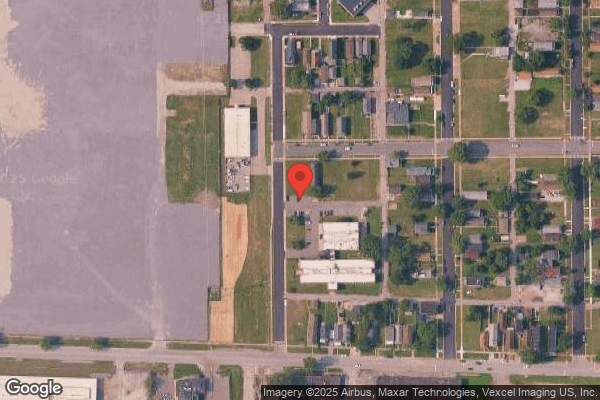
5025 MCCOOK AVE, EAST CHICAGO, IN 46312 (219) 397-0380
Government - County 106 Beds CASA CONSULTING Data: November 2025 1 Immediate Jeopardy citation
Trust Grade
0/100
#455 of 505 in IN
Last Inspection: August 2024

Within standard 12-15 month inspection cycle. Federal law requires annual inspections.

Overview

Harbor Health & Rehab in East Chicago has received a Trust Grade of F, indicating significant concerns about its quality of care. With a state rank of #455 out of 505, the facility is in the bottom half of nursing homes in Indiana, and it ranks #15 out of 20 in Lake County, suggesting limited local options for families. Although the facility is improving, with issues decreasing from 22 in 2024 to 1 in 2025, it still faces serious challenges. Staffing is a major concern, with a poor rating of 1 out of 5 stars and a high turnover rate of 65%, which is above the state average. Recent inspector findings reveal alarming incidents, including a critical failure that led to a resident choking on a donut not prepared according to their diet, resulting in respiratory failure and death. Another serious finding involved a resident falling during a mechanical lift transfer when only one staff member assisted, leading to a leg fracture. While the facility has made some corrections, the overall record raises significant red flags for families considering care options.

Trust Score
F
0/100
In Indiana
#455/505
Bottom 10%
Safety Record
High Risk
Review needed
Inspections
Getting Better
22 → 1 violations
Staff Stability
⚠ Watch
65% turnover. Above average. Higher turnover means staff may not know residents' routines.
Penalties
○ Average
$29,230 in fines. Higher than 65% of Indiana facilities. Some compliance issues.
Skilled Nurses
⚠ Watch
Each resident gets only 28 minutes of Registered Nurse (RN) attention daily — below average for Indiana. Fewer RN minutes means fewer trained eyes watching for problems.
Violations
⚠ Watch
75 deficiencies on record. Higher than average. Multiple issues found across inspections.
★☆☆☆☆
1.0
Overall Rating
★☆☆☆☆
1.0
Staff Levels
★★★★☆
4.0
Care Quality
★☆☆☆☆
1.0
Inspection Score
Stable
2024: 22 issues
2025: 1 issues

The Good

  • 4-Star Quality Measures · Strong clinical quality outcomes
  • Full Sprinkler Coverage · Fire safety systems throughout facility
  • No fines on record

Facility shows strength in quality measures, fire safety.

The Bad

1-Star Overall Rating

Below Indiana average (3.1)

Significant quality concerns identified by CMS

Staff Turnover: 65%

19pts above Indiana avg (46%)

Frequent staff changes - ask about care continuity

Federal Fines: $29,230

Below median ($33,413)

Moderate penalties - review what triggered them

Chain: CASA CONSULTING

Part of a multi-facility chain

Ask about local staffing decisions and management

Staff turnover is elevated (65%)

17 points above Indiana average of 48%

The Ugly 75 deficiencies on record

1 life-threatening 2 actual harm
Apr 2025 1 deficiency
CONCERN (D) 📢 Someone Reported This

A family member, employee, or ombudsman was alarmed enough to file a formal complaint

Potential for Harm - no one hurt, but risky conditions existed

Respiratory Care (Tag F0695)

Could have caused harm · This affected 1 resident

Based on observation, record review, and interview, the facility failed to ensure oxygen was set at the correct flow rate and signed out on the Medication Administration Record (MAR) for 1 of 3 reside...

Read full inspector narrative →
Based on observation, record review, and interview, the facility failed to ensure oxygen was set at the correct flow rate and signed out on the Medication Administration Record (MAR) for 1 of 3 residents reviewed for respiratory care. (Resident E) Finding includes: On 4/7/25 at 9:08 a.m., Resident E was observed lying in bed. The resident's nasal cannula tubing was sitting under her nose and the oxygen flow rate was set a little above 1.5 liters as the ball was under the 2 liter line. On 4/8/25 at 8:51 a.m., the resident was observed in bed eating breakfast. Resident E was wearing oxygen via nasal cannula and the flow rate was set little over 1.5 liter line. During and interview at the time, LPN 1 indicated the resident was on 2 liters of oxygen. When asked to verify the rate again, LPN 1 verified it was not at 2 liters and moved the ball to the middle line of the 2 liter line. The record for Resident E was reviewed on 4/8/24 at 9:11 a.m. Diagnoses included, but were not limited to, dementia, COPD, high blood pressure, heart failure and anxiety. The 3/3/25 Quarterly Minimum Data Set (MDS) assessment indicated the resident was moderately impaired for daily decision making. The resident required set/up and clean up assistance for eating and oral hygiene. The resident required dependent care with toileting, shower/bathing, upper and lower body dressing, putting on footwear and personal hygiene. A Care Plan, dated 3/3/25, indicated the resident required oxygen therapy as needed related to COPD and shortness of breath. Interventions were to, administer oxygen via nasal cannula as ordered by physician and administer, give medications as ordered and monitor for side effects and effectiveness. Physician's Orders, dated 3/23/25, indicated to administer oxygen at 2 liters via nasal cannula as needed for shortness of breath. During an interview on 4/8/25 at 1:32 p.m., the DON indicated the nurses were supposed to be checking oxygen flow rates and had been previously in-serviced about getting down to eye level to ensure the ball is on the correct liter flow. The oxygen rate should have been correct. 3.1-47(a)(6)
Aug 2024 19 deficiencies 1 Harm
SERIOUS (G)

Actual Harm - a resident was hurt due to facility failures

Accident Prevention (Tag F0689)

A resident was harmed · This affected 1 resident

Based on record review and interview, the facility failed to ensure a dependent resident received adequate assistance and supervision to prevent accidents related to only one staff person assisting du...

Read full inspector narrative →
Based on record review and interview, the facility failed to ensure a dependent resident received adequate assistance and supervision to prevent accidents related to only one staff person assisting during a mechanical lift transfer for 1 of 2 residents reviewed for falls. (Resident 3) This deficient practice resulted in the resident falling and receiving a fracture to her leg. The deficient practice was corrected on 7/22/24, prior to the start of the survey, and was therefore past noncompliance. The facility identified the concern, completed a house wide sweep of the Hoyer lifts (a mechanical lift) and Hoyer slings, an inservice was held related to transfer techniques and two person staff assist while using the Hoyer lift, return demonstration by staff was observed, and audits related to the use of the Hoyer lift were being completed weekly. Finding includes: During an interview on 8/6/24 at 9:25 a.m., Resident 3 indicated she had fallen from the Hoyer lift about 3 weeks ago and she hurt her leg. She indicated she had been transferred by 1 staff person. The record for Resident 3 was reviewed on 8/6/24 at 3:17 p.m. Diagnoses included, but were not limited to, fracture of upper and lower end of right fibula, type 2 diabetes, chronic pain syndrome, and age-related osteoporosis. A Quarterly Minimum Data Set (MDS) assessment, dated 4/23/24, indicated the resident was cognitively intact, dependent on staff for bed mobility and transfers, and had no falls since the prior assessment. A Care Plan, dated 12/4/23, indicated the resident was at risk for falls secondary to: ADL and mobility dysfunction, lack of coordination, neuromuscular weakness, gait abnormality, osteoporosis, CVA, emphysema/COPD, and disease process. Interventions included, but were not limited to, assess resident's transfer status and provide assistance as needed, be sure the resident's call light is within reach and encourage the resident to use it for assistance as needed. The resident needs prompt response to all requests for assistance, educate the resident/family/caregivers about safety reminders and what to do if a fall occurs, encourage use of appropriate non-skid footwear while ambulating/transferring, place floor mat and bed in low position while the resident is in bed. A Change of Condition assessment, dated 7/17/24 at 5:30 p.m., indicated the resident had a fall and to refer to the Post Fall Evaluation for details. The Post Fall Observation sheet, dated 7/17/24 at 5:30 p.m., indicated the event happened in the resident's room and she was transferring immediately prior to the event. The event was witnessed by CNA 3. The resident denied the fall as well as pain. The resident's wheelchair and a Hoyer were in use at that time. Nurses' Notes, dated 7/19/24 at 11:40 p.m., indicated while the resident was receiving care, she stated that she had pain in her right leg and shoulder due to a fall that she had the other day. The resident recalled falling to the floor during a transfer from the wheelchair to the bed with the Hoyer lift. The resident indicated she did not have any pain initially, but since the incident she had been sore on the areas mentioned. The physician, Director of Nursing, and the resident's family were notified. Orders were received for a STAT (immediate) x-ray. Nurses' Notes, dated 7/19/24 at 11:53 p.m., indicated the contracted x-ray company was contacted, and their estimated time of arrival was the morning of 7/20/24. Nurses' Notes, dated 7/20/24 at 12:53 a.m., indicated the resident was in bed awake and watching television. The resident asked the writer if they had heard what happened to her and the resident was allowed to tell what occurred related to the recent fall. The resident allowed staff to obtain her vital signs and assess her. There were no signs of bruising, swelling, or redness to affected areas or otherwise. The resident was informed x-rays would be completed in the morning. She currently denied pain to the affected areas but did say her left heel was hurting. She was able to move extremities with assistance. Heel protectors were placed on the resident with immediate relief. The resident informed staff that she would let them if she was hurting in order to receive pain medication. Nurses' Notes, dated 7/20/24 at 8:59 a.m., indicated the x-rays were obtained as ordered. Nurses' Notes, dated 7/20/24 at 10:53 a.m., indicated the physician was notified of the x-ray results which indicated the resident had an acute fracture of the right distal fibula (lower leg). Orders were received to send the resident to the emergency room for evaluation. Nurses' Notes, dated 7/20/24 at 4:00 p.m., indicated the resident returned to the facility with a splint to the right lower leg. No swelling was noted, and the resident denied any pain. A Physician's Order, dated 7/20/24, indicated to monitor the splint to the right leg and notify the physician of any abnormal findings such as increased swelling, discoloration, or reports of increased pain every shift. The Fall Interdisciplinary Team (IDT) Note, dated 7/21/24 at 12:14 p.m., indicated the summary of the fall on 7/17/24 at 5:30 p.m. was due to inappropriate staff transfer. Review of the facility fall investigation on 8/9/24 at 10:34 a.m., indicated an inservice for nursing staff was held on 7/22/24 related to the use of the Hoyer lift. An audit tool was also implemented on 7/22/24 related to the use of the Hoyer lift and to ensure 2 staff members were present. Ten residents would be randomly audited weekly. Staff competencies were also completed related to use of the total mechanical lift, one person gait belt transfer, and sit to stand lift. Documentation of facility inservices and subsequent auditing was reviewed and confirmed to be completed by 7/22/24. Staff interviews and observations also indicated adequate knowledge related to Hoyer lift transfers. During an interview on 8/9/24 at 10:55 a.m., the Director of Nursing (DON) indicated she was made aware of the fall on 7/17/24. She interviewed the resident, and the resident denied she fell but she was being monitored. On 7/19/24, the resident started complaining about pain to her leg. At that time x-rays were ordered and the resident indicated there was an incident with the Hoyer the other day. CNA 3, who was caring for the resident on 7/17/24, was suspended but was not terminated because she admitted she transferred the resident by herself as she couldn't find anyone else to help her and the resident was demanding to get back into bed. Per the DON, the CNA indicated the resident started to lean in the sling and she got under her to break the fall and she thought the resident's leg may have hit the Hoyer lift. The resident also had a diagnosis of osteopenia (bone loss). A full house sweep was conducted related to the Hoyer slings and the Hoyer lifts themselves. An inservice was held related to Hoyer use, audits were initiated, and staff competencies were completed related to transfers and Hoyer use. During an interview on 8/9/24 at 2:35 p.m., the Assistant Director of Nursing indicated the facility practice was to have 2 staff member assistance for Hoyer transfers and that was the standard prior to the resident's incident. The Hoyer lift manufacturer's recommendations included using two staff during transfers. 3.1-45(a)(2)
CONCERN (D)

Potential for Harm - no one hurt, but risky conditions existed

Resident Rights (Tag F0550)

Could have caused harm · This affected 1 resident

**NOTE- TERMS IN BRACKETS HAVE BEEN EDITED TO PROTECT CONFIDENTIALITY** Based on observation, record review, and interview, the facility failed to ensure each resident's dignity was maintained related...

Read full inspector narrative →
**NOTE- TERMS IN BRACKETS HAVE BEEN EDITED TO PROTECT CONFIDENTIALITY** Based on observation, record review, and interview, the facility failed to ensure each resident's dignity was maintained related to a cognitively impaired dependent resident being dressed in a hospital gown during the day for 1 of 1 resident reviewed for dignity. (Resident 58) Finding includes: During random observations on 8/5/24 at 11:30 a.m. and 2:55 p.m., on 8/6/24 at 9:58 a.m.,1:00 p.m., 1:45 p.m., and 2:24 p.m., and on 8/7/24 at 10:30 a.m., Resident 58 was observed in bed wearing a hospital gown. The record for Resident 58 was reviewed on 8/6/24 at 1:20 p.m. The resident was admitted to the facility on [DATE]. Diagnoses included, but were not limited to, stroke, obesity, dysphagia, type 2 diabetes, high blood pressure, heart disease, peg tube (a tube inserted directly into the stomach for nutrition), restlessness and agitation. The 7/9/24 Significant Change Minimum Data Set (MDS) assessment indicated the resident was moderately impaired for daily decision making. The resident did not participate in the activity/preference interview, so staff completed it for him. There was no care plan the resident preferred to stay in and be dressed in a hospital gown. An Activity Assessment, dated 6/14/24, indicated it was not fully completed. The resident's recreation interests, habits, preferences, additional information, and summary and plan were blank. During an interview on 8/8/24 at 11:30 a.m., the Director of Nursing indicated the resident had no clothes, however, there was no care plan regarding that issue. 3.1-3(t)
CONCERN (D)

Potential for Harm - no one hurt, but risky conditions existed

ADL Care (Tag F0677)

Could have caused harm · This affected 1 resident

**NOTE- TERMS IN BRACKETS HAVE BEEN EDITED TO PROTECT CONFIDENTIALITY** Based on observation, record review, and interview, the facility failed to ensure dependent residents received assistance with a...

Read full inspector narrative →
**NOTE- TERMS IN BRACKETS HAVE BEEN EDITED TO PROTECT CONFIDENTIALITY** Based on observation, record review, and interview, the facility failed to ensure dependent residents received assistance with activities of daily living (ADL's) related to the cleaning and cutting of fingernails, oral care, and getting out of bed for 2 of 10 residents reviewed for ADL's. (Residents 45 and 58) Findings include: 1. During random observations on 8/5/24 at 10:25 a.m., on 8/6/24 at 2:45 p.m., and on 8/7/24 at 10:15 a.m., Resident 45 was observed in bed with long and dirty fingernails. During an interview on 8/5/24 at 10:25 a.m., the resident stated I need nail care really bad. The record for Resident 45 was reviewed on 8/7/24 at 11:20 a.m. Diagnoses included, but were not limited to, infarction of the spinal cord, heart disease, high blood pressure, type 2 diabetes, major depressive disorder, anxiety disorder, urine retention, and neuromuscular of the bladder. The 5/30/24 Annual Minimum Data Set (MDS) assessment indicated the resident was cognitively intact for daily decision making and needed partial to moderate assistance with personal hygiene and set up or clean up assistance with oral hygiene. The resident had no issues with his teeth or gums and a had a suprapubic catheter. The resident's hearing was adequate and he had no hearing aide. A Care Plan, revised on 7/9/24, indicated the resident needed assistance with ADL's. The approaches were to assist with personal hygiene including dressing/grooming as needed. The CNA task section indicated nail care was last completed on 7/29/24. During an interview on 8/7/24 at 3:15 p.m., QMA 1 indicated she provided a.m. care to the resident today, however, she did not perform nail care for him. During an interview on 8/8/24 at 2:15 p.m., the Director of Nursing indicated nail care should be done as needed. 2. During random observations on 8/5/24 at 11:30 a.m. and 2:55 p.m., Resident 58 was observed in bed and his fingernails were long on both hands. During a random observation on 8/6/24 at 9:58 a.m., the resident was observed in bed, with long fingernails observed to both hands. At that time, the resident had a large amount of dried mucous on his bottom lip and in the corners of his lips. On 8/6/24 at 1:00 p.m., the resident was observed in bed, his fingernails were long and the dried mucous remained around his lips and mouth. On 8/6/24 at 2:24 p.m., CNA 1 and CNA 3 were asked to reposition the resident. The resident's fingernails were long and the dried mucous remained around his lips and mouth. During an interview at that time, CNA 3 indicated she had not performed oral care for the resident at all today. She came in at 10 a.m. and the CNA before her might have done oral care, but she was unsure. During random observations on 8/7/24 at 8:30 a.m., and 9:05 a.m., the resident was observed in bed and his fingernails were long to both hands, and his lips had dried mucous on them. During an interview on 8/7/24 at 9:05 a.m., CNA 2 indicated she did not do nail care as the facility had special staff to do that. She had not performed oral care for the resident. CNA 2 had taken care of the resident yesterday (8/6/24) and did oral care for him in the morning. On 8/7/24 at 10:33 a.m., the resident was observed in bed. The record for Resident 58 was reviewed on 8/6/24 at 1:20 p.m. The resident was admitted to the facility on [DATE]. Diagnoses included, but were not limited to, stroke, obesity, dysphagia, type 2 diabetes, high blood pressure, heart disease, peg tube (a tube inserted directly into the stomach for nutrition), restlessness and agitation. The 7/9/24 Significant Change Minimum Data Set (MDS) assessment, indicated the resident was moderately impaired for daily decision making. The resident did not participate in activity/preference interview, so staff completed it for him. The resident had functional limitation of range of motion to 1 side of his upper and lower extremities. The resident was dependent on staff to roll to the right and the left, transfer out of bed, personal hygiene and oral care. A Care Plan, revised on 6/21/24, indicated the resident had a ADL self care deficit related to his need for more assist due to a recent stroke. The CNA task section, indicated nail care was completed on 7/8, 7/10, 7/11, 7/13, 7/14, 7/15, 7/17, 7/18, 7/22, 7/24, 7/25 (2 times), 7/26, 7/30, 8/1, 8/3, 8/4, and 8/5/24. There was no documentation of oral care being performed at least daily. A Nurses' Note, dated 7/2/24 at 3:15 p.m., indicated the resident was readmitted from the hospital and his fingernails and toenails were overgrown. There was no physician's order for the resident to be on bed rest. During an interview on 8/6/24 at 2:30 p.m. CNA 3, indicated the resident did not get out of bed. During an interview on 8/8/24 at 11:30 a.m., the Director of Nursing indicated staff had not been getting the resident out of bed because a lot of movement made the resident restless, however, there was no care plan or physician's order for bed rest. She indicated nail care and oral care should have been completed as needed. 3.1-38(a)(2)(B) 3.1-38(a)(3)(C) 3.1-38(a)(3)(E)
CONCERN (D)

Potential for Harm - no one hurt, but risky conditions existed

Deficiency F0679 (Tag F0679)

Could have caused harm · This affected 1 resident

**NOTE- TERMS IN BRACKETS HAVE BEEN EDITED TO PROTECT CONFIDENTIALITY** 2. During random observations on 8/5/24 at 11:30 a.m. and 2:55 p.m., on 8/6/24 at 9:58 a.m., 1:00 p.m., and 2:24 p.m., and on 8/...

Read full inspector narrative →
**NOTE- TERMS IN BRACKETS HAVE BEEN EDITED TO PROTECT CONFIDENTIALITY** 2. During random observations on 8/5/24 at 11:30 a.m. and 2:55 p.m., on 8/6/24 at 9:58 a.m., 1:00 p.m., and 2:24 p.m., and on 8/7/24 at 8:30 a.m., 9:05 a.m., and 10:33 a.m., Resident 58 was observed in bed. At those times the television was turned off and there was no radio in the room. The television set was located on a dresser facing the wall and the resident's head of the bed was facing the doorway, therefore, the resident could not see the television set. The resident was not observed out of bed from 8/5-8/7/24 during the day time. The record for Resident 58 was reviewed on 8/6/24 at 1:20 p.m. The resident was admitted to the facility on [DATE]. Diagnoses included, but were not limited to, stroke, obesity, dysphagia, type 2 diabetes, high blood pressure, heart disease, peg tube (a tube inserted directly into the stomach for nutrition), restlessness and agitation. The 7/9/24 Significant Change Minimum Data Set (MDS) assessment indicated the resident was moderately impaired for daily decision making. The resident did not participate in activity/preference interview, so staff completed it for him. The resident enjoyed listening to music, doing favorite activities, and keeping up with the news. A Care Plan, revised on 6/20/24, indicated the resident needed some encouragement or supervision to successfully pursue activities of interest. The approaches were to offer a la carte activities such as books, magazines, cards, word puzzles, newspapers, CDs, movies, or handheld games, offer individual activities designed to match the goal of therapy, such as puzzles or simple exercise, offer interesting and contemporary movies or travelogues and provide an activity calendar to identify times and days of activities of interest. An Activity Assessment, dated 6/14/24, indicated it was not fully completed with the resident's recreation interests, habits, preferences, additional information, and summary and plan. The CNA task section indicated the resident was coded as watching TV alone on 7/11, 7/15, and 7/18/24. The resident was readmitted to the facility on [DATE] after having another stroke. The resident had a significant decline in activities of daily living, had a peg tube, and was now NPO. An Activity Group Participation record, dated 6/2024, indicated the resident attended current events and pokeno on 6/23/24. The resident did not participate in any group activities in 7/2024 or 8/2024. The resident had 1 to 1 visits three times a week on 7/6, 7/7, 7/10, 7/13, 7/14, 7/17, 7/20, 7/21, 7/25, 7/27, and 7/28/24. The activity was listening to music or conversation. The 1 to 1 visits for 8/2024 occurred on 8/1, 8/2 and 8/3/24 which was listening to music. The 8/2024 Activity calendar indicated church services were every Saturday. During the survey week (8/5-8/9) the following were scheduled and the resident was not present: 8/6 the activity of men's group, and 8/7/24 sit and be fit and men's group. During an interview on 8/8/24 at 9:10 a.m., the Activity Director indicated she had started 1 to 1 services for the resident when he came back from the hospital after having another stroke. He had not been out of bed since coming back from the hospital. She was aware of how the television set was located in his room and his inability to see it. She indicated the care plan was not reflective of the resident's current status. There was no radio in his room for him to listen to music all the time. During an interview on 8/8/24 at 11:30 a.m., the Director of Nursing indicated staff had not been getting the resident out of bed because a lot of movement made the resident restless, however, there was no care plan or physician's order for bed rest. 3.1-33(a) Based on observation, record review, and interview, the facility failed to provide a personalized activity program for cognitively impaired and dependent residents related to ongoing stimulation and being invited to activities for 2 of 2 residents reviewed for activities. (Residents 24 and 58) Findings include: 1. On 8/6/24 at 12:58 p.m., 2:10 p.m., and 3:03 p.m., Resident 24 was observed in his room in bed. The resident's eyes were closed and no television or radio were present in the resident's room. On 8/7/24 at 9:05 a.m., 10:05 a.m., 11:39 a.m., and 1:28 p.m., the resident was observed in his room in bed. His eyes were closed and there was no television or radio present in his room. On 8/8/24 at 11:00 a.m. and 1:10 p.m., the resident was observed in his room in bed. His eyes were closed and there was no television or radio present in his room. On 8/9/24 at 8:47 a.m., the resident was observed in his room in bed. His eyes were closed and there was no television or radio present in his room. The record for Resident 24 was reviewed on 8/6/24 at 2:22 p.m. Diagnoses included, but were not limited to stroke, epilepsy, chronic respiratory failure, and major depressive disorder. The Significant Change Minimum Data Set (MDS) assessment, dated 6/14/24, indicated the resident was in a persistent vegetative state. The activity preference section was not completed due to the resident being in a persistent vegetative state. A Care Plan, dated 6/14/24, indicated the resident would benefit from the 1:1 program. Interventions included, but were were not limited to, 1:1 visits from activity staff 3 times a week, music stimulation at least twice a week, and offer sensory stimulation. The One to One Room Visit Log, dated August 2024, indicated the resident had listened to music on 8/1 and was read a story on 8/3 and 8/4/24. The Initial Activity Assessment, dated 6/19/24, indicated listening to music was a current interest of the resident. During an interview on 8/9/24 at 12:02 p.m., the Activity Director indicated the resident received 1:1 visits but she would also get the resident a radio for his room so he had some type of ongoing stimulation.
CONCERN (D)

Potential for Harm - no one hurt, but risky conditions existed

Quality of Care (Tag F0684)

Could have caused harm · This affected 1 resident

**NOTE- TERMS IN BRACKETS HAVE BEEN EDITED TO PROTECT CONFIDENTIALITY** Based on observation, record review, and interview, the facility failed to ensure areas of discoloration and treatments for non-...

Read full inspector narrative →
**NOTE- TERMS IN BRACKETS HAVE BEEN EDITED TO PROTECT CONFIDENTIALITY** Based on observation, record review, and interview, the facility failed to ensure areas of discoloration and treatments for non-pressure areas were completed and/or ordered for 2 of 2 residents reviewed for non-pressure related skin conditions (Residents 13 and 57) Findings include: 1. During a random observation on 8/5/24 at 2:40 p.m., Resident 13 was observed in bed. At that time, her feet were very dry and flaky with peeling skin. The resident had an open area on her right ring finger that was uncovered. During an interview at that time, the resident indicated the treatment to the finger was last done on Friday 8/2/24, and it was done every Monday, Wednesday and Friday. She indicated staff did not put any special lotion on her feet. During an interview on 8/7/24 at 1:50 p.m., the resident indicated she had seen the wound physician today and the treatment to her finger was not completed yesterday (8/6/24). The record for Resident 13 was reviewed on 8/7/24 at 2:30 p.m. Diagnoses included, but were not limited to, chronic obstructive pulmonary disease (COPD), chronic respiratory failure, type 2 diabetes, major depressive disorder, chronic kidney disease, heart disease, heart failure, atrial fibrillation, and anxiety disorder. The Quarterly Minimum Data Set (MDS) assessment, dated 7/12/24, indicated the resident was cognitively intact for daily decision making. A Care Plan, revised on 6/21/24, indicated the resident had a skin tear to right 4th anterior finger. The approaches were to keep the skin clean and dry and use lotion on dry scaly skin. A Wound Physician Progress Note, dated 7/31/24, indicated the right finger area measured 0.2 centimeters (cm) by 0.2 cm. A new treatment was to be completed of betadine every day and leave open to air. Physician's Orders, dated 7/31/24, indicated cleanse the right anterior 4th finger wound with normal saline and/or wound cleanser and apply betadine every day shift and leave open to air. The Treatment Administration Record (TAR) for the month of 8/2024, indicated the betadine treatment was signed out as being completed on 8/3, 8/4, and 8/6/24. During an interview on 8/7/24 at 9:45 a.m., the Wound Nurse indicated the treatment to the finger was to be completed every day and she was aware the resident was cognitively intact. During an interview on 8/8/24 at 11:30 a.m., the Director of Nursing indicated the treatment was to be completed as ordered by the physician. 2. During a random observation on 8/5/24 at 2:30 p.m. Resident 57 was observed sitting in a chair in the hallway. At that time, a large red and purple discoloration was observed to his left forearm. The record for Resident 57 was reviewed on 8/8/24 at 8:40 a.m. Diagnoses included, but were not limited to, Alzheimer's disease, high blood pressure, anemia, and osteoarthritis. The resident was admitted to the facility on [DATE]. The Modification of the admission Minimum Data Set (MDS) assessment, dated 5/23/24, indicated the resident was moderately impaired for daily decision making and had the behavior of wandering which occurred 4 to 6 times during the reference period. The resident received an antipsychotic medication which was scheduled and no gradual dose reduction (GDR) had been attempted. A Weekly Skin Observation, dated 8/5/24 at 4:38 p.m., indicated the resident had no skin issues other than an abrasion to the penis. There was no documentation in the clinical record from 8/1-8/7/24 regarding a discoloration to his arm. During an interview on 8/7/24 at 10:23 a.m., LPN 1 indicated she was unaware the resident had a discoloration to the left arm. During an interview on 8/7/24 at 10:30 a.m., RN 1 indicated she was taking care of the resident today, and was not given any information regarding a bruise to his left forearm. During an interview on 8/8/24 at 11:30 a.m., the Director of Nursing indicated she assessed the discolored area yesterday and asked the resident what had happened, he told her it happened outside, and he gets them all the time. There was no assessment of the discoloration to his arm in the clinical record. The 3/13/21 Wound Management policy, provided by Nurse Consultant 2 on 8/9/24 at 9:52 a.m., indicted the purpose of this program was to assist the facility in the care, services, and documentation relate to the occurrence, treatment, and prevention of pressure as well as non-pressure related wounds. 3.1-37(a)
CONCERN (D)

Potential for Harm - no one hurt, but risky conditions existed

Deficiency F0685 (Tag F0685)

Could have caused harm · This affected 1 resident

**NOTE- TERMS IN BRACKETS HAVE BEEN EDITED TO PROTECT CONFIDENTIALITY** 3. During an interview on 8/5/24 at 11:20 a.m., Resident 34 indicated he saw the eye doctor months ago and had not received his ...

Read full inspector narrative →
**NOTE- TERMS IN BRACKETS HAVE BEEN EDITED TO PROTECT CONFIDENTIALITY** 3. During an interview on 8/5/24 at 11:20 a.m., Resident 34 indicated he saw the eye doctor months ago and had not received his eye glasses. The record for Resident 34 was reviewed on 8/8/24 at 1:40 p.m. Diagnoses included, but were not limited to, chronic kidney disease, irritable bowel syndrome, depressive disorder, and unsteadiness on feet. The Quarterly Minimum Data Set (MDS) assessment, dated 5/18/24, indicated the resident was cognitively intact. A Care Plan, dated 5/23/24, indicated the resident had an impaired visual function and was being followed by the optometrist. The approaches were to utilize glasses and to arrange a consultation with the eye care practitioner as required. An eye doctor visit report, dated 12/19/23, indicated the resident was examined and encouraged to use glasses full time for distance and reading. New glasses were recommended and awaiting approval. During an interview on 8/8/24 at 2:38 p.m., the Social Service Director indicated the resident should have had glasses once the recommendation for his glasses was made by the eye doctor on 12/19/23. 3.1-39(a)(1) 2. During an interview on 8/5/24 at 10:30 a.m., Resident 45 indicated he had been fitted for a hearing aide months ago, but had not received any follow up. The record for Resident 45 was reviewed on 8/7/24 at 11:20 a.m. Diagnoses included, but were not limited to, infarction of the spinal cord, heart disease, high blood pressure, type 2 diabetes, major depressive disorder, anxiety disorder, urine retention, and neuromuscular of the bladder. The 5/30/24 Annual Minimum Data Set (MDS) assessment indicated the resident was cognitively intact for daily decision making and needed partial to moderate assistance with personal hygiene and set up or clean up assistance with oral hygiene. The resident had no issues with his teeth or gums and a had a suprapubic catheter. The resident's hearing was adequate and he had no hearing aide. There was no care plan for hearing difficulties. An Audiology Exam report, dated 9/6/23, indicated the staff or family had noticed a decrease in responsiveness from the resident. The resident had moderate to severe sensorineural hearing loss (damage in the inner ear) in both ears. Impressions were taken and a hearing aid was recommended for a left ear half [NAME] (the hollow depression in the middle auricle of the ear) and will return for hearing aid fitting. During an interview on 8/8/24 at 2:15 p.m., the Social Service Director indicated he had only been employed for 90 days at the facility and was unaware the resident needed a hearing aide. Based on observation, record review, and interview, the facility failed to ensure glasses were received as ordered and a follow up audiology (a physician who treats hearing issues) appointment was completed for 3 of 4 residents reviewed for vision and hearing. (Residents 2, 45, and 34) Findings include: 1. During an interview on 8/5/24 at 1:32 p.m., Resident 2 indicated he needed new glasses and he had told the staff. The resident was not wearing glasses at the time of the interview. The record for Resident 2 was reviewed on 8/9/24 at 9:00 a.m. Diagnoses included, but were not limited to, type 2 diabetes and end stage renal disease. The Annual Minimum Data Set (MDS) assessment, dated 6/11/24, indicated the resident was cognitively intact. The resident was identified as having adequate vision with corrective lenses. A Care Plan, dated 9/7/21 and reviewed on 6/17/24, indicated the resident's vision was adequate with the use of glasses, which he utilized mainly for reading. Interventions included, but were not limited to, arrange consultation with eye care practitioner as required and ensure appropriate visual aids (glasses) were available to support the resident's participation in activities. The resident had an eye exam on 12/19/23. New glasses were recommended and were to be delivered upon approval. Documentation in the vision progress notes indicated the resident required glasses and full time use was to be encouraged for distance and reading. There was no documentation in the social service or nursing progress notes related to the resident receiving new glasses. During an interview on 8/9/24 at 10:41 a.m., the Social Service Director indicated the resident was last seen by the eye doctor on 12/19/23. After doing some research, Medicaid would not cover the resident's glasses and the resident would owe $215 out of pocket. The Social Service Director indicated he had only been working at the facility for 95 days and he would follow up with the issue and assist the resident with getting his glasses.
CONCERN (D)

Potential for Harm - no one hurt, but risky conditions existed

Pressure Ulcer Prevention (Tag F0686)

Could have caused harm · This affected 1 resident

**NOTE- TERMS IN BRACKETS HAVE BEEN EDITED TO PROTECT CONFIDENTIALITY** Based on observation, record review, and interview, the facility failed to ensure a resident with a pressure sore received the n...

Read full inspector narrative →
**NOTE- TERMS IN BRACKETS HAVE BEEN EDITED TO PROTECT CONFIDENTIALITY** Based on observation, record review, and interview, the facility failed to ensure a resident with a pressure sore received the necessary treatment and services to promote healing related to providing a treatment as ordered by the physician for 1 of 2 residents reviewed for pressure ulcers. (Resident 58) Finding includes: During a random observation on 8/6/24 at 2:24 p.m., CNA 1 and CNA 3 were observed in Resident 58's room. At that time, they were asked to reposition the resident onto his left side so the bandage on the pressure ulcer could be observed. CNA 3 removed the resident's bed linens and the peg tube was disconnected from the enteral feeding as there was feeding all over his gown. CNA 1 left the room to get the nurse to reconnect the tube feeding. Once CNA 1 was back, accompanied by LPN 2, they rolled the resident over and removed his brief. At that time, there was no bandage covering the pressure ulcer. The resident had several ulcers observed on his buttocks and sacral area. The areas were pink, red and had a moderate amount of drainage noted. The sacral area also had necrotic (dead) tissue observed. During an interview at that time, CNA 3 indicated the resident was last changed around 11:30 a.m., and there was no bandage covering those areas. During an interview at that time, LPN 2 indicated she believed the treatment was for barrier cream. On 8/7/24 at 9:05 a.m., the Wound Nurse and CNA 2 entered the room to perform a skin assessment of the pressure sore on the sacrum. At that time, the resident was rolled over to his left side and the brief was removed. There was no bandage covering the open area. The Wound Nurse indicated the right buttock open area and the area on upper part of the sacrum was new and had evolved since Monday, the last time she had changed the bandage. CNA 2 indicated she had not checked or changed the resident since the start of her shift at 7 a.m. The record for Resident 58 was reviewed on 8/6/24 at 1:20 p.m. The resident was admitted to the facility on [DATE]. Diagnoses included, but were not limited to, stroke, obesity, dysphagia, type 2 diabetes, high blood pressure, heart disease, peg tube (a tube inserted directly into the stomach for nutrition), restlessness and agitation. The 7/9/24 Significant Change Minimum Data Set (MDS) assessment indicated the resident was moderately impaired for daily decision making. The resident was dependent on staff to roll to the right and the left, transfer out of bed, personal hygiene and oral care. The resident had a peg tube and received 51% or more of his nutrition through the peg tube. The resident had 1 unstageable pressure ulcer that was present on admission. A Care Plan, revised 7/31/24, indicated the resident had a friction abrasion to the sacrum. The approaches were to provide treatment as ordered by physician. Nurses' Notes, dated 7/29/24 at 8:12 p.m., indicated the resident had a skin tear on the sacrum. A dry dressing was applied and the wound nurse would be contacted for a recommended treatment. The Wound Physician Progress Note, dated 7/31/24, the resident had acquired a non-pressure abrasion to the sacral area. The open area measured 3 centimeters (cm) by 0.5 cm and had 100% granulation tissue. The treatment was hydrocolloid three times a week for 30 days. Physician's Orders, dated 7/31/24, indicated cleanse sacrum with normal saline and/or wound cleanser, apply skin prep to surrounding skin and cover with hydrocolloid dressing three times a week. A Wound Physician Progress Note, dated 8/7/24, indicated the sacral wound was now unstageable and measured 7.5 cm by 9 cm. The tissue was nonviable and necrotic with 40% necrosis and 60% granulation. Physician's Orders, dated 8/7/24, indicated cleanse the sacral wound with normal saline and/or wound cleanser and apply skin prep to surrounding skin and cover with a foam dressing every day shift every Monday, Wednesday, and Friday and PRN (as needed). During an interview on 8/7/24 at 9:30 a.m., the Wound Nurse indicated there should have been a bandage on the resident's open area and the treatment should have been completed as ordered by the physician. During an interview on 8/7/24 at 2:30 p.m., the Wound Nurse indicated the treatment for wound was changed and was now classified as an unstageable pressure ulcer. A Wound Physician's Consult Note, dated 8/7/24, indicated since the initial evaluation by a collegue, the wound had changed obviously to a pressure injury/ unstageable necrosis with features of a possibly evolving KTU ([NAME] Terminal ulcer - unavoidable decline). The resident had additional wounds that were new and had recently rapidly declined and was now on hospice. Anticipate additional increase in severity of this injury as well as potentially new lesions. During an interview on 8/8/24 at 11:30 a.m., the Director of Nursing indicated the treatment should have been completed as ordered. 3.1-40(a)(2)
CONCERN (D)

Potential for Harm - no one hurt, but risky conditions existed

Incontinence Care (Tag F0690)

Could have caused harm · This affected 1 resident

Based on observation, record review, and interview, the facility failed to ensure a resident with a suprapubic foley (urinary) catheter received foley catheter care for 1 of 1 resident reviewed for ca...

Read full inspector narrative →
Based on observation, record review, and interview, the facility failed to ensure a resident with a suprapubic foley (urinary) catheter received foley catheter care for 1 of 1 resident reviewed for catheters. (Resident 45) Finding includes: During a random observation on 8/5/24 at 10:31 a.m., Resident 45 was observed in bed. At that time, the resident was asked to lift his gown so his the stoma for his suprapubic catheter could be seen. The bandage around the stoma was dated 8/2/24 and had dried brown blood on it. The record for Resident 45 was reviewed on 8/7/24 at 11:20 a.m. Diagnoses included, but were not limited to, infarction of the spinal cord, heart disease, high blood pressure, type 2 diabetes, major depressive disorder, anxiety disorder, urine retention, and neuromuscular of the bladder. The 5/30/24 Annual Minimum Data Set (MDS) assessment indicated the resident was cognitively intact for daily decision making and needed partial to moderate assistance with personal hygiene. The resident had a suprapubic catheter. A Care Plan, revised on 7/9/24, indicated the resident was attention-seeking related to catheter care. The approaches were to provide catheter care as ordered. Physician's Orders, dated 7/18/24, indicated catheter care every shift. During an interview on 8/8/24 at 11:15 a.m., the Director of Nursing indicated she had no additional information to provide. The current 2/12/21 Suprapubic Site Care policy, provided by Nurse Consultant 2, indicated suprapubic site care will be provided to decrease the risk of infection. Using gauze pads, soap and water, gently clean the area immediately surrounding the stoma and continue working outward in a circular motion and pat dry after cleaning. Evaluate the stoma site for redness, pain, soreness, swelling or drainage. 3.1-41(a)(1)
CONCERN (D)

Potential for Harm - no one hurt, but risky conditions existed

Tube Feeding (Tag F0693)

Could have caused harm · This affected 1 resident

**NOTE- TERMS IN BRACKETS HAVE BEEN EDITED TO PROTECT CONFIDENTIALITY** Based on observation, record review, and interview, the facility failed to ensure a resident was positioned upright at least 45 ...

Read full inspector narrative →
**NOTE- TERMS IN BRACKETS HAVE BEEN EDITED TO PROTECT CONFIDENTIALITY** Based on observation, record review, and interview, the facility failed to ensure a resident was positioned upright at least 45 degrees while an enteral feeding was infusing into a peg tube (a tube inserted directly into the stomach to provide nutrition) for 1 of 1 resident reviewed for tube feeding. (Resident 58) Finding includes: During a random observation on 8/6/24 at 2:24 p.m., CNA 1 and CNA 3 were observed in Resident 58's room. At that time, they were asked to reposition the resident onto his left side so the bandage on the pressure ulcer could be observed. CNA 3 took the bed remote and started to lower the resident's head of the bed to 5 degrees. At that time, she was asked to stop due since the enteral tube feeding was currently infusing into the peg tube. The CNA stated You are absolutely right. Can I put the peg tube on hold? She was asked if she was allowed to do that and the CNA stated Yes, the nurses let us do that all the time. The CNA walked over to the enteral feeding pump and put the feeding on hold. The record for Resident 58 was reviewed on 8/6/24 at 1:20 p.m. The resident was admitted to the facility on [DATE]. Diagnoses included, but were not limited to, stroke, obesity, dysphagia, type 2 diabetes, high blood pressure, heart disease, peg tube (a tube inserted directly into the stomach for nutrition), restlessness and agitation. The 7/9/24 Significant Change Minimum Data Set (MDS) assessment indicated the resident was moderately impaired for daily decision making. The resident was dependent on staff to roll to the right and the left, transfer out of bed, personal hygiene and oral care. The resident had a peg tube and received 51% or more of his nutrition through the peg tube. A Care Plan, dated 7/25/24, indicated the resident was at risk for complications secondary to requiring a tube feeding. The approaches were to keep the head of the bed elevated 30-45 degrees during and thirty minutes after tube feed. Physician's Orders, dated 7/2/24, indicated the resident was NPO and an enteral feeding of Glucerna 1.5 was to infuse at 75 cc (cubic centimeters) on at 3:00 a.m. and off at 11:00 p.m. During an interview on 8/8/24 at 11:30 a.m., the Director of Nursing indicated the CNA should not have lowered the head of the bed while the feeding was infusing or placed the tube feeding on hold. 3.1-44(a)(2)
CONCERN (D)

Potential for Harm - no one hurt, but risky conditions existed

Respiratory Care (Tag F0695)

Could have caused harm · This affected 1 resident

Based on observation, record review, and interview, the facility failed to ensure oxygen was set at the correct flow rate for 1 of 3 residents reviewed for respiratory care. (Resident 13) Finding incl...

Read full inspector narrative →
Based on observation, record review, and interview, the facility failed to ensure oxygen was set at the correct flow rate for 1 of 3 residents reviewed for respiratory care. (Resident 13) Finding includes: During random observations on 8/5/24 at 10:40 a.m. and 2:41 p.m., and on 8/6/24 at 10:00 a.m., Resident 13 was observed in bed wearing oxygen per nasal cannula at 1.5 liters. The record for Resident 13 was reviewed on 8/7/24 at 2:30 p.m. Diagnoses included, but were not limited to, chronic obstructive pulmonary disease (COPD), chronic respiratory failure, type 2 diabetes, major depressive disorder, chronic kidney disease, heart disease, heart failure, atrial fibrillation, and anxiety disorder. The Quarterly Minimum Data Set (MDS) assessment, dated 7/12/24, indicated the resident was cognitively intact for daily decision making. The resident did not wear oxygen. A Care Plan, revised on 4/12/24, indicated the resident had complications of shortness of breath when lying flat in bed. The approaches were to encourage the use of supplemental oxygen at 2 liters. A Care Plan, revised on 7/26/24, indicated the resident required the use of oxygen therapy. The approaches were to set the oxygen at 2 liters per physician orders. Physician's Orders, dated 7/10/24, indicated oxygen at 2 liters via nasal cannula every shift as needed for shortness of breath. During an interview on 8/8/24 at 11:30 a.m., the Director of Nursing indicated the oxygen flow rate should be on as ordered by the physician. 3.1-47(a)(6)
CONCERN (D)

Potential for Harm - no one hurt, but risky conditions existed

Pharmacy Services (Tag F0755)

Could have caused harm · This affected 1 resident

Based on record review and interview, the facility failed to establish and/or maintain a system that accounted for, periodically reconciled, and ensured the disposition of all controlled drugs, relate...

Read full inspector narrative →
Based on record review and interview, the facility failed to establish and/or maintain a system that accounted for, periodically reconciled, and ensured the disposition of all controlled drugs, related to inaccurate documentation of narcotic medications for 1 of 1 resident reviewed for narcotics. (Resident 33) Finding includes: On 8/5/23 at 11:18 a.m., an investigation of a narcotic diversion regarding a previously employed nurse was reviewed. The file folder was full of old narcotic sheets from a resident for whom the narcotic diversion was suspected. During the investigation, there was a discrepancy noted earlier on the narcotic log than what was reported on 7/31/24. The record for Resident 33 was reviewed on 8/07/24 at 3:16 p.m. The diagnoses included, but were not limited to, hemiplegia (paralysis on one side of the body), stage 4 sacral wound, anemia, anxiety, hypertension (high blood pressure), depression, and colostomy status. The Significant Change Minimum Data Set (MDS) assessment, dated 7/8/24, indicated the resident was cognitively intact. The resident used hospice services and used medicine from high-risk drug classes such as opioids and anti-anxiety medication. A Care Plan, dated 7/3/24, indicated the resident was prescribed an opioid medication and was at risk for constipation, respiratory failure, and lethargy. Interventions were to administer medications as ordered and observe effectiveness. A Physician's Order, dated 6/28/24, indicated to administer Morphine Sulfate 0.5 milliliters (ml) by mouth under the tongue twice a day for pain and shortness of breath. The Morphine Sulfate narcotic log was started on 6/28/24 with a starting dose of 30 ml. The prescribed dose of 0.5 ml was signed out given on 6/28/24 at 5:00 p.m. The amount left dose after administering 0.5 ml was 29.5 ml. The remaining dates and doses were documented as follows with a discrepancy noted on 7/6/24. Morphine Sulfate 0.5 ml was recorded as administered on the following dates: 6/29 at 8:00 a.m. with a remaining dose of 29 ml 6/29 at 8:00 p.m. with a remaining dose of 28.5 ml 6/30 at 8:00 a.m. with a remaining dose of 28 ml 6/30 at 8:00 p.m. with a remaining dose of 27.5 ml 7/1 at 8:00 a.m. with a remaining dose of 27 ml 7/1 at 8:00 p.m. with a remaining dose of 26.5 ml 7/2 at 9:00 a.m. with a remaining dose of 26 ml 7/2 at 5:00 p.m. with a remaining dose of 25.5 ml 7/3 at 5:43 p.m. with a remaining dose of 25 ml 7/4 at 8:00 a.m. with a remaining dose of 24.5 ml 7/4 at 6:00 p.m. with a remaining dose of 24 ml 7/5 at 8:00 a.m. with a remaining dose of 23.5 ml 7/5 at 5:fpm. with a remaining dose of 23.0 ml 7/6 at 8:00 a.m. with a remaining dose of 25.5 ml 7/7 at 8:00 a.m. with a remaining dose of 25 ml 7/8 at 8:00 a.m. with a remaining dose of 24.5 ml 7/8 at 6:00 p.m. with a remaining dose of 24 ml The remaining doses were consecutive until a discrepancy was found and reported on 7/31/24. A reportable was filed, the nurse was terminated after refusing a drug screen and a police report was filed. The Medication Administration Record (MAR) indicated the medication was signed out as given twice a day from 7/1/24- 7/31/24. The Morphine was signed out on the narcotic log as given only one time on the following dates: 7/3/24 7/6/24 7/7/24 During an interview on 8/06/24 at 10:01 a.m., the Administrator indicated the RN signed her voluntary termination after she refused a drug screen. During an interview on 8/6/24 at 1:11 p.m., the Nurse Consultant 1 indicated there must have been a diversion issue prior to their reportable filed on 7/31/24. The nurse was interviewed who administered the morphine sulfate on 7/6/24 at 8:00 a.m., the nurse indicated she wrote exactly what was left in the bottle. The nurse did not notify the Director of Nursing (DON) or the Administrator with the discrepancy. The narcotic log should have matched the MAR. 3.1-48(a)(3)
CONCERN (D)

Potential for Harm - no one hurt, but risky conditions existed

Deficiency F0757 (Tag F0757)

Could have caused harm · This affected 1 resident

**NOTE- TERMS IN BRACKETS HAVE BEEN EDITED TO PROTECT CONFIDENTIALITY** Based on record review and interview, the facility failed to appropriately monitor blood pressures (BP) related to medications w...

Read full inspector narrative →
**NOTE- TERMS IN BRACKETS HAVE BEEN EDITED TO PROTECT CONFIDENTIALITY** Based on record review and interview, the facility failed to appropriately monitor blood pressures (BP) related to medications with BP parameters for 1 of 5 residents reviewed for unnecessary medications. (Resident 58) Finding includes: The record for Resident 58 was reviewed on 8/6/24 at 1:20 p.m. The resident was admitted to the facility on [DATE]. Diagnoses included, but were not limited to, stroke, obesity, dysphagia, type 2 diabetes, high blood pressure, heart disease, peg tube (a tube inserted directly into the stomach for nutrition), restlessness and agitation. The 7/9/24 Significant Change Minimum Data Set (MDS) assessment, indicated the resident was moderately impaired for daily decision making. The resident was dependent on staff to roll to the right and the left, transfer out of bed, personal hygiene and oral care. Physician's Orders, dated 7/20/24, indicated Hydralazine (a medication used to lower the blood pressure) 50 milligrams (mg), 1 tablet three times a day and hold for systolic blood pressure less than 110. The Medication Administration Record (MAR), for the months of 7/2024 and 8/2024, indicated there was no documented blood pressure prior to the administration of the Hydralazine. The last documented blood pressure in the vital section was on 7/28/24 at 9:21 a.m. During an interview on 8/7/24 at 11:25 a.m., LPN 3 indicated she checked the resident's blood pressure in the morning prior to the administration of the Hydralazine. There was no place to document the blood pressure in the computer. During an interview on 8/7/24 at 2:00 p.m., the Assistant Director of Nursing indicated the blood pressure should have been recorded on the MAR or in the record before the administration of the medication. During an interview on 8/8/24 at 11:30 a.m., the Director of Nursing indicated the resident's blood pressures were not documented in the clinical record before the administration of the Hydralazine. 3.1-48(a)(3)
CONCERN (D)

Potential for Harm - no one hurt, but risky conditions existed

Medication Errors (Tag F0758)

Could have caused harm · This affected 1 resident

**NOTE- TERMS IN BRACKETS HAVE BEEN EDITED TO PROTECT CONFIDENTIALITY** Based on record review and interview, the facility failed to ensure an adequate indication for the use of an antipsychotic medic...

Read full inspector narrative →
**NOTE- TERMS IN BRACKETS HAVE BEEN EDITED TO PROTECT CONFIDENTIALITY** Based on record review and interview, the facility failed to ensure an adequate indication for the use of an antipsychotic medication was documented in the clinical record for 1 of 5 residents reviewed for unnecessary medication. (Resident 5) Finding includes: The record for Resident 57 was reviewed on 8/8/24 at 8:40 a.m. Diagnoses included, but were not limited to, Alzheimer's disease (dementia), high blood pressure, anemia, and osteoarthritis. The resident was admitted to the facility on [DATE]. The Modification of the admission Minimum Data Set (MDS) assessment, dated 5/23/24, indicated the resident was moderately impaired for daily decision making and had the behavior of wandering which occurred 4 to 6 times during the reference period. The resident received an antipsychotic medication which was scheduled and no gradual dose reduction (GDR) had been attempted. A Care Plan, dated 5/21/24, indicated the resident received an antipsychotic medication for behavior management. A Nurses' Note, dated 5/17/24 at 8:57 p.m., indicated the physician was notified to address the resident's insomnia as he was pacing back and forth. The resident had indicated he was having trouble going to sleep. New orders were received for Seroquel (an antipsychotic medication) 25 milligrams (mg) at bed time. Physician's Orders, dated 5/17/24, indicated Seroquel 25 mg at bed time. A Physician Progress Note, dated 5/21/24 at 3:00 p.m., indicated discussed with nursing staff medication changes. Discontinue seroquel 25 mg at night and melatonin. Starting seroquel 50 mg at bedtime and seroquel 25 mg in the morning (sic) Physician's Orders, dated 5/21/24, indicated Seroquel 50 mg at bed time for restlessness. Physician's Orders, dated 5/22/24, indicated Seroquel 25 mg in the morning for restlessness. There was no documentation of any behaviors or an adequate indication for the use of the antipsychotic medication in the clinical record. The resident had not received any visits from the contracted behavioral health Nurse Practitioner (NP). A professional resource regarding approved uses for seroquel, found at https://www.accessdata.fda.gov/drugsatfda_docs/label/2022/020639s072lbl.pdf, indicated seroquel was approved by the FDA (U.S. Food and Drug Administration) for schizophrenia and bipolar disorder. A black box warning indicated, Increased Mortality in Elderly Patients with Dementia-Related Psychosis: Elderly patients with dementia-related psychosis treated with antipsychotic drugs are at an increased risk of death. SEROQUEL is not approved for elderly patients with dementia-related psychosis. During an interview on 8/8/24 at 3:15 p.m., the Director of Nursing indicated the resident had not seen the contracted behavioral health NP. There was no approved diagnosis for the use of the Seroquel medication. 3.1-48(a)(4)
CONCERN (D)

Potential for Harm - no one hurt, but risky conditions existed

Dental Services (Tag F0791)

Could have caused harm · This affected 1 resident

Based on observation, record review, and interview, the facility failed to ensure a resident received routine dental services related to decayed and broken teeth for 1 of 2 residents reviewed for dent...

Read full inspector narrative →
Based on observation, record review, and interview, the facility failed to ensure a resident received routine dental services related to decayed and broken teeth for 1 of 2 residents reviewed for dental services. (Resident 45) Finding includes: During an interview on 8/5/24 at 10:28 a.m., Resident 45 indicated he had seen the dentist about 5 months ago, and the dentist indicated they were going to pull his teeth as they were bad, but he has heard nothing more of it. Resident 45 indicated it was hard to eat with his teeth as they were brittle. During an observation at that time, the resident had obvious broken, loose and decayed teeth. The record for Resident 45 was reviewed on 8/7/24 at 11:20 a.m. Diagnoses included, but were not limited to, infarction of the spinal cord, heart disease, high blood pressure, type 2 diabetes, major depressive disorder, anxiety disorder, urine retention, and neuromuscular of the bladder. The 5/30/24 Annual Minimum Data Set (MDS) assessment indicated the resident was cognitively intact for daily decision making and needed partial to moderate assistance with personal hygiene and set up or clean up assistance with oral hygiene. The resident had no issues with his teeth or gums and a had a suprapubic catheter. The OBRA MDS/Look back Documentation, dated 5/30/24, indicated the resident had no oral problems. There was no care plan for dental issues. A dental exam, dated 4/8/24, indicated there were root tips present on many teeth and the resident had non-restorable teeth. The gums were red and inflamed and there were caried and/or decayed teeth present at number 3, 13, 20, 21, 22, 23, 24, 27, and 28. The recommendations were to have xrays taken at the next visit as well as full mouth views and xrays and to set up a treatment plan. During an interview on 8/7/24 at 1:50 p.m., the MDS Coordinator indicated she was unaware the resident had decayed or caried teeth. She obtained the information regarding the resident's teeth off of the MDS look back assessment, not observation, and there was no documentation his teeth were bad. During an interview on 8/8/24 at 2:15 p.m., the Social Service Director indicated the resident had not seen a dentist since 4/2024. The facility switched dentists and the new company had been at the facility in 6/2024 and 8/2024 but had not seen the resident. The resident had told him he did not want to see the dentist because he did not want to start the process over. 3.1-24(a)(1)
CONCERN (D)

Potential for Harm - no one hurt, but risky conditions existed

Deficiency F0805 (Tag F0805)

Could have caused harm · This affected 1 resident

Based on observation, record review, and interview, the facility failed to ensure food was prepared in a form to meet individual needs related to not following the pureed recipe. This had the potentia...

Read full inspector narrative →
Based on observation, record review, and interview, the facility failed to ensure food was prepared in a form to meet individual needs related to not following the pureed recipe. This had the potential to affect 2 residents who received a pureed diet. (Cook 1) On 8/7/24 at 11:37 a.m., a pureed demonstration of barbeque chicken was observed with [NAME] 1. The pureed barbeque chicken was precooked and 2 servings were measured out from the mechanical barbeque chicken mixture and added to the blender. There were no additional ingredients that were added to the mixture. The barbeque chicken puree was pudding thick, and the mixture was even with no clumps. [NAME] 1 measured out 2 servings and placed them in 2 serving bowls. On 8/7/24 at 11:45 a.m., [NAME] 1 measured out 2 servings of precooked broccoli and added to the blender. There were no additional ingredients added to the mixture. The consistency was even with no lumps or clumps. [NAME] 1 then measured out 2 servings and placed them in 2 serving bowls. During an interview on 8/7/24 at 11:37 a.m., [NAME] 1 indicated she did not use recipes when preparing pureed meals and the food used for pureed meals was precooked. A recipe titled; Pureed BBQ Chicken was provided by the Dietary Manager on 8/7/24 at 2:53 p.m. This current recipe indicated, . Place prepared poultry and bread in a sanitized food processor. Gradually add sauce and blend until smooth . A recipe titled; Pureed Broccoli was provided by the Dietary Manager on 8/7/24 at 2:53 p.m. This current recipe indicated, . Place prepared vegetables and margarine in a washed and sanitized food processor and blend until smoothed . During an interview on 8/7/24 at 2:54 p.m., the Dietary Manager indicated the pureed recipes should have been followed. 3.1-21(a)(3)
CONCERN (D)

Potential for Harm - no one hurt, but risky conditions existed

Medical Records (Tag F0842)

Could have caused harm · This affected 1 resident

**NOTE- TERMS IN BRACKETS HAVE BEEN EDITED TO PROTECT CONFIDENTIALITY** 2. The record for Resident 58 was reviewed on 8/6/24 at 1:20 p.m. The resident was admitted to the facility on [DATE]. Diagnoses...

Read full inspector narrative →
**NOTE- TERMS IN BRACKETS HAVE BEEN EDITED TO PROTECT CONFIDENTIALITY** 2. The record for Resident 58 was reviewed on 8/6/24 at 1:20 p.m. The resident was admitted to the facility on [DATE]. Diagnoses included, but were not limited to, stroke, obesity, dysphagia, type 2 diabetes, high blood pressure, heart disease, peg tube (a tube inserted directly into the stomach for nutrition), restlessness and agitation. The 7/9/24 Significant Change Minimum Data Set (MDS) assessment indicated the resident was moderately impaired for daily decision making. The resident had a peg tube and received 51% or more of his nutrition through the tube. Physician's Orders, dated 7/2/24, indicated NPO (nothing by mouth). Physician's Orders, dated 7/3/24, indicated the following medications: - Furosemide (a diuretic medication) 40 milligrams (mg), 1 tablet by mouth in the morning. - Amlodipine Besylate (a blood pressure medication) 10 mg, 1 tablet by mouth one time a day. - Atorvastatin (a medication used to reduce cholesterol) 40 mg give 1 tablet by mouth in the evening. - Clopidogrel Bisulfate (a medication used to prevent blood clots) 75 mg, 1 tablet by mouth in the morning. - Isosorbide Mononitrate ER (a blood pressure medication) 60 mg, give 1 tablet by mouth in the morning. - Losartan Potassium-HCTZ (a blood pressure medication) 100-25 mg, 1 tablet by mouth in the morning. - Carvedilol (a blood pressure medication) 25 mg, 1 tablet by mouth two times a day. - Apixaban (a blood thinner) 5 mg, 1 tablet by mouth every morning and at bedtime. - Hydralazine (a blood pressure medication) 50 mg, 1 tablet by mouth three times a day. During an interview on 8/7/24 at 11:25 a.m., LPN 3 indicated she was aware the resident was NPO and took his medications via the peg tube, however was not sure why the orders indicated by mouth. During an interview on 8/7/24 at 2:00 p.m., the Assistant Director of Nursing indicated the physician's orders should have indicated all the medications were to be administered through the peg tube because the resident was NPO. 3.1-50(a)(2) Based on record review and interview, the facility failed to maintain clinical records that were complete and accurately documented related to documentation of a dialysis access site for 1 of 1 resident reviewed for dialysis (Resident 2) and the correct medication administration route for 1 of 1 resident reviewed for unnecessary medications (Resident 58). Findings include: 1. The record for Resident 2 was reviewed on 8/9/24 at 9:00 a.m. Diagnoses included, but were not limited to, type 2 diabetes and end stage renal disease. The Annual Minimum Data Set (MDS) assessment, dated 6/11/24, indicated the resident was cognitively intact. The resident was receiving dialysis services. A Care Plan, reviewed on 6/17/24, indicated the resident had a right permacath (a flexible, soft plastic tube used for short term dialysis treatment) in place. Interventions included, but were not limited to, keep catheter site clean and dry, observe for redness, swelling, any discharge, increased pain or warmth due to infection. A Physician's Order, dated 2/7/24 and listed as current on the August 2024 Physician's Order Summary (POS), indicated the resident's dialysis access site was to be assessed every shift for redness, swelling, pain, and drainage. The physician was to be notified with any symptoms and documentation was to be completed in the progress note. A + was to be documented for abnormalities and a - for no abnormalities. The July 2024 Medication Administration Record (MAR) indicated both a + and a - symbol were documented on the following dates and times: - Day shift: 7/10, 7/25, 7/27, 7/28, and 7/29/24 - Evening shift: 7/5, 7/13, 7/17, 7/18, 7/19, 7/22, 7/25, 7/27, 7/28, 7/29, and 7/31/24 During an interview on 8/9/24 at 10:15 a.m., the Director of Nursing indicated the July MAR should have been coded correctly related to abnormalities to the dialysis access site.
CONCERN (D)

Potential for Harm - no one hurt, but risky conditions existed

QAPI Program (Tag F0867)

Could have caused harm · This affected 1 resident

Based on record review and interview, the facility failed to identify unresolved quality deficiencies, which had been cited on previous surveys, and ensure actions were developed and implemented to at...

Read full inspector narrative →
Based on record review and interview, the facility failed to identify unresolved quality deficiencies, which had been cited on previous surveys, and ensure actions were developed and implemented to attempt to correct the deficiencies through the quality assessment and assurance (QAA) process, as evidenced by the number of repeated deficiencies cited for pest control related to gnats in resident rooms. This deficient practice had the potential to affect 60 of 60 residents residing in the facility. Finding includes: During an interview on 8/9/24 at 11:30 a.m., the Administrator indicated the Quality Assessment and Assurance (QAA) Committee had a meeting on 7/18/24 and the committee consisted of the Medical Director, the Administrator, the Director of Nursing (DON), the Assistant Director of Nursing (ADON), the Minimum Data Set (MDS) Nurse, the Food Sanitation Supervisor, the Social Service Director, the Activity Director, Housekeeping and Maintenance Directors. The committee met on the third Thursday of the month. The Quality Assurance and Performance Improvement (QAPI) plan was a general outline of how to set up a QAPI committee and what the committee should do. The QAPI plan was a data driven, proactive approach for improving the quality of life, care and services in long term care. The activities of QAPI involved members at all levels of the organization to identify opportunities for improvement, address gaps in systems or processes, develop and implement and improvement or corrective plan and continuous monitoring of interventions. The following deficiency was cited on this survey at an isolated scope with potential for more than minimal harm and had been cited previously: - F925 Maintains an Effective Pest Control Program was previously cited on the Annual survey dated 7/28/23. Cross reference F925. There was no evidence the facility had identified, developed, or implemented action plans and/or continued to monitor any corrective actions taken when these deficiencies were cited previously. During an interview on 8/9/24 at 11:30 a.m., the Administrator indicated there was no Performance Improvement Plan (PIP) in place for the prevention of gnats. He was aware there was a gnat problem and has had pest control coming in on a weekly basis, however, they did not always treat for gnats. He had asked the pest control company for a copy of the current contract they had previously signed with the facility so he could look at it and make revisions if needed. 3.1-52(b)(2)
CONCERN (D)

Potential for Harm - no one hurt, but risky conditions existed

Deficiency F0925 (Tag F0925)

Could have caused harm · This affected 1 resident

Based on observation, record review, and interview, the facility failed to ensure the residents' environment was free of pests related to gnats for 1 of 1 residents observed with gnats in their room. ...

Read full inspector narrative →
Based on observation, record review, and interview, the facility failed to ensure the residents' environment was free of pests related to gnats for 1 of 1 residents observed with gnats in their room. (Resident 33) Finding includes: On 8/5/24 at 10:12 a.m., Resident 33 was observed lying in bed with gnats flying in the room and landing on her bed linen and right lower leg wound dressing. On 8/5/24 at 11:04 a.m., the Wound Nurse was observed entering the resident's room and attempting to complete wound care. There were gnats observed in the air, on the resident's gown, and on the wound dressing. The wound nurse removed several layers of the bandages and several gnats were observed inside the bandages and on the resident's open ulcerations to the right lower leg. During an interview at that time, the Wound Nurse indicated they were attempting to get rid of the gnats and had put a work order in for treatment. There were gnat strips hanging in the room, and she was aware the gnats were flying on and around the wound during the treatment. The Wound Nurse indicated the Director of Nursing was also aware and saw the gnats on the wound and bandages. The record for Resident 33 was reviewed on 8/5/24 at 9:10 a.m. Diagnoses included, but were not limited to, pressure ulcers, hemiplegia and hemiparesis following cerebral infarction affecting right dominant side. The resident also received hospice services. The Significant Change Minimum Data Set (MDS) assessment, dated 7/8/24, indicated the resident was cognitively intact, and had pressure ulcers upon admission. A Pest Control document, provided by the Administrator on 8/5/24 at 1:48 p.m., indicated on 7/24/24, fruit flies were treated in the following areas; the laundry room, restrooms, kitchen, main kitchen, the kitchen dish room, the janitor closet, and kitchen janitor closet. The pest control company had been at the facility and treated bed bugs and cockroaches on 7/30/24 and 8/2/24. Gnats were not treated anywhere in the facility on either of those visits. During an interview on 8/5/24 at 3:54 p.m., the Administrator indicated the resident was moved to a different room and the room was deep cleaned. During an interview on 8/5/24 at 4:05 p.m., the Wound Nurse retracted her statement about seeing the gnats on the resident and on the wound. She indicated her statement was misunderstood regarding the gnats being in the room, on the resident's wound, and on the bandages. A facility policy titled, Safe Environment, provided by the Administrator on 8/9/24 at 11:00 a.m., indicated .the facility will maintain an effective pest control program so that the facility is free of pests and rodents . 3.1-19(f)(4)
CONCERN (E)

Potential for Harm - no one hurt, but risky conditions existed

Safe Environment (Tag F0921)

Could have caused harm · This affected multiple residents

**NOTE- TERMS IN BRACKETS HAVE BEEN EDITED TO PROTECT CONFIDENTIALITY** Based on observation and interview, the facility failed to ensure the residents' environment was in good repair related to marre...

Read full inspector narrative →
**NOTE- TERMS IN BRACKETS HAVE BEEN EDITED TO PROTECT CONFIDENTIALITY** Based on observation and interview, the facility failed to ensure the residents' environment was in good repair related to marred walls, loose baseboards and missing bolts around the toilet for 1 of 2 floors observed. (First Floor) Findings include: During the Environmental Tour on 8/9/24 at 9:30 a.m. with the Maintenance Director, the following observed: First Floor a. room [ROOM NUMBER] - The cove base was pulling away from the wall near the entrance of the room. The walls were marred under the chair rail. The base of bathroom door was scratched and marred. There were 2 residents who resided in room and 4 residents shared the bathroom. b. room [ROOM NUMBER] - The wall the behind the bed was marred and gouged. There was 1 resident who resided in the room. c. room [ROOM NUMBER] - The door frame was marred by the closet and the cove base was loose in the entry way of the room. The walls in the bathroom were marred. There were 2 residents who resided in the room and shared the bathroom. d. room [ROOM NUMBER]- The bathroom door frame was marred and the paint on the walls was chipped. The bolts were exposed at the base of the toilet. There was 1 resident who resided in the room and 3 residents shared the bathroom. e. room [ROOM NUMBER] - The bathroom door frame was marred and the paint was chipped. There were 2 residents who resided in the room and 3 residents who shared the bathroom. During an interview on 8/9/24 at 9:30 a.m., the Maintenance Director indicated all the above was in need of repair. 3.1-19(f)
Jun 2024 2 deficiencies
CONCERN (D) 📢 Someone Reported This

A family member, employee, or ombudsman was alarmed enough to file a formal complaint

Potential for Harm - no one hurt, but risky conditions existed

Comprehensive Care Plan (Tag F0656)

Could have caused harm · This affected 1 resident

**NOTE- TERMS IN BRACKETS HAVE BEEN EDITED TO PROTECT CONFIDENTIALITY** Based on observation, record review and interview, the facility failed to ensure fall interventions were care planned for a resi...

Read full inspector narrative →
**NOTE- TERMS IN BRACKETS HAVE BEEN EDITED TO PROTECT CONFIDENTIALITY** Based on observation, record review and interview, the facility failed to ensure fall interventions were care planned for a resident with a history of falls for 1 of 5 care plans reviewed. (Resident E) Finding includes: During an observation on 6/19/24 at 9:54 a.m., Resident E was observed in bed. The bed was in low position and there was a mat on the floor next to him. During observations on 6/20/24 at 9:05 and 9:55, the resident was observed in bed in the low position with a mat on the floor next to him. The resident's record was reviewed on 6/20/24 at 9:40 a.m. The resident was admitted on [DATE]. Diagnoses included, but were not limited to, dysphagia (difficulty swallowing), Diabetes Mellitus and hypertension. The admission Minimum Data Set assessment was in progress. The Brief Interview for Mental Status, dated 6/12/24, indicated the resident was cognitively intact. The Baseline Care Plan, dated 6/7/24, indicated the resident was two person assist for bed mobility. A Post Fall Observation, dated 6/8/24, indicated the resident had fallen while trying to reach for something. No injury had occurred. The Fall Care Plan indicated the resident was at risk for injury related to falls. Interventions were to continue interventions on the at-risk care plan, educate resident/ caregivers about safety reminders and what to do if a fall occurs, pharmacy consult to evaluate medications, PT (physical therapy) to evaluate and treat as ordered and reach assist bar. There were no interventions to have the bed low or a mat on the floor. During an interview with the Director of Nursing, on 6/20/24 at 10:17 a.m., she indicated the care plan had been updated after the fall to include the reach assist bar, a grabbing tool. The care plan did not have interventions of low bed or mat on the floor. This citation relates to Complaint IN00434134. 3.1-35(a)
CONCERN (D) 📢 Someone Reported This

A family member, employee, or ombudsman was alarmed enough to file a formal complaint

Potential for Harm - no one hurt, but risky conditions existed

Quality of Care (Tag F0684)

Could have caused harm · This affected 1 resident

Based on record review and interview, the facility failed to ensure resident received the necessary care and services related to lack of blood glucose parameters in place and Physician notification of...

Read full inspector narrative →
Based on record review and interview, the facility failed to ensure resident received the necessary care and services related to lack of blood glucose parameters in place and Physician notification of elevated blood glucose levels for 1 of 3 residents reviewed for diabetic care. (Resident B) Finding includes: Resident B's record was reviewed on 6/19/24 at 1:45 p.m. Diagnoses included, but were not limited to, Diabetes Mellitus, heart failure and hypertension. The Quarterly Minimum Data Set assessment, dated 4/12/24, indicated the resident was cognitively intact and received insulin. Current Physician Orders indicated the resident was to receive Insulin lispro, 8 units, three times a day and Lantus (long acting insulin) 20 units at bedtime. There were no parameters in place when to notify the Physician of low or high blood glucose levels. A Progress Note, dated 5/31/24, indicated the resident's blood glucose level was 422 (milligrams per deciliter). The resident received an additional 8 units of lispro. A Progress Note, dated 6/10/24, indicated the resident's blood glucose level was 509. The resident received an additional 8 units of lispro. On the following days, the resident's blood glucose was above 400: 5/13/24- 422 5/20/24- 412 6/3/24- 401 6/5/24- 434 6/9/24- 409 6/17/24- 484 There was no documentation the Physician had been notified of the elevated blood glucose levels on the above dates. During an interview with RN 1, on 6/19/24 at 2:18 p.m., he indicated unless there were specific Physician orders, the Physician should be notified if the blood glucose was over 400. During an interview with the Director of Nursing, on 6/20/24 at 10:17 a.m., she indicated if there were no Physician's orders in place the general rule was to notify the Physician if the blood glucose level was less than 60 or above 400. She also indicated she had noted several residents without parameters in place the previous day, but that had been corrected. The current policy, Diabetes Mellitus Guidelines, indicated, .1. An abnormal lab or blood glucose must be called to the physician. Results are to be recorded in the nurse's notes . This citation relates to Complaint IN00434134. 3.1-37
Jan 2024 1 deficiency
CONCERN (D) 📢 Someone Reported This

A family member, employee, or ombudsman was alarmed enough to file a formal complaint

Potential for Harm - no one hurt, but risky conditions existed

Pressure Ulcer Prevention (Tag F0686)

Could have caused harm · This affected 1 resident

Based on record review and interview, the facility failed to ensure treatment orders were obtained timely for a newly developed pressure ulcer for 1 of 3 residents reviewed for pressure ulcers. (Resid...

Read full inspector narrative →
Based on record review and interview, the facility failed to ensure treatment orders were obtained timely for a newly developed pressure ulcer for 1 of 3 residents reviewed for pressure ulcers. (Resident B) Finding includes: The closed record for Resident B was reviewed on 1/25/24 at 9:22 a.m. Diagnoses included, but were not limited to, Alzheimer's disease, type 2 diabetes, adult failure to thrive, anorexia, and dementia without behavior disturbance. The admission Minimum Data Set (MDS) assessment, dated 7/26/23, indicated the resident was cognitively impaired for daily decision making. They required extensive assistance with bed mobility and were totally dependent on staff for transfers. No pressure ulcers were noted during the assessment reference period. A Care Plan, dated 9/20/23 and revised on 9/26/23, indicated the resident had impaired skin integrity to the left heel related to immobility. Interventions included, but were not limited to, administer treatments as ordered and monitor for effectiveness. A Change in Condition Evaluation, dated 9/20/23 at 2:39 p.m., indicated the resident had a new onset grade 2 or higher pressure ulcer/injury to the left heel. There was no staging of the wound or measurements. A Change in Condition Progress Note, dated 9/20/23 at 2:39 p.m., indicated a skin wound or ulcer was present. The Physician was notified and recommendations were for the Wound Physician to follow. There was no documentation in the nursing progress notes at that time indicating if the Wound Physician had been notified. The next documented entry in the Nursing Progress Notes was dated 9/22/23 at 7:29 p.m. The resident's family member had discovered a necrotic (death of cells or tissue through disease or injury) area to the left heel. The family approached the nurse with the concern, and the Director of Nursing (DON) and the Assistant Director of Nursing (ADON) were promptly alerted. The area to the left heel measured 1 centimeter (cm) by 2 cm. Nursing Progress Notes, dated 9/24/23 at 3:39 a.m., indicated the resident's left heel was observed and assessed. There were no signs of drainage and the area was unstageable (a full-thickness pressure injury in which the base was obscured by slough and/or eschar) and had an intact cap. The area was cleansed and skin prep (a skin protectant) was applied and the area covered with a kerlix (gauze) dressing. A heel protector boot was applied and the Physician was going to be notified in the morning for a treatment order. A referral was also going to be requested for the Wound Physician. At 5:49 a.m., a message was left for the resident's Physician. Treatment orders were requested as well as a referral for the Wound Physician. The nurse was awaiting a call back. At 6:39 a.m., the oncoming nurse was instructed to follow up with the resident's Physician regarding wound care orders. On 9/24/23 at 9:00 a.m., new orders were received to cleanse the wound to the heel with normal saline, apply skin prep, and a dry dressing daily. The resident was also to be seen by the Wound Physician. The resident was seen by the Wound Physician on 9/25/23. The pressure area was identified as being to the left heel and documented as unstageable. There was no documentation related to a wound on the right heel. A Physician's Order, dated 9/25/23, indicated the right medial heel was to be cleansed with normal saline and/or wound cleanser. Betadine (a topical antiseptic) was to be applied and the area was to be left open to air (LOTA) every day shift. The resident was added to the facility wound report on 9/25/23 and the area was identified as a right medial heel rather than a left heel wound. There was no assessment of the left heel on the wound round report. During an interview on 1/25/24 at 3:35 p.m., the DON indicated the documentation on the change in condition form on 9/20/23 was inaccurate, the resident did not have an area to their left heel. She indicated the area to the resident's right heel was noted on 9/25/23 and orders were obtained at that time and the resident was also placed on wound rounds. During an interview on 1/25/24 at 3:55 p.m., the Nurse Consultant indicated the Wound Physician identified the pressure ulcer as being located on the left heel. She indicated the treatment order to the right heel should have been clarified and an order for the left heel should have been obtained in a more timely manner. This citation relates to Complaints IN00418149 and IN00418245. 3.1-40(a)(2)
Sept 2023 1 deficiency
CONCERN (D) 📢 Someone Reported This

A family member, employee, or ombudsman was alarmed enough to file a formal complaint

Potential for Harm - no one hurt, but risky conditions existed

Pressure Ulcer Prevention (Tag F0686)

Could have caused harm · This affected 1 resident

**NOTE- TERMS IN BRACKETS HAVE BEEN EDITED TO PROTECT CONFIDENTIALITY** Based on record review, and interview, the facility failed to ensure residents with pressure ulcers received the necessary care ...

Read full inspector narrative →
**NOTE- TERMS IN BRACKETS HAVE BEEN EDITED TO PROTECT CONFIDENTIALITY** Based on record review, and interview, the facility failed to ensure residents with pressure ulcers received the necessary care and services to treat and improve the wounds related to the lack of documentation and obtaining orders for the treatment of pressure ulcers and following the dietician's recommendations for healing for 2 of 3 residents reviewed for pressure ulcers. (Residents E and B) Findings include: 1. The record for Resident E was reviewed on 9/13/23 at 3:30 p.m. Diagnoses included, but were not limited to acute spinal cord infarction, chronic ischemic heart disease, high blood pressure, type 2 diabetes, major depressive disorder, anxiety disorder, panic disorder, stroke with no residual, and coronary artery bypass graft. The 8/30/23 Quarterly Minimum Data Set (MDS) assessment, indicated the resident was cognitively intact and had 1 Stage 4 pressure ulcer. The Care Plan, revised on 7/26/23, indicated the resident was at risk for impaired skin integrity and the current area of impairment included the sacrum. Physician's Orders, dated 8/1/23 and discontinued on 9/4/23, indicated Anasept Antimicrobial External Gel 0.057 %, apply to sacrum topically every day shift. Cleanse the wound, pat dry, combine Anasept Gel with the Collagen Particles (may use Collagen sheet), apply to wound with fluffed gauze, and cover with gauze island dressing. There were no Physician's Orders from 9/5-9/11/23 for another treatment to the resident's pressure ulcer. Physician's Orders, dated 9/12/23, indicated Anasept Antimicrobial External Gel 0.057 %, apply to sacrum topically every day shift. Cleanse the wound, pat dry, apply Anasept Gel, Collagen Particles, and Calcium Alginate, to the wound bed, and cover with a gauze sponge dressing. The Treatment Administration Record for the month of 9/2023, indicated there was no treatment for the sacral pressure ulcer from 9/5-9/11/23. The last documented measurements of the sacral pressure ulcer was on 9/11/23 by the Wound Physician. The wound was identified as a Stage 4 and measured 7.5 centimeters (cm) by 5.5 cm by 1.4 cm. The wound had 100% of granulation tissue and showed improvement by decreased surface area. Interview with the Nurse Consultant on 9/14/23 at 1:45 p.m., indicated the record lacked a treatment for the sacral pressure sore from 9/5-9/11/23 2. The Closed Record for Resident B was reviewed on 9/13/23 at 10:10 a.m. The resident was admitted to the facility on [DATE] and discharged to the hospital on 6/16/23. Diagnoses included, but were not limited to, right below the knee surgical amputation, type 2 diabetes, foot ulcer, pressure ulcer, high blood pressure, peripheral vascular disease, protein calorie malnutrition, renal dialysis, chronic kidney disease, dementia, heart failure, and diabetic polyneuropathy. The admission Minimum Data Set (MDS) assessment, dated 5/24/23, indicated the resident was not cognitively intact. The resident displayed verbal behaviors and had rejected care. The resident was an extensive assist with a 2 person physical assist with bed mobility and was frequently incontinent of urine and always incontinent of bowel. The resident had 2 Stage 3 unhealed pressure ulcers upon admission which had slough and/or eschar (necrotic tissue). The 5/17/23 admission Nursing Assessment indicated the resident had a pressure ulcer to the coccyx and a deep tissue injury to the left heel. There were no other pressure ulcers assessed or identified at that time. Discharge Instructions from the hospital, dated 5/17/23, indicated to continue wound care to the left posterior lower leg, left anterior ankle and left heel. The areas should be cleansed with normal saline and painted with Betadine Solution. Leave all areas open to air and complete the treatments every day. The first documented assessment of the left calf pressure ulcer was on 5/23/23. The area was described as unstageable and measured 7.2 centimeters (cm) by 6 cm with 100% of adherent soft necrotic tissue. Physician's Orders, dated 5/23/23, indicated to cleanse the area, apply Betadine External Solution 5 %, to the left calf topically every day shift and leave open to air. There were no Physician's Orders prior to 5/23/23 for the treatment of the left calf pressure ulcer. An initial Wound Physician visit was on 5/22/23. The Wound Physician identified 4 pressure ulcers and indicated they were all present on admission to the facility. The wounds were as follows: - Stage 3 pressure ulcer to the coccyx that measured 6.7 cm by 6.6 cm. There was 70% granulation tissue and 30% of other viable tissue. - Stage 3 pressure ulcer to the right buttock that measured 1.6 cm by 1.5 cm. There was 50%granulation tissue and 50% other viable tissue. - Unstageable pressure ulcer to left calf that measured 7.2 cm by 6 cm. There was 100% of thick adherent black necrotic tissue. - Unstageable pressure ulcer to the left heel that measured 3 cm by 4.3 cm. There was 100% of thick adherent black necrotic tissue. The CNA task section for bed mobility (how the resident moved to and from a lying position or turned from side to side) indicated there was no documentation the resident was turned or repositioned for the day shift on 5/19, 5/24-5/26, 5/30, 5/31, and 6/14-6/16/23, the evening shift on 5/17, 5/19, 5/20, 5/23-5/27, 5/30, 5/31, 6/2, and 6/4/23, and on the midnight shift on 5/17, 5/23, 5/31, 6/1, 6/4, 6/8, 6/11, 6/12, and 6/14/23. A Registered Dietician (RD) Progress Note, dated 5/24/23 at 9:00 a.m., indicated the resident had pressure ulcers to the coccyx, left calf, left heel and right buttock. The resident may benefit from increased protein needs for healing. The recommendation was to provide one can of Nepro (a nutritional supplement) daily and 30 cubic centimeters (cc) of Prostat (a supplement for wound healing)twice a day. An RD Progress Note, dated 5/31/23 at 10:19 a.m., indicated some of the resident's wounds were declining. A recommendation of Prostat 30 cc three times a day was made. Physician's Orders, dated 6/6/23, indicated Protein liquid supplement three times a day. Physician's Orders, dated 6/16/23, indicated Nepro 1 can a day. Interview with the Nurse Consultant on 9/14/23 at 1:45 p.m., indicated there was no treatment for the left calf wound on admission and measurements were not obtained at the time of admission. The resident was to be turned and repositioned every 2 hours and the recommendations from the RD were not completed timely. This Federal tag relates to Complaint IN00417107. 3.1-40(a)(2)
Jul 2023 26 deficiencies 1 IJ
CRITICAL (J) 📢 Someone Reported This

A family member, employee, or ombudsman was alarmed enough to file a formal complaint

Immediate Jeopardy (IJ) - the most serious Medicare violation

Deficiency F0805 (Tag F0805)

Someone could have died · This affected 1 resident

Based on record review and interview, the facility failed to ensure a resident only received food in the form ordered by the physician related to the consumption of a regular donut during a transport ...

Read full inspector narrative →
Based on record review and interview, the facility failed to ensure a resident only received food in the form ordered by the physician related to the consumption of a regular donut during a transport which led to a choking incident and resulted in respiratory failure, cardiac arrest and ultimately his demise for 1 of 3 resident reviewed for mechanically altered diets. (Resident B) The immediate jeopardy began on 7/18/23 when the Administrator fed Resident B a regular donut, not in pureed form, which he consumed during a facility transport. Soon after, he turned blue, started choking and the Heimlich maneuver was performed. He then stopped breathing, CPR was initiated, and he was transferred to the hospital. The Regional [NAME] President Operations was notified of the immediate jeopardy on 7/25/23 at 10:51 a.m. The immediate jeopardy was removed and the deficient practice was corrected by 7/20/23, prior to the start of the survey, and was therefore past noncompliance. Finding includes: The closed record for Resident B was reviewed on 7/24/23 at 11:35 a.m. Diagnoses included, but were not limited to, metabolic encephalopathy, bipolar disorder with severe psychotic features, anxiety disorder, convulsions, dementia with behavioral disturbances, bipolar disorder, moderate intellectual disabilities, high blood pressure, and heart failure. The 5/26/23 Quarterly Minimum Data Set (MDS) assessment indicated the resident was rarely understood/understands and was severely impaired for decision making. The resident needed extensive assist with 1 person physical assist for eating. The Care Plan, updated 6/21/23, indicated the resident was at risk for impaired nutritional status due to a mechanically altered diet and a history of weight loss. The resident at times consumed his food in a hurried manor that placed him at risk for swallowing difficulties and choking. The approaches were for all staff to be informed of resident's special dietary and safety needs, provide the diet as ordered, and supervision with meal intake. Physician's Orders, dated 6/12/23, indicated the resident was to receive a regular diet with a pureed texture and thin liquids. A Discharge Speech Therapy Note from the hospital, dated 6/23/23, indicated pureed diet with 1 to 1 assist with feeding. Nurses' Notes, dated 7/18/23 at 1:14 a.m., indicated the resident was having behaviors during incontinence care. The resident was observed with verbal outbursts and slapping himself. A beverage was offered to redirect his behaviors. Nurses' Notes, dated 7/18/23 at 7:30 a.m., indicated the resident was provided care and was to be transported by a wheelchair in the facility bus to an offsite facility for a new patient consultation/meeting. The resident was to be accompanied by two facility staff members. Nurses' Notes, dated 7/18/23 at 10:00 a.m., identified as a late entry, indicated the resident was being transported to an appointment at which time he exhibited signs of choking. A staff member removed the resident from the chair and initiated the Heimlich maneuver and a mouth sweep. The nurse was able to dislodge the food, but the resident remained unresponsive. 911 was called and CPR was initiated. Paramedics arrived at the scene and took over. The resident was transported to the hospital for further evaluation and was admitted to the hospital with an initial clinical impression of aspiration, chocking, and cardiac arrest. A written timeline of events for the resident on 7/18/23, as documented and stated by the facility Administrator (who accompanied the resident to the appointment) on 7/19/23, was provided by the [NAME] President of Operations and indicated the following: - 7:10 a.m., A CNA indicated it was a rough night due to the resident having a lot of behaviors. - 7:35 a.m., The Administrator gave the resident a bed bath and shave. - 8:15 a.m., The resident received his breakfast and spit out his food. - 9:10 a.m., The resident left the facility by the way of the facility bus to attend his appointment. Around 9:25 a.m., he started getting anxious and beating himself on the head, which usually meant he was hungry, thirsty or needed to have a bowel movement. The Administrator sat on the floor next to his wheelchair, held his hand, and tried to soothe him with some soft music. Despite her efforts and interventions, his behaviors continued. - 9:45 a.m., The Administrator had the Maintenance Director (bus driver) stop at a gas station, where she purchased a slurpee and honey bun. She moistened the honey bun and gave him small pieces with the slurpee to drink. She remained on the floor next to him and held his hand, while feeding him the food. - 9:59 a.m., They arrived at the offsite facility for the evaluation. - 10 a.m., After getting ready to move the resident off the bus, she observed him slumped over and blue. She checked his mouth and airway and removed a small piece of the honey bun from his mouth. His breathing remained shallow. - 10:01 a.m., The Administrator called 911 and the Maintenance Director was attempting to do the Heimlich maneuver as his color was still blue. During the call with 911, they asked for the address of the location, and she did not see it on the building, so she ran inside. There were 3 ladies standing at the door and they told her the address. The Maintenance Director continued to do the Heimlich maneuver, while she left for approximately 30 seconds. She rushed back on the bus and the resident had spit up bites of food particles, however, his breathing was slow and shallow and his color remained blue. The resident's Guardian had arrived on the bus a few seconds later and held the phone with the 911 operator. His respirations had become slower so they decided to get him out of the wheelchair so they could attempt the Heimlich maneuver on the ground, hoping that position would be more effective. They got him out of the chair and the Maintenance Director performed the Heimlich maneuver again and the Administrator swept his mouth and nothing was there. He had stopped breathing, so CPR was initiated. Three staff members from the facility had come on the bus with oxygen and an AED (automated external defibrillator, used to help those experiencing sudden cardiac arrest) machine. Oxygen was placed on the resident at the highest liter and their staff took over CPR. She remained on the phone with 911 until the paramedics arrived at 10:11 a.m. Interview with Maintenance Director (Bus Driver) on 7/24/23 at 12:43 p.m., indicated the resident had an appointment at an outside facility for potential placement into a group home. They left the facility a little after 9:00 a.m. He was not able to secure the resident in his chair with the straps due to his behaviors, so they used all 4 straps and secured his wheelchair to the floor with the wheels. They also put a gait belt around him so he was secured in place. About 5 minutes into the ride, he started rocking back and forth and was getting very agitated. The Administrator told him to change the music station to a softer music and Christian music. The Administrator sat on the floor next to the resident trying to soothe him, but that was not working. She told him to stop at a gas station, and she would run inside to get the resident something to eat. He stayed on the bus while she went in to get him snacks. The Administrator bought him a slurpee and a honey bun, because He loved honey buns. While sitting on the floor, she broke off small pieces of the honey bun off and was feeding it to him and giving him the slurpee to drink. At that moment, everything was fine and the resident calmed down after had eaten mostly all of the food. While pulling into the parking lot of the facility, the Administrator got up and got his things together to get him off the bus. At that time, he was observed to raise his arms in a rapid motion and he was blue. He turned to the Administrator and indicated that he thought the resident was choking, so she told him to come around to the back of the wheelchair and was instructed to give the Heimlich maneuver, she performed a sweep of his mouth and removed about the size of one half of a Munchkin donut and other mushy food. She called 911 and his breathing was still rough, but his color was coming back. Seconds later, he started gasping and choked again, and his breathing was worse. They moved him to the floor, and he positioned himself behind the resident and was sitting on his knees, while he placed the resident in his lap to do the Heimlich again. The resident's Guardian came into the bus while all this was going on and observed them helping the resident. He stopped breathing altogether, so they laid him flat on the floor, and he initiated CPR with chest compressions. He indicated he did not want to hurt the resident but could feel the cracking of his ribs. The Administrator had positioned herself by his head, while tilting it back and securing it as well. An employee from the outside facility had entered the bus and at that time, he and the Administrator had switched positions and she continued CPR, while he started putting down the seats and making room for other people to help. They set up the AED machine and oxygen was placed on the resident. He left the bus and opened the back door. EMS arrived about 14 minutes later and the resident was taken to the hospital. A telephone interview with the RN from the group home intake facility, on 7/24/23 at 1:12 p.m., indicated she was called out of a meeting that someone needed help on a bus outside of the facility. She and 2 other staff members, a medication aide, and a nurse aide entered the bus. At that time, she observed a woman kneeling in the back of the bus with the patient on the floor in a sitting position. The woman indicated the patient had some swallowing problems and choked on a donut and he did have shallow breathing, however, the RN did not observe him breathing. The RN indicated the patient was very blue and she instructed her to lay him flat on the floor. The AED machine was connected to the patient and CPR was started. The woman then removed herself from the area and stood in the back of the bus out of the way. The donut that was retrieved from the patient's airway, was approximately 1.5 inches in length. Hospital notes, dated 7/18/23, indicated the patient arrived at the emergency room at 10:34 a.m. and was unresponsive. The EMS indicated the patient remained in asystole (when the heart's electrical system fails, causing your heart to stop pumping) en route and was given medications to revive him. A physical exam was performed by the attending physician and the patient had no withdrawal to painful stimulus, his pupils were equal and non-reactive, he was unresponsive to verbal stimulus. Through a physical exam, laboratory results, and a chest x-ray, it was suggested the resident suffered a significant hypoxic ischemic injury (brain damage caused by a lack of oxygen to the brain). He was removed from the ventilator and died on 7/19/23 at 1:31 p.m. Interview with the Regional [NAME] President of Operations on 7/24/23 at 10:45 a.m., indicated she and her nursing consultants had recognized the seriousness of the situation and immediately began inservicing all staff regarding CPR, the Heimlich maneuver, signs of choking, and recognizing and identifying resident's with mechanically altered diets. The past noncompliance immediate jeopardy began on 7/18/23. The immediate jeopardy was removed and the deficient practice corrected by 7/20/23 after the facility implemented a systemic plan that included the following actions: the facility identified all other residents with the potential to be affected, staff were all inserviced on only giving residents their proper diets, the Heimlich maneuver, CPR, and signs of choking, as well as relating all of these items to a transport situation. This Federal tag relates to Complaint IN00413252 3.1-21(a)(3)
SERIOUS (G)

Actual Harm - a resident was hurt due to facility failures

Quality of Care (Tag F0684)

A resident was harmed · This affected 1 resident

**NOTE- TERMS IN BRACKETS HAVE BEEN EDITED TO PROTECT CONFIDENTIALITY** 3. The record for Resident 12 was reviewed on 7/26/23 at 11:29 a.m. Diagnoses included, but were not limited to, end stage renal...

Read full inspector narrative →
**NOTE- TERMS IN BRACKETS HAVE BEEN EDITED TO PROTECT CONFIDENTIALITY** 3. The record for Resident 12 was reviewed on 7/26/23 at 11:29 a.m. Diagnoses included, but were not limited to, end stage renal disease, dependence on renal dialysis, and type 2 diabetes mellitus. The Quarterly Minimum Data Set (MDS) assessment, dated 6/27/23, indicated the resident was cognitively intact for daily decision making. He required supervision only for activities of daily living. He received insulin injections and dialysis treatments. A Care Plan, dated 11/10/21, indicated the resident was at risk for complications related to diabetes and insulin use. Interventions included, but were not limited to, administered diabetic medications as ordered, educate the resident regarding medications and importance of compliance, and educate as to the correct protocol for glucose monitoring and insulin injections. The July 2023 Physician's Order Summary indicated the resident received insulin detemir (long-acting insulin) solution per a sliding scale twice daily and insulin lispro (short-acting insulin) solution per a sliding scale before meals. A Nurses' Note, dated 7/18/2023 at 5:09 a.m., indicated a nurse from the hospital called at approximately 3:19 a.m. to report the resident was seen in the emergency department for diabetic hyperglycemia and would be discharged back to the facility. The resident arrived to the facility at 5:12 a.m. via ambulance. Upon arrival he was alert and oriented in his normal demeanor with a blood sugar of 174. The record lacked documentation of a completed assessment of the resident's condition prior to leaving the facility. Interview with the Nurse Consultant on 7/27/23 at 3:50 p.m., indicated she was unable to locate any documentation or assessments completed related to the transfer to the hospital on 7/18/23. 3.1-37(a) Based on observation, record review, and interview, the facility failed to ensure a resident was monitored for signs and symptoms of constipation. The lack of assessment and monitoring resulted in the resident being hospitalized with a severe fecal impaction for 1 of 1 residents reviewed for constipation. (Resident 60) The facility also failed to ensure a fall follow up assessment was completed and an assessment including vital signs was documented prior to hospitalization for 1 of 2 residents reviewed for falls and 2 of 3 residents reviewed for hospitalization. (Residents E and 12) Findings include: 1. During an interview on 7/24/23 at 10:12 a.m., Resident 60 indicated he has horrible constipation issues and sometimes only has 1 bowel movement a week. He did not think he always received his Miralax (a laxative medication) as scheduled. During an interview on 7/26/23 at 10:55 a.m., the resident indicated he was very constipated and had not had a bowel movement yet this week. Staff were supposed to order an enema, but he had not received it. The record for Resident 60 was reviewed on 7/26/23 at 9:40 a.m. The resident was admitted on [DATE]. Diagnoses included, but were not limited to acute spinal cord infarction, chronic ischemic heart disease, high blood pressure, type 2 diabetes, major depressive disorder, anxiety disorder, panic disorder, stroke with no residual, and coronary artery bypass graft. The resident was admitted to the hospital on [DATE] and return to the facility on 7/20/23. The 5/30/23 Significant Change Minimum Data Set (MDS) assessment, indicated the resident was cognitively intact for daily decision making. The resident was an extensive assist with a 1 person physical assist for bed mobility, dressing, toilet use, and personal hygiene. He had an indwelling catheter and was frequently incontinent of bowel. There was no Care Plan for constipation. The bowel movement record in the last 30 days, indicated there was no documented bowel movement on 6/28, 6/30, 7/1, 7/2, 7/3, 7/4, 7/5, 7/6, 7/7, 7/8, 7/9, 7/11, 7/12, 7/14, 7/21, 7/22,7/23, 7/24, 7/25, and 7/26/23. The resident had a small bowel movement on 6/29, 7/10, and 7/13/23, and a medium bowel movement on 7/15/23. Physician's Orders, dated 5/17/23, indicated Norco (a narcotic medication) tablet 7.5-325 milligrams (mg), give 1 tablet by mouth three times a day for pain. Physician's Orders, dated 6/9/23, indicated Polyethylene Glycol 3350 Powder (a laxative medication), give 17 grams orally every other day for constipation and give 17 grams as needed for constipation. Physician's Orders, dated 6/16/23, indicated Docusate Sodium (a stool softener) tablet 100 mg (Docusate Sodium), give 1 tablet by mouth two times a day for constipation. Physician's Orders, dated 6/26/23, indicated Lactulose oral solution 20 grams/30 milliliters (ml), give 30 ml by mouth every 12 hours as needed for complaints of constipation. KUB (A kidney, ureter, and bladder X-ray, may be performed to assess the abdominal area for causes of abdominal pain) X-ray to rule out any gastrointestinal obstruction or impaction. Physician's Orders, dated 7/26/23, indicated prune juice twice a day for constipation. Fleets rectal enema, insert 1 application rectally every 24 hours as needed for constipation and Fleets rectal enema, insert 1 application rectally one time a day every Wednesday for constipation. The Medication Administration Record (MAR) for 6/2023 and 7/2023 indicated the Lactulose was not administered. The Polyethylene Glycol 3350 Powder was ordered every other day, however, it was signed out as being given two times a day. Nurses' Notes, dated 6/23/23 at 11:23 a.m., indicated the resident had complaints of abdominal discomfort. An assessment of the resident indicated bowel sounds were present times 4, firmness and pain to the left lower quadrant. He has had no bowel movement in multiple days. The Physician was notified and gave an order for a rectal enema one time. The 6/2023 MAR indicated the enema was administered on 6/24/23 at 1:32 p.m. There was no follow up assessment or documentation regarding the results of the enema. Nurses' Notes, dated 6/26/23 at 3:59 p.m., indicated the portable X-ray company was called and notified of the KUB ordered by the Physician. There was no follow up documentation or information after 6/26/23. There was no documentation the KUB X-ray was completed. Nurses' Notes, dated 7/12/23 at 1:24 p.m., indicated the resident had complaints of constipation for a few days. The Physician was notified and a new order for an enema was obtained. The 7/2023 MAR, indicated the enema was administered on 7/14/23 (2 days later) at 1:15 p.m. There was no documentation of the results of the enema. Nurses' Notes, dated 7/16/23 8:55 p.m., indicated the resident had complained of constipation and abdominal pain, the Physician was notified and ordered a KUB X-ray, however, the resident called EMS himself and was taken to the hospital, where he was diagnosed with a urinary tract infection. Hospital notes, dated 7/16/23, indicated a cat scan of the abdomen and pelvis showed significant constipation/fecal impaction. The resident was admitted to the hospital with constipation and a urinary tract infection. The resident returned to the facility on 7/20/23. A Nurses' Note, dated 7/26/23 at 9:13 a.m., indicated the resident had complaints of constipation and not having a bowel movement in about a week. The Physician gave orders to send him out to the hospital. The resident did not want to go back to the hospital so in lieu of going out, he agreed to have an enema. Nurses' Notes, dated 7/27/23 at 12:19 a.m., indicated the pharmacy was called regarding the enema. The enema was not covered by insurance, so it had not been sent. The 7/2023 MAR indicated the enema was administered on 7/27/23 at 1:15 p.m. The current 9/20/21 Bowel Elimination Protocol policy, provided by the [NAME] President of Operations on 7/27/23 at 1:00 p.m., indicated residents who had no bowel movements for 72 hours will be considered for pharmacological intervention or non-pharmacological intervention, such as prune juice, or encourage increased fluid intake. If the resident continued to have no bowel movement after additional intervention, notify the medical doctor for further instructions. It should be considered that some residents may have a normal bowel pattern greater than 72 hours without constipation. Interview with the Nurse Consultant on 7/27/23 at 1:55 p.m., indicated the KUB X-ray was not completed as ordered in June 2023. The resident's bowel movement record indicated the resident was not having routine bowel movements and nursing staff were not monitoring how long the resident had gone without a bowel movement. The resident had a long history of constipation. 2. On 7/25/23 8:33 a.m., Resident E was observed in bed. At that time, she was observed with tremors to her left arm, hand and head. Her eyes were open, and she was lifting her left leg over her right leg. The resident was not responsive. At 8:50 a.m., the resident remained in bed, still having the tremors to the left arm and leg. Her eyes were open but she was staring and not responsive to her name. Interview with the day shift nurse, LPN 5, on 7/25/23 at 8:40 a.m., indicated the Physician was just here and assessed the resident. He indicated the resident was having a stroke and since she was hospice, he wanted us to call her sister to see if she wanted her sent out to the hospital. While standing at the nurses' station, the telephone rang, and it was the resident's sister, who informed the nurse her symptoms could be seizure activity. She indicated the last time she was admitted to the hospital for the same symptoms, it was a seizure and not a stroke. The sister informed the nurse she would reach out to the resident's niece to see what she wanted to do. During an interview on 7/26/23 at 9:37 a.m., the Interim Director of Nursing indicated the resident's niece came to the facility yesterday and decided to send her out to the hospital. The record for Resident E was reviewed on 7/27/23 at 10:00 a.m. The resident was admitted to the facility on [DATE]. Diagnoses included, but were not limited to, metabolic encephalopathy, type 2 diabetes, diabetic neuropathy, high blood pressure, anxiety disorder, heart failure, and convulsions. The resident was admitted to the hospital on [DATE] and returned to the facility on 6/5/23. The resident was again admitted to the hospital on [DATE], where she remained. The 6/22/23 Significant Change Minimum Data Set (MDS) assessment, indicated the resident was not cognitively intact for daily decision making. The resident needed extensive assist with 1 person physical assist for bed mobility. She was an extensive assist with 2 person physical assist for transfers. The resident had a history of falls since the last assessment. A Care Plan, revised on 6/23/23, indicated the resident has had a fall. The approaches were for the resident to wear non skid socks when attempting to ambulate and when not wearing shoes. The resident had numerous falls since admission. The following list of falls were documented but lacked assessment and monitoring post fall: - On 5/15 at 4:44 p.m. the resident had a fall. There was a fall follow up on 5/16 and 5/17/23. - On 5/21/23 at 12 p.m. the resident had a fall. There was a fall follow up on 5/22 and a post fall observation assessment on 5/22 at 2:11 p.m. - On 5/22 at 1:40 p.m. the resident had a fall and there was no fall follow up or post fall observation assessments completed. - On 6/16 at 8:24 a.m. the resident had a fall and there was no fall follow up or post fall observation assessments completed. - On 6/28 at 6:24 p.m. the resident had a fall and there was no fall follow up assessment completed. There was a post fall observation in progress, dated 6/30/23. - On 7/3 at 3:48 p.m. the resident had a fall and there was a fall follow up assessment competed on 7/4, and a post fall observation assessment completed on 7/3 at 4:30 p.m. There was no post fall observation or fall follow up assessments completed for 72 hours for the all of the falls above. Nurses' Notes, dated 4/7/23 at 11:55 p.m., indicated the resident was observed sitting on he floor by the bed. Her face was bloody and the gown was saturated with blood. She has a small laceration on the forehead. 911 was called and the resident was transferred to the hospital. The ER (emergency room) Discharge Notes, dated 4/8/23 at 2:37 a.m., indicated repaired head laceration. There was no documentation of the resident after she returned from the hospital or the time she returned. There was no assessment of the resident after her return or the extent of her injuries. Neuro checks were not initiated. Nurses' Notes, dated 4/9/23 at 11:32 a.m., indicated the resident was observed on the floor, near her bed, face down. The resident's nose was bleeding and upon further assessment, she complained of pain to the left arm. The Physician was notified and the resident was sent to the ER. The resident was admitted to the hospital with a broken nose. ER Notes, dated 4/9/23, indicated the patient had an unwitnessed fall at the nursing home and was found face down with a bloody nose. She was seen here yesterday for another fall where she had a scalp laceration, staples were placed and she was discharged back to the nursing home. There was no assessment or documentation regarding the head laceration and staples after she returned back to the facility. Nurses' Notes, dated 5/28/23 at 7:36 a.m., indicated Patient was sent out to hospital this am. Morning meds given. An E-Interact transfer form, dated 5/28/23 at 8:30 a.m., indicated the reason the resident was sent to the hospital was for GI bleeding (gastrointestinal). The vital sign documentation on the form was outdated. There were no recent vital signs documented for the resident prior to hospitalization. A Nurses' Note, dated 5/28/23 at 2:53 p.m., indicated the resident was admitted to the hospital, however, no tests had confirmed the source of the bleeding. There was no documentation in Nursing Progress Notes for the most recent hospital admission on [DATE] regarding her change of condition. A blood pressure of 192/97 was recorded in the vital sign section, however, no other vital signs were checked or recorded. A hand written Nurses' Note, dated 7/25/23 at 10:10 a.m., by the Interim DON, indicated the Hospice Nurse was here for the evaluation of the resident and her tonic clonic seizure to the right side. A relative came in to see the resident and she wanted her sent to the hospital. There was no other documentation or an assessment of the resident prior to the hospitalization. Interview with the Nurse Consultant on 7/27/23 at 4:00 p.m., indicated neuro check assessments were initiated for the above mentioned falls, however, were not completed. Nurses were to document on the residents and complete an assessment for 72 hours post fall. Fall follow up documentation and assessments were not completed for the resident. Interview with the Nurse Consultant on 7/28/23 at 8:30 a.m., indicated the computer system was down during the late morning hours on 7/25/23, so the Nurse's Note was hand written. There were no other notes regarding when the tremors started, an assessment of the resident at the time, or a current set of vital signs. There was no complete assessment after the resident returned with the staples post fall or prior to going out to the hospital for GI bleed. The current 2/12/21 Fall Reduction Program policy provided by the [NAME] President of Operations on 7/27/23 at 1:00 p.m., indicated each nurse, each shift will observe the resident and document for 72 hours in the resident's medical record which included vital signs, neuro checks for unwitnessed falls, behavior changes, and physical changes.
CONCERN (D) 📢 Someone Reported This

A family member, employee, or ombudsman was alarmed enough to file a formal complaint

Potential for Harm - no one hurt, but risky conditions existed

Deficiency F0561 (Tag F0561)

Could have caused harm · This affected 1 resident

Based on observation, record review, and interview, the facility failed to ensure the resident's preference was honored for the number of medications received for 1 of 1 residents reviewed for choices...

Read full inspector narrative →
Based on observation, record review, and interview, the facility failed to ensure the resident's preference was honored for the number of medications received for 1 of 1 residents reviewed for choices. (Resident C) Finding includes: On 7/24/23 at 10:08 a.m., Resident C was observed sitting up in bed and indicated she had asked the nurses numerous times to spread out her medications because she takes too many pills at one time. The record for Resident C was reviewed on 7/25/23 at 9:44 p.m. Diagnoses included, but were not limited to, heart failure, hypertension (high blood pressure), hemiplegia left side (left side paralysis), hyperlipidemia (high cholesterol), seizure disorder, acid reflux, and overactive bladder. The Quarterly Minimum Data Set (MDS) assessment, dated 5/6/23, indicated the resident was cognitively intact. A Care Plan, dated 6/6/23, indicated the resident had a behavior of being non-compliant with medication. Approaches included, nursing to educate resident on any medications that she may not be familiar with or any new medications prescribed, resident would vocalize any medication concerns and staff would explain what every medication was and the purpose upon medication administration. A Physician note dated, 3/10/23, at 11:17 a.m., indicated the resident denied refusing medications and requested frequency adjustment and the resident was re-educated on the importance of medication adherence. Interview with LPN 2 at 7/27/23 11:01 a.m., indicated the resident took almost all her medications and refused a couple. The resident did complain about how many pills she had to take at once. Interview with the Nurse Consultant on 7/27/23 11:17 a.m., indicated she was unaware of any requests to change the resident's frequency and time of medication. She will follow up now with the nurses. A follow up interview with the Nurse Consultant on 7/27/23 at 1:33 p.m., indicated she called LPN 3 for a phone interview and LPN 3 indicated the resident did mention that she wanted a frequency change a month ago. The Interim Director of Nursing (DON) was calling the physician to see if he could review the resident's medication times and frequency. This Federal tag relates to Complaint IN00403073. 3.1-3(u)(1)
CONCERN (D) 📢 Someone Reported This

A family member, employee, or ombudsman was alarmed enough to file a formal complaint

Potential for Harm - no one hurt, but risky conditions existed

Transfer Requirements (Tag F0622)

Could have caused harm · This affected 1 resident

**NOTE- TERMS IN BRACKETS HAVE BEEN EDITED TO PROTECT CONFIDENTIALITY** Based on record review and interview, the facility failed to ensure appropriate documentation, such as a discharge summary, was ...

Read full inspector narrative →
**NOTE- TERMS IN BRACKETS HAVE BEEN EDITED TO PROTECT CONFIDENTIALITY** Based on record review and interview, the facility failed to ensure appropriate documentation, such as a discharge summary, was completed prior to transferring a resident to the hospital for 1 of 3 residents reviewed for hospitalization (Resident D). Finding includes: Resident D's record was reviewed on 7/26/23 at 9:15 a.m. The resident was admitted to the facility on [DATE] and discharged on 2/24/23. Diagnoses included, but were not limited to, one sided weakness/paralysis affecting the right dominant side following a stroke, type 2 diabetes mellitus, and bipolar disorder. The Discharge - Return Anticipated Minimum Data Set (MDS) assessment, dated 2/24/23, indicated the resident had a memory problem and required modified independence for daily decision making. She required extensive assistance with one person physical assist for bed mobility, transfers, dressing, toilet use, and personal hygiene. She was totally dependent with one person physical assist for bathing. A Progress Note, dated 2/24/2023 at 7:45 a.m., indicated a loud thump was heard from the resident's room and upon entrance the resident was observed to be sitting on her buttocks next to the bed on the bedside mat. She had bleeding noted to her forehead. The resident indicated she fell. First aid was provided to the gash on her forehead and she had no change in mental status. The Physician was notified and orders were given to send the resident to the hospital for evaluation and treatment. The record lacked documentation regarding information provided to the receiving facility such as contact information, discharge summary, medication lists, or special instructions/precautions for ongoing care. Interview with the Nurse Consultant on 7/28/23 at 12:42 p.m., indicated she was unable to locate any discharge communication in the chart. The nurse should have documented under an e-Interact Transfer Form that contained the appropriate information to communicate with the receiving facility such as a current medication list and current diagnosis. This Federal tag relates to Complaint IN00408677. 3.1-12(a)(3)
CONCERN (D)

Potential for Harm - no one hurt, but risky conditions existed

Comprehensive Care Plan (Tag F0656)

Could have caused harm · This affected 1 resident

Based on record review and interview, the facility failed to ensure a Care Plan was developed for a resident who had a new Schizophrenia diagnosis for 1 of 19 residents reviewed for Care Plan developm...

Read full inspector narrative →
Based on record review and interview, the facility failed to ensure a Care Plan was developed for a resident who had a new Schizophrenia diagnosis for 1 of 19 residents reviewed for Care Plan development. (Resident 10) Finding includes: Resident 10's record was reviewed on 7/27/23 at 2:43 p.m. Diagnoses included, but were not limited to, hypotensive (low blood pressure), depression, bipolar, schizophrenia, restlessness and agitation, and stroke. The Quarterly Minimum Data Set (MDS) assessment, dated 5/4/23, indicated the resident was cognitively intact. A Significant Change Minimum Data Set (MDS) assessment, dated 11/28/22, was completed after emergency detention stay at the hospital. The After-Visit Summary from the hospital, dated 11/21/22, indicated the resident was started on an antipsychotic medication Seroquel (Quetiapine Fumarate) for Schizophrenia. A Physician's Order, dated 11/22/22, indicated Quetiapine Fumarate (Antipsychotic) tablet 50 mg one time a day. A Physician's Order, dated 5/11/23, indicated Quetiapine Fumarate (Antipsychotic) tablet 150 mg every evening. A Physician's Note, dated 7/12/23 at 3:12 p.m., indicated the resident's chief complaint was Schizophrenia, and to continue the current treatment of Seroquel 150 mg at night and 50 mg in the morning. Residual signs of psychotic disorder were noted but the resident was currently stable on the current management. The record lacked a Care Plan for the Schizophrenia diagnosis and treatments. Interview with Nurse Consultant on 7/28/23 at 8:39 a.m., indicated she couldn't find any documentation regarding a care plan for schizophrenia for the resident. 3.1-35(a)
CONCERN (D)

Potential for Harm - no one hurt, but risky conditions existed

Deficiency F0660 (Tag F0660)

Could have caused harm · This affected 1 resident

Based on record review and interview, the facility failed to ensure documentation of discharge planning was completed for 1 of 1 closed records reviewed for discharge. (Resident 70) Finding includes: ...

Read full inspector narrative →
Based on record review and interview, the facility failed to ensure documentation of discharge planning was completed for 1 of 1 closed records reviewed for discharge. (Resident 70) Finding includes: The closed record for Resident 70 was reviewed on 7/28/23 at 10:34 a.m. Diagnoses included, but were not limited to, nontraumatic intracerebral hemorrhage, hypertensive encephalopathy, high blood pressure, gastrostomy, anemia, stroke and hemiplegia on the right side. The Quarterly Minimum Data Set (MDS) assessment, dated 6/16/23, indicated the resident was alert and oriented. There was no documentation related to the resident's discharge in the clinical record. Interview with the Nurse Consultant on 7/28/23 at 12:44 p.m., indicated she was not able to locate the discharge instructions. A facility policy, titled Discharge Planning, received from the Nurse Consultant as current, indicated, .6. The facility will involve the resident and resident representative in the development of the discharge plan and inform the resident and resident representative of the final goal. 7. The facility will address the residents' goals of care and treatment preferences. 8. The facility will document that a resident has been asked about their interest in receiving information regarding returning to the community . 3.1-12(a)(18)
CONCERN (D)

Potential for Harm - no one hurt, but risky conditions existed

Deficiency F0661 (Tag F0661)

Could have caused harm · This affected 1 resident

Based on record review and interview, the facility failed to complete the recapitulation of the resident's stay prior to discharge for 1 of 1 closed records reviewed for discharge. (Resident 70) Findi...

Read full inspector narrative →
Based on record review and interview, the facility failed to complete the recapitulation of the resident's stay prior to discharge for 1 of 1 closed records reviewed for discharge. (Resident 70) Finding includes: The closed record for Resident 70 was reviewed on 7/28/23 at 10:34 a.m. Diagnoses included, but were not limited to, nontraumatic intracerebral hemorrhage, hypertensive encephalopathy, high blood pressure, gastrostomy, anemia, stroke and hemiplegia on the right side. The Quarterly Minimum Data Set (MDS) assessment, dated 6/16/23, indicated the resident was alert and oriented There was no documentation related to the recapitulation of stay for the resident prior to discharge. Interview with the Nurse Consultant on 7/28/23 at 12:44 p.m., indicated she was not able to locate the recapitulation of the resident's stay at the facility. A facility policy, titled Discharge Planning, received from the Nurse Consultant as current, indicated, .13. Document, completed on a timely basis based on the resident's needs, and include in the clinical record, the evaluation of the resident's discharge needs and discharge plane. The results of the evaluation must be discussed with the resident or resident representative. All relevant resident information must be incorporated into the discharge plan to facilitate its implementation and to avoid unnecessary delay in the resident's discharge or transfer . 3.1-12(a)(1)
CONCERN (D)

Potential for Harm - no one hurt, but risky conditions existed

Deficiency F0685 (Tag F0685)

Could have caused harm · This affected 1 resident

**NOTE- TERMS IN BRACKETS HAVE BEEN EDITED TO PROTECT CONFIDENTIALITY** Based on record review and interview, the facility failed to ensure residents had access to receive services for impaired vision...

Read full inspector narrative →
**NOTE- TERMS IN BRACKETS HAVE BEEN EDITED TO PROTECT CONFIDENTIALITY** Based on record review and interview, the facility failed to ensure residents had access to receive services for impaired vision for 1 of 1 residents reviewed for vision and hearing. (Resident 60) Finding includes: During an interview with Resident 60 on 7/24/23 at 10:02 a.m., he indicated he had complaints of not being able to see very well. His eyes were bad and he had told staff he wanted to see the eye doctor, but had not seen one since admission. The record for Resident 60 was reviewed on 7/26/23 at 9:40 a.m. The resident was admitted on [DATE]. Diagnoses included, but were not limited to acute spinal cord infarction, chronic ischemic heart disease, high blood pressure, type 2 diabetes, major depressive disorder, anxiety disorder, panic disorder, stroke with no residual, and coronary artery bypass graft. The 5/30/23 Significant Change Minimum Data Set (MDS) assessment, indicated the resident was cognitively intact for daily decision making and no vision impairment or corrective lens. There was no Care Plan for impaired vision. There was no documentation the resident has seen an eye doctor since admission. Interview with the Social Service Director on 7/27/23 at 12:26 p.m., indicated the resident had signed the consent for vision services on 6/6/23. The eye doctor was here last month on 6/28/23, however, the resident was not on the list, therefore was not seen. The eye doctor was scheduled to come on 7/31/23, however, the resident was not on that list either, but there were 2 residents on the list that had been discharged , so she has added the resident to the list. 3.1-39(a)(1)
CONCERN (D)

Potential for Harm - no one hurt, but risky conditions existed

Pressure Ulcer Prevention (Tag F0686)

Could have caused harm · This affected 1 resident

**NOTE- TERMS IN BRACKETS HAVE BEEN EDITED TO PROTECT CONFIDENTIALITY** Based on observation, record review, and interview, the facility failed to ensure a resident with a Stage 4 pressure ulcer recei...

Read full inspector narrative →
**NOTE- TERMS IN BRACKETS HAVE BEEN EDITED TO PROTECT CONFIDENTIALITY** Based on observation, record review, and interview, the facility failed to ensure a resident with a Stage 4 pressure ulcer received the necessary care and services to treat and improve the wound related to not providing a wound vac in a timely manner for 1 of 3 residents reviewed for pressure ulcers. (Resident 60) Finding includes: On 7/27/23 at 9:06 a.m. the Wound Nurse was observed changing Resident 60's bandage to his pressure ulcer on the sacrum. After the bandage was removed, the wound bed was pink with some slough (necrotic tissue) and undermining (tunneling). The record for Resident 60 was reviewed on 7/26/23 at 9:40 a.m. The resident was admitted on [DATE]. Diagnoses included, but were not limited to acute spinal cord infarction, chronic ischemic heart disease, high blood pressure, type 2 diabetes, major depressive disorder, anxiety disorder, panic disorder, stroke with no residual, and coronary artery bypass graft. The 5/30/23 Significant Change Minimum Data Set (MDS) assessment, indicated the resident was cognitively intact for daily decision making. The resident was at risk for pressure ulcers, and had 1 stage 3, 1 stage 4, and 1 unstageable (present on admission) pressure ulcer. The Care Plan, revised on 7/26/23, indicated the resident was at risk for impaired skin integrity and the current area of impairment included the sacrum. A Wound Physician Note, dated 7/10/23, indicated the sacrum pressure ulcer measured 6.7 centimeters (cm) by 8.5 cm by 2.0 cm, and was 3.0 cm. at 2 o'clock with 90% granulation and 10% viable tissue. The recommendation and new treatment was to add negative pressure wound therapy (a wound vac) three times a week at 30-125 intermittent suction. A Nurses' Note, dated 7/13/23 at 7:37 a.m., indicated the wound vac was applied to the sacral wound. The wound vac was discontinued on 7/24/23. Interview with the Wound Nurse on 7/27/23 at 9:48 a.m., indicated the wound was healing, but slowly. The wound vac was ordered to be delivered by the previous Administrator on 7/11/23 (a day after it was ordered by the Physician). She received a text from her on 7/11/23 at 4:25 p.m., indicating the wound vac had been ordered. She placed the wound vac on the resident on 7/13/23 for the first time. There was delay in receiving the wound vac and getting it in place. Interview with the Nurse Consultant on 7/27/23 at 1:55 p.m. indicated the wound vac was not placed on the resident in a timely manner. 3.1-40(a)(2)
CONCERN (D)

Potential for Harm - no one hurt, but risky conditions existed

Deficiency F0688 (Tag F0688)

Could have caused harm · This affected 1 resident

Based on observation, record review, and interview, the facility failed to ensure splints were applied as ordered for 1 of 1 residents reviewed for limited range of motion (ROM). (Resident 46) Finding...

Read full inspector narrative →
Based on observation, record review, and interview, the facility failed to ensure splints were applied as ordered for 1 of 1 residents reviewed for limited range of motion (ROM). (Resident 46) Finding includes: On 7/24/23 at 10:56 a.m., Resident 46 indicated he was in need of therapy for his left side and did not wear any type of splinting devices. There was no splinting device noted to his left hand/wrist at the time of interview. On 7/27/23 at 11:26 a.m., Resident 46 was observed in bed with no splint noted to his left hand/wrist. On 7/28/23 at 10:38 a.m., Resident 46 was observed in bed with no splint noted to his left hand/wrist. He indicated he never wore one and no one ever offered to help him put one on. Resident 46's record was reviewed on 7/26/23 at 9:43 a.m. Diagnoses included, but were not limited to, left-sided weakness/paralysis following a stroke and lack of coordination. The Quarterly Minimum Data Set (MDS) assessment, dated 5/30/23, indicated the resident was cognitively intact for daily decision making. He required extensive assistance with two persons physical assist for bed mobility, transfers, dressing, toilet use, and personal hygiene. A Physician's Order, dated 8/12/22, indicated the resident may wear a left wrist/hand orthosis as tolerated during the day, except during bathing and skin care checks, and off at night. A Care Plan, dated 7/14/23, indicated the resident required splint assistance for upper extremity strengthening and due to a decrease with activities of daily living (ADLs). Interventions included, but were not limited to, encourage participation, notify nurse/therapy of any issues identified during the program, and observe skin for areas of impairment during application/removal of the splint. Interview with the Interim Director of Nursing on 7/27/23 at 2:56 p.m., indicated the resident had a history of refusing the splinting device and he was unsure if he still had the splint orders at the time of the interview. Interview with the Nurse Consultant on 7/28/23 at 10:42 a.m., indicated the resident had a history of refusing to wear the splinting device, but it was not documented on the days he was observed. A policy titled, Splinting and Assistive Devices, created on 9/20/21, indicated .3. Nursing staff to provide splinting and assistive device to resident. Monitor for any skin integrity breaks and further decline in ADLs, ROM, and mobility. 4. Document for any refusals and pain. Notify MD and refer to therapy as necessary. Update plan of care accordingly. 3.1-42(a)(2)
CONCERN (D) 📢 Someone Reported This

A family member, employee, or ombudsman was alarmed enough to file a formal complaint

Potential for Harm - no one hurt, but risky conditions existed

Accident Prevention (Tag F0689)

Could have caused harm · This affected 1 resident

**NOTE- TERMS IN BRACKETS HAVE BEEN EDITED TO PROTECT CONFIDENTIALITY** Based on observation, record review, and interview, the facility failed to ensure a resident with a history of falls had fall in...

Read full inspector narrative →
**NOTE- TERMS IN BRACKETS HAVE BEEN EDITED TO PROTECT CONFIDENTIALITY** Based on observation, record review, and interview, the facility failed to ensure a resident with a history of falls had fall interventions in place to prevent further injury related to not wearing non-skid socks for 1 of 2 residents reviewed for falls. (Resident E) Finding includes: On 7/24/23 at 10:00 a.m., Resident E was observed in bed with her eyes closed. At that time, she was wearing plain white socks to both of her feet. On 07/25/23 8:33 a.m., and 8:50 a.m., the resident was observed in bed. At that time, she was wearing plain white socks. The record for Resident E was reviewed on 7/27/23 at 10:00 a.m. The resident was admitted to the facility on [DATE]. Diagnoses included, but were not limited to, metabolic encephalopathy, type 2 diabetes, diabetic neuropathy, high blood pressure, anxiety disorder, heart failure, and convulsions. The 6/22/23 Significant Change Minimum Data Set (MDS) assessment, indicated the resident was not cognitively intact for daily decision making. The resident needed extensive assist with 1 person physical assist for bed mobility. She was an extensive assist with 2 person physical assist for transfers. The resident had a history of falls since the last assessment. A Care Plan, revised on 6/23/23, indicated the resident has had a fall. The approaches were for the resident to wear non-skid socks when attempting to ambulate and when not wearing shoes. Nurses' Notes, dated 4/7/23 at 11:55 p.m., indicated the resident was observed sitting on he floor by the bed. Her face was bloody and the gown was saturated with blood. She has a small laceration on the forehead. 911 was called and the resident was transferred to the hospital. The ER (emergency room) Discharge Notes, dated 4/8/23 at 2:37 a.m., indicated repaired head laceration. There was no documentation of the resident after she returned from the hospital or the time she returned. There was no assessment of the resident after her return or the extent of her injuries. Neuro checks were not initiated. Nurses' Notes, dated 4/9/23 at 11:32 a.m., indicated the resident was observed on the floor, near her bed, faced down. The resident's nose was bleeding and upon further assessment, she complained of pain to the left arm. The Physician was notified and the resident was sent to the ER. The resident was admitted to the hospital with a broken nose. ER Notes, dated 4/9/23, indicated the patient had an unwitnessed fall at the nursing home and was found face down with a bloody nose. She was also seen yesterday for another fall where she had a scalp laceration, staples were placed and she was discharged back to the nursing home. The resident had numerous other falls since admission, including the following: On 5/15 at 4:44 p.m. On 5/21/23 at 12 p.m. On 5/22 at 1:40 p.m. On 6/16 at 8:24 a.m. On 6/28 at 6:24 p.m. On 7/3 at 3:48 p.m. Interview with Nurse Consultant on 7/27/23 at 4:00 p.m., indicated the resident was to have on non-skid socks when she was not wearing any shoes. This Federal tag relates to Complaint IN00408677. 3.1-45(a)
CONCERN (D)

Potential for Harm - no one hurt, but risky conditions existed

Incontinence Care (Tag F0690)

Could have caused harm · This affected 1 resident

**NOTE- TERMS IN BRACKETS HAVE BEEN EDITED TO PROTECT CONFIDENTIALITY** 2. On 7/24/23 at 10:56 a.m., Resident 2 was observed in bed. He indicated he had been asking for a doctor appointment to exchang...

Read full inspector narrative →
**NOTE- TERMS IN BRACKETS HAVE BEEN EDITED TO PROTECT CONFIDENTIALITY** 2. On 7/24/23 at 10:56 a.m., Resident 2 was observed in bed. He indicated he had been asking for a doctor appointment to exchange his suprapubic catheter for 3 months. On 7/25/23 at 4:02 p.m., the resident was observed sitting up in his chair doing a crossword puzzle. The resident indicated he asked again about his catheter being exchanged, with no response. The record for Resident 2 was reviewed on 7/26/23 at 11:28 a.m. Diagnoses included, but were not limited to, heart failure, hypertension (high blood pressure), obstructive uropathy (bladder obstruction), diabetes, and muscle weakness. The Annual Minimum Data Set (MDS) assessment, dated 6/11/23, indicated the resident was cognitively intact. A Physician's Note, dated 6/22/23, indicated the resident's tube (suprapubic catheter) has been intermittently changed with Interventional Radiology. The resident does not routinely get his tube exchanged, so he often had to go to the emergency department.I called the Interventional Radiology coordinator to see if we could get him set up to have his tube exchanged every month. Was concerned that if he was exchanged without imaging guidance, we would lose access due to his obesity. It does not appear that he ever followed up with interventional radiology regarding tube exchange . Interview with the Nurse Consultant on 7/26/23 at 2:52 p.m.,indicated he has not had the suprapubic catheter changed since the last hospital stay on 5/26/23. They were arranging for him to get it changed now. 3.1-41(a)(2) Based on observation, record review, and interview, the facility failed to ensure residents with complex urinary tract infections were seen by the urologist and residents with suprapubic (inserted through the abdomen) foley (urinary) catheters had them changed on a monthly basis for 2 of 3 residents reviewed for catheters. (Residents 60 and 2) Findings include: 1. During an interview on 7/24/23 at 10:05 a.m., Resident 60 indicated staff did not perform catheter care for him every shift or every day. At that time, he was observed with an indwelling foley catheter. The record for Resident 60 was reviewed on 7/26/23 at 9:40 a.m. The resident was admitted on [DATE]. Diagnoses included, but were not limited to acute spinal cord infarction, chronic ischemic heart disease, high blood pressure, type 2 diabetes, major depressive disorder, anxiety disorder, panic disorder, stroke with no residual, and coronary artery bypass graft. The resident was admitted to the hospital on [DATE] returning on 2/21/23, on 4/22/23 returning on 4/27/23, and on 7/16/23 returning to the facility on 7/20/23. The 5/30/23 Significant Change Minimum Data Set (MDS) assessment indicated the resident was cognitively intact for daily decision making. The resident was an extensive assist with a 1 person physical assist for bed mobility, dressing, toilet use, and personal hygiene. He had an indwelling catheter. A Care Plan, revised on 7/24/23, indicated the resident had an urinary tract infection. A Hospital Discharge Note, dated 3/27/23, indicated to follow up with Urology. Hospital Discharge Instructions for an emergency room (ER) visit, dated 4/19/23, indicated to schedule an appointment within 3 days to see the Urologist. The hospital ER information, dated 7/16/23, indicated the resident had chronic urinary retention related to paraplegia and an indwelling catheter that had not been exchanged for several weeks, diagnosed with an acute urinary tract infection. A Urology consult, dated 7/18/23, indicated the resident was sent to the ER with abdominal pain and constipation. He had some suprapubic abdominal pain with chills as well. He had a foley catheter in place, however, it had not been exchanged in several weeks and was exchanged in the emergency department. An urinalysis does appear to be concerning for an infection with 4+ bacteria, greater than 900 white blood cells, and positive for leukocytes and nitrites, and a culture was pending. Urology has been consulted for discussion regarding a suprapubic tube placement. The patient had seen my partner for similar issues prior, and it was recommended to undergo suprapubic tube placement when last seen a few months prior, however, the patient did not follow-up regarding this. Hospital discharge instructions, dated [DATE], indicated to follow up with a urologist. Physician's Orders, dated 7/21/23, indicated Cefdinir (an antibiotic) Capsule 300 milligrams (mg), 1 capsule by mouth every 12 hours for urinary tract infection. There were no orders to change the foley catheter bag or the foley itself every 4 to 6 weeks. Interview with the Nurse Consultant on 7/27/23 at 1:55 p.m., indicated the resident had no follow up appointments made with the urologist after each hospital admission. The foley catheter was to be changed only if indicated by the Physician.
CONCERN (D)

Potential for Harm - no one hurt, but risky conditions existed

Deficiency F0692 (Tag F0692)

Could have caused harm · This affected 1 resident

**NOTE- TERMS IN BRACKETS HAVE BEEN EDITED TO PROTECT CONFIDENTIALITY** Based on observation, record review and interview, the facility failed to ensure residents maintained acceptable parameters of n...

Read full inspector narrative →
**NOTE- TERMS IN BRACKETS HAVE BEEN EDITED TO PROTECT CONFIDENTIALITY** Based on observation, record review and interview, the facility failed to ensure residents maintained acceptable parameters of nutritional status related to meal consumption records not completed and dietary supplements not given to the resident for 1 of 4 residents reviewed for nutrition. (Resident 60) Finding includes: During an interview on 7/24/23 at 10:01 a.m., Resident 60 indicated he was supposed to get Glucerna or something like that, however, he had not received it in a long time. The Registered Dietitian (RD) told him he was supposed to receive it. The record for Resident 60 was reviewed on 7/26/23 at 9:40 a.m. The resident was admitted on [DATE]. Diagnoses included, but were not limited to acute spinal cord infarction, chronic ischemic heart disease, high blood pressure, type 2 diabetes, major depressive disorder, anxiety disorder, panic disorder, stroke with no residual, and coronary artery bypass graft. The 5/30/23 Significant Change Minimum Data Set (MDS) assessment indicated the resident was cognitively intact for daily decision making. The resident had no oral problems and weighed 207 pounds with no current significant weight loss or gain. The Care Plan, revised on 6/21/23, indicated the resident was at risk for impaired nutritional status due to readmission to facility and therapeutic diet. The approaches were to provide diet and supplements as ordered. The resident's weights were as follows: - 6/8/23 208 pounds - 6/28/23 183 pounds - 7/5/23 181 pounds - 7/20/23 195 pounds. The meal consumption log indicated breakfast was not documented on 6/30, 7/5, 7/6, and 7/11/23. The lunch meal was not documented on 7/5 and 7/6/23, and the dinner meal was not documented on 7/21, 7/22, 7/23, and 7/24/23. Physician's Orders, dated 7/20/23, indicated Ensure 2 times daily for supplement. An RD note, dated 7/26/23, indicated the resident had a 10% weight loss over the last 90 days. The resident had variable food consumption and was receiving Ensure for nutritional support. The resident's MNA (mini nutritional assessment) score of 7 indicated he was malnourished. The 7/2023 MAR (Medication Administration Record) indicated there was no documentation of Ensure supplement being administered. Interview with the Nurse Consultant on 7/27/23 at 1:55 p.m., indicated there was no documentation the resident received his Ensure supplement as it was not on the MAR. Meal consumption totals were to be completed after every meal. 3.1-46(a)(1)
CONCERN (D)

Potential for Harm - no one hurt, but risky conditions existed

Respiratory Care (Tag F0695)

Could have caused harm · This affected 1 resident

Based on observation, record review, and interview, the facility failed to ensure lung sounds were assessed prior to administering nebulizer treatments and staff remained with the resident during the ...

Read full inspector narrative →
Based on observation, record review, and interview, the facility failed to ensure lung sounds were assessed prior to administering nebulizer treatments and staff remained with the resident during the treatment for 1 of 1 nebulizer treatments observed. (Resident 271) Finding includes: On 7/27/23 at 9:46 a.m., LPN 2 was preparing to administer an Ipratropium-Albuterol nebulizer treatment to Resident 271. The LPN placed the vial of solution in the nebulizer canister and placed the mask over the resident's face. She did not assess his lung sounds prior to administering the treatment. The LPN indicated she would return to the resident's room in about 15 minutes to remove the mask once the nebulizer treatment was completed. The record for Resident 271 was reviewed on 7/27/23 at 3:48 p.m. Diagnoses included, but were not limited to, shortness of breath, chronic obstructive pulmonary disease (COPD), and stroke. The admission Minimum Data Set (MDS) assessment, dated 7/26/23, indicated the resident was cognitively intact. A Physician's Order, dated 7/19/23, indicated the resident was to receive Ipratropium-Albuterol Inhalation Solution 0.5-2.5 (3) milligrams (MG)/3 milliliters (ML), 3 ml inhale orally two times a day for asthma. Use 1 ampule per nebulizer twice a day. The resident had no order to self administer his medications. Interview with the Nurse Consultant on 7/27/23 at 12:11 p.m., indicated the LPN should have stayed with the resident during his nebulizer treatment and she should have assessed his lung sounds. The facility policy titled, Nebulizer-Medication Administration was provided by the Nurse Consultant on 7/27/23 at 12:00 p.m. The policy indicated baseline pulse, respiratory rate, and lung sounds were to be obtained prior to the treatment. Staff was to remain with the resident for the treatment unless the resident had been assessed and authorized to self-administer their medication. 3.1-47(a)(6)
CONCERN (D)

Potential for Harm - no one hurt, but risky conditions existed

Deficiency F0698 (Tag F0698)

Could have caused harm · This affected 1 resident

Based on record review and interview, the facility failed to ensure ongoing communication with the dialysis center was completed with each dialysis session for 1 of 1 residents reviewed for dialysis. ...

Read full inspector narrative →
Based on record review and interview, the facility failed to ensure ongoing communication with the dialysis center was completed with each dialysis session for 1 of 1 residents reviewed for dialysis. (Resident 12) Finding includes: Resident 12's record was reviewed on 7/26/23 at 11:29 a.m. Diagnoses included, but were not limited to, end stage renal disease, dependence on renal dialysis, and type 2 diabetes mellitus. The Quarterly Minimum Data Set (MDS) assessment, dated 6/27/23, indicated the resident was cognitively intact for daily decision making. He received insulin injections and dialysis treatments. A Care Plan, dated 7/24/23, indicated the resident was at risk for adverse effects related to end stage renal disease with dependence on hemodialysis. Interventions included, but were not limited to, check and change dressing daily at access site and encourage resident to go for the scheduled dialysis appointments on Monday, Wednesday, and Friday each week. The Dialysis Communication binder included communication forms that had information for the facility to fill out prior to the resident going to the dialysis center. The information included the time of the last meal, last weight and date, medications given within the last four hours, any problems since the last treatment, and other pertinent information (dentist and other appointments with dates). The Dialysis Communication sheets were blank on 7/5/23, 7/17/23, 7/21/23, and 7/24/23. There were no Dialysis Communication sheets for 7/14/23, 7/19/23, and 7/26/23. Interview with the Interim Director of Nursing on 7/27/23 at 2:49 p.m., indicated the resident was a brittle diabetic and the dialysis facility wanted to be informed of any abnormal blood sugars from the same morning of his dialysis appointments. Facility staff were also to document his most recent set of vital signs in the dialysis binders before he left. The Communication sheets should be filled out entirely before he left for dialysis. Interview with the Nurse Consultant on 7/28/23 at 10:46 a.m., indicated she had no further information to provide. A policy titled, Dialysis Communication, dated 9/1/20, indicated .2. Communication binders for dialysis residents will be available during dialysis transportation. 3. Completion of documentation on pre dialysis will be completed by facility. 4. Upon return from dialysis, nurse to review communication binder, and review documentation from dialysis center. 3.1-37(a)
CONCERN (D)

Potential for Harm - no one hurt, but risky conditions existed

Deficiency F0757 (Tag F0757)

Could have caused harm · This affected 1 resident

Based on record review and interview, the facility failed to ensure medications were managed appropriately related to missed insulin doses and medication not held as ordered for 1 of 6 residents revie...

Read full inspector narrative →
Based on record review and interview, the facility failed to ensure medications were managed appropriately related to missed insulin doses and medication not held as ordered for 1 of 6 residents reviewed for unnecessary medications (Resident 12). Finding includes: The record for Resident 12 was reviewed on 7/26/23 at 11:29 a.m. Diagnoses included, but were not limited to end stage renal disease, dependence on renal dialysis, and type 2 diabetes mellitus. The Quarterly Minimum Data Set (MDS) assessment, dated 6/27/23, indicated the resident was cognitively intact for daily decision making. The resident received insulin injections and dialysis treatments. A Care Plan, dated 7/24/23, indicated the resident was at risk for adverse effects related to end stage renal disease with dependence on hemodialysis. Interventions included, but were not limited to, check and change dressing daily at access site and encourage resident to go for the scheduled dialysis appointments on Monday, Wednesday, and Friday each week. A Physician's Order, dated 4/6/22, indicated amlodipine (blood pressure medication) 5 milligram (mg) tablet one time a day, do not give on dialysis days. The July 2023 Medication Administration Record indicated amlodipine was administered on 7/3/23, 7/7/23, 7/10/23, 7/19/23, 7/24/23, and 7/26, which were all on scheduled dialysis days. A Physician's Order, dated 11/7/22, indicated insulin detemir (long-acting insulin) solution 100 units/milliliter inject per sliding scale: if 180 - 450 = 6 Units; 451 - 500 = 6 Units notify Physician , subcutaneously two times a day, hold if blood sugar was under 180. A Physician's Order, dated 12/7/22, indicated insulin lispro (short-acting insulin) 100 units/milliliter solution inject per sliding scale: if 150 - 200 = 1 unit; 201 - 250 = 2 units; 251 - 300 = 3 units; 301 - 350 = 4 units; 351 - 400 = 5 units if over 400 call the Physician, subcutaneously before meals. Hold if blood sugar was under 150 and inject 4 unit subcutaneously before meals. The June 2023 Medication Administration Record indicated the insulin detemir was not administered as ordered at 8:00 a.m. on 6/1/23, 6/3/23, and 6/12/23. The July 2023 Medication Administration Record indicated the insulin detemir was not administered as ordered at 6:00 a.m. and 5:00 p.m. on 7/21/23. The June 2023 Medication Administration Record indicated the insulin lispro was not administered as ordered on 6/1/23, 6/3/23, 6/4/23, 6/6/23, 6/9/23, and 6/12/23. The July 2023 Medication Administration Record indicated the insulin lispro was not administered as ordered at 7/7/23 at 11:30 a.m., 7/8/23 at 11:30 a.m., 7/12/23 at 11:30 a.m., 7/21/23 at 7:30 a.m. and 11:30 a.m. Interview with the Nurse Consultant on 7/28/23 at 10:42 a.m., indicated the medications should have been administered as ordered. 3.1-48(a)(6)
CONCERN (D)

Potential for Harm - no one hurt, but risky conditions existed

Medication Errors (Tag F0758)

Could have caused harm · This affected 1 resident

**NOTE- TERMS IN BRACKETS HAVE BEEN EDITED TO PROTECT CONFIDENTIALITY** Based on record review and interview, the facility failed to ensure residents did not receive unnecessary medications related to...

Read full inspector narrative →
**NOTE- TERMS IN BRACKETS HAVE BEEN EDITED TO PROTECT CONFIDENTIALITY** Based on record review and interview, the facility failed to ensure residents did not receive unnecessary medications related to PRN (as needed) anti-anxiety medication only administered after non-pharmaceutical interventions were attempted for 1 of 6 residents reviewed for unnecessary medications. (Resident E) Finding includes: The record for Resident E was reviewed on 7/27/23 at 10:00 a.m. The resident was admitted to the facility on [DATE]. Diagnoses included, but were not limited to, metabolic encephalopathy, type 2 diabetes, diabetic neuropathy, high blood pressure, anxiety disorder, heart failure, and convulsions. The 6/22/23 Significant Change Minimum Data Set (MDS) assessment indicated the resident was not cognitively intact for daily decision making. In the last 7 days, the resident had received an antipsychotic medication 7 times and an antidepressant 7 times. Physician's Orders, dated 6/26/23 and discontinued on 7/13/23, indicated Ativan tablet 0.5 milligrams (mg), give 1 tablet by mouth every 4 hours as needed for anxiety. The 7/2023 Medication Administration Record (MAR), indicated the Ativan was signed out as being administered on the following days and times: 7/3 at 12:18 p.m. 7/4 at 7:37 a.m., 1:35 p.m., and 11:14 p.m. 7/5 at 9:49 a.m. 7/6 at 6:40 a.m. 7/9 at 9:36 a.m. 7/10 at 1:25 p.m. 7/11 at 9:25 a.m. 7/13 at 12:06 p.m. There was no documentation in the clinical record if non-pharmaceutical interventions were tried prior to the administration of the PRN Ativan Interview with the Nurse Consultant on 7/28/23 at 8:30 a.m., indicated there was no documentation of interventions tried prior to the administration of the PRN Ativan. 3.1-48(a)(4)
CONCERN (D)

Potential for Harm - no one hurt, but risky conditions existed

Unnecessary Medications (Tag F0759)

Could have caused harm · This affected 1 resident

Based on observation, record review, and interview, the facility failed to ensure a medication error rate of less than 5% for 2 of 5 residents observed during medication pass. Three errors were observ...

Read full inspector narrative →
Based on observation, record review, and interview, the facility failed to ensure a medication error rate of less than 5% for 2 of 5 residents observed during medication pass. Three errors were observed during 30 opportunities for errors during medication administration. This resulted in a medication error rate of 10%. (Residents 34 and 5) Findings include: 1. During observation of medication administration on 7/25/23 at 9:26 a.m., LPN 4 was preparing Resident 34's medications. She dispensed one Seroquel (an antipsychotic medication) 25 milligram (mg) tablet in the med cup. She then proceeded to dispense one Zoloft (an antidepressant) 100 mg tablet in the med cup. The resident also received one Norco (a narcotic pain medication) and one Xanax (an anti-anxiety medication). There were a total of 4 pills in the medication cup. The LPN proceeded to the resident's room to administer the medications. The record for Resident 34 was reviewed on 7/25/23 at 10:30 a.m. Diagnoses included, but were not limited to, schizoaffective disorder, major depressive disorder, and anxiety. A Physician's Order, dated 5/12/23, indicated the resident was to receive Seroquel 25 mg twice a day for Schizoaffective Disorder. Give with a 100 mg tablet to equal 125 mg. A Physician's Order, dated 6/9/23, indicated the resident was to receive Zoloft 100 mg daily. Take with a 25 mg tablet to equal 125 mg. Interview with the Nurse Consultant on 7/27/23 at 12:00 p.m., indicated the resident should have received a 100 mg and 25 mg tablet of both medications to equal 125 mg. 2. During observation of medication administration on 7/26/23 at 4:27 p.m., RN 1 was preparing Resident 5's medications. The RN dispensed the following medications into the med cup: one Feosol (an iron supplement) tablet 325 milligrams (mg), one Keppra (a seizure medication) 500 mg tablet, one Xarelto (a blood thinner) 20 mg tablet, and one Zinc Chelate (a vitamin supplement) 50 mg tablet. Four tablets were in the medication cup. The RN removed the Metoprolol (a cardiac medication) 50 mg punch card from the medication cart. He then proceeded to place the card back in the med cart. The RN proceeded into the resident's room. The RN was stopped and was asked to check the medication orders. Interview with RN 1 at that time, indicated he placed the Metoprolol punch card back in the med cart before dispensing the medication. 3.1-48(c)(1)
CONCERN (D)

Potential for Harm - no one hurt, but risky conditions existed

Deficiency F0761 (Tag F0761)

Could have caused harm · This affected 1 resident

Based on observation, record review, and interview, the facility failed to ensure medications were labeled and stored correctly for 1 of 5 residents observed during medication administration. (Residen...

Read full inspector narrative →
Based on observation, record review, and interview, the facility failed to ensure medications were labeled and stored correctly for 1 of 5 residents observed during medication administration. (Resident 5) Finding includes: Observation of medication pass on 7/26/23 at 4:05 p.m., with RN 1, indicated Resident 5's insulin pen was on top of the medication cart. The RN entered the resident's room to check her blood sugar. He closed the door behind him and the medication cart was out of his view. At 4:27 p.m., the RN administered the resident's oral medications. The insulin pen remained on top of the medication cart. The medication cart remained out of the RN's view while he administered the medications. At 5:28 p.m., the RN was preparing to administer the resident's insulin. The insulin pen had remained on top of the medication cart. The RN indicated the resident was to receive 30 units of Humalog (fast acting) insulin based on the order. The label on the insulin pen indicated the resident was to receive 20 units. The RN proceeded to the medication room to look for another insulin pen for the resident. The new insulin pen indicated the resident was to receive 20 units of insulin. The RN administered 30 units of insulin. The record for Resident 5 was reviewed on 7/26/23 at 5:35 p.m. Diagnoses included, but were not limited to, stroke and type 2 diabetes mellitus. A Physician's Order, dated 5/17/23, indicated the resident was to receive 30 units of insulin via the Humalog Kwikpen subcutaneously before meals. Interview with the Nurse Consultant on 7/27/23 at 12:00 p.m., indicated the insulin pen should have been stored inside of the med cart and a medication change sticker should have been added to the label. 3.1-25(j) 3.1-25(m)
CONCERN (D)

Potential for Harm - no one hurt, but risky conditions existed

Medical Records (Tag F0842)

Could have caused harm · This affected 1 resident

Based on interview and record review, the facility failed to ensure the resident's medical record was complete and accurate related to dialysis fistula monitoring for 1 of 1 residents reviewed for dia...

Read full inspector narrative →
Based on interview and record review, the facility failed to ensure the resident's medical record was complete and accurate related to dialysis fistula monitoring for 1 of 1 residents reviewed for dialysis. (Resident 12) Finding includes: Resident 12's record was reviewed on 7/26/23 at 11:29 a.m. Diagnoses included, but were not limited to, end stage renal disease, dependence on renal dialysis, and type 2 diabetes mellitus. The Quarterly Minimum Data Set (MDS) assessment, dated 6/27/23, indicated the resident was cognitively intact for daily decision making. He received insulin injections and dialysis treatments. A Care Plan, dated 7/24/23, indicated the resident was at risk for adverse effects related to end stage renal disease with dependence on hemodialysis. Interventions included, but were not limited to, check and change dressing daily at access site and encourage resident to go for the scheduled dialysis appointments on Monday, Wednesday, and Friday each week. A Physician's Order, dated 8/25/21, indicated assess dialysis access site for redness, swelling, pain, drainage and notify physician with any symptoms and document in progress note. Assess for bruit and thrill, document + for present, - for absent every shift. The July 2023 Medication/Treatment Administration Record (MAR/TAR) indicated on day shift (-) on 7/1 thru 7/6; (-) on 7/11, (-) on 7/12, (+/-) on 7/13, (-) on 7/14-7/17, (-) on 7/19-7/20 and blank on 7/21. On the evening shift, documentation indicated (-) on 7/1 thru 7/18, (-) on 7/20 thru 7/26, and (+/-) on 7/19/23. On the evening shift it was documented (+/-) on 7/12/23, 7/2, 7/4, 7/5, 7/7, 7/8, 7/9, 7/13, 7/14, 7/15, 7/16, 7/17, 7/18, 7/20, 7/21, 7/22, 7/23, 7/24, 7/25, and 7/26/23. It was documented as (-) on the night shift on 7/3, 7/6, 7/10 thru 7/12, and 7/19/23. Interview with the Interim Director of Nursing on 7/27/23 at 2:51 p.m., indicated the questions in the order itself needed to be changed as it should read as two separate questions with two separate answers in the MAR/TAR. It had read that way for a long time and it should have been changed. Whenever he worked the floor, he always marked positive for bruit/thrill and negative for redness, swelling, pain, and drainage, which was why sometimes it was marked both positive and negative. Interview with the Nurse Consultant on 7/28/23 at 10:46 a.m., indicated she had no further information to provide. 3.1-50(a)(1) 3.1-50(a)(2)
CONCERN (D) 📢 Someone Reported This

A family member, employee, or ombudsman was alarmed enough to file a formal complaint

Potential for Harm - no one hurt, but risky conditions existed

Deficiency F0925 (Tag F0925)

Could have caused harm · This affected 1 resident

Based on observation and interview, the facility failed to maintain an effective pest control program to ensure the facility was free from pests related to live gnats and flies for 2 of 2 residents ob...

Read full inspector narrative →
Based on observation and interview, the facility failed to maintain an effective pest control program to ensure the facility was free from pests related to live gnats and flies for 2 of 2 residents observed with gnats in their rooms. (Residents G and F) Finding includes: During the survey period, 7/24/23 through 7/28/23, the following was observed: During a random observation on 7/24/23 at 10:44 a.m., Resident G was observed lying in bed. He indicated he had a problem with flies, and he wanted a fly sticker since he can't use his hands due to being a paraplegic. There were flies observed flying around the resident's face. During a random observation on 7/26/23 at 9:39 a.m., Resident F was observed lying in bed with a sheet over her legs. There were several gnats on her bed sheet and a couple were flying around the resident's head. There were 2 residents who resided in the room. During a random observation on 7/26/23 2:46 p.m., Resident F was observed asleep in bed. A sheet covered the resident and there were 3 gnats on the sheet by the residents legs. There were 2 residents in the room. A service receipt from the pest control company, dated 7/20/23, indicated biozyme was used at 8:19 a.m. to spray for blow flies, drain flies, fly larvae, fruit flies, fungus fly, gnats, house flies, humpback flies, and midges. The main kitchen area was sprayed as well. Interview with the Director of Maintenance, on 7/24/23 at 10:51 a.m., indicated he would check for a fly strip and place one in Resident G's room. Interview with the Director of Maintenance, on 7/24/23 at 1:11 p.m., indicated the pest control company was just here last week on 7/20/23 and sprayed for flies and gnats. The faciility just switched pest control companies last month, so this was a new company. This Federal tag relates to Complaint IN00404782. 3.1-19(f)(4)
CONCERN (E)

Potential for Harm - no one hurt, but risky conditions existed

Deficiency F0657 (Tag F0657)

Could have caused harm · This affected multiple residents

**NOTE- TERMS IN BRACKETS HAVE BEEN EDITED TO PROTECT CONFIDENTIALITY** 7. Resident 10's record was reviewed on 7/27/23 at 2:43 p.m. Diagnoses included, but were not limited to, hypotensive (low blood...

Read full inspector narrative →
**NOTE- TERMS IN BRACKETS HAVE BEEN EDITED TO PROTECT CONFIDENTIALITY** 7. Resident 10's record was reviewed on 7/27/23 at 2:43 p.m. Diagnoses included, but were not limited to, hypotensive (low blood pressure), depression, bipolar, schizophrenia, restlessness and agitation, and stroke. The Quarterly Minimum Data Set (MDS) assessment, dated 5/4/23, indicated the resident was cognitively intact. The last documented care conference was 10/25/22. Interview with Nurse Consultant on 7/28/23 at 12:46 at p.m., indicated the last care conference meeting for the resident was on 10/25/22. 3.1-35(d)(2)(B) 5. During an interview with Resident 18 on 7/24/23 at 9:50 a.m., the resident indicated he was never involved in a care plan meeting. Resident 18's record was reviewed on 7/26/23 at 9:04 a.m. Diagnoses included, but were not limited to, multiple sclerosis, muscle weakness, tachycardia, high blood pressure, and hyperlipidemia. The Quarterly Minimum Data Set (MDS) assessment, dated 5/21/23, indicated the resident was moderately cognitively impaired for decision making. There was no documentation indicating the resident had been invited to or attended a care plan conference. Interview with the Nurse Consultant on 7/28/23 at 10:28 a.m., indicated she had no further information to provide. 6. During an interview with Resident 16 on 7/24/23 at 11:15 a.m., the resident indicated he has never been involved in a care plan meeting. Resident 16's record was reviewed on 7/26/23 at 1:05 p.m. Diagnoses included, but were not limited to, heart failure, hypertension, mild intellectual disabilities, physiological condition, altered mental status, schizoaffective disorder, bipolar, and type 2 diabetes mellitus. The Quarterly Minimum Data Set (MDS) assessment, dated 6/26/23, indicated the resident was moderately cognitively impaired for decision making. There was no documentation indicating the resident had been invited to or attended a care plan conference. Interview with the Nurse Consultant on 7/28/23 at 10:30 a.m., indicated she had no further information to provide. 2. During an interview on 7/24/23 at 3:33 p.m., Resident 12 indicated he had never been invited or gone to a care plan meeting. Resident 12's record was reviewed on 7/26/23 at 11:29 a.m. Diagnosis included, but were not limited to, end stage renal disease, dependence on renal dialysis, and type 2 diabetes mellitus. The Quarterly Minimum Data Set (MDS) assessment, dated 6/27/23, indicated the resident was cognitively intact for daily decision making. Interview with the Social Service Director on 7/27/23 at 12:30 p.m., indicated she was unable to locate previous invitations sent to the resident or care plan meetings that occurred for Resident 12. 3. An interview with Resident 46 on 7/24/23 at 11:02 a.m., indicated he was never invited to any care plan meetings. Resident 46's record was reviewed on 7/26/23 at 9:43 a.m Diagnosis included, but were not limited to, stroke, bipolar disorder, and one-sided weakness affecting the left non-dominant side. The Quarterly Minimum Data Set (MDS) assessment, dated 5/30/23, indicated the resident was cognitively intact for daily decision making. Interview with the Social Services Director on 7/27/23 at 12:30 p.m., indicated she was unable to locate invitations to quarterly care plan meetings for the resident since 11/21/2022. 4. An interview with Resident 52 on 7/24/23 at 10:07 a.m., indicated the resident had received no invitations to quarterly care plan meetings since he had been in the facility. The record for Resident 52 was reviewed on 7/26/23 at 8:43 a.m. Diagnosis included, but were not limited to, one sided weakness affecting the right dominant side, stroke, and heart failure. The Quarterly Minimum Data Set (MDS) assessment, dated 7/2/23, indicated the resident was moderately cognitively impaired for daily decision making. A Social Services Note, dated 1/11/23 at 12:00 p.m., indicated a quarterly care plan was held with the resident and the Social Services Director. Interview with the Social Services Director on 7/27/23 at 9:54 a.m., indicated she had just spoken with the resident's family members and performed a quarterly assessment on the resident on July 3, 2023, however she was unable to locate an invitation to any care plan meetings. Based on record review and interview, the facility failed to provide documentation of care conferences held with the resident or resident's family and facility staff for 7 of 7 residents reviewed for care planning decisions. (Residents 60, 12, 46, 52, 18, 16, and 10) Findings include: 1. During an interview on 7/24/23 at 9:59 a.m., Resident 60 indicated he had not been invited or attended a care conference with facility staff since he had been living at the facility. The record for Resident 60 was reviewed on 7/26/23 at 9:40 a.m. The resident was admitted on [DATE]. Diagnoses included, but were not limited to acute spinal cord infarction, chronic ischemic heart disease, high blood pressure, type 2 diabetes, major depressive disorder, anxiety disorder, panic disorder, stroke with no residual, and coronary artery bypass graft. The 5/30/23 Significant Change Minimum Data Set (MDS) assessment, indicated the resident was cognitively intact for daily decision making. There was no documentation of a care plan conference held with the resident since he had been admitted . Interview with the Social Service Director on 7/27/23 at 12:26 p.m., indicated the resident has not had care planning conference since he has been at the facility.
CONCERN (E)

Potential for Harm - no one hurt, but risky conditions existed

Safe Environment (Tag F0921)

Could have caused harm · This affected multiple residents

**NOTE- TERMS IN BRACKETS HAVE BEEN EDITED TO PROTECT CONFIDENTIALITY** Based on observation and interview, the facility failed to ensure the residents' environment, as well as the kitchen area, was c...

Read full inspector narrative →
**NOTE- TERMS IN BRACKETS HAVE BEEN EDITED TO PROTECT CONFIDENTIALITY** Based on observation and interview, the facility failed to ensure the residents' environment, as well as the kitchen area, was clean and in good repair related to dirty floors, marred walls, loose baseboards and lime build up in for 1 of 2 floors and the Main Kitchen. (Second Floor and the Main Kitchen) Findings include: 1. During the Environmental tour with the Environmental Manager on 7/27/23 at 2:54 p.m., the following was observed: Second Floor: a. In room [ROOM NUMBER], the walls were marred behind and on the sides of beds one and two. Two residents resided in the room. b. In room [ROOM NUMBER], the walls outside of the bathroom door were marred. Two residents resided in the room. c. In room [ROOM NUMBER], the walls behind the bed were marred. The headboard was missing on bed one. Two residents resided in the room. Interview with the Environmental Manager at that time indicated that he was working on getting all areas together. 2. During the follow up tour in the kitchen on 7/23/23 at 3:18 p.m. with the Environmental Manager, the following was observed: a. The floor had a build up of dirt and debris. b. The walls behind the stove and in the dish room were marred. c. The baseboard in the dish room was peeling away from the wall. 3.1-19(f)
CONCERN (F)

Potential for Harm - no one hurt, but risky conditions existed

Food Safety (Tag F0812)

Could have caused harm · This affected most or all residents

Based on observation and interview, the facility failed to store and prepare food under sanitary conditions related to built up grease on the stove top, open food containers, and uncovered food in the...

Read full inspector narrative →
Based on observation and interview, the facility failed to store and prepare food under sanitary conditions related to built up grease on the stove top, open food containers, and uncovered food in the freezer for 1 of 1 kitchens observed. This had the potential to affect the 64 residents who received food from the kitchen. (The Main Kitchen) Findings include: During the initial kitchen tour on 7/24/23 at 8:50 a.m., with the Dietary Manager, the following was observed: a. The stove top and fire irons had a build up of grease. b. The dry food storage area had an open container of dry oats on the floor and an open container of grape jelly on the counter. c. The freezer had a block of cheese uncovered sitting on the counter. Interview with the Dietary Food Manager on 7/24/23 at 9:00 a.m., indicated the stove should have been cleaned and the food items in the dry storage and freezer should not have been left open. 3.1-21(i)(3)
CONCERN (F)

Potential for Harm - no one hurt, but risky conditions existed

QAPI Program (Tag F0867)

Could have caused harm · This affected most or all residents

Based on record review and interview, the facility failed to identify unresolved quality deficiencies, some of which had been cited on previous surveys, and ensure actions were developed and implement...

Read full inspector narrative →
Based on record review and interview, the facility failed to identify unresolved quality deficiencies, some of which had been cited on previous surveys, and ensure actions were developed and implemented to attempt to correct the deficiencies through the quality assessment and assurance (QAA) process, as evidenced by the number of repeated deficiencies cited for quality of care related to follow up documentation and assessment after a fall. This deficient practice had the potential to affect 64 of 64 residents residing in the facility. Finding includes: Interview with the Administrator in Training (AIT) and the Medical Record/Human Resource Director on 7/28/23 at 12:45 p.m., indicated the Quality Assessment and Assurance (QAA) Committee had a meeting on 7/11/23 and the committee consisted of the Medical Director, the Administrator, the DON, Infection Control Nurse, the Minimum Data Set (MDS) Nurse, the Food Sanitation Supervisor, the Social Service Director, the Activity Director and Maintenance. The Department Heads also met on a monthly basis. The Quality Assurance and Performance Improvement (QAPI) plan was a general outline of how to set up a QAPI committee and what the committee should do. The QAPI plan was a data driven, proactive approach for improving the quality of life, care and services in long term care. The activities of QAPI involved members at all levels of the organization to identify opportunities for improvement, address gaps in systems or processes, develop and implement and improvement or corrective plan and continuous monitoring of interventions. The following deficiency was cited on this survey at an isolated scope with potential for more than minimal harm and had been cited previously: - F684 Quality of Care was previously cited on a Complaint survey dated 2/28/23 and on the Annual with Complaints survey on 9/1/22. Cross reference F684. There was no evidence the facility had identified, developed, or implemented action plans and/or continued to monitor any corrective actions taken when these deficiencies were cited previously. Interview with the Medical Record/Human Resource Director and the AIT on 7/28/23 at 12:45 p.m., indicated the previous Director of Nursing (DON) was covering and monitoring falls. The problem of falls was brought up during the May 2023 QAPI meeting, and they were doing the audits, however, they did not have access or know where those audits were currently. They were unsure if another plan had been put into place. The previous DON left her position on July 5, and during the QAPI meeting in July, the Administrator was going to take over monitoring the falls and develop a new performance improvement plan. They were both unsure if anyone was currently monitoring fall follow up and assessment as the current Administrator just resigned. 3.1-52(b)(2)
MINOR (C)

Minor Issue - procedural, no safety impact

Deficiency F0577 (Tag F0577)

Minor procedural issue · This affected most or all residents

Based on observation and interview, the facility failed to ensure residents and/or visitors could access the survey inspection results without having to ask. This had the potential to affect 64 of the...

Read full inspector narrative →
Based on observation and interview, the facility failed to ensure residents and/or visitors could access the survey inspection results without having to ask. This had the potential to affect 64 of the 64 residents who resided in the facility. Finding includes: During the Resident Council Meeting on 7/27/23 at 2:00 p.m., the 10 residents in attendance were not able to indicate where the survey inspection results were located. After the meeting, there was no signage in the lobby area indicating where the survey inspection results were located. The survey book was also not observed in the area. On 7/27/23 at 3:10 p.m., the Administrator in Training was not able to locate the survey book. At 3:35 p.m., she indicated she had found the survey book and a sign would be posted with its location and the residents would be informed. 3.1-3(b)(1)
Feb 2023 7 deficiencies
CONCERN (D) 📢 Someone Reported This

A family member, employee, or ombudsman was alarmed enough to file a formal complaint

Potential for Harm - no one hurt, but risky conditions existed

Notification of Changes (Tag F0580)

Could have caused harm · This affected 1 resident

**NOTE- TERMS IN BRACKETS HAVE BEEN EDITED TO PROTECT CONFIDENTIALITY** Based on record review and interview, the facility failed to promptly notify the resident's family after a fall for 1 of 3 resid...

Read full inspector narrative →
**NOTE- TERMS IN BRACKETS HAVE BEEN EDITED TO PROTECT CONFIDENTIALITY** Based on record review and interview, the facility failed to promptly notify the resident's family after a fall for 1 of 3 residents reviewed for falls. (Resident C) Finding includes: The closed record for Resident C was reviewed on 2/28/23 at 1:50 p.m. The resident was admitted on [DATE] and discharged to hospital on 1/20/23. Diagnoses included but were not limited to, stroke, high blood pressure, non traumatic subdural hemorrhage, craniectomy, and osteoarthritis. The 5 Day Minimum Data Set (MDS) assessment, dated 1/20/23, indicated the resident was cognitively intact and was an extensive assist for all of Activities of Daily Living (ADLs). Nurses' Notes, dated 1/19/23 at 11:20 p.m., indicated the writer was informed by the nurse the resident had slipped to the floor on the 3-11 shift. The resident was observed sleeping at an angle in the bed with both legs towards the edge of the bed. Floor mats were placed on both sides of the resident's bed and wedges were placed on the sides of the resident for safety. There was no documentation the resident's family was notified the resident had fallen out of bed. Nurses' Notes, dated 1/20/23 at 2:37 a.m., indicated the resident's daughter had called the facility and was asking about her well being. The daughter was informed of the resident's slip to the floor on the previous shift and floor mats were placed on both sides of resident's bed for safety and wedges were used. The resident's daughter was concerned for her mother and requested for the Director of Nursing (DON) to call her father in the morning. A Risk Management Assessment, dated 1/19/23, indicated the actual time of fall was at 9:00 p.m. The CNA notified the writer the resident was in a side lying position on the floor. The bed was in a low position and the pillow had fallen out of bed with the patient. It looked as though she had slid out of the bed from leaning on her side. The resident indicated she did not know what happened. Vital signs at the time of fall were blood pressure 121/64, heart rate was 80, oxygen saturation was 96%, and respirations were 17. A full head to toe assessment was completed and active range of motion times 4 was noted. The resident had no complaints of pain. The resident was assisted back to bed using hoyer mechanical lift. Interview with the DON on 2/28/21 at 3:30 p.m. indicated the resident's family was not notified of the fall until the daughter had called in, however, she had called the resident's spouse in the morning. The current and updated 11/13/18, Physician-Family Notification-Change in Condition policy, provided by the DON on 2/28/23 at 4:27 p.m., indicated the facility will notify the resident's legal representative or an interested family member where there has been a significant change in the resident's physical, mental or psychosocial status. This Federal Tag relates to Complaint IN00401921. 3.1-5(a)(2)
CONCERN (D) 📢 Someone Reported This

A family member, employee, or ombudsman was alarmed enough to file a formal complaint

Potential for Harm - no one hurt, but risky conditions existed

Deficiency F0655 (Tag F0655)

Could have caused harm · This affected 1 resident

**NOTE- TERMS IN BRACKETS HAVE BEEN EDITED TO PROTECT CONFIDENTIALITY** Based on record review and interview, the facility failed to ensure a baseline Care Plan was completed within 48 hours off admis...

Read full inspector narrative →
**NOTE- TERMS IN BRACKETS HAVE BEEN EDITED TO PROTECT CONFIDENTIALITY** Based on record review and interview, the facility failed to ensure a baseline Care Plan was completed within 48 hours off admission for 1 of 8 residents whose Care Plans were reviewed. (Resident C) Finding includes: The closed record for Resident C was reviewed on 2/28/23 at 1:50 p.m. The resident was admitted on [DATE] and discharged to hospital on 1/20/23. Diagnoses included but were not limited to, stroke, high blood pressure, non traumatic subdural hemorrhage, craniectomy, and osteoarthritis. The 5 Day Minimum Data Set (MDS) assessment, dated 1/20/23, indicated the resident was cognitively intact and was an extensive assist for all of Activities of Daily Living (ADLs). A Resident/Family Notification, dated 1/16/23, indicated the resident was high risk for falls with a score of 18. The Baseline Care Plan, dated 1/16/23, was incomplete and there was no Care Plan for falls. Nurses' Notes, dated 1/19/23 at 11:20 p.m., indicated the writer was informed by the nurse the resident had slipped to the floor on the 3-11 shift. The resident was observed sleeping at an angle in the bed with both legs towards the edge of the bed. Floor mats were placed on both sides of resident's bed and wedges were placed on the sides of the resident for safety. A Care Plan for falls was put into place on 1/19/23. Interview with the Director of Nursing (DON) on 2/28/21 at 3:30 p.m. indicated the baseline Care Plan for fall risk was not completed within 48 hours of admission. This Federal tag relates to Complaint IN00401921. 3.1-35(a)
CONCERN (D) 📢 Someone Reported This

A family member, employee, or ombudsman was alarmed enough to file a formal complaint

Potential for Harm - no one hurt, but risky conditions existed

Quality of Care (Tag F0684)

Could have caused harm · This affected 1 resident

**NOTE- TERMS IN BRACKETS HAVE BEEN EDITED TO PROTECT CONFIDENTIALITY** 2. Resident E's record was reviewed on 2/28/23 at 10:38 a.m. Diagnoses included, but were not limited to, chronic obstructive pu...

Read full inspector narrative →
**NOTE- TERMS IN BRACKETS HAVE BEEN EDITED TO PROTECT CONFIDENTIALITY** 2. Resident E's record was reviewed on 2/28/23 at 10:38 a.m. Diagnoses included, but were not limited to, chronic obstructive pulmonary disease and history of stroke. The Quarterly Minimum Data Set (MDS) assessment, dated 12/29/22, indicated the resident was cognitively intact for daily decision making. He required supervision for activities of daily living including bed mobility, transfers, dressing, and toilet use. A Nurses' Note, dated 12/14/22 at 9:49 a.m., indicated the resident reported he had a fall as he became weak while transferring and his legs gave out. The Interdisciplinary Team met and discussed the resident's fall. The physician gave new orders for the resident to receive physical therapy to increase strength. A Fall Follow-up Assessment, dated 12/15/22 at 2:02 a.m., had vital signs which included pulse (84 beats per minute), respirations (24 breaths per minute), and blood pressure (117/72) assessed from 12/12/22 at 5:14 a.m. The same set of vital signs from 12/12/22 at 5:14 a.m. were used for the Fall Follow-up Assessment on 12/15/22 at 10:02 a.m., 12/15/22 at 6:02 p.m., 12/16/22 at 2:02 a.m., and 12/16/22 at 9:18 a.m. Interview with the Director of Nursing on 2/28/23 at 3:58 p.m., indicated the vital signs were being copied and pasted within the documentation system so it was not prompting the nurse to complete a new set of vital signs. A policy titled Fall Reduction Program, received from the Director of Nursing on 2/28/23 at 4:27 p.m., indicated .Program Steps: Investigative Guidelines . O. Each nurse, each shift will observe resident and document for 72 hours in the resident's medical record. i. Vital signs ii. Neuro-checks (for unwitnessed falls) iii. Behavior changes iv. Physical changes v. Neurological changes . This Federal tag relates to Complaint IN00401921. 3.1-37(a) Based on record review and interview, the facility failed to ensure fall follow up with vital signs, and an assessment of the resident was completed for 72 hours post fall for 2 of 3 residents reviewed for falls. (Residents C and E) Findings include: 1. The closed record for Resident C was reviewed on 2/28/23 at 1:50 p.m. The resident was admitted on [DATE] and discharged to hospital on 1/20/23. Diagnoses included, but were not limited to, stroke, high blood pressure, non traumatic subdural hemorrhage, craniectomy, and osteoarthritis. The 5 Day Minimum Data Set (MDS) assessment, dated 1/20/23, indicated the resident was cognitively intact and was an extensive assist for all of Activities of Daily Living (ADLs). A Resident/Family Notification, dated 1/16/23, indicated the resident was high risk for falls with a score of 18. The Baseline Care Plan, dated 1/16/23, was incomplete and there was no Care Plan for falls within 48 hours of admission. A Care Plan, dated 1/19/23, indicated the resident was at risk for falls secondary to impaired mobility. Nurses' Notes, dated 1/16/23 at 7:46 p.m., indicated the resident was admitted to the facility. The resident was alert and oriented times 3 with the admitting diagnoses of stroke, right craniectomy with evacuation of hematoma, and right occipital hemorrhage and subdural hematoma. Nurses' Notes, dated 1/18/23 at 8:08 a.m., indicated the resident was alert and oriented times 2. The resident was observed thrashing around in the bed and disrobing, this continued for 6 minutes. A helmet was on at this time for protection. Nurses' Notes, dated 1/19/23 at 11:20 p.m., indicated the writer was informed by the nurse the resident had slipped to the floor on the 3-11 shift. The resident was observed sleeping at an angle in the bed with both legs towards the edge of the bed. Floor mats were placed on both sides of resident's bed and wedges were placed on the sides of the resident for safety. Nurses' Notes, dated 1/20/23 at 2:37 a.m., indicated the resident's daughter had called the facility and was asking about her well being. The daughter was informed of the resident's slip to the floor on the previous shift and floor mats were placed on both sides of resident's bed for safety and wedges were used. The resident's daughter was concerned for her mother and requested for the Director of Nursing (DON) to call her father in the morning. A Risk Management Assessment, dated 1/19/23, indicated the actual time of the fall was at 9:00 p.m. The CNA notified the writer the resident was in a side lying position on the floor. The bed was in a low position and the pillow had fallen out of bed with the patient. It looked as though she had slid out of the bed from leaning on her side. The resident indicated she did not know what happened. Vital signs at the time of fall were blood pressure 121/64, heart rate was 80, oxygen saturation was 96%, and respirations were 17. A full head to toe assessment was completed and active range of motion times 4. The resident had no complaints of pain. The resident was assisted back to bed using hoyer mechanical lift. A Nurses' Note, dated 1/20/23 at 3:13 a.m., indicated the resident was observed in bed with her legs off the side of the mattress. The blanket, sheet, and pillow were on the floor. The resident was again angled to the side of the bed pulling at the disposable brief. The resident was repositioned in bed. A Follow Up Fall Note: dated 1/20/23 at 4:42 a.m., indicated the most recent pulse was checked on 1/18/23 at 3:15 p.m., the most recent blood pressure was checked on 1/18/23 at 3:15 p.m., and the resident had no pain. There was no assessment of the resident's helmet if it was on at the time of the fall or thereafter. There were no Physician's Orders for the resident to wear a helmet. The only mention/assessment of the helmet was on 1/18/23 in the Nursing Progress Notes. A Fall IDT Progress Note, dated 1/20/23 at 9:50 a.m., indicated the resident had a recent fall without injury due to sliding out of the air loss mattress. Bolsters will be ordered and placed on the bed, and a floor mat will be placed on the open side of the bed. A Nurses' Note, dated 1/20/23 at 10:59 a.m., indicated the resident was transported to the hospital for an evaluation. Interview with the Director of Nursing (DON) on 2/28/21 at 3:30 p.m. indicated the resident was admitted wearing the helmet as it was there after the craniectomy. There was no assessment of the helmet in any of the documentation and she would have expected her staff to have assessed the helmet at the time of admission. The vital signs checked after the fall for the fall follow up were not current and fall assessments were to be done every shift for 72 hours. The resident had been observed leaning to the affected side due to the stroke and the air loss mattress was slippery so floor mats and wedges were immediately put in place.
CONCERN (D) 📢 Someone Reported This

A family member, employee, or ombudsman was alarmed enough to file a formal complaint

Potential for Harm - no one hurt, but risky conditions existed

Pressure Ulcer Prevention (Tag F0686)

Could have caused harm · This affected 1 resident

Based on record review and interview, the facility failed to ensure a resident with pressure ulcers received the necessary treatment and services to promote healing, related to treatments not complete...

Read full inspector narrative →
Based on record review and interview, the facility failed to ensure a resident with pressure ulcers received the necessary treatment and services to promote healing, related to treatments not completed as ordered for 1 of 3 residents reviewed for pressure ulcers. (Resident J) Finding includes: Resident J's record was reviewed on 2/28/23 at 2:54 p.m. Diagnoses included, but were not limited to, hemiplegia and hemiparesis following cerebral infarction affecting right dominant side, diabetes mellitus, heart failure, and peripheral vascular disease. The Quarterly Minimum Data Set (MDS) assessment, dated 12/15/22, indicated the resident was severely cognitively impaired. She required extensive assistance with one person physical assist for bed mobility, dressing, toilet use, and personal hygiene. The resident had 1 unstageable deep tissue injury. A Physician's Order, dated 12/15/22, indicated to cleanse the right heel with normal saline or wound cleanser, pat dry, and apply betadine every day shift. The January 2023 Treatment Administration Record (TAR), indicated the treatment was not completed as ordered on 1/1/23, 1/5/23, 1/6/23, 1/8/23, 1/13/23, 1/19/23, and 1/27/23. A Physician's Order, dated 2/14/23, indicated to cleanse the right heel with normal saline or wound cleanser, pat dry, and apply skin prep every day shift. The February 2023 TAR, indicated the treatment was not completed as ordered on 2/16/23, 2/17/23, and 2/21/23. Interview with the Wound Nurse on 2/28/23 at 4:05 p.m., indicated she completed the treatments however she must not have signed them out on the TAR. This Federal tag relates to Complaint IN00400563. 3.1-40(a)(2)
CONCERN (D) 📢 Someone Reported This

A family member, employee, or ombudsman was alarmed enough to file a formal complaint

Potential for Harm - no one hurt, but risky conditions existed

Deficiency F0697 (Tag F0697)

Could have caused harm · This affected 1 resident

Based on record review and interview, the facility failed to ensure a resident's pain was effectively managed related to a scheduled pain medication not administered as ordered for 1 of 3 residents re...

Read full inspector narrative →
Based on record review and interview, the facility failed to ensure a resident's pain was effectively managed related to a scheduled pain medication not administered as ordered for 1 of 3 residents reviewed for pain. (Resident J) Finding includes: Resident J's record was reviewed on 2/28/23 at 2:54 p.m. Diagnoses included, but were not limited to, hemiplegia and hemiparesis following cerebral infarction affecting right dominant side, diabetes mellitus, heart failure, and peripheral vascular disease. The Quarterly Minimum Data Set (MDS) assessment, dated 12/15/22, indicated the resident was severely cognitively impaired. She required extensive assistance with one person physical assist for bed mobility, dressing, toilet use, and personal hygiene. A Physician's Order, dated 2/21/23, indicated hydrocodone-acetaminophen (a pain medication) 5-325 milligrams (mg), 1 tablet by mouth two times a day for pain. The February 2023 Medication Administration Record (MAR), indicated the hydrocodone-acetaminophen pain medication was not signed out as administered on the following dates and times: - 2/21/23 at 8:00 p.m. - 2/22/23 at 8:00 a.m. - 2/22/23 at 8:00 p.m. - 2/23/23 at 8:00 a.m. - 2/23/23 at 8:00 p.m. - 2/24/23 at 8:00 a.m. - 2/26/23 at 8:00 a.m. - 2/27/23 at 8:00 p.m. Interview with the Director of Nursing on 2/28/23 at 4:07 p.m., indicated she had no further information to provide regarding the pain medication. This Federal tag relates to Complaint IN00401921. 3.1-37(a)
CONCERN (D) 📢 Someone Reported This

A family member, employee, or ombudsman was alarmed enough to file a formal complaint

Potential for Harm - no one hurt, but risky conditions existed

Deficiency F0757 (Tag F0757)

Could have caused harm · This affected 1 resident

**NOTE- TERMS IN BRACKETS HAVE BEEN EDITED TO PROTECT CONFIDENTIALITY** Based on record review and interview, the facility failed to manage medications appropriately related to ensuring medications we...

Read full inspector narrative →
**NOTE- TERMS IN BRACKETS HAVE BEEN EDITED TO PROTECT CONFIDENTIALITY** Based on record review and interview, the facility failed to manage medications appropriately related to ensuring medications were administered as ordered for 1 of 3 residents reviewed for a change in condition. (Resident C) Finding includes: The closed record for Resident C was reviewed on 2/28/23 at 1:50 p.m. The resident was admitted on [DATE] and discharged to hospital on 1/20/23. Diagnoses included but were not limited to, stroke, high blood pressure, non traumatic subdural hemorrhage, craniectomy, and osteoarthritis. The 5 Day Minimum Data Set (MDS) assessment, dated 1/20/23, indicated the resident was cognitively intact and was an extensive assist for all of Activities of Daily Living (ADLs). Physician's Orders, dated 1/16/23 at 9:26 p.m., indicated the following medications: - Amlodipine Besylate Tablet (a medication used to lower the blood pressure) 2.5 milligrams (mg). Give 2.5 mg one time a day. - Atorvastatin Calcium (a medication used to lower cholesterol) Tablet 20 mg. Give 20 mg one time a day. - Vitamin D3 Tablet 25 micrograms (mcg). Give 50 mcg one time a day. - Glycolax Powder give 17 grams one time a day. - Hydrochlorothiazide (a medication used to lower blood pressure) Tablet 12.5 mg. Give 12.5 mg every morning and at bedtime. - Doxycycline Hyclate (an antibiotic medication) Tablet 100 mg. Give 100 mg every 12 hours for 5 days. - Docusate Sodium Tablet 100 mg. Give 1 capsule one time a day. The 1/2023 Medication Administration Record (MAR), indicated the above medications were not signed out as being administered on 1/16 and 1/17/23 at 8:00 a.m. Interview with the Director of Nursing on 2/28/21 at 3:30 p.m. indicated the medications were not signed out as being administered as ordered by the Physician. 3.1-48(a)
CONCERN (D) 📢 Someone Reported This

A family member, employee, or ombudsman was alarmed enough to file a formal complaint

Potential for Harm - no one hurt, but risky conditions existed

Safe Environment (Tag F0921)

Could have caused harm · This affected 1 resident

**NOTE- TERMS IN BRACKETS HAVE BEEN EDITED TO PROTECT CONFIDENTIALITY** Based on observation and interview, the facility failed to ensure the residents' environment was clean and in good repair relate...

Read full inspector narrative →
**NOTE- TERMS IN BRACKETS HAVE BEEN EDITED TO PROTECT CONFIDENTIALITY** Based on observation and interview, the facility failed to ensure the residents' environment was clean and in good repair related to marred walls, doors, and door frames, and discolored caulking for 2 of 2 floors. (The First and Second Floors) Findings include: During random observations on the First and Second Floors on 2/28/23 at 3:00 p.m. the following was observed: a. room [ROOM NUMBER] - The room and bathroom doors were marred with black scuff marks. The wall behind the room door was marred and the closet door had a crack in it. There was 1 resident residing in the room and 3 residents who shared the bathroom. b. room [ROOM NUMBER] - The walls, room door and bathroom door were marred. The door stopper was coming out of the wall. The baseboard was peeling away from the wall. The caulking around the toilet was yellow. There was 1 resident residing in the room and 2 residents who shared the bathroom. c. room [ROOM NUMBER] - The bathroom door was marred and gouged. The bathroom walls were marred as well as the door frame. There were 2 residents who shared the bathroom. d. room [ROOM NUMBER] - The wall behind the bed was white and patched and in need of painting. There was 1 resident residing in the room . Interview with the Administrator on 2/28/23 at 3:00 p.m., indicated all of the above was in need of cleaning and/or repair. This Federal tag relates to Complaint IN00400563. 3.1-19(f)
Sept 2022 18 deficiencies
CONCERN (D)

Potential for Harm - no one hurt, but risky conditions existed

Resident Rights (Tag F0550)

Could have caused harm · This affected 1 resident

2. On 8/28/22 at 9:38 a.m. and 1:00 p.m., Resident F was observed lying in bed wearing a hospital gown. On 8/29/22 at 9:30 a.m. and 1:30 p.m., the resident was observed lying in bed wearing a hospita...

Read full inspector narrative →
2. On 8/28/22 at 9:38 a.m. and 1:00 p.m., Resident F was observed lying in bed wearing a hospital gown. On 8/29/22 at 9:30 a.m. and 1:30 p.m., the resident was observed lying in bed wearing a hospital gown. On 8/30/22 at 8:09 a.m., 9:40 a.m., and 10:24 a.m., the resident was observed lying in bed wearing a hospital gown. The record for Resident F was reviewed on 8/29/22 at 2:30 p.m. Diagnoses included, but were not limited to, hemiplegia (muscle weakness), stroke, dementia, dysphagia (difficulty swallowing), anxiety disorder, heart disease, chronic kidney disease, and heart failure. The Modification of the Annual Minimum Data Set (MDS) assessment, dated 6/21/22, indicated the resident was severely impaired for decision making and it was very important for the resident to choose what clothes to wear. The resident had no oral problems and received a mechanically altered diet. There was no Care Plan indicating the resident wished to be dressed in a hospital gown. Interview with the Director of Nursing on 8/31/22 at 11:20 a.m., indicated there was no Care Plan for the resident to be dressed in a hospital gown. 3.1-3(t) Based on observation, record review, and interview, the facility failed to ensure each resident's dignity was maintained related to staff not knocking on doors prior to entering resident rooms and hospital gowns being worn while in bed during the day for 2 of 4 residents reviewed for dignity. (Residents 127 and F) Findings include: 1. On 8/29/22 at 9:10 a.m., CNA 2 entered Resident 127's room to pick up her breakfast tray. The CNA did not knock before entering the room. After the CNA exited, RN 1 proceeded to enter the room for medication administration. The RN did not knock on the door prior to entering. Interview with the resident at the time indicated staff don't always knock before entering. The record for Resident 127 was reviewed on 8/29/22 at 1:54 p.m. Diagnoses included, but were not limited to, type 2 diabetes mellitus, cellulitis of the right lower limb, and acute osteomyelitis (bone infection) of the right ankle and foot. The admission Minimum Data Set (MDS) assessment, dated 8/24/22, was in progress. The resident was cognitively intact for daily decision making. Interview with the Nurse Consultant on 8/31/22 at 12:13 p.m., indicated the staff members should have knocked on the door before entering the resident's room.
CONCERN (D)

Potential for Harm - no one hurt, but risky conditions existed

ADL Care (Tag F0677)

Could have caused harm · This affected 1 resident

Based on observation, record review, and interview, the facility failed to ensure dependent residents received assistance with ADL's (activities of daily living) related to shaving for 1 of 7 resident...

Read full inspector narrative →
Based on observation, record review, and interview, the facility failed to ensure dependent residents received assistance with ADL's (activities of daily living) related to shaving for 1 of 7 residents reviewed for ADL's. (Resident G) Finding includes: On 8/29/22 at 10:30 a.m. and 1:40 p.m., Resident G was observed in bed. He had a growth of facial hair. On 8/30/22 at 9:08 a.m. and 1:05 p.m., the resident was observed in bed and the facial hair remained. On 8/31/22 at 8:49 a.m. and 12:39 p.m., the resident was observed in bed and the facial hair remained. The record for Resident G was reviewed on 8/31/22 at 9:06 a.m. Diagnoses included, but were not limited to, cerebral palsy, lack of coordination, and stroke. The Quarterly Minimum Data Set (MDS) assessment, dated 8/16/22, indicated the resident was cognitively impaired for daily decision making and he needed extensive assistance with personal hygiene. The Care Plan, dated 1/12/22, indicated the resident required assistance with ADL's including bed mobility, eating, transfers, toileting, and bathing related to impaired mobility, cerebral palsy and stroke. Interventions included, but were not limited to, assist with personal hygiene including dressing and grooming as needed. Encourage self participation as able. The shower sheets for the month of August 2022 indicated the resident had received a bed bath on 8/15, 8/17, 8/19, 8/22, 8/25, and 8/27/22. Interview with the resident on 9/1/22 at 1:30 p.m., indicated he wasn't growing his beard back and he would like to be shaved. Interview with the Wound Nurse on 9/1/22 at 1:35 p.m., indicated she would make sure the resident got a shave. This Federal tag relates to Complaint IN00387915. 3.1-38(a)(3)(D)
CONCERN (D)

Potential for Harm - no one hurt, but risky conditions existed

Deficiency F0685 (Tag F0685)

Could have caused harm · This affected 1 resident

Based on observation, record review, and interview, the facility failed to ensure residents with impaired vision received the necessary services related to following up with referrals to an Ophthalmol...

Read full inspector narrative →
Based on observation, record review, and interview, the facility failed to ensure residents with impaired vision received the necessary services related to following up with referrals to an Ophthalmologist for 1 of 1 residents reviewed for vision. (Resident H) Finding includes: Interview with Resident H on 8/28/22 at 11:06 a.m., indicated he needed new glasses. He also indicated the last time the eye doctor was at the facility, he was at dialysis. The resident stated he had two old pairs of glasses, one pair he couldn't see that well out of and the other pair was missing a lens. A pair of glasses was observed on his television stand and a lens was missing. The record for Resident H was reviewed on 8/30/22 and 2:05 p.m. Diagnoses included, but were not limited to, end stage renal disease and type 2 diabetes mellitus. The Quarterly Minimum Data Set (MDS) assessment, dated 7/4/22, indicated the resident was cognitively intact for daily decision making. The resident's vision was adequate with corrective lenses. A Physician's Order, dated 8/9/21, indicated the resident may receive eye care services. A Physician's Order, dated 11/24/21, indicated the resident was to be referred to an Ophthalmologist for diabetic retinopathy and blindness to one eye. There was no documentation indicating the referral had been arranged. Interview with the Social Service Director on 8/30/22 at 9:27 a.m., indicated he had been working at the facility for only a few months. The last time the Optometrist was in the facility was on 8/10/22, however, the resident wasn't seen because he was at dialysis. He indicated the resident would be put on the list to be seen and he would schedule the visit for a Tuesday or Thursday when the resident wasn't at dialysis. Interview with the Director of Nursing (DON) on 8/31/22 at 2:45 p.m., indicated she would see if the resident was referred to the Ophthalmologist. Interview with the DON on 9/1/22 at 10:16 a.m., indicated she could not find a referral for the Ophthalmologist and the resident would be added to the list. 3.1-39(a)(1)
CONCERN (D)

Potential for Harm - no one hurt, but risky conditions existed

Pressure Ulcer Prevention (Tag F0686)

Could have caused harm · This affected 1 resident

**NOTE- TERMS IN BRACKETS HAVE BEEN EDITED TO PROTECT CONFIDENTIALITY** Based on observation, record review, and interview, the facility failed to ensure pressure reducing interventions were in place ...

Read full inspector narrative →
**NOTE- TERMS IN BRACKETS HAVE BEEN EDITED TO PROTECT CONFIDENTIALITY** Based on observation, record review, and interview, the facility failed to ensure pressure reducing interventions were in place for a resident with an acquired pressure ulcer related to a cushion in the wheelchair for 1 of 6 residents reviewed for pressure ulcers. (Resident B) Finding includes: On 8/29/22 at 1:30 p.m., Resident B was observed sitting up in a wheelchair. She was complaining that her butt hurt and she wanted to go back to bed. The resident was sitting directly on the seat of the wheelchair. There was no pressure reducing cushion observed in the chair. Interview with CNA 1 on 8/29/22 at 1:55 p.m., indicated the resident was assisted out of bed right before lunch and the trays were delivered to the unit around 12:15 p.m. On 8/30/22 at 12:25 p.m., the resident was observed sitting up in a wheelchair. She was sitting on the pillow from her bed and it was folded over in half. The resident was complaining that her butt hurt and she wanted to go back to bed. There was no pressure reducing cushion observed in the chair. At 1:36 p.m., the resident was placed in bed by CNA 1. On 8/31/22 at 8:25 a.m., the resident was sitting up in her wheelchair by the bed. She was sitting on her pillow that was folded over in half. There was no pressure reducing cushion observed in the chair. At 10:20 a.m., the Wound Nurse entered the room to put the resident back to bed and to render the treatment to her coccyx and right heel. At that time, she was made aware the resident was not sitting on a pressure reducing cushion in the wheelchair. The resident had a pressure ulcer on her coccyx area. The area was pink with granulation tissue present. The record for Resident B was reviewed on 8/29/22 at 2:55 p.m. The resident was admitted to the facility on [DATE]. Diagnoses included, but were not limited to, stroke, hemiplegia (muscle weakness), and type 2 diabetes. The Significant Change Minimum Data Set (MDS) assessment, dated 8/5/22, indicated the resident was moderately impaired for decision making. The resident needed extensive assist with 1 person physical assist for transfers and she had a stage 3 pressure ulcer and a deep tissue injury. Both areas were unhealed. The Care Plan, revised on 8/8/22, indicated the resident was at risk for further impaired skin integrity. Current areas of impairment included the coccyx and right heel. The approaches included, but were not limited to, the resident needed a pressure reducing cushion to protect the skin while up in the chair. A Skin/Wound Note, dated 7/25/22 at 11:35 p.m., indicated the resident was assessed with a new open area noted to the coccyx. A Skin/Wound Note, dated 7/29/22 at 2:46 p.m., indicated the Wound Physician assessed and debrided the wound on the coccyx. Physician's Orders, dated 8/22/22, indicated cleanse coccyx wound with normal saline, pat dry, apply calcium alginate and cover with a dry dressing every Monday, Wednesday and Friday. The coccyx pressure ulcer measured 2.58 centimeters (cm) by 1.98 cm on 7/25/22. After the debridement on 7/29/22, the ulcer measured 6.92 cm by 2.49 cm. The ulcer was classified as a Stage 3. A measurement on 8/26/22, indicated the ulcer measured 1.15 cm by 1.41 cm. Interview with the Wound Nurse on 8/31/22 at 10:35 a.m., indicated the wounds were much better. She was aware a pillow was not a pressure reducing cushion. The resident was not getting out of bed until recently and there was no pressure reducing cushion for the wheelchair. Interview with the Director of Nursing on 8/31/22 at 11:30 a.m., indicated the resident should have been sitting on a pressure reducing cushion. This Federal tag relates to Complaint IN00387915. 3.1-40(a)(2)
CONCERN (D)

Potential for Harm - no one hurt, but risky conditions existed

Deficiency F0687 (Tag F0687)

Could have caused harm · This affected 1 resident

**NOTE- TERMS IN BRACKETS HAVE BEEN EDITED TO PROTECT CONFIDENTIALITY** Based on interview, observation, and record review, the facility failed to ensure dependent residents received foot care and had...

Read full inspector narrative →
**NOTE- TERMS IN BRACKETS HAVE BEEN EDITED TO PROTECT CONFIDENTIALITY** Based on interview, observation, and record review, the facility failed to ensure dependent residents received foot care and had routine visits with a podiatrist related to long and thick toenails for 1 of 7 residents reviewed for ADL's (activities of daily living). (Resident 27) Finding includes: During an interview with Resident 27 on 8/28/22 at 10:17 a.m., he indicated his toe nails were long and he could not wear his socks. The doctor clipped them once, never came back, and he told the nursing staff. The resident took off his slippers and his toenails on both feet were observed to be approximately one half inch to one inch long. The toenails were thick and protruding over all of his toes. Interview and observation with Resident 27 on 8/30/22 at 9:56 a.m., indicated he had not had a visit from the podiatrist since he had been at the facility. Resident 27's record was reviewed on 8/30/22 at 8:57 a.m. Diagnoses included, but were not limited to neurological conditions and other lack of coordination. He was admitted to the facility on [DATE]. The Quarterly Minimum Data Set (MDS) assessment, dated 7/8/22, indicated he was interviewable and a one person assist with bathing. He only needed supervision and set up for personal hygiene and dressing. The Shower Sheets, dated 8/16, 8/20, 8/22, 8/26, and 8/29/22, indicated the resident needed assistance with bathing. There was no indication of his toenails being long or trimmed. The August 2022 Physician's Order Summary, indicated the resident may receive services from the Podiatrist. A consent for podiatry services was signed by the resident on 3/11/22. The resident had not seen the podiatrist since admission. Interview with the Social Service Director (SSD) on 8/30/22 at 10:02 a.m., indicated the Podiatrist was here on 8/17/22 and the resident was not on the list as being seen. The SSD indicated the facility had changed Podiatrist services, and he had left a form at each Nurses' Station for the nurses to fill out for which residents needed to been seen by each entity for outside services. 3.1-47(a)(7)
CONCERN (D)

Potential for Harm - no one hurt, but risky conditions existed

Incontinence Care (Tag F0690)

Could have caused harm · This affected 1 resident

**NOTE- TERMS IN BRACKETS HAVE BEEN EDITED TO PROTECT CONFIDENTIALITY** 2. During an interview on 8/28/22 at 10:20 a.m., with Resident D, indicated she had chronic Urinary Tract Infections (UTI) and h...

Read full inspector narrative →
**NOTE- TERMS IN BRACKETS HAVE BEEN EDITED TO PROTECT CONFIDENTIALITY** 2. During an interview on 8/28/22 at 10:20 a.m., with Resident D, indicated she had chronic Urinary Tract Infections (UTI) and had been recently hospitalized . She cleaned her own urostomy (an opening in the belly that re-directs urine away from the bladder) and around the stoma. The record for Resident D was reviewed on 8/30/22 at 3:01 p.m. Diagnoses included, but were not limited to, paraplegic, UTI, septic shock, and artificial opening of the urinary tract. The Quarterly Minimum Data Set (MDS) assessment, dated 7/23/22, indicated the resident was alert and oriented, and an ostomy was present. The resident was frequently incontinent of bladder. The Care Plan, revised on 5/25/22, indicated the resident had been noted to refuse medications, treatments, and care. She preferred to do her own colostomy and urostomy care. The Care Plan, dated 8/11/21, indicated the resident had a urostomy in place due to paraplegia secondary to spinal cord injury and diagnosed with a UTI. The approaches included, but were not limited to, monitor and document for signs and symptoms of discomfort on urination and frequency, pain and discomfort, and signs and symptoms of UTI. A Physician's Order, dated 11/30/21, indicated urostomy care, monitor stoma for signs and symptoms of infection and notify physician if changes occur every shift. The order was discontinued on 8/15/22. A Physician's Order, dated 1/22/22, indicated to cleanse the insertion site daily and as needed with warm water or saline solution every shift. The order was discontinued on 8/15/22. Physician's Orders, dated 8/23/22, indicated to change the urostomy bag every three days and as needed. Physician's Orders, dated 8/16/22, indicated to notify the Physician for dislodgement and adverse symptoms of urostomy. Cleanse around urostomy site as needed with warm water or saline solution. There were no current Physician's Orders to clean around the urostomy daily and monitor for signs and symptoms of infection around the urostomy site. The Treatment Administration Record for 8/2022, indicated cleansing around the urostomy site and monitoring the stoma for signs of infection was not completed 8/16-8/30/22. Interview with the Director of Nursing on 8/31/22 at 11:30 a.m., indicated the resident did not perform good hand hygiene all the time, so she was not to be the only one doing the care to the urostomy. Nursing staff were to be looking at the site every shift and cleaning the stoma daily. This Federal tag relates to Complaint IN00387915. 3.1-41(a)(1) Based on observation, record review, and interview, the facility failed to ensure Physician's Orders were obtained for foley catheters and urostomy (an opening in the abdomen that redirects urine away from the bladder) care was documented for 2 of 5 residents reviewed for catheters. (Residents C and D) Findings include: 1. The closed record for Resident C was reviewed on 8/29/22 at 2:58 p.m. Diagnoses included, but were not limited to, stage 4 pressure ulcer of the sacral region, urinary retention, and urinary tract infection. The resident was admitted to the facility on [DATE] and discharged on 7/21/22. The 5 day Medicare Minimum Data Set (MDS) assessment, dated 7/21/22, indicated the resident had short and long term memory problems and she was severely impaired for daily decision making. The resident had an indwelling foley catheter and was occasionally incontinent of urine. The Clinical admission Assessment, dated 7/15/22, indicated the resident had a 16 french indwelling foley catheter due to having a neurogenic bladder and a Stage 3/4 pressure injury. The Supportive Nursing Documentation Assessments, dated 7/18 at 3:04 p.m., 7/19 at 12:07 p.m., and 7/21/22 at 12:00 a.m., indicated the resident had a foley catheter. The July 2022 Physician's Order Summary (POS), indicated the resident did not have an order for the foley catheter. There was no order for the foley catheter or catheter care listed on the July 2022 Medication and Treatment Administration records. Interview with the Director of Nursing on 9/1/22 at 4:20 p.m., indicated there was no order for the resident's foley catheter.
CONCERN (D)

Potential for Harm - no one hurt, but risky conditions existed

Tube Feeding (Tag F0693)

Could have caused harm · This affected 1 resident

Based on observation, record review, and interview, the facility failed to ensure medications were safely administered through a percurtaneous endoscopic gastrostomy (peg) tube (a tube directly insert...

Read full inspector narrative →
Based on observation, record review, and interview, the facility failed to ensure medications were safely administered through a percurtaneous endoscopic gastrostomy (peg) tube (a tube directly inserted into the stomach for nutrition) and placement of the tube was checked prior to medication administration for 1 of 1 peg tube medication administrations observed. (Resident 23) Finding includes: On 8/30/22 at 4:44 p.m., RN 1 was observed pouring and preparing medication for Resident 23. At that time, the RN poured Metoprolol (a blood pressure medication) 100 milligram (mg) 1 tablet, Atoravastatin (a cholesterol medication) 10 mg 1 tablet, and Tylenol 325 mg 2 tablets into a plastic medication cup. She removed a plastic sleeve from the side of the cart and placed all 4 pills into the sleeve. She then crushed all 4 of the pills together and placed them into a 4 ounce plastic cup and walked into the resident's room. She performed hand hygiene and donned clean gloves to both hands. She obtained tap water from the sink and placed 30 cubic centimeters (cc) of water into the plastic cup and stirred the medication with a plastic spoon. The RN removed the plunger from the syringe, unclamped the peg tube and flushed 30 cc's of water down the tube per gravity. She did not check for placement of the tube prior to administering the water and medication. She poured the entire mixture of all 4 of the medications down the peg tube per gravity and finished the administration with a final flush of 30 cc's of water. The record for Resident 23 was reviewed on 8/31/22 at 1:00 p.m. Diagnoses included, but were not limited to, stroke and dysphagia (difficulty swallowing). The admission Minimum Data Set (MDS) assessment, dated 7/7/22, indicated the resident was cognitively intact and received a therapeutic mechanically altered diet. The Care Plan, dated 7/1/22, indicated the resident was at risk for complications secondary to requiring a tube feeding related to the stroke. The approaches included, but were not limited to, check for tube placement and gastric contents/residual volume per facility protocol. There were no Physician's Orders prior to the medication administration on 8/30/22 to combine all the medications together and administer at one time. A Physician's Order, dated 8/31/22, indicated may crush and combine medications to administer via peg unless contraindicated by pharmacy and/or doctor. Interview with RN 1 on 8/30/22 at 4:56 p.m., indicated she was able to crush and mix all the medications together to administer through the peg tube. RN 1 indicated she checked for placement prior to hanging the new enteral feeding, however, she confirmed she did not check for placement prior to administering the medications. Interview with the Director of Nursing on 9/1/22 at 10:10 a.m., indicated the medications were to be given one at a time through the peg tube and the nurse should have checked for placement prior to administering the medications. The current 2/15/21, Enteral Feeding Tube Medication Administration policy, provided by the Nurse Consultant, indicated prior to the flushing of a feeding tube, the administration of medication via a feeding tube, or the providing of tube feedings, the nurse performing the procedure ensures the proper placement of the feeding tube. Prior to medication administration flush the tube with 30 milliliters (ml) of water, mix each crushed medication with 5 to 10 ml of water and flush with 10 ml of water in between each medication. 3.1-44(a)(2)
CONCERN (D)

Potential for Harm - no one hurt, but risky conditions existed

Respiratory Care (Tag F0695)

Could have caused harm · This affected 1 resident

**NOTE- TERMS IN BRACKETS HAVE BEEN EDITED TO PROTECT CONFIDENTIALITY** 2. During an interview with Resident 27 on 8/28/22 at 10:17 a.m., he was observed to have on oxygen via nasal cannula with a flo...

Read full inspector narrative →
**NOTE- TERMS IN BRACKETS HAVE BEEN EDITED TO PROTECT CONFIDENTIALITY** 2. During an interview with Resident 27 on 8/28/22 at 10:17 a.m., he was observed to have on oxygen via nasal cannula with a flow rate of 2 liters per minute (lpm) continuously. The oxygen tubing was dated 8/20 and he indicated they usually changed the tubing every Monday, but they had not changed it in awhile. Interview with the resident on 8/30/22 at 9:54 a.m., indicated he usually wore oxygen at night or when it was humid outside. He had been using the oxygen since he contracted COVID-19 about three months ago. Resident 27's record was reviewed on 8/30/22 at 8:57 a.m. Diagnoses included, but were not limited to neurological conditions and respiratory failure. He was admitted to the facility on [DATE]. The Quarterly Minimum Data Set (MDS) assessment, dated 7/8/22, indicated he was interviewable and on oxygen therapy. The August 2022 Physician's Order Summary, indicated to monitor temperature and oxygen saturation every night shift. The pulse oximeter (a noninvasive device that estimated the amount of oxygen in your blood) readings were completed on the following dates and times, with his oxygen in use: 8/30/2022 2:09 a.m., 97.0 % Oxygen via Nasal Cannula 8/26/2022 3:19 a.m., 99.0 % Oxygen via Nasal Cannula 8/24/2022 2:12 a.m., 98.0 % Oxygen via Nasal Cannula 8/23/2022 2:50 a.m., 98.0 % Oxygen via Nasal Cannula 8/19/2022 2:37 a.m., 92.0 % Oxygen via Nasal Cannula 8/17/2022 12:13 a.m., 98.0 % Oxygen via Nasal Cannula 8/16/2022 1:27 a.m., 97.0 % Oxygen via Nasal Cannula 8/12/2022 2:21 a.m., 98.0 % Oxygen via Nasal Cannula 8/11/2022 1:16 a.m., 98.0 % Oxygen via Nasal Cannula 8/10/2022 1:46 a.m., 98.0 % Oxygen via Nasal Cannula 8/9/2022 1:06 a.m., 99.0 % Oxygen via Nasal Cannula 8/7/2022 12:54 a.m., 96.0 % Oxygen via Nasal Cannula 8/6/2022 1:28 a.m., 95.0 % Oxygen via Nasal Cannula 8/4/2022 1:24 a.m., 97.0 % Oxygen via Nasal Cannula 8/3/2022 12:13 a.m., 97.0 % Oxygen via Nasal Cannula 8/2/2022 12:33 a.m., 96.0 % Oxygen via Nasal Cannula The record lacked a current order for oxygen. The previous oxygen order for 4 lpm was discontinued on 7/12/22. A Care Plan, dated 3/10/22, indicated the resident was at risk for complications including shortness of breath experienced while lying flat and upon exertion secondary to Emphysema/COPD (chronic obstructive disease). Interventions included, but were not limited to, encourage and/or assist with elevating head of bed to alleviate shortness of breath while lying flat, monitor for difficulty breathing (dyspnea) on exertion. Interview with RN 2 on 8/30/22 at 10:11 a.m., indicated she had not worked the second floor and would have to view his orders for his oxygen. Follow up with RN 2 indicated Resident 27 did not have a Physician's Order for oxygen. Interview and observation with the Director of Nursing (DON) on 8/30/22 at 10:40 a.m., indicated the resident had his own personal oxygen concentrator. The oxygen concentrator was on and flowing at the rate of 2 lpm and the tubing was dated 8/20/22. The resident was observed to not have the oxygen on at that time. The resident indicated to the DON that he used oxygen at night and especially when the weather was humid. The DON indicated the oxygen order was discontinued and she was unaware the nurses had charted on his oxygen use without a Physician's Order. 3.1-47(a)(6) Based on observation, record review, and interview, the facility failed to ensure oxygen was set at the correct rate and there were Physician's Orders for oxygen for 2 of 2 residents reviewed for oxygen. (Residents B and 27) Findings include: 1. On 8/28/22 at 1:00 p.m. and 1:42 p.m., Resident B was observed lying in bed. At that time, the oxygen tubing was around her neck and not in her nares. The concentrator in the room was set at 3 liters per minute (lpm). On 8/29/22 at 9:33 a.m., the resident was observed in bed. At that time, the oxygen tubing was around her neck and not in her nares. The concentrator in the room was set at 3 liters per minute. On 8/29/22 at 1:30 p.m., the resident was observed sitting up in a wheelchair. She was wearing oxygen per a nasal cannula and the concentrator was set at 3 liters per minute. The record for Resident B was reviewed on 8/29/22 at 2:55 p.m. The resident was admitted to the facility on [DATE]. Diagnoses included, but were not limited to, stroke, chronic obstructive pulmonary disease (COPD) and dementia without behaviors. The Significant Change Minimum Data Set (MDS) assessment, dated 8/5/22, indicated the resident was moderately impaired for decision making and had received oxygen at the facility. The Care Plan, dated 7/8/22, indicated the resident was at risk for complications including shortness of breath which was experienced while lying flat and upon exertion. Physician's Orders, dated 7/7/22, indicated oxygen via nasal cannula administer at 2 liters per minute continuously. Interview with the Director of Nursing on 8/31/22 at 11:30 a.m., indicated the oxygen rate should have been set at 2 liters.
CONCERN (D)

Potential for Harm - no one hurt, but risky conditions existed

Deficiency F0757 (Tag F0757)

Could have caused harm · This affected 1 resident

**NOTE- TERMS IN BRACKETS HAVE BEEN EDITED TO PROTECT CONFIDENTIALITY** 2. Resident 25's record was reviewed on 8/30/22 at 9:37 a.m. Diagnoses included, but were not limited to, diabetes mellitus. Th...

Read full inspector narrative →
**NOTE- TERMS IN BRACKETS HAVE BEEN EDITED TO PROTECT CONFIDENTIALITY** 2. Resident 25's record was reviewed on 8/30/22 at 9:37 a.m. Diagnoses included, but were not limited to, diabetes mellitus. The Significant Minimum Data Set (MDS) assessment, dated 7/8/22, indicated the resident received insulin injections. The August 2022 Physician's Order Summary, indicated the resident was to receive Humalog Insulin 6 units under the skin with meals for diabetes. Hold the insulin injection if the resident's blood sugar was under 150. The August 2022 Medication Administration Record (MAR), indicated on the following dates and times, the resident received his insulin even though his blood sugar (bs) was less than 150: - 8/1 at 12:00 p.m., bs was 127 - 8/1 at 8:00 p.m., bs was 80 - 8/2 at 8:00 a.m., bs was 110 - 8/2 at 12:00 p.m., bs was 116 - 8/5 at 12:00 p.m., bs was 148 - 8/6 at 8:00 a.m., bs was 132 - 8/8 at 8:00 a.m., bs was 117 - 8/8 at 12:00 p.m., bs was 117 - 8/8 at 6:00 p.m., bs was 126 - 8/9 at 6:00 p.m., bs was 145 - 8/11 at 12:00 p.m., bs was 142 - 8/13 at 6:00 p.m., bs was 126 - 8/14 at 6:00 p.m., bs was 143 - 8/15 at 8:00 a.m., bs was 143 - 8/16 at 12:00 p.m., bs was 117 - 8/17 at 12:00 p.m., bs was 135 - 8/17 at 6:00 p.m., bs was 113 - 8/18 at 6:00 p.m., bs was 147 - 8/18 at 12:00 p.m., bs was 147 - 8/18 at 6:00 p.m., bs was 141 - 8/19 at 12:00 p.m., bs was 149 - 8/19 at 6:00 p.m., bs was 148 - 8/20 at 6:00 p.m., bs was 116 - 8/21 at 6:00 p.m., bs was 136 - 8/27 at 6:00 p.m., bs was 126 The record lacked documentation indicating the Humalog Insulin was held with blood sugars below 150. A Care Plan, dated 4/12/22, indicated the resident was at risk for complications related to the diagnosis of diabetes mellitus. Interventions included, but were not limited to, diabetes medication as ordered by the doctor. Interview with the Nurse Consultant on 9/1/22 at 11:19 a.m., indicated the check marks with the initials on the MAR indicated the insulin was administered and not held per the Physician's order. 3.1-48(a)(3) Based on record review and interview, the facility failed to ensure blood pressures were monitored, blood pressure medication was held per parameters, and insulin was administered as ordered by the Physician for 2 of 5 residents reviewed for unnecessary medications. (Residents B and 25) Findings include: 1. The record for Resident B was reviewed on 8/29/22 at 2:55 p.m. The resident was admitted to the facility on [DATE]. Diagnoses included, but were not limited to, stroke, atrial fibrillation (irregular heartbeat), and dementia without behaviors. The Significant Change Minimum Data Set (MDS) assessment, dated 8/5/22, indicated the resident was moderately impaired for decision making. Physician's Orders, dated 7/7/22, indicated Hydralazine HCl (a medication used to treat high blood pressure) tablet 25 milligrams (mg). Give 1 tablet by mouth three times a day for hypertension and hold for systolic (top number) less than 130. The medication was scheduled for a.m., mid day, and night time. The Medication Administration Record (MAR) for 8/2022, indicated the Hydralazine was administered to the resident on the following days with the following blood pressures for the a.m. dose: 8/3 124/76 8/6 129/82 8/10 126/70 8/13 128/78 8/14 128/75 8/15 129/72 8/16 116/78 8/18 122/68 8/19 118/67 8/23 126/64 8/25 125/74 8/26 124/76 8/27 128/78 8/28 122/74 The MAR for 8/2022, indicated the Hydralazine was administered to the resident on the following days with the following blood pressures for the night dose: 8/7 129/82 8/9 126/70 8/13 123/74 8/14 128/75 8/16 116/68 8/17 122/68 8/18 122/75 8/19 129/82 8/30 128/76 There was no documentation on the 8/2022 MAR for a mid day blood pressure prior to the administration of the Hydralazine. Interview with the Director of Nursing on 9/1/22 at 9:15 a.m., indicated there was no mid day blood pressure obtained before the administration of the Hydralazine and the medication had been administered when the systolic blood pressure was below 130.
CONCERN (D)

Potential for Harm - no one hurt, but risky conditions existed

Medication Errors (Tag F0758)

Could have caused harm · This affected 1 resident

**NOTE- TERMS IN BRACKETS HAVE BEEN EDITED TO PROTECT CONFIDENTIALITY** 3. Resident 128's record was reviewed on 8/31/22 at 8:35 a.m. Diagnoses included, but were not limited to, Parkinson's disease, ...

Read full inspector narrative →
**NOTE- TERMS IN BRACKETS HAVE BEEN EDITED TO PROTECT CONFIDENTIALITY** 3. Resident 128's record was reviewed on 8/31/22 at 8:35 a.m. Diagnoses included, but were not limited to, Parkinson's disease, dementia with Lewy Bodies (a type of progressive dementia that leads to a decline in thinking, reasoning and independent function), and a psychotic disorder with hallucinations. He was admitted on [DATE]. On 8/31/22 at 8:35 a.m., Resident 128 was observed sitting on the couch peacefully by the Nurses' Station with his mask on. A few minutes later, he was assisted with ambulation to the dining room for breakfast. The August 2022 Physician's Order Summary, indicated to administer Lorazepam (an anti-anxiety medication) 0.5 milligrams (mg) by mouth every 12 hours as needed (prn) for anxiety or behaviors. The Medication Administration Record indicated the resident was administered the Lorazepam 0.5 mg on 8/29/22 at 5:47 p.m. A Care Plan, dated 8/29/22, indicated the resident was at risk for complications secondary to the use of anti-anxiety medications. An intervention included, but was not limited to, observe/record occurrence for target behavior symptoms and document per the facility's protocol. The record lacked documentation for why the resident had received the prn Lorazepam on 8/29/22 at 5:47 p.m. Interview with the Director of Nursing on 9/1/22 at 2:24 p.m., indicated the nurse should have documented what behaviors had occurred and the reason why the resident needed the prn Lorazepam. A policy was requested, but not received by the end of the Exit Conference on 9/1/22. 3.1-48(a)(3) 3.1-48(a)(4) 2. The record for Resident B was reviewed on 8/29/22 at 2:55 p.m. The resident was admitted to the facility on [DATE]. Diagnoses included, but were not limited to, stroke and dementia without behaviors. The Significant Change Minimum Data Set (MDS) assessment, dated 8/5/22, indicated the resident was moderately impaired for decision making. The Care Plan, dated 7/8/22, indicated the resident was at risk for complications secondary to receiving psychotropic medications. Physician's Orders, dated 7/8/22, indicated Quetiapine Fumarate (Seroquel an antipsychotic medication) Tablet 50 milligrams (mg). Give 1 tablet by mouth two times a day for antipsychotic. There was no diagnosis for the Seroquel. There was no Abnormal Involuntary Movement Scale (AIMS- a rating scale that was designed to measure involuntary movements known as tardive dyskinesia) assessment completed prior to the start of the antipsychotic medication. Interview with the Director of Nursing on 9/1/22 at 9:15 a.m., indicated the resident transferred from another Long Term Care Facility and she was receiving the Seroquel over there. There was no AIMS assessment completed, nor was there a diagnosis for the Seroquel. She was on the list to be seen by behavior health for this month. Based on record review and interview, the facility failed to ensure AIMS (Abnormal Involuntary Movement, a rating scale that was designed to measure involuntary movements known as tardive dyskinesia) scales were completed, diagnoses were provided for antipsychotic use, and there were indications for the use of an as needed (prn) anti-anxiety medication for 3 of 5 residents reviewed for unnecessary medications. (Residents E, B, and 128) Findings include: 1. The record for Resident E was reviewed on 8/30/22 at 10:12 a.m. Diagnoses included, but were not limited to, psychosis, bipolar disorder, and anxiety. The Quarterly Minimum Data Set (MDS) assessment, dated 8/18/22, indicated the resident was cognitively intact for daily decision making. The resident had received an antipsychotic medication during the assessment reference period. A Physician's Order, dated 7/26/22, indicated the resident was to receive Seroquel (an antipsychotic medication) 300 milligrams (mg) every evening for psychosis. An AIMS scale was completed on 11/23/21. There were no other AIMS scales available for review. Interview with the Director of Nursing on 8/31/22 at 2:45 p.m., indicated AIMS scales were to be completed quarterly or at least every 6 months.
CONCERN (D)

Potential for Harm - no one hurt, but risky conditions existed

Unnecessary Medications (Tag F0759)

Could have caused harm · This affected 1 resident

Based on observation, record review, and interview, the facility failed to ensure a medication error rate of less than 5% for 2 of 6 residents observed during medication administration. Two errors wer...

Read full inspector narrative →
Based on observation, record review, and interview, the facility failed to ensure a medication error rate of less than 5% for 2 of 6 residents observed during medication administration. Two errors were observed during 27 opportunities for errors during medication administration. This resulted in a medication error rate of 7.41%. (Residents 127 and 16) Findings include: 1. During Medication Administration Pass on 8/30/22 at 9:36 a.m., RN 2 was preparing to administer an Intravenous (IV) antibiotic to Resident 127. The RN removed the IV antibiotic of Cefazolin Sodium 2 grams (gm) from the package. She primed the tubing, flushed the PICC (peripherally inserted central catheter) line ports with normal saline and administered the medication. At 10:55 a.m., the IV had infused and was finished. RN 2 removed the tubing, flushed the PICC line and left the room. The record for Resident 127 was reviewed on 8/31/22 at 9:30 a.m. Physician's Orders, dated 8/26/22, indicated Cefazolin Sodium Solution Reconstituted 2 gm IV every 8 hours for wound infection. The scheduled times for administration were 12:00 a.m., 8:00 a.m., and 4:00 p.m. Interview with the Director of Nursing on 9/1/22 at 10:00 a.m., indicated the IV antibiotic was administered late. 2. During Medication Administration on 8/31/22 at 8:49 a.m., LPN 1 was observed preparing and pouring medication for Resident 16. She poured 12 pills into a plastic cup and indicated at that time, the resident was also to receive insulin. She removed a vial of Lispro insulin and drew up 28 units. The medication label on the box the vial was in, indicated to administer 28 units before meals. The LPN entered the resident's room at 9:00 a.m., and administered the 28 units of insulin into his right arm. Interview with the resident at that time, indicated he had already eaten his eggs, and most of his hot cereal. The record for Resident 16 was reviewed on 8/31/22 at 9:40 a.m. Physician's Orders, dated 3/5/22, indicated Humalog Solution (Insulin Lispro), inject 28 units subcutaneously before meals for diabetes. The scheduled time was for 7:30 a.m. Interview with the Director of Nursing on 9/1/22 at 10:00 a.m., indicated the insulin was administered late. 3.1-48(c)(1)
CONCERN (D)

Potential for Harm - no one hurt, but risky conditions existed

Dental Services (Tag F0791)

Could have caused harm · This affected 1 resident

Based on observation, record review, and interview, the facility failed to ensure a resident was seen by the dentist for routine dental services for 1 of 1 residents reviewed for dental services. (Res...

Read full inspector narrative →
Based on observation, record review, and interview, the facility failed to ensure a resident was seen by the dentist for routine dental services for 1 of 1 residents reviewed for dental services. (Resident D) Finding includes: During an interview with Resident D on 8/28/22 at 10:18 a.m., she indicated she had asked to see the dentist about 3 weeks ago and had not heard anything else about it. Some of the resident's teeth were observed to be missing and decayed. The record for Resident D was reviewed on 8/30/22 at 3:01 p.m. Diagnoses included, but were not limited to, paraplegic, type 2 diabetes, and Parkinson's disease. The Significant Change Minimum Data Set (MDS) assessment, dated 6/19/22, indicated the resident had no dental issues. The Quarterly MDS assessment, dated 7/23/22, indicated the resident was alert and oriented. The Care Plan, dated 1/4/22, indicated the resident had upper and lower dentures. The approaches included, but were not limited to, coordinate arrangements for dental care and transportation as needed. Refer to the dentist as needed. An admission Assessment, dated 3/21/22, indicated the resident had obvious or likely cavity or broken natural teeth. An Assessment, dated 5/3/22 and 6/13/22, indicated there were no issues with the resident's teeth. An Assessment, dated 8/16/22, indicated the resident had obvious or likely cavity or broken natural teeth. A Social Service Progress Note, dated 8/12/22, indicated the dentist was here, however, the resident was not seen due to being in the hospital. Interview with the Social Service Director (SSD) on 8/30/22 at 3:50 p.m., indicated the dentist was in the facility in August 2022, however, the resident was in the hospital. He had only been working in the facility for 3 months, so he was unaware if there had been prior dental visits. Interview with the Medical Records Supervisor on 8/31/22 at 8:25 a.m., indicated there were no dental visits in the past year to the facility. 3.1-24(a)(1)
CONCERN (E)

Potential for Harm - no one hurt, but risky conditions existed

Quality of Care (Tag F0684)

Could have caused harm · This affected multiple residents

3. On 8/28/22 at 10:25 a.m., Resident 46 was observed to have a large, fading yellow/greenish bruise to the right side of her forehead. On 8/29/22 at 1:55 p.m., the resident was observed sitting uprig...

Read full inspector narrative →
3. On 8/28/22 at 10:25 a.m., Resident 46 was observed to have a large, fading yellow/greenish bruise to the right side of her forehead. On 8/29/22 at 1:55 p.m., the resident was observed sitting upright in her bed watching TV. There was an oblong yellow/green large discoloration to the right upper side of her forehead and along the right side of her face by her eye area. Resident 46's record was reviewed on 8/29/22 at 1:45 p.m. Diagnoses included, but were not limited to, dementia, lack of coordination, weakness and difficulty in walking. The admission Minimum Data Set (MDS) assessment, dated 7/6/22, indicated the resident was cognitively impaired. She was an extensive, one person assist with activities of daily living and a two person assist with walking. The August 2022 Physician's Order Summary and the August 2022 Medication Administration Record (MAR), indicated she received Aspirin 81 milligrams daily as ordered. A Post Fall Evaluation, dated 8/11/22 at 11:04 p.m., indicated she had fallen while walking to the bathroom and hit her head. A hematoma (bruise) was noted to the right side of her forehead and she was sent to the emergency room. An Incident Note, dated 8/12/22 at 3:05 a.m., indicated she had returned from the emergency room. They observed a discolored raised area to the right side of the forehead. A Supportive Documentation Nursing assessment, dated 8/12/22 at 3:48 a.m., indicated a contusion (bruise) to the forehead (scalp) and a contusion to the right shoulder. A Physician's Order, dated 8/16/22, indicated to monitor the bruise on the right side of the forehead and notify MD of any changes each shift. The MAR from 8/16-8/29/22, indicated the bruising was monitored each shift with no changes. The Nursing Progress Notes from 8/12-8/16/22, lacked any description, size, or color of the hematoma/contusion. The record from 8/12-8/16/22 lacked a full description of the discolored area from the time of the fall; the original size, the color, and the changes of the color and size. Interview with the Director of Nursing on 8/30/22 at 10:28 a.m., indicated the midnight nurse put in a progress note of the discoloration. The day shift nurse should have fully described the discoloration, including size, colors, and changes. 4. Resident 78's closed record was reviewed on 8/29/22 at 2:56 p.m. Diagnoses included, but were not limited to, neurological conditions and lack of coordination. The Quarterly Minimum Data Set (MDS) assessment, dated 5/1/22, indicated the resident had some cognitive impairment and could transfer and walk with supervision with the assistance of one person. He had no upper or lower extremity (arms and legs) impairments and used a walker. A Post Fall Observation completed by LPN 1, dated 6/11/22 at 6:59 p.m., indicated the resident had fallen with his roommate as the witness. Resident 78 did not make a statement on what had happened. He indicated his pain level was a 2 on a scale of 10, (10 being the highest amount of unbearable pain), but did not indicate the location or a description of the pain. Under the Musculoskeletal section, normal or consistent with prior alignment was unable to be determined and had a rotation/deformity of the right lower extremity. Under Skin observation, he had a purplish bruise noted on his right front thigh. The Risk Management Assessment completed by LPN 1 on 6/11/22 at 5:59 p.m., indicated his roommate witnessed that Resident 78 had fallen off of the bed, onto the floor, and he pulled himself back on the bed. The resident denied he had fallen. The resident was assessed with no injures at that time. A SBAR (situation, background, assessment and recommendation tool) note, dated 6/12/22 at 8:22 p.m., indicated the nursing staff alerted the nurse. The resident had noted discolorations on his left inner and outer thigh, the area was warm and painful to touch. The physician was notified and ordered a stat (immediate) x-ray. On 6/13/22 at 12:14 a.m., the X-Ray technician completed an x-ray to the right hip. There was observed increased ecchymosis and pain. The technician indicated there was a possible positive fracture of the femur neck. On 6/13/22 at 4:10 a.m., a Nursing Progress Note indicated the primary physician approved sending the resident to the emergency room for a positive right hip fracture. 911 was called and responded in 3 minutes. The resident was transported to the emergency room. Interview with LPN 1 on 8/31/22 at 10:17 a.m., with the Director of Nursing (DON) present, indicated the resident's roommate stated that Resident 78 had fallen out of his bed and put himself back into bed. The resident denied that he fell. The LPN indicated she had marked the fall form incorrectly, he had limited ROM (range of motion) in his right lower extremity. He had a purplish bruise on the front side of the right thigh, no pain, nothing unusual. He could put himself back to bed. Interview with the DON on 8/31/22 at 10:17 a.m., indicated LPN 1 completed a risk assessment in the computer, and the computer system did not generate/pass along the fall into a Nurses' Note to be followed up on with the bruise and possible fall. A policy titled, Skin Condition Assessment and Monitoring Pressure and Non-Pressure, was provided by the Nurse Consultant on 8/31/22 at 1:00 p.m. This current policy indicated, .Guidelines: .Non-pressure skin conditions (bruises/contusions, abrasions, laceration, rashes, skin, ears, surgical wounds, etc) will be assess for healing progress and signs of complications or infection weekly. Bruises: A bruise or contusion is an impact on the skins's surface over subcutaneous or deeper tissues. On the skin's surface, bruises undergo progressive color changes before they fade away .When bruises are healing without complications as indicated on the above table, the nurse will monitor the site weekly. At the point of signs of healing, approximately 7-14 days, or when the bruise has turned color to green, yellow, brown, the nurse will document a last entry indicating that the normal healing process has taken place without complications, and no further follow-up will be needed 3.1-37(a) Based on observation, record review, and interview, the facility failed to ensure bruises were assessed and monitored and treatments were completed as ordered for 3 of 4 residents reviewed for skin conditions (non-pressure related). The facility also failed to ensure a follow up assessment was completed after a fall for 1 of 1 residents reviewed for death. (Residents G, 127, 46, and 78) Findings include: 1. On 8/29/22 at 10:30 a.m., Resident G was observed with a fading greenish/yellow bruise to the top of his left hand and wrist area. On 8/31/22 at 11:54 a.m., the area of bruising remained. The record for Resident G was reviewed on 8/31/22 at 9:06 a.m. Diagnoses included, but were not limited to, cerebral palsy, lack of coordination, and stroke. The Quarterly Minimum Data Set (MDS) assessment, dated 8/16/22, indicated the resident was cognitively impaired for daily decision making and he needed extensive assistance with bed mobility and he was totally dependent for transfers. A Care Plan, dated 7/19/22, indicated the resident was at risk for complications related to antiplatelet therapy use. Interventions included, but were not limited to, daily skin inspection and report abnormalities to the nurse and observe/document/report as needed (prn) adverse reactions to antiplatelet therapy such as bruising. A Physician's Order, dated 8/3/22, indicated the resident was to receive Plavix (an antiplatelet medication which can cause bruising) 75 milligrams (mg) daily. There were no current orders to monitor the bruising to the resident's left hand and wrist area. The Weekly Skin Observation assessment, dated 8/27/22, indicated the resident had no skin concerns. Interview with the Director of Nursing on 8/31/22 at 2:45 p.m., indicated the resident's left hand/wrist would be assessed. A Physician's Order, dated 9/1/22, indicated to monitor the greenish/yellow bruise to the left wrist and notify the physician of any changes. 2. Interview with Resident 127 on 8/28/22 at 2:30 p.m., indicated the treatment to her right toe was to be completed daily. She indicated the treatment hadn't been completed yet today and it also wasn't completed on Friday or Saturday (8/26 and 8/27/22). On 8/29/22 at 8:56 a.m., the resident indicated the treatment to her toe had not been completed yesterday (8/28/22). The resident proceeded to remove her sock and the ace wrap to her right foot. The gauze dressing was dated 8/26/22. The resident indicated it was a surgical wound, she had bunion surgery and the wound got infected. The record for Resident 127 was reviewed on 8/29/22 at 1:54 p.m. Diagnoses included, but were not limited to, type 2 diabetes mellitus, cellulitis of the right lower limb, and acute osteomyelitis (bone infection) of the right ankle and foot. The admission Minimum Data Set (MDS) assessment, dated 8/24/22, was in progress. The resident was cognitively intact for daily decision making. A Care Plan, dated 8/22/22, indicated the resident was at risk for further impaired skin integrity. Current areas of impairment included the right great toe. Interventions included, but were not limited to, monitor, document location, size, and treatment of skin injury. Report abnormalities, failure to heal, and signs and symptoms of infection to the physician. A Physician's Order, dated 8/25/22, indicated the resident's right great toe was to be cleansed with normal saline, patted dry, packed loosely with iodoform, covered with 4 x 4 gauze, wrapped with kerlix and then wrapped with an ace bandage every day shift. The August 2022 Treatment Administration Record (TAR), indicated the treatment to the right toe was signed out as being completed on 8/26, 8/27, and 8/28/22. Interview with the Wound Nurse on 8/29/22 at 2:47 p.m., indicated she had completed the resident's treatment today and she did see that the old dressing was dated 8/26/22. She indicated she doesn't work the weekends and the nurse was supposed to complete the treatment. She also indicated she spoke with the nurse about signing out the treatment even though it had not been completed.
CONCERN (E)

Potential for Harm - no one hurt, but risky conditions existed

Accident Prevention (Tag F0689)

Could have caused harm · This affected multiple residents

**NOTE- TERMS IN BRACKETS HAVE BEEN EDITED TO PROTECT CONFIDENTIALITY** 2. Resident 44's record was reviewed on 8/30/22 at 9:22 a.m. Diagnoses included, but were not limited to, depression, schizophre...

Read full inspector narrative →
**NOTE- TERMS IN BRACKETS HAVE BEEN EDITED TO PROTECT CONFIDENTIALITY** 2. Resident 44's record was reviewed on 8/30/22 at 9:22 a.m. Diagnoses included, but were not limited to, depression, schizophrenia (mental disorder in which people interpret reality abnormally) and psychotic disorder (severe abnormal thinking and perceptions). The Quarterly Minimum Data Set (MDS) assessment, dated 7/22/22, indicated the resident was alert and orientated to person and place, but had mental illnesses that interfered with his ability to make appropriate reactions and decisions. The resident had verbal behavioral symptoms for the last 1 to 3 days of yelling and cursing at staff, when alone in room, in the mornings, that had occurred in the last 7 days, the resident was not easily altered, and had repetitive questions/statements. No psychoactive medication was given, due to no orders for PRN (as needed) medications and the MD and guardian were notified at midnight on 8/24/22. The Nurse Progress Note, dated 8/24/22 at 8:00 p.m., indicated the resident was sent via transport to the behavioral center hospital. The Physician had completed the order earlier that day due to verbal and physical behaviors towards the nurse at 6:25 a.m. The facility had to wait for availability for the resident to be admitted and transported to the behavioral center. The record did not indicate, from the time of the verbal and physical behavior at 6:25 a.m. until he was transported at 8:00 p.m. on 8/24/22, that the resident or his dependent quadriplegic roommate was monitored for safety. A Social Service Note, dated 7/24/22 at 1:56 p.m., indicated the resident was admitted to the behavioral center hospital one month prior. A Care Plan, dated 6/8/21, indicated the resident expressed a strong sense of past roles. He may misinterpret communication or mistake others for whom he was upset and become verbally aggressive, loud and threatening. An intervention included, but was not limited to, when the resident became verbally abusive, move to a quiet, calm environment. A Care Plan, dated 6/8/21, indicated the resident had a history of physical and verbal behavioral symptoms toward others (e.g., hitting staff on the buttocks and making sexual remarks), threatening others with objects in hand, and blocking pathways in room, and throwing items at staff. Interventions included, but were not limited to, when resident becomes physically and verbally abusive, stop and try task later, if the resident had delusions/hallucination, do not try to reason with or confront resident, and offer him reassurance. Interview with the Director of Nursing on 8/30/22 at 2:55 p.m., indicated Resident 44's dependent roommate was in the room with Resident 44 the entire time from the behavior that morning until he was transported to the hospital that night. Resident 44 would have an outburst then calm down. The progress notes lacked monitoring of the resident and his roommate. 3. During initial room observations, the following was observed and then tested with the Maintenance Director on 8/28/22: - room [ROOM NUMBER]'s bathroom hot water temperature was 122 degrees Fahrenheit at 11:06 a.m. There were four residents who shared this bathroom. - room [ROOM NUMBER]'s bathroom hot water temperature was 122 degrees Fahrenheit at 11:08 a.m. There were four residents who shared this bathroom. - room [ROOM NUMBER]'s bathroom hot water temperature was 125 degrees Fahrenheit at 11:15 a.m. There were four residents who shared this bathroom. Interview with Housekeeping Staff Member 1 on 8/28/22 at 11:16 a.m., indicated she would have someone correct the hot water temperatures. She also indicated the water temperature should be between 100-120 degrees Fahrenheit. Interview with the Maintenance Director on 8/28/22 at 2:06 p.m., indicated he tested the hot water temperatures in every room every day. Interview with the contracted Service Repair Technician on 8/28/22 at 2:07 p.m., indicated the entire building was on the same hot water system. He had already turned down the hot water temperatures and they had been dialed in between 135-140 degrees Fahrenheit. The August 2022 Temperature Log, indicated only one resident's room on each floor was tested on 8/19, 8/22, 8/23, 8/24, 8/25 and 8/26/22. All of the water temperatures were checked before 10:15 a.m. A policy titled, Monitoring of Water Temperatures, was provided by the Nurse Consultant on 8/29/22 at 2:50 p.m. This current policy indicated, .Policy .1. Water heaters that service resident rooms, bathrooms, common areas, and tub/shower areas shall be set to temperatures of no more that 120 degrees Fahrenheit, or the the maximum allowable temperature per state regulations. 2. Maintenance staff is responsible for checking thermostats and temperature controls and recording these checks in a maintenance log. 3. Maintenance staff shall conduct random weekly tap water temperature checks to ensure that all the water temperatures are maintained comfort for the residents and record the water temperatures in a safety log 3.1-19(r)(1) 3.1-19(r)(2) 3.1-45(a)(2) Based on observation, record review, and interview, the facility failed to ensure fall interventions were in place for a resident with a history of falls, a resident was supervised after a behavioral outburst, and safe hot water temperatures were maintained for 2 of 2 residents reviewed for accidents and for 3 of 28 rooms on the second floor. (Residents B and 44 and Rooms 220, 218 and 216) Findings include: 1. On 8/28/22 at 1:00 p.m. and 1:42 p.m., Resident B was observed lying in bed. At that time, the resident's bed was not against the wall and was positioned in the middle on the right side of the room. There was only 1 floor mat on the left side of the bed. There was no floor mat on the right side of the bed. On 8/29/22 at 9:33 a.m., on 8/30/22 at 8:10 a.m. and 1:36 p.m., and on 8/31/22 at 8:25 a.m., and 10:20 a.m., the resident was observed lying in bed. At those times, the resident's bed was not against the wall and was positioned in the middle on the right side of the room. There was only 1 floor mat on the left side of the bed. There was no floor mat on the right side of the bed. The record for Resident B was reviewed on 8/29/22 at 2:55 p.m. The resident was admitted to the facility on [DATE]. Diagnoses included, but were not limited to, stroke, hemiplegia (muscle weakness), and dementia without behaviors. The Significant Change Minimum Data Set (MDS) assessment, dated 8/5/22, indicated the resident was moderately impaired for decision making. The resident needed extensive assist with 1 person physical assist for transfers and she had one fall since admission with no injury. The Care Plan, dated 7/8/22, indicated the resident was at risk for falls. The approaches included, but were not limited to, a floor mat next to the bed. A Fall Risk assessment, dated 7/7/22, indicated the resident was a moderate risk for falls. Nurses' Notes, dated 7/27/22 at 2:32 p.m., indicated the resident was found on the floor next to the bed. The Fall Investigation, dated 7/27/22 at 2:32 p.m., indicated the resident was sitting in a wheelchair prior to the fall. The resident was repositioned in the chair by staff and the housekeeper later informed the writer the resident was on the floor next to the bed. The resident had poor trunk strength and slid to the floor. The immediate action taken was a floor mat added for safety. Physician's Orders, dated 8/10/22, indicated floor mat next to the bed. Interview with the Director of Nursing on 8/31/22 at 11:30 a.m., indicated the resident had been moved several times due to construction and in her old rooms the bed was against the wall, so there was only need for one floor mat.
CONCERN (E)

Potential for Harm - no one hurt, but risky conditions existed

Deficiency F0692 (Tag F0692)

Could have caused harm · This affected multiple residents

**NOTE- TERMS IN BRACKETS HAVE BEEN EDITED TO PROTECT CONFIDENTIALITY** 4. On 8/28/22 at 1:00 p.m., Resident F was observed feeding herself in bed. There were no staff assisting or cueing the resident...

Read full inspector narrative →
**NOTE- TERMS IN BRACKETS HAVE BEEN EDITED TO PROTECT CONFIDENTIALITY** 4. On 8/28/22 at 1:00 p.m., Resident F was observed feeding herself in bed. There were no staff assisting or cueing the resident. On 8/30/22 at 8:09 a.m., the resident was observed lying in bed. The head of the bed was at a 45 degree angle. At that time, the CNA served the resident her breakfast. The resident's eyes were closed and the CNA tried several times to awaken her without success. The breakfast tray was left there in front of her. At 8:17 a.m., the Wound Nurse answered the call light, which the resident's roommate put on by accident. She did not stop and help the resident. At 8:20 a.m., the Corporate Housekeeping Director entered the room and offered some assistance for the resident to eat, however, she still would not wake up. The resident remained lying in bed at the 45 degree angle with her breakfast tray in front of her. At 8:29 a.m., QMA 1 entered the room to pass the resident her medications, however, the resident still did not wake up. The QMA covered the breakfast tray and took the medications back to the medication cart. On 8/30/22 at 10:24 a.m., the resident was observed lying in bed and awake. The head of her bed was at a 45 degree angle and she was observed drinking water from the styrofoam cup on the over bed table. At 12:23 p.m., the resident was observed sitting in a geri recliner chair. She was not seated at a 90 degree angle and her lunch tray was in front of her. She was served lemonade to drink, greens, ham, potatoes, and cornbread. The resident began feeding herself, she took one bite after another with no sips of liquid to drink in between. There were no staff cueing, assisting, or watching the resident eat. The resident continued to feed herself with no staff assistance and not at a 90 degree angle. At 12:40 p.m., staff came in and took the resident's meal tray as she was done eating. At 12:50 p.m., the resident's family member came in and brought the resident a Kentucky Fried Chicken meal of a chicken pot pie. He placed the chicken pot pie in front of the resident, however, she was having trouble eating it, as she was not sitting upright in the chair. At 1:03 p.m., 2 CNA's entered the room and repositioned the resident so she was sitting upright. She began to feed herself bite after bite with no sips of liquid in between. There were no staff cueing, assisting, or monitoring the resident as she ate the food. The resident finished the meal at 2:00 p.m. and was only observed to take 2 sips of Gatorade while she ate the food. On 8/31/22 at 8:30 a.m., the resident was observed lying in bed at a 60 degree angle. She was not sitting upright at a 90 degree angle. She was eating her breakfast meal which consisted of ground sausage, pancakes, hot cereal, apple juice, and milk. She was observed to take multiple bites of food and was not alternating with liquids. At 9:36 a.m., she was finished with the breakfast and did not drink any of her milk and drank 90% of the apple juice which was in a 6 ounce cup. She ate all of her hot cereal and pancakes. The record for Resident F was reviewed on 8/29/22 at 2:30 p.m. Diagnoses included, but were not limited to, hemiplegia (muscle weakness), stroke, dementia, and dysphagia (difficulty swallowing). The Modification of the Annual Minimum Data Set (MDS) assessment, dated 6/21/22, indicated the resident was severely impaired for decision making. The resident had no oral problems and received a mechanically altered diet. The Care Plan, revised on 6/26/22, indicated the resident had a nutritional problem related to a mechanically altered diet due to the diagnosis of dysphagia. The approaches included, but were not limited to, encourage the resident to follow speech recommendations and remain upright at 90 degrees while eating and for 30-45 minutes after meals. Swallow before taking another bite or sip. Alternate liquids and solids. Physician's Orders, dated 5/24/22, indicated the resident was to remain upright at 90 degrees while eating and for 30 to 45 minutes after meals. Swallow before taking another bite or sip. Alternate liquids and solids and resident may self feed. Physician's Orders, dated 5/26/22, indicated a regular diet with a mechanical soft texture. Interview with the Director of Nursing on 8/31/22 at 11:20 a.m., indicated the Speech Therapist made those recommendations and those were to be followed. 5. On 8/30/22 at 8:20 a.m., Resident J was observed in bed. The head of the bed was at a 60 degree angle and the resident was feeding herself breakfast. She was served a biscuit and gravy, scrambled eggs, milk, and juice. The record for Resident J was reviewed on 8/29/22 at 2:10 p.m. Diagnoses included, but were not limited to, stroke, dysphagia (difficulty swallowing), and aphasia (loss of ability to express speech). The Quarterly Minimum Data Set (MDS) assessment, dated 7/22/22, indicated the resident was not cognitively intact. The resident had no oral problems, weighed 122 pounds and had a significant weight loss. The Care Plan, revised on 8/3/22, indicated the resident had a nutritional problem related to decreased mobility following a stroke. The approaches were to monitor intake and record every meal. The resident weighed 134 pounds on 6/21/22 and 122 pounds on 7/21/22, which resulted in a 8.96% weight loss in 1 month. The resident's current weight as of 8/10/22 was 121 pounds. A Registered Dietitian's (RD) Note, dated 7/6/22 at 11:28 p.m., indicated the resident had a 7.1% weight loss over the past week. House shake in place for nutritional support with good acceptance. Recommend increase house shake to twice a day and weekly weight next week. Physician's Orders, dated 7/12/22 indicated house shake two times a day. The Food Consumption Log for 8/2022 indicated the meals were not documented for the breakfast meal on 8/3, 8/4, 8/6, 8/18, 8/22, 8/23, and 8/26/22. The meals were not documented for the lunch meal on 8/3, 8/4, 8/6, 8/18, 8/22, 8/23, and 8/26/22 and not documented for the dinner meal on 8/1, 8/4, 8/15, 8/17, 8/22, and 8/23/22. Interview with the Director of Nursing on 9/1/22 at 9:15 a.m., indicated the RD recommendations were not completed in a timely manner and the food consumption documentation was to be completed after every meal. 6. On 8/28/22 at 1:00 p.m., Resident B was observed lying in bed. She was sitting in an upright position and her lunch tray was in front of her. She was served chicken, french fries, and broccoli. The health shake was observed spilled all over the floor. The record for Resident B was reviewed on 8/29/22 at 2:55 p.m. The resident was admitted to the facility on [DATE]. Diagnoses included, but were not limited to, stroke, hemiplegia (muscle weakness), type 2 diabetes, dementia without behaviors, and protein calorie malnutrition. The Significant Change Minimum Data Set (MDS) assessment, dated 8/5/22, indicated the resident was moderately impaired for decision making. The resident needed supervision with 1 person physical help for eating. She weighed 134 pounds and had a significant weight loss. The Care Plan, revised on 8/3/22, indicated the resident was at risk for impaired nutritional status due to therapeutic diet and weight loss. The resident weighed 144 pounds on 7/14/22 and 128 pounds on 8/16/22, which resulted in a 11.11% loss. A Registered Dietitian's (RD) Note, dated 8/3/22 at 10:28 a.m., indicated the resident had 9.8 pound weight loss in the last week. Recommend a 4 ounce house shake twice a day and continue with weekly weights. Physician's Orders, dated 8/9/22, indicated house shake twice a day in the a.m. and p.m. The 8/2022 Medication Administration Record, indicated the health shake was initiated on 8/9/22 in the a.m. The Food Consumption Logs for 8/2022, indicated the breakfast meal was not documented on 8/3, 8/4, 8/6, 8/7, 8/19, 8/23, and 8/26/22. The lunch meal was not documented on 8/3, 8/4, 8/6, 8/7, 8/19, 8/23, and 8/26/22 and the dinner meal was not documented on 8/1, 8/4, 8/5, 8/18, and 8/23/22. Interview with the Director of Nursing on 9/1/22 at 9:15 a.m., indicated the RD recommendations were not completed in a timely manner and the food consumption documentation was to be completed after every meal. The current 9/1/20 Food and Nutrition Services policy, provided by the Director of Nursing on 8/31/22 at 3:50 p.m., indicated RD recommendations will be given to the facility, who will follow through and implement them. The clinical designee will follow through on these recommendations in a timely manner. Recommendations that were more urgent would be handled and returned within 72 hours or less. This Federal tag relates to Complaint IN00387915. 3.1-46(a)(1) Based on observation, record review and interview, the facility failed to ensure residents maintained acceptable parameters of nutritional status related to meal consumption records not completed, swallowing guidelines not followed, and Registered Dietitian recommendations not acted upon in a timely manner for 6 of 8 residents reviewed for nutrition. (Residents H, G, E, F, J, and B) Findings include: 1. The record for Resident H was reviewed on 8/30/22 at 2:05 p.m. Diagnoses included, but were not limited to, end stage renal disease and type 2 diabetes mellitus. The Quarterly Minimum Data Set (MDS) assessment, dated 7/4/22, indicated the resident was cognitively intact for daily decision making. He needed supervision with eating and set up help. The resident also received a therapeutic diet. A Care Plan, dated 7/10/22, indicated the resident was at risk for impaired nutritional status related to end stage renal disease with dependence on dialysis, diabetes, therapeutic diet, and history of weight loss. The resident was also at risk for malnutrition. Interventions included, but were not limited to, provide and serve diet and supplements as ordered. Monitor intake and record every meal. The Food Consumption Logs, dated 8/3 through 8/31/22, indicated the following: -No breakfast or lunch was documented on 8/27/22. -No lunch was documented on 8/31/22. -No dinner was documented on 8/5, 8/8, 8/11, 8/16, and 8/18/22. -No meals were documented on 8/6, 8/7, and 8/25/22. Interview with the Director of Nursing on 8/31/22 at 2:45 p.m., indicated the food consumption logs should have been completed. 2. The record for Resident G was reviewed on 8/31/22 at 9:06 a.m. Diagnoses included, but were not limited to, cerebral palsy, lack of coordination, and stroke. The Quarterly Minimum Data Set (MDS) assessment, dated 8/16/22, indicated the resident was cognitively impaired for daily decision making. He needed supervision with eating and set up assistance. The resident had a recent weight loss and received a mechanically altered/therapeutic diet. A Care Plan, dated 6/8/22, indicated the resident was at risk for impaired nutritional status due to readmission to the facility, weight loss, and risk for malnutrition. Interventions included, but were not limited to, offer substitute if less than 50% of meal was consumed and provide meal assistance as needed. The Food Consumption log, dated 8/2 through 8/30/22, indicated the following: -No breakfast or dinner was documented on 8/20 and 8/21/22. -No breakfast was documented on 8/7/22. -No lunch was documented on 8/23/22. -No dinner was documented on 8/9, 8/14, 8/16, 8/17, 8/19, and 8/25/22. -No meal consumption was documented on 8/29/22. Interview with the Director of Nursing on 8/31/22 at 2:45 p.m., indicated the food consumption logs should have been completed. 3. On 8/30/22 at 12:41 p.m., Resident E was observed in his room in bed. He was eating his dessert and his lunch tray was on the over bed table. The resident was served ground ham, there was no gravy on the ham, scalloped potatoes, greens, and corn bread. On 8/31/22 at 8:25 a.m., the resident was observed in his room in bed eating breakfast. He was served pancakes, ground sausage with no gravy, scrambled eggs, and cereal. At 12:25 p.m., the resident was served lunch. He received a chopped up chicken breast with no gravy, noodles, green beans, and dessert. The record for Resident E was reviewed on 8/30/22 at 10:12 a.m. Diagnoses included, but were not limited to, dysphagia (difficulty swallowing) and stroke. The Quarterly Minimum Data Set (MDS) assessment, dated 8/18/22, indicated the resident was cognitively intact for daily decision making. The resident required supervision with eating and set up assistance. He received a mechanically altered diet. A Care Plan, dated 5/11/22, indicated the resident was at risk for impaired nutritional status related to bipolar, depression, impaired mobility, mechanically altered diet, and history of weight loss. The resident was at risk for malnutrition. Interventions included, but were not limited to, monitor, document, and report as needed (prn) signs and symptoms of dysphagia. Provide diet and supplements as ordered and monitor intake and record every meal. A Physician's Order, dated 10/13/21, indicated the resident was to receive a mechanical soft texture diet with gravy and double portions at breakfast. A Physician's Order, dated 8/24/22, indicated effective 8/16/22 the resident was to receive Speech Therapy 2-4 times a week for 29 days to address dysphagia and/or swallow dysfunction. Nurses' Notes, dated 8/23/22 at 3:48 p.m., indicated recommendations were received from Speech Therapy for a cookie swallow for a diet upgrade. The Physician was notified and orders were received. The Food Consumption log, dated 8/1 through 8/30/22, indicated the following: -No breakfast was documented on 8/3/22. -No breakfast or lunch was documented on 8/2, 8/19, 8/25, and 8/27/22. -No dinner was documented on 8/1, 8/5, 8/11, and 8/29/22. Interview with the Director of Nursing on 9/1/22 at 10:16 a.m., indicated the food consumption logs should have been completed and the resident should have received gravy with his meat.
CONCERN (E)

Potential for Harm - no one hurt, but risky conditions existed

Food Safety (Tag F0812)

Could have caused harm · This affected multiple residents

Based on observation, interview, and record review, the facility failed to ensure bowls and pans were properly stored on the shelves in the kitchen and food was properly served under sanitary conditio...

Read full inspector narrative →
Based on observation, interview, and record review, the facility failed to ensure bowls and pans were properly stored on the shelves in the kitchen and food was properly served under sanitary conditions on the tray line. This had the potential to affect the 69 residents who received food from the kitchen. (The Main Kitchen) Findings include: During an initial tour with a continuous observation of the kitchen on 8/28/22 at 8:36 a.m. until 9:00 a.m., the following occurred: 1. On a bottom wired shelf in the corner of the kitchen, near the cooler and freezer, there were several pans stored facing up. 2. On another bottom shelf in the kitchen, mixing bowls and colanders were stored facing up. 3. During an observation of the breakfast tray line, [NAME] 1 had placed scrambled eggs on a plate, with the same gloved had that he had touched the serving spoon, the handle of the pan that he had cooked more eggs in, and he placed a packaged donut on the same plate. The packaging was observed to be touching the eggs each time a packaged donut was placed on a plate. [NAME] 1 did not remove his gloves during the entire observation of the plating of food and cooking of eggs in a pan on the stove. Interview with [NAME] 1 on 8/28/22 at 8:49 a.m., indicated the only items that were placed in a bowl were oatmeal and cereal. The packaged donut went on the plate next to the scrambled eggs. Interview with the Dietary Manager on 8/28/22 at 1:18 p.m., indicated the packaged donut or other foods, should have been taken out of the package or placed on the tray with its package still on. The pans, bowls and colanders should have been stored facing in a downward position to not collect contaminates. A policy titled, Dishwashing: Machine Operation, was provided by the Nurse Consultant on 8/31/22 at 3:10 p.m. This current policy indicated, . Procedure .9. f. Use clean, washed hands to pull out clean racks, and allow to air dry before putting dishes away for storage. Place glasses, cups, pots, and pans upside down on the drying rack 3.1-21(i)(3)
CONCERN (E)

Potential for Harm - no one hurt, but risky conditions existed

Infection Control (Tag F0880)

Could have caused harm · This affected multiple residents

**NOTE- TERMS IN BRACKETS HAVE BEEN EDITED TO PROTECT CONFIDENTIALITY** 2. During Medication Administration Pass observation on 8/30/22 at 9:36 a.m., RN 2 was preparing to administer an Intravenous (I...

Read full inspector narrative →
**NOTE- TERMS IN BRACKETS HAVE BEEN EDITED TO PROTECT CONFIDENTIALITY** 2. During Medication Administration Pass observation on 8/30/22 at 9:36 a.m., RN 2 was preparing to administer an Intravenous (IV) antibiotic to Resident 127. The RN removed the IV antibiotic of Cefazolin Sodium 2 grams (gm) from the package. She primed the tubing, flushed the PICC (peripherally inserted central catheter) line ports with normal saline and administered the medication. At 10:55 a.m., the IV had infused and was finished. RN 2 donned a pair of clean gloves to both hands and did not perform hand hygiene. She realized she had no alcohol wipes, so she removed her gloves and left the room and did not perform hand hygiene. RN 2 came back to the room performed hand hygiene and donned a pair of clean gloves, removed the tubing, flushed the PICC line and left the room. 3. On 8/30/22 at 12:32 p.m., QMA 1 was preparing to check Resident D's blood sugar by the way of a glucometer. The QMA gathered supplies and entered the room, donned clean gloves, but did not perform hand hygiene. She wiped the resident's finger with an alcohol pad, pricked it with a lancet, and obtained blood with the strip in the glucometer. QMA 1 removed the gloves and rolled them into a ball with the used lancet inside the gloves. She walked out of the room and threw everything into the garbage can on the side of the medication cart. She removed a germicide wipe and cleaned the glucometer with her bare hands. She did not perform hand hygiene after the removal of the gloves. Interview with QMA 1 on 8/30/22 at 12:45 p.m., indicated she had thrown her gloves including the used lancet into the garbage can. QMA 1 was observed preparing an insulin injection for Resident 12 on 8/30/22 at 12:45 p.m. She drew up 25 units of Lispro insulin and entered the resident's room. She donned a pair of clean gloves to both hands and administered the insulin into the resident's abdomen. She did not perform hand hygiene prior to donning the gloves. Interview with the Director of Nursing on 9/1/22 at 9:00 a.m., indicated hand hygiene was to be performed before donning and after doffing clean gloves. The current and revised 1/2/21 Glucose Testing-Glucometer policy, provided by the Nurse Consultant on 9/1/22 at 11:57 a.m., indicated remove the test strip from the machine and dispose of test strip and lancet in the sharps box. The current and updated 2/8/22, COVID-19 Infection Control Guidance in Long-term Care Facilities, indicated hand hygiene [use of alcohol-based hand rub (ABHR) is preferred]: Adherence to strict hand hygiene must continue for all, particularly HCP, including when entering the facility and before and after resident care. 3.1-18(b) Based on observation, record review, and interview, the facility failed to ensure infection control guidelines were in place and implemented, including those to prevent and/or contain COVID-19, related to monitoring for COVID-19 signs and symptoms while COVID positive for 1 of 1 residents. The facility also failed to ensure hand hygiene was completed prior to donning gloves and a lancet was disposed of properly for 1 of 1 glucometers observed and 1 of 6 residents observed during medication administration. (Residents 36, 127, D, and 12) Findings include: 1. The record for Resident 36 was reviewed on 9/1/22 at 11:55 a.m. Diagnoses included, but were not limited to, COVID positive. The resident was admitted to the facility on [DATE]. The admission Minimum Data Set (MDS) assessment, dated 6/10/22, indicated the resident was moderately impaired for daily decision making. Nurses' Notes, dated 7/11/22 at 9:36 a.m., indicated the lab had informed the facility the resident was positive for COVID. The resident's Physician and family were notified and he was placed in isolation. A Physician's Order, dated 7/11/22, indicated the COVID Screener assessment was to be completed every shift due to his positive status. The COVID Screener assessments were completed on the following dates: -7/12/22 at 2:31 a.m. -7/14/22 at 12:00 a.m. -7/15/22 at 4:12 a.m. -7/19/22 at 12:00 a.m. -7/20/22 at 12:00 a.m. Interview with the Director of Nursing on 9/1/22 at 3:15 p.m., indicated the COVID Screener assessments should have been completed as ordered. She indicated vital signs with oxygen saturation were being completed as well as monitoring of signs and symptoms which were documented on the Medication Administration Record (MAR), however, the COVID Screener was where the respiratory assessment was to be documented.
MINOR (C)

Minor Issue - procedural, no safety impact

Staffing Information (Tag F0732)

Minor procedural issue · This affected most or all residents

Based on observation, record review, and interview, the facility failed to post and provide daily staffing for all licensed staff working in the facility. This had the potential to affect 75 of 75 res...

Read full inspector narrative →
Based on observation, record review, and interview, the facility failed to post and provide daily staffing for all licensed staff working in the facility. This had the potential to affect 75 of 75 residents who resided in the facility. Finding includes: On 8/28/22 at 8:31 a.m., the nurse staffing sign was not posted by the temporary entrance where visitor and employees entered the building during construction of the main entrance. The receptionist had unlocked the door. On 8/29/22 at 8:00 a.m., the nurse staffing sign was not posted by the temporary entrance where visitor and employees entered the building during construction of the main entrance. On 8/29/22 at 8:15 a.m., the nurse staffing sign was not posted on the first or second floors, nor by the temporary entrance that had been used by visitors and employees during the construction of the main entrance. Interview with Receptionist 1 on 8/29/22 at 8:19 a.m., indicated the staffing sheet was usually given to her and she would put the posting on the stand by the door. The nurse staffing posting signs were reviewed for the month of August 2022, they lacked the daily resident census. Interview with the Director of Nursing on 8/29/22 at 9:21 a.m., indicated she provided the nurse staffing posting sign to the receptionist on Fridays for Friday, Saturday and Sundays. They were displaying the nurse staff postings at the front entrance that was under construction. The nurse staff postings should have been at the temporary entrance where visitors entered. It was a miscommunication. The construction had been ongoing for the last 6 weeks at the front entrance. All staff and visitors had been entering through another temporary entrance. There was a sign posted on the doors at the front entrance that indicated No residents or visitors beyond this point. A policy titled, Nurse Staffing Information, was provided by the Nurse Consultant on 8/31/22 at 1:00 p.m. This current policy indicated, Intent : It is the policy of the facility to make staffing information readily available in a readable format to residents and visitors at any given time. Policy: 1. The facility will post the following information on a daily basis: .c. The total number and the actual hours worked by the following categories of licensed and unlicensed staff directly responsible for resident care per shift .d Resident census
Understanding Severity Codes (click to expand)
Life-Threatening (Immediate Jeopardy)
J - Isolated K - Pattern L - Widespread
Actual Harm
G - Isolated H - Pattern I - Widespread
Potential for Harm
D - Isolated E - Pattern F - Widespread
No Harm (Minor)
A - Isolated B - Pattern C - Widespread

Questions to Ask on Your Visit

  • "What changes have you made since the serious inspection findings?"
  • "Why is there high staff turnover? How do you retain staff?"
  • "Can I speak with families of current residents?"
  • "What's your RN coverage like on weekends and overnight?"

Our Honest Assessment

Strengths
  • • Licensed and certified facility. Meets minimum state requirements.
Concerns
  • • Multiple safety concerns identified: 1 life-threatening violation(s), Special Focus Facility, 2 harm violation(s), $29,230 in fines, Payment denial on record. Review inspection reports carefully.
  • • 75 deficiencies on record, including 1 critical (life-threatening) violation. These warrant careful review before choosing this facility.
  • • $29,230 in fines. Higher than 94% of Indiana facilities, suggesting repeated compliance issues.
  • • Grade F (0/100). Below average facility with significant concerns.
Bottom line: This facility is on CMS's Special Focus list for poor performance. Consider alternatives strongly.

About This Facility

What is Harbor Health & Rehab's CMS Rating?

CMS assigns HARBOR HEALTH & REHAB an overall rating of 1 out of 5 stars, which is considered much below average nationally. Within Indiana, this rating places the facility higher than 0% of the state's 100 nursing homes. A rating at this level reflects concerns identified through health inspections, staffing assessments, or quality measures that families should carefully consider.
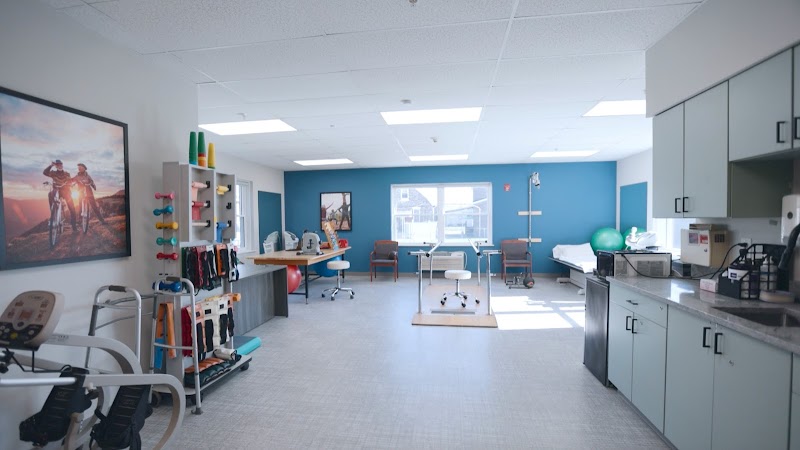
How is Harbor Health & Rehab Staffed?

CMS rates HARBOR HEALTH & REHAB's staffing level at 1 out of 5 stars, which is much below average compared to other nursing homes. Staff turnover is 65%, which is 19 percentage points above the Indiana average of 46%. High turnover can affect care consistency as new staff learn residents' individual needs.

What Have Inspectors Found at Harbor Health & Rehab?

State health inspectors documented 75 deficiencies at HARBOR HEALTH & REHAB during 2022 to 2025. These included: 1 Immediate Jeopardy (the most serious level, indicating potential for serious harm or death), 2 that caused actual resident harm, 70 with potential for harm, and 2 minor or isolated issues. Immediate Jeopardy findings are rare and represent the most serious regulatory concerns. They require immediate corrective action.
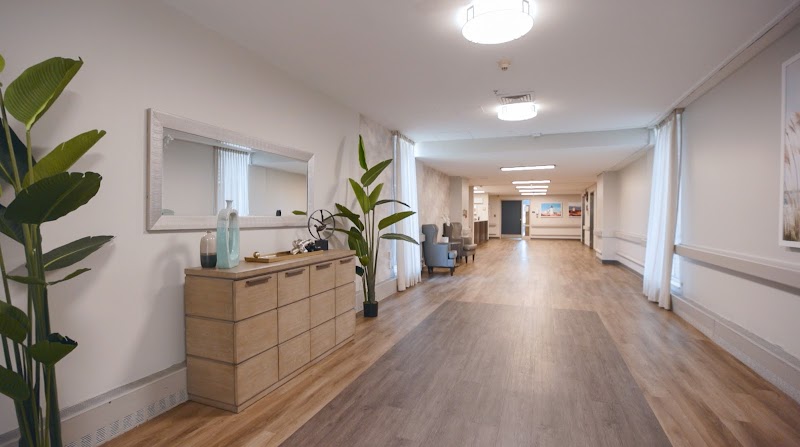
Who Owns and Operates Harbor Health & Rehab?

HARBOR HEALTH & REHAB is owned by a government entity. Government-operated facilities are typically run by state, county, or municipal agencies. The facility is operated by CASA CONSULTING, a chain that manages multiple nursing homes. With 106 certified beds and approximately 64 residents (about 60% occupancy), it is a mid-sized facility located in EAST CHICAGO, Indiana.
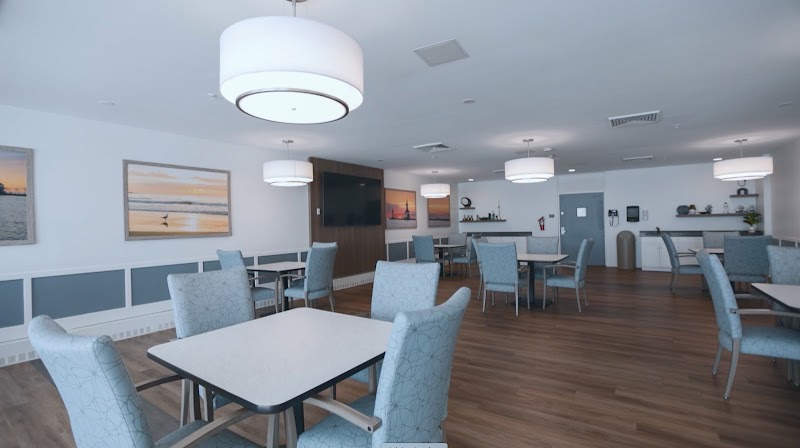
How Does Harbor Health & Rehab Compare to Other Indiana Nursing Homes?

Compared to the 100 nursing homes in Indiana, HARBOR HEALTH & REHAB's overall rating (1 stars) is below the state average of 3.1, staff turnover (65%) is significantly higher than the state average of 46%, and health inspection rating (1 stars) is much below the national benchmark.

What Should Families Ask When Visiting Harbor Health & Rehab?

Based on this facility's data, families visiting should ask: "What changes have been made since the serious inspection findings, and how are you preventing similar issues?" "How do you ensure continuity of care given staff turnover, and what is your staff retention strategy?" "Can you walk me through typical staffing levels on day, evening, and night shifts?" "Can I visit during a mealtime to observe dining assistance and food quality?" These questions are particularly relevant given the facility's Immediate Jeopardy citations, the facility's high staff turnover rate, and the below-average staffing rating.

Is Harbor Health & Rehab Safe?

Based on CMS inspection data, HARBOR HEALTH & REHAB has documented safety concerns. Inspectors have issued 1 Immediate Jeopardy citation (the most serious violation level indicating risk of serious injury or death). The facility is currently on the Special Focus Facility watch list (a federal program monitoring the lowest-performing 1% of nursing homes nationwide). The facility has a 1-star overall rating and ranks #100 of 100 nursing homes in Indiana. Families considering this facility should ask detailed questions about what corrective actions have been taken since these incidents.

Do Nurses at Harbor Health & Rehab Stick Around?

Staff turnover at HARBOR HEALTH & REHAB is high. At 65%, the facility is 19 percentage points above the Indiana average of 46%. High turnover means new staff may not know residents' individual needs, medications, or preferences. It can also be disorienting for residents, especially those with dementia who rely on familiar faces. Families should ask: What is causing the turnover? What retention programs are in place? How do you ensure care continuity during staff transitions?

Was Harbor Health & Rehab Ever Fined?

HARBOR HEALTH & REHAB has been fined $29,230 across 2 penalty actions. This is below the Indiana average of $33,371. While any fine indicates a compliance issue, fines under $50,000 are relatively common and typically reflect isolated problems that were subsequently corrected. Families should ask what specific issues led to these fines and confirm they've been resolved.

Is Harbor Health & Rehab on Any Federal Watch List?

HARBOR HEALTH & REHAB is currently an SFF Candidate, meaning CMS has identified it as potentially qualifying for the Special Focus Facility watch list. SFF Candidates have a history of serious deficiencies but haven't yet reached the threshold for full SFF designation. The facility is being monitored more closely — if problems continue, it may be added to the official watch list. Families should ask what the facility is doing to address the issues that led to this status.