EAST LAKE NURSING & REHABILITATION CENTER
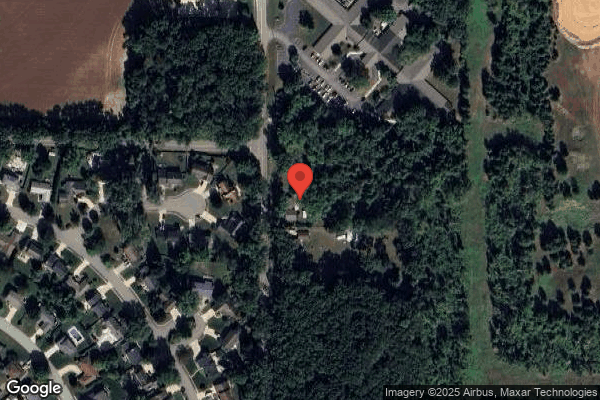
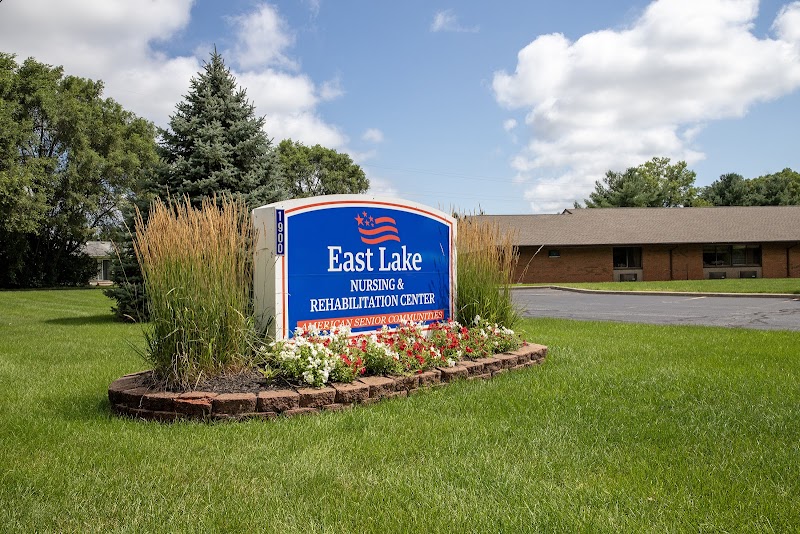
1900 JEANWOOD DR, ELKHART, IN 46514 (574) 264-1133
Non profit - Corporation 152 Beds AMERICAN SENIOR COMMUNITIES Data: November 2025
Trust Grade
85/100
#27 of 505 in IN
Last Inspection: January 2025

Within standard 12-15 month inspection cycle. Federal law requires annual inspections.

Overview

East Lake Nursing & Rehabilitation Center has a Trust Grade of B+, which means it is recommended and above average compared to other facilities. It ranks #27 out of 505 in Indiana, placing it in the top half, and is #1 out of 12 in Elkhart County, indicating it is the best option locally. The facility is improving, having reduced issues from 5 in 2024 to 3 in 2025, and has a staff turnover rate of 46%, which is slightly below the state average, suggesting a stable workforce. There have been no fines recorded, which is a positive sign, though RN coverage is average, meaning there may be some room for improvement in nursing oversight. However, there are some concerns: the facility has had issues with medication management, failing to date multi-dose medication containers, and maintaining cleanliness in resident areas. Additionally, there were reports of a resident not receiving timely assistance with personal care, such as shaving and nail care, which raises concerns about the attention to individual resident needs. Overall, while there are strengths, families should consider these weaknesses when researching this nursing home.

Trust Score
B+
85/100
In Indiana
#27/505
Top 5%
Safety Record
Low Risk
No red flags
Inspections
Getting Better
5 → 3 violations
Staff Stability
⚠ Watch
46% turnover. Above average. Higher turnover means staff may not know residents' routines.
Penalties
✓ Good
No fines on record. Clean compliance history, better than most Indiana facilities.
Skilled Nurses
○ Average
Each resident gets 33 minutes of Registered Nurse (RN) attention daily — about average for Indiana. RNs are the most trained staff who monitor for health changes.
Violations
⚠ Watch
14 deficiencies on record. Higher than average. Multiple issues found across inspections.
★★★★★
5.0
Overall Rating
★★★☆☆
3.0
Staff Levels
★★★★★
5.0
Care Quality
★★★★☆
4.0
Inspection Score
Stable
2024: 5 issues
2025: 3 issues

The Good

  • 5-Star Quality Measures · Strong clinical quality outcomes
  • Full Sprinkler Coverage · Fire safety systems throughout facility
  • No fines on record

Facility shows strength in quality measures, fire safety.

The Bad

Staff Turnover: 46%

Near Indiana avg (46%)

Higher turnover may affect care consistency

Chain: AMERICAN SENIOR COMMUNITIES

Part of a multi-facility chain

Ask about local staffing decisions and management

The Ugly 14 deficiencies on record

Jan 2025 3 deficiencies
CONCERN (D)

Potential for Harm - no one hurt, but risky conditions existed

ADL Care (Tag F0677)

Could have caused harm · This affected 1 resident

**NOTE- TERMS IN BRACKETS HAVE BEEN EDITED TO PROTECT CONFIDENTIALITY** Based on observation, interview, and record review, the facility failed to provide Activities of Daily Living (ADLs) for a depen...

Read full inspector narrative →
**NOTE- TERMS IN BRACKETS HAVE BEEN EDITED TO PROTECT CONFIDENTIALITY** Based on observation, interview, and record review, the facility failed to provide Activities of Daily Living (ADLs) for a dependent resident timely related to nail care and shaving for 1 of 3 reviewed for ADLs. (Resident 35) Finding includes: During an observation and interview, on 1/23/2025 at 10:21 A.M., Resident 35 had a full beard and his nails were jagged with a brown substance under them. Resident 35 indicated he received bed baths twice a week and did not have any problems with them but preferred to have assistance with shaving and nail care. Resident 35 indicated staff had only offered to assist him with shaving once or twice a month. During an observation and interview on 1/24/2025 at 9:11 A.M., Resident 35 had a full beard and jagged nails with a brown substance under them. He indicated that no one had offered to assist him with shaving or nail care. During an observation and interview on 1/27/2025 at 9:27 A.M., Resident 35 indicated the night shift CNA had shaved him and he was happy that his goatee and mustache were now trimmed. He indicated he preferred to have the whiskers on the sides of his face, cheek and neck area shaved at least weekly. Resident 35 indicated he had not refused any offered shaving assistance. He indicated he used to shave every day at home and preferred to be shaved at least weekly. He indicated if he had access to fingernail clippers, he would attempt to trim his own nails, but no one had offered him fingernail clippers when he received his bed baths. During an observation and interview on 1/28/2025 at 9:36 A.M., Resident 35 had facial hair growth on his cheek, sides of his face and his neck but he indicated he did not need shaved yet. He indicated he would like to be shaved weekly. His fingernails remained jagged with a brown substance under them and he indicated no one had offered nail care but if they gave him clippers, he would have tried to trim his own nails. A record review was completed on 1/24/2025 at 10:01 A.M. Diagnoses included, but were not limited to: hypertension heart and chronic kidney disease with heart failure and stage 1 through stage 4 chronic kidney disease, peripheral vascular disease, type 2 diabetes mellitus and right above the knee amputation. A Quarterly Minimum Data Set (MDS) assessment dated [DATE], indicated Resident 35's cognition was intact and he required substantial/maximal assistance with personal hygiene and was dependent on staff assistance with bathing. A current Care Plan, initiated on 8/8/2017, indicated the resident required assistance/monitoring for activities of daily living for A.M. and P.M. care. During an interview on 1/28/2025 at 9:49 A.M., CNA 2 indicated when she provided A.M. care, she completed peri-care, toileted the resident, combed their hair, brushed their teeth and shaved them, if needed. When she provided a complete bed bath, she washed their hair with a shampoo cap, washed their body, applied lotion, shaved the resident, if they needed to be shaved and dressed the resident. She indicated there were no residents on the hall that refused care except for the two female residents who were combative with care. CNA 2 indicated she had not noticed that Resident 35's nails were jagged and not clean when she had provided A.M. care for the resident earlier in the morning. During an interview on 1/28/2025 at 10:18 A.M., CNA 3 indicated when he provided A.M. care, he changed the resident's brief and performed peri-care, brushed their teeth, and offered to shave them. When he provided a complete bed bath, he washed their hair with a shampoo cap, cleaned their body, dried their body and dressed them, then brushed teeth, nail care and shaved them. He indicated Resident 35 had not refused care. On 1/28/2025 at 11:33 A.M., Regional Nurse indicated the facility did not have a policy for nail care or shaving; but they followed the regulations related to resident rights. 3.1-38(3)(D)(E)
CONCERN (D)

Potential for Harm - no one hurt, but risky conditions existed

Quality of Care (Tag F0684)

Could have caused harm · This affected 1 resident

**NOTE- TERMS IN BRACKETS HAVE BEEN EDITED TO PROTECT CONFIDENTIALITY** Based on observation, interview, and record review, the facility failed to follow the plan of care for a resident who required t...

Read full inspector narrative →
**NOTE- TERMS IN BRACKETS HAVE BEEN EDITED TO PROTECT CONFIDENTIALITY** Based on observation, interview, and record review, the facility failed to follow the plan of care for a resident who required two staff present for care for 1 of 3 residents reviewed for care plans. (Resident 34) Finding includes: During an observation on 1/27/2025 at 9:27 A.M., CNA 8 exited Resident 35's room by herself. During an interview on 1/27/2025 at 9:29 A.M., Resident 35 indicated the CNA that had just left the room had helped him with toileting. He indicated he usually only had one caregiver in the room providing assistance because that was usually all they had working on the floor. He indicated it was rare that two staff members assisted him with care in his room, but occasionally two staff providing transfer assistance with the mechanical lift. During an observation on 1/28/2025 at 9:13 A.M., CNA 2 answered Resident 35's call light and asked the resident what he needed. The resident informed the CNA that he needed to use the urinal and CNA 2 proceeded into the resident's room and closed the room door. A record review was completed on 1/24/2025 at 10:01 A.M. Diagnoses included, but were not limited to: hypertension heart and chronic kidney disease with heart failure and stage 1 through stage 4 chronic kidney disease, peripheral vascular disease, type 2 diabetes mellitus and right above the knee amputation. A Quarterly Minimum Data Set (MDS) assessment dated [DATE], indicated Resident 35's cognition was intact and he required substantial/maximal assistance with personal hygiene and was dependent on staff assistance with bathing. A current Care Plan initiated on 8/7/2017, indicated Resident 35 needed staff assistance with activities of daily living. Interventions included, but were not limited to: care in pairs, which was typed in capital letters. A current behavior Care Plan initiated on 12/28/2020, indicated Resident 35 made false allegations and negative statements regarding staff members at time. The interventions, included but were not limited to: Care in pairs. A current Resident Profile, dated 7/9/2021, indicated care in pairs was typed in capital letters. During an interview on 1/28/2025 at 9:49 A.M., CNA 2 indicated that there were no residents in the hall that required care to be provided in pairs. During an interview on 1/28/2025 at 10:18 A.M., CNA 3 indicated that there were no residents in the hall that required care to be provided in pairs. On 1/28/2025 at 11:58 A.M., the DON indicated the facility did not have a policy regarding following the plan of care. 3.1-37(a)
CONCERN (D)

Potential for Harm - no one hurt, but risky conditions existed

Infection Control (Tag F0880)

Could have caused harm · This affected 1 resident

2. During an observation on 1/24/2025 at 2:54 P.M., the linen cart in the 500 hall's cover was on top of the cart exposing the clean linens and an opened container of micro kill bleach wipes with a wi...

Read full inspector narrative →
2. During an observation on 1/24/2025 at 2:54 P.M., the linen cart in the 500 hall's cover was on top of the cart exposing the clean linens and an opened container of micro kill bleach wipes with a wipe hanging out of the top. During an interview on 1/24/2025 at 2:55 P.M. with CNAs 4 and 5, they indicated the linen should have been covered. CNA 4 indicated the container of bleach wipes should not have been left open. She then proceeded to pull the exposed wipe out of the top of the container, but then stuffed it back into the container, under the lid and closed the lid. On 1/27/2025 at 11:37 A.M., the Regional Nurse provided a policy titled, Laundry/Linen, revised 12/2021, and indicated the policy was the one currently used by the facility. The policy indicated . 2. Resident care areas: clean linen a. Clean linen must be protected from soiling or contamination. i. Carts/racks must be covered including transportation of clean and soiled linen . On 1/24/2025 at 10:54 A.M. a current policy titled, General Dose Preparation and Medication Administration,dated 11/15/2024, was provided by the Director of Nursing. The policy indicated, .Facility staff should avoid touching the medication with bare hands when opening a bottle or unit dose package and .If a medication which is not in a protective container is dropped, facility staff should discard it according to facility policy 3.1-18 Based on observation and interview, the facility failed to infection control measures were followed during medication administration observation for 1 of 8 residents observed receiving medications (Resident 17) and a linen cart was covered for 1 of 5 halls. (Hall 500) Findings include: 1. During an observation of a medication pass for Resident 17 on 1/24/2025 at 10:22 A.M., QMA 7 dropped a calcium tablet onto the medication cart. She picked up the tablet with her bare hand and placed it into a medication cup with Resident 17's other medications. During an interview with QMA 7 during the medication pass, she indicated she should not have administered the medications to the resident and should have destroyed all of the resident's medications once she had put the calcium table into the medication cup with the other medications. During an interview on 1/24/2025 at 10:26 A.M., QMA 17 indicated she was unsure of the facility policy for destruction of contaminated medications. During an interview with the Assistant Director of Nursing, who was present at the time, she indicated she was also not sure of the policy.
Jan 2024 5 deficiencies
CONCERN (D)

Potential for Harm - no one hurt, but risky conditions existed

Comprehensive Care Plan (Tag F0656)

Could have caused harm · This affected 1 resident

Based on record review, observation, and interview, the facility failed to ensure a person-centered care plan was developed for 1 of 26 residents whose care plans were reviewed. (Resident 12) Finding ...

Read full inspector narrative →
Based on record review, observation, and interview, the facility failed to ensure a person-centered care plan was developed for 1 of 26 residents whose care plans were reviewed. (Resident 12) Finding includes: A record review was completed on 1/25/2024 at 1:14 P.M. Resident 12's diagnoses included, but were not limited to: acute and chronic respiratory failure with hypoxia, Atrial Fibrillation, Congestive Heart Failure, and chronic Pleural Effusion (build up of fluid between lungs and chest). A Physicians' Order, dated 1/15/2024, indicated Resident 12 had a PleurX Drain (an indwelling suction tube used to remove excess fluid or air) to drain fluid and record output every day. A hospital Discharge Note, dated 12/12/2023, indicated the resident still required a PleurX catheter for daily drainage upon admission to the facility for chronic right pleural effusion. Resident 12's current care plans lacked a specific care plan for the use and care the PleurX drain, including potential respiratory complications and interventions. A Care Plan, dated 12/20/2023, indicated the resident was at risk for fluid imbalance due to acute kidney failure, DM II (Diabetes Mellitus), obstructive and reflux uropathy, chronic combined systolic and Congestive Heart Failure, chronic kidney disease, moderate protein calorie malnutrition, weakness, PleurX drain. Interventions included, but were not limited to: Administer medications as ordered, resident will be free from signs and symptoms of fluid volume deficit, and document and notify Medical Doctor of signs and symptoms of fluid volume deficit: dry mucous membranes, thirst, weight loss, decrease blood pressure, weak or rapid pulse, change in mental status, decreased urine output, abnormal labs, and poor skin turgor. During an interview, on 1/26/2024 at 11:28 A.M., the MDS (Minimum Data Set assessment) Nurse indicated normally, a resident would have had a care plan in place for care of a chest tube. She indicated there was acknowledgement of the PleurX tube only on his 12/20/2023 fluid imbalance care plan. When asked if Resident 22 should have had a care plan in place specific to care for PleurX, she indicated she would have to investigate further. A policy was provided on 1/26/2024 at 12:15 P.M. as current by the Director of Nursing, titled, IDT Comprehensive Care Plan Policy, and dated 1/2010, with a revision date of 8/2023. The policy indicated .The care plan must include measurable goals and resident specific interventions based on the resident needs and preferences to promote the resident's highest level of functioning including medical, nursing, mental and psychosocial well-being 3.1-35(a)
CONCERN (D)

Potential for Harm - no one hurt, but risky conditions existed

ADL Care (Tag F0677)

Could have caused harm · This affected 1 resident

**NOTE- TERMS IN BRACKETS HAVE BEEN EDITED TO PROTECT CONFIDENTIALITY** Based on interview, observation, and record review, the facility failed to ensure residents received showers or complete bed bat...

Read full inspector narrative →
**NOTE- TERMS IN BRACKETS HAVE BEEN EDITED TO PROTECT CONFIDENTIALITY** Based on interview, observation, and record review, the facility failed to ensure residents received showers or complete bed baths as scheduled for 2 of 4 residents reviewed for Activities of Daily Living. (Residents 12 and 22) Findings include: 1. During an interview, on 1/22/2024 at 1:37 P.M., Resident 12 indicated he had received only one shower since admitting to the facility on [DATE]. An admission MDS (Minimum Data Set) Assessment, dated 12/19/2023, indicated the resident was dependent on staff for bathing and showering needs. A Significant Change MDS, dated [DATE], indicated it was very important to choose between tub bath, shower or bed baths. A review of the facility January 2024 shower binder, on 1/25/2024 at 3:00 P.M., indicated Resident 12 had the following shower sheets documented in the binder: 1/5/24 - shower 1/7/24 - shower 1/8/24 - complete bed bath 1/19/24 - shower During an interview, on 1/25/2024 at 3:54 P.M., Unit Manager 11 indicated the resident should have had more documented showers or baths located in the binder for the month of January 2024. 2. During an interview, on 1/22/2024 at 2:41 P.M., Resident 22 indicated he was not getting his showers like he should have been. A record review was completed on 1/25/2024 at 3:00 P.M. An admission MDS (Minimum Data Set) Assessment, dated 9/22/2023, indicated it was very important for resident to choose between tub bath, shower, complete bed bath or partial bed baths. A Quarterly MDS, dated [DATE], indicated Resident 22 required maximum assist for bathing. The January 2024 binder containing bathing sheets, contained only 3 sheets, dated 1/10/2024, 1/19/2024, & 1/24/2024, which were all marked as showers. During an interview, on 1/25/2024 at 3:54 P.M., Unit Manager 11 indicated all shower and or complete bed bath documentation was completed by the staff and kept in the shower sheet binder. Sheets were to be filled out when a resident refused or requested a different day for their shower. Staff tried to accommodate requests to bathe on a different day. Unit Manager 11 indicated that she tried to ask residents if they got their shower or baths, if not documented. She indicated Resident 22 should have had more than 3 documented showers or complete bed baths, and residents should receive at least 2 showers or complete bed baths per week. A policy was requested on 1/26/2024 at 12:15 P.M., but none was provided. 3.1-38(a)(2)
CONCERN (D)

Potential for Harm - no one hurt, but risky conditions existed

Respiratory Care (Tag F0695)

Could have caused harm · This affected 1 resident

**NOTE- TERMS IN BRACKETS HAVE BEEN EDITED TO PROTECT CONFIDENTIALITY** Based on observation, interview, and record review, the facility failed to ensure Oxygen usage signage was posted outside reside...

Read full inspector narrative →
**NOTE- TERMS IN BRACKETS HAVE BEEN EDITED TO PROTECT CONFIDENTIALITY** Based on observation, interview, and record review, the facility failed to ensure Oxygen usage signage was posted outside resident rooms and failed to ensure residents had current Physician Orders for the use of oxygen for 2 of 3 residents reviewed for respiratory care. (Residents 12 and 136) Findings include: 1. During an observation, on 1/23/2024 at 2:38 P.M., Resident 12 was observed receiving oxygen. There was no oxygen signage posted in or outside of room. During an observation, on 1/24/2024 at 9:30 A.M., Resident 12 was observed receiving oxygen. There was no oxygen signage posted in or outside of room. During an observation, on 1/25/2024 at 9:13 A.M., Resident 12 was observed receiving oxygen. There was no oxygen signage posted in or outside of room. During an interview, on 1/25/2024 at 9:55 A.M., LPN 3 and LPN 12 both indicated there should have been oxygen signage posted outside of Resident 12's door indicating oxygen use. During an observation, on 1/26/2024 at 2:35 P.M., Resident 12 was observed receiving oxygen. There was no oxygen signage posted in or outside of room. A record review was completed on 1/25/2024 at 1:14 P.M. Resident 12's diagnoses included but were not limited to: acute and chronic respiratory failure with hypoxia, Atrial Fibrillation, Congestive Heart Failure, A Physician's Order, dated 12/12/2023, indicated oxygen at 4 Liters per nasal cannula. 2. During an interview, on 1/22/2024 at 2:13 P.M., Resident 136 was observed to be using oxygen (O2). The resident indicated staff had not changed the O2 cannula. During an observation, on 1/23/2024 at 11:38 A.M., there was no O2 signage regarding the use of O2 on the resident's door or surrounding area. A record review was completed on 1/24/2024 at 2:28 P.M. A Discharge summary, dated [DATE], indicated continue to wean O2 as tolerated. The record lacked a current Physician's Order for the use of the O2. During an interview, on 1/25/2024 at 10:46 A.M., LPN 5 indicated normally they did not have an O2 sign posted. During an interview, on 1/25/2024 at 10:52 A.M., LPN 5 indicated there should be an O2 sign on the door. During an interview, on 1/25/2024 at 11:32 A.M., RN 9 indicated there should have been an active Physician's Order for the O2. On 1/26/2024 at 11:56 A.M., the Director of Nursing provided the policy titled, Oxygen Therapy and Devices, undated, and indicated the policy was the one currently used by the facility. The policy indicated .1). No Smoking signs need to be affixed to the FRONT and BACK of doors (OSHA regulations). Initiation of Oxygen. 1). Verify physician order . 8) Place O2 signs 3.1-47(6)
CONCERN (D)

Potential for Harm - no one hurt, but risky conditions existed

Infection Control (Tag F0880)

Could have caused harm · This affected 1 resident

Based on observation and interview, the facility staff failed to perform proper hand hygiene when preparing medications for administration to residents, for 2 random infection control observations dur...

Read full inspector narrative →
Based on observation and interview, the facility staff failed to perform proper hand hygiene when preparing medications for administration to residents, for 2 random infection control observations during medication administration. Findings include: 1. During an observation of medication pass, on 1/23/2024 at 11:41 A.M., LPN 3 approached the medication cart and failed to perform hand hygiene before setting up medications for a resident. Alcohol based hand rub (ABHR) was available on the medication cart. During an interview on 1/23/2024 at 11:42 A.M., LPN 3 indicated she should have used the ABHR to clean her hands before setting up medications. 2. During an observation of medication pass, on 1/24/2024 at 8:45 A.M., LPN 4 made notes and documented medication for one resident, and failed to perform hand hygiene before setting up medications for another resident. ABHR was available on the medication cart. During an interview on 1/24/2024 at 8:47 A.M., LPN 4 indicated she should have washed her hands before preparing medications for the next resident. On 1/26/2024 at 9:15 A.M., the DON (Director of Nursing) indicated there is not a policy for when to use hand hygiene during medication preparation or administration. 3.1-18(b)
CONCERN (E)

Potential for Harm - no one hurt, but risky conditions existed

Deficiency F0761 (Tag F0761)

Could have caused harm · This affected multiple residents

Based on observation and interview, the facility failed to date multi-dose medication containers when opened, for 2 of 3 medication carts observed. (100 hall & 600 hall) Findings include: 1. During a...

Read full inspector narrative →
Based on observation and interview, the facility failed to date multi-dose medication containers when opened, for 2 of 3 medication carts observed. (100 hall & 600 hall) Findings include: 1. During an observation of a 100 hall medication cart with LPN 6, on 1/24/2024 at 9:58 A.M., the following multi-dose medication containers lacked a date that indicated when it was opened: 1 bottle of atropine eye drops, and 1 bottle of Mylanta. 2. During an observation of a 600 hall medication cart with LPN 5, on 1/24/2024 at 10:17 A.M., the following multi-dose medication containers lacked a date that indicated when it was opened: 3 bottles of polyethylene glycol, 1 bottle of simethicone, 1 bottle of icosapent ethyl, and 1 bottle of potassium. A policy, titled, Storage and Expiration Dating of Medications, Biologicals, and dated 7/21/2022, was provided by the Director of Nursing on 1/26/2024 at 9:15 A.M. as current. The policy indicated, .Facility staff should record the date opened on the primary medication container (vial, bottle, inhaler) when the medication has a shortened expiration date once opened 3.1-25(j)
Nov 2022 6 deficiencies
CONCERN (D)

Potential for Harm - no one hurt, but risky conditions existed

Deficiency F0582 (Tag F0582)

Could have caused harm · This affected 1 resident

Based on record review and interview, the facility failed to ensure the appropriate financial liability notification forms were provided to 2 of 3 residents who were reviewed for the ABN (Advanced Ben...

Read full inspector narrative →
Based on record review and interview, the facility failed to ensure the appropriate financial liability notification forms were provided to 2 of 3 residents who were reviewed for the ABN (Advanced Beneficiary Notice) and the NMNC (Notice of Medicare Non-Coverage). (Residents 72 & 100) Findings include: 1. A clinical record review was completed on 10/28/22 at 10:43 A.M. An admission MDS (Minimum Data Set) Assessment, dated 6/30/2022, indicated Resident 72's BIMS (Brief Interview for Mental Status) score was 7, indicating severe cognitive impairment. Resident 72's ABN and NNMNC had not been signed by the resident, or the residents' representative. The clinical record indicated a phone call had been made to the spouse, however, there was no indication that the documents had been mailed. 2. A clinical record for Resident 100 was completed on 11/03/2022 at 11:19 A.M. An admission MDS Assessment, dated 7/4/2022, indicated Resident had a BIMS score of 4, severe cognitive impairment. The clinical record lacked the documentation of any communication with the residents' representative, or that the ABN/ NMNA documents had been mailed. On 11/2/2022 at 3:40 P.M., the DON provided the policy titled, Checklist/Instructions for issuing a Notice of Medicare Non-Coverage (NOMNC) /Determination On Continued Stay. The policy indicated .Responsible party must come into sign the NOMNC or it needs to be sent out by mail with a return envelope During an interview, on 11/03/2022 at 11:30 A.M., Social Service staff indicated the NMNC and ABN had not been mailed to the residents' representatives and should have been mailed, along with a return envelope. 3.1-4(f)(2)
CONCERN (D)

Potential for Harm - no one hurt, but risky conditions existed

Comprehensive Care Plan (Tag F0656)

Could have caused harm · This affected 1 resident

2. During a random observation on 10/27/2022 at 11:40 A.M., Resident 72 had a flat affect. During an interview, 10/27/2022 at 11:40 A.M., Resident 72 cried when asked how she was feeling, and indicat...

Read full inspector narrative →
2. During a random observation on 10/27/2022 at 11:40 A.M., Resident 72 had a flat affect. During an interview, 10/27/2022 at 11:40 A.M., Resident 72 cried when asked how she was feeling, and indicated she was not feeling good. A clinical record review was completed on 10/28/2022 at 2:47 P.M. Resident 72's diagnoses included, but were not limited to: Non-Alzheimer's dementia, depression, and diabetes mellitus. Physician orders dated, 10/6/2021, included, Zoloft (an antidepressant) 50 mg (milligrams) oral once a day, and on 2/21/2022, Mirtazepine 7.5 mg oral at bedtime. A Quarterly MDS (Minimum Data Set) Assessment, dated 10/4/2022, indicated Resident 72 had a BIMS (Brief Interview for Mental Status) score of 14, cognition intact. A care plan problem, dated 10/6/2022, indicated the resident was at risk for signs and symptoms of depression, upset with current situation, and not seeing family often. Interventions included but were not limited to: medications per order; encourage family support and involvement; emphasize and promote independence and feelings of control and choice; allow resident to express feelings; offer validation and support; and encourage activities of interest. A Progress Note, dated 7/13/2022, indicated the resident had been seen by the psychologist. The note indicated, Resident is anxious about upcoming medical procedure in 5 days and Ativan was started until the day of procedure. A Progress Note, dated 9/19/2022, indicated the resident had been seen by the psychologist. The note indicated, Resident having an anxiety about starting hemodialysis and continued difficulty with nursing home placement. Visits will be increased to every 2-4 weeks as needed. A Progress Note, dated 10/10/2022, indicated Resident 72 had been seen by the psychologist and the Resident still has difficulty adjusting to potential need for hemodialysis and appeared depressed. She was in better mood at end of session. The GDR (Gradual Dose Reduction) note for Zoloft, dated 9/26/2022, indicated, Patient with symptoms of depression. She is not getting out from her room. Decreasing Zoloft can worsen her mood. GDR note dated 9/26/2022 for Remeron indicated, Discontinuation of Remeron can worsen her sleep. During an interview on 11/01/2022 at 11:29 A.M., the Social Service staff indicated the interventions instructing staff on what made her feel better were not present and should have been. The care plan was not person centered. On 11/2/2022 at 3:41 P.M., the Director of Nursing provided the policy titled, IDT Comprehensive Care Plan Policy. The policy indicated, .Care plan problems, goals, and interventions will be updated based on changes in the resident assessment/condition, resident preferences, or family input 3.1-35(a) Based on record review and interview, the facility failed to develop person centered care plans for hives and for a resident with depression in 2 of 22 residents whose care plans were reviewed. (Resident 30 and 7) Findings include: 1. During an observation, on 10/27/2022 at 9:57 A.M., Resident 30 was observed with round red raised areas to the right upper arm, left and right lower leg and the left inner arm. A clinical record review was completed on 10/31/2022 at 1:56 P.M. Resident 30's diagnoses included, but were not limited to: Alzheimer's disease, dementia, arthritis, and hyperthyroidism. A Quarterly MDS (Minimum Data Set) Assessment, dated 8/30/2022, indicated Resident 30 was severely impaired cognitively. Required extensive assist of 2 staff for bed mobility, total assist for toilet use and transfers, and extensive assist of 1 for eating and dressing and had no skin issues. A current care plan, dated 2/21/2022, indicated the resident had a history of hives around her mouth. During an interview, on 10/31/2022 at 1:23 P.M., the IP (Infection Preventionist) indicated Resident 30's hives just come and goes and had been treated with hydrocortisone cream. She indicated the staff had been talking about the hives last week. The IP indicated she was unsure if there was a care plan for the hives currently on her body. A Progress Note, dated 11/1/2022, indicated the IDT (Interdisciplinary Team) met to review the hives to the resident. The clinical record lacked a person centered care plan for the hives to the residents arms, legs and torso.
CONCERN (D)

Potential for Harm - no one hurt, but risky conditions existed

ADL Care (Tag F0677)

Could have caused harm · This affected 1 resident

Based on observation, record review and interview, the facility failed to provide showers timely for 2 of 3 residents reviewed for ADL's (activities of daily living). (Resident 30 & 60) Findings inclu...

Read full inspector narrative →
Based on observation, record review and interview, the facility failed to provide showers timely for 2 of 3 residents reviewed for ADL's (activities of daily living). (Resident 30 & 60) Findings include: 1. During an observation, on 10/27/2022 at 9:57 A.M., Resident 30 had long, jagged and dirty fingernails. A clinical record review was completed on, 10/31/2022 at 1:56 P.M. Resident 30's diagnoses included, but were not limited to: Alzheimer's disease, dementia, hypertension and arthritis. A Quarterly MDS (Minimum Data Set) Assessment, dated 8/30/2022, indicated Resident 30 BIMS (Brief Interview for Mental Status) was unable to be completed, severe cognitive impairment. Required extensive assist of 2 staff for bed mobility, and total assist for toilet use, transfers and bathing. A care plan, dated 3/23/2022, indicated the resident required assistance with ADLs including bed mobility, transfers, eating and toileting related to: weakness, history of falls, and impaired cognition. Interventions included, but were not limited to: Assist with bathing as needed per resident preference. Offer showers two times per week, partial bath in between. Assist with dressing/grooming/hygiene as needed. The shower schedule indicated she was to receive showers on Wednesdays and Saturdays on the evening shift. Resident 33's shower documentation, dated 9/28/2022 to 10/29/2022, indicated the resident had a shower documented on 9/28/2022; a bed bath on 10/12/2022; shower on 10/21/2022; shower on 10/22/2022; bed bath on 10/29/2022. There was no documentation to show Resident 30 had received any type of bathing on: 10/1, 10/5, 10/8, 10/15, and 10/26/2022. During an observation, on 11/1/2022 at 10:07 A.M., Resident 30's nails were observed dirty with a black substance under the nails. During an interview, on 11/01/2022 at 2:13 P.M., LPN 5 indicated there should have been more shower sheets to indicate the resident had received showers. 2. During an observation, on 10/27/2022 at 9:59 A.M., Resident 60's hair was greasy and had dirty fingernails. A clinical record review was completed on 10/31/2022 at 2:19 P.M. Resident 60's diagnoses included, but were not limited to: seizure disorder, Alzheimer's disease and dementia. An Annual MDS ( Minimum Data Set) Assessment, dated 8/2/2022, indicated the resident required extensive assist of 2 staff for bed mobility, transfers, toilet use, and was totally dependant for bathing. A care plan, dated 3/24/2022, indicated the resident required extensive assistance with ADLs (Activities of daily living). Interventions included, but were not limited to: Assist with bathing as needed per resident preference. Offer showers two times per week, and partial bath in between. The shower schedule indicated she was to receive showers on Tuesday and Fridays on the evening shift Resident 60's shower documentation, dated 9/28/2022 to 10/29/2022, indicated the resident had a bed bath on 9/13, shower on 9/27, shower on 10/24 and a bed bath on 10/27/2022. There was no documentation to show Resident 30 had received any type of bathing on: 9/30, 10/4, 10/7, 10/14, 10/18, 10/21, 10/25 and 10/28/2022. During an observation on, 11/01/2022 at 10:06 A.M., Resident 60 was observed with dirty nails. During an interview, on 11/01/2022 at 2:13 P.M., LPN 5 indicated there should have been more shower sheets to indicate the resident had received showers. On 11/2/2022 at 3:40 P.M., the Director of Nursing provided the policy titled, Resident Rights - Know Your Rights under Federal Nursing Home Regulations, dated March 15, 2017, and indicated the policy was the one currently used by the facility. The policy indicated . You have the right to be informed, and participate in, your treatment. This includes the right to: Received services and/or items included in the plan of care 3.1-38(a)(3)
CONCERN (D)

Potential for Harm - no one hurt, but risky conditions existed

Medication Errors (Tag F0758)

Could have caused harm · This affected 1 resident

Based on record review and interview, the facility failed to have an appropriate diagnosis for the use an Antipsychotic medication for 2 of 5 residents reviewed for unnecessary medication. (Resident 1...

Read full inspector narrative →
Based on record review and interview, the facility failed to have an appropriate diagnosis for the use an Antipsychotic medication for 2 of 5 residents reviewed for unnecessary medication. (Resident 16 & 21) Findings include: 1. A clinical record review was completed on 11/01/2022 at 1:42 P.M. Resident 16's diagnoses included but were not limited to: Alzheimer's disease, dementia, psychotic disturbance, mood disturbance, altered mental status and anxiety. Current physician orders, dated 11/1/2022, indicated Resident 16 had received Seroquel (antipsychotic) 12.5 mg (milligrams) daily for the diagnosis of unspecified dementia with behavioral disturbance since 10/12/2022. During an interview, on 11/01/2022 at 2:40 P.M., the Social Service Director indicated the current diagnosis was not appropriate for the use of Seroquel. 2. A clinical record review was completed on 10/28/2022 at 2:38 P.M. Resident 21's diagnoses included but were not limited to: Unspecified dementia with behavioral disturbance, major depressive disorder, altered mental status and anxiety. Current physician orders, dated 11/1/2022, indicated Resident 21 had received Seroquel (antipsychotic) 25 mg daily since 10/12/2022 for the diagnosis of encounter for other specified aftercare. During an interview, on 11/01/2022 at 2:40 P.M., the Social Service Director indicated the current diagnosis was not appropriate for the use of Seroquel. On 11/2/2022 at 3:41 P.M., the Director of Nursing provided the policy titled, Psychotropic Management undated, and indicated the policy was the one currently used by the facility. The policy indicated . 1. Residents are not given psychotropic drugs unless the medication is necessary to treat a specific condition as diagnosed, and this is documented in the medical record 3.1-48(b)(1)
CONCERN (D)

Potential for Harm - no one hurt, but risky conditions existed

Deficiency F0761 (Tag F0761)

Could have caused harm · This affected 1 resident

**NOTE- TERMS IN BRACKETS HAVE BEEN EDITED TO PROTECT CONFIDENTIALITY** Based on observation, record review and interview, the facility failed to keep medication storage carts secured/locked when visu...

Read full inspector narrative →
**NOTE- TERMS IN BRACKETS HAVE BEEN EDITED TO PROTECT CONFIDENTIALITY** Based on observation, record review and interview, the facility failed to keep medication storage carts secured/locked when visually seen in 4 of 4 medications carts observed. ( Halls 400, 500, 600 and the Cottage Unit) Findings include: 1. On 10/28/2022 at 4:40 A.M., the medication carts for the 400 and the 600 halls were observed unlocked with no licensed staff using the medication carts. 2. During a medication pass observation, on 10/28/2022 at 4:45 A.M., RN 10 retrieved medication for the resident. RN 10 indicated it might be hard to wake the resident up because she's up all night walking around. RN 10 entered room [ROOM NUMBER] B and administered the medication to her without any issues. The medication cart was left unlocked when the nurse was in the residents room. During an interview, on 10/28/2022 at 4:46 A.M., RN 10 indicated the medication cart should have been locked. 3. During a random observation, on the Cottage unit on 10/28/2022 at 5:20 P.M., the medication cart was observed unlocked. During an interview, on 10/28/2022 at 8:16 A.M., the Administrator indicated the medication carts should have been locked. On 11/2/2022 at 3:40 P.M., the Director of Nursing provided the policy titled,5.3 Storage and Expiration of Medications, Biological's, Syringes and Needles, dated 12/01/2017, and indicated the policy was the one currently used by the facility. The policy indicated .3.3 Facility should ensure that all medications and biological's, including treatment items, are securely stored in a locked cabinet/cart or locked medication room that is inaccessible by residents and visitors 3.1-25(m)
CONCERN (E) 📢 Someone Reported This

A family member, employee, or ombudsman was alarmed enough to file a formal complaint

Potential for Harm - no one hurt, but risky conditions existed

Safe Environment (Tag F0921)

Could have caused harm · This affected multiple residents

**NOTE- TERMS IN BRACKETS HAVE BEEN EDITED TO PROTECT CONFIDENTIALITY** Based on observation, record review and interview, the facility failed to ensure resident rooms and common areas were maintained...

Read full inspector narrative →
**NOTE- TERMS IN BRACKETS HAVE BEEN EDITED TO PROTECT CONFIDENTIALITY** Based on observation, record review and interview, the facility failed to ensure resident rooms and common areas were maintained in a clean and homelike manner on 4 of 4 nursing units, and in the main dining room and activity room. This deficient practice potentially affected all 76 residents residing in the facility. Findings include: During an environmental tour of the facility, conducted on 11/01/2022 between 9:30 A.M. - 10:38 A.M., accompanied by the Administrator and the Maintenance Supervisor the following was noted: In room [ROOM NUMBER] a chair rail molding had been removed and there were a few finishing nails, which were utilized to secure the plastic wall protective skin on the lower half of the wall, that were sticking out and were rough. During an interview with the Maintenance Supervisor, he indicated he had removed the old chair rail and had sanded the repainted the wall in the past week. He indicated he would go back and ensure the nails were smooth. In addition, there was an area on the wall, beside the soap dispenser with drywall mud visible. In room [ROOM NUMBER] there were visible cobwebs in the corner between the window wall and Resident B's room. In addition, the wall beside and behind Bed B had dried spilled liquid stains. The bathroom door and door frame were also noted to be heavily gouged with missing paint. There was also visible drywall mud noted above the toilet paper holder in the bathroom. In room [ROOM NUMBER], the window blind was noted be sagging in the middle with the bottom blind cracked in the middle. In addition, there were deep gouges in the wall beside Resident B's bed. There was also a missing chair rail above Resident B's bed. There were multiple holes noted in the drywall above Resident A's bed. In room [ROOM NUMBER] there were 4 dead flies noted on the windowsill. In addition, there were deep gouges in the wall noted beside Bed B. In room [ROOM NUMBER] there was a missing chair rail along the wall behind Bed A and B. There were gouges and old adhesive noted where the chair rail was missing. In addition, there were deep gouges noted in the wall beside Bed B. There was also marred paint and missing drywall noted on the corner of the wall beside the bathroom door. In room [ROOM NUMBER] the chair rail was missing and there were holes and old adhesive noted where the rail was missing. In addition, the air conditioning and heating unit was noted to have visible dust and debris in the vent. The Maintenance Supervisor removed the plastic covering and dust and debris were noted on the screen. In addition, the floor in the corner by the air-conditioning unit was dirty with multiple cobwebs and debris. In room [ROOM NUMBER] the windowsill was cracked from the front to the back and the whole window sill was loose and easily pulled away from the wall when lifted. In room [ROOM NUMBER], there was a large area of dry wall mud noted behind the toilet and behind Bed B. The chair well had been removed and there was old adhesive and multiple holes noted on the drywall. In addition, the corner of the wall beside the closet was noted to be heavily gouged and was missing paint and wallboard. In room [ROOM NUMBER], the corner of the wall beside the bathroom door was heavily gouged and missing drywall. The toilet tank was noted to be leaning against the wall behind it. The maintenance Supervisor indicated he had a special piece of plastic he utilized to secure the toilet tank to the base. In the main dining room, there were cobwebs noted in the corner by an exit door into the courtyard area. In the Activity room, there were cobwebs hanging from the corner of the wall beside the television. In addition, Resident 60 was observed seated in her wheelchair in the activity room. Her wheelchair was noted to be heavily soiled with a build up of dried food particles, dried splashed liquids, and grime. The soilage was noted on her wheelchair wheels, metal wheelchair sides, wheelchair brakes and brake hands and pedals. The Administrator noted the condition and indicated it was horrible. In room [ROOM NUMBER] the chair rail was missing with holes in the wall and in the bathroom by the toilet paper holder. During the Environmental tour of the facility, the Administrator disclosed the facility had been without a maintenance supervisor for approximately 6 months. The current Maintenance Supervisor had been hired about 2 months ago. The Administrator indicated the facility was aware of some of the needed repairs, had an action plan and had compiled a list. She indicated the Maintenance Director had started on the repairs. Review of the Action Plan, dated [DATE] and provided by the Administrator on 11/01/2022 at 11:42 A.M. indicated the environmental concerns included patch work, trim and paining on walls, chipped tile/flooring in rooms, broken privacy curtain hooks, broken TP Toilet paper) hooks, light fixtures. There were 52 rooms with rooms with needed repairs and/or painting indicated on the list. The goal on the action plan, after compiling the comprehensive list of repairs, was to have two resident rooms repaired per week. The facility policy and procedure, titled Daily Maintenance included the following: The listed tasks should be performed on a daily basis . The list included air conditioning and heating units, Painted/Stained surfaces, and Wheelchairs. On 11/2/2022 at 3:40 P.M., the Director of Nursing provided the policy titled, Resident Rights, dated March 15, 2017. The policy indicated . Safe Environment. you have the right to a safe, clean, comfortable and homelike environment, including but not limited to receiving treatment and supports for daily living safely . This Federal tag relates to Complaint IN00387842. 3.1-19(e)
Understanding Severity Codes (click to expand)
Life-Threatening (Immediate Jeopardy)
J - Isolated K - Pattern L - Widespread
Actual Harm
G - Isolated H - Pattern I - Widespread
Potential for Harm
D - Isolated E - Pattern F - Widespread
No Harm (Minor)
A - Isolated B - Pattern C - Widespread

Questions to Ask on Your Visit

  • "Can I speak with families of current residents?"
  • "What's your RN coverage like on weekends and overnight?"

Our Honest Assessment

Strengths
  • • Grade B+ (85/100). Above average facility, better than most options in Indiana.
  • • No major safety red flags. No abuse findings, life-threatening violations, or SFF status.
  • • No fines on record. Clean compliance history, better than most Indiana facilities.
Concerns
  • • 14 deficiencies on record. Higher than average. Multiple issues found across inspections.
Bottom line: Generally positive indicators. Standard due diligence and a personal visit recommended.

About This Facility

What is East Lake Nursing & Rehabilitation Center's CMS Rating?

CMS assigns EAST LAKE NURSING & REHABILITATION CENTER an overall rating of 5 out of 5 stars, which is considered much above average nationally. Within Indiana, this rating places the facility higher than 99% of the state's 100 nursing homes. This rating reflects solid performance across the metrics CMS uses to evaluate nursing home quality.
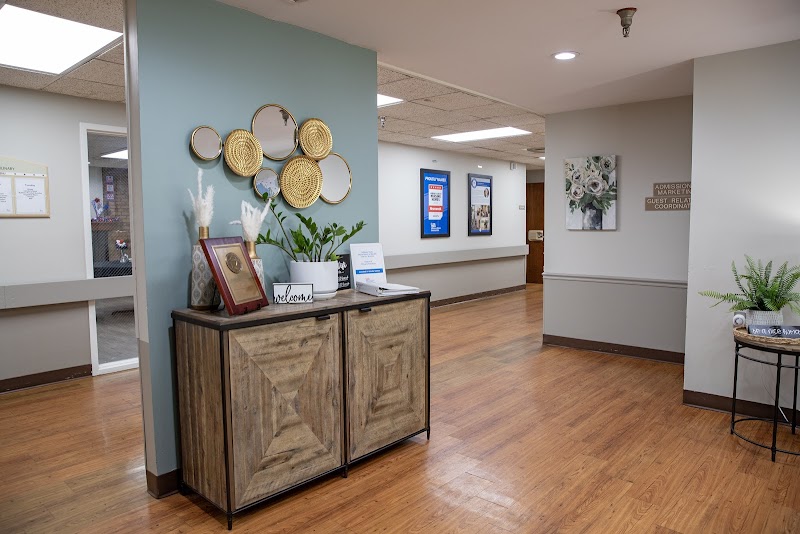
How is East Lake Nursing & Rehabilitation Center Staffed?

CMS rates EAST LAKE NURSING & REHABILITATION CENTER's staffing level at 3 out of 5 stars, which is average compared to other nursing homes. Staff turnover is 46%, compared to the Indiana average of 46%. This relatively stable workforce can support continuity of care.

What Have Inspectors Found at East Lake Nursing & Rehabilitation Center?

State health inspectors documented 14 deficiencies at EAST LAKE NURSING & REHABILITATION CENTER during 2022 to 2025. These included: 14 with potential for harm.
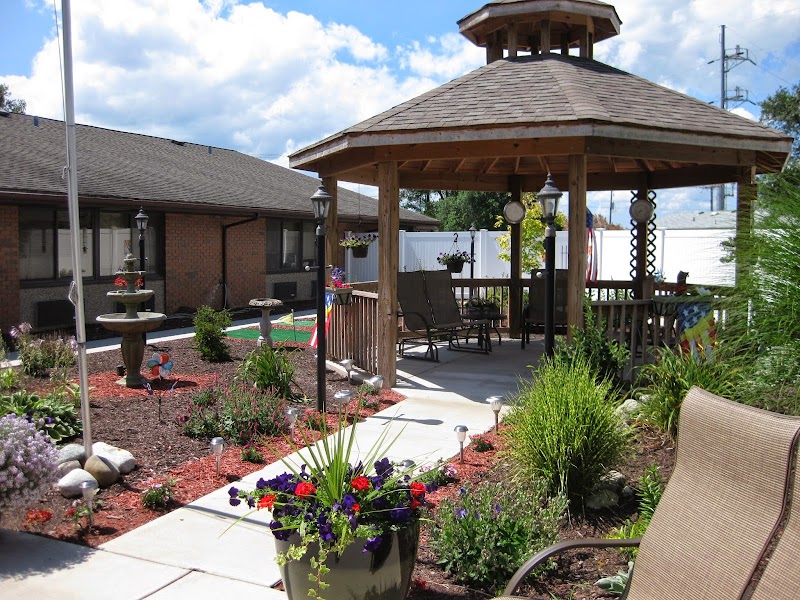
Who Owns and Operates East Lake Nursing & Rehabilitation Center?

EAST LAKE NURSING & REHABILITATION CENTER is owned by a non-profit organization. Non-profit facilities reinvest revenue into operations rather than distributing to shareholders. The facility is operated by AMERICAN SENIOR COMMUNITIES, a chain that manages multiple nursing homes. With 152 certified beds and approximately 97 residents (about 64% occupancy), it is a mid-sized facility located in ELKHART, Indiana.
How Does East Lake Nursing & Rehabilitation Center Compare to Other Indiana Nursing Homes?

Compared to the 100 nursing homes in Indiana, EAST LAKE NURSING & REHABILITATION CENTER's overall rating (5 stars) is above the state average of 3.1, staff turnover (46%) is near the state average of 46%, and health inspection rating (4 stars) is above the national benchmark.

What Should Families Ask When Visiting East Lake Nursing & Rehabilitation Center?

Based on this facility's data, families visiting should ask: "Can I visit during a mealtime to observe dining assistance and food quality?" "How do you handle medical emergencies, and what is your hospital transfer rate?" "Can I speak with family members of current residents about their experience?"

Is East Lake Nursing & Rehabilitation Center Safe?

Based on CMS inspection data, EAST LAKE NURSING & REHABILITATION CENTER has a clean safety record: no substantiated abuse findings (meaning no confirmed cases of resident harm), no Immediate Jeopardy citations (the most serious violation level indicating risk of serious injury or death), and is not on the Special Focus Facility watch list (a federal program monitoring the lowest-performing 1% of nursing homes). The facility has a 5-star overall rating and ranks #1 of 100 nursing homes in Indiana. While no facility is perfect, families should still ask about staff-to-resident ratios and recent inspection results during their visit.

Do Nurses at East Lake Nursing & Rehabilitation Center Stick Around?

EAST LAKE NURSING & REHABILITATION CENTER has a staff turnover rate of 46%, which is about average for Indiana nursing homes (state average: 46%). Moderate turnover is common in nursing homes, but families should still ask about staff tenure and how the facility maintains care continuity when employees leave.

Was East Lake Nursing & Rehabilitation Center Ever Fined?

EAST LAKE NURSING & REHABILITATION CENTER has no federal fines on record. CMS issues fines when nursing homes fail to meet care standards or don't correct problems found during inspections. The absence of fines suggests the facility has either maintained compliance or corrected any issues before penalties were assessed. This is a positive indicator, though families should still review recent inspection reports for the full picture.

Is East Lake Nursing & Rehabilitation Center on Any Federal Watch List?

EAST LAKE NURSING & REHABILITATION CENTER is not on any federal watch list. The most significant is the Special Focus Facility (SFF) program, which identifies the bottom 1% of nursing homes nationally based on persistent, serious quality problems. Not being on this list means the facility has avoided the pattern of deficiencies that triggers enhanced federal oversight. This is a positive indicator, though families should still review the facility's inspection history directly.