RICHLAND BEAN BLOSSOM HEALTH CARE CENTER
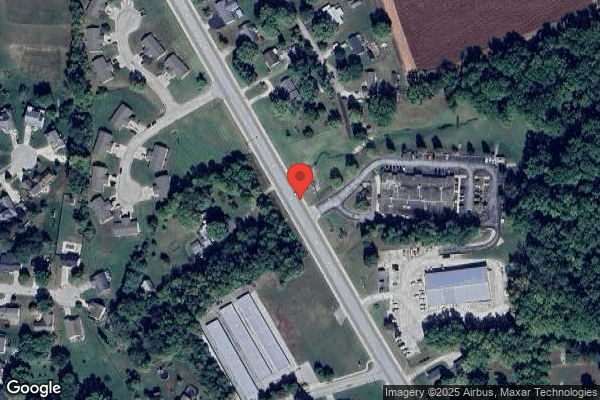
5911 STATE ROAD 46, ELLETTSVILLE, IN 47429 (812) 876-6400
Non profit - Corporation 74 Beds Independent Data: November 2025
Trust Grade
35/100
#475 of 505 in IN
Last Inspection: May 2025

Inspected within the last 6 months. Data reflects current conditions.

Overview

Richland Bean Blossom Health Care Center has received a Trust Grade of F, indicating poor performance with significant concerns about care quality. In Indiana, it ranks #475 out of 505 facilities, placing it in the bottom half overall and last in Monroe County, suggesting limited better alternatives nearby. The facility is worsening, with issues increasing from 7 in 2024 to 13 in 2025. Staffing is a major concern, with a low rating of 1 out of 5 stars, a staffing turnover rate of 64%, and less RN coverage than 99% of state facilities, which may affect resident care. Notably, there have been issues such as failing to address resident complaints about unappetizing meals and a lack of scheduled activities for residents in the dementia unit, which could impact their quality of life. While the facility has no fines on record, the combination of low staffing and rising concerns warrants careful consideration for families looking for care options.

Trust Score
F
35/100
In Indiana
#475/505
Bottom 6%
Safety Record
Low Risk
No red flags
Inspections
Getting Worse
7 → 13 violations
Staff Stability
⚠ Watch
64% turnover. Above average. Higher turnover means staff may not know residents' routines.
Penalties
✓ Good
No fines on record. Clean compliance history, better than most Indiana facilities.
Skilled Nurses
⚠ Watch
Each resident gets only 15 minutes of Registered Nurse (RN) attention daily — below average for Indiana. Fewer RN minutes means fewer trained eyes watching for problems.
Violations
⚠ Watch
28 deficiencies on record. Higher than average. Multiple issues found across inspections.
★☆☆☆☆
1.0
Overall Rating
★☆☆☆☆
1.0
Staff Levels
★★★★☆
4.0
Care Quality
★★☆☆☆
2.0
Inspection Score
Stable
2024: 7 issues
2025: 13 issues

The Good

  • 4-Star Quality Measures · Strong clinical quality outcomes
  • Full Sprinkler Coverage · Fire safety systems throughout facility
  • No fines on record

Facility shows strength in quality measures, fire safety.

The Bad

1-Star Overall Rating

Below Indiana average (3.1)

Significant quality concerns identified by CMS

Staff Turnover: 64%

18pts above Indiana avg (46%)

Frequent staff changes - ask about care continuity

Staff turnover is elevated (64%)

16 points above Indiana average of 48%

The Ugly 28 deficiencies on record

May 2025 13 deficiencies
CONCERN (D)

Potential for Harm - no one hurt, but risky conditions existed

Deficiency F0552 (Tag F0552)

Could have caused harm · This affected 1 resident

Based on record review and interview, the facility failed to ensure residents and/or their representative were provided informed consent prior to initiating an antipsychotic medication for 1 of 6 resi...

Read full inspector narrative →
Based on record review and interview, the facility failed to ensure residents and/or their representative were provided informed consent prior to initiating an antipsychotic medication for 1 of 6 residents reviewed for unnecessary medications. (Resident 13) Findings include: On 5/6/25 at 2:09 p.m., Resident 13's clinical record was reviewed. The diagnoses included, but were not limited to, myotonic muscular dystrophy (a genetic disorder characterized by progressive muscle weakness and difficulty relaxing muscles after use), psychosis (significant loss of contact with reality, often characterized by hallucinations and delusions), and senile degeneration of the brain (a decline in cognitive function). A review of physician's orders indicated the following: On 4/29/25, an order for Olanzapine (an antipsychotic medication) 2.5 mg (milligrams) once daily was prescribed for a diagnosis of psychosis. A review of Resident 13's progress notes indicated the following: On 4/29/25, the resident informed staff that she saw an accident take place that had multiple casualties. The resident was seen by her primary care doctor and psychologist, both providers recommended to start resident on Olanzapine 2.5 mg daily, due to continued hallucinations. The record indicated the family was aware. The clinical record lacked documentation that indicated informed consent was provided to the resident and the resident representative regarding treatment options, risks, and benefits of psychotropic medication. During an interview with the DON (Director of Nursing), on 5/9/25 at 11:52 a.m., she indicated there was not an informed consent prior to the start of a psychotropic medication. On 5/9/25 at 1:57 p.m., the DON indicated they did not have a policy for initiating psychotropic medication, nor did they have a policy on obtaining informed consent. 3.1-3(n)(2)
CONCERN (D)

Potential for Harm - no one hurt, but risky conditions existed

Deficiency F0553 (Tag F0553)

Could have caused harm · This affected 1 resident

Based on interview and record review, the facility failed to ensure resident's care planning conferences were completed for 1 of 1 residents reviewed for care planning. (Resident 41) Finding includes:...

Read full inspector narrative →
Based on interview and record review, the facility failed to ensure resident's care planning conferences were completed for 1 of 1 residents reviewed for care planning. (Resident 41) Finding includes: During an interview on 5/6/25 at 9:48 a.m., Resident 41 indicated the staff did not involve him or his family in care conferences, and he could not remember the staff ever involving him with the development of his care plan. On 5/6/25 at 11:10 a.m., the resident's clinical record was reviewed. The diagnoses included, but were not limited to hemiplegia (complete paralysis on one side) and hemiparesis (partial weakness on one side of the body) following a cerebral infarction (a condition where brain tissue dies due to a lack of blood flow) affecting left non-dominant side, need for assistance with personal care, dysphagia following cerebrovascular disease, and cerebral infarction without residual deficits. A Quarterly Minimum Data Set (MDS) assessment, dated 2/19/25, indicated the resident had moderately impaired cognition. A review of the resident's clinical record indicated his last care conference was on 6/2/24 and his Annual MDS assessment was dated 8/9/24. During an interview on 5/7/25 at 9:50 a.m., the Director of Nursing (DON) indicated the care conference documentation should appear under care planning or observations tab. She verified there were no care conferences located under in the resident's record and she would verify it on her end. During an interview on 5/9/25 at 2:00 p.m., the DON indicated the resident's last care conference was in 2024 and they should be done quarterly. On 5/9/25 at 2:20 p.m., the DON provided the facility policy, Care Planning-Resident Participation, undated, and indicated it was the policy currently being used. A review of the policy indicated, This facility supports the resident's right to be informed of, and participate in, his or her care planning and treatment (implementation of care) . 10. The facility will discuss the plan of care with the resident and/or representative at regularly scheduled care plan conferences, and allow them to see the care plan . at routine intervals . 11. If the participation of the resident and/or resident representative is determined not practicable for the development of the resident's care plan, an explanation will be documented in the resident's medical record. 3.1-35(d)(2)(B)
CONCERN (D)

Potential for Harm - no one hurt, but risky conditions existed

Deficiency F0558 (Tag F0558)

Could have caused harm · This affected 1 resident

Based on observation, interview, and record review, the facility failed to ensure reasonable accommodation of needs for 1 of 5 residents interviewed during the resident council meeting. Call lights we...

Read full inspector narrative →
Based on observation, interview, and record review, the facility failed to ensure reasonable accommodation of needs for 1 of 5 residents interviewed during the resident council meeting. Call lights were not within reach. (Resident 55) Findings include: During a resident council meeting on 5/7/25 at 10:01 a.m., Resident 55 indicated she did not have access to her call light. Resident 55 indicated the staff had recently deep-cleaned their room and they did not have use of their call lights for 24 hours. Resident 55 insisted she still did not have access to her call light because it was under a stack of plastic totes in their room. On 5/7/25 at 10:45 a.m., Resident 55's call light was observed on the floor, under a plastic storage container. She would not have had prompt access to call for help. On 5/7/25 at 11:00 a.m., Resident 55's clinical record was reviewed. The diagnoses included, but were not limited to, unsteadiness on feet, difficulty in walking, need for assistance with personal care, and glaucoma. The Quarterly Minimum Data Set (MDS) assessment, dated 1/16/25, indicated the resident had moderately impaired cognition. On 5/8/25 at 9:29 a.m., Resident 55 was observed in her recliner and putting on her shoes. Her call light remained on the floor, under the plastic container. She indicated she did not have access to her call light because it was still under the plastic container. She then got up and went to activities. On 5/9/25 at 2:20 p.m., the Director of Nursing provided the facility policy, Call Lights: Accessibility and Timely Response, dated 1/22/25, and indicated it was the policy currently being used. A review of the policy indicated, . 5. Staff will ensure the call light is within reach of resident and secured as needed. 6. The call system will be accessible to residents while in their bed or other sleeping accommodations within the resident's room . 3.1-3(v)(1)
CONCERN (D)

Potential for Harm - no one hurt, but risky conditions existed

Notification of Changes (Tag F0580)

Could have caused harm · This affected 1 resident

**NOTE- TERMS IN BRACKETS HAVE BEEN EDITED TO PROTECT CONFIDENTIALITY** Based on interview and record review, the facility failed to ensure the resident representative was notified of a change in cond...

Read full inspector narrative →
**NOTE- TERMS IN BRACKETS HAVE BEEN EDITED TO PROTECT CONFIDENTIALITY** Based on interview and record review, the facility failed to ensure the resident representative was notified of a change in condition and treatments for 1 of 1 resident's reviewed for death. (Resident 57) Findings include: On [DATE] at 2:31 p.m., Resident 57's closed clinical record was reviewed. The diagnoses included, but were not limited to, dementia, muscle weakness, need for assistance with personal care, and stage 3 chronic kidney disease. A review of the resident's progress notes indicated the following: - On [DATE] at 10:22 p.m., the resident was ordered 2 liters (2 bags) of sodium chloride solutions for dehydration. His son and wife were notified. The note was recorded as a late entry on [DATE] at 10:24 p.m. - On [DATE] at 3:35 a.m., the sodium chloride (0.9% NaCl) solutions were completed via hypodermoclysis (the subcutaneous infusion of fluids, a hydration technique suitable for mildly to moderately dehydrated adult patients). - On [DATE] at 7:56 a.m., the resident had fatigue, a change in mental status, and dark urine. The note did not indicate the family had been notified. - On [DATE] at 9:32 p.m., the resident had congestion, fever, and a productive cough. The note did not indicate the family had been notified. - On [DATE] at 11:17 p.m., the resident was lethargic, his oxygen saturation was 94 percent on room air (normal level is typically between 95% and 100%), and his respirations were 26 (normal respiratory rate for a resting adult is typically between 12 and 20 breaths per minute). The Nurse Practitioner ordered 1 liter of dextrose and sodium chloride (D5W/NaCl, a combination of a sugar and a salt used as a source of water, electrolytes, and calories), followed by 1 liter of sodium chloride. The note did not indicate the family had been notified. - On [DATE] at 11:30 p.m., the D5W/NaCl was subcutaneously running at 75 milliliters per hour. The note did not indicate the family had been notified. - On [DATE] at 6:20 a.m., the resident was found with no pulse or respirations. A second nurse confirmed his death. On [DATE] at 2:23 p.m., LPN 2 indicated she was not working when the resident expired. She indicated he was diagnosed with COVID-19 a few days prior to death and he had recently recovered from a UTI (urinary tract infection). She was surprised to learn he passed away. On [DATE] at 3:20 p.m., the DON provided the facility policy, Notification of Changes, undated, and indicated it was the policy currently being used. A review of the policy indicated, . The facility must . notify the resident's family member . when there is a change requiring such notification. Circumstance requiring notification include: . 2. Significant change in the resident's physical, mental . condition such as deterioration in health . 3. Circumstances that require a need to alter treatment. This may include: a. New treatment. b. Discontinuation of current treatment . 3.1-5(a)(2) 3.1-5(a)(3)
CONCERN (D)

Potential for Harm - no one hurt, but risky conditions existed

Assessment Accuracy (Tag F0641)

Could have caused harm · This affected 1 resident

Based on record review and interview, the facility failed to ensure an accurate MDS (Minimum Data Set) assessment for 2 of 2 residents reviewed for resident assessment. (Resident 31, Resident 11) Find...

Read full inspector narrative →
Based on record review and interview, the facility failed to ensure an accurate MDS (Minimum Data Set) assessment for 2 of 2 residents reviewed for resident assessment. (Resident 31, Resident 11) Finding includes: 1. On 5/8/25 at 2:52 p.m., Resident 31's clinical record was reviewed. The diagnoses included, but were not limited to, bipolar disorder (a mental health condition causes extreme mood swings), dementia (a group of diseases that affect your thinking, memory, reasoning, personality, mood and behavior), and mood disorder (a mental health condition characterized by significant and persistent changes in mood). A review of the notice of PASARR (Preadmission Screening and Resident Review) Level II Outcome, dated 5/22/23, indicated, Final Determination By: Determination Date: 5/22/23, Level II Outcome: Long Term Approval without Specialized Services. The Annual MDS assessment, dated 6/27/24, did not indicate resident was a PASARR level II. During an interview with the Clinical Reimbursement Director on 5/9/25 at 12:15 p.m., she indicated section A1500 on MDS assessment, dated 6/27/24, was marked no in error and indicated it should have been marked yes for PASARR Level II. She indicated they did not have a MDS assessment coding policy, they followed the Resident Assessment Instrument (RAI) manual for coding the MDS assessment. On 5/9/25 at 1:30 p.m., a review of the RAI, Version 3.0 User's Manual, 10/2023, for section A1500 of MDS indicated, Code 1, yes: if PASARR Level II screening determined that the resident has a serious mental illness and/or ID (Intellectual disability)/DD (Developmental disability) or related condition . 2. On 5/8/25 at 3:04 p.m., Resident 11's clinical record was reviewed. The diagnoses included, but were not limited to, heart disease without heart failure, chronic respiratory failure with hypoxia (a condition where the lungs struggle to adequately transfer oxygen into the blood, leading to chronically low oxygen levels), and dementia. An order, dated 5/8/24, indicated hospice services were provided by the hospice provider. The Quarterly MDS assessment, dated 4/3/25, was not marked for hospice care services. During an interview with the Clinical Reimbursement Director on 5/9/25 at 12:15 p.m., she indicated that Resident 11 was receiving hospice services during the quarterly assessment period and Section O0110 on the MDS should have been marked yes. She indicated they did not have a MDS assessment coding policy, they followed the RAI manual for coding the MDS assessment. On 5/9/25 at 1:30 p.m., a review of the RAI, Version 3.0 User's Manual, 10/2023, for section O0110 of MDS indicated, .check all treatments, procedures, and programs that the resident received or performed after admission/entry or reentry to the facility and within the last 14 days .Code residents identified as being in a hospice program for terminally ill persons where an array of services is provided . 3.1-31(d)
CONCERN (D)

Potential for Harm - no one hurt, but risky conditions existed

Pressure Ulcer Prevention (Tag F0686)

Could have caused harm · This affected 1 resident

Based on observation, interview, and record review, the facility failed to ensure a resident received the necessary interventions to prevent the development of a pressure ulcers for 1 of 2 residents r...

Read full inspector narrative →
Based on observation, interview, and record review, the facility failed to ensure a resident received the necessary interventions to prevent the development of a pressure ulcers for 1 of 2 residents reviewed for pressure ulcers. A resident developed a Stage 3 pressure ulcer. (Resident 38) Findings include: During an observation on 5/6/25 at 2:56 p.m., Resident 38 was observed to be resting in her bed on her back and her heels were on the bed. Her heels were not observed to be floated on pillows. During an observation on 5/7/25 at 9:43 a.m., Resident 38 was observed to be resting in the bed on her back and her heels were on the bed. Her heels were not observed to be floated on pillows. During an observation on 5/7/25 at 1:57 p.m., Resident 38 was observed to be resting in the bed on her back and her heels were on the bed. Her heels were not observed to be floated on pillows. During an observation on 5/8/25 at 9:30 a.m., Resident 38 was observed to be resting in the bed on her back and her heels were on the bed. Her heels were not observed to be floated on pillows. During an observation on 5/9/25 at 9:04 a.m., Resident 38 was observed to resting in the bed on her back and her heels were on the bed. Her heels were not observed to be floated on pillows. On 5/7/25 at 11:11 a.m., Resident 38's clinical record was reviewed. The diagnoses included, but were not limited to, stage 3 pressure ulcer of the sacral (lower back) region, dementia, diabetes mellitus, and muscle weakness. The Clinical Quarterly assessment, dated 3/20/25 at 3:37 p.m., indicated Resident 38 was at a moderate risk for pressure ulcers and was dependent on staff for rolling from left to right side when lying on back in the bed. The quarterly MDS (Minimum Data Set) assessment, dated 3/25/25, indicated Resident 38 had severe cognitive impairment, required maximum assist with rolling from left to right side when lying on back in the bed, was always incontinent of bowel and bladder, was at risk for skin breakdown, and did not have any pressure ulcers. The care plan, dated 11/23/22, indicated Resident 38 was at risk for pressure related skin breakdown due to mobility deficit and incontinence. The interventions were to encourage Resident 38 to turn and reposition every 2 hours and as needed; provide thorough skin care with any incontinent episode; and to keep bony prominences from prolonged contact with surfaces. The care plan, dated 3/28/25, indicated Resident 38 was at risk for complications from a stage 3 pressure ulcer to coccyx. The interventions lacked documentation of turn and reposition or to float heels. The Wound Management Detail Report, dated 3/31/25 at 1:04 a.m., indicated the following: - On 3/31/25 at 1:22 p.m., Resident 38 was evaluated for a new stage 3 pressure ulcer to her coccyx. She was incontinent of bowel and bladder. She had poor mobility and was bed and chairfast. The pressure ulcer was 1.2 cm (centimeters) x (by) 0.5 cm x 0.1 cm. The treatment recommendations were to cleanse the coccyx with normal saline, apply collagen (wound dressing) to the base of the wound, and cover with a gauze. The preventive measures were to turn and reposition per protocol; pressure reduction to the heels and all bony prominences; and to float the heels while in the bed with the use of pillows. All prevention measures were discussed with the staff at the time of the visit. - On 4/8/25 at 8:56 p.m., Resident 38's stage 3 pressure ulcer was improving without complications. The size was 0.8 cm x 0.3 cm x 0.1 cm. The treatment recommendations were to cleanse the pressure ulcer with normal saline, apply collagen to the base of the wound, and cover with a gauze. The preventive measures were to turn and reposition per protocol; pressure reduction to the heels and all bony prominences; and to float the heels while in the bed with the use of pillows. All prevention measures were discussed with the staff at the time of the visit. - On 4/15/25 at 9:06 p.m., Resident 38's stage 3 pressure ulcer was improving without complications. The size was 0.7 cm x 0.3 cm x 0.1 cm. The treatment recommendations were to cleanse the pressure ulcer with normal saline, apply collagen to the base of the wound, and cover with a gauze. The preventive measures were to turn and reposition per protocol; pressure reduction to the heels and all bony prominences; and to float the heels while in the bed with the use of pillows. All prevention measures were discussed with the staff at the time of the visit. - On 4/23/25 at 4:12 p.m., Resident 38's stage 3 pressure ulcer was improving without complications. The size was 0.4 cm x 0.3 cm x 0.1 cm. The treatment recommendations were to cleanse the pressure ulcer with normal saline, apply collagen to the base of wound, and leave the area open to the air. The preventive measures were to turn and reposition per protocol; pressure reduction to the heels and all bony prominences; and to float the heels while in the bed with the use of pillows. All prevention measures were discussed with the staff at the time of the visit. Resident 38's progress notes indicated the following: - On 4/29/25 at 5:08 p.m., Resident 38's stage 3 pressure ulcer was improving without complications. The size was 1 cm x 0.5 cm x 0.1 cm. The treatment recommendations were to cleanse the pressure ulcer with normal saline, apply collagen to the base of the wound, and cover with a border gauze. The preventive measures were to turn and reposition per protocol; pressure reduction to the heels and all bony prominences; and to float the heels while in the bed with the use of pillows. All prevention measures were discussed with the staff at the time of the visit. - On 5/6/25 at 9:10 p.m., Resident 38's stage 3 pressure ulcer was improving without complications. The size was 0.8 cm x 0.5 cm x 0.1 cm. The treatment recommendations were to cleanse the pressure ulcer with normal saline, apply calcium alginate (wound care dressing) to the base of the wound, and cover with a border gauze. The preventive measures were to turn and reposition per protocol; pressure reduction to the heels and all bony prominences; and to float the heels while in the bed with the use of pillows. All prevention measures were discussed with the staff at the time of the visit. The clinical record lacked documentation of Resident 38 refusing to float heels or to turn and reposition. During an interview on 5/7/25 at 2:13 p.m., the Assistant Director of Nursing (ADN) indicated Resident 38 had a Stage 3 pressure ulcer to her coccyx. The root cause of the pressure ulcer was from sliding down in her wheelchair. Her interventions were to lay down after meals, turn and reposition, occupational therapy to assist with wheelchair positioning, and a wheelchair cushion to help prevent pressure ulcers. During an interview on 5/8/25 at 10:40 a.m., CAN 2 indicated Resident 38's pressure ulcer interventions were to provide incontinent care and to lay down after meals. Resident 38 did not refuse care. Resident 38 did not turn and reposition after meals or float heels when in bed. During an interview on 5/9/25 at 10:14 a.m., Qualified Medication Aide (QMA) 2 indicated Resident 38 was dependent on staff for activities of daily living (ADL). Resident 38 did not refuse care. Resident 38 was on a turn and reposition schedule. During an interview on 5/9/25 at 11:25 a.m., the Director of Nursing (DON) indicated the clinical record lacked documentation of Resident 38 refusing to turn and reposition or floating heels. On 5/9/25 at 12:14 p.m., the DON provided the facility policy, Pressure Injury Prevention and Management, dated 1/22/25, and indicated it was the policy currently being used by the facility. A review of the policy indicated, .Basic or routine care interventions could include, but are not limited to: I. Redistribute pressure (such as repositioning, protecting and/or offloading heels, etc.) .iii. Provide appropriate, pressure-redistributing, support surfaces; . 3.1-40(a)(1)
CONCERN (D)

Potential for Harm - no one hurt, but risky conditions existed

Deficiency F0688 (Tag F0688)

Could have caused harm · This affected 1 resident

Based on observation, interview, and record review, the facility failed to ensure a resident with limited range of motion received services to prevent further decline for 1 of 2 residents reviewed for...

Read full inspector narrative →
Based on observation, interview, and record review, the facility failed to ensure a resident with limited range of motion received services to prevent further decline for 1 of 2 residents reviewed for mobility.(Resident 41) Findings include: During an interview on 5/6/25 at 9:55 a.m., Resident 41 indicated his left hand did not open and he would like to try a splint to see if that improved his left hands function and mobility. His left hand was observed to not fully open and did not have a splint in place. On 5/6/25 at 2:19 p.m., Resident 41 was observed in his room without a splint on his left hand. On 5/7/25 at 1:57 p.m., Resident 41 was observed in his bed without a splint on his left hand. He indicated staff did not do any range of motion exercises with him. On 5/6/25 at 11:10 a.m., Resident 41's clinical record was reviewed. The diagnoses included, but were not limited to hemiplegia (complete paralysis on one side) and hemiparesis (partial weakness on one side of the body) following a cerebral infarction (a condition where brain tissue dies due to a lack of blood flow) affecting left non-dominant side, need for assistance with personal care, dysphagia following cerebrovascular disease, and cerebral infarction without residual deficits. A Quarterly Minimum Data Set (MDS) assessment, dated 2/19/25, indicated the resident had moderately impaired cognition and functional limitation in range of motion with impairment on one side in his upper and lower extremities. A Occupational Therapy OT Discharge Summary, dated 4/4/25, indicated an extensor resting hand splint was ordered and once it was delivered, OT would assess for correct fit and establish and provide education regarding a wearing schedule. A care plan titled, ADLs Functional Status/Rehabilitation Potential, dated 5/23/24, indicated the resident was to put on a left hand brace in the morning and remove it in the evening. During an interview on 5/8/25 at 1:53 p.m., Certified Occupational Therapy Assistant (COTA) 1 indicated she wrote the progress note in regard to the splint. She had not verified the Business Office Manager (BOM) had placed the order. During an interview on 5/8/25 at 1:54 p.m., the BOM indicated she did not know if she had placed the order for the splint and she would look the splint's order status. During an interview on 5/8/25 at 3:17 p.m., Executive Director (ED) indicated the splint's order must have not gone through. During an interview on 5/9/25 at 11:45 a.m., the Director of Nursing (DON) indicated the facility did not have restorative aides and to talk to the clinical MDS consultant in regard to range of motion exercises and the implementation of a restorative program for residents. During an interview with the Clinical Reimbursement Director she indicated the facility did not have a restorative aide and was actively looking to hire one. She confirmed the resident was not on a restorative program which would typically happen after a resident was discharged and recommended by therapy. On 5/9/25 at 2:20 p.m., the DON provided the facility policy, Prevention of Decline in Rang of Motion, dated 1/25/25, and indicated it was the policy currently being used. A review of the policy indicated, . 4. Preventative Care . b. Staff will . iii. Encouraging resident to remain active and assisting with any exercises . iv. Assisting resident in . use of any assistive devices. v. Assisting resident with range of motion exercises, performing passive range of motion for resident unable to actively participate. c Residents will receive services from restorative aides or therapist as needed . 3.1-42(a)(2)
CONCERN (D)

Potential for Harm - no one hurt, but risky conditions existed

Infection Control (Tag F0880)

Could have caused harm · This affected 1 resident

Based on observation, interview, and record review, the facility failed to implement infection control practices for 1 of 11 residents observed for care. Gloves were not changed, hands were not washed...

Read full inspector narrative →
Based on observation, interview, and record review, the facility failed to implement infection control practices for 1 of 11 residents observed for care. Gloves were not changed, hands were not washed, and Enhanced Barrier Precautions were not implemented. (Resident 38) Findings include: During an observation of a pressure ulcer dressing change on 5/7/25 at 10:46 a.m., the Assistant Director of Nursing (ADON) went into Resident 38's room with treatment supplies to change Resident 38's pressure ulcer dressing. The ADON placed the treatment supplies on Resident 38's bed. CNA 4 performed incontinent care on Resident 38. CNA 4 removed her soiled gloves. She was observed to put on a new pair of gloves. CNA 4 was not observed to wash her hands or apply hand sanitizer prior to putting on the new gloves. The ADON removed the soiled dressing from Resident 38's coccyx. The ADON did not change her gloves after removing the old dressing and placing the new dressing on. The ADON picked up the treatment supplies and placed them back in the treatment cart. The ADON and CNA 4 were not observed to be wearing a gown during the dressing change. On 5/7/25 at 11:11 a.m., Resident 38's clinical record was reviewed. The diagnoses included, but were not limited to, stage 3 pressure ulcer of the sacral (lower back) region, dementia, diabetes mellitus, and muscle weakness. The physician orders, dated 4/8/25 through 5/8/25, lacked an order for enhanced barrier precautions (an infection control strategy that used gloves and gowns during high-contact resident care to reduce the spread of resistant organisms). The ADL (activities of daily living) Functional care plan, dated 5/13/24, indicated Resident 38 had no isolation. The care plan, dated 3/28/25, indicated Resident 38 was at risk for complications from a stage 3 pressure ulcer to coccyx. The interventions lacked documentation of enhanced barrier precautions. During an interview on 5/7/25 at 2:13 p.m., the ADON indicated Resident 38 had a stage 3 ulcer to her coccyx. Resident 38 should of been on enhanced barrier precautions during her pressure ulcer dressing change. When a dirty dressing is removed, they need to wash hands and change gloves. On 5/8/25 at 1:51 p.m., the Executive Director (ED) provided the facility policy, Clean Dressing Change, dated 4/1/25, and indicated it was the policy currently being used by the facility. A review of the policy indicated, .5. Set up clean field on the overbed table with needed supplies for wound cleansing and dressing application: .10. Remove gloves, pulling inside out over the dressing. Discard into appropriate receptacle. 11. Wash hands and put on clean gloves . On 5/8/25 at 1:51 p.m., the Executive Director (ED) provided the facility policy, Enhanced Barrier Precautions, dated 1/22/25, and indicated it was the policy currently being used by the facility. A review of the policy indicated, .Enhanced barrier precautions .employs targeted gown and gloves use during high contact resident care activities .b. An order for enhanced barrier precautions will be obtained for residents with any of the following: 1. Wounds (e.g. chronic wounds such as pressure ulcers .) .4. High-contact resident care activities include: .h. Wound care: any skin opening requiring a dressing . 3.1-18(b)(1)
CONCERN (E)

Potential for Harm - no one hurt, but risky conditions existed

Deficiency F0565 (Tag F0565)

Could have caused harm · This affected multiple residents

Based on observation, interview, and record review, the facility failed to promptly respond to grievances from the resident council meetings for 5 of 5 residents interviewed. (Resident 11, Resident 31...

Read full inspector narrative →
Based on observation, interview, and record review, the facility failed to promptly respond to grievances from the resident council meetings for 5 of 5 residents interviewed. (Resident 11, Resident 31, Resident 55, Resident 45, Resident 41) Findings include: During a resident council meeting on 5/7/25 at 10:01 a.m., Resident 11, Resident 31, Resident 55, Resident 45, and Resident 41, indicated if a meal included a wet item, such as corn, their bread was often soggy and unappetizing. The resident's indicated they had told staff this was a problem multiple times and it was an ongoing problem. A review of the resident council meeting minutes indicated the following: - On 12/26/24, the residents indicated they would like separate dishware for liquid type foods, such as, cottage cheese, fruit, baked beans, etc. - On 2/27/25, the residents discussed the need of bowls for liquid foods. - On 3/27/25, the residents indicated when liquid foods were on the plate with regular food, the sandwiches, or breads would get soggy. On 5/7/25 at 12:10 p.m., a test tray was obtained from the 300 hall cart. The meal included a hamburger on a bun, fried onion rings, and whole kernel corn on a flat plate. The corn was beneath the bun and a few onion rings were on top of the corn. The bottom of the hamburger bun and the onion rings placed on top of the corn were soggy. During an interview on 5/8/25 at 11:29 a.m., the Dietary Manager indicated he was not aware of the residents' concerns related to soggy food. 3.1-3(l)
CONCERN (E)

Potential for Harm - no one hurt, but risky conditions existed

Deficiency F0679 (Tag F0679)

Could have caused harm · This affected multiple residents

Based on observation, interview, and record review, the facility failed to implement an ongoing resident centered activities program for 13 of 13 residents who resided on the secure dementia unit. Fin...

Read full inspector narrative →
Based on observation, interview, and record review, the facility failed to implement an ongoing resident centered activities program for 13 of 13 residents who resided on the secure dementia unit. Findings include: On the following dates and times, residents of the secured dementia unit were observed walking in the hallway, and sitting in the dining area and common area with no structured activities taking place: - On 5/5/25 from 11:00 a.m. to 12:30 p.m. and from 2:00 p.m. to 3:05 p.m. - On 5/6/25 from 9:40 a.m. to 12:15 p.m. and from 1:40 p.m. to 2:55 p.m. - On 5/7/25 from 9:45 a.m. to 11:55 a.m. and from 1:20 p.m. to 3:00 p.m. - On 5/8/25 from 9:30 a.m. to 11:05 a.m. No activities schedule was observed posted or located on the closed dementia unit. During confidential interviews during the course of the survey, they indicated there had been no activities calendar or schedule posted on the unit for several months, and no scheduled activities had taken place for several months, including the survey period. On occasion, an activities assistant would come to the unit to do unscheduled activities with the residents. Activities were inconsistently provided for residents on the unit. The nursing staff would do random and unscheduled activities with the residents when not attending to resident nursing care needs. During an interview on 5/8/25 at 11:15 a.m., the Executive Director indicated there was a need for regularly scheduled activities on the secure dementia unit. On 5/09/25 at 1:21 p.m., the Executive Director provided the facility admission Statement, undated, and indicated this was the admission Statement currently used by the facility. A review of the statement indicated, .These services are provided under the daily basic rate for residents regardless of the payor source .an activities program, including, but not limited to, a planned schedule for recreational , motivational, social, and other activities . 3.1-33(a)
CONCERN (E)

Potential for Harm - no one hurt, but risky conditions existed

Deficiency F0725 (Tag F0725)

Could have caused harm · This affected multiple residents

Based on observation, interview, and record review, the facility failed to provide sufficient nursing staff on the secured dementia unit for 13 of 13 residents who resided on the secure dementia unit ...

Read full inspector narrative →
Based on observation, interview, and record review, the facility failed to provide sufficient nursing staff on the secured dementia unit for 13 of 13 residents who resided on the secure dementia unit (Resident 13, Resident 15, Resident 19, Resident 23, Resident 34, Resident 53, Resident 32, Resident 14, Resident 52, Resident 8, Resident 54, Resident 208, and Resident 48). Findings include: On 5/6/25 at 2:10 p.m., LPN 1 was observed attending to Resident 34 who was ambulating in an unsteady manner in the hallway. LPN 1 observed Resident 52 ambulating in an unsteady manner farther down the hallway and instructed Resident 34 to hold to the hallway railing in order to attend to Resident 52. During this time, QMA 1 was assisting a resident in a resident bathroom. CNA 1 was in the shower room with another resident. LPN 1 guided Resident 52 to a chair in the common area and returned to assist Resident 34. On 5/7/25 at 1:30 p.m. LPN 1 was observed assisting Resident 34 to a chair in the common area. CNA 1 was assisting a resident in a resident room. Resident 34 was resistant to sitting and was becoming agitated. At that time, Resident 32 was attempting to enter the room of another resident. LPN 1 instructed Resident 34 to hold onto the wall railing and redirected Resident 32 to the common area prior to assisting Resident 34 to a chair. No other staff were observed on the unit at that time. On 5/8/25 at 10:30 a.m., LPN 2 was observed at the far end of the unit hallway assisting Resident 52 as he ambulated in an unsteady manner. In the common area, Resident 34 was observed to begin to sit on the lap of Resident 48, who was agitated at that situation. LPN 2 assisted Resident 52 in steadying himself with the wall railing and sprinted the length of the hallway to intervene in Resident 34's attempt to sit on the lap of Resident 48. During that time, QMA 1 was in a resident room attending to a resident's toileting needs and CNA 3 was off the unit procuring supplies for the unit. Confidential interviews were conducted the course of the survey and indicated the following: - From 7:00 a.m. to 3:00 p.m., there was 1 nurse and 2 CNA's on the unit. At 3:00 p.m., one of the CNA's was pulled from the unit, either to clock out or to work in another area of the facility, which left 2 staff working on the unit from 3:00 p.m. to 7:00 p.m. At 7:00 p.m., the second shift nurse and CNA relieved the first shift staff, which left 2 staff working on the unit from 7:00 p.m. to 7:00 a.m. - Most of the residents required extensive assistance of 1 or 2 staff for transferring and toileting and were at risk of falling. - The time period between 3:00 p.m. and 11:00 p.m. was when some residents experience sundowner's syndrome (a neurological condition during which some with dementia experience increased confusion and restlessness beginning in the late afternoon and early evening), and may become agitated and more difficult to direct and redirect. If one resident displayed challenging behaviors or required 2 staff to manage, this left the other residents unattended and at risk of falling. If one staff needed a bathroom break, or was attending to another resident in a resident's room, this left only 1 staff to attend to the rest of the residents. The residents were all at risk of falling, and with only 2 staff on the unit the residents were at a higher risk of falling and not receiving care that would fully meet their physical, emotional, and psychosocial needs. On 5/7/25 at 2:05 p.m., a review of the secure dementia unit staffing schedule indicated the secure dementia unit was assigned 3 nursing staff each day from 7:00 a.m. to 3:00 p.m., and 2 nursing staff each day from 3:00 p.m. to 7:00 a.m. On 5/7/25 at 2:10 p.m., a clinical record review of the residents of the secure dementia unit indicated the following: - There were 4 residents who required extensive assistance of 1 staff member for transfers from surface to surface. - There were 4 residents who required extensive assistance of 2 staff members for transfers between different surfaces. - There were 2 residents who required total assistance for transfers between different surfaces. - There were 6 residents who required extensive assistance of 1 staff member for toileting. - There were 6 residents who required extensive assistance of 2 staff members for toileting. - Between 5/1/24 and 5/7/25 there were a total of 53 fall events amongst the 13 residents on the secure dementia unit. Of those 53 falls, 39 falls occurred between the hours of 3:00 p.m. and 7:00 a.m. On 5/8/25 at 11:20 a.m., the Director of Nursing indicated indicated there were 3 staff scheduled from 7:00 a.m. to 3:00 p.m., and 2 staff scheduled to work on the dementia unit from 3 p.m. to 7 a.m. On 5/5/25 at 11:00 a.m., the ED provided the Facility Assessment Tool, copyright date of June 2024, and indicated this was the Facility Assessment Tool currently used by the facility. A review of the Facility Assessment Tool indicated, .the facility takes into consideration all resident care needs including assist levels for ADL's [activities of daily living] and special clinical needs .the facility periodically analysis patient outcomes and negative events when determining future staffing needs .the staffing needs for each care unit are determined with consideration of the patient functional care needs . 3.1-17(a)
CONCERN (E) 📢 Someone Reported This

A family member, employee, or ombudsman was alarmed enough to file a formal complaint

Potential for Harm - no one hurt, but risky conditions existed

Deficiency F0804 (Tag F0804)

Could have caused harm · This affected multiple residents

Based on observation, interview, and record review, the facility failed to ensure staff served food that had a palatable texture and appearance for 1 of 1 test trays observed. (Resident 11, Resident 3...

Read full inspector narrative →
Based on observation, interview, and record review, the facility failed to ensure staff served food that had a palatable texture and appearance for 1 of 1 test trays observed. (Resident 11, Resident 31, Resident 55, Resident 45, Resident 41, Resident 17) Findings include: During a resident council meeting on 5/7/25 at 10:01 a.m., Resident 11, Resident 31, Resident 55, Resident 45, and Resident 41, indicated if a meal included a wet item, such as corn, their bread was often soggy and unappetizing. They indicated they had told staff this was a problem multiple times and it was an ongoing problem. On 5/7/25 at 12:10 p.m., a test tray was obtained from the 300 hall cart. The meal included a hamburger on a bun, fried onion rings, and whole kernel corn on a flat plate. The corn was beneath the bun and a few onion rings were on top of the corn. The bottom of the hamburger bun and the onion rings placed on top of the corn were soggy. During an interview on 5/7/25 at 12:15 p.m., the Administrator did not deny the hamburger bun was soggy. During an interview on 5/7/25 at 12:20 p.m., Resident 17 indicated the onion ring and hamburger buns were soggy from the corn liquid. During an interview on 5/8/25 at 11:29 a.m., the Dietary Manager indicated he was not aware of the residents' concerns related to soggy food. 1.3-21(a)(2)
MINOR (C)

Minor Issue - procedural, no safety impact

Deficiency F0574 (Tag F0574)

Minor procedural issue · This affected most or all residents

Based on observation, interview, and record review, the facility failed to ensure residents were informed of the state and local advocacy organization and contact information for filing complaints. Th...

Read full inspector narrative →
Based on observation, interview, and record review, the facility failed to ensure residents were informed of the state and local advocacy organization and contact information for filing complaints. This had to potential to affect 58 out of 58 residents residing in the facility. Findings include: During a resident council meeting on 5/7/25 at 10:36 a.m., residents indicated they did not know where the State Survey Agency (SSA) or the State Long-Term Care Ombudsman information was posted. They further indicated they did not know how to file a complaint with the State Survey Agency. During an observation on 5/7/25 at 10:49 a.m., the local advocacy information was observed posted up by the front entrance approximately 4 and one half feet from the floor. The posting was located amongst other papers and was not easily identifiable nor within eyesight of a wheelchair bound resident. On 5/7/25 at 3:20 p.m., the resident council meeting minutes were reviewed. The resident council meeting minutes did not indicate the SSA or ombudsman posting information was discussed during meetings. During an interview on 5/9/25 at 2:05 p.m., the Clinical Nurse Consultant indicated a staff member should go over the local advocacy posting information during resident council meetings and the residents were provided a copy at admission. She further indicated the facility did not have a specific policy in regard to the posting of local advocacy agencies. 3.1-4(j)(3)(A) 3.1-4(j)(3)(C)
Sept 2024 1 deficiency
CONCERN (D) 📢 Someone Reported This

A family member, employee, or ombudsman was alarmed enough to file a formal complaint

Potential for Harm - no one hurt, but risky conditions existed

Pharmacy Services (Tag F0755)

Could have caused harm · This affected 1 resident

Based on interview and record review, the facility failed to ensure accurate acquiring and accounting of controlled substances for 1 of 3 residents reviewed for pharmacy services. (Resident E) Findin...

Read full inspector narrative →
Based on interview and record review, the facility failed to ensure accurate acquiring and accounting of controlled substances for 1 of 3 residents reviewed for pharmacy services. (Resident E) Findings include: Resident E's clinical record was reviewed on 9/24/24 at 11:00 a.m. The diagnoses included, but were not limited to, end stage renal disease and pain. Physician Orders, dated 8/24/24 through 9/24/24, indicated Resident E's medications included, but were not limited to, hydrocodone-acetaminophen (a pain medication) Schedule II (drugs with high potential for abuse) tablet 7.5-325 mg (milligram) one every six hours as needed for pain. The medication start date was 4/17/24. The pharmacy document titled, Packing Slip was reviewed on 9/25/24 at 11:45 a.m., for Resident E and indicated 60 hydrocodone-acetaminophen tablets 7.5-325 mg were delivered to the facility on 8/28/24. The medication was received and signed for by LPN 1. The facility document titled, Controlled Substance Acceptance Log was reviewed on 9/25/24 at 11:50 a.m., for Resident E. The document was observed to be blank for the acceptance of the 60 hydrocodone-acetaminophen tablets delivered by the pharmacy on 8/28/24. The pharmacy document titled, Controlled Drug Record was reviewed on 9/25/24 at 11:52 a.m., for Resident E. The document indicated only 30 hydrocodone-acetaminophen tablets were left instead of the 60 as indicated on the pharmacy Packing Slip. During an interview on 9/24/24 at 9:40 a.m., the Administrator indicated the pharmacy would deliver medications in the evening and the facility evening nurse would accept the medications from the pharmacy technician. The accepting nurse was supposed to fill out the document titled, Controlled Substance Acceptance Log, for all incoming narcotic medications. This document was not filled out for Resident E on 8/28/24, for the delivery of the hydrocodone-acetaminophen tablets. The pharmacy document titled, Packing Slip indicated 60 tablets were left in 2 separate medication cards of 30 each, however, the facility was showing only 1 card of 30 medications was delivered to facility. During a second interview on 9/24/24 at 12:13 p.m., the Administrator indicated the pharmacy would bring narcotic medications with a manifest titled, Packing Slip. The packing slip would indicate how many medications were being delivered. Resident E's Packing Slip for 8/28/24, indicated 60 hydrocodone-acetaminophen 7.5-325 mg tablets were delivered and accepted by the facility nurse LPN 1. LPN 1 failed to fill out the Controlled Substance Acceptance Log for the narcotics. The medication comes 30 in a card therefore, two cards would have been delivered by the pharmacy. The pharmacy only brought 1 document titled, Controlled Drug Record which indicated to the facility only one card was left with 30 narcotic tablets. The facility was unsure what happened to the second card of narcotics, however it was unable to be located. On 9/24/24 at 1:15 p.m., the Administrator provided the facility policy, Controlled Substances Policies with a revision date of 3/30/22, and indicated it was the policy currently being used by the facility. A review of the policy indicated, . All Controlled Substances: Controlled Substance Records: All CII-CV [schedule II] controlled substances ordered from [pharmacy name] are delivered with a Controlled Substance Record . each controlled substance prescription will have its own record, even if there are multiple controlled substances prescribed to a single patient . On 9/24/24 at 1:15 p.m., the Administrator provided the facility policy, Courier Deliveries with a revision date of 12/28/21, and indicated it was the policy currently being used by the facility. A review of the policy indicated, . 2. Courier will hand the totes/bags to the . nurse . 3. Courier will have the . nurse sign and date one manifest to verify its deliver . 4. Courier will leave one copy of the manifest with the package . This deficient practice was corrected on 9/11/24 after the facility implemented a systemic plan of correction that included the following actions: staff was inserviced on receiving and acquiring controlled substances from the pharmacy with ongoing monitoring and audits. This citation relates to Complaint IN00443589. 3.1-25(e)(2) 3.1-25(e)(3)
Jul 2024 4 deficiencies
CONCERN (D)

Potential for Harm - no one hurt, but risky conditions existed

Deficiency F0655 (Tag F0655)

Could have caused harm · This affected 1 resident

Based on interview and record review, the facility failed to ensure the resident's representative was informed of the baseline care plan for 1 of 1 residents reviewed for mood and behavior. (Resident ...

Read full inspector narrative →
Based on interview and record review, the facility failed to ensure the resident's representative was informed of the baseline care plan for 1 of 1 residents reviewed for mood and behavior. (Resident 56) Finding include: On 7/11/24 at 10:15 a.m., Resident 56' clinical record was reviewed. The diagnoses included, but were not limited to, Alzheimer's disease, anxiety, and insomnia. His admission date was 6/6/24. Resident 56's Interim 48 hour baseline care plan was started on 6/6/24. The clinical record lacked documentation of the resident's representative being informed of the baseline care plan. During an interview on 7/12/24 at 10:24 a.m., the Social Service Designee (SSD) indicated when a new admission was admitted , the facility would have a 72 hour care plan with the family to go over the baseline care plan. During an interview on 7/12/24 at 11:44 a.m., the SSD indicated the clinical record lacked documentation of the 72 hour care plan meeting with family. On 7/12/24 at 11:59 a.m., the Regional Operational Support provided the the facility policy, Resident/Family Participation - Assessment/Person Centered Care Plans, revision date of 4/2017, and indicated it was the policy currently being used. A review of the policy indicated, .5. After baseline care plan is developed a care conference will be held with the resident/representative within 72 hours of admission .
CONCERN (D)

Potential for Harm - no one hurt, but risky conditions existed

Deficiency F0661 (Tag F0661)

Could have caused harm · This affected 1 resident

Based on interview and record review, the facility failed to ensure staff completed a discharge summary that included a recapitulation of the resident's stay, a final summary of the resident's status,...

Read full inspector narrative →
Based on interview and record review, the facility failed to ensure staff completed a discharge summary that included a recapitulation of the resident's stay, a final summary of the resident's status, and a post-discharge plan of care developed with the participation of the resident for 1 of 1 resident reviewed for discharge. (Resident 58) Findings include: On 7/11/24 at 11:34 a.m., Resident 58's clinical record was reviewed. The diagnoses included, but were not limited to, chronic obstructive pulmonary disease, bipolar II disorder, major depressive disorder, anxiety, abnormalities of gait and awareness, cognitive communication deficit, sleep disorder, dysphagia (difficulty swallowing foods or liquids), and need for assistance with personal care. A 4/17/24 discharge Minimum Data Set (MDS) assessment indicated the resident required supervision for self care and ambulation. A review of the resident's progress notes indicated the following: - On 4/10/24 the resident notified the social worker she was going to discharge to Missouri on 4/17/24 at 5:00 p.m. She would go home without home health care or services because she was going out of state. - On 4/17/24 at 3:40 p.m., the resident came to the social worker and asked for her money from the safe. The Assistant Director of Nursing and social worker gave her the money. - On 4/17/24 at 3:55 p.m., a Discharge note on the resident indicated she was a DNR (do not resuscitate). She was given a Brief Interview for Mental Status (BIMS; an assessment used to evaluate a patient's cognitive state) and had no cognitive impairment. She was given the Patient Health Questionnaire (PHQ; a self-report inventory that helps diagnose and screen for mental health disorders) and scored a 0. She has had no behavior or psychosis. She planed to return to Missouri with family. Her medication was called into a local retail pharmacy. Her discharge plans were to leave the state. - On 4/17/24 at 7:15 p.m., the resident left the facility with family and all belongings. No other documentation was located in the resident's clinical record in regard to her discharge from the facility. During an interview on 7/11/24 at 2:45 p.m., the Social Services Director (SSD) indicated she was responsible for discharge services and nursing was responsible for medication reconciliation. She indicated staff should complete the Discharge Summary page prior to a resident's discharge. During an interview on 7/11/24 at 2:56 p.m., the SSD indicated she was unable to locate the completed discharge summary, including a recapitulation of stay in the resident's clinical record. She believed it was because the facility was in between two systems when the resident discharged from the facility, however, it should have been completed. On 7/12/24 at 12:01 p.m., the Director of Nursing provided the facility policy, Discharge Planning Process, dated 1/10/18, and indicated it was the policy currently being used. A review of the policy indicated, . 10. For anticipated discharges, Social Services or designees will invite the resident and/or resident's representative(s) . to a Discharge Care conference(s) prior to the resident's discharge from the facility . The policy did not indicated documentation of a discharge summary or recapitulation of resident stay. 3.1-36(a)(1) 3.1-36(a)(2) 3.1-36(a)(3)
CONCERN (D)

Potential for Harm - no one hurt, but risky conditions existed

Respiratory Care (Tag F0695)

Could have caused harm · This affected 1 resident

Based on observation, interview, and record review, the facility failed to provide respiratory care for 1 of 1 residents reviewed. Oxygen tubing was not changed. (Resident 18) Findings include: On 7/9...

Read full inspector narrative →
Based on observation, interview, and record review, the facility failed to provide respiratory care for 1 of 1 residents reviewed. Oxygen tubing was not changed. (Resident 18) Findings include: On 7/9/24 at 12:35 p.m., Resident 18 was observed lying in bed with oxygen (O2) being administered via nasal cannula (NC) at 2 liters (L). The nasal cannula was dated 6/8/24. On 7/10/24 10:40 a.m., Resident 18 was observed lying in bed with O2 being administered via NC at 2 L. The nasal cannula was dated 6/8/24. On 7/10/24 1:18 p.m., Resident 18 was observed sitting in wheel chair with portable oxygen being administered at 2 L via NC, the NC tubing was dated 4/28 (no year indicated). On 7/10/24 2:43 p.m., Resident 18 was observed lying in bed without oxygen on. She indicated she knew she was supposed to wear it at all times but she took it off at times. The NC was lying on the bed next to resident, which was dated for 6/8/24. Resident 18 picked up the tubing and placed in her nose at that time. The NC observed on portable oxygen was dated 4/28. On 7/11/24 9:36 a.m., Resident 18 was observed lying in bed without oxygen on. The NC was lying on bed next to resident, dated for 6/8/24. The NC observed on portable oxygen was dated 4/28. On 7/11/24 12:05 p.m., Resident 18 was observed sitting outside with portable oxygen being administered at 2 L via NC which was dated 4/28. At that time Director of Nursing (DON) indicated tubing was dated for 4/28. On 7/10/24 at 1:54 p.m., Resident 18's clinical record was reviewed. The diagnoses included, but were not limited to, altered respiratory status, history of sleep apnea, myotonic (an inability to relax muscles at will) muscular dystrophy (progressive muscle degeneration, with weakness and shrinkage of the muscle tissue), pneumonia, personal history of pulmonary embolism (a blood clot that develops in a blood vessel elsewhere in the body and travels to an artery in the lung). The Quarterly Minimum Data Set (MDS) assessment, dated 5/13/24, indicated the resident utilized oxygen therapy. The Care Plan, dated 2/2/24, indicated Resident 18 had altered respiratory status. The interventions included, but were not limited to, change, date, and label tubing weekly. The Physician's Orders included, but were not limited to: - Oxygen at 2 liter/minute via nasal cannula to maintain oxygen saturations above 90% every shift (start date 9/10/23). - Date, label, and change oxygen cannula and tubing every seven days, once a day on Saturday (start date 8/17/23). During an interview on 7/11/24 12:05 p.m., with the Director of Nursing (DON), the DON indicated Resident 18 had order for oxygen therapy. The DON indicated nasal cannula tubing was dated 6/8/24, and portable oxygen tubing was dated 4/28. The DON indicated tubing dates were outdated and should have been changed weekly on Saturdays. On 7/12/24 at 10:00 a.m., the DON provided the facility policy, Oxygen Administration, dated 3/30/20, and indicated it was a policy currently being used. A review of the policy indicated, .5. Assure humidifier (as applicable) and oxygen tubing is changed every 7 days, unless otherwise required by manufacturer or state regulation . 3.1-47(a)(6)
CONCERN (D)

Potential for Harm - no one hurt, but risky conditions existed

Deficiency F0761 (Tag F0761)

Could have caused harm · This affected 1 resident

Based on observation, interview, and record review, the facility failed to label a vial (glass container for holding liquid medication) with the opened date for 1 of 2 medication rooms observed. Find...

Read full inspector narrative →
Based on observation, interview, and record review, the facility failed to label a vial (glass container for holding liquid medication) with the opened date for 1 of 2 medication rooms observed. Findings include: On 7/12/24 at 9:20 a.m., the refrigerator in the medication room was observed to have vial of Tubersol (a solution to aid in diagnosis of tuberculosis infection) in a box. The vial and the box lacked an opened date. The Director of Nursing (DON) could not find an opened date, and all opened vials should have an opened date on them. On 7/12/24 at 9:45 a.m., the DON provided the facility's policy, Determining Expiration Dates, undated and indicated it was the policy being used by the facility. A review of the policy indicated .Tubersol/Aplisol .30 days once opened (Refrigerated) . 3.1-25(j)
Feb 2024 2 deficiencies
CONCERN (D) 📢 Someone Reported This

A family member, employee, or ombudsman was alarmed enough to file a formal complaint

Potential for Harm - no one hurt, but risky conditions existed

Notification of Changes (Tag F0580)

Could have caused harm · This affected 1 resident

Based on interview and record review, the facility failed to ensure the physician was notified of a change in condition for 1 of 3 residents reviewed. Staff did not notify the physician prior to imple...

Read full inspector narrative →
Based on interview and record review, the facility failed to ensure the physician was notified of a change in condition for 1 of 3 residents reviewed. Staff did not notify the physician prior to implementing new orders. (Resident C, RN 1) Finding includes: On 2/8/24 at 10:00 a.m., Resident C's clinical record was reviewed. The diagnoses included, but were not limited to, repeated falls, age related physical debility, and mild cognitive impairment. A Progress Note, dated 2/3/24 at 8:51 a.m., written by RN 1, indicated Resident C complained of constipation and Miralax (stool softener) and Colace (stool softener) were added to her physicians orders as needed medications. The clinical record lacked documentation the physician was notified regarding the new concern of constipation for Resident C. The Physician's Orders, included, but were not limited to: Docusate sodium (Colace), 100 mg (milligrams), give one tablet daily as needed for constipation, initiated on 2/3/24. Miralax powder, give 17 grams one time daily as needed for constipation, initiated on 2/3/24. On 2/8/24 at 9:55 a.m., RN 1 indicated he was the staff member working with Resident C on 2/3/24. RN 1 indicated that Resident C was having trouble having a bowel movement and Resident C did not have orders for Miralax and Colace. RN 1 indicated that Resident C did not usually have any issues having a bowel movement. RN 1 indicated that the facility had standing orders for Resident C's physician if the residents had constipation so RN 1 initiated the Miralax and Colace. RN 1 indicated he did not have to call the physician because the facility had standing orders for residents with constipation. On 2/8/24 at 12:45 p.m., the Administrator provided a sheet of paper titled Bowel Protocol with a fax date of 2/8/24. The Bowel Protocol did not have a specific resident's name on it. The Bowel Protocol indicated, milk of magnesia give (laxative) 30 ml (milliliters) one time if no bowel movement for two days, bisacodyl (laxative) insert one suppository rectally one time if no results on day 3, one day after taking milk of magnesia, Fleet enema (laxative) insert one enema rectally one time if no results on day 4 after taking bisacodyl suppository. This citation relates to Complaint IN00427907. 3.1-5(a)(3)
CONCERN (D) 📢 Someone Reported This

A family member, employee, or ombudsman was alarmed enough to file a formal complaint

Potential for Harm - no one hurt, but risky conditions existed

Deficiency F0602 (Tag F0602)

Could have caused harm · This affected 1 resident

Based on interview and record review, the facility failed to protect a resident right to be free from misappropriation of property for 1 of 1 residents reviewed. A controlled substance was unaccounted...

Read full inspector narrative →
Based on interview and record review, the facility failed to protect a resident right to be free from misappropriation of property for 1 of 1 residents reviewed. A controlled substance was unaccounted for and could not be located. (Resident B) Finding includes: On 2/8/24 at 11:35 a.m., a facility reportable incident was reviewed. The reportable incident indicated that a resident's (Resident B) narcotic card and sign out sheet were both missing and that an investigation was initiated. The clinical record for Resident B was reviewed on 2/8/24 at 11:00 a.m. The diagnoses included, but were not limited to, unspecified pain, unspecified osteoarthritis (a degenerative joint disease, in which the tissues in the joint break down over time), and unspecified neuropathy (weakness, numbness, and pain from nerve damage, usually in the hands and feet). The Significant Change in Status MDS (Minimum Data Set) assessment, dated for 10/31/23, indicated that Resident B had severe cognitive impairment. A Physician's order, initiated 3/6/23 and discontinued on 1/4/23, indicated oxycodone (a prescription-controlled substance used to treat pain)-acetaminophen 5-325 mg (milligrams), take 1 tablet orally as needed for pain every six hours. The Medication Administration Record, dated December 2023, indicated that Resident B last received oxycodone-acetaminophen 5-325 mg on 12/16/23. During an interview on 2/8/24 at 12:35 p.m., the Administrator indicated that it was not certain that the missing medication was stolen but that it did seem the most likely scenario and that QMA 1, a contracted employee, was suspected of taking the medication and was reported to the police and to the contracting agency. The medication had been increasingly infrequently used by Resident B and had been present in the cart for several months and QMA 1 was the only new caregiver. There were 35 unaccounted tablets for Resident B's missing oxycodone-acetaminophen 5-325 mg narcotic medication card and the associated narcotic count sheet was also missing. The medication went missing between the dates of 12/21/23 and 12/28/23, but they were unable to determine the specific time and date of the disappearance. On 2/8/24 at 12:53 p.m., the Administrator provided a copy of the facility's abuse and neglect policy, dated for 3/5/20, and indicated this was the current policy in use by the facility. A review of the policy indicated that residents are to be free from abuse, including, but not limited to, misappropriation of resident property. The deficient practice was corrected on 1/10/24 after the facility implemented a systemic plan that included the following actions: In servicing all nursing staff on the new sign out for narcotics including counting narcotic count cards and implementing ongoing monitoring of the narcotic counts. This citation relates to Complaint IN00425368. 3.1-28(a)
May 2023 7 deficiencies
CONCERN (D)

Potential for Harm - no one hurt, but risky conditions existed

Assessment Accuracy (Tag F0641)

Could have caused harm · This affected 1 resident

Based on observation, interview, and record review, the facility failed to ensure the accuracy of the Minimum Data Set assessment for 1 of 18 residents reviewed in the final sample. A diuretic medicat...

Read full inspector narrative →
Based on observation, interview, and record review, the facility failed to ensure the accuracy of the Minimum Data Set assessment for 1 of 18 residents reviewed in the final sample. A diuretic medication and contractures were inaccurately coded. (Resident 39) Findings include: During an observation on 5/18/23 at 9:55 a.m., Resident 39 was observed to be lying in bed. She had contractures (stiffness) of the right and left hand. Resident 39 was able to open the right hand but not the left. Resident 39's clinical record was reviewed on 5/22/23 at 12:11 p.m. The diagnosis included, but was not limited to, Parkinson's disease. Resident 39's Quarterly Minimum Data Set (MDS) assessment, dated 4/24/23, lacked documentation of the resident taking a diuretic during the 7 day look back period of 4/18/23 through 4/24/23. The MDS assessment indicated the resident had no impaired mobility to the hands. Current physician orders, dated 5/22/23, indicated Resident 39's orders included, but were not limited to, furosemide (a diuretic) 20 mg (milligrams) 1 tablet once a day. A review of the Medication Administration Record (MAR) for Resident 39 indicated the resident was given a diuretic during the 7 day look back period of 4/18/23 through 4/23/23. During an interview on 5/22/2023 at 12:01 p.m., the MDS nurse indicated the MDS was coded in error for Resident 39's not taking a diuretic and for not having an impairment to the hands. Both of those should have been coded Yes. During an interview on 5/22/23 at 2:51 p.m., the Administrator indicated the facility does not have a policy on the MDS. They use the RAI (Resident Assessment Instrument) manual. A review of the Resident Assessment Instrument (RAI) Version 3.0 Manual, Section N0410G indicated, . Diuretic: Record the number of days a diuretic medication was received by the resident at any time during the 7-day look-back period (or since admission/entry or reentry if less than 7 days) and, Section G0400A indicated, . Code 2, impairment on both sides: if resident has an upper and/or lower extremity impairment on both sides that interferes with daily functioning or places the resident at risk of injury . 3.1-31(d)
CONCERN (D) 📢 Someone Reported This

A family member, employee, or ombudsman was alarmed enough to file a formal complaint

Potential for Harm - no one hurt, but risky conditions existed

Pharmacy Services (Tag F0755)

Could have caused harm · This affected 1 resident

Based on interview and record review, the facility failed to ensure drug records were in order, and an account of controlled drugs was maintained for 1 of 3 residents reviewed for pharmaceutical servi...

Read full inspector narrative →
Based on interview and record review, the facility failed to ensure drug records were in order, and an account of controlled drugs was maintained for 1 of 3 residents reviewed for pharmaceutical services.(Resident B) Findings include: On 5/18/23 at 11:40 a.m., Resident B's clinical record was reviewed. The diagnoses included, but were not limited to, necrotizing facscitis and osteomyelitis. A an open ended physician's order with a start date of 4/18/23, indicated the resident was prescribed hydrocodone-acetaminophen (an opioid analgesic) 7.5-325 mg (milligrams) as needed every 4 hours for pain. The controlled drug record for 4/19/23 through 5/3/23 indicated hydrocodone-acetaminophen 7.5-325 mg was dispensed for administration on the following dates and times: - 4/22/23 at 10:00 a.m., 5:00 p.m., and 9:15 p.m. - 4/23/23 at 12:30 a.m., 6:00 a.m., and 8:00 p.m. - 4/24/23 at 12:30 a.m., 4:30 a.m., 10:30 a.m., 4:00 p.m., and 8:00 p.m. - 4/25/23 at 12:30 a.m., 5:00 a.m., and 8:00 p.m. - 4/27/23 at 12:00 a.m. and 11:15 a.m. The MAR (Medication Administration Record) for 4/1/23 through 4/30/23 indicated hydrocodone-acetaminophen 7.5-325 mg was administered on the following dates and times: - 4/22/23 at 9:20 a.m. and 5:12 a.m. - 4/23/23 at 6:19 a.m. and 8:57 a.m. - 4/24/23 at 10:31 a.m. and 3:48 a.m. - 4/25/23 no administrations - 4/27/23 at 11:22 a.m. There was a discrepancy between the controlled drug record and the MAR for 8 doses of hydrocodone-acetaminophen 7.5-325 mg, indicating 8 dispensed doses were not administered to the resident and were unaccounted for. During an interview on 5/22/23 at 11:20 a.m., the Executive Director indicated there was a discrepancy between the controlled drug record and the MAR that indicated 8 dispensed doses of the medication were unaccounted for and were not administered to the resident or not documented as being administered to the resident. On 5/22/23 at 3:00 p.m., the Executive Director provided the Medication Administration Controlled Substances policy, undated, and indicated this was the policy used by the facility. A review of the policy indicated, .current controlled medication accountability records and audit records are kept by the facility .any discrepancy in a controlled substance medication is reported to the Director of Nursing immediately. The Director of Nursing or designee investigates and makes every reasonable effort to reconcile all reported discrepancies .if a major discrepancy or pattern of discrepancies occurs or if there is apparent criminal activity, the Director of Nursing notifies the Administrator . This Federal tag relates to Complaint IN00408310. 3.1-25(b)(3)
CONCERN (D)

Potential for Harm - no one hurt, but risky conditions existed

Deficiency F0776 (Tag F0776)

Could have caused harm · This affected 1 resident

Based on interview and record review, the facility failed to ensure STAT X-ray was completed timely for 1 of 3 residents reviewed for accidents. (Resident 35) Findings include: On 5/19/23 at 10:25 a.m...

Read full inspector narrative →
Based on interview and record review, the facility failed to ensure STAT X-ray was completed timely for 1 of 3 residents reviewed for accidents. (Resident 35) Findings include: On 5/19/23 at 10:25 a.m., Resident 35's clinical record was reviewed. The diagnoses included, but were not limited to, left hip fracture and dementia. A Fall Event, dated 3/26/23 at 6:50 a.m., indicated Resident 35 had a witnessed fall. She tripped on the floor. She didn't sleep well and had been pacing the hallway. She bumped into the laundry barrel then tripped. Resident's 35 progress notes indicated the following: - On 3/26/23 at 9:20 p.m., Resident 35 was limping on her left leg and was complaining of left groin pain. An X-ray of the left hip and pelvis was requested. - On 3/27/23 at 6:30 a.m., Resident 35 was changed due to incontinence. She was observed to be yelling due to pain. She was awaiting the a stat hip X-ray. The Radiology Order, dated 3/26/23 at 9:54 p.m., indicated STAT-Immediately X-ray of left hip and pelvis. The Radiology Report of the left hip, dated 3/27/23 at 2:10 p.m., indicated acute left hip fracture. Resident 35's progress notes lacked documentation of physician being notified of STAT X-ray not being completed within 2 hours of being order and how to proceed. During an interview on 5/19/23 at 2:26 p.m., the Executive Director (ED) indicated a STAT X-ray should be completed within two hours. If the X-ray technician could not get to the facility within 2 hours, the facility would need to call the physician to see how to proceed. The clinical record lacked documentation of notification the physician of the STAT x-ray not being completed within the 2 hours and how to proceed. On 5/22/23 at 3:05 p.m., the ED provided the facility's policy, Laboratory & Radiology Services and Reporting, dated 2/1/23, and indicated it was the policy currently being used by the facility. A review of the policy indicated, .3. Urgent services will be ordered STAT by the practitioner .b. Typically, 4-5 hours for collection and results to be provided to the community .v. If services cannot be completed and results received timely related to policy/contract the practitioner will be notified for additional orders on how to proceed . 3.1-49(g)
CONCERN (D)

Potential for Harm - no one hurt, but risky conditions existed

Infection Control (Tag F0880)

Could have caused harm · This affected 1 resident

Based on observation, interview, and record review, the facility failed to implement infection control practices for 1 of 3 residents reviewed for urinary catheters. A urinary catheter drainage bag an...

Read full inspector narrative →
Based on observation, interview, and record review, the facility failed to implement infection control practices for 1 of 3 residents reviewed for urinary catheters. A urinary catheter drainage bag and tubing was on the floor. (Resident 25) Findings include: On 5/16/23 at 12:42 p.m., Resident 25 was observed to be up in a wheelchair while the urinary catheter drainage bag sat on the floor. On 5/16/23 at 2:24 p.m., Resident 25 was observed to be rolling in the hallway in a wheelchair while the urinary catheter drainage bag was dragging on the floor. On 5/19/23 at 9:34 a.m., Resident 25 was observed to be up in a wheelchair while the urinary catheter tubing sat on the floor. On 5/22/23 at 9:34 a.m., Resident 25 was observed to be up in a wheelchair while the urinary catheter tubing sat on the floor. Resident 25's clinical record was reviewed on 5/16/23 at 3:00 p.m. The diagnoses included, but were not limited to, acute kidney failure and obstruction and reflux uropathy. Current physician orders, dated 5/22/23, indicated Resident 25's orders included, but were not limited to: catheter size 16 FR (french) 10 cc (cubic centimeter), present for obstruction and reflux uropathy. A care plan, initiated on 5/19/23, and current through target date 8/19/23, for Resident 25 indicated, . Problem: Indwelling Catheter . Goal: will have catheter care managed appropriately as evidenced by not exhibiting signs of urinary tract infection . avoid placing bag or tubing on floor . During an interview on 5/22/23 at 11:59 a.m., the Social Services Director indicated the urinary catheter drainage bag and tubing should not be on the floor. On 5/22/23 at 3:05 p.m., the Administrator provided the untitled facility policy, undated, and indicated it was the policy currently being used by the facility for catheter care. A review of the policy did not indicate keeping the urinary catheter drainage bag and tubing off of the floor. 3.1-18(b)(1)
CONCERN (E)

Potential for Harm - no one hurt, but risky conditions existed

Transfer Notice (Tag F0623)

Could have caused harm · This affected multiple residents

3. On 5/19/23 at 10:25 a.m., Resident 35's clinical record was reviewed. The diagnoses included, but were not limited to, left hip fracture and dementia. Resident 35's progress note, dated 3/27/23 at...

Read full inspector narrative →
3. On 5/19/23 at 10:25 a.m., Resident 35's clinical record was reviewed. The diagnoses included, but were not limited to, left hip fracture and dementia. Resident 35's progress note, dated 3/27/23 at 9:10 p.m., indicated she was found on the floor laying on her left side. She was sent to the emergency room for an evaluation. The clinical record lacked documentation of a Notice of Transfer or Discharge for the transfer on 3/27/23. 4. On 5/18/23 at 2:00 p.m., Resident 42's clinical record was reviewed. The diagnoses included, but were not limited to, right hip fracture and vascular dementia. Resident 42's progress note, dated 2/28/23 at 11:36 a.m., indicated she was sent to hospital for an evaluation of right hip. The clinical record lacked documentation of a Notice of Transfer or Discharge for the transfer on 2/28/23. On 5/22/23 at 3:05 p.m., the Executive Director provided the facility policy, Notice of Transfer or Discharge Policy, dated 4/30/20 and indicated this was the policy currently being used by the facility. A review of the policy indicated .1. Before the resident is transferred or discharged , Social Service or a designee will notify the resident and resident's representative of the transfer or discharge and the reasons for the move in writing and in a language and manner they understand .7. A copy of the notice of transfer or discharge will be kept in the resident's medical record 3.1-12(a)(6)(A)(i) 3.1-12(a)(6)(A)(ii) Based on interview and record review, the facility failed to ensure the written Notice of Transfer or Discharge was given to the resident and the resident representative for 4 of 6 residents reviewed for hospitalization. (Resident 25, Resident 15, Resident 42 and Resident 35) Findings include: 1. On 5/16/23 at 3:00 p.m., Resident 25's clinical record was reviewed. The diagnosis included, but was not limited to, encephalopathy (a disease of the brain). Resident 25's progress notes indicated the resident was sent to the hospital on 3/24/23. The clinical record lacked documentation of written Notice of Transfer or Discharge forms being provided to the resident and the resident representative. During an interview on 5/19/23 at 11:50 a.m., the Administrator indicated the Notice of Transfer or Discharge forms were not sent to the resident representatives in writing and they had not kept a copy of the forms that would have went with the resident to the hospital. 2. On 5/18/23 at 10:51 a.m., Resident 15's clinical record was reviewed. The progress notes indicated the resident was sent to the hospital on 8/12/22, 9/2/22, 1/17/23, and 2/13/23. There was no documentation the resident or resident's representative had been provided the written Notice of Transfer or Discharge. During an interview on 5/22/23 at 2:41 p.m., the Executive Director indicated the Notice of Transfer or Discharge had been provided to the resident when he was sent to the hospital.
CONCERN (E)

Potential for Harm - no one hurt, but risky conditions existed

Deficiency F0625 (Tag F0625)

Could have caused harm · This affected multiple residents

3. On 5/19/23 at 10:25 a.m., Resident 35's clinical record was reviewed. The diagnoses included, but were not limited to, left hip fracture and dementia. Resident 35's progress note, dated 3/27/23 at...

Read full inspector narrative →
3. On 5/19/23 at 10:25 a.m., Resident 35's clinical record was reviewed. The diagnoses included, but were not limited to, left hip fracture and dementia. Resident 35's progress note, dated 3/27/23 at 9:10 p.m., indicated she was found on the floor laying on her left side. She was sent to the emergency room for an evaluation. The clinical record lacked documentation of the bed hold policy was provided to the resident or the resident's representative. 4. On 5/18/23 at 2:00 p.m., Resident 42's clinical record was reviewed. The diagnoses included, but were not limited to, right hip fracture and vascular dementia. Resident 42's progress note, dated 2/28/23 at 11:36 a.m., indicated she was sent to the hospital for an evaluation of right hip. The clinical record lacked documentation of the bed hold policy was provided to the resident or the resident's representative. On 5/22/23 at 3:05 p.m., the Executive Director provided the facility policy, Bed Hold, dated 4/29/22 and indicated this was the policy currently being used by the facility. A review of the policy indicated .2. A copy of the facility Bed Hold Policy Review and Notice will be provided to the resident and/or resident representative at the time of transfer or in cases of emergency transfer, within 24 hours. Attempts to notify the resident representative will be documented in the progress notes in cases where the facility was unable to notify the representative 3.1-12(a)(25) 3.1-12(a)(26) Based on interview and record review, the facility failed to ensure the notification of the bed-hold policy required for a resident who transferred to the hospital was provided in writing to the resident or the resident representative for 4 of 6 residents reviewed for hospitalization. (Resident 25, Resident 15, Resident 42 and Resident 35) Findings include: 1. On 5/16/23 at 3:00 p.m., Resident 25's clinical record was reviewed. The diagnosis included, but was not limited to, encephalopathy (a disease of the brain). Resident 25's progress notes indicated the resident was sent to the hospital on 3/24/23. The clinical record lacked documentation of the written notification that specified the facility's bed-hold policy were provided to the resident or the resident representative. During an interview on 5/19/23 at 11:50 a.m., the Administrator indicated the bed-hold policy forms were not sent to the resident representatives in writing and they had not kept a copy of the forms that would have went with the residents to the hospital. 2. On 5/18/23 at 10:51 a.m., Resident 15's clinical record was reviewed. The progress notes indicated the resident was sent to the hospital on 8/12/22, 9/2/22, 1/17/23, and 2/13/23. Review of the resident's clinical record revealed no documentation that a written notice that specified the facility's bed-hold policy permitting the resident to return and resume resident in the facility was provided to the resident or resident's representative. During an interview on 5/22/23 at 2:41 p.m., the Executive Director indicated the bed-hold policy was sent to the hospital with the resident.
CONCERN (E)

Potential for Harm - no one hurt, but risky conditions existed

Safe Environment (Tag F0921)

Could have caused harm · This affected multiple residents

Based on observation, interview, and record review, the facility failed to ensure an environment in good repair for 7 of 10 residents reviewed for environment. Wheelchair arm pads and window curtains ...

Read full inspector narrative →
Based on observation, interview, and record review, the facility failed to ensure an environment in good repair for 7 of 10 residents reviewed for environment. Wheelchair arm pads and window curtains were in disrepair. (Resident 5, Resident 23, Resident 25, Resident 32, Resident 44, Resident 53, and Resident 50) Findings include: 1. On 5/18/23 at 1:25 p.m., Resident 44 was observed in her room in her wheelchair. The covering on the left wheelchair armpad was cracked, revealing the underlying white padding. 2. On 5/18/23 at 2:40 p.m., Resident 53 was observed in his room in his wheelchair. The covering on both wheelchair armpads was cracked, revealing the underlying white padding. 3. On 5/19/23 at 2:10 p.m., Resident 5 was observed sitting in the resident lounge in his wheelchair. There was no right arm pad on the wheelchair, and the resident was resting his arm on the metal bar where the pad should have been. 4. On 5/16/23 at 12:20 p.m., the window curtains in the room of Resident 23 and Resident 32 were observed to have tears in them. 5. On 5/16/23 at 2:20 p.m., the window curtains in the room of Resident 50 were observed to have tears in them. 6. On 5/17/23 at 3:14 p.m., the window curtains in the room of Resident 25 were observed to have tears in them. During an interview on 5/22/23 at 1:50 p.m., the Executive Director indicated the wheelchair pads and window curtains were in need of repair. On 5/22/23 at 3:00 p.m., the facility Executive Director provided the Indiana Residents Rights, dated 4/1/20, and indicated these were the resident's rights currently used by the facility. A review of the policy indicated, .you have the right to a safe, clean, comfortable, and homelike environment . 3.1-19(f)
Apr 2023 1 deficiency
CONCERN (D) 📢 Someone Reported This

A family member, employee, or ombudsman was alarmed enough to file a formal complaint

Potential for Harm - no one hurt, but risky conditions existed

Deficiency F0602 (Tag F0602)

Could have caused harm · This affected 1 resident

Based on interview and record review, the facility failed to protect the resident's right to be free from the misappropriation of resident property for 1 of 3 residents reviewed for misappropriation o...

Read full inspector narrative →
Based on interview and record review, the facility failed to protect the resident's right to be free from the misappropriation of resident property for 1 of 3 residents reviewed for misappropriation of medications. (Resident B) Findings include: Resident B's clinical record was reviewed on 4/20/23 at 10:30 a.m. The diagnoses included, but were not limited to, congestive heart failure and chronic pain. Physician orders, dated 3/1/23 through 4/20/23, indicated the medications for Resident B included, but were not limited to: Lorazepam (an antianxiety) 0.5 mg (milligrams) three times a day prn (as needed). The end date for the medication was 4/2/23. A review on 4/20/23 at 12:15 p.m., of the Controlled Drug Record for Resident B indicated 25 lorazepam tablets were remaining for disposition on 4/3/23. A review on 4/20/23 at 12:20 p.m., of a handwritten note indicated 19 lorazepam tablets were destroyed on 4/15/23, for Resident B. There were 6 lorazepam tablets unaccounted for between 4/3/23 through 4/15/23. During an interview on 4/20/23 at 11:00 a.m., License Practical Nurse (LPN) 1 indicated Resident B's lorazepam was discontinued on 4/2/23. Her and LPN 2 pulled the medication card from the cart and LPN 2 indicated she would destroy the medication. LPN 1 was unsure why the medication was not destroyed. LPN 1 had not witnessed the lorazepam being destroyed although the facility policy indicated two nurses were to witness the destruction. During an interview on 4/20/23 at 11:46 a.m., LPN 2 indicated her and LPN 1 removed the lorazepam from the medication cart for Resident B after the medication was discontinued on 4/2/23. She put the medication in the medication room but forgot about it and had not destroyed it. It was found later by another nurse and destroyed. During an interview on 4/20/23 at 12:01 p.m., LPN 3 indicated he was working on 4/15/23, when LPN 4 indicated she had found some lorazepam for Resident B in the medication room that should have been destroyed. He and LPN 4 destroyed 19 lorazepam tablets on 4/15/23. During an interview on 4/20/23 at 12:15 p.m., LPN 4 indicated she was working day shift on 4/15/23. She was searching the medication room for another resident's medication when she found a medication card of Resident B's lorazepam 0.5 mg in the cabinet above of the sink. Resident B's medication card of lorazepam 0.5 mg had 19 pills remaining. The drug disposition record dated 4/3/23, indicated 25 remaining pills on the card were disposed on 4/3/23. The cabinet above the sink was not a place they would store medications. On 4/20/23 at 2:22 p.m., Executive Director (ED) provided the facility policy, Freedom From Abuse, Neglect, and Exploitation, dated 3/5/20, and indicated this was the policy currently being used by the facility. A review of the policy indicated .Misappropriation of resident property means the deliberate misplacement, exploitation, or wrongful, temporary, or permanent use of a resident's belongings or money without the residents consent . This Federal tag relates to Complaint IN00406639. 3.1-28(a)
Understanding Severity Codes (click to expand)
Life-Threatening (Immediate Jeopardy)
J - Isolated K - Pattern L - Widespread
Actual Harm
G - Isolated H - Pattern I - Widespread
Potential for Harm
D - Isolated E - Pattern F - Widespread
No Harm (Minor)
A - Isolated B - Pattern C - Widespread

Questions to Ask on Your Visit

  • "Why is there high staff turnover? How do you retain staff?"
  • "Can I speak with families of current residents?"
  • "What's your RN coverage like on weekends and overnight?"

Our Honest Assessment

Strengths
  • • No major safety red flags. No abuse findings, life-threatening violations, or SFF status.
  • • No fines on record. Clean compliance history, better than most Indiana facilities.
Concerns
  • • 28 deficiencies on record. Higher than average. Multiple issues found across inspections.
  • • Grade F (35/100). Below average facility with significant concerns.
  • • 64% turnover. Above average. Higher turnover means staff may not know residents' routines.
Bottom line: Trust Score of 35/100 indicates significant concerns. Thoroughly evaluate alternatives.

About This Facility

What is Richland Bean Blossom Health's CMS Rating?

CMS assigns RICHLAND BEAN BLOSSOM HEALTH CARE CENTER an overall rating of 1 out of 5 stars, which is considered much below average nationally. Within Indiana, this rating places the facility higher than 0% of the state's 100 nursing homes. A rating at this level reflects concerns identified through health inspections, staffing assessments, or quality measures that families should carefully consider.

How is Richland Bean Blossom Health Staffed?

CMS rates RICHLAND BEAN BLOSSOM HEALTH CARE CENTER's staffing level at 1 out of 5 stars, which is much below average compared to other nursing homes. Staff turnover is 64%, which is 18 percentage points above the Indiana average of 46%. High turnover can affect care consistency as new staff learn residents' individual needs. RN turnover specifically is 60%, which is notably high. RNs provide skilled clinical oversight, so turnover in this role can affect medical care quality.

What Have Inspectors Found at Richland Bean Blossom Health?

State health inspectors documented 28 deficiencies at RICHLAND BEAN BLOSSOM HEALTH CARE CENTER during 2023 to 2025. These included: 27 with potential for harm and 1 minor or isolated issues.

Who Owns and Operates Richland Bean Blossom Health?

RICHLAND BEAN BLOSSOM HEALTH CARE CENTER is owned by a non-profit organization. Non-profit facilities reinvest revenue into operations rather than distributing to shareholders. The facility operates independently rather than as part of a larger chain. With 74 certified beds and approximately 57 residents (about 77% occupancy), it is a smaller facility located in ELLETTSVILLE, Indiana.

How Does Richland Bean Blossom Health Compare to Other Indiana Nursing Homes?

Compared to the 100 nursing homes in Indiana, RICHLAND BEAN BLOSSOM HEALTH CARE CENTER's overall rating (1 stars) is below the state average of 3.1, staff turnover (64%) is significantly higher than the state average of 46%, and health inspection rating (2 stars) is below the national benchmark.

What Should Families Ask When Visiting Richland Bean Blossom Health?

Based on this facility's data, families visiting should ask: "How do you ensure continuity of care given staff turnover, and what is your staff retention strategy?" "Can you walk me through typical staffing levels on day, evening, and night shifts?" "Can I visit during a mealtime to observe dining assistance and food quality?" "How do you handle medical emergencies, and what is your hospital transfer rate?" These questions are particularly relevant given the facility's high staff turnover rate and the below-average staffing rating.

Is Richland Bean Blossom Health Safe?

Based on CMS inspection data, RICHLAND BEAN BLOSSOM HEALTH CARE CENTER has a clean safety record: no substantiated abuse findings (meaning no confirmed cases of resident harm), no Immediate Jeopardy citations (the most serious violation level indicating risk of serious injury or death), and is not on the Special Focus Facility watch list (a federal program monitoring the lowest-performing 1% of nursing homes). The facility has a 1-star overall rating and ranks #100 of 100 nursing homes in Indiana. While no facility is perfect, families should still ask about staff-to-resident ratios and recent inspection results during their visit.

Do Nurses at Richland Bean Blossom Health Stick Around?

Staff turnover at RICHLAND BEAN BLOSSOM HEALTH CARE CENTER is high. At 64%, the facility is 18 percentage points above the Indiana average of 46%. Registered Nurse turnover is particularly concerning at 60%. RNs handle complex medical decisions and coordinate care — frequent RN changes can directly impact care quality. High turnover means new staff may not know residents' individual needs, medications, or preferences. It can also be disorienting for residents, especially those with dementia who rely on familiar faces. Families should ask: What is causing the turnover? What retention programs are in place? How do you ensure care continuity during staff transitions?

Was Richland Bean Blossom Health Ever Fined?

RICHLAND BEAN BLOSSOM HEALTH CARE CENTER has no federal fines on record. CMS issues fines when nursing homes fail to meet care standards or don't correct problems found during inspections. The absence of fines suggests the facility has either maintained compliance or corrected any issues before penalties were assessed. This is a positive indicator, though families should still review recent inspection reports for the full picture.

Is Richland Bean Blossom Health on Any Federal Watch List?

RICHLAND BEAN BLOSSOM HEALTH CARE CENTER is not on any federal watch list. The most significant is the Special Focus Facility (SFF) program, which identifies the bottom 1% of nursing homes nationally based on persistent, serious quality problems. Not being on this list means the facility has avoided the pattern of deficiencies that triggers enhanced federal oversight. This is a positive indicator, though families should still review the facility's inspection history directly.