BRICKYARD HEALTHCARE - BRENTWOOD CARE CENTER
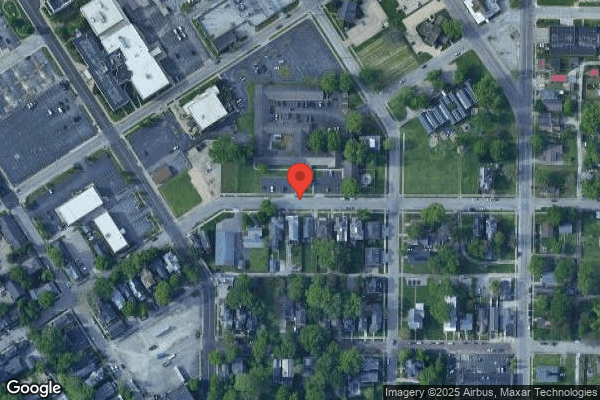
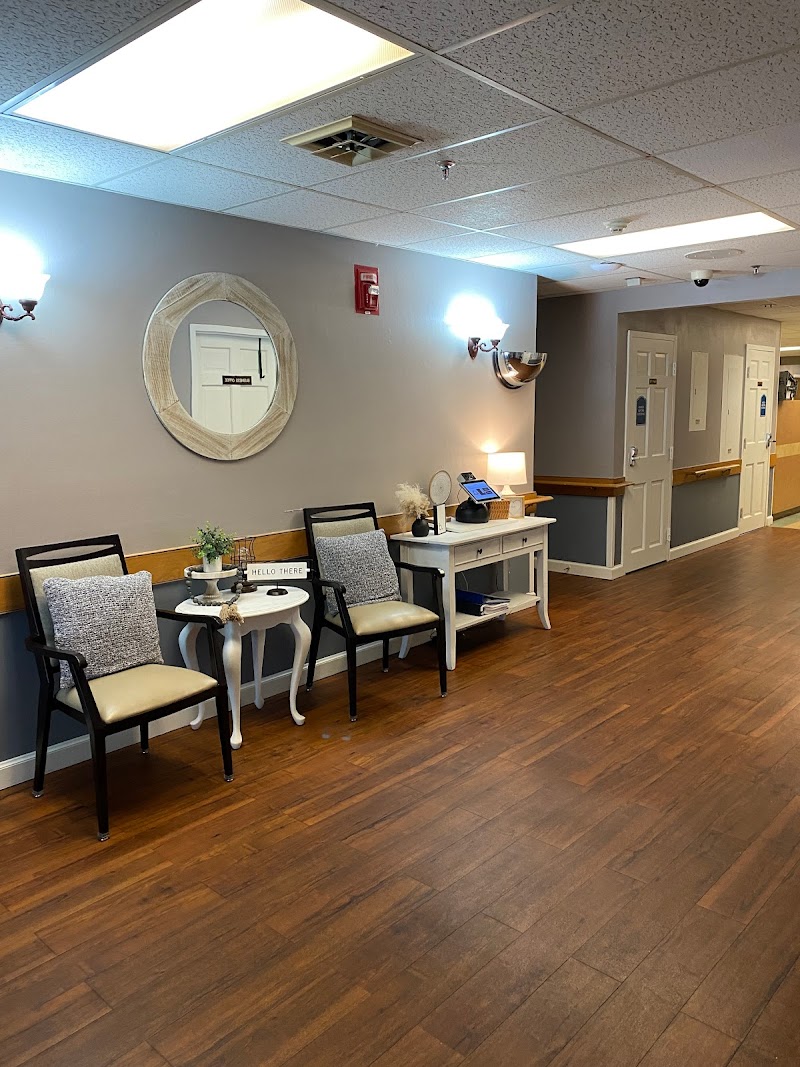
30 E CHANDLER AVE, EVANSVILLE, IN 47713 (812) 423-6019
For profit - Limited Liability company 114 Beds BRICKYARD HEALTHCARE Data: November 2025
Trust Grade
65/100
#219 of 505 in IN
Last Inspection: February 2025

Within standard 12-15 month inspection cycle. Federal law requires annual inspections.

Overview

Brickyard Healthcare - Brentwood Care Center has a Trust Grade of C+, indicating it is slightly above average but not exceptional. It ranks #3 out of 17 facilities in Vanderburgh County, placing it in the top tier locally, and #219 out of 505 in Indiana, which is also in the top half. The facility is improving, with reported issues decreasing from 7 in 2024 to 4 in 2025. Staffing has a 3 out of 5-star rating, with a turnover rate of 46%, which is slightly below the Indiana average, suggesting that staff are relatively stable. While there have been no fines recorded, some concerns include improperly stored medications and food served at inadequate temperatures, indicating areas where the facility could enhance its care practices.

Trust Score
C+
65/100
In Indiana
#219/505
Top 43%
Safety Record
Low Risk
No red flags
Inspections
Getting Better
7 → 4 violations
Staff Stability
⚠ Watch
46% turnover. Above average. Higher turnover means staff may not know residents' routines.
Penalties
✓ Good
No fines on record. Clean compliance history, better than most Indiana facilities.
Skilled Nurses
○ Average
Each resident gets 39 minutes of Registered Nurse (RN) attention daily — about average for Indiana. RNs are the most trained staff who monitor for health changes.
Violations
⚠ Watch
17 deficiencies on record. Higher than average. Multiple issues found across inspections.
★★★☆☆
3.0
Overall Rating
★★★☆☆
3.0
Staff Levels
★★☆☆☆
2.0
Care Quality
★★★☆☆
3.0
Inspection Score
Stable
2024: 7 issues
2025: 4 issues

The Good

  • Full Sprinkler Coverage · Fire safety systems throughout facility
  • No fines on record

Facility shows strength in fire safety.

The Bad

3-Star Overall Rating

Near Indiana average (3.1)

Meets federal standards, typical of most facilities

Staff Turnover: 46%

Near Indiana avg (46%)

Higher turnover may affect care consistency

Chain: BRICKYARD HEALTHCARE

Part of a multi-facility chain

Ask about local staffing decisions and management

The Ugly 17 deficiencies on record

Feb 2025 4 deficiencies
CONCERN (D)

Potential for Harm - no one hurt, but risky conditions existed

Incontinence Care (Tag F0690)

Could have caused harm · This affected 1 resident

**NOTE- TERMS IN BRACKETS HAVE BEEN EDITED TO PROTECT CONFIDENTIALITY** Based on observation, interview, and record review, the facility failed to ensure services were provided according to profession...

Read full inspector narrative →
**NOTE- TERMS IN BRACKETS HAVE BEEN EDITED TO PROTECT CONFIDENTIALITY** Based on observation, interview, and record review, the facility failed to ensure services were provided according to professional standards to prevent urinary tract infections (UTI) for 1 of 2 residents reviewed with indwelling urinary catheter use. (Resident 90) Referrals to the urologist were not made, voiding trials were not completed as ordered, care plans were not updated to reflect new orders, the provider did not assess the resident in a timely manner, and infection control practices were not followed. Finding includes: On 2/20/25 at 10:40 A.M., Resident 90 was observed sitting in his wheelchair in the hallway. An indwelling catheter bag was observed hooked to the bottom of his wheelchair. The catheter bag and tubing were observed dragging on the floor. Sediment was observed in the catheter tubing. On 2/21/25 at 11:10 A.M., Resident 90's clinical record was reviewed. Diagnoses included, but were not limited to, obstructive and reflux uropathy and retention of urine. The resident was admitted to the facility on [DATE] from the hospital with an indwelling catheter. The most current admission Minimum Data Set (MDS) Assessment, dated 12/2/24, indicated Resident 90 was not cognitively intact, required substantial to maximal assistance (staff does more than half) for toileting, had an indwelling catheter, and had no urinary tract infections (UTIs) upon admission. Current physician orders included, but were not limited to: Maintain catheter size 18 French (fr) with 10 milliliter (ml) bulb related to retention of urine, dated 1/22/25 Macrobid oral capsule 100 mg (milligram) - Give one capsule by mouth two times a day for UTI for seven days, dated 2/25/25 Completed physician orders included, but were not limited to: Obtain urine for urinalysis (UA) with culture and sensitivity (C&S) one time only for urinary frequency, completed 12/11/24 cefuroxime axetil (an antibiotic) oral tablet 500 mg - Give one tablet by mouth two times a day for UTI for five days, completed 12/11/24 to 12/16/24 cefuroxime axetil oral tablet 500 mg - Give one tablet by mouth two times a day for UTI for five days, completed 12/16/24 to 12/21/24 Referral for Urology for catheter and enlarged testicle. Nursing to schedule. - one time only for appointment scheduling related to retention of urine, noninflammatory disorders of the testis, and obstructive and reflux uropathy, completed 1/10/25. Obtain urine for UA with C&S - one time only for urinary symptoms, completed 1/21/25 Bactrim DS (an antibiotic) tablet 800-160 mg - Give one tablet by mouth every 12 hours for bacterial infection - UTI for five days, completed 1/22/25 to 1/27/25 The most recent care plan conference, dated 11/22/24, indicated acute and chronic medical conditions, including bowel and bladder, were discussed. Resident 90's plan of care was initiated. The most recent indwelling catheter care plan, initiated 11/22/24, included, but were not limited to, the following interventions: CATHETER: has Catheter size 14 fr with 10 ml bulb. Position catheter bag and tubing below the level of the bladder and away from entrance room door, initiated on 11/22/24 and last revised on 12/23/24 The clinical record lacked a care plan addressing antibiotic use, urinary tract infection, or an enlarged testicle. A nursing progress note, dated 11/21/24 at 7:39 P.M., indicated Resident 90 was admitted to the facility with a 10 fr indwelling catheter in place. A Nurse Practitioner (NP) provider note, dated 11/22/24, indicated Resident 90 had an indwelling catheter in place. Orders included May need to trial without. Could not find in hospital paperwork if it was tried. Urology referral. A nursing order note, dated 11/24/24 at 2:35 P.M., indicated Resident 90 pulled out his catheter. The indwelling catheter with an inflated bulb was lying on the floor next to the bed. A new indwelling catheter size 14 fr was re-inserted. The NP was notified. An NP provider note, dated 11/25/24, indicated Resident 90 was seen due to confusion and multiple falls. The following order was given: Voiding trial. Discontinue Foley catheter. If no UOP (urine output) within 6 hours reanchor foley and refer to urology. A nursing progress note, dated 12/11/24 at 5:01 A.M., indicated Resident 90 complained of pain and urgency to urinate. The NP was notified and gave an order for a UA with C&S. A nursing progress note, dated 12/11/24 at 3:29 P.M., indicated an order was received for cefuroxine (an antibiotic) for UTI pending the urine culture report. A nursing progress note, dated 12/16/24 at 4:52 P.M., indicated Resident 90 was still complaining of pain and urgency to urinate. C&S results indicated the urine contained E. coli bacteria and orders were given to continue/extend antibiotic therapy for five days. A nursing progress note, dated 12/24/24 at 7:51 A.M., indicated Resident 90 was observed to have an enlarged left testicle. The NP was notified. A nursing progress note, dated 12/25/24 at 12:35 P.M., indicated Resident 90 continued to have an enlarged left testicle. NP to assess on next visit to the facility. Progress notes, provider notes, physician orders, and care plans, dated 12/25/24 to 1/7/25, lacked documentation to indicate Resident 90 was seen by the NP for evaluation of an enlarged left testicle. An NP provider note, dated 1/8/25, indicated Staff reporting enlarged testicle. Denies pain at this time. Failed previous voiding trial. Continues with Foley. Was supposed to be referred after failing voiding trial to urology but apparently got missed. Urology referral R/T (related to) catheter and enlarged testicle. Progress notes, provider notes, physician orders, and care plans, dated 11/22/24 to 1/8/25, lacked documentation to indicate a voiding trial was performed or the resident was referred to a urologist as ordered following NP visits on 11/22/24 and 11/25/24. A nursing progress note, dated 1/14/25 at 3:40 P.M., indicated an appointment was scheduled with a urologist for 1/21/25. A nursing progress note, dated 1/21/25 at 1:55 P.M., indicated Resident c/o (complained of) urinary discomfort on this shift several times. This nurse went in and assessed resident. Resident was noted to be wet with urine and cath (catheter) only having 50 ml (milliliters) in the bag. This nurse also noticed resident's abdomen was distended, painful to the touch, this nurse also noticed resident has swollen lymph node in right groin area. This nurse took old cath out d/t (due to) possible clog in cath line. As soon as this nurse pulled old cath out resident started urinating everywhere for a few seconds then the urinating stopped. This nurse placed bigger cath 18 gauge due to resident's penis having a split in it and urine leaking out around the 14 gauge cath. As soon as new cath was placed dark brown, mucous filled thick urine began to flow into cath bag. Resident had 875ml of urine come out of his new cath. Notified NP and received new order to get UA with C&S. A nursing progress note, dated 1/21/25 at 2:40 P.M., indicated Resident 90 returned to the facility from an appointment with the urologist with new orders to discontinue Flomax (a medication that relaxes the muscles in the prostate and bladder making it easier to urinate) and continue monthly catheter exchanges at the facility. A nursing progress note, dated 1/22/25 at 11:13 A.M., indicated a new order was received for Bactrim (an antibiotic) for five days pending the urine culture report. A nursing progress report, dated 2/24/25 at 8:00 A.M., indicated Resident 90's indwelling catheter was changed due to a partial occlusion. Sediment and dark urine was noted in the tubing. The NP was notified and a new order for a UA with C&S was received. A nursing progress note, dated 2/24/25 at 8:44 P.M., indicated a new order for Macrobid (an antibiotic) for seven days for UTI was received. During an interview on 2/24/25 at 10:55 A.M., the Director of Nursing (DON) indicated that a voiding trial was not completed on Resident 90 and he was not referred to the urologist until 1/8/25. She indicated that the NP must have written the orders for the voiding trial and referral on the provider note, but did not give them to the facility directly. She was unsure why the NP had indicated a voiding trial had been failed. The NP was usually in the facility three days a week seeing residents. The NP who saw Resident 90 from November to January no longer worked for the facility. During an interview on 2/25/25 at 8:26 A.M., the DON indicated care plans were revised during morning meetings. Reports of new or changed orders were run daily, and care plans were updated from there. During an interview on 2/25/25 at 10:07 A.M., the Regional Consultant indicated that the indwelling catheter bag and tubing should not touch the floor, and staff should place catheter equipment according to professional standards of practice. During an interview on 2/25/25 at 12:08 P.M., the Administrator indicated she had talked to the NP on the phone. She indicated Resident 90 did not have a voiding trial and the NP confused Resident 90 with another resident who had a voiding trial and documented on the wrong person. She indicated the NP did not come into the facility to see residents between 12/24/24 and 1/8/25 due to the holidays and weather-related events. At that time, she indicated Resident 90's care plan should indicate the resident had an 18 fr indwelling catheter and not a 14 fr indwelling catheter. On 2/25/25 at 9:46 A.M., the Administrator provided a current Nurse Staff RN (Registered Nurse) Job Description, dated 9/10/14, that indicated essential job duties included Work in collaboration with physician and/or other health care professionals by sharing information relevant to changing plan of care. On 2/25/25 at 9:46 A.M., the Administrator provided a current Documentation in Medical Record policy, dated 2024, that indicated Documentation shall be accurate, relevant, and complete, containing sufficient details about the resident's care and/or responses to care. On 2/25/25 at 10:07 A.M., the Regional Consultant provided a current Indwelling Catheter Use and Removal policy, dated 2024, that indicated Residents that admit with an indwelling catheter .will be assessed for removal of the catheter as soon as possible . If an indwelling catheter is in use, the facility will provide appropriate care for the catheter in accordance with current professional standards of practice and resident care policies and procedures . 3.1-18(a)(2)
CONCERN (D)

Potential for Harm - no one hurt, but risky conditions existed

Respiratory Care (Tag F0695)

Could have caused harm · This affected 1 resident

Based on observation, interview, and record review, the facility failed to ensure respiratory services were provided according to professional standards for 1 of 2 residents reviewed for hospice. (Res...

Read full inspector narrative →
Based on observation, interview, and record review, the facility failed to ensure respiratory services were provided according to professional standards for 1 of 2 residents reviewed for hospice. (Resident 1) A resident received a different amount of oxygen than what the physician ordered. Finding includes: On 2/20/25 at 2:08 P.M., Resident 1 was observed lying in bed receiving 4 Liters (L) of oxygen via nasal cannula. At that time, Resident 1 indicated he was supposed to be receiving 2L of oxygen. On 2/21/25 at 2:53 P.M., Resident 1 was observed lying in bed receiving 4L of oxygen via nasal cannula. On 2/24/25 at 10:51 A.M., Resident 1 was observed lying in bed receiving 4L of oxygen via nasal cannula. On 2/21/24 at 2:38 P.M., Resident 1's clinical record was reviewed. Diagnoses included, but were not limited to, acute and chronic respiratory failure with hypoxia. The most current Quarterly Minimum Data Set (MDS) Assessment, dated 11/22/24, indicated Resident 1 was cognitively intact, required substantial to maximal assistance (staff does more than half) for bed mobility and was dependent on staff for toileting and bathing, and was receiving oxygen therapy. Current physician orders included, but were not limited to: Continuous oxygen at 3L via nasal cannula related to acute and chronic respiratory failure with hypoxia, dated 5/27/24. The most current care plan conference was completed on 2/20/25 at 11:50 A.M. Care plan conference notes indicated Resident 1's care plan was reviewed and for staff to continue to follow the current plan of care. A current oxygen therapy care plan, initiated 4/11/23, included an intervention to administer oxygen as needed per physician order. A current alteration in respiratory status care plan, initiated 12/22/20 and revised on 9/15/21, included an intervention to administer oxygen as ordered per physician order. During an interview on 2/25/25 at 8:21 A.M., the Director of Nursing (DON) indicated that Resident 1 should be on 3L of oxygen. The order had not been increased to 4L to her knowledge. On 2/25/25 at 9:46 A.M., the Administrator provided a current Oxygen Administration policy, dated 2024, that indicated Oxygen is administered under orders of a physician . 3.1-47(a)(6)
CONCERN (D)

Potential for Harm - no one hurt, but risky conditions existed

Infection Control (Tag F0880)

Could have caused harm · This affected 1 resident

2. On 2/21/25 at 9:16 A.M., during a random observation Qualified Medicine Aide (QMA) 12 was observed entering Resident 5's room without donning Personal Protection Equipment (PPE) due to being on Enh...

Read full inspector narrative →
2. On 2/21/25 at 9:16 A.M., during a random observation Qualified Medicine Aide (QMA) 12 was observed entering Resident 5's room without donning Personal Protection Equipment (PPE) due to being on Enhanced Barrier Protocol (EBP). Direct resident care was observed when the residents incontinent brief was removed and changed. On 2/21/25 at 1:59 P.M., Resident 5's clinical record was reviewed. Diagnosis included, but was not limited to, neuromuscular dysfunction of bladder. The Current Minimum Data Set (MDS) Assessment indicated Resident 5 was cognitively intact. The resident had a suprapubic catheter and was dependent on dressing and toileting. Current physician orders included, but were not limited to: Resident may be in Enhanced Barrier Precautions (EBP) secondary to indwelling Catheter every day and night shift for IFC/EHB (Infection control/Enhanced Barrier) precautions dated 4/1/24. May implement Enhanced Barrier Precautions (EBP) to reduce potential transmission of multi-drug-resistant organisms (MDRO) during high-contact resident care activities for residents with chronic wounds or indwelling medical device(s) regardless of their MDRO status dated 4/1/24. The current EBP care dated 1/9/25 indicated Resident 5 uses EBP for indwelling urinary catheter with goal of remaining free of infection. Current interventions included, but were limited to following enhanced barrier precautions, informing resident and visitors of necessary precautions, and PPE used for High-Contact resident care activities such as changing briefs or assisting toileting. dated 10/4/24. On 2/25/25 at 9:45 A.M., the Administrator provided a policy titled Enhanced Barrier Precautions, dated 2025, that indicated It is the policy of this facility to implement enhanced barrier precautions for the prevention of transmission of multidrug-resistant organisms. PPE (personal protective equipment) for enhanced barrier precautions is necessary when performing high-contact care activities High-contact resident care activities include: Dressing; Bathing; Transferring; Providing hygiene; Changing linen; Changing briefs or assisting with toileting; Device care or use; Wound care. 3.1-18(b)(1) 3.1-18(b)(2) 3.1-18(j) Based on observation, record review, and interview, the facility failed to ensure infection prevention standards were implemented during care provided for two random observations of residents requiring Enhanced Barrier Precautions (EBP). (Resident 1 and Resident 12) Findings include: 1. During a direct care observation on 2/24/25 at 10:51 A.M., Hospice Nurse 11 assisted in repositioning Resident 1 in bed by pulling the resident up. Hospice Nurse 11 was not wearing a gown. Resident 1's room door had a sign indicating enhanced barrier precautions should be followed and staff who perform high contact activities with Resident 1 should wear a gown and gloves. On 2/21/25 at 2:38 P.M., Resident 1's clinical record was reviewed. Diagnoses included, but were not limited to, chronic kidney disease. The most recent Quarterly Minimum Data Set (MDS) Assessment, dated 11/22/24, indicated Resident 1 was cognitively intact, required substantial assistance (staff do more than half of the work) for rolling left to right, and had an indwelling catheter. Current physician orders included, but were not limited to: Resident may be in Enhanced Barrier Precautions secondary to indwelling catheter every day and night shift, start date 5/10/24 Catheter type Foley, size 16 French related to urinary retention, start date 5/14/24 The current care plan included, but was not limited to: I am at risk for infection related to indwelling Foley catheter secondary to in house MDRO (multi-drug-resistant organisms). Date Initiated: 4/1/24 Maintain enhanced barrier precautions. Date Initiated: 4/1/24 During an interview on 2/25/25 at 9:01 A.M., the infection preventionist indicated all staff should wear gloves and a gown when direct care is provided to residents who require enhanced barrier precautions.
CONCERN (E)

Potential for Harm - no one hurt, but risky conditions existed

Deficiency F0761 (Tag F0761)

Could have caused harm · This affected multiple residents

Based on observation, interview, and record review, the facility failed to ensure medications were properly dated, labeled, and not expired for 1 of 4 medication carts, and 2 of 2 medication storage r...

Read full inspector narrative →
Based on observation, interview, and record review, the facility failed to ensure medications were properly dated, labeled, and not expired for 1 of 4 medication carts, and 2 of 2 medication storage rooms reviewed for medication storage. (400 Hall Medication Cart, North Hall Medication Storage Room Refrigerator, South Hall Medication Room with Refrigerator) Findings include: On 2/20/25 at 10:00 A.M., the following undated medications were observed in the 400 Hall Medication Cart: 1 Humalog Insulin pen for [Patient Name] with no open date On 2/24/25 at 9:10 A.M., the following expired medications were observed in the North Hall Medication Storage Room Refrigerator: 1 bottle of Mary's Medical Mouth Wash for [Resident Name] with an expiration date of 1/15/25 On 2/24/25 at 10:16 A.M., the following expired medications were found in the South Hall Medication Storage Room and Refrigerator: 1 bottle of 0.9% Sodium Chloride Solution for [Patient Name] with an expiration date of 10/19/24 1 bottle of 0.9% Sodium Chloride Solution for [Patient Name] with an expiration date of 1/24/25 1 vial of Tuberculin Solution with no open date During an interview on 2/24/25 at 10:15 A.M., Licensed Practical Nurse (LPN) 6 indicated a medication should have a label and date if have Physician Order. The medications should have an open date when they are opened and if expired should be destroyed. During an interview on 2/24/25 at 10:20 A.M., Registered Nurse (RN) 7 indicated tuberculin solution should be dated once it is opened. On 2/25/25 at 9:48 A.M., the Administrator provided a current, non-dated policy Labeling of Medications and Biological. The policy indicated all medications . used in the facility will be labeled in accordance with current state and federal considerations .must include resident name .and expiration date . On 2/25/25 at 9:48 A.M., the Administrator provided a current, non-dated policy Medication Storage. The policy indicated .unused medications are routinely inspected for discontinued and outdated medications .these medications are destroyed according to Destruction of Unused Drugs Policy 3.1-25(j) 3.1-25(o)
Jan 2024 7 deficiencies
CONCERN (D)

Potential for Harm - no one hurt, but risky conditions existed

Assessment Accuracy (Tag F0641)

Could have caused harm · This affected 1 resident

Based on interview and record review, the facility failed to ensure the MDS (Minimum Data Set) assessment was completed accurately for 1 of 1 resident reviewed for dialysis. (Resident 50) Finding incl...

Read full inspector narrative →
Based on interview and record review, the facility failed to ensure the MDS (Minimum Data Set) assessment was completed accurately for 1 of 1 resident reviewed for dialysis. (Resident 50) Finding includes: On 1/17/24 at 2:18 P.M., Resident 50's clinical record was reviewed. Diagnoses included, but were not limited to, muscle wasting and atrophy, legal blindness, type 2 diabetes mellitus, end stage renal disease, and long term (current) use of insulin. The most recent quarterly MDS (Minimum Data Set) Assessment, dated 12/12/23, indicated Resident 50 had moderate cognitive impairment, received an insulin injection for 7 out of 7 days during the look back period (12/6/23 - 12/12/23), did not receive any hypoglycemic medication, had a weight loss of 5% or more in the past month or 10% or more in the past 6 months, and had a weight gain of 5% or more in the last month or 10% or more in the last 6 months. Current physician orders included, but were not limited to: Insulin Lispro (a fast-acting hypoglycemic medication) Subcutaneous Solution Pen-injector 100 unit/ml (units per milliliters) - Inject as per sliding scale: if 150 - 200 = 2 units; 201 - 250 = 4 units; 251 - 300 = 6 units; 301 - 350 = 8 units; 351 - 400 = 10 units if blood sugar > 400 mg/dl (milligrams per deciliter) give 10 units and notify MD/NP (medical doctor / nurse practitioner), subcutaneously before meals related to type 2 diabetes mellitus, dated 9/8/23 Monthly weights and vitals - every day shift every 1 month starting on the 1st for 5 day(s), dated 10/1/2023 Discontinued physician orders included, but were not limited to: Insulin Glargine Solostar (a long-acting hypoglycemic medication) 100 unit/ml - inject 30 units subcutaneously at bedtime related to type 2 diabetes mellitus, discontinued 12/16/23 The Medication Administration Record (MAR) for December 2023 indicated Resident 50 received Insulin Lispro on 12/6, 12/7, 12/8, 12/9, 12/11, and 12/12 and Insulin Glargine on 12/6, 12/7, 12/8, 12/9, 12/10, 12/11, and 12/12. Resident 50's weights for the past 6 months included, but were not limited to: 12/6/2023 - 171 lbs (pounds) 11/1/2023 - 177 lbs 6/12/2023 - 193 lbs The clinical record lacked documentation of a weight gain. A nutritional assessment, dated 12/1/23, indicated the resident had a weight loss greater than 7.5% in 90 days and was monitored for significant weight loss by the Registered Dietician. On 1/22/24 at 8:26 A.M., MDS Coordinator 5 indicated insulin should be coded as a hypoglycemic on the 12/12/23 MDS assessment. At that time, she indicated the resident did not have any weight gain and only weight loss should be indicated on the 12/12/23 MDS assessment. On 1/23/24 at 9:16 A.M., the Administrator provided a current Conducting an Accurate Resident Assessment policy, dated 2023, that indicated appropriate, qualified health professional(s) correctly document the resident's medical, functional, and psychosocial problems .using the appropriate Resident Assessment Instrument.
CONCERN (D)

Potential for Harm - no one hurt, but risky conditions existed

Deficiency F0729 (Tag F0729)

Could have caused harm · This affected 1 resident

**NOTE- TERMS IN BRACKETS HAVE BEEN EDITED TO PROTECT CONFIDENTIALITY** Based on record review and interview, the facility failed to ensure CNAs (Certified Nursing Aide) had a current and valid certif...

Read full inspector narrative →
**NOTE- TERMS IN BRACKETS HAVE BEEN EDITED TO PROTECT CONFIDENTIALITY** Based on record review and interview, the facility failed to ensure CNAs (Certified Nursing Aide) had a current and valid certificate to work in the facility for 1 CNA whose certificate had expired at the time of hire. (CNA 7) Finding includes: On [DATE] at 12:10 P.M., the employee records were reviewed. CNA 7 started employment at the facility on [DATE]. The facility's employee license binder lacked a record of CNA certification for CNA 7. On [DATE] at 12:54 P.M., an Indiana Professional Licensing Agency search indicated CNA 7's CNA certificate expired [DATE]. On [DATE] at 2:38 P.M., the Administrator provided a valid CNA certificate for CNA 7 with a renewal date of [DATE]. On [DATE] at 11:12 A.M., the Administrator indicated she was aware CNA 7 had been hired with an expired license, but assumed it had been taken care of and was unaware it hadn't been renewed until it was brought to her attention on [DATE]. On [DATE] at 9:16 A.M., the Administrator provided a current License Verification policy, dated 2023, that indicated any licensed/certified employee is responsible for submitting verification of licensure/certification renewal to Human Resources prior to expiration. 3.1-14(e)
CONCERN (D)

Potential for Harm - no one hurt, but risky conditions existed

Deficiency F0757 (Tag F0757)

Could have caused harm · This affected 1 resident

Based on interview and record review, the facility failed to ensure proper interventions were in place for monitoring symptoms, side effects, and behaviors of medications used for dementia for 1 of 3 ...

Read full inspector narrative →
Based on interview and record review, the facility failed to ensure proper interventions were in place for monitoring symptoms, side effects, and behaviors of medications used for dementia for 1 of 3 residents reviewed for dementia care. (Resident 80) Finding includes: On 1/17/24 at 2:38 P.M., Resident 80's clinical record was reviewed. Diagnosis included, but was not limited to, Alzheimer's Disease with late onset and unspecified dementia. The current quarterly MDS (Minimum Data Set) assessment, dated 12/24/23, indicated the resident was cognitively intact and needed limited assistance with mobility, transfers, and eating. The MDS assessment also indicated the resident received an antipsychotic medication during the 7 day lookback period. Current physician orders included but were not limited to: Rexulti (an antipsychotic medication) - 1 mg (milligram) in the evening for dementia with behaviors, dated 11/6/23. The clinical record lacked an order, care plan, and documentation for monitoring antipsychotic side effects and behaviors. The current MAR (Medication Administration Record) lacked monitoring for side effects and behaviors for antipsychotic drugs. During an interview on 1/22/24 at 10:02 A.M., LPN (Licensed Practical Nurse) 12 indicated residents who received antipsychotics were to have an order for monitoring side effects and behaviors. On 1/22/24 at 2:45 P.M., the Administrator provided a current Behavioral Health Services policy that indicated . the facility utilizes the comprehensive assessment process for identifying and assessing a resident's mental and psychosocial status .the staff will . accurately document the changes . in the resident's record . 3.1-48(a)(3)
CONCERN (E)

Potential for Harm - no one hurt, but risky conditions existed

Deficiency F0761 (Tag F0761)

Could have caused harm · This affected multiple residents

Based on observation, record review, and interview, the facility failed to provide proper storage of medications and personal property in 3 of 5 medication carts reviewed. Loose pills, unlabeled medic...

Read full inspector narrative →
Based on observation, record review, and interview, the facility failed to provide proper storage of medications and personal property in 3 of 5 medication carts reviewed. Loose pills, unlabeled medications, and resident's personal property were found in medication drawers and the narcotic box of medication carts. (200 Hall, 500 Hall, Alzheimer Unit) Findings include: 1. On 1/18/24 at 8:38 A.M., the upper drawer of the tan cart on the 200 hall was observed to have the following unlabeled medications: 1 box of antihistamine lacked a name and label. 1 box of antihistamine with [patient name] lacked a label. 1 bottle of acetaminophen with [patient name] lacked a label. 2. On 1/18/24 at 8:59 A.M., the medication cart on the 500 Hall was observed to have the following medications loose in 2 drawers of the cart: 1 bottle of Flonase with [patient name] 1 bottle of Calcitonin with [patient name] 1 large pill with KCL M20 1/2 large oblong pill 1/2 white circle pill 2 ½ medium white circle pill with no numbers 1 oblong yellow pill with no numbers 1 small round peach pill with number S 1P 1 small round yellow pill with R 158 1/2 small round blue pill with no numbers 2 ½ small round white pills with no numbers 1 small oblong pink pill 1 white capsule 3. On 1/18/24 at 9:27 A.M., the medication cart of the Alzheimer Unit was observed to have the following items in the upper drawer and narcotic box: 1 hearing aid, not labeled 1 gold watch, not labeled 4 gold rings, not labeled 1 bag containing important papers, not labeled During an interview on 1/18/24 at 8:44 A.M., RN (Registered Nurse) 2 indicated the medications should be properly labeled with the resident's name, dose, frequency, route, and physician name. During an interview on 1/18/24 at 9:00 A.M., QMA (Qualified Medication Aide) indicated there should be no loose pills. At that time, she indicated a cart auditor cleaned the carts frequently and the loose pills should have been removed then. She also indicated she cleaned the cart as she was able. During an interview on 1/18/24 at 9:27 A.M., RN 6 indicated the evening nurse could have found the hearing aid when a resident passed over the weekend and placed it in the upper drawer for safe keeping. RN 6 also noted that the medication cart was the most accessible lock box. The unit manager had a lock box in her office, but she was not at the facility on the weekends in case the resident or family needed to access it. During an interview on 1/23/24 at 8:56 A.M., LPN (Licensed Practical Nurse) 4 indicated there should be nothing but narcotics in the locked box. The residents' bedside tables were equipped with locks so they could place items in there for safe keeping. On 1/23/23 at 9:16 A.M., the Administrator provided a current Labeling of Medications and Biologicals policy that indicated all medications .used in the facility will be labeled in accordance with current state and federal considerations .must include resident name . Labels for over the counter medications must be labeled with the following: the original manufacturer's or pharmacy-applied label indicating the medication name; the strength, quantity, lot and control number; the expiration date when applicable; appropriate accessory and precautionary statements; and directions for use. 3.1-25(j)
CONCERN (E)

Potential for Harm - no one hurt, but risky conditions existed

Deficiency F0804 (Tag F0804)

Could have caused harm · This affected multiple residents

Based on observation, interview, and record review, the facility failed to ensure food was served at a palatable temperature for 1 of 1 tray tested for food temperature. Finding includes: On 1/16/24 ...

Read full inspector narrative →
Based on observation, interview, and record review, the facility failed to ensure food was served at a palatable temperature for 1 of 1 tray tested for food temperature. Finding includes: On 1/16/24 at 11:30 A.M., Resident 79 indicated the food was not hot enough. On 1/16/24 at 11:38 A.M., Resident 1 indicated the food was cold. She lived in the last room served on her hall. On 1/18/24 at 12:03 P.M., 2 Certified Nursing Aides (CNA) were observed delivering meal trays on the 500 hallway. All but 4 trays were in a large, insulated cart. The other 4 trays were on a small pushcart, not insulated. At that time, CNA 11 indicated the larger insulated cart was too small to hold all the trays for the hall. On 1/18/24 at 12:15 P.M., a test tray was obtained from the 500 hallway. Food temperatures for that meal were as follows: Goulash - 120 degrees F (Fahrenheit) Cauliflower - 105 degrees F Milk - 43 degrees F A food serving temperature policy was requested and not provided. 3.1-21(a)(2)
CONCERN (E)

Potential for Harm - no one hurt, but risky conditions existed

Food Safety (Tag F0812)

Could have caused harm · This affected multiple residents

Based on observation, interview, and record review, the facility failed to store foods in accordance with professional standards and maintain the dishwasher with the proper equipment for 1 of 1 kitche...

Read full inspector narrative →
Based on observation, interview, and record review, the facility failed to store foods in accordance with professional standards and maintain the dishwasher with the proper equipment for 1 of 1 kitchens reviewed. Findings include: 1. On 1/16/24 at 10:20 A.M., a tour of the kitchen began. Two staff were present, a cook and the dishwasher. On 1/16/24 at 10:35 A.M., food packages were observed in the walk-in refrigerator labeled with a date in black marker. None of the marked dates differentiated between open date and use-by date. Outdated/expired food included: 1 angel food cake, cut, opened, in plastic wrap dated 1/5/24 1 angel food cake, in plastic wrap, not cut, no date 1 gallon pickles, opened, manufacturer's use-by date was 10/14/23 1 5-lb (pound) container cottage cheese, opened, manufacturer's expiration date was 11/23/23 1 5-lb container sour cream, opened, manufacturer's expiration date was 12/23/23 2 large trays of ground beef thawing on the bottom shelf, not dated, in plastic bags open to air 1 16-ounce container of chicken base, opened not dated. 1 bag salad mix, opened, not dated, brown and slimy 1 bag salad mix, opened, dated 1/5/24, brown On 1/18/24 at 10:17 A.M., the following outdated/expired food was observed in the walk-in refrigerator: 1 bag salad mix, opened, dated 1/5/24, brown On 1/23/24 at 08:46 A.M., spice containers were observed to have dates written on them with a black marker. The dates failed to indicate whether that was an open date or use by date. The spices had no manufacturer expiration dates. The following spices were observed: onion powder, no date poultry seasoning, delivered 3/23/20. At that time, the kitchen supervisor gave the container to staff to throw away. At that time, the kitchen manager indicated they used pre-printed labels and also wrote on the packages in the walk-in refrigerator and freezer with a marker because the stickers came off. A sticker included a place to note the prepared and use-by dates. These labels were not observed in the walk-in refrigerator during the initial tour of the kitchen. 2. On 1/17/23 at 9:55 A.M., the kitchen supervisor was observed testing the chemical sanitization of the dishwasher. She obtained a test strip from a bottle and put it in the rinse water. The manufacturer label on the test strips indicated they expired 3/23/23. On 1/22/24 at 08:33 A.M., the kitchen supervisor indicated different test strips were used to check the sanitization buckets used for cleaning the food preparation surfaces than they use for the dishwasher. She removed a test strip from a bottle and demonstrated testing the sanitization buckets. The manufacturer's expiration date on the test strips indicated they expired on 11/20/23. On 1/23/24 at 9:16 A.M., the Administrator provided a current Food Safety policy, dated 2023, which indicated that food facility staff shall inspect all food, food products, and beverages for .timely and proper storage .labeling, dating, and monitoring refrigerated food .so it is used by its use-by date or frozen/discarded. 3.1-21(i)(2) 3.1-21(i)(3)
MINOR (C)

Minor Issue - procedural, no safety impact

Staffing Information (Tag F0732)

Minor procedural issue · This affected most or all residents

Based on observation, record review, and interview, the facility failed to post the actual hours worked of licensed and unlicensed nursing staff directly responsible for resident care per shift daily ...

Read full inspector narrative →
Based on observation, record review, and interview, the facility failed to post the actual hours worked of licensed and unlicensed nursing staff directly responsible for resident care per shift daily for 7 of 7 days reviewed. Finding includes: During an observation, on 1/16/24 at 2:35 P.M., the staff numbers posted on the hallway at the main entrance of the facility reflected the census was 86 residents. The form did not provide actual hours worked by nursing staff. On 1/22/24 at 1:00 P.M., staff posting sheets were provided by the Administrator for the following dates: 1/16/24 1/17/24 1/18/14 1/19/24 1/20/24 1/21/24 1/22/24 Each staff posting sheet included the date, census, and total hours each discipline was in the building. Disciplines included RN (Registered Nurse), LPN (Licensed Practical Nurse), and CNA (Certified Nursing Aide). The actual hours worked by each shift were not included on the sheets. During an interview on 1/22/24 at 2:35 P.M., the Administrator indicated she didn't realize the hours weren't listed on the posted nursing staffing sheet. On 1/12/24 at 9:11 A.M., a Nurse Staffing Posting Information policy, dated 2023, was provided by the Administrator and indicated The total number and the actual hours worked by the following categories of licensed and unlicensed nursing staff directly responsible for resident care per shift: Registered Nurses .Licensed Practical Nurses .Certified Nursing Aides.
Oct 2023 1 deficiency
CONCERN (D) 📢 Someone Reported This

A family member, employee, or ombudsman was alarmed enough to file a formal complaint

Potential for Harm - no one hurt, but risky conditions existed

Deficiency F0744 (Tag F0744)

Could have caused harm · This affected 1 resident

**NOTE- TERMS IN BRACKETS HAVE BEEN EDITED TO PROTECT CONFIDENTIALITY** Based on observation, interview, and record review, the facility failed to ensure residents who display or are diagnosed with de...

Read full inspector narrative →
**NOTE- TERMS IN BRACKETS HAVE BEEN EDITED TO PROTECT CONFIDENTIALITY** Based on observation, interview, and record review, the facility failed to ensure residents who display or are diagnosed with dementia, received the appropriate treatment and services to attain or maintain their highest practicable physical, mental, and psychosocial well-being for 1 of 3 residents reviewed for dementia. Family consent was given for a resident with a diagnoses of dementia to be in a consensual sexual relationship. ( Resident B) Finding includes: On 10/2/23 at 10:10 a.m., Resident B was observed lying awake in bed. Resident B did not answer questions appropriately and was not interviewable. On 10/2/23 at 11:12 a.m., Resident B's clinical record was reviewed. Resident B had diagnoses that included, but were not limited to, dementia in other diseases classified elsewhere, unspecified severity, without behavioral disturbance, mood disturbance, anxiety, cognitive communication deficit, unspecified psychosis not related to a substance or known physiological condition, major depressive disorder, recurrent, unspecified, need for assistance with personal care. A quarterly MDS (Minimum Data Set) assessment dated [DATE], indicated Resident B's cognition was severely impaired. Care plans were reviewed and included, but were not limited to: Family gives consent for resident to be in a consensual relationship with due to cognitive impairment dx dementia, date initiated 9/11/23. Interventions included: If I display inappropriate behavior, quietly attempt to re-direct, reminding me that the behavior is not appropriate, date initiated 9/4/23. Let my physician know if (sic) my behaviors, date initiated 9/11/23. Please give me privacy for solitary acts, date initiated 9/11/23. Please help me maintain safe hygiene, date initiated 9/11/23. Please refer me to mental health services as needed, date initiated 9/4/23. Staff will let me know that my behavior is affecting others, date initiated 9/11/23. Treat me with dignity and respect regardless of any behaviors, date initiated 9/11/23. Sometimes I demonstrate sexually inappropriate behaviors exhibited by : Inappropriate touching, hand holding and kissing of male residents, date initiated 2/23/23. Interventions included: As a diversion, offer me something else I like, date initiated 2/23/23. Help me to avoid situations or people that tend to trigger these behaviors, date initiated 2/23/23. Please give me privacy for solitary acts, date initiated 2/23/23. Remind me that I am still married but respect my decisions, date initiated 2/23/23. Treat me with dignity and respect regardless of any behaviors, date initiated, 2/23/23. I have a short attention span exhibited by : Not being able to focus on anything for long. Wandering in and out of activities, date initiated 11/4/21. I have a diagnosis of dementia with behavioral disturbances, date initiated 11/4/21. Resident has diagnosis of dementia, hx psychosis. Due to cognitive loss, diminished decision making capabilities and safety and security issues, placement in the secure Alzheimer's unit with programs designed for this population is needed as evidenced by moderate to severe cognitive loss, date initiated 2/8/21. Impaired communication due to : Not always being understood and not always understanding others. Requires hearing aides, date initiated 3/7/21. I sometimes resist care related to dementia as evidenced by refusing to take a shower. date initiated 5/13/21. I prefer to cuddle, hold and care for a doll. This comforts me as exhibits by me holding, and carrying a doll throughout the unit r/t dementia, date initiated 8/9/22. I sometimes have behaviors which include rejection of care, date initiated 3/7/21. I have a physical functioning deficit related to: Mobility impairment, self care impairment, date initiated 1/22/21. CAA (Care Area Assessment ) 02-Cognitive loss/dementia : I have impaired cognitive function, related to dementia, date initiated 4/7/23. Interventions included, but were not limited to: Use short phrases and questions which requires yes or no answerers. Use gestures as needed. Verbal reminders which assist patient in orientation, date initiated 4/7/23. A progress note dated 9/3/23 at 10:30 a.m., indicated Late entry : Note text: Spoke to POA (Power of Attorney) (name of POA) regarding resident expressing interest in an affectionate relationship. (name of POA) gave consent for his mother to be in an affectionate relationship. On 10/2/23 at 12:29 p.m., Social Services 2 indicated Resident B and a male resident began to like each other, one day the male resident kissed Resident B. The resident's POA's gave consent for the resident's to be in a relationship. On 10/3/23 at 12:10 p.m., the Administrator was interviewed by phone. The Administrator indicated Resident B was observed holding hands, kissing, and being affectionate with a male resident. The Administrator indicated they had gone to both residents and asked them if wanted to be in an affectionate relationship, both said yes. The facility called and obtained consent from the resident's POA's to be in a affectionate relationship. The Administrator indicated she read through the guidance related to this, to her knowledge the residents were always affectionate in a public place, she was not aware of any sexual relationship between them. On 10/3/23 at 1:00 p.m., CNA 1 indicated they was not told of any residents who had consent to be in a sexual or affectionate relationship, or given education on what to do. On 10/3/23 at 1:08 p.m., CNA 2 indicated they were not told of any residents who could be in a sexual or affectionate relationship, an in-service was done the day before, 10/2/23, about monitoring for signs if a relationship between residents was consensual or non consensual. On 10/3/23 at 1:58 p.m., the [NAME] President of Clinical Operations indicated she had spoken with the Administrator and DON, no additional in- services were provided to staff related to the consents for the residents to be in a consensual relationship. On 10/3/23 at 12:51 p.m., the [NAME] President of Clinical Operations provided the current policy on Resident Assessment of Cognitive Patterns with a copyright date of 2023. The policy included, but was not limited to: It is the policy of the facility to use section C of the MDS properly in order to determine the resident's attention, orientation, and ability to register and recall new information .2. Licensed nursing staff document general cognitive observations on admission and routine nursing assessments in accordance with procedures for nursing assessments. Sample observations include, but are not limited to: a. presence or absence of short-term or long-term memory problems. b. memory recall ability. c. ability to make daily decisions . On 10/3/23 at 12:51 p.m., the [NAME] President of Clinical Operations provided the current policy on Conducting an Accurate Resident Assessment with a copyright date of 2023. The policy include, but was not limited to: The purpose of this policy is to assure that all residents receive an accurate assessment, reflective of the resident's status at the time of the assessment, by staff qualified to assess relevant care areas .6. The physical, mental and psychosocial condition of the resident determines the appropriate level of involvement of physicians, nurses, rehabilitation therapist, activities professional, medical social workers, dietitians, and other professionals, such as developmental disabilities specialist, in assessing the resident, and in correcting resident assessments, Involvement of other disciplines is dependent upon individual resident status and needs . This Federal tag relates to Complaint IN00417761. 3.1-37(a)
Sept 2023 1 deficiency
CONCERN (E) 📢 Someone Reported This

A family member, employee, or ombudsman was alarmed enough to file a formal complaint

Potential for Harm - no one hurt, but risky conditions existed

Infection Control (Tag F0880)

Could have caused harm · This affected multiple residents

**NOTE- TERMS IN BRACKETS HAVE BEEN EDITED TO PROTECT CONFIDENTIALITY** Based on observation, interview, and record review, the facility failed to ensure infection control practices were maintained to...

Read full inspector narrative →
**NOTE- TERMS IN BRACKETS HAVE BEEN EDITED TO PROTECT CONFIDENTIALITY** Based on observation, interview, and record review, the facility failed to ensure infection control practices were maintained to mitigate the spread of COVID-19 for 6 of 8 observations. Staff were observed to enter rooms that required COVID- 19 transmission based precautions without the proper PPE (Personal Protective Equipment) procedures. (room [ROOM NUMBER], room [ROOM NUMBER], room [ROOM NUMBER], room [ROOM NUMBER], room [ROOM NUMBER]) Findings include: On 9/12/23 at 8:44 a.m., CNA 1 was observed to don a gown, gloves, N95 mask, face shield, and enter room [ROOM NUMBER]. CNA 1's gown was observed to not be tied at the neck and the N95 mask was placed over a surgical mask before entering the room. CNA 1 was observed exiting the room with a surgical mask on. room [ROOM NUMBER] had signage on the door indicating the room required COVID-19 transmission based precautions. On 9/12/23 at 8:58 a.m., CNA 1 was observed to don a gown, gloves, N95 mask, face shield, and enter room [ROOM NUMBER]. CNA 1's gown was observed to not be tied at the neck and the N95 mask was placed over a surgical mask before entering the room. CNA 1 was observed exiting the room with a surgical mask on and touching the mask with her hand. No hand hygiene was observed to be performed after touching the mask. room [ROOM NUMBER] had signage on the door indicating the room required COVID-19 transmission based precautions. On 9/12/23 at 9:00 a.m., the Admissions Director was observed to don a gown, gloves, N95 mask, face shield, and enter room [ROOM NUMBER]. The admission Director was observed to place the N95 mask over a KN95 mask before entering the room. After exiting the room, the Admissions Director was observed to perform hand hygiene, take off the N95 mask and walk down the hallway carrying the mask in her hands. room [ROOM NUMBER] had signage on the door indicating the room required COVID-19 transmission based precautions. On 9/12/23 at 10:51 a.m., CNA 2 was observed to enter room [ROOM NUMBER], speak to the resident, exit the room, walk down the hallway to a supply room, obtain a portable oxygen tank, walk back down the hallway, and enter and exit room [ROOM NUMBER]. CNA 2 was wearing only a surgical mask during the observation. room [ROOM NUMBER] had signage on the door indicating the room required COVID-19 transmission based precautions. On 9/12/23 at 10:55 a.m., CNA 3 was observed to don a gown, N95 mask, gloves, face shield, and enter room [ROOM NUMBER]. CNA 3 was observed to place the N95 mask over a surgical mask before entering the room. CNA 3 was observed exiting the room with a surgical mask on. room [ROOM NUMBER] had signage on the door indicating the room required COVID-19 transmission based precautions. On 9/12/23 at 10:39 a.m., the Admissions Director indicated when entering a room that required COVID-19 transmission based precautions, a N95 mask, face shield, gloves, and gown should be donned, the KN95 mask should be taken off before the N95 mask is put on. On 9/13/23 at 10:28 a.m., CNA 4 was observed to don a gown, N95 mask, gloves, face shield, and enter room [ROOM NUMBER]. The gown was not tied at the neck or waist before entering the room. room [ROOM NUMBER] had signage on the door indicating the room required COVID-19 transmission based precautions. On 9/13/23 at 10:35 a.m., CNA 4 indicated when entering a room that required COVID-19 transmission based precautions, the gown should be tied at the neck and waist. The rooms that required COVID-19 transmission based precautions were observed to have signage that included, but was not limited to: Donning (putting on the gear) 1. Gather PPE (Personal Protection Equipment) to donn. 2. Perform hand hygiene using hand sanitizer. 3. Put on isolation gown and tie all ties on the gown. 4. Put on mask or N95 depending on isolation. 5. Put on face shied. 6. Put on gloves. 7. Knock and enter the room. Doffing (taking off the gear) 1. Remove gloves-glove in glove-bird beak. 2. Remove face shield. 3. Remove gown-untie all ties reaching up to the shoulders and carefully pull gown down away form body and roll the gown and dispose in trash receptacle. 4. Remove mask. 5. Redon a new surgical mask. On 9/12/23 at 8:15 a.m., upon entry to the facility, the Administrator indicated 47 residents were positive for COVID-19. On the last day of the survey 9/14/23, two more residents had tested positive for COVID-19. On 9/13/23 at 11:04 a.m., the Administrator provided the current policy on transmission- based (isolation) precautions with a copyright date of 2023. The policy included, but was not limited to: The facility will use standard approaches, as defined by the CDC, for transmission-based precautions: airborne, contact, and droplet precautions. The category of transmission-based precautions will determine the type of personal protective equipment (PPE) to be used .f. The facility will have PPE before readily available near the entrance of the resident's room to don appropriate PPE before or upon entry into the environment of a resident on transmission-based precautions . This Federal tag relates to Complaint IN00417253. 3.1-18(b)(1)
Mar 2023 1 deficiency
CONCERN (D) 📢 Someone Reported This

A family member, employee, or ombudsman was alarmed enough to file a formal complaint

Potential for Harm - no one hurt, but risky conditions existed

Deficiency F0602 (Tag F0602)

Could have caused harm · This affected 1 resident

Based on interview and record review, the facility failed to prevent the misappropriation of resident's narcotic medication for 1 of 1 residents reviewed for misappropriation of property. (Resident H)...

Read full inspector narrative →
Based on interview and record review, the facility failed to prevent the misappropriation of resident's narcotic medication for 1 of 1 residents reviewed for misappropriation of property. (Resident H) Findings include: During record review on 3/22/23 at 11:05 a.m., a facility reported incident, with an incident date of 3/14/23, indicated that RN 1 noticed changes to Resident H's narcotic count sheet. On 3/22/23 at 1:40 p.m., the Administrator indicated that 4 of Resident H's pain pills were unaccounted for. A nurse had told her the count was right, but it looked like the dates had been changed on the sheet to show he had received the medication more than two times on some dates. Resident H had indicated he only received his medication 2 times a day. An investigation was done, 5 nurses who had access to the medication cart were drug tested, with negative results, no one admitted to changing the dates or witnessing someone changing dates. On 3/22/23 at 1:45 p.m., the DON indicated the math was done on how many pills should have been given to Resident H, the count should have been 20 and it was 16, the missing pills won't show until the end of the script. During record review on 3/22/23 at 2:05 p.m. Resident H's diagnoses included, but were not limited to, quadriplegia, chronic pain syndrome, neuralgia and neuritis. Resident H's March 2023 physician orders included, but were not limited to, Dilaudid (pain medication) Tablet 8 mg (milligram) (Hydromorphone HCI), give 1 tablet by mouth two times a day related to chronic pain syndrome. (start date 5/4/22). Resident H refused to be interviewed. A copy of the controlled substance accountability sheet was reviewed on 3/23/23 at 9:00 a.m. The beginning count was documented as 28, some dates appeared to be bolded and altered to show Resident H was given 4 doses on 3/8/23 and 3/10/23. A copy of the pharmacy packing slip dated 3/7/23 indicated 28 doses of Resident H's medication was delivered On 3/23/23 at 2:30 p.m., the ADON (Assisted Director of Nursing), indicated the floor nurse wanted her to look at the count sheet and she realized it was not right. She reported it to the DON and Administrator, the count and card matched, but the sheet was scribbled on. She went back to the date the medication was received and added up the count for Resident H taking it twice a day and it did not add up. She further indicated Resident H knows exactly what pills he is receiving, he can literally count them with his tongue how many pills he has in his mouth, he indicated he had only received the medication twice a day. On 3/23/23 at 9:20 a.m., the Administrator provided the policy on abuse, neglect, and exploitation with a revision date of October 2022. The policy included, but was not limited to, It is the policy of this facility to provide protections for the health, welfare, and rights of each resident by developing and implementing written policies and procedures that prohibit and prevent abuse, neglect, exploitation and misappropriation of resident property .Misappropriation of Resident Property means the deliberate misplacement, exploitation, or wrongful, temporary or permanent, use of a resident's belongings or money without the resident's consent. The deficient practice was corrected on 3/14/23 after the facility implemented a systemic plan that included the following actions: Ad HOC QAPI meeting was held on 3/14/23 an action plan included inservice review of policy for controlled substances with staff, and the on going monitoring of the controlled substances. 3.1-28(a)
Mar 2022 3 deficiencies
CONCERN (E)

Potential for Harm - no one hurt, but risky conditions existed

Comprehensive Care Plan (Tag F0656)

Could have caused harm · This affected multiple residents

**NOTE- TERMS IN BRACKETS HAVE BEEN EDITED TO PROTECT CONFIDENTIALITY** 4. On 3/2/22 at 12:48 P.M., Resident 21 was observed lying in bed. Resident 21 was not observed to be wearing a wander guard on ...

Read full inspector narrative →
**NOTE- TERMS IN BRACKETS HAVE BEEN EDITED TO PROTECT CONFIDENTIALITY** 4. On 3/2/22 at 12:48 P.M., Resident 21 was observed lying in bed. Resident 21 was not observed to be wearing a wander guard on either ankle. On 3/7/22 at 12:50 P.M. RN 7 came into Resident 21's room to look for wander guard. RN 7 indicated Resident 21's wander guard must have been removed from his ankle, as she could not locate it on him or in his room. At that time, Unit Director 8 indicated Resident 21 had been wearing a wander guard on the ankle the previous day, and also could not currently locate it. On 3/2/22 at 1:00 P.M. Resident 21's clinical record was reviewed. The most recent admission MDS, dated [DATE], indicated Resident 21 had a moderate cognitive impairment. Diagnoses included, but were not limited to, psychosis, dementia, and anxiety. Resident 21's current physician orders included, but were not limited to, Wander Guard applied to Left ankle. A current risk for elopement care plan, dated 12/27/21, included, but was not limited to, an intervention to maintain wander guard placement as ordered, also dated 12/27/21. During an interview on 3/2/22 at 12:58 P.M., Unit Director 8 indicated the wander guard band did not alarm when taken off. Unit Director 8 also indicated that if worked on and stretched, the wander guard band could be removed. During an interview on 3/8/22 at 8:53 A.M., Unit Director 8 indicated Resident 21 had a history of trying to get out of the building. On 3/8/22 at 1:00 P.M., a current non-dated Comprehensive Care Plan policy was provided and indicated The comprehensive care plan will include measurable objectives and timeframes to meet the resident's needs as identified in the resident's comprehensive assessment. The objectives will be utilized to monitor the resident's progress . Qualified staff responsible for carrying out interventions specified in the care plan will be notified of their roles and responsibilities for carrying out the interventions, initially and when changes are made On 3/4/22 at 11:00 A.M., the Facility Administrator supplied a facility policy dated, 2021, and titled, Pressure Injury Prevention and Management. The policy included, but was not limited to; .Evidence-based interventions for prevention will be implemented for all residents who are assessed at risk or who have a pressure injury present . 3.1-35(a) 3. During record review on 3/1/22 at 9:15 A.M., Resident 36's most recent quarterly MDS, dated [DATE], indicated the resident required extensive assist with bed mobility and toileting, was always incontinent of bowel, and had 1 unhealed stage III pressure injury. Resident 36's diagnoses included, but was not limited to, muscle wasting and atrophy, chronic venous insufficiency, reduced mobility, abnormal posture, chronic obstructive pulmonary disease, hypoxemia, shortness of breath, and morbid obesity. Resident 36's physician orders included, but were not limited to, wound care to right posterior thigh. Resident 36's care plan included, but was not limited to, altered skin integrity pressure related to wound to left ear (initiated 1/27/22) and pressure ulcer actual or at risk due to: wound to right thigh (initiated 11/23/21). Interventions included, but were not limited to; foam protectors to oxygen tubing and provide thorough skin care after incontinent episodes and apply barrier cream. During an observation on 3/7/22 at 1:41 P.M., Resident 36 was being assisted with incontinence care by CNA 16 and CNA 18. Resident 36 was assisted to bed, staff applied oxygen tubing to Resident 36. The tubing did not have foam protectors over the ears. Resident 36 was incontinent of bowel. CNA 16 provided incontinence care, changed the resident's brief, adjusted the resident in bed, performed hand hygiene, and exited the room. No barrier cream was applied. During an interview on 3/7/22 at 2:00 P.M., CNA 16 indicated Resident 36 should have foam protectors to the oxygen tubing and that barrier cream should be applied by the nursing staff. During an interview on 3/8/22 at 11:00 A.M., CE 21 (Clinical Educator) indicated that CNA's could apply barrier cream after incontinence care. Based on observation, interview, and record review, the facility failed to ensure services were provided in accordance with the written plan of care for 1 of 3 residents reviewed for accidents and 3 of 6 residents reviewed for pressure injury. (Resident 22, Resident 51, Resident 36, Resident 21) Findings include: 1. On 3/3/22 at 12:25 P.M., Resident 51's clinical record was reviewed. The most recent quarterly MDS, dated [DATE], indicated Resident 51 was cognitively intact. Diagnoses included, but were not limited to, end stage renal disease and diabetes mellitus. A current risk for pressure ulcer care plan, dated 11/14/21, included, but was not limited to, an intervention to complete Braden Scale per policy, and for a toileting plan, also dated 11/14/21. Resident 51 was admitted [DATE] with the following hospitalization: 1/29/22 - 2/1/22 Resident 51's clinical record lacked completed Braden Scale assessments after return from the hospital, and lacked a current toileting plan. During an interview on 3/4/22 at 1:03 P.M., CNA 3 indicated Resident 51 was not currently on any type of toileting plan or program. During an interview on 3/7/22 at 1:45 P.M., the DON (Director of Nursing) indicated Resident 51 was not on any type of toileting plan, and the toileting plan intervention on Resident 51's care plan was left there in error after it was discontinued. During an interview on 3/4/22 at 1:13 P.M., the Administrator indicated a Braden Scale assessment should be completed after admission, weekly for four weeks, then quarterly. The Administrator further indicated the same should be completed after a re-admission from the hospital. 2. On 3/7/22 at 1:09 P.M., Resident 22's clinical record was reviewed. The most recent quarterly MDS (Minimum Data Set) Assessment, dated 12/29/21, indicated Resident 22 was cognitively intact. Diagnoses included, but were not limited to, end stage renal disease, anxiety and depression. A current risk for pressure ulcer care plan, dated 8/25/21, included, but was not limited to, an intervention to complete Braden Scale per policy, also dated 8/25/21. Resident 22's clinical record included, but was not limited to, the following hospitalizations: 11/22/21 - 11/23/22 12/15/21 (less than 24 hour stay) 12/21/21 (less than 24 hour stay) 1/25/22 - 1/28/22 2/7/22 - 2/12/22 Resident 22's clinical record lacked completed Braden Scale assessments after returns from the hospital.
CONCERN (E)

Potential for Harm - no one hurt, but risky conditions existed

Infection Control (Tag F0880)

Could have caused harm · This affected multiple residents

**NOTE- TERMS IN BRACKETS HAVE BEEN EDITED TO PROTECT CONFIDENTIALITY** 4. During record review on 3/3/22 at 12:27 P.M., Resident 18's diagnoses included, but were not limited to, history of urinary t...

Read full inspector narrative →
**NOTE- TERMS IN BRACKETS HAVE BEEN EDITED TO PROTECT CONFIDENTIALITY** 4. During record review on 3/3/22 at 12:27 P.M., Resident 18's diagnoses included, but were not limited to, history of urinary tract infections, overactive bladder, and neuromuscular dysfunction of bladder. Resident 18's most recent quarterly MDS assessment, dated 12/21/21, indicated the resident had a urinary catheter. Resident 18's care plan included but was not limited to, potential for altered urinary elimination due to use of indwelling catheter, history of recurrent UTI's. Interventions included, but were not limited to, provide indwelling catheter care every shift and as needed. Secure catheter and tubing appropriately (indicated 6/13/2019). During an observation on 3/7/22 at 12:00 P.M. Resident 18 was observed in the wheelchair in the activity room with the urinary catheter bag in a cover and dragging the floor. At that time, RN 4 assisted Resident 18 to the dining room in the wheelchair while the catheter bag cover dragged against the floor. During an observation on 3/7/22 at 12:51 P.M. Resident 18 was observed in the wheelchair in the 400 hallway propelling self in the wheelchair. The urinary catheter bag in a cover was dragging the floor. During an observation on 3/8/22 at 10:51 A.M., Resident 18 was propelling self in the wheelchair in front of the 500 hall nurse's station. The urinary catheter bag in a cover was dragging the floor. During an interview on 3/8/22 at 11:00 A.M., CE 21 (Clinical Educator) indicated staff should reposition catheter bags so they did not drag on the floor. On 3/7/22 at 10:00 A.M., a current non-dated Hand Hygiene policy was proved and indicated hand hygiene should be performed using proper technique consistent with accepted standards of practice and when washing with soap and water, hands should be rubbed for at least 20 seconds. On 3/8/22 at 1:00 P.M., a current non-dated Personal Protective Equipment policy was provided and indicated the facility promotes appropriate use of personal protective equipment to prevent the transmission of pathogens to resident, visitors, and other staff 3.1-18(b) 3.1-18(l) Based on observation, interview, and record review, the facility failed to ensure infection control practices were followed for 2 of 4 resident observed for care, and 1 of 2 random observations of staff; the facility failed to properly prevent and/or contain COVID-19 for 1 of 2 random observations of staff. Gloves were not changed from dirty to clean tasks, hands were not washed appropriately, a resident was placed in a soiled wheelchair, staff was not appropriately wearing a face mask, and a staff did not sanitize hands after bodily contact. (Resident 61, Resident 18, RN 7, CNA 15, HK 13) Findings include: 1. During a random observation on 3/3/22 at 9:19 A.M., HK (Housekeeper) 13 was observed standing in the doorway of room [ROOM NUMBER] with his hand and forearm under his uniform pants as well as under the underpants that was exposed. HK 13 then pulled his hand out, obtained a washrag from the cleaning cart in the hall, entered room [ROOM NUMBER], and began wiping the bedside table, the bathroom door, and the doorknob of the room. HK 13 did not wash or sanitize his hands, or put on gloves before wiping surfaces in the room. 2. On 3/4/22 at 10:45 A.M., RN 7 and CNA 9 were observed assisting Resident 61 to the toilet off of the main dining area on the locked unit. Both RN 7 and CNA 9 washed their hands and put on gloves upon entering the restroom. When Resident 61 was assisted out of the wheelchair, a smeared brown substance was observed on the sheet on the wheelchair cushion as well as on the cushion. A yellow spot was observed on the sheet as well. Resident 61 was assisted onto the toilet, while CNA 9 removed the visibly soiled brief, and handed it to RN 7 who disposed of it in the trash. While CNA 9 put on a clean brief, it was placed through the pant legs, and under Resident 61's tennis shoes, touching the bottoms of both shoes. After assisting the resident to stand, RN 7 wiped Resident 61 with toilet paper twice. The second wipe was observed with brown substance on the toilet paper. CNA 9 then pulled up the clean brief and pants and assisted Resident 61 back into the wheelchair with the same soiled sheet on the cushion. RN 7 then removed gloves and washed hands. CNA 9 then removed gloves and washed hands for a 9 second lather before rinsing. 3. During a random observation on 3/3/22 at 12:49 P.M., CNA 15 was observed walking past the 200/300 nurses station with a face mask pulled under the chin, putting something in her mouth. A resident was observed within arms length. During an interview on 3/8/22 at 8:21 A.M., CNA 12 indicated hands should be washed for 20 seconds before and after resident care. She indicated gloves should be changed between dirty and clean tasks, such as after changing a brief and before the new one is put on. She further indicated staff should disinfect resident equipment that is visibly soiled before placing resident on that equipment.
MINOR (C)

Minor Issue - procedural, no safety impact

Deficiency F0574 (Tag F0574)

Minor procedural issue · This affected most or all residents

Based on interview, record review, and observation, the facility failed to successfully inform the residents of how to contact the state and/or local ombudsman. 11 of 11 resident council members indic...

Read full inspector narrative →
Based on interview, record review, and observation, the facility failed to successfully inform the residents of how to contact the state and/or local ombudsman. 11 of 11 resident council members indicated being unaware of how to contact or where to find information about contacting the state and/or local ombudsman. A local ombudsman contact information notice was not posted and a State ombudsman contact number was obstructed by a picture frame. Findings include: During a Resident Council meeting on 3/1/22 at 1:45 P.M., 11 of 11 Resident Council meeting members indicated not knowing how to contact their ombudsman or where to find information regarding the ombudsman contacts. During an interview on 3/3/22 9:24 A.M., the DON (Director of Nursing)indicated being unsure where the ombudsman information was posted. The Facility Administrator then indicated the information was posted toward the main entrance of the facility. During an observation on 3/3/22 at 9:25 A.M., the local ombudsman information was not hanging on the wall towards the main entrance of the facility. A long term care State ombudsman phone number was posted towards the bottom of a framed notice hanging at about 6 feet above the floor. The State ombudsman contact number was obstructed by the picture frame and was not readable for someone of shorter stature or that may be confined to a wheelchair. During an interview on 3/3/22 at 9:25 A.M., the Facility Administrator indicated the local ombudsman contact information was framed and hung on the wall but had fallen a week prior and had not been hung back up. On 3/8/22 at 1:00 P.M., the Facility Administrator supplied a facility policy, dated 2021, and titled, Facility Required Postings. The policy included, The facility will post required postings in an area that is accessible to all staff and residents . Facility postings include the following: a. A list of names, addresses (mailing and email), and telephone numbers of all pertinent State agencies and advocacy groups to include but limited to: .iv\. Office of the State of Long-Term Care Ombudsman . 3.1-4(j)(3)(C)
Understanding Severity Codes (click to expand)
Life-Threatening (Immediate Jeopardy)
J - Isolated K - Pattern L - Widespread
Actual Harm
G - Isolated H - Pattern I - Widespread
Potential for Harm
D - Isolated E - Pattern F - Widespread
No Harm (Minor)
A - Isolated B - Pattern C - Widespread

Questions to Ask on Your Visit

  • "Can I speak with families of current residents?"
  • "What's your RN coverage like on weekends and overnight?"

Our Honest Assessment

Strengths
  • • No major safety red flags. No abuse findings, life-threatening violations, or SFF status.
  • • No fines on record. Clean compliance history, better than most Indiana facilities.
Concerns
  • • 17 deficiencies on record. Higher than average. Multiple issues found across inspections.
Bottom line: Mixed indicators with Trust Score of 65/100. Visit in person and ask pointed questions.

About This Facility

What is Brickyard Healthcare - Brentwood's CMS Rating?

CMS assigns BRICKYARD HEALTHCARE - BRENTWOOD CARE CENTER an overall rating of 3 out of 5 stars, which is considered average nationally. Within Indiana, this rating places the facility higher than 0% of the state's 100 nursing homes. This mid-range rating indicates the facility meets federal standards but may have areas for improvement.
How is Brickyard Healthcare - Brentwood Staffed?

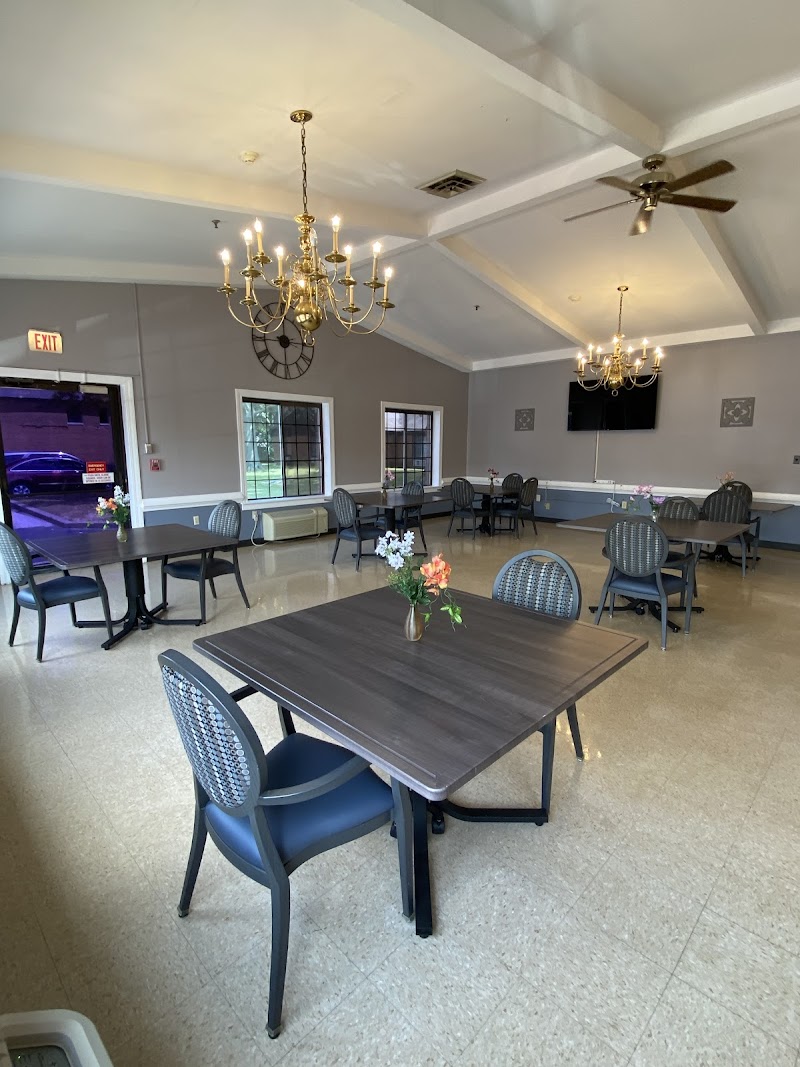
CMS rates BRICKYARD HEALTHCARE - BRENTWOOD CARE CENTER's staffing level at 3 out of 5 stars, which is average compared to other nursing homes. Staff turnover is 46%, compared to the Indiana average of 46%. This relatively stable workforce can support continuity of care.

What Have Inspectors Found at Brickyard Healthcare - Brentwood?

State health inspectors documented 17 deficiencies at BRICKYARD HEALTHCARE - BRENTWOOD CARE CENTER during 2022 to 2025. These included: 15 with potential for harm and 2 minor or isolated issues.
Who Owns and Operates Brickyard Healthcare - Brentwood?

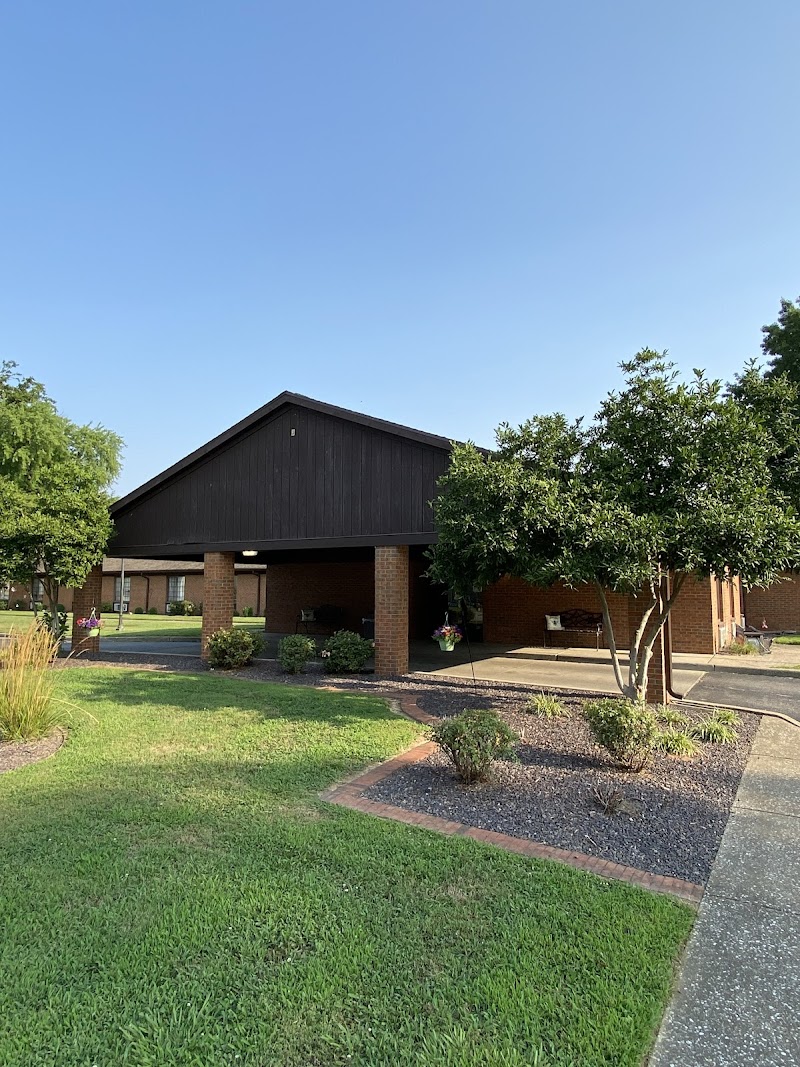
BRICKYARD HEALTHCARE - BRENTWOOD CARE CENTER is owned by a for-profit company. For-profit facilities operate as businesses with obligations to shareholders or private owners. The facility is operated by BRICKYARD HEALTHCARE, a chain that manages multiple nursing homes. With 114 certified beds and approximately 91 residents (about 80% occupancy), it is a mid-sized facility located in EVANSVILLE, Indiana.
How Does Brickyard Healthcare - Brentwood Compare to Other Indiana Nursing Homes?

Compared to the 100 nursing homes in Indiana, BRICKYARD HEALTHCARE - BRENTWOOD CARE CENTER's overall rating (3 stars) is below the state average of 3.1, staff turnover (46%) is near the state average of 46%, and health inspection rating (3 stars) is at the national benchmark.

What Should Families Ask When Visiting Brickyard Healthcare - Brentwood?

Based on this facility's data, families visiting should ask: "Can I visit during a mealtime to observe dining assistance and food quality?" "How do you handle medical emergencies, and what is your hospital transfer rate?" "Can I speak with family members of current residents about their experience?"

Is Brickyard Healthcare - Brentwood Safe?

Based on CMS inspection data, BRICKYARD HEALTHCARE - BRENTWOOD CARE CENTER has a clean safety record: no substantiated abuse findings (meaning no confirmed cases of resident harm), no Immediate Jeopardy citations (the most serious violation level indicating risk of serious injury or death), and is not on the Special Focus Facility watch list (a federal program monitoring the lowest-performing 1% of nursing homes). The facility has a 3-star overall rating and ranks #100 of 100 nursing homes in Indiana. While no facility is perfect, families should still ask about staff-to-resident ratios and recent inspection results during their visit.

Do Nurses at Brickyard Healthcare - Brentwood Stick Around?

BRICKYARD HEALTHCARE - BRENTWOOD CARE CENTER has a staff turnover rate of 46%, which is about average for Indiana nursing homes (state average: 46%). Moderate turnover is common in nursing homes, but families should still ask about staff tenure and how the facility maintains care continuity when employees leave.

Was Brickyard Healthcare - Brentwood Ever Fined?

BRICKYARD HEALTHCARE - BRENTWOOD CARE CENTER has no federal fines on record. CMS issues fines when nursing homes fail to meet care standards or don't correct problems found during inspections. The absence of fines suggests the facility has either maintained compliance or corrected any issues before penalties were assessed. This is a positive indicator, though families should still review recent inspection reports for the full picture.

Is Brickyard Healthcare - Brentwood on Any Federal Watch List?

BRICKYARD HEALTHCARE - BRENTWOOD CARE CENTER is not on any federal watch list. The most significant is the Special Focus Facility (SFF) program, which identifies the bottom 1% of nursing homes nationally based on persistent, serious quality problems. Not being on this list means the facility has avoided the pattern of deficiencies that triggers enhanced federal oversight. This is a positive indicator, though families should still review the facility's inspection history directly.