SCENIC HILLS AT THE MONASTERY
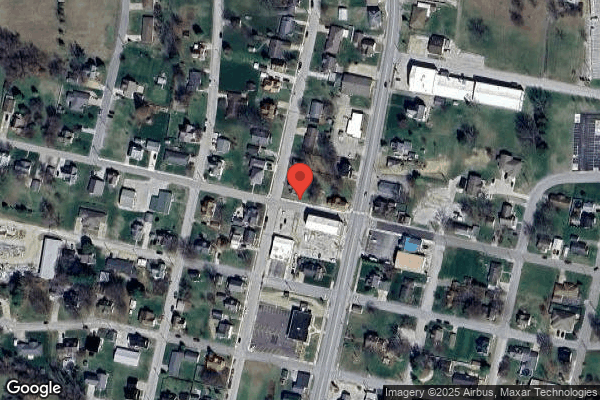
710 SUNRISE DRIVE, FERDINAND, IN 47532 (812) 504-2048
For profit - Corporation 88 Beds TRILOGY HEALTH SERVICES Data: November 2025
Trust Grade
75/100
#185 of 505 in IN
Last Inspection: March 2025

Within standard 12-15 month inspection cycle. Federal law requires annual inspections.

Overview

Scenic Hills at the Monastery has a Trust Grade of B, indicating it is a good choice for families considering a nursing home, but not the top option. It ranks #185 out of 505 facilities in Indiana, placing it in the top half of the state, and #2 out of 7 in Dubois County, meaning only one other local facility is rated higher. Unfortunately, the trend shows the facility is worsening, with issues increasing from 2 in 2024 to 4 in 2025. Staffing is a weakness, rated only 1 out of 5 stars, with a turnover rate of 54%, which is average but still concerning for continuity of care. On a positive note, the facility has no fines on record, suggesting compliance with regulations. However, there have been specific incidents of concern, such as improper medication storage, with unlabeled and partially opened medications found in carts, and food being served under unsanitary conditions, including dirty fryers and unclean kitchen areas. Additionally, resident rooms were not being cleaned daily, as evidenced by complaints about food ground into carpets and visible stains. Overall, while there are some strengths, such as a decent Trust Grade and lack of fines, there are significant weaknesses that families should consider carefully.

Trust Score
B
75/100
In Indiana
#185/505
Top 36%
Safety Record
Low Risk
No red flags
Inspections
Getting Worse
2 → 4 violations
Staff Stability
⚠ Watch
54% turnover. Above average. Higher turnover means staff may not know residents' routines.
Penalties
✓ Good
No fines on record. Clean compliance history, better than most Indiana facilities.
Skilled Nurses
⚠ Watch
Each resident gets only 26 minutes of Registered Nurse (RN) attention daily — below average for Indiana. Fewer RN minutes means fewer trained eyes watching for problems.
Violations
⚠ Watch
17 deficiencies on record. Higher than average. Multiple issues found across inspections.
★★★★☆
4.0
Overall Rating
★☆☆☆☆
1.0
Staff Levels
★★★★★
5.0
Care Quality
★★★★☆
4.0
Inspection Score
Stable
2024: 2 issues
2025: 4 issues

The Good

  • 5-Star Quality Measures · Strong clinical quality outcomes
  • Full Sprinkler Coverage · Fire safety systems throughout facility
  • No fines on record

Facility shows strength in quality measures, fire safety.

The Bad

Staff Turnover: 54%

Near Indiana avg (46%)

Higher turnover may affect care consistency

Chain: TRILOGY HEALTH SERVICES

Part of a multi-facility chain

Ask about local staffing decisions and management

The Ugly 17 deficiencies on record

Mar 2025 4 deficiencies
CONCERN (D)

Potential for Harm - no one hurt, but risky conditions existed

Resident Rights (Tag F0550)

Could have caused harm · This affected 1 resident

Based on observation, interview, and record review, the facility failed to maintain resident dignity, and to protect and promote the rights of the residents. A dependent resident waited several minute...

Read full inspector narrative →
Based on observation, interview, and record review, the facility failed to maintain resident dignity, and to protect and promote the rights of the residents. A dependent resident waited several minutes to be assisted to eat during 2 of 2 meals observed. (Resident 42) Findings include: During a continuous observation on 3/4/25 from 11:30 A.M. through 12:00 P.M., the following was observed on the locked unit: 11:33 A.M. A lunch cart was brought to the unit. 11:41 A.M. A lunch plate was placed in front of Resident 42, who was sitting in a high back chair at the table. 11:54 A.M. Legacy Leader 3 was observed serving cake to several residents. 11:58 P.M. The two other residents at the table with Resident 42 finished their meals. 12:00 P.M. Certified Nurse Aide (CNA) 5 sat with Resident 42 to begin assisting to eat the meal (19 minutes after it had been placed in front of the resident). On 3/5/25 at 12:24 P.M., Resident 42's clinical record was reviewed. Diagnoses included, but was not limited to, hemiplegia/hemiparesis following stroke. The most recent Annual Minimum Data Set (MDS) assessment, dated 1/29/25, indicated a severe cognitive impairment and supervision or touching assistance required for eating. Activities of Daily Living (ADL) review for March 2025 indicated Resident 42 required staff assistance with meals. A current impairment in functioning status care plan, last revised 2/4/25, indicated resident required assistance with eating. A current risk for malnourishment care plan, last revised 2/4/25, indicated to assist with meals as needed. A current significant weight loss care plan, last revised 2/4/25, indicated to offer encouragement and assistance with eating as needed. During a continuous observation on 3/6/25 from 11:27 A.M. through 12:07 P.M., the following was observed on the locked unit: 11:27 A.M. Drinks were served to the residents. Resident 42 was observed sitting at a table with three other residents. 11:47 A.M. Staff began serving plates to the residents at Resident 42's table. 11:49 A.M. A meal plate was placed in front of Resident 42. At that time, Resident 42 looked at the plate, and reached for the cutlery on the table but was unable to reach it. Resident 42 placed his hand back in his lap and shut his eyes. 11:56 A.M. Legacy Leader 3 was observed walking around the dining room, cleaning up while other residents were eating. CNA 5 walked down the hall and into a resident's room. 11:59 A.M. CNA 5 indicated to Licensed Practical Nurse (LPN) 9 that she was going to the kitchen. LPN 9 entered the dining room area and began speaking with another resident. 12:05 P.M. CNA 5 asked the residents in the dining room if they were doing okay and if anyone needed more to drink. CNA 5 then refilled drinks as requested. 12:07 P.M. CNA 5 sat with Resident 42 to begin assisting to eat the meal (18 minutes after it had been placed in front of the resident). On 3/6/25 at 1:55 P.M., LPN 9 indicated Resident 42 usually required staff assistance with meals. She indicated the resident would sometimes eat finger foods independently, but still required a lot of encouragement and supervision to do so. On 3/7/25 at 9:44 A.M., CNA 7 indicated staff would serve all residents then assist those that required assistance. CNA 7 was unaware of any protocol for not placing food in front of residents and waiting to assist them to eat. On 3/7/25 at 2:13 P.M., the Administrator provided a current Resident Rights policy, dated 12/17/24, that indicated To ensure resident rights are respected and protected and provide an environment in which they can be exercised . Our residents have a right to . Be treated with dignity and respect 3.1-3(t) 3.1-3(v)(1)
CONCERN (D)

Potential for Harm - no one hurt, but risky conditions existed

Deficiency F0658 (Tag F0658)

Could have caused harm · This affected 1 resident

Based on observation, interview, and record review, the facility failed to ensure services provided met professional standards of quality for 1 of 1 residents reviewed for skin conditions. A blister o...

Read full inspector narrative →
Based on observation, interview, and record review, the facility failed to ensure services provided met professional standards of quality for 1 of 1 residents reviewed for skin conditions. A blister on a resident was not assessed when initially identified, the nurse was unaware of the correct timing of the treatment, and the area was not cleaned appropriately. (Resident 40) Findings include: On 3/5/25 at 1:04 P.M., Resident 40's clinical record was reviewed. Diagnosis included, but were not limited to, Alzheimer's, malnutrition, and depression. The most recent Quarterly Minimum Data Set (MDS) assessment, dated 1/28/25, indicated a severe cognitive impairment. Resident 40 required substantial to maximum assistance (helper does more than half the effort) with toileting, showers, med mobility, and transfers. Current physician orders included the following: Inner left thigh: fluid filled blister. cover with border gauze, change daily and monitor until healed, dated 2/23/25. Blister on left upper thigh: cleanse wound with wound cleanser or normal saline, apply skin prep to peri-wound, and cover with foam dressing, change every 5 days, dated 2/28/25. Resident 40's clinical record lacked a care plan specific to the blister on the left thigh. A progress note, dated 2/23/25, indicated a fluid filled blister on the left inner thigh was identified. The note lacked an assessment or measurement of the area. A progress note, dated 2/28/25, indicated a new blister had been identified on the left upper thigh measuring 2.5 cm (centimeters) x 2.7 cm x 0 cm. The blister was open and draining with partial skin flap loss. A Wound Management Detail Report, dated 2/28/25, indicated a blister on the left thigh had been identified 2/28/25 and measured 2.5 cm x 2.7 cm. At that time, there was only one assessment of the wound. On 3/6/25 at 1:27 P.M., Licensed Practical Nurse (LPN) 9 indicated she had spoken with Resident 40's hospice nurse who indicated they had not changed the dressing to the left thigh the previous day because they thought it was supposed to be changed every other day. LPN 9 was then observed to gather supplies and assist Resident 40 into her bathroom to change the dressing. LPN 9 put on gloves and assisted the resident to pull her pants and brief down. Without changing gloves, she removed the old dressing (dated 3/5 and with LPN 9's initials), sprayed wound cleanser on gauze, and wiped the entire area of the wound going from inside the would outwards, as well as outside the wound area to inside the wound. LPN 9 then repeated the process with a second gauze. At that time, an open area was observed on Resident 40's thigh that was pink in the middle. The resident then indicated to the LPN that the area where the adhesive was had irritated the skin. That area was observed to be pink and irritated with several red dots throughout. LPN 9 indicated to the resident she had not seen the irritated area due to her glasses not being on at the time, and would not have noticed if the resident had not pointed it out. LPN 9 then changed her gloves and put a clean bandage on the area, not covering the area of skin where the adhesive was prior. Skin prep was not applied to the area around the wound. On 3/6/25 at 2:16 P.M., LPN 9 documented a progress note that indicated small blisters had been noted in the area of the adhesive from the prior bandage. The original area was cleaned and a new dressing applied, but new blisters not covered. The hospice nurse was contacted about the new areas and indicated she would come to the facility to assess, measure, and look into a new dressing for the area. On 3/6/25, a new physician's order was placed for the blister on the left upper thigh to cleanse wound with wound cleanser and apply foam border dressing, change every 3 days. The irritated area under the adhesive was not addressed in the physician orders, care plans, wound management, or progress notes. On 3/7/25 at 11:15 A.M., the Regional Consultant indicated typically the nurse that identified a new skin area would assess the area and document measurements. She indicated she did not know why Resident 40's area on the left thigh was not assessed or measured on 2/23/25. She further indicated all nurses received yearly inservices for wound care and dressings. On 3/7/25 at 2:13 P.M., the Administrator provided a current Dressing Changes policy, dated 12/16/24, that indicated To ensure measures that will promote and maintain good skin integrity while maintaining standard measures that will minimize/control contamination The policy indicated to change gloves after removing a soiled dressing prior to cleaning the would or applying a new treatment. On 3/7/25 at 2:13 P.M., the Administrator provided a current undated LPN job description that indicated The Licensed Practical Nurse (LPN) is primarily responsible to provide quality care, appropriate to the ages and needs of the residents/patients served 3.1-35(g)(1)
CONCERN (D)

Potential for Harm - no one hurt, but risky conditions existed

Accident Prevention (Tag F0689)

Could have caused harm · This affected 1 resident

Based on observation, interview, and record review, the facility failed to ensure adequate supervision and assistance devices were received to prevent accidents for 1 of 4 residents reviewed for falls...

Read full inspector narrative →
Based on observation, interview, and record review, the facility failed to ensure adequate supervision and assistance devices were received to prevent accidents for 1 of 4 residents reviewed for falls. A resident's mattress was not moved with the resident during a room change resulting in a fall, and fall interventions were observed not in place. (Resident 40) Findings include: On 3/5/25 at 1:04 P.M., Resident 40's clinical record was reviewed. Diagnosis included, but were not limited to, Alzheimer's, malnutrition, and depression. The most recent Quarterly Minimum Data Set (MDS) assessment, dated 1/28/25, indicated a severe cognitive impairment, no behaviors, and no falls. Resident required substantial to maximum assistance (helper does more than half the effort) with toileting, showers, bed mobility, and transfers. Current physician orders included, but were not limited to: Dycem to wheelchair. Monitor placement every shift with foot pedals in place, dated 2/26/24. Pressure reducing parameter mattress with bed in lowest position, dated 8/21/23. A current falls care plan, last revised 2/20/25, included, but was not limited to, the following interventions: Parameter mattress with bed in lowest position, dated 8/7/23. Mattress replaced, dated 2/17/25. Stop sign on room door to prevent other residents from entering room, dated 9/24/24. Dycem to wheelchair with foot pedals in place, dated 2/26/24. Call don't fall sign to room (on room and walker), visible from bed and chair, dated 3/13/23. Bed against wall and in lowest position, dated 9/24/24. Mat to exit side of bed, dated 10/7/24. From September 2024 through March 2025, Resident 40 experienced the following falls: Fall 1 9/19/24 While the resident was in the bathroom with a Certified Nurse Aide (CNA), another resident attempted to open the door causing Resident 40 to lose balance. The CNA lowered Resident 40 to the floor but did hit head on the door frame. A new intervention for a stop sign on the room door was placed and care plan updated on 9/24/24. Fall 2 9/24/24 Resident rolled out of bed. A new intervention for the bed to be against the wall was placed and care plan updated 9/24/24. Fall 3 10/6/24 Resident rolled out of bed. Resident indicated she was moving in bed and slipped out. A new intervention for a fall mat to be placed in the floor on open side of the bed was placed and care plan updated 10/7/24. Fall 4 2/17/25 Resident was found on the floor after observed in bed. An Interdisciplinary Team (IDT) note, dated 2/17/25, indicated resident was attempting to roll over in bed and unable to determine edges causing the fall. The note indicated Resident 40 had recently changed rooms and previous perimeter mattress had not been placed on the new bed. An intervention to replace the perimeter mattress was placed and the care plan updated 2/17/25. A current CNA assignment sheet, dated 2/26/25, indicated Resident 40 had a call don't fall sign on wall, Dycem to wheelchair with foot pedals in place, and a stop sign on room door to prevent other residents from entering. On 3/6/25 at 1:27 P.M., while observing Licensed Practical Nurse (LPN) 9 do a dressing change, Resident 40 was observed with no Dycem to the wheelchair, and no foot pedals. A call don't fall sign was observed on the same wall as the head of the bed, not visible if the resident were lying in the bed. A stop sign was not observed on the room door. On 3/6/25 at 2:51 P.M., Resident 40 was observed sitting in the dining room doing a puzzle. No foot pedals were observed on the wheelchair. On 3/7/25 at 7:08 A.M., Resident 40 was observed sitting in the dining room. No foot pedals were observed on the wheelchair. At that time, Qualified Medication Aide (QMA) 13 indicated Resident 40 used to have a stop sign on her old door, but did not know why the sign was no longer there or why the resident would need one. She further indicated she was unaware if Resident 40 had an order for foot pedals, and didn't think she needed them. On 3/7/25 at 2:17 P.M., the Regional Consultant indicated although there was no written policy for following care plans, it was the facility's policy to follow care plan interventions as written. On 3/7/25 at 2:13 P.M., the Administrator provided a current Fall Management policy, dated 12/17/24, that indicated (Company) strives to maintain a hazard free environment, mitigate fall risk factors and implement preventative measures . Care plan interventions should be implemented that address the resident's risk factors . Any orders received from the physician should be noted and carried out 3.1-45(a)
CONCERN (D)

Potential for Harm - no one hurt, but risky conditions existed

Infection Control (Tag F0880)

Could have caused harm · This affected 1 resident

Based on observation, interview, and record review, the facility failed to provide a safe and sanitary environment to help prevent the development and transmission of diseases and infections for 1 of ...

Read full inspector narrative →
Based on observation, interview, and record review, the facility failed to provide a safe and sanitary environment to help prevent the development and transmission of diseases and infections for 1 of 1 residents reviewed for skin conditions, and the facility failed to properly prevent and/or contain COVID-19 for 2 random observation. Staff failed to use proper Personal Protective Equipment (PPE) when providing care of residents and entering a COVID-19 room, did not clean a wound or wash hands with appropriate infection control techniques, did not change gloves between tasks, and touched medication with bare hands prior to administering to a resident. (Resident 40, Resident 52, Resident 81) Findings include: 1. On 3/5/25 at 1:04 P.M., Resident 40's clinical record was reviewed. Diagnosis included, but were not limited to, Alzheimer's, malnutrition, and depression. The most recent Quarterly Minimum Data Set (MDS) assessment, dated 1/28/25, indicated a severe cognitive impairment. Resident 40 required substantial to maximum assistance (helper does more than half the effort) with toileting, showers, med mobility, and transfers. Current physician orders included, but were not limited to, the following: Staff to use enhanced barrier precautions, wearing a gown and gloves at minimum during high-contact care activities, dated 1/30/25. On 3/6/25 at 1:27 P.M., Licensed Practical Nurse (LPN) 9 was observed to change Resident 40's dressing on her left thigh. LPN 9 brought the resident into her bathroom, put on gloves and assisted the resident to pull her pants and brief down. Without changing gloves, she removed the old dressing, sprayed wound cleanser on gauze, and wiped the entire area of the wound going from inside the would outwards, as well as outside the wound area to inside the wound. LPN 9 then repeated the process with a second gauze. LPN 9 then changed her gloves, put a clean dressing on the area, then removed the resident's soiled brief. A clean brief was obtained without changing gloves. LPN 9 placed the clean brief under Resident 40's foot, then slid the brief through the pant leg onto the other foot. When sliding the brief over the second foot, the inside of the brief touched the bottom of the resident's shoe. LPN 9 assisted the resident to stand, wiped the resident's peri area, then pulled the brief and pants up still without changing gloves. The resident was assisted to sit in the wheelchair, then LPN 9 removed her gloves and washed hands with a three second lather with soap. On 3/7/25 at 10:59 A.M., Qualified Nurse Aide (QMA) 7 was observed assisting Resident 40 with toileting. QMA 7 assisted the resident into her bathroom and put on a pair of gloves, but did not put on a gown. Without changing gloves, QMA 7 removed the soiled brief, cleaned the resident, and put on a clean brief. QMA 7 placed a clean brief under Resident 40's foot, then slid the brief through the pant leg onto the other foot. When sliding the brief over the second foot, the inside of the brief touched the bottom of the resident's shoe. After assisting the resident back to the wheelchair, QMA 7 did not offer the resident to wash her hands at the sink, and wheeled her out of the room. 2. On 3/7/25 at 7:38 A.M., LPN 9 was observed to prepare medications for Resident 52. While placing medications into a medication cup, a pill was dropped onto the medication cart. LPN 9 picked up the pill with a bare hand, and placed it into the medication cup with the other medication. The medication was then administered to the resident. On 3/7/25 at 10:37 A.M., the Regional Consultant indicated nurses were given yearly inservices and training with wound care and dressings. On 3/10/25 at 8:51 A.M., the Infection Preventionist (IP) indicated if a pill fell on a medication cart, staff should destroy the pill and obtain a new one. Staff should not handle pills with bare hands. She further indicated hand washing should be performed with at least a 20 second lather, and gloves should be changed between dirty and clean tasks. The IP indicated if a clean brief scraped the bottom of a resident's shoe, staff should have discarded the brief and obtained a clean one. She also indicated staff should wear a gown and gloves when providing incontinence care or toileting for a resident on enhanced barrier precautions, and should offer for the resident to wash their hands after toileting. 3. On 3/7/25 at 10:39 A.M., Certified Nurse Aide (CNA) 22 was observed going into Resident 81's room to answer the call light. Resident 81 was on droplet precautions at that time. Before she entered, CNA 22 put on a gown and gloves, placed an N95 mask (special mask that filters out airborne particles such as viruses) over the surgical mask she was wearing, and put on a face shield. On 3/7/25 at 10:43 A.M., CNA 22 came out of Resident 81's room wearing a surgical mask and didn't change it. She used antibacterial hand rub, adjusted the mask, and carried a trash bag into the soiled linen room. Then CNA 22 went into the drink station, across from the nurse's station, and washed her hands using a three second lather. On 3/7/25 at 10:57 A.M., Resident 81's clinical record was reviewed. Diagnoses included, but were not limited to, cough, nasal drainage, and sore throat. Current Physician's Orders included, but were not limited to the following: Quarantine-Resident to stay in room entire shift with no roommate. All therapy, meals, activities and services were provided in the room, ordered 3/6/25 Contact/Droplet Precautions, ordered 3/6/25 An Isolation Care Plan, dated 3/6/25, indicated the resident had need for isolation related to active signs and symptoms of infectious disease related to COVID-19. During an interview on 3/10/25 at 8:51 A.M., the Regional Consultant indicated staff were to use droplet precautions when entering the room of a resident with symptoms of COVID-19. Proper PPE for droplet precautions included a gown, gloves, face shield or goggles, and an N95 mask. The N95 mask should not be placed over their surgical mask. On 3/7/25 at 2:13 P.M., a current Droplet Precautions Policy, last reviewed 12/17/24, was provided by the Executive Director and indicated . Droplet precautions should be used for an individual with documented or suspected to be infected with microorganisms transmitted by droplets that can be generated by the individual coughing, sneezing . examples of infections requiring Droplet Precautions include . 7. confirmed/suspected COVID-19 . On 3/7/25 at 2:13 P.M., a current Handwashing/Hand Hygiene policy, dated 12/17/24, was provided and indicated Residents shall be given the opportunity and assistance to wash their hands . after toileting . Wash well for at least 20 seconds, using a rotary motion and friction On 3/7/25 at 2:13 P.M., a current Medication Administration policy, dated 11/18, was provided and indicated Medications are administered as prescribed in accordance with good nursing principles On 3/10/25 at 10:00 A.M., the Regional Consultant provided a current Enhanced Barrier Precautions policy, dated 4/1/24, that indicated Personal Protective Equipment (PPE) should be used even if blood and body fluid exposure is not anticipated . At minimum, staff shall wear gloves and gowns during high-contact activities On 3/10/25 at 10:00 A.M., the Regional Consultant provided a current Perineal Care for Incontinence policy, dated 12/16/24, that indicated Pay particular attention to infection prevention and control techniques when performing pericare, to prevent introduction of contamination that may lead to a urinary tract infection 3.1-18(b)(2) 3.1-18(l)
Mar 2024 2 deficiencies
CONCERN (E)

Potential for Harm - no one hurt, but risky conditions existed

Deficiency F0761 (Tag F0761)

Could have caused harm · This affected multiple residents

Based on observation, record review, and interview, the facility failed to ensure appropriate labeling and storage of medications for 2 of 3 medication carts (500 Hall Cart and 300 Hall Cart) with 11 ...

Read full inspector narrative →
Based on observation, record review, and interview, the facility failed to ensure appropriate labeling and storage of medications for 2 of 3 medication carts (500 Hall Cart and 300 Hall Cart) with 11 of 16 residents reviewed for Medication Storage. (Residents 9, 4, 77, 28, 20, 17, 46, 14, 43, 23, and 18) Findings include: 1. During an observation on 3/12/24 at 1:03 p.m. of the 500 Hall medication cart with RN 4, the following concerns were observed: a. Resident 9's had two Levemir FlexTouch insulin pens in the top drawer of the medication cart. The first pen was dated with an open date of 1/30/24, and had approximately 150 units left in it. The second pen had an open date of 2/7/24. The best use by date indicated to use within 42 days. In the same bag, was a bottle of flonase nasal spray. The pharmacy labeling had been partially ripped off and had no identifying information. The medication was not in the original packaging. It was lying on its side. There was no open date on the medication and it was approximately three-quarters of the way used. The record for Resident 9 was reviewed on 3/13/24 at 9:00 a.m. The diagnosis included, but was not limited to, diabetes mellitus. During an interview on 3/12/24 at 1:04 p.m., RN 4 indicated the pen dated for 1/30/24, should have been discarded. They did not usually open date nasal sprays. She believed they only dated eye drops and insulin. The physician's order, dated 2/6/24, indicated the resident received Levemir FlexTouch insulin, 14 units, once daily. The order was discontinued on 2/8/24. During an interview on 3/13/24 at 10:50 a.m., the Clinical Support Nurse indicated the resident's insulin had been changed from Levemir to Lantus. The Levemir should not have been in the cart if it was discontinued. b. There was a Novolog Flex Pen in the medication cart with no prescriptive labeling. It was dated with an open date of 3/11. There was no year on the date. The expiration date was 12/31/25. The medication was in a clear plastic bag with Resident 4's first and last name and room number written on the bag in permanent marker. c. There was a bottle of Lumigan 0.1 mg/mL (milligrams per milliliter) in the top right drawer. The medication was not in the original pharmacy packaging and had no pharmacy labeling. During an interview on 3/12/24 at 1:06 p.m., RN 4 indicated the eye drops belonged to Resident 77. The record for Resident 77 was reviewed on 3/13/24 at 9:10 a.m. The diagnosis included, but was not limited to, glaucoma. The physician's order, dated 10/5/23, indicated the resident received Lumigan 0.01% 1 drop to the left eye at bedtime for glaucoma. d. There was a clear plastic bag with a bottle of Flonase and 6 individual foil medication packets inside it. The Flonase had no open date and the tamper evident seal had been broken. The label indicated the medication belonged to Resident 28. The six medication packets had no prescriptive labeling to identify the ordering physician or the resident they belonged to. One packet was opened, with the medication still inside it. The packet indicated it was myrbetriq 50 mg. There were two packets which were identified as torsemide, 20 mg; one packet identified as ondansetron, 4 mg; and one packet identified as warfarin, 3 mg. During an interview on 3/12/24 at 1:10 p.m., RN 4 indicated she assumed the packets of medication also belonged to Resident 28 since they were in the bag with her Flonase. The record for Resident 28 was reviewed on 3/13/24 at 9:15 a.m. The diagnoses included, but were not limited to, atrial fibrillation, hypertension, chest pain, long-term use of anticoagulants, and GERD (gastroesophageal reflux disease). The physician's orders included, but were not limited to, torsemide 20 mg, administer 40 mg twice daily for edema, which started on 3/8/24, warfarin 3 mg daily, which started on 2/19/24, Flonase 50 mcg/act, which started on 1/26/24, Myrbetriq 50 mg at bedtime, which started on 3/11/24, and Zofran 4 mg three times daily, which started on 1/25/24. e. Resident 20's Ventolin 90 mcg/act (micrograms per actuation) inhaler was lying on its side in the top drawer of the medication cart. The storage instructions on the side of the medication box indicated to store the inhaler with the mouthpiece down. The medication had been used, and had 186 doses remaining. The record for Resident 20 was reviewed on 3/13/24 at 9:15 a.m. The diagnoses included, but were not limited to, unspecified cough and allergic rhinitis. The physician's order, dated 3/8/24, indicated the resident received albuterol sulfate 90 mcg/act, two puffs twice daily. 2. During an observation of the 300 Hall medication cart on 3/12/24 at 1:21 p.m. with LPN (Licensed Practical Nurse) 7, the following concerns were identified: a. In the top drawer of the medication cart was a clear plastic pill crusher packet, containing 4 yellow capsules which were imprinted with amox 500 gg849. The packet had Resident 17's first initial and last name, as well as Amoxicillin 2,000 written on it in black permanent marker. During an interview on 3/12/24 at 1:22 p.m., LPN 7 indicated the medication was Resident 17's amoxicillin. She was supposed to take 2,000 mg of amoxicillin prior to a dental cleaning appointment. They had pulled it out of the emergency drug kit to administer to her and the appointment had been rescheduled several times, so they had placed it in the medication cart that way. They did not typically store medications like that. She would have gotten rid of the medication by disposing of it. The record for Resident 17 was reviewed on 3/13/24 at 9:18 a.m. The diagnoses included, but were not limited to, osteoarthritis left knee and polyosteoarthritis. The physician's order, dated 2/5/24, indicated to administer amoxicillin 500 mg, four capsules one hour prior to her dental cleaning on 3/5/24. The order was discontinued on 3/4/24. The nurse's note, dated 3/4/24 at 2:28 p.m., indicated the resident's Dentist had contacted the facility and rescheduled the appointment for 4/9/24 at 1:00 p.m. with instructions to administer the amoxicillin prior to the appointment. During an interview on 3/13/24 at 10:55 a.m., the Clinical Support Nurse indicated when the resident's appointment had been canceled on 3/4/24, her order had been discontinued. She had a new order in place for the new appointment on 4/9/24. The nurses should have discarded of the amoxicillin from the first order appropriately. They could have either sent it back to pharmacy, or if they were going to keep it they could have put it in an envelope like the ones they send home medications in, but it would need to have the appropriate identifiers on it. b. In the top drawer of the medication cart were several inhalers lying down on their sides, each with the packaging indicating to store the inhalers with the mouthpiece down. The inhalers included one albuterol 90 mcg/act inhaler for Resident 46; two albuterol 90 mcg/act inhalers for Resident 14; one albuterol 90 mcg/act for Resident 43; one Advair 115/21 mcg/act inhaler and two albuterol 90 mcg/act inhalers for Resident 23; and one albuterol 90 mcg/act inhaler for Resident 18. During an interview on 3/12/24 at 1:25 p.m., LPN 7 indicated she had not been aware they were supposed to be stored with the mouthpieces down. The residents' clinical records were reviewed on 3/13/24 at 9:05 a.m. The records indicated all of the residents (Residents 46, 14, 43, 23, and 18) had current physician orders for the observed inhalers. During an interview on 3/12/24 at 3:00 p.m., the Consultant Pharmacist indicated the inhaler instructions were something that had change in wording in the recent past. They were interpreting the instructions of storing the medication with the mouthpiece down as indicating to store the inhalers upright. The most current Labeling of Medications and Biologicals policy, included, but was not limited to, . Facility staff should date the label of any multi-use vial when the vial is first accessed . If a multi-dose vial has been opened or accessed (e.g., needle-punctured), the vial should be dated and discarded within 28 days unless the manufacturer specifies a different (shorter or longer) date for that opened vial . all expired medications will be removed from the active supply and destroyed in the facility, regardless of amount remaining . The most current Medication Storage in the Facility policy, included, but was not limited to, . Medications and biologicals are stored safely, securely, and properly, following manufacturer's recommendations or those of the supplier . Procedures . A. The provider pharmacy dispenses medications in containers that meet regulatory requirements, including standards set forth by the Unites States Pharmacopedia (USP). Medications are kept in these containers. Facility personnel may not transfer medications from one container to another or return partially used medication to the original container . C. All medications dispensed by the pharmacy are stored in the container with the pharmacy label . H. Outdated, contaminated, or deteriorated medications . are immediately removed from inventory . 3.1-25(k)(1) 3.1-25(k)(2) 3.1-25(k)(3) 3.1-25(k)(5) 3.1-25(k)(7) 3.1-25(o)
CONCERN (E) 📢 Someone Reported This

A family member, employee, or ombudsman was alarmed enough to file a formal complaint

Potential for Harm - no one hurt, but risky conditions existed

Food Safety (Tag F0812)

Could have caused harm · This affected multiple residents

Based on observation and interview, the facility failed to ensure food was served and stored under sanitary conditions during 3 of 3 kitchen observations. This deficiency had the potential to affect 8...

Read full inspector narrative →
Based on observation and interview, the facility failed to ensure food was served and stored under sanitary conditions during 3 of 3 kitchen observations. This deficiency had the potential to affect 81 current residents who received meals from the kitchen. Findings include: 1. During the initial tour of the kitchen with the Dietary Manager on 3/7/24 at 9:10 a.m., the following concerns were observed: - The fryer had a moderate amount of brown crumbs in the oil. The Dietary Manager indicated it was last used at yesterday's dinner. - In the dry storage room under the vinegar and soy sauce shelf, there was a brown dried spill with food particles in it which measured 3 inches in length and 8 inches in width. A white piece of paper was under the bean shelf in the corner. - There were 2 jelly packets, 1 pink and 1 yellow sweetener packets under the cereal shelf. - The egg storage drawers had multiple yellow spots on the bottoms. - The grill had a heavy coating of charred black debris on the grates; the ledge in front and back of the grates had a heavy build up of black debris. - The inside bottom shelf of the sandwich station had several white spots on it. Inside the condiment station, there was a heavy accumulation of orange cheese shreds and food particles. - The stainless steel wall behind the stove, grill and fryer had a moderate build up of grease. - The stove top around the burners had a moderate accumulation of yellow and brown spills and food crumbs. The backsplash had a heavy build up of brown splatters and grease. - The floor under the fryer, bilateral sides of the fryer, right side of the stove and right wall next to the freezer had a moderate amount of white spots, streaks and grease. - The front of the fryer and stove had streaks running down the length of them and the fryer was sticky to the touch. The bottom of the stove door had brown streaks. - The metal plate in front of the temperature controls at the bottom of 2 of 2 hot carts that went to the dementia units had a heavy accumulation of brown crumbs. - The bottom edge on the front of the steamer had a heavy accumulation of tan food particles. - The right side of the flat top next to the stove had a heavy accumulation of brown splatters and grease. 2. During a kitchen observation on 3/8/24 at 2:00 p.m., with the Dietary Manager, the following concerns were observed: - The same issues identified on 3/7/24 at 9:15 a.m. remained. - A dietary aide was observed holding dishes she was removing from the clean side of the dishwasher against her soiled uniform. - A yellow packet of sweetener was inside the bottom of the ice cream freezer. 3. During a kitchen observation on 3/13/24 at 10:00 a.m., the following concerns were observed: - The outside lid of the 3 compartment flour bin had a light sprinkle of flour on top. On the top, the handle and the side of the bin had tan spots on them which ran down the side of the bin. - There was a heavy accumulation of light and dark brown food particles in the oil and the front ledge. The fryer was also sticky to the touch. Dietary [NAME] 1 indicated at this time that she thought it might have been used last night for the french fries. - The plate holder had a heavy accumulation of food crumbs around the base. - The tray under the steamer had a heavy accumulation of brown crumbs and food particles in it. - The right side of the flat top next to the stove had a heavy accumulation of brown streaks and grease. - The bottom edge and plate in front of the controls of the 2 carts that went to the dementia units had a heavy accumulation of brown crumbs. - The floor under and bilateral sides of the fryer and the right side of the stove and wall next to the fryer had a moderate amount of white spots and streaks. - The stove top around and under the burners had a moderate accumulation of yellow and brown spills and food crumbs. - The outside of the sandwich station was heavily streaked which ran down the outside on all sides. - The 2 egg drawers had several yellow spots on the bottom inside. - The grill grates and the ledge in front of the grates had a heavy accumulation of black debris. - In the dry storage room under the shelf with the vinegar and soy sauce bottles, the same spill identified on 3/7/24 at 9:10 a.m. and 3/8/24 at 2:00 p.m. remained. The As-Completed cleaning schedules, dated 3/11/24, indicated only the following areas had been completed: - [NAME] Weekly Cleaning List: Clean stove top burners and change foil. - AM [NAME] Daily Cleaning List: Skim and wipe down fryer. Clean flat top. Wipe down all tables and equipment. Sweep and mop kitchen. Spot sweep. - AM Aide Cleaning List: Carts wiped down and properly cleaned. Sweep and mop at end of shift. - PM Aide Cleaning List: Dishes washed and put away properly. Carts wiped down and properly cleaned. Sweep and mop at end of shift. A facility policy related to the kitchen cleanliness was not provided, the Assistant Dietary Manager only provided the As-Completed cleaning schedules. 3.1-21(i)(3)
Dec 2023 2 deficiencies
CONCERN (D) 📢 Someone Reported This

A family member, employee, or ombudsman was alarmed enough to file a formal complaint

Potential for Harm - no one hurt, but risky conditions existed

Quality of Care (Tag F0684)

Could have caused harm · This affected 1 resident

Based on observation, interview, and record review, the facility failed to provide qualilty care and services timely following resident falls that resulted in fractures for 2 of 3 residents reviewed f...

Read full inspector narrative →
Based on observation, interview, and record review, the facility failed to provide qualilty care and services timely following resident falls that resulted in fractures for 2 of 3 residents reviewed for falls with fractures. A resident was not sent out for further assessment and treatment following a fall with multiple fractures that occurred before lunch, until after 8:00 P.M. that evening, and a resident's X-ray results confirming fractures were not communicated to the physician prior to receiving an order to transfer the resident to the hospital until more than 6 hours after the X-ray results were made available to the facility. (Resident F, Resident G) Findings include: 1. During a review of facility reported incidents on 12/7/23 at 12:55 P.M., an incident, dated 9/8/23, included that Resident F had fallen on 9/7/23 at 10:26 A.M. The following morning, Resident F had facial grimacing with movement of right leg and complained of pain. X-ray results included a right femoral neck fracture. During record review on 12/8/23 at 9:16 A.M., Resident F's diagnoses included, but were not limited to Alzheimer's disease, dementia, and anxiety. Resident F's most recent quarterly MDS (Minimum Data Set) assessment, dated 9/28/23, indicated the resident had severe cognitive impairment and required extensive assistance with mobility and transfers. Resident F's nurses notes included, but were not limited to the following: 9/7/23 at 10:40 A.M. Resident noted to be lying on floor in common area on back. Full body assessment completed and no injuries or deformities noted. 9/8/23 at 11:13 A.M. During assessment, resident complained of pain with movement of right leg when moved up toward chest. Resident did not want to get up or have much of an appetite. Notified the doctor's office and a new order was obtained for an X-ray to the right hip. X-ray company contacted. 9/8/23 at 2:15 P.M. X-ray services in for right hip x-ray. Waiting on results. 9/8/23 at 11:05 P.M. X-ray results obtained and showed right femoral neck osteoporotic fracture with moderate lateral and superior displacement. DON notified and physician paged for orders. 9/8/23 at 11:11 P.M. Doctor on call returned call with orders to send resident to the emergency room (ER) for treatment. 9/8/23 at 11:30 P.M. Called for transport to ER per physician order. Resident with no complaints of pain as long as staff did not move her. 9/8/23 at 11:34 P.M. Resident's right leg was observed rotated outwards and shorter in length than her left leg. 9/9/23 at 12:06 A.M. EMTs left at this time with resident en route to hospital. Resident F's X-ray report, dated 9/8/23, indicated a right hip fracture with 9/8/23 as the date of service. The X-ray report was electronically signed by the reviewing physician on 9/8/23 at 3:15 P.M. At the top of the X-ray report included a fax date and time of 9/8/23 at 4:29 P.M. During an interview on 9/8/23 at 10:51 A.M., the Regional Consultant indicated the date and time at the top of Resident F's X-ray report was the time the form was faxed to the facility. During an interview on 12/8/23 at 10:20 A.M., the Director of Nursing (DON) indicated when a resident has an X-ray, the nurse is expected to check in with the X-ray service provider within 1-2 hours for a result. A preliminary result may be obtained to give to the ordering physician so a recommendation could be made. 2. During a review of facility reported incidents on 12/7/23 at 1:00 P.M., an incident, dated 11/17/23, included staff PT 8 (Physical Therapy) and that Resident G had fallen during physical therapy exercise. Injuries included a comminuted fracture of the distal right femur, and fractures of the distal left tibia and fibula. During an observation on 12/7/23 at 10:00 A.M. Resident G was sitting up in her wheelchair with a family member in their room. Resident G's legs were covered. During an interview, Resident G's family member indicated that Resident G had a cast and was wearing an immobilizer to due to falling and fracturing both legs. Resident G's family included that following fall, the facility waited for the physician to respond to the notification and then had to wait for X-rays before sending the resident to the hospital. Resident G's family indicated not being sure why the X-ray was needed as the Resident had informed them that her foot was bent. During record review on 12/7/23 at at 1:45 P.M., Resident G's diagnoses included, but were not limited to fracture of shaft of left tibia, fracture of right patella, periprosthetic fracture around internal prosthetic right knee joint, osteoporosis, weakness, and unsteadiness on feet. Resident G's most recent MDS quarterly assessment, dated 11/16/23, included that the resident had no cognitive impairment and required substantial assistance with mobility. Resident G's physician orders included, but were not limited to, Left ankle 2 views STAT - Immediately, dated 11/17/23, neurological checks every 15 minutes for one hour (started 11/17/23), and pain assessments every shift for 72 hours (started 11/17/23). Resident G's nurses notes contained the following: 11/17/23 at 1:39 P.M. - Resident G was in physical therapy ambulating. Resident legs gave out and she folded to the floor. Left ankle got twisted underneath her. The DON completed a full body assessment. Resident complained of left ankle and right leg pain. Physician ordered X-rays of left ankle. Using Hoyer lift until X-rays are done confirming nothing broke. 11/17/23 at 1:53 P.M. - Therapy alerted nursing staff to therapy gym due to resident falling to floor. Resident G sitting on buttocks with legs stretched out in front of her. Left lower extremity rotated outward while right lower extremity rotated inward. Resident complains of pain to left lower extremity and states that her right knee feels like it's pulling. 11/17/23 at 8:00 P.M. - X-ray service provider completed X-ray and stated they would have results sent as quickly as possible. Resident noted to have increase in pain and heavy breathing. Physician notified of X-ray, increase in pain, and heavy breathing. Order obtained to send resident to emergency department. 11/17/23 at 11:45 P.M. - Spoke with nurse at hospital al who stated both legs are broken and she will be admitted at this time. A fall event for Resident G was recorded on 11/17/23 at 11:50 A.M. and included that the resident fell in PT while ambulating with a walker. Resident complains of pain to outside left ankle and right leg and pain was rated at a 4. Resident G body observation included abnormal alignment to bilateral lower extremities including rotation/deformity/shortening of right and left lower extremities. Resident G's neurological assessments on 11/17/23 following the fall in the PT gym included the following pain assessments (rated on a scale of 0 - 10, 0 representing no pain and 10 representing excruciating pain): 11/17/23 at 11:30 A.M. - pain level 4 11/17/23 at 11:45 A.M. - pain level 5 11/17/23 at 12:00 P.M. - pain level 5 11/17/23 at 12:15 P.M. - pain level 5 A new laboratory order report dated 11/17/23 at 1:57 P.M. included an order for 2 view left ankle for Resident G scheduled for 11/17/23 at 2:00 P.M. A left ankle, 2 views X-ray report for Resident G, dated 11/17/23 at 8:25 P.M., included findings of acute, commuted outdistanced fractures involving the distal tibia and fibula. The report included a fax time and date of 11/17/23 at 9:36 P.M. Resident G's hospital emergency department provider notes dated 11/17/23 at 8:52 P.M., included, Patient fell around 10:00 A.M. this morning while trying to do PT. Pain above the left ankle. Ultimately, multiple hours past before the patient was able to get an X-ray which shows a fracture of her (tibia-fibula) . During an interview 12/8/23 at 11:00 A.M., PT 8 indicated she witnessed Resident G fall on 11/17/23 in the physical therapy gym and that the fall happened sometime before lunch between 10:00 A.M. and 11:00 A.M. but could not recall the exact time of the fall. During a confidential interview, nursing staff indicated that STAT orders for X-rays from the facility's mobile X-ray provider were to be completed within 4 hours of placing the order. If a STAT X-ray is not completed within that time frame, nursing should contact the physician to consider sending the resident to the hospital for further assessment. On 12/8/23 at 11:47 A.M., the facility administrator supplied a Portable Imaging and Diagnostic Testing Services Agreement, dated 4/19/23. The agreement included, .Provider will render services upon receipt of a valid order from a licensed and Pecos enrolled physician or qualified non-physician practitioner . Written results of diagnostic testing will be forwarded in a timely manner to the Company . Company shall supply Provider the following information when services are requested: .Clearly stated request for STAT testing when the order or referral included such requests. The facility administrator indicated not having a policy regarding STAT physician orders. This citation relates to complaints IN00422495 and IN00416683. 3.1-37(a) 3.1-37(b)
CONCERN (E) 📢 Someone Reported This

A family member, employee, or ombudsman was alarmed enough to file a formal complaint

Potential for Harm - no one hurt, but risky conditions existed

Safe Environment (Tag F0921)

Could have caused harm · This affected multiple residents

**NOTE- TERMS IN BRACKETS HAVE BEEN EDITED TO PROTECT CONFIDENTIALITY** Based on observation, interview, and record review, the facility failed to provide a clean, homelike environment in resident res...

Read full inspector narrative →
**NOTE- TERMS IN BRACKETS HAVE BEEN EDITED TO PROTECT CONFIDENTIALITY** Based on observation, interview, and record review, the facility failed to provide a clean, homelike environment in resident resident rooms and resident areas for 2 of 2 days during the survey. Resident rooms were not cleaned daily and resident areas contained dust, debris, and trash. (Resident B, Resident C, Resident D, Resident F) Finding includes: 1. During a review of facility grievances on 12/7/23 at 12:50 P.M., a Resident Concerns Log included a concern, dated 11/13/23, by Resident B's family member regarding the cleanliness of Resident B's room (room [ROOM NUMBER]). The concern included, .[Family] is concerned that room is not being cleaned daily as she continues to find food ground in the carpet and the bathroom floor is in need (of) deep cleaning . 2. During an observation on 12/7/23 at 9:45 A.M., Resident C's carpet in room (room [ROOM NUMBER]) had a noticeable stain next to the resident's bed. A balled up tissue was on the floor at the base of the bed. 3. During an observation on 12/7/23 at 3:05 P.M., Resident D's room (room [ROOM NUMBER]) had a line of crumbs smashed into the carpet from the recliner to the bathroom doorway. Resident D's bathroom trash can was full. 4. During an observation on 12/8/23 at 8:50 A.M., Resident F's room (room [ROOM NUMBER]) contained crumbs on the floor scattered around the recliner and under the resident's bed. A balled up tissue was on the floor next to the resident's bed. The wall to the side of the recliner had what appeared to be old various colored splatters toward the bottom of the wall near an electrical outlet. A build of of dust was on the corner of the floor behind the room door. During an interview on 12/7/23 at 3:10 P.M., Housekeeper 4 indicated she was the only housekeeper scheduled the day prior and that she is unable to clean every resident room by herself. Housekeeper 4 indicated they do the best they can but are short staffed at times. During an interview on 12/8/23 at 8:40 A.M., Housekeeper 6 indicated they are unable to clean every room every day since housekeeping is not fully staffed. Housekeeping has to catch up on days that they are fully staffed. During an interview on 12/8/23 at 10:55 A.M., Housekeeper 2 indicated that housekeeping staff fill out a daily cleaning schedule. During a review of the Housekeeping daily cleaning schedule from 12/6/23 through 11/21/23, no forms were filled out on 11/23/23, 11/25/23, 11/26/23, 11/27/23, 11/28/23, 11/30/23, 12/2/23, or 12/3/23. The cleaning schedules included at the bottom of the page, This form is to be completed as soon as you complete the tasks. (Check as you go.) Everyone is to fill out this form dailey [sic]! On 12/8/23 at 10:00 A.M., the facility administrator supplied a facility policy titled, Room Cleaning - Health Center Rooms, dated 10/15/23. The policy included, Health Center resident rooms are cleaned daily . Daily Cleaning . Once complete check off Job Sheet . This citation relates to complaint IN00416683. 3.1-19(f)(5)
Aug 2023 1 deficiency
CONCERN (D) 📢 Someone Reported This

A family member, employee, or ombudsman was alarmed enough to file a formal complaint

Potential for Harm - no one hurt, but risky conditions existed

ADL Care (Tag F0677)

Could have caused harm · This affected 1 resident

Based on observation, interview, and record review, the facility failed to provide assistance with bathing for 1 of 3 residents reviewed for activities of daily living (ADLs). A resident did not recei...

Read full inspector narrative →
Based on observation, interview, and record review, the facility failed to provide assistance with bathing for 1 of 3 residents reviewed for activities of daily living (ADLs). A resident did not receive bathing according to the plan of care or resident preferences. (Resident F) Finding includes: During a review of facility grievances on 8/16/23 at 10:30 A.M., Resident F had submitted a grievance on 6/28/23 that he had not received a shower. During record review on 8/16/23 at 1:00 P.M., Resident F's diagnoses included, but were not limited to chronic kidney disease, heart disease, obesity, chronic pain, muscle weakness, and need for assistance with personal care. Resident F's most recent Quarterly MDS (Minimum Data Set) assessment, dated 5/17/23, included that the resident was cognitively intact, required extensive assistance with transfers, and required total dependence with bathing. Resident F's care plan included, but was not limited to; resident requires staff assistance to complete ADL tasks completely and safely with a goal of; Resident will have ADL needs met safely by staff (initiated 8/6/21). Residents profile care guide included showers on Tuesday and Friday days (initiated 3/16/22). Resident F's shower schedule included a preference for bed baths on Tuesdays and Fridays during day-shift. During review of Resident F's documented bathing from 7/1/23 thru 8/16/23, the following showers/complete bed baths were provided: 7/4/23 - complete bed bath 7/13/23 - complete bed bath 7/18/23 - complete bed bath 7/25/23 - complete bed bath 8/1/23 - complete bed bath 8/4/23 - complete bed bath 8/15/23 - complete bed bath During an observation and interview on 8/17/23 at 10:45 A.M., Resident F was lying in bed, covered to just above the waist and wearing a T-shirt. A Foley catheter bag was clipped to the side of the bed and a urine odor was present in his room. Resident F indicated he had not received complete bed baths at least twice a week and included that if the usual CNA is not on the hall, his bathing is not always done. If staff missed his scheduled shower day, they did not have time to get to it the following day. During an interview on 8/17/23 at 8:15 A.M., CNA 4 indicated residents should receive at least 2 showers or complete bed baths per week. CNA staff should document if the resident had refused on a shower sheet as well as notify nursing staff so they could document the refusal. Staff documents ADLs electronically in the POC (point of care) as well as on paper shower sheets. During an interview on 8/17/23 at 8:45 A.M., CNA 5 indicated the staff complete shower sheets for resident partial baths, complete baths, and showers. Partial baths include hitting the hot spots such as arm pits, perineal areas, and buttocks. Partial baths should be completed daily, and complete bed baths or showers should be provided at least twice weekly and according to the residents preference and bathing schedule. on 8/17/23 at 12:00 P.M., the facility administrator supplied a facility policy titled, Nursing ADL Documentation Guidelines, dated 12/31/22. The policy included, .2. ADL services will be conducted and documented by the CNA each shift at the 'point of care' or as reasonably possible after care . This Federal tag related to Complaint IN00412493. 3.1-38(b)(2)
Jun 2023 2 deficiencies
CONCERN (D) 📢 Someone Reported This

A family member, employee, or ombudsman was alarmed enough to file a formal complaint

Potential for Harm - no one hurt, but risky conditions existed

Accident Prevention (Tag F0689)

Could have caused harm · This affected 1 resident

2. On 6/27/23 at 2:19 P.M., Resident D was seated in a recliner in the commons area of the locked dementia unit. On 6/27/23 at 2:00 P.M., Resident D's clinical record was reviewed. Diagnoses included,...

Read full inspector narrative →
2. On 6/27/23 at 2:19 P.M., Resident D was seated in a recliner in the commons area of the locked dementia unit. On 6/27/23 at 2:00 P.M., Resident D's clinical record was reviewed. Diagnoses included, but were not limited to, dementia without behaviors, unsteady gait, repeated falls, and weakness. The most recent quarterly MDS Assessment, dated 5/9/23, indicated Resident D was severely cognitively impaired and an extensive assist of 1 for bed mobility, transfers, and toileting. Current physician orders included, but were not limited to, the following: Offer routine toileting through the night, offer to toilet after supper and at HS, check every 2 hours through night if dry offer to toilet, dated 7/23/20, and discontinued 6/28/23 Activity: up independently in room and supervision in common areas, dated 10/30/20 Staff to set out outfit for the next day during HS care and hang on closet door as visual for resident, dated 11/7/22 Staff to offer resident toileting at least every two hours, dated 4/6/23 A current risk to fall care plan, dated 2/25/20, included, but was not limited to, the following interventions: Offer toileting at least every every 2 hours, initiated 4/8/2020 Provide non-skid footwear, initiated 2/25/20 Resident D's fall history included the following: Fall #1 On 4/1/23 at 4:30 A.M., Resident D was found sitting on the floor on her bottom beside her bed. Resident indicated to staff she didn't know what happened. No injuries were noted. The new intervention, dated 4/6/23, indicated staff was to encourage resident to use the bathroom every 2 hours or so. The intervention was already listed on the care plan dated 4/8/20. Fall #2 On 5/2/23 at 12:01 A.M., Resident D was seen reaching for an incontinence pad while on the commode as staff entered the resident's room. Resident D fell onto her knees and laid on the floor. No injuries were noted, other than redness to bilateral knees. Nonskid socks placed on resident as safety measure. The new intervention at that time, was placing nonskid socks on resident and anti slip strips in front of toilet in efforts to decrease risk of sliding. Provide non-skid footwear was listed as an intervention, dated 2/25/20. Resident D experienced three falls from 5/2/23 at 3:30 P.M. to 5/25/23 at 5:30 P.M. without injuries. On 6/29/23 at 11:27 A.M., the bathroom floor in Resident D's room was observed to have puddles of water and wetness over the entire floor. No one was present in the room and no caution signs were posted. Interview on 6/29/23 at 11:52 A.M., CNA 8 and LPN 14 observed the puddles of water and wet floor and LPN 14 indicated housekeeping must have cleaned the floor and there should have been a sign placed on the door that told the resident not to enter because of the wet floor. At that time, she indicated the resident did well with signs and would comply with that. She further indicated 1 staff was supposed to assist the resident if she was going to her room. Interview on 6/29/23 at 3:14 P.M., CNA 10 indicated that the 6/29/23, the CNA sheet indicated the resident was independent in her room and supervision in the commons area, but that wasn't right. The resident was supposed to be an assist of 1 in her room and supervision in the commons area. LPN 14 indicated Resident D was an assist of 1 even though the current order says independent in room. CNA 8 indicated that she wouldn't feel comfortable letting Resident D walk to her room or go to the bathroom by herself because she has fallen too many times. At that time, CNA 10 indicated that staff get out Resident D's clothes including socks and shoes for her to wear and help her get dressed. 3. During a random observation on 6/29/23 at 11:25 A.M., the medication cart on the locked dementia unit was unlocked and resident information was visible on computer screen. At 11:30 A.M., the DON walked past the cart walking down the hall and again when she came back up the hall at 11:33 A.M. The Maintenance Man and a construction worker walked down and up hall at 11:35 AM. CNA 6 walked down and up the hall past the cart at 11:36 A.M. LPN 14 walked down and up the hall past the cart at 11:37 A.M. A resident on the locked unit walked down and up the hall past the cart at 11:39 A.M. At 11:42 A.M., a housekeeper went up and down the hall past the cart. At 11:57 A.M., the cart was locked and resident info was off the screen. Interview on 6/29/23 at 3:15 P.M., the DON indicated they have identified falls as a concern and have discussed it in the QAPI (Quality Assurance and Performance Improvement) meetings. She indicated there are a variety of reasons for falls. Some residents were impulsive and got up on their own and some don't utilize their call lights. At that time, the DON indicated the medication cart should be locked any time there was not a nurse in front of it. On 6/29/23 at 1:00 P.M., the Administrator provided the Falls Management Program Guidelines policy, reviewed, 3/16/22. The policy indicated [name of company] strives to maintain a hazard free environment, mitigate fall risk factors and implement preventative measures .The resident care plan should be updated to reflect any new or change in interventions . On 6/29/23 at 4:28 P.M., the Administrator provided the Guidelines for Neurological Checks policy, revised 3/16/22. The policy indicated Neuro-checks for 24 hours should be completed within the Fall Event Form .Obtain vital signs with each assessment . At that time, the DON indicated neuro checks are completed when a fall was unwitnessed for the following duration: every 15 minutes times 4, every 30 minutes times 4, every 60 minutes times 4, and every 4 hours times 4. On 6/29/23 at 4:28 P.M., the Administrator provided a current Medication Administration policy, revised November 2018. The policy indicated . 15. During administration of medications, the medication cart is kept closed and locked when out of sight of the facility medication administration personnel . In addition, privacy is maintained at all times for all resident information (e.g., MAR [medication administration record]) when not in use . This Federal tag relates to Complaint IN00409650. 3.1-45(a) Based on observation, interview, and record review, the facility failed to provide adequate supervision of residents environment and to prevent falls for 2 of 6 residents reviewed for accidents. Fall interventions were not in place or updated when interventions were ineffective for residents with multiple falls. Neurological (neuro) assessments were not completed for an unwitnessed fall. A random observation of a medication cart left unlocked on the locked dementia unit. (Resident D, Resident G) Findings include: 1. During an observation on 6/27/23 at 9:31 A.M., Resident G was sitting in her wheelchair in the common area of the locked dementia unit. The wheelchair lacked foot pedals. Observation on 6/29/23 at 12:12 P.M., Resident G was sitting in her wheelchair at the dining room table of the locked dementia unit eating. The wheelchair lacked foot pedals. On 6/28/23 at 1:35 P.M., Resident G's clinical record was reviewed. Diagnosis included, but were not limited to, fracture of unspecified part of neck of right femur, subsequent encounter for closed fracture with routine healing, dementia, and depression. The most recent quarterly MDS (minimum data set) Assessment, dated 5/19/23, indicated Resident G was severely cognitively impaired and required extensive assistance of 1 staff with bed mobility, transfers, and toileting. Resident G required physical help in part of bathing with 1 staff member. The MDS indicated Resident G sustained a fall with major injury. Resident G's care plan included, but was not limited to, Resident is at risk for falling r/t [related to]: recent fall with fracture, debility, medications dated 3/13/23. Interventions included, but were not limited to Pressure alarm to bed/chair, check placement and function every shift, dated 3/13/23. Dycem to w/c [wheelchair]. Monitor placement every shift. Ensure pad alarm to chair and foot pedals in place, dated 5/30/23. Resident G's fall history included the following: Fall 1 On 3/6/23 at 6:10 A.M., Resident G was found sitting on her buttocks on the bathroom floor with legs outward facing the toilet. Her walker and wheelchair were not in reach. Resident G indicated she had pain from her hip to her knee. Resident G was transferred to the emergency room for further evaluation. Hospital records were reviewed and included, but were not limited to, Patient sustained a fall from mechanical height earlier this morning while going to the bathroom without her walker .she was evaluated with physical exam and imaging confirming right femoral neck fracture. The fall with fracture required Resident G to have a partial right hip replacement on 3/6/23 at 2:04 P.M. The record lacked a new intervention put into place after that fall. Fall 2 On 3/29/23 at 10:11 P.M., Staff responded to a chair alarm to find resident walking from the recliner to the bed. Resident G picked her pajamas up off of the bed and lost her balance and fell when she turned around while staff was in the room. The new intervention at that time was Offer HS [bedtime] care after supper, between 6-8. Fall 3 On 3/30/23 at 2:00 P.M., Staff was in the bathroom assisting resident and Resident G stood up to wipe herself. Resident G lost her balance and fell on her knees. The new intervention at that time was to put non-skid strips in front of the toilet. Fall 4 On 5/12/23 at 7:25 A.M., Staff heard a loud noise and found Resident G's walker standing upright and Resident G was laying on the floor in the hallway. Prior to that fall, the bed/chair alarm failed to sound. The new intervention at that time was to monitor Resident G's blood pressure per MD [medical doctor] order. That was an existing intervention, already in place with the neurological (neuro) assessments. Fall 5 On 5/12/23 at 10:30 A.M., Staff responded to a chair alarm that sounded and found Resident G on the bathroom floor laying on the right side of her back. At that time, Resident G indicated she was going to put her teeth in. A skin tear to her right forearm was noted. After lunch, Resident G complained of pain in her upper back and left rib area. An X-ray of her ribs was obtained and indicated There are displaced fractures involving the left seventh and eighth ribs. The new intervention, dated 5/15/23, indicated to assist resident with putting dentures in when morning care was performed. Fall 6 On 5/24/23 at 7:00 A.M., Resident G was found sitting on the floor in the bathroom barefoot. The bed/chair alarm failed to sound when Resident G got up. The new intervention, dated 5/25/23, indicated Offer toileting at beginning of shift. Encourage activities in between meals. Fall 7 On 5/29/23 at 1:00 P.M., another resident's family member notified staff that they witnessed Resident G fall from her wheelchair to the floor. Neuro assessments were completed at 1:00 P.M., 1:15 P.M., 1:30 P.M., and 1:45 P.M. The clinical record lacked neuro checks after that time. The new intervention, dated 5/30/23, indicated Dycem to w/c [wheelchair]. Monitor placement every shift. Ensure pad alarm to chair and foot pedals in place. Interview on 6/29/23 at 12:30 P.M., CNA (Certified Nurse Aide) 6 indicated that the bed alarm and chair alarm were the only interventions used to keep Resident G from falling, and all staff should check both alarms daily. Interview on 6/29/23 at 2:25 P.M., LPN (Licensed Practical Nurse) 14 indicated the following interventions are put into place to prevent Resident G from falling: bed alarm, chair alarm, call light enhancement device, call don't fall signs to her walker and placed in her room, toilet resident every 2 hours, and that Resident G did not utilize foot pedals on her wheelchair. At that time, LPN 14 indicated that the bed and chair alarms should be checked daily, and there are times that the alarms do not work properly due to the batteries going dead. She further indicated that a new intervention should be put into place after each fall. Interview on 3/30/23 at 3:13 P.M., the DON (Director of Nursing) indicated on the 3/30/23 fall, she was unsure if a gait belt was used at the time of the fall, and that staff was moving the wheelchair back to the resident when she fell. At that time, the DON indicated that she was unsure why the alarm wasn't sounding for all the falls and staff should check to make sure the alarms are working every time they go in the room. The DON indicated that Resident G should have foot pedals on her wheelchair at all times when she is in it. On 6/29/23 at 4:00 P.M., the CNA sheet was reviewed for 6/28/23 and 6/29/23. The sheet indicated Resident G should have foot pedals in place on the wheelchair. On 6/29/23 at 5:40 P.M., the Administrator, DON, and Regional Consultant provided a summary of Resident G's falls and the Regional consultant indicated They don't know what else they could have done to keep her from falling.
CONCERN (E) 📢 Someone Reported This

A family member, employee, or ombudsman was alarmed enough to file a formal complaint

Potential for Harm - no one hurt, but risky conditions existed

Infection Control (Tag F0880)

Could have caused harm · This affected multiple residents

Based on observation and interview, the facility failed to ensure infection control practices were in place for 4 of 5 residents observed during perineal/incontinence care. Staff failed to sanitize ha...

Read full inspector narrative →
Based on observation and interview, the facility failed to ensure infection control practices were in place for 4 of 5 residents observed during perineal/incontinence care. Staff failed to sanitize hands and change gloves between dirty to clean tasks. Staff failed to lather for at least 20 seconds when washing hands. (Resident B, Resident C, Resident D, Resident E) Findings include: 1. On 6/28/23 at 8:26 A.M., Resident B was observed for perineal care. CNA (Certified Nurse Aide) 4 and CNA 6 entered the residents room with the resident in her wheelchair. Once in the bathroom, CNA 4 and CNA 6 washed their hands. CNA 6 washed using a 15 second lather. Both CNAs put on gloves. Resident B stood using the grab bar on the wall for assistance. CNA 4 pulled down the resident's pants and incontinence pad while CNA 6 pulled the wheelchair out from behind the resident. CNA 4 transferred resident to the toilet. When resident was finished, CNA 4 stood in front of the resident, wiped perineal area from front to back, folded the same wipe and wiped front to back again. She then grabbed a new wipe and wiped the resident's backside. CNA 4 grabbed another wipe and wiped the backside again. She then removed her gloves. CNA 6 pulled up Resident B's pants then transferred her to the wheelchair and took off the gait belt. CNA 4 washed hands with an 18 second lather and CNA 6 with a 10 second lather. 2. On 6/28/23 at 8:56 A.M., Resident C was observed for perineal care. CNA 18 entered the resident's room and sanitized her hands with ABHR (alcohol-based hand rub). CNA 18 put on gloves and pulled Resident C's pants and incontinence pad down then assisted Resident C down to the toilet. When resident was finished, CNA 18 stood behind the resident and wiped the resident from front to back, folded the same wipe and wiped again. CNA 18 applied cream to buttocks with the same gloves. CNA 18 took off her gloves and put on new gloves without sanitizing her hands. CNA 18 pulled up Resident B's incontinence pad and pants and then pulled the resident's shirt down. 3. On 6/28/23 at 8:37 A.M., CNA 4 and CNA 6 were observed performing perineal care on Resident D. Upon entering the room, CNA 6 washed hands with an 11 second lather. Both CNAs put on gloves. CNA 6 transferred resident to the front of the toilet and then pulled residents pants and soiled incontinence pad down. Once resident was seated, CNA 6 grabbed a new incontinence pad from the shelf. CNA 6 then noticed a wet area on the floor and wiped the floor with a paper towel. CNA 4 put Resident D's pants and new incontinence pad on. CNA 6 took off gloves and washed hands with a 15 second lather before putting on new gloves. CNA 4 grabbed the package of the wipes, set them on back of toilet, picked up resident's shoes, and touched the bottom of the shoes while she put them on. CNA 4 took those gloves off, washed hands with a 23 second lather and put new gloves on. CNA 6 stood in front of the resident and helped her stand from the toilet. CNA 4 stood in front of the resident and wiped resident from front to back, folded the wipe and wiped again. She grabbed a new wipe, stood behind the resident, and wiped front to back again then folded it and did backside only. CNA 4 took off her gloves. CNA 6 pulled up Resident D's incontinence pad and pants. CNA 4 washed her hands with a 22 second lather and CNA 6 removed her gloves and washed her hands with a 12 second lather. 4. On 6/28/23 at 10:31 A.M., QMA (Qualified Medication Aide) 20 was observed performing incontinence care on Resident E. QMA 20 washed her hands with a 16 second lather, put on gloves, used controller to raise Resident E's bed, and uncovered the resident. The DON sanitized hands using ABHR and went to the left side of the bed. QMA 20 stood on the right side of the bed and pulled down the resident's pants and unfastened the soiled incontinence pad. QMA 20 grabbed a wipe and wiped the resident's front, grabbed another wipe, and wiped the front again. Then rolled the resident to his left side. QMA 20 took off soiled incontinence pad and put it into trash. She grabbed a new wipe and wiped the backside of Resident E from front to back. She grabbed a new wipe, wiped the backside from front to back and then took off her gloves. She put new gloves on and wiped front to back with a new wipe. She placed the new incontinence pad under the resident and rolled the resident to the right side. The DON pulled out the incontinence brief from the left side. QMA 20 took her gloves off and put on new gloves without sanitizing her hands then transferred resident from his bed into his high back wheelchair using a lift. Interview on 6/29/23 at 3:15 P.M., the DON indicated when doing incontinence care, staff should change gloves between performing dirty and clean tasks and should be sanitizing hands or performing washing hands when they take gloves off and before putting new gloves on. Brainwashing should include 20 seconds of scrubbing all parts of the hands. A current handwashing policy, revised 2/9/17, was provided by the Administrator on 6/29/23 at 4:28 P.M., and indicated . health care workers shall use hand hygiene at times such as . a. Before/after having direct physical contact with residents . d. After removing gloves, worn per standard precautions for direct contact with excretions or secretions, mucous membranes, specimens, resident equipment, grossly soiled linen, etc . Procedures: 1. Handwashing a. Turn water on to a comfortable temperature b. Wet hands with running water. Apply liquid soap and work into a lather. c. Wash well for at least 20 seconds, using a rotary motion and friction. d. Rinse hands well under running water, allowing water to flush from wrist to fingertips. e. Dry hands with paper towel(s). f. Turn off faucet with paper towel to avoid recontamination hands from the faucet . This Federal tag relates to Complaint IN00409650. 3.1-18(l)
Oct 2022 6 deficiencies
CONCERN (E)

Potential for Harm - no one hurt, but risky conditions existed

Deficiency F0583 (Tag F0583)

Could have caused harm · This affected multiple residents

Based on observation, interview, and record review, the facility failed to maintain privacy for 6 of 8 for medication administration and 1 of 1 random interview. An insulin injection was given with th...

Read full inspector narrative →
Based on observation, interview, and record review, the facility failed to maintain privacy for 6 of 8 for medication administration and 1 of 1 random interview. An insulin injection was given with the door open, staff did not knock before entering resident rooms, and complaint of staff not closing resident doors. (Resident 423, Resident 70, Resident 21, Resident 69, Resident 50, Resident 9, Resident 49, Resident 53) Findings include: 1. On 10/27/22 at 6:30 A.M., RN 9 was observed to enter Resident 50's room. RN 9 lifted Resident 50's shirt, and administered an insulin injection into the resident's right abdomen. The door was left open during administration with the resident facing the door. 2. During a medication administration observation on 10/27/22, RN 5 was observed to leave the medication cart with Resident 9's name, date of birth , age, and medication list up on the computer screen to enter a resident's room across the hall from 6:45 A.M. until 7:12 A.M. A resident was observed during that time sitting in a wheelchair in front of the medication cart within eyesight of the computer screen. 3. On 10/24/22 at 10:43 A.M., RN (Registered Nurse) 3 was observed administering medications. RN 3 was observed to enter Resident 423's room without knocking. After leaving that room, RN 3 entered Resident 70's room without knocking. After leaving that room, RN 3 entered Resident 21's room without knocking. After leaving that room, RN 3 entered Resident 69's room without knocking. 4. On 10/28/22 at 9:00 A.M., the PTD (Physical Therapy Director) was observed to enter Resident 49's room without knocking. During an interview on 10/25/22 at 09:06 A.M., Resident 53 indicated staff did not always respect privacy. The staff did not always shut the door. On 10/28/22 at 11:30 A.M., a current preparation and general guidelines policy, revised November 2018, indicated .privacy is maintained at all times for all resident information (e.g., MAR [medication administration record]) when not in use On 10/28/22 at 11:13 A.M., a current nondated HIPAA (Health Insurance Portability and Accountability Act) violation guideline was provided and indicated Use 'walk away' button on computers after charting. When passing meds, make sure the TAR (Treatment Administration Record) is turned over when going into a patient's room, or leaving the medication cart unattended. Ensure the eMAR (Electronic Medication Administration Record) is not able to be seen by people passing by A non dated Resident Rights form obtained from Clinical Support 43 indicated when the residents come to stay, privacy and confidentiality are examples of rights each resident maintains. 3.1-3(o) 3.1-3(p)(2)
CONCERN (E)

Potential for Harm - no one hurt, but risky conditions existed

Comprehensive Care Plan (Tag F0656)

Could have caused harm · This affected multiple residents

Based on observation, interview, and record review, the facility failed to implement a comprehensive person-centered care plan for each resident in order to meet medical needs that are identified in t...

Read full inspector narrative →
Based on observation, interview, and record review, the facility failed to implement a comprehensive person-centered care plan for each resident in order to meet medical needs that are identified in the comprehensive assessment. Staff did not implement care plan interventions or follow current physician orders for 5 of 7 residents reviewed for care planning to have call lights within reach, using gait belts, and administering ordered medications when indicated. (Resident 12, Resident 13, Resident 31, Resident 49, Resident 68) Findings include: 1. On 10/24/22 at 3:02 P.M., Resident 68 was observed sitting in a recliner with her legs elevated. At that time, both of her feet were observed to be swollen. On 10/26/22 at 10:45 A.M., Resident 68 was observed sitting in her recliner asleep with her legs elevated, both of her feet were observed to be swollen. On 10/26/22 at 10:51 A.M., Resident 68's clinical record was reviewed. Diagnoses included, but were not limited to, heart failure, coronary artery disease, and hypertension. The most recent admission MDS (Minimum Data Set) Assessment, dated 10/2/22, indicated Resident 68 was cognitively intact and required extensive assistance of 2 (two) staff with bed mobility, transfers, and toileting. Current physician orders included, but were not limited to: Lasix (furosemide) tablet; 20 mg (milligrams); oral Special Instructions: PRN (as necessary) for weight gain, edema, or SOA (shortness of air) Give for weight gain of 2 lbs (pounds) in 24 hours or 3 lbs in 5 days. Once A Day - PRN, dated 10/04/2022. A current diuretic medication care plan, dated 10/21/22, included but was not limited to the following interventions: administer medications per physician orders, started 10/21/22, and observe cardiovascular system and fluid status to determine effectiveness of diuretic therapy, started 10/21/22. Resident 68's weights from 10/04/22 to 10/25/22 included: 10/4/22 153.4 lbs 10/5/22 155.6 lbs --weight gain 2.2 lbs 10/6/22 155.0 lbs 10/7/22 156.4 lbs 10/8/22 155.4 lbs 10/10/22 153.4 lbs 10/11/22 151.4 lbs 10/12/22 154.0 lbs--weight gain 2.6 lbs 10/13/22 153.0 lbs 10/14/22 153.5 lbs 10/15/22 151.2 lbs 10/16/22 152.0 lbs 10/17/22 149.4 lbs 10/18/22 155.4 lbs--weight gain 6.0 lbs 10/19/22 150.0 lbs 10/21/22 151.8 lbs 10/24/22 150.2 lbs 10/25/22 152.0 lbs Resident 68's MAR (medication administration record) dated 10/4/22 to 10/26/22 was reviewed and showed Lasix had not been administered during those dates. During an interview on 10/27/22 at 1:19 P.M., LPN (Licensed Practical Nurse) 14 indicated Lasix was ordered as needed for a certain amount of weight gain. She was not sure exactly how many pounds it was. LPN 14 was not able to explain why the Lasix was not given when there was a weight gain of 2 (two) pounds in 24 hours, and further indicated she was not sure where to look to see if it had been given. After looking in the EMR (electronic medical record), LPN 14 indicated the last dose of Lasix was given on 9/27/22. 2. On 10/24/22 at 3:14 P.M., Resident 12 was observed asleep in bed. The call light was draped over the arm rest of the recliner out of the resident's reach. On 10/25/22 at 12:32 P.M., Resident 12 was observed laying back in bed with his head tilted to the right side against the wall. At that time, Resident 12 indicated he fell backwards while he was eating his meal from the bedside table on the side of the bed. He further indicated he could not get up. The call light was observed to be hanging over the arm rest of the recliner out of the resident's reach. On 10/27/22 at 7:04 A.M., CNA (Certified Nurse Aide) 24 brought Resident 12 to the dining room from his room at the end of the hall walking with his walker without using a gait belt. Their right hand was holding on to the back of pants and their left hand was on his left arm as he held onto a rolling walker. On 10/27/22 at 8:35 A.M., LPN 12 assisted resident 12 back to his room at the back of the hall from the dining room without using a gait belt. LPN 12 did not hold onto resident while walking down the hall. They remained on left side of resident and his rollator walker. On 10/26/22 at 2:05 P.M., Resident 12's clinical record was reviewed. Diagnoses included, but were not limited to, unspecified dementia without behavioral disturbance, unsteadiness on feet, unspecified fall, and weakness. The most recent annual MDS Assessment, dated 8/2/22, indicated Resident 12 had severe cognitive impairment and required extensive assistance of 1 (one) staff for bed mobility, transfers, and toileting. A current resident is at risk for falling care plan, dated 10/18/21, included but was not limited to the following intervention: keep call light within reach, started 10/18/21. A current risk for decreased walking self performance care plan, dated 11/24/21, included but was not limited to the following intervention: apply gait belt and provide necessary assistive devices prior to walking, started 11/24/21. Current physician orders included, but were not limited to: gait belt to be used with all transfers Q [every] shift, started 1/12/22. A current profile care guide care plan, dated 3/16/22, included but was not limited to the following intervention: transfers: assist x 1 use gait belt RW [Rollator walker], started 3/16/22. On 10/25/22 at 12:34 P.M., LPN 17 was alerted that the resident needed assistance. At that time, LPN 17 indicated she asked Resident 12 if he wanted to sit in the recliner to eat but he wanted to sit on the bedside. She proceeded to transfer the resident from the bed to the recliner without using a gait belt. During an interview on 10/27/22 at 11:38 A.M., LPN 17 indicated Resident 12 was able to use the call light at times but he usually lifted his buttocks enough to set off the alarm on his chair or bed to get assistance. During an interview on 10/27/22 at 11:41 A.M., LPN 17 indicated a gait belt should be used when transferring residents. 3. On 10/25/22 at 1:20 P.M., the ADON (Assistant Director of Nursing) and CNA 30, were transferring Resident 13 from her wheelchair to the couch. They each grabbed under the residents arms and used the other hand to grab the back of Resident 13's pants while transferring the resident. On 10/28/22 at 10:00 A.M., Resident 13's clinical record was viewed. Diagnoses included, but were not limited to, vascular dementia without behavioral disturbance, unspecified fall, and muscle weakness, generalized. The most recent quarterly MDS Assessment, dated 8/2/22, indicated Resident 13 had moderate cognitive impairment and required extensive assistance of 1 (one) staff for bed mobility, transfers, and toileting. A profile care guide care plan, dated 3/25/22, included but was not limited to the following intervention: ensure assist of 1 [one] staff with ambulation with gait belt in place and [do] not to let go of gait belt -hands on assist with resident for ambulation and transfers', started 3/25/22. During an interview on 10/27/22 at 11:41 A.M., LPN 17 indicated a gait belt should be used when transferring resident. 4. On 10/24/22 at 3:17 P.M., Resident 31 was observed laying in bed resting. The call light was observed laying behind the resident attached to her blanket out of her reach. On 10/25/22 at 2:44 P.M., Resident 31 was observed laying in bed resting. The call light was observed laying behind the resident out of reach. On 10/27/22 at 8:40 A.M., Resident 31's clinical record was reviewed. Diagnoses included, but were not limited to, unspecified dementia without behavioral disturbance, age-related osteoporosis, and weakness. The most recent significant change MDS Assessment, dated 8/26/22, indicated Resident 31's cognitive status could not be assessed and required extensive assistance of 2 (two) staff for bed mobility and toileting. A current resident is at risk for falling care plan, dated 10/1/2020, included but was not limited to the following intervention: Keep call light within reach, started 10/1/2020. 5. On 10/28/22 at 9:00 A.M., the PTD (Physical Therapy Director) was observed performing wound care on Resident 49. When finished, the PTD left the resident laying on her left side without the call light being placed within the resident's reach. On 10/27/22 at 10:17 A.M., Resident 49's clinical record was reviewed. Diagnoses included, but were not limited to, Rheumatoid Arthritis, unspecified, unspecified dementia without behavioral disturbance, and pressure ulcer of sacral region, stage 4 (four). The most recent quarterly MDS Assessment, dated 9/15/22, indicated Resident 49 had moderate cognitive impairment and required extensive assistance of 2 (two) staff for bed mobility, transfers, and toileting. A current resident is at risk for falling care plan, dated 9/6/22, included but was not limited to the following intervention: Keep call light within reach, started 9/6/22. On 10/28/22 at 10:00 A.M., a current Guidelines for Gait Belt Use policy, dated 5/10/17, was provided and indicated gait belts should be used according to the plan of care for the individual resident. On 10/28/22 at 2:30 P.M., a current Care Plan Policy, dated 5/22/18, was provided and indicated the purpose of the policy was To ensure appropriateness of services and communication that will meet the resident's needs, severity/stability of conditions, impairment, disability or disease in accordance with state and federal guidelines 3.1-35(a) 3.1-35(g)(2)
CONCERN (E)

Potential for Harm - no one hurt, but risky conditions existed

Accident Prevention (Tag F0689)

Could have caused harm · This affected multiple residents

Based on observation, interview, and record review, the facility failed to ensure adequate assistance was provided to ensure the safety of residents during 1 of 2 dining observations, and during 1 of ...

Read full inspector narrative →
Based on observation, interview, and record review, the facility failed to ensure adequate assistance was provided to ensure the safety of residents during 1 of 2 dining observations, and during 1 of 3 medication administrations observed. The medication cart on the 700 Hall (Dementia Unit) was left unlocked, medications were left in resident rooms, and loose pills were observed in 2 of 3 medication carts observed. (700 Hall medication cart, Resident 423, Resident 70, Resident 21, Resident 69) Findings include: 1. On 10/24/22 at 10:43 A.M., RN (Registered Nurse) 3 was observed during a medication administration. RN 3 prepared Resident 70's medication and placed them into a medication cup. RN 3 then wrote the resident's name on a piece of tape, and taped it to the medication cup. The medication cup was then placed on top of the medication cart. RN 3 then prepared Resident 21's medication, placed into a medication cup, put a piece of tape with the resident's name on it on the cup, then placed the cup on top of Resident 70's medication cup. The same was observed with Resident 69's medications and Resident 423's medications. RN 3 then obtained all 4 (four) medication cups and entered Resident 423's room. RN 3 administered medications to Resident 423 with a spoonful of applesauce, then left the room. RN 3 then entered Resident 70's room, placed a medication cup on the bedside table, and yelled out to the resident in the bathroom that the medications were on the bedside table when they got done. RN 3 then left the room. RN 3 then entered Resident 21's room and sat down a medication cup with medications in it on the bedside table in front of the resident, and left the room before Resident 21 took the medications. RN 3 then entered Resident 69's room and left a medication cup with medications in it on a table out of the resident's reach, and left the room indicating to the resident what the cup was. 2. On 10/26/22 at 12:12 P.M., the 100 Hall medication cart was observed with the following loose pills in the drawers: 1 small white tablet with the marking ep 1 small white round tablet with no markings 1 yellow heart shaped tablet with no markings 1 round white tablet with the marking g10 1 light pink round tablet with no markings 2 small white round tablets with marking ep 117 on one side, and 40 on the other 1 small white round tablet with marking D on one side, and 22 on the other 1 small white round tablet with no markings 1 small blue round tablet with marking F5 1 small brown triangle tablet with the marking 20 on one side, and xa on the other At that time, LPN (Licensed Practical Nurse) 14 indicated medication carts were usually cleaned out at least one time a week, and as needed by nursing staff. If loose pills were found in the cart, staff should dispose of them in the medication storage room. On 10/26/22 at 2:55 P.M., the 700 (Legacy) Hall medication cart was observed with the following loose pills in the drawers: 1 green capsule with marking yh 126 1 pink round tablet with the marking g on one side, and o on the other 1 white round tablet with the marking ola 5 on one side, and apo on the other 1 white round tablet with the marking tcl 340 1 blue capsule with the marking sg 146 1 peach round tablet with the marking ig 206 1 very small light orange tablet with the marking z on one side, and 4 on the other At that time, LPN 21 indicated medication carts should have been cleaned out every Friday. 3. During a dining observation on 10/25/22 at 12:35 P.M., on the 700 (Legacy) Hall, the following was observed: At 12:35 P.M., the medication cart was observed unlocked. Staff and residents were observed in the dining area. LPN 17 walked past the cart CNA (Certified Nurse Aide) 16 walked past the cart 4 (four) times Therapy 10 walked past the cart LPN 17 walked to the cart, obtained a bottle of hand sanitizer, stood by the cart and rubbed the sanitizer into her hands, then obtained a cup from the top of the cart and walked to the dining area. CNA 16 walked to the cart, obtained a drinking straw from the top of the cart, then took it to a resident's room. Resident 223 stood across the hall from the cart in a doorway, walked out into the hall and past the cart 3 (three) times. Staff was not near cart. CNA 16 walked past the cart with Resident 37 2 (two) times Resident 43 walked past the cart while staff was out of sight of the cart. CNA 16 walked past the cart with Resident 49 2 (two) times Resident 24 walked past the cart without staff present 2 (two) times LPN 17 walked past the cart with Resident 49 2 (two) times Resident 24 walked past the cart, and played with the top 2 handles of the cart without staff present The ADON (Assistant Director of Nursing) walked past the cart 2 (two) times Resident 24 and Resident 43 walked past the cart without staff present At 1:32 P.M., RN (Registered Nurse) 22 was observed to enter the 700 Hall, walk to the medication cart, and locked it. During an interview on 10/28/22 at 1:17 P.M., the Regional Support Nurse indicated during medication administration, staff was not supposed to prepare more than one resident's medication at a time, and medications should not be left in a resident's room unattended. She further indicated medication carts were supposed to be locked at all times if staff were to walk away and resident information should not be left on the computer screen. On 10/28/22 at 11:30 A.M., a current medication administration policy, revised January 2018, indicated Administer medication and remain with resident while medication is swallowed . Do not leave medications at bedside, unless specifically ordered by prescriber On 10/28/22 at 11:30 A.M., a current preparation and general guidelines policy, revised November 2018, indicated Medications are not pre-poured either in advance of the med pass or for more than one resident at a time . During administration of medications, the medication cart is kept closed and locked when out of sight of the facility medication administration personnel. The cart must be clearly visible to the personnel administering medications, and all outward sides must be inaccessible to residents or others passing by . The resident is always observed after administration to ensure that the dose was completely ingested 3.1-45(a)(1)
CONCERN (E)

Potential for Harm - no one hurt, but risky conditions existed

Food Safety (Tag F0812)

Could have caused harm · This affected multiple residents

Based on observation, interview, and record review, the facility failed to ensure sanitary preparation and storage of food. A refrigerator and microwave were observed with debris, coffee mugs were obs...

Read full inspector narrative →
Based on observation, interview, and record review, the facility failed to ensure sanitary preparation and storage of food. A refrigerator and microwave were observed with debris, coffee mugs were observed with brown debris on the inside, and dry storage items were observed past the use by date for 2 of 3 dining halls. (700 Hall, Main Kitchen) Findings include: 1. On 10/24/22 at 10:01 A.M., the main kitchen was observed with a container of [NAME] Krispies sitting on the counter with a use by date of 8/30/22. A container of Corn Flakes was observed sitting on the counter as well with a use by date of 10/15/22. On 10/27/22 at 10:30 A.M., the main kitchen was observed with the same container of Corn Flakes with a use by date of 10/15/22. At that time, [NAME] 31 indicated items that were past the use by date should be disposed of. 2. On 10/25/22 at 10:00 A.M., a resident's family member indicated the refrigerator and microwave on the 700 Hall were dirty, as well as the blue coffee mugs used on that unit. On 10/27/22 at 6:41 A.M., the 700 Hall dining area was observed. The microwave was observed with food debris and a white substance on the bottom under the turntable. The refrigerator was observed with liquid spots throughout. 5 (five) blue coffee mugs that were in the kitchen area were observed with a brown substance on the inside of the mugs that was removable if rubbed with a finger. At that time, a CNA (Certified Nurse Aide) was observed taking a mug from the cabinet containing the blue mugs and used it to serve coffee to Resident 66. The same was observed for Resident 12. During an interview on 10/28/22 at 10:11 A.M., the Housekeeping Director indicated each day, a housekeeper was assigned to the 700 Hall. Responsibilities of that housekeeper included, but were not limited to, cleaning out the microwave and refrigerator. She further indicated staff on that unit were responsible for cleaning those areas when a housekeeper was not available. On 10/28/22 at 12:50 P.M., a current Food Labeling and Dating policy, revised 4/26/22, was provided but did not indicate anything related to using food by the use by date or disposing of such items. 3.1-21(i)(2) 3.1-21(i)(3)
CONCERN (E)

Potential for Harm - no one hurt, but risky conditions existed

Infection Control (Tag F0880)

Could have caused harm · This affected multiple residents

4. On 10/28/22 at 9:00 A.M., the PTD (Physical Therapy Director) was observed performing wound care on Resident 49's sacral pressure ulcer. At that time, the PTD indicated that they use the same machi...

Read full inspector narrative →
4. On 10/28/22 at 9:00 A.M., the PTD (Physical Therapy Director) was observed performing wound care on Resident 49's sacral pressure ulcer. At that time, the PTD indicated that they use the same machine for multiple residents. Upon entering the resident's room, the PTD greeted the resident, plugged in the E-stem machine (wound care machine), and got out supplies for the treatment. Without hand hygiene being preformed, the PTD put on her gloves, asked Resident 49 to roll over to her left side, and pulled the resident's pants down from behind. The PTD removed the dressing from the open sacral wound. She grabbed a 4 by 4 piece of gauze from the package and placed it on the resident's skin folded up and held it with her left hand to catch runoff from the Anasep spray. She sprayed the wound with Anasep spray, saturated another 4 x 4 piece of gauze with Anasep spray, wadded it up and placed it into the open sacral wound. As she held that in place with her left hand, she used her right hand to get 2 (two) electrode pads out of the package and grab tape. She placed the electrode pad onto the wound and taped it to the skin. The second electrode pad was placed on the resident's right hip. The PTD then took off her gloves and hooked the electrode pad up to the machine. She put a pillow under the residents side and between her legs to prop her up on her left side and covered up the resident. She used her bare hands to touch the screen to set the machine, threw the used supplies in the trash can, and on her way out of the room, she adjusted Resident 49's roommate's pillow under her head. She proceeded into the resident's bathroom to wash her hands using a 12 (twelve) second lather. On 10/28/22 at 10:09 A.M., the PTD was observed completing wound care on Resident 49's sacral wound. Upon entering the room, the PTD grabbed gloves from the bathroom and put them on. She greeted resident, pulled the pillow from under her side and legs, and pulled the resident's pants down from behind. She unhooked the electrode pads from the machine and grabbed supplies from the machine drawer. The PTD pulled off the electrode pads from the resident's skin and proceeded to pull the gauze out of Resident 49's open wound. She opened a bottle of packing gauze, touched it with her left glove, and cut it with a scissors from the machine drawer. Then she proceeded to put Anesep ointment on a sterile Q-tip, stuck the Q-tip into the wound to apply ointment, pulled out the Q-tip, and pushed in the piece of packing gauze. She wiped around the margins of the wound with an alcohol wipe and put supplies back into the machine drawer. She got the adhesive bandage out of the package and covered the wound. The PTD removed her gloves, grabbed a marker from the machine drawer, and labeled the dressing with the date and time. She put the marker back into the machine drawer, threw the used, disposable supplies away in the trash can, and then unplugged the machine from the wall. She moved the machine to the foot of the bed, assisted the resident to sit on the side of the bed, and transferred Resident 49 from her bed to her wheelchair. Then the PTD proceeded to push the resident's wheelchair and pull the E-stem machine out of the resident's room and down the hallway. During an interview on 10/28/22 at 10:19 A.M., the PTD indicated they don't have to clean the E-stem machine because it doesn't touch the residents. On 10/28/22 at 11:00 A.M., a current Infection Prevention and Control policy, dated November 2017, was provided and indicated hand washing is the most important method of infection prevention and control and hands should be washed between direct contact with any resident or any other task that provides an opportunity for infection. 3.1-18(b)(1) 3.1-18(l) Based on observation, interview, and record review, the facility failed to ensure infection control practices were followed for 1 of 1 residents observed for wound care, 6 of 8 for infection control, and 1 of 1 for catheter use. Hands were not washed and gloves were not changed between dirty and clean tasks during wound care, medications were touched with bare hands and picked up from the top of a medication cart with bare hands before administering to residents, and a catheter bag was hanging on the trash can. (Resident 21, Resident 49, Resident 65, Resident 69, Resident 70, Resident 423) Findings include: 1. On 10/24/22 at 10:22 A.M., Resident 65 was observed laying in bed. Resident 65's catheter bag was hanging on the side of the trash can and the tubing was touching the floor. At that time, Resident 65 indicated the catheter bag is always hung on the side of the trash can. During an observation on 10/26/22 at 2:18 P.M., CNA (Certified Nurse Aide) 18 clipped Resident 65's catheter bag on the bed frame with his bare hands. During an interview on 10/27/22 at 1:23 P.M., the Assistant Director of Nursing (ADON) indicated she would use the bed frame to hang a catheter bag. On 10/28/22 at 11:14 A.M., a current Preserving Dignity With Indwelling Catheter policy, revised 5/11/2016, was provided and indicated .Urinary drainage bags and catheter tubing should be kept from touching the floor surface. On 10/28/22 at 11:30 A.M., a current Standard Precautions policy, dated January 2007, was provided and indicated Gloves shall be worn .for handling items or surfaces with blood or body fluids . 2. On 10/26/22 at 2:22 P.M., Resident 65's bathroom was observed with a disposable syringe sitting on a paper towel on the right side of the sink under a hairbrush full of hair. The syringe had a liquid in the tip. At that time, RN (Registered Nurse) 14 indicated she was unsure why the syringe was in the bathroom, but assumed it was for the resident's urinary catheter irrigation. She further indicated since it was a disposable syringe, it should have been disposed of, and not been left sitting on the sink used for handwashing. 3. On 10/24/22 at 10:43 A.M., RN 3 was observed administering medications. RN 3 was observed to pop out Resident 70's medications from the medication cards into her bare hand, then place them into a medication cup. During the preparation for Resident 70, a tablet dropped onto the top of the medication cart, and RN 3 picked it up with a bare hand, and placed it into the medication cup. The same was observed with Resident 21, Resident 69, and Resident 423. All off the medications were placed in individual cups, then the cups were stacked on top of one another, and taken to each room for administration. RN 3 entered Resident 423's room, then exited and entered Resident 70's room, then exited and entered Resident 21's room, then exited and entered Resident 69's room. RN 3 did not wash or sanitize her hands between rooms. During an interview on 10/27/22 at 1:23 P.M., the ADON (Assistant Director of Nursing) indicated medications should be placed directly from the medication cards to the medication cups, and should not be handled with bare hands. She further indicated if a medication were to drop on the cart, the nurse should dispose of it and obtain another one.
MINOR (C)

Minor Issue - procedural, no safety impact

Staffing Information (Tag F0732)

Minor procedural issue · This affected most or all residents

Based on observation, interview, and record review, the facility failed to ensure completed staffing sheets were posted daily for 5 of 5 days during the survey. Findings include: On 10/24/22 at 11:00 ...

Read full inspector narrative →
Based on observation, interview, and record review, the facility failed to ensure completed staffing sheets were posted daily for 5 of 5 days during the survey. Findings include: On 10/24/22 at 11:00 A.M., a posted nurse staffing sheet was observed on the wall across the hall from the 300 Hall. Specific halls were not listed and specific hours for each staff were not listed on the form. The same was observed for the duration of the survey from 10/24/22 through 10/28/22. During an interview on 10/25/22 at 12:38 P.M., LPN (Licensed Practical Nurse) 17 indicated the form by the 300 Hall was the only posted nurse staffing form in the facility and it was not posted on any other hall. During an interview on 10/28/22 at 1:35 P.M., the Executive Director indicated although there was no specific facility policy for posted nurse staffing, it was the policy to follow the federal and state regulation for posting.
Understanding Severity Codes (click to expand)
Life-Threatening (Immediate Jeopardy)
J - Isolated K - Pattern L - Widespread
Actual Harm
G - Isolated H - Pattern I - Widespread
Potential for Harm
D - Isolated E - Pattern F - Widespread
No Harm (Minor)
A - Isolated B - Pattern C - Widespread

Questions to Ask on Your Visit

  • "Can I speak with families of current residents?"
  • "What's your RN coverage like on weekends and overnight?"

Our Honest Assessment

Strengths
  • • No major safety red flags. No abuse findings, life-threatening violations, or SFF status.
  • • No fines on record. Clean compliance history, better than most Indiana facilities.
Concerns
  • • 17 deficiencies on record. Higher than average. Multiple issues found across inspections.
Bottom line: Generally positive indicators. Standard due diligence and a personal visit recommended.

About This Facility

What is Scenic Hills At The Monastery's CMS Rating?

CMS assigns SCENIC HILLS AT THE MONASTERY an overall rating of 4 out of 5 stars, which is considered above average nationally. Within Indiana, this rating places the facility higher than 99% of the state's 100 nursing homes. This rating reflects solid performance across the metrics CMS uses to evaluate nursing home quality.

How is Scenic Hills At The Monastery Staffed?

CMS rates SCENIC HILLS AT THE MONASTERY's staffing level at 1 out of 5 stars, which is much below average compared to other nursing homes. Staff turnover is 54%, compared to the Indiana average of 46%.

What Have Inspectors Found at Scenic Hills At The Monastery?

State health inspectors documented 17 deficiencies at SCENIC HILLS AT THE MONASTERY during 2022 to 2025. These included: 16 with potential for harm and 1 minor or isolated issues.

Who Owns and Operates Scenic Hills At The Monastery?

SCENIC HILLS AT THE MONASTERY is owned by a for-profit company. For-profit facilities operate as businesses with obligations to shareholders or private owners. The facility is operated by TRILOGY HEALTH SERVICES, a chain that manages multiple nursing homes. With 88 certified beds and approximately 82 residents (about 93% occupancy), it is a smaller facility located in FERDINAND, Indiana.

How Does Scenic Hills At The Monastery Compare to Other Indiana Nursing Homes?

Compared to the 100 nursing homes in Indiana, SCENIC HILLS AT THE MONASTERY's overall rating (4 stars) is above the state average of 3.1, staff turnover (54%) is near the state average of 46%, and health inspection rating (4 stars) is above the national benchmark.

What Should Families Ask When Visiting Scenic Hills At The Monastery?

Based on this facility's data, families visiting should ask: "Can you walk me through typical staffing levels on day, evening, and night shifts?" "Can I visit during a mealtime to observe dining assistance and food quality?" "How do you handle medical emergencies, and what is your hospital transfer rate?" "Can I speak with family members of current residents about their experience?" These questions are particularly relevant given the below-average staffing rating.

Is Scenic Hills At The Monastery Safe?

Based on CMS inspection data, SCENIC HILLS AT THE MONASTERY has a clean safety record: no substantiated abuse findings (meaning no confirmed cases of resident harm), no Immediate Jeopardy citations (the most serious violation level indicating risk of serious injury or death), and is not on the Special Focus Facility watch list (a federal program monitoring the lowest-performing 1% of nursing homes). The facility has a 4-star overall rating and ranks #1 of 100 nursing homes in Indiana. While no facility is perfect, families should still ask about staff-to-resident ratios and recent inspection results during their visit.

Do Nurses at Scenic Hills At The Monastery Stick Around?

SCENIC HILLS AT THE MONASTERY has a staff turnover rate of 54%, which is 8 percentage points above the Indiana average of 46%. Moderate turnover is common in nursing homes, but families should still ask about staff tenure and how the facility maintains care continuity when employees leave.

Was Scenic Hills At The Monastery Ever Fined?

SCENIC HILLS AT THE MONASTERY has no federal fines on record. CMS issues fines when nursing homes fail to meet care standards or don't correct problems found during inspections. The absence of fines suggests the facility has either maintained compliance or corrected any issues before penalties were assessed. This is a positive indicator, though families should still review recent inspection reports for the full picture.

Is Scenic Hills At The Monastery on Any Federal Watch List?

SCENIC HILLS AT THE MONASTERY is not on any federal watch list. The most significant is the Special Focus Facility (SFF) program, which identifies the bottom 1% of nursing homes nationally based on persistent, serious quality problems. Not being on this list means the facility has avoided the pattern of deficiencies that triggers enhanced federal oversight. This is a positive indicator, though families should still review the facility's inspection history directly.