ST CHARLES HEALTH CAMPUS
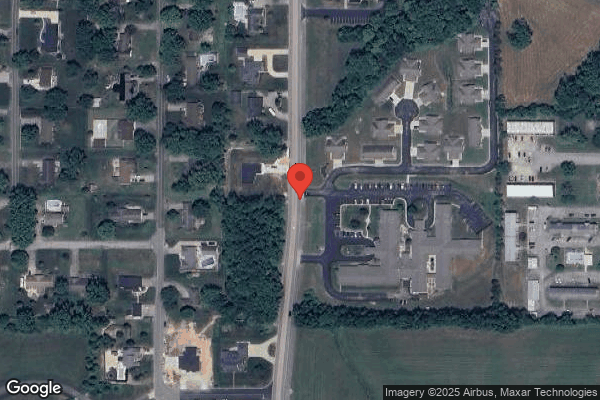
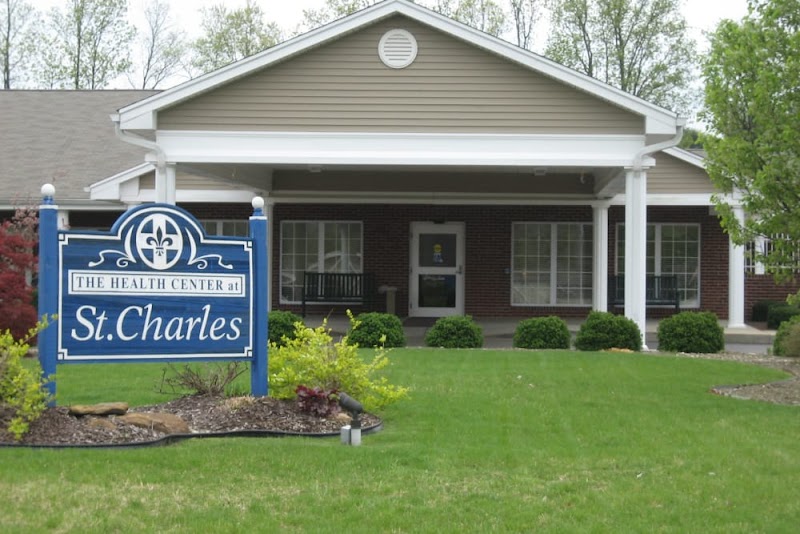
3150 ST CHARLES ST, JASPER, IN 47546 (812) 634-6570
For profit - Corporation 68 Beds TRILOGY HEALTH SERVICES Data: November 2025
Trust Grade
75/100
#190 of 505 in IN
Last Inspection: June 2024

Within standard 12-15 month inspection cycle. Federal law requires annual inspections.

Overview

St. Charles Health Campus in Jasper, Indiana, has received a Trust Grade of B, indicating it is a good choice for families looking for care, as it ranks in the top half of Indiana facilities at #190 out of 505 and #3 out of 7 in Dubois County. The facility is trending positively, having reduced issues from 4 in 2024 to just 1 in 2025, which is encouraging. Staffing is a strong point, with a rating of 4 out of 5 stars and a turnover rate of 39%, lower than the state average, suggesting that staff are stable and familiar with residents' needs. Additionally, more RN coverage than 95% of Indiana facilities is a strength, as RNs can identify issues that CNAs might overlook. However, there are some concerns, including a serious incident where a resident developed a severe pressure ulcer due to inadequate care, and issues with maintaining cleanliness in resident areas, indicating that while there are strengths, families should be aware of some care deficiencies.

Trust Score
B
75/100
In Indiana
#190/505
Top 37%
Safety Record
Moderate
Needs review
Inspections
Getting Better
4 → 1 violations
Staff Stability
○ Average
39% turnover. Near Indiana's 48% average. Typical for the industry.
Penalties
✓ Good
No fines on record. Clean compliance history, better than most Indiana facilities.
Skilled Nurses
✓ Good
Each resident gets 71 minutes of Registered Nurse (RN) attention daily — more than 97% of Indiana nursing homes. RNs are the most trained staff who catch health problems before they become serious.
Violations
⚠ Watch
11 deficiencies on record. Higher than average. Multiple issues found across inspections.
★★★★☆
4.0
Overall Rating
★★★★☆
4.0
Staff Levels
★★★★★
5.0
Care Quality
★★★☆☆
3.0
Inspection Score
Stable
2024: 4 issues
2025: 1 issues

The Good

  • 4-Star Staffing Rating · Above-average nurse staffing levels
  • 5-Star Quality Measures · Strong clinical quality outcomes
  • Full Sprinkler Coverage · Fire safety systems throughout facility
  • No fines on record
  • Staff turnover below average (39%)

    9 points below Indiana average of 48%

Facility shows strength in staffing levels, quality measures, fire safety.

The Bad

Staff Turnover: 39%

Near Indiana avg (46%)

Typical for the industry

Chain: TRILOGY HEALTH SERVICES

Part of a multi-facility chain

Ask about local staffing decisions and management

The Ugly 11 deficiencies on record

1 actual harm
Apr 2025 1 deficiency 1 Harm
SERIOUS (G) 📢 Someone Reported This

A family member, employee, or ombudsman was alarmed enough to file a formal complaint

Actual Harm - a resident was hurt due to facility failures

Pressure Ulcer Prevention (Tag F0686)

A resident was harmed · This affected 1 resident

**NOTE- TERMS IN BRACKETS HAVE BEEN EDITED TO PROTECT CONFIDENTIALITY** Based on interview and record review, the facility failed to ensure services were provided to prevent the development of pressur...

Read full inspector narrative →
**NOTE- TERMS IN BRACKETS HAVE BEEN EDITED TO PROTECT CONFIDENTIALITY** Based on interview and record review, the facility failed to ensure services were provided to prevent the development of pressure ulcers for 1 of 3 residents reviewed for pressure ulcers. The facility failed to obtain adequate physician orders or instructions following the removal of a non-removable brace, which resulted in the development of an unstageable pressure ulcer to the left heel (Wound 2). Following an assessment by a wound care clinic that indicated a newly developed unstageable pressure ulcer to the top of the left foot (Wound 3), the facility failed to assess the wound routinely or create a plan of care to address the wound. (According to the National Pressure Injury Advisory Panel [NPIAP], an unstageable pressure ulcer is defined as: wound is obscured by slough or eschar which makes depth and extent of tissue damage unable to be determined.) This deficient practice resulted in the facility failing to prevent and assess developed pressure wounds and failing to update the residents' plan of care for pressure wounds. (Resident D) Findings include: During record review on 2/3/25 at 10:30 A.M., Resident D's diagnoses included, but were not limited to fracture of left tibia, Alzheimer's disease, dementia and anxiety. Resident D's most recent admission Minimum Data Set (MDS) assessment, dated 8/15/24, indicated the resident was admitted to the facility with one unhealed unstageable pressure ulcer (Wound 1), was at risk for developing pressure ulcers, and had severe cognitive impairment. A Braden scale assessment (tool used to predict the risk for developing pressure ulcers), completed 8/12/24, indicated Resident D was at moderate risk for developing pressure ulcers. Resident D's physician orders included, but were not limited to, non-weight bearing to left lower extremity (started 8/12/24), apply foam dressing to deep tissue injury to left great toe (Wound 1) (started 8/1/2/25), observe non-removable dressing to left lower extremity for drainage on dressing and for dislodgement, leave splint in place, do not remove, call orthopedic physician if the brace gets wet (started 8/12/25), cleanse left heel wound (Wound 2), cover with heel foam dressing, cast padding from toes to just below knee, ace wrap from toes to knee, apply heel lift boot (started 8/27/25), cover wound on heel (Wound 2), left great toe (Wound 1), and top of left foot (Wound 3) with bordered foam-wrap, change dressing every other day and assess wounds (started 9/5/25). Resident D's care plan included, but was not limited to, resident has a pressure ulcer to the left great toe (Wound 1) upon admission (initiated 8/14/24) and left heel (Wound 2) (revised 8/29/25). Resident demonstrates non-compliance with plan of care as evidenced by removing dressing and splint (initiated 8/15/25 and revised 9/10/25.) Resident at risk for skin breakdown (initiated and last revised 8/29/25). Resident D's care plan did not include a focus specific to the pressure ulcer to the top of the left foot (Wound 3). Resident D's progress notes included, but were not limited to: 8/12/24 at 12:35 P.M. - Resident arrived at facility with splint/wrap in place to left lower extremity. The family discussed deep tissue injury to the top of the left great toe (Wound 1) that measured 1.5 centimeters (cm) (length) x 1 cm (width) potentially caused by the previous hard splint. 8/13/24 at 2:37 A.M. - Resident had a fracture to the left lower extremity with a non-removable splint in place. 08/15/24 at 2:55 A.M. - Resident continued to remove dressing and splint to left lower extremity. Resident removed dressing two times this shift. 8/16/24 at 3:34 A.M. - Resident continued to be non-compliant with non-weightbearing orders and non-compliant with orders for non-removable dressing and splint to the left lower extremity. The surgical incision site was red and warm to the touch with serosanguineous drainage noted. Orthopedic physician's office notified and awaiting response. Resident complained of pain to the lower left extremity earlier in the shift and treated with pain medication. 8/26/24 at 6:48 P.M. - Resident returned from appointment at orthopedic physician's office with Physician Assistant (PA) 4 with new orders for: 1. Strict non-weight bearing. 2. Daily skin checks. 3. Wound care to the left heel pressure ulcer (Wound 2). 4. Pad heel. 5. Elevate but no direct heel pressure. 08/27/24 at 3:08 P.M. - Staff spoke with resident's family member regarding concern of left heel skin impairment. Also spoke with PA 4 at orthopedic physician's office to update that family was planning to follow up with the wound care clinic. Treatment orders updated and wound management initiated. 08/28/24 at 8:47 A.M. - Resident admitted with deep tissue injury to let great toe (Wound 1). At an orthopedic appointment, the splint was removed with noted pressure to left heel (Wound 2). Resident admitted with non-removable splint to left lower extremity, however the resident removed frequently. Orthopedic physician office updated regarding removal of splint. 09/04/24 at 8:27 A.M. - Upon entering the resident room for assessment and treatment, the left lower extremity dressing and boot had been removed by the resident. 09/11/24 at 8:00 A.M. - Resident continued to remove dressing and boot frequently. Noted two scabs to top of left foot on this date, foam dressing in place. Distal area is 3 cm x 0.5 cm, and proximal area is 2 cm x 0.3 cm. 10/08/24 at 3:50 P.M. -Resident returned from wound care clinic with a football dressing to left foot. This dressing to only be changed weekly per wound care clinic. 10/09/24 at 6:54 A.M. Resident removed football dressing to left foot. Called family to update. Resident D's left heel wound (Wound 2) assessments included but were not limited to the initial wound assessment dated [DATE] at 8:45 A.M., 3.2 cm x 3.6 cm, unable to determine depth, no drainage, no odors, unstageable deep tissue injury. Weekly left heel wound assessments were completed. No weekly assessments were completed for Resident D's left top of foot unstageable pressure ulcer (Wound 3). Resident D's orthopedic physician's office visit notes included, but were not limited to: 8/26/24 - Patient's visit note - Resident D returned for follow up status post Open Reduction Internal Fixation (ORIF) procedure of tibial fracture performed 8/9/24. Family stated resident had some compliance issues and was walking on the postoperative splint. The facility took down the splint and has reportedly replaced it several times. Physical Findings (left foot exam) Resident has a new heel pressure ulcer (Wound 2) that is about the size of a silver dollar. There is concern for potential necrotic tissue. 9/12/24 - Patient's visit note - Resident D returned for follow up status post ORIF procedure of tibial fracture performed 8/9/24. She has a heel ulcer (Wound 2) from a misapplied splint. Resident D's wound clinic visit notes included, but were not limited to: 9/3/24 - Wound visit notes did not include an assessment of Resident D's wounds but did include new treatment order comments of; cover wounds on heel (Wound 2), left great toe (Wound 1), and top of left foot (Wound 3) with bordered foam dressing and remove every other day to assess the site for breakdown and replace the foam boarder. 9/17/24 - Wound care orders included wound location of left heel (Wound 2), left dorsal (upper side or top) foot (Wound 3), and left first toe (Wound 1). 10/8/24 - Wound assessments for the left dorsal (top) foot wound first assessed on 9/3/24 included the wound measurements of 0.5 cm x 0.3 cm x 0.1 cm (depth). (Wound 3) 10/22/24 - Wound care orders included associated diagnoses an unstageable pressure ulcer of dorsum of left foot (Wound 3) and unstageable pressure ulcer of left heel (Wound 2). During an interview on 4/25/25 at 9:30 A.M., PA 4 indicated having observed Resident D on 8/26/24 during a two week post operative appointment. PA 4 indicated a non-removable splint was applied in the orthopedic physician's office following the Resident's surgical procedure. PA 4 indicated the resident's left foot was wrapped with a padded dressing and a hard splint was applied over the padding. When Resident D arrived for the appointment on 8/26/24, the splint had been applied incorrectly with the padded dressing wrapped around the outside of the hard splint and had resulted in a pressure area to the left heel (Wound 2). PA 4 indicated he was unaware of any notification from the facility regarding Resident D removing the splint and dressing prior to her appointment on 8/26/24. During an interview on 4/25/25 at 10:05 A.M., the Director of Nursing (DON) indicated the wound on top of Resident D's left foot (Wound 3) was assessed on 9/11/24 at the facility as a scabbed area and not a pressure ulcer, therefore the wound was not entered into a wound management program that would have initiated routine wound assessments. During an interview on 4/25/25 at 11:00 A.M., the DON indicated that the orthopedic physician's office did not respond to the notification attempt documented on 8/16/24, and the facility staff replaced the non-removable splint themselves (prior to the development of the unstageable pressure ulcer to Resident D's left heel (Wound 2). The facility did not reassess the area on top of Resident D's left foot (Wound 3) following the diagnosis of an unstageable pressure ulcer to the area during a wound care clinic visit on 10/22/24. No weekly assessments of that wound were documented. During an interview on 4/25/25 at 12:10 P.M., LPN 8 indicated nursing staff should document when a physician's office is notified and if awaiting reply. Nursing staff should continue to contact the physician's office if a reply is not received and should document all attempts of notification. On 4/25/25 at 1:30 P.M., the DON supplied a facility policy titled, Guidelines for Pressure Prevention, dated 12/17/24. The policy included, Care plan interventions shall be implemented based on risk factors identified in the nursing assessment Inspect the skin daily during care of signs of breakdown or changes to the skin . Utilize padding for casts and splints. Monitor skin closely when these devices are present . This citation relates to complaint IN00457254. 3.1-40(a)(2)
Dec 2024 1 deficiency
CONCERN (D) 📢 Someone Reported This

A family member, employee, or ombudsman was alarmed enough to file a formal complaint

Potential for Harm - no one hurt, but risky conditions existed

Accident Prevention (Tag F0689)

Could have caused harm · This affected 1 resident

**NOTE- TERMS IN BRACKETS HAVE BEEN EDITED TO PROTECT CONFIDENTIALITY** Based on interview and record review, the facility failed to ensure each resident received adequate supervision and assistance t...

Read full inspector narrative →
**NOTE- TERMS IN BRACKETS HAVE BEEN EDITED TO PROTECT CONFIDENTIALITY** Based on interview and record review, the facility failed to ensure each resident received adequate supervision and assistance to prevent accidents for 1 of 3 residents reviewed for falls. New interventions were not placed following falls to prevent further falls for a cognitively impaired resident. (Resident G) Finding includes: On 12/11/24 at 1:57 P.M., Resident G's clinical record was reviewed. Diagnoses included, but were not limited to, left tibia shaft fracture, osteoporosis, and Alzheimer's disease. Resident G was admitted to the facility on [DATE] and discharged [DATE]. The most recent admission MDS (Minimum Data Set) Assessment, dated 8/15/24, indicated a severe cognitive impairment and no behaviors. Resident G was dependent on staff for toileting, bed mobility, transfers, and from sitting to standing. Resident G had experienced a fall with fracture that required surgical repair prior to admission. Physician orders included, but were not limited to: Activity: Two staff assist - Strict NWB (non-weight bearing) to left leg, dated 9/3/24. Sounding alarms to bed and chair at all times, and to check the function each shift three times a day, dated 9/9/24. Nurse to verify that bed and chair alarms functioning properly each shift, three times a day, dated 10/21/24. A falls care plan, dated 8/29/24, included the following interventions: Nurse to verify that alarm is functioning, dated 10/21/24. Not to be left in room in wheelchair unattended, dated 9/30/24. Sounding alarm to bed and chair, dated 9/10/24. Mat beside bed, dated 9/10/24. Toileting schedule, dated 9/9/24. Encourage resident to assume standing position slowly, dated 8/29/24. Ensure the floor is free of liquids and foreign objects, dated 8/29/24. Keep call light in reach, dated 8/29/24. Keep personal and frequently used items within reach, dated 8/29/24. Provided non-skid footwear, dated 8/29/24. Staff to assist resident with transfers as needed, dated 8/29/24. Therapy evaluate and treat as needed, dated 8/29/24. An ADL (activities of daily living) care plan, dated 8/29/24, indicated Resident G required staff assistance to complete mobility functional tasks completely and safely. A hospital post-operative note, dated 8/9/24, indicated Resident G was admitted for surgical repair of a closed displaced comminuted fracture of shaft of left tibia From 9/8/24 through 10/19/24, Resident G experienced the following falls: Fall 1 A progress note, dated 9/8/24 at 4:30 P.M. indicated Resident G fell in her room at 4:00 P.M. after restlessly wheeling around hallway. The resident was observed on the floor in the entryway of the bathroom after attempting to transfer self to toilet. The note indicated the new intervention was to routinely toilet the resident. The falls care plan was updated on 9/9/24 to include an intervention of toileting schedule. The clinical record lacked documentation that the toileting schedule had been followed or implemented. On 12/12/24 at 10:53 A.M., the Director of Nursing (DON) indicated Resident G's toileting schedule had been started on 9/9/24, and the Certified Nurse Aides (CNA) would have followed their assignment sheet at that time for the toileting schedule, but would not necessarily document it. On 9/8/24, an x-ray was ordered for the left leg. A progress note dated 9/8/24 at 9:36 P.M. indicated a left fibular neck fracture. Results were communicated with the physician, who indicated he would like for the resident to be monitored overnight and for the orthopedic to be notified the following morning on how to proceed. Resident G's clinical record lacked documentation of the communication with the orthopedic physician on 9/9/24. On 12/12/24 at 10:53 A.M., DON indicated she was unable to find any documentation of the communication with the orthopedic physician. She indicated there were no new orders related to the x-ray findings, because it had shown an existing fracture that the resident was admitted with. At that time, she was unaware that the x-ray result had indicated a new fracture of the fibula. A progress note dated 9/11/24 indicated Resident G's fall on 9/8/24 was reviewed. Resident was non-weight bearing to the left lower extremity and transferred self from the wheelchair and fell to the floor. The note indicated an x-ray was completed with no new fractures. Per daughter's request, Resident G was to have sounding alarms to the wheelchair and bed at all times. An order for sounding alarms was initiated 9/9/24. A progress note, documented by Registered Nurse (RN) 3 on 9/13/24, indicated Resident G had been making several attempts to wheel herself to her room. RN 3 informed the resident that she could not stay in her room by herself because she would attempt to get up by herself and was strict non-weight bearing to the left lower extremity. Fall 2 A progress note dated 9/28/24 at 8:18 P.M. indicated the nurse was notified by the CNA of the resident attempting to self transfer to the toilet. The fall was not witnessed and the resident was found on the bathroom floor. An Interdisciplinary Team (IDT) note, dated 9/30/24, indicated the resident was toileted and assisted to bed after being found on the bathroom floor on 9/28/24. The note indicated a new intervention to not be left in the room in wheelchair unattended. The falls care plan was updated on 9/30/24 to include not to be left in room in wheelchair unattended. On 12/12/24 at 10:30 A.M., RN 3 indicated is was known by all staff that Resident G was not to get up by herself due to being non-weight bearing on her left leg, and would try to constantly. She indicated the resident had the behaviors of trying to get up on her own from the time she was admitted to the facility. She indicated all staff were actively supervising Resident G and trying to prevent her from getting up on her own well before an intervention was placed to do so. Fall 3 A progress note on 10/19/24 at 4:45 P.M. indicated Resident G was found by the door in her room. Fall was unwitnessed. The resident indicated she crawled to the door. At the time of the fall, the alarm did not sound. An IDT note dated 10/21/24 indicated following the fall on 10/19/24, the new intervention would be for the nurse to verify that alarm was functioning properly each shift. The falls care plan was updated on 10/21/24 to include an intervention for the nurse to verify that the alarm is functioning properly each shift. The order for alarms dated 9/9/24 indicated to check for functionality each shift. On 12/12/24 at 10:39 A.M., CNA 25 indicated all residents that were at risk of falling were toileting frequently. She indicated CNA assignment sheets were updated daily with mobility assistance indicated for each resident. On 12/12/24 at 10:57 A.M., Qualified Medication Aide (QMA) 21 indicated Resident G required a lot of supervision due to her wanting to get up and go home. She indicated the resident needed pretty much a 1:1 supervision, and at times staff would call her daughter to sit with her because they could not supervise her as she required. She indicated Resident G was very confused and believed she could get up on her own, and staff was aware from the time she was admitted that she needed constant supervision. On 12/12/24 at 10:30 A.M., RN 3 indicated Resident G was confused and attempted to get up on her own from day one. She indicated staff would try and keep her in the common area or by the nurses station as she had strict NWB orders to the left leg. On 12/12/24 at 11:34 A.M., the DON indicated she was unsure why the alarm was not sounding when Resident G fell on [DATE]. She indicated the facility did not typically use sounding alarms, but the resident's daughter was insistent on using them, so the facility complied. She indicated care plans should be revised and updated following each fall, and depending on the circumstances, a new intervention put into place. On 12/12/24 at 1:08 P.M., a current Fall Management policy, dated 12/31/23, was provided and indicated Any orders received from the physician should be noted and carried out . The resident care plan should be updated to reflect any new or change in interventions This citation relates to Complaint IN00447969 and Complaint IN00447994. 3.1-45(a)
Jun 2024 3 deficiencies
CONCERN (D)

Potential for Harm - no one hurt, but risky conditions existed

Deficiency F0554 (Tag F0554)

Could have caused harm · This affected 1 resident

Based on observation, interview, and record review, the facility failed to ensure residents that were self administering medications were assessed for the capability to self administer medications for...

Read full inspector narrative →
Based on observation, interview, and record review, the facility failed to ensure residents that were self administering medications were assessed for the capability to self administer medications for 1 of 15 residents observed during medication administration and 1 of 1 random observation with medications in their room. (Resident 39, Resident 12) Findings include: 1. On 6/17/24 at 11:03 A.M., while Registered Nurse (RN) 14 administered Azo Bladder Control 300 mg, 2 capsules, the following medications were observed sitting on the bedside table in Resident 39's room: - Albuterol sulfate (a medication used to treat Asthma and Chronic Obstructive Pulmonary Disease) inhaler- 1 puff by mouth every 2 hours as needed on the label - Fluticasone (a nose spray for allergies) -label faded and unreadable - Asmanex (an inhaled medication used to treat asthma) 220 mcg-no label At that time, RN 14 did not acknowledge the medications sitting on the bedside table. On 6/17/24 at 11:55 A.M., Resident 39's clinical records were reviewed. The diagnoses included, but were not limited to, asthma and COPD (Chronic Obstructive Pulmonary Disease). The most recent Quarterly MDS (Minimum Data Set) assessment, dated 5/28/24, indicated Resident 39 was cognitively intact. The Physician Orders included, but were not limited to the following: - Fluticasone propionate over the counter spray, 50 mcg (micrograms), 1 spray nasally, once a day, start date 6/27/23. - Ventolin HFA (Hydrofluoroalkane) (albuterol sulfate) HFA aerosol inhaler, 90 mcg, one puff, every two hours, as needed, start date 11/16/22. Asmanex Twisthaler (mometasone) aerosol powder breath activated, 220 mcg, one puff. May Keep At Bedside, discontinue when supply depleted, then start Pulmicort, twice a day, as needed, start date 8/10/23 and discontinued date 8/30/23 The clinical records lacked a care plan for self administration of medications. During an interview on 6/17/24 at 11:27 A.M., RN 14 indicated as needed medications should be in the medication cart. Resident 39 did not have Self Administration of Medication Assessments completed. She was unsure how often residents were reassessed for self administration. At that time, she left the medications at the bedside. On 6/17/24 at 11:47 A.M., RN 14 provided a Self Administration of Medication Assessment, dated 7/27/23 for Asmanex inhaler, which was discontinued on 8/30/23. No other Self Administration of Medication Assessments were provided. During an interview on 6/18/24 at 10:03 A.M., Resident 39 indicated she used the inhalers she had in her room. 2. On 6/13/24 at 10:04 A.M., one albuterol sulfate and one Ventolin hand held inhaler, one Flonase nasal spray bottle, and one bottle of Tums were observed lying on Resident 12's bedside table. On 6/17/24 at 10:58 A.M., one albuterol sulfate inhaler and one bottle of Flonase nasal spray was observed lying on Resident 12's bedside table. On 6/14/24 at 2:12 P.M., Resident 12's clinical record was reviewed. The diagnoses included, but were not limited to, pulmonary fibrosis, allergies, and gastroesophageal reflux disease (GERD) without esophagitis. The most recent Quarterly MDS assessment, dated 4/7/24 indicated Resident 12 was cognitively intact. Current Physician's Orders included, but were not limited to, the following: Flonase Allergy Relief (fluticasone) 50 micrograms (mcg), 2 sprays to both nostrils once daily, ordered 11/10/16 Ventolin (albuterol sulfate) HFA aerosol inhaler; 90 mcg, 2 puffs as needed for cough/wheeze every 4 hours, ordered 4/19/23 The current Physician's Orders lacked an order for Tums and the self administration of medications. A current Pulmonary Fibrosis Care Plan, revised 5/9/24, included, but was not limited to the following intervention: Medications per MD (Medical Doctor) order, initiated 5/27/22 A current Use of Nasal Spray Steroids Care Plan, revised 5/9/24, included, but was not limited to, the following interventions: Administer medication per MD order, initiated 2/20/20 Notify MD of any adverse effects noted, initiated 2/20/20 Observe and record effectiveness of drug treatment, initiated 2/20/20 A current GERD Care Plan, revised 5/9/24, included, but was not limited to the following intervention: Administer medication as ordered by physician, initiated 12/28/17. Resident 12's clinical record lacked a care plan for self administration of medications and which medications were to be self administrated. A Self Administration of Medication form, dated 1/1/23, indicated the resident could not properly dispense eye drops, inhalers, nebulizers, nasal sprays, etc, that the self administered medications should be stored in the nursing medication cart, and did not indicate which medications the resident could self administer. During an interview on 6/14/24 at 12:51 P.M., Resident 12 indicated she used the inhalers, nasal spray, and Tums on her bedside table when she needed them. The inhalers were used every 4 hours or so and she did not get help from staff and did not tell staff when she used them. During an interview on 6/17/24 at 11:03 A.M., Licensed Practical Nurse (LPN) 12 indicated she thought Resident 12 self administered eye drops and nasal spray. She indicated that the Social Services Director (SSD) did assessments on residents every 90 days and the Brief Interview for Mental Status (BIMS) had to be high, like 15 or above and if the BIMS changed she was to let the nurses know. At that time, she indicated Resident 12's last assessment was done in January of 2023 for self administering medications. At that time, she indicated there should be care plan for self administration of medications in the resident's clinical record but she was not sure if there had to be a specific order to self administer medications. During an interview on 6/17/24 at 3:04 P.M., the Director of Nursing (DON) indicated the Self Administration Assessment was done by nursing staff initially if the resident wanted to self administer medications, when their cognition status changed, and/or as needed. When the SSD did her quarterly BIMS Assessment, she was to let the nurses, Assistant Director of Nursing (ADON), or DON know if something had changed so they could reassess the resident for self administering medications. If the resident's cognition was intact and the medications were PRN (as needed), staff did not keep track of resident's medication use. On 6/18/24 at 8:45 A.M., a current Self Administration of Medications Policy, revised 5/22/18, was provided by the DON and indicated . ensure the safe administration of medication for residents who request to self medicate or when self medication is a part of their plan of care . Residents requesting to self medicate or has self medication as a part of their plan of care shall be assessed using the [name of company] Self Administration of Medication . results of the assessment will be presented to the physician for evaluation and an order for self medication . the order should include the type of medication[s] the resident is able to self medicate . The medication will be kept in a locked drawer in the residents' room. The resident will maintain the key, as well as, a key will be maintained by the licensed nurse and or QMA [Qualified Medication Aide] . periodic verification of administration compliance will be observed by nursing staff. A self medication plan of care will be initiated and updated as indicated. The assessment will be reviewed quarterly, and PRN with change of condition . 3.1-11(a)
CONCERN (D)

Potential for Harm - no one hurt, but risky conditions existed

Deficiency F0582 (Tag F0582)

Could have caused harm · This affected 1 resident

Based on interview and record review, the facility failed to provide necessary documentation to ensure a resident or responsible party was issued a Skilled Nursing Facility Advanced Beneficiary Notice...

Read full inspector narrative →
Based on interview and record review, the facility failed to provide necessary documentation to ensure a resident or responsible party was issued a Skilled Nursing Facility Advanced Beneficiary Notice (SNFABN) and Notice of Medicare Non-Coverage (NOMNC) before the proposed end of services for 1 of 3 beneficiary notices reviewed. (Resident 46) Findings include: On 6/13/24 at 2:25 P.M., during review of the Medicare Part A discharge notices, Resident 46's notice stated the last day covered for Part A was 5/10/24 and indicated, Other .Facility initiated and family agreed duet [sic] to lack of progress/participation in therapy related to overall decline in condition. At that time the Social Service Director (SSD) indicated a SNFABN form and NOMNC was not provided due to the resident declining and the family was considering hospice services. On 6/13/24 at 2:30 P.M., Resident 46's clinical record was reviewed and indicated a hospice evaluation was ordered on 5/17/24. On 6/18/24 at 8:45 A.M., the Director of Nursing (DON) provided a NOMNC Completion policy, revised 10/24/22, that indicated, .For residents being notified of discontinuation of their Medicare coverage, the NOMNC is required to be issued 2 calendar days prior to the actual discharge from Medicare . and a SNFABN should be issued, when the resident intends to continue services and the campus believes services may not be covered under Medicare . 3.1-4(f)(3)
CONCERN (D)

Potential for Harm - no one hurt, but risky conditions existed

Safe Environment (Tag F0921)

Could have caused harm · This affected 1 resident

**NOTE- TERMS IN BRACKETS HAVE BEEN EDITED TO PROTECT CONFIDENTIALITY** Based on observation, interview, and record review, the facility failed to ensure a clean and homelike environment for 1 of 1 sh...

Read full inspector narrative →
**NOTE- TERMS IN BRACKETS HAVE BEEN EDITED TO PROTECT CONFIDENTIALITY** Based on observation, interview, and record review, the facility failed to ensure a clean and homelike environment for 1 of 1 shower rooms and 2 of 13 bathrooms observed for environment. Tiles were broken, grout was soiled, build up was around the toilet base, doorknobs were loose, handrails were wrapped with frayed duct tape, paint was missing, and odors were present. (room [ROOM NUMBER], room [ROOM NUMBER], Shower Room on 200 Hall) Findings includes: 1. During an observation on 6/13/24 at 10:13 A.M., a strong odor of bowel movement and missing paint by the toilet paper holder was observed in the bathroom of room [ROOM NUMBER]. On 6/17/24 at 10:55 A.M., the same was observed. 2. During an observation on 6/13/24 at 10:04 A.M., in the bathroom of room [ROOM NUMBER], the handrail on the wall by the toilet had a red Dycem (non-slip pad) and a blue Dycem duct taped to the hand rail. There was also duct tape at the back of the rail. The duct tape was frayed. On 6/17/24 at 10:58 A.M., the same was observed. 3. During an observation on 6/18/24 at 10:50 A.M., in the 200 Hall shower room, the door to enter the shower room was black on the bottom. Inside, to the left where the first shower stall wall met the floor, there were cracked and missing pieces of tile. Between the first and second shower stalls, there was a cracked tile with the piece missing. Inside the second shower stall by the drain on the floor, there were cracked floor tiles. In both showers, along the wall where it met the floor there was a dark brown substance along the quarter round and the grout halfway up all shower walls and the floors was soiled. The wall by the bathroom had a cracked and missing tile. The doorknob to the bathroom was loose and there was a brown substance around the base of the toilet. There was no string on the call light in the bathroom. On 6/19/24 at 8:58 A.M., the same was observed. During an anonymous interview on 6/13/24 at 8:40 A.M., they indicated there were odors of urine and bowel movement in the facility. During an interview on 6/18/24 at 10:41 A.M., the Director of Nursing (DON) indicated the duct tape and Dycems that were taped to the handrail in the bathroom of room [ROOM NUMBER] was from a previous resident in that room and was used to keep hands from slipping on the rail. Neither resident currently in the room indicated they used it. The most recent admission in that room was 4/1/24. At that time, she indicated she was not aware it was there and she had taken them off and cleaned the rail. During an interview on 6/19/24 at 9:11 A.M., the Maintenance Director indicated they had been working on painting throughout the facility. Their process was to go through the rooms and bathrooms and apply plaster if needed, let the plaster dry, and paint the areas in the next couple days. At that time, he indicated he was aware of the cracked and missing tiles in the shower room and they were getting replacement tiles. Their staff should pressure wash the shower rooms, especially the dirty grout every 3 months. He was not aware the door knob was loose but those were to be checked monthly and retightened as needed. He indicated staff would either tell him verbally and/or place a work order in the maintenance electronic work order system (TELS) to let him and his assistant know if something needed their attention. They did rounds everyday and the work orders were checked right away in the morning, at lunch, and possibly in the afternoons too. They worked very closely with housekeeping when things need repaired or replaced. During an interview on 6/19/24 at 9:12 A.M., Housekeeper 3 indicated every room gets cleaned everyday and they always looked to see if something needed picked up, pull trash and put plenty of trash bags in the trash can, put cleaning spray on and in the toilet and sink in the bathroom, refill paper towels and soap if needed, wipe everything down, and do the floors. She indicated there was a housekeeping sheet that they were responsible for filling out with the room number and what they did in the room. On 6/19/24 at 9:54 A.M., a current non dated Room Cleaning Policy, was provided by Administrator 2 and indicated Health Center resident rooms are cleaned daily and deep cleaned monthly . If there are any maintenance issues generate a work order in TELS . On 6/19/24 at 9:54 A.M., a current Floor Care Policy, revised 2/5/18, was provided by Administrator 2 and indicated It is the goal of the ES [Environmental Services] Department to maintain the floor and achieve a long useful life and great appearance . On 6/19/24 at 9:54 A.M., a current Preventative Maintenance Policy, dated 2/6/24, was provided by Administrator 2 and indicated Preventative maintenance is an integral part of the Director of Plant Operations duties . 3.1-19(f)
Oct 2023 1 deficiency
CONCERN (D) 📢 Someone Reported This

A family member, employee, or ombudsman was alarmed enough to file a formal complaint

Potential for Harm - no one hurt, but risky conditions existed

Comprehensive Care Plan (Tag F0656)

Could have caused harm · This affected 1 resident

Based on observation, interview, and record review, the facility failed to ensure the plan of care was implemented and interventions were in place for 1 of 3 residents reviewed for accidents. A reside...

Read full inspector narrative →
Based on observation, interview, and record review, the facility failed to ensure the plan of care was implemented and interventions were in place for 1 of 3 residents reviewed for accidents. A resident's fall intervention was not in place during 1 of 1 observations of the resident in bed. (Resident C) Finding includes: During record review on 10/4/23 at 10:30 A.M., Resident C's diagnoses included, but were not limited to dementia with behavioral disturbance, altered mental status, unsteadiness on feet and disorientation. Resident C's most recent quarterly Minimum Data Set (MDS) assessment, dated 9/8/23, indicated the resident had severe cognitive impairment. Resident C's physician orders included but were not limited to; lay resident down after lunch and dinner, and Low bed with extended bed surface when in bed (started 6/11/22). Resident C's care plan included but was not limited to; Resident is at risk for falls due to history of falls, medication use, incontinence, and Parkinson's Disease. Interventions included but were not limited to; extended bed surface (started 6/13/22). During an observation and interview on 10/4/23 at 2:00 P.M., CNA 3 and CNA 5 assisted Resident C to bed. Resident C's bed was put into low position and fall mats (approximately 2 inches thick) were placed on the floor aside the bed. CNA 3 indicated the mats were to prevent injury from the resident rolling or crawling out of bed. CNA 3 indicated she often sees the resident on the mats when she starts her shift in the morning. During an interview on 10/4/23 at 2:40 P.M., QMA 4 indicated that Resident C had changed rooms from another hall recently and that he used to have a mattress that bumped up level to his bed mattress, but fall mats are being used in his current room. QMA 4 did not know why the bed extender mattress was not being used. During an interview on 10/4/23 at 2:30 P.M., PT 7 (Physical Therapist) indicated that an extended bed surface should be an extension of the mattress surface and would be placed at an even height next to the original mattress to allow a resident to roll onto the extended bed surface, preventing a fall. If a resident rolls off a mattress to a lower surface, that would be a change of plain and should be considered a fall. On 10/4/23 at 3:15 P.M., the facility administrator supplied a facility policy titled, Comprehensive Care Plan Guideline, and dated 12/31/22. The policy includes, Purpose .To ensure appropriateness of services and communication that will meet the resident's needs . 4. Pertinent care plan approaches are communicated to the nursing staff . 6. Comprehensive care plans need to remain accurate and current. This Federal tag relates to complaint IN00418639. 3.1-35(g)(2)
Jun 2023 1 deficiency
CONCERN (D) 📢 Someone Reported This

A family member, employee, or ombudsman was alarmed enough to file a formal complaint

Potential for Harm - no one hurt, but risky conditions existed

Infection Control (Tag F0880)

Could have caused harm · This affected 1 resident

Based on observation, interview, and record review, the facility failed to ensure infection control practices were followed for 3 of 4 observations of resident care. Handwashing was not completed betw...

Read full inspector narrative →
Based on observation, interview, and record review, the facility failed to ensure infection control practices were followed for 3 of 4 observations of resident care. Handwashing was not completed between dirty to clean tasks. Gloves were not changed between dirty and clean tasks. Glucometers were not properly cleaned. (Resident F, Resident C) Findings include: 1. On 6/15/23 at 10:59 A.M., Resident F was observed for incontinence care. CNA 20 and CNA 28 put gloves on when they entered the room with the lift. CNA 20 pulled the privacy curtain. Resident F was sitting up in a wheelchair. CNA 20 and CNA 28 attached the lift straps to the lift. CNA 20 used the controls and raised Resident F out of wheelchair, moved her over the bed while CNA 28 guided the lift seat and centered her over the bed. CNA 20 lowered the resident, removed the lift straps and pushed the lift to the other side of the room. CNA 20 pulled Resident F's pants down, unfastened the soiled incontinence pad, pushed the incontinence pad down, used wipes to peri care of the resident. CNA 20 threw the wipes in the trash bag, and rolled Resident F to right side touching her right arm and right leg. CNA 28 held Resident F over while CNA 20 cleaned Resident F's backside with wipes, removed the soiled incontinence pad from under the resident, put it in trash bag, placed a clean incontinence pad under Resident F, applied barrier protectant cream, and rolled her to her left side. CNA 20 removed her gloves and went to the bathroom to wash her hands and put on clean gloves. CNA 28 pulled up the clean incontinence pad, rolled Resident F to her back and fastened the incontinence pad. Resident F's pants were soiled so CNA 28 removed the pants and went to the closet to get clean pants. CNA 20 and CNA 28 put the pants on Resident F. CNA 28 turned Resident F to the left side to pull pants up and turned her to her right side to pull the pants up the rest of the way. CNA 28 then removed her gloves, sanitized, and put on clean gloves. CNA 20 pushed the lift to the bed and attached lift to straps on the lift pad, and lifted Resident F off the bed. CNA 28 helped guide the lift seat and centered her over the wheelchair. CNA 20 lowered resident to the wheelchair. CNA 20 and CNA 28 removed the lift straps from the lift. CNA 20 brushed Resident F's hair, placed a blanket over her legs, pushed her to the beside of her bed, and put the call light in her lap. CNA 28 made the resident's bed. CNA 20 removed the trash bag from the trash can and tied it shut. CNA 20 and CNA 28 failed to change gloves and perform hand hygiene between dirty and clean tasks. 2. During an observation on 6/15/23 at 9:13 A.M., CNA (Certified Nurse Aide) 16 and CNA 20 transferred Resident C from a wheelchair to the bed with a mechanical lift and performed incontinence care. CNA 16 put on gloves, attached the lift pad to the lift, touched the resident to help position them in the bed, pulled the privacy curtain shut, and removed Resident C's soiled incontinence pad. CNA 16 performed perineal (peri) care, placed a clean incontinence pad under the resident, assisted Resident C to turn and touched the residents left leg and left arm, fastened the incontinence pad, and pulled up Resident C's pants. CNA 16 then attached the lift pad to the lift, removed the trash bag with the soiled incontinence pad from the trash can, helped position the resident into the wheelchair and removed the lift pad. CNA 16 then opened the door and pushed the lift out into the hallway. CNA 16 failed to change gloves and perform hand hygiene between dirty and clean tasks. During an interview on 6/15/23 at 11:29 A.M., the ADON (Assistant Director of Nursing) indicated if multiple surfaces are touched, gloves should be changed before performing peri care, and gloves should be changed between dirty and clean tasks even if they are not visibly soiled because there could still be residue on them. 3. During an observation on 6/15/23 at 11:18 A.M., LPN (Licensed Practical Nurse) 8 used a glucometer to obtain Resident F's blood glucose level. LPN 8 used an alcohol swab to clean the machine when she was finished and immediately placed the glucometer into a clear bag. LPN 8 then removed gloves and washed hands for 10 seconds. During an interview on 6/14/23 at 1:39 P.M., CNA 26 indicated that hands should be lathered with soap for 40 seconds. During an interview on 6/15/23 at 11:30 A.M., RN (Registered Nurse) 12 indicated glucometers should be cleaned after every use with sani wipes and left out to dry for 2 minutes. A current Guideline for Handwashing/Hand Hygiene policy, revised 2/9/17, was provided by the DON on 6/15/23 at 12:11 P.M., and indicated Health Care Workers (HCW) shall use hand hygiene at times such as: . d. After removing gloves, worn per Standard Precautions for direct contact with excretions or secretions, mucous membranes, specimens, resident equipment, grossly soiled linen, etc. The DON indicated there was not a separate policy on glove use, and glove use was mentioned in the Hand Hygiene policy. A current Glucometer Cleaning and Control Test Guidelines policy, dated 12/31/22, was provided by the DON (Director of Nursing) on 6/15/23 at 12:11 P.M., and indicated .Clean glucometer surface .by wiping with a cloth dampened with soap and water or isopropyl alcohol . At that time, the DON indicated that she was unaware that the policy differed from the instructions in the (name of glucometer) user manual. A current (name of glucometer) User Instruction Manual was provided by the DON on 6/15/23 at 12:11 P.M., and indicated .The meter should be cleaned and disinfected after use on each patient . It listed 4 different cleaning agents and Isopropyl alcohol was not listed as an appropriate cleaning agent for the glucometer. This Federal tag relates to complaint IN00410128. 3.1-18(l) 3.1-18(b)
Mar 2023 4 deficiencies
CONCERN (D)

Potential for Harm - no one hurt, but risky conditions existed

Comprehensive Care Plan (Tag F0656)

Could have caused harm · This affected 1 resident

3. On 2/28/23 at 8:46 A.M., during interview with Resident 38, the room was observed to have debris such as used Kleenex and snack wrappers on the floor between the resident's bed and the bathroom. In...

Read full inspector narrative →
3. On 2/28/23 at 8:46 A.M., during interview with Resident 38, the room was observed to have debris such as used Kleenex and snack wrappers on the floor between the resident's bed and the bathroom. In the shared bathroom, the wastebasket was overflowing with paper towels and other waste onto the floor. On 3/3/23 at 1:15 P.M., Resident 38's clinical record was reviewed. Diagnoses included, but were not limited to, Parkinson's disease, Dementia in other diseases classified elsewhere, Type 2 diabetes mellitus with diabetic polyneuropathy, depression, anxiety, and Unspecified sequelae of cerebral infarction. The most recent quarterly MDS Assessment, dated 1/27/23, indicated resident was cognitively intact and required extensive assistance of 1 (one) staff for bed mobility, transfers, toileting, and eating, and required physical assistance with bathing. A current fall risk care plan, dated 7/11/22, included, but was not limited to, the following interventions: Pommel cushion placed in chair, dated 9/8/22 Ensure the floor is free of liquids and foreign objects, dated 7/11/22 On 3/1/23 at 8:32 A.M., Resident's room was observed to still have debris on the floor. On 3/1/23 at 9:24 A.M., Resident 38 was observed sitting on her bed. The area between the resident's bed and the bathroom was still cluttered with used Kleenex and other debris. On 3/3/23 at 10:03 A.M., Observed Resident 38 in bed. The wheelchair by her bed had a flat cushion rather than a pommel cushion on it. There was also clutter on the floor, such as used Kleenex, snack wrappers, and a lipstick tube. On 3/6/23 at 8:53 A.M., Observed Resident 38 up in wheelchair moving herself down the hall towards her room. Cushion in wheelchair was a flat cushion. A pummel cushion was not observed. Observed resident's room with used towels on the floor, as well as used Kleenex, and other debris. On 3/7/23 at 9:45 A.M., Resident 38 was out of room. The shared bathroom (shared by 2 residents) still had paper towels and debris on the floor. The wastebasket nearest the door in the room was overflowing with trash to the floor. On 3/3/23 at 1:58 P.M., a current Comprehensive Care Plan Guideline policy, dated 5/22/18, was provided and indicated the purpose of the policy was To ensure appropriateness of services and communication that will meet the resident's needs, severity/stability of conditions, impairment, disability, or disease in accordance with state and federal guidelines . Comprehensive care plan need to remain accurate and current. At that time, the DON indicated staff should follow the resident's plan of care. 3.1-35(a) 3.1-35(g)(2) 2. On 3/2/23 at 10:39 A.M., Resident 26 was observed sitting in their wheelchair, in their room, without staff present. At that time, no signs were observed in resident's room to alert resident and the call light was on their left recliner armrest not in reach of the resident. On 2/28/23 at 3:10 P.M., Resident 26's clinical record was reviewed. Diagnoses included, but were not limited to, muscle weakness (generalized), unsteadiness on feet, difficulty in walking, and long term use of anticoagulants. The most recent annual MDS Assessment, dated 1/21/23, indicated Resident 26's was severely cognitively impaired, was an extensive assist of 1 (one) staff for bed mobility and transferring, and an extensive assist of 2 (two) staff for toileting. Current physician's orders included, but were not limited to: Check for placement of Call, don't fall sign in room three times a day, started 12/22/22 Do not leave sitting up in w/c (wheelchair) in room - transfer to recliner or bed, started 12/22/22 A current risk for falls care plan, dated 3/26/21, included, but was not limited to, the following interventions: Call, don't fall visual cues placed in room, initiated 8/31/21 Resident to only be in w/c for transfers/transports. While in room, encourage resident to sit in recliner or lie in bed, initiated 4/1/21 A current care plan, dated 3/31/22, included, but was not limited to the following intervention: Do not leave resident in w/c in room, transfer to bed or recliner, started 3/31/22. During an interview on 3/2/23 at 10:48 A.M., RN (Registered Nurse) 24 indicated Resident 26 should not be left sitting in their wheelchair in their room. During an interview on 3/3/23 at 10:57 A.M., CNA (Certified Nurse Aide) 32 observed there was not a Call, don't fall sign in Resident 26's room to alert the resident. At that time, they indicated they were unsure if that was an intervention that should be in place for the resident. Based on observation, interview, and record review, the facility failed to ensure care plan interventions and physician orders were followed for 2 of 4 residents reviewed for accidents, and 1 of 2 residents reviewed for nutrition. Interventions for resident's plan of care, including wearing non-skid socks, not sitting in the wheelchair in resident's room, having a Call, don't fall sign in resident's room, and use of a pummel cushion on resident's wheelchair, were not followed. (Resident 34, Resident 26, Resident 38) Findings include: 1. On 2/27/23 at 10:45 A.M., Resident 34 was observed sitting in a wheelchair in the common area during an activity. Resident 34 was wearing socks that were not non-skid. On 2/28/23 at 9:49 A.M., Resident 34 was observed sitting in a wheelchair in the common area. Resident 34 was wearing socks that were not non-skid. On 2/27/23 at 1:56 P.M., Resident 34's clinical record was reviewed. The most recent quarterly MDS (minimum data set) Assessment, dated 1/4/23, indicated resident's cognition status could not be assessed, and Resident 34 required extensive assistance of 2 (two) staff with dressing. A risk for falls care plan, dated 4/8/22, included, but was not limited to, the following intervention: Provide non-skid footwear, dated 4/8/22. On 3/3/23 at 8:11 A.M., Resident 34 was observed sitting in a wheelchair in the common area. Resident 34 was wearing socks that were not non-skid. At that time, CNA (Certified Nurse Aide) 9 indicated she had assisted Resident 34 getting dressed that morning, and was not offered any other choices for clothing, that what he was currently wearing was the only thing that was offered to him to wear. During an interview on 3/3/23 at 10:35 A.M., the DON (Director of Nursing) indicated she was unaware that providing non-skid footwear was an intervention in Resident 34's risk for falls care plan.
CONCERN (D)

Potential for Harm - no one hurt, but risky conditions existed

Respiratory Care (Tag F0695)

Could have caused harm · This affected 1 resident

Based on observation, interview, and record review, the facility failed to ensure that residents who needed respiratory care, were provided such care, consistent with professional standards of practic...

Read full inspector narrative →
Based on observation, interview, and record review, the facility failed to ensure that residents who needed respiratory care, were provided such care, consistent with professional standards of practice in 2 of 4 residents reviewed for respiratory care. The oxygen concentrator filter was visibly soiled, oxygen tubing and humidifier bottles were not dated, and the incorrect oxygen flow rate was set on the concentrator. (Resident 42, Resident 9) Findings include: 1. During the initial interview with Resident 42 on 2/27/23 at 11:05 A.M., the resident indicated she used her oxygen as needed. Tubing on the concentrator was observed to have a date of 1/7 (no year indicated) and the filter had grayish lint all around the edges and dust flew off the filter when it was removed and put back. On 3/6/2023 at 10:25 A.M., Resident 42's records were reviewed. Diagnoses included, but were not limited to, chronic kidney disease, unspecified dementia with behavioral disturbance, emphysema, shortness of breath, and difficulty walking. The most recent quarterly MDS (Minimum Data Set) Assessment, dated 1/30/23, indicated resident was severely cognitively impaired and required extensive assistance of 2 (two) staff for bed mobility, transfers, and toileting. Current physician orders included, but were not limited to, Change oxygen tubing monthly, dated 4/14/22 Clean external concentrator filter every two weeks on Sundays, dated 4/14/22 A current Potential for Shortness of Breath Care plan included, but was not limited to: Administer oxygen per MD order and as needed, dated 1/1/22 On 2/28/23 at 1:08 P.M., Resident 42 was observed at rest in her reclining wheelchair in her room. Oxygen concentrator filter was still soiled with dust. On 3/1/23 at 9:14 A.M., Resident 42 was observed in room in reclining wheelchair, oxygen concentrator filter was still soiled with dust. During an interview on 2/28/23 at 1:10 P.M., RN (Registered Nurse) 25 indicated Resident 42's respiratory status stayed fairly stable. 2. On 2/27/23 at 11:23 A.M., Resident 9 was observed laying in bed with oxygen being administered with nasal cannula. The tubing was dated 2/2 (year was not indicated), the humidifier bottle was empty and undated, and the flow rate was set at 4 LPM (liters per minute). On 3/1/23 at 10:41 A.M., Resident 9's clinical record was reviewed. Diagnoses included, but were not limited to, COPD (chronic obstructive pulmonary disease) and polyosteoarthritis, unspecified. The most recent quarterly MDS Assessment, dated 2/4/23, indicated Resident 9 was moderately cognitively impaired, on oxygen, and they were an extensive assist of 2 (two) staff for bed mobility and transfers. Current physician's orders included, but were not limited to, the following: Oxygen at 2 LPM per nasal cannula continuous, started 10/20/2022 and discontinued 2/27/2023 at 12:04 P.M. Oxygen at 4 LPM per nasal cannula continuous, started 2/27/23 at 12:04 P.M. Change oxygen tubing monthly on the 1st day of the month, started 10/20/2022 A current potential for complications related to COPD care plan, revised 2/17/23, included, but was not limited to, the following intervention: Administer oxygen as ordered, initiated 10/21/22 On 2/28/23 at 9:36 A.M., Resident 9 was observed laying in bed with their nasal cannula on and oxygen flow rate at 4 LPM, but the machine was not turned on. At that time, the humidifier bottle was empty and not dated. The tubing was dated 2/2 (no year indicated). On 3/1/23 at 8:47 A.M., the oxygen tubing for Resident 9 was observed to be dated 2/27 (no year indicated) and the humidifier bottle was full but not dated. On 3/1/23 at 9:05 A.M., Resident 9 was observed sitting in her room, in her wheelchair, wearing oxygen per n/c (nasal cannula) from portable concentrator with tubing that was not dated. On 3/1/23 at 12:31 P.M., Resident 9 was observed laying in bed wearing her nasal cannula with the oxygen flow rate set on 3.5 LPM and the tubing and humidifier bottle undated. On 3/2/23 at 8:31 A.M., Resident 9 was observed in the dining room eating breakfast, sitting in wheelchair with n/c and portable oxygen concentrator. The tubing was not dated. On 3/2/23 at 10:44 A.M., Resident 9 was observed laying in bed wearing n/c and oxygen flow rate set on 3.5 LPM. The tubing and humidifier bottle were not dated. During an interview on 3/2/23 at 11:04 A.M., RN 24 indicated that the resident would not adjust the oxygen flow rate on the machine and the oxygen flow rate and machine should be checked by nursing every shift. At that time, they also indicated that the tubing is changed weekly on night shift and should be dated. If the humidifier bottle was low, it should be changed and dated. During an interview on 3/2/23 at 11:08 A.M., RN 24 observed that there was no date on Resident 9's oxygen tubing or humidifier bottle. At that time, RN 24 observed the oxygen flow rate was a little under 4 LPM, like 3.5-3.75 LPM, and then adjusted oxygen flow rate to 4 LPM. On the way out of the resident's room, they observed the portable oxygen concentrator hanging on the resident's wheelchair and indicated the tubing was not dated and should be. During an interview on 3/5/23 at 9:35 A.M., the DON (Director of Nursing) indicated the nurses should check the oxygen concentrator, humidifier bottle, and flow rate every shift. On 3/6/23 at 10:30 A.M., a current Administration of Oxygen policy, revised 5/2018, was provided by the DON and indicated 1. Verify physician's order . 14. Date the tubing for the date it was initiated. a. tubing should be changed monthly and PRN (as needed) . 17. Adjust the oxygen delivery device so that it is comfortable for the resident and the proper flow of oxygen is administered . A humidifier should be used for resident receiving oxygen at 4 LPM or above . 21. Observe the resident upon setup and periodically thereafter . 3.1-47(a)(4) 3.1-47(a)(5) 3.1-47(a)(6)
CONCERN (D)

Potential for Harm - no one hurt, but risky conditions existed

Medication Errors (Tag F0758)

Could have caused harm · This affected 1 resident

**NOTE- TERMS IN BRACKETS HAVE BEEN EDITED TO PROTECT CONFIDENTIALITY** 3. On 2/28/23 at 2:03 P.M., Resident 30's clinical record was reviewed. Resident 30 was admitted on [DATE]. Diagnoses included, ...

Read full inspector narrative →
**NOTE- TERMS IN BRACKETS HAVE BEEN EDITED TO PROTECT CONFIDENTIALITY** 3. On 2/28/23 at 2:03 P.M., Resident 30's clinical record was reviewed. Resident 30 was admitted on [DATE]. Diagnoses included, but were not limited to, metabolic encephalopathy, personal history of traumatic brain injury, altered mental status, unspecified dementia, unspecified severity, with other behavioral disturbance, and major depressive disorder, recurrent, moderate. The most recent quarterly MDS Assessment, dated 2/2/23, indicated Resident 30 was moderately cognitively impaired and an anti-anxiety medication was administered for 7 of 7 days during the look back period. Current physician orders included, but were not limited to the following: Ativan (lorazepam) 0.5 mg twice a day for anxiety, dated 9/14/22-2/9/23 Ativan (lorazepam) 0.5 mg tablet every 6 hours PRN for agitation, dated 11/29/2022 with no end date Re-evaluate PRN Ativan every two weeks, dated 9/29/22 Anti-Anxiety Medication Use-Observe resident closely for significant side effects: sedation, drowsiness, ataxia(drunk walk), dizziness, nausea, vomiting, confusion, headache, blurred vision, skin rash, dated 9/14/22 Resident 30's clinical records indicated pharmacy reviews were done monthly from 9/27/22 through 2/10/23. A GDR (gradual dose reduction) completed on 2/10/23 indicated the pharmacist recommended assessing the psychotropic PRN medication, lorazepam 0.5 mg po (by mouth) every six hours PRN for agitation which had been active since 11/29/22. The physician's evaluation lacked a rationale to continue the medication. Resident 30's clinical records lacked any physician notes with a rationale to continue lorazepam PRN after the 14 day evaluations. During an interview on 3/2/23 at 9:55 A.M., LPN 5 indicated Resident 30 hadn't needed the PRN Ativan for a long time. Once he was put on Haldol, he has been very pleasant. She has not had any reports of any behaviors in the last two weeks. During an interview on 3/2/23 at 11:15 A.M., the DON (Director of Nursing) indicated the PRN anti-anxiety medications were reviewed every two weeks by the prescriber to see if they need to continue as PRN or become a routine medication. If they need to stay PRN, the prescriber will put the reason within their physician note in the resident's clinical record. On 3/3/23 at 1:58 P.M., a current Psychotropic Medication Usage policy, revised 10/9/17, was provided by the DON and indicated . 1. Residents shall receive psychotropic medications only if designated medically necessary by the prescriber, with appropriate diagnosis or documentation to support its usage. The medical necessity will be documented in the resident's medical record and in the care planning process . 8. PRN order for psychotropic drugs are limited to 14 days. Except as provided if the attending physician or prescriber believes that it is appropriate for the PRN order to be extended beyond 14 days, he or she should document their rationale in the resident's medical record and indicate the duration of the PRN order . 3.1-48(a)(2) 3.1-48(a)(3) 3.1-48(a)(4) Based on interview and record review, the facility failed to ensure residents were free from unnecessary medications for 3 of 7 residents reviewed for unnecessary medications. Resident's had PRN (as needed) anti-anxiety medications that were ordered for greater than 14 days without a rationale included in their clinical record. (Resident 50, Resident 25, Resident 30) Findings include: 1. On 3/1/23 at 9:46 A.M., Resident 50's clinical record was reviewed. Diagnoses included, but were not limited to, anxiety and depression. Resident 50 was admitted [DATE]. The most recent admission MDS (Minimum Data Set) Assessment, dated 11/22/22, indicated Resident 50 was moderately cognitively impaired, they received an anti-anxiety medication 0 of 7 days, and had no behaviors during the assessment look back period. Current physician orders included, but were not limited to: alprazolam (an anti-anxiety medication) tablet 0.25 mg (milligram) orally for anxiety three times a day PRN, started 11/16/22 with no indicated stop date. The current MAR (medication administration record) from 2/1/23 through 3/1/23 was reviewed and indicated Resident 50 was assessed 3 (three) times daily for behaviors of excessive worry, restlessness, and agitation. There were no behaviors documented. It also indicated Resident 50 was administered the ordered PRN alprazolam on the following dates: 2/3/23 at 12:01 A.M. 2/8/23 at 9:16 A.M. 2/11/23 at 8:58 A.M. 2/28/23 at 3:35 P.M. 3/1/23 at 6:40 P.M. Resident 50's clinical record lacked any physician notes with a rationale to continue alprazolam PRN after the 14 day evaluations. 2. On 2/28/23 at 10:06 A.M., Resident 25's clinical record was reviewed. Diagnoses included, but were not limited to, seizures and anxiety. The most recent admission MDS Assessment, dated 1/23/23, indicated Resident 25 was cognitively intact, and received antianxiety medications 7 of 7 days during the look back period. Current orders included, but were not limited to: lorazepam (an anti-anxiety medication) solution 2 mg/mL (milligrams per milliliter) injection, IM (intramuscular) for seizures every 2 (two) hours PRN, ordered 1/17/23 with no indicated stop date. The MAR (medication administration record) from January 2023 through March 2023 indicated Resident 25 received lorazepam 2 mg/mL IM on 1/18/23. Progress notes included, but were not limited to the following: 1/17/23 at 2:01 P.M. Spoke with [doctor's name] of orders received from hospital . ordered Lorazepam 2 mg IM every 2hrs PRN seizure activity . 1/31/23 at 4:21 P.M. Lorazepam 2 mg Q2hrs [every 2 hours] for seizures . The clinical record lacked other documentation of a rationale as to why Resident 25 was taking a PRN anti-anxiety medication beyond 14 days or the need for a second anti-anxiety medication. During an interview on 3/2/23 at 8:12 A.M., LPN (Licensed Practical Nurse) 5 indicated if Resident 25 were to have seizure activity, she would administer lorazepam 2mg IM injection, as there was a current order for every 2 hours as needed.
CONCERN (E) 📢 Someone Reported This

A family member, employee, or ombudsman was alarmed enough to file a formal complaint

Potential for Harm - no one hurt, but risky conditions existed

Safe Environment (Tag F0921)

Could have caused harm · This affected multiple residents

**NOTE- TERMS IN BRACKETS HAVE BEEN EDITED TO PROTECT CONFIDENTIALITY** Based on observation, interview, and record review, the facility failed to ensure a safe, comfortable, and sanitary environment ...

Read full inspector narrative →
**NOTE- TERMS IN BRACKETS HAVE BEEN EDITED TO PROTECT CONFIDENTIALITY** Based on observation, interview, and record review, the facility failed to ensure a safe, comfortable, and sanitary environment was maintained in 3 of 3 resident halls, 1 of 1 laundry rooms, and 1 of 1 common shower rooms. Resident room floors were sticky and debris was on the floor, resident items were uncovered and unlabeled in shared bathrooms, there was a strong urine odor in the bathroom, and vent covers were soiled in the shower room and laundry room. (100 Hall, 200 Hall, 300 Hall, Hall 200 Shower Room, Laundry room) Findings include: 1. During an interview on 2/27/23 at 11:29 A.M., room [ROOM NUMBER]'s family indicated the roommate was urinating on the bathroom floor and toilet seat. The family member also indicated that staff was asked to clean the bathroom floor and spray the room because it smelled like a litter box. This was a shared room with two residents. On 2/28/23 at 3:43 P.M., the (shared) bathroom in room [ROOM NUMBER] was observed with dark yellow urine and toilet paper in the toilet. The non-slip strips in front of the toilet were covered with black lines. On 3/3/23 at 8:54 A.M., room [ROOM NUMBER] was observed with dark yellow urine in the toilet and there was a clear liquid on the floor in front of the toilet. The bathroom had a strong urine odor. room [ROOM NUMBER] had a strong odor of urine. 10. During observation of the laundry area on 3/1/2023, at 10:46 A.M., the vent covers on the ceiling above the washing machines were visibly soiled, rusty, and covered with a mold-like substance. The ceiling had large tan spots which laundry staff indicated had been a water or condensation leak that maintenance had repaired but not re-painted. There was a palm-sized patch of drywall falling off the ceiling above the washer on the right. Laundry staff indicated there was a leak behind the first washing machine that squirts water out into the gutter behind the machine. The gutter behind the washing machines had a black mold-like substance growing above the gutter, in the middle of the wall. There were two hooks on the wall above the washer on the left that were holding dusty old belts and hoses hanging above the washers. Staff indicated they're so old they probably wouldn't work on the machines they have. Staff indicated that housekeeping never does a thorough cleaning in the laundry and the laundry staff just do whatever they can. The laundry staff indicated some of their equipment was in very poor condition. For example, they indicated the middle washer was down for about a year and a half and they just got it going again. The containers used to sort the clothes are frames made of plastic pipe that have metal frames inside to hold the bags of soiled laundry. The metal frames are bent out of shape and fall out of the plastic pipe onto the floor when they are full of soiled laundry. Staff have informed management about it but did not get a commitment to replace or repair them The laundry staff indicated the equipment with casters (laundry carts, trash containers, etc.) needs new casters. They added that some of them are so dirty you can't get them clean anymore, described them as so gunked up they don't roll anymore, with accumulated debris over the years, like a bad grocery cart. It's back breaking. You have to shove them. Observed rusty wheels on three of three laundry carts, the rubber on the wheels is old and cracked. Staff sprayed cleaner on one of them and ran it across paper towels, and the wheel left black streaks on the paper. Staff also indicated a need for more space to expand the laundry. We are crammed to the [NAME] in here and need space to organize. 11. On 2/27/23 at 10:00 A.M., Resident 19 complained the shower room being cold when they take showers. Resident indicated It gets so dirty a dog wouldn't take a shower in there. On 2/27/23 at 10:07 A.M., Resident 24 complained the shower room was cold all the time and the water was lukewarm. On 3/7/23 at 9:59 A.M., the common shower room was observed to be soiled. Specifically, the trash can next to the toilet was overflowing with paper towels, there was paper debris on the floor around the toilet. In the shower anteroom, there were wet tissues, used latex gloves, and washcloths on the floor, and a trash can overflowing with used briefs and other trash. There were 3 shower stalls. Two of them had plastic bottles, used bandages, and wet wash cloths on the floor. There were used latex gloves on the floor next to the bathtub. The shower room floor was soiled and sticky to walk on. The vent on the ceiling just inside the main entry door and the area around it was covered with a black/gray mold-like substance; the wall above the door is covered with black/gray mold-like substance. The shower room felt very cool, but there was no thermostat in the room to assess the temperature. There was a small heater on the ceiling in the middle of the room. When turned on, the heater put out a very small amount of heat. During an interview on 3/3/23 at 8:47 A.M., Housekeeper 7 indicated all resident rooms and bathrooms should have been cleaned daily by housekeeping, and floors vacuumed daily as well. At that time, she indicated anything that the residents used daily should be cleaned. During an interview on 3/3/23 at 10:40 A.M., the Maintenance Supervisor indicated he has been aware of most room concerns for several days, but had not gotten around to fixing them. He indicated he would need a plumber to fix room [ROOM NUMBER]'s toilet, and had not scheduled one yet. He also indicated he was made aware of the broken outlet cover in room [ROOM NUMBER] earlier in the week. He indicated he was not aware of the handrail plastic being cracked and missing in the bathroom of room [ROOM NUMBER]. He is unsure how long it had been in that condition. At that time, he indicated there was no specific policy related to maintenance, but he had a monthly schedule of possible concerns to look over in resident rooms, and at all other times, he relied on work orders to be filled out by other staff. He indicated if staff observed a maintenance concern, they needed to fill out a work order, which were reviewed daily every morning and again in the afternoon. On 3/3/23 at 1:58 P.M., a current Room Cleaning policy, revised 6/15/22, was provided and indicated Health Center resident rooms are cleaned daily and deep cleaned monthly . If there are any maintenance issues generate a work order in TELS [maintenance communication system] On 3/5/23 at 9:35 A.M., the DON (Director of Nursing) indicated there was not a policy but it was the facility's policy to label and cover resident items This Federal tag relates to Complaint IN00399595. 3.1-19(f)(5) 6. On 2/27/23 at 1:36 P.M., an empty denture cup and an uncovered toothbrush were observed laying on the sink, unlabeled in the shared bathroom of room [ROOM NUMBER] with 2 (two) residents. On 3/3/23 at 8:40 A.M., the denture cup was still on the sink unlabeled. 7. On 2/27/23 at 11:28 A.M., a tube of toothpaste and an uncovered toothbrush, were observed unlabeled and laying on the sink in the shared bathroom of room [ROOM NUMBER] with 2 (two) residents. 8. On 2/27/23 at 10:59 A.M., in the shared bathroom of room [ROOM NUMBER] with 2 (two) residents, 1 (one) empty, pink denture cup, a razor, and a tube of toothpaste, without the lid closing it, were observed unlabeled on the sink. An uncovered incontinence pad and an unlabeled tube of denture adhesive were observed laying on the back of the toilet . There were 3 (three) open bags of resident incontinence pads observed on the bathroom floor, with 2 (two) loose incontinent pads laying on top of a bag. Another unlabeled, empty, pink denture cup was observed sitting on top of the paper towel holder. 4 (four) uncovered, pink wash basins were observed on the floor under the sink. An uncovered toothbrush, 1 (one) purple denture cup, 1 (one) yellow denture cup, and a tube of toothpaste were observed laying on the storage container against the wall unlabeled. On 3/3/23 at 8:38 A.M., the same was observed. 9. On 2/28/23 at 9:54 A.M., in the shared bathroom of room [ROOM NUMBER] with 2 (two) residents, an open bag of resident incontinence pads was observed on the floor. A brown substance was observed smeared on front of the toilet bowl, on the toilet seat, and 2 (two) brown smears the size of a quarter on the floor by the sink. On 3/3/23 8:41 A.M., the plastic on the right handlebar of toilet seat was cracked and the front quarter of the plastic is missing. During an interview on 3/3/23 at 10:51 A.M., CNA 32 indicated the handlebar should not be like that and Resident 21 used that bathroom. She indicated she would put in a work order for maintenance to fix it. During an interview on 3/3/23 at 11:00 A.M., Housekeeper 7 indicated they were unsure how long the handlebar looked like that. At that time, they indicated maintenance should be aware of it because it isn't safe for the resident and it shouldn't be like that. During an interview on 3/3/23 at 10:53 A.M., CNA 9 indicated that resident items in the bathroom should be labeled and covered if needed. They further indicated bags of resident incontinence pads were usually kept in the closet and there shouldn't be uncovered incontinence pads laying out. 2. On 2/28/23 at 8:48 A.M., room [ROOM NUMBER] (private room) was observed with paint chip debris on the floor just outside of the bathroom door by the doorframe. The call light that was wrapped around the resident's bed did not work, and the bathroom was observed with 2 (two) uncovered graduated cylinders sitting on the back of the toilet with a yellow film in the bottom of them, a washbasin and bedpan on the floor under the sink uncovered, the floor was sticky, and the sink was slow to drain (40 seconds to drain the sink when it was 1/3 full). On 3/2/23 at 8:30 A.M., room [ROOM NUMBER] was observed with paint chip debris still on the floor, the call light was still not working, but was coiled and sitting on the recliner, the 2 uncovered graduated cylinders were still on the back of the toilet, and the sink was still slow to drain. 3. On 2/28/23 at 2:13 P.M., room [ROOM NUMBER] (private room) was observed with a broken outlet cover with exposed jagged edges by the bed, white debris between the bed and the wall, the floor was covered with food crumb debris, the bathroom floor was sticky, a glove was in the sink, 2 (two) spoons were behind the faucet on the sink, a wipes pack was sitting on the back of the toilet uncovered with a wipe exposed, a used wash cloth was observed on the floor behind the toilet wadded up, and the base of the toilet was observed with discolored caulk that was broken up and coming up from the floor. On 3/2/23 at 8:25 A.M., the same was observed in room [ROOM NUMBER]. 4. On 2/27/23 at 2:21 P.M., room [ROOM NUMBER] (private room) was observed with a tissue under the AC (air condition) unit, food crumb debris on the floor, and the call light did not work. An uncovered washbasin was observed on the bathroom floor under the sink, debris in all corners of the bathroom, the toilet tank was leaning back resting on the wall, and the vent in the bathroom ceiling did not have a cover. On 3/2/23 at 9:50 A.M., room [ROOM NUMBER] was observed with food crumb debris on the floor, debris in the corners of the bathroom, the toilet tank was still tilted and resting on the wall, and the vent was still not covered in the bathroom ceiling. 5. On 2/27/23 at 10:45 A.M., Resident 40 was observed sitting in a wheelchair in the common area during an activity. The front left corner of the chair cushion was ripped open with the foam inside of it exposed. On 3/2/23 at 9:55 A.M., Resident 40 was observed sitting in a wheelchair in the common area. The front left corner of the chair cushion was still ripped open with exposed foam. At that time, Hospice CNA (Certified Nurse Aide) 15 indicated Resident 40's cushion was most likely provided by hospice, and that typically the hospice staff would change them as needed. Hospice CNA 15 indicated she had visited Resident 40 that morning, but did not notice the ripped cushion.
Understanding Severity Codes (click to expand)
Life-Threatening (Immediate Jeopardy)
J - Isolated K - Pattern L - Widespread
Actual Harm
G - Isolated H - Pattern I - Widespread
Potential for Harm
D - Isolated E - Pattern F - Widespread
No Harm (Minor)
A - Isolated B - Pattern C - Widespread

Questions to Ask on Your Visit

  • "Can I speak with families of current residents?"
  • "What's your RN coverage like on weekends and overnight?"

Our Honest Assessment

Strengths
  • • No fines on record. Clean compliance history, better than most Indiana facilities.
  • • 39% turnover. Below Indiana's 48% average. Good staff retention means consistent care.
Concerns
  • • 11 deficiencies on record, including 1 serious (caused harm) violation. Ask about corrective actions taken.
Bottom line: Generally positive indicators. Standard due diligence and a personal visit recommended.

About This Facility

What is St Charles Health Campus's CMS Rating?

CMS assigns ST CHARLES HEALTH CAMPUS an overall rating of 4 out of 5 stars, which is considered above average nationally. Within Indiana, this rating places the facility higher than 99% of the state's 100 nursing homes. This rating reflects solid performance across the metrics CMS uses to evaluate nursing home quality.
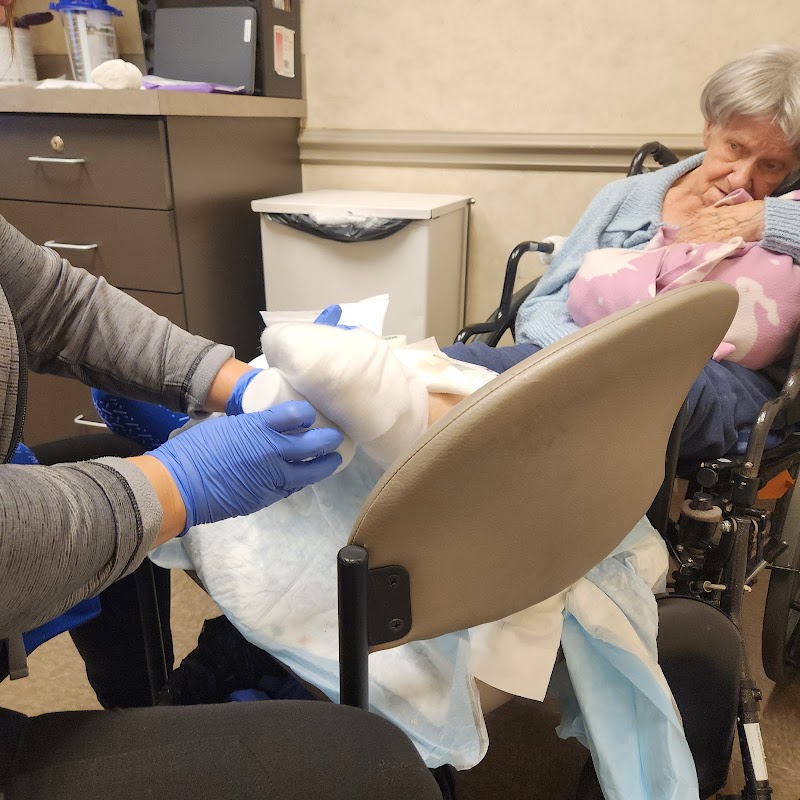
How is St Charles Health Campus Staffed?

CMS rates ST CHARLES HEALTH CAMPUS's staffing level at 4 out of 5 stars, which is above average compared to other nursing homes. Staff turnover is 39%, compared to the Indiana average of 46%. This relatively stable workforce can support continuity of care.

What Have Inspectors Found at St Charles Health Campus?

State health inspectors documented 11 deficiencies at ST CHARLES HEALTH CAMPUS during 2023 to 2025. These included: 1 that caused actual resident harm and 10 with potential for harm. Deficiencies causing actual harm indicate documented cases where residents experienced negative health consequences.
Who Owns and Operates St Charles Health Campus?

ST CHARLES HEALTH CAMPUS is owned by a for-profit company. For-profit facilities operate as businesses with obligations to shareholders or private owners. The facility is operated by TRILOGY HEALTH SERVICES, a chain that manages multiple nursing homes. With 68 certified beds and approximately 53 residents (about 78% occupancy), it is a smaller facility located in JASPER, Indiana.
How Does St Charles Health Campus Compare to Other Indiana Nursing Homes?

Compared to the 100 nursing homes in Indiana, ST CHARLES HEALTH CAMPUS's overall rating (4 stars) is above the state average of 3.1, staff turnover (39%) is near the state average of 46%, and health inspection rating (3 stars) is at the national benchmark.

What Should Families Ask When Visiting St Charles Health Campus?

Based on this facility's data, families visiting should ask: "Can I visit during a mealtime to observe dining assistance and food quality?" "How do you handle medical emergencies, and what is your hospital transfer rate?" "Can I speak with family members of current residents about their experience?"

Is St Charles Health Campus Safe?

Based on CMS inspection data, ST CHARLES HEALTH CAMPUS has a clean safety record: no substantiated abuse findings (meaning no confirmed cases of resident harm), no Immediate Jeopardy citations (the most serious violation level indicating risk of serious injury or death), and is not on the Special Focus Facility watch list (a federal program monitoring the lowest-performing 1% of nursing homes). The facility has a 4-star overall rating and ranks #1 of 100 nursing homes in Indiana. While no facility is perfect, families should still ask about staff-to-resident ratios and recent inspection results during their visit.

Do Nurses at St Charles Health Campus Stick Around?

ST CHARLES HEALTH CAMPUS has a staff turnover rate of 39%, which is about average for Indiana nursing homes (state average: 46%). Moderate turnover is common in nursing homes, but families should still ask about staff tenure and how the facility maintains care continuity when employees leave.

Was St Charles Health Campus Ever Fined?

ST CHARLES HEALTH CAMPUS has no federal fines on record. CMS issues fines when nursing homes fail to meet care standards or don't correct problems found during inspections. The absence of fines suggests the facility has either maintained compliance or corrected any issues before penalties were assessed. This is a positive indicator, though families should still review recent inspection reports for the full picture.

Is St Charles Health Campus on Any Federal Watch List?

ST CHARLES HEALTH CAMPUS is not on any federal watch list. The most significant is the Special Focus Facility (SFF) program, which identifies the bottom 1% of nursing homes nationally based on persistent, serious quality problems. Not being on this list means the facility has avoided the pattern of deficiencies that triggers enhanced federal oversight. This is a positive indicator, though families should still review the facility's inspection history directly.