HAMILTON TRACE OF FISHERS
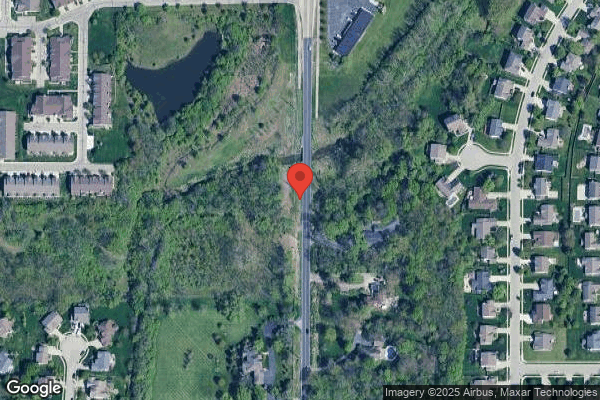
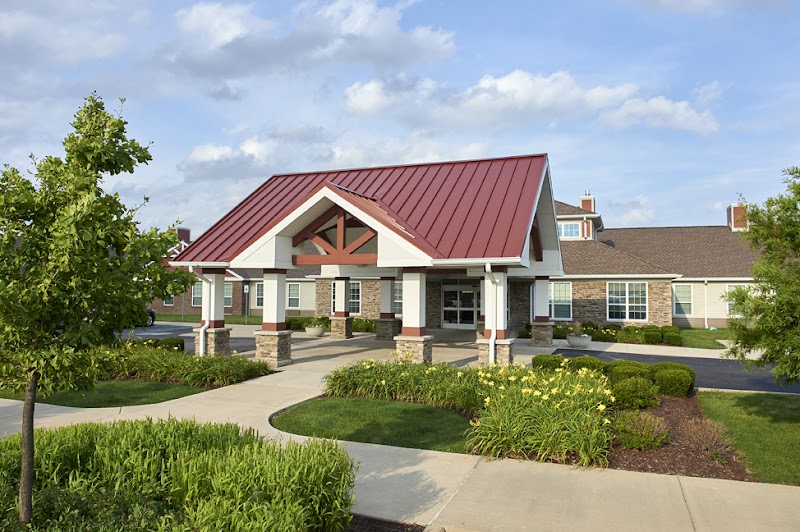
11851 CUMBERLAND RD, FISHERS, IN 46037 (317) 813-4444
For profit - Corporation 108 Beds CARDON & ASSOCIATES Data: November 2025
Trust Grade
60/100
#247 of 505 in IN
Last Inspection: May 2025

Inspected within the last 6 months. Data reflects current conditions.

Overview

Hamilton Trace of Fishers has a Trust Grade of C+, which means it is slightly above average but not exceptional. It ranks #247 out of 505 facilities in Indiana, placing it in the top half of all nursing homes in the state, and #9 out of 17 in Hamilton County, indicating only a few local options are better. Unfortunately, the facility's trend is worsening, with reported issues increasing from 5 in 2024 to 13 in 2025. Staffing is a strength, as evidenced by a 4 out of 5 star rating and a turnover rate of 44%, which is below the state average, suggesting that staff are familiar with the residents' needs. There have been no fines reported, which is a positive sign. However, there are notable weaknesses. Residents reported long wait times for assistance after pressing their call lights, with delays sometimes reaching up to an hour and a half. Additionally, there were concerns regarding food safety and sanitation, such as uncovered food items and a dietary staff member not using proper beard restraints, which could potentially affect all residents. There were also complaints about food being served cold to multiple residents, indicating issues with meal service quality. Overall, while the staffing and absence of fines are positive aspects, families should consider the reported issues when evaluating Hamilton Trace of Fishers.

Trust Score
C+
60/100
In Indiana
#247/505
Top 48%
Safety Record
Low Risk
No red flags
Inspections
Getting Worse
5 → 13 violations
Staff Stability
○ Average
44% turnover. Near Indiana's 48% average. Typical for the industry.
Penalties
✓ Good
No fines on record. Clean compliance history, better than most Indiana facilities.
Skilled Nurses
✓ Good
Each resident gets 54 minutes of Registered Nurse (RN) attention daily — more than average for Indiana. RNs are trained to catch health problems early.
Violations
⚠ Watch
25 deficiencies on record. Higher than average. Multiple issues found across inspections.
★★★☆☆
3.0
Overall Rating
★★★★☆
4.0
Staff Levels
★★★★★
5.0
Care Quality
★★☆☆☆
2.0
Inspection Score
Stable
2024: 5 issues
2025: 13 issues

The Good

  • 4-Star Staffing Rating · Above-average nurse staffing levels
  • 5-Star Quality Measures · Strong clinical quality outcomes
  • Full Sprinkler Coverage · Fire safety systems throughout facility
  • No fines on record
  • Staff turnover below average (44%)

    4 points below Indiana average of 48%

Facility shows strength in staffing levels, quality measures, fire safety.

The Bad

3-Star Overall Rating

Near Indiana average (3.1)

Meets federal standards, typical of most facilities

Staff Turnover: 44%

Near Indiana avg (46%)

Typical for the industry

Chain: CARDON & ASSOCIATES

Part of a multi-facility chain

Ask about local staffing decisions and management

The Ugly 25 deficiencies on record

May 2025 13 deficiencies
CONCERN (D) 📢 Someone Reported This

A family member, employee, or ombudsman was alarmed enough to file a formal complaint

Potential for Harm - no one hurt, but risky conditions existed

Deficiency F0583 (Tag F0583)

Could have caused harm · This affected 1 resident

Based on interview and record review, the facility failed to ensure a resident's medical record was kept private and confidential by giving a resident the wrong medical record in error at discharge fo...

Read full inspector narrative →
Based on interview and record review, the facility failed to ensure a resident's medical record was kept private and confidential by giving a resident the wrong medical record in error at discharge for 1 of 3 residents reviewed for discharge. (Resident B and Resident E) Findings include: A. The clinical record for Resident B was reviewed on 5/7/25 at 9:35 a.m. The diagnoses included, but were not limited to, stroke. The resident was discharged from the facility on 10/10/24. B. The clinical record for Resident E was reviewed on 5/12/25 at 12:27 p.m. The diagnoses included, but were not limited to, pain. The resident was discharged from the facility on 10/10/24. During a Confidential Interview, Resident B was given Resident E's medical record at the time of discharge. It was not recognized until 24 hours after discharge from the facility. Resident B had gone to the emergency room with the medical chart that had been given to her by the facility at discharge. At that time, the hospital staff recognized Resident B had been given the wrong resident's medical chart and notified the facility. An interview was conducted with the Executive Director (ED) and the Director of Nursing (DON) on 5/7/25 at 2:22 p.m. The ED indicated Resident B had received Resident E's medical record at the time of discharge by error. Both residents were discharged on the same day, 10/10/24. The medical records were placed in folders sitting on top of the nurse's station. The nurse gave Resident E's medical chart to Resident B by error. A resident rights policy was provided by the ED on 5/9/25 at 8:45 a.m. It indicated .[Name of Facility Corporation] and its member communities are committed to protecting and promoting the rights of the residents who reside in our communities . 17. Access personal and medical records pertaining to him or herself . 20. Privacy and confidentiality . This citation is related to Complaint IN00444953. 3.1-3(o)
CONCERN (D)

Potential for Harm - no one hurt, but risky conditions existed

Grievances (Tag F0585)

Could have caused harm · This affected 1 resident

**NOTE- TERMS IN BRACKETS HAVE BEEN EDITED TO PROTECT CONFIDENTIALITY** Based on interview and record review, the facility failed to timely initiate and address a grievance for 1 of 2 residents review...

Read full inspector narrative →
**NOTE- TERMS IN BRACKETS HAVE BEEN EDITED TO PROTECT CONFIDENTIALITY** Based on interview and record review, the facility failed to timely initiate and address a grievance for 1 of 2 residents reviewed for choices (Resident DD). Findings include: The clinical record for Resident DD was reviewed on 5/6/25 at 10:41 a.m. The diagnoses included, but were not limited to, cellulitis (infection) of the right lower limb. She was admitted on [DATE]. A care plan, last reviewed 5/1/25, indicated Resident DD had acute pain related to cellulitis to the right lower extremity and a wound to the right heel. She also had complaints about back pain. She was able to report pain and efficacy of interventions. The goal was for her to have pain levels maintained at a consistent level of comfort while retaining as much function as possible. The interventions were to observe for side effects of treatment interventions, observe for efficacy of interventions, apply non-pharmacological intervention, treatment, and/or removal of the root cause of pain until the issue was resolved, and to monitor vital signs During an interview on 5/6/25 at 10:41 a.m., Resident DD indicated the mattress on her bed was uncomfortable and hurt her back. She had told everyone that the mattress hurt her back. She had asked for a different mattress, but no one had offered to change the mattress for her. After about four hours of lying in bed, she had the staff get her up in her wheelchair because the bed hurt her back so badly. During an interview on 5/7/25 at 9:35 a.m., Resident DD indicated she had been up in her wheelchair most of the night because her back hurt when she was in bed. She had told the staff each day that the mattress made her back hurt. She had been told three different times that a recliner could be provided for her to sleep in, but no one ever brought one. She had slept in a recliner at home in the past. During an interview on 5/8/25 at 3:33 p.m., the Executive Director (ED) indicated there were no grievances for Resident DD. The facility used the Caring Heart's Program to address grievances and concerns. An employee was assigned to each room to check on residents' daily and see if the resident had any concerns. The Admissions Assistant was the employee assigned to Resident DD. During an interview on 5/8/25 at 3:33 p.m., the Director of Nursing (DON) indicated he had not been made aware that Resident DD had requested a recliner or that she had a problem with her mattress. During an interview on 5/8/25 at 3:40 p.m., Resident DD indicated many staff members had stopped during her stay to see how things were going. She had told the Certified Nurse Aides who provided care for her that the bed and mattress hurt her back. She had also told the male nurse who had cared for her about the mattress. Resident DD could not remember a specific staff member that had stopped daily to see if she had any concerns. She was unaware of the Caring Heart program. Earlier in the day, the facility had brought in a recliner for her to use and she was hoping to get some rest soon. During an interview on 5/8/25 at 3:48 p.m., Registered Nurse (RN) 20 and RN 21 indicated they did not believe there were forms available on the unit to use for concerns or grievances. If a resident or resident representative had a concern, RN 20 and RN 21 would attempt to contact the department in charge of the concern or let their Unit Manager know. On 5/7/25 at 1:44 p.m., the ED provided the current Caring Hearts Policy and Procedure which indicated .has implemented the Caring Hearts program to improve our resident's experience and to provide good customer service .When a resident, guest or family member is not satisfied with the resident's room, the service[s] being provided, work done by a department, the environment or any other complaint a 'Grievance Form' .shall be completed. The grievance form should be completed at the time an issue is raised and given to the Administrator/ Executive Director [or delegated associate] immediately .If during an interview or when rounding a grievance is raised by a resident then the 'Grievance Form' .shall be completed immediately . On 5/12/25 at 2:10 p.m., the Clinical Nurse Consultant provided the current Filing Grievances/Complaints policy which indicated .Grievances and/ or complaints may be submitted orally or in writing. Written complaints or grievances must be signed by the resident or the person filing the grievance or complaint on behalf of the resident . Upon receipt of the grievance and/ or complaint . will investigate the allegation and submit a written report of such findings to the Administrator within five [5] working days of receiving the grievance and/ or complaint . 3.1-7(a)(2)
CONCERN (D)

Potential for Harm - no one hurt, but risky conditions existed

Deficiency F0645 (Tag F0645)

Could have caused harm · This affected 1 resident

**NOTE- TERMS IN BRACKETS HAVE BEEN EDITED TO PROTECT CONFIDENTIALITY** Based on interview and record review, the facility failed to ensure a timely Level I and Level II screening was obtained for 1 o...

Read full inspector narrative →
**NOTE- TERMS IN BRACKETS HAVE BEEN EDITED TO PROTECT CONFIDENTIALITY** Based on interview and record review, the facility failed to ensure a timely Level I and Level II screening was obtained for 1 of 1 resident reviewed for Pre-admission Screening and Resident Review (PASRR). (Resident 16) Findings include: The clinical record for Resident 16 was reviewed on [DATE] at 2:13 p.m. The resident was admitted on [DATE]. Diagnoses included, but were not limited to, dementia, bipolar disorder (a mood disorder characterized by episodes of mania and depression), and depression. A facility Social Services admission Screening, dated [DATE], indicated the resident did have diagnoses which may impact adjustment, such as dementia or bipolar disorder. The Executive Director provided a Level I PASRR screen on [DATE] at 1:36 p.m. It indicated the facility completed the screening on [DATE]. The screening also indicated Reason for screening: This nursing facility resident has never had a PASRR Level I screen. The Social Services Director (SSD) was interviewed on [DATE] at 4:28 p.m. She indicated there was no other screening done. She wasn't sure if the resident had admitted with one already completed. She was not sure how long after admission, a Level I was supposed to be done. She would have to ask the previous director. The Director of Nursing (DON) was interviewed on [DATE] at 1:50 p.m. He indicated they did not have a PASRR policy. The ED provided a printed PASRR entry report on [DATE] at 1:45 p.m. It indicated the following: -A Level I screen draft was started, but was withdrawn, on [DATE]. -A Level I screen was started, but expired, on [DATE], [DATE], and [DATE]. -A Level I screen was completed and referred for a Level II screening on [DATE]. 3.1-16(d)(1)(A) 3.1-16(d)(1)(B)
CONCERN (D) 📢 Someone Reported This

A family member, employee, or ombudsman was alarmed enough to file a formal complaint

Potential for Harm - no one hurt, but risky conditions existed

Deficiency F0661 (Tag F0661)

Could have caused harm · This affected 1 resident

Based on interview and record review, the facility failed to ensure a resident received a discharge summary at the time of discharge for 1 of 3 residents reviewed for discharge. (Resident B) Findings...

Read full inspector narrative →
Based on interview and record review, the facility failed to ensure a resident received a discharge summary at the time of discharge for 1 of 3 residents reviewed for discharge. (Resident B) Findings include: A. The clinical record for Resident B was reviewed on 5/7/25 at 9:35 a.m. The diagnoses included, but were not limited to, stroke. The resident was discharged from the facility on 10/10/24. During a Confidential Interview, Resident B was given Resident E's medical record at the time of discharge. She did not receive any of Resident B's medical or discharge information. An interview was conducted with the Executive Director (ED) and the Director of Nursing (DON) on 5/7/25 at 2:22 p.m. The ED indicated Resident B had received Resident E's medical record at the time of discharge by error. Both residents were discharged on the same day, 10/10/24. The medical records were placed in folders sitting on top of the nurse's station. The nurse gave Resident E's medical chart to Resident B by error. A discharge planning policy was provided by the ED on 5/7/25 at 1:36 p.m. It indicated .[Name of Facility Corporation] and its member communities are committed to ensuring a resident discharge process that focuses on the resident's discharge goals, the preparation of residents to be active partners and effectively transition them to post-discharge care, and the reduction of factors leading to preventable readmissions .I. When the community anticipates a resident's discharge to a private residence . a discharge summary and a post discharge plan will be developed which will assist the resident to adjust to his or her living environment. II. The discharge summary will include a recapitulation of the resident's stay at this community and a final summary of the resident's status at that time of the discharge in accordance with established regulations governing release information and as permitted by the resident. The discharge summary shall include a description of the resident's: a. current diagnoses; b. medical history (including any history of mental disorders and intellectual disabilities) . c. course of illness, treatment and/or therapy since entering the facility . d. current laboratory, radiology, consultation, and diagnostic test results . e. physical and mental functional status . f. ability to perform activities of daily living . XIII. A copy of the following will be provided to the resident and any receiving provider and a copy will be filed in the resident's medical records: a. an evaluation of the resident's discharge needs . b. The post-discharge plan . and c. The discharge summary . This citation is related to Complaint IN00444953. 3.1-36(a)(1) 3.1-36(a)(2) 3.1-36(a)(3)
CONCERN (D) 📢 Someone Reported This

A family member, employee, or ombudsman was alarmed enough to file a formal complaint

Potential for Harm - no one hurt, but risky conditions existed

ADL Care (Tag F0677)

Could have caused harm · This affected 1 resident

**NOTE- TERMS IN BRACKETS HAVE BEEN EDITED TO PROTECT CONFIDENTIALITY** Based on observation, interview, and record review, the facility failed to trim a resident's nails and assist a resident with tr...

Read full inspector narrative →
**NOTE- TERMS IN BRACKETS HAVE BEEN EDITED TO PROTECT CONFIDENTIALITY** Based on observation, interview, and record review, the facility failed to trim a resident's nails and assist a resident with transferring timely for 2 of 7 residents reviewed for activities of daily living (ADL) care. (Resident 200 and Resident 253) Findings include: 1. The clinical record for Resident 200 was reviewed on 5/5/25 at 3:18 p.m. The diagnoses included, but were not limited to, cellulitis (infection) of the left lower limb and depression. She was admitted to the facility on [DATE]. An admission Minimum Data Set assessment, completed 5/7/25, indicated she was cognitively intact. During an interview on 5/5/25 at 3:18 p.m., Resident 200 indicated her nails were long and needed to be trimmed. Resident 200's nails were observed to extend well past the tips of her fingers and have worn green polish on them. On 5/7/25 at 9:54 a.m., the Executive Director provided the shower sheets for Resident 200, which indicated she had a bed bath on 5/6/25. The shower sheet did not indicate if Resident 200's fingernails had been trimmed and did not indicate refusal of such care. During an interview on 5/7/25 at 1:38 p.m., Resident 200 indicated she had received a bed bath the night before. On 5/8/25 at 11:15 a.m., Resident 200 was observed sitting in her wheelchair dressed in street clothes. Her nails were long and there was worn green polish present on them. Resident 200 indicated her nails still needed trimmed. During an interview on 5/8/25 at 11:20 a.m., Certified Nurse Aide (CNA) 2 indicated that residents nails should be trimmed on shower days and as needed. 2. The clinical record for Resident 253 was reviewed on 5/5/25 at 11:30 a.m. The diagnoses included, but were not limited, paraplegia (a condition causing partial or complete paralysis of the lower body) and repeated falls. An Annual Minimum Data Set (MDS) assessment, completed 5/4/25, indicated Resident 253 was cognitively intact. A care plan, created 5/6/25, indicated Resident 253 was at risk for falling and fall related injuries and required assistance from staff for transfers. The goal for Resident 253 was to minimize the risk of falls and fall related injuries. The interventions, created 5/6/25, included, but were not limited to, were to assist with ADLs. During an observation on 5/5/25 at 12:30 p.m., Resident 253's call light indicator was illuminated. On 5/5/25 at 12:56 p.m., Resident 253's call light indicator was illuminated. The resident was observed grimacing while sitting in a wheelchair in her room. She indicated she had been sitting in her wheelchair for an hour and a half and needed to get back to bed because she was in pain from the wounds on her backside. Resident 253 indicated she had asked staff to transfer her back to her bed and was told staff had to pass lunch first. During an interview on 5/6/25 at 11:45 a.m., Resident 253's Representative indicated the resident had to wait for assistance during mealtimes. On 5/6/25 at 11:48 a.m., CNA 4 was observed, indicating to Resident 253 at that point in time, this would be her only opportunity to lay the resident down before lunchtime and then she would be in the dining room; otherwise, the resident would have to wait until after lunch to lay down. Resident 253 chose to lay down instead of going to the dining room for lunch. During an interview on 5/9/25 at 10:55 a.m., the Director of Nursing (DON) indicated during high care times there can be delays in care. An ADL Supporting Policy, revised March 2018, was provided by the DON on 5/12/25 at 11:27 a.m. It indicated .Appropriate care and services will be provided for residents who are unable to carry out ADLs independently, with the consent of the resident and in accordance with the plan of care, including appropriate support and assistance with: .b. Mobility (transfer and ambulation, including walking) . 3.1-38(a)(2)(B) 3.1-38(a)(3)(E)
CONCERN (D)

Potential for Harm - no one hurt, but risky conditions existed

Accident Prevention (Tag F0689)

Could have caused harm · This affected 1 resident

**NOTE- TERMS IN BRACKETS HAVE BEEN EDITED TO PROTECT CONFIDENTIALITY** Based on observation, interview, and record review, the facility failed to determine a root cause analysis of falls and to imple...

Read full inspector narrative →
**NOTE- TERMS IN BRACKETS HAVE BEEN EDITED TO PROTECT CONFIDENTIALITY** Based on observation, interview, and record review, the facility failed to determine a root cause analysis of falls and to implement fall interventions, as care planned, for 3 of 5 residents reviewed for falls. (Residents' F, 33 and 68) Findings include: 1. The clinical record for Resident 33 was reviewed on 5/5/25 at 1:02 p.m. The diagnoses included but were not limited to Alzheimer's disease. A Quarterly Minimum Data Set (MDS) assessment, completed on 1/29/25, indicated severe cognitive impairment. A progress note, dated 2/24/25 at 3:26 p.m., indicated Resident 33 was seen walking into the television room. She fell after attempting to get onto the weight station. An event report, dated 2/24/25, indicated Resident 33 was fully clothed with her shoes on at the time of the fall, and was incontinent of urine. The clinical record did not contain an Interdisciplinary Team (IDT) note for the 2/24/25 fall. A Significant Change MDS assessment, completed on 2/27/25, indicated she was sometimes able to make herself understood and sometimes able to understand what was said to her. She had moderate visual impairment, and poor decision-making skills. She was frequently incontinent of bowel and blader, and dependent on toileting. She was able to walk 150 feet with supervision/touching assistance of staff. She had a history of two falls with no injuries and one fall with an injury since her prior MDS assessment. A progress note, dated 3/29/25 at 4:50 p.m., indicated Resident 33 was found lying on the floor of another resident's room sleeping. An event report, dated 3/29/25, indicated she was fully dressed and not incontinent. An IDT note, dated 3/31/25, indicated root cause analysis of the fall was resident was found lying on the floor sleeping in another resident room. Resident was unable to provide details of events r/t [related to] cognition. Resident self ambulates/wanders throughout unit with staff monitoring. Immediate intervention: Resident was assessed by unit nurse; vs [vital signs] and neuro [neurological] monitoring initiated; no injuries noted at the time of assessment. The resident was assisted from the floor by two staff members and provided with ADL [Activities of Daily Living] assistance. Heightened monitoring by staff. Intervention initiated by IDT: Staff to offer resident to take nap in between meals as she allows. A progress note, dated 4/27/25 at 12:47 p.m., indicated Resident 33 was found lying supine (on her back). An event report, dated 4/27/25, indicated Resident 33 was ambulating near the nurses' station fully clothed, shoes were on, and she was not incontinent. An IDT note, dated 4/28/25, indicated Root cause analysis the resident had an unwitnessed fall. Floor nurse heard resident and went to where resident was walking/wandering and found resident lying in a supine position on the floor. The resident stated that she 'didn't see it,' Resident is a memory care resident and is not cognitively intact. Immediate intervention: Neuros initiated and within normal limits. VS [vital signs] taken, the resident was assisted x2 [times two] staff off the floor and brought out the nurse's station for further monitoring. Resident stated she did not hit her head. All vitals were checked again and WNL [within normal limits]. Ice was placed for 20 min on and off per hospice. Intervention initiated by IDT: Assess [Resident 33's] footwear for proper fitting. A progress note, dated 5/1/25 at 8:46 a.m., indicated Resident 33 was found lying on the floor of the activities room after an unwitnessed fall. An event report, dated 5/1/25, indicated the resident was fully clothed with shoes on and was incontinent of urine and bowel. An IDT note, dated 5/2/25, indicated .Root cause analysis: Resident ambulating on unit when fall occurred. Resident stands and ambulates at will. Noted with impaired safety awareness secondary to dementia, resident difficult to redirect at times. Immediate intervention: resident was assessed by unit nurse; vs and neuro monitoring initiated; no injuries noted at the time of assessment. resident [sic] was assisted from floor by staff and provided with ADL assistance. heightened [sic] monitoring and resident education provided. Intervention initiated by IDT: resident care planned for injury prevention, Care plan reviewed, continue with current plan of care. During an interview on 5/8/25 at 10:51 a.m., the Memory Care Coordinator (MCC) indicated Resident 33 would pace the unit most days. When Resident 33 appeared to be tired, staff attempted to lay her down for a nap. Some days Resident 33 would take a nap and other days she would get up and start pacing the unit again. During an interview on 5/8/25 at 12:48 p.m., the Director of Nursing (DON) indicated during IDT meetings the team looked at what Resident 33 was doing at the time of the falls. He indicated Resident 33 was impulsive and had impaired safety awareness. The DON indicated the IDT did look at root cause analysis for all falls. During an interview on 5/12/25 at 2:29 p.m., the DON and Corporate Nurse Consultant (CNC) both indicated the IDT notes were the root cause analysis of the falls. The DON indicated Resident 33 was not interviewable, and he did not feel the IDT team could speculate on what had occurred between the last time she was seen by staff and when she was found after an unwitnessed fall. The root cause analysis in the IDT notes for Resident 33 reflected the way Resident 33 was found after her fall events. A policy titled Clinical- Fall Prevention Policy and Procedure, dated May 2016, was provided by the Executive Director (ED) on 5/7/25 at 1:36 p.m. The policy indicated .Purpose: The purpose of this policy is to provide [Name of Corporation] communities with best practices and evidence-based approaches to prevent falls and protect residents who are at risk for falling .Procedure: This section describes the process for the prevention of falls and accurate documentation when there is a fall. Accurate documentation of fall risks and falls provided a clinical picture of a resident and in utilized in developing their plan of care. It is the responsibility of the interdisciplinary team to document falls prevention, when a fall occurs, and interventions to avoid future falls . Step Two: Fall Event Assessment: The fall event assessment will be completed by the charge nurse if a patient experiences a fall. This data will be utilized by the community to thoroughly investigate the root cause for each fall and ensure effective interventions are put into place to prevent additional falls .Step Three: Strategies of Prevention .Each fall risk factor is unique for every resident .Step Five: Interdisciplinary Guidelines: If a fall occurs, the interdisciplinary team [IDT] will meet collectively and examine the fall using the following criteria . An IDT member/designee will physically visit the place of the fall to verify the post fall assessment and investigate for any for any additional information that could be useful in preventing a reoccurrence; iii. A root cause analysis will be performed utilizing the 5 Whys [NAME] process; iv. A member/designee of the IDT will assist the team and update the care plan and the nurse aide assignment sheets to ensure accuracy of fall preventions vi. A narrative IDT note will include: a. Root cause explanation with new intervention strategy to prevent reoccurrence . A policy titled 5 whys Policy, dated February 2015, was provided by the ED on 5/9/25 at 12:42 p.m. The policy indicated Purpose: The 5 Whys is a system that is utilized to help determine the root cause of a problem. It is used to discover if a relationship exists between more than one variable and the proper use of the 5 Whys will help the user implement meaningful changes to permanently correct an identified problem. How to use 5 Whys . 2. Complete the header questions with the resident name and identified problem being addressed. 3. Answer the first question 'why did the problem happen' and answer down below in the appropriate box. 4. Repeat step three (3) consecutively until the root cause of the problem is effectively identified .2. The clinical record for Resident F was reviewed on 5/8/25 at 9:06 a.m. The diagnoses included, but were not limited to, Parkinson's disease, repeated falls, syncope (fainting) and collapse, orthostatic hypotension (a form of low blood pressure that happens when standing up from sitting or lying down), and osteoporosis (brittle bones). An admission MDS assessment, dated 12/17/24, indicated the resident had multiple falls in the six months prior to admission, including a fall one month prior to admission to the facility. A Quarterly MDS assessment, dated 4/8/25, indicated the resident was cognitively intact. A falls care plan, dated 12/16/24, indicated Resident F was at risk for falling and fall related injuries related to requiring assistance from staff for transfers, history of falls, incontinence, using a wheelchair and walker, receiving blood pressure medication, antidepressants, syncope and collapse, and orthostatic hypotension. A physician order, dated 4/11/25, indicated the staff should encourage the resident to wear hip protectors daily as she allows. Staff were to document the completion of this task in the morning and at bedtime. The Director of Nursing (DON) provided fall event reports on 5/12/25 at 11:50 a.m. They indicated the following: Resident F had an unwitnessed fall, on 4/10/25, which resulted in a bloody abrasion (scrape) to her nose. A care plan approach, initiated on 4/11/25, indicated [Resident] to don hip protectors as she allows. Resident F had an unwitnessed fall, on 4/25/25, which resulted in a hematoma (collection of blood similar to a bruise) on her right forehead. A care plan approach, initiated on 4/28/25, indicated Continue with plan of care. No new interventions were initiated. Resident F had an unwitnessed fall, on 5/10/25, which resulted in an abrasion and bruise to the middle of her back. The care plan approach [Resident] to don hip protectors as she allows was edited, on 5/6/25, to read [Resident] to don hip protectors as she allows-refuses often. Resident F was interviewed in the physical therapy room on 5/8/25 at 10:26 a.m. She indicated she remembered seeing hip protectors in a package when she returned to her room one day. No one had put them on her before, and she had not tried them. She was observed to not be wearing hip protectors. The Unit Manager (UM) was interviewed in Resident F's room on 5/8/25 at 10:31 a.m. She was not sure where the hip protectors were and was not sure if Resident F was wearing any. She located a pair of hip protectors in plastic packaging on the floor in the resident's closet. She was going to go see if Resident F had any on. The UM was interviewed on 5/8/25 at 10:40 a.m. She indicated she had asked Resident F if she would wear the hip protectors, and the resident refused. As of 5/8/25 at 12:11 p.m., there was no documentation regarding Resident F's refusal to wear the hip protectors within the electronic health record, including but not limited to, the progress notes, event charting, observation charting, medication administration records, and/or treatment administration records. 3. The clinical record for Resident 68 was reviewed on 5/7/25 at 10:31 a.m. The diagnoses included, but were not limited to, cerebral infarction (stroke), speech/language deficits following stroke, memory deficit following cerebral infarction, and unsteadiness. An admission MDS assessment, dated 3/7/25, indicated Resident 68 was dependent on staff for help with rolling left and right, sitting up, and transferring. A care plan, initiated on 3/6/25, indicated Resident 68 was at risk for falling and fall related injuries related to: requires assistance from staff for transfers, utilizes a wheelchair and may use walker with therapy, history of falls, incontinence, catheter in place, controls bed height and puts bed in high position despite staff explanation of risks and benefits, receives routine hypoglycemic (medicine to lower blood sugar), and PRN (as needed) narcotic use. A Post Fall Assessment note, dated 4/29/25, indicated Resident 68 had an unwitnessed fall at 12:12 a.m. The following approaches were added to Resident 68's care plan, on 4/29/25, after his fall: resident sent out to emergency room for further evaluation, encourage him to leave bed height in low position that was often refused, and add bed bolsters to bed for tactile edge. Resident 68 was observed in bed on 5/5/25 at 10:38 a.m. No bed bolsters were observed on the resident's bed. Resident 68 was observed in bed on 5/7/25 at 1:36 p.m. No bed bolsters were observed in the resident's bed. There was no documentation of Resident 68 refusing the bed bolsters in his electronic health record. An interview with Registered Nurse (RN) 5 was conducted on 5/7/25 at 1:49 p.m. She indicated bed bolsters had been ordered but had not been delivered yet. An interview with the UM was conducted on 5/7/25 at 1:56 p.m. She indicated the bed bolsters had been ordered and received but Resident 68 refused them. The refusal was documented on his care plan. The care plan approach titled add bed bolsters to bed for tactile edge was edited, on 5/7/25, to read add bed bolsters to bed for tactile edge-resident refused bed bolster. An interview with Resident 68's Representative was conducted on 5/8/25 at 10:44 a.m. He indicated the UM ordered the bed bolsters the day after the resident's fall. Staff came in once to put them on the bed, but Resident 68 was in pain and vomiting, so they said they would come back later. No one ever came back with the bed bolsters, and he thought they were simply forgotten. To his knowledge, Resident 68 had not refused the bed bolsters. On 5/7/25 at 1:36 p.m., the Executive Director (ED) provided a policy titled Fall Prevention Policy and Procedure, dated May 2016. It indicated The Community must take reasonable steps to ensure it implements best practices and evidence-based approaches to prevent falls and protect residents who are at risk for falling. Due to the risks associated with falls for older adults living in long-term care facilities, compliance with this policy is essential .It is the responsibility of the interdisciplinary team to document falls prevention, when a fall occurs, and interventions to avoid future falls .Every resident will be considered a high risk for falls during their stay and individual interventions will be introduced as needed for these patients .Fall risk care plans will be kept current by the IDT and other associates within each community. Individualized interventions on the fall care plan will be duplicated onto care sheets to ensure care plan strategies are integrated into the health system. 3.1-45(a)(2)
CONCERN (D)

Potential for Harm - no one hurt, but risky conditions existed

Deficiency F0757 (Tag F0757)

Could have caused harm · This affected 1 resident

Based on interview and record review, the facility failed to ensure a resident had a rationale for indication of use and ongoing administration of a prophylactic antibiotic for the prevention of urina...

Read full inspector narrative →
Based on interview and record review, the facility failed to ensure a resident had a rationale for indication of use and ongoing administration of a prophylactic antibiotic for the prevention of urinary tract infections for 1 of 2 residents reviewed for antibiotic medications and 2 of 5 residents reviewed for unnecessary medications. (Resident 16, Resident L, and Resident 39) Findings include: 1. The clinical record for Resident L was reviewed on 5/5/25 at 11:40 a.m. The diagnoses included, but were not limited to, chronic kidney disease. A care plan, dated 12/16/24, indicated Resident L had a history of urinary tract infections. A nursing note, dated 2/13/25, indicated Resident L's Representative had requested for a prophylactic antibiotic to be given due to the resident's recurrent and history of chronic urinary tract infections. A physician order, dated 2/14/25, indicated the resident was to receive 100 milligrams of Macrobid once a day as a prophylactic for urinary tract infections. A prophylactic antibiotic care plan, dated 2/14/25, indicated the following approaches: staff were to administer antibiotic as ordered, observe for adverse reactions, and notify medical doctor if adverse reactions were observed. The February 2025, March 2025, April 2025 Medication Administration Records (MAR) indicated the staff administered the 100 milligrams of Macrobid daily as ordered. A nursing note, dated 4/10/25, indicated the medical provider ordered a urine specimen. A nursing note, dated 4/14/25, indicated the resident's urine culture results were 10,000-50,000 klebsiella pneumoniae (bacterial infection in the urinary tract). The medical provider did not issue new orders. A nursing note, dated 4/15/25, indicated the resident was observed with increased confusion and pain. The medical provider was aware, and the staff was awaiting new orders. A nursing note, dated 4/16/25, indicated the medical provider ordered the resident to receive 400 milligrams-80 milligrams of Bactrim (antibiotic medication) twice a day for three days. A medical provider note, dated 4/16/25, indicated the resident had complaints of urinary discomfort. The staff was to administer Bactrim due to the resident being symptomatic. A physician order, dated 4/16/25, indicated the resident was to receive 400 milligrams-80 milligrams of Bactrim twice a day until 4/18/25. The April 2025 MAR indicated Resident L had received the 400 milligrams-80 milligrams of Bactrim twice a day and 100 mg of Macrobid daily as ordered, simultaneously. There was no documentation in Resident L's electronic health record regarding the rationale for continuation and ongoing use for the prophylactic antibiotic. An interview was conducted with the Director of Nursing on 5/12/25 at 8:37 a.m. He indicated the medical provider had ordered the prophylactic antibiotic for Resident L due to her chronic urinary tract infections. The medical provider did not order to stop the prophylactic antibiotic while on the Bactrim antibiotic. The staff administered the antibiotics as ordered. 2. The clinical record for Resident 39 was reviewed on 5/9/25 at 11:30 a.m. The diagnoses included, but were not limited to, Alzheimer's disease and a history of urinary tract infections (UTIs). A Significant Change Minimum Data Set (MDS) assessment, dated 4/14/25, indicated severe cognitive impairment. An Acute Care Hospital After Visit Summary, dated 7/1/23, indicated Resident 39 was to start taking Macrobid (an antibiotic used to treat urinary tract infections) 100 milligrams (mg) once a day in the morning, for UTI symptoms. Resident 39 had continued to receive Macrobid 100 mg daily, since 7/1/23, for a history of frequent UTIs. There was no documentation in Resident 39's electronic health record regarding the rationale for continuation and ongoing use for the prophylactic antibiotic. During an interview on 5/9/25 at 12:39 p.m., the Infection Preventionist (IP) indicated that prophylactic antibiotics were tracked for the first month only in the Antibiotic Stewardship binder. The IP indicated antibiotics were continued as prescribed when a resident was admitted /readmitted to the facility. The IP indicated no conversation has occurred with the Medical Doctor (MD) about prophylactic antibiotic use for this resident.3. The clinical record for Resident 16 was reviewed on 5/8/25 at 2:48 p.m. Diagnoses included, but were not limited to, benign prostatic hyperplasia (enlarged prostate gland) without urinary tract symptoms. Resident 16 was discharged from the facility's assisted living and admitted to the long-term care portion of the facility on 9/30/24. A care plan, created 10/1/24 and revised on 4/8/25, indicated [Resident] has history of urinary tract infections. potential for recurrence. The care plan approaches indicated the following obtain UA and C/S [urinalysis and culture/screen, two tests for urinary infection] per order . report symptoms of UTI; concentrated and/or foul smelling urine, abdominal and/or flank pain, dysuria, fever, change in mental status . encourage fluid intake . assist with incontinence care as needed . A care plan, created on 10/1/24 and revised on 4/8/25, indicated [Resident] is receiving antibiotic prophylactically. potential for complications. The care plan approaches indicated the following: .notify MD/NP should adverse reactions occur .be alert for adverse reactions. nausea, vomiting, diarrhea, dizziness, nosebleed, insomnia .administer antibiotic per order . The assisted living discharge paperwork, dated 9/30/24, indicated the resident had been prescribed Macrobid (an antibiotic used to treat urinary tract infections) prophylactically (preventatively) since 8/3/2022. A physician's order, dated 9/30/24, indicated Resident 16 was to take Macrobid 100 milligrams (mg) daily. The order had no end date. A physician admission note, dated 10/1/24, indicated the following: Res [resident] has [Benign Prostatic Hyperplasia] BPH [enlarged prostate] with history of recurrent UTI [urinary tract infection] chronically on Macrobid 100 mg daily .Benign prostatic hyperplasia, unspecified whether lower urinary tract symptoms present .Denies difficulty emptying his bladder with history of recurrent UTI chronically on Macrobid . A note titled Infection Tracker with McGeer's Criteria was written on 10/1/24 at 9:10 a.m. It indicated admitted on ppx abx [prophylactic antibiotic] for recurrent UTIs. A review of the provider's notes from 10/1/24 to present indicated there was no rationale documented for continuing the antibiotic. The Infection Preventionist (IP) was interviewed on 5/9/25 at 12:39 p.m. She indicated they list the month a resident starts an antibiotic in their antibiotic stewardship binder but do not track residents who are on a prophylactic antibiotic. They only monitor antibiotics for new infections. The Director of Nursing was interviewed on 5/9/25 at 12:41 p.m. He indicated the provider made all decisions regarding prophylactic antibiotics and the rationale was based on their judgment. They do not give any education to their providers regarding antibiotic stewardship necessarily, but they did have an informational binder with training in it. He did not know who originally prescribed Resident 16's Macrobid. They don't always receive that information from the hospital or prior facility. They don't track antibiotic side effects, indications, etc., because that was up to the doctor's judgment and it would be documented in their notes. The ED provided a policy titled Infection Prevention and Control Program on 5/9/25 at 12:42 p.m. It indicated Antibiotic Stewardship. A. Culture reports, sensitivity data, and antibiotic usage reviews are included in surveillance activities. B. Medical criteria and standardized definition of infections are used to help recognize and manage infections. C. Antibiotic usage is evaluated, and practitioners are provided feedback on reviews. 3.1-48(a)(1) 3.1-48(a)(3) 3.1-48(a)(4)
CONCERN (D)

Potential for Harm - no one hurt, but risky conditions existed

Deficiency F0805 (Tag F0805)

Could have caused harm · This affected 1 resident

**NOTE- TERMS IN BRACKETS HAVE BEEN EDITED TO PROTECT CONFIDENTIALITY** Based on observation, interview, and record review, the facility failed to serve a diet, as ordered by the physician, for 1 of 1...

Read full inspector narrative →
**NOTE- TERMS IN BRACKETS HAVE BEEN EDITED TO PROTECT CONFIDENTIALITY** Based on observation, interview, and record review, the facility failed to serve a diet, as ordered by the physician, for 1 of 1 resident randomly observed for dining (Resident 16). Findings include: The clinical record for Resident 16 was reviewed on 5/5/25 at 12:45 p.m. The diagnoses included, but were not limited to, dysphagia (difficulty swallowing). A physician's order, dated 12/20/24, indicated he was to receive a mechanically altered diet with ground meat. A care plan, last reviewed on 4/8/25, indicated he was noted with dysphagia and had the potential for complications. The goal was for him not to demonstrate dysphagia related complications such as weight loss, signs and symptoms of aspiration pneumonia, or dehydration. The interventions included, but were not limited to, providing diet per physician's order with thin liquids. On 5/5/25 at 12:45 p.m., Resident 16 was observed sitting at a table in the dining room waiting for his meal. A staff member set a plate in front of him with a [NAME] sandwich, tossed salad, and root vegetables on the plate. Another staff member came up behind Resident 16 and removed his plate, taking it back to the serving area. At 12:54 p.m., Resident 16 received another plate of food which contained ground meat, root vegetables, and a tossed salad. Resident 16's meal ticket indicated he was to receive a mechanical soft with ground meat diet. During an interview on 5/6/25 at 8:49 a.m., the Director of Dining Services indicated a tossed salad should not have been served to Resident 16, because the lettuce was not shredded. On 5/6/25 at 8:49 a.m., the Director of Dining Services provided the Mechanical or Dental Soft Diet guidelines which indicated .Foods not allowed .raw vegetables except shredded lettuce . 3.1-21(a)(3)
CONCERN (D)

Potential for Harm - no one hurt, but risky conditions existed

Infection Control (Tag F0880)

Could have caused harm · This affected 1 resident

Based on observation, interview, and record review, the facility failed to ensure staff donned a gown prior to administering medication using a nasogastric tube (nasal feeding tube), and prior to urin...

Read full inspector narrative →
Based on observation, interview, and record review, the facility failed to ensure staff donned a gown prior to administering medication using a nasogastric tube (nasal feeding tube), and prior to urinary catheter and colostomy care for residents on enhanced barrier precautions (EBP) for 1 of 1 resident reviewed for tube feedings and 1 of 1 resident randomly observed during care. (Resident 54 and Resident 210). Findings include: 1. The clinical record for Resident 210 was reviewed on 5/7/25 at 9:30 a.m. The diagnoses included, but were not limited to, dysphagia (difficulty swallowing) and pressure ulcer. On 5/9/25 at 1:57 p.m., Licensed Practical Nurse (LPN) 3 was observed administering medication to Resident 210. LPN 3 prepared the medication at the medication cart and entered the room. She performed hand hygiene and donned disposable gloves, attached the syringe to the nasogastric tube, and administered the medication. LPN 3 then flushed the nasogastric tube with 20 milliliters of water and reconnected the nasogastric tube to the tube feeding. She did not don a gown prior to administering the medication through the nasogastric tube. During an interview on 5/9/25 at 2:09 p.m., LPN 3 indicated she was unsure if she needed to wear a gown while administering medications through a nasogastric tube.2. The clinical record for Resident 54 was reviewed on 5/12/25 at 10:19 a.m. Diagnoses included, but were not limited to, diverticulosis (small pouches which form in the intestines), neuromuscular dysfunction of bladder, and urinary tract infection. A Quarterly Minimum Data Set (MDS) assessment, dated 3/11/25, indicated Resident 54 was cognitively intact and had an indwelling urinary catheter and an ostomy (external bag to collect liquid stool from the intestines). A physician order, dated 2/28/25, indicated Resident 54 was on enhanced barrier precautions. A care plan, created 11/5/24 and revised 3/30/25, indicated Resident 54 required enhanced barrier precautions related to her indwelling medical device (i.e. catheter). An interview was conducted with Resident 54 on 5/5/25 at 11:38 a.m. She indicated staff always wore gloves when performing her personal care but had never seen them put on a gown. A red Enhanced Barrier Precaution sign was observed on the wall outside the resident's bathroom. A resident representative was interviewed on 5/5/25 at 11:40 a.m. She indicated she had never seen staff put on a gown when assisting Resident 54. An observation of catheter and colostomy care was conducted with Certified Nurse Aide (CNA) 7 on 5/7/25 at 9:21 a.m. CNA 7 did hand hygiene and donned gloves prior to emptying Resident 54's colostomy bag but did not don a gown. She removed her gloves prior to leaving the room to retrieve perineal (genital area) cleaner spray. When she returned to the room, she put on a new pair of gloves but did not don a gown. She then emptied Resident 54's urine catheter bag and performed catheter care on the resident. An interview was conducted with CNA 7 on 5/7/25 at 9:45 a.m. She indicated she needed to don gloves only when doing perineal or catheter care. If a resident was in enhanced isolation, a cart with gowns, masks, and face shields would be outside the resident's door. The Executive Director (ED) provided a policy titled Enhanced Barrier Precautions Policy and Procedure, created 10/2017 and revised 4/2024, on 5/12/25 at 10:21 a.m. It indicated Enhanced Barrier Precautions [EBP] refers to an infection control intervention designed to reduce transmission of Multidrug-resistant Organisms [MDROs]. EBP employs targeted gown and glove use during high contact resident care activities. EBP is used in conjunction with standard precautions and expand the use of PPE to donning of gown and gloves during high-contact resident care activities that provide opportunities for transfer of MDROs to staff hands and clothing .For residents for whom EBP are indicated, EBP is employed when performing high contact, bundled Resident care activities such as dressing, bathing/showering/transferring, providing hygiene, changing linens, changing briefs or assisting with toileting, device care or use, wound care. 3.1-18(b)(2)
CONCERN (E)

Potential for Harm - no one hurt, but risky conditions existed

Resident Rights (Tag F0550)

Could have caused harm · This affected multiple residents

**NOTE- TERMS IN BRACKETS HAVE BEEN EDITED TO PROTECT CONFIDENTIALITY** 2. The clinical record for Resident L was reviewed on 5/5/25 at 11:40 a.m. The diagnoses included, but were not limited to, chro...

Read full inspector narrative →
**NOTE- TERMS IN BRACKETS HAVE BEEN EDITED TO PROTECT CONFIDENTIALITY** 2. The clinical record for Resident L was reviewed on 5/5/25 at 11:40 a.m. The diagnoses included, but were not limited to, chronic kidney disease. A Quarterly MDS assessment, dated 2/10/25, indicated the resident was cognitively intact. An interview was conducted with Resident L on 5/5/25 at 11:31 a.m. She indicated it took up to 45 minutes at times for staff to provide services after pressing her call light to go to the bathroom. 3. The clinical record for Resident M was reviewed on 5/5/25 at 12:00 p.m. The diagnoses included, but were not limited to, hypertension. A Quarterly MDS assessment, dated 2/12/25, indicated the resident was cognitively impaired. An interview was conducted with Resident M on 5/5/25 at 1:22 p.m. She indicated there were delays with call light response times, especially on the weekends. It has taken an hour and a half for the staff to address the needs after pressing her call light. 4. The clinical record for Resident DD was reviewed on 5/6/25 at 11:00 a.m. The diagnoses included, but were not limited to, cellulitis. During an interview with Resident DD on 5/6/25 at 11:03 a.m., she indicated she had to wait over an hour to get her needs met at times after pressing her call light. If it was during meal service; she had been told she would have to wait until meal service was completed before she could receive pain medication. 5. The February 2025, March 2025, and April 2025 resident council minutes were provided by the Executive Director (ED) on 5/6/25 at 1:24 p.m. The attendees in the meetings included, but were not limited to, Resident R, Resident Z, Resident X, Resident F, Resident N, Resident H, Resident T, Resident Q, Resident D, Resident J, Resident G, and Resident O. The resident council had concerns with nursing call light response times for the February 2025, March 2025, and April 2025 resident council meetings. The facility's response and resolution to the resident council concerns were education to the staff. The in-service education provided to the staff included the following: Call light response times, dated 3/4/25, indicated call lights shall be answered within a timely manner. Goal is 10 minutes or less. Nurses are to assist in answering call lights. All staff, including non-clinical staff, shall not pass a room with a call light on. Please answer the call light, acknowledge the need and report to the appropriate staff member . Call light response times, dated 3/25/25, indicated Ensure residents' call lights are answered as soon as possible. If unable to answer due to caring for another resident, please let the resident know you acknowledged their need and will be with them as soon as possible. Nurses, please assist with answering call lights to address resident needs as soon as possible. All staff shall not pass a resident room with a call light on. Anyone can answer a call light. Please enter the room, introduce yourself and ask them what you can do to help. If you are not able to address their needs, please seek someone from the nursing staff . A resident council meeting was conducted on 5/7/25 at 10:07 a.m. The attendees were the following: Resident W, Resident W's Representative, Resident X, Resident N, Resident P, Resident K, Resident H, Resident E, Resident J, Resident EE, and Resident S. During that meeting, 5 of 11 residents voiced concerns regarding the staff not responding to call lights timely. During an interview with the Director of Nursing on 5/9/25 at 10:55 a.m., he indicated there can be delays on answering call lights during high care activity times. 6. The clinical record for Resident C was reviewed on 5/5/25 at 3:18 p.m. The diagnoses included, but were not limited to, cellulitis (infection) of left lower limb and depression. She was admitted to the facility on [DATE]. An admission MDS assessment, completed 5/7/25, indicated she was cognitively intact. On 5/5/25 at 12:24 p.m., Resident C was observed at a table in the unit dining room. She was sitting in a wheelchair and dressed in a hospital gown. Part of her back was visible above the wheelchair back. On 5/5/25 at 3:18 p.m., Resident C was observed in her room sitting in her wheelchair. She was still dressed in a hospital gown. A suitcase with visible clothing items was on the floor of her room. Resident C indicated she had wanted to get dressed prior to going to therapy that morning. She normally got up and dressed around 5:00 a.m. She had clothes available to wear in her suitcase. A resident rights policy was provided by the Executive Director on 5/9/25 at 8:45 a.m. It indicated, .[Name of Facility Corporation] and its member communities are committed to protecting and promoting the rights of the residents who reside in our communities . 1. a dignified existence . 2. be treated with respect, kindness, and dignity . 37. Receive care in a manner and in an environment that promotes maintenance or enhancement of his or her quality of life, recognizing each resident's individuality . This citation relates to Complaint IN00444953. 3.1-3(t) Based on interview and record review, the facility failed to promote a dignified environment with not providing care and services timely and ensure a resident was dressed in street clothes while dining in the facility dining room for 14 of 18 residents reviewed for resident council, 3 of 7 residents reviewed for Activities of Daily Living, 1 of 4 residents reviewed for staffing and 2 of 2 residents randomly observed. (Resident D, Resident E, Resident F, Resident G, Resident H, Resident J, Resident K, Resident L, Resident M, Resident N, Resident O, Resident P, Resident Q, Resident R, Resident S, Resident T, Resident X, Resident V, Resident W, Resident Z, Resident DD, Resident EE and Resident C) Findings include: 1. The clinical record for Resident V was reviewed on 5/12/25 at 11:12 a.m. An admission Minimum Data Set (MDS) assessment, dated 3/21/25, indicated the resident was cognitively intact. On 5/7/25 at 9:53 a.m., Resident V's call light was observed to be on for approximately five minutes. Certified Nurse Aide (CNA) 8 walked past the room and did not go in to answer the call light. Registered Nurse (RN) 5 was at the nurse's station where the call light board was located. On 5/7/25 at 10:13 a.m., Resident V was observed sitting on the edge of her bed with her underwear pulled down to her knees. Her call light was still on. On 5/7/25 at 10:15 a.m., CNA 8 entered Resident V's room and answered her call light. RN 5 was at the nurse's station.
CONCERN (E)

Potential for Harm - no one hurt, but risky conditions existed

Deficiency F0804 (Tag F0804)

Could have caused harm · This affected multiple residents

Based on observation, interview, and record review, the facility failed to ensure food was served at a palatable temperature for 14 of 14 residents reviewed for food. (Residents D, F, G, H, J, N, O, Q...

Read full inspector narrative →
Based on observation, interview, and record review, the facility failed to ensure food was served at a palatable temperature for 14 of 14 residents reviewed for food. (Residents D, F, G, H, J, N, O, Q, R, T, X, 84, Z, and DD) Findings include: 1. The clinical record for Resident DD was reviewed on 5/6/25 at 11:00 a.m. The diagnoses included, but were not limited to, cellulitis. During an interview with Resident DD on 5/6/25 at 11:03 a.m., she indicated the food was delivered cold. 2. The clinical record for Resident 84 was reviewed on 5/5/25 at 11:15 a.m. The diagnoses included, but were not limited to, hypertension. An interview was conducted with Resident 84 on 5/5/25 at 11:37 a.m. She indicated the food was often served cold. 3. The February 2025, March 2025, and April 2025 resident council minutes were provided by the Executive Director (ED) on 5/6/25 at 1:24 p.m. The attendees in the meetings included, but were not limited to: Resident R, Resident Z, Resident X, Resident F, Resident N, Resident H, Resident T, Resident Q, Resident D, Resident J, Resident G, and Resident O. The resident council had voiced concerns regarding dietary in February 2025 and March 2025. The food was served cold. On 5/8/25 at 12:53 p.m., a test tray was delivered from the serving station on the 600 hall after all residents from the hall received their room trays. The temperatures of the items on the test tray were obtained by the Dietary Resource Manager (DRM). Four slices of pizza were at temperatures of 110 degrees Fahrenheit (F), 127 degrees F, 131 degrees F, and 134.9 degrees F. Two sides of blackberry cobbler were at temperatures of 99.4 degrees F and 110 degrees F. During an interview on 5/8/25 at 12:58 p.m., the DRM indicated holding temperatures should be at least 135 degrees. A Food Preparation and Safety Policy, dated 2012, was provided by the Director of Dining Services on 5/9/25 at 12:34 p.m. It indicated .Trays are delivered promptly to ensure that food is served at a preferable temperature and to preserve the quality of the food . 3.1-21(a)(2)
CONCERN (F)

Potential for Harm - no one hurt, but risky conditions existed

Food Safety (Tag F0812)

Could have caused harm · This affected most or all residents

Based on observation, interview, and record review, the facility failed to ensure the use of beard restraints by dietary staff, separate storage of a personal lunch bag, ensure coverage of stored froz...

Read full inspector narrative →
Based on observation, interview, and record review, the facility failed to ensure the use of beard restraints by dietary staff, separate storage of a personal lunch bag, ensure coverage of stored frozen food and ready-to-eat dessert, and distribution of food under sanitary conditions. This had the potential to affect 96 of 96 residents in the facility. Findings include: A kitchen tour was conducted, on 5/5/25 at 9:30 a.m., with the [NAME] Supervisor (CS). Dietary Aide (DA) 9 was observed in the kitchen without the use of a beard restraint to cover his facial hair and instead was wearing a surgical mask below his chin. An observation of the walk-in freezer was made during the tour. Four bowls of uncovered chocolate ice cream were observed on a tray. A personal lunch bag was observed sitting on a rack within the freezer. An observation of the main dining room was conducted on 5/5/25 at 12:24 p.m. Plates of dessert cakes were observed uncovered sitting on a cart, partially stacked on top of one another. During an interview with the CS on 5/5/25 at 11:59 a.m., she indicated she was told DA 9 could wear a surgical mask in place of a hair net to cover his facial hair. The CS also indicated that the uncovered ice cream should have been disposed of the day before, and the personal lunch bag contained ice cream samples a vendor had delivered. A Personal Hygiene for Dietary Staff Policy, revised 8/1/24, was provided by the Director of Dining Services (DDS) on 5/9/25 at 12:34 p.m. It indicated . Associates involved in storing, preparing, distributing, and serving food to residents shall: .2. Wear a hair restraint that effectively covers all hair and/or facial hair (mustache, sideburns, and/or beard, to prevent contamination of food, equipment, and utensils . A Food and Non-Food Storage Policy, revised 2012, was provided by the DDS on 5/9/25 at 12:34 p.m. It indicated . All opened foods are covered to protect from contaminates . 3.1-21(i)(3)
MINOR (C)

Minor Issue - procedural, no safety impact

Deficiency F0577 (Tag F0577)

Minor procedural issue · This affected most or all residents

Based on observation, interview, and record review, the facility failed to have the most recent survey results available in the survey binder with the potential to affect 97 of 97 residents currently ...

Read full inspector narrative →
Based on observation, interview, and record review, the facility failed to have the most recent survey results available in the survey binder with the potential to affect 97 of 97 residents currently residing at the facility. Findings include: On 5/7/25 at 10:07 a.m., a resident council meeting was conducted at the facility. During the resident council meeting, a family member indicated they had attempted to read the most recent survey results in the Facility Survey Binder, located by the front entrance. They were unable to view the most recent facility survey. The binder contained survey information from 2022. On 5/7/25 at 10:50 a.m., the Facility Survey Binder was observed with the Executive Director. The most recent survey present in the binder was from December 2022. The Executive Director indicated the Annual Recertification Survey, conducted March 2024, should have been included in the State Survey Binder. He was unsure as to why it was not there. 3.1-3(b)(1)
Mar 2024 5 deficiencies
CONCERN (D)

Potential for Harm - no one hurt, but risky conditions existed

Assessment Accuracy (Tag F0641)

Could have caused harm · This affected 1 resident

Based on interview and record review the facility failed to ensure accuracy of Minimum Data Set (MDS) assessments regarding restraint use and discharge location for 1 of 1 residents reviewed for Restr...

Read full inspector narrative →
Based on interview and record review the facility failed to ensure accuracy of Minimum Data Set (MDS) assessments regarding restraint use and discharge location for 1 of 1 residents reviewed for Restraint use and 1 of 1 resident received for hospitalization . (Resident 5 and 106) Findings include: 1. The clinical record for Resident 5 was reviewed on 3/8/24 at 11:05 a.m. The diagnoses included, but were not limited to, dementia, impaired mobility, and cerebrovascular accident (CVA). A Quarterly MDS assessment, dated 2/15/24, indicated the chair prevents rising under the restraint section and it was utilized less than daily. There were no care plans for restraint use and/or physician orders for the utilization of a restraint. An Occupational Therapy (OT) note, dated 11/1/23, indicated the utilization of a pommel cushion but no restraint. An interview conducted with the Director of Nursing (DON), on 3/7/24 at 10:00 a.m., indicated the MDS for Resident 5 was miscoded and it was corrected. Resident 5 does not utilize any restraints. 2. The clinical record for Resident 106 was reviewed on 3/7/24 at 9:00 a.m. The diagnosis for Resident 106 included, but was not limited to, thoracic vertebra (middle of spine) fracture. The discharge MDS assessment completed on 1/17/24 indicated the resident was discharged to an acute hospital. A nursing progress note dated 1/17/24 indicated Resident 106 was discharged home. An interview was conducted with the MDS Coordinator on 3/7/24 at 10:36 a.m. She indicated the discharge MDS assessment completed on 1/17/24 for Resident 106 was coded in error. It should have been marked as discharged to home. An interview was conducted with the Director of Nursing on 3/8/24 at 8:50 a.m. He indicated the facility did not have a policy regarding MDS accuracy. The facility follows the RAI (Resident Assessment Instrument) manual.
CONCERN (D)

Potential for Harm - no one hurt, but risky conditions existed

Accident Prevention (Tag F0689)

Could have caused harm · This affected 1 resident

2. The clinical record for Resident 2 was reviewed on 3/6/24 at 10:50 a.m. The Resident's diagnosis included, but were not limited to, multiple sclerosis and dementia. A care plan, initiated 11/17/22...

Read full inspector narrative →
2. The clinical record for Resident 2 was reviewed on 3/6/24 at 10:50 a.m. The Resident's diagnosis included, but were not limited to, multiple sclerosis and dementia. A care plan, initiated 11/17/22, indicated that Resident 2 was at risk for falls related to needing assistance of staff with transfers. The goal was for the risk for falls and fall related injuries to be minimized. The interventions included, but were not limited to, assist with ADLs to meet needs, initiated 11/17/23, observe for and report any functional changes, initiated 11/17/23, and call don't fall sign added to the room, initiated 12/5/23. On 3/6/24 at 10:50 a.m., Resident 2 was observed being transferred from her wheelchair to her recliner chair in her room. CNA (Certified Nursing Assistant) 3 positioned the wheelchair close to the recliner. CNA 3 then put her hands on either side of Resident 2 just under her armpits and lifted Resident 2, pivoting with her and sat Resident 2 into her recliner chair. No gait belt was used. Resident 2 had a slight grimace on her face during the transfer. A sign was observed posted by Resident 2's door which read Helping [Resident 2] move lift with gait belt not arms or shoulders to standing use walker. She pivots with walker, lower to next seat with gait belt. A gait belt was hanging on a hook behind the door. Resident 2 indicated that the staff sometimes used the gait belt. During an interview on 3/08/24 at 1:43 p.m., the TM (Therapy Manager) indicated that Resident 2 had decreased range of motion in her shoulder. A gait belt was important to use for safety when transferring residents, especially with Resident 2. The Indiana State Department of Health Nurse Aide Curriculum, revised November 19, 2015, indicated the following, .PROCEDURE #24: USING A GAIT BELT TO ASSIST WITH AMBULATION .3. Place belt around resident's waist with the buckle in front and adjust to a snug fit ensuring that you can get your hands under the belt .4. Assist the resident to stand on count of three .6. Stand to side and slightly behind resident while continuing to hold onto belt .PROCEDURE #26: TRANSFER TO WHEELCHAIR .2. Place wheelchair on resident's unaffected side .4. Stand in front of resident and apply gait belt around the resident's abdomen 3.1-45(a)(2) Based on observation, interview, and record review, the facility failed to ensure a gait belt was utilized during resident transfers and fall prevention measures were implemented during a residents' transfer that led to them being lowered to the ground for 1 of 6 residents reviewed for ADL (Activities of Daily Living) and 1 of 3 residents reviewed for accidents. (Resident 2 and 97) Findings include: 1. The clinical record for Resident 97 was reviewed on 3/7/24 at 11:43 a.m. The diagnoses included, but were not limited to, spinal stenosis, anemia, dysphagia, weakness, lack of coordination, and mixed receptive-expressive language disorder. An admission Minimum Data Set (MDS) assessment, dated 1/16/24, indicated he was cognitively intact, had impairment to one side of the upper extremities, partial/moderate assistance with sit to standing, and partial/moderate assistance with chair/bed-to-chair transfer. An interview conducted with Resident 97, on 3/7/24 at 10:15 a.m., indicated he had fallen a couple of days prior to the interview. The CNA (Certified Nursing Aide) came in and they didn't utilize a gait belt. A gait belt was observed to be folded and located on top of the air conditioning/heat unit in his room. Resident 97 indicated that gait belt had not been utilized in over a month. The CNA held underneath his right arm while he stood upwards. His wheelchair was not locked on one side and when he attempted to sit down the wheelchair moved back while he attempted to sit down. He also had no footwear on and indicated the floor was slippery when he doesn't wear any non-skid footwear due to callouses on his feet. He was then lowered to the floor by the nursing staff. An event report, dated 3/3/24, indicated Resident 97 fell next to his bed, wheelchair was in use, and the fall was assisted. A progress note, dated 3/3/24 at 11:00 a.m., indicated the following, .summoned to resident room via CNA on duty. Upon entering, resident was noted sitting on floor next to bed. CNA on duty stated she had to guide resident to the floor as he became unsteady during transfer from bed to w/c [wheelchair] A fall care plan, edited 3/5/24, indicated Resident 97 was at risk for falling and fall related injuries related to required assistance from staff for transfers, utilized wheelchair, history of falls, and had an indwelling catheter in place. The approaches included, but were not limited to, assist of 1-2 staff with transfers, assistance with activities of daily living (ADLs) to meet needs, and encourage resident to wear gripper socks when out of bed if shoes are not worn (added on 3/8/24). An interview with the Director of Nursing (DON), on 3/7/24 at 10:20 a.m., indicated he believed there were students in Resident 97's room at the time of the fall event and they did not have the items in place when transferring Resident 97. An interview with the DON, on 3/8/24 at 11:00 a.m., indicated he added gripper socks to Resident 97's plan of care. An interview with the DON, on 3/8/24 at 12:22 p.m., indicated there was no facility policy on the utilization of a gait belt.
CONCERN (D) 📢 Someone Reported This

A family member, employee, or ombudsman was alarmed enough to file a formal complaint

Potential for Harm - no one hurt, but risky conditions existed

Pharmacy Services (Tag F0755)

Could have caused harm · This affected 1 resident

On 3/8/23 at 2:55 p.m., the Director of Nursing provided the current Medication Administration: General Policies & Procedures which read .Medications are administered as prescribed in accordance with ...

Read full inspector narrative →
On 3/8/23 at 2:55 p.m., the Director of Nursing provided the current Medication Administration: General Policies & Procedures which read .Medications are administered as prescribed in accordance with good nursing principles and practices . 3.1-32(a) 3.1-35(a) 3.1-35(b) This Federal tag relates to Complaint IN00424343. Based on interview and record review, the facility failed to timely administer an antibiotic, as ordered by the physician, to ensure physician orders were followed regarding administration of duplicate medication therapy for an antidepressant for 2 of 6 residents reviewed for unnecessary medications (Resident B and C). Findings include: 1. The clinical record for Resident B was reviewed on 3/5/24 at 2:53 p.m. The Resident's diagnosis included, but were not limited to, diabetes and urinary tract infection. She was admitted to the rehab unit of the facility on 12/15/23. A care plan, initiated 12/18/23, indicated Resident B had a urinary tract infection. The goal was for her not to exhibit signs of urinary tract infection upon completion of antibiotics. The interventions included, but were not limited to, administer antibiotic per order, initiated 12/18/23, and assist with incontinence care, initiated 12/28/23. A physician's order, dated 12/15/23, indicated she was to receive linezolid (antibiotic) 600 mg (milligram) 1 tablet every 12 hours. The order was discontinued on 12/18/23. A physician's order, dated 12/18/23, indicated she was to receive linezolid 600 mg 1 tablet every 12 hours. The order was discontinued on 12/19/23. A physician's order, dated 12/19/23, indicated she was to receive linezolid 600 mg 1 tablet every 12 hours through 12/21/23. The December 2023 MAR (Medication Administration Record) indicated that the linezolid 600 mg, ordered 12/15/23, was not administered on 12/15/23 due to pharmacy delivery, 12/16/23 due to being unavailable, 12/17/23 due to allergy and drug unavailable, and 12/18/23 the medication was discontinued. The linezolid was reordered on 12/18/23 and was documented as given on 12/18/23 at 1:00 p.m., and as not given due to being unavailable on 12/19/23 at 1:00 a.m. The linezolid, ordered 12/19/23 was documented as administered as ordered from 12/19/23 at 6:00 a.m. through 12/21/23 at 6:00 a.m. During an interview on 3/7/24 1:45 p.m., FM (Family Member) 5 indicated that Resident B did not receive her antibiotics timely after being admitted to the rehab unit. Resident B was admitted to the rehab unit on Friday 12/15/23 with an order to receive an antibiotic. Resident B did not receive the antibiotic until Monday 12/18/23. FM 5 had been told it was due to an allergy that was listed in Resident B's record. The facility had not contacted FM 5 about the delay in Resident B receiving her antibiotic until 12/18/23, when FM 5 informed the facility that Resident B had tolerated the linezolid in the past and it was not an allergy. During an interview on 3/8/24 at 10:53 a.m., Pharmacy Tech 6 indicated the pharmacy had received an order for Resident B to receive linezolid on 12/15/23. Resident B had an allergy for linezolid list in her medical record and a drug regimen review had been sent to clarify the order. The linezolid would not have been sent by the pharmacy until the order was clarified. The linezolid 600 mg had been dispensed on 12/18/23. During an interview on 3/8/24 at 11:03 a.m., the Director of Nursing indicated Resident B had been admitted on a Friday evening. Linezolid was listed as an allergy, but she had tolerated the medication in the past, so the pharmacy was contacted the following Monday. FM 5 had been informed about the allergy on Monday 12/18/23. 2. The clinical record for Resident C was reviewed on 3/7/24 at 3:20 p.m. The diagnoses included, but were not limited to, chronic kidney disease, anxiety disorder, and depression. A physician order, dated 10/2/23, was noted for Wellbutrin SR (sustained release) tablet; 100 milligrams; twice a day from 10/2/23 to 10/6/23. A physician order, dated 10/3/23, was noted for bupropion (generic name for Wellbutrin) tablet; 100 milligrams; twice a day from 10/3/23 to 10/11/23. A pharmacy recommendation, dated 10/6/23, indicated a duplication of therapy and the recommendation to discontinue the order for bupropion tablet 100 milligrams or Wellbutrin tablet 100 milligrams. The electronic medication administration record (EMAR) for October of 2023, indicated the bupropion and Wellbutrin 100 milligrams were administered, as duplicate therapy, on 10/3/23 in the evening, 10/4/23 in the morning and evening, 10/5/23 in the evening, and 10/6/23 in the morning.
CONCERN (D)

Potential for Harm - no one hurt, but risky conditions existed

Infection Control (Tag F0880)

Could have caused harm · This affected 1 resident

Based on observation and record review, the facility failed to maintain an infection prevention and control program by not ensuring a urinary catheter's tubing was off of the floor for 1 of 2 resident...

Read full inspector narrative →
Based on observation and record review, the facility failed to maintain an infection prevention and control program by not ensuring a urinary catheter's tubing was off of the floor for 1 of 2 residents reviewed for a urinary catheter. (Resident 89) Findings include: The clinical record for Resident 89 was reviewed on 3/7/24 at 9:58 a.m. Resident 89's diagnoses included, but not limited to, urinary tract infection, atrial fibrillation (irregular heartbeat), sacral pressure ulcer stage III, and obstructive and reflux uropathy (difficulties in urination). A Brief Interview for Mental Status (BIMS) assessment completed on 3/6/24 indicated Resident 89 was cognitively intact. An observation of Resident 89 on 3/5/24 at 11:30 a.m. found Resident 89 asleep in his bed and his urinary bag and tubing were lying on the floor. An observation on 3/7/24 at 1:38 p.m. found Resident 89 asleep in his bed with his Foley catheter bag and tubing lying on the floor. Resident 89's care plan dated 1/9/24 indicated, Resident 89 required an indwelling urinary catheter related to obstructive uropathy. One of the interventions indicated, Do not allow tubing or any part of the drainage system to touch the floor. A Catheterizing The Urinary Bladder with an Indwelling Catheter Skills Validation received on 3/7/24 at 3:42 p.m. indicated, For a Male Residents .18. Position the drainage bag below the level of the bladder at the side of the bed *no tubing must touch the floor. 3.1-18(a) 3.1-18(b)
CONCERN (E) 📢 Someone Reported This

A family member, employee, or ombudsman was alarmed enough to file a formal complaint

Potential for Harm - no one hurt, but risky conditions existed

Quality of Care (Tag F0684)

Could have caused harm · This affected multiple residents

3. The clinical record for Resident D was reviewed on 3/8/24 at 3:10 p.m. Resident D's diagnoses included, but not limited to, fracture of lower end of right femur, major depressive disorder, and lymp...

Read full inspector narrative →
3. The clinical record for Resident D was reviewed on 3/8/24 at 3:10 p.m. Resident D's diagnoses included, but not limited to, fracture of lower end of right femur, major depressive disorder, and lymphadema. A Brief Interview for Mental Status (BIMS) assessment conducted on 3/7/24 indicated, Resident D was cognitively intact. An observation and interview with Resident D conducted on 3/6/24 at 10:09 a.m. indicated, Resident D was lying in bed with the right leg immobilizer on her leg. When asked about having her heels floated while in bed, she indicated, no one had educated her on why she should have her heels floated while in bed nor did she know how to float her heels. She further indicated, it was difficult for her to turn herself independently while in bed. Resident D was unable to bend her right knee related to the brace/immobilizer on her leg. A physician's order dated 3/3/24 indicated, to Elevate/Offload heels while in bed as tolerated. Every Shift: Days, Nights. Resident D's care plan dated 3/5/24 indicated, Resident D was at risk for skin breakdown related to not being independent for bed mobility, having incontinence at times, and wearing a brace to her right lower extremity. Interventions included, but not limited to, Elevate/Float Heels when in bed and Apply Skin Prep to bilateral heels at bedtime. Another care plan with the same date indicated, Resident D was unable to independently perform late loss ADLs[sic, Activities of Daily Living] R/T[sic related to] R[sic, right] distal femur fracture and requires partial to substantial assist for bed mobility, transfers, toileting . One intervention included to Provide assistance and encouragement for bed mobility, eating, toileting, and transfers. An interview with Resident D conducted on 3/8/24 at 1:20 p.m. indicated, when asked if the facility was applying skin prep to her heels since she was admitted to the facility, she indicated no, no one has even washed my feet since I was admitted to the facility. Resident D's MAR/TAR (medication administration record/treatment administration record) for March 2024 was reviewed and indicated, neither the floating of the heels nor application of skin prep to the heels was recorded in the clinical record. An interview with DON (Director of Nursing) conducted on 3/8/24 at 2:49 p.m. indicated, the floating of heels when in bed and the application of skin prep to Resident D's heels were nursing interventions to be used for the prevention of skin breakdown and do not require a physician's order. He indicated, the care plans and interventions are created by another department and should have been showing up on Resident D's MAR for nursing to complete. An interview with DON conducted on 3/8/24 at 3:08 p.m. indicated, the facility did not have a care plan policy but rather follows the RAI (Resident Assessment Instrument) handbook/policy. On 3/8/23 at 2:55 p.m., the Director of Nursing provided the current Medication Administration: General Policies & Procedures which read .Medications are administered as prescribed in accordance with good nursing principles and practices . CMS ' s (Centers for Medicare and Medicaid) RAI Version 3.0 Manual CH 1: Resident Assessment Instrument (RAI) October 2023 Page 1-2 CHAPTER 1: RESIDENT ASSESSMENT INSTRUMENT (RAI) Overview: The RAI helps nursing home staff gather definitive information on a resident ' s strengths and needs, which must be addressed in an individualized care plan. It also assists staff with evaluating goal achievement and revising care plans accordingly by enabling the nursing home to track changes in the resident ' s status. As the process of problem identification is integrated with sound clinical interventions, the care plan becomes each resident ' s unique path toward achieving or maintaining their highest practical level of well-being. 3.1-32(a) 3.1-35(a) 3.1-35(b) This Federal tag relates to Complaint IN00424343. Based on interview and record review, the facility failed to timely administer an antibiotic, as ordered by the physician, to ensure physician orders were followed regarding administration of duplicate medication therapy for an antidepressant, and to implement a resident's care plan for floating heels when in bed and applying skin prep to bilateral heels daily for 2 of 6 residents reviewed for unnecessary medications and 1 of 1 resident reviewed for positioning (Resident B, C, and D). Findings include: 1. The clinical record for Resident B was reviewed on 3/5/24 at 2:53 p.m. The Resident's diagnosis included, but were not limited to, diabetes and urinary tract infection. She was admitted to the rehab unit of the facility on 12/15/23. A care plan, initiated 12/18/23, indicated Resident B had a urinary tract infection. The goal was for her not to exhibit signs of urinary tract infection upon completion of antibiotics. The interventions included, but were not limited to, administer antibiotic per order, initiated 12/18/23, and assist with incontinence care, initiated 12/28/23. A physician's order, dated 12/15/23, indicated she was to receive linezolid (antibiotic) 600 mg (milligram) 1 tablet every 12 hours. The order was discontinued on 12/18/23. A physician's order, dated 12/18/23, indicated she was to receive linezolid 600 mg 1 tablet every 12 hours. The order was discontinued on 12/19/23. A physician's order, dated 12/19/23, indicated she was to receive linezolid 600 mg 1 tablet every 12 hours through 12/21/23. The December 2023 MAR (Medication Administration Record) indicated that the linezolid 600 mg, ordered 12/15/23, was not administered on 12/15/23 due to pharmacy delivery, 12/16/23 due to being unavailable, 12/17/23 due to allergy and drug unavailable, and 12/18/23 the medication was discontinued. The linezolid was reordered on 12/18/23 and was documented as given on 12/18/23 at 1:00 p.m., and as not given due to being unavailable on 12/19/23 at 1:00 a.m. The linezolid, ordered 12/19/23 was documented as administered as ordered from 12/19/23 at 6:00 a.m. through 12/21/23 at 6:00 a.m. During an interview on 3/7/24 1:45 p.m., FM (Family Member) 5 indicated that Resident B did not receive her antibiotics timely after being admitted to the rehab unit. Resident B was admitted to the rehab unit on Friday 12/15/23 with an order to receive an antibiotic. Resident B did not receive the antibiotic until Monday 12/18/23. FM 5 had been told it was due to an allergy that was listed in Resident B's record. The facility had not contacted FM 5 about the delay in Resident B receiving her antibiotic until 12/18/23, when FM 5 informed the facility that Resident B had tolerated the linezolid in the past and it was not an allergy. During an interview on 3/8/24 at 10:53 a.m., Pharmacy Tech 6 indicated the pharmacy had received an order for Resident B to receive linezolid on 12/15/23. Resident B had an allergy for linezolid list in her medical record and a drug regimen review had been sent to clarify the order. The linezolid would not have been sent by the pharmacy until the order was clarified. The linezolid 600 mg had been dispensed on 12/18/23. During an interview on 3/8/24 at 11:03 a.m., the Director of Nursing indicated Resident B had been admitted on a Friday evening. Linezolid was listed as an allergy, but she had tolerated the medication in the past, so the pharmacy was contacted the following Monday. FM 5 had been informed about the allergy on Monday 12/18/23. 2. The clinical record for Resident C was reviewed on 3/7/24 at 3:20 p.m. The diagnoses included, but were not limited to, chronic kidney disease, anxiety disorder, and depression. A physician order, dated 10/2/23, was noted for Wellbutrin SR (sustained release) tablet; 100 milligrams; twice a day from 10/2/23 to 10/6/23. A physician order, dated 10/3/23, was noted for bupropion (generic name for Wellbutrin) tablet; 100 milligrams; twice a day from 10/3/23 to 10/11/23. A pharmacy recommendation, dated 10/6/23, indicated a duplication of therapy and the recommendation to discontinue the order for bupropion tablet 100 milligrams or Wellbutrin tablet 100 milligrams. The electronic medication administration record (EMAR) for October of 2023, indicated the bupropion and Wellbutrin 100 milligrams were administered, as duplicate therapy, on 10/3/23 in the evening, 10/4/23 in the morning and evening, 10/5/23 in the evening, and 10/6/23 in the morning.
Jul 2023 1 deficiency
CONCERN (D) 📢 Someone Reported This

A family member, employee, or ombudsman was alarmed enough to file a formal complaint

Potential for Harm - no one hurt, but risky conditions existed

Accident Prevention (Tag F0689)

Could have caused harm · This affected 1 resident

**NOTE- TERMS IN BRACKETS HAVE BEEN EDITED TO PROTECT CONFIDENTIALITY** Based on interview and record review, the facility failed to ensure a dependent resident didn't fall out of bed during personal ...

Read full inspector narrative →
**NOTE- TERMS IN BRACKETS HAVE BEEN EDITED TO PROTECT CONFIDENTIALITY** Based on interview and record review, the facility failed to ensure a dependent resident didn't fall out of bed during personal care and ensure nursing staff followed the resident's (Resident C's) plan of care for accidents for 1 of 3 residents reviewed for accidents. Findings include: The clinical record for Resident C was reviewed on 7/27/23 at 1:30 p.m. The diagnoses included, but was not limited to, cerebral infarction, aphasia, congestive heart failure, convulsions, hemiplegia and hemiparesis, and cerebral infarction. An admission minimum data set (MDS) assessment, dated 2/10/23, indicated severe cognitive impairment and the need for extensive assist with 2 staff for bed mobility, transfers, dressing, toilet use, and personal hygiene. A Physical Therapy evaluation, dated 2/8/23, indicated Resident C with maximal assistance with bed mobility. A quarterly MDS, dated [DATE], indicated severe cognitive impairment and the need for extensive assist with 2 staff for bed mobility, transfers, and toilet use. A care plan with the category of CNA [certified nursing assistant] Assignment Sheet, edited on 7/25/23, indicated the approach to have extensive assistance with two staff for bed mobility that was created on 6/20/23. A progress note, dated 6/22/23 at 7:32 a.m., indicated the following, .CNA's were changing and getting resident up and resident slid out of bed causing a small bump and small contusion to left side of head A progress note, dated 6/22/23 at 8:35 a.m., indicated Resident C was transferred to the hospital related to falling and being on an anticoagulant medication. Another Physical Therapy evaluation, dated 7/6/23, indicated Resident C with partial/moderate assistance with bed mobility. A fall care plan, edited 7/25/23, indicated Resident C was at risk for falling related to required need for staff assistance with transfers. An approach, dated 6/28/23, indicated assist with 2 staff for bed mobility and ADL (activities of daily living) care. A care plan for ADLs, edited on 7/25/23, indicated the following, .Staff assist x2 for bed mobility and ADL care when in bed An interview conducted with CNA 4, on 7/27/23 at 2:00 p.m., indicated she primarily works on the unit where Resident C resides. Resident C was a total assistance with ADLs and cannot participate in such activity. Resident C can be fidgety with her arms. She likes to do repetitive movements like stroking her hair back. Resident C was not able to turn herself. Sometimes Resident C will move her leg back on the bed in the motion to place her back on the bed. In that case, you have to assist with Resident C staying on her side. CNA 4 indicated she utilizes one staff for bed mobility. Some people feel comfortable with utilizing 2 staff, but CNA 4 was alright with doing care for Resident C by herself. An interview conducted with the Director of Nursing (DON), on 7/27/23 at 2:25 p.m., indicated there was only one CNA that was conducting personal care when the incident occurred. It was CNA 2. An interview conducted with CNA 2, on 7/27/23 at 2:30 p.m., indicated she was in the middle of changing Resident C and Resident C is known for moving her legs by stretching them out a lot. CNA 2 had her left hand on Resident C's back and buttocks area to ensure the resident doesn't fall out of bed. CNA 2 removed her left hand to reach towards the nightstand to obtain wipes and that's when Resident C fell onto the floor. The staff would place pillows towards the end of the bed to avoid Resident C's feet from coming off of the bed, but CNA 2 removed those to conduct personal care the morning on 6/22/23. CNA 2 had cared for Resident C prior to 6/22/23 but she had another staff person in the room during care. CNA 2 mentioned she doesn't feel comfortable with working on the unit where Resident C resides. She mentioned that but the staffing person put her back there anyways. She asked a staff person for assistance with caring for Resident C, on 6/22/23, but they were busy assisting another CNA with a resident. She just worked with Resident C, again, on 7/21/23. During that shift she got Resident C cleaned and dressed her by herself. She went to get another CNA to assist with the utilization of a Hoyer lift (mechanical lift) transfer. An interview conducted with Therapy Director, on 7/27/23 at 3:54 p.m., indicated Resident C had been a maximum assistance with one staff for bed mobility since she had been on therapy caseload. Resident C had been on therapy since her admission in February of 2023. Resident C does have a leg she likes to move up and down. A hospital Discharge summary, dated [DATE], indicated the following, .DISCHARGE DIAGNOSES .1. Traumatic subarachnoid hemorrhage .8. Consultations to Neurosurgery, critical Care .HOSPITAL COURSE .Patient was admitted after a fall resulting in subarachnoid hemorrhage .She is on warfarin. She received vitamin K. Neurosurgery was consulted. No surgery was done .Neurological: Awake and alert. Says yes and no. Does not speak much. Oriented to self. Chronic left upper extremity weakness A policy titled Fall Prevention Policy and Procedure, dated May 2016, was provided by the DON on 7/27/23 at 12:15 p.m. The policy indicated the following, .Step Three: Strategies of Prevention .Strategies to prevent falls are unique for each community. Each fall risk factor is unique for every resident. The community will discuss and analyze fall risk factors and utilize existing resources and create new education plans to reduce fall .Step Four: Strategies of Intervention .Strategies for intervention to prevent falls will be individual for each patient. Each section of the fall risk assessment tool should be considered and staff should receive education pertaining to these risk factors to reduce falls .Step Six: Care Planning .Care plans are a vital part of the nursing process and serve as an individualized pathway used by all care givers. Fall risk care plans will be kept current .Individualized interventions on the fall care plan will be duplicated onto care sheets to ensure care plan strategies are integrated into the health system This Federal tag relates to Complaint IN00413414. 3.1-45(a)(2)
Nov 2022 6 deficiencies
CONCERN (D)

Potential for Harm - no one hurt, but risky conditions existed

Grievances (Tag F0585)

Could have caused harm · This affected 1 resident

Based on interview and record review, the facility failed to ensure prompt attention was provided to a resident with concerns regarding missing clothing items and failed to ensure a grievance policy w...

Read full inspector narrative →
Based on interview and record review, the facility failed to ensure prompt attention was provided to a resident with concerns regarding missing clothing items and failed to ensure a grievance policy was developed for use with any resident concerns. This deficient practice has the potential to affect all 102 of 102 residents of the health care portion of the facility. (Resident 54) Findings include: In an interview with Resident 54 on 11-21-22 at 10:40 a.m., she indicated she was missing a pair of gray slacks and a pair of lavender Capri pants. She estimated the slacks had been missing for 2 to 4 weeks and the Capri pants had been missing for 2-4 months. She indicated the laundry staff and a nurse were aware of the missing items and had checked the laundry and lost and found items without success. In an interview on 11-21-22 at 11:00 a.m., with the Environmental Service Director, she indicated she was familiar with the 2 missing items belonging to Resident 54. She indicated she had spoken to Resident 54 numerous times and indicated this had been going on for at least four to five months. She indicated she had not filed a grievance form for the resident's missing items. She indicated she had taken the lost and found items to Resident 54 personally to see if any of the items were hers and the resident indicated they were not. In an interview on 11-21-22 at 11:15 a.m., with the Executive Director (ED), he indicated he would check to verify if any grievances had been filed for Resident 54's missing items. He indicated it is normal practice for a grievance to be filed for any missing items. He indicated if a resident or family member reports a missing item, if the item cannot be located, the person is reimbursed for the item. A copy of the facility's grievance policy was requested at this time. In an interview on 11-21-22 at 3:30 p.m., The ED indicated he had been unable to locate a grievance form for Resident 54's missing items and had completed one for her earlier in the afternoon. He indicated he had been unable to locate a copy of a grievance policy thus far. A copy of the facility's grievance policy was again requested at this time. On 11-22-22 at 9:40 a.m., the Corporate Nurse (CN) provided copy of policy on Resident Rights. She clarified she had checked with her corporate advisor who shared with her there is no specific policy grievance policy, only a Resident Rights policy. On 11-22-22 at 9:40 a.m., the CN provided a copy of the facility's Resident Rights policy. This policy was indicated to be the current policy utilized by the facility and has a original policy date of 6-6-19 and without any indicated revision date. This policy indicated, It is our policy that residents shall be treated with kindness, respect and dignity by associates, volunteers, contractors and visitors .21. Voice grievances to the facility, or other agency that hears grievances, without discrimination or reprisal and without fear of discrimination or reprisal; 22. Have the facility respond to his or her grievances . 3.1-7(a)(1) 3.1-7(a)(2) 3.1-7(b)
CONCERN (D)

Potential for Harm - no one hurt, but risky conditions existed

Abuse Prevention Policies (Tag F0607)

Could have caused harm · This affected 1 resident

**NOTE- TERMS IN BRACKETS HAVE BEEN EDITED TO PROTECT CONFIDENTIALITY** Based on interview and record review, the facility failed to ensure a criminal background check was obtained for a new hire per ...

Read full inspector narrative →
**NOTE- TERMS IN BRACKETS HAVE BEEN EDITED TO PROTECT CONFIDENTIALITY** Based on interview and record review, the facility failed to ensure a criminal background check was obtained for a new hire per facility policy for 1 of 10 personnel files reviewed. (Certified Nursing Assistant (CNA) 15) Findings include: The personnel files of 10 staff members were provided by the Nurse Consultant on 11/21/22 at 8:58 a.m. CNA 15's personnel file was reviewed. It indicated CNA 15's employment start date was 1/26/22. The file included a criminal background check for CNA 15 that had been obtained on 8/25/21. An interview was conducted with the Human Resource Director (HRD) on 11/22/22 at 10:14 a.m. HRD indicated CNA 15 was a new CNA and had completed her clinicals at the facility. The facility had decided to hire her after she had completed her clinical's as a facility employee. HRD had not obtained a criminal background check on CNA 15 prior or at that time of hire. She had used the criminal background check that had been obtained by the school entity for CNA 15. An interview was conducted with the Executive Director on 11/22/22 at 10:57 a.m. He indicated CNA 15 was a part-time staff person. An Associate Background Screening policy was provided by the Executive Director on 11/22/22 at 10:37 a.m. It indicated Policy. Pursuant to Indiana Code (IC) 16-28-13-4, heart of [NAME], LLC (the Company) does not knowingly hire anyone who has a conviction for any of the criminal offenses listed in the Excludable Convictions List. Anyone accepting employment (both licensed and unlicensed staff) will be subject to a limited criminal history check as a condition of employment. This inquiry will be made to the Indiana State Police Central Repository, by use of a designated third-party vendor, within 3 days of hire for all unlicensed and licensed staff. All new hire searches will also be subject to a criminal history search using a social security trace and criminal court record, in addition to the Indiana State Central Repository check, a check of the Sex Offender Registry, and a GSA [General Services Administration], and OIG [Office of Inspector General] search . An abuse policy was provided by the Executive Director on 11/15/22 at 3:53 p.m. It indicated .I. Background Screening Investigations. Our Community will not knowingly hire any individual who has a history of abusing other persons. The Community will conduct employment background screening checks, references and criminal conviction investigation checks on individuals making application for employment with this facility. 1. The Human Resource Consultant, or other person designated by the administrator, will conduct employment background checks, reference checks and criminal conviction checks on persons making application for employment with this Community. Such screening will be initiated prior to employment or offer of employment . 3.1-28(a)
CONCERN (D) 📢 Someone Reported This

A family member, employee, or ombudsman was alarmed enough to file a formal complaint

Potential for Harm - no one hurt, but risky conditions existed

ADL Care (Tag F0677)

Could have caused harm · This affected 1 resident

Based on interview, observation, and record review, the facility failed to provide the necessary services to maintain good grooming and personal hygiene for a resident who was unable to carry out acti...

Read full inspector narrative →
Based on interview, observation, and record review, the facility failed to provide the necessary services to maintain good grooming and personal hygiene for a resident who was unable to carry out activities of daily living by not ensuring twice weekly showers/complete bed baths and providing incontinent care timely for 1 of 4 residents reviewed for activities of daily living (ADLs). Resident 92 Findings include: The clinical record for Resident 92 was reviewed on 11/17/22 at 1:30 p.m. Resident 92's diagnoses included, but not limited to, systemic Lupus, abnormal posture, difficulty in walking, pressure ulcers to bilateral heels (unstageable) and congestive heart failure. Resident 92's admission MDS (minimum data set) dated 11/4/22 indicated, Resident 92 was cognitively intact; required extensive assistance of one person for bed mobility, toileting, and personal hygiene; extensive assistance of two persons for transfers; was frequently incontinent of urine; and indicated it was very important for them to choose between a tub bath, shower, bed bath or sponge bath. An interview with Resident 92 was conducted on 11/15/22 at 12:15 p.m. During the time of the interview, Resident 92 was observed to have gray whiskers on her chin. Resident 92 indicated, she preferred not to have the whiskers on her chin, but the staff had not offered to shave them for her on her shower days. She further indicated, she had not received showers/complete bed baths twice weekly, nor had it been offered to wash her hair. When questioned about incontinent care, Resident 92 indicated, some of the staff did not perform peri-care when changing her incontinent brief, but rather just changed the brief nor had they changed it as frequently as needed. An observation was made on 11/17/22 at 11:30 a.m. of the unit's shower book. The shower book indicated, Resident 92's shower days were Tuesdays and Fridays on day shift. A review of the shower book indicated, Resident 92 only had two completed shower sheets for November 2022. The shower sheets were dated 11/1/22 and 11/11/22 and both indicated, Resident 92 had refused her shower/complete bed bath for those two instances. Resident 92 had not been offered a shower/complete bed bath, shaving, and/or hair washing at least twice weekly. An interview with UM (unit manager) 6 was conducted on 11/17/22 at 11:46 a.m. UM 6 indicated, she was unable to locate any additional shower sheets for Resident 92 at the time. In Resident 92's electronic health record (EHR) under the Tasks point of care for bathing, it indicated the following: - On 11/11/2022 at 2:31 p.m., Resident 92 received a partial bed bath. - On 11/14/2022 at 1:13 p.m., Resident 92 received a partial bed bath. - On 11/15/2022 at 8:05 p.m., Resident 92 received an other bath. - On 11/17/2022 at 1:39 p.m., Resident 92 received a partial bed bath. No further baths had been recorded for Resident 92. An interview with Resident 92 was conducted on 11/17/22 at 2:12 p.m. During the interview, it was observed that Resident 92 still had gray whiskers on her chin. Resident 92 indicated, her incontinent brief had been changed that morning when they got her up for the day, but had not been checked or changed since then. An interview with UM 6 was conducted on 11/17/22 at 3:01 p.m. UM 6 indicated, residents who are incontinent of urine or bowel should be checked and changed every two hours or if the resident knew they have been incontinent the expectation would be that they put the call light on, but she could not provide an explanation as to why a resident who had a care plan which indicated, that they were at times unaware of their own incontinence would not have checked and/or changed every two hours. Resident 92's care plan dated 11/1/22 indicated, she was incontinent of urine and was not always aware of the need to toilet or that incontinence had occurred. The interventions included, but not limited to, assist to toilet as needed due to mobility and mental status limitation(s), provide education and use of absorbent incontinent products, to place a pad on bed, and provide incontinence care after toileting as needed. The facility was unable to provide an ADL policy. This Federal tag relates to complaint IN00391026. 3.1-38(a)(3) 3.1-38(b)(2) 3.1- 38(b)(4)
CONCERN (D)

Potential for Harm - no one hurt, but risky conditions existed

Quality of Care (Tag F0684)

Could have caused harm · This affected 1 resident

**NOTE- TERMS IN BRACKETS HAVE BEEN EDITED TO PROTECT CONFIDENTIALITY** 2a. The clinical record for Resident 31 was reviewed on 11/15/22 at 2:42 p.m. The Resident's diagnosis included, but were not li...

Read full inspector narrative →
**NOTE- TERMS IN BRACKETS HAVE BEEN EDITED TO PROTECT CONFIDENTIALITY** 2a. The clinical record for Resident 31 was reviewed on 11/15/22 at 2:42 p.m. The Resident's diagnosis included, but were not limited to, heart failure and dry eye syndrome. A Significant Change of Status MDS (Minimum Data Set) Assessment, completed 9/20/22, indicated Resident 31 was cognitively intact. Her weight was 141 pounds and she had experienced a significant weight loss while not on a weight loss regimen. A care plan, initiated 3/18/22, indicated she had dry eyes with a goal that she would state relief from her dry eyes after interventions were rendered. The interventions, initiated on 3/18/22, were to encourage fluid consumption, notify the physician or nurse practitioner if interventions were not effective, and to provide eye drops as ordered by the physician. A physician's order, dated 7/25/22, indicated that she was to receive ocusoft lid scrub (eyelid cleanser combination 5) 1 pad twice a day to gently cleanse external eye. A physician's order, dated 10/31/22, indicated she was to receive Refresh Celluvisc (lubricating eye drop) 1 drop to both eyes four times a day. During an interview on 11/15/22 at 2:42 p.m., Resident 31 indicated her eyes hurt. She was observed in bed and her eyes were red and inflamed., The Treatment Administration Record for October and November 2022 indicated the OcuSoft Lid Scrub has been completed twice daily on all days except 10/14, 10/15, 10/16, 10/29, 11/4, 11/12, and 11/13/22. The evening treatment had been refused by the resident on these days. The Medication Administration record for October and November 2022 indicated the Refresh Celluvisc had been administered 4 times a day. On 11/17/22 at 10:39 a.m., the medication cart was observed with LPN (Licensed Practical Nurse) 12. The medication cart contained a box of OcuSoft Lid Scrub which was delivered to the facility on [DATE] and contained 30 pads. There were pads remaining in the box. A box of Refresh Celluvisc was present in the medication cart. It had been delivered to the facility on [DATE] and contained 30 vials. There were vials remaining in the box. During an interview on 11/17/22 at 10:39 a.m., LPN 12 indicated that Resident 31 tolerated the eye drops pretty well and that there were no other boxes of either medication present in the facility. During an interview on 11/17/22 at 10:52 a.m., Registered Pharmacist 13 indicated that the OcuSoft Lid Scrub pads had last been filled on 10/24/22 and that 1 box had been delivered to the facility. The box should have lasted 15 days when administered as ordered and that no other boxes had been delivered. One box of 30 vials of Refresh Celluvisc had been delivered to the facility on [DATE]. When given 4 times a day the box should have lasted about 7 days. There had not been any other boxes of Refresh delivered to the facility. 2b. A care plan, initiated 9/23/2019, indicated she had a potential for fluid volume excess related to heart failure with a goal that she would not exhibited respiratory distress related to fluid volume excess. The interventions included, but were not limited to, assess and report for fluid excess (weight gain, increased blood pressure, shortness of breath, edema, worsening of edema) which was initiated on 9/23/2019. The weight record for Resident 31 indicated that on 9/1/22 her weight was 140.5 pounds, on 9/16/22 her weight was 140.5 pounds, on 10/1/22 her weight was 154.9 pounds and on 11/2/22 her weight was 149.2 pounds. A dietary progress note, dated 9/20/22 at 1:59 p.m., indicated Resident 31 had a weight loss of 12.6% in 84 days. She had a normal BMI (Body Mass Index) of 22.7. She was eating an average of 50% of her meals. A dietary progress note, dated 10/19/22 at 3:22 p.m., indicated Resident 31 had a weight gain of 10.2% in 30 days. She had a normal for age BMI of 25. She was eating 26 to100% of her meals. A physician progress noted, dated 10/24/22, indicated that Resident 31 had recently been off furosemide (diuretic medication) and she had gained weight and had edema (swelling) over her lower extremities had worsened. He would restart her furosemide at 20 milligrams. During an interview on 11/17/22 at 2:52 p.m., LPN 12 indicated that due to the 14-pound weight gain between 9/16/22 and 10/1/22 she would have informed the physician or the dietician to see if a reweight was needed to assure the weight was correct and to make them aware of the weight change. During an interview on 11/17/22 at 3:01 p.m., Registered Dietician 14 indicated that she had reviewed Resident 31's weights on 9/23/22 and 10/19/22. She had not asked for a reweight. She would have if she thought it was appropriate. She was unaware if Resident 31 had edema (swelling). On 11/17/22 on 3:39 p.m., the Director of Nursing provided the Weight Management Policy, effective March 2015, which read .Purpose: This policy is meant to provide guidance to the community on obtaining weights and addressing significant weight changes . If the resident has a previous weight in the medical record that weight will be compared to the current weight being obtained to ensure that a reweight is done immediately if there is a significant change in weight If the resident weighs 101 lbs. or more and there is a weight change from the previous weight of +/- 5 lbs. then he/she will be re-weighed .Significant weight change is defined as 5% loss/gain in 30 days . Significant weight loss/ gain protocol .Family/ physician/ RD notifications will be documented in the medical record. The RD will be notified to assess/ review the resident for recommendations on his/her next visit. This Federal tag relates to complaint IN00391026. 3.1-37(a) Based on interview and record review, the facility failed to ensure transportation was provided to a wound care specialist appointment for 1 of 1 residents reviewed for pressure, and to administer eye drops, as ordered by the physician, and to timely inform the physician of a significant weight gain for 1 of 5 residents reviewed for unnecessary medications . (Resident B and Resident 31) Findings include: 1. The clinical record for Resident B was reviewed on 11/18/22 at 2:30 p.m. The diagnosis for Resident B included, but was not limited to, infection of the skin and subcutaneous tissue. A wound specialist visit note dated 9/6/22 indicated Resident B was to be seen for a follow up appointment in 1 week. The consultation indicated .I debrided the wound today. Excisional debridement of the wounds will be performed weekly as long as I feel it is medically necessary until the wound has completely granulated or the wound has healed. My expectation is that I will need to debride weekly for 16+ more weeks . During a confidential interview, she indicated Resident B had missed a weekly wound specialist appointment dated 9/13/22, due to transportation had not been provided. The facility medical provider progress note dated 9/13/22 indicated .She (Resident B) reports she was post (sic) to have a wound care appointment this morning but transportation was not arranged and so it had to be rescheduled .3) Left foot wound. Patient has IV [intravenous] antibiotics ordered through 9/21/2022 and wound VAC [vacuum-assisted closure]. Patient follows with wound care on a weekly basis. Continue local treatment per orders . An interview was conducted with the Nurse Consultant on 11/18/22 at 11:30 a.m. She indicated she was unable to determine why Resident B had missed the 9/13/22 wound specialist appointment.
CONCERN (D)

Potential for Harm - no one hurt, but risky conditions existed

Accident Prevention (Tag F0689)

Could have caused harm · This affected 1 resident

Based on observation, interview, and record review, the facility failed to implement fall interventions, as care planned, for 2 of 3 residents reviewed for accidents. (Residents 28 and 68) Findings in...

Read full inspector narrative →
Based on observation, interview, and record review, the facility failed to implement fall interventions, as care planned, for 2 of 3 residents reviewed for accidents. (Residents 28 and 68) Findings include: 1. The clinical record for Resident 28 was reviewed on 11/16/22 at 10:45 a.m. The diagnoses included, but were not limited to, Alzheimer's disease, diabetes, and hypertension. The 8/2/22 post fall assessment indicated she had an unwitnessed fall in her bathroom on 8/2/22 at 7:00 p.m. with an injury to her head and was transferred to the hospital after the fall. The 8/6/22, 6:41 p.m. nurse's note read, Resident re-admitted to facility at 2:05 p.m. on stretcher accompanied by 2 EMTs [emergency medical technicians.] Resident was at baseline, alert and verbal upon questioned by this nurse. Skin assessment completed, skin tear right upper hand measuring 3 cm X [by] 3 cm with no depth to it r/t [related to] fall and 5 staples to the laceration on posterior scalp on the right side on head, it measures 6 cm. The 10/23/22 post fall event indicated she had an unwitnessed fall in her bathroom on 10/23/22 at 3:52 p.m. resulting in an abrasion. An interview was conducted with Family Member 30 on 11/16/22 at 11:22 a.m. She indicated Resident 28 fell about a month ago and hurt her back. She had to lay in bed for about a week afterwards. The 2/4/21 fall care plan, last reviewed/revised on 10/28/22, indicated she was at risk for falling and fall related injuries related to requiring assistance from staff for transfers, use of a wheel chair, incontinence, impaired cognition, receiving antihypertensive medication, hypoglycemic medication, and laxatives. An intervention was for her to have a perimeter mattress on her bed, starting 1/27/22. An observation of Resident 28's bed was made on 11/17/22 at 10:15 a.m. She did not have a perimeter mattress on her bed. The mattress on her bed was flat all the way around it. Resident 28 was not in bed at this time. An observation of Resident 28's bed was mad with UM (Unit Manager) 31 on 11/17/22 at 11:52 a.m. She indicated she was unfamiliar with what a perimeter mattress was. She stated, This is just a flat mattress. I'll ask [Name of LPN - Licensed Practical Nurse 32.] An observation of Resident 28's bed was made on 11/17/22 at 11:54 a.m. with UM 31 and LPN 32. An interview was conducted with LPN 32 at this time. LPN 32 indicated Resident 28's mattress was just a regular mattress, not a perimeter mattress. LPN 32 indicated a perimeter mattress had sides all around it that went up higher than the rest of the mattress. It was used to prevent falls. LPN 32 was unsure whether Resident 28 was supposed to have a perimeter mattress or not. 2. The clinical record for Resident 68 was reviewed on 11/15/22 at 12:05 p.m. Her diagnoses included, but were not limited to, Alzheimer's disease and hypertension. The 21/6/20 fall care plan, last reviewed/revised on 10/26/22, indicated she was at risk for falling and fall related injuries related to requiting assistance from staff for transfers, impaired cognition, incontinence, and receiving routine antidepressant, anxiolytic, narcotic, and laxative medications. An intervention was for her to wear non-skid socks at all times when shoes were not worn. An observation of Resident 68 was made on 11/15/22 at 12:13 p.m. She was sitting in her wheel chair in the dining room. She was wearing a pair of white tube socks. They were not non-skid socks and she was not wearing any shoes. An observation of Resident 68 was made on 11/17/22 at 11:22 a.m. She was sitting in her wheel chair in the dining room. She was wearing a pair of white tube socks. They were not non-skid socks and she was not wearing any shoes. An interview was conducted with CNA (Certified Nursing Assistant) 33 on 11/17/22 at 11:40 a.m. at the nurses desk. Resident 68 was visible in the dining room during this interview. CNA 33 indicated Resident 68 was totally dependent upon staff for getting dressed and that CNA 34 dressed her that morning, but CNA 33 had previously assisted her. Resident 68 usually wore gripper socks, and she should be wearing them now to help prevent falls. An observation of Resident 33's room was made with CNA 33 on 11/17/22 at 11:42 a.m. An interview was conducted with CNA 33 at this time. CNA 33 rummaged through a sock drawer in her closet. There were no non-skid socks in the drawer. CNA 33 indicated all she saw were regular socks in the drawer, but she could get some non-skid socks for her. On 11/17/22 at 11:44 a.m., CNA 33 assisted Resident 68 from the dining room into the activity room. CNA 33 removed Resident 68's white tube socks from her feet and replaced them with non-skid socks. Resident 68 did not appear bothered by the sock change. An interview was conducted with CNA 33 on 11/17/22 at 11:49 a.m. She stated, She was okay with it. The Fall Prevention Policy and Procedure was provided by the DON (Director of Nursing) on 11/17/22 at 1:28 p.m. It read, Strategies for interventions to prevent falls will be individual for each patient. Each section of the fall risk assessment tool should be considered and staff should receive education pertaining to these risk factors to reduce falls Fall risk care plans will be kept current by the IDT [Interdisciplinary Team] and other associates within each community. Individualized interventions on the fall care plan will be duplicated onto care sheets to ensure care plan strategies are integrated into the health system. 3.1-45(a)(2)
CONCERN (E)

Potential for Harm - no one hurt, but risky conditions existed

Deficiency F0679 (Tag F0679)

Could have caused harm · This affected multiple residents

5. The clinical record for Resident 318 was reviewed on 11/18/22 at 10:04 a.m. Resident 318's diagnoses included, but not limited to, muscle spasms, obstructive uropathy, mood disorder, anxiety disord...

Read full inspector narrative →
5. The clinical record for Resident 318 was reviewed on 11/18/22 at 10:04 a.m. Resident 318's diagnoses included, but not limited to, muscle spasms, obstructive uropathy, mood disorder, anxiety disorder, major depressive disorder, and lack of coordination. Resident 318's admission MDS (minimum data set) dated 11/3/22 indicated, Resident 318 was cognitively intact, and required extensive assistance of one person for bed mobility and transfers. It further indicated, locomotion off the unit had occurred only once or twice during assessment period. An interview with Resident 318 was conducted on 11/15/22 at 2:36 p.m. Resident 318 was sitting in her room in her wheelchair. She indicated, she was waiting for a nurse to take her to the activity room because she wanted to play the card game that was scheduled for that day at 2 p.m. The interview was immediately stopped and facility staff was informed of Resident 318's request. RN (Registered Nurse) 8 was standing at the nurse's station, which was located next to Resident 318's room). RN 8 was informed of Resident 318's request to go to the activity room. RN 8 indicated, she was not Resident 318's nurse and that Resident 318 had just been escorted back to the unit because she wanted to come back for an unknown reason and was then parked by the nurse's station. She further indicated, when Resident 318 was sitting near the nurse's station, she was complaining. Again, it was explained to RN 8 and other staff at nurse's station that Resident 318 wanted to return to the activity room. An observation of Resident 318 was made on 11/15/22 at 2:53 p.m. of Resident 318 sitting in her wheelchair across from the nurse's station. Resident 318 indicated, she was still waiting for a nurse to take her down to the activity room. Resident 318 was then informed due to the time, she probably missed the card game activity, but asked if she wanted to go to the activity at 3 p.m. which was holiday pie to which Resident 318 responded positively. At the time, the nurse's station had 4 staff members in the nursing station. The staff at the nursing station was informed of Resident 318's request to be transported down to the activity room. Staff at the desk just looked up but did not verbally respond. Resident 318 then requested for state surveyor to stay with her until someone could escort her to the activity room. At 2:57 p.m., ED (Executive Director) and AIT (Administrator in Training) walked by and asked if some help was needed. It was explained that Resident 318 was waiting for someone to assist in taking her to the activity room. AIT then assisted Resident 318 to the activity room. An interview with AD (Activity Director) was conducted on 11/17/22 at 4:17 p.m. She indicated, while they have attempted to assist in getting all residents interested in an activity down to the activity room, there are times when the nursing staff has needed to ensure the resident was escorted down to the activity room. An interview with AA(Activity Assistant) 25 was conducted on 11/17/22 at 4:28 p.m. She indicated, on 11/15/22, she had gone down to Resident 318's room to ask her if she was interested in coming to the Texas Flip Em' game and Resident 318 had told her she had to wait for the nurse. AA 25 stated, she had heard from another staff member on the unit, that Resident 318 needed her catheter changed. AA 25 further indicated, Resident 318 had never made it down to the activity room for the card game that day. An interview with Resident 318 conducted on 11/17/22 at 4:49 p.m. indicated, the situation on 11/15/22 was not the first time she had issues with getting staff to assist her to the activity room. She indicated, she doesn't let them win and keeps asking until they take her. An interview with ED conducted on 11/21/22 at 11:49 a.m. indicated, the facility does not have an Activity policy. 3.1-33(a) 3.1-33(b) Based on observation, interview and record review, the facility failed to provided an ongoing activity program on the memory care unit of the facility and assist a resident to the activity of her choice in a timely manner for 5 of 6 residents reviewed for activities. (Residents' 28, 61, 77, and 80, 318) Findings include: 1. The clinical record for Resident 80 was reviewed on 11/16/22 at 10:25 a.m. Her diagnoses included, but were not limited to, Alzheimer's disease. Resident 80's 8/22/22 activities care plan, last reviewed/revised on 9/2/22, indicated she would engage in the Cherished Memories model of activities including activities from prior lifestyle, physical, sensory, spiritual, social, and cognitive activities. She enjoyed group games and socials. Interventions were to provide her with an activity calendar to identify activities of interest and for staff to encourage her to engage in preferred group activities like games and socials. The 11/2/22 physician note read, .2. Alzheimer's dementia without behavioral disturbance, unspecified timing of dementia onset .Encourage Brain stimulation activities daily. Continue to encourage participation in activities at the unit. 2. The clinical record for Resident 28 was reviewed on 11/16/22 at 10:50 a.m. Her diagnoses included, but were not limited to, Alzheimer's disease. Resident 28's 2/7/21 activities care plan, last reviewed/revised on 10/28/22, indicated she enjoyed independent and group activities and would benefit from the Cherished Memories programming. She enjoyed reading, doing word find puzzles, listening to music, socializing with her peers, church, visiting with family and resting in her room. Interventions were to invite/encourage her to join preferred activities such as church service, social events, and small group activities. An interview was conducted with Family Member 28 on 11/16/22 at 11:20 a.m. She indicated Resident 28 complained to her about not having anything to do on the unit. When she visited in the evenings, she did not see any activities occurring, but didn't really know what went on in the middle of the day. 3. The clinical record for Resident 77 was reviewed on 11/17/22 at 10:00 a.m. His diagnoses included, but were not limited to, dementia. Resident 77's 1/4/21 activities care plan, last reviewed/revised on 10/7/22, indicated he would benefit from the Cherished Memories model of group activities and enjoyed church. Interventions were to give reminders and transport him to activities of choice such as music, church, and socials. 4. The clinical record for Resident 61 was reviewed on 11/17/22 at 10:05 a.m. Her diagnoses included, but were not limited to, dementia. Resident 80's 4/21/22 activities care plan, last reviewed/revised on 10/25/22, indicated she would engage in the Cherished Memories model of activities including activities from prior lifestyle, physical, sensory, spiritual and cognitive activities. Interventions were to provide her with an activity calendar to identify activities of interest and for staff to encourage her to engage in preferred group activities. The Cherished Memories Activities Calendar from October, 2022 was posted in the activities room of the unit. It included activities like daily chronicle, stretch and exercise, game time, snacks and beverage, devotional and prayer, and crafts. There was no November, 2022 calendar posted. On 11/17/22 at 9:40 a.m. the white board in the activities room read, snack time, no money, please leave her alone, popcorn, outside later when it is warmer. An observation was made on 11/16/22 from 10:30 a.m. to 10:50 a.m. Resident 28 and Resident 80 were sitting in their wheel chairs in the hallway between the dining room and nurse's desk. Both residents were looking around the unit and not engaging in any activities. There were no group activities occurring on the unit at this time. An observation was made on 11/17/22 at 9:32 a.m. Resident 80 was sitting in the television room with her head down and eyes closed. She would lift her head periodically, then put it back down again. The television was on a popular television network that plays seasonal movies during the holidays. There were 5 other residents in the room with her and none of them were watching the television. There were no group activities occurring on the unit at this time. An observation was made on 11/17/22 at 9:39 a.m. Resident 28 was sitting in her wheel chair in front of the nurse's station with her head down and eyes closed. Resident 77 and Resident 61 were also sitting in their wheel chairs in front of the nurse's station. Resident 77 had his head down and eyes closed. Resident 61 was looking straight ahead. On 11/17/22 at 10:03 a.m. Resident 80 independently ambulated in her wheel chair into the activity room towards the exit door. She looked out the window of the door for a few moments, then ambulated back into the television room and sat in front of the television. She began fiddling with a bag in her lap, and did not watch television. There were no group activities occurring on the unit at this time. On 11/17/22 at 10:20 a.m., Resident 80 ambulated into the hallway restroom by the nurse's station. Resident 28 was still sitting in the hallway in front of the nurse's station, just looking around. Resident 61 was also still in front of the nurse's station just staring straight ahead. Resident 77 was in his room in his wheel chair with his head down and eyes closed. There were no group activities occurring on the unit at this time. On 11/17/22 at 11:10 a.m., an observation was made. Resident 80 was sitting in her wheel chair in front of the nurse's station. Resident 61 was now in the dining room sitting at a table. She did not have any food or drink in front of her. There were 6 other residents, including Resident 77, in the dining room at this time, none with food or drink. There were no group activities occurring on the unit at this time. An observation was made on 11/17/22 at 11:34 a.m. Resident 80 was in the dining room at a table with 3 other residents. There were a total of 11 residents, including Resident 77, sitting at tables in the dining room, waiting for lunch. There were no group activities occurring on the unit at this time. Resident 28 was still sitting in her wheel chair in front of the nurse's station with her head down and eyes closed. An observation was made on 11/17/22 at 1:16 p.m. Resident 80 was sitting in her wheel chair in the hallway in front of the nurses station, just looking straight ahead. Resident 61 was was sitting nearby in the hallway, looking down, with her eyes closed. Resident 228 was also nearby with her head down most of the time, but looking around periodically. There were no group activities occurring on the unit at this time On 11/17/22 at 1:21 p.m., an observation was made. Resident 80 followed another resident into the television room. Resident 61 was snow sitting in front of the nurse's station at a different location with her head still down, looking around periodically. On 11/17/22 at 2:09 p.m., an observation was made. Resident 80 was sitting in her wheel chair in front of the nurse's station, looking around. Resident 61 was sitting in her wheel chair in front of the nurse's station, looking straight ahead. Resident 61 was still sitting in front of the nurse's desk, as she tried to get up from her wheel chair moments earlier, but was told to sit back down. Resident 77 was in his bed. An interview was conducted with LPN (Licensed Practical Nurse) 32 on 11/17/22 at 2:11 p.m. She indicated she worked on the unit 2 to 3 days a week for the last couple of weeks. She indicated the unit did not currently have an activity staffperson for the unit, as they previously did. It had been about 6 weeks. The last activities staffperson, the MCF (memory care facilitator,) provided activities on an ongoing basis, all day long until dinner time. Resident 80 liked to do arts and crafts. She pointed to some pumpkins and cats hanging on the wall of the activity room and indicated those were the types of crafts provided for the residents. The previous MCF would ask residents questions and read the daily chronicle to stimulate them. She would put a letter on the white board in the activity room and ask for a fruit that started with that letter, things like that. She'd do a snack and crafts in the afternoon. They may be more bored now. The previous MCF would bring many of the residents into the activity room, including Resident 61. Resident 80 would do crafts. Resident 28 would be passively present for activities, but participate in crafts. The October, 2022 calendar was probably still posted, because that was the last time they had an activity person for the unit. LPN 32 pointed to a large wall next to the nurses station entitled Life Enrichment and indicated all the daily activities used to be posted there in large print. At this time, the wall was completely blank. Resident 77 would also go to activities when they had them, but was more passively participating. An interview was conducted with the AD (Activity Director) on 11/17/22 at 2:25 p.m. She indicated she'd worked at the facility since August, 2021. She took down the activities posted on the wall on the memory care unit, because it was from October, 2022. She did not have anything with which to replace it. Usually the MCF took care of that. An interview was conducted with the ED (Executive Director) in the presence of the AD on 11/17/22 at 2:29 p.m. The ED indicated there was typically an ongoing activity program, but they had turnover in the MCF position. On 11/21/22 at 11:49 a.m., the ED indicated they did not have an activity policy and stated, We just follow the regs [regulations.]
Understanding Severity Codes (click to expand)
Life-Threatening (Immediate Jeopardy)
J - Isolated K - Pattern L - Widespread
Actual Harm
G - Isolated H - Pattern I - Widespread
Potential for Harm
D - Isolated E - Pattern F - Widespread
No Harm (Minor)
A - Isolated B - Pattern C - Widespread

Questions to Ask on Your Visit

  • "Can I speak with families of current residents?"
  • "What's your RN coverage like on weekends and overnight?"

Our Honest Assessment

Strengths
  • • No major safety red flags. No abuse findings, life-threatening violations, or SFF status.
  • • No fines on record. Clean compliance history, better than most Indiana facilities.
  • • 44% turnover. Below Indiana's 48% average. Good staff retention means consistent care.
Concerns
  • • 25 deficiencies on record. Higher than average. Multiple issues found across inspections.
Bottom line: Mixed indicators with Trust Score of 60/100. Visit in person and ask pointed questions.

About This Facility

What is Hamilton Trace Of Fishers's CMS Rating?

CMS assigns HAMILTON TRACE OF FISHERS an overall rating of 3 out of 5 stars, which is considered average nationally. Within Indiana, this rating places the facility higher than 0% of the state's 100 nursing homes. This mid-range rating indicates the facility meets federal standards but may have areas for improvement.

How is Hamilton Trace Of Fishers Staffed?

CMS rates HAMILTON TRACE OF FISHERS's staffing level at 4 out of 5 stars, which is above average compared to other nursing homes. Staff turnover is 44%, compared to the Indiana average of 46%. This relatively stable workforce can support continuity of care.

What Have Inspectors Found at Hamilton Trace Of Fishers?

State health inspectors documented 25 deficiencies at HAMILTON TRACE OF FISHERS during 2022 to 2025. These included: 24 with potential for harm and 1 minor or isolated issues.
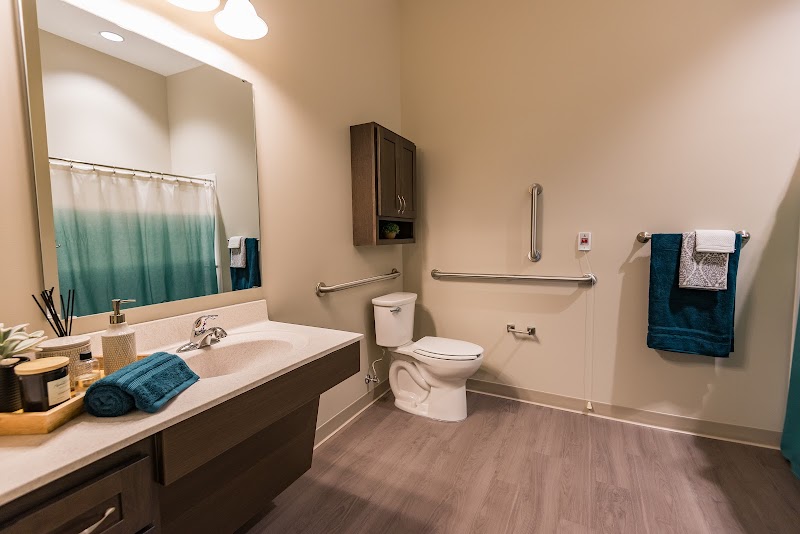
Who Owns and Operates Hamilton Trace Of Fishers?

HAMILTON TRACE OF FISHERS is owned by a for-profit company. For-profit facilities operate as businesses with obligations to shareholders or private owners. The facility is operated by CARDON & ASSOCIATES, a chain that manages multiple nursing homes. With 108 certified beds and approximately 100 residents (about 93% occupancy), it is a mid-sized facility located in FISHERS, Indiana.
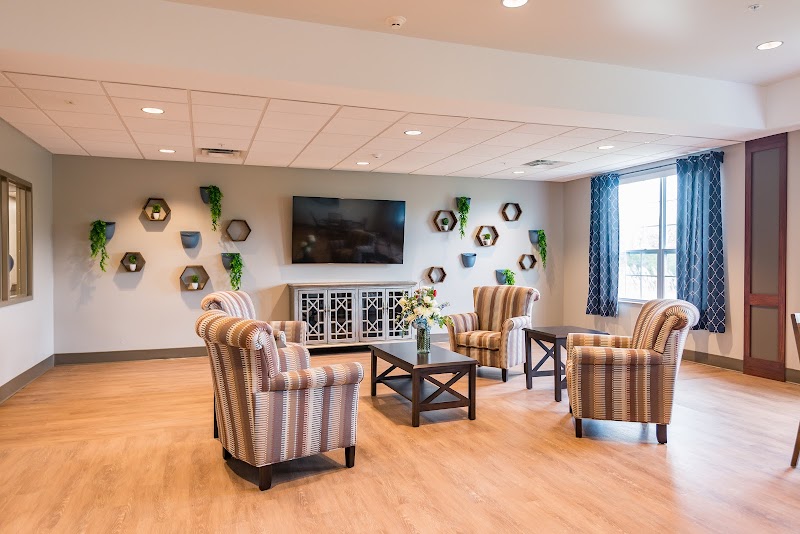
How Does Hamilton Trace Of Fishers Compare to Other Indiana Nursing Homes?

Compared to the 100 nursing homes in Indiana, HAMILTON TRACE OF FISHERS's overall rating (3 stars) is below the state average of 3.1, staff turnover (44%) is near the state average of 46%, and health inspection rating (2 stars) is below the national benchmark.

What Should Families Ask When Visiting Hamilton Trace Of Fishers?

Based on this facility's data, families visiting should ask: "Can I visit during a mealtime to observe dining assistance and food quality?" "How do you handle medical emergencies, and what is your hospital transfer rate?" "Can I speak with family members of current residents about their experience?"

Is Hamilton Trace Of Fishers Safe?

Based on CMS inspection data, HAMILTON TRACE OF FISHERS has a clean safety record: no substantiated abuse findings (meaning no confirmed cases of resident harm), no Immediate Jeopardy citations (the most serious violation level indicating risk of serious injury or death), and is not on the Special Focus Facility watch list (a federal program monitoring the lowest-performing 1% of nursing homes). The facility has a 3-star overall rating and ranks #100 of 100 nursing homes in Indiana. While no facility is perfect, families should still ask about staff-to-resident ratios and recent inspection results during their visit.

Do Nurses at Hamilton Trace Of Fishers Stick Around?

HAMILTON TRACE OF FISHERS has a staff turnover rate of 44%, which is about average for Indiana nursing homes (state average: 46%). Moderate turnover is common in nursing homes, but families should still ask about staff tenure and how the facility maintains care continuity when employees leave.

Was Hamilton Trace Of Fishers Ever Fined?

HAMILTON TRACE OF FISHERS has no federal fines on record. CMS issues fines when nursing homes fail to meet care standards or don't correct problems found during inspections. The absence of fines suggests the facility has either maintained compliance or corrected any issues before penalties were assessed. This is a positive indicator, though families should still review recent inspection reports for the full picture.

Is Hamilton Trace Of Fishers on Any Federal Watch List?

HAMILTON TRACE OF FISHERS is not on any federal watch list. The most significant is the Special Focus Facility (SFF) program, which identifies the bottom 1% of nursing homes nationally based on persistent, serious quality problems. Not being on this list means the facility has avoided the pattern of deficiencies that triggers enhanced federal oversight. This is a positive indicator, though families should still review the facility's inspection history directly.