WESLEY MANOR HEALTH CENTER
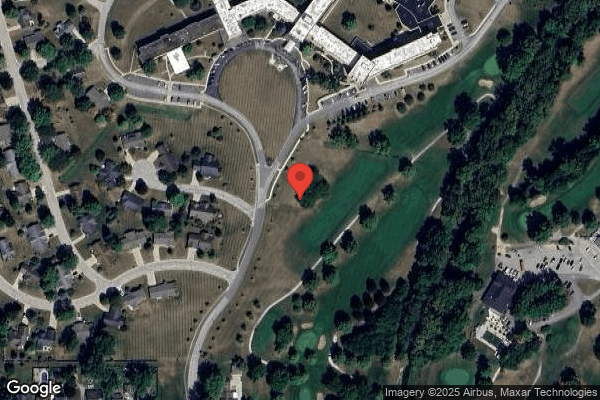

1555 N MAIN ST, FRANKFORT, IN 46041 (765) 659-1811
Government - County 96 Beds BHI SENIOR LIVING Data: November 2025
Trust Grade
63/100
#206 of 505 in IN
Last Inspection: June 2025

Inspected within the last 6 months. Data reflects current conditions.

Overview

Wesley Manor Health Center has a Trust Grade of C+, indicating it is slightly above average but not exceptional. It ranks #206 out of 505 facilities in Indiana, placing it in the top half, and #3 out of 4 in Clinton County, meaning only one local option is better. The facility is improving, with issues decreasing from 5 in 2024 to 2 in 2025. Staffing is a relative strength, with a turnover rate of 35%, which is better than the state average of 47%, but RN coverage is concerning as it ranks lower than 76% of Indiana facilities. However, there are some serious concerns, including incidents where a resident was injured due to improper use of restraints, leading to multiple falls and significant injuries, and another resident who fell while being assisted without the proper gait belt, resulting in a head injury. Additionally, the facility faces fines of $20,826, which is higher than 90% of Indiana facilities, highlighting ongoing compliance issues. While the overall health inspection and quality ratings are good, it is crucial for families to weigh these strengths against the significant weaknesses before making a decision.

Trust Score
C+
63/100
In Indiana
#206/505
Top 40%
Safety Record
Moderate
Needs review
Inspections
Getting Better
5 → 2 violations
Staff Stability
○ Average
35% turnover. Near Indiana's 48% average. Typical for the industry.
Penalties
○ Average
$20,826 in fines. Higher than 66% of Indiana facilities. Some compliance issues.
Skilled Nurses
⚠ Watch
Each resident gets only 28 minutes of Registered Nurse (RN) attention daily — below average for Indiana. Fewer RN minutes means fewer trained eyes watching for problems.
Violations
⚠ Watch
13 deficiencies on record. Higher than average. Multiple issues found across inspections.
★★★★☆
4.0
Overall Rating
★★★☆☆
3.0
Staff Levels
★★★☆☆
3.0
Care Quality
★★★★☆
4.0
Inspection Score
Stable
2024: 5 issues
2025: 2 issues

The Good

  • Full Sprinkler Coverage · Fire safety systems throughout facility
  • No fines on record
  • Staff turnover below average (35%)

    13 points below Indiana average of 48%

Facility shows strength in fire safety.

The Bad

Staff Turnover: 35%

11pts below Indiana avg (46%)

Typical for the industry

Federal Fines: $20,826

Below median ($33,413)

Minor penalties assessed

Chain: BHI SENIOR LIVING

Part of a multi-facility chain

Ask about local staffing decisions and management

The Ugly 13 deficiencies on record

2 actual harm
Jun 2025 2 deficiencies
CONCERN (D)

Potential for Harm - no one hurt, but risky conditions existed

Deficiency F0628 (Tag F0628)

Could have caused harm · This affected 1 resident

Based on interview and record review, the facility failed to ensure there was documentation the bed hold policy was provided to a resident for 1 of 3 residents reviewed for discharge. (Resident 81) Th...

Read full inspector narrative →
Based on interview and record review, the facility failed to ensure there was documentation the bed hold policy was provided to a resident for 1 of 3 residents reviewed for discharge. (Resident 81) The deficient practice was corrected on 5/21/25, prior to the start of the survey, and was therefore past noncompliance. Findings include: The clinical record for Resident 81 was reviewed on 5/28/25 at 2:42 p.m. The diagnoses included, but were not limited to, weakness, Crohn's disease, and dementia. The electronic health record indicated Resident 81 was discharged from the facility to the hospital on 4/8/25. There was no documentation to indicate the bed hold policy had been given to the resident or the resident's representative at the time of the discharge. There was no documentation to indicate the bed hold policy had been emailed or sent by postal service to the resident's representative if needed. During an interview, on 6/2/25 at 11:47 a.m., the Executive Director indicated in May of 2025, the facility started emailing copies of the bed hold policy to the resident's representative when a resident was discharged . If the resident's representative did not have an email, a copy would be mailed to them through the postal service. A current facility policy, titled discharge: Bed Hold, dated as last revised 12/12/19 and received from the Associate Executive Director on 5/29/25 at 11:42 a.m., indicated .Residents or their designated representative shall be informed of this policy in writing at admission, at the time of transfer to a hospital (unless an emergency), or at the time of therapeutic leave which extends beyond twenty-four [(24)] hours. Written notification at the time of transfer shall include the Notice of Transfer and Discharge and a copy of this policy .In the event of an emergency hospitalization, the resident and a family member or legal representative shall be notified by written notice, within 24 hours, and asked to provide the facility with their decision regarding the resident's return. The staff member making the call or explaining the policy may accept verbal determination as to whether the resident desires bed hold or having their name placed on the reservation/waiting list and shall document this in the medical record A current facility policy, titled Notice of Transfer or Discharge, dated as last revised on 5/21/25 and received from the Associate Executive Director on 6/2/25 at 2:58 p.m., indicated .The Notice of Transfer or Discharge and Notice of Transfer or Discharge Request for Hearing will be utilized and will be provided in the transfer paperwork, [(where applicable)], given to the resident, resident representative, and a copy maintained in the clinical record .When the Notice of Transfer or Discharge and Notice of Transfer or Discharge Request for Hearing form is provided within transfer paperwork, [(resident going to the hospital)], the resident or resident representative will be provided a copy of the notices via hand-delivery, email, or sent through the postal service .Nursing will contact the resident and/or legal representative and discuss the proposed transfer and document all such communication in the resident's clinical record The deficient practice was corrected by 5/21/25 after the facility implemented a systemic plan which included education, audits and updates to the facility policy and procedures. 3.1-12(a)(6)(A)(ii) 3.1-12(a)(6)(A)(iii) 3.1-12(25)(A) 3.1-12(25)(B) 3.1-12(a)(26)
CONCERN (D)

Potential for Harm - no one hurt, but risky conditions existed

Deficiency F0698 (Tag F0698)

Could have caused harm · This affected 1 resident

Based on interview and record review, the facility failed to ensure the physician's orders for peritoneal dialysis were followed for 1 of 1 resident reviewed for dialysis. (Resident 50) Findings inclu...

Read full inspector narrative →
Based on interview and record review, the facility failed to ensure the physician's orders for peritoneal dialysis were followed for 1 of 1 resident reviewed for dialysis. (Resident 50) Findings include: The clinical record for Resident 50 was reviewed on 5/29/25 at 10:17 a.m. The diagnoses included, but were not limited to, congestive heart failure, kidney failure, kidney disease, chronic obstructive pulmonary disease, type 2 diabetes mellitus, end stage renal disease, and dependence on renal dialysis. A physician's order, dated 12/10/24, indicated to take the resident's vital signs before and after dialysis and to use the morning weight and the systolic blood pressure to determine the dose for dialysis. A physician's order, dated 12/10/24, indicated the resident needed weighed every morning and when the resident's weight was greater than 216 pounds to call the dialysis clinic for further instructions. If the systolic blood pressure was less than 110, use one green (2.5% dextrose) and one yellow (1.5% dextrose) bag regardless of the weight. If the systolic blood pressure was less than 110, to use two yellow bags regardless of the weight two times a day for peritoneal dialysis. The physician's order which indicated the use of the different bags of solutions based on the same low systolic blood pressure result was not clarified by the facility. The dialysis treatment logs indicated the following: a. On 2/1/25, the systolic blood pressure was 100 and two green bags were given. The bags given were based on the resident's morning weight and the order for the low systolic blood pressure was not followed. b. On 2/6/25, the systolic blood pressure was 102 and the bag concentration used was not recorded. The bags given were based on the resident's morning weight and the order for the low systolic blood pressure was not followed. c. On 3/2/25, the systolic blood pressure was 107 and two green bags were given. The bags given were based on the resident's morning weight and the order for the low systolic blood pressure was not followed. d. On 3/3/25, the systolic blood pressure was 107 and the bag concentration used was not recorded. The bags given were based on the resident's morning weight and the order for the low systolic blood pressure was not followed. e. On 3/7/25, the systolic blood pressure was 88 and 1 green bag, and 1 red bag (4.25% dextrose) were given. The bags given were based on the resident's morning weight and the order for the low systolic blood pressure was not followed. f. On 3/28/25, the resident's weight was 219.4 pounds. There was no indication the nurse called the dialysis clinic for a treatment order. The blood pressure documented was greater than the 110 in the physician's order. g. On 4/13/25, the resident's weight was 218 pounds. There was no indication the nurse called the dialysis clinic for a treatment order. The blood pressure documented was greater than the 110 in the physician's order. h. On 4/15/25, the systolic blood pressure was 108 and one green bag, and one red bag was given. The bags given were based on the resident's morning weight and the order for the low systolic blood pressure was not followed. i. On 4/22/25, the systolic blood pressure was 105 and two green bags were given. The bags given were based on the resident's morning weight and the order for the low systolic blood pressure was not followed. j. On 5/7/25, the systolic blood pressure was 103 and one green bag, and one red bag were given. The bags given were based on the resident's morning weight and the order for the low systolic blood pressure was not followed. k. On 5/25/25, the systolic blood pressure was 108 and two green bags were given. The bags given were based on the resident's morning weight and the order for the low systolic blood pressure was not followed. A current care plan, dated 5/20/24, indicated the resident needed peritoneal dialysis related to renal failure with an approach to administer dialysis solution as ordered. During an interview, on 5/29/25 at 2:35 p.m., the physician indicated she would follow up with the dialysis provider to clarify the dialysis order for low systolic blood pressure. The resident had frequent lab work completed, and the orders had changed related to the labs. The current order was confusing, and the nurse would not know what concentration of bag to use. During an interview, on 6/2/25 at 2:21 p.m., the Director of Nursing (DON) indicated she could not find any documentation of the nurses calling the dialysis clinic for weights greater than 216 pounds on the discussed dates and they should have called to obtain guidance on the concentrations to use. During an interview, on 6/2/25 at 3:09 p.m., RN 2 indicated she would use the morning weight and the systolic blood pressure to determine which concentration of bags to use for the evening dialysis. The order was based on the weight unless the systolic blood pressure was less than 110 and then she would give 2 yellow bags no matter what the weight was. If his weight was greater than 216 pounds, then she would call the dialysis clinic for an order on which bags to use. A current facility policy, dated 11/13/22 and received from the Associate Executive Director on 6/2/25 at 2:58 p.m., indicated .The facility will maintain communication with the dialysis center per provider order and as needed 3.1-37(a)
Jun 2024 5 deficiencies 1 Harm
SERIOUS (G)

Actual Harm - a resident was hurt due to facility failures

Deficiency F0604 (Tag F0604)

A resident was harmed · This affected 1 resident

Based on observation, interview and record review, the facility failed to ensure a consent with the identified medical reason for the use of a restraint was completed at the initiation of the restrain...

Read full inspector narrative →
Based on observation, interview and record review, the facility failed to ensure a consent with the identified medical reason for the use of a restraint was completed at the initiation of the restraint, to establish a time frame for continuing the use of the restraint and to establish how the restraint would be decreased and discontinued for 1 of 1 resident reviewed for restraints. (Resident 70) This deficient practice resulted in Resident C having three (3) falls with major injuries while using the restraint, had 3 emergency room evaluations and was diagnosed with nasal fractures, lacerations to her face which required sutures, and a laceration to her upper lip which required sutures. Finding includes: During an observation, on 6/13/24 at 11:48 a.m., the resident was observed to be walking in a merry walker (a walker made of plastic PVC type tubing which enclosed the resident in the tubing frame and had a seat at the back of the frame). During an interview, on 6/17/24 at 11:09 a.m., the Director of Nursing (DON) indicated the resident was not able to get out of the Merry [NAME] on her own and it was considered a restraint. The clinical record for Resident 70 was reviewed on 6/14/24 at 9:59 a.m. The diagnoses included, but were not limited to, dementia with agitation, repeated falls, restlessness and agitation, anxiety, a psychotic disorder with delusions due to a known physiological condition, dementia with a behavioral disturbance, and major depressive disorder. A Quarterly Minimum Data Set (MDS) assessment, dated 3/12/24, indicated the resident utilized a physical restraint daily and the resident was severely impaired cognitively. A care plan, which was initiated on 10/24/22, indicated the resident was at risk for falls related to confusion, decreased mobility, and decreased safety awareness secondary to dementia. The goal was for the resident to be free of falls through the next review date. The interventions included, but were not limited to, assessing for injury when the resident sits on the floor, engaging in activities which improve strength, balance and posture, and keep areas free of obstructions to reduce the risk of falls or injury. A care plan, initiated on 11/2/22 and last revised on 6/19/23, indicated the resident was an elopement risk and would wander throughout the facility. The resident had a history of attempts to leave the facility unattended and had impaired safety awareness. The resident wandered aimlessly and significantly intruded on the privacy of others. The interventions included, but were not limited to, assessing for fall risk and distracting from wandering. A physician's order, dated 7/10/23, indicated for the resident to use a merry walker every 2 hours for gait release and to release the resident from the merry walker every 2 hours for toileting, hygiene, rest, food, and fluids. The resident was to be out of the merry walker at mealtimes and to attempt for the resident to sit in the dining room chair. There were no diagnoses or clinical indication for use documented on the physician's order. A progress note, dated 7/10/23, indicated the resident's daughter was called to discuss the use of a merry walker for the resident's mobility. The daughter was instructed that the resident would be released every 2 hours from the walker for 10 minutes. The safety of the resident while in the merry walker was discussed and the daughter agreed to the use of the Merry Walker. The progress note did not indicate the clinical rational for the use of the device, a plan to ensure the device was the least restrictive alternative for the least amount of time, when the ongoing need for the device would be re-evaluated and did not include the risks of using the device. There was no written consent signed by the daughter when the device was initiated. A progress note, dated 7/13/23 at 8:15 p.m., indicated the resident had a witnessed fall while using the device. The CNA had observed the resident's merry walker tipping over a chair as the resident ran into it. The resident was lying face down in the merry walker. The resident had moderate bleeding from her nasal cavity. An Emergency Department discharge note, dated 7/13/23, indicated the resident had a fall and received a non-displaced fracture of the nasal bone, a facial hematoma, and a periorbital hematoma. A progress note, dated 7/13/23 at 10:30 p.m., indicated the resident returned to the facility from the Emergency Department and had bruising and swelling to her left eye lid, rug burns circling her left eye, and her nose was swollen. A facility fall note, dated 7/13/23, indicated the resident had a nasal bone fracture which occurred while in the merry walker. The walker tipped over a chair as the resident ran into the chair. The CNA was unable to reach the resident in time. The resident had a moderate sized hematoma above the left orbital cavity. The resident went to the Emergency Department and was diagnosed with a nasal bone fracture. A progress note, dated 7/14/23 at 10:06 a.m., indicated the fall was discussed with the resident's daughter. The anti-tippers for the merry walker were discussed. The progress note did not indicate the clinical rational for the use of the device, a plan to ensure the device was the least restrictive alternative for the least amount of time, when the ongoing need for the device would be re-evaluated and did not include the risks of using the device. There was no written consent signed by the daughter when the device was initiated. There was no documentation in the medical record to show the facility reassessed the resident for the appropriateness of the merry walker after her fall with injuries. A progress note, dated 7/26/23 at 9:00 a.m., indicated the staff talked to the resident's daughter about the safety and potential risks of the merry walker. The daughter was concerned a wheel would get stuck and tip the merry walker over. The staff reinforced to the daughter the anti-tippers were on each side and not the front or back of the merry walker. The resident was still a fall risk and still had the potential to tip the walker over. The resident would have staff supervision while in the merry walker and would be out of the merry walker every 2 hours at a minimum. A facility fall note, dated 1/23/24 at 11:10 a.m., indicated the resident had a fall at 10:40 a.m. The resident was face down on the floor in the merry walker. The CNA reported the resident's merry walker got caught on the corner of the wall by the nurse's station. The merry walker was laying on its side and the resident was laying on her right side. The resident was sent to the Emergency Department and returned at 3:40 p.m. The resident had three sutures on the bridge of her nose and two sutures to the upper lip. The daughter indicated she understood the risks of the merry walker. A hospital Emergency Department note, dated 1/23/24, indicated the resident presented to the Emergency Department after a fall. The resident was in her merry walker, and it flipped over causing her to fall face forward on the ground. The resident's injuries included mildly displaced bilateral nasal bone fractures, a small left frontal scalp contusion, a 0.5-centimeter (cm) laceration to the superior lip closed with two sutures and a 1.5 cm laceration on the nose closed with 3 sutures. There was no documentation in the medical record to show the facility reassessed the resident for the appropriateness of the merry walker after her second fall with injuries. A restraint informed consent, dated 3/4/24, was signed by the physician and the daughter. There was no written informed consent for the use of the merry walker located in the resident's medical record prior to the one dated 3/4/24. A facility fall note, dated 4/10/24 at 5:05 p.m., indicated the CNA reported the resident yelled for help and when she went to the resident, the resident was face down on the carpet, pushing herself up and rolling to her right side. There was blood coming from the resident's nose and mouth. The resident's merry walker was laying on its side by the resident. The resident had a laceration on her upper lip, facial abrasions to her forehead, chin and nose. The resident was sent to the Emergency Department and returned at 7:40 p.m., with 12 dissolvable sutures to her upper lip laceration. She also had an abrasion above her eyebrow, an abrasion to the bridge of her nose, and swelling to her nose. This was the third documented fall with injury to the resident while the merry walker was in use. A progress note, dated 4/11/24 at 10:46 a.m., indicated the daughter agreed the resident was only to be in the merry walker if the staff were able to be with the resident 1:1 or if the family was present. A physician's order, dated 4/11/24, indicated to use the merry walker with 1:1 or when family was present. Must release every 2 hours and as needed if still using 1:1 or with family for toileting, food, fluids and rest. The intervention of staff to be with the resident 1:1 did not occur until the third fall with injuries. During an interview, on 6/13/24 at 11:49 a.m., RN 3 indicated the resident was placed in the merry walker twice a shift. The Certified Nursing Assistants (CNAs) or the activity staff could help with the walker. The resident used the merry walker until she was tired and then the staff would remove the resident from the merry walker. During an interview, on 6/14/24 at 3:06 p.m., the Director of Nursing (DON) indicated the original consent for the merry walker was the verbal discussion with the daughter. The DON had verbal conversations with the daughter about the risks of the merry walker use. During an interview, on 6/17/24 at 10:09 a.m., the Assistant Executive Director (AED) indicated the physical therapist was in the quality assurance meetings when the merry walker was discussed but there were no assessments from the physical therapist (PT) for the use of the merry walker. During an interview, on 6/17/24 at 11:09 a.m., the Director of Nursing (DON) indicated the resident was not able to get out of the Merry [NAME] on her own and it was considered a restraint. There was no plan to stop using the merry walker which was considered a restraint. The first time the resident fell on 7/13/24 while using the merry walker, the anti-tippers were added to the walker. The resident was not supervised 1:1 until after the fall, on 4/10/24, and the intervention was put in place. During an interview, on 6/18/24 at 9:06 a.m., the daughter indicated she was not aware of the product the merry walker until the staff told her about it. Her mom would walk a few steps and then decide to sit down. At first, she was glad for the independence the merry walker gave her mom. After the first fall, anti-tippers were put on the walker, but they didn't work to keep her from falling. After the fall in April when her mom's tooth went through her mouth and she needed sutures, the daughter decided this was not working and her mom could only use the walker if someone was right with her to keep her from falling. Her mom did not understand she could not get into tight spaces, and this caused the falls. During an interview, on 6/18/24 at 2:33 p.m., the AED indicated the merry walker was a restraint and the facility thought this was the least restrictive device to be used to enhance the resident's life. The resident had zero safety awareness and was able to stand up and ambulate and was able to sit down in the seat of the merry walker. Without the merry walker, the resident would decline in her ability. There was no documentation in the electronic health record (EHR) to show this was the least restrictive device and there was no plan in the EHR to show a decrease or discontinuation of the restraint. The verbal plan would be to stop the restraint when the resident could no longer walk or bear weight since there would be a time in her disease process when she could not walk. During an interview, on 6/18/24 at 3:57 p.m., the AED indicated there was no written consent for the merry walker prior to 3/4/24. She was not able to provide documentation to show how often the use of the merry walker as a restraint was reviewed. A current policy, titled Restraints Use, dated as last revised on 4/2/2009 and received from the AED on 6/17/24 at 11:00 a.m., indicated .To ensure residents are provided a safe environment and that the use of restraints is carefully monitored to protect resident rights, personal comfort, and safety, assuring the least restrictive means are used .To use protective devices only when all other means of keeping a resident safe have been exhausted. The use of protective devices must be monitored in such a way as to minimize the impact on resident quality of life and functional status .To use protective devices or confinements only to treat medical symptoms in accordance with a physician's order and informed consent from the resident or responsible party .Initial assessment for the use of protective devices shall be followed by a monthly assessment for the first three [3] months and then quarterly assessments thereafter .Definition .Physical protective devices or restraints are any manual method or physical or mechanical device, material, or equipment attached or adjacent to the resident's body that the individual cannot easily remove and that restricts freedom of movement or normal access to one's body .least restrictive measures .together with appropriate exercises and restorative nursing programs, shall be considered prior to the use of restraints .Care plan team participation in evaluation of restraint use and progress related to interventions and goals will be documented in the individual disciplinary progress notes .The interdisciplinary team, including specialized therapy staff, is responsible to participate in care planning interventions which may reduce or eliminate restraint use .Each physician's order for restraint shall be complete and specifically define the type, reason, duration, circumstances of restraint .If after a trial of alternative measures has been attempted and a determination that a physical restraint would enable and promote greater functional independence, or is necessary to provide lifesaving treatments, then the use of the restraint must first be explained to the resident, family member, or legal representative and written consent for use obtained .The care plan will reflect specific circumstances and medical symptoms for restraint use, time frames, and identify activities to occur during release periods .a licensed nurse is responsible for documenting, at least quarterly, in the nursed notes or on a physical restraint assessment the resident's response to the use of the restraint and goals identified in the plan of care and well as any attempt to reduce the use of restraints 3.1-26(a) 3.1-26(n) 3.1-26(o)
CONCERN (D)

Potential for Harm - no one hurt, but risky conditions existed

Investigate Abuse (Tag F0610)

Could have caused harm · This affected 1 resident

Based on interview and record review, the facility failed to ensure a thorough investigation was completed to include staff interviews after an injury of unknown source was identifed for 1 of 5 reside...

Read full inspector narrative →
Based on interview and record review, the facility failed to ensure a thorough investigation was completed to include staff interviews after an injury of unknown source was identifed for 1 of 5 residents reviewed for accidents. (Resident 34) Finding includes: The clinical record for Resident 34 was reviewed on 6/14/24 at 11:12 a.m. The diagnoses included, but were not limited to Alzheimer's disease, dementia, unspecified intellectual disability, cognitive communication deficit, and other reduced mobility. A facility incident report indicated, on 4/7/24, there was bruising noted to Resident 34's right knee with swelling. The on-call nurse practitioner (NP) gave orders to do an x-ray as a precaution. X-ray results showed an acute fracture to the right hip and the bone was diffusely demineralized. A facility incident report with a follow-up added on 4/10/24, indicated on 4/6/24 at 10:00 a.m., the resident was observed to have swelling and her right leg appeared to be turned to the right. On 4/7/24, x-ray results came back and showed an acute right hip fracture. On 4/10/24, the Assistant Executive Director (AED) and Director of Nursing (DON) continued the investigation and demonstrated on the Maxi lift (a battery powered lift) where the placement of the sling landed, how it applied pressure when lifting a resident, and indicated this could have caused a pathological fracture. A physician's history and physical note, dated 4/11/24, indicated the resident was seen for medical necessity for a right hip fracture. The injury was most likely an osteoporosis fracture due to a maxi lift used and no documentation of a recent fall. During an interview, on 6/18/24 at 9:19 a.m., the Executive Director (ED) indicated she could not say for certain if the maxi lift being used instead of the Hoyer lift was the cause of the fracture. During an interview, on 6/18/24 at 9:54 a.m., the ED indicated there were no staff interviews the facility had conducted for the night shift staff who worked before the incident was noticed in the morning. The facility did not conduct interviews about how the resident was transferred with the staff who worked on the shift prior to when the injury was noticed. A current policy, titled Fall Risk Identification/Fall Investigation, dated as last revised 12/6/19 and received from the AED on 6/8/24 at 3:50 p.m., indicated .All falls and reports of potential risks shall be investigated and fall intervention implemented, as needed The facility did not provide a policy about investigating injuries by the time of exit. 3.1-28(d)
CONCERN (D)

Potential for Harm - no one hurt, but risky conditions existed

Deficiency F0692 (Tag F0692)

Could have caused harm · This affected 1 resident

Based on observation, interview and record review, the facility failed to cue and assist a resident during lunch according to the plan of care and to assess/reweigh a resident for a significant weight...

Read full inspector narrative →
Based on observation, interview and record review, the facility failed to cue and assist a resident during lunch according to the plan of care and to assess/reweigh a resident for a significant weight change for 1 of 4 residents reviewed for nutrition. (Resident 45) Finding includes: During an observation, on 6/12/24 at 12:13 p.m., Resident 45 was sitting up in a pedal Broda (chair for positioning) at the dining table with his eyes closed. His plate still had most of his food. The staff were not cueing or assisting him to eat. Most of the other residents in the dining room had already finished eating. During an observation, on 6/12/24 at 12:24 p.m., a female staff asked Resident 45 if he was hungry, and the resident shook his head for no. The resident was very thin. During an observation, on 6/13/24 at 12:05 p.m., Resident 45 was sitting in his pedal Broda at the dining table. The resident was not eating on his own and the staff were not encouraging or assisting the resident to eat. The staff were helping other residents to eat their lunch. During on observation on 6/14/24 at 12:07 p.m., Resident 45 was in his pedal Broda at the dining table, he was not eating. His silverware was still rolled up in the napkin and no staff was cueing or assisting the resident to eat. The staff were assisting residents at other tables. During an observation, on 6/14/24 at 12:37 p.m., Resident 45 was still sitting at the dining room table. The silverware was still wrapped up in a napkin and there was no staff assisting or encouraging the resident to eat. During an observation, on 6/17/24 at 11:39 a.m., Resident 45 was sitting up in his pedal Broda at the dining room table, his silverware was wrapped up in the napkin and his food was not touched. A female staff pushed the resident in his pedal Broda away from the table. The clinical record for Resident 45 was reviewed on 6/14/24 at 4:07 p.m. The diagnoses included, but were not limited to, unspecified dementia, type 2 diabetes mellitus, osteoarthritis, and cerebral infarction. A care plan, dated 2/22/24, indicated the resident had an activities of daily living (ADL) self-care performance deficit related to dementia. The interventions included, but were not limited to, the resident required supervision by the staff to eat and may require limited to extensive assistance at times. A care plan, dated 2/27/24 and last revised on 5/28/24, indicated the resident had a nutritional or potential nutritional problem related to dementia, depression, underweight for age, and gluten intolerance. The goal included the resident would consume greater than or equal to 75% of his meals and the resident would have a gradual weight gain of 1-3 pounds each month. The interventions included, but were not limited to, observe/document/report signs of difficulty swallowing, choking, refusing to eat, monitor intake, and to observe/record/report significant weight loss of 3 pounds in one week, greater than 5% in one month, 7.5% in 3 months or greater than 10% in 6 months. An occupational therapy (OT) evaluation, dated 3/1/24, indicated the resident had a swan neck deformity (a bending of the base of the finger, a straightening of the middle joint and a bending of the outermost joint) in his right hand and his self-feeding may be impaired at times pending the food item. The resident presented with impairments in dexterity, strength and follow-through resulting in limitations and/or participation restrictions in self-care and general tasks. A physician's order, dated 5/27/24, indicated to give a regular diet, regular texture. The resident had a gluten sensitivity. A Registered Dietitian (RD) note, dated 5/27/24, indicated the quarterly nutrition assessment was completed. The resident had no significant weight change. The resident was referred to speech therapy and was referred to occupational therapy to assess the need for adaptive equipment. The resident had the following weights: 1. On 5/27/24, the weight was 133.6 pounds. 2. On 6/1/24, the weight was 126.2 pounds which was a 5.54% significant weight loss in 4 days. There was no documentation in the electronic health record (EHR) of a re-weight or assessment for the significant weight loss. During an interview, on 6/17/24 at 11:33 a.m., the Assistant Executive Director (AED) indicated the Nutrition at Risk (NAR) notes were not in the progress notes. The RD should have requested a re-weight on 6/1/24 and it might have gotten missed. The resident was not on the NAR although any re-weights would have been entered into the computer. During an interview, on 6/17/24 at 11:54 a.m., the RD indicated the resident did not trigger for a significant weight loss on 6/1/24 since it had not been 30 days. The RD had ordered a supplement of a magic cup on 5/27/24 since the resident's weight was not where she wanted it to be. The resident could usually feed himself with some cueing and sometimes his plate needed to be rotated so he could have better access to his food. A current policy, titled Nutrition/Weight Loss/Gain, dated as last revised on 4/8/2010 and received from the AED on 6/17/24 at 3:56 p.m., indicated .To establish methods for identifying concerns with residents' nutritional or hydration status and to guide facility staff to intervene as necessary to address any identified concerns .It is the policy of this facility to intervene when a resident has been identified as being at-risk for unplanned weight loss, and/or dehydration .Prevention .Care Planning/intervention will be established as appropriate .Monitoring .Staff will make observations regarding each resident's intake after meals .Intervention .When significant weight loss or significant weight gain has been observed, the following steps must be taken .Physician and family notification .Notification of the RD and/or Dietary Supervisor .Assessment of potential causes for the change .Interventions will be addressed on the resident's plan of care A current policy, titled Nutrition Risk, dated as last revised on 1/24 and received from the AED on 6/17/24 at 3:56 p.m., indicated .A Nutrition Risk team uses a systematic and interdisciplinary approach to identify, track, intervene, monitor, and follow-up with residents at high risk for significant weight changes, malnutrition, dehydration and pressure injuries, and any other nutrition-related concerns .Residents at nutrition risk will be reviewed the Interdisciplinary team [IDT] .The following criteria may be used to determine if a resident qualifies for Nutrition Risk .Unplanned significant weight loss/gain .5% in one month, 7.5% in 3 months, or 10% in 6 months .Significant change in appetite and/or decrease in usual oral intake in last 7 days 3.1-46(a)(1)
CONCERN (D)

Potential for Harm - no one hurt, but risky conditions existed

Medication Errors (Tag F0758)

Could have caused harm · This affected 1 resident

Based on interview and record review, the facility failed to provide documentation to show the resident specific psychosis/behaviors which were used as the rationale for declining a gradual dose reduc...

Read full inspector narrative →
Based on interview and record review, the facility failed to provide documentation to show the resident specific psychosis/behaviors which were used as the rationale for declining a gradual dose reduction (GDR) of an antipsychotic for 1 of 5 residents reviewed for unnecessary medications. (Resident 38) Finding includes: The clinical record for Resident 38 was reviewed on 6/14/24 at 10:40 a.m. The diagnoses included, but were not limited to, unspecified dementia with psychotic disturbance, psychotic disorder with delusions due to a known physiological condition, severe major depressive disorder without psychotic features, and dementia with anxiety. A physician's order, dated 9/22/23, indicated to give risperidone (an antipsychotic) 0.25 milligrams (mg) three tablets one time a day for the psychotic disorder with delusions. A pharmacy GDR request, dated 3/1/24, indicated the resident received risperidone 0.75 mg daily and to please attempt a GDR of the risperidone to 0.5 mg daily. The physician response indicated the GDR was declined. The clinical rationale included the resident had intermittent episodes of delusional thinking and could be distressing. See the progress note dated 3/19/24. The progress notes were reviewed from 2/1/24 through 3/18/24 and no resident delusions, behaviors or distress were documented in the progress notes. A psychiatric progress note documented by the Nurse Practitioner, dated 3/19/24, indicated the staff reported the resident continued with intermittent delusions which could be distressing. The resident had no evidence of delusional thinking or paranoia during her visit. A Care Tracker Behavior Monitoring and Interventions report, dated March of 2024, showed the Certified Nursing Assistants (CNAs) documented the following resident behaviors: 1. On 3/11/24 at 1:15 p.m., the resident was accusing of others. 2. On 3/11/24 at 1:16 p.m., the resident expressed frustration/anger at others. 3. On 3/19/24 at 1:37 p.m., the resident expressed frustration/anger at others. 4. On 3/19/24 at 1:38 p.m., the resident was agitated. The Behavior Monitoring and Interventions report did not include the interventions used, how long the behaviors lasted, if there were any delusions or the level of distress by the resident. It also did not include if a licensed nurse had to be involved with the resident's behaviors. There were no progress notes in the electronic health record to match the dates and times of the behaviors listed in the Care Tracker Behavior Monitoring and Interventions report. A care plan, dated 9/14/23, indicated the resident displayed delusional thoughts and told stories which were not factual. The interventions included, but were not limited to, attempt to redirect, don't argue, and ensure the resident's safety. During an interview, on 6/18/24 at 10:12 a.m., the psychiatric Nurse Practitioner (NP) indicated there was a behavior note on 3/19/24 which indicated the resident was sitting at the dining table waiting for an activity to start and she was upset and talking about her mom and dad. There were no other notes of behaviors on 3/19/24. There were no other progress notes with behaviors/delusions documented for February or March 2024. The resident could get easily upset at times although none of these behaviors were documented in the electronic health record. The staff had reported the delusions to her although the staff did not indicate how often or how the resident was distressed. A current policy, titled Medications: Psychotropic Drug Policy, dated as last reviewed on 4/22/22 and received from the Assistant Executive Director on 6/17/24 at 3:56 p.m., indicated .To develop/implement an interdisciplinary system to limit the use of psychotropic medications .to limit the use of psychotropic medications to only residents who have an appropriate supporting diagnosis and/or are exhibiting behavioral symptoms that indicate psychosocial distress and/or make the resident a danger to their self or others .remains committed to identifying the least restrictive intervention in order to treat the behavioral symptoms, which may include making changes in the environment, restructuring the resident's schedule, assessing the resident for acute causes for the behavior, or changing our approach to the resident .This policy includes a specific system for monitoring the use of psychotropic medications and reviewing the use of these medications periodically in attempt to reduce or discontinue our use of them if appropriate .When a resident exhibits a pattern of behavioral symptoms that indicate they are suffering psychological-related distress and/or are considered to be a danger to their self or others, staff must first ensure the safety of the resident and other residents .If psychotropic medications have been used to manage a resident's behavior, a plan must be developed to reduce or eliminate the use of this medication. This will include a behavioral intervention care plan. Attempts to redirect the behavior with less restrictive interventions must be documented in the resident's medical record .If a psychotropic medication [PRN or routine] is being used to treat a resident's behavior, then the specific behaviors for which the mediation is being used will be monitored daily and documented in the resident's treatment record .Anti-psychotic medications are approved for the following DSM indications .Medical illnesses or delirium with manic or psychotic symptoms and/or treatment related psychosis or mania .Diagnosis alone cannot warrant the use of anti-psychotic medication. Clinical condition must also meet the following .Symptoms are due to mania or psychosis .Behavioral symptoms present a danger to the resident or others .Symptoms are causing one or more of the following: inconsolable or persistent distress, a significant decline in function, and/or major difficulty in receiving needed care 3.1-48(a)(3) 3.1-48(a)(4)
CONCERN (D)

Potential for Harm - no one hurt, but risky conditions existed

Food Safety (Tag F0812)

Could have caused harm · This affected 1 resident

Based on observation, interview and record review, the facility failed to ensure employee meals were not stored in the nutrition refrigerator, failed to ensure items were dated with open dates and lab...

Read full inspector narrative →
Based on observation, interview and record review, the facility failed to ensure employee meals were not stored in the nutrition refrigerator, failed to ensure items were dated with open dates and labeled with a name, and failed to ensure thermometers were in the refrigerator/freezers for 3 of 10 nutritional and unit refrigerators observed for safe and sanitary conditions. Findings include: 1. During an observation, on 6/13/24 at 8:23 a.m., the First Floor Unit nutrition refrigerator, located in the medication room, was found to contain a lunch bag. At that time, LPN 1 indicated it was her lunch in the bag. Also found in the refrigerator was a 16-ounce open bottle of strawberry poppy seed salad dressing. The bottle had been opened and was found without an open date or a label indicating who was the owner of the salad dressing. A sign found on the front of the refrigerator indicated .This fridge is for ensures, pudding, applesauce's only. All Staff and resident food/drink items to be put in the fridges at either end of the hallway per state guidance During an interview, on 6/13/24 at 8:23 a.m., LPN 1 indicated the food storage policy, in the medication room nutrition refrigerator, was confusing. They posted the sign on the refrigerator, but the facility still allowed the storage of the items. During an interview, on 6/13/24 at 8:31 a.m., the Director of Nursing indicated the facility had an employee breakroom and the employee food items were to be stored in that refrigerator. 2. During an observation, on 6/13/24 at 8:33 a.m., the refrigerator found at the end of the hall, close to the elevator, on the first-floor unit was found to have 1-gallon of vanilla ice cream and a clear plastic zip lock bag containing frozen pastries. Both items were found without an open date or label to indicate who was the owner of the items. There was also no thermometer found in the freezer. The refrigerator contained an open 8-ounce bag of shredded taco cheese which had been opened and contained approximately 1-ounce of shredded cheese. There was no label to indicate the date the item had been opened or the owner of the items. There was no thermometer found in the refrigerator. During an interview, on 6/13/24 at 8:33 a.m., LPN 1 indicated there was no log to show the temperatures of the freezer or refrigerator had been monitored. During an interview, on 6/13/24 at 8:35 a.m., the Assistant Director of Dining indicated the dining staff did not know the refrigerator was on the unit/hall. The items should have been labeled/dated and the refrigerator and freezers should have had thermometers. During an observation, on 6/14/24, the refrigerator had been removed from the area. 3. During an observation, on 6/17/24 at 2:09 p.m., the refrigerator/freezer found in the common area in front of the nursing station was found to have a Styrofoam container of ice cream, with a plastic spoon upright in the ice cream, uncovered and without a date or label to indicated who was the owner of the ice cream. During an interview, on 6/17/24 at 2:12 p.m., RN 2 indicated the owner was unknown and the item should have been covered. A facility policy, titled RESIDENT FOOD SERVICES, dated as last revised 1/24 and received from the Health Care Administrator on 6/13/24 at 10:30 a.m., indicated .The outside food must be .clearly labeled with the resident's name, the date the food was brought to the resident, and the use-by date A facility policy, titled RESIDENT FOOD SERVICES, dated as last reviewed 1/24 and received from the Health Care Administrator on 6/13/24 at 10:30 a.m., indicated .Subject .UNIT PANTRY STOCK .Staff food .items are not stored in resident pantry refrigerators .All opened items must be labeled with opened and use-by-dates A facility policy, titled Refrigerator Temperature Checks, dated as last revised 11/21/14 and received from the Health Care Administrator on 6/13/24 at 10:30 a.m., indicated .Refrigerator .temperature checks should be documented on the form located on the front of the refrigerator .Temperatures should be documented at least daily .All open bottles and containers must have a date opened date on them .If no date is found on an open bottle or container, it must be discarded when found 3.1-21(i)(3)
Sept 2023 1 deficiency 1 Harm
SERIOUS (G) 📢 Someone Reported This

A family member, employee, or ombudsman was alarmed enough to file a formal complaint

Actual Harm - a resident was hurt due to facility failures

Accident Prevention (Tag F0689)

A resident was harmed · This affected 1 resident

**NOTE- TERMS IN BRACKETS HAVE BEEN EDITED TO PROTECT CONFIDENTIALITY** Based on observation, interview and record review, the facility failed to protect a resident from injury while walking with the ...

Read full inspector narrative →
**NOTE- TERMS IN BRACKETS HAVE BEEN EDITED TO PROTECT CONFIDENTIALITY** Based on observation, interview and record review, the facility failed to protect a resident from injury while walking with the resident from the bathroom to the resident's recliner without using a gait belt for 1 of 3 residents reviewed for accidents. (Resident B) Resident B fell and hit their head resulting in a laceration which was treated with staples and an interval development of a right frontoparietal convexity subdural hematoma (a blood vessel in the space between the skull and the brain was damaged). Finding includes: During an observation, on 9/28/23 at 9:41 a.m., Resident B was observed sitting in a recliner with her feet elevated. She appeared clean and dry and was wearing nonskid socks. There was a walker with a gait belt lying across the top and the room was free of obstacles. Resident B did not verbalize responses to questions, instead she nodded for yes and shook her head for no. She denied pain at the time. An Incident Report to the Indiana State Department of Health, dated 9/21/23, indicated the resident was being assisted by staff from the bathroom after bedtime care. The resident fell, hitting their head on the doorway. The type of injury sustained was a laceration to the head and an interval development of a right frontoparietal convexity subdural hematoma (a blood vessel in the space between the skull and the brain, the subdural space, was damaged). The record for Resident B was reviewed on 9/28/23 at 2:30 p.m. Diagnoses included, but were not limited to, traumatic subdural hemorrhage without loss of consciousness, metabolic encephalopathy, and Parkinson's disease. A care plan, initiated on 9/17/23 and in effect on the day of the resident's fall, indicated .Transfer: extensive assistance with 1-2 staff, GB [gait belt], and walker to w/c [wheelchair] A nursing note, dated 9/22/23 at 8:05 a.m., indicated RN 4 was called to the resident's room to find, upon entering, the resident lying on her back in front of the entry door. She had hit her head on the door during the fall and sustained a laceration to the back of her head. At 7:40 p.m., the family and management staff were notified. A nursing note, dated 9/22/23 at 5:16 a.m., indicated the resident was admitted to the hospital with a diagnosis of a traumatic subdural hematoma. Resident B also had a laceration on her scalp and four (4) staples were placed. A Computed Tomography report (CT report), dated 9/21/23, indicated the resident had an internal development of a right frontoparietal convexity subdural hematoma, a mild increase in the size of the left subdural hematoma, and a scalp laceration with staples. A facility document, titled INVESTIGATION, dated 9/22/23, indicated .CNA was assisting resident from BR [bathroom] to recliner after hs [hour of sleep/bedtime] care. Per CNA resident got feet tripped up and fell backwards while ambulating hitting her head on door frame. Resident wearing non-skid footwear, using walker, staff s [without] gait belt During an interview, on 9/28/23 at 9:44 a.m., CNA 1 indicated the information related to how a resident transferred could be found in the computer system. She went into the computer system every morning for resident information. During an interview, on 9/28/23 at 9:45 a.m., CNA 2 indicated the information for transfers was in the [NAME] found in the computer system. She checked it every morning. During an interview, on 9/28/23 at 9:57 a.m., the Director of Nursing indicted staff were educated on gait belt use in July. They were not re-educated after Resident B's fall in September. During an interview, on 9/28/23 at 10:18 a.m., the Assistant Executive Director indicated audits for gait belt use were being completed. The staff member who did the audits was off on Friday, 9/22/23, and this was why the audit was not completed after the incident on 9/21/23. When the employee returned on Monday, 9/25/23, she was busy auditing other things. During an interview, on 9/28/23 at 11:30 a.m., the Assistant Executive Director indicated the policy, of the facility, was to use a gait belt. During a telephone interview, on 9/28/23 at 1:48 p.m., CNA 3 indicated on the day of the fall, she and RN 4 transferred the resident to the bathroom and then the nurse left the room. After assisting Resident B with toileting, they (CNA 3 and Resident B) were walking from the bathroom and Resident B's feet slipped out from under her. CNA 3 was not using a gait belt. She indicated my hand was on her back. She did not think about using a gait belt; she had been educated on the facility policy to use a gait belt. She indicated when the nurse came in to initially assist her with getting the resident up, they did not use a gait belt. She did have access to the [NAME] and information on how the resident was to transfer, and checked the information when she charted at about 7-8 p.m. She did not look at the [NAME] for transfer information. During an interview, on 9/28/23 at 2:10 p.m., RN 4 indicated she was called to Resident B's room around 7:30 p.m. The resident was observed lying on the floor with her legs extended. Resident B had hit her head. RN 4 did an assessment to include neurochecks and vital signs. The resident did sustain a laceration to the back of her head measuring 1.2 centimeters (cm). She had the CNA get an ice pack. She assessed the resident to make sure Resident B had no hip, neck, or back pain, and then they transferred her to her recliner. RN 4 indicated she did assist the CNA to get the resident up before and they did use a gait belt as well as when they got her off the floor and to her recliner. She did a teachable moment with the CNA after the incident and indicated the Director of Nursing educated/reminded the staff on the Ground Floor Unit, the next day, to use gaits belts. Information related to how to transfer the resident was in the care profile and the physician's orders. During an interview, on 9/28/23 at 2:22 p.m., the Director of Nursing indicated care plan and mobility/transfer information was in the [NAME] in the computer system. The CNAs had access to the information. All CNAs had access to the system, and they should always get their orders from that area. When the orders were updated by the nurse, they populate to the [NAME] when the care plan was updated. They should not be using a paper sheet. They could use the paper sheet throughout their shift, but if someone was new to the unit or if questioning mobility orders, they should check the [NAME]. CNAs did give report and information was passed on from shift to shift. A facility document, titled 7/24/2023, was received from the Assistant Executive Director on 9/28/23 at 9:00 a.m., indicated Please review the information in your mailboxes regarding the gait belt policy and mechanical lift use. It is imperative not only for your own safety, but also for the safety of the residents we care for that we follow the appropriate transfer orders .Please sign and return the sheet in your mailbox acknowledging that you received the information The document was dated 7/24/23 and signed by CNA 3. At the bottom, it indicated .9-22-23 Re-educated on gait belt policy . and was signed by the Director of Nursing and CNA 3. A facility document, titled Wesley Manor Weekly Audit 2020, was received from the Assistant Executive Director on 9/28/23 at 10:22 a.m. The gait belt audits were dated 9/2/23, 9/9/23 and 9/15/23. There were no further audits completed at the time the documents were provided. A current policy, titled Nursing Services Policy, dated as last reviewed on 12/2/19 and received from the Assistant Executive Director on 9/28/23 at 9:00 a.m., indicated .Nursing care is provided to meet resident needs by .Receiving appropriate nursing interventions .Residents will be protected from accidental injury using the proper equipment in a safe manner. Assistance is provided for transfers, including mobility devices as needed A current policy, titled Gait Belts, dated as last revised on 12/14/14 and received from the Assistant Executive Director on 9/28/23 at 2:59 p.m., indicated .Gait belt availability and use is required at all times This Federal Tag relates to Complaint IN00418063. 3.1-45(a)(2)
Apr 2023 5 deficiencies
CONCERN (D)

Potential for Harm - no one hurt, but risky conditions existed

Deficiency F0554 (Tag F0554)

Could have caused harm · This affected 1 resident

Based on observation, interview and record review, the facility failed to ensure a resident had been assessed for self-administration of medications before leaving medications unattended with a reside...

Read full inspector narrative →
Based on observation, interview and record review, the facility failed to ensure a resident had been assessed for self-administration of medications before leaving medications unattended with a resident for 1 of 1 resident randomly reviewed for self-administration of medications. (Resident 45) Finding includes: During a random observation, on 03/30/23 at 9:28 a.m., a medication cup containing 11 pills was found on Resident 45's breakfast tray, on the bedside table, in the resident's room. The resident was in the restroom, her roommate was up in a recliner in the room, and there were no staff present. The record for Resident 45 was reviewed on 03/30/23 at 9:31 a.m. Diagnoses included, but were not limited to, chronic pain, type 2 diabetes, and atrial fibrillation. A self-administration of medication assessment was not found in the record. An order to self-administer medications was not found in the record. During an interview, on 03/30/23 at 9:31 a.m., LPN 5 indicated she left the medications in the room unattended. The resident usually took the medications when she got up, but she went to the restroom first. LPN 5 indicated she was not supposed to leave the medications with the residents, the resident needed to have an assessment to self-administer and an order to self-administer medications. During an interview, on 03/30/23 at 12:40 a.m., the Director of Nursing indicated the facility did not have an assessment to self-administer medications for Resident 45. A current policy, titled Medication: Self-Administration and Bedside Storage, last revised on June 01, 2011, and received from the Assistant Executive Director on 03/30/23 at 12:40 p.m., indicated .Residents who request to self-administer drugs will be assessed to determine if the practice is safe 3.1-11(a)
CONCERN (D)

Potential for Harm - no one hurt, but risky conditions existed

PASARR Coordination (Tag F0644)

Could have caused harm · This affected 1 resident

2. The record for Resident 70 was reviewed on 3/31/23 at 2:12 p.m. Diagnoses included, but were not limited to, dementia without behavioral disturbance, psychotic disturbance and mood disturbance, anx...

Read full inspector narrative →
2. The record for Resident 70 was reviewed on 3/31/23 at 2:12 p.m. Diagnoses included, but were not limited to, dementia without behavioral disturbance, psychotic disturbance and mood disturbance, anxiety disorder, and depression. A PASARR level II, dated 2/7/23, indicated the resident's mental health conditions were dementia and anxiety disorder. The Level II screen indicated a PASARR disability was not present. If a status change occurred or other information suggested a potential serious mental illness, then an updated Level I must be submitted to report the change to reevaluate the need for a PASARR level II behavioral health evaluation. A physician's order, dated 3/21/23, indicated Risperdal (an antipsychotic medication) 0.5 mg (milligram) 1 tablet at bedtime. A new PASARR level I was not completed when Resident 70 was ordered Risperdal Oral Tablet 0.5 mg. During an interview, on 4/4/23 at 4:52 p.m., the Associate Executive Director indicated the resident most likely did not have a new PASARR completed when Risperdal was added. A new PASARR level I should have been completed. The facility did not have a PASARR policy. 3.1-16(d)(1)(A) 3.1-16(d)(1)(B) Based on interview and record review, the facility failed to ensure PASARR (preadmission screening and resident review) were completed when a new mental health diagnoses and a new antipsychotic medication were added for 2 of 2 residents reviewed for PASARR. (Resident 73 and 70) Findings include: 1. The record for Resident 73 was reviewed on 3/31/23 at 4:19 p.m. Diagnoses included, but were not limited to, dementia with behavioral disturbance, anxiety disorder, unspecified psychosis not due to a substance or known physiological condition, and dementia with agitation. A PASARR level I, dated 10/7/22, indicated the resident's mental health conditions were major depression and anxiety disorder. The Level I screen indicated a PASARR disability was not present. If a status change occurred or other information suggested a potential serious mental illness, then an updated Level I must be submitted to report the change to reevaluate the need for a PASARR level II behavioral health evaluation. The PASARR Level I did not include an unspecified psychosis not due to a substance or known physiological condition. During an interview, on 4/4/23 at 11:25 a.m., the Associate Executive Director indicated a new PASARR should have been completed with the addition of the diagnosis of unspecified psychosis not due to a substance or known physiological condition.
CONCERN (D)

Potential for Harm - no one hurt, but risky conditions existed

Deficiency F0761 (Tag F0761)

Could have caused harm · This affected 1 resident

Based on observation, interview and record review, the facility failed to label and date medications for 2 of 4 medication carts reviewed during medication storage. (G wing and H wing medication carts...

Read full inspector narrative →
Based on observation, interview and record review, the facility failed to label and date medications for 2 of 4 medication carts reviewed during medication storage. (G wing and H wing medication carts) Findings include: 1. During an observation, on 03/29/23 at 2:48 p.m., the 2nd floor G wing medication cart A was observed with Licensed Practical Nurse (LPN) 2. Observed in the top drawer was: a) Basaglar (brand name insulin) insulin pen with no open date on the used insulin. b) Lispro (band name insulin) insulin pen with no open date on the used insulin. c) Toujeo (brand name insulin) insulin pen with no open date on the insulin. d) Aspart (brand name insulin) insulin pen with no open date. During an interview, on 03/29/23 at 2:48 p.m., LPN 2 indicated none of the insulin pens observed in G wing medication cart A had open dates on the insulin pens. 2. During an observation, on 03/29/23 at 3:24 p.m., the 2nd floor H wing medication cart B was observed with LPN 3, and in the top drawer was a Levemir (brand name insulin) insulin pen with no open date on the pen or package. During an interview, on 03/29/23 at 3:24 p.m., LPN 3 indicated the insulin pen observed in the H wing medication cart B did not have an open date on the insulin. During an interview, on 03/30/23 at 2:19 p.m., the Director of Nursing (DON) indicated staff were to label all insulin pens with a date first used. A current policy, titled Vials and Ampules of Injectable Medications, dated as last reviewed on 05/2016 and received from the Assistant Associate Director on 3/30/23 at 2:49 p.m., indicated .Vials and ampules of injectable medications are used in accordance with the manufacturer's recommendations .and vials and ampules will have .The date opened and the initials of the first person to use the vial are recorded on multidose vials on an accessory label affixed for that purpose 3.1-25(k)(6)
CONCERN (D)

Potential for Harm - no one hurt, but risky conditions existed

Antibiotic Stewardship (Tag F0881)

Could have caused harm · This affected 1 resident

Based on interview and record review, the facility failed to ensure the prophylactic antibiotic was reviewed and monitored for 1 of 1 resident reviewed for antibiotic use. (Resident 43) Finding includ...

Read full inspector narrative →
Based on interview and record review, the facility failed to ensure the prophylactic antibiotic was reviewed and monitored for 1 of 1 resident reviewed for antibiotic use. (Resident 43) Finding includes: The record for Resident 43 was reviewed on 03/31/23 at 10:02 a.m. Diagnoses included, but were not limited to, urinary tract infections. A physician's order, dated 1/26/23, indicated cephalexin (an antibiotic) 250 mg (milligrams) daily as a prophylactic medication. A progress note, dated 2/27/23 at 4:17 p.m., indicated the hospice nurse was in the facility and the Foley catheter was changed with a 16 French 10 ml (milliliter) bulb. The resident's prophylactic antibiotic was reordered from the pharmacy. The hospice nurse was aware of the antibiotic issue. A progress note, dated 2/27/23 at 4:24 p.m., indicated the hospice nurse called the facility nurse and gave a verbal order for Macrobid (an antibiotic) 100 mg twice a day for ten days then to resume the Keflex (cephalexin) order due to dark urine color was noted with sediment. A surveillance log reviewed on 04/03/23 at 4:26 p.m., indicated the prophylactic antibiotic was not listed to be monitored. During an interview, on 4/3/23 at 3:37 p.m., the Infection Preventionist indicated the facility was not monitoring the prophylactic cephalexin. During an interview, on 4/3/23 at 3:45 p.m., the Director of Nursing indicated the resident was admitted to the facility with the prophylactic dose of cephalexin due to a history of multiple urinary tract infections. There was no surveillance for the prophylactic cephalexin. She was not aware of alternatives tried prior to the prophylactic cephalexin. A current policy, titled Antibiotic Stewardship, dated 2/27/20 and received from the Administrator on 4/4/23 at 4:30 p.m., indicated .The purpose of the program is to reduce inappropriate use of antibiotics, improve resident outcomes and lessen adverse events. Antibiotic Stewardship is a part of our Infection Control Program. The facility will track antibiotic use daily. The facility will communicate with the physicians(s) prescribing antibiotics with an Antibiotic Report Card on a monthly basis and as needed .The facility will ensure the pharmacy reviews all antibiotic usage for appropriateness. Antibiotics use will be calculated on a monthly basis for QAPI purposes. The facility will monitor for all adverse reactions/outcomes related to antibiotic therapy 3.1-18(b)(1)(A)
CONCERN (F)

Potential for Harm - no one hurt, but risky conditions existed

Food Safety (Tag F0812)

Could have caused harm · This affected most or all residents

Based on observation, interview, and record review, the facility failed to store food, and wash and dry dishes in a sanitary manner resulting in the potential for all residents who consume food from t...

Read full inspector narrative →
Based on observation, interview, and record review, the facility failed to store food, and wash and dry dishes in a sanitary manner resulting in the potential for all residents who consume food from the kitchen to become ill from food borne illness. Findings include: During a kitchen tour, on 03/30/23 at 10:00 a.m., with the Director of Dining Services (DDS) the following was observed: 1. The clean and dry storage rack was observed to have: a) A small metal tong with a brown particle on the tong. b) A metal 1/2 (half) cup with a brown substance on the inside of the cup. c) A large sheet pan with a clear liquid in inside of the pan. d) A 2-inch side pan with a yellow substance scattered throughout the inside of the pan. e) A 2-inch pan with a clear liquid in the bottom of the pan and a light gray substance on the bottom of pan. f) A pizza cutter was noted with brown bits on the blade. 2. The walk-in cooler was observed to have: a) An open carton of heavy whipping cream with the top open to air (not re-sealed after opening). b) A 4-inch pan of white whipped potatoes was observed, and the pan was warm to the touch. 3. In the walk-in freezer, an open plastic container of cut carrots was noted with ice crystals on the frozen carrots. During an interview, on 03/30/23 at 10:10 a.m., the DDS indicated there was debris and liquid on the cooking utensils and pans and they needed to be rewashed and dried because the dishware was not clean. The open whipping cream should have been covered in plastic, frozen carrots needed to be covered and a cooling was necessary for the mashed potatoes. During an interview, on 03/30/23 at 10:19 a.m., the Kitchen Supervisor (KS) 4 indicated there was no cooling log for the mashed potatoes in the walk-in cooler. A current policy, titled Sanitation and Infection Prevention/Control, dated as last reviewed on 01/2023 and received from the DDS on 3/30/23 at 12:17 p.m., indicated .Pots, dishes, and flatware are stored in such a way as to prevent contamination by splash, dust, pests, or other means .air dry all food contact surfaces, including pots, dishes, flatware and utensils before storage A current policy, titled Food Handling Guidelines, dated as last reviewed on 12/2009 and received from the DDS on 3/30/23 at 12:17 p.m., indicated .Cooling of potentially hazardous cooked foods: Food shall be cooled .Use the Cooling Log form at the end of this policy to document the temperature of the food 3.1-21(i)(3)
Understanding Severity Codes (click to expand)
Life-Threatening (Immediate Jeopardy)
J - Isolated K - Pattern L - Widespread
Actual Harm
G - Isolated H - Pattern I - Widespread
Potential for Harm
D - Isolated E - Pattern F - Widespread
No Harm (Minor)
A - Isolated B - Pattern C - Widespread

Questions to Ask on Your Visit

  • "Can I speak with families of current residents?"
  • "What's your RN coverage like on weekends and overnight?"

Our Honest Assessment

Strengths
  • • 35% turnover. Below Indiana's 48% average. Good staff retention means consistent care.
Concerns
  • • 13 deficiencies on record, including 2 serious (caused harm) violations. Ask about corrective actions taken.
  • • $20,826 in fines. Higher than 94% of Indiana facilities, suggesting repeated compliance issues.
Bottom line: Mixed indicators with Trust Score of 63/100. Visit in person and ask pointed questions.

About This Facility

What is Wesley Manor's CMS Rating?

CMS assigns WESLEY MANOR HEALTH CENTER an overall rating of 4 out of 5 stars, which is considered above average nationally. Within Indiana, this rating places the facility higher than 99% of the state's 100 nursing homes. This rating reflects solid performance across the metrics CMS uses to evaluate nursing home quality.
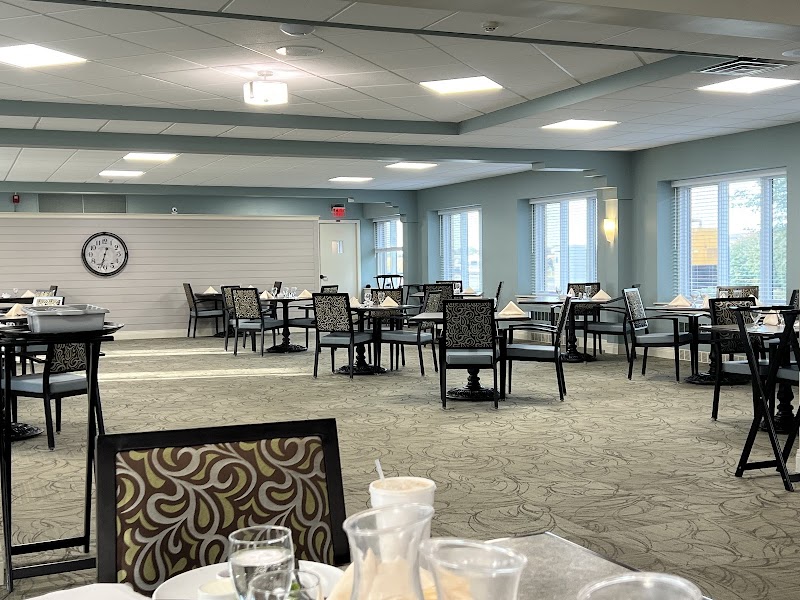
How is Wesley Manor Staffed?

CMS rates WESLEY MANOR HEALTH CENTER's staffing level at 3 out of 5 stars, which is average compared to other nursing homes. Staff turnover is 35%, compared to the Indiana average of 46%. This relatively stable workforce can support continuity of care.

What Have Inspectors Found at Wesley Manor?

State health inspectors documented 13 deficiencies at WESLEY MANOR HEALTH CENTER during 2023 to 2025. These included: 2 that caused actual resident harm and 11 with potential for harm. Deficiencies causing actual harm indicate documented cases where residents experienced negative health consequences.
Who Owns and Operates Wesley Manor?

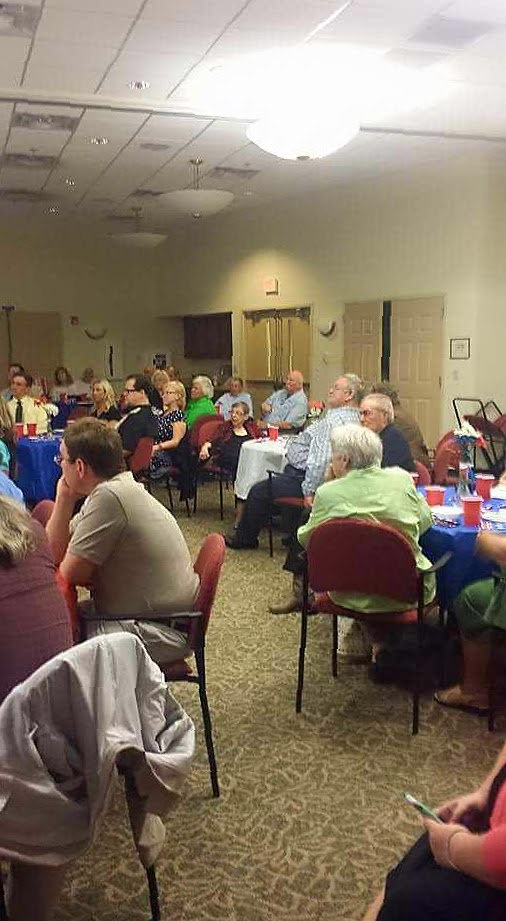
WESLEY MANOR HEALTH CENTER is owned by a government entity. Government-operated facilities are typically run by state, county, or municipal agencies. The facility is operated by BHI SENIOR LIVING, a chain that manages multiple nursing homes. With 96 certified beds and approximately 86 residents (about 90% occupancy), it is a smaller facility located in FRANKFORT, Indiana.
How Does Wesley Manor Compare to Other Indiana Nursing Homes?

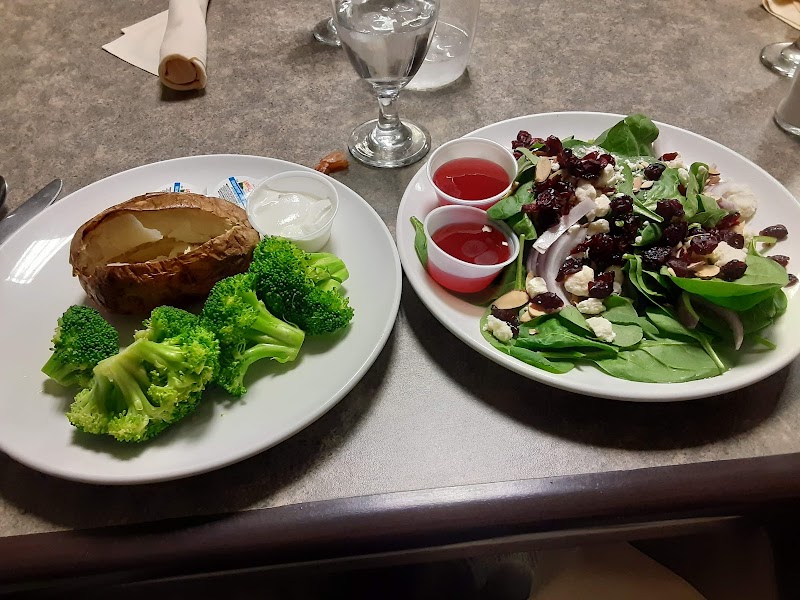
Compared to the 100 nursing homes in Indiana, WESLEY MANOR HEALTH CENTER's overall rating (4 stars) is above the state average of 3.1, staff turnover (35%) is significantly lower than the state average of 46%, and health inspection rating (4 stars) is above the national benchmark.

What Should Families Ask When Visiting Wesley Manor?

Based on this facility's data, families visiting should ask: "Can I visit during a mealtime to observe dining assistance and food quality?" "How do you handle medical emergencies, and what is your hospital transfer rate?" "Can I speak with family members of current residents about their experience?"

Is Wesley Manor Safe?

Based on CMS inspection data, WESLEY MANOR HEALTH CENTER has a clean safety record: no substantiated abuse findings (meaning no confirmed cases of resident harm), no Immediate Jeopardy citations (the most serious violation level indicating risk of serious injury or death), and is not on the Special Focus Facility watch list (a federal program monitoring the lowest-performing 1% of nursing homes). The facility has a 4-star overall rating and ranks #1 of 100 nursing homes in Indiana. While no facility is perfect, families should still ask about staff-to-resident ratios and recent inspection results during their visit.

Do Nurses at Wesley Manor Stick Around?

WESLEY MANOR HEALTH CENTER has a staff turnover rate of 35%, which is about average for Indiana nursing homes (state average: 46%). Moderate turnover is common in nursing homes, but families should still ask about staff tenure and how the facility maintains care continuity when employees leave.

Was Wesley Manor Ever Fined?

WESLEY MANOR HEALTH CENTER has been fined $20,826 across 1 penalty action. This is below the Indiana average of $33,287. While any fine indicates a compliance issue, fines under $50,000 are relatively common and typically reflect isolated problems that were subsequently corrected. Families should ask what specific issues led to these fines and confirm they've been resolved.

Is Wesley Manor on Any Federal Watch List?

WESLEY MANOR HEALTH CENTER is not on any federal watch list. The most significant is the Special Focus Facility (SFF) program, which identifies the bottom 1% of nursing homes nationally based on persistent, serious quality problems. Not being on this list means the facility has avoided the pattern of deficiencies that triggers enhanced federal oversight. This is a positive indicator, though families should still review the facility's inspection history directly.