MILNER COMMUNITY HEALTH CARE
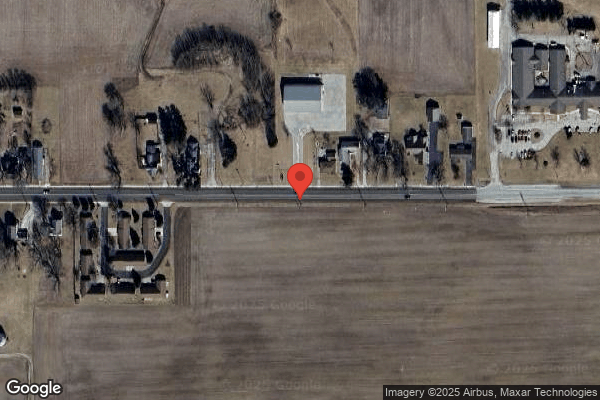

370 E MAIN ST, ROSSVILLE, IN 46065 (765) 379-2112
Non profit - Corporation 80 Beds MAJOR HOSPITAL Data: November 2025
Trust Grade
70/100
#167 of 505 in IN
Last Inspection: August 2024

Within standard 12-15 month inspection cycle. Federal law requires annual inspections.

Overview

Milner Community Health Care in Rossville, Indiana has a Trust Grade of B, indicating it is a good choice for families looking for a nursing home. It ranks #167 out of 505 facilities in Indiana, placing it in the top half, and #2 out of 4 in Clinton County, meaning only one local option is better. The facility is improving, with issues decreasing from 7 in 2023 to 4 in 2024. Staffing is a strong point, as it received a perfect score of 5 out of 5 stars, with a turnover rate of 43%, slightly below the state average of 47%. While there are no fines on record, which is a positive sign, there have been some concerning incidents, including a serious injury during a lift transfer that resulted in a resident fracturing their clavicle, and failures regarding medication management and cleanliness in the kitchen that could affect resident safety. Overall, while Milner Community Health Care has notable strengths, families should be aware of the specific issues raised in inspections.

Trust Score
B
70/100
In Indiana
#167/505
Top 33%
Safety Record
Moderate
Needs review
Inspections
Getting Better
7 → 4 violations
Staff Stability
○ Average
43% turnover. Near Indiana's 48% average. Typical for the industry.
Penalties
✓ Good
No fines on record. Clean compliance history, better than most Indiana facilities.
Skilled Nurses
✓ Good
Each resident gets 51 minutes of Registered Nurse (RN) attention daily — more than average for Indiana. RNs are trained to catch health problems early.
Violations
⚠ Watch
15 deficiencies on record. Higher than average. Multiple issues found across inspections.
★★★★☆
4.0
Overall Rating
★★★★★
5.0
Staff Levels
★★★★☆
4.0
Care Quality
★★★☆☆
3.0
Inspection Score
Stable
2023: 7 issues
2024: 4 issues

The Good

  • 5-Star Staffing Rating · Excellent nurse staffing levels
  • 4-Star Quality Measures · Strong clinical quality outcomes
  • Full Sprinkler Coverage · Fire safety systems throughout facility
  • No fines on record
  • Staff turnover below average (43%)

    5 points below Indiana average of 48%

Facility shows strength in staffing levels, quality measures, fire safety.

The Bad

Staff Turnover: 43%

Near Indiana avg (46%)

Typical for the industry

Chain: MAJOR HOSPITAL

Part of a multi-facility chain

Ask about local staffing decisions and management

The Ugly 15 deficiencies on record

1 actual harm
Aug 2024 4 deficiencies
CONCERN (D)

Potential for Harm - no one hurt, but risky conditions existed

PASARR Coordination (Tag F0644)

Could have caused harm · This affected 1 resident

Based on interview and record review, the facility failed to ensure a new Preadmission Screening and Resident Review (PASARR) was completed when a new mental health diagnosis or a new psychiatric medi...

Read full inspector narrative →
Based on interview and record review, the facility failed to ensure a new Preadmission Screening and Resident Review (PASARR) was completed when a new mental health diagnosis or a new psychiatric medication was added for 2 of 2 residents reviewed for PASARR. (Resident 31 and 34) Findings include: 1. The clinical record for Resident 31 was reviewed on 8/14/24 at 10:42 a.m. The diagnoses included, but were not limited to, pain, major depressive disorder, and generalized anxiety disorder. A PASARR level I screen, dated 9/17/20, did not include a diagnosis of depression or anxiety. There were no medications listed on the PASARR. A social services progress note, dated 10/10/22, indicated the resident was taking Cymbalta (an anti-depressant medication) 60 milligram (mg) daily and had depression and anxiety. The diagnosis of major depressive disorder was added to the resident's list of diagnoses on 11/14/22 and again on 1/17/23. The diagnosis of generalized anxiety disorder was added to the resident's diagnosis list on 12/8/22. A physician's order, dated 4/20/21, indicated to give Cymbalta 60 (mg) once a day on Monday through Saturday. A physician's order, dated 2/20/23, indicated to give Cymbalta 40 mg every Sunday. A psychiatry progress note, dated 8/10/23, indicated Resident 31 had a diagnosis of recurrent moderate major depressive disorder and to continue Cymbalta as prescribed. A gradual dose reduction of the Cymbalta was denied due to symptom instability. A psychiatry progress note, dated 2/8/24, indicated the resident was taking Cymbalta with a diagnosis of major depressive disorder. A social services progress note, dated 7/1/24, indicated the resident was referred for ongoing treatment of anxiety and depression. A care plan, initiated on 10/9/20 and revised on 8/9/24, indicated the resident was at risk of having symptoms of depression and was at risk for side effects related to her antidepressant medication. During an interview, on 8/14/24 at 3:00 p.m., the Social Services Director indicated she had missed the diagnoses of depression and anxiety and anti-depressant medication for the resident was not listed on the original PASARR. She indicated she should have initiated a new PASARR when the diagnoses and medication were added originally. 2. The clinical record for Resident 34 was reviewed on 8/13/24 at 10:33 a.m. The diagnoses included, but were not limited to, general anxiety disorder, major depressive disorder, and cognitive communication deficit. A PASARR level 1 screen, dated 3/25/24, indicated no level 2 was required. No serious mental illnesses were present and the current mental health diagnoses included anxiety disorder. If changes occurred or new information refuted these findings, a new screen must be submitted. A PASARR level 1 screen, dated 4/15/24 indicated the level 1 was negative. No signs of serious mental illnesses were present and the current mental health diagnoses included anxiety disorder. If a status change occurred, then an updated level 1 must be submitted. A facility diagnosis report indicated the resident had major depressive disorder with an onset date of 4/1/24. The PASARR did not include the resident's diagnosis for major depressive disorder. A psychiatry progress note, dated 8/8/24, indicated the resident had a diagnosis of major depressive disorder. During an interview, on 8/13/24 at 1:09 p.m., the Social Services Director (SSD) indicated she did not know the resident had the diagnosis of major depressive disorder. During an interview, on 8/16/24 at 12:29 p.m., the SSD indicated she did not have a PASARR policy but followed the Indiana regulations. 3.1-16(d)(1)(A) 3.1-16(d)(1)(B)
CONCERN (D)

Potential for Harm - no one hurt, but risky conditions existed

Deficiency F0700 (Tag F0700)

Could have caused harm · This affected 1 resident

Based on observation, interview and record review, the facility failed to ensure an accurate bed rail assessment was completed for 1 of 1 resident reviewed for bed rails. (Resident 102) Finding includ...

Read full inspector narrative →
Based on observation, interview and record review, the facility failed to ensure an accurate bed rail assessment was completed for 1 of 1 resident reviewed for bed rails. (Resident 102) Finding includes: During an observation, on 8/12/24 at 7:49 a.m., Resident 102 was observed to have bilateral (both sides) bed rails at the head of the bed. The clinical record for Resident 102 was reviewed on 8/14/24 at 11:09 a.m. The diagnoses included, but were not limited to, aphasia following a cerebral infraction (stroke), hemiparesis and hemiplegia (weakness and paralysis to one side of the body), and hypertension. A facility document, titled Bed Rail Appropriateness assessment, dated 8/6/24, indicated the resident did not use bed rails to promote independent mobility, he was not able to push himself away from the rail if he rolled against it and he did not have a medical reason which required bed rails. During an interview, on 8/15/24 at 12:07 p.m., the Director of Nursing indicated the resident should have had a new assessment completed. A facility policy, titled Bed Rail Policy, updated 5/6/21 and received from the Director of Nursing on 8/15/24 at 12:07 p.m., indicated .If resident and or POA (Power of Attorney) and facility feel bed rails might benefit resident a bed rail assessment will be done 3.1-45(a)
CONCERN (D)

Potential for Harm - no one hurt, but risky conditions existed

Deficiency F0761 (Tag F0761)

Could have caused harm · This affected 1 resident

**NOTE- TERMS IN BRACKETS HAVE BEEN EDITED TO PROTECT CONFIDENTIALITY** Based on observation, interview and record review, the facility failed to ensure refrigerated medications in a multidose bottle ...

Read full inspector narrative →
**NOTE- TERMS IN BRACKETS HAVE BEEN EDITED TO PROTECT CONFIDENTIALITY** Based on observation, interview and record review, the facility failed to ensure refrigerated medications in a multidose bottle had an open date, failed to ensure a multidose supplement had a resident name/label and failed to ensure a controlled substance had an open date in 2 of 2 medication carts and 1 of 1 medication refrigerators. Findings include: 1. During an observation of the Talyst (automated medication machine) room, on 8/13/24 at 12:31 p.m., a 100-milliliter bottle of gabapentin 250 mg/5 ml (milligram to milliliter) was found, in the refrigerator, with approximately 10 ml remaining. The bottle did not have a date to indicated when it had been opened. During an interview, on 8/13/24 at 12:33 p.m., the Director of Nursing indicated the medication should have had an open date. The record for Resident 102 was reviewed on 8/14/24 at 11:09 a.m. The diagnoses included, but were not limited to, aphasia following a cerebral infraction (stroke), hemiparesis and hemiplegia (weakness and paralysis to one side of the body), and hypertension. A physician's order, initiated on 4/22/24, indicated to give gabapentin 250 mg/5 ml twice a day. 2. During an observation, on 8/13/24 at 12:40 p.m., the A hall medication cart was found to have a bottle of cherry flavored Prostat (liquid protein) which had been previously opened. The bottle did not indicate which resident was on the protein supplement. The clinical record for Resident 2 was reviewed on 8/16/24 at 9:07 a.m. The diagnoses included, but were not limited to, Alzheimer's disease, hyperlipidemia, and heart failure. A physician's order, initiated on 8/13/24, indicated to give Prostate 30 ml daily. The order had a start time of 2:32 p.m., on 8/13/24. 3. During an observation, on 8/13/24 at 12:45 p.m., the East End medication cart was found to have a 15 ml bottle of morphine sulfate (a narcotic pain reliever), without an open date. A sticker on the bottle and box indicated to discard the medication 90 days after opening. There was 12 ml left in the bottle. During an interview, on 8/13/24 at 12:45 p.m., QMA 1 indicated the bottle should have had an open date. The clinical record for Resident 26 was reviewed on 8/14/24 at 10:40 a.m. The diagnoses included, but were not limited to, type 2 diabetes, anxiety, and fibromyalgia. A physician's order, initiated 4/5/24, indicated to give morphine sulfate 0.25 ml at bedtime. A current facility policy, titled Storage of Medications, dated 2023 and received from the Director of Nursing on 8/14/24 at 8:30 a.m., indicated .Refrigerated medications are kept in .labeled containers .Expiration Dating .Once opened, these will be good to use until the manufacturer's expiration date is reached unless .the manufacturer has specified a usable life after opening .When the original seal of a manufacturer's container or vial is initially [NAME], the container or vial will be dated by nursing A current facility policy, titled Storage of Medications, dated 2023 and received from the Director of Nursing on 8/14/24 at 8:30 a.m., indicated .Resident-specific nonprescription medications .that are not labeled by the pharmacy are .identified with the resident's name 3.1-25(j) 3.1-25(l)(1) 3.1-25(m)
CONCERN (E)

Potential for Harm - no one hurt, but risky conditions existed

Quality of Care (Tag F0684)

Could have caused harm · This affected multiple residents

Based on observation, interview and record review, the facility failed to follow the physician ordered hold parameters for medications, to notify the physician of a high blood sugar reading as ordered...

Read full inspector narrative →
Based on observation, interview and record review, the facility failed to follow the physician ordered hold parameters for medications, to notify the physician of a high blood sugar reading as ordered, and to monitor and document bowel movements for 4 of 4 residents reviewed for quality of care. (Resident 34, 44, 25 and 40) Findings include: 1. The clinical record for Resident 34 was reviewed on 8/13/24 at 10:33 a.m. The diagnoses included, but were not limited to, chronic diastolic heart failure, major depressive disorder, essential hypertension, and stage 3 chronic kidney disease. A physician's order, dated 4/3/24, indicated to give metoprolol (a medication used to treat high blood pressure) 50 mg (milligram) twice daily. Hold if the resident's pulse was below 60 and/or the systolic blood pressure (top number on a blood pressure reading) was below 115. A physician's order, dated 5/9/24, indicated to give midodrine HCL (a medication used to treat orthostatic blood pressure) 5 mg three (3) times a day. Hold for a systolic blood pressure greater than 140. A physician's order, dated 4/2/24, indicated to take torsemide (a diuretic medication) 40 mg twice per day. Hold if the systolic blood pressure was less than 110. An electronic medication administration record indicated the following: On 6/11/24 in the a.m., the systolic blood pressure was 94. Metoprolol 50 mg was administered. On 6/24/24 in the p.m., the systolic blood pressure was 110. Metoprolol 50 mg was administered. On 7/3/24 at 4:00 p.m., the systolic blood pressure was 105. Torsemide 40 mg was administered. On 7/6/24 at 8:00 a.m., the systolic blood pressure was 141. Midodrine 5 mg was administered. On 7/21/24 in the p.m., the systolic blood pressure was 84. Metoprolol 50 mg was administered. On 8/5/24 at 8:00 a.m., the systolic blood pressure was 145. Midodrine 5 mg was administered. On 8/6/24 in the a.m., the systolic blood pressure was 112. Metoprolol 50 mg was administered. On 8/7/24 in the p.m., the systolic blood pressure was 112. Metoprolol 50 mg was administered. During an interview, on 8/14/24 at 1:28 p.m., the Assistant Director of Nursing (ADON) indicated the medications were administered on those dates due to the nurses thought both the blood pressure and the pulse had to be out of the parameters to hold the medications. The orders needed clarified. 2. The clinical record for Resident 44 was reviewed on 8/13/24 at 2:23 p.m. The diagnoses included, but were not limited to, chronic systolic heart failure, type 2 diabetes mellitus, stage 3 chronic kidney disease, dysuria, and primary adrenocortical insufficiency. A physician's order, dated 6/11/24, indicated to take lispro insulin per sliding scale and if the blood sugar was above 450 or less than 60 then to notify the physician. A physician's order, dated 7/28/24, indicated to take 22 units of glargine insulin at bedtime. Per the resident's request, please check blood sugar. The electronic medication administration record indicated, on 8/9/24, the resident's blood sugar was 500. There was no documentation in the clinical record to indicate the physician was notified. During an interview, on 8/15/24 at 2:52 p.m., the Director of Nursing (DON) indicated there were no hold orders related to checking the blood sugar at night, but the doctor should have been notified of the high blood sugar. 3. The clinical record for Resident 25 was reviewed on 8/13/24 at 11:20 a.m. The diagnoses included, but were not limited to, delusional disorder, unspecified dementia, and constipation. A physician's order, initiated on 5/29/18, indicated to give docusate sodium and senna 50 milligrams-8.6 milligrams (mg) as needed twice a day for constipation. A care plan, initiated 8/2/22, indicated Resident 25 was at risk for constipation related to medication use and increased reminders to eat and drink. An intervention indicated to monitor the resident's bowel movements and to administer the ordered medication(s) as needed. The resident did not have a documented bowel movement from 7/27/24 to 8/7/24 (12 days). There was no documentation of an abdominal assessment in the record. There was no documentation to show the resident was provided the as needed medication to promote a bowel movement in the record. 4. The clinical record for Resident 40 was reviewed on 8/13/24 at 10:33 a.m. The diagnoses included, but were not limited to, dementia, major depressive disorder, and constipation. A physician's order, initiated 5/9/24, indicated to give Miralax (a medication to promote bowel movement) 17 grams in eight (8) ounces of water as needed every day for constipation. The resident did not have a care plan for constipation in the record. The resident did not have a documented bowel movement from 7/19/24 to 7/22/24 (4 days) and 7/27/24 to 7/30/24 (4 days). There was no documentation of an abdominal assessment in the record. There was no documentation to show the resident was provided the as needed medication to promote a bowel movement in the record. During an interview on 8/15/24 at 9:08 a.m., RN 3 indicated if a resident did not have a bowel movement within 24 hours, the resident or CNA were asked if they had a bowel movement, after 48 hours of no bowel movement the resident was put on the list. At 48 to 72 hours, the nurse would check with the CNA to ensure they did not forget to chart a bowel movement. The nurse would then perform and chart a bowel/abdominal assessment and treat the resident (provide a medication to promote a bowel movement). The nurses were responsible to check the bowel movement list. During an interview, on 8/15/24 at 11:01 a.m., the Assistant Director of Nursing indicated no assessments for the residents had been completed or documented. The bowel movements had not been documented on the days reviewed and the residents were not given medications to promote a bowel movement. The staff should have completed the assessments. A current facility policy, titled Medication Administration, dated as last reviewed 2/10/16 and received from the Assistant Director of Nursing on 8/16/24 at 2:00 p.m., indicated .Read each medication order entirely .Read and follow any special instructions written on labels A current facility policy, titled Change of Condition Notification, dated as last revised 3/14/17 and received from the Assistant Director of Nursing on 8/16/24 at 2:00 p.m., indicated .It is the policy of this facility to notify the .Resident's Physician .when there is a change in the Resident's condition .Areas that require notification of the Physician .Hypo/hyperglycemic (high/low blood sugar) episodes A current facility policy, titled POLICY AND PROCEDURE FOR MONITORING BOWEL MOVEMENTS, dated as last reviewed 1/30/16 and received from the Assistant Director of Nursing on 8/15/24 at 11:01 a.m., indicated .Nurses are to observe for any problems with elimination such as .A resident's abdomen is bloated or swollen and they have not had a bowel movement in the last three days .At the beginning of each noc (night) shift, the nurse will check .for residents have no BM (bowel movement) in 72 hours and add to BM list .Those listed on the BM list will be given a laxative on the Day shift 3.1-37(a)
Jun 2023 7 deficiencies 1 Harm
SERIOUS (G)

Actual Harm - a resident was hurt due to facility failures

Accident Prevention (Tag F0689)

A resident was harmed · This affected 1 resident

Based on interview and record review, the facility failed to ensure a resident was free from injury while using a stand-up lift during a transfer for 1 of 2 residents reviewed for accident hazards. (R...

Read full inspector narrative →
Based on interview and record review, the facility failed to ensure a resident was free from injury while using a stand-up lift during a transfer for 1 of 2 residents reviewed for accident hazards. (Resident 54). Resident 54 received an acute left mid clavicle fracture during a stand-up lift transfer. Finding includes: A FRI (facility reported incident), dated 1/14/23 at 8:30 p.m., indicated Resident 54 was transferred with a stand up lift and let go of the lift which caused her arms to go over her head. The resident felt something pop at the time although it did not hurt. The resident later complained of pain and was evaluated at the emergency room. She was diagnosed with a fracture of the left clavicle. The record for Resident 54 was reviewed on 6/1/23 at 1:34 p.m. Diagnoses included, but were not limited to, chronic kidney disease stage 3, type 2 diabetes mellitus, right heart failure, macular degeneration, edema, osteoarthritis, and pain in the right knee. A care plan, dated 5/16/22, indicated the resident was at a risk for falls due to an unsteady gait. The interventions did not include the use of a stand-up lift. A care plan, updated on 11/11/22, indicated the resident was at risk for falls due to an unsteady gait and the need for extensive assistance with all transfers. The goal was for the resident to have no fall related injuries through the next review. The interventions included, but were not limited to, keep the call light within reach and to provide assistance to transfer as needed. The interventions did not include a stand-up lift. A care plan, dated 11/11/22, indicated the resident needed assistance with activities of daily living due to muscle weakness, and frozen shoulders (a condition where the shoulder stiffens and causes reduced mobility of the shoulder). A progress note, dated 1/9/23 at 10:12 p.m., indicated the resident was returned to the facility by ambulance. The resident was a 2 person assist to get into her wheelchair. The resident was very weak and not standing very well. A progress note, dated 1/10/23 at 2:50 p.m., indicated the resident required 2-3 persons for assistance with transferring and toileting. A social services progress note, dated 1/12/23 at 1:07 p.m., indicated the resident had an overall health decline. A progress note, dated 1/12/23 at 6:20 p.m., indicated the resident was a 2 person assist with activities of daily living and 2 persons assist with transfers with a mechanical lift. The resident was having a difficult time adjusting to the change in mobility since her hospital stay. The resident was not able to propel herself in the wheelchair. A progress note, dated 1/12/23 at 9:46 p.m., indicated the resident was alert to self and place although she had some forgetfulness and confusion. The resident could not remember taking her medication. She was total care per staffing. A progress note, dated 1/13/23 at 5:47 p.m., indicated the resident was a 2 person assist with activities of daily living and 2 persons assist with transfers with a mechanical lift. The resident was not able to propel herself in the wheelchair. A progress note, dated 1/15/23 at 1:34 p.m., indicated the resident's son came to visit and the resident reported she was dropped by the staff at 5:00 a.m., while getting her weight and her left shoulder was hurting and had never bothered her before. The resident was not able to stand due to the left shoulder pain. A progress note, dated 1/16/23 at 12:16 a.m., indicated the x-ray results were an acute left mid clavicle fracture. The physician was notified, and the resident was sent to the emergency room for evaluation and treatment. An Occupational Therapy evaluation and plan of treatment, dated 1/11/23 through 2/9/23, indicated a goal was for the resident to be improve the ability to safely transfer to a standing position from sitting in a chair, wheelchair or on the side of the bed with supervision or touching assistance without physical exertion. On 1/11/23, the resident required substantial/maximal assistance for this task. Another goal was for the resident to demonstrate stand balance with 30 seconds tolerance to increase toileting. On 1/11/23, the resident was able to demonstrate less than 30 seconds of standing balance. The resident had an impaired range of motion and strength to both of her upper extremities. A witness statement by CNA 11, dated 1/2/23, indicated the resident was ready to get washed up and ready for the day. CNA 11 asked CNA 10 to help with getting the resident in a standing position. After a few failed attempts to get into a standing position, the nurse was asked if the stand-up lift would work because the Hoyer lift was out of the question since there was no sling under the resident. The resident was strapped into the lift and stood up without any issues. CNA 10 indicated to hurry and put the resident down, then the resident's arms went up and her bottom landed perfectly in her wheelchair. The resident did not complain of pain. The date of the witness statement did not match with the FRI date of 1/14/23. An employee witness statement by LPN 12, dated 1/16/23, indicated she saw two CNAs on 1/15/23 trying to transfer the resident into the weight chair and they called for a third CNA to try to get the resident to stand. The resident stated she could not stand up due to her left shoulder hurting. The CNAs indicated the resident had trouble transferring since she came back to the facility from the hospital, and they had to use 2-3 CNAS and the stand-up lift. It was suggested for a Hoyer lift to be used and the resident stated she did not want to use the Hoyer lift. An employee witness statement by CNA 9, dated 1/17/23, indicated on January 15, 2023, a sit to stand lift was used on the resident. CNA 9 and another not identified CNA were in the room and asking the resident not to let go of the bars while she was being transferred from the wheelchair to her recliner. The resident was sliding so the two CNAs quickly sat the resident down in the recliner to avoid a fall. The resident did not complain of pain or seem to be hurting after she sat down. The ADON was not able to clarify if this was a second attempt at using the stand-up lift since the resident was reported to be sliding into the recliner instead of the wheelchair in the first witness statement dated 1/2/23. An employee witness statement by CNA 10, not dated, indicated the resident needed to use the restroom. CNA 10 and CNA 11 were trying to transfer the resident and the resident was not able to help stand up. CNA 10 asked the nurse what to do and the nurse said to try the stand-up lift. The resident stood up and held onto the bar. When she was finished using the toilet the resident was raised up to clean her bottom. The resident let go of the bars and tucked her arms causing her to slide out of the sling. She landed in the wheelchair. A timeline of the incident was given by the ADON on 6/2/23 at 3:00 p.m. The timeline indicated the following: a. On 1/3/23, the resident had a decline in condition and weakness and the physician ordered a therapy evaluation. b. On 1/4/23, the resident was sent to the emergency room due to a decline in condition and increased shortness of breath and weight gain. c. On 1/9/23, the resident returned from the hospital. d. On 1/10/23, a therapy evaluation was completed. e. On 1/14/23, a CNA indicated the resident let go of the stand lift during a transfer and slid through the sling onto her chair. The resident denied pain. f. On 1/15/23 in the early morning, staff were attempting to weigh the resident and she complained of shoulder pain. g. On 1/15/23 in the afternoon, the family spoke to the nurse about the resident complaint of being dropped. The physician was in the facility and assessed the resident and ordered rays. h. On 1/16/23, the X-ray results showed a fracture. During an interview, on 6/2/23 at 12:21 p.m., the ADON (Assistant Director of Nursing) indicated the resident had let go of the stand-up lift, she was positioned over the recliner or the wheelchair and fell into the chair. The lift kind of pushed on her shoulders and she did not complain of pain originally. She was progressively getting weaker. The staff did not report the incident as a fall since the resident did not actually fall. The X-rays were obtained 24 hours after the incident. The resident had a decline in condition, had been to the hospital and then back to the facility and the care plan had not been revised yet to reflect her change in condition. During an interview, on 6/2/23 at 3:23 p.m., the ADON indicated the resident had a therapy evaluation and there was no approval for the stand-up lift. Nurses could make a determination as a nursing measure for the safest way to transfer a resident until an evaluation could be obtained. Before the incident, the IDT (interdisciplinary team) was supposed to approve the stand-up lift and after the incident the policy was changed for only therapy to evaluate for a stand up lift transfer. There were no progress notes to show the IDT had approved the stand up lift. A policy, titled Mechanical Lifts, dated 1/20 and received from the ADON on 6/2/23 at 10:15 a.m., indicated .To ensure the safety for all residents while using a mechanical lift; to prevent injury, and to help protect the resident and staff .These procedures are designed to prevent resident injuries during the use of mechanical lifts, either the stand-up lift or the Hoyer [sling] lift. It is critical that all health care professionals' practice safe lifting procedures with all mechanical lifts. Failure to utilize proper procedures with the mechanical lifts will result in disciplinary action, which may include termination .Step action .two types of residents lifts: the stand-up lift and the Hoyer [or sling] lift. These lifts are available for use by trained employees for all residents that have an appropriate care plan .The IDT team are responsible for identifying the residents whom require a mechanical lift. This identification will be documented in the resident care plan, and the resident profile .The IDT team will make changes to the type of lift required as necessary due to changes in the resident condition. Changes will be updated in the resident care plan and the resident profile . Specific guidelines for the stand-up lift .Resident should be alert, weight bearing, and able to follow simple one-step commands .Resident should be able to hold onto the lift bar .Resident should be able to sit without support A current policy, titled FALL PREVENTION & MANAGEMENT, dated as reviewed on 10/13/21 and received from the ADON on 6/5/23 at 11:34 a.m., indicated .It is the policy of this facility that each resident will be assessed for the potential risk for falls upon admission/re-admission and with any change in condition .If a resident is identified to be at risk for falls a care plan will be developed with appropriate interventions that will assist in reducing the risk of falls and/or fall related injuries .The interventions will be initiated .The care plan and interventions will be evaluated for continued appropriateness after any resident fall and/or at least quarterly 3.1-45(a)(1)
CONCERN (D)

Potential for Harm - no one hurt, but risky conditions existed

PASARR Coordination (Tag F0644)

Could have caused harm · This affected 1 resident

Based on interview and record review, the facility failed to ensure a PASARR (Preadmission Screening and Resident Review) was completed when a resident was prescribed an antipsychotic medication for 1...

Read full inspector narrative →
Based on interview and record review, the facility failed to ensure a PASARR (Preadmission Screening and Resident Review) was completed when a resident was prescribed an antipsychotic medication for 1 of 1 resident reviewed for PASARR. (Resident 35) Finding includes: The record for Resident 35 was reviewed on 6/2/23 at 9:20 a.m. Diagnoses included, but were not limited to, depressive disorder, delusional disorders, Alzheimer's disease with late onset, dementia in other diseases, and anxiety disorder. A diagnosis of delusional disorder was added on 7/29/19. A PASARR level I, dated 4/30/21, indicated the resident had diagnoses of major depressive disorder, psychotic delusional disorder, and dementia. A physician's order, dated 10/13/22, indicated risperidone (an antipsychotic medication) 0.25 mg (milligram) at bedtime and hold on Mondays and Thursdays related to delusional disorder. During an interview, on 6/02/23 at 11:10 a.m., the Social Service Director indicated a Level II was not completed when the resident started on an antipsychotic medication. The Level II should have been completed and it was overlooked. During an interview, on 6/05/23 at 10:50 a.m., the Assistant Director of Nursing (ADON) indicated she thought the resident had diagnoses of schizophrenia and bipolar for the risperidone order. She reviewed the chart, and the resident did not have those diagnoses and a Level II was not updated after an antipsychotic was started. A PASARR policy was not provided by the facility. 3.1-16(d)(1)(A) 3.1-16(d)(1)(B)
CONCERN (D)

Potential for Harm - no one hurt, but risky conditions existed

Deficiency F0657 (Tag F0657)

Could have caused harm · This affected 1 resident

**NOTE- TERMS IN BRACKETS HAVE BEEN EDITED TO PROTECT CONFIDENTIALITY** Based on interview and record review, the facility failed to update care plans for long-term antibiotic therapy for 1 of 1 resid...

Read full inspector narrative →
**NOTE- TERMS IN BRACKETS HAVE BEEN EDITED TO PROTECT CONFIDENTIALITY** Based on interview and record review, the facility failed to update care plans for long-term antibiotic therapy for 1 of 1 resident reviewed for care plans. (Resident 7) Finding includes: The record for Resident 7 was reviewed on 6/1/23 at 10:46 a.m. Diagnoses included, but were not limited to, cellulitis, depressive disorder, anxiety disorder, lymphedema, and peripheral vascular disease. A physician's order, dated 11/28/21, indicated Cephalexin (an antibiotic) 500 mg (milligram) capsule, give 2 capsules twice a day. A care plan, dated as revised 2/2/23, indicated the resident suffered from lymphedema and had chronic cellulitis. Interventions included, but were not limited to, labs as ordered, encourage to elevate legs, skin assessment weekly, and medications as ordered. A care plan for the long-term antibiotic therapy was not located. During an interview, on 6/5/23 at 11:05 a.m., the Assistant Director of Nursing (ADON) indicated a resident on antibiotic medications should have a care plan. The resident was being seen by the Infectious Disease physician and was on long-term antibiotic therapy. The ADON was not aware the resident did not have a care plan for long-term antibiotic therapy. During an interview, on 6/2/23 at 10:34 a.m., LPN 6 indicated the resident had been on an antibiotic for a long time. She was being seen by an Infectious Disease physician and was on Keflex (an antibiotic) 500 mg twice a day for a few years. A policy, titled Care Plan, received by the Social Services Director on 6/5/23 at 12:02 p.m., indicated .It is the policy of [NAME] Community Health Care that resident care plans will be in place according to the schedule outlined below .Upon admission a care plan will be initiated to reflect the care to be given to individual resident .Within 72 hours the following care plans will be initiated if applicable .3. Skin Integrity .Within 7-14 days of admission the remainder of the care plans will be initiated by MDS, Social Services, Activities, and Dietary. Care plans will be updated as the residents condition warrants 3.1-35(b)(1)
CONCERN (D)

Potential for Harm - no one hurt, but risky conditions existed

Incontinence Care (Tag F0690)

Could have caused harm · This affected 1 resident

2. During an observation of catheter care with QMA (Qualified Medication Aide) 8, on 06/02/23 at 2:07 p.m., Resident 38's bed was in a low position which caused the catheter bag to touch the floor. QM...

Read full inspector narrative →
2. During an observation of catheter care with QMA (Qualified Medication Aide) 8, on 06/02/23 at 2:07 p.m., Resident 38's bed was in a low position which caused the catheter bag to touch the floor. QMA 8 indicated the catheter bag should not be touching the floor. The resident wanted her bed in the lowest position and QMA 8 would talk with ADON about how to prevent the bag from touching the floor. During an observation, on 06/05/23 at 9:46 a.m., the resident's bed was in the lowest position and the catheter bag was touching the floor. The record for Resident 38 was reviewed on 6/01/23 at 1:24 p.m. Diagnoses included, but were not limited to, disease of the spinal cord, quadriplegia (paralysis of all 4 limbs), and age-related osteoporosis. A care plan, dated 10/07/20, indicated the resident was to have Foley catheter care every shift and as needed. A physician's order, dated 5/19/23, indicated to change the Foley (indwelling urinary catheter) on the 19th on the day shift, using an 18 French (specific size), 30 cubic centimeters (size of catheter bulb). During an interview, on 06/05/23 at 9:46 a.m., the ADON indicated she was not aware the resident's catheter bag was touching the floor when the bed was in the lowest position. The catheter bag would need to be moved to prevent from it touching the floor. A current policy, titled Catheter Care, dated as reviewed on 1/30/2016 and received from the Administrator on 5/30/23 at 3:10 p.m., indicated .Catheter care is performed appropriately and safely to prevent complications caused by the presence of an indwelling catheter .The urinary drainage bag should be secured to the bed or chair below the resident's bladder, so that the urine flows from the bladder into the bag by gravity. Never let the drainage bag touch the floor, which is considered an 'unclean' area 3.1-41(a)(2) Based on observation, interview and record review, the facility failed to ensure an indwelling catheter bag and tubing were off the floor for 2 of 2 residents reviewed for indwelling catheters. (Resident 10 and 38) Findings include: 1. During an observation, on 5/30/23 at 11:55 a.m., Resident 10 was in the dining room. The resident's catheter was placed in a dignity bag touching the floor and the tubing was laying on the floor under the wheelchair. The record for Resident 10 was reviewed on 6/2/23 at 2:25 p.m. Diagnoses included, but were not limited to, neuromuscular dysfunction of bladder, generalized anxiety disorder, contracture of the right hand, chronic obstructive pulmonary disease, major depressive disorder, Alzheimer's disease with late onset, chronic pain, retention of urine, and history of urinary tract infections. A care plan, dated 4/6/18, indicated the resident was at risk for infection related to use of a catheter due to the diagnosis of neurogenic bladder and urinary retention. Interventions included, but were not limited to, no symptoms of infection through next review, catheter care as ordered, change catheter every 30 days and prn (as needed) as ordered, encourage fluid intake, observe for signs of infection, and notify my doctor as needed, and catheter irrigation as ordered. A physician's order, dated 4/3/23, indicated catheter care every shift. During an interview, on 5/30/23 at 12:06 p.m., LPN 7 indicated the resident should not have the catheter bag or tubing touching the floor. The catheter bag touching the floor was unsanitary and the resident could develop an infection. During an interview, on 6/5/23 at 9:53 a.m., the Assistant Director of Nursing (ADON) indicated QMA 8 did not tell her about the resident's catheter touching the ground. The ADON indicated the catheter was in a dignity bag and the bags were cloth and not an impermeable barrier.
CONCERN (D)

Potential for Harm - no one hurt, but risky conditions existed

Medication Errors (Tag F0758)

Could have caused harm · This affected 1 resident

**NOTE- TERMS IN BRACKETS HAVE BEEN EDITED TO PROTECT CONFIDENTIALITY** Based on interview and record review, the facility failed to ensure PRN (as needed) antianxiety medications were prescribed only...

Read full inspector narrative →
**NOTE- TERMS IN BRACKETS HAVE BEEN EDITED TO PROTECT CONFIDENTIALITY** Based on interview and record review, the facility failed to ensure PRN (as needed) antianxiety medications were prescribed only for 14 days and reviewed for the need to continue the use for 1 of 5 residents reviewed for unnecessary medications. (Resident 35) Finding includes: The record for Resident 35 was reviewed on 6/2/23 at 9:20 a.m. Diagnoses included, but were not limited to, anxiety disorder, delusional disorders, Alzheimer's disease with late onset, dementia in other diseases, and depressive disorder. A physician's order, dated 5/6/23 and open ended, indicated to give lorazepam (an antianxiety medication) 0.5 mg (milligrams) every 6 hours as needed. The Medication Administration Record (MAR), dated 5/01/23 through 6/5/23, indicated the resident received the PRN lorazepam seven times after the 14th day. During an interview, on 6/5/23 at 10:50 a.m., the Assistant Director of Nursing (ADON) was aware the PRN (as needed) lorazepam was not renewed after 14 days. The facility had overlooked the medication renewal and should receive a new order every 14 days. A current policy, titled Gradual Dose Reduction, dated 7/18/18 and received from the Assistant Director of Nursing Services on 6/1/23 at 3:25 p.m., indicated .in consultation with pharmacy consultant, will review resident medications and send recommendation to resident's primary care physician for possibility of medication dose reduction .Pharmacy consultant reviews all resident drug regimens monthly with documentation provided on Pharmacy Consultant Drug Regimen Review .Recommendations, if provided, will be sent to physician for review A current policy, titled Psychotropic Medication Policy, dated 7/24/19 and received from the Assistant Director of Nursing Services on 6/5/23 at 11:54 a.m., indicated .[NAME] Community Health Care and its providers will use psychotropic medications appropriately working with the IDT to assure appropriate use, evaluation and monitoring per state and federal guidelines .will make every effort to comply with state and federal regulations related to the use of psychopharmacological medications in the long-term care facility to include regular review of continued need, appropriate dosage, side effects, and risks and/or benefits of such medications .Psychopharmacological medications will never be used for the purpose of discipline or convenience .Psychotropic medications include: anti-anxiety/hypnotic, antipsychotic and antidepressant classes of drugs 3.1-48(a)(2)
CONCERN (E)

Potential for Harm - no one hurt, but risky conditions existed

Deficiency F0688 (Tag F0688)

Could have caused harm · This affected multiple residents

**NOTE- TERMS IN BRACKETS HAVE BEEN EDITED TO PROTECT CONFIDENTIALITY** 3. During an interview and observation, on 5/21/23 at 1:45 p.m., Resident 5 was observed to have boots on her lower feet, and sh...

Read full inspector narrative →
**NOTE- TERMS IN BRACKETS HAVE BEEN EDITED TO PROTECT CONFIDENTIALITY** 3. During an interview and observation, on 5/21/23 at 1:45 p.m., Resident 5 was observed to have boots on her lower feet, and she indicated it was for foot drop (difficulty lifting the front part of the foot). The record for Resident 5 was reviewed on 6/1/23 at 9:17 a.m. Diagnoses included, but were not limited to, MS (multiple sclerosis), paraplegia, rheumatoid arthritis, age related osteoporosis, and general muscle weakness. A physician's order, dated 3/24/17, indicated to assist the resident to complete active and passive range of motion to upper and lower extremities twice per day. A physical therapy Discharge summary, dated [DATE] through 1/17/23, indicated the resident should wear podus boots as needed when up out of bed. The physician orders did not include a splint or boot device to go on her feet. During an interview, on 6/1/23 at 10:23 a.m., LPN (Licensed Practical Nurse) 3 indicated the resident wore boots for pressure relief and the LPN could not find a physician's order for the boots. During an interview, on 6/2/23 at 12:15 p.m., the ADON indicated the resident had been wearing the boots and there were no physician's orders for the boots. 4. During an interview and observation, on 05/31/23 at 10:19 a.m., Resident 38 was observed to have damp cloths next to her which the resident indicated were for her contracted hands. When asked about wearing splints for her contractures, the resident indicated the splints had been lost for a month. The record for Resident 38 was reviewed on 6/01/23 at 1:24 p.m. Diagnoses included, but were not limited to, disease of the spinal cord, quadriplegia (paralysis of all 4 limbs), and age-related osteoporosis. A physician's order, dated 7/29/21, indicated to apply a palm guard (a type of splint) to the left hand at night and to remove the splint in the morning and to apply a right-hand splint in the morning and remove it at night. A care plan, dated 12/20/22, indicated the resident was to receive assistance applying the hand splints and removing the splints as the physician's orders indicated. A MAR (medication administration record), dated 05/01/23 through 05/31/23, indicated the right-hand splint was applied each morning by the staff. The staff signed the MAR, on 5/31/23, to indicate they placed the splint on the right hand although the resident was not wearing the splint. During an interview, on 6/2/23 at 12:19 a.m., the ADON indicated she was aware staff members were signing the application of hand splints in the morning even though they had not applied the splints. During an interview, on 6/2/23 at 9:57 a.m., CNA (Certified Nursing Assistant) 4 indicated the resident did not wear the splints in the morning. During an interview, on 6/2/23 at 9:59 a.m., RN (Registered Nurse) 5 indicated the resident did not wear the splints in the morning and would only wear the splint at night. A current policy, titled CONTRACTURE PREVENTION POLICY AND PROCEDURE, dated 5/13/19 and received from the ADON on 6/5/23 at 11:50 a.m., indicated .FOLLOW SPLINT SCHEDULE AS ORDERED IF RESIDENT HAS SPLINTS 3.1-42(a)(2) Based on observation, interview and record review, the facility failed to ensure a resident received a splint device recommended by physical therapy, to obtain physician orders for braces/splint devices and to follow physician's orders for splint devices for 4 of 4 residents reviewed for position and mobility. (Resident 10, 104, 5 and 38) Findings include: 1. During an interview and observation, on 5/30/23 at 12:41 p.m., Resident 10 indicated she had pain in the left ankle, and it was a new pain. The left ankle appeared contracted, and the right ankle appeared like it may be contracted also. During an observation, on 6/1/23 at 9:34 a.m., the resident was sitting up in a wheelchair in her room, her feet were on the footrests of the wheelchair. She did not have a splint or brace in place to her legs or feet. Her ankles were bent inward. During an observation, on 6/5/23 at 10:07 a.m., the resident was sitting up in a wheelchair in her room and her feet were on the footrests of the chair with her ankles bent inward. The ADON (Assistant Director of Nursing) was present for the observation. The record for Resident 10 was reviewed on 6/2/23 at 2:25 p.m. Diagnoses included, but were not limited to, Alzheimer's disease with late onset, contracture of the right hand, and generalized muscle weakness. A care plan, dated 4/5/2018, indicated the resident was at a risk for pain due to immobility, chronic pain, and contractures. Interventions included, but were not limited to, therapy as ordered. A care plan, dated 4/6/2018, indicated the resident needed assistance with ADLs (activities of daily living) related to contractures and dementia. The interventions included, but were not limited to, refer to therapy as needed. A physical therapy Discharge summary, dated [DATE] through 9/15/22, indicated the resident was to use multi-podus boots (a device for contractures of the foot and ankle) while she was in the wheelchair to position her ankles in a neutral position. She was also to wear the boots while in bed for extended periods of time during the day. During an interview, on 6/5/23 at 10:09 a.m., the ADON indicated the resident's ankles did look contracted and she would look at the physical therapy notes. During an interview, on 6/5/23 at 10:31 a.m., the MDS Coordinator indicated the resident was seen in September 2022 by physical therapy and they recommended multi-podus boots for her ankles. The resident did not receive the boots and there was no physician's order for the boots. There was a miscommunication between the therapy department and nursing staff about the boots. 2. During an observation and interview, on 5/30/23 at 1:24 p.m., Resident 104 was observed to have a brace on her left lower leg, and she indicated she wore the brace all the time including when she was in bed. The record for Resident 104 was reviewed on 6/1/23 at 9:53 a.m. Diagnoses included, but were not limited to, hemiplegia (paralysis) and hemiparesis (muscle weakness or partial paralysis) following a cerebral infarction, dementia, and type 2 diabetes. A physician's order, dated 5/30/23, indicated for physical therapy to evaluate and treat. There was no physician's order for the brace and no instructions on when to put on and remove the brace. A care plan, dated 5/28/23, indicated the resident needed assistance with ADLs due to the cerebrovascular accident with left sided weakness. A care plan, dated 5/28/23, indicated the resident was at a risk for pain due to a history of a stroke with left sided hemiparesis. The resident wore a brace on her left leg. The care plan did not include when the brace was to be put on or taken off. During an interview, on 6/1/23 at 1:56 p.m., the ADON indicated the resident was to wear the brace when the resident was up. There was not a physician's order for the brace. During an interview, on 6/2/23 at 12:15 p.m., the ADON indicated the resident's initial paperwork upon admission did not include the brace and this was the reason the physician's order did not get included for the brace.
CONCERN (F)

Potential for Harm - no one hurt, but risky conditions existed

Food Safety (Tag F0812)

Could have caused harm · This affected most or all residents

Based on observation, interview and record review, the facility failed to ensure the dishwasher had reached and maintained the appropriate temperature during the wash and final rinse cycle and the ice...

Read full inspector narrative →
Based on observation, interview and record review, the facility failed to ensure the dishwasher had reached and maintained the appropriate temperature during the wash and final rinse cycle and the ice machine was clean from a black substance inside the machine. This deficient practice had the potential to affect 54 of 54 residents who received food from the kitchen. Findings include: 1. During an observation, on 5/30/23 at 11:27 a.m., the Dietary Manager (DM) ran the facility dishwasher through a cycle. The wash temperature was 120 degrees, and the final rinse was 152. The DM completed a second cycle, and the temperature was 124 degrees for the wash cycle and 152 degrees for the final rinse cycle. 2. During an observation, on 5/30/23 at 11:30 a.m., inside the ice machine was approximately a 6-inch black line across the top of the white plastic strip with water spots around the black line. The black line was wiped with a napkin and a dark black area appeared on the napkin. The DM did not know when the ice machine was last cleaned or what the black substance was. 3. During an observation, on 5/30/23 at 12:00 p.m., the residents were observed eating off non disposable dishes, drinkware, and silverware. A Daily Data Sheet indicated the following: a. On 5/18/23 to 5/21/23, the dishwasher rinse temperatures were 130 degrees for the breakfast and noon meals. b. On 5/22/23, 5/27/23 and 5/29/23, the dishwasher rinse temperature was 130 degrees for the breakfast, noon, and evening meals. c. On 5/28/23, the dishwasher rinse temperature was 130 degrees for the evening meal. d. On 5/30/23, the dishwasher rinse temperature was 130 degrees for the breakfast and noon meals. A Service Manual from [name of appliance company] indicated the water requirements for the wash temperature was a minimum of 150 degrees Fahrenheit and the final sanitizing rinse temperature was a minimum of 180 Fahrenheit. During an interview, on 5/30/23 at 11:30 a.m., the DM indicated the wash cycle should have been 150 degrees or higher and the final rinse cycle should have been 180 degrees or higher. The facility had trouble with the temperatures for almost 2 weeks. During an interview, on 5/30/23 at 12:59 p.m., the DM indicated if the dishwasher was not at the right temperature, it would not sanitize correctly. This could cause a foodborne illness and the ice machine needed to be cleaned and sanitized. The DM was aware the residents were eating off non disposable dishes, drinkware, and silverware even when the temperatures were not reaching the appropriate temperatures. During an interview, on 5/30/23 at 1:08 p.m., the Assistant Director of Nursing (ADON) indicated if the dishwasher temperature did not reach the recommended temperature, they would call for service. The ice machine would be emptied by the Maintenance Department and the inside sanitized. The dishwasher not getting to the right temperature and the ice machine having black buildup could cause a food borne illness. During an interview, on 5/31/23 at 11:26 a.m., the DM indicated the dishwasher was not working last Friday and they called to have the dishwasher serviced. A current policy, titled Dietary Department, dated as revised 9/22/22 and received from the Dietary Manager on 5/30/23 at 3:00 p.m., indicated .Food services sanitation requirements as given in 410-IAC 7-15.1 are met. The dietary supervisor is responsible for seeing that these regulations are implemented, including, but not limited to the following .The cleaning schedules and procedures should be accessible to dietary employees and are followed by them .The cleaning schedule indicates areas of the dietary department which are to cleaned daily, weekly and monthly 3.1-21(i)(3)
May 2022 4 deficiencies
CONCERN (D)

Potential for Harm - no one hurt, but risky conditions existed

Free from Abuse/Neglect (Tag F0600)

Could have caused harm · This affected 1 resident

Based on interview and record review, the facility failed to keep a physically dependent hospice resident safe from a resident with known wandering and physically aggressive behaviors for 1 of 3 resid...

Read full inspector narrative →
Based on interview and record review, the facility failed to keep a physically dependent hospice resident safe from a resident with known wandering and physically aggressive behaviors for 1 of 3 residents reviewed for abuse (Resident B). Finding includes: The closed record for Resident B was reviewed on 5/10/22 at 1:06 p.m. Diagnoses included, but were not limited to, ALS (amyotrophic lateral sclerosis), type 2 diabetes mellitus, anxiety disorder, depressive disorder, chronic pain and a respiratory disorder. A progress note, dated 1/3/22 at 5:14 p.m., indicated the resident stated another resident came into his room while he had his call light on. The resident took down the stop sign hung up in the doorway and walked into his room. She babbled incoherently and punched him on the right side of his abdomen. A facility incident report, dated 1/3/22, indicated Resident D had entered Resident B's room and punched him in the right side of his abdomen. A care plan, dated 12/20/21, indicated Resident B was receiving hospice care. The goal was for the resident to be free of verbal or nonverbal signs of pain and for nursing and hospice to collaborate to provide quality care. A care plan, dated 3/21/22, indicated another resident had come into Resident B's room and hit him and since then he had felt fearful and unsafe. He had made the statement he did not feel safe because the other resident still resided in the facility. The interventions included, but were not limited to, the resident would openly express thoughts, feelings and will feel safe in the environment, the staff will listen and validate his feelings and to place the stop sign on the door at all times. Between 10/23/21 and 12/29/21, Resident D had the following behaviors: a. Three behaviors of physical aggression towards other residents. b. Two behaviors of pulling blankets off other residents. c. Three behaviors of verbal aggression towards other residents. d. One behavior of holding the door shut and preventing her roommate from leaving the room. e. One behavior of pointing a fork at another resident. During an interview, on 5/10/22 at 1:38 p.m., the Assistant Director of Nursing (ADON) indicated Resident D had not been able to ambulate on her own for the past 3 months. When she was able to walk, the resident had intrusive wandering and would go into other resident rooms. During an interview, on 5/12/22 at 4:48 p.m., the ADON indicated Resident B had ALS, was immobile, had a wheelchair he could control by his head movements and had an eye controlled computer. He had a non-invasive bipap (breathing support administered by a face mask or nasal mask). In the beginning, he used his wheelchair and when he was nearing the end of his life, he stayed in his room, in bed, most of the time because he was not able to sit in the wheelchair. During an interview, on 5/16/22 at 1:43 p.m., the Social Services Director (SSD) indicated Resident D had intrusive wandering and went into Resident B's room and hit him. Resident B was physically dependent. Resident D was able to remove the stop sign on the door to go into Resident B's room. Resident B had verbalized he wanted Resident D removed from the facility and had stated he would not feel safe until Resident D was no longer in the facility. The facility had purchased a different stop sign for Resident B's door and there was no further incidents. There was no documentation in the electronic health record about transferring Resident D to inpatient psych services although it was discussed with the facility management and was determined not to send Resident D for services. A current policy, titled Resident Rights, updated on March 15, 2017 and received from the Director of Nursing (DON) on 5/16/22 at 3:44 p.m., indicated .Resident rights .You have the right to a dignified existence, self-determination, and communication with and access to the persons and services inside and outside the facility .You have the right to exercise your rights as a resident of the facility and as a citizen or resident of the United States .You have a right to be treated with respect and dignity, including .The right to be free from abuse, neglect, misappropriation of your property, exploitation . The right to reside and receive services in the facility with reasonable accommodation of your needs and preferences except when to do so would endanger the health or safety of you or other residents .You have the right to make choices about aspects of your life in the facility that are significant to you .You have the right to a safe, clean, comfortable and homelike environment, including but not limited to receiving treatment and support for daily living safely .The facility must permit you to remain in the facility and not transfer or discharge you unless .The safety of individuals in the facility is endangered due to your clinical behavioral status .The health of other individuals in the facility is endangered A current policy, titled Resident Abuse and Unusual Occurrences, not dated and received from the DON upon entrance, indicated .Each resident has the right to be free from verbal, sexual, physical, and mental abuse .Residents have the right not to be subjected to abuse by anyone, including, but not limited to; facility staff, other residents, consultants or volunteers, staff of other agencies serving the resident .Provisions have been made to prohibit mistreatment, neglect and abuse of residents and misappropriation of resident property by staff members .Abuse .Willful injury, unreasonable confinement, intimidation, or punishment with resulting physical harm, pain, or mental anguish .Physical Abuse .A willful act against a resident by another resident, staff, or other individuals. Includes, but is not limited to, hitting, slapping, pinching, and kicking, it also includes controlling behavior through corporal punishment .Involuntary Seclusion .Separation of a resident from other residents or from her/his room or confinement to her/his room [with or without roommates]against the resident's will This Federal tag relates to Complaint IN00366643. 3.1-27(a)(1)
CONCERN (D)

Potential for Harm - no one hurt, but risky conditions existed

Respiratory Care (Tag F0695)

Could have caused harm · This affected 1 resident

Based on observation, interview and record review, the facility failed to ensure oxygen tubing and humidifier water had been dated to indicated when they had been changed for 1 of 1 resident review fo...

Read full inspector narrative →
Based on observation, interview and record review, the facility failed to ensure oxygen tubing and humidifier water had been dated to indicated when they had been changed for 1 of 1 resident review for respiratory care (Resident 5). Finding includes: During an observation, on May 09, 2022 at 11:12 a.m., Resident 5 was observed resting in bed and using supplemental oxygen by nasal cannula (a small, flexible tube which contained two open prongs intended to sit just inside your nostrils). The humidified water and nasal cannula were not observed to have a date indicating the last time either had been changed. The record for Resident 5 was reviewed on May 09, 2022 at 1:11 p.m. Diagnoses included, but were not limited to, chronic airway obstruction, acute pulmonary heart disease and pneumonia from an unspecified organism. A physician's order, dated August 25, 2020, indicated to replace oxygen tubing and date it weekly. A physician's order, dated August 25, 2020, indicated to replace the oxygen humidifier every month and to date it. During an interview, on May 09, 2022 at 2:06 p.m., CNA 2 indicated there were not dates on the oxygen line or the water container, which was to be done by the night shift when the oxygen supplies were changed. During an interview, on May 16, 2022 at 3:11 p.m., LPN 1 indicated oxygen tubing needed to be changed for infection control purposes, and the date on the line let staff know when it was completed. It was to be completed by the night shift on Sundays. A facility policy, titled Oxygen Administration, dated as reviewed on November 07, 2018 and provided by the Director of Nursing on May 10, 2022 at 1:00 p.m., indicated .Date the humidifier bottle, tubing and bag 3.1-47(a)(6)
CONCERN (D)

Potential for Harm - no one hurt, but risky conditions existed

Deficiency F0744 (Tag F0744)

Could have caused harm · This affected 1 resident

Based on interview and record review, the facility failed to provide person centered dementia care to prevent recurring wandering, physically aggressive behaviors and verbal behaviors towards other re...

Read full inspector narrative →
Based on interview and record review, the facility failed to provide person centered dementia care to prevent recurring wandering, physically aggressive behaviors and verbal behaviors towards other residents for a resident with dementia for 1 of 3 residents reviewed for abuse (Resident D). Finding includes: The record for Resident D was reviewed on 5/10/22 at 4:18 p.m. Diagnoses included, but were not limited to, dementia with behavioral disturbance, delusional disorder, major depressive disorder, anxiety disorder, chronic pain syndrome and sleep disorder. A care plan, dated 11/18/20 and revised on 2/2/22, indicated Resident D was at a risk for impaired decision making due to the diagnosis of dementia and her BIMS (brief interview for mental status) reflected a severe cognitive impairment. A care plan, dated 11/24/20 and revised on 3/7/22, indicated the resident had a history of wandering and exiting the building without supervision. The resident had intrusive wandering into other resident rooms. The interventions included, but were not limited to, offer to walk around the facility with the resident, encourage group activities and put familiar items in resident's room. A care plan, dated 11/4/21 and revised on 3/29/22, indicated the resident had been physically and verbally abusive to other residents and staff. On 10/23/21, she intrusively wandered into another resident's room and hit her on the arm, on 12/18/21 she smacked another resident across the face and on 1/3/22 she entered a resident's room and struck him in the stomach. The interventions included, but were not limited to, medications as ordered, routine psychiatric consult, notify the physician if the medications were ineffective and call the family if the resident was upset. A facility reported incident, dated 10/23/21, indicated Resident D wandered into Resident F's room and hit her in the arm. The facility would review if any room changes were needed. A progress note, dated 11/3/21 at 9:20 p.m., indicated the resident had left the facility through the back door and the staff reached the resident while she was on the sidewalk and assisted her back into the building. A progress note, dated 11/16/21 at 5:44 a.m., indicated the resident was agitated and angry. She grabbed her roommates blankets to try to pull them off. The staff intervened and the resident was hitting the staff. A progress note, dated 11/16/21 at 1:24 a.m., indicated the resident went into another resident's room and started yelling at him to get out of his room. A social services progress note, dated 11/16/21 at 10:40 a.m., indicated the resident was more easily agitated both verbally and physically. The non-pharmacological interventions remained in place but were often not effective. The resident's family did not want antidepressants, antipsychotics or mood stabilizers used yet. A progress note, dated 11/21/21 at 3:19 a.m., indicated Resident D was sitting in the lounge area with another resident. The other resident was talking in their sleep and Resident D open handed slapped the resident on the left side of the head, pulled the blankets off the resident, threw the blankets and yelled shut up to the staff who intervened. Resident D also hit and kicked the staff. A progress note, dated 11/21/21 at 3:57 p.m., indicted the resident grabbed hold of another resident's wheelchair while they were ambulating themselves into their room and stopped the wheelchair from moving. A progress note, dated 11/26/21 at 9:00 p.m., indicated Resident D was taking the blankets off other residents while they were sitting in the living room. She was taking food off of other resident's plates during dinner. She was agitated with the other residents. A progress note, dated 12/16/21 at 2:14 a.m., indicated Resident D hit her roommate in the arm. A facility reported incident, dated 12/18/21, indicated Resident D hit Resident E while Resident E was exiting the shower room. The residents were separated and Resident D's daughter was called to the facility to calm the resident. The physician was notified and adjusted Resident D's medication. A facility reported incident, dated 1/3/22, indicated Resident D had entered Resident B's room and was muttering incoherently and punched Resident B in the right side of his abdomen. The resident was removed from the room and psychiatric services was notified. A medication increase was suggested. A social services progress note, dated 1/7/22 at 9:05 a.m., indicated the resident had a recent behavior of picking up a fork and pointing it at another resident. Staff had to intervene. A progress note, dated 1/15/22 at 4:44 p.m., indicated the resident was holding the door to the room shut so her roommate could not open the door to get out. The resident had been very argumentative with staff and other residents. During an interview, on 5/16/22 at 2:36 p.m., the Director of Nursing (DON) indicated the facility would decide as an IDT (interdisciplinary team) if a resident needed outpatient treatment. Resident D's condition was declining and the facility did not recommend for Resident D to be evaluated for other treatment. The DON did not have documentation in the electronic record about the discussion of outpatient treatment or alternate services for Resident D. During an interview, on 5/16/22 at 1:43 p.m., the SSD (Social Services Director) indicated Resident D had intrusive wandering and did go into the room of a physically dependent resident (Resident B) and hit him and also hit another resident. She indicated there was one resident, Resident G who also had wandering behaviors and was sent out to the ER (Emergency Room) for an evaluation prior to a referral to geri-psych (geriatric psychiatry). Resident G was wandering, was not appropriate for the facility and was discharged to a dementia unit. The facility talked about a geri-psych consult with Resident D's family and they declined. The SSD indicated Resident G had not been physically aggressive like Resident D and could not answer why Resident D remained appropriate to stay at the facility when Resident G was not appropriate. The SSD was not able to provide written documentation about the discussion of a geri-psych consult or appropriateness of another placement for Resident D during the interview or prior to exit. A current policy, titled Resident Rights, updated on March 15, 2017 and received from the DON on 5/16/22 at 3:44 p.m., indicated .Resident rights .You have a right to be treated with respect and dignity, including .The right to be free from abuse, neglect, misappropriation of your property, exploitation . The right to reside and receive services in the facility with reasonable accommodation of your needs and preferences except when to do so would endanger the health or safety of you or other residents .You have the right to a safe, clean, comfortable and homelike environment, including but not limited to receiving treatment and support for daily living safely .The facility must permit you to remain in the facility and not transfer or discharge you unless .The safety of individuals in the facility is endangered due to your clinical behavioral status .The health of other individuals in the facility is endangered A current policy, titled Resident Abuse and Unusual Occurrences, not dated and received from the DON upon entrance, indicated .Each resident has the right to be free from verbal, sexual, physical, and mental abuse .Residents have the right not to be subjected to abuse by anyone, including, but not limited to; facility staff, other residents, consultants or volunteers, staff of other agencies serving the resident .Abuse .Willful injury, unreasonable confinement, intimidation, or punishment with resulting physical harm, pain, or mental anguish .Physical Abuse .A willful act against a resident by another resident, staff, or other individuals. Includes, but is not limited to, hitting, slapping, pinching, and kicking, it also includes controlling behavior through corporal punishment .Involuntary Seclusion .Separation of a resident from other residents or from her/his room or confinement to her/his room [with or without roommates]against the resident's will Upon exit the facility had not provided a policy on dementia care. This Federal tag relates to Complaint IN00366643. 3.1-37(a)
CONCERN (D)

Potential for Harm - no one hurt, but risky conditions existed

Deficiency F0761 (Tag F0761)

Could have caused harm · This affected 1 resident

Based on observation and interview, the facility failed to store a medication separate from food in the nourishment refrigerator on the [NAME] Hall which had the potential to affect 18 of 18 residents...

Read full inspector narrative →
Based on observation and interview, the facility failed to store a medication separate from food in the nourishment refrigerator on the [NAME] Hall which had the potential to affect 18 of 18 residents who resided on the west hall and received nourishments or snacks from the refrigerator. (West Hall refrigerator) Finding include: During an observation of the nourishment refrigerator on the [NAME] Hall, on 05/12/22 at 9:45 a.m., with LPN 4 present, fluticasone nasal spray (a medication used to treat allergies) was found without a cover, without a name and without an open date. During an interview, on 05/12/22 at 9:45 a.m., LPN 4 indicated the nasal spray was not supposed to be stored with food and did not know why the nasal spray was in the refrigerator. During an interview, on 05/12/22 at 10:49 a.m., the Director of Nursing indicated the nasal spray was not supposed to be in the nourishment refrigerator and should have been in a separate refrigerator. A current facility policy, titled Medication Storage in The Facility, dated 04/01/19 and provided by the Assistant Director of Nursing (ADON) on 05/16/22 at 12:08 p.m., indicated .Refrigerated medications are kept in closed and labeled containers with internal and external medications separated and separate from fruit juice, applesauce, and other foods used in administering medications . 3.1-25(m)
Understanding Severity Codes (click to expand)
Life-Threatening (Immediate Jeopardy)
J - Isolated K - Pattern L - Widespread
Actual Harm
G - Isolated H - Pattern I - Widespread
Potential for Harm
D - Isolated E - Pattern F - Widespread
No Harm (Minor)
A - Isolated B - Pattern C - Widespread

Questions to Ask on Your Visit

  • "Can I speak with families of current residents?"
  • "What's your RN coverage like on weekends and overnight?"

Our Honest Assessment

Strengths
  • • No fines on record. Clean compliance history, better than most Indiana facilities.
  • • 43% turnover. Below Indiana's 48% average. Good staff retention means consistent care.
Concerns
  • • 15 deficiencies on record, including 1 serious (caused harm) violation. Ask about corrective actions taken.
Bottom line: Mixed indicators with Trust Score of 70/100. Visit in person and ask pointed questions.

About This Facility

What is Milner Community Health Care's CMS Rating?

CMS assigns MILNER COMMUNITY HEALTH CARE an overall rating of 4 out of 5 stars, which is considered above average nationally. Within Indiana, this rating places the facility higher than 99% of the state's 100 nursing homes. This rating reflects solid performance across the metrics CMS uses to evaluate nursing home quality.

How is Milner Community Health Care Staffed?

CMS rates MILNER COMMUNITY HEALTH CARE's staffing level at 5 out of 5 stars, which is much above average compared to other nursing homes. Staff turnover is 43%, compared to the Indiana average of 46%. This relatively stable workforce can support continuity of care.

What Have Inspectors Found at Milner Community Health Care?

State health inspectors documented 15 deficiencies at MILNER COMMUNITY HEALTH CARE during 2022 to 2024. These included: 1 that caused actual resident harm and 14 with potential for harm. Deficiencies causing actual harm indicate documented cases where residents experienced negative health consequences.

Who Owns and Operates Milner Community Health Care?

MILNER COMMUNITY HEALTH CARE is owned by a non-profit organization. Non-profit facilities reinvest revenue into operations rather than distributing to shareholders. The facility is operated by MAJOR HOSPITAL, a chain that manages multiple nursing homes. With 80 certified beds and approximately 47 residents (about 59% occupancy), it is a smaller facility located in ROSSVILLE, Indiana.

How Does Milner Community Health Care Compare to Other Indiana Nursing Homes?

Compared to the 100 nursing homes in Indiana, MILNER COMMUNITY HEALTH CARE's overall rating (4 stars) is above the state average of 3.1, staff turnover (43%) is near the state average of 46%, and health inspection rating (3 stars) is at the national benchmark.

What Should Families Ask When Visiting Milner Community Health Care?

Based on this facility's data, families visiting should ask: "Can I visit during a mealtime to observe dining assistance and food quality?" "How do you handle medical emergencies, and what is your hospital transfer rate?" "Can I speak with family members of current residents about their experience?"

Is Milner Community Health Care Safe?

Based on CMS inspection data, MILNER COMMUNITY HEALTH CARE has a clean safety record: no substantiated abuse findings (meaning no confirmed cases of resident harm), no Immediate Jeopardy citations (the most serious violation level indicating risk of serious injury or death), and is not on the Special Focus Facility watch list (a federal program monitoring the lowest-performing 1% of nursing homes). The facility has a 4-star overall rating and ranks #1 of 100 nursing homes in Indiana. While no facility is perfect, families should still ask about staff-to-resident ratios and recent inspection results during their visit.

Do Nurses at Milner Community Health Care Stick Around?

MILNER COMMUNITY HEALTH CARE has a staff turnover rate of 43%, which is about average for Indiana nursing homes (state average: 46%). Moderate turnover is common in nursing homes, but families should still ask about staff tenure and how the facility maintains care continuity when employees leave.

Was Milner Community Health Care Ever Fined?

MILNER COMMUNITY HEALTH CARE has no federal fines on record. CMS issues fines when nursing homes fail to meet care standards or don't correct problems found during inspections. The absence of fines suggests the facility has either maintained compliance or corrected any issues before penalties were assessed. This is a positive indicator, though families should still review recent inspection reports for the full picture.

Is Milner Community Health Care on Any Federal Watch List?

MILNER COMMUNITY HEALTH CARE is not on any federal watch list. The most significant is the Special Focus Facility (SFF) program, which identifies the bottom 1% of nursing homes nationally based on persistent, serious quality problems. Not being on this list means the facility has avoided the pattern of deficiencies that triggers enhanced federal oversight. This is a positive indicator, though families should still review the facility's inspection history directly.