FREELANDVILLE COMMUNITY HOME
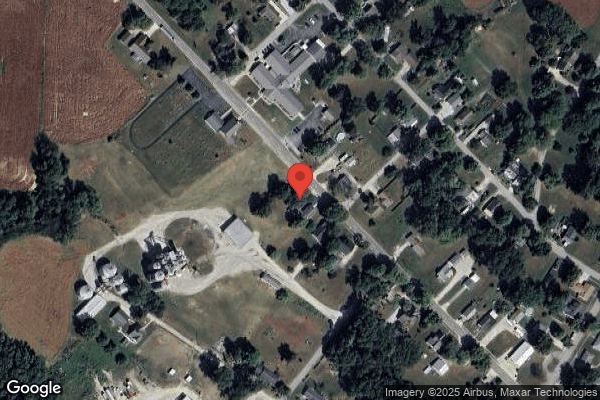
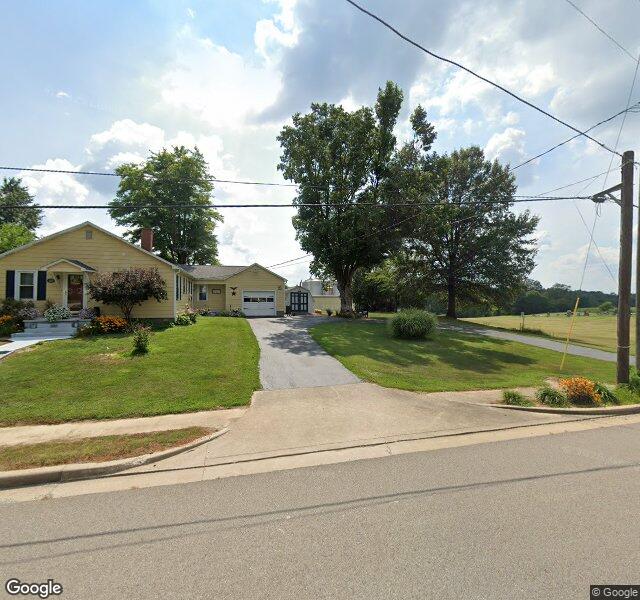
310 W CARLISLE STREET, FREELANDVILLE, IN 47535 (812) 328-2134
Non profit - Other 50 Beds Independent Data: November 2025
Trust Grade
40/100
#451 of 505 in IN
Last Inspection: December 2024

Within standard 12-15 month inspection cycle. Federal law requires annual inspections.

Overview

Freelandville Community Home has a Trust Grade of D, indicating below-average performance with some significant concerns. It ranks #451 out of 505 facilities in Indiana, placing it in the bottom half statewide, and #6 out of 6 in Knox County, meaning there are no better local options. The facility is improving, having reduced its issues from 7 in 2023 to 5 in 2024. Staffing is a strength, with a turnover rate of 0%, which is much lower than the state average of 47%, and they have more RN coverage than 86% of Indiana facilities, ensuring better oversight for residents. However, there were serious incidents, including a failure to provide adequate assistance during a mechanical lift transfer, resulting in a resident sustaining a femur fracture, and a lack of supervision for another resident, leading to a hip fracture. Additionally, there were concerns about inaccurate assessments regarding medication and restraint use, which could impact residents' safety and care.

Trust Score
D
40/100
In Indiana
#451/505
Bottom 11%
Safety Record
Moderate
Needs review
Inspections
Getting Better
7 → 5 violations
Staff Stability
○ Average
Turnover data not reported for this facility.
Penalties
✓ Good
No fines on record. Clean compliance history, better than most Indiana facilities.
Skilled Nurses
✓ Good
Each resident gets 58 minutes of Registered Nurse (RN) attention daily — more than average for Indiana. RNs are trained to catch health problems early.
Violations
⚠ Watch
15 deficiencies on record. Higher than average. Multiple issues found across inspections.
★☆☆☆☆
1.0
Overall Rating
★☆☆☆☆
1.0
Staff Levels
★★☆☆☆
2.0
Care Quality
★★☆☆☆
2.0
Inspection Score
Stable
2023: 7 issues
2024: 5 issues

The Good

  • Full Sprinkler Coverage · Fire safety systems throughout facility
  • No fines on record

Facility shows strength in fire safety.

The Bad

1-Star Overall Rating

Below Indiana average (3.1)

Significant quality concerns identified by CMS

The Ugly 15 deficiencies on record

1 actual harm
Dec 2024 5 deficiencies 1 Harm
SERIOUS (G)

Actual Harm - a resident was hurt due to facility failures

Accident Prevention (Tag F0689)

A resident was harmed · This affected 1 resident

**NOTE- TERMS IN BRACKETS HAVE BEEN EDITED TO PROTECT CONFIDENTIALITY** Based on interview and record review, the facility failed to ensure adequate assistance was provided during a mechanical lift tr...

Read full inspector narrative →
**NOTE- TERMS IN BRACKETS HAVE BEEN EDITED TO PROTECT CONFIDENTIALITY** Based on interview and record review, the facility failed to ensure adequate assistance was provided during a mechanical lift transfer and ensure staff used the equipment in accordance with facility policy for a resident who required extensive assistance of two staff and mechanical lift for transfers (Resident 137). The facility failed to ensure adequate supervision was provided in the bathroom for a cognitively impaired resident at risk of experiencing falls and failed to ensure a toilet seat was properly attached to the toilet for a resident (Resident 2). The facility failed to ensure new interventions were immediately implemented after a fall for Resident 137 and Resident 2 to prevent further falls for 2 of 3 residents reviewed for falls. This deficient practice resulted in Resident 137 sustaining a right femur fracture and Resident 2 sustaining a right hip fracture that required surgical repair. (Resident 137, Resident 2) Findings include: 1. An Indiana Department of Health (IDOH) incident report, dated 8/29/24, indicated Certified Nurse Aide (CNA) 20 was involved when a resident had fallen during a transfer, was transferred to the hospital, and the hospital nurse reported to the facility Resident 137 had a right femur fracture. On 12/4/24 at 1:28 P.M., Resident 137's clinical record was reviewed. Diagnoses included, but were not limited to, Alzheimer's disease and history of a stroke. The most recent Quarterly Fall Risk Assessment, dated 3/7/24, indicated Resident 137 was a high risk to fall. The clinical record lacked documentation of a Fall Risk Assessment being done between 3/8/24 and 8/29/24. The most recent Significant Change MDS (Minimum Data Set) assessment prior to the fall, dated 8/1/24, indicated Resident 137's cognition was unable to be assessed, had impairment of both lower extremities, used a mechanical lift, and required an extensive assist of two staff for bed mobility and transfers, and was totally dependent on two staff for toileting. A Physician's Order Summary, dated August 2024, did not include information to indicate staff should use a mechanical lift for transfers. A plan of care for falls, revised 8/5/24, included, but was not limited to, interventions to use a mechanical lift for transfers and to perform fall risk assessments quarterly and as needed. The plan did not include documentation to determine the number of staff required for the mechanical lift transfer. A Health Status Note, dated 8/29/24, indicated the resident fell during a transfer, signs of pain were present, and the resident was transferred to the hospital. The note did not include documentation to determine the specific details of the fall, the number of staff present at the time of the fall, and any new interventions to prevent further falls were immediately implemented. The progress notes, fall assessments, and care plans dated 8/29/24 through 9/3/24, did not include documentation of the specific details about the fall or to show immediate interventions were implemented to prevent further falls. On 12/4/24 at 2:08 P.M., the Administrator provided an incident report for the fall on 8/29/24 but indicated it was a facility document only and not part of the clinical record. At that time, she indicated the details about the fall would be documented in progress notes, assessments, and care plans. An internal fall investigation summary tool, dated 8/29/24, provided by the DON indicated the mechanical lift transfer of Resident 137, on 8/29/24, was performed without the extensive assistance of two staff, the mechanical lift was used improperly, and no new interventions were immediately implemented to prevent further falls for Resident 137. During an interview on 12/5/24 at 9:46 A.M., the Director of Nursing (DON) indicated no additional documentation could be provided regarding the resident's fall on 8/29/24. On 12/4/24 at 3:30 P.M., the hospital discharge record, dated 9/3/24, indicated Resident 137 fell from a mechanical lift at the long-term care facility, sustained an acute fracture of mid-femoral diaphysis (a break in the middle of the femur bone) that required surgical repair, and was admitted to the hospital on [DATE]. The record indicated that the resident was discharged back to the facility on 9/3/24. On 12/5/24 at 11:59 A.M., the employee file of CNA 20 indicated mechanical lift skills competency was not completed. The CNA was suspended from duty for performing a mechanical lift transfer without a second staff person present. Education was provided and the CNA was terminated for continued noncompliance of facility policy. During an interview, on 12/5/24 at 11:05 A.M., Licensed Practical Nurse (LPN) 25 indicated she was Resident 137's nurse, on 8/29/24, when the fall occurred. LPN 25 was called to Resident 137's room and upon entering the room, the resident was observed on the floor, a handful of staff were standing in the room, and the mechanical lift was in the room, but she was unsure what position it was in at that time. LPN 25 indicated CNA 20 used the mechanical lift incorrectly and by herself instead of having two staff to do the transfer. LPN 25 indicated she did an assessment of Resident 137, and other than the resident appearing to have pain, there were no outward signs of injury. LPN 25 was not sure if the fall information should have been documented anywhere other than in the progress notes of the clinical record or how often fall risk assessments were completed on residents. LPN 25 indicated her head-to-toe assessment findings should have been documented in an assessment at the time of the fall but was unable to obtain these findings from the clinical record. During an interview, on 12/5/24 at 11:45 A.M., the Administrator indicated CNA 20 transferred Resident 137 alone and did not have the base of the lift all the way out which caused it to tip over and the resident to fall landing on the floor. The Administrator was here at the time of the fall and followed the nurse into Resident 137's room. Upon entry, the Administrator observed the resident laying on the floor in the lift pad and the lift was tipped over. The Administrator indicated CNA 20 was trained in another state where two staff were not required to perform a mechanical lift transfer. At that time, the Administrator indicated CNA 20 should have been trained on the mechanical lift policy and procedures during initial facility orientation but supporting documentation could not be provided to show the training occurred. The Administrator indicated CNA didn't use the lift correctly or ask for help with using the lift for the transfer of Resident 137 when the 8/29/24 fall occurred. 2. On 12/4/24 at 11:32 A.M., Resident 2's clinical record was reviewed. Diagnoses included, but were not limited to, Alzheimer's disease and anxiety. The most recent Annual MDS (Minimum Data Set) assessment, dated 9/13/24, indicated severe cognitive impairment, substantial to maximum assistance required with toileting hygiene and independent with toilet transfers. Resident 2 was at risk for falls, and falls risk assessments were completed on 3/10/23, 3/13/24, and 3/16/24. Current physician orders as of 12/4/24 included, but were not limited to: bed alarm while in bed, dated 5/27/24. No physician orders related to falls interventions were in place prior to 5/27/24. A risk for falls care plan, dated 5/31/23, included the following interventions: if fall occurs, initiate frequent neuro and bleeding evaluations per facility protocol and alert provider, initiate fall risk precautions, properly identify resident to indicate a fall risk to caregivers, review medications for drugs that increase the risk of falls, and utilize devices as appropriate to ensure safety, all dated 5/31/23. A current high risk for falls care plan, dated 4/16/24, indicated, but was not limited to, the following interventions: Anticipate needs, call light within reach and encouragement to use it, appropriate footwear while ambulating or using wheelchair, follow facility fall protocol, and participation in activities that minimize potential for falls, all dated 4/16/24. A current actual fall with the injury care plan, dated 4/16/24, indicated, but was not limited to, the following interventions: check range of motion and increased pain, swelling and bruising every shift until resolved, continue interventions for the at-risk plan, monitor, document and report pain, bruising, change in mental status, confusion, sleepiness, inability to maintain posture, or agitation, all dated 4/16/24. From March 2024 through May 2024, Resident 2 experienced the following falls: Fall 1 An incident note, dated 3/8/24 at 12:40 P.M., indicated Resident 2 had slid off the commode in her room due to a high-rise toilet seat that had been placed on the toilet and was not secured. The resident slid off the toilet with the riser and was found sitting on her bottom on the floor by a Certified Nurse Aide (CNA) who was passing trays. The resident hit the right side of her buttock/hip. The note indicated a full assessment had been completed, although the clinical record lacked the assessment A Health Status Note, dated 3/8/24 at 6:25 P.M., indicated Resident 2 was taken to the emergency room via ambulance. A Health Status Note, dated 3/8/24 at 8:18 P.M., indicated Resident 2 was admitted for a fracture of the right hip. A Health Status Note, dated 3/13/24 at 1:53 P.M., indicated Resident 2 returned to the facility from the hospital, and was transferred to bed with assistance of one staff. A Health Status Note, dated 3/14/24 at 12:32 P.M., indicated Resident 2 had returned to the facility the previous day after an acute hospitalization related to a right hip fracture being surgically repaired. The falls care plan, dated 3/8/24, did not include documentation to indicate interventions were immediately implemented to prevent further falls. During an interview, on 12/6/24 at 11:44 A.M., the Director of Nursing (DON) indicated no documentation could be provided to show interventions to prevent further falls were immediately implemented after Fall 1 and should have been added to the plan of care. The progress notes, assessments, and plans of care, dated from 3/13/24 through 3/16/24 at 9:45 a.m., did not include documentation to indicate new interventions to prevent falls were implemented. Fall 2 A Health Status note, dated 3/16/24, indicated Resident 2 was found in her room on the floor on her back at approximately 10:00 A.M. The note indicated two nurses assessed the resident, although the assessment could not be located in the clinical record. The note indicated the bed would be placed in the lowest position and mats placed on the floor, and resident was to be placed by the nurse's station while awake Fall 3 A Health Status note, dated 5/26/24 at 12:05 A.M., indicated Resident 2 was found sitting on the mat in front of her bed. Neuro checks initiated and vital signs checked. The resident's son requested a bed alarm and was initiated as a new intervention. The progress note indicated that an assessment was completed but was not found in the progress notes or assessments portion of the clinical record. On 12/5/24 at 9:45 A.M., the Director of Nursing indicated all falls information was either in progress notes or assessments. Review of the progress notes and assessments from 5/26/24 through 12/4/24 lacked a falls assessment following the fall on 5/26/24 On 12/4/24 at 2:00 P.M., Licensed Practical Nurse (LPN) 5 indicated she was here at the time of Resident 2's fall on 3/8/24 (Fall 1). She indicated Resident 2 fell off of the toilet due to the seat riser coming loose and sliding off when the resident tried to sit on it. She indicated Resident 2 had a new roommate at that time (no longer in the facility) that was a larger person and possibly shifted the seat riser loose prior to Resident 2 using it. She indicated it was the kind of riser that clicked into place and that the risers were no longer used in the facility for any resident. On 12/5/24 at 1:26 P.M., the Maintenance Supervisor indicated there were two types of toilet seat risers at the facility while in use. They were either screwed on or bolted to the actual toilet bowl. He indicated they were checked periodically, but there were no scheduled checks for them that he was aware of. He indicated all risers had been removed from the residents' bathrooms and were no longer physically in the building. On 12/6/24 at 10:22 A.M., Resident 2 was observed lying in a low bed on a bed alarm. A fall mat was observed on the floor by the bed. On 12/6/24 at 10:31 A.M., LPN 5 indicated she was unaware of any checks that were done for the toilet seat risers when the facility used them. She indicated if the nurses or housekeeping were to notice anything wrong with them, they were supposed to fill out a work order for maintenance. On 12/6/24 at 10:34 A.M., the Director of Nursing (DON) indicated the system that was in place at the time of Resident 2's falls was not conducive to nurse input or documentation. She indicated care plans should have been updated following each fall with a new intervention, but the process to do so had not been in place at the time of the falls. On 12/5/24 at 11:40 A.M., a Mechanical Lift Policy, revised July 2017, was provided by the Administrator and identified as the most current policy. The policy indicated, .At least two [2] nursing assistants are needed to safely move a resident with a mechanical lift . On 12/6/24 at 1:16 P.M., a Falls Policy, dated 9/2012, was provided by the DON and identified as the most current policy. The policy indicated If the individual continues to fall, the staff and physician will re-evaluate the situation and consider other possible reasons for the resident's falling . and will re-evaluate the continued relevance of current interventions . When a resident falls, the following information should be recorded in the resident's medical record . the condition in which the resident was found . assessment data, including vital signs and any obvious injuries . interventions, first aid, or treatment administered . Completion of a falls risk assessment . Appropriate interventions taken to prevent future falls . The staff will seek to identify environmental factors that may contribute to falling . 3.1-45(a)
CONCERN (D)

Potential for Harm - no one hurt, but risky conditions existed

Report Alleged Abuse (Tag F0609)

Could have caused harm · This affected 1 resident

**NOTE- TERMS IN BRACKETS HAVE BEEN EDITED TO PROTECT CONFIDENTIALITY** 2. An Indiana Department of Health (IDOH) incident report, dated 8/29/24, indicated Certified Nurse Aide (CNA) 20 was involved w...

Read full inspector narrative →
**NOTE- TERMS IN BRACKETS HAVE BEEN EDITED TO PROTECT CONFIDENTIALITY** 2. An Indiana Department of Health (IDOH) incident report, dated 8/29/24, indicated Certified Nurse Aide (CNA) 20 was involved when a resident had fallen during a transfer, was transferred to the hospital, and the hospital nurse reported to the facility Resident 137 had a right femur fracture. Follow up was added on 9/5/24 indicating Investigation complete. Care plans reviewed and updated. Resident is a Hospice patient and will not be evaluated by therapies. The facility has educated all CNAs on the importance of reviewing the [NAME] in the EHR [electronic health record] and to review the plan of care. All residents with similar needs were reviewed and care plans and [NAME] were updated as applicable. All staff re-educated for skills competencies in transfers and participated in return demonstration. Resident has returned from the hospital and continues with Hospice services with no change from prior level of functioning. On 12/4/24 at 1:28 P.M., Resident 137's clinical record was reviewed. Diagnoses included, but were not limited to, Alzheimer's disease and history of a stroke. The most recent Significant Change MDS (Minimum Data Set) Assessment prior to the fall, dated 8/1/24, indicated Resident 137's cognition was unable to be assessed, had impairment of both lower extremities, used a mechanical lift, and required the extensive assist of 2 staff for bed mobility and transfers, and was totally dependent on 2 staff for toileting. A Health Status Note, dated 8/29/24, indicated res [resident] fall [sic] during transfer. Signs of pain present. Notified MD [Medical Doctor], son, hospice, and DON [Director of Nursing] aware [sic]. Bed hold police [sic] sent, report called to [Name of Hospital]. Res sent via ambulance. On 12/4/24 at 3:30 P.M., hospital records from the hospitalization that occurred from 8/29/24 to 9/3/24 were reviewed. A Discharge summary, dated [DATE], indicated Resident 137 presented to the emergency department via EMS (Emergency Medical Services) on 8/29/24 after a fall from a mechanical lift at the long term care facility where she resided. Upon exam, the resident's right leg was shortened with external rotation. An x-ray of the right femur demonstrated an acute fracture of the mid femoral diaphysis (a break in the middle of the femur bone). An orthopedic surgeon was contacted and the resident was admitted . On 8/30/24, the resident underwent a right femur retrograde intramedullary nail fixation (surgically inserting a metal rod (nail) into the hollow center of the femur bone where it is then secured with screws to stabilize the fractured bone and promote healing). The resident was discharged back to the facility on 9/3/24. On 12/5/24 at 11:59 A.M., CNA 20's employee file was reviewed and indicated CNA 20 was hired on 7/15/24 as a CNA. At that time, she was currently certified through the Tennessee Nursing Board, issued 4/16/24, and working on getting her certification in Indiana within the 120 day window allowed. On 7/15/24, CNA 20 signed a document that indicated she had read the job description of a CNA, understood the qualifications, duties, and performance requirements. A facility Nurse's Aide Checklist for Orientation form, dated 7/15/24, lacked a skills competency for using mechanical lifts. An Employee Warning Notice and Disciplinary Action Report, dated 8/29/24 and 9/30/24, and signed by the Administrator and the employee indicated CNA 20 was suspended pending investigation from an incident on 8/29/24 where she operated a mechanical lift without a second person, resulting in a resident's fall during transfer. After CNA 20 was educated on the use of a mechanical lift, she proceeded to transfer another resident with the lift pad placed improperly underneath them. Due to the policy violation and failure to follow instructions, she was placed on leave of absence until she obtained her certification through Indiana. During an interview on 12/5/24 at 11:45 A.M., the Administrator indicated CNA 20 transferred Resident 137 alone and did not have the base of the lift all the way out which caused it to tip over and the resident to fall landing on the floor. The Administrator was here at the time of the fall and followed the nurse into Resident 137's room. Upon entry, the Administrator observed the resident laying on the floor in the lift pad and the lift was tipped over. During an investigation, CNA 20 indicated she was trained on using mechanical lifts in Tennessee but wasn't told to have 2 people to assist in transfer when using them. CNA 20 was trained initially at the facility during orientation to have 2 people when a mechanical lift was used, but she didn't ask for help with the transfer of Resident 137. The lift was not used after the incident so maintenance could determine it was not faulty equipment. It was found to be in good working condition but was ultimately replaced with a new one that had more safety features. The Administrator indicated when she sent the reportable to IDOH, she reported fall during a transfer because that was what happened. On 12/6/24 at 1:33 P.M., a current non dated Unusual Occurrence Reporting Policy, was provided by the Administrator and indicated . A written report detailing the incident and actions taken by the facility after the event shall be sent or delivered to the state agency . 3.1-28(c) Based on interview and record review, the facility failed to ensure detailed reporting of incidents for 2 of 3 facility incident reports reviewed. (Resident 2, Resident 137) Finding includes: 1. On 12/4/24 at 11:20 A.M., facility incident reports were reviewed. An incident that involved Resident 2, dated 3/8/24, indicated the resident was using the bathroom in her room and slid off of the toilet. The resident was assessed, sent to the emergency room, and admitted with a right femoral fracture. A follow-up added 3/14/24 indicated Resident 2 had been confused the morning of the fall, and was found on the floor along with a toilet seat riser. The reason for the riser sliding off was undetermined. The report indicated Resident 2 had a history of fidgeting with things, and was anxious due to getting a new roommate. On 12/4/24 at 11:32 A.M., Resident 2's clinical record was reviewed. Diagnoses included, but were not limited to, Alzheimer's disease and anxiety. The most recent Annual MDS (Minimum Data Set) Assessment, dated 9/13/24, indicated a severe cognitive impairment and substantial to maximum assistance required with toileting. An incident note, dated 3/8/24, indicated Resident 2 had fallen off of the toilet due to an unsecured high-rise toilet seat. On 12/4/24 at 2:00 P.M., Licensed Practical Nurse (LPN) 5 indicated she was at the facility on 3/8/24 when Resident 2 had fallen in the bathroom, and the fall occurred due to the toilet seat riser sliding off of the toilet. She indicated the roommate (who was no longer at the facility) was a larger person, and could have possibly shifted it loose prior to Resident 2 using it, causing it to slide off.
CONCERN (D)

Potential for Harm - no one hurt, but risky conditions existed

Comprehensive Care Plan (Tag F0656)

Could have caused harm · This affected 1 resident

2. On 12/4/24 at 1:16 P.M., Resident 14's clinical record was reviewed. Diagnoses included, but were not limited to, Parkinson's disease and heart failure. The most recent Quarterly MDS (Minimum Data...

Read full inspector narrative →
2. On 12/4/24 at 1:16 P.M., Resident 14's clinical record was reviewed. Diagnoses included, but were not limited to, Parkinson's disease and heart failure. The most recent Quarterly MDS (Minimum Data Set) Assessment, dated 10/15/24, indicated Resident 14's cognition was moderately impaired and a substantial/maximum assist for toileting, bathing, transfers, and receiving a diuretic medication. Current Physician's Orders included, but were not limited to, the following: furosemide (Lasix) oral tablet (diuretic), Give 20 mg by mouth one time a day related to heart failure, dated 9/11/24 The clinical record lacked a care plan for the use of a diuretic. During an interview on 12/6/24 at 10:44 A.M., the Director of Nursing (DON) indicated the MDS Coordinator was responsible for putting care plans into the clinical record, but the DON does it as well. She indicated if the resident was being treated with a medication, a diuretic, insulin, anticoagulant, opioid, and antiplatelet, it should be in the resident's care plans. On 12/6/24 at 1:15 P.M., a current Comprehensive Care Plans Policy, dated March 2022, was provided by the DON, and indicated . A comprehensive, person-centered care plan includes services need to meet the resident's physical, psychosocial, and functional needs is developed . The interdisciplinary team (IDT), in conjunction with the resident and his/her family or legal representative, develops and implements a comprehensive, person-centered care plan for each resident. The comprehensive, person-centered care plan is developed within seven [7] days of the completion of the required MDS [Minimum Data Set] Assessment . Assessments of residents are ongoing and care plans are revised as information about the residents and the residents' conditions change . 3.1-35(a) Based on observation, interview and record review, the facility failed to develop a care plan for 2 of 5 residents reviewed for Unnecessary Medications. Residents were administered a diuretic, insulin, anticoagulant, opioid, and antiplatelet medication and did not have a care plan related to the medication. (Resident 14, Resident 15) Findings include: 1. On 12/5/24 at 10:34 A.M., Resident 15's clinical record was reviewed. Diagnoses included, but were not limited to, heart failure, atrial fibrillation, end stage renal disease, and diabetes mellitus. The most recent admission MDS (Minimum Data Set) Assessment, dated 9/4/24 indicated Resident 15 was cognitively intact. The MDS indicated Resident 15 received an anticoagulant, insulin, diuretic, opioid, and antiplatelet medication. Resident 15's current Physician's Orders included, but was not limited to: Apixaban oral tablet 2.5 mg (milligrams) (anticoagulant), give 1 tablet by mouth two times a day related to atrial fibrillation, dated 9/11/24 Aspirin 81 mg (antiplatelet) by mouth at bedtime, dated 10/2/24. Basaglar KwikPen Subcutaneous Solution Pen-injector 100 units per milliliter (Insulin Glargine). Inject 10 units subcutaneously one time a day for diabetes mellitus, dated 11/10/24. Furosemide 40 mg (diuretic) one time a day every Tuesday, Thursday, Saturday, and Sunday for heart failure, dated 9/12/24. Oxycodone HCL (hydrochloride) 5 mg (opioid) 1 tablet every 4 hours as needed for pain, dated 8/29/24. Tramadol HCL 50 mg (opioid) 1 tablet by mouth two times a day for left knee pain, dated 9/11/24. Resident 15's clinical record lacked a care plan for antiplatelets, insulin, and opioids.
CONCERN (E)

Potential for Harm - no one hurt, but risky conditions existed

Assessment Accuracy (Tag F0641)

Could have caused harm · This affected multiple residents

Based on interview and record review, the facility failed to ensure an accurate Minimum Data Set (MDS) Assessment was completed for 2 of 5 residents reviewed for unnecessary medications and 2 of 2 res...

Read full inspector narrative →
Based on interview and record review, the facility failed to ensure an accurate Minimum Data Set (MDS) Assessment was completed for 2 of 5 residents reviewed for unnecessary medications and 2 of 2 residents listed on the facility matrix as using restraints. The MDS indicated 2 residents used bed rails as restraints when they didn't, one resident received a hypoglycemic and was not coded, and one resident had a diagnosis of dementia that was not listed in the MDS. (Resident 19, Resident 29, Resident 15, Resident 8) Findings include: 1. On 12/5/24 at 10:10 A.M., Resident 19's clinical records were reviewed. Diagnoses included, but were not limited to personal history of traumatic brain injury, functional quadriplegia, and acquired absence of left leg above knee. The most recent Quarterly MDS (Minimum Data Set) Assessment, dated 10/8/24, indicated resident was unable to complete the cognitive test, was dependent on staff for bed mobility and transfers, was NPO (nothing by mouth) with a feeding tube, and bed rails were used as a restraint daily. The current physician orders lacked an order and a care plan for a restraint. During an interview on 12/6/24 at 8:11 A.M., LPN (Licensed Practical Nurse) 3 indicated the bed rails were not used for a restraint since Resident 19 was unable to move by himself. 2. On 12/6/24 at 10:59 A.M., Resident 29's clinical records were reviewed. Diagnoses included, but were not limited to cerebral infarction, anxiety disorder, and attention concentration deficit following cerebrovascular disease. The most recent Annual MDS Assessment, dated 9/16/24, indicated Resident 29 had moderate cognitive impairment, needed partial/moderate assistance for bed mobility and transfers, set up or clean up assistance for eating, supervision/touching assistance for toilet use, and bed rails were used as a restraint daily. The clinical record lacked current Physician Orders for a restraint. The clinical record lacked a care plan for restraints. During an interview on 12/6/24 at 8:11 A.M., LPN 3 indicated Resident 29 used bed rails for bed mobility. The bed rails were not a restraint. They didn't have any restraints in the building. During an interview on 12/6/24 at 11:19 A.M., MDS Coordinator indicated she had been taught if the clinical records indicated bed rails were in use, it had to be marked on the MDS as a restraint. She indicated she used the RAI (Resident Assessment Instrument) manual, and if the rails met the criteria of restraint, she marked Restraint on the MDS assessment. The Long-Term Care Facility Resident Assessment Instrument (RAI) 3.0 User's Manual, Chapter 3, page P-1 indicated the definition of Physical Restraints was Any manual method or physical or mechanical device, material or equipment attached or adjacent to the resident's body that the individual cannot remove easily, which restricts freedom of movement or normal access to one's body. Chapter 3, page P-6 indicated Bed rails used with residents who are immobile. If the resident is immobile and cannot voluntarily get out of bed because of a physical limitation or because proper assistive devices were not present, the bed rails do not meet the definition of a physical restraint.4. On 12/5/24 at 10:34 A.M., Resident 15's clinical record was reviewed. Diagnoses included, but were not limited to, heart failure and diabetes mellitus. The most recent admission MDS (Minimum Data Set) Assessment, dated 9/4/24 indicated Resident 15 was cognitively intact. The MDS indicated Resident 15 did not receive a hypoglycemic medication. Current Physician Orders included, but were not limited to: Basaglar (hypoglycemic) KwikPen Subcutaneous Solution Pen-injector 100 units per milliliter (Insulin Glargine). Inject 10 unit subcutaneously in the morning for diabetes mellitus, dated 08/30/2024 HumaLOG (hypoglycemic) KwikPen Subcutaneous Solution Pen-injector 100 units per milliliter (Insulin Lispro). Inject 7 units subcutaneously in the evening for diabetes mellitus, dated 8/30/24. Resident 15's MAR (Medication Administration Record) for August and September 2024 indicated Basaglar and Humalog were administered during the assessment period for the 9/4/24 MDS. During an interview on 12/6/24 at 11:29 A.M., the MDS Coordinator indicated she does not code insulin as a hypoglycemic medication. During an interview on 12/6/24 at 11:29 A.M., the MDS Coordinator indicated she used the RAI manual as the policy. 3. On 12/5/24 at 2:03 P.M., Resident 8's clinical record was reviewed. Diagnosis included, but were not limited to, dementia (dated 9/1/23). The most recent Quarterly MDS (Minimum Data Set) Assessment, dated 10/18/24, indicated a severe cognitive impairment, and substantial to maximal assistance with toileting, transferring, bathing, and bed mobility. The MDS indicated Resident 8 did not have dementia. Resident 8 lacked current Physician Orders for any medications related to dementia. A current care plan, dated 11/19/24, indicated a diagnosis of dementia with severely impaired cognition. A current care plan, dated 11/10/23, indicated impaired decision making due to a diagnosis of dementia. On 12/6/24 at 11:26 A.M., the MDS Coordinator indicated in order for a diagnosis to be coded on the MDS Assessment, something had to be done with that diagnosis in the previous 7 day look back period. She indicated she would run the Medication Administration Record (MAR) for information related to medications given and what diagnosis they were given for in order to mark diagnosis on the MDS Assessments. On 12/9/24 at 10:20 A.M., Licensed Practical Nurse (LPN) 3 indicated Resident 8's care for dementia was an every day activity that was not documented, such as encouraging to participate in activities, redirection, giving snacks, toileting, and offering to take naps. On 12/9/24 at 11:25 A.M., the Director of Nursing (DON) indicated Resident 8's daughters did not want the resident taking any medications to manage her dementia, and would rather manage symptoms in non-medicinal ways.
CONCERN (E)

Potential for Harm - no one hurt, but risky conditions existed

Deficiency F0727 (Tag F0727)

Could have caused harm · This affected multiple residents

Based on interview and record review, the facility failed to ensure services of an RN (Registered Nurse) were available at least 8 consecutive hours a day, 7 days a week for 2 of the 7 days reviewed. ...

Read full inspector narrative →
Based on interview and record review, the facility failed to ensure services of an RN (Registered Nurse) were available at least 8 consecutive hours a day, 7 days a week for 2 of the 7 days reviewed. (November 28, 2024, November 29, 2024) Findings include: On 12/9/24 at 10:35 A.M., staffing was reviewed from 11/23/24 through 11/29/24. The facility lacked an RN in the building for 8 consecutive hours on 11/28/24 and 11/29/24. During an interview on 12/9/24 at 10:52 A.M., the Administrator indicated an RN was not in the building for 8 consecutive hours on 11/28/24 and 11/29/24, and she would expect an RN to be in the building for 8 consecutive hours a day. On 12/9/24 at 11:07 A.M., the Administrator provided a time card for RN 27 that indicated her recorded time at the facility was 3 hours and 47 minutes. On 12/9/24 at 11:07 A.M., a current Staffing, Sufficient and Competent Nursing policy, dated 2001, indicated, .A registered nurse provides services at least eight (8) consecutive hours every 24 hours, seven (7) days a week . 3.1-17(b)(3)
Nov 2023 7 deficiencies
CONCERN (D)

Potential for Harm - no one hurt, but risky conditions existed

Comprehensive Assessments (Tag F0636)

Could have caused harm · This affected 1 resident

Based on interview and record review, the facility failed to ensure Quarterly MDS (Minimum Data Set) Assessments were completed timely for 3 of 23 residents reviewed. (Resident 10, Resident 33, Reside...

Read full inspector narrative →
Based on interview and record review, the facility failed to ensure Quarterly MDS (Minimum Data Set) Assessments were completed timely for 3 of 23 residents reviewed. (Resident 10, Resident 33, Resident 19) Findings include: 1. On 11/14/23 at 1:36 P.M., Resident 10's clinical record was reviewed. The most recent Quarterly MDS (Minimum Data Set) Assessment was dated 7/23/23. The record indicated the MDS Assessment due on 10/23/23, with a completion date of 11/6/23, was in progress. 2. On 11/14/23 at 12:28 P.M., Resident 33's clinical record was reviewed. Resident 33's most recent admission Minimum Data Set (MDS) Assessment was dated 7/28/23. The facility failed to complete the quarterly MDS that should have been completed on 10/27/23. 3. On 11/16/23 at 10:29 A.M., Resident 19's clinical record was reviewed. Resident 19's most recent quarterly MDS was dated 7/23/23. The facility failed to complete the annual MDS that should have been completed on 10/23/23. During an interview on 11/16/23 at 12:00 P.M., the MDS Coordinator indicated that she was an LPN (Licensed Practical Nurse) and there was an RN consultant that signs off on the facilities MDS Assessments when they were completed. She indicated the consultant worked remotely and had the capability to sign off on the MDS assessments within 7 days after completion. During an interview on 11/16/23 at 12:28 P.M., the MDS Coordinator indicated they did not have a policy, but follow the Resident Assessment Instrument (RAI) manual for the MDS process. 3.1-31(d)(3)
CONCERN (D)

Potential for Harm - no one hurt, but risky conditions existed

Deficiency F0657 (Tag F0657)

Could have caused harm · This affected 1 resident

Based on interview and record review, the facility failed to implement a care plan for 1 of 1 residents reviewed for urinary catheters and 1 of 5 residents reviewed for unnecessary medications. A resi...

Read full inspector narrative →
Based on interview and record review, the facility failed to implement a care plan for 1 of 1 residents reviewed for urinary catheters and 1 of 5 residents reviewed for unnecessary medications. A resident with a urinary catheter lacked a care plan related to the catheter, and a resident on an antidepressant lacked a care plan related to the antidepressant. (Resident 17, Resident 6) 1. On 11/14/23 at 1:04 P.M., Resident 17's clinical record was reviewed. Diagnoses included, but were not limited to, heart failure and anemia. The most recent quarterly Minimum Data Set (MDS) Assessment, dated 11/14/23, indicated Resident 17 had an indwelling catheter. Current Physician Orders included, but were not limited to, change indwelling catheter every 28 days, dated 10/23/23. Resident 17's clinical record lacked a care plan related to the urinary catheter. During an interview on 11/15/23 at 1:30 P.M., the Director of Nursing (DON) indicated there should have been a care plan related to the urinary catheter. 2. On 11/14/23 at 2:05 P.M., Resident 6's clinical record was reviewed. Diagnoses included, but were not limited to, insomnia. The most recent Quarterly MDS Assessment, dated 8/18/23, indicated no cognitive impairment, and use of antidepressants. Current physician's orders included, but were not limited to: Trazodone HCl (an antidepressant) 25mg (milligrams) by mouth at bedtime related to insomnia, dated 5/30/23. Resident 6's clinical record lacked a care plan related to use of antidepressants. On 11/16/23 at 10:54 A.M., the Director of Nursing (DON) indicated Resident 6 should have had a care plan in place for antidepressant use implemented by Social Services. On 11/16/23 at 1:25 P.M., the DON provided a current Comprehensive Care Plans policy, revised 8/2023 that indicated An individualized comprehensive care plan that includes measurable objectives and timetables to meet the resident's medical, nursing, mental and psychological needs is developed for each resident 3.1-35(a)
CONCERN (D)

Potential for Harm - no one hurt, but risky conditions existed

Deficiency F0688 (Tag F0688)

Could have caused harm · This affected 1 resident

Based on observation, interview, and record review, the facility failed to ensure residents with limited mobility received appropriate services to maintain or improve mobility for 3 of 6 residents rev...

Read full inspector narrative →
Based on observation, interview, and record review, the facility failed to ensure residents with limited mobility received appropriate services to maintain or improve mobility for 3 of 6 residents reviewed for restorative therapy. Residents did not receive intervention of restorative nursing services as indicated . (Resident 10, Resident 12, Resident 23) Findings include: 1. On 11/13/23 at 11:55 A.M., Resident 10 was observed seated in the main dining room. On 11/14/23 at 1:36 P.M., Resident 10's clinical record was reviewed. Diagnoses included, but were not limited to, Alzheimer's, cerebral infarction, and diabetes mellitus type II. The most recent Quarterly MDS (Minimum Data Set) Assessment, dated 7/23/23, indicated Resident 10's cognition status was unable to be assessed, he had not received any restorative therapy, and he was an extensive assist of 1 staff for transfers and toileting. Current Physician's Orders were reviewed and lacked an order for restorative therapy. Current interventions/tasks for Resident 10 included, but were not limited to, the following intervention: Active ROM (Range of Motion) Resident 10 will complete 10 reps (repetitions) to upper bilateral extremities and lower bilateral extremities (arm rolls/leg lifts/knee bends/arm circles)safety maintained in group setting 5 out of 6 days a week Sunday-Friday A current Self Care Deficit Care Plan, dated 4/8/22 included, but was not limited to, the following intervention: Evaluate resident's ability to perform ADLs (Activities of Daily Living), initiated 4/8/22 On 11/15/23 at 3:52 P.M., a current list of resident's who were supposed to be receiving restorative therapy was provided by CNA (Certified Nurse Aide) 8 and included Resident 10. On 11/15/23 at 7:15 A.M., current CNA Assignments were provided by the DON (Director of Nursing) and Resident 10's care did not include restorative therapy. The last physical therapy evaluation of Resident 10 was requested but not provided during the survey period. A CNA tasks document that included the intervention of active range of Motion from October 1-31, 2023 was provided on 11/16/23 at 12:30 P.M., by the MDS Coordinator and indicated the intervention for Resident 10 was not applicable on the following days: Sunday, 10/1/23 Monday, 10/2/23 Tuesday, 10/3/23 Friday, 10/6/23 Wednesday, 10/11/23 Thursday, 10/12/23 Monday, 10/15/23 Sunday, 10/22/23 Tuesday, 10/24/23 Wednesday, 10/25/23 Thursday, 10/26/23 Monday, 10/30/23 During an interview on 11/15/23 at 3:43 P.M., CNA 8 indicated she noticed Resident 10 seemed weaker and had a harder time transferring. 2. On 11/13/23 at 12:07 P.M., Resident 12 was sitting in the front room eating with staff present. On 11/14/23 at 1:00 P.M., Resident 12's clinical record was reviewed. Diagnoses included, but were not limited to, dementia and muscle weakness. The most current MDS Assessment, dated 9/29/23, indicated Resident 12 had severe cognitive impairment, no restorative therapy, and an extensive assist of two staff for bed mobility and transfers. Current Physician's Orders were reviewed and lacked an order for restorative therapy. Current interventions/tasks for Resident 12 included, but were not limited to, the following interventions: Active ROM: Resident 12 will complete 10 reps (repetitions) to upper bilateral extremities and lower bilateral extremities (arm rolls/leg lifts/knee bends/arm circles)safety maintained in group setting 5 out of 6 days a week Sunday-Friday, dated 11/15/22 Walking: Resident 12 will meet and or exceed walking goal of approximately 50 feet with RW (rollating walker) 5 out of 6 days a week, dated 11/9/22 A current LTC (Long Term Care) Care Plan, dated 4/10/23, included, but was not limited to, the following intervention: Staff will assist with ADL care PRN (as needed), initiated 4/10/23 On 11/15/23 at 3:52 P.M., a current list of resident's who were supposed to be receiving restorative therapy was provided by CNA 8 and included Resident 12. The last physical therapy evaluation of Resident 12 was requested but not provided during the survey period. A CNA tasks document that included the intervention of active range of Motion from October 1-31, 2023 was provided on 11/16/23 at 12:30 P.M., by the MDS (Minimum Data Set) Coordinator and indicated the intervention for Resident 12 was not applicable on the following days: Sunday, 10/1/23 Monday, 10/2/23 Tuesday, 10/3/23 Friday, 10/6/23 Wednesday, 10/11/23 Thursday, 10/12/23 Monday, 10/15/23 Sunday, 10/22/23 Tuesday, 10/24/23 Wednesday, 10/25/23 Thursday, 10/26/23 Monday, 10/30/23 A CNA tasks document that included the intervention of walking from October 1-31, 2023 was provided on 11/16/23 at 12:30 P.M., by the MDS (Minimum Data Set) Coordinator and indicated the intervention for Resident 12 was not applicable on the following days: Sunday, 10/1/23 Monday, 10/2/23 Tuesday, 10/3/23 Friday, 10/6/23 Sunday, 10/8/23 Monday, 10/9/23 Wednesday, 10/11/23 Thursday, 10/12/23 Monday, 10/15/23 Thursday, 10/19/23 Sunday, 10/22/23 Tuesday, 10/24/23 Wednesday, 10/25/23 Thursday, 10/26/23 Monday, 10/30/23 During an interview on 11/14/23 at 9:56 A.M., Resident 10's family member indicated she thought he was slowing down a bit when asked about ADLs declining. 3. During an observation on 11/13/23 at 12:00 P.M., Resident 23 was observed sitting in the dining room. On 11/16/23 at 10:07 A.M., Resident 23's clinical record was reviewed. Current diagnoses included, but were not limited to, dementia, anxiety, and depression. The most recent quarterly Minimum Data Set (MDS) Assessment, dated 10/5/23, indicated the restorative nursing program was not completed for active range of motion, passive range of motion, or splint and brace assistance. Resident 23 lacked a current order for range of motion. Resident 23 lacked a care plan related to range of motion. On 11/15/23 at 3:52 P.M., a current list of resident's who were supposed to be receiving restorative therapy was provided by CNA 8 and included Resident 23. The last physical therapy evaluation of Resident 23 was requested but not provided during the survey period. Current tasks included, but were not limited to, NURSING REHAB: Walking [name of Resident] will meet and or exceed walking goal of approx [approximately]. 25 ft [feet] to/from meals with stand by assist of 1 for cueing/supervision to help maintain safety. Staff to cue resident to pick feet up when walking as he tends to have a shuffle gait at time .Sunday thru [sic] Friday. The facility failed to complete the task on the following days for the month of October 2023: 10/1/23 10/2/23 10/3/23 10/7/23 10/8/23 10/11/23 10/12/23 10/14/23 10/15/23 10/21/23 10/22/23 10/24/23 10/25/23 10/26/23 10/28/23 10/30/23 During an interview on 11/15/23 at 3:33 P.M., the DON indicated there used to be a full time restorative aide but they needed her on the floor. She was not exactly sure when that transpired, but since the DON started the end of July 2023, there has not been a restorative aide. The CNAs are responsible for doing that since then and they would document it under their tasks in (name of computer program). She indicated that the tasks were considered orders and she expected those interventions to be completed as ordered. At that time, she indicated that the MDS Coordinator was supposed to monitor those residents to make sure restorative therapy was completed with the resident. During an interview on 11/16/23 at 11:45 A.M., CNA 6 indicated she does not perform the restorative care because it was not her responsibility. During an interview on 11/16/23 at 11:50 A.M., CNA 10 indicated she does not do the restorative care because therapy does it. During an interview on 11/16/23 at 12:00 P.M., the MDS Coordinator indicated when residents were admitted the nurses would put in interventions for them and the facility technically did not have anyone working as a restorative aide at that time. She further indicated CNAs should do the active range of motion with morning and night care. She indicated staff talked about their charting a lot and not applicable is probably a button that is set up in there and needs to be fixed. At that time, she indicated CNAs know they are responsible for that task and they should mark it complete when it is done and residents are evaluated by therapy when Quarterly MDS Assessments were due to look for declines in the resident's mobility. On 11/16/23 at 1:25 P.M., a current Restorative Nursing Program Policy, dated 10/23/22, was provided by the DON and indicated . It is the policy of the facility to assist each resident to attain and or maintain their individual highest most practicable functional level of independence and well-being, in accordance to State and Federal Regulations . Residents will be screened and evaluated by therapy services and or nurse designated to oversee the restorative nursing process for inclusion into the appropriate facility restorative nursing programs when it has been identified by the interdisciplinary team that the resident is in need or may benefit from such program(s) . The above programs will be documented on the facility designated restorative care forms/tools in the resident's electronic medical record . the designated nurse will be responsible for the following: a. Documentation on a monthly basis (at a minimum), and b. Initiation (sic) and updating restorative care plans . Once in an appropriate restorative nursing program, the designated nurse will continue to monitor the resident's progress . 3.1-42(a)(2)
CONCERN (D)

Potential for Harm - no one hurt, but risky conditions existed

Medication Errors (Tag F0758)

Could have caused harm · This affected 1 resident

Based on interview and record review, the facility failed to ensure residents using psychotropic medications received gradual dose reductions (GDR) for continued use of the medications for 2 of 5 resi...

Read full inspector narrative →
Based on interview and record review, the facility failed to ensure residents using psychotropic medications received gradual dose reductions (GDR) for continued use of the medications for 2 of 5 residents reviewed for unnecessary medications. Antidepressants and antianxiety medications were not reduced and a clinical contraindication for the reduction was not documented. (Resident 6, Resident 9) Findings include: 1. On 11/14/23 at 2:05 P.M., Resident 6's clinical record was reviewed. Diagnosis included, but was not limited to, insomnia. The most recent Quarterly MDS (minimum data set) Assessment, dated 8/18/23, indicated no cognitive impairment, and use of antidepressants. The MDS indicated no GDR had been attempted, and a clinical contraindication to the GDR had not been documented. Current physician orders included, but were not limited to: Trazadone HCl (an antidepressant) 25mg (milligrams) by mouth at bedtime related to insomnia, dated 5/30/23. The original date on the order was 6/24/22, with no change made when the new order was put in on 5/30/23. Resident 6's clinical record lacked information related to a GDR for Trazodone for the last 12 months, and lacked a clinical contraindication to the GDR. On 11/15/23 at 9:00 A.M., a Complete Psychotropic Listing form was provided that indicated discontinuing Trazodone was refused by family on 6/21/23, family provided history of REM sleep behavior disorder symptoms when Trazodone was discontinued in the past on 7/19/23. At that time, the DON indicated the form was not part off the resident's clinical record, and no one was able to locate that information in Resident 6's clinical record. 2. On 11/15/23 at 8:51 A.M., Resident 9's clinical record was reviewed. Diagnosis included, but were not limited to, depression and anxiety. The most recent annual MDS Assessment, dated 9/19/23, indicated no cognitive impairment, and use of antidepressant and antianxiety medications. The MDS indicated no GDR had been attempted, and a clinical contraindication to the GDR had not been documented. Current physician orders included, but were not limited to: Wellbutrin XL (an antidepressant) 300mg, give 1 tablet by mouth daily for depression, dated 11/9/23, originally ordered on 5/2/14. Wellbutrin XL 150mg, give 1 tablet by mouth daily in addition to the 300mg tablet for a total of 450mg daily for depression, dated 11/9/23, originally ordered on 5/2/14. Buspirone HCl (an antianxiety) 15mg, give 1 tablet by mouth twice a day related to depressive episodes, dated 5/26/23, originally ordered on 9/29/22. A current psychotropic/psychoactive medication care plan, dated 1/24/14, included, but was not limited to, and intervention to follow GDR schedule. Resident 9's clinical record lacked information related to a GDR for Wellbutrin XL or Buspirone for the last 12 months, and lacked a clinical contraindication to the GDR. A Consultant Pharmacist Communication to Physician form, dated 3/15/23, indicated a GDR request from the pharmacist for Wellbutrin XL with no physician response checked. A Consultant Pharmacist Communication to Physician form, dated 3/15/23, indicated a GDR request from the pharmacist for Buspirone with no physician response checked. A handwritten note on the form indicated the order was changed on 5/26. The clinical record lacked a dosage change at that time. On 11/15/23 at 12:00 P.M., the DON indicated prior to her arrival, several pharmacy recommendation forms had not been scanned, and staff may have been shredding them. She indicated she was aware that GDRs needed to be done for psychotropic medications, and was currently working on a system for those to be completed on time. On 11/16/23 at 11:47 A.M., the DON provided a current non-dated Medication Monitoring and Management policy that indicated Other Psychopharmacological Medications . After the first year, a tapering should be attempted annually, unless contraindicated 3.1-48(b)(2)
CONCERN (E)

Potential for Harm - no one hurt, but risky conditions existed

Deficiency F0727 (Tag F0727)

Could have caused harm · This affected multiple residents

Based on interview and record review, the facility failed to ensure services of an RN (Registered Nurse) were available at least 8 consecutive hours a day, 7 days a week for 4 of the days reviewed fro...

Read full inspector narrative →
Based on interview and record review, the facility failed to ensure services of an RN (Registered Nurse) were available at least 8 consecutive hours a day, 7 days a week for 4 of the days reviewed from the PBJ (Payroll Based Journal) Staffing Data Report during Quarter 3 of 2023 (April 1, 2023 through June 30, 2023). Findings include: On 11/12/23 at 5:30 P.M., the [NAME] report was reviewed and indicated there was not an RN for 8 consecutive hours on the following dates: 5/29/23 6/3/23 6/4/23 6/30/23 On 11/14/23 at 11:30 A.M., the as worked nursing schedules for Monday, 5/29/23, Saturday 6/3/23, Sunday 6/4/23, and Friday 6/30/23 were provided by the DON (Director of Nursing) and indicated there was no RN coverage. During an interview on 11/15/23 at 3:55 P.M., the DON indicated the BOM (Business Office Manager) submitted the staffing data to PBJ. During an interview on 11/15/23 at 4:00 P.M., the BOM indicated she did submit the facility staffing data for Quarter 3 of 2023 to PBJ. She indicated 5/29/23, 6/3/23, 6/4/23, and 6/30/23 did not have RN coverage because they did not have the staff to do it at that time. On 11/16/23 at 11:45 A.M., a current Nursing Services and Sufficient Staff policy, dated August 2023 was provided by the DON and indicated . A registered nurse shall be scheduled 8 consecutive hours seven days a week in accordance with the regulations . 3.1-17(b)(3)
CONCERN (E)

Potential for Harm - no one hurt, but risky conditions existed

Infection Control (Tag F0880)

Could have caused harm · This affected multiple residents

Based on observation, interview, and record review, the facility failed to ensure infection control practices were followed for 1 of 2 residents observed for urinary catheter care. The facility lacked...

Read full inspector narrative →
Based on observation, interview, and record review, the facility failed to ensure infection control practices were followed for 1 of 2 residents observed for urinary catheter care. The facility lacked preventative measures to keep legionella from forming in the water system for 3 of 3 halls. Gloves were not changed between dirty and clean tasks during catheter care. (Resident 16, Resident Halls[Wings] A, B, C) 1. During an observation on 11/16/23 at 10:42 A.M., urinary catheter care was performed by Certified Nurse Aide (CNA) 6 and CNA 8. CNA 6 failed to change gloves and sanitize or wash hands after catheter care was performed and Resident 16 was rolled to his side and CNA 6 used 2 washrags to wipe stool off of Resident 16. CNA 6 ran out of washrags and the Administrator brought in more washrags. At that time, CNA 6 washed hands and changed gloves. CNA 6 used the washrags and continued to wipe stool, then used another washrag to rinse his bottom, and then patted his bottom dry with another washrag. CNA 6 proceeded to place a clean brief under Resident 16 with the same soiled gloves. During an interview on 11/16/23 at 11:47 A.M., Licensed Practical Nurse (LPN) 3 indicated that during any kind of care, gloves should be changed and hands should be washed between dirty and clean tasks. On 11/16/23 at 1:25 P.M., a current catheter care and glove use policy was requested, but not received. 2. On 11/13/23 at 1:00 p.m. the alphabetical listing of all residents was received from the Administrator, three resident units were identified Wing A, Wing B, and Wing C. On 11/16/23 at 11:00 A.M., the Maintenance Director indicated the maintenance department did not test for Legionella or other opportunistic waterborne pathogens. He indicated he thought dietary did the testing. He also indicated he did not have a description of the building water systems using text and flow diagrams where Legionella and other opportunistic waterborne pathogens could grow and spread. On 11/16/23 at 11:33 A.M., the Kitchen Manager indicated she did not and had never tested the water for Legionella. On 11/16/23 at 12:15 P.M., the Director of Nursing (DON) indicated there was not a current system in place to test the water for Legionella. She indicated a policy had been written, but the team had not put it in place yet. On 11/16/23 at 12:04 P.M., the DON provided a current Legionella Water Management Program policy, revised 9/2022, that indicated The purposes of the water management program are to identify areas in the water system where Legionella bacteria can grow and spread, and to reduce the risk for Legionnaire's disease . The water management program includes the following elements: . A detailed description and diagram of the water system in the facility . The identification of areas in the water system that could encourage the growth and spread of Legionella or other waterborne bacteria . Specific measures used to control the introduction and/or spread of Legionella 3.1-18(b) 3.1-18(l)
CONCERN (E)

Potential for Harm - no one hurt, but risky conditions existed

Safe Environment (Tag F0921)

Could have caused harm · This affected multiple residents

**NOTE- TERMS IN BRACKETS HAVE BEEN EDITED TO PROTECT CONFIDENTIALITY** 5. During an observation on Hall C on 11/15/23 at 7:35 A.M., the privacy curtain between Resident 33 and Resident 22's had 4 hoo...

Read full inspector narrative →
**NOTE- TERMS IN BRACKETS HAVE BEEN EDITED TO PROTECT CONFIDENTIALITY** 5. During an observation on Hall C on 11/15/23 at 7:35 A.M., the privacy curtain between Resident 33 and Resident 22's had 4 hooks that were not connected and the curtain hung down. At that time, the wall on the right of Resident 33's bed had 2 large oval areas of paint that peeled off and was hanging down. During an observation on 11/16/23 at 11:06 A.M., the privacy curtain between Resident 33 and Resident 22's had 4 hooks that were not connected and the curtain hung down. At that time, the wall on the right of Resident 33's bed had 2 large oval areas of paint that peeled off and was hanging down. During an interview on 11/16/23 at 11:06 A.M., the Maintenance Director indicated the wheels must have been pulled out from the curtain and he was unaware of the paint that was peeled off of the wall. Staff would tell him if they notice a problem or they would submit a work order and he had not received one. On 11/14/23 at 11:15 A.M., the Maintenance Director indicated he was unsure of the appropriate water temperatures in resident bathrooms, and thought they could be as high as 124 degrees Fahrenheit. He indicated he had been told to check the water temperatures monthly, but he tried to check them weekly. He further indicated he did not check the water in resident bathrooms, but did from other areas of the building such as the hall bathroom and shower room. He indicated he was unable to adjust the water temperature on his own, and needed to call an outside company to come in and adjust the temperature. He indicated he was aware of the clogged sink in the A Hall shower room, and had to have a plumber out several times in the past for that sink. On 11/16/23 at 12:30 P.M., Licensed Practical Nurse (LPN) 3 indicated anything on a resident's bathroom floor should have been covered such as washbasins and bedpans. On 11/15/23 at 7:55 A.M., the Administrator provided a current Water Temperature Policy/Procedure, last reviewed 4/2023, that indicated The hot temperature for all bathing and hand washing facilities shall be controlled by automatic control valves. The water temperature at the point of use must be maintained between: (1) one hundred (100) degrees Fahrenheit; and (2) one hundred twenty (120) degrees Fahrenheit On 11/15/23 at 11:56 A.M., the Administrator provided a current Maintenance/Housekeeping Policy, dated 6/2023, that indicated It is the policy of facility to assure that the building is comfortable and clean in accordance with the regulation 3.1-19(f) 3.1-19(r) Based on observation, interview, and record review, the facility failed to ensure a safe, functional, sanitary, and comfortable environment for residents. The water temperature was above 120 degrees Fahrenheit in 1 of 3 halls. Items were sitting on bathroom floors uncovered, a call light cord was resting on a resident's bathroom floor, a privacy curtain was hanging off of the track, and a resident's wall was scuffed with paint chipping in 2 of 3 halls observed. (A Hall, C Hall) Findings include: 1. On 11/14/23 from 10:06 A.M. through 10:18 A.M., the following resident bathroom temperatures were observed in A Hall: Bathroom between rooms [ROOM NUMBERS]: 124.1 degrees Fahrenheit. The resident in room [ROOM NUMBER] indicated she used the bathroom sink and it was sometimes hot. Bathroom between room [ROOM NUMBER] and the therapy room: 123.1 degrees Fahrenheit. Bathroom between rooms [ROOM NUMBERS]: 125.6 degrees Fahrenheit. Bathroom between rooms [ROOM NUMBERS]: 120.1 degrees Fahrenheit. On 11/14/23 from 11:08 A.M. through 11:10 A.M., the Maintenance Director was observed to obtain the following temperatures from resident bathrooms in A Hall: Bathroom between rooms [ROOM NUMBERS]: 123 degrees Fahrenheit. Bathroom between room [ROOM NUMBER] and the therapy room: 122 degrees Fahrenheit. Bathroom between rooms [ROOM NUMBERS]: 121 degrees Fahrenheit. Bathroom between rooms [ROOM NUMBERS]: 123.2 degrees Fahrenheit. On 11/14/23 at 11:31 A.M., the weekly water temps log, dated from 8/20/23 through 11/23/23, indicated temperatures were checked in the visitor restroom, laundry room, and each hall's sink and shower. When asked, the Maintenance Director could not verbalize where exactly the temperatures were taken. 2. On 11/13/23 at 10:48 A.M., the bathroom between rooms 4 and the therapy room was observed with two buckets, 1 bedpan, and 3 washbasins on the floor under the sink uncovered. The call light cord was observed coiled up and resting on the floor between the wall and the toilet. The same was observed on 11/16/23 at 12:29 P.M. with the exception of the bedpan. 3. On 11/14/23 at 10:06 A.M., the bathroom between rooms [ROOM NUMBERS] was observed with a bedpan on the floor behind the toilet uncovered. 4. On 11/14/23 at 10:04 A.M., the shower room sink on A Hall was observed 3/4 full of water. At that time, the Housekeeper 5 indicated it was clogged, and had done that before.
Apr 2022 3 deficiencies
CONCERN (D)

Potential for Harm - no one hurt, but risky conditions existed

Deficiency F0582 (Tag F0582)

Could have caused harm · This affected 1 resident

Based on interview and record review, the facility failed to provide necessary documentation to ensure a resident or responsible party was issued a Skilled Nursing Facility Advanced Beneficiary Notice...

Read full inspector narrative →
Based on interview and record review, the facility failed to provide necessary documentation to ensure a resident or responsible party was issued a Skilled Nursing Facility Advanced Beneficiary Notice (SNF ABN) before the proposed end of services for 2 of 3 beneficiary notices reviewed. (Resident 22, Resident 9) Findings include: 1. On 4/21/22 at 10:45 A.M., during review of three randomly chosen resident Medicare Part A discharge notices, Resident 22 and Resident 9's notices stated, The facility/provider initiated the discharge from Medicare Part A Services when benefit days were not exhausted, and a SNF ABN notification form was not provided. At that time, the Business Office Manager (BOM) indicated a SNF ABN should have been completed and provided for Resident 22 and Resident 9 and was not. On 4/21/22 at 3:22 P.M., the Administrator indicated while the facility did not currently have a SNF ABN notification policy, one had just been created, and was provided at that time. The policy, dated 4/21/22, indicated The ABN is a notice given to beneficiaries in Original Medicare to convey that Medicare is not likely to provide coverage in a specific case . The ABN must be reviewed with the beneficiary or his/her representative and any questions raised during that review must be answered before it is signed 3.1-4(i)
CONCERN (D)

Potential for Harm - no one hurt, but risky conditions existed

Transfer Notice (Tag F0623)

Could have caused harm · This affected 1 resident

**NOTE- TERMS IN BRACKETS HAVE BEEN EDITED TO PROTECT CONFIDENTIALITY** Based on interview and record review, the facility failed to ensure a notice of transfer or discharge was given to residents or ...

Read full inspector narrative →
**NOTE- TERMS IN BRACKETS HAVE BEEN EDITED TO PROTECT CONFIDENTIALITY** Based on interview and record review, the facility failed to ensure a notice of transfer or discharge was given to residents or resident representatives for 2 of 3 residents reviewed for hospitalizations. There was no documentation of a resident or representative receiving a notice of transfer or discharge at the time of hospitalization. (Resident 22, Resident 73) Findings include: 1. On 4/20/22 at 9:33 A.M., Resident 22's clinical record was reviewed and indicated they were admitted from the facility to the hospital on 3/18/22 and returned back to the facility from the hospital on 3/21/22. Resident 22's records lacked a notice of transfer/discharge given to the resident or a representative at the time of the transfer. During an interview on 4/20/22 at 2:38 P.M., the Administrator indicated the facility did not have a record of Resident 22 or Resident 22's representative receiving a notice of transfer or discharge on [DATE]. 2. During an interview on 4/19/22 at 10:10 A.M., Resident 73 indicated they had just come back from the hospital, and was unsure if any notices were provided to themselves or their family at the time of discharge. On 4/20/22 at 3:40 P.M., Resident 73's clinical record was reviewed and indicated they were admitted from the facility to the hospital on 3/27/22 and returned back to the facility from the hospital on 4/6/22. Resident 73's record included page 1 of 2 from a notice of transfer or discharge form, dated 3/27/22. The record lacked the second page of the form. At that time, the Administrator indicated the second page could not be located, and were unsure if it was provided to the resident or representative at the time of discharge. During an interview on 4/20/22 at 2:38 P.M., the Administrator indicated when a notice of transfer or discharge form is completed, it should be provided to the resident or resident's representative, and scanned into the clinical record immediately. On 4/21/22 at 9:45 A.M., the Administrator indicated while the facility did not currently have a notice of transfer/discharge policy, one had just been created, and was provided at that time. The policy, dated 4/21/22, indicated when a resident is discharged to a hospital, the facility should Complete the State required Notice of Transfer/Discharge form . Make a copy for the clinical record and give the original to the resident. The nurse will be responsible for providing the resident a written copy of the Notice of Transfer/Discharge Notice . 3.1-12(a)(6)(A)(i) 3.1-12(a)(6)(A)(ii)
CONCERN (D)

Potential for Harm - no one hurt, but risky conditions existed

Deficiency F0625 (Tag F0625)

Could have caused harm · This affected 1 resident

Based on interview and record review, the facility failed to ensure a bed hold policy was given to residents or resident representatives for 2 of 3 residents reviewed for hospitalizations. There was n...

Read full inspector narrative →
Based on interview and record review, the facility failed to ensure a bed hold policy was given to residents or resident representatives for 2 of 3 residents reviewed for hospitalizations. There was no documentation of a resident or representative receiving a bed hold policy at the time of hospitalization. (Resident 22, Resident 73) Findings include: 1. On 4/20/22 at 9:33 A.M., Resident 22's clinical record was reviewed and indicated they were admitted from the facility to the hospital on 3/18/22 and returned back to the facility from the hospital on 3/21/22. Resident 22's records lacked a bed hold policy given to the resident or a representative at the time of the transfer. During an interview on 4/20/22 at 2:38 P.M., the Administrator indicated the facility did not have a record of Resident 22 or Resident 22's representative receiving a bed hold policy on 3/18/22. 2. During an interview on 4/19/22 at 10:10 A.M., Resident 73 indicated they had just come back from the hospital, and was unsure if any notices were provided to themselves or their family at the time of discharge. On 4/20/22 at 3:40 P.M., Resident 73's clinical record was reviewed and indicated they were admitted from the facility to the hospital on 3/27/22 and returned back to the facility from the hospital on 4/6/22. Resident 73's records lacked a bed hold policy given to the resident or a representative at the time of the transfer. During an interview on 4/20/22 at 2:38 P.M., the Administrator indicated when a notice of transfer or discharge form is completed, it should be provided, along with the bed hold policy, to the resident or resident's representative, and scanned into the clinical record immediately. On 4/21/22 at 9:45 A.M., the Administrator indicated while the facility did not currently have a notice of transfer/discharge policy, one had just been created, and was provided at that time. The policy, dated 4/21/22, indicated when a resident is discharged to a hospital, the facility should Complete the State required Notice of Transfer/Discharge form with the facility bed hold policy. Make a copy for the clinical record and give the original to the resident. The nurse will be responsible for providing the resident a written copy of the Notice of Transfer/Discharge Notice along with the facility bed hold policy to the resident and/or the resident's representative and document in the clinical [sic] that this written notification has been provided to the resident an / or the resident's representative 3.1-12(a)(6)(A)(i) 3.1-12(a)(6)(A)(ii)
Understanding Severity Codes (click to expand)
Life-Threatening (Immediate Jeopardy)
J - Isolated K - Pattern L - Widespread
Actual Harm
G - Isolated H - Pattern I - Widespread
Potential for Harm
D - Isolated E - Pattern F - Widespread
No Harm (Minor)
A - Isolated B - Pattern C - Widespread

Questions to Ask on Your Visit

  • "Can I speak with families of current residents?"
  • "What's your RN coverage like on weekends and overnight?"

Our Honest Assessment

Strengths
  • • No fines on record. Clean compliance history, better than most Indiana facilities.
Concerns
  • • 15 deficiencies on record, including 1 serious (caused harm) violation. Ask about corrective actions taken.
  • • Grade D (40/100). Below average facility with significant concerns.
Bottom line: Trust Score of 40/100 indicates significant concerns. Thoroughly evaluate alternatives.

About This Facility

What is Freelandville Community Home's CMS Rating?

CMS assigns FREELANDVILLE COMMUNITY HOME an overall rating of 1 out of 5 stars, which is considered much below average nationally. Within Indiana, this rating places the facility higher than 0% of the state's 100 nursing homes. A rating at this level reflects concerns identified through health inspections, staffing assessments, or quality measures that families should carefully consider.

How is Freelandville Community Home Staffed?

CMS rates FREELANDVILLE COMMUNITY HOME's staffing level at 1 out of 5 stars, which is much below average compared to other nursing homes.

What Have Inspectors Found at Freelandville Community Home?

State health inspectors documented 15 deficiencies at FREELANDVILLE COMMUNITY HOME during 2022 to 2024. These included: 1 that caused actual resident harm and 14 with potential for harm. Deficiencies causing actual harm indicate documented cases where residents experienced negative health consequences.

Who Owns and Operates Freelandville Community Home?

FREELANDVILLE COMMUNITY HOME is owned by a non-profit organization. Non-profit facilities reinvest revenue into operations rather than distributing to shareholders. The facility operates independently rather than as part of a larger chain. With 50 certified beds and approximately 28 residents (about 56% occupancy), it is a smaller facility located in FREELANDVILLE, Indiana.

How Does Freelandville Community Home Compare to Other Indiana Nursing Homes?

Compared to the 100 nursing homes in Indiana, FREELANDVILLE COMMUNITY HOME's overall rating (1 stars) is below the state average of 3.1 and health inspection rating (2 stars) is below the national benchmark.

What Should Families Ask When Visiting Freelandville Community Home?

Based on this facility's data, families visiting should ask: "Can you walk me through typical staffing levels on day, evening, and night shifts?" "Can I visit during a mealtime to observe dining assistance and food quality?" "How do you handle medical emergencies, and what is your hospital transfer rate?" "Can I speak with family members of current residents about their experience?" These questions are particularly relevant given the below-average staffing rating.

Is Freelandville Community Home Safe?

Based on CMS inspection data, FREELANDVILLE COMMUNITY HOME has a clean safety record: no substantiated abuse findings (meaning no confirmed cases of resident harm), no Immediate Jeopardy citations (the most serious violation level indicating risk of serious injury or death), and is not on the Special Focus Facility watch list (a federal program monitoring the lowest-performing 1% of nursing homes). The facility has a 1-star overall rating and ranks #100 of 100 nursing homes in Indiana. While no facility is perfect, families should still ask about staff-to-resident ratios and recent inspection results during their visit.

Do Nurses at Freelandville Community Home Stick Around?

FREELANDVILLE COMMUNITY HOME has not reported staff turnover data to CMS. Staff turnover matters because consistent caregivers learn residents' individual needs, medications, and preferences. When staff frequently change, this institutional knowledge is lost. Families should ask the facility directly about their staff retention rates and average employee tenure.

Was Freelandville Community Home Ever Fined?

FREELANDVILLE COMMUNITY HOME has no federal fines on record. CMS issues fines when nursing homes fail to meet care standards or don't correct problems found during inspections. The absence of fines suggests the facility has either maintained compliance or corrected any issues before penalties were assessed. This is a positive indicator, though families should still review recent inspection reports for the full picture.

Is Freelandville Community Home on Any Federal Watch List?

FREELANDVILLE COMMUNITY HOME is not on any federal watch list. The most significant is the Special Focus Facility (SFF) program, which identifies the bottom 1% of nursing homes nationally based on persistent, serious quality problems. Not being on this list means the facility has avoided the pattern of deficiencies that triggers enhanced federal oversight. This is a positive indicator, though families should still review the facility's inspection history directly.