APERION CARE TOLLESTON PARK
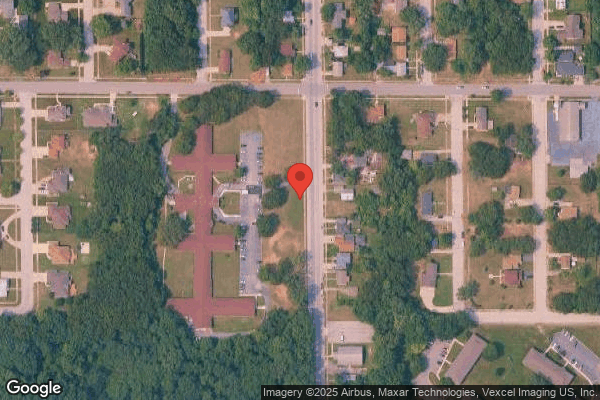
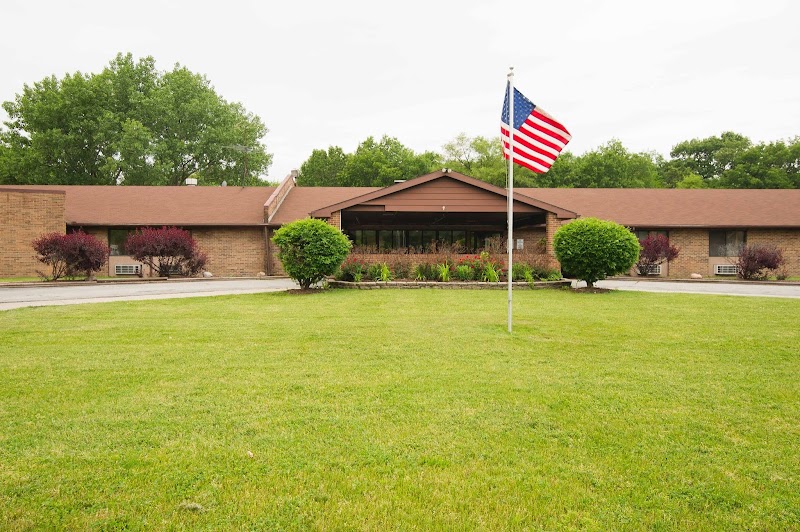
2350 TAFT ST, GARY, IN 46404 (219) 977-2600
For profit - Limited Liability company 178 Beds APERION CARE Data: November 2025
Trust Grade
40/100
#420 of 505 in IN
Last Inspection: September 2024

Within standard 12-15 month inspection cycle. Federal law requires annual inspections.

Overview

Aperion Care Tolleston Park has a Trust Grade of D, indicating below-average performance with some concerns. It ranks #420 out of 505 facilities in Indiana, placing it in the bottom half, and #8 out of 20 in Lake County, meaning only seven local options are better. The facility shows signs of improvement, having reduced its issues from 14 in 2024 to just 2 in 2025. Staffing is relatively stable with a turnover rate of 38%, which is better than the state average, but the RN coverage is concerning, being lower than 92% of Indiana facilities. While there have been no fines, the facility has faced issues such as expired food in the kitchen and unsanitary food handling practices, which could pose health risks to residents. Additionally, the environment appears neglected, with dirty floors and walls in the residents' areas. Families should weigh these strengths and weaknesses carefully when considering this nursing home.

Trust Score
D
40/100
In Indiana
#420/505
Bottom 17%
Safety Record
Low Risk
No red flags
Inspections
Getting Better
14 → 2 violations
Staff Stability
○ Average
38% turnover. Near Indiana's 48% average. Typical for the industry.
Penalties
✓ Good
No fines on record. Clean compliance history, better than most Indiana facilities.
Skilled Nurses
⚠ Watch
Each resident gets only 18 minutes of Registered Nurse (RN) attention daily — below average for Indiana. Fewer RN minutes means fewer trained eyes watching for problems.
Violations
⚠ Watch
60 deficiencies on record. Higher than average. Multiple issues found across inspections.
★☆☆☆☆
1.0
Overall Rating
★☆☆☆☆
1.0
Staff Levels
★★☆☆☆
2.0
Care Quality
★☆☆☆☆
1.0
Inspection Score
Stable
2024: 14 issues
2025: 2 issues

The Good

  • Full Sprinkler Coverage · Fire safety systems throughout facility
  • No fines on record
  • Staff turnover below average (38%)

    10 points below Indiana average of 48%

Facility shows strength in fire safety.

The Bad

1-Star Overall Rating

Below Indiana average (3.1)

Significant quality concerns identified by CMS

Staff Turnover: 38%

Near Indiana avg (46%)

Typical for the industry

Chain: APERION CARE

Part of a multi-facility chain

Ask about local staffing decisions and management

The Ugly 60 deficiencies on record

Jan 2025 2 deficiencies
CONCERN (D) 📢 Someone Reported This

A family member, employee, or ombudsman was alarmed enough to file a formal complaint

Potential for Harm - no one hurt, but risky conditions existed

Pressure Ulcer Prevention (Tag F0686)

Could have caused harm · This affected 1 resident

Based on observation, record review, and interview, the facility failed to ensure a resident with a pressure ulcer received the necessary treatment and services to promote healing, related to treatmen...

Read full inspector narrative →
Based on observation, record review, and interview, the facility failed to ensure a resident with a pressure ulcer received the necessary treatment and services to promote healing, related to treatments not completed as ordered by the Physician for 1 of 3 residents reviewed for pressure ulcers. (Resident C) Finding includes: During an observation on 1/23/25 at 11:08 a.m., the Director of Nursing (DON) completed Resident C's pressure ulcer treatments with the assistance of Unit Manager 1. The DON indicated the pressure ulcer treatment on the coccyx was a duoderm (hydrocolloid dressing) and was to be changed every three days. She indicated the treatment had been completed on 1/22/25. The dressing on the coccyx at the time of the observation was a border gauze dressing with the date of 1/22/25 on the dressing. Resident C's record was reviewed on 1/23/25 at 11:02 a.m. The diagnoses included, but were not limited to, vascular dementia. A Physician's Order, dated 12/15/24, indicated a duoderm dressing was to be applied to the coccyx every three days. The order was discontinued on 1/22/25. A Significant Change Minimum Data Set assessment, dated 12/16/24, indicated a severely impaired cognitive status and unhealed pressure ulcers were present on admission. A Wound Physician's Order, Wound Evaluation and Management Summary, dated 1/17/25, indicated an order for the duoderm dressing every three days to be discontinued and a calcium alginate (dressing to absorb drainage) and border gauze dressing was to be applied daily. A Care Plan, dated 12/20/24, indicated a stage two (partial thickness loss of the dermis) pressure ulcer was present on the the coccyx. The interventions indicated the treatment to the area would be completed as ordered by the Physician. The Treatment Administration Record, dated 1/2025, indicated the duoderm dressing had been applied to the coccyx on 1/20/25 and the order for the calcium alginate dressing was to be started on 1/23/25. A Physician's Order, dated 1/22/25, indicated the pressure ulcer on the coccyx was to be cleansed with wound cleaner, patted dry, and a calcium alginate and dry dressing was to be applied daily. The start date for the treatment was 1/23/25. During an interview on 1/23/25 at 12 p.m., the DON indicated she was unaware orders for the coccyx pressure ulcer treatment had been changed. During an interview on 1/23/15 at 1:09 p.m., the DON indicated the Wound Physician had written a change in treatment orders for the coccyx pressure ulcer in his summary notes on 1/17/25 and the orders had not been transcribed in the resident's record until 1/22/25. During an interview on 1/23/25 at 1:18 p.m., the DON indicated the new treatment for the coccyx pressure ulcer had been completed on 1/22/25. This citation relates to Complaint IN00449958. 3.1-40(a)
CONCERN (D) 📢 Someone Reported This

A family member, employee, or ombudsman was alarmed enough to file a formal complaint

Potential for Harm - no one hurt, but risky conditions existed

Infection Control (Tag F0880)

Could have caused harm · This affected 1 resident

Based on observation, interview, and record review, the facility failed to ensure correct Personal Protective Equipment (PPE) was used by a staff member (Housekeeper 1) when cleaning a room where a CO...

Read full inspector narrative →
Based on observation, interview, and record review, the facility failed to ensure correct Personal Protective Equipment (PPE) was used by a staff member (Housekeeper 1) when cleaning a room where a COVID-19 positive resident resided (Resident F) and was in COVID-19 Transmission-Based Precautions, for one random observation for infection control. Finding includes: During an observation on 1/22/25 at 12:00 p.m., Resident F was lying in his bed in his room. There was a red sign on the door that indicated the resident's room was a Red Zone, which meant the resident was COVID-19 positive. The Red Zone sign indicated the resident should be asked to put a mask on when the staff were in the room and gloves, gown, face shield and a N95 mask were to be worn when in the room. Housekeeper 1 was observed in the room and mopping the floor. Housekeeper 1 had a surgical mask on and was not wearing a face shield. Housekeeper 1 was interviewed at the time and indicated she was unsure if she should have a N95 mask and face shield on. She indicated the resident was asleep so she had not asked him to put a mask on. Resident F's record was reviewed on 1/24/25 at 10:46 a.m. The diagnoses included, but were not limited to, stroke and COVID-19. A Care Plan, dated 1/13/25, indicated he was COVID-19 positive. The interventions included isolation with droplet precautions. A Nurse's Progress Note, dated 1/13/25 at 12:54 p.m., indicated the resident required droplet precautions related to a confirmed diagnosis of COVID-19. A facility COVID-19 policy, dated 7/24/23 and received from the Corporate Nurse Consultant as current, indicated the PPE for use in the Red and Yellow Zones consisted of a N95 mask, gown, gloves, and eye protection (face shield). 3.1-18(b)
Nov 2024 1 deficiency
CONCERN (D) 📢 Someone Reported This

A family member, employee, or ombudsman was alarmed enough to file a formal complaint

Potential for Harm - no one hurt, but risky conditions existed

Quality of Care (Tag F0684)

Could have caused harm · This affected 1 resident

Based on record review and interview, the facility failed to complete adequate fall follow up related to missing neurological assessments for 1 of 3 residents reviewed for falls. (Resident B) Finding...

Read full inspector narrative →
Based on record review and interview, the facility failed to complete adequate fall follow up related to missing neurological assessments for 1 of 3 residents reviewed for falls. (Resident B) Finding includes: The record for Resident B was reviewed on 11/21/24 at 9:26 a.m. Diagnoses included, but were not limited to, malignant neoplasm (abnormal growth) of the head, face, and neck, malignant neoplasm of the tongue, dysphagia (difficulty swallowing) and tracheostomy status. The admission Minimum Data Set (MDS) assessment, dated 10/5/24, indicated the resident was cognitively intact. The resident was receiving tracheostomy care. A Care Plan, reviewed on 10/3/24, indicated the resident was a fall risk related to cancer and medications. Interventions included, but were not limited to, follow facility fall protocols and evaluate and treat as ordered or as needed. Resident B had an unwitnessed fall on 10/20/24. The Neurological 24 Hour Assessment was initiated on 10/20/24 at 12:25 p.m. The assessments were recorded as completed on the following dates and times: - On 10/20/2024 at 12:25 p.m., 5:12 p.m. and 10:30 p.m. - On 10/21/2024 at 10:05 a.m. There were no other neurological assessments documented in the resident's record for 10/21/24. During an interview on 11/21/24 at 1:19 p.m., the Director of Nursing indicated the nurses should have completed and documented Resident B's neurological assessments every four hours on 10/20 and 10/21/24. The facility policy titled, Neurological Assessment was provided by the DON as current on 11/21/24 at 12:39 p.m. The policy indicated neurological checks would be completed at the time of the physician order, potential head injury, or change in condition and every four hours for 24 hours. This citation relates to Complaint IN00446462. 3.1-50(a)(2)
Sept 2024 12 deficiencies
CONCERN (D)

Potential for Harm - no one hurt, but risky conditions existed

Deficiency F0583 (Tag F0583)

Could have caused harm · This affected 1 resident

Based on observation, record review, and interview, the facility failed to ensure a resident's privacy was maintained related to staff not knocking on the door prior to entering the resident's room fo...

Read full inspector narrative →
Based on observation, record review, and interview, the facility failed to ensure a resident's privacy was maintained related to staff not knocking on the door prior to entering the resident's room for 2 of 2 residents reviewed for privacy. (Residents 2 and 9) Findings include: 1. During an interview on 9/16/24 at 2:44 p.m., Resident 2 indicated staff do not always knock on her door prior to entering her room. On 9/16/24 at 2:55 p.m., CNA 3 opened the door to the resident's room without knocking. The CNA proceeded to close the door and exit the resident's room. On 9/16/24 at 2:58 p.m., a staff member, partially opened the door and then closed it. The staff member did not knock on the door prior to opening it. The record for Resident 2 was reviewed on 9/19/24 at 9:56 a.m. Diagnoses included, but were not limited to, bipolar, type 2 diabetes, major depressive disorder, and schizophrenia. The Quarterly Minimum Data Set (MDS) assessment, dated 6/15/24, indicated the resident was moderately impaired for daily decision making. During an interview on 9/18/24 at 4:10 p.m., the Director of Nursing indicated staff should have knocked on the door before entering the resident's room. 2. During an interview on 9/16/24 at 3:00 p.m., Resident 9 indicated staff do not always knock on her door prior to entering her room. On 9/16/24 at 3:03 p.m., Housekeeper 1 entered the resident's room to replace the trash bag. She did not knock on the door prior to entering the room. The record for Resident 9 was reviewed on 9/17/24 at 3:18 p.m. Diagnoses included, but were not limited to, major depressive disorder and anxiety. The Quarterly Minimum Data Set (MDS) assessment, dated 7/15/24, indicated the resident was cognitively impaired for daily decision making. During an interview on 9/18/24 at 4:10 p.m., the Director of Nursing indicated staff should have knocked on the door before entering the resident's room. 3.1-3(p)(5)
CONCERN (D)

Potential for Harm - no one hurt, but risky conditions existed

ADL Care (Tag F0677)

Could have caused harm · This affected 1 resident

**NOTE- TERMS IN BRACKETS HAVE BEEN EDITED TO PROTECT CONFIDENTIALITY** Based on observation, record review, and interview, the facility failed to ensure activities of daily living (ADLs) were complet...

Read full inspector narrative →
**NOTE- TERMS IN BRACKETS HAVE BEEN EDITED TO PROTECT CONFIDENTIALITY** Based on observation, record review, and interview, the facility failed to ensure activities of daily living (ADLs) were completed for dependent residents related to dirty and long fingernails and the removal of facial hair for 3 of 10 residents reviewed for ADLs. (Residents 35, 58, and 236) Findings include: 1. During random observations on 9/16/24 at 9:32 a.m., 11:44 a.m., and 2:38 p.m., on 9/17/24 at 9:00 a.m., 1:38 p.m., and on 9/18/24 at 9:09 a.m., 11:15 a.m., and 1:57 p.m., Resident 35 was observed with dirty fingernails on her left hand and long and dirty fingernails on her right hand. On 9/19/24 at 8:15 a.m., the Assistant Director of Nursing (ADON) 2 was asked to observe the resident's fingernails. At that time, ADON 2 indicated her nails were long and dirty. The record for Resident 35 was reviewed on 9/17/24 at 2:05 p.m. Diagnoses included, but were not limited to, stroke, aphasia (a language disorder that makes it difficult to understand or express language), diabetes, hemiplegia (paralysis on one side of the body), heart disease, and high blood pressure. The 6/16/24 Quarterly Minimum Data Set (MDS) assessment indicated the resident was not cognitively intact for daily decision making. The resident had a functional limitation of range of motion impairment to one side for both the upper and lower extremities, was dependent on staff for bathing and needed substantial to maximal assistance with personal hygiene. The Care Plan, revised on 8/5/22, indicated the resident had an ADL self-care performance deficit related to a stroke. An approach indicated the resident may require staff assistance with personal hygiene. The task section of the EMR (electronic medical record), completed by the CNA, indicated there was no documentation the resident's fingernails had been cleaned or trimmed. During an interview on 8/19/24 at 8:15 a.m., ADON 2 indicated the resident's fingernails were in need of being trimmed and cleaned. 2. During random observations on 9/16/24 at 12:16 p.m., 2:40 p.m., and 3:40 p.m., on 9/17/24 at 9:11 a.m., 1:40 p.m., and 3:00 p.m., and on 9/18/24 at 10:04 a.m. and 2:00 p.m., Resident 58 was observed with long facial hair under her chin and on her neck. On 9/18/24 at 2:45 p.m., the resident was observed sitting in a wheelchair in her room. At that time, CNA 2 was asked to come to the resident's room to observe the facial hair. The CNA indicated she had just shaved the resident 2 days prior, however, she must have missed the facial hair under her chin and neck. She indicated the facial hair was very long. The record for Resident 58 was reviewed on 9/18/24 at 2:55 p.m. The resident was admitted to the facility on [DATE]. Diagnoses included, but were not limited to, type 2 diabetes, stroke, hemiplegia (paralysis to one side of the body), high blood pressure, urinary tract infection (UTI), obstructive uropathy (occurred when urine cannot drain through the urinary tract), dementia, anxiety, and depressive disorder The admission Minimum Data Set (MDS) assessment, dated 7/22/24, indicated the resident was cognitively impaired for daily decision making and needed supervision with personal hygiene. The 9/8/24 5-day Medicare MDS assessment, indicated the resident was cognitively impaired for daily decision making and now she needed substantial assistance with personal hygiene. A Care Plan, dated 7/25/24, indicated the resident had an ADL self-care performance deficit related to a stroke. The task section of the EMR, completed by the CNA, indicated the had a shower on 8/22, 9/5, 9/12, and 9/16/24. No shaving was documented. During an interview on 9/19/24 at 8:10 a.m., the Assistant Director of Nursing (ADON) 2 indicated the resident should have had the facial hair removed during care. 3. During random observations on 9/16/24 at 10:08 a.m., 12:25 p.m., 2:46 p.m., and 3:43 p.m., on 9/17/24 at 9:08 a.m., 9:57 a.m., and 1:40 p.m., and on 9/18/24 at 9:13 a.m., and 10:50 a.m., Resident 236 was observed with a moderate amount of facial hair on his face and chin area. On 9/18/24 at 2:05 p.m., the resident was observed sitting in the wheelchair in his room. The resident's son was observed sitting on the couch in the room. During an interview on 9/18/24 at 2:25 p.m., the resident's daughter indicated the resident liked to be clean shaven and her brother was now giving him a shave. The record for Resident 236 was reviewed on 9/17/24 1:48 p.m. The resident was admitted to the facility on [DATE]. Diagnoses included, but were not limited to, pneumonia, high blood pressure, hearing loss, joint pain, and arthritis. The admission Minimum Data Set (MDS) assessment was still in progress. The Care Plan, dated 9/12/24, indicated, the resident had an ADL self-care deficit related to mobility and weakness. The task section of the EMR, completed by the CNA, indicated Resident 236 had a bed bath on 9/12/24 and a shower on 9/16/24. No shaving was documented. During an interview on 9/19/24 at 8:10 a.m., the Assistant Director of Nursing indicated she was unaware the resident wanted to be clean shaven. 3.1-38(a)(3)(D) 3.1-38(a)(3)(E)
CONCERN (D)

Potential for Harm - no one hurt, but risky conditions existed

Quality of Care (Tag F0684)

Could have caused harm · This affected 1 resident

Based on observation, record review, and interview, the facility failed to ensure non-pressure ulcer treatments were completed as ordered for 3 of 4 residents reviewed for skin conditions and failed t...

Read full inspector narrative →
Based on observation, record review, and interview, the facility failed to ensure non-pressure ulcer treatments were completed as ordered for 3 of 4 residents reviewed for skin conditions and failed to obtain a psychiatric consult as ordered for 1 of 5 residents reviewed for unnecessary medications. (Residents 94 and 107) Findings include: 1. During a random observation on 9/16/24 at 10:26 a.m., Resident 94 was observed sitting on a couch in the dining/day room. The resident's left lower leg was observed to be scaly, with scabbed and inflamed red areas. There were no bandages on her left lower leg. The record for Resident 94 was reviewed on 9/18/24 at 9:45 a.m. Diagnoses included, buy were not limited to, schizophrenia, morbid obesity, cellulitis, high blood pressure, major depressive disorder, anxiety, osteoarthritis, and bipolar disorder. The 6/15/24 Quarterly Minimum Data Set (MDS) assessment indicated the resident was not cognitively intact for daily decision making. A Care Plan, revised on 3/25/24, indicated the resident was resistive to care and refused wound care. A Care Plan, revised on 7/1/24, indicated the resident had a venous/stasis ulcer to the left lower leg. The approaches were to perform the treatment as ordered. Physician's Orders, dated 7/2/24, indicated Hydrocortisone external cream 0.1 % apply to the left lower leg topically on day shift every Monday, Wednesday, and Friday, and wrap with kerlix. The Treatment Administration Records (TAR), from April 2024 to present, indicated the treatment was blank and not signed out as being completed on the following days: - 4/2024: blank on 4/10/24 - 5/2024: blank on 5/27/24 - 6/2024: blank on 6/14, 6/21 and 6/28/24 - 7/2024: blank on 7/1, 7/15, 7/17, 7/19, 7/22, 7/24, and 7/26/24 - 8/2024: blank on 8/7 and 8/19/24 During an interview on 9/20/24 at 9:20 a.m., Assistant Director of Nursing (ADON) 2 indicated the treatments to the left lower extremity were not signed out as being completed for the resident. 2. The record for Resident 107 was reviewed on 9/19/24 at 10:55 a.m. Diagnoses included, but were not limited to, Parkinson's disease, high blood pressure, psychotic disorder, major depressive disorder, dementia without behaviors, and type 2 diabetes. The resident transferred to the facility on 1/4/24 from another skilled nursing home. The Quarterly Minimum Data Set (MDS) assessment, dated 7/5/24, indicated the resident was not cognitively intact for daily decision making. The resident had mood problems such as feeling down, feeling tired, poor appetite and trouble concentrating on things. The resident received an antipsychotic, anti-anxiety, and antidepressant medications. Physician's Orders, dated 4/1/24, indicated Lorazepam (an anti-anxiety medication) 0.5 mg every day and evening shifts and a psychiatric evaluation to treat as indicated. Physician's Orders, dated 9/18/24, indicated Olanzapine (an antipsychotic medication) 20 milligrams (mg) 1 tablet at night time. Trazadone (an antidepressant medication) 50 mg at bedtime, and Zoloft (an antidepressant medication) 50 mg at night time. A Nurse Practitioner (NP) Progress Note, dated 9/16/24, indicated the resident had the diagnosis of psychotic disorder with delusions and was on Olanzapine 20 mg with psychiatric services following him. During an interview on 9/19/24 at 1:50 p.m., Assistant Director of Nursing (ADON) 2 indicated the resident was admitted to the locked unit when he first arrived. After his hospitalization in March, he was readmitted to the PCU unit. She had thought the resident was being seen by the outside behavior company for his medications. There was no documentation or consents obtained for the resident to seek outside behavior management. During an interview on 9/20/24 at 1:45 p.m., the Nurse Consultant indicated the psychiatric consult was not obtained in a timely manner. 3.1-37(a)
CONCERN (D)

Potential for Harm - no one hurt, but risky conditions existed

Deficiency F0688 (Tag F0688)

Could have caused harm · This affected 1 resident

Based on observation, record review, and interview, the facility failed to ensure a palm protector was donned as ordered by the physician for 1 of 1 residents reviewed for range of motion. (Resident 3...

Read full inspector narrative →
Based on observation, record review, and interview, the facility failed to ensure a palm protector was donned as ordered by the physician for 1 of 1 residents reviewed for range of motion. (Resident 35) Finding includes: During a random observation on 9/16/24 at 9:32 a.m., Resident 35 was observed sitting in a geri chair, dressed in street clothes and finishing breakfast. At that time, her right hand was clenched like a fist and there was no anti-contracture device in her hand. On 9/16/24 at 11:44 a.m., the resident now was observed with a palm protector in her right hand The record for Resident 35 was reviewed on 9/17/24 at 2:05 p.m. Diagnoses included, but were not limited to, stroke, aphasia (a language disorder that makes it difficult to understand or express language), diabetes, hemiplegia (paralysis on one side of the body), heart disease, and high blood pressure. The 6/16/24 Quarterly Minimum Data Set (MDS) assessment, indicated the resident was not cognitively intact for daily decision making. The resident had a functional limitation of range of motion impairment to one side for both the upper and lower extremities and was dependent on staff for bathing and needed substantial to maximal assistance with personal hygiene. The Care Plan, dated 9/23/22, indicated the resident had hemiplegia due to a stroke with weakness to the right side. The approaches were to provide a palm proctor to the right palm as per order. Physician's Orders, dated 10/19/23, indicated the resident may have a palm protector or rolled wash cloth to the right hand. The Medication and Treatment Administration Records for 6/2024,7/2024, 8/2024 and 9/2024 lacked documentation to indicate if the palm protector was donned or doffed. There was no documentation of any refusals. The task section of the EMR (electronic medical record), where the CNAs document, indicated Nursing: Splint/Brace: palm protector. Resident to wear palm protector to right hand it is to be on at all times you may use rolled face towels when palm protector is being laundered. From 9/1-9/16/24 the palm protector was signed out as N/A (not applicable). There was no documentation the resident refused to wear the palm protector. During an interview on 9/19/24 at 1:50 p.m., Assistant Director of Nursing 2 indicated there was no documentation to monitor if the palm protector was being donned and doffed. 3.1-42(a)(2)
CONCERN (D)

Potential for Harm - no one hurt, but risky conditions existed

Incontinence Care (Tag F0690)

Could have caused harm · This affected 1 resident

**NOTE- TERMS IN BRACKETS HAVE BEEN EDITED TO PROTECT CONFIDENTIALITY** Based on observation, record review, and interview, the facility failed to ensure Foley (urinary) catheter bags and tubing were ...

Read full inspector narrative →
**NOTE- TERMS IN BRACKETS HAVE BEEN EDITED TO PROTECT CONFIDENTIALITY** Based on observation, record review, and interview, the facility failed to ensure Foley (urinary) catheter bags and tubing were kept off of the floor for 1 of 1 resident reviewed for urinary catheters. (Resident 58) Finding includes: During a random observation on 9/16/24 at 9:30 a.m., Resident 58 was observed in bed. Her anchored catheter bag was on the floor at the side of the bed. During an interview at that time, CNA 1 indicated the catheter bag should not be on the floor. During random observations on 9/18/24 at 9:12 a.m. and 10:04 a.m., the resident was up and dressed and observed sitting in her wheelchair. At those times the catheter bag and tubing was observed on the floor under the wheelchair. On 9/18/24 at 10:29 a.m., the Director of Rehabilitation entered the resident's room and asked if she was ready for therapy. The resident indicated she was, so the director pushed her out of the room to the therapy room. At that time, the catheter bag and tubing remained on the floor while being pushed down the hallway. At 11:10 a.m., the resident was finished with therapy and staff pushed her down the hallway back to her room with the catheter bag and tubing still observed on the floor. During an observation on 9/18/24 at 2:00 p.m., the resident was observed sitting in her wheelchair inside her room. At that time, the catheter bag and tubing remained on the floor under the wheelchair. During an observation on 9/18/24 at 2:45 p.m., the catheter bag and tubing were still on the floor under the resident's wheelchair. CNA 2 was asked to step inside the room to observe the catheter bag and tubing. During an interview at that time, CNA 2 indicated the bars under the wheelchair dip down too low and that was why the catheter bag was on the ground. She was aware the catheter bag and tubing should not be on the floor. The record for Resident 58 was reviewed on 9/18/24 at 2:55 p.m. The resident was admitted to the facility on [DATE]. Diagnoses included, but were not limited to, type 2 diabetes, stroke, hemiplegia (paralysis to one side of the body), high blood pressure, urinary tract infection (UTI), obstructive uropathy (occurred when urine cannot drain through the urinary tract), dementia, anxiety, and depressive disorder The admission Minimum Data Set (MDS) assessment, dated 7/22/24, indicated the resident was cognitively impaired for daily decision making and needed supervision with personal hygiene. The 9/8/24 5-day Medicare MDS assessment indicated Resident 58 was cognitively impaired for daily decision making. She needed substantial assistance with personal hygiene and had a Foley catheter. A Care Plan, revised on 8/6/24, indicated the resident had a Foley catheter. Physician's Orders, dated 9/4/24, indicated Foley catheter 14 French with a 10 cubic centimeters (CC) balloon. Physician Orders, dated 9/4/24 and discontinued on 9/12/24, indicated Ciprofloxacin HCl (an antibiotic) tablet 500 milligrams (mg), give 1 tablet by mouth every day and evening shift for an UTI for 7 days. Meropenem (an antibiotic) Intravenous solution reconstituted 2 grams, give 100 milliliters (ml) intravenously three times a day for UTI for 9 days. During an interview on 9/18/24 at 4:00 p.m., the Director of Nursing indicated the catheter bag and tubing should not be on the floor. The current and revised 2/14/19, Urinary Catheter Care policy provided by Assistant Director of Nursing 2 on 9/19/24 at 2:30 p.m., indicated urinary drainage bags and tubing shall be positioned to prevent either from touching the floor directly. 3.1-41(a)(2)
CONCERN (D)

Potential for Harm - no one hurt, but risky conditions existed

Tube Feeding (Tag F0693)

Could have caused harm · This affected 1 resident

2. During an observation on 9/18/24 11:05 a.m. Resident 107 had asked to use the bathroom. At that time, he was wheeled out of the dining room by RN 1 and assisted back to his room. The Medical Record...

Read full inspector narrative →
2. During an observation on 9/18/24 11:05 a.m. Resident 107 had asked to use the bathroom. At that time, he was wheeled out of the dining room by RN 1 and assisted back to his room. The Medical Record Supervisor (who was also a CNA) assisted RN 1 in placing the resident on the toilet. At that time, RN 1 was asked to lift up the resident's shirt so his peg tube (a tube that was inserted directly into the stomach for nutrition) could be observed. The peg tube was intact and there was dried crusty drainage around the stoma site. There was no bandage covering the stoma site. During an interview on 9/18/24 at 11:09 a.m., RN 1 indicated he has flushed the tube on his shift but he has never cleaned around it. After he had checked in the computer, he indicated there were no orders for the peg tube site to be cleaned. The record for Resident 107 was reviewed on 9/19/24 at 10:55 a.m. Diagnoses included, but were not limited to, Parkinson's disease, high blood pressure, psychotic disorder, major depressive disorder, dementia without behaviors, and type 2 diabetes. The resident transferred to the facility on 1/4/24 from another skilled nursing home. The Quarterly Minimum Data Set (MDS) assessment, dated 7/5/24, indicated the resident was not cognitively intact for daily decision making. The resident had mood problems such as feeling down, feeling tired, poor appetite and trouble concentrating on things. The resident had no swallowing problems and weighed 160 pounds with no significant weight loss. He had a peg tube and received a mechanically altered diet. A Care Plan, revised on 7/23/24, indicated the resident required tube feeding related to difficulty swallowing. Physician's Orders, dated 4/1/24, indicated flush peg tube with 100 milliliters (ml) of water every shift. Physician's Orders, dated 6/28/24, indicated enteral feed: monitor for tube feeding complications every shift including nausea, vomiting, diarrhea, constipation, abdomen distention, coughing, congestion, choking, cyanosis, frothy sputum, and unusual restlessness. There were no physician's orders to clean around the stoma site. During an interview on 9/18/24 at 11:20 a.m., the Director of Nursing (DON) indicated there was no order to cleanse around the peg tube. The current 8/3/20 Tube-Feeding and Care policy, provided by the DON on 9/18/24 at 11:28 a.m., indicated stoma site care: clean skin with soap and water or antiseptic of choice, begin next to the stoma site, using a spiral pattern moving outward, then clean under the skin disk with a cotton swab. Dry thoroughly and leave open to air, use a dressing only if ordered. 3.1-44(a)(2) Based on observation, record review, and interview, the facility failed to ensure a tube feeding was infusing at the correct time and treatment orders were obtained for a gastrostomy tube (a tube inserted through the wall of the abdomen directly into the stomach) site for 2 of 2 residents reviewed for tube feeding. (Residents 10 and 107) Findings include: 1. On 9/19/24 at 8:35 a.m., Resident 10 was observed in his room in bed. His tube feeding pump was turned off and there was no tube feeding hanging from the pole. On 9/20/24 at 8:36 a.m., the resident was seated in his wheelchair and he was being transported to the main dining room. The resident was not connected to his tube feeding at that time. The record for Resident 10 was reviewed on 9/17/24 at 1:34 p.m. Diagnoses included, but were not limited to, dysphagia (difficulty swallowing), stroke, intestinal obstruction, and dementia with agitation. The Medicare 5-day Minimum Data Set (MDS) assessment, dated 7/24/24, indicated the resident was cognitively impaired for daily decision making and he had a feeding tube through which he received 51% or more of his total calories. A Care Plan, dated 8/1/24, indicated the resident required a peg (percutaneous endoscopic gastrostomy tube) tube related to an intestinal obstruction. The resident also received an oral diet. Interventions included, but were not limited to, dependent with tube feeding and water flushes, see physician orders for current feeding orders. A Physician's Order, dated 7/27/24, indicated the resident was to receive a tube feeding of Jevity 1.2 at 95 milliliters (ml) an hour, on at 7:00 p.m. and off at 9:00 a.m. During an interview on 9/20/24 at 9:25 a.m., the 200 Unit Manager indicated the resident's tube feeding was to be turned off at 9:00 a.m.
CONCERN (D)

Potential for Harm - no one hurt, but risky conditions existed

Respiratory Care (Tag F0695)

Could have caused harm · This affected 1 resident

**NOTE- TERMS IN BRACKETS HAVE BEEN EDITED TO PROTECT CONFIDENTIALITY** 2. On 9/16/24 at 11:18 a.m. and 12:22 p.m., Resident 55 was observed wearing oxygen via nasal cannula. The oxygen flow rate was ...

Read full inspector narrative →
**NOTE- TERMS IN BRACKETS HAVE BEEN EDITED TO PROTECT CONFIDENTIALITY** 2. On 9/16/24 at 11:18 a.m. and 12:22 p.m., Resident 55 was observed wearing oxygen via nasal cannula. The oxygen flow rate was on at 3 liters. The record for Resident 55 was reviewed on 9/17/24 at 3:11 p.m. The diagnoses included, but were not limited to, anoxic (no oxygen to the brain) brain damage, dysphagia (difficulty swallowing), hypertension (high blood pressure), vegetative state (severe brain damage), and chronic obstructive pulmonary disease (COPD). The Quarterly Minimum Data Set (MDS) assessment, dated 8/12/24, indicated the resident was severely impaired for daily decision making and the resident required oxygen therapy. A Care Plan, dated 2/8/24, indicated the resident required oxygen therapy. Interventions were to monitor signs of respiratory distress and to administer oxygen settings via nasal cannula per oxygen orders. A Physician's Order, dated 12/17/23, indicated to administer oxygen at 2 liters per nasal cannula continuously every shift. The Medication Administration Record (MAR) indicated oxygen was signed out as being given at 2 liters on 9/16/24. During an interview on 9/19/24 at 9:52 a.m., Assistant Director of Nursing (ADON) 1 indicated staff had been auditing the oxygen and the resident's flow rate was corrected. 3.1-47(6) Based on observation, record review, and interview, the facility failed to ensure oxygen was set at the correct flow rate for 2 of 2 residents reviewed for respiratory care. (Residents 236 and 55) Findings include: 1. During random observations on 9/16/24 at 2:46 p.m. and 3:43 p.m., and on 9/17/24 at 9:08 a.m., 9:57 a.m. and 1:40 p.m., Resident 236 was observed wearing oxygen per nasal cannula at 2 liters per minute (lpm) on the room concentrator. During random observations on 9/18/24 at 9:13 a.m., 10:50 a.m., and 2:05 p.m., and on 9/19/24 at 8:10 a.m., the resident was wearing oxygen per nasal cannula at 2.5 liters per minute on the room concentrator. On 9/18/24 at 8:10 a.m., Assistant Director of Nursing (ADON) 2 was in the room and indicated the oxygen was set at 2.5 liters. The record for Resident 236 was reviewed on 9/17/24 1:48 p.m. The resident was admitted to the facility on [DATE]. Diagnoses included, but were not limited to, pneumonia, high blood pressure, hearing loss, joint pain, and arthritis. The admission Minimum Data Set (MDS) assessment was still in progress. The Care Plan, dated 9/12/24, indicated the resident needed oxygen therapy. The approaches were to set the oxygen at 3 liters per minute. Physician's Orders, dated 9/12/24, indicated oxygen at 3 liters per minute via nasal cannula continuously. During an interview on 9/19/24 at 8:10 a.m., ADON 2 indicated the oxygen was set at 2.5 liters and it should have been at 3 liters per minute.
CONCERN (D)

Potential for Harm - no one hurt, but risky conditions existed

Unnecessary Medications (Tag F0759)

Could have caused harm · This affected 1 resident

Based on observation, record review, and interview, the facility failed to ensure a medication error rate of less than 5% for 2 of 6 residents observed during medication pass. Two errors were observed...

Read full inspector narrative →
Based on observation, record review, and interview, the facility failed to ensure a medication error rate of less than 5% for 2 of 6 residents observed during medication pass. Two errors were observed during 33 opportunities for errors during medication administration. This resulted in a medication error rate of 6.06%. (Residents 3 and 126) Findings include: 1. During an observation of medication pass on 9/18/24 at 4:00 p.m., LPN 1 prepared the insulin Fiasp flex touch pen for Resident 3. She opened the insulin pen, wiped the seal with an alcohol swab, attached the needle, dialed the pen to 10 units, and proceeded to administer the medication to the resident. The LPN did not prime the pen before administration of the insulin. During an interview on 9/20/24 at 9:25 a.m., the 200 Unit Manager indicated the insulin pen should have been primed prior to giving the insulin. The facility policy titled, Insulin Pen Procedure was reviewed on 9/20/24 at 1:54 p.m. The policy was provided by the nurse consultant and identified as current. The policy indicated the following, .7. Prime the insulin pen. Priming means removing air bubbles from the needle, and ensures that the needle is open and working. The pen must be primed before each injection. 8. To prime the insulin pen, turn the dosage knob to the 2 units indicator. With the pen pointing upward, push the knob all the way. At least one drop of insulin should appear. You may need to repeat this step until a drop appears . 2. On 9/19/24 at 8:41 a.m., LPN 2 was observed preparing medications for Resident 126. The LPN placed an Aldactone (a blood pressure medication) 25 milligram (mg) tablet into the medication cup and administered the pill to the resident. The record for Resident 126 was reviewed on 9/20/24 at 9:00 a.m. A Physician's Order, dated 9/7/24, indicated the resident's Aldactone had been discontinued. During an interview on 9/20/24 at 1:54 p.m., the Nurse Consultant indicated the Aldactone should not have been given if it was discontinued. 3.1-48(c)(1)
CONCERN (D)

Potential for Harm - no one hurt, but risky conditions existed

Dental Services (Tag F0791)

Could have caused harm · This affected 1 resident

Based on observation, record review, and interview, the facility failed to ensure a resident had seen the dentist at least yearly for 1 of 2 residents reviewed for dental care. (Resident 88) Finding i...

Read full inspector narrative →
Based on observation, record review, and interview, the facility failed to ensure a resident had seen the dentist at least yearly for 1 of 2 residents reviewed for dental care. (Resident 88) Finding includes: On 9/16/24 at 10:43 a.m., Resident 88 was observed with missing upper and lower teeth. During an interview at that time, the resident indicated he had not seen the dentist since he arrived at the facility in 2022. The resident expressed he wanted dentures and indicated he had been on the dental list for a long time. The record for Resident 88 was reviewed on 9/18/24 at 8:45 a.m. The diagnoses included, but were not limited to, hypotension (low blood pressure), anemia (low iron), adult failure to thrive, respiratory failure, heart failure, kidney disease, and dependence on renal dialysis. The Quarterly Minimum Data Set (MDS) assessment, dated 7/28/24, indicated the resident was moderately impaired for daily decision making. There was no dental care plan. A Physician's Order, dated 2/5/24, indicated the resident could receive dental care as needed. During an interview on 9/19/24 at 11:13 a.m., the Social Service Director (SSD) indicated she had not had time to cross reference the previous dental lists to verify which residents had not been seen by the dentist. She indicated Resident 88 had not been seen by a dentist since admission because he was dealing with a deviance with his insurance. The resident had just signed a new senior dental plan application on 8/29/24. During an interview on 9/19/24 at 2:47 p.m., the SSD indicated she was wrong about the resident having a deviance with his insurance. She indicated they recognized the resident had not seen the dentist since admission and had the resident sign a new dental agreement on 8/29/24. The dentist was last in the facility on 9/11/24 and the resident was not on the dental list to be seen. 3.1-24(a)(1)
CONCERN (D)

Potential for Harm - no one hurt, but risky conditions existed

Medical Records (Tag F0842)

Could have caused harm · This affected 1 resident

Based on record review and interview, the facility failed to ensure clinical records were accurate and complete related to 15 minute checks for a resident who had pushed another resident down to the g...

Read full inspector narrative →
Based on record review and interview, the facility failed to ensure clinical records were accurate and complete related to 15 minute checks for a resident who had pushed another resident down to the ground for 1 of 1 residents reviewed for abuse. (Resident 94) Finding includes: The record for Resident 94 was reviewed on 9/18/24 at 9:45 a.m. Diagnoses included, buy were not limited to, schizophrenia, morbid obesity, cellulitis, high blood pressure, major depressive disorder, anxiety, osteoarthritis, and bipolar disorder. The 6/15/24 Quarterly Minimum Data Set (MDS) assessment indicated the resident was not cognitively intact for daily decision making. A Care Plan, dated 7/31/24, indicated the resident had the potential to be physically aggressive. A Social Service Progress Note, dated 7/31/24, indicated the resident had an altercation with her roommate. Resident 94 indicated she was in the bathroom sitting on the toilet and her roommate entered the bathroom and told the her she was going to hit her, so Resident 94 got off the toilet and hit her first and left the room. The other resident had fallen to the ground. Both residents were separated and Resident 94 was moved to a different room and was placed on 15 minute checks. An abuse allegation/incident, received by the Administrator on 9/19/24 at 9:40 a.m., indicated on 7/29/24, Resident 94 pushed another resident down. Both residents were placed on 15 minute checks and they both resided on the behavior unit. The 15 minute checks were completed via the computer in the task section. The following was documented in the clinical record in 15 minute increments: - 8/1/24: 12:00 a.m. to 1:00 a.m., the time documented was 12:02 a.m. - 8/1/24: was blank from 1:30 a.m. to 6:45 a.m. - 8/1/24: 7:00 a.m. to 2:45 p.m., the time documented was 1:57 p.m. - 8/1/24: 3:00 p.m. to 8:30 p.m., the time documented was 7:37 p.m. The time documented for all 15 increments was either before the actual time or way after the time. During an interview on 9/19/24 at 3:45 p.m., ADON 2 indicated the 15 minute checks were time stamped either before or way after the observation of the resident. 3.1-50(a)(2)
CONCERN (D)

Potential for Harm - no one hurt, but risky conditions existed

Infection Control (Tag F0880)

Could have caused harm · This affected 1 resident

2. During a random observation on 9/16/24 at 11:07 a.m., CNA 1 was observed wearing gloves and having close contact with Resident 36 by providing incontinence care and pulling up the resident' new bri...

Read full inspector narrative →
2. During a random observation on 9/16/24 at 11:07 a.m., CNA 1 was observed wearing gloves and having close contact with Resident 36 by providing incontinence care and pulling up the resident' new brief and pants. There was a sign above the resident's bed that indicated EBP for close contact: required a gown and gloves. During an interview at that time, CNA 1 indicated she thought the EBP was for the resident who resided in the first bed. She did not see the sign above Resident 36's bed. The record for Resident 36 was reviewed on 9/20/24 at 8:18 a.m. Diagnoses included, but were not limited to, peripheral vascular disease and dementia. Physician's Orders, dated 5/14/24, indicated Enhanced Barrier Precautions related to wounds and infection to left lower leg. Physician's Orders, dated 9/13/24, indicated Gentamicin Sulfate External Ointment 0.1 %, apply to left lower extremity for wound healing. The Wound Physician note, dated 9/13/24, indicated the resident had an arterial wound on the left lower leg that measured 9.5 centimeters (cm) by 3 cm and had blue-green drainage. During an interview on 9/19/24 at 1:50 p.m., Assistant Director of Nursing (ADON) 2 indicated the resident was in EBP and the CNA should have donned a gown prior to contact. 3. During random observations on 9/16/24 at 3:45 p.m. and on 9/17/24 at 3:07 p.m., Resident 113 was observed in bed and his Foley catheter drainage bag was on the floor. During random observations on 9/18/24 at 9:10 a.m., 10:51 a.m., 11:10 a.m., and 1:57 p.m., the resident was observed sitting in his wheelchair. At those times, the resident's catheter bag and tubing were observed on the floor under his wheelchair. The record for Resident 113 was reviewed on 9/19/24 at 12:00 p.m. Diagnoses included, but were not limited to, stroke, chronic kidney disease, obstructive and reflux uropathy, benign prostatic hyperplasia, and retention of urine. The 8/19/24 Quarterly Minimum Data Set (MDS) assessment indicated the resident was not cognitively intact for daily decision making and had an indwelling catheter for urine. Physician's Orders, dated 11/15/23, indicated Foley catheter 18 French with a 10 cubic centimeters (cc) balloon to gravity drainage. The resident had no history of an urinary tract infection. During an interview on 9/18/24 at 4:00 p.m., the Director of Nursing indicated she would be placing a leg bag on the resident to prevent the tubing from touching the floor. The current and revised 2/14/19, Urinary Catheter Care policy provided by Assistant Director of Nursing 2 on 9/19/24 at 2:30 p.m., indicated urinary drainage bags and tubing shall be positioned to prevent either from touching the floor directly. 3.1-18(b) Based on observation, record review, and interview, the facility failed to ensure infection control practices were in place related to hand hygiene during glove use for 1 of 1 glucometer blood sugar checks observed, staff failing to donn personal protective equipment (PPE) for a resident who was in enhanced barrier precautions (EBP), and ensuring Foley (urinary) catheter bags were not on the floor during random infection control observations. (Residents 3, 36, and 113) Findings include: 1. On 9/18/24 at 4:00 p.m., LPN 1 was observed completing a glucometer (a test to check the resident's blood sugar) procedure for Resident 3. The LPN entered the resident's room, proceeded to donn a pair of gloves and completed the glucometer check. The LPN sanitized her hands after removing her gloves. She did not wash her hands or use hand sanitizer upon entering the resident's room or before donning the gloves. During an interview on 9/20/24 at 2:28 p.m., the Nurse Consultant indicated hands should be washed and/or sanitized upon room entry so it would be expected for staff to sanitize their hands prior to donning gloves. The facility policy titled Hand Hygiene/Handwashing was provided on 9/20/24 at 1:54 p.m. by the Nurse Consultant and identified as current. The policy indicated hand hygiene should be completed at room entry.
CONCERN (E) 📢 Someone Reported This

A family member, employee, or ombudsman was alarmed enough to file a formal complaint

Potential for Harm - no one hurt, but risky conditions existed

Safe Environment (Tag F0921)

Could have caused harm · This affected multiple residents

**NOTE- TERMS IN BRACKETS HAVE BEEN EDITED TO PROTECT CONFIDENTIALITY** Based on observation and interview, the facility failed to ensure the residents' environment was clean and in good repair relate...

Read full inspector narrative →
**NOTE- TERMS IN BRACKETS HAVE BEEN EDITED TO PROTECT CONFIDENTIALITY** Based on observation and interview, the facility failed to ensure the residents' environment was clean and in good repair related to dirty and discolored floor tiles, marred walls, dirty and missing baseboards, broken mini blinds, dirty and rusty toilet bolts, missing toilet bolt covers, and caulk missing around the toilet for 3 of 3 units observed. (North, South and PCU) Findings include: During the environmental tour with the Maintenance and Housekeeping Supervisors on 9/20/24 at 3:23 p.m., the following was observed: 1. North Unit a. In room [ROOM NUMBER], the floor in the room was discolored and had an accumulation of dirt and debris along the baseboard throughout the room. The left closet door was off the track. There was dirt and debris along the track of the closet door. The bathroom floor had dirt and debris along the base board. There was no trash can in the room. b. In room [ROOM NUMBER], the entry way trim had build-up of dirt and debris. Behind the entry doorway there was a build-up of dirt and debris. The floor in the room had an accumulation of dust and debris on the floor and along the base board. The floor tile was scuffed. c. In room [ROOM NUMBER], the door to the room was marred along the edge, the floor in the room was dirty on left side of bed with dried food spillage and debris on the floor. The bathroom walls were scratched and marred, the floor was dirty and the tile was scuffed. d. In room [ROOM NUMBER], the floor was dirty, with scuff marks throughout. The bathroom door was scratched and marred, the floor in the bathroom was dirty with an accumulation of dirt and debris along baseboard. The tiles were discolored and scuffed. The towel rack in the bathroom was broken off of the wall. The toilet bolts were dirty and rusty. The toilet bolt covers were missing. 2. South Unit a. In room [ROOM NUMBER], the mini blinds were broken in multiple areas on the blind. b. In room [ROOM NUMBER], the blinds were missing and broken. c. In room [ROOM NUMBER], the wall next to the bed was marred and had dried spillage on the base of the tube feeding pump. The floor in the room with dirty and had debris present. The door to the bathroom was scratched and marred. The walls in the bathroom was marred. There were no toilet bolt covers for the toilet. The tile strip leading to the room had an accumulation of dirt buildup. 3. PCU a. In room [ROOM NUMBER], the floor was scuffed and marred in the room and bathroom. The toilet had rusty toilet bolts, missing toilet bolt covers, and caulk missing around the toilet. The trim was missing to the entrance to the room. b. In room [ROOM NUMBER], the bathroom floor had discolored tile. The walls were marred in the room and bathroom. The toilet bolt covers were missing and the floor was dirty in the room. c. In room [ROOM NUMBER], the bathroom were walls marred, the floor in the room was scuffed with black marks, the bathroom ceiling vent was dirty and dusty, the toilet bolts were rusty and missing the toilet bolt covers, there was dried urine by the rusty bolts and adhered dirt on the floor against the baseboard. d. In room [ROOM NUMBER], the bathroom ceiling vent was dusty and dirty. During an interview with the Maintenance Director and the Housekeeping Supervisor on 9/20/24 at 3:23 p.m., they indicated they were aware of the issues with the environment and were working on it currently. This Federal tag relates to Complaint IN00436414. 3.1-19(f)
Feb 2024 1 deficiency
CONCERN (D) 📢 Someone Reported This

A family member, employee, or ombudsman was alarmed enough to file a formal complaint

Potential for Harm - no one hurt, but risky conditions existed

Report Alleged Abuse (Tag F0609)

Could have caused harm · This affected 1 resident

Based on observation, interview, and record review, the facility failed to ensure an allegation of abuse was reported to the Indiana Department of Health (IDOH) immediately or within the 2 hour time p...

Read full inspector narrative →
Based on observation, interview, and record review, the facility failed to ensure an allegation of abuse was reported to the Indiana Department of Health (IDOH) immediately or within the 2 hour time period for 1 of 6 residents reviewed for abuse. (Resident B) The facility also failed to ensure the allegation submitted was not misleading with the facts reported, related to the dates of the allegation, names of residents possibly involved, description of the area at the time of the allegation, and the description of the allegation. (Residents B & C) Finding includes: During a family interview on 2/8/24 at 8:20 a.m., they indicated they came to visit on 2/6/24, and they thought Resident B was being abused by his roommate. They had been told by another resident at the facility, the roommate was burning him with a cigarette or a lighter. They also indicated the resident had bruises on both arms. During an interview on 2/8/24 at 10:46 a.m., Employee 3 indicated on 2/6/24 at approximately 4 p.m., she was in another room and saw the family member talking to another resident, and overheard her say, thank you for telling me. The family member informed Employee 3 she had been told Resident B had been burned by his roommate. Employee 3 indicated she reported this statement to the Administrator on 2/6/24. During the same interview, Employee 2 indicated the family member had voiced concerns to her about the resident not dressed in long sleeves, and not being shaven. They also had concerns about the area on his face. She indicated the family member made the allegation they had been told by two staff members the resident had been burned by his roommate. She indicated she had reported the allegation to the Administrator immediately. Resident B's record was reviewed on 2/8/24 at 11:33 a.m. The diagnoses included, but were not limited to, cerebral palsy. A Quarterly Minimum Data Set assessment, dated 12/22/23, indicated short and long term memory problems, no behaviors, and was dependent for toileting, bathing, dressing hygiene and wheelchair mobility. He required maximum assistance for bed mobility and transfers. A Nurse's Progress Note, dated 1/23/24 at 12:17 p.m., indicated an area to the left cheek and left lower ear lobe was found by the Aide. The area on the cheek was identified as a possible ruptured blister. The Physician and the Responsible Party were notified. Orders were received for treatment to the areas for seven days. A Physician's Progress Note, dated 1/26/24, indicated the areas to the left side of the face presented as a hypopigmented macular rash. The treatment for bacitracin (antibiotic ointment) was to be continued. A Concern/Compliment Form, dated 2/6/24, and completed by Employee 2, indicated a family member informed her they had been told Resident B's roommate had burned the resident's face. During an observation on 2/8/24 at 9:35 a.m., Resident B was in his room in his wheelchair. He was shaven and had on a long sleeve shirt. Employee 1 indicated the left cheek was the area where the ruptured blister and rash was found. The area was now healed. She indicated the area had not looked like a burn and at the time, the resident had facial hair, and the facial hair had not been singed. There was a small area on the left ear also, which was healed. During an interview, on 2/8/24 at 10:34 a.m., the Administrator indicated he had just been informed of the allegation once he received the emergency room papers from the Hospital. He indicated the allegation was reported late. He had not reported the incident earlier, due to no one had heard the other resident tell the family member about the roommate burning the resident. He was unaware he had to report all allegations if abuse had not been determined. The allegation had been investigate,d and the investigation was still in progress, but it was not reported. An undated and typed statement by the Administrator, received as part of the investigation in progress, indicated the incident was still under investigation. The Administrator heard about the family's concerns, saw the resident, and there were no burn marks on the resident's face, so the accusation was deemed false. An IDOH incident report, received on 2/8/24 after the Administrator was questioned about the incident, indicated the incident date was on 2/7/24 at 1:01 p.m. The residents involved section indicated Resident B. There was no mention of the resident's roommate, Resident C in the report. The incident was reported on 2/8/24, and indicated Resident B's family had made an allegation that the resident had a cigarette burn on his face. The type of injury section indicated there were no areas on the skin on 2/8/24. There was no description of the areas at the time of the allegation or when the areas were found. The immediate action taken section indicated, on 2/8/24, the family and Physician were notified and the investigation was initiated on 2/8/24. The facility's abuse policy, dated 10/28/22, indicated, when an allegation of abuse was received, the Resident's Representative and the Department of Public Health were to be informed, the occurrence of potential abuse was reported, and was being investigated. Any allegation of abuse was to be reported to the Department of Public Health immediately, but not more than two hours after the allegation of abuse. This citation relates to Complaints IN00427929 and IN00427936. 3.1-28(c)
Nov 2023 1 deficiency
CONCERN (D) 📢 Someone Reported This

A family member, employee, or ombudsman was alarmed enough to file a formal complaint

Potential for Harm - no one hurt, but risky conditions existed

Deficiency F0660 (Tag F0660)

Could have caused harm · This affected 1 resident

**NOTE- TERMS IN BRACKETS HAVE BEEN EDITED TO PROTECT CONFIDENTIALITY** Based on record review and interview, the facility failed to ensure a resident was discharged in a safe manner and the facility ...

Read full inspector narrative →
**NOTE- TERMS IN BRACKETS HAVE BEEN EDITED TO PROTECT CONFIDENTIALITY** Based on record review and interview, the facility failed to ensure a resident was discharged in a safe manner and the facility completed guardianship papers timely for 1 of 3 residents reviewed for discharge. (Resident B) Finding includes: The record for Resident B was reviewed on 11/6/23 at 9:35 a.m. The resident was admitted to the facility on [DATE] and, per facility documentation, was discharged Against Medical Advice (AMA) from the facility on 10/29/23. Diagnoses included, but were not limited to, COPD, vascular dementia with behavioral disturbances, osteoarthritis, cognitive communication, and cerebrovascular disease. The admission Minimum Data Set (MDS) assessment, dated 8/25/23, indicated the resident was not cognitively intact and needed supervision with most of her activities of daily living. The hospital History and Physical Notes, dated 8/16/23, indicated a social service consult would be needed for placement for suspected elder abuse. The resident had not seen a physician in 4 years and had minimal past history, but appeared to have cerebrovascular disease and vascular dementia. The patient's son indicated his ex-wife, with whom the patient had been living, had been abusive to her. The son reported his mom had chest pain and some shortness of breath, but was not on any medications. The patient was also reported elderly abuse by her son. A Psychiatric evaluation was completed in the hospital on 8/22/23. The consult was recommended by Adult Protective Services (APS). The assessment indicated the resident had dementia and the plan was for extended care placement. The patient was recently living with her son's ex-wife who reportedly was abusive to her, striking her in the head and hurting her wrist. She was not sure when these things happened and did not know if she has medical problems, but indicated she had not seen a doctor in 4 years because she was not allowed to see a one. She did not take any prescription medications, but had reported having urinary frequency. Her son recently removed her from this home when he found out about the concern for abuse, however, he lived at a halfway house and was unable to take care of his mother and was requesting placement. All of the information was provided by the patient and her son. The patient was assessed at that time, and was asked how she was feeling regarding not being able to return to her previous place of residence. The lady there was mean to me. She would slap me and push me down. I didn't know what to do or say. If I say the wrong thing she would come back and slap my face and ask me why did I say that. But she never told me what she wanted me to do. Sometimes she would push my back and tell me to go wash the dishes. I was just so scared because I didn't know what to do. I'm ok with going to the new house because I won't have to be scared there. I just want to see and talk to my son. She continuously mentioned how she was physically attacked by the woman. The patient indicated When I'm with her and I'm not sure what's go [sic] happen I feel scared Physician's Orders, dated 8/22/23, indicated the following medications: Donepezil 5 milligrams (mg) 1 tablet every evening for dementia. Atorvastatin (used to lower cholesterol) 20 mg 1 tablet by mouth every day. Cholecalciferol 1000 units, 1 tablet by mouth every day for vitamin D deficiency Melatonin 3 mg 1 tablet by mouth at bedtime for sleeping difficulty. There were no Power of Attorney (POA) or guardianship papers on file for the resident. A Social Service Progress Note, dated 8/22/23, at 3:25 p.m., indicated she met with the resident to obtain a social history and cognition assessment. The resident was alert and oriented to self and surroundings. The resident lived with her ex-daughter in law prior to her hospitalization and was apparently being abused, therefore, the resident will be staying long term. A Nurses' Note, dated 8/22/23 at 3:38 p.m., indicated the resident's son/POA was notified of the resident's arrival. The resident signed all the admission paperwork on 8/25/23. There was no evidence the facility had a care planning conference with the resident and her family regarding any type of discharge, guardianship, or how long the resident would be staying, and there was no documentation the resident had seen outside or contracted behavioral health services while at the facility. A Social Service Progress Notes, dated 10/29/23 at 12:58 p.m., indicated Resident's son came into facility stating he want to discharge his mother, writer expressed concern due to this being so abrupt. Writer explained that resident has not been properly discharged by her physician, and writer made him aware of the consequences of taking her without setting up some of the things she may need at home. Son voiced understanding of writer's concern and stated that she was only here because she was homeless but now she is going to live with her granddaughter, son was given AMA form to sign resident discharged . A Nurses' Notes, dated 10/29/23 at 1:25 p.m., indicated the resident left AMA with son and AMA paperwork was signed. A Social Service Progress Note, dated 10/30/23 at 3:50 p.m., indicated staff called APS as well as the Ombudsman and there was no answer, therefore a message was left for both of them. A Social Service Progress Note, dated 11/1/23 at 2:48 p.m., indicated the resident discharged with her son AMA on 10/30/23, and he took her to her granddaughter's home. The granddaughter called and indicated she could not take care of her and wanted to bring her back to the facility. The granddaughter was asked if she wanted to get temporary guardianship so the son did not continue to take the resident and she did not want to deal with her uncle, therefore, was not going to get guardianship. The facility will initiate a guardianship for resident. On 11/1/23 at 3:36 p.m., the resident arrived back to the facility and was admitted . An APS letter, dated 8/23/23, indicated their office had a report of a concern for Resident B. It was reported there were definite concerns regarding her ability to care for herself, and for her well being and safety. It was also alleged she was being financially exploited and neglected by her ex-daughter in law. Her son was incarcerated for a few years and was a convicted felon and was currently living in a halfway house. He found out that his mother had not been in the hospital for a few years or seen a dentist or doctor. The patient was eating cereal because she lost her teeth and it was reported the daughter in law would push her to make her do the dishes and do stuff around the house. In order to address this report appropriately, the office needed to determine whether or not the patient was capable of making her own decisions and have to assume she can, unless otherwise noted by a physician. Interview with the Social Service Director (SSD) on 11/6/23 at 10:44 a.m., indicated the resident was admitted to the facility from the hospital in 8/2023. The resident had moderate impairment for cognition and her son was the person who signed her into the facility. She was not aware if the son had POA papers. The son did visit the resident periodically, however she was unaware of the son's background, and that he had recently gotten out of prison and was living in a halfway house. She was aware the resident was an APS case because her son's ex-wife was accused of elder abuse. She was informed the son went to see his mom and took her hospital to get care and to be evaluated, and as far as she knew, the resident was going to be long term placement at the facility. On 10/29/23 she was the manager on duty and the nurse came down to her office and told her the resident's son was here to discharge his mother and take her to his niece's house. She walked down to the room and asked the son why he wanted to take her out now, he indicated she was only supposed to be short term and wanted to take her to live with her granddaughter. She informed the son if he left with his mom AMA she would not get any services, he indicated he did not care and did not need anything. She had the son sign the AMA paper and he left with his mother. She indicated she called APS and left them a voice message. Telephone interview with the resident's granddaughter on 11/6/23 at 11:15 a.m., indicated she had driven her uncle to the facility to get her grandmother that day. Once they were in the car, she dropped him off at his men's shelter where he was living and drove her grandmother to her house. Her sister lived with her, so the both of them took care of her. She indicated her uncle told her nothing was wrong with her grandma, but when she found out she was taking all these medications and had health issues, that was too much for her and she called the facility to ask if they would take her back. She brought her back to the facility on [DATE]. Interview with Director of Nursing (DON) on 11/6/23 at 11:25 a.m., indicated she was made aware the resident's son came into the facility to get his mom and she knew she was APS case, however, she was informed by other facility staff that the son signed her into the facility and he was the next of kin so he could come and take her out. Interview with the Business Office Manager on 11/6/23 at 11:25 a.m., indicated they had received a fax from APS regarding guardianship for the resident upon admission and all they had to do was to have a Physician complete the Physician's report and return the paper work. She had faxed the Physician to complete and sign the paper and send it back to her, however, it had not been done and she had not followed up on the situation. She has now reached out to the Medical Director and they were going to complete the paper, sign it and send it back to the facility. Telephone interview with the Regional [NAME] President of Operations on 11/6/23 at 11:35 a.m., indicated the discharge was fine due to the fact the son was the next of kin, he had signed her in and he was the person signing her out and indicated where he was taking her. He was unaware the facility did not follow up on the guardianship paper work. Telephone interview with APS on 11/6/23 at 11:51 a.m., indicated she received a voice message from the facility on Sunday 10/29/23 indicating the resident was discharged with her son and she was supposedly going to be living with her granddaughter. She had sent a detailed letter at the time the resident was admitted on [DATE] regarding guardianship and about the resident's son and how he had just been released from prison and was living in a halfway house and her ex-daughter in law was accused of elder abuse as well as exploiting her. She sent over paper work to be completed by the resident's Physician to see if she was able to make her own decisions, however her office had still not received any of that information back as of today. Interview with the SSD on 11/6/23 at 2 p.m., indicated there was no care planning conference where they had sat down and met with the family and the resident regarding discharge or long term care placement and the resident had not seen any outside source for psychiatric care while in the facility from 8/22-10/29/23. This citation relates to Complaint IN00421025. 3.1-12(a)(21)
Aug 2023 17 deficiencies
CONCERN (D)

Potential for Harm - no one hurt, but risky conditions existed

Resident Rights (Tag F0550)

Could have caused harm · This affected 1 resident

Based on observation, record review, and interview, the facility failed to ensure each resident's dignity was maintained related to wearing a hospital gown during the day for 1 of 2 residents reviewed...

Read full inspector narrative →
Based on observation, record review, and interview, the facility failed to ensure each resident's dignity was maintained related to wearing a hospital gown during the day for 1 of 2 residents reviewed for dignity. (Resident 63) Finding includes: On 8/21/23 at 1:55 p.m., Resident 63 was observed in his room in bed. The resident was awake and wearing a hospital gown. On 8/22/23 at 9:03 a.m. and 2:10 p.m., the resident was observed in his room in bed wearing a hospital gown. On 8/24/23 at 9:15 a.m., 10:07 a.m., 1:35 p.m., and 2:45 p.m., the resident was observed in his room in bed. He was wearing a hospital gown at those times. The record for Resident 63 was reviewed on 8/24/23 at 1:44 p.m. Diagnoses included, but were not limited to, stroke and hemiplegia (muscle weakness on one side of the body). The Annual Minimum Data Set (MDS) assessment, dated 6/23/23, indicated the resident was cognitively impaired for daily decision making and he required extensive assistance with dressing. The resident did not have a care plan or documentation related to any preference of wearing a gown during the day while in bed. Interview with the Director of Nursing on 8/24/23 at 3:00 p.m., indicated the resident preferred a gown while in bed and his care plan needed to be updated. 3.1-3(t)
CONCERN (D)

Potential for Harm - no one hurt, but risky conditions existed

Assessment Accuracy (Tag F0641)

Could have caused harm · This affected 1 resident

Based on observation, record review, and interview, the facility failed to ensure the Comprehensive Minimum Data Set (MDS) assessments were accurately completed related to hospice care, anticoagulant ...

Read full inspector narrative →
Based on observation, record review, and interview, the facility failed to ensure the Comprehensive Minimum Data Set (MDS) assessments were accurately completed related to hospice care, anticoagulant use, and tracheostomy care for 3 of 30 MDS assessments reviewed. (Residents 24, 37, and 60) Findings include: 1. The record for Resident 24 was reviewed on 8/22/23 at 1:50 p.m. Diagnoses included, but were not limited to, atherosclerotic heart disease, congestive heart failure, and hypertension. The Quarterly Minimum Data Set (MDS) assessment, dated 6/6/23, indicated the resident was cognitively impaired and he had received an anticoagulant (blood thinner) for 7 days during the assessment reference period. A Physician's Order, dated 10/27/21 and listed as current on the August 2023 Physician's Order Summary (POS), indicated the resident was to receive Plavix (an antiplatelet) 75 milligrams (mg) daily. The resident had no orders for an anticoagulant during the assessment reference period. Interview with the Director of Nursing on 8/24/23 at 3:00 p.m., indicated the resident's MDS had been coded incorrectly related to anticoagulant use. 2. The record for Resident 37 was reviewed on 8/24/23 at 9:34 a.m. Diagnoses included, but were not limited to, dementia without behavioral disturbance and Alzheimer's disease. The Significant Change Minimum Data Set (MDS) assessment, dated 7/19/23, indicated the resident was moderately impaired for daily decision making and he was not receiving hospice services while a resident of the facility. A Physician's Order, dated 7/6/23, indicated the resident was admitted to hospice. Interview with the Director of Nursing on 8/25/23 at 11:00 a.m., indicated hospice should have been coded on the Significant Change MDS assessment. 3. The record for Resident 60 was reviewed on 8/22/23 at 1:57 p.m. Diagnoses included, but were not limited to, anoxic brain damage and chronic obstructive pulmonary disease (COPD). The Significant Change Minimum Data Set (MDS) assessment, dated 5/17/23, indicated the resident was receiving tracheostomy (trach - a surgical airway in the neck/trachea to allow breathing) care while a resident of the facility. A Physician's Order, dated 9/1/22 and listed as current on the August 2023 Physician's Order Summary (POS), indicated the resident's tracheostomy stoma was to be cleansed with normal saline and covered with a dry dressing daily and as needed (PRN). Interview with the MDS Coordinator on 8/25/23 at 9:29 a.m., indicated the resident's trach had been removed and she just had a stoma. The MDS had been coded inaccurately related to tracheostomy care. 3.1-31(i)
CONCERN (D)

Potential for Harm - no one hurt, but risky conditions existed

PASARR Coordination (Tag F0644)

Could have caused harm · This affected 1 resident

**NOTE- TERMS IN BRACKETS HAVE BEEN EDITED TO PROTECT CONFIDENTIALITY** Based on record review and interview, the facility failed to ensure a resident with diagnoses of mental illness received a new L...

Read full inspector narrative →
**NOTE- TERMS IN BRACKETS HAVE BEEN EDITED TO PROTECT CONFIDENTIALITY** Based on record review and interview, the facility failed to ensure a resident with diagnoses of mental illness received a new Level 1 PASARR (Preadmission Screening and Resident Review) for 1 of 1 residents reviewed for PASARR. (Resident 22) Finding includes: The record for Resident 22 was reviewed on 8/24/23 at 10:30 a.m. The resident was admitted to the facility on [DATE]. Diagnoses included, but were not limited to, bipolar disorder and schizoaffective disorder. The 8/14/23 Quarterly Minimum Data Set (MDS) assessment indicated the resident was cognitively intact. A Level 1 PASARR, completed on 10/20/2016 (prior to the resident's admission to the facility), indicated a PASARR Level 2 was not required. There was no other Level 1 PASARR completed after 10/20/16. Interview with the Social Service Director on 8/22/23 at 11:45 a.m., indicated she was not aware the resident had a mental illness diagnosis and she did not have a Level 2 completed. 3.1-16(d)(1)(A)
CONCERN (D)

Potential for Harm - no one hurt, but risky conditions existed

Comprehensive Care Plan (Tag F0656)

Could have caused harm · This affected 1 resident

Based on observation, record review, and interview, the facility failed to complete a Care Plan related to hospice care and oxygen use for 1 of 30 Care Plans reviewed. (Resident 37) Finding includes: ...

Read full inspector narrative →
Based on observation, record review, and interview, the facility failed to complete a Care Plan related to hospice care and oxygen use for 1 of 30 Care Plans reviewed. (Resident 37) Finding includes: On 8/21/23 at 10:40 a.m., Resident 37 was observed in his room. He was wearing oxygen by the way of a nasal cannula. The record for Resident 37 was reviewed on 8/24/23 at 9:34 a.m. Diagnoses included, but were not limited to, dementia without behavioral disturbance and Alzheimer's disease. The Significant Change Minimum Data Set (MDS) assessment, dated 7/19/23, indicated the resident was moderately impaired for daily decision making and he was not receiving hospice services while a resident of the facility. The resident was also identified as receiving oxygen. A Physician's Order, dated 7/6/23, indicated the resident was admitted to hospice. A Physician's Order, dated 7/7/23, indicated the resident was to receive oxygen at 2 liters per nasal cannula continuously. The resident's Care Plan was revised on 7/14/23. He had no Care Plan related to hospice care and oxygen use. Interview with the Director of Nursing on 8/24/23 at 3:00 p.m., indicated the resident should have had a care plan related to hospice and oxygen. 3.1-31(e)
CONCERN (D)

Potential for Harm - no one hurt, but risky conditions existed

Deficiency F0679 (Tag F0679)

Could have caused harm · This affected 1 resident

2. An interview with Resident 10 on 8/21/23 at 12:55 p.m., indicated she would love to go activities, but no one ever comes to get her. She would like to go to church. On 8/22/23 from 9:00 a.m. until ...

Read full inspector narrative →
2. An interview with Resident 10 on 8/21/23 at 12:55 p.m., indicated she would love to go activities, but no one ever comes to get her. She would like to go to church. On 8/22/23 from 9:00 a.m. until 2:20 p.m., the resident remained in her room and did not participate in any group activities. The record for Resident 10 was reviewed on 8/22/23 at 2:25 p.m. Diagnoses included, but were not limited to, stroke, vascular dementia with behaviors, major depressive disorder, and delusional disorder. The 1/13/23 Annual Minimum Data Set (MDS) assessment, indicated the resident was cognitively intact and it was somewhat important to read or to have available newspapers and books, listen to music, keep up with the news, and do her favorite activities. The 8/4/23 Quarterly MDS assessment, indicated the resident was cognitively intact and needed extensive assist with 1 person physical assist for locomotion on and off the unit. A Care Plan, revised on 9/9/19, indicated the resident had the diagnosis of depression. The approaches were for 1 to 1 staff visits as needed and to encourage socialization and participation in activities of her choice and interest. A Care Plan, revised on 9/16/19, indicated the resident was dependent on staff for sensory stimulation. The approaches were to provide drop by visits, give the resident verbal reminders of an activity before commencement of the activity, and post an activity schedule in the resident's room. The last documented Annual Activity Assessment was dated 3/22/22, which indicated the resident's current interests were spiritual programs, current events, television/music and books to read. The information was provided by the resident. The 8/7/23 Quarterly/Annual Participation Review indicated the resident enjoyed watching television in her own room and her activity participation was stop by visits. The Activity participation in the last 30 days indicated the resident did not attend worship or church. The 1 to 1 activity log for 8/2023, indicated the resident was to receive multi-stimulation three times a week. The only documented visit was on 8/16/23 for the entire month. Interview with Activity Aide 1 on 8/24/23 at 3:30 p.m., indicated the resident had not attended church services. She was unaware if the resident received 1 to 1 visits as another activity aide did those. They had been without an Activity Director for a minute. Interview with Activity Aide 2 on 8/24/23 at 3:30 p.m., indicated she did the 1 to 1 visits, however, she was off for some time earlier in the month. Interview with the Activity Director on 8/25/23 at 10:45 a.m., indicated she has had some staffing challenges and just recently hired an activity aide to do 1 to 1 visits. The resident had not participated in church services this month. 3.1-33(a) 3.1-33(b)(8) Based on observation, record review, and interview, the facility failed to ensure an ongoing activity program was implemented for alert and oriented, cognitively impaired, and dependent residents for 2 of 5 residents reviewed for activities. (Residents 63 and 10) Findings include: 1. On 8/21/23 at 1:55 p.m., Resident 63 was observed in his room in bed. The resident was awake and his television was turned off. On 8/22/23 at 9:04 a.m. and 2:10 p.m., the resident was observed in his room in bed. The resident was awake and his television was turned off. On 8/23/23 at 7:55 a.m., the resident was observed in his room in bed. The resident was awake and his television was turned off. On 8/24/23 at 9:15 a.m., 10:07 a.m., 1:35 p.m., and 2:45 p.m., the resident was observed in his room in bed. The resident was awake and his television was turned off. The record for Resident 63 was reviewed on 8/24/23 at 1:44 p.m. Diagnoses included, but were not limited to, stroke and hemiplegia (muscle weakness on one side of the body). The Annual Minimum Data Set (MDS) assessment, dated 6/23/23, indicated the resident was cognitively impaired for daily decision making and he required extensive assistance with transfers. It was somewhat important for the resident to have things to read, listen to music, and keep up with the news. A Care Plan, dated 6/26/23, indicated the resident had a potential for decreased activity/recreational involvement due to receiving one to one room visits. His interests were watching television in his room. Interventions included, but were not limited to, provide in room activities as requested and needed. The Activity Assessment, dated 6/26/23, indicated the resident's current interests were television, movies, music, and current events. The resident was to receive one-to-one visits three times a week on Monday, Wednesday, and Friday. One to one documentation for August 2023, indicated the resident had only received one, one-to-one visit on 8/16/23, which consisted of sensory stimulation, conversation, and music. Interview with the Activity Director on 8/25/23 at 12:35 p.m., indicated the resident should have received one-to-one visits three times a week and his television should have been turned on.
CONCERN (D)

Potential for Harm - no one hurt, but risky conditions existed

Quality of Care (Tag F0684)

Could have caused harm · This affected 1 resident

**NOTE- TERMS IN BRACKETS HAVE BEEN EDITED TO PROTECT CONFIDENTIALITY** 2. On 8/21/23 at 10:33 a.m., Resident 45 was observed with a left swollen foot, scabs were present on the second toe, fourth toe...

Read full inspector narrative →
**NOTE- TERMS IN BRACKETS HAVE BEEN EDITED TO PROTECT CONFIDENTIALITY** 2. On 8/21/23 at 10:33 a.m., Resident 45 was observed with a left swollen foot, scabs were present on the second toe, fourth toe, and inner left ankle. The resident indicated he told the staff he wanted to go to the emergency room. Resident 45 was sent to the emergency room on 8/21/23. The record for Resident 45 was reviewed on 8/23/23 at 11:00 a.m. Diagnoses included, but were not limited to, hyperlipidemia, chronic obstructive pulmonary disease, cellulitis of unspecified part of the limb, amputation of left great toe, hypertension, and peripheral vascular disease. The Quarterly Minimum Data Set (MDS) assessment, dated 8/1/23, indicated the resident required limited assistance with bed mobility, transfers, dressing, eating, toileting, and bathing. A Care Plan, dated 8/1/23, indicated the resident was on antibiotic therapy related to cellulitis. A Physician's Order, dated 8/22/23, indicated to monitor the scab to the left ankle every shift, to monitor the scab to the left foot inner, every shift, to monitor the scab to the left foot 4th toe every shift for changes. Skin Observations, from 8/11/23 through 8/21/23, indicated not applicable, none of the above observed, or resident not available. There was no documentation of swelling to the left foot, scrapes to the second left toe, fourth toe, or inner ankle. A Discharge summary, dated [DATE], indicated Resident 45 had an amputation of the left great toe, excoriations (raw or irritated skin), on the medial aspect of the left foot, and erythema (redness) of the left foot, the left lower leg, the right lower leg, and the right foot. Interview with the Director of Nursing (DON) on 8/24/23 at 2:50 p.m., indicated she wanted to go see the foot scabs on the resident's foot for herself, and she would get the assessment from the ER visit the day before. During a follow up Interview with the DON on 8/25/23 at 8:54 a.m., she provided the hospital assessment of Resident 45's foot and indicated the resident cellulitis is probably why the foot looked scabbed. Skin assessments by staff should have indicated what was seen on the skin. A facility policy titled, Skin Condition Assessment & Monitoring - Pressure and Non-Pressure, provided as current by the DON on 8/25/23 at 11:10 a.m., indicated . Non- pressure skin conditions (bruises/contusions, abrasions, lacerations, rashes, skin tears, surgical wounds, etc,) will be assessed for healing progress and signs of complications or infection weekly. The Skin Condition Assessment & Monitoring policy also indicated, . A wound assessment will be initiated and documented in the resident chart when pressure and/or other non-pressure skin conditions are identified by licensed nurse. 3.1-37(a) Based on observation, record review, and interview, the facility failed to ensure areas of skin discoloration and scabbing were assessed and monitored for 2 of 2 residents reviewed for skin conditions non-pressure related. (Residents 97 and 45) Findings include: 1. On 8/21/23 at 10:45 a.m., Resident 97 was observed with numerous areas of reddish purple discoloration to both of his arms and his right hand. He was wearing a short sleeve shirt at that time. No geri sleeves (a protective layer of fabric that is worn on the arms to prevent skin damage) were in use. On 8/22/23 at 9:04 a.m., the discoloration remained to his right arm and his right hand. The resident had a geri sleeve in place to his left arm but not his right. He was wearing a short sleeve shirt. Interview with the resident at that time, indicated he did not know how he got the areas but they wanted him to wear the sleeves on his arms. On 8/23/23 at 7:55 a.m., the resident was in his room in bed. No geri sleeves were in use and he was wearing a short sleeve shirt. The reddish/purple discoloration remained to both of his arms and his right hand. The record for Resident 97 was reviewed on 8/22/23 at 3:13 p.m. Diagnoses included, but were not limited to, congestive heart failure, chronic obstructive pulmonary disease (COPD), and renal dialysis. The Significant Change Minimum Data Set (MDS) assessment, dated 6/22/23, indicated the resident was moderately impaired for daily decision making and he required extensive assistance with bed mobility and limited assistance with transfers. The resident did not have a care plan related to the bruising. A Physician's Order, dated 8/21/23, indicated the resident was to have geri sleeves to his bilateral arms every shift for preventative care. The sleeves could be removed for hygiene purposes. A Weekly Skin assessment, dated 8/15/23, indicated the resident's skin was intact. No areas of bruising were documented. There was no order to monitor the discoloration to the resident's bilateral arms and hands. Interview with the Director of Nursing on 8/24/23 at 3:00 p.m., indicated LPN 3 was instructed on 8/21/23 to get an order for geri-sleeves and to complete a skin assessment related to the areas of discoloration.
CONCERN (D)

Potential for Harm - no one hurt, but risky conditions existed

Accident Prevention (Tag F0689)

Could have caused harm · This affected 1 resident

Based on observation, record review, and interview, the facility failed to ensure fall precautions were in place for a resident with a history of falls for 1 of 2 residents reviewed for accidents. (Re...

Read full inspector narrative →
Based on observation, record review, and interview, the facility failed to ensure fall precautions were in place for a resident with a history of falls for 1 of 2 residents reviewed for accidents. (Resident 52) Finding includes: On 8/21/23 at 10:35 a.m., Resident 52 was observed standing in her room reaching towards the over bed table. She was dressed in only a hospital gown and wearing plain gray socks. The socks did not have a non-skid surface. Her gown was falling off of her shoulder and she was unsteady on her feet. She was attempting to walk in the room and was redirected by the surveyor to sit back down on the bed. The resident's breakfast tray, which she had already finished, was on the over bed table. On 8/24/23 at 8:40 a.m., the resident was observed in bed with her eyes closed and dressed in a hospital gown. At 10:05 a.m., she was still in bed and her eyes were closed. The head of the bed was elevated, and her head was leaning to one side. The breakfast tray was placed in front of her on the over bed table. The record for Resident 52 was reviewed on 8/24/23 at 11:30 a.m. Diagnoses included, but were not limited, major depressive disorder, high blood pressure, hallucinations, bipolar disorder, dementia, and catatonic disorder. The 7/7/23 Significant Change Minimum Data Set (MDS) assessment indicated the resident was not cognitively intact. The resident was a limited assist with a 2 person physical assist for transfers and for walking in the room. There were no history of falls since the last assessment. A Care Plan, revised on 8/25/23, indicated the resident was at risk for falls. The approaches were to follow the facility's fall protocol and to educate the staff to assist the resident to get up by breakfast. The 6/5/23 Fall Risk Assessment, indicated the resident was a high risk for falls. A Fall-Initial Occurrence Note, dated 6/5/23 at 10:50 a.m., indicated the resident had an unwitnessed fall in her room by the bed. The sheets were off of the bed and under the resident. A Fall IDT Note, dated 6/6/23 at 8:52 a.m., indicated the root cause of the fall was the resident attempted to self transfer herself and she required assistance with transfers. An intervention was included on the Care Plan which was to educate the staff on having the resident up and dressed and in the wheelchair by breakfast. Interview with the Director of Nursing (DON) on 8/24/23 at 2:00 p.m., indicated the resident was supposed to be up and dressed by breakfast and for her safety, to have non-skid socks on her feet. The current and revised 11/21/17 Fall Prevention Program policy, provided by the DON on 8/25/23 at 11:10 a.m., indicated fall/safety interventions may include but were not limited to: footwear would be monitored to ensure the resident had proper fitting shoes and/or footwear was non skid. 3.1-45(a)(2)
CONCERN (D)

Potential for Harm - no one hurt, but risky conditions existed

Deficiency F0694 (Tag F0694)

Could have caused harm · This affected 1 resident

Based on observation, record review, and interview, the facility failed to care for a PICC line (peripherally inserted central catheter, intravenous catheter placed into the peripheral veins of the up...

Read full inspector narrative →
Based on observation, record review, and interview, the facility failed to care for a PICC line (peripherally inserted central catheter, intravenous catheter placed into the peripheral veins of the upper arm) in accordance with professional standards of practice, related to flushing the PICC line for 1 of 1 residents reviewed for intravenous care. (Resident 379) Finding includes: On 8/23/23 at 9:02 a.m., LPN 2 was observed passing medication to Resident 379. He prepared the cefepime (an antibiotic medication) 2 grams. He primed new intravenous (IV) tubing, cleaned the right upper arm PICC access lumen with an alcohol swab, flushed the PICC with 5 milliliters (ml) of normal saline, attached the IV tubing containing the cefepime, and started the IV infusion. At 9:44 a.m., LPN 2 was observed disconnecting the IV tubing after the medication had completed infusing. He flushed the PICC with 5 ml of normal saline, flushed the PICC with 5 ml of heparin (an anticoagulant), and applied a new cap to the lumen. Resident 379's record was reviewed on 8/23/23 at 9:56 a.m. Diagnoses included, but were not limited to, osteomyelitis, type 2 diabetes mellitus, and hypertension. A Physician's Order, dated 8/19/23, indicated cefepime 2 g (grams) every 12 hours (9 a.m. and 9 p.m.) intravenously for 28 days. A Physician's Order, dated 8/22/23, indicated heparin lock flush 5 ml intravenously every 12 hours (9 a.m. and 9 p.m.). A Physician's Order, dated 8/22/23, indicated saline flush 5 ml intravenously every 12 hours (9 a.m. and 9 p.m.). There were no Physician's Orders to indicate the PICC was to be flushed with saline before and after the administration of the antibiotic medication. The Medication Administration Record (MAR), dated 8/2023, indicated the cefepime had been administered as ordered starting on 8/19/23. There were no documented saline or heparin flushes to the PICC line until 8/22/23. Interview with the Director of Nursing (DON) on 8/23/23 at 2:31 p.m., indicated LPN 2 had administered the medication and flushed the PICC correctly, however, the orders for the flushes had been entered in the computer late and incorrectly. Staff should have flushed the PICC with saline before and after each antibiotic administration, and then flushed with heparin last. 3.1-47(a)(2)
CONCERN (D)

Potential for Harm - no one hurt, but risky conditions existed

Respiratory Care (Tag F0695)

Could have caused harm · This affected 1 resident

**NOTE- TERMS IN BRACKETS HAVE BEEN EDITED TO PROTECT CONFIDENTIALITY** 2. During random observations on 8/21/23 at 10:55 a.m. and 3:02 p.m., 8/22/23 at 9:25 a.m. and 2:20 p.m., and 8/23/23 at 8:30 a....

Read full inspector narrative →
**NOTE- TERMS IN BRACKETS HAVE BEEN EDITED TO PROTECT CONFIDENTIALITY** 2. During random observations on 8/21/23 at 10:55 a.m. and 3:02 p.m., 8/22/23 at 9:25 a.m. and 2:20 p.m., and 8/23/23 at 8:30 a.m., Resident 35 was observed wearing oxygen per a nasal cannula. The flow rate was set at 3.5 liters per minute via the concentrator tank. On 8/23/23 at 1:43 p.m., the resident was seated in a wheelchair in his room. He was observed wearing his oxygen per nasal cannula and it was connected to a portable tank hanging on the back of his wheelchair. The oxygen tank was set on 2 liters per minute. On 8/24/23 at 8:40 a.m., the resident was observed sitting on the side of the bed, waiting for breakfast. He was observed with the nasal cannula in his nose and the tubing was connected to the concentrator tank, however, the oxygen was turned off. On 8/24/23 at 10:05 a.m., the resident was observed lying in bed and he was awake. The oxygen concentrator was turned on and the flow rate was set at 3.5 liters per minute. The record for Resident 35 was reviewed on 8/22/23 at 1:52 p.m. The resident was admitted to the facility on [DATE]. Diagnoses included, but were not limited to, stroke, chronic obstructive pulmonary disease (COPD), and high blood pressure. The admission Minimum Data Set (MDS) assessment, dated 8/8/23, indicated the resident was not cognitively intact. The resident received oxygen while a resident. A Care Plan, dated 8/2/23, indicated the resident had COPD. Physician's Orders, dated 8/2/23, indicated oxygen at 3 liters per nasal cannula. Interview with the Director of Nursing on 8/24/23 at 2:00 p.m., indicated the resident's oxygen was to be at 3 liters per minute. 3.1-47(a)(6) Based on observation, record review, and interview, the facility failed to provide proper respiratory care and services related to oxygen at the correct flow rate for 2 of 2 residents reviewed for oxygen. (Residents 37 and 35) Findings include: 1. On 8/21/23 at 10:40 a.m., Resident 37 was observed with oxygen by the way of a nasal cannula in use. The resident's oxygen concentrator was set at 3 1/2 liters. On 8/22/23 at 9:19 a.m. and 2:10 p.m., the resident was wearing his oxygen per nasal cannula and his oxygen concentrator was set at 3 1/2 liters. On 8/23/23 at 7:55 a.m., the resident was in his room in bed. His oxygen per nasal cannula was in use and the concentrator was set at 4 liters. At 11:05 a.m., the resident was in the main dining room. His oxygen was in use and his portable oxygen tank was set at 4 liters. On 8/24/23 at 9:16 a.m., the resident was in his room in bed sleeping. His oxygen was in use and his concentrator was set at 1 1/2 liters. At 10:27 a.m., the resident was in the main dining room. His oxygen was in use and his portable oxygen tank was set at 4 liters. The record for Resident 37 was reviewed on 8/24/23 at 9:34 a.m. Diagnoses included, but were not limited to, dementia without behavioral disturbance, Alzheimer's disease, congestive heart failure, and chronic obstructive pulmonary disease (COPD). The Significant Change Minimum Data Set (MDS) assessment, dated 7/19/23, indicated the resident was moderately impaired for daily decision making and he was receiving oxygen while a resident of the facility. The resident did not have a Care Plan related to oxygen use. A Physician's Order, dated 7/6/23, indicated the resident could start oxygen at 2 liters per nasal cannula and titrate to 4 liters to maintain oxygen saturations above 90% every 8 hours as needed (PRN) for preventative. A Physician's Order, dated 7/7/23, indicated the resident was to receive oxygen at 2 liters per nasal cannula continuously. Interview with the Director of Nursing on 8/24/23 at 3:00 p.m., indicated the resident's oxygen order needed to be clarified.
CONCERN (D)

Potential for Harm - no one hurt, but risky conditions existed

Deficiency F0698 (Tag F0698)

Could have caused harm · This affected 1 resident

Based on record review and interview, the facility failed to monitor a fluid restriction for a resident receiving hemodialysis for 1 of 1 residents reviewed for dialysis. (Resident 46) Finding include...

Read full inspector narrative →
Based on record review and interview, the facility failed to monitor a fluid restriction for a resident receiving hemodialysis for 1 of 1 residents reviewed for dialysis. (Resident 46) Finding includes: The record for Resident 46 was reviewed on 8/24/23 at 9:45 a.m. Diagnoses included, but were not limited to, end stage renal disease and dependence on renal dialysis. The 7/26/23 Quarterly Minimum Data Set (MDS) assessment indicated the resident was cognitively intact and received dialysis while a resident. A Care Plan, revised on 8/1/22, indicated the resident received hemodialysis three times a week. The approaches were to check the perma cath (dialysis access port in the upper chest) site every shift and record and encourage diet as ordered. Physician's Orders, dated 4/26/23, indicated hemodialysis three times a week on Tuesday, Thursday, and Saturday. Provide a renal, no added salt regular texture diet. Serve double proteins every meal and follow a 1.8 liter fluid restriction with 600 milliliters (ml) every shift. The Treatment and Medication Administration Records (TAR) and (MAR) for 7/2023 and 8/2023, indicated there was no documentation the fluid restriction was monitored by nursing staff. Interview with the Director of Nursing on 8/24/23 at 2:00 p.m., indicated there was no documentation to indicate how the nurses were monitoring the fluid restriction. The current 2017 Fluid Restriction policy, provided by the Director of Nursing on 8/25/23 at 11:10 a.m., indicated fluid restrictions were typically ordered in total milliliters allowed per day which then must be divided among nursing, dining services, and activities. The amount allowed at meals was usually indicated on the individual's meal card. Nursing services were recommended to include the amount allocated with medications on the MAR or an other flow sheet. 3.1-37(a)
CONCERN (D)

Potential for Harm - no one hurt, but risky conditions existed

Medication Errors (Tag F0758)

Could have caused harm · This affected 1 resident

Based on record review and interview, the facility failed to ensure there was an adequate indication for the use of a hypnotic medication for 1 of 5 residents reviewed for unnecessary medications. (Re...

Read full inspector narrative →
Based on record review and interview, the facility failed to ensure there was an adequate indication for the use of a hypnotic medication for 1 of 5 residents reviewed for unnecessary medications. (Resident 52) Finding includes: The record for Resident 52 was reviewed on 8/24/23 at 11:30 a.m. Diagnoses included, but were not limited, major depressive disorder, hallucinations, bipolar disorder, dementia, and catatonic disorder. The 7/7/23 Significant Change Minimum Data Set (MDS) assessment indicated the resident was not cognitively intact. In the last 7 days, the resident had received an anti-anxiety medication 7 times. There was no Care Plan for a hypnotic medication. Physician's Orders, dated 7/26/23, indicated Temazepam (a hypnotic medication) oral capsule 15 milligrams (mg), give 1 capsule by mouth every day. An After Care Summary from the hospital, dated 7/26/23, indicated to continue the medication of Temazepam 15 mg daily. There was no indication for the use of the hypnotic medication. Interview with the Director of Nursing on 8/25/23 at 11:10 a.m., indicated she had just spoken to the resident's Physician and he discontinued the Temazepam. 3.1-48(a)(4)
CONCERN (D)

Potential for Harm - no one hurt, but risky conditions existed

Deficiency F0761 (Tag F0761)

Could have caused harm · This affected 1 resident

Based on observation, record review, and interview, the facility failed to ensure a controlled substance was double locked at all times for 1 of 2 medication rooms observed. (PCU) Finding includes: On...

Read full inspector narrative →
Based on observation, record review, and interview, the facility failed to ensure a controlled substance was double locked at all times for 1 of 2 medication rooms observed. (PCU) Finding includes: On 8/22/23 at 1:23 p.m., the PCU Medication Room was observed with LPN 1. Inside the unlocked refrigerator was a black tackle box. The box was not locked. Inside the box was a medication card of dronabinol (Marinol) pills. Interview with LPN 1 at that time, indicated the black box was normally locked. She wasn't sure why it was not locked currently. She would notify the Director of Nursing (DON). Interview with the DON on 8/22/23 at 1:46 p.m., indicated earlier in the day the QMA had notified her the lock on the black box had broken. They had requested a new lock from the pharmacy, and it was coming in tonight. She had asked the Maintenance staff to go to the store and get a lock until the new lock arrived from pharmacy, but they had not gotten to it yet. A facility policy, titled Medication Storage, indicated, .12. Controlled substances storage .12.2. After receiving controlled substances and adding to inventory, facility should ensure that schedule II-V controlled substances are immediately placed into a secured storage area (i.e., a safe, self-locked cabinet or locked room, in all cases in accordance with Applicable Law) and double locked (i.e. locked narcotic drawer inside locked medication cart or locked box in locked medication room) . The U.S. Department of Justice Drug Enforcement Administration Drugs of Abuse Guide, dated 2020, indicated dronabinol was a Schedule III medication. 3.1-25(m)
CONCERN (D)

Potential for Harm - no one hurt, but risky conditions existed

Deficiency F0804 (Tag F0804)

Could have caused harm · This affected 1 resident

Based on observation, record review, and interview, the facility failed to follow the puree recipe for scrambled eggs, sausage, and waffles for the 1 resident who received a pureed diet from the kitch...

Read full inspector narrative →
Based on observation, record review, and interview, the facility failed to follow the puree recipe for scrambled eggs, sausage, and waffles for the 1 resident who received a pureed diet from the kitchen. (Main Kitchen) Finding includes: On 8/23/23 at 7:41 a.m., [NAME] 1 was observed preparing the puree breakfast meal. The cook donned clean gloves to both hands and placed 2 scoops of scrambled eggs from the pan into the blender. She blended the mixture until smooth and stirred the contents. She added 1 piece of bread to the egg mixture and blended again. She removed the blender and stirred the eggs and put them in an aluminum pan. She washed the blender and utensils in the 3 compartment sink. She removed 17 sausage links from the steam table and put them into the blender and blended them. She added 1/2 cup of prepared chicken broth to the mixture and blended again. The cook removed the blender and stirred the contents and placed them into an aluminum pan. She washed the blender and the utensils in the 3 compartment sink. [NAME] 1 then removed 3 cooked waffles from the steam table and put them into the blender and blended them together. She walked over to another table and with a knife, cut off an unknown amount of butter and placed it into 2 cups of hot water. She poured a 1/2 cup of the water mixture into the blender and mixed everything together. She removed the blender, stirred the contents, and poured it into a pan. The puree scrambled egg recipe indicated milk was to be used to prepare the eggs. The puree sausage patty recipe indicated a pork or ham base was to be dissolved in water and used as well as toast. The puree waffle recipe indicated syrup and butter were to be added to the waffles. Interview with the Dietary Food Manager on 8/23/23 at 8:40 a.m., indicated the cook did not follow the recipes for the pureed eggs, sausage and waffles. 3.1-21(a)(1)
CONCERN (D)

Potential for Harm - no one hurt, but risky conditions existed

Medical Records (Tag F0842)

Could have caused harm · This affected 1 resident

2. The record for Resident 46 was reviewed on 8/24/23 at 9:45 a.m. Diagnoses included, but were not limited to, end stage renal disease and dependence on renal dialysis. The 7/26/23 Quarterly Minimum ...

Read full inspector narrative →
2. The record for Resident 46 was reviewed on 8/24/23 at 9:45 a.m. Diagnoses included, but were not limited to, end stage renal disease and dependence on renal dialysis. The 7/26/23 Quarterly Minimum Data Set (MDS) assessment, indicated the resident was cognitively intact and received dialysis while a resident. A Care Plan, revised on 8/1/22, indicated the resident received hemodialysis three times a week. The approaches were to check the perma cath (dialysis access port) site every shift and record and to encourage diet as ordered. Physician's Orders, dated 4/27/23, indicated hemodialysis three times a week on Tuesday, Thursday, and Saturday. Check the site of the dialysis catheter every shift for drainage and condition of dressing, indicate: N=no drainage dressing intact and Y=see progress note and notify the doctor. The Treatment Administration Record (TAR) for 8/2023, indicated the documentation for checking the site of the dialysis catheter every shift for drainage and condition of dressing, indicate: N=no drainage dressing intact and Y=see progress note and notify the doctor was inaccurate. A Y was documented on the day shift for 8/1, 8/3, 8/4, 8/7-8/13, 8/15, 8/17, and 8/20-8/22/23 and on the evening shift for 8/10, 8/12, 8/13, 8/19, and 8/22/23. There was no documentation in Nursing Progress Notes regarding any drainage or anything about the catheter site. Interview with the Director of Nursing on 8/24/23 at 2:00 p.m., indicated the nurses were incorrectly placing a Y instead of a N for checking the dialysis catheter site. 3.1-50(a)(2) Based on record review and interview, the facility failed to maintain clinical records that were complete and accurately documented related to medication administration and a dialysis access site for 1 of 5 residents reviewed for unnecessary medications and 1 of 1 residents reviewed for dialysis. (Residents 24 and 46) Findings include: 1. The record for Resident 24 was reviewed on 8/22/23 at 1:50 p.m. Diagnoses included, but were not limited to, atherosclerotic heart disease, congestive heart failure, and hypertension. The Quarterly Minimum Data Set (MDS) assessment, dated 6/6/23, indicated the resident was cognitively impaired and he had received an opioid medication during the assessment reference period. A Physician's Order, dated 5/5/23, indicated the resident was to receive Norco (a narcotic pain medication)10-325 milligrams (mg), 1 tablet three times a day for chronic pain. The August 2023 Medication Administration Record (MAR) indicated the resident's Norco was not signed out on the following dates and times: - 8:00 a.m. on 8/5/23 - 2:00 p.m. on 8/1, 8/5, and 8/11/23 - 10:00 p.m. on 8/19, 8/20, 8/21, and 8/22/23 The Norco had been signed out as being given on the controlled medication flowsheet. Interview with the Director of Nursing on 8/25/23 at 1:49 p.m., indicated the medication should have been signed out on the MAR as well as the narcotic sheet.
CONCERN (E)

Potential for Harm - no one hurt, but risky conditions existed

ADL Care (Tag F0677)

Could have caused harm · This affected multiple residents

**NOTE- TERMS IN BRACKETS HAVE BEEN EDITED TO PROTECT CONFIDENTIALITY** 2. During random observations on 8/21/23 at 2:45 p.m., 8/22/23 at 10:30 a.m. and 2:20 p.m., 8/23/23 at 8:30 a.m., and 8/24/23 at...

Read full inspector narrative →
**NOTE- TERMS IN BRACKETS HAVE BEEN EDITED TO PROTECT CONFIDENTIALITY** 2. During random observations on 8/21/23 at 2:45 p.m., 8/22/23 at 10:30 a.m. and 2:20 p.m., 8/23/23 at 8:30 a.m., and 8/24/23 at 8:40 a.m. and 10:05 a.m., Resident 27 was observed with long dirty fingernails on both hands. The record for Resident 27 was reviewed on 8/22/23 at 2:38 p.m. Diagnoses included, but were not limited to, multiple sclerosis, stroke, dementia, and contracture of the right hand. The 7/27/23 Quarterly Minimum Data Set (MDS) assessment indicated the resident was not cognitively intact. The resident needed extensive assist with a 2 person physical assist for personal hygiene and was totally dependent on staff for bathing. A Care Plan, revised on 4/22/22, indicated the resident needed staff assistance for all activities of daily living. There was no documentation the resident refused personal hygiene care and that her nails were trimmed and cleaned. Interview with the Director of Nursing on 8/24/23 at 2:00 p.m., indicated the resident's nails were to be cleaned and trimmed. 3. During random observations on 8/21/23 at 10:55 a.m. and 3:02 p.m., 8/22/23 at 9:25 a.m. and 2:20 p.m., 8/23/23 at 8:30 a.m. and 1:43 p.m., and 8/24/23 at 8:40 a.m. and 10:05 a.m., Resident 35 was observed with long and dirty fingernails on both hands. The record for Resident 35 was reviewed on 8/22/23 at 1:52 p.m. The resident was admitted to the facility on [DATE]. Diagnoses included, but were not limited to, stroke and high blood pressure. The admission Minimum Data Set (MDS) assessment, dated 8/8/23, indicated the resident was not cognitively intact. The resident needed extensive assist with 1 person physical assist for personal hygiene. A Care Plan, dated 8/2/23, indicated the resident had an activities of daily living self care deficit related to a stroke. There was no documentation the resident refused personal hygiene care and that his nails were trimmed and cleaned. Interview with the Director of Nursing on 8/24/23 at 2:00 p.m., indicated the resident's nails should have been cleaned and trimmed. 4. During random observations on 8/21/23 at 10:52 a.m. and 3:03 p.m., 8/23/23 at 8:30 a.m., and 8/24/23 at 8:40 a.m. and 10:05 a.m., Resident 68 was observed with long and dirty fingernails on both hands. The record for Resident 68 was reviewed on 8/22/23 at 2:10 p.m. Diagnoses included, but were not limited to, dementia with mild behavioral disturbance and anxiety, bipolar disorder, stroke, and depressive disorder. The Modification of the Quarterly Minimum Data Set (MDS) assessment, dated 5/22/23, indicated the resident was not cognitively intact and he was totally dependent with 1 person physical assist for personal hygiene. A Care Plan, revised on 2/3/22, indicated the resident had an activities of daily living self care deficit related to a stroke. There was no documentation the resident refused personal hygiene care and that his nails were trimmed and cleaned. Interview with the Director of Nursing on 8/24/23 at 2:00 p.m., indicated the resident's nails were to be cleaned and trimmed. 3.1-38(a)(3)(E) Based on observation, record review, and interview, the facility failed to ensure dependent residents received assistance with ADL's (activities of daily living) related to nail care for 4 of 7 residents reviewed for ADL's. (Residents 63, 27, 35, and 68) Findings include: 1. On 8/21/23 at 1:55 p.m., Resident 63 was observed in his room in bed. His fingernails on both hands were long and in need of trimming. On 8/22/23 at 9:04 a.m. and 2:10 p.m., the resident's fingernails remained long. On 8/23/23 at 7:55 a.m. and 11:04 a.m., the resident's fingernails remained long. On 8/24/23 at 9:15 a.m., 10:07 a.m., 1:35 p.m., and 2:45 p.m., the resident's fingernails remained long and were in need of trimming. The record for Resident 63 was reviewed on 8/24/23 at 1:44 p.m. Diagnoses included, but were not limited to, stroke and hemiplegia (muscle weakness on one side of the body). The Annual Minimum Data Set (MDS) assessment, dated 6/23/23, indicated the resident was cognitively impaired for daily decision making and he required extensive assistance with personal hygiene. Documentation in the task section of the resident's record, indicated he had received a shower on 8/17, 8/21, and 8/24/23. Interview with the Director of Nursing on 8/24/23 at 3:00 p.m., indicated the resident's fingernails should have been trimmed at least weekly.
CONCERN (E) 📢 Someone Reported This

A family member, employee, or ombudsman was alarmed enough to file a formal complaint

Potential for Harm - no one hurt, but risky conditions existed

Safe Environment (Tag F0921)

Could have caused harm · This affected multiple residents

**NOTE- TERMS IN BRACKETS HAVE BEEN EDITED TO PROTECT CONFIDENTIALITY** Based on observation and interview, the facility failed to ensure the residents' environment was clean and in good repair relate...

Read full inspector narrative →
**NOTE- TERMS IN BRACKETS HAVE BEEN EDITED TO PROTECT CONFIDENTIALITY** Based on observation and interview, the facility failed to ensure the residents' environment was clean and in good repair related to dirty and stained floor tiles, marred walls, stained privacy curtains, dirty baseboards, and improper storage of wash basins and bed pans for 3 of 3 units. (North, South and PCU) Findings include: During the environmental tour with the Maintenance and Housekeeping Supervisors on 8/25/23 at 1:12 p.m., the following was observed. 1. North Unit a. In room [ROOM NUMBER], the room walls and bathroom walls were marred. There were rust stains on the floor around the toilet and there was a yellow bedpan and pink wash basin on the floor under the sink in the bathroom. The bed pan was placed inside the wash basin. There were 2 residents in the room and shared the bathroom. b. In room [ROOM NUMBER], the tube feeding pole located next to bed 2 had dried tube feeding spillage on the base. There was also dried tube feeding on the ceiling above the tube feeding pump. The wall behind bed 2 was marred and there was black discoloration on the tile floor under the oxygen concentrator. The bathroom floor was scuffed and dirty. There was rust on the floor tile located around the toilet. Two residents resided in the room and shared the bathroom. c. In room [ROOM NUMBER], the bathroom floor was scuffed and dirty looking. The walls in the room were marred. Two residents resided in the room and shared the bathroom. d. In room [ROOM NUMBER], the bathroom ceiling vent was dusty. Two residents shared the bathroom. e. In room [ROOM NUMBER], the privacy curtain was soiled with dried spillage. There was an accumulation of dirt and food crumb build up along the baseboard throughout the room. The tile floor throughout the room was dirty. The bathroom floor tile was dirty with a black substance underneath the sink and around the toilet. Two residents resided in the room and shared the bathroom. f. In room [ROOM NUMBER], the floor tile throughout the room was stained and dirty. The bathroom floor was dirty and the walls were marred. A wash basin was stored on the floor underneath the bathroom sink. No knobs were present on the closet doors. Two residents resided in this room and shared the bathroom. g. In room [ROOM NUMBER], the floors were dirty and stained. The walls were also marred. The floor tile in the bathroom was stained and dirty. Two residents resided in the room and shared the bathroom. h. In room [ROOM NUMBER], the wall behind bed 1 was marred. Dried food spillage was observed on the wall next to the side of bed 1. The baseboard was pulling away from the wall beneath the air conditioning/heating unit. The bathroom floor was dirty with a black substance. There was also spillage on the bathroom floors and walls. The caulk was cracked and paint was peeling around the bathroom sink. A dark substance was observed around the base of the toilet. Two residents resided in the room and shared the bathroom. i. In room [ROOM NUMBER], the tile floor throughout the room was dirty and stained. The base of the overbed table for bed 2 had a thick accumulation of a black substance. A knob was missing on the closet door. The tile floor throughout the bathroom was dirty and stained. The privacy curtain was stained with dried food spillage. Two residents resided in this room and shared the bathroom. j. In room [ROOM NUMBER], the privacy curtain was stained. The tile floor in the room was dirty, stained, and had an accumulation of crumbs. The bathroom walls were marred and the floor tile was stained. The cold water knob on the sink had an accumulation of rust build up. There was an accumulation of dirt and debris along the baseboard in the bathroom. Two residents resided in the room and shared the bathroom. 2. South Unit In room [ROOM NUMBER], the wall behind bed 1 was marred. The wall next to the side of the bed was also marred. A piece of floor tile was missing in the bathroom. The floor tile in the bathroom was discolored and a urine odor was present. One resident resided in this room. 3. PCU Unit In room [ROOM NUMBER], the wall behind bed 1 was marred. A drawer was missing from the bed side stand. Two residents resided in this room. Interview with the Maintenance and Housekeeping Supervisors at that time, indicated all of the above were in need of cleaning and repair. The Housekeeping Supervisor indicated the floor stripper was broken and they were waiting for a new one and it should be delivered by next week. This Federal tag relates to Complaint IN00415961. 3.1-19(f)
CONCERN (F)

Potential for Harm - no one hurt, but risky conditions existed

Food Safety (Tag F0812)

Could have caused harm · This affected most or all residents

Based on observation and interview, the facility failed to store and serve food under sanitary conditions related to expired food in the reach in cooler, a dirty oven hood, grease build up on the stov...

Read full inspector narrative →
Based on observation and interview, the facility failed to store and serve food under sanitary conditions related to expired food in the reach in cooler, a dirty oven hood, grease build up on the stove, as well as touching food items with a gloved hand and the lack of hand hygiene after glove removal. This had the potential to affect the 125 residents who received their meals from the kitchen. (The Main Kitchen) Findings include: 1. Observation during the initial kitchen tour, on 8/21/23 at 9:15 a.m. with the Dietary Food Manager (DFM), indicated the following: a. There were 3 bowls of pudding, dated 8/16/23, in the reach in cooler. b. The flour scoop was stored directly in the flour. c. The oven hood had a heavy accumulation of dirt and grease noted in all the slats. d. There was a heavy accumulation of grease build up on the back splash of the stove. e. The transportation cart that housed the dome lids for the plates was rusted out in many places. Interview with the DFM at that time, indicated all of the above was in need of cleaning. The current 2020 Food Storage (Dry, Refrigerated, and Frozen) policy, provided by the DFM on 8/23/23 at 9:42 a.m., indicated discard food that has passed the expiration date. Whipped topping prepared from a mix was to be discarded after 2 to 3 days. 2. On 8/23/23 at 7:41 a.m., [NAME] 1 was observed preparing the pureed meal. She donned a pair of clean gloves to both hands, however, she did not perform hand hygiene. She added the scrambled eggs to the blender and blended until smooth. She stirred the contents wearing the same gloves and with one of her gloved hands, she picked up a piece of bread and added it to the mixture. After the eggs were finished, wearing the same gloves to both hands, she washed the blender in the 3 compartment sink. She proceeded to puree sausage and waffles wearing the same gloves and she wore them while cleaning the blender in the 3 compartment sink. She removed her gloves and threw them away, however, she did not perform hand hygiene. Cook 1 proceeded to check the temperatures of the food on the steam table with her bare hands. After completing the temperature checks, she donned a pair of clean gloves to both hands to start plating the food for breakfast and did not perform hand hygiene. Interview with the Dietary Food Manager on 8/23/23 at 8:40 a.m., indicated hand hygiene was to be performed after the gloves were removed. The current 2020 Proper Hand Washing and Glove Use policy, provided by the DFM on 8/23/23 at 9:42 a.m., indicated hands were to washed before donning gloves and after removing gloves. 3.1-21(i)(3)
Jun 2023 4 deficiencies
CONCERN (D) 📢 Someone Reported This

A family member, employee, or ombudsman was alarmed enough to file a formal complaint

Potential for Harm - no one hurt, but risky conditions existed

Deficiency F0568 (Tag F0568)

Could have caused harm · This affected 1 resident

2. The personal funds review was completed with the Financial Coordinator on 6/30/23 at 1:08 p.m. The Financial Coordinator indicated the facility handled Resident D's funds. Statements were provided ...

Read full inspector narrative →
2. The personal funds review was completed with the Financial Coordinator on 6/30/23 at 1:08 p.m. The Financial Coordinator indicated the facility handled Resident D's funds. Statements were provided quarterly to the residents or their Responsible Party. The closed record for Resident D was reviewed on 6/29/23 at 11:30 a.m. Diagnoses included, but were not limited to, dementia,, anxiety disorder, and paranoid schizophrenia. The Discharge Minimum Data Set (MDS) assessment, dated 6/18/23, indicated the resident was severely cognitively impaired for daily decision making. Interview with the Financial Coordinator on 6/30/23 at 1:10 p.m., indicated the quarterly statements from December 2022 through March 2023 were mailed yesterday, however she didn't have any documentation of any other statements being sent to the resident's Responsible Party. She indicated she was putting a new plan in place to keep a log of the statements that were mailed out. Information provided by the Administrator on 6/30/23 at 2:35 p.m., indicated the last documentation about a quarterly statement being mailed to the resident's Responsible Party was dated 7/28/22. This Federal tag relates to Complaint IN00411300. 3.1-6(g) Based on record review and interview, the facility failed to ensure quarterly statements were provided for 2 of 3 residents reviewed for personal funds. (Residents G and D) Findings include: 1. The personal funds review was completed with the Financial Coordinator on 6/30/23 at 1:08 p.m. The Financial Coordinator indicated the facility handled Resident G's funds. Statements were provided quarterly to the residents or their Responsible Party. The record for Resident G was reviewed on 6/29/23 at 11:25 a.m. Diagnoses included, but were not limited to, dementia, anxiety, and schizophrenia. The Annual Minimum Data Set (MDS) assessment, dated 5/17/23, indicated the resident was cognitively impaired for daily decision making. Interview with the Financial Coordinator on 6/30/23 at 1:10 p.m., indicated the quarterly statements from December 2022 through March 2023 were mailed yesterday, however she didn't have any documentation of any other statements being sent to the resident's Responsible Party. She indicated she was putting a new plan in place to keep a log of the statements that were mailed out. Information provided by the Administrator on 6/30/23 at 2:35 p.m., indicated the last documentation about a quarterly statement being mailed to the resident's Responsible Party was dated 7/28/22.
CONCERN (D) 📢 Someone Reported This

A family member, employee, or ombudsman was alarmed enough to file a formal complaint

Potential for Harm - no one hurt, but risky conditions existed

Deficiency F0657 (Tag F0657)

Could have caused harm · This affected 1 resident

2. Interview with Resident H on 6/29/23 at 10:00 a.m., indicated he had not been to any care plan meetings. The record for Resident H was reviewed on 6/29/23 at 9:00 a.m., Diagnoses included, but wer...

Read full inspector narrative →
2. Interview with Resident H on 6/29/23 at 10:00 a.m., indicated he had not been to any care plan meetings. The record for Resident H was reviewed on 6/29/23 at 9:00 a.m., Diagnoses included, but were not limited to, chronic obstructive pulmonary disease, cerebral infarction (stroke), and prostate cancer. The Annual Minimum Date Set (MDS) assessment, dated 3/28/23, indicated the resident was cognitively intact for daily decision making. There was no documentation indicating the resident had been invited to his Care Conference after his 8/2/22 Quarterly MDS, 11/2/22 Quarterly MDS, 12/28/22 Quarterly MDS, 3/28/23 Annual MDS, and 5/23/23 Quarterly MDS assessments were completed. Interview with Social Service Director 1 (SSD 1) on 6/29/23 at 3:01 p.m., indicated that the last Care Conference should have been in May of 2023. He was currently performing an audit to check those that may have been missed. Interview with Social Service Director 2 (SSD 2) on 6/30/23 at 9:23 a.m., indicated the front desk sent out the invitations based off of the MDS calendar. They were just made aware that the invitations were not sent. Interview with Director of Nursing (DON) on 6/30/23 at 2:05 p.m., indicated she was aware that residents were missed for Care Conferences. This Federal tag relates to Complaint IN00411300. 3.1-35(d)(2)(B) Based on record review and interview, the facility failed to ensure residents were invited to their Care Plan conferences for 2 of 3 residents reviewed for care planning. (Residents D and H) Findings include: 1. Resident D's record was reviewed on 6/29/23 at 11:30 a.m. Diagnoses included, but were not limited to chronic obstructive pulmonary disease (COPD), diabetes mellitus, and dementia. The Discharge Minimum Data Set (MDS) assessment, dated 6/18/23, indicated the resident was severely cognitively impaired for daily decision making. There was no documentation indicating the resident had been invited to her Care Conference after her 10/27/22 Quarterly MDS, 12/28/22 Quarterly MDS, and 3/28/23 Annual MDS assessments were completed. Interview with Social Services Director 2 (SSD 2) on 6/20/23 at 10:25 a.m., indicated the front desk used to send out the invitations to the Care Conferences, but the system they had used previously had failed. They were working on a new system and the Social Services Department was going to be solely responsible for the care plan meetings going forward. The resident's representative was last sent an invitation for a Care Conference in February of 2021.
CONCERN (D) 📢 Someone Reported This

A family member, employee, or ombudsman was alarmed enough to file a formal complaint

Potential for Harm - no one hurt, but risky conditions existed

Pressure Ulcer Prevention (Tag F0686)

Could have caused harm · This affected 1 resident

Based on observation, record review, and interview, the facility failed to ensure residents with pressure ulcers received the necessary treatment and services to promote healing, related to not obtain...

Read full inspector narrative →
Based on observation, record review, and interview, the facility failed to ensure residents with pressure ulcers received the necessary treatment and services to promote healing, related to not obtaining treatment orders for a deep tissue injury (DTI) for 1 of 3 residents reviewed for pressure ulcers. (Resident J) Finding includes: On 6/30/23 at 10:19 a.m., the 100 Unit Manager removed the blanket covering Resident J's left foot. There was no heel protector boot in place at the time, and the left foot was resting directly on the mattress. The resident's left foot had a large round darkened area noted to heel. The 100 Unit Manager indicated staff had been applying skin prep to the DTI and leaving it open to air. Before exiting the room, the 100 Unit Manager applied a heel protector boot to the left foot. The record for Resident J was reviewed on 6/29/23 at 2:51 p.m. Diagnoses included, but were not limited to, fracture of the left femur, diabetes mellitus, and heart failure. The admission Minimum Data Set (MDS) assessment, dated 6/23/23, indicated the resident was cognitively intact for daily decision making. She required extensive assistance with one person physical assist for bed mobility, dressing, toilet use, and personal hygiene. She had limited range of motion to one side on the lower extremities. A Care Plan, dated 6/20/23, indicated the resident had a pressure ulcer. Interventions included, but were not limited to, administer treatments as ordered and monitor for effectiveness. A Wound Assessment Details Report, dated 6/21/23 at 11:40 a.m., indicated the resident had an unstageable pressure ulcer to the left heel that was necrotic hard, firm, and 100% adherent. The wound measured 7.5 centimeters (cm) by 4.8 cm. The current treatment plan was to apply skin prep every shift. A Wound Assessment Details Report, dated 6/29/23 at 9:24 a.m., indicated the resident had an unstageable pressure ulcer to the left heel that was necrotic hard, firm, and 100% adherent. The wound measured 7.5 cm by 4.8 cm. The treatment plan was to continue with the current plan of care. There were no orders for the DTI wound treatment. There was no orders or monitoring in place for the heel protector boot. Interview with the Director of Nursing on 6/30/23 at 12:10 p.m., indicated there were no orders for the skin prep to the left heel DTI and there was no documentation of the treatment having been completed as indicated. There was no monitoring in place for the heel protectors because it was only a preventative measure. A Policy titled, Pressure Injury and Skin Condition Assessment, revised on 1/17/18 and noted as current, indicated .18. Physician ordered treatments shall be initialed by the staff on the electronic Treatment Administration Record after each administration. Other nursing measures not involving medications shall be documented in the weekly wound assessment or nurses notes . This Federal tag relates to Complaint IN00405274. 3.1-40(a)(2)
CONCERN (D) 📢 Someone Reported This

A family member, employee, or ombudsman was alarmed enough to file a formal complaint

Potential for Harm - no one hurt, but risky conditions existed

Deficiency F0688 (Tag F0688)

Could have caused harm · This affected 1 resident

Based on record review and interview, the facility failed to ensure range of motion exercises were completed for 1 of 3 residents reviewed for limited range of motion (ROM). (Resident D) Finding inclu...

Read full inspector narrative →
Based on record review and interview, the facility failed to ensure range of motion exercises were completed for 1 of 3 residents reviewed for limited range of motion (ROM). (Resident D) Finding includes: Resident D's closed record was reviewed on 6/29/23 at 11:30 a.m. Diagnoses included, but were not limited to chronic obstructive pulmonary disease (COPD), diabetes mellitus, and dementia. The Discharge Minimum Data Set (MDS) assessment, dated 6/18/23, indicated the resident was severely cognitively impaired for daily decision making. She was totally dependent on staff for bed mobility, transfers, dressing, toilet use, bathing and personal hygiene. A Care Plan, revised on 5/2/22, indicated the resident had an Activities of Daily Living (ADL) self-care performance deficit related to impaired cognition, COPD, diabetes mellitus, schizophrenia, depression, and anemia. Interventions included, but were not limited to, perform active range of motion (AROM) to bilateral upper extremities with ADL care. There was no documentation related to AROM being completed with the resident. Interview with the Director of Nursing on 6/30/23 at 3:15 p.m., indicated the resident was on a restorative program in the past and the care plan should have been updated. She was unable to locate any documentation of the AROM being completed. This Federal tag relates to Complaint IN00411300. 3.1-42(a)(1)
Mar 2023 1 deficiency
CONCERN (E) 📢 Someone Reported This

A family member, employee, or ombudsman was alarmed enough to file a formal complaint

Potential for Harm - no one hurt, but risky conditions existed

Safe Environment (Tag F0921)

Could have caused harm · This affected multiple residents

**NOTE- TERMS IN BRACKETS HAVE BEEN EDITED TO PROTECT CONFIDENTIALITY** Based on observation and interview, the facility failed to maintain a sanitary and homelike environment, related to uncovered an...

Read full inspector narrative →
**NOTE- TERMS IN BRACKETS HAVE BEEN EDITED TO PROTECT CONFIDENTIALITY** Based on observation and interview, the facility failed to maintain a sanitary and homelike environment, related to uncovered and unlabeled urinals, bedpans, and basins stored on the bathroom floor, dented, cracked, and broken floor tiles, holes and scrapes on the walls, missing privacy curtain, unattached window curtain, scuffs on the walls and floor, strong urine odor, clothing on a closet floor, missing and loose baseboards, dirty and stained floor tiles, a dim bathroom light, and a torn vinyl chair, for 10 of 13 rooms observed (231, 233, 227, 211, 221, 220, 215, 313, 314, and 315) on 2 of 4 Units (200 & 300) Findings include: During a tour with the Director of Maintenance and the Director of Housekeeping on 3/29/23 from 2:30 p.m. through 2:45 p.m., the following was observed: a. There was a chair with torn vinyl on the seat of the chair, an unmarked/unlabeled bath basin on the bathroom floor, the baseboard was loose and coming off the wall and scrapes on the bathroom walls in room [ROOM NUMBER]. b. There were dents and scuff marks on the tile floor in the room, a hole in the wall behind the door of the room, dark stains on the bathroom floor tile, torn wallpaper on the lower corner behind the toilet, and the walls of the bathroom were dirty with dark marks in room [ROOM NUMBER]. c. There was a strong odor of urine, a large amount of clothing on the floor of the closet, a hole in the wall by the bathroom, and scrapes on the wall behind the head of the beds in room [ROOM NUMBER]. d. There were cracked and broken floor tiles, missing baseboard by the bathroom door, and two unmarked/uncovered urinals in the bathroom of room [ROOM NUMBER]. The Director of Housekeeping indicated there were two women who resided in the room and was not sure why the urinals were in the bathroom. e. There were scrapes on the wall behind the beds and broken floor tile in room [ROOM NUMBER]. f. There were scrapes behind the bed by the door on the wall, the bathroom floor was stained and dirty, and there was an unlabeled/uncovered basin on the floor of the bathroom in room [ROOM NUMBER]. There were two men who resided in the room. g. The bathroom floor was dirty and stained in room [ROOM NUMBER]. h. There were three unlabeled/uncovered bath basins on the floor of the bathroom, the floor tiles in the bathroom were dark stained and dirty, and there was no privacy curtain for the resident by the window in room [ROOM NUMBER]. i. The bathroom light was dim, there was an unlabeled/uncovered bath basin on the floor, an emesis basin with toothbrush on the sink in the bathroom, and the window curtains were not attached to the curtain rod in room [ROOM NUMBER]. j. There was dirt and crumbs around the baseboard of the room, an uncovered/unlabeled bedpan and bath basin on the bathroom floor, and the tiles of the bathroom floor had dark stains in room [ROOM NUMBER]. The Director of Maintenance and the Director of Housekeeping acknowledged all the above observations. This Federal tag relates to Complaint IN00404473. 3.1-19(f) 3.1-19(f)(5)
Dec 2022 3 deficiencies
CONCERN (E) 📢 Someone Reported This

A family member, employee, or ombudsman was alarmed enough to file a formal complaint

Potential for Harm - no one hurt, but risky conditions existed

Deficiency F0558 (Tag F0558)

Could have caused harm · This affected multiple residents

Based on observation, interview, and record review, the facility failed to ensure residents' needs were met related to call lights out of reach for 5 residents who were identified as a fall risk out o...

Read full inspector narrative →
Based on observation, interview, and record review, the facility failed to ensure residents' needs were met related to call lights out of reach for 5 residents who were identified as a fall risk out of 26 residents observed for accommodation of needs/call light placement. (Residents Q, R, S, T, U) Findings include: 1. During an initial tour of the facility, on 12/12/22 at 8:46 a.m. through 10:05 a.m., the following was observed: a. 8:59 a.m., Resident Q was observed in bed. The call light was on the floor by the bedside dresser. b. At 8:33 a.m., Resident R was observed in bed. The call light was on the floor. c. At 9:02 a.m., Resident S was observed in bed. The call light was not on the bed and was not able to be reached. d. At 9:26 a.m., Resident T was observed in bed. The call light was on the floor. e. At 9:48 a.m., Resident U was observed in bed. The call light was in a dresser drawer next to the bed. The head of the bed was elevated and the call light could not be reached by the resident. During an interview at the time of the observation, Resident U indicated he used the call light when help was needed. He indicated he would have to scoot in the bed so the call light could be reached and it was not easily reachable. Every once in a while the call light was attached to his bed. 2. During the Environmental Tour on 12/12/22 at 3:40 p.m. through 4 p.m., the Administrator provided no further information when informed in regards to the call lights not in reach of the residents. During an observation with the Administrator present on 12/12/22 at 3:49 p.m., Resident U was sitting in the wheelchair, the call light was on the floor. He indicated the call light being in the dresser drawer was ok, though he had to scoot in the bed to reach it. Residents Q, R, S, T, and U's records were reviewed on 12/13/22 at 3:30 p.m. through 3:53 p.m. The residents were identified and care planned as a fall risk. Residents Q, R, S, and T's interventions indicated the call light would be placed in reach and they would be encouraged to use the call lights. A facility call light policy, dated 11/28/12 and received from the Administrator as current, indicated the call light system would be easily accessible to the residents. This Federal tag relates to Complaint IN00389274. 3.1-3(v)(1)
CONCERN (E) 📢 Someone Reported This

A family member, employee, or ombudsman was alarmed enough to file a formal complaint

Potential for Harm - no one hurt, but risky conditions existed

Safe Environment (Tag F0584)

Could have caused harm · This affected multiple residents

Based on observation, interview, and record review, the facility failed to ensure temperature levels were comfortable for residents, related to heaters set on temperatures below 71 degrees, turned off...

Read full inspector narrative →
Based on observation, interview, and record review, the facility failed to ensure temperature levels were comfortable for residents, related to heaters set on temperatures below 71 degrees, turned off, not working properly, and/or set on cool settings, for 5 of 29 resident rooms observed and reviewed for temperatures. (Residents V, W, X, U, Y) Findings include: 1. During an observation and interview on 12/12/22 at 9:06 a.m., Resident V's room was cool when entered. The resident indicated she was cold and requested another blanket. The heater in the room was turned off. On 12/12/22 at 9:17 a.m., the Assistant Maintenance Director entered the room and the temperature in the room, when checked was 71 degrees. He checked the heater and indicated it was not working and he had not been told it was not working. 2. On 12/12/22 at 9:23 p.m., Resident W's room was entered and the room was cool. The heater was set to 61 degrees. The residents were not in the room. The Assistant Maintenance Director recorded the room temperature at 57.5. He indicated when the heater was set to a low temperature, it would freeze up and acknowledged the heater was not running. Resident W was interviewed on 12/13/22 at 8:15 a.m., he indicated his room had sometimes been cold, though he was not cold today. 3. On 12/12/22 at 9:25 a.m., the heater in Resident X's room observed as turned off. Both residents in the room were sleeping and covered with blankets. Resident X indicated at 9:31 a.m., he could use another blanket. The Assistant Maintenance Director indicated the temperature in the room was recorded at 62.2. 4. On 12/12/22 at 9:48 a.m., the heater in Resident U's room was turned off. The resident was in bed and covered. He indicated he was cold. QMA 1 entered the room and indicated the heater had been turned off and turned the heater on at that time. 5. On 12/12/22 at 9:28 a.m., Resident Y indicated she was cold. The heater in the room was set to 65 degrees and cool. The Assistant Maintenance Director recorded the temperature at 70.5. During an interview on 12/12/22 at 9:17 a.m., the Assistant Maintenance Director indicated random room temperatures were usually checked twice a month. This Federal tag relates to Complaint IN00389137. 3.1-19(h)
CONCERN (E) 📢 Someone Reported This

A family member, employee, or ombudsman was alarmed enough to file a formal complaint

Potential for Harm - no one hurt, but risky conditions existed

Safe Environment (Tag F0921)

Could have caused harm · This affected multiple residents

**NOTE- TERMS IN BRACKETS HAVE BEEN EDITED TO PROTECT CONFIDENTIALITY** Based on observations, interview, and record review, the facility failed to maintain a sanitary and homelike environment, relate...

Read full inspector narrative →
**NOTE- TERMS IN BRACKETS HAVE BEEN EDITED TO PROTECT CONFIDENTIALITY** Based on observations, interview, and record review, the facility failed to maintain a sanitary and homelike environment, related to resident rooms, hallways, and Nurses' Stations with dirty floors, meal trays left in a room, soiled bed linen, bed not made timely, over the bed tables in disrepair, missing slats on the window blinds, bed pans not stored in a sanitary manner, bar soap and unlabeled personal liquid soaps stored on the sink shared by two residents, torn and dirty floor mats, a non-functioning electric bed, dried liquid feeding on the floor and feeding pump pole, and peeling vinyl on a resident room chair, for 13 of 29 rooms observed (101, 102, 111, 119, 116, 131, 123, 126, 231, 224, 211, 217, 330) on 3 of 4 Units (100, 200 & 300), and 1 of 4 Nurses' Stations (200 Unit) . Findings include: 1. During the Initial Tour of the facility on 12/12/22 at 8:46 a.m. through 10:05 a.m., the following was observed: a. The floor was dirty with a dried substance in the bedroom and bathroom of room [ROOM NUMBER]. b. There were two bedpans stored stacked on top of each other on the floor, an opened bar soap, and two bottles of liquid soap was stored on the sink in the bathroom of room [ROOM NUMBER], which was shared by two residents. c. There were two dirty over the bed tables and a torn and dirty floor mat next to the window bed in room [ROOM NUMBER]. d. The over the bed table in room [ROOM NUMBER] window bed had bubbled and peeling veneer. e. The bed in room [ROOM NUMBER] by the door was unmade and had a large amount of black lint on the bottom sheet. The over the bed table had missing veneer, and there were black stains on the base of the table. f. There was a mat on the floor in room [ROOM NUMBER] that was torn and the trim was loose on the over the bed table. g. The over the bed table in room [ROOM NUMBER] had missing veneer and the bed by the window had beige stains on the bottom sheet. h. The over the bed table in room [ROOM NUMBER] had bubbled veneer and a slat from the window blind was on the floor. i. A resident was sitting at the 200 Unit Nurses' Station, eating breakfast off of an over the bed table. The table had a large amount of the veneer missing. j. The electric bed by the door in room [ROOM NUMBER] was not functioning when CNA 1 attempted to raise the head of the bed. l. The over the bed table in room [ROOM NUMBER] was dirty. m. There was dried liquid feeding on the floor and the base of the feeding pump pole in room [ROOM NUMBER]. n. The baseboard on the wall in the hallway outside of room [ROOM NUMBER] was missing. o. The vinyl on the seat of a chair in room [ROOM NUMBER] was peeling off. The bed by the window had crumbs/dirt underneath, and a round white item which resembled a pill was under the bed. There was a window blind slat on the floor, and a meal tray with carrots on the plate on the dresser next to the bed. p. The veneer on the over the bed table was missing in room [ROOM NUMBER]. 2. During an observation on 12/12/22 at 1:10 p.m., the bed by the door in room [ROOM NUMBER] was empty, unmade, and there were dark red streaks on the bottom sheet on the bed. On 12/12/22 at 3:47 p.m., the bed by the door in room [ROOM NUMBER], was made. The Administrator pulled back the covers on the bed and the dark red streaks remained on the bottom sheet. She attempted to use the buttons on the electric bed and the bed was not functional. 3. An Environmental Tour was completed with the Administrator on 12/12/22 from 3:40 p.m. through 4 p.m. She acknowledged all the above. The Resident in room [ROOM NUMBER] indicated no one had made her bed all day and the black lint was from her socks. The Administrator picked up the round white object from under the window bed in room [ROOM NUMBER] and acknowledged the item was a pill. She indicated the tray that was left in the room was from lunch on Sunday, per the dietary card on the tray. A cleaning-sanitizing bedside equipment policy, dated 11/28/12 and received from the Administrator as current, indicated bedpans were to be stored in separate plastic bags in the shared resident bathroom and were to be appropriately labeled to indicated which resident it belonged to. An undated daily cleaning checklist, received from the Maintenance Director on 12/13/22 at 3:13 p.m. as current, indicated the over the bed table and all floor surfaces were to be cleaned daily. The bed was to be made with appropriate linens. This Federal tag relates to Complaints IN00387641, IN00389137, and IN00396417. 3.1-19(f) 3.1-19(f)(5)
Aug 2022 18 deficiencies
CONCERN (D)

Potential for Harm - no one hurt, but risky conditions existed

Report Alleged Abuse (Tag F0609)

Could have caused harm · This affected 1 resident

Based on record review and interview, the facility failed to ensure an allegation of alleged physical abuse was reported immediately within 2 hours after the allegation was made to the Administrator f...

Read full inspector narrative →
Based on record review and interview, the facility failed to ensure an allegation of alleged physical abuse was reported immediately within 2 hours after the allegation was made to the Administrator for 1 of 3 allegations of abuse reviewed. (Resident H) Finding includes: During a confidential interview on 8/5/22, Resident H had been identified as being slapped by a staff member and the incident wasn't reported right away. The record for Resident H was reviewed on 8/3/22 at 12:49 p.m. Diagnoses included, but were not limited to, cognitive communication deficit and dementia with behavioral disturbance. The Quarterly Minimum Data Set (MDS) assessment, dated 7/14/22, indicated the resident had severe cognitive impairment. Nurses' Notes, dated 7/2/22 at 2:12 p.m., indicated the resident's Responsible Party was called concerning an incident that was reported to the writer and an investigation was in progress. Nurses' Notes, dated 7/2/22 at 3:11 p.m., indicated the resident presented with minimal swelling to the right hand and wrist, no bruising was noted and her skin was intact. Facial grimacing was noted with active range of motion (AROM), family in facility and requesting an x-ray. The Physician was notified and orders were received for a STAT (immediate) x-ray to the right hand and wrist. The facility investigation indicated the Administrator was notified of the allegation on 7/2/22 at 12:40 p.m. LPN 2 was suspended pending investigation, the local police department was notified, and abuse education was initiated for all staff. CNA 1 had a corrective action form, dated 7/2/22, indicating she failed to report an allegation of alleged abuse. She indicated she didn't witness the incident but heard one of her peers discussing it. The CNA indicated she didn't report the incident because she didn't believe it occurred. The CNA received a written warning. CNA 2 had a corrective action form, dated 7/2/22, indicating she failed to report an allegation of alleged abuse in a timely manner. The CNA had no explanation as to why she didn't report the allegation. The CNA was suspended pending investigation and eventually terminated. Interview with the Director of Nursing (DON) on 8/5/22 at 11:55 a.m., indicated the incident happened on the night shift on 7/1/22. The nurse was identified as being rough with the resident, she held her wrists down because the resident was being combative. The resident was not slapped. The CNA did not let the DON know until the next day and when she found out, she immediately called the Administrator and the investigation was started. The allegation of abuse was substantiated and the LPN was terminated. This Federal tag relates to Complaint IN00387286. 3.1-13(g)(1)
CONCERN (D)

Potential for Harm - no one hurt, but risky conditions existed

Deficiency F0679 (Tag F0679)

Could have caused harm · This affected 1 resident

Based on observation, record review, and interview, the facility failed to ensure a resident was invited and taken to activities for 1 of 2 residents reviewed for activities. (Resident 74) Finding inc...

Read full inspector narrative →
Based on observation, record review, and interview, the facility failed to ensure a resident was invited and taken to activities for 1 of 2 residents reviewed for activities. (Resident 74) Finding includes: On 7/31/22 at 12:58 p.m., Resident 74 was observed lying in bed at a 30 degree angle. At that time, there was an over bed tray table in front of him with his lunch meal. The lights were turned off and the curtains were pulled. There was no television or radio on in the room. At 2:20 p.m., the resident remained in bed with no television or radio turned on. On 8/1/22 at 9:30 a.m., the resident was leaving for dialysis. On 8/2/22 at 9:00 a.m., 9:20 a.m., 12:54 p.m., 1:05 p.m., and 1:38 p.m. the resident was observed in bed dressed in a hospital gown. The resident's television was turned on. At 2:17 p.m., the staff had gotten the resident out of bed and he was sitting in a wheelchair in front of the nurses' station. No staff took the resident down to the activity room or assisted him to participate. The record for Resident 74 was reviewed on 8/2/22 at 9:45 a.m. Diagnoses included, but were not limited to, metabolic encephalopathy, dysphagia, acute respiratory failure, protein calorie malnutrition, dependence on renal dialysis and end stage renal disease. The admission Minimum Data Set (MDS) assessment, dated 5/31/22, indicated the resident was severely cognitively impaired. The resident was an extensive assist with 1 person physical assist for bed mobility, transfers, dressing and eating. A family member was interviewed and indicated it was very important for the resident to listen to music, be around pets, go outside, and participate in his favorite activities. The Care Plan, revised on 5/25/22, indicated the resident was dependent on staff for meeting emotional, intellectual, physical, and social needs related to physical limitations. The approaches were to invite the resident to scheduled activities and ensure the activities the resident was attending were compatible with physical and mental capabilities and known interests and preferences. A 5/26/22 Activity Assessment, indicated the resident's current interests were television, pets, crafts and exercise. The Activity Participation logs for July and August 2022 indicated the resident did not participate in any activities. The July and August Activity Calendar indicated on Sundays, Tuesdays and Thursdays throughout the calendar there were exercises, arts and crafts, and sensory groups. Interview with the Activity Director on 8/4/22 at 1:30 p.m., indicated she had no documentation the resident participated in activities for the months of 7/2022 and 8/2022. The resident was dependent on staff for activity participation and was not receiving 1 to 1 visits. 3.1-33(a)
CONCERN (D)

Potential for Harm - no one hurt, but risky conditions existed

Quality of Care (Tag F0684)

Could have caused harm · This affected 1 resident

**NOTE- TERMS IN BRACKETS HAVE BEEN EDITED TO PROTECT CONFIDENTIALITY** 2. On 8/1/22 at 10:20 a.m., Resident G was observed lying in bed. He was holding the oxygen tubing up to his nose as it was not ...

Read full inspector narrative →
**NOTE- TERMS IN BRACKETS HAVE BEEN EDITED TO PROTECT CONFIDENTIALITY** 2. On 8/1/22 at 10:20 a.m., Resident G was observed lying in bed. He was holding the oxygen tubing up to his nose as it was not behind his ears. He was crooked in bed and was laying on the blanket. The resident indicated that he could not see very well and had been in this position since after breakfast. Interview with the resident at that time, indicated he had open pressure sores on his back, shoulder and thigh. The resident was asked to raise both feet up so his heels could be observed. The right heel was observed with a black deep tissue injury. There was no bandage nor was there any pressure relieving devices on his feet. LPN 1 was asked to come to the room for a skin assessment. The resident was repositioned onto his right side and there was a skin tear observed to his lower back with no bandage. Interview with LPN 1 at that time, indicated he did not look at or assess the resident's skin tears or heels yesterday (7/31/22), and was not told by any CNA the bandages had come off, nor was he told in report the bandages had come off. The resident did not have a treatment order for the right heel as that was a new wound. The record for Resident G was reviewed on 8/3/22 at 10:25 a.m. The resident was admitted to the facility on [DATE]. Diagnoses included, but were not limited to, stroke, type 2 diabetes, atrial fibrillation, chronic kidney disease, aphasia, and facial weakness. The admission Minimum Data Set (MDS) was in progress. The Care Plan, dated 8/1/22, indicated the resident had skin tears to the lower back and a deep tissue injury to the right heel. The approaches were to administer treatments as ordered and monitor dressing (right lower back) to ensure it was intact and adhering. Report lose dressing to nurse Immediately. Provide a pressure reducing/relieving mattress. (LAL mattress). Off load pressure from bilateral heels with the use of extra pillows or foam boots The Nursing admission Assessment, dated 7/23/22, indicated there were 2 skin tears on the resident's back. One measured 2 centimeters (cm) by 1 cm and the other measured 2 cm by 2 cm. Physician's Orders, dated 7/23/22, indicated cleanse areas to right lateral back, with normal saline, apply Calmoseptine and cover with dry dressing daily. The Treatment Administration Record (TAR) for 7/2022, indicated the above treatment was not signed out as being completed on 7/24/22. Physician's Orders, dated 7/26/22, indicated cleanse both areas to lateral back with normal saline, apply duoderm to area and cover with dry dressing every day shift Monday, Wednesday, and Friday. The Wound Report, dated 8/2/22, indicated the following: - right lower back skin tear 100% pink non-granulating tissue that measured 2.5 centimeters (cm) by 2.5 cm - right heel deep tissue injury 100% necrotic hard tissue, that measured 2.5 cm by 3.5 cm. A venous/arterial doppler scan was performed on 8/2/22, which indicated the resident was diagnosed with hemodynamically significant stenosis in the right leg. Interview with the Director of Nursing on 8/3/22 at 3:00 p.m., indicated there was no documentation the skin tear treatments were completed on 7/24/22. The right heel deep tissue injury was an acquired wound and had not been treated prior to 8/1/22. The right heel was an arterial ulcer. The current and revised 6/8/18 Skin Condition Assessment and Monitoring Pressure and Non-Pressure policy, provided by the Director of Nursing on 8/5/22 at 1:45 p.m., indicated dressings which were applied to pressure ulcers, skin tears, wounds, and lesions shall include the date of the licensed nurse who performed the procedure. Dressings will be checked daily for placement, cleanliness, and signs and symptoms of infection. 3.1-37(a) Based on observation, record review, and interview, the facility failed to ensure areas of bruising and arterial ulcers were assessed and monitored. The facility also failed to ensure treatments were completed and signed out as ordered for 2 of 2 residents reviewed for skin conditions (non-pressure related). (Residents 116 and G) Findings include: 1. On 8/1/22 at 11:00 a.m., a fading reddish/purple discoloration was observed on Resident 116's lower left shin. On 8/3/22 at 1:01 p.m., the fading discoloration remained to the resident's left lower shin. The record for Resident 116 was reviewed on 8/4/22 at 9:27 a.m. Diagnoses included, but were not limited to, dementia with behavior disturbance and schizoaffective disorder. The Quarterly Minimum Data Set (MDS) assessment, dated 6/30/22, indicated the resident had severe cognitive impairment. The resident needed limited assistance with 1 person physical assist for bed mobility and transfers. A Physician's Order, dated 4/18/22, indicated the resident received Aspirin 81 milligrams (mg) chewable daily. The Weekly Skin Observation sheet, dated 7/28/22, indicated the resident's skin was intact and there was no documentation of bruising. Interview with the 200 Unit Manager on 8/4/22 at 3:00 p.m., indicated she would assess the resident's left lower leg, she was aware of the resident having a skin tear but not aware of any bruising. Nurses Notes' dated, 8/4/22 at 3:16 p.m., indicated the resident was noted to have a small area of bruising to the left lower leg. No complaints of pain or discomfort expressed. A Physician's Order, dated 8/4/22, indicated to monitor the bruising to the left lower leg until resolved, every shift.
CONCERN (D)

Potential for Harm - no one hurt, but risky conditions existed

Deficiency F0685 (Tag F0685)

Could have caused harm · This affected 1 resident

Based on record review and interview, the facility failed to ensure residents with impaired vision received the necessary services related to following up with referrals to an Ophthalmologist for 1 of...

Read full inspector narrative →
Based on record review and interview, the facility failed to ensure residents with impaired vision received the necessary services related to following up with referrals to an Ophthalmologist for 1 of 1 residents reviewed for vision. (Resident 71) Finding includes: Interview with Resident 71 on 7/31/22 at 1:44 p.m., indicated he had a cataract and he would like to see the eye doctor. The record for Resident 71 was reviewed on 8/2/22 at 10:40 a.m. Diagnoses included, but were not limited to, type 2 diabetes mellitus and end stage renal disease. The Quarterly Minimum Data Set (MDS) assessment, dated 5/26/22, indicated the resident was moderately impaired for daily decision making. His vision was listed as adequate with no corrective lenses. There was no current Care Plan related to vision services. The resident signed a consent for vision services on 4/3/19. A Physician's Order, dated 12/17/21, indicated the resident was to have an Eye Consult. There was no documentation indicating the resident had been by the Ophthalmologist (eye doctor). Interview with the Director of Nursing on 8/4/22 at 1:15 p.m., indicated the resident had not seen the eye doctor for his cataract. 3.1-39(a)(1)
CONCERN (D)

Potential for Harm - no one hurt, but risky conditions existed

Pressure Ulcer Prevention (Tag F0686)

Could have caused harm · This affected 1 resident

**NOTE- TERMS IN BRACKETS HAVE BEEN EDITED TO PROTECT CONFIDENTIALITY** Based on observation, record review, and interview, the facility failed to ensure a resident with a pressure ulcer received the ...

Read full inspector narrative →
**NOTE- TERMS IN BRACKETS HAVE BEEN EDITED TO PROTECT CONFIDENTIALITY** Based on observation, record review, and interview, the facility failed to ensure a resident with a pressure ulcer received the necessary treatment and services to promote healing related to treatments not done as ordered and missing bandages on open sores for 1 of 3 residents reviewed for pressure ulcers. (Resident G) Finding includes: On 8/1/22 at 10:20 a.m., Resident G was observed lying in bed. He was holding the oxygen tubing up to his nose as it was not behind his ears. He was crooked in bed and was laying on the blanket. The resident indicated that he could not see very well and had been in this position since after breakfast. Interview with the resident at that time, indicated he had open pressure sores on his back, shoulder and thigh. He was asked to pull down his gown around his shoulder. There was a large open area on his right shoulder with no bandage covering the ulcer. The open wound was black in color with no drainage. The resident was asked to lift his gown by his thigh as well. There was a large black and open area observed to his right hip that also had no bandage. LPN 1 was asked to come to the room for a skin assessment. The resident was repositioned onto his right side and his brief was removed. There was a large sacral pressure ulcer observed with yellow slough (necrotic tissue). The pressure sore had no bandage covering it and there was bowel movement noted in the wound. The resident was laying on a regular mattress and had no pressure relieving devices such as pillows or blankets on those areas. Interview with LPN 1 at that time, indicated he did not look at or assess the pressure ulcers yesterday (7/31/22), and was not told by any CNA the bandages had come off, nor was he told in report the bandages had come off. The record for Resident G was reviewed on 8/3/22 at 10:25 a.m. The resident was admitted to the facility on [DATE]. Diagnoses included, but were not limited to, stroke, type 2 diabetes, atrial fibrillation, chronic kidney disease, aphasia, and facial weakness. The admission Minimum Data Set (MDS) was in progress. The Care Plan, dated 8/1/22, indicated the resident had a pressure ulcer to the right hip, right shoulder, and coccyx. The approaches were to administer treatments as ordered and monitor dressing (right upper back, right outer thigh, and coccyx) to ensure it was intact and adhering, report lose dressing to nurse Immediately, and provide a pressure reducing/relieving mattress. (LAL mattress) The Nursing admission Assessment, dated 7/23/22, indicated right outer thigh skin tear red measured 18 centimeters (cm) by 8 cm, right upper back skin tear pink, measured 8 cm by 7 cm, and coccyx skin tear red measured 5 cm by 2 cm. Physician's Orders, dated 7/23/22, indicated cleanse areas to right upper back, coccyx, and right outer thigh, with normal saline, apply Calmoseptine and cover with dry dressing daily. The Treatment Administration Record (TAR) for 7/2022, indicated the above treatment was not signed out as being completed for any of the open areas on 7/24/22. Physician's Orders, dated 7/26/22, indicated to cleanse coccyx with normal saline, apply duoderm to area and cover with dry dressing every day shift on Monday, Wednesday, and Friday. Physician's Orders, dated 7/26/22, indicated to cleanse area to right upper arm and right outer thigh with normal saline, apply Xeroform dressing and cover with dry dressing every day shift on Monday, Wednesday and Friday. The Wound Report, dated 8/2/22, indicated the following: - coccyx: 5 cm by 2 cm with 5% slough and 95% bright red tissue. The pressure ulcer was a Stage 3. - right shoulder: 5 cm by 8 cm with 100% necrotic soft tissue. The pressure ulcer was unstageable. - right trochanter hip: 18 cm by 8 cm with 100% necrotic soft tissue. The pressure ulcer was unstageable. Interview with LPN 1 on 8/1/22 at 11:38 a.m., indicated the resident was admitted with pressure ulcers and had been there over a week. The mattress he had on his bed was the standard mattress for all the beds. Interview with the Administrator on 8/1/22 at 11:38 a.m., indicated she was ordering a low air loss pressure relieving mattress and was putting the order in as stat. The air loss mattress should have been ordered last week as the resident was admitted with the pressure ulcers. Interview with the Director of Nursing on 8/3/22 at 3:00 p.m., indicated there was no documentation the pressure ulcer treatments were completed on 7/24/22. The bandages should have been covering the open areas and the CNAs were to inform the nurse if they had come off. The current and revised 6/8/18 Skin Condition Assessment and Monitoring Pressure and Non-Pressure policy, provided by the Director of Nursing on 8/5/22 at 1:45 p.m., indicated dressings which were applied to pressure ulcers, skin tears, wounds, and lesions shall include the date and initials of the licensed nurse who performed the procedure. Dressings were to be checked daily for placement, cleanliness, and signs and symptoms of infection. This Federal tag relates to Complaint IN00384672. 3.1-40(a)(2)
CONCERN (D)

Potential for Harm - no one hurt, but risky conditions existed

Deficiency F0687 (Tag F0687)

Could have caused harm · This affected 1 resident

**NOTE- TERMS IN BRACKETS HAVE BEEN EDITED TO PROTECT CONFIDENTIALITY** Based on observation, record review, and interview, the facility failed to ensure dependent residents received foot care and had...

Read full inspector narrative →
**NOTE- TERMS IN BRACKETS HAVE BEEN EDITED TO PROTECT CONFIDENTIALITY** Based on observation, record review, and interview, the facility failed to ensure dependent residents received foot care and had routine visits with a podiatrist related to long and thick toenails for 1 of 12 residents reviewed for ADL's. (Resident 33) Finding includes: During a random observation on 8/1/22 at 9:35 a.m., Resident 33 was observed lying in his bed. At that time he was not wearing any shoes or socks to his feet. His toenails were approximately 2 to 3 inches long, thick and discolored. The resident's fingernails were long and dirty as well. Interview with the resident at that time, indicated he was a diabetic and had not had his toenails cut in a very long time. The record for Resident 33 was reviewed on 8/2/22 at 1:05 p.m. The resident was admitted on [DATE]. Diagnoses included, but were not limited to, type 2 diabetes, high blood pressure, peripheral vascular disease, and mild cognitive impairment. The Quarterly Minimum Data Set (MDS) assessment, dated 5/9/22, indicated the resident was moderately cognitively impaired for decision making. The resident needed extensive assist with 1 person physical assist for personal hygiene. The Care Plan, updated 5/12/22, indicated the resident had an ADL self performance deficit and needed staff assistance. A consent for podiatry services was signed by the resident on 4/4/21. The resident had not seen the podiatrist since admission. Interview with the Director of Nursing on 8/3/22 at 3:00 p.m., indicated they had a podiatrist coming in, but the facility switched to another podiatrist and they were supposed to be coming later this month. The resident had not been seen by a podiatrist. 3.1-47(a)(7)
CONCERN (D)

Potential for Harm - no one hurt, but risky conditions existed

Deficiency F0688 (Tag F0688)

Could have caused harm · This affected 1 resident

Based on observation, record review, and interview, the facility failed to ensure a splint was in place as ordered for 1 of 2 residents reviewed for limited range of motion. (Resident 102) Finding inc...

Read full inspector narrative →
Based on observation, record review, and interview, the facility failed to ensure a splint was in place as ordered for 1 of 2 residents reviewed for limited range of motion. (Resident 102) Finding includes: On 7/31/22 at 10:02 a.m., Resident 102 was observed in his wheelchair with no splinting devices noted to his left hand. On 8/2/22 at 10:00 a.m., the resident was observed in his wheelchair with no splinting devices noted to his left hand. On 8/3/22 at 9:12 a.m., the resident was observed in his wheelchair with no splinting devices noted to his left hand. On 8/4/22 at 11:52 a.m., the resident was observed in his wheelchair with no splinting devices noted to his left hand. The record for Resident 102 was reviewed on 8/2/22 at 1:26 p.m. Diagnoses included, but were not limited to, stroke, hemiplegia (loss of control of muscles) affecting left non-dominant side, high blood pressure, and aphasia (loss of ability to understand or express speech). The Quarterly Minimum Data Set (MDS) assessment, dated 6/27/22, indicated the resident was cognitively intact for daily decision making. A Physician's Order, dated 1/20/22, indicated left hand splint, on during the day and off at night. A Care Plan, initiated on 1/20/22, indicated the resident had a potential for impairment to skin integrity related to left hand splint, impaired mobility, and episodes of incontinence. Interventions included, but were not limited to, monitor response to preventative treatment as ordered. Interview with the 200 Unit Manager on 8/4/22 at 11:57 a.m., indicated she was unable to find the splint in the resident's room. The 200 Unit Manager retrieved a new resting hand splint for the resident's left hand. 3.1-42(a)(2)
CONCERN (D)

Potential for Harm - no one hurt, but risky conditions existed

Deficiency F0697 (Tag F0697)

Could have caused harm · This affected 1 resident

Based on record review and interview, the facility failed to ensure a resident with complaints of pain received scheduled medication to relieve the pain for 1 of 3 residents reviewed for pain. (Reside...

Read full inspector narrative →
Based on record review and interview, the facility failed to ensure a resident with complaints of pain received scheduled medication to relieve the pain for 1 of 3 residents reviewed for pain. (Resident F) Finding includes: Interview with Resident F on 7/31/22 at 9:59 a.m., indicated he had been out of his pain medication since 7/30/22 and his leg was hurting all night, so he was unable to get any rest. The record for Resident F was reviewed on 8/2/22 at 12:58 p.m. Diagnoses included, but were not limited to, seizures, coronary artery disease, high blood pressure, renal insufficiency, peripheral vascular disease, anxiety disorder, and chronic lung disease. The Annual Minimum Data Set (MDS) assessment, dated 5/20/22, indicated the resident was cognitively intact for daily decision making. The resident was an extensive assistance for bed mobility, transfers, and toileting. The resident was not on a scheduled pain medication regimen, received as needed (prn) pain medications, did not receive any non-medication interventions for pain, and had almost constant pain in the last 5 days making it hard to sleep and limited day-to-day activities. The Care Plan, dated 7/16/21, indicated the resident had potential for pain related to coronary artery disease and fracture. Interventions included, but were not limited to, administer analgesia as per orders. A Physician's Order, dated 6/25/22, indicated Norco (a pain medication) 7.5-325 milligrams (mg) three times a day for chronic pain. The July and August 2022 Medication Administration Record (MAR) indicated the Norco 7.5-325 mg was not marked as administered on the following dates and times: - 7/6/22 at 10:00 p.m. - 7/14/22 at 10:00 p.m. - 7/19/22 at 2:00 p.m. - 7/30/22 at 6:00 a.m. and 10:00 p.m. - 7/31/22 at 6:00 a.m. and 10:00 p.m. - 8/1/22 at 6:00 a.m. and 2:00 p.m. - 8/2/22 at 6:00 a.m. A Nurses' Note, dated 7/31/22 at 2:11 p.m., indicated the resident needed a new prescription for the Norco tablets. Interview with the Nurse Practitioner on 8/1/22 at 3:30 p.m., indicated the electronic prescription system was not working correctly. She had submitted a new prescription to refill the order of Norco, but the pharmacy was not able to view the new prescription to fill it. Interview with the Director of Nursing on 8/3/22 at 1:53 p.m., indicated she was unable to provide any further information. This Federal tag relates to Complaint IN00384824. 3.1-37(a)
CONCERN (D)

Potential for Harm - no one hurt, but risky conditions existed

Deficiency F0757 (Tag F0757)

Could have caused harm · This affected 1 resident

**NOTE- TERMS IN BRACKETS HAVE BEEN EDITED TO PROTECT CONFIDENTIALITY** 2. The closed record for Resident C was reviewed on 8/3/22 at 3:26 p.m. The resident was admitted on [DATE] and discharged on 7/...

Read full inspector narrative →
**NOTE- TERMS IN BRACKETS HAVE BEEN EDITED TO PROTECT CONFIDENTIALITY** 2. The closed record for Resident C was reviewed on 8/3/22 at 3:26 p.m. The resident was admitted on [DATE] and discharged on 7/15/22. Diagnoses included, but were not limited to, gastroesophageal reflux disease (gerd). The admission Minimum Data Set (MDS) assessment, dated 6/27/22, indicated the resident was moderately impaired for cognition. Physician's Orders, dated 6/20/22, indicated Omeprazole 20 milligrams (mg) capsule delayed release, give 1 capsule by mouth every night shift. Physician's Orders, dated 6/21/22, indicated Omeprazole 20 mg daily. The 6/2022 Medication Administration Record (MAR), indicated the Omeprazole 20 mg daily at night and 20 mg daily was signed as being administered 6/20-6/27/22. Both orders were signed out as being administered together, therefore it was duplicate drug therapy. Interview with the Director of Nursing on 8/4/22 at 1:30 p.m., indicated she was unaware the Omeprazole was signed out as being administered two times every day rather than daily. 3.1-48(a)(1) 3.1-48(a)(3) Based on record review and interview, the facility failed to ensure blood pressure medication was held per parameters and duplicate drug therapy was not ordered for 2 of 5 residents reviewed for unnecessary medications. (Residents 118 and C) Findings include: 1. The record for Resident 118 was reviewed on 8/4/22 at 3:23 p.m. Diagnoses included, but were not limited to, heart failure and hypotension (low blood pressure). The admission Minimum Data Set (MDS) assessment, dated 7/6/22, indicated the resident was moderately impaired for daily decision making. A Physician's Order, dated 6/30/22, indicated the resident was to receive Midodrine HCl (a medication to treat low blood pressure) 5 milligrams (mg) three times a day. The medication was to be held for a systolic (top number) blood pressure of 100. The order was discontinued on 7/26/22. A Physician's Order, dated 7/26/22, indicated the resident was to receive Midodrine HCl Tablet 5 mg three times a day, hold for systolic pressure over 100. The July 2022 Medication Administration Record (MAR), indicated the medication was given when the resident's systolic blood pressure was greater than 100 on the following dates and times: 8:00 a.m.: 7/3-7/5, 7/14-7/23, and 7/28-7/30/22. 12:00 p.m.: 7/3-7/5, 7/9, 7/11, 7/13-7/22, 7/24, and 7/28-7/31/22. 6:00 p.m.: 7/3-7/5, 7/7, 7/9-7/25, 7/27, 7/28, 7/30, and 7/31/22. The August 2022 MAR, indicated the medication was given when the resident's systolic blood pressure was greater than 100 on the following dates and times: 8:00 a.m.: 8/3/22. 12:00 p.m.: 8/2/22. 6:00 p.m.: 8/2 and 8/3/22. Interview with the Director of Nursing on 8/4/22 at 9:05 a.m., indicated the resident's Midodrine should have been held per parameters.
CONCERN (E)

Potential for Harm - no one hurt, but risky conditions existed

ADL Care (Tag F0677)

Could have caused harm · This affected multiple residents

**NOTE- TERMS IN BRACKETS HAVE BEEN EDITED TO PROTECT CONFIDENTIALITY** 10. Interview with Resident 41 on 7/31/22 at 12:06 p.m., indicated he needed a shower and specifically requested staff to attend...

Read full inspector narrative →
**NOTE- TERMS IN BRACKETS HAVE BEEN EDITED TO PROTECT CONFIDENTIALITY** 10. Interview with Resident 41 on 7/31/22 at 12:06 p.m., indicated he needed a shower and specifically requested staff to attend to his dirty and dry feet. The record for Resident 41 was reviewed on 8/2/22 at 9:00 a.m. Diagnoses included, but were not limited to, chronic lung disease, heart failure, and high blood pressure. The Quarterly Minimum Data Set (MDS) assessment, dated 5/10/22, indicated the resident was moderately impaired for daily decision making and required extensive assistance for bed mobility and total dependence on staff for transfers and bathing. The Care Plan, revised on 1/9/22, indicated the resident had an activities of daily living (ADL) self care performance deficit due to generalized weakness, chronic lung disease, and heart failure. Interventions included, but were not limited to, the resident was totally dependent on one staff to provide baths or showers. The Care Plan, revised on 3/7/22, indicated the resident was resistive to care with showers or baths. Interventions included, but were not limited to, the resident would be compliant and receive showers or bed baths twice a week. The ADL bathing tasks indicated the resident received showers on Wednesday and Saturday each week. The tasks were marked as completed on 7/2/22, 7/6/22, 7/13/22, and 7/20/22. The record lacked documentation of showers received or refused on 7/9/22 and 7/16/22. Interview with the Director of Nursing on 8/4/22 at 10:59 a.m., indicated the resident frequently refused showers, but the record lacked documentation of any refusals on 7/9/22 and 7/16/22. 3.1-38(a)(2)(A) 3.1-38(a)(2)(D) 3.1-38(a)(3)(B) 3.1-38(a)(3)(D) 3.1-38(a)(3)(E) 6. On 7/31/22 at 11:14 a.m., Resident 8 was observed in the hallway outside of his room. The resident had a large amount of facial hair on his face and chin. Interview with the resident at that time, indicated he needs assistance with shaving and he had not been shaved in long time. The record for Resident 8 was reviewed on 8/3/22 at 12:45 p.m. Diagnoses included, but were not limited to, type 2 diabetes, schizoaffective disorder, intellectual disabilities, and major depressive disorder. The Quarterly Minimum Data Set (MDS) assessment, dated 7/15/22 indicated the resident was moderately impaired for cognition and needed assistance with personal hygiene. A Care Plan, dated 3/7/22, indicated the resident would be non-compliant with showers or baths as he refused at times. There was no Care Plan indicating the resident refused personal hygiene such as periodically being shaved, nor was there any documentation the resident had refused to be shaved. Interview with the Director of Nursing on 8/4/22 at 8:45 a.m., indicated the resident should have been shaved during care. 7. On 7/31/22 at 12:58 p.m., Resident 74 was observed lying in bed at a 30 degree angle. At that time, there was an over bed tray table in front of him with his lunch meal. The resident was served chicken wings, vegetables, and mashed potatoes. His silverware which consisted of 2 plastic spoons and a plastic knife was wrapped up in the napkin. The resident was observed eating the mashed potatoes with his fingers. There was no staff in the room to redirect. On 8/2/22 at 9:00 a.m., the resident was observed in bed with an over bed table in front of him. He was holding a spoon in his right hand and staring at the breakfast food in front of him. He had not eaten any of the meal. He was served scrambled eggs, pureed meat, hot cereal, and 2 waffles. The waffles were not cut up and were still whole with no butter or syrup on them. There was also no fork on his tray. At 9:20 a.m., the resident still had not eaten anything on the tray. The Director of Nursing (DON) walked by the room and saw the resident was not eating from the hallway. She entered his room and started to feed the resident. The resident ate his food after being fed by staff. On 8/2/22 at 12:54 p.m., the resident was observed lying in bed with his lunch meal on an over bed table in front of him. His eyes were closed and he was holding a spoon in his hand, however, he was not eating anything. He was served mashed potatoes and gravy, a vegetable and ground meat and a dessert. No staff were observed to help him. At 1:05 p.m., the Director of Rehab entered his room and repositioned the resident to sit up and eat his lunch. At 1:09 p.m., she came back into the room with water and a straw, and cued the resident to eat his lunch and encouraged him to open his eyes. She left the room at 1:10 p.m. At 1:38 p.m., the resident remained with eyes closed and had not eaten any of his food. No staff were observed to go and in assist the resident with eating. The record for Resident 74 was reviewed on 8/2/22 at 9:45 a.m. Diagnoses included, but were not limited to, metabolic encephalopathy, dysphagia, acute respiratory failure, protein calorie malnutrition, dependence on renal dialysis and end stage renal disease. The admission Minimum Data Set (MDS) assessment, dated 5/31/22, indicated the resident was severely cognitively impaired. The resident was an extensive assist with 1 person physical assist for bed mobility, transfers, dressing and eating. A family member was interviewed and indicated it was very important for the resident to listen to music, be around pets, go outside, and participate in his favorite activities. A Care Plan, updated 6/10/22, indicated the resident had an ADL self care deficit and needed assistance with eating. In the CNA Task Section, for the last 7 days, the following was documented under eating: the resident needed set up help only on 7/26, supervision on 7/27, supervision, limited assist, and dependent on staff on 7/28, independent and supervision on 7/29, supervision and dependent on staff on 7/30, dependent on staff on 7/31, and independent on 8/1/22. Interview with the Director of Nursing on 8/4/22 at 8:45 a.m., indicated staff should have assisted the resident with meals as needed. 8. On 8/1/22 at 1:36 p.m., Resident 125 was observed in bed with a moderate amount of facial hair on her chin. Interview with the resident at that time, indicated she had just came back from the hospital and no staff had assisted her with the removal of the facial hair. The record for Resident 125 was reviewed on 8/2/22 at 9:20 a.m. Diagnoses included, but were not limited to, bipolar disorder, type 2 diabetes, auditory hallucinations, heart disease, anxiety, major depressive disorder, and schizoaffective disorder. The resident was discharged to the neuropsychiatric hospital on 7/14/22 and returned on 7/22/22. The Quarterly Minimum Data Set (MDS) assessment, dated 6/28/22, indicated the resident had some mild cognition deficits and was an extensive assist with a 1 person physical assist for personal hygiene. The Care Plan, updated 6/10/22, indicated the resident was resistive to care related to showers and baths. The Care Plan, updated 6/10/22, indicated the resident had an ADL self care deficit related to impaired mobility and weakness. There was no Care Plan the resident refused personal hygiene. There was no documentation the resident received assistance with the trimming and/or shaving of her facial hair. Interview with the Director of Nursing on 8/4/22 at 8:40 a.m., indicated the resident's facial hair should have been removed during care. 9. On 8/1/22 at 10:20 a.m., Resident G was observed lying in bed. He was holding the oxygen tubing up to his nose as it was not behind his ears. He was crooked in bed and was laying on the blanket. The resident had long dirty fingernails and a large amount of facial hair on his face and chin. Interview with the resident at that time, indicated he had not had a shower since he had been there, however, the staff had cleaned him up real good. He indicated his hair had not been washed for a very long time, nor had he been shaved in awhile. On 8/3/22 at 9:02 a.m., the resident was observed in bed and eating breakfast. He indicated he needed a napkin so the Director of Nursing (DON), who was standing outside the door, brought him a napkin. At that time, the DON asked the resident if she could shave him and trim his nails. The DON was asked about washing his hair, as he had not had that washed in a very long time. The resident agreed to everything and did not refuse. The record for Resident G was reviewed on 8/3/22 at 10:25 a.m. The resident was admitted to the facility on [DATE]. Diagnoses included, but were not limited to, stroke, type 2 diabetes, atrial fibrillation, chronic kidney disease, aphasia, and facial weakness. The admission Minimum Data Set (MDS) was in progress. The Care Plan, dated 7/23/22, indicated the resident had an ADL self-care performance deficit related to weakness and a stroke. The resident received a bed bath on 7/25, 7/28, and 8/1/22. The resident did not have his hair washed on any of those bath days. There is no documentation the resident had his nails trimmed or he was shaved. Interview with the DON on 8/3/22 at 9:57 a.m., indicated she shaved, trimmed his nails and washed his hair. The resident should have his hair washed, nails trimmed and shaved with the bed baths. Based on observation, record review, and interview, the facility failed to ensure dependent residents were provided assistance with activities of daily living (ADL's) related to assistance with eating, nail care, shaving, and showers for 10 of 12 residents reviewed for ADL's. (Residents H, 61, 78, 112, 116, 8, 74, 125, G and 41) Findings include: 1. On 7/31/22 at 9:53 a.m., Resident H was in her room seated in her wheelchair. The resident's eyes were closed and she was holding the styrofoam plate that contained her breakfast. The plate was leaning forward and it was under the over bed table. Shortly thereafter, the resident dropped the plate on the floor. Staff removed the plate from the floor. Staff did not wake the resident up to see if she wanted more food. The record for Resident H was reviewed on 8/3/22 at 12:49 p.m. Diagnoses included, but were not limited to, dysphagia (difficulty swallowing) and dementia with behavioral disturbance. The Quarterly Minimum Data Set (MDS) assessment, dated 7/14/22, indicated the resident had severe cognitive impairment. She required supervision with eating with set up help only. The resident also received a therapeutic diet. The Care Plan, dated 1/29/22, indicated the resident had a ADL self-care performance deficit and she needed staff assistance with bed mobility, transfers, toileting, and eating related to dementia. Interventions included, but were not limited to, provide set up and staff assistance as needed for eating, has a divided plate. Interview with the Director of Nursing on 8/4/22 at 9:00 a.m., indicated the resident should have been provided assistance and asked if she wanted something else to eat. 2. On 7/31/22 at 9:17 a.m., Resident 61 was served his breakfast in the Memory Care dining room. At 9:20 a.m., the resident was eating his meal with his fingers. At 9:25 a.m., the resident ate his entire meal with his fingers. No redirection was provided by staff. On 8/1/22 at 9:36 a.m., the resident was seated on the side of his bed eating breakfast. The resident was feeding himself with his fingers. He did not use the plastic spoon that was provided. On 8/3/22 at 9:12 a.m., the resident was observed eating his pancakes with his fingers. He then proceeded to pick up his bowl of grits and he finished eating them with his fingers. No redirection was provided by staff in the area. The record for Resident 61 was reviewed on 8/3/22 at 9:49 a.m. Diagnoses included, but were not limited to, dementia without behavioral disturbance, mild protein calorie malnutrition, dysphagia (difficulty swallowing), and adult failure to thrive. The Quarterly Minimum Data Set (MDS) assessment, dated 5/20/22, indicated the resident had severe cognitive impairment. He required supervision with eating with one person physical assist. The Care Plan, dated 2/25/22, indicated the resident had a ADL self-care performance deficit related to dementia, cancer of the brain, and failure to thrive. Interventions included, but were not limited to, provide set up and staff assistance as needed for eating. A Physician's Order, dated 2/23/22, indicated the resident received a mechanical soft texture diet. Interview with the Director of Nursing on 8/4/22 at 9:00 a.m., indicated the resident should have been redirected or provided assistance. 3. On 7/31/22 at 9::20 a.m., Resident 78 was observed eating her breakfast with her fingers and drinking her cereal from her bowl. No redirection was provided by staff in the area. On 8/2/22 at 9:10 a.m., the resident was observed eating her waffle with her fingers. Again, no redirection was provided. On 8/3/22 at 9:05 a.m., the resident was eating her pancakes with her fingers. She then proceeded to eat some of her grits out of her bowl with her fingers. No redirection was provided. The record for Resident 78 was reviewed on 8/2/22 at 11:43 a.m. Diagnoses included, but were not limited to, adult failure to thrive, protein calorie malnutrition, and Alzheimer's disease with late onset. The admission Minimum Data Set (MDS) assessment, dated 6/3/22, indicated the resident had severe cognitive impairment. She required supervision with 2 person physical assistance for eating and received a therapeutic diet. A Care Plan, dated 6/2/22, indicated the resident had a ADL self-care performance deficit related to bed mobility, transfers, toileting and transfers due to Alzheimer's. Interventions included, but were not limited to, provide finger foods when the resident had difficulty using utensils. Interview with the Director of Nursing on 8/4/22 at 9:00 a.m., indicated the resident should have been redirected or provided assistance. 4. On 7/31/22 at 1:33 p.m., Resident 112 was observed to have long fingernails on both hands. Interview with the resident at that time, indicated his nails were too long and he would like them cut. On 8/1 at 3:55 p.m., 8/2 at 8:55 a.m., and 8/3/22 at 9:15 a.m., the resident's fingernails remained long. The record for Resident 112 was reviewed on 8/2/22 at 10:08 a.m. Diagnoses included, but were not limited to, type 2 diabetes mellitus and chronic kidney disease. The Quarterly Minimum Data Set (MDS) assessment, dated 7/8/22, indicated the resident was cognitively intact for daily decision making. He required limited assistance with 1 person physical assist for personal hygiene. The resident had bed baths signed out as being completed on 7/23, 7/25, 7/28, and 8/1/22. There was no documentation to indicate if nail care had been offered or completed. Interview with the Director of Nursing on 8/4/22 at 9:00 a.m., indicated the resident's fingernails would be cut. 5. On 8/1/22 at 10:59 a.m., Resident 116 was observed in his room in bed. His fingernails were long with a brown substance underneath. On 8/2/22 at 1:13 p.m., the resident's fingernails remained long with a brown substance underneath. On 8/3/22 at 10:22 a.m., the resident's fingernails remained dirty. The record for Resident 116 was reviewed on 8/4/22 at 9:27 a.m. Diagnoses included, but were not limited to, dementia with behavior disturbance and schizoaffective disorder. The Quarterly Minimum Data Set (MDS) assessment, dated 6/30/22, indicated the resident had severe cognitive impairment. The resident needed extensive assistance with 1 person physical assist for personal hygiene. The Care Plan, dated 1/8/22, indicated the resident had an ADL self-care performance deficit and needed staff assistance with bed mobility, transfers, toileting and eating related to impaired mobility, depression, and dementia. Interventions included, but were not limited to, the resident needed extensive to total assist with bathing and showering. The resident had a bed bath on 7/27, 7/28, and 8/1/22. He refused on 7/25/22. There was no documentation if nail care had been completed. Interview with the Director of Nursing on 8/4/22 at 9:00 a.m., indicated the resident would be assisted to clean his nails.
CONCERN (E)

Potential for Harm - no one hurt, but risky conditions existed

Deficiency F0804 (Tag F0804)

Could have caused harm · This affected multiple residents

Based on observation and interview, the facility failed to ensure food was served at a palatable temperature for 5 of 5 residents reviewed for food. (Residents 66, 123, B, 128, and 25) Findings includ...

Read full inspector narrative →
Based on observation and interview, the facility failed to ensure food was served at a palatable temperature for 5 of 5 residents reviewed for food. (Residents 66, 123, B, 128, and 25) Findings include: Interview with Resident 66 on 7/31/22 at 10:55 a.m., indicated the food was not consistently warm for each meal. The resident would eat in her room. Interview with Resident 123 on 7/31/22 at 11:31 a.m., indicated the food was often cold and they were the first unit to get served each meal. The resident would eat in her room. Interview with Resident B on 7/31/22 at 2:53 p.m., indicated the food was always cold. The resident would eat in her room. Interview with Resident 128 on 7/31/22 at 3:51 p.m., indicated the food was usually cold. The resident would eat in her room. Interview with Resident 25 on 8/1/22 at 11:52 a.m., indicated the food was cold. The resident would eat in her room. On 8/3/22 at 12:09 p.m., the tray cart was delivered to the North Unit and five staff members participated in passing out the meal trays to each room. The meal trays were covered with a dome lid. The final tray was delivered at 12:30 p.m. and temperatures from the test tray were taken at that time: The cream of chicken over rice was 110 degrees Fahrenheit. The steamed brussel sprouts was 130 degrees Fahrenheit. Interview with the Dietary Food Manager at that time, indicated the cream of chicken over rice and steamed brussel sprouts should have been warmer for the lunch meal. 3.1-21(a)(2)
CONCERN (E)

Potential for Harm - no one hurt, but risky conditions existed

Deficiency F0809 (Tag F0809)

Could have caused harm · This affected multiple residents

Based on observation, record review, and interview, the facility failed to ensure the breakfast and lunch meals were served on time for 3 of 4 units observed. (The North, South, and Memory Care Units)...

Read full inspector narrative →
Based on observation, record review, and interview, the facility failed to ensure the breakfast and lunch meals were served on time for 3 of 4 units observed. (The North, South, and Memory Care Units) Findings include: 1. On 7/31/22 at 8:35 a.m., a second tray cart was delivered to the North Unit. At 9:17 a.m., breakfast trays were delivered to the Memory Care Unit. At 12:17 PM, lunch trays were delivered to the North Unit. At 12:48 p.m., the first lunch cart was delivered to the South Unit and the second cart was delivered at 12:50 p.m. At 12:54 p.m., the lunch trays were delivered to the Memory Care Unit. 2. On 8/2/22 at 8:55 a.m., the first breakfast cart arrived on the South Unit. At 8:59 a.m., the breakfast trays were delivered to the Memory Care Unit. At 1:00 p.m., the first lunch cart arrived on the South Unit. At 1:04 p.m., the lunch trays were delivered to Memory Care. The Meal Times were scheduled as follows: Breakfast: North 8:10 a.m., PCU 8:20 a.m., and South 8:30 a.m. Lunch: North 12:10 p.m., PCU 12:15 p.m., and South 12:25 p.m. Dinner: North 5:15 p.m., PCU 5:30 p.m., and South 5:45 p.m. 3. On 8/3/22 at 9:07 a.m., the breakfast trays were delivered to the Memory Care Unit. During the initial kitchen sanitation tour, on 7/31/22 at 8:51 a.m., Dietary [NAME] 1 indicated breakfast was served at 8:10 a.m. and lunch at 12:10 p.m. She indicated no one was eating in the main dining room and the North Unit was served first, then South, and then Memory Care. Interview with the Administrator on 8/5/22 at 10:00 a.m., indicated the meals should have been delivered in a more timely manner. This Federal tag relates to Complaint IN00387286. 3.1-21(c)
CONCERN (E)

Potential for Harm - no one hurt, but risky conditions existed

Infection Control (Tag F0880)

Could have caused harm · This affected multiple residents

**NOTE- TERMS IN BRACKETS HAVE BEEN EDITED TO PROTECT CONFIDENTIALITY** 3. The record for Resident G was reviewed on 8/1/22 at 9:30 a.m. The resident was admitted to the facility on [DATE]. The reside...

Read full inspector narrative →
**NOTE- TERMS IN BRACKETS HAVE BEEN EDITED TO PROTECT CONFIDENTIALITY** 3. The record for Resident G was reviewed on 8/1/22 at 9:30 a.m. The resident was admitted to the facility on [DATE]. The resident was unvaccinated for COVID-19 and was put in transmission-based precautions (TBP). A Physician's Order, dated 7/25/22, indicated to monitor for signs and symptoms of COVID-19 every shift. A Physician's Order, dated 7/26/22, indicated to assess the resident's temperature and oxygen saturation daily. The Treatment Administration Record (TAR), dated 7/2022, indicated the resident had not been monitored for signs and symptoms of COVID-19 until 7/25/22, two days after admission. He had not had his temperature or oxygen saturation assessed until 7/26/22, 3 days after admission. Interview with the Infection Preventionist and the Director of Nursing on 8/1/22 at 1:25 p.m., indicated sometimes the Physician's Orders got left in the queue and were not displayed for the nurses to complete. They were unable to provide any further documentation. The Indiana Department of Health Long-term Care COVID-19 Clinical Guidance, dated 2/8/22, indicated, .Assessment of residents. Screen all residents daily for fever and for COVID-19 symptoms. Ideally, include an assessment of oxygen saturation via pulse oximetry . 4. On 8/3/22 at 9:13 a.m., RN 1 was observed preparing the medications for Resident 32. She picked up a wrist blood pressure cuff from the top of the medication cart and entered the resident's room. RN 1 then placed the blood pressure cuff on the resident's left wrist and assessed her blood pressure. After she administered the resident's medications, she took the blood pressure cuff out of the room and set it back on the medication cart. She did not clean or disinfect the blood pressure cuff. She then started preparing Resident 67's medications. She picked up the wrist blood pressure cuff from the top of the medication cart and entered the resident's room. She placed the blood pressure cuff on the resident's right wrist and assessed her blood pressure. After she administered the resident's medications, she took the blood pressure cuff out of the room and set it back on the medication cart. She did not clean or disinfect the blood pressure cuff. Interview with RN 1 on 8/3/22 at 9:25 a.m., indicated she had not cleaned the blood pressure cuff in between residents. She would usually clean the cuff with a bleach wipe or an alcohol pad, but she had not. A facility policy received as current from the Director of Nursing, titled Cleaning & Sanitizing-Wheelchairs and Other Medical Equipment, indicated, .5. Devices/equipment used for more than one resident shall be cleaned between each resident . 3.1-18(b) 2. During a random observation on 8/2/22 at 9:45 a.m., Housekeeper 1 entered Resident G's room carrying a garbage can and only wearing a surgical face mask. At that time, a sign on the resident's door indicated Droplet/Contact Isolation. Proper Personal Protective Equipment (PPE): an isolation gown, protective eye wear, a N95 face mask and gloves to both hands before entering. The resident was observed seated in a geri chair and the housekeeper walked within 2 feet of him to place a garbage can by the bathroom door. He walked out of the room and did not perform hand hygiene. Interview with Housekeeper 1 at that time, indicated he was not aware the resident was in isolation and did not see the signage on the door. The housekeeper stepped away from the room after removing an isolation gown from the 3 tiered plastic bin. He donned the gown, and walked to another resident's room who was also in droplet/contact isolation. He removed his surgical face mask and donned a clean N95 face mask and walked into the room carrying another garbage can. He did not don protective eye wear or gloves to his hands before entering the room. He left the room and did not perform hand hygiene and pushed a transportation cart down the hallway. Interview with the Director of Nursing on 8/4/22 at 9:30 a.m., indicated the housekeeper should have worn the correct PPE prior to entering those resident rooms. An updated and current facility policy titled Infection Control-Interim COVID-19, provided by the Administrator on 8/1/22 at 9:00 a.m., indicated PPE in Yellow Zone: all recommended COVID-19 PPE should be worn during direct care of residents under yellow zone quarantine which includes use of eye protection, N95 respirator, gloves and gown. Based on random observations, record review, and interview, the facility failed to ensure infection control guidelines were in place and implemented, including those to prevent and/or contain COVID-19 related to handwashing before meals on 1 of 4 units, the use of personal protective equipment (PPE) in isolation rooms, the lack of COVID-19 monitoring, and not sanitizing multi-use equipment in between residents. (The Memory Care Unit, Residents G, 32, and 67) Findings include: 1. On 7/31/22 at 9:17 a.m., the breakfast trays were being served in the Memory Care dining room. The residents were not offered hand sanitizer before their meals. At 12:54 p.m., the residents were not offered hand sanitizer prior to their lunch meal. On 8/2/22 at 9:02 a.m., the breakfast trays were being served in the Memory Care dining room. Again, the residents were not offered hand sanitizer before their meal. At 1:04 p.m., the residents were not offered hand sanitizer prior to their lunch meal. On 8/3/22 at 9:07 a.m., the breakfast trays were delivered to the Memory Care Unit. The residents were not offered hand sanitizer before their meals. Interview with the Director of Nursing on 8/4/22 at 9:00 a.m., indicated the residents' hands should have been cleaned before each meal.
CONCERN (E)

Potential for Harm - no one hurt, but risky conditions existed

Deficiency F0919 (Tag F0919)

Could have caused harm · This affected multiple residents

Based on observation and interview, the facility failed to ensure residents who resided on the Behavioral Unit had a means to summon for help at the bedside for 1 of 1 resident rooms. (Resident 42) Th...

Read full inspector narrative →
Based on observation and interview, the facility failed to ensure residents who resided on the Behavioral Unit had a means to summon for help at the bedside for 1 of 1 resident rooms. (Resident 42) This had the potential to affect 9 of 13 residents who resided on the Behavioral Unit. Finding includes: During a random observation on 8/1/22 at 11:34 a.m., there was no call light observed in Resident 42's room. The resident indicated at that time, if you need help, you just go down the hall and yell for help. Interview with the Administrator on 8/2/22 at 3:15 p.m., indicated she had left the facility 6 months prior to the opening of the behavioral unit, and when she came back to be the Administrator, she questioned why there were no call lights on the unit. The residents who reside on the unit can walk without assistance and can take care of themselves with minimal assist. There were 9 resident rooms on the Behavioral Unit and 7 of those rooms have no call light at the resident's bedside. All of the rooms have a call light in the bathroom. There were 13 residents who resided on the unit, and 9 of those residents resided in a room with no call light at the bedside. Interview with the Administrator on 8/5/22 at 9:30 a.m., indicated the facility was aware there were no call lights at the bedside in 7 of those rooms, and would come up with a plan for the residents to summons for help. 3.1-19(u)(1)
CONCERN (E)

Potential for Harm - no one hurt, but risky conditions existed

Safe Environment (Tag F0921)

Could have caused harm · This affected multiple residents

**NOTE- TERMS IN BRACKETS HAVE BEEN EDITED TO PROTECT CONFIDENTIALITY** Based on observation and interview, the facility failed to ensure the residents' environment was clean and in good repair relate...

Read full inspector narrative →
**NOTE- TERMS IN BRACKETS HAVE BEEN EDITED TO PROTECT CONFIDENTIALITY** Based on observation and interview, the facility failed to ensure the residents' environment was clean and in good repair related to cracked floor tiles, dirty and discolored floors, marred walls, and torn chairs for 3 of 3 units. (North, South, and PCU) Finding includes: During the Environmental Tour on 8/4/22, from 2:15 p.m. through 2:35 p.m. with the Housekeeping Director, the following was observed: North Unit: a. room [ROOM NUMBER]-2: The left arm rest of the resident's wheelchair was broken off and missing. b. room [ROOM NUMBER]-1: The walls above the bed were marred. Two residents resided in the room. c. room [ROOM NUMBER]: The light above bed 2 was not working. The right side of the closet door was off the track and would not close. The paint was peeling near the baseboard in the bathroom and the toilet seat was not the correct size to fit the toilet. Two residents resided in the room. South Unit: a. room [ROOM NUMBER]-1: The floor tile was dirty and scuffed. There was a hole in the outside of the bathroom door, one bracket was missing for the toilet paper holder, and one of the towel rack brackets/bars was missing. Two residents resided in the room. b. room [ROOM NUMBER]-1: There were water stains the ceiling, the floor tile was dirty, and the inside bathroom door knob was loose. The bedside table was chipped and missing trim. One resident resided in the room. c. Memory Care Dining Room: The floors were dirty with discolored and cracked floor tiles. The paint/plaster on the ceiling was peeling. Multiple seats on the chairs were torn or peeling. d. room [ROOM NUMBER]-1: The privacy curtain for bed 1 was missing multiple hooks. Two residents resided in the room. e. room [ROOM NUMBER]-1: The wall behind the bed was marred and the floor tile was dirty and discolored. Two residents resided in the room. f. room [ROOM NUMBER]-1: The floor tiles were discolored and cracked in the room and bathroom. Two residents resided in the room. PCU: a. room [ROOM NUMBER]: There was a strong urine odor in the room. The floor around the toilet was black and discolored. The bathroom walls were marred, and the ceiling vent was dusty. Two residents resided in the room and shared the bathroom. b. room [ROOM NUMBER]-1: The room walls were marred. Two residents resided in the room. c. room [ROOM NUMBER]-2: The bathroom walls were marred, and the floor tile was discolored. Two residents resided in the room. Interview with Housekeeping Director on 8/4/22 at 2:35 p.m., indicated the above was in need of cleaning or repair. The Maintenance Director had quit recently, so they only had one Maintenance Assistant working. 3.1-19(f)
CONCERN (F)

Potential for Harm - no one hurt, but risky conditions existed

Food Safety (Tag F0812)

Could have caused harm · This affected most or all residents

Based on observation and interview, the facility failed to store and serve food under sanitary conditions related to food not labeled and dated and touching food items with a gloved hand. This had the...

Read full inspector narrative →
Based on observation and interview, the facility failed to store and serve food under sanitary conditions related to food not labeled and dated and touching food items with a gloved hand. This had the potential to affect the 126 residents who received their meals from the kitchen. (The Main Kitchen) Finding includes: Observation during the initial kitchen tour, on 7/31/22 at 8:51 a.m. with the Dietary Food Manager (DFM), indicated the following: a. A stainless steel container in the reach in cooler containing an orange substance that was not labeled or dated. There was also a stainless steel container of applesauce that was not dated and 3 plastic containers of sliced peaches that were not dated. Interview with the DFM at that time, indicated the items should have been dated. b. At 8:53 a.m., the breakfast service was still being completed on the tray line. Dietary [NAME] 1 had a glove on her left hand and no glove on her right hand. The [NAME] was observed picking up pieces of french toast and sausage patties with her gloved hand as well as handling styrofoam plates and bowls. Interview with the Administrator on 8/4/22 at 3:00 p.m., indicated the [NAME] should have been using tongs to handle the food. 3.1-21(i)(3)
MINOR (B)

Minor Issue - procedural, no safety impact

Deficiency F0925 (Tag F0925)

Minor procedural issue · This affected multiple residents

Based on observation and interview, the facility failed to maintain an environment free of pests, related to flies in a resident's room and the Memory Care Unit (MCU) dining room. (Resident B) Finding...

Read full inspector narrative →
Based on observation and interview, the facility failed to maintain an environment free of pests, related to flies in a resident's room and the Memory Care Unit (MCU) dining room. (Resident B) Finding includes: On 7/31/22 at 9:17 a.m., there were flies observed in the MCU. During an interview with Resident B on 7/31/22 at 2:51 p.m., indicated there had been flies in her room and in the hallway outside of her door constantly. The resident indicated she had killed at least 10 flies over the previous weekend. On 8/2/22 at 9:47 a.m., there were two flies in Resident B's room. The resident was constantly swatting away the flies during the interview. On 8/3/22 at 9:05 a.m., there were flies present in the MCU dining room, landing on residents or on their meal trays. Two CNA's were observed swatting the flies away. A resident commented about the flies in the dining room. Interview with the Administrator on 8/3/22 at 3:12 p.m., indicated she was told the facility could not put any preventative measures in place for flies. She indicated she would be contacting the pest control company for a follow up service for the flies. This Federal tag relates to Complaint IN00384824. 3.1-19(f)(4)
MINOR (C)

Minor Issue - procedural, no safety impact

Resident Rights (Tag F0550)

Minor procedural issue · This affected most or all residents

Based on observation and interview, the facility failed to ensure each resident's dignity was maintained related to the use of disposable plates and utensils for 6 of 6 meals observed. This had the po...

Read full inspector narrative →
Based on observation and interview, the facility failed to ensure each resident's dignity was maintained related to the use of disposable plates and utensils for 6 of 6 meals observed. This had the potential to affect the 126 residents residing in the facility and receiving food from the kitchen. Findings include: 1. During the initial kitchen sanitation tour, on 7/31/22 at 8:51 a.m., Dietary [NAME] 1 was observed serving breakfast. On each tray was a styrofoam plate and bowl as well as a plastic spoon and knife. Interview with the [NAME] at that time, indicated they were serving on styrofoam because there were not enough plates for everyone. 2. On 7/31/22 at 12:17 p.m., the lunch trays were delivered to the North Unit. The meal was served on styrofoam plates and each resident received a plastic spoon and knife. At 12:54 p.m., the lunch trays were delivered to the Memory Care Unit. The meal was served on styrofoam plates and each resident received a plastic spoon and knife. 3. On 8/1/22 at 9:36 a.m., residents in the Memory Care Unit were served their breakfast. Again, the breakfast meal was served on a styrofoam plate and the hot and/or cold cereal was served in a styrofoam bowl. Plastic spoons and knives were provided. 4. On 8/2/22 at 9:02 a.m., the breakfast trays were delivered to the Memory Care Unit. At 1:04 p.m., the lunch trays were delivered. For both meals, the food was served on styrofoam plates and bowls. A plastic spoon and knife was provided. 5. On 8/3/22 at 9:07 a.m., residents in the Memory Care Unit were served their breakfast. Again, the breakfast meal was served on a styrofoam plate and the hot and/or cold cereal was served in a styrofoam bowl. Plastic spoons and knives were provided. Interview with the Dietary Food Manager on 8/3/22 at 10:33 a.m., indicated the facility was short on plates due to plates kept getting broken, she confirmed there were no plastic forks. She indicated plates and utensils were being delivered tomorrow. 3.1-3(t)
Understanding Severity Codes (click to expand)
Life-Threatening (Immediate Jeopardy)
J - Isolated K - Pattern L - Widespread
Actual Harm
G - Isolated H - Pattern I - Widespread
Potential for Harm
D - Isolated E - Pattern F - Widespread
No Harm (Minor)
A - Isolated B - Pattern C - Widespread

Questions to Ask on Your Visit

  • "Can I speak with families of current residents?"
  • "What's your RN coverage like on weekends and overnight?"

Our Honest Assessment

Strengths
  • • No major safety red flags. No abuse findings, life-threatening violations, or SFF status.
  • • No fines on record. Clean compliance history, better than most Indiana facilities.
  • • 38% turnover. Below Indiana's 48% average. Good staff retention means consistent care.
Concerns
  • • 60 deficiencies on record. Higher than average. Multiple issues found across inspections.
  • • Grade D (40/100). Below average facility with significant concerns.
Bottom line: Trust Score of 40/100 indicates significant concerns. Thoroughly evaluate alternatives.

About This Facility

What is Aperion Care Tolleston Park's CMS Rating?

CMS assigns APERION CARE TOLLESTON PARK an overall rating of 1 out of 5 stars, which is considered much below average nationally. Within Indiana, this rating places the facility higher than 0% of the state's 100 nursing homes. A rating at this level reflects concerns identified through health inspections, staffing assessments, or quality measures that families should carefully consider.

How is Aperion Care Tolleston Park Staffed?

CMS rates APERION CARE TOLLESTON PARK's staffing level at 1 out of 5 stars, which is much below average compared to other nursing homes. Staff turnover is 38%, compared to the Indiana average of 46%. This relatively stable workforce can support continuity of care.

What Have Inspectors Found at Aperion Care Tolleston Park?

State health inspectors documented 60 deficiencies at APERION CARE TOLLESTON PARK during 2022 to 2025. These included: 58 with potential for harm and 2 minor or isolated issues. While no single deficiency reached the most serious levels, the total volume warrants attention from prospective families.
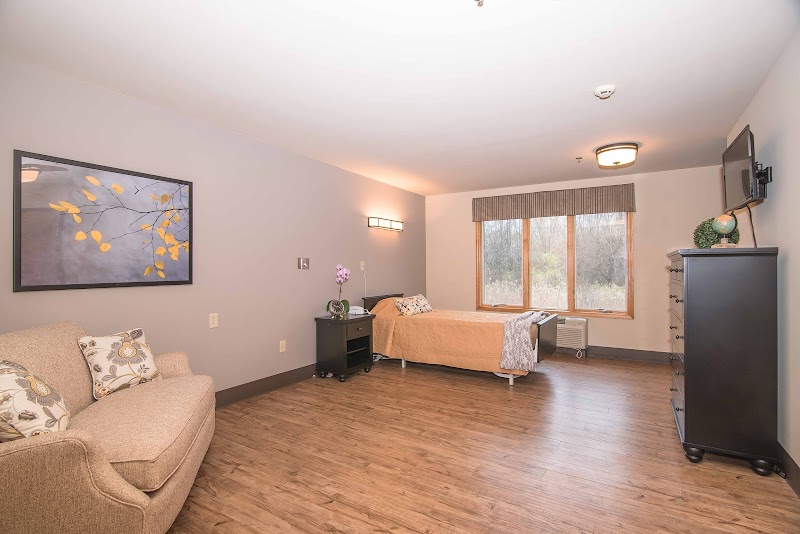
Who Owns and Operates Aperion Care Tolleston Park?

APERION CARE TOLLESTON PARK is owned by a for-profit company. For-profit facilities operate as businesses with obligations to shareholders or private owners. The facility is operated by APERION CARE, a chain that manages multiple nursing homes. With 178 certified beds and approximately 130 residents (about 73% occupancy), it is a mid-sized facility located in GARY, Indiana.
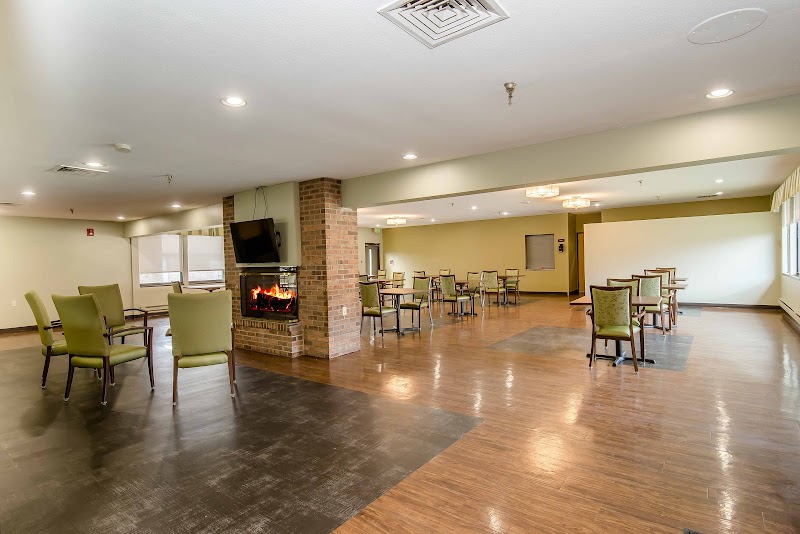
How Does Aperion Care Tolleston Park Compare to Other Indiana Nursing Homes?

Compared to the 100 nursing homes in Indiana, APERION CARE TOLLESTON PARK's overall rating (1 stars) is below the state average of 3.1, staff turnover (38%) is near the state average of 46%, and health inspection rating (1 stars) is much below the national benchmark.

What Should Families Ask When Visiting Aperion Care Tolleston Park?

Based on this facility's data, families visiting should ask: "Can you walk me through typical staffing levels on day, evening, and night shifts?" "Can I visit during a mealtime to observe dining assistance and food quality?" "How do you handle medical emergencies, and what is your hospital transfer rate?" "Can I speak with family members of current residents about their experience?" These questions are particularly relevant given the below-average staffing rating.

Is Aperion Care Tolleston Park Safe?

Based on CMS inspection data, APERION CARE TOLLESTON PARK has a clean safety record: no substantiated abuse findings (meaning no confirmed cases of resident harm), no Immediate Jeopardy citations (the most serious violation level indicating risk of serious injury or death), and is not on the Special Focus Facility watch list (a federal program monitoring the lowest-performing 1% of nursing homes). The facility has a 1-star overall rating and ranks #100 of 100 nursing homes in Indiana. While no facility is perfect, families should still ask about staff-to-resident ratios and recent inspection results during their visit.

Do Nurses at Aperion Care Tolleston Park Stick Around?

APERION CARE TOLLESTON PARK has a staff turnover rate of 38%, which is about average for Indiana nursing homes (state average: 46%). Moderate turnover is common in nursing homes, but families should still ask about staff tenure and how the facility maintains care continuity when employees leave.

Was Aperion Care Tolleston Park Ever Fined?

APERION CARE TOLLESTON PARK has no federal fines on record. CMS issues fines when nursing homes fail to meet care standards or don't correct problems found during inspections. The absence of fines suggests the facility has either maintained compliance or corrected any issues before penalties were assessed. This is a positive indicator, though families should still review recent inspection reports for the full picture.

Is Aperion Care Tolleston Park on Any Federal Watch List?

APERION CARE TOLLESTON PARK is not on any federal watch list. The most significant is the Special Focus Facility (SFF) program, which identifies the bottom 1% of nursing homes nationally based on persistent, serious quality problems. Not being on this list means the facility has avoided the pattern of deficiencies that triggers enhanced federal oversight. This is a positive indicator, though families should still review the facility's inspection history directly.