SOUTH SHORE HEALTH & REHABILITATION CENTER
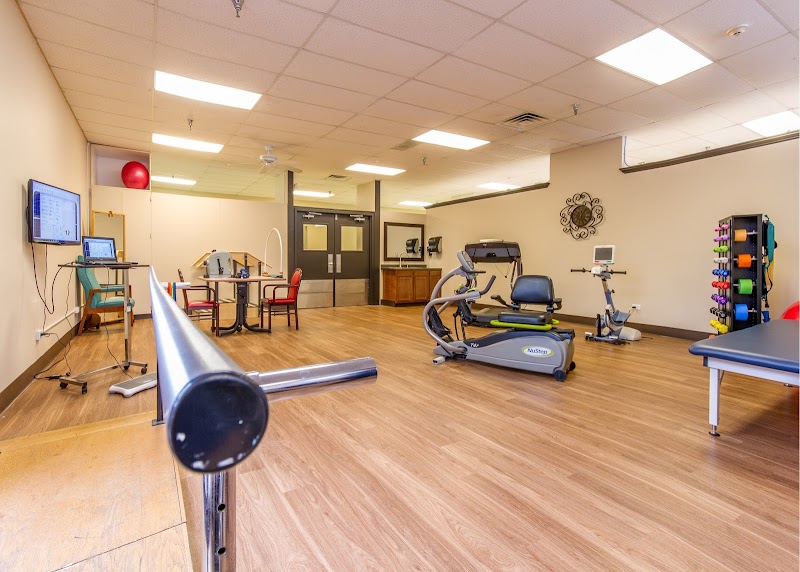
353 TYLER ST, GARY, IN 46402 (219) 886-7070
Government - County 100 Beds Independent Data: November 2025
Trust Grade
30/100
#481 of 505 in IN
Last Inspection: July 2024

Within standard 12-15 month inspection cycle. Federal law requires annual inspections.

Overview

South Shore Health & Rehabilitation Center has a Trust Grade of F, indicating significant concerns about the facility's care quality. Ranking #481 out of 505 in Indiana places it in the bottom half, and it is the lowest-ranked option in Lake County. While the facility is improving, reducing issues from 18 to 6 over a year, it still faces critical challenges. Staffing is average with a 3/5 rating, but the turnover rate is concerning at 61%, which is higher than the state average. Notably, recent inspector findings revealed serious issues, such as a resident being hospitalized due to inadequate treatment for a foot injury and food being handled unsafely, which could pose health risks. Overall, while the center has some positive trends, families should weigh these significant weaknesses carefully.

Trust Score
F
30/100
In Indiana
#481/505
Bottom 5%
Safety Record
Moderate
Needs review
Inspections
Getting Better
18 → 6 violations
Staff Stability
⚠ Watch
61% turnover. Above average. Higher turnover means staff may not know residents' routines.
Penalties
✓ Good
No fines on record. Clean compliance history, better than most Indiana facilities.
Skilled Nurses
○ Average
Each resident gets 33 minutes of Registered Nurse (RN) attention daily — about average for Indiana. RNs are the most trained staff who monitor for health changes.
Violations
⚠ Watch
63 deficiencies on record. Higher than average. Multiple issues found across inspections.
★☆☆☆☆
1.0
Overall Rating
★★★☆☆
3.0
Staff Levels
★★★☆☆
3.0
Care Quality
★☆☆☆☆
1.0
Inspection Score
Stable
2024: 18 issues
2025: 6 issues

The Good

  • Full Sprinkler Coverage · Fire safety systems throughout facility
  • No fines on record

Facility shows strength in fire safety.

The Bad

1-Star Overall Rating

Below Indiana average (3.1)

Significant quality concerns identified by CMS

Staff Turnover: 61%

15pts above Indiana avg (46%)

Frequent staff changes - ask about care continuity

Staff turnover is elevated (61%)

13 points above Indiana average of 48%

The Ugly 63 deficiencies on record

1 actual harm
Sept 2025 3 deficiencies
CONCERN (D) 📢 Someone Reported This

A family member, employee, or ombudsman was alarmed enough to file a formal complaint

Potential for Harm - no one hurt, but risky conditions existed

Notification of Changes (Tag F0580)

Could have caused harm · This affected 1 resident

**NOTE- TERMS IN BRACKETS HAVE BEEN EDITED TO PROTECT CONFIDENTIALITY** Based on record review and interview, the facility failed to ensure the physician was notified timely of residents not receiving...

Read full inspector narrative →
**NOTE- TERMS IN BRACKETS HAVE BEEN EDITED TO PROTECT CONFIDENTIALITY** Based on record review and interview, the facility failed to ensure the physician was notified timely of residents not receiving medications as ordered for 2 of 6 residents reviewed for unnecessary medications. (Residents C and B)Findings include:1. The closed record for Resident C was reviewed on 9/17/25 at 10:55 a.m. Diagnoses included, but were not limited to, left below the knee amputation (BKA), diabetes, hypertension, pressure ulcers of the hip and buttock, and heart failure.The 7/29/25 Significant Change Minimum Data Set (MDS) assessment indicated the resident was cognitively intact and was dependent for activities of daily living (ADLs) and transfers.The resident was admitted to the facility on [DATE] following a hospitalization related to the left BKA surgery. At that time, the resident had a unstageable pressure ulcers to the right thigh and buttock as well as a dehisced (reopened surgical incision) wound to the left leg stump. An 8/5/25 Skin/Wound Note indicated the wound to the right thigh was odorous and had purulent (pus) drainage. An 8/8/25 Progress Note indicated the wound doctor assessed the resident's pressure ulcers and ordered Flagyl (an antibiotic) 500 mg intravenously (IV) every 8 hours for 7 days for the wound infection.An 8/9/25 Nurse's Note indicated the Flagyl was not available, and they were awaiting its delivery from the pharmacy.The August 2025 Medication Administration Record (MAR) indicated the resident did not receive any doses of the Flagyl. The record lacked documentation that the physician was notified that the resident did not receive the Flagyl as ordered.During an interview on 9/18/25 at 10:25 a.m., the Infection Preventionist indicated if an antibiotic was not started as ordered, the nurse should have notified the physician and documented it, but she did not see that had been done.During an interview on 9/19/25 at 10:40 a.m., the wound doctor indicated he would expect the IV antibiotic to be started the day it was ordered, and that he was not informed that the resident did not receive the Flagyl until after 8/14/25.During an interview on 9/19/25 at 2:30 p.m., the DON and Corporate Nurse 1 were informed of the findings. Both indicated they did not know why the Flagyl was not administered to the resident. No further information was received. 2. The record for Resident B was reviewed on 9/19/25 at 9:04 a.m. Diagnoses included, but were not limited to, Alzheimer's, diabetes, and COVID-19.The 8/8/25 Annual Minimum Data Set (MDS) assessment indicated the resident had severe cognitive impairment, required substantial assistance with Activities of Daily Living (ADLs), and was independent with transfers.The Physician's Order Summary indicated a Covid test and stat chest x-ray were ordered on 8/6/25 at 10:30 a.m. for shortness of breath. On 8/6/25 at 12:40 p.m., the resident tested positive for Covid.A Nurse's Note, dated 8/7/25 at 2:12 p.m., indicated the resident had wheezing and shortness of breath on exertion. New orders were received including Paxlovid (an oral antiviral medication for treating Covid-19 in patients who are at high risk of the disease progressing to a more severe illness) twice a day for 5 days.The August Medication Administration Record (MAR) indicated the resident only received 3 of the 10 scheduled doses of Paxlovid. A Nurse's Note, dated 8/10/25 at 6:43 p.m., indicated the Paxlovid had not yet arrived, and the nurse manager was made aware. The record lacked documentation that the physician was notified that the resident did not receive the Paxlovid as ordered.During an interview on 9/19/25 at 2:30 p.m., the DON and Corporate Nurse 1 indicated the nurse should have notified the physician that the resident did not receive the medication as prescribed and documented the notification in the resident's record.A policy titled, Notification of Changes, received as current from the DON on 8/19/25 at 2:58 p.m. indicated, . The facility must . consult the resident's physician . when there is a change requiring such notification . Circumstances requiring notification include: . a need to alter a treatment.3.1-5(a)(3)
CONCERN (D) 📢 Someone Reported This

A family member, employee, or ombudsman was alarmed enough to file a formal complaint

Potential for Harm - no one hurt, but risky conditions existed

Quality of Care (Tag F0684)

Could have caused harm · This affected 1 resident

**NOTE- TERMS IN BRACKETS HAVE BEEN EDITED TO PROTECT CONFIDENTIALITY** Based on record review and interview, the facility failed to ensure blood pressure medications were administered and/or held per...

Read full inspector narrative →
**NOTE- TERMS IN BRACKETS HAVE BEEN EDITED TO PROTECT CONFIDENTIALITY** Based on record review and interview, the facility failed to ensure blood pressure medications were administered and/or held per parameters as ordered. The facility also failed to ensure medications were administered as ordered and laboratory tests were obtained for 3 of 7 residents reviewed for unnecessary medications. (Residents F, E, and D)Findings include: 1. The record for Resident F was reviewed on 9/18/25 at 11:42 a.m. Diagnoses included, but were not limited to, end stage renal disease, hypotension (low blood pressure), and hypertension. The 8/27/25 Quarterly Minimum Data Set (MDS) assessment indicated the resident was cognitively intact and he was receiving dialysis while a resident of the facility. A Care Plan, reviewed on 8/22/25, indicated the resident had hypotension with episodes of syncope (fainting) related to dialysis. Interventions included, but were not limited to, administer medications per physician's order. A Physician's Order, dated 8/21/25, indicated the resident was to receive Midodrine HCl (a medication used to treat low blood pressure) 5 milligrams three times a day. The medication was to be held for systolic blood pressure (top number) less/greater than 110 or heart rate less than 60. The August 2025 Medication Administration Record (MAR), indicated the resident received the Midodrine on the following dates and times: 8/23/25 at 9:00 a.m. blood pressure 136/92 8/23/25 at 2:00 p.m. blood pressure 117/78 8/27/25 at 2:00 p.m. blood pressure 127/76 8/21/25 at 9:00 p.m. blood pressure 122/68 8/24/25 at 9:00 p.m. blood pressure 132/68 8/25/25 at 9:00 p.m. blood pressure 115/68 8/26/25 at 9:00 p.m. blood pressure 132/68 8/31/25 at 9:00 p.m. blood pressure 141/71 The September 2025 MAR, indicated the resident received the Midodrine on the following dates and times: 9/12/25 at 9:00 a.m. blood pressure 117/68 9/18/25 at 9:00 a.m. blood pressure 92/62 (the medication was held) 9/4/25 at 2:00 p.m. blood pressure 139/93 9/4/25 at 9:00 p.m. blood pressure 131/79 9/6/25 at 9:00 p.m. blood pressure 135/78 9/9/25 at 9:00 p.m. blood pressure 121/72 9/10/25 at 9:00 p.m. blood pressure 148/80 9/14/25 at 9:00 p.m. blood pressure 119/76 9/16/25 at 9:00 p.m. blood pressure 119/70 9/17/25 at 9:00 p.m. blood pressure 115/65 9/18/25 at 9:00 p.m. blood pressure 121/71 During an interview on 9/19/25 at 2:40 p.m., the Director of Nursing indicated the medication order needed to be clarified. 2. The record for Resident E was reviewed on 9/17/25 at 9:49 a.m. Diagnoses included, but were not limited to, Alzheimer's disease, hypertensive heart disease, and hypotension (low blood pressure). The Quarterly Minimum Data Set (MDS) assessment, dated 7/31/25, indicated the resident had short and long term memory problems and was severely impaired for daily decision making. A Physician's Order, dated 6/7/24 and listed as current on the September 2025 Physician's Order Summary (POS), indicated the resident was to receive Lisinopril (a blood pressure medication) 10 milligrams (mg) one time daily. The medication was to be held if the resident's blood pressure was less than 100/60. The July 2025 Medication Administration Record (MAR) indicated the resident received the Lisinopril on the following dates and time when her blood pressure was less than 100/60: 7/5/25 at 9:00 a.m. blood pressure 110/59 7/7/25 at 9:00 a.m., blood pressure 110/56 7/10/25 at 9:00 a.m. blood pressure 100/56 7/11/25 at 9:00 a.m. blood pressure 100/56 7/14/25 at 9:00 a.m. blood pressure 108/56 The August 2025 MAR indicated the resident received the Lisinopril on the following dates and time when her blood pressure was less than 100/60: 8/11/25 at 9:00 a.m. blood pressure 89/46 The September 2025 MAR indicated the resident received the Lisinopril on the following dates and time when her blood pressure was less than 100/60: 9/10/25 at 9:00 a.m. blood pressure 103/58 9/12/25 at 9:00 a.m. blood pressure 107/54 A Physician's Order, dated 8/5/24 and listed as current on the September 2025 POS, indicated the resident was to receive Midodrine HCl (a medication for low blood pressure) 10 milligrams (mg) every 8 hours as needed (PRN) for hypotension. Give when systolic blood pressure (top number) was less than 90. The July, August, and September 2025 Medication Administration Records (MARs) indicated the resident's blood pressure was monitored once a day rather than every 8 hours. The July 2025 MAR indicated on 7/30/25 at 9:00 a.m., the resident's blood pressure was 79/55. The resident did not receive the PRN Midodrine. The August 2025 MAR indicated on 8/20/25 at 9:00 a.m., the resident's blood pressure was 83/60. The resident did not receive the PRN Midodrine. During an interview on 9/19/25 at 2:40 p.m., the Director of Nursing indicated the resident should have received the Midodrine as ordered and a clarification order for the Lisinopril should have been obtained. 3. Resident D's record was reviewed on 9/18/25 at 3:07 p.m. Diagnoses included, but were not limited to, hemiplegia and hemiparesis following a cerebral infarction, diabetes mellitus, and atrial fibrillation. The Quarterly MDS, dated [DATE], indicated the resident had moderate cognitive impairment and was dependent for toileting and transfers. A complete blood count (CBC) and comprehensive metabolic panel (CMP) lab tests were completed on 4/28/25. There were handwritten orders at the bottom of the lab results that indicated to repeat the labs in one week and to give potassium 40 milliequivalents x 1. There were no orders for the repeat lab or the potassium entered into the electronic record. There was no indication the repeat lab had been completed in one week or the potassium had been given as ordered. During an interview on 9/22/25 at 1:59 p.m., the Director of Nursing indicated the repeat lab had not been done and the potassium had not been given. This citation relates to Intake 2597285. 3.1-37(a)
CONCERN (D) 📢 Someone Reported This

A family member, employee, or ombudsman was alarmed enough to file a formal complaint

Potential for Harm - no one hurt, but risky conditions existed

Deficiency F0760 (Tag F0760)

Could have caused harm · This affected 1 resident

**NOTE- TERMS IN BRACKETS HAVE BEEN EDITED TO PROTECT CONFIDENTIALITY** Based on record review and interview, the facility failed to ensure residents were free of significant medication errors related...

Read full inspector narrative →
**NOTE- TERMS IN BRACKETS HAVE BEEN EDITED TO PROTECT CONFIDENTIALITY** Based on record review and interview, the facility failed to ensure residents were free of significant medication errors related to medications not administered as ordered for infections for 2 of 6 residents reviewed for unnecessary medications. (Residents C and B)Findings include: 1. The closed record for Resident C was reviewed on [DATE] at 10:55 a.m. Diagnoses included, but were not limited to, left below the knee amputation (BKA), diabetes, hypertension, pressure ulcers of the hip and buttock, and heart failure.The [DATE] Significant Change Minimum Data Set (MDS) assessment indicated the resident was cognitively intact and was dependent for activities of daily living (ADLs) and transfers.The resident was admitted to the facility on [DATE] following a hospitalization related to the left BKA surgery. At that time, the resident had a unstageable pressure ulcers to the right thigh and buttock as well as a dehisced (reopened surgical incision) wound to the left leg stump. A Physician's Order, dated [DATE], indicated Tigecycline (an intravenous antibiotic) 100 milligrams two times a day, related to infection of the skin and subcutaneous tissue, for 28 days.A Skin/Wound Note, dated [DATE], indicated the wound to the right thigh was odorous and had purulent (pus) drainage. On [DATE], a culture was sent of the right thigh wound.A Progress Note, dated [DATE], indicated the wound doctor assessed the resident's pressure ulcers and ordered Flagyl (an antibiotic) 500 mg intravenously (IV) every 8 hours for 7 days for the wound infection.A Nurse's Note, dated [DATE], indicated the Flagyl was not available, and they were awaiting its delivery from the pharmacy.The [DATE] Medication Administration Record (MAR) indicated the resident did not receive any doses of the Flagyl. A Skin/Wound Nurse's Note, dated [DATE] at 11:54 a.m., indicated the wound doctor was informed of the wound culture results. New orders were received to discontinue the Flagyl and start Levaquin (an antibiotic) for pseudomonas (a bacteria that can be resistant to many antibiotics). An Acute Care Note, dated [DATE] at 1:20 p.m., indicated the resident was found altered mentally and verbally unresponsive and was being sent to the hospital emergency department (ED) for evaluation. An ED physician's note, dated [DATE], indicated, Pt [patient] in septic shock; source of infection is not known.During an interview on [DATE] at 10:25 a.m., the Infection Preventionist indicated the right hip wound was infected, the wound doctor ordered Flagyl and wanted it started right away. It happened over the weekend, and when she came back Monday, she saw the Flagyl had not been started. At that time, she received the culture results and the antibiotic order was changed. She indicated if an antibiotic was not started as ordered, the nurse should have notified the physician and documented it.During an interview on [DATE] at 10:40 a.m., the wound doctor indicated the right hip wound was the only infected wound he observed, and the resident had no other infectious process he was aware of. He would expect the IV antibiotic to be started the day it was ordered, and that he was not informed that the resident did not receive the Flagyl until after she expired in the hospital on [DATE]. He indicated he could not determine if the resident's outcome would have been different if she had received the Flagyl as prescribed. During an interview on [DATE] at 2:30 p.m., the DON and Corporate Nurse 1 were informed of the findings. Both indicated they did not know why the Flagyl was not administered to the resident. No further information was received. 2. The record for Resident B was reviewed on [DATE] at 9:04 a.m. Diagnoses included, but were not limited to, Alzheimer's disease, diabetes, and COVID-19.The [DATE] Annual Minimum Data Set (MDS) assessment indicated the resident had severe cognitive impairment, required substantial assistance with Activities of Daily Living (ADLs), and was independent with transfers.The current Physician's Order Summary indicated a Covid test and stat chest x-ray were ordered on [DATE] at 10:30 a.m. for shortness of breath. On [DATE] at 12:40 p.m., the resident tested positive for Covid.A Nurse's Note, dated [DATE] at 2:12 p.m., indicated the resident had wheezing and shortness of breath on exertion. New orders were received including Paxlovid (an oral antiviral medication for treating Covid-19 in patients who are at high risk of the disease progressing to a more severe illness) twice a day for 5 days.A Nurse's Note, dated [DATE] at 6:43 p.m., indicated the Paxlovid had not yet arrived and the nurse manager was made aware. The [DATE] Medication Administration Record (MAR) indicated the resident only received 3 of the 10 scheduled doses of Paxlovid. The record lacked documentation as to why the resident did not receive the medication as ordered. During an interview on [DATE] at 2:30 p.m., the DON and Corporate Nurse 1 indicated the medication came as one unit from the pharmacy, and should have been available for the resident to receive as ordered. They did not know why the resident did not receive the medication as it was prescribed. The manufacturer prescriber administration instructions for Paxlovid indicated to alert the patient of the importance of completing the full 5-day treatment course and to continuing isolation in accordance with public health recommendations to maximize viral clearance and minimize transmission of SARS-CoV-2. If the patient misses a dose of Paxlovid within 8 hours of the time it is usually taken, the patient should take it as soon as possible and resume the normal dosing schedule. This citation relates to Intake 2597285.3.1-48(c)(2)
Aug 2025 3 deficiencies
CONCERN (D) 📢 Someone Reported This

A family member, employee, or ombudsman was alarmed enough to file a formal complaint

Potential for Harm - no one hurt, but risky conditions existed

Resident Rights (Tag F0550)

Could have caused harm · This affected 1 resident

Based on observation, record review, and interview, the facility failed to ensure dignity was maintained related to knocking before entering a resident's room for 1 of 3 residents reviewed for dignity...

Read full inspector narrative →
Based on observation, record review, and interview, the facility failed to ensure dignity was maintained related to knocking before entering a resident's room for 1 of 3 residents reviewed for dignity. (Resident E)Finding includes:On 8/4/25 at 5:55 a.m., Resident E was observed during incontinence care with LPN 1. LPN 1 did not knock on the door before entering the resident's room and did not announce herself when she entered. There were 2 residents residing in the room.During an interview at the time, LPN 1 indicated oops, I forgot to knock.Resident E's record was reviewed on 8/4/25 at 3:47 p.m. The diagnoses included, but were not limited to, Parkinson's, dementia, pressure ulcer sacral stage 4, heart disease, dysfunction of bladder, hypertension (high blood pressure), gastrostomy status, and psychotic disorder.The Quarterly Minimum Data Set (MDS) assessment, dated 5/8/25, indicated the resident was cognitively impaired for daily decision making and was dependent with all Activities of Daily Living and transfers.A policy, titled, Dignity and received as current from Nurse Consultant 1 on 8/6/25, indicated, .7. Staff are expected to knock and request permission before entering residents' rooms.This citation relates to complaint 1540563.3.1-3(t)
CONCERN (D) 📢 Someone Reported This

A family member, employee, or ombudsman was alarmed enough to file a formal complaint

Potential for Harm - no one hurt, but risky conditions existed

Accident Prevention (Tag F0689)

Could have caused harm · This affected 1 resident

Based on observation, record review, and interview, the facility failed to ensure equipment was properly functioning and ensure fall precautions were in place to prevent injury from a fall for 1 of 3 ...

Read full inspector narrative →
Based on observation, record review, and interview, the facility failed to ensure equipment was properly functioning and ensure fall precautions were in place to prevent injury from a fall for 1 of 3 residents reviewed for accidents. (Resident J)Finding includes: On 8/5/25 at 10:22 a.m. and 10:50 a.m., the resident was observed sitting up in bed asleep. There was no bolster on the bed, there were two pads sitting on the floor in front of the residents' bed.Resident J's record was reviewed on 8/5/25 at 3:21 p.m. The diagnoses included, but were not limited to, heart disease, hypertension (high blood pressure), congestive heart failure, psychotic disorder, depression, and anemia (low iron).The Significant Change in Status Minimum Data Set (MDS) assessment, dated 7/11/25, indicated the resident was moderately cognitively impaired. The resident required dependent assistance with all Activities of Daily Living (adls). The resident was dependent with tub and shower transfers.A Care Plan, dated 7/14/25, indicated the resident was at risk for falls related to impaired ability to stand, transfer, and walk. Interventions included, but were not limited to, placing fall mat next to bed, placing a bolster to the right side of the bed and monitor placement every shift and keep call light within reach.A Physician's Order, dated 7/21/25, indicated to send the Resident to the hospital to evaluate and treat for status post fall.A Incident Note, dated 7/21/25 at 10:02 a.m., indicated the resident experienced a fall during a shower. Nursing staff rendered first aid at the time of the fall and neuro checks were initiated. The resident was awake and verbally responsive, able to follow commands and move all extremities without difficulty.A Post Fall Evaluation, dated 7/21/25 at 11:17 a.m. indicated Resident J had a witnessed fall in the shower room and an injury was obtained. Bleeding was noted to the frontal lobe (forehead) and resident was sent to the hospital for evaluation. Contributing factors indicated the shower bed was broken.The Treatment Administration Record (TAR) indicated the bed bolster was signed out in July but was not listed on the TAR for August. There was no monitoring documented from 8/1/25- 8/5/25.During an interview on 8/6/25 at 8:36 a.m., the Director of Nursing indicated she understood the concern about the broken shower bed and resident J's fall. The staff had been in-serviced about broken equipment and requested if they see something, say something. New shower beds and chairs had been ordered.During an interview on 8/6/25 at 9:20 a.m., CNA 1 indicated she had transferred Resident J to the shower bed with CNA 2. She then pushed the resident to the shower room and pushed the shower bed against the shower wall. She then locked the shower bed. She had washed and dried Resident J's front and had turned the resident on her side to wash/dry her back. That was when the shower bed moved off the wall towards CNA 1. The resident had fallen off the bed where the bed had scooted from the wall. CNA 1 indicated the shower bed was broken; it should never have moved. She screamed for help and stayed with the resident.A policy, titled, Accidents and Supervision and received as current from Nurse Consultant 1 on 8/6/25, indicated, .Identification of Hazards and Risks, the process through which the facility becomes aware of potential hazards in the resident environment and the risk of having an avoidable accident.The facility should make reasonable effort to identify the hazards and risk factors for each resident.This citation relates to Complaint 2580575.3.1-45(a)(2)
CONCERN (D) 📢 Someone Reported This

A family member, employee, or ombudsman was alarmed enough to file a formal complaint

Potential for Harm - no one hurt, but risky conditions existed

Deficiency F0697 (Tag F0697)

Could have caused harm · This affected 1 resident

Based on record review and interview, the facility failed to ensure residents' pain medications were administered as ordered and in a timely manner for 1 of 3 residents reviewed for pain. (Resident B)...

Read full inspector narrative →
Based on record review and interview, the facility failed to ensure residents' pain medications were administered as ordered and in a timely manner for 1 of 3 residents reviewed for pain. (Resident B)Finding includes:During an interview on 8/4/25 at 8:28 a.m., Resident B's daughter indicated the resident did not receive her pain medication on time on 7/28/25 and 7/29/25.The record for Resident B was reviewed on 8/4/25 at 9:30 a.m. The diagnoses included, but were not limited to, dementia, Alzheimer's, hypertension (high blood pressure), depression, anxiety, COPD, and adult failure to thrive.The 5/16/25 Quarterly Minimum Data Set (MDS) assessment indicated the resident was severely cognitively impaired for daily decision making and received scheduled pain medication.A Care Plan, dated 4/23/25, indicated the resident had pain in her lower back. The approaches were to administer pain medications as ordered by the physician and monitor/record and report signs and symptoms of nonverbal pain.Physician's Orders, dated 7/21/25, indicated to administer Acetaminophen-Codeine 300-30 milligrams (mg) by mouth three times a day for pain.The 7/2025 Medication Administration Record (MAR) indicated the Tylenol 3 was given incorrectly on the following dates:7/28/25 - medication was administered at 12:18 p.m. and was due at 8:00 a.m.7/28/25 - medication was administered at 6:45 p.m. and was due at 4:00 p.m.7/29/25 - medication was administered at 11:18 a.m. and was due at 8:00 a.m.During an interview on 8/6/25 at 4:40 p.m., Nurse Consultant 1 indicated she understood the pain medication should have been administered on time.This citation relates to complaint 1540563 and1540684 .3.1-37(a)
Jul 2024 10 deficiencies
CONCERN (D)

Potential for Harm - no one hurt, but risky conditions existed

Deficiency F0561 (Tag F0561)

Could have caused harm · This affected 1 resident

Based on observation, record review, and interview, the facility failed to ensure a resident's preferences were honored related to turning up the volume on the television set for 1 of 1 resident revie...

Read full inspector narrative →
Based on observation, record review, and interview, the facility failed to ensure a resident's preferences were honored related to turning up the volume on the television set for 1 of 1 resident reviewed for activities. (Resident 43) Finding includes: During random observations on 7/18/24 at 9:55 a.m. and 1:10 p.m., on 7/19/24 at 7:55 a.m. and 9:00 a.m., and on 7/22/24 at 9:00 a.m., Resident 43 was observed in his room in bed. At those times, the television was turned on and observed on top of a tall wardrobe closet and the volume was turned off. There was an air return vent observed by the television set making a very loud noise. During an interview on 7/19/24 at 9:00 a.m., the resident indicated he could not hear the television. The record for Resident 43 was reviewed on 7/19/24 at 2:48 p.m. Diagnoses included but were not limited to, stroke, type 2 dm, epilepsy, vascular dementia, anemia, major depressive disorder, and high blood pressure The Significant Change Minimum Data Set (MDS) assessment, dated 5/19/24, indicated the resident was not cognitively intact for daily decision making. The resident was interviewed for his daily preferences and activities and indicated it was somewhat important to read books, listen to music, keep up with the news, and do things with other people. An Activity Assessment, dated 3/27/24, indicated the resident enjoyed movies, television, and going outside when the weather permitted. An Activity Assessment, dated 5/30/24, indicated the resident enjoyed music, parties, and television. During an interview on 7/24/24 at 8:55 a.m., the Director of Nursing indicated she moved the television and gave the resident the remote control and ensured the volume was turned up so he could hear. 3.1-3(u)(1)
CONCERN (D) 📢 Someone Reported This

A family member, employee, or ombudsman was alarmed enough to file a formal complaint

Potential for Harm - no one hurt, but risky conditions existed

Notification of Changes (Tag F0580)

Could have caused harm · This affected 1 resident

Based on record review and interview, the facility failed to ensure the resident's Responsible Party was notified of the onset of a new bruise and medication changes for 2 of 2 residents reviewed for ...

Read full inspector narrative →
Based on record review and interview, the facility failed to ensure the resident's Responsible Party was notified of the onset of a new bruise and medication changes for 2 of 2 residents reviewed for notification of change. (Residents C and B) Findings include: 1. During a phone interview on 7/19/24 at 11:20 a.m., Resident C's Power of Attorney (POA) indicated she was notified on 7/17/24 the resident had a large purple bruise across her chest. The record for Resident C was reviewed on 7/22/24 at 10:50 a.m. Diagnoses included but were not limited to, respiratory failure, joint stiffness, COPD (chronic obstructive pulmonary disease), Parkinson's disease, heart disease, atrial fibrillation, anemia, and dementia. The 6/24/24 Significant Change Minimum Data Set (MDS) assessment indicated the resident was moderately impaired for daily decision making and wore oxygen while a resident. A Nurses' Note, dated 7/14/24 at 6:39 p.m., indicated the resident was found sitting next to the bed Indian style. The resident indicated she was praying and the indwelling catheter was in the bed. The resident's POA, and physician were notified. Nurses' Notes, dated 7/15 and 7/16/24, indicated there was no documentation of any injury related to the previous fall. Nurses' Notes, dated 7/17/24 at 2:51 p.m., indicated upon assessment, the resident was noted with a dark purple discoloration measuring 23 centimeters (cm) by 15 cm and extending down and under the left breast. The resident denied any pain or discomfort and was not able to recall when the discoloration first appeared. The resident's POA and physician were notified. During an interview on 7/24/24 at 8:55 a.m., the Director of Nursing indicated the bruise was more than likely from the fall she had on 7/14/24. During an interview on 7/24/24 at 11:00 a.m., the Unit 4 Manager indicated she did her own investigation into the bruise on the resident's left breast area. She interviewed CNA 3 who worked on 7/14/24 when the fall happened. CNA 3 indicated she noticed the bruise hours after the fall and told LPN 2 while CNA 2 was standing there and witnessed the conversation. The Unit Manager interviewed LPN 4 who worked on 7/13/24 on the 3-11 shift. He told the Unit Manager the bruise was not there on 7/13/24 because the resident removed her blouse and he could see her chest. The Unit Manager indicated she spoke with LPN 2 about the fall and LPN 2 told her nothing about the bruise. LPN 3 was interviewed as well and she informed the Unit Manager that she had seen the bruise on 7/15/24 but just assumed everyone knew about it and it was from the fall. During an interview on 7/24/24 at 2:00 p.m., the Unit 4 Manager indicated the resident's POA was notified on 7/17/24 (3 days after the bruise was first observed). 2. The closed record for Resident B was reviewed on 7/19/24 at 10:59 a.m. Diagnoses included, but were not limited to, Alzheimer's disease, depressive disorder with psychotic symptoms, schizophrenia, dementia, and intellectual disabilities. The 5/31/24 Quarterly Minimum Data Set (MDS) assessment indicated the resident was moderately impaired for daily decision making and received antipsychotic and antidepressant medication while at the facility. A Nurse Practitioner (NP) Behavior Progress Note, dated 9/29/23, indicated the Social Service Director (SSD) reported the resident had been increasingly more agitated and physically aggressive with staff. She was taken to an outside psychiatrist by her brother and new medications were started. The resident had a history of auditory/visual hallucinations and today she reported having both, seeing black figures float across the room and hearing a voice in her head. Staff reported she was not sleeping well at night as well and was currently on 1 to 1 supervision for aggressive behavior. The plan was to discontinue Haloperidol (an antipsychotic medication) 10 milligrams (mg) three times a day and Perphenazine (an antipsychotic medication) 8 mg twice a day. The patient was to start on Zyprexa (an antipsychotic medication) 15 mg at bed time and Klonopin (a medication used to treat panic disorder and anxiety) 1 mg twice a day. Physician's Orders, dated 9/29/23, indicated Klonopin 1 mg two times a day and Zyprexa 15 mg at bed time. There was no documentation in the clinical record the resident's brother (her guardian) was notified of the change in medication. During an interview on 7/24/24 at 8:55 a.m., the Nurse Consultant indicated the NP from the behavioral company did not come to the facility any more. She indicated there was no documentation the resident's brother was notified of the new medication changes. The 7/1/21 Notification of Changes policy, provided by the Nurse Consultant on 7/24/24 at 2:05 p.m., indicated the nurse will immediately notify the resident, resident's physician, and the resident representative for the following: a significant change in the resident's physical status. This citation relates to Complaints IN00436685 and IN00439030. 3.1-5(a)(2)
CONCERN (D) 📢 Someone Reported This

A family member, employee, or ombudsman was alarmed enough to file a formal complaint

Potential for Harm - no one hurt, but risky conditions existed

Deficiency F0676 (Tag F0676)

Could have caused harm · This affected 1 resident

Based on record review and interview, the facility failed to ensure a Functional Maintenance Program (FMP) was in place for continued ambulation and range of motion after a resident was discharged fro...

Read full inspector narrative →
Based on record review and interview, the facility failed to ensure a Functional Maintenance Program (FMP) was in place for continued ambulation and range of motion after a resident was discharged from physical therapy for 1 of 2 residents reviewed for rehabilitation services. (Resident C) Finding includes: During a phone interview on 7/19/24 at 11:20 a.m., Resident C's Power of Attorney (POA) indicated the resident used to walk with a walker before she entered the nursing home and now she could not walk. The record for Resident C was reviewed on 7/22/24 at 10:50 a.m. Diagnoses included but were not limited to, respiratory failure, joint stiffness, COPD (chronic obstructive pulmonary disease), Parkinson's disease, chronic bronchitis, and dementia. The 4/5/24 Quarterly Minimum Data Set (MDS) assessment indicated the resident used a walker in the last 7 days and walking 10 feet was not attempted due to her medical condition. The resident needed substantial to maximum assist for transfers. The 6/24/24 Significant Change MDS assessment indicated the resident was moderately impaired for daily decision making. The resident had no limitation in range of motion to her upper and lower extremities and walking was not attempted due to her medical condition. The resident needed substantial to maximum assist for transfers. A Physical Therapy Discharge Note, dated 3/1/24, indicated at the time of discharge the resident met the goal of being able to walk 50 feet with stand by assist using the rolling walker. The discharge recommendation from therapy was 24 hour nursing care and a restorative nursing program (RNP). A RNP/FMP was recommended to facilitate the patient maintaining the current level of performance, and in order to prevent decline, the development of and instruction in the RNP had been completed with the IDT (interdisciplinary team) for passive range of motion and ambulation. There was no documentation from 3/1-7/18/24 the resident received passive range of motion or ambulation exercises. A Restorative Nursing Review, dated 4/26/24, indicated no restorative nursing program was indicated at that time. The resident did not need passive or active range of motion and the section for how the resident walked in the room and the corridor with and without support indicated the activity did not occur during the assessment. During an interview on 7/24/24 at 10:15 a.m., the Restorative Nurse indicated the RNP did not start back up until 4/1/24. She did an assessment of the resident's physical limitations on 4/26/24 but did not have the information from therapy regarding needing a program for ambulation at that time. During an interview on 7/24/24 at 11:00 a.m., the Unit 4 Manger indicated she had never seen the resident walk with therapy. The therapy department did not relay the information regarding the RNP or the FMP for ambulation and passive range of motion for the resident after her therapy had been discontinued. During an interview on 7/24/24 at 11:15 a.m., the Director of Nursing indicated nursing staff do not have access to therapy progress notes. This citation relates to Complaint IN00439030. 3.1-38(a)(1)(B)
CONCERN (D)

Potential for Harm - no one hurt, but risky conditions existed

ADL Care (Tag F0677)

Could have caused harm · This affected 1 resident

Based on observation, record review, and interview, the facility failed to ensure a dependent resident received assistance with activities of daily living (ADL's) related to the removal of facial hair...

Read full inspector narrative →
Based on observation, record review, and interview, the facility failed to ensure a dependent resident received assistance with activities of daily living (ADL's) related to the removal of facial hair for 1 of 2 residents reviewed for ADL's. (Resident 282) Finding includes: On 7/18/24 at 11:47 a.m., on 7/19/24 at 9:40 a.m. and 11:36 a.m., and on 7/22/24 at 2:17 p.m., Resident 282 was observed in bed. At those times, the resident had long black facial hair above her top lip. During an interview at the time of observation on 7/19/24, the resident indicated she did not want facial hair. The record for Resident 282 was reviewed on 7/19/24 at 11:02 a.m. The diagnoses included, but were not limited to, epilepsy (seizure disorder), diabetes, depression, anemia, hypokalemia (low potassium), and psychotic disorder. The Quarterly Minimum Data Set (MDS) Assessment, dated 5/14/24. Indicated the resident was cognitively intact for daily decision making. The resident had impairment on both sides of the upper and lower extremities and used a wheelchair. The resident required dependent assistance with toileting hygiene and lower body dressing. Bathing required substantial/maximum assistance. Personal hygiene required partial/moderate assistance. A Care Plan, dated 7/18/24, indicated the resident had an ADL self-care performance deficit related to impaired mobility. The resident required extensive assistance by 1-2 staff members for personal hygiene and oral care. During an interview on 7/22/24 at 2:38 p.m., the Activity Aide 1 indicated the resident liked the nursing staff to stay on top of her facial hair. During an interview on 7/23/24 at 9:20 a.m., the Director of Nursing (DON) indicated she understood the concern and the resident was shaved on 7/22/24. 3.1-38(a)(3)(D)
CONCERN (D)

Potential for Harm - no one hurt, but risky conditions existed

Deficiency F0692 (Tag F0692)

Could have caused harm · This affected 1 resident

Based on observation, record review, and interview, the facility failed to ensure meal consumption logs were completed for a resident with a history of significant weight loss for 1 of 2 residents rev...

Read full inspector narrative →
Based on observation, record review, and interview, the facility failed to ensure meal consumption logs were completed for a resident with a history of significant weight loss for 1 of 2 residents reviewed for nutrition. (Resident 68) Finding includes: On 7/23/24 at 12:32 p.m., Resident 68 was observed in his room seated on the side of his bed. He was served an open faced turkey sandwich, potatoes, and cauliflower. The resident was eating his lunch with his fingers. The record for Resident 68 was reviewed on 7/19/24 at 2:10 p.m. Diagnoses included, but were not limited to, lung cancer, dysphagia (difficulty swallowing), and vascular dementia with behavior disturbance. The 5 day Medicare Minimum Data Set (MDS) assessment, dated 6/21/24, indicated the resident was severely impaired for daily decision making and he needed set up or clean up assistance with eating. He also received a mechanically altered diet. A Care Plan, revised on 6/20/24, indicated the resident had a nutritional problem or potential nutritional problem related to a past medical history of stroke, abnormal finding of the lung field, dementia with behavioral disturbance, and vitamin B12 deficiency. The resident had a history of significant weight changes and alterations in his ability to swallow requiring an altered diet and fluid consistency. The resident weighed 149 pounds on 6/5/24 and 135 pounds on 7/8, which indicated a 9.4% weight loss in 1 month. The resident weighed 159 pounds on 1/9/24, indicating a 14.5% weight loss in 6 months. The Food Consumption Logs, dated 6/24-7/23/24, indicated no dinner intake was documented on 6/25, no breakfast or lunch intake was documented on 7/3, 7/12, and 7/13, and there was no documentation of intake for any meal on 7/18/24. During an interview on 7/23/24 at 4:10 p.m., the Director of Nursing indicated the food consumption logs should have been completed for each meal. 3.1-46(a)(1)
CONCERN (D) 📢 Someone Reported This

A family member, employee, or ombudsman was alarmed enough to file a formal complaint

Potential for Harm - no one hurt, but risky conditions existed

Respiratory Care (Tag F0695)

Could have caused harm · This affected 1 resident

Based on observation, record review, and interview, the facility failed to ensure oxygen was set at the correct flow rate and a resident was transported to the Pulmonologist's office for an appointmen...

Read full inspector narrative →
Based on observation, record review, and interview, the facility failed to ensure oxygen was set at the correct flow rate and a resident was transported to the Pulmonologist's office for an appointment for 1 of 2 residents reviewed for respiratory care. (Resident C) Finding includes: During a phone interview on 7/19/24 at 11:20 a.m., Resident C's POA (power of attorney) indicated her mother had missed a cardio/pulmonologist appointment due to the facility not having transportation. The appointment was made over a year ago for the resident to be evaluated for a c-pap (continuous positive airway pressure) machine (a machine used that used mild air pressure to keep breathing airways open while sleeping). During random observations on 7/22/24 at 1:20 p.m., 3:30 p.m., and 4:48 p.m., the resident was observed wearing oxygen per nasal cannula at 0.75 liters per minute. The resident was connected to a portable oxygen tank. During random observations on 7/23/24 at 7:50 a.m. and 11:55 a.m., the resident was observed wearing oxygen per nasal cannula at 2 liters per minute on the portable tank. The record for Resident C was reviewed on 7/22/24 at 10:50 a.m. Diagnoses included but were not limited to, respiratory failure, COPD (chronic obstructive pulmonary disease), Parkinson's disease, chronic bronchitis, heart disease, atrial fibrillation, and dementia. The 6/24/24 Significant Change Minimum Data Set (MDS) assessment, indicated the resident was moderately impaired for daily decision making and wore oxygen while a resident. A Care Plan, revised on 6/27/24, indicated the resident had COPD. Physician's Orders, dated 6/17/24, indicated continuous oxygen at 3 liters per minute per nasal cannula. Nurses' Notes, dated 7/17/24 at 12:04 p.m., indicated the resident had an appointment that afternoon to see a cardio/pulmonologist. Due to last minute transportation issues, the appointment had to be rescheduled for 8/7/24 at 12:30 p.m. The resident's daughter (POA) was made aware of the change due to her being the family member who requested the appointment. During an interview on 7/23/24 at 1:50 p.m., the Director of Nursing indicated the oxygen flow rate should be on as ordered by the physician. The transportation coordinator resigned and did not give notice to the facility, therefore, some residents were left without a ride to their appointments. The resident missed her appointment on 7/17/24 due to transportation issues. This citation relates to Complaints IN00439030 and IN00433844. 3.1-47(6)
CONCERN (D)

Potential for Harm - no one hurt, but risky conditions existed

Deficiency F0697 (Tag F0697)

Could have caused harm · This affected 1 resident

Based on observation, record review, and interview, the facility failed to ensure nonpharmacological interventions were offered, documented, and the pain assessment lacked a pain scale when monitoring...

Read full inspector narrative →
Based on observation, record review, and interview, the facility failed to ensure nonpharmacological interventions were offered, documented, and the pain assessment lacked a pain scale when monitoring for 1 of 1 resident reviewed for pain. (Resident 45) Finding includes: During an interview on 7/18/24 at 10:52 a.m., Resident 45 indicated he was having pain in his stomach and penis and the nurses would not give him Tylenol. On 7/19/24 at 11:29 a.m., the resident was observed lying in bed. He indicated he was in a lot of pain but did not request medicine since the nursing staff always refused his requests. On 7/22/24 at 2:15 am., the resident was observed in bed. He indicated he still had pain in his lower stomach and penis and was not offered Tylenol when pain was expressed to the staff. The record for Resident 45 was reviewed on 7/19/24 at 10:56 a.m. The diagnoses included, but were not limited to, stroke, hypertension (high blood pressure), anxiety, hemiplegia (paralysis on one side of the body), benign prostatic hyperplasia (enlarged prostate gland), and opioid abuse. The Quarterly Minimum Data Set (MDS) assessment, dated 5/25/24, indicated the resident was cognitively intact for daily decision making. The resident had impairment on one side of the upper and lower extremities and used a wheelchair. A Care Plan, dated 7/19/24, indicated the resident had a history of alcohol abuse, cocaine abuse and opioid abuse. Interventions included ensuring medication was swallowed to prevent pocketing medication and reevaluate plan of care regarding pain management. A Care Plan, dated 5/17/24, indicated the resident was at risk of pain due to history of left knee pain, gastrointestinal discomfort (indigestion), general discomfort, and testicle pain. Interventions were to monitor daily physical symptoms associated with pain and to offer comfort measures as well as pain medication as needed. A Physician's Order, dated 5/17/24, indicated to give one 5 milligram (mg) tablet of oxybutynin chloride by mouth twice a day for bladder hyperactivity related to benign prostatic hyperplasia. A Physician's Order, dated 5/17/24, indicated to monitor pain level every shift and if pain were present, to monitor, assess, and treat trying non-pharmacological interventions prior to medicating if appropriate. The physician was to be notified for uncontrolled pain and interventions and outcomes were to be documented every shift. A Physician's Order, dated 5/17/24, indicated to administer one Ibuprofen (pain/anti-inflammatory medication) 800 milligram (mg) tablet every 12 hours as needed by mouth for pain. The order was discontinued on 7/9/24. A Nurse's Progress Note, dated 7/9/24 at 8:49 a.m., indicated the resident had a vape pen and Motrin pills found in his wheelchair. The physician was notified and new orders were received to discontinue the resident's ibuprofen due to constant drug seeking behavior. The Medication Administration Record (MAR) pain assessment was signed out as completed every shift for the month of July 2024. The pain assessment did not include a pain level or if non pharmacological or pharmacological interventions were administered and effective. During an interview on 7/22/24 at 2:34 p.m., LPN 1 indicated the resident complained of pain this morning, but he didn't have anything for pain ordered, not even Tylenol. She asked another nurse and asked the Unit Manager for clarification since she was new to that hall, and was told the resident had his pain medicine discontinued. She was going to call the physician to see about getting him something for his pain, but did not get around to it yet. During an interview on 7/22/24 at 2:25 p.m., the Director of Nursing (DON) indicated the resident was pocketing pills and they had found medication in his wheelchair. The physician discontinued the resident's ibuprofen due to constant drug seeking behavior. The resident had seen his urologist and pain clinic recently with no new orders. The facility did not have any pharmacological or nonpharmacological interventions documented or in place. 3.1-37(a)
CONCERN (D)

Potential for Harm - no one hurt, but risky conditions existed

Dental Services (Tag F0791)

Could have caused harm · This affected 1 resident

2. During an interview on 7/18/24 at 10:45 a.m., Resident D indicated they spoke with social services because they wanted top teeth and had requested to see the dentist. Upon observation at that time,...

Read full inspector narrative →
2. During an interview on 7/18/24 at 10:45 a.m., Resident D indicated they spoke with social services because they wanted top teeth and had requested to see the dentist. Upon observation at that time, the residents was missing top teeth. The record for Resident D was reviewed on 7/19/24 at 11:04 a.m. The diagnoses included, but were not limited to, heart failure, stroke, diabetes, anxiety disorder, kidney failure, and urinary retention. The Quarterly Minimum Data Set (MDS) assessment, dated 6/21/24, indicated the resident was cognitively intact for daily decision making. The resident had impairment on one side of the upper and lower extremities and used a wheelchair. A Care Plan, dated 6/10/24, indicated the resident had oral and dental problems related to missing teeth and a history of a broken jaw. The resident's dental consent form was signed on 4/12/24. During an interview on 7/22/24 at 10:49 a.m., the Social Service Director (SSD) indicated Resident D had not been seen by the dentist since his admission date on 2/25/22. New dental consents were signed in April for all residents to see the dentist. The dentist was last in the facility on 6/24/24. He would try to get Resident D added to the next dental visit scheduled on 7/25/24. During an interview on 7/24/24 at 8:55 a.m., the Nurse Consultant provided an dental action plan, dated 2/1/24, however, the resident still had not seen the dentist as of the action plan. 3.1-24(a)(1) Based on observation, record review, and interview, the facility failed to ensure each resident saw the dentist at least yearly for 2 of 2 residents reviewed for dental care. (Residents K and D) Findings include: 1. On 7/18/24 at 1:23 p.m., Resident K's teeth were observed to be decayed. During an interview at that time, the resident indicated he has asked to see a dentist but still has not. The record for Resident K was reviewed on 7/19/24 at 3:02 p.m. Diagnoses included, but were not limited to, heart failure, acute respiratory failure, atrial flutter, high blood pressure, COPD (chronic obstructive pulmonary disease), type 2 diabetes, and anemia. The 5/5/24 Significant Change Minimum Data Set (MDS) assessment indicated the resident was cognitively intact for daily decision making. The resident had no oral issues with his teeth. There was no care plan for any dental issues. An Oral Assessment, dated 3/12/24 and completed by a dental hygienist, indicated the patient had intact teeth, broken teeth, missing teeth and root tips on both arches. The patient also had inflamed or bleeding gums or loose natural teeth. A dental consent was signed by the resident on 4/12/24. There were no visits from the actual dentist in the last year. During an interview on 7/22/24 at 10:35 a.m., the Social Service Director indicated he had the resident sign the consent form for the dentist in April 2024 and he was scheduled to see the dentist on 7/25/24. The dentist was last in the facility on 6/24/24, however, the resident was not seen at that time. During an interview on 7/24/24 at 8:55 a.m., the Nurse Consultant provided a dental action plan, dated 2/1/24, however, the resident still had not seen the dentist as of the action plan.
CONCERN (E) 📢 Someone Reported This

A family member, employee, or ombudsman was alarmed enough to file a formal complaint

Potential for Harm - no one hurt, but risky conditions existed

Quality of Care (Tag F0684)

Could have caused harm · This affected multiple residents

8. On 7/18/24 at 11:01 a.m., Resident G was observed in bed. There was a rash all over the resident's face. The skin on top of the forehead was red, dry, and cracking. On 7/19/24 at 9:32 a.m. and 2:1...

Read full inspector narrative →
8. On 7/18/24 at 11:01 a.m., Resident G was observed in bed. There was a rash all over the resident's face. The skin on top of the forehead was red, dry, and cracking. On 7/19/24 at 9:32 a.m. and 2:11 p.m., Resident G was observed in bed. At those times, the resident had a red rash on around their face. On 7/22/24 at 10:05 a.m. and 2:16 p.m., the resident was observed in bed. The rash on the resident's face was red, dry, and scabbed in areas. The record for Resident G was reviewed on 7/19/24 at 10:50 a.m. The diagnoses included, but were not limited to, fibromyalgia, heart failure, lupus, depression, anxiety, schizoaffective disorder, gout, hypertension (high blood pressure), insomnia (difficulty sleeping) and chronic pain syndrome. The Quarterly Minimum Data Set (MDS) assessment, dated 6/13/24, indicated the resident was severely impaired for daily decision making. The resident had impairment on both sides of the upper and lower extremities. A Care Plan, dated 6/11/24, indicated the resident had impaired skin integrity related to impaired mobility, and fibromyalgia. Interventions were to administer calmoseptine every shift, observe and assess skin with daily care, and report changes to nurse for further assessment and intervention. There was no physician order for Calmoseptine ointment. A Physician's Order, dated 11/4/23, indicated vital signs and a weekly skin check assessment were to be completed on every night shift, every Wednesday . A skin assessment and vitals were to be completed every Saturday. A Head to Toe Weekly Skin Assessment, dated 7/18/24, indicated the resident's skin was intact and they had no existing skin issues. During an interview on 7/22/24 at 2:22 p.m., the Director of Nursing (DON) indicated Resident G's rash was assessed on 7/21/24 and a call to the physician was made to get a treatment put in place. The facility would continue to monitor the resident's skin condition going forward. This citation relates to Complaint IN00433844 and IN00439030. 3.1-37(a) 3.1-37(b) 5. During an observation in the activity room on 7/23/24 at 3:45 p.m., Resident D was interviewed. He indicated he was bummed out about missing his urology appointment yesterday. Resident D was told he had to reschedule his appointment because the facility did not have transportation to get him there. He indicated this appointment was important to him. Resident D's record was reviewed on 7/23/23 at 3:45 p.m. Diagnoses included, but were not limited to, chronic pain syndrome, benign prostatic hyperplasia with lower urinary tract symptoms, acute kidney failure, feeling of incomplete bladder emptying, and retention of urine. The Quarterly Minimum Data Set (MDS) assessment, dated 6/21/24, indicated the resident was cognitively intact. A Care Plan, dated 6/11/24, indicated Resident D had difficulty with toileting with occasional urinary incontinence episodes. Resident D had an Urology appointment scheduled for 7/22/24, which was rescheduled for 8/19/24 due to the facility not having the ability to transport the resident. During an interview with the Director of Nursing on 7/23/24 at 2:01 p.m., she indicated the payer source was an issue for a Medicaid resident regarding transportation. The facility currently had the nursing staff outsourcing the transportation needs for those residents until they got insurance in place for the newly hired driver, which may take a few weeks, resulting in some residents missing their appointments. 6. Resident E's record was reviewed on 7/23/23 at 3:19 p.m. Diagnoses included, but were not limited to, acute kidney failure, hypertensive heart and chronic kidney disease with heart failure and stage 1 through 4 chronic kidney disease, or unspecified chronic kidney disease. The Quarterly Minimum Data Set (MDS) assessment, dated 7/4/24, indicated the resident was cognitively intact. A Care Plan, dated 5/14/24, indicated Resident E had hypertensive heart disease with heart failure, and chronic kidney disease. Resident E had an Nephrology appointment scheduled for 7/22/24, which was rescheduled for 8/22/24 due to the facility not having the ability to transport the resident. During an interview with the Director of Nursing on 7/23/24 at 2:01 p.m., she indicated the payer source was an issue for a Medicaid resident regarding transportation. The facility currently had the nursing staff outsourcing the transportation needs for those residents until they got insurance in place for the newly hired driver, which may take a few weeks, resulting in some residents missing their appointments. 7. Resident F's record was reviewed on 7/23/24 at 2:30 p.m. Diagnosis included but not limited to, acute respiratory failure with hypoxia, tracheotomy status, and pneumonia unspecified organism. The admission Minimum Data Set (MDS) assessment, dated 4/23/24, indicated cognitive skills for daily decision making for the resident were severely impaired. A Care Plan, dated 6/20/24, indicated Resident F had a tracheotomy, post cardiac arrest, and respiratory failure with hypoxia. Resident F had an Pulmonary appointment scheduled for 7/3/24 that was rescheduled for 7/17/24. During an interview with the Director of Nursing on 7/23/24 at 10:10 a.m., she indicated their facility driver resigned and they were outsourcing transportation, which had caused a few residents to miss their scheduled appointments. 3. The record for Resident C was reviewed on 7/22/24 at 10:50 a.m. Diagnoses included but were not limited to, respiratory failure, joint stiffness, COPD (chronic obstructive pulmonary disease), Parkinson's disease, heart disease, atrial fibrillation, anemia, and dementia. The 6/24/24 Significant Change Minimum Data Set (MDS) assessment indicated the resident was moderately impaired for daily decision making and wore oxygen while a resident. A Nurses' Note, dated 7/14/24 at 6:39 p.m., indicated the resident was found sitting next to the bed Indian style. The resident indicated she was praying and the indwelling catheter was in the bed. The resident's POA and physician were notified. Nurses' Notes, dated 7/15 and 7/16/24, indicated there was no documentation of any injury related to the previous fall. Nurses' Notes, dated 7/17/24 at 2:51 p.m., indicated upon assessment, the resident was noted with a dark purple discoloration measuring 23 centimeters (cm) by 15 cm and extending down and under the left breast. The resident denied any pain or discomfort and was not able to recall when the discoloration first appeared. The resident's POA and physician were notified. An IDT (interdisciplinary team) Review Note, dated 7/18/24 at 8:28 a.m., indicated the resident's skin discoloration to the left breast was believed to be from the most recent fall. During an interview on 7/24/24 at 8:55 a.m., the Director of Nursing indicated the bruise was more than likely from the fall she had on 7/14/24. During an interview on 7/24/24 at 11:00 a.m., the Unit 4 Manager indicated she did her own investigation into the bruise on the resident's left breast area. She interviewed CNA 3, who worked on 7/14/24 when the fall happened. CNA 3 indicated she noticed the bruise hours after the fall and told LPN 2 while CNA 2 was standing there and witnessed the conversation. The Unit Manager interviewed LPN 4, who worked on 7/13/24 on the 3-11 shift. He told the Unit Manager the bruise was not there on 7/13/24 because the resident removed her blouse and he could see her chest. The Unit Manager indicated she spoke with LPN 2 about the fall and LPN 2 told her nothing about the bruise. LPN 3 was interviewed as well and she informed the Unit Manager she had seen the bruise on 7/15/24, but just assumed everyone knew about it and it was from the fall. The Unit Manager indicated when the bruise was first observed, an assessment and a measurement should have been completed. 4. During an observation on 7/18/24 at 1:26 p.m., Resident K's legs were discolored and swollen. The resident lifted up his sweat pants and deep indentations were observed at the point where the elastic bands were resting on his skin. The resident was wearing plain socks to both feet. During an interview at that time, the resident indicated he was supposed to get those special socks to wear, but he had not yet received them. The record for Resident K was reviewed on 7/19/24 at 3:02 p.m. Diagnoses included, but were not limited to, heart failure, acute respiratory failure, atrial flutter, high blood pressure, COPD (chronic obstructive pulmonary disease), type 2 diabetes, and anemia. The 5/5/24 Significant Change Minimum Data Set (MDS) assessment indicated the resident was cognitively intact for daily decision making, The resident had no current skin issues. A Care Plan, revised on 4/2/24, indicated the resident had heart failure. The approaches were to monitor for dependent edema of the legs and feet. A Nurse Practitioner (NP) Progress Note, dated 7/11/24, indicated patient is seen today for follow up visit. Bilateral lower extremity edema 2 plus. TED hose ordered. Wear while awake and take off for sleep. (sic) The physical exam indicated the resident had pitting edema to both lower extremities. Physician's Orders, dated 7/11/24, indicated to measure for TED hose (stockings specially designed to help prevent blood clots and swelling in the legs) for bilateral lower extremity swelling. Physician's Orders, dated 7/15/24, indicated TED hose to bilateral lower extremities, apply in the morning and remove at night for edema. The Head to Toe Weekly Skin Assessments, dated 7/6, 7/13, and 7/17/24, indicated the resident had no new or existing skin issues. Nursing Progress Notes, dated 7/1-7/17/24, indicated there was no documentation or an assessment of the resident's legs or edema. The Treatment Administration Record (TAR) for 7/2024, indicated the TED hose were signed out as being donned on 7/18/24. During an interview on 7/22/24 at 2:45 p.m., the Unit 3 Manager indicated the resident did refuse to wear his TED hose at times and she had to convince him today to put them on. There was no documentation in nursing progress notes or on the head to toe skin assessments of the pitting edema to the resident's lower legs. Based on observation, record review, and interview, the facility failed to administer medications according to physician's orders related to not following parameters for 2 of 6 residents reviewed for unnecessary medications (Residents H and J), failed to ensure areas of bruising and rashes were assessed and monitored for 2 of 2 residents reviewed for non-pressure related skin conditions (Residents C and G), failed to ensure new onset edema (swelling) was assessed and monitored for 1 of 1 resident reviewed for edema (Resident K), and failed to provide transportation to physician's appointments for 3 of 4 residents reviewed for transportation to outside appointments (Residents D, E, and F). Findings include: 1. The record for Resident H was reviewed on 7/22/24 at 3:59 p.m. Diagnoses included, but were not limited to, hypertension, type 2 diabetes, and vascular dementia with behavior disturbance. The Quarterly Minimum Data Set (MDS) assessment, dated 6/17/24, indicated the resident was cognitively impaired for daily decision making. A Physician's Order, dated 6/25/24, indicated the resident was to receive Metoprolol Succinate (a blood pressure medication) 50 milligrams (mg) daily. The medication was to be held if the resident's systolic blood pressure (top number) was less than 110 or her pulse was less than 60. The July 2024 Medication Administration Record (MAR), indicated the resident's blood pressure was documented at the time of administration, however, the resident's pulse was not documented from 7/1-7/23/24. The June 2024 MAR, indicated the resident's pulse was not documented from 6/25-6/30/24 at the time of administration. During an interview on 7/23/24 at 4:10 p.m., the Director of Nursing indicated she would have to clarify with the physician to see if he wanted the systolic blood pressure and pulse both monitored prior to giving the medication. 2. The record for Resident J was reviewed on 7/22/24 at 1:10 p.m. Diagnoses included, but were not limited to, end stage renal disease, dependent on renal dialysis, hypertension, and hypotension (low blood pressure). The Annual Minimum Data Set (MDS) assessment, dated 6/5/24, indicated the resident was cognitively intact. A Care Plan, dated 11/2/23 and reviewed on 7/19/24, indicated the resident had hypotension with episodes of syncope (fainting) related to dialysis. Interventions included, but were not limited to, administer medications per physician's order. A Physician's Order, dated 5/3/24, indicated the resident was to receive Midodrine HCl (a medication used to treat low blood pressure) give 5 milligrams (mg) every 8 hours as needed (PRN) related to hypotension. Administer if the resident's systolic (top number) blood pressure was lower than 110 and diastolic (bottom number) blood pressure was lower than 80. The June 2024 Medication Administration Record (MAR), indicated the resident's systolic blood pressure was below 110 and/or his diastolic blood pressure was below 80 on the following dates and times and the PRN Midodrine was not administered: 9:00 a.m.: - 6/5 94/69 - 6/7 109/63 - 6/8 104/76 - 6/15 103/71 - 6/22 108/78 Evening: - 6/1 109/73 - 6/7 91/62 - 6/10 105/74 - 6/15 101/68 - 6/16 106/64 The July 2024 MAR, indicated the resident's systolic blood pressure was below 110 and/or his diastolic blood pressure was below 80 on the following dates and times and the PRN Midodrine was not administered: 9:00 a.m. - 7/6 94/70 - 7/7 108/75 - 7/10 92/62 - 7/14 105/77 - 7/19 90/52 - 7/20 101/75 Evening: - 7/11 101/71 - 7/13 89/56 - 7/18 108/62 - 7/22 100/78 A Physician's Order, dated 5/14/24, indicated the resident was to receive Irbesartan (a medication used to treat high blood pressure) 300 mg at bedtime. The medication was to be held if the systolic blood pressure was less than 110. The July 2024 MAR, indicated the resident's blood pressure on 7/11 was 101/71 and on 7/22 his blood pressure was 100/78. The medication was not held and was administered on both days. During an interview on 7/23/24 at 4:10 p.m., the Director of Nursing indicated the medications weren't held or administered per parameters.
CONCERN (F) 📢 Someone Reported This

A family member, employee, or ombudsman was alarmed enough to file a formal complaint

Potential for Harm - no one hurt, but risky conditions existed

Food Safety (Tag F0812)

Could have caused harm · This affected most or all residents

Based on observation and interview, the facility failed to ensure food was served and prepared under sanitary conditions related to touching food with ungloved hands, dirty food preparation equipment ...

Read full inspector narrative →
Based on observation and interview, the facility failed to ensure food was served and prepared under sanitary conditions related to touching food with ungloved hands, dirty food preparation equipment and greasy pipes for 1 of 1 residents observed for dining and 1 of 1 kitchens observed. (Resident L and the main kitchen) Findings include: 1. During a dining observation on 7/18/24 at 1:10 p.m., Resident L was observed in bed waiting for lunch. At that time, CNA 2 removed the lid off of the resident's tray. Resident L was served a hot dog on plain white bread. The CNA put ketchup on the hot dog and with her bare hands, broke the hot dog and bread in half and handed Resident L half of the sandwich to eat. During an interview at that time, the CNA was aware she should not use her bare hands to cut food in half. During an interview on 7/23/24 at 11:55 a.m., the Dietary Manager indicated staff were to use utensils to cut the resident's food in half. 2. During the brief kitchen sanitation tour on 7/18/24 at 9:22 a.m. with the Dietary Manager (DM), the following was observed: a. The deep fryer had a heavy accumulation of grease on the top and inside. The back splash had a large build up of burned food and both sides of the fryer had a large accumulation of grease and food drippings. b. The convection oven was observed with a large amount of burned food on the bottom and on the racks. The oven doors were greasy and dirty as well as the outside of the oven including the legs. c. The wells of the steam table were rusted with peeling and floating metal pieces. The shelf under the table where the pots and pans were housed was dirty with food crumbs and grease. d. The two standing fan blades and screens were dirty and dusty. Both fans were turned on and blowing towards the steam table and the dish machine. During an interview on 7/23/24 at 11:55 a.m., the DM indicated all of the above was in need of cleaning. This citation relates to Complaint IN00435118. 3.1-21(i)(3)
Apr 2024 6 deficiencies
CONCERN (D) 📢 Someone Reported This

A family member, employee, or ombudsman was alarmed enough to file a formal complaint

Potential for Harm - no one hurt, but risky conditions existed

Deficiency F0552 (Tag F0552)

Could have caused harm · This affected 1 resident

Based on record review and interview, the facility failed to ensure the right of a resident/Guardian to direct his or her own medical treatment, related to medication given after the legal Guardian ex...

Read full inspector narrative →
Based on record review and interview, the facility failed to ensure the right of a resident/Guardian to direct his or her own medical treatment, related to medication given after the legal Guardian expressed she did not want the treatment to continue, for 1 of 3 residents reviewed for resident rights. (Resident B) Finding includes: Resident B's record was reviewed on 4/29/24 at 11:41 a.m. The diagnoses included, but were not limited to, dementia and osteoarthritis. A court appointed guardianship, dated 9/29/22, indicated there were two Permanent Co-Guardians appointed for the resident. A Physician's Order, dated 3/8/24, indicated Remeron (antidepressant) 15 mg (milligrams) was to be given nightly at bedtime for major depressive disorder. A Psychiatric Nurse Practitioner's (NP) Progress Note, dated 3/8/24, indicated a call was received from the Director of Nursing (DON) in regards to the resident having had a significant weight loss, comments about wanting to die, and a decreased appetite. An order for Remeron 15 mg to be administered at bedtime was given and the resident's weight was to be monitored. A Nurse's Progress Note, dated 3/8/24 at 12:18 p.m., indicated one of the Co-Guardian's was notified of the new medication order for the Remeron and all questions and concerns were addressed. A Psychiatric (Psych) NP Progress Note, dated 3/12/24, indicated a decreased appetite, weight would be monitored, and the Remeron was discontinued related to family refusal of the treatment. There was no order in the resident's Physician Orders from 3/8/24 to 3/12/24, that indicated the Remeron had been discontinued. A Psych NP Progress Note, dated 3/14/24, indicated a routine follow-up visit was completed. The NP spoke with the the Resident's Co-Guardian in regards to the Remeron. The Co-Guardian indicated she had not wanted the Remeron treatment for the resident. The Co-Guardian was educated on the risks and benefits of the Remeron and the treatment was still declined. The Medication Administration Records, dated 3/2024 and 4/2024, indicated the Remeron was still being administered every evening from 3/8/24 to 4/28/24. During an interview on 4/29/24 at 3:12 p.m., the DON indicated she had spoken to the Psych NP and an order for the Remeron to be discontinued had not been written, as she had thought the nurse at the facility had already discontinued the Remeron. The DON indicated the NP's would usually put their own orders in the computer. This citation relates to Complaints IN00429414 and IN00429590. 3.1-4(d)
CONCERN (D) 📢 Someone Reported This

A family member, employee, or ombudsman was alarmed enough to file a formal complaint

Potential for Harm - no one hurt, but risky conditions existed

Deficiency F0697 (Tag F0697)

Could have caused harm · This affected 1 resident

Based on record review and interview, the facility failed to ensure a resident with pain received a routine pain medication as ordered by the Physician, related to not re-ordering the pain medication ...

Read full inspector narrative →
Based on record review and interview, the facility failed to ensure a resident with pain received a routine pain medication as ordered by the Physician, related to not re-ordering the pain medication from the Pharmacy in a timely manner for 1 of 1 resident reviewed for pain medications. (Resident B) Finding includes: Resident B's record was reviewed on 4/29/24 at 11:41 a.m. The diagnoses included, but were not limited to, dementia and osteoarthritis. An Annual Minimum Data Set assessment, dated 12/27/23, indicated a moderately intact cognitive status and pain status had not been assessed. A Care Plan, dated 1/27/23 and revised on 3/6/24, indicated pain was present in the resident's lower back with a medical history of osteoarthritis, and the resident's family would sometimes administer pain medications to the resident during a leave of absence from the facility. The interventions included pain medications would be administered as ordered. A Pain Assessment, dated 3/18/24, indicated pain was frequently present. The pain affected her sleep at night and limited her day to day activities. The pain was rated a 5 out of 10 and she had daily complaints of pain. Pain management included acetaminophen-codeine (acetaminophen #3) 300-30 mg (milligrams) and repositioning as needed. A Physician's Order, dated 7/14/23 and discontinued on 3/7/24, indicated acetaminophen #3 was to be administered every eight hours related to pain. The medication was scheduled for 12 a.m., 8 a.m., and 4 p.m. The Physician's Order for the acetaminophen #3 was revised on 3/7/24, and the scheduled times for the administration were changed to 4 a.m., 12 p.m., and 8 p.m. The Medication Administration Record (MAR), dated 3/2024, indicated the acetaminophen #3 had not been given on 3/7/24 at 12 a.m. and 3/8/24 at 4 a.m. and 8 p.m. The MAR, dated 3/2024, indicated the acetaminophen #3 had been given on 3/6/24 at 8 a.m. and 4 p.m. and 3/7/24 at at 8 a.m. and 12 p.m. The Controlled Drug Records, dated 2/2/24 and 3/8/24, indicated the last dose of acetaminophen #3 had been administered on 3/6/24 at 12 a.m. The acetaminophen #3 had not been administered again until 3/9/24 at 12 a.m., after the delivery of the medication. The Administration Progress Notes, dated 3/7/24 at 12:39 a.m., 3/8/24 at 4:06 a.m., and 3/8/24 at 6:47 p.m., indicated the acetaminophen #3 had not been available for administration. There was no documentation in the Nurses' Progress Notes, that indicated the family had administered pain medication to the resident from 3/6/24 at 12 a.m. through 3/9/24 at 12 a.m. During an interview on 4/29/24 at 4:49 p.m., the Director of Nursing (DON), indicated the acetaminophen #3 had not be given on 3/6/24 at 8 a.m. and 4 p.m., 3/7/24 at at 8 a.m. and 12 p.m. and this had been an error in documentation. She indicated the resident had gone two days without the acetaminophen #3 and controlled substances required a prescription to be refilled. During an interview on 4/30/24 at 9:33 a.m., the DON indicated the acetaminophen #3 had not been re-ordered until 3/7/24. The Pharmacy had to obtain a prescription, which was received on 3/8/24, and the medication was delivered early morning on 3/9/24. The acetaminophen #3 should have been re-ordered when the medication was getting low. This citation relates to Complaints IN00429414 and IN00429590. 3.1-37(a)
CONCERN (D) 📢 Someone Reported This

A family member, employee, or ombudsman was alarmed enough to file a formal complaint

Potential for Harm - no one hurt, but risky conditions existed

Deficiency F0757 (Tag F0757)

Could have caused harm · This affected 1 resident

Based on observation, record review and interview, the facility failed to ensure residents were free from unnecessary medications, related to medications administered when the blood pressure was out o...

Read full inspector narrative →
Based on observation, record review and interview, the facility failed to ensure residents were free from unnecessary medications, related to medications administered when the blood pressure was out of prescribed parameters and multiple pain patches applied to a resident, for 2 of 2 residents reviewed for unnecessary medications. (Residents B and F) Findings include: 1. During an observation on 4/28/24 at 9:26 a.m., Agency LPN 1 was administering Resident B's morning medications, which included a Lidocaine patch 4% (pain patch). The resident was observed to have undated patches on her right upper arm, right hip, right thigh, right outer buttock, and her right upper buttock. Agency LPN 1 indicated there were no dates on the patches and that the resident had a lot of pain. She then placed the dated lidocaine patch on the resident's lower back. Resident B's record was reviewed on 4/29/24 at 11:41 a.m. The diagnoses included, but were not limited to, dementia and osteoarthritis. An Annual Minimum Data Set assessment, dated 12/27/23, indicated a moderately intact cognitive status and pain status had not been assessed. A Care Plan, dated 1/27/23, indicated the resident's Guardian would place pain patches on the resident. The interventions were to check the resident for additional patches on the body and educate the Guardian of the negative outcomes. A Care Plan, dated 1/27/23 and revised on 3/6/24, indicated pain was present in the resident's lower back with a medical history of osteoarthritis, and the resident's family would sometimes administer pain medications to the resident during a leave of absence from the facility. The interventions included pain medications would be administered as ordered. A Pain Assessment, dated 3/18/24, indicated pain was frequently present. The pain affected her sleep at night and limited her day to day activities. The pain was rated a 5 out of 10 and she had daily complaints of pain. Pain management included acetaminophen-codeine (acetaminophen #3) 300-30 mg (milligrams) and repositioning as needed. A Physician's Order, dated 8/12/23, indicated a Lidocaine Patch 4% was to be applied to the lower back daily for back pain. The Manufacturer's Instructions, located on the back of the Lidocaine Patch packet, indicated to not use more than one patch at a time. During an interview on 4/30/24 at 9:28 a.m., the Assistant Director of Nursing indicated the family would put extra patches on her when they took her out of the facility for a visit and the staff were to remove the extra patches when she returned to the facility. 2. Resident F's record was reviewed on 4/30/24 at 9:30 a.m. The diagnoses included, but were not limited to stroke and dementia. A Physician's Order, dated 4/20/23, indicated Midodrine HCI (used for hypotension), 5 milligrams daily was to be given. The medication was to be held if the systolic blood pressure was greater than 120 and diastolic blood pressure was greater than 80. The Medication Administration Record, dated 4/2024, indicated the Midodrine was administered on April 6, 2024 with a blood pressure of 127/69, April 12, 2024 with a blood pressure of 142/70, April 15, 2024 with blood pressure of 139/70, and April 20, 2024 with a blood pressure 151/66. During an interview on 4/30/24 at 9:49 a.m., the Director of Nursing indicated the medication was given outside of the Physician's ordered parameters. This citation relates to Complaints IN00429414 and IN00429590. 3.1-48(a)(1) 3.1-48(a)(6)
CONCERN (E) 📢 Someone Reported This

A family member, employee, or ombudsman was alarmed enough to file a formal complaint

Potential for Harm - no one hurt, but risky conditions existed

Safe Environment (Tag F0921)

Could have caused harm · This affected multiple residents

**NOTE- TERMS IN BRACKETS HAVE BEEN EDITED TO PROTECT CONFIDENTIALITY** Based on observation, interview and record review, the facility failed to ensure the residents' environment was clean and in goo...

Read full inspector narrative →
**NOTE- TERMS IN BRACKETS HAVE BEEN EDITED TO PROTECT CONFIDENTIALITY** Based on observation, interview and record review, the facility failed to ensure the residents' environment was clean and in good repair, related to dirt and debris in the corners and around the base board in resident rooms and bathrooms, unlabeled/uncovered personal care items stored in the bathroom, dried liquid feeding on pump poles and floors, stains on the floor, dirty and stained privacy curtains, cobwebs, trash on the floor, trash and equipment stored behind closets and in unused bathtubs, dirty unused bathtubs, dim bathroom lights, loose baseboard, missing bathroom tile, holes in the tile floor in the bathroom, and a full water pitcher liner used for urine elimination for 14 of 15 rooms and /or bathrooms observed randomly on 4 of 4 halls. (Rooms 214, 213, 206, 204, 205, 311, 310, 308, 306, 408, 410, 402, 404, and 510.) Findings include: Random observations of resident rooms and bathrooms indicated the following: 1. 200 Hall a. On 4/28/24 at 8:43 a.m., the floor behind the door in room [ROOM NUMBER] (two residents) was stained and dirty. There was dirt and debris along baseboards and corners of the room. There were cobwebs in the corner by the window. The bathroom, which was shared with room [ROOM NUMBER] (one resident), was dirty with debris. There was a green plastic container on the floor between the toilet and the wall. b. On 4/28/24 at 9:30 a.m., there was dirt and debris on the floor and along the baseboards of room [ROOM NUMBER]. There was a stain and dirt behind the door to the room. there was dried liquid feeding on the base of the feeding pump pole and on the equipment stored on the bedside dresser. c. On 4/29/24 at 10:17 a.m., there was dried feeding on the base of the feeding tube pole and on the bedside dresser in room [ROOM NUMBER] (one resident). d. On 4/29/24 at 10:35 a.m., there was dirt and debris in the corners of the room and along the baseboards in room [ROOM NUMBER] (one resident). The bathroom, which is shared with room [ROOM NUMBER] (one resident), there two washbasins stored on the floor, uncovered, and unlabeled. There were two bottles without resident names of cleanser in one of the basins. There was an uncovered/unmarked bedpan, wipes, and a graduated container stored on the floor of the bathroom. 2. 300 Hall a. On 4/29/24 at 10:52 a.m., there was dirt and stains on the privacy curtain of the bed by the door in room [ROOM NUMBER] (two residents). Dirt and debris was under the bed and an opened small packet of potato chips was on the floor of the bed by the door. There was dirt and debris under the bed by the window. b. On 4/29/24 at 10:55 a.m., the bathroom shared by rooms 310 (two residents/three bed room) had a hole in the floor behind the bathroom door of 310. The bathtub and splatters of a rust colored substance and the shower curtain was dirty. The floor between the bed by the door and the middle bed there was dirty with dried food and what appeared to be spit on the floor by the wastebasket. There was dirt under the cabinets and dried liquid feeding on the floor. There was debris/dirt under the bed by the window and along the base board. There was trash, equipment, and furnishings stored behind the closet. c. On 4/29/24 at 11:06 a.m., there was a wet floor sign in the doorway of room [ROOM NUMBER] (two residents/three bed room). The privacy curtain for the bed by the door was dirty and stained. There was dirt and debris behind the closet for the second bed. In the bathroom, which was shared by room [ROOM NUMBER] (two residents/three bed room), the light was very dim and the room was dark when the door was closed. There was a missing tile, two bottles of unmarked bathing cleanser on the sink, and the baseboard by the toilet was loose. There were toilet safety rails, a pillow, and a rag stored in the bathtub. 3. 400 Hall a. On 4/29/24 at 11:18 a.m., room [ROOM NUMBER] (two residents/three bed room) had dirt and debris on the floor and at the baseboards. The privacy curtain between the door and middle bed was stained and dirty. The closet doors would not stay closed. There was a water pitcher liner sitting on the bedside dresser of the middle bed and was full (1000 milliliters) of straw colored fluid with an odor of urine. The resident was in the room and indicated it was urine and he had a urinal but someone took it. In the bathroom, which was shared with room [ROOM NUMBER], there was dirt and debris in the corners and behind the door of 408. b. On 4/29/24 at 11:28 a.m., room [ROOM NUMBER] (three residents), identified by Housekeeper 1 as just being cleaned, had a dried substance by the dresser on the floor of the bed by the door. There was dirt, debris and cob webs in the corner and on the floor under the closet door. The privacy curtain between the door and middle bed was stained and dirty. The bathroom, which was shared with room [ROOM NUMBER] (two residents) was dirty, there were two bath basins unmarked and uncovered stored behind the toilet and there was bathing cleanser without a name on the sink. 4. 500 Hall a. On 4/29/24 at 1:58 p.m., in room [ROOM NUMBER] (two residents), there was dried liquid feeding on the feeding pump pole. An Environmental Tour was completed with the Administrator on 4/30/24 from 10:04 a.m. through 10:40 a.m. The Administrator acknowledged the above findings. A facility policy for routine cleaning of rooms, received from the Administrator as current and dated 2/9/23, indicated, routine cleaning and disinfection of frequently touched or visibly soiled surfaces would be performed in resident rooms and included feeding pump poles. The privacy curtains in the resident rooms were to be changed when visibly dirty. During an interview on 4/30/24 at 11:42 a.m., the Administrator indicated there was no policy for deep cleaning the rooms and he was unsure how often it was to be done. This citation relates to Complaints IN00429414 and IN00429590. 3.1-19(f)
CONCERN (E) 📢 Someone Reported This

A family member, employee, or ombudsman was alarmed enough to file a formal complaint

Potential for Harm - no one hurt, but risky conditions existed

Deficiency F0925 (Tag F0925)

Could have caused harm · This affected multiple residents

**NOTE- TERMS IN BRACKETS HAVE BEEN EDITED TO PROTECT CONFIDENTIALITY** Based on observation, and interview, and record review, the facility failed to maintain an effective pest control program relate...

Read full inspector narrative →
**NOTE- TERMS IN BRACKETS HAVE BEEN EDITED TO PROTECT CONFIDENTIALITY** Based on observation, and interview, and record review, the facility failed to maintain an effective pest control program related to dead bugs/water bugs and mice droppings in the resident rooms and bathrooms for 4 of 15 rooms randomly observed. (Rooms 310, 408, 402, and 213) Findings include: During random observations, the following was observed: a. On 4/29/24 at 10:55 a.m., there were dead bugs on the floor in the corner under the cabinets in room [ROOM NUMBER]. There were 2 mouse traps under the heater located under the window and there were mice droppings seen by the trap in the corner of the room by the window. b. On 4/29/24 at 11:18 a.m., there were mouse droppings in the corner behind the bed by the window in room [ROOM NUMBER]. c. On 4/29/24 at 11:28 a.m., there were mouse droppings behind the bathroom door next to the bathtub in room [ROOM NUMBER] and a dead bug in the bathtub. d. During an observation on 4/30/24 from 10:04 a.m. to 10:40 a.m., with the Administrator present. room [ROOM NUMBER] had glue trap for bugs on the floor by the window. there were multiple bugs in the trap. The Administrator indicated they were, water bugs. There were mouse traps located under the heater in the room. The Administrator indicated he was not sure who checked the mice and bug traps and they should be checked when the room was cleaned. An undated facility pest control policy, received as current from the Administrator on 4/30/24 at 10:20 a.m., indicated a qualified pest control service would be contracted and the facility would maintain a report system of issues that may arise between scheduled visits of the contracted company. This citation relates to Complaints IN00429414 and IN00429590. 3.1-19(f)(4)
MINOR (C) 📢 Someone Reported This

A family member, employee, or ombudsman was alarmed enough to file a formal complaint

Minor Issue - procedural, no safety impact

Staffing Information (Tag F0732)

Minor procedural issue · This affected most or all residents

Based on observation, record review, and interview, the facility failed to ensure the posted Nurse Staffing Information was up-to-date and current, related to Nurse Staffing Information not posted dai...

Read full inspector narrative →
Based on observation, record review, and interview, the facility failed to ensure the posted Nurse Staffing Information was up-to-date and current, related to Nurse Staffing Information not posted daily and a lack of of actual hours worked documented on the postings. This had the potential to affect all of the residents who resided in the facility in February, March, and April, 2024. Finding includes: During an observation on 4/28/24 at 8:15 a.m., the Nurse Staffing Information was located in a locked glass frame on the wall across from the Main Entrance. The date on the Nurse Staffing Information was 4/19/24. During an interview on 4/28/24 at 11:10 a.m., the Administrator indicated the staff member who completed the form was on vacation and no one else had the key to the locked frame. During an interview on 4/29/24 at 10 a.m., the Director of Nursing (DON), indicated she had found the past postings in the box for papers to be shredded. The the Scheduler had not known she was supposed to keep the postings. Nursing schedules and posting information, dated February 20, 2024 to March 20, 2024 and April 15 - 30, 2024 were reviewed on 4/29/24 at 5 p.m. The postings for March 1 & 2, 2024 were not available to be reviewed. The Nurse Staffing Information included how many RN's, LPN's, non-licensed staff were scheduled each day on each shift. The actual hours worked were not included on the postings. During an interview on 4/30/24 at 9 a.m., the Regional Nurse Consultant indicated the actual hours worked were not on the postings. This citation relates to Complaints IN00429414 and IN00429590.
Jan 2024 2 deficiencies
CONCERN (D) 📢 Someone Reported This

A family member, employee, or ombudsman was alarmed enough to file a formal complaint

Potential for Harm - no one hurt, but risky conditions existed

Deficiency F0559 (Tag F0559)

Could have caused harm · This affected 1 resident

Based on record review and interview, the facility failed to notify the resident and/or the resident's Responsible Party in writing of an intrafacility transfer, as well as the lack of notification of...

Read full inspector narrative →
Based on record review and interview, the facility failed to notify the resident and/or the resident's Responsible Party in writing of an intrafacility transfer, as well as the lack of notification of a new roommate, for 2 of 4 residents reviewed for infection control. (Residents B and H) Findings include: 1. The record for Resident B was reviewed on 1/29/24 at 12:00 p.m. Diagnoses included, but were not limited to, dementia with behaviors, Alzheimer's disease, depressive disorder, adult failure to thrive, mood disorder, anxiety and high blood pressure. The 12/27/23 Annual Minimum Data Set (MDS) assessment, indicated the resident was moderately impaired for decision making. A Nurses' Note, dated 12/6/23 at 6:28 p.m., indicated the resident left the facility with her daughter and would return later that evening. On 12/7/23, the resident received a new roommate, however, there was no documentation in the clinical record, informing the resident she was getting a new roommate. On 12/8/23, the roommate tested positive for COVID-19, and they moved Resident B to a different room, however, there was no documentation in the clinical record she was moved, nor was there an intrafacility transfer form completed at the time of the move. During an interview on 1/29/24 at 3:38 p.m., the Infection Preventionist, indicated a resident on another unit was sent out to the hospital and tested positive for COVID-19, so she started testing the residents on her unit. After several residents tested positive, she decided to test the entire facility, and Resident B's roommate tested positive. She called the resident's Responsible Party and told her they were moving her to a different room due to COVID-19, however, it was not documented in the clinical record. During an interview on 1/30/24 at 11:00 a.m., the Director of Nursing indicated there was no documentation the resident was to receive a new roommate, nor was there an intrafacility transfer form completed for the room change on 12/8/23. 2. The record for Resident H was reviewed on 1/29/24 at 2:15 p.m. Diagnoses included but were not limited to, stroke, heart disease, type 2 diabetes, high blood pressure, major depressive disorder, pressure ulcers, and adult failure to thrive. The 12/19/23 Quarterly Minimum Data Set (MDS) assessment, indicated the resident was severely impaired for decision making. Nurses' Notes, dated 12/15/23 at 12:27 p.m., indicated the resident tested positive for COVID-19. The resident's sister was called and a message was left to return the phone call for an update on a status change. Nurses' Notes, dated 12/15/23 at 2:02 p.m., indicated the resident was transferred to a private room on another unit, related to testing positive for COVID-19 The resident was moved from that private room to another room on 12/19/23, still due to COVID-19, and then moved back to her own/original room after she was out of isolation. There was no documentation the resident's Responsible Party was notified of the second room transfer and when she was sent back to her original room. There was no documentation of an intrafacility transfer form when the resident was moved to the second private room and then when she was moved back to her original room. During an interview on 1/30/24 at 12:00 p.m., the Director of Nursing (DON) indicated the resident's Responsible Party was not made aware of the second transfer to the private room on 12/19/23 or when she was sent back to her own room, and there was no intrafacility transfer form completed for both room changes. A current and undated Change of Room or Roommate policy, provided as current by the DON on 1/30/24 at 11:00 a.m., indicated, prior to making a room change or roommate assignment, all persons involved in the change, such as residents and their representatives, will be given advance notice of such change as was possible. The notice of a change in room or roommate will be provided in writing and/or verbal notification, and include the reason why the move or change was required. This citation relates to Complaint IN00423872. 3.1-12(a)(15)(A) 3.1-12(a)(16)(A)
CONCERN (D) 📢 Someone Reported This

A family member, employee, or ombudsman was alarmed enough to file a formal complaint

Potential for Harm - no one hurt, but risky conditions existed

Deficiency F0692 (Tag F0692)

Could have caused harm · This affected 1 resident

Based on record review and interview, the facility failed to ensure meal consumption logs were completed for a resident with a history of a significant weight loss, for 1 of 3 residents reviewed for a...

Read full inspector narrative →
Based on record review and interview, the facility failed to ensure meal consumption logs were completed for a resident with a history of a significant weight loss, for 1 of 3 residents reviewed for a significant change in condition. (Resident C) Finding includes: The record for Resident C was reviewed on 1/30/24 at 9:30 a.m. Diagnoses included, but were not limited to, right humerus fracture, heart disease, high blood pressure, heart failure, pressure ulcer of the sacrum, cardiac pacemaker, vision loss of both eyes, and a history of falls. The admission Minimum Data Set (MDS) assessment, dated 11/21/23, indicated the resident was moderately impaired for decision making, and weighed 88 pounds. The resident needed partial assistance with eating. The resident's weights were as follows: 11/14/23 - 88 pounds 11/22 - 94 pounds 11/22 - 94 pounds 11/29 - 101 pounds 11/29 - 101 pounds 12/6 - 99 pounds 12/13 - 100 pounds 12/14 - 100 pounds 12/20 - 101 pounds 12/30 - 88 pounds 1/3/24 - 84 pounds The meal consumption logs indicated the breakfast meal was not documented on 11/20, 11/27, 12/5, 12/8, 12/11, 12/7, 12/19, 12/24, 12/25/23, and 1/3/24. The lunch meal was not documented on 11/17, 11/20, 11/27, 12/4, 12/8, 12/10, 12/11, 12/17, 12/19, 12/24, and 12/25/23, and the dinner meal was not documented on 11/15, 11/17, 11/26, 11/28, 12/9, 12/12, 12/17, 12/19, 12/20, 12/21, 12/24, 12/28, and 12/31/23. During an interview on 1/30/24 at 2:15 p.m., the Director of Nursing indicated the meal consumption logs were to be completed after every meal. This citation relates to Complaint IN00425781. 3.1-46(a)(1)
Sept 2023 2 deficiencies 1 Harm
SERIOUS (G) 📢 Someone Reported This

A family member, employee, or ombudsman was alarmed enough to file a formal complaint

Actual Harm - a resident was hurt due to facility failures

Quality of Care (Tag F0684)

A resident was harmed · This affected 1 resident

Based on record review and interview, the facility failed to ensure a resident who received a left foot/toe injury had thorough and accurate assessments of the area and failed to treat the area as ord...

Read full inspector narrative →
Based on record review and interview, the facility failed to ensure a resident who received a left foot/toe injury had thorough and accurate assessments of the area and failed to treat the area as ordered by the Physician, which resulted in the resident being admitted into the hospital with diagnoses of left great toe infection, cellulitis of the left foot, and a MRI of the foot that indicated a result of suspicious for osteomyelitis of the left great toe for 1 of 2 residents reviewed for injuries. (Resident C) Finding includes: Resident C's record was reviewed on 9/27/23 at 10:42 a.m. The diagnoses included, but were not limited to, fracture of the left femur and stroke. A Quarterly Minimum Data Set assessment, dated 7/19/23, indicated an intact cognitive status and required supervision for transfers and locomotion. A Care Plan, dated 8/10/23, indicated an open area was present on the left great toe. The interventions included, caution would be used for all transfers, treatments would be completed as ordered by the Physician, and signs and symptoms of infection or abnormalities would be monitored and the Physician was to be notified. A Nurse's Progress Note, dated 8/1/23 at 11 a.m., indicated the resident reported on 7/31/23 another resident accidentally ran over his right great toe with a wheelchair. The toe was assessed as swollen, discolored, and painful to touch. The Physician was notified and an order for an x-ray of the right foot was received. The Physician's Order, was dated 8/2/23 for an x-ray of the right foot and toes. A Physician's Order, dated 8/3/23, indicated the right foot was to be monitored and skin prep with a dry dressing was to be applied every shift. A x-ray of two views of the right foot was obtained on 8/3/23. The results indicated soft tissue swelling of the anterior foot. The order for the right foot to be monitored and the treatment for the skin prep and dry dressing was missing and lacked initials that indicated the treatment had been completed as ordered on the Medication and Treatment Administration Records (MAR/TAR), dated 8/2023. The Nurses' Progress Notes, dated 8/3/23 at 10:11 p.m., 8/4/23 at 3:13 p.m., 8/5/23 at 2:45 a.m. indicated the skin prep and dry dressing treatment continued to the right toes. There were no assessments of the injury from 8/1/23 to 8/5/23 and no documentation the treatment had been applied every shift as ordered. A Nurse's Progress Note, dated 8/5/23 at 10:54 p.m., indicated the right toe still looked swollen and there were no complaints from the resident. A Skin Assessment Form, dated 8/5/23, indicated the skin was intact, the right great toe was swollen, the treatments to all affected areas continued, and there were no new open areas. A Nurse's Progress Note, dated 8/6/23 at 1:41 a.m., indicated a new order for a dry dressing with skin prep to the right toes every shift and to monitor the area was obtained. A Nurse's Progress Note, dated 8/6/23 at 2:19 p.m., indicated skin prep and a dressing was applied to the right great toe, the foot remained swollen, bruised, and was reddened at the nail bed. There were no further assessments of the foot nor documentation the treatment had been completed until 8/10/23. A Wound Nurse Progress Note, dated 8/10/23 at 11:37 a.m., indicated a ruptured blister to the left great toe. The area measured at 2.4 centimeters (cm) by 2.8 cm x 0.1 cm depth. There was moderate sero-purulent (serum and pus) drainage with a faint odor. The Physician was notified and an order for a culture and sensitivity of the left great toe was received. During an interview with the Wound Nurse on 9/27/23 at 11:41 a.m., she indicated the injury was on the left foot and had taken a picture of the left foot. She was informed by the Nurse there was a blister and when she assessed the area it was an opened blister. There were no other assessments after the assessment on 8/1/23 and then on 8/5/23 it was assessed to still be swollen. The documented assessments had indicated it was the right foot that was assessed not the left. She indicated she should have been notified when the blister was first found. The Physician's Order for the treatment of the skin prep and the dry dressing had not been transcribed correctly, so it had not been placed on the 8/2023 MAR/TAR. There was no documentation the treatment had been completed. The Left Great Toe Assessment picture was of the left foot and toe and indicated there was suspected infection of the area. A Physician's Order was received on 8/10/23 to cleanse the left great toe with normal saline, pat dry, and then calcium alginate (wound treatment) was to be applied and covered with a dry dressing three times a week. A Nurse's Progress Note, dated 8/10/23 at 12:45 p.m., indicated the Wound Nurse completed a culture and sensitivity of the right great toe. A Nurse's Progress Note, dated 8/12/23 at 9:46 a.m. indicated the resident had called EMS (Emergency Medical Services) due to pain in his foot. An ambulance arrived at the facility and transferred the resident to the hospital. A Nurse's Progress Note, dated 8/12/23 at 9:05 p.m., indicated he was admitted to the hospital for treatment to the foot. The TAR, dated 8/2023, indicated the treatment to the left great toe was completed on 8/11/23 and 8/14/23 (resident was admitted into the hospital on 8/12/23) The emergency room Physician Progress Note, dated 8/12/23 at 10:26 a.m., indicated left foot great toe pain. The resident indicated his toe had been run over by a wheelchair at the long term care facility. He indicated there had been drainage and an odor was present. A wound culture had been completed on 8/10/23. The left great toe was assessed and it was malodorous (bad smelling) and had redness of the toe and foot. An x-ray of the left foot indicated first digit soft tissue swelling, negative for a fracture. The wound culture from 8/10/23 had indicated MRSA (methicillin resistant staphylococcus aureus) of the left great toe. The resident would be admitted into the facility for treatment. The diagnoses included, but were not limited to, infection of the toe and cellulitis of the foot. A MRI of the left foot, dated 8/13/23, indicated, .suspicious for developing acute osteomyelitis A Hospital Wound Nurse assessment, dated 8/13/23, indicated the left hallux was pink and looked like a blister was present that sloughed off. The picture taken was of the left foot. During an interview on 9/27/23 at 3:58 p.m., LPN 1 indicated she had documented the wrong foot on the assessment and it was the left toe he had injured. During an interview on 9/28/23 at 9:17 a.m., RN 2 indicated the injury was on the left foot not the right. The toenail was blue and painful. She indicated the thought the x-ray was taken of the left foot. The initial X-ray was done on the incorrect foot and treatment to the injured left foot was not completed for 10 days due to the error in identification. This Federal tag relates to Complaint IN00415780. 3.1-37
CONCERN (D) 📢 Someone Reported This

A family member, employee, or ombudsman was alarmed enough to file a formal complaint

Potential for Harm - no one hurt, but risky conditions existed

Deficiency F0602 (Tag F0602)

Could have caused harm · This affected 1 resident

Based on record review and interview, the facility failed to ensure a resident was free from misappropriation of resident property, related to missing narcotics/controlled medication, for 1 of 2 resid...

Read full inspector narrative →
Based on record review and interview, the facility failed to ensure a resident was free from misappropriation of resident property, related to missing narcotics/controlled medication, for 1 of 2 residents reviewed for misappropriation of property. (Resident E) The deficient practice was corrected by 8/18/23, prior to the start of the survey, and was therefore past noncompliance. The facility thoroughly investigated the missing narcotic medication, as well as notified the police. A report was initiated by the police department. LPN 4 is no longer employed by the facility. Nurses and QMA's were educated on the policy for receiving controlled substances and shift to shift counting. Staff with access to the missing narcotics were interviewed. Audits were completed on all medications carts and for residents who had narcotics in the past 30 days. Unit Managers are to monitor their Units for policy compliance. Finding includes: An incident reported to the Indiana Department of Health (IDOH), dated 8/14/23, indicated a medication card of hydrocodone-acetaminophen (narcotic pain medication), 5-325 mg (milligrams), that belonged to Resident E, was missing from the locked narcotic drawer located on the medication cart. The investigation of the missing medication card, ending on 8/18/23, indicated before and after each shift, the narcotic drawer medications were counted by the oncoming and off going staff. The staff counted the number of cards in the drawer, then counted each medication and compared the count with the narcotic sign out record. They initialed the Shift Change Accountability Record for Controlled Substances if all of the medication counts were correct. On 8/9/23, a Hospice Nurse for Resident E and LPN 3 counted all the narcotics for Resident E. He had two cards of hydrocodone-acetaminophen 5-325 mg. One card had seven tablets and one card had 22 tablets. On 8/11/23 at 3:45 p.m., LPN 3 indicated the hydrocodone-acetaminophen card with 22 tablets was missing from the medication cart. A signed statement from LPN 4 indicated three or maybe four cards of scheduled medications (countable medications) were delivered from the Pharmacy. He could not remember exactly, but was sure there were at least three cards delivered. The Pharmacy had been notified for the verification of when and the amount of the medications delivered, as well as which nurse had signed for the medications. All carts were checked and the 22 count card of hydrocodone-acetaminophen was not found. All count forms were audited and staff were interviewed. The count sheet for the 22 hydrocodone-acetaminophen was also missing. Resident E's record was reviewed on 9/28/23 at 8 a.m. The diagnoses included, but were not limited to Parkinson's disease and dementia. A Quarterly Minimum Data Set assessment, dated 7/17/23, indicated a severely impaired cognitive status and no pain was present. A Physician's Order, dated 4/17/23, indicated hydrocodone-acetaminophen, 5-325 mg every six hours as needed for pain. The Medication Administration Record, dated 8/2023, indicated the as needed hydrocodone-acetaminophen had not been administered. The Nurses' Progress Notes, dated 8/1/23 to 8/14/23, indicated the resident had not had any signs and symptoms of pain. During an interview with the Corporate Regional Nurse on 9/28/23 at 8:25 a.m., she indicated the Hospice Nurse and LPN 3 had checked the resident's medication cards and both had seen the cards for the hydrocodone-acetaminophen. The night before the medication card was missing, four countable medications were delivered to the facility. LPN 4 placed the four medication cards in the narcotic drawer, though only logged in three cards. When the narcotics were counted, the total number of cards were correct in the cart due to LPN 4 not recording the fourth card of the narcotics that was delivered. The count form for the hydrocodone was also missing and that is why the missing medication card had not been found. LPN 3 had counted the cards and documented the count was correct then realized the 22 tablets of hydrocodone-acetaminophen card was missing from the narcotic drawer later on in the shift. Every medication cart had been searched and the Police were notified. LPN 4 was placed on suspension and is no longer employed at the facility. A narcotic policy, dated 5/25/22 and received from the Administrator as current, indicated when a controlled substance arrived at the facility it was to be immediately locked in the narcotic medication drawer and the sign out sheet was to be placed in the binder. Two nurses must count narcotics at the beginning and end of each shift. Each nurse must sign the narcotic count record log. The two nurses should be the incoming and outgoing nurses. The narcotic count record log signatures reflect that the count for number of items counted and individual count for each resident is correct for the oncoming/outgoing shifts. If there was a discrepancy in the narcotic count, the Director of Nursing was to be notified immediately. 3.1-28(a)
Jun 2023 13 deficiencies
CONCERN (D)

Potential for Harm - no one hurt, but risky conditions existed

Resident Rights (Tag F0550)

Could have caused harm · This affected 1 resident

Based on observation, record review, and interview, the facility failed to ensure each resident's dignity was maintained related to a resident lying exposed in her room with no privacy curtains or doo...

Read full inspector narrative →
Based on observation, record review, and interview, the facility failed to ensure each resident's dignity was maintained related to a resident lying exposed in her room with no privacy curtains or doors closed for 1 of 2 residents reviewed for dignity. (Resident 70) Finding includes: On 6/5/23 at 11:04 a.m., Resident 70 was observed lying in bed with a hospital gown open exposing her upper and lower body. The curtains in the room were not pulled closed and the room door was open. There were two other residents also residing in the same room. On 6/6/23 at 1:41 p.m., the resident was observed lying in bed with a hospital gown open exposing her upper body. The curtains in the room were not pulled closed and the room door was open. On 6/7/23 at 9:54 a.m., the resident was observed lying in bed with a hospital gown open exposing her upper and lower body. The curtains in the room were not pulled closed and the room door was open. Resident 70's record was reviewed on 6/7/23 at 12:58 p.m. Diagnoses included, but were not limited to, hemiplegia (one sided weakness) following a stroke and non-traumatic intracerebral hemorrhage (bleeding into brain tissue). The Quarterly Minimum Data Set (MDS) assessment, dated 5/12/23, indicated the resident was severely cognitively impaired. The resident required extensive assistance for bed mobility and was totally dependent on staff for transfers, eating, and toileting. There was no care plan related to behaviors for the resident. Interview with the Director of Nursing on 6/8/23 at 2:50 p.m., indicated the curtains should have been pulled for privacy. 3.1-3(t)
CONCERN (D)

Potential for Harm - no one hurt, but risky conditions existed

Deficiency F0554 (Tag F0554)

Could have caused harm · This affected 1 resident

Based on observation, record review, and interview, the facility failed to ensure residents had an assessment to self-administer their own medications for 1 random resident reviewed for self-administr...

Read full inspector narrative →
Based on observation, record review, and interview, the facility failed to ensure residents had an assessment to self-administer their own medications for 1 random resident reviewed for self-administration of medication. (Resident 75) Finding includes: On 6/5/23 at 10:09 a.m., Symbicort and Ventolin inhalers were observed in Resident 75's room. One inhaler was on the over-bed table and the other was on top of his dresser. Interview with the resident at that time, indicated both inhalers were prescribed to him, he received the Symbicort twice a day and the Ventolin as needed. On 6/8/23 at 11:39 a.m., the Ventolin inhaler was observed on top of the resident's dresser. The resident indicated at that time, the Symbicort was in his dresser drawer. He also indicated he had used the Ventolin inhaler a couple of times in the past week. The record for Resident 75 was reviewed on 6/7/23 at 2:27 p.m. Diagnoses included, but were not limited to, chronic obstructive pulmonary disease (COPD) and anxiety. The Quarterly Minimum Data Set (MDS) assessment, dated 5/17/23, indicated the resident was cognitively intact. Physician's Orders, dated 3/6/23, indicated the resident was to receive Symbicort Aerosol 80-4.5 micrograms (mcg), inhale 2 puffs orally twice a day and Ventolin HFA Inhalation Aerosol Solution 108 (90 base) mcg, inhale 1 puff every 6 hours as needed (prn) for wheezing. There was no Physician's Order to self-administer the medications and there was no self-administration of medication assessment available for review. The May and June 2023 Medication Administration Records, indicated the Ventolin inhaler had not been signed out as being administered. Interview with the 200 Unit manager on 6/8/23 at 11:55 a.m., indicated a self-administration of medication assessment had not been completed and no documentation had been completed of the Ventolin being used. She indicated she would re-educate the staff regarding medication administration. The facility policy titled, Self-Administration of Medications and Treatments, provided by the Director of Nursing on 6/9/23 at 9:00 a.m., indicated if a resident desired to participate in self-administration, the Interdisciplinary Team would assess the competence of the resident to participate by completing a self-administration of medication assessment in the medical record. 3.1-11(a)
CONCERN (D)

Potential for Harm - no one hurt, but risky conditions existed

ADL Care (Tag F0677)

Could have caused harm · This affected 1 resident

Based on observation, record review, and interview, the facility failed to ensure dependent residents received assistance with ADL's (activities of daily living) related to getting out of bed for 1 of...

Read full inspector narrative →
Based on observation, record review, and interview, the facility failed to ensure dependent residents received assistance with ADL's (activities of daily living) related to getting out of bed for 1 of 2 residents reviewed for ADL's. (Resident 48) Finding includes: On 6/5/23 at 10:30 a.m. and 1:30 p.m., Resident 48 was observed in his room in bed. The resident was wearing a hospital gown at the time. On 6/6/23 at 10:32 a.m., 1:27 p.m., 2:30 p.m., and 3:25 p.m., the resident was again observed in his room in bed wearing a hospital gown. On 6/7/23 at 9:51 a.m., 11:45 a.m., and 1:30 p.m., the resident was observed in his room in bed wearing a hospital gown. On 6/8/23 at 9:00 a.m., 10:30 a.m., and 2:00 p.m., the resident was observed in his room in bed wearing a hospital gown. The record for Resident 48 was reviewed on 6/6/23 at 1:33 p.m. Diagnoses included, but were not limited to, stroke, seizures, and dementia with behavior disturbance. The Annual Minimum Data Set (MDS) assessment, dated 5/16/23, indicated the resident was cognitively impaired for daily decision making and required extensive assistance with bed mobility. He was totally dependent on staff for transfers. A Care Plan, reviewed on 5/19/23, indicated the resident had an ADL self-care performance deficit due to history of a stroke with residual effects on mobility and function due to hemiplegia (muscle paralysis) and range of motion limitations. Interventions included, but were not limited to, the resident required total assistance by 2 staff with use of a full body mechanical lift for transfers. Interview with the Director of Nursing on 6/9/23 at 10:00 a.m., indicated the resident had no orders for bed rest and he should have been assisted out of bed. 3.1-38(a)(2)(B)
CONCERN (D)

Potential for Harm - no one hurt, but risky conditions existed

Deficiency F0679 (Tag F0679)

Could have caused harm · This affected 1 resident

2. On 6/6/23 at 1:35 p.m., Resident 21 was observed laying in bed staring out of the doorway. There were no ongoing activities occurring such as music or a television. On 6/7/23 at 9:52 a.m., the res...

Read full inspector narrative →
2. On 6/6/23 at 1:35 p.m., Resident 21 was observed laying in bed staring out of the doorway. There were no ongoing activities occurring such as music or a television. On 6/7/23 at 9:52 a.m., the resident was observed laying in bed with the covers pulled up over her head. There were no ongoing activities occurring at the time in her room. On 6/7/23 at 11:13 a.m., the resident was observed laying in bed looking out into the hallway with no ongoing activities occurring at the time in her room. On 6/8/23 at 12:18 p.m., the resident was observed sitting in a wheelchair staring at the wall. There were no ongoing activities occurring at the time in her room. Resident 21's record was reviewed on 6/7/23 at 10:08 a.m. Diagnoses included, but were not limited to, stroke, dementia, and bipolar type schizoaffective disorder. The Quarterly Minimum Data Set (MDS) assessment, dated 5/17/23, indicated the resident was severely cognitively impaired. A Care Plan, dated 4/18/19, indicated the resident preferred to be in bed the majority of the time and was at risk for skin breakdown, inactivity, and social depression. Interventions included, but were not limited to, give the resident the choice to get out of bed, provide one-to-one activities, and provide environmental stimuli such as television or radio. A Care Plan, dated 1/3/19, indicated the resident had little or no activity involvement related to no interest. Interventions included, but were not limited to, the resident would benefit from one-to-one activity visits three times a week. The Individual Visits (One-to-One) Visits Response Form for May and June 2023, indicated the resident received one-to-one visits with the Activity Department on 5/14/23, 5/15/23, 5/20/23, 5/28/23, 5/29/23, and 6/4/23. Interview with the Activity Director on 6/9/23 at 9:39 a.m., indicated the resident should have received visits from Activities at least three times weekly. Interview with the Director of Nursing on 6/9/23 at 11:58 a.m., indicated she had no further information to provide. 3. On 6/5/23 at 11:04 a.m. and 2:21 p.m., Resident 70 was observed laying in bed looking around the room. There was no ongoing activity such as a television or music playing in the room. On 6/6/23 at 1:41 p.m., the resident was observed laying in bed looking around the room. There was no ongoing activity such as a television or music playing in the room. On 6/7/23 at 9:54 a.m., the resident was observed laying in bed looking around the room. There was no ongoing activity such as a television or music playing in the room. Resident 70's record was reviewed on 6/7/23 at 12:58 p.m. Diagnoses included, but were not limited to non-traumatic intracerebral hemorrhage (bleeding into brain tissue), aphasia (lack of ability to express speech), and hemiplegia (one-sided weakness) following a stroke. The Quarterly Minimum Data Set (MDS) assessment, dated 5/12/23, indicated the resident was severely cognitively impaired. A Care Plan, dated 8/11/22, indicated the resident had little or no activity involvement due to limited physical abilities. Interventions included, but were not limited to, invite/encourage the resident's family members to attend activities with the resident in order to support participation, the resident needed a variety of activity types and locations to maintain interests, and needed assistance/escort to activity functions. Interview with the Activity Director on 6/9/23 at 9:46 a.m., indicated the resident had not been on the list for one-to-one activities. Interview with the Director of Nursing on 6/9/23 at 11:58 a.m., indicated she had no further information to provide. 3.1-33(a) Based on observation, record review, and interview, the facility failed to ensure an ongoing activity program was implemented for cognitively impaired and dependent residents for 3 of 4 residents reviewed for activities. (Residents 48, 21, and 70) Findings include: 1. On 6/5/23 at 10:30 a.m. and 1:30 p.m., Resident 48 was observed in his room in bed. The resident was wearing a hospital gown at the time. There was 1 television located in the corner of the resident's room which was turned on. On 6/6/23 at 10:32 a.m., 1:27 p.m., 2:30 p.m., and 3:25 p.m., the resident was again observed in his room in bed wearing a hospital gown. The television was also turned on. On 6/7/23 at 9:51 a.m., 11:45 a.m., and 1:30 p.m., the resident was observed in his room in bed wearing a hospital gown. The television was also turned on. On 6/8/23 at 9:00 a.m., 10:30 a.m., and 2:00 p.m., the resident was observed in his room in bed wearing a hospital gown. The television was also turned on. The record for Resident 48 was reviewed on 6/6/23 at 1:33 p.m. Diagnoses included, but were not limited to, stroke, seizures, and dementia with behavior disturbance. The Annual Minimum Data Set (MDS) assessment, dated 5/16/23, indicated the resident was cognitively impaired for daily decision making. He was also totally dependent on staff for transfers. The resident's activity preference was listening to music. A current Care Plan, which was reviewed on 5/19/23, indicated the resident had signs of some cognitive loss and he required assistance from staff to complete his daily task. Continue to provide with invites for participation based on the resident's level of participation. Interventions included, but were not limited to, invite the resident to scheduled activities. The Annual Activity assessment, dated 5/17/23, indicated the resident received one to one sensory stimulation with staff 3 times a week. The One-to-One visit log for May and June 2023, indicated the following: 5/20 - Book reading 5/21 - Patient care. He was getting patient care. I will check back later. 5/22 - Snacks. I went to get resident some snacks and he ate them. 5/27 - Asleep. Resident was asleep I will check back later. 5/28 - Music. I played some music for him and he enjoyed it. 5/29 - Book reading. Read to him. 6/3 - Asleep. I will check back later. 6/4 - Book reading. Read to him. 6/5 - Snacks. I gave him some snacks and he ate them. Interview with the Activity Director on 6/9/23 at 9:39 a.m., indicated the resident loved music, he could engage in conversation but he did pick and choose whom he would speak to, and he was receiving one to one visits three times a week. At 12:35 p.m., the Activity Director indicated the resident had a radio in his room that should have been turned on and if the resident was sleeping when staff stopped by for a one to one visit, he should have been reapproached later.
CONCERN (D)

Potential for Harm - no one hurt, but risky conditions existed

Accident Prevention (Tag F0689)

Could have caused harm · This affected 1 resident

Based on observation, record review, and interview, the facility failed to ensure floor mats were in place for a resident who was a fall risk for 1 of 1 residents reviewed for accidents. (Resident 48)...

Read full inspector narrative →
Based on observation, record review, and interview, the facility failed to ensure floor mats were in place for a resident who was a fall risk for 1 of 1 residents reviewed for accidents. (Resident 48) Finding includes: On 6/6/23 at 10:32 a.m. and 1:27 p.m., Resident 48 was observed in his room in bed. The bed was in the low position. A floor mat was observed on the floor next to the left side of his bed. The floor mat on the right side of the resident's bed was pushed next to his roommate's bed. The floor tile was visible on the right side of the resident's bed. The record for Resident 48 was reviewed on 6/6/23 at 1:33 p.m. Diagnoses included, but were not limited to, stroke, seizures, and dementia with behavior disturbance. The Annual Minimum Data Set (MDS) assessment, dated 5/16/23, indicated the resident was cognitively impaired for daily decision making and required extensive assistance with bed mobility. He was totally dependent for transfers. The resident had one fall since his last assessment with no injury. A current Care Plan, which was reviewed on 5/19/23, indicated the resident was at risk for falls related to his impaired ability to stand, transfer, history of falls, incontinence, medication profile, seizures, poor safety awareness, made attempts to get out of the bed and chair, behaviors of kicking his foot board, and restlessness. He also leaned out of the side of his bed. Interventions included, but were not limited to, fall mats times two when in bed. A Fall Risk assessment, dated 5/15/23, indicated the resident was at risk for falls. The June 2023 Physician's Order Summary (POS), indicated the resident was to have floor mats times 2 every shift for fall prevention. Interview with the Director of Nursing on 6/9/23 at 10:00 a.m., indicated the resident's floor mat should have been positioned closer to his bed. 3.1-45(a)(2)
CONCERN (D)

Potential for Harm - no one hurt, but risky conditions existed

Deficiency F0698 (Tag F0698)

Could have caused harm · This affected 1 resident

Based on record review and interview, the facility failed to ensure a dialysis access site was assessed for 1 of 1 residents reviewed for dialysis. (Resident 49) Finding includes: The record for Resid...

Read full inspector narrative →
Based on record review and interview, the facility failed to ensure a dialysis access site was assessed for 1 of 1 residents reviewed for dialysis. (Resident 49) Finding includes: The record for Resident 49 was reviewed on 6/7/23 at 9:13 a.m. Diagnoses included, but were not limited to, dementia and dependence on renal dialysis. The Significant Change Minimum Data Set (MDS) assessment, dated 3/29/23, indicated the resident was severely impaired for daily decision making and he was receiving dialysis while a resident at the facility. A Care Plan, dated 12/10/20 and reviewed on 4/19/23, indicated the resident had a right subclavian permacath (dialysis access site). Interventions included, but were not limited to, monitor dressing to right subclavian permacath every shift and monitor/document/report as needed (prn) signs and symptoms of infection at the site: drainage, inflammation, swelling, redness, and warmth. A Physician's Order, dated 4/18/23, indicated the resident was to attended dialysis 5 times a week, Monday through Friday. A Physician's Order, dated 6/2/23, indicated the permacath site was to be checked daily and upon return from dialysis. There was no documentation related to the permacath site being checked daily on the April and May 2023 Medication Administration Records (MAR's). Interview with the 200 Unit Manager on 6/8/23 at 10:30 a.m., indicated the original order for monitoring the permacath site was dated 10/5/22. She also indicated there was no documentation on the April and May 2023 MAR's related to monitoring the permacath site. When residents go out to the hospital, their orders were discontinued and needed to be resumed upon return. The resident had returned from the hospital on 4/14/23. The facility policy titled, Hemodialysis was provided by the Director of Nursing on 6/9/23 at 8:45 a.m. The policy indicated, residents with an external dialysis catheter would be assessed every shift to ensure the catheter dressing was intact and not soiled. 3.1-37(a)
CONCERN (D)

Potential for Harm - no one hurt, but risky conditions existed

Deficiency F0740 (Tag F0740)

Could have caused harm · This affected 1 resident

**NOTE- TERMS IN BRACKETS HAVE BEEN EDITED TO PROTECT CONFIDENTIALITY** Based on record review and interview, the facility failed to ensure signs and symptoms of anxiety were monitored, anti-anxiety m...

Read full inspector narrative →
**NOTE- TERMS IN BRACKETS HAVE BEEN EDITED TO PROTECT CONFIDENTIALITY** Based on record review and interview, the facility failed to ensure signs and symptoms of anxiety were monitored, anti-anxiety medications were available, and interventions were implemented based on an individualized interdisciplinary approach to care with resident involvement for 1 of 1 residents reviewed for mood/ behavior. (Resident 81) Finding includes: Interview with Resident 81 on 6/5/23 at 10:49 a.m., indicated he was on Ativan (an anti-anxiety medication) for 14 days. He indicated the medication took the edge off and he slept better when he was receiving it. He had asked to get back on the medication but no one had done anything about it. The record for Resident 81 was reviewed on 6/7/23 at 10:28 a.m. Diagnoses included, but were not limited to, diabetes and anxiety disorder. The resident was admitted to the facility on [DATE]. The admission Minimum Data Set (MDS) assessment, dated 3/29/23, indicated the resident was cognitively intact. A Care Plan, dated 3/28/23, indicated the resident used anti-anxiety medication related to anxiety. Interventions included, but were not limited to, administer anti-anxiety medications as ordered by the Physician and monitor for side effects and effectiveness every shift. Monitor/record occurrence of the target behavior symptoms pacing, wandering, disrobing, inappropriate response to verbal communication, violence/aggression towards staff/others. etc., and document per facility protocol. A Physician's Order, dated 3/22/23, indicated the resident was to receive Ativan 0.5 milligrams (mg) every 24 hours as needed (prn). A Physician's Order, dated 3/24/23, indicated the resident may be seen and treated by the Psychiatrist. A Physician's Order, dated 3/27/23, indicated the resident was to receive Ativan 0.5 mg, one tablet every 24 hours prn for anxiety for 14 days. The hospital discharge instructions, dated [DATE], indicated the resident was to receive the Ativan 0.5 mg every 8 hours prn for anxiety. The order was changed to once daily per the Physician. Nurses' Notes, dated 3/22/23 at 3:17 p.m., indicated the resident's Physician was notified of his arrival and all orders were reviewed and noted. Nurses' Notes, dated 3/22/23 at 3:30 p.m., indicated a late entry was noted. Documentation indicated upon verifying the discharge medication orders, the Ativan was to be started daily. Nurses' Notes, dated 3/24/23 at 7:58 a.m., indicated the pharmacy was contacted about the Ativan order. The facility was informed the resident would need a prescription for the medication. Psychiatric progress notes, dated 3/27/23, indicated the resident had an anxiety disorder. He also had a history of anxiety and depression with past use of psychotropic medications prior to his referral. He appeared anxious at the time of his visit. A Physician's progress note, dated 3/27/23 at 4:16 p.m., indicated the resident was very anxious and depressed at times. He would be prescribed prn Ativan. An Administration Note, dated 3/28/23 at 12:30 a.m., indicated the resident was to receive Ativan 0.5 mg every 24 hours prn for anxiety for 14 days. He received the medication due to complaints of being anxious and restless. A Psychiatric progress note, dated 4/4/23, indicated the resident reported waking up one night and feeling paralyzed which triggered anxiety. He reported he was currently having a lot of difficulty sleeping and he reported trying Trazodone (an antidepressant and sedative) in the past which was ineffective. He brought up concerns about his current Ativan order expiring which was causing more anxiety. The resident reported using Xanax (an anti-anxiety medication) while at home since approximately 2009. Zoloft (an antidepressant) 25 mg was to be added daily and Melatonin (a sleep aide) 5 mg at bedtime. Interview with the resident on 6/7/23 at 1:20 p.m., indicated he had anxiety about not sleeping, about his roommate, and he took Xanax while at home since 2009. He was currently not receiving anything for anxiety, just Zoloft for depression. He had asked the nurses and Nurse Practitioner (NP) several times to start his Ativan back up again, but nothing ever happens. He also indicated the Zoloft and Melatonin did not help. Interview with the 200 Unit Manager on 6/7/23 at 1:25 p.m., indicated the resident said he had anxiety, but she didn't see any signs of it. When asked about the care plan to monitor for signs of anxiety, she indicated that was for while he was on the prn Ativan and the MDS staff should have removed that from the care plan. The April 2023 Medication Administration Record (MAR) indicated side effects of the Ativan had been monitored but there was no monitoring related to signs of anxiety. On 6/7/23 at 2:00 p.m., the Director of Nursing was informed the resident had not received his scheduled Ativan from 3/22-3/28/23 and there was no monitoring for signs and symptoms of anxiety per the care plan. 3.1-37(a)
CONCERN (D)

Potential for Harm - no one hurt, but risky conditions existed

Deficiency F0761 (Tag F0761)

Could have caused harm · This affected 1 resident

Based on observation, record review, and interview, the facility failed to ensure medications were labeled properly for 1 of 2 medication carts observed. (Cart 1 on the 500 Unit) Finding includes: On ...

Read full inspector narrative →
Based on observation, record review, and interview, the facility failed to ensure medications were labeled properly for 1 of 2 medication carts observed. (Cart 1 on the 500 Unit) Finding includes: On 6/8/23 at 2:18 p.m., Medication Cart 1 on the 500 Unit was observed with RN 1. There was a bottle of Omega XL (extended release) (a medication for joint pain), Hemp pain relief cream maximum strength, Vitamin D3 5,000 IU (international unit), Breztri Aerosphere (an inhaler) 160 mcg/9 mcg/4.8 mcg (micrograms) and Antacid extra strength observed at the bottom of the medication cart. The bottles were only labeled with the type of medication and not any information regarding the residents or specific orders. Interview with RN 1 at that time, indicated she did not normally work on that cart and she had no knowledge of the medications. The medications were removed from the cart. Interview with the Director of Nursing (DON) on 6/8/23 at 2:43 p.m., indicated the nursing staff should have discarded any medication that was not completely labeled in the cart. The facility policy titled Medication Storage and Medication Labeling received as current from the DON on 6/9/23 at 8:45 a.m., indicated: Medication Labeling: 1. Labeling of medications and biologicals dispensed by the pharmacy is consistent with applicable federal and state requirements and currently accepted pharmaceutical practices. 2. The medication label includes, at a minimum: a. medication name (generic and/or brand); b. prescribed dose; c. strength; d. expiration date, when applicable; e. resident's name; f. route of administration; g. appropriate instructions and precautions 3.1-25(k)
CONCERN (D)

Potential for Harm - no one hurt, but risky conditions existed

Menu Adequacy (Tag F0803)

Could have caused harm · This affected 1 resident

Based on observation, record review, and interview, the facility failed to ensure the menu was followed as written and resident preferences were honored for 1 of 5 residents reviewed for food. (Reside...

Read full inspector narrative →
Based on observation, record review, and interview, the facility failed to ensure the menu was followed as written and resident preferences were honored for 1 of 5 residents reviewed for food. (Resident 75) Finding includes: Interview with Resident 75 on 6/5/23 at 10:20 a.m., indicated he did not get the food that was listed on his tray ticket. Additional interview with the resident on 6/8/23 at 9:19 a.m., indicated he was not aware of any food choices and he just got what he was served. On 6/8/23 at 12:44 p.m., the resident received his lunch tray. He was served in his room. The resident received Salisbury steak and mashed potatoes. Interview with the resident at that time, indicated he didn't want that meal. His tray ticket indicated he was to receive chicken tenders and macaroni and cheese. Interview with the Dietary Food Manager on 6/8/23 at 12:48 p.m., indicated they ran out of chicken tenders but they had chicken parts which consisted of legs and thighs. She indicated she would go and talk to the resident. The resident indicated to her that he only wanted macaroni and cheese. The record for Resident 75 was reviewed on 6/7/23 at 2:27 p.m. Diagnoses included, but were not limited to, chronic obstructive pulmonary disease (COPD) and anxiety. The Quarterly Minimum Data Set (MDS) assessment, dated 5/17/23, indicated the resident was cognitively intact. 3.1-20(a)
CONCERN (D)

Potential for Harm - no one hurt, but risky conditions existed

Infection Control (Tag F0880)

Could have caused harm · This affected 1 resident

2. The record for Resident 12 was reviewed on 6/9/23 at 8:41 a.m. Diagnoses included, but were not limited to, COVID-19. Nurses' Notes, dated 5/26/23 at 10:11 a.m., indicated the resident complained ...

Read full inspector narrative →
2. The record for Resident 12 was reviewed on 6/9/23 at 8:41 a.m. Diagnoses included, but were not limited to, COVID-19. Nurses' Notes, dated 5/26/23 at 10:11 a.m., indicated the resident complained of coughing at times. The Physician was notified and orders were received for Robitussin DM (a cough syrup) 2 tablespoons every 4 hours as needed (prn) for cough. Nurses' Notes, dated 5/27/23 at 9:34 a.m., indicated the resident was complaining of generalized pain. Norco (a narcotic pain medication) was given as ordered. No coughing was noted that morning. Will continue with the plan of care. Nurses' Notes, dated 5/29/23 at 7:33 p.m., indicated the facility was currently in outbreak testing. A point of care (POC) test was performed and the resident was positive for COVID-19. The resident was made aware as well as her Physician. Interview with the Infection Preventionist (IP) on 6/9/23 at 10:50 a.m., indicated the outbreak began on 5/29/23. She indicated they couldn't identify the first person or how the outbreak started. Several residents were noted with respiratory issues on the 500 hall. All of the 500 hall residents were tested on 5/29 and 13 were positive for COVID-19. The IP indicated routine testing was no longer being done but symptomatic residents should be tested immediately. She indicated Resident 12 was not tested prior to 5/29 because nursing did not let her know the resident had symptoms and they did not test her like they should have. 3.1-18(b) Based on record review and interview, the facility failed to ensure infection control guidelines were in place and implemented, including those to prevent and/or contain COVID-19, related to not completing respiratory assessments and not testing a symptomatic resident timely for COVID-19 for 2 of 3 residents reviewed for COVID-19. (Residents 39 and 12) Findings include: 1. The record for Resident 39 was reviewed on 6/7/23 at 10:00 a.m. The resident was diagnosed with COVID-19 on 5/31/23. A Physician's Order, dated 5/31/23, indicated the resident was to have a respiratory assessment completed every shift for 9 days. The only respiratory assessment completed on 5/31/23 was at 8:27 a.m. No respiratory assessments were completed for the evening shift on 6/3, 6/5, and 6/6/23. A Care Plan, dated 6/5/23, indicated the resident tested positive for COVID-19 on 5/31/23. Interventions included, but were not limited to, assess respiratory status and vital signs every shift and notify the Physician of abnormal findings. Interview with the Director of Nursing on 6/9/23 at 9:00 a.m., indicated the respiratory assessment form should have been completed every shift.
CONCERN (E)

Potential for Harm - no one hurt, but risky conditions existed

Deficiency F0804 (Tag F0804)

Could have caused harm · This affected multiple residents

Based on observation and interview, the facility failed to ensure recipes were followed for a mechanical soft diet. This had the potential to affect the 9 residents who received a mechanical soft diet...

Read full inspector narrative →
Based on observation and interview, the facility failed to ensure recipes were followed for a mechanical soft diet. This had the potential to affect the 9 residents who received a mechanical soft diet from the kitchen. (The Main Kitchen) Finding includes: On 6/8/23 at 10:02 a.m., [NAME] 1 was observed preparing the mechanical soft food for 9 residents for lunch. [NAME] 1 found the recipe for ground chicken tenders with broth, washed his hands, and donned gloves. He removed 10 servings of chicken breast tenders (20 chicken breast tenders) and placed them into the food processor. He proceeded to add two cups of water and blended to the appropriate consistency for a mechanical soft diet. Interview with [NAME] 1 on 6/8/23 at 10:08 a.m., indicated they had run out of chicken broth so he only had water to add to the chicken breast tenders to make the correct consistency. The recipe for Ground Chicken Tenders with Broth, received from the Dietary Food Manager on 6/8/23 at 2:35 p.m., indicated 10 servings required 1 and 1/4 cups of chicken broth and 20 chicken breast tenders. The instructions to prepare the dish indicated, place prepared chicken tenders in food processor and grind to appropriate consistency. Reheat to minimum temperature of 165 degrees Fahrenheit for 15 seconds, and hold for service at 135 degrees Fahrenheit. Serve 2 ounces ground protein portion with #12 scoop, plus 1 ounce hot broth to keep moist. Interview with the Dietary Food Manager on 6/8/23 at 10:37 a.m., indicated [NAME] 1 should have followed the recipe for the ground chicken tenders with broth, however they were out of the chicken broth. 3.1-21(a)(1)
CONCERN (E)

Potential for Harm - no one hurt, but risky conditions existed

Food Safety (Tag F0812)

Could have caused harm · This affected multiple residents

Based on observation and interview, the facility failed to serve and prepare food under sanitary conditions related to dirty food equipment, cooking items stored incorrectly, and improper hand hygiene...

Read full inspector narrative →
Based on observation and interview, the facility failed to serve and prepare food under sanitary conditions related to dirty food equipment, cooking items stored incorrectly, and improper hand hygiene during food preparation for 1 of 1 kitchens observed. This had the potential to affect the 79 residents who received food from the kitchen. (The Main Kitchen) Findings include: 1. During the Brief Kitchen Sanitation Tour on 6/5/23 at 9:00 a.m. with the Dietary Food Manager, the following was observed: a. There were knives stored on the bottom shelf under prep sink uncontained. b. The oven had built up food debris and was dirty. c. The stove top grates had an accumulation of food debris. d. There were 3 pots stored upright underneath the prep sink. Interview with the Dietary Food Manager on 6/5/23 at 9:32 a.m., indicated the above areas were in need of cleaning and she would in-service staff on proper storage of kitchen utensils. 2. During an observation of food preparation on 6/8/23 at 10:02 a.m., [NAME] 1 was observed preparing a puree diet. He had prepared a pureed macaroni and cheese dish and was observed cleaning up the work station with the sanitizer solution and a towel. He put the sanitizer solution away and donned a pair of gloves and then began gathering items to prepare a pureed mixed vegetable dish. [NAME] 1 did not wash his hands after using the sanitizer solution with his bare hands. 3. On 6/8/23 at 10:25 a.m., [NAME] 1 was observed preparing a ground chicken tender dish for a mechanical soft diet. [NAME] 1 washed his hands with soap and water, touched his glasses on his face with his hands, and put on clean gloves. He continued to gather the container of chicken and utensils from the steam table to begin making the ground chicken tenders. [NAME] 1 did not wash his hands after he touched his glasses and face before donning gloves. Interview with the Dietary Food Manager on 6/8/23 at 10:37 a.m., indicated [NAME] 1 should have performed proper hand hygiene after using sanitizing solution and after touching his glasses. 3.1-21(i)(3)
CONCERN (E) 📢 Someone Reported This

A family member, employee, or ombudsman was alarmed enough to file a formal complaint

Potential for Harm - no one hurt, but risky conditions existed

Safe Environment (Tag F0921)

Could have caused harm · This affected multiple residents

**NOTE- TERMS IN BRACKETS HAVE BEEN EDITED TO PROTECT CONFIDENTIALITY** Based on observation and interview, the facility failed to ensure the residents' environment as well as the kitchen area was cle...

Read full inspector narrative →
**NOTE- TERMS IN BRACKETS HAVE BEEN EDITED TO PROTECT CONFIDENTIALITY** Based on observation and interview, the facility failed to ensure the residents' environment as well as the kitchen area was clean and in good repair related to dirty pipes and debris along the floor/baseboards, dirty ceiling vents, floor tiles dirty and broken, marred walls, doors, and closets, gouges in walls, dirty ceiling tiles, missing transition pieces and trim, chipped caulk, and chipped paint in 1 of 1 kitchen areas and on 2 of 4 units. (The Main Kitchen, 200, and 400 Units) Findings include: 1. During the Brief Kitchen Sanitation Tour on 6/5/23 at 9:00 a.m. with the Dietary Food Manager, the following was observed: a. There was debris on the floor and the pipes were dirty under the 3-compartment sink. b. There was debris noted on the floor under the steam table and behind the oven, stove, and drink station along the baseboards. Interview with the Dietary Food Manager on 6/5/23 at 9:32 a.m., indicated the above areas were in need of cleaning. 2. During the Environmental Tour with the Housekeeping Supervisor on 6/9/23 at 11:26 a.m., the following was observed: Unit 200 a. The ceiling vent in the bathroom in room [ROOM NUMBER] had an accumulation of dust and dirt. There were black stains on the tile under the floor register. There was one resident in the room and who used the bathroom. b. The ceiling vent in the bathroom of room [ROOM NUMBER] had an accumulation of dust and dirt. The ceiling tiles in the bathroom were stained. There were four residents who shared the bathroom. Unit 400 a. There were broken tiles at the bathroom entrance in room [ROOM NUMBER] and the bathroom door had chipped paint. There were six residents who shared the bathroom. b. There was a large gouge in the wall in room [ROOM NUMBER] near bed one. The closet doors were dirty and marred. There were two residents who resided in the room. c. The floor tile was chipped in room [ROOM NUMBER]. The transition piece to the restroom was missing as well as the trim around the restroom door. The caulking around the sink was chipped. The paint on the toilet seat lid was chipped. There were two residents who resided in the room and five residents who shared the bathroom. d. There were missing pieces of tile flooring in room [ROOM NUMBER] next to the beds and behind the head of the bed. There were two residents residing in the room. The Housekeeping Supervisor indicated at the time of observations that the noted concerns were in need of cleaning and/or repair. This Federal tag relates to Complaint IN00406829. 3.1-19(f)
Mar 2023 3 deficiencies
CONCERN (D) 📢 Someone Reported This

A family member, employee, or ombudsman was alarmed enough to file a formal complaint

Potential for Harm - no one hurt, but risky conditions existed

ADL Care (Tag F0677)

Could have caused harm · This affected 1 resident

**NOTE- TERMS IN BRACKETS HAVE BEEN EDITED TO PROTECT CONFIDENTIALITY** Based on record review and interview, the facility failed to ensure ADL (activities of daily living) care was provided to a depe...

Read full inspector narrative →
**NOTE- TERMS IN BRACKETS HAVE BEEN EDITED TO PROTECT CONFIDENTIALITY** Based on record review and interview, the facility failed to ensure ADL (activities of daily living) care was provided to a dependent resident related to assistance with toileting and showering twice weekly for 2 of 3 residents reviewed for ADL care. (Residents C and D) Findings include: 1. Resident C's record was reviewed on 3/1/23 at 9:41 a.m. The resident was admitted to the facility on [DATE] and discharged to the hospital on [DATE]. Diagnoses included, but were not limited to, acute respiratory failure and diabetes mellitus. The Discharge Minimum Data Set (MDS) assessment, dated 10/22/22, indicated the resident had moderate independence for daily decision making and his short-term memory was ok. He required limited assistance for bed mobility, transfers, dressing, and toilet use. He required supervision for personal hygiene. He was occasionally incontinent of bladder and frequently incontinent of bowel. A Care Plan, dated 10/19/22, indicated the resident had an ADL self-care performance deficit. Interventions included, but were not limited to, the resident required extensive assistance by one staff for toileting. The Activities of Daily Living CNA task sheet, indicated the resident was assisted with toileting on the following dates and times: - 10/19/22 at 7:52 p.m. - 10/20/22 at 2:41 a.m. - 10/21/22 at 1:01 a.m. - 10/21/22 at 11:51 a.m. - 10/21/22 at 9:20 p.m. - 10/22/22 at 2:14 a.m. - 10/22/22 at 8:34 p.m. There were no bowel movements or urinary incontinence noted in the Bowel and Bladder Eliminations. Interview with the Director of Nursing on 3/1/23 at 3:50 p.m., indicated she was unable to find any more documentation related to assisting the resident with toileting. 2. Resident D's record was reviewed on 3/1/23 at 11:38 a.m. Diagnoses included, but were not limited to, fracture of left femur, history of stroke, and osteoarthritis. The Quarterly Minimum Data Set (MDS) assessment, dated 2/21/23, indicated the resident was cognitively intact for daily decision making. He required one person physical assist for bathing. A Care Plan, dated 12/1/22, indicated the resident had an ADL self-care performance deficit related to impaired mobility to the left hip. Interventions included, but were not limited to, provide assistance with bathing/showering. A Head to Toe Weekly Skin Assessment, dated 1/18/23, indicated the resident received a shower. A Head to Toe Weekly Skin Assessment, dated 2/1/23, indicated the resident received a bed bath. A Head to Toe Weekly Skin Assessment, dated 2/4/23, indicated the resident received a bed bath. A Head to Toe Weekly Skin Assessment, dated 2/8/23, indicated the resident received a bed bath. Interview with the Director of Nursing on 3/1/23 at 4:24 p.m., indicated she had no further documentation of the resident receiving bed baths or showers for January 2023 or February 2023. This Federal tag relates to Complaints IN00394756 and IN00397480. 3.1-38(a)(2)(C) 3.1-38(b)(2)
CONCERN (D) 📢 Someone Reported This

A family member, employee, or ombudsman was alarmed enough to file a formal complaint

Potential for Harm - no one hurt, but risky conditions existed

Respiratory Care (Tag F0695)

Could have caused harm · This affected 1 resident

**NOTE- TERMS IN BRACKETS HAVE BEEN EDITED TO PROTECT CONFIDENTIALITY** Based on record review and interview, the facility failed to ensure signs and symptoms of upper respiratory infections were moni...

Read full inspector narrative →
**NOTE- TERMS IN BRACKETS HAVE BEEN EDITED TO PROTECT CONFIDENTIALITY** Based on record review and interview, the facility failed to ensure signs and symptoms of upper respiratory infections were monitored for 1 of 3 residents reviewed for death. (Resident K) Finding includes: Resident K's record was reviewed on [DATE] at 1:32 p.m. Diagnoses included, but were not limited to, COVID-19, chronic obstructive pulmonary disease (COPD), and heart disease. The Death Minimum Data Set (MDS) assessment, dated [DATE], indicated the resident died in the facility. A Physician's Order, dated [DATE], indicated the resident was in transmission based precautions (contact and droplet), receiving all care in the room with no roommate, to prevent the spread of infection to others due to COVID-19 infection, every shift. A set of vital signs, dated [DATE] at 8:21 p.m., indicated the resident's blood pressure was 128/68, temperature of 97.7 degrees Fahrenheit, heart rate of 70 beats per minute, respirations of 18 breaths per minute, and oxygen saturation of 98%. A set of vital signs, dated [DATE] at 7:49 p.m., indicated blood pressure of 140/69, temperature of 97.8 degrees Fahrenheit, heart rate of 70 beats per minute, respirations of 18 breaths per minute, and oxygen saturation of 97%. There was no documentation of a full respiratory assessment, including lung sounds, completed after the resident was diagnosed with COVID-19. Interview with the 200 Unit Manager on [DATE] at 3:21 p.m., indicated the resident tested positive for COVID-19 on [DATE]. At that time, an order for vital signs and respiratory assessment every shift should have been put in for the nurses to know what assessments were to be completed. She was unable to locate any further assessments that had been completed. Interview with the Director of Nursing on [DATE] at 3:50 p.m., indicated an order for an assessment should have populated after she tested positive. The assessments would have been completed under the Medication/Treatment Administration Record. This Federal tag relates to Complaint IN00390821. 3.1-47(a)(6)
CONCERN (D) 📢 Someone Reported This

A family member, employee, or ombudsman was alarmed enough to file a formal complaint

Potential for Harm - no one hurt, but risky conditions existed

Deficiency F0697 (Tag F0697)

Could have caused harm · This affected 1 resident

Based on record review and interview, the facility failed to ensure pain medication was administered as ordered to a resident with a diagnosis of chronic pain syndrome for 1 of 3 residents reviewed fo...

Read full inspector narrative →
Based on record review and interview, the facility failed to ensure pain medication was administered as ordered to a resident with a diagnosis of chronic pain syndrome for 1 of 3 residents reviewed for pain. (Resident G) Finding includes: The record for Resident G was reviewed on 3/1/23 at 1:15 p.m. Diagnoses included, but were not limited to, stroke, rheumatoid arthritis, and chronic pain syndrome. The Quarterly Minimum Data Set (MDS) assessment, dated 1/31/23, indicated the resident was cognitively intact. The resident received scheduled pain medication and had occasional, mild pain in the last 5 days during the assessment period. A Care Plan, revised on 2/1/23, indicated the resident was on pain medication therapy related to a history of complaints of pain. The approaches were to administer pain medications as ordered by the Physician. A Care Plan, revised on 2/1/23, indicated the resident had pain related to a history of complaints of leg and knee pain and had the diagnosis of rheumatoid arthritis. The approaches were to administer pain medications as ordered. Physician's Orders, dated 3/31/22, indicated the resident was to receive a Norco tablet (a narcotic pain medication) 7.5-325 milligrams (mg). Give 1 tablet by mouth two times a day for pain. The Medication Administration Record (MAR), for the month of 2/2023, indicated the Norco was scheduled at 9:00 a.m. and 6:00 p.m. The 9:00 a.m. dose of the Norco was coded with a 9 (see progress notes) on 2/12, 2/17, 2/18, 2/21, and 2/22/23. The Norco was coded with a 4 (vitals outside of parameters) on 2/20/23. The 6:00 p.m. dose of the Norco was coded with a 9 on 2/11, 2/13-2/18, 2/20-2/22/23 and blank on 2/27/23. Nursing Progress Notes, dated 2/11/23 at 7:47 p.m., 2/12/23 at 10:24 a.m., 2/13/23 at 10:46 p.m., 2/14/23 at 5:21 p.m., 2/15/23 at 6:08 p.m., 2/16/23 at 5:30 p.m., 2/17/23 at 10:22 a.m., and 5:19 p.m., 2/18/23 at 3:58 p.m., 2/20/23 at 5:57 p.m., 2/21/23 at 10:14 a.m., and 2/22/23 at 9:53 a.m. and 7:41 p.m., indicated the Norco medication was unavailable. The narcotic sheet, dated 1/27/23, indicated 28 pills were delivered to the facility. The Norco was signed out as being administered 1/27-2/9/23 at 9:00 a.m. and 6:00 p.m. Another narcotic sheet, dated 2/23/23, indicated the Norco was delivered on 2/23/23 and the resident got her first pill from that batch on 2/23/23 at 6:00 p.m. Interview with LPN 1 on 3/1/23 at 1:50 p.m., indicated Agency staff did not have access to the Pyxis machine (a medication storage compartment). She further indicated, last month they had an issue with not getting the narcotic prescriptions signed by the Physician and the Nurse Practitioner (NP). The Physician would not come in and sign the prescriptions, so the Social Service Director (SSD) went to his office for something else and took the scripts for him to sign. Interview with the Director of Nursing on 3/1/23 at 4:30 p.m., indicated the Physician would not allow the NP to sign the narcotic prescriptions for some reason, however, he would not come in and sign the prescriptions in a timely manner so the residents had their medications available. The SSD took the prescriptions to his office to be signed. The Norco medication was available in the Pyxis machine, however, the nurses had to call the pharmacy each time to get a code to open the machine. This Federal tag relates to Complaint IN00394756. 3.1-37(a)
May 2022 21 deficiencies
CONCERN (D)

Potential for Harm - no one hurt, but risky conditions existed

Deficiency F0554 (Tag F0554)

Could have caused harm · This affected 1 resident

Based on observation, record review, and interview, the facility failed to ensure residents had Physician's Orders for medications and an assessment to self-administer their own medications for 2 of 2...

Read full inspector narrative →
Based on observation, record review, and interview, the facility failed to ensure residents had Physician's Orders for medications and an assessment to self-administer their own medications for 2 of 2 residents reviewed for self-administration of medication. (Residents 50 and 78) Findings include: 1. During random observations on 5/24/22 at 10:40 a.m. and 2:45 p.m., and on 5/25/22 at 9:30 a.m., 1:45 p.m., and 3:05 p.m., Resident 50 was observed in his bed. At those times, there was a bottle of Magnesium Blue and a bottle of Beflexible over the counter vitamins on the resident's night stand. During a random observation on 5/26/22 at 9:30 a.m., the resident had the same 2 bottles of vitamins and a bottle of Occuvite eye drops on his over bed table. The record for Resident 50 was reviewed on 5/26/22 at 10:05 a.m. The resident had no Physician's Orders for the vitamins or an order to self administer his own medications. There was no self administration of medication assessment available for review. The Quarterly Minimum Data Set (MDS) assessment, dated 4/21/22, indicated the resident was cognitively intact. Interview with LPN 3, on 5/26/22 at 10:15 a.m., indicated the resident's girlfriend would bring the bottle of vitamins in for him. The resident had no orders for the vitamins, a self administration of medication assessment or an order to self administer his own medications. 2. During an interview with Resident 78 on 5/24/22 at 10:52 a.m., a hand held inhaler of Symbicort was observed on the over bed table in a bag with the facility label on it. The resident indicated he used the inhaler when he needed it, about 2 times a day. On 5/24/22 at 2:45 p.m., the hand held inhaler was still observed on the over bed table in the resident's room. The record for Resident 78 was reviewed on 5/25/22 at 2:30 p.m. Diagnoses included, but were not limited to, COPD (chronic obstructive pulmonary disease), type 2 diabetes, major depressive disorder, high blood pressure, blindness one eye, low vision in other eye, and glaucoma. The Quarterly Minimum Data Set (MDS) assessment, dated 5/5/22, indicated the resident was cognitively intact and his vision was adequate with glasses. Physician's Orders, dated 2/6/2020, indicated Symbicort Aerosol 80-4.5 micrograms. Inhale 2 puffs orally two times a day. There was no order to self administer his own medications or a self administration of medication assessment. Interview with LPN 3 on 5/27/22 at 10:15 a.m., indicated the resident had no order to self administer his medications or a self administration of medication assessment. The current and revised 12/2016 Self Administration of Medications policy, provided by the Director of Nursing on 5/31/22 at 1:51 p.m., indicated the staff or practitioner would assess each resident's physical and mental ability to determine whether self administering medications was clinically appropriate for the resident. Staff would identify and give to the Charge Nurse any medications found at the bedside that were not authorized for self administration, for return to the family or responsible party. 3.1-11(a)
CONCERN (D)

Potential for Harm - no one hurt, but risky conditions existed

PASARR Coordination (Tag F0644)

Could have caused harm · This affected 1 resident

Based on record review and interview, the facility failed to ensure a resident with a significant change in diagnoses and/or psychotropic medication received a new Level 1 PASARR (Preadmission Screeni...

Read full inspector narrative →
Based on record review and interview, the facility failed to ensure a resident with a significant change in diagnoses and/or psychotropic medication received a new Level 1 PASARR (Preadmission Screening and Resident Review) for 1 of 1 residents reviewed for PASARR. (Resident 14) Finding includes: The record for Resident 14 was reviewed on 5/25/22 at 4:00 p.m. Diagnoses included, but were not limited to, deep vein thrombosis, Parkinson's, stroke, high blood pressure, dementia, major depressive disorder, and psychotic disorder. The Significant Change Minimum Data Set (MDS) assessment, dated 3/7/22, indicated the resident was not cognitively intact and needed extensive assist with 2 person physical assist for personal hygiene. The resident had no weight loss or gain. He received a therapeutic diet and oxygen while a resident. A Care Plan, updated on 3/2022, indicated the resident used an antidepressant medication related to a medical history of depression. A Care Plan, updated 3/2022, indicated the resident had a diagnosis of generalized anxiety disorder. A PASARR Level 1 screening was completed on 8/29/17 and indicated no level 2 was needed due to no diagnoses of mental illness or psychotropic medications. Physician's Orders, dated 3/1/22, indicated Trazodone HCl (an antidepressant medication) tablet 50 milligrams (mg). Give 50 mg by mouth one time a day for depression. Interview with the Social Service Director on 5/26/22 at 11:15 a.m., indicated she had not called the company (name) to notify them the resident had a change of diagnoses and was started on an antidepressant medication. 3.1-16(d)(1)(A)
CONCERN (D)

Potential for Harm - no one hurt, but risky conditions existed

ADL Care (Tag F0677)

Could have caused harm · This affected 1 resident

2. During random observations on 5/25/22 at 9:48 a.m., 1:24 p.m., and 3:05 p.m., Resident 14 was observed sitting in a wheelchair in his room. At that time, his fingernails on both hands were observed...

Read full inspector narrative →
2. During random observations on 5/25/22 at 9:48 a.m., 1:24 p.m., and 3:05 p.m., Resident 14 was observed sitting in a wheelchair in his room. At that time, his fingernails on both hands were observed to be long and discolored. On 5/26/22 at 9:40 a.m. and 12:30 p.m., the resident was observed sitting in his wheelchair. At those times, his fingernails on both hands were observed to be long and discolored. The record for Resident 14 was reviewed on 5/25/22 at 4:00 p.m. Diagnoses included, but were not limited to, deep vein thrombosis, Parkinson's, stroke, high blood pressure, dementia, major depressive disorder, and psychotic disorder. The Significant Change Minimum Data Set (MDS) assessment, dated 3/7/22, indicated the resident was not cognitively intact and needed extensive assist with 2 person physical assist for personal hygiene. The Care Plan, updated on 3/2022, indicated the resident had an ADL (activities of daily living) self-care performance deficit with fluctuation in performance related to impaired mobility. The approaches were to provide extensive assist with personal hygiene. There was no documentation the resident's nails had been trimmed. There was no Care Plan indicating the resident refused nail care. Interview with CNA 7 on 5/27/22 at 11:20 a.m., indicated she had seen his nails yesterday and asked if she could cut them and he refused, however, she did not tell the nurse. Interview with LPN 3, also on 5/27/22 at 11:20 a.m., indicated nail care was to be done as needed. The resident did not refuse care to her knowledge. 3. During an interview with Resident 43 on 5/24/22 at 10:16 a.m., she indicated her nails long were long and in need of trimming on both hands. During an interview on 5/25/22 at 3:04 p.m., the resident indicated she received a shower yesterday, however, no staff had trimmed her nails. The record for Resident 43 was reviewed on 5/25/22 at 1:50 p.m. Diagnoses included, but were not limited to, hemiplegia (weakness on one side), stroke, high blood pressure, osteoporosis, anemia, liver disease, anxiety, and atrial fibrillation (irregular heartbeat). The Annual Minimum Data Set (MDS) assessment, dated 4/22/22, indicated the resident was cognitively intact and was totally dependent on staff with 1 person assist for bathing. The resident needed assistance with personal hygiene. She had a functional range of motion impairment to one side for her upper extremities. A Care Plan, updated 4/2022, indicated the resident had an ADL self-care performance deficit related to weakness and stroke. The approaches were the resident preferred to have her shower in the morning on Monday and Thursday. The resident required assistance by 1 staff with bathing/showering and personal hygiene. The Shower Book indicated the resident was to be bathed on Mondays and Thursdays during the day. The Unit Nurse Skin Review Sheet indicated the resident had a shower on 1/24, 2/10, 2/17, 2/24, 3/3, and 3/24/22. On 2/28, 3/17, and 3/28/22 other was documented rather than a shower. The Head to Toe Weekly Assessments were completed on 4/7, 4/11, 4/14, 4/26, 5/16, and 5/26/22, however, there was no documentation on the above assessments indicating the resident received a shower. Interview with RN 1 on 5/26/22 at 10:20 a.m., indicated nursing staff were responsible for documenting if the resident received a shower. The old system assessment the Unit Nurse Skin Review Sheet had a drop down box to indicate the resident received a shower. The new system the Head to Toe Weekly Assessment Sheet, had no place to document if the resident received a shower. Interview with the Nurse Consultant on 5/26/22 at 10:20 a.m., indicated residents were to receive a shower at least 2 times a week. There was no documentation on the Head to Toe Weekly Skin Assessments that a shower was completed. Interview with CNA 7 on 5/27/22 at 11:20 a.m., indicated she gave the resident a shower yesterday and did not cut her fingernails. She was aware her nails were long on the right hand. 3.1-38(a)(2)(A) 3.1-38(a)(3)(E) Based on observation, record review, and interview, the facility failed to ensure dependent residents received assistance with ADL's (activities of daily living) related to nail care and showers for 3 of 5 residents reviewed for ADL's. (Residents 21, 14, and 43) Findings include: 1. Interview with Resident 21's family member on 5/26/22 at 9:50 a.m., indicated the resident didn't always get two showers a week. The record for Resident 21 was reviewed on 5/31/22 at 10:00 a.m. Diagnoses included, but were not limited to, Parkinson's disease and dementia with behavior disturbance. The Quarterly Minimum Data Set (MDS) assessment, dated 3/8/22, indicated the resident was moderately impaired for daily decision making and was totally dependent on staff for bed mobility and transfers. Bathing had not occurred during the assessment reference period. The Care Plan, dated 5/3/22, indicated the resident had an activities of daily living (ADL) self care performance deficit due to limited mobility and tremors due to Parkinson's disease, resistive towards staff with care, impaired cognition due to dementia, refused to perform in self care and wanted staff to perform total care. There was a history of aggression and refusing medications and showers. Interventions included, but were not limited to, the resident preferred showers on Monday and Thursday nights and he required assistance by 1 staff member. The May 2022 Physician's Order Summary (POS), indicated shower and skin assessments were to be completed on Tuesday and Friday nights. Shower documentation for April and May 2022 was provided by the Director of Nursing. Shower documentation for May stopped on 5/11/22. Interview with the Director of Nursing on 5/31/22 at 2:15 p.m., indicated documentation related to the resident's bathing stopped on 5/11/22 and there was no additional documentation related to the resident either receiving or refusing his showers.
CONCERN (D)

Potential for Harm - no one hurt, but risky conditions existed

Quality of Care (Tag F0684)

Could have caused harm · This affected 1 resident

2. Resident 55's record was reviewed on 5/25/22 at 9:39 a.m. Diagnoses included, but were not limited to, respiratory failure, congestive heart failure, stroke, tracheostomy status, and Alzheimer's di...

Read full inspector narrative →
2. Resident 55's record was reviewed on 5/25/22 at 9:39 a.m. Diagnoses included, but were not limited to, respiratory failure, congestive heart failure, stroke, tracheostomy status, and Alzheimer's disease with late onset. The Discharge Minimum Data Set (MDS) assessment, dated 5/11/22, indicated the resident was severely cognitively impaired. A Nursing Progress Note, dated 3/30/22 at 3:25 p.m., indicated the resident presented with a copious amount of tracheal secretions, diminished lung sounds, and congestion. The Nurse Practitioner (NP) was notified and ordered a chest x-ray to rule out pneumonia. A Nursing Progress Note, dated 4/1/22 at 12:42 p.m., indicated the resident was assessed by the NP, who noted a change in the resident's status. The resident was transported to the emergency room for evaluation. The record lacked an indication of a follow up nursing assessment for change in condition completed between 3/30/22 and 4/1/22. Interview with the Director of Nursing on 5/26/22 at 3:12 p.m., indicated she would expect staff to complete a follow up assessment with a change of status, but the record lacked documentation of any follow up assessment on 3/31/22. 3.1-37(a) 3.1-37(b) Based on record review and interview, the facility failed to ensure transportation to the wound clinic was available and treatments were completed as ordered for 1 of 2 residents reviewed for skin conditions (non-pressure related). The facility also failed to ensure a timely follow up assessment was completed after a change in condition for 1 of 1 residents reviewed for change in condition. (Residents 2 and 55) Findings include: 1. The record for Resident 2 was reviewed on 5/26/22 at 1:55 p.m. Diagnoses included, but were not limited to, type 2 diabetes with foot ulcer, osteomyelitis (bone infection) left ankle and foot, and end stage renal disease. The Quarterly Minimum Data Set (MDS) assessment, dated 5/6/22, indicated the resident was moderately impaired for daily decision making and he required extensive assistance with bed mobility and total assist with transfers. The resident was identified as having a diabetic foot ulcer. The Care Plan, dated 11/1/21 and reviewed 5/2022, indicated the resident had a diabetic ulcer to his left foot related to diabetes. Interventions included, but were not limited to, Wound Physician consult and administer treatment as ordered. A Skin/Wound Note, dated 12/22/21 at 9:04 a.m., indicated upon assessment of the wound to the left sole of the foot, drainage was improving. No odor was noted. A significant amount of slough remained. The resident missed the wound clinic appointment on 12/21/21 due to transportation canceling. A message was left for the Physician to obtain an order for Santyl along with Calcium Alginate to aid in debridement of slough. Nurses' Notes, dated 1/4/22 at 3:57 p.m., indicated the resident had returned from the wound clinic and new orders were noted. Physician's Orders, dated 1/7/22, indicated the open area to the sole of the resident's left foot was to be cleansed three times weekly on Monday, Wednesday, and Friday with wound cleanser or normal saline. After patting dry, apply hydrofera blue (an antibacterial dressing) and cover with a dry dressing. The order was discontinued on 2/16/22. The January 2022 Treatment Administration Record (TAR), indicated the treatment had not been signed out as ordered on 1/10, 1/12, 1/14, and 1/17/22. The February 2022 TAR, indicated the treatment had not been signed out as ordered on 2/7 and 2/16/22. A Social Service Progress Note, dated 1/11/22 at 1:57 p.m., indicated the resident's wife was notified that he missed his wound clinic appointment due to transportation issues. Nurses' Notes, dated 1/25/22 at 2:58 p.m., indicated the resident did not attend wound clinic due to the Physician not being available. Nurses' Notes, dated 2/1/22 at 11:24 a.m., indicated the resident's wound clinic appointment was rescheduled for 2/8/22 at 10:30 a.m. Transportation was scheduled and the resident was notified. Nurses' Notes, dated 2/8/22 at 10:45 a.m., indicated the transportation company was outside waiting for the resident. The transportation company was informed the resident was a stretcher transport, they indicated they were canceling the transport because the resident was booked for a wheelchair transport. The resident and the Unit Manager were made aware. At 1:08 p.m., the wound clinic was contacted and the resident's appointment was rescheduled for the following week. The transportation company was contacted and informed the resident needed stretcher transport. A Skin/Wound Note, dated 2/16/22 at 12:40 p.m., indicated the resident's Physician was notified regarding maceration to wound edges along with significant amount of slough to the wound bed. New orders were received to discontinue the current treatment. Treatment changed to start Santyl followed by Calcium Alginate and dry dressing daily and as needed. The resident was made aware of the new orders. The resident had been missing wound care visits due to transportation repeatedly sending accommodations for a wheelchair and not a stretcher. The resident was scheduled to go again the following Tuesday. Nurses' Notes, dated 2/16/22 at 3:25 p.m., indicated the transportation company had been notified multiple times between 2/15 and 2/16/22 in regards to them obtaining a letter of medical necessity for the use of a stretcher for his wound care appointment on 2/22/22. The transportation company stated they had not received it and to follow up tomorrow. The resident and Physician were made aware. Nurses' Notes, dated 2/17/22 at 2:47 p.m., indicated the transportation company was not able to transport the resident due to insurance issues. A letter of medical necessity was sent to another transportation company. Nurses' Notes, dated 2/22/22 at 10:32 a.m., indicated the resident was transported to the wound clinic. Nurses' Notes, dated 2/23/22 at 1:29 a.m., indicated the resident had been admitted to the hospital with osteomyelitis. Interview with the Director of Nursing (DON) on 5/26/22 at 4:34 p.m., indicated they were having transportation issues and the resident was missing wound clinic appointments. Interview with the DON on 5/31/22 at 10:00 a.m., indicated the resident's treatments should have been completed as ordered. She also indicated the resident had been at the wound clinic on 1/4 and 2/22/22. There were no other wound clinic visits in between.
CONCERN (D)

Potential for Harm - no one hurt, but risky conditions existed

Deficiency F0685 (Tag F0685)

Could have caused harm · This affected 1 resident

Based on record review and interview, the facility failed to ensure residents with impaired vision received the necessary services related to following up with referrals to an Ophthalmologist and prov...

Read full inspector narrative →
Based on record review and interview, the facility failed to ensure residents with impaired vision received the necessary services related to following up with referrals to an Ophthalmologist and providing transportation to the consultation for 2 of 2 residents reviewed for vision. (Residents 60 and 78) Findings include: 1. During an interview with Resident 60 on 5/24/22 at 1:45 p.m., he indicated he had ordered glasses a couple of years ago and they were not available. He indicated his vision was not good and was foggy. The record for Resident 60 was reviewed on 5/26/22 at 12:29 p.m. Diagnoses included, but were not limited to, heart failure, stroke, end stage renal disease, high blood pressure, hemiplegia, major depressive disorder, vascular dementia, muscle weakness, prostate cancer, anxiety disorder, and dependence on renal dialysis. The Significant Change Minimum Data Set (MDS) assessment, dated 5/17/22, indicated the resident was moderately impaired for decision making. The resident was edentulous (no teeth) and his vision was impaired with no corrective lens. A Care Plan, updated 5/2022, indicated the resident had impaired visual function related to resident complaints of decline in vision. The approaches were to schedule a visit with the eye doctor for a vision screening. An Eye Exam Report, dated 12/17/21, indicated the resident was noted with cataracts to both eyes. Glaucoma was also suspected with borderline findings. The resident indicated he had fogginess for some time. The resident wanted to proceed with surgery and cataract surgery was recommended. Ophthalmology consult and follow up in 4-5 months. Referral: Ophthalmology Consult (Cataract) was written. Nurses' Notes, dated 3/10/22 at 10:36 a.m., indicated the resident was unable to keep his eye doctor's appointment due to transportation. The appointment was rescheduled for May 31, 2022 at 12:45 p.m. Nurses' Notes, dated 5/26/22 at 11:34 a.m., indicated the writer scheduled the resident for an appointment with ophthalmologist. He originally had an appointment scheduled for 5/31/22 at 12:45 p.m., however this was rescheduled due to this was a dialysis day. Appointment rescheduled for 5/29/22 at 10:45 a.m. Unit nurse was aware he will need an escort and transportation, appointment would be about 2 hours long. Physician's Orders, dated 4/25/22, indicated may have Dental, Podiatry, Optometry, and Audiological evaluation and treatment as indicated. Interview with the Social Service Director (SSD) on 5/27/22 at 3:00 p.m., indicated the resident went to the Ophthalmologist on 1/5/22 and had another appointment scheduled for 3/10/22, which was missed due to transportation issues and was rescheduled on 5/31/22, which was his dialysis day. The appointment was rescheduled for 6/29/22. Interview with the Director of Nursing on 5/27/22 at 10:15 a.m., indicated the resident did not go to the eye doctor as originally scheduled on 3/10/22 due to transportation. 2. During an interview on 5/24/22 at 10:51 a.m., Resident 78 indicated he had glaucoma and was supposed to take eye drops, but he did not. He was observed at that time wearing prescription glasses. The record for Resident 78 was reviewed on 5/25/22 at 2:30 p.m. Diagnoses included, but were not limited to, COPD (chronic obstructive pulmonary disease), type 2 diabetes, major depressive disorder, high blood pressure, blindness one eye, low vision in other eye, and glaucoma. The Quarterly Minimum Data Set (MDS) assessment, dated 5/5/22, indicated the resident was cognitively intact and his vision was adequate with glasses. The Care Plan, updated 5/2022, indicated the resident had impaired visual function due to glaucoma and was at risk of further visual decline due to the disease process. He had reported being blind in the right eye and having impaired vision in the left eye. The approaches were to arrange consultation with eye care practitioner as required. An Eye Exam Report, dated 12/17/21, indicated the resident had complaints about not receiving eye drops for glaucoma. The resident indicated he had not seen an Ophthalmologist in 3 plus years. An assessment indicated the resident had glaucoma in both eyes as well as cataracts. The plan was for the resident to be referred to an Ophthalmologist for glaucoma. The referral was written and to follow up in 3 to 4 months. Interview with the Social Service Director (SSD) on 5/26/22 at 11:15 a.m., indicated she was aware of the eye doctor's recommendation. At that time, she took the recommendation to the nurse and provided nursing with the phone numbers and the name of the eye doctor. It was up to nursing to make the appointment for the resident. At the time of the referral, the resident resided on Unit 3. The eye doctor came back in 4/2022, however, did not see the resident because he had not seen the Ophthalmologist yet. At that time, the recommendation was given to the nurse again, however, still no appointment was made. 3.1-39(a)(1) 3.1-39(a)(2)
CONCERN (D)

Potential for Harm - no one hurt, but risky conditions existed

Deficiency F0688 (Tag F0688)

Could have caused harm · This affected 1 resident

Based on observation, record review, and interview, the facility failed to ensure a resident with a limited range of motion did not develop a contracture for 1 of 1 residents reviewed for limited rang...

Read full inspector narrative →
Based on observation, record review, and interview, the facility failed to ensure a resident with a limited range of motion did not develop a contracture for 1 of 1 residents reviewed for limited range of motion. (Resident 43) Finding includes: During an interview with Resident 43 on 5/24/22 at 10:17 a.m., she indicated she was not able to open her right hand. She had not been able to use her right hand since her stroke years ago, however, now she also could not extend her fingers. She did not wear a hand splint. The record for Resident 43 was reviewed on 5/25/22 at 1:50 p.m. Diagnoses included, but were not limited to, hemiplegia, stroke, high blood pressure, osteoporosis, anemia, liver disease, anxiety, and atrial fibrillation. The Annual Minimum Data Set (MDS) assessment, dated 4/22/22, indicated the resident was cognitively intact and was totally dependent on staff with 1 person assist for bathing. The resident needed assistance with personal hygiene. She had a functional range of motion impairment to one side for her upper extremities. There was no Care Plan for limited range of motion to the upper right extremity. A Therapy Screen, dated 3/31/22, indicated no significant changes noted, not appropriate for skilled services. A Therapy Screen, dated 4/21/22, indicated the resident had no changes at this time in ADL (activities of daily living) function. Interview with COTA 1 on 5/26/22 at 10:20 a.m., indicated the resident had no complaints regarding her right hand. The resident's right hand was flaccid and a splint had not been indicated due to she was able to use it in repositioning herself and with other ADL care. When asked if she had seen or assessed the resident's right hand recently, she responded No. The COTA was asked to assess the resident's right hand for a contracture. A Therapy Screen, dated 5/26/22, indicated the right hand demonstrated early onset of hand/digits contracture with no complaints of pain and recommend occupational therapy services to address. Interview with COTA 1 on 5/26/22 at 12:05 p.m., indicated she screened the resident for occupational therapy and the resident could not open her right hand. She had the start of contractures at her knuckles and when she tried to move them, she felt the tension as well. The resident told her she was no longer using her right hand for anything and it had been like this for the last couple of weeks. Nursing staff should advise therapy of any changes in range of motion or function ability of residents. Interview with CNA 7 on 5/26/22 at 12:20 p.m., indicated for as long as she could remember, the resident's right hand had been like that. She opened it to wash it, but her fingers did not extend all the way. Interview with RN 1 on 5/26/22 at 12:30 p.m., indicated the resident's right hand had been contracted like that for some time now and she thought the resident used to wear a hand splint. 3.1-42(a)(2)
CONCERN (D)

Potential for Harm - no one hurt, but risky conditions existed

Incontinence Care (Tag F0690)

Could have caused harm · This affected 1 resident

2. Resident 55's record was reviewed on 5/25/22 at 9:39 a.m. Diagnoses included, but were not limited to, respiratory failure, congestive heart failure, stroke, tracheostomy status, and Alzheimer's di...

Read full inspector narrative →
2. Resident 55's record was reviewed on 5/25/22 at 9:39 a.m. Diagnoses included, but were not limited to, respiratory failure, congestive heart failure, stroke, tracheostomy status, and Alzheimer's disease with late onset. The Discharge Minimum Data Set (MDS) assessment, dated 5/11/22, indicated the resident was severely cognitively impaired. A Nursing Progress Note, dated 5/6/22 at 12:24 p.m., indicated the resident presented with a significant amount of hematuria (blood in the urine) and the nurse practitioner was notified. Orders were received to increase water flushes to 300 milliliters (ml) every 24 hours and give a one time bolus dose of 500 ml. Eliquis (an anticoagulant medication) was placed on hold for 4 days, and labs including a comprehensive metabolic panel, complete blood count, urinalysis and culture and sensitivity were ordered for Monday 5/9/22. Nurses' Notes, dated 5/9/22 at 6:42 a.m., indicated the lab arrived to the facility to draw blood and pick up the urine specimen. Nurses' Notes, dated 5/9/22 at 1:56 p.m., indicated the lab results arrived regarding the blood draw and the resident had an elevated white blood cell count. There were no new orders received. A Transfer Form, dated 5/11/22 at 9:00 a.m., indicated the resident was transferred to the emergency room for possible sepsis with abnormal urinalysis and shortness of breath. Interview with the Assistant Director of Nursing (ADON) on 5/27/22 at 10:54 a.m., indicated the orders received were to hold the anticoagulant medication and monitor until labs drawn on 5/9/22. The labs were only picked up on Monday and Thursday unless they requested otherwise. The resident returned to the facility on 5/15/22 at 8:48 p.m. A Physician's Order, dated 5/16/22 at 11:19 a.m., indicated Meropenem (an antibiotic) 1 gram intravenous (IV) every 8 hours for 2 weeks. The May 2022 Medication Administration Record (MAR) indicated the first dose of Meropenem was administered on 5/17/22 at 12:00 a.m. The Meropenem was not signed out as administered on 5/17/22 at 8:00 a.m. and 4:00 p.m. A Physician's Order, dated 5/16/22 at 10:04 a.m., indicated Vancomycin (an antibiotic) 750 milligrams (mg) IV two times a day for two weeks. The order was discontinued on 5/17/22 at 2:11 p.m. The May 2022 MAR indicated the resident did not receive the 9:00 p.m. dose on 5/16/22 and the 9:00 a.m. dose on 5/17/22 due to the drug not being available. A Physician's Order, dated 5/17/22 at 2:11 p.m., indicated Vancomycin 750 mg IV two times a day for two weeks. The order was discontinued on 5/20/22 at 12:28 p.m. The May 2022 MAR indicated the resident did not receive the medication on 5/17/22 at 9:00 p.m. due to the drug not being available. A Physician's Order, dated 5/20/22 at 12:28 p.m., indicated Vancomycin 1 gram IV two times a day for two weeks. The May 2022 MAR indicated the resident did not receive the medication on 5/20/22 at 9:00 p.m. due to the drug not being available. Interview with the ADON on 05/27/22 at 10:42 a.m., indicated the emergency drug kit (EDK) contained Vancomycin and Meropenem, however, the resident did not have an IV site upon admission. The resident did not have an IV site placed until 5/18/22. 3.1-41(a)(2) Based on observation, record review, and interview, the facility failed to ensure catheter care was signed out as ordered for 1 of 1 residents reviewed for catheters. The facility also failed to ensure treatment was initiated timely for a resident with a urinary tract infection (UTI) related to obtaining a urinalysis and antibiotic use for 1 of 3 residents reviewed for urinary tract infections. (Residents 30 and 55) Findings include: 1. On 5/25/22 at 9:50 a.m., Resident 30 was observed in his room in bed. His urinary catheter drainage bag was on the floor. The drainage bag was not covered with a dignity bag. On 5/25/22 at 1:20 p.m., the resident was seated in his wheelchair in the doorway of the bathroom. His urinary catheter drainage bag was on the floor next to his wheelchair. The record for Resident 30 was reviewed on 5/26/22 at 10:27 a.m. Diagnoses included, but were not limited to, neurogenic bladder, urinary retention, and dementia without behavior disturbance. The Significant Change Minimum Data Set (MDS) assessment, dated 5/4/22, indicated the resident was moderately impaired for daily decision making and had an indwelling catheter in place. The resident had received antibiotics during the assessment reference period. The Care Plan, dated 4/28/22, indicated the resident had a urinary catheter related to urinary retention secondary to the diagnosis of neurogenic bladder. Interventions included, but were not limited to, urinary catheter care every shift and as needed. Physician's Orders, dated 4/28/22, indicated the resident was to have a 14 french/10 cubic centimeter (cc) bulb urinary catheter. Foley catheter care and output were to be recorded every shift. Physician's Orders, dated 5/19/22, indicated the resident was receiving Cephalexin (an antibiotic) 500 milligrams (mg) four times a day for 7 days for a UTI. Orders for catheter care were not listed on the April and May 2022 Medication Administration Records and Treatment Administration Records. Interview with the 200 Unit Manager on 5/26/22 at 4:34 p.m., indicated the orders for catheter care should have been transcribed onto the treatment administration records.
CONCERN (D)

Potential for Harm - no one hurt, but risky conditions existed

Deficiency F0692 (Tag F0692)

Could have caused harm · This affected 1 resident

Based on observation, record review, and interview, the facility failed to consistently monitor food intake for at risk residents for 2 of 3 residents reviewed for nutrition. (Residents 14 and 60) Fin...

Read full inspector narrative →
Based on observation, record review, and interview, the facility failed to consistently monitor food intake for at risk residents for 2 of 3 residents reviewed for nutrition. (Residents 14 and 60) Findings include: 1. On 5/26/22 at 12:30 p.m., Resident 14 was observed in his room. At that time, he was served a chef salad, a magic cup, sandwich, and grapes. A CNA entered the room to feed him. Interview with LPN 3 on 5/27/22 at 11:30 a.m., indicated the resident was required to be fed at all meals due to his decline. The record for Resident 14 was reviewed on 5/25/22 at 4:00 p.m. Diagnoses included, but were not limited to, deep vein thrombosis, Parkinson's, stroke, high blood pressure, dementia, major depressive disorder, and psychotic disorder. The Significant Change Minimum Data Set (MDS) assessment, dated 3/7/22, indicated the resident was not cognitively intact and needed extensive assist with 2 person physical assist for personal hygiene. The resident weighed 209 pounds and had no weight loss or gain. He received a therapeutic diet and oxygen while a resident. A Care Plan, updated 3/2022, indicated the resident had a nutritional problem and had some significant weight loss. The approaches were to monitor intake and record every meal. The resident currently weighed 204 pounds on 5/10/22. His weight on 11/8/21 was 235 pounds and on 4/5/22 the resident weighed 196 which was a 13% weight loss in 6 months. A Registered Dietitian's (RD) Note, dated 4/14/22 at 6:53 p.m., indicated the recommendation of adding the percentage of consumed meals to monitor acceptability closely. The Food Consumption Log from 4/25/22 to 5/25/22 indicated there was no documentation from 4/25-5/14/22 for all meals. There was no documentation of breakfast on 5/15, 5/17, 5/20, and 5/23/22. There was no documentation of lunch on 5/15, 5/17, 5/20, and 5/23/22 and no documentation of dinner on 5/19-5/23/22. Interview with CNA 7 on 5/27/22 at 11:20 a.m., indicated after a resident ate, they were to document their food consumption in the computer. Interview with LPN 3 on 5/27/22 at 11:23 a.m., indicated CNA's were to document how much food the resident consumed for meals in the computer. There were many agency CNA's who worked Unit 5 and for some reason they had not been able to get into the computer. 2. During an interview with Resident 60 on 5/24/22 at 1:43 p.m., he indicated the food was horrible and tasted bad. The resident's lunch tray was observed on his over bed table. He was served 2 hamburgers on buns. Both hamburgers were hard and extremely over cooked. The burgers could not be cut into 2 pieces. The record for Resident 60 was reviewed on 5/26/22 12:29 p.m. Diagnoses included, but were not limited to, heart failure, stroke, end stage renal disease, high blood pressure, hemiplegia, major depressive disorder, vascular dementia, muscle weakness, prostate cancer, anxiety disorder, and dependence on renal dialysis. The Significant Change Minimum Data Set (MDS) assessment, dated 5/17/22, indicated the resident was moderately impaired for decision making. The resident was edentulous (no teeth) and his vision was impaired with no corrective lens. The resident had no oral problems and weighed 146 pounds. He had a significant weight loss and received a therapeutic diet. The resident weighed 168 pounds on 4/12/22 and on 5/10/22 he weighed 146 pounds. Physician's Orders, dated 5/10/22, indicated hospice care. The Food Consumption Log from 4/25/22 to 5/25/22, indicated there was no documentation from 4/25-5/14/22 for all meals. There was no documentation of breakfast on 5/15, 5/17, 5/20, and 5/23/22. There was no documentation of lunch on 5/15, 5/17, 5/20, and 5/23/22 and no documentation of dinner on 5/19-5/23/22. Interview with CNA 7 on 5/27/22 at 11:20 a.m., indicated after a resident ate, they were to document their food consumption in the computer. Interview with LPN 3 on 5/27/22 at 11:23 a.m., indicated CNA's were to document how much food the resident consumed for meals in the computer. There were many agency CNA's who worked Unit 5 and for some reason they had not been able to get into the computer. The current 5/31/22 Meal Service policy, provided by the Director of Nursing on 5/31/22 at 2:20 p.m., indicated the refusal and percentage eaten would be documented by staff. 3.1-46(a)(1)
CONCERN (D)

Potential for Harm - no one hurt, but risky conditions existed

Tube Feeding (Tag F0693)

Could have caused harm · This affected 1 resident

Based on record review and interview, the facility failed to ensure bolus feedings and residual checks were signed out as being completed for 1 of 1 residents reviewed for tube feeding. (Resident 34) ...

Read full inspector narrative →
Based on record review and interview, the facility failed to ensure bolus feedings and residual checks were signed out as being completed for 1 of 1 residents reviewed for tube feeding. (Resident 34) Finding includes: The record for Resident 34 was reviewed on 5/26/22 at 3:28 p.m. Diagnoses included, but were not limited to, stroke, dysphagia (difficulty swallowing), and attention to gastrostomy (a tube inserted through the stomach for feeding purposes). The 5 day Medicare Minimum Data Set (MDS) assessment, dated 5/12/22, indicated the resident had short and long term memory problems and was severely impaired for daily decision making. He was dependent on staff for eating and had a feeding tube. The Care Plan, dated 4/7/22, indicated the resident had a nutritional problem/potential nutritional problem related to NPO (nothing by mouth) diet with dependence on tube feed of Glucerna 1.5 and flushes as ordered to meet nutritional needs. The resident had significant weight loss x 30 days and was undesired. Interventions included, but were not limited to, provide tube feeding of Glucerna 1.5 and flushes as ordered. The Care Plan, dated 4/8/22, indicated the resident required a tube feeding related to dysphagia, NPO status, and history of aspiration pneumonia. Interventions included, but were not limited to, check for tube placement and gastric contents/residual volume per facility protocol and record. Hold feeding per physician orders of aspirate. Physician's Orders, dated 5/5/22, indicated the resident was to receive Glucerna 1.2, 300 milliliters (ml) every 4 hours and residuals were to be checked and recorded each shift. The April 2022 Medication Administration Record (MAR), indicated the resident's bolus feeding was not signed out as follows: 2:00 a.m.: 4/11 and 4/24/22 6:00 a.m.: 4/11, 4/18, and 4/24/22 10:00 a.m.: 4/8/22 2:00 p.m.: 4/8 and 4/16/22 6:00 p.m.: 4/8/22 10:00 p.m.: 4/4, 4/8, and 4/25/22 The May 2022 MAR indicated the resident's residual was not signed out as being checked on the day shift on 5/12, the evening shift on 5/11 and 5/12, and the night shift on 5/11/22. The May 2022 MAR, indicated the resident's bolus feeding was not signed out as follows: 2:00 a.m.: 5/12/22 6:00 a.m.: 5/12 and 5/16/22 10:00 a.m.: 5/12/22 2:00 p.m.: 5/11 and 5/12/22 6:00 p.m.: 5/11 and 5/12/22 10:00 p.m.: 5/11 and 5/12/22 Interview with the 200 Unit Manager on 5/31/22 at 11:30 a.m., indicated the bolus tube feeding, as well as checking for residual, should have been signed out as ordered. 3.1-44(a)(2)
CONCERN (D)

Potential for Harm - no one hurt, but risky conditions existed

Respiratory Care (Tag F0695)

Could have caused harm · This affected 1 resident

3. On 5/24/22 at 10:42 a.m. and 5/27/22 at 9:29 a.m., Resident 1 was observed seated in his room with his oxygen on. The oxygen concentrator was set on 1.5 liters per minute (lpm). The humidification ...

Read full inspector narrative →
3. On 5/24/22 at 10:42 a.m. and 5/27/22 at 9:29 a.m., Resident 1 was observed seated in his room with his oxygen on. The oxygen concentrator was set on 1.5 liters per minute (lpm). The humidification water bottle was dated 5/24/22 and oxygen tubing was dated 5/22/22. The resident's record was reviewed on 5/27/22 at 8:57 a.m. Diagnoses included, but were not limited to, chronic obstructive pulmonary disease (COPD), thyroid disorder, anxiety, and schizophrenia. A Physician's Order, dated 3/4/21, indicated to monitor oxygen saturation every shift. If oxygen saturation was under 93%, apply oxygen at 2 lpm and notify Physician. Interview with the Assistant Director of Nursing (ADON) on 5/27/22 at 11:18 a.m., indicated the oxygen should have been set to the ordered rate of 2 lpm. She immediately sent in a nurse to assess the resident and correct the oxygen flow rate. 3.1-47(a)(6) 2. On 5/24/22 at 11:01 a.m., Resident 14 was observed sitting in his wheelchair in his room. At that time, the oxygen tubing and water humidifier bottle on the oxygen tank was dated 5/14/22. On 5/25/22 at 9:48 am., 1:24 p.m., and 3:05 p.m., the resident's oxygen tubing and water humidification bottle was dated 5/14/22. At those times, the water humidification bottle was empty. The record for Resident 14 was reviewed on 5/25/22 at 4:00 p.m. Diagnoses included, but were not limited to, deep vein thrombosis, Parkinson's, stroke, high blood pressure, dementia, major depressive disorder, and psychotic disorder. The Significant Change Minimum Data Set (MDS) assessment, dated 3/7/22, indicated the resident was not cognitively intact and needed extensive assist with 2 person physical assist for personal hygiene. He received a therapeutic diet and oxygen while a resident. A Care Plan, updated on 3/2022, indicated the resident had oxygen therapy. Physician's Orders, dated 2/28/22, indicated change and date oxygen tubing weekly on Friday on the 11-7 shift. The Treatment Record for 5/2022, indicated the oxygen tubing was signed out as being changed on 5/20/22. Interview with LPN 3 on 5/26/22 at 10:15 a.m., indicated she just changed the humidification bottle and the oxygen tubing today. The old bottle and tubing were dated 5/14/22. Interview with the Director of Nursing on 5/26/22 at 10:15 a.m., indicated oxygen tubing and bottles were to be changed weekly. Based on observation, record review, and interview, the facility failed to ensure oxygen was administered at the correct flow rate and oxygen tubing was dated for 3 of 3 residents reviewed for oxygen. (Residents 64, 14, and 1) Findings include: 1. On 5/24/22 at 11:45 a.m., Resident 64 was observed in her room in bed. She was wearing oxygen by the way of a nasal cannula. Her oxygen concentrator was set at 2 1/2 liters. On 5/25/22 at 9:20 a.m. and 1:26 p.m., the resident's oxygen concentrator was set at 2 1/2 liters. The resident was not wearing her oxygen at those times. On 5/26/22 at 10:00 a.m. and 12:20 p.m., the resident was wearing her oxygen. The oxygen concentrator was set at 2 1/2 liters. The record for Resident 64 was reviewed on 5/25/22 at 1:35 p.m. Diagnoses included, but were not limited to, chronic obstructive pulmonary disease (COPD), atrial fibrillation, and obstructive sleep apnea. The admission Minimum Data Set (MDS) assessment, dated 4/29/22, indicated the resident was cognitively intact for daily decision making and she received oxygen therapy. The Care Plan, dated 4/22/22, indicated the resident had altered respiratory status/difficulty breathing related to COPD and sleep apnea. Interventions included, but were not limited to, administer oxygen per physician's order. Physician's Orders, dated 4/22/22, indicated the resident was to receive 3 liters of oxygen via nasal cannula continuously every shift related to COPD. Interview with the 200 Unit Manager on 5/26/22 at 4:34 p.m., indicated the resident's oxygen concentrator should have been set at 3 liters as ordered.
CONCERN (D)

Potential for Harm - no one hurt, but risky conditions existed

Deficiency F0698 (Tag F0698)

Could have caused harm · This affected 1 resident

Based on record review and interview, the facility failed to ensure transportation was provided for a resident receiving dialysis and the pre and post dialysis assessments were completed for 1 of 1 re...

Read full inspector narrative →
Based on record review and interview, the facility failed to ensure transportation was provided for a resident receiving dialysis and the pre and post dialysis assessments were completed for 1 of 1 residents reviewed for dialysis. (Resident 60) Finding includes: During an interview with Resident 60 on 5/24/22 at 1:43 p.m., he indicated there were times when he did not have transportation to take him to dialysis. The record for Resident 60 was reviewed on 5/26/22 at 12:29 p.m. Diagnoses included, but were not limited to, heart failure, stroke, end stage renal disease, high blood pressure, hemiplegia, major depressive disorder, vascular dementia, muscle weakness, prostate cancer, anxiety disorder, and dependence on renal dialysis. The Significant Change Minimum Data Set (MDS) assessment, dated 5/17/22, indicated the resident was moderately impaired for decision making. The resident received dialysis as a resident. A Care Plan, updated 5/2022, indicated the resident received dialysis. The approaches were to complete pre and post dialysis assessments. Nurses' Notes, dated 3/5/22 at 11:23 a.m., indicated the resident was unable to go for his dialysis treatment due to not having transportation. Nurses' Notes, dated 4/26/2022 at 9:06 a.m., indicated the resident was unable to go for dialysis today due to him now being in a wheelchair and the transportation company was unable to transport him. The Dialysis Sheets in the binder at the nurses' station indicated the pre dialysis forms to be completed by nursing staff prior to going were not completed on 4/5, 4/9, 4/12, 4/28, 4/30, 5/17, 5/19, 5/21, 5/24 and 5/26/22. Physician's Orders, dated 4/25/22, indicated complete dialysis pre assessment prior to leaving and post assessment upon returning, two times a day every Tuesday, Thursday, and Saturday. There was no documentation of the pre and post dialysis assessments on the May 2022 Medication Administration Record. Interview with the Director of Nursing on 5/27/22 at 10:15 a.m., indicated the resident did not go to dialysis on 3/5 and 4/26/22 due to no transportation. On 4/26/22, he did not go to dialysis due to being in a wheelchair and the transportation company could not accommodate him. The pre and post assessment was to be documented on the MAR before he left and when he returned. 3.1-37(a)
CONCERN (D)

Potential for Harm - no one hurt, but risky conditions existed

Deficiency F0757 (Tag F0757)

Could have caused harm · This affected 1 resident

3. Interview with Resident 1 on 5/24/22 at 10:44 a.m., indicated he did not get his medications as ordered. Resident 1's record was reviewed on 5/27/22 at 8:57 a.m. Diagnoses included, but were not l...

Read full inspector narrative →
3. Interview with Resident 1 on 5/24/22 at 10:44 a.m., indicated he did not get his medications as ordered. Resident 1's record was reviewed on 5/27/22 at 8:57 a.m. Diagnoses included, but were not limited to, chronic obstructive pulmonary disease (COPD), thyroid disorder, anxiety, and schizophrenia. The Annual Minimum Data Set (MDS) assessment, dated 3/9/22, indicated the resident was cognitively intact. The Physician's Order, dated 4/2/21, indicated levothyroxine sodium (treatment for an underactive thyroid gland) 125 microgram (MCG) by mouth one time a day. The May 2022 Medication Administration Record (MAR), lacked an indication the levothyroxine tablet was signed out as administered at 6:00 a.m. on 5/12, 5/13, and 5/14/22. Interview with the Assistant Director of Nursing (ADON) on 5/27/22 at 2:07 p.m., indicated the medications were not administered as ordered per the record. 4. Resident 9's record was reviewed on 5/27/22 at 2:26 p.m. Diagnoses included, but were not limited to, end stage renal disease, heart failure, high blood pressure, and non-Alzheimer's disease. The Quarterly Minimum Data Set (MDS) assessment, dated 5/9/22, indicated the resident was moderately cognitively impaired. The Physician's Order, dated 5/2/22, indicated methimazole (treat excess thyroid hormone) 5 milligram (mg) tablet by mouth one time a day. The May 2022 Medication Administration Record (MAR), indicated the methimazole tablet was not signed out as administered at 6:00 a.m. on 5/7, 5/8, 5/9, 5/10, 5/12, 5/13, and 5/14/22. Interview with the Assistant Director of Nursing on 5/27/22 at 2:03 p.m., indicated she had no further documentation to indicate the medications were administered. 3.1-48(a)(3) 2. The record for Resident 78 was reviewed on 5/25/22 at 2:30 p.m. Diagnoses included, but were not limited to, COPD (chronic obstructive pulmonary disease), type 2 diabetes, major depressive disorder, high blood pressure, blindness one eye, low vision in other eye, and glaucoma. The Quarterly Minimum Data Set (MDS) assessment, dated 5/5/22, indicated the resident was cognitively intact. Physician's Orders, dated 2/20/20, indicated Novolog insulin. Inject as per sliding scale: if 0 - 150 = 0, 151 - 200 = 5 units; 201 - 250 = 7 units; 251 - 300 = 9 units; 301-350 = 11 units, 351-400 = 13 units, subcutaneously three times a day. Physician's Orders, dated 4/29/22, indicated Insulin Glargine Solution 100 units, inject 10 units subcutaneously one time a day for diabetes. The scheduled time was 9:00 p.m. The Medication Administration Record (MAR) for 5/2022, indicated the 5:00 p.m. insulin was signed out as being administered on: 5/3 at 6:47 p.m. 5/4 at 6:59 p.m. 5/5 at 7:36 p.m. 5/6 at 9:45 p.m. 5/7 at 9:50 p.m. 5/8 at 8:22 p.m. 5/10 at 9:48 p.m. 5/11 blank 5/12 blank 5/13 at 7:26 p.m. 5/14 at 7:02 p.m. 5/15 at 8:09 p.m. 5/16 at 7:31 p.m. 5/17 at 8:03 p.m. 5/19 7:10 p.m. 5/20 blank 5/21 8:01 p.m. 5/22 7:02 p.m. 5/24 11:09 p.m. 5/25 7:32 p.m. The 5/2022 MAR, indicated the Glargine insulin was administered at 9:00 p.m., however, there was no documentation of a blood sugar level being checked before the administration of the insulin. Interview with the Director of Nursing on 5/27/22 at 9:10 a.m., indicated the Novolog insulin was to be administered as ordered by the doctor. The nursing staff were to obtain the resident's blood sugar before the administration of insulin. Based on record review and interview, the facility failed to ensure cardiac medications were held per parameters, blood sugar levels were obtained prior to administering insulin, and medications were signed out as ordered for 4 of 5 residents reviewed for unnecessary medications. (Residents 64, 78, 1, and 9) Findings include: 1. The record for Resident 64 was reviewed on 5/25/22 at 1:35 p.m. Diagnoses included, but were not limited to, chronic obstructive pulmonary disease (COPD), atrial fibrillation, and obstructive sleep apnea. The admission Minimum Data Set (MDS) assessment, dated 4/29/22, indicated the resident was cognitively intact for daily decision making and she received oxygen therapy. Physician's Orders, dated 4/22/22, indicated the resident was to receive Amiodarone HCl (a heart medication) 200 milligrams (mg) one time daily for atrial fibrillation (an irregular heartbeat). The medication was to be held if the resident's systolic (top number) blood pressure was less than 110 and her heart rate was less than 60. The April 2022 Medication Administration Record (MAR), indicated the resident's heart rate was below 60 and the medication was administered on the following dates: -4/23 heart rate 56 -4/28 heart rate 51 -4/29 heart rate 51 -4/30 heart rate 55 The May 2022 MAR, indicated the resident's heart rate was below 60 and the medication was administered on the following dates: -5/1 heart rate 58 -5/8 heart rate 58 -no documentation on 5/12 -5/14 heart rate 52 -5/15 heart rate 55 -5/16 heart rate 52 -5/17 heart rate 52 On 5/23/22, the resident's blood pressure was 105/63 and the Amiodarone was administered. Interview with the 200 Unit Manager on 5/26/22 at 4:34 p.m., indicated the resident's Amiodarone should have been held as ordered.
CONCERN (D)

Potential for Harm - no one hurt, but risky conditions existed

Medication Errors (Tag F0758)

Could have caused harm · This affected 1 resident

Based on record review and interview, the facility failed to ensure prn (as needed) anti-anxiety medications were not ordered beyond 14 days for 1 of 5 residents reviewed for unnecessary medications. ...

Read full inspector narrative →
Based on record review and interview, the facility failed to ensure prn (as needed) anti-anxiety medications were not ordered beyond 14 days for 1 of 5 residents reviewed for unnecessary medications. (Resident 60) Finding includes: The record for Resident 60 was reviewed on 5/26/22 at 12:29 p.m. Diagnoses included, but were not limited to, heart failure, stroke, end stage renal disease, high blood pressure, hemiplegia, major depressive disorder, vascular dementia, muscle weakness, prostate cancer, anxiety disorder, and dependence on renal dialysis. The Significant Change Minimum Data Set (MDS) assessment, dated 5/17/22, indicated the resident was moderately impaired for decision making. The resident received dialysis as a resident and in the last 7 days he received an anti-anxiety medication 1 time. A Care Plan, updated 5/2022, indicated the resident was prescribed anti-anxiety medications. Physician's Orders, dated 1/27/22, indicated Xanax (an anti-anxiety medication) 0.25 milligrams (mg). Give 0.25 mg by mouth every 8 hours as needed for anxiety/restlessness. The medication was discontinued on 4/22/22. Physician's Orders, dated 4/25/22, indicated Xanax 0.5 mg. Give 0.5 mg by mouth every 8 hours as needed at night prn for sleep. The 2/2022 Medication Administration Record (MAR), indicated the resident received the Xanax on 2/12 and 2/27/22. The 4/2022 MAR, indicated he received the Xanax on 4/27/22 and the 5/2022 MAR, indicated he received the Xanax on 5/2/22. Interview with the Director of Nursing on 5/31/22 at 1:30 p.m., indicated prn psychotropic medication was only to be ordered for 14 days. 3.1-48(a)(2)
CONCERN (D)

Potential for Harm - no one hurt, but risky conditions existed

Deficiency F0761 (Tag F0761)

Could have caused harm · This affected 1 resident

Based on observation and interview, the facility failed to ensure emergency drug kits were secured after opening for 1 of 2 medication rooms observed. (300 Unit Medication Room) Finding includes: On 5...

Read full inspector narrative →
Based on observation and interview, the facility failed to ensure emergency drug kits were secured after opening for 1 of 2 medication rooms observed. (300 Unit Medication Room) Finding includes: On 5/31/22 at 1:19 p.m., two emergency drug kits (EDK) were stacked on top of each other and observed on top of a portable closet in the 300 Unit Nurses' Station/Medication Room. Both EDK boxes had been opened and they were not locked at the time of the observation. Interview with RN 1 at that time, indicated one of the EDK boxes had been opened that morning. She was not aware when the other box was opened. She proceeded to take 2 zip ties out of the EDK box and secure both kits. Interview with the Director of Nursing on 5/31/22 at 3:47 p.m., indicated the EDK boxes should have been secured after opening. 3.1-25(m)
CONCERN (D)

Potential for Harm - no one hurt, but risky conditions existed

Dental Services (Tag F0791)

Could have caused harm · This affected 1 resident

Based on record review and interview, the facility failed to provide dental services to a resident requesting dentures for 1 of 1 residents reviewed for dental care. (Resident 60) Finding includes: Du...

Read full inspector narrative →
Based on record review and interview, the facility failed to provide dental services to a resident requesting dentures for 1 of 1 residents reviewed for dental care. (Resident 60) Finding includes: During an interview with Resident 60 on 5/24/22 at 1:41 p.m., he indicated he had no teeth, and a couple of years ago he ordered dentures, but they were not available yet. The record for Resident 60 was reviewed on 5/26/22 at 12:29 p.m. Diagnoses included, but were not limited to, heart failure, stroke, end stage renal disease, high blood pressure, hemiplegia, major depressive disorder, vascular dementia, muscle weakness, prostate cancer, anxiety disorder, and dependence on renal dialysis. The Significant Change Minimum Data Set (MDS) assessment, dated 5/17/22, indicated the resident was moderately impaired for decision making. The resident was edentulous (no teeth). The resident had no oral problem and weighed 146 pounds. He had a significant weight loss and received a therapeutic diet. A Care Plan, updated 5/2022, indicated the resident had oral/dental problems. A Dental Visit Report, dated 12/30/19, indicated the resident had been edentulous for greater than 3 years and was requesting dentures. The plan was to follow up in 1 to 2 weeks for impressions. A Dental Visit Report, dated 2/19/20, indicated impressions were completed for dentures. During March 2020, no outside dentists were allowed in the facility due to COVID-19. The next documented dental visit was on 8/30/21, which indicated the resident was not seen due to being at dialysis. Physician's Orders, dated 4/25/22, indicated may have Dental, Podiatry, Optometry, and Audiological evaluation and treatment as indicated. Interview with the Social Service Director (SSD) on 5/27/22 at 9:15 a.m., indicated she was in contact with the dental facility and they indicated the resident' guardian had canceled the insurance policy for the dentist. The old dental agency had folded during COVID-19 and did not provide any information or follow up for the residents who had been seen by them. The new dental agency saw residents in 2021 and they had been coming to facility every 2 to 3 months. Interview with the SSD on 5/31/22 at 2:30 p.m., indicated she contacted the new dental company and they indicated they attempted to see the resident on 8/30/2021, however, he was at dialysis. She indicated the dentist told her they did not see the resident on 10/7/21 due to he was not authorized to see the dentist. She had no idea he had to be authorized by the dentist in order to seen. She interviewed the resident and explained what had happened to his dental impressions and he still wanted dentures. 3.1-24(a)(1)
CONCERN (D)

Potential for Harm - no one hurt, but risky conditions existed

Deficiency F0804 (Tag F0804)

Could have caused harm · This affected 1 resident

Based on observation and interview, the facility failed to serve food that was palatable and attractive for 1 of 4 residents reviewed for food quality. (Resident 60) Finding includes: During an interv...

Read full inspector narrative →
Based on observation and interview, the facility failed to serve food that was palatable and attractive for 1 of 4 residents reviewed for food quality. (Resident 60) Finding includes: During an interview with Resident 60 on 5/24/22 at 1:43 p.m., he indicated the food was horrible and tasted bad. The resident's lunch tray was observed on his over bed table. He was served 2 hamburgers on buns. Both hamburgers were hard and extremely over cooked. The burgers could not be cut into 2 pieces. The burgers were taken to the Administrator to observe. He took the plate and went to the kitchen. The resident was served 2 new hamburgers. The record for Resident 60 was reviewed on 5/26/22 at 12:29 p.m. Diagnoses included, but were not limited to, heart failure, stroke, end stage renal disease, high blood pressure, hemiplegia, major depressive disorder, vascular dementia, muscle weakness, prostate cancer, anxiety disorder, and dependence on renal dialysis. The Significant Change Minimum Data Set (MDS) assessment, dated 5/17/22, indicated the resident was moderately impaired for decision making. The resident was edentulous (no teeth) and his vision was impaired with no corrective lens. The resident had no oral problem and weighed a 146 pounds. He had a significant weight loss and received a therapeutic diet. The resident weighed 168 pounds on 4/12/22 and on 5/10/22 he weighed 146 pounds. Physician's Orders, dated 5/10/22, indicated hospice care. Interview with the Dietary Food Manager on 5/31/22 at 11:00 a.m., indicated she was aware the Administrator brought back the hamburgers that were served to the resident. The hamburgers were unacceptable and she would not have eaten them. She had a talk with cook after the incident. 3.1-21(a)(2)
CONCERN (D)

Potential for Harm - no one hurt, but risky conditions existed

Food Safety (Tag F0812)

Could have caused harm · This affected 1 resident

Based on observation and interview, the facility failed to ensure food was served and stored under sanitary conditions related to dirty food equipment, vents, and shelves for 1 of 1 kitchens. (The Mai...

Read full inspector narrative →
Based on observation and interview, the facility failed to ensure food was served and stored under sanitary conditions related to dirty food equipment, vents, and shelves for 1 of 1 kitchens. (The Main Kitchen) Findings include: 1. During the Kitchen sanitation tour on 5/31/22 with the Dietary Food Manager (DFM), the following was observed: a. The vent above the steam table had a large accumulation of dust and dirt noted. b. The sides of the oven and deep fryer had a heavy accumulation of grease noted. c. The shelves below the food prep sink and the steam table were dirty with dry food or beverage stains. Both shelves housed clean pots and pans. d. The shelf where the microwave was observed was dirty. Interview with the DFM on 5/31/22 at 11:15 a.m., indicated the above was in need of cleaning. 3.1-21(i)(3)
CONCERN (E)

Potential for Harm - no one hurt, but risky conditions existed

Deficiency F0728 (Tag F0728)

Could have caused harm · This affected multiple residents

**NOTE- TERMS IN BRACKETS HAVE BEEN EDITED TO PROTECT CONFIDENTIALITY** Based on record review and interview, the facility failed to ensure CNAs who were working in the facility were in good standing ...

Read full inspector narrative →
**NOTE- TERMS IN BRACKETS HAVE BEEN EDITED TO PROTECT CONFIDENTIALITY** Based on record review and interview, the facility failed to ensure CNAs who were working in the facility were in good standing and had current certificates for 7 of 35 CNAs reviewed. (CNA 1, CNA 2, CNA 3, CNA 4, CNA 5, CNA 6, and CNA 7) Findings include: 1. The Employee files were reviewed on [DATE] at 2:00 p.m. The following CNA certificates were reviewed: a. CNA 3 hired on [DATE] had an expired CNA certificate dated [DATE]. The last day worked was [DATE]. b. CNA 1 hired on [DATE] had an expired CNA certificate dated [DATE]. The last day worked was [DATE]. c. CNA 7 hired on [DATE] had an expired CNA certificate dated [DATE]. The last day worked was [DATE]. d. CNA 6 hired on [DATE] had an expired CNA certificate dated [DATE]. The last day worked was [DATE]. e. CNA 5 hired on [DATE] had an expired CNA certificate dated [DATE]. The last day worked was [DATE]. f. CNA 2 hired on [DATE] had an expired CNA Certificate dated [DATE]. The last day worked was [DATE]. g. CNA 4 hired on [DATE] had a CNA certificate from the state of Nevada. There was no documentation the CNA had obtained a certificate from Indiana within 8 months of hire. The last day worked was [DATE]. Interview with the Human Resources Director on [DATE] at 3:30 p.m., indicated she was unaware the above employees had expired certificates. She indicated her date of hire was in 6/2021. She was unaware of the need to keep track of the expiration dates on the certificates. Interview with the Director of Nursing on [DATE] at 3:40 p.m., indicated she was unaware the CNAs had expired certificates. 3.1-14(e)
CONCERN (E)

Potential for Harm - no one hurt, but risky conditions existed

Infection Control (Tag F0880)

Could have caused harm · This affected multiple residents

5. On 5/27/22 at 11:39 a.m., wound care was observed for Resident 55. The Wound Nurse and CNA 8 both applied hand sanitizer, donned a gown, an N95 mask was placed over their surgical masks, and a face...

Read full inspector narrative →
5. On 5/27/22 at 11:39 a.m., wound care was observed for Resident 55. The Wound Nurse and CNA 8 both applied hand sanitizer, donned a gown, an N95 mask was placed over their surgical masks, and a face shield was worn before entering the contact/aerosol precautions room. The two staff members went to the restroom to wash their hands with soap and water and then donned gloves. The wound care was performed. The Wound Nurse and CNA 8 doffed the gown, gloves, face shield, and N95 mask and washed their hands with soap and water before exiting the room. Both staff members left the surgical mask on as they exited. Interview with the ADON on 5/27/22 at 12:20 p.m., indicated the two staff members were incorrect in wearing the surgical mask underneath the N95 as it did not create the proper seal. She would be providing them education. 6. On 5/27/22 at 11:50 a.m., tracheostomy care was observed for Resident 55. The Assistant Director of Nursing (ADON) applied hand sanitizer, donned a gown, N95 mask, eye protection, and entered the contact/droplet precautions room. The ADON entered the restroom, washed her hands with soap and water, and donned gloves. The ADON performed and completed the tracheostomy care. She doffed the gown, gloves, and eye protection and washed her hands with soap and water. The ADON did not remove the N95 mask upon exiting the room. Interview with the ADON on 5/27/22 at 12:20 p.m., indicated she was unsure how she was supposed to remove the N95 mask without exposing herself to the isolation room, so she kept it on upon exiting the room. CDC website guidance from Interim Infection Prevention and Control Recommendations for Healthcare Personnel During the Coronavirus Disease 2019 (COVID-19) Pandemic, last updated on 2/2/2022, indicated, Source control options for HCP include: a NIOSH-approved N95 or equivalent or higher-level respirator . If they are used during the care of patient for which a NIOSH-approved respirator or facemask is indicated for personal protective equipment (PPE) during the care of a patient with SARS-CoV-2 infection, facemask during a surgical procedure or during care of a patient on Droplet Precautions, they should be removed and discarded after the patient care encounter and a new one should be donned. 3.1-18(b) Based on random observations, record review, and interview, the facility failed to ensure infection control guidelines were in place and implemented, including those to prevent and/or contain COVID-19, related to masks not worn correctly and not wearing the correct personal protective equipment in isolation rooms for 1 of 1 residents observed for intravenous (IV) medication administration, 1 of 1 residents reviewed for tracheostomy care, and 1 of 2 treatments observed. (Residents 55 and 138) Findings include: 1. On 5/27/22 at 9:26 a.m., the Assistant Director of Nursing (ADON) was observed donning personal protective equipment (PPE) prior to entering Resident 55's room for medication administration. The ADON donned a gown, gloves, and a face shield. She was already wearing an N95 mask. The signage on the door to the resident's room, indicated she was in contact/droplet precautions. After connecting the resident's IV medication, the ADON proceeded to remove her gown, gloves, and face shield. She washed her hands using soap and water and exited the room. The ADON did not remove her N95 mask after leaving the room. At 11:20 a.m., the ADON was donning PPE prior to entering the resident's room to disconnect the IV medication. She donned a gown, gloves, and face shield. She was already wearing an N95 mask. After disconnecting the resident's IV medication, the ADON proceeded to remove her gown, gloves, and face shield. She washed her hands using soap and water and exited the room. The ADON did not remove her N95 mask after leaving the room. Interview with the Infection Preventionist (IP) on 5/31/22 at 1:07 p.m., indicated the N95 mask should have been discarded after leaving the room and a clean surgical or N95 mask was to be worn. 2. During a random observation, on 5/27/22 at 10:20 a.m., CNA 2 was observed removing his N95 mask after exiting a resident room. The CNA was wearing a surgical mask underneath his N95 mask. 3. During a random observation, on 5/31/22 at 11:53 a.m., the Dietary Food Manager (DFM) entered Resident 138's room to deliver his lunch tray. LPN 1 also entered the room at that time. The signage on the door indicated the resident was in contact/droplet isolation. Neither staff member donned any PPE prior to entering the resident's room. 4. During a random observation, on 5/31/22 at 12:05 p.m., LPN 1 was observed in the doorway of a contact/droplet isolation room. The LPN was removing his N95 mask at that time, he was wearing a surgical mask underneath his N95 mask. Interview with the LPN at that time, indicated he was not aware he couldn't wear his N95 mask over his surgical mask. Interview with the Infection Preventionist on 5/31/22 at 1:07 p.m., indicated the LPN should not have put an N95 over his surgical mask and he and the DFM should have worn PPE when entering the isolation room.
CONCERN (E)

Potential for Harm - no one hurt, but risky conditions existed

Safe Environment (Tag F0921)

Could have caused harm · This affected multiple residents

**NOTE- TERMS IN BRACKETS HAVE BEEN EDITED TO PROTECT CONFIDENTIALITY** 2. During the Kitchen sanitation tour on 5/31/22 with the Dietary Food Manager (DFM), the following was observed: a. The floor a...

Read full inspector narrative →
**NOTE- TERMS IN BRACKETS HAVE BEEN EDITED TO PROTECT CONFIDENTIALITY** 2. During the Kitchen sanitation tour on 5/31/22 with the Dietary Food Manager (DFM), the following was observed: a. The floor and grout on the tile were stained and dirty. b. The white PVC pipes were dirty under the 3 compartment sink. c. There was adhered dirt and grease on the floor by the baseboard throughout the kitchen under the counter tops, the steam table, and in the dish room. Interview with the DFM on 5/31/22 at 11:15 a.m., indicated all of the above was in needing of cleaning. 3.1-19(f) Based on observation and interview, the facility failed to ensure the residents' environment as well as the kitchen area was clean and in good repair related to dirty floors, marred walls and doors, and food build up on pipes on 4 of 4 units and 1 of 1 kitchen areas. (Units 200, 300, 400, 500, and the Main Kitchen) Findings include: 1. During the Environmental Tour with the Maintenance Supervisor on 5/31/22 at 1:50 p.m., the following was observed: The 200 Unit a. The wall behind bed 2 in room [ROOM NUMBER] was observed to be scratched and marred. Two residents resided in this room. b. The bathroom door in room [ROOM NUMBER] would not stay closed. The trim on the right side of the door was loose. There was also a hole in the wall underneath the bathroom sink. Two residents shared the bathroom. The 300 Unit a. The floor tile in room [ROOM NUMBER] was dirty and discolored. The base of the bathroom door was marred and there was a large rust stain on the wall underneath the bathroom sink. The caulk around the bathroom sink was also discolored and missing in sections. Two residents resided in the room and shared the bathroom. The 400 Unit a. The edge of the bathroom door was scratched and marred. The door frame of the bathroom had areas of chipped paint and the toilet bowl was discolored. Three residents shared the bathroom. The 500 Unit a. The walls in room [ROOM NUMBER] were marred and the floor tiles were dull and scuffed. One resident resided in the room. b. The wall behind bed 2 in room [ROOM NUMBER] was scratched and marred. The floor tile next to the entry way of the bathroom had an accumulation of dirt. Two residents resided in this room. c. The wall next to bed 2 in room [ROOM NUMBER] was scratched and marred. The floor tile was scuffed and dingy in appearance. Two residents resided in this room. d. The floor behind bed 2 in room [ROOM NUMBER] was dirty and the wall next to the bed was discolored. There was a rust ring around the base of the toilet and the caulk was discolored. Two residents resided in this room and 4 shared the bathroom. e. The wall behind bed 2 was scratched and marred. The floor tile was dirty and scuffed. Two residents resided in this room. f. The floor tile in room [ROOM NUMBER] was dirty and scuffed. Two residents resided in this room. Interview with the Maintenance Supervisor at the time, indicated the above areas were in need of cleaning and/or repair.
MINOR (B)

Minor Issue - procedural, no safety impact

Transfer Notice (Tag F0623)

Minor procedural issue · This affected multiple residents

**NOTE- TERMS IN BRACKETS HAVE BEEN EDITED TO PROTECT CONFIDENTIALITY** 3. Resident 55's record was reviewed on 5/25/22 at 9:39 a.m. Diagnoses included, but were not limited to, respiratory failure, c...

Read full inspector narrative →
**NOTE- TERMS IN BRACKETS HAVE BEEN EDITED TO PROTECT CONFIDENTIALITY** 3. Resident 55's record was reviewed on 5/25/22 at 9:39 a.m. Diagnoses included, but were not limited to, respiratory failure, congestive heart failure, stroke, tracheostomy status, and Alzheimer's disease with late onset. The Discharge Minimum Data Set (MDS) assessment, dated 5/11/22, indicated the resident was severely cognitively impaired. A Nursing Progress Note, dated 4/1/22 at 12:42 p.m., indicated the resident was evaluated by the nurse practitioner who noted a change in the resident's status. The resident was transported to the emergency room for further evaluation. The record lacked an indication of the state transfer form being sent to the resident's representative. Interview with the Assistant Director of Nursing on 5/27/22 at 10:49 a.m., indicated she was unable to locate the state transfer form in the chart and it should have been sent to the resident's representative. 4. Resident 9's record was reviewed on 5/24/22 at 10:54 a.m. Diagnoses included, but were not limited to, end stage renal disease, high blood pressure, stroke, and non-Alzheimer's disease. The Quarterly Minimum Data Set (MDS) assessment, dated 5/9/22, indicated the resident was moderately cognitively impaired. A Nursing Progress Note, dated 4/21/22 at 10:51 a.m., indicated a small amount of emesis was noted and the resident had complaints of nausea, lack of appetite, and general weakness. The nurse practitioner evaluated the resident and new orders were received to send the resident to the emergency room for evaluation and treatment. The record lacked an indication of the state transfer form being sent to the resident's representative. Interview with the Assistant Director of Nursing on 5/27/22 at 11:14 a.m., indicated she was unable to locate the state transfer form in the chart and it should have been sent to the resident's representative. 3.1-12(a)(6)(ii) 3.1-12(a)(6)(iii) Based on record review and interview, the facility failed to ensure a resident and/or their Responsible Parties were notified in writing related to a transfer to the hospital for 4 of 4 residents reviewed for hospitalization. (Residents 21, 34, 55, and 9) Findings include: 1. The record for Resident 21 was reviewed on 5/31/22 at 10:00 a.m. Diagnoses included, but were not limited to, Parkinson's disease and dementia with behavior disturbance. The Quarterly Minimum Data Set (MDS) assessment, dated 3/8/22, indicated the resident was moderately impaired for daily decision making. A Nurses' Note, dated 2/18/22 at 1:54 p.m., indicated the resident was complaining of chest pain. The resident was sent to the emergency room for evaluation. He was admitted to the hospital and returned to the facility on 3/1/22. There was no documentation indicating the resident's Responsible Party was mailed a copy of the state transfer form. Nurses' Notes, dated 4/30/22 at 8:30 a.m., indicated the resident was sent to the hospital for complaints of chest pain. The resident was admitted to the hospital and returned to the facility on 5/3/22. There was no documentation indicating the resident's Responsible Party was mailed a copy of the state transfer form. Interview with the Social Service Director on 5/31/22 at 10:30 a.m., indicated the transfer information went to the front office and the Ombudsman was faxed. She was not aware of who mailed the information to the family. Interview with the Director of Nursing on 5/31/22 at 2:20 p.m., indicated the information was sent with the resident to the hospital and the information was also faxed to the Ombudsman. The information was not sent to the family. 2. The record for Resident 34 was reviewed on 5/26/22 at 3:28 p.m. Diagnoses included, but were not limited to, stroke, type 2 diabetes, heart failure, and dysphagia (difficulty swallowing). The 5 day Medicare Minimum Data Set (MDS) assessment, dated 5/12/22, indicated the resident had short and long term memory problems and was severely impaired for daily decision making. Nurses' Notes, dated 3/17/22 at 9:20 a.m., indicated the resident was sent to the hospital for a change in condition. The resident's son was made aware of his transfer. The resident was readmitted to the facility on [DATE]. There was no documentation indicating the resident's Responsible Party was mailed a copy of the state transfer form. Nurses' Notes, dated 5/2/22 at 1:29 p.m., indicated the resident was being transferred to the hospital due to seizure activity. The resident's son was notified about the transfer. The resident returned to the facility on 5/5/22. There was no documentation indicating the resident's Responsible Party was mailed a copy of the state transfer form. Interview with the Social Service Director on 5/31/22 at 10:30 a.m., indicated the transfer information went to the front office and the Ombudsman was faxed. She indicated she was not aware of who mailed the information to the family. Interview with the Director of Nursing on 5/31/22 at 2:20 p.m., indicated the information was sent with the resident to the hospital and the information was also faxed to the Ombudsman. The information was not sent to the family.
Understanding Severity Codes (click to expand)
Life-Threatening (Immediate Jeopardy)
J - Isolated K - Pattern L - Widespread
Actual Harm
G - Isolated H - Pattern I - Widespread
Potential for Harm
D - Isolated E - Pattern F - Widespread
No Harm (Minor)
A - Isolated B - Pattern C - Widespread

Questions to Ask on Your Visit

  • "Why is there high staff turnover? How do you retain staff?"
  • "Can I speak with families of current residents?"
  • "What's your RN coverage like on weekends and overnight?"

Our Honest Assessment

Strengths
  • • No fines on record. Clean compliance history, better than most Indiana facilities.
Concerns
  • • 63 deficiencies on record, including 1 serious (caused harm) violation. Ask about corrective actions taken.
  • • Grade F (30/100). Below average facility with significant concerns.
  • • 61% turnover. Above average. Higher turnover means staff may not know residents' routines.
Bottom line: Trust Score of 30/100 indicates significant concerns. Thoroughly evaluate alternatives.

About This Facility

What is South Shore Health & Rehabilitation Center's CMS Rating?

CMS assigns SOUTH SHORE HEALTH & REHABILITATION CENTER an overall rating of 1 out of 5 stars, which is considered much below average nationally. Within Indiana, this rating places the facility higher than 0% of the state's 100 nursing homes. A rating at this level reflects concerns identified through health inspections, staffing assessments, or quality measures that families should carefully consider.
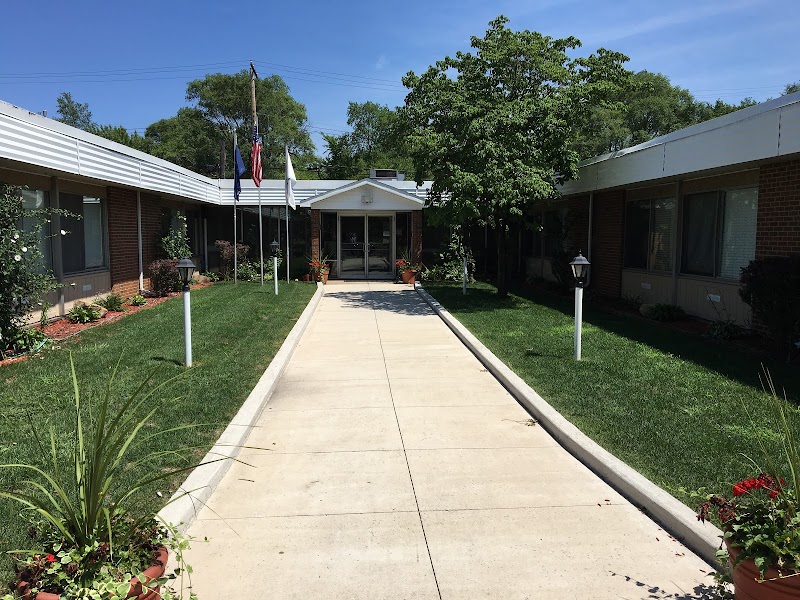
How is South Shore Health & Rehabilitation Center Staffed?

CMS rates SOUTH SHORE HEALTH & REHABILITATION CENTER's staffing level at 3 out of 5 stars, which is average compared to other nursing homes. Staff turnover is 61%, which is 15 percentage points above the Indiana average of 46%. High turnover can affect care consistency as new staff learn residents' individual needs. RN turnover specifically is 57%, which is notably high. RNs provide skilled clinical oversight, so turnover in this role can affect medical care quality.

What Have Inspectors Found at South Shore Health & Rehabilitation Center?

State health inspectors documented 63 deficiencies at SOUTH SHORE HEALTH & REHABILITATION CENTER during 2022 to 2025. These included: 1 that caused actual resident harm, 60 with potential for harm, and 2 minor or isolated issues. Deficiencies causing actual harm indicate documented cases where residents experienced negative health consequences.
Who Owns and Operates South Shore Health & Rehabilitation Center?

SOUTH SHORE HEALTH & REHABILITATION CENTER is owned by a government entity. Government-operated facilities are typically run by state, county, or municipal agencies. The facility operates independently rather than as part of a larger chain. With 100 certified beds and approximately 84 residents (about 84% occupancy), it is a mid-sized facility located in GARY, Indiana.

How Does South Shore Health & Rehabilitation Center Compare to Other Indiana Nursing Homes?

Compared to the 100 nursing homes in Indiana, SOUTH SHORE HEALTH & REHABILITATION CENTER's overall rating (1 stars) is below the state average of 3.1, staff turnover (61%) is significantly higher than the state average of 46%, and health inspection rating (1 stars) is much below the national benchmark.

What Should Families Ask When Visiting South Shore Health & Rehabilitation Center?

Based on this facility's data, families visiting should ask: "How do you ensure continuity of care given staff turnover, and what is your staff retention strategy?" "Can I visit during a mealtime to observe dining assistance and food quality?" "How do you handle medical emergencies, and what is your hospital transfer rate?" "Can I speak with family members of current residents about their experience?" These questions are particularly relevant given the facility's high staff turnover rate.

Is South Shore Health & Rehabilitation Center Safe?

Based on CMS inspection data, SOUTH SHORE HEALTH & REHABILITATION CENTER has a clean safety record: no substantiated abuse findings (meaning no confirmed cases of resident harm), no Immediate Jeopardy citations (the most serious violation level indicating risk of serious injury or death), and is not on the Special Focus Facility watch list (a federal program monitoring the lowest-performing 1% of nursing homes). The facility has a 1-star overall rating and ranks #100 of 100 nursing homes in Indiana. While no facility is perfect, families should still ask about staff-to-resident ratios and recent inspection results during their visit.

Do Nurses at South Shore Health & Rehabilitation Center Stick Around?

Staff turnover at SOUTH SHORE HEALTH & REHABILITATION CENTER is high. At 61%, the facility is 15 percentage points above the Indiana average of 46%. Registered Nurse turnover is particularly concerning at 57%. RNs handle complex medical decisions and coordinate care — frequent RN changes can directly impact care quality. High turnover means new staff may not know residents' individual needs, medications, or preferences. It can also be disorienting for residents, especially those with dementia who rely on familiar faces. Families should ask: What is causing the turnover? What retention programs are in place? How do you ensure care continuity during staff transitions?

Was South Shore Health & Rehabilitation Center Ever Fined?

SOUTH SHORE HEALTH & REHABILITATION CENTER has no federal fines on record. CMS issues fines when nursing homes fail to meet care standards or don't correct problems found during inspections. The absence of fines suggests the facility has either maintained compliance or corrected any issues before penalties were assessed. This is a positive indicator, though families should still review recent inspection reports for the full picture.

Is South Shore Health & Rehabilitation Center on Any Federal Watch List?

SOUTH SHORE HEALTH & REHABILITATION CENTER is not on any federal watch list. The most significant is the Special Focus Facility (SFF) program, which identifies the bottom 1% of nursing homes nationally based on persistent, serious quality problems. Not being on this list means the facility has avoided the pattern of deficiencies that triggers enhanced federal oversight. This is a positive indicator, though families should still review the facility's inspection history directly.