WATERS OF GEORGETOWN, THE
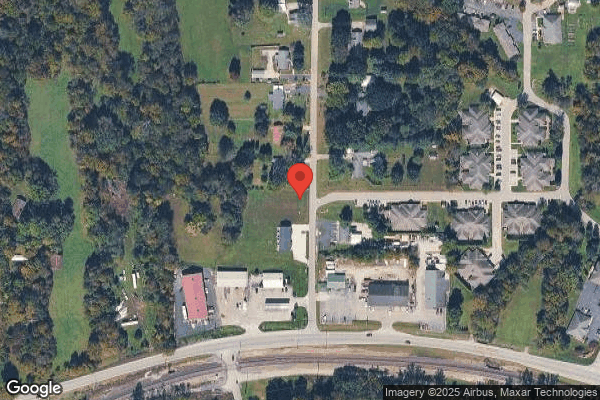
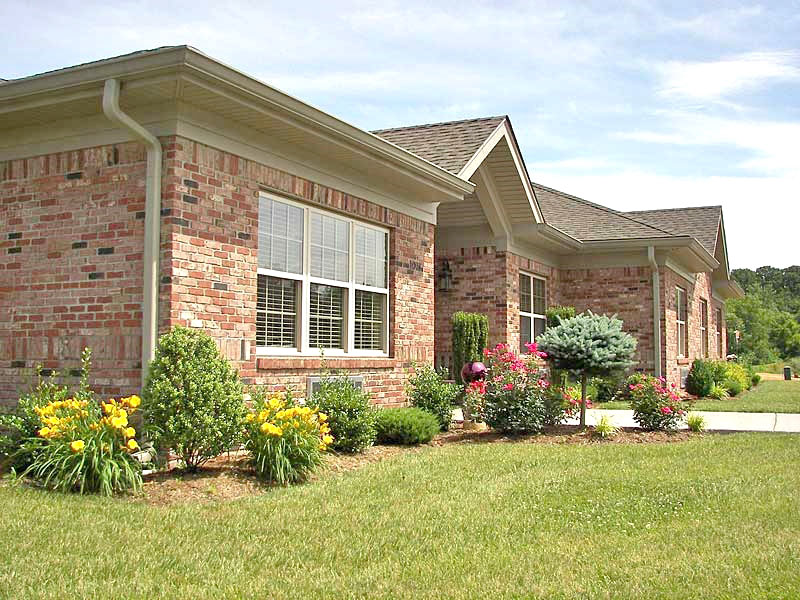
1002 SISTER BARBARA WAY, GEORGETOWN, IN 47122 (812) 940-5100
Non profit - Corporation 68 Beds INFINITY HEALTHCARE CONSULTING Data: November 2025
Trust Grade
40/100
#493 of 505 in IN
Last Inspection: June 2025

Inspected within the last 6 months. Data reflects current conditions.

Overview

Waters of Georgetown has received a Trust Grade of D, indicating below-average care with some concerns. Ranked #493 out of 505 facilities in Indiana, they are in the bottom half statewide and last among seven facilities in Floyd County. The facility's performance is worsening, with issues increasing from six in 2024 to 18 in 2025. While staffing is rated average with a turnover of 52%, they provide less RN coverage than 99% of Indiana facilities, raising concerns about the quality of care. Specific incidents include residents being observed sitting inactive for long periods without activities, and reports of insufficient staff to assist residents requiring help with mobility. Despite having no fines on record, the overall quality of care needs significant improvement.

Trust Score
D
40/100
In Indiana
#493/505
Bottom 3%
Safety Record
Low Risk
No red flags
Inspections
Getting Worse
6 → 18 violations
Staff Stability
⚠ Watch
52% turnover. Above average. Higher turnover means staff may not know residents' routines.
Penalties
✓ Good
No fines on record. Clean compliance history, better than most Indiana facilities.
Skilled Nurses
⚠ Watch
Each resident gets only 22 minutes of Registered Nurse (RN) attention daily — below average for Indiana. Fewer RN minutes means fewer trained eyes watching for problems.
Violations
⚠ Watch
34 deficiencies on record. Higher than average. Multiple issues found across inspections.
★☆☆☆☆
1.0
Overall Rating
★★★☆☆
3.0
Staff Levels
★★★☆☆
3.0
Care Quality
★☆☆☆☆
1.0
Inspection Score
Stable
2024: 6 issues
2025: 18 issues

The Good

  • Full Sprinkler Coverage · Fire safety systems throughout facility
  • No fines on record

Facility shows strength in fire safety.

The Bad

1-Star Overall Rating

Below Indiana average (3.1)

Significant quality concerns identified by CMS

Staff Turnover: 52%

Near Indiana avg (46%)

Higher turnover may affect care consistency

Chain: INFINITY HEALTHCARE CONSULTING

Part of a multi-facility chain

Ask about local staffing decisions and management

The Ugly 34 deficiencies on record

Jun 2025 10 deficiencies
CONCERN (D)

Potential for Harm - no one hurt, but risky conditions existed

Notification of Changes (Tag F0580)

Could have caused harm · This affected 1 resident

Based on interview and record review, the facility failed to notify the physician and the resident's responsible party related to elevated blood surgar levels for 1 of 3 residents reviewed for notific...

Read full inspector narrative →
Based on interview and record review, the facility failed to notify the physician and the resident's responsible party related to elevated blood surgar levels for 1 of 3 residents reviewed for notifications. (Resident 33) Findings included: The clinical record for Resident 33 was reviewed on 6/12/25 at 10:30 am. The resident's diagnoses included, but were not limited to atrial fibrillation, hypertension, edema, diabetes, right ankle wound, and unspecified dementia. The physician's order, dated 10/14/24, indicated the resident was precribed HumaLOG KwikPen Subcutaneous Solution (Insulin) Lispro with instructions for a sliding scale subcutaneously before meals and at bedtime. The sliding scale was as follows: Inject as per sliding scale: if resident's blood surgar (BS) level was 150 to 200 staff were to administer 2 units (U); 201 to 250, give 4U; 251 to 300, give 6U; 301 to 350, give 8U; 351 to 400, give 10U; for a BS grater than 400 give 10 units and call the physician. The physician's order, dated 10/14/24, indicated the resident was prescribed HumaLOG KwikPen Subcutaneous Solution with instruction to Inject 5 unit subcutaneously two times a day and to hold for a glucose reading less than 100. During an interview, on 6/12/24 at 01:33 p.m., RN (Registered Nurse) 13 indicated the provider and family should be notified immediately if the resident's blood glucose values were below the critical low or high range. During an interview, on 6/12/25 at 10:30 a.m., LPN 5 indicated if the residents' BS was grater than 400 the physician needed to be notified and then if new orders were received the family needed to be notified. Any change of condition in the resident would warrant a call to the provider and the family, then the nurse would document the change and who was notified. During a record review of the last 30 days, on 6/13/25 at 11:45 a.m., the review indicated that the resident had the following blood sugars greater than 400(mg/dL) milligrams per deciliter. - On 6/11/2025 at 3:37p.m., the resident's blood sugar level was 421 mg/dL. - On 6/10/2025 at 6:54p.m., the resident's blood sugar level was 445 mg/dL. - On 6/8/2025 at 5:18 p.m., the resident's blood sugar level was 520 mg/dL. - On 6/1/2025 at 5:53 p.m., the resident's blood sugar level was 400 mg/dL. - On 5/13/2025 at 7:56 a.m., the resident's blood sugar level was 418 mg/dL. The resident's record lacked documentation to indicate the physician or responsible party were notified of the resident's elevated blood glucose levels. Guidelines for notification of change in Resident's condition/status/treatment dated 6/29/24 was provided by the corporate nursing director on 6/13/25. The guidelines included, but was not limited to, .The objective of the notifications to the required parties .Nursing and other care staff are educated to identify changes in a resident's condition .Examples of situations .any critical lab value . 3.1-5(a)
CONCERN (D)

Potential for Harm - no one hurt, but risky conditions existed

Quality of Care (Tag F0684)

Could have caused harm · This affected 1 resident

Based on record review, and interview, the facility failed to ensure communication between the wound clinic, and documentation of wound assessments for 1 of 7 residents reviewed for wounds. (Resident ...

Read full inspector narrative →
Based on record review, and interview, the facility failed to ensure communication between the wound clinic, and documentation of wound assessments for 1 of 7 residents reviewed for wounds. (Resident 33) Findings include: The record for Resident 33 was reviewed on 6/10/25 at 8:49 a.m. The resident's diagnoses included, but were not limited to, type II diabetes and abrasion to the right ankle. The physician's order, dated 4/22/25, indicated the resident was to have a betadine moistened dressing to the wound, and covered with gauze and Coban. The physician's order, dated 5/20/25, indicated staff were to apply a collagen sheet (endoform) to the resident's wound bed, covered with a superabsorbent silicone border dressing. Change the dressing every other day. The physician's order, dated 6/8/25, indicated staff were to cleanse the resident's wound to the right lower extremity with normal saline, apply a collagen dressing, cover with a non-adherent dressing, wrap with a gauze, and secure with Coban every 48 hours for the wound. Staff were to date the dressing after the treatment was completed. The physician's orders, dated 6/10/25, indicated staff were to cleanse the resident's wound with hypochlorous acid (Vashe or similar) then apply a hypochlorous acid soaked 4 x(by) 4 gauze to the wound bed for 5 to 10 minutes after a wound assessment was completed. Apply acticoat to the wound bed and secure with gauze and Coban. Staff were to leave the resident's dressing intact until the next wound center appointment. The Quarterly Minimum Data Set (MDS) assessment, dated 4/16/25, indicated the resident was moderately cognitively impaired. The facility wound care notes, dated 4/1/25, indicated the resident had an abrasion to the right ankle. The measurements indicated the width was 2.50 centimeters (cm), the length was 2.50 cm and the depth was 0.30 cm. The wound had 30% (percent) granulation, 60% slough with serous drainage. The treatment indicated staff were to cleanse the resident's wound with wound cleanser and pat dry, medical grade honey, and apply calcium alginate with a bordered gauze. The wound assessment report, indicated the Nurse Practitioner (NP) was providing the treatments for the resident's wound, from 4/1/25 to 5/16/25. At that time the wound was classified as an abrasion. The clinical record lacked documentation of any wound assessments after 4/17/25. The clinical record lacked documentation of the wound center treatment, measurements, and appearance of the wound, from 4/17/25 through current (6/13/25). During an interview, on 6/11/25 at 10:00 a.m., Licensed Practical Nurse (LPN) 5 indicated when staff changed the residents wound dressing, they would do the measurements if needed. Staff documented the dressing changes and measurements in the treatment administration record (TAR). The resident's family did not want the wound care nurse at the facility to see the resident for wound care. The resident went weekly to the hospital wound care center. She would monitor for any signs and symptoms of infection such as increased pain, edema, redness, increased drainage, fever, increase in size, and odor. The resident was not on a low air mattress or wore pressure reducing boots. The interventions included, but were not limited to, repositioning every two hours and floating her heels. During an interview, on 6/12/25 at 10:30 a.m., the Regional Director of Clinical Operations (RDCO) indicated the wound care notes from the hospital wound care center had not been scanned into the clinical record for the nurses to read. During an interview, on 6/12/25 at 1:00 p.m., The RDCO indicated the medical records staff quit about 2 to 3 months ago. No staff member was responsible for scanning the resident documents. At that time the documents were not scanned in. During an interview, on 6/12/25 at 1:20 p.m., LPN 5 indicated the resident's wound was probably a stage II at that time. Staff were unable to see the wound report from the wound center at the hospital. The wound documents were not in the resident's clinical record. The wound center did not call the facility and give a verbal report. She indicated the only way she knew anything about the wound was when the resident's family members came in and told them. The LPN indicated she felt like the nurses should know measurements, and what treatment the wound care center provided. The Skin-Weight-Assessment policy, dated 10/9/23 included, but was not limited to, . It is the intent of the facility to assess the nutritional status as well as the skin condition status of each resident and to timely address any issues or any potential for issues related to weight and/or skin. The SWAT Team will monitor residents who meet the criteria (listed later) on a weekly basis to ensure that measures are in place to avoid loss in at risk for weight loss residents; as well as to avoid skin breakdown in residents at risk for skin breakdown---based on their medical assessments and overall health status .Ensure that care planned interventions are in practice. Ensure that trained nurses are performing treatments using Infection Control techniques .The Medical Director will review treatment protocols being used by Wound Care Specialists to include Wound Clinics and contracted Wound Care Providers to ensure that National Pressure Injury Advisory Panel Guidelines are being followed in treatment protocols . 3.1-37
CONCERN (D) 📢 Someone Reported This

A family member, employee, or ombudsman was alarmed enough to file a formal complaint

Potential for Harm - no one hurt, but risky conditions existed

Accident Prevention (Tag F0689)

Could have caused harm · This affected 1 resident

**NOTE- TERMS IN BRACKETS HAVE BEEN EDITED TO PROTECT CONFIDENTIALITY** Based on record review and interview, the facility failed to ensure adequate supervision for a resident at risk for elopement fo...

Read full inspector narrative →
**NOTE- TERMS IN BRACKETS HAVE BEEN EDITED TO PROTECT CONFIDENTIALITY** Based on record review and interview, the facility failed to ensure adequate supervision for a resident at risk for elopement for 1 of 5 residents reviewed for accidents hazards. (Resident B). Findings include: The record for Resident B was reviewed on 6/10/25 at 9:48 a.m. The resident's diagnoses included, but were not limited to, Alzheimer's disease and dementia. The care plan, dated 8/16/24 and revised on 5/23/25, indicated the resident was an elopement risk or wanderer, disoriented to place, impaired safety awareness, and a history of leaving a previous facility unsupervised. The interventions included, but were not limited to: assist in reorientation to the room and facility using verbal cues and reminders; the courtyard gate was to be locked with padlock; distract the resident from wandering by offering pleasant diversions, (conversation or offer snack) structured activities, food, conversation, television, and/or book; notify social services and/or the administrator for persistent attempts to leave the building and not respond to redirection; observe for and document wandering and/or exit seeking behavior and attempted diversional interventions as needed; observe the resident's location with visual checks during rounds and as needed; and put familiar items in the resident's room to assist in identifying room. The incident note, dated 5/22/25 at 5:45 p.m., indicated at approximately 5:45 p.m., the doorbell rang. The nurse answered the door and Resident B was at the door waiting to come in. When asked how Resident B got out there, she indicated, I can't tell you or you'll know my secret. A head-to-toe assessment was completed. The doors were checked and working properly. The patio gate lock was observed to be unlatched. The nurses note, dated 5/24/25 at 6:59 p.m., indicated the resident had been sitting outside on the patio. The resident walked up to the patio gate and started pushing on it. The resident asked the staff to open the doors so she could go outside for a walk. Once she asked to go outside to look for her car. The resident asked the staff if we could sneak outside. The nurse's note, dated 5/29/25 at 5:31 p.m., indicated the resident went out with a family member. The resident returned for lunch and family members and the resident went out for 30 to 60 minutes or longer. The resident had attempted to follow two sets of visitors out the front door when they left. During an interview, on 6/11/25 at 11:20 a.m., LPN 4 indicated she was the nurse on duty when the resident went out the gate. She was responsible for [NAME] 6 and 8. At the time the resident left the courtyard she was in Villa 6. There was 1 Certified Nursing Aide (CNA) in the building, and she was assisting another resident. When she left Villa 6, she entered the back entrance of Villa 8. As she entered the unit the CNA was coming out of a resident room. She heard the doorbell ring and when she answered the door the resident was standing there. The resident would not tell staff how she left the building. The resident had a scared look on her face. The resident couldn't have been gone any longer than 15 minutes. The staff inspected all the doors and alarms. When she inspected the courtyard gate it was unlocked and opened. The gate had a padlock on it and only the maintenance man and the nurse had a key. She never used the gate to go out. The resident would sit and watch the doors and had tried to leave with visitors before. Management had discontinued all wander guards, and she felt like the wander guards would help alert staff. During an interview, on 6/12/25 at 10:11 a.m., the Executive Director (ED) indicated they could not determine how the gate was unlocked. She indicated she did not know what happened. During an interview, on 6/12/25 at 1:00 p.m., CNA 8 indicated she was assisting another resident to bed, and it took a while to get her in bed. After she assisted the resident to bed, she left the room and saw the nurse entering through the back door. She had been in another villa with those residents. They heard the doorbell ring, and the nurse went to answer the door, and it was Resident B. They were unsure how the resident got out of the facility. Management was notified and all the exit doors were checked. They took a count of the residents and checked the alarms. Staff checked all areas of the [NAME] to make sure someone did come in and they weren't supposed to be there. She walked out to the courtyard and observed the gate unlocked. The gate had a padlock, but it was hanging on the latch unlocked. She did not know how the gate got unlocked. The Maintenance Director no longer worked at the facility, he left after the incident and was unavailable to interview. The Elopement and Missing Resident Prevention policy, dated 4/20/23, indicated .It is the policy of this facility that all residents are provided with adequate supervision to meet each resident's nursing and personal care needs. All residents will be assessed for behaviors or conditions that put them at risk for elopement . Cross Reference F725 The facility failed to ensure sufficient nursing staff were always available to provide personal care and safety for residents. 3.1-45(a)
CONCERN (D)

Potential for Harm - no one hurt, but risky conditions existed

Pharmacy Services (Tag F0755)

Could have caused harm · This affected 1 resident

Based on record review and interview, the facility failed to ensure insulins were administered as prescribed for 2 of 19 residents reviewed for pharmacy services. (Residents 33 and 37) Findings includ...

Read full inspector narrative →
Based on record review and interview, the facility failed to ensure insulins were administered as prescribed for 2 of 19 residents reviewed for pharmacy services. (Residents 33 and 37) Findings included: 1. The record for Resident 33 was reviewed on 6/12/25 at 10:30 a.m. The resident's diagnoses included, but were not limited to edema, diabetes, right ankle wound, and unspecified dementia. The physician's order, dated 10/14/24, indicated staff were to administer the resident's Humalog per a sliding scale. The sliding scale for before meals and at bedtime was as follows: if the resident's blood sugar (BS) level was 150 to 200 mg (milligrams per deciliters) mg/dL, the staff were to administer 2 U (units) ; 201 to 250 mg/dL, administer 4 U; 251 to 300 mg/dL, administer 6 U; 301 to 350 mg/dL, administer 8 U; 351 to 400 mg/dL, administer 10 U; for a blood sugar level grater than 400 mg/dL, administer 10 units and call the physician. During the review of the June Medication Administration Record (MAR), on 6/16/25 at 1:00 p.m., indicated the following insulin administration times were observed: - On 6/2/25, the resident's BS was 214 and the resident's insulin was to be administered at 11:30 a.m. The record indicated the insulin was administered at 3.00 p.m. - On 6/4/25, the resident's BS was 207 and the resident's insulin was to be administered at 8:00 p.m., The record indicated the insulin was given at 11:07 p.m. The physician's order, dated 10/14/24, indicated staff were to administer the resident's 5 units of Humalog 2 times daily, subcutaneously. The review of the June 2025 MAR indicated, on 6/6/25 at 1:00 p.m., the resident's 5 units for the 8:00 a.m. dose was not administered. The physician's orders, dated 5/9/25, indicated staff were to administer the resident's 30 units of Lantus in the morning, subcutaneously. Staff were to hold the administration if the resident's blood sugar was less than 100 mg/d. The review of the June 2025 MAR, indicated the resident's 30 units of Lantus was scheduled to be given at 9:00 a.m. on 6/2/25. The record indicated the resident's Lantus 30 units were not given until 2:59 p.m. During an interview, on 6/12/25 at 1:33 p.m., RN 13 indicated there was no reason why the resident's Lantus was not administered at the ordered time. 2.a The clinical record for Resident 37 was reviewed on 6/10/25 at 10:30 a.m. The resident's diagnoses included, but were not limited, diabetes mellitus due to underlying condition with diabetic neuropathy, hypokalemia, long term (current) use of insulin, and peripheral vascular disease. A physician's order, dated 7/22/24, indicated the staff were to administer the resident's Lantus Solution 100 UNIT/ML (Insulin Glargine) 10 units subcutaneously at bedtime. - On 6/1/25, the resident's insulin was to be given at 8:00 p.m. The documentation indicated the resident's insulin was administered at 5:43 a.m. on 6/2/25. - On 6/7/25, the resident's insulin was to be given at 8:00 p.m. The documentation indicated the resident's insulin was administered at 2:18 a.m. on 6/8/25. - On 6/8/25, the resident's insulin was to be administered 8:00 p.m. The documentation indicated the resident's insulin was administered at 2:05 a.m. on 6/9/25. - On 6/13/25, the resident's insulin was to be administered at 8:00 p.m. The documentation indicated the resident's insulin was administered at 11:08 p.m. - On 6/14/25, the resident's insulin was to be administered at 8:00 p.m. The documentation indicated the resident's insulin was administered at 1:59 a.m. on 6/15/25. - On 6/15/25, the resident's insulin was to be administered at 8:00 p.m. the documentation indicated the resident's insulin was administered at 1:56 a.m. on 6/16/25. 2.b. A physician's order, dated 10/14/24, indicated staff were to administer Resident 37's Humalog 5 unit subcutaneously two times a day. Staff were to hold the Humalog if the resident's BS level was less than 100. The review of the June 2025 MAR indicated the resident's Humalog was not administered on the following dates when the BS level was greater than 100 on the following dates and times: - On 6/13/25, the resident's a.m. dose was not administered for a blood sugar level of 131 mg/dL. - On 6/14/25, the resident's a.m., dose was not administered for a blood sugar level of 138 mg/dL. - On 6/15/25, the resident's a.m., dose was not administered for a blood sugar level of 135 mg/dL. - On 6/6/25, the resident's p.m., dose was not administered for a blood sugar level of 132 mg/d/L. - On 6/7/25, the resident's p.m., dose was not administered for a blood sugar level of 124 mg/dL. - On 6/13/25, the resident's p.m., dose was not administered for a blood sugar level of 129 mg. The Guidelines for Medication Administration, dated 1/25/2019 and last reviewed 3/29/24, included, but was not limited to, . 2) Medications are administered in accordance with written orders of the physician . 7) The licensed individual records the administration on the resident's MAR at the time the medication is given . 11) If a dose of regularly scheduled medication is withheld . 3.1-25(b)
CONCERN (E)

Potential for Harm - no one hurt, but risky conditions existed

ADL Care (Tag F0677)

Could have caused harm · This affected multiple residents

**NOTE- TERMS IN BRACKETS HAVE BEEN EDITED TO PROTECT CONFIDENTIALITY** During a confidential interview, between 6/12/25 and 6/16/25, Staff 100 indicated there was only one CNA in each building. If a ...

Read full inspector narrative →
**NOTE- TERMS IN BRACKETS HAVE BEEN EDITED TO PROTECT CONFIDENTIALITY** During a confidential interview, between 6/12/25 and 6/16/25, Staff 100 indicated there was only one CNA in each building. If a resident required the use of a full body mechanical lift, sit to stand, or required two staff members assistance for mobility/transfers or toileting, then the nurse would be called to come over and help. Sometimes there was a wait until the nurse was free to come over. Some days were harder than others. During an confidential interview, between 6/9/25 and 6/16/25, Staff 101 indicated some [NAME] were harder because there were some residents who required a lot of care. There were five out of ten residents who required the use of a full body mechanical lift to get up or be put back to bed. The lift would require the assistance of two staff members. The nurses were usually called from another villa to help the CNA do the lift, watched the villa while the CNA toileted residents, or was giving showers. Sometimes there was a wait until staff were finished what they were doing before coming over to help the CNA. During a confidential interview, between 6/9/25 to 6/16/25, Staff 102 indicated there were aides who floated between the buildings to help the CNA with care of the heavier care residents. There was only one CNA for each building. Monday, Tuesday, and Wednesday were usually better than the four other days. It was a struggle to get everything done by end of shift. Truthfully, the CNAs had too many tasks to do. The CNAs had to cook the meals sent over, serve the residents and clean up, cleaning the rooms, vacuuming and doing laundry, resident care, toileting, ADL's (Activities of Daily Living) on those that needed help and showers. Staff were supposed to also do the activities. A lot of times a resident would suddenly tell staff they needed to go to the bathroom while in the middle of serving. The CNA would have to stop, take them to the bathroom, then come back and sanitize and re-glove and re-heat the meal and then finally serve the residents. Staff G indicated that at times, staff had to put off a resident's shower because there was no time. During a confidential interview, between 6/9/25 and 6/16/25, Staff 103 indicated it was common for only one aide to be scheduled per villa. There were aides that floated between the [NAME] to help out. Having a floater really helped the CNA in doing care. The aide really struggled to get her work done. During a confidential interview, between 6/9/25 and 6/16/25, Staff 104 indicated there was only one CNA for each villa. At times, they could not get all of their tasks done in caring for the residents although she tried really hard. It got tough to get to all of the residents, do their care, toilet or do showers. Staff J indicated they were not able to do the activities that were scheduled. If a resident required two staff members assistance or the use of a full body mechanical lift, they would have to call the nurse or another villa to get someone to come over and help. Sometimes the residents had to wait on getting up or for care until the other person was free to come over and help. During a confidential interview, between 6/9/25 and 6/16/25, Staff 105 indicated some of the [NAME] really needed a second aide working depending on the acuity of the care the residents needed. It was tough for the day shift CNAs because the night shift only got certain people up before they left. Then the day shift CNA had to get the rest of the residents up along with all their other duties. The current facility policy, dated 09/21/23 titled, Guidelines for Bathing, which was provided by nursing staff, indicated the following: Policy: To cleanse the skin and to promote circulation .Verify bath schedule or need .never leave a resident in tub or shower room unattended . 3.1-38(a)(3) 3.1-38(a)(2)(A) 3.1-38(a)(2)(B) 3.1-38(A)(2)(C) Based on observation, record review and interview, the facility failed to ensure ADL's (Activities of Daily Living) were provided for 3 of 21 residents reviewed for ADL care. (Residents 3, 10, and 41) Findings include: 1. During an observation, on 6/11/25 at 10:00 a.m., Resident 3 turned on her call light and asked Certified Nurse Aide (CNA) 11 to assist her out of the bed. The CNA told the resident she could not get her up because she was busy washing the dishes and it had been a tense morning. Resident 3 still had a gown on, and her hair was unkept. During an observation, on 6/11/25 at 10:10 a.m., Resident 3 turned on her call light and asked CNA 11 to provide her with assistance getting out of bed. CNA 11 informed the resident that she could not get her up because she was busy putting the groceries away. During an observation, on 6/11/25 at 10:30 a.m., the Qualified Medication Aide (QMA) 12 indicated I don't even know who [Resident 3] is. or I could help. During an observation, on 6/11/25 at 12:50 p.m., Resident 3 remained in bed with her gown on and lying on her back. The resident's hair was still unkept and appeared unwashed. The resident indicated she had not gotten cleaned up or provided assistance out of the bed. During an observation, on 6/12/25 9:30 a.m., Resident 3 was lying in bed with her gown from yesterday on and lying on her back, her hair remained unkept. The record for Resident 3 was reviewed on 6/12/25 at 11:30 am. The resident's diagnoses included, but were not limited to, type 2 diabetes mellitus without complications, nontraumatic subarachnoid hemorrhage, chronic respiratory failure, muscle weakness, cognitive social or emotional deficit following nontraumatic intracerebral hemorrhage, dysphagia, neuromuscular dysfunction of bladder, and contracture of the right and left ankle. The Quarterly Minimum Data Set (MDS) assessment, dated 4/17/25, indicated the resident was moderately cognitively impaired, and required maximal staff assistance with transfers, bed mobility, personal hygiene and bathing. The care plan, dated 6/13/24 and revised on 2/18/25, indicated the resident had an ADL self-care performance deficit related to activity intolerance, impaired balance, musculoskeletal impairment, shortness of breath, and stroke. The interventions included, but were not limited to, a mechanical lift was indicated for transfers with assistance of two staff members, required staff assistance with turning and repositioning as needed. The review of the May and June task report indicated the following: - On 5/15/25, the record lacked documentation the resident received a shower or her hair washed. - On 5/19/25, the record lacked documentation the resident received a shower or her hair washed. - On 5/29/25, the record lacked documentation the resident received a shower or her hair washed. - On 6/2/25, the record lacked documentation the resident received a shower or her hair washed. - On 6/9/25, the record lacked documentation the resident received a shower or her hair washed. The resident did not refuse a shower or having her hair wash during the months of May and June. The nurse's note, dated 5/17/2025 at 10:17 a.m., indicated the resident was banging on the bedside table and was yelling at 7:15 a.m. The resident indicated that she wanted up out of bed. Staff members told the resident they could not get her up, but would get her up as soon as possible. A CNA took the resident her breakfast and the resident threw the dishes on the floor. A snack and drink was offered to the resident as well as a change in position in bed until staff were able to get her up out of bed, and she denied that offer and continued with behaviors. During an interview, on 6/11/25 at 9:55 a.m., CNA 11 indicated that she was working alone in her position and QMA 12 was administering medication to the residents. CNA 11 indicated in the villa there were four residents that require the assistance of two staff members for assistance or the use of a mechanical lift. The residents were supposed to have two showers a week. Sometimes it was hard to get two to three residents' daily baths done during a shift with all the other duties they were required to complete. The residents who required two staff members for transfers would receive a partial bed bath instead of a shower. 2. The record for Resident 41 was reviewed on 6/10/25 at 8:30 a.m. The residents' diagnoses included, but were not limited to Alzheimer's disease, Parkinson's disease with dyskinesia, chronic lymphocytic leukemia of b-cell type not having achieved remission, osteoarthritis, and presence of artificial hip joint. The Quarterly MDS assessment, dated 5/14 /25, indicated the resident's cognition was moderately impaired and the resident required substantial or maximum physical assistance for ADL care. The care plan, dated 1/27/25, indicated the resident had a self-care deficit related to needed assistance with ADLs to maintain the highest possible level or functioning. The interventions included, but were not limited to, mechanical lift with 2 participants for transfers, total assistance and one staff for bathing and dressing, required total assistance and one staff participant for personal hygiene and oral care. During an interview, on 6/10/25 at 1:16 p.m., Resident 41's family member indicated they don't have enough people here. She had visited the villa for over two hours on one occasion and did not see a single staff member during that length of time. The review of the May and June task sheet for the residents indicated Resident 41 did not have her hair washed in the months of May and June. During an observation, on 6/12/25 at 10:50 a.m., Resident 41 was observed lying in bed. The resident's room had a strong urine and body odor. The CNA entered the resident's room and indicated the resident's bed was urine soaked and she had to change the resident's gown, sheets, and underpad. 3.The record for Resident 10 was reviewed on 6/12/25 at 9:30 am. The resident's diagnoses included, but were not limited to, esophageal obstruction, epilepsy, moderate protein-calorie malnutrition, generalized anxiety disorder, muscle weakness, difficulty in walking, unspecified dementia with mood disturbance, and dysphagia. The Quarterly MDS assessment, dated 4/10/25, indicated the resident's cognition was moderately cognitively impaired and the resident required maximal staff assistance with personal hygiene, bathing, and dressing. Review of the May and June task report, indicated the resident was to receive a shower on 5/24/25, and 5/31/25. The resident received a partial bath (the face, hands, underarms, and genital area) on one occasion on 5/28/25. No other showers or baths were documented for May and June.
CONCERN (E)

Potential for Harm - no one hurt, but risky conditions existed

Respiratory Care (Tag F0695)

Could have caused harm · This affected multiple residents

Based on record review and observation, the facility failed to ensure residents received respiratory care and maintenance for 4 of 4 residents reviewed for respiratory therapy. (Resident 3, Resident 3...

Read full inspector narrative →
Based on record review and observation, the facility failed to ensure residents received respiratory care and maintenance for 4 of 4 residents reviewed for respiratory therapy. (Resident 3, Resident 38, Resident 54, and Resident 35) Findings included: 1. The record for Resident 3 was reviewed on 6/10/25 at 1:00 p.m. The resident's diagnosis included, but was not limited to, chronic respiratory failure. The current physician's order, dated 6/13/24, indicated for staff to always maintain the residents' oxygen at 3 liters per nasal cannula. The care plan, dated 6/13/24 and revised on 2/18/25, indicated the resident had Oxygen Therapy related to Ineffective gas exchange. The interventions included, but were not limited to, change the residents position every 2 hours to facilitate lung secretion movement and drainage, give medications as ordered by the physician, monitor for signs of respiratory distress and report to the physician, monitor for side effects and effectiveness, and oxygen via nasal cannula at 3 liters continuously. The current physician's order, dated 2/11/24, indicated staff were to change the resident's humidifier bottle once weekly on Sunday night shift and as needed. The current physician's order, dated 2/11/24, indicated staff were to change the resident's oxygen cannula/tubing once weekly on Sunday during the night shift and as needed. The review of the June 2025, Electronic Administration Record/Electronic Treatment Administration Record (EMAR/ETAR) indicated that the humidifier bottle and oxygen cannula tubing was changed on 6/8/25. During an observation, on 6/9/25 at 10:00 a.m., the oxygen concentrator was in the resident room with a reusable water humidification canister and tubing was not dated. 2. The clinical record for Resident 54 was reviewed on 6/9/25 at 1:31 p.m. The resident's diagnoses included, but were not limited to, chronic obstructive pulmonary disease and respiratory failure with hypoxia. The physician's order, dated 3/21/24, indicated staff were to maintain the resident's oxygen at 2 liters per nasal cannula. During an observation, on 6/9/25 at 11:00 a.m., the resident's humidification bottle was empty of water and dated (Tuesday) 5/27/25. The oxygen tubing did not have a date. The plastic bag attached to the concentrator had a date of 5/27/25. 3. The clinical record for Resident 35 was reviewed on 6/9/25 at 12:31 p.m. The resident's diagnoses included, but were not limited to chronic obstructive pulmonary disease, and anxiety disorder. The physician's order, dated 3/27/2025, indicated the resident was to have Oxygen at 2 Liters via nasal cannula as needed for shortness of breath. The physician's order, dated 3/27/25, indicated staff were to change the resident's humidifier bottle once weekly on Sunday night shift and as needed. The physician's order, dated 3/27/25, indicated staff were to change the resident's oxygen cannula/tubing once weekly on Sunday during the night shift and as needed. During an observation, on 6/9/25 at 1:00 p.m., the humidification bottle was dated 5/27/25. The nasal cannula tubing did not have a date and the plastic bag attached to the concentrator had a date of 5/27/25. The last scheduled change of the oxygen supplies should have been dated 6/8/25. 4. The clinical record for Resident 38 was reviewed on 06/11/25 at 11:53 a.m. The resident's diagnosis included but were not limited to, COPD (chronic obstructive pulmonary disease). The physician's order, dated 5/4/25, indicated for staff to maintain the resident's oxygen at 3 liters per nasal at night only every night shift for COPD. During an observation, on 6/9/25 at 9:00 a.m., the resident's humidification bottle for oxygen was dated 5/27/25. The nasal cannula tubing did not have a date, the plastic bag attached to the concentrator had a date of 5/27/25. The current physician's order, dated 12/12/23, indicated staff were to change the resident's oxygen tubing, and humidification bottle, clean oxygen filter, inspect easy foam wraps (replace if soiled or missing), every Sunday for (SOA) shortness of air, and as needed The facility did not present a copy of the Respiratory Therapy policy. 3.1-47(a)(6)
CONCERN (E)

Potential for Harm - no one hurt, but risky conditions existed

Infection Control (Tag F0880)

Could have caused harm · This affected multiple residents

**NOTE- TERMS IN BRACKETS HAVE BEEN EDITED TO PROTECT CONFIDENTIALITY** Based on record review and interview, the facility failed to follow appropriate infection control guidelines related to complete...

Read full inspector narrative →
**NOTE- TERMS IN BRACKETS HAVE BEEN EDITED TO PROTECT CONFIDENTIALITY** Based on record review and interview, the facility failed to follow appropriate infection control guidelines related to complete surveillance documentation to analyze a pattern of know infectious symptoms and patterns. This had the potential to affect 66 of 66 residents residing in the facility. ([NAME] 2, 3, 4, 5, 6, 7, and 8) Findings include: The Quality Assurance Performance Improvement Meeting summary, dated 6/3/25, indicated the infection control book was not able to be located and the facility will continue to update the book for 2025. The Immediate Corrective Actions indicated Identified issue work on last 90 days continue to update. The review of the January 2025 updated Infection Control/Antibiotic Stewardship documentation, the following infections were documented: - 4 respiratory infections for residents. - 11 urinary tract infections (UTIs) for residents. - 4 skin infections for residents. The updated documentation lacked the date of onset, symptoms, culture date with results, re-culture date, isolation, resolution date, or whether the infection met the criteria. The villa floorplans lacked documentation of monitoring for patterns of infections. The review of the February 2025 updated Infection Control/Antibiotic Stewardship documentation, the following infections were documented: - 7 respiratory infections for residents. - 9 urinary tract infections (UTIs) for residents. - 2 skin infections for residents. The updated documentation lacked the date of onset, symptoms, culture date with results, re-culture date, isolation, resolution date, or whether the infection met criteria. The villa floor plans lacked documentation of monitoring for patterns of infections. The review of the March 2025 updated Infection Control/Antibiotic Stewardship documentation, the following infections were documented: -12 urinary tract infections (UTIs) for residents. - 5 skin infections for residents. - 1 blood/other for residents. The updated documentation lacked the date of onset, symptoms, culture date with results, re-culture date, isolation, resolution date, or whether the infection met criteria. The villa floorplans lacked documentation of monitoring for patterns of infections. The review of the April 2025 updated Infection Control/Antibiotic Stewardship documentation, the following infections were documented: - 9 respiratory infections for residents. - 8 urinary tract infections (UTIs) for residents. - 2 skin infections for residents. The updated documentation lacked the date of onset, symptoms, culture date with results, re-culture date, isolation, resolution date, or whether the infection met criteria. The review of the May 2025 updated Infection Control/Antibiotic Stewardship documentation, the following infections were documented: - 6 respiratory infections for residents. - 13 urinary tract infections (UTIs) for residents. - 2 skin infections for residents. - 3 blood infections for residents. The updated documentation lacked the date of onset, symptoms, culture date with results, re-culture date, isolation, resolution date, or whether the infection met criteria. The review of the June 1 through 14, 2025 updated Infection Control/Antibiotic Stewardship documentation, the following infections were documented: - 2 skin infections for a resident. - 2 blood infections for a resident. The updated documentation lacked the date of onset, symptoms, culture date with results, re-culture date, isolation, resolution date, or whether the infection met criteria. During an interview, on 6/11/25 at 10:32 a.m., the Director of Nursing (DON) and Infection Preventionist (IP), indicated the Infection Prevention for identifying, tracking, monitoring and reporting diseases would be in the binder and should stay up to date. It had not been kept up to date and they couldn't find the Infection Prevention binder. They reproduced it from January to June 2025. All monitoring was now caught up. They had gone backwards for trending and tracking. It was important to keep the Infection Prevention up to date for education for staff and residents and for resident monitoring needs for the prevention of disease spread. Infections came from other people, so the Infection Prevention documentation was important for monitoring. During an interview, on 6/13/25 at 12:41 p.m., the Regional Director of Clinical Operations (RDCO) indicated the Infection Prevention binder could not be located. They started a new 2025 binder, going back 90 days immediately on 6/3/25. They started to work to update the Infection Prevention binder back from January 2025 to now. A new IP had been recently hired and still had to be IP certified. Currently the Assistant Director of Nursing (ADON) was certified and monitored with the Infection Prevention. If she were to quit, the DON would take over the IP position to continue monitoring. The DON was also IP certified. The Guidelines For Infection Prevention and Control policy, dated 8/17/23, included, but was not limited to, . Surveillance: A surveillance system designed to do the following will be maintained. Identify possible communicable diseases or infections before they can spread to other persons in the facility. Ensure that any communicable diseases are identified and reported timely and to the required parties/agencies. Ensure that standard and transmission-based precautions are followed in an effort to prevent the spread of infection. Define when and how isolation should be used for a resident including, but not limited to: The type and duration of the isolation, depending on the infectious agent or organism involved; and Making certain that the isolation used is the lease restrictive possible for the resident under the current circumstances and findings. Being sure that no employee of the facility who exhibits a communicable disease or who had an infected skin lesion is allowed to have direct contact with any resident or with any resident's food---if direct contact could transmit the disease . 3.1-18(b)(1)(A) 3.1-18(b)(3)
CONCERN (F)

Potential for Harm - no one hurt, but risky conditions existed

Deficiency F0679 (Tag F0679)

Could have caused harm · This affected most or all residents

**NOTE- TERMS IN BRACKETS HAVE BEEN EDITED TO PROTECT CONFIDENTIALITY** 2. During random observations of Villa 6, between 6/9/25 and 6/11/25, Residents 6, 7, and 20 were in a recliner asleep in the co...

Read full inspector narrative →
**NOTE- TERMS IN BRACKETS HAVE BEEN EDITED TO PROTECT CONFIDENTIALITY** 2. During random observations of Villa 6, between 6/9/25 and 6/11/25, Residents 6, 7, and 20 were in a recliner asleep in the common area. No activities were going on either by the Activity Director or the CNAs. During random observations of Villa 2, between 6/9/25 and 6/11/25, Residents 19, 49, and 3 were in the dining room area just sitting at the table sipping coffee. No activities were going on either by the Activity Director or the CNAs. Resident 1 was observed in her recliner in the common area during random observations, between 6/9/25 and 6/12/25. The resident was usually asleep or just looking around. No activities were occurring on any of the observations. An Activities Care Plan, with a start date of 5/20/22 and a revision date of 2/2/25, indicated Resident 1 had been sitting in a recliner in the day room for long periods of time. The resident indicated she was open to attending all group activities as she was a very social person, but needed to be invited and encouraged to attend due to dementia. The goal was for her to participate in activities of interest in both her and other [NAME] three times a week. The interventions included, but were not limited to, encourage her to participate in all activities; socialize with staff and others during meals and care; and staff to assist her to all activities of interest. During a confidential interview, between on 6/9/25 and 6/16/25, Staff 102 indicated that truthfully, the CNAs had too many tasks to do. The CNAs' had to cook the meals sent over, serve the residents meals and cleaning up, cleaning the rooms, vacuuming and doing laundry, resident care, toileting, ADLs on those that needed help and showers, and the CNAs were expected to do the activities. The Activity Director came in every morning and dropped off some coloring pages and the Daily Chronicle for the residents. She then left the villa. Most of the time, the coloring pages went into the trash as none of the residents wanted to color. If no one was up or out of their room when they came to the villa, they would leave and go to another villa. She did not wait for any of the residents to come nor go around and let them know what the activity was. The activities really were not occurring according to the calendar. Staff 102 indicated they would love to have the time to do the ladies nails, but that was also something activities could do with the residents, but they didn't. The ladies loved it when they got their nails and hair done. One time in Villa 5 the activity staff took the residents outside on the patio, had some drinks for them and they listened to the radio. It was great the residents had fun. But it had not been done since a long time ago. During a confidential interview, between 6/9/25 and 6/16/25, Staff 104 indicated there was only one CNA for each villa and the Qualified Medication Aide(QMA) or the nurse would help if they could. Doing activities was also one of the duties the aide was expected to do. Although she made sure to interact with her residents every day, she really was not able to do the activities that were scheduled. During a confidential interview, between 6/9/25 and 6/16/25, Staff 105 indicated she tried to do hair and nails for the ladies one time a week if able, but was unable to do any of the other activities During an interview with the Activity Director, on 6/12/25 at 10:25 a.m., she indicated she was hoping for an activity assistant, but was not sure she would get one. She indicated the morning activity was to have coffee and the daily chronicle to read in the mornings and watched TV news. She would leave coloring pages and a newsletter in each villa for the residents to do. Then, in the afternoon was her big activity and she would go to each villa and spend 30 minutes for activities every day. During random observations, of Villa 2 and Villa 6, between 6/9/25 and 6/12/25, no activities were occurring. The Activities Director was also not observed to be spending 30 minutes in each villa at any time from 6/9/25 through 6/13/25. During an interview with Resident 20, on 6/12/25 at 1:00 p.m., she indicated she stayed in her bed most of the time, but would like to know what activities were occurring and when they were scheduled in case she wanted to go. No one ever came around to tell her. During a confidential interview, between 6/9/25 and 6/16/25, Staff 101 indicated the Activities Director was in the villa earlier and played balloon toss she thought with about five residents for about five minutes and then left. During a confidential interview and observation, between 6/9/25 and 6/16/25 from 8:00 a.m. to 2:00 p.m., Staff 102 indicated the Activity Director was in the villa earlier for a few minutes, a balloon toss was scheduled for this afternoon, but no balloon toss or any other activity had occurred. Two balloons were sitting on the dining room table with four residents and a family member. The family member indicated the Activity Director was going to be right back with ice cream for the residents. He also indicated the balloon toss did not occur. A review of the activity calendar which hung on the wall in a villa, on 6/12/25 at 2:00 p.m., indicated the Baking with Residents activity was canceled. The Activities Director she was going to be passing ice cream to the CNAs for National CNA Week and then to the residents. During the Resident Council meeting, on 6/10/25 at 1:01 p.m., Resident 8 indicated there were no outings, but she would like to have those. Resident 20 indicated the monthly calendar of activities provided to the residents was small and she couldn't read it. The activities were not held in every villa but were only held at specific [NAME]. There were not a lot of activities, at the [NAME], but they did have a musical in one villa a long time ago and she enjoyed that. The staff used to bring residents to activities at a villa at that time. The evenings had no activities. Bingo was listed on the calendar several times, but they didn't know where it was, if any. She would attend more activities, if she only knew where they were at. During a confidential interview, between 6/9/25 and 6/16/25, Staff 106 indicated activities were completed by CNAs and they didn't have time. If they tried to do activities then showers weren't done. Coloring was all the residents had for activities. The Activities Director completed the Resident Council meeting but was only at the meeting for 5 minutes. The Activity Director just documented from a small list of questions. The Activity Director wasn't provided with help to do the activities in all the [NAME]. Staff were supposed to conduct activities and were asked to take residents to activities in other [NAME] if a resident asked to go. Staff would take turns staying in the villa if a resident wanted to go to an activity. During multiple observations, between 6/9/25 and 6/16/25, three residents were sitting at the dining table in their wheelchairs or in a dining chair. No activity was being performed, and the residents were not usually communicating with each other. Other residents were observed lying in their beds asleep. During random observations, between 6/9/25 and 6/16/25 from 10:00 a.m. to 10:20 a.m., of Villa 8 the following concerns were identified: - Two residents were conducting therapy. The remaining residents were in their rooms in bed. No activities were occurring. - Two residents were sitting at the dining table, and one resident was sitting in a recliner in the hearth area. The TV was on, but no residents were observed watching it. No activity was occurring. During random observations, between 6/9/25 and 6/16/25 from 10:00 a.m. to 10:20 a.m., of Villa 7 the following concerns were identified: - Two female residents were sitting alone at the dining table and one resident was at the kitchen counter. A CNA was in a resident's room assisting a resident. The TV was on in the hearth without sound and no activities were occurring. During an interview, on 6/11/25 at 9:18 a.m., the Executive Director (ED) indicated anyone in a villa could transfer a resident into another villa for an activity. She had transferred residents herself. She would make sure that a staff member was in the building before leaving with a resident. During an observation of the Monthly calendar, on 6/11/25 at 9:27 a.m., the activities were to begin daily at 10:00 a.m. with Daily Chronicles. No specific villa location was on the calendar. During an observation, on 6/11/25 at 11:06 a.m., the Activities Director entered Villa 7 and indicated to the CNA that a karaoke day in Villa 2 would be conducted at 2:00 p.m. She checked the coloring sheets and indicated, Oh good, they have only one of those sheets left. During an observation, between 6/9/25 and 6/13/25, the Activities Director entered the villa, and a staff member asked her why the activities were held in Villa 2 most of the time. The Activities Director indicated it was because more residents in [NAME] 3, 4, and 2 attended the activities and it was closer for them to go to Villa 2. The Activity Director's Job Description, dated 1/24/24, included, but was not limited to, . The Activity Director will be held accountable and responsible for the decision making and must assure that an ongoing program of activities is designed to meet, in accordance with the comprehensive assessment, the interests and the physical, mental, and psychosocial well-being of each resident . 4. Involves residents in planning facility activity programs . 20. Assists bed residents by visiting with them, writing letters, running errands, making appointments, etc., as necessary . 16. Supervises activities as necessary . 3.1-33(a) 3.1-33(c) Based on observation, record review and interview, the facility failed to ensure an ongoing activity program designed to meet the interest and support the physical, mental, and psychosocial well being of each resident. This deficient practice had the potential to affect 66 of 66 residents residing in the facility. ([NAME] 2, 3, 4, 5, 6, 7, and 8) Findings include: 1. During a random observations, on 6/9/25 from 10:00 a.m. to 2:30 p.m., of [NAME] 3, 4, 7, and 8 there were four residents sitting in the dining area. No activities were taking place. The activity schedule indicated reading the news and chronicles at 10:00 a.m., trivia games at 1:00 p.m., and music class at 2:00 p.m. None of the activities took place. During random observations, between 6/10/25 and 6/13/25, Residents 29 and 47 were observed sitting in a recliner during the day except for mealtimes. The residents were not engaged in any activities During an observation, on 6/11/25 at 2:15 p.m., no activities were observed. There were no activity staff in the villa. The Certified Nursing Aide (CNA) provided resident care. At 2:00 p.m., the scheduled activity was karaoke. This activity did not take place, and no residents were taken to another villa for the activity. During random observations, on 6/12/25 from 1:15 p.m. to 1:45 p.m., [NAME] 3, 7, and 8 were observed for activities. The residents were scheduled at 1:00 p.m., for an activity called balloon volley. The were no activities observed throughout the day. The Activity Director was observed pushing a cart with boxes of ice cream. She indicated she was passing out ice cream to the CNAs in each villa related to CNA appreciation week. During an interview, on 6/11/25 at 11:20 a.m., Licensed Practical Nurse (LPN) 4 indicated the residents barely had any activities. The activities that the Activity Director brings around are puzzles and word searches. The residents on the dementia unit were unable to do the puzzles. She indicated the activities of puzzles and word searches for the dementia unit were not appropriate. During an interview, on 6/12/25 at 11:38 a.m., the family member of Resident 53 indicated she visited the resident daily. There were no activities observed while she was there. She tried to take the resident out of the facility for activities so she would have something to do. During an observation, on 6/10/25 at 1:00 p.m., Villa 4 did not have residents sitting in the dining room or the common areas and no activities were being conducted. During an interview, on 6/11/25 at 9:55 a.m., the CNA 11 indicated she was working alone in her position and QMA 12 was working on medication administration. CNA 11 indicated Villa 4 was hard to provide assistance with activities during the 12-hour shift, due to all the other duties she was required to do. During an observation, on 6/11/25 at 9:59 a.m., Villa 4 had one resident in the common area and no activities were being conducted. During an observation, on 6/11/25 at 10:57 a.m., Villa 5 did not have any residents sitting in the common area and no activities were being conducted. During an observation, on 6/12/25 at 9:05 a.m., the Activities Director brought papers that were for the residents to color and the daily news to read. No residents were in the common area at that time. During an observation, on 6/12/25 at 10:00 a.m., Villa 4 did not complete the scheduled activity of balloon toss. There was one pink balloon on the dining table with four residents sitting around the table. Two of those residents were finishing their breakfast. During an observation, on 6/12/25 at 10:10 a.m., Villa 5 did not complete the scheduled activity of balloon toss. There were two yellow balloons on the dining room table, but there were no residents in the dining room or the common area. During an interview, on 6/11/25 at 10:58 a.m., CNA 11 indicated she was the only staff working in Villa 5. She often worked alone in the villa. The tasks she had to do was cleaning, laundry, re-heating the meals on top of providing general resident care duties.
CONCERN (F) 📢 Someone Reported This

A family member, employee, or ombudsman was alarmed enough to file a formal complaint

Potential for Harm - no one hurt, but risky conditions existed

Deficiency F0725 (Tag F0725)

Could have caused harm · This affected most or all residents

**NOTE- TERMS IN BRACKETS HAVE BEEN EDITED TO PROTECT CONFIDENTIALITY** 2. During a confidential interview, between 6/9/25 and 6/16/25, Staff 100 indicated there was only one CNA in each building. If ...

Read full inspector narrative →
**NOTE- TERMS IN BRACKETS HAVE BEEN EDITED TO PROTECT CONFIDENTIALITY** 2. During a confidential interview, between 6/9/25 and 6/16/25, Staff 100 indicated there was only one CNA in each building. If a resident was a mechanical full body lift, sit to stand, or required two staff members for mobility/transfers or toileting, then they would have to call the nurse to come over and help, but sometimes there was a wait until they were free to come over. Some days were harder than others. Staff 100 indicated they had to make time to get all their work done, even on weekends. Showers were being given as they made sure they were. For the most part the villa cleaning got done, maybe not the full deep cleaning that was supposed to be done in 2 rooms every day. During a confidential interview between 6/9/25 and 6/16/25, Staff 101 indicated some [NAME] were harder out of all the [NAME] as there were residents who required a lot of care. There were several residents who required a full body mechanical lift to get up or to be put back to bed and that took two staff members to complete the task. The nurses were usually called from another villa to help the CNA do the mechanical full body lift or watched the villa while the CNA toileted residents or were giving showers. Sometimes there was a wait until the nurse finished what they were doing before coming over to help the CNA. During a confidential interview between 6/9/25 and 6/16/25, Staff 102 indicated there usually was a floater to several buildings to help that CNA with care of the heavier care residents. There was only one CNA for each building. Monday, Tuesday, and Wednesday were usually better than the four other days as that was when the number of floaters and staffing were good, not so on the other days. She indicated she worked several [NAME] and it was a struggle to get everything done by end of shift. The CNAs had too many tasks to do. They had to cook the meals sent over, serving them and cleaning up, cleaning the rooms, vacuuming and doing laundry, resident general care, toileting, ADL's (Activities of Daily Living) on those that needed help and showers. The CNAs were supposed to also do the activities. A lot of times a resident will suddenly tell the aide they needed to go to the bathroom in the middle of serving a meal. Staff would have to stop, take them to the bathroom, then came back and sanitized and re-gloved and had to re-heat the meal before finally serving the residents. The CNA had to make sure the nurse was in the villa before anyone was taken into the shower room or toileted. They were so afraid a resident would fall when the aide was in a room and might get hurt. When the shower or care was finished, they would come out and then the CNA tried to locate all the residents to be sure they were okay. She would not do a mechanical full body lift by herself for fear the resident would fall out of it and would get hurt. Some staff members just grabbed the mechanical full body lift and would go on even though two staff members were needed. Some days staff were just not able get to the daily cleaning of the rooms or the vacuuming as they were so busy. At times, staff had to put off a resident's shower because there was no time. Between one and two o'clock, they were able to get more done, but only if there were the supplies needed. If supplies or snacks/food from dietary were needed, they would have to call the another staff member to come over and cover the villa while the CNA went to get the items. If the staff member was not available, then they would have to call around to the other [NAME] or dietary to bring what was needed. She would love to have the time to do the ladies nails. The ladies loved it. Management did not come out and help. During a confidential interview, between on 6/9/25 and 6/16/25, Staff 103 indicated it was common for only one aide to be scheduled per villa. There were aides who floated between the [NAME] to help out. Having a floater really helped the CNA in doing care. Maybe there should be more CNAs to float. The aide really struggled to get the work done. During a confidential interview, between on 6/9/25 and 6/16/25, Staff 104 indicated there was only one CNA for each villa. There were times of not being able to get all the tasks done in caring for the residents although they tried really hard. If help was needed, they had to call the a staff member from the other [NAME] to come and help. They were usually alone with no floater. The staff were expected to do activities also. It got tough to get the residents all up, do their care, toilet or do showers, all the cleaning and vacuuming, cooking and laundry. With the assigned tasks, they were not able to do the activities that were scheduled. If a resident required two staff members for assistance or the use of a full body mechanical lift, they would have to call the nurse or other [NAME] to get someone to come over to help if available. Sometimes the residents had to wait on getting up or for care until the other person was free to come over and help. During a confidential interview, between 6/9/25 and 6/16/25, Staff 105 indicated they tried to do hair and nails for the ladies one time a week and would pitch in to help the single aide if able. They did not know who the floaters were but they never came to the villa. Some of the [NAME] really needed a second aide working depending on the acuity of the care the residents needed. It was tough for the day staff member as the night shift only got certain people up before they left. Then the day shift staff member had to get the rest of them up along with all their other duties. They remained a high risk for falls and skin issues with only one aide in each of the villa. It used to be two aides for the villa, but it changed about two years ago to one CNA. 4. During a confidential interview, between 6/9/25 and 6/16/25, Staff 107 indicated one aide and one floating nurse were alone on the floor and that was common. If a staff member was called to help in another villa and they were providing care, no one would take care of a resident in need, even if it was necessary. During an interview, on 6/10/25 at 1:01 p.m., Resident C indicated they had been left alone in a villa with no other staff recently. They had not had any trouble yet. They would have to go get someone if they needed help. During a confidential interview, between 6/9/25 and 6/16/25, Staff 106 indicated no other staff was present in the villa, when one staff provided care. Staff 106 indicated there was a total of only two staff in the villa. It happened often. They had a lot of fall risks and one staff member had to wait to do a shower until the other returned. There was a lot of work to complete in a villa. Resident care was a big part of it. It could cause a lot of stress for new hires. The main issue was call-ins or a lack of scheduled staff. Staff were supposed to conduct activities and were asked to take residents to activities in other [NAME]. Staff would take turns staying in the villa if a resident wanted to go to an activity. They really needed 2 staff to stay in each villa. One resident was a fall risk because he would just get up on his own. When a staff member gave a shower and no one else was there, it made giving care to others difficult. They had sometimes skipped giving a thorough shower or adequate grooming if a staff member was alone in a villa. Showers had not been skipped in a long time, but it wasn't a great shower. It took 20 to 30 minutes for each resident when staff got the resident up in the morning. The toilet wouldn't get cleaned and the vacuuming didn't get completed at times. During multiple observations, between 6/9/25 and 6/16/25, only one CNA and one nurse were in the villa. At times, no one was visible due to being in one resident's room. Three residents were sitting at the dining table in their wheelchairs or in a dining chair. No activity was being performed, and the residents were not usually communicating with each other. Other residents were observed lying in their beds asleep. Three female residents were observed sitting alone at the dining table and kitchen counter. The TV was on without sound in the hearth. A CNA was in a resident's room assisting a resident and no other staff were visible. Two residents required two staff for assistance with transfers. One of the two required a full body mechanical lift to be used and both were fall risks in a villa. During a confidential interview, between 6/9/25 and 6/16/25, Staff 108 indicated they had never worked in a villa where there were two CNAs and one nurse. The workload was difficult when there was only one CNA, because residents would have to wait on medications and communication with residents' families had to wait. Both staff had to perform physical transfers or when using a full body lift for transfers. One staff member had to monitor the villa when the other gave showers or was providing care. The review of the Villa Day Shift Duties, on 6/13/25 at 12:04 p.m., indicated the following was to be completed by a CNA each day: - Shower Schedule: Days Mondays and Thursdays for rooms [ROOM NUMBERS], Tuesdays and Fridays for rooms [ROOM NUMBERS], Wednesdays and Saturdays for rooms [ROOM NUMBERS], and Sundays for room [ROOM NUMBER]. - Shower Schedule: Nights Mondays and Thursdays for room [ROOM NUMBER], Tuesdays and Fridays for room [ROOM NUMBER], Wednesdays and Saturdays for room [ROOM NUMBER], and Tuesdays for room [ROOM NUMBER]. - If there was down time, please go to other [NAME] and grab any stock that was needed. - All toilets must be cleaned on every day, this was just days shift's responsibility. - Make sure all food was dated and labeled. - Deep cleans Mondays for rooms [ROOM NUMBERS], Tuesdays for rooms [ROOM NUMBERS], Wednesdays for rooms [ROOM NUMBERS], Thursdays for rooms [ROOM NUMBERS], and Fridays for rooms [ROOM NUMBERS]. -Get Report from night shift aides, Receive pager and key, Record temperatures for all refrigerators/freezers/pantry. -Prepare breakfast. Obtain the temperature of food and record. -Start morning get ups. Check and change round on all residents. -7:45 a.m., serve room trays, serve the dining table from 8:00 a.m. to 8:30 a.m. -Collect all breakfast dishes and begin cleaning the kitchen. Obtain the dish sanitizer temperature, pass ice water to all elders at 10:00 a.m. -Start POC charting. -First scheduled shower and complete skin man assessment. -Start the resident's laundry. -Do the remainder of the resident's get ups. -Check and change round on the residents. -Pick up and prepare lunch. -Set the dining room table. -Bring all residents out for lunch. -Lunch-Obtain food temperatures and record. -12:00 p.m., serve room trays, serve the dining table from 12:15 p.m. to 12:45 p.m. -Collect all lunch dishes and clean the kitchen. -Obtain the dish sanitizer temperature. -3:00 p.m. pass ice water to all residents. -Lay the residents down for afternoon naps. -Check and change rounds on the residents. -Conduct the second scheduled showers-Complete the skin man assessment. -Start resident's laundry. -Take lunch break. -Daily cleaning-Mondays and Thursdays mop the bathrooms, Wednesdays and Saturdays vacuuming. Tuesdays and Fridays delivery truck. -Begin getting residents up for dinner. -Check and change rounds on the residents. -Set the dining room table for dinner. -Dinner-obtain food temperatures and record. -5:00 p.m., serve room trays, 5:15 p.m. to 5:45 p.m., serve the dining table. -Wash the dinner dishes. Obtain the dish sanitizer temperatures. -Spot clean the remaining rooms. -Collect all trash from the resident's rooms and take it out. -Ensure all dirty cups and dishes are out of the rooms. -Turn in the sheet to the nurse to ensure all tasks were done. -Finish the remainder of the charting (charting must be completed before clocking out and leaving). -Write out the report sheet on the residents to give to the night shift. -Give the night shift aide report. Hand off the pager and key. Deep cleaning of the rooms included: -Dust the windows sills, blinds, and air conditioning units. -Wipe down the bed frame, dresser, nightstand, and TV. -Clean/straighten drawers and closet. -Straighten up the remainder of the room. -Vacuum the carpet. -Clean the mirror, bathroom counter, shower, and toilet. -Collect all trash from the room. -Gather the resident's laundry. Cross Reference F689 The facility failed to ensure adequate supervision for a resident at risk for elopement. Cross Reference F677 The facility failed to ensure Activities of Daily Living were provided. This Citation relates to Complaint IN00461158. 3.1-17(a) Based on observation, record review and interview, the facility failed to ensure sufficient nursing staff were always available to provide personal care and safety for residents reviewed for staffing. This deficiency had the potential to affect 66 of 66 residents residing in the facility. Findings include: 1. The record for Resident B was reviewed on 6/10/25 at 9:48 a.m. The resident's diagnoses included, but were not limited to, Alzheimer's disease, and dementia. The care plan, dated 8/16/24 and revised on 5/23/25, indicated the resident was an elopement risk or wanderer, disoriented to place, impaired safety awareness, and a history of leaving a previous facility unsupervised. The interventions included, but were not limited to: assist in reorientation to the room and facility using verbal cues and reminders; the courtyard gate to be locked with padlock; distract the residents from wandering by offering pleasant diversions, (conversation or offer snack) structured activities, food, conversation, television, and/or book; notify social services and/or the administrator for persistent attempts to leave the building and not respond to redirection; observe for and document wandering and/or exit seeking behavior and attempted diversional interventions as needed; observe the resident's location with visual checks during rounds and as needed; and put familiar items in the resident's room to assist in identifying room. During an interview, on 6/11/25 at 11:20 a.m., Licensed Practical Nurse (LPN) 4 indicated she was the nurse on duty when the resident went out the gate. She was responsible for [NAME] 6 and 8. At the time the resident left the courtyard she was in Villa 6. There was 1 Certified Nursing Aide (CNA) was in the building, and she was assisting another resident. When she left villa 6, she entered the back entrance of Villa 8. As she entered the unit the CNA was coming out of a resident room. She heard the doorbell ring and when she answered the door the resident was standing there. The resident had a scared look on her face. Management had discontinued all wander guards, and she felt like the wander guards would help alert staff. During an interview, on 6/12/25 at 1:00 p.m., CNA 8 indicated she was assisting another resident to bed, and it took a while to get her in bed. After she assisted the resident to bed, she left the room and saw the nurse entering through the back door. She had been in another villa with those residents. They heard the doorbell ring, and the nurse went to answer the door, and it was Resident B. She walked out to the courtyard and observed the gate unlocked. The gate had a pad lock, but it was hanging on the latch unlocked. She did not know how the gate got unlocked. 3. During an interview, on 6/11/25 at 9:55 a.m., the CNA 11 indicated that she was working alone in her position and the Qualified Medication Aide (QMA) 12 was working on medication administration at the moment. The CNA indicated that in one villa there were 4 residents that require two-person physical assistance or the use of the mechanical lift. The CNA indicated the residents were supposed to have two showers a week. Sometimes it was hard to get two to three residents' daily baths done during a shift with all the other duties to complete. The residents who required two staff members for transfers would just receive a partial bed bath. During an observation, on 6/11/25 at 10:00 a.m., Resident 3 was ringing her bell and asked the CNA to get her out of bed. The CNA 11 told the resident that she could not get her up at this time due to being busy doing dishes and it had been a tense morning. The resident still had a gown on and her hair was greasy. She was lying on her back and had not been up out of bed yet. During an observation, on 6/11/25 at 10:10 a.m., Resident 3 was ringing her bell and asked the CNA 11 to get her out of bed. CNA 11 told the resident that she could not get her up at this time due to being busy putting the groceries away.
CONCERN (F)

Potential for Harm - no one hurt, but risky conditions existed

Deficiency F0727 (Tag F0727)

Could have caused harm · This affected most or all residents

Based on record review and interview, the facility failed to schedule 8-hour consecutive RN coverage for 1 of 2 months reviewed. (June 2025). This deficiency had the potential to affect the 66 of 66 r...

Read full inspector narrative →
Based on record review and interview, the facility failed to schedule 8-hour consecutive RN coverage for 1 of 2 months reviewed. (June 2025). This deficiency had the potential to affect the 66 of 66 residents currently residing in the facility. Finding includes: Review of the May and June 2025 as worked nursing schedule on 6/13/25, the following days were missing an RN or had the RN only scheduled for 5 hours: - On 6/5/25, only 6.5 hours of consecutive RN coverage was worked. - On 6/6/25, only 5 hours of consecutive RN coverage was worked. - On 6/7/25, only 5 hours of consecutive RN coverage was worked. - On 6/8/25, no RN coverage was worked - On 6/13/25, no RN coverage was worked. During an interview with the Regional Director of Clinical Operations, on 6/13/25 at 12:30 p.m., she indicated she was aware there might be missing days of RN coverage. The Director of Nursing (DON) was a working DON who covered a Villa as necessary and was involved in all aspects of the facility. 3.1-17(b)(3)
May 2025 1 deficiency
CONCERN (E) 📢 Someone Reported This

A family member, employee, or ombudsman was alarmed enough to file a formal complaint

Potential for Harm - no one hurt, but risky conditions existed

Medical Records (Tag F0842)

Could have caused harm · This affected multiple residents

Based on interview and record review, the facility failed to ensure Qualified Medication Aides did not sign off on treatments completed, outside the scope of practice, for 4 of 4 residents reviewed fo...

Read full inspector narrative →
Based on interview and record review, the facility failed to ensure Qualified Medication Aides did not sign off on treatments completed, outside the scope of practice, for 4 of 4 residents reviewed for medical records. (Residents D, E, F and H) Findings include: 1. The clinical record for Resident D was reviewed on 5/15/25 at 3:33 p.m. The resident's diagnosis included, but was not limited to, a stage 4 Pressure ulcer (full-thickness tissue loss with exposure of bone, tendon, or muscle). The April and May 2025 treatment administration record indicated staff were to cleanse the resident's sacral wound with normal saline, apply collagen with normal saline fluffed gauze and cover with a bordered gauze twice daily at 10:00 a.m. and 10:00 p.m. The April and May 2025 treatment administration records indicated the treatment was signed as completed as follows: - On 4/28/25 at 10:00 a.m., the resident's wound treatment was signed by Qualified Medication Aide (QMA) 9 - On 5/01/25 at 10:00 a.m., the resident's wound treatment was signed by QMA 5 - On 5/02/25 at 10:00 a.m., the resident's wound treatment was signed by QMA 9 - On 5/08/25 at 10:00 a.m., the resident's wound treatment was signed by QMA 5 - On 5/09/25 at 10:00 a.m., the resident's wound treatment was signed by QMA 9 During an interview, on 5/15/25 at 3:00 p.m., Licensed Practical Nurse (LPN) 7 indicated the QMA's do not complete the treatments higher than a stage one. The nurse should sign off on the treatment once it was completed. During an interview, on 5/15/25 at 3:42 p.m., QMA 3 indicated if a wound was higher than a stage one, it was out of the QMA's scope of practice and the nurses would have to do them. If the nurse forgets to sign off the treatment record, he had signed the treatment as completed. 2. The clinical record for Resident E was reviewed on 5/14/25 at 2:05 p.m. The resident's diagnosis included, but was not limited to, unstageable pressure area to the right buttock (a deep wound where the full-thickness tissue loss is obscured by slough or eschar). The May 2025 treatment administration record indicated staff were to cleanse the resident's right buttock with wound cleanser, apply collagen particles and cover with a bordered gauze twice daily at 10:00 a.m. and 10:00 p.m. The May 2025 treatment administration record indicated the treatment was signed as completed as follows: - On 5/11/25 at 10:00 p.m., the resident's wound treatment was signed by QMA 10 - On 5/14/25 at 10:00 a.m., the resident's wound treatment was signed by QMA 9 3. The clinical record for Resident F was reviewed on 5/15/25 at 6:13 p.m. The resident's diagnosis included, but was not limited to, a stage 3 pressure ulcer (Full-thickness skin loss with damage to subcutaneous tissue) to the sacral area. The May 2025 treatment administration record indicated staff were to cleanse the resident's wound with wound cleanser, apply collagen particles and cover with a hydrocolloid dressing every three days on night shift. The May 2025 treatment administration record indicated, on 5/9/25, QMA 3 signed the resident's wound treatment as completed. 4. The clinical record for Resident H was reviewed on 5/15/25 at 5:40 p.m. The resident's diagnosis included, but was not limited to, a stage 3 pressure ulcer to the coccyx. Review of the May 2025 treatment administration record indicated staff were to cleanse the resident's wound with wound cleanser, pat dry, apply collagen powder and cover with a bordered gauze on night shift. The May 2025 treatment administration record indicated, on 5/9/25, QMA 10 signed the resident's wound treatment as completed. On 5/15/25 at 6:23 p.m., the Regional Director of Operations provided a current, undated copy of the document titled Qualified Medication Aide Scope of Practice. It included, but was not limited to, The QMA shall not document in a resident's clinical record any medication that was administered by another person https://www.in.gov Qualified Medication Aide Scote of Practice, included, but was not limited to, .apply topical medication to minor skin conditions such as .stage one decubitus ulcer. This Citation relates to Complaint IN00459207. 3.1-50(a)(2)
Mar 2025 7 deficiencies
CONCERN (D) 📢 Someone Reported This

A family member, employee, or ombudsman was alarmed enough to file a formal complaint

Potential for Harm - no one hurt, but risky conditions existed

Report Alleged Abuse (Tag F0609)

Could have caused harm · This affected 1 resident

Based on interview and record review, the facility failed to ensure an allegation of abuse was thoroughly investigated for 1 of 3 residents reviewed for abuse. (Resident P) Findings include: The incid...

Read full inspector narrative →
Based on interview and record review, the facility failed to ensure an allegation of abuse was thoroughly investigated for 1 of 3 residents reviewed for abuse. (Resident P) Findings include: The incident report, dated 3/24/25 at 10:30 a.m., indicated Resident P reported that she felt RN (Registered Nurse) 6 was sexually inappropriate during care. The clinical record for Resident P was reviewed on 3/26/25 at 2:57 p.m. The resident's diagnoses included, but were not limited to, diabetes, anxiety, insomnia and GERD (gastroesophageal reflux disease). The quarterly Minimum Data Set (MDS) assessment, dated 1/31/25, indicated the resident's cognition was intact. During an interview, on 3/24/25 at 3:11 p.m., Resident P indicated RN 6 had come to her room to give her evening medications. RN 6 asked Resident P if she needed something to help her sleep and Resident P told her if she had one prescribed. RN 6 responded I did not ask you that. RN 6 told Resident P that she loved her, she was beautiful and that she did not think Resident P was crazy. RN 6 rubbed Resident P's left arm and leg and then nuzzled (rub or push against gently with the nose and mouth) her neck. She told RN 6 that what she did made her uncomfortable and then RN 6 left. She reported what had happened to Certified Nurse Aide (CNA) 7, who then reported the incident to Licensed Practical Nurse (LPN) 8. LPN 8 came over and she told her what had happened. During an interview, on 3/26/25 at 1:14 p.m., CNA 7 indicated RN 6 seemed a little touchy/feely when she worked with her. Resident P reported to her that RN 6 rubbed her arms and kissed her on the neck. RN 6 asked Resident P if she wanted a sleeping pill and Resident P responded if I have one prescribed. RN 6 then said I did not ask you that. CNA 7 reported the incident to LPN 8. During an interview, on 3/26/25 at 11:18 a.m., LPN 8 indicated CNA 7 reported that RN 6 made Resident P feel uncomfortable by rubbing her hand and telling the resident she loved her. LPN 8 tried to get more information but Resident P was confused. Resident P did not want RN 6 to be her nurse. RN 6 denied the incident and was not suspended per the Director of Nursing (DON). Normally, the facility would suspend the staff member during an investigation. There was a couple of times staff had called and reported an odor of alcohol on RN 6. One time, she assessed the RN and RN 6 had no smell of alcohol. LPN 8 moved LPN 9 to Villa 6 for the rest of the shift. LPN 8 did not interview any other staff or residents in Villa 6 or Villa 7. On 3/27/25 at 9:18 a.m., the Regional Nurse Consultant provided a current copy of the document titled Abuse Prevention Program dated 10/22/22. It included, but was not limited to, It is the policy of this facility to prevent abuse, neglect .Each resident receives care and services in a person-centered environment in which all individuals are treated a human beings .Employees are required to report any incident, allegation or suspicion of potential abuse .to the Administrator or immediate supervisor who will immediately report the allegation to the Administrator .Upon learning of the report, the Administrator or in the absence of the Administrator, the person in charge of the facility shall initiate an incident investigation .All incidents will be documented, whether of not abuse occurred, was alleged or suspected .Any .allegation involving abuse .will result in an abuse investigation .The Charge Nurse must complete an incident report and obtain a written, signed and dated statement from the person reporting the incident .Staff members who are suspected of abuse or misconduct shall immediately . be barred from any further contact with residents of the facility and be suspended from duty, pending the outcome of the investigation This Citation relates to Complaint IN00456149 3.1-28(c) 3.1-28(d)
CONCERN (D) 📢 Someone Reported This

A family member, employee, or ombudsman was alarmed enough to file a formal complaint

Potential for Harm - no one hurt, but risky conditions existed

Incontinence Care (Tag F0690)

Could have caused harm · This affected 1 resident

Based on interview and record review, the facility failed to ensure Indwelling catheter care was provided for a resident and failed to ensure urine output was documented as ordered for 2 of 2 resident...

Read full inspector narrative →
Based on interview and record review, the facility failed to ensure Indwelling catheter care was provided for a resident and failed to ensure urine output was documented as ordered for 2 of 2 residents reviewed for Indwelling catheters. (Resident K and Resident L) Findings include: 1. The clinical record for Resident K was reviewed on 3/27/25 at 10:20 a.m. The resident's diagnosis included, but was not limited to, urinary retention. The care plan, dated 1/3/25, indicated the resident had an Indwelling catheter and staff were to provide catheter care every shift and document the resident's urine output every shift. The physician's order, dated 1/3/25, indicated to provided catheter care every shift. The physician's order, dated 2/26/25, indicated to record catheter output every shift for monitoring. The March 2025 medication administration (MAR) lacked documented urine output on the following dates and shifts: - On 3/3/25 and 3/4/25, there were no documented urine output on day shifts. - On 3/7/25 and 3/8/25, there were no documented urine output on night shifts. - On 3/10/25, there was no documented urine output on night shift. - On 3/13/25, there was no documented urine output on day shift. - On 3/17/25, there was no documented urine output on night shift. - On 3/18/25 and 3/19/25, there were no documented urine output on day shifts. - On 3/21/25, there was no documented urine output or catheter care on night shift. During an interview, from 3/24/25 through 3/27/25, Staff Member 10 indicated all physicians' orders should be followed as well as a resident's plan of care. On 3/27/25 at 9:18 a.m., the Regional Nurse Consultant provided a current copy of the document titled Physician Orders/Following Physician Orders Guideline dated 2/15/19. It included, but was not limited to, It is the policy of this facility to follow the orders of the physician .The facility will follow physician orders to provide essential care to the resident 2. The clinical record for Resident L was reviewed on 3/27/25 at 10:54 a.m. The resident's diagnosis included, but was not limited to, neuromuscular dysfunction of the bladder. The care plan, dated 2/20/25, indicated the resident had an Indwelling catheter and staff were to document the resident's urine output every shift. Review of the resident's March 2025 treatment administration record (TAR) lacked documentation of the resident's urine output on the following dates and shifts: - On 3/4/25, there was no urine output documented on day shift. - On 3/7/25 and 3/8/25, there were no urine output documented on night shifts. - On 3/10/25 through 3/12/25, there were no urine output documented on night shifts. - On 3/13/25, there was no urine output documented on day shift. This Citation relates to Complaint IN00456149 3.1-41(a)(2)
CONCERN (D) 📢 Someone Reported This

A family member, employee, or ombudsman was alarmed enough to file a formal complaint

Potential for Harm - no one hurt, but risky conditions existed

Deficiency F0691 (Tag F0691)

Could have caused harm · This affected 1 resident

Based on interview and record review, the facility failed to ensure a resident's (Resident L) ostomy output was documented and care of the ostomy completed, as ordered by the physician for 1 of 1 resi...

Read full inspector narrative →
Based on interview and record review, the facility failed to ensure a resident's (Resident L) ostomy output was documented and care of the ostomy completed, as ordered by the physician for 1 of 1 resident reviewed for ostomy care. Findings include: The clinical record for Resident L was reviewed on 3/27/25 at 10:54 a.m. The resident's diagnosis included, but was not limited to, ostomy status. The care plan, dated 2/20/25, indicated the resident had an ostomy surgical site and staff were to administer the resident's treatments as ordered. The physician's order, dated 2/15/25, indicated to provide ostomy care and record any liquid output every shift. The resident's March 2025 treatment administration record lacked documentation of care provided and the resident's output on the following dates and shifts: - On 3/4/25, there was no output documented on day shift. - On 3/7/25 and 3/8/25, there were no output documented on night shifts. - On 3/10/25 through 3/12/25, there were no output documented on night shifts. - On 3/13/25, there was no output documented on day shift. - On 3/21/25, there was no ostomy care completed. This Citation relates to Complaint IN00456149 3.1-47(a)(3)
CONCERN (D) 📢 Someone Reported This

A family member, employee, or ombudsman was alarmed enough to file a formal complaint

Potential for Harm - no one hurt, but risky conditions existed

Unnecessary Medications (Tag F0759)

Could have caused harm · This affected 1 resident

Based on interview and record review, the facility failed to ensure a resident's (Resident H) scheduled narcotic was administered, as ordered by the physician, for 1 of 3 residents reviewed for medica...

Read full inspector narrative →
Based on interview and record review, the facility failed to ensure a resident's (Resident H) scheduled narcotic was administered, as ordered by the physician, for 1 of 3 residents reviewed for medications errors. Findings include: The clinical record for Resident H was reviewed on 3/27/25 at 9:59 a.m. The resident's diagnoses included, but were not limited to, depression, anxiety and age-related osteoporosis. The care plan, dated 3/7/25, indicated the resident was at risk for pain and to administer medications as ordered. The care plan, dated 3/7/25, indicated the resident had an anxiety disorder and to give anti-anxiety medication as ordered by the physician. The physician's order, dated 3/19/25, indicated the resident was to receive Hydrocodone-Acetaminophen (narcotic pain medication) 10-325 mg (milligrams) every 6 hours at 6:00 a.m., 12:00 p.m., 6:00 p.m. and 12:00 a.m. for pain. The physician's order, dated 3/6/25, indicated the resident was to receive Xanax (narcotic anti-anxiety medication), 1 mg every 6 hours at 6:00 a.m., 12:00 p.m., 6:00 p.m. and 12:00 a.m. for anxiety. Review of the March 2025 medication administration record indicated the resident did not receive the pain medication or the anti-anxiety medication on 3/22/25 at 6:00 a.m. Review of the controlled drug record for March 2025 indicated the that neither the Hydrocodone or Xanax were signed out as administered. During an interview, from 3/24/25 through 3/27/25, Staff Member 10 indicated all physicians' orders should be followed. On 3/27/25 at 9:18 a.m., the Regional Nurse Consultant provided a current copy of the document titled Physician Orders/Following Physician Orders Guideline dated 2/15/19. It included, but was not limited to, Policy .It is the policy of the facility to follow the orders of the physician This Citation relates to Complaint IN00456149 3.1-48(c)(1)
CONCERN (E) 📢 Someone Reported This

A family member, employee, or ombudsman was alarmed enough to file a formal complaint

Potential for Harm - no one hurt, but risky conditions existed

Quality of Care (Tag F0684)

Could have caused harm · This affected multiple residents

**NOTE- TERMS IN BRACKETS HAVE BEEN EDITED TO PROTECT CONFIDENTIALITY** Based on interview and record review, the facility failed to ensure residents (Resident D, Resident F and Resident G) were monit...

Read full inspector narrative →
**NOTE- TERMS IN BRACKETS HAVE BEEN EDITED TO PROTECT CONFIDENTIALITY** Based on interview and record review, the facility failed to ensure residents (Resident D, Resident F and Resident G) were monitored for medication side effects and failed to ensure treatments were completed for a resident (Resident L) for 4 of 4 residents reviewed for quality of care. Findings include: 1. The clinical record for Resident D was reviewed on 3/24/25 at 4:48 p.m. The diagnoses included, but were not limited to, diabetes, peripheral vascular disease and systemic lupus. The physician's order, dated 3/21/25, indicated to resident was to receive Eliquis (anticoagulant) 5 mg (milligrams) twice a day for DVT (deep vein thrombosis) prevention. The care plan, dated 1/11/24, indicated the resident was at risk for bleeding due to anticoagulant medication use and to observe for signs and symptoms of complications which included blood tinged or frank blood in urine, black tarry stool, dark or bright red blood in stools, sudden severe headaches, nausea, vomiting, petechiae, diarrhea, muscle/joint pain, lethargy, bruising, blurred vision, shortness of breath, loss of appetite, sudden change in memory, changes in mental status, and significant sudden changes in vision. The physician's order, dated 3/21/25, indicated the resident was to receive Insulin Lispro (short acting insulin) per sliding scale before meals and at bedtime. The care plan, dated 2/10/22, indicated the resident had diabetes and to monitor for signs and symptoms of hypoglycemia and hyperglycemia. The clinical record lacked documentation of monitoring for side effects related to diabetes and anticoagulant use upon readmission on [DATE]. During the survey period, between 3/24/25 and 3/27/25, Staff Member 10 indicated if a resident was on a blood thinner, nursing staff should monitor every shift for signs and symptoms of bleeding anywhere, bruising, blood clots and black tarry stools and documenting the assessment on the medication administration record (MAR or treatment administration record (TAR). Diabetics should be monitored ever shift for signs and symptoms of hypoglycemia and hyperglycemia and documented on the MAR/TAR. Residents who receive diuretics should be monitored for signs of dehydration and the assessment should be documented on the MAR/TAR. 2. The clinical record for Resident F was reviewed on 3/24/25 at 2:08 p.m. The resident's diagnoses included, but were not limited to, right sided hemiplegia and hemiparesis secondary to cerebral vascular accident, diabetes, hyperlipidemia and hypertensive heart disease. The physician's order, dated 3/7/25, indicated the resident was to receive Warfarin (blood thinner) 5 mg every evening for cerebral vascular accident. The care plan, dated 3/7/25, indicated the resident had the potential for complications related to anticoagulant use and to observe for reactions such as nausea, hemorrhage, fever, rash, bruise easily, angioedema, anaphylaxis and thrombocytopenia. The clinical record lacked documentation for the monitoring of the possible reactions and/or complications. 3. The clinical record for Resident G was reviewed on 3/26/25 at 8:55 a.m. The resident's diagnoses included, but were not limited to hypertension and congestive heart failure. The physician's order, dated 3/12/25, indicated the resident was to receive Lasix (diuretic) 80 mg daily for congestive heart failure. The physician's order, dated 3/21/25, indicated the resident was to receive Lasix 20 mg in the afternoon for edema. The care plan, dated 3/25/25, indicated the resident was at risk for fluid volume deficit due to diuretic use and to observe for signs and symptoms of dehydration. The clinical record lacked documentation for the monitoring of signs and symptoms of dehydration related to the diuretic use. 4. The clinical record for Resident L was reviewed on 3/27/25 at 10:54 a.m. The resident's diagnosis included, but was not limited to, abdominal wall abscess. The physician's order, dated 2/16/25, indicated to pack the surgical wound next to the stoma with gauze four times a day at 12:00 a.m., 6:00 a.m., 12:00 p.m. and 6:00 p.m. for a wound infection. The March 2025 treatment administration record indicated the treatment was not completed on the following dates and times: - On 3/01/25 at 12:00 a.m. and 6:00 a.m. - On 3/03/25 at 6:00 p.m. - On 3/04/25 at 6:00 p.m. - On 3/08/25 through 3/12/25 at 6:00 a.m. - On 3/15/25 through 3/16/25 at 6:00 a.m. - On 3/22/25 at 6:00 a.m. This Citation relates to Complaint IN00456149 3.1-37
CONCERN (E) 📢 Someone Reported This

A family member, employee, or ombudsman was alarmed enough to file a formal complaint

Potential for Harm - no one hurt, but risky conditions existed

Medical Records (Tag F0842)

Could have caused harm · This affected multiple residents

**NOTE- TERMS IN BRACKETS HAVE BEEN EDITED TO PROTECT CONFIDENTIALITY** Based on interview and record review, the facility failed to ensure unavailable medications were not documented as administered ...

Read full inspector narrative →
**NOTE- TERMS IN BRACKETS HAVE BEEN EDITED TO PROTECT CONFIDENTIALITY** Based on interview and record review, the facility failed to ensure unavailable medications were not documented as administered for 1 of 6 residents (Resident E); failed to ensure resident medication administration records accurately reflected the administration of medications for 5 of 6 residents (Resident D, Resident G, Resident H and Resident M); and failed to ensure a resident's (Resident E and Resident L) medication administration record accurately reflected the administration of narcotic pain medication for 2 of 3 reviewed for documentation. Findings include: 1. The clinical record for Resident D was reviewed on 3/24/25 at 4:48 p.m. The resident's diagnosis included, but was not limited to, hypothyroidism. The physician's order, dated 4/18/24, indicated the resident was to receive Levothyroxine Sodium Tablet, 100 mcg (micrograms) daily at 6:00 a.m. The March 2025 medication administration record (MAR) lacked documentation of the administration of the medication on 3/6/25, 3/9/25, 3/12/25 and 3/16/25. During an interview, on 3/25/25 at 1:28 p.m., RN (Registered Nurse) 6 indicated the medication administration record should be signed to show a medication was administered. On 3/27/25 at 9:18 a.m., the Regional Nurse Consultant provided a current copy of the document titled Medication Administration Guideline dated 1/25/19. It included, but was not limited to, Policy .Medications are administered as prescribed .The resident's MAR is initialed by the person administering a medication .When PRN medications are administered, the following documentation is provided .Date and time of administration .Signature or initial of person recording administration 2. The clinical record for Resident E was reviewed on 3/24/25 at 1:38 a.m. The resident's diagnoses included, but were not limited to, constipation and cellulitis of the right lower extremity. The resident admitted to the facility on [DATE] at 5:50 p.m. The March 2025 MAR record indicated the resident received the following medications: - 3/21/25 at 8:00 p.m., Colace (medication for constipation) 100 mg (milligrams) - 3/21/25 at 8:00 p.m., Linezolid (antibiotic) 600 mg - 3/21/25 at 8:00 p.m., Lovenox Injection (blood thinner) 0.4 ml (milliliters) subcutaneously - 3/22/25 at 12:00 a.m., Amoxicillin (antibiotic) 500 mg Review of the pharmacy delivery sheet indicated medications for the resident did not arrive to the facility until 3/22/25 at 7:14 a.m. During an interview, on 3/25/25 at 9:20 a.m., the Regional Nurse Consultant indicated there were no medications pulled from the EDK (emergency drug kit) on 3/21/25 for administration. During an interview, on 3/25/25 at 1:28 p.m., RN 6 indicated she worked night shift on 3/21/25. She could not recall if she signed off medications as administered for Resident E. If a medication was not available for administration, the medication should not be signed out as given. The physician's order, dated 3/21/25, indicated the resident was to receive Oxycodone HCl (narcotic pain medication) 10 mg every four hours as needed for pain. The March 2025 controlled drug record indicated the resident received the medication on 3/23/25 at 4:00 a.m. and 3/24/25 at 4:00 a.m. The March 2025 MAR lacked documentation of the administration of the narcotic pain medication. During an interview, on 3/27/25 at 1:55 p.m., Licensed Practical Nurse (LPN) 5 indicated if an as needed narcotic pain was administered, it should be signed off on the controlled drug record and the medication administration record to show the medication was administered. 3. The clinical record for Resident G was reviewed on 3/26/25 at 8:55 a.m. The resident's diagnoses included, but were not limited to, hypothyroidism, chronic obstructive pulmonary disease, gastrostomy status, anxiety and atrial fibrillation. The physician's order, dated 3/12/25, indicated the resident was to receive Levothyroxine Sodium tablet 125 mcg daily at 6:00 a.m. The March 2025 MAR lacked documentation of the administration of the medication on 3/15/25 at 6:00 a.m. and 3/22/25 at 6:00 a.m. The physician's order, dated 3/19/25, indicated the resident was to receive Insulin Lispro (fast acting insulin) per sliding scale every 6 hours at 12:00 a.m., 6:00 a.m., 12:00 p.m. and 6:00 p.m. The March 2025 MAR lacked documentation of a blood sugar check or insulin administration on 3/22/25 at 6:00 a.m. and 3/23/25 at 6:00 a.m. The physician's order, dated 3/12/25, indicated the resident was to receive guaifenesin liquid 10 ml (milliliters) every 6 hours at 12:00 a.m., 6:00 a.m., 12:00 p.m. and 6:00 p.m. The March 2025 MAR lacked documentation of the administration of the medication 3/15/25 at 6:00 a.m. and 3/22/25 at 6:00 a.m. The physician's order, dated 3/13/25, indicated the resident was to receive Meropenem (antibiotic) intravenously every 6 hours at 12:00 a.m., 6:00 a.m., 12:00 p.m. and 6:00 p.m. for 14 doses related to cellulitis. The March 2025 MAR lacked documentation of the administration of the medication on 3/15/25 at 6:00 a.m. 4. The clinical record for Resident H was reviewed on 3/27/25 at 9:59 a.m. The resident's diagnosis included, but was not limited to, hypothyroidism. The physician's order, dated 3/5/25, indicated the resident was to receive Levothyroxine Sodium 137 mcg daily at 6:00 a.m. The March 2025 MAR lacked documentation of the administration of the medication on 3/12/25 at 6:00 a.m. and 3/22/25 at 6:00 a.m. 5. The clinical record for Resident L was reviewed on 3/27/25 10:54 a.m. The resident's diagnoses included, but were not limited to, diabetes and cutaneous abscess of the abdominal wall. The physician's order, dated 2/14/25, indicated the resident was to receive Hydrocodone/APAP 7.5/325 mg every six hours as needed. The March 2025 controlled drug record indicated the resident received the narcotic pain medication on the following dates and times: - 3/01/25 at 5:30 p.m. - 3/03/25 at 3:30 a.m. - 3/05/25 at 10:00 p.m. - 3/09/25 at 10:00 p.m. - 3/10/25 at 5:30 p.m. - 3/11/25 at 5:30 p.m. - 3/15/25 at 2:00 p.m. - 3/17/25 at 12:00 a.m. The resident's March 2025 MAR lacked documentation of the administration of the narcotic medication. 6. The clinical record for Resident M was reviewed on 3/27/25 at 11:17 a.m. The resident's diagnosis included, but was not limited to, hypothyroidism. The physician's order, dated 2/7/25, indicated the resident was to receive Levothyroxine Sodium 50 mcg daily at 6:00 a.m. The March 2025 MAR lacked documentation of the administration of the medication on 3/12/25 at 6:00 a.m. and 3/22/25 at 6:00 a.m. This Citation relates to Complaint IN00456149 3.1-50(a)(2)
CONCERN (F) 📢 Someone Reported This

A family member, employee, or ombudsman was alarmed enough to file a formal complaint

Potential for Harm - no one hurt, but risky conditions existed

Deficiency F0725 (Tag F0725)

Could have caused harm · This affected most or all residents

**NOTE- TERMS IN BRACKETS HAVE BEEN EDITED TO PROTECT CONFIDENTIALITY** Based on observation, interview and record review, the facility failed to ensure the facility was adequately staffed to provide ...

Read full inspector narrative →
**NOTE- TERMS IN BRACKETS HAVE BEEN EDITED TO PROTECT CONFIDENTIALITY** Based on observation, interview and record review, the facility failed to ensure the facility was adequately staffed to provide adequate care and safety for the residents. This deficient practice had the potential to affect 67 of 67 residents residing in the facility. Findings include: During an interview, between 3/24/25 and 3/27/25, Staff Member 11 indicated there was supposed to be an aide in every Villa but that did not always happen. When Staff Member 11 had two [NAME] to administer medications, Staff Member 11 would have to flip flop with the aide in Villa 3 which would leave the residents in Villa 1 alone with no staff in the building for approximately two minutes. There had, however been times when Villa 1 had been left unattended for 5 to 10 minutes. The way the facility staffed the [NAME] was not safe nor was it fair to the residents. During an interview, between 3/24/25 and 3/27/25, Certified Nurse Aide (CNA) 12 indicated the facility was currently short staffed. She had cared for residents that required assistance of two staff members and frequently had to wait to change residents or put them to bed until another staff member could assist her. For the most part, CNA 12 could complete all tasks assigned, however, when she worked in Villa 5, she was not able to complete her showers. During an interview, between 3/24/25 and 3/27/25, Qualified Medication Aide (QMA) 13 indicated she had worked as the nurse and the aide in a Villa many times. When you have to administer medication, provide resident care and serve all the meals during the 12-hour shift, it was like running around like a chicken with its head cut off and impossible to complete all care tasks, especially showers. During an interview, between 3/24/25 and 3/27/25, Licensed Practical Nurse (LPN) 5 indicated it was hard to complete all of her assigned tasks. LPN 5 sometimes times had to leave her Villa for long periods of time to administer insulin in multiple [NAME] where there were QMA's working. During an interview, between 3/24/25 and 3/27/25, LPN 10 indicated she has had to work two [NAME] before due to no nurses available. There had been a lot of QMA's working so the nurses had to leave their [NAME] to administer insulin in the other [NAME]. There had been times when LPN 10 would have to go to another Villa to assess a resident and, at times, send the residents out to the hospital. When that happened, your aide was left alone in the Villa for longer periods of time. The current staffing was not safe and was definitely not fair to the residents. During an interview, between 3/24/25 and 3/27/25, CNA 14 indicated she has had to work Villa 7 by herself multiple times which was very difficult. All the residents in the Villa received therapy and they also had heightened needs. There were times when she would be toileting one resident, and she could hear two other residents yelling because they needed to go to the bathroom at the same time. It makes it very hard when you are in a Villa by yourself. Review of the February 2025 and March 2025 as worked staffing sheets indicated the following: - On 2/11/25, there was no nurse in Villa 3 on night shift. - On 2/24/25, there was no nurse in Villa 3 on night shift. - On 3/15/25, there was no aide in Villa 4 on night shift. - On 3/24/25, there was one nurse for Villa 5 and Villa 6 on day shift. - On 3/25/25, there was no nurse in Villa 3 on night shift. - On 3/27/25, there was one nurse for Villa 5 and Villa 6 on day shift. During an observation, on 3/25/25 at 11:22 a.m., Villa 5 was observed without a nurse. CNA 15 indicated RN (Registered Nurse) 16 was currently over in Villa 6 giving medications. The incident report, dated 3/25/25 at 5:30 p.m., indicated a resident from Villa 5 exited the facility, in his wheelchair without supervision. The resident was re-directed back to the Villa by the Director of Rehabilitation. During an interview, on 3/27/25 at 1:55 p.m., CNA 15 indicated right after dinner, RN 16 had to go over to Villa 6 to send a resident out to the hospital since she was covering Villa 5 and Villa 6. CNA 15 was in a room, with the door closed, providing care for a resident. Her pager started going off while she was in the room, so she hurried up and completed care on the resident. When she came out of the room, she heard the door alarm sounding. She could not hear the door alarm because she was in a resident's room with the door closed. When she looked out the door, she saw therapy bringing the resident whom had exited back into Villa 5. 3.1-17(a)
Dec 2024 4 deficiencies
CONCERN (D) 📢 Someone Reported This

A family member, employee, or ombudsman was alarmed enough to file a formal complaint

Potential for Harm - no one hurt, but risky conditions existed

Comprehensive Assessments (Tag F0636)

Could have caused harm · This affected 1 resident

Based on record review, observation, and interview, the facility failed to ensure a resident's plan of care was revised for 1 of 4 residents reviewed for behaviors and exit-seeking. (Resident E ) Find...

Read full inspector narrative →
Based on record review, observation, and interview, the facility failed to ensure a resident's plan of care was revised for 1 of 4 residents reviewed for behaviors and exit-seeking. (Resident E ) Findings included: The record for Resident E was reviewed on 12/31/24 at 8:30 a.m. The residents' diagnoses included, but were not limited to unspecified sequelae of cerebral infarction; unspecified dementia, psychotic disturbance, mood disturbance, and anxiety; Muscle weakness (generalized); Difficulty in walking, not elsewhere classified, aphasia (a language disorder that affects a person's ability to understand and express written and spoken language); and need for assistance with personal care. The admission Minimum Data Set (MDS) assessment, dated 10/10/24, indicated the resident's cognition was severely impaired. The resident's mobility was impaired on one lower extremity. A progress note, dated 12/01/24 at 8:08 p.m., indicated the resident was in bed yelling out I want sex. The note indicated the nurse tried to redirect the resident and was unsuccessful. A progress note, dated 12/16/24 at 9:30 a.m., indicated the resident had been restless all morning, he had taken his clothes off and was yelling for help but would not let staff provide any assistance. The resident had been restless all weekend and had refused staff assistance. A progress note, dated 12/17/24 at 3:03 p.m., indicated the resident wandered through double doors near the kitchen toward the exit. The resident was able to push the double doors open. The progress note indicated therapy brought the resident back to the common area and the resident was out of sight less than two minutes. A progress note, dated 12/19/24 at 2:31 p.m., indicated the resident had been exit seeking and had an increase in confusion for the last several days. It showed that the resident was not combative but very unsafe to be left alone. The resident was placed in the common area with one-on-one (one staff to one resident) supervision. A progress note, dated 12/25/24 at 12:11 a.m., indicated the resident had been restless that night. The resident had difficulty following instructions but had no combative behaviors. A progress note, dated 12/28/24 at 3:11 p.m., indicated the resident was found sitting on the floor. He was unable to describe the fall or any details. The progress note showed that the resident had a motion sensor in his room, but the sensor was not on due to the resident being in the common area. The resident was then placed on one-to-one supervision in the common area. A care plan, with an initiated date of 10/09/24, indicated the resident used psychotropic medication related to insomnia (sleep disorder). The goal was for the resident to remain free of cognitive/behavioral impairment. The interventions included, but were not limited to, dated 10/9/24, monitor/record occurrence of target behavior symptoms such as wandering, disrobing, inappropriate responses to verbal communication and aggression towards staff. The resident's clinical record lacked an updated care plan and/or interventions related to the increased behaviors and confusion, one-on-one supervision, and wondering/exit seeking. During an observation on 12/30/24 at 3:15 p.m., Resident E was in a wheelchair in the common area of the Villa 5. There were no staff members in the common area or kitchen of the villa, at 3:24 p.m. two staff members walked out of a resident's room, walked past Resident E and then down towards the utility area. During an interview on 12/30/24 at 3:16 p.m., Resident E's family member indicated they don't have enough people here. He had visited the villa for over two hours on another occasion and did not see a single staff member during that length of time. During an interview on 12/30/24 at 10:28 a.m., the Director of Nursing (DON) indicated she had just recently returned to work after being off for a few months. During an interview on 12/31/24 11:00 am, the Executive Director (ED) indicated there was only one secured locked unit and that unit was Villa 8. This citation relates to Complaint IN00448117. 3.1-31(d)
CONCERN (D) 📢 Someone Reported This

A family member, employee, or ombudsman was alarmed enough to file a formal complaint

Potential for Harm - no one hurt, but risky conditions existed

ADL Care (Tag F0677)

Could have caused harm · This affected 1 resident

**NOTE- TERMS IN BRACKETS HAVE BEEN EDITED TO PROTECT CONFIDENTIALITY** Based on interview, record review and observation, the facility failed to ensure residents who were dependent on staff for activ...

Read full inspector narrative →
**NOTE- TERMS IN BRACKETS HAVE BEEN EDITED TO PROTECT CONFIDENTIALITY** Based on interview, record review and observation, the facility failed to ensure residents who were dependent on staff for activities of daily living received the care and services needed related to incontinence care and bathing for 2 of 4 residents reviewed for Activities of Daily Living. (Residents D and E) Findings include: 1.a. The clinical record for Resident D was reviewed on 12/31/24 at 11:30 am. The resident's diagnoses included, but were not limited to, flaccid hemiplegia affecting the right dominant side, muscle weakness, transient cerebral ischemic attack, unspecified, and unspecified abnormalities of gait and mobility with lack of coordination. The Quarterly Minimum Data Set (MDS) assessment, dated 10/27/24, indicated the resident's cognition was mildly impaired. The resident's mobility was impaired on one side of his upper and lower extremities. He required maximal staff assistance with personal hygiene/bathing. The care plan, dated 1/22/24 and revised on 4/19/24, indicated the resident was incontinent and had impaired mobility. The interventions included, but were not limited to, staff assistance with turning, repositioning and transfers as needed, staff were to cleanse the resident's perineal area well with each incontinence episode, and keep the resident's skin clean and dry. The care plan, dated 1/22/24, indicated the resident had the potential for impairment to skin integrity related to frail skin. The interventions included, but were not limited to, keep skin clean and dry. The care plan, dated 1/22/24, indicated the resident was incontinent of bowel. The interventions included, but were not limited to, , dated 1/22/24, assist with toileting as needed; dated 11/18/24, check and change every two hours and as needed for incontinence; and dated 11/18/24, provide peri care after each incontinent episode. The care plan, dated 1/22/24, indicated the resident was incontinent of urine. The interventions included, but were not limited to, dated 1/22/24, assist with toileting as needed; dated 11/18/24, check and change every two hours and as needed for incontinence; and dated 11/18/24, provide peri care after each incontinent episode. The care plan, dated 1/22/24, indicated the resident had an activities of daily living (ADL) self-care performance deficit related to impaired cognition, weakness, and impaired mobility secondary to Hemiplegia (paralysis or weakness on one side of the body). The interventions included, but were not limited to, dated 1/24/24, the resident required one staff participation to use the toilet and one to two staff members for transfers; dated 1/22/24, one staff member for participation to reposition and turn in bed; and dated 1/22/24, the resident used a mechanical lift for transfers. The care plan, dated 1/22/24, indicated the resident was at risk for falls. The interventions included, but were not limited to, staff were to anticipate and meet the resident's needs; and dated 11/18/24, check and change every two hours and as needed for incontinence. The care plan, dated 1/22/24 and revised on 3/6/24, indicated the resident had the potential for pressure ulcer development related to impaired mobility and incontinence. The Goal was for the resident to have in-tacked skin, free of redness, blisters, or discoloration. The interventions included, but were not limited to, assist with turning and repositioning as needed (PRN), to off load heels (elevating the foot off the bed) for pressure reduction while in bed, the resident to be out of bed and transferred to a wheelchair as much as tolerable. The progress note, dated 11/18/24 at 09:36 a.m., indicated the resident attempted to go to the restroom alone due to incontinence of bowels and was found on the floor beside his bed with no apparent injury. During an interview on 12/30/24 at 11:17 a.m., Resident D indicated he had been sitting in the common area of the Villa since breakfast. During an interview and observation on 12/30/24 at 3:25 p.m., Resident D indicated that he had not been out of his wheelchair since he was interviewed that morning at 11:17 a.m. He indicated he was supposed to go to bed after lunch around 1:30 p.m. He had asked the Certified Nurse Aide (CNA) to put him in bed, but she was too busy and didn't have help. He sometimes would grow impatient if he had to wait a long time for a staff member to help him. During an interview on 12/30/24 at 3:30 p.m., CNA 6 indicated that her resident care sheet showed that the resident was to be assisted to bed with the mechanical lift after eating lunch every day. The CNA indicated her nurse floated to Villa 8 right after lunch and she could not safely transfer the resident until she returned. The second staff member returned from Villa 8 at 3:31 p.m., and the two staff indicated they could now lay the resident down. During observation on 12/30/24 at 3:35 p.m., licensed Practical Nurse (LPN) 7 and CNA 6 went to lay Resident D down in bed. LPN 7 completed hand hygiene and proceeded to transfer Resident D from his wheelchair to the bed with a mechanical lift. Both the CNA and LPN removed the resident's socks, and the resident was observed to have edema (swelling) to both lower extremities. The staff turned the resident to his left side while in bed, his incontinence brief was removed, the resident's buttocks, rectum and [NAME] were cleaned with a disposable wipe. The resident turned with assistance to right side and the remaining stool left on the resident's perineum was cleaned with a disposable wipe. The resident had dark reddened skin to his buttocks and scrotum. There were indention marks to his buttocks from the creased brief that was removed. The two staff members offered the resident a drink of water, put the call light in his reach, and raised the head of his bed. Neither staff member offered or attempted to off load the resident's heels before leaving the room. During an observation and interview on 12/31/24 at 10:26 a.m., Resident D was lying in bed on his back. The resident's heels were directly lying on the bed and not off loaded. The resident indicated he wanted to get up out of bed, but had not seen a staff member since his breakfast was delivered. There was a strong urine odor in the resident's room. During an interview on 12/31/24 at 10:27 a.m., CNA 11 indicated she did not know the residents in that villa and since she did not know if the residents required two staff for transfer, she had not gotten anyone up out of bed at that time. The CNA indicated her nurse had now returned and she would help the resident at that time. During an observation and interview on 12/31/24 at 10:28 a.m., CNA 10 went into Resident D's room to check and change the resident. The resident's soiled brief was pulled back and he had stool from his back to his front lower abdomen. The resident was then rolled to his left side and the lift sheet under the resident was saturated with dark yellow urine. There was dried stool on the resident buttocks and thighs. The resident's skin on his buttocks, thighs, and scrotum areas were bright dark red. The CNA indicated the resident's skin was very red. She opened the resident's draws and found a tube of cream and started to place the cream on the resident's bottom. During an interview on 12/31/24 at 10:30 a.m., LPN 11 indicated Resident D did not have any orders for skin barrier cream. She did not see any progress notes or skin assessments, from 12/30/24, related to the resident's redden skin. She indicated at that time she would look at the resident's skin. 1.b. The care plan, dated 01/22/24, indicated the resident had an activities of daily living (ADL) self-care performance deficit related to impaired cognition, weakness, and impaired mobility secondary to Hemiplegia (paralysis or weakness on one side of the body). The interventions included, but were not limited to, dated 01/24/24, for bathing the resident required one staff participation with bating/showering; and the resident used a mechanical lift for transfers. During an interview on 12/30/24 at 10:43 a.m., Qualified Medication Aide (QMA) 3 indicated the residents were supposed to have two showers a week. Sometimes it was hard to get two to three residents' daily baths done during a shift. The residents who required two staff members for transfers would just receive a bed bath. During an observation on 12/30/24 at 11:17 a.m., Resident D's hair appeared unwashed, uncombed, and pieces of hair was standing up in multiple directions. Review of the November 2024 task sheet indicated Resident D received 5 of 8 scheduled showers on the following dates: 11/02/24, 11/06/24, 11/20/24, 11/23/24, and 11/27/24. The resident received partial baths (the face, hands, underarms, and genital area) on 11/7/24, 11/10/24, 11/11/24, 11/19/24, and 11/24/24. Review of the December 2024 task sheet indicated Resident D received 4 of the 8 scheduled shower on the following dates: 12/4/24,12/11/24, 12/21/24, 12/25/24. The resident received partial baths on two occasions: 12/17/24 and 12/29/24. The resident had not refused any bathing/showers for the months of November and December. During an interview on 12/31/24 at 11:30 a.m., the Assistant Director of Nursing (ADON) indicated Resident D only received 5 showers for the month of November. The resident has not refused any bathing. A partial bath consisted of the staff washing the residents face, hands, underarms, and genital area only. 2. The record for Resident E was reviewed on 12/31/24 at 8:30 a.m. The residents' diagnoses included, but were not limited to unspecified sequelae of cerebral infarction; unspecified dementia, unspecified severity, without behavioral disturbance, psychotic disturbance, mood disturbance, and anxiety; Muscle weakness (generalized); Difficulty in walking, not elsewhere classified, aphasia (a language disorder that affects a person's ability to understand and express written and spoken language); and need for assistance with personal care. The admission MDS assessment, dated 10/10/24, indicated the resident's cognition was severely impaired. The resident's bathing choice was very important. The resident's mobility was impaired on one lower extremity. He was dependent on staff for all effort of personal hygiene/bathing. The care plan, dated 10/11/24, indicated the resident had neurogenic bladder and needed an indwelling catheter. The interventions included, but were not limited to, catheter care every shift and as needed. The care plan, dated 10/09/24, indicated the resident had a Self-Care Deficit related to needing assistance with ADLs to maintain the highest possible level or functioning. The interventions included, but were not limited to, dated 10/09/24, for bathing and dressing the resident usually required the extensive assistance of one staff member with all activities of daily living. During an observation on 12/30/24 at 3:15 p.m., Resident E was in a wheelchair in the common area. The resident had a urine drainage bag attached to the lower portion of his left lower extremity. The drainage bag was visible attached to his ankle. The drainage bag was bulging and had a large amount of dark yellow urine. There were no staff members in the common area or kitchen of the villa during the observation. At 3:24, both the CNA and LPN came out of a resident's room and walked past the resident without addressing his catheter drainage bag. During an interview on 12/30/24 at 3:16 p.m., Resident E's family member indicated they don't have enough people here. He had visited the villa for over two hours on another occasion and did not see a single staff member during that length of time. Review of the November 2024 task sheet indicated Resident E received 6 of 8 scheduled showers on the following dates: 11/1/24, 11/7/24, 11/15/24, 11/20/24 ,11/27/24 and 11/30/24. The resident received a bed bath on 11/24/25. The resident received partial baths on the following dates: 11/2/24, 11/4/24, 11/10/24, 11/11/24, 11/13/24, 11/14/24, and 11/25/24. Review of the December 2024 task sheet indicated Resident E received 1 of 8 scheduled showers of the following date: 12/4/24. The resident received partial baths on the following dates: 12/5/24, 12/7/24, 12/9/24, 12/17/24, 12/21/24, and 12/29/24. Resident E had not refused any bathing types in the months of November and December. The progress note, dated 12/16/24 at 09:30 a.m., indicated the resident had been found on the floor in front of the wheelchair on his buttocks with the wheelchair locked. The resident was found to be partially dressed, and his pants were not completely pulled up. The resident tried to finish dressing himself and fell. The resident was then encouraged to stay in the common area. The current facility policy, dated 09/21/23 titled, Guidelines for Bathing, which was provided by the ADON on 12/31/24, indicated the following: Policy: To cleanse the skin and to promote circulation .Verify bath schedule or need .never leave a resident in tub or shower room unattended . The current facility policy, dated 09/21/23 titled, Guidelines for Incontinence Care, which was provided by the ADON on 12/31/24, indicated the following: Policy: It is the policy of the facility . residents receive as much assistance as possible .Frequency depends on bladder diary results or minimal every two-hour check .reposition for comfort .document as required . This citation relates to Complaints IN00447330 and IN00448117. 3.1-38(a)(3)
CONCERN (E) 📢 Someone Reported This

A family member, employee, or ombudsman was alarmed enough to file a formal complaint

Potential for Harm - no one hurt, but risky conditions existed

Deficiency F0679 (Tag F0679)

Could have caused harm · This affected multiple residents

**NOTE- TERMS IN BRACKETS HAVE BEEN EDITED TO PROTECT CONFIDENTIALITY** Based on interview, record review, and observation, the facility failed to provide a resident-centered activities program to sup...

Read full inspector narrative →
**NOTE- TERMS IN BRACKETS HAVE BEEN EDITED TO PROTECT CONFIDENTIALITY** Based on interview, record review, and observation, the facility failed to provide a resident-centered activities program to support residents in their choice of activities for 4 of 4 residents reviewed for activities (Residents B, C, D, and E). This had the potential to affect 63 of 63 residents that reside in the facility. Findings include: During an observation and interview on 12/30/24 at 10:40 a.m., Villa 6 was observed to have one resident in the common area and no activities present. License Practical Nurse (LPN) 6 indicated she was not a regular employee. There was one aide working with her and she did not know anything about resident scheduled activities. During an observation on 12/30/24 at 10:47 a.m., Villa 2 was observed with one resident in the common area and no activities present. During an interview with QMA 3, she indicated she was the only staff member in the Villa. There was no time for activities when you are trying to get everything done. During an observation and interview on 12/30/24 at 10:57 a.m., Villa 4 was observed with three residents sitting in the common area. There were no activities present. LPN 4 indicated she was covering two [NAME] for passing resident medications and treatments. Normally she would have to cover two [NAME] once or twice a week. When there were residents who require two staff assistance and the use of a mechanical lift, it was hard to get the basic care done. During an observation and interview on 12/30/24 at 11:10 a.m., Villa 3 was observed with no activities present. LPN 9 indicated she was covering two [NAME]. When she covered two [NAME], each Villa had only one aide. Her aide today was new, and she was running behind on passing medications. During an observation and interviews on 12/30/24 at 11:16 a.m., Villa 5 was observed with one resident in the common area. LPN 7 indicated occasionally she had no aide and had to cover all care by herself. One time she had to cover three [NAME], and the aides had to wait for her to help transfer residents that required two staff assistance. CNA 6 indicated her nurse today was covering two [NAME]. If she needed help transferring a resident she had to call another Villa, and it depended on what they were doing on how soon they could come help. There were no staff to do activities. During an interview on 12/30/24 11:19 a.m., LPN 7 indicated she was working in two [NAME] today for her 12-hour shift. There are no planned activity programs occurring on a regular basis due to facility not having an activities director. During an observation on 12/31/24 at 9:11 a.m., Villa 4 was observed with two residents in the common area. CNA 10 indicated her nurse had not arrived yet. The nurse for her Villa was covering two units today and she was not able to get the residents up until the nurse arrived. During an observation on 12/31/24 at 9:15 a.m., Villa 2 was observed with 4 residents sitting at the dining room table. The residents indicated the only activities were Thanksgiving and Christmas dinner. During an observation on 12/31/24 at 10:26 a.m., Villa 5 was observed with no activities. Resident D was lying in bed and indicated no one has been in to get him up or change him since last night. During an interview on 12/31/24 at 10:28 a.m., CNA 12 indicated her nurse arrived late today and she was new to the Villa. She did not have help since the nurse was late and running behind on her own work. She did not know which residents were able to get up or if they required two staff for transfer. The staff did not have time for any activities. During an interview on 12/31/24 11:00 a.m., the Executive Director (ED) indicated that there was no activity director, however one had been hired and will start in January. There was no structured activities program at that time. In the interim, the facility had hired a consulting company to provide activities and oversight for the facility. The company had provided an activities calendar for December 2024; however, the calendar was not followed. The activities calendar was not posted and no activities on the calendar were completed. The ED provided a list of Holiday activities the facility had hosted for October, November, and December as followed: Elder's [NAME] on December 25, 2024, Holiday Dinner's December 10, 2024 at 5:00 p.m., Trunk or Treat October 29, 2024 from 6:00 p.m. to 8:00 p.m., [NAME] Gospel Singer, and Monthly Birthday Celebration for the Elder's. Review of the documented activity calendar for December 30, 2024, indicated the activities should have been the following: 10:00 Morning Meeting, 10:30 exercises, 11:15 word of the Day, 1:30 [NAME] in the Cabin -short story, 2:30 December birthdays, 4:00 balloon toss, and 6:00 daily devotions. Review of the documented activity calendar for December 31, 2024, indicated the activities should have been the following: 10:00 morning meeting, 10:30 dice exercises, 11:15 sorting, 11:59 countdown to noon, 1:30 cranium crunches, 2:30 bingo, 4:00 men's group, and 6:00 New Year's Eve Craft. No activities were observed in any of the 7 [NAME] on December 30 and 31, 2024. During a telephone interview on 12/31/24 at 1:00 p.m., the Activities Consultant indicated that starting in the month of September 2024, the company had visited the facility once a week. On those visits they consisted of completing a resident's activity assessment and documentation. If time allowed, then once a week the consultant would try to visit each of the 8 [NAME] for a 15-to-30-minute activity. There was no documentation of when, where, or what activities were provided by the consultant staff for the residents provided. The record for Resident E was reviewed on 12/31/24 at 8:30 a.m. The resident's diagnoses included, but were not limited to unspecified sequelae of cerebral infarction, and unspecified dementia, psychotic disturbance, mood disturbance, and anxiety. The admission MDS assessment, dated 10/10/24, indicated the resident's cognition was severely impaired. Resident E's plan of care, dated 10/10/24, indicated the resident was new to the facility and potentially may be used to a different daily routine. The interventions included, but were not limited to, review the monthly calendar with the resident and ask where he would like it placed in his room and invite family members to join the resident in activities. The record for Resident C was reviewed on 12/31/24 at 9:30 a.m. The resident's diagnoses included, but were not limited to, chronic obstructive pulmonary disease; schizophrenia; hypertension, and unspecified mood disorder. Resident C's plan of care, dated 1/17/24, indicated the resident had expressed interest in reading and watching television. The activities staff would provide leisure materials PRN and provide a calendar in the resident room. The interventions included, but were not limited to, staff to provide a calendar of activities, invite the resident to groups, and provide leisure materials. The record for Resident B was reviewed on 12/31/24 at 10:44 a.m. The resident's' diagnoses included, but were not limited to, hypertension, major depressive disorder, and vascular dementia with mood disturbance. The Quarterly Minimum Data Set (MDS) assessment, dated 11/23/24, indicated the resident's choice of activities was very important. The resident's cognition was severely impaired. Resident B's plan of care, dated 2/1/22 and revised on 2/15/22, indicated the resident will participate in activities of her choosing. The goal was for the resident to participate in activities until her next review. The interventions included, but were not limit to, provide the resident with a monthly activity calendar, and encourage and invite the resident to all activities. The record for Resident D was reviewed on 12/30/24 at 2:15 p.m. The resident's diagnoses included, but were not limited to, flaccid hemiplegia affecting the right dominant side; muscle weakness (generalized), unspecified abnormalities of gait and mobility; and unspecified lack of coordination. Resident D's plan of care, dated 01/25/24, indicated the resident had impaired cognitive function and impaired decision making. The interventions included, but were not limited to, provide a program of activities that accommodates the residents' abilities. No activity policy was provided by the facility. This citation relates to Complaints IN00447330 and IN00448117. 3.1-33(a)
CONCERN (E) 📢 Someone Reported This

A family member, employee, or ombudsman was alarmed enough to file a formal complaint

Potential for Harm - no one hurt, but risky conditions existed

Deficiency F0725 (Tag F0725)

Could have caused harm · This affected multiple residents

**NOTE- TERMS IN BRACKETS HAVE BEEN EDITED TO PROTECT CONFIDENTIALITY** Based on observation, record review, and interview, the facility failed to ensure each Villa/unit was staffed with the appropria...

Read full inspector narrative →
**NOTE- TERMS IN BRACKETS HAVE BEEN EDITED TO PROTECT CONFIDENTIALITY** Based on observation, record review, and interview, the facility failed to ensure each Villa/unit was staffed with the appropriate staff to ensure the resident received care and services in a timely manner related to bathing, toileting, behavior/supervision, and resident-centered activities. This deficient practice had the potential to affect 63 of 63 residents residing in the facility. Findings include: During an observation on 12/30/24 at 10:20 a.m., the facility had a total of 8 [NAME] (independent building that housed up to 10 residents in each unit). The facility was laid out like a small subdivision, with two roads and the individual [NAME] each had a kitchen, living room, laundry, and resident bedrooms. There was sidewalks and grass lawns between each Villa. The staff had to walk outside to get from one Villa to the other. Villa 2 had ten residents that required bathing assistance and one resident that required two staff members assistance with a mechanical lift; Villa 3 had ten residents that required bathing assistance; Villa 4 had nine residents that required bathing assistance and three that required two staff members for mobility; Villa 5 had ten residents that required bathing assistance, five to seven residents that required the assistance of two staff members for mobility, and one resident that required behavior supervision; Villa 6 had eight residents that required bathing assistance; Villa 7 had nine residents that required bathing assistance; and Villa 8 had seven residents that required bathing assistance and was a locked dementia unit. Four of the eight [NAME] had residents that required two staff members' physical assistance for mobility/transfer and or residents that required the use of a mechanical lift. During an interview on 12/30/24 at 10:30 a.m., QMA 3 indicated she was working alone in the Villa today for the 12-hour shift. She would normally have to work alone once every two weeks. The facility would try to schedule one CNA and a floating nurse, but the staff would call off or no show often. The facility was using agency staff members to try to fill in the open shifts. She had one resident that required two staff assistance for transfer and sometimes the resident had to wait when she called for help. There were ten residents in the villa and all ten residents required assistance with bathing. The CNAs would have two to three baths to provide daily on day shift. The bathing tasks were hard to complete and sometimes the residents did not get their baths. There were no planned activity programs occurring on a regular basis due to facility not having an activities director. The staff working in the [NAME] had to provide all daily care, heat up the resident's food, serve the residents, help the residents eat, check and change the residents every two hours, if possible, keep up with the laundry, clean the dishes, provide medications and treatments, and general cleaning. During an interview on 12/30/24 at 10:45a.m., LPN 4 indicated she was working a 12-hour shift alone. She often had to work alone, it generally occurred one to two of the three shifts she worked per week. There were ten residents in the current villa with three residents requiring the assistance of two staff members for transfers. She had to complete all the medication administration, treatments, warms up the residents' food for all three meals, do the laundry, completed resident activities of daily living, and attempted to provide minimal activities such as music or television programs. When the resident required a mechanical lift for transfers the resident would have to just stay in bed. When she had to go to another villa for supplies, she would have the Admissions/Marketing Director stay in the villa and monitor the residents for her. There were no planned activity programs occurring on a regular basis due to facility not having a current activities director. During an interview on 12/30/24 at 10:55 a.m., the Admission/Marketing Director indicated that she was not a nurse or a CNA. When the staff member working in her villa needed to leave the villa, she would be in the building to serve as a presence to monitor the residents. If a resident needed care provided, she would call for a staff member that could provide care since she was not able to provide care. This would occur two to three times a week for short periods. She did not touch the residents but could get them ice water if needed. During an interview on 12/30/24 11:19 a.m., LPN 7 indicated she was working in two [NAME] today for her 12-hour shift. One of her [NAME] had ten residents with seven of those residents requiring two-staff members' assistance for transfers. When she was alone in the building and a resident needed assistance to get up out of bed or needed to be toileted, she had to call another Villa for assistance. There were a few residents in one of her [NAME] with behaviors and frequent falls. There are no planned activity programs occurring on a regular basis due to facility not having an activities director. During an interview on 12/30/24 at 11:22 a.m., CNA 6 indicated that she has worked some twelve hours shifts floating between two of the [NAME]. When she was alone in a villa and had a resident with behaviors or an incident occur, she had to call for a nurse or another aide to come from another villa for assistance. The nurse or aide could only help if they were not alone in their villa. During an interview on 12/31/24 at 10:27 a.m., CNA 11 indicated she did not get any of the residents that required assistance out of bed yet that day. The nurse working with her was late and she did not have anyone to help her with the resident that required two staff members assistance for mobility. The facility assessment tool was reviewed on 12/31/24. The assessment tool indicated that the general staffing plan of the facility had a ratio of one licensed nurse to every 20 residents on dayshift for 12 hours and nightshift for 12 hours in the facility and a ratio of one direct care staff member for every 14 residents on day shift, in the evenings, and during the nightshift. The staffing schedule was reviewed on 12/30/24. The scheduled showed one licensed nurse was to be scheduled in each villa during the dayshift except for Villa 1 and Villa 3. Villa 1 was an assisted living group and only requiring a nurse to float between Villa 1 and Villa 3. The schedule showed a CNA to be staffed in each villa during dayshift hours and nightshift hours. The schedule indicated during the nightshift hours each licensed nurse would float between two [NAME]. The as worked schedules were reviewed for September 2024 through December 2024. The staffing schedule indicated when there was an open shift with no staff member present to work. The schedule would indicate when one staff member was floating between two or more [NAME]. The follow dates and time indicated when a staff member had to work more than one Villa. - On 9/1/24, Dayshift nurse floated between Villa 2 and Villa 4, - On 9/2/24, Dayshift aide called in and was not present in Villa 5 and Nightshift nurse in Villa 6 and 7 no showed, - On 9/3/24, Dayshift nurse floated between Villa 2 and Villa 4, - On 9/4/24, Dayshift nurse floated between Villa 2 and Villa 4 and Dayshift aide in Villa 5 called in, - On 9/8/24, There was no Dayshift nurse scheduled for Villa 4, - On 9/9/24, Dayshift nurse floated between Villa 5 and Villa 8, - On 9/11/24, Dayshift nurse floated between Villa 2 and Villa 4; Dayshift nurse floated between Villa 6 and Villa 8, - On 9/12/24, Dayshift nurse floated between Villa 2 and Villa 4; Dayshift nurse floated between Villa 5 and Villa 8, - On 9/13/24, Dayshift nurse was vacant in Villa 4 and Villa 7, - On 9/15/24, Dayshift nurse was vacant in Villa 5 and Villa 6; and Dayshift aid was vacant in Villa 4, - On 9/16/24, Dayshift nurse floated between Villa 5 and Villa 8, - On 9/17/24, Dayshift nurse worked alone in Villa 2 without an aide, - On 9/18/24, Dayshift nurse floated between Villa 2 and Villa 4, - On 9/19/24, Dayshift nurse worked alone in Villa 2 without an aide, - On 9/20/24, Dayshift nurse floated between Villa 5 and Villa 8; and no dayshift nurse was listed for Villa 4, - On 9/25/24, Dayshift nurse floated between Villa 2 and Villa 4, - On 9/26/24, Dayshift nurse floated between Villa 2 and Villa 4; Dayshift nurse floated between Villa 5 and Villa 8, - On 9/27/24, Dayshift nurse floated between Villa 2 and Villa 4, - On 9/28/24, Dayshift nurse floated between Villa 2 and Villa 4; Dayshift nurse floated between Villa 5 and Villa 8, - On 9/29/24, Dayshift nurse was vacant for Villa 4 and Villa 6, - On 9/30/24, Dayshift nurse floated between Villa 2 and Villa 4, - On 10/2/24, Dayshift nurse was vacant for Villa 2, Villa 4, and Villa 5, - On 10/3/24, Dayshift nurse floated between Villa 6 and Villa 8; and Dayshift nurse was vacant for Villa 2, - On 10/4/24, Dayshift nurse floated between Villa 2 and Villa 4; and Dayshift aide was vacant in Villa 5, - On 10/5/24, Dayshift nurse floated between Villa 2 and Villa 4; and Dayshift aide was vacant in Villa 7, - On 10/6/24, Dayshift nurse floated between Villa 2 and Villa 4; Dayshift nurse floated between Villa 5 and Villa 8, - On 10/8/24, Dayshift nurse floated between Villa 5, Villa 6, and Villa 8, - On 10/9/24, Dayshift nurse floated between Villa 2 and Villa 4, - On 10/10/24, Dayshift nurse floated between Villa 2 and Villa 4, Dayshift nurse floated between Villa 7 and Villa 8, - On 10/11/24, Dayshift nurse floated between Villa 2 and Villa 4, - On 10/12/24, Dayshift nurse floated between Villa 2 and Villa 4; Dayshift nurse floated between Villa 5 and Villa 8, - On 10/13/24, Dayshift nurse floated between Villa 2 and Villa 4; Dayshift nurse floated between Villa 5 and Villa 8, - On 10/14/24, Dayshift aide in Villa 6 called in, - On 10/15/24, Dayshift nurse floated between Villa 5 and Villa 8, - On 10/16/24, Dayshift nurse floated between Villa 2 and Villa 4; Dayshift nurse floated between Villa 6 and Villa 8, - On 10/17/24, Dayshift nurse floated between Villa 6 and Villa 8; and Dayshift aide was vacant for Villa 4, - On 10/19/24, Dayshift nurse floated between Villa 5 and Villa 8, - On 10/20/24, Dayshift nurse floated between Villa 2 and Villa 4; Dayshift nurse floated between Villa 5 and Villa 8, - On 10/21/24, Dayshift nurse floated between Villa 2 and Villa 4; Dayshift nurse floated between Villa 5 and Villa 8, - On 10/23/24, Dayshift nurse floated between Villa 2 and Villa 4, - On 10/24/24, Dayshift nurse floated between Villa 2 and Villa 4, - On 10/25/24, Dayshift nurse floated between Villa 2 and Villa 4, - On 10/26/24, Dayshift nurse floated between Villa 2 and Villa 4; Dayshift nurse floated between Villa 6 and Villa 8, - On 10/27/24, Dayshift nurse floated between Villa 2 and Villa 4; Dayshift nurse floated between Villa 6 and Villa 8; Dayshift aids no showed or called for Villa 5 and Villa 7, - On 10/28/24, Dayshift nurse floated between Villa 2 and Villa 4; Dayshift nurse floated between Villa 5 and Villa 8, - On 10/29/24, Dayshift nurse floated between Villa 2 and Villa 4, - On 10/30/24, Dayshift nurse floated between Villa 2 and Villa 4 (from 7:00 a.m. to 3:00 p.m.) the nurse from Villa 1/3 covered Villa 2 and the nurse from Villa 5 covered Villa 4; and Dayshift nurse floated between Villa 6 and Villa 8, - On 11/1/24, Dayshift nurse floated between Villa 2 and Villa 4, - On 11/2/24, Dayshift nurse floated between Villa 2 and Villa 4, - On 11/3/24, Dayshift nurse floated between Villa 2 and Villa 4; Dayshift nurse floated between Villa 6 and Villa 8, - On 11/4/24, Dayshift nurse floated between Villa 1, Villa 2 and Villa 3, - On 11/5/24, Dayshift nurse floated between Villa 6 and Villa 8, - On 11/6/24, Dayshift nurse floated between Villa 2 and Villa 4; Dayshift nurse floated between Villa 5 and Villa 7; and Dayshift nurse floated between Villa 6 and Villa 8, - On 11/7/24, Dayshift nurse floated between Villa 2 and Villa 4; Dayshift nurse floated between Villa 5 and Villa 7; and Dayshift nurse floated between Villa 6 and Villa 8, - On 11/8/24, Dayshift nurse floated between Villa 2 and Villa 4, - On 11/9/24, Dayshift nurse floated between Villa 2 and Villa 4; Dayshift nurse floated between Villa 5 and Villa 8; and Dayshift nurse floated between Villa 6 and Villa 7, - On 11/10/24, Dayshift nurse floated between Villa 2 and Villa 4; Dayshift nurse floated between Villa 5 and Villa 7; and Dayshift nurse floated between Villa 6 and Villa 8, - On 11/11/24, Dayshift nurse floated between Villa 2 and Villa 4, Dayshift nurse floated between Villa 5 and Villa 7; and Dayshift nurse floated between Villa 6 and Villa 8, - On 11/12/24, Dayshift nurse floated between Villa 2 and Villa 4, Dayshift nurse floated between Villa 5 and Villa 7, and Dayshift nurse floated between Villa 6 and Villa 8, - On 11/13/24, Dayshift nurse was vacant for Villa 2 and Villa 4; Dayshift nurse floated between Villa 5 and Villa 7; Dayshift nurse floated between Villa 6 and Villa 8; and Dayshift aide was vacant for Villa 2, - On 11/14/24, Dayshift nurse floated between Villa 2 and Villa 4, - On 11/15/24, Dayshift nurse floated between Villa 2 and Villa 4; and Dayshift nurse worked from 7:00 a.m. to 3:00 p.m. in Villa 8 (no other nurse coverage documented for Villa 8), - On 11/16/24, Dayshift nurse floated between Villa 2 and Villa 4, - On 11/17/24, Dayshift nurse floated between Villa 2 and Villa 4; Dayshift nurse floated between Villa 6 and Villa 8, and Nightshift nurse no called no showed for Villa 3; and Nightshift aide called in for Villa 6, - On 11/18/24, Dayshift nurse was vacant for Villa 6; Nightshift nurse was vacant for [NAME] 5/8 and [NAME] 6/7, - On 11/20/24, Dayshift nurse floated between Villa 2 and Villa 4; Dayshift nurse floated between Villa 5 and Villa 7; and Dayshift nurse floated between Villa 6 and Villa 8; and Nightshift nurse called in for [NAME] 2/4, - On 11/21/24, Dayshift nurse floated between Villa 2 and Villa 4, - On 11/22/24, Dayshift nurse floated between Villa 2 and Villa 4; Dayshift nurse floated between Villa 5 and Villa 8, - On 11/23/24, Dayshift nurse floated between Villa 2 and Villa 4; Dayshift nurse floated between Villa 5 and Villa 7; and Dayshift nurse floated between Villa 6 and Villa 8, - On 11/24/24, Dayshift nurse floated between Villa 2 and Villa 4; Dayshift nurse floated between Villa 6 and Villa 8, - On 11/25/24, Dayshift nurse floated between Villa 5 and Villa 7; Dayshift nurse floated between Villa 6 and Villa 8, and Nightshift nurse was moved from [NAME] 1/3 to [NAME] 6/7, - On 11/26/24, Dayshift nurse floated between Villa 2 and Villa 4; Dayshift nurse floated between Villa 6 and Villa 7; and Dayshift nurse in Villa 5 worked from 7 to 9, - On 11/27/24, Dayshift nurse floated between Villa 2 and Villa 4; Dayshift nurse floated between Villa 6 and Villa 8, - On 11/29/24, Dayshift nurse floated between Villa 1, Villa 3, Villa 2, and Villa 4; Dayshift aide in Villa 4 and Villa 5 were vacant. - On 12/1/24, Dayshift nurse floated between Villa 2 and Villa 4, - On 12/2/24, Dayshift nurse floated between Villa 5 and Villa 8, - On 12/4/24, Dayshift aide no showed in Villa 6 and was vacant for Villa 7, - On 12/7/24, Dayshift nurse was vacant for Villa 5 and Villa 6; Dayshift aide was vacant for Villa 5, and Nightshift aide was vacant for Villa 4, - On 12/8/24, Dayshift nurse was vacant for Villa 5, Villa 6, Villa 7; Dayshift aide was vacant for Villa 5 and Villa 7, - On 12/5/24, Dayshift nurse floated between Villa 2 and Villa 4; Dayshift nurse floated between Villa 5 and Villa 7; and Dayshift nurse floated between Villa 6 and Villa 8, - On 12/10/24, Dayshift nurse floated between Villa 5, Villa 6, and Villa 8; and Dayshift aide was vacant for Villa 5, - On 12/11/24, Dayshift nurse floated between Villa 2 and Villa 4; Dayshift nurse floated between Villa 5, Villa 6, and Villa 8, - On 12/12/24, Dayshift nurse for Villa 5 was vacant, - On 12/13/24, Dayshift nurse floated between Villa 2 and Villa 4; Dayshift nurse floated between Villa 6 and Villa 8, - On 12/14/24, Dayshift nurse floated between Villa 2 and Villa 4, - On 12/15/24, Dayshift nurse floated between Villa 2 and Villa 4, - On 12/16/24, Dayshift nurse floated between Villa 5 and Villa 8; Dayshift aides was vacant for Villa 2, Villa 4 and Villa 6, - On 12/20/24, Dayshift nurse floated between Villa 2 and Villa 4; Dayshift nurse floated between Villa 6 and Villa 8, - On 12/22/24, Dayshift aides was vacant for Villa 4 and Villa 7, - On 12/24/24, Dayshift nurse floated between Villa 2 and Villa 4; Dayshift nurse floated between Villa 5 and Villa 8; Dayshift aide was vacant for Villa 7; Nightshift nurse was vacant for Villa 3, Villa 6/7 and Nightshift aide was vacant for Villa 3, - On 12/25/24, Dayshift nurse floated between Villa 2 and Villa 4, - On 12/30/24, Dayshift nurse floated between Villa 2 and Villa 4; Dayshift nurse floated between Villa 5 and Villa 6. Cross Reference F679: The facility failed to provide a resident-centered activities program to support residents in their choice of activities. Cross Reference F677: The facility failed to ensure residents who were dependent on staff for activities of daily living received the care and services needed related to incontinence care and bathing. This citation relates to Complaints IN00447330 and IN00448117.
Jun 2024 1 deficiency
CONCERN (D)

Potential for Harm - no one hurt, but risky conditions existed

Accident Prevention (Tag F0689)

Could have caused harm · This affected 1 resident

Based on observation, record review, and interview, the facility failed to ensure residents were safe from falls with the use of motion sensor alarms, testing of alarms, and prompt attention for 2 of ...

Read full inspector narrative →
Based on observation, record review, and interview, the facility failed to ensure residents were safe from falls with the use of motion sensor alarms, testing of alarms, and prompt attention for 2 of 7 residents reviewed for falls. (Residents 20 and 5) Findings include: 1. During an observation on 6/24/24 at 11:25 a.m., Resident 20 appeared confused and was sitting at the dining table near the staff. The record for Resident 20 was reviewed on 6/25/24 at 1:42 p.m. The resident's diagnoses included, but were not limited to, displaced fracture of the right humerus, fracture of the second lumbar vertebra, unsteadiness on her feet, dementia, abnormalities of her gait and mobility, osteoporosis, and a need for assistance with her personal care. The admission MDS (Minimum Data Set) assessment, dated 10/24/23, indicated the resident was moderately cognitively impaired. She required supervision or touching assistance for toileting and partial to moderate assistance for showers. The resident had impairment to one side and used a walker. The nurse's note, dated 10/21/23 at 9:10 p.m., indicated the nurse heard yelling upon entering the resident's room with the resident laying on her back. A small amount of blood was on the carpet by the resident's right elbow. The resident's right shoulder was popped up with her arm turned outward. The nurse assessed the resident and placed a pillow under the resident's head. 911 and the NP (Nurse Practitioner) were called. Four staff assisted the resident from the floor to a stretcher with careful attention to the right shoulder. The resident was transported to the local hospital. The nurse's note, dated 10/23/23 at 8:00 p.m., indicated the resident arrived back to the facility, and she was admitted back with a diagnosis with a displaced comminuted fracture of the shaft of the right humerus. The fracture was reduced and was splinted in the ER (emergency room), and she had a sling in place. The resident got up twice without ringing her bell for resident safety. A motion sensor alarm was in place, per facility protocol. The resident was still mobile, able to go to bathroom with help due to being unsteady. The IDT (Interdisciplinary team) note, dated 10/24/23 at 2:12 p.m., indicated the fall that occurred on 10/21/23 at night was reviewed. The resident was up ad lib with her walker. The resident was ambulating in her room without her walker and fell. The resident was assessed by the nurse to have a low blood pressure. Several unassisted transfers were attempted during the night and the motion sensor alarm was put in place to remind the resident to ask for staff assistance until she was evaluated by therapy. The care plan was reviewed and updated. The physician's order, dated 10/24/23, indicated staff were to apply a motion sensor alarm every shift for safety with transfers and document if the alarm was functioning properly and to check batteries. The care plan, dated 10/24/23 and last revised on 1/10/24, indicated the resident was at risk for falls with and without injury related to, muscle weakness, abnormalities of gait and mobility, osteoarthritis, pulmonary hypertension, type 2 diabetes mellitus, and osteoporosis. The interventions, included but were not limited to, Dycem to her wheelchair, encourage or remind the resident to lock wheelchair brakes before attempting to reposition herself in a wheelchair, keep the call bell within reach, encourage her to use the call bell and staff were to answer promptly. Keep the environment free of clutter, keep the room well lit, keep the wheelchair next to the recliner at night, make sure the resident was wearing proper footwear, the motion alarm was to be replaced and new batteries were placed in the alarm with extras placed in the resident's personal medication cabinet, place a motion sensor alarm to remind the resident to ask for staff assistance, and toilet the resident every 2 hours and as needed at night. The nurse's note, dated 11/10/23 at 7:15 p.m., indicated the CNA (Certified Nurse Aide) alerted the nurse that the resident was on the floor. Upon entering the resident's room, the resident was laying supine in front of her end tables, against the wall. The resident indicated she did not hit her head. The resident was able to move all extremities, but her right arm was in a hard cast. The resident was able to move her fingers with no complaints of right arm pain. Upon standing, the resident grimaced in pain. The resident's back was assessed, and a large abrasion was observed to the resident's left middle back. The motion sensor alarm was not turned on. All staff present in the villa were educated on the importance of turning the alarm on when leaving the resident's room. The resident was educated on hitting her call button before getting up. The nurse's note, dated 11/16/23 at 7:10 p.m., indicated the nurse was called by staff in Villa 2. The resident was found on the floor, next to the dining room table. The resident was lying on her back next to the chair she sat in at supper time. No outer or inner rotation or injuries were observed. The resident could move all extremities. The nurse's note, dated 11/28/23 at 2:40 a.m., indicated the CNA informed the nurse that the resident fell. Upon assessing the resident, sitting on her buttocks in front of her recliner, the resident's legs were up on recliner. The CNA indicated the motion alarm was going off and the resident was trying to transfer herself. The resident had a left knee abrasion. The resident needed to use the toilet. The nurse's note, dated 11/30/23 at 1:51 p.m., indicated a new order from the orthopedic surgeon for a bone stimulator for 20 minutes, once every day and a follow up appointment on 12/28/23 with the orthopedic doctor was received. The nurse's note, dated 1/9/24 at 7:08 p.m., indicated the nurse was called into the resident's room by a CNA. The nurse entered the resident's room, and the resident was sitting on the floor, in front of her recliner chair with the legs of the recliner still elevated. The resident was smiling and sitting on her bottom, holding her hand up, wanting staff to pick her up off the floor. The resident was assessed for injuries with none observed. The nurse's note, dated 1/12/24 at 1:30 a.m., the nurse heard a commotion from the resident's room. When the nurse entered the resident's room, she found the resident on the floor, laying on her back in front of the recliner. A pillow was placed behind the resident's head while the nurse assessed the resident. No injuries were observed, and the resident denied any pain. The IDT note, dated 1/12/24 at 10:41 a.m., indicated the resident's fall was reviewed. The resident was in her room on the floor, near the recliner. The resident had an elevated blood pressure reading. New orders were received. Upon investigation of the fall, the motion sensor alarm was not functioning correctly. The motion sensor alarm was replaced, and new batteries were placed in the alarm with extra batteries being placed in the resident's personal medication cabinet. The nurse's note, dated 2/13/24 at 4:15 a.m., indicated the CNA entered the resident's room after hearing the motion sensor alarm and letting the resident know to wait and the CNA would be right there, returning to find the resident lying on the floor in the resident's bathroom. The CNA notified the nurse of the incident. The nurse entered the resident's bathroom at 4:20 a.m., to find the resident lying on her back on the floor, with her head toward the toilet and both feet toward the door. No injuries were observed, although the resident complained of pain to the posterior head. The resident was transported to the local hospital. The resident still complained of pain to her posterior head, and the resident also complained of pain to her bilateral hips when her legs were moved. The nurse's note, dated 2/15/24 at 1:36 p.m., indicated the resident had a fracture of the L (lumbar)2 vertebrae. The behavior note, dated 2/29/24 at 2:07 a.m., indicated the CNA entered the resident's room and the resident was attempting to ambulate to the toilet, unassisted. The resident was re-educated on the importance of assistance. The nurse's note, dated 4/9/24 at 7:36 a.m., indicated the resident had a steady decline in her transfer. The resident was unable to walk to the bathroom with help. Staff now had to transfer the resident, in a wheelchair, to the bathroom due to the resident's unsteady gait. The nurse's note, dated 4/10/24 at 11:30 a.m., indicated therapy contacted the nurse around 10:30 a.m. this morning to report she found the resident sitting on the floor. The nurse entered Villa 2 to find the resident sitting on the floor with her back against the wall outside the business office. The resident was unable to explain what happened, but she did shake her head no, when she was asked if she hit her head. The resident tended to slouch in her wheelchair due to her lower back fracture. She had been seen using the railing along the wall to pull herself along. The Incident note, dated 5/16/24 at 10:19 p.m., indicated the resident was observed on the floor, on her back, next to her wheelchair, outside of her room. The resident was unable to explain what had happened due to her cognitive issues. The resident denied pain or injury. The current ADL (Activities of Daily Living) tasks indicated the resident required one staff extensive assistance for toileting, transfers, and bed mobility. More assistance may be provided as needed. During an interview on 6/27/24 at 9:15 a.m., CNA 4 indicated the staff would obtain the batteries for the motion sensor alarms from Central Supply CNA 10. CNAs should check the alarms for function before leaving the residents alone in their rooms. The Maintenance Director had taken over checking the motion sensor alarms for function now, but CNAs could check them too. Maintenance would test one motion sensor alarm in the villa in the mornings, occasionally. The central supply room was in Villa 3, which was where the batteries were stored. A red light would come on when the batteries were low on the motion sensor alarm. Staff could also check the function of the alarms by pressing on them to see if they sounded. During an interview on 6/27/24 at 9:20 a.m., QMA (Qualified Medication Aide) 6 indicated all staff checked the alarms every time a resident was laid down. The motion sensor alarm sounded funny or different when the battery was low. Staff put new batteries in the alarms when needed. The resident would try to do self-care and would propel herself along the rails on the wall, while she was in her wheelchair. The resident would let herself slide out of the wheelchair at times. The QMA tried to keep the resident near her or at the dining table. During an interview on 6/27/24 at 9:56 a.m., the DON (Director of Nursing) indicated the nursing staff would replace the motion sensor alarm batteries. The staff would test the alarm for function by setting the resident in place and made sure the alarm would made a beeping sound. The batteries were in Villa 3. If the motion sensor alarm needed new batteries, the staff would contact management and the batteries would be taken to the villa. The DON was contacted when Resident 20 had a fall. She brought the new batteries, for the motion sensor alarm, to the villa. It was the nursing staff's responsibility to make sure the motion sensor alarm was on for the residents. During an interview on 6/28/24 at 8:48 a.m., QMA 7 indicated the resident was declining in health. The resident thought she was independent with her own care, so the CNA went in and out of the resident's room often. When the resident was in the dining room, the resident's door would be kept closed to prevent her from trying to go in their alone. The extra batteries were kept in the medication cart drawer or in the nurse's station desk drawer. During an interview on 6/28/24 at 8:58 a.m., CNA 5 indicated alarms usually gave a warning sound when they were dying. The batteries were kept in the cabinet in the resident's room. If they weren't there, they were found in the medication cart or in Villa 3. The resident had fallen a lot due to sliding out of her chair or she scooted her bottom off of the wheelchair. The alarm went off one time and another resident was being taken care of. The resident was told they would come to her room in a minute to help her. The resident didn't wait for the CNA to return to help her, and she fell. She could usually tell when the resident was antsy and needed help immediately. The resident was hard to understand and flash cards had to be used with pictures to help her communicate what she needed. During an interview on 6/28/24 at 9:25 a.m., the Maintenance Director indicated when the new company took over the facility, he was required to check all rooms with the motion alarms daily. He was provided with a list of residents with motion sensor alarms, and this began last week. During an observation on 6/28/24 at 10:19 a.m., the resident was asleep in her room in a recliner. The motion sensor alarm was placed on the floor, pointed toward the resident. 2. The record for Resident 5 was reviewed on 6/26/24 at 8:33 a.m. The diagnoses included, but were not limited to, right sided hemiplegia and hemiparesis following a cerebral infarction, type 2 diabetes mellitus, vascular dementia, muscle weakness, insomnia, cognitive communication deficit, transient cerebral ischemic attack, and joint pain. The care plan, dated 1/31/22 and last revised on 3/11/24, indicated the resident had a potential for falls related to her new environment, cerebral infarction, type 2 diabetes mellitus, impaired cognition and decision making. The interventions, dated 6/7/24, included, but were not limited to, a Dycem was to be placed in the resident's recliner to help prevent her from sliding in the recliner, elevate the resident's footrest while the resident was in the recliner per the resident's preference, a motion sensor alarm was to be placed at bedside every night. 6/18/24 the resident was not to be up in her wheelchair, in her room, unattended. The physician's order, dated 8/22/23, indicated staff were to place a motion sensor alarm at the resident's bedside for safety when the resident was in bed every shift for safety with transfers. The Quarterly MDS assessment, dated 1/24/24, indicated the resident was severely cognitively impaired. The nurse's note, dated 8/22/23 at 6:46 a.m., indicated the resident was found on the floor from an unwitnessed fall. Neurological checks were in place and no injuries were observed. The IDT note, dated 8/22/23 at 9:59 a.m., indicated the fall on 8/22/23 was reviewed. The resident was found on the floor in her room, in front of the resident's bathroom. The resident indicated she was trying to use the bathroom. The resident required assistance with transfers and a call light pendant was not on. A motion sensor alarm was to be placed in the resident's room and utilized at nighttime due to the resident forgetting to call for assistance upon waking. The care plan was reviewed and updated. The nurse's note, dated 9/18/2023 at 7:04 a.m., indicated the resident was setting off the motion sensor alarm multiple times throughout the night. The resident was confused, talking about going to see her boyfriend and about having to take the kids to school. The Incident note, dated 9/19/23 at 4:04 p.m., indicated the nurse heard a noise in the resident's room and the resident had slid out of her recliner. The recliner didn't fold down. No injuries were observed. The IDT note, dated 9/21/23 at 10:16 a.m., indicated the resident's fall on 9/19/23 was reviewed. The resident slid out of her recliner. The resident had involuntary jerking movements. No injuries were observed. The resident was to have a Dycem placed in her recliner to help prevent her from sliding in the recliner. The care plan was to be updated. The nurse's note, dated 12/22/23 at 5:18 a.m., indicated the Villa 6 CNA contacted the nurse in Villa 7 to notify her that the resident was on the floor in her room. This nurse immediately came to Villa 6 to assess the resident. The resident was laying on her back next to her bed with her feet facing the bathroom door. The resident had no pain and wanted to stand up. No injuries were observed by the nurse and the CNA stood the resident up and walked her to the bathroom. The resident indicated she was headed to the bathroom because she did not want to have a bowel movement in bed. The motion sensor alarm was in place and that notified the CNA of the incident. The IDT note, dated 12/22/23 at 9:38 a.m., indicated the fall from 12/22/23 was reviewed. The resident needed to use the bathroom and transferred herself out of her bed and fell. The motion sensor alarm went off, alerting staff. The resident was found on the floor and no injuries were observed. Staff were to toilet the resident before being placed in bed. The care plan was updated. The nurse's note, dated 6/17/24 at 7:59 p.m., indicated at 6:15 p.m., the nurse observed the resident on the floor in her room. The resident was positioned laterally on her right hip with her forehead touching the floor. The resident's wheelchair was behind her. The resident's glasses were on her face, and she had non-skid socks on her bilateral feet. The resident was assisted onto her back. The resident complained of pain when the nurse touched the resident's right hip. The NP recommended that the resident be transferred to the hospital for further evaluation. The resident's family visited and requested that the resident not be transferred to the hospital. The resident was assisted by two staff into her bed. The call pendant was within reach, non-skid socks were on, and the motion sensor alarm was on at this time. The resident denied pain and appeared comfortable at this time. The IDT note, dated 6/18/24 at 12:43 p.m., indicated the fall on 6/17/24 was reviewed. The resident was sitting in her wheelchair alone in her room. She was observed with increased pelvic thrusting when in her wheelchair. The new intervention was for therapy to screen the resident related to wheelchair positioning and the resident was to not be left in her wheelchair, in her room, unattended. The current ADLs task indicated the resident required one staff assistance for bed mobility, toileting, and transfers due to her hemiparesis. During an interview on 6/28/24 at 9:17 a.m., LPN (Licensed Practical Nurse) 9 indicated she was informed the resident had a fall on the night shift, a few months ago and the alarm wasn't going off. The batteries were not set right in the alarm. When the resident was placed into bed the alarm would be set and this would be tested by pressing on the alarm to check its' function. The alarm would be placed toward the resident or on the outside of the door and not towards the resident. During an observation on 6/28/24 at 10:25 a.m., the resident was sitting asleep in a recliner in the hearth area of Villa 7. The motion sensor alarm was on the floor in the resident's room pointed toward the entry door. The current Safety Alarm Devices policy included, but was not limited to, . 4. The personal alarm should sound at the Nurses' station if at all possible. It should be placed per manufacturer's recommendations . The alarm needs to be checked daily for function . 3.1-45(a)(1)
Apr 2024 1 deficiency
CONCERN (D) 📢 Someone Reported This

A family member, employee, or ombudsman was alarmed enough to file a formal complaint

Potential for Harm - no one hurt, but risky conditions existed

Deficiency F0657 (Tag F0657)

Could have caused harm · This affected 1 resident

Based on observation, interview and record review, the facility failed to ensure a resident's (Resident B) plan of care was updated for 1 of 3 residents reviewed for care plans. Findings include: The ...

Read full inspector narrative →
Based on observation, interview and record review, the facility failed to ensure a resident's (Resident B) plan of care was updated for 1 of 3 residents reviewed for care plans. Findings include: The clinical record for Resident B was reviewed on 4/15/24 at 2:30 p.m. The resident's diagnoses included, but were not limited to, dementia, depression and anxiety. On 4/15/24 at 11:30 a.m., during an observation the resident was observed resting in bed with her eyes closed. She was covered with 4 blankets and a sheet. The care plan, originally dated 6/17/22 with a revision on 1/29/24, indicated the resident had an actual skin impairment of a rash to the lower back. The interventions included, but were not limited to, for staff to assist the resident to turn and reposition every 2 hours, educate resident/family/caregivers of causative factors and measurements to prevent skin injury, provide good nutrition and hydration and complete treatments as ordered. The progress note, dated 2/19/24 at 12:54 a.m., indicated the resident had a rash to both sides of her lower back and the nurse practitioner would assess the resident in the morning. The progress note, dated 2/21/24 at 10:38 a.m., indicated the nurse practitioner assessed the resident's rash. The rash was a possible heat rash due to the resident being covered with 5 blankets and the room was extremely warm. Staff were to try and keep the room at 72 degrees. The progress note, dated 3/13/24 at 11:00 a.m., indicated the resident declined to remove her blankets and to get up out of bed. The care plan lacked documentation of a revision for the residents' refusal to remove her blankets. During an interview on 4/16/24 at 12:57 p.m., NP (Nurse Practitioner) 11 indicated she had seen the resident on 2/21/24 for a rash. The resident kept her room warm and had multiple blankets on her bed which caused her to perspire resulting in the heat rash on her lower back. The resident would not let the staff remove the blankets. The policy titled Care Plans, Comprehensive Person-Centered dated December 2016, included, but was not limited to, Policy Statement .A comprehensive, person-centered care plan that includes measurable objectives and timetables to meet the residents .needs is developed and implemented for each resident .The comprehensive, person-centered care plan will .Incorporate identified problem areas .Incorporate risk factors associated with identified problems This Citation relates to Complaint IN00431392 3.1-35(d)(B)
Dec 2023 1 deficiency
CONCERN (D) 📢 Someone Reported This

A family member, employee, or ombudsman was alarmed enough to file a formal complaint

Potential for Harm - no one hurt, but risky conditions existed

ADL Care (Tag F0677)

Could have caused harm · This affected 1 resident

Based on interview and record review, the facility failed to ensure residents (Residents D, E and F) were provided appropriate care for 3 of 5 residents reviewed for Activities of Daily Living. Findi...

Read full inspector narrative →
Based on interview and record review, the facility failed to ensure residents (Residents D, E and F) were provided appropriate care for 3 of 5 residents reviewed for Activities of Daily Living. Findings include: 1. The clinical record for Resident D was reviewed on 12/28/23 at 1:11 p.m. The diagnoses included, but were not limited to, diabetes, cognitive communication deficit and depression. The quarterly MDS (Minimum Data Set) assessment, dated 11/29/23, indicated the resident's cognition was intact. She required partial to moderate assistance with bed mobility and substantial/maximal assistance with bed mobility. The care plan, dated 4/17/23, indicated a self-care deficit and required staff assistance with personal hygiene, bed mobility and up to total assistance with transfers. The written statement for Resident D, dated 12/7/23, indicated CNA (Certified Nurse Aide) 6 was mean and plopped her in the bed and would not check on her during the night. He squeezed her arms tight when he helped her up and it hurt. He seemed miserable to have to help her and did not appear to like his job. During an interview on 12/28/23 at 1:44 p.m., Resident D indicated she had never been abused, however, there was a male staff member, CNA 6, that was rough with her. He was very condescending, held her arms tight when he would get her up and plopped her in the bed when he put her to bed. There were times he would not check on her all night long. She did not feel he was abusive, just rough with care. 2. The clinical record for Resident E was reviewed on 12/28/23 at 1:20 p.m. The diagnoses included, but were not limited to, left sided hemiplegia, right had contracture and neuromuscular dysfunction of the bladder. The quarterly MDS assessment, dated 11/27/23, indicated the resident's cognition was intact. She required partial to moderate staff assistance with upper body dressing. The care plan, dated 10/12/21, indicated the resident had a self-care deficit and required staff assistance of one for dressing and personal hygiene. The written statement from Resident E, dated 12/7/23, indicated CNA 6 might need help. He would put his hands on his head and mumble to himself. He seemed to get aggravated easily and did not always help her with wiping and putting on her underwear and bra when she asked him. During an interview on 12/28/23 at 2:32 p.m., Resident E indicated CNA 6 would not help her get dressed, put a clean brief on her or help her wipe. She would ask him to help her put deodorant on and he would intertwine his hands together, put them on the back of his head and act like he did not know what she was talking about. There were times he would not come in during the night and change her. 3. The clinical record for Resident F was reviewed on 12/28/23 at 2:08 p.m. The diagnoses included, but were not limited to, left sided hemiplegia, insomnia and restless leg syndrome. The quarterly MDS (Minimum Data Set) assessment, dated 11/23/23, indicated the resident's cognition was moderately impaired. The care plan, dated 3/30/23, indicated the resident had a self-care deficit and staff were to praise all efforts of self-care. Review of a statement from Resident F, dated 12/7/23, indicated CNA 6 would not help when she asked. The CNA told the resident if she could see better, she could do more for herself. She tried to do as much as she could by herself, but sometimes she just needed help from the staff. On 12/28/23 at 2:57 p.m., the Director of Nursing provided a current copy of the document titled Activities of Daily Living, Supporting dated March 2018. It included, but was not limited to, Policy Statement .Residents who are unable to carry out activities of daily living independently will receive the services necessary to maintain good .personal .hygiene On 12/28/23 at 2:57 p.m., the Director of Nursing provided a current copy of the document titled Resident Rights dated October 2022. It included, but was not limited to, Policy Statement .Employees shall treat all residents with kindness, respect, and dignity .Federal and state laws guarantee certain basic rights to all residents of this facility. These rights included the resident's right to .a dignified existence .be treated with respect, kindness, and dignity 3.1-38(a)(2)(A) 3.1-38(a)(2)(B) 3.1-38(a)(2)(C)
Apr 2023 6 deficiencies
CONCERN (D)

Potential for Harm - no one hurt, but risky conditions existed

Notification of Changes (Tag F0580)

Could have caused harm · This affected 1 resident

Based on record review and interview, the facility failed to notify the physician when a resident developed a firm to the touch raised area in a recent surgical incision of a hip fracture for 1 of 6 r...

Read full inspector narrative →
Based on record review and interview, the facility failed to notify the physician when a resident developed a firm to the touch raised area in a recent surgical incision of a hip fracture for 1 of 6 residents reviewed for physician notification. (Resident 17) Finding includes: The record for Resident 17 was reviewed on 4/24/23 at 9:53 a.m. The diagnoses included, but were not limited to, displaced intertrochanteric fracture of left femur, fracture of the left upper end of left tibia, muscle weakness, age-related osteoporosis, and dementia. The Quarterly Minimum Data Set (MDS) assessment, dated 3/24/23, indicated the resident was severely cognitively impaired, required extensive assistance of two staff members' for bed mobility and transfers, required one staff member's assistance to ambulate in room, her balance was unsteady which required staff to help stabilize, she had one fall since her admission, and she had one side lower extremity impairment in functional range of motion. On 2/7/23, the physician gave an order for the resident to be non-weight bearing on the left leg. A Weekly Skin Assessment, dated 4/22/23, indicated the resident's left hip to mid thigh incision had redness at the site of the staples and an area mid staple with firmness. A Skin/Wound Note, dated 4/22/23, indicated the resident's left hip had serosanguinous and bloody drainage from the upper staples site with golf ball sized firmness. The clinical record lacked documentation of the physician having been notified of the change in the surgical incision site. During an interview on 4/24/23 at 10:10 a.m., the Unit Manager indicated that if the nurse noticed an area on a surgical incision that was golf ball size with firmness, the Nurse Practitioner or Physician should have been immediately notified for new orders. On 4/24/23 at 1:10 p.m., the Unit Manager presented a copy of the facility's current policy titled Change in a Resident's Condition or Status dated 12/16/21. The policy included, but was not limited to, . Policy Statement: Our facility shall promptly notify the resident, his or her Attending Physician . of changes in the resident's medical/mental condition and/or status (e.g., changes in level of care . Policy Interpretation and Implementation: 1. The nurse will notify the resident's Attending Physician or physician on call when there has been a(an) . d. significant change in the resident's physical . condition . i. specific instruction to notify the Physician of changes in the resident's condition . 4. Except in medical emergencies, notifications will be made within twenty-four (24) hours of a change occurring in the resident's medical . condition or status . 3.1-5(i)(B) 3.1-5(i)(C)
CONCERN (D)

Potential for Harm - no one hurt, but risky conditions existed

Pressure Ulcer Prevention (Tag F0686)

Could have caused harm · This affected 1 resident

Based on record review and interview, the facility failed to ensure a preventative device was placed timely to prevent the development of a pressure ulcer during the review of 1 of 4 pressure ulcers r...

Read full inspector narrative →
Based on record review and interview, the facility failed to ensure a preventative device was placed timely to prevent the development of a pressure ulcer during the review of 1 of 4 pressure ulcers reviewed. (Resident 20) Findings include: The record was reviewed for Resident 20 on 4/20/23 at 9:49 a.m. The diagnoses included, but were not limited to, need for assistance with personal care, muscle weakness, contractures of the left and right ankles, osteoarthritis, dementia, polyneuropathy, type 2 Diabetes Mellitus, and intervertebral degeneration. The Interdisciplinary note, dated 12/8/22 at 11:31 a.m., indicated the resident returned to facility in 2019. She had a history of impaired skin and had fragile skin to the coccyx. The Quarterly MDS (Minimum Data Set) assessment, dated 2/2/23, indicated the resident was cognitively intact. She required extensive assistance of two staff for bed mobility, transfers, toileting and personal hygiene. The care plan, dated 2/4/22 and last revised on 5/27/22, indicated the resident had the potential for pressure ulcer development related to her disease process, a history of ulcers, and immobility. The interventions, dated 2/4/22, included, but were not limited to, administer treatments as ordered and observe for effectiveness, obtain an air mattress for pressure relief and check the function every shift, and assist with turning and repositioning PRN (as needed). The care plan, lacked any updated interventions related to the resident's nonfunctioning air mattress. The nurse's note, dated 2/24/23 at 10:35 a.m., indicated the resident's air mattress was nonfunctioning. Maintenance removed the air mattress and placed a regular mattress on the resident's bed until a new air mattress arrived. The nurse's note, dated 2/24/23 at 5:56 p.m., indicated the resident's perineal area and buttocks remained red. There were no new orders. The nurse's note, dated 2/26/23 at 10:35 p.m., indicated on the first bed check the resident had a new ulcer to the right buttock, measuring 0.5 cm (centimeters) long by 0.2 cm wide. The ulcer was actively bleeding. The NP (Nurse Practitioner) was notified. The treatment was ordered and a Mepilex dressing was applied. The resident would be seen by the NP and Wound NP the following day. The Wound Evaluation note, dated 2/27/23, indicated the resident's new wound to the right buttock measured 0.98 cm long by 1.26 cm wide by 0.1 cm deep. There was 100% granulation. The surrounding area was a fungal periwound. The treatment was Mary's magic cream two times daily and leave open to air. The nurse's note, dated 3/3/23 at 5:29 p.m., indicated the resident's new air mattress had arrived. Maintenance removed the regular mattress and put on new air mattress. The nurse's note, dated 3/3/23 at 4:47 p.m., indicated the resident required full staff assistance with all ADLs (Activities of Daily Living). She required a hoyer lift for all transfers. The buttocks continued to be red and the treatment cream was applied. The Wound Evaluation note, dated 3/6/23, indicated the wound to the right buttock measured 0.61 cm long by 0.69 cm wide by 0.1 cm deep with 100% granulation with 100% granulation tissue. The wound was improving. The Wound Evaluation note, dated 3/13/23, indicated the wound had healed. During an interview on 4/25/23 at 11:05 a.m., LPN 12 indicated the resident stayed in bed quite a bit and was incontinent, so she was prone to pressure ulcers more than the other residents. She was not compliant with turning and repositioning every 2 hours. She was able to take directions well. It took 24 hours to receive an air mattress. The nurse would put in the order for a new mattress, then the Maintenance Director would put the order in place. He would put on the new air mattress as soon as it arrived. The Skin and Wound Management System policy, revised September 2022, was provided by the Unit Manager on 4/25/23 at 10:00 a.m., included, but was not limited to, . 4. Preventative intervention will be implemented for residents identified at risk as appropriate, for example beds . 5. Residents identified with skin impairments will have appropriate interventions, treatment and services implemented to promote healing and impede infection . 3.1-40(a)(2)
CONCERN (D)

Potential for Harm - no one hurt, but risky conditions existed

Deficiency F0760 (Tag F0760)

Could have caused harm · This affected 1 resident

**NOTE- TERMS IN BRACKETS HAVE BEEN EDITED TO PROTECT CONFIDENTIALITY** Based on record review and interview, the facility failed to ensure the physicians' orders were transcribed accurately to pharma...

Read full inspector narrative →
**NOTE- TERMS IN BRACKETS HAVE BEEN EDITED TO PROTECT CONFIDENTIALITY** Based on record review and interview, the facility failed to ensure the physicians' orders were transcribed accurately to pharmacy for timely administration for 2 of 7 residents reviewed for significant medication errors. (Residents 50 and 34) Findings include: 1. The clinical record for Resident 50 was reviewed on 4/25/23 at 10:00 a.m. The diagnoses included, but were not limited to difficulty in walking, need for assistance with personal care, methicillin resistant staphylococcus aureus infection, retention of urine, and BPH (benign prostatic hyperplasia). The care plan, dated 2/10/22, indicated the resident had a diagnosis of BPH. The interventions indicated to provide intermittent catheterization per the MD (medical doctor) order, to notify the MD of concerns or changes PRN (as needed), and to provide a urology consult as needed. The Quarterly MDS (Minimum Data Set) assessment, dated 5/19/22, indicated the resident was cognitively intact. He required limited assistance of one person for bed mobility and supervision of one person for toilet use. The nurse's note, dated 5/21/22 at 4:50 a.m., indicated the resident had an enlarged prostate, but had voided well with a urinal. His urine was clear yellow. A call was placed to the NP, and an order was received to obtain a U/A (urinalysis). The urinalysis culture report, dated 6/7/22, indicated greater than 100,000 CFU/ml (colony forming units per milliliter) enterococcus faecalis VRE (Vancomycin Resistant Enterococci). The physician's orders, dated 6/8/22, indicated to administer sulfamethoxazole-trimethoprim (Bactrim) tablet 800-160 mg (milligrams) one tablet every 12 hours for a UTI (urinary tract infection) for 7 days. The nurse's note, dated 6/10/22 at 4:38 p.m., indicated the resident's culture and sensitivity results were sent to the NP (Nurse Practitioner). A new order per the NP to discontinue the Bactrim and start Macrobid 100 mg twice daily for 7 days for the UTI. The Infection note, dated 6/13/22 at 6:16 a.m., indicated to continue the antibiotic for the UTI. The resident's urine was clear, light straw colored. The Interdisciplinary note, dated 6/13/22 at 1:32 p.m., indicated the resident refused to be catheterized per the urology order. The resident was educated on the results of his urinalysis and discussed that not cathing would be the culprit of his VRE. The nurse's note, dated 6/14/22 at 8:09 p.m., indicated a family member inquired about the name of the antibiotic the resident was prescribed. The nurse examined the MAR (Medication Administration Record) and TAR (Treatment Administration Record) and observed no antibiotics were to be administered that shift. After further investigating the issue, the medication order was entered to be administered two times every 7 days rather than two times everyday for 7 days. The physician's order, dated 6/24/22 at 3:21 p.m., indicated the order was entered for Levaquin 500 mg. Give 1 tablet by mouth one time a day for the UTI for 7 days. The nurse's note, dated 6/24/22 at 5:52 p.m., indicated the resident had an appointment that day with a urology company and he came back with new orders for Levaquin 500 mg daily as well as to discontinue the three times daily in and out catheterization. The infection note, dated 6/25/22 at 12:00 a.m., indicated the resident remained in contact isolation for VRE in the urine. His Bactrim had been discontinued and a new order for Levaquin was given. The medication should be delivered this night. The infection note, dated 6/26/22 at 3:36 a.m., indicated the resident remained in contact precautions due to VRE in the urine. He was started on Levaquin on 6/25/22 and would continue once per day. 2. The clinical record for Resident 34 was reviewed on 4/21/23 at 9:45 a.m. The diagnosis included, but were not limited to, urinary tract infection, acute kidney failure, need for assistance with personal care, muscle weakness, and dementia. The care plan, dated 10/18/22 and last revised on 4/20/23, indicated the resident had a current UTI and required IV (intravenous) antibiotics. The interventions, dated 10/18/22, indicated to provide antibiotic therapy as ordered and observe and document for side effects and effectiveness. The Quarterly MDS, dated [DATE], indicated the resident was moderately cognitively impaired. She required extensive assistance of two persons for bed mobility, transfer, and toilet use. The urinalysis, dated 4/12/23, indicated the urine was turbid, positive for nitrites, 4 plus leukocytes, greater than 50 hpf (high power field) wbc (white blood cell count), with moderate bacteria. The culture indicated greater than 100,000 CFU/mL proteus mirabilis. The culture indicated the bacteria was susceptible to ceftriaxone (Rocephin). The physician's note, dated 4/13/23 at 2:12 p.m., indicated the physician reviewed the UA, which indicated moderate bacteria plus nitrates. The physician ordered a midline, normal saline at 100 milliliters per hour and Rocephin 1 gram intravenously, daily for 7 days. Once the UA culture was received, the antibiotic would be changed if necessary. The April MAR (Medication Administration Record) indicated an order for Ceftazidime intravenous solution reconstituted. Use 1 gram intravenously at bedtime every 7 day(s) for infection until 4/20/23 at 8:01 p.m. Infuse medication reconstituted in 100 ml normal saline, rate 200 ml/hr with a date of 4/13/23. The start date was 4/14/23. The order was discontinued on 4/13/23. The antibiotic was administered on 4/14/23. The clinical record lacked documentation of administration of the ceftazidime or Rocephin on 4/15/23 or 4/16/23. The nursing note, dated 4/16/23 at 3:43 p.m., indicated a new order to continue the IV (intravenous) antibiotic for 7 days. The April MAR indicated an order for Ceftriaxone sodium injection solution reconstituted 1 gram. Use 1 gram intravenously one time a day for UTI until 4/22/23 at 11:59 p.m., with a start date of 4/17/23 at 2:10 p.m. The antibiotic was administered on April 17, 18, 19, and 20. The nurse's note, dated 4/16/23 at 11:09 p.m., indicated the nurse found a medication transcribe error. The Ceftriaxone order was placed in the computer for every 7 days. This was verified with the NP. The order was re-written for one dose that night on 4/16/22, then discontinue the order per the nurse practitioner and DON (Director of Nursing). The nurse's note, dated 4/17/23 at 12:29 p.m., indicated a family member was called and notified of the resident not receiving her intravenous antibiotic on Saturday due to the order being put in incorrectly. The family member was told of the new order and the stop date. During an interview on 4/25/23 at 12:57 p.m., the Unit Manager indicated the order for the resident was put into place correctly, but the agency nurse re-entered the order 6 times incorrectly. The incorrect order was kept in place for pharmacy. During an interview on 4/25/23 at 11:10 a.m. LPN (Licensed Practical Nurse) 12, indicated the resident was prone to UTIs. She was incontinent, immobile, and would sit up in her recliner. She stayed in bed most of the time. She had UTIs for years. Both the MD and NP ordered medications. New orders were placed in the computer by the nurse, under orders, and it was sent to pharmacy. The Medication Orders policy, last revised November 2014, was provided on 4/25/23 at 10:00 a.m., by LPN/Unit Manager. The policy included, but was not limited to, . Recording Orders 1. When recording orders for medication, specify the type, route, dosage, frequency and strength of the medication ordered . 6. Treatment Orders-When recording treatment orders, specify the treatment, frequency and duration of the treatment . 3.1-48(c)(2)
CONCERN (D)

Potential for Harm - no one hurt, but risky conditions existed

Deficiency F0886 (Tag F0886)

Could have caused harm · This affected 1 resident

Based on record review and interview, the facility failed to ensure the residents were COVID-19 tested in accordance with their policy for 2 of 23 residents reviewed for COVID testing. (Residents 43 a...

Read full inspector narrative →
Based on record review and interview, the facility failed to ensure the residents were COVID-19 tested in accordance with their policy for 2 of 23 residents reviewed for COVID testing. (Residents 43 and 17) Findings include: 1. The clinical record for Resident 43 was reviewed on 4/24/23 at 10:13 a.m. The diagnoses included, but were not limited to, Parkinson's disease, personal history of COVID-19, and dysphagia. The Quarterly Minimum Data Set (MDS) assessment, dated 2/15/23, indicated the resident was alert and oriented. On 1/10/23, a new physician's order was received for COVID testing every 24 hours as needed. The Nurse's note, dated 3/1/23 at 6:33 a.m., indicated the resident no longer had nausea, vomiting or loose stools. The nursing note, dated 3/2/23 at 3:48 a.m., indicated the resident had intravenous fluids running although was taking fluids well. The clinical record lacked documentation of the resident having been COVID tested when experiencing symptoms. During an interview on 4/24/23 at 11:33 a.m., Unit Manager, indicated if a resident was experiencing any symptoms related to COVID, they should be immediately tested as that was the reason for the PRN (as needed) order to test for COVID. During an interview on 4/24/23 at 1:29 p.m., LPN (Licensed Practical Nurse) 11 indicated she would monitor for any change in vital signs, in eating and bowel habits, fever, cough, and respiratory distress and COVID test the resident if they displayed symptoms. 2. The clinical record for Resident 17 was reviewed on 4/24/23 at 9:53 a.m. The diagnosis included, but was not limited to, chronic obstructive pulmonary disease. The Quarterly MDS assessment, dated 3/24/23, indicated the resident was severely cognitively impaired. On 2/6/23, a new physician's order was received for Albuterol Sulfate Inhalation Nebulization Solution 2.5 mg (milligrams)/3 ml (milliters) 0.083%. Staff were to administer 2.5 mg inhale orally every 6 hours as needed for wheezing or shortness of air. On 2/7/23, the resident received two new physician orders: COVID test, one time only, to rule out COVID for 1 day and as needed for s/s (signs/symptoms) of COVID; and obtain temperature and oxygen saturation every day and night shift for COVID requirements. The nurse's note, dated 3/20/23 at 4:12 p.m., indicated the resident had nasal/chest congestion, cough and some notable abnormal lung sounds. The current oxygen saturations were within normal limits for the resident. The Nurse Practitioner ordered an X-ray to rule out pneumonia or other lung cardiac issues. The clinical record lacked documentation of the resident having been COVID tested when experiencing symptoms. On 4/19/23 at 1:00 p.m., the Executive Director presented a copy of the facility's current Coronavirus (COVID-19) policy dated 3/11/22. The policy included, but was not limited to, .Overview .The response to the current outbreak of the Coronavirus disease and all infection prevention and control measures are based on the most current national standards and recommendations from health policy officials, state agencies and the federal government and may change this interim guidance . Staff and Patient Surveillance, Testing and Reporting . Surveillance: Monitor patients for symptoms of respiratory infection and fever upon admission, daily, and/or as needed per the most current CDC (Center for Disease Control), Federal, State and or Local Guidance, and implement appropriate infection prevention practices as required .Testing: Testing of Staff and residents is to be completed as per the most current CDC, Federal, State, and or local guidance .
CONCERN (E)

Potential for Harm - no one hurt, but risky conditions existed

Deficiency F0679 (Tag F0679)

Could have caused harm · This affected multiple residents

**NOTE- TERMS IN BRACKETS HAVE BEEN EDITED TO PROTECT CONFIDENTIALITY** 3. The record for Resident 35 was reviewed on 4/25/23 at 8:14 a.m. The diagnosis included, but was not limited to, depression. ...

Read full inspector narrative →
**NOTE- TERMS IN BRACKETS HAVE BEEN EDITED TO PROTECT CONFIDENTIALITY** 3. The record for Resident 35 was reviewed on 4/25/23 at 8:14 a.m. The diagnosis included, but was not limited to, depression. The care plan, initiated on 8/17/22, indicated the resident enjoyed watching his TV and receiving the newspaper. He liked word search books and had several in his room. He had a cell phone and an iPad he used daily. He had mentioned that he would be interested in the Library Club so activities would set that up. Activities would provide leisure materials as needed and encourage group participation. The interventions included, but were not limited to, provide newspaper, library books, and word search books, provide a monthly calendar, encourage the resident to participate in group activities. The Quarterly MDS assessment, dated 2/23/23, indicated the resident was cognitively intact. The activities note, dated 2/23/23 at 8:33 a.m., indicated activities would provide leisure materials as needed and encourage group participation. He had done games and crafts with the group. During an interview on 4/19/23 at 2:02 p.m., Resident 35 indicated he would go to group activities but they never had any. There was never anyone out there to do them and they did not have group activities in his Villa. They had not offered to take him to other [NAME] for activities. They used to bring a calendar of activities to him but he had not received one in about two months. He would like to go to activities, he felt bored and stated, Who wouldn't? The Activities Calendar for [NAME] 2 thru 7, provided on 4/19/23 at 1:00 p.m. by the Executive Director, indicated on April 24 the following activities were to be provided: - Coffee Chat - Exercise in Villa 2 and Villa 6 - Room Visits - Card Bingo - Elder Council in Villa 5 During an observation, on 4/24/23 at 1:49 p.m., Resident 35 was sitting in his wheelchair in his room. The nurse was sitting in the office. No CNAs (Certified Nurse Aide) or activities staff were in sight and there were no activities being provided at the time. The resident indicated they had not invited him to any activities that day. The Activities Calendar for [NAME] 2 thru 7, provided on 4/19/23 at 1:00 p.m. by the Executive Director, indicated on April 25 the following activities were to be provided: - Mail/Paper Pass - Coffee Chat - Beauty Shop - Room visits - Crafts During an observation on 4/25/23 at 2:14 p.m., Resident 35 was sitting in the common area in his wheelchair watching television. There were no guided activities being conducted at the time and the resident indicated he had not been asked to attend any activities again that day. 4. The record for Resident 47 was reviewed on 4/24/23 at 2:00 p.m. The diagnoses included, but were not limited to, Alzheimer's disease with early onset, dementia, schizophrenia, major depressive disorder, anxiety disorder, and bipolar disorder. The care plan, initiated on 6/9/22, indicated the resident would participate in activities of interest. The interventions included, but were not limited to, resident was to participate in activities of her choosing until next review date, the resident was to socialize with staff and peers during meals, the resident would be put on the Library Program, encourage the resident to participate in activities of her choosing, provide a monthly activities calendar to follow, and staff to assist the resident to other [NAME] for activities as well. The Quarterly MDS assessment, dated 1/25/23, indicated the resident was moderately cognitively impaired. The activities note, dated 4/19/23 at 8:04 a.m., indicated the resident had been participating in activities. The facility would continue to make her feel more comfortable to her new home and encourage her to attend all planned activities in her Villa and other [NAME] as well. She had attended bingo as a group also. Activities would continue to encourage participation. She enjoyed exercise club. During an interview on 4/19/23 at 11:26 a.m., Resident 47 indicated they did not have a lot of activities to do. The Activities Calendar for [NAME] 2 thru 7, provided on 4/19/23 at 1:00 p.m. by the Executive Director, indicated on April 21 the following activities were to be provided: - Mail/Paper Pass - Coffee Chat - Exercise - Room Visits - Bingo [NAME] 3 and 7 During an observation of Villa 7 on 4/21/23 at 10:10 a.m., there were no activities being provided and no activities staff in the Villa. Resident 47 was in her room watching television. The nurse was sitting at the desk charting. Only one resident was up, sitting in the common area conversing with a family member. All other residents were observed to be lying abed sleeping or watching television with no individualized activities being provided. During an interview on 4/21/23 at 10:15 a.m., CNA 13 indicated they were supposed to be having bingo at 2:30. Each Villa had a different activities director. During an observation on 4/21/23 at 10:16 a.m., the Activities Director entered Villa 7 and began passing newspapers to resident rooms. She talked with each resident a few seconds to a few minutes before moving on to provide a paper to the next resident. The Activities Calendar for [NAME] 2 thru 7, provided on 4/19/23 at 1:00 p.m. by the Executive Director, indicated on April 24 the following activities were to be provided: - Coffee Chat - Exercise in Villa 2 and Villa 6 - Room Visits - Card Bingo - Elder Council in Villa 5 During an observation on 4/24/23 at 2:01 p.m., Resident 47 was sitting in her room in her chair. The resident was watching television and indicated she had not been invited to any activities so far that day. During an interview on 4/25/23 at 8:43 a.m., LPN 12 indicated the resident did like to go to group activities and had specifically asked to do exercise activities and calming music. She let the Activities Director know and she had started coming over. She was only at the villa 2 to 3 days a week, so she was not sure how often they were there to do activities, but they were not there every day. If CNAs had time throughout the day they'd try to engage in the residents in some activities. She believed Activities staff were supposed to be doing it. It said in the calendar what activities were due. Activities staff was not there on the weekend. Based on observation, record review and interview, the facility failed to ensure an ongoing activity program to meet the interest of and support the physical, mental, and psychosocial well-being of the residents for 6 of 6 resident observations. This deficient practice had the potential to affect all 65 residents residing in the facility. (Residents 24, 28, 35, 47, 50, and 45) Findings include: 1. The record for Resident 24 was reviewed on 4/24/23 at 10:08 a.m. The diagnoses included but were not limited to dementia, anxiety disorder, and major depressive disorder. The Quarterly MDS (Minimal Data Set) assessment, dated 3/8/23, indicated the resident was moderately intact cognitively. The care plan, dated 12/21/21 and revised on 8/19/22, indicated Resident 24 would actively participate in activities of interest, his family visited a lot, he enjoyed playing games with the group and watched his television daily, he enjoyed coloring and the activity department would supply coloring pages and colored pencils as needed. The resident enjoyed listening to music. The activity department would provide a monthly activities calendar and staff would assist the resident to activities as warranted. The Activity Note, dated 3/8/23 at 8:35 a.m., indicated the resident had a diagnosis of dementia, and a cognitive communication deficit. He was up and attended all meals in the social dining room. He liked to watch television and listen to music in his room. The resident liked receiving the daily paper to read. He participated in activities of his interest. The resident's family visited daily and saw to all his needs. He was very hard of hearing, and he read his Bible in his room, painted, and attended bingo. During an observation, on 4/19/23 at 9:30 a.m., Villa 3 had three residents sitting in the dining room. Two residents were sleeping, and 1 resident was sitting at the table. No activities were observed. During a tour of the unit no activities were observed with the residents in their rooms. During an interview on 4/19/23 at 1:12 p.m., Resident 24 indicated the only activity the facility did was bingo and he got tired of bingo. During an observation, on 4/20/23 at 1:30 p.m., there were no activities being conducted in [NAME] 2 and 4. During an observation, on 4/21/23 at 10:00 a.m., there were no activities being conducted. The residents were in their rooms. During an observation, on 4/21/23 at 10:15 a.m., Villa 2 had 3 residents in the dining/TV area. One resident had a visitor, and 2 residents were asleep. No activities were being conducted with the residents in their rooms. During an interview on 4/21/23 at 10:20 a.m., LPN (Licensed Practical Nurse) 15 indicated staff did not have time to do a lot of activities with the residents. That put a lot on the staff. The residents could go to another villa for an activity, but staff would need to take them and bring them back. Staff would do exercises with the resident while providing care. The staff or residents did not know what time an activity started. The activity calendar did not have any times for when the activity started. Staff could not get activities done like they wanted to. During an interview on 4/21/23 at 10:30 a.m., QMA (Qualified Medication Aide) 17 indicated she did not know what the activities were. There was a box that the residents could pick a craft from and do it themselves. If visitors or other people were in the building, staff could do more activities with the residents. 5. The record for Resident 50 was reviewed on 4/25/23 at 10:00 a.m. The diagnoses included, but were not limited to difficulty in walking, need for assistance with personal care. The care plan, dated 2/15/22, indicated the resident would participate in activities of his choosing. The interventions, dated 2/15/22, indicated to give the resident a monthly activities calendar to follow. Staff were to assist the resident out on the patio when weather permitted, the resident loved the outdoors. Staff were to encourage the resident to participate in activities of interest in his Villa and other [NAME] as well. Staff were to socialize with the resident during care and meals for socialization. The Activity Evaluation, dated 2/14/22, indicated the resident enjoyed activities with cards, games, sports, spending time outdoors, walking and wheeling outdoors, watching TV, radio, movies, gardening, and talking. The Quarterly MDS (Minimum Data Set) assessment, dated 4/7/22, indicated the resident was cognitively intact. He required extensive assistance of one person for transfer, locomotion, and walking. During an interview on 4/19/23 at 11:11 a.m., Resident 50 indicated they didn't let him know when bingo was and the calendar was too small and confusing. On 4/20/23 at 9:38 a.m., no activities were being conducted in Villa 4. Two residents were sitting in the common area and dining area. On 4/20/23 at 10:09 a.m., no activities were being conducted in Villa 6. Two residents were asleep. On 4/20/23 at 9:17 a.m., no activities were being conducted in Villa 6. One resident observed sleeping in the common area. On 4/20/23 at 1:29 p.m., no activities were being conducted in Villa 6. Residents were sitting in their rooms. On 4/20/23 at 1:35 p.m., no activities were being conducted in Villa 7. One female resident was reading a newspaper at the dining table and two male residents were sitting at the dining table asleep. On 4/20/23 at 1:40 p.m., no activities were being conducted in Villa 8. During an interview on 4/20/23 at 11:00 a.m., the Activities Director indicated the aides were to help with crafts, balloon toss, and noodle activities. They had a closet with the activity supplies in each Villa. The residents who were not involved in the activity going on did leisure activities. She was going to start bunco and tomato planting. She conducted room visits with the residents in the morning for mail pass. The women enjoyed euchre, but the men didn't attend. She indicated she didn't have times on the schedule, because it confused the residents. The times varied during the day, so it wasn't on the calendar. During an interview on 4/21/23 at 12:04 p.m., CNA 9 indicated the Activities Director came to the Villa and conducted activities of a ball toss, card games and things from the closet. The residents liked to take naps after breakfast by their choice. 2:00 p.m. to 3:00 p.m. was a slow time in the Villa. Activities were performed with the residents during the slow time. During an interview on 4/25/23 at 11:12 a.m., LPN 12 indicated the resident liked to socialize, but didn't like bingo. His vision was okay and he didn't required glasses. She felt he saw well enough to read the calendar and could read his big clock well. He was cognitive enough to know activities were going on. 6. During an interview on 4/19/23 at 10:50 a.m., Resident 45 indicated no activities were conducted in Villa 6. The clinical record for Resident 45 was reviewed on 4/19/23 at 1:05 p.m. The diagnoses included, but were not limited to, Parkinson's disease and dementia with behavioral disturbance. The care plan, dated 6/21/22 and was last revised on 7/14/22, indicated the resident was to participate in activities of interest. He received the paper daily. The resident enjoyed drinking coffee and socializes with staff and peers. The resident was also in up in his wheelchair at the hearth area and watched TV The interventions, dated 6/21/22, indicated to encourage the resident to attend all planned activities in his Villa and other [NAME] well. Encourage the resident to socialize with staff and other residents during meals. Provide the resident with daily newspaper for socialization and to keep up with the news. Staff were to assist the resident to all activities in his Villa and other [NAME] as well. The clinical record lacked documentation of an Activities Evaluation. The Annual MDS assessment, dated 3/4/23, indicated the resident was severely cognitively impaired. He required limited assistance of one person for transfers, supervision of one person for walking and locomotion. During an interview on 4/24/23 at 8:10 a.m., the Activities Director indicated she had added the times of activities to the schedule. In retrospect, she felt the times needed to be on there. During an interview on 4/25/23 at 10:55 a.m., LPN 12 indicated the resident's family member was a resident in the facility and he would visit her often. He was easy to redirect. He enjoyed reading the newspaper, watch TV and sit outside. During an interview on 4/25/23 at 11:15 a.m., Resident 45 indicated he had not seen any activities going on. He didn't know what activities were going on. He liked going out to places. The Activities Director Job Description, dated 6/15/22, was provided on 4/21/23 at 2:00 p.m., by the LPN/Unit Manager. The job description included, but was not limited to, The primary purpose of the job position is to plan, organize, implement, evaluate and direct the Activity Programs in accordance with current Federal, State, and local standards governing the facility and as directed by Administrator, to ensure that the emotional, recreational, and social needs of the residents are met and maintained on an individual basis. As Activities Director, you are delegated the authority, responsibility, and accountability necessary for carrying out your assigned duties . 3.1-33(a) 3.1-33(b)(3) 3.1-33(b)(5) 3.1-33(c) 3.1-33(d)(1) 3.1-33(d)(2) 3.1-33(d)(4) 2. The record for Resident 28 was reviewed on 4/21/23 at 10:39 a.m. The diagnoses included, but were not limited to, depressive episodes and anxiety disorder. The Activity admission Assessment, dated 12/28/22, indicated the resident desired to participate in religious or spiritual activities. It was very important to her to have books, newspapers, and magazines to read, to listen to music she liked, to keep up with the news, to do things with groups of people, to do her favorite activities, to go outside to get fresh air when the weather was good, and to participate in religious services or practices. The admission MDS assessment, dated 1/4/23, indicated the resident was alert and oriented but required cues for temporal orientation, had no mood or behavior issues or impairment in functional range of motion, required supervision for transfers and ambulation. It was very important to her to have books, newspapers, and magazines to read, to listen to music she liked, to do things with a group of people, to do favorite activities, to go outside weather permitting, and to participate in religious services. The activity care plan, dated 1/9/23, indicated the resident was active in activities and enjoyed games, beauty shop, nails, puzzles, and talking with others. Activities would remind her to attend groups. The goal for the resident was to attend groups weekly and/or daily. The approaches were to provide a calendar, invite to groups, and provide leisure materials. The Quarterly MDS assessment, dated 4/2/23, indicated the resident's cognitive status had improved since admission. During an observation of Villa 5, on 4/19/23 at 9:45 a.m., the resident was observed to be playing solitaire by herself near the courtyard. At that time, the resident indicated she was playing cards as she was one who liked to keep busy as much as possible and there wasn't really anything else going on. During an observation of Villa 5, on 4/20/23 at 10:15 a.m., the resident was sitting by herself in a chair near the courtyard. No activities were occurring, nor was the resident provided with something to do. During an observation of Villa 5 on 4/21/23 at 10:10 a.m., the resident was observed playing solitaire near the courtyard. She indicated there was not much going on that she was aware of. She thought they passed out a calendar monthly but didn't know where it was. During an interview with LPN 18 on 4/21/23 at 10:20 a.m., she indicated that usually activities were occurring every afternoon in each of the [NAME]. The activities in the [NAME] depended on the cognitive level of the residents in the Villa. Cards, bingo, card bingo, and nails were the usual activities.
CONCERN (E)

Potential for Harm - no one hurt, but risky conditions existed

Pharmacy Services (Tag F0755)

Could have caused harm · This affected multiple residents

**NOTE- TERMS IN BRACKETS HAVE BEEN EDITED TO PROTECT CONFIDENTIALITY** Based on observation, record review, and interview, the facility failed to administer correct medication dose as prescribed for ...

Read full inspector narrative →
**NOTE- TERMS IN BRACKETS HAVE BEEN EDITED TO PROTECT CONFIDENTIALITY** Based on observation, record review, and interview, the facility failed to administer correct medication dose as prescribed for (Residents 269 and 16), ensure documentation in the Narcotic Count Sheet of administered narcotics for (Residents 2, 39, and 38) and proper labeling and storage for (Villa 2 Medication Cart) for 6 of 20 pharmacy services reviewed. Findings include: 1. The record for Resident 269 was reviewed on 4/24/23 at 9:42 a.m. The resident's diagnoses included, but were not limited to, congestive heart failure, heart disease, atrial fibrillation, hypotension, other cardiomyopathies and presence of cardiac defibrillator. The admission MDS (Minimum Data Set) assessment, dated 4/18/23, indicated the resident was cognitively intact. The Hospital Discharge summary, dated [DATE], indicated the resident had been treated for congestive heart failure. She had been having the symptoms for the last several weeks and months and had been getting progressively worse. She had a known ejection fraction of 21% (percent) to 25% on recent testing. She was referred to rehabilitation for therapy to treat her overall weakness. New medications on discharge included empagliflozin (Jardiance) 10 mg tablet once daily to start on April 15, 2023. The Physician's assessment, dated 4/14/23 at 3:32 a.m., indicated the resident was a new admit to the facility and her medications were reviewed. The care plan, initiated on 4/14/23, indicated the resident had congestive heart failure. The interventions included, but were not limited to, administer cardiac medications as ordered. The clinical record lacked documentation of any orders for Jardiance being transcribed upon the resident's admission, or any orders to discontinue the medication. During an interview on 4/19/23 at 1:43 p.m., Resident 269 indicated she had congestive heart failure and her heart did not pump right. She had been at the hospital because of it and her Cardiologist had ordered Jardiance while she was there because it had a side effect to help with heart failure. She had not received it since coming to the facility and a nurse had told her she did not see an order for the resident to receive it. During an interview on 4/24/23 at 2:28 p.m., the Unit Manager indicated the resident's Jardiance order should have been started unless they were instructed otherwise, which should have been indicated in the clinical record. During an interview on 4/26/23 at 11:16 a.m., LPN (Licensed Practical Nurse) 7 indicated when a resident admitted they reviewed the admission packet and faxed the orders to the pharmacy. She would put them in the system and have night shift double check her. On the discharge summary all medications should be put into the system. They did not have a process of documenting the double check. They should probably put it in a nurse's note. During an interview on 4/26/23 at 11:57 a.m., the Unit Manager indicated the unit nurse would put the admission orders in unless for some reason another staff member was assisting. The resident's discharge summary did have the Jardiance on it. The medication should have been prescribed when she admitted . When they got the summary they would review it with the family, and the on-call Nurse Practitioner. Then they would review the orders, get the approval, and fax them to pharmacy. The order was faxed to pharmacy but it did not make it onto the resident's orders. 2. a. During an observation on 4/25/23 at 2:15 p.m., of the Villa 2 medication cart with QMA (Qualified Medication Aide) 14, Resident 38's Norco 5/325 mg (milligram) Controlled Substances Record sheet indicated the resident had a count of 25 tablets left. The last dose signed out was on 4/24/23 at 8:00 p.m. The resident's medication card only contained 24 tablets of the medication. Resident 38's alprazolam 0.25 mg Controlled Substances Record sheet indicated the resident had a count of 22 tablets left. The last dose signed out was on 4/24/23 at 8:00 p.m. The resident's medication card only contained 21 tablets of the medication. During an interview on 4/25/23 at 2:17 p.m., QMA 14 indicated she had given the resident both medications at 8:00 a.m. and had forgotten to sign them out. She was supposed to sign narcotics out as soon as residents took them. The clinical record for Resident 38 was reviewed on 4/25/23 at 2:30 p.m. The diagnoses included, but were not limited to, anxiety disorder and chronic pain syndrome. The physician's order, dated 11/4/22, indicated the resident received Norco 5/325 mg 1 tablet by mouth every 4 hours as needed and 1 tablet twice daily routinely for pain. The physician's order, dated 11/5/22, indicated the resident received alprazolam 0.25 mg 1 tablet twice daily for anxiety. The resident's MAR (Medication Administration Record), indicated the resident received a dose of both Norco 5/325 mg and alprazolam 0.25 mg on 4/25/23 at 8:00 a.m. b. During an observation on 4/25/23 at 2:33 p.m. of the Villa 3 medication cart with LPN 15, Resident 38's Norco 10/325 mg Controlled Substances Record sheet indicated the resident had a count of 3 tablets left. The last dose signed out was on 4/25/23 at 6:00 a.m. The resident's medication card only contained 1 tablet of the medication. During an interview on 4/25/23 at 2:37 p.m., LPN 15 indicated she had given the resident the medication at 12:00 p.m. and had also sent a dose of the medication with the resident, as she went on a leave of absence and would not be at the facility for her 6:00 p.m. dose. She had not signed either of the doses out on the Controlled Substances Record sheet. The physician's order, dated 4/12/23, indicated the resident received Norco 10/325 mg every 6 hours for pain. The resident's MAR indicated the resident received a dose of the Norco 10/325 mg on 4/25/23 at 12:00 p.m. During an interview on 4/25/23 at 2:41 p.m., LPN 15 indicated she had administered all of the medications to the residents, but had not signed them out. She was really bad about that. 3. During an observation on 4/25/23 at 2:19 p.m., of the Villa 2 medication cart with QMA (Qualified Medication Aide) 14, located in the top drawer of the cart there were two opened bottles of fluticasone 50 mg/act (milligrams per actuation) nasal spray in the medication cart. One of the bottles was half empty. Neither of the bottles contained any pharmacy labeling, an open date, or resident information on them. There was a Levemir flex-pen in the top drawer of the medication cart with no open date, expiration date, resident information or pharmacy labeling on the pen. During an interview on 4/25/23 at 2:20 p.m., QMA 14 indicated the medication should have the resident's information on them and the dates they were opened. She did not know who they belonged to or how long they had been in the cart. 4. During an observation on 4/25/23 at 2:33 p.m. of the Villa 3 medication cart with LPN 15, Resident 2's Norco 10/325 mg Controlled Substances Record sheet indicated the resident had a count of 25 tablets left. The last dose signed out was on 4/25/23 at 6:00 a.m. The resident's medication card only contained 24 tablets of the medication. During an interview on 4/25/23 at 2:35 p.m., LPN 15 indicated she had given the resident the medication at 12:00 p.m. and had not signed it out. The clinical record for Resident 2 was reviewed on 4/25/23 at 2:40 p.m. The diagnoses included, but were not limited to, fibromyalgia and osteoarthritis. The physician's order, dated 10/26/22, indicated the resident received Norco 10/325 mg every 6 hours for pain. The resident's MAR indicated the resident received a dose of the Norco 10/325 mg on 4/25/23 at 12:00 p.m. 5. During an observation on 4/25/23 at 2:35 p.m., of the Villa 3 medication cart with LPN 15, Resident 39's clonazepam 0.5 mg Controlled Substances Record sheet indicated the resident had a count of 18 tablets left. The last dose signed out was on 4/23/23 at 2:00 p.m. The resident's medication card only contained 16 tablets of the medication. During an interview on 4/25/23 at 2:36 p.m., LPN 15 indicated she had given the resident 2 tablets at 2:00 p.m. The clinical record for Resident 39 was reviewed on 4/25/23 at 2:45 p.m. The diagnoses included, but were not limited to, psychotic disorder with delusions, major depressive disorder, and anxiety disorder. The physician's order, dated 3/7/23, indicated the resident received 2 tablets of clonazepam 0.5 mg every day at 2:00 p.m. for anxiety. The resident's MAR indicated the resident received two tablets of the clonazepam 0.5 mg as ordered on 4/25/23 at 2:00 p.m. The Controlled Medication Storage policy, last revised 5/20/20, provided on 4/26/23 at 2:00 p.m. by the Executive Director, included but was not limited to, . 1. Regulations require that the facility have a system to account for the receipt, usage, disposition, and reconciliation of all controlled medication(s). The system includes but is not limited to . b. Records of all usage and disposition of all controlled medication(s) with sufficient detail to allow reconciliation . The Storage of Medications and Biologicals policy, last revised 5/20/20, provided on 4/26/23 at 2:00 p.m. by the Executive Director, included, but was not limited to, . 1. The pharmacy dispenses medication(s) in containers that meet legal requirements . a. Medication(s) are to be kept in these containers . 3.1-25(b)(3) 3.1-25(k)(1) 3.1-25(k)(2) 3.1-25(k)(3) 3.1-25(k)(5) 3.1-25(k)(6) 3.1-25(k)(7) 6. The record for Resident 16 was reviewed on 4/24/23 at 10:08 a.m. The diagnoses included but was not limited to rheumatoid arthritis. The nurse's note, dated 5/28/22 at 8:14 p.m., indicated the resident asked how much of her Humira was left when the nurse gave the resident her injection. The nurse indicated that was the resident's last dose in the refrigerator. Resident 16 indicated that her family member just brought some in and she should have a whole new box. The nurse rechecked in the refrigerator but did not find any. The nurse proceeded to check in the nurse's office and on the counters. She found the Humira box stuffed in a corner of the office above the refrigerator. She notified the resident who then notified her family member. The residents family member placed a call to the pharmacy to ask if the Humira injection was still good. Resident 16 and her family member were upset because the medication was not refrigerated when it was brought to the facility. The Annual MDS assessment, dated 11/16/22, indicated the resident was cognitively intact. The physician's order, dated 12/21/22, indicated to administer Humira pen-injector 40 mg (milligram) per 0.4 ml (milliliter) subcutaneously one time a day every 14 days related to rheumatoid arthritis. The nurse's note, dated 1/5/23 at 5:16 p.m., indicated the resident's family member called and asked if the resident's Humira injection had been given because the dose was not given on 1/3/23 as ordered. The NP (Nurse Practitioner was notified, and orders were received to give the injection now. The care plan, dated 4/11/23, indicated Resident 16 was on pain management therapy related to rheumatoid arthritis. The interventions included, but were not limited to, the resident would be free of any discomfort or adverse side effects from pain medication, administer the medication as ordered. During an interview on 4/21/23 at 12:15 p.m., QMA (Qualified Medication Aide) 19 indicated if a medication dose was missed the NP and family would be notified. She would receive orders from the NP and give the missed medication if indicated. The missed dose would be documented in the nurse's progress notes and the MAR (Medication Administration Record) with a note to why the dose was not given. When a medication was received for the pharmacy that had to be refrigerated the staff taking the medication should put it in the refrigerator immediately. The medication should never be left out. If the Villa did not have a refrigerator, they would take the medication to their sister Villa. There would be no reason to leave a refrigerated medication just lying on the shelf or cabinet. During an interview on 4/26/23 at 8:59 a.m., LPN 5 indicated if a medication was missed, she would call the doctor, DON (Director of Nursing) and the resident's family. She would follow the doctors' orders if any were given. The resident would be monitored for any side effects of not receiving the medication. The reason for the missed dose should be documented in the MAR and the progress notes. The Medication Orders policy, last revised November 2014, provided on 4/25/23 at 10:00 a.m., by the Unit Manager, included, but was not limited to, . 2. A current list of orders must be maintained in the clinical record of each resident . 3.1-48(c)(1)
Mar 2023 1 deficiency
CONCERN (E) 📢 Someone Reported This

A family member, employee, or ombudsman was alarmed enough to file a formal complaint

Potential for Harm - no one hurt, but risky conditions existed

Accident Prevention (Tag F0689)

Could have caused harm · This affected multiple residents

Based on observation, interview and record review, the facility failed implement increased supervision on a resident after two attempts to exit the facility; failed to ensure staff documented placemen...

Read full inspector narrative →
Based on observation, interview and record review, the facility failed implement increased supervision on a resident after two attempts to exit the facility; failed to ensure staff documented placement and functionality of wander guards (security bracelets); and failed to ensure a physician's order was in place timely for a wander guard for 4 of 4 residents reviewed for accident hazard, devices, and supervision. (Residents B, C, D and E) Findings include: 1. The clinical record for Resident B was reviewed on 3/6/23 at 12:13 p.m. The diagnoses included, but were not limited to, depressive disorder, dementia, anxiety and bipolar. On 3/6/23 at 10:57 a.m., the resident was observed resting in a recliner in the hearth area with her eyes closed. A wander guard was observed to her right wrist. The incident report, dated 2/19/23 at 2:20 p.m., indicated Resident B was observed outside of Villa 2 on 2/28/23 at 6:40 p.m. Resident B was returned to Villa 2, head to toe assessment completed, and the physician and family were notified. The care plan, dated 12/22/22, indicated the resident was at risk for elopement and to check the resident's whereabouts frequently. The progress note, dated 2/16/23 at 6:40 p.m., indicated the resident was agitated with being at the facility and attempted to elope out of the building twice. The staff had to encourage, redirect and explain to the resident that she could not leave due to the weather and safety. The progress note, dated 2/18/233 at 6:45 p.m., QMA (Qualified Medication Assistant) 3 was informed Resident B had opened the door and walked down the sidewalk. QMA 3 redirected Resident B back to the Villa without difficulty. A wander guard was then placed on the resident. The clinical record lacked documentation of any increased supervision after the resident attempted to exit the Villa on 2/16/23 at 6:40 p.m. During an interview on 3/6/23 at 2:22 p.m., QMA 3 indicated she and the aide had been assisting other residents. When she walked in the kitchen she was informed that a resident had gone out the door. She ran out the door and found Resident B on the sidewalk between Villa 2 and Villa 4. She redirected the resident back into Villa 2 without any issues. During an interview on 3/6/23 at 2:26 p.m., UM (Unit Manager) 4 indicated typically when a resident would exit seek, they would initiate Q (every) 15 minute checks or Q 30 minute checks, depending on how eager the resident had tried to get out. The revision of the elopement care plan, dated 2/21/23, indicated the resident was to have a wander guard and to check placement every shift and function daily. The physician's order, dated 2/23/23, indicated the resident was to have a wander guard in place to the right wrist and to check placement every shift. The clinical record lacked documentation of the wander guard placement check for 2/26/23 on day shift, and an order for the resident's wander guard between 2/18/23 at 2/22/23. During an interview on 3/6/23 at 3:32 p.m., RN (Registered Nurse) 5 indicated once placement of a wander guard was checked, staff should sign the treatment administration record. During an interview on 3/6/23 at 5:07 p.m., the interim Director of Nursing indicated there should be an order in place for a wander guard. 2. The clinical record for Resident C was reviewed on 3/6/23 at 12:48 p.m. The diagnoses included, but were not limited to, dementia with psychotic disturbance and major depressive disorder. The physician's order, dated 10/5/22, indicated the resident was to have a wander guard to his right wrist and to check placement and function of the wander guard every shift. The care plan, dated 10/5/22, indicated the resident was an elopement risk and staff were to check the resident's wander guard every shift for placement and the function daily. Review of the February 2023 and March 2023 treatment administration records lacked documentation of the placement and function of the resident's wander guard on the following dates and shifts: - On 02/02/23 - day shift - On 02/03/23 - day shift - On 02/06/23 - day shift - On 02/20/23 - day shift - On 02/23/23 - day and night shift - On 02/24/23 - day shift - On 02/27/23 - day shift - On 03/03/23 - day shift 3. The clinical record for Resident D was reviewed on 3/6/23 at 1:14 p.m. The diagnoses included, but were not limited to, dementia and anxiety. The progress note, dated 2/22/23 at 7:05 p.m., indicated the resident had exit seeking behavior and attempted to exit. The resident was redirected and a wander guard was placed. The care plan, dated 2/22/23, indicated the resident had the potential for elopement and staff were to check the resident's wander guard for placement and function as ordered. The physician's order, dated 3/2/23, indicated the resident was to have a wander guard and staff were to check the function every night shift and for proper placement every shift. The clinical record lacked documentation of an order for the resident's wander guard between 2/22/23 and 3/1/23. 4. The clinical record for Resident E was reviewed on 3/6/23 at 1:42 p.m. The diagnoses included, but were not limited to, unspecified head injury and major depressive disorder. On 3/6/23 at 1:58 p.m., the resident was observed with a wander guard to her right wrist. The behavior note, dated 1/7/23 at 6:36 p.m., indicated a lunch time, the resident was confused and wandered around the Villa. At dinner time, the resident was very agitated and tried to leave out the back and front door. A wander guard was placed on the resident. The care plan, dated 1/9/23, indicated the resident was an elopement risk and staff were to check the placement and function per physician's order. The clinical record lacked documentation of a physician's order for the wander guard and placement/function of the wander guard since applied on 1/7/23. On 3/6/23 at 5:07 p.m., the interim DON indicated resident should have had an order for a wander guard and there was no order for the resident's wander guard. On 3/6/23 at 4:13 p.m., the interim Director of Nursing provided a current copy of the document titled Elopement dated January 2019. It included, but was not limited to, It is the policy of this facility to provide a safe and secure environment for our residents and to be proactive in preventing resident elopement .Electronic monitoring systems may be implemented as possible interventions as appropriate. If an electronic monitoring device is utilized as an intervention they shall be checked .for function and placement This Federal tag relates to Complaint IN00402082 3.1-45(a)(2)
Feb 2023 1 deficiency
CONCERN (D) 📢 Someone Reported This

A family member, employee, or ombudsman was alarmed enough to file a formal complaint

Potential for Harm - no one hurt, but risky conditions existed

Quality of Care (Tag F0684)

Could have caused harm · This affected 1 resident

Based on interview and record review, the facility failed to ensure a resident (Resident G) was assessed by a licensed nurse, prior to moving after an unwitnessed fall, for 1 of 3 residents reviewed f...

Read full inspector narrative →
Based on interview and record review, the facility failed to ensure a resident (Resident G) was assessed by a licensed nurse, prior to moving after an unwitnessed fall, for 1 of 3 residents reviewed for resident assessment. Finding included: The clinical record for Resident G was reviewed on 2/13/23 at 3:02 p.m. The diagnoses included, but were not limited to, dementia and anxiety. The care plan, dated 11/8/22, indicated the resident was at risk for falls due to cognitive impairment. The progress note, dated 1/3/23 at 1:02 a.m., indicated CNA (Certified Nursing Aide) 3 notified the nurse in another Villa that Resident G had gotten up out of bed and went to the bathroom. CNA 3 found the resident sitting on the floor on her buttocks with her leg wrapped around her walker. CNA 3 reported the resident had a bruise to her lower left leg and a skin tear on her arm and had gotten the resident up off the floor because she was care planned for falls and helped her back to her bed. The written statement from CNA 3, dated 1/2/23 and untimed indicated he found Resident G in the bathroom on the floor and she asked for help to get up. CNA 3 believed the resident was care planned for falls and he assisted her up off the floor, into her bed, and then exited the room. Resident G came out of her room and complained about her arm and leg being hurt. CNA 3 then called LPN (Licensed Practical Nurse) 4 in another Villa and reported the resident's fall and complaints. The clinical record lacked documentation of any assessment by a licensed nurse prior to CNA 3 moving the resident. During an interview on 2/15/23 at 1:00 p.m., the Unit Manager indicated the residents should not be moved after a fall until the nurse assessed them for injury. On 2/14/23 at 12:30 p.m., a copy of the document titled Falls Management System dated 2016 was provided. It included, but was not limited to, Policy .It is the policy of this center to provide each resident with appropriate evaluation and interventions to prevent falls and to minimize complications if a fall occurs .When a resident sustains a fall .The investigation and appropriate interventions will be evaluated at the time of the fall .When a resident sustains a fall, an evaluation for injury by a licensed nurse is completed 3.1-37
Nov 2022 1 deficiency
CONCERN (D) 📢 Someone Reported This

A family member, employee, or ombudsman was alarmed enough to file a formal complaint

Potential for Harm - no one hurt, but risky conditions existed

Comprehensive Care Plan (Tag F0656)

Could have caused harm · This affected 1 resident

Based on interview and record review, the facility failed to ensure a plan of care was implemented timely for a resident (Resident B) with a high risk for elopement for 1 of 4 residents reviewed for c...

Read full inspector narrative →
Based on interview and record review, the facility failed to ensure a plan of care was implemented timely for a resident (Resident B) with a high risk for elopement for 1 of 4 residents reviewed for comprehensive care plans Findings include: The clinical record for Resident B was reviewed on 11/14/22 at 12:26 p.m. The diagnosis included, but was not limited to, dementia. The incident report, dated 11/5/22 at 3:35 p.m., indicated Resident B was observed outside of her Villa by staff. The care plan, dated 10/13/21, indicated the resident had dementia with an intervention of a wander guard to her wrist related to impaired decision making. The elopement/wander risk evaluation, dated 8/30/22 at 5:49 p.m., indicated the resident was forgetful/short attention span, ambulated independently with a cane or walker, had early dementia, a history of wandering, and a wander guard was in place. The clinical record lacked documentation of a plan of care related to the resident's elopement risk evaluation completed on 8/30/22 until 11/5/22. During an interview on 11/14/22 at 4:07 p.m., the Executive Director indicated the wander guard itself was documented under the dementia care plan. When she went to update the resident's care plan after the incident, she added the elopement care plan. On 11/14/22 at 5:16 p.m., the Executive Director provided a current copy of the document titled Care Plans, Comprehensive Person-Centered dated December 2016. It included, but was not limited to, Policy Statement .A comprehensive, person-centered care plan that includes measurable objectives and timetables to meet the residents .needs is developed and implemented for each resident .The comprehensive, person-centered care plan will .Incorporate identified problem areas .Incorporate risk factors associated with identified problems This Federal tag relates to Complaint IN00394192 3.1-35(a) 3.1-35(c)(1)
Understanding Severity Codes (click to expand)
Life-Threatening (Immediate Jeopardy)
J - Isolated K - Pattern L - Widespread
Actual Harm
G - Isolated H - Pattern I - Widespread
Potential for Harm
D - Isolated E - Pattern F - Widespread
No Harm (Minor)
A - Isolated B - Pattern C - Widespread

Questions to Ask on Your Visit

  • "Can I speak with families of current residents?"
  • "What's your RN coverage like on weekends and overnight?"

Our Honest Assessment

Strengths
  • • No major safety red flags. No abuse findings, life-threatening violations, or SFF status.
  • • No fines on record. Clean compliance history, better than most Indiana facilities.
Concerns
  • • 34 deficiencies on record. Higher than average. Multiple issues found across inspections.
  • • Grade D (40/100). Below average facility with significant concerns.
Bottom line: Trust Score of 40/100 indicates significant concerns. Thoroughly evaluate alternatives.

About This Facility

What is Waters Of Georgetown, The's CMS Rating?

CMS assigns WATERS OF GEORGETOWN, THE an overall rating of 1 out of 5 stars, which is considered much below average nationally. Within Indiana, this rating places the facility higher than 0% of the state's 100 nursing homes. A rating at this level reflects concerns identified through health inspections, staffing assessments, or quality measures that families should carefully consider.
How is Waters Of Georgetown, The Staffed?

CMS rates WATERS OF GEORGETOWN, THE's staffing level at 3 out of 5 stars, which is average compared to other nursing homes. Staff turnover is 52%, compared to the Indiana average of 46%. RN turnover specifically is 69%, which is notably high. RNs provide skilled clinical oversight, so turnover in this role can affect medical care quality.

What Have Inspectors Found at Waters Of Georgetown, The?

State health inspectors documented 34 deficiencies at WATERS OF GEORGETOWN, THE during 2022 to 2025. These included: 34 with potential for harm.
Who Owns and Operates Waters Of Georgetown, The?

WATERS OF GEORGETOWN, THE is owned by a non-profit organization. Non-profit facilities reinvest revenue into operations rather than distributing to shareholders. The facility is operated by INFINITY HEALTHCARE CONSULTING, a chain that manages multiple nursing homes. With 68 certified beds and approximately 64 residents (about 94% occupancy), it is a smaller facility located in GEORGETOWN, Indiana.

How Does Waters Of Georgetown, The Compare to Other Indiana Nursing Homes?

Compared to the 100 nursing homes in Indiana, WATERS OF GEORGETOWN, THE's overall rating (1 stars) is below the state average of 3.1, staff turnover (52%) is near the state average of 46%, and health inspection rating (1 stars) is much below the national benchmark.

What Should Families Ask When Visiting Waters Of Georgetown, The?

Based on this facility's data, families visiting should ask: "Can I visit during a mealtime to observe dining assistance and food quality?" "How do you handle medical emergencies, and what is your hospital transfer rate?" "Can I speak with family members of current residents about their experience?"

Is Waters Of Georgetown, The Safe?

Based on CMS inspection data, WATERS OF GEORGETOWN, THE has a clean safety record: no substantiated abuse findings (meaning no confirmed cases of resident harm), no Immediate Jeopardy citations (the most serious violation level indicating risk of serious injury or death), and is not on the Special Focus Facility watch list (a federal program monitoring the lowest-performing 1% of nursing homes). The facility has a 1-star overall rating and ranks #100 of 100 nursing homes in Indiana. While no facility is perfect, families should still ask about staff-to-resident ratios and recent inspection results during their visit.

Do Nurses at Waters Of Georgetown, The Stick Around?

WATERS OF GEORGETOWN, THE has a staff turnover rate of 52%, which is 6 percentage points above the Indiana average of 46%. Moderate turnover is common in nursing homes, but families should still ask about staff tenure and how the facility maintains care continuity when employees leave.

Was Waters Of Georgetown, The Ever Fined?

WATERS OF GEORGETOWN, THE has no federal fines on record. CMS issues fines when nursing homes fail to meet care standards or don't correct problems found during inspections. The absence of fines suggests the facility has either maintained compliance or corrected any issues before penalties were assessed. This is a positive indicator, though families should still review recent inspection reports for the full picture.

Is Waters Of Georgetown, The on Any Federal Watch List?

WATERS OF GEORGETOWN, THE is not on any federal watch list. The most significant is the Special Focus Facility (SFF) program, which identifies the bottom 1% of nursing homes nationally based on persistent, serious quality problems. Not being on this list means the facility has avoided the pattern of deficiencies that triggers enhanced federal oversight. This is a positive indicator, though families should still review the facility's inspection history directly.