GREENFIELD HEALTHCARE CENTER
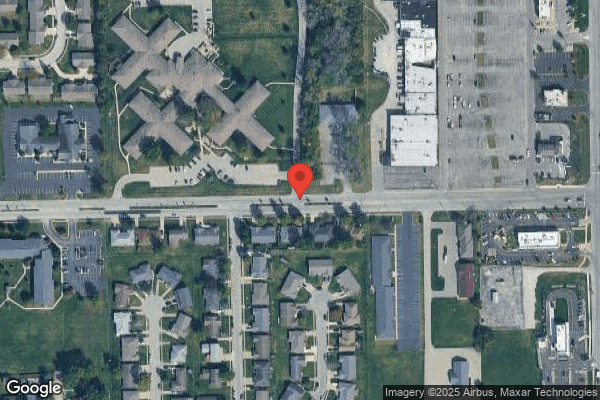
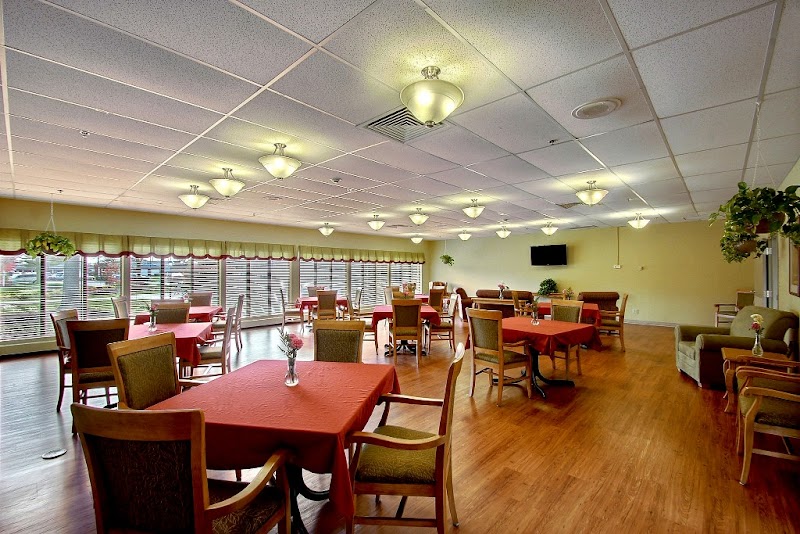
200 GREEN MEADOWS DR, GREENFIELD, IN 46140 (317) 462-3311
For profit - Corporation 163 Beds COMMUNICARE HEALTH Data: November 2025
Trust Grade
45/100
#243 of 505 in IN
Last Inspection: December 2024

Within standard 12-15 month inspection cycle. Federal law requires annual inspections.

Overview

Greenfield Healthcare Center has a Trust Grade of D, which means it is below average and has some concerns that families should consider. It ranks #243 out of 505 facilities in Indiana, placing it in the top half, and #2 of 5 in Hancock County, indicating only one local option is better. The trend is improving, as the number of issues decreased from 15 in 2023 to 5 in 2024. However, staffing is a weakness with a rating of 2 out of 5 stars and a turnover rate of 48%, which is around the state average. While there have been no fines, which is positive, there have been serious incidents, including a resident suffering a shoulder injury due to improper transfer techniques and another resident being physically abused by a fellow resident, leading to a hip fracture. Overall, while there are some strengths, such as no fines and a good quality rating, the facility has significant areas that need attention.

Trust Score
D
45/100
In Indiana
#243/505
Top 48%
Safety Record
High Risk
Review needed
Inspections
Getting Better
15 → 5 violations
Staff Stability
⚠ Watch
48% turnover. Above average. Higher turnover means staff may not know residents' routines.
Penalties
✓ Good
No fines on record. Clean compliance history, better than most Indiana facilities.
Skilled Nurses
⚠ Watch
Each resident gets only 28 minutes of Registered Nurse (RN) attention daily — below average for Indiana. Fewer RN minutes means fewer trained eyes watching for problems.
Violations
⚠ Watch
35 deficiencies on record. Higher than average. Multiple issues found across inspections.
★★★☆☆
3.0
Overall Rating
★★☆☆☆
2.0
Staff Levels
★★★★☆
4.0
Care Quality
★★★☆☆
3.0
Inspection Score
Stable
2023: 15 issues
2024: 5 issues

The Good

  • 4-Star Quality Measures · Strong clinical quality outcomes
  • Full Sprinkler Coverage · Fire safety systems throughout facility
  • No fines on record

Facility shows strength in quality measures, fire safety.

The Bad

3-Star Overall Rating

Near Indiana average (3.1)

Meets federal standards, typical of most facilities

Staff Turnover: 48%

Near Indiana avg (46%)

Higher turnover may affect care consistency

Chain: COMMUNICARE HEALTH

Part of a multi-facility chain

Ask about local staffing decisions and management

The Ugly 35 deficiencies on record

3 actual harm
Dec 2024 3 deficiencies
CONCERN (D)

Potential for Harm - no one hurt, but risky conditions existed

Deficiency F0657 (Tag F0657)

Could have caused harm · This affected 1 resident

Based on interview and record review, the facility failed to include a resident and a resident's representative in their care plan conferences for 2 of 5 residents reviewed for care planning. (Residen...

Read full inspector narrative →
Based on interview and record review, the facility failed to include a resident and a resident's representative in their care plan conferences for 2 of 5 residents reviewed for care planning. (Residents 13 and 104) Findings include: 1. The clinical record for Resident 13 was reviewed on 12/4/24 at 12:30 p.m. His diagnoses included, but were not limited to, heart failure. The 7/8/24 Annual, 10/2/24 Quarterly, and 10/24/24 Quarterly Minimum Data Set (MDS) assessments indicated he was cognitively intact. There was no information in the clinical record that indicated a care plan conference was held in coordination with any of the three above referenced MDS assessments. An interview was conducted with Resident 13 in his room on 12/4/24 at 12:42 p.m. He indicated he hadn't been invited to a care plan conference in the facility, but he would like to attend. An interview was conducted with Social Services Director (SSD) 2 on 12/6/24 at 10:45 a.m. She indicated she was responsible for coordinating care plan meetings for the residents on the unit. They were conducted every three months, beginning with the initial, then quarterly thereafter. They usually scheduled the next meeting at the current meeting. She had everything lined up so that meetings were held in line with quarterly assessments. They documented care plan meetings in the progress notes of the electronic health record (EHR). She remembered discussing laundry and Resident 13's wife at Resident 13's last care plan meeting. SSD 2 reviewed Resident 13's EHR at this time and indicated she did not see any documentation of an actual care plan meeting for him in July or October 2024, and suggested there may be documentation in a soft file in another office. She and the Unit Manger (UM) would have been the only staff present. On 12/6/24 at 12:22 p.m., an interview was conducted with SSD 2, who provided the, 10/9/24, handwritten Care Plan Notes for Resident 13 at this time. The notes indicated Resident 13, and his wife were in attendance. The notes were signed by SSD 2, but there was no signature for Resident 13. SSD 2 indicated she was unable to locate any care plan notes for July 2024. An interview was conducted with Resident 13 on 12/10/24 at 11:31 a.m. He indicated he did not recall having a care plan meeting on 10/9/24. He was able to sign his name, as he signed his name every time he withdrew money from his personal funds account and would have signed that he attended the care plan meeting, if asked. 2. The clinical record for Resident 104 was reviewed on 12/4/24 at 2:00 p.m. His diagnoses included, but were not limited to, Parkinson's disease, dementia, and intermittent explosive disorder. The 7/17/24 Quarterly and 9/12/24 Significant Change MDS assessments indicated he was severely cognitively impaired. There was no information in the clinical record that indicated a care plan conference was held in coordination with the two above referenced MDS assessments. An interview was conducted with Family Member 3 on 12/4/24 at 2:02 p.m. She indicated she hadn't been invited to a care plan conference in the facility yet. An interview was conducted with SSD 2 on 12/6/24 at 10:55 a.m. She indicated she invited Family Member 3 to Resident 104's care plan meetings, but she wasn't able to attend. SSD 2 did not document care plan invitation in the clinical record, but she invited Family Member 3 to his last care plan meeting. SSD 2 reviewed Resident 104's EHR and indicated she didn't see any documentation of an actual care plan meeting for him in September 2024, and suggested there may be documentation in a soft file in another office. She and the UM would have been the only staff present. On 12/6/24 at 12:22 p.m., an interview was conducted with SSD 2, who provided the, 10/4/24, handwritten Care Plan Notes for Resident 104 at this time. The notes indicated Family Member 3 was unable to attend the meeting and the only people in attendance were SSD 2 and the Unit Manager. SSD 2 indicated she was unable to locate any care plan notes for July 2024. An interview was conducted with Family Member 3 on 12/6/24 at 12:13 p.m. She indicated she did not recall being invited to a care plan meeting held on 10/4/24. She would have been able to attend, but didn't know anything about it. She tried to come to the facility two to three times a week, and moving forward, she would very much like to be invited to care plan meetings to be kept in the loop. The Plan of Care Overview policy was provided by the Executive Director on 12/6/24 at 12:00 p.m. It read, The facility will .vii. support and encourage resident/representative participation including but not limited to working cooperative to .3. schedule meeting to accommodate a resident's representative that may include conference calls, video conference sessions or live sessions .Attendees will sign and date care plan meeting agendas/documents. 3.1-35(d)(2)(B)
CONCERN (D)

Potential for Harm - no one hurt, but risky conditions existed

Incontinence Care (Tag F0690)

Could have caused harm · This affected 1 resident

Based on interview, observation, and record review, the facility failed to ensure Resident 36's indwelling urinary catheter remained free of contact with the floor while in bed for 1 of 2 residents re...

Read full inspector narrative →
Based on interview, observation, and record review, the facility failed to ensure Resident 36's indwelling urinary catheter remained free of contact with the floor while in bed for 1 of 2 residents reviewed for indwelling urinary catheters. Findings include: The clinical record for Resident 36 was reviewed on 12/4/2024 at 1:45 p.m. The medical diagnoses included obstructive uropathy. A Quarterly Minimum Data Set assessment, dated 11/22/2024, indicated Resident 36 utilized an indwelling urinary catheter, dependent on staff assistance for toileting needs, and dependent on staff for transferring regarding activities of daily living. During an observation on 12/4/2024 at 12:45 p.m., Resident 36 was in bed with his urinary catheter drainage bag laying on the floor. During an interview on 12/4/2024 at 1:30 p.m., Certified Nursing Assistant (CNA) 7 indicated urinary catheter drainage bags should remain free of contact with the ground. During an observation on 12/10/2024 at 10:45 a.m., Resident 36 was in bed with his urinary catheter drainage bag laying on the floor. A policy entitled, Catheter Care, was provided by the Executive Director on 12/10/2024 at 12:30 p.m. The policy indicated to ensure .the collection bag is not on the floor . 3.1-41(a)(2)
CONCERN (E)

Potential for Harm - no one hurt, but risky conditions existed

Deficiency F0679 (Tag F0679)

Could have caused harm · This affected multiple residents

Based on interview and record review, the facility failed to provide weekend activities, as preferred, for 2 of 4 residents reviewed for activities (Residents 13 and 71). This had the potential to aff...

Read full inspector narrative →
Based on interview and record review, the facility failed to provide weekend activities, as preferred, for 2 of 4 residents reviewed for activities (Residents 13 and 71). This had the potential to affect 19 of 19 residents on the Reflections 1 Unit of the facility. Findings include: 1. The clinical record for Resident 71 was reviewed on 12/4/24 at 12:30 p.m. Her diagnoses included, but were not limited to, dementia. She resided on the Reflections 1 Unit, a memory care unit, of the facility. The activities care plan, revised 3/11/24, indicated she had a cognitive deficit that required supervised activities with staff. She enjoyed painting, coloring, small group events, and bingo. A goal was to show engagement in activities of interest through the next review. Two of the interventions were to encourage attendance to entertainment programs, large and small group activities, volunteer demonstrations, and religious activities and to invite her to scheduled activities. 2. The clinical record for Resident 13 was reviewed on 12/4/24 at 12:30 p.m. His diagnoses included, but were not limited to, heart failure. He resided on the Reflections 1 unit in a room with Resident 71. The activities care plan, revised 10/5/23, indicated he enjoyed small group activities. The goal was for him to show engagement in activities of interest through the next review. Three of the interventions were to encourage him to participate in music and memory programs; encourage attendance to entertainment programs, large and small group activities, volunteer demonstrations, and religious activities; and to provide activity materials of interest such as library books, word puzzles, and magazines. The 10/24/24 Quarterly Minimum Data Set (MDS) assessment indicated he was cognitively intact. An interview was conducted with Resident 13, on 12/4/24 at 12:31 p.m., in his room in the presence of Resident 71. He indicated the facility had no scheduled weekend activities, and he was bored with that. They had church service once a month on a weekend but would like to have it every Sunday. The December 2024 Reflections 1, Reflections 2, and Rosewood Units Activity Calendar was posted on the wall in the hallway outside of the dining room on the Reflections 1 Unit. It indicated the following weekend activities: Sunday, 12/1/24 - no activities scheduled, just a picture of candy canes, Saturday, 12/7/24 - Weekend Worksheet Packets, Sunday, 12/8/24 - Pics (Pictures) with Santa, Saturday, 12/14/24 - Weekend Worksheet Packets, Sunday, 12/15/24 - no activities scheduled, just a picture of holiday bells, Saturday, 12/21/24 - Weekend Worksheet Packets, Sunday, 12/22/24 - Weekend Worksheet Packets, Saturday, 12/28/24 - no activities scheduled, just a picture of a holiday mug, and Sunday, 12/29/24 - no activities scheduled, just a picture of gingerbread man. The Weekend Worksheet Packet for the Reflections 1 Unit was provided by the Infection Preventionist on 12/10/24 at 10:45 a.m. It included a stapled packet of four word searches and four coloring pages. An interview was conducted with Resident 13 and Resident 71 in their room on 12/10/24 at 11:27 a.m. Resident 13 looked over the Reflections 1 Weekend Worksheet Packet and indicated no one provided him this over the weekend. It looked familiar to him, but he hadn't received one of these for a long time. Resident 71 indicated she liked word searches and would do them if provided, preferably with Resident 13. An interview was conducted with Qualified Medication Aide (QMA) 5, who was working the Reflections 1 Unit, on 12/10/24 at 11:40 a.m. She indicated she sometimes worked the unit on weekends, and she'd seen coloring pages for residents before, but never a packet, nor had she seen anyone pass out a packet on the unit. She stated, Activities needs a lot of work. An interview was conducted with Certified Nursing Assistant (CNA) 6 and CNA 7 on 12/10/24 at 11:47 a.m. They indicated the facility needed more activities on the weekends. Activity staff were amazing, but only there Monday through Friday. On 12/9/24 at 12:16 p.m., an interview was conducted with Unit Manager (UM) 4, who managed the Reflections 1, Reflections 2, and Rosewood Units of the facility. She indicated there was a new Activity Director (AD) in the facility, who was working on having scheduled weekend activities. There used to be weekend packets for residents to do, that consisted of word searches, coloring, and some tactile simulations to pull out. The packet was different for each unit and not everyone received one. She occasionally worked on weekends and sometimes saw residents play Uno on the Reflections 1 Unit. On the Rosewood Unit, they watched a movie and had a snack or a game. None of it was scheduled and hadn't been in the past. She thought the facility was moving towards scheduled weekend activities. An interview was conducted with the AD on 12/9/24 at 2:02 p.m. She indicated she began working at the facility a week ago, and was told there were no weekend activities. There was church service the first Sunday of every month, but that was all she knew of on weekends. There was someone currently scheduled to be interviewed for weekends and evening activities. An interview was conducted with the Executive Director (ED) on 12/10/24 at 10:48 a.m. He indicated they were working on hiring someone for weekend activities. The Activities Program policy was provided by the Infection Preventionist on 12/10/24 at 10:22 a.m. It indicated, It is the policy of this facility to provide resident centered care that meets the psychosocial, physical and emotional needs and concerns of the residents .Procedure: I. The activity program is .b. Scheduled daily and residents are given an opportunity to contribute to the planning, preparation, conducting, cleanup and critique of the program .f. Reflect the schedules, choices and rights of the resident i. Are offered at hours convenient to the residents, including holidays and weekends. 3.1-33(a) 3.1-33(c)
Sept 2024 1 deficiency
CONCERN (D) 📢 Someone Reported This

A family member, employee, or ombudsman was alarmed enough to file a formal complaint

Potential for Harm - no one hurt, but risky conditions existed

Deficiency F0602 (Tag F0602)

Could have caused harm · This affected 1 resident

Based on interview and record review, the facility failed to ensure misappropriation of residents' medication did not occur for 1 of 3 residents reviewed for medication administration. (Resident C) Fi...

Read full inspector narrative →
Based on interview and record review, the facility failed to ensure misappropriation of residents' medication did not occur for 1 of 3 residents reviewed for medication administration. (Resident C) Findings include: The clinical record for Resident C was reviewed on 9/5/24 at 2:00 p.m. The diagnoses included, but were not limited to, hemiplegia and hemiparesis following cerebrovascular disease. An incident report, dated 7/24/24, indicated a discrepancy in the narcotic sign off sheet for Resident C that involved Registered Nurse (RN) 2. A physician order, dated 7/16/24, indicated to administer hydrocodone-acetaminophen (narcotic pain relief medication) 10-325 milligrams (mg) every four hours, scheduled, for pain. A controlled drug administration record, dated July 2024, for Resident C's hydrocodone-acetaminophen 10-325 mg tablet indicated the following discrepancies signed off by RN 2: - 7/17/24 at 8:00 a.m., the amount went from 79 to 77 tablets, - 7/19/24 in the morning., the amount went from 68 to 66 tablets, & - 7/22/24 at 8:00 a.m., the amount went from 48 to 46 tablets. A written statement by Qualified Medication Aide (QMA) 3, undated, indicated there were three open bottles of hydrocodone but only one was in use. QMA 3 reviewed the narcotic log and found a count error on several occasions and reported such to the Director of Nursing. A telephone interview conducted with RN 2, on 9/5/24 at 2:16 p.m., indicated he would remove two hydrocodone-acetaminophen 10-325 milligram tablets for Resident C. He would administer one to Resident C and take one for himself. There were five to six instances of RN 2 taking two tablets of narcotic pain medication to administer one to Resident C and keep one for himself. Resident C did not go without his narcotic pain medication. An interview conducted with the Executive Director (ED), on 9/5/24 at 12:50 p.m., indicated when QMA 3 noticed the discrepancy, they notified the ED and the Director of Nursing. The narcotic logs were reviewed, and all medication carts were audited to ensure no further concerns with residents' narcotic medications. The ED spoke with RN 2, and he admitted to taking Resident C's narcotic pain medication on more than one occasion. A policy titled Medication Controlled Drugs and Security, undated, was provided by the ED on 9/5/24 at 1:55 p.m. The policy indicated, .Procedure .d. Drug diversion will be treated as misappropriation of Resident Property and the Board of Nursing will be notified as appropriate for known drug diversions or suspected drug diversion after careful review and evidence collection A policy titled Abuse & Neglect & Misappropriation of Property, undated, was provided by the ED on 9/5/24 at 1:55 p.m. The policy indicated the following, .It is the intent of this facility to prevent the abuse, mistreatment, or neglect of residents or the misappropriation of their property .provide guidance to direct staff to manage any concerns or allegations of abuse, neglect or misappropriation of their property The Past Noncompliance began on 7/17/24. The deficient practice was corrected on 7/24/24 after the facility implemented a systemic plan that included the following: audits completed of all medication carts that contained narcotic medication; nurses and qualified medication aides were educated of medication administration, misappropriation of property, and abuse policy; and medication was reordered from the pharmacy and billed to the facility to cover the cost of the medication. This citation relates to Complaint IN00439505. 3.1-28(a)
Jun 2024 1 deficiency
CONCERN (D) 📢 Someone Reported This

A family member, employee, or ombudsman was alarmed enough to file a formal complaint

Potential for Harm - no one hurt, but risky conditions existed

Pharmacy Services (Tag F0755)

Could have caused harm · This affected 1 resident

**NOTE- TERMS IN BRACKETS HAVE BEEN EDITED TO PROTECT CONFIDENTIALITY** Based on interview and record review the facility failed to provide medications as ordered by the physician for 1 of 3 residents...

Read full inspector narrative →
**NOTE- TERMS IN BRACKETS HAVE BEEN EDITED TO PROTECT CONFIDENTIALITY** Based on interview and record review the facility failed to provide medications as ordered by the physician for 1 of 3 residents reviewed for medication administration. (Resident C) Finding include: During an interview with Resident C's family, on 6/24/24 at 12:35 p.m., indicated the resident did not receive all his medications as ordered by the physician when admitted to the facility on [DATE]. The resident was discharged on 11/24/23. The clinical record of Resident C was reviewed on 6/25/24 at 12:40 p.m. The diagnoses included, but were not limited to, diabetes, severe protein calorie malnutrition, convulsions, sepsis, major depressive disorder, stiff man syndrome, hypotension, and pulmonary nodule. Review of the physician orders for Resident C, dated 11/23/24, indicated the resident was ordered and did not receive the following medications: tamsulosin 0.4 milligrams (mg) every morning (urinary retention medication), mirtazapine 15 mg at bedtime for depression, amoxicillin 500 mg; two capsules in the morning and at bedtime for an infection, midodrine 10 mg three times a day for hypotension, pantoprazole sodium 40 mg in the morning and at bedtime for digestive aid, and gabapentin 800 mg at bedtime for polyneuropathy. During an interview with the Regional Director of Clinical Operations, on 6/26/24 at 2:20 p.m., verified Resident C did not receive the medications as ordered by the physician and these medications were available in the Emergency Drug Kit (EDK) located in the facility. The floor nurse who admitted Resident C was responsible to obtain these medications out of the EDK and administer them to Resident C. The Emergency Pharmacy Service and Emergency kit policy provided by the Executive Director, on 6/26/24 at 3:19 p.m., indicated emergency pharmacy service was available 24 hours a day. Emergency needs for medication are met by using the facility's approved emergency medication supply. The provider pharmacy supplies emergency medication included, but were not limited to, emergency drugs and antibiotics. The nurse records the medication use from the emergency kit on the use form and seals the kit with a color- coded seal to indicate the need for replacement. This citation relates to Complaint IN00423037. 3.1-25(a)
Sept 2023 6 deficiencies
CONCERN (D)

Potential for Harm - no one hurt, but risky conditions existed

Deficiency F0657 (Tag F0657)

Could have caused harm · This affected 1 resident

2. The clinical record for Resident 64 was reviewed on 9/13/2023 at 10:55 a.m. The medical diagnosis included chronic obstructive pulmonary disease. An Annual Minimum Data Set Assessment, dated for 6...

Read full inspector narrative →
2. The clinical record for Resident 64 was reviewed on 9/13/2023 at 10:55 a.m. The medical diagnosis included chronic obstructive pulmonary disease. An Annual Minimum Data Set Assessment, dated for 6/29/2023, indicated that Resident 64 was cognitively intact. An interview and observation with Resident 64 on 9/7/2023 at 11:36 a.m. indicated that he had his nasal spray on the bedside table and that he would self-administer the medication. A physician order, dated for 12/10/2020, indicated Resident 64 could keep his nasal spray at beside. A self-administration assessment, dated for 3/20/2023, indicated Resident 64 was safe to self-administer his nasal spray. A care plan for self-administration of medications was added to Resident 64's chart on 9/12/2023. An interview with the Director of Nursing on 9/13/2023 at 2:35 p.m. indicated there was no previous care plan for self-administration of Resident 64's nasal spray. A policy entitled, Resident Self-Administration of Medication, was provided by the Director of Nursing on 9/13/2023 at 11:05 a.m. The policy indicated the care plan will be documented to contain the storage of the medication, responsible party for storage of the medication, documenting the administration of the drugs, and location of where the drugs will be administered. A policy entitled, Plan of Care Overview, was provided by the Director of Nursing on 9/13/2023 at 11:10 a.m. The policy indicated, .The purpose of the policy is to provide guidance to the facility to support the inclusions of the resident or resident representative in all aspects of person-centered care planning and that this planning includes the provision of services to enable the resident to live with dignity and supports the resident's goals, choices, and preferences including, but not limited to, goals related to their daily routine and goals to potentially return to a community setting .Residents/representatives will be informed of their PoC [plan of correction] in the most understandable manner possible .offered opportunities to voice their view .Gestures and actions will be recognized as methods to voice opinions .will have the right to participate in development and implementation of his/her own PoC including but not limited to .right to participate in goal establishment and outcomes . 3.1-35(a) 3.1-35(d)(1) Based on observation, interview and record review the facility failed to have a care plan meeting and failed to develop a care plan to self administer medications for 2 of 6 residents reviewed for care planning (Resident 10 and Resident 64). Findings include: 1.) During an interview with Resident 10 on 9/06/23 at 1:39 p.m., indicated the facility had never had a care plan meeting to talk about her goals, needs and desires. The resident indicated she had the desire to discharge to an assisted living and other goals she needed the facility to assist her with that she would have talked to the facility about during a care plan meeting. During an interview with Social Services (S.S.) on 9/11/23 at 10:35 a.m., indicated the Social Service Director (S.S.D.) was responsible to ensure care plan meeting were completed. Care plan meetings were suppose to be completed every 3 months or with a change in condition. S.S. was unsure why one has not been completed for Resident 10. Review of the record of Resident 10 on 9/13/23 at 12:08 p.m., indicated the resident's diagnoses included, but were not limited to, psychosis, Alzheimer's disease, vascular dementia, bipolar disorder, chronic pulmonary disease, hypertension, major depressive disorder, arteriosclerotic heart disease, polyarthritis and chronic migraine. The Quarterly Minimum Data Set (MDS) assessment for Resident 10, dated 9/7/23, indicated the resident was cognitively intact for daily decision making. The resident was consistent and reasonable.
CONCERN (D)

Potential for Harm - no one hurt, but risky conditions existed

Accident Prevention (Tag F0689)

Could have caused harm · This affected 1 resident

Based on observation, interview, and record review, the facility failed to ensure smoking materials were kept in a secure location, per facility policy, for 1 of 3 residents reviewed for smoking. (Res...

Read full inspector narrative →
Based on observation, interview, and record review, the facility failed to ensure smoking materials were kept in a secure location, per facility policy, for 1 of 3 residents reviewed for smoking. (Resident 86) Findings include: 1. An observation and interview was conducted of Resident 86 on 9/7/23 at 3:36 p.m. There was a green lighter located on his bedside table. Resident 86 indicated he holds his own cigarettes and lighter. No facility staff told him he needed to turn his cigarettes and lighter into the facility. The clinical record for Resident 86 was reviewed on 9/11/23 at 2:58 p.m. The diagnoses included, but were not limited to, alcohol use with alcohol-induced persisting dementia, mood disorder, major depressive disorder, opioid abuse, in remission, and post-traumatic stress disorder. An admission minimum data set (MDS) assessment, dated 8/21/23, indicated Resident 86 was cognitively intact. A smoking assessment, dated 8/14/23, indicated Resident 86 utilized cigarettes, had a diagnosis of dementia, and did not have any adaptive equipment marked. The question to indicate if Resident 86 was independent with smoking was left blank. A smoking care plan, dated 8/15/23, indicated Resident 86 smoked cigarettes. The interventions listed to complete a smoking evaluation, encourage resident to express feelings regarding addiction, and obtain and monitor lab and/or diagnostic studies, as ordered. The smoking policy provided by the Director Of Nursing on 9/13/23 at 10:30 a.m., indicated the facility staff would secure smoking materials in a locked area when not in use by the resident for supervised smokers. 3.1-45(a)(1)
CONCERN (D)

Potential for Harm - no one hurt, but risky conditions existed

Drug Regimen Review (Tag F0756)

Could have caused harm · This affected 1 resident

Based on interview and record review, the facility failed to follow-up with pharmacy recommendations and give a rationale for declining a gradual dose reduction (GDR) for 2 of 5 residents reviewed for...

Read full inspector narrative →
Based on interview and record review, the facility failed to follow-up with pharmacy recommendations and give a rationale for declining a gradual dose reduction (GDR) for 2 of 5 residents reviewed for unnecessary medications. (Resident 13 and Resident 57) Findings include: 1. The clinical record for Resident 13 was reviewed on 9/11/23 at 3:03 p.m. The diagnoses included, but was not limited to, multiple sclerosis, hemiplegia, and benign prostatic hyperplasia. A pharmacy recommendation, dated 3/10/23, indicated the following, .This resident is currently receiving OXYBUTYNIN ER [extended release] 24 hour medication 5 mg [milligrams] one tablet twice daily .24 hour dose medications should be given once daily .Recommendation .Please review and consider changing to OXYBUTYNIN ER 10 MG ONCE DAILY. The physician response indicated no changes and Urology to follow. Another pharmacy recommendation, dated 5/29/23, indicated the following, .This resident is currently receiving OXYBUTYNIN ER [extended release] 24 hour medication 5 mg [milligrams] one tablet twice daily .24 hour dose medications should be given once daily .Recommendation .Please review and consider changing to OXYBUTYNIN ER 10 MG ONCE DAILY. The physician response indicated no changes and Urology to follow. There was no documentation that the Urologist was contacted for the recommendations on 3/10/23 and 5/29/23. A visit summary, dated 3/21/23, indicated Resident 13 was seen for a kidney stone by a Urologist. The medication list had oxybutynin chloride listed for 5 milligrams twice daily for bladder spasm. There was no indication the medication was extended release. 2. Resident 57's record was reviewed, on 9/11/23, at 10:23 a.m. The record indicated Resident 57 had diagnoses that included, but were not limited to, type 1 diabetes mellitus and inflammation of the esophagus. Current physician's orders included, but were not limited to: Omeprazole oral capsule, delayed release, 20 milligrams (mg) by mouth every morning and at bedtime for digestive health. A pharmacy recommendation, dated 5/29/23, indicated This resident is receiving a proton pump inhibitor (PPI), Omeprazole 20 mg BID (twice a day). Recommendations: Please consider changing to Omeprazole 20 mg once daily. Rationale for Recommendation: Dosing more frequent than once daily significantly increases the risk for adverse effects and medication cost. The risk of fracture was increased in patients who receive high-dose, defined as multiple daily doses. Due to the increased risk of Clostridium difficile infection, the manufacturer recommends use of the lowest dose for the shortest duration appropriate to the indication. The physician/prescriber's response was No change with no rationale for the response to decline the recommendation. During an interview, on 9/12/23 at 1:04 p.m., the Director of Nurses indicated the rationale for 5/29/23 was because he had grade D erosive esophagitis. She indicated she had spoken to the Nurse Practitioner, but the rational isn't documented anywhere. A policy titled Medication Regimen Review, revised 2/28/23, was provided by the Executive Director on 9/12/23 at 4:40 p.m. The policy indicated the following, .Policy .The pharmacist will report any irregularities to the attending physician, the facility's medical director and director of nursing, and these reports must be acted upon in a timely manner that meets the needs of the residents .4. Attending Physician or Non-Physician Practitioner (if state law allows) Responsibilities .b. If there is to be no change in the medication, the attending physician or non-physician practitioner if state law allows must document his/her rationale in the resident's medical record .d. If the attending physician fails or non-physician practitioner if state law allows to address the irregularity in a timely manner the director of nursing will escalate the concern to the medial [sic] director 3.1-25(i)
CONCERN (D)

Potential for Harm - no one hurt, but risky conditions existed

Deficiency F0925 (Tag F0925)

Could have caused harm · This affected 1 resident

Based on observation, interview, and record review, the facility failed to ensure an effective pest control program related to mitigation efforts to minimize the potential for ants for 1 of 2 resident...

Read full inspector narrative →
Based on observation, interview, and record review, the facility failed to ensure an effective pest control program related to mitigation efforts to minimize the potential for ants for 1 of 2 residents reviewed for environment. (Resident 30) Findings include: An observation conducted of Resident 30's room, on 9/6/23 at 3:10 p.m., noted open containers of food with food spillage located on the floor underneath her bedside table. An observation conducted of Resident 30, on 9/7/23 at 10:56 a.m., noted her bending over in attempt to make contact with the floor with her hands. Resident 30 indicated she was trying to kill the ants. There were approximately 8-10 ants crawling on the floor by Resident 30's feet and the lower part of her bedside table. There were open containers of food and drinks with spillage located on the floor. An observation conducted of Resident 30, on 9/8/23 at 9:40 a.m., noted a couple of ants on the floor and on the legs of her bedside table. There were open containers of food and drinks. Resident 30 indicated she woke up one morning with a container of applesauce left open overnight. There were ants crawling in the applesauce and they also lined her cup. She took a drink of the beverage before she noticed the ants were lining her cup. She wasn't sure if she drank any or not. The clinical record for Resident 30 was reviewed on 9/12/23 at 2:55 p.m. A quarterly minimum data set (MDS) assessment, dated 8/30/23, indicated Resident 30 was cognitively intact. An interview conducted with the Maintenance Director (MD), on 9/12/23 at 10:15 a.m., indicated he bought a bug killer from the store to use on site if needed. He contact the pest control company and they are going to treat Resident 30's room for ants. Resident 30's room hasn't been treated prior for ants. With ants it was due to leaving food out somewhere. The ants are back today in Resident 30's room, and he was going to spray her room today. The MD stated, we need to do a better job cleaning the room after meals. An interview conducted with the Executive Director (ED), on 9/12/23 at 12:10 p.m., indicated the pest control company was coming to spray Resident 30's room on 9/12/23. A policy titled Pest Control, dated 9/15/21, was provided by the ED on 9/12/23 at 4:40 p.m. The policy indicated the following, .B. If a problem should develop, the Environmental Services Director will contact [name of pest control company] for an additional visit .1. A problem list is hung at the nurse's station for [name of pest control company] personnel to review before starting so special attention can be given to this area 3.1-19(f)(4)
CONCERN (E)

Potential for Harm - no one hurt, but risky conditions existed

Deficiency F0679 (Tag F0679)

Could have caused harm · This affected multiple residents

Based on observation, interview and record review the facility failed to provide an ongoing activity program on the memory care unit for 7 of 9 resident's reviewed for activities (Resident 5, Resident...

Read full inspector narrative →
Based on observation, interview and record review the facility failed to provide an ongoing activity program on the memory care unit for 7 of 9 resident's reviewed for activities (Resident 5, Resident 26, Resident 32, Resident 37, Resident 55, Resident 71 and Resident 77). Findings include: During an observation on 9/6/23 at 1:55 p.m., 6 residents were sitting in the common area, there were no activities occurring on the memory care unit. The TV was on with the volume turned down. Residents were observed talking to themselves. During an observation on 9/6/23 at 2:06 p.m., there were no activities occurring on the memory care unit. Resident 71 was wandering the memory care unit hallway and Resident 26 was wandering into the nursing station. There were no staff present. During an observation on 9/7/23 at 10:52 a.m., there were 6 residents sitting in the common area, there were no activities occurring on the memory care unit. During an observation on 9/7/23 at 1:47 p.m., there were no activities occurring on the memory care unit. Resident 55 and Resident 71 was wandering the memory care unit. During an observation on 9/8/23 at 10:54 a.m., there were 6 residents sitting in the common area, there were no activities occurring on the memory care unit. During an observation on 9/8/23 at 2:04 p.m., there were no activities occurring on the memory care unit. Resident 26 was wandering up and down the hallway and into other resident rooms. During an observation on 9/11/23 at 10:29 a.m., 6 residents were sitting in the common area, there were no activities occurring on the memory care unit. During an observation on 9/11/23 at 2:37 p.m., 7 residents were sitting in the common area, there were no activities occurring on the memory care unit. During an observation on 9/12/23 at 11:11 a.m., 6 residents were sitting in the common area, there were no activities occurring on the memory care unit. Resident 26 was wandering the memory care unit and in and out of other resident rooms. During an interview with CNA 1 on 9/12/23 at 11:13 a.m., indicated the memory care unit was her normal work area. CNA 1 indicated there were not enough activities on the memory care unit. The CNA's try to do things with the residents, but the memory care unit needed an assigned activity person. CNA 1 indicated the activity department did not take the memory care unit residents outside. 1.) During an observation on 09/07/23 at 10:53 a.m., Resident 5 was sitting by herself at the dining room table, the resident was anxious, crying and screaming there were no activities occurring on the memory care unit. During an observation on 09/07/23 at 12:38 p.m., Resident 5 was laying in bed screaming. There were no activities occurring. During an observation on 9/11/23 10:25 at a.m., Resident 5 was sitting in her geriatric chair talking to herself. There were no activities occurring. Review of the record of Resident 5 on 9/13/23 at 1:50 p.m., indicated the resident's diagnoses included, but were not limited to, schizophrenia, dementia, Parkinson disease, depressive disorder, intellectual disabilities, anxiety and osteoarthritis. The Annual MDS assessment for Resident 5, dated 3/1/23, indicated the resident was severely impaired for daily decision making. The activity assessment for Resident 5, dated 11/15/23, indicated the resident likes looking at magazines, colors, watches sports on TV, music, cooking/baking, sitting outdoors, family events 2.) Review of the record of Resident 26 on 9/13/23 at 1:31 p.m., indicated the resident's diagnoses included, but were not limited to, cerebral infarction, vascular dementia, hypertension and major depressive disorder. The Annual MDS assessment for Resident 26, dated 6/21/23, indicated the resident was severely impaired for daily decision making. It was very important for the resident to listen to music, be around animals, do her favorite activity and go outside. It was somewhat important for the resident to have books, newspapers, magazines, do things in groups of people and attend religious services. 3.) During an observation on 9/06/23 at 2:02 p.m., Resident 32 was sitting in the common area. There were no activities occurring on the memory care unit. During an observation on 9/07/23 at 11:03 a.m., Resident 32 was sitting in the common area with 6 other residents. there were no activities occurring on the memory care unit. Review of the record of Resident 32 on 9/12/23 at 11:40 a.m., indicated the resident's diagnoses included, but were not limited to, dementia with behavioral disturbance, paranoid personality disorder, psychotic disorder with delusions, major depression, cognitive communication deficit. The quarterly activity assessment for Resident 32, dated 1/7/23, indicated the resident preference was dogs, in the past the resident use to play bingo, read and exercised by walking, baked and cooked with family, keep up with the news, shopping/trips, parties and social events. The resident currently would sometimes do crafts, likes watching TV/ listening to music and spending time outdoors. The Significant Change Minimum Data Set (MDS) assessment for Resident 32, dated 8/15/23, indicated the resident was severely cognitively impaired for daily decision making. It was very important to listen to music, be around music, do her favorite activity, go outside to get fresh air and participate in religious services. It was somewhat important to have books, newspaper, magazines, do things in groups of people and keep up with the news. 4.) During an observation on 9/08/23 at 11:00 a.m., Resident 37 was sitting in the common area with 5 other residents. There were no activities occurring on the memory care unit. During an observation on 9/08/23 at 1:26 p.m., Resident 37 was laying in bed awake, there no activities occurring, no radio or no TV was on. During an observation on 9/11/23 at 10:31 a.m., Resident 37 was sitting in the common area with 5 other residents, the resident was hitting self in the face. There were no activities occurring on the memory care unit. Review of the record of Resident 37 on 9/13/23 at 12:45 p.m., indicated the resident's diagnoses included, but were not limited to, cerebrovascular disease, diabetes, anxiety, major depressive disorder and history of falling. The Significant Change MDS assessment for Resident 37, dated 6/5/23, indicated the resident was severely cognitively impaired for daily decision making. It was very important for the resident to have books, newspapers, magazine, music to listen to, be around animals, keep up with the news, do things in groups of people, do her favorite activity and go outside. 5.) During an observation on 9/8/23 at 1:29 p.m., Resident 55 was sitting in the common area holding a baby doll. There were no activities occurring on the memory care unit. Review of the record of Resident 55 on 9/12/23 at 12:35 p.m , indicated the resident's diagnoses included, but were not limited to, vascular dementia with behavioral disturbance, psychotic disorder, diabetes, chronic kidney disease, hypertension, anxiety, chronic obstructive pulmonary disease and major depressive disorder. The Annual MDS assessment for Resident 55, dated 1/23/23, indicated the resident was severely cognitively impaired for daily decision making. It was very important to listen to music, be around pets, do things in groups and attend her favorite activity. It was somewhat important to participate in religious 6.) Review of the record of Resident 71 on 12:29 p.m., indicated the resident's diagnoses included, but were not limited to, psychosis, dementia, schizophrenia, chronic obstructive pulmonary disease, depressive disorder, hypertension, anxiety, insomnia and vitamin D deficiency. The Significant Change MDS assessment for Resident 71, dated 3/29/23, indicated the resident was severely impaired for daily decision making. The plan of care for Resident 71, dated 4/14/21, indicated the resident was dependent on staff for activities, cognitive stimulation, social interaction related to cognitive deficits. The interventions included, all staff to converse with resident while providing care, invite the resident to activities, assist and escort activity functions and thank the resident for coming. The activity assessment for Resident 71, dated 9/24/22, indicated the resident liked dogs, cards, bingo, games, reading, exercise of walking, hunting/fishing, TV/music, shopping, going outside, gardening and social events. 7.) During an observation on 9/07/23 at 12:16 p.m., Resident 77 was laying in bed awake. there no activities occurring, no radio or no TV was on. During an interview with Resident 77's family member on 9/08/23 at 11:05 a.m., indicated when they visited Resident 77 they never seen any activities occurring on the memory care unit. Review of the record of Resident 77 on 9/13/23 at 1:20 p.m., indicated the resident's diagnoses included, but were not limited to, dementia, osteoporosis, depressive disorder, anxiety disorder, cognitive communication deficit and chronic kidney disease. The Annual MDS assessment for Resident 77, dated 2/7/23, indicated the resident was severely cognitively impaired for daily decision making. It was very important for the resident to have books, newspapers, magazines, listen to music, do things in groups of people, do her favorite activities and participate in religious activities. It was somewhat important for her to be around animals, keep up with the news and go outside and get fresh air. During an interview with the Activity Director on 9/13/23 at 11:40 a.m., indicated the memory care unit did not have assigned activity staff, the one that was assigned on the memory care unit was no longer employed at the facility. The Activity Director indicated she attempted to spend one hour in the morning on the memory care unit and one hour in the evening. The memory care unit did not have an activity calendar at this time, when there was a activity aide assigned on the memory care unit, they have their own activity calendar. The activity program policy provided by the Director Of Nursing (DON) on 9/13/23 at 11:10 a.m., indicated the facility would provide resident centered care that meets the psychosocial, physical and emotional needs and concerns of the residents. The activity program was designed to encourage restoration to self care and maintenance of normal activity that is geared to the individual resident's needs, scheduled daily, consist small and large groups which were designed to meet the resident needs and interest of each resident. The activity program would include, but were not limited to, social activity, outdoor activities, activities away from the facility, religious programs, creative activities, intellectual and education activities, exercise and individualized activities. 3.1-33(a) 3.1-33(b)(1) 3.1-33(b)(2) 3.1-33(b)(3) 3.1-33(b)(4) 3.1-33(b)(5) 3.1-33(b)(6) 3.1-33(b)(7) 3.1-33(b)(8)
CONCERN (F)

Potential for Harm - no one hurt, but risky conditions existed

Food Safety (Tag F0812)

Could have caused harm · This affected most or all residents

Based on observation and interview, the facility failed to ensure that food was dated, out of date food was removed, and a storage scoop was not stored inside of a container with food. This had the af...

Read full inspector narrative →
Based on observation and interview, the facility failed to ensure that food was dated, out of date food was removed, and a storage scoop was not stored inside of a container with food. This had the affect 112 of 115 residents who resided in the facility. Findings include: A dietary observation, dated 9/6/2023 at 10:48 a.m., indicated in the dry food storage there was a large storage container with no date on the container, a container of cane sugar dated 1/5/2021, white rice in a container dated for 4/3/2021, flour in a container without a date, a box with an open plastic bag contained tea leaves without a date on it, and a portioning scoop was found inside of the brown sugar. Two additional scoops were hanging on the side of the rack with one labeled as flour with a brown granulated substance about an inch deep at the bottom of the hanging container. Numerous boxes were found in the middle of the floor of dry goods. An interview with Dietary Aide 2 on 9/6/2023 at 10:48 a.m. indicated that the dietary staff had not had time to stock the boxes of goods that were delivered on 9/5/2023. She further indicated that she did not believe the dates on the containers of rice and cane sugar were correct, because they would clean the containers when getting new products in but verified no other date was on any of the containers. She indicated she did not know the last time the scoops were cleaned or a rotation of cleaning for them. The dietary staff should be labeling all food items when they are opened. An observation of the large refrigeration unit on 9/6/2023 at 10:58 a.m., indicated three pitchers of lemonade with no date, a large container of iced tea with no date, a serving tray of cabbage with a date of 9/2/2023, a large serving tray of cooked macaroni and beef in a sauce with no date, a tray of Italian sausage with a date of 8/30/2023, and turkey with a date of 8/30/2023. An interview with Dietary Aide 2 on 9/6/2023 at 10:58 a.m. indicated that cabbage, macaroni noodles with beef in sauce, Italian sausage, and turkey had a used by date on them and should have all been pulled and disposed of prior to this observation. She indicated they usually do this every day, but they did not have time to do that this morning. She further indicated that all prepared drinks, iced tea and lemonade, should be labeled and dated when it is prepared. An observation of the front refrigeration unit on 9/6/2023 at 11:01 a.m., indicated seven bottles of sour cream with the use by date of 8/31/2023 and potato salad with no date. Dietary Aide 2 removed these items. An interview with the Director of Nursing on 9/13/2023 at 3:04 p.m., indicated that 112 of 115 residents received food from the kitchen. A policy entitled, Storage of Resident Food, was provided by the Executive Director on 9/12/2023 at 4:40 p.m. The policy indicated, .Foods will be stored in a closed container with sealable lids .Staff will date the container when good or beverages are brought into the facility .The dietary staff will monitor refrigeration storage areas for resident's food monitoring for outdated, unsafe, or otherwise food unfit for consumption . 3.1-21(i)(3)
Jul 2023 4 deficiencies 1 Harm
SERIOUS (G) 📢 Someone Reported This

A family member, employee, or ombudsman was alarmed enough to file a formal complaint

Actual Harm - a resident was hurt due to facility failures

Accident Prevention (Tag F0689)

A resident was harmed · This affected 1 resident

**NOTE- TERMS IN BRACKETS HAVE BEEN EDITED TO PROTECT CONFIDENTIALITY** Based on interview and record review, the facility failed to ensure a plan of care was followed related to a resident's transfer...

Read full inspector narrative →
**NOTE- TERMS IN BRACKETS HAVE BEEN EDITED TO PROTECT CONFIDENTIALITY** Based on interview and record review, the facility failed to ensure a plan of care was followed related to a resident's transfer status to where a resident (Resident M) was transferred with one person, without the utilization of a gait belt, and later identified with a subluxation to the right shoulder for 1 of 3 residents reviewed for accidents. The deficient practice was corrected by 6/2/23, prior to the start of the survey, and was therefore past noncompliance. The facility had completed assessments, education related to transfers and gait belt utilization, and audits related to transfers. Findings include: An incident reported to the Indiana Department of Health (IDOH) survey report system, dated 5/30/23, indicated Resident M was assessed by nursing and observed to have had a possible dislocation to the right shoulder. The type of injury noted was a right shoulder subluxation of the humeral head from the glenoid. The follow up to the investigation indicated that the transfer technique for Resident M should be reevaluated by therapy. The clinical record for Resident M was reviewed on 7/6/23 at 3:10 p.m. The diagnoses included, but were not limited to, epilepsy, anxiety disorder, severe intellectual disabilities, and cerebrovascular disease. A Quarterly Minimum Data Set (MDS) assessment, dated 12/29/22, indicated Resident M needed total assistance with 2 staff persons for transfers and bed mobility. A Quarterly MDS assessment, dated 3/31/23, indicated Resident M needed total assistance with 2 staff persons for transfers and bed mobility. An activities of daily living (ADL) care plan, initiated on 12/29/21 and revised on 3/10/22, indicated Resident M utilized a Broda chair for locomotion, dependent on 2 staff for bed mobility, and dependent on 2 staff for transfers utilizing a Hoyer lift that was revised on 6/8/23. A written statement for CNA 12, dated 5/31/23, indicated she transferred Resident M by holding onto the back of her pants and placed her arm underneath Resident M's arm, by herself. An interview conducted with Unit Manager (UM) 2, on 7/6/23 at 3:00 p.m., indicated she did a walkthrough of the unit where Resident M resides before she left for the day, on 5/29/23, and noted that Resident M was okay without concerns. She returned to work on 5/30/23 and noticed there was an x-ray obtained for Resident M that showed a partial dislocation to the right shoulder. Unit Manager 2 reviewed the nursing schedules to see who was working with Resident M on evening shift. There were 2 Certified Nursing Assistants (CNAs) working and CNA 12 was the one working with Resident M. When CNA 12 was interviewed she indicated, to UM 2, that she transferred Resident M without the utilization of a gait belt and by herself. CNA 12 transferred Resident M by taking one arm holding onto the back of Resident M's pants and the other arm went underneath Resident M's right arm and proceeded to transfer Resident M by herself. Resident M was a two staff assist with transfers prior to being evaluated by therapy and determined to need the utilization of a mechanical (Hoyer) lift. An interview conducted with CNA 4, on 7/7/23 at 11:22 a.m., indicated she had worked at the facility for approximately 10 years. In the past Resident M had been a 2 person assist with a stand and pivot transfer until recently. Resident M now needed the utilization of a Hoyer lift. A progress note, dated 5/29/23 at 9:00 p.m., indicated the following, .the CNA on duty noticed that Res' [Resident M's] R [right] shoulder has a partial dislocation (subluxation) while changing her clothes An x-ray result, dated 5/30/23, indicated an inferior subluxation of the humeral head from the glenoid. An emergency room (ER) note, dated 5/30/23, indicated the following, .XR [x-ray] of the R [right] shoulder obtained and radiologist reads it as subluxed [sic] but not dislocated .will d/c [discharge] back to her facility A policy titled Routine Resident Care, undated, was provided by Corporate Nurse on 7/7/23 at 9:40 a.m. The policy indicated the following, .Procedure .3. Unlicensed staff .a. Provide routine daily care by a certified nursing assistant under the supervision of a licensed nurse .b. Routine care by a nursing assistant includes but is not limited to the following .iii. Assisting with ambulation, transfer, repositioning A policy titled Mechanical Lifts and Transfer, undated, was provided by Corporate Nurse on 7/7/23 at 9:40 a.m. The policy indicated the following, .Procedure .b. Manual lifting can cause injury to both resident and staff and should be avoided A document titled Using a Gait Belt, approval date of 9/10/22, was provided by Corporate Nurse on 7/7/23 at 9:40 a.m. The document indicated the following, .Using a gait belt while transferring or walking a patient will provide you and the patient increased safety and security. You can control a patient's balance and can keep the patient from falling by using a gait belt. You also decrease the chance of hurting your back. Always check the resident's [NAME] to identify the type of transfer device to be used This Federal tag relates to Complaint IN00411601. 3.1-45(a)(2)
CONCERN (D) 📢 Someone Reported This

A family member, employee, or ombudsman was alarmed enough to file a formal complaint

Potential for Harm - no one hurt, but risky conditions existed

Deficiency F0558 (Tag F0558)

Could have caused harm · This affected 1 resident

Based on observation, interview and record review, the facility failed to ensure 1 of 7 residents reviewed for call light accessibility had their call light within reach. (Resident N) Findings include...

Read full inspector narrative →
Based on observation, interview and record review, the facility failed to ensure 1 of 7 residents reviewed for call light accessibility had their call light within reach. (Resident N) Findings include: On 7-5-23 at 10:41 a.m., During an environmental tour with the Interim Housekeeping on 7-5-23 at 10:41 a.m., Resident N was observed seated in her wheelchair , located to the left side of her bed and beside the privacy curtain on her left side. One call light was observed to be attached to the lowered side rail of her bed, but out of her reach. Another call light was affixed to the privacy curtain. The call light affixed to the privacy curtain was attached at approximately a height of 5 feet and approximately 18 to 24 inches behind where the resident was seated in her wheelchair and out of Resident N's reach. The Interim Housekeeping Supervisor indicated staff sometimes locate the call light on the privacy curtain in order to keep it off the floor while providing resident care and the staff may have forgotten to place it back within her reach. The Interim Housekeeping Supervisor did relocate call light to within Resident N's reach at that time. In an interview with Resident N at this time, she indicated she didn't care and did not need the call light at that time. She indicated if she needed someone badly enough, she would just yell for somebody. The clinical record of Resident N was reviewed on 7-7-23 at 8:57 a.m. Her diagnoses included, but were not limited to congestive heart failure, stage 3 chronic kidney disease, diabetes, high blood pressure and macular degeneration. Her most recent Minimum Data Set assessment, dated 6-20-23, indicated she is cognitively impaired, has highly impaired hearing and impaired vision, she requires supervision to extensive assistance with toileting and ambulation and uses a walker or wheelchair for mobility. On 7-7-23 at 1:35 p.m., the Wound Nurse provided a copy of a policy entitled, Resident Rights. This undated policy was indicated to be the current policy utilized by the facility. This policy indicated, It is the policy of this facility to provide resident centered care that meets the psychosocial, physical and emotional needs and concerns of the residents. Safety of residents, visitors and employees is a top priority of care .To have a method to communicate needs to staff: Call light or bell access will be within reach of the resident as one method to communicate needs to staff . 3.1-3(v)(1)
CONCERN (D) 📢 Someone Reported This

A family member, employee, or ombudsman was alarmed enough to file a formal complaint

Potential for Harm - no one hurt, but risky conditions existed

Investigate Abuse (Tag F0610)

Could have caused harm · This affected 1 resident

2. The clinical record for Resident F was reviewed on 7/6/2023 at 2:33 p.m. The medical diagnoses included Parkinson's disease and hallucinations. An admission Minimum Data Set Assessment, dated for ...

Read full inspector narrative →
2. The clinical record for Resident F was reviewed on 7/6/2023 at 2:33 p.m. The medical diagnoses included Parkinson's disease and hallucinations. An admission Minimum Data Set Assessment, dated for 3/18/2023, indicated Resident F was cognitively intact. A Facility Reportable Incident, dated for 6/21/2023, indicated that Resident F and her POA reported that Resident G had used Resident F's phone to transfer money to Resident G's account via an electronic transfer service. An interview with the Corporate Nurse on 7/7/2023 at 11:18 a.m. indicated that staff statements were not completed because the staff were not aware of the incident. Statements were not obtained from Resident G, Resident F, or Resident F's POA because they would be within the police report. She verified that the facility did not have the police report from 6/21/2023 until 7/6/2023. An interview with the Executive Director on 7/7/2023 at 12:24 p.m. indicated that he did speak with Resident F on 6/21/2023 and when she disclosed that Resident G had used her phone to make transfers, he immediately reported it to the police. He indicated a police officer came out and took statements from Resident F, Resident F's POA, and Resident G regarding the event. He did not write his own statements but was waiting for the police report. The facility was unable to obtain the police report during the initial five day follow up due to the police report being still under investigation and other circumstances. An interview with the Staff Development Coordinator on 7/7/2023 on 12:28 p.m. indicated that he did not have anything to document education of staff or residents regarding this particular incident. He indicated he does educate staff yearly and at hire in regard to misappropriation of resident's funds, but it does not include electronic money transfers. A policy entitled, INDIANA Abuse & Neglect &Misappropriation of Property, was provided by the Interim DON on 7/5/2023 at 11:37 a.m. The policy indicated, .Accurate and timely reporting of incidents, both alleged and substantiated . Under investigation of incidents, indicated that .Statements will be obtained from the residents or from the reporter of the incident, in writing whenever possibly by the Executive Director or designee .Documentation of the facts and findings will be completed in each residents medical record .The policy further indicated that under reporting, the Follow up report (if not included with initial information) must be submitted within 5 working days after the initial report .The Follow up report information should include the following; Results of the investigation . This Federal tag relates to Complaint IN00411601. 3.1-28(a) 3.1-28(d) 3.1-28(e) Based on interview and record review, the facility failed to complete a thorough investigation of an allegation of misappropriation of resident funds for 2 of 6 residents reviewed for thorough and accurate investigation and reporting of unusual occurrences. (Resident F and G) Findings include: 1. A Facility Reportable Incident, dated for 6/21/2023, indicated that Resident F and her POA (power of attorney) reported to the facility Resident G had used Resident F's cell phone to transfer money to Resident G's electronic funds account via an electronic transfer service. It was clarified this transfer of funds occurred prior to Resident F discharging from the facility on 6-15-23. In an interview with Resident G on 7-6-23 at 3:30 p.m., she indicated she had received verbal permission each time she had received money into her cash app from Resident F. She indicated around the end of April or May of the current year, she had asked Resident F to lend her some money. She indicated Resident F had given her money several times via the cash app and this was always done in Resident F's room and with the use of Resident F's phone to send to her phone's cash app and with Resident F's permission for about 6 or 7 times. Resident G was observed to access her cash app on her cell phone which was on her person. She then accessed her transactions that she allowed this writer to view on her phone of the following transactions of: -First transaction 5-31-23 of $40.00 -6-3-23 of $40.00 -6-4-23 of 40.00 -6-6-23 of $80.00 -6-9-23 of $60.00 -6-10-23 of $60.00 for a total of $320.00. Resident G indicated she had found on her app previously that she had received a total of $360.00 total from her peer, but was unable to demonstrate those totals. She indicated she does plan to pay Resident F back and has already cash app'd her $25 on 6-25-23. She indicated the facility's Executive Director (ED) told her he would be willing to be the person to receive any of her payments for Resident F to place in a envelope and to call Resident F to have her pick up the payments. She indicated she spoke to Resident F about the ED's offer and indicated Resident F told her not to involve the ED with payments, but to just to call her directly and she would meet her at a near by store and then she would pick up the money directly from her. She indicated that some officer came to talk with her about all of this a shortly after Resident F discharged from the facility. As far as I know, they [the police] haven't charged me with anything, because I didn't steal anything from her, she gave me permission to borrow the money. In an interview with the Staff Development staff member on 7-7-23 at 12:30 p.m., he indicated the facility did not conduct any post-investigation training about sharing of funds between residents. He indicated he does conduct abuse prohibition training and that includes misappropriation, but the current policies do not address electronic fund transfers. In an interview on 7-7-23 at 11:20 a.m., with the Corporate Nurse, the Interim Director of Nursing and Social Services Designee (SSD), they indicated the manner in which they became aware of the situation was after Resident F discharged , she and her POA (power of attorney) came in to report money missing from her bank account, on 6-21-23. The ED immediately reported it to the local police department and the ED told us that since he turned it over to the police department, he was just waiting for the police report. The Corporate Nurse indicated she remembered talking to the ED about this after the fact and he said once the rumors started getting around about this, none of the staff said they were aware of the residents borrowing money. Since Resident F was already discharged , we didn't add anything to her chart. The ED said there was no indication of any other staff being involved. The police report has the only actual interview documented with the resident and her POA. We did not receive the actual police report until this morning, after you [surveyors] requested it yesterday afternoon. The SSD indicated during resident interviews, she focused more on the residents on the alert and oriented of the unit in which both residents resided. The Corporate Nurse indicated other residents from other units were also included in the interviews. The clinical record of Resident G was reviewed on 7-6-23 at 2:39 p.m. Her diagnoses included, but were not limited to hemiplegia & hemiparesis post CVA (stroke), hypertensive heart disease without heart failure, chronic pain, peripheral vascular disease, anxiety, depression and polyneuropathy. Her most recent Minimum Data Set assessment, dated 5-3-23, indicated she is cognitively intact.
CONCERN (D) 📢 Someone Reported This

A family member, employee, or ombudsman was alarmed enough to file a formal complaint

Potential for Harm - no one hurt, but risky conditions existed

Deficiency F0692 (Tag F0692)

Could have caused harm · This affected 1 resident

**NOTE- TERMS IN BRACKETS HAVE BEEN EDITED TO PROTECT CONFIDENTIALITY** Based on interview and record review, the facility failed to ensure 1 of 6 residents with weight loss had a notification to the ...

Read full inspector narrative →
**NOTE- TERMS IN BRACKETS HAVE BEEN EDITED TO PROTECT CONFIDENTIALITY** Based on interview and record review, the facility failed to ensure 1 of 6 residents with weight loss had a notification to the attending physician and was monitored for weekly weights and had routinely documented meal intakes. (Resident B) Findings include: The clinical record of Resident B was reviewed on 7-5-23 at 1:45 p.m. It indicated she was admitted to the facility on [DATE] and had diagnoses which included, but were not limited to multiple open skin wounds, muscle wasting and atrophy, pulmonary embolism, borderline personality disorder, diabetes, peripheral vascular disease, congestive heart failure, bipolar disorder, morbid obesity, skin picking disorder, suicidal ideation and unspecified cocaine use in remission. Her 4-11-23 admission weight of 180 pounds was identified as incorrect and was re-checked on 4-14-23 as 230 pounds. The next weight on 4-24-23, was listed as 218.46 pounds, or a weight loss of 11.54 pounds in a 10 day period, or a 5 percent weight loss within the 10 day period. In an interview with the Interim Director of Nursing (IDON) on 7-7-23 at 12:15 p.m., she indicated she would need to look into the 11 pound weight loss within 10 days. A review of Resident B's meal intakes for her time in the facility of 4-11-23 to 4-27-23, there were 17 of 37 or 45.9 percent of meals documented for percentage of each meal eaten. In an interview with the IDON on 7-7-23 at 12:55 p.m., she indicated Resident B was a very ill person who was in the facility for less than one month and had been sent out to the hospital twice during her stay, with the second time, did not return to the facility. She added that during her hospitalization around 4-20-23, her weights varied. She indicated with a new admission of a resident, the resident typically is placed on weekly weight checks and will only start on IDT (interdisciplinary team) review if there are any weight concerns. She indicated she could not find that anything had been documented about her weight loss or IDT review or notification to the doctor. This Federal tag relates to complaint IN00408249. 3.1-46(a)(1) 3.1-46(a)(2)
Feb 2023 1 deficiency 1 Harm
SERIOUS (G) 📢 Someone Reported This

A family member, employee, or ombudsman was alarmed enough to file a formal complaint

Actual Harm - a resident was hurt due to facility failures

Free from Abuse/Neglect (Tag F0600)

A resident was harmed · This affected 1 resident

Based on interview and record review, the facility failed to protect a resident's right to be free from physical abuse perpetrated by another resident, resulting in a fall and subsequent hip fracture,...

Read full inspector narrative →
Based on interview and record review, the facility failed to protect a resident's right to be free from physical abuse perpetrated by another resident, resulting in a fall and subsequent hip fracture, requiring a hospitalization, for 1 of 5 residents reviewed for abuse. (Residents S and T) Findings include: The Executive Director (ED) provided a copy of a state reportable incident report on, 2-10-23 at 10:45 a.m., dated 2-7-23, which indicated on 2-7-23 at 3:01 p.m., Resident T entered the room of Resident S while holding a folding chair and attempted to hit [name of Resident S]. [Name of Resident S] grabbed the chair and was pulled out of his seat, resulting in a fall .Staff immediately intervened and [name of Resident T] was placed on 1:1 [one to one] supervision .New order for x-ray for [name of Resident S]. It indicated the ED, Director of Nursing, Medical Doctor, local police department and family were notified and Resident T was sent out to an area geriatric-psychiatric facility for further evaluation and treatment, with Social Services to follow-up with both residents for a minimum of 72 hours and care plans to be revised as needed. In an interview with the ED on 2-10-23 at 9:15 a.m., he indicated both residents resided on the secured advanced dementia unit. He indicated Resident T struck Resident S with a folding chair. From the interviews, it doesn't sound like they were fighting, just near one another and he had picked the chair up and bumped him and [name of Resident S] fell backwards and ended up breaking his hip. The ED indicated Resident S was still hospitalized and expected to return to the facility soon. The ED indicated Resident T was sent out to a geriatric psychiatric facility the same evening and may not be returning to the facility as his family was considering relocating him to another facility. In an interview with CNA 5 on 2-10-23 at 10:33 a.m., she indicated she was working on the afternoon of 2-7-23 on the secured advanced dementia care unit with both Resident S and T, and was familiar with both residents. She recalled hearing loud voices coming from Resident S's room. When she entered the room, she observed Resident T jabbing a folding chair at Resident S, whom she found lying on the floor, adjacent to his bed with his head near the foot of the bed. She indicated Resident S was grabbing at the chair to keep from getting hit and yelling, 'Help me, stop hitting me', while I tried to get the chair away from Resident T. She recalled she was able to get the chair away from Resident T, while she was yelling to get the attention of the other staff on the unit. She recalled CNA 6 was down the hall in the nurse's station. She indicated CNA 6 arrived to assist her within 1-2 minutes. She indicated once she got the chair away from Resident T, she was able to redirect him out of the room. She indicated while Resident S was lying on the floor, it was obvious to her his leg did not look right and she wondered if it was broken, plus he seemed to be in a great deal of pain. She indicated she sent CNA 6 to get help from the other secured memory care unit. QMA 7, arrived soon after to help and check Resident S out. She indicated QMA 7 was able to get his vital signs and between the three of them, were able to get him back to bed. Around this time, LPN 8, the ED and the Social Worker arrived. She indicated initially, they said they weren't going to send him out, but would let the doctor know and probably get orders for in-house x-rays. Resident S was able to tell them he had been sitting in his room in a dining room chair and said he was just sitting there when the other resident came into his room, picked up the folding chair that was folded up and leaning against the wall and started hitting him with it. CNA 5 recalled not long after that, LPN 8 said she had talked to the telehealth physician and had orders to keep him here and get x-rays. CNA 5 indicated Residents S and T were ambulatory. She described Resident S as a resident who occasionally wandered, but tended to stay in his room. CNA 5 described Resident T as having a history of wandering and can be pretty confused at times. She shared, I heard that not long ago, he had given a CNA a black eye. I don't know that he's ever been rough with other residents, but he definitely has been that way with the employees. In an interview with CNA 9 on 2-13-23 at 10:55 a.m., she indicated she was familiar with Resident S and T as she had worked on the secured dementia care unit for over 5 years. She described Resident S as having some cognition issues, but seems higher functioning than some of the advanced dementia care unit residents, but does have some confusion at times and is easily redirectable if having confusion issues. She indicated he did not wander on the unit as he tended to stay in his room a lot. She could not recall any incidents of aggression with this resident. She recalled Resident T had a history of wandering at least daily or more often and this seemed to increase in the afternoons or evenings. He seemed to be searching for his wife or a way to get out of the unit. She indicated he had recently had Covid-19 and seemed to go downhill and seemed weaker after that. CNA 9 Indicated Resident T would be agitated at times and this seemed to correlated to his confusion and wandering. CNA 9 indicated she was not aware of any incidents of aggression aimed at staff or other residents. Normally, he seemed to be easily redirected. This incident was a shock to me, I was very surprised when I heard about it, because I was not aware [name of Resident T] had ever been physically aggressive to anyone. 1. The clinical record of Resident S was reviewed on 2-10-23 at 11:06 a.m. His diagnoses included, but were not limited to unspecified dementia with anxiety and diabetes. He was sent to an area hospital on 2-7-23 for further evaluation and treatment. He was admitted to that hospital on 2-7-23 for a fractured hip. He remained in the hospital as of the exit date of the survey on 2-13-23. 2. The clinical record of Resident T was reviewed on 2-10-23 at 11:32 a.m. His diagnoses included, but were not limited to, unspecified dementia with severe behavioral disturbances, anxiety and depression. Progress notes, dated 1-6-23, related to aggression towards staff, on that date. Upon notification to the psych services Nurse Practitioner, the resident was started on Depakote 125 milligrams three times daily, specific to the behaviors of aggression towards staff. In an interview with the ED on 2-13-23 at 12:32 p.m., he indicated Resident T had been physically aggressive towards one of the aides and had given her a black eye several weeks prior to the interaction with Resident S. Progress notes, dated 2-7-23 at 1:35 a.m., indicated Resident T was found lying on the floor of his room, between his bed and dresser at approximately 12:50 a.m. An assessment at this time revealed no injuries and no complaints of pain. Telehealth medical coverage was notified of the fall with no orders received. A follow up call was made by the telehealth medical coverage approximately one hour later. Notes indicated Resident T had no decline in mental status, but may be weaker than at baseline. Orders received at this time included to have the nurse practitioner to see the resident later in the day and to obtain lab work and a urinalysis. The urinalysis was obtained and the results indicated it was within normal limits. Resident T was care planned for the following behavior and care-related issues: -residing on a secured dementia unit, related to his diagnosis of dementia with behaviors of exit seeking, aggression, wandering and elopement risk. This care plan was developed on 10-18-22. Interventions to accomplish this included, but were not limited to, evaluate need for secured dementia unit; if needed, obtain order for such from physician, with appropriate diagnosis and include any exhibited behaviors, with consent of resident and/or representative; notify the medical provider and representative of any behavioral changes; offer snacks to redirect and redirect when appropriate with diversionary activities. -impaired cognitive function related to dementia with behaviors on 10-18-22 and updated on 1-26-23. Interventions for this issue included, but were not limited to, Observe/document/report to medical provider any changes in: decision making ability, memory, recall and general awareness, difficulty expressing self, difficulty understanding others, level of consciousness, mental status. -having a behavior problem related to being combative with care, physical aggression, preferring to attempting to assist other residents with needs, such as locomotion or feeding, exit seeking, looking for his spouse, getting into others' personal space, pounding on table with his fists, swinging his cane and being combative or aggressive with staff. This care plan was developed on 10-18-22 and updated on 1-6-23 and 1-26-23. Interventions for this care plan included, but are not limited to approach and speak in a calm manner, consultation with behavioral health professionals, communicate with resident and/or representatives regarding behaviors and treatment, encourage active support from family and/or representatives, encourage participation activities of choice, monitor behavioral episodes and attempts to determine underlying cause and to intervene as necessary to protect the rights and safety of others. An intervention, dated 1-6-23, indicated a medication adjustment was conducted on 1-6-23. This Federal tag relates to Complaint IN00401246. 3.1-27(a)(1)
Feb 2023 4 deficiencies
CONCERN (D) 📢 Someone Reported This

A family member, employee, or ombudsman was alarmed enough to file a formal complaint

Potential for Harm - no one hurt, but risky conditions existed

Deficiency F0558 (Tag F0558)

Could have caused harm · This affected 1 resident

Based on observation, interview, and record review, the facility failed to ensure a call light was within reach of Resident J for 1 of 3 resident reviewed for accommodation of needs. Findings include...

Read full inspector narrative →
Based on observation, interview, and record review, the facility failed to ensure a call light was within reach of Resident J for 1 of 3 resident reviewed for accommodation of needs. Findings include: The clinical record for Resident J was reviewed on 2/3/2023 at 1:04 p.m. The medical diagnoses included anxiety and stroke. An admission Minimum Data Set Assessment, dated 1/23/2023, indicated that Resident J was cognitively intact and needed staff assistance with hygiene and bathing activities of daily living. An observation on 2/2/2023 at 1:04 p.m., indicated Resident J laying in bed with her call light to the left of the bed in the closed top drawer of the bedside table. An interview and observation 2/2/2023 at 1:36 p.m., indicated Resident J laying in bed with her call light to the left of the bed in the closed top drawer of the bedside table. When asked if she could reach it, she stated she could not reach her call light. She attempted to reach it but could only touch a cup and her glasses on the top of the bedside table and could not reach the handle of the drawer. An observation on 2/2/2023 at 1:46 p.m., indicated CNA 4 coming in to pass a lunch tray to Resident J. She set up the meal tray on the over the bed table and then left the room without ensuring the call light was within reach. The call light remained in the closed top drawer of the bedside table out of reach of Resident J. A policy entitled, Resident Rights, was provided by the Director of Nursing on 2/7/2023 at 12:14 p.m. The policy indicated, .Call light or bell access will be within reach of the resident . 3.1-3(v)(1)
CONCERN (D) 📢 Someone Reported This

A family member, employee, or ombudsman was alarmed enough to file a formal complaint

Potential for Harm - no one hurt, but risky conditions existed

Deficiency F0676 (Tag F0676)

Could have caused harm · This affected 1 resident

Based on observation, interview, and record review, the facility failed to document the type of bathing provided to Resident J and K and failed to complete hair care for Resident J for 2 of 5 resident...

Read full inspector narrative →
Based on observation, interview, and record review, the facility failed to document the type of bathing provided to Resident J and K and failed to complete hair care for Resident J for 2 of 5 residents reviewed for showering and bathing activities of daily living. Findings include: 1. The clinical record for Resident J was reviewed on 2/3/2023 at 1:04 p.m. The medical diagnoses included anxiety and stroke. An admission Minimum Data Set Assessment, dated 1/23/2023, indicated that Resident J was cognitively intact and needed staff assistance with hygiene and bathing activities of daily living. An interview and observation with Resident J on 2/3/2023 at 1:36 p.m., indicated that she had been here for 2 going onto 3 weeks at this time. She reported she only gets bed baths because that's all the staff will assist her with, and she had not had her hair shampooed since she was admitted . Resident J's hair was very stringy and greasy at this time with a slight odor. She indicated she would like to have a shower and her hair washed at least twice a week. Electronic charting to Resident J indicated she receive a bed bath on 1/20/2023 with no other bathing listed between time of admission to review. Paper shower sheets were provided for Resident J dated for 1/18/2023, 1/21/2023, 1/25/2023, 1/28/2023, and 2/1/2023 all without the indication of type of bathing care nor documentation of shampooing completed. 2. The clinical record for Resident K was reviewed on 2/3/2023 at 11:45 a.m. The medical diagnosis included spinal stenosis. An admission Minimum Data Set Assessment, dated 1/25/2023, indicated that Resident K was cognitively intact and needed staff assistance for hygiene and bathing/showering activities of daily living. An interview and observation with Resident K on 2/2/2023 at 1:05 p.m. indicated she had been here for two weeks at that time and during those two weeks she had received one shower a week. She indicated the staff are too busy so on the other days, they will just help her to the bathroom and wash her up there. The electronic medical record indicated that Resident K had a complete shower on 1/18/2023 and 1/25/2023 as well as a bed bath on 1/20/2023. Paper shower sheets were provided for Resident K dated 1/18/2023, 1/21/2023, 1/28/2023, and 1/30/2023 without the indication of type of shower/bathing provided. A shower sheet, dated 1/25/2023, indicated shower for Resident K. An interview with the Director of Nursing on 2/7/2023 at 10:45 a.m. indicated that it is the expectation that hair care and shampooing is provided during showering unless clinical contraindicated or refused by the resident. A policy provided by the Executive Directed on 2/7/2023 at 11:49 a.m. indicated .Routine care provided by a nursing assistance includes .bathing .Observing and documenting all aspects of care . This Federal tag relates to Complaint IN00398226 and IN00396440. 3.1-37(a)(3)(B)
CONCERN (D) 📢 Someone Reported This

A family member, employee, or ombudsman was alarmed enough to file a formal complaint

Potential for Harm - no one hurt, but risky conditions existed

Accident Prevention (Tag F0689)

Could have caused harm · This affected 1 resident

Based on interview and record review, the facility failed to complete an assessment after Resident H experiences a fall and subsequently develop post-fall interventions for 1 of 3 residents reviewed f...

Read full inspector narrative →
Based on interview and record review, the facility failed to complete an assessment after Resident H experiences a fall and subsequently develop post-fall interventions for 1 of 3 residents reviewed for falls. Findings include: The clinical record for Resident H was reviewed on 2/7/2023 at 10:51 a.m. The medical diagnoses included long term use of anticoagulants and osteoarthritis. An interview with Resident H's family member on 2/2/2023 at 2:42 p.m. indicated that she was told by the transportation drive on 11/9/2022 that Resident H had a fall in the van right as they were going to leave the facility. The driver indicated to the family member that Resident H was checked by the nurse at the facility and was okay to go to her appointment. An interview with Transporter 1 indicated she had taken Resident H to her appointment on 11/9/2022. She assisted Resident H into the vehicle and strapped in her Resident H's wheelchair then double checked all the straps as she always does. She then went to take off and she believes Resident H had unsnapped the front strap which caused Resident H to tip back in her wheelchair and hit her head on the floor of the vehicle. She called the facility and was unable to reach her direct report. She then called and the nurse from the facility, an agency nurse that she didn't know the name of, came out to help her get Resident H up, checked her over, and took vitals before telling Transporter 1 that Resident H was okay to go to her appointment. Transported 1 stated she told the family member about the fall when they arrived at the MD (medical doctor) visit. An MD note, dated 11/9/2022, indicated .On the way to the office, patient reports she fell off her wheelchair and hit her head against the floor of the van. Mild pain behind the neck but no bumps . This MD ordered a computerized tomography (CT) scan of the head to be completed for Resident H. A CT scan of the head and brain, dated 11/9/2022, indicated no acute changes for Resident H. No nursing assessment or progress notes were documented regarding the fall on 11/9/2022 nor were specialized interventions put into place regarding this fall. An interview with the Executive Director on 2/6/2023 at 1:31 p.m. indicated he was not made aware of Resident H having a fall during her transportation on 11/9/2022. To his knowledge, no further incidents during transport have had happened since 11/9/2022. A policy entitled, Fall Prevention and Management, was provided by the Executive Director on 2/3/2023 at 11:00 a.m. The policy indicated, .If the resident hits their or it was unwitnessed fall begin neurochecks .Once a resident is safely transferred, a fall investigation should begin .Attempt to put an intervention in place that could prevent further falls . Document all interventions and family/physician notification . The policy also instructed for documentation to require a complete Post Fall Assessment, if the resident hit their head, neurological checks if indicated, if there was an injury, fall follow up assessments, a report in Risk Watch, and updated care plan. This Federal tag relates to Complaint IN00397427 and IN395378. 3.1-45(a)(2)
CONCERN (D) 📢 Someone Reported This

A family member, employee, or ombudsman was alarmed enough to file a formal complaint

Potential for Harm - no one hurt, but risky conditions existed

Deficiency F0809 (Tag F0809)

Could have caused harm · This affected 1 resident

**NOTE- TERMS IN BRACKETS HAVE BEEN EDITED TO PROTECT CONFIDENTIALITY** Based on observation, interview and record review the facility failed to serve lunch timely for 1 of 2 observations (Resident K,...

Read full inspector narrative →
**NOTE- TERMS IN BRACKETS HAVE BEEN EDITED TO PROTECT CONFIDENTIALITY** Based on observation, interview and record review the facility failed to serve lunch timely for 1 of 2 observations (Resident K, Resident J and Resident E). Findings include: During an observation and interview with Resident K on 2/2/23 at 1:05 p.m., the resident indicated meals were always served late. The resident indicated lunch was usually served between 1:30 p.m. to 2:30 p.m., Resident J had not been served her lunch tray at this time. The admission Minimum Data Set (MDS) assessment for Resident K, dated 1/25/23, indicated the resident was cognitively intact for daily decision making, the resident was consistent and reasonable. During an observation and interview with Resident J on 2/2/23 at 1:36 p.m., indicated she usually received her lunch tray around 2:00 p.m., the resident was observed not to have her lunch tray at this time. The admission MDS assessment for Resident J, dated 1/26/23, indicated the resident was cognitively intact for daily decision making, the resident was consistent and reasonable. During an observation on 2/2/23 at 2:15 p.m., LPN 3 was passing lunch trays on the [NAME] unit. Review of the facility dining service schedule provided by the Administrator on 2/3/23 at 11:00 a.m., indicated [NAME] unit cart one would be served at 11:15 a.m., and the [NAME] unit cart two would be served at 12:20 p.m. During an observation and interview with Resident E on 2/3/23 at 11:30 a.m., indicated meals were usually late and were served between a two hour window. The resident indicated lunch could be served between 12:00 p.m., to 2:00 p.m. The resident was observed not to have been served his lunch at this time. Review of the record of Resident E on 2/3/23 at 1:35 p.m., indicated the resident's diagnosis included, but were not limited to, diabetes mellitus. The Quarterly MDS assessment for Resident E, 1/24/23, indicated the resident was cognitively intact for daily decision making, the resident was consistent and reasonable. The resident required supervision and setup help only. During an interview with LPN 3 on 2/3/23 at 12:10 p.m., indicated the reason lunch trays were passed late on 2/2/23 on the [NAME] unit was because dietary had brought the food carts to the unit late. During an interview with the Dietary Manager on 2/7/23 at 1:07 p.m., indicated the reason the [NAME] unit lunch trays were passed late on 2/2/23 was because the dietary department had staffing issues and had staff walk out in the past month. This Federal tag relates to Complaint IN00396482. 1.3-21(c)
Jul 2022 15 deficiencies 1 Harm
SERIOUS (G)

Actual Harm - a resident was hurt due to facility failures

Accident Prevention (Tag F0689)

A resident was harmed · This affected 1 resident

**NOTE- TERMS IN BRACKETS HAVE BEEN EDITED TO PROTECT CONFIDENTIALITY** 2. The clinical record for Resident 48 was reviewed on 7/26/2022 at 11 a.m. The medical diagnoses included, but were not limited...

Read full inspector narrative →
**NOTE- TERMS IN BRACKETS HAVE BEEN EDITED TO PROTECT CONFIDENTIALITY** 2. The clinical record for Resident 48 was reviewed on 7/26/2022 at 11 a.m. The medical diagnoses included, but were not limited to, unspecified dementia and muscle weakness. A Quarterly Minimum Data Set Assessment, dated 5/25/2022, indicated that Resident 48 was cognitively impaired and needed assistance of staff for transferring and walking tasks. Resident had a history of falling during this review period. A fall care plan, last revised on 7/22/2022, indicated for Resident 48 to have a color code call light for a reminder to use a call light. An observation on 7/26/2022 at 10:36 a.m., indicated Resident 48 laying in bed with her call light clipped to the bottom sheet and covered with her top sheet, white blanket, and then a fleece blanket. The call light was a standard white button call light. CNA 30 assisted resident to stand with walker with stand by assistance. An interview with CNA 30 on 7/26/2022 at 10:39 a.m. indicated she wasn't familiar with Resident 48 and she wasn't aware of Resident 48 needing a special call light. She indicated the resident takes care of herself during the day. A policy entitled, Fall Prevention and Management, was provided by the Executive Director on 7/22/2022 at 10:27 a.m. The policy indicated, that .a fall investigation should begin ., the intradisciplinary team should review all information for the falls the next Daily Clinical meetings, and .A progress not of the discussion should be placed in the resident's chart .Based on interview, observations, and record review, the facility failed to provide adequate supervision for Resident 44 while in a Broda (tilt-in-space positioning chair) chair resulting in a fall with a major injury of multiple broken ribs, failed to provide a fall intervention of a colored call light for Resident 48 , failed to provide supervision for Resident 118 and 119 during smoking activities, and failed to update an elopement risk assessment for Resident 520 for 5 out of 6 residents reviewed for accidents and hazards. Findings include: 1. The clinical record for Resident 44 was reviewed on 7/19/22 at 12:04 p.m. Resident 44's diagnoses included, but not limited to, dementia with behavioral disturbance, anxiety disorder, and closed fracture of left femur neck with routine healing. An incident report regarding Resident 44 was received on 7/21/22 at 3:21 p.m. from ED (Executive Director). It indicated, on 7/3/22 at 1:01 p.m. During morning rounds, resident was found in dining room lying of left side. The immediate action taken indicated, a pain assessment was completed, the Medical Doctor, Executive Director, Director of Nursing and family was notified, and a new order to send Resident 44 out to the local emergency department for further evaluation and treatment. The type of injury was left eye laceration, fx [sic, fracture] along the posterior aspect of the right 7th-10th ribs and additional fx [sic] of the right 8th and 9th ribs. The preventive measures taken were to complete pain assessment, notify necessary persons, send the resident out to emergency room and upon return to: complete a skin assessment, have social services follow up for 3 days to ensure no psychosocial distress, physical therapy to evaluate, and the care plan to be reviewed and updated as appropriate. The follow up dated, 7/8/22, indicated, Resident 44 returned to the facility with no new orders from the hospital, to continue on hospice services for pain management and comfort care, social services to follow for 72 hours for possible psychosocial distress and noted the care plan had been updated. A nursing note dated 7/2/2022 at 6:10 a.m. indicated, This writer[sic] notified by CNA[sic, Certified Nursing Assistant) that resident was on the floor in dining room and bleeding. This writer [sic] to dining room and noted resident to be on the floor and next to his wheelchair. Laying slightly on his left side, there was a large amount of blood noted underneath resident's head. This writer assessed and noted it to be coming from a laceration next to residents left eye. Pressure put on wound immediately. No other immediate concerns noted at this time. Resident conts [sic, continues] to talk and interact with staff per his usual. 911 called. 911 transported res [sic, resident] to [sic, name of local hospital] ER[sic, emergency room] for eval[sic, evaluation] et[sic, and] tx[sic, treatment], they were made aware he was a hospice pt[sic, hospice]. The emergency room notes were received on 7/25/22 at 2:55 p.m. from MDS (minimum data set coordinator) 62 and dated 7/2/22 at 7:01 a.m It indicated, Resident 44 presented to the emergency room after an unwitnessed fall at the facility. The report given to nursing staff was that the patient was found down in the dining room and felt that the patient tried to get up from his chair then fell. The chest/abdomen/pelvis CT (computed tomography) scan revealed fractures along the posterior aspect of the right 7th through 10th ribs and additional lateral fractures of the right 8th and 9th ribs. An interview with CNA 61 was conducted on 7/26/22 at 11:29 a.m. She indicated, she had just come in for her day shift on 7/2/22. The night shift staff were right by the units locked entry door. She stated, one staff person was about to take the trash out and another staff member was checking on the residents at that end of the hallway. She indicated, she walked down the hall and that's when she saw Resident 44 on the floor in the dining room next to his Broda chair and he was bleeding from his head. She asked him if he was ok and he replied oh, my head. She stated the Broda chair was in the tilted back position when he was found on the floor. She indicated, she hadn't heard any loud noises as she walked down the hall. She stated, she worked on the unit where Resident 44 resides quite often and was very familiar with Resident 44. She indicated, when Resident 44's Broda chair was in the reclined position she observed him sitting up in the chair as well as trying to stand up. Resident 44 also had falls with and/or without injury on the following dates: -4/4/22 at 1:37 p.m. while ambulating -5/11/22 at 4:53 p.m. from bed -5/18/22 at 2:15 p.m. from bed -6/3/22 at 9:50 p.m. from bed An interview with SSD (Social Services Director) 9 was conducted on 7/25/22 at 2:29 p.m. ED (Executive Director) was also present during the interview. SSD indicated, Resident 44 was declining in his health. She further indicated, she received an email from Resident 44's hospice provided which indicated Resident 44 was ordered the Broda chair for comfort and multiple falls. An interview with Resident 44's hospice LPN (licensed practical nurse) was conducted on 7/26/22 at 12:00 p.m. She indicated, she had been seeing for Resident 44 about once a week every week and some weeks twice since he has been on hospice service. She indicated, he was usually in his Broda chair either in an upright or reclined position. She indicated, Resident 44 was attempting to get up out of his Broda chair a lot during this visit and any attempt to get out of any chair would be considered dangerous for him. Neither Resident 44's hospice care plan, nor the facility's care plan addressed the need for increased monitoring and/or supervision for a resident with multiple falls. The facility failed to provide adequate supervision to prevent accidents. 5. The clinical record for Resident 520 was reviewed on 7/20/22 at 11:03 a.m. The Resident's diagnosis included, but was not limited to, Alzheimer's disease. She was admitted to the facility on [DATE]. An admission Initial Evaluation, dated 7/13/22, indicated she was able to ambulate independently, without the use of a wheelchair or an assistive device. She had not displayed pacing with no course of action or direction, attempts to exit door, or wandering without a sense of purpose. A Behavior Note, dated 7/14/2022 at 5:45 p.m., read . Resident has been pacing the floor all day. Resident has tried getting outside multiple times and setting off alarms. Resident has been oriented to safety issues and to let staff know when she wants to go outside. Resident forgets this almost immediately. A SBAR (Situation, Background, Assessment and Recommendation) Communication Form, dated 7/14/22, indicated she was experiencing behavioral changes, described as pacing and intrusively entering other resident's rooms. On 7/20/22 at 1:00 p.m., Resident 520 was observed standing in the hallway by the community outdoor sitting area exit door. A staff member was walking through the courtyard and entered the door. She spoke briefly with Resident 520 and let her out into the sitting area. There were no staff members present in the sitting area. During an interview on 7/21/22 at 9:06 a.m., LPN (Licensed Practical Nurse) 20 indicated that Resident 520 was fairly new to the facility. She was a wanderer. She would wander around the facility and would get lost on the other unit. The staff would bring her back to her room. She was pleasantly confused. She did go outside to sit at times. During an interview on 7/21/22 at 9:00 a.m., Resident 520 indicated she had been at the facility for about 4 weeks. She was unsure of why she was there. She would go home when her family came to get her. During an interview on 7/22/22 at 11:37 a.m., SSD (Social Service Director) 7 indicated Resident 520 should have been reassessed for elopement risk after her change in behavior and that social services had not been made aware of her continued or intrusive wandering. She did not have a care plan for wandering or elopement risk. On 7/21/22 at 3:22 p.m., the Executive Director provided the Elopement Prevention Policy, last reviewed 4/20/17, which read . 1. Identify resident/[sic] patient who are at risk for elopement. a. All new admissions that are at risk for elopement will have interventions put into place immediately until further assessment is complete .b. Any resident/[sic] patient admitted who is cognitively impaired and can self-ambulate is considered an elopement risk until determined otherwise. c. Any resident/[sic] patient that has a change in condition that places them at risk for elopement . 3.1-45(a)(2) 3. The clinical record for Resident 118 was reviewed on 7/19/22 at 3:00 p.m. The diagnosis for Resident 118 included, but was not limited to, dementia. The resident was admitted on [DATE]. An admission MDS (Minimum Data Set) assessment, dated 7/8/22, indicated Resident 118 was cognitively impaired. A smoking assessment dated [DATE] indicated Resident 118 needed supervision for smoking safety. 4. The clinical record for Resident 119 was reviewed on 7/19/22 at 3:15 p.m. The diagnosis for Resident 119 included, but was not limited to, chronic obstructive pulmonary disease. The resident was admitted on [DATE]. An Admissions MDS (Minimum Data Set) assessment, dated 7/8/22, indicated Resident 119 was moderately cognitive impaired. A smoking assessment dated [DATE] indicated Resident 118 needed supervision for smoking safety. An observation was made of Resident 118 and Resident 119's room on 7/19/22 at 3:00 p.m. Resident 118's bed was observed with a red lighter lying on the bed. Resident 119 indicated at that time, that her and her roommate (Resident 118) hold their own tobacco products and go outside and smoke. She indicated she was going back outside to smoke. Resident 118 was currently outside smoking. An observation was made of Resident 118 and Resident 119 in the courtyard on 7/19/22 at 3:11 p.m. The residents were observed outside sitting in chairs inside a two sided wall up against a door smoking. There were no staff present in the courtyard supervising the smoking activity. An interview was conducted with the Nurse Consultant on 7/19/22 at 3:19 p.m. She indicated Residents' 118 and 119 needed to be reassessed for smoking. The smoking assessments were conducted on admission. A smoking procedure and policy was provided by the Executive Director on 7/21/22 at 10:01 a.m. It indicated .Definition: .Supervised Smoker: A resident is unable to demonstrate safe smoking habits including smoking materials management, lighting, controlling cigarette ash and extinguishing smoking materials and requires staff supervision when smoking. Policy: It is the policy of this facility to promote resident centered care by providing a safe smoking area for residents/patients that request to smoke and are capable of safe smoking behaviors either independently or with supervision unless facility is a designated non-smoking facility .8. Facility staff will: a. Secure smoking materials in a locked area when not in use by the resident/patient for supervised smokers .
CONCERN (D)

Potential for Harm - no one hurt, but risky conditions existed

Deficiency F0558 (Tag F0558)

Could have caused harm · This affected 1 resident

Based on interview, observation, and record review, the facility failed to accommodate the need of providing a comfortable environment for Resident 95 and failed to provide a call light that Resident ...

Read full inspector narrative →
Based on interview, observation, and record review, the facility failed to accommodate the need of providing a comfortable environment for Resident 95 and failed to provide a call light that Resident 64 was capable of using for 2 of 2 residents reviewed for accommodation of needs. Findings include: 1. The clinical record for Resident 95 was reviewed on 7/21/2022 at 4:20 p.m. The medical diagnoses included, but were not limited to, dementia, depression, and anxiety. A Quarterly Minimum Data Set Assessment, dated 6/27/2022, indicated that Resident 95 was cognitively impaired and needed assistance of staff for toileting, transferring, bed mobility. An observation on 7/21/2022 at 3:35 p.m. indicated Resident 95 laying on a metal bedframe in his room. An observation on 7/21/2022 at 4:01 p.m. indicated Resident 95 laying on a metal bedframe in his room. An interview with CNA 10 on 7/21/2022 at 4:05 p.m. indicated the mattress had been removed from the spare bed in Resident 95's room to be used a fall mat in another resident's room. He had been laying on the metal frame on and off all shift. An interview with LPN 11 on 7/21/2022 at 4:09 p.m., indicated that she had seen the resident laying on the metal frame throughout the shift so far. She was not aware of what had happened to the mattress, but it was off when she came on shift. She indicated the resident was due for an Invega shot in a few days and this caused him to do peculiar things. LPN 11 indicate it is not safe for a resident to lay on the metal frame of the bed without a mattress and she would remove the bed to an empty unit off the locked unit. An observation on 7/22/2022 at 1:53 p.m. confirmed the spare bed was removed form Resident 95's room and placed on the empty unit. A skin assessment was completed for Resident 95 on 7/22/2022 without any new skin impairments note. 2.) During an observation and interview on 7/19/22 at 11:53 a.m., Resident 64 indicated he was unable to push his call light and yelled for help when he needed something from the staff. The resident was observed to have a push button call light wrapped around the bed next to him. The resident had bilateral hand contractures. The resident indicated he would appreciate if he could have a call light he could utilize. During an interview and observation on 7/21/22 at 11:42 a.m., the Unit Manager indicated he was unaware Resident 64 was unable to use his push button call light. Resident 64 reported he was not able to use the call light and attempted to use the push button call light and was unable to. The resident reported to the Unit Manager he yelled for help when he needed it. The Unit Manager indicated he would provide the resident with a push pad call light that he would be able to use. Review of the record of Resident 64 on 7/26/22 at 2:45 p.m., indicated the resident's diagnoses included, but were not limited to, major depression disorder, cerebral palsy, epilepsy, mild intellectual disability and anxiety. The care plan for Resident 64, dated 1/28/22, indicated the resident was at risk for falls gait / balance problems, history of falls, Impaired cognition, Incontinence, safety awareness and Weakness. The interventions included, but were not limited to, place call bell within reach and remind resident to call for assistance. The Quarterly Minimum Data Set (MDS) assessment for Resident 64, dated 6/2/22, indicated the resident had functional limitation in range of motion and impaired on both sides of his upper extremities. 3.1-3(v)(1)
CONCERN (D)

Potential for Harm - no one hurt, but risky conditions existed

Deficiency F0561 (Tag F0561)

Could have caused harm · This affected 1 resident

Based on interview and record review, the facility failed to ensure a resident was provided showers as preferenced for 1 of 1 residents reviewed for choices. (Resident 35) Findings include: The clini...

Read full inspector narrative →
Based on interview and record review, the facility failed to ensure a resident was provided showers as preferenced for 1 of 1 residents reviewed for choices. (Resident 35) Findings include: The clinical record for Resident 35 was reviewed on 7/19/22 at 2:00 p.m. The diagnosis for Resident 35 included, but was not limited to, chronic obstructive pulmonary disease. An interview was conducted with Resident 35 on 07/19/22 at 1:46 p.m. She indicated she does not receive her showers. A shower schedule, and the bathing logs for Resident 35 were provided by the Executive Director on 7/21/22 at 2:00 p.m. It indicated Resident 35 was to receive showers on Tuesdays and Fridays on day shift. The bathing logs indicated the following days the resident received bathing and what type of bathing she received: 6/3/22 Friday - shower, 6/7/22 - Tuesday - bed bath, 6/10/22 - Friday - bed bath, 6/14/22 - Tuesday - bed bath, 6/17/22 - Friday - bed bath, 6/21/22 - Tuesday - bed bath, 6/24/22 - Friday - bed bath, 6/28/22 - Tuesday - bed bath, 7/1/22 - Friday - bed bath, 7/5/22 - Tuesday - bed bath, 7/8/22 = Friday - Bed bath, 7/12/22 - Tuesday - bed bath, 7/15/22 - Friday - bed bath, and 7/19/22 - Tuesday - bed bath The resident's plan of care did not indicate she refuses receiving her showers. An interview was conducted with Certified Nursing Assistant (CNA) 4 on 7/21/22 at 11:45 a.m. She indicated she had provided Resident 35 a bed bath, due to an appointment that day. An interview was conducted with Unit Manager 1 and Resident 35 on 7/21/22 at 2:27 p.m. She indicated she had not been receiving her showers. Unit Manager 1 indicated Resident 35 had been refusing her showers after her hip fracture. He did not know she did not want bed baths any longer. He would check with her to ensure she was receiving her showers. 3.1-3(v)(1)
CONCERN (D)

Potential for Harm - no one hurt, but risky conditions existed

Grievances (Tag F0585)

Could have caused harm · This affected 1 resident

Based on interview and record review, the facility failed to timely complete a grievance form and to maintain documentation of the resolution of a grievance for 1 of 1 reviewed for grievances (Residen...

Read full inspector narrative →
Based on interview and record review, the facility failed to timely complete a grievance form and to maintain documentation of the resolution of a grievance for 1 of 1 reviewed for grievances (Resident 96). Findings include: The clinical record for Resident 96 was reviewed on 7/19/22 at 2:08 p.m. The Resident's diagnosis included, but were not limited to, weakness and anxiety disorder. An admission MDS (Minimum Data Set) Assessment, completed 6/27/22, indicated he was cognitively intact. He was able to make himself understood and to understand what was being said to him and that he needed total assistance with transfers, and extensive assistance with bed mobility and toilet use. During an interview on 7/19/22 at 2:08 p.m., Resident 96 indicated that a couple of weeks ago he had informed SSD (Social Service Director) 19 of a concern he had about a staff member being argumentative and telling him that he was using the call light too often. The staff member he had reported to SSD 19 still worked at the facility, however, was no longer caring for him. During an interview on 7/22/22 at 2:13 p.m., SSD 7 indicated there were no grievance forms for Resident 96 prior to 7/19/22. During an interview on 7/26/22 at 10:01 a.m., SSD 19 indicated that a few weeks ago, Resident 96 had informed her of a concern with CNA (Certified Nursing Assistant) 21 telling him that he was pressing the call light too often, and that the care he received was not up to his standards. She had talked to the Executive Director and CNA 21 about the concern, and they had decided that CNA 21 would not care for him anymore. She was not sure if she had filled out a grievance form documenting the concern. During an interview on 7/26/22 at 1:23 p.m., SSD 19 indicated there had not been a grievance form completed for the concern. During an interview on 7/26/22 at 2:27 p.m., CNA 21 indicated that SSD 19 had a couple of weeks ago, SSD 19 had spoken with her about a concern that Resident 96 had voiced about the care she provided. SSD 19 and the Executive Director had instructed her to not provide care for him anymore. If she had to provide care, then they requested she take another staff person into the room with her. She had been doing that since their conversation. The conversation about the care concerns had occurred prior to July 19, 2022. On 7/26/22 at 2:05 p.m., SSD 19 provided the current Resident's Grievances Policies and Procedures which read .1. Upon receipt of an oral, written, or anonymous grievance submitted by a resident, the Grievance Official/ Director of Social Services will take immediate action to prevent further potential violations of any resident right while the alleged violation is being investigated. 2. Investigation. The Grievance Committee/ Grievance Official shall complete an investigation of the resident's grievance. This may include a review of facility process, programs, and policies, as well as interviews with staff, residents, and visitors, as indicated, and any other review deemed necessary by the Grievance Committee . 3.1-7(a)
CONCERN (D)

Potential for Harm - no one hurt, but risky conditions existed

Deficiency F0645 (Tag F0645)

Could have caused harm · This affected 1 resident

**NOTE- TERMS IN BRACKETS HAVE BEEN EDITED TO PROTECT CONFIDENTIALITY** Based on interview and record review, the facility failed to ensure a resident in a nursing facility received a PASRR (Pre admis...

Read full inspector narrative →
**NOTE- TERMS IN BRACKETS HAVE BEEN EDITED TO PROTECT CONFIDENTIALITY** Based on interview and record review, the facility failed to ensure a resident in a nursing facility received a PASRR (Pre admission Screening and Annual Resident Review) Level I screening timely for 1 of 1 residents reviewed for 1 of 3 residents reviewed for PASRR. (Resident 93) Findings include: The clinical record for Resident 93 was reviewed on 7/20/22 at 10:36 a.m. Resident 93's diagnoses included, but not limited to, schizophrenia, psychosis, dementia with behavioral disturbances, anxiety, and major depressive disorder. Resident 93 was admitted to the facility on [DATE]. The clinical record did not contain a Level I PASSR screen, but did contain a LOC (Level of Care) determination letter which indicated, Resident 93 was approved for a short-term nursing facility stay for 30 days with an end date of 7/9/22. An interview with SSD (Social Service Director) 19 was conducted on 07/21/22 at 2:37 p.m. She indicated, when a new resident is admitted to the facility, AC (admission Coordinator) 60 was responsible for ensuring the PASSR Level I screen was completed. An interview with AC 60 was conducted on 7/25/22 at 10:48 a.m. She indicated, she was not part of the clinical team and she does not complete the Level I screens but rather just admits the new resident to the contracted provider who provides the Level I screening process. An interview with Receptionist 9, who also works in the business office, was conducted on 7/25/22 at 10:55 a.m. She indicated, a Level I PASRR screening was to be done upon admission. She indicated, the facility has been receiving more short-term LOCs and the facility had not been very proactive with them. She stated, Resident 93's Level I screening has not been done as of yet. An Indiana PASSR policy was received on 7/21/22 at 10:01 a.m. from ED (Executive Director). The policy indicated, All individuals who apply for admission to a Medicaid certified NF [sic, Nursing Facility} must be screened for a PASSR disability whether they have such a disability and, if so, whether they need specialized services to address their PASSR-related needs and offer all applicants the most appropriate setting for their needs .Level I Screen Requirements i.) A Level I screen is required in the following cases: (1) Before admission to a Medicaid-certified NF . 3.1-16(d)(1)
CONCERN (D)

Potential for Harm - no one hurt, but risky conditions existed

Deficiency F0657 (Tag F0657)

Could have caused harm · This affected 1 resident

Based on record review and interview, the facility failed to update and revise a plan of care related to a resident's aggressive behaviors and for a resident's use of a Broda ( tilt-in-space positioni...

Read full inspector narrative →
Based on record review and interview, the facility failed to update and revise a plan of care related to a resident's aggressive behaviors and for a resident's use of a Broda ( tilt-in-space positioning chair) chair for use as a fall intervention for 2 of 27 residents whose care plans were reviewed. (Residents 14 and 44) Findings include: 1. The clinical record for Resident 14 was reviewed on 7/20/22 at 1:50 p.m. Resident 14's diagnoses included, but not limited to, dementia with behavior disturbance, psychotic disorder with delusions, violent behavior, and major depressive disorder. An IDT (Interdisciplinary Team) note dated 7/13/2022 at 11:39 a.m. indicated, Type of incident: AGGRESSIVE BEHAVIOR What was happening at the time:: Resident was ambulating on the unit. Root cause of incident:: Dementia Intervention(s) put into place:: Psych[sic, psychiatric] follow up. Care plan updated?[sic]: in place Other essential information:: n/a[sic, not applicable] List all IDT members involved in follow up:: DON, ADON, SS DIRECTOR, NP[sic, Director of Nursing, Assistant Director of Nursing, Social Services Director, Nurse Practitioner] A incident report was received on 7/22/22 at 9:15 a.m. from ED (Executive Director). It indicated, the incident occurred on 7/11/22 at 6:01 p.m. The incident involved Resident 14 and Resident 85. The brief description of the incident indicated, Resident 14 was attempting to enter Resident 85's room. Resident 85 became agitated after Resident 14 had made inappropriate comments to her. Then Resident 14 attempted to make contact with her closed fist to Resident 85 but did not make contact. Resident 85 then pushed Resident 14 out of her doorway. Staff intervened and separated the residents. The follow up reported on 7/19/22 indicated, both residents were seen by psychiatric services and had an evaluation. The follow up stated, New intervention in place for both residents with successful results. Resident 14's care plan was received on 7/25/22 at 12:19 p.m. from RDCO (Regional Director of Clinical Operations). Resident 14's care plan initiated on 4/19/21 and revised on 7/14/22, contained a focus area for behavior problems which included, but not limited to, dementia with behaviors, history of violent behaviors, psychotic disorders with delusions such as: throwing walker, spits on staff, and intrusive wandering. Resident 14's care plan did not contain a focus for resident to resident aggressive behaviors or interventions. A General Behavior Management policy was received on 7/22/22 at 9:15 a.m. from ED (Executive Director). The policy indicated, Residents will be provided with a resident centered behavior management plan to safely manage the resident and others .Procedure: 1. Assess for problematic/dangerous behaviors .f. Problematic/dangerous behaviors may include but are not limited to: fighting .arguing .posing a danger to self or others .7. Complete a Care Plan a. Update with changes and/or new behaviors .d. Include resident specific interventions . 2. The clinical record for Resident 44 was reviewed on 7/19/22 at 12:04 p.m. Resident 44's diagnoses included, but not limited to, dementia with behavioral disturbance, anxiety disorder, and closed fracture of left femur neck with routine healing. A physical therapy (PT) evaluation was completed on 3/27/22. It indicated, Resident 44 was referred to PT due to decline in functional mobility. The evaluation did contain an evaluation for use of a Broda chair as a fall intervention. A physician's order placed on 4/20/22 indicated, to admit to (sic, Hospice Company's Name) hospice. A hospice visit note dated 4/20/22 indicated, Resident 44 had prior history of fall within 3 months, had a cognitive impairment and was at risk for falling. It further indicated, equipment/supplies ordered by hospice included, but not limited to, bedrails, geri-chair, and Broda chair, which was awaiting authorization. It did not contain an evaluation for use of a Broda chair as a fall intervention. An interview with SSD (Social Services Director) 9 was conducted on 7/25/22 at 2:29 p.m. ED (Executive Director) was also present during the interview. SSD indicated, Resident 44 was declining in his health. She further indicated, she received an email from Resident 44's hospice provided which indicated Resident 44 was ordered the Broda chair for comfort and multiple falls. An interview with CNA(Certified Nursing Assistant) 61 was conducted on 7/26/22 at 11:29 a.m. She indicated she worked on the unit where Resident 44 resides quite often and was very familiar with Resident 44. She indicated, when Resident 44's Broda chair was in the reclined position she observed him sitting up in the chair as well as trying to stand up. An interview with Resident 44's hospice LPN (licensed practical nurse) was conducted on 7/26/22 at 12:00 p.m. She indicated, for Resident 44, any attempt to get out of any chair would be considered dangerous for him. She stated, she has seen Resident 44 on many occasions since he had been admitted to their service and had witnessed his Broda chair in the upright and reclined positions. Resident 44's hospice plan of care dated 4/20/22 did not indicate Resident 44's Broda chair was an intervention for frequent falls. Resident 44's facility's care plan for risk for falls related to gait/balance problems, history of falls, impaired cognition, incontinence, safety awareness, and weakness was initiated on 3/4/22 and last revised on 3/4/22, did not contain the Broda chair as an intervention nor had the care plan indicated the Broda chair as a potential for an increased risk for falls related to Resident 44 being able to sit up in the reclined Broda chair. A Fall Prevention and Management policy was received on 7/22/22 at 10:27 a.m. from ED. It indicated, Care Plan .Post Fall Intervention: Attempt to put an intervention in place that could prevent further falls .Attempt to identify why the resident fell and put an immediate intervention in place. A Plan of Care policy was received on 7/22/22 at 9:16 a.m. from ED. The policy indicated, The facility will: review care plans quarterly and/or with significant changes in care. 3.1-35(d)(2)(B)
CONCERN (D)

Potential for Harm - no one hurt, but risky conditions existed

ADL Care (Tag F0677)

Could have caused harm · This affected 1 resident

**NOTE- TERMS IN BRACKETS HAVE BEEN EDITED TO PROTECT CONFIDENTIALITY** Based on observation, interview and record review the facility failed to provide nail care and assist a resident with showers fo...

Read full inspector narrative →
**NOTE- TERMS IN BRACKETS HAVE BEEN EDITED TO PROTECT CONFIDENTIALITY** Based on observation, interview and record review the facility failed to provide nail care and assist a resident with showers for 2 of 3 residents reviewed for activities of daily living (Resident 2 and Resident G). Findings include: 1.) During an observation and interview on [DATE] at 12:02 p.m., Resident 2's fingernails were long and with black substance inside the nails and around the cuticles on both hands. Resident 2 indicated the CNA's were suppose to provide him with nail care. The resident indicated it had not been provided for awhile and his fingernails really needed to cut and cleaned bad. During and observation and interview with Resident 2 on [DATE] at 2:20 p.m., indicated his nails still had not been cut. The resident had a left hand contracture and he was able to pull his fingers away from his palm with his right hand, there were no open area's. The resident's fingernails were long with black substance underneath the nails and around the cuticles. During an observation and interview on [DATE] at 11:37 a.m., the Unit Manager verified Resident 2's fingernails on both hands were long and dirty. The Unit Manager indicated the CNA's were responsible to provide the resident with nail care and he would ensure this would be completed for the resident today. Review of the record of Resident 2 on [DATE] at 12:35 p.m., indicated the resident's diagnoses included, but were not limited to, ankylosing spondlitis of the spine, diabetes mellitus, contracture of the left hand. The plan of care for Resident 2, dated [DATE], indicated the resident had self care deficit related to weakness, debility, arthritis and pain. The interventions included, but were not limited to, ([DATE]) nail care with each shower. The Quarterly Minimum Data (MDS) assessment for Resident 2, dated [DATE], indicated the resident was cognitively intact for daily decision making. The resident was consistent and reasonable. The resident required extensive assistance of two people for personal hygiene. The resident had limited range of motion on both sides of his upper extremities. 2.) During an observation and interview with Resident G on [DATE] at 12:16 p.m., indicated she was admitted to the facility in [DATE] and had only one shower since she had been admitted . The resident indicated a therapist assisted her with washing up in the sink the other day. The resident indicated when she was at home she took a shower every other day. The resident's hair was observed to be dirty and greasy. The resident stated I wish I could have a shower. During observation on [DATE] at 2:15 p.m., Resident 52 was playing bingo with several other resident's the residents hair was greasy and dirty. During an observation and interview on [DATE] at 11:48 a.m., indicated she had not received a shower still and had not had one since [DATE]. The resident indicated look at my hair it is horrible and she hated being seen by other people with dirty greasy hair. The resident indicated she hated laying in bed nasty and dirty and stated I have terrible body odor. During an observation and interview on [DATE] at 11:54 a.m., the Unit Manager felt Resident G's hair, the resident reported to the Unit Manager she felt dirty and had not had a shower since [DATE]. The Unit Manager indicated he would ensure the resident received a shower. The UM felt her hair and indicated well if it is terrible to her then I will get it remedied, I thought she was getting showers I have shower sheets for her. No staff have talked to me about my weight loss I asked for chocolate ensures and my favorite nurse brought me a couple. Nor do I get any type of supplements provided, puddings, ice cream, nothing. During an interview with CNA 5 on [DATE] at 11:45 a.m., indicated the staff did fill out shower sheets, but resident showers were not being completed. During an observation on [DATE] at 11:59 a.m., Restorative Aide 18 came into Resident G's room and indicated she was going to assist the resident with a shower. Resident G became tearful and thanked Restorative Aide 18 for her helping her get a shower as she had not had one since [DATE] when she first came to the facility. Review of the record of the resident G on [DATE] at 3:42 p.m., indicated the resident's diagnoses included, but were not limited to, anxiety, major depression disorder, osteoarthritis, and heart disease. The admission MDS assessment for Resident G, dated [DATE], indicated the resident was cognitively intact. Daily decision making was consistent and reasonable. The resident required one person to physically assist with bathing. The plan of care (no date) for Resident G, indicated the resident had self care deficit and required extensive assistance with activities of daily living. The interventions included, but were not limited to, one staff to assist with bathing two times a week. The nail and hair hygiene policy provided by MDS Coordinator 23, on [DATE] at 11:10 a.m., indicated the facility would promote resident centered care by attending to the physical, emotional, social and spiritual needs and honor resident lifestyle preferences while in the care of the facility. The facility would provide routine care for the resident for hygienic purposes and for the psychosocial well-being of the resident included, but were not limited to, routine care of nail hygiene of trimming, cleaning and filing fingernails. The facility would provide bathing to accommodate the resident resident's preference. 3.1-38(a)(3)
CONCERN (D)

Potential for Harm - no one hurt, but risky conditions existed

Quality of Care (Tag F0684)

Could have caused harm · This affected 1 resident

Based on interview, observation, and record review, the facility failed to schedule a specialist appointment per physician's order for Resident H and failed to monitor Resident 46's blood sugars while...

Read full inspector narrative →
Based on interview, observation, and record review, the facility failed to schedule a specialist appointment per physician's order for Resident H and failed to monitor Resident 46's blood sugars while the resident was utilizing a diabetic medication for 2 of 6 residents reviewed for compliance with physician orders and medication management. Findings include: 1. The clinical record for Resident H was reviewed on 7/22/2022 at 2:44 p.m. The medical diagnoses included, but were not limited to, down syndrome and chronic kidney disease. A Quarterly Minimum Data Set Assessment, dated 5/16/2022, indicate that Resident H had short- and long-term memory problems, needed assistance with all activities of daily living, including extensive assistance of one staff for eating. A physician's order, dated 5/12/2022, indicated to refer Resident H to nephrology for progressive chronic kidney disease. A physician's progress note, dated 5/16/2022, indicated need for Resident H to be referred to nephrology. A physician's progress note, dated 7/20/2022, indicated it was discussed with staff the importance to schedule referral to nephrology. A physician's order, dated 7/21/2022, indicated to refer Resident H to nephrology for progressive chronic kidney disease. An interview with UM 1 (Unit Manager) on 7/21/2022 at 1:43 p.m., indicate he did not believe Resident H was followed by nephrology, but only urology. An interview with UM 1 (Unit Manager) on 7/22/2022 at 11:43 a.m., indicate he was not sure why the nephrology appointment had not been scheduled for Resident H. When reviewing the orders, he indicated he must have missed it, but he had obtained a new order on 7/21/2022 and started the process of setting up the nephrology appointment. A policy entitled, Physician Orders, was provided by the Director of nursing on 7/22/2022 at 11:00 a.m. The policy indicated, .It is the policy of the facility to provide resident centered care that meets the psychosocial, physical and emotion al meets and concerns of the residents .The nurse that takes the physician order will be responsible for executing the order . 2. The clinical record for Resident 46 was reviewed on 7/21/22 at 2:00 p.m. The diagnosis for Resident 46 included, but was not limited to, type 2 diabetes mellitus. A physician order dated 5/18/22 indicated Resident 46's blood sugars were to be obtained in the mornings and at bedtime. The medical provider was to be notified if blood sugars were less than 60 or greater than 350. The order was discontinued on 7/14/22. A physician order dated 5/18/22 indicated Resident 46 was to receive 10 units of lantus insulin in the mornings. The order was discontinued on 7/14/22. A physician order dated 5/18/22 indicated Resident 46 was to receive 5 units of lantus insulin at bedtime. The order was discontinued on 7/14/22. A physician order dated 4/15/22 indicated Resident 46 was to receive 500 milligrams of metformin every morning and at bedtime. This order was discontinued on 7/14/22. A hospital summary report indicated Resident 46 was sent to the hospital on 7/13/22 and was admitted . The resident then was discharged on 7/14/22. A physician order dated 7/15/22 indicated Resident 46 was to receive 10 units of lantus insulin once a day. A physician order dated 7/15/22 indicated Resident 46 was to receive 5 units of lantus insulin at bedtime. A physician order dated 7/15/22 indicated Resident 46 was to receive 500 milligrams of metformin two times a day. The resident's clinical record did not include physician orders to obtain blood sugar readings nor clarification if the medical provider wanted to discontinue the orders after the resident returned from hospitalization. An interview was conducted with the Director of Nursing on 7/21/22 at 2:10 p.m. The physician order to obtain blood sugar readings to monitor Resident 46's blood sugars was missed. 3.1-37(a)
CONCERN (D)

Potential for Harm - no one hurt, but risky conditions existed

Deficiency F0692 (Tag F0692)

Could have caused harm · This affected 1 resident

**NOTE- TERMS IN BRACKETS HAVE BEEN EDITED TO PROTECT CONFIDENTIALITY** 3. The clinical record for Resident H was reviewed on 7/22/2022 at 2:44 p.m. The medical diagnoses included, but were not limite...

Read full inspector narrative →
**NOTE- TERMS IN BRACKETS HAVE BEEN EDITED TO PROTECT CONFIDENTIALITY** 3. The clinical record for Resident H was reviewed on 7/22/2022 at 2:44 p.m. The medical diagnoses included, but were not limited to, down syndrome and chronic kidney disease. A Quarterly Minimum Data Set Assessment, dated 5/16/2022, indicate that Resident H had short- and long-term memory problems, needed assistance with all activities of daily living, including extensive assistance of one staff for eating. A care plan, dated 5/13/2022, indicated for Resident H to have additional fluids during med passes and during social gatherings as well as to notify the physician of signs and symptoms of dehydration. A restorative nursing care plan, dated 7/1/2021, indicated Resident H received a nursing restorative program of cueing, set up, and hand-over-hand assistance for eating/swallowing 7 times a week. An observation on 7/20/2022 at 10:45 a.m. indicated Resident H was in her room at this time with no fluids at the bedside. An observation on 7/22/2022 at 2:19 p.m., indicated Resident H was in her wheelchair in room and did not have fluids at the beside. A hydration assessment, dated 7/7/2022 and signed on 7/20/2022, indicated Resident H was at risk for dehydration. A dietary assessment, dated 5/2/2022, indicated that Resident H estimated fluid needs of 1600-1900 milliliters of fluid a day. Fluid intake documentation for Resident H indicated she received [PHONE NUMBER] milliliters of fluids a day with the average from 7/7/2022 to 7/22/2022 being 496 milliliters of fluid a day. The BUN test measures the amount of urea nitrogen in blood. Urea nitrogen is a waste product that the kidneys remove from blood. A normal range for this level is 6 to 20 mg/dL (milligrams per deciliter). A creatinine test is a measure of how well the kidneys are performing their job of filtering waste from blood. A normal range for this level is 0.7 to 1.3 mg/dL. The glomerular filtration rate (GFR) calculation shows how well the kidneys are filtering. A normal range for this level is 60 or higher mL/min (milliliter/minute). A metabolic panel for Resident H, dated 7/19/2022, indicated a BUN level of 33 mg/dL, a creatinine level of 1.9 mg/dL, and a GFR calculation of 27.2 mL/min. A previous metabolic panel for Resident H, dated 5/16/2022, indicated a BUN of 37 mg/dL, creatinine level of 1.8 mg/dL, and GFR calculation of 29.1 mL/min. An interview with UM 1 (Unit Manager) on 7/22/2022 at 11:43 a.m., indicated that staff do not monitor Resident H's fluid intake. That the dietician would be the only one to review her fluid intake. A policy entitled, Hydration Needs Assessment, was provided by the Executive Director on 7/22/2022 at 10:27 a.m. The policy indicated .Assess and measure oral intake .Documentation may include but not limited to .Notification of physician, dietary professional, staff and family . A policy entitled, Resident Height and Weight, was provided by the Regional Director of Clinical Operations on 7/25/2022 at 12:14 p.m. The policy indicated, .Weights will be obtained .as ordered by the physician .Unstable residents will be reviewed by the IDT [Intradisciplinary Team] team to determine weekly or other . Reweight parameters per this policy could be obtained within 24 hours and include validation from the nurse for accuracy then notification of IDT team/doctor/family if indicated. This Federal tag relates to Complaint IN00384162. 3.1-46(a)(1) 3.1-46(b) 2. The clinical record for Resident C. was reviewed on 7/21/22 at 10:00 a.m. The diagnosis for Resident C included, but was not limited to, Alzheimer's disease. A care plan dated 7/20/22 indicated, [Resident C] is at risk for nutritional decline related to: diagnosis of Alzheimer's, impaired dentition, on altered texture diet, requires total feeding assistance and sig [significant] weight loss Interventions .Monitor & evaluate weight/weight changes . The weights for Resident C were recorded on the following days: 7/22/2022 - 113 pounds, 7/8/2022 - 118.8 pounds, 6/9/2022 - 127.2 pounds, 5/11/2022 - 129.4 pounds, 4/3/2022 - 129.2 pounds, and 3/1/2022 - 131.4 pounds An IDT (Interdisciplinary Team) At Risk Meeting indicated, Resident [C] is being followed for weight loss. Weights: (7/8) 118.8 lbs, (6/9) 127.2 lbs, (4/3) 129.2 lbs, (1/1) 135.6 lbs; indicating significant weight loss of 6.6% x 30 days. BMI: 21.7, .Resident is totally dependent for meals, nursing staff reporting she is typically eating 76-100% of meals. Re-weight requested to confirm weight change. Ensure added 2 x [times]/day until re-weight is completed. Family notified. Will monitor weekly weights. A physician order dated 7/12/22 indicated staff was to provide ensure supplements to Resident C twice a day and record percentage consumed. A physician order dated 7/14/22 indicated staff was to obtain weekly weights once every 7 days for 4 weeks for Resident C. The July 2022 Medication/Treatment Administration Record for Resident C indicated ensure supplements were administered as ordered, but no consumptions were recorded. The resident was not re-weighed on 7/14/22 nor 7 days later; on 7/21/22. An interview was conducted with the Unit Manager 1 on 7/22/22 at 11:59 a.m. He indicated the recording of the consumptions of the ensure supplements and weights were missed for Resident C. Based on observation, interview and record review the facility failed to notify the physician of a significant weight loss, failed to follow up on a resident with significant weight loss, failed to obtain weekly weights, failed to document supplement consumption and failed to monitor a resident's hydration status for 3 of 3 residents reviewed for nutrition/hydration status (Resident G, Resident C and Resident H). Findings include: 1.) During an in interview with Resident G on 7/19/22 at 12:22 p.m., the resident indicated she had lost weight since her admission to the facility in May 2022. The resident's normally weight was 125 pounds but she down to 100 since came to the facility. The resident indicated she did not receive snacks at the facility like she did at home. The resident indicated she was on a puree diet and at home she would eat cottage cheese and soup between meals. During an observation and interview with Resident G on 7/21/22 at 11:48 a.m., indicated she had no clothes to wear because she had lost so much weight since coming to the facility. The resident indicated the facility had not talked with her about her weight loss or offered any type of supplement, pudding or ice cream. The resident was thin in appearance. During an interview with the Registered Dietician and the Director Of Nursing on 7/25/22 at 11:27 a.m., indicated the facility protocol when a resident had a significant weight loss was to notify the physician, monitor weekly weights, implement interventions such as nutritional supplements and Registered Dietician and the Interdisciplinary Team (IDT) would monitor the resident's weight. Review of the record of the resident G on 7/26/22 at 3:42 p.m., indicated the resident's diagnoses included, but were not limited to, anxiety, major depression disorder, osteoarthritis, and heart disease. The weights for Resident G were as follows: 5/19/22 - 115 pounds, 5/26/22 - 114.4 pounds, 6/9/22 - 101.6 and 7/8/22 - 104.9. This indicated a 11.65% weight loss in 22 days. The IDT at risk meeting for Resident G, dated 6/16/2022 1:34 p.m., indicated the resident triggering for weight loss. Weights: (6/9) 101.6 lbs, (5/26) 114.4 lbs, (5/19) 115 lbs; indicating significant weight loss of 11% x 14 days. Possible that weights are inaccurate considering large weight loss in short period of time. Recommend re-weight to confirm weight change. Body Mass Index (BMI): 18, underweight. Skin: no pressure areas noted. Estimated nutrition needs using most recent weight of 46 kg: Energy: 1400-1600 kcal/day (30-35 kcal/kg bw), Protein: 46-55 g/day (1.0-1.2 g/kg bw), Fluid: 1 ml/kcal. Diet: Regular diet, dysphagia pureed texture, thin liquids. Po intake: typically varies between 26-100% of meals. Resident is typically independent with meals. Resident is on a 1200 ml fluid restriction, will add Proheal 30 ml BID (twice a day) to help meet estimated needs. Will monitor weekly weights. During an interview with the Registered Dietician and the Unit Manager on 7/26/22 at 1:40 p.m., indicated there was no documentation the physician was notified of Resident G's significant weight loss, there were no weekly weights completed and IDT did not follow and monitor the resident's significant weight loss and they were unsure why IDT did not follow and monitor the significant weight loss. The Registered dietician indicated the resident was not at a healthy a healthy BMI and she would like to see the resident gain some weight.
CONCERN (D)

Potential for Harm - no one hurt, but risky conditions existed

Deficiency F0694 (Tag F0694)

Could have caused harm · This affected 1 resident

Based on observation, interview, and record review, the facility failed to monitor a intravenous (IV) peripheral site for 1 of 2 residents reviewed for infection control. (Resident 90) Findings includ...

Read full inspector narrative →
Based on observation, interview, and record review, the facility failed to monitor a intravenous (IV) peripheral site for 1 of 2 residents reviewed for infection control. (Resident 90) Findings include: The clinical record for Resident 90 was reviewed on 7/20/22 at 10:00 a.m. The diagnosis for Resident 90 included, but was not limited to, covid-19. A physician order dated 7/15/22 indicated Resident 90 was to receive 0.9 percent of normal saline of fluids intravenously at 60 milliliters an hour for hydration until 7/18/22. A care plan dated 7/18/22 indicated [Resident 90] is at risk for dehydration, or potential fluid deficit, Received IV [intravenous] fluids 7/16, 7/17 for hydration . The clinical record did not indicate the monitoring of the resident's IV site. An observation was made of Resident 90 on 7/20/22 at 9:30 a.m. The resident's left arm was observed to have a peripheral intravenous site. The transparent bandage and tape was pulled away from her arm on one side and the insertion site was visible and uncovered. The tape was dated, 7/15/22. An observation was made of Resident 90 on 7/22/22 at 2:25 p.m. The resident's left arm was observed with a peripheral intravenous site. The dressing was pulled away on one side and not securely covering the insertion site. The date on the tape was 7/15/22. An observation was made of Resident 90 with the Director of Nursing on 7/22/22 at 2:31 p.m. After observing the resident's peripheral intravenous site dressing not intact, he indicated the peripheral intravenous site should be assessed daily. A peripheral venous access policy was provided by the Regional Director of Clinical Operations on 7/25/22 at 11:22 a.m. It indicated .Purpose. To provide general guidance on routine standardized cannula insertion site inspection, site care and application of a sterile dressing to reduce or prevent the complications of cannula related sepsis. General .1. A sterile, transparent dressing will be used to cover IV peripheral sites .5. Documentation in the patient's chart must include assessment of cannula site . 3.1-47(a)(2)
CONCERN (D)

Potential for Harm - no one hurt, but risky conditions existed

Deficiency F0698 (Tag F0698)

Could have caused harm · This affected 1 resident

Based on interview and record review, the facility failed to perform pre and post dialysis assessments for 1 of 1 resident reviewed for dialysis (Resident 3). Findings include: The clinical record for...

Read full inspector narrative →
Based on interview and record review, the facility failed to perform pre and post dialysis assessments for 1 of 1 resident reviewed for dialysis (Resident 3). Findings include: The clinical record for Resident 3 was reviewed on 7/20/22 at 11:00 a.m. The Resident's diagnosis included, but were not limited to, end stage renal disease and heart failure. A care plan, initiated 4/7/22, indicated he was receiving dialysis therapy. The goal was for him to be free of complications from hemo-dialysis. The interventions included, but were not limited to, monitor vitals and report abnormal findings to medical provider, nephologist (kidney physician), dialysis center, and resident representative, initiated 4/7/22, and that he had a Permacath (dialysis catheter) in his chest, initiated 6/24/22. An admission MDS (Minimum Data Set) Assessment, completed 4/13/22, indicated he had moderate cognitive impairment and received dialysis treatments. During an interview on 7/22/22 at 3:10 p.m., LPN (Licensed Practical Nurse) 20 indicated Resident 3 received dialysis on Tuesday, Thursday, and Saturday each week. The clinical record contained a Pre-Dialysis Evaluation that was completed on 7/5/22 and one completed on 7/16/22. The clinical record contained a Post Dialysis Evaluations which was completed on 7/16/22. During an interview on 7/26/22 at 1:37 p.m., The Director of Nursing indicated that routine pre and post dialysis assessments should be completed each time a resident received dialysis. The facility had not been routinely completing them for Resident 3. On 7/22/22 at 11:25 a.m., the Regional Director of Clinical Operations provided the Hemodialysis Care and Monitoring Policy, last revised on 6/24/21, which read .VIII. Pre-Dialysis a. Evaluation completed within four (4) hours of transportation to dialysis to include but not limited to: i. Accurate weight ii. Blood Pressure, Pulse, Respirations and Temperature .IX. Post-Dialysis .b. Nurse to complete the post-dialysis evaluation upon return from dialysis center to include but not limited to .iv. Blood pressure, pulse, respirations, and temperature upon return to the facility v. Visual inspection of site for bleeding, swelling, or other abnormalities vi. Any abnormal or unusual occurrence resident reports while at dialysis center . 3.1-37(a)
CONCERN (D)

Potential for Harm - no one hurt, but risky conditions existed

Medical Records (Tag F0842)

Could have caused harm · This affected 1 resident

Based on interview and record review the facility failed to have complete and accurate documentation of a resident's meal intake for 1 of 2 residents reviewed for food quality (Resident B). Finding i...

Read full inspector narrative →
Based on interview and record review the facility failed to have complete and accurate documentation of a resident's meal intake for 1 of 2 residents reviewed for food quality (Resident B). Finding include: During an interview with Resident B on 7/20/22 at 11:00 a.m., the resident indicated she did not like the facility food. The food was lousy bland and tough. The resident indicated she had not lost any weight. Review of the record of Resident B on 7/20/22 at 1:47 p.m., indicated the resident's diagnoses included, but were not limited to, hemiplegia, diabetes mellitus, hypertensive heart disease, dysphagia and major depression. Review of Resident B's meal consumption documentation from 6/6/22 to 7/21/22 indicated there was no documentation of meal consumption for 70 times in 30 days. During an interview with the Unit Manager on 7/26/22 at 12:12 p.m., indicated the CNA's were responsible to document Resident B's meal consumption when they pick up the resident's tray. The facility had a problem with the CNA's not completing documentation. This Federal tag relates to Complaint IN00384162. 3.1-50(a)(2)
CONCERN (D)

Potential for Harm - no one hurt, but risky conditions existed

Infection Control (Tag F0880)

Could have caused harm · This affected 1 resident

Based on observation and interview, the facility failed to promote infection control by placing soiled linen on the floor, holding unbagged soiled linen against the clothing, and having a soiled linen...

Read full inspector narrative →
Based on observation and interview, the facility failed to promote infection control by placing soiled linen on the floor, holding unbagged soiled linen against the clothing, and having a soiled linen container in a resident hallway without a lid for 2 of 4 units reviewed. Findings include: An observation on 7/20/2022 at 2:03 p.m. indicated CNA 17 placing wet and visibly soiled wash cloth on the floor of a resident's room. After finishing caring for the resident, she left the room then returned to place the soiled linen into a plastic bag to take to the soiled utility. An interview with CNA 17 indicated she placed them on the floor because she didn't have an empty bag on her at the time An observation on 7/21/2022 at 2:10 p.m. indicated soiled bed linens removed from 58's bed. CNA 16 was making the bed in the resident's room before she went and scooped the soiled linen up to hold against her shirt, placed it upon the new linen on the bed then placed it into a plastic bag. An interview with CNA 16 indicated she placed the linen on the floor because she hadn't had time to place them in a bag yet, that's how she's always done it. An observation on 7/25/2022 at 12:50 p.m., indicated an unlidded soiled linen container in the hallway of memory care unit 2. Resident 57 had walked by and touched inside of the soiled linen before wandering down the hallways. An observation on 7/25/2022 at 1:43 p.m., indicated the unlidded soiled linen container remained in the hallway of memory care unit 2. A policy entitled, Infection Control Practices for Laundry/Linen, was provided by UM 1 (Unit Manager) on 7/22/2022 at 2:00 p.m. The policy indicated, .Soiled linen carts or hampers shall be covered with a lid .should not come in contact with the employee's uniform. 3.1-19(g)(1)
CONCERN (E)

Potential for Harm - no one hurt, but risky conditions existed

Deficiency F0744 (Tag F0744)

Could have caused harm · This affected multiple residents

2. The clinical record for Resident 14 was reviewed on 7/20/22 at 1:50 p.m. Resident 14's diagnoses included, but not limited to, dementia with behavior disturbance, psychotic disorder with delusions,...

Read full inspector narrative →
2. The clinical record for Resident 14 was reviewed on 7/20/22 at 1:50 p.m. Resident 14's diagnoses included, but not limited to, dementia with behavior disturbance, psychotic disorder with delusions, violent behavior, and major depressive disorder. An observation was made on 7/19/22 at 11:32 a.m. of the R2 unit. Four residents were sitting around the dining room tables and there weren't any activities occurring. Resident 14 sitting at the dining table with her back to the television which and staring at the other residents. An observation was made on 7/20/22 at 10:22 a.m. of the R2 unit. Resident 14 was in her in room and in bed. Other residents were sitting around the dining tables and the television was on, but no other activities were occurring. An observation was made on 7/21/22 at 10:22 a.m. of the R2 unit. Resident 14 was in her room. In the dining room, the television was on, but no other activities were occurring. Resident 14's care plan dated 4/19/21 and revised on 10/01/21 indicated: a focus that she will maintain involvement in cognitive stimulation, social activities as desired through review date and the interventions included, but not limited to, needed assistance/escort activity functions dated; she was dependent on staff for activities, cognitive stimulation, social interaction and an intervention included, but not limited to, to attend/participate in activities of choice three times weekly; also, Resident 14 prefers activities which do not involve overly demanding cognitive tasks. She likes to engage in simple, structured activities such as stretching, movies, music, sing-alongs, coloring, drawing, sorting and stacking. She should be invited to scheduled activities. 3. The clinical record for Resident 44 was reviewed on 7/19/22 at 12:04 p.m. Resident 44's diagnoses included, but not limited to, dementia with behavioral disturbance, anxiety disorder, and closed fracture of left femur neck with routine healing. An observation was made on 7/19/22 at 11:32 a.m. of the R2 unit. Resident 44 was sitting in the dining room in his Broda chair in the reclined position. No activities were being conducted at that time. An observation was made on 7/20/22 at 2:34 p.m. of the R2 unit. Resident 44 was in his Broda chair which was in the reclined position. He was at one of the dining tables with his eyes closed and his mouth hanging open. There weren't any activities occurring at that time. An observation was made on 7/21/22 at 10:23 a.m. of the R2 unit. Resident 44 was seated in his Broda chair at one of the dining tables. He was facing the window, but the blinds were closed. The television was on in the dining area, but Resident 44 was positioned in such a way as he was unable to see the television. No other activities were occurring at that time. An observation of the R2 unit was made on 7/22/22 at 10:38 a.m. Resident 44 was sitting in his Broda chair at one of the dining tables. The television was on but he was not actively watching it. No other activities were occurring at that time. Resident 44's care plan initiated on 3/4/22 indicated, he was at risk for falls related to gait, balance, and history of falls. One of his interventions was to encourage diversional activities through-out the day to assist with a healthy sleep cycle. 4. The clinical record for Resident 57 was reviewed on 7/22/22 at 11:18 a.m. Resident 57's diagnoses included, but not limited to, dementia with behavioral disturbance and anxiety disorder. Resident 57 also resides on the R2 unit. An observation made on 7/20/22 at 2:32 p.m. found Resident 57 asleep on the couch in in the dining room. There were 6 other residents just sitting around the tables not actively watching the television. An observation made on 7/21/22 at 10:25 a.m. found Resident 57 sitting on couch in the dining room. The television was on, but she wasn't watching it. Six other residents were also sitting in dining area, but not actively watching the television. An observation made on 7/22/22 at 10:10 a.m. found Resident 57 on the couch in the dining room with her eyes closed. Resident 57's care plan initiated on 5/24/21 and revised on 7/19/22 indicated, she will have fewer episodes of behaviors and one of her interventions was to offer diversional activities for redirection. She also was to show engagement in activities of interest and one intervention was to invite resident to scheduled activities. A Confidential interview was conducted. They indicated, the residents on the R2 unit need more activities. They stated none of the activities that were scheduled for that day had occurred. A copy of the R2 activity calendar was received on 7/22/21. The activity calendar indicated the following activities were scheduled: 7/19/22: 9 a.m.--moving to the music 11 a.m.--balloon tennis 1 p.m.--soothing sounds and puzzles 3 p.m.--easy listening 7/20/22: 9 a.m.--moving to the music 11 a.m.--easy listening 1 p.m.--afternoon crafts 3 p.m.--snacks and short movie 7/21/22: 10 a.m.--moving to the music 11 a.m.--balloon toss 1 p.m.--movie and popcorn 3 p.m.--easy listening 7/22/22: 9 a.m.--moving to the music 11 a.m.--music and remembering 1 p.m.--reading out loud 3 p.m.--easy listening 5. The clinical record for Resident 84 was reviewed on 7/26/22 at 2:57 p.m. Resident 84's diagnoses included, but not limited to, psychotic disorder with delusions and anxiety disorder. An interview with Resident 84 was conducted on 7/20/22 at 9:35 a.m. She indicated, she would like for the facility to have more activities for the residents and would like to go outside more when the smoking residents are not outside as she does not want to inhale the second hand smoke. Resident 84 resides on the R1 unit. An observation was made on 7/20/22 at 9:59 a.m. There weren't any planned activities occurring at that time. An observation was made on 7/20/22 at 10:30 a.m. on the R1 unit. CNA (certified nursing assistant) 65 had brought out some pool noodles and played balloon baseball with some residents. CNA 65 was heard saying, If I don't get my charting done, you're my witnesses because I have to do an activity with you. A Confidential interview was conducted on 7/22/22. They indicated, one of the facility's activity personnel had quit and so the scheduled activities do not always happen. They stated, they are bored to death sometimes. Yes, they need someone to play games and read stories. An interview with Activities Director was conducted on 7/26/22 at 2:44 p.m. She indicated, they had lost an activity aide and so sometimes an activity person is not able to come down to the units to ensure the activity happens. She indicated, when that happens, the nursing assistants should help to conduct the activities. She stated, she has been trying to get the the R1 and R2 units every other day but sometimes she is only able to do an ice cream social with them in a day. 3.1-37 Based on observation, interview, and record review, the facility failed to ensure activities were provided to cognitive impaired residents for 5 of 5 residents reviewed for activities. (Resident C, 14, 44, 57, and 84) Findings include: 1. The clinical record for Resident C. was reviewed on 7/21/22 at 10:00 a.m. The diagnosis for Resident C included, but was not limited to, Alzheimer's disease. A MDS (Minimum Data Set) assessment, dated 5/4/22, indicated Resident C was cognitively impaired. A care plan dated 12/31/21 indicated [Resident C] has impaired cognitive function/dementia or impaired thought processes r/t [related to] dx [diagnosis] of Alzheimers .Interventions .Engage in simple, structured activities that avoid overly demanding tasks. Offer to play bingo, arts and crafts, watch TV Land . An observation was made of Resident C on 7/19/22 at 2:00 p.m. The resident was in bed. There was no activity observed. An observation was made of Resident C on 7/20/22 at 3:00 p.m. The resident was in bed and there were no activities observed at that time. An observation was made of Resident C on 7/21/22 at 11:03 a.m. The resident was observed lying in bed with her eyes opened. The lights were off and blinds were closed. An observation was made of Resident C in her bed on 7/21/22 at 11:40 a.m. The resident was observed with her eyes open lying in bed. The room at that time was dark. An observation was made of Resident C on 7/21/22 at 12:06 p.m. The resident was observed dressed and in her wheelchair. She was sitting at the nurse's station. There was no observation of activities at that time. An observation was made of Resident C in bed on 7/22/22 at 2:10 p.m. The resident was lying in bed with eyes opened. There was no activities observed. An observation was made of Resident C in bed on 7/25/22 at 9:38 a.m. The resident was in bed with eyes opened. The television in the room was on, but the sound was turned down. The resident was not observed engaged with the television on. Interviews were conducted with Certified Nursing Assistants' (CNA) 2 and 3 on 7/22/22 at 2:10 p.m. They indicated they have not seen Resident C in an activity. An interview was conducted with Activities Director on 7/25/22 at 9:48 a.m. She indicated Resident C does not come down for activities.
CONCERN (E)

Potential for Harm - no one hurt, but risky conditions existed

Deficiency F0761 (Tag F0761)

Could have caused harm · This affected multiple residents

Based on interview and observation, the facility failed to promote safe medication storage by keeping medication carts locked when unattended, failed to keep medication carts free of loose medication,...

Read full inspector narrative →
Based on interview and observation, the facility failed to promote safe medication storage by keeping medication carts locked when unattended, failed to keep medication carts free of loose medication, failed to store narcotics under double lock, failed to label insulin after opening and failed to discard insulin after the expiration date for 4 of 4 medication carts reviewed and 1 of 2 medication storage rooms reviewed. Findings include: An observation on 7/20/2022 at 11:30 a.m. indicated the dementia care unit 2 medication cart was found outside of the nurse's station unlocked and unattended. QMA 35 indicated she had stepped away to chart and forgot to lock it. An observation on 7/20/2022 at 2:37 p.m. indicated the dementia care unit 2 medication cart was left unlocked in the hallway when QMA 35 went into the room to administer medications. An observation on 7/20/2022 at 1:55 p.m. indicated long term care unit medication cart 2 was found unlocked and unattended. LPN 36 indicated she was giving an as needed pain medication and forgot to lock the chart. An observation on 7/21/2022 at 2:01 p.m. indicated that long term care unit medication cart 3 was found at the beginning of the hall unlocked and unattended. RN 12 indicated she was taking a physician call and forgot to lock the cart before she stepped away. An observation on 7/21/2022 at 2:16 p.m. indicated that long term care unit medication cart 1 was unlocked at the beginning of the hall. LPN 14 indicated she was called away to finish report after counting and had not locked the cart. An observation on 7/21/2022 at 2:21 p.m. of long-term care unit medication cart 3 indicated that Lantus for Resident 46 had an open date of 6/12/2022 and Humalog for Resident 58 had an open date of 6/1/2022. 17 unidentified loose pills were found in the cart by RN 12. An observation on 7/21/2022 at 2:28 p.m. of long-term care unit medication cart 1 indicated LPN 14 had found 11 loose pills throughout the cart and an additional half orange oblong pill loose in the locked narcotic drawer. LPN 14 was unable to identify this pill and no similar pills in the drawer. An observation on 7/21/2022 at 3:33 p.m. of long-term care unit medication cart 2 indicated LPN 13 had found 5 loose pills in the medication cart. An observation on 7/21/2022 at 3:35 p.m. indicated LPN 13 had found 7 loose pills on the floor around the long-term care unit nurses' station. An observation on 7/21/2022 at 3:36 p.m. indicated LPN 13 had discovered 2 cups of undated applesauce in the refrigerator inside of the medication storage room. LPN 3 stated she could not verify when these were placed and when they should be discarded. An observation on 7/21/2022 at 4:22 p.m. indicated that the medication room on the dementia care unit 2 was also the staff break room, chart room, and where the staff stored snacks for residents. This room did not lock. Inside of this room was the medication refrigerator with a single lock on the outside. The refrigerator contained Lorazepam Intensol for Resident 44 and Resident 41. LPN 11 had found 7 loose pills in the medication cart. Resident 41 had glargine insulin that was opened without a date. An interview with LPN 11 on 7/21/2022 at 4:32 p.m. indicated she knew that Lorazepam should be kept under two locks, but the previous DON had moved it back to the unit awhile back because she raised a concern about signing the narcotic count sheet, but she did not have keys to even access it in the off-unit medication storage room. An interview with the Director of Nursing on 7/21/2022 at 5:15 p.m. indicated that narcotics should be kept under a two-lock system and that he would have the Lorazepam removed to the off-unit medication room. A policy entitled, Storage of Medications, was provided by UM 1 (Unit Manager) on 7/22/2022 at 2:00 p.m. The policy indicated, .Medications storage areas are to be kept clean, well-lit, and free of clutter .When the original seal of the manufacture's container or vial is initially broken, the container or vial will be dated .The expiration date of the vial or container will be 30 days from opening . 3.1-25(j)(6) 3.1-25(n) 3.1-25(o)
Understanding Severity Codes (click to expand)
Life-Threatening (Immediate Jeopardy)
J - Isolated K - Pattern L - Widespread
Actual Harm
G - Isolated H - Pattern I - Widespread
Potential for Harm
D - Isolated E - Pattern F - Widespread
No Harm (Minor)
A - Isolated B - Pattern C - Widespread

Questions to Ask on Your Visit

  • "Can I speak with families of current residents?"
  • "What's your RN coverage like on weekends and overnight?"

Our Honest Assessment

Strengths
  • • No fines on record. Clean compliance history, better than most Indiana facilities.
Concerns
  • • Multiple safety concerns identified: 3 harm violation(s). Review inspection reports carefully.
  • • 35 deficiencies on record, including 3 serious (caused harm) violations. Ask about corrective actions taken.
  • • Grade D (45/100). Below average facility with significant concerns.
Bottom line: Trust Score of 45/100 indicates significant concerns. Thoroughly evaluate alternatives.

About This Facility

What is Greenfield Healthcare Center's CMS Rating?

CMS assigns GREENFIELD HEALTHCARE CENTER an overall rating of 3 out of 5 stars, which is considered average nationally. Within Indiana, this rating places the facility higher than 0% of the state's 100 nursing homes. This mid-range rating indicates the facility meets federal standards but may have areas for improvement.
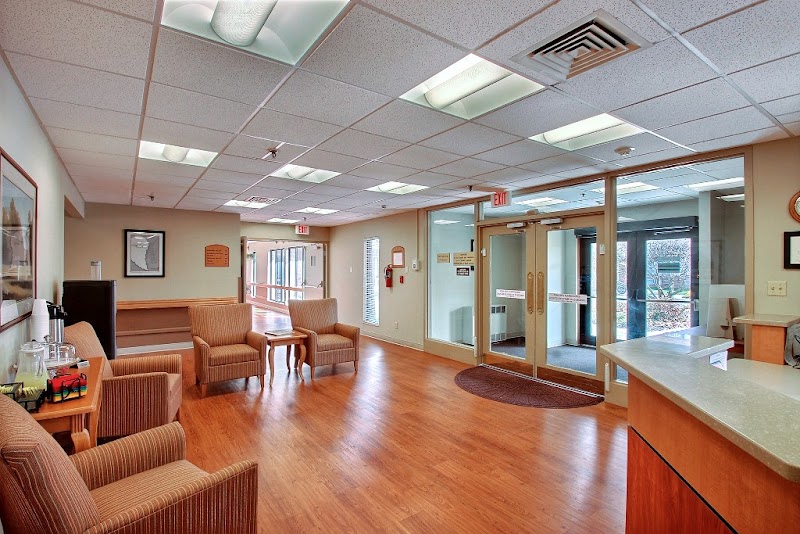
How is Greenfield Healthcare Center Staffed?

CMS rates GREENFIELD HEALTHCARE CENTER's staffing level at 2 out of 5 stars, which is below average compared to other nursing homes. Staff turnover is 48%, compared to the Indiana average of 46%. RN turnover specifically is 55%, which is notably high. RNs provide skilled clinical oversight, so turnover in this role can affect medical care quality.

What Have Inspectors Found at Greenfield Healthcare Center?

State health inspectors documented 35 deficiencies at GREENFIELD HEALTHCARE CENTER during 2022 to 2024. These included: 3 that caused actual resident harm and 32 with potential for harm. Deficiencies causing actual harm indicate documented cases where residents experienced negative health consequences.
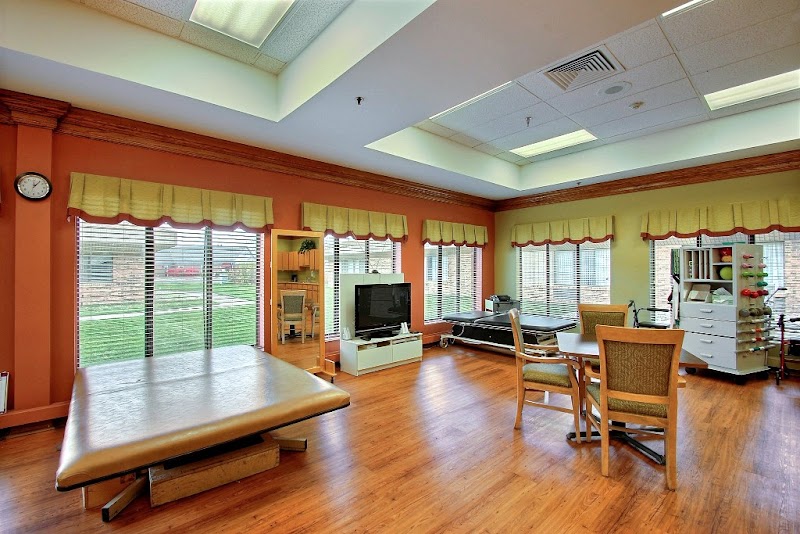
Who Owns and Operates Greenfield Healthcare Center?

GREENFIELD HEALTHCARE CENTER is owned by a for-profit company. For-profit facilities operate as businesses with obligations to shareholders or private owners. The facility is operated by COMMUNICARE HEALTH, a chain that manages multiple nursing homes. With 163 certified beds and approximately 107 residents (about 66% occupancy), it is a mid-sized facility located in GREENFIELD, Indiana.
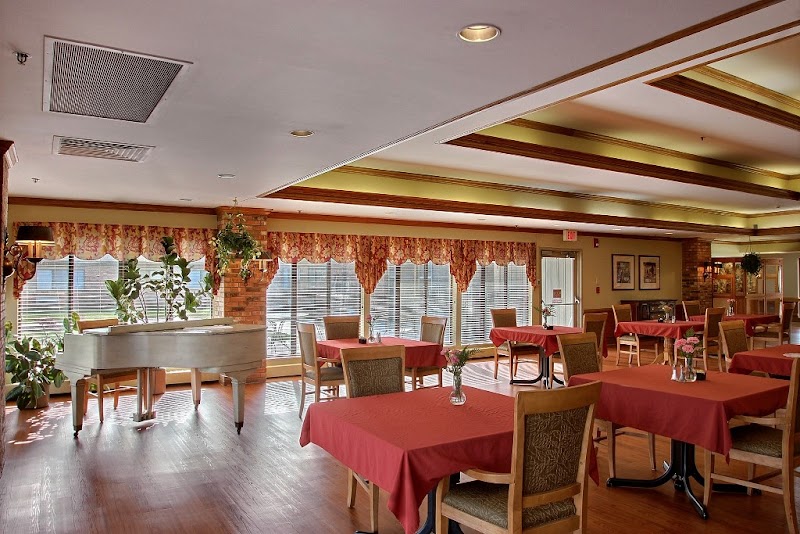
How Does Greenfield Healthcare Center Compare to Other Indiana Nursing Homes?

Compared to the 100 nursing homes in Indiana, GREENFIELD HEALTHCARE CENTER's overall rating (3 stars) is below the state average of 3.1, staff turnover (48%) is near the state average of 46%, and health inspection rating (3 stars) is at the national benchmark.

What Should Families Ask When Visiting Greenfield Healthcare Center?

Based on this facility's data, families visiting should ask: "Can you walk me through typical staffing levels on day, evening, and night shifts?" "Can I visit during a mealtime to observe dining assistance and food quality?" "How do you handle medical emergencies, and what is your hospital transfer rate?" "Can I speak with family members of current residents about their experience?" These questions are particularly relevant given the below-average staffing rating.

Is Greenfield Healthcare Center Safe?

Based on CMS inspection data, GREENFIELD HEALTHCARE CENTER has a clean safety record: no substantiated abuse findings (meaning no confirmed cases of resident harm), no Immediate Jeopardy citations (the most serious violation level indicating risk of serious injury or death), and is not on the Special Focus Facility watch list (a federal program monitoring the lowest-performing 1% of nursing homes). The facility has a 3-star overall rating and ranks #100 of 100 nursing homes in Indiana. While no facility is perfect, families should still ask about staff-to-resident ratios and recent inspection results during their visit.

Do Nurses at Greenfield Healthcare Center Stick Around?

GREENFIELD HEALTHCARE CENTER has a staff turnover rate of 48%, which is about average for Indiana nursing homes (state average: 46%). Moderate turnover is common in nursing homes, but families should still ask about staff tenure and how the facility maintains care continuity when employees leave.

Was Greenfield Healthcare Center Ever Fined?

GREENFIELD HEALTHCARE CENTER has no federal fines on record. CMS issues fines when nursing homes fail to meet care standards or don't correct problems found during inspections. The absence of fines suggests the facility has either maintained compliance or corrected any issues before penalties were assessed. This is a positive indicator, though families should still review recent inspection reports for the full picture.

Is Greenfield Healthcare Center on Any Federal Watch List?

GREENFIELD HEALTHCARE CENTER is not on any federal watch list. The most significant is the Special Focus Facility (SFF) program, which identifies the bottom 1% of nursing homes nationally based on persistent, serious quality problems. Not being on this list means the facility has avoided the pattern of deficiencies that triggers enhanced federal oversight. This is a positive indicator, though families should still review the facility's inspection history directly.